search
Bwindi Impenetrable National Park vs Mgahinga: Where to Trek Gorillas

Bwindi Impenetrable National Park vs Mgahinga: Where to Trek Gorillas

By Travel stories and blogs, Primate holidays, Uganda travel guides

Bwindi Impenetrable National Park vs Mgahinga: Where to Trek Gorillas

The Allure of Uganda’s Gorilla Highlands

Uganda, often celebrated as the “Pearl of Africa,” is home to some of the most iconic wildlife experiences on the planet. Among these, gorilla trekking stands as the crown jewel, drawing adventurers and wildlife enthusiasts from across the globe. The dense, mist-laden forests of southwestern Uganda harbor the elusive mountain gorilla, a species that has captivated the imagination of scientists and travelers alike. Two of the nation’s most prominent trekking destinations are Bwindi Impenetrable National Park and Mgahinga Gorilla National Park, each offering a unique encounter with these gentle giants. Choosing between the two is a decision that is shaped not only by logistics but also by the desired trekking experience, wildlife diversity, and natural beauty.

Bwindi Impenetrable National Park: A Living Relic of Nature

Overview and Location

Bwindi Impenetrable National Park, a UNESCO World Heritage Site, stretches over 321 square kilometers of rugged, undulating terrain. Nestled within the southwestern corner of Uganda, the park lies adjacent to the Democratic Republic of Congo’s forests, forming a critical corridor for biodiversity. Its name, “Impenetrable,” is derived from the thick, tangled vegetation that dominates the landscape, creating a forest that appears almost untouchable to the untrained eye. This dense canopy provides sanctuary to over 400 species of plants, 120 mammal species, and a rich avifauna that appeals to bird watchers and ecologists alike.

Gorilla Trekking Experience in Bwindi

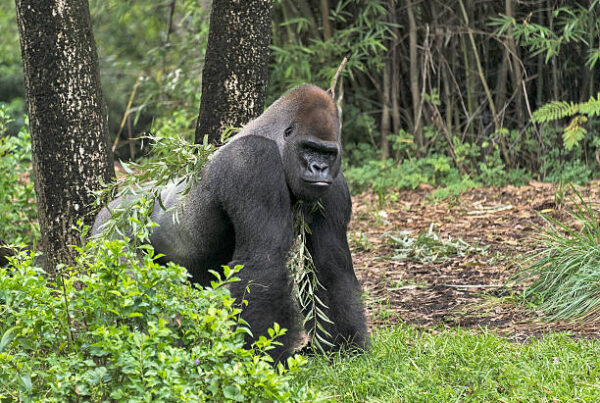
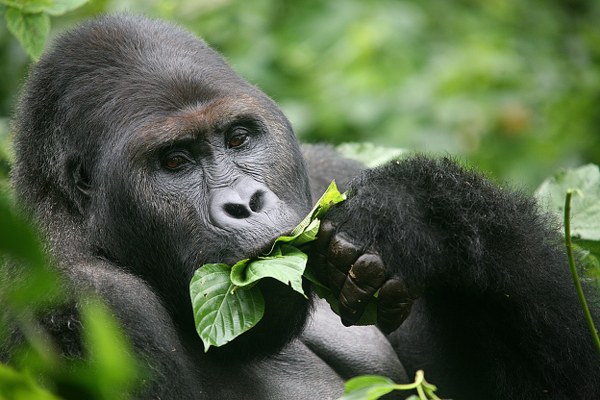
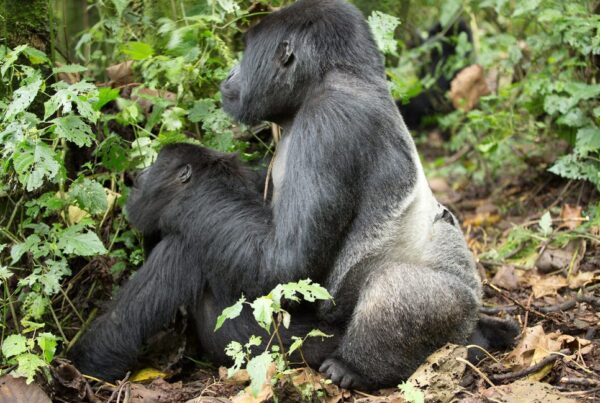
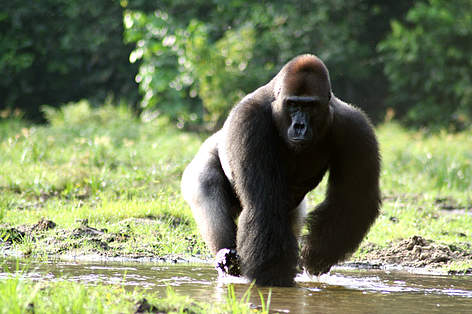
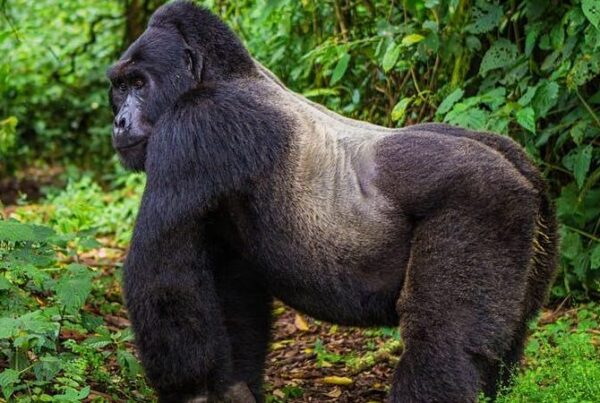
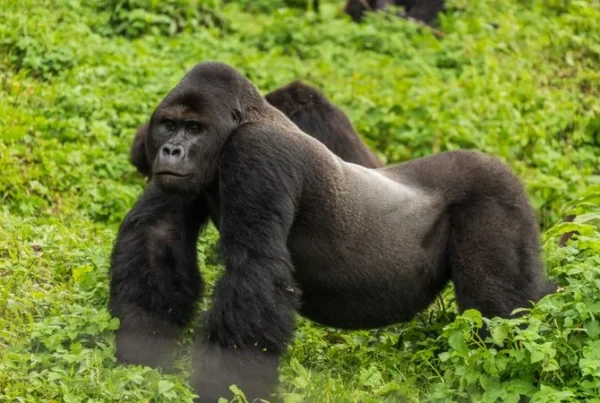
The mountain gorilla population in Bwindi is among the largest in the world, accounting for nearly half of the remaining wild gorillas globally. The trekking experience here is distinguished by both its intensity and reward. Treks commence in the early hours of the morning, with guides leading visitors through thick undergrowth, steep valleys, and winding paths. The trails, often muddy and slippery due to frequent rainfall, test the endurance and resolve of trekkers. Despite the challenges, the payoff is profound. Encountering a gorilla family in its natural habitat, observing the intricate social interactions, and witnessing the gentle giants up close instills a sense of awe that lingers long after the trek concludes.

Bwindi is home to multiple habituated gorilla families, each with its own distinct personality traits and social structures. The guides, well-versed in gorilla behavior, ensure that interactions remain safe, respectful, and minimally invasive. Observations are strictly limited to one hour per group, fostering an environment where both the gorillas and the trekkers can engage without undue stress.

Biodiversity Beyond Gorillas

While gorillas dominate the allure, Bwindi’s biodiversity extends far beyond them. The forest is a haven for numerous primate species, including chimpanzees, black-and-white colobus monkeys, and red-tailed monkeys. Its streams and waterfalls host unique amphibians and freshwater fish, while its understory shelters rare orchids and medicinal plants long used by local communities. Birdwatchers can expect to encounter species such as the African green broadbill, great blue turaco, and the elusive grey parrot, making Bwindi an all-encompassing nature experience rather than a single-species destination.

Trekking Logistics and Accessibility

Trekking in Bwindi requires careful preparation. The park is divided into four main sectors: Nkuringo, Buhoma, Ruhija, and Rushaga, each offering varying degrees of difficulty and proximity to gorilla families. Buhoma, the most visited sector, provides relatively moderate trails, suitable for those seeking a more leisurely experience. Nkuringo and Ruhija, in contrast, demand greater stamina due to steep inclines and remote access routes. All treks are guided, with permits required months in advance due to high demand. Accommodations near Bwindi range from luxury lodges with panoramic forest views to community-run guesthouses, providing a spectrum of options for different traveler preferences.Bwindi Impenetrable National Park vs Mgahinga: Where to Trek Gorillas

Mgahinga Gorilla National Park: The Hidden Gem

Overview and Location

In contrast to Bwindi, Mgahinga Gorilla National Park is considerably smaller, spanning only 33.7 square kilometers at the foot of the Virunga Volcanoes. It lies on the border triangle between Uganda, Rwanda, and the Democratic Republic of Congo, creating a unique ecosystem where montane forests, bamboo thickets, and volcanic slopes converge. This park is less frequented than Bwindi, making it a haven for travelers seeking intimacy with nature and a quieter trekking experience.

Gorilla Trekking Experience in Mgahinga

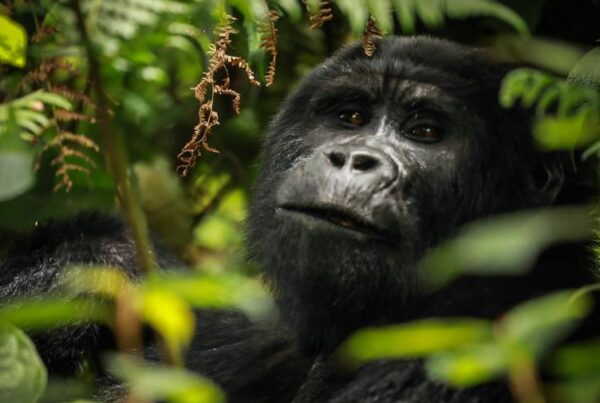
The gorilla population in Mgahinga is smaller, with only one habituated gorilla family available for trekking. Despite this limitation, the experience is equally profound. Trekkers navigate dense bamboo forests and volcanic slopes, often encountering varied terrain and breathtaking panoramas. The trek tends to be less crowded than in Bwindi, providing a sense of exclusivity and a more personal connection with the gorillas. Observing the gorillas’ interactions amidst the backdrop of volcanic peaks offers a unique perspective that is distinct from Bwindi’s dense rainforest setting.

The habituated family in Mgahinga provides insights into gorilla behavior that are slightly different from those in Bwindi due to the park’s unique environment and smaller population size. The guides, trained in both ecological knowledge and cultural history, ensure that the interaction remains educational, safe, and respectful. As with Bwindi, visits are limited to one hour per family to minimize stress on the animals.

Diverse Landscapes and Additional Activities

Mgahinga’s compact size belies its ecological richness. Beyond gorilla trekking, the park is renowned for the Golden Monkey tracking experience, offering trekkers the chance to observe these playful primates in bamboo forests. The Virunga volcanic slopes allow for mountain hiking, where the ascent of Mount Sabinyo or Mount Gahinga provides sweeping views of the tri-national landscape. Hot springs, crater lakes, and cultural encounters with local Batwa communities further enrich the visitor experience, providing a blend of adventure, natural beauty, and anthropological insight.

Trekking Logistics and Accessibility

Accessibility to Mgahinga is generally easier than Bwindi due to its proximity to Kisoro town and less demanding entry processes. The park is less congested, resulting in more flexible scheduling for gorilla permits. Accommodation options, though fewer than Bwindi, include eco-lodges and community guesthouses that emphasize sustainable tourism. The park’s smaller scale means that trekking requires fewer hours in transit, allowing more time to immerse in the natural surroundings or engage in additional activities.

Comparative Analysis: Bwindi vs Mgahinga

Gorilla Population and Viewing Opportunities

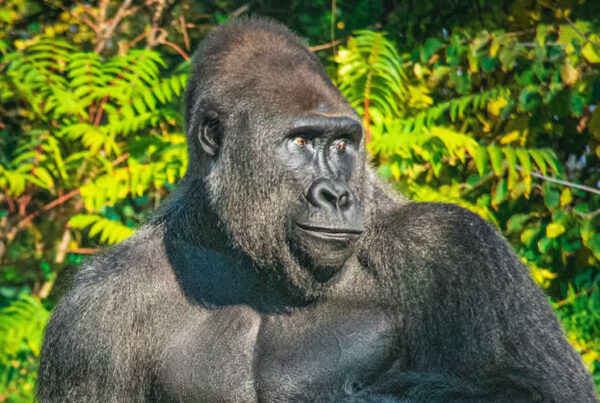
The most apparent distinction between Bwindi and Mgahinga lies in the gorilla population. Bwindi boasts multiple habituated families, increasing the likelihood of sightings and offering varied experiences for repeat visitors. Mgahinga, while smaller in gorilla numbers, provides a unique sense of exclusivity and often a more intimate encounter due to lower visitor numbers. For wildlife enthusiasts prioritizing a higher probability of multiple sightings, Bwindi is often preferred. Those seeking a quieter, more secluded experience may find Mgahinga more appealing.

Terrain and Trekking Difficulty

Trekking difficulty is another critical factor. Bwindi’s terrain is characterized by dense, wet rainforest with steep inclines and uneven paths. The forest’s impenetrable nature can make navigation challenging, demanding both physical stamina and mental perseverance. Mgahinga, while still rugged, presents a combination of bamboo forest and volcanic slopes, which can be steep but are generally more open, offering panoramic views along the way. Those with moderate fitness levels may find Mgahinga less physically taxing, while seasoned trekkers may relish Bwindi’s challenging terrain.

Scenic Beauty and Photographic Opportunities

Both parks offer stunning visual landscapes, but in markedly different ways. Bwindi’s dense rainforest, interspersed with misty valleys, waterfalls, and diverse plant life, provides a mystical atmosphere that is ideal for close-up wildlife photography. Mgahinga’s volcanic scenery, with crater lakes and distant peaks, offers sweeping vistas and opportunities for landscape photography that Bwindi cannot match. For travelers seeking to capture the raw, expansive beauty of Uganda’s highlands, Mgahinga presents unique photographic potential.

Wildlife Diversity Beyond Gorillas

While gorillas remain the central attraction, Bwindi’s larger area supports greater biodiversity, from numerous primate species to a rich avifauna, making it a comprehensive wildlife destination. Mgahinga, though smaller, offers the distinctive experience of tracking Golden Monkeys and witnessing the interactions of wildlife in a volcanic ecosystem. The choice between the two thus depends on whether the visitor prioritizes biodiversity and forest immersion (Bwindi) or volcanic landscapes and fewer crowds (Mgahinga).

Cultural and Community Experiences

Cultural engagement is increasingly recognized as an integral part of ecotourism. In Bwindi, interactions with the Batwa pygmy communities provide insights into traditional forest lifestyles, indigenous knowledge, and the challenges of modern conservation. Mgahinga offers similar encounters, but with a more intimate focus due to the smaller scale of tourism. Both parks emphasize responsible tourism, where community benefits are intertwined with conservation efforts, ensuring that visits contribute to both ecological and social sustainability.

Accessibility and Accommodation Options

Accessibility plays a decisive role in planning a gorilla trek. Bwindi’s multiple sectors and varying trail difficulties require careful logistical planning and often involve longer travel times from major towns such as Kabale or Kisoro. Mgahinga’s compact nature allows for shorter travel times and simpler logistics. Accommodation in Bwindi ranges from luxury lodges to budget-friendly guesthouses, while Mgahinga, though more limited, focuses on eco-lodges and community-centered stays. For visitors seeking comfort and a wide range of amenities, Bwindi may hold an advantage, whereas Mgahinga appeals to those prioritizing authenticity and immersion.

Choosing Between Bwindi and Mgahinga

The decision to trek in Bwindi or Mgahinga hinges on several personal preferences. Bwindi is ideal for those seeking abundant wildlife, multiple gorilla encounters, and immersive forest trekking. Mgahinga caters to travelers desiring a quieter, more exclusive experience, coupled with volcanic landscapes and unique primate sightings. Both destinations offer unforgettable encounters with mountain gorillas, yet each provides a distinct interpretation of Uganda’s natural and cultural heritage.

Ultimately, the choice is not merely about which park is better but about the type of adventure and connection with nature that the traveler desires. Bwindi offers a sense of being enveloped by a primeval rainforest teeming with life, while Mgahinga presents an intimate communion with gorillas amidst sweeping volcanic vistas.

An Invitation to Uganda’s Gorilla Wilderness

The mountain gorilla trekking experiences in Bwindi Impenetrable National Park and Mgahinga Gorilla National Park remain among the most compelling wildlife adventures in the world. Each park offers a distinctive combination of natural beauty, wildlife diversity, and cultural richness. Bwindi captivates with its dense, mystical forests and abundant gorilla families, while Mgahinga enchants with serene landscapes, volcanic peaks, and an intimate wildlife encounter. The allure of both destinations lies not only in the gorillas themselves but also in the broader ecological and cultural tapestry that frames each trek.

For travelers seeking to witness the majesty of mountain gorillas, understanding the nuances of each park ensures a more meaningful and fulfilling experience. Whether trekking through Bwindi’s impenetrable forest or ascending Mgahinga’s volcanic slopes, the encounter with these gentle giants is transformative, leaving an indelible mark on all who venture into their world.

To ensure a seamless, well-organized, and unforgettable journey, gorilla treks and safari adventures in Uganda can be booked through WildHorn Africa, a trusted provider specializing in immersive wildlife experiences. By choosing WildHorn Africa, travelers are guaranteed expert guidance, responsible tourism practices, and memories that will last a lifetime.

Cultural Encounters with the Batwa People near Bwindi

Cultural Encounters with the Batwa People near Bwindi

By Travel stories and blogs, Primate holidays, Uganda travel guides

Cultural Encounters with the Batwa People near Bwindi

Experiencing the Living Heritage of Uganda

In the verdant hills surrounding Bwindi Impenetrable National Park, one of Uganda’s most extraordinary cultural landscapes unfolds. Here, the Batwa people, often referred to as the forest dwellers or pygmies, have lived in intimate connection with the tropical rainforest for centuries. Their survival, customs, and traditions are deeply intertwined with the forest ecosystem that forms the backdrop of some of Africa’s most iconic wildlife experiences. For travelers seeking a journey that transcends typical safari encounters, cultural immersion with the Batwa offers insights into a way of life that has endured, adapted, and yet remains remarkably resilient in the face of modern pressures. The opportunity to witness the Batwa’s music, storytelling, medicinal practices, and intimate relationship with nature allows visitors to gain a profound appreciation of the forest beyond its gorilla inhabitants.

The Batwa People: History and Heritage

Origins and Traditional Lifestyle

The Batwa people are among the oldest indigenous communities in East Africa. Historically, they have inhabited the dense forests of southwestern Uganda, surviving as hunter-gatherers with a profound understanding of the forest’s resources. Their lifestyle was traditionally dictated by seasonal changes, availability of edible plants, and the movements of forest animals. The forest was not merely a habitat but a source of identity, spirituality, and sustenance. Knowledge of medicinal plants, tracking skills, and foraging techniques was passed down through generations, forming a rich cultural repository that reflected their adaptation to one of the most challenging environments on the continent.

Impact of Conservation and Displacement

The creation of national parks, particularly Bwindi Impenetrable National Park, led to the displacement of the Batwa from their ancestral forest lands. While conservation efforts have preserved critical habitats for mountain gorillas and other species, they have also disrupted traditional Batwa livelihoods, compelling the community to adapt to sedentary village life and new forms of economic activity. Despite these challenges, cultural practices, oral traditions, and knowledge of forest ecology have been preserved. Engagements with the Batwa today often focus on responsible cultural tourism, where visitors can experience traditional life while contributing to community sustainability.

The Significance of Cultural Tourism with the Batwa

Preserving Heritage Through Engagement

Cultural tourism with the Batwa is not merely a form of entertainment but a mechanism for heritage preservation. Through guided visits, storytelling sessions, music, and dance, the Batwa are able to share their history, values, and ecological knowledge. Visitors are offered a lens into a lifestyle that is closely attuned to nature, demonstrating principles of resourcefulness, environmental stewardship, and community cohesion. These interactions also provide economic incentives for the Batwa, enabling them to sustain cultural practices while participating in modern economic systems.

Ethical Considerations in Cultural Tourism

Engagement with the Batwa must be approached with sensitivity and respect. Photographs, participation in rituals, and interactions should be conducted with consent and understanding. Ethical tourism ensures that cultural representation is authentic and that the benefits of tourism are equitably distributed. Guides and community organizations mediate these interactions, ensuring that cultural experiences remain enriching, educational, and non-exploitative.

Experiencing Batwa Music and Dance

The Role of Music in Daily Life

Music and dance constitute the heartbeat of Batwa culture. Drumming, chanting, and melodic singing are not only forms of entertainment but also vital expressions of social cohesion, spiritual beliefs, and historical memory. Traditional instruments, often crafted from forest materials, accompany dances that narrate stories of hunting, forest life, and community events. For visitors, witnessing or participating in these performances provides an immersive understanding of Batwa identity, connecting rhythm and movement to broader cultural narratives.

Learning Through Observation and Participation

Guided sessions with the Batwa often allow visitors to observe the intricate patterns of dance, understand the symbolism embedded in movements, and appreciate the intergenerational transmission of musical knowledge. Participation, when respectfully offered, fosters empathy and connection, transforming cultural observation into active engagement. Such encounters also reveal the adaptability of Batwa music, which has incorporated influences from neighboring communities while retaining distinct forest-rooted characteristics.

Traditional Knowledge and Forest Ecology

Medicinal Plants and Survival Skills

A profound element of the Batwa’s cultural heritage lies in their understanding of forest ecology. Generations of interaction with Bwindi’s dense rainforest have endowed the community with knowledge of medicinal plants, edible roots, and techniques for identifying forest resources. Visitors are often shown how plants are used to treat ailments, prepare food, and craft tools. This ecological wisdom not only illustrates the Batwa’s ingenuity but also provides a living example of sustainable forest use that contrasts with modern extractive practices.

Hunting and Foraging Practices

While traditional hunting has diminished due to conservation restrictions, the Batwa’s knowledge of animal behavior, tracking, and foraging remains an integral part of cultural heritage. Demonstrations of tracking techniques, identification of animal signs, and insights into seasonal resource management are offered during cultural visits. These interactions highlight the community’s intricate relationship with the environment, emphasizing principles of sustainability, observation, and respect for all living beings within the forest.Cultural Encounters with the Batwa People near Bwindi

Art, Craft, and Cultural Expression

Handicrafts as Cultural Narratives

The Batwa engage in craftsmanship that reflects both utilitarian and artistic sensibilities. Baskets, beaded jewelry, and wooden carvings are created using traditional methods and natural materials. These artifacts convey stories of forest life, social structures, and spiritual beliefs. Visitors are often given the opportunity to observe artisans at work, learning about the processes and symbolism embedded in each creation. Purchases of handicrafts contribute to economic sustainability while supporting the preservation of skills that have been passed down for generations.

Integration of Art in Modern Cultural Tourism

Artistic expression serves as a bridge between tradition and contemporary tourism. Exhibitions, workshops, and community events provide visitors with interactive experiences that go beyond passive observation. Ethical engagement ensures that artisans retain control over the presentation and commercialization of their work, allowing cultural integrity to be maintained while generating income for the community.

Community Life and Daily Activities

Understanding Batwa Social Structures

Daily life among the Batwa is structured around community cohesion, interdependence, and shared responsibilities. Household organization, child-rearing practices, and community decision-making reflect deeply ingrained values of cooperation and reciprocity. Visitors gain insight into these structures through guided interactions, home visits, and participatory experiences. Observing domestic life, food preparation, and communal rituals provides a holistic understanding of Batwa society, extending beyond ceremonial displays to the realities of contemporary living.

Education and Adaptation

Modern challenges, including displacement and integration into village life, have necessitated adaptation among the Batwa. Education initiatives, vocational training, and cultural preservation programs have been developed in collaboration with NGOs and government agencies. Visitors can learn about these efforts, observing the ways in which traditional knowledge is being preserved while addressing socioeconomic needs. Such engagements highlight the dynamic nature of Batwa culture and the community’s resilience in navigating modernity without losing its distinctive identity.

Responsible Engagement and Cultural Sensitivity

Guided Visits and Ethical Practices

Cultural encounters with the Batwa are facilitated by trained guides who ensure that interactions are respectful, safe, and educational. Visitors are instructed on appropriate behaviors, including seeking consent before photography, participating in activities respectfully, and honoring community norms. These practices ensure that cultural engagement is mutually beneficial and that tourism does not disrupt the integrity of Batwa traditions.

Supporting Community Sustainability

Participation in Batwa cultural experiences contributes directly to community development. Entrance fees, donations, and purchases of handicrafts are often reinvested into education, healthcare, and cultural preservation initiatives. Ethical tourism not only provides meaningful experiences for visitors but also empowers the Batwa to maintain their cultural heritage and improve living standards. Through responsible engagement, tourism becomes a tool for cultural resilience and ecological stewardship.

Integrating Batwa Encounters into Bwindi Safaris

Combining Wildlife and Cultural Experiences

For travelers visiting Bwindi Impenetrable National Park, encounters with the Batwa can be seamlessly integrated into a broader safari itinerary. Early morning gorilla trekking can be complemented by afternoon cultural visits, allowing for a multidimensional experience of the forest and its human heritage. Photographers and wildlife enthusiasts alike gain a more complete understanding of the forest ecosystem when its human custodians are included in the journey. The juxtaposition of gorilla observation with Batwa cultural engagement provides depth, context, and narrative richness to the safari experience.

Practical Considerations for Visitors

Logistical planning is essential for maximizing both wildlife and cultural experiences. Transportation to Batwa villages, coordination with guides, and scheduling within the framework of park regulations are necessary considerations. Accommodation near Bwindi ranges from lodges to community-run guesthouses, providing options that support both comfort and ethical engagement. Visitors are encouraged to plan visits thoughtfully, ensuring that encounters are respectful, meaningful, and sustainable.

The Transformative Impact of Cultural Encounters

Personal Enrichment and Perspective

Encounters with the Batwa often leave a lasting impression on visitors, fostering empathy, cross-cultural understanding, and an appreciation for human resilience. Observing traditional practices, hearing oral histories, and participating in communal activities allow travelers to connect with a way of life that is deeply intertwined with nature. The insights gained extend beyond cultural knowledge, influencing perceptions of conservation, sustainability, and the value of indigenous wisdom.

Conservation and Cultural Preservation

The survival of Batwa culture is closely linked to the preservation of Bwindi’s forest ecosystem. Cultural tourism reinforces the importance of sustainable forest management, ethical wildlife observation, and community participation in conservation initiatives. By engaging with the Batwa, visitors contribute to both ecological and cultural preservation, supporting a holistic model of responsible tourism that benefits both people and wildlife.

Embracing the Richness of Batwa Heritage

Cultural encounters with the Batwa people near Bwindi provide a profound dimension to the experience of Uganda’s forests. Through music, dance, craftsmanship, forest knowledge, and daily life, the Batwa offer insights into a human culture that has been shaped by centuries of intimate connection with nature. Visitors gain not only memorable experiences but also a deeper understanding of the ecological and cultural richness of the region. Ethical engagement ensures that these encounters are mutually beneficial, supporting community sustainability and preserving heritage for future generations.

For travelers seeking to combine wildlife adventures with meaningful cultural experiences, tours and safaris in Uganda can be booked through WildHorn Africa. With expertise in both conservation-focused wildlife safaris and responsible cultural tourism, WildHorn Africa ensures that every encounter, from gorilla trekking to Batwa village visits, is conducted with professionalism, sensitivity, and unforgettable impact. By choosing WildHorn Africa, visitors are guaranteed immersive, educational, and transformative experiences that celebrate both the natural and human heritage of Uganda.

Bwindi Impenetrable Forest: UNESCO World Heritage Site Explained

Bwindi Impenetrable Forest: UNESCO World Heritage Site Explained

By Travel stories and blogs, Primate holidays, Uganda travel guides

Bwindi Impenetrable Forest: UNESCO World Heritage Site Explained

The Mystique of Bwindi Impenetrable Forest

Deep in the southwestern corner of Uganda lies a forest that has been described as one of the most enigmatic and biodiverse landscapes on the African continent. Known as Bwindi Impenetrable Forest, this remarkable ecosystem has been recognized as a UNESCO World Heritage Site, reflecting its global ecological and cultural significance. Bwindi is celebrated not only for its dense, ancient rainforest but also for being home to the endangered mountain gorilla, a species that has captured the imagination of scientists, conservationists, and travelers alike. The forest’s impenetrable vegetation, rolling hills, and mist-shrouded valleys create an atmosphere of mystery and adventure, drawing visitors into a world where nature reigns supreme and human presence is carefully managed. Understanding Bwindi in its full ecological, historical, and cultural context allows travelers and scholars to appreciate the exceptional values that earned it UNESCO recognition and to experience the forest as a living, breathing heritage site.

Geographical Location and Topography

Position within Uganda

Bwindi Impenetrable Forest is located in southwestern Uganda, extending across parts of Kisoro, Kanungu, Rubanda, and Kabale districts. Its location places it in close proximity to the Virunga Volcanoes and the borders of the Democratic Republic of Congo and Rwanda. This positioning situates Bwindi within a larger network of high-altitude forests and volcanic ecosystems that are recognized for their unique biodiversity. The forest lies at elevations ranging from approximately 1,160 meters to 2,607 meters above sea level, creating varied microclimates that support an extraordinary range of plant and animal life.

Terrain and Forest Structure

The forest is characterized by steep hills, deep valleys, and a dense canopy that has earned it the designation “Impenetrable.” Thick vines, moss-covered trees, and undergrowth form a complex, multi-layered structure that provides habitat for countless species. Numerous streams and rivers carve their way through the forest, supporting aquatic life and creating lush riparian corridors. The forest’s rugged terrain presents challenges for accessibility, yet it also serves to protect its ecological integrity, allowing flora and fauna to thrive with minimal human disturbance.

Biodiversity and Ecological Significance

Flora and Vegetation Types

Bwindi is considered a biodiversity hotspot, supporting over 400 species of plants, many of which are endemic or rare. The forest includes montane and lowland rainforest, bamboo thickets, swamps, and secondary growth areas. Giant fig trees, towering mahogany, and strangler figs form the canopy, while the understory is enriched with ferns, orchids, and medicinal plants. This diversity not only supports wildlife but also provides the Batwa and local communities with resources for traditional medicines, food, and cultural practices. Ecologists have noted that the forest’s plant richness contributes to carbon sequestration, soil stabilization, and climate regulation, underscoring its global ecological value.

Fauna and Endangered Species

The most famous inhabitants of Bwindi are the mountain gorillas, with the forest supporting nearly half of the world’s remaining population. These primates are highly social, intelligent, and sensitive to environmental changes, making their protection critical. Beyond gorillas, Bwindi is home to more than 120 mammal species, including chimpanzees, elephants, buffalo, leopards, and numerous monkey species such as red-tailed monkeys and black-and-white colobus monkeys. Its avifauna is equally impressive, with over 350 bird species documented, including the African green broadbill, great blue turaco, and the rare grey parrot. Reptiles, amphibians, and invertebrates thrive in the forest’s humid microclimates, creating a complex and interconnected ecosystem that has earned global recognition.

Historical and Cultural Context

Early Human Inhabitants

The forest has been inhabited for centuries by the Batwa people, an indigenous pygmy community whose traditional lifestyle was closely tied to the forest. The Batwa relied on hunting, gathering, and forest knowledge to sustain their communities. Their intimate understanding of the environment allowed them to utilize medicinal plants, track animals, and harvest food sustainably. Archaeological and anthropological studies have revealed that the Batwa possess a rich cultural heritage, including oral histories, music, dance, and rituals, all of which are informed by their relationship with Bwindi.

Impact of Conservation Policies

The designation of Bwindi as a national park and later a UNESCO World Heritage Site led to the displacement of the Batwa from their ancestral lands. While conservation efforts successfully protected endangered species and preserved critical habitats, they also created social challenges by removing traditional access to the forest. Today, programs aimed at integrating the Batwa into cultural tourism and community projects help to restore economic opportunities while preserving cultural heritage. These initiatives underscore the dual role of Bwindi as both a natural and cultural heritage site, highlighting the need for balanced approaches to conservation and human well-being.

UNESCO World Heritage Designation

Criteria for Recognition

Bwindi Impenetrable Forest was inscribed as a UNESCO World Heritage Site in 1994 due to its outstanding universal value. Recognition was based on both ecological and biological criteria, emphasizing the forest’s exceptional biodiversity, presence of endangered species, and role in maintaining ecological processes. The site is celebrated for its irreplaceable contribution to global conservation and for providing a living laboratory for scientific research. UNESCO’s designation has strengthened international support, funding, and awareness, facilitating long-term preservation of Bwindi’s unique ecological and cultural resources.

Implications of the Designation

World Heritage status has brought heightened attention to Bwindi, resulting in increased tourism, research, and conservation initiatives. It has also introduced stricter regulatory frameworks to protect the forest from illegal logging, poaching, and encroachment. While the designation has promoted global recognition, it has also required careful management to balance tourism, community needs, and environmental integrity. The presence of international NGOs, research institutions, and government agencies ensures that conservation strategies are adaptive, science-based, and culturally sensitive.Bwindi Impenetrable Forest: UNESCO World Heritage Site Explained

Gorilla Conservation and Ecotourism

Mountain Gorilla Protection Programs

The conservation of mountain gorillas in Bwindi has been a flagship success story, involving decades of collaborative efforts by the Uganda Wildlife Authority, international conservation organizations, and local communities. Gorilla families are habituated to human presence under controlled conditions, enabling both scientific research and tourism. Strict guidelines are enforced regarding observation time, group size, and behavior to ensure minimal disturbance. The gorilla protection programs have not only stabilized populations but also raised global awareness about the importance of preserving this critically endangered species.

Ecotourism as a Conservation Tool

Tourism in Bwindi is largely ecotourism-focused, emphasizing responsible, low-impact experiences. Gorilla trekking, guided forest walks, and birdwatching generate revenue that supports conservation, park management, and local communities. Sustainable tourism practices ensure that ecological footprints are minimized while maximizing educational and cultural value. Visitors are encouraged to respect wildlife, adhere to park rules, and contribute to community development projects. This integration of tourism and conservation demonstrates a model where natural heritage preservation and economic development are mutually reinforcing.

Trekking and Visitor Experience

Trekking Routes and Park Sectors

Bwindi is divided into four main trekking sectors: Buhoma, Ruhija, Rushaga, and Nkuringo, each offering distinct experiences in terms of terrain, difficulty, and wildlife encounters. Trails wind through dense rainforest, across streams, and over steep inclines, providing opportunities to observe diverse flora, birdlife, and forest mammals. Trekkers are guided by trained rangers who provide ecological interpretation, safety, and logistical support. The trekking experience, while physically demanding, is enriched by the forest’s atmospheric beauty, misty valleys, and the anticipation of encountering gorillas in their natural habitat.

Best Practices for Visitors

Visitors to Bwindi are advised to prepare adequately for challenging terrain and variable weather. Lightweight, breathable clothing, sturdy footwear, and rain protection are recommended. Photography equipment must be managed carefully due to humidity and forest density. Trekkers are instructed to maintain quiet, avoid sudden movements, and observe gorilla guidelines. These practices ensure both personal safety and the continued well-being of wildlife. By following park rules and respecting ecological boundaries, visitors contribute to the long-term sustainability of Bwindi’s natural and cultural assets.

Scientific Research and Ecological Monitoring

Long-Term Studies and Biodiversity Surveys

Bwindi has been the focus of extensive scientific research, particularly concerning gorilla behavior, forest ecology, and biodiversity monitoring. Long-term studies have documented gorilla family dynamics, social structures, and habitat use, providing critical data for conservation planning. Additionally, surveys of plants, birds, insects, and other mammals contribute to understanding ecosystem processes, species interactions, and the impacts of climate change. These research initiatives not only advance scientific knowledge but also inform adaptive management strategies for park conservation.

Community Participation in Research

Local communities, including the Batwa, participate in ecological monitoring and conservation programs. Their traditional knowledge complements scientific data, providing insights into plant uses, animal behavior, and seasonal environmental changes. Community involvement fosters local stewardship and ensures that conservation benefits are shared equitably. Collaborative research approaches enhance both scientific and cultural understanding of Bwindi, reinforcing its value as a living heritage site.

Challenges and Conservation Threats

Human-Wildlife Conflict

Bwindi’s proximity to human settlements occasionally results in human-wildlife conflicts, including crop raiding by gorillas and other wildlife. Mitigation measures, such as community education, buffer zones, and compensation schemes, have been implemented to reduce negative interactions. Effective conflict management is critical to maintaining community support for conservation and ensuring that wildlife populations can thrive without causing hardship to local residents.

Environmental Pressures

Deforestation, climate change, and illegal resource extraction present ongoing challenges to Bwindi’s ecological integrity. Monitoring and enforcement by park authorities, supported by international conservation organizations, aim to prevent habitat degradation. Sustainable tourism and community-based initiatives provide alternative livelihoods, reducing pressure on forest resources. The resilience of Bwindi’s ecosystem relies on adaptive management, continuous research, and strong partnerships between government, communities, and conservationists.

Appreciating Bwindi as a World Heritage Treasure

Bwindi Impenetrable Forest stands as a remarkable example of ecological richness, cultural heritage, and conservation success. Its dense rainforest, diverse wildlife, and historical significance make it one of the world’s most extraordinary natural sites. UNESCO World Heritage designation has highlighted the global importance of preserving Bwindi, balancing the needs of biodiversity, local communities, and responsible tourism. From the intimate observation of mountain gorillas to the appreciation of Batwa heritage, visitors to Bwindi are offered a profound and transformative experience. The forest’s ecological, cultural, and educational values underscore its status as a living heritage site, where conservation, research, and human engagement converge.

For travelers wishing to experience the wonders of Bwindi Impenetrable Forest, tours and safaris can be arranged through WildHorn Africa, a trusted provider specializing in responsible and immersive wildlife experiences. With expert guidance, logistical support, and a focus on sustainability, WildHorn Africa ensures that every journey into Bwindi is conducted ethically, safely, and memorably. By choosing WildHorn Africa, visitors are guaranteed an opportunity to witness the forest’s extraordinary biodiversity, engage with its cultural heritage, and create experiences that resonate long after leaving its verdant depths.

Kabaka's Palace Gorilla Trekking: 5-Day Itinerary for long-stay travelers

Kabaka’s Palace Gorilla Trekking: 5-Day Itinerary for long-stay travelers

By Travel stories and blogs, Uganda travel guides

Kabaka’s Palace Gorilla Trekking: 5-Day Itinerary for Long-Stay Travelers

A Journey into Royal Heritage and Pristine Wilderness

For travelers with time to explore Uganda’s cultural and natural treasures, a long-stay itinerary combining Kabaka’s Palace and gorilla trekking offers a transformative experience. Kabaka’s Palace, the traditional seat of the Buganda monarchy, stands as a testament to centuries of royal heritage, intricate architecture, and vibrant cultural practices. Meanwhile, gorilla trekking in the lush forests of southwestern Uganda provides a rare opportunity to observe one of the planet’s most endangered species in their natural habitat.

This carefully designed five-day itinerary caters to long-stay travelers seeking a balanced immersion in both cultural and ecological experiences, allowing for deep engagement, reflection, and sustainable exploration. By integrating royal history with wildlife adventure, travelers are afforded a nuanced understanding of Uganda’s diverse landscapes and societal traditions.

Day 1: Arrival and Introduction to Kabaka’s Palace

Upon arrival in Kampala, travelers are welcomed with hospitality reflective of Buganda traditions. The journey to Kabaka’s Palace offers a first encounter with Uganda’s vibrant urban and peri-urban landscapes, interspersed with glimpses of colonial-era architecture, bustling markets, and serene roadside vistas. The palace itself is characterized by grand structures, thatched roofs, and meticulously maintained grounds, each feature symbolizing historical and spiritual significance.

Upon arrival, a guided tour introduces visitors to the lineage of Buganda’s kings, ceremonial regalia, and architectural symbolism. Children and adults alike are engaged through storytelling and visual demonstrations, ensuring that the depth of history is accessible to all participants. The first day emphasizes acclimatization, cultural orientation, and understanding the rituals and heritage embedded within the palace complex.

Day 2: Cultural Immersion and Community Engagement

The second day is devoted to immersive cultural experiences surrounding Kabaka’s Palace. Travelers are introduced to the vibrant daily life of the Baganda community, exploring local markets, artisanal workshops, and traditional culinary practices. This day is structured to allow long-stay visitors to observe and participate actively in cooking sessions, craft demonstrations, and community rituals, deepening their understanding of Buganda’s societal framework.

Visitors can witness the preparation of traditional dishes such as matoke, groundnut sauce, and millet porridge, with opportunities to assist in safe and supervised cooking activities. Interaction with local musicians, dancers, and artisans enriches the cultural experience, emphasizing the interconnectedness of heritage, gastronomy, and social cohesion. The second day provides both leisure and learning, establishing a foundation for reflection before embarking on the more physically demanding gorilla trekking adventure.Kabaka's Palace Gorilla Trekking: 5-Day Itinerary for long-stay travelers

Day 3: Transfer to Gorilla Trekking Regions

Early on the third day, travelers commence the journey to southwestern Uganda, where Bwindi Impenetrable Forest and Mgahinga Gorilla National Park await. The transfer is often facilitated through comfortable vehicles equipped for long-distance travel, offering scenic views of rolling hills, terraced farmlands, and traditional homesteads. The route itself provides insight into rural life, agricultural practices, and local community structures along the way.

Upon arrival in the gorilla trekking region, travelers are introduced to their lodges or eco-luxury camps, designed to blend comfort with immersion in the natural environment. Evening sessions include orientation on gorilla behavior, trekking protocols, and safety measures. Guides provide educational briefings on primate ecology, conservation challenges, and research initiatives, ensuring that participants are well-prepared and aware of the ethical and ecological considerations involved in gorilla encounters.

Day 4: Gorilla Trekking and Forest Exploration

The fourth day constitutes the highlight of the itinerary: the gorilla trekking experience. Guided by experienced trackers, travelers navigate dense tropical forests, listening to the subtle sounds of the ecosystem while observing diverse flora and fauna. Tracking mountain gorillas is conducted with strict adherence to conservation guidelines, ensuring minimal disturbance to the primates and maximal safety for visitors.

Upon locating a gorilla family, travelers spend a designated period observing and photographing these majestic creatures, guided by naturalists who explain social behaviors, dietary patterns, and family dynamics. The experience is both humbling and educational, fostering a profound appreciation for wildlife conservation. Children, when accompanied by adults, are taught to remain quiet, patient, and respectful, ensuring that the encounter is both safe and impactful.

Beyond gorilla trekking, the day includes exploration of forest trails, birdwatching, and interaction with local flora. Knowledgeable guides provide commentary on endemic plant species, medicinal herbs, and ecological interdependencies, linking gorilla habitats to broader conservation efforts. The day concludes with relaxation at the lodge, reflecting on the rare privilege of observing one of the world’s most iconic endangered species in its natural setting.

Day 5: Cultural Reflection and Departure

The final day of the itinerary emphasizes reflection, cultural engagement, and preparation for departure. Travelers return toward Kampala or other departure points, stopping en route to visit community-based projects, small-scale farms, or local craft cooperatives. These interactions highlight sustainable tourism, economic empowerment, and the integration of cultural heritage with ecological stewardship.

Visitors can participate in concluding workshops, such as preparing traditional meals for local families or contributing to conservation education sessions for community youth. These experiences allow long-stay travelers to synthesize insights from both the cultural and ecological aspects of the trip, reinforcing the dual focus of the itinerary on heritage and conservation. The day concludes with transfer to accommodation or airport facilities, concluding a journey that has been both luxurious and profoundly meaningful.

Luxury Amenities and High-End Travel Considerations

Throughout the five-day itinerary, accommodations are selected to ensure maximum comfort, personalized service, and seamless integration with field activities. Lodges near gorilla trekking sites are designed with eco-friendly principles, offering spacious rooms, gourmet cuisine, and curated amenities such as guided nature walks and wellness services. Kabaka’s Palace experiences are complemented by high-end hospitality options that allow for private tours, exclusive cultural interactions, and comfortable transportation logistics.

Luxury travelers benefit from tailored arrangements including private guides, dedicated vehicles, and flexible scheduling to accommodate individual preferences and energy levels. The combination of personalized comfort with immersive cultural and ecological experiences ensures that long-stay visitors derive both satisfaction and meaning from each component of the itinerary.

Educational and Conservation Impact

A distinguishing feature of this itinerary is its focus on education and conservation impact. Gorilla trekking activities are structured to support local research initiatives, community conservation programs, and wildlife monitoring. Travelers are briefed on best practices, conservation policies, and the role of tourism in sustaining endangered species, providing a contextual understanding of ecological interdependence.

Similarly, cultural activities around Kabaka’s Palace emphasize heritage preservation, traditional knowledge, and community engagement, allowing travelers to witness how historical and contemporary practices coexist. The itinerary encourages reflective learning, ensuring that long-stay visitors gain a holistic perspective on Uganda’s natural and cultural wealth.

Photography, Documentation, and Immersive Storytelling

The itinerary is designed to maximize photography and documentation opportunities for travelers. The contrast between royal architecture, vibrant cultural ceremonies, and pristine forest landscapes provides rich material for visual storytelling. Photography sessions are conducted under the guidance of experts who ensure ethical practices, minimal wildlife disturbance, and cultural sensitivity.

Documentation of experiences, whether through journals, sketches, or digital media, enhances the reflective component of the itinerary. Travelers are encouraged to capture both the grandeur of Kabaka’s Palace and the intimacy of gorilla interactions, creating a comprehensive narrative that merges culture, heritage, and wildlife adventure.

Health and Safety Considerations

Long-stay travelers engaging in both palace visits and gorilla trekking are advised to follow precautionary health measures, including vaccinations, malaria prophylaxis, and adherence to hygiene standards. Safety protocols are implemented for trekking, forest exploration, and cultural activities, ensuring that travelers, guides, and local communities are protected.

Guided tours include briefings on behavior around wildlife, respect for sacred sites, and emergency procedures. Accommodations and transport arrangements prioritize traveler well-being, offering comfort, medical readiness, and professional oversight throughout the journey.

Sustainable and Ethical Travel Practices

This itinerary emphasizes responsible and ethical tourism. Gorilla trekking adheres to strict conservation guidelines, and interactions with local communities are conducted respectfully, ensuring that both heritage and ecosystems are preserved. Luxury travelers are encouraged to participate in sustainable practices, including supporting community initiatives, minimizing environmental impact, and respecting cultural norms.

By integrating ethical considerations into every aspect of the journey—from accommodations and transportation to field activities and cultural workshops—travelers contribute to long-term conservation and heritage preservation, enhancing the meaningfulness of their experience.

A Harmonious Blend of Culture, Nature, and Luxury

The five-day itinerary combining Kabaka’s Palace visits with gorilla trekking offers long-stay travelers an unparalleled immersion into Uganda’s cultural and ecological richness. From royal heritage to endangered wildlife, each day is designed to balance learning, adventure, reflection, and comfort. Travelers engage deeply with historical narratives, traditional practices, and conservation initiatives, creating a journey that is both luxurious and profoundly meaningful.

To ensure a seamless and enriching experience, bookings through WildHorn Africa are highly recommended. Their expertise in arranging high-end itineraries, coordinating cultural and ecological activities, and providing professional guidance ensures that travelers experience the finest blend of comfort, heritage, and wildlife adventure. With WildHorn Africa, a long-stay journey to Kabaka’s Palace and the gorilla habitats of southwestern Uganda transforms into a once-in-a-lifetime experience, where every moment is carefully curated for impact, engagement, and lasting memory.

Road Trip at Mgahinga Gorilla National Park: Local's Guide for foodies

Road Trip at Mgahinga Gorilla National Park: Local’s Guide for foodies

By Travel stories and blogs, Uganda travel guides

Road Trip at Mgahinga Gorilla National Park: Local’s Guide for Foodies

A Culinary and Wildlife Adventure in Uganda

For travelers with an appetite for both authentic culinary experiences and wildlife adventure, a road trip to Mgahinga Gorilla National Park in southwestern Uganda provides a unique blend of cultural immersion, gastronomic discovery, and ecological exploration. This lesser-known gem of the Virunga volcanic region offers pristine landscapes, dense forests, and an intimate encounter with mountain gorillas, all while providing a vibrant local food scene deeply rooted in community practices.

Unlike conventional tourist itineraries, this journey emphasizes local knowledge, regional flavors, and hands-on engagement. For food enthusiasts, the road trip presents opportunities to savor traditional Ugandan dishes, explore community farms, and participate in cooking demonstrations. For wildlife lovers, it is a chance to traverse volcanic slopes, observe endemic species, and understand conservation dynamics in one of Africa’s most significant ecological hotspots.

Understanding Mgahinga Gorilla National Park

Mgahinga Gorilla National Park is part of the Virunga Conservation Area, characterized by steep volcanic mountains, bamboo forests, and rare wildlife. It shares borders with Rwanda and the Democratic Republic of Congo, creating a transboundary ecosystem critical for the survival of endangered species. The park is home to the iconic mountain gorillas, golden monkeys, and a variety of bird and plant species, making it a biodiversity haven.

For food-focused travelers, the park’s surrounding communities offer a culinary landscape shaped by volcanic soils, traditional agriculture, and seasonal harvests. Cassava, sweet potatoes, millet, and indigenous herbs dominate local cuisine, often combined with river fish, legumes, and seasonal vegetables. Understanding the ecological context provides insight into the interconnectedness of food, culture, and conservation, transforming the road trip into both a sensory and educational experience.

Planning the Road Trip: Routes and Accessibility

The journey to Mgahinga Gorilla National Park typically begins in Kampala or Kabale, with well-maintained roads offering scenic views of Uganda’s southwestern highlands. Travelers are advised to use reliable vehicles suited for mountainous terrain, as the road trip encompasses winding routes, terraced farmlands, and river crossings. Along the way, small towns and roadside stalls offer opportunities to sample fresh produce, traditional snacks, and regional delicacies, providing pauses for both nourishment and cultural engagement.

Local guides are invaluable for navigating routes, providing context about historical landmarks, and recommending culinary stops. Their expertise ensures that travelers experience authentic flavors while adhering to safety and logistical considerations. Timing is crucial; traveling during the dry season enhances accessibility and allows for uninterrupted exploration of both the park and surrounding communities.

Day 1: Arrival and Introduction to Local Cuisine

Upon arrival in the park’s vicinity, travelers are welcomed by community-run lodges and eco-friendly accommodations. These establishments often feature kitchens that showcase local ingredients, offering a first taste of the region’s culinary traditions. Guests are introduced to dishes such as matoke, roasted sweet potatoes, groundnut sauce, and fresh river fish, accompanied by traditional beverages brewed from millet or sorghum.

The evening is typically spent in a communal setting where cooking demonstrations and storytelling sessions allow travelers to observe preparation techniques, understand ingredient sourcing, and appreciate the cultural significance of meals. This introduction not only satisfies culinary curiosity but also establishes a foundation for immersive food exploration during the road trip.

Day 2: Exploring Surrounding Communities and Markets

The second day is dedicated to community engagement and market exploration. Travelers visit local villages where small-scale farms and family-run food enterprises offer insight into agricultural practices and dietary habits. Markets provide a lively environment to observe fresh produce, spices, and traditional culinary tools, while interactions with vendors and cooks reveal the stories behind regional recipes.

For food enthusiasts, this day emphasizes hands-on learning, including participation in vegetable harvesting, preparation of local delicacies, and sampling of freshly cooked meals. The focus is on understanding how community life, seasonal cycles, and ecological conditions shape culinary traditions, allowing travelers to connect taste with context and culture.

Day 3: Gorilla Trekking and Forest Immersion

The third day of the road trip introduces gorilla trekking, a highlight of Mgahinga National Park. Guided by expert trackers, travelers navigate dense bamboo and montane forests to locate mountain gorilla families. Ethical guidelines are emphasized to ensure minimal disturbance to wildlife and maximum safety for visitors.

The trek is both physically invigorating and emotionally rewarding, providing close observation of gorilla behavior, social dynamics, and ecological interactions. While the day is focused on wildlife, guides also provide information about edible plants, medicinal herbs, and forest-based ingredients that communities have utilized for generations, linking conservation knowledge with culinary heritage.

Day 4: Culinary Workshops and Foraging Experiences

After the physically demanding trek, the fourth day emphasizes cultural and culinary engagement. Travelers participate in workshops led by local cooks and community elders, exploring the preparation of staple dishes using traditional methods. Activities may include pounding millet, roasting tubers, preparing leafy vegetables, and brewing fermented beverages, all conducted in ways that are both interactive and educational.

Foraging excursions complement workshops, allowing travelers to identify wild edible plants, herbs, and fruits, deepening their understanding of indigenous knowledge and ecological sustainability. These experiences connect culinary practice to environmental stewardship, highlighting the region’s dependence on natural resources and the cultural ingenuity in utilizing them.Road Trip at Mgahinga Gorilla National Park: Local's Guide for foodies

Day 5: Scenic Drives and Cultural Reflection

The final day of the road trip combines scenic drives with reflective cultural engagement. Travelers explore the volcanic slopes, crater lakes, and panoramic highlands surrounding Mgahinga, while stopping at vantage points, villages, and farms for experiential learning. Opportunities arise to taste freshly prepared meals in homesteads, observe traditional storage and preservation methods, and participate in communal meals that showcase regional hospitality.

Throughout the day, reflections are encouraged, integrating insights from gorilla trekking, culinary workshops, and community interactions. This synthesis ensures that the road trip concludes with a comprehensive understanding of local culture, gastronomy, and ecological awareness, leaving travelers with a multidimensional perspective of the region.

Luxury Considerations and Accommodation

Although the road trip emphasizes local engagement and culinary discovery, accommodations are chosen to ensure comfort and high-end amenities for travelers seeking a luxury experience. Eco-lodges, boutique resorts, and private cabins offer panoramic views of the Virunga volcanoes, gourmet dining, and curated services. These establishments balance sustainable design with luxury, allowing travelers to rest in comfort while remaining immersed in the natural and cultural environment.

Personalized arrangements, including private guides, tailored meal plans, and flexible itineraries, enhance the overall experience. Travelers benefit from luxury comfort without compromising authenticity, allowing for both relaxation and meaningful participation in local activities.

Health and Safety Considerations

Safety and well-being are essential components of a successful road trip to Mgahinga. Travelers are advised to maintain vaccinations, carry first aid kits, and follow guidance during trekking and cooking activities. Experienced guides provide protocols for wildlife encounters, forest navigation, and community engagement, ensuring that participants can enjoy activities safely and responsibly.

Accommodations and travel logistics are designed to minimize health risks and provide emergency support, allowing travelers to focus fully on the culinary, cultural, and ecological aspects of the journey without unnecessary concern.

Sustainable and Ethical Travel Practices

A road trip in Mgahinga emphasizes responsible tourism, ethical wildlife interaction, and support for local communities. Culinary activities are conducted in ways that respect traditional knowledge, minimize waste, and promote economic empowerment. Wildlife experiences adhere to strict conservation guidelines, ensuring that gorillas and other species are observed without disruption.

Travelers contribute positively by engaging with local markets, participating in educational initiatives, and supporting eco-friendly accommodations. These practices ensure that the road trip maintains a long-term impact on both the environment and the livelihoods of local communities, aligning luxury travel with ethical responsibility.

Photography and Storytelling Opportunities

For food and wildlife enthusiasts, Mgahinga offers rich opportunities for photography and storytelling. Scenic volcanic landscapes, forest trails, gorilla encounters, and market scenes provide visual narratives that capture the essence of the region. Ethical photography guidelines are emphasized, particularly around wildlife and community interactions, ensuring respect for both cultural norms and ecological sensitivity.

Travelers are encouraged to document experiences through photography, journaling, or digital storytelling, creating lasting memories that reflect the interconnectedness of food, culture, and conservation. These narratives enhance both personal reflection and the sharing of Uganda’s unique heritage with broader audiences.

Seasonal Insights and Timing the Road Trip

Timing the road trip is crucial for maximizing both culinary and wildlife experiences. Dry seasons, typically from December to February and June to August, offer better road conditions, accessible trekking trails, and active wildlife. Certain cultural festivals and harvest periods provide unique culinary experiences, allowing travelers to sample seasonal dishes and participate in community celebrations.

Seasonal planning ensures that activities are not disrupted by adverse weather and that travelers can engage meaningfully with local communities, conservation projects, and gastronomic traditions. Guides and local operators provide detailed recommendations to align travel dates with optimal ecological and cultural conditions.

A Multisensory Journey for Foodies and Adventurers

A road trip at Mgahinga Gorilla National Park combines culinary exploration, cultural engagement, and wildlife adventure, offering food enthusiasts an immersive and educational experience. Travelers savor traditional dishes, participate in community workshops, and trek through forests to observe endangered gorillas, creating a journey that appeals to all senses. The combination of scenic landscapes, hands-on learning, and authentic local encounters ensures that each moment contributes to a comprehensive understanding of the region’s heritage, ecology, and gastronomy.

For those seeking to explore Mgahinga fully while enjoying seamless logistics, curated culinary experiences, and guided wildlife adventures, booking through WildHorn Africa is highly recommended.

Photo Essay for gorilla trekking in Arua for groups

Photo Essay for gorilla trekking in Arua for groups

By Travel stories and blogs, Primate holidays, Travel guides, Uganda travel guides

Photo Essay for Gorilla Trekking in Arua for Groups

Immersive Adventures in Arua’s Gorilla Habitats

Arua, located in northwestern Uganda, offers an exceptional gateway for gorilla trekking, providing groups with a combination of adventure, natural beauty, and immersive wildlife experiences. The region’s lush forests, rolling hills, and hidden valleys create a sanctuary for gorillas while offering photographers a canvas rich in both landscape and intimate wildlife opportunities. For groups, gorilla trekking is not merely an observational activity; it is a shared journey of discovery, demanding careful planning, respect for wildlife, and readiness to capture once-in-a-lifetime moments. This photo essay explores the art of documenting gorilla encounters in Arua while highlighting strategies for groups to maximize both safety and photographic outcomes.

Understanding Arua’s Gorilla Habitats

Arua’s proximity to protected forest reserves makes it an ideal location for mountain gorilla observation. Dense montane forests, intertwined with streams and small waterfalls, provide gorillas with shelter, feeding grounds, and natural corridors. These habitats, rich in biodiversity, are home not only to gorillas but also to numerous bird species, primates, and forest flora, offering photographers multiple subjects to frame alongside the main focus of gorilla encounters.

Groups trekking through these forests experience both physical and emotional engagement with the environment. Trails wind through thick undergrowth, requiring moderate fitness, and the forest’s rhythms—birds calling, leaves rustling, and streams flowing—provide a dynamic and immersive setting for photography. Early mornings are particularly rewarding, as mist often lingers in valleys, diffusing light and creating ethereal compositions for landscape and wildlife imagery.

Preparing for Gorilla Trekking Photography

Successful gorilla photography requires both equipment preparedness and behavioral awareness. Cameras with fast autofocus and versatile lenses are essential, as gorillas move unpredictably through dense vegetation. Wide-angle lenses allow for capturing family groups within the broader forest context, while telephoto lenses enable close-ups of expressions and interactions without disturbing the animals. Tripods or monopods may assist in stabilizing shots in low-light forest conditions, though mobility and discretion are equally important.

Groups are encouraged to pack lightweight, durable gear to navigate trails effectively. Waterproof bags protect cameras from rain or forest moisture, while extra batteries and memory cards ensure uninterrupted photography throughout extended trekking sessions. Clothing should be practical, breathable, and in muted colors to blend with the forest, minimizing disturbance to wildlife and enhancing ethical engagement.

Group Dynamics and Trekking Logistics

Gorilla trekking in Arua for groups requires careful coordination and adherence to park protocols. Group members should move in a cohesive manner under the guidance of trained rangers who understand gorilla behavior, trail conditions, and safety measures. Maintaining a calm, silent presence allows gorillas to behave naturally, providing authentic photographic opportunities.

Rangers often direct groups to vantage points where gorillas are visible, balancing accessibility with minimal disruption. Staying together ensures safety, facilitates communication, and allows photographers to capture multiple angles and perspectives of the same subjects. Groups can also divide responsibilities, with some members focusing on photography while others observe behavior or take notes for later documentation.

Ethical Considerations for Gorilla Photography

Ethical practice is essential in gorilla trekking. Groups must maintain a safe distance, avoid eye contact that may be perceived as threatening, and refrain from sudden movements or loud noises. Flash photography is discouraged, as it can startle or stress the animals. The goal is to document gorillas in their natural behavior, capturing expressions, interactions, and social dynamics without interference.

Respect for forest habitats extends beyond the animals themselves. Groups are encouraged to avoid trampling vegetation, leaving waste, or disturbing other wildlife. Ethical engagement not only protects gorilla populations but also preserves the integrity of the forest ecosystem for future visitors.

Capturing the Gorilla Experience: Techniques and Tips

Photographers in Arua are advised to balance composition, timing, and patience. Observing gorilla behavior allows for anticipation of interactions, enabling the capture of feeding moments, play, or social grooming. Candid expressions often convey emotional depth, enhancing storytelling within photographs.

Lighting within dense forests can be challenging, with patches of sunlight creating dramatic contrasts. Adjusting exposure, ISO settings, and white balance ensures that images are neither overexposed nor lost in shadow. Incorporating environmental elements such as forest trees, streams, or mist adds depth and context, highlighting the gorilla’s habitat alongside their presence.

Integrating Group Experiences with Photography

For groups, gorilla trekking is as much a shared journey as a photographic endeavor. Collaborative observation enhances learning, with members exchanging insights about gorilla behavior, composition strategies, and trail navigation. Photographing interactions between gorillas and within the group itself provides a multidimensional narrative, documenting not only wildlife but also human engagement and teamwork.

Sharing responsibilities, such as scouting angles or adjusting lighting equipment, fosters efficiency and maximizes photographic opportunities. Group dynamics also allow for varied perspectives, ensuring that each member contributes to a comprehensive documentation of the trekking experience.

Preparing for the Entire Trek

Trekking to gorilla habitats often involves several hours of walking through rugged terrain. Groups should plan for hydration, nutrition, and rest breaks to maintain energy and focus. Lightweight backpacks containing essentials such as water, snacks, first-aid kits, and rain protection support both comfort and safety.

Health precautions, including malaria prophylaxis and insect repellent, are critical, given the tropical environment. Adherence to physical limits ensures that the trek remains enjoyable and safe, allowing photographers to concentrate on capturing meaningful imagery rather than struggling with fatigue or environmental challenges.

A Visual and Experiential Masterpiece

Gorilla trekking in Arua provides groups with a unique convergence of adventure, wildlife observation, and photographic opportunity. By planning effectively, preparing equipment, and adhering to ethical and safety guidelines, groups can document intimate encounters with gorillas while capturing the forest’s beauty and complexity. Each trek becomes not only a series of images but a shared story of discovery, teamwork, and connection with nature.

For groups seeking a seamless, guided, and memorable gorilla trekking experience, it is recommended to book your Africa tours and safaris via WildHorn Africa, where expert planning and local expertise ensure that every moment—from observing gorillas to photographing their forested habitat—is safe, enriching, and unforgettable.

How to Get There: Mgahinga Gorilla National Park wildlife photography tips for first-time visitors

How to Get There: Mgahinga Gorilla National Park wildlife photography tips for first-time visitors

By Travel stories and blogs, Primate holidays, Travel guides, Uganda travel guides

How to Get There: Mgahinga Gorilla National Park Wildlife Photography Tips for First-Time Visitors

An Introduction to a Photographer’s Paradise

Hidden within the mist-covered highlands of southwestern Uganda lies a place where wilderness and wonder converge. Mgahinga Gorilla National Park, though often overshadowed by its more famous neighbor—Bwindi Impenetrable Forest—offers a truly intimate and rare experience for travelers who dream of capturing Africa’s untamed beauty. For first-time visitors with a camera in hand, this park becomes more than just a destination; it transforms into a living studio of light, movement, and raw nature.

The journey to this remote Eden is not merely about reaching a location; it is a passage into the heart of Africa’s oldest landscapes, home to endangered mountain gorillas, golden monkeys, and a kaleidoscope of birdlife. Yet before one even begins photographing these creatures, understanding how to get there, what to expect, and how to maximize the photographic potential is essential.

Location and Access to Mgahinga Gorilla National Park

Navigating Uganda’s Highlands

Mgahinga Gorilla National Park lies in Kisoro District, at Uganda’s southwestern frontier where it shares borders with Rwanda and the Democratic Republic of Congo. The park is nestled within the dramatic Virunga Mountain Range, a chain of extinct volcanoes whose rugged slopes form a breathtaking backdrop for any photograph.

Reaching the park is an experience of its own. Travelers arriving from Kampala or Entebbe often embark on a long but scenic road journey, covering nearly 500 kilometers of rolling hills, terraced farmlands, and tranquil lakeshores. For those who prefer swifter travel, domestic flights from Entebbe to Kisoro airstrip provide a convenient gateway, reducing travel time significantly while still rewarding visitors with sweeping aerial views of Uganda’s lush countryside.

Upon arrival in Kisoro town, the park is a short drive away, its entrance marked by a landscape that already seems to invite the lens. This remoteness ensures fewer crowds, granting photographers the chance to capture wildlife in an atmosphere that feels almost untouched by time.

The Wildlife Spectacle Awaiting Your Lens

The Endangered Mountain Gorillas

The highlight of any photographic journey to Mgahinga is the mountain gorilla trek. With only a handful of habituated families, gorilla encounters in this park are intimate and deeply moving. For a first-time photographer, the experience demands patience and adaptability. Gorillas are often found in dense bamboo forests or on the misty slopes of the volcanoes, where light conditions constantly shift. Every glance, every gesture, every interaction within the gorilla family becomes a potential masterpiece for the lens.

Golden Monkeys and Avian Riches

Beyond the gorillas, Mgahinga is famed for its rare golden monkeys, playful primates that leap through the bamboo forests with unmatched agility. Their golden-orange fur glistens in the filtered forest light, offering striking contrasts that challenge yet reward the camera.

Bird photographers, too, are never disappointed. The park hosts over 180 species, many of which are endemic to the Albertine Rift. Brightly colored sunbirds, turacos, and the regal crowned crane all provide endless subjects to frame against the emerald canopy and volcanic backdrop.

Wildlife Photography Tips for First-Time Visitors

Mastering the Light of the Virungas

One of the greatest challenges for photographers in Mgahinga is light. The forest canopy often filters sunlight into scattered beams, creating a dramatic but unpredictable environment. Cameras must be adjusted constantly, with higher ISO settings and wide apertures being essential. It is in these fleeting moments—when a gorilla’s eyes catch a sliver of golden light—that truly unforgettable images are made.

Patience as the Silent Tool

Wildlife photography in this park is less about speed and more about patience. Subjects rarely pose; instead, they exist in their natural rhythms. For a first-time visitor, it becomes crucial to blend observation with readiness, waiting silently until movement or behavior unveils itself. The reward is often an unguarded expression, a tender family moment, or a fleeting play of golden monkey fur through bamboo shadows.

Capturing the Landscape with Wildlife

Mgahinga is not only about close-up portraits of animals. The towering **Virunga volcanoes—Muhabura, Gahinga, and Sabinyo—**form an unparalleled backdrop. By positioning wildlife within this vast terrain, photographers capture not just a subject but also the story of its habitat. Wide-angle shots that frame a gorilla within a forest clearing, or a monkey leaping with volcanic slopes beyond, give context and depth that elevate wildlife photography into visual storytelling.

Preparing for the Experience

Physical and Mental Readiness

A gorilla trek or golden monkey encounter requires a level of stamina, as trails ascend steep volcanic slopes that can test even seasoned travelers. For a first-time visitor, preparing both mentally and physically ensures not only an enjoyable experience but also the ability to focus on photography rather than fatigue. Camera gear must be minimized to essentials—light yet reliable equipment that can withstand humidity and occasional rainfall.

Respect for Wildlife and Environment

The opportunity to photograph such rare creatures carries with it a responsibility. Ethical photography within Mgahinga means respecting distance, avoiding flash, and ensuring that each click of the shutter contributes to conservation rather than disturbance. In this delicate balance between photographer and subject, one begins to feel less like an observer and more like a participant in the preservation of a fragile ecosystem.

The Best Time to Visit for Photography

Seasons of the Virungas

Photography in Mgahinga Gorilla National Park is shaped by the rhythms of Uganda’s climate. The **dry seasons—December to February and June to September—**are considered most favorable. Trails remain accessible, light conditions more predictable, and wildlife encounters less hampered by heavy rains. Yet even in the wetter months, mist rolling over the volcanoes creates an ethereal canvas, rewarding the persistent photographer with images that shimmer with atmosphere.

The choice of season ultimately depends on the mood one wishes to capture. Dry months may bring clarity and color, while rainy periods lend a sense of mystery and dramatic texture to both landscapes and portraits.

Mgahinga Gorilla National Park is not merely a destination for wildlife photography; it is an initiation into a world where nature reveals itself in raw, unfiltered truth. For a first-time visitor, the journey begins with the challenge of reaching this remote corner of Uganda, but the reward is immeasurable: moments of profound connection with gorillas, playful dances of golden monkeys, and landscapes that stretch into legend.

Every photograph taken here becomes more than an image—it becomes a memory etched in mist and mountain. To experience Mgahinga with both heart and lens is to step into a story that is as ancient as the volcanoes themselves, yet as immediate as the gaze of a gorilla meeting your own.

Book Your African Adventure

For those who dream of making these experiences their own, the path is best taken with guidance and expertise. To ensure that your journey into Mgahinga Gorilla National Park, and beyond, is seamless and unforgettable, it is recommended that you book your African tours and safaris through WildHorn Africa, where every detail is crafted to turn travel into a timeless story.

The Budget-Friendly Ideas: game drive at Bwindi Impenetrable Forest for long-stay travelers

The Budget-Friendly Ideas: game drive at Bwindi Impenetrable Forest for long-stay travelers

By Primate holidays, Safari holidays, Travel guides, Travel stories and blogs, Uganda travel guides

The Budget-Friendly Ideas: Game Drive at Bwindi Impenetrable Forest for Long-Stay Travelers

Where Adventure Meets Affordability

The idea of venturing deep into the legendary Bwindi Impenetrable Forest often conjures images of luxury safaris, exclusive lodges, and costly permits. However, beneath this perception lies a reality that is far more inclusive and accessible. For long-stay travelers, especially those seeking to balance adventure with budget-conscious decisions, Bwindi is a sanctuary where nature’s wonders can be embraced without excessive expenditure. The forest, widely recognized as a UNESCO World Heritage Site and home to half of the world’s mountain gorilla population, also presents opportunities for game drives and wildlife experiences that remain surprisingly budget-friendly.

By carefully exploring affordable alternatives, extending stays to reduce per-day costs, and embracing locally rooted experiences, long-term travelers discover that Bwindi can indeed be enjoyed without exhausting financial resources. This guide seeks to highlight practical and enriching ways to experience game drives in Bwindi while keeping costs manageable, all while maintaining the essence of an authentic wilderness journey.

Understanding Bwindi: Beyond the Gorillas

Most conversations about Bwindi are dominated by gorilla trekking, an activity that often requires significant financial commitment. While it remains a pinnacle of wildlife tourism, it is only a fraction of what this ancient forest offers. The game drives and broader forest exploration provide unique perspectives of wildlife that go beyond gorillas, offering sightings of forest elephants, duikers, bush pigs, primates, and a rich variety of birdlife.

For long-stay travelers, the essence of experiencing Bwindi lies in slowing down and diversifying activities. By spreading out explorations over several days, the forest unveils layers of ecological diversity that are often missed during short, rushed visits. This slow approach not only enriches the journey but also aligns perfectly with budget-friendly planning.

Game Drives in Bwindi: The Overlooked Opportunity

Though Bwindi is more famously celebrated for its dense canopies and trekking trails, its surrounding zones and buffer areas create opportunities for game drives that reveal the park’s hidden inhabitants. The forest edge and connecting savannah landscapes often act as corridors for animals that migrate between different ecosystems.

These drives offer sightings of primates such as L’Hoest’s monkeys and colobus monkeys, alongside antelopes grazing quietly in forest glades. Bird enthusiasts also find game drives to be rewarding, as the park boasts over 350 species, including Albertine Rift endemics that are rarely seen elsewhere. For budget-conscious long-stay visitors, these drives provide excellent value, as they require less financial input than specialized trekking permits while still yielding memorable encounters with Uganda’s biodiversity.

How Long-Stay Travelers Benefit from Budget Planning

Staying longer in Bwindi has undeniable advantages. While short-term visitors often spend heavily on compressed experiences, those who choose extended stays discover that costs can be spread out more effectively. Lodges and community guesthouses frequently offer discounted rates for longer stays, while self-catering options reduce daily expenses significantly.

Game drives can be interspersed with free or low-cost activities such as community walks, cultural exchanges, and forest edge hikes, all of which enrich the overall journey. By alternating high-cost experiences like gorilla trekking with budget-friendly game drives and birding, travelers maintain a sustainable financial rhythm without compromising on the depth of the adventure.

The Role of Community-Based Tourism

One of the most effective ways to enjoy Bwindi on a budget is by engaging with community-led tourism initiatives. Villages surrounding the park offer guided nature walks, traditional performances, storytelling sessions, and opportunities to learn about local crafts. These activities are affordable and often contribute directly to conservation efforts by supporting local livelihoods.

For long-stay travelers, weaving these experiences into the itinerary transforms the journey into more than just wildlife viewing. It becomes a cultural immersion where personal connections are formed, and conservation gains tangible meaning. Game drives thus complement this immersion, providing windows into the wildlife, while community activities reveal the human stories interwoven with the forest.

Choosing Budget-Friendly Accommodation

Accommodation in Bwindi ranges from high-end luxury lodges to modest community guesthouses. For long-stay travelers seeking affordability, guesthouses, bandas, and mid-range eco-lodges provide excellent alternatives. Many of these establishments are strategically located near trailheads and park entrances, ensuring easy access to game drives and guided activities.

Some lodges also offer packages that include meals, guiding services, or discounted excursions for long-term guests. By carefully selecting accommodation that aligns with both budget and location, travelers ensure that they maximize time spent in the wilderness while minimizing unnecessary expenses.

When to Visit for Affordable Game Drives

Seasonality plays an important role in shaping both the experience and the budget. The dry seasons between June and September, and again between December and February, are considered peak months, attracting high visitor numbers and increased accommodation rates. However, long-stay travelers willing to embrace the quieter wet seasons often discover reduced costs and more personalized encounters.

Game drives during the rainy months may present challenges with muddy tracks, yet they also offer lush scenery, dramatic skies, and abundant wildlife sightings. For budget-conscious visitors, this trade-off often proves worthwhile, as expenses are reduced while the experience remains rich and memorable.

Capturing Bwindi on a Budget: Photography Opportunities

For wildlife photographers, Bwindi offers endless possibilities. Game drives through the forest’s edges create opportunities for capturing animals in motion, framed against dramatic backdrops of mist-shrouded hills. Long-stay travelers benefit particularly here, as extended time allows for patience and repeated attempts at perfect shots.

Photography does not always require expensive gear. With careful use of natural light, creativity in framing, and the advantage of time, even modest equipment can produce stunning results. The budget-friendly approach lies not in what is carried but in how moments are sought and framed, making every drive an opportunity for artistry.

Practical Tips for Managing Costs

Success in experiencing Bwindi on a budget lies in preparation and flexibility. Packing essentials such as reusable water bottles, energy snacks, and weather-appropriate clothing reduces the need for constant purchases. Traveling in groups also allows for cost-sharing on game drives, guiding fees, and accommodation, creating a balance between affordability and comfort.

Another budget-friendly idea is to arrange logistics in advance through trusted operators who understand local pricing and can secure favorable deals. For long-stay travelers, this ensures that the overall journey remains well-organized and free from unnecessary surprises.

Why Bwindi Remains Worthwhile for Budget Travelers

At first glance, Bwindi may appear as a destination reserved for high-budget adventurers. However, by embracing game drives, community tourism, affordable accommodation, and long-stay strategies, the forest becomes accessible to those who prioritize value over extravagance. The reward lies not only in the money saved but also in the deeper connection formed through extended engagement with the landscape and its people.

The budget-friendly approach transforms Bwindi into a place where every day offers something new, whether it is the quiet observation of forest elephants, the call of a rare bird, or the warm welcome of a local community. For long-stay travelers, this is more than a journey; it is a relationship with the forest that grows richer over time.

Embracing Bwindi Without Excess

The game drive experience at Bwindi Impenetrable Forest reveals that luxury is not the only path to meaningful adventure. Long-stay travelers, armed with budget-friendly ideas and a willingness to immerse themselves fully, discover that the forest’s treasures are equally available to those who tread carefully with their finances. By blending affordability with curiosity, Bwindi becomes not just a place to visit but a place to inhabit, even if only for a while.

To ensure a seamless and rewarding journey, it is recommended that travelers partner with experts who understand the balance between cost and experience. Booking African tours and safaris through WildHorn Africa provides long-stay explorers with the confidence that every detail, from game drives to accommodation, will be managed thoughtfully, leaving more space for what truly matters—the wonder of Bwindi itself.

Where to Stay to Gorilla Trekking

Budongo Forest: Where to Stay to Gorilla Trekking with Limited Time

By Travel stories and blogs, Primate holidays, Travel guides, Uganda travel guides

Budongo Forest: Where to Stay to Gorilla Trekking with Limited Time

A Forest Escape for the Time-Conscious Traveler

Nestled within the expansive landscapes of northwestern Uganda lies Budongo Forest, a natural jewel draped in dense mahogany trees and the songs of countless birds. For most travelers, the name Budongo conjures images of rich biodiversity, especially its famed chimpanzee populations. Yet, for those who arrive with limited time, the forest offers more than a fleeting glimpse into primate life—it serves as a perfect springboard for gorilla trekking adventures in the wider region.

The challenge for many visitors is balancing short schedules with a desire for immersive experiences. In this sense, knowing where to stay becomes the bridge between possibility and fulfillment. Budongo Forest is not just a place to pass through; it is a destination where the right accommodation transforms a constrained itinerary into a memorable journey.

Budongo Forest: The Gateway to Gorilla Adventures

Positioned on the southern edge of Murchison Falls National Park, Budongo is one of the largest natural forests in East Africa. Its vastness provides shelter to chimpanzees, forest elephants, antelopes, and over 360 species of birds. Although gorillas do not inhabit Budongo itself, its location strategically situates travelers within a wider corridor of primate tourism.

For time-sensitive travelers, Budongo’s greatest advantage lies in its proximity to Uganda’s gorilla strongholds, such as Bwindi Impenetrable National Park and Mgahinga Gorilla National Park. While reaching these locations requires additional travel, staying in Budongo allows visitors to combine chimpanzee tracking with gorilla trekking in a compact, carefully managed itinerary. The forest thus becomes an essential base for those who wish to maximize limited days without sacrificing depth of experience.

The Importance of Choosing the Right Stay

When time is restricted, the choice of accommodation is not merely a matter of comfort—it becomes a logistical strategy. The right lodge in Budongo ensures that travelers are well-positioned to embark on chimpanzee treks at dawn, while also allowing efficient transfers toward gorilla trekking hubs.

Accommodation in and around Budongo Forest ranges from eco-lodges tucked under dense canopies to mid-range retreats designed for both relaxation and exploration. Each stay immerses visitors in the forest’s rhythm, where the nights are filled with the distant calls of primates and mornings are greeted by sunrays piercing through towering mahoganies. For travelers on short itineraries, this immersion means that even downtime between treks becomes part of the adventure.

Staying Within the Heart of the Forest

For travelers who prioritize intimacy with nature, staying inside Budongo Forest offers a truly transformative experience. Eco-lodges located within the reserve are designed with minimal environmental footprint while maximizing the sensory connection to the wild. Nights here are spent in the company of cicadas and nocturnal animals, while mornings bring the chatter of chimpanzees echoing across the canopy.

By staying within the forest itself, visitors are afforded quicker access to chimpanzee tracking excursions, reducing transit time and allowing every hour to count. For travelers pressed for time, such efficiency ensures that days are spent in exploration rather than on the road. Moreover, these accommodations often provide guided nature walks, birding tours, and forest interpretation sessions that add layers of meaning to the overall journey.

Staying at the Edge of Budongo: Balancing Comfort and Access

For some travelers, staying just outside the forest provides a balance between natural immersion and broader accessibility. Lodges and guesthouses along the periphery of Budongo combine forest proximity with easier road connections toward southern Uganda, where gorilla trekking takes place.

This positioning is particularly valuable for travelers who aim to link experiences within Murchison Falls National Park—such as game drives or Nile boat cruises—with primate encounters. By basing themselves at the edge of Budongo, visitors retain both the convenience of road transfers and the charm of forest-inspired stays. For short itineraries, this balance often proves ideal, enabling a swift transition from savannah to rainforest.

The Connection Between Budongo and Gorilla Trekking Destinations

A crucial question arises for time-limited travelers: how does one combine Budongo with gorilla trekking? Though gorillas are not resident in Budongo, the forest serves as a practical stopover on a north-to-south or south-to-north safari route. From Budongo, road transfers toward Bwindi Impenetrable National Park can be planned strategically, ensuring that even short trips encompass both chimpanzee and gorilla experiences.

Travelers who stay in Budongo can track chimpanzees in the morning and then continue their journey southward toward gorilla trekking bases. While the drive may take several hours, the reward lies in the seamless weaving of two primate encounters into a condensed timeline. For those who seek both depth and efficiency, this arrangement proves invaluable.

Short-Stay Itineraries Built Around Budongo

Imagine a traveler with just five days in Uganda. By staying in Budongo, the itinerary could begin with chimpanzee tracking in the forest, followed by a game drive in Murchison Falls and a scenic journey south toward Bwindi. With careful planning, gorilla trekking can be achieved within this timeframe, proving that limited schedules do not preclude profound experiences.

Accommodations within Budongo ensure that the first half of this journey is immersed in forest life, while subsequent transfers connect the traveler to Uganda’s gorilla heartlands. In this way, Budongo acts as the gateway through which short itineraries become achievable without feeling rushed or superficial.

Cultural and Community Dimensions of Staying in Budongo

Beyond logistics, the accommodations around Budongo carry cultural depth. Many lodges partner with local communities, employing residents and integrating cultural activities into the visitor experience. Travelers may find themselves learning about traditional forest uses, tasting local cuisine, or engaging in storytelling sessions around evening fires.

For long journeys condensed into limited days, such cultural connections enrich the trip by providing layers beyond wildlife encounters. The stay itself becomes a bridge between people and nature, ensuring that even short visits carry depth and resonance.

Seasonal Considerations for Accommodation Choices

The question of where to stay also depends on seasonal patterns. During the rainy months, internal forest tracks may become more challenging, making stays at the forest edge more practical. In drier months, staying deeper within the forest becomes easier, allowing visitors to immerse more fully without concern for access.

For time-limited travelers, these seasonal considerations are crucial, as unexpected delays can significantly impact a short itinerary. Thus, choosing accommodation that aligns with both season and schedule is essential for ensuring smooth and fulfilling experiences.

The Transformative Nature of a Well-Planned Stay

Ultimately, the decision of where to stay in Budongo is less about luxury and more about purpose. For travelers with ample time, choices may be flexible. But for those with limited days, every detail matters. The right lodge can shorten transfer times, maximize tracking opportunities, and provide cultural enrichment that complements wildlife encounters.

Staying in Budongo ensures that the journey is not fragmented but integrated—where forest nights, chimpanzee mornings, and gorilla treks align seamlessly into a narrative of discovery. Even when time is short, the forest provides a depth that lingers long after departure.

Turning Limited Time into Limitless Experience

Budongo Forest stands as more than a destination; it is a gateway that allows chimpanzee tracking and gorilla trekking to coexist in even the shortest of itineraries. With its strategic location, immersive accommodations, and seamless links to Uganda’s gorilla strongholds, it transforms limited time into an experience of limitless meaning.

By choosing carefully where to stay, travelers ensure that every hour in Uganda carries weight and wonder. The forest becomes both a home and a passage, where schedules shrink but experiences expand.

To ensure that this delicate balance is achieved with expertise, travelers are encouraged to book their safaris with WildHorn Africa, a trusted guide in crafting journeys that weave efficiency with authenticity. With their support, even the briefest stay in Budongo opens into the vastness of Uganda’s primate kingdom.

gorilla trekking at Entebbe

The Family-Friendly Activities: gorilla trekking at Entebbe to add to your bucket list

By Travel stories and blogs, Family holidays, Travel guides, Uganda travel guides

The Family-Friendly Activities: Gorilla Trekking at Entebbe to Add to Your Bucket List

An Adventure for the Whole Family

Uganda, often called the Pearl of Africa, is home to some of the most breathtaking wildlife encounters in the world. Among these, gorilla trekking near Entebbe stands out as a once-in-a-lifetime adventure that can be shared across generations. Families traveling together are afforded a unique opportunity to witness the majesty of these gentle giants in their natural habitat while experiencing the rich cultural and natural landscapes that surround them. The journey is not merely an excursion; it is an immersive experience that merges wildlife observation, education, and the serenity of Uganda’s pristine forests into a single, unforgettable adventure.

Why Gorilla Trekking is Ideal for Families

Gorilla trekking has become a hallmark of Uganda’s wildlife tourism, drawing visitors from across the globe. The activity is ideally suited for families because it combines adventure, education, and accessibility. Children and adults alike are captivated by the social dynamics of gorilla families, observing how mothers care for their young and how silverbacks assert their leadership with calm authority. The guided walks through dense forests are paced to accommodate varying levels of stamina, ensuring that even younger family members can participate without feeling rushed or overwhelmed. Solo travelers and parents alike often remark on the life lessons learned during these treks, as the behavior of gorillas subtly mirrors the values of family, cooperation, and social bonds.

The trails leading to gorilla habitats are not only scenic but also provide educational opportunities. Rangers accompanying families share detailed information about the gorillas’ feeding habits, social structures, and conservation challenges. These insights foster a deeper understanding of wildlife preservation and environmental responsibility, making the trek a meaningful experience beyond mere sightseeing. For children, this blend of observation and education can ignite a lifelong curiosity about animals and ecosystems, creating memories that endure far beyond the family vacation.

The Scenic Route from Entebbe

The journey to the gorilla trekking sites begins in Entebbe, a town famous for its tranquil lakeside views and vibrant biodiversity. The drive to the gorilla habitats winds through lush landscapes, rolling hills, and charming villages, offering families a chance to immerse themselves in Uganda’s natural beauty. Along the way, stops at local markets and small eateries allow for tasting traditional Ugandan dishes such as matoke, posho, and freshly smoked fish. These meals provide a tangible connection to the local culture, and for families, they represent an opportunity to share new tastes and culinary experiences together.

The transition from urban Entebbe to the remote forests where gorillas reside is gradual, allowing families to adjust to the rhythm of nature. The roads, lined with towering trees and vibrant flora, set the stage for the adventure that awaits, instilling a sense of anticipation that intensifies as the forest canopy comes into view. This journey alone, often overlooked by travelers in a rush, is filled with scenic beauty that frames the gorilla trek as part of a broader narrative of discovery.

Gorilla Trekking Experience: Close Encounters with Wildlife

Upon arrival at the trekking sites, typically in Bwindi Impenetrable Forest or Mgahinga Gorilla National Park, families are guided through the dense rainforest by highly trained rangers. The gorilla tracking experience is conducted with a focus on safety, sustainability, and respect for the wildlife. Observations are conducted at a close distance, allowing families to see the intricate behaviors of the gorilla family units without disturbing their natural routines. Children are often mesmerized by the playful antics of young gorillas, while adults appreciate the wisdom and authority exhibited by mature silverbacks. The visual and emotional intensity of these encounters fosters a profound sense of respect for wildlife and an appreciation for the delicate balance between humans and nature.

The trek itself is an adventure of both endurance and discovery. Paths can be uneven and steep, requiring careful navigation through undergrowth and occasional streams. Yet, the experience is structured in such a way that families of varying ages can participate, often breaking the journey into manageable segments and allowing for pauses that provide opportunities for observation and reflection. These moments, when the gorillas are quietly observed through the greenery, become the heart of the experience, combining awe, wonder, and contemplation.

Educational Opportunities and Family Bonding

The gorilla trekking experience is enriched by its educational component, which is particularly valuable for families. Rangers offer detailed explanations about gorilla behavior, diet, and conservation status, highlighting the threats these magnificent creatures face due to habitat loss and poaching. Children and adults are encouraged to ask questions, fostering interactive learning that strengthens the family’s engagement with the environment. This knowledge not only enhances the trekking experience but also instills values of environmental stewardship that can extend into everyday life.

Shared experiences, such as spotting a silverback or observing a mother gorilla with her infant, create bonding moments that are difficult to replicate elsewhere. Families often find themselves discussing the intricacies of gorilla social interactions, comparing them to human families, and reflecting on the lessons that can be drawn from observing these remarkable animals. The trek thus becomes a vehicle for both connection and education, forging deeper family ties in the process.

Complementary Activities Around Entebbe

While the highlight of the journey is undeniably the gorilla encounter, the areas surrounding Entebbe offer a variety of family-friendly activities that can complement the trekking adventure. Boat rides on Lake Victoria provide opportunities for bird watching, while visits to local botanical gardens and wildlife sanctuaries expose children to a diverse range of flora and fauna. Families can also engage in cultural experiences, such as participating in traditional music and dance performances or exploring small craft markets that showcase local artistry. These activities enrich the trip, offering a balanced itinerary that combines adventure, learning, and relaxation.

Gastronomy also plays a central role in these complementary activities. Sampling local street food or enjoying meals prepared from fresh, locally sourced ingredients allows families to explore Uganda’s culinary heritage in a way that is interactive and enjoyable. Cooking demonstrations and visits to local farms further expand the family’s understanding of Ugandan culture, making the travel experience immersive and multidimensional.

Planning and Preparation for Families

Preparation for gorilla trekking near Entebbe requires careful attention to logistics, equipment, and safety. Families are advised to schedule their visits during the dry season, when trails are more navigable and the likelihood of wildlife sightings is higher. Clothing should be lightweight yet durable, including long sleeves and trousers to protect against insects and vegetation, along with sturdy walking shoes suitable for uneven terrain. Essential items such as water bottles, insect repellent, and rain gear ensure comfort throughout the trek. Additionally, families should engage with certified guides and rangers, whose expertise ensures safe navigation, educational enrichment, and compliance with conservation protocols.

Travel planning should also consider dietary needs and preferences, particularly for younger family members. Identifying restaurants and lodges that offer nutritious and familiar options alongside traditional Ugandan cuisine can enhance the overall experience, ensuring that the family is well-nourished and comfortable throughout the journey.

The Transformative Impact of Gorilla Trekking

The experience of observing gorillas in their natural habitat offers more than momentary excitement. For families, it fosters an appreciation for wildlife conservation, strengthens intergenerational bonds, and provides lessons in empathy, patience, and observation. The emotional impact of encountering these intelligent and expressive creatures is profound, leaving lasting memories that shape perspectives on nature and humanity. Children often return from the trek inspired by the gorillas’ social behaviors, and adults reflect on the broader implications for environmental stewardship and family values.

The trek is a narrative of connection, not only with wildlife but also with each other. Shared awe, collective reflection, and the challenges of navigating the forest together contribute to a sense of accomplishment and cohesion that enhances the family’s travel experience. The lessons learned and memories created during this journey remain deeply ingrained, long after the family has returned home.

A Must-Do Family Adventure

Gorilla trekking near Entebbe is an extraordinary family-friendly activity that combines adventure, education, and cultural immersion into one transformative experience. From the serene landscapes of Entebbe to the dense rainforests where gorillas reside, every element of the journey has been designed to inspire wonder, facilitate learning, and strengthen family bonds. This experience transcends traditional tourism, offering families a rare opportunity to connect with both nature and one another in a meaningful and unforgettable way.

For families seeking to add an unparalleled adventure to their bucket list, it is highly recommended to book tours and safaris with WildHorn Africa, whose professional guidance ensures a safe, seamless, and enriching experience. Their expertise in organizing gorilla trekking excursions, combined with carefully curated itineraries around Entebbe, provides families with the perfect balance of excitement, education, and comfort, making Uganda a destination that will be remembered for a lifetime.

Close Menu