search
Family Holiday at Karamoja: 3-Day Itinerary for first-time visitors

Family Holiday at Karamoja: 3-Day Itinerary for first-time visitors

By Travel stories and blogs, Family holidays, Uganda travel guides

Family Holiday at Karamoja: 3-Day Itinerary for First-Time Visitors

Discovering the Untamed Heart of Uganda

For families seeking an extraordinary blend of adventure, culture, and wildlife, the Karamoja region in northeastern Uganda presents an unrivaled destination. Often described as one of the last truly untamed regions of the country, Karamoja captivates visitors with its vast landscapes, traditional communities, and unique wildlife. For first-time visitors, a carefully structured itinerary ensures that the journey is both enriching and manageable, offering a balance between exploration and relaxation, education and entertainment, adventure and comfort.

The charm of Karamoja lies not only in its scenery but in its people. The Karamojong communities, with their vibrant traditions, livestock herding, and intricate crafts, create a cultural tapestry that invites families to engage, learn, and appreciate a way of life markedly different from urban Uganda. Wildlife roams freely across savannah plains, punctuated by rocky hills, seasonal rivers, and isolated forests, offering children and adults alike the opportunity to witness the rich diversity of Uganda’s ecosystems.

This article provides a comprehensive 3-day itinerary for families visiting Karamoja for the first time, guiding them through cultural experiences, wildlife encounters, and scenic exploration while offering practical advice for traveling with children in a remote and dynamic environment.

Understanding Karamoja: Geography, Culture, and Wildlife

Karamoja is an arid and semi-arid region encompassing approximately 27,000 square kilometers in northeastern Uganda. The landscape is dominated by savannahs, acacia woodlands, rocky outcrops, and seasonal rivers. This varied topography supports unique ecosystems where wildlife, including giraffes, elephants, zebras, lions, and hyenas, coexist alongside pastoral communities.

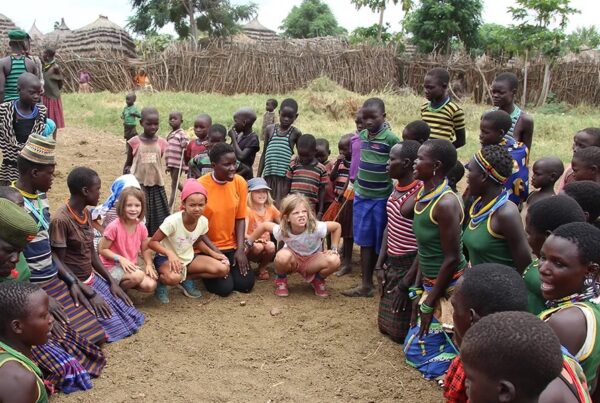
The Karamojong people are central to the region’s identity. Their culture, characterized by cattle herding, traditional rituals, and elaborate adornments, has been preserved through centuries despite external influences. For families, learning about Karamojong traditions offers both educational value and opportunities for meaningful interaction. Children are often fascinated by the ceremonial dances, traditional games, and colorful beadwork that are part of everyday life.

Karamoja’s combination of wildlife, open landscapes, and vibrant culture creates a holistic experience. First-time visitors are introduced to both natural wonders and human heritage, making the region an ideal destination for families seeking more than a conventional safari.

Day 1: Arrival, Orientation, and Cultural Engagement

The family journey to Karamoja begins with arrival at the nearest airport or by road from Mbale or Moroto. Upon reaching a family-friendly lodge or camp, guests are welcomed with an orientation session. This initial period is crucial for families to acclimate, review safety measures, and understand the regional environment, including seasonal variations and wildlife behavior.

Afternoon activities focus on cultural engagement. Families are introduced to a local Karamojong village, where children and adults observe and participate in traditional practices. These interactions often include watching livestock herding, learning about the significance of beadwork, and witnessing ceremonial dances. Guides ensure that interactions are respectful, educational, and safe, fostering appreciation for local customs without disrupting community life.

Photography opportunities abound during these visits. Children enjoy capturing images of village life, traditional attire, and wildlife grazing nearby, while adults can focus on landscape shots that highlight the region’s rugged beauty. Evening meals at the lodge provide both rest and reflection, as families discuss the day’s discoveries and anticipate upcoming adventures.

Day 2: Wildlife Encounters and Scenic Exploration

Day two is dedicated to wildlife observation and exploration of Karamoja’s landscapes. Early morning game drives are scheduled to take advantage of cooler temperatures and heightened wildlife activity. Families are guided through savannah plains, acacia woodlands, and rocky hills, where sightings of giraffes, zebras, buffaloes, and elephants are common. Rangers provide commentary on species behavior, habitat interactions, and conservation efforts, ensuring that the experience is both educational and entertaining.

Children are encouraged to participate in observation activities, such as spotting tracks, identifying birds, and learning about ecological relationships. The pace is adjusted to accommodate younger travelers, allowing for short walks, shaded rest stops, and interactive sessions with guides. Photographic opportunities abound, from panoramic shots of savannahs to close-ups of wildlife at waterholes.

Afternoon excursions focus on scenic exploration, including visits to natural landmarks, seasonal rivers, and isolated hills. These areas provide opportunities for family picnics, sketching, or nature journaling, fostering creativity alongside observation. The combination of wildlife encounters and landscape exploration ensures that the day remains dynamic, engaging, and memorable for every family member.

Evening reflection sessions at the lodge allow families to review photographs, share observations, and discuss lessons learned, reinforcing the educational aspect of the trip while nurturing family bonding.

Day 3: Seasonal Highlights and Departure

The final day of a Karamoja itinerary emphasizes seasonal highlights and memorable experiences tailored to the time of year. During the dry season, wildlife congregates near water sources, increasing the likelihood of sightings and photographic opportunities. Families may witness elephant herds, grazing antelope, and territorial lions in open plains. During the wet season, the landscape is transformed into lush greenery, attracting migratory birds, butterflies, and other small wildlife, providing opportunities for birdwatching and macro photography.

Morning activities often include a guided walk along a seasonal river or forested area, allowing families to observe wildlife at close range while learning about local flora and ecosystems. Rangers provide instructions on safe interaction, camouflage techniques, and wildlife ethics, ensuring that children understand the importance of conservation and responsible observation.Family Holiday at Karamoja: 3-Day Itinerary for first-time visitors

Before departure, families may visit a local craft market or artisan workshop, where children and adults can purchase traditional items, learn beadwork techniques, and engage with community members. These interactions provide both cultural enrichment and a tangible reminder of the journey, connecting travelers to the people and heritage of Karamoja.

The return journey to the nearest airport or main road is typically scheduled for the afternoon, providing sufficient time to reflect on the experiences of the past three days. Families often recount favorite wildlife sightings, cultural encounters, and scenic vistas, solidifying memories that will endure long after the trip ends.

Practical Considerations for First-Time Visitors

Traveling in Karamoja requires careful preparation, particularly for families visiting for the first time. Lodges and safari operators in the region provide family-friendly accommodations, safety briefings, and guided excursions that are tailored to different age groups. It is advised that families bring adequate sun protection, water, and comfortable clothing suitable for both savannah and forest environments.

Guides emphasize the importance of pacing activities, allowing children and adults to experience the region without fatigue. Early morning and late afternoon excursions are recommended for wildlife observation, while midday periods are reserved for rest, educational sessions, or lodge-based activities. Families are encouraged to maintain flexible schedules, balancing structured exploration with spontaneous moments of observation and bonding.

Photography and journaling are strongly encouraged, as these activities enhance observation skills, creativity, and memory retention. Children often enjoy documenting wildlife, landscapes, and cultural encounters, providing a personal record of the adventure while fostering curiosity and appreciation for nature.

Why Karamoja Is Ideal for Family Holidays

Karamoja’s combination of wildlife, culture, and scenic landscapes makes it an exceptional destination for first-time visitors. Unlike more crowded national parks, Karamoja offers seclusion, authenticity, and immersion, allowing families to engage deeply with both the environment and local communities.

The region’s diversity of experiences—from game drives and guided walks to cultural visits and seasonal observations—ensures that children and adults remain engaged throughout the trip. Educational opportunities abound, fostering understanding of ecological systems, wildlife behavior, and cultural heritage.

Moreover, the remoteness and expansive landscapes encourage family bonding, as shared exploration, problem-solving, and observation strengthen relationships and create lasting memories. Karamoja provides a rare opportunity for families to step outside conventional tourism, engaging with a region that is both untamed and captivating.

Tips for Maximizing the Family Experience

Families visiting Karamoja for the first time are advised to prioritize safety, comfort, and education. Maintaining hydration, applying sun protection, and following ranger instructions are essential for well-being. Children benefit from interactive learning opportunities, such as tracking animal footprints, identifying plant species, and observing bird behaviors, which enhance engagement while instilling respect for wildlife.

Scheduling activities according to seasonal highlights ensures that families maximize wildlife encounters and scenic experiences. During the dry season, waterholes and savannah plains offer high visibility, while the wet season provides vibrant greenery and abundant birdlife. Families are encouraged to adapt to changing conditions, using flexibility and observation to guide exploration.

Accommodations in Karamoja increasingly cater to families, offering spacious rooms, secure outdoor spaces, and child-friendly dining options, ensuring that comfort complements adventure. Lodges also provide guidance on cultural etiquette, trail safety, and wildlife ethics, fostering responsible travel practices among young travelers.

An Unforgettable Family Adventure

A 3-day family holiday in Karamoja offers a rare combination of adventure, education, and cultural immersion. From first-time wildlife encounters and guided village visits to seasonal exploration and scenic walks, every aspect of the itinerary is designed to engage children and adults alike. The region’s rich landscapes, vibrant culture, and diverse wildlife create a holistic experience, leaving families with memories that endure long after the trip concludes.

For first-time visitors seeking a seamless, enriching, and unforgettable journey, it is recommended to book African tours and safaris via WildHorn Africa. Their expertise ensures that every detail—from accommodations and guided excursions to safety protocols and seasonal planning—is carefully managed, transforming a family holiday in Karamoja into a transformative and memorable adventure that inspires, educates, and delights all members of the family.

A Cultural Safari with the Karamojong near Kidepo

A Cultural Safari with the Karamojong near Kidepo

By Travel stories and blogs, Safari holidays, Uganda travel guides

A Cultural Safari with the Karamojong near Kidepo

Experiencing the Heartbeat of Uganda’s Northeast

In the remote and rugged landscapes of northeastern Uganda, where vast savannahs meet jagged mountains, lies an opportunity for travelers to experience something beyond traditional safari adventures. Here, the wilderness is not only defined by lions, elephants, and antelopes but also by the rich cultural heritage of the Karamojong people. A cultural safari near Kidepo Valley National Park is a journey into a world where traditions have been preserved for centuries, and where human life and wildlife coexist in a delicate balance.

Unlike conventional safaris, where the focus is primarily on observing wildlife, a cultural safari with the Karamojong offers insights into social structures, rituals, and everyday life in a semi-arid landscape that has shaped human resilience and ingenuity. The Karamojong communities have maintained a lifestyle deeply rooted in pastoralism, art, and oral traditions, making them an integral part of the region’s identity. This article explores the cultural richness of the Karamojong, the immersive experiences available to travelers, and the unique ways in which culture and nature intersect in one of Uganda’s most remote regions.

Geography and Context: The Land That Shapes Culture

The Karamojong inhabit the semi-arid region of northeastern Uganda, encompassing areas surrounding Kidepo Valley National Park. The landscape is defined by rocky hills, sprawling plains, and seasonal rivers, with the Narus and Kidepo Rivers providing essential water sources for both humans and wildlife. This environment has profoundly influenced the Karamojong way of life, encouraging practices that balance survival, sustainability, and respect for nature.

The semi-arid climate, characterized by dry and wet seasons, dictates the rhythm of daily life. During the dry season, pastoralist communities move livestock strategically to access water and pasture, while the wet season brings grazing abundance and opportunities for communal agricultural activities. Understanding this geography is essential to appreciating the deep connection between the Karamojong and their environment, a connection that forms the foundation of the cultural safari experience.

The Karamojong People: Guardians of Tradition

The Karamojong are a Nilotic ethnic group whose identity is closely intertwined with livestock herding. Cattle are not merely economic assets; they are symbols of wealth, social status, and spiritual significance. The management of herds is guided by centuries-old knowledge, passed down through generations, encompassing grazing patterns, disease prevention, and water management.

Social structures within Karamojong communities are organized around clans, age sets, and gender roles, each carrying specific responsibilities and traditions. Elders hold authority and are regarded as custodians of history and culture, guiding younger generations in rituals, conflict resolution, and community decisions. The respect accorded to elders and the adherence to traditional knowledge systems are central to understanding the Karamojong way of life.

Women play vital roles in the community, managing household duties, food preparation, and traditional crafts. Beadwork, leatherwork, and weaving are practiced not only as forms of artistry but also as cultural expressions that reflect identity, status, and social connections. The intricate patterns, colors, and techniques used in Karamojong crafts are recognized as some of the most refined in East Africa, and they offer travelers a tangible link to the people’s heritage.

Cultural Immersion: Experiences for Travelers

A cultural safari with the Karamojong allows travelers to engage in immersive experiences that go beyond passive observation. Visitors may spend time in homesteads, observing daily routines, learning about traditional food preparation, and participating in communal activities. Interaction with children and youth provides insights into educational practices, games, and the transmission of cultural values.

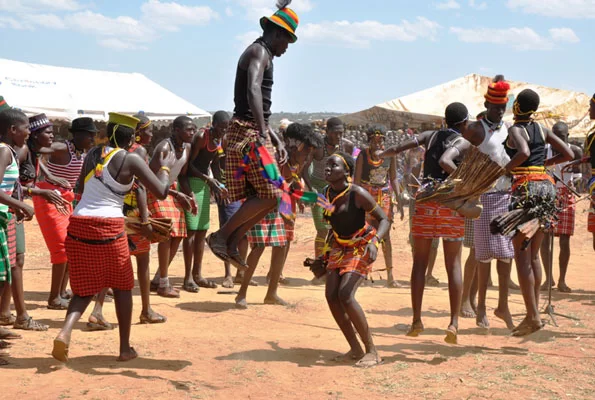
Rituals and ceremonies offer profound windows into Karamojong spirituality and social life. Initiation ceremonies, traditional dances, and communal gatherings are conducted with careful attention to ancestral practices and symbolism. These events are not staged for tourists; rather, they are genuine expressions of identity, offering travelers the rare opportunity to witness living traditions that have endured through centuries.

Music and dance play central roles in Karamojong culture. Rhythmic chanting, drumming, and song accompany dances that mark significant life events, including marriages, harvests, and initiations. Participation in these activities, when permitted, allows travelers to experience the vibrancy and emotional resonance of the community firsthand. Guides facilitate respectful engagement, ensuring that visitors observe protocols and contribute to a mutually enriching experience.

Traditional Knowledge and Survival Skills

The Karamojong have developed a profound understanding of the land, animals, and climate, skills that have been refined over generations. Knowledge of edible plants, water sources, and natural remedies is integrated into daily life, reflecting an intimate connection with the environment. Travelers on cultural safaris often learn about these practices, gaining insights into how communities thrive in semi-arid conditions where resources are scarce.

Animal husbandry techniques are central to Karamojong expertise. Herding strategies, disease management, and migration patterns are taught to younger generations as a matter of survival and social continuity. Observing and sometimes participating in these practices allows travelers to appreciate the depth of traditional knowledge and the ingenuity required to sustain life in challenging ecosystems.A Cultural Safari with the Karamojong near Kidepo

Cattle and Social Economy

Cattle are the cornerstone of Karamojong society, influencing social interactions, economic exchange, and spiritual life. The size and health of a herd determine wealth and social standing, while livestock transactions, including bride price payments and trade, shape community relationships. Herding is not merely an economic activity but a cultural practice embedded with rituals, songs, and proverbs that communicate values, history, and aspirations.

Travelers on cultural safaris gain insights into the centrality of cattle, observing the careful management of herds, communal grazing systems, and the ceremonial aspects associated with livestock. Understanding this relationship between humans and animals enriches the safari experience, highlighting the complex interplay between culture, economy, and ecology.

Interactions with Wildlife: Coexistence in the Wild

The proximity of Kidepo Valley National Park adds a unique dimension to cultural safaris with the Karamojong. Wildlife is an ever-present factor, influencing grazing strategies, settlement patterns, and risk management. Elephants, antelopes, lions, and other species often move through areas where communities live, necessitating knowledge of animal behavior and mitigation practices to prevent conflicts.

Travelers may observe these interactions, gaining an understanding of how human communities and wildlife coexist in a shared landscape. This perspective enhances appreciation of Kidepo’s conservation significance and underscores the resilience and adaptability of the Karamojong people.

Cuisine and Traditional Practices

Food preparation is a daily ritual that reflects both resourcefulness and cultural identity. Traditional dishes, often based on millet, sorghum, maize, and occasionally meat or dairy, are prepared using methods passed down through generations. Visitors may participate in the preparation of meals, learning about techniques, flavors, and the communal aspects of dining.

Crafts, including beadwork and leatherwork, are produced with remarkable skill and attention to detail. These crafts are not merely decorative but convey stories, social roles, and status. Travelers can engage with artisans, gaining insights into techniques, symbolism, and the cultural significance of materials and designs. These experiences create a multi-sensory understanding of Karamojong culture, blending visual, tactile, and gustatory learning.

Seasonal Life and Cultural Cycles

The lives of the Karamojong are attuned to seasonal rhythms. Dry and wet seasons dictate herd movements, agricultural activities, and social events. The dry season often involves longer cattle migrations and preparation for scarcity, while the wet season brings abundance, communal celebrations, and agricultural planting. Travelers visiting at different times of the year may witness distinct aspects of daily life and cultural expression, emphasizing the dynamic nature of tradition in response to environmental conditions.

Understanding these cycles allows travelers to contextualize observed practices, from livestock management and food preparation to ceremonial gatherings and conflict resolution. The cultural safari becomes an opportunity to witness resilience, adaptability, and continuity in action, providing profound insight into the relationship between humans, environment, and wildlife.

Guided Cultural Safaris: Enhancing Understanding

Guided cultural safaris are essential for ensuring respectful and meaningful engagement. Knowledgeable guides facilitate introductions, explain customs, and interpret the significance of observed practices. They ensure that visitors observe social protocols, avoid intrusive behaviors, and gain a deeper understanding of the interconnectedness of Karamojong life with the surrounding ecosystem.

Guides often provide historical context, explaining how colonial legacies, regional conflicts, and conservation policies have influenced cultural practices. This framing allows travelers to appreciate both continuity and adaptation in Karamojong society, enhancing the educational value of the safari while respecting community autonomy.

Photography and Documentation

Photography during cultural safaris requires sensitivity and awareness. While many Karamojong communities are open to sharing aspects of daily life, permission must be sought, and ethical considerations observed. Photographs are not merely souvenirs; they document living traditions and human interactions with the landscape. Travelers are guided to capture images respectfully, ensuring that cultural integrity is preserved while still creating meaningful visual records.

Photography provides a complementary dimension to the safari experience, allowing travelers to reflect on and share the richness of Karamojong culture with broader audiences. When conducted thoughtfully, it enhances understanding and appreciation rather than imposing on the community.

Conservation and Cultural Preservation

The cultural safari is intrinsically linked to broader conservation efforts. The preservation of Karamojong traditions aligns with the conservation of Kidepo Valley National Park, as both depend on sustainable interactions with the environment. Tourism initiatives, when managed responsibly, provide income that supports community development, cultural preservation, and environmental protection.

Visitors gain insight into the symbiotic relationship between culture and conservation, observing how community knowledge contributes to wildlife management, natural resource stewardship, and ecological balance. This understanding transforms the safari from a passive experience into an informed engagement with sustainable practices.

Immersing in Karamojong Life

A cultural safari with the Karamojong near Kidepo Valley National Park offers a profoundly enriching experience that blends wildlife observation, cultural immersion, and ecological understanding. Travelers are not merely spectators but participants in a living landscape, witnessing centuries-old traditions, seasonal rhythms, and resilient ways of life.

To fully experience this unique dimension of Uganda’s northeast, the guidance and expertise of professional safari operators are invaluable. Every aspect of travel, from transportation and accommodation to cultural engagement and ethical interaction, can be facilitated to ensure a meaningful, respectful, and unforgettable experience.

For those seeking to combine the majesty of Kidepo’s wildlife with the vibrancy and depth of Karamojong culture, book your Africa tours and safaris with WildHorn Africa, a trusted partner dedicated to creating immersive, responsible, and unforgettable journeys through one of Uganda’s most remarkable regions.

Close Menu