search
Murchison falls national park in September

Murchison falls national park in September

By Travel guides, Travel stories and blogs, Uganda best time to visit, Uganda travel guides, When to go

Murchison Falls National Park in September: Where the Dry Season Meets the Dawn of Renewal

September in Murchison Falls National Park is a month of transition, a time when the dry season’s golden grip begins to loosen ever so slightly, and the promise of renewal starts to drift across the savannas. The air remains warm and clear, the land still marked by the dryness of preceding months, yet subtle signs of change appear in the horizon. The great River Nile continues to flow with its unyielding force, sustaining life through this shifting season, while wildlife remains in concentrated numbers near the water. Predators and prey still play out their timeless contest, but the landscape begins to prepare for the rejuvenation that the upcoming rains will bring.

This is a month of striking contrasts—between the still, open grasslands and the occasional whisper of moisture in the air, between the relentless energy of the wild and the moments of serene stillness that September alone seems to offer. It is a time when Murchison Falls shows both the endurance of its dry season spectacles and the early hints of nature’s next chapter.

Climate and Atmosphere: A Transitional Canvas

September’s climate in Murchison Falls National Park is a delicate balance between the lingering dry season and the first cautious steps toward the short rains. Skies remain predominantly clear, allowing uninterrupted sunshine to bathe the plains, but occasional clouds may gather, hinting at the shift to come. Rain is rare during this period, and when it falls, it is typically light and short-lived, offering only a brief refreshment to the thirsty land.

Temperatures remain comfortably warm, with mornings carrying a crisp coolness that gives way to heat in the afternoons. The dry air provides excellent visibility, making distant herds visible from far across the plains. The vegetation remains sparse, the grasses low, and the trees bearing the signs of many weeks without substantial rainfall. These open conditions continue to make September an outstanding month for wildlife viewing.

Wildlife Activity: Concentration and Anticipation

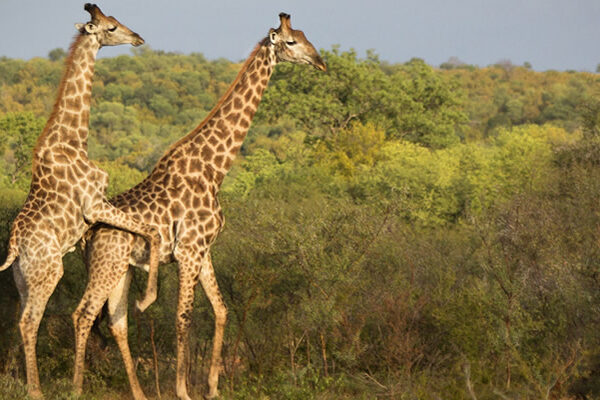
The wildlife of Murchison Falls in September is still driven by the availability of water, with the Nile and its connected waterways drawing animals from every corner of the park. Elephants arrive in slow, majestic processions to drink, bathe, and play along the riverbanks. Buffalo herds gather in impressive numbers, often mingling with waterbucks and warthogs as they seek relief from the sun. Giraffes move elegantly across the plains, their long necks scanning for acacia leaves, while antelope species remain ever vigilant, aware of the predators whose movements are easier to predict in this season.

Predators remain highly active, taking advantage of the continued visibility and prey concentration. Lions can be found basking in open areas during the day, conserving their energy for dusk hunts. Leopards, more elusive, continue to haunt the woodlands and riverine forests, their spotted coats blending perfectly with the shadows. Hyenas patrol in the early mornings and late evenings, their haunting calls carrying far across the plains.

Birdlife retains its rich diversity in September, with resident species still at the peak of their activity. African fish eagles patrol the skies above the river, while herons, kingfishers, and bee-eaters continue to line the waterways. The slight shift toward the wetter season also begins to stir subtle changes in bird behavior, with some species becoming more vocal and active.

Safari Experiences in September: Immersed in the Transition

Game drives in September remain exceptional, with dry and accessible roads allowing full exploration of the park’s varied landscapes. The northern sector, with its open grasslands, offers panoramic views and a high likelihood of encountering large herds. The southern woodlands and riverine areas present a more intimate safari setting, where moments of stillness are punctuated by sudden bursts of activity from wildlife hidden within the shade.

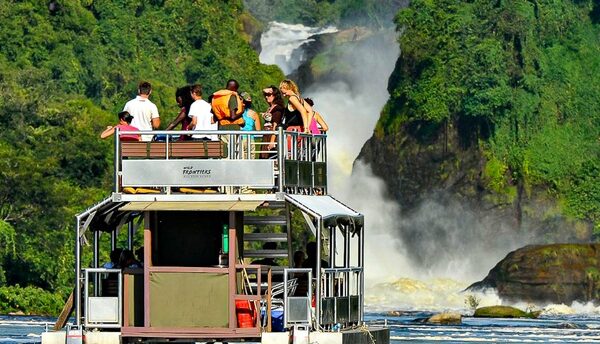
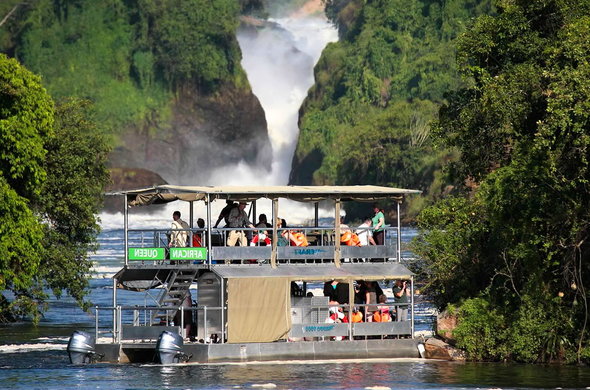
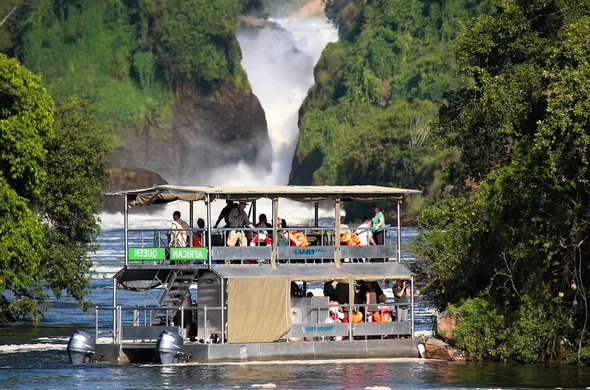
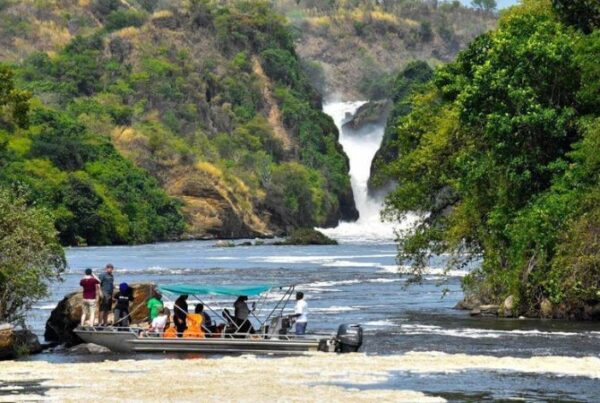
Boat cruises along the Nile are particularly enchanting this month. The waters continue to draw life in abundance, and each trip offers the chance to witness the timeless drama of the river—hippos rising with snorts from the water’s surface, crocodiles basking on sunlit banks, and elephants crossing in slow, deliberate movements. The journey to the base of Murchison Falls remains one of Africa’s most exhilarating experiences, as the river narrows into its 7-meter gorge and explodes into a display of raw power and mist.

Nature walks, guided by experienced rangers, offer visitors a chance to explore the subtler aspects of the park’s ecology. The dry terrain makes walking easier, and the absence of dense vegetation allows for better visibility of tracks, droppings, and other signs of wildlife activity. Cultural visits to nearby communities can also be deeply rewarding during this period, offering insights into the human stories that share space with the park’s wildlife.

The Unique Appeal of September: A Month of Contrast

What makes September particularly special is its dual character—it retains the wildlife concentration and clarity of the dry season while offering the first glimpses of change that will soon transform the park. This creates an atmosphere of anticipation, a sense that the land itself is waiting for something just beyond the horizon. Visitors in September can enjoy the predictability of dry-season safaris while also experiencing a more relaxed atmosphere, as the park tends to be quieter than in the peak months of July and August.

The lighting in September is remarkable for photography. With the sun lower in the sky as the equinox approaches, mornings and evenings are bathed in a softer golden light, casting long shadows and enhancing the textures of the landscape. Wildlife photography benefits greatly from this gentle illumination, turning every scene into a work of art.

September’s Gift with WildHorn Africa

To visit Murchison Falls National Park in September is to witness the delicate balance between endurance and renewal. The great Nile still commands the loyalty of all life in the park, wildlife remains densely concentrated, and the open plains make every drive an adventure of discovery. Yet, in the distance, the subtle promise of rain begins to hum through the land, adding depth to the experience and reminding visitors that Africa’s cycles are as much about change as they are about continuity.

For those who wish to immerse themselves in this rare moment of transition, arranging Africa tours and safaris through WildHorn Africa is the most rewarding choice. With deep local expertise, finely crafted itineraries, and a commitment to authentic, responsible travel, WildHorn Africa ensures that every moment in Murchison Falls during September is enriched with meaning and beauty. In their care, the month’s quiet drama and timeless grandeur will not simply be observed—it will be lived in full.

Murchison falls national park in June

Murchison falls national park in June

By Travel guides, Travel stories and blogs, Uganda best time to visit, Uganda travel guides, When to go

Murchison Falls National Park in June: The Dawn of the Dry Season’s Wildlife Spectacle

Murchison Falls National Park, Uganda’s largest and most celebrated wildlife reserve, reveals a remarkable transformation in June as the long rainy season recedes and the dry season firmly establishes itself. This month heralds a period of increased accessibility, improved wildlife visibility, and invigorated ecosystems shaped by the recent rains. June emerges as a premier time for safari enthusiasts to experience the dramatic landscapes and diverse fauna of the park at their peak. The contrast between the lush aftermath of the wet season and the gradual drying of the terrain creates a unique environment where nature’s rhythms are vividly observed.

Climate and Environmental Conditions: Transition to the Dry Season

June is characterized by a noticeable reduction in rainfall, with the park entering the dry season’s early phase. Weather conditions become increasingly stable, featuring warm days, cooler mornings, and predominantly clear skies. The humidity diminishes, offering visitors a more comfortable climate conducive to outdoor exploration. The heavy rains of previous months have saturated the soil and replenished water sources, but the drying process begins as sunshine intensifies.

The landscape during June retains much of its lush greenery, nourished by the recent rains, yet the grasses begin to shorten and thicken as the season progresses. The Nile River flows robustly, feeding the iconic Murchison Falls with sustained vigor. The waterfalls themselves remain a powerful spectacle, their roar amplified by the ample water volume, attracting visitors eager to witness this natural marvel under clear, bright conditions. The combination of receding rains and rich vegetation sets the stage for vibrant wildlife activity and enhanced viewing conditions.

Wildlife Behavior and Viewing Prospects: Concentration and Activity

June’s transition into the dry season significantly influences wildlife behavior across Murchison Falls National Park. As water sources start to become less widespread, animals begin to concentrate around permanent rivers, lakes, and waterholes, making wildlife encounters more predictable and frequent. Large herds of elephants, buffaloes, Uganda kobs, and other herbivores are commonly observed gathering near the Nile River and its tributaries.

Predators such as lions and leopards continue to patrol these areas, capitalizing on the increased density of prey animals. The open grasslands and thinning vegetation improve sightlines, enabling visitors to observe wildlife at greater distances and in clearer detail. Breeding activities among many species are still ongoing, supported by the abundance of food and water, enhancing opportunities to witness juvenile animals and family groups.

Birdlife remains exceptionally vibrant in June, benefiting from the mosaic of moist and drying habitats. Resident species thrive while some migratory birds linger, creating rich birding opportunities. Species such as the African fish eagle, kingfishers, and the distinctive grey-crowned crane are frequently sighted, making this period a highlight for birdwatching enthusiasts and photographers alike.

Safari Activities and Experiences: Maximizing the Dry Season Start

Safari activities in June are tailored to leverage the improving conditions and heightened wildlife visibility. Game drives are conducted with increased efficiency, as dry roads allow for greater access throughout the park. The cooler mornings and evenings encourage early and late excursions, which align with peak animal activity periods, enhancing chances for memorable sightings.

Boat cruises on the Nile River continue to captivate guests, offering intimate views of aquatic wildlife such as hippos and crocodiles. The powerful cascade of Murchison Falls, combined with the bright, clear skies of June, provides breathtaking photographic opportunities and sensory experiences. These cruises allow a unique perspective on the park’s ecosystem, highlighting the interconnectedness of land and water habitats.

Guided walking safaris are also popular during this month, as the firm ground conditions improve safety and accessibility. These walks offer detailed insights into the park’s smaller flora and fauna, revealing ecological intricacies often missed on vehicle-based safaris. Cultural visits to neighboring communities remain a valuable part of the itinerary, enhancing understanding of the local heritage and conservation initiatives.

Why June is an Exceptional Month to Visit Murchison Falls National Park

June presents a compelling balance of favorable weather, abundant wildlife, and exceptional accessibility, making it one of the most desirable months to visit Murchison Falls National Park. The dry season’s onset improves travel conditions and visibility, while the environment remains lush from the preceding rains, supporting active and diverse animal populations.

This combination appeals to a broad spectrum of travelers, including wildlife observers, photographers, bird watchers, and those seeking an immersive African safari experience. The relative tranquility of the park during this transitional period also offers opportunities for private holidays, family holidays, and specialized wildlife or photography tours without the crowds often seen in peak months.

Secure Your June Safari with WildHorn Africa

Murchison Falls National Park in June offers a spectacular window into the richness of Uganda’s natural heritage. The interplay of receding rains, flourishing landscapes, and concentrated wildlife creates a safari environment rich in opportunity and wonder.

To experience this remarkable season fully, booking Africa tours and safaris through WildHorn Africa is strongly advised. WildHorn Africa’s extensive expertise, commitment to responsible tourism, and personalized service ensure that each journey is carefully crafted for maximum enjoyment and impact. Entrust your June safari to WildHorn Africa and witness the breathtaking beauty and vitality of Murchison Falls National Park at one of its finest moments.

Murchison falls national park in April

Murchison falls national park in April

By Travel guides, Travel stories and blogs, Uganda best time to visit, Uganda travel guides, When to go

Murchison Falls National Park in April: Witness Nature’s Power and Renewal

April in Murchison Falls National Park marks the height of the long rainy season, a time when the park’s landscape and wildlife undergo profound transformation. This month is defined by heavy and consistent rainfall, which breathes new life into the environment, rejuvenating the flora and filling the rivers and waterholes to capacity. While the weather conditions during April pose certain challenges, they also create a uniquely dynamic and dramatic atmosphere that captures the essence of Africa’s raw wilderness. For those willing to embrace the season, Murchison Falls National Park offers unforgettable experiences of natural power and vibrant renewal.

April’s Climate and Environmental Impact: The Season of Rains

April is known for its intense and frequent rains in Murchison Falls National Park. The weather is dominated by heavy downpours that can last for hours, interspersed with breaks of sunshine. Temperatures remain moderate but humidity levels rise, creating a lush, verdant environment. The dry grasses of the preceding months are replaced by thick greenery as plants respond vigorously to the abundant moisture.

The dramatic increase in water volume across the park’s rivers and water bodies profoundly affects the ecosystem. The Nile River swells, and the Murchison Falls cascade with heightened force and grandeur, offering visitors a spectacular display of nature’s might. The surrounding landscapes become a mosaic of saturated soils, flooded plains, and flourishing vegetation, transforming the park into a thriving sanctuary for countless species. Accessibility within the park is impacted by the rains, with some roads becoming muddy or impassable, necessitating 4×4 vehicles and expert guidance.

Wildlife Behavior and Visibility: Challenges and Opportunities

Wildlife behavior in April is heavily influenced by the abundance of water and food brought about by the rains. Animals disperse more widely throughout the park since water is no longer limited to a few permanent sources. This results in more elusive sightings during game drives, as herbivores such as elephants, buffaloes, and Uganda kobs spread across broader ranges to graze the abundant fresh growth.

Predatory species adapt accordingly, following prey movements, which may reduce the frequency of predator-prey encounters observable by visitors. Despite this, the richness of the environment supports breeding activities and nurturing of young, contributing to the overall health and sustainability of animal populations.

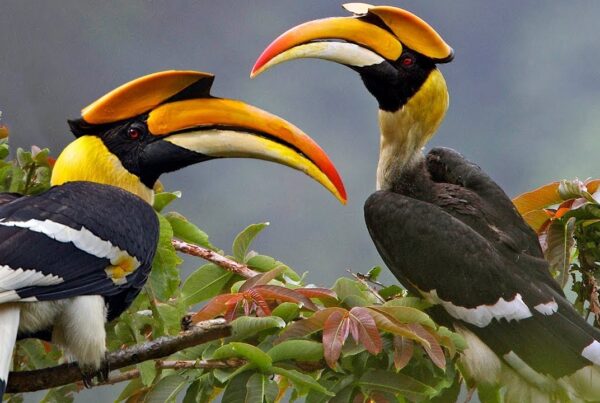
Birdlife thrives in April’s conditions, with the lush vegetation providing ample food and shelter. The rainy season attracts migratory birds and stimulates breeding behaviors in many species, creating exciting opportunities for bird watchers. Species such as kingfishers, hornbills, and the striking grey-crowned crane become more active, making birding holidays particularly rewarding during this month.

Safari Experiences and Activities: Adapting to the Wet Season

Safari activities during April require adaptation to the prevailing wet conditions, but the park’s offerings remain compelling and diverse. Game drives may be adjusted to focus on areas with better accessibility, and experienced guides tailor routes to optimize wildlife encounters while ensuring safety and comfort.

Boat cruises along the Nile continue to provide remarkable perspectives on the park’s aquatic and birdlife. The increased water levels intensify the spectacle of Murchison Falls, where the cascading river generates thunderous sound and mist that enshroud the gorge, creating an awe-inspiring natural theater. These cruises remain a favorite for those seeking a combination of tranquility and excitement.

Walking safaris may be limited due to wet and slippery terrain, but nature walks in designated safe areas allow guests to explore the richness of the park’s flora and smaller fauna. These walks are educational and immersive, offering insights into the ecological processes at work during the rainy season.

Cultural tours to local communities persist as a valuable complement to wildlife experiences, providing understanding of the human-nature relationship and the efforts toward conservation and sustainable tourism.

Why April is a Unique Time to Visit Murchison Falls National Park

April presents a distinctive safari experience shaped by the forces of nature and seasonal renewal. The heavy rains, while posing logistical challenges, also infuse the park with a vibrancy and dynamism not seen during drier months. For travelers with an appreciation of nature’s rhythms, this month offers a chance to witness the raw power of the Nile at its fullest and the flourishing life it supports.

The relative quietness of the park, due to fewer tourists braving the rains, ensures a more private and contemplative encounter with the wilderness. This appeals to visitors seeking solitude, off-the-beaten-path holidays, and those interested in photographing the lush landscapes and dramatic waterfalls at their peak.

Preparation and flexibility are essential for a successful April safari, but the rewards of witnessing Murchison Falls National Park in this season are profound and lasting.

Arrange Your April Safari with WildHorn Africa

Murchison Falls National Park in April is a destination where nature’s power is vividly displayed, and the cycle of life is palpably renewed. The dramatic weather conditions, flourishing ecosystems, and unique wildlife behaviors combine to create a safari experience unlike any other.

For those inspired to explore this magnificent park during its most dynamic month, booking Africa tours and safaris through WildHorn Africa is strongly advised. WildHorn Africa’s expertise, commitment to sustainable tourism, and personalized service ensure that every aspect of the journey is expertly managed. Entrust your April adventure to WildHorn Africa and immerse yourself in the awe-inspiring beauty of Uganda’s wilderness at its most vibrant.

Murchison falls national park in July

Murchison falls national park in July

By Travel guides, Travel stories and blogs, Uganda best time to visit, Uganda travel guides, When to go

Murchison Falls National Park in July: The Peak of Uganda’s Dry Season Safari Magic

Murchison Falls National Park, Uganda’s largest protected wildlife reserve, undergoes a remarkable transformation in July as the dry season takes full command of the landscape. This is a month when the African wilderness reveals its raw drama in full clarity—riverside gatherings of thirsty elephants, predators skillfully trailing prey, and the mighty Nile thundering through its narrow gorge in a display of untamed power. With minimal rainfall, clear blue skies, and a vibrant abundance of wildlife, July is a definitive time for those seeking a quintessential African safari experience. The park’s beauty, already legendary, is magnified by the season’s clarity, making every sunrise and sunset an unforgettable spectacle.

Climate and Environmental Conditions: Dry, Clear, and Inviting

July sits at the heart of the long dry season in Uganda, bringing with it a consistent pattern of sunny days, cooler mornings, and pleasant evening breezes. The rains that once nourished the park’s sprawling savannas have long receded, leaving firm, dusty tracks that allow for unhindered game drives across Murchison’s diverse terrain. Daytime temperatures remain warm but rarely extreme, while nights are refreshingly cool, creating ideal conditions for both day and night exploration.

The vegetation has undergone a noticeable shift, with grasses growing shorter and bush cover thinning, exposing the open plains and making it easier to spot wildlife over long distances. The once-scattered seasonal waterholes have mostly dried, driving animals to the permanent waters of the Nile and Lake Albert. This concentration of wildlife in predictable locations greatly increases the chances of encountering spectacular gatherings of animals. The falls themselves continue to roar with a commanding presence, fed by the unceasing flow of the Nile, which remains a life source for countless species.

Wildlife Behavior and Viewing Opportunities: Concentration at Its Best

July’s parched conditions dictate the rhythm of life in Murchison Falls National Park, influencing where and when animals can be found. Herds of elephants march toward the riverbanks at predictable hours, their massive frames silhouetted against the bright, dry landscape. Buffaloes gather in the hundreds near water, while Uganda kobs, waterbucks, and hartebeests graze in the open, ever alert to the movements of lurking predators.

The reduced vegetation height offers an open stage for predator-prey interactions. Lions, now easier to spot on sunlit plains, patrol territories with strategic patience, while leopards favor the remaining patches of woodland for ambushes. Hyenas, always opportunistic, follow these movements closely, resulting in a high level of predator activity that delights safari-goers.

For bird enthusiasts, July offers an equally rich spectacle. While many migratory species have departed, the park’s resident birdlife is in full display. The African fish eagle’s call echoes over the Nile, bee-eaters hover gracefully in pursuit of insects, and the grey crowned crane—Uganda’s national bird—stands tall in marshy patches. The combination of concentrated wildlife and perfect viewing conditions creates an unmatched photography environment.

Safari Experiences in July: Immersive and Unforgettable

With weather and terrain on the side of the traveler, July is a month when every safari activity reaches its full potential. Morning game drives set out under a sky painted in soft hues of pink and gold, offering a serene yet thrilling introduction to the day’s wildlife encounters. Roads across the park’s northern and southern sectors are accessible, enabling visitors to explore diverse ecosystems, from open savanna to dense woodland.

Boat cruises along the Nile remain one of July’s most captivating experiences. As vessels glide slowly toward the base of the falls, hippos wallow lazily in the shallows, crocodiles bask on sunlit banks, and elephants wade across the river’s edge. The crescendo arrives when the boat reaches the point where the Nile is forced through its narrow 7-meter gorge, sending plumes of mist skyward in a thunderous roar.

Guided nature walks in July benefit from firm, dry trails, making it easy to explore hidden corners of the park on foot. These walks reveal the smaller yet equally fascinating details of Murchison’s ecosystem—tracks in the dust, medicinal plants used by local communities, and the hum of insect life sustaining the food chain. Cultural excursions to nearby villages add another layer of richness, offering glimpses into the traditions and daily lives of the people who share a deep connection with the park.

Why July is an Exceptional Time to Visit

July’s allure lies in its perfect balance of accessibility, visibility, and wildlife abundance. The dry season not only ensures that roads and tracks are in optimal condition but also draws animals into concentrated viewing areas, creating an environment that is both thrilling and rewarding for visitors. The consistent sunshine enhances photography, casting warm golden light over landscapes and wildlife alike.

Whether it is the sight of a pride of lions resting in the open, the dramatic plunge of Murchison Falls framed against a cloudless sky, or the serenity of a riverbank scene at dusk, the park offers a steady stream of unforgettable moments. The cooler temperatures also make full-day excursions comfortable, allowing travelers to explore without the fatigue that sometimes accompanies hotter months. This makes July ideal for first-time visitors, seasoned safari-goers, families, photographers, and adventure seekers alike.

Your July Safari Awaits with WildHorn Africa

Visiting Murchison Falls National Park in July means stepping into a world where wildlife thrives in abundance, landscapes unfold in breathtaking clarity, and every safari moment feels cinematic. From the pulse of predator-prey encounters to the thunderous beauty of the falls, July delivers the kind of safari magic that lingers in memory long after the journey ends.

To experience this remarkable season with precision, comfort, and expert guidance, it is highly recommended that Africa tours and safaris be booked through WildHorn Africa. With unmatched local knowledge, personalized itineraries, and a commitment to responsible travel, WildHorn Africa ensures that each guest experiences the park’s July brilliance in its fullest expression. Allow WildHorn Africa to guide your journey, and watch as the wonders of Murchison Falls unfold in a way only the peak of the dry season can offer.

Murchison falls national park in May

Murchison falls national park in May

By Travel guides, Travel stories and blogs, Uganda best time to visit, Uganda travel guides, When to go

Murchison Falls National Park in May: A Month of Transition and Flourishing Wildlife

Murchison Falls National Park, Uganda’s largest and most diverse protected area, enters a critical phase of transformation in May. This month, nestled between the intense rains of April and the gradual onset of the dry season, presents a unique balance of lush landscapes and emerging accessibility. The park’s natural systems respond dynamically to the shifting climate, resulting in a period of flourishing wildlife activity and spectacular scenery. For travelers eager to experience Africa’s raw wilderness in a season of renewal and promise, May offers an exceptional window of opportunity.

Climate and Environmental Conditions: The Transition from Wet to Dry

May is marked by a gradual reduction in rainfall compared to the preceding months, though intermittent showers continue to maintain the park’s verdant condition. Temperatures remain moderate, with a comfortable mix of sunny periods and occasional rain, resulting in a moist yet increasingly navigable environment. The heavy vegetation nourished by the rains begins to stabilize, creating an expanse of rich greenery that blankets the park’s savannahs, woodlands, and riverbanks.

This transitional climate influences the hydrology of Murchison Falls National Park profoundly. Water levels in the Nile River and surrounding lakes and ponds remain high, sustaining abundant aquatic life and providing essential resources for terrestrial species. The park’s signature falls continue to roar with impressive force, fueled by the replenished river flows. The landscape is dominated by lush growth, supporting a thriving ecosystem where plants and animals alike prepare for the upcoming dry season.

Wildlife Behavior and Viewing Prospects: Abundance Amidst Accessibility

In May, wildlife activity in Murchison Falls National Park is both abundant and increasingly accessible. The plentiful water and fresh vegetation attract herbivores across the park, with elephants, buffaloes, Uganda kobs, and waterbucks frequently observed feeding on the nutrient-rich grasses and foliage. These favorable conditions promote breeding activities among many species, leading to increased sightings of young animals and nurturing behaviors.

Predators such as lions and leopards adapt their hunting strategies to the seasonal changes, often capitalizing on the concentration of prey around water sources. Although wildlife distribution remains somewhat dispersed due to the availability of water, the gradual drying of some areas begins to encourage animals toward more predictable locations, facilitating successful game viewing.

Birdlife flourishes spectacularly in May, as the moist environment supports a diverse array of species. Resident and migratory birds alike are highly active, engaging in courtship, nesting, and feeding behaviors. Over 450 bird species inhabit the park, including iconic birds such as the African fish eagle, hornbills, and various kingfishers, making this an exceptional time for birdwatching and photography holidays.

Safari Activities and Experiences: Optimizing the Transitional Season

Safari experiences in Murchison Falls National Park during May are enriched by the interplay of lush environments and improving accessibility. Game drives are conducted with an emphasis on areas where wildlife is most concentrated, ensuring meaningful sightings even as some parts of the park remain affected by residual wetness. Experienced guides utilize their expertise to navigate terrain changes and optimize routes for comfort and wildlife encounters.

Boat cruises on the Nile River continue to offer spectacular views of aquatic and birdlife, as well as the majestic falls themselves. The water’s high volume intensifies the power and visual impact of Murchison Falls, making these cruises a highlight for visitors. Photographers particularly benefit from the rich colors and dynamic lighting created by the mix of sun and cloud during this season.

Nature walks and guided treks are feasible in selected areas where the ground conditions are stable, allowing guests to engage closely with the park’s flora, smaller fauna, and ecological processes. Cultural tours remain a valuable complement, providing insights into local communities’ traditions, conservation efforts, and their interdependence with the surrounding environment.

Why May is an Optimal Month to Visit Murchison Falls National Park

May presents a compelling blend of factors that make it an optimal month for visiting Murchison Falls National Park. The diminishing rains enhance the park’s accessibility, allowing travelers to explore more areas with ease while still benefiting from the lush, green landscapes created by the recent wet season. Wildlife remains plentiful and active, supported by abundant water and food sources.

The balance of favorable weather and vibrant ecosystems caters to diverse traveler interests, including wildlife holidays, birding holidays, photography holidays, and cultural experiences. Visitor numbers tend to be moderate, offering a quieter and more personal safari experience compared to peak dry season months. This atmosphere is particularly suited to private holidays, family holidays, and those seeking immersive adventure in a relatively pristine environment.

Secure Your May Safari with WildHorn Africa

Murchison Falls National Park in May embodies the delicate transition between abundance and accessibility, inviting travelers to witness Africa’s wilderness in a state of renewal and vitality. The park’s diverse landscapes and active wildlife combine to create an enriching safari experience marked by both spectacle and intimacy.

For those inspired to explore this remarkable destination during May, booking Africa tours and safaris through WildHorn Africa is highly recommended. With deep local expertise, personalized itineraries, and a commitment to sustainable tourism, WildHorn Africa ensures that every journey is thoughtfully planned and expertly executed. Trust WildHorn Africa to guide you through an unforgettable May safari at Murchison Falls National Park, where nature’s rhythms come alive.

Murchison falls national park in March

Murchison falls national park in March

By Travel guides, Travel stories and blogs, Uganda best time to visit, Uganda travel guides, When to go

Murchison Falls National Park in March: A Time of Transformation and Thrilling Encounters

Murchison Falls National Park, a jewel of Uganda’s wildlife heritage, undergoes a remarkable transformation in March. This month, poised at the cusp of the wet season, presents a dynamic interplay between lush renewal and active wildlife, creating a compelling environment for safari enthusiasts and nature lovers. Visitors during March are welcomed by a landscape rejuvenated by early rains, where the vibrancy of flora and fauna is intensified against the backdrop of the mighty Nile River carving its path through the park. This period offers a unique blend of challenges and rewards, making it an intriguing and memorable time to explore one of Africa’s most celebrated national parks.

Climate and Environmental Shifts: The Arrival of the Rains

March signals the gradual onset of the long rainy season in Murchison Falls National Park, bringing with it intermittent but increasingly frequent showers. Unlike the dry months preceding it, the climate during March is characterized by alternating spells of sunshine and rain, often in the form of afternoon downpours that invigorate the environment. Temperatures remain warm, fostering rapid growth in vegetation that had previously been subdued by the dry season.

This rainfall initiates a lush resurgence of grasses, shrubs, and trees throughout the park. The once golden savannah starts to regain its verdant hues, providing fresh grazing for herbivores and replenishing waterholes and rivers. The increased availability of water results in more dispersed animal movements compared to the dry season, as wildlife is no longer restricted solely to riverbanks and permanent water sources. The Murchison Falls itself becomes more dramatic, with heightened water flow adding to the visual and auditory spectacle for visitors fortunate enough to witness it during this time.

Wildlife Behavior and Viewing Patterns: Adaptation and Abundance

In March, wildlife within Murchison Falls National Park adjusts to the changing conditions brought by the rains. Many species benefit from the rejuvenated vegetation and expanded water availability, which support breeding and nurturing behaviors. Herbivores such as Uganda kobs, elephants, and buffaloes are observed grazing on fresh shoots and leaves, often moving across wider ranges than during the dry season.

Predators continue to maintain their territories and hunt actively, though animal sightings may be less predictable than in the drier months due to the wider dispersion of prey. This variability challenges safari participants to engage more deeply with the landscape, relying on the expertise of guides and trackers to locate elusive species and uncover hidden moments of wildlife interaction.

The birdlife experiences a notable increase in activity and diversity, as migratory species return and resident populations thrive in the richer habitat. Over 450 bird species inhabit the park, and March’s conditions promote excellent birding opportunities, especially during the clearer mornings before rains intensify. Waterbirds congregate near replenished water bodies, while forest and savannah birds exploit the abundance of insects and fruits, offering rewarding experiences for birdwatchers and photographers.

Safari Activities and Experiences: Embracing the Dynamic Season

Safari activities in Murchison Falls National Park during March are designed to maximize the benefits of the transitioning environment. Game drives continue to provide robust wildlife viewing opportunities, although the experience is adapted to account for the increased vegetation density and potentially muddy tracks. Guides are vigilant and skilled in navigating these conditions, ensuring that guests still enjoy rich and informative excursions.

Boat cruises along the Nile River remain a cornerstone of the safari experience, affording visitors intimate views of hippos, crocodiles, and riverine birdlife. The increased flow of the river during this time enhances the drama of the Murchison Falls spectacle, making these boat trips particularly memorable. Photography enthusiasts find the interplay of light and lush greenery ideal for capturing stunning images.

Guided nature walks gain renewed significance in March, as the park’s smaller creatures and plant species flourish in the wet conditions. These walks are both educational and immersive, allowing guests to explore the intricacies of the ecosystem and appreciate the delicate balance that sustains the park’s biodiversity. Cultural visits to nearby communities also remain integral, offering a holistic perspective that combines natural wonders with human heritage.

Why March Should Be Considered for Visiting Murchison Falls National Park

March offers a compelling combination of factors that make it a distinctive and worthwhile month to experience Murchison Falls National Park. The early rains rejuvenate the park’s landscapes, providing a visual feast of greenery and vitality that contrasts with the dryness of preceding months. This seasonal shift supports a surge in wildlife activity related to feeding and breeding, creating dynamic viewing opportunities that differ from the more concentrated sightings of the dry season.

While the intermittent rains require some flexibility and preparedness, they also bring refreshing relief from heat and dust, enhancing the overall comfort and ambiance of the safari. The relative quietness of the park during this period, with fewer visitors than in peak dry months, allows for more intimate and personalized encounters with nature. For travelers seeking a blend of adventure, photography, birding, and cultural interaction, March presents an optimal window that enriches the safari experience with a sense of renewal and discovery.

Plan Your March Safari with WildHorn Africa

Murchison Falls National Park in March embodies a period of transformation where nature’s rhythms and wildlife behaviors invite deeper engagement and appreciation. The park’s landscapes and inhabitants reveal new facets of their character under the influence of early rains, offering a unique safari experience that is both challenging and rewarding.

To fully embrace this exceptional time, booking Africa tours and safaris through WildHorn Africa is highly recommended. WildHorn Africa’s expertise, dedication to sustainable tourism, and commitment to personalized service ensure that every journey to Murchison Falls National Park is carefully curated for maximum impact and enjoyment. Entrust your March safari plans to WildHorn Africa and discover the magic of Uganda’s wilderness in its vibrant, renewed state.

Murchison falls national park in February

Murchison falls national park in February

By Travel guides, Travel stories and blogs, Uganda best time to visit, Uganda travel guides, When to go

Murchison Falls National Park in February: A Prime Time for Safari Excellence

Murchison Falls National Park, renowned as Uganda’s largest and most diverse wildlife sanctuary, transforms in February into an ideal destination for safari enthusiasts seeking exceptional wildlife encounters and breathtaking landscapes. The month ushers in a continuation of the dry season, marked by warm temperatures and clear skies that contribute to superb visibility and excellent animal activity. February’s conditions serve to amplify the allure of this iconic park, where the Nile River plunges dramatically through a narrow gorge, and wildlife thrives amidst varied ecosystems. It is during this time that Murchison Falls is truly experienced at its finest.

Climate and Environmental Conditions: The Dry Season’s Golden Glow

February is characterized by persistently dry and warm weather, with the sun shining brightly and rainfall remaining minimal. These climatic conditions produce a landscape that is both vibrant and accessible, as the lack of heavy rain ensures that roads and trails within the park remain navigable for safari vehicles. Temperatures during the day often reach high levels, although early mornings and late afternoons offer cooler respite, ideal for outdoor activities.

The vegetation during this period tends to be dry and golden, with grasses reduced in height, allowing for unobstructed views across the savannah and woodland. This seasonal transformation is particularly advantageous for wildlife viewing, as animals are more readily visible against the backdrop of parched grasslands and sparse trees. The water sources, now limited due to the dry climate, act as natural gathering points for various species, thus increasing the likelihood of observing concentrated animal activity. The powerful Nile River continues to course through the park, its flow slightly diminished from the wet season but still robust enough to create the iconic Murchison Falls spectacle.

Wildlife Dynamics and Viewing Opportunities: Nature’s Spectacle on Display

During February, the behavior of wildlife within Murchison Falls National Park is influenced strongly by the dry climate and the resultant environmental factors. With water becoming scarcer across the vast landscape, animals congregate primarily along the Nile River and the remaining waterholes. This natural congregation facilitates some of the best game viewing opportunities, as large herds of elephants, buffaloes, Uganda kobs, and other herbivores are often seen in close proximity.

Predators such as lions and leopards take advantage of these gatherings, increasing the chances of witnessing hunting or territorial behaviors. The open terrain created by the dry season further aids the detection of elusive species and allows for extended viewing distances, which is especially appreciated by photographers and wildlife observers. Additionally, the park’s primate populations, including baboons and vervet monkeys, remain active and observable, adding variety to the safari experience.

Birdlife thrives during this period, as the stable weather conditions attract a variety of resident species and migrants alike. Over 450 bird species have been documented in the park, and February’s dry season provides clear conditions for spotting and photographing species such as the African fish eagle, kingfishers, and the striking grey-crowned crane. Birding holidays during this month are highly rewarding, with the abundance of water birds congregating along the riverbanks complementing the diversity found within the woodland and grassland habitats.

Activities and Safari Experiences: Fully Embracing the Dry Season

The range of activities offered within Murchison Falls National Park during February is optimized by the favorable weather and wildlife dynamics. Game drives are frequently scheduled in the cooler parts of the day to maximize comfort and animal activity. These drives traverse the park’s diverse ecosystems, providing comprehensive exposure to its rich biodiversity. Guides, possessing extensive knowledge of the park’s flora and fauna, enhance the experience by sharing insightful information about animal behavior, conservation challenges, and ecological significance.

Boat cruises along the Nile River remain an essential highlight, offering guests the opportunity to observe hippos, crocodiles, and a profusion of birdlife from a unique vantage point. The boat journey culminates at the base of the majestic Murchison Falls, where the thunderous cascade of water through the narrow gorge provides an awe-inspiring spectacle. Photography holidays particularly benefit from the golden light of February, which accentuates the dramatic scenery and vibrant wildlife colors.

Nature walks and guided treks are also conducted, facilitated by the dry and firm ground conditions that ensure safety and accessibility. These excursions allow for intimate encounters with the park’s smaller creatures and plant species, offering an educational perspective on the intricate web of life that supports larger mammals. Cultural tours to neighboring communities enrich the safari itinerary by introducing visitors to the traditions and livelihoods of local peoples, fostering a holistic appreciation of the region.

Why February is an Exceptional Month to Visit Murchison Falls National Park

The climatic stability and abundant wildlife activity characteristic of February render it an exceptional time to visit Murchison Falls National Park. The dry season’s impact on animal behavior leads to predictable wildlife patterns, enhancing the efficiency and success of game viewing. Furthermore, the generally clear skies and minimal precipitation improve travel conditions and overall visitor comfort.

The balance of warmth and dry conditions allows for diverse safari experiences ranging from game drives to boat cruises and walking safaris. This variety appeals to a broad spectrum of travelers including adventure seekers, photographers, bird watchers, and cultural tourists. The relatively lower tourist density compared to peak holiday months also contributes to a more intimate and peaceful safari environment, making February attractive for private holidays, honeymoon holidays, and those seeking an off-the-beaten-path adventure.

Secure Your February Safari with WildHorn Africa

Murchison Falls National Park in February is a destination where nature’s grandeur and wildlife spectacle converge under favorable climatic conditions. The park’s unparalleled landscapes, diverse fauna, and rich cultural context combine to deliver a memorable and enriching safari experience. For those seeking to explore this remarkable corner of Uganda during one of its best months, expert planning and reliable arrangements are essential.

Booking Africa tours and safaris through WildHorn Africa ensures that every detail is managed with professionalism and care. With their deep expertise, commitment to sustainable tourism, and personalized service, WildHorn Africa offers travelers a gateway to an unforgettable journey through Murchison Falls National Park and beyond. Entrust your safari dreams to WildHorn Africa and experience the splendor of Uganda at its finest.

Murchison Falls National Park In January

Murchison Falls National Park In January

By Travel guides, Travel stories and blogs, Uganda best time to visit, Uganda travel guides, When to go

Murchison Falls National Park in January: A Prime Safari Destination

Murchison Falls National Park, Uganda’s largest and most iconic wildlife reserve, unfolds in January as a vibrant sanctuary of life and natural beauty. This month is distinguished by warm, dry weather that shapes the park’s landscape and wildlife behavior, creating an optimal environment for safari enthusiasts. January stands as a gateway to an unforgettable African adventure, where the powerful Nile River meets expansive savannahs and lush woodlands, offering visitors a compelling blend of dramatic scenery and remarkable wildlife encounters.

Climate and Environment in January: A Season of Dry Splendor

In January, Murchison Falls National Park experiences one of its driest periods of the year. The climate is characterized by persistent sunshine and minimal rainfall, resulting in clear skies and high temperatures that can soar during the daytime. The dry weather profoundly influences the park’s ecosystems, causing rivers and waterholes to shrink, thereby concentrating wildlife around the remaining water sources. This natural congregation facilitates excellent game viewing, as animals such as elephants, lions, giraffes, and buffaloes are often observed gathering near the Nile and its tributaries.

The vegetation during this time adopts a more subdued palette, with grasses turning golden and some trees shedding leaves to conserve moisture. This seasonal transformation enhances visibility across the park, providing safari-goers with unobstructed views of wildlife against the striking backdrop of the rolling savannah. The intense sunlight also intensifies the vivid colors of the landscape, making January a particularly photogenic month. The mighty Murchison Falls itself flows vigorously, though the water volume may be less than during the rainy season, allowing guests to appreciate both the force and the grandeur of the cascading waters from various vantage points.

Wildlife Behavior and Viewing Opportunities: The Dry Season Advantage

The dry conditions prevailing in January play a pivotal role in shaping wildlife behavior within Murchison Falls National Park. With water sources becoming limited, animals are compelled to frequent predictable locations such as the banks of the Nile River and permanent waterholes scattered throughout the park. This natural phenomenon greatly enhances the chances of sightings, making game drives and river cruises especially fruitful.

During this month, large herds of elephants are often witnessed at watering points, engaging in social behaviors and bathing activities that delight observers. Predators, including lions and leopards, become more visible as they patrol these concentrated animal gatherings, providing thrilling encounters for safari participants. The park’s diverse herbivore populations, such as Uganda kobs and waterbucks, are also commonly sighted in the open grasslands, grazing under the golden sun.

Birdlife in Murchison Falls National Park flourishes in January, benefiting from the dry yet favorable conditions. The park hosts over 450 bird species, many of which are resident and easily observed during this time. Raptors like the African fish eagle soar above the Nile, while colorful species such as the grey-crowned crane and various kingfishers add vibrancy to the skies and riverbanks. Birdwatchers visiting in January find this period ideal for spotting and photographing a wide variety of birds, often without the distraction of dense foliage.

Activities and Experiences: Maximizing Your January Safari

Murchison Falls National Park in January offers a diverse array of activities tailored to the season’s conditions. Game drives are conducted in the early mornings and late afternoons when temperatures are cooler, allowing for comfortable exploration of the park’s diverse habitats. These excursions are typically led by experienced guides who provide insightful commentary on the ecology, wildlife behavior, and conservation efforts, enriching the safari experience with educational value.

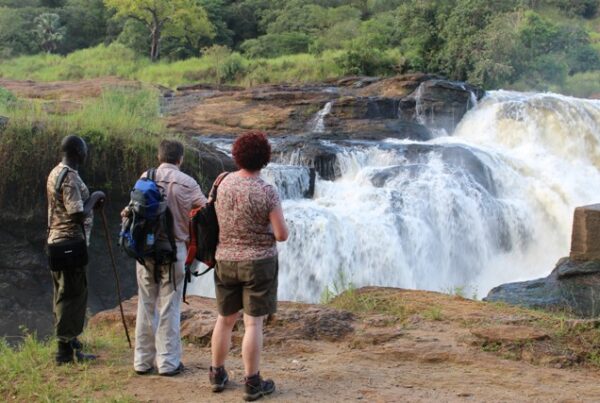
Boat cruises along the Nile River remain a highlight during January, providing a serene yet thrilling way to observe aquatic wildlife such as hippos and crocodiles. The calm river waters also attract myriad bird species, making the cruise a favored activity for photographers and nature enthusiasts alike. The vantage points near the base and summit of Murchison Falls offer spectacular views, and visitors are encouraged to explore these areas to fully appreciate the dramatic contrast between the river’s placid stretches and its thunderous descent.

Walking safaris and guided nature walks are also viable during January, as the dry ground conditions facilitate safe and enjoyable trekking. These walks allow for close encounters with smaller flora and fauna and provide opportunities to learn about the intricate ecological relationships that sustain the park’s biodiversity. For those interested in cultural tourism, visits to nearby communities can be arranged, offering insight into local traditions and ways of life, further complementing the wildlife-focused itinerary.

Why January is Ideal for Murchison Falls National Park Visits

January’s dry, sunny climate, combined with concentrated wildlife and excellent visibility, makes it one of the most favorable months to experience Murchison Falls National Park. The ease of spotting animals, coupled with the lush yet not overwhelming vegetation, creates optimal conditions for photography holidays, wildlife holidays, and adventure holidays alike. The absence of heavy rains ensures that roads and tracks remain accessible, minimizing travel disruptions and allowing for comprehensive exploration of the park.

Additionally, January’s weather facilitates comfortable outdoor dining and evening relaxation within the camp or lodge settings, enhancing the overall safari experience. The balance between solitude and wildlife abundance during this time also attracts those seeking off-the-beaten-path holidays and private holidays, where tranquility and exclusivity are valued.

Plan Your January Safari with WildHorn Africa

Murchison Falls National Park in January presents an exceptional blend of favorable climate, abundant wildlife, and rich cultural experiences. The park’s unique natural features and diverse ecosystems come alive during this month, providing travelers with a rare and captivating safari experience that appeals to both novice visitors and seasoned explorers.

To ensure a seamless and enriching journey to this magnificent destination, booking your Africa tours and safaris through WildHorn Africa is strongly recommended. With their extensive knowledge, personalized service, and commitment to responsible tourism, WildHorn Africa expertly crafts itineraries that showcase the very best of Murchison Falls National Park, making your January safari not only unforgettable but also profoundly meaningful.

Where to stay on your trip to Murchison Falls?

Where to stay on your trip to Murchison Falls?

By Travel guides, Travel stories and blogs, Uganda travel guides

Where to Stay on Your Trip to Murchison Falls?

Murchison Falls National Park, the crown jewel of Uganda’s wildlife destinations, is a place where raw African wilderness meets breathtaking beauty. This legendary park, named after the thunderous waterfall that forces the Nile River through a narrow gorge, has long been an irresistible magnet for nature lovers, photographers, and adventurers. However, while the falls and the sweeping savannah landscapes dominate the imagination, an equally important decision shapes the quality of a visit—the choice of where to stay. Selecting the right accommodation can transform a trip into an unforgettable journey, allowing one to experience the heart of Uganda in comfort, style, and closeness to nature.

The Setting: Why Accommodation Matters in Murchison Falls

A visit to Murchison Falls is not just a wildlife encounter; it is a complete immersion into an ecosystem where every moment offers a spectacle. Hippos grunt from the Nile’s banks at night, lions roam the grasslands at dawn, and the air carries the distant rumble of cascading water. Staying within or near the park provides a privileged vantage point to experience these wonders. The strategic location of accommodations determines how early game drives can start, how long boat cruises can last, and how often the falls themselves can be admired. Being in the right place also allows the rhythms of nature to dictate the pace of each day, making the journey as much about the experience of staying as it is about the sights themselves.

The Charm of Riverside Lodges

For many visitors, the romance of Murchison Falls begins and ends with the Nile River. Several lodges are positioned along its banks, offering uninterrupted views of the water’s flow, with sunsets painting the sky in molten gold. These riverside havens are designed to provide comfort while keeping the environment’s authenticity intact. It is here that the soothing soundtrack of the river replaces the hum of city life, where mornings are welcomed by the distant cry of African fish eagles, and evenings bring starlit skies reflected in the slow-moving waters. Guests in these lodges often find themselves closer to the departure points for boat cruises to the falls or the delta, reducing travel time and maximizing opportunities for exploration.

The Elegance of Safari Lodges within the Park

Inside the boundaries of Murchison Falls National Park, exclusive safari lodges have been established to merge the thrill of the wild with the elegance of modern hospitality. Constructed with local materials and designed to blend seamlessly into the landscape, these lodges offer panoramic views of the plains, where elephants may be spotted grazing in the distance. By staying within the park, visitors benefit from immediate access to early morning game drives, when predators are most active and the light is perfect for photography. The isolation from outside settlements ensures a deep sense of connection to the wild, a feeling that is often hard to replicate elsewhere.

The Intimacy of Tented Camps

For those seeking a more primal connection with nature, tented camps provide an ideal balance between adventure and comfort. These accommodations allow guests to sleep under canvas roofs, with the night sounds of the savannah only a fabric wall away. Such camps are often set in carefully chosen locations to enhance wildlife viewing opportunities, sometimes attracting animals directly into the vicinity. Despite the rustic setting, these camps are often equipped with comfortable bedding, private bathrooms, and attentive service, making them a favorite for travelers who wish to experience authenticity without sacrificing essential comforts.

The Budget-Friendly Alternatives

Not every traveler to Murchison Falls arrives in search of luxury. Affordable guesthouses and mid-range lodges, often located just outside the park’s gates, cater to visitors who prefer to allocate more of their budget to activities rather than accommodation. While simpler in amenities, many of these places are run by warm and hospitable hosts who share invaluable local knowledge. Staying slightly outside the park may require earlier departures for game drives, but the savings allow for extended stays or additional excursions, such as visiting the nearby Budongo Forest for chimpanzee tracking.

The Unique Appeal of Eco-Lodges

In recent years, eco-lodges have gained prominence as a sustainable accommodation choice for Murchison Falls visitors. Built with environmentally friendly materials, powered by solar energy, and committed to conserving the park’s delicate ecosystem, these lodges appeal to travelers who wish to minimize their environmental footprint. The experience in an eco-lodge often includes guided nature walks, educational talks on conservation, and opportunities to engage with local communities. Staying in such a place allows guests to leave knowing that their presence has contributed positively to the preservation of Uganda’s natural heritage.

Proximity to Key Attractions

The location of accommodation in relation to Murchison Falls’ major attractions shapes the daily itinerary. Those near Paraa, in the heart of the park, are conveniently situated between the northern and southern banks of the Nile, allowing quick access to both game-rich savannahs and river-based activities. In contrast, accommodations near the southern entrance, such as those close to Kichumbanyobo Gate, provide easier access from Kampala and are ideal for combining visits to the falls with forest walks in Budongo. Visitors seeking to explore the Nile delta, where the river fans out into wetlands teeming with birdlife, often choose lodges positioned toward the northern reaches of the park.

The Role of Comfort in Wildlife Travel

Wildlife safaris are exhilarating but can also be physically demanding. Long drives under the African sun, hours spent observing animals, and the excitement of early mornings require a comfortable retreat at the day’s end. The quality of rest obtained during a safari directly impacts the enjoyment of the next day’s adventures. Comfortable beds, nourishing meals, and quiet surroundings allow travelers to rejuvenate, making accommodation not just a place to sleep, but a cornerstone of the entire experience.

Cultural Enrichment through Local Hospitality

Some accommodations around Murchison Falls weave local culture into their services, offering guests a chance to enjoy traditional Ugandan dishes, music, and dance. This form of hospitality adds depth to the trip, turning it into more than just a nature experience. Through such interactions, travelers gain insight into the lives of communities living alongside the park, creating memories that are as vivid as the wildlife encounters themselves.

Planning Ahead for the Best Stays

The popularity of Murchison Falls means that the best lodges and camps often become fully booked, especially during peak seasons between June and September and again in December to February. Early planning ensures that the desired type of accommodation—whether a riverside retreat, a tented camp, or an eco-lodge—is secured. By booking well in advance, visitors can also align their choice with specific activities, ensuring that no time is lost in transit and that every moment in this remarkable park is maximized.

Enhancing the Murchison Falls Experience

Choosing where to stay during a trip to Murchison Falls is more than a logistical consideration—it is a defining factor in the richness of the journey. The right accommodation provides not only a comfortable base but also an immersive environment that enhances every sight, sound, and scent of the wilderness. Whether embraced from the vantage point of a luxurious riverside veranda, a tent beneath the African stars, or a budget lodge humming with local charm, the magic of Murchison Falls is amplified by the place one calls home during the adventure.

To transform the dream of visiting Murchison Falls into a reality filled with exceptional moments, it is essential to combine thoughtful accommodation choices with expertly guided exploration. For travelers seeking the perfect balance of comfort, adventure, and cultural depth, Africa’s wonders await. These can be experienced most seamlessly by entrusting the journey to a knowledgeable and reputable tour operator.

For an unforgettable journey through Murchison Falls and beyond, Africa’s landscapes, wildlife, and cultures are best discovered through the expertise of WildHorn Africa, whose tailored tours and safaris ensure that every moment is as enriching as it is breathtaking.

A Photographer’s Paradise: Capturing Murchison Falls National Park.

A Photographer’s Paradise: Capturing Murchison Falls National Park

By Travel stories and blogs, Family holidays, Luxury holidays, Safari holidays, Special offers, Uganda travel guides, Wildlife holidays

A Photographer’s Paradise: Capturing Murchison Falls National Park

Where Every Frame Tells a Story

In the heart of northern Uganda, where the River Nile surges through a narrow gorge before plunging in a thunderous cascade, a landscape of unparalleled beauty and raw power unfolds. This is Murchison Falls National Park, a sanctuary where wildlife thrives amidst dramatic rivers, lush savannahs, and verdant forests. For photographers, it is more than a destination; it is a living canvas, where every moment, every angle, and every encounter holds the potential for a perfect shot.

The park’s iconic waterfall, which forces the Nile through a seven-meter-wide chasm before descending into a mist-filled pool, serves as both subject and backdrop for countless photographic opportunities. Yet Murchison Falls is more than its waterfall. The park’s ecosystems host an extraordinary diversity of wildlife, from elephants and lions to hippos and crocodiles, while over 450 bird species provide bursts of color and movement that challenge even the most skilled photographer. Capturing the essence of this park requires understanding not only composition and light but also the rhythms of wildlife and the nuances of Uganda’s climate.

This guide explores the art of photographing Murchison Falls National Park, covering the best locations, techniques, timing, and equipment, offering photographers—from enthusiasts to professionals—a comprehensive roadmap for capturing this East African paradise.

Understanding the Landscape: The Foundation for Photography

To capture Murchison Falls successfully, it is essential to first understand the landscape. The park encompasses savannah plains, riverine forests, wetlands, and the dramatic Nile Gorge. Each ecosystem provides different photographic opportunities and challenges.

The savannah plains, stretching across the northern and southern sectors, are ideal for wide-angle shots that showcase large herds of elephants, buffaloes, and Uganda kobs against sweeping horizons. Early mornings and late afternoons produce soft, golden light, enhancing the warm tones of the grass and accentuating shadows.

Riverine forests and wetlands offer intimate and dynamic compositions, where birds, primates, and smaller mammals can be photographed in their natural habitats. Here, patience is rewarded, as shafts of sunlight penetrate the canopy, illuminating subjects in a natural spotlight.

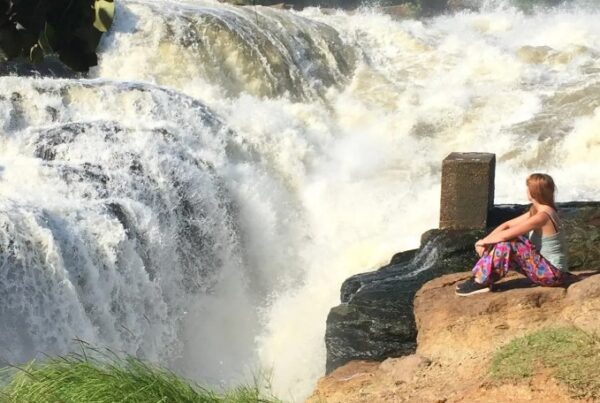
The Nile Gorge and Murchison Falls themselves demand dramatic perspectives, with mist, water flow, and rock formations creating both technical challenges and artistic possibilities. The contrast between the power of falling water and the serenity of the surrounding forest provides a narrative of energy and tranquility, which can be captured through careful framing, exposure adjustments, and timing.

Timing Your Photography: Seasons and Light

In photography, timing is crucial. In Murchison Falls, the dry and wet seasons influence both wildlife behavior and photographic conditions. The dry season, from December to February and June to September, allows for easier access to roads and game drives, making wildlife more concentrated near permanent water sources. This results in clearer compositions and higher probabilities of capturing iconic animals such as lions, giraffes, and elephants in natural, unobstructed settings.

The wet season, from March to May and October to November, transforms the park into a lush green haven. The challenge of photographing animals in denser foliage is offset by vibrant colors, flowing rivers, and increased activity among birds and smaller species. Migratory birds arrive during these months, offering unparalleled opportunities for ornithological photography.

The golden hours of early morning and late afternoon are critical for all seasons. Low-angle light creates dramatic contrasts, highlights textures in the landscape, and provides soft illumination for wildlife, reducing harsh shadows and overexposure. Midday light, while harsher, can be used creatively to capture the sparkle of the Nile or the mist rising from Murchison Falls.

Wildlife Photography: Patience and Precision

Murchison Falls’ wildlife is abundant and diverse, making it a paradise for photographers seeking both grandeur and subtlety. Elephants, often observed in large herds, provide dramatic opportunities when photographed against open plains or silhouetted at sunset. Lions and leopards require stealth and timing, as they are most active during early mornings and late evenings.

Smaller species, such as Uganda kobs, hartebeests, and warthogs, offer opportunities for dynamic action shots, capturing movement and social interactions. Primates, including baboons and vervet monkeys, can be found in forested areas, allowing photographers to practice framing and depth of field to highlight individual behaviors within the group.

Bird photography is particularly rewarding, as the park hosts over 450 species. Raptors, waterfowl, and colorful passerines provide both action and detail shots. The shoebill stork, one of Uganda’s most iconic birds, presents a coveted subject, best captured in its wetland habitats during calm mornings when the bird is stationary and reflective waters enhance the composition.A Photographer’s Paradise: Capturing Murchison Falls National Park.

Techniques for Capturing the Falls and River Landscapes

Murchison Falls and the Nile Gorge are dynamic subjects that require specific techniques. Long exposure photography can transform the torrent of falling water into a silky, ethereal effect, while careful use of filters can balance exposure between bright skies and darker riverbanks. Wide-angle lenses are recommended for capturing the scale of the gorge and surrounding landscapes, emphasizing the contrast between the immense waterfall and the smaller, yet vibrant, details of the flora and fauna.

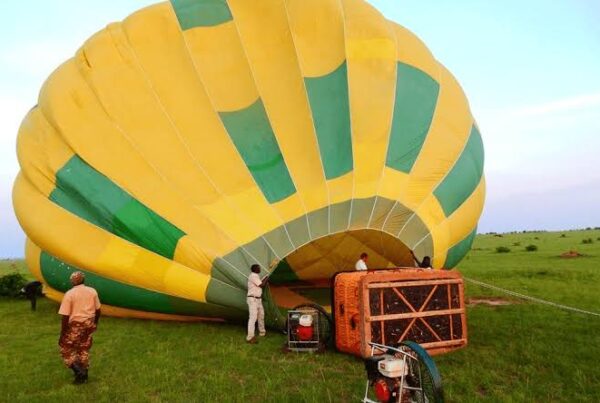
Aerial photography via drones or hot air balloons provides a unique vantage point, allowing for panoramic compositions that reveal the interplay between the river, wildlife, and vegetation. Balloon safaris are particularly effective during dry seasons, when visibility is optimal and animals are concentrated in easily observable areas.

Equipment Considerations

Photographers visiting Murchison Falls are advised to bring versatile equipment to accommodate diverse subjects. Telephoto lenses, ideally 300mm or longer, are essential for wildlife photography, allowing close-up shots without disturbing animals. Wide-angle lenses, ranging from 14mm to 35mm, are recommended for landscapes, river vistas, and waterfall compositions.

Tripods are crucial for long exposures and low-light conditions, especially near the falls or during early morning and late evening game drives. Filters, including polarizers and neutral density filters, help manage glare, enhance color saturation, and allow for creative exposure effects.

Drones can offer aerial perspectives, though their use must comply with park regulations and local laws. Backup batteries and memory cards are strongly advised, as the abundance of photographic opportunities can quickly deplete resources.

Composition and Storytelling

Effective wildlife and landscape photography requires more than technical skill—it requires storytelling. Murchison Falls provides abundant material to weave narratives: a lion surveying the plains at sunrise, hippos submerged in the calm river, or elephants drinking along the Nile at dusk. The key is to consider foreground, midground, and background, using natural elements such as trees, rocks, and water reflections to create depth and context.

Capturing behavior is as important as capturing beauty. Documenting hunting sequences, social interactions among elephants, or bird feeding behaviors adds life to images and provides insight into the ecosystems within the park. The interplay of light, movement, and environment is central to creating compelling photographs that convey both the grandeur and subtlety of the African wilderness.

Lodges and Photography Access

Strategically located lodges enhance photographic opportunities. Many luxury and mid-range lodges are positioned along the River Nile, providing sunrise and sunset vistas directly from accommodations. These lodges often offer guided excursions tailored for photographers, including early morning boat cruises, specialized game drives, and access to hidden viewpoints near Murchison Falls.

The combination of expert guides, lodge proximity, and infrastructure ensures that photographers can maximize their time in the field, capturing fleeting wildlife moments and dynamic landscapes without compromising safety or comfort.

Conservation and Ethical Photography

Ethical considerations are paramount in photographing Murchison Falls. Maintaining distance from wildlife, avoiding disturbance during critical behaviors such as feeding or breeding, and respecting park regulations are essential. Photography should enhance appreciation of the environment rather than interfere with it.

Many lodges and safari operators actively support conservation initiatives, encouraging guests to engage responsibly with wildlife and local communities. Ethical photography not only preserves the park’s integrity but also ensures that future visitors can experience the same abundance and beauty.

Planning Your Photographic Safari

A successful photographic safari in Murchison Falls requires meticulous planning. Selecting the best season, understanding animal behavior, coordinating accommodations, and hiring knowledgeable guides all contribute to the quality of the photographic experience. The dry season may favor wide-angle shots of large mammals, while the wet season enhances birding and lush landscape photography.

Photographers should allocate sufficient time for early morning and late afternoon excursions, allowing for soft light and dynamic animal activity. Boat cruises and hot air balloon safaris provide complementary perspectives, expanding the range of subjects and angles available for capture.

Immortalizing the Wild

Murchison Falls National Park is more than a destination; it is a photographer’s paradise, where every frame tells a story of power, grace, and ecological diversity. From the roaring falls to the sweeping savannahs, from intimate wildlife interactions to dramatic river landscapes, the park offers endless opportunities to capture the essence of Africa.

To ensure a seamless and enriching experience, it is highly recommended to book safaris through WildHorn Africa. With expertise in crafting personalized photographic itineraries, guided excursions, and access to prime locations, WildHorn Africa allows photographers to focus on their craft while experiencing the unparalleled beauty of Murchison Falls. Through their guidance, every moment in the park can be transformed into a striking visual narrative that will be cherished for a lifetime.

Close Menu