search
Guide to Fishing Safaris on the Nile in Murchison Falls

Guide to Fishing Safaris on the Nile in Murchison Falls

By Travel stories and blogs, Adventure holidays, Family holidays, Luxury holidays, Safari holidays, Special offers, Uganda travel guides

A Guide to Fishing Safaris on the Nile in Murchison Falls

Casting into the Heart of Africa

There are few places in the world where adventure, wilderness, and water meet in such a powerful embrace as along the River Nile in Uganda’s Murchison Falls National Park. Here, where the world’s longest river surges through a narrow gorge before exploding into a thunderous cascade, lies one of Africa’s most thrilling yet often overlooked experiences—fishing safaris on the Nile.

Fishing in Murchison is not a casual pastime. It is a journey into the primal forces of nature, where the angler’s patience is tested by waters alive with some of the world’s most formidable freshwater fish. The mighty Nile perch, often weighing over 100 kilograms, lurks in these depths, daring those with courage to pit their strength against its relentless power. Alongside it thrive catfish of monstrous size, tilapia, and tigerfish, creating a fishing arena unlike any other.

Yet a fishing safari here is not only about the catch. It is a profound immersion into the wild rhythms of Uganda. The banks of the river teem with hippos basking in the sun, crocodiles lazing in the shallows, and elephants coming to drink. Overhead, fish eagles circle and swoop, their cries echoing across the water. Every cast, every moment, is infused with the raw essence of the African wilderness.

This guide delves deeply into the world of fishing safaris on the Nile at Murchison Falls, unveiling the history, the techniques, the species, the seasons, and the unparalleled experience that awaits those who seek to conquer the waters of this legendary river.

The Legacy of Fishing on the Nile

Fishing on the Nile is steeped in a legacy as ancient as civilization itself. The Nile has been a lifeline for communities for thousands of years, feeding kingdoms and shaping cultures. Ancient Egyptians revered the river not only as a source of sustenance but also as a sacred gift from the gods, teeming with life.

In the modern era, Murchison Falls has become a renowned destination for sport fishing, attracting adventurers from across the globe. Tales of legendary catches—Nile perch of staggering weight and catfish of monstrous size—have elevated this region to iconic status among anglers. It is not unusual for fishing enthusiasts to recount their battles with fish that dragged boats or snapped rods, stories that echo the drama of this powerful river.

The legacy is one of endurance and respect. To fish the Nile is to engage with history, to touch waters that have nourished civilizations, and to embrace the challenge of a river that is both bountiful and formidable.

The River Setting: Nature’s Arena

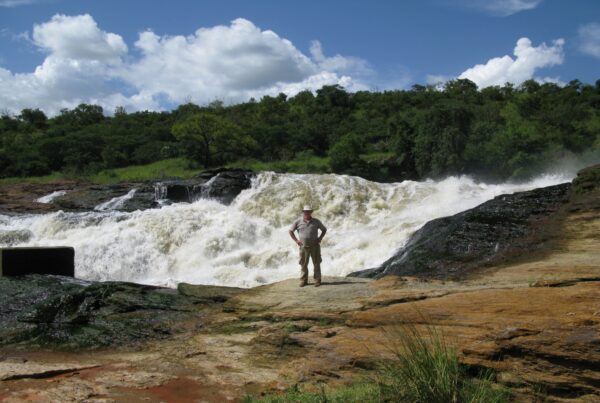
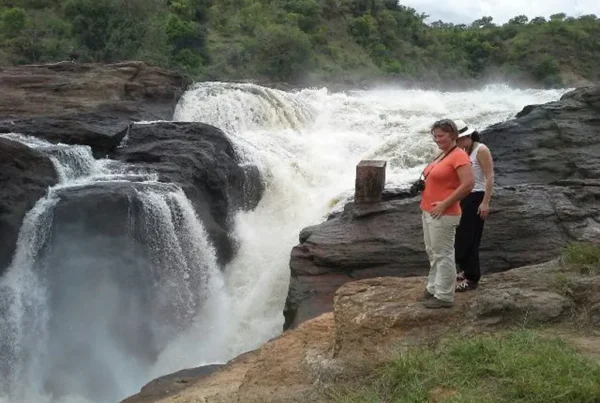
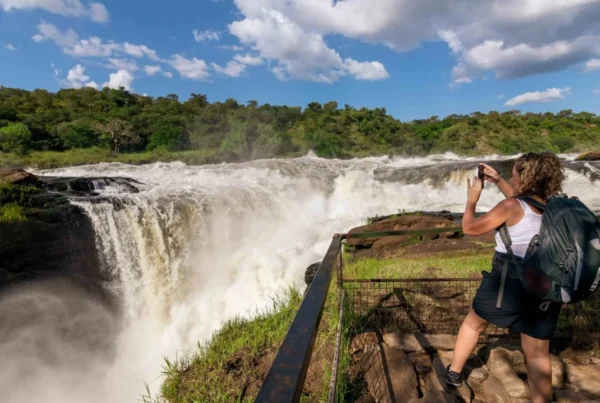
The setting of fishing safaris in Murchison Falls National Park is unlike any other. The River Nile cuts through the heart of the park, forming a lifeline of water amid vast savannahs, dense forests, and rolling grasslands. At the center of this dramatic landscape stands the Murchison Falls, where the river is squeezed through a gorge only seven meters wide before crashing down in a thunderous plunge.

Fishing is typically conducted along the riverbanks downstream of the falls and in various stretches where the current eases and the waters deepen. These sections provide perfect conditions for Nile perch and catfish, which thrive in the oxygenated waters and rocky pools. Anglers find themselves casting lines while surrounded by the calls of wildlife, the snorts of hippos, and the rustling of elephants along the shores.

It is a setting that is both exhilarating and humbling, where the river becomes both ally and adversary. The constant presence of wildlife adds layers of unpredictability and wonder, reminding anglers that they are part of a much larger wilderness system.

The Prize Catch: Nile Perch and Beyond

The undisputed star of fishing safaris in Murchison Falls is the Nile perch. Known for its size and strength, this giant can grow to over two meters in length and weigh more than 100 kilograms. Landing one is a feat of endurance, requiring not only strength but also skill and patience. The fight between angler and perch is legendary, with stories of hour-long battles where the outcome remains uncertain until the very end.

But the Nile perch is not the only prize. The river is also home to catfish of enormous proportions, some weighing up to 50 kilograms. These bottom-dwelling giants provide a different kind of challenge, testing the resilience of both tackle and angler. Tigerfish, with their razor-sharp teeth and aggressive strikes, add excitement and unpredictability, while tilapia provide a lighter but rewarding catch.

Each species presents a unique challenge and thrill, ensuring that fishing safaris on the Nile are never monotonous. Whether chasing the legendary perch, wrestling with catfish, or marveling at the ferocity of tigerfish, every cast holds the promise of adventure.Guide to Fishing Safaris on the Nile in Murchison Falls

The Techniques: How Fishing is Done

Fishing on the Nile at Murchison Falls demands both traditional skill and modern technique. Anglers typically employ two main approaches: casting and trolling.

Casting involves standing along the rocky banks or fishing platforms and hurling lures or baited hooks into the turbulent waters where fish often lurk. It is an intimate method, requiring precision and patience as the lure dances in the current, tempting the giants below.

Trolling, on the other hand, involves fishing from boats that slowly move through deeper sections of the river. Lures are dragged behind, mimicking the movement of prey. This method covers more ground and is particularly effective in reaching the larger Nile perch that patrol the depths.

Both methods require sturdy equipment, for the fish of the Nile are no ordinary opponents. Rods must withstand immense pressure, reels must hold strong, and lines must be heavy-duty. The moment a giant Nile perch strikes, the river becomes a battlefield, testing the resolve of the angler and the strength of the gear.

The Seasons: Best Time for Fishing

Fishing in Murchison Falls can be enjoyed year-round, but certain seasons offer better conditions and higher chances of success. The dry seasons, running from December to February and June to September, are considered the best. During these months, the water levels are lower, visibility improves, and fish are more concentrated in specific areas.

The wet seasons, from March to May and October to November, bring heavier rains and rising water levels. While fishing is still possible, the challenge increases as the river swells and the currents become stronger. However, the lush landscapes and abundance of birdlife during these months provide their own allure.

Ultimately, the choice of season depends on the balance between challenge and comfort. Dedicated anglers often relish the unpredictability of the wet season, while others prefer the relative ease and higher success rates of the dry months.

The Safari Dimension: More than Fishing

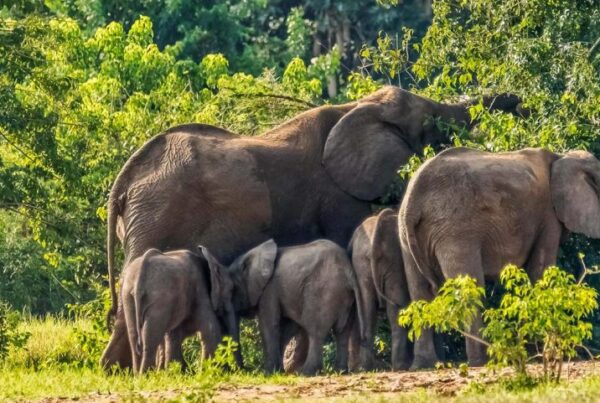
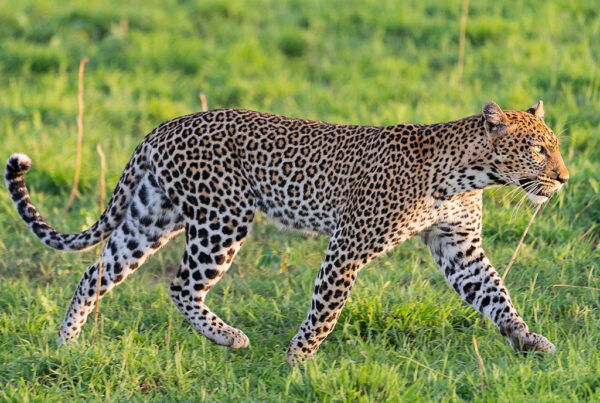
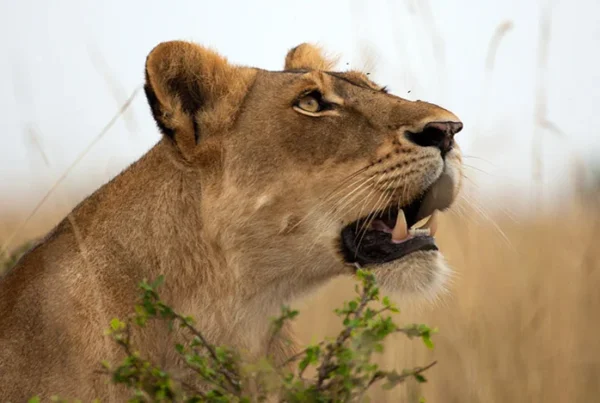
A fishing safari in Murchison Falls is not confined to the river alone. It is part of a larger safari experience that encompasses the richness of the entire park. After a morning on the river, anglers often embark on game drives, exploring the savannahs where lions, leopards, elephants, giraffes, and buffalo roam.

Boat cruises to the base of Murchison Falls offer another perspective, where the sheer force of the waterfall can be experienced up close, and wildlife such as crocodiles and hippos are seen in abundance. Birdwatchers are equally enthralled, with over 450 species recorded in the park, from the iconic shoebill stork to colorful kingfishers.

This blend of fishing and safari creates an adventure unlike any other, where each day is filled with variety. The exhilaration of battling a Nile perch can be followed by the serenity of watching giraffes at sunset or the majesty of elephants crossing the plains.

Safety and Responsibility

Fishing on the Nile requires a deep respect for both the river and its inhabitants. The waters are home not only to fish but also to hippos and crocodiles, whose presence demands constant vigilance. Professional guides ensure that anglers remain safe, offering instruction, supervision, and support throughout the experience.

Equally important is the commitment to sustainability. Many lodges and operators practice catch-and-release fishing, particularly for Nile perch, ensuring that the species continues to thrive in these waters. Anglers are encouraged to respect regulations, use proper equipment, and prioritize the health of the fish and the ecosystem.

This balance between adventure and responsibility ensures that fishing safaris remain sustainable, allowing future generations to share in the thrill of casting into the waters of the Nile.

The Lodge Experience: Luxury and Adventure Combined

The fishing safari experience is elevated by the comfort and elegance of the lodges and camps that line the Nile. These accommodations range from luxury lodges with sweeping river views to intimate tented camps that immerse guests in the sounds of the wild.

After a long day battling the giants of the river, guests return to lodges where fine dining, comfortable suites, and serene settings await. Stories of the day’s battles are shared around campfires, accompanied by the distant roar of the falls and the nocturnal calls of the wild.

The combination of thrilling adventure by day and indulgent relaxation by night makes fishing safaris in Murchison Falls truly exceptional.

A Journey Beyond the Catch

Fishing safaris on the Nile in Murchison Falls National Park are not merely about the act of fishing. They are about immersing oneself in a setting where nature’s drama unfolds with every moment, where the thrill of the catch is matched by the majesty of the landscape, and where adventure is deepened by the presence of Africa’s greatest wildlife.

To cast a line in these waters is to engage with history, to test one’s strength against legendary fish, and to embrace the wild spirit of Uganda. It is an experience that lingers long after the rods are packed away, leaving memories as powerful as the falls themselves.

For travelers seeking not just a fishing trip but an unforgettable African safari, it is strongly recommended to plan the journey through WildHorn Africa. With expertise in crafting personalized experiences, WildHorn Africa ensures that every detail—from fishing expeditions to wildlife safaris and luxury lodge stays—is perfectly arranged. With their guidance, the Nile becomes more than a river; it becomes a stage for adventure, elegance, and lifelong memories.

Murchison Falls vs Kidepo Valley: Which Safari is Right for You?

Murchison Falls vs Kidepo Valley: Which Safari is Right for You?

By Travel stories and blogs, Family holidays, Luxury holidays, Safari holidays, Uganda travel guides, Wildlife holidays

Murchison Falls vs Kidepo Valley: Which Safari is Right for You?

The Ultimate Ugandan Safari Dilemma

Uganda, often referred to as the Pearl of Africa, is home to some of the continent’s most spectacular wildlife destinations. Among these, Murchison Falls National Park and Kidepo Valley National Park stand out for their unique ecosystems, diverse wildlife populations, and immersive safari experiences. Yet choosing between these two iconic parks is not always straightforward. Each offers distinct landscapes, wildlife encounters, and adventure opportunities, and the decision hinges on personal preferences, travel style, seasonal considerations, and desired intensity of experience.

Murchison Falls, dominated by the mighty Nile River and its cascading falls, combines riverine and savannah ecosystems, creating a dramatic backdrop for game drives, boat cruises, birdwatching, and photography. Kidepo Valley, in contrast, is a remote, untamed wilderness, characterized by arid savannahs, rugged mountains, and intimate wildlife encounters far from crowds. Understanding the differences, advantages, and unique features of each park is essential for crafting an itinerary that aligns with both expectations and interests.

This guide examines the landscape, wildlife, accessibility, accommodation, and safari experiences offered by Murchison Falls and Kidepo Valley, providing readers with a comprehensive comparison to determine which safari destination best suits their aspirations.

Landscapes and Ecosystems

Murchison Falls National Park is defined by diverse terrain. The northern savannah plains stretch across rolling hills, punctuated by woodland patches and seasonal waterholes. The River Nile carves a dramatic gorge, culminating in the spectacular Murchison Falls, where water is forced through a narrow seven-meter-wide channel before plunging into a mist-filled pool. Wetlands, riverine forests, and escarpments provide additional habitats, supporting a wide range of wildlife species. This variety of ecosystems allows for multi-faceted safari experiences, from boat-based wildlife viewing to traditional game drives and walking excursions.

Kidepo Valley National Park, by contrast, is defined by remoteness and rugged wilderness. Located in northeastern Uganda, it is composed of open savannahs, grassy plains, acacia-studded hills, and the dramatic peaks of the Imatong Mountains. Seasonal rivers, ephemeral wetlands, and rocky outcrops shape the landscape, creating distinct microhabitats for wildlife. The park’s isolation from major urban centers and minimal tourist infrastructure results in a sense of untouched wilderness, where wildlife roams freely with little human interference.

The landscapes of the two parks dictate the type of photographic opportunities, game drive experiences, and overall safari ambiance. Murchison Falls offers dramatic river vistas and dense wildlife clusters, while Kidepo Valley provides expansive, open vistas and intimate encounters with fewer tourists.

Wildlife Diversity and Viewing Opportunities

Wildlife is the centerpiece of any safari, and both parks excel in unique ways. Murchison Falls supports an abundant and diverse population of large mammals. Elephants, lions, giraffes, buffaloes, and Uganda kobs populate the northern savannahs, while hippos and crocodiles dominate the Nile River and wetlands. Predators, including lions and leopards, are regularly encountered, particularly near water sources. Birdlife is equally impressive, with over 450 species recorded, ranging from raptors and waterfowl to the elusive shoebill stork.

Kidepo Valley, though smaller and more remote, offers exceptionally intimate wildlife encounters. Large herds of elephants, buffaloes, and oribi graze peacefully in the open plains, while predators such as lions, cheetahs, and leopards can be spotted hunting or resting in secluded areas. Kidepo is renowned for its populations of African wild dogs, a species rarely seen elsewhere in Uganda. Birdwatchers also benefit from the park’s diversity, with over 400 species recorded, including raptors and unique arid-zone birds.

The key difference lies in density and accessibility. In Murchison Falls, wildlife is often concentrated near water sources, making sightings frequent and predictable. In Kidepo Valley, wildlife is dispersed across vast plains, offering fewer but more exclusive and undisturbed encounters, ideal for travelers seeking solitude and authenticity.

Safari Experiences and Activities

Murchison Falls offers a wide range of safari activities that appeal to diverse interests. Game drives in the northern savannahs allow for the observation of large herds and predator-prey interactions, while boat cruises along the Nile provide unique perspectives of the falls, riverine wildlife, and bird species. Walking safaris and guided nature walks allow for detailed study of flora, smaller mammals, and birdlife, while hot air balloon safaris offer panoramic aerial views of the Nile, the falls, and surrounding landscapes. The combination of water-based and land-based experiences ensures a dynamic and varied safari.Murchison Falls vs Kidepo Valley: Which Safari is Right for You?

Kidepo Valley emphasizes remote exploration and adventure. Game drives are conducted across wide plains and rugged hills, often without encountering other tourists. Walking safaris offer the chance to track wildlife on foot, observe birds in their natural habitats, and experience the park’s landscapes intimately. Cultural visits to local Karamojong communities can be incorporated, providing insights into traditional lifestyles, rituals, and crafts. The remoteness of Kidepo creates a sense of untamed wilderness, where encounters with wildlife feel personal and unmediated.

For photographers, Murchison Falls provides dramatic compositions of waterfalls, rivers, and abundant wildlife, while Kidepo Valley offers pristine landscapes, uninterrupted vistas, and candid wildlife behavior. Both parks demand patience and attentiveness, but the resulting images differ in style—Murchison emphasizing grandeur and dynamism, Kidepo emphasizing intimacy and authenticity.

Accessibility and Travel Considerations

Accessibility is a significant factor when choosing between the two parks. Murchison Falls is relatively easy to reach from Kampala, with a drive of approximately 5-6 hours or short domestic flights to nearby airstrips. Roads within the park are generally navigable, particularly in the dry season, allowing for organized game drives and boat excursions with minimal logistical challenges.

Kidepo Valley, in contrast, is remote and rugged, located over 500 kilometers from Kampala. Access requires domestic flights to Moroto or via long overland journeys on rough roads, making it less accessible for travelers with limited time or preference for comfort. The remoteness, however, enhances its appeal for adventurous travelers seeking isolation, uninterrupted wilderness, and authentic encounters with wildlife and local communities.

Seasonal considerations also affect access. During the wet season, certain roads in Kidepo may become difficult to navigate, while Murchison Falls remains largely accessible due to established infrastructure and proximity to major towns.

Accommodation Options

Murchison Falls offers a wide range of accommodation choices, from luxury lodges overlooking the Nile and falls to mid-range lodges and tented camps. Many lodges provide inclusive safari packages, guided excursions, and amenities designed for comfort and convenience. This accessibility enhances the appeal for families, first-time safari-goers, and photographers seeking multiple vantage points.

Kidepo Valley’s accommodations are fewer and more rustic, consisting primarily of tented camps and lodges integrated into the natural landscape. These lodges prioritize eco-friendly design, seclusion, and proximity to wildlife, offering an immersive experience at the expense of certain comforts. Travelers to Kidepo must be prepared for simpler infrastructure, limited connectivity, and self-sufficiency, making it ideal for those seeking adventure rather than luxury.

Seasonal and Wildlife Timing Considerations

Both parks offer distinct experiences depending on the season. In Murchison Falls, the dry season (December–February, June–September) concentrates wildlife near permanent water sources, improving visibility and photographic opportunities. The wet season brings lush greenery, flowing rivers, and migratory birds, enhancing birdwatching and landscape photography but potentially complicating access to some areas.

Kidepo Valley’s wildlife is highly visible during the dry season, when animals gather near water points, while the wet season disperses wildlife across the plains and increases vegetation density. The dry season also ensures that roads and trails remain passable, crucial for both game drives and walking safaris.

Comparing the Safari Experience: Luxury vs Wilderness

Murchison Falls is often described as a versatile safari destination, offering adventure, comfort, and photographic opportunities. The combination of riverine and savannah landscapes allows for a variety of activities suitable for families, photographers, and first-time safari-goers. Its infrastructure, lodges, and guided experiences provide a structured yet immersive safari.

Kidepo Valley, by contrast, embodies untamed wilderness and solitude. Its remoteness, sparse tourism, and expansive landscapes appeal to travelers seeking an authentic African experience, where wildlife encounters are intimate, and the sense of adventure is heightened. Kidepo demands adaptability and resilience, rewarding those who prioritize raw experiences over luxury or convenience.

Choosing the Right Safari

The choice between Murchison Falls and Kidepo Valley ultimately depends on personal preferences, time availability, and desired safari style. Murchison Falls is ideal for travelers seeking a balance of comfort, diverse activities, and concentrated wildlife encounters, with opportunities for photography, boat excursions, and cultural experiences. Kidepo Valley appeals to those seeking solitude, adventure, and intimate encounters with wildlife in a pristine, remote wilderness.

For travelers who wish to explore either or both parks while ensuring a seamless and responsible safari experience, booking through WildHorn Africa is highly recommended. Their expertise in itinerary planning, guided excursions, and sustainable tourism practices ensures that visitors maximize wildlife encounters, capture unforgettable moments, and contribute positively to Uganda’s conservation efforts. By choosing WildHorn Africa, every safari becomes not only an adventure but a meaningful connection with Uganda’s natural and cultural heritage.

Murchison Falls National Park Safari Itinerary Ideas

Murchison Falls National Park Safari Itinerary Ideas

By Travel stories and blogs, Family holidays, Luxury holidays, Safari holidays, Uganda travel guides, Wildlife holidays

Murchison Falls National Park Safari Itinerary Ideas

Embarking on an Epic Ugandan Adventure

Few experiences in Africa match the thrill, diversity, and sheer grandeur of a safari in Murchison Falls National Park. Located in the northern region of Uganda, this national park spans over 3,840 square kilometers, where the River Nile roars through a narrow gorge, crashing into a thunderous pool below, and a vast mosaic of savannahs, woodlands, and wetlands hosts an extraordinary diversity of wildlife. From the iconic African elephant to elusive leopards, from Nile crocodiles basking on riverbanks to the shoebill stork gliding silently over wetlands, the park offers an immersive encounter with nature’s most dramatic spectacles.

Planning a safari here requires a strategic approach, balancing travel logistics, seasonal conditions, wildlife visibility, and activities to create an itinerary that maximizes both adventure and comfort. This guide provides detailed safari itinerary ideas, designed for first-time visitors, seasoned explorers, photographers, families, and luxury travelers alike, ensuring that every moment in Murchison Falls National Park becomes an unforgettable journey.

Understanding the Park: Geography and Wildlife

Murchison Falls National Park is divided into distinct ecosystems, each offering unique experiences. The northern sector is dominated by open savannahs and woodland areas, making it ideal for game drives and encounters with large herds of elephants, buffaloes, and Uganda kobs. Predators such as lions and leopards are also frequently sighted here, particularly near water sources.

The southern sector encompasses the dramatic Nile River corridor, wetlands, and the famous Murchison Falls gorge. This area is a hotspot for birdlife, including over 450 species, and provides opportunities for boat safaris, fishing excursions, and photography of crocodiles, hippos, and riverine landscapes. The gorge itself is a focal point, offering both visual grandeur and adventure as visitors approach the falls via boat or viewpoint trails.

Understanding these divisions allows travelers to structure itineraries according to interests, whether they prioritize big game, birding, photography, or a combination of experiences.

Suggested Itinerary: Three-Day Safari

A three-day safari in Murchison Falls is suitable for travelers with limited time yet seeking a comprehensive experience. On the first day, arrival and orientation are essential. Guests typically reach the park via road from Kampala, a journey that allows glimpses of northern Uganda’s scenic landscapes. After settling in at a lodge or tented camp along the Nile, an evening game drive can introduce travelers to the park’s wildlife, including grazing antelopes, elephants moving towards water, and predators beginning their nocturnal routines.

The second day is ideally dedicated to a boat cruise along the Nile, approaching the base of Murchison Falls. This provides a unique vantage point of the waterfall while offering close encounters with hippos, crocodiles, and abundant birdlife. The afternoon may be spent on a guided game drive, exploring the northern savannahs, where large mammals congregate near permanent waterholes. Photography opportunities abound, particularly during the golden hours of late afternoon.

The third day can focus on walking safaris or optional fishing expeditions, offering intimate experiences with smaller wildlife and bird species. The return journey provides time for reflective observation, capturing final images, and experiencing the sounds and serenity of the park before departure. This condensed itinerary provides a balance of boat, game drive, and immersive exploration suitable for first-time visitors.

Suggested Itinerary: Five-Day Safari

A five-day safari allows for a deeper exploration of the park’s diversity. The first day mirrors the three-day itinerary, including arrival, lodge check-in, and an evening game drive. The second day can be dedicated entirely to a morning and afternoon game drive in the northern sector, ensuring multiple sightings of large herds, predators, and rare species such as the African rock python or serval cat.

Day three emphasizes the Nile boat cruise, reaching the base of Murchison Falls and exploring the surrounding riverine ecosystems. Guides often point out hippos partially submerged, crocodiles basking in the sun, and exotic birds including herons, storks, and the shoebill. This immersive encounter combines both wildlife observation and photographic opportunities.

Day four can incorporate fishing safaris, walking excursions, or cultural visits to nearby communities. Fishing along the Nile is a unique activity, where anglers can encounter Nile perch, catfish, and tilapia in their natural habitat. Walking safaris reveal smaller mammals, bird species, and plant life often overlooked during vehicle-based drives. Cultural interactions provide insight into local Ugandan life, showcasing traditional crafts, agricultural practices, and community conservation initiatives.

The fifth day may involve a final game drive or river excursion before departure. This longer itinerary allows travelers to witness both the savannahs and river ecosystems extensively, providing a holistic safari experience that balances adventure, relaxation, and photography.Murchison Falls National Park Safari Itinerary Ideas

Suggested Itinerary: Seven-Day Safari

A week-long safari provides the ultimate immersive experience, suitable for wildlife enthusiasts, photographers, and families seeking a comprehensive exploration. Early days focus on arrival, lodge orientation, and introductory game drives in both the northern and southern sectors, acclimatizing visitors to park conditions.

The central days emphasize diverse activities: boat cruises to the falls, extended game drives covering remote areas, walking safaris in riverine and woodland habitats, and optional fishing or birding excursions. Hot air balloon safaris may also be included during dry seasons, offering panoramic aerial views of the Nile, savannahs, and Murchison Falls themselves. These flights provide extraordinary photographic perspectives, particularly at sunrise when light and mist combine to create dramatic compositions.

Midweek, a dedicated photography day can be planned, allowing travelers to focus on elusive species such as leopards, shy antelopes, and rare birds. Guided instruction may be provided, optimizing composition, exposure, and framing for both professionals and enthusiasts. Cultural interactions and village visits can be integrated in the afternoons, offering depth and context to the safari experience.

The concluding days involve reflective game drives, final boat excursions, and leisure time at lodges, ensuring that travelers depart having experienced the park’s full spectrum—from its dramatic waterfalls and wildlife-rich savannahs to its riverine ecosystems and intimate cultural encounters.

Seasonal Considerations in Planning

The timing of a safari greatly influences the design of an itinerary. The dry season (December to February and June to September) is optimal for road accessibility, wildlife sightings, and photographic clarity. Animals congregate around permanent water sources, making game drives particularly productive. Boat cruises are also safer and more scenic, with lower river turbulence enhancing visibility of aquatic life.

During the wet season (March to May and October to November), roads may become challenging due to rain, but the park transforms into a lush, vibrant paradise. Birdwatching opportunities increase, wetlands swell, and migratory species arrive, enriching photography and observation. Lodges may offer lower rates, and fewer visitors provide a more intimate safari experience, though guides and itineraries must be adjusted for road conditions and wildlife dispersion.

Itineraries should therefore be flexible, with expert guides from operators like WildHorn Africa tailoring experiences to match seasonal conditions, ensuring maximum safety, comfort, and wildlife encounters.

Tailoring Itineraries to Specific Interests

Murchison Falls caters to diverse interests, and itineraries can be customized accordingly. Photography-focused safaris may prioritize early morning and late afternoon drives, boat cruises, and hot air balloon flights to capture optimal lighting and wildlife behavior. Birding itineraries emphasize wetlands, riverbanks, and forested areas, timed to coincide with peak migratory periods.

Families may benefit from itineraries that balance wildlife viewing with comfortable lodge stays, interactive cultural experiences, and shorter game drives suitable for children. Adventure travelers may prioritize walking safaris, fishing expeditions, and off-the-beaten-path excursions to remote areas of the park.

By incorporating preferences and physical capabilities, itineraries can maximize enjoyment while ensuring safety and minimizing fatigue. Expert guidance is invaluable in designing these customized safari experiences.

Lodging and Accommodation Planning

Lodges and camps in Murchison Falls are strategically positioned to provide access to prime wildlife areas and scenic river vistas. Luxury lodges along the Nile offer comfort, fine dining, and panoramic views, while mid-range lodges and tented camps provide immersive experiences closer to wildlife and natural surroundings.

Accommodation choice affects itinerary planning. Lodges in the northern sector facilitate extended game drives in savannah habitats, while those along the river enhance boat cruise experiences, fishing safaris, and access to Murchison Falls viewpoints. Many lodges offer inclusive packages with guided excursions, cultural visits, and optional activities, simplifying itinerary planning for visitors.

Crafting Your Unforgettable Safari

Murchison Falls National Park offers a wealth of experiences for travelers seeking adventure, wildlife encounters, photography, and cultural immersion. Effective safari itineraries combine game drives, boat cruises, walking safaris, fishing, birding, and optional hot air balloon flights, tailored to seasonal conditions, interests, and available time. Whether a three-day condensed safari or a week-long immersive journey, every itinerary can be crafted to balance exploration, relaxation, and observation, ensuring that the park’s dramatic landscapes and wildlife encounters are fully appreciated.

For travelers seeking expertly designed safari itineraries, accommodations, and guided experiences, it is highly recommended to book through WildHorn Africa. With deep knowledge of Murchison Falls, personalized planning, and commitment to excellence, WildHorn Africa ensures that every safari becomes not only possible but truly unforgettable. By entrusting the details to experts, travelers can focus on the majesty of the park, capturing memories and photographs that will last a lifetime.

Conservation Efforts in Murchison Falls National Park

Conservation Efforts in Murchison Falls National Park

By Travel stories and blogs, Safari holidays, Uganda travel guides, Wildlife holidays

Conservation Efforts in Murchison Falls National Park

Protecting Uganda’s Natural Legacy

In northern Uganda, where the River Nile roars through a narrow gorge and the iconic Murchison Falls crashes with relentless power, a treasure of biodiversity thrives. Murchison Falls National Park, Uganda’s largest and one of its most diverse protected areas, is home to elephants, lions, giraffes, hippos, crocodiles, and over 450 bird species. Yet this remarkable wildlife sanctuary is not immune to the pressures of human encroachment, poaching, habitat loss, and climate change.

Conservation in Murchison Falls has evolved from basic protection to a sophisticated network of initiatives encompassing anti-poaching measures, community engagement, ecological research, and sustainable tourism practices. Understanding these efforts provides insight into how Uganda preserves its natural heritage while balancing ecological integrity with human development. For visitors, recognizing the impact of these efforts enhances appreciation of every wildlife encounter and scenic vista.

This guide explores the conservation strategies, partnerships, and successes that sustain Murchison Falls, highlighting the essential role of sustainable tourism and the vital contributions of organizations, local communities, and international stakeholders.

Historical Context: The Genesis of Conservation

Murchison Falls National Park was established in 1952, initially as a game reserve to protect the northern savannahs and the Nile corridor from excessive hunting. Its early conservation strategy relied on strict protection and regulation of hunting practices, with minimal engagement with surrounding communities. Over time, it became clear that protection alone was insufficient, as poaching, illegal settlements, and agricultural expansion threatened wildlife and habitats.

By the 1990s, the Uganda Wildlife Authority (UWA) had assumed stewardship of the park, implementing structured management plans and modernizing conservation strategies. This shift recognized that effective conservation must integrate ecological science, law enforcement, sustainable tourism, and community participation. Today, Murchison Falls is a model of holistic conservation, balancing wildlife protection, ecosystem management, and socio-economic development.

Anti-Poaching Initiatives

Poaching has historically posed the greatest threat to large mammals in Murchison Falls. Elephants, in particular, were targeted for their ivory, while lions and other predators faced persecution due to conflict with humans. Conservation efforts have focused on strengthening law enforcement, with rangers trained in advanced anti-poaching techniques, equipped with modern surveillance technologies, and organized into rapid response units.

Patrols are conducted daily across critical zones, monitoring for signs of illegal activity and ensuring that wildlife corridors remain intact. Community scouts, often recruited from local villages, supplement these patrols by providing intelligence and fostering trust between conservation authorities and surrounding populations. Collaboration with law enforcement agencies ensures that arrests and prosecutions are carried out, creating a deterrent effect for would-be poachers.

Modern anti-poaching efforts also utilize technology, including drone surveillance, GPS tracking, and camera traps, which monitor animal movements and detect intrusions in real-time. These tools have dramatically improved the ability to protect endangered species and ensure that critical habitats remain undisturbed.

Wildlife Monitoring and Research

Scientific research and monitoring underpin the conservation strategies in Murchison Falls. Ecologists, biologists, and park rangers systematically track population trends, migration patterns, and predator-prey dynamics to inform adaptive management. Elephants, for instance, are monitored using GPS collars to understand their movement patterns, habitat preferences, and interactions with local communities.

Research extends to bird populations, aquatic ecosystems, and plant biodiversity, which are equally important for maintaining ecological balance. The shoebill stork, for example, has been the subject of detailed studies to determine nesting patterns and habitat requirements, enabling targeted protection of wetland areas.

By integrating research with practical conservation measures, park management ensures that interventions are data-driven and effective, addressing both immediate threats and long-term ecological challenges. Visitors benefit from these efforts by experiencing wildlife in natural, thriving habitats that reflect sustainable ecological management.Conservation Efforts in Murchison Falls National Park

Habitat Restoration and Ecosystem Management

Conservation in Murchison Falls is not limited to protecting wildlife but also involves restoring and managing habitats. Degraded savannahs, riverbanks, and wetlands are rehabilitated through tree planting, invasive species control, and the maintenance of natural fire regimes. These measures preserve critical ecological processes, such as nutrient cycling, water purification, and flood regulation, which are essential for both wildlife and human communities.

Riverine forests along the Nile are particularly vulnerable to deforestation and erosion. Conservation teams work to stabilize riverbanks, replant indigenous tree species, and monitor hydrological changes, ensuring that the river ecosystem continues to support hippos, crocodiles, fish species, and migratory birds. Wetland restoration is a key focus, providing breeding grounds for birds and maintaining water quality that sustains both wildlife and local communities.

Community Engagement and Benefit Sharing

A cornerstone of Murchison Falls’ conservation success is community involvement. Local populations live in proximity to the park and rely on land and natural resources for subsistence. Historically, conflicts arose over livestock predation, crop damage, and restrictions on resource use. To address these challenges, conservation initiatives have emphasized education, livelihood support, and participatory management.

Community-based programs include the promotion of eco-tourism ventures, beekeeping, sustainable agriculture, and handicraft production, providing alternative income sources while reducing dependence on poaching and habitat destruction. Revenue from park fees and tourism is shared with local communities, creating tangible incentives for conservation. Schools, health clinics, and water projects funded through these initiatives strengthen the relationship between communities and the park, fostering a culture of stewardship and pride in preserving Uganda’s natural heritage.

Sustainable Tourism and Safaris

Tourism is a key component of conservation in Murchison Falls. Well-managed safari operations generate revenue for park management and provide financial incentives for wildlife protection. Guided game drives, boat cruises, birdwatching tours, and photographic safaris are conducted under strict environmental guidelines, ensuring minimal impact on the ecosystem.

Luxury lodges and mid-range camps are designed with eco-friendly principles, including water conservation, waste management, and renewable energy use. Tourist behavior is regulated through education, emphasizing safe distances from wildlife, restricted areas, and adherence to park rules. Sustainable tourism thus becomes a powerful tool, allowing visitors to experience the park while supporting ongoing conservation efforts.

WildHorn Africa, for instance, works closely with UWA to ensure that safari itineraries contribute positively to conservation, balancing adventure with ecological responsibility. By choosing responsible tour operators, travelers help sustain funding for ranger patrols, habitat restoration, and community programs.

Species-Specific Conservation Programs

Several species in Murchison Falls require focused attention due to vulnerability or ecological significance. Elephants, for example, face risks from poaching and habitat fragmentation. Targeted programs include anti-poaching patrols, community awareness campaigns, and translocation where necessary to ensure genetic diversity and population stability.

Hippos and crocodiles, while abundant, are monitored to prevent human-wildlife conflict along the Nile. Predators such as lions are tracked to maintain balanced ecosystems, preventing overpopulation of prey species and ensuring the integrity of the savannah food chain. Rare and endemic species, including the shoebill and African rock python, are given special protection, with habitats safeguarded and research informing management decisions.

International Partnerships and Funding

Conservation in Murchison Falls is strengthened by international partnerships. Organizations such as the World Wildlife Fund, African Wildlife Foundation, and various research institutions provide funding, technical expertise, and global advocacy. These collaborations support anti-poaching initiatives, ecological monitoring, and capacity building for park staff.

Funding also facilitates infrastructure improvements, including ranger stations, monitoring equipment, and visitor facilities. By combining local management with international support, Murchison Falls achieves a balance of ecological integrity, operational efficiency, and global recognition as a premier conservation site.

Challenges and Future Outlook

Despite successes, Murchison Falls faces ongoing challenges. Human population growth, agricultural expansion, and climate variability continue to exert pressure on the park’s ecosystems. Poaching, while reduced, remains a threat, particularly to elephants. Balancing tourism growth with environmental protection is an ongoing concern, requiring careful planning and enforcement.

Future conservation strategies focus on expanding wildlife corridors, enhancing community-based initiatives, and implementing climate-adaptive management. Technology, research, and international collaboration will continue to play critical roles in ensuring that Murchison Falls remains a thriving sanctuary for wildlife and a model of sustainable conservation.

Safeguarding Uganda’s Natural Heritage

Murchison Falls National Park stands as a testament to effective conservation, scientific management, and community collaboration. From anti-poaching patrols and habitat restoration to community engagement and sustainable tourism, every aspect of conservation is carefully integrated to preserve the park’s ecological integrity. Wildlife thrives, rivers flow unimpeded, and ecosystems remain balanced, offering visitors an authentic and immersive African safari experience.

For travelers wishing to explore Murchison Falls while contributing positively to its protection, booking safaris through WildHorn Africa is highly recommended. By partnering with responsible operators, visitors not only gain expert-guided access to the park’s diverse landscapes and wildlife but also support the ongoing conservation efforts that ensure this natural wonder will endure for generations. Every visit becomes a meaningful contribution to Uganda’s environmental legacy, reinforcing the vital connection between tourism, conservation, and community empowerment.

Best Time to Visit Murchison Falls for Wildlife Safaris

Best Time to Visit Murchison Falls for Wildlife Safaris

By Travel stories and blogs, Family holidays, Luxury holidays, Safari holidays, Uganda travel guides, Wildlife holidays

Best Time to Visit Murchison Falls for Wildlife Safaris

Discovering the Rhythm of Uganda’s Wilderness

The essence of a successful safari is not measured solely by the presence of wildlife, but by the harmony between season, landscape, and animal behavior. In Murchison Falls National Park, where the Nile bursts through a narrow gorge and thunders into a mist-filled pool, timing is everything. To witness the park’s rich tapestry of life at its peak, to see elephants, lions, giraffes, and countless birds in their most active moments, requires an understanding of its cycles, its rains, and its sunlit rhythms.

Murchison Falls, Uganda’s largest national park, sprawls across 3,840 square kilometers, offering a diversity of ecosystems, from open savannahs and riverine forests to woodland groves and wetlands. Its iconic waterfall, the Murchison Falls, slices through the landscape with unyielding power, creating a dramatic backdrop for wildlife encounters. For first-time visitors and seasoned safari-goers alike, knowing the best time to explore this wilderness can transform a trip into an unforgettable journey.

This guide delves into the interplay between seasonal variations, wildlife visibility, climate patterns, and optimal safari experiences in Murchison Falls, helping travelers plan their journey with precision and purpose.

Understanding Murchison Falls’ Climate

Murchison Falls experiences a tropical climate, heavily influenced by its location near the equator and the course of the Nile River. Temperatures are generally warm year-round, ranging from 21°C to 33°C, with minimal variation, making the park accessible at almost any time. However, the pattern of rainfall and dry periods plays a decisive role in determining wildlife behavior, road accessibility, and overall safari quality.

Two main seasons are observed: the wet season and the dry season. The wet season occurs in two peaks: from March to May and October to November. During these months, the park becomes lush and verdant. Rivers swell, vegetation flourishes, and birds breed in abundance. While this is an enchanting period for nature photography and birding, the heavy rains can make certain roads and trails less accessible for game drives.

The dry season, occurring from December to February and June to September, offers clearer skies, reduced vegetation, and concentrated wildlife around permanent water sources. This season is often considered the ideal window for traditional wildlife safaris, as animals are easier to spot and photographic opportunities are enhanced by unobstructed views.

Wildlife Patterns and Seasonal Behavior

Wildlife visibility in Murchison Falls is closely tied to water availability and vegetation density. During the wet season, rivers overflow and temporary pools form across the savannah. While this creates spectacular scenery, it disperses animals, making sightings more challenging. Hippos and crocodiles are abundant in river channels, while elephants may roam deeper into the woodlands in search of fresh foliage. Predators such as lions and leopards tend to be less active during daylight hours, conserving energy in the dense cover.

In contrast, the dry season sees animals congregating near major water sources, including the Nile and the park’s smaller rivers and wetlands. Elephants and buffalo herds form impressive congregations, while predators like lions and leopards are often spotted near these gatherings, providing some of the most iconic safari photography opportunities. The dry season also allows for easier tracking of elusive species such as giraffes, Uganda kobs, and hartebeests, whose grazing patterns become more predictable.

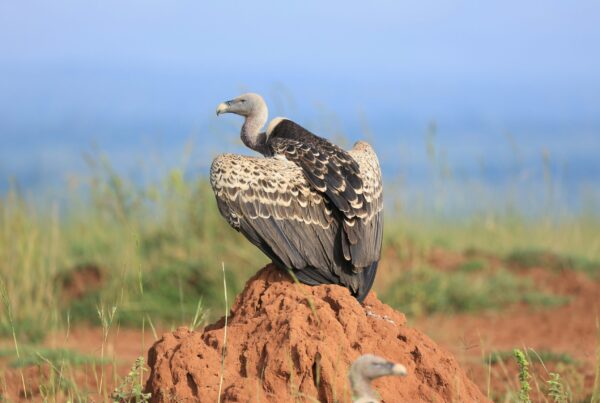
Birdlife, one of Murchison Falls’ most celebrated features, is abundant year-round, with seasonal variations offering unique highlights. During the wet season, migratory species increase diversity, while the dry season enhances visibility of resident species such as the shoebill stork, palm-nut vulture, and African fish eagle.

The Dry Season: Optimal Safari Conditions

The dry months from December to February and June to September are widely regarded as the best time for traditional wildlife safaris. Roads are accessible, allowing game drives to explore the northern and southern sectors of the park without hindrance. The open grasslands improve visibility, providing unobstructed views of elephants, buffaloes, lions, giraffes, and other iconic species.

During these months, the Nile’s flow is steady but less turbulent, making boat cruises along the river especially rewarding. Hippos, crocodiles, and waterbirds congregate along the riverbanks, creating spectacular scenes for wildlife photographers. Additionally, the reduced foliage in the dry season allows for dramatic vistas of the Murchison Falls themselves, emphasizing the contrast between the roaring waters and the surrounding savannah.

Temperatures are warm but bearable, and mornings and evenings provide the perfect light for game viewing and photography. The dry season also aligns with most hot air balloon safaris, giving travelers an opportunity to soar above the park while enjoying clear skies and panoramic views.Best Time to Visit Murchison Falls for Wildlife Safaris

The Wet Season: Lush Landscapes and Birding Excellence

While the dry season is preferred for large mammal viewing, the wet season offers its own distinctive advantages. From March to May and October to November, the park’s landscapes are transformed into a verdant paradise. Grasses and shrubs flourish, flowers bloom, and temporary pools create ideal conditions for bird breeding and aquatic wildlife activity.

Birding enthusiasts are particularly drawn to this period. Migratory species increase the diversity of sightings, while resident birds become more active and easier to photograph in the abundant foliage. Waterfowl such as herons, storks, and jacanas thrive in flooded wetlands, while raptors are frequently seen circling above the savannah and riverine forests.

Fishing safaris along the Nile can also be productive during the wet season, as rising water levels stimulate fish activity. However, heavy rainfall can occasionally limit access to certain fishing locations and make roads challenging for vehicles, emphasizing the need for expert guides and proper planning.

Special Safari Activities by Season

Murchison Falls offers a variety of safari experiences beyond traditional game drives, many of which are affected by seasonal changes. Hot air balloon safaris are typically scheduled in the dry season, when wind conditions are most favorable and visibility is excellent. The bird’s-eye view of the park during this time highlights the interplay between the river, savannah, and forested areas, creating once-in-a-lifetime photographic opportunities.

Boat cruises along the Nile, leading to the base of Murchison Falls, are particularly rewarding in both seasons. In the dry season, the concentration of hippos, crocodiles, and waterbirds is high, providing spectacular sightings. In the wet season, the scenery becomes lush and dramatic, with swollen rivers and vibrant greenery offering a different, equally breathtaking perspective.

Fishing safaris are affected by water levels and flow, with certain species such as Nile perch more active during stable river conditions. Anglers planning trips during the wet season may face challenging currents but can enjoy the river at its most dynamic, while the dry season offers easier navigation and concentrated fish populations.

Planning Around Visitor Traffic

Seasonal variations also influence the crowd levels within Murchison Falls National Park. The dry season coincides with peak tourist periods, meaning lodges, camps, and popular safari routes can be busier. Early bookings are recommended to secure premium accommodations, particularly luxury lodges along the Nile.

In contrast, the wet season sees fewer visitors, creating a more exclusive and intimate safari experience. Lodges may offer lower rates, and game drives are less crowded, though travel logistics require careful planning due to muddy roads and occasional river overflows. For travelers seeking a balance between wildlife sightings and solitude, the shoulder months between dry and wet seasons can provide optimal conditions.

Choosing the Right Time for Your Safari

Selecting the best time to visit Murchison Falls depends on the type of safari experience desired. If the primary goal is to witness big game in high visibility conditions, the dry season is ideal. For those who prioritize birding, lush landscapes, and solitude, the wet season offers unmatched beauty and diversity.

Luxury travelers and photographers often plan trips to coincide with sunrise or sunset game drives in the dry season, when lighting conditions enhance the dramatic vistas of the Nile, the savannah, and the iconic Murchison Falls. Families and casual travelers may prefer the wet season for fewer crowds and a serene connection to nature.

Regardless of season, expert guides from reputable operators ensure that travelers experience the park safely and meaningfully. Knowledge of animal patterns, access routes, and seasonal behavior enhances the safari, making every trip memorable.

The Role of Expert Guides and Safari Operators

Maximizing the experience of Murchison Falls requires the guidance of experienced safari operators. Guides provide invaluable insight into seasonal wildlife behavior, optimal viewing times, and hidden spots for photography and observation. Their expertise ensures that visitors experience the park safely, efficiently, and respectfully.

Operators also assist with accommodations, whether luxury lodges, mid-range camps, or mobile safari tents. Seasonal knowledge helps match visitors with the right lodging and activities to optimize the safari experience, balancing comfort with access to wildlife.

Expert planning is especially important during the wet season when certain roads or trails may be inaccessible, and during peak wildlife congregation in the dry season when early reservations are critical.

Timing Your Journey for Maximum Impact

The best time to visit Murchison Falls National Park is determined by a combination of climate, wildlife behavior, and personal priorities. The dry season from December to February and June to September offers unparalleled conditions for large mammal sightings, clear landscapes, and high-quality photography. The wet season from March to May and October to November offers lush scenery, extraordinary birding opportunities, and a more intimate, tranquil safari experience.

Regardless of timing, Murchison Falls delivers a safari that is both spectacular and transformative, where the roar of the falls, the majesty of elephants, and the diversity of birdlife create memories that endure a lifetime. For those wishing to ensure that every detail of the trip is optimized, it is highly recommended that travel arrangements be made through WildHorn Africa. With expert guidance, personalized itineraries, and a commitment to excellence, every safari in Murchison Falls becomes not only possible but truly unforgettable.

Wildlife Safari on the Nile in Murchison Falls

Wildlife Safari on the Nile in Murchison Falls

By Travel stories and blogs, Family holidays, Luxury holidays, Safari holidays, Uganda travel guides, Wildlife holidays

Wildlife Safari on the Nile in Murchison Falls

A River That Holds the Soul of the Wilderness

There are rivers that carve landscapes, rivers that sustain civilizations, and rivers that whisper legends. Yet, among them, the Nile River stands unparalleled, not merely as the world’s longest river but as a lifeline of stories, cultures, and ecosystems that stretch across continents. Nowhere does the Nile speak more powerfully to the soul of the wild than within Murchison Falls National Park, where it crashes through a narrow gorge to create the most powerful waterfall on Earth. Here, the river becomes more than a current of water; it transforms into the stage of a wildlife safari unlike any other in Africa.

The wildlife safari on the Nile in Murchison Falls is an experience where land and water merge into one. It is not confined to the savannah plains nor restricted to forest pathways. Instead, it flows with the river, unveiling dramas of survival, moments of serenity, and spectacles of nature that unfold against the eternal backdrop of rushing waters and endless horizons. Every bend of the Nile within the park reveals a new chapter: pods of hippos grunting in unison, crocodiles basking with prehistoric stillness, elephants descending majestically to drink, and birds filling the skies with vibrant motion.

This is not an ordinary safari. It is an encounter with a river that commands reverence, a wilderness that thrives along its banks, and a waterfall that symbolizes both destruction and renewal. To embark on a Nile safari in Murchison Falls is to step into the heartbeat of Africa, where each moment tells a story written by the river itself.

The River That Defines Murchison Falls

To understand the wildlife safari on the Nile, one must first appreciate the river’s role in shaping the identity of Murchison Falls National Park. Flowing from Lake Victoria, the Nile journeys northward, carving its way through Uganda in a relentless rhythm that has defined ecosystems and cultures for millennia. When it reaches the park, it divides the land into contrasting habitats: the northern banks dominated by savannah grasslands and the southern regions covered in woodland and forest.

At the heart of the park, the river narrows dramatically into a six-meter gorge before exploding in a thunderous cascade to form Murchison Falls. This force of water, compressed and released with extraordinary power, not only defines the park’s name but also influences the patterns of life around it. The spray nourishes riverine vegetation, the flow creates fertile banks, and the constant supply of water ensures the survival of countless species.

Thus, the Nile is not simply a river within the park; it is the lifeblood of Murchison Falls, the foundation upon which the entire safari experience rests.

Wildlife Along the Nile: A Symphony of Species

The Nile provides a gathering place for some of Africa’s most iconic wildlife. Unlike the savannah drives, where animals are often spotted in the distance, the safari along the river brings travelers face to face with the raw intimacy of life at the water’s edge.

Pods of hippos dominate the river, their massive bodies submerged by day while only eyes and ears betray their presence above water. Their grunts form a constant chorus, sometimes humorous, sometimes intimidating, but always unforgettable. At dusk, these giants emerge to graze on the floodplains, transforming the riverbanks into living pastures.

Crocodiles, survivors of prehistoric ages, line the sandy shores. Motionless in the sun, they appear like statues, yet with terrifying swiftness they remind travelers of their predatory nature. Watching one slip silently into the water is to witness a moment of quiet menace that only the Nile can create.

Elephants descend in majesty, their movements deliberate as they drink, bathe, or cross the river in groups. The sight of these creatures moving through the currents is one of the most stirring spectacles of a Nile safari, symbolizing both the power of nature and the grace of its inhabitants.

Buffalo graze along the banks, giraffes feed at the edges of acacia groves, and antelope species such as waterbucks and Uganda kob make regular appearances. These animals are not seen in isolation but as part of the greater rhythm of life that pulses along the Nile.

Above, the skies belong to birds. African fish eagles call with piercing cries that echo across the waters, while kingfishers dart with flashes of color. Herons, egrets, and cormorants populate the banks, and the elusive shoebill stork—prehistoric in appearance and rare in occurrence—lurks among the papyrus swamps. With over 450 species recorded in the park, the birdlife along the Nile transforms every safari into a vibrant pageant of color and sound.

The Iconic Boat Safari: A Journey on the Water

If the game drive defines the land safari, the boat safari along the Nile defines the river safari. It is perhaps the most immersive way to experience the wildlife of Murchison Falls, combining the thrill of close encounters with the serenity of drifting upon a historic river.

As the boat glides upstream toward the base of Murchison Falls, passengers are transported into an unfolding drama. Hippos surface alongside the vessel, crocodiles bask unbothered on the banks, and elephants appear like guardians of the shoreline. The boat moves slowly, allowing time for observation, photography, and reflection. Unlike the urgency of a vehicle safari, the river cruise unfolds in a rhythm dictated by the Nile itself.

The climax of this journey is the approach to the base of Murchison Falls. Here, the river’s calm expanse is suddenly transformed into churning rapids as water hurtles toward the narrow gorge. The roar of the falls grows louder, the spray fills the air, and the sheer force of nature becomes palpable. It is a moment that transcends wildlife observation and ventures into the spiritual realm of awe.Wildlife Safari on the Nile in Murchison Falls

The Delta Safari: Where River Meets Lake

While the upstream journey toward the falls is the most popular, the downstream safari to the Nile Delta offers an equally remarkable experience. Here, the river fans out as it approaches Lake Albert, creating vast wetlands that serve as vital habitats for both animals and birds.

The delta is particularly famed for sightings of the shoebill stork, a rare and extraordinary bird that draws birdwatchers from across the world. The wetlands also attract flocks of pelicans, geese, and countless migratory species.

Mammals are abundant in this region, with elephants frequently seen in the reeds, hippos scattered across the channels, and crocodiles lurking in the shallows. The sheer expanse of the delta creates an atmosphere of abundance and tranquility, offering a contrast to the dramatic energy of the falls.

The Role of the Nile in Predator-Prey Drama

The Nile is not only a place of peaceful coexistence but also a stage for the timeless drama of predator and prey. Crocodiles lie in wait for unsuspecting animals that approach the water’s edge. Lions, though more associated with savannah hunting, are occasionally drawn to the riverbanks, where they ambush prey in the cover of reeds.

Birds of prey add to this spectacle. Fish eagles swoop down to snatch unsuspecting fish, while vultures circle above, awaiting opportunities created by predation. Even the hippos, though primarily herbivorous, are known for their aggression, creating moments of unexpected tension in the river’s daily rhythms.

The Nile safari thus reveals the wilderness in its rawest form—life and death entwined in a cycle that has endured for millennia.

Morning, Afternoon, and Sunset on the River

The experience of the Nile safari changes with the time of day. In the morning, the river is wrapped in mist, and the wildlife stirs into activity. Birds call in great numbers, and hippos grunt as they retreat from night feeding to daytime refuge in the water.

By afternoon, the sun casts a brilliant light across the water, illuminating the grandeur of elephants and buffalo along the banks. The stillness of the midday heat creates moments of serenity, where the rhythm of the river slows into contemplative calm.

As evening approaches, the Nile transforms once more. A sunset cruise is among the most enchanting experiences of Murchison Falls. The sky ignites in shades of orange, red, and purple, reflected upon the waters as silhouettes of giraffes, elephants, or flocks of birds pass before the setting sun. The river becomes not only a habitat but a canvas of nature’s artistry.

Cultural Dimensions of the Nile Safari

The Nile safari is not only about wildlife; it is also deeply connected to the cultures that have lived along its banks for centuries. Local communities regard the river as a source of life, a provider of food, and a link to spiritual traditions. Fishing remains an essential livelihood, while myths and stories surrounding the river enrich the cultural tapestry of the region.

Travelers on safari often encounter these cultural elements, whether through guided interactions with local people or through the recognition that the river serves both nature and humanity. The Nile safari thus becomes not only an ecological journey but also a cultural one, connecting visitors to the human dimensions of the landscape.

Conservation and Sustainability Along the Nile

The preservation of the Nile safari experience depends upon ongoing conservation efforts. The challenges of poaching, habitat loss, and climate change threaten the delicate balance of the ecosystem. Yet, the commitment of conservation organizations, government agencies, and local communities has ensured that Murchison Falls remains a sanctuary of wildlife.

Tourism plays a vital role in these efforts. Every traveler who embarks on a Nile safari contributes directly to conservation through park fees, employment opportunities, and community projects. The sustainability of the Nile safari is therefore a shared responsibility, ensuring that future generations can continue to experience the river’s wonders.

Where River, Wilderness, and Wonder Converge

The wildlife safari on the Nile in Murchison Falls is among the most extraordinary experiences Africa can offer. It is not confined to land nor limited to the observation of animals alone. Instead, it is an immersion into a world where river and wilderness merge, where the roar of a waterfall and the stillness of a hippo pod create a symphony of contrasts.

The Nile safari reveals the essence of Murchison Falls National Park: its diversity, its power, and its timeless beauty. To drift upon the river is to feel the pulse of life itself, to witness both the grandeur and the subtleties of nature, and to understand why this place holds a revered place in the story of Africa.

For those who dream of experiencing the Nile in its most authentic form, it is recommended to plan the journey with WildHorn Africa, a trusted provider of safaris that blend expertise, comfort, and authenticity. With WildHorn Africa, the safari on the Nile becomes not merely a journey but a profound encounter with the eternal wilderness of Uganda.

Luxury Safari Lodges in Murchison Falls National Park

Luxury Safari Lodges in Murchison Falls National Park

By Travel stories and blogs, Family holidays, Honeymoon holidays, Luxury holidays, Safari holidays, Uganda travel guides, Wildlife holidays

Luxury Safari Lodges in Murchison Falls National Park

Where Wilderness Meets Elegance

In the heart of northern Uganda lies a destination where untamed wilderness collides with indulgent comfort, where the roar of the mighty Nile is softened by the whisper of luxury, and where the thrill of safari is enhanced by the refinement of hospitality. This is the experience of staying in luxury safari lodges in Murchison Falls National Park, a realm where adventure is elevated to elegance and every detail is curated to immerse travelers in both nature and comfort.

To visit Murchison Falls is to enter a world where nature’s raw power and delicate beauty coexist. Here, the Nile forces itself through a narrow gorge before plunging into a boiling cauldron of mist, creating the most dramatic waterfall along its vast course. Surrounding this spectacle is Uganda’s largest national park, a sanctuary teeming with wildlife, from the mighty elephant to the elusive leopard, from grazing herds of antelope to the calls of over four hundred bird species. Yet, while the wilderness stretches endlessly, it is within the luxury lodges that the safari experience transcends mere exploration.

These lodges, carefully placed within or around the park, are more than accommodations. They are sanctuaries of refinement, architectural marvels blending seamlessly with the environment, and havens of relaxation where guests can retreat after thrilling days on game drives, boat cruises, or hot air balloon safaris. A stay in such lodges redefines safari, offering an extraordinary balance between immersion in the wild and indulgence in comfort.

The Allure of Luxury in the Wilderness

The appeal of luxury safari lodges in Murchison Falls National Park lies not only in their promise of comfort but also in their ability to connect guests deeply with the wilderness. Each lodge is designed to offer exclusivity, privacy, and intimacy with nature, ensuring that travelers feel at once enveloped by the wild and shielded from its harsher elements.

From private verandas overlooking the Nile to infinity pools set against endless savannahs, the lodges are built to magnify the natural spectacle without overwhelming it. The architecture often draws inspiration from traditional African aesthetics, utilizing natural materials such as wood, stone, and thatch to create harmony with the environment. Yet, inside, the rooms and suites are adorned with modern luxuries—plush bedding, elegant furnishings, and state-of-the-art amenities—ensuring that the wilderness can be enjoyed without sacrificing refinement.

The exclusivity of these lodges also ensures that the guest-to-staff ratio remains intimate, resulting in attentive and personalized service. Guests are not simply hosted; they are guided through curated experiences, dining prepared to their preference, and moments tailored to their journey. It is this delicate balance of immersion and indulgence that makes luxury lodging in Murchison Falls a quintessential part of the safari adventure.

Strategic Locations: Views Beyond Compare

The positioning of luxury lodges within and around Murchison Falls National Park is as intentional as it is spectacular. Many lodges are situated along the banks of the River Nile, affording guests unrivaled vistas of the world’s longest river. From the comfort of their suites, travelers can watch pods of hippos surfacing, crocodiles basking in the sun, and elephants crossing the shallows, all from the safety and serenity of their verandas.

Others are placed near the savannah plains of the northern sector, where the density of wildlife is greatest. Here, mornings begin with the sounds of lions in the distance or giraffes wandering past the lodge grounds. Some lodges are nestled in forested areas, providing an atmosphere of seclusion where the air is filled with birdsong and the rustle of primates moving through the canopy.

It is this strategic placement that elevates the experience. Guests are not merely staying in a room but rather inhabiting the wilderness itself, with the lodge acting as a seamless extension of the safari journey. Whether overlooking the Nile’s dramatic flow, the golden savannahs, or the lush forests, each location delivers a view that is unmatched and unforgettable.

The Lodge Experience: Where Comfort Meets Adventure

The rhythm of life in luxury safari lodges is structured to harmonize with the pulse of the wild. Mornings often begin before dawn, with guests gathering for tea or coffee before embarking on game drives into the heart of the park. The return to the lodge is met with lavish breakfasts, offering everything from freshly baked pastries to tropical fruits and hearty cooked meals.

Afternoons bring opportunities for relaxation, whether by reclining on a shaded veranda, swimming in an infinity pool, or indulging in a spa treatment inspired by local traditions. The lodges become sanctuaries of rest, allowing guests to restore energy before venturing out again for evening drives or boat cruises along the Nile.

Dining in luxury safari lodges is an experience of its own. Many lodges offer alfresco settings where meals are served under the stars, accompanied by the distant calls of nocturnal animals. Chefs craft menus that combine international cuisine with local flavors, utilizing fresh ingredients sourced from nearby farms and markets. Fine wines, cocktails, and Ugandan coffee complement the culinary journey, making dining as memorable as the safari itself.

Nights are spent in absolute tranquility, with suites designed for comfort while maintaining a sense of connection to the wild. Canvas tents with wooden floors and en-suite bathrooms, chalets perched above the river, or cottages surrounded by forest—all provide seclusion while ensuring guests remain enveloped by the sounds and sensations of nature.Luxury Safari Lodges in Murchison Falls National Park

Wildlife at the Doorstep

Perhaps the most enchanting aspect of luxury safari lodges in Murchison Falls is the constant presence of wildlife. Unlike urban hotels where separation from nature is absolute, these lodges are immersed within living ecosystems. It is not uncommon to wake to the sight of elephants grazing nearby or to find hippos wandering close to the riverbank at night.

Birdlife thrives around the lodges, with species ranging from the colorful bee-eaters to the majestic fish eagles often spotted right from lodge verandas. Primates such as baboons and vervet monkeys occasionally make their presence known, adding to the sense that one is residing not merely near the wild but within it.

This close proximity ensures that the safari experience does not begin and end with excursions but rather continues seamlessly throughout one’s stay. Every moment, whether at the pool, in the dining area, or on the veranda, is imbued with the essence of the wild.

Sustainability and Conservation in Luxury Lodging

A defining feature of many luxury safari lodges in Murchison Falls is their commitment to sustainability and conservation. Recognizing the fragility of the ecosystems in which they operate, these lodges often embrace eco-friendly practices that minimize environmental impact while supporting the surrounding communities.

Solar power is frequently used to reduce reliance on fossil fuels, while rainwater harvesting and water recycling systems ensure that precious resources are preserved. Many lodges are constructed with locally sourced materials, and their designs prioritize harmony with the environment rather than disruption.

Equally important are community initiatives supported by these lodges. Local employment is prioritized, cultural experiences are promoted, and conservation projects are funded to ensure that both people and wildlife benefit from tourism. Guests are therefore not only indulging in luxury but also participating in responsible travel that sustains the very wilderness they have come to admire.

The Ideal Time to Experience Luxury in Murchison Falls

While luxury lodges operate throughout the year, the experience can vary with the seasons. The dry seasons between December and February, as well as June to September, are particularly favored for wildlife viewing. During these months, animals concentrate around water sources, the vegetation is less dense, and the weather is generally more predictable.

The wet seasons, from March to May and October to November, transform the park into a lush paradise. Birdlife becomes especially abundant, and the landscapes glow with vibrant greenery. Lodges during this time feel even more secluded, as visitor numbers tend to be lower, offering a more exclusive atmosphere. Regardless of the season, the standard of comfort in luxury lodges remains consistently high, ensuring that each stay is memorable and rewarding.

The Bucket List Appeal of Luxury Lodging

Staying in a luxury safari lodge in Murchison Falls is not merely an accommodation choice; it is an experience in itself, one that transforms a safari into a journey of elegance, reflection, and indulgence. It represents the pinnacle of what African hospitality can offer, blending the raw beauty of the wilderness with the sophistication of modern comfort.

For many, this is a bucket list experience, a once-in-a-lifetime opportunity to inhabit the intersection of wild adventure and refined living. It is where morning coffee is accompanied by the sight of elephants, where starlit dinners are set against the soundtrack of roaring lions, and where every moment feels suspended in time.

Elevating the Safari with WildHorn Africa

The luxury safari lodges of Murchison Falls National Park offer travelers an unparalleled blend of adventure and indulgence. They allow visitors to immerse themselves fully in the wild while enjoying the comforts and elegance of world-class hospitality. From breathtaking locations along the Nile to architectural marvels that blend seamlessly into the landscape, these lodges redefine the meaning of safari.

For those ready to transform their African journey into something extraordinary, it is strongly recommended that travel be arranged through WildHorn Africa, a specialist in curating unforgettable safaris. With their expertise, every detail of the lodge stay and safari experience is carefully crafted to exceed expectations. Through WildHorn Africa, the untamed beauty of Murchison Falls meets the unmatched elegance of luxury lodging, ensuring memories that endure for a lifetime.

Chimpanzee Tracking in Budongo Forest near Murchison

Chimpanzee Tracking in Budongo Forest near Murchison

By Travel stories and blogs, Family holidays, Luxury holidays, Primate holidays, Safari holidays, Uganda travel guides

Chimpanzee Tracking in Budongo Forest near Murchison

Into the Heart of the Wild

In the lush northwestern landscapes of Uganda lies a forest where the whispers of ancient trees meet the lively calls of primates, a forest that has become a symbol of biodiversity, conservation, and adventure. This is Budongo Forest, one of the largest and most captivating tropical rainforests in East Africa. Nestled on the southern edge of Murchison Falls National Park, Budongo is a place where the wild feels untamed and where each step through its trails connects visitors with a world of remarkable natural wonder.

Among the many treasures hidden within this forest, none capture the imagination quite like its population of chimpanzees. Tracking chimpanzees in Budongo is more than an ordinary wildlife experience—it is a transformative journey into the lives of our closest relatives, a chance to walk beneath the towering mahoganies and ironwoods while listening to the echoes of primates that share nearly ninety-nine percent of human DNA. For travelers who come to Uganda in search of gorillas, lions, and elephants, the addition of a chimpanzee encounter completes the picture of a safari that transcends observation and enters the realm of connection.

This article explores the full depth of what it means to track chimpanzees in Budongo Forest. It explains where the forest is located, the unique characteristics of its habitat, the intricacies of chimpanzee behavior, and the experience of following these fascinating primates on foot. It also delves into the conservation importance of Budongo, the best times to visit, and the role of responsible tourism in ensuring that future generations may share in this extraordinary adventure.

The Geographic Setting of Budongo Forest

To understand the experience of chimpanzee tracking in Budongo, one must first appreciate its geographical and ecological context. The forest is part of the greater Murchison Falls Conservation Area, covering approximately 825 square kilometers of semi-deciduous rainforest. It is strategically located in Masindi District, lying south of the Nile River and just outside the southern boundary of Murchison Falls National Park.

What distinguishes Budongo from many other rainforests is its remarkable composition of tree species. It is home to some of the largest stands of mahogany trees in East Africa, towering giants that form an impressive canopy. The forest is also known for its ironwood, fig, and cynometra trees, creating a layered ecosystem that shelters countless species of birds, mammals, and insects. Beneath the canopy, the air is cool and heavy with the scent of vegetation, while shafts of sunlight break through the dense cover to illuminate narrow trails used by both humans and wildlife.

For travelers, Budongo is not an isolated destination but an accessible extension of the Murchison Falls experience. Its proximity to the park allows visitors to combine the excitement of a savannah safari with the intimacy of a rainforest primate trek, creating a multifaceted adventure within a single region.

The Chimpanzees of Budongo: An Intimate Portrait

The greatest draw of Budongo Forest is its population of chimpanzees, estimated at around 700 individuals. While chimpanzees are spread across Africa’s equatorial belt, the Budongo population is particularly well-studied, thanks to long-term research conducted in the area. The Budongo Conservation Field Station, originally known as the Budongo Forest Project, has been active since the early 1990s, making it one of the most important centers for chimpanzee research in East Africa.

Chimpanzees are known for their complex social structures and high levels of intelligence. They live in fission–fusion societies, where groups of individuals come together or split apart depending on food availability and social dynamics. These groups, known as communities, are often led by dominant males but rely heavily on intricate relationships, alliances, and even displays of affection and conflict resolution.

In Budongo, visitors have the privilege of tracking habituated chimpanzee groups. Habituation refers to the process of gradually acclimating wild chimpanzees to human presence so that they can be observed without distress. This does not mean they are tame; rather, it allows researchers and tourists alike to approach them at a safe distance while still witnessing their natural behaviors. These behaviors range from grooming and foraging to vocalizing with an astonishing array of hoots, screams, and pant-hoots that reverberate through the forest.

The experience of encountering chimpanzees in Budongo is profound. Observers often describe a sense of recognition, an almost uncanny feeling of looking into a mirror of human existence. The gestures, playfulness, and problem-solving abilities of chimpanzees reveal the evolutionary bonds that connect humans to these remarkable primates.

The Tracking Experience: From Trail to Encounter

Chimpanzee tracking in Budongo begins at Kaniyo Pabidi, a section of the forest managed by the Uganda Wildlife Authority and the Jane Goodall Institute. Here, visitors gather early in the morning for a briefing led by experienced guides. The guides explain the rules of tracking, the importance of maintaining distance from the primates, and the protocols for safety and conservation.

The trek itself unfolds as a blend of anticipation and discovery. Guided along narrow forest trails, visitors are led into the heart of Budongo, where the search for chimpanzees becomes a gradual immersion into the forest environment. The guides rely on signs such as fresh nests, broken branches, or the distant calls of chimpanzees to locate the groups.

When the moment of encounter arrives, the atmosphere shifts. Suddenly, the forest fills with the energy of movement, sound, and presence. Chimpanzees may be observed feeding high in the trees, grooming each other in quiet social rituals, or moving swiftly across the forest floor. Each group behaves differently, and no two tracking experiences are ever the same.

Time with the chimpanzees is usually limited to one hour to minimize disturbance. Within that hour, however, travelers often experience some of the most memorable moments of their journey in Uganda. Whether it is the sight of a mother cradling her infant, the dominance display of an alpha male, or the playful antics of juveniles, each encounter leaves a lasting impression.Chimpanzee Tracking in Budongo Forest near Murchison

Beyond Chimpanzees: The Rich Biodiversity of Budongo

While chimpanzees are the headline attraction, Budongo Forest is a biodiversity hotspot that rewards keen observers with much more. The forest is home to over 360 bird species, making it one of the finest birding destinations in Uganda. Species such as the puvel’s illadopsis, endemic to this region, and the striking chocolate-backed kingfisher are highly sought after by bird enthusiasts.

Other primates also share the forest, including red-tailed monkeys, black-and-white colobus monkeys, and blue monkeys. Mammals such as duikers, bushbucks, and even the occasional leopard add to the diversity, while countless species of butterflies and reptiles complete the ecological richness of the area.

For many travelers, the joy of chimpanzee tracking is enhanced by this wider natural experience. Even when chimpanzees are elusive, the walk through Budongo offers encounters with a rainforest alive with sound and movement, where every step brings a new discovery.

The Role of Conservation and Research

Budongo Forest is not only a tourism site but also a vital center for conservation. The Budongo Conservation Field Station has been at the forefront of research and protection for decades, focusing on chimpanzee behavior, forest ecology, and the impacts of human activities.

One of the greatest challenges facing Budongo is deforestation and habitat loss, often driven by logging, charcoal production, and agricultural expansion. Conservation efforts have sought to mitigate these pressures by promoting sustainable practices, community engagement, and the protection of key habitats.

Tourism plays a significant role in these efforts. The revenue generated from chimpanzee tracking permits contributes directly to conservation initiatives, ensuring that local communities benefit from the presence of the forest and its wildlife. This creates a cycle where protecting chimpanzees becomes not only a global responsibility but also a source of livelihood and pride for those living around Budongo.

Best Time to Go Tracking in Budongo

Although Budongo can be visited throughout the year, certain times are more favorable for chimpanzee tracking. The dry seasons, which fall between December and February and from June to September, are generally considered ideal. During these months, the forest trails are more accessible, and the chimpanzees are easier to track as they tend to remain closer to the ground.

In the wet seasons, from March to May and October to November, the forest becomes lusher and more challenging to navigate. However, these periods also bring their own rewards, such as the abundance of fruiting trees that attract chimpanzees and create opportunities for close observation. Birdlife also flourishes during the rains, making it an excellent time for ornithologists and nature enthusiasts.

Regardless of the season, every tracking expedition carries its own unique charm. The unpredictability of wildlife encounters is part of the allure, ensuring that no two experiences are ever the same.

The Deeper Significance of the Experience

To walk in Budongo Forest in search of chimpanzees is to participate in something greater than a simple wildlife excursion. It is a journey that connects the traveler with the deeper currents of life and evolution, a reminder of the fragile bonds that tie humans to the natural world.

For many, the experience is transformative. Watching the interactions of chimpanzees stirs reflections on the complexity of society, family, and survival. It invites a sense of humility and responsibility, reinforcing the importance of protecting these primates and the forests they inhabit.

Budongo is not just a place of observation but a living classroom, a sanctuary of wisdom where the stories of the forest and its inhabitants inspire a renewed commitment to conservation and coexistence.

A Journey Worth Taking

Chimpanzee tracking in Budongo Forest near Murchison is one of Uganda’s most rewarding wildlife experiences. It offers not only the thrill of encountering humanity’s closest relatives but also the immersion into a forest ecosystem of unparalleled richness. From the towering mahoganies to the calls of birds and the presence of primates, every moment in Budongo resonates with the spirit of the wild.

The journey is enriched by its role in conservation, ensuring that the act of tracking chimpanzees also supports the preservation of the forest and the livelihoods of local communities. It is a reminder that tourism, when conducted responsibly, becomes a force for good, sustaining both the natural world and human well-being.

For those seeking to embark on this unforgettable adventure, it is recommended to plan with WildHorn Africa, a trusted safari operator that specializes in creating immersive and seamless travel experiences. With their expertise in logistics, guides who bring the forest to life, and a commitment to responsible tourism, WildHorn Africa ensures that every step into Budongo Forest becomes a story worth telling, a memory worth keeping, and a legacy worth protecting.

Hot Air Balloon Safaris in Murchison Falls: A Bucket List Adventure

Hot Air Balloon Safaris in Murchison Falls: A Bucket List Adventure

By Travel stories and blogs, Adventure holidays, Family holidays, Luxury holidays, Safari holidays, Uganda travel guides, Wildlife holidays

Hot Air Balloon Safaris in Murchison Falls: A Bucket List Adventure

Rising Above Africa’s Untamed Wilderness

There are experiences in life that transcend ordinary adventure, and among them is the hot air balloon safari over Murchison Falls National Park. To drift silently above one of Africa’s most iconic landscapes, carried only by the wind and the gentle roar of a balloon burner, is to witness Uganda’s wilderness from a perspective few ever encounter. This is not simply a safari; it is a dream realized, a vision of vast plains, winding rivers, and untamed wildlife seen from the skies.

In Murchison Falls, where the mighty Nile cuts through dramatic gorges and cascades into thunderous rapids, the spectacle is breathtaking on the ground. But from the lofty vantage point of a hot air balloon, it transforms into an unforgettable mosaic of life and landscape. The sun rises slowly, casting golden hues across the savannah, as elephants roam below and giraffes stride like shadows of grace across the dew-kissed grass.

A hot air balloon safari in Murchison Falls National Park is more than a simple excursion. It is a bucket list adventure, one that blends wonder, serenity, and exhilaration into a single experience. It is a chance to float over Africa’s largest national park, to gaze upon the Nile from above, and to see wildlife in its most natural rhythm without disturbance. In this article, the journey of ballooning over Murchison Falls is explored in depth, from the origins and preparation to the magical in-flight experience, the wildlife encounters, and the post-flight celebrations that make this one of the most memorable adventures in East Africa.

The Magic of Murchison Falls from the Sky

Murchison Falls National Park is renowned as a land of contrast and abundance. At 3,840 square kilometers, it is Uganda’s largest protected area, home to over 76 mammal species and 450 bird species. Its defining feature, the Nile River, bisects the park and creates a unique ecosystem where savannah meets woodland, and wetlands merge with open plains.

From the ground, this landscape is mesmerizing. But from the vantage point of a hot air balloon, it unfolds like a living tapestry. The morning mist hovers over the Nile, the savannah glows with the first light of dawn, and herds of antelope scatter across the plains in coordinated motion. The falls themselves, where the river crashes through a narrow gorge before plunging into a foaming cauldron, can be glimpsed in the distance as a powerful reminder of nature’s raw energy.

To see Murchison Falls from above is to realize the vastness of its wilderness. It is to appreciate not only the wildlife but also the intricate balance of its ecosystems. The perspective gained from a balloon is not just physical height but emotional elevation, a deeper sense of awe and reverence for Africa’s wild heart.

Preparing for the Balloon Safari

The journey of a hot air balloon safari begins long before the flight itself. The experience usually starts in the early hours of dawn, when the savannah is still cloaked in darkness and silence. Travelers are collected from their lodges or camps and transported to the designated launch site, often near the Paraa area in the northern sector of the park.

At the launch site, the silhouette of the balloon lies deflated on the ground, waiting to be animated by bursts of flame. Skilled pilots and ground crew work in seamless coordination to prepare the craft, checking the basket, rigging, and burners with meticulous precision. As the powerful burners ignite, the balloon gradually swells, illuminated by bursts of fire that glow against the dim horizon.

This moment of preparation is filled with anticipation. The quiet rustle of the savannah, punctuated by the calls of awakening birds and the distant roar of lions, creates an atmosphere of mystery and expectation. Guests are guided through a safety briefing, ensuring that they understand the procedures and the gentle nature of balloon flight. Then, as the balloon rises to its full stature, the passengers climb into the basket, ready to embark on a journey like no other.

The Flight Experience: Floating into Wonder

As the ground crew releases the ropes and the balloon gently ascends, a profound stillness settles over the experience. The sensation is unlike that of an aircraft; there is no engine noise, no turbulence, only the soft whoosh of the burners and the subtle drift of wind.

Below, the wilderness awakens. Herds of elephants wander in family groups, using their trunks to feed on acacia branches. Buffaloes graze in vast numbers, their dark forms contrasting against the pale grasses. Giraffes stretch their elegant necks to feed from treetops, and antelopes scatter across the plains in fluid motion.

The higher the balloon rises, the more expansive the view becomes. The Nile River gleams like a silver ribbon, winding its way across the landscape, its waters dotted with hippos and crocodiles. The forests of Budongo and Kaniyo Pabidi appear as dark green patches on the horizon, while the distant falls are seen as a plume of mist and thunder.

The beauty of ballooning lies in its unpredictability. The wind dictates the course, and no two flights are ever the same. Sometimes the balloon hovers low over the plains, offering intimate views of animals, while at other times it ascends higher, revealing panoramic vistas of the entire park. Each moment is unique, each sight a fleeting gift carried on the morning air.Hot Air Balloon Safaris in Murchison Falls: A Bucket List Adventure

Wildlife Encounters from Above

Wildlife viewing from a hot air balloon is unlike any other safari experience. From the skies, animals are observed without disturbance, continuing their natural behaviors as though unobserved. This creates an authentic and rare perspective of life in the wild.

Large mammals dominate the scene. Elephants, with their slow, deliberate movements, appear even more majestic when viewed from above. Herds of Ugandan kob form patterns across the plains, their synchronized grazing resembling a carefully choreographed dance. Lions may be spotted resting under acacia trees, their golden coats blending with the grasses, while elusive leopards occasionally reveal themselves in the treetops.

The waterways are equally alive. Pods of hippos cluster together in the river, occasionally surfacing with grunts and sprays of water. Crocodiles bask on the sandbanks, their prehistoric forms motionless in the morning sun. Birdlife is abundant, from the striking African fish eagle circling above the river to flocks of bee-eaters, storks, and kingfishers decorating the sky with bursts of color.

Every sighting feels heightened from the balloon, framed by the unique silence and perspective of flight. It is not merely about what is seen but about how it is seen—serene, undisturbed, and timeless.

The Sunrise Spectacle

Perhaps the most unforgettable aspect of the balloon safari is the sunrise over Murchison Falls. As the balloon ascends in the early dawn, the horizon begins to glow with soft shades of pink, orange, and gold. The sky transforms into a canvas of color, and the savannah below is bathed in a warm, ethereal light.

This moment is profoundly moving. The rising sun not only illuminates the landscape but also symbolizes renewal, hope, and the timeless cycle of life in the wilderness. Many travelers describe it as spiritual, a moment of pure connection with nature that transcends words. It is an experience that lingers long after the balloon has landed, etched into memory as one of life’s greatest encounters.

The Landing and Celebration

After approximately one hour in the sky, the pilot guides the balloon towards a safe landing site. The descent is gradual, and the basket touches down with a gentle bump, often greeted by the ground crew who have followed its course across the plains.

The conclusion of a hot air balloon safari is celebrated in style. Guests are traditionally welcomed with a champagne toast, a ritual that dates back to the earliest days of ballooning in France. This is followed by a hearty bush breakfast, prepared and served in the wilderness. Fresh fruit, pastries, eggs, and Ugandan coffee are enjoyed under the open sky, surrounded by the sounds and sights of the savannah.

This post-flight celebration completes the experience, blending the exhilaration of the flight with the luxury of fine dining in the wild. It is a moment to reflect, to share impressions with fellow travelers, and to savor the magic of having floated above Africa’s untamed heart.

Safety and Professionalism

Hot air ballooning in Murchison Falls National Park is conducted with the highest standards of safety and professionalism. The pilots are licensed and experienced, trained to navigate the unique conditions of the park. Balloons and equipment undergo regular inspections, and strict safety protocols are observed at every stage of the journey.

Guests are provided with detailed briefings, and every precaution is taken to ensure comfort and security. The serene nature of balloon flight makes it suitable for a wide range of travelers, including families, couples, and older adventurers seeking a unique experience.

The Best Time for a Balloon Safari

Hot air balloon safaris in Murchison Falls are available throughout the year, but the dry seasons from December to February and from June to September are particularly favorable. During these months, the skies are clearer, the grasses are shorter, and wildlife sightings are more concentrated around water sources.

The wet seasons, while presenting some logistical challenges, also offer their own beauty. The park becomes lush and green, birdlife is abundant, and the landscapes are vibrant. Balloon flights are, however, dependent on weather conditions, and may occasionally be rescheduled to ensure safety.

A Bucket List Adventure Defined

To experience a hot air balloon safari in Murchison Falls is to fulfill a dream that blends adventure, serenity, and wonder. It is a perspective that few are privileged to enjoy, a chance to rise above the ordinary and embrace the extraordinary. The silence of the flight, the grandeur of the landscapes, the richness of wildlife, and the symbolism of sunrise all combine to create an encounter that defines the very essence of a bucket list adventure.

It is not merely about seeing animals or landscapes. It is about experiencing the wilderness in a way that feels timeless, pure, and profoundly human. It is about drifting with the wind and feeling, for a moment, as though one has become part of the eternal rhythm of the earth.

Turning Dreams into Journeys

A hot air balloon safari in Murchison Falls National Park is one of the most unforgettable adventures available in Africa. It offers not only a new way of seeing but also a new way of feeling, of connecting with nature and with oneself. The memories it creates linger long after the journey has ended, inspiring stories that are shared for a lifetime.

For those ready to turn this dream into reality, it is highly recommended that arrangements be made with WildHorn Africa, a trusted and professional tour operator specializing in tailored safaris across Uganda. With their expertise, personalized service, and commitment to excellence, every detail of the balloon safari is carefully curated to ensure safety, comfort, and magic. Through WildHorn Africa, the skies of Murchison Falls are opened, and the dream of drifting above Africa’s wilderness becomes a journey worth cherishing forever.

Birding Safaris in Murchison Falls National Park

Birding Safaris in Murchison Falls National Park

By Travel stories and blogs, Luxury holidays, Safari holidays, Uganda travel guides, Wildlife holidays

Birding Safaris in Murchison Falls National Park

A Symphony of Wings and Songs in the Wild

Few places in Africa capture the imagination of bird lovers as vividly as Murchison Falls National Park, Uganda’s oldest and largest protected area. This vast wilderness, where the mighty Nile River thunders through a narrow gorge before spreading across savannahs, woodlands, and wetlands, is not only celebrated for its dramatic landscapes and abundant big game but also as one of the finest birding destinations on the continent.

Birding safaris in Murchison Falls are an invitation to enter a world alive with color, sound, and movement. It is a journey that goes beyond the typical safari encounters with lions, elephants, and giraffes, and immerses travelers into the delicate and fascinating lives of over 450 recorded bird species. From the rare and prehistoric-looking shoebill stork lurking in papyrus swamps to the dazzling flocks of bee-eaters along the riverbanks, every corner of Murchison offers a fresh discovery for those who walk with binoculars and a sense of wonder.

This article explores in depth the experience of birding in Murchison Falls National Park. It examines the geography and ecosystems that make the park a haven for avifauna, describes the iconic species found within its boundaries, details the various birding habitats, and explains the best times and ways to embark on a birding safari. It also highlights the conservation significance of birdwatching and the profound impact such an activity can have on the appreciation of Uganda’s natural heritage.

The Landscape and Ecology of Birding in Murchison

Murchison Falls National Park stretches across 3,840 square kilometers, making it the largest protected area in Uganda. Its diverse landscape is the foundation of its extraordinary birdlife. The park is bisected by the Nile River, whose journey through the dramatic Murchison Falls gorge defines the region’s character.

The northern sector is dominated by expansive savannah grasslands and open woodlands, habitats that attract ground-dwelling and raptor species. To the south lies a mixture of dense forest patches and riverine woodlands, where forest-specialist birds thrive. Along the riverbanks, the wetlands, swamps, and papyrus stands form ideal nesting and feeding grounds for aquatic and semi-aquatic birds.

This mosaic of ecosystems ensures that the park supports an astonishing diversity of species. It is one of the few places where forest birds, waterbirds, and savannah specialists can be observed in a single safari. For birders, this means that every excursion, whether by boat, vehicle, or on foot, holds the promise of uncovering new species, some of them rare or even endemic to this region of Africa.

Iconic Bird Species of Murchison Falls

The birdlife of Murchison Falls is a tapestry of the common, the spectacular, and the elusive. Among the most sought-after species is the shoebill stork, a prehistoric-looking bird with a massive shoe-shaped bill and a reputation as one of Africa’s rarest and most fascinating avian sightings. Found in the papyrus swamps of the delta where the Nile meets Lake Albert, the shoebill has become an emblem of birding in Uganda.

The park also shelters the Goliath heron, the largest heron in the world, often seen stalking the riverbanks with majestic composure. The Abyssinian ground hornbill, with its striking black plumage and vivid red facial skin, strides across the savannah in pairs, while the African fish eagle, with its piercing call and bold contrast of black, white, and chestnut feathers, is almost always present near the Nile.

In addition to these, Murchison boasts an abundance of kingfishers, bee-eaters, weavers, sunbirds, and raptors. The forested southern sector shelters species such as the white-thighed hornbill and the chocolate-backed kingfisher, while the open northern plains attract Denham’s bustard, black-bellied bustard, and flocks of helmeted guineafowl. For migratory bird enthusiasts, the park is also a seasonal host to numerous Palearctic migrants, adding a dynamic layer to its avifaunal diversity.

The Birding Habitats of Murchison

Riverine and Wetland Birding

The Nile River is the lifeline of the park and one of its richest birding habitats. Along its banks, flocks of red-throated bee-eaters carve their nests into sandy cliffs, creating vibrant colonies that dazzle with their synchronized flights. The river also provides opportunities to see waterbirds such as the African skimmer, cormorants, darters, and a variety of herons and egrets.

The delta area near Lake Albert is particularly rewarding. This is the prime habitat for the shoebill stork, where patient scanning of the papyrus edges often reveals this extraordinary bird standing motionless in search of lungfish. The wetlands here also support jacanas delicately stepping across floating vegetation, as well as whistling ducks and other aquatic species.

Savannah and Woodland Birding

The northern sector of Murchison, characterized by rolling savannahs and acacia woodlands, is excellent for spotting ground-dwelling birds and raptors. Large terrestrial species such as bustards, francolins, and the Abyssinian ground hornbill are frequently seen. Raptors such as the martial eagle, bateleur eagle, and African harrier-hawk soar overhead, while weavers and finches decorate the acacia trees with their elaborate nests.

The open landscape also makes birding highly rewarding because sightings are rarely obstructed, and the birds are often observed in clear view against the backdrop of grazing antelopes and roaming elephants.

Forest Birding

In the south, the Budongo and Kaniyo Pabidi forests form a contrasting birding environment. These semi-deciduous forests shelter species that are rarely encountered in open habitats. Here, birders may encounter the yellow-footed flycatcher, Nahan’s francolin, and a variety of hornbills and turacos. The dense canopy, although challenging, creates a sense of intimacy with the forest, where patient listening and careful observation often lead to remarkable discoveries.

Birding on Boat Safaris

One of the most distinctive ways to experience birding in Murchison Falls National Park is by embarking on a boat safari along the Nile. These excursions offer the rare chance to observe birds at close range while gliding through the river’s calm waters. The boat trips usually travel either upstream towards the base of Murchison Falls or downstream towards the delta at Lake Albert.Birding Safaris in Murchison Falls National Park

On the upstream journey, the cliffs and rocks host colonies of bee-eaters, while kingfishers dart across the water and herons patiently stalk fish along the edges. The boat also allows access to the dramatic setting of the falls themselves, where raptors can sometimes be seen circling in the thermals above the gorge.

The downstream trip to the delta is a birder’s dream. It is here that the elusive shoebill is most reliably seen, often alongside saddle-billed storks, open-billed storks, and squacco herons. The combination of aquatic life, dramatic landscapes, and bird activity makes the boat safari a highlight of birding in Murchison.

Birding on Game Drives

For those who prefer traditional safari vehicles, birding during game drives across the northern sector offers excellent opportunities. While the primary focus of these drives is often on mammals such as lions, giraffes, and elephants, the abundance of birdlife ensures that birders remain constantly engaged. The savannah plains, punctuated by borassus palms and acacia trees, serve as prime perches for raptors and songbirds alike.

Game drives are especially rewarding in the early morning and late afternoon, when birds are most active. With the guidance of experienced rangers, visitors can easily combine big game viewing with focused birdwatching, creating a multifaceted safari experience.

Walking Safaris and Intimate Encounters

In addition to vehicle and boat-based experiences, walking safaris offer an even more intimate birding encounter. Accompanied by guides and rangers, visitors venture into the woodlands and along riverine paths, where smaller species can be observed at close range. The slower pace of walking allows birders to listen more carefully, track specific calls, and appreciate the details of plumage and behavior that might be missed from a vehicle.

Walking also provides a sense of connection with the environment, where each bird sighting becomes part of a broader appreciation of the textures, scents, and sounds of the African wilderness.

The Best Time for Birding Safaris

Birding in Murchison Falls is productive throughout the year, but the experience varies with the seasons. The dry months, from December to February and from June to September, are often preferred because the trails and roads are more accessible, and many species are more easily seen around water sources.

However, the wet seasons, between March and May and again in October and November, bring their own unique rewards. During these months, the park becomes lush and green, and many resident birds enter their breeding seasons, displaying vibrant plumage and elaborate courtship behaviors. Migratory species from Europe and Asia also arrive during this period, adding to the diversity and excitement.

Thus, the best time depends largely on the preferences of the birder. While the dry season offers convenience and clearer sightings, the wet season provides the thrill of seeing the park at its most vibrant and dynamic.

Conservation Value of Birding Safaris

Birding safaris in Murchison Falls are not merely recreational. They play a crucial role in conservation and sustainable tourism. Birdwatching attracts a specialized type of traveler who values nature deeply and contributes directly to the funding of protected areas. The revenue from birding permits, park entry, and guided activities helps sustain conservation initiatives that protect both birds and other wildlife.

Moreover, birding creates awareness about the fragility of ecosystems. Observing the delicate balance that supports the shoebill stork, for instance, emphasizes the importance of conserving wetlands, which in turn support countless species of fish, plants, and local livelihoods. In this way, birding becomes a tool not only for enjoyment but also for advocacy and stewardship of nature.

The Transformative Experience of Birding

For many travelers, birding in Murchison Falls is more than a checklist activity; it is a transformative journey that deepens the connection with the natural world. Watching the synchronized flight of bee-eaters, hearing the call of a fish eagle at dawn, or witnessing the patient stillness of a shoebill evokes emotions that transcend simple observation.

Birding also teaches patience, attentiveness, and humility. It invites visitors to slow down, to notice the subtle details, and to appreciate the richness of life that exists beyond the more obvious attractions of the African wilderness. In doing so, it transforms the safari into an experience of learning, reflection, and wonder.

An Invitation to Discover

Birding safaris in Murchison Falls National Park are among the most rewarding experiences available to travelers in Africa. They combine the thrill of discovering rare and iconic species with the beauty of diverse habitats, the excitement of multiple safari styles, and the satisfaction of contributing to conservation. Whether one is an expert ornithologist or a beginner inspired by the colors of a sunbird, the park offers endless opportunities to be amazed.

To make the most of this extraordinary adventure, it is recommended that travelers plan their birding safari with WildHorn Africa, a trusted tour operator dedicated to creating seamless and enriching journeys across Uganda. With expert guides, personalized itineraries, and a commitment to responsible tourism, WildHorn Africa ensures that every birding safari becomes not just a trip but a story worth telling, a memory worth cherishing, and a connection worth preserving.

Close Menu