
search
3-Day Itinerary: Lake Bunyonyi festival guide with limited time

3-Day Itinerary: Lake Bunyonyi festival guide with limited time

By Travel stories and blogs, Uganda travel guides

3-Day Itinerary: Lake Bunyonyi Festival Guide with Limited Time

Experiencing Culture and Nature in a Limited Time

For travelers with limited time but a desire for deep cultural immersion, Lake Bunyonyi in southwestern Uganda offers a unique opportunity to experience vibrant local festivals, stunning landscapes, and community life. Known as the “Place of Many Little Birds”, Lake Bunyonyi is not only celebrated for its serene waters and picturesque islands but also for the rich traditions and festivities of the surrounding Batwa, Bakiga, and other local communities.

A three-day itinerary is sufficient to capture the essence of local culture, participate in festival activities, and explore natural beauty, offering a compact yet fulfilling experience for those seeking to maximize both time and cultural engagement. This guide is designed for travelers who wish to immerse themselves fully in the festival environment, sample local cuisine, and observe traditional ceremonies, all while appreciating the ecological and social significance of the region.

Day 1: Arrival and Orientation at Lake Bunyonyi

The journey begins with arrival in the town of Kabale or Kisoro, followed by a scenic drive to Lake Bunyonyi. The route showcases terraced hills, tea plantations, and rolling landscapes that provide a preview of the lake’s unique ecosystem. Upon reaching the lake, travelers are greeted by eco-lodges and boutique accommodations that offer both comfort and proximity to festival venues.

The first day emphasizes orientation and cultural acclimatization. Guests are introduced to the layout of the lake, local community dynamics, and the schedule of festival activities. Traditional performances, storytelling sessions, and communal interactions provide insights into the cultural backdrop, setting the stage for deeper engagement. Travelers are encouraged to observe local customs, participate in introductory workshops, and familiarize themselves with the culinary and artistic highlights that will be experienced over the next two days.

Day 2: Festival Immersion and Cultural Exploration

The second day is fully devoted to festival participation, allowing travelers to engage with local music, dance, and ceremonial rituals. Performances often include drumming, singing, and traditional dances that reflect the heritage of the Batwa, Bakiga, and other communities, providing a sensory-rich introduction to regional culture. Travelers observe the preparation of ceremonial attire, learn the symbolism of various rituals, and may participate in guided cultural activities under the supervision of local elders.

Food plays a central role in the festival experience. Local dishes, prepared using indigenous ingredients such as millet, cassava, sweet potatoes, and river fish, are served in communal settings. Cooking demonstrations highlight traditional techniques, including steaming, roasting, and fermentation, giving travelers the opportunity to understand how culinary practices are intertwined with culture and seasonal cycles. Sampling these dishes enhances appreciation for both taste and tradition, connecting festival activities with the broader context of daily life around Lake Bunyonyi.

In addition to performances and culinary engagement, travelers can explore islands on the lake, such as Akampene and Punishment Island, where historical narratives and local legends provide educational context. Guided tours across the lake’s islands highlight traditional land use, conservation efforts, and community livelihoods, linking cultural observation with ecological awareness. Photography opportunities abound, capturing both vibrant festival scenes and the tranquil beauty of the lake’s scenery.

Day 3: Reflection, Leisure, and Departure

The final day emphasizes reflection, leisure, and preparation for departure. Travelers are encouraged to participate in morning rituals, observe community activities, or take leisurely walks along the lake’s shore. This day allows for integration of insights gained during festival participation, including understanding the role of heritage, communal identity, and ecological stewardship in local life.3-Day Itinerary: Lake Bunyonyi festival guide with limited time

Brunches and final meals feature freshly prepared regional cuisine, providing a last opportunity to connect with local flavors and cooking traditions. Community visits may include craft workshops, agricultural demonstrations, or brief educational sessions, giving travelers a practical understanding of sustainable practices and economic initiatives in the region. Reflection sessions or guided discussions are often facilitated by lodge staff or local elders, enabling travelers to contextualize their experiences and consolidate both cultural and environmental knowledge.

The day concludes with transportation back to Kabale or Kisoro, where travelers can arrange onward travel or return to Kampala. The journey offers time to review photographs, share stories, and internalize cultural experiences, ensuring that even a short visit leaves a lasting impression.

Understanding the Cultural Context of Lake Bunyonyi Festivals

Lake Bunyonyi festivals are not merely entertainment; they are living expressions of cultural continuity, ecological awareness, and communal identity. The Batwa, for example, integrate rituals that honor ancestors and celebrate the interconnectedness of humans and nature, while the Bakiga emphasize agricultural cycles, harvests, and communal cohesion. Travelers gain insight into these practices by observing ceremonies, participating in workshops, and engaging with local elders, learning how traditional knowledge is preserved and transmitted.

Food, music, and dance are inseparable from cultural expression. Meals prepared during festivals are often symbolic, reflecting seasonal availability, agricultural success, and social cohesion. Sampling these dishes provides not only a sensory experience but also an understanding of local history, environmental adaptation, and social structure.

Gastronomic Highlights and Culinary Exploration

Culinary experiences during the festival include both street-level fare and community-prepared dishes. Traditional breakfast options such as millet porridge, roasted cassava, or steamed green bananas are accompanied by herbal teas or fresh fruit. Lunch and dinner often feature staples like river fish, beans, and leafy greens cooked with groundnuts or local spices. Travelers may also observe or participate in the preparation of fermented beverages, breads, or desserts unique to the region.

Hands-on cooking sessions enable travelers to gain practical skills while understanding the cultural significance of ingredients and methods. Interactions with local cooks provide insight into food preservation, seasonal adaptation, and communal sharing practices, highlighting how culinary traditions support both social and ecological systems.

Ecological and Scenic Integration

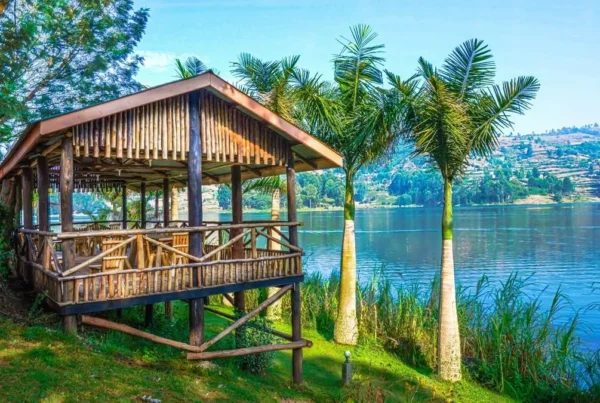
Lake Bunyonyi’s geography and ecology are inseparable from its cultural identity. The lake’s islands, volcanic hills, and surrounding wetlands provide both a backdrop for festivals and practical resources for communities. Villagers cultivate crops on terraced slopes, fish in the lake, and harvest local herbs, integrating ecological knowledge into daily life. Travelers are guided to observe sustainable practices, understand water management techniques, and recognize the role of biodiversity in supporting human activities.

Photography and observation opportunities abound, from capturing festival performances to panoramic lake views. Guides emphasize responsible and ethical photography, ensuring that cultural practices and community privacy are respected while allowing travelers to document and share their experiences.

Luxury and Comfort Considerations

Despite the intensive cultural engagement, accommodations around Lake Bunyonyi can cater to luxury travelers seeking comfort and curated experiences. Boutique lodges and eco-resorts offer panoramic lake views, private terraces, and gourmet cuisine prepared with local ingredients. Personalized services include guided tours, boat excursions, and flexible scheduling to accommodate festival events, ensuring a seamless balance between cultural immersion and relaxation.

These lodges often provide wellness options, including spa treatments, meditation sessions, and quiet areas for reflection, enabling travelers to recover from festival activities while maintaining connection with the surrounding natural and cultural environment.

Health and Safety Considerations

Short-term travelers should prioritize health, hydration, and safety, particularly when participating in active festival events or exploring the lake. Vaccinations, insect protection, and adherence to local guidelines are recommended to ensure a safe experience. Guides facilitate safe interactions with wildlife, community members, and festival participants, ensuring that travelers can engage fully without compromising personal or communal well-being.

Emergency protocols, first aid availability, and supportive lodge staff contribute to a secure environment, allowing travelers to focus on cultural, culinary, and ecological engagement with peace of mind.

Sustainable and Ethical Engagement

Responsible tourism is central to a meaningful visit to Lake Bunyonyi. Travelers are encouraged to support local economies, respect cultural norms, and minimize ecological impact. Participation in workshops, community events, and culinary activities is conducted with attention to ethical standards, ensuring that both the environment and community heritage are preserved.

Supporting local markets, artisans, and farms contributes to sustainable livelihoods, while adherence to festival etiquette and ecological guidelines ensures that tourism strengthens rather than disrupts local practices. This approach aligns short-term visits with long-term cultural and environmental sustainability.

Maximizing Limited Time for Cultural and Culinary Immersion

Even with just three days, travelers can experience a rich tapestry of culture, cuisine, and ecological awareness at Lake Bunyonyi. Festival participation, island exploration, and culinary engagement provide a condensed yet immersive journey that leaves lasting impressions. The itinerary balances active participation with reflection, allowing travelers to understand the interconnectedness of heritage, gastronomy, and natural landscapes.

For those wishing to explore Lake Bunyonyi fully while ensuring seamless logistics, curated experiences, and meaningful cultural engagement, booking through WildHorn Africa is highly recommended. Their expertise in arranging guided itineraries, local culinary experiences, and festival access ensures that even a limited-time visit is rich, educational, and unforgettable, creating memories that resonate long after departure.

Kabaka's Palace Itinerary: Ultimate Checklist for groups

Kabaka’s Palace Itinerary: Ultimate Checklist for groups

By Travel stories and blogs, Uganda travel guides

Kabaka’s Palace Itinerary: Ultimate Checklist for Groups

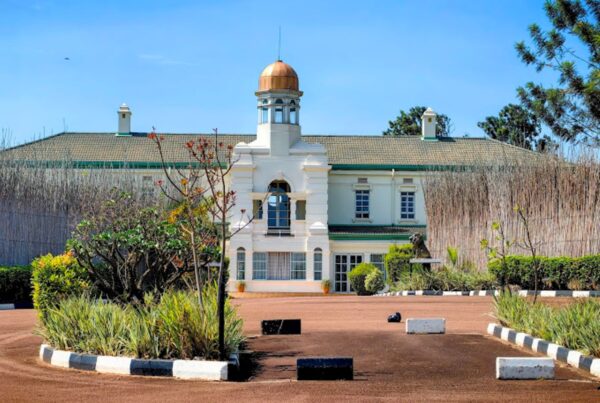
At the heart of Kampala, perched upon the Lubiri Hill, stands one of Uganda’s most iconic landmarks: Kabaka’s Palace, also known as the Lubiri. This is no ordinary palace; it is a living repository of Buganda’s history, culture, and political heritage. For centuries, it has been the seat of Buganda’s monarchy, the stage of pivotal historical events, and a space where architecture, tradition, and symbolism converge.

For groups traveling through Uganda—whether students, cultural enthusiasts, historians, or leisure travelers—planning a visit to Kabaka’s Palace is not merely a stop on a city tour. It is a profound immersion into Uganda’s soul, an experience that transcends the visual appeal of architecture and gardens to reveal the resilience, artistry, and traditions of one of Africa’s oldest kingdoms. Yet, to fully appreciate this remarkable landmark, an ultimate checklist for groups becomes indispensable, ensuring that every detail is attended to, every opportunity embraced, and every memory woven into the fabric of a journey worth retelling.

This article presents that very itinerary: a structured, formal, and detailed guide to visiting Kabaka’s Palace as a group. From understanding its heritage, to structuring time efficiently, to embracing cultural and culinary layers, the narrative unfolds step by step, leaving no aspect unexamined.

The Significance of Kabaka’s Palace

The Kabaka’s Palace is not only a royal residence but also a monumental space representing the Buganda Kingdom’s continuity. Constructed in 1885 during the reign of Kabaka Mwanga II, the palace was built with grandeur to symbolize the authority of the Kabaka. Its walls have witnessed moments of royal celebration, colonial tension, and political upheaval, including the tragic events of the 1966 attack by government forces.

Within its grounds lies the Idi Amin torture chambers, stark reminders of a dark chapter in Uganda’s history. For groups visiting, the palace offers a layered experience—one of pride in heritage, appreciation of artistry, and reflection on resilience through hardship. To stand on its grounds is to stand at the intersection of triumph and tragedy, making it an essential stop in Uganda’s cultural narrative.

Preparing for a Group Visit

When planning to explore the Kabaka’s Palace as a group, preparation determines the success of the journey. The palace grounds are expansive, layered with attractions that demand both time and attention. Unlike smaller landmarks that can be absorbed quickly, the Lubiri calls for deliberate pacing to ensure that the group is not rushed and that each aspect is given its deserved reflection.

Timing is central. Morning visits allow groups to experience the palace with fewer crowds, ensuring guides can engage more intimately with questions and discussions. Midday, though warmer, often coincides with cultural activities around the palace, offering groups a chance to witness Buganda’s heritage in living form. Afternoons, meanwhile, provide golden lighting for photography, particularly appealing to groups with visual documentation in mind.

Beyond timing, preparation involves aligning expectations. Groups must recognize that the palace is both a cultural landmark and a sacred royal site. Respect is paramount, and attire should reflect cultural sensitivity. The palace is not merely a tourist stop—it is an institution that embodies identity, making respectful conduct integral to the visit.

Structuring the Itinerary: A Day at the Palace

The Grand Arrival

Groups arriving at the palace are first struck by the grand gates of the Lubiri, framed with cultural emblems of Buganda’s monarchy. Guides welcome visitors with stories of the kingdom’s past, setting the tone for the day. The sense of arrival is ceremonial, as though stepping into a timeline that stretches centuries.

The vast grounds open to sweeping lawns, trees that have stood for decades, and pathways that guide the visitor toward monuments and buildings of significance. Groups are often encouraged to pause, to absorb the scale and aura of the palace before beginning structured exploration.

The Historical Walk

The first phase of the tour introduces the main palace building, where guides narrate stories of Buganda’s kings, their reigns, and their legacies. For groups, this becomes a shared classroom, a chance to exchange questions, insights, and reflections. The palace’s architecture, with its blend of traditional and colonial influences, becomes a subject of fascination, each angle revealing design choices that carry symbolic meaning.

The walk then extends to the surrounding gardens, each corner of the palace grounds revealing memorials, sculptures, or symbolic structures tied to Buganda’s story. The gardens are not simply decorative; they embody Buganda’s connection to land, fertility, and continuity, offering groups both beauty and meaning to contemplate.

The Dark Chambers of Memory

Perhaps the most somber yet essential part of the itinerary is the visit to the Idi Amin torture chambers, built during the regime of Idi Amin in the 1970s. For groups, the chambers serve as both a history lesson and a place of reflection. The dark tunnels, etched with marks of the past, narrate silent testimonies of those who suffered within.

While difficult, the experience provides essential context to Uganda’s journey, reminding groups of the resilience of its people. It is here that silence often overtakes chatter, as the weight of history settles over visitors. For educational groups, this moment becomes pivotal—an opportunity to connect history books to lived reality.Kabaka's Palace Itinerary: Ultimate Checklist for groups

The Cultural Encounter

The palace is not only about history but also about living culture. Groups visiting often encounter cultural performances—traditional Buganda drumming, dances, and songs that celebrate the kingdom’s heritage. Participation is encouraged, with visitors joining dances or learning the rhythms of the drum.

For groups, this cultural immersion serves as a joyful balance to the somber history of the chambers. It reminds visitors that Buganda is not defined by its trials alone but by its creativity, resilience, and thriving traditions.

Culinary Experiences for Groups

Visiting Kabaka’s Palace is often paired with sampling the culinary traditions of Buganda. Groups with limited time can enjoy meals within nearby restaurants that specialize in authentic Buganda dishes. A signature experience is luwombo, a dish prepared in banana leaves, often with chicken, beef, groundnuts, or mushrooms. For groups, sharing such a meal becomes a symbolic act of community, echoing the values of togetherness central to Buganda life.

Markets near the palace offer additional culinary experiences. Fresh fruits—mangoes, pineapples, and passion fruits—are enjoyed by groups as both refreshment and cultural exploration. Food becomes not just sustenance but a bridge between the palace’s stories and the everyday life of its people.

Culinary encounters add depth to the group itinerary, ensuring the visit is not only about observation but also about taste and shared sensory experiences.

Educational Value for Groups

One of the strongest appeals of Kabaka’s Palace is its educational richness. For groups comprised of students or cultural scholars, the palace provides content across disciplines—history, architecture, political science, anthropology, and art.

Guides provide narration tailored to audiences, ensuring that the palace becomes not just a monument but a classroom. The integration of visual observation, oral storytelling, and lived spaces ensures that groups leave with knowledge that resonates far beyond the visit. Discussions often continue after the tour, as groups reflect on the meaning of monarchy in modern Uganda, the impact of colonial history, and the role of culture in national identity.

For leisure groups, the educational aspect enriches rather than burdens the journey. The palace offers learning that feels natural and immersive, not forced. In this way, every group finds relevance in its visit, no matter the background of its members.

Maximizing Group Experiences

The success of a group visit lies in pacing and participation. A rushed itinerary dilutes the impact of the palace, while overly slow pacing risks fatigue. Structured pauses, interactive moments, and spaces for reflection are crucial.

Photography is encouraged in designated areas, and for groups with creative interests, the palace becomes a canvas—architectural lines, cultural performances, and symbolic gardens offer endless material. Musicians and dancers welcome interaction, transforming the group from passive spectators to active participants.

Equally, moments of silence, particularly within the torture chambers, ensure respect is upheld. Balancing engagement and reflection ensures that groups leave with a holistic understanding of Kabaka’s Palace.

The Best Times to Visit with Groups

Seasonality influences the group experience. The dry seasons, from December to February and June to August, provide the most comfortable conditions for exploring the palace grounds. Walkways remain accessible, cultural performances are more frequent, and the atmosphere is conducive to group exploration.

During the rainy seasons, while the palace remains open, paths may be muddy and outdoor activities limited. However, the greenery of the grounds during these months is lush, offering scenic beauty that photographers in groups particularly appreciate.

Time of day also matters. Mornings allow for cooler weather and less crowding, ideal for larger groups seeking uninterrupted engagement. Afternoons, though busier, provide vibrant atmospheres and excellent lighting for photography.

Reflections on Group Travel at Kabaka’s Palace

Traveling as a group amplifies the experience of Kabaka’s Palace. Shared learning, collective awe, and mutual reflection turn individual discoveries into communal narratives. Each member brings a unique perspective—students question, historians interpret, travelers admire—and together, the palace reveals itself in multiple dimensions.

The itinerary’s checklist—from arrival to departure, from history to cuisine, from culture to reflection—ensures that no aspect is overlooked. Groups leave not with fragmented impressions but with a comprehensive understanding of Buganda’s monarchy, its resilience, and its relevance in modern Uganda.

The Palace as a Group Journey

The Kabaka’s Palace is not simply a stop in Kampala; it is a destination in itself, commanding attention, respect, and reflection. For groups, it offers a rare balance of grandeur and intimacy, history and culture, education and entertainment. Its grounds, its buildings, and its stories provide an itinerary rich enough to sustain an entire day, yet flexible enough to be adapted to group needs.

The ultimate checklist ensures that no aspect is missed: the historical walk through royal grounds, the sobering reflection within the torture chambers, the joyous immersion in cultural performances, and the shared delight of Buganda cuisine. Together, these layers form a journey that is as unforgettable as it is meaningful.

For groups seeking to experience Uganda not in fragments but in fullness, Kabaka’s Palace stands as a vital inclusion. And for those wishing to craft such a journey with expertise and care, it is best to entrust the experience to professionals who know Uganda intimately. It is therefore recommended to book your African tours and safaris through WildHorn Africa, ensuring that every group visit to Kabaka’s Palace—structured, respectful, and enriching—is transformed into a story of discovery worth retelling for years to come.

Murchison Falls National Park: One Week Plan to hiking for solo travelers

Murchison Falls National Park: One Week Plan to hiking for solo travelers

By Travel stories and blogs, Adventure holidays, Uganda travel guides

Murchison Falls National Park: One Week Plan to Hiking for Solo Travelers

Where Adventure Meets Solitude

For solo travelers in search of both adventure and serenity, Murchison Falls National Park stands as Uganda’s most iconic wilderness escape. The park, spanning vast savannahs, dense forests, and the dramatic Nile River, offers a setting where solitude transforms into discovery, and hiking becomes more than just a physical journey. With the thunderous roar of the falls as a centerpiece and trails weaving through diverse habitats, Murchison Falls provides the perfect backdrop for those traveling alone yet seeking profound connection with nature.

A one-week plan in this remarkable park allows solo adventurers to fully immerse themselves in the region’s landscapes, wildlife, and cultural encounters. Every sunrise and sunset introduces a new chapter in the story of exploration, and each step along a trail reveals vistas, details, and photographic opportunities that elevate the experience beyond mere sightseeing.

Why Murchison Falls is a Haven for Solo Travelers

The allure of Murchison Falls for solo travelers lies in its balance of tranquility and exhilaration. Unlike crowded destinations, the park grants individuals the rare luxury of engaging directly with nature in silence while also offering safe, guided hiking routes that bring reassurance to those exploring alone. The dramatic landscapes, from sweeping grasslands to riverine forests, invite personal reflection, making the journey inward as significant as the path underfoot.

Solo travelers often find comfort in the self-paced rhythm of hiking through Murchison Falls. There is no pressure to match another’s pace, no need to compromise on chosen routes, and every encounter with wildlife becomes a private memory. For many, this independence enhances both the adventure and the intimacy of the experience, transforming the park into a sanctuary for personal growth, creativity, and renewal.

Day 1: Arrival and First Impressions

The first day in Murchison Falls is best reserved for arrival, orientation, and an introduction to the vastness of the park. Solo travelers are welcomed by the expanses of savannah and the sight of the Nile slicing through the wilderness. The initial hours are often spent settling into accommodation, becoming familiar with the environment, and preparing mentally for the hiking adventures ahead.

As evening falls, the air cools and the park awakens with the distant calls of nocturnal creatures. This first night serves as a reminder of the wild rhythms that define Murchison Falls, offering solo travelers a sense of humility and anticipation for the days to come.

Day 2: Hiking to the Top of the Falls

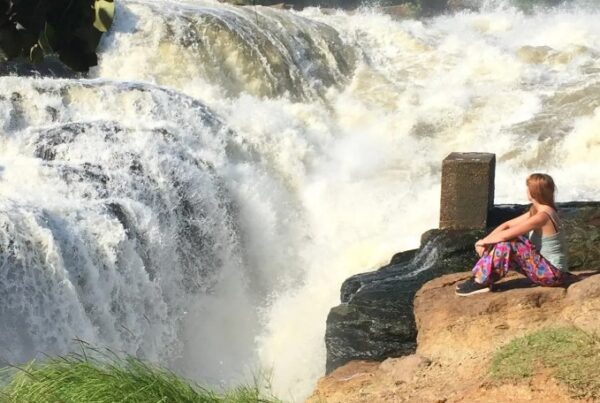
The second day introduces the first major highlight of the one-week itinerary: the hike to the top of Murchison Falls. This trail, short but steep, offers unmatched drama. As hikers ascend, the sound of rushing water grows louder until the Nile reveals itself in its most ferocious display, squeezing through a narrow gorge and crashing down into the abyss below.

For solo travelers, this hike is both exhilarating and meditative. The view from the top, where mist rises from the churning waters, becomes a private spectacle. Photographers find this moment particularly rewarding, as the interplay of water, light, and rock creates images that embody both power and beauty.

Day 3: Savannah Trails and Wildlife Encounters

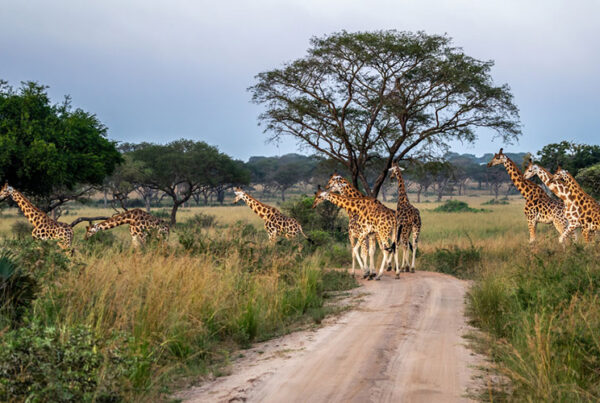
The third day unfolds on the expansive savannah trails that stretch across the northern sector of the park. Hiking here brings encounters with giraffes gracefully moving in herds, elephants wandering through the grasslands, and antelopes grazing in harmony. Lions may be glimpsed at a distance, their presence a reminder of the wild balance within this ecosystem.

For solo travelers, these encounters heighten the sense of vulnerability and awe, creating a deep respect for the interconnectedness of life within the park. The savannah trails are not only about witnessing wildlife but also about embracing silence, with only the crunch of footsteps on dry earth and the whisper of the wind for company.

Day 4: Exploring Riverine and Forest Trails

Day four introduces a shift from the open savannahs to the dense greenery along the Nile’s banks. Trails in these sections lead through forests alive with birdsong, primates, and lush undergrowth. Hikers encounter species such as baboons, black-and-white colobus monkeys, and an astonishing variety of birdlife, each adding layers of color and texture to the journey.

For photographers, the play of light filtering through the trees creates opportunities for creative framing, while the calls of unseen creatures enhance the atmosphere of mystery. Solo travelers are often struck by the contrast between the raw power of the falls and the gentle, almost secretive beauty of the forest, realizing that Murchison Falls National Park is a landscape of dualities.

Day 5: The Nile Delta and Wetland Hikes

The Nile Delta region, where the river fans out into wetlands before flowing into Lake Albert, provides a refreshing change of scenery on day five. Hiking near these wetlands offers views of rare species, most famously the elusive shoebill stork. The area’s quiet atmosphere and unique ecological features make it an ideal place for contemplative exploration.

Walking along the delta’s edges, solo travelers capture photographs of tranquil waters reflecting wide skies, while fishermen move quietly in traditional boats. The pace here slows, inviting reflection and appreciation of the subtler aspects of the natural world. This day often becomes one of the most memorable for those who enjoy balancing adventure with serenity.

Day 6: Cultural Encounters and Community Trails

Hiking in Murchison Falls is not limited to natural landscapes. Day six introduces cultural trails that lead solo travelers into nearby communities. Villages surrounding the park showcase traditional lifestyles, vibrant markets, and warm hospitality. Walking through these areas allows photographers to capture portraits, crafts, and daily life, providing a human dimension to the week’s journey.

These encounters remind solo travelers that the story of Murchison Falls is not written by nature alone but also by the people who live in harmony with the park. Respectful interactions add richness to the hiking experience, ensuring that the journey feels complete in its scope.

Day 7: Reflections and Farewell Hike

The final day of the itinerary is best spent revisiting a favored trail or choosing a shorter hike that allows time for reflection. Many solo travelers return to the top of the falls to witness the Nile one last time, while others prefer the quiet of forested paths. This final hike becomes less about exploration and more about personal connection, as the week’s experiences settle into memory.

Departing Murchison Falls after a week of hiking feels both rewarding and humbling. Solo travelers carry with them not only photographs but also a renewed sense of self, shaped by the wild beauty and silence of the park.

Safety and Practical Considerations for Solo Travelers

Hiking alone in Murchison Falls requires attention to safety and preparation. Guided hikes are strongly encouraged, as local guides provide expertise, knowledge of wildlife behavior, and reassurance in unfamiliar terrain. Proper footwear, hydration, and protective gear against both sun and rain are essential, as conditions can shift quickly.

For photographers traveling solo, extra care must be taken to balance equipment with mobility. Lightweight gear and protective coverings ensure that creativity is not compromised by environmental challenges. Respect for wildlife, adherence to park regulations, and awareness of personal limits remain central to a safe and rewarding experience.

A Journey of Solitude and Discovery

Murchison Falls National Park, with its sweeping savannahs, roaring waterfalls, and cultural encounters, offers solo travelers a destination where solitude becomes a gift rather than a challenge. A one-week hiking itinerary reveals the park in its many dimensions, from dramatic landscapes to intimate details, from untamed wilderness to human connection.

For photographers, writers, and adventurers alike, Murchison Falls provides more than just a backdrop; it becomes a transformative space where each step taken alone leads to deeper discovery. The week concludes not with an ending but with the beginning of a lasting relationship with Uganda’s wild north.

For those seeking to turn this vision into reality with comfort, expertise, and tailored itineraries, it is highly recommended to book Africa tours and safaris via WildHorn Africa, where every journey into the wild is crafted to be as safe, rewarding, and unforgettable as possible.

Mount Elgon: 5-Day Itinerary to honeymoon ideas for birders

Mount Elgon: 5-Day Itinerary to honeymoon ideas for birders

By Travel stories and blogs, Honeymoon holidays, Travel guides, Uganda travel guides

Mount Elgon: 5-Day Itinerary to Honeymoon Ideas for Birders

A Romantic Escape Amidst Avian Splendor

Mount Elgon, straddling the border between Uganda and Kenya, stands as one of East Africa’s most enchanting landscapes, offering towering peaks, misty forests, and cascading waterfalls. For newlyweds and couples seeking a combination of adventure and tranquility, this majestic mountain provides a unique setting for a honeymoon infused with birdwatching, photography, and intimate connection with nature. Beyond its dramatic terrain, Mount Elgon is celebrated for its rich avian diversity, hosting rare and endemic species that captivate both amateur and seasoned birders. A carefully crafted itinerary ensures that couples can explore its beauty at a comfortable pace, balancing romantic experiences with immersive encounters with Uganda’s avian treasures.

Understanding Mount Elgon as a Birding Destination

Mount Elgon’s landscapes encompass montane forests, bamboo zones, savannah grasslands, and crater lakes, creating a mosaic of habitats for an impressive variety of birds. Over 300 species have been recorded, including sunbirds, turacos, raptors, and specialized montane endemics such as the African green broadbill and the Mountain masked apalis. For honeymooning birders, the mountain offers the rare opportunity to combine wildlife observation with intimate experiences in serene, often secluded locations.

The mountain’s forests are alive with sounds, from dawn choruses to evening calls, providing a soundtrack for couples immersed in exploration. Photographers and birdwatchers alike are rewarded by the interplay of light and landscape, where mist-laden valleys and sunlit clearings create dramatic backdrops for both wildlife and candid moments shared between partners.

Day 1: Arrival and Settling In

The first day is dedicated to arrival and acclimatization. Couples are encouraged to arrive via Mbale or Kitale, the nearest towns with access to Mount Elgon National Park. Accommodation options range from eco-lodges nestled in the forest to boutique guesthouses with panoramic views of the surrounding valleys. These lodgings provide the perfect setting for couples to relax after travel, while evening walks near the lodge can reveal familiar resident species and offer early opportunities for bird photography.

Dining at sunset allows couples to enjoy the scenic panorama, with the sounds of forest birds in the background enhancing the sense of romantic seclusion. Early preparation, including unpacking gear and reviewing trail plans with park guides, ensures that subsequent days are focused on exploration and discovery rather than logistical concerns.

Day 2: Forest Trails and Montane Exploration

The second day is ideal for early morning forest walks, when avian activity is at its peak. Couples are guided through montane forests, where species such as the African emerald cuckoo, black-headed apalis, and various turacos can be observed foraging among the trees. The presence of a knowledgeable guide enhances both safety and the likelihood of sightings, particularly for shy or cryptic species.

Photographers are encouraged to capture the dynamic interplay of birds in their natural habitats, while also documenting intimate moments of shared discovery and quiet reflection. Midday can be reserved for relaxation or light trekking, exploring nearby waterfalls or bamboo zones where sunbirds and flycatchers abound. Late afternoon provides opportunities for photography as light filters through the canopy, highlighting textures and colors that are often overlooked during peak daylight.

Day 3: Crater Lakes and Waterbirds

The third day focuses on exploring Mount Elgon’s crater lakes and associated wetlands. These ecosystems attract a variety of water-dependent species, including kingfishers, herons, and reed warblers. Couples may enjoy quiet canoe rides or lakeside walks, observing birds while immersed in the serene landscape. The tranquil settings of crater lakes are perfect for romantic photography, capturing reflections of both wildlife and partners amidst the natural backdrop.

Walking trails along the lakes also provide opportunities to engage with local communities, observing traditional fishing practices and learning about sustainable resource management. These encounters deepen appreciation of the human-nature connection, offering cultural context that complements the avian-focused experience. Evening walks along the forest edge allow for sightings of nocturnal species, providing a sense of mystery and wonder that enriches the honeymoon experience.

Day 4: High-Altitude Trekking and Birding

Day four is reserved for higher-altitude exploration, including visits to the mountain’s peaks and moorlands. The trekking is moderate, allowing couples to enjoy breathtaking views while targeting montane bird species that prefer cooler, elevated zones. Raptors such as augur buzzards and mountain hawk-eagles dominate the skies, while ground-dwelling species, including francolins and forest rails, are observed along trails.

Photography opportunities are abundant, particularly in misty morning conditions where clouds and sunlight create ethereal lighting. Couples can plan intimate picnic spots with scenic overlooks, combining relaxation with bird observation. The sense of achievement from reaching higher altitudes adds a shared memory, enhancing the romantic aspect of the adventure.

Day 5: Community Engagement and Farewell

The final day integrates cultural experiences and reflective exploration. Visits to local communities allow couples to observe traditional crafts, farming practices, and social activities, providing additional photographic subjects and enriching the narrative of the trip. Birding opportunities remain present, particularly in farmland edges and small forest patches where seed-eating species, weavers, and hornbills can be observed.

Late afternoon is ideal for consolidating photographs, reviewing sightings, and enjoying quiet moments on lodge terraces or lakesides. The itinerary concludes with preparation for departure, ensuring that couples leave Mount Elgon with both visual records and lasting memories of shared adventure and discovery.

Practical Considerations for Honeymooning Birders

Couples are advised to plan logistics carefully, ensuring comfortable and safe travel to and within the park. Adequate clothing for variable temperatures, sturdy footwear, and layered attire for early mornings and high-altitude treks are essential. Equipment, including cameras, binoculars, and portable chargers, should be protected from moisture and rough handling.

Health precautions, such as malaria prophylaxis, insect repellent, and first-aid supplies, are critical, particularly for those venturing into forested or wetland areas. Maintaining hydration, balanced nutrition, and pacing of activities ensures that both partners can fully enjoy the birding and romantic aspects of the trip without fatigue or health concerns.

A Harmonious Blend of Romance and Nature

Mount Elgon provides a unique combination of adventure, serenity, and avian diversity, making it an ideal destination for honeymooning birders. By following a structured five-day itinerary, couples can balance exploration, photography, and romantic experiences, creating lasting memories in Uganda’s breathtaking landscapes. The mountain’s forests, crater lakes, highlands, and local communities offer a dynamic palette of opportunities for both observation and storytelling.

To ensure a seamless, safe, and enriching experience, it is recommended to book your Africa tours and safaris via WildHorn Africa, where expert guidance guarantees that each moment—from early morning birding to intimate sunsets—is maximized for adventure, photography, and shared discovery.

5-Day Itinerary for game drive in Arua with limited time

5-Day Itinerary for game drive in Arua with limited time

By Travel stories and blogs, Safari holidays, Travel guides, Uganda travel guides, Wildlife holidays

5-Day Itinerary for Game Drive in Arua with Limited Time

Tucked away in the far northwestern corner of Uganda, where the Nile bends and the horizon stretches into golden savannahs, lies a region of raw beauty and undiscovered adventureArua. Often known as the “Gateway to the West Nile,” Arua sits between Uganda’s lush heartlands and the vast, untamed wilderness bordering the Democratic Republic of Congo and South Sudan. For travellers with a passion for wildlife and nature but limited time, Arua offers a uniquely compact safari experience that blends authentic encounters, rich culture, and scenic tranquility within just a few days.

Unlike Uganda’s more commercial safari circuits around Queen Elizabeth or Murchison Falls, Arua’s charm lies in its off-the-beaten-path atmosphere. The surrounding reserves, rivers, and rural landscapes remain largely untouched, offering a sense of intimacy and solitude rarely found elsewhere. A 5-day game drive itinerary here allows visitors to enjoy thrilling wildlife encounters, soak in local culture, and unwind amid Uganda’s sunlit highlands — all without feeling rushed.

This guide explores a carefully designed 5-day itinerary for a game drive in Arua — a journey crafted for those with limited time yet limitless curiosity. It dives deep into each day’s experience, revealing not only where to go but how it feels to be part of this extraordinary corner of Africa.

Why Arua

Arua is more than a geographical location; it’s an experience shaped by nature, culture, and community. Its landscape is a blend of rolling plains, thick bush, and distant hills, forming a natural transition between Uganda’s savannah ecosystems and Central Africa’s tropical zones.

The city itself is lively — filled with markets, vibrant street life, and a cultural rhythm that reflects the resilience of Uganda’s northwestern people. But just beyond its edges, the wilderness opens wide. The Ajai Wildlife Reserve, White Rhino corridors, and Albert Nile floodplains provide a setting that is both wild and wondrous.

For travellers constrained by time but eager for immersion, Arua’s proximity to these natural treasures makes it ideal. Within a few hours’ drive, you can move from the bustling markets of Arua town to the serene, animal-filled grasslands of Ajai — a landscape still echoing with the footsteps of the once-thriving white rhinos that roamed here.

Detailed itinerary

Day 1: Arrival in Arua and Sunset Drive into the Savannah

Your adventure begins with arrival in Arua town, either by road from Kampala or a short domestic flight from Entebbe. Upon arrival, the air feels lighter — fresher — carrying whispers of acacia leaves and distant rain. The town’s atmosphere is calm yet energetic, a blend of modern life and rural authenticity.5-Day Itinerary for Game Drive in Arua with Limited Time

After settling into your lodge, the first afternoon is best spent getting acquainted with the land. The journey heads toward the outskirts, following red-dirt roads that twist through open fields and homesteads. As you leave the urban heartbeat behind, Uganda’s timeless countryside unfolds — green banana groves, scattered grass-thatched huts, and children waving as your safari vehicle passes.

The evening brings your first short game drive or sunset exploration around the outskirts of Ajai Wildlife Reserve. Here, golden light spills across the savannah, igniting the tall grasses in warm hues of amber and gold. Antelopes emerge to graze as the day cools, and birds — weavers, bee-eaters, and fish eagles — return to their nests.

It is not the rush of a crowded park but the serenity of a forgotten Eden. The stillness is profound. You feel the pulse of the wilderness and sense that this journey, though short, will be deeply immersive. The day ends at a lodge on the edge of the reserve, with a hearty dinner served under a canopy of stars.

Day 2: Game Drive in Ajai Wildlife Reserve — Heart of the West Nile

At dawn, as the mist rises off the wetlands, the day’s true adventure begins. Ajai Wildlife Reserve, located southeast of Arua along the Nile’s banks, spans over 16,000 hectares of savannah, woodland, and riverine plains. Though smaller than Uganda’s major parks, it offers a distinctive ecosystem shaped by the Albert Nile and its seasonal floodplains.

The reserve is a place of revival. Once home to the now-extinct wild white rhinos of northern Uganda, Ajai is being restored through community-driven conservation initiatives. The modern reserve shelters Uganda kob, waterbuck, bushbuck, warthogs, and hippos, as well as diverse birdlife such as African fish eagles, crowned cranes, and herons.5-Day Itinerary for Game Drive in Arua with Limited Time

Your guide leads the way through narrow tracks where dew glistens on the grass. The light is soft, and every turn reveals something new — a pair of hartebeests grazing by the riverbank, a troop of baboons crossing the road, or an eagle perched atop a termite mound.

As the day warms, the drive pauses near the wetlands for a picnic breakfast. The soundscape fills with life — frogs croaking, birds calling, and wind rustling through reeds. Watching the river shimmer beneath the sun, it becomes clear that Ajai’s beauty lies not just in sightings, but in its silence and solitude.

The afternoon can be spent exploring deeper trails, visiting the community conservation outposts, and learning how local efforts sustain this fragile ecosystem. The relationship between people and nature here is intertwined — every restored habitat, every protected corridor tells a story of resilience and coexistence.

Evening descends gently over the plains as you drive back toward your lodge. Dinner is accompanied by the sounds of crickets and the distant laughter of villagers, followed by a peaceful rest in the cool night air.

Day 3: Albert Nile Exploration and Local Encounters

Day three opens with the golden reflection of dawn over the Albert Nile — a spectacular stretch of the great river as it winds north from Lake Albert. This day focuses on riverine exploration and cultural connection, blending wildlife encounters with local insight.

A short drive from Arua brings you to the Nile corridor, where boat rides and riverside walks unveil another dimension of the region’s ecology. Hippos grunt lazily in the shallows, while fishermen cast nets from traditional canoes, their silhouettes mirrored in the water.

As you move along the riverbanks, the landscape shifts from open plains to lush greenery. Birdlife flourishes here — kingfishers dart like blue sparks, herons wade patiently, and fish eagles glide overhead. The atmosphere feels timeless, untouched by the rush of modern tourism.5-Day Itinerary for Game Drive in Arua with Limited Time

By midday, the journey turns inland toward nearby communities. Arua’s people are known for their warmth, creativity, and resilience. Visiting local artisans or traditional homesteads offers a glimpse into daily life — from handwoven crafts to farming practices that have sustained generations. Honeymooners and travellers alike often find these encounters deeply meaningful, as they reflect the heartbeat of real Uganda beyond the safari lens.

Later in the afternoon, a short evening drive along the Arua–Madi Okollo road offers a chance to spot antelopes, monkeys, and bird species preparing for dusk. As the sun lowers, painting the sky in pinks and violets, you return to your lodge for dinner under lantern light, the river whispering softly nearby.

Day 4: Scenic Hills, Cultural Trails, and Evening Drive

On the fourth day, the itinerary transitions from pure wilderness to scenic and cultural exploration. Arua’s surrounding hills, particularly those toward Rhino Camp and Terego, offer breathtaking panoramas and small wildlife corridors frequented by baboons, monkeys, and bushbucks. The trails are dotted with small villages and farmlands, where the pace of life feels gracefully unhurried.

The morning is spent hiking or biking gently through these rolling landscapes, guided by a local expert who shares insights about flora, fauna, and the history of the region. This is also the perfect opportunity for couples or friends to share quiet moments in nature — a picnic beneath acacia trees, a shared laugh while crossing a stream, or simply gazing out over the valley in stillness.5-Day Itinerary for Game Drive in Arua with Limited Time

In the afternoon, the itinerary includes a community visit or market exploration. The Arua Central Market and nearby craft stalls showcase vibrant local produce, fabrics, and woodcarvings. The people here speak with pride about their heritage and are often eager to share stories about their land and wildlife.

As the evening approaches, a short game drive or sunset walk can be arranged within one of the nearby conservation areas or riverine plains. The fading light casts an ethereal glow over the grasslands, and the air fills with the scent of earth after a day’s warmth. You may encounter bush duikers darting into thickets, birds settling on treetops, or the first stars flickering through twilight.

The night ends in tranquil comfort — perhaps with a fireside conversation about the journey so far, a reflection of how five days can hold the essence of an entire adventure.

Day 5: Farewell to the Wild and Return to Arua Town

The final day arrives quietly, with morning light filtering through the curtains and the sounds of distant birds announcing dawn. After breakfast, there’s time for one last nature walk or short drive — a chance to breathe in the wilderness before returning to town.

The journey back to Arua feels reflective. The road winds through landscapes now familiar, each hill and river carrying memories of discovery. For those with a later flight or bus, the day allows for exploration of the city itself. Arua’s charm lies in its mix of old and new — colonial-era buildings stand beside lively markets, and cafes offer aromatic Ugandan coffee brewed to perfection.

As your safari draws to a close, a sense of connection lingers — connection to the land, to its people, and to the quiet beauty that defines northern Uganda. Arua may not boast the crowds or grandeur of larger parks, but its authenticity, solitude, and sincerity make it a destination of the heart.

The Spirit of Arua: More Than Just a Game Drive

A five-day itinerary in Arua offers more than a series of excursions; it offers an immersion into a way of life. The game drives, river tours, and cultural encounters create a rhythm of exploration that mirrors Uganda’s diversity in miniature. Within these few days, travellers witness both the majesty of nature and the grace of human resilience — two forces that have coexisted here for centuries.

In every moment — whether watching antelopes grazing, sharing laughter with a local family, or standing by the Nile as the sun melts into gold — Arua reveals itself as a place where time slows and meaning deepens.

The Hidden Jewel of Northern Uganda

What makes Arua truly special is its ability to surprise. It stands at the crossroads of wilderness and civilization, offering an experience that feels both remote and personal. For those with limited time, this region provides a condensed yet deeply fulfilling safari alternative — a journey that captures the essence of Uganda’s landscapes without the long transfers or crowded lodges.

Arua’s natural beauty, combined with its cultural richness, makes it a destination of quiet transformation. The simplicity of the experience — the rhythm of the road, the songs of birds at dawn, the warmth of the people — leaves a lasting impression that endures long after departure.

The Call to Experience Arua

Every journey begins with a choice — the choice to go beyond the familiar, to discover what lies off the main path. Arua, with its understated charm and untouched wilderness, invites travellers to embrace this spirit of exploration. It is a place for those who seek authentic connection — with nature, with people, and with themselves.

For travellers with limited time but endless curiosity, this 5-day game drive itinerary offers the perfect balance of adventure and ease. It is a reminder that even in a few days, one can live deeply, see vividly, and feel profoundly.

When you are ready to experience Uganda’s hidden north — its golden plains, its Nile reflections, and its quiet, soulful rhythm — choose to book your Africa tours and safaris with WildHorn Africa. With deep expertise, local insight, and a passion for authentic exploration, WildHorn Africa crafts journeys that go beyond sightseeing. Every route, every stop, every sunset is curated to capture the essence of discovery.

Let Arua surprise you. Let the wild call you. And let WildHorn Africa lead you there — where adventure and tranquility meet beneath the wide, unbroken skies of northern Uganda.

3-Day Itinerary: Source of the Nile seasonal guide for photographers

3-Day Itinerary: Source of the Nile seasonal guide for photographers

By Travel stories and blogs, Travel guides, Uganda travel guides

3-Day Itinerary: Source of the Nile Seasonal Guide for Photographers

Capturing the Birthplace of a Legend

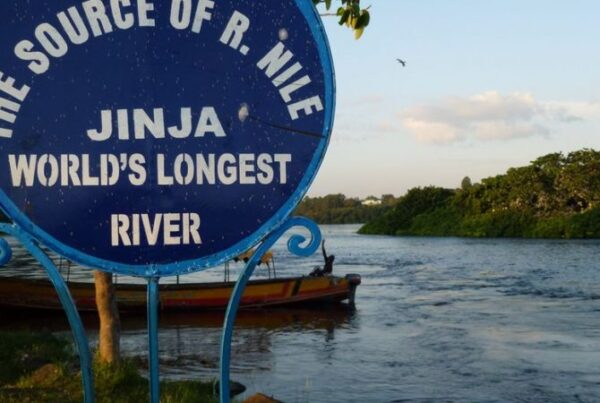
The Source of the Nile, where the world’s longest river begins its timeless journey, is not only a geographical wonder but also a dreamscape for photographers. Located in Jinja, Uganda’s adventure capital, this sacred point where Lake Victoria releases its waters into the Nile has fascinated explorers, travelers, and artists for centuries. For photographers, it offers an infinite interplay of light, motion, and culture, a canvas where every season tells a different story.

Planning a 3-day itinerary at the Source of the Nile allows one to not merely see but to truly immerse in the rhythms of this legendary river. From golden sunrise reflections to cultural encounters and adrenaline-charged moments on rapids, each season transforms the same landscapes into new masterpieces. With thoughtful timing and artistic perspective, the lens becomes a bridge between natural majesty and human heritage.

Location and Access to the Source of the Nile

Gateway to Uganda’s Photographic Treasure

The Source of the Nile is situated in Jinja, approximately 80 kilometers from Uganda’s capital, Kampala. The journey by road takes two to three hours, passing through vibrant trading centers, lush countryside, and expansive sugarcane plantations. For those seeking convenience, private transfers are readily available, ensuring comfort and flexibility for carrying delicate camera gear.

On arrival in Jinja, the river reveals itself in stages—first in quiet channels, then in surging rapids, and finally at the exact point where Lake Victoria gives birth to the Nile. Accessibility remains one of the site’s advantages, allowing both seasoned photographers and first-time visitors to explore without logistical strain. This ease of access ensures that more time is dedicated to framing shots rather than enduring journeys.

Seasonal Guide for Photographers

The Dry Season: Clarity and Golden Hues

From December to February and again from June to September, the region experiences its dry seasons, characterized by clear skies and brilliant sunlight. Photographers find this period ideal for capturing crisp landscapes and richly lit river scenes. Sunrises reflect golden tones on calm waters, while evenings produce dramatic silhouettes of fishermen casting nets against a fading sky.

Wildlife along the banks also becomes more visible as vegetation thins, allowing for clearer framing of kingfishers, cormorants, and monitor lizards basking on rocks. The dry season’s predictability benefits those who seek precision, making it perfect for commercial shoots, travel photography projects, or editorial work.

The Wet Season: Mist, Atmosphere, and Drama

March to May and October to November mark the wet seasons, bringing frequent rains and a transformed mood to the Source of the Nile. For photographers who crave atmosphere, this season is unmatched. Mists rise from the river at dawn, draping the landscape in a mystical veil that softens light and creates ethereal frames. Rain-washed foliage glows in deep greens, adding vibrancy to compositions.

The rapids swell, creating dramatic action shots of foaming currents and kayakers braving the surge. While lighting may challenge those unprepared, it rewards patience with moments of unrepeatable beauty. Raindrops on the river’s surface, clouds mirrored in still backwaters, and fleeting rainbows across the horizon all become opportunities to capture storytelling through imagery.

Day 1: Arrival and Evening Glow at the Nile

The first day of a 3-day itinerary begins with arrival in Jinja and orientation at the river’s edge. As the sun descends, the Source of the Nile reveals its calmest side, inviting photographers to capture sunset reflections, fishermen at work, and silhouettes of boats drifting across Lake Victoria’s outlet. The evening glow casts a warm palette, making this session a gentle initiation into the timelessness of the river.

Nightfall provides additional opportunities. Long-exposure photography captures the shimmer of stars mirrored on water, while riverside lodges, softly lit against the darkness, add a human element to the vast scene. The first day establishes both a connection and anticipation for deeper exploration to come.

Day 2: Exploring Rapids and Cultural Encounters

The second day is dedicated to motion and human interaction. Morning begins with photographing the rapids upstream, where kayakers and rafters battle currents that seem sculpted for drama. Freezing action shots of sprays against blue skies, or experimenting with slower shutters to capture blurred motion of rapids, rewards with images that embody the Nile’s restless spirit.

Later in the day, the lens turns toward Jinja’s cultural life. Craft markets, colonial architecture, and vibrant street scenes offer rich storytelling layers. Portraits of artisans at work, children playing along the riverbanks, and traditional boats resting against papyrus-fringed shores highlight the inseparable bond between people and the river. Evening offers another golden-hour session, this time focusing on human activity intertwined with natural beauty.

Day 3: Dawn Mysticism and Farewell Frames

The final day of the itinerary begins before sunrise, as the river unveils its most mystical side. Mist drifting above water, fishermen quietly setting off, and the first rays of sun piercing through clouds create a palette of soft light and hushed tones, perfect for atmospheric compositions. This session becomes the emotional climax, the moment when the river reveals its spiritual essence through the lens.

As midday approaches, opportunities arise to explore wetlands and islands nearby, offering chances to photograph birdlife such as kingfishers, herons, and African fish eagles in their natural habitats. These intimate encounters add delicate finishing notes to the photographic journey.

Departure in the afternoon or evening completes the experience, but the photographs captured remain as enduring testaments to the Source of the Nile’s power to inspire artistry.

Practical Tips for Photographers

Respecting the Rhythm of the River

Photography at the Source of the Nile requires not only technical skill but also respect for the environment. Tripods are essential for low-light scenes, waterproof covers protect gear during rains, and patience ensures that fleeting atmospheric moments are not missed. Most importantly, cultural sensitivity when photographing local communities guarantees that images reflect dignity and authenticity.

Seasons as Storytelling

The decision of when to visit shapes the narrative captured. The dry season tells stories of clarity, structure, and open horizons, while the wet season offers tales of mystery, mood, and unpredictability. Each season provides its own character, and the best photographers embrace both, weaving them into complete visual stories of the river’s identity.

To spend three days at the Source of the Nile is to experience a place where time seems to flow as steadily as the river itself. For photographers, it becomes a classroom of light, mood, and storytelling, offering lessons that cannot be replicated elsewhere. Each season writes its own script: dry months reward with golden precision, while wet months whisper in mist and shadow.

The Source of the Nile is not only a geographical wonder but a living muse, inspiring those who look through the lens to see more than scenery. It reveals a relationship between water, people, and history, one that transcends mere travel and enters the realm of artistry. To add it to a bucket list is to honor both adventure and creativity, ensuring that its memory flows as endlessly as the river itself.

Book Your African Safari and Photography Journey

For travelers and photographers ready to immerse in this timeless wonder, professional guidance ensures an experience that is seamless, enriching, and unforgettable. To capture the Source of the Nile and other African treasures with expertise and comfort, it is recommended to book your Africa tours and safaris through WildHorn Africa, where every detail is designed to turn a photographic dream into a living masterpiece.

3-Day Itinerary: Mgahinga Gorilla National Park cultural tour for adventure seekers

3-Day Itinerary: Mgahinga Gorilla National Park cultural tour for adventure seekers

By Travel stories and blogs, Uganda travel guides

3-Day Itinerary: Mgahinga Gorilla National Park Cultural Tour for Adventure Seekers

Where Adventure Meets Heritage

The journey to Mgahinga Gorilla National Park is not only about the thrill of standing face-to-face with the rare mountain gorillas but also about immersing oneself in the cultural wealth of the Virunga region. Adventure seekers are often drawn to the park for its rugged volcanic terrain and wildlife encounters, but the cultural dimension makes every visit far more profound. Over the course of three days, travelers discover how gorilla trekking, Batwa heritage, and natural exploration weave together into a tapestry of both excitement and learning. This itinerary is designed for those who wish to combine the physical challenge of trekking with the depth of cultural interaction, making every moment an opportunity to connect with the land and its people.

Day 1: Arrival and Cultural Immersion in Kisoro

The adventure begins upon arrival in Kisoro, a vibrant town located at the foot of the Virunga volcanoes. Travelers often find themselves captivated by the dramatic backdrop of rolling hills, misty peaks, and a landscape alive with activity. This first day is deliberately paced to allow time for acclimatization while providing an introduction to the cultural spirit of the region.

A visit to a local cultural center introduces guests to the Batwa community, one of the oldest indigenous groups of central Africa. Once forest dwellers, the Batwa share stories of their ancient connection to the gorilla forests, narrating tales of survival, spiritual rituals, and medicinal practices rooted in the natural environment. Their dances, songs, and oral traditions are performed not as staged entertainment but as a living memory of their past. For adventure seekers, engaging with the Batwa is a profound reminder that the park’s identity is inseparable from its people.

Meals on the first day are typically prepared using fresh produce grown on the fertile volcanic soils of Kisoro. Visitors may savor matoke bananas, beans, and local stews, offering a warm culinary welcome to Uganda’s southwestern corner. By evening, the anticipation for the trekking experience begins to build, as guides provide orientation on what lies ahead.

Day 2: Gorilla Trekking in the Misty Forests

The second day is the heart of the itinerary, as travelers set out on a gorilla trekking adventure within the park. Rising early, groups gather at Ntebeko Visitor Center, where experienced rangers provide briefing on trekking rules, conservation efforts, and what to expect during the journey. The trek itself is as much about the journey as the destination, taking adventurers through tangled vegetation, bamboo stands, and the volcanic slopes of the Virungas.

The effort is rewarded by the extraordinary moment of encountering a gorilla family. Sitting quietly in their natural habitat, these gentle giants display a mix of power and tenderness, reminding visitors of the fragility of their existence. Observing their interactions, from mothers nursing infants to dominant silverbacks maintaining order, creates memories that remain etched for a lifetime.

Following the trek, travelers often return for a period of rest before venturing into another layer of the park’s cultural experience. The Batwa Trail is a guided walk that retraces the footsteps of the Batwa people through their ancestral forest. Here, knowledge about medicinal plants, hunting techniques, and spiritual rituals comes alive in the very places where the Batwa once lived. Adventure seekers not only gain physical endurance through trekking but also mental enrichment by experiencing a culture that defines the park’s soul.

Evenings after the trek are usually spent reflecting around a fireplace or enjoying cultural performances arranged by local groups. For many, the bond formed between gorilla encounters and cultural storytelling is the highlight of the entire trip.

Day 3: Volcano Hike and Scenic Exploration

The final day is designed for travelers who wish to conclude their visit with a sense of conquest. Mgahinga is part of the Virunga volcano chain, and its three peaks—Mount Muhabura, Mount Gahinga, and Mount Sabyinyo—offer exhilarating hiking opportunities. Adventure seekers often choose a climb up Mount Sabyinyo, whose summit offers a unique geographical vantage point. Standing here places travelers at the intersection of three nations: Uganda, Rwanda, and the Democratic Republic of Congo.

The hike itself is demanding, with rugged trails and steep ascents, but the reward is a panoramic view of the region that captures forests, lakes, and distant peaks. It is a moment of triumph that seals the adventure, complementing the cultural and wildlife experiences of the previous days.

For those who prefer a less strenuous finale, guided nature walks through the park’s diverse habitats reveal golden monkeys, exotic birds, and unique flora. These explorations provide opportunities for photography, quiet reflection, and deeper understanding of the park’s biodiversity.

The cultural layer continues on the final day with opportunities to explore Kisoro’s bustling markets. Here, travelers encounter stalls filled with fresh produce, handcrafted items, and local fabrics, making it possible to carry a piece of Toro and Virunga culture home. Culinary experiences continue to shine, with roasted maize, grilled meats, and tropical fruits providing a flavorful conclusion to the journey.

Cultural Depth Beyond Adventure

What makes this three-day itinerary remarkable is the balance it strikes between physical adventure and cultural engagement. Gorilla trekking satisfies the longing for wildlife encounters, volcanic hikes fulfill the spirit of conquest, and Batwa interactions root the experience in human history. Adventure seekers leave not only with photographs and stories but also with a profound sense of connection to a land where people and nature are bound together.

Every cultural performance, every shared meal, and every trek into the forest layers meaning onto the journey. Mgahinga Gorilla National Park becomes more than just a destination; it transforms into a living classroom where adventure educates and culture inspires.

Practical Reflections for Adventure Seekers

Undertaking such an itinerary requires both preparation and openness. The rugged terrain of the park demands physical fitness, while the cultural immersion requires sensitivity and respect. Yet, it is precisely this combination of challenge and humility that makes the experience so transformative.

Seasonal variations also play a role, with dry months providing clearer hiking conditions and rainy months offering lush scenery and a sense of intimacy with the forest. Regardless of timing, the itinerary ensures that the spirit of adventure is met with cultural encounters that enrich the soul.

A Journey of Adventure and Culture

A three-day cultural tour at Mgahinga Gorilla National Park is more than an itinerary; it is a narrative that blends the thrill of gorilla encounters, the challenge of volcanic hikes, and the inspiration of cultural immersion. For adventure seekers, it represents a journey into both the wilderness and the heritage of Uganda’s Virunga region. Every path walked, every meal shared, and every story heard contributes to a deeper understanding of the harmony between people and nature.

For those eager to experience such transformative adventures, the journey is best entrusted to experts who understand both the logistics and the cultural nuances of the region. To ensure a seamless experience where every detail is handled with care, travelers are encouraged to arrange their safaris through WildHorn Africa, whose commitment to authenticity ensures that every adventure in Mgahinga is not only memorable but truly life-changing.

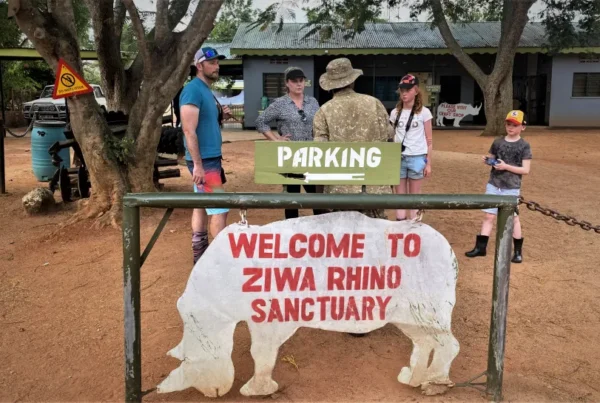
Cultural Tour at Ziwa Rhino Sanctuary: 7-Day Itinerary for honeymooners

Cultural Tour at Ziwa Rhino Sanctuary: 7-Day Itinerary for honeymooners

By Travel stories and blogs, Honeymoon holidays, Travel guides, Uganda travel guides

Cultural Tour at Ziwa Rhino Sanctuary: 7-Day Itinerary for Honeymooners

A Romantic Escape into the Heart of Uganda

For couples seeking an extraordinary beginning to their lifelong journey together, Uganda offers a destination where romance, adventure, and culture seamlessly blend. The Ziwa Rhino Sanctuary, located in the heart of the country, is renowned as the only home of wild rhinos in Uganda, and yet it offers far more than wildlife encounters. It presents a sanctuary of serenity, a hub of cultural immersion, and a gateway into experiences that perfectly suit the intimacy of a honeymoon. A seven-day itinerary at this remarkable site provides newlyweds with the opportunity to balance adventure with relaxation, while exploring cultural traditions that deepen their connection to the land and to each other.

This journey is not simply a holiday; it is a narrative of love, discovery, and shared wonder, crafted in one of Africa’s most treasured natural landscapes.

Day 1: Arrival and Settling into the Rhythm of Nature

The honeymoon experience begins with arrival at Ziwa Rhino Sanctuary, where couples are welcomed by the lush greenery and tranquil ambiance of the reserve. The sanctuary’s accommodations are designed to complement the environment, with thatched lodges and eco-friendly cottages that blend privacy with comfort. From the moment of arrival, the sense of seclusion sets the stage for romance, allowing couples to step away from the noise of everyday life.

The first evening is often reserved for rest and reflection, with couples encouraged to enjoy leisurely walks along the sanctuary’s paths or to savor a candlelit dinner under the stars. The rhythm of nature becomes the backdrop, with the sounds of crickets and rustling leaves adding a natural symphony to the honeymoon’s opening chapter.

Day 2: Rhino Trekking and Wildlife Discovery

The second day brings the highlight of the sanctuary experience—rhino trekking. Guided by professional rangers, couples embark on foot safaris that lead directly into the habitats of the southern white rhinos. Observing these majestic creatures up close is an awe-inspiring moment, enhanced by the intimacy of the experience. Walking side by side through the savannah, hand in hand, honeymooners share the thrill of seeing rhinos grazing or nursing their young, their power and grace a striking reminder of the richness of Uganda’s natural heritage.

Beyond rhinos, the sanctuary hosts a variety of wildlife, including antelope species, monkeys, and over three hundred bird species. The rangers enrich the trek by sharing stories of conservation, explaining the sanctuary’s pivotal role in protecting Uganda’s rhino population and reintroducing them into the wild. For couples, these treks symbolize more than wildlife observation—they embody the themes of protection, partnership, and care that resonate deeply during a honeymoon.

Day 3: Birding and Nature Walks

Ziwa Rhino Sanctuary is celebrated as one of the most rewarding birding destinations in Uganda, and the third day is dedicated to this pursuit. Couples are guided along wetland areas and woodland trails where rare species such as the shoebill stork, one of the world’s most sought-after birds, can be spotted. The experience of quietly waiting for a shoebill to emerge from papyrus reeds is both suspenseful and rewarding, and when seen, the moment lingers in memory.

Birding at Ziwa is not a hurried activity; it is contemplative and immersive, perfectly suited to couples seeking unhurried connection. Each call, each flash of color, and each graceful flight becomes a shared discovery. The remainder of the day may include guided nature walks, where butterflies, reptiles, and diverse plant species are introduced, offering couples the chance to appreciate the sanctuary’s ecological richness together.

Day 4: Cultural Engagement with Local Communities

A cultural tour forms the centerpiece of the honeymoon, and on the fourth day couples are introduced to the local communities surrounding Ziwa Rhino Sanctuary. Visits to nearby villages provide opportunities to engage with traditional Ugandan life. Couples may be welcomed with music and dance performances that showcase the rhythms and stories of the region. These performances are not mere entertainment; they are expressions of identity and heritage that immerse visitors in the heart of Ugandan culture.

The day also introduces couples to traditional crafts, such as basket weaving and bead making, which they can learn directly from local artisans. Engaging in these activities together provides a playful and collaborative experience, while also offering insights into the artistry that sustains community livelihoods. Culinary traditions are also explored, with couples invited to participate in preparing local dishes, guided by village elders. The act of cooking together, tasting unfamiliar spices, and sharing meals with the community weaves cultural learning with romance, enriching the honeymoon with authenticity.

Day 5: Relaxation and Private Exploration

After days filled with exploration, the fifth day allows couples to enjoy relaxation and solitude. The sanctuary offers quiet trails for private walks, serene spaces for picnics, and shaded areas for reflection. Couples can choose to spend their day lounging by their lodge, enjoying panoramic views of the savannah, or engaging in photography sessions that capture both wildlife and romantic moments.

The slower pace of the day provides a valuable opportunity for couples to reflect on their journey, deepen their bond, and appreciate the beauty of stillness in nature. For many, this interlude becomes one of the most cherished elements of the itinerary, as it balances adventure with peace and intimacy.

Day 6: Adventure Beyond the Sanctuary

While the sanctuary itself provides ample activity, the sixth day invites couples to explore the wider region. Excursions may include trips to nearby cultural landmarks, forest reserves, or scenic sites where Mount Elgon’s landscapes provide breathtaking backdrops. Couples can embark on light hikes, discover hidden waterfalls, or engage in storytelling sessions with local guides who share legends tied to the land.

These excursions extend the honeymoon experience beyond the sanctuary, providing variety while reinforcing the themes of discovery and togetherness. The thrill of exploring new places, encountering unexpected sights, and navigating unfamiliar paths together strengthens the sense of shared adventure that defines a honeymoon.

Day 7: Reflection and Departure

The final day at Ziwa Rhino Sanctuary is reserved for reflection. Couples may choose to revisit their favorite activity, whether it is a short morning walk to glimpse rhinos once more or a final breakfast shared under the open sky. The sanctuary, with its tranquility and beauty, leaves a lasting impression, and couples often find themselves reflecting not only on the memories created but also on the values of conservation and cultural connection that the journey has highlighted.

Departure is tinged with nostalgia but also with gratitude, as the sanctuary becomes etched into the couple’s shared story. The experience of seven days at Ziwa Rhino Sanctuary is not easily forgotten; it becomes a chapter of their relationship that remains vivid, cherished, and deeply symbolic of their union.

The Transformative Power of a Cultural Honeymoon

A honeymoon at Ziwa Rhino Sanctuary offers more than leisure. It provides a profound blend of wildlife encounters, cultural immersion, and romantic seclusion. Each day balances excitement with reflection, adventure with intimacy, and learning with relaxation. The sanctuary’s unique position as both a conservation hub and a cultural gateway ensures that honeymooners leave not only with cherished memories but also with deeper appreciation for Uganda’s heritage and biodiversity.

For couples, this itinerary embodies the values of partnership, exploration, and respect for the natural world—values that mirror the foundations of marriage itself. It is an experience that shapes not just a holiday but the very outlook with which couples begin their life together.

Begin Your Journey with WildHorn Africa

The Cultural Tour at Ziwa Rhino Sanctuary presents the ideal seven-day itinerary for honeymooners, offering romance, adventure, and cultural depth in perfect balance. From intimate rhino treks to immersive cultural exchanges, from tranquil evenings to exhilarating excursions, every moment is crafted to strengthen bonds and create timeless memories.

For couples wishing to embark on this remarkable journey, it is highly recommended to book tours and safaris with WildHorn Africa. With expertise in crafting tailored experiences, WildHorn Africa ensures that honeymooners enjoy seamless logistics, professional guidance, and access to the most enriching encounters Uganda has to offer. Their dedication to excellence guarantees that each honeymoon becomes not just a trip, but the beginning of a shared story of love, discovery, and adventure.

Kabakas palace gorilla trekking

Kabaka’s Palace Gorilla Trekking: 5-Day Itinerary for long-stay travelers

By Travel stories and blogs, Primate holidays, Travel guides, Uganda travel guides, Your first safari

Kabaka’s Palace Gorilla Trekking: 5-Day Itinerary for Long-Stay Travelers

Where Royal Heritage Meets Wilderness Adventure

In the bustling heart of Kampala, the majestic Kabaka’s Palace stands as a monument to Uganda’s history, heritage, and cultural identity. Yet beyond its regal gates lies a different kind of majesty—one found in the mist-shrouded forests of southwestern Uganda, where mountain gorillas roam freely in their natural habitat. For long-stay travelers who wish to immerse themselves in both Uganda’s cultural depth and its wilderness, a five-day itinerary that bridges Kabaka’s Palace with gorilla trekking offers the perfect balance between history, adventure, and discovery.

This unique journey is not only about encountering endangered gorillas but also about understanding the narrative of Uganda itself, where traditions, kingdoms, and natural wonders interlace to create an experience that is both enriching and unforgettable. The royal legacy of Buganda and the pristine wilds of Bwindi Impenetrable Forest merge seamlessly, providing travelers with a once-in-a-lifetime adventure that is best appreciated at an unhurried, extended pace.

Day 1: Arrival in Kampala and Exploration of Kabaka’s Palace

The journey begins with an immersion into Uganda’s cultural heartbeat at Kabaka’s Palace in Mengo. Known locally as Lubiri, the palace is more than a residence of kings; it is a symbolic representation of Buganda’s resilience, power, and heritage. Long-stay travelers can spend the day exploring its expansive grounds, learning about the historical reigns of Buganda’s monarchs, and uncovering the stories embedded in its architecture and design.

The palace tour also reveals the complex history surrounding Uganda’s political transformations, with underground tunnels and wartime remnants adding depth to the experience. The richness of this first day provides travelers with a deeper appreciation of Uganda’s past, creating context before venturing into the untamed wilderness. As the evening sets, Kampala’s vibrant rhythm offers opportunities for cultural performances, traditional cuisine, and preparation for the adventure that awaits.

Day 2: Journey to Bwindi Impenetrable Forest

On the second day, the transition from regal cityscapes to lush highlands begins. A scenic drive through Uganda’s countryside unfolds, where rolling hills, terraced farms, and bustling roadside markets reveal the nation’s rural beauty. The route to Bwindi Impenetrable National Park takes travelers deep into southwestern Uganda, where the landscape shifts dramatically into mist-covered mountains and dense jungles.

This journey is not merely a transfer; it is a passage into another world, where time seems slower and nature dominates every horizon. Upon arrival near Bwindi, travelers settle into eco-lodges designed to harmonize with the forest environment. The evening becomes a moment of reflection, with the calls of nocturnal creatures serving as a natural prelude to the gorilla trekking adventure that will define the following day.

Day 3: Gorilla Trekking in Bwindi Impenetrable Forest

The third day forms the heart of this five-day itinerary. At dawn, long-stay travelers join experienced guides and rangers to embark on the world-renowned gorilla trekking experience. The journey into the thick jungle is demanding, testing physical endurance as steep trails and dense foliage dominate the path. Yet with each step deeper into the forest, anticipation builds, and the promise of encountering the gentle giants of Bwindi drives every stride.

When the gorilla family is finally located, the atmosphere transforms into a profound silence broken only by the movements of the great apes themselves. Watching the silverback’s authority, the playful energy of juveniles, and the tender care of mothers evokes a deep sense of awe. For many, the intimacy of this encounter becomes a spiritual moment, as the resemblance between humans and gorillas feels unmistakable.

Time with the gorillas is strictly regulated to ensure conservation, but even a single hour in their presence becomes a treasure. After the trek, the afternoon allows for recovery and quiet reflection, often spent back at the lodge where forest views and fresh air nurture both body and mind.

Day 4: Cultural Immersion and Hiking Around Bwindi

After the exhilaration of gorilla trekking, the fourth day is devoted to extending the adventure into the cultural and scenic landscapes surrounding Bwindi. Long-stay travelers have the opportunity to engage with the Batwa community, one of the indigenous groups who once lived in harmony with the forest. Their stories, dances, and traditions provide invaluable insight into how human life and wilderness were once deeply intertwined.

For avid hikers, the day also opens up opportunities for guided nature walks and scenic hikes around Bwindi. Trails lead to waterfalls, birding hotspots, and panoramic viewpoints that showcase the rolling Virunga landscape. These hikes complement the gorilla experience, offering travelers a fuller understanding of the biodiversity that makes Bwindi a UNESCO World Heritage Site. Evenings are often spent by the fire, where travelers recount their encounters while gazing into the starlit skies of southwestern Uganda.

Day 5: Return to Kampala and Final Reflections

The fifth day brings the journey full circle, as travelers make their way back to Kampala. The drive offers one last chance to savor Uganda’s countryside, with tea plantations and roadside villages marking the route back to the capital. Upon arrival, the itinerary concludes where it began—near Kabaka’s Palace, a reminder of the cultural heartbeat that introduced the adventure.

This return is not about closure but about reflection. The palace, with its historical significance, now feels connected to the wilderness of Bwindi, as both represent the soul of Uganda. The contrast between regal heritage and untamed jungle creates a layered experience that long-stay travelers carry with them long after departure.

Why This 5-Day Itinerary Appeals to Long-Stay Travelers

This itinerary has been designed for travelers who prefer depth over speed. It is not simply about rushing to see gorillas but about experiencing Uganda’s story in full measure. Starting with Kabaka’s Palace ensures that the cultural foundation is understood, while gorilla trekking in Bwindi provides the emotional and physical peak of the journey. The extended days allow for recovery, exploration, and cultural immersion that shorter itineraries cannot provide.

For long-stay travelers, the value lies in balance—between heritage and wilderness, rest and adventure, reflection and action. The itinerary respects the rhythm of extended travel, where each day contributes meaningfully to the narrative rather than simply filling time.

The Harmony of Culture and Wilderness

The Kabaka’s Palace Gorilla Trekking 5-Day Itinerary stands out as a rare journey where Uganda’s dual identity—royal heritage and natural wonder—can be experienced in harmony. Long-stay travelers are given the time to immerse themselves fully, beginning in the regal halls of Buganda’s monarchy and ending in the misty depths of Bwindi where gorillas thrive.

It is more than a trip; it is a story woven with history, culture, wilderness, and personal discovery. Those who embark on this journey find themselves transformed not only by the places they visit but also by the connections they forge—with history, with nature, and with themselves.

For travelers ready to embark on this unforgettable experience, it is highly recommended to plan and book their safaris through WildHorn Africa, a trusted partner that specializes in crafting journeys that honor both cultural depth and natural adventure in Uganda.

Kibale National Park Safari Itineraries

Kibale National Park Safari Itineraries

By Travel stories and blogs, Family holidays, Primate holidays, Safari holidays, Uganda travel guides

Kibale National Park Safari Itineraries

Exploring Uganda’s Primate and Wildlife Haven

In the verdant highlands of western Uganda lies Kibale National Park, a sanctuary renowned for its rich biodiversity, tropical rainforest, and primate populations. Often celebrated as the primate capital of the world, Kibale offers visitors an extraordinary array of experiences ranging from chimpanzee trekking and birdwatching to forest walks and cultural encounters with local communities. The park’s unique ecological composition, including swamp forests, riparian zones, and rolling hills, ensures that every safari is dynamic, immersive, and educational.

A safari itinerary in Kibale is not merely a sequence of activities; it is a meticulously orchestrated journey that balances adventure, ecological insight, and conservation awareness. Optimal itineraries take into account seasonal factors, wildlife activity patterns, logistical accessibility, and visitor interests, allowing for a seamless experience that maximizes observation opportunities and ensures ethical engagement with the forest and its inhabitants.

This guide presents a comprehensive exploration of Kibale National Park safari itineraries, outlining day-to-day possibilities, activity sequences, and complementary experiences. By understanding these elements, travelers can plan visits that provide both unforgettable wildlife encounters and a profound appreciation of Uganda’s ecological and cultural richness.

The Foundation of a Kibale Safari

Ecological Overview

Kibale National Park encompasses approximately 795 square kilometers of tropical rainforest, interspersed with swamp forests, grasslands, and rivers. These diverse habitats support over 13 species of primates, more than 370 recorded bird species, and a host of small mammals, reptiles, and amphibians. The forest canopy offers a complex vertical habitat for chimpanzees, colobus monkeys, and other arboreal species, while the understory and riverine zones provide critical resources for birds, amphibians, and insects.

The park’s location within the Albertine Rift, a recognized biodiversity hotspot, enhances its global conservation significance. Safari itineraries are designed to highlight the interplay between habitat diversity and wildlife presence, ensuring that visitors experience both the ecological context and the behaviors of resident species.

Visitor Considerations

Successful safari itineraries in Kibale are informed by visitor priorities, physical preparedness, and time availability. Chimpanzee trekking is typically scheduled in the early morning when primates are most active, while forest walks, birdwatching excursions, and cultural interactions may be conducted later in the day. Accommodation proximity, seasonal weather, and accessibility from Fort Portal influence itinerary design, balancing convenience with immersive experiences.

Permits for chimpanzee trekking and other guided activities are obtained through the Uganda Wildlife Authority, ensuring regulated access and minimal disturbance to wildlife. Ethical engagement is emphasized throughout all itineraries, with protocols in place for safe observation and conservation support.

Sample Safari Itineraries

Three-Day Safari Itinerary

A three-day safari in Kibale is typically structured to balance chimpanzee trekking, primate observation, and forest exploration. On the first day, visitors are received in Fort Portal, oriented to park protocols, and introduced to guides and rangers. Accommodation is arranged near the park headquarters to facilitate early morning excursions. The afternoon may include a guided nature walk or birdwatching in the forest periphery, allowing travelers to familiarize themselves with the environment and local species.

The second day is devoted to chimpanzee trekking. Departures occur early, with rangers leading groups along established trails to locate habituated chimpanzee communities. Observations focus on feeding behaviors, social interactions, vocalizations, and nest-building activities. Trekking duration varies from 2 to 6 hours depending on chimpanzee movements and trail conditions. Photographic opportunities and interpretive commentary enhance the educational value of the experience.

The final day can incorporate secondary forest trails, birdwatching, and optional cultural visits to nearby Batwa or Bakiga communities. Visitors observe endemic and migratory bird species, explore riparian zones, and gain insights into traditional forest knowledge. The itinerary concludes with transfer to Fort Portal for departure, providing a comprehensive introduction to Kibale’s biodiversity and cultural landscape.

Five-Day Safari Itinerary

A five-day safari allows for deeper immersion and a more diverse range of activities. The first day involves arrival, orientation, and light forest exploration, setting the stage for intensive trekking and observation. The second and third days are dedicated to chimpanzee habituation or trekking experiences, allowing visitors to engage with primates at varying degrees of proximity while learning about their social structures, feeding ecology, and behavior.

Days four and five expand the scope to birdwatching, nature walks, and cultural engagement. Early morning excursions focus on detecting canopy-dwelling species, listening for distinctive calls, and recording observations in collaboration with guides. Swamp forests and riverine zones are explored for water-associated species and amphibians, highlighting ecological variation. Cultural interactions with local communities provide perspectives on human-forest relationships, conservation initiatives, and traditional forest resource management. Extended itineraries afford flexibility for photography, relaxation, and educational sessions with park rangers or researchers.

Week-Long Immersive Safari

A week-long safari is recommended for travelers seeking in-depth exploration and comprehensive exposure to Kibale’s wildlife and cultural heritage. The itinerary can be structured to alternate between chimpanzee trekking, birdwatching, and primate monitoring, allowing for repeated encounters with habituated communities and observation of behavioral variations over multiple days.

Supplementary activities include guided hikes to crater lakes, swamp forest exploration, and visits to community conservation projects, providing both ecological and social perspectives. Long itineraries enable travelers to experience seasonal shifts in wildlife activity, adjust trekking routes according to chimpanzee movements, and observe interactions among multiple primate species. Extended stays foster a profound understanding of ecological interdependence and conservation dynamics in the Albertine Rift.Kibale National Park Safari Itineraries

Seasonal Considerations for Safari Planning

Wet Seasons

During the wet seasons from March to May and September to November, forest vegetation is dense, rivers swell, and trails can be slippery. These conditions demand careful preparation but offer advantages such as increased wildlife activity, lush scenery, and reduced visitor density. Chimpanzees may be more dispersed during peak fruiting periods, providing opportunities to observe varied feeding behaviors and social interactions across multiple groups.

Wet season itineraries are often slower-paced, emphasizing observation, photography, and ecological interpretation. Guides provide instruction on navigating muddy trails, recognizing seasonal food resources, and appreciating the forest’s dynamic biodiversity.

Dry Seasons

Dry periods, occurring from December to February and June to August, provide optimal conditions for trail accessibility, trekking safety, and wildlife visibility. Chimpanzees may travel along predictable feeding routes, enhancing the likelihood of encounters. Forest canopy and understory remain vibrant, though fruit scarcity may influence primate distribution. Dry season itineraries are suited to longer treks, extended photography sessions, and inclusion of additional activities such as birdwatching and crater lake exploration.

Tourist density is higher during dry seasons, necessitating advanced booking of permits, accommodations, and guided excursions. Flexibility in schedule, early departures, and coordination with rangers ensure that safari experiences remain high-quality despite increased visitor numbers.

Complementary Activities Within Safari Itineraries

Birdwatching

Birdwatching is seamlessly integrated into Kibale safari itineraries, with opportunities to observe resident and migratory species across canopy, understory, and riparian habitats. Early morning excursions allow detection of distinctive calls, plumage patterns, and territorial behaviors. Birding enhances ecological understanding, highlighting pollination, seed dispersal, and interspecies interactions that shape forest dynamics.

Cultural and Community Engagement

Visits to nearby Batwa and Bakiga communities complement wildlife-focused activities by providing insights into traditional ecological knowledge, sustainable practices, and local conservation efforts. Observing agricultural techniques, forest resource use, and storytelling traditions enriches the safari experience, linking natural and human history in the Albertine Rift.

Nature Walks and Forest Exploration

Secondary forest trails, swamp exploration, and crater lake hikes provide additional ecological context, allowing observation of smaller mammals, amphibians, insects, and plant diversity. Interpretive guidance from experienced rangers ensures that visitors understand habitat interactions, conservation challenges, and the significance of maintaining ecological integrity.

Conservation and Ethical Considerations

Safari itineraries in Kibale are designed to balance visitor experience with wildlife protection and habitat preservation. Permits for chimpanzee trekking, birdwatching, and guided walks are regulated to minimize human impact. Rangers enforce ethical practices, including maintaining safe distances from wildlife, minimizing noise, and avoiding interference with natural behaviors.

Revenue generated from safari activities supports park management, anti-poaching initiatives, habitat restoration, and community engagement. Local communities benefit from employment, cultural exchange, and participation in conservation programs, reinforcing sustainable tourism principles. Safari itineraries are constructed to ensure that each visitor contributes positively to both wildlife protection and local livelihoods.

Practical Tips for Safari Planning

Successful safari itineraries are informed by preparation, equipment, and flexibility. Sturdy footwear, layered clothing, rain protection, binoculars, cameras, and insect repellent are essential. Hydration and light snacks maintain energy during extended treks, while adherence to ranger guidance ensures safety and ethical engagement.

Early departures, seasonal awareness, and coordination with guides optimize wildlife encounters and observation quality. Extended itineraries allow for immersive experiences, repeated primate observations, and exploration of diverse habitats, creating a balance between adventure, education, and conservation-focused engagement.

Crafting Unforgettable Safari Experiences

Kibale National Park offers unparalleled opportunities for wildlife observation, primate tracking, birdwatching, and cultural exploration. Well-planned safari itineraries balance ecological understanding, adventure, and ethical engagement, allowing travelers to witness chimpanzees, endemic birds, and diverse forest ecosystems in their natural context.

For travelers seeking a seamless, expertly guided experience in Kibale, it is recommended that tours and safaris be arranged through WildHorn Africa. Their expertise ensures access to habituated chimpanzee communities, skilled guides, comprehensive logistics, and sustainable practices, transforming a visit into a transformative journey through one of Uganda’s most ecologically and culturally significant landscapes.

Close Menu