search
How to wildlife photography tips in Kidepo Valley National Park — Local's Guide on a budget

How to wildlife photography tips in Kidepo Valley National Park — Local’s Guide on a budget

By Travel stories and blogs, Safari holidays, Travel guides, Uganda travel guides, Wildlife holidays

How to Wildlife Photography Tips in Kidepo Valley National Park — Local’s Guide on a Budget

Framing the Wild Heart of Uganda

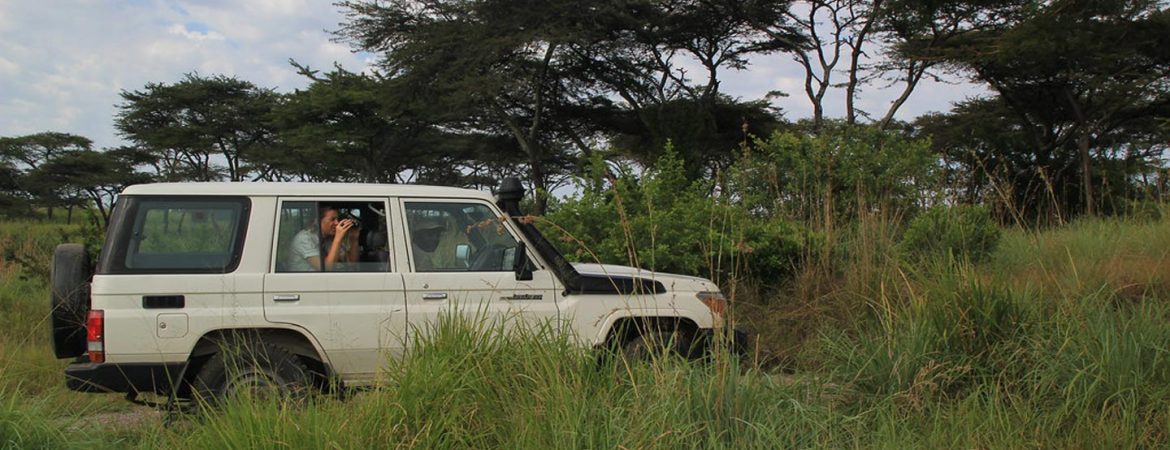
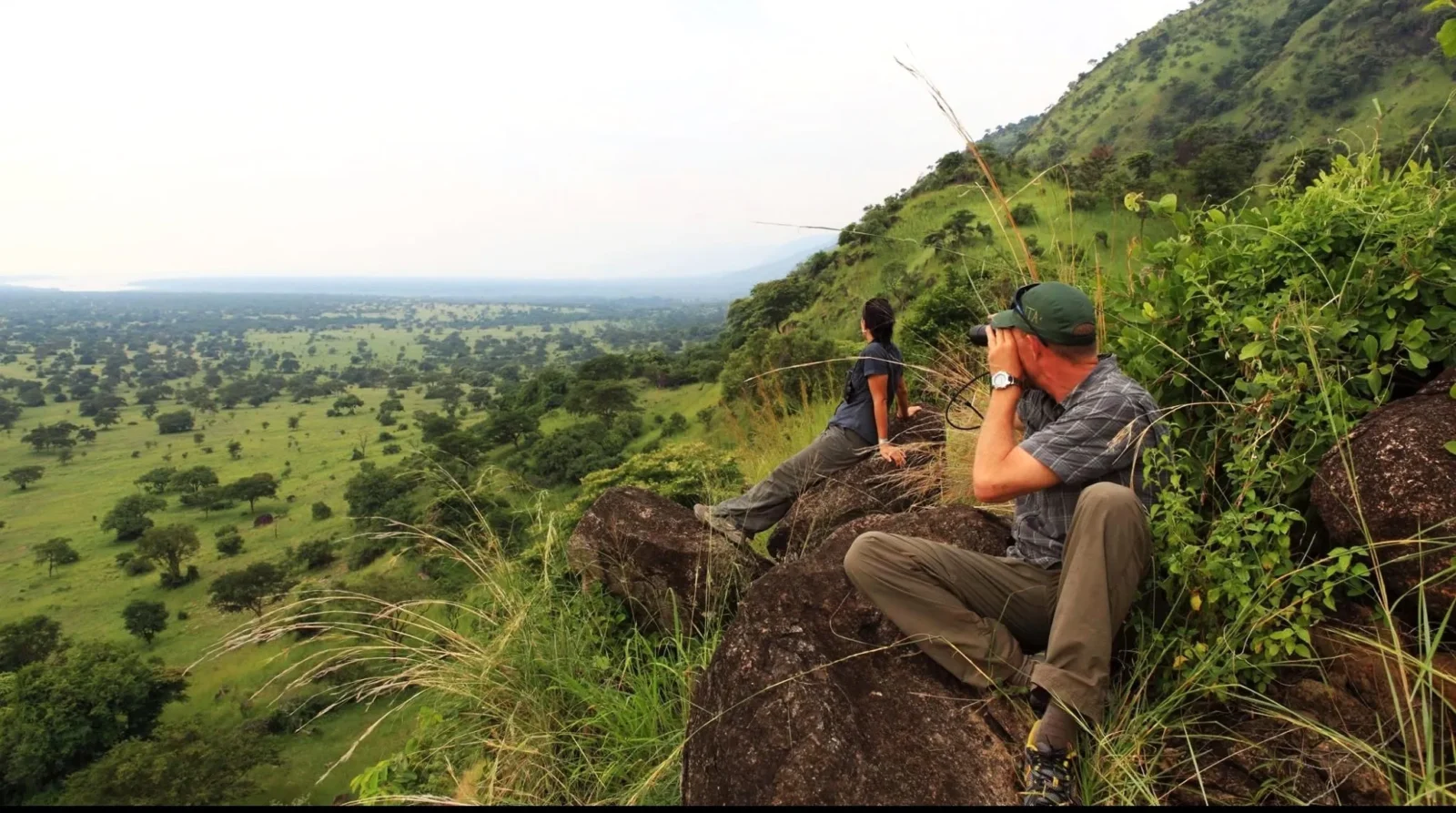
Deep in the northeastern corner of Uganda lies Kidepo Valley National Park, a destination often hailed as the most remote yet most rewarding of all the country’s protected areas. Its vast golden savannas stretch endlessly beneath jagged mountain ranges, while herds of wildlife roam freely in an atmosphere of untouched wilderness. For photographers, the park is a dream come true. Every horizon seems to hold a scene worth capturing, every sunrise paints the land in colors beyond imagination, and every encounter with wildlife is raw, authentic, and unscripted.

For those traveling on a budget, Kidepo might seem like an unattainable paradise, reserved for luxury adventurers with deep pockets. Yet the reality is different. With careful planning and local knowledge, the park opens itself generously to budget travelers who wish to master wildlife photography without spending extravagantly. This guide provides practical insight, local tips, and creative approaches that empower travelers to frame Kidepo’s magnificence while remaining mindful of cost.

The Photographic Richness of Kidepo Valley

The park is home to a unique composition of landscapes and wildlife that distinguishes it from other Ugandan destinations. Its isolation has preserved habitats in pristine condition, where species such as cheetahs, ostriches, and bat-eared foxes roam alongside lions, elephants, and buffalo. The Narus Valley, where water remains during the dry season, becomes a photographic stage where large herds gather, offering endless opportunities for wide-angle shots of wildlife against expansive plains.

The Kidepo Valley itself, though more arid, captivates photographers with its dramatic scenery. The seasonal Kidepo River cuts through the valley, lined with doum palms that stand tall like sentinels of the desert. Sunsets here are spectacular, with silhouettes of giraffes or ostriches creating compositions that even the most advanced photographer could not script. These settings allow budget travelers to maximize their photography, as no expensive equipment or guided tours are required to appreciate the grandeur—patience and timing are often enough.

Timing and Light: The Photographer’s Essential Tools

In wildlife photography, timing is everything, and in Kidepo, this truth is amplified. The early mornings and late afternoons present the most favorable light. At dawn, soft golden tones blanket the plains, turning even the simplest composition into a masterpiece. Wildlife is most active in these hours, with predators returning from hunts and herbivores grazing in the cool air. For budget-conscious travelers, mornings also allow longer hours of exploration before the harsh midday sun demands rest.

Evenings present equally rewarding conditions. As the sun lowers, shadows grow longer, and the landscape transforms into a canvas of orange and crimson hues. Herds moving gracefully across the horizon provide dramatic silhouettes that are easily captured even with modest cameras. The mid-day hours, though harsh for photography, can still be useful for experimenting with black-and-white shots, focusing on details like textures of elephant skin or the feathers of ostriches. Local guides often emphasize patience—waiting at a waterhole for the perfect light and animal movement can yield far better photographs than hurried drives across the plains.

Composition and Storytelling: Capturing More than Images

True wildlife photography in Kidepo goes beyond snapping pictures of animals; it is about telling stories of survival, beauty, and wilderness. Local photographers often encourage travelers to think in terms of narrative rather than isolated shots. A herd of buffalo silhouetted against Mount Morungole tells a story of scale and resilience. A close-up of a lion’s gaze framed against the golden grasslands conveys power and dominance. A wide-angle shot of children playing at a village edge with distant giraffes grazing nearby connects people and wilderness in a shared story of coexistence.

Travelers on a budget often make the mistake of over-focusing on big game, but local wisdom suggests shifting attention to smaller subjects as well. Ground squirrels darting across the savanna, hornbills perched on acacia trees, or even the textures of cracked earth in the dry season provide diversity in photography. These details enrich the overall photographic collection, turning it into a multi-layered narrative of Kidepo rather than a repetitive series of animal portraits.

Budget-Friendly Photography Tips: Local Insights

One of the most practical advantages of photographing in Kidepo is that luxury equipment is not always necessary. Many of the park’s most iconic photographic moments rely on composition, light, and patience rather than the latest technology. Locals often advise budget travelers to prioritize basic but essential tools: a reliable camera body, a zoom lens capable of at least 200mm reach, and spare memory cards. Even smartphones, when used creatively with natural light and thoughtful composition, can produce powerful images of the landscapes.

Hiring a local ranger for a guided walk is an affordable way to increase photographic opportunities. Rangers are familiar with animal movements and can position travelers closer to scenes that may otherwise be missed. Their stories about the animals and landscapes often inspire fresh angles and perspectives, ensuring that photographs are more meaningful.

For those unable to afford multiple game drives, choosing one well-timed excursion—early morning or late afternoon—often yields the best results. In between drives, walking within designated safe areas or photographing near lodges offers chances to capture birds, smaller wildlife, and sweeping landscapes without additional costs. Local advice also emphasizes conserving resources: charging equipment during generator hours at lodges, storing batteries properly, and backing up photos regularly to avoid costly mishaps.

The Role of Patience: Waiting for the Perfect Frame

Wildlife photography in Kidepo cannot be rushed. The remoteness of the park ensures that animals are less accustomed to vehicles, often making them more cautious. Solo or budget travelers may not have the luxury of chasing every sighting, but patience becomes the most valuable tool. Waiting quietly by the Narus Valley waterholes often rewards photographers with intimate moments: elephants playing in the mud, antelopes cautiously approaching to drink, or lions lounging in the shade nearby.

Local guides often advise practicing the art of “anticipating behavior.” By watching carefully, photographers can predict when a bird is about to take flight, when a giraffe is lowering its head to drink, or when a lion cub is about to pounce on its sibling in play. Anticipation, rather than rapid shooting, creates images that capture action in its peak moment and reduces the need for expensive high-speed cameras.

Balancing Cost with Experience: Making Every Shilling Count

Traveling to Kidepo Valley on a budget demands thoughtful planning, but the rewards are immense. Group transport or shared tours from Kampala significantly reduce costs, and many budget-friendly lodges around the park provide affordable yet comfortable stays. The sanctuary of the park itself requires no extravagance to be appreciated—the wildlife, the landscapes, and the light provide all the luxury needed for meaningful photography.

Local communities around the park also play a role in budget travel. Interacting with them provides cultural photography opportunities, as traditional dances, homesteads, and markets add a human dimension to the photographic journey. Supporting community-run initiatives not only stretches the budget but also enriches the storytelling aspect of the photographic collection.

Capturing Kidepo’s Spirit on a Budget

Kidepo Valley National Park remains one of Africa’s most spectacular yet least crowded destinations, offering wildlife photographers the chance to capture scenes of raw wilderness without distraction. For those on a budget, the park proves that extraordinary photography is not dependent on luxury spending but on creativity, patience, and a willingness to embrace the rhythm of nature. From golden light bathing the Narus Valley to dramatic encounters with lions, elephants, and ostriches, every moment in Kidepo holds potential for timeless images.

Travelers who approach photography with a storyteller’s eye rather than a consumer’s mindset will find that Kidepo gives generously. Every captured frame becomes not just a picture but a memory, a lesson, and a tribute to the enduring beauty of Uganda’s wild northeast.

To ensure that this adventure is not only budget-friendly but also expertly guided, it is recommended that travelers plan their safari through professionals who understand both the land and its rhythms. Booking African tours and safaris with WildHorn Africa guarantees not only affordability but also access to skilled guides, thoughtful itineraries, and a chance to unlock the full photographic potential of Kidepo Valley National Park.
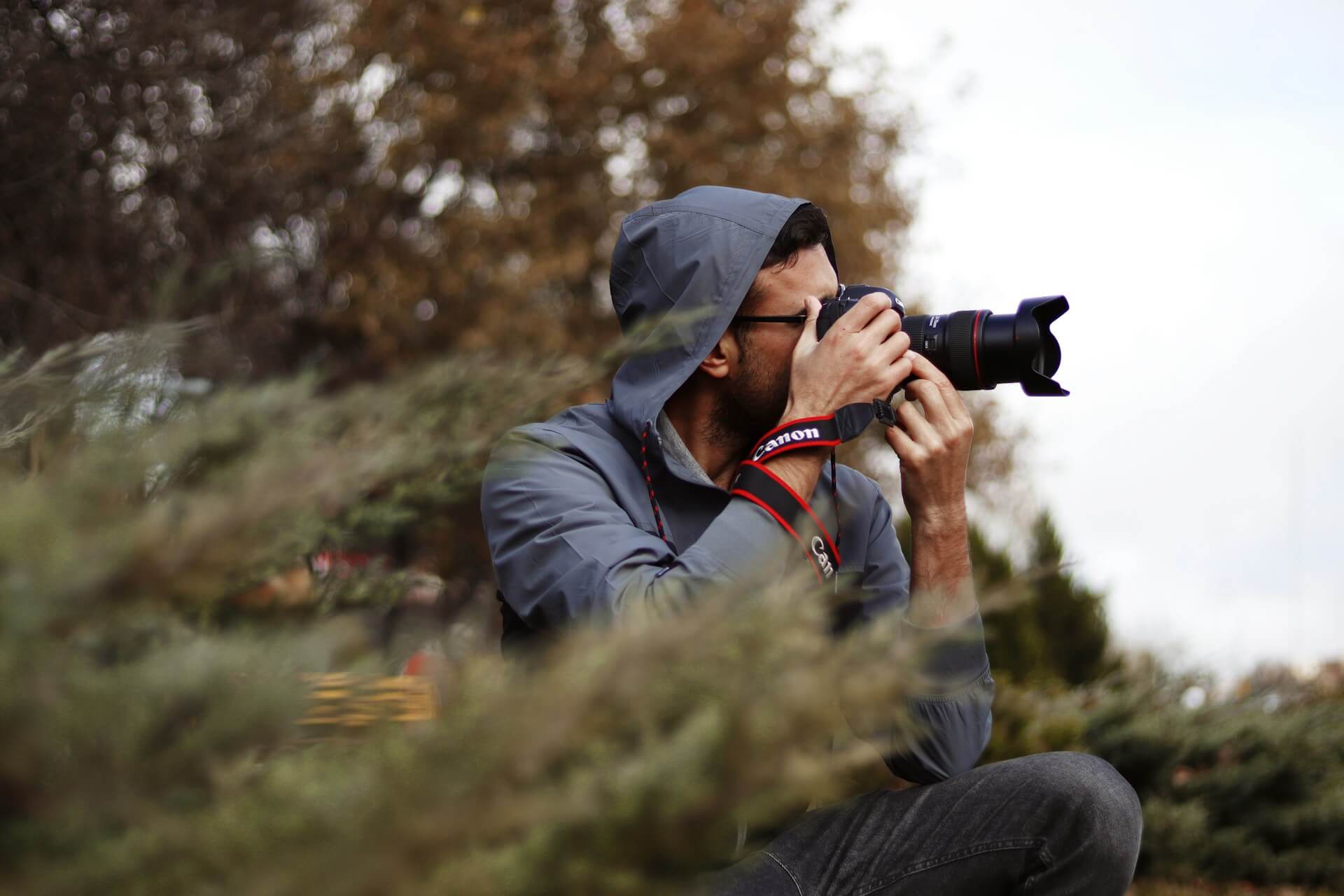
Weekend Itinerary: Fort Portal wildlife photography tips for families

Weekend Itinerary: Fort Portal wildlife photography tips for families

By Travel stories and blogs, Travel guides, Uganda travel guides

Weekend Itinerary: Fort Portal Wildlife Photography Tips for Families

Capturing Memories in the Pearl of Africa

In the lush highlands of western Uganda, Fort Portal stands as a jewel of beauty and adventure, renowned for its verdant landscapes, captivating wildlife, and breathtaking views of the Rwenzori Mountains. For families who cherish travel, the town offers far more than scenic charm; it is a gateway to wildlife-rich reserves and cultural encounters that promise unforgettable moments. When approached with a camera in hand, a weekend in Fort Portal becomes not only an excursion but a creative journey where memories are preserved through the art of photography.

Wildlife photography here is not restricted to professionals. Families with varying levels of experience are welcomed into a setting where curiosity and patience are rewarded. The itinerary is crafted to guide families through a balanced blend of exploration, relaxation, and practical photography tips that ensure each moment is transformed into a timeless image.

Day 1: Arrival and Introduction to Fort Portal

The weekend itinerary begins with the family’s arrival in Fort Portal, a town often described as the cleanest and most serene in Uganda. Surrounded by crater lakes, tea plantations, and rolling hills, the journey to Fort Portal is itself a photographic opportunity, with roadside markets, children playing in villages, and expansive greenery framing the route. Families are encouraged to settle into accommodations that blend comfort with proximity to nature, setting the stage for an immersive experience.

The first afternoon is best spent exploring the town’s vibrant atmosphere. Markets filled with colorful produce, crafts, and traditional attire provide both cultural encounters and photographic inspiration. Families are encouraged to capture candid moments of daily life, practicing composition and lighting techniques in less demanding conditions before venturing into wildlife reserves. As evening descends, the setting sun behind the Rwenzori Mountains creates a dramatic canvas, ideal for experimenting with silhouettes and golden-hour photography.

Day 2 Morning: Wildlife Exploration in Kibale National Park

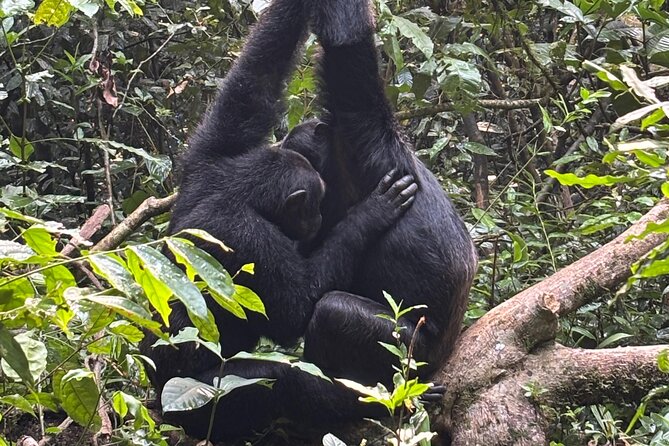
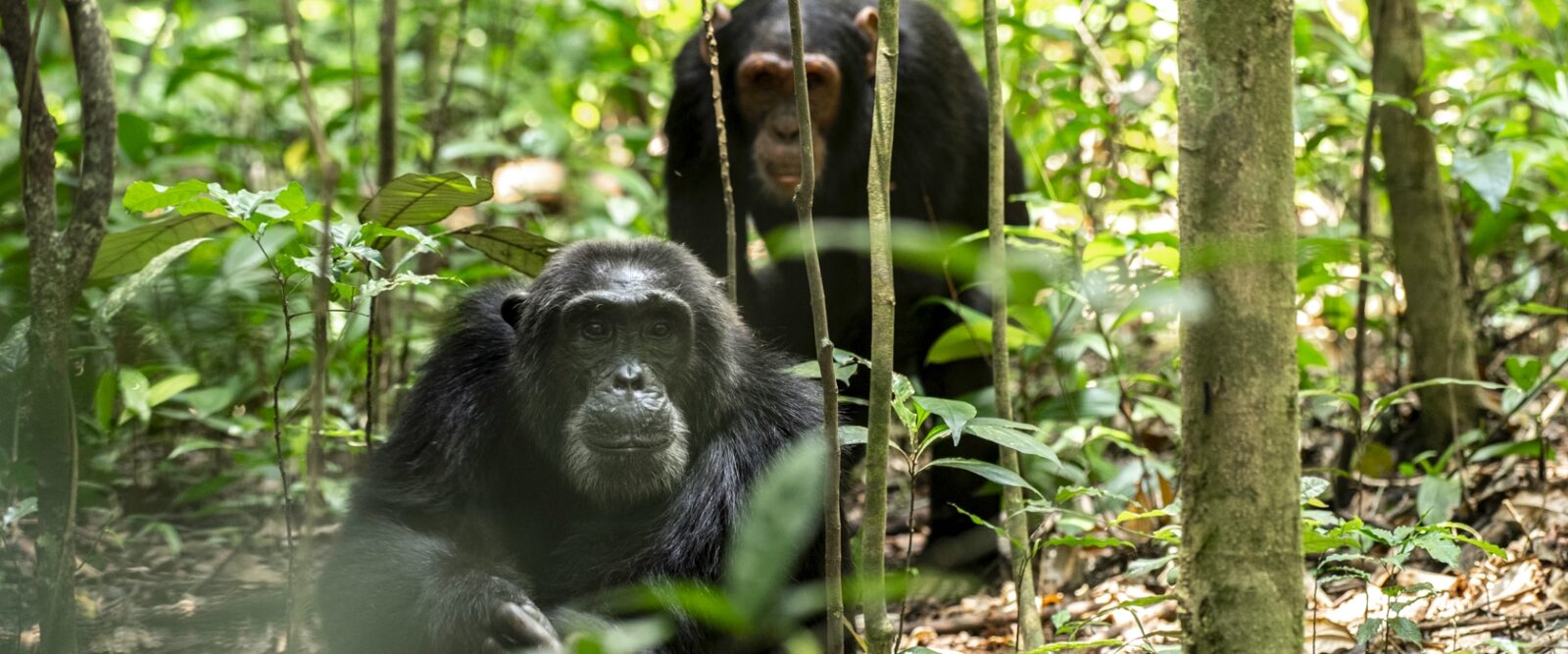
The second day brings the heart of the itinerary—a family wildlife adventure in Kibale National Park, located just outside Fort Portal. The park is celebrated for its population of chimpanzees, alongside colobus monkeys, red-tailed monkeys, and countless bird species. For families, this environment offers both adventure and learning opportunities, as rangers guide them through dense forests while explaining the behaviors and habitats of its inhabitants.

Wildlife photography in Kibale requires patience and attentiveness. Families are advised to maintain quiet observation, allowing animals to behave naturally while adjusting camera settings to capture movement under the dim forest canopy. Children can be introduced to simple tips such as steadying hands, focusing on the eyes of the subject, and appreciating the interplay between light and shadow. The challenge of photographing chimpanzees as they swing through trees becomes a thrilling game that both adults and children can enjoy, each click of the shutter preserving a fleeting moment of energy and grace.

Day 2 Afternoon: Birding and Landscape Photography

As the family exits Kibale, the afternoon presents opportunities for bird photography and wide-angle shots of crater lakes and surrounding landscapes. The Fort Portal region is known as a paradise for birders, with species such as the great blue turaco, African grey parrot, and sunbirds frequently sighted. Capturing birds requires patience, yet families often find joy in waiting together, watching quietly as colors flash between branches. The act of birding becomes both a recreational activity and a lesson in attentiveness for children, reinforcing the value of observation in photography and life.

The crater lakes, with their mirror-like reflections of surrounding hills, provide opportunities for landscape photography. Families can experiment with framing foreground elements, such as flowers or trees, to add depth to their images. These sessions not only improve photographic skills but also encourage families to see the landscape as more than scenery—it becomes a canvas of shapes, textures, and contrasts waiting to be preserved.

Day 2 Evening: Cultural Experiences and Low-Light Photography

Evenings in Fort Portal often bring cultural performances and culinary experiences. Traditional music and dance provide lively scenes where families can practice capturing motion in low-light conditions. The vibrancy of costumes and the energy of drumming create images that burst with color and rhythm. For children learning photography, this is a chance to understand how slower shutter speeds or higher ISO settings can preserve moments of movement without losing the essence of the scene.

Dinner, often prepared with local ingredients such as matoke, groundnut sauce, and fresh tilapia, becomes another opportunity to practice photography before eating. Families can document meals together, preserving not only the taste of the food but the shared joy of dining in a new cultural context. These simple, shared acts of photographing and reflecting elevate the evening from a routine to an artistic and communal moment.

Day 3 Morning: Safari Adventure in Semuliki National Park

The third day of the itinerary introduces families to Semuliki National Park, accessible from Fort Portal and famed for its diverse ecosystems and unique wildlife. The game drive through Semuliki offers sightings of elephants, buffalo, and smaller mammals, alongside countless bird species and butterflies. This is a moment where families can practice long-range photography, using zoom lenses to capture animals at a respectful distance.

The open landscapes and savannah-like environments create natural lighting conditions that are more forgiving than the forest, making it easier for children and beginners to capture sharp, vibrant images. Tips such as framing animals against the horizon, waiting for natural behavior, and using the rule of thirds are introduced during these drives, turning the safari into both an adventure and a photography workshop.

Day 3 Afternoon: Hot Springs and Final Reflections

After the game drive, a visit to Sempaya Hot Springs offers a different photographic challenge. The steaming pools and bubbling water provide dramatic imagery, with mist rising against the backdrop of forested hills. Families often experiment with macro photography here, focusing on textures, colors, and close-up details. The springs also serve as a place of cultural significance, with stories shared by guides about their role in local traditions. Capturing these moments blends natural wonders with cultural storytelling, ensuring that the family’s photo album reflects the full depth of their experience.

As the afternoon fades, families are encouraged to review their photographs together, reflecting on their favorite images and the stories behind them. This collective reflection transforms the weekend into more than a trip; it becomes a narrative of shared learning, discovery, and creativity.

Practical Photography Insights for Families

Photography in Fort Portal is most rewarding when approached with patience and mindfulness. Families are advised to focus on storytelling rather than perfection, capturing not only wildlife but also the emotions, interactions, and candid expressions that define the trip. Simple techniques, such as using natural light effectively, keeping cameras steady, and waiting for subjects to move naturally, allow even beginners to produce meaningful images. For children, the emphasis on storytelling rather than technical precision ensures that photography remains fun and accessible.

Photography also becomes a tool for bonding. Parents and children can compare images, share tips, and encourage one another, turning the act of documenting into an act of connection. The camera thus becomes more than an instrument; it becomes a medium through which families communicate, reflect, and create lasting memories.

The Transformative Role of Photography in Family Travel

A weekend in Fort Portal demonstrates that photography is not merely about images but about perspective. By viewing wildlife, landscapes, and culture through the lens of a camera, families are encouraged to slow down, observe more deeply, and appreciate the subtleties of the world around them. Each photograph becomes a moment of mindfulness, a pause in time that preserves both the beauty of Uganda and the emotions of the family members who experienced it.

The act of photography enriches the journey, turning every walk, drive, and meal into an opportunity for creativity and expression. For children, it fosters attentiveness and patience; for parents, it offers reflection and artistic fulfillment. Together, these elements transform the trip into a family experience that is remembered not only in memory but also in tangible images that can be shared for years to come.

Begin Your Family Adventure with WildHorn Africa

The Weekend Itinerary in Fort Portal offers families an unforgettable combination of wildlife, culture, and photography. From the forests of Kibale to the crater lakes and the savannah of Semuliki, each moment provides opportunities for discovery and artistic expression. Families return home not only with photographs but with stories, skills, and connections that extend the impact of the journey beyond its duration.

To ensure that these experiences are seamless, safe, and enriching, it is highly recommended to book tours and safaris with WildHorn Africa. Their expertise in designing family-friendly itineraries, combined with professional guidance in both wildlife and cultural encounters, guarantees that every family adventure in Fort Portal becomes a celebration of togetherness, creativity, and the timeless beauty of Uganda.

15 African Safari Photography Tips

15 African Safari Photography Tips

By Travel guides, Travel stories and blogs

15 African Safari Photography Tips

Capture the Wild: A Journey Behind the Lens

There are few places on Earth that ignite the senses and awaken the soul like the African wilderness. Endless golden plains, ancient acacia trees, crimson sunsets that melt into the horizon, and a pageant of wildlife so rich and raw it stirs something primal within. This is Africauntamed, unpredictable, and undeniably photogenic.

For travelers with a passion for photography, a safari is not just a holiday. It’s a mission. A quest to capture fleeting moments that reveal the spirit of the wild — a lion’s low growl in the early morning mist, the dust kicked up by a charging herd of buffalo, or the gentle gaze of a giraffe beneath a storm-lit sky. But photographing wildlife in Africa comes with its own set of challenges. The light shifts quickly. Animals are always in motion. And your opportunity to capture that one unforgettable image can vanish in seconds.

To help you return not just with memories but with masterpieces, here are 15 essential African safari photography tips — curated to help you blend technical precision with artistic instinct. Whether you’re shooting on a DSLR, mirrorless camera, or even a high-end smartphone, these insights will elevate your images from ordinary snapshots to visual stories that roar with life.

Understand the Golden Hours: Light is Your Greatest Ally

In Africa, light is not just illumination — it’s magic. The early mornings and late afternoons, known as the golden hours, provide soft, warm light that flatters both landscape and subject. Shadows are gentle, colors are rich, and the atmosphere feels alive with texture. This is when predators stir, herbivores are most active, and the land is bathed in a glow that brings everything into dramatic relief.

Avoid shooting in the harsh midday sun when the light is flat and contrast too stark. Instead, use that time to review your shots, recharge batteries, or scout potential angles. When the light returns, be ready to move — because in Africa, the best moments often come with little warning.

Know Your Gear Before You Go (15 African Safari Photography Tips)

No matter how advanced your camera is, it’s only as good as your comfort with it. Practice shooting on different settings before your safari. Understand how to adjust ISO, aperture, and shutter speed on the fly. Familiarize yourself with burst mode for capturing action and silent shutter options for shy or sensitive animals.

Long lenses are essential — especially in open savannah where animals may be at a distance. A focal length of 300mm or more gives you the reach you need, while a good zoom lens (like 100–400mm) offers versatility. If you’re working with a smartphone, consider investing in clip-on telephoto lenses and a stabilizer to improve sharpness and framing.

Patience is the Pulse of the Wild

Safari photography isn’t about chasing one shot after another. It’s about waiting, observing, and anticipating behavior. The best photographs come to those who understand rhythm — the stillness before a lion pounces, the lull before an elephant flaps its ears, the twitch of a tail that signals a leap.

Sometimes, hours may pass without the perfect frame. But when it comes, it’s often layered with depth and narrative because you were patient enough to read the wild instead of rushing it.

Focus on the Eyes — Tell a Story Through Expression

Eyes are the windows to the soul — and nowhere is this more true than in wildlife photography. A sharp, well-lit focus on the eyes creates an instant emotional connection between the subject and the viewer. Whether it’s the piercing stare of a leopard or the curiosity in a young elephant’s gaze, the eyes pull the audience in.

Use single-point autofocus and ensure your focal point rests on the animal’s eye. This technique brings intimacy to your images, turning distant animals into relatable characters in your visual story.

Mind the Composition: Let the Landscape Speak Too

While close-up portraits are thrilling, Africa’s power lies equally in its sense of scale and setting. An elephant silhouetted against the setting sun. A lone lion standing on the cracked floor of a dry riverbed. These wide shots, when composed thoughtfully, give context and mood.

Apply compositional rules like the rule of thirds, using natural lines (such as tree trunks or horizons) to guide the viewer’s eye. Include foreground or background elements — branches, termite mounds, clouds — to layer your photo and create depth.

Don’t Just Shoot Action — Capture Stillness and Subtlety

It’s tempting to chase the big moments: the hunt, the kill, the charge. But the quiet interludes often tell deeper stories. A lioness licking her cub. A giraffe feeding from the treetops. Zebras resting in the heat, framed by dust and light.

These scenes whisper rather than roar, but they linger in memory. Train your eye not only to spot drama, but to appreciate the poetry of pause in the African landscape.

Use Natural Frames and Shadows Creatively

Africa offers plenty of organic framing tools: overhanging branches, tall grasses, or termite mounds can add a sense of enclosure and focus. These frames not only guide the eye but create a sense of intimacy and artistry.

Shadows, too, are powerful storytellers. The elongated shapes of elephants at dawn, or the reflection of a heron on still water, can transform a simple image into a work of visual elegance.

Shoot in RAW for Maximum Editing Flexibility

If your camera allows it, always shoot in RAW format. Unlike JPEGs, RAW files retain all image data, giving you greater control during post-processing. Whether you need to recover blown highlights or enhance shadow detail, RAW images provide the flexibility to elevate your photos to professional standards.

Later, use editing software to adjust exposure, correct colors, and crop for composition — but avoid over-processing. Your goal is not to alter reality, but to amplify the beauty already present.

Use a Beanbag, Not a Tripod, in Vehicles

While tripods are ideal for landscapes, safari vehicles don’t always offer the space or stability for them. Instead, use a beanbag or camera cushion to steady your lens on the window ledge or roof. This setup minimizes shake and allows for quick repositioning — crucial when your subject moves.

Always keep your gear within arm’s reach and your settings prepped for action. The wild won’t wait.

Be Silent, Respectful, and Present

The wild demands reverence. Avoid loud noises, sudden movements, or overzealous use of flash. Many animals are sensitive to disruption, and your intrusion could alter their natural behavior — or spook them away entirely.

More importantly, don’t let the camera become a barrier between you and the experience. Sometimes, the best photos are mental snapshots, soaked in the moment, rather than captured through a lens.

Tell a Visual Narrative with Variety

Rather than returning with 300 versions of the same lion portrait, strive to diversify your shots. Capture different species, moods, times of day, weather conditions, and angles. Include wide scenes, close-ups, animal tracks, and even campfire moments or your guide’s silhouette at sunrise.

These variations help you build a visual narrative that feels complete, dynamic, and immersive — a full tale of your African odyssey, not just isolated images.

Shoot With Both Eyes Open — Literally and Figuratively

Keeping both eyes open helps you stay aware of your surroundings — essential for spotting movement or reacting quickly. It also encourages you to see the bigger picture: the story behind the scene, the behavior unfolding in the background, or the lighting opportunity just beyond your current subject.

The best photographers aren’t just technicians. They are observers of nuance, alive to every sound and flicker of light.

Know Your Subject’s Behavior to Predict the Shot

Knowledge is power, especially on safari. Learn about the animals you’ll encounter — their habits, movements, territories, and social cues. A yawning lion might soon rise and stretch. A flapping elephant ear could signal agitation. A twitching tail in a cheetah means a chase is near.

Anticipating behavior gives you time to adjust your settings and be ready — not just for a photo, but for the photo.

Respect Boundaries and Practice Ethical Photography

Never encourage guides to get closer than is safe or ethical. Don’t block an animal’s path or disturb a resting herd. Real wildlife photography values truth over thrill, respect over recklessness.

Your images will be far more meaningful when they are captured with integrity, showing animals in their natural state, undisturbed and free.

Review, Reflect, and Improve With Each Drive

After each game drive, take time to review your photos, not just for selection but for self-improvement. What worked? What didn’t? What did you miss, and why? With every frame, you grow more attuned to the wild, more sensitive to light, timing, and storytelling.

Safari photography is not just a creative endeavor. It’s a journey of learning, humility, and connection — to the land, its creatures, and yourself.

Let WildHorn Africa Bring Your Vision to Life

Ready to capture the raw beauty of Africa through your lens? Let WildHorn Africa design your dream photography safari. From custom itineraries led by expert wildlife guides to visits in regions teeming with photographic potential, WildHorn Africa offers an immersive, ethical, and expertly curated safari experience.

We understand the rhythm of light, the movement of animals, and the heart of a photographer. Whether you’re a seasoned pro or an eager beginner, we’ll help you discover moments worth remembering — and frames worth hanging.

Book your African safari with WildHorn Africa today, and step into a world where every sunrise is a canvas and every animal a masterpiece waiting to be framed.

15 African Safari Photography Tips #15 African Safari Photography Tips 15 African Safari Photography Tips

3-Day Itinerary: Source of the Nile seasonal guide for photographers

3-Day Itinerary: Source of the Nile seasonal guide for photographers

By Travel stories and blogs, Adventure holidays, Safari holidays, Uganda travel guides

3-Day Itinerary: Source of the Nile Seasonal Guide for Photographers

A Journey Where Water Meets Wonder

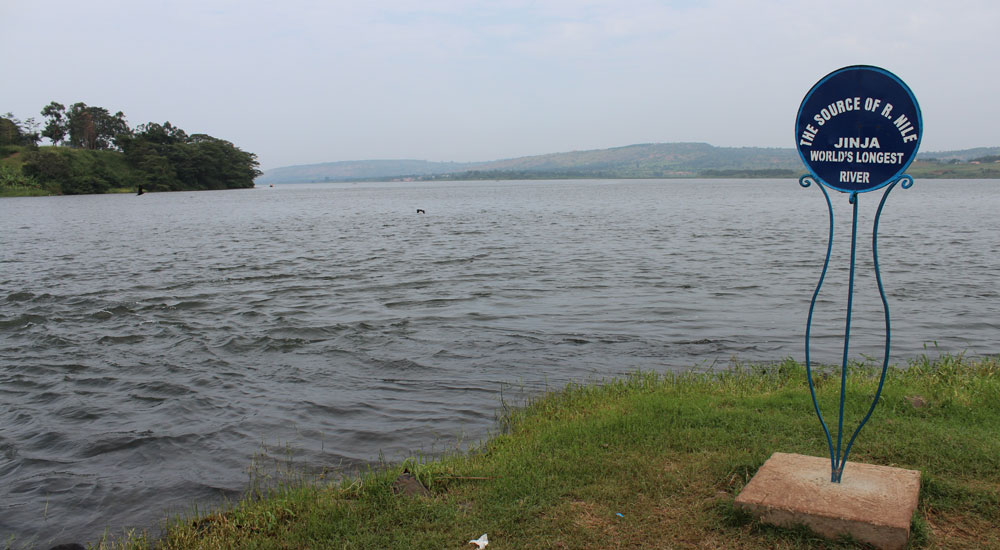
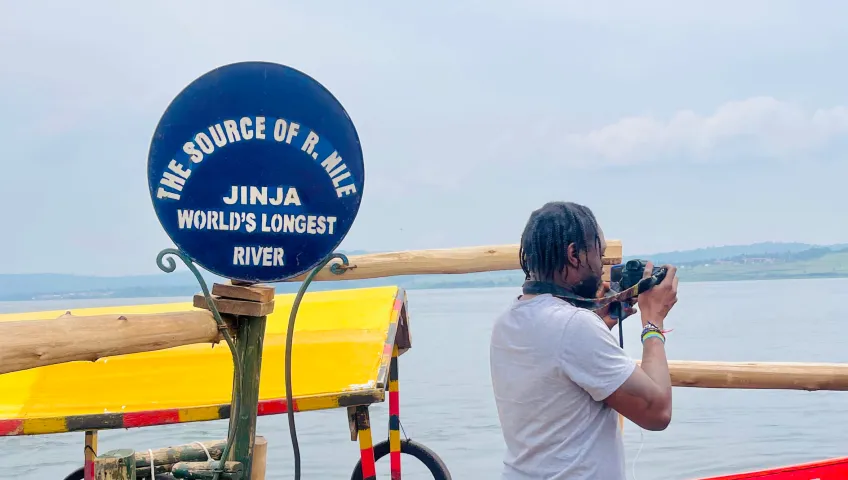
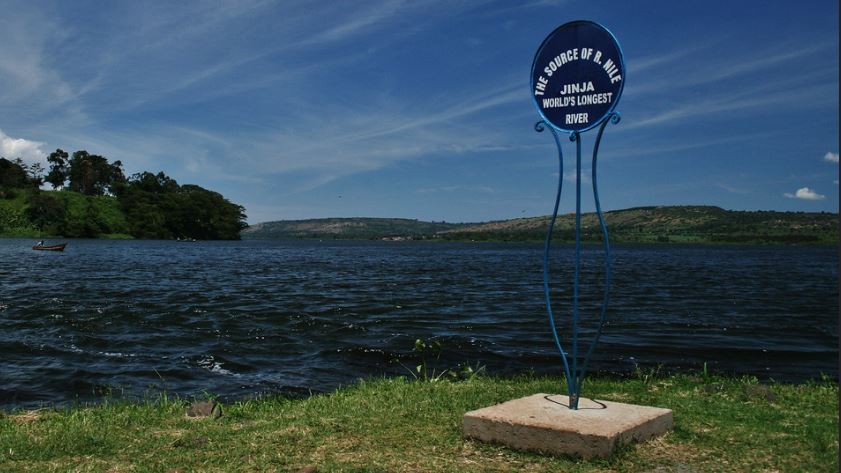
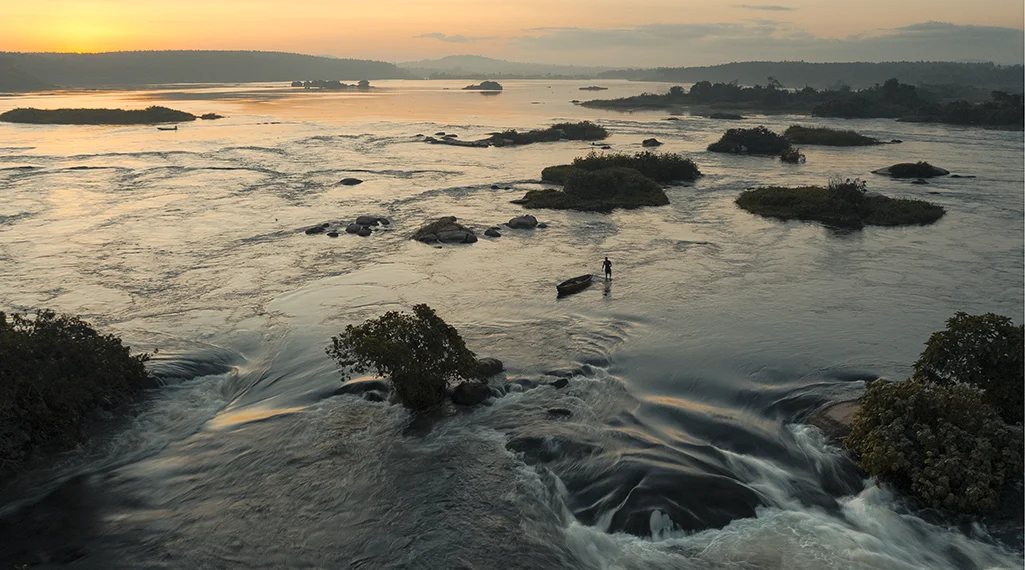
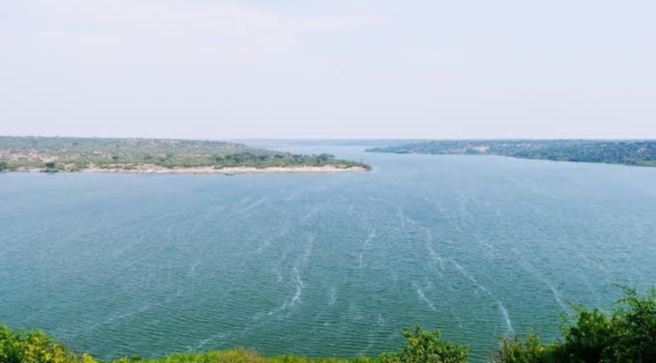
Few destinations in Africa stir the imagination quite like the Source of the Nile in Jinja, Uganda. It is here that Lake Victoria releases its waters to form the longest river in the world, a river whose history, legends, and lifeblood have shaped entire civilizations. To stand at this symbolic origin is to connect with a story that stretches across continents, yet for the modern traveler — and especially for photographers — the Source of the Nile offers far more than historical significance. It is a living, breathing landscape of water, wildlife, and culture that changes its moods with every season.

Photography thrives in such diversity. The Nile at Jinja is not static but dynamic: its light shifts with the hour, its colors change with the season, and its subjects range from birds in mid-flight to fishermen at dawn. For the photographer seeking a three-day immersion, the Source of the Nile offers a canvas of endless possibilities. The key lies in knowing how to structure the itinerary and how to adapt to seasonal nuances that transform the river into a kaleidoscope of visual opportunities.

This guide provides a carefully curated 3-day photography itinerary that blends luxury with authenticity, framed around the seasonal rhythms of the Nile. It is written for those who wish not only to take pictures but to create narratives that reflect the essence of Uganda’s most iconic destination.

Seasons at the Source — Understanding Light and Mood

Before delving into the itinerary, one must first grasp how seasons influence the Nile. Uganda’s climate is tropical, with two main dry seasons — from December to February and June to September — and two rainy seasons — from March to May and October to November.

The dry seasons bring clear skies, golden sunlight, and easier access to trails and boat rides. For photographers, these months provide clarity, sharp contrasts, and predictable conditions ideal for capturing wide landscapes and crisp portraits. Sunsets over the river are particularly vivid, while early mornings offer mist lifting in soft layers, perfect for moody compositions.

The rainy seasons, however, reveal another face of the Nile. Clouds roll in with drama, diffused light softens details, and rain showers create reflections that transform ordinary subjects into poetic frames. While roads may be muddy and schedules less predictable, the rewards for patient photographers are immense. The interplay of storm and light often produces images more evocative than those of the dry months.

Thus, the three-day itinerary is designed with flexibility, ensuring that each season provides its own version of the Nile’s story.3-Day Itinerary: Source of the Nile seasonal guide for photographers

Day 1 — Dawn to Dusk with the Nile

Morning: Sunrise at the Source

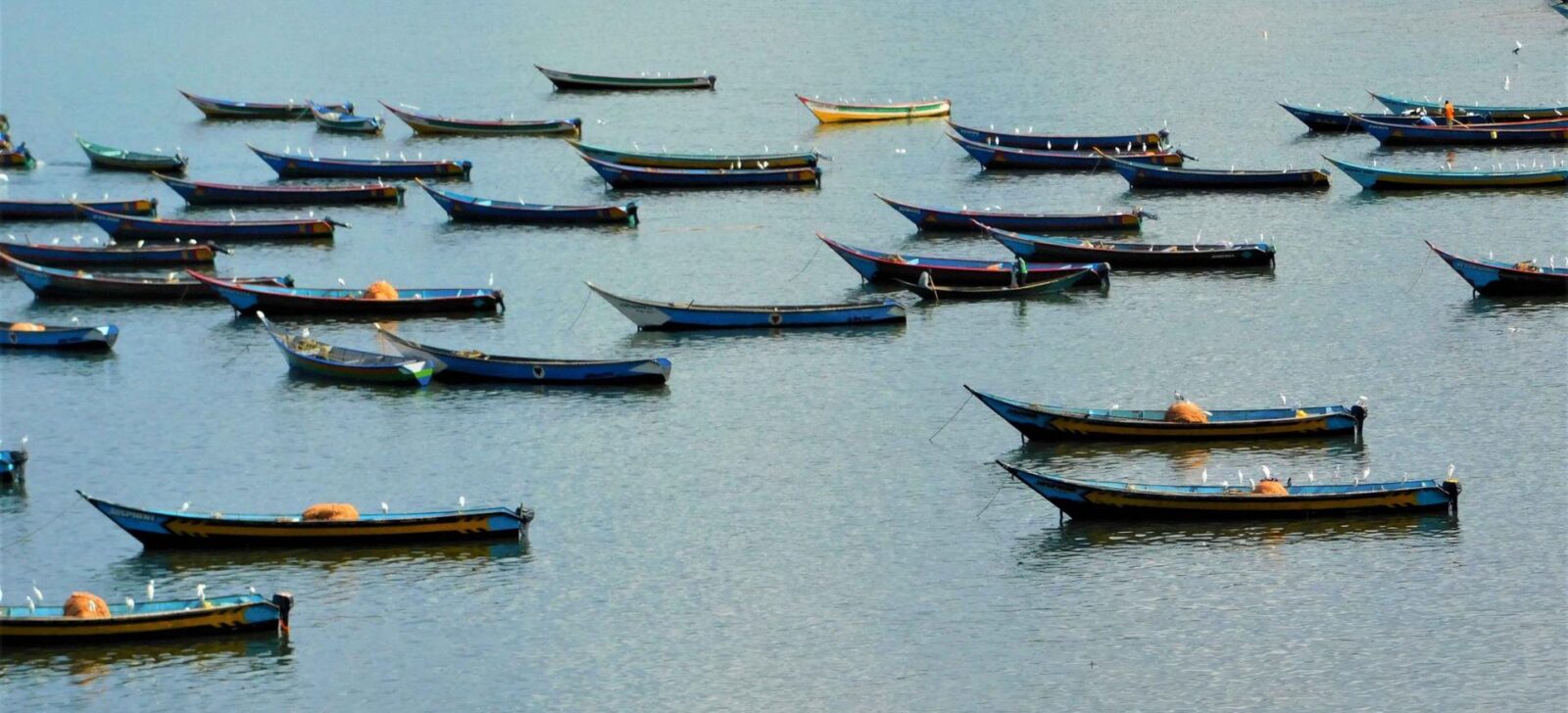
The first day begins at dawn, when the Nile awakens slowly and quietly. Photographers gather at the edge of Lake Victoria, where the lake’s vast surface narrows into the beginnings of the river. The mist often lingers at this hour, softening the horizon and casting the water in ethereal tones. Fishermen preparing their canoes provide compelling foregrounds, their silhouettes etched against the pale light.

The best approach is to focus on storytelling: wide shots to capture the transition of lake to river, close-ups of hands gripping paddles, and portraits of birds perched silently on papyrus reeds. Seasonal variations determine the tone — golden hues dominate in the dry months, while soft grays and greens emerge during the rains.

Midday: Exploring the Islands

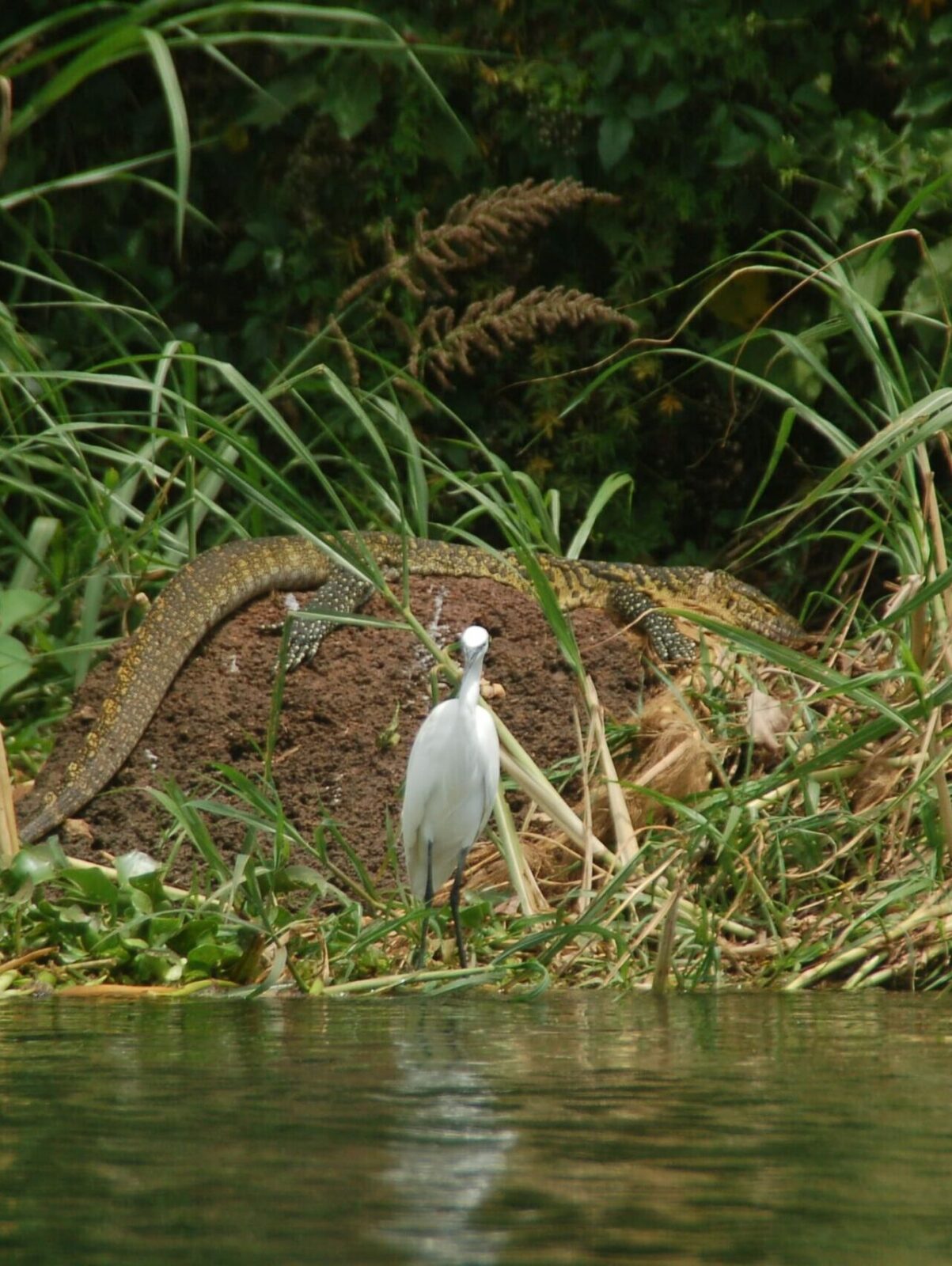
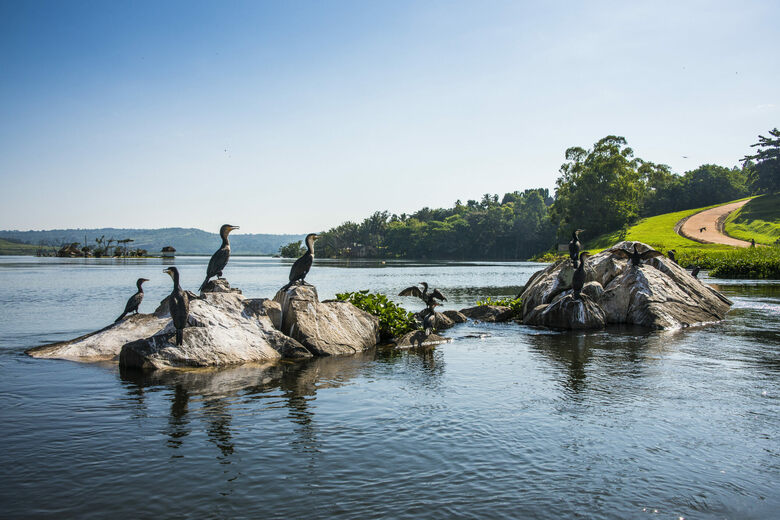
By midday, the light grows harsher, demanding different strategies. A boat excursion across the Nile’s small islands offers photographers fresh angles. Birds such as cormorants, kingfishers, and fish eagles dominate the skies, while monitor lizards sun themselves along the shores. Here, telephoto lenses become essential, enabling intimate captures without intrusion.

Lunch at a riverside eco-lodge provides respite and an opportunity for reflective photography. Even the act of dining by the Nile, with its slow-moving waters and passing boats, can yield evocative lifestyle images that balance human presence with natural beauty.

Evening: Sunset Reflections

As the day wanes, the Nile transforms once more. Sunsets at Jinja are celebrated for their brilliance, with skies shifting from orange to crimson to violet. Photographers position themselves at vantage points along the riverbank or from boats drifting quietly downstream. The silhouettes of fishermen returning home, birds gliding low over the water, and ripples catching the last light all provide endless creative opportunities.

For luxury travelers, a private sunset cruise elevates the experience. Here, photography combines indulgence with artistry, ensuring that the first day ends not only with images but with memories framed by comfort and exclusivity.

Day 2 — Wildlife, Culture, and Seasonal Moods

Morning: Birdlife in Motion

Day two begins with an emphasis on wildlife, particularly the birding opportunities that make Jinja one of Uganda’s most rewarding avian destinations. Early starts allow photographers to capture the activity of species such as the pied kingfisher diving for fish, the great blue turaco gliding across the canopy, or the African fish eagle swooping with regal precision.

Seasonality again plays a role. During rainy months, migratory species enrich the diversity, while in dry seasons, clarity and predictability enhance the precision of action shots. Patience and quiet observation yield rewards, turning every wingbeat into a frozen story.

Midday: Cultural Encounters

Photography is not limited to nature alone. By midday, attention shifts to Jinja’s cultural fabric. Visits to local markets reveal colors, textures, and expressions that tell stories of daily life. Stalls laden with fruits, spices, and crafts create vibrant compositions, while portraits of traders highlight human resilience and hospitality.

Children playing along the riverbanks, fishermen mending their nets, or women carrying baskets balanced with grace all become subjects of cultural storytelling. Respect and consent guide every shot, ensuring that photography becomes a bridge rather than a barrier.

Evening: Drama of Seasonal Storms

For those visiting during rainy months, evenings often bring dramatic storms. Clouds gather with intensity, lightning illuminates the horizon, and rain creates rippling reflections across the Nile. For photographers, these moments provide some of the most evocative images of the trip.

In dry seasons, evenings lean toward serenity, with calm waters and softer skies. Long exposures at this time capture the slow movement of the river, creating dreamlike images that contrast with the drama of previous hours.

Day 3 — Expanding Horizons

Morning: Adventure Photography

The third day brings the chance to capture Jinja’s identity as Uganda’s adventure capital. White-water rafting, kayaking, and bungee jumping create dynamic opportunities for photographers who wish to showcase motion, energy, and human courage against the backdrop of the Nile.

Here, safety must guide every frame. Professional operators provide secure platforms for photographers to capture rafters plunging into rapids, kayakers navigating currents, or jumpers in mid-flight against wide skies. Even as a spectator, the photographer becomes part of the drama, using the lens to freeze moments of exhilaration.

Midday: Quiet Reflections

After the intensity of adventure, midday offers a shift toward quiet reflection. Gentle canoe rides through calmer waters allow for contemplative compositions. Macro photography thrives here, focusing on dragonflies, water lilies, or droplets of water catching sunlight.

The slower pace suits long-stay travelers who wish to balance their portfolios with images of serenity alongside action. In rainy seasons, these hours may be punctuated by showers, turning leaves and flowers into glistening subjects of delicate beauty.

Evening: Farewell to the Nile

The itinerary concludes with a final evening at the river. Photographers return to favorite spots or seek new angles, aware that every sunset is unique. The farewell is not only visual but emotional, as the Nile leaves its imprint not only on memory cards but on the spirit.

For those who have engaged deeply, the images captured across three days are not random but narrative — a story of dawns, days, and dusks shaped by the seasonal moods of the Source of the Nile.

Luxury in Photography — Beyond the Lens

3-Day Itinerary: Source of the Nile seasonal guide for photographersFor photographers, luxury lies not only in indulgence but in the conditions that allow creativity to flourish. At the Source of the Nile, eco-lodges and luxury retreats provide sanctuaries where equipment can be recharged, portfolios reviewed, and bodies restored. Spas overlooking the water, gourmet meals crafted from local produce, and private viewing decks enhance the journey, ensuring that artistry is supported by comfort.
For long-stay photographers, such sanctuaries also provide stability, allowing them to revisit locations across seasons, to wait for perfect light, and to build deeper connections with the landscapes and communities they document. Luxury here is not excess but freedom — the freedom to create without constraint.

Conservation and Responsibility in Photography

The Source of the Nile is more than a subject; it is a living ecosystem that demands respect. Photographers must approach their craft with responsibility, ensuring that wildlife is never disturbed, local communities are treated with dignity, and the river’s fragile balance is preserved.

Seasonal challenges such as rising water levels or increased waste during peak tourism months highlight the need for eco-conscious travel. Using reusable materials, supporting community-led initiatives, and practicing ethical photography ensures that each image captured contributes not only to personal portfolios but also to collective preservation.

The Lasting Legacy of a Seasonal Itinerary

Three days at the Source of the Nile may seem brief, yet when structured thoughtfully, it becomes a lifetime of images and impressions. Seasonal variations ensure that no two trips are the same. Dry months provide clarity and vibrancy, rainy months yield drama and intimacy, and cultural rhythms infuse the journey with humanity.

For photographers, the legacy lies not only in the images created but in the awareness cultivated — an understanding that light, water, and people are all interconnected. The Nile becomes more than a backdrop; it becomes a teacher, offering lessons in patience, humility, and appreciation.

Capture the Nile with WildHorn Africa

For photographers who wish to experience the Source of the Nile in its fullest splendor, WildHorn Africa offers curated journeys designed to balance artistry with luxury. With expert guides, tailored itineraries, and exclusive access to the best vantage points, WildHorn Africa ensures that each frame reflects both authenticity and refinement.

From arranging private boat rides timed for golden hour to securing eco-lodge stays that blend sustainability with comfort, their expertise allows photographers to focus on their craft while trusting every detail of the journey to professionals. By booking with WildHorn Africa, travelers do not simply visit the Source of the Nile; they immerse themselves in its narrative, capturing its beauty across seasons in a way that is both responsible and luxurious.

In 2025 and beyond, the Nile continues to inspire adventurers and artists alike. And with WildHorn Africa, photographers discover that the greatest luxury lies not only in what is seen but in how it is experienced, framed, and remembered.

Photo Essay for hiking in Lakes George and Edward for luxury travelers

Photo Essay for hiking in Lakes George and Edward for luxury travelers

By Travel stories and blogs, Adventure holidays, Luxury holidays, Safari holidays, Uganda travel guides, Wildlife holidays

Photo Essay for Hiking in Lakes George and Edward for Luxury Travelers

The Art of Storytelling Through Images

There are places where words falter, where landscapes are so profound, so drenched in history, beauty, and soul, that only the lens of a camera can faithfully capture their essence. Lakes George and Edward, twin jewels nestled within Uganda’s western frontier, represent such landscapes. They are not simply bodies of water but living canvases, framed by the majestic Rwenzori Mountains to the north and the savannah plains of Queen Elizabeth National Park to the south. For the luxury traveler, hiking around these lakes is not just an adventure — it is an immersion into nature’s grandest photo essay, where every step and every frame becomes a story of balance between wilderness and indulgence.

To hike here is to engage with the environment in its rawest form while embracing luxury in its most refined definition: exclusivity, authenticity, and personal transformation. Cameras become both companions and witnesses, documenting the quiet ripples of dawn on Lake George, the sprawling horizons of Lake Edward, and the encounters with wildlife and culture that unfold along the journey. Each photograph taken does not merely document but elevates the traveler’s experience, transforming fleeting impressions into timeless narratives.

The Setting — Twin Lakes of Contrast and Harmony

Lakes George and Edward form part of Uganda’s Albertine Rift Valley, a region of extraordinary geological and ecological significance. Though connected by the Kazinga Channel, they possess distinct personalities.

Lake George, smaller yet intimate, is encircled by papyrus swamps that host rich birdlife. It exudes a quiet charm, almost as if whispering its stories rather than declaring them. In contrast, Lake Edward, expansive and open, stretches majestically into the horizon, straddling the border with the Democratic Republic of Congo. Its vast waters reflect skies that shift from blazing blue at midday to soft crimson at sunset.

Together, these lakes embody both contrast and harmony, providing photographers and hikers with two lenses through which to experience Uganda: one intimate and delicate, the other grand and commanding. Hiking trails that weave around their shores offer not only panoramic views but opportunities to engage with wildlife, landscapes, and human communities that define the character of this region.Photo Essay for hiking in Lakes George and Edward for luxury travelers

Hiking as a Luxury Experience

For the discerning traveler, hiking in the landscapes surrounding Lakes George and Edward is not defined by rugged hardship but by the luxury of connection. To walk here is to slow down, to savor each step, and to let the senses fully absorb the environment. The exclusivity lies in the pace, where travelers are not rushed but allowed to linger at vantage points, waiting for the perfect light to transform a view into a masterpiece.

Luxury hiking around these lakes is supported by refined experiences that elevate the journey. Private guides, often with expertise in both natural history and photography, lead travelers along trails less taken. Riverside lodges provide retreats after long walks, where tired muscles are soothed in spas and fine wines accompany evenings of reflection. Gourmet meals, often sourced from local produce, transform post-hike dining into an indulgence of its own.

Thus, the act of hiking becomes more than physical exploration. It becomes a carefully curated narrative where comfort and authenticity walk hand in hand.

Capturing the Morning Light at Lake George

The photo essay begins with dawn at Lake George. As the first rays of sunlight pierce through the mist, the papyrus swamps awaken with sound and movement. Kingfishers dive into the water with precision, while herons stand statuesque along the banks, their reflections shimmering on the still surface. The camera captures the interplay of light and shadow, the delicate textures of reeds, and the subtle hues of morning skies.

For the photographer, patience becomes the ultimate luxury. The soft morning light offers a palette that flatters every subject, from the gleam of a bird’s wing to the rippling patterns of water stirred by a gentle breeze. Hiking along the lake’s perimeter at this time of day feels like moving through a private gallery curated by nature itself.

Midday Encounters — Wildlife and Community

As the day advances, the trails around the lakes reveal a tapestry of encounters. Elephants may appear at a distance, silhouetted against the savannah backdrop, while buffalo herds graze calmly in the plains that stretch toward Queen Elizabeth National Park. Antelopes, ever watchful, dart gracefully across clearings, their movement challenging the camera to freeze fleeting moments of elegance.

Equally compelling are the human stories interwoven with these landscapes. Local fishing communities along the shores of both lakes provide vibrant photographic opportunities. Wooden canoes rest against the shallows, fishermen mend their nets under the sun, and children play along the banks, their laughter echoing against the open waters. Respectful photography here captures not just subjects but the resilience and rhythm of life in harmony with the lakes.

For luxury travelers, private cultural interactions are often arranged with sensitivity, ensuring that encounters are meaningful rather than intrusive. Each image taken in such contexts becomes part of a larger story where human presence complements, rather than diminishes, the grandeur of the natural environment.Photo Essay for hiking in Lakes George and Edward for luxury travelers

Afternoon Trails — Between Lakes and Channel

The afternoon hike often follows trails that approach the Kazinga Channel, the natural link between Lakes George and Edward. This waterway is a spectacle in itself, home to one of the densest concentrations of hippos in the world. Crocodiles bask on its muddy banks, while elephants and antelopes gather at its edges to drink.

For the photographer, this is a theater of life where drama and stillness coexist. The challenge lies in composition — framing hippos yawning with exaggerated gestures, or capturing the silent patience of a crocodile lying in wait. Birds add another layer of complexity, their wings casting fleeting shadows on the water’s surface.

The luxury of the hike here lies in exclusivity. Private boats may complement the walking journey, allowing travelers to capture images from unique angles on the water. The rhythm of the afternoon slows, as both hiker and camera anticipate the transition into evening’s golden hues.

The Grandeur of Lake Edward at Sunset

No photo essay of this region is complete without the grandeur of Lake Edward at sunset. As the day wanes, the expansive waters transform into a mirror of the sky, reflecting clouds bathed in orange, pink, and violet. The silhouettes of fishing boats, returning from their daily work, glide gently across the water, creating images that embody both beauty and livelihood.

The vastness of Lake Edward invites wide-angle photography, where horizon lines stretch endlessly and compositions emphasize scale. For luxury travelers, private viewing decks at lakeside lodges offer ideal vantage points to capture this transition. With a glass of wine in hand and camera at the ready, the traveler becomes both participant and observer in this daily symphony of light.

This moment is more than photography; it is reflection. The images captured here carry the weight of both natural beauty and human perseverance, reminding travelers that luxury is not only indulgence but awareness.

Nighttime Photography — The Silent Mystery

For those who extend their essay into the night, the lakes reveal another face. The skies above western Uganda are largely unpolluted by artificial light, offering extraordinary opportunities for astrophotography. Stars scatter across the heavens, their reflections mirrored faintly in the dark waters. The Rwenzori Mountains, often shrouded in mystery, appear as shadowy guardians under the moonlight.

The silence of night, punctuated only by distant animal calls, provides a backdrop of serenity. Long-exposure photography captures both the stillness of the lakes and the movement of stars across the sky. For luxury travelers, guided night walks or private stargazing sessions elevate the experience, combining science, art, and introspection into a single frame.

The Philosophy Behind the Photo Essay

The act of creating a photo essay around Lakes George and Edward is not merely about compiling images but about constructing a narrative. Each photograph is a sentence, each sequence a paragraph, and together they form a story that reflects the traveler’s journey.

Luxury travelers often find that this process mirrors their broader philosophy of travel. Rather than rushing to collect destinations, they linger to collect moments. Photography becomes a discipline of mindfulness, where observation, patience, and respect guide every click of the shutter. The resulting essay is not only a record of landscapes and wildlife but a reflection of the traveler’s engagement with place.

Luxury in Reflection and Wellness

Photography and hiking in this region also serve as acts of wellness. The physical rhythm of walking, combined with the mental concentration of photography, creates a balance of body and mind. The lakes, with their expansive horizons and serene waters, provide natural therapy for those seeking restoration.

For luxury travelers, the journey is complemented by refined wellness offerings. Riverside lodges provide spa treatments that draw from local traditions, yoga sessions overlooking the lakes, and gourmet dining that nourishes both palate and spirit. Thus, the hiking photo essay is framed not by exhaustion but by rejuvenation, where luxury and exploration support rather than oppose each other.

The Lasting Legacy of Lakes George and Edward

When the hiking trails are completed and the final photographs are reviewed, the legacy of Lakes George and Edward lingers. The images captured are not just visual souvenirs but intimate reflections of time spent in landscapes that remain both timeless and fragile.

For the luxury traveler, the true value lies not in the quantity of images but in their meaning. A single shot of a kingfisher in mid-dive, or of the sun setting behind fishing boats, can carry more weight than a hundred casual frames. These images become heirlooms of experience, stories that can be shared across generations, and reminders of a journey where luxury and nature coexisted harmoniously.

Curated Journeys with WildHorn Africa

For those who wish to transform the dream of a hiking photo essay around Lakes George and Edward into reality, WildHorn Africa offers unmatched expertise. Specialists in designing luxury itineraries across East Africa, WildHorn Africa ensures that every detail of the journey — from photography-focused hikes to private cultural interactions and lodge stays — is curated with precision and elegance.

By traveling with WildHorn Africa, luxury travelers are guaranteed more than access; they are promised immersion. Immersion in landscapes that inspire, in communities that welcome, and in journeys that leave lasting legacies. Each photo essay crafted under their guidance becomes not only a personal story but a testament to the art of responsible, refined, and unforgettable travel.

Luxury Picks: Source of the Nile wildlife photography tips for luxury travelers

Luxury Picks: Source of the Nile wildlife photography tips for luxury travelers

By Adventure holidays, Luxury holidays, Safari holidays, Special offers, Travel stories and blogs, Uganda travel guides, Wildlife holidays

Luxury Picks: Source of the Nile Wildlife Photography Tips for Luxury Travelers

Where Luxury Meets the Untamed

At the very heart of Uganda, in the legendary town of Jinja, the Source of the Nile flows with a timeless rhythm that has captivated explorers, artists, and travelers for centuries. To stand at this origin point of the world’s longest river is to witness history, geography, and beauty converging in one extraordinary location. Yet for the modern luxury traveler, the Source of the Nile offers something even more alluring — a rare opportunity to capture its wildlife and landscapes through the lens of a camera, blending indulgence with creativity in an unforgettable way.

Wildlife photography in this region is not simply about pointing a lens toward the subject. It is about mastering patience, understanding the flow of the environment, and seeking the perfect balance of light, movement, and composition. The Nile teems with life, from the dazzling bird species that dart across its skies to the hippos that bask lazily along its edges. Each image has the power to preserve a fleeting moment, translating raw nature into timeless artistry.

For luxury travelers, the appeal lies not only in the photography itself but in the refined experience that frames it. Imagine embarking on a private boat ride at dawn, the mist rising gently as kingfishers dart into the water, while every movement is guided by expert trackers and photography professionals. This marriage of indulgence and authenticity makes wildlife photography at the Source of the Nile more than an activity — it becomes an art form of luxury exploration.

The Source of the Nile — A Living Canvas

The landscapes surrounding the Nile’s origin are a photographer’s dream, layered with textures, colors, and moods that shift throughout the day. From the golden hues of sunrise that paint the riverbanks in warm light to the silvery tones of dusk where silhouettes dominate, every hour presents a new perspective.

The region is alive with biodiversity. The river’s edges attract an extraordinary array of bird species, making Jinja one of Uganda’s most celebrated birding destinations. Brightly colored kingfishers, African fish eagles, herons, and bee-eaters are just a few of the subjects waiting for the discerning traveler’s lens. On the water, hippos wallow in pods, crocodiles glide silently beneath the surface, and fish leap momentarily into the air before disappearing again.

In this setting, the Source of the Nile becomes a living canvas where every photograph tells a story — of survival, elegance, or fleeting beauty. Unlike studio photography where light and composition are controlled, here the photographer must surrender to the unpredictability of the wild, capturing what unfolds naturally. For luxury travelers, this unpredictability is not a limitation but part of the adventure.Luxury Picks: Source of the Nile wildlife photography tips for luxury travelers

Why Luxury Travelers Are Drawn to Wildlife Photography

Wildlife photography demands both patience and precision, qualities that align with the essence of luxury travel. For those who pursue refinement, the act of waiting for the perfect moment — whether it is a bird in mid-flight or a hippo yawning at dawn — mirrors the appreciation of subtle details in life.

Moreover, wildlife photography offers a sense of exclusivity. Each image captured is unrepeatable, a private moment shared between traveler and subject. For long after the journey ends, the photograph remains as a personal treasure, impossible to replicate by anyone else. In this way, photography at the Source of the Nile provides not only memories but also heirlooms of experience.

The luxurious aspect of this pursuit lies in the curated journey that surrounds it. From private photography safaris to stays in riverside lodges that offer unobstructed views of wildlife, the experience is designed to ensure comfort without sacrificing authenticity. The blending of five-star service with untamed beauty transforms photography from a hobby into a pinnacle of luxury travel.

The Art of Light and Timing

Every great wildlife photograph rests on a foundation of light and timing. The Source of the Nile provides conditions that challenge and reward photographers in equal measure. Early mornings are often bathed in soft golden light, a time when animals are most active. The stillness of dawn allows reflections on the river’s surface to appear crisp, while mist adds layers of depth to every composition.

As the day advances, light becomes harsher, demanding adjustments in technique. Shadows grow bolder, colors shift, and subjects retreat into the shade. For photographers, this is the moment to experiment with contrasts — capturing the silhouette of a bird against a blinding sky, or the glistening scales of a crocodile as it emerges from the water.

Evenings at the Nile are spectacular. The sky often explodes into tones of orange, pink, and red as the sun dips below the horizon. This “golden hour” provides some of the most romantic settings for photography, turning even the simplest of subjects into masterpieces. For luxury travelers, guided photography excursions are often timed around these magical windows, ensuring that no opportunity for extraordinary light is missed.

The Challenge of Movement

Wildlife photography is not only about capturing stillness; it is equally about mastering movement. At the Source of the Nile, where fish leap unexpectedly, birds dive with lightning speed, and water ripples constantly, the ability to anticipate motion becomes essential.

Luxury travelers often benefit from the presence of professional guides and photography experts who accompany them. These specialists share insights into animal behavior, teaching how to anticipate when a bird is likely to take flight or when a hippo might rise from beneath the water. Such guidance transforms photography from guesswork into strategy, enabling travelers to return home with images that feel both spontaneous and deliberate.

Ethical Photography at the Nile

Luxury travel carries with it an inherent sense of responsibility. At the Source of the Nile, wildlife photography is not only about capturing beauty but also about practicing ethics of respect. Animals must never be disturbed for the sake of a shot, and natural behavior should always be preserved. Flash photography, aggressive positioning, or intrusive proximity can stress animals and alter their routines, something responsible travelers must always avoid.

Eco-conscious lodges and tour operators in Jinja emphasize these principles, ensuring that wildlife remains undisturbed. Luxury, in this sense, is redefined not as taking more but as leaving less impact. For many travelers, the knowledge that their images were captured respectfully adds a deeper sense of value to the experience.

The Role of Equipment — Luxury Tools for Luxury Experiences

The world of wildlife photography is heavily influenced by equipment, yet at the Source of the Nile, the emphasis lies on using tools wisely rather than excessively. Long lenses allow close captures of distant birds, while wide-angle lenses provide context, showcasing both subject and environment in harmony. Luxury travelers often arrive with professional gear, but even those with lighter setups find that the Nile offers opportunities for creativity.

Lodges and guides often provide photography support, from equipment rentals to charging stations powered by solar energy. For long-stay travelers, this integration of technology with sustainability ensures that the pursuit of perfect images does not compromise environmental ethics. Here again, luxury and responsibility intersect seamlessly.

Portraits of Birds — The Jewel of Nile Photography

Among the many photographic opportunities, bird photography stands as the crown jewel of the Source of the Nile. The region is part of the Albertine Rift, one of the richest birding corridors in Africa. Brightly feathered kingfishers perch on branches before plunging into the water, bee-eaters hover mid-air with stunning grace, and African fish eagles circle overhead with their piercing calls.

Capturing these creatures demands patience and attentiveness. For luxury travelers, the process is elevated through private excursions to less crowded spots, where silence allows closer observation. The thrill of freezing a bird in mid-flight, wings spread in full symmetry, becomes an unparalleled reward.Luxury Picks: Source of the Nile wildlife photography tips for luxury travelers

Hippos, Crocodiles, and the Drama of Water Life

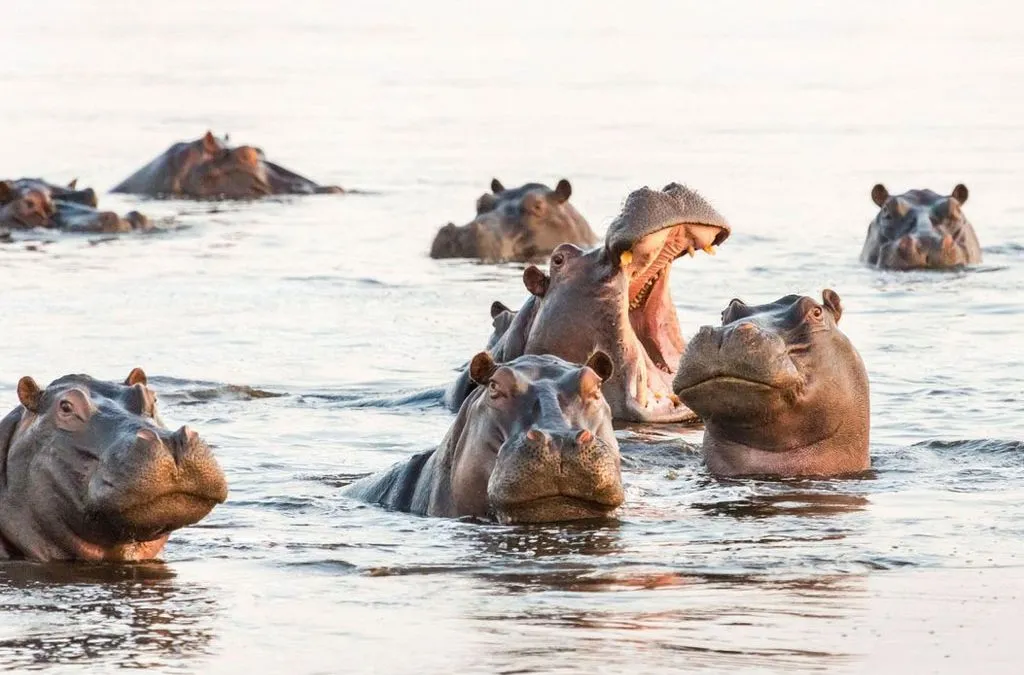
The Source of the Nile is not only about birds; it is also about the dramatic presence of water life. Hippos, often gathered in pods, offer opportunities for intimate yet powerful photography. Their yawns, often misinterpreted as signs of boredom, are dramatic gestures that, when captured correctly, convey the raw power of these creatures.

Crocodiles, in contrast, provide a subtler challenge. Their movements are often slow, deliberate, and hidden. Capturing them requires a trained eye and often a boat ride into less disturbed parts of the river. Luxury experiences often include expert boatmen who know where these creatures rest, allowing photographers to approach without intrusion.

Cultural Context — Photography Beyond Wildlife

For luxury travelers, photography at the Source of the Nile is not confined to animals alone. The cultural fabric of Jinja and its surroundings provides rich subjects. Fishermen casting their nets at dawn, children playing along the riverbanks, and vibrant local markets filled with colors and textures all offer photographic treasures.

Respect remains central in cultural photography. Seeking consent, engaging with subjects, and understanding the stories behind the images elevate them from snapshots to respectful portraits of life. In this way, photography becomes a bridge between traveler and host, creating connections that transcend the image itself.

Wellness and Reflection Through Photography

Beyond the technical aspects, photography at the Source of the Nile nurtures wellness. For long-stay luxury travelers, the act of focusing on details — a bird’s eye, the ripple of water, the curve of a tree — becomes a form of meditation. The concentration required silences the noise of daily life, while the beauty of the Nile restores a sense of calm and balance.

Even without producing award-winning images, travelers often find that the process itself enriches their spirit. Each click of the camera is an affirmation of presence, a reminder that they are living within one of the world’s most remarkable landscapes. This reflective aspect transforms wildlife photography into a journey of both outer exploration and inner renewal.

Why the Source of the Nile is a Luxury Photographer’s Paradise

Few destinations in Africa combine accessibility, biodiversity, cultural richness, and natural beauty as seamlessly as the Source of the Nile. For luxury travelers, it offers a rare paradox: untamed wilderness framed within refined comfort. Riverside lodges provide champagne breakfasts after dawn excursions, private guides ensure exclusive access to the best vantage points, and wellness amenities complement the physical intensity of photography expeditions.

This holistic experience ensures that the photography trip is not about fatigue but about pleasure, not about struggle but about harmony. The Nile becomes not only a subject but a host, offering itself generously to those who approach with patience and respect.

Capture the Nile with WildHorn Africa

For those who dream of experiencing the Source of the Nile in all its photographic splendor, WildHorn Africa provides the expertise to transform vision into reality. With a reputation for designing bespoke journeys, WildHorn Africa ensures that luxury travelers gain not only the finest accommodations but also privileged access to the most photogenic corners of the Nile.

From arranging dawn boat rides with expert guides to curating wellness retreats that complement photography excursions, their itineraries balance indulgence with authenticity. By booking with WildHorn Africa, travelers secure not just a trip but an immersion — one where every photograph reflects the spirit of place, and every moment resonates with refinement and responsibility.

Photography in Mount Elgon National Park

Photography in Mount Elgon National Park

By Travel stories and blogs, Adventure holidays, Special offers, Uganda travel guides

Photography in Mount Elgon National Park

Capturing the Untamed Spirit of Mount Elgon

In the far eastern reaches of Uganda, where mist drapes valleys and waterfalls thunder into deep gorges, lies Mount Elgon National Park, a place of both majesty and mystery. It is a land where landscapes are painted in broad, sweeping strokes of volcanic ridges and lush forests, where elephants carve paths into caves and where cultural rhythms echo against the mountain slopes. For travelers and photographers alike, Mount Elgon is not simply a trekking destination; it is a canvas upon which light, life, and history converge.

To photograph this park is to attempt the impossible task of translating an experience into stillness. Every sunrise paints the caldera with hues of gold, every waterfall reflects the power of geological time, and every face encountered among the Bagisu and Sabiny communities carries stories as timeless as the mountain itself. Yet for those who dare to look through the lens, Mount Elgon rewards with images that evoke emotion and preserve memory.

This article explores the art and experience of photography in Mount Elgon National Park, tracing the possibilities and challenges that come with capturing its landscapes, wildlife, cultural heritage, and fleeting moments of light. It is a journey through the visual soul of one of Africa’s oldest mountains, crafted for those who wish to see and record more deeply.

The Landscape: A Photographer’s Canvas

The Caldera’s Vast Beauty

At the heart of Mount Elgon lies its defining feature—the world’s largest volcanic caldera, stretching over 60 kilometers in diameter. Photographers ascending to Wagagai Peak or the rim of the caldera are rewarded with sweeping panoramas that challenge the limits of any lens. The vastness is best captured during the early morning or late afternoon, when shadows add depth and the shifting light paints contours across the ridges.

The caldera’s interior, with its grasslands, small lakes, and moorlands, contrasts with the rugged cliffs that surround it. Wide-angle photography emphasizes the sense of space, while telephoto lenses allow for detailed studies of its geological textures. In every frame, the caldera embodies both the violence of ancient eruptions and the tranquility of present-day silence.

Waterfalls as Natural Masterpieces

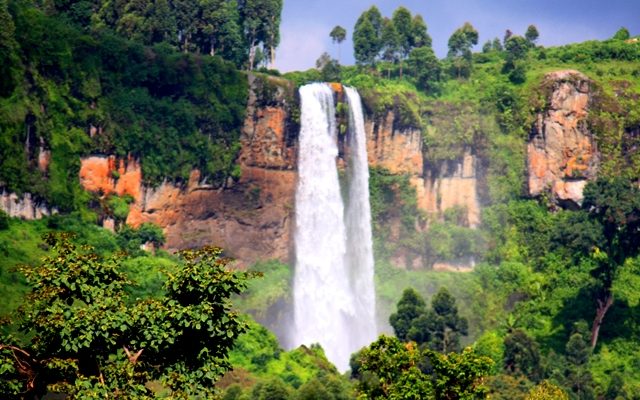
Mount Elgon’s foothills are adorned with waterfalls, none more iconic than Sipi Falls, a series of cascades dropping dramatically from basalt cliffs. For photographers, these falls are endlessly versatile subjects. Long exposure techniques transform the torrents into silky ribbons of white, while fast shutter speeds capture the sheer force of their descent.

Mist rising from the falls catches the light in surprising ways, especially at sunrise or sunset when golden hues filter through droplets, sometimes creating rainbows that arc across the gorge. Beyond Sipi, lesser-known waterfalls such as Simba and Chebonet Falls provide quieter scenes where photographers can work without distraction.

Forests and Moorlands: Layers of Texture

Ascending the slopes of Mount Elgon is akin to traveling through different worlds. Lush montane forests dominate the lower elevations, their canopies alive with green layers that soften light into gentle tones. Photographers find ample opportunity to experiment with compositions where vines, mosses, and tree trunks create natural patterns.

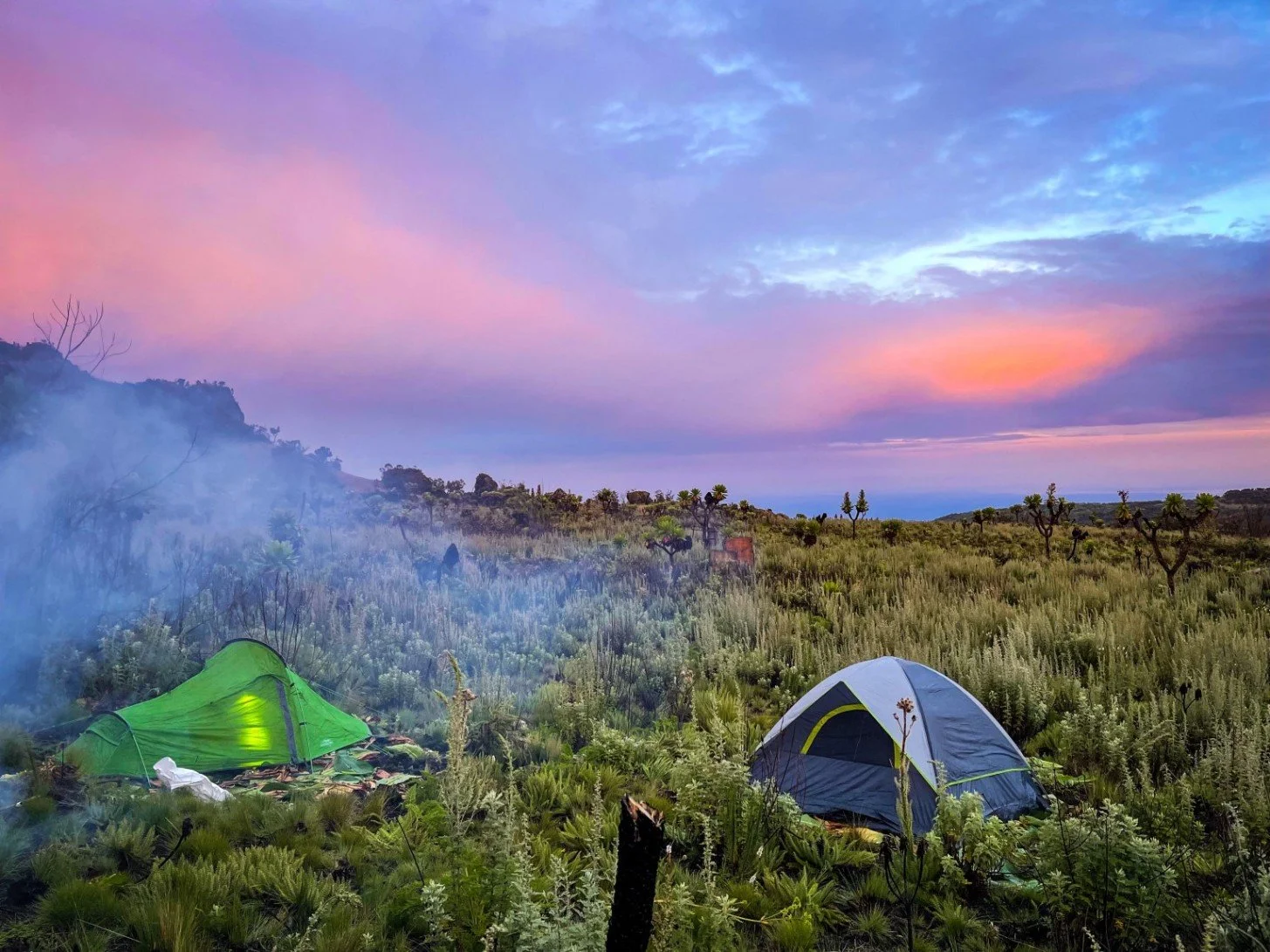
Higher up, the vegetation thins into moorlands, where giant lobelias and groundsels rise like sculptures from the earth. These surreal plants, often photographed against moody skies, give images a prehistoric atmosphere. The stark beauty of the moorlands is most evocative when mist curls through valleys, creating depth and drama within the frame.

Wildlife Photography: Silent Encounters

The Elephants of the Caves

Among the most extraordinary photographic subjects in Mount Elgon are the cave elephants, known for their unusual behavior of mining salt from the walls of caverns. Capturing these giants within the darkness of caves such as Kitum or Kapkwai is a challenge that rewards patience and skill. Low-light photography requires careful adjustments, yet the resulting images tell rare stories of adaptation and survival.

Elephants emerging from the shadows, tusks gleaming against mineral walls, provide photographs of haunting beauty. They embody both the strength of Africa’s wildlife and the delicate balance of ecosystems where geology and biology intertwine.

Birds of the Highlands

Mount Elgon is home to over 300 bird species, making it a paradise for bird photographers. The endangered lammergeyer, with its massive wingspan, can sometimes be seen soaring across ridges, while turacos, sunbirds, and hornbills bring flashes of color to forested areas. Capturing these birds demands both telephoto lenses and an attuned awareness of their habits.

The key lies in patience—waiting for the moment when a sunbird hovers near a flower, or when a raptor arcs against the mountain sky. The diversity of avian life ensures that each trek in the park offers new photographic opportunities.

Smaller Subjects, Greater Details

Beyond the large mammals and birds, the park teems with smaller subjects often overlooked yet equally compelling. Chameleons camouflaged against branches, butterflies shimmering in sunlight, and frogs hidden in damp undergrowth all provide chances for close-up photography. Such images, intimate in scale, balance the grandeur of landscapes with the subtlety of details.Photography in Mount Elgon National Park

Light and Atmosphere: The Photographer’s Challenge

Photography in Mount Elgon is as much about light as it is about subject. The equatorial sun rises quickly, casting harsh light by mid-morning, which challenges those seeking balanced exposures. Early mornings and late afternoons, however, offer golden tones that accentuate contours and textures.

Mist, a frequent companion on the mountain, softens scenes into dreamlike compositions. Photographers who embrace the unpredictability of weather discover that clouds and fog add atmosphere, transforming even ordinary scenes into works of mystery. Night photography, though less common due to logistical challenges, reveals skies ablaze with stars, unobscured by urban light pollution.

Cultural Photography: Portraits of Heritage

The Bagisu and the Imbalu Tradition

The Bagisu people, also known as the Bamasaba, inhabit the western slopes of Mount Elgon. Their Imbalu circumcision ceremonies, performed every two years, are vibrant cultural expressions filled with dance, drumming, and symbolism. For photographers, capturing these ceremonies requires sensitivity and respect, as they are deeply significant rites of passage.

Images of painted faces, dancers in traditional regalia, and processions of singing youth convey both cultural pride and communal identity. Such photographs preserve not only moments of celebration but also the resilience of traditions carried through generations.

The Sabiny and Their Mountain Life

On the northern slopes live the Sabiny people, whose farming practices and village life reflect deep connections to the land. Portraits of farmers working on terraced hillsides, women tending to coffee plants, and children playing against mountain backdrops illustrate the symbiosis between culture and environment.

Photographing communities around Mount Elgon requires not only technical skill but also trust and relationship-building. When approached with respect, portraits become collaborative acts, capturing dignity and humanity rather than reducing subjects to stereotypes.

Photography as a Conservation Tool

Images of Mount Elgon’s landscapes and wildlife do more than decorate albums; they serve as powerful instruments of conservation. Photographs shared globally inspire awareness of the park’s beauty and fragility, attracting visitors who contribute to its protection through tourism revenue.

Documenting endangered species such as the lammergeyer or the cave elephants provides valuable visual records for scientists and policymakers. Meanwhile, showcasing the cultural richness of the Bagisu and Sabiny communities reminds audiences that conservation must also respect human heritage.

In this way, photography becomes both art and advocacy, a bridge between remote ecosystems and global audiences.

Challenges of Photography in Mount Elgon

Photographing Mount Elgon is not without obstacles. The weather can shift suddenly, drenching equipment in rain or obscuring views in thick fog. The terrain demands stamina, as reaching the most photogenic sites often requires long treks through steep or muddy paths.

Technical challenges also abound. Low-light conditions in caves or forests test the limits of camera sensors, while wide landscapes can overwhelm compositions without careful framing. Wildlife photography requires patience and often long waits, as animals rarely appear on cue.

Yet it is precisely these challenges that make successful photographs of Mount Elgon so rewarding. Each image becomes not only a visual record but also a testament to persistence and connection with place.

Practical Considerations for Photographers

Planning a photography trip to Mount Elgon requires forethought. The dry seasons of June to August and December to February provide clearer skies and easier trekking conditions, making them optimal for both landscape and wildlife photography. Rainy seasons, however, offer lush greenery and dramatic waterfalls, rewarding those willing to work with challenging light.

Accommodation ranges from lodges near Sipi Falls to campsites within the park. Local guides are invaluable, both for navigating trails and for providing cultural context that enriches photographic storytelling. Respect for local communities and natural habitats ensures that photography remains ethical and sustainable.

Through the Lens of Mount Elgon

To photograph Mount Elgon National Park is to encounter more than scenery; it is to witness a dialogue between earth, sky, wildlife, and humanity. Every frame tells part of a larger story—the story of an ancient volcano softened by time, of elephants venturing into darkness for salt, of waterfalls plunging endlessly, of cultures rooted in resilience, and of light that shifts with every passing hour.

For photographers, Mount Elgon offers not just images but experiences—moments where the lens becomes a bridge between perception and preservation. To walk its trails with a camera is to embrace both challenge and inspiration, knowing that each photograph has the power to carry the mountain’s spirit far beyond its slopes.

For those wishing to capture this untamed beauty, it is recommended to arrange photography-focused treks and broader safari experiences through WildHorn Africa, a specialist in curating journeys across Uganda and beyond. With expert knowledge, cultural connections, and a commitment to meaningful exploration, WildHorn Africa ensures that photography in Mount Elgon becomes not just an act of seeing, but an act of truly understanding.

Photography Safari in Semuliki National Park

Photography Safari in Semuliki National Park

By Travel stories and blogs, Luxury holidays, Safari holidays, Special offers, Uganda travel guides, Wildlife holidays

Photography Safari in Semuliki National Park

Capturing Uganda’s Hidden Eden

In the western reaches of Uganda, at the foot of the legendary Rwenzori Mountains and along the fertile basin of the Albertine Rift Valley, lies a sanctuary of unparalleled beauty—Semuliki National Park. Often referred to as Uganda’s birding paradise, this lowland tropical rainforest is not only a haven for biodiversity but also a living canvas for photographers seeking to capture Africa in its rawest form. To embark on a photography safari in Semuliki National Park is to step into a world where light, shadow, and life converge in a way that few other destinations can offer.

The allure of Semuliki lies in its unique character. Unlike Uganda’s savanna parks that are dominated by open plains, Semuliki is cloaked in the dense, misty atmosphere of a Central African rainforest extension. Here, rivers meander through thick vegetation, hot springs bubble with geothermal force, and wildlife lurks both seen and unseen. For photographers, every corner reveals a new perspective—whether it is the iridescent feathers of a turaco illuminated by morning light, the ghostly outlines of colobus monkeys in the canopy, or the cultural vibrancy of Batwa performances that echo through the forest edges.

A photography safari in Semuliki is not simply about taking pictures. It is an immersion into one of Africa’s most authentic wildernesses, where the challenge of capturing fleeting moments is matched by the reward of preserving stories that will inspire for years to come.

The Photographic Appeal of Semuliki National Park

A Lowland Tropical Rainforest in East Africa

One of the park’s most compelling qualities is its ecosystem, which is more typical of Central Africa than East Africa. Semuliki is an extension of the Ituri Rainforest of the Democratic Republic of Congo, making it one of the few lowland tropical forests in Uganda. Its unique vegetation, dense canopy, and swampy expanses create striking backdrops for photography, offering scenes that stand apart from those in the savanna landscapes.

The rainforest atmosphere provides photographers with dramatic contrasts: shafts of sunlight piercing through mist, reflections on calm river surfaces, and silhouettes of wildlife against thick green foliage. Such elements offer creative opportunities for both amateur and professional photographers seeking depth and diversity in their work.

A Mosaic of Landscapes

Semuliki is not a uniform forest. Within its 220 square kilometers, it includes riverine habitats, hot springs, swampy wetlands, and grassland patches. Each of these microhabitats presents distinct photographic subjects. The Sempaya Hot Springs, for instance, are not only geological wonders but also striking visual features that change appearance with steam, light, and angle. Meanwhile, the meandering Semuliki River and the backdrop of the Rwenzori Mountains create landscapes that combine grandeur with intimacy.

Wildlife Photography in Semuliki

Primates as Photographic Subjects

For wildlife photographers, primates represent some of the most engaging subjects. Semuliki hosts over eight primate species, each offering distinct photographic challenges and rewards.

The black-and-white colobus monkeys, with their flowing mantles and contrasting fur, provide dramatic shots when perched against the green canopy. The red-tailed monkeys, agile and expressive, are perfect for capturing movement and behavioral interactions. Olive baboons, often seen in large troops, create opportunities for storytelling images that reveal social hierarchies, grooming rituals, and playful young.

Occasionally, photographers may also encounter chimpanzees, whose presence, even fleeting, adds a sense of raw authenticity to a portfolio. Capturing their intelligence in a single frame requires patience, but the result can be among the most powerful wildlife images of the safari.

Bird Photography in the Birding Paradise

With more than 440 bird species recorded, Semuliki is a dream for bird photographers. The forest’s birdlife includes rare and sought-after species such as the Nkulengu rail, the African dwarf kingfisher, and the white-crested hornbill. Colorful turacos, bee-eaters, and sunbirds offer vibrant splashes against the green backdrop, while raptors like long-tailed hawk and Congo serpent eagle dominate the skies.

Photographing birds in a rainforest requires specialized skill—fast shutter speeds to capture wingbeats, long lenses to pierce the canopy, and patience to wait for fleeting exposures of light. For those who master the challenge, the rewards are spectacular images that reflect the park’s ornithological richness.

Mammals of the Forest and Beyond

Though the forest is dense, it shelters mammals that occasionally offer photographic opportunities. Forest buffaloes, bush pigs, and even the elusive forest elephants can be captured in the right conditions. Antelope species, such as waterbucks and sitatungas, provide subjects against riverine landscapes. Nocturnal species, including pottos, can be photographed during guided night walks, adding variety and depth to a photographic collection.

Aquatic and Reptilian Subjects

The Semuliki River hosts pods of hippos and Nile crocodiles, both of which are photogenic in their own right. Hippos often create dynamic splashes and yawning displays, while crocodiles can be captured as silent yet powerful presences along the banks. For photographers seeking detail and texture, reptiles such as monitor lizards provide intriguing close-up opportunities.

Landscape Photography OpportunitiesPhotography Safari in Semuliki National Park

The Semuliki River

The river itself is among the most photogenic features of the park. Winding its way across the lowlands, it creates natural compositions framed by forest vegetation, skies, and wildlife along its banks. Early morning and late afternoon light enhance its beauty, creating soft reflections and silhouettes ideal for both wide-angle and telephoto work.

The Sempaya Hot Springs

The hot springs of Semuliki are extraordinary photographic subjects. Steam rising against forest backdrops creates an almost mystical atmosphere, while bubbling water and mineral deposits offer abstract and textural compositions. Photographers often experiment with long exposures here to capture the fluid motion of steam and water.

The Rwenzori Backdrop

Though outside the park itself, the towering Rwenzori Mountains provide one of the most dramatic landscapes visible from Semuliki. Snow-capped peaks occasionally break through the clouds, creating breathtaking scenes when juxtaposed with the lowland rainforest below. These contrasts make the area one of the few places in Africa where such diversity of terrain can be captured in a single frame.

Cultural Photography: The Batwa and Local Communities

A photography safari in Semuliki is not complete without exploring its cultural dimensions. The Batwa people, indigenous inhabitants of the forest, are custodians of traditions that span centuries. Cultural tours provide opportunities to photograph dances, music performances, and daily practices. The vibrancy of Batwa attire, the expressiveness of their storytelling, and the artistry of their crafts offer rich subjects for portrait and documentary photography.

Beyond the Batwa, other communities such as the Bamba also contribute to the region’s cultural identity. Farmers, fishermen, and artisans provide glimpses into life at the edge of the forest, adding human narratives to photographic projects that might otherwise focus solely on wildlife.

Technical and Creative Challenges

Light and Shadow in the Rainforest

The dense canopy of Semuliki creates challenging lighting conditions. Photographers must often work with dim, uneven light and quick-changing exposures. Mastering low-light techniques, stabilizing equipment, and anticipating brief moments of direct sunlight are all essential for success.

Capturing Movement

Whether it is monkeys leaping between branches or birds darting through the undergrowth, Semuliki’s wildlife rarely stays still. High shutter speeds, continuous autofocus, and readiness are crucial for capturing crisp images of movement without sacrificing detail.

Storytelling Through Photography

A photography safari in Semuliki is about more than collecting images. It is about weaving a visual narrative that reflects the park’s essence—its landscapes, its wildlife, its people, and its moods. The challenge lies in balancing wide-angle landscape shots with intimate close-ups, action frames with contemplative portraits, and vibrant colors with subtle tonal studies.

The Best Time for Photography Safaris in Semuliki

The choice of season significantly shapes photographic outcomes.

During the dry seasons from December to February and June to August, trails are easier to navigate, wildlife is more concentrated around water sources, and visibility in the forest is slightly improved. Clear skies and golden light create ideal conditions for landscape and wildlife photography.

The wet seasons from March to May and September to November bring challenges of mud and rain but also unique opportunities. The forest becomes lush, bird activity peaks, and dramatic storm skies create atmospheric backdrops. Photographers who embrace these conditions often capture some of their most distinctive and memorable shots.

Conservation Through Photography

Photography in Semuliki is not only an art form but also a tool for conservation. Every image taken and shared raises awareness about the value of this fragile ecosystem. Documenting species, landscapes, and cultural practices helps highlight both the beauty and the vulnerability of the park. Photographers become ambassadors for conservation, reminding global audiences of the need to protect places like Semuliki.

By choosing responsible practices—such as avoiding disturbance to wildlife, respecting community consent for portraits, and minimizing environmental impact—photographers ensure that their work contributes positively to both conservation and culture.

The Transformative Nature of a Photography Safari

For many travelers, a photography safari in Semuliki becomes more than a pursuit of images; it becomes a journey of perspective. To sit quietly, waiting for a colobus monkey to reveal itself, or to frame the curve of the Semuliki River in evening light, is to enter into a rhythm dictated by the forest itself. Photography slows the experience, forcing awareness of details that might otherwise pass unnoticed—the texture of bark, the call of a bird, the play of steam on hot springs.

The act of photography transforms observation into connection. Each image carries not only a visual record but also the memory of patience, discovery, and awe. These moments, preserved in photographs, become stories shared across cultures and generations, ensuring that Semuliki’s magic resonates far beyond its borders.

A Safari of Light and Life

A photography safari in Semuliki National Park is an adventure unlike any other in Uganda. It is an exploration of rainforest and river, of primates and birds, of landscapes and cultures. It challenges photographers to adapt, to see creatively, and to embrace both unpredictability and opportunity. In return, it offers a portfolio of images that speak to the richness of one of Africa’s most authentic wildernesses.

Beyond the camera lens, the experience becomes personal and transformative, reminding travelers of the delicate bond between people, wildlife, and the environment. Semuliki is not a park to be rushed through; it is a park to be studied, to be felt, and to be captured in moments of light and life.

For those ready to embark on this journey of visual storytelling, it is recommended to travel with experts who understand both the technical demands of photography and the intricate rhythms of the wild. For seamless, insightful, and unforgettable African safaris, travelers are encouraged to book their adventures with WildHorn Africa, a trusted partner in revealing the beauty of Uganda’s hidden gems.

Photography Safari in Kibale National Park

Photography Safari in Kibale National Park

By Travel stories and blogs, Family holidays, Primate holidays, Safari holidays, Special offers, Uganda travel guides

Photography Safari in Kibale National Park

Capturing the Wild Through the Lens

In the heart of western Uganda, Kibale National Park has emerged as a sanctuary not only for wildlife enthusiasts but also for photographers seeking to capture the essence of primate behavior, avian diversity, and tropical forest landscapes. With its dense rainforest, rolling hills, and a high concentration of chimpanzees and other primates, the park presents an unparalleled canvas for nature photography. A photography safari in Kibale offers the opportunity to document intimate moments of wildlife interaction, vibrant forest flora, and the intricate rhythms of a tropical ecosystem.

Photography in Kibale extends beyond aesthetic appreciation; it requires a nuanced understanding of wildlife behavior, ecological patterns, light conditions, and compositional techniques. The park’s dynamic environment challenges photographers to adapt to shifting weather, forest density, and animal movements, transforming a safari into a study of patience, observation, and technical skill. Moreover, ethical considerations regarding human presence, wildlife disturbance, and habitat preservation are central to responsible photographic practices in the park.

This guide explores photography safari opportunities in Kibale National Park, detailing prime subjects, technical strategies, seasonal considerations, logistics, ethical practices, and immersive experiences that enhance both visual storytelling and ecological understanding.

The Photographic Appeal of Kibale

Chimpanzees as Dynamic Subjects

Kibale is home to over 1,500 chimpanzees, many of which are habituated for research and tourism purposes. This habituation allows photographers to approach the primates at reasonable distances, capturing social interactions, grooming behaviors, nest building, and feeding activities. The dense canopy and dappled sunlight create dramatic lighting conditions, adding depth and texture to images.

Chimpanzee photography demands patience and timing. Early morning hours are optimal, as primates are most active and light conditions are soft. Photographers must anticipate movement, employ rapid focusing techniques, and consider lens choice to balance proximity with safety and minimal disturbance. Beyond individual portraits, group dynamics, juvenile interactions, and behavioral nuances offer rich material for storytelling through imagery.

Avian Photography Opportunities

Kibale hosts over 370 bird species, providing an extraordinary opportunity for avian photography. Species such as turacos, hornbills, sunbirds, and kingfishers exhibit vibrant plumage, complex behaviors, and unique vocalizations. Canopy photography is particularly rewarding, requiring long lenses, careful framing, and attention to lighting to capture the intricate details of feathers, beak shapes, and flight patterns.

Birdwatching and photography are often combined, with expert guides assisting in locating rare or elusive species. Photography safaris in Kibale can therefore be tailored to specialized avian interests, offering opportunities to document endemic, migratory, and visually striking species across various microhabitats.

Forest Landscapes and Macro Subjects

Beyond fauna, Kibale’s rainforest, rivers, and swamp areas provide compelling subjects for landscape and macro photography. Mist-laden mornings, sun-dappled clearings, and reflective water bodies create dramatic compositions that convey the forest’s depth and vibrancy. Macro photography is enhanced by the presence of insects, amphibians, flowers, and intricate bark textures, allowing close-up exploration of the forest’s ecological intricacy.

Compositional considerations include framing with natural lines, capturing symmetry in foliage, and exploiting the interplay of light and shadow. Photography in such a dense forest also encourages creativity, experimentation, and a profound awareness of environmental details that may otherwise go unnoticed.

Planning a Photography Safari

Seasonal Considerations

Optimal photography conditions in Kibale vary according to seasonal rainfall, forest density, and wildlife activity. The dry seasons, from December to February and June to August, offer clearer trails, stable light conditions, and predictable wildlife behavior. Conversely, the wet seasons, from March to May and September to November, produce lush foliage, enhanced bird activity, and atmospheric effects such as mist and rain, which can enrich photographic compositions.

Wildlife behavior is also influenced by seasonal factors. Chimpanzee feeding patterns, bird migrations, and flowering cycles alter photographic opportunities. Understanding these patterns is crucial for planning trips that maximize both subject diversity and image quality.

Equipment and Technical Considerations

A successful photography safari in Kibale requires careful equipment selection. Telephoto lenses, macro lenses, and versatile zooms are commonly employed, along with sturdy tripods, gimbals, and stabilizers for low-light or handheld shooting. Protective gear for humidity, rain, and dust is essential to safeguard cameras and lenses.

Technical considerations include understanding forest lighting, adjusting shutter speeds for moving subjects, managing depth of field in dense vegetation, and balancing ISO settings to reduce noise without compromising exposure. Photographers are encouraged to experiment with angles, perspectives, and compositions to capture unique viewpoints of familiar subjects.

Guides and Expert Assistance

Local guides in Kibale are invaluable for locating wildlife, anticipating behaviors, and ensuring safety. Their knowledge of chimpanzee ranging patterns, bird habitats, and forest microclimates enhances photographic outcomes while maintaining ethical engagement with wildlife. Expert guidance allows photographers to focus on creative composition while minimizing disturbance to animals and their habitat.Photography Safari in Kibale National Park

Photographic Subjects in Detail

Chimpanzee Behavior and Social Dynamics

Chimpanzees provide a dynamic range of photographic opportunities. Grooming, play, nesting, and vocalization behaviors offer insight into social structures and individual personalities. Capturing interactions between dominant males, mothers with infants, or adolescent chimpanzees requires careful observation, patience, and ethical proximity.

Lighting in dense canopy areas creates natural highlights and shadows, accentuating textures, fur details, and expressive faces. Photographers are often guided to vantage points that optimize visual storytelling while adhering to regulations regarding minimum approach distances and time spent with each group.

Other Primates and Mammals

Kibale’s richness extends beyond chimpanzees. Olive baboons, red-tailed monkeys, black-and-white colobus monkeys, and L’Hoest’s monkeys inhabit various forest strata, offering colorful, active, and challenging subjects. Terrestrial mammals such as bushbucks and duikers, though elusive, can be photographed along forest edges and trails. Photographers are advised to maintain stealth and patience, using natural cover and quiet observation to capture authentic behaviors.

Birds and Insects

Avian species exhibit diverse behaviors including courtship displays, feeding, nesting, and flight patterns. Long lenses, high shutter speeds, and teleconverters enable detailed captures of plumage and motion. Butterflies, beetles, and other insects provide opportunities for macro photography, with attention to composition, background blur, and natural lighting enhancing visual impact.

Ethical Considerations in Wildlife Photography

Minimizing Disturbance

Ethical wildlife photography in Kibale prioritizes animal welfare and habitat preservation. Photographers are instructed to maintain distances, avoid loud noises, and limit flash use to prevent stress or behavioral disruption. Following ranger guidance ensures that encounters are safe, non-intrusive, and aligned with conservation objectives.

Responsible Environmental Practices

Minimizing ecological impact includes staying on established trails, avoiding trampling vegetation, and refraining from littering or altering natural settings. Photography that respects the integrity of the forest reinforces sustainable tourism principles and models responsible engagement for other visitors.

Cultural Sensitivity

Photography of local communities near Kibale requires consent, respect, and awareness of social norms. Capturing village life, rituals, and performances should be approached collaboratively, ensuring that subjects are comfortable and benefits accrue to the community, such as through compensation or collaborative projects.

Accommodations and Safari Logistics

Lodge-Based Photography

Luxury lodges near Kibale provide strategically located bases for photography safaris, offering immediate access to chimpanzee trails, bird habitats, and forest edges. Lodges often feature observation decks, panoramic viewpoints, and professional support for photographers, enabling pre-dawn departures and extended shooting sessions.

Multi-Day Safari Planning

A multi-day photography safari is recommended to maximize light conditions, wildlife encounters, and subject diversity. Early mornings and late afternoons provide optimal lighting for both landscapes and wildlife, while intermittent breaks in lodges allow for equipment maintenance, image review, and strategy adjustment.

Guided Itineraries

Structured itineraries combine chimpanzee tracking, birdwatching, forest walks, and community visits to create a holistic photographic experience. Expert guides ensure that photographers can anticipate animal movement, access vantage points, and operate ethically, while also providing contextual information for more meaningful visual storytelling.

Advanced Techniques for Forest Photography

Composition in Dense Forests

Forest photography requires attention to depth, layering, and framing. Branches, foliage, and understory elements can be used to create natural frames, leading lines, and textural contrasts. Balancing subject placement, background clarity, and lighting ensures visually compelling images that convey ecological complexity.

Low-Light Adaptation

Kibale’s dense canopy often results in low-light conditions. Photographers are encouraged to utilize fast lenses, high ISO settings, and stabilization tools to maintain image quality. Understanding natural light patterns, such as dappled sunlight filtering through foliage, allows for dramatic and expressive compositions.

Behavioral Anticipation

Predicting animal behavior is essential for compelling wildlife photography. Guides provide cues based on past movements, vocalizations, and feeding patterns, enabling photographers to capture fleeting expressions, interactions, and dynamic moments that might otherwise be missed.

Beyond Wildlife: Integrating Cultural Photography

Photography safaris can be enriched by documenting local community life, including traditional farming, craft making, dance, and music. Ethical engagement ensures that subjects are photographed with consent and respect, capturing both the human dimension of the landscape and the interplay between culture and ecology. Combining cultural and wildlife photography provides a multidimensional narrative of the Kibale region, reflecting both biodiversity and human heritage.

Immersive Visual Storytelling in Kibale

A photography safari in Kibale National Park offers unparalleled opportunities to capture primates, birds, insects, forest landscapes, and cultural elements. With careful planning, expert guidance, and ethical practices, photographers can create compelling visual narratives that convey the beauty, complexity, and interconnectedness of this tropical ecosystem. Kibale’s unique combination of habituated chimpanzees, rich avian life, dense rainforest, and nearby communities allows for both artistic and educational exploration.

For travelers seeking a comprehensive and expertly supported photography safari, it is recommended that tours and accommodations be arranged through WildHorn Africa. Their professional guidance ensures access to prime photographic locations, knowledgeable rangers, ethical practices, and logistical support, transforming a visit into a truly immersive journey of visual discovery and conservation awareness.

Safari Photography in Lake Mburo: Capturing Zebras and Antelopes

Safari Photography in Lake Mburo: Capturing Zebras and Antelopes

By Travel stories and blogs, Family holidays, Luxury holidays, Safari holidays, Special offers, Uganda travel guides, Wildlife holidays

Safari Photography in Lake Mburo: Capturing Zebras and Antelopes

Immortalizing Wildlife Moments

In the heart of western Uganda, Lake Mburo National Park offers more than a traditional safari experience; it presents a unique opportunity for wildlife photography that blends accessibility, diversity, and natural beauty. Among the most photogenic species in the park are zebras and antelopes, whose dynamic behaviors, striking appearances, and interactions with their environment create compelling imagery for both amateur and professional photographers.

The park, though smaller than other Ugandan reserves, is celebrated for its rolling savannahs, acacia woodlands, lakeshore vistas, and wetlands, all providing varied backdrops that enhance photographic composition. Safari photography in Lake Mburo is not merely about documenting animals; it is about capturing behavior, interaction, and the essence of the wilderness, where every frame tells a story of survival, adaptation, and beauty.

This article explores the art and practice of safari photography in Lake Mburo, with a focus on zebras and antelopes, examining technical considerations, seasonal dynamics, wildlife behavior, equipment guidance, and tips for creating evocative and memorable images.

Understanding the Photographic Potential of Lake Mburo

Lake Mburo’s compact size and accessible habitats make it ideal for safari photography. Unlike larger parks, where sightings may require long drives, the proximity of wildlife to roads, trails, and lodges allows photographers to spend extended time observing and framing their subjects. Zebras graze openly on rolling plains, impalas and elands move gracefully through woodland edges, and warthogs or waterbucks provide dynamic foregrounds to photographic compositions.

The park’s diverse landscapes create opportunities for varied photography. Open grasslands allow for wide-angle shots emphasizing scale and herd dynamics, while shaded woodland areas provide dramatic contrasts and patterns of light and shadow. Wetlands and lakeshores reflect surrounding vegetation and skies, enabling reflections and silhouette photography, particularly during early mornings and late afternoons.

The combination of abundant wildlife, accessible vantage points, and varied terrain ensures that every safari offers multiple photographic possibilities, from intimate close-ups to expansive scenic compositions.

Zebras: The Iconic Subjects

Zebras, particularly Burchell’s zebras, are among the most photographed species in Lake Mburo. Their distinctive black-and-white stripes create natural patterns that are visually striking in any landscape. Beyond their appearance, zebras exhibit behavioral traits—grazing in synchronized movements, interacting socially within herds, and displaying protective behaviors toward foals—that enrich photographic storytelling.

Photographers are encouraged to observe herd dynamics before composing shots, capturing moments that convey interaction, hierarchy, or playful behaviors. The contrast between the zebras’ stripes and the golden hues of savannah grasses during dry seasons enhances visual impact, while wet-season greenery provides vibrant backgrounds for color-rich imagery.

Capturing zebras in motion requires careful consideration of shutter speed, focus, and framing. Early morning light often produces soft shadows and warm tones, while mid-morning can create harsher contrasts. Patience is essential, as spontaneous interactions among herd members yield the most compelling images. Photographers are advised to minimize disturbance, maintaining respectful distances while allowing natural behaviors to unfold.

Antelopes: Grace and Elegance in Motion

Lake Mburo is home to a diverse range of antelopes, including impalas, elands, waterbucks, and bushbucks, each providing unique photographic opportunities. Impalas, agile and alert, often move in herds, creating dynamic compositions and patterns that reflect social cohesion and predator awareness. Elands, the largest antelopes in the park, exhibit imposing stature and slow, deliberate movements, offering opportunities for majestic portraits against open landscapes.

Photographing antelopes involves observing behavior and anticipating movement. Impalas’ leaps, elands’ grazing postures, and waterbucks’ interaction with water sources can be captured effectively with telephoto lenses, allowing close framing without disturbing the animals. Seasonal variations, such as mating displays or the presence of calves, add layers of interest and narrative depth to images.

Lighting is critical in antelope photography. Early mornings and late afternoons provide the most favorable conditions, producing soft, directional light that enhances textures, contours, and contrasts in fur and surrounding vegetation. Shadows can be used creatively to convey depth and dimension, while wide-angle perspectives emphasize scale and environment.

Technical Considerations for Safari Photography

Successful safari photography requires attention to equipment, settings, and techniques. Telephoto lenses ranging from 200mm to 600mm are recommended for capturing distant wildlife, while wide-angle lenses allow for landscape integration and contextual storytelling. Cameras with high-speed autofocus, burst modes, and image stabilization enhance the ability to capture fast-moving subjects, such as antelopes fleeing from potential threats.

Tripods or monopods can stabilize shots during low-light conditions or for extended observation, while polarizing filters help manage reflections on water surfaces, improving clarity and color saturation. Understanding exposure, ISO settings, and aperture choices is crucial to adapt to changing light conditions and ensure consistent results.

Composition techniques such as the rule of thirds, leading lines, and framing with natural elements help produce aesthetically pleasing images. Observing animal behavior and anticipating movement allows photographers to capture decisive moments, conveying emotion, interaction, and narrative within the frame.

Seasonal Dynamics and Photography Opportunities

The park’s seasonal cycles affect both wildlife behavior and photographic conditions. During dry seasons, from June to August and December to February, grasses are shorter, wildlife congregates around water sources, and the light is typically warmer and softer, ideal for capturing zebras and antelopes against open plains. Photographers can take advantage of concentrated herds, predictable movements, and unobstructed sightlines.

During wet seasons, from March to May and September to November, vegetation is lush, water bodies are replenished, and wildlife disperses across the park. While animals may be more concealed, the landscape offers vivid green backdrops, reflective water surfaces, and active birdlife, adding dynamic elements to compositions. Seasonal variation also influences lighting, with occasional clouds providing diffused sunlight and dramatic skies that enhance visual storytelling.

Selecting the optimal season depends on photographic priorities—whether the goal is clear wildlife observation, interaction among species, or integrating lush landscapes and environmental elements into compositions.Safari Photography in Lake Mburo: Capturing Zebras and Antelopes

Ethical Considerations in Safari Photography

Ethics play a critical role in maintaining the integrity of wildlife photography. Animals should never be chased, startled, or coerced into behaviors for the sake of a photograph. Maintaining distance, using telephoto lenses, and observing quietly ensures authentic interactions and protects both wildlife and photographer.

Guides are essential in facilitating ethical photography, advising on proximity, animal behavior, and safety. Respecting park regulations, trails, and restricted areas is mandatory, preserving habitats while allowing photographers to work effectively. Ethical practices also enhance the quality of images, as animals behave naturally when undisturbed, producing more compelling and authentic photographs.

Integrating Landscape and Context

Photographs of zebras and antelopes are enriched when contextual elements are included. Rolling hills, acacia trees, lakeshores, and wetland vegetation provide scale, contrast, and narrative depth. Sunrise and sunset lighting enhance textures and colors, while reflections in water create symmetry and visual interest.

Foreground elements such as grasses, rocks, or fallen branches can be used to frame subjects, leading the viewer’s eye through the composition. Background elements, including distant hills or cloud formations, contribute to a sense of place, emphasizing that wildlife exists within a broader ecosystem rather than in isolation.

Capturing Behavior and Interaction

Behavioral photography is essential in conveying the essence of wildlife. Observing zebras grazing, resting, or socializing allows photographers to capture moments of intimacy, hierarchy, and play. Antelopes displaying alertness, grazing patterns, or interactions between mothers and offspring provide rich narrative opportunities.

Patience is key. Wildlife rarely conforms to human expectations, and extended observation often results in the most compelling imagery. Waiting quietly for a spontaneous leap, a greeting gesture, or a predator-prey interaction can yield photographs that resonate with authenticity and emotion.

Post-Processing and Presentation

Post-processing enhances safari photography while preserving natural aesthetics. Adjustments to exposure, contrast, and color balance can bring out textures and details, while cropping and framing refine compositions. Photographers are encouraged to avoid over-processing, maintaining authenticity and respecting the natural environment.

Digital archiving, cataloging by species, behavior, or location, and metadata management ensure that photographic work is organized and accessible. Presentation through exhibitions, publications, or personal portfolios allows photographers to share the beauty and ecological significance of Lake Mburo, contributing to conservation awareness and appreciation.

Complementary Activities for Photographers

Photography in Lake Mburo can be complemented by walking safaris, cycling tours, and boat excursions, each offering distinct perspectives and opportunities. Walking safaris provide intimate access to small mammals, birds, and plant life, while boat safaris reveal hippos, crocodiles, and aquatic birdlife in their natural habitats. Cycling tours allow movement across diverse terrain, offering multiple vantage points and dynamic compositions.

Cultural visits to Banyankole communities provide additional layers for storytelling, integrating human narratives with wildlife and landscape photography. This holistic approach creates a portfolio that reflects both ecological and cultural richness, enhancing the depth and impact of photographic work.

Capturing the Spirit of the Savannah

Safari photography in Lake Mburo National Park is a blend of artistry, patience, and ecological awareness. Zebras and antelopes, with their distinctive appearances and dynamic behaviors, serve as compelling subjects within the park’s diverse landscapes. The combination of accessible habitats, varied lighting, and intimate wildlife encounters ensures that each safari offers multiple opportunities for memorable and meaningful imagery.

Travelers seeking to document Uganda’s natural beauty are encouraged to approach photography ethically, using both technical skill and observation to create compelling narratives. For those wishing to combine expert guidance, logistical support, and immersive wildlife experiences, booking Africa tours and safaris with WildHorn Africa ensures safe, responsible, and unforgettable photographic adventures in Lake Mburo National Park.

Close Menu