search
Photography Safari in Kidepo: Capturing Untamed Wilderness

Photography Safari in Kidepo: Capturing Untamed Wilderness

By Travel stories and blogs, Luxury holidays, Safari holidays, Special offers, Uganda travel guides, Wildlife holidays

Photography Safari in Kidepo: Capturing Untamed Wilderness

Where the Lens Meets the Wild

There are destinations where nature is observed, and then there are those where it is immortalized through the lens. Among Africa’s most treasured yet remote safari destinations, Kidepo Valley National Park in Uganda rises as a true paradise for photographers. It is not only the diversity of wildlife that captures the imagination but also the sheer grandeur of landscapes, the vibrant culture of the people who inhabit its fringes, and the rare solitude that allows every frame to feel untouched and authentic.

In the far northeast of Uganda, away from the crowds that dominate the well-trodden parks of East Africa, Kidepo lies in majestic isolation. Here, photographers are not merely visitors but participants in a dialogue with untamed wilderness. Each sunrise paints the savannah in gold, each herd of elephants moves like a living mural, and each bird takes flight as if orchestrated for the waiting lens. The photography safari in Kidepo is thus more than a journey; it is an act of preservation, a way of ensuring that fleeting moments in the wild are captured, remembered, and shared with the world.

The Remote Allure of Kidepo

The remoteness of Kidepo Valley National Park adds a rare and powerful dimension to wildlife photography. While places such as the Serengeti or Maasai Mara receive thousands of visitors every season, Kidepo remains relatively untouched, its valleys echoing with the sounds of wildlife rather than the hum of tourist convoys. This solitude ensures that every photograph feels pure, uncontaminated by crowds or contrived encounters.

The park spans 1,442 square kilometers, stretching across the Narus and Kidepo Valleys, bordered by rugged mountain ranges and crisscrossed by seasonal rivers. From a photographic standpoint, this variety of topography presents endless opportunities: golden grasslands for wide-angle landscape shots, riverbeds for intimate wildlife encounters, and mountain silhouettes for dramatic sunset frames.

Isolation has long been considered a challenge for accessibility, but for the photographer, it becomes a gift. With few others sharing the park, every angle feels personal, every subject unhurried, and every composition crafted in silence.

Light and Landscape: A Photographer’s Canvas

The magic of Kidepo lies in its light and landscape, which combine to create a photographer’s dream. The sun rises early over the eastern highlands, casting long shadows across the plains and bathing the valleys in soft golden hues. These hours are considered the prime moments for photography, where the gentle light allows for the capture of textures in grass, the contours of mountains, and the subtle details of wildlife fur and feathers.

As the day progresses, the light grows harsher, but rather than diminishing opportunities, it opens another palette. Under the midday sun, the arid expanses of the Kidepo Valley glow with a stark brilliance, perfect for high-contrast images that emphasize the raw power of the African wilderness. By late afternoon, the Narus Valley once again softens into warm tones, and the descending sun paints the horizon with oranges and reds that transform every silhouette into a striking composition.

Photographers who venture out at night are rewarded with yet another masterpiece. With little light pollution, Kidepo’s skies reveal the Milky Way in astonishing clarity, allowing for dramatic astrophotography where the silhouettes of acacia trees stand against a canvas of stars.

Wildlife Through the Lens

No photography safari in Kidepo can be spoken of without reference to its remarkable wildlife. The park is home to over 80 species of mammals, many of which are not easily found elsewhere in Uganda. For photographers, this means an opportunity to capture rare and extraordinary subjects.

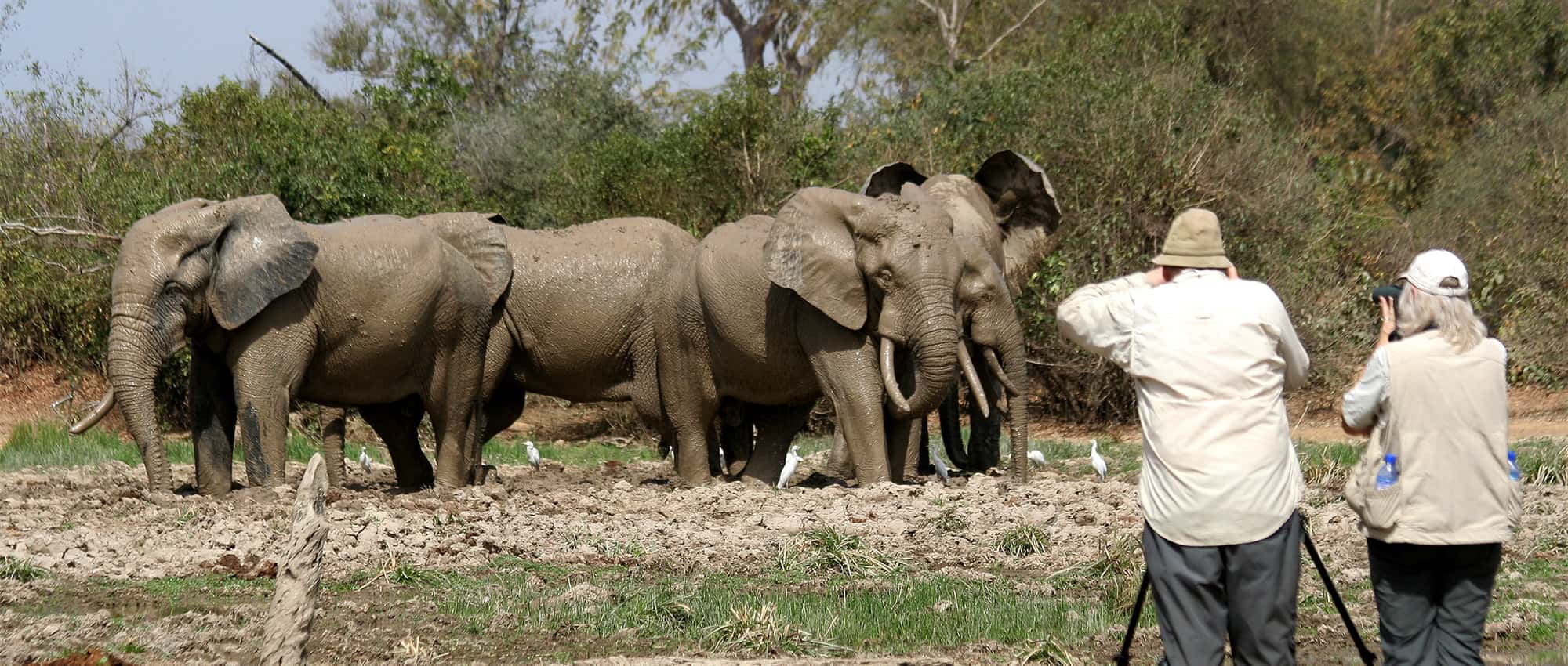
The African elephant, often encountered in large herds, becomes a central figure, its sheer size and majesty filling the frame. Buffalo, numbering in their thousands, sweep across the plains like living rivers, their movements best captured in wide-angle shots that emphasize both scale and density. Lions, frequently seen resting under acacias or surveying the Narus Valley, present moments of dramatic stillness, their golden eyes piercing through the lens with a quiet intensity.

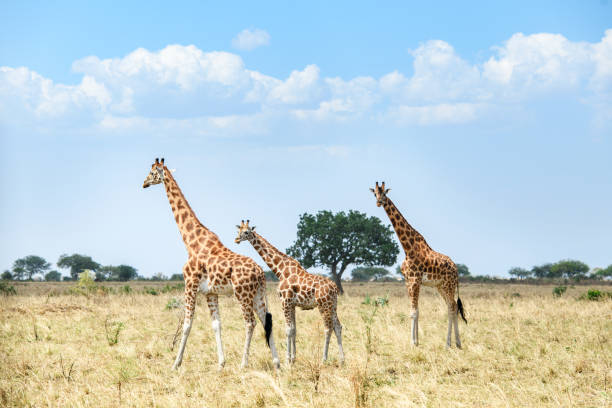
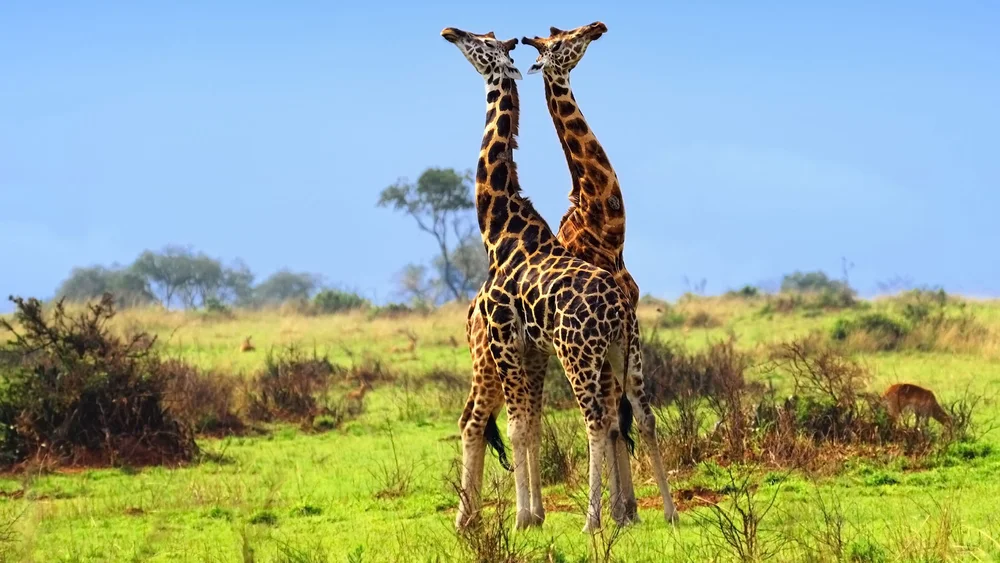
Perhaps the most treasured photographic subject in Kidepo is the cheetah, which is uniquely found in this region of Uganda. Its speed, grace, and rarity make every sighting a prized opportunity, though patience and readiness are essential to capture its elusive movements. Other predators, including leopards and hyenas, add depth to the photographic narrative, while giraffes, zebras, and hartebeests lend elegance and rhythm to the visual story of the savannah.

The birdlife is equally compelling, with over 470 recorded species. The ostrich, absent from most other Ugandan parks, struts across the plains in regal fashion, while the Kori bustard, Africa’s heaviest flying bird, challenges photographers to capture its grandeur in flight. Eagles, vultures, and colorful bee-eaters provide opportunities for both action photography and artistic compositions that celebrate avian diversity.Photography Safari in Kidepo: Capturing Untamed Wilderness
The Human Element: Portraits of Culture

While wildlife and landscapes dominate the lens in Kidepo, the human element adds profound depth to the photographic journey. The Karamojong people, pastoralists who inhabit the lands surrounding the park, present an opportunity for cultural photography that complements the wilderness imagery.

Their traditional attire, adorned with beads, spears, and vibrant fabrics, provides striking contrasts against the muted tones of the savannah. Manyattas, the traditional homestead structures, frame daily life in patterns that are both visually appealing and culturally significant. Portraits of elders, herders, and children capture not only faces but also centuries of resilience and tradition.

Photographers must approach these moments with respect and sensitivity, ensuring that their images honor the dignity and heritage of the Karamojong. When done with care, these photographs become more than visual records; they transform into bridges of understanding between cultures.

Techniques for the Untamed

Photographing Kidepo requires both technical skill and creative vision. The constantly shifting light demands careful control of exposure, while the unpredictability of wildlife insists on quick reflexes and readiness. Telephoto lenses are essential for intimate animal portraits, while wide-angle lenses are indispensable for capturing the grandeur of landscapes and herds.

The dusty environment challenges equipment, requiring protective covers and frequent cleaning to ensure clarity. Patience becomes the most valuable tool, as the best images often arise from hours of quiet observation rather than hurried pursuit. The unique topography of Kidepo, from its sweeping plains to its dramatic escarpments, calls for experimentation with composition, angles, and depth, ensuring that every frame reflects both the majesty of the subject and the character of its surroundings.

Seasons of Opportunity

A photography safari in Kidepo is profoundly shaped by the seasons, each offering distinct opportunities for the lens. During the dry season, which stretches from September to March, wildlife congregates around the remaining water sources, making encounters frequent and concentrated. The dry grasslands take on golden tones, which frame animals against backgrounds of striking clarity.

In the wet season, from April to August, the park is transformed into a lush green paradise. Dramatic skies filled with clouds, vibrant vegetation, and the presence of migratory birds expand photographic subjects. While roads may become more challenging, the photographic rewards include a richness of color and atmosphere unmatched at any other time of year.

Both seasons, therefore, hold value, and the choice of timing depends on whether one seeks the stark drama of survival in the dry months or the lush vibrancy of renewal during the rains.

The Solitude Advantage

Perhaps the greatest gift to photographers in Kidepo is the solitude. Unlike other renowned parks where dozens of vehicles crowd around a single predator, Kidepo offers encounters in near silence. The photographer becomes immersed in the scene without distraction, able to wait for the perfect light, angle, or expression without interruption.

This solitude allows for creativity to flourish. Landscapes can be photographed without intrusion, wildlife can be documented in its natural behavior, and cultural encounters can be approached with authenticity. The absence of mass tourism transforms each photograph into a personal dialogue between the photographer and the subject, unmediated by the presence of others.

Beyond the Lens: Emotional Impact

While photographs capture the visual essence of Kidepo, the experience of creating them leaves a profound emotional imprint. Each image carries the memory of silence, the sound of rustling grass, the distant call of a bird, or the gaze of an animal meeting the lens. In this way, photography becomes not merely an act of recording but an act of connection.

The road to Kidepo, the patience required within its valleys, and the respect demanded by its culture ensure that each photograph is earned. The resulting portfolio is not simply a collection of images but a narrative of discovery, solitude, and reverence for one of Africa’s last truly untamed wildernesses.

Framing the Untamed

A photography safari in Kidepo Valley National Park is an experience unlike any other. It combines the grandeur of landscapes, the thrill of wildlife, the vibrancy of culture, and the rare gift of solitude into a journey that resonates both visually and emotionally. Each image taken here tells a story—not just of what was seen, but of what was felt, endured, and cherished.

For those who seek to capture the untamed wilderness of Africa in its purest form, Kidepo stands as the ultimate destination. The road may be long, the conditions demanding, but the rewards are timeless. Every frame becomes a window into Uganda’s wild north, a testimony to its beauty and resilience.

To ensure that this once-in-a-lifetime journey is lived and captured with ease, professionalism, and authenticity, it is highly recommended that travelers book their Africa tours and safaris with WildHorn Africa, whose expertise and dedication transform the challenge of Kidepo into a seamless and unforgettable adventure.

A Photographer’s Paradise: Capturing Murchison Falls National Park.

A Photographer’s Paradise: Capturing Murchison Falls National Park

By Travel stories and blogs, Family holidays, Luxury holidays, Safari holidays, Special offers, Uganda travel guides, Wildlife holidays

A Photographer’s Paradise: Capturing Murchison Falls National Park

Where Every Frame Tells a Story

In the heart of northern Uganda, where the River Nile surges through a narrow gorge before plunging in a thunderous cascade, a landscape of unparalleled beauty and raw power unfolds. This is Murchison Falls National Park, a sanctuary where wildlife thrives amidst dramatic rivers, lush savannahs, and verdant forests. For photographers, it is more than a destination; it is a living canvas, where every moment, every angle, and every encounter holds the potential for a perfect shot.

The park’s iconic waterfall, which forces the Nile through a seven-meter-wide chasm before descending into a mist-filled pool, serves as both subject and backdrop for countless photographic opportunities. Yet Murchison Falls is more than its waterfall. The park’s ecosystems host an extraordinary diversity of wildlife, from elephants and lions to hippos and crocodiles, while over 450 bird species provide bursts of color and movement that challenge even the most skilled photographer. Capturing the essence of this park requires understanding not only composition and light but also the rhythms of wildlife and the nuances of Uganda’s climate.

This guide explores the art of photographing Murchison Falls National Park, covering the best locations, techniques, timing, and equipment, offering photographers—from enthusiasts to professionals—a comprehensive roadmap for capturing this East African paradise.

Understanding the Landscape: The Foundation for Photography

To capture Murchison Falls successfully, it is essential to first understand the landscape. The park encompasses savannah plains, riverine forests, wetlands, and the dramatic Nile Gorge. Each ecosystem provides different photographic opportunities and challenges.

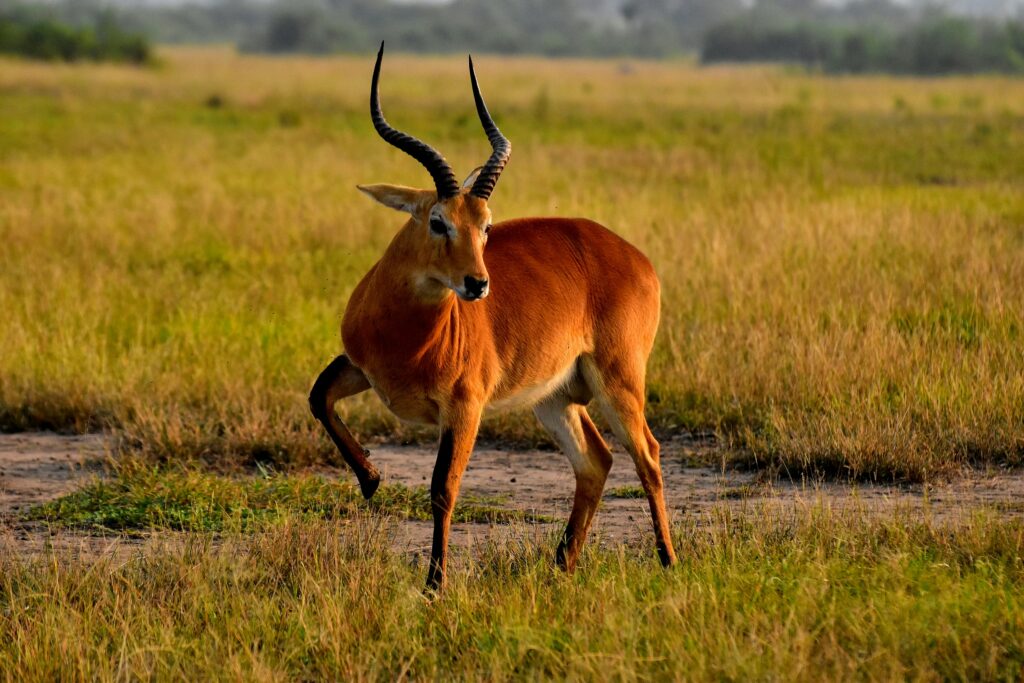
The savannah plains, stretching across the northern and southern sectors, are ideal for wide-angle shots that showcase large herds of elephants, buffaloes, and Uganda kobs against sweeping horizons. Early mornings and late afternoons produce soft, golden light, enhancing the warm tones of the grass and accentuating shadows.

Riverine forests and wetlands offer intimate and dynamic compositions, where birds, primates, and smaller mammals can be photographed in their natural habitats. Here, patience is rewarded, as shafts of sunlight penetrate the canopy, illuminating subjects in a natural spotlight.

The Nile Gorge and Murchison Falls themselves demand dramatic perspectives, with mist, water flow, and rock formations creating both technical challenges and artistic possibilities. The contrast between the power of falling water and the serenity of the surrounding forest provides a narrative of energy and tranquility, which can be captured through careful framing, exposure adjustments, and timing.

Timing Your Photography: Seasons and Light

In photography, timing is crucial. In Murchison Falls, the dry and wet seasons influence both wildlife behavior and photographic conditions. The dry season, from December to February and June to September, allows for easier access to roads and game drives, making wildlife more concentrated near permanent water sources. This results in clearer compositions and higher probabilities of capturing iconic animals such as lions, giraffes, and elephants in natural, unobstructed settings.

The wet season, from March to May and October to November, transforms the park into a lush green haven. The challenge of photographing animals in denser foliage is offset by vibrant colors, flowing rivers, and increased activity among birds and smaller species. Migratory birds arrive during these months, offering unparalleled opportunities for ornithological photography.

The golden hours of early morning and late afternoon are critical for all seasons. Low-angle light creates dramatic contrasts, highlights textures in the landscape, and provides soft illumination for wildlife, reducing harsh shadows and overexposure. Midday light, while harsher, can be used creatively to capture the sparkle of the Nile or the mist rising from Murchison Falls.

Wildlife Photography: Patience and Precision

Murchison Falls’ wildlife is abundant and diverse, making it a paradise for photographers seeking both grandeur and subtlety. Elephants, often observed in large herds, provide dramatic opportunities when photographed against open plains or silhouetted at sunset. Lions and leopards require stealth and timing, as they are most active during early mornings and late evenings.

Smaller species, such as Uganda kobs, hartebeests, and warthogs, offer opportunities for dynamic action shots, capturing movement and social interactions. Primates, including baboons and vervet monkeys, can be found in forested areas, allowing photographers to practice framing and depth of field to highlight individual behaviors within the group.

Bird photography is particularly rewarding, as the park hosts over 450 species. Raptors, waterfowl, and colorful passerines provide both action and detail shots. The shoebill stork, one of Uganda’s most iconic birds, presents a coveted subject, best captured in its wetland habitats during calm mornings when the bird is stationary and reflective waters enhance the composition.A Photographer’s Paradise: Capturing Murchison Falls National Park.

Techniques for Capturing the Falls and River Landscapes

Murchison Falls and the Nile Gorge are dynamic subjects that require specific techniques. Long exposure photography can transform the torrent of falling water into a silky, ethereal effect, while careful use of filters can balance exposure between bright skies and darker riverbanks. Wide-angle lenses are recommended for capturing the scale of the gorge and surrounding landscapes, emphasizing the contrast between the immense waterfall and the smaller, yet vibrant, details of the flora and fauna.

Aerial photography via drones or hot air balloons provides a unique vantage point, allowing for panoramic compositions that reveal the interplay between the river, wildlife, and vegetation. Balloon safaris are particularly effective during dry seasons, when visibility is optimal and animals are concentrated in easily observable areas.

Equipment Considerations

Photographers visiting Murchison Falls are advised to bring versatile equipment to accommodate diverse subjects. Telephoto lenses, ideally 300mm or longer, are essential for wildlife photography, allowing close-up shots without disturbing animals. Wide-angle lenses, ranging from 14mm to 35mm, are recommended for landscapes, river vistas, and waterfall compositions.

Tripods are crucial for long exposures and low-light conditions, especially near the falls or during early morning and late evening game drives. Filters, including polarizers and neutral density filters, help manage glare, enhance color saturation, and allow for creative exposure effects.

Drones can offer aerial perspectives, though their use must comply with park regulations and local laws. Backup batteries and memory cards are strongly advised, as the abundance of photographic opportunities can quickly deplete resources.

Composition and Storytelling

Effective wildlife and landscape photography requires more than technical skill—it requires storytelling. Murchison Falls provides abundant material to weave narratives: a lion surveying the plains at sunrise, hippos submerged in the calm river, or elephants drinking along the Nile at dusk. The key is to consider foreground, midground, and background, using natural elements such as trees, rocks, and water reflections to create depth and context.

Capturing behavior is as important as capturing beauty. Documenting hunting sequences, social interactions among elephants, or bird feeding behaviors adds life to images and provides insight into the ecosystems within the park. The interplay of light, movement, and environment is central to creating compelling photographs that convey both the grandeur and subtlety of the African wilderness.

Lodges and Photography Access

Strategically located lodges enhance photographic opportunities. Many luxury and mid-range lodges are positioned along the River Nile, providing sunrise and sunset vistas directly from accommodations. These lodges often offer guided excursions tailored for photographers, including early morning boat cruises, specialized game drives, and access to hidden viewpoints near Murchison Falls.

The combination of expert guides, lodge proximity, and infrastructure ensures that photographers can maximize their time in the field, capturing fleeting wildlife moments and dynamic landscapes without compromising safety or comfort.

Conservation and Ethical Photography

Ethical considerations are paramount in photographing Murchison Falls. Maintaining distance from wildlife, avoiding disturbance during critical behaviors such as feeding or breeding, and respecting park regulations are essential. Photography should enhance appreciation of the environment rather than interfere with it.

Many lodges and safari operators actively support conservation initiatives, encouraging guests to engage responsibly with wildlife and local communities. Ethical photography not only preserves the park’s integrity but also ensures that future visitors can experience the same abundance and beauty.

Planning Your Photographic Safari

A successful photographic safari in Murchison Falls requires meticulous planning. Selecting the best season, understanding animal behavior, coordinating accommodations, and hiring knowledgeable guides all contribute to the quality of the photographic experience. The dry season may favor wide-angle shots of large mammals, while the wet season enhances birding and lush landscape photography.

Photographers should allocate sufficient time for early morning and late afternoon excursions, allowing for soft light and dynamic animal activity. Boat cruises and hot air balloon safaris provide complementary perspectives, expanding the range of subjects and angles available for capture.

Immortalizing the Wild

Murchison Falls National Park is more than a destination; it is a photographer’s paradise, where every frame tells a story of power, grace, and ecological diversity. From the roaring falls to the sweeping savannahs, from intimate wildlife interactions to dramatic river landscapes, the park offers endless opportunities to capture the essence of Africa.

To ensure a seamless and enriching experience, it is highly recommended to book safaris through WildHorn Africa. With expertise in crafting personalized photographic itineraries, guided excursions, and access to prime locations, WildHorn Africa allows photographers to focus on their craft while experiencing the unparalleled beauty of Murchison Falls. Through their guidance, every moment in the park can be transformed into a striking visual narrative that will be cherished for a lifetime.

Photography Safari Tips in Queen Elizabeth National Park

Photography Safari Tips in Queen Elizabeth National Park

By Travel stories and blogs, Luxury holidays, Safari holidays, Special offers, Uganda travel guides, Wildlife holidays

Photography Safari Tips in Queen Elizabeth National Park

Capturing the Untamed Beauty of Uganda

In the heart of Uganda, where the savannah stretches into distant horizons, volcanic craters shimmer with lakes, and the Kazinga Channel teems with wildlife, lies Queen Elizabeth National Park—a sanctuary not only for animals but also for photographers seeking to encapsulate the essence of Africa. Photography safaris in this iconic park offer a rare opportunity to observe and preserve moments that blend nature’s artistry with untamed behavior.

For enthusiasts and professionals alike, a safari in Queen Elizabeth is not merely a photographic pursuit; it is an educational journey, an exercise in patience, observation, and understanding of ecological dynamics. First-time photographers may initially be overwhelmed by the abundance of subjects—from tree-climbing lions in Ishasha to hippos wallowing in the Kazinga Channel—but with preparation, guidance, and awareness, every encounter can become a lasting memory captured through the lens.

Photographic opportunities are endless, but they demand more than equipment alone. Knowledge of animal behavior, light, composition, and ethical considerations ensures that every image reflects both artistic merit and respect for wildlife. This article provides a comprehensive guide for maximizing photography experiences in Queen Elizabeth National Park, offering insights into preparation, technique, and the unique challenges of safari photography.

Understanding the Landscape and Lighting

The landscape of Queen Elizabeth National Park is extraordinarily diverse, encompassing savannahs, wetlands, crater lakes, riverine forests, and the Ishasha plains. Each ecosystem presents distinct photographic possibilities and challenges. The wide-open savannahs of Kasenyi provide panoramic vistas, allowing photographers to frame herds of elephants or prides of lions against dramatic skies. In contrast, the dense riverine forests and Kyambura Gorge require attention to lighting and composition to capture elusive species without disturbing their natural behavior.

Lighting plays a pivotal role in photography. Early mornings and late afternoons are universally preferred, as the sun casts a golden glow, illuminating the landscape and enhancing the texture and color of wildlife. Midday light can be harsh and flat, yet with proper exposure settings, it can reveal intricate details in fur, feathers, and landscapes. Understanding the interaction between light, shadow, and subject is essential for creating images that convey depth, drama, and authenticity.

Cloud cover, reflections on lakes, and the shimmer of the Kazinga Channel add further variables that must be anticipated. Photographers are encouraged to study the terrain, anticipate animal movement, and position themselves strategically to exploit natural light for dramatic effect.

Essential Equipment for Safari Photography

A successful photography safari in Queen Elizabeth requires thoughtful selection of equipment. Telephoto lenses, typically ranging from 200mm to 600mm, are indispensable for capturing detailed wildlife portraits while maintaining safe distances. Wide-angle lenses are equally valuable for landscape compositions, showing animals within their expansive habitats or framing iconic landmarks like crater lakes and the Kazinga Channel.

Tripods and monopods are optional but can enhance stability for low-light conditions or long telephoto shots. Camera settings must be adjusted to balance shutter speed, aperture, and ISO, particularly for fast-moving subjects such as lions in pursuit or birds in flight. Filters may also be employed to manage reflections, glare, or harsh sunlight, and backup batteries and memory cards are critical for uninterrupted shooting in remote areas.

First-time photographers often underestimate the importance of mobility. Safari vehicles are frequently in motion, and wildlife can appear unexpectedly. Equipment must be easily accessible, securely mounted, and adaptable to rapid changes in positioning, ensuring that no moment is missed.

Approaching Wildlife: Patience and Observation

Successful wildlife photography in Queen Elizabeth is rooted in patience and observation. Animals behave unpredictably, and premature attempts to photograph them can lead to missed opportunities or disturbance. Guides play a crucial role in interpreting animal behavior, indicating moments when a lion pride may emerge from the shade, a herd of elephants may cross the plains, or a shoebill may strike at its prey in the papyrus swamps.

Observation extends beyond mere sight. Listening to rustles in the grass, understanding the social hierarchy within predator groups, and anticipating migratory patterns of herbivores are all essential skills. First-time photographers are often guided to watch quietly, adjust lens settings in advance, and remain prepared for sudden action, ensuring that images are authentic and unobtrusive.

Ethical considerations also govern approach. Wildlife should never be provoked, cornered, or distracted for the sake of a photograph. The preservation of natural behavior and safety for both photographer and subject is paramount, and adherence to these principles distinguishes professional wildlife photography from casual snapshots.Photography Safari Tips in Queen Elizabeth National Park

Composition and Storytelling in Safari Photography

Capturing compelling images goes beyond technical proficiency; it requires an understanding of composition and storytelling. Queen Elizabeth’s diverse habitats allow for creative framing, whether juxtaposing the vast savannah with a solitary elephant, highlighting predator-prey interactions, or using reflections in crater lakes to evoke serenity.

Foreground, middle ground, and background elements are carefully considered to convey depth. Leading lines, such as riverbanks, paths, or tree trunks, guide the viewer’s eye through the frame. The rule of thirds is applied to emphasize focal points, whether a lion’s gaze, a bird in mid-flight, or the elegant curve of a crocodile’s back emerging from the water.

Storytelling extends to sequencing. A series of images can narrate an entire safari day—sunrise over the plains, a lion hunt, elephants drinking at the river, hippos submerged at dusk, and nightfall on the savannah. By combining technical mastery with narrative sensibility, photographers create images that resonate emotionally and aesthetically, capturing not just subjects but moments in time.

Specialized Techniques for Iconic Subjects

Certain species and behaviors in Queen Elizabeth require specialized photographic techniques. Lions in Ishasha, for instance, demand telephoto lenses to capture tree-climbing behavior without disturbing the animals. Slow shutter speeds may be employed creatively to convey motion when a lion stretches or yawns, while faster shutter speeds freeze sudden movements.

Bird photography, particularly of elusive species like the shoebill stork or African fish eagle, requires anticipation, rapid autofocus, and careful composition to capture action without spooking the bird. Water reflections, flight paths, and lighting angles all influence final results. Patience is rewarded with images that reveal behavioral intricacies and the elegance of flight or predation.

Elephants and buffalo herds also present opportunities for dynamic group shots. Photographers are guided to select vantage points that capture scale, depth, and movement, sometimes employing panoramic techniques to encompass entire herds against sweeping landscapes.

Capturing Landscapes and Ecosystems

While wildlife is central, Queen Elizabeth’s landscapes are integral to the photographic narrative. Crater lakes, the Kazinga Channel, savannah expanses, and forested gorges provide context and contrast. Sunrise and sunset light enhance textures, shadows, and colors, while atmospheric conditions—mist rising from lakes, storm clouds over plains—add drama and mood.

Photographers are encouraged to integrate environmental elements with wildlife subjects, creating images that illustrate the interaction between species and habitat. This approach elevates photographs from simple portraits to holistic representations of ecological systems, conveying the interconnectedness of life within the park.

Practical Considerations: Vehicles, Timing, and Safety

Safari vehicles in Queen Elizabeth are adapted for photography, often featuring elevated seats and open roofs to allow unobstructed views. First-time photographers are advised to position themselves strategically, anticipate wildlife movement, and minimize sudden shifts that might disturb animals. Coordination with guides ensures optimal timing and placement.

Timing is crucial. Early mornings and late afternoons offer optimal light and peak wildlife activity, while midday drives may focus on shaded habitats, birdlife, or water-based species. Safety is paramount; photographers must remain in vehicles unless accompanied by guides during controlled walking safaris, and maintain respectful distances from large or potentially dangerous animals.

Post-Processing and Image Enhancement

After capturing images, post-processing becomes an essential step. Adjustments to exposure, contrast, color balance, and sharpness can enhance the clarity and impact of photographs while maintaining authenticity. For wildlife images, care is taken not to manipulate scenes unrealistically; the goal is to convey nature’s beauty accurately while emphasizing composition and detail.

Organizing and cataloging images according to species, location, and behavior aids both personal use and professional portfolios. First-time safari photographers are often encouraged to maintain journals, noting conditions, animal behavior, and photographic techniques employed, fostering continuous learning and improvement.

Ethical and Responsible Photography

Responsible photography underpins every aspect of safari work in Queen Elizabeth. Wildlife should not be coerced or enticed for images, and habitats must remain undisturbed. Guides enforce codes of conduct that protect both visitors and animals, ensuring that photography supports conservation rather than exploitation.

Respect extends to local communities as well. When photographing villages or cultural activities, permission and sensitivity are required, ensuring that representation is accurate, respectful, and mutually beneficial. Ethical engagement strengthens both the visitor experience and the integrity of the park’s social and ecological systems.

The Emotional and Educational Impact

Photography safaris in Queen Elizabeth offer more than visual documentation; they foster emotional connection, mindfulness, and understanding of ecological relationships. Each image reflects hours of observation, patience, and immersion in the wilderness. For first-time photographers, the experience cultivates respect for wildlife, appreciation for ecosystems, and awareness of conservation challenges.

By combining artistic pursuit with ecological education, photography safaris elevate the safari experience into an enduring journey of personal and environmental enrichment. Images become narratives of Africa’s wild heart, preserved for both personal memory and broader awareness.

Immortalizing the Wild in Queen Elizabeth

Photography safaris in Queen Elizabeth National Park provide an unparalleled opportunity to capture the essence of Africa. From tree-climbing lions in Ishasha and hippos in the Kazinga Channel to flocks of birds and panoramic savannahs, every frame tells a story of life, adaptation, and beauty.

For enthusiasts and professionals alike, success is determined not solely by equipment, but by preparation, patience, ethical conduct, and a deep understanding of both wildlife and landscape. By adhering to these principles, every photographer can create images that are meaningful, authentic, and breathtaking.

To fully experience a photography safari in Queen Elizabeth, it is recommended that tours and safaris be arranged through WildHorn Africa. With their expertise, knowledge of wildlife behavior, and commitment to conservation, every safari becomes an opportunity to immortalize the wild while contributing to the preservation of Uganda’s extraordinary landscapes and biodiversity.

Close Menu