
search
how to protect yourself with prevention, medication, and travel safety tips. Travel confidently with WildHorn Africa safaris.

Are there malaria/mosquito risks in Uganda and how to protect myself?

By Travel stories and blogs, Uganda travel guides

Are There Malaria and Mosquito Risks in Uganda? | 2026 Uganda Health & Safari Guide

Uganda, fondly known as the Pearl of Africa, is a land of vibrant color, captivating wildlife, and deep natural beauty. From the mist-covered mountains of Bwindi to the sweeping savannahs of Murchison Falls, it is a country that beckons with adventure. Yet, beneath its charm lies a tropical environment that travelers must approach with informed awareness — particularly when it comes to mosquitoes and malaria.

Malaria is one of the most discussed topics among visitors planning a safari in Uganda. Questions often arise: Is malaria common? How can I stay safe? Should I take medication? These are not just practical questions but essential ones, as understanding mosquito-borne risks ensures that travelers enjoy their journey with confidence and peace of mind.

This in-depth guide explores the realities of malaria in Uganda, providing a balanced, factual, and comprehensive overview of prevention, protection, and practical strategies for staying healthy. With proper preparation and awareness, your safari experience in Uganda can remain safe, comfortable, and unforgettable.

Understanding Malaria and Its Presence in Uganda

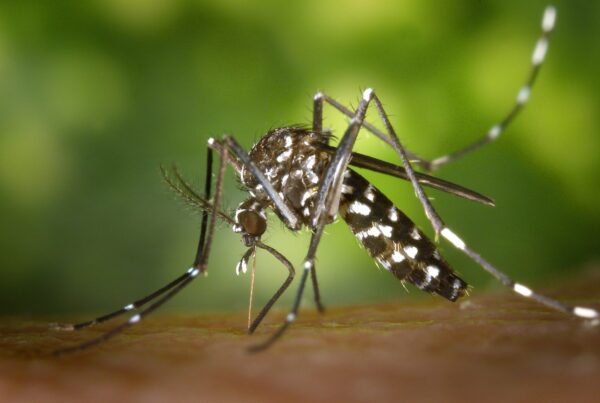
Malaria is a parasitic disease transmitted by the female Anopheles mosquito, which bites primarily at night. The parasite — Plasmodium falciparum being the most common strain in Africa — enters the bloodstream and infects red blood cells, leading to symptoms such as fever, chills, fatigue, headache, and nausea.

Uganda’s equatorial climate — warm temperatures, abundant rainfall, and lush vegetation — creates ideal conditions for mosquitoes to thrive. Malaria transmission occurs throughout the year, although intensity varies between regions. Low-lying and wetter areas, such as those around Lake Victoria, Queen Elizabeth National Park, and Murchison Falls, tend to have higher mosquito activity compared to higher-altitude zones like Kabale or Kisoro, where the cooler climate reduces breeding.

It is important to note that malaria in Uganda is preventable and treatable. Thousands of travelers visit every year — for gorilla trekking, safaris, and cultural experiences — without incident, thanks to proper precautions and medical preparation. With awareness and preventive action, the risk can be greatly minimized.

Assessing the Real Risk: How Common Is Malaria Among Travelers?

Malaria remains a public health concern in Uganda, primarily affecting local populations in rural areas. However, the risk to short-term travelers who follow medical advice and preventive measures is significantly lower than many assume.

Modern infrastructure, improved mosquito control efforts, and traveler education have greatly reduced malaria-related incidents. Safari lodges, especially in major tourism circuits, are well-equipped with mosquito nets, insect repellents, and screened rooms. Insect control programs have made safari zones safer than they were decades ago.

Nevertheless, mosquitoes are a reality in any tropical environment, and travelers should not underestimate them. Prevention is far more effective than cure, and the combination of medication, protective clothing, and environmental awareness forms the strongest defense.

The risk may vary slightly based on travel season. During the rainy months (March–May and September–November), mosquito activity tends to rise due to the increase in standing water. Dry-season travel (December–February and June–August) usually presents fewer mosquitoes, but protection should never be abandoned completely.

What matters most is not fear, but informed preparedness — an understanding that with the right protection, malaria need not cast a shadow over your adventure.

The Science of Prevention: How to Protect Yourself Effectively

Preventing malaria involves breaking the chain between mosquito and human. The goal is twofold: avoid bites and prevent infection even if a bite occurs. Travelers who combine both strategies achieve near-total protection.

Medical experts universally recommend antimalarial prophylaxis for anyone visiting Uganda. These medications, when taken correctly, reduce the risk of infection even if bitten by an infected mosquito. The most commonly prescribed include atovaquone-proguanil (Malarone), doxycycline, and mefloquine (Lariam) — each with specific dosage schedules and suitability depending on individual health conditions.

Consulting a travel health specialist before departure ensures the correct choice. Timing is crucial; medication should begin before arriving in Uganda, continue daily during the trip, and extend for a period afterward as prescribed. Skipping doses reduces effectiveness, so consistency is essential.

Yet, medication alone is not enough. Physical protection plays an equally vital role. Long-sleeved shirts, lightweight trousers, and closed shoes help reduce exposed skin, particularly during dusk and dawn when mosquitoes are most active. Applying mosquito repellent containing DEET, picaridin, or IR3535 further fortifies defense.

At night, sleeping under insecticide-treated bed nets ensures safety. Most reputable lodges and hotels in Uganda provide these as standard, often tucked around the bed and treated to repel and kill mosquitoes. For outdoor enthusiasts camping in remote regions, carrying personal nets or repellents provides additional security.

These measures, simple yet powerful, form a protective barrier between travelers and the threat of malaria. When used consistently, they turn a potential risk into a manageable detail — one that never interferes with the joy of exploration.

The Role of Environment and Accommodation in Mosquito Protection

Uganda’s hospitality industry understands travelers’ concerns about mosquitoes and malaria, and most safari lodges and hotels have adopted comprehensive mosquito control programs. The combination of environmental management, chemical control, and architectural design has significantly reduced mosquito presence in tourist areas.

Accommodations often use eco-friendly spraying methods and mosquito screens on windows and doors. Many also burn citronella or eucalyptus coils in outdoor spaces during the evening. Camps and lodges located near wetlands or riverbanks often employ drainage systems to minimize standing water where mosquitoes breed.

For travelers, choosing reputable lodges with established mosquito protection policies adds a layer of comfort and safety. Guides and staff are experienced in advising guests on the best practices — from when to apply repellent to how to properly use mosquito nets.

Urban hotels in cities such as Kampala, Entebbe, and Jinja generally pose lower risks compared to rural accommodations, but vigilance remains wise. Even a single bite can transmit malaria, so prevention should never be relaxed.

Awareness of one’s surroundings also helps. Avoiding outdoor exposure during the mosquito’s peak hours — around dawn and dusk — minimizes encounters. Simple adjustments in behavior, like dining indoors after sunset or keeping lodge lights dim, can make a noticeable difference.

Ultimately, mosquito protection in Uganda is not a struggle but a collaboration — between traveler, host, and environment — to ensure comfort and health without compromising the authenticity of the safari experience.

Beyond Malaria: Other Mosquito-Borne Illnesses

While malaria is the most prominent mosquito-borne disease in Uganda, it is not the only one. Other illnesses such as dengue fever, chikungunya, and yellow fever are present, though far less common among travelers.

Yellow fever, in particular, is notable because Uganda requires proof of yellow fever vaccination for all incoming visitors. The vaccine, administered once in a lifetime, offers long-term immunity. Ensuring that your vaccination certificate is valid and carried with your passport is both a legal and medical necessity.

For dengue and chikungunya, there are no vaccines, but prevention follows the same principles as malaria protection — avoiding mosquito bites through repellents, clothing, and nets. Fortunately, the risk of these diseases in major tourist regions remains relatively low.

Understanding these additional risks underscores the importance of general mosquito protection rather than focusing on malaria alone. By safeguarding against bites, travelers automatically reduce the chance of multiple potential infections.

Recognizing Symptoms: Acting Quickly and Wisely

Despite all precautions, travelers should remain attentive to their health during and after their trip. Early recognition of malaria symptoms allows for prompt treatment and full recovery.

The symptoms can appear anywhere between 7 to 30 days after a mosquito bite, sometimes even after returning home. Common signs include high fever, chills, headache, fatigue, muscle pain, and nausea. Because these symptoms resemble flu, travelers often dismiss them — a dangerous mistake.

Anyone who develops fever or flu-like symptoms during or after a trip to Uganda should seek medical attention immediately, informing the doctor about recent travel to a malaria-endemic area. Quick diagnostic tests can confirm infection, and modern treatments — primarily based on artemisinin combination therapy (ACT) — are highly effective when administered early.

The key is vigilance, not fear. Malaria is serious but entirely curable with timely care. Travelers who act quickly rarely experience complications.how to protect yourself with prevention, medication, and travel safety tips. Travel confidently with WildHorn Africa safaris.

Special Considerations for Different Travelers

Each traveler’s circumstances influence the approach to malaria prevention. Families traveling with children, for instance, must ensure that prescribed medication and repellents are appropriate for their age and weight. Pediatric formulations of antimalarials are available, and doctors can provide guidance on dosage.

Pregnant travelers should exercise extra caution, as malaria poses heightened risks to both mother and child. Specialized medical advice is crucial before travel, as some antimalarials are not recommended during pregnancy. Lodges in high-risk areas can provide enhanced mosquito control arrangements upon request.

For long-term visitors or expatriates, regular medical check-ups and consistent prophylaxis adherence remain vital. Locals in endemic areas may develop partial immunity, but foreign residents should never assume the same protection.

Adventure travelers, such as those trekking gorillas or camping near water bodies, should prioritize portable mosquito barriers, insect-proof tents, and treated clothing. These safeguards become especially important in remote areas where immediate medical access may be limited.

Each traveler type faces different levels of exposure, but the underlying principle remains universal: proactive prevention saves lives and ensures an uninterrupted journey.

The Role of Modern Medicine and Vaccination Efforts

Uganda has made remarkable progress in controlling malaria through a combination of public health campaigns, improved treatment access, and community education. The introduction of rapid diagnostic testing and widespread distribution of insecticide-treated nets has significantly reduced cases across the country.

Global efforts have also contributed. Research continues on malaria vaccines, and pilot programs in some African countries have shown promising results. While the vaccine is not yet widely available or a substitute for prophylaxis, its future integration could redefine malaria prevention for travelers and residents alike.

For now, reliance on proven strategies — prophylactic medication, repellents, and protective clothing — remains the foundation of safe travel. The synergy of modern medicine and personal discipline provides a shield strong enough to make malaria a preventable concern rather than an inevitable threat.

Myths and Misconceptions About Malaria in Uganda

Misunderstandings about malaria often lead to unnecessary anxiety or improper precautions. One common myth is that malaria can only occur in rural areas, yet mosquitoes thrive even in urban settings, particularly near vegetation or stagnant water. Another misconception is that a few days of prophylaxis are enough — in truth, the full prescribed course must be completed for maximum effectiveness.

Some travelers assume that repellents alone are sufficient, but without medication, protection remains incomplete. Conversely, others believe that medication alone negates the need for physical precautions, which is equally risky. A holistic approach combining both remains the gold standard.

It is also untrue that malaria immunity can be developed over short stays. Locals in endemic regions may acquire partial resistance over years, but visitors do not share this advantage. Each trip demands renewed protection.

Dispelling these myths empowers travelers with the clarity to make informed decisions and enjoy Uganda’s beauty without undue fear.

Practical Tips for Everyday Protection

Daily routines on safari can easily integrate mosquito protection without disrupting enjoyment. Applying repellent each morning and evening becomes as natural as putting on sunscreen. Wearing light-colored long sleeves during game drives not only protects from mosquitoes but also from the sun’s rays.

Evenings spent by the campfire or on lodge verandas can be enjoyed safely with repellent coils or citronella candles nearby. Keeping windows and doors closed after dark, or ensuring mosquito screens remain intact, helps maintain a bug-free sleeping environment.

Simple habits such as shaking out shoes and clothing before wearing them, and using insect-proof bags for storage, prevent unwanted surprises. Travelers quickly adapt to these routines, finding that they enhance rather than hinder their safari comfort.

The key is consistency — prevention works best when it becomes second nature.

Psychological Reassurance: Reframing Fear into Awareness

The mention of malaria often evokes apprehension among first-time travelers. Yet the reality is that with preparation, Uganda is no more dangerous than other tropical destinations. Fear is replaced by confidence when one understands the science of prevention.

Guides, lodges, and medical professionals across Uganda are experienced in assisting international visitors. Medical facilities in major towns like Kampala, Entebbe, and Fort Portal are equipped to handle malaria testing and treatment promptly. The travel industry operates with awareness and preparedness, ensuring that tourists are both protected and supported.

Approaching malaria prevention as a routine part of responsible travel — rather than a source of fear — transforms the narrative from risk to readiness. Awareness is not anxiety; it is empowerment.

The Reward of Preparedness: Health and Freedom

Traveling safely through Uganda means traveling freely — able to focus on the breathtaking encounters that define the country. When malaria prevention becomes a habit rather than a worry, the traveler’s mind opens fully to the beauty of the journey: the silverbacks of Bwindi, the roar of Murchison Falls, the golden plains of Kidepo at dusk.

Health protection is not a burden but a gateway to deeper enjoyment. It allows travelers to immerse themselves in Uganda’s experiences with peace of mind, knowing they have respected both nature’s wonder and its reality.

Conclusion: Protection as a Path to Adventure

Malaria and mosquitoes are a part of life in Uganda, but they are not barriers to exploration. With informed preparation, responsible travel habits, and medical guidance, they remain manageable and preventable. Uganda’s allure — its wildlife, culture, and warmth — far outweighs the minor inconvenience of taking precautions.

By understanding the risks and embracing protection, travelers not only safeguard their health but also honor the spirit of adventure that brings them to Africa in the first place.

For those seeking expert planning, safety, and unforgettable experiences, it is best to book their Africa tours and safaris with WildHorn Africa. With professional guidance, local expertise, and meticulous attention to traveler care, WildHorn Africa ensures that every moment in Uganda unfolds with both excitement and security.

Because the true essence of travel lies not in avoiding the wild, but in meeting it — wisely, courageously, and well prepared.

Safety Guide: Butiaba group tour for foodies

Safety Guide: Butiaba group tour for foodies

By Travel stories and blogs, Travel safety, Uganda travel guides

Safety Guide: Butiaba Group Tour for Foodies

On the northern shores of Lake Albert, in western Uganda, lies the fishing town of Butiaba. Though small in scale, its reputation stretches far beyond its borders, known for its vibrant fishing culture, its dramatic history tied to explorers and colonial expeditions, and its irresistible culinary identity shaped by fresh fish and local produce. For travelers who are food enthusiasts, Butiaba is more than a stop; it is a sensory destination where every meal tells a story, every bite carries cultural resonance, and every encounter reflects the character of Uganda’s Albertine region.

Yet, traveling as a group requires careful planning. Excitement can easily overshadow logistics, but without consideration for safety, health, and cultural respect, even the most delicious journey may leave unwanted memories. A successful foodie adventure in Butiaba must balance indulgence with precaution, ensuring that every member of the group experiences Uganda’s richness with confidence and peace of mind.

This guide, therefore, unfolds as both a culinary journey and a safety manual, tailored to groups eager to explore Butiaba’s gastronomic offerings without compromising their well-being. It details everything from navigating transport to understanding local customs, from savoring lakeside meals to staying vigilant about health, and from organizing group dynamics to ensuring responsible interaction with the community. In doing so, it creates a blueprint for a safe, memorable, and flavorful tour in Butiaba.

Understanding Butiaba: A Cultural and Culinary Overview

Before diving into the safety essentials, one must appreciate what makes Butiaba distinct. Historically, it was a key entry point during the colonial era, serving as a landing site for boats that carried explorers, missionaries, and traders. Its strategic location on Lake Albert made it a hub of interaction, blending cultures and leaving behind stories that still echo in local memory.

Culinary identity, however, defines Butiaba most vividly today. The Nile perch and tilapia that dominate its waters are transformed daily into dishes that capture both tradition and innovation. Smoked, grilled, stewed, or fried, the fish here is unmatched in freshness. Accompaniments such as matoke, cassava, groundnut sauce, and simsim paste enrich the meals, reflecting Uganda’s agricultural diversity. For a group of foodies, Butiaba is not simply a destination—it is a classroom, a kitchen, and a dining table under the open sky.

Butiaba’s charm lies not only in its meals but in the authenticity of the experience. Dining is often informal, taking place in local markets, roadside stalls, or lakeside huts, where cooks and fishermen work side by side. It is here that safety awareness becomes essential, for while authenticity enriches experience, it also demands attention to hygiene, environment, and respect for local rhythms.

Traveling Safely to Butiaba

Groups often begin their journey to Butiaba from Hoima or Masindi, with routes weaving through scenic countryside and forested areas. The journey itself sets the tone, yet road travel in Uganda requires preparation. Vehicles must be roadworthy, drivers experienced, and schedules flexible enough to accommodate weather changes or unexpected stops.

For groups, safety begins with choosing reliable transport providers. Roads to Butiaba can be uneven, especially during rainy seasons when floods and mudslides occasionally affect the Albertine region. Traveling during daylight hours is strongly advised, allowing drivers to navigate safely while giving travelers a chance to enjoy the unfolding landscapes.

Upon arrival in Butiaba, groups should remain together, particularly in public spaces like busy fish markets. Group cohesion ensures that members are not separated in unfamiliar environments and allows leaders or guides to monitor the safety of all participants. It is in the act of arriving well-prepared that the foundation for a safe foodie tour is laid.

Food Safety: The Core of a Culinary Journey

For foodies, Butiaba’s greatest treasure is its cuisine, yet safety at the table is as important as taste. The freshness of fish is undeniable, often caught only hours before it is served. However, preparation methods, cooking standards, and hygiene practices vary. Groups must therefore navigate with curiosity balanced by caution.

Meals are safest when fish is thoroughly cooked, whether smoked, grilled, or stewed. Undercooked or improperly handled seafood can cause discomfort, especially for travelers unaccustomed to local bacteria. Group leaders should encourage members to eat at reputable restaurants, recommended stalls, or lodges known for cleanliness. This not only supports safe dining but also contributes to the local economy by rewarding establishments that uphold high standards.

Hydration is also central to safety. Bottled water is widely available, but groups should ensure it is sealed before purchase. Drinking directly from the lake or relying on untreated sources should be avoided. Similarly, fruits and vegetables sold in markets should be washed or peeled before consumption. For groups, designating a responsible member to oversee these checks often proves effective.

Street food, such as fried fish snacks or roasted maize, adds vibrancy to Butiaba’s culinary experience. Yet here, moderation and mindfulness matter. Sampling is encouraged, but excessive consumption of unfamiliar foods may overwhelm stomachs unprepared for Uganda’s spice blends or cooking oils. The rule of food safety is simple but vital: indulge, but remain vigilant.

Group Dynamics and Safety in Numbers

Traveling as a group to Butiaba offers both opportunities and challenges. On the one hand, groups benefit from safety in numbers. Moving together deters petty theft, ensures mutual support, and creates a shared experience that heightens enjoyment. On the other hand, larger groups require careful organization to avoid confusion, delays, or overlooked safety practices.

Clear communication is critical. Group leaders should set meeting points in Butiaba, particularly at busy sites like fish markets or docks. Head counts before departure and after meals ensure that no member is unintentionally left behind. Groups that assign roles—such as a health coordinator, a photographer, or a logistics monitor—often manage their tours more smoothly.Safety Guide: Butiaba group tour for foodies

For foodies, sharing meals in groups enhances both safety and bonding. Platters of grilled fish, bowls of groundnut sauce, and trays of steamed matoke encourage communal dining, reflecting Uganda’s cultural emphasis on togetherness. Group dining also reduces risk, as reputable establishments are more inclined to prepare meals for larger groups with greater care.

Health and Hygiene Precautions

Beyond food safety, general health precautions shape a safe Butiaba tour. Western Uganda lies in a region where malaria is common; groups should travel prepared with mosquito repellents, long-sleeved clothing for evenings, and, where advised, prophylactic medication. Lodges and guesthouses around Butiaba often provide mosquito nets, but groups should confirm this before booking.

First aid preparation is indispensable. Groups should carry basic medical kits with bandages, antiseptics, pain relievers, and rehydration salts. While Butiaba has health centers, more advanced facilities are located in larger towns like Hoima, making preparedness crucial for quick response.

Sanitation awareness is equally vital. Hand hygiene before meals prevents unnecessary illness. Carrying sanitizers or wipes ensures that groups can enjoy street food and market visits without compromising health. For families traveling with children, extra caution in maintaining hygiene creates peace of mind for parents and caregivers.

Cultural Sensitivity and Safety

Safety is not only about physical well-being but also about cultural awareness. Butiaba is deeply rooted in fishing traditions, and respect for local customs ensures smooth interactions. Groups should approach markets and docks with curiosity but also humility, recognizing that these are not staged attractions but living workplaces for fishermen and vendors.

Photography, while tempting, should be approached with permission. Fishermen pulling in nets or women preparing fish in markets deserve respect for their labor. A smile and polite request before capturing moments often lead not only to consent but to shared conversations that enrich the experience.

Groups should also be mindful of language. While English is widely understood, greetings in the local dialect bring warmth and reduce barriers. Respect in words, gestures, and dress builds trust, ensuring that groups are welcomed rather than resented.

Cultural safety, in this sense, protects the spirit of the journey as much as physical safety protects the body.

Exploring Beyond Food: Balanced Group Adventures

While Butiaba is primarily known for its cuisine, groups often enrich their itineraries with explorations beyond the dining table. Boat rides on Lake Albert provide opportunities to see hippos, birds, and stunning views of the Congo’s distant shores. Community visits allow travelers to understand the lives of fishing families, their challenges, and their resilience.

For foodies, these experiences deepen context. The fish on the plate is no longer just a meal but part of a broader ecological and cultural cycle. Seeing fishermen cast nets at dawn or children helping prepare evening fires creates connections between food and the human hands behind it.

Safety during these explorations requires guides who understand the terrain, boats equipped with life jackets, and group leaders who monitor participation closely. Groups that balance food with gentle exploration often leave Butiaba with a fuller, richer understanding of its essence.

Best Times for a Safe Butiaba Tour

The rhythm of safety in Butiaba is also influenced by seasonality. The dry seasons, from December to February and June to August, provide the most comfortable conditions. Roads remain accessible, markets are lively, and boat rides across Lake Albert unfold smoothly.

During the rainy seasons, however, Butiaba experiences floods that may disrupt travel. Roads become slippery, and the lake’s waters grow unpredictable. While the town remains accessible, groups must prepare for delays, alternate routes, and weather adjustments. Those who plan ahead, scheduling flexible itineraries, continue to enjoy the richness of Butiaba even during wetter months.

Seasonality also shapes the food scene. Dry months often coincide with bustling fishing activity, offering groups abundant fresh catch. Rainy months bring fertile harvests of fruits and vegetables, adding vibrant accompaniments to fish-based meals. Knowing these cycles ensures that groups not only travel safely but also dine in harmony with nature’s rhythm.

Responsible Travel and Sustainability

A safe group foodie tour in Butiaba must also consider the sustainability of resources. Lake Albert, like many African lakes, faces challenges of overfishing and environmental strain. Groups are encouraged to dine responsibly, supporting establishments that source fish sustainably and respect community welfare.

Avoiding food waste is equally critical. Group dining can easily lead to excess, but planning portions and sharing meals ensures respect for both food and community. Groups can also contribute to sustainability by purchasing locally made crafts, supporting community initiatives, and engaging with fishermen in ways that honor rather than exploit their traditions.

Responsible travel, in this sense, enhances safety by ensuring harmony with both people and environment. It ensures that future generations of foodies will continue to find Butiaba as authentic and abundant as it is today.

Safety as the Flavor Enhancer

A group tour to Butiaba for foodies is more than a culinary indulgence; it is a journey into Uganda’s cultural heart, where every meal reflects the rhythms of lake, land, and life. Yet safety remains the silent ingredient that enhances every flavor. Without attention to food hygiene, health precautions, cultural sensitivity, and group organization, the experience risks being diminished. With safety woven into every step, however, the journey becomes a symphony of taste, laughter, and shared memory.

The checklist for groups is clear: travel with reliable transport, dine with awareness, maintain health vigilance, respect cultural rhythms, and embrace sustainability. In doing so, groups discover not only the flavors of Nile perch or groundnut sauce but also the deeper satisfaction of traveling responsibly and securely.

For travelers who dream of such seamless journeys—where safety, cuisine, and discovery converge—it is wise to trust partners who know the land, the people, and the details of group travel. That is why it is recommended to book your African tours and safaris through WildHorn Africa, ensuring that every Butiaba group foodie tour is designed with expertise, care, and a passion for creating unforgettable and secure adventures.

Wildlife Photography Tips at Ziwa Rhino Sanctuary: Safety Guide for photographers

Wildlife Photography Tips at Ziwa Rhino Sanctuary: Safety Guide for photographers

By Travel stories and blogs, Travel guides, Uganda travel guides

Wildlife Photography Tips at Ziwa Rhino Sanctuary: Safety Guide for Photographers

Where Conservation Meets the Lens

There is perhaps no greater thrill for a wildlife photographer than the opportunity to capture rare and endangered animals in their natural habitat. Among Uganda’s many treasures, the Ziwa Rhino Sanctuary stands as a beacon of hope, conservation, and discovery. Nestled along the Kampala–Gulu highway in Nakasongola District, this sanctuary is the only place in Uganda where visitors can encounter wild rhinos up close. For photographers, Ziwa provides a rare stage where artistry, patience, and respect for nature meet. Yet, photographing rhinos is not only about technical skill—it is about safety, awareness, and ethical engagement with the environment.

First-time photographers who enter the sanctuary often arrive with eager anticipation, cameras in hand and hearts racing. But the beauty of this sanctuary demands far more than enthusiasm. It requires a balance between artistic pursuit and personal safety. The following guide explores in detail how photographers can navigate Ziwa Rhino Sanctuary with skill, confidence, and care, ensuring that every captured image honors both wildlife and human responsibility.

Understanding the Landscape of Ziwa Rhino Sanctuary

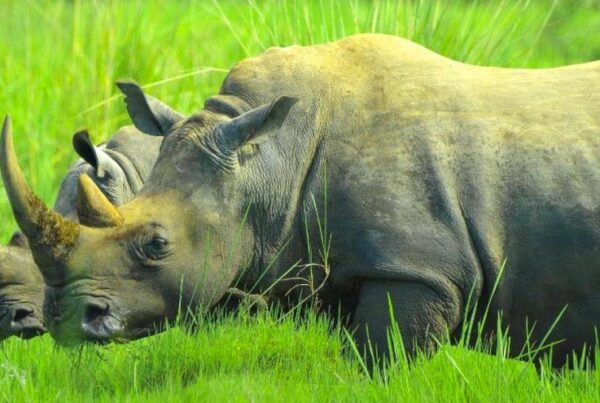
The sanctuary covers over 70 square kilometers of lush savannah and woodland vegetation, offering a secure environment for rhinos to thrive. Established as part of a national effort to reintroduce rhinos after extinction in the wild, Ziwa is home to both black and white rhinos, alongside a diverse array of wildlife including antelopes, bushbucks, monkeys, and an impressive array of bird species.

For photographers, this landscape provides multiple opportunities. The open savannah allows for wide-angle shots of rhinos grazing under acacia trees, while the thickets present challenges that demand patience and creative framing. The presence of wetlands adds to the diversity of photographic compositions, often reflecting the silhouettes of these gentle giants at dawn and dusk. However, this very diversity also demands an understanding of terrain, animal behavior, and guided exploration, all of which ensure both safety and photographic success.

Safety as the Foundation of Photography

It is often said that the most powerful wildlife photographs are taken by those who respect distance, silence, and the natural rhythm of animals. At Ziwa Rhino Sanctuary, this philosophy becomes non-negotiable. Rhinos, despite their calm appearance, are powerful animals capable of great speed and aggression when threatened. A photographer’s safety begins with following the guidance of trained rangers who accompany every trek.

Approaching rhinos without permission or ignoring safety protocols can turn a photographic moment into danger. The sanctuary’s rangers are trained not only to protect visitors but also to interpret rhino behavior, signaling when it is safe to capture images and when it is time to step back. Photographers must therefore view their camera not as a shield but as a tool that requires responsible use. Remaining calm, composed, and quiet during encounters ensures that rhinos remain undisturbed, allowing authentic and natural photographs to be captured.

The Art of Preparation: Gear and Positioning

Wildlife photography at Ziwa is not simply about pointing and clicking. It is about preparation that merges technical skill with environmental awareness. Carrying long telephoto lenses enables photographers to capture close-up details—such as the rugged texture of rhino skin or the softness of a calf’s gaze—while maintaining a safe distance. Tripods or monopods provide stability for low-light shots, especially during dawn and dusk when wildlife is most active.

Equally important is positioning. Moving silently and maintaining a low profile minimizes disturbance. Photographers are encouraged to crouch or remain at angles that do not challenge or provoke the rhinos. Shadows, wind direction, and background elements must all be considered to create compositions that are both safe and visually compelling. Preparation also extends to carrying sufficient batteries, memory cards, and protective coverings for gear, as the sanctuary’s weather can shift quickly from bright sunshine to sudden rain.

Reading Animal Behavior Through the Lens

Perhaps the most overlooked aspect of wildlife photography is the ability to interpret animal behavior. At Ziwa, rangers consistently emphasize the importance of observing before photographing. Rhinos communicate through body language: ears twitching, nostrils flaring, or tails flicking may indicate alertness or agitation. Understanding these signals ensures that a photographer does not intrude at critical moments.

Calves, often shielded by their mothers, must be approached with extreme caution, as maternal instincts can trigger defensive reactions. Patience becomes the photographer’s greatest ally. Sometimes the most extraordinary shots arise not from chasing a scene but from waiting silently, allowing the rhinos to move naturally into frame. By respecting behavior, photographers not only capture better images but also contribute to ethical storytelling that honors the sanctuary’s mission.

The Role of Light and Time

Ziwa Rhino Sanctuary offers a canvas where light transforms each moment into a masterpiece. Early mornings often bring soft golden hues that highlight the rhinos’ silhouettes against misty backdrops. Midday presents harsher light, demanding careful adjustment of settings to avoid overexposed images. Evenings deliver dramatic skies where shadows dance across the savannah, creating opportunities for breathtaking compositions.

Choosing the right time for photography is not just about aesthetics but also about safety. Morning and evening treks are often cooler, reducing animal agitation and ensuring a calmer atmosphere for observation. Photographers who align their work with these natural rhythms not only achieve stunning results but also ensure encounters occur in safer, more predictable conditions.

Balancing Creativity with Conservation Ethics

Wildlife photography is not an isolated pursuit of beauty; it carries the weight of responsibility. At Ziwa Rhino Sanctuary, each photograph becomes a voice in the story of conservation. By portraying rhinos with dignity and respect, photographers contribute to awareness campaigns that strengthen support for their protection.

Ethical practice demands that no shot is worth endangering either the photographer or the animal. Baiting, loud noises, or invasive movements are prohibited, as they compromise the sanctuary’s core mission. Photographers are encouraged to allow their images to tell stories of harmony rather than disturbance, showcasing rhinos in ways that inspire admiration and advocacy. This alignment between creativity and conservation not only produces meaningful art but also strengthens the global narrative of saving endangered species.

Immersing in the Full Experience

While rhinos remain the central attraction, Ziwa offers far more for photographers willing to explore beyond the giants. Over 300 bird species, including the shoebill stork, present unique opportunities for bird photography. Wetlands, forests, and open plains each reveal ecosystems that enrich the portfolio of any photographer. By diversifying subjects, visitors ensure that their time in the sanctuary is maximized, capturing not just rhinos but the interwoven fabric of life that defines Uganda’s wilderness.

Immersion also involves learning from rangers and community members whose stories bring depth to the photographs. Understanding the cultural and ecological significance of the sanctuary adds narrative power to images, transforming them from simple snapshots into testimonies of conservation success.

Best Practices for First-Time Visitors

For those setting foot in Ziwa Rhino Sanctuary for the first time, the journey is both humbling and exhilarating. Patience, preparation, and guidance form the backbone of success. The sanctuary’s rules are designed not to limit creativity but to protect both wildlife and visitors. By embracing these guidelines, photographers discover that safety enhances, rather than hinders, creativity.

Every detail, from walking softly on the trails to silencing camera shutters when necessary, becomes part of a greater discipline. This discipline fosters images that are not only striking but also respectful, reminding the world that art and safety coexist in the heart of conservation.

Capturing the Spirit of Ziwa Safely

The art of photographing wildlife at Ziwa Rhino Sanctuary is not defined solely by lenses or camera settings. It is defined by awareness, patience, and respect. Photographers who enter this sanctuary with humility discover that safety and artistry move hand in hand. Each image captured becomes a reflection of Uganda’s commitment to conservation and a personal testament to the beauty of coexistence.

Ziwa teaches that the best photographs are born when the photographer becomes invisible, allowing the rhinos to reveal themselves naturally. Through guided treks, patient observation, and ethical practice, first-time and seasoned photographers alike find the sanctuary to be both a challenge and a gift.

For those inspired to begin this journey, the most rewarding experiences are achieved when safaris are arranged with trusted experts. It is therefore highly recommended to book African tours and safaris through WildHorn Africa, a dedicated partner in creating safe, memorable, and transformative wildlife experiences.

Uganda elections

Uganda elections

By Travel stories and blogs, Uganda travel guides

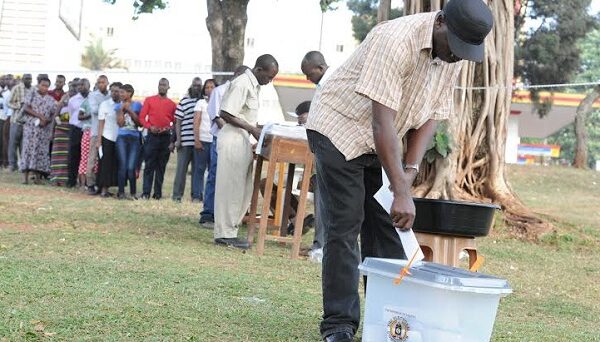
Uganda Elections

A Nation at the Crossroads of Democracy and Identity

In the heart of East Africa lies Uganda, a country whose political narrative continues to oscillate between resilience and complexity. As the country approaches each electoral cycle, the entire region and global observers are once again drawn to a political theatre that is as vibrant as it is contentious. Uganda’s elections are not just political events—they are defining moments, shaping the future of governance, civil society, and democratic space in the nation.

To understand Uganda’s elections is to peel back layers of history, ideology, constitutional reform, regional dynamics, and the enduring hope of a population striving for representative governance. It is a story of endurance, contestation, and a battle for legitimacy in a country often standing at the intersection of tradition and modern governance.

The Historical Landscape of Ugandan Electoral Politics

The origins of electoral democracy in Uganda are rooted in the country’s independence from British colonial rule in 1962. Early efforts to establish a multiparty democracy were hampered by internal strife and successive military coups, notably under Idi Amin and later during the civil unrest of the 1980s. It wasn’t until 1986, when the National Resistance Movement (NRM) led by Yoweri Kaguta Museveni came to power, that a semblance of political stability began to take hold.

Elections under the NRM were initially non-party based, conducted under what was known as the “Movement system.” Political pluralism was suspended in favor of a system intended to build unity and avoid sectarian divisions. However, this system was criticized for marginalizing dissent and concentrating power. It was not until the 2005 constitutional referendum that multi-party politics were officially reintroduced, a shift that reopened Uganda’s political landscape to opposition parties and competitive elections.

The Electoral Process: Institutions and Frameworks

The body tasked with administering elections in Uganda is the Electoral Commission (EC), a constitutionally mandated institution with the responsibility of organizing free and fair elections. While the EC is legally autonomous, it has often been perceived by the opposition and civil society as aligned with the ruling government. These perceptions, whether accurate or not, have significantly affected public trust in the electoral process.

Voter registration in Uganda is facilitated through a biometric system, intended to enhance credibility and reduce cases of electoral fraud. Candidates for parliamentary and presidential positions are nominated following a detailed process, requiring specific qualifications and clearance by the EC. Campaign periods are regulated, although enforcement has often appeared inconsistent, particularly with regard to incumbents who enjoy significant state resources.

The legal framework governing Uganda’s elections is embedded in the 1995 Constitution and supplemented by several pieces of legislation, including the Presidential Elections Act and the Parliamentary Elections Act. Despite the presence of these legal safeguards, concerns have persisted over the manipulation of laws to favor incumbency, the use of security apparatus to intimidate political opponents, and the lack of a level playing field.

Presidential Elections and the Shadow of Incumbency

One of the most defining characteristics of Uganda’s elections has been the dominance of a single political figure—President Yoweri Museveni. Having assumed office in 1986, Museveni has presided over six consecutive presidential terms, each marked by a mixture of electoral success, legal controversy, and opposition suppression. Amendments to the constitution, including the removal of term limits in 2005 and the lifting of the presidential age limit in 2017, have effectively extended his grip on power.

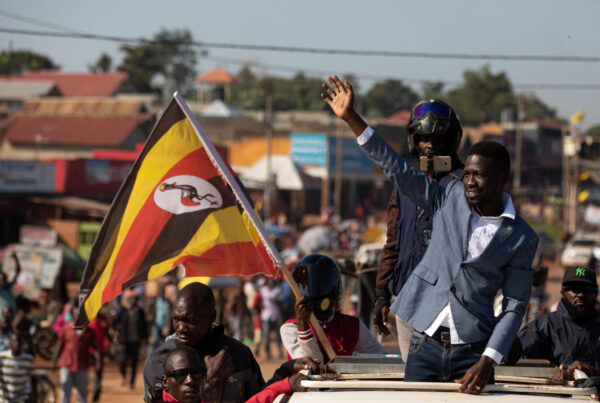
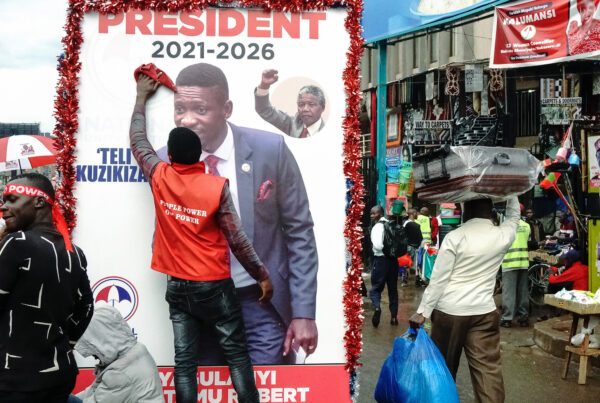
Every electoral cycle since 2001 has witnessed increasing tension between the ruling NRM and various opposition candidates, most notably Dr. Kizza Besigye and later Robert Kyagulanyi, popularly known as Bobi Wine. The 2021 general elections marked a pivotal moment in Uganda’s political evolution, with Bobi Wine galvanizing a youthful electorate frustrated by unemployment, corruption, and authoritarianism. While Museveni was declared winner by the Electoral Commission, the election was marred by reports of violence, internet blackouts, arbitrary arrests, and restricted media access.

The Role of Opposition and Civil Society

Opposition politics in Uganda has often existed under duress. Parties such as the Forum for Democratic Change (FDC), Democratic Party (DP), and National Unity Platform (NUP) have played a critical role in expanding political discourse and advocating for reform, but their operations have frequently been curtailed by restrictive laws, harassment, and limited access to public resources.

Civil society organizations and human rights defenders have acted as watchdogs, documenting electoral abuses and calling for international oversight. However, their space has been increasingly constrained, especially around election seasons. Laws governing NGOs have been tightened, and several organizations have faced suspension or deregistration for alleged political involvement.

Despite these challenges, civil society remains a crucial pillar in Uganda’s democratic fabric, continuing to engage in voter education, legal aid, and electoral observation.

Media, Technology, and Public Discourse

Media freedom, a cornerstone of democratic elections, has been a double-edged sword in Uganda. While independent media houses have emerged, offering critical perspectives and investigative journalism, many outlets operate under fear of censorship or closure. Journalists covering opposition rallies have faced harassment, arrests, and violence, particularly during sensitive political periods.

Technology has also played an increasingly pivotal role. Social media platforms such as Twitter (now X), Facebook, and WhatsApp have become essential tools for political mobilization, citizen engagement, and real-time reporting. However, the state has often responded with nationwide internet shutdowns, surveillance, and the arrest of digital activists. These actions raise serious questions about the balance between national security and individual rights in the digital age.

Electoral Violence and Security Forces

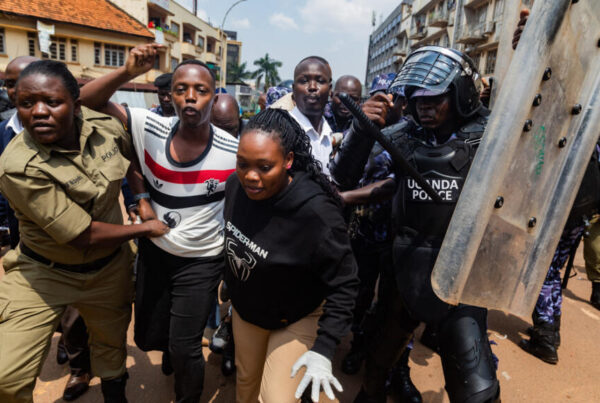
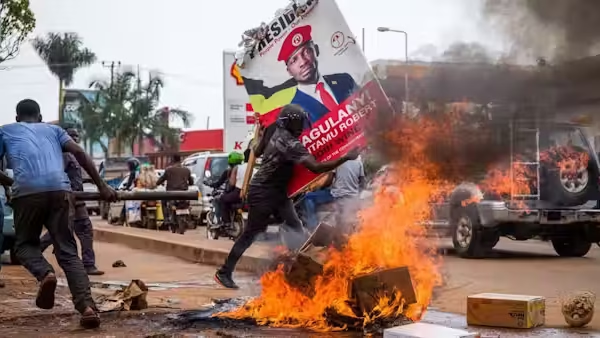
One of the most troubling aspects of Uganda’s elections has been the recurring pattern of electoral violence and the militarization of politics. Security forces—especially the military and police—have often been deployed under the pretext of maintaining law and order but have been accused of excessive force, unlawful detentions, and political intimidation.

The 2021 elections saw a particularly violent crackdown on opposition supporters, with scores killed and many more injured in pre-election unrest. The blurred line between state security and political enforcement remains a critical concern for Uganda’s democratic integrity.

International Observers and Global Responses

Uganda’s elections have consistently attracted attention from international bodies, including the African Union, the European Union, and domestic observer missions. While these missions have sometimes praised the logistical management of elections, they have frequently expressed concern over the broader democratic context—especially the lack of transparency, media restrictions, and the treatment of opposition figures.

Sanctions, travel bans, and aid reviews have occasionally followed disputed elections, though Uganda’s strategic geopolitical position in the Great Lakes region, and its cooperation in counter-terrorism, often temper stronger international responses.

What Lies Ahead: Democratic Renewal or Continued Entrenchment?

As Uganda looks toward future elections, the question remains: will the nation move toward a more inclusive and credible democratic process, or will entrenched political interests continue to dominate the scene? The growing youth population, now a majority, presents both a challenge and an opportunity. Their aspirations, demands for accountability, and digital savvy may usher in a new era of civic consciousness—if allowed the space to do so.

Electoral reform remains a central issue. Independent oversight, judicial independence, constitutional safeguards, and the depoliticization of state institutions must become priorities for any meaningful progress. Without these, elections risk becoming mere rituals devoid of democratic substance.

Yet, despite the systemic challenges, the resilience of the Ugandan people continues to inspire. From university students challenging the status quo, to rural voters demanding better services, the spirit of democratic engagement remains alive—awaiting the moment it can truly shape governance from the ground up.

Discover Uganda Beyond the Ballot

Uganda’s political landscape, though complex, tells only part of the story. Beneath the surface of power struggles and constitutional debates lies a land of breathtaking beauty, rich cultural heritage, and unforgettable wildlife. From the mystical Rwenzori Mountains to the lush plains of Queen Elizabeth National Park, Uganda offers more than politics—it offers wonder.

To explore the Pearl of Africa in its truest form, travelers are encouraged to experience the country firsthand—its landscapes, its people, and its untamed spirit. For those seeking authentic, well-curated tours and safaris, WildHorn Africa stands as a trusted partner. Their deep local knowledge and commitment to responsible travel will ensure an unforgettable journey through Uganda’s heartlands.

Whether captivated by the calls of mountain gorillas in Bwindi or the rhythms of Buganda’s royal traditions, Uganda invites you to witness its beauty beyond the headlines. And WildHorn Africa is ready to take you there.

Is it safe to visit Uganda during the elections?

By Travel guides, Travel safety, Travel stories and blogs, Uganda best time to visit, Uganda travel guides, When to go

Is It Safe to Visit Uganda During the Elections?

Unveiling the Truth Behind Travel and Democracy in the Pearl of Africa

Every few years, Uganda enters a period of heightened anticipation, reflection, and national introspection—its general elections. For travelers considering a visit during this politically significant time, a question naturally arises: Is it safe to visit Uganda during the elections? The answer, while layered with nuances, invites a closer look into the country’s political climate, cultural resilience, and the operational integrity of its tourism sector.

Uganda, known as the Pearl of Africa, boasts a magnetic charm that draws visitors to its lush landscapes, rare wildlife, and welcoming people. From the misty mountains of Bwindi to the thunderous beauty of Murchison Falls, the country offers a journey like no other. But as ballots are cast and political discourse intensifies, travelers must assess whether adventure and civic activity can coexist in harmony.

The truth lies not in alarmist headlines or simplistic assumptions, but in understanding the nature of Ugandan elections, the behavior of its institutions, and the lived realities of its people during these critical moments. This guide explores the safety of traveling to Uganda during elections with depth, honesty, and a commitment to clarity.

Understanding the Political Pulse of Uganda

The Republic of Uganda has held regular elections since the mid-1990s, following years of political instability and armed struggle. Under the stewardship of President Yoweri Museveni, who came to power in 1986, the country has experienced relative political continuity, albeit not without contention. Elections in Uganda are often spirited, highly publicized, and closely watched—both domestically and internationally.

Campaigns are usually marked by large rallies, media appearances, and mobilization at the grassroots level. Political parties—including the ruling National Resistance Movement (NRM) and opposition groups such as the National Unity Platform (NUP) and Forum for Democratic Change (FDC)—engage in robust competition. This political dynamism, while reflective of democratic progress, has at times led to tension in certain urban centers, particularly during presidential election years.

The Electoral Commission of Uganda, the institution responsible for organizing the elections, operates under constitutional mandate. While its impartiality has occasionally been questioned, it functions within a clearly defined legal framework. Observers from both African and international bodies are often present during elections to monitor transparency and fairness.

To understand the risks or lack thereof, it is essential to differentiate perceived threats from actual events and to recognize that not all parts of the country experience the same level of political activity or unrest.

Localized Disruptions Versus Nationwide Safety

During election periods, particularly within a week before and after the vote, Uganda may experience isolated incidents of unrest, most often concentrated in major cities such as Kampala, Jinja, Gulu, and Mbarara. These disruptions typically involve spontaneous protests, increased security presence, and traffic restrictions. However, such events are usually limited in scope and duration.

Rural areas and national parks—the backbone of Uganda’s tourism sector—remain largely unaffected. Travelers who choose to venture into safari destinations or cultural heritage sites during election seasons often find that these locations maintain their normal rhythm. Game drives, mountain gorilla treks, boat cruises, and community visits typically proceed as scheduled, even when political campaigns are in full swing.

The tourism sector in Uganda has demonstrated a remarkable level of resilience and adaptability. Tour operators, lodge owners, and transport providers are well-versed in navigating the political calendar and routinely make contingency plans to ensure visitor safety and comfort.

The Role of Security Forces and Public Order

A common feature of Ugandan elections is the visible deployment of security forces, including police, military, and specialized units. This presence is intended to prevent violence, deter criminal activity, and respond swiftly to potential disturbances. While such visibility might appear alarming to unfamiliar eyes, it does not necessarily signify imminent danger.

The state security apparatus operates under the directives of the Electoral Commission and the Ministry of Internal Affairs. Roadblocks, identity checks, and controlled movement in certain areas are standard procedures during election week, especially in the capital. Travelers are generally not targeted but are advised to cooperate with authorities, carry proper identification, and avoid politically charged gatherings.

Importantly, incidents involving foreign tourists during Ugandan elections are exceedingly rare. The Uganda Tourism Police, a unit specifically tasked with protecting visitors, operates across all regions and works closely with local tour operators. Coordination between tourism stakeholders and government bodies is robust, ensuring that visitors receive timely updates and assistance when needed.

Internet Blackouts, Communication, and Infrastructure

One of the unique challenges faced during past Ugandan elections has been the temporary shutdown of internet and social media platforms, particularly around election day and during the release of results. These actions, while controversial, are usually taken under the pretext of maintaining national security and preventing the spread of misinformation.

For travelers, such blackouts can be inconvenient but are rarely disruptive to physical movement or safety. Tour operators often resort to alternative means of communication such as satellite phones, local radio, or in-person coordination. Hotels, lodges, and tour drivers maintain internal communication systems to ensure smooth operations during these periods.

Despite temporary internet restrictions, telecommunication networks and banking services remain functional, especially in urban areas. ATMs, mobile money, and credit card facilities continue to operate, though carrying some local currency in cash form is always prudent during travel.

The Cultural Climate and Social Atmosphere

One of the most rewarding aspects of visiting Uganda—during elections or otherwise—is engaging with its vibrant communities. Ugandans are known for their hospitality, warmth, and openness, even during periods of political uncertainty. The average citizen is proud to share insights about the electoral process, traditions, and history, provided such discussions are approached respectfully.

Travelers may encounter political slogans, songs, campaign parades, and painted buildings showcasing party colors. These expressions should be seen as a celebration of democratic participation, not as warning signs. That said, foreigners are advised to observe rather than participate, refraining from expressing political opinions or affiliating with any side.

Democracy in Uganda, while evolving, is deeply tied to cultural identity. Visitors who travel with sensitivity and curiosity often find themselves welcomed into homes, marketplaces, and cultural gatherings—even during intense political periods.

Natural Attractions Unshaken by Politics

Uganda’s most iconic tourism experiences—gorilla tracking in Bwindi, chimpanzee treks in Kibale, and safaris in Queen Elizabeth or Kidepo National Park—remain operational during election seasons. These destinations are situated far from political hotspots and are managed by professional rangers and private concessionaires who prioritize visitor safety above all else.

The Uganda Wildlife Authority (UWA) maintains full operations during elections, and permits for trekking or park entry are issued without interruption. Roads to these destinations may be monitored by police but are rarely restricted unless a national emergency is declared.

The election season, particularly from January to March, also coincides with dry weather, making it one of the best times to explore the country’s stunning landscapes, birdlife, and adventure activities. The rivers flow steadily, the skies remain clear, and wildlife is easier to spot around water sources.

Planning and Traveling Responsibly

Traveling to Uganda during an election period should be done with informed caution, not fear. With the right guidance, visitors can enjoy the full spectrum of Uganda’s natural and cultural heritage while remaining insulated from the more sensitive aspects of political activity.

Reputable tour companies monitor developments closely and build flexibility into their itineraries. Local guides are equipped to reroute or reschedule plans in real time to avoid congestion or disturbances. It is advisable to share travel plans with your tour operator, remain reachable, and allow room for schedule adjustments.

The experience of witnessing a nation in civic motion—casting votes, debating ideas, and shaping leadership—is deeply human. For those willing to travel with awareness and humility, the rewards can be transformative.

Explore Uganda Confidently With WildHorn Africa

When navigating Uganda during such a pivotal period, one must travel not just with wonder, but with wisdom. This is why experienced, locally rooted operators are essential. WildHorn Africa, a leading tour and safari company, stands out for its professionalism, real-time adaptability, and deep understanding of Uganda’s dynamic environment.

Whether your journey leads to the mountain gorillas of Bwindi, the roaring Nile at Murchison Falls, or the cultural heartbeat of Buganda, WildHorn Africa ensures every aspect of your trip is seamless and safe—even during elections. With tailored itineraries, vetted accommodations, and expert local guides, your travel experience is not just protected—it is elevated.

Let Uganda astonish you—not just through its landscapes, but through the resilience and richness of its people. Book your journey with WildHorn Africa and discover the Pearl of Africa through eyes wide open and hearts well guided.

A travel guide to visiting Uganda during the elections.

A travel guide to visiting Uganda during the elections.

By Travel guides, Travel safety, Travel stories and blogs, Uganda best time to visit, Uganda travel guides, When to go

A Travel Guide to Visiting Uganda During the Elections

Where Politics Meets the Pearl of Africa

At the confluence of adventure and democracy lies a unique experience: visiting Uganda during its election period. While many travelers might hesitate at the thought, those who choose to explore this East African nation at such a pivotal time are often rewarded not just with its natural wonders, but also with a deeper understanding of its people, culture, and the dynamics that shape its national identity.

Uganda’s elections are not mere administrative events—they are deeply emotional and transformative periods, often characterized by heightened political activity, civic engagement, and widespread debate across regions. For the discerning traveler, this presents both an opportunity and a challenge. On one hand, it offers a rare lens into the soul of a nation striving toward democratic maturity; on the other, it demands a measured, well-informed approach to travel.

This guide has been crafted to provide a comprehensive and factual roadmap for anyone intending to visit Uganda during an election season. It combines an understanding of security, cultural awareness, transportation logistics, and local interaction with the goal of ensuring that your experience remains both memorable and safe.

Understanding the Electoral Landscape

Uganda holds general elections every five years, with presidential, parliamentary, and local government leaders elected through a national vote organized by the Electoral Commission (EC). These elections are typically held in January or February, although political activity ramps up several months prior, especially in urban centers like Kampala, Jinja, Mbarara, Gulu, and Mbale.

Travelers will likely encounter campaign posters, rallies, and discussions among locals. These are not just signs of political campaigning—they are expressions of a population actively engaged in the future of their country. While most Ugandans are incredibly hospitable, it is important to understand that elections can stir strong emotions, especially among youth and politically active communities.

Although Uganda has enjoyed relative political stability for decades under the leadership of President Yoweri Museveni, elections often come with tensions, especially in areas where opposition support is strong. These tensions are usually localized and short-lived, but it remains important to stay informed and exercise discretion during interactions.

Safety and Security: Staying Informed, Staying Aware

Traveling to Uganda during the elections is not inherently dangerous, but it does require heightened awareness and preparation. The presence of security personnel, checkpoints, and increased military visibility is often noted during this time. While these measures are primarily intended to maintain order, travelers unfamiliar with the region may find them intimidating.

The situation on the ground can shift quickly, particularly around election day and during the announcement of results. Internet shutdowns, curfews, and spontaneous demonstrations have occurred in past cycles, particularly in Kampala and other politically active towns. These are typically aimed at preventing unrest or information manipulation, but they can also disrupt travel plans and communication.

It is advisable for travelers to remain updated through reliable sources, including international news outlets, hotel staff, or travel agencies with a strong local presence. Engaging in political discourse or attending rallies is strongly discouraged, not only for safety but to maintain respect for the local context. Photography at sensitive locations such as polling stations or government buildings should also be avoided unless permitted.

In remote areas and national parks, however, the election atmosphere is usually much calmer. Most game reserves, wildlife sanctuaries, and tourism hubs continue to operate normally, even during peak political periods. Travelers planning safaris or mountain treks will find that the wilderness remains untouched by political noise, offering serenity amidst national transition.

Travel Logistics During Election Season

Movement across Uganda during elections is generally possible, but some routes may be affected by political activity or traffic congestion, especially near urban centers. It is common for roads in and out of major towns to be periodically blocked or patrolled, especially if campaign events are taking place.

Booking transport through reliable, experienced tour operators is highly recommended, as these companies are more likely to receive updates about route changes or political hotspots. Air travel into and out of Entebbe International Airport usually remains unaffected, though international flights might experience additional security screenings.

Car rental, fuel access, and domestic flights may face minor delays depending on local conditions. It is not unusual for hotels to increase security during this time, and many will have internal protocols to assist guests in case of disruptions. Travelers are advised to share their itineraries with trusted contacts and check in regularly with guides or accommodation providers.

The use of mobile money and cash transactions might be affected during internet shutdowns. Carrying some local currency in cash form, ideally smaller denominations, is advised. While credit card usage is growing, especially in upmarket hotels and restaurants, cash remains the dominant medium in rural and semi-urban areas.

Cultural Sensitivities and Local Engagement

Uganda is known for its warmth, hospitality, and rich cultural diversity. During election periods, these values are often magnified, as political discourse becomes a central part of community life. Travelers may be invited into conversations or asked about their views on the elections. While curiosity is natural, offering political opinions—particularly those favoring or criticizing a specific party—should be avoided.

Maintaining neutrality and showing respect for local perspectives is the most respectful approach. Listening attentively and asking open-ended questions without judgment is often appreciated. Dress modestly, particularly in rural areas and near government institutions, and always ask before taking photographs of individuals or cultural ceremonies.

It should be remembered that elections are deeply personal in Uganda, especially in communities that have historically experienced marginalization or political exclusion. As such, empathy, humility, and discretion should guide every interaction.

Benefits of Visiting Uganda During Elections

While election periods may seem tense, there are aspects of this timing that can enhance the travel experience. The country is often vibrant with cultural expression, traditional dances, public dialogues, and intergenerational conversations about leadership and history. It offers a window into the civic identity of Uganda that is rarely visible during regular tourist seasons.

Furthermore, travel during election months often coincides with Uganda’s dry season, particularly in January and February. This is an ideal time for gorilla trekking, game viewing, and exploring the scenic beauty of regions like Bwindi Impenetrable Forest, Murchison Falls, Lake Bunyonyi, and Queen Elizabeth National Park. Many lodges and camps continue to operate uninterrupted and offer promotions due to reduced international travel during political cycles.

With proper planning and local support, travelers can explore Uganda with confidence, discovering not only its wildlife and landscapes but also its political heartbeat. The contrast between a lion’s roar in the savannah and a campaign speech in a village square creates a uniquely Ugandan symphony—one that few destinations can offer.

Why You Shouldn’t Miss Uganda—Even During Elections

To overlook Uganda during its election period is to miss an extraordinary convergence of civic identity and natural majesty. From the source of the Nile to the summit of the Rwenzoris, from the historic kingdoms of Buganda and Bunyoro to the rainforests where gorillas roam, the country beckons with its untamed beauty and powerful stories.

Traveling responsibly, with cultural respect and situational awareness, opens doors to deeper human connection. Visitors willing to look beyond headlines will find a nation alive with dialogue, hospitality, and hope. The energy of an election is not something to be feared—it is a sign of a people taking ownership of their future.

Of course, traveling at such a time should not be done without expert guidance. This is where trusted travel partners become invaluable—helping you navigate with ease, ensuring your safety, and allowing you to immerse yourself fully in the experience.

Travel With Confidence Through WildHorn Africa

For those ready to explore Uganda even during its most transformative moments, there is one name that stands out. WildHorn Africa has established itself as a premier travel and safari company, deeply rooted in the region and committed to delivering authentic, safe, and unforgettable African adventures.

With an expert team on the ground, WildHorn Africa provides personalized itineraries that adapt to local contexts, especially during sensitive periods such as elections. From airport pickups to secure transport and insider access to Uganda’s hidden gems, every journey is tailored for comfort and cultural insight.

Let your Ugandan experience be more than a trip—let it be a story of discovery, respect, and awe. Book your safari, cultural tour, or gorilla trek through WildHorn Africa and let them guide you through the Pearl of Africa with wisdom and care.

Travel safety in Uganda

Travel safety in Uganda

By Travel guides, Travel safety, Travel stories and blogs, Uganda travel guides

Travel Safety in Uganda
Exploring the Pearl of Africa with Confidence and Peace of Mind

An Inviting Destination with Precautions in Place

Uganda, often called the “Pearl of Africa,” continues to captivate travelers with its extraordinary landscapes, diverse wildlife, and rich cultural tapestry. The allure of gorilla trekking in Bwindi, the grandeur of the Nile, and the vast savannahs of Murchison Falls beckon visitors from across the globe. While Uganda offers incredible experiences, the question of travel safety naturally arises. Understanding the realities on the ground and being prepared contributes significantly to a secure and enjoyable journey.

It is important to recognize that Uganda is a stable and welcoming country where tourism is supported by local authorities and communities alike. Yet, like any destination, travel safety depends on awareness, good planning, and respect for local customs. By embracing informed strategies, visitors are empowered to navigate Uganda’s diverse environments—from bustling cities to remote wildernesses—confidently and comfortably.

Political Stability and General Security

Over recent decades, Uganda has maintained relative political stability, especially compared to some neighboring countries. The government has invested in improving infrastructure, security services, and tourism facilities, aiming to provide a safe environment for visitors. Tourist areas, including national parks and major towns, are generally well-policed and secure.

Incidents of violent crime targeting tourists are rare, though petty crimes such as pickpocketing and opportunistic theft can occur, particularly in crowded markets, transport hubs, and urban centers. Vigilance in public spaces is advised, as is the prudent use of personal belongings and valuables. Travelers who exercise standard caution, such as avoiding poorly lit or isolated areas at night and securing belongings, typically experience trouble-free visits.

Public demonstrations and political rallies are uncommon but may happen. These events are usually peaceful, but it is wise for travelers to avoid any large gatherings or protests to minimize risk.

Health and Hygiene Safety

Health safety is a critical aspect of travel in Uganda. The country lies in a tropical region where diseases such as malaria are endemic. Travelers are advised to take prescribed antimalarial medication and follow preventive measures against mosquito bites.

Waterborne illnesses may also present risks, particularly in rural areas where access to clean water is limited. Safe drinking water should always be consumed, and food hygiene practices should be observed. Eating freshly cooked meals and avoiding raw or street foods where hygiene cannot be guaranteed are advisable precautions.

Medical facilities are available in Kampala and other major towns, including private hospitals offering high-quality care. However, remote areas might lack immediate medical access, making comprehensive travel insurance with evacuation coverage essential. Medical emergencies are rare but should be planned for in advance.

Road Travel and Transportation Safety

Road travel constitutes the primary mode of transport for many visitors exploring Uganda’s parks and regions. While recent investments have improved the condition of major highways, some rural roads can remain challenging, particularly during the rainy season when mud and flooding affect accessibility.

Road safety protocols, such as seatbelt use and adherence to speed limits, are enforced, though enforcement levels vary. Drivers may encounter unpredictable road conditions and differing driving habits compared to Western countries. Hiring experienced, professional drivers or using established tour operators who provide reliable transport is strongly recommended.

Public transport options such as buses and minibuses operate extensively but are less suited to tourists unfamiliar with local systems due to variable safety and comfort standards. Using private or company-arranged vehicles remains the safer choice.

Wildlife and Nature Safety

One of Uganda’s greatest attractions—its wildlife—also requires awareness and caution. National parks and reserves have established safety guidelines to protect both visitors and animals. Approaching wildlife without proper guidance is discouraged, as wild animals can be unpredictable.

Gorilla trekking, a highlight for many visitors, is conducted under strict supervision by trained guides who ensure safety protocols are followed, minimizing risk to both humans and gorillas. Similarly, game drives and nature walks should always be done with authorized guides familiar with the terrain and animal behavior.

Natural hazards such as uneven terrain, insects, and potential exposure to tropical weather must also be considered. Wearing appropriate footwear, carrying insect repellent, and staying hydrated enhance safety during outdoor excursions.

Cultural Respect and Personal Conduct

Uganda’s population is characterized by warmth and hospitality, yet cultural norms and traditions vary widely across regions and ethnic groups. Respecting local customs, dress codes, and social etiquette is vital to positive interactions and personal safety.

Visitors are encouraged to seek permission before photographing individuals or cultural sites and to engage openly and respectfully with community members. Sensitivity towards religious beliefs, gender roles, and community values fosters goodwill and helps avoid misunderstandings.

In some rural areas, behaviors considered acceptable in Western countries might be frowned upon or misunderstood. Being aware of such differences and adapting behavior accordingly ensures a respectful and safe travel experience.

Practical Tips for Safe Travel in Uganda

While the safety landscape in Uganda is generally positive, preparation remains key. Having reliable communications, including mobile phones with local SIM cards, can be invaluable. Registering travel plans with embassies or consulates, particularly for longer stays or remote expeditions, is advisable.

Travelers are often advised to carry photocopies of important documents, limit cash on hand, and use hotel safes for valuables. Engaging with reputable tour operators guarantees professional support, local knowledge, and swift assistance in case of unforeseen events.

Flexibility and patience are virtues, especially when encountering delays or changes in plans caused by weather or logistics. The unexpected often adds to the richness of travel in Uganda, provided safety is prioritized.

Navigating Safety with WildHorn Africa

The experience of Uganda’s splendor is best enjoyed with confidence and expert guidance. WildHorn Africa has earned a reputation for exceptional professionalism, safety-first practices, and intimate local knowledge. Their team provides not only expertly planned itineraries but also prioritizes traveler security at every step.

From airport pickups and secure accommodations to trained guides and vetted transport, WildHorn Africa ensures that your exploration of Uganda is seamless and safe. Emergency support, health advice, and personalized care form the foundation of their service, allowing travelers to focus on what truly matters—immersing themselves in the wonder of Uganda.

Book your African safari with WildHorn Africa, and journey into the Pearl of Africa with assured safety, expert support, and unforgettable memories awaiting you.

Africa’s Best Safari Country

Africa’s Best Safari Country 2026

By Travel guides, Travel stories and blogs

Africa’s Best Safari Country 2026

Where Wilderness Wears a Crown

Africa, a continent known for its diverse cultures, landscapes, and wildlife, is home to the most evocative safari destinations on Earth. Yet, in this great mosaic of natural wonder, one country rises above the rest—not merely for the scope of its wilderness, but for the unmatched safari experience it offers. With an intoxicating blend of raw beauty, biodiversity, and conservation-first philosophies, Zambia has come to be regarded as Africa’s best safari country. This distinction is not casually earned; it is a title forged through commitment to authenticity, sustainable tourism, and an immersive connection between traveler and terrain.

The Wild Heart of Africa: Why Zambia Reigns Supreme

Zambia is not the most famous name in African tourism, and that is precisely its strength. In an age where over-tourism threatens to dilute the magic of many iconic parks, Zambia remains a sanctuary of solitude and discovery. Its remote national parks, untouched floodplains, and game-rich valleys remain largely free from crowds, allowing for a safari that feels personal, unfiltered, and deeply rewarding.

This is a land defined by contrasts—the thunderous roar of Victoria Falls and the delicate ripple of the Luangwa River; the vast openness of the Kafue wetlands and the dense riverine forests of the Lower Zambezi. Together, these regions host an astonishing variety of ecosystems that support a rich array of species, including the Big Five and some of the rarest antelope and birdlife on the continent. What sets Zambia apart, however, is not simply the wildlife itself but the way in which that wildlife is experienced.

A Safari of the Mind and Spirit

Nowhere else is the notion of a “walking safari” so deeply rooted as in Zambia. It was here that the practice was born, pioneered by legendary guides who believed that the only way to truly understand the bush was to walk through it. Today, that philosophy persists, creating a safari that speaks not only to the eyes but to the soul. There is something transformative about tracking lion footprints in the sand, hearing the call of a distant leopard, or observing elephants from behind a curtain of mopane trees—on foot, quietly, reverently.

Beyond walking safaris, Zambia also offers exceptional water-based experiences. Canoeing down the Zambezi or exploring the quiet channels of the Kafue in a boat provides a wholly different perspective, allowing travelers to witness aquatic life, bird species, and riverfront mammals in their element. The blend of terrestrial and aquatic safari activities here is unrivaled, giving depth to each journey.

A Commitment to Conservation and Community

In many parts of Africa, tourism can be extractive, benefiting a few while eroding the environment. Zambia has resisted this trend through a consistent emphasis on community-based conservation. Safaris here are conducted with a deep awareness of their ecological footprint, and many lodges and camps are involved directly in supporting anti-poaching efforts, habitat restoration, and education projects.

What makes the Zambian model unique is how it integrates local communities as stakeholders. Many safari operations are either co-managed with or employ significant numbers of local staff. Guests, while enjoying exceptional comfort, are often invited to learn about the customs and lives of the communities that border the parks. This sense of ethical immersion strengthens the safari experience and ensures that it contributes meaningfully to the region.

Exclusivity Without Excess

Luxury in Zambia is of a different breed. It is not measured in chandeliers or marble floors, but in space, silence, and sincerity. Lodges are tucked into remote corners, designed to harmonize with nature rather than dominate it. Guests are treated to world-class service, yes, but also to the luxury of time and attention—to wake up with the sunrise, to linger at a lion sighting without interruption, to dine under an open sky lit by starlight alone.

Because Zambia’s safari offerings are not mass-produced, each journey feels tailor-made. Whether one chooses to stay in an opulent riverside tented camp or a more rustic mobile safari setup, the same thread runs through the experience: authenticity over artifice.

Lower Zambezi, South Luangwa, and Kafue: A Triad of Natural Wonder

Zambia’s claim to the safari crown rests heavily on the strength of its holy trinity of national parks. The Lower Zambezi National Park offers dramatic escarpments, elephant herds crossing the river in twilight, and canoe safaris that bring travelers close to crocodiles and hippos in their natural habitat. Here, the wild flows with elegance.

The South Luangwa National Park, often called the birthplace of the walking safari, presents a hauntingly beautiful landscape where leopards prowl among ebony trees and wild dogs run across open plains. It is a place of primal rhythms and exhilarating encounters.

Then there is Kafue, one of the largest and most underrated parks in Africa. Its Busanga Plains burst with birdlife and predator-prey drama, its waterways teem with mystery, and its remoteness makes every moment feel like a discovery.

These parks, while individually unique, collectively offer a diverse safari tapestry that no other single African country can quite replicate. Each ecosystem is distinct, each journey a new chapter.

The Traveler’s Reward: A Safari That Gives Back

The ultimate testament to Zambia’s position as Africa’s best safari country lies in how travelers feel upon leaving. There is an overwhelming sense of enrichment—not only from the wildlife seen but from the connections made. One leaves not just with photographs, but with understanding; not just with memories, but with meaning.

There is also the satisfaction of knowing that one’s presence has had a positive impact. With so many safari operators focused on sustainability, every visit contributes to conservation goals, supports local economies, and helps preserve the wildness that makes Zambia so unique.

Make Your African Safari a Journey of a Lifetime with WildHorn Africa

To explore Zambia—and indeed, Africa—with the depth it deserves, one must travel with an expert guide. WildHorn Africa is a trusted partner for those seeking not just a safari, but a transformation. Through curated itineraries, deep regional knowledge, and an unwavering commitment to client satisfaction, WildHorn Africa crafts experiences that echo long after the journey ends.

Whether your heart yearns for the rustle of elephant grass, the splash of hippos in the Zambezi, or the call of a fish eagle over the Luangwa, let WildHorn Africa lead the way. Every safari is an invitation to wonder—and there is no better host than those who know the soul of Africa. Book your African safari with WildHorn Africa and let the wild welcome you home.

Everything You Need to Know Before Visiting Devil’s Pool Victoria Falls

Everything You Need to Know Before Visiting Devil’s Pool Victoria Falls

By Travel guides, Travel stories and blogs, Zambia travel guides

Everything You Need to Know Before Visiting Devil’s Pool Victoria Falls

There are places on Earth that defy belief—places so surreal they seem born from myth or dreams. At the edge of Victoria Falls, one of the largest and most powerful waterfalls on the planet, lies one such place: Devil’s Pool. Carved by nature and sculpted over centuries, this adrenaline-pumping natural rock pool sits right at the precipice of the mighty falls, offering a view that is both terrifying and spellbinding. With water rushing past just inches away, visitors who brave the pool find themselves suspended between earth and sky, held safely in a quiet eddy while the Zambezi River plunges over 100 meters into the chasm below.

This once-in-a-lifetime experience has captured the imagination of travelers from around the world. But while Devil’s Pool is one of the most exhilarating attractions in southern Africa, it is not one to approach lightly. A visit to this thrilling site requires not only courage but also a good understanding of timing, safety, logistics, and ethical considerations. To stand on the very lip of Victoria Falls is to stand at the meeting point of nature’s raw power and man’s deepest desire to feel alive.

Where It Is and How It Exists

Devil’s Pool is located on Livingstone Island, situated in the Zambezi River on the Zambian side of Victoria Falls. This remarkable natural formation appears only during a short window of the year—when the water levels of the Zambezi drop low enough to expose a rock ledge that acts as a barrier, preventing swimmers from being swept over the edge.

This unique geological feature has been shaped over millennia by the relentless force of the river. The current, though swift, is diverted in such a way that a calm, almost deceptively serene pool forms at the very brink of the falls. During the dry season, which typically spans from late August to early January, the conditions become ideal for the Devil’s Pool to emerge, allowing access for adventurous swimmers.

The location of the pool offers not only unmatched proximity to the falls, but also panoramic views that stretch into the misty gorge below. The roar of the falling water, the shimmering rainbows in the spray, and the wind that whips through the chasm below all contribute to a sensory experience that is utterly incomparable.

When to Visit: The Window of Opportunity

Timing is everything when it comes to visiting Devil’s Pool. This attraction is strictly seasonal, as high water levels during the wet season (typically from February to July) render the site far too dangerous for visitation. Access is limited to the dry season, when the flow of the Zambezi diminishes and Livingstone Island becomes safe to reach by boat.

Generally, the window to swim in Devil’s Pool begins in late August and continues until the onset of the rains in early January. During these months, the river’s volume recedes just enough to reveal the rocky lip and create the stable conditions needed for safe swimming.

Visitors planning a trip during this time are advised to book in advance, as daily numbers are tightly controlled to ensure both safety and preservation of the site. The experience is offered only through guided tours operated by authorized companies with trained staff and strict safety protocols.

The Experience: From Launch to the Lip

Visiting Devil’s Pool begins with a short but thrilling boat ride from the Zambian bank to Livingstone Island, navigating through narrow channels, past pods of hippos and basking crocodiles. Upon arrival at the island, guests are welcomed by their guides and given a comprehensive safety briefing.

The walk to the pool is guided and cautious, passing over slippery rocks and natural terrain shaped by erosion and moss. Every step is deliberate, every movement accompanied by the hum of falling water in the near distance. As one approaches the pool, the rumble of the falls grows louder, until it becomes a thunderous presence that dominates all else.

Upon entering the water, visitors are assisted by guides who ensure that positioning and balance are carefully maintained. The edge of the pool lies just meters away from the drop-off—a sheer curtain of water that plunges dramatically into the gorge below. Here, on this natural ledge, swimmers can lean out over the edge, gaze into the abyss, and feel the mist rising from one of the planet’s most iconic natural wonders.

Despite the adrenaline rush, the experience remains surprisingly tranquil. The natural rock wall beneath the surface acts as a barrier, while the guides keep a close watch and even assist with photography. Moments spent in Devil’s Pool are short but unforgettable—a blend of primal thrill and serene awe.

Safety First: The Myth and the Reality

Though dramatic and seemingly perilous, Devil’s Pool is considered safe when accessed under proper conditions and with trained supervision. No one is allowed to visit without a licensed guide, and strict safety measures are in place to ensure that risks are minimized.

Still, it is not an adventure for everyone. A basic level of fitness, swimming ability, and comfort with heights is required. The terrain is uneven and slippery, and the emotional intensity of the experience should not be underestimated. Visitors are expected to follow every instruction given by their guides, who are seasoned professionals familiar with both the site and its seasonal variables.

For those who may not feel up to the challenge, simply visiting Livingstone Island without entering the pool offers its own rewards. Viewing the falls from this unique vantage point—where explorer David Livingstone first laid eyes on the falls in 1855—is an experience rich in both history and natural splendor.

Ethical and Environmental Considerations

As with many of the world’s extraordinary places, Devil’s Pool raises important questions about sustainable tourism and environmental impact. The fragile nature of Livingstone Island, coupled with its popularity, demands that visitation be managed with care and respect.

Licensed operators collaborate closely with conservation authorities to limit environmental degradation, and portions of the proceeds from visits support local communities and environmental protection efforts. Responsible tourism practices, including respecting wildlife, minimizing waste, and adhering to cultural protocols, are strongly emphasized.

In this way, the thrill of Devil’s Pool becomes more than a fleeting adventure—it becomes a conscious interaction with a sacred and vulnerable part of our planet.

Cultural Context: Where Legends and Landscapes Meet

For the local Tonga people, Victoria Falls—Mosi-oa-Tunya, the “Smoke That Thunders”—is more than a geographical landmark. It is a place of spirit and legend, revered in traditional beliefs as a manifestation of divine power. Devil’s Pool, though named to evoke the daring nature of its setting, is still held in reverence by many locals who see it as part of the greater soul of the falls.

Understanding and respecting this cultural context adds depth to the experience. Visitors are not merely engaging with an adventure attraction, but with a landscape deeply woven into the spiritual and ancestral identity of southern Africa.

Preparing for the Journey: What You Need to Know

Booking a trip to Devil’s Pool requires preparation, from ensuring the right timing to selecting the appropriate tour operator. Most excursions include transfers from local hotels, a guided island tour, a swim in the pool, and a light meal or refreshment on Livingstone Island.

Visitors are advised to wear swimwear under their clothes, bring a change of clothes, and use reef-safe sunscreen. Footwear that can handle slippery rocks is also essential. Cameras and phones should be waterproofed or handed to guides, who are often happy to capture the perfect shot.

Those arriving from the Zimbabwean side of the falls must cross into Zambia and meet tour operators at designated pickup points. Visas can usually be arranged at the border, but visitors should check current entry requirements in advance.

A Moment at the Edge, A Memory for Life

There are few moments in life that can truly be called unforgettable. A swim in Devil’s Pool is one of them. The blend of terror, tranquility, and transcendence that defines the experience cannot be replicated or described—it must be lived.

To feel the spray on your face, to hear the thunder of water crashing just meters away, and to peer over the precipice into the gorge below is to stand not just at the edge of a waterfall, but at the edge of your own courage.

Make It Seamless, Make It Memorable—With WildHorn Africa

Planning a trip to Devil’s Pool requires attention to detail, expert guidance, and a deep respect for both nature and culture. Whether you seek heart-racing adventure or a soulful encounter with one of Africa’s most iconic landmarks, WildHorn Africa specializes in crafting personalized journeys that elevate every moment.

From booking your seasonal swim to combining it with safari extensions, luxury lodge stays, or cultural excursions, WildHorn Africa ensures that your experience is not only thrilling but thoughtful and transformative. Step to the edge of the world—and let WildHorn Africa lead you there with care, style, and passion.

Because some moments demand more than a guidebook—they demand a trusted hand to hold as you step into the extraordinary.

10 of the Safest Places To Visit in Africa in 2025 - 2026

10 of the Safest Places To Visit in Africa in 2025 – 2026

By Travel guides, Travel safety, Travel stories and blogs

10 of the Safest Places To Visit in Africa in 2025 – 2026

Explore the Continent Without Fear — Where Beauty and Security Coexist

Africa Awaits: Safe, Stunning, and More Inviting Than Ever (Safest Places To Visit in Africa)

There’s a common misconception that traveling to Africa is inherently risky—a narrative largely shaped by outdated headlines and exaggerated myths. But the truth is that Africa is not just safe to visit—it’s one of the most welcoming and awe-inspiring destinations in the world. With 54 countries spanning mountains, deserts, jungles, beaches, and savannahs, the continent offers a tapestry of cultures, languages, and natural wonders that can’t be matched anywhere else.

As the world moves into 2025, travel across Africa is more secure, accessible, and enjoyable than ever before. Many countries have significantly invested in their tourism infrastructure, enhancing both safety and sustainability. Whether you’re a solo traveler, a family with children, or an adventure seeker craving unique experiences, you can find safe and spectacular places in Africa that offer both peace of mind and heart-pounding adventure.

In this article, we reveal ten of the safest and most captivating destinations across the continent. Each place combines low crime rates, political stability, well-developed tourism systems, and remarkable natural or cultural attractions. And yes—Uganda, the Pearl of Africa, proudly takes its place among them.

Safest Places To Visit in Africa #Safest Places To Visit in Africa Safest Places To Visit in Africa

1. Rwanda – The Rising Star of African Safety and Sustainability

Once scarred by history, Rwanda has transformed itself into one of Africa’s safest and most organized nations. With its clean cities, strict anti-corruption policies, and strong community policing, Rwanda is a beacon of progress in Central Africa. Kigali, the capital, is praised for its cleanliness and order, offering vibrant culture, thoughtful memorials, and friendly locals.

Outside the city, Rwanda’s Volcanoes National Park offers life-changing gorilla trekking in a setting of volcanic peaks and dense forests. The country’s dedication to conservation and tourism safety is unmatched, making Rwanda a serene and secure destination for eco-conscious travelers.

2. Botswana – Peaceful Wilderness and Responsible Tourism

In the heart of Southern Africa lies Botswana, a country widely regarded as one of the most stable and secure nations on the continent. It boasts a long-standing democracy, low crime rates, and exceptional conservation efforts, particularly in areas like the Okavango Delta and Chobe National Park.

Botswana limits mass tourism in favor of high-quality, low-impact travel. This ensures not only a more exclusive safari experience but also safer conditions for visitors. Whether you’re exploring the salt pans of Makgadikgadi or gliding silently through the Delta’s channels, you’ll find both tranquility and security in every moment.

3. Mauritius – Island Safety with a Touch of Paradise

Set in the turquoise waters of the Indian Ocean, Mauritius is more than a postcard-perfect island—it’s one of the safest and most harmonious places to visit in Africa. With a diverse population, efficient transport systems, and an extremely low crime rate, Mauritius is perfect for families, honeymooners, and solo travelers alike.

The island offers a blend of cultures, tropical beaches, lush interiors, and warm hospitality. Whether you’re snorkeling off coral reefs, hiking in Black River Gorges, or exploring bustling markets in Port Louis, Mauritius provides peace of mind with every wave and breeze.

4. Namibia – Vast Landscapes and Quiet Confidence

For travelers seeking space, solitude, and silence, few destinations rival Namibia. This Southwestern African country is famous for its striking deserts, coastal dunes, and unique wildlife, but it’s also known for being one of Africa’s most politically stable and safest nations.

The capital, Windhoek, and other towns like Swakopmund are orderly and tourist-friendly. Crime is minimal, and the roads are among the best maintained in Africa. From the eerie beauty of Deadvlei to the wild terrain of Etosha National Park, Namibia invites you to explore nature’s grandeur without worry.

5. Ghana – West Africa’s Gateway of Peace and Culture

Ghana is a shining star in West Africa, known not only for its rich cultural heritage and coastal castles but also for its peaceful political climate and welcoming society. With a long tradition of democratic governance and active civil society, Ghana has become a model for stability in the region.

Accra, the lively capital, pulses with music, art, and cuisine, while Cape Coast tells stories of Africa’s history and resilience. Inland, national parks like Mole offer safari opportunities without crowds. Ghana’s warmth isn’t just in the climate—it’s in the smiles of its people and the ease of moving through a country that feels like home.10 of the Safest Places To Visit in Africa in 2025 - 2026

6. Uganda – The Pearl of Africa Shining Brighter Than Ever

Winston Churchill once called Uganda the Pearl of Africa, and today it continues to live up to that name. With its incredible biodiversity, verdant landscapes, and friendly locals, Uganda is also one of the safest and most welcoming destinations in East Africa.

Tourism in Uganda is tightly regulated, especially in national parks where gorilla and chimpanzee trekking are among the most sought-after experiences in the world. Security is high in areas like Bwindi Impenetrable Forest, Queen Elizabeth National Park, and Murchison Falls, where tourists can safely enjoy breathtaking wildlife and natural spectacles.

Kampala, the capital, is a buzzing metropolis with growing infrastructure and a dynamic cultural scene. With its mix of adventure, culture, and genuine hospitality, Uganda provides a travel experience that is both enriching and secure.

7. Morocco – Gateway to Africa with a Safe, Exotic Flair

Positioned in North Africa, Morocco has long been a favorite among global travelers for its exotic cities, dramatic mountains, and sweeping deserts. It is also widely recognized as one of Africa’s safest travel destinations, thanks to well-developed tourism infrastructure and effective policing in key areas.

Wander through the labyrinthine souks of Marrakesh, ride camels across the Sahara, or surf along the Atlantic coast—all in the knowledge that Morocco takes the safety of its guests seriously. The country also ranks high in global travel advisories, with low levels of violent crime and a strong emphasis on tourism security.

8. Seychelles – Serenity in the Indian Ocean (Safest Places To Visit in Africa)

A tropical haven of 115 islands, Seychelles is known for its idyllic beaches, coral reefs, and peaceful ambiance. As a politically stable and economically prosperous island nation, it offers travelers a worry-free environment where natural beauty reigns supreme.

Mahé, Praslin, and La Digue islands are the most popular, with eco-luxury resorts and pristine marine parks attracting visitors from around the globe. Crime is virtually nonexistent, and the country’s small population contributes to its peaceful and safe atmosphere. In Seychelles, the only thing you need to worry about is which beach to explore next.

9. Tanzania – Safe Safari Paradise with a Cultural Soul

Home to the Serengeti, Mount Kilimanjaro, and Zanzibar, Tanzania is one of Africa’s most iconic safari destinations. It also enjoys a strong reputation for traveler safety, with stable governance and effective tourism regulation, especially in national parks and coastal resorts.

From the annual wildebeest migration to the spice-scented streets of Stone Town, Tanzania offers a diversity of experiences in a secure environment. Locals are famously warm and respectful, and tourism professionals take pride in providing a smooth and safe journey. For those seeking both thrill and peace of mind, Tanzania offers the best of both worlds.

10. Zambia – Remote Luxury with a Peaceful Core

Zambia may not be the first name that comes to mind when planning a trip to Africa, but it is increasingly recognized as a hidden gem of peace and beauty. With stable politics, low crime rates in tourist zones, and one of the warmest populations on the continent, Zambia is a joy to explore.

The country’s crown jewel is the Lower Zambezi and South Luangwa National Parks, where intimate lodges and authentic safaris abound. Visitors can also witness the grandeur of Victoria Falls, known locally as Mosi-oa-Tunya, in a setting that is both thrilling and carefully managed for safety. In Zambia, adventure and tranquility flow together like the mighty Zambezi River.

Explore Africa Safely and Stylishly with WildHorn Africa

Africa in 2025 is not only a dream destination—it is a safe, vibrant, and life-affirming continent that welcomes the curious traveler with open arms. From the misty forests of Uganda to the golden deserts of Namibia and the sparkling shores of Mauritius, each destination offers more than beauty. It offers confidence, comfort, and security.

At WildHorn Africa, we understand that your travel experience is not just about where you go—it’s how you get there, who guides you, and how protected and pampered you feel every step of the way. Our tailor-made safaris, cultural experiences, and coastal escapes are built on years of expertise and local partnerships, ensuring you travel not only safely but meaningfully.

Whether you dream of walking with gorillas, lounging on a hidden island beach, or riding across sunlit plains, let WildHorn Africa design your journey—a journey that is safe, seamless, and spectacular.

Safest Places To Visit in Africa #Safest Places To Visit in Africa Safest Places To Visit in Africa

Close Menu