search
Semuliki National Park: One Week Plan to luxury escape for groups

Semuliki National Park: One Week Plan to luxury escape for groups

By Luxury holidays, Travel stories and blogs, Uganda travel guides

Semuliki National Park: One Week Plan to Luxury Escape for Groups

A Hidden Gem of Uganda’s Wilderness

Nestled in the forests of western Uganda, Semuliki National Park represents one of the most unique and biodiverse ecosystems in the country. Bordering the Democratic Republic of Congo, it is a lush tropical rainforest teeming with wildlife and enveloped by a sense of mystery and serenity. For luxury travelers seeking a group escape, Semuliki offers a rare combination of adventure, exclusivity, and immersive natural experiences.

Unlike more frequented national parks, Semuliki preserves an intimate and unspoiled wilderness, where encounters with primates, elephants, and myriad bird species occur amidst dense vegetation and steaming hot springs. The park’s remoteness ensures that luxury group travelers can experience its wonders without the crowds often associated with safari destinations. Its unique biodiversity, cultural intersections with local communities, and opportunities for bespoke experiences make it an ideal candidate for a one-week luxury itinerary, blending comfort, discovery, and exclusivity.

This guide outlines a comprehensive seven-day plan, designed for groups seeking both adventure and indulgence in Semuliki National Park, highlighting optimal activities, accommodations, wildlife encounters, and cultural interactions.

Understanding Semuliki National Park: Geography and Biodiversity

Semuliki National Park is situated in the Albertine Rift, an area recognized for its extraordinary biodiversity and endemic species. The park covers approximately 220 square kilometers of lowland tropical rainforest, wetlands, and riverine habitats. Its ecological richness supports over 400 bird species, 53 mammal species, and numerous reptiles and amphibians, making it a prime destination for both wildlife enthusiasts and researchers.

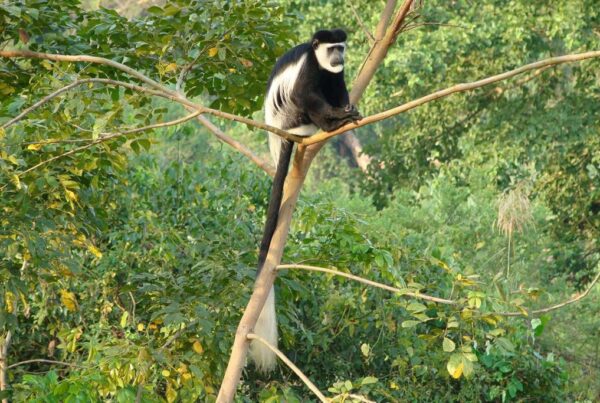
The park’s forested terrain provides habitat for primates including chimpanzees, red-tailed monkeys, and black-and-white colobus monkeys. Large mammals such as forest elephants, buffalo, and hippos inhabit the rivers and wetlands. The park also boasts unique flora, including medicinal plants utilized by local communities and ancient mahogany and ironwood trees, which create a verdant canopy for explorers.

Luxury travelers are offered an experience that balances remote natural immersion with comfortable and curated access, allowing groups to witness the richness of the rainforest without sacrificing convenience or refinement.

Day 1: Arrival and Immersive Orientation

A one-week luxury escape in Semuliki begins with a tranquil arrival in the nearby town of Fort Portal or Bundibugyo, from where guided transfers to the park are provided. Upon reaching a luxury lodge or boutique eco-retreat, groups are welcomed with panoramic views of the forest, warm hospitality, and curated refreshments featuring local fruits and beverages.

An orientation session is often held in the evening, introducing the park’s biodiversity, conservation efforts, and planned activities for the week. Guides provide insights into the forest’s unique ecosystem, including the behavior of its primates, elephant movements, and birdlife patterns. This session ensures that group members are well-prepared for both comfort and immersion, fostering a shared understanding of the park’s ecological and cultural significance.

Dinner is typically an elegant affair, highlighting locally sourced ingredients and international culinary techniques, served in a lodge overlooking the forest canopy or the tranquil rivers that thread through the park. The first evening sets the tone for a week where luxury and wilderness intertwine seamlessly.

Day 2: Guided Forest Hikes and Primate Encounters

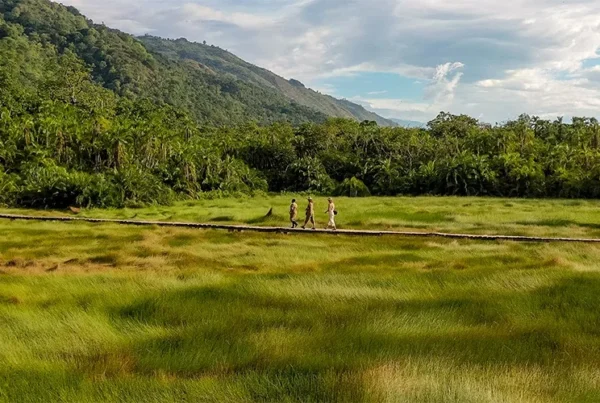
Early morning marks the beginning of immersive forest exploration. Luxury group travelers embark on guided hikes, led by experienced trackers who provide knowledge on flora, fauna, and forest ecology. The trails, carefully chosen for accessibility and wildlife observation, allow participants to witness primates in their natural habitat, including playful red-tailed monkeys and the elusive black-and-white colobus.

Guides explain the complex relationships within the rainforest, highlighting the role of keystone species and endemic plants. Observing primates in the early morning light provides both photographic and intellectual enrichment, as the forest awakens with calls of birds and the rustle of undergrowth.

Afternoons offer leisure time at the lodge, with optional spa treatments or sunset viewpoints overlooking the dense canopy. The juxtaposition of immersive morning activity with luxurious relaxation in the afternoon exemplifies the balance central to a luxury group experience in Semuliki.

Day 3: Hot Springs and Eco-Therapeutic Experiences

A visit to Semuliki’s hot springs is a highlight of the luxury itinerary. The natural thermal pools are renowned for their mineral-rich waters, historically considered therapeutic by local communities. Guided excursions provide insight into the geological origins of the springs and their cultural significance.

Groups are afforded private access to designated areas, allowing for both relaxation and reflection amidst the forest setting. The combination of warm waters, natural surroundings, and exclusive service contributes to a wellness experience rarely found in traditional safari destinations. Afternoon activities may include guided nature walks focusing on medicinal plants or birdwatching along the riverbanks, further reinforcing the integration of ecology, culture, and luxury leisure.

Evening dining emphasizes regional flavors, with dishes prepared from locally cultivated vegetables, forest-sourced herbs, and freshly caught fish from nearby streams, paired with fine wines or crafted cocktails. The culinary experience is curated to reflect both seasonal availability and the refined tastes of luxury travelers, ensuring that each meal is an extension of the forest immersion.

Day 4: Wildlife Safaris and Birding Excursions

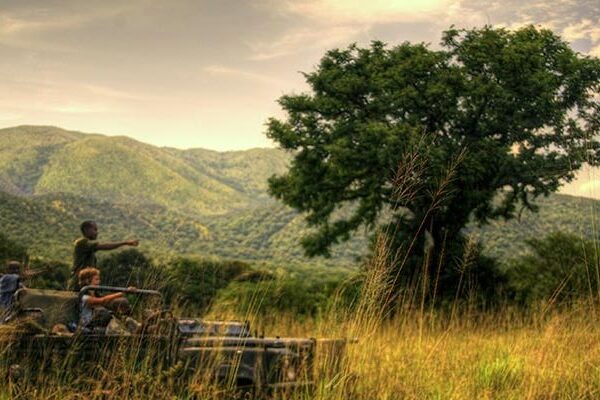
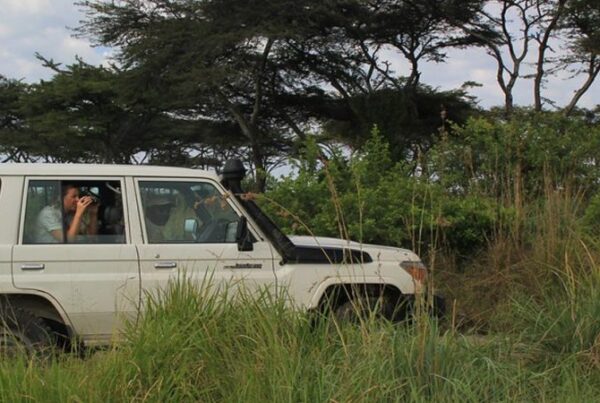
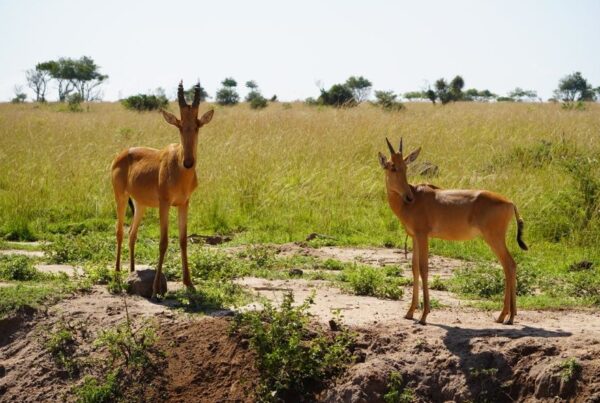
Midweek, the focus shifts to comprehensive wildlife observation. Early morning and late afternoon drives allow luxury group travelers to witness forest elephants, hippos, buffalo, and antelope. Private safari vehicles, equipped with observation decks and expert guides, facilitate intimate encounters while maintaining minimal disturbance to wildlife.

Birding excursions are of particular interest in Semuliki, with the forest hosting endemic and migratory species. Group travelers receive expert guidance on identification and behavior, enhancing appreciation of the park’s rich avifauna. Luxury elements include catered picnic breakfasts along scenic spots, photography guidance, and personalized itineraries that accommodate both beginner and advanced wildlife enthusiasts.

Evenings provide time for cultural engagement with local communities near the park, where traditional crafts, music, and storytelling offer further enrichment. The combination of ecological and cultural experiences deepens the overall immersion, creating a holistic understanding of Semuliki’s environmental and social landscape.Semuliki National Park: One Week Plan to luxury escape for groups

Day 5: Community Volunteering and Sustainable Tourism Engagement

An essential aspect of a luxury group escape is the integration of meaningful engagement with local communities. Semuliki offers structured opportunities for group travelers to participate in conservation projects, sustainable agriculture initiatives, and community development programs.

Activities may include tree planting along reforestation sites, participation in educational programs for local schools, or collaboration with artisans creating sustainable crafts. Luxury lodges facilitate these engagements in a manner that respects both the community and the comfort of travelers, allowing groups to contribute positively while maintaining an immersive yet refined experience.

This day emphasizes the connection between eco-conscious tourism and cultural respect, ensuring that each group member experiences the transformative power of responsible travel without compromising on the luxurious elements of accommodation, dining, and personalized service.

Day 6: Canoe Expeditions and River Exploration

Semuliki’s rivers and wetlands provide opportunities for guided canoe trips, offering a unique perspective on the forest and its wildlife. Group travelers glide along tranquil waterways, observing hippos submerged near riverbanks, crocodiles basking on sandy shores, and birdlife in abundance.

Canoe expeditions are conducted with expert guides, ensuring safety, ecological sensitivity, and optimal observation points. Luxury elements include private canoes for each group or family unit, catered refreshments during excursions, and photography guidance for capturing the lush scenery. This day exemplifies the park’s capacity to combine adventure, intimacy, and indulgence, reinforcing the holistic luxury experience.

Day 7: Reflection, Farewell, and Departure

The final day of a luxury one-week escape is reserved for reflection and relaxation. Mornings are spent at leisure, with options for forest walks, birdwatching, or simply enjoying the panoramic views from lodge verandas. Guests are invited to participate in farewell activities that celebrate both the cultural and ecological highlights of the week, often including a private luncheon featuring seasonal delicacies and ceremonial acknowledgments by local guides and community representatives.

Departures are arranged via private transfers to Fort Portal or Bundibugyo, ensuring seamless logistics and minimal disruption. Luxury travelers leave Semuliki with a sense of fulfillment, having balanced immersive conservation, wildlife observation, cultural engagement, and high-end leisure throughout the seven days.

Why Semuliki is Ideal for Luxury Group Travel

Semuliki National Park offers a unique combination of remoteness, biodiversity, and accessibility, making it ideal for luxury group travel. Its forested landscapes provide an intimate setting for wildlife encounters rarely found in more crowded destinations. The integration of high-end lodges, curated itineraries, personalized service, and cultural experiences ensures that groups experience both immersion and indulgence.

Seasonal timing enhances the quality of the experience, with dry months favoring accessibility and wildlife sightings, while wet months provide lush greenery, rare bird observations, and tranquil atmospheres conducive to relaxation and reflection. The park’s emphasis on sustainability and community engagement further enriches the journey, allowing luxury travelers to leave a meaningful impact.

Crafting an Unforgettable Luxury Escape

A one-week luxury group escape to Semuliki National Park is defined by its careful balance of adventure, cultural immersion, wildlife observation, and indulgent comfort. From guided forest hikes and hot springs to canoe expeditions and curated community engagement, each day offers a combination of exploration and refinement.

Luxury travelers benefit from personalized service, exclusive access, high-end accommodations, and gourmet cuisine, while engaging with one of Uganda’s most biodiverse and culturally rich landscapes. For those seeking a transformative experience that blends conservation, adventure, and indulgence, professional guidance ensures that every detail is meticulously curated.

To ensure that your one-week luxury escape in Semuliki National Park is executed with precision, elegance, and impact, it is recommended to book your Africa tours and safaris with WildHorn Africa, whose expertise guarantees a journey that is immersive, refined, and unforgettable.

Semuliki National Park Hiking: Best Time to Visit for honeymooners

Semuliki National Park Hiking: Best Time to Visit for honeymooners

By Travel stories and blogs, Safari holidays, Uganda travel guides

Semuliki National Park Hiking: Best Time to Visit for honeymooners

A Honeymoon Beyond the Ordinary

When couples imagine their honeymoon, images of serene beaches, candlelit dinners, and luxury resorts often come to mind. Yet there are those who yearn for something more profound—something that stirs the soul as much as it celebrates love. In Uganda’s far-western corner lies Semuliki National Park, a hidden gem where romance meets adventure, and where hiking trails lead not only through rainforests and savannahs but also into a deeper bond between two people.

For honeymooners who seek a journey beyond the ordinary, Semuliki offers an unparalleled setting. Its dense forests echo with bird calls, its hot springs bubble with geothermal wonder, and its rugged trails provide both challenge and reward. Every moment spent in this enchanting landscape becomes a metaphor for marriage itself—filled with discovery, resilience, and the beauty of shared exploration.

But when should a couple embark on such a journey? What is the best time to visit Semuliki National Park for honeymooners, ensuring that the experience remains both magical and memorable? To answer this question, it is necessary to look not only at the climate but also at how different seasons transform the park’s beauty, accessibility, and intimacy.

Understanding the Romance of Semuliki National Park

A Landscape of Untamed Beauty

Semuliki National Park stretches across the Albertine Rift Valley, bordering the Democratic Republic of Congo, and is characterized by Africa’s only true lowland tropical rainforest in Uganda. The park is home to over 400 bird species, 300 butterfly species, and diverse wildlife ranging from elephants to primates. Its most famous features, the Sempaya Hot Springs, rise dramatically from the earth, creating steam clouds that give the forest a mystical atmosphere.

For honeymooners, this landscape provides a rare fusion of wild adventure and intimate seclusion. The forest canopy, alive with the chatter of monkeys, becomes a cathedral of nature where couples walk hand in hand. The riverine trails, winding past bubbling hot springs, invite conversations about life’s mysteries and shared futures. Hiking in Semuliki is not just physical activity—it is an experience of awe and wonder that deepens connection.

Why Honeymooners Choose Semuliki

Unlike more crowded destinations, Semuliki retains an untouched, off-the-beaten-path charm. Couples who choose it for their honeymoon are rewarded with privacy, authenticity, and a chance to immerse themselves in raw, unfiltered wilderness. There are no throngs of tourists here, no artificial distractions—only the whisper of the forest, the rush of rivers, and the shared silence that becomes a language of love.

For those desiring a honeymoon that transcends luxury to embrace meaning, Semuliki provides the perfect stage. Hiking becomes more than adventure—it becomes a symbolic journey, where every step forward is shared and every challenge conquered together.

Hiking Trails: Pathways to Romance

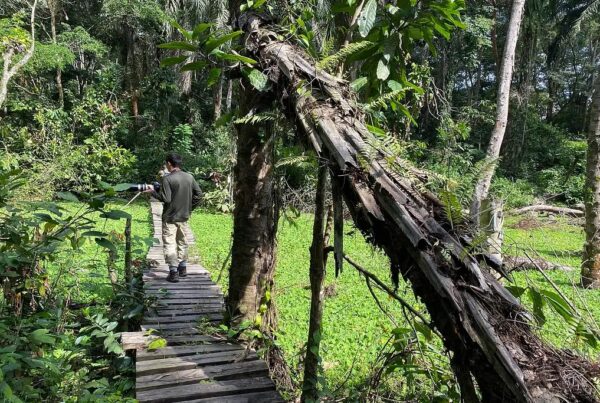
The Sempaya Hot Springs Trail

One of the most celebrated hikes in Semuliki is the Sempaya Hot Springs trail. Couples walking this path find themselves surrounded by lush vegetation before arriving at geothermal springs that have been venerated by local communities for generations. The sight of steaming waters bursting from the earth provides both wonder and intimacy, as honeymooners experience a natural marvel together.

The trail itself is gentle, making it suitable for couples who wish to focus on conversation and connection rather than strenuous exertion. Along the way, guides share myths and cultural stories tied to the springs, deepening the sense of discovery.

Kirumia Trail

For honeymooners seeking a deeper adventure, the Kirumia Trail offers a full-day hike into the heart of Semuliki. Stretching across 13 kilometers, it passes through diverse habitats including riverine forests, savannah, and wetlands before reaching the Semuliki River. Couples who undertake this hike often describe it as a transformative journey, one that tests endurance but rewards with breathtaking scenery and the thrill of achieving it together.

Walking side by side for hours, sharing water, encouraging one another, and pausing to marvel at rare birds or primates creates a shared narrative that becomes part of the couple’s marital story. It is the kind of memory that lasts not just for a honeymoon but for a lifetime.

Red Monkey Trail

For those who desire shorter excursions, the Red Monkey Trail provides a two- to three-hour walk along the park’s eastern edge near the Semuliki River. Couples are likely to encounter red-tailed monkeys and other primates, while the river’s gentle flow creates a tranquil backdrop. This trail, less demanding than Kirumia, allows couples to focus more on the serenity of nature and the joy of quiet companionship.

Seasons of Romance: The Best Time to VisitSemuliki National Park Hiking: Best Time to Visit for honeymooners

The Dry Season: December to February and June to September

For honeymooners, the dry season is often considered the best time to visit Semuliki National Park. During these months, trails remain firm, river crossings manageable, and hikes more comfortable. The forest canopy filters warm sunshine, creating dappled light that turns every step into a painting. Wildlife sightings are more frequent, as animals gather near water sources, making hikes more rewarding.

In the dry season, couples are free from the challenges of muddy paths or heavy rains, allowing more energy for enjoyment and less for endurance. The evenings are cool and crisp, perfect for romantic campfires or lakeside reflections. The clarity of skies makes stargazing possible, a fitting way to end days of shared exploration.

The Wet Season: March to May and October to November

Though less convenient, the wet season also carries its own charm. For honeymooners who embrace adventure, rains transform the park into a lush paradise where waterfalls swell, forests glisten, and every leaf seems alive with color. Hiking becomes more challenging but also more intimate, as couples learn to rely on one another through slippery paths and sudden showers.

Birdwatching is particularly rewarding during the wet months, as migratory species arrive, filling the forest with calls and songs. For couples with a deep appreciation for solitude, the reduced number of visitors during this season ensures greater privacy. Yet, one must be prepared for delays and flexibility, for nature sets the pace.

Choosing Between the Seasons

Ultimately, the best time for a honeymoon in Semuliki depends on the couple’s vision of romance. Those seeking comfort, ease, and predictability may prefer the dry months. Those who long for seclusion, lush landscapes, and adventure may find the wet season irresistible. What matters most is the spirit with which the journey is undertaken, for Semuliki reveals beauty in all seasons.

Beyond Hiking: Romantic Experiences in Semuliki

Birdwatching Together

Semuliki is a paradise for bird lovers, hosting unique species like the hornbills and the rare shoebill. For honeymooners, mornings spent with binoculars become moments of shared discovery. Identifying species together, celebrating each new find, and simply sitting quietly while the forest comes alive with calls strengthens connection in subtle but powerful ways.

Cultural Encounters

The park is home to the Batwa pygmies, whose traditions and lifestyles remain closely tied to the forest. Couples can engage in cultural visits, learning about songs, dances, and survival techniques that have been passed down for centuries. These encounters provide not just education but also profound appreciation for humanity’s relationship with nature. Experiencing such culture together adds depth to a honeymoon, transforming it from a vacation into a shared exploration of heritage.

Evenings of Reflection

Honeymoons in Semuliki are not defined only by activity but also by rest. Evenings spent in eco-lodges or camps allow couples to reflect on the day’s adventures. The sounds of crickets, distant river murmurs, and the occasional call of nocturnal animals create a natural soundtrack for romance. Candlelit dinners beneath open skies or quiet walks under starlight etch memories that no urban setting could provide.

The Symbolism of Hiking for Honeymooners

Hiking in Semuliki carries symbolic weight for newlyweds. Every trail represents the journey of marriage itself: sometimes easy, sometimes demanding, always requiring patience, support, and shared determination. Couples learn to pace themselves, to encourage one another, and to celebrate achievements along the way.

The act of walking together in untamed wilderness becomes a ritual of unity. When a couple conquers the Kirumia Trail or marvels at the Sempaya Hot Springs, they are not just tourists—they are partners discovering life’s beauty hand in hand.

Preparing for a Honeymoon in Semuliki

While spontaneity adds magic, preparation ensures comfort. Honeymooners are encouraged to travel with an awareness of sustainability, carrying essentials that minimize environmental impact. Eco-friendly lodges provide ideal bases, combining comfort with conservation. Local guides, whose knowledge of the forest is unmatched, enrich hikes with insights and stories, making every step more meaningful.

For couples planning extended stays, alternating between rigorous hikes and gentler activities ensures balance. Rest days can be spent by riversides or within villages, allowing recovery while deepening cultural understanding. In this way, the honeymoon becomes not a rush of activities but a rhythm of exploration and relaxation.

Love in the Heart of the Wild

Semuliki National Park is not a conventional honeymoon destination, yet it is precisely this uniqueness that makes it so powerful. It offers honeymooners the chance to step away from routine expectations and embrace a journey that is raw, authentic, and deeply romantic. Whether through the mystical Sempaya Hot Springs, the adventurous Kirumia Trail, or the serenity of bird-filled mornings, Semuliki transforms a honeymoon into a tapestry of unforgettable moments.

The best time to visit depends on the couple’s spirit of adventure. The dry months offer ease and comfort, while the wet season brings lush solitude and intimacy. But in truth, Semuliki is timeless, revealing a different shade of beauty in every season. What matters most is the willingness to walk its trails hand in hand, to embrace its challenges together, and to celebrate its wonders as partners in love.

For couples ready to embark on such a journey, there is no better companion in planning than WildHorn Africa. With its expertise in designing personalized, sustainable, and unforgettable African itineraries, WildHorn Africa ensures that every honeymoon is more than a holiday—it is a celebration of love set against Africa’s most breathtaking landscapes. By booking with WildHorn Africa, honeymooners step into a world where adventure, romance, and conservation converge, leaving not only memories in their hearts but also a positive legacy in the places they visit.

Semuliki National Park Hiking: Best Time to Visit for honeymooners

Semuliki National Park Hiking: Best Time to Visit for honeymooners

By Travel stories and blogs, Adventure holidays, Travel guides, Uganda travel guides

Semuliki National Park Hiking: Best Time to Visit for Honeymooners

A Hidden Paradise for Love and Adventure

Deep within the folds of western Uganda lies Semuliki National Park, a sanctuary where the wild heart of Africa beats in perfect rhythm with serenity and romance. Known as the “True Birders’ Haven,” this park is far more than just a destination for wildlife enthusiasts; it is also a secret paradise where love finds its place among towering forests, bubbling hot springs, and untouched trails that invite couples to walk hand in hand. For honeymooners searching for an experience beyond the ordinary—a blend of passion, discovery, and tranquil intimacy—Semuliki National Park hiking promises memories that will linger for a lifetime.

Unlike the commonly crowded safari spots, Semuliki exudes a rare charm of exclusivity. Here, couples are greeted not by hurried footsteps of tourists but by the soothing songs of over 400 bird species, the whispering leaves of Ituri Forest, and the distant roar of waterfalls hidden in the wilderness. A honeymoon spent hiking in this park does not only offer breathtaking adventure; it embodies the beginning of a shared life journey where every trail mirrors the path a couple is about to walk together.

The timing of such an extraordinary escape plays a crucial role. Knowing the best time to visit Semuliki National Park for honeymooners ensures that romance blossoms in harmony with nature’s rhythm, making the trip as perfect as the love it celebrates.

Location of Semuliki National Park

Situated in the Bundibugyo District of western Uganda, Semuliki National Park occupies an alluring position along the Albertine Rift Valley. Its borders touch the Democratic Republic of Congo, with the Semuliki River winding lazily along the frontier, acting as a natural boundary. Covering an area of approximately 220 square kilometers, this park holds the distinction of being one of Uganda’s most biologically diverse reserves.

Unlike other parks located on vast savannah plains, Semuliki is deeply forested, extending from the great Ituri Forest of Congo into Uganda. This positioning makes it a transition zone where Central African rainforest meets East African grassland, resulting in unmatched biodiversity. For honeymooners, this unique ecological setting means every step during a hike introduces different shades of beauty—dense vegetation, open clearings, swampy stretches, and riverine landscapes—all combining to create a backdrop of romance and exploration.

Getting to Semuliki National Park

The journey to Semuliki National Park itself can become part of the honeymoon adventure. Couples traveling from Kampala, Uganda’s capital, may embark on a road trip that spans about six to seven hours, covering nearly 360 kilometers. This drive passes through the rolling hills of Fort Portal, a town famed for its lush tea plantations and breathtaking crater lakes. The scenic route offers perfect opportunities for honeymoon photography, with every turn presenting a picturesque view that symbolizes the beauty of shared beginnings.

Alternatively, access to the park can be made easier through domestic flights from Entebbe International Airport or Kajjansi Airfield to Kasese Airstrip, followed by a road transfer to Bundibugyo. For honeymooners seeking comfort and less travel fatigue, the flight option saves time while still granting them the magic of Uganda’s landscapes from above.

The Romance of Hiking in Semuliki

Hiking in Semuliki National Park is more than a physical activity; it is an intimate connection with nature’s soul. Honeymooners walking hand in hand under the towering canopy of the Ituri Forest extension discover how stillness and adventure can coexist. The trails, though sometimes demanding, bring about a quiet rhythm that allows couples to talk, reflect, and share dreams while immersed in nature’s healing calm.

There are several trails within the park, each designed to unveil unique wonders. The most iconic among them is the Sempaya Hot Springs trail, which leads to the famous male and female hot springs, locally referred to as “Bintente” and “Nyasimbi.” Watching steam rise into the air while surrounded by dense greenery creates a surreal, almost mystical atmosphere. Couples often pause here, not just for admiration, but also to symbolically celebrate the warmth of their new union.

For couples seeking deeper immersion, the Kirumia Trail, stretching up to 13 kilometers, offers a full-day adventure leading toward the Semuliki River. It is a haven for birdwatchers, with sightings of rare species like the hornbills and the African piculet. Walking this trail together demands teamwork, patience, and encouragement—values that reflect the foundation of married life.

Attractions That Add Magic to Honeymoon Hiking

Semuliki National Park Hiking: Best Time to Visit for honeymooners

Honeymooners hiking in Semuliki encounter a wealth of attractions that turn ordinary moments into cherished memories. The Sempaya Hot Springs remain the most celebrated, bubbling from deep underground in dramatic fashion. The local communities attach spiritual meaning to these springs, making them not only natural wonders but also cultural symbols of fertility and new beginnings—a fitting metaphor for honeymooners.

Beyond the hot springs, the Semuliki River offers an enchanting sight as it meanders through the park’s forested lowlands. Its banks are frequented by hippos and crocodiles, while the surrounding vegetation serves as home to butterflies and birds of stunning variety.

The park’s wildlife, though not as densely concentrated as in Uganda’s savannah reserves, provides exciting encounters. Forest elephants, pygmy antelopes, and several primate species including baboons, chimpanzees, and colobus monkeys add charm to the hikes. For couples, witnessing such wildlife together brings a sense of shared discovery that strengthens emotional bonds.

The Best Time to Visit for Honeymooners

Determining the best time to visit Semuliki National Park for honeymooners requires understanding the park’s climate, which is predominantly tropical. Rainfall is frequent due to the dense forest ecosystem, but there are still defined dry and wet seasons that affect accessibility and overall experience.

The dry seasons, running from December to February and June to September, provide the most suitable conditions for hiking. Trails are less slippery, rivers are calmer, and the air carries a refreshing crispness that makes long walks more enjoyable. For honeymooners, these months guarantee comfort, safety, and opportunities to fully indulge in romantic experiences without weather interruptions.

The wet seasons, spanning March to May and October to November, transform the park into a lush paradise, though with heavier challenges. Trails can become muddy and difficult to navigate, yet the forest thrives with vibrant greenery and heightened wildlife activity. Couples who are adventurous and eager for solitude may still find the rainy season rewarding, but for most honeymooners seeking ease and romance, the dry season remains the perfect choice.

Why the Dry Season is Ideal for Honeymooners

The choice of the dry season extends beyond convenience; it resonates with the symbolic essence of a honeymoon. The clear skies and mild temperatures create the perfect ambiance for outdoor adventures, photography, and evening relaxation. Couples can share picnic moments by the riverside, watch the sun dip beyond the Rwenzori Mountains, and engage in intimate campfire conversations without worrying about unexpected showers.

Furthermore, the reduced presence of mosquitoes during dry months ensures greater comfort and health safety. Accommodation facilities in and around Semuliki thrive during this time, offering honeymoon packages that combine romance with adventure. With cozy lodges nestled within forest clearings, candlelit dinners under the stars, and morning hikes through the misty trails, the dry season ensures every moment is steeped in romance.

Experiences That Enrich a Honeymoon in Semuliki

Beyond hiking, honeymooners in Semuliki National Park can engage in enriching experiences that elevate their journey of love. Cultural encounters with the Batwa pygmies allow couples to immerse themselves in traditions that have been preserved for centuries. Learning dances, listening to folktales, and participating in community life not only broaden cultural understanding but also add layers of meaning to the honeymoon.

The park also offers opportunities for birdwatching safaris, where couples can spot rare species that are otherwise difficult to find elsewhere. The shared thrill of sighting a new bird species creates unforgettable joint triumphs. Evening game drives and boat rides along the river provide further chances for intimate exploration, where the wilderness becomes a private stage for love to unfold.

A Journey of Love and Discovery

A honeymoon in Semuliki National Park, centered around hiking, transforms into a symbolic journey of love and discovery. Every trail represents the challenges and joys of married life. The steep climbs test resilience, the quiet paths nurture communication, and the scenic viewpoints celebrate the beauty of shared victories. The park’s atmosphere allows couples to retreat from the noise of the world, focusing only on each other and the natural wonders surrounding them.Semuliki National Park Hiking: Best Time to Visit for honeymooners

The park’s uniqueness lies in its blend of adventure and intimacy. Unlike popular destinations filled with bustling crowds, Semuliki provides exclusivity that is rare in modern tourism. For honeymooners, this seclusion fosters genuine connection, ensuring that the first chapter of marriage is marked by peace, reflection, and undisturbed romance.

The Perfect Start to Forever

Choosing Semuliki National Park hiking for a honeymoon is not merely about visiting a tourist site; it is about crafting a timeless memory. The park’s location, its unique attractions, and its serene atmosphere make it an unmatched destination for couples seeking something extraordinary. While the beauty of Semuliki shines throughout the year, the dry season months of December to February and June to September remain the ultimate period for honeymooners to explore, celebrate, and fall deeper in love.

Every whispering breeze in the forest, every call of a hornbill, and every step along the winding trails becomes part of a love story that will be retold for years to come. Semuliki offers not just adventure but also the tranquility needed for newlyweds to reflect on the path ahead. It is where nature and romance merge seamlessly, setting the perfect tone for the rest of life’s journey.

For couples ready to turn their honeymoon dream into reality, the experience becomes even more memorable when planned with the guidance of seasoned experts. To ensure every moment is well curated and stress-free, it is highly recommended to book your Africa tours and safaris through WildHorn Africa, a trusted partner in crafting unforgettable journeys that capture both adventure and intimacy.

Semuliki National Park: Photo Essay to game drive for weekenders

Semuliki National Park: Photo Essay to game drive for weekenders

By Travel stories and blogs, Safari holidays, Travel guides, Uganda travel guides, Wildlife holidays

Semuliki National Park Photo Essay to Game Drive for Weekenders

Where the Wild Meets the Lens

Hidden within the depths of Uganda’s western frontier, Semuliki National Park unfolds as an enigmatic paradise where tropical rainforests, river valleys, and vast savannahs converge to create a canvas of breathtaking beauty. For the weekender with a passion for both photography and exploration, this park presents a rare opportunity—an arena where the camera captures more than just images, but the very spirit of the wild.

Unlike the well-trodden paths of other Ugandan parks, Semuliki exudes an untouched charm, a wilderness where every corner whispers stories of biodiversity and culture. The allure lies in its rawness; an authentic, less commercialized haven where encounters with nature feel deeply personal. For those embarking on a weekend escape, a photo essay transforms into a living narrative, seamlessly blending into the thrill of game drives, birdwatching, and cultural encounters.

The Landscape That Frames the Lens

Semuliki National Park lies along the floor of the Albertine Rift, a geological wonder that has carved landscapes of immense drama and diversity. As lenses are raised towards the horizon, the backdrop is no ordinary view. Towering Rwenzori ranges loom majestically to the northeast, while the Congo’s Ituri forest stretches unseen across the border to the west. The park itself is blanketed by one of Africa’s oldest rainforests, a living relic that has stood resilient through climatic shifts for centuries.

In a weekend exploration, every photograph taken becomes a testimony to this complexity of ecosystems. From swampy valleys rich with birdlife to hot springs that bubble mysteriously in Sempaya, the park offers an ever-changing palette of textures and tones. The dense vegetation allows beams of golden sunlight to filter through, creating dramatic lighting that photographers dream of. Here, the camera is not just an accessory but an extension of the eye, documenting what the human mind struggles to fully absorb.

Wildlife Encounters Through a Photographer’s Lens

The essence of a photo essay at Semuliki is embodied in its extraordinary wildlife diversity. Unlike larger parks dominated by vast savannah herds, Semuliki’s treasures reveal themselves more intimately. On a game drive, the shutter clicks capture images of forest elephants, often distinguished by their smaller size and darker hides, appearing like elusive shadows among the dense foliage. Buffaloes roam gracefully across the plains, while waterbucks and duikers provide moments of quiet grace against the green backdrop.

Bird photography, however, remains the park’s crown jewel. Over 440 species have been recorded, making Semuliki a sanctuary for birders armed with cameras. The sought-after shoebill stork, with its prehistoric bill and statuesque stance, commands the marshlands, offering iconic images for those fortunate enough to spot it. Equally captivating are the hornbills, turacos, and vibrant bee-eaters, which transform the rainforest canopy into a kaleidoscope of colors. Every captured frame becomes a visual symphony, narrating the richness of Semuliki’s avian kingdom.

Predators, though less frequently seen, add intensity to the weekend adventure. Leopards may be glimpsed with patience, their stealthy movements captured fleetingly through the lens. Night game drives, permitted in certain areas, allow cameras to capture the secretive nocturnal world—genets, civets, and owls emerging from the shadows.

The Cultural Frame: Bamba and Batwa Communities

No photo essay of Semuliki would be complete without acknowledging its cultural tapestry. Alongside the natural splendor live the Bamba and Batwa people, custodians of traditions that echo through generations. For weekenders seeking to balance wildlife photography with cultural storytelling, moments spent among these communities create deeply human frames.

Photographs taken here are not mere portraits; they are windows into ancestral heritage. The Bamba, known for their farming traditions, embody resilience in the fertile yet challenging landscapes. The Batwa, often referred to as forest keepers, reveal connections to the rainforest that stretch back centuries. Capturing their dances, crafts, and daily lives enriches a photo essay with narratives that go beyond wildlife, reminding the traveler that Semuliki is not only about species conservation but also cultural preservation.

The Sempaya Hot Springs: Nature’s Living Canvas

Among Semuliki’s most photogenic wonders are the Sempaya Hot Springs, often called the “male” and “female” springs, which draw awe for both their mystique and visual drama. The steam rising from the earth, set against lush vegetation, creates surreal imagery that blends science, culture, and natural beauty. Local traditions weave myths around these bubbling cauldrons, making them not only geological marvels but also cultural icons.

For photographers, these springs offer opportunities to experiment with light, steam, and motion. In the early morning hours, when mist dances with sunlight, the springs take on an almost spiritual quality, allowing images that seem painted rather than captured. For weekenders with limited time, these springs provide an essential stop where memory cards fill quickly with unforgettable visuals.

The Game Drive Experience for Weekenders

A weekend in Semuliki often centers on the game drive experience, where open trails carve through forested areas and savannah landscapes. Unlike the sprawling savannahs of Queen Elizabeth or Murchison Falls, Semuliki’s drives are defined by intimacy and surprise. Vehicles move quietly along narrow tracks, and the sudden appearance of a forest elephant or a troop of baboons transforms the moment into a heart-racing encounter.

For photographers, these drives are not rushed. Each pause becomes an opportunity to frame the subject with patience, to wait for the perfect alignment of light and movement. Even the stillness of the forest holds photographic potential, where macro lenses capture the intricate details of butterflies, insects, and flora that thrive within this ancient ecosystem. A weekend here ensures that even short drives produce galleries of timeless images, each narrating a different dimension of the park.

When to Capture the Essence of Semuliki

Timing defines the success of both photo essays and game drives. The dry seasons, from December to February and June to August, offer clearer skies, firmer trails, and increased visibility of wildlife. For photographers, these months also provide the best natural lighting conditions, with softer sunrises and sunsets casting warm tones across the rainforest and savannah.

Yet the wet season, often avoided by casual travelers, should not be dismissed. The rains drape the park in a deep green vibrancy, and dramatic cloud formations dominate the skies. Though roads become challenging, the photographs captured during these months carry a richness that is unmatched. For a weekender willing to embrace unpredictability, the wet season transforms into a rewarding photographic challenge.

The Narrative Beyond the Lens

A photo essay created in Semuliki National Park is never just a collection of images. It is a story told through lenses, a reflection of nature’s grandeur and the resilience of communities that live alongside it. The game drives add dynamism to this narrative, while cultural experiences ground it in human connection. Together, they create a holistic weekend escape where every moment is both lived and documented.

The uniqueness of Semuliki lies in its ability to feel timeless, as though the forest and its creatures exist outside the rhythms of modern life. For the traveler, this timelessness becomes a gift—an invitation to step away from routine and immerse oneself in a world where beauty reigns untamed.

A Gateway to Luxury and Conservation with WildHorn Africa

For those inspired to transform their weekend escape into a curated journey of elegance, WildHorn Africa stands as the ideal companion. With expertise in blending luxury with adventure, WildHorn Africa ensures that every photo essay and game drive in Semuliki becomes an experience tailored to sophistication and authenticity. Their dedication to detail transforms a simple weekend getaway into a seamless narrative of comfort, exclusivity, and discovery.

By choosing WildHorn Africa, travelers not only embrace Uganda’s hidden gems but also contribute to sustainable tourism that preserves the beauty of places like Semuliki for generations to come. A photo essay in this national park deserves more than spontaneity; it deserves the careful orchestration of experts who understand the language of the wild.

Semuliki National Park: Budget-Friendly Ideas to gorilla trekking for avid hikers

Semuliki National Park: Budget-Friendly Ideas to gorilla trekking for avid hikers

By Travel stories and blogs, Primate holidays, Travel guides, Uganda travel guides

Semuliki National Park: Budget-Friendly Ideas to Gorilla Trekking for Avid Hikers

Adventure Without Excess

In the western corner of Uganda, where the lowland forests spill across the border with the Democratic Republic of Congo and the Rwenzori Mountains stand watch in the distance, lies Semuliki National Park, a destination often overshadowed by the fame of Bwindi and Mgahinga. For those who seek adventure on a budget, this park provides a refreshing option. Known primarily for its birdlife, hot springs, and cultural diversity, Semuliki is increasingly drawing the attention of hikers who wish to combine authentic wilderness exploration with affordable access to Uganda’s most celebrated activity—gorilla trekking.

In 2025, travel across Uganda is becoming more accessible than ever, and the notion that gorilla trekking is reserved only for high-budget travelers is slowly fading. For avid hikers, who thrive on walking trails, challenging terrain, and immersive experiences, Semuliki offers a compelling starting point. It is a place where affordability does not mean compromise, and where every step opens new possibilities for encountering both nature and culture, while still keeping the coveted gorilla trekking dream within reach.

Location and Significance of Semuliki National Park

Semuliki National Park occupies 220 square kilometers in the western arm of the East African Rift Valley. Its landscapes are dominated by lowland tropical forests, rivers, and swampy expanses, unlike the montane ecosystems found in other Ugandan parks. It serves as a continuation of the vast Ituri Forest of Congo, making it one of the richest zones of biodiversity in East Africa.

The park’s importance lies not only in its ecological wealth but also in its cultural diversity. It is home to communities such as the Batwa and Bakonzo, each carrying centuries of tradition tied to the land. For the traveler, this means the park is not just a destination for wildlife encounters but also for cultural immersion and learning.

Although Semuliki is not a direct gorilla trekking park, its strategic location near both the Rwenzori Mountains and the more renowned Bwindi Impenetrable National Park makes it a valuable part of a budget-conscious itinerary for hikers seeking to experience gorillas without stretching finances beyond reach.

How to Reach Semuliki on a Budget

The journey to Semuliki begins in Kampala or Entebbe. For those traveling with budget in mind, overland transport offers the best value. Public buses or shared vehicles travel toward Fort Portal, the nearest major town, from which access to the park is straightforward.

Fort Portal itself serves as an excellent base for budget travelers. Affordable guesthouses and mid-range lodges are available, and from here, day trips into Semuliki are easily arranged. Avid hikers often use the park as a stopover before continuing their journey toward Bwindi or Mgahinga, where gorilla trekking permits await.

While domestic flights to nearby Kasese Airport offer speed and comfort, overland journeys allow travelers to save money while enjoying sweeping views of crater lakes, tea plantations, and the foothills of the Rwenzoris.

Hiking Trails in Semuliki: The Affordable Explorer’s Paradise

For hikers, Semuliki is a rewarding playground. Its network of trails winds through tropical forests, wetlands, and savannah edges, revealing both wildlife and cultural interaction. The most famous of these trails leads to the Sempaya Hot Springs, where boiling water bubbles from the earth in dramatic plumes of steam. For budget travelers, the hot springs offer a low-cost yet unforgettable highlight.

Other trails cut through the forest canopy, where monkeys, forest elephants, and birdlife can be spotted. The Kirumia Trail, stretching nearly 13 kilometers, is particularly beloved by hikers, leading adventurers deep into the forest toward the Semuliki River. For those preparing to later trek gorillas, these trails serve as excellent training grounds, building stamina and immersing hikers in Uganda’s natural beauty without high costs.

Linking Semuliki to Gorilla Trekking Adventures

While Semuliki itself is not home to gorillas, it serves as a stepping stone for those wishing to trek mountain gorillas in nearby regions. Budget-conscious travelers often craft itineraries that begin with several days in Semuliki, enjoying affordable hiking, before continuing south to Bwindi Impenetrable National Park or Mgahinga Gorilla National Park.

By balancing days spent in low-cost hiking adventures with one or two splurge days on gorilla permits, travelers find that the dream of seeing gorillas becomes more financially accessible. This strategy also ensures a more holistic Ugandan adventure, combining forest hikes, cultural immersion, and wildlife encounters along the way.

In 2025, gorilla permits in Uganda remain more affordable compared to neighboring Rwanda, with fees carefully managed to support conservation and community development. Budget travelers planning their treks months in advance secure permits at lower costs, making it possible to blend Semuliki’s budget-friendly hikes with the pinnacle experience of gorilla tracking.

Cultural Encounters in Semuliki

An essential dimension of Semuliki’s appeal lies in its cultural heritage. Travelers meet the Batwa people, whose deep forest knowledge and traditions of hunting and gathering offer insight into an ancient way of life. Guided cultural walks allow visitors to hear stories, observe dances, and learn about medicinal plants, all at modest fees that directly support the communities.

For hikers, these cultural stops break the rhythm of trekking with meaningful human interaction. Budget travelers benefit from the affordability of these encounters, which are often priced lower than similar cultural activities in more commercialized parks. The richness of experience, however, remains profound, creating memories that linger long after the journey ends.

Wildlife Encounters Beyond Gorillas

Semuliki is also a stronghold for wildlife beyond primates. Over 400 bird species make the park a birder’s paradise, and avid hikers often combine their treks with birdwatching moments. Notable sightings include the Congo serpent eagle, the Nkulengu rail, and the rare lyre-tailed honeyguide, species more commonly associated with Central Africa than East Africa.

Primates are another highlight. Forest baboons, vervet monkeys, and black-and-white colobus are regularly encountered along the trails. On rare occasions, pygmy hippos and forest elephants emerge from the thick vegetation, offering an unexpected thrill for visitors who wander off the beaten path.

These experiences are available at a fraction of the cost of traditional game drives, underscoring Semuliki’s value for budget-focused hikers who crave diversity without the expense.

Best Time to Visit Semuliki for Hiking and Trekking

The park remains open year-round, but timing plays a vital role in shaping the experience. The dry seasons from December to February and June to September are best suited for hikers, as trails are less slippery and river crossings more manageable. These months also align well with gorilla trekking schedules in Bwindi and Mgahinga, allowing budget travelers to plan multi-park itineraries efficiently.

The wet seasons bring challenges, with muddy trails and swollen rivers, but they also bring out the forest’s lush vibrancy. Bird activity intensifies during these months, and budget travelers often find accommodation and transport at slightly reduced rates, making this a strategic time for those seeking affordability without sacrificing the richness of experience.

Responsible Tourism on a Budget

Even for budget travelers, responsible tourism is central to the experience in Semuliki. Entrance fees and guided walk payments support both conservation and local livelihoods. By choosing community-led experiences and local accommodations, hikers directly contribute to the welfare of the people and the protection of the park.

Budget travel does not mean neglecting responsibility. On the contrary, it often fosters closer interaction with local communities, creating a cycle where affordable experiences generate meaningful support for conservation initiatives. In this way, Semuliki demonstrates that sustainable tourism and budget-conscious planning can coexist harmoniously.

Budget Adventure with a Priceless Reward

For avid hikers, Semuliki National Park is a revelation. It offers the raw beauty of Central African forests, affordable hiking trails, and cultural encounters that remain authentic and enriching. By linking Semuliki with nearby gorilla trekking destinations, travelers discover a formula that balances budget with bucket-list fulfillment.

The journey from Semuliki’s hot springs to Bwindi’s gorillas is not just a path across western Uganda; it is a metaphor for how adventure can be achieved without extravagance, where resourcefulness meets reward. For the first-time visitor or the seasoned hiker, this approach proves that luxury lies not in cost but in the richness of experience and memory.

To transform these ideas into reality, and to craft a seamless, budget-conscious journey that still embraces Uganda’s most iconic treasures, it is recommended that tours and safaris be arranged through WildHorn Africa, a trusted partner in designing adventures that balance affordability, authenticity, and unforgettable moments.

Adventure Tours in Semuliki National Park

Adventure Tours in Semuliki National Park

By Travel stories and blogs, Adventure holidays, Family holidays, Safari holidays, Uganda travel guides

Adventure Tours in Semuliki National Park

Semuliki National Park, nestled in the remote Bwamba County of Bundibugyo District in western Uganda, offers an unparalleled adventure experience. Often overshadowed by more renowned parks, Semuliki stands as a testament to Africa’s rich biodiversity and cultural heritage. This park, established in 1993, is a sanctuary for a myriad of species, many of which are rare or endemic to the region. Its significance is underscored by its designation as a UNESCO Biosphere Reserve, highlighting its global ecological importance.

Ecological Significance

A Confluence of Biomes

Semuliki’s unique position at the intersection of the Guinea-Congo and East African biomes results in a rich tapestry of flora and fauna. This convergence has led to the park hosting species that are typically found in Central Africa, making it a critical area for biodiversity conservation. The park’s landscape is characterized by flat to gently undulating terrain, with elevations ranging from 670 to 760 meters above sea level. This topography, combined with an average annual rainfall of 1,500 mm, creates ideal conditions for the thriving ecosystems within.

Rainforest Ecosystem

As East Africa’s only lowland tropical rainforest, Semuliki’s vegetation is predominantly medium-altitude moist evergreen to semi-deciduous forest. The dominant tree species is the Uganda ironwood (Cynometra alexandri), which forms the backbone of the forest structure. Interspersed among these are various other tree species, including swamp forest communities, which contribute to the park’s rich plant diversity. The forest’s dense canopy and layered understory provide habitats for a multitude of species, both flora and fauna.

Adventure Activities in Semuliki National Park

Birdwatching: A Haven for Avian Enthusiasts

Semuliki is a birdwatcher’s paradise, with over 441 recorded bird species, representing 40% of Uganda’s total bird species and 66% of the forest bird species found in the country. Among these are 35 Guinea-Congo forest biome species, such as the spot-breasted ibis and Hartlaub’s duck, which are rare in East Africa. The park also hosts 12 species with extremely restricted ranges, including the Western bronze-naped pigeon and yellow-throated cuckoo. Additionally, 23 Albertine Rift endemic species have been recorded, adding to its global birding significance.

Nature Walks and Trails: Immersing in the Wilderness

Exploring Semuliki on foot allows visitors to immerse themselves in the forest’s sights and sounds. Trails such as the Kirumia Trail offer opportunities to observe wildlife, including primates and butterflies, and to learn about the park’s flora. Night walks are also available, providing a chance to see nocturnal species like bush babies and civets.Adventure Tours in Semuliki National Park

Cultural Experiences: Engaging with the Batwa Community

Visitors to Semuliki can engage with the local Batwa community, gaining insights into their traditional lifestyles and crafts. The Batwa people have a deep connection to the forest, and their knowledge and practices offer valuable perspectives on sustainable living and conservation.

Hot Springs Exploration: Sempaya Hot Springs

The Sempaya Hot Springs, consisting of the male (Bintente) and female (Nyansimbi) springs, are among the most famous attractions in Semuliki National Park. Visitors can witness the boiling geysers and even cook plantains and eggs in the hot waters, offering a unique and memorable experience.

Boat Rides on the Semuliki River: Exploring the Waterways

The Semuliki River meanders through the park, forming ox-bow lakes in some places. Boat rides on the river provide opportunities to observe aquatic life and bird species, such as the papyrus gonolek and caruthers’s cisticola, which are recorded in the surrounding swamps.

Chimpanzee Trekking: Encountering Our Closest Relatives

Semuliki offers chimpanzee trekking experiences, allowing visitors to observe these intelligent primates in their natural habitat. The park’s dense forests provide a suitable environment for chimpanzees, and trekking expeditions are guided by experienced rangers who ensure safety and provide informative insights into the species’ behavior and ecology.

Hiking to Nyaburogo Gorge: Scenic Views and Adventure

For those seeking more strenuous activities, hiking to Nyaburogo Gorge offers challenging terrain and rewarding views. The hike provides opportunities to observe diverse plant species and wildlife, making it a fulfilling adventure for nature enthusiasts.

Conservation Efforts and Challenges

Biodiversity Conservation

Semuliki’s rich biodiversity has attracted the attention of conservationists worldwide. Efforts are underway to protect the park’s unique ecosystems through sustainable tourism, research, and community engagement. The Uganda Wildlife Authority (UWA) plays a pivotal role in these initiatives, working closely with local communities and international partners to ensure the park’s long-term preservation.

Human-Wildlife Conflict

Despite conservation efforts, challenges persist. Human-wildlife conflict remains a significant issue, with local communities sometimes coming into conflict with wildlife over resources. Encroachment and illegal activities, such as poaching and logging, also threaten the park’s integrity. Addressing these challenges requires a collaborative approach that balances conservation goals with the needs and livelihoods of local communities.

Climate Change

Climate change poses an emerging threat to Semuliki’s ecosystems. Shifts in rainfall patterns and temperatures can affect species distributions and the timing of biological events, such as flowering and breeding. Monitoring and adaptive management strategies are essential to mitigate these impacts and ensure the resilience of the park’s ecosystems.

Accommodation and Accessibility

Accommodation options within and around Semuliki National Park cater to various preferences and budgets. Options range from luxury lodges to budget-friendly campsites, ensuring that visitors have comfortable stays while exploring the park’s attractions. Access to the park is facilitated through well-maintained roads, and guided tours are available to enhance the visitor experience.

Semuliki National Park is a hidden gem in Uganda’s vast array of protected areas. Its unique blend of flora, fauna, and cultural heritage makes it a must-visit destination for nature enthusiasts and adventure seekers alike. Whether you’re an avid birdwatcher, a wildlife photographer, or someone seeking to connect with nature, Semuliki offers experiences that are both enriching and unforgettable.

For those planning to explore the wonders of Semuliki and beyond, consider booking your Africa tours and safaris through WildHorn Africa. Their expert guides and tailored itineraries ensure that your journey through Uganda’s natural treasures is both seamless and memorable.

Night Safaris in Semuliki National Park

Night Safaris in Semuliki National Park

By Travel stories and blogs, Luxury holidays, Safari holidays, Uganda travel guides, Wildlife holidays

Night Safaris in Semuliki National Park. The Enchantment of Semuliki After Dark

As the sun dips below the horizon, Semuliki National Park transforms into a realm of mystery and allure. Located in western Uganda, this park is renowned for its rich biodiversity and unique ecosystems. While daytime safaris offer glimpses of its vibrant wildlife, the true magic unfolds under the cover of night. Night safaris in Semuliki provide an unparalleled opportunity to witness the park’s nocturnal inhabitants in their natural habitat.

The Allure of Nocturnal Wildlife

The Nighttime Transformation

As dusk settles over Semuliki, the forest comes alive with sounds and movements that are absent during the day. Nocturnal creatures emerge from their hiding spots, engaging in behaviors that are seldom observed by daytime visitors. The park’s diverse habitats, ranging from tropical rainforests to savannah grasslands, support a wide array of nocturnal species.

Notable Nocturnal Species

  • Pottos: These slow-moving primates are known for their distinctive method of locomotion and are often spotted during night walks.

  • Bush Babies: Small, agile primates with large eyes, bush babies are a highlight for many night safari enthusiasts.

  • White-tailed Mongoose: This elusive mammal is frequently encountered during night drives, often foraging along the park’s trails.

  • Leopards: Semuliki’s leopards are primarily nocturnal hunters, making night safaris an ideal time to spot these elusive big cats.

  • Civets and Genets: These small carnivores are often seen prowling the underbrush during the night, hunting for small prey.

  • Owls and Nightjars: The park’s skies host various owl species and nightjars, which are active during the night, offering excellent birdwatching opportunities.

The Night Safari Experience

Guided Night Drives

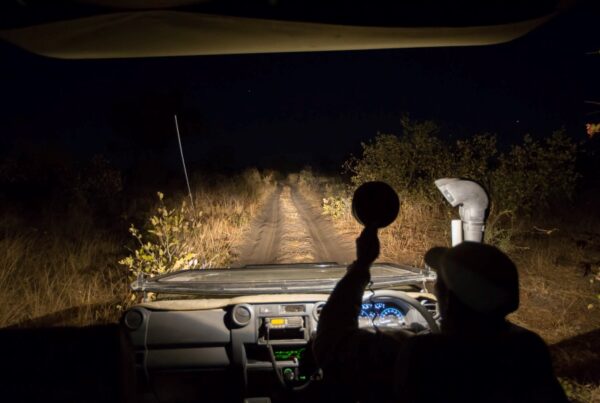
Embarking on a guided night drive is the most common way to explore Semuliki’s nocturnal wildlife. Equipped with powerful spotlights, experienced guides lead visitors through designated trails, enhancing the chances of wildlife sightings. These drives typically last between one to two hours and are conducted in the evening after dinner.

Night Nature Walks

For those seeking a more intimate experience, night nature walks offer a chance to explore the park’s trails on foot. Accompanied by a knowledgeable guide, visitors can observe the subtle sounds and movements of the forest at night. These walks provide a unique perspective on the park’s ecosystem, allowing for close encounters with nocturnal species and a deeper understanding of their behaviors.

Safety and Preparation

While night safaris in Semuliki are generally safe, it’s essential to adhere to safety guidelines. Traveling with a certified guide ensures not only safety but also enriches the experience with informative commentary. It’s advisable to wear long sleeves and trousers to protect against insects and to carry insect repellent. Bringing a flashlight is recommended, although guides typically provide adequate lighting.

The Ecological Significance of Night Safaris

Understanding Nocturnal Behaviors

Night safaris offer invaluable insights into the behaviors and activities of nocturnal species. Observing animals in their natural nighttime routines helps researchers and conservationists understand their roles within the ecosystem, their feeding habits, and their interactions with other species.

Conservation Awareness

Participating in night safaris raises awareness about the importance of preserving nocturnal habitats. Many of Semuliki’s nocturnal species are sensitive to environmental changes, and understanding their needs is crucial for effective conservation efforts. By supporting sustainable tourism practices, visitors contribute to the ongoing protection of these unique ecosystems.Night Safaris in Semuliki National Park

The Best Time for Night Safaris

Optimal Seasons

The dry seasons, typically from December to February and June to July, are considered the best times for night safaris in Semuliki. During these periods, the park’s trails are more accessible, and the chances of spotting nocturnal wildlife are higher. The clear skies during these months also enhance the stargazing experience, adding another layer of wonder to the night safari.

Weather Considerations

While the dry seasons are ideal, Semuliki’s weather can be unpredictable. It’s essential to check weather forecasts before planning a night safari, as rain can make trails slippery and challenging to navigate. Even during the dry seasons, occasional showers can occur, so it’s advisable to carry waterproof gear and be prepared for sudden changes in weather conditions.

Accommodation Options Near Semuliki

Semuliki Safari Lodge

Located within the park’s boundaries, Semuliki Safari Lodge offers luxury accommodations with stunning views of the surrounding wilderness. The lodge provides guided night drives and nature walks, ensuring guests have a comprehensive safari experience.

Ntoroko Game Lodge

Situated near Lake Albert, Ntoroko Game Lodge offers a more rustic experience with comfortable amenities. The lodge organizes night safaris and cultural encounters, providing guests with a blend of wildlife and local culture.

Camping Options

For adventurous travelers, camping within the park offers an immersive experience. Several campsites are available, providing basic facilities and the opportunity to sleep under the stars, surrounded by the sounds of the African wilderness.

Cultural Experiences Complementing Night Safaris

Interaction with Local Communities

Engaging with the local communities near Semuliki enhances the safari experience. Visitors can learn about traditional customs, participate in cultural dances, and gain insights into the daily lives of the indigenous people. These interactions foster a deeper connection to the region and its heritage.

Traditional Storytelling

Evenings around the campfire often feature traditional storytelling sessions, where elders share myths, legends, and histories of the land. These narratives provide context to the natural surroundings and offer a rich cultural perspective on the area.

The Future of Night Safaris in Semuliki

Sustainable Tourism Practices

As interest in night safaris grows, it’s crucial to implement sustainable tourism practices to minimize environmental impact. Guided tours should adhere to established trails to prevent habitat disruption, and noise levels should be kept to a minimum to avoid disturbing wildlife. Educating visitors on responsible behavior ensures that Semuliki’s nocturnal ecosystems remain intact for future generations.

Research and Conservation Initiatives

Ongoing research and conservation efforts are essential to understanding and protecting Semuliki’s nocturnal wildlife. Collaborations between local communities, conservation organizations, and researchers help develop strategies to mitigate threats such as poaching and habitat loss. Supporting these initiatives through eco-tourism contributes to the long-term preservation of the park’s unique biodiversity.

Embracing the Night in Semuliki

Night safaris in Semuliki National Park offer an extraordinary opportunity to witness the hidden world of nocturnal wildlife. From the elusive bush babies to the majestic leopards, the park’s nighttime inhabitants provide a captivating glimpse into the complexity of African ecosystems. By participating in these safaris, visitors not only experience the thrill of discovery but also contribute to the conservation of one of Uganda’s most unique natural treasures.

For an unforgettable adventure that combines the thrill of night safaris with the rich cultural heritage of Uganda, consider booking your African tours and safaris through WildHorn Africa. Their expertise and commitment to sustainable tourism ensure a memorable and responsible travel experience.

Unique Safari Lodges in Semuliki National Park

Unique Safari Lodges in Semuliki National Park

By Travel stories and blogs, Adventure holidays, Honeymoon holidays, Luxury holidays, Primate holidays, Safari holidays, Uganda travel guides, Wildlife holidays

Unique Safari Lodges in Semuliki National Park: A Gateway to Uganda’s Hidden Wilderness

Nestled in the western reaches of Uganda, Semuliki National Park stands as a testament to the country’s rich biodiversity and untamed landscapes. Encompassing approximately 220 square kilometers, this park is the easternmost extension of the vast Ituri Forest of the Congo Basin, making it one of Africa’s oldest and most ecologically significant rainforests. Its unique position offers a blend of Central African flora and fauna, creating a haven for wildlife enthusiasts and photographers alike.

For those seeking an immersive experience, the lodges within and around Semuliki National Park provide more than just accommodation—they offer a gateway to the heart of the wilderness. These establishments are thoughtfully designed to harmonize with the natural surroundings, ensuring minimal environmental impact while delivering unparalleled comfort and service.

Semuliki Safari Lodge: A Sanctuary in the Wild

Overview

Semuliki Safari Lodge is a premier luxury accommodation located within the Toro-Semuliki Wildlife Reserve. Constructed using locally sourced materials, the lodge seamlessly blends traditional African architecture with modern comforts. Its strategic location offers guests direct access to the park’s diverse ecosystems, from dense rainforests to open savannahs.

Accommodation

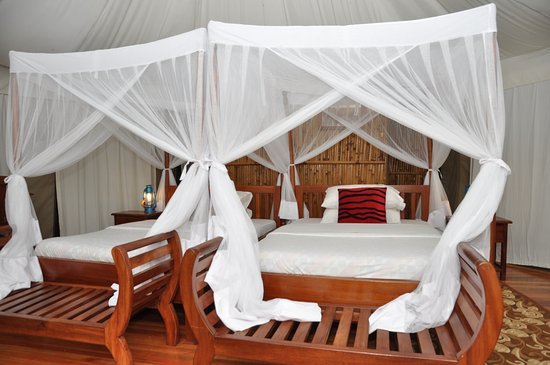
The lodge boasts eight spacious tented suites, each elevated on wooden platforms to provide panoramic views of the surrounding wilderness. These suites are tastefully furnished with king-sized beds, en-suite bathrooms, and private verandas. The interiors reflect a fusion of rustic charm and elegance, featuring handcrafted furniture and local artworks.

Dining and Amenities

Guests can indulge in gourmet meals at the lodge’s open-air dining area, where dishes are prepared using fresh, locally sourced ingredients. The bar offers a selection of fine wines and spirits, perfect for unwinding after a day of exploration. Additional amenities include a swimming pool, spa services, and a well-stocked library.

Activities

Semuliki Safari Lodge offers a range of activities tailored to nature enthusiasts. Guided game drives provide opportunities to spot the park’s diverse wildlife, including elephants, buffaloes, and various antelope species. Birdwatching excursions are particularly rewarding, with over 400 bird species recorded in the park. Guests can also embark on nature walks, boat trips along the Semuliki River, and cultural visits to nearby Batwa communities.Unique Safari Lodges in Semuliki National Park

Kirimia Guesthouse: A Homely Retreat

Overview

Located near the Kirimia trailhead, Kirimia Guesthouse offers a more intimate and budget-friendly option for travelers. This guesthouse provides basic yet comfortable accommodations, making it ideal for those seeking a closer connection to nature without compromising on essential amenities.

Accommodation

The guesthouse features several self-contained rooms, each equipped with basic furnishings and private bathrooms. While the decor is simple, the rooms are clean and well-maintained, ensuring a restful stay.

Dining and Amenities

Meals are served in a communal dining area, where guests can enjoy home-cooked dishes prepared with locally sourced ingredients. The guesthouse also offers guided walks to the nearby hot springs and forest trails, allowing guests to immerse themselves in the park’s natural beauty.

National Park Bandas and Campsite: Embracing the Outdoors

Overview

Managed by the Uganda Wildlife Authority, the National Park Bandas and Campsite offers a more rustic and adventurous experience for visitors. Situated midway between Sempaya and Ntandi, this facility caters to campers and those preferring a more direct interaction with the environment.

Accommodation

The Bandas are simple, self-contained units that provide basic shelter for guests. For those opting for a more traditional camping experience, the campsite offers designated areas equipped with fire pits and shared facilities. This setup is perfect for travelers looking to experience the park’s wilderness up close.

Activities

Guests can embark on guided walks to the Sempaya hot springs, explore the forest trails, or participate in birdwatching sessions. The proximity to the park’s core areas ensures that visitors have ample opportunities to witness the diverse flora and fauna of Semuliki National Park.

Choosing the Right Lodge for Your Safari

When planning a visit to Semuliki National Park, selecting the appropriate lodge is crucial to ensure a memorable experience. Consider the following factors:

  • Budget: Determine your budget to narrow down accommodation options.

  • Amenities: Identify the amenities that are most important to you, such as Wi-Fi, air conditioning, or spa services.

  • Activities: Choose a lodge that offers activities aligned with your interests, whether it’s birdwatching, game drives, or cultural experiences.

  • Accessibility: Consider the lodge’s proximity to park entrances and key attractions to maximize your time spent exploring.

Immersing Yourself in Semuliki’s Wonders

Semuliki National Park offers a unique blend of natural beauty, rich biodiversity, and cultural heritage. The lodges within and around the park provide diverse options to suit various preferences and budgets. Whether you opt for the luxury of Semuliki Safari Lodge, the homely charm of Kirimia Guesthouse, or the adventurous spirit of the National Park Bandas and Campsite, each accommodation offers a gateway to the park’s wonders.

To ensure a seamless and enriching safari experience, it is advisable to book your accommodation and safari activities through reputable tour operators. WildHorn Africa specializes in crafting personalized African safari experiences, ensuring that your journey through Semuliki National Park is both memorable and transformative.

Semuliki National Park Safari Itinerary Ideas

Semuliki National Park Safari Itinerary Ideas

By Travel stories and blogs, Adventure holidays, Primate holidays, Safari holidays, Uganda travel guides

Semuliki National Park Safari Itinerary Ideas

Semuliki National Park, nestled in the remote Bwamba County of Bundibugyo District in western Uganda, offers an unparalleled adventure experience. Often overshadowed by more renowned parks, Semuliki stands as a testament to Africa’s rich biodiversity and cultural heritage. This park, established in 1993, is a sanctuary for a myriad of species, many of which are rare or endemic to the region. Its significance is underscored by its designation as a UNESCO Biosphere Reserve, highlighting its global ecological importance.

Day 1: Journey to Semuliki National Park

Departure from Kampala

The adventure begins with an early morning departure from Kampala, Uganda’s bustling capital. Travelers embark on a scenic drive through the verdant countryside, passing by the bustling town of Mityana and the serene landscapes of Fort Portal. The journey offers glimpses of rural Ugandan life, with lush plantations and traditional homesteads dotting the landscape. Upon reaching Fort Portal, a brief stop allows for refreshments and a chance to stretch before continuing the journey towards Semuliki.

Arrival and Check-in

Upon arrival at Semuliki National Park, guests check into their chosen accommodations. Options range from luxury lodges to more modest guesthouses, each offering a unique experience. The lodges are strategically located to provide easy access to the park’s main attractions, ensuring that guests can immerse themselves in the natural beauty and tranquility of the area.

Evening Game Drive

As dusk falls, guests embark on a guided night game drive. Equipped with spotlights, the safari vehicle traverses the park’s trails in search of nocturnal wildlife. This is an opportunity to observe species that are elusive during daylight hours, such as leopards, bush babies, and various nocturnal birds. The night air is filled with the sounds of the forest, creating an atmosphere of mystery and excitement.

Day 2: Exploration of Semuliki’s Wonders

Morning Chimpanzee Trekking

The day begins with an early breakfast before heading to the park’s headquarters for a briefing on chimpanzee trekking guidelines. Accompanied by experienced guides, guests venture into the forest in search of chimpanzee troops. The trek offers insights into the behavior and social structures of these intelligent primates, as well as the opportunity to observe other wildlife and plant species that inhabit the forest. The dense canopy and rich biodiversity make each moment in the forest a discovery.

Afternoon Game DriveSemuliki National Park Safari Itinerary Ideas

After a leisurely lunch, guests embark on an afternoon game drive. The park’s diverse habitats support a wide range of wildlife, including forest elephants, buffaloes, and various antelope species. Bird enthusiasts will find delight in the park’s avian diversity, with over 400 bird species recorded, including the rare hornbills and the elusive shoebill stork. The game drive offers ample opportunities for photography and wildlife observation.

Visit to Sempaya Hot Springs

In the late afternoon, a visit to the Sempaya Hot Springs is scheduled. The hot springs are a geological wonder, with boiling geysers that shoot steam and hot water into the air. The male spring, Bintente, has a diameter of 12 meters, while the female spring, Nyasimbi, is a boiling geyser that can reach temperatures of up to 103°C. Local traditions involve cooking food in the hot springs, adding a cultural dimension to the visit.

Day 3: Cultural Immersion and Departure

Batwa Cultural Experience

The final day offers a cultural immersion experience with the Batwa community. The Batwa, often referred to as the “Pygmies,” are indigenous people who have historically lived in the forests. Visitors have the opportunity to learn about their traditional lifestyles, including hunting techniques, medicinal plant knowledge, and cultural rituals. This interaction provides a deeper understanding of the human connection to the forest and the challenges faced by indigenous communities in a changing world.

Return Journey

After the cultural experience, guests begin their journey back to Kampala. The drive retraces the scenic route, offering a final opportunity to absorb the landscapes and rural life of western Uganda. Upon arrival in Kampala, the safari concludes, leaving guests with memories of a unique and enriching adventure.

Extended Itinerary Options

4-Day Safari: Deeper Exploration

For those seeking a more in-depth experience, a 4-day safari allows for additional activities and relaxation. The extra day can be utilized for extended game drives, additional cultural interactions, or simply unwinding at the lodge. This extended itinerary provides a more leisurely pace, ensuring that guests can fully immerse themselves in the park’s offerings.

5-Day Safari: Combination with Kibale National Park

A 5-day safari combines the wonders of Semuliki with the primate-rich Kibale National Park. After exploring Semuliki, guests travel to Kibale for chimpanzee trekking and a visit to the Bigodi Wetland Sanctuary. This combination offers a diverse range of experiences, from forest treks to wetland birdwatching, enriching the overall safari experience.

Semuliki National Park offers a unique blend of wildlife, culture, and natural beauty, making it a must-visit destination for adventurous travelers. Whether on a short 3-day itinerary or an extended safari, visitors are guaranteed an enriching experience that connects them with the heart of Africa.

For those planning to explore the wonders of Semuliki and beyond, consider booking your Africa tours and safaris through WildHorn Africa. Their expert guides and tailored itineraries ensure that your journey through Uganda’s natural treasures is both seamless and memorable.

Conservation Challenges in Semuliki National Park

Conservation Challenges in Semuliki National Park

By Travel stories and blogs, Adventure holidays, Family holidays, Safari holidays, Uganda travel guides, Wildlife holidays

Conservation Challenges in Semuliki National Park

Semuliki National Park, located in western Uganda, stands as a testament to the country’s rich biodiversity and ecological significance. Spanning approximately 220 square kilometers, it is one of Uganda’s most biologically diverse protected areas. The park is renowned for its unique lowland tropical rainforest, which harbors species that are rare or absent in other parts of East Africa. Despite its ecological importance, Semuliki National Park faces numerous conservation challenges that threaten its delicate ecosystems and the myriad species it supports.

Habitat Loss and Fragmentation

One of the most pressing threats to Semuliki National Park is habitat loss and fragmentation. Human activities such as agriculture, logging, and infrastructure development have led to the encroachment into the park’s boundaries. This encroachment not only reduces the size of the park but also fragments its habitats, making it difficult for wildlife to move freely and access resources. The park’s proximity to the Democratic Republic of Congo (DRC) further exacerbates this issue, as cross-border activities contribute to the degradation of the forest. Efforts to address habitat loss require coordinated conservation strategies that involve both Ugandan and Congolese authorities.

Poaching and Illegal Wildlife Trade

Poaching remains a significant challenge in Semuliki National Park. Illegal hunting activities target various species, including elephants, chimpanzees, and antelopes, driven by the demand for bushmeat and animal parts. The park’s location near human settlements increases the risk of poaching, as local communities often rely on the park’s resources for sustenance. Additionally, the illegal wildlife trade poses a threat to species such as the African green pigeon, which is considered a delicacy by some local communities. Conservation efforts must focus on strengthening law enforcement and promoting alternative livelihoods for communities to reduce dependence on poaching.

Climate Change and Environmental Stressors

Climate change introduces additional stressors to Semuliki National Park’s ecosystems. Changes in rainfall patterns, increased temperatures, and the frequency of extreme weather events can alter the distribution of species and the structure of habitats. For instance, shifts in temperature and precipitation can affect the breeding cycles of amphibians and the availability of food for various animals. These environmental changes may lead to a mismatch between species’ ecological requirements and the available conditions, potentially resulting in population declines.Conservation Challenges in Semuliki National Park

Community Engagement and Livelihoods

The relationship between local communities and Semuliki National Park is complex. Historically, conservation efforts have often excluded local communities, leading to resentment and non-compliance with park regulations. The eviction of indigenous groups, such as the Batwa, from the park has further strained relations. To address these issues, conservation strategies must prioritize community engagement, ensuring that local populations benefit from the park’s resources through sustainable practices. Programs that promote eco-tourism, sustainable agriculture, and alternative livelihoods can empower communities and foster a sense of ownership and responsibility towards conservation.

Transboundary Conservation Challenges

Semuliki National Park’s location along the border with the DRC introduces transboundary conservation challenges. The park is contiguous with Virunga National Park in the DRC, creating a shared ecosystem that requires coordinated management efforts. However, political instability, differing conservation priorities, and limited resources complicate collaborative initiatives. Effective transboundary conservation requires diplomatic engagement, joint patrols, and shared research initiatives to address common threats and ensure the protection of the entire ecosystem.

Conservation Initiatives and Strategies

In response to these challenges, various conservation initiatives have been implemented in Semuliki National Park. The Uganda Wildlife Authority (UWA) has increased anti-poaching patrols and established community conservation programs to involve local populations in park management. Collaborations with non-governmental organizations and international partners have facilitated habitat restoration projects and environmental education campaigns. Additionally, the promotion of sustainable tourism has generated revenue that supports conservation activities and provides economic incentives for communities to protect the park’s resources.

Semuliki National Park is a vital ecological asset that faces numerous conservation challenges. Addressing these issues requires a multifaceted approach that combines habitat protection, law enforcement, community engagement, and climate change adaptation. By fostering collaboration among local communities, governmental agencies, and international partners, Semuliki National Park can be preserved for future generations. Visitors to the park play a crucial role in supporting conservation efforts through responsible tourism and advocacy. Their engagement not only contributes to the park’s sustainability but also enhances their understanding and appreciation of Uganda’s rich natural heritage.

For those interested in exploring the wonders of Semuliki National Park and contributing to its conservation, consider booking your Africa tours and safaris through WildHorn Africa. Their expert-guided tours offer immersive experiences that highlight the park’s biodiversity and conservation efforts, ensuring that your visit supports sustainable practices and local communities.

Close Menu