search
10 Most Beautiful and Interesting Places To Visit in Kenya

10 Most Beautiful and Interesting Places To Visit in Kenya

By Kenya travel guides, Travel guides, Travel stories and blogs

10 Most Beautiful and Interesting Places To Visit in Kenya

Where Raw Wilderness Meets Cultural Brilliance (Places To Visit in Kenya)

The Heartbeat of East Africa—Undeniably Magical

Kenya is not just a country—it’s a vivid, living canvas of wild terrain, rich heritage, captivating beauty, and soulful adventure. This East African treasure beckons every kind of traveler, from wildlife lovers and thrill-seekers to culture enthusiasts and beach loungers. A single journey through Kenya reveals a nation brimming with contrasting ecosystems and deeply rooted traditions, with each region offering a distinctive sense of identity, scenery, and experience.

From the golden plains where lions roam to misty highlands dotted with tea plantations, and from sun-drenched coastlines to ancient Great Rift Valley lakes, Kenya holds within her borders some of the most breathtaking and diverse landscapes on the African continent. Her people, warm and welcoming, infuse the land with color, rhythm, and resilience—creating a travel experience that is both deeply enriching and endlessly inspiring.

Let us explore ten of the most beautiful and interesting places to visit in Kenya—destinations that combine raw natural wonder, historical intrigue, and unforgettable moments. These are not merely spots on a map; they are stories, experiences, and emotions waiting to be lived.

Places To Visit in Kenya #Places To Visit in Kenya Places To Visit in Kenya

Maasai Mara National Reserve – The Crown Jewel of Wildlife Safari

There is no place on Earth quite like the Maasai Mara. This iconic savannah, seamlessly connected to Tanzania’s Serengeti ecosystem, is one of Africa’s most celebrated safari destinations. Famed for hosting the Great Wildebeest Migration, the Mara becomes a stage for millions of animals surging across the plains in search of greener pastures. The spectacle is thrilling and raw, with nature’s drama unfolding daily between predator and prey.

Beyond the migration, the reserve teems with lions, cheetahs, elephants, leopards, and a remarkable variety of birdlife. Game drives through the Mara offer intimate and adrenaline-fueled encounters, while cultural visits to nearby Maasai villages reveal a timeless way of life, rich in ceremony and tradition. The Mara is more than a safari—it’s a pulse of the planet.

Lake Nakuru National Park – A Flamingo-Colored Dreamscape

Nestled in the Great Rift Valley, Lake Nakuru is a shimmering soda lake framed by escarpments and acacia woodland. Known for its once-enormous flocks of pink flamingos, the lake still hosts tens of thousands of these elegant birds, along with pelicans, cormorants, and African fish eagles.

What makes this park even more special is its role as a sanctuary for endangered species, particularly black and white rhinos, which roam freely alongside buffalos, giraffes, and elusive leopards. The views from Baboon Cliff, especially at sunset, transform the landscape into a kaleidoscope of golden light and flamingo pink. Lake Nakuru is where color and conservation harmoniously meet.

Amboseli National Park – Elephants Beneath Kilimanjaro’s Gaze

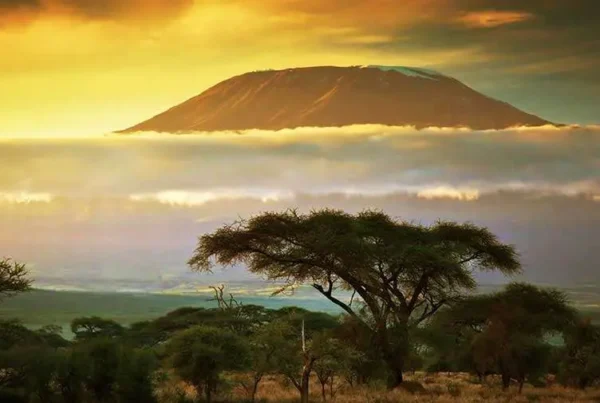
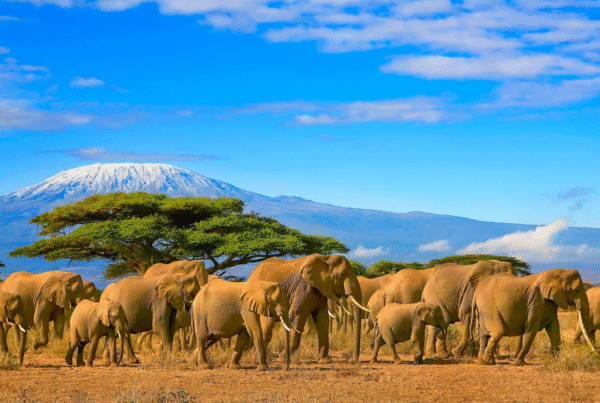
Set against the backdrop of snow-capped Mount Kilimanjaro, Africa’s tallest peak, Amboseli National Park offers some of the most dramatic and photogenic scenery in all of Kenya. The image of massive elephants crossing dusty plains with the mountain rising behind them is one of Africa’s most iconic visuals.

Amboseli is renowned for its large, well-studied elephant herds, many of which are impressively tusked and closely monitored by conservationists. With open savannah, seasonal marshes, and acacia forests, the park supports a diverse array of species, including lions, hyenas, wildebeests, and giraffes. The flat terrain and unobstructed views make wildlife photography here nothing short of exceptional.

Lamu Island – A Coastal Tapestry of Swahili Heritage

Tucked away along Kenya’s northern coast lies Lamu Island, a UNESCO World Heritage Site and a serene world of winding alleyways, ancient mosques, and stone homes built from coral. Lamu is East Africa’s oldest continuously inhabited town, where the rhythms of traditional Swahili culture still dominate everyday life.

Donkey carts replace cars, and dhows sail gracefully across turquoise waters. Lamu is the embodiment of coastal tranquility and historic charm, offering a deep dive into a unique Afro-Arabian blend of cultures. Whether you’re relaxing on Shela Beach, exploring Lamu Fort, or sipping spiced coffee in a rooftop café, the island whispers stories of centuries past.

Mount Kenya – A Sacred Peak Wrapped in Clouds

Rising majestically in central Kenya, Mount Kenya is the country’s highest mountain and Africa’s second tallest after Kilimanjaro. Unlike its Tanzanian counterpart, Mount Kenya offers an off-the-beaten-path climbing experience, with rugged trails, glacial valleys, alpine lakes, and wildlife-rich forests.

This ancient, extinct volcano is sacred to the Kikuyu people and is revered as the dwelling place of their god, Ngai. Treks up to Point Lenana, the third-highest peak, provide breathtaking panoramas and a sense of spiritual solitude. The surrounding Mount Kenya National Park teems with giant forest hogs, colobus monkeys, and rare bird species, offering a pristine and poetic encounter with Kenya’s highlands.

Hell’s Gate National Park – Adventure Amid Towering Cliffs

Dramatic, raw, and full of geological marvels, Hell’s Gate National Park near Lake Naivasha is a haven for adventure seekers. Named for its towering rock formations and geothermal activity, the park is one of the few in Kenya where you can walk or cycle among wildlife, giving you an unfiltered connection to the land.

The park’s deep gorges, hot springs, and towering spires—like Fischer’s Tower and Central Tower—create an almost surreal landscape. Visitors can hike into the Ol Njorowa Gorge, admire vultures and eagles riding the thermals, and explore geothermal plants. Hell’s Gate is a reminder that Kenya’s beauty also lies in its elemental power and geological diversity.

Diani Beach – Where White Sands Meet Indian Ocean Blues

On Kenya’s southern coastline lies Diani Beach, a stretch of powdery white sand lapped by the turquoise waters of the Indian Ocean. Fringed by palms and shielded by coral reefs, Diani is one of Africa’s most alluring coastal escapes, offering a perfect blend of relaxation and underwater exploration.

Snorkeling, diving, kitesurfing, and deep-sea fishing are popular activities, while dhow cruises and sandbar walks bring serenity. Beyond the beach, visitors can explore Shimba Hills National Reserve or visit Colobus monkey sanctuaries. Diani is more than just a beach—it’s a canvas of coastal wonder infused with Kenyan charm.

Samburu National Reserve – Untamed Beauty of the Northern Frontier

In the arid heart of northern Kenya lies Samburu National Reserve, a rugged wilderness that offers a completely different safari experience. Here, the landscape is dry, dramatic, and dotted with doum palms, while the Ewaso Nyiro River brings life to the region.

Samburu is home to the rare “Samburu Special Five”—Grevy’s zebra, Somali ostrich, reticulated giraffe, gerenuk, and Beisa oryx—as well as thriving populations of elephants and big cats. The Samburu people, with their rich customs and vibrant dress, add depth to the experience, making every visit a cultural and ecological immersion.

Tsavo National Parks – Kenya’s Largest Wild Kingdom

Divided into Tsavo East and Tsavo West, this immense wilderness covers nearly 22,000 square kilometers, making it Kenya’s largest protected area. Tsavo is where the wild still feels wild, a land of lava flows, ancient baobabs, red-dusted elephants, and vast open horizons.

Tsavo East is known for its sheer size and remote character, while Tsavo West offers varied terrain, including volcanic hills, Mzima Springs, and rhino sanctuaries. The sense of isolation here is powerful, and visitors feel as though they’ve stepped into an untamed world where nature reigns with quiet authority.

Nairobi – A Capital Where Urban Energy Meets Safari Spirit

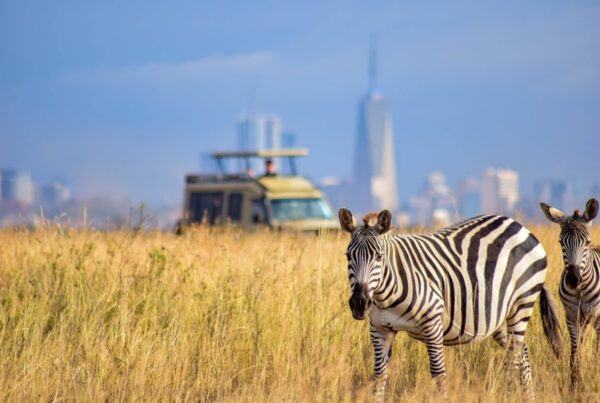
Kenya’s vibrant capital, Nairobi, is more than just a gateway—it’s an energetic city where urban life and nature co-exist in rare harmony. Nowhere else in the world can you find a national park within city limits, where lions and giraffes roam against the backdrop of skyscrapers.

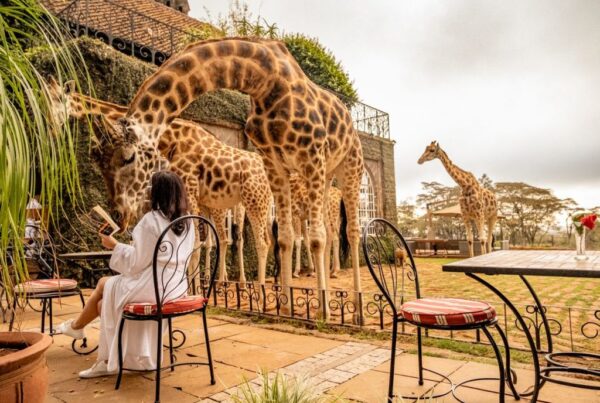
Nairobi is also rich in history and culture. The Karen Blixen Museum, Giraffe Centre, and David Sheldrick Wildlife Trust provide meaningful interactions with Kenya’s past and ongoing conservation efforts. From upscale restaurants to craft markets and bustling nightlife, Nairobi delivers an urban rhythm pulsing with African soul.

Book Your Kenyan Journey with WildHorn Africa (Places To Visit in Kenya)

Kenya is not just a destination—it is a journey of discovery, heart, and connection. Every mountain trail, savannah plain, cultural encounter, and coastal breeze tells a story that deepens your understanding of Africa and your place within it. Whether you seek luxury or raw adventure, solitude or celebration, Kenya offers it all in dazzling abundance.

To experience Kenya at its fullest, trust the experts at WildHorn Africa. Their deep local knowledge, handpicked itineraries, and personalized service ensure that your journey is authentic, enriching, and unforgettable. Whether you dream of safari drives in the Mara, trekking Mount Kenya, or relaxing on the beaches of Lamu, WildHorn Africa will craft a journey that exceeds your expectations.

Answer Kenya’s call—and let WildHorn Africa be your trusted guide into the wild, wonderful heart of East Africa.

Places To Visit in Kenya #Places To Visit in Kenya Places To Visit in Kenya

Top 10 Best Luxury African Safari Resorts & Lodges

Top 10 Best Luxury African Safari Resorts & Lodges

By Travel guides, Travel stories and blogs

Top 10 Best Luxury African Safari Resorts & Lodges

Where Wilderness Meets Unrivaled Opulence

The Ultimate Escape into Africa’s Untamed Splendor

Imagine waking up to the sounds of lions roaring in the distance, sipping your morning coffee while elephants roam past your private veranda, or watching the sun melt into the savannah as you dine under a canopy of stars. This is not a dream—this is luxury safari travel in Africa, where wild beauty meets unmatched elegance. In today’s world, discerning travelers no longer have to choose between adventure and indulgence. Africa offers both, seamlessly blended into immersive experiences set within the most exclusive safari lodges and resorts the continent has to offer.

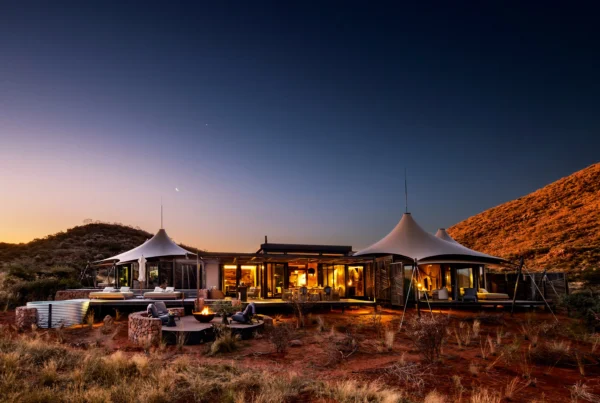
Across the sprawling plains, dense forests, and remote deserts of Africa, there exists a collection of extraordinary retreats that redefine the meaning of safari. These luxury lodges are not only architectural masterpieces but also conservation powerhouses, offering travelers the chance to connect deeply with nature without compromising on comfort or style. Whether nestled in the heart of the Serengeti, perched along the Okavango Delta, or hidden in the ancient dunes of Namibia, these properties provide more than accommodation—they offer transformational encounters, curated experiences, and impeccable hospitality.

Let us take you through the top ten most captivating luxury safari resorts and lodges in Africa—destinations that are as enchanting as the landscapes they inhabit.

African Safari Resorts & Lodges #African Safari Resorts & Lodges African Safari Resorts & Lodges

Singita Sasakwa Lodge, Tanzania – Where Colonial Grace Meets East African Grandeur (African Safari Resorts & Lodges)

Located in the vast Grumeti Reserves adjacent to the Serengeti National Park, Singita Sasakwa Lodge offers a timeless experience in a setting of uninterrupted wilderness and old-world charm. Built in the style of an Edwardian manor, the lodge combines antiques, crystal chandeliers, and fine art with panoramic views of the Serengeti plains.

Every suite features private plunge pools, wooden decks, and opulent interiors, but what truly sets Sasakwa apart is the commitment to sustainability and community empowerment. Game drives, equestrian safaris, and wine-tasting evenings make this a sanctuary of sensory delights. Guests are enveloped in an atmosphere that is both personal and majestic, making it an unforgettable highlight of any African journey.

Royal Malewane, South Africa – A Private Window into Kruger’s Wild Heart

In the prestigious Thornybush Private Game Reserve bordering Kruger National Park, Royal Malewane epitomizes African luxury and intimacy with nature. It’s a place where interiors mirror palatial elegance, each suite boasting four-poster beds, private decks, and outdoor showers with views stretching deep into the bushveld.

What makes Royal Malewane exceptional is its world-renowned team of expert trackers and guides, ensuring guests have the most profound wildlife encounters possible. The spa, housed in a tranquil oasis, and the Michelin-worthy culinary offerings further elevate the experience, creating a symphony of relaxation and wild exploration in one of South Africa’s finest lodges.Top 10 Best Luxury African Safari Resorts & Lodges

&Beyond Ngorongoro Crater Lodge, Tanzania – The Masquerade of Fantasy and Tradition

Perched on the rim of the ancient Ngorongoro Crater, &Beyond’s Ngorongoro Crater Lodge is often referred to as the Versailles of the African bush. This iconic property blends Maasai aesthetics with baroque extravagance—think beaded chandeliers, velvet drapery, and dramatic frescoed walls, all set against a backdrop of one of the most fertile and animal-rich landscapes in Africa.

Each suite offers a front-row seat to the natural amphitheater of the crater below, where rhinos, lions, and elephants roam freely. Service here is intuitive and personalized, with private butlers, curated crater tours, and romantic dining setups that elevate every moment into a royal affair amidst the wilderness.

Matetsi Victoria Falls, Zimbabwe – Where the Zambezi Flows Beside Serenity

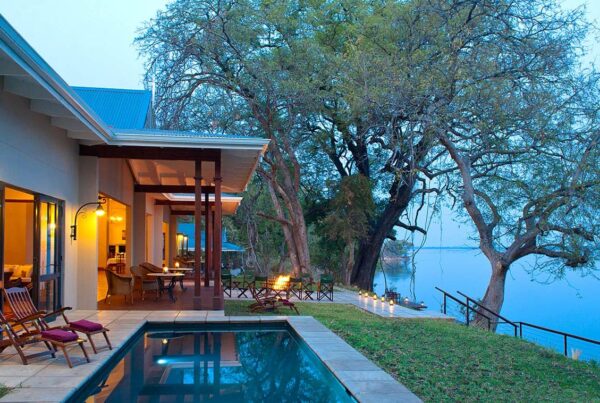
Set along a private stretch of the mighty Zambezi River and just minutes from the thundering Victoria Falls, Matetsi Victoria Falls blends sophistication with striking natural beauty. The lodge’s contemporary design integrates seamlessly into the environment, using local materials, river stones, and vast glass windows to create a serene oasis of elegance.

The river suites offer expansive views, private pools, and the calming sounds of water and wildlife. Beyond the aesthetics, Matetsi champions conservation, employing locals, protecting wildlife corridors, and offering guests deep insight into the delicate ecosystems that flourish here. The combination of riverside tranquility and safari adventure makes Matetsi a destination in its own right.

Abu Camp, Botswana – An Intimate Encounter with Elephants

In the heart of the Okavango Delta, Abu Camp offers something profoundly unique: the opportunity to walk with elephants, understand their behavior, and form connections that are deeply personal. This eco-luxury camp redefines experiential safari travel, offering just a handful of tented suites that fuse canvas charm with five-star comfort.

Each suite is a work of art, suspended above the floodplains with wraparound decks, sunken lounges, and copper bathtubs open to the stars. The experience is less about luxury in the conventional sense and more about emotional richness—a soulful journey into Africa’s wild heart, guided by elephants and immersed in meaning.

Mombo Camp, Botswana – The Place of Plenty, Preserved in Purity

Widely considered the crown jewel of the Okavango Delta, Mombo Camp sits within the Moremi Game Reserve, in a region so rich in wildlife it has earned the nickname “Place of Plenty.” This ultra-luxury tented camp is both rustic and regal, combining the romance of classic safari life with meticulous attention to detail.

Guests are treated to awe-inspiring wildlife sightings from their decks, often without needing to leave the lodge. Interiors reflect a blend of modern design and traditional aesthetics, while the camp’s emphasis on solar power and conservation science makes it a model of sustainable tourism with soul.

Zannier Hotels Sonop, Namibia – Desert Dreams with Decadent Design

In the heart of the Namib Desert, Zannier Hotels Sonop appears like a mirage—an Edwardian explorer’s camp elevated into the realm of luxury. Situated on boulder-strewn hills, the lodge offers panoramic views of one of the oldest deserts in the world. The suites are tents in name only; inside, they offer vintage opulence, complete with leather furniture, brass fittings, and clawfoot bathtubs.

Guests can ride horses through sand dunes, enjoy open-air cinema nights, or unwind at the spa under desert skies. Every experience is crafted with elegance and thoughtfulness, making Sonop a destination that feels both cinematic and surreal, where time slows and the soul expands.

Jack’s Camp, Botswana – A Step Back in Time Across the Makgadikgadi

Deep in Botswana’s Makgadikgadi Salt Pans lies Jack’s Camp, a place of timeless mystique and otherworldly beauty. Rebuilt in 2021, this legendary camp maintains its 1940s safari ambiance with Persian rugs, canvas pavilions, and museum-worthy artifacts, all infused with modern comfort.

Here, safaris unfold on quad bikes across lunar landscapes or in the company of habituated meerkats. Flamingos flock to ephemeral lakes, and ancient baobabs keep silent watch. It’s an experience that transcends wildlife—immersing you in geology, anthropology, and magic.

Chinzombo Lodge, Zambia – The Wild Renaissance of South Luangwa

Set on the banks of the Luangwa River, Chinzombo Lodge represents the rebirth of Zambian luxury safari. Designed by award-winning architects, the lodge merges minimalist modernism with natural materials, creating open-plan villas with cooling plunge pools and seamless indoor-outdoor living.

The real treasure, however, is its proximity to South Luangwa National Park, a region renowned for walking safaris, predator sightings, and abundant wildlife. Chinzombo’s guides are among the best in the business, transforming each safari into a narrative of survival, behavior, and interconnectedness in the wild.

Sasaab Lodge, Kenya – A Moroccan Dream in Samburu’s Wild North

Perched above the Ewaso Nyiro River in the semi-arid Samburu region of northern Kenya, Sasaab is a fusion of Swahili design and Moroccan elegance, offering sweeping views, rich cultural encounters, and thrilling safari action. Each villa opens onto private plunge pools and breezy terraces, creating a sanctuary of comfort and space.

What sets Sasaab apart is its blend of luxury and cultural immersion. Guests can visit Samburu villages, partake in camel safaris, or relax at the spa overlooking elephant crossings. It’s a place where design, experience, and conservation live in harmony—a rare jewel in Kenya’s safari crown.

Book Your African Safari in Style with WildHorn Africa

Luxury safaris are more than just high-end lodges—they’re portals to profound connection, personal transformation, and untamed wonder. With WildHorn Africa, you’re not just booking a journey—you’re crafting a story worth telling, guided by experts who understand that true luxury is found in moments, not merely in amenities.

Whether you’re dreaming of the Serengeti, the Okavango, or the shadowy rim of Ngorongoro, WildHorn Africa brings together the continent’s finest lodges, custom itineraries, and responsible travel ethics to deliver safari experiences that are nothing short of extraordinary.

Let WildHorn Africa turn your safari dreams into unforgettable realities—where luxury is wild, and the wild is luxury.

African Safari Resorts & Lodges #African Safari Resorts & Lodges African Safari Resorts & Lodges

Top 6 Best Safari Lodges Camps Near the Zambezi River

Top 6 Best Safari Lodges Camps Near the Zambezi River

By Travel guides, Travel stories and blogs, Zambia travel guides

Top 6 Best Safari Lodges & Camps Near the Zambezi River

Luxury, Wilderness, and Wonder Along Africa’s Legendary Waterway

Where the River Whispers the Secrets of the Wild (Lodges Camps Near the Zambezi River)

The Zambezi River—Africa’s fourth-longest river—is more than a body of water. It is a lifeline of legends, flowing through six countries and shaping the landscapes, cultures, and wildlife that surround it. From its origins in northwestern Zambia to its dramatic plunge over the iconic Victoria Falls, the Zambezi breathes life into vast ecosystems and nourishes some of the most spectacular safari regions on the continent.

For the discerning traveler seeking both raw wilderness and refined comfort, the banks of the Zambezi offer a collection of world-class safari lodges and camps that marry untamed nature with luxurious escape. These exclusive retreats are designed not only to immerse guests in the sounds and sights of the African bush but to provide intimate, soul-stirring moments that linger long after the journey ends.

Whether you’re watching elephants bathe from your private plunge pool, drifting along the river in a sunset cruise, or waking to the call of fish eagles echoing over the water, these lodges provide unrivaled access to Africa’s wild heart. Let’s journey through six of the finest safari camps and lodges near the Zambezi River—each offering a distinctive lens through which to experience the rhythm of this iconic waterway.

Lodges Camps Near the Zambezi River #Lodges Camps Near the Zambezi River Lodges Camps Near the Zambezi River

Royal Zambezi Lodge, Lower Zambezi National Park – Elegance on the Edge of the Wild

Set at the confluence of luxury and wilderness, the Royal Zambezi Lodge rests gracefully on the banks of the Zambezi River, directly opposite the breathtaking Lower Zambezi National Park. This privately owned lodge is a masterclass in understated luxury, combining contemporary design with natural harmony. Thatched suites stretch along the riverfront, each offering open-air bathtubs, private decks, and uninterrupted views of elephants and hippos wandering nearby.

The lodge’s proximity to the park allows for extraordinary wildlife encounters, whether by boat, game vehicle, or on foot. Days begin with morning safaris through unspoiled terrain and end with candlelit dinners beneath ancient trees. Royal Zambezi also offers spa treatments, fishing expeditions, and canoe safaris, making it a haven for both relaxation and adventure. Here, every moment feels curated for tranquility and connection—to nature, to culture, and to oneself.

Chongwe River Camp, Lower Zambezi – A Canvas of Comfort and Conservation

Nestled at the meeting point of the Chongwe and Zambezi rivers, Chongwe River Camp is a place where luxury safari living meets environmental stewardship. The camp’s setting, shaded by winterthorn trees and framed by the dramatic Zambezi escarpment, offers panoramic views of wildlife and water, often without leaving your suite. Elephants frequently wander through camp, and lions are known to be heard in the night, reminding guests that they are deep within Africa’s wild pulse.

The camp’s tented suites are works of art, blending canvas, stone, and reclaimed wood with contemporary African aesthetics. Personalized service, gourmet cuisine, and a wide array of activities—from canoeing to cultural visits—ensure that each guest’s journey is as tailored as it is transformative. Chongwe is not only a lodge—it’s an immersive retreat that captures the essence of safari living while championing community and conservation.

Sausage Tree Camp, Lower Zambezi – An Icon of Ultra-Exclusive Safari Experience

Often heralded as one of Zambia’s most luxurious safari properties, Sausage Tree Camp offers a bespoke and ultra-private experience in the heart of the Lower Zambezi. With just a handful of tented suites—each complete with personal butlers, plunge pools, and uninterrupted views—the camp promises unparalleled exclusivity and intimacy.

Set against a backdrop of riverine forest and open floodplain, Sausage Tree blends minimalist elegance with natural textures. Game viewing is exceptional, with expertly guided game drives, walking safaris, and canoe trips that bring guests within breath-holding distance of wildlife. The Lower Zambezi is known for its thriving elephant population, big cats, and abundant birdlife, and this camp offers a front-row seat to it all. At night, guests dine beneath the stars beside a fire-lit riverbank—a fitting end to days steeped in wonder.

Toka Leya Camp, Zambia – A Riverside Sanctuary Near Victoria Falls

Just upstream from the thunderous Victoria Falls lies Toka Leya Camp, a serene eco-luxury lodge operated by Wilderness Safaris. Perched on raised wooden decks above the Zambezi River, the camp seamlessly blends into the surrounding riverine forest, offering a peaceful yet vibrant base for exploration.

The camp’s location offers a rare duality—close enough to enjoy the adrenaline and wonder of Victoria Falls, yet far enough to feel immersed in the quiet hum of the bush. Each tented suite is elegantly appointed with glass doors opening to expansive decks, inviting the river’s presence into every moment. Activities here range from white-water rafting and guided tours of the falls to relaxed river cruises and wildlife-rich drives in Mosi-oa-Tunya National Park. Toka Leya is where adventure meets serenity, all shaded beneath ancient fig trees.

Chiawa Camp, Lower Zambezi – The Gold Standard in Zambian Safari

Family-owned and rooted in conservation values, Chiawa Camp was the first camp to be established in the Lower Zambezi National Park and has since become a gold standard for luxury safari in Zambia. Tucked beneath a grove of mahogany and acacia trees, the camp’s canvas tents are raised on timber decks, offering stunning river views and exceptional comfort.

With a strong emphasis on guiding excellence and responsible tourism, Chiawa provides diverse safari activities that showcase the park’s rich ecosystems. Guests can enjoy traditional game drives, river safaris, catch-and-release tiger fishing, and even silent drifting safaris—a uniquely meditative way to observe life along the riverbanks. Chiawa’s award-winning service, creative cuisine, and deep commitment to wildlife protection make it not only a place to stay, but a place to believe in.

Zambezi Sands River Lodge, Zimbabwe – A Wilderness Escape with Timeless Luxury

Located within Zambezi National Park, just a short drive from Victoria Falls, Zambezi Sands River Lodge offers a luxurious and secluded escape amidst one of Zimbabwe’s most captivating landscapes. Each spacious suite comes with private plunge pools, outdoor showers, and massive glass doors that open to views of the mighty river and its ever-changing moods.

From this stylish base, guests can embark on a rich array of experiences, including bush walks, game drives, and canoe excursions. The lodge also provides private access to quiet stretches of the Zambezi, ideal for sunset cruises or stargazing in complete solitude. Its strategic location allows travelers to enjoy both the wild remoteness of the park and the marvels of Victoria Falls without compromise. Zambezi Sands is a place where opulence and adventure flow as seamlessly as the river itself.

Why Your Safari Belongs with WildHorn Africa (Lodges Camps Near the Zambezi River)

Choosing the right safari lodge near the Zambezi River is only part of the journey. What transforms a trip into a memory of a lifetime is how seamlessly it unfolds—from the first welcome smile to the final game drive. That’s where WildHorn Africa comes in. With years of expertise, deep local connections, and a passion for authentic African storytelling, WildHorn Africa curates safaris that go beyond luxury—they deliver transformation.

From tailor-made itineraries and private charters to immersive wildlife experiences and responsible travel partnerships, WildHorn Africa crafts every journey with care, precision, and purpose. Whether you’re drawn to Zambia’s remote parks, Zimbabwe’s legendary falls, or a multi-country adventure along the Zambezi, WildHorn Africa ensures your experience is both deeply personal and effortlessly executed.

Let the river lead you—and let WildHorn Africa make the magic real.

Lodges Camps Near the Zambezi River #Lodges Camps Near the Zambezi River Lodges Camps Near the Zambezi River

5 Best Places To See Gorillas in Africa

5 Best Places To See Gorillas in Africa

By Travel guides, Travel stories and blogs

5 Best Places To See Gorillas in Africa

A Journey into the Misty Heart of Africa’s Most Majestic Primates

Where Humanity Meets the Wild

Places To See Gorillas in Africa #Places To See Gorillas in Africa Places To See Gorillas in Africa

There are few wildlife experiences on Earth as profoundly moving and awe-inspiring as coming face to face with a wild gorilla in its natural habitat. Deep in the lush rainforests of Central and East Africa, these great apes live in remote mountain and lowland jungles, shielded by mist, vines, and time. They are not only our closest living relatives but also symbols of resilience, intelligence, and the delicate balance between human and natural worlds.

To look into the eyes of a wild gorilla is to witness a reflection of ourselves—emotional depth, familial bonds, and a quiet, commanding strength that humbles even the most seasoned traveler. But seeing gorillas in the wild is not just an encounter; it is a sacred pilgrimage into the untouched corners of Africa, where conservation, culture, and wilderness intertwine.

This detailed guide reveals the five best places to see gorillas in Africa, each offering a unique blend of biodiversity, immersive tracking experiences, and rich cultural context. Whether you’re drawn to the volcanic highlands of Rwanda or the ancient jungles of the Congo Basin, these destinations offer not just sightings, but life-altering connections with one of the planet’s most endangered and enigmatic creatures.

Places To See Gorillas in Africa #Places To See Gorillas in Africa Places To See Gorillas in Africa

Bwindi Impenetrable Forest, Uganda – The Gorilla Sanctuary of the World

Nestled in the rugged highlands of southwestern Uganda, the Bwindi Impenetrable National Park is perhaps the most iconic destination for gorilla trekking in Africa. This UNESCO World Heritage Site is home to nearly half of the world’s remaining mountain gorillas, making it a sanctuary of global ecological importance.

The forest itself is ancient—over 25,000 years old—and its dense, tangled vegetation presents a landscape that feels lost in time. Trekking here is not just a physical journey but an emotional and spiritual one. The experience begins with early morning briefings, followed by guided treks through steep, slippery trails beneath canopies teeming with biodiversity.

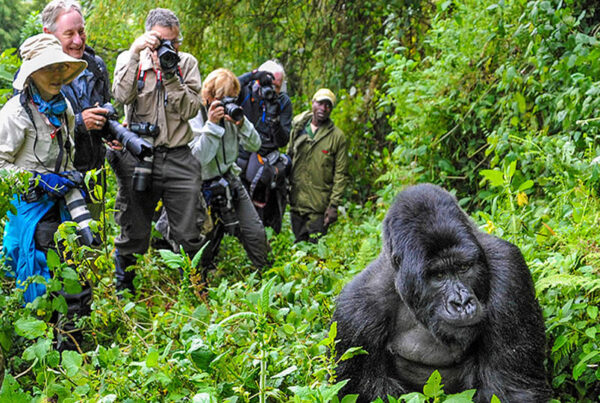
Encounters with gorilla families are regulated to ensure minimal disruption, offering an hour of intimate observation as they feed, groom, and play. Their sheer size, gentle demeanor, and social interactions evoke a mix of awe, humility, and deep connection. In Bwindi, you don’t just see gorillas—you become part of their world, if only for a moment.

Volcanoes National Park, Rwanda – Africa’s Premier Gorilla Trekking Destination

In the land of a thousand hills, Rwanda’s Volcanoes National Park stands as a beacon of conservation triumph and eco-tourism excellence. Located in the northwest of the country, this park is the oldest in Africa and forms part of the Virunga Massif, a transboundary region that includes Uganda and the Democratic Republic of Congo.

Volcanoes National Park is renowned for its exceptionally well-organized gorilla trekking operations, offering tourists a high level of professionalism, safety, and conservation engagement. The park is home to several habituated gorilla families, which live among the slopes of dormant volcanoes cloaked in emerald rainforest.

Trekking here combines physical challenge with spectacular scenery—misty peaks, bamboo forests, and rich birdlife make every step a discovery. But the pinnacle remains the hour spent with gorillas: witnessing a silverback’s quiet authority, a mother cradling her infant, or juveniles tumbling through foliage. In Rwanda, gorilla tourism is more than an activity—it’s a national identity, a story of rebirth and pride.

Virunga National Park, Democratic Republic of Congo – The Wild and Unfiltered Frontier

For the intrepid traveler seeking raw, untamed wilderness, Virunga National Park in the eastern Democratic Republic of Congo offers the most adventurous and authentic gorilla tracking experience in Africa. This UNESCO World Heritage Site is Africa’s oldest national park and a sanctuary not just for mountain gorillas but for incredible biodiversity, volcanic landscapes, and endemic species.

Trekking gorillas in Virunga is a deep dive into the heart of conservation and courage, set against a backdrop of active volcanoes and rich cultural heritage. Unlike other parks, the experience here is deeply immersive, often led by passionate rangers and community conservationists who share powerful stories of protecting gorillas in the face of conflict and adversity.

Despite challenges, the park’s commitment to sustainable tourism and conservation has grown stronger, attracting eco-conscious travelers who wish to go beyond the ordinary. The encounters with gorillas here are deeply intimate, less commercial, and carry a weight of urgency and hope, reminding visitors that every visit supports peace, protection, and preservation.

Mgahinga Gorilla National Park, Uganda – The Hidden Jewel of the Virungas

Tucked in the southwestern corner of Uganda, bordering Rwanda and the Democratic Republic of Congo, lies Mgahinga Gorilla National Park—a small but stunning park that is part of the greater Virunga Conservation Area. Often overshadowed by its more famous neighbor, Bwindi, Mgahinga offers a quieter, less crowded gorilla tracking experience amid breathtaking volcanic scenery.

The park is dominated by three conical, dormant volcanoes—Mount Sabinyo, Mount Gahinga, and Mount Muhabura—each shrouded in thick vegetation and cloud forest. Tracking here means traversing rugged terrain, listening to forest echoes, and often encountering other rare primates like the endangered golden monkey.

Only one habituated gorilla family resides in Mgahinga, making the chances of visitation exclusive and treasured. The park also holds immense cultural significance as it is home to the Batwa pygmies, the original forest dwellers, who offer storytelling and guided forest walks. In Mgahinga, gorilla trekking is not just about the gorillas—it’s about heritage, harmony, and sacred land.

Odzala-Kokoua National Park, Republic of Congo – The Realm of Western Lowland Gorillas

In the dense rainforests of the Congo Basin, far from the crowds and commercial trails, lies a unique opportunity to encounter Western lowland gorillas in Odzala-Kokoua National Park in the Republic of Congo. Unlike the mountain gorillas of the Virungas, these gorillas inhabit thick, swampy lowland forests and have adapted to an entirely different ecosystem.

This park offers a pioneering form of gorilla trekking, combining traditional foot treks with innovative experiences like kayaking through jungle rivers and walking across bai clearings—mineral-rich openings where wildlife congregates. It is one of the most remote and pristine corners of Africa, accessible only to the truly adventurous.

Encounters with gorillas here are part of a broader ecological immersion. You may also encounter forest elephants, bongo antelopes, and countless bird species. The experience is scientific, serene, and deeply respectful, ideal for travelers seeking not just sightings but a complete understanding of gorilla behavior and conservation in lowland habitats.

Gorilla Trekking in Africa – A Life-Changing Experience Rooted in Conservation

Across these five exceptional destinations, gorilla trekking in Africa offers far more than wildlife observation—it offers insight into the fragility and resilience of life itself. Each park, forest, and ranger patrol speaks to a narrative of hope, healing, and coexistence. Gorillas, once critically endangered, now stand as living symbols of what humanity can protect when it chooses to care.

Every step taken through the jungle, every drop of sweat, and every heartbeat held in awe becomes a testament to the deep, enduring bond between people and planet. These aren’t mere animals in the wild—they are part of a shared story that we are all responsible for writing.

Book Your Gorilla Adventure with WildHorn Africa (Places To See Gorillas in Africa)

If you’re ready to walk into the wild and come face to face with one of the most awe-inspiring animals on Earth, then let WildHorn Africa be your guide. With expertly curated itineraries, deep-rooted local partnerships, and a commitment to ethical tourism, WildHorn Africa ensures your gorilla trekking experience is not only unforgettable but impactful.

From the misty slopes of Rwanda to the remote depths of Congo, WildHorn Africa crafts safaris that go beyond the surface, connecting you with landscapes, communities, and wildlife in the most meaningful ways.

Embark on your gorilla adventure today—because the wild is waiting, and WildHorn Africa is your trusted path there.

Places To See Gorillas in Africa #Places To See Gorillas in Africa Places To See Gorillas in Africa

Visiting Sossusvlei: A Guide to the Sand Dunes of Namibia

Visiting Sossusvlei: A Guide to the Sand Dunes of Namibia

By Namibia travel guides, Travel guides, Travel stories and blogs

Visiting Sossusvlei: A Guide to the Sand Dunes of Namibia

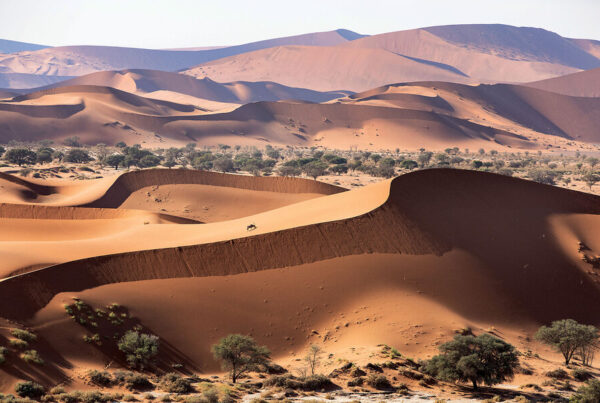
In the remote heart of the Namib Desert, where the earth burns red beneath a cobalt sky and winds carve artful ridges into ancient sands, lies a place of otherworldly beauty and geological marvel: Sossusvlei. This is not just a destination; it is a living canvas of color, contrast, and solitude—one of the most surreal landscapes on Earth. Here, gravity-defying sand dunes tower like terracotta mountains, and cracked white clay pans shimmer like bleached parchment under the fierce African sun.

Located within the vast Namib-Naukluft National Park in southwestern Namibia, Sossusvlei stands as a testament to millions of years of natural sculpting, offering travelers a rare opportunity to walk in a world that seems untouched by time. From dawn-lit summits of crimson dunes to the spectral trees of Deadvlei frozen in death for centuries, every inch of this land tells a story—raw, elemental, and eternal.

This detailed guide invites you into the awe-inspiring world of Sossusvlei, unfolding its mysteries, showcasing its unmissable highlights, and offering practical insights to ensure your journey into the desert is nothing short of transformative.

Understanding Sossusvlei: More Than Just a Dune Field

Sossusvlei is often mistakenly thought of as a single landmark, but in truth, it refers to a broader area within the Namib-Naukluft Park, defined by salt and clay pans surrounded by some of the tallest sand dunes on the planet. The name “Sossusvlei” itself is derived from the Nama word “Sossus,” meaning “no return,” and the Afrikaans “vlei,” meaning “marsh.” Together, the name poetically hints at a place where water comes to vanish—a desert basin of silence and stillness.

This region is part of the Namib Desert, believed to be the oldest desert on Earth, with dune formations dating back more than five million years. The dunes of Sossusvlei are not just ancient; they are also dynamic. Their shapes constantly shift with the wind, though their overall structure remains remarkably steady over time.

What makes these dunes so mesmerizing is their distinct color—an intense, rust-red hue caused by the high iron content in the sand. As the sun arcs across the sky, the light transforms the dunes into kaleidoscopic waves of shadow and brilliance, creating a visual drama that changes by the minute.

Deadvlei and the Ghosts of Time

No visit to Sossusvlei is complete without standing amidst the haunting beauty of Deadvlei—a white clay pan punctuated by the blackened skeletons of camelthorn trees that have stood dead for over 600 years. These trees, long since starved of water when the Tsauchab River was cut off by shifting dunes, remain preserved in the desert air, never decaying due to the arid climate.

Deadvlei is a paradox of life and death, presence and absence. The sun-bleached pan, stark against the fiery dunes of Big Daddy and Big Mama, creates a visual masterpiece of contrast, often described as one of the most photographed landscapes on the African continent. To walk among these still, ancient figures is to experience an eerie serenity, where time feels suspended and nature whispers of endurance.Visiting Sossusvlei: A Guide to the Sand Dunes of Namibia

The Giants of Sand: Dune 45, Big Daddy, and Beyond

Sossusvlei’s dunes are as diverse in personality as they are in height. Among the most famous is Dune 45, often referred to as the most photographed dune in the world. Its position near the road, combined with its elegantly curved spine, makes it a popular spot for sunrise climbs. At 170 meters tall, it offers a manageable yet rewarding ascent, and from its summit, the desert seems to stretch infinitely.

More formidable is Big Daddy, towering at over 325 meters, and considered the tallest dune in the Sossusvlei area. Climbing Big Daddy is no easy feat—it demands strength, balance, and patience—but the payoff is unparalleled. From its crest, the views of Deadvlei below are both epic and humbling, a panorama of ancient earth and elemental beauty.

Each dune offers its own experience, shaped by light, wind, and time. There is a rhythmic meditation to the climb, as every step sinks into sand, every breath syncs with the wind, and every glance reveals new curves etched by nature’s unseen hand.

The Life Within the Desert: Flora, Fauna, and Survival

Though it may appear lifeless at first glance, Sossusvlei’s desert ecosystem supports a surprisingly rich web of adapted wildlife and plant species. Life here has evolved not to conquer the harshness but to coexist with it.

Animals such as oryx (gemsbok), springbok, jackals, ostriches, and even desert foxes roam the dunes and dry pans, surviving with minimal water. Small insects and reptiles, like the shovel-snouted lizard, thrive in the heat through unique behavioral adaptations, including “thermal dancing” to avoid burning feet.

Plants, too, are miraculous survivors. The Welwitschia mirabilis, often described as a living fossil, thrives in gravel plains nearby, living up to a thousand years by absorbing moisture from desert fog. Grasses and camelthorn trees endure thanks to deep root systems that seek underground reserves.

This delicate desert equilibrium reminds travelers that beauty can be found not only in grand vistas but also in the subtle resilience of life.

When to Visit Sossusvlei: The Rhythm of the Seasons

Sossusvlei can be visited year-round, but timing your journey with the seasonal rhythms of the Namib enhances the experience. The cooler months from May to September offer more comfortable temperatures for climbing dunes and exploring on foot, with crisp desert mornings and clear, photogenic skies.

During the summer months (October to April), temperatures soar, especially midday, but the light during sunrise and sunset becomes even more vivid—casting the dunes in gold, crimson, and deep auburn. Occasional summer rains can create rare ephemeral pools, briefly bringing water back to the vlei and attracting wildlife and birds.

Regardless of the season, early morning and late afternoon remain the optimal times for exploration, not only for the lighting but also to avoid the intensity of midday heat.

Getting There and Exploring Responsibly

Sossusvlei is accessible via both self-drive adventures and guided tours, with the gateway town of Sesriem serving as the main base for accommodation and park access. From Sesriem, travelers can enter the park at dawn and follow a paved road for about 60 kilometers into the heart of the dunes, with the final stretch to Sossusvlei and Deadvlei requiring a 4×4 vehicle or shuttle service.

For those unfamiliar with desert driving, guided excursions are highly recommended, ensuring safety and deeper insight into the geology, ecology, and history of the area. Expert guides not only navigate the terrain but also offer storytelling that connects visitors to the deeper narrative of the Namib.

It is essential that exploration is done responsibly and respectfully. The Namib Desert is a fragile ecosystem, and footprints can last for decades on dune slopes. Travelers are encouraged to follow designated paths, leave no trace, and carry plenty of water, sunscreen, and protective gear.

A Journey Into Silence and Immensity

Visiting Sossusvlei is more than a photographic opportunity; it is a pilgrimage into the ancient silence of Earth’s memory. There is no crowd, no chaos—only wind, sand, and time. Standing atop a dune at sunrise, feeling the desert breathe and the silence pulse, is an experience that touches the soul in ways no city skyline or luxury retreat ever could.

This journey reveals a deeper truth: that nature, even in its most barren form, can be profoundly moving. The dunes of Sossusvlei are not just sights to be seen—they are stories to be felt, etched in the shifting sands of one of the world’s last true wildernesses.

Explore the Soul of the Desert with WildHorn Africa

For those seeking to experience Sossusvlei in all its breathtaking wonder, guided with expertise and care, there is no better companion than WildHorn Africa. Specializing in authentic, conservation-centered safari experiences, WildHorn Africa curates journeys that are immersive, educational, and unforgettable.

From luxury desert lodges to personalized itineraries that include Sossusvlei, Deadvlei, and beyond, WildHorn Africa ensures that every step you take is rooted in excellence, sustainability, and cultural respect.

Book your Namibian desert safari with WildHorn Africa today—and awaken your spirit in the timeless sands of Sossusvlei.

Best Safari Parks and Game Reserves Near Port Elizabeth

Best Safari Parks and Game Reserves Near Port Elizabeth

By South Africa travel guides, Travel guides, Travel stories and blogs

Best Safari Parks and Game Reserves Near Port Elizabeth

A Journey into South Africa’s Untamed Beauty (Game Reserves Near Port Elizabeth)

Where Coastal Charm Meets the Wild

Port Elizabeth, now officially known as Gqeberha, is often celebrated for its golden beaches and vibrant city life. Yet, just beyond its coastal horizon lies something even more awe-inspiring — some of South Africa’s most captivating safari parks and game reserves. For the curious traveler or the seasoned explorer, this region unveils an untamed paradise, where the raw majesty of African wildlife roams freely, and nature’s rhythm hums through acacia woodlands and savanna plains.

If you thought you had to travel deep into the interior to witness the iconic Big Five — lion, leopard, rhino, elephant, and buffalo — think again. A short drive from Port Elizabeth delivers not only these majestic creatures but also immersive ecosystems, conservation success stories, and safari experiences that rival even the most famous African reserves. Whether you’re seeking a luxury lodge stay, an off-road adventure, or a quiet communion with nature, this corner of the Eastern Cape offers it all — without the risk of malaria.

Let’s venture deeper into these incredible reserves that call out to the wild at heart.

Game Reserves Near Port Elizabeth #Game Reserves Near Port Elizabeth Game Reserves Near Port Elizabeth

Addo Elephant National Park – A Legacy of Giants

Just a 40-minute drive north of Port Elizabeth, the world-renowned Addo Elephant National Park stretches across a landscape that seems tailor-made for elephant herds. Home to over 600 African elephants, this park represents one of South Africa’s most remarkable conservation turnarounds.

Once teetering on the edge of extinction in this region, elephants now roam confidently in family groups across Addo’s diverse terrains — from arid thicket to lush forest. But it’s not just elephants that call this park home. Addo boasts a unique claim: it is the only national park in the world to shelter the Big Seven, which includes the traditional Big Five, along with the great white shark and southern right whale, due to its marine extension along the coast.

The park offers a vast array of safari options — from self-drive routes ideal for independent travelers to expertly guided game drives where passionate rangers reveal the subtleties of animal behavior and local ecosystems. The sight of a lion pride lounging in the sun, a herd of cape buffalo wallowing in the mud, or a solitary black rhino grazing under a golden sky is nothing short of profound.

And let’s not forget the park’s lesser-known wonders: the flightless dung beetle, endemic only to this region, whose quirky yet critical ecological role has made it a mascot of Addo’s rich biodiversity.

Shamwari Private Game Reserve – The Pinnacle of Luxury Conservation

A little over an hour’s drive from Port Elizabeth lies Shamwari Private Game Reserve, a name synonymous with elite safari experiences and world-class conservation efforts. Spread across 25,000 hectares, Shamwari is a private sanctuary where luxury meets legacy.

What sets Shamwari apart isn’t just its magnificent setting or its luxurious lodges — it’s the deep commitment to wildlife preservation. The reserve is a pioneering force in animal rehabilitation and anti-poaching initiatives, with facilities like the Ian Player Rhino Centre and the Born Free Big Cat Rescue Centre, where rescued lions and leopards from captivity find refuge.

Guests are treated not just to wildlife viewing, but to a deeper understanding of South Africa’s ecological challenges and triumphs. Game drives here are guided by experts who seem to possess a sixth sense for tracking animals. You may find yourself eye-to-eye with a regal lioness, watching a cheetah on the hunt, or marveling at giraffes as they glide across the horizon like moving sculptures.

At Shamwari, your accommodation is as much a part of the experience as the wildlife. From Edwardian manor houses to eco-conscious tented suites, the lodges offer panoramic views, exquisite cuisine, and the kind of personal service that turns a trip into a once-in-a-lifetime memory.

Amakhala Game Reserve – Where Community and Conservation Thrive

If you’re drawn to safaris that blend wildlife immersion with authentic local culture, then Amakhala Game Reserve is your destination. Situated about 75 kilometers from Port Elizabeth, this 8,500-hectare reserve is a shining example of community-led conservation.

Founded by a collective of local families, Amakhala represents a return to ancestral roots and a shared vision of protecting biodiversity. Its landscape is dramatically diverse — encompassing open plains, riverine forests, and towering cliffs — each supporting different species and unique viewing opportunities.

Here, game drives unfold like scenes from an African epic. You might watch a herd of zebras blending into the golden grasslands at dawn or follow fresh lion tracks along the Bushman’s River. Elephants trumpet in the distance while antelope leap like dancers through the veldt.

Amakhala also offers canoe safaris, where guests paddle through winding waterways, spotting birdlife and wildlife from a tranquil, water-level vantage point — a rare and intimate perspective in the safari world.

Lodging options range from rustic and eco-friendly to refined luxury, but what binds them all is a warm hospitality rooted in local tradition and pride.

Lalibela Game Reserve – A Sanctuary of Solitude and Splendor

Just over an hour’s drive from Port Elizabeth, Lalibela Game Reserve offers an exquisite, malaria-free safari escape known for its intimate atmosphere and rich biodiversity. Named after the ancient rock-hewn churches of Ethiopia, Lalibela translates into a sacred experience in its own right.

Covering more than 10,000 hectares, Lalibela is a mosaic of thickets, savanna, and valleys, each teeming with life. The reserve supports all of the Big Five, alongside cheetahs, jackals, hyenas, and over 250 bird species, creating a safari experience as dynamic as it is breathtaking.

Lalibela prides itself on sustainability and minimal environmental impact, and that ethos extends into its safari philosophy. Small group game drives ensure personalized storytelling and unhurried animal encounters, while exclusive lodges nestled into the landscape create the feeling of being alone with the wilderness.

Whether you’re watching elephants bathe at a waterhole or gazing into the piercing eyes of a lion under the moonlight, Lalibela speaks to the soul of safari — wild, raw, and unforgettable.

Kariega Game Reserve – Two Rivers, Infinite Wonders

Nestled in the hills and valleys of the Sunshine Coast, about 140 kilometers from Port Elizabeth, Kariega Game Reserve is a family-owned gem celebrated for its two life-giving rivers — the Kariega and the Bushman’s — which carve through its dramatic topography.

With over 10,000 hectares of protected wilderness, Kariega offers one of the most varied and rewarding safari experiences in the region. The presence of both land and aquatic ecosystems means that you’re never far from wildlife encounters — whether it’s a lion stalking prey or a fish eagle calling from high above.

What makes Kariega particularly special is its welcoming, family-oriented atmosphere. Visitors here are treated not as tourists but as honored guests, invited into a space where conservation and comfort coexist seamlessly. The park’s commitment to ecological stewardship and education is evident in every activity, from river cruises to bush walks and cultural interactions with local communities.

If you’re looking for a multi-dimensional safari experience — one that includes adventure, reflection, and meaningful connection — Kariega awaits.

Why Port Elizabeth’s Safaris Are Africa’s Best-Kept Secret

While Kruger or Serengeti may dominate global safari headlines, the reserves near Port Elizabeth offer something rarer — profound immersion with fewer crowds and more personal connection. Here, the wild isn’t commodified. It’s revered, protected, and shared with a sense of deep purpose.

With malaria-free environments, accessible logistics, and a seamless blend of coastal beauty and inland wilderness, this region is perfect for first-time safari-goers and seasoned wildlife enthusiasts alike. From the immense elephant herds of Addo to the plush eco-luxury of Shamwari, each reserve paints a different stroke in South Africa’s grand natural masterpiece.

Your Journey Begins with WildHorn Africa

If this wild world has captured your imagination, then it’s time to turn that dream into a reality. WildHorn Africa, specialists in tailor-made African safari experiences, is your trusted guide to these majestic lands. Whether you’re seeking a luxurious honeymoon in Shamwari, a family adventure in Addo, or a cultural immersion in Amakhala, WildHorn Africa curates experiences that go beyond the ordinary.

Let your safari story begin not just with a destination — but with a legacy. Book your African adventure today with WildHorn Africa and explore the wild, your way.

Game Reserves Near Port Elizabeth #Game Reserves Near Port Elizabeth Game Reserves Near Port Elizabeth

Best Southern Circuit Safaris in Tanzania

Best Southern Circuit Safaris in Tanzania

By Tanzania travel guides, Travel guides, Travel stories and blogs

Best Southern Circuit Safaris in Tanzania

Step Off the Beaten Path: Discover Tanzania’s Untouched Wilderness

When most travelers envision a Tanzanian safari, their minds often drift northward — toward the iconic plains of Serengeti, the majestic Ngorongoro Crater, and the towering presence of Mount Kilimanjaro. While these legendary destinations certainly deserve their fame, there exists another, lesser-known realm in Tanzania — one that remains untouched, raw, and wild. This is the Southern Circuit, a sprawling and pristine ecosystem where safaris unfold in a more intimate, authentic, and adventurous rhythm.

For those seeking to escape the crowds and venture into the soul of East Africa, the Southern Circuit offers the perfect expedition. It is a place where game drives feel like private theatre performances, where rivers breathe life into the land, and where some of the continent’s most elusive and powerful creatures roam with abandon. This is safari in its purest form — immersive, exhilarating, and quietly humbling.

Tanzania’s Southern Circuit includes several vast and ecologically diverse reserves and national parks, most notably Nyerere National Park (formerly part of the Selous Game Reserve), Ruaha National Park, Mikumi National Park, Udzungwa Mountains National Park, and Kitulo Plateau. Together, they form a mosaic of ecosystems ranging from dense woodlands and grassy plains to dramatic escarpments and thriving wetlands. Each park offers unique opportunities for wildlife encounters, dramatic landscapes, and cultural insights — all wrapped in the rich scent of wilderness.

Nyerere National Park: A Safari on Water and Land (Southern Circuit Safaris in Tanzania)

Once part of the colossal Selous Game Reserve, Nyerere National Park stands today as one of Africa’s largest protected wilderness areas. Covering over 30,000 square kilometers, it is a sanctuary where elephants thunder through miombo woodlands, wild dogs stalk silently, and hippos grunt in networks of river channels. This park is defined by the presence of the mighty Rufiji River, which weaves its way through the terrain, creating fertile floodplains, oxbow lakes, and a lifeline for thousands of animals.

What makes Nyerere so special — beyond its vast size and biodiversity — is the unique blend of land and water-based safaris. While traditional game drives offer thrilling encounters with lions, leopards, and antelope, boat safaris on the Rufiji offer a rare perspective. Glide past sunbathing crocodiles, spot kingfishers and fish eagles, and witness elephants bathing at the river’s edge. It’s a slower, quieter experience — but often far more intimate than any chase across the plains.

Another layer of depth is added by walking safaris, led by experienced rangers who read the land like a storybook. Here, every track, broken twig, or distant call becomes a clue — a subtle, visceral dialogue with the wild. Nyerere is not just about what you see. It’s about what you feel, what you hear, and the primal thrill of knowing you are part of the ecosystem, not just a spectator.

Ruaha National Park: Tanzania’s Best-Kept Safari Secret

To the west of Nyerere lies Ruaha National Park, a true gem that rivals even the most renowned parks in Africa. Covering over 20,000 square kilometers, Ruaha is the largest national park in Tanzania — yet it remains one of the least explored by international tourists. This under-the-radar status gives it an air of exclusivity, making every sighting feel personal and unscripted.

Ruaha is a land of drama. The park is crisscrossed by the Great Ruaha River, whose banks draw a wide variety of wildlife, especially during the dry season when water sources dwindle elsewhere. This concentration of life attracts predators in large numbers, making Ruaha one of the best places in Africa to witness raw predator-prey interactions. Lions dominate here, forming some of the largest prides in the world, often 20 or more strong. They share the territory with leopards, cheetahs, hyenas, and the endangered African wild dog.

But the magic of Ruaha doesn’t stop at its carnivores. The park is home to a stunning array of birdlife — over 570 species — as well as iconic megafauna such as buffalo, elephants, giraffes, and an impressive diversity of antelope. The topography is as captivating as the wildlife: baobab-dotted hills, rocky escarpments, sweeping savannahs, and lush riverine forests all combine to create a painter’s palette of landscapes.

Because of its remote nature and limited lodges, safaris in Ruaha feel exclusive, quiet, and profoundly connected. You are not just observing; you are immersed in a space where time slows, and the wilderness speaks in a voice all its own.

Mikumi National Park: The Gateway to the Southern Circuit

For travelers with less time or those beginning their journey from Dar es Salaam, Mikumi National Park serves as a compelling introduction to the Southern Circuit. Located just a few hours’ drive from the capital, Mikumi offers easy accessibility without compromising the wildlife experience.

Often compared to the Serengeti for its wide, open plains, Mikumi teems with zebra, wildebeest, impala, and elephants, which can be seen in dramatic numbers across the Mkata Floodplain. The landscape is framed by the towering Uluguru Mountains to the east and the Lumango Range to the west, giving the park a scenic backdrop that enhances its photographic appeal.

Mikumi is particularly attractive for short, focused game drives. You’re likely to encounter a range of animals within a compact area, making it ideal for families or those new to safari travel. Yet for all its accessibility, Mikumi remains a part of the true southern wilderness, with a feel that is wild, real, and wonderfully unpredictable.

Udzungwa Mountains National Park: A Safari Beyond the Savannah

No exploration of the Southern Circuit would be complete without venturing into Udzungwa Mountains National Park, a biological treasure trove where the safari takes a vertical turn — into misty mountains, hidden waterfalls, and tropical rainforests alive with movement and song. Often called the “Galápagos of Africa” due to its high level of endemic species, Udzungwa is a paradise for hikers, bird watchers, and those looking to connect with a different kind of wilderness.

Unlike the typical game drive-focused parks, Udzungwa is best explored on foot. The park offers a range of hiking trails, from short, scenic walks to challenging treks through dense jungle. These forests are home to rare primates, including the endemic Udzungwa red colobus and Sanje mangabey, as well as a diverse bird population and beautiful butterfly species.

Waterfalls cascade from the cliffs, creating stunning pools and panoramic viewpoints. And while you won’t find lions or elephants here, the magic of Udzungwa lies in its silence, its cool, fragrant air, and the sense that you are walking through a forgotten Eden — lush, serene, and completely unspoiled.

The Allure of the Southern Circuit: Untamed, Uncrowded, Unforgettable

The Southern Circuit of Tanzania is more than just a safari destination — it is an invitation to explore Africa at its most authentic. Here, the game is wild and unhabituated, the landscapes vast and soul-stirring, and the lodges designed to blend seamlessly into the environment. You won’t find convoys of vehicles or queues at lion sightings. Instead, you’ll experience the luxury of solitude, the thrill of discovery, and the profound peace that comes from being surrounded by nature in its purest form.

It is also a region that offers deeper connections — with local communities, untouched ecosystems, and a slower, more meditative pace of travel. The Southern Circuit speaks to those who travel not for spectacle alone, but for meaning, mystery, and movement. It is ideal for seasoned safari-goers seeking something new, for honeymooners in search of seclusion, and for adventurers ready to trade predictability for possibility.

Embark on Your Southern Adventure with WildHorn Africa

Choosing the Southern Circuit is a decision to embrace Africa beyond the brochure. And at WildHorn Africa, we specialize in crafting immersive, tailor-made safari experiences that bring this enchanting region to life.

Our expert guides, intimate camps, and deep understanding of southern Tanzania’s rhythm ensure that your journey will be as rich in insight as it is in adventure. From private boat safaris on the Rufiji to multi-day walking expeditions in Ruaha, we’ll help you explore landscapes and wildlife in ways few others ever experience.

Book your Southern Circuit safari today with WildHorn Africa and step into a realm where the wild still reigns, and every sunrise whispers promise. Let the road less traveled lead you home — to nature, to wonder, and to the timeless beauty of Tanzania’s southern wilds.

Southern Circuit Safaris in Tanzania #Southern Circuit Safaris in Tanzania Southern Circuit Safaris in Tanzania

Top 10 Best Tourist Attractions in Tanzania

Top 10 Best Tourist Attractions in Tanzania

By Tanzania travel guides, Travel guides, Travel stories and blogs

Top 10 Best Tourist Attractions in Tanzania

Unveiling Africa’s Crown Jewel of Natural Wonders

Where Dreams of Wild Africa Become a Vivid Reality

Tanzania is not merely a country—it is a living, breathing theatre of the wild, a realm where nature stages its grandest performances beneath boundless skies. From towering volcanic mountains to golden savannahs, from turquoise coasts to ancient craters teeming with wildlife, Tanzania stands unrivaled as one of Africa’s most mesmerizing travel destinations.

This East African gem is a sanctuary where you can witness the raw essence of nature, meet cultures rooted in centuries-old traditions, and experience the true heartbeat of Africa. Whether you’re an adventurer seeking the summit of Kilimanjaro, a wildlife enthusiast longing for intimate game encounters, or a traveler in search of serene island bliss, Tanzania offers an experience for every soul.

Let us journey deep into the country’s top ten attractions — destinations that don’t just impress, but profoundly transform.

Tourist Attractions in Tanzania #Tourist Attractions in Tanzania  Tourist Attractions in Tanzania

1. Serengeti National Park – The Eternal Plains of Africa

The name Serengeti evokes visions of endless golden plains, thundering herds, and unforgettable predator-prey chases. It is not just a park; it is one of Earth’s greatest wildlife sanctuaries, home to the world-famous Great Migration, where over two million wildebeest, zebras, and gazelles move in epic cycles dictated by nature’s rhythm.

This UNESCO World Heritage Site showcases Africa’s Big Five, including lions, elephants, leopards, rhinos, and buffalos, alongside cheetahs, hyenas, and countless bird species. Game drives across its wide expanses immerse you in scenes so cinematic they border on the surreal. To visit the Serengeti is to witness life, death, and survival in their most primal and beautiful forms.

2. Mount Kilimanjaro – Africa’s Majestic Roof

Rising dramatically above the Tanzanian landscape, Mount Kilimanjaro is the tallest peak in Africa and the highest free-standing mountain in the world. It is both a physical and symbolic beacon—drawing climbers, trekkers, and dreamers from every corner of the globe.

Conquering Kilimanjaro is not only about altitude; it’s about transcendence and inner strength. Its well-trodden routes like the Machame and Marangu trails take you through five ecological zones, from tropical rainforest to alpine desert to glacier-coated summit. Standing atop Uhuru Peak at sunrise, above the clouds, is a moment that etches itself into your soul forever.

3. Ngorongoro Crater – Eden’s Wild Amphitheater

Formed from the remnants of an ancient volcano, the Ngorongoro Crater is a spectacular natural enclosure that shelters one of the densest concentrations of wildlife on the planet. The steep, forested walls of the crater surround a fertile floor where lions, elephants, hippos, zebras, and flamingos roam freely in a near-mythical ecosystem.

The crater is particularly renowned for being the best place in East Africa to spot the endangered black rhino, often alongside majestic tusker elephants and elusive leopards. With its lush landscapes and dramatic scenery, Ngorongoro feels like a window into a primordial world untouched by time.

4. Zanzibar Archipelago – Islands of Spice and Serenity

Off the coast of mainland Tanzania lies Zanzibar, a mystical blend of white-sand beaches, coral reefs, Swahili culture, and Arabian heritage. This Indian Ocean paradise offers both relaxation and revelation. Wander through Stone Town, a UNESCO-listed labyrinth of alleys, minarets, and spice markets. Dive into crystal-clear waters rich with marine life. Or simply recline beneath palm trees as the tide rolls in with whispering grace.

Zanzibar’s mix of culture, cuisine, and coastline makes it not just a tropical escape but a soul-stirring experience steeped in history and hospitality.

5. Tarangire National Park – Land of Giants

While often overshadowed by the Serengeti, Tarangire National Park offers a safari experience that is intimate, rich, and uniquely rewarding. Dominated by ancient baobab trees and vast elephant herds, Tarangire is a sanctuary for wildlife lovers seeking quieter encounters.

Here, the dry season reveals a spectacular gathering of animals along the Tarangire River, attracting predators and prey alike. The park also boasts an exceptional array of birdlife, making it a hidden gem for ornithologists and photographers alike. In Tarangire, every moment is unexpected and deeply immersive.

6. Lake Manyara National Park – The Mirror of Life

Nestled between the escarpment of the Great Rift Valley and the shimmering waters of Lake Manyara, this compact yet diverse park is a mosaic of lush groundwater forests, open plains, and alkaline lake shores. It is most famous for its tree-climbing lions, a phenomenon rarely seen elsewhere.

Lake Manyara also offers sightings of flamingos in vibrant flocks, as well as hippos, elephants, and a wide variety of primates. Despite its smaller size, the park’s dynamic ecosystems make it a microcosm of Tanzanian biodiversity and a perfect introduction to safari.

7. Selous Game Reserve (Nyerere National Park) – Africa’s Hidden Wilderness

Vast and largely untouched, Selous Game Reserve, now part of Nyerere National Park, is one of Africa’s largest and least crowded wilderness areas. With a network of rivers, lakes, and forests, this UNESCO site offers boat safaris, walking tours, and fly-in excursions in settings that feel remote and pristine.

Selous is home to Africa’s largest population of wild dogs, as well as significant numbers of lions, elephants, and hippos. Its solitude offers a unique experience: the raw pulse of Africa without the footprint of mass tourism.

8. Ruaha National Park – Tanzania’s Best-Kept Secret

Often overlooked by mainstream tourists, Ruaha National Park offers raw, rugged, and wild safaris that rival any on the continent. Its vast and remote terrain hosts superb predator action, with large prides of lions and a strong presence of leopards and cheetahs.

Ruaha’s semi-arid ecosystem, dotted with baobabs and intersected by the Great Ruaha River, draws enormous herds of elephants and buffalos, particularly in the dry season. For seasoned safari-goers seeking depth, drama, and solitude, Ruaha is an unmatched destination.

9. Mahale Mountains and Gombe Stream – Chimpanzee Territory

In the remote western reaches of Tanzania, on the shores of Lake Tanganyika, lies the Mahale Mountains and Gombe Stream National Park, famed for their wild chimpanzee populations. These parks offer rare and emotional encounters with our closest animal relatives.

Trekking through dense forest to sit quietly among a troop of chimps is a profound experience, one that blurs the boundary between species and evokes deep reflection. With breathtaking scenery and clear lakeside waters, this region delivers a safari of intellect, intimacy, and awe.

10. Arusha – The Gateway and Gem (Tourist Attractions in Tanzania)

More than just a launching point for safaris, Arusha is a cultural and geographical center teeming with life. Nestled at the foot of Mount Meru, the city is a vibrant blend of traditional Maasai culture, bustling markets, and stunning coffee plantations.

Nearby attractions include Arusha National Park, perfect for walking safaris and canoe excursions, and the Cultural Heritage Centre, where you can explore Tanzania’s diverse ethnic history. Arusha provides not just transit, but a rich and welcoming prelude to the adventures beyond.

Tanzania Awaits – A Land of Majesty and Meaning

Tanzania is more than a destination; it is an awakening of the senses and the soul. From roaring lions to silent sunrises, from ancient volcanoes to coral-strewn islands, every part of this country offers something that touches the heart. Its landscapes are timeless, its people warm, and its wildlife legendary.

Whether you’re climbing a snow-capped summit, tracking a leopard through tall grass, or watching the tide rise over Zanzibar’s coast, Tanzania transforms the ordinary traveler into a lifelong storyteller. The land does not merely impress—it imprints.

Book Your Tanzanian Journey with WildHorn Africa

If Tanzania is calling, answer that call with expertise, care, and passion. WildHorn Africa curates personalized, ethical, and unforgettable safaris tailored to your dreams. With deep local knowledge and a commitment to authentic experiences, WildHorn Africa ensures that every moment—from the crackle of a campfire to the gaze of a lion—is handled with excellence.

Don’t just visit Africa. Live it. Feel it. Remember it. Book your safari adventure now with WildHorn Africa, and let Tanzania change you forever.

Tourist Attractions in Tanzania #Tourist Attractions in Tanzania Tourist Attractions in Tanzania

Accessible Safaris

Accessible Safaris

By Travel guides, Travel stories and blogs

Accessible Safaris

Opening the Wild to Everyone: A New Era of Exploration

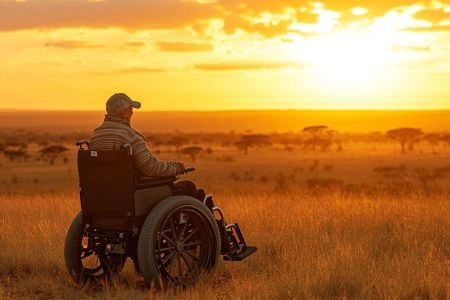
Imagine hearing the thunder of hooves across the savannah, the roar of a lion breaking the silence of dusk, or the quiet grace of an elephant herd moving through tall grass. For decades, such transformative experiences seemed inaccessible to travelers with disabilities or mobility challenges. But the face of African tourism is changing. Welcome to the era of Accessible Safaris, where barriers fall away and the untamed beauty of the wild becomes a realm of possibility for everyone.

Africa is a continent of breathtaking diversity, not just in its landscapes and wildlife but in the range of experiences it offers. Historically, the rugged terrains, remote lodges, and limited infrastructure made safari experiences difficult, if not impossible, for travelers requiring physical assistance or accommodations. But times are changing rapidly. Today, inclusive travel is no longer a niche but a necessity. Forward-thinking tour operators and conservation-conscious lodges have risen to the occasion, crafting unforgettable journeys that are both luxurious and accessible.

Designing for Inclusion: Infrastructure That Embraces All Travelers

At the heart of any accessible safari is thoughtfully designed infrastructure. Safari lodges and camps are increasingly being built or retrofitted with universal design principles in mind. Ramps replace stairs without compromising on aesthetics, while wide doorways allow seamless wheelchair access to suites and common areas. Bathrooms feature grab rails, roll-in showers, and adjustable fittings, ensuring both privacy and safety. But true accessibility goes beyond physical features—it is about crafting an experience that anticipates and caters to individual needs with grace.

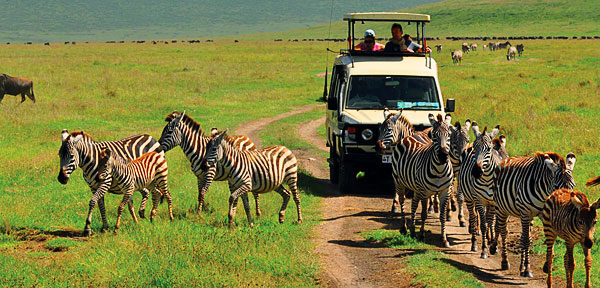
Transportation, too, plays a pivotal role. Specialized safari vehicles now feature hydraulic lifts, wider seating configurations, and secure restraints for wheelchairs. These vehicles allow guests to enjoy game drives without leaving their chairs, while still receiving panoramic views and the full thrill of wildlife encounters. What once seemed like a dream is now a reality: navigating through national parks, tracking the Big Five, and participating in bush walks adapted for different mobility levels.

Trained Staff, Tailored Experiences (Accessible Safaris)

A truly inclusive safari is made possible by more than ramps and accessible vehicles—it is powered by people. Trained guides, hospitality staff, and medical personnel are crucial in delivering a seamless and empowering experience. Guides undergo specialized training to assist travelers with mobility, sensory, and cognitive needs. They develop personalized itineraries that match a guest’s abilities and interests, whether that means adjusting the length of game drives, providing tactile experiences for the visually impaired, or incorporating rest days into an active schedule.

The hospitality sector has also begun to recognize the value of empathy and preparedness. Staff at inclusive lodges are trained to respond sensitively and respectfully to a variety of needs. From arranging sign language interpreters to ensuring dietary requirements are met, every detail is meticulously handled. The result is an atmosphere of ease, where guests feel cared for, not coddled, and free to engage with Africa on their own terms.

Accessible Adventures Across Iconic Destinations

Accessible safaris are not confined to a handful of high-end lodges or isolated reserves. Across Africa, iconic destinations have embraced the ethos of inclusivity. South Africa, with its advanced infrastructure and progressive policies, leads the charge. Kruger National Park, one of the most famous wildlife reserves in the world, offers wheelchair-friendly accommodations and boardwalks for birdwatching. Tanzania and Kenya have also made strides, with several safari operators now offering accessible tours through the Serengeti, Masai Mara, and Ngorongoro Crater.

In Botswana, visitors can glide along the Okavango Delta in specially adapted mokoro canoes, supported by expert polers and safety teams. Namibia offers striking desert landscapes and Etosha National Park’s excellent accessible viewing platforms. Even remote destinations like Uganda and Rwanda are exploring accessibility solutions for gorilla trekking, using sedan chairs and community porters to assist visitors with physical limitations.

Each of these destinations delivers more than wildlife sightings. They offer the chance to connect with cultures, landscapes, and stories that have shaped the identity of Africa. And for travelers with disabilities, the message is clear: the wild welcomes you.

Beyond the Safari: Cultural Immersion and Conservation Engagement

Accessible safaris are not just about observing nature; they are about meaningful engagement. Many inclusive tours offer opportunities to interact with local communities, visit schools or conservation centers, and participate in workshops led by indigenous guides. These encounters add depth to the travel experience, allowing guests to explore Africa’s human tapestry alongside its natural wonders.

Conservation is also central to the accessible safari movement. Many lodges work hand-in-hand with wildlife protection agencies and community-based tourism initiatives. Guests are invited to learn about anti-poaching efforts, species rehabilitation, and habitat preservation. These interactions not only enrich the safari but also foster a sense of shared responsibility for the future of the planet.

Accessibility and sustainability are, in fact, closely intertwined. By designing experiences that accommodate all travelers, safari operators expand their reach and deepen their impact. They challenge outdated norms and promote tourism that is not just enjoyable, but ethical and inclusive.

The Wild is for Everyone: Book with WildHorn Africa

Accessible safaris represent a transformative vision for the future of travel—one where exploration knows no boundaries and where every individual has the opportunity to encounter the awe of Africa’s wild spaces. Whether you’re a wheelchair user, a traveler with visual or hearing impairments, or someone seeking a slower, more reflective pace, Africa has something extraordinary to offer you.

WildHorn Africa is proud to be at the forefront of this movement. With a deep commitment to inclusive tourism, they specialize in crafting tailor-made safaris that cater to every need without compromising on adventure, luxury, or authenticity. Their team works tirelessly to ensure that from the moment you arrive to your final farewell, your journey is seamless, dignified, and unforgettable.

Book your accessible safari today with WildHorn Africa and take the first step toward a journey that will open your heart, elevate your spirit, and affirm a simple but powerful truth: the wild belongs to us all.

Accessible Safaris #Accessible Safaris Accessible Safaris

15 African Safari Photography Tips

15 African Safari Photography Tips

By Travel guides, Travel stories and blogs

15 African Safari Photography Tips

Capture the Wild: A Journey Behind the Lens

There are few places on Earth that ignite the senses and awaken the soul like the African wilderness. Endless golden plains, ancient acacia trees, crimson sunsets that melt into the horizon, and a pageant of wildlife so rich and raw it stirs something primal within. This is Africauntamed, unpredictable, and undeniably photogenic.

For travelers with a passion for photography, a safari is not just a holiday. It’s a mission. A quest to capture fleeting moments that reveal the spirit of the wild — a lion’s low growl in the early morning mist, the dust kicked up by a charging herd of buffalo, or the gentle gaze of a giraffe beneath a storm-lit sky. But photographing wildlife in Africa comes with its own set of challenges. The light shifts quickly. Animals are always in motion. And your opportunity to capture that one unforgettable image can vanish in seconds.

To help you return not just with memories but with masterpieces, here are 15 essential African safari photography tips — curated to help you blend technical precision with artistic instinct. Whether you’re shooting on a DSLR, mirrorless camera, or even a high-end smartphone, these insights will elevate your images from ordinary snapshots to visual stories that roar with life.

Understand the Golden Hours: Light is Your Greatest Ally

In Africa, light is not just illumination — it’s magic. The early mornings and late afternoons, known as the golden hours, provide soft, warm light that flatters both landscape and subject. Shadows are gentle, colors are rich, and the atmosphere feels alive with texture. This is when predators stir, herbivores are most active, and the land is bathed in a glow that brings everything into dramatic relief.

Avoid shooting in the harsh midday sun when the light is flat and contrast too stark. Instead, use that time to review your shots, recharge batteries, or scout potential angles. When the light returns, be ready to move — because in Africa, the best moments often come with little warning.

Know Your Gear Before You Go (15 African Safari Photography Tips)

No matter how advanced your camera is, it’s only as good as your comfort with it. Practice shooting on different settings before your safari. Understand how to adjust ISO, aperture, and shutter speed on the fly. Familiarize yourself with burst mode for capturing action and silent shutter options for shy or sensitive animals.

Long lenses are essential — especially in open savannah where animals may be at a distance. A focal length of 300mm or more gives you the reach you need, while a good zoom lens (like 100–400mm) offers versatility. If you’re working with a smartphone, consider investing in clip-on telephoto lenses and a stabilizer to improve sharpness and framing.

Patience is the Pulse of the Wild

Safari photography isn’t about chasing one shot after another. It’s about waiting, observing, and anticipating behavior. The best photographs come to those who understand rhythm — the stillness before a lion pounces, the lull before an elephant flaps its ears, the twitch of a tail that signals a leap.

Sometimes, hours may pass without the perfect frame. But when it comes, it’s often layered with depth and narrative because you were patient enough to read the wild instead of rushing it.

Focus on the Eyes — Tell a Story Through Expression

Eyes are the windows to the soul — and nowhere is this more true than in wildlife photography. A sharp, well-lit focus on the eyes creates an instant emotional connection between the subject and the viewer. Whether it’s the piercing stare of a leopard or the curiosity in a young elephant’s gaze, the eyes pull the audience in.

Use single-point autofocus and ensure your focal point rests on the animal’s eye. This technique brings intimacy to your images, turning distant animals into relatable characters in your visual story.

Mind the Composition: Let the Landscape Speak Too

While close-up portraits are thrilling, Africa’s power lies equally in its sense of scale and setting. An elephant silhouetted against the setting sun. A lone lion standing on the cracked floor of a dry riverbed. These wide shots, when composed thoughtfully, give context and mood.

Apply compositional rules like the rule of thirds, using natural lines (such as tree trunks or horizons) to guide the viewer’s eye. Include foreground or background elements — branches, termite mounds, clouds — to layer your photo and create depth.

Don’t Just Shoot Action — Capture Stillness and Subtlety

It’s tempting to chase the big moments: the hunt, the kill, the charge. But the quiet interludes often tell deeper stories. A lioness licking her cub. A giraffe feeding from the treetops. Zebras resting in the heat, framed by dust and light.

These scenes whisper rather than roar, but they linger in memory. Train your eye not only to spot drama, but to appreciate the poetry of pause in the African landscape.

Use Natural Frames and Shadows Creatively

Africa offers plenty of organic framing tools: overhanging branches, tall grasses, or termite mounds can add a sense of enclosure and focus. These frames not only guide the eye but create a sense of intimacy and artistry.

Shadows, too, are powerful storytellers. The elongated shapes of elephants at dawn, or the reflection of a heron on still water, can transform a simple image into a work of visual elegance.

Shoot in RAW for Maximum Editing Flexibility

If your camera allows it, always shoot in RAW format. Unlike JPEGs, RAW files retain all image data, giving you greater control during post-processing. Whether you need to recover blown highlights or enhance shadow detail, RAW images provide the flexibility to elevate your photos to professional standards.

Later, use editing software to adjust exposure, correct colors, and crop for composition — but avoid over-processing. Your goal is not to alter reality, but to amplify the beauty already present.

Use a Beanbag, Not a Tripod, in Vehicles

While tripods are ideal for landscapes, safari vehicles don’t always offer the space or stability for them. Instead, use a beanbag or camera cushion to steady your lens on the window ledge or roof. This setup minimizes shake and allows for quick repositioning — crucial when your subject moves.

Always keep your gear within arm’s reach and your settings prepped for action. The wild won’t wait.

Be Silent, Respectful, and Present

The wild demands reverence. Avoid loud noises, sudden movements, or overzealous use of flash. Many animals are sensitive to disruption, and your intrusion could alter their natural behavior — or spook them away entirely.

More importantly, don’t let the camera become a barrier between you and the experience. Sometimes, the best photos are mental snapshots, soaked in the moment, rather than captured through a lens.

Tell a Visual Narrative with Variety

Rather than returning with 300 versions of the same lion portrait, strive to diversify your shots. Capture different species, moods, times of day, weather conditions, and angles. Include wide scenes, close-ups, animal tracks, and even campfire moments or your guide’s silhouette at sunrise.

These variations help you build a visual narrative that feels complete, dynamic, and immersive — a full tale of your African odyssey, not just isolated images.

Shoot With Both Eyes Open — Literally and Figuratively

Keeping both eyes open helps you stay aware of your surroundings — essential for spotting movement or reacting quickly. It also encourages you to see the bigger picture: the story behind the scene, the behavior unfolding in the background, or the lighting opportunity just beyond your current subject.

The best photographers aren’t just technicians. They are observers of nuance, alive to every sound and flicker of light.

Know Your Subject’s Behavior to Predict the Shot

Knowledge is power, especially on safari. Learn about the animals you’ll encounter — their habits, movements, territories, and social cues. A yawning lion might soon rise and stretch. A flapping elephant ear could signal agitation. A twitching tail in a cheetah means a chase is near.

Anticipating behavior gives you time to adjust your settings and be ready — not just for a photo, but for the photo.

Respect Boundaries and Practice Ethical Photography

Never encourage guides to get closer than is safe or ethical. Don’t block an animal’s path or disturb a resting herd. Real wildlife photography values truth over thrill, respect over recklessness.

Your images will be far more meaningful when they are captured with integrity, showing animals in their natural state, undisturbed and free.

Review, Reflect, and Improve With Each Drive

After each game drive, take time to review your photos, not just for selection but for self-improvement. What worked? What didn’t? What did you miss, and why? With every frame, you grow more attuned to the wild, more sensitive to light, timing, and storytelling.

Safari photography is not just a creative endeavor. It’s a journey of learning, humility, and connection — to the land, its creatures, and yourself.

Let WildHorn Africa Bring Your Vision to Life

Ready to capture the raw beauty of Africa through your lens? Let WildHorn Africa design your dream photography safari. From custom itineraries led by expert wildlife guides to visits in regions teeming with photographic potential, WildHorn Africa offers an immersive, ethical, and expertly curated safari experience.

We understand the rhythm of light, the movement of animals, and the heart of a photographer. Whether you’re a seasoned pro or an eager beginner, we’ll help you discover moments worth remembering — and frames worth hanging.

Book your African safari with WildHorn Africa today, and step into a world where every sunrise is a canvas and every animal a masterpiece waiting to be framed.

15 African Safari Photography Tips #15 African Safari Photography Tips 15 African Safari Photography Tips

Close Menu