
search
What is the currency in Uganda and how should I manage money?

What is the currency in Uganda and how should I manage money?

By Travel stories and blogs, Uganda travel guides

What Is the Currency in Uganda and How Should I Manage Money? | Complete 2026 Uganda Travel Money Guide

To travel to Uganda, the Pearl of Africa, is to enter a land of untamed beauty, generous smiles, and rhythms that move at their own calm pace. It is a destination where lush rainforests meet endless savannahs, where the Nile cuts through mist-shrouded valleys, and where wildlife thrives alongside vibrant cultures. Yet, behind the beauty and adventure lies a very practical question that every traveler must address — how does money work in Uganda, and what is the best way to manage it?

Understanding Uganda’s currency, exchange systems, payment methods, and spending culture can make the difference between a smooth, confident journey and one filled with unnecessary confusion. The experience of safari, city exploration, and local market discovery all depend on how easily one navigates financial logistics. Money in Uganda is not complicated, but it works differently from what many first-time visitors may expect.

This comprehensive guide explores Uganda’s currency, financial habits, payment systems, and money management tips, helping travelers make informed decisions. Whether planning a gorilla trekking adventure in Bwindi, a boat cruise in Murchison Falls, or a cultural visit in Kampala, understanding how to handle money will ensure you focus on what matters most — the experience itself.

The Ugandan Currency: An Overview

Uganda’s official currency is the Ugandan Shilling (UGX). Introduced in 1966 to replace the East African Shilling, it has evolved into a symbol of national stability and identity. The Ugandan shilling is widely used and accepted throughout the country, forming the foundation of all local transactions, from high-end lodges to small village markets.

The currency exists in both notes and coins. The notes include denominations of 1,000, 2,000, 5,000, 10,000, 20,000, and 50,000 shillings, each distinguished by color and cultural imagery depicting Uganda’s history, wildlife, and national symbols. Coins are used for smaller transactions and come in denominations of 50, 100, 200, 500, and 1,000 shillings.

The exchange rate fluctuates regularly depending on global and regional economic conditions, but as of recent trends, 1 US Dollar (USD) is equivalent to roughly 3,700 to 3,900 Ugandan Shillings (UGX). The Euro, British Pound, and Kenyan Shilling are also exchangeable, though the US dollar remains the most widely used foreign currency in Uganda for tourism and business.

When handling Ugandan currency, it’s useful to remember that cash transactions dominate daily life. Although urban centers have adopted electronic payments and banking systems, rural regions and local establishments still rely heavily on cash.

The Role of the Ugandan Shilling in Everyday Life

The Ugandan Shilling is deeply woven into the country’s social and economic life. In cities like Kampala, Entebbe, and Jinja, it flows easily between modern establishments, ATMs, and mobile banking apps. In smaller towns and rural areas, however, cash remains the most reliable medium.

For travelers, this means that carrying local currency is essential, especially when exploring national parks, rural lodges, and craft markets. While many hotels, tour companies, and upscale lodges accept foreign currency or credit cards, local restaurants, shops, and transport services usually deal strictly in Ugandan shillings.

It is common to see small-scale transactions — like buying bottled water, snacks, or handmade souvenirs — conducted entirely in cash. In such exchanges, foreign currency is not accepted, and even large bills (like 50,000 UGX notes) may be difficult to break in rural communities. Carrying a mix of denominations ensures smooth transactions and reduces dependence on urban banking facilities.

The Importance of US Dollars in Uganda

Although the Ugandan Shilling is the official currency, the US Dollar plays an important parallel role in the country’s tourism economy. Many high-value transactions, such as gorilla trekking permits, park entry fees, and luxury lodge payments, are quoted and payable in dollars.

However, not all dollar notes are accepted equally. Ugandan banks and businesses are extremely strict about the physical condition and issue year of US dollar bills. Notes that are torn, faded, marked, or older than 2009 are often rejected. This is due to anti-counterfeit measures and banking standards that prefer clean, crisp notes printed in recent years.

For this reason, travelers are strongly advised to carry newer, undamaged US dollar bills in denominations of $50 or $100, as these offer better exchange rates than smaller notes. Having a few smaller notes ($10 or $20) is also useful for tipping, small payments, or emergencies.

Exchanging Money in Uganda

Money exchange in Uganda is straightforward, though it requires attention to detail and a bit of local insight. Currency can be exchanged at banks, forex bureaus, and airports, with rates that vary slightly between locations.

Forex bureaus — specialized currency exchange offices — are the most convenient and reliable places to exchange foreign money. They are abundant in Kampala, Entebbe, and major tourism hubs like Fort Portal, Kabale, and Jinja. Forex bureaus typically offer better rates than airports or hotels and do not charge commissions on transactions.

When exchanging large amounts, travelers should verify rates at two or three bureaus before settling on one, as competition can result in favorable deals. Counting money carefully and ensuring notes are genuine and undamaged is a key part of any exchange transaction.

ATMs are another efficient option for accessing local currency. Most Ugandan banks are part of international networks that accept Visa, Mastercard, and sometimes American Express. ATMs in cities are reliable, but they can occasionally run out of cash or experience downtime during power outages in smaller towns. Therefore, carrying backup cash remains essential.

Managing Money While Traveling

Money management in Uganda blends old-world practicality with modern convenience. The balance between cash, card, and mobile money systems defines how most visitors navigate their financial needs during their stay.

Cash Management

Carrying cash in Uganda requires planning. Because some areas lack ATMs and card facilities, having sufficient cash ensures flexibility and independence. It is advisable to carry money in small denominations to avoid difficulty finding change, especially in rural markets.

For security, cash should be kept in multiple safe locations — some in a wallet for daily use and the rest in a money belt or secure pouch. Most safari lodges and hotels offer safes for valuables, and using them is highly recommended.

While crime against tourists is rare in well-managed tourism areas, petty theft can occur in crowded places. Exercising discretion and avoiding public displays of money is a sensible precaution.

Credit and Debit Cards

Credit and debit cards are increasingly accepted in urban Uganda, particularly in high-end establishments. Hotels, airlines, and tour companies often accept Visa and Mastercard, but smaller lodges and rural accommodations may not.

Transaction fees, however, can be higher than expected, often ranging from 3% to 5%. Some lodges pass these fees onto guests, so confirming payment methods in advance helps avoid surprises. Internet connectivity in remote regions may also affect card transaction reliability, which is why travelers should never depend solely on plastic payments.

Mobile Money: Uganda’s Digital Revolution

Uganda is one of Africa’s pioneers in mobile money, a digital payment system that allows users to send, receive, and store money using mobile phones. Services such as MTN Mobile Money, Airtel Money, and Africell Money dominate daily financial life, especially among locals.

While mobile money is primarily used by Ugandans, visitors can also benefit from it. Some tour operators, shops, and lodges accept payments through these platforms, and travelers staying for extended periods may find it convenient to obtain a local SIM card with mobile money functionality.

The system is secure and widely available, even in areas without traditional banking infrastructure. It reflects Uganda’s growing financial inclusivity, allowing people in the most remote areas to transact efficiently.

Tipping Etiquette and Cultural Norms

Tipping in Uganda is not mandatory but is deeply appreciated as a gesture of gratitude for good service. The practice is common in the tourism industry and contributes significantly to the livelihoods of guides, porters, and hospitality staff.

In high-end lodges and restaurants, service charges may already be included in the bill, but leaving a small additional tip for exceptional service is always welcomed. In rural or community-based tourism experiences, tips can have an even greater impact, often shared among teams that support your visit.

When tipping guides or porters during activities such as gorilla trekking, chimpanzee tracking, or game drives, it is customary to use Ugandan shillings or clean US dollar bills. This ensures convenience for recipients and reinforces responsible travel practices.

Budgeting for Uganda: What to Expect

Uganda offers remarkable flexibility in budgeting, accommodating both luxury travelers and budget-conscious explorers. Costs depend heavily on itinerary, accommodation style, and chosen activities.

Luxury safaris in high-end lodges can range from $500 to $1,000 per person per day, including full-board meals, guided tours, and domestic flights. Mid-range safaris average between $200 and $400 per day, offering excellent comfort at a more moderate price. Budget travelers can find affordable lodges and guesthouses for $50 to $150 per day, particularly in smaller towns and near community tourism centers.

Key expenses beyond accommodation include park entrance fees, permits, and transportation. Gorilla trekking permits cost $800 per person, while chimpanzee tracking ranges from $100 to $250, depending on the location. National park fees typically fall between $40 and $50 per day.

Souvenirs, local meals, and small excursions are reasonably priced. A meal at a local restaurant may cost the equivalent of $5 to $10, while crafts or handmade jewelry range from $10 to $50, depending on quality and craftsmanship.

ATMs and Banking in Uganda

Uganda’s banking sector has grown rapidly in recent years, with a wide network of ATMs in cities and major towns. Banks such as Stanbic Bank, Absa (formerly Barclays), Centenary Bank, and Equity Bank provide reliable services for foreign visitors.

However, not all ATMs accept international cards, and connectivity issues occasionally affect rural branches. To avoid inconvenience, it is best to withdraw sufficient cash in major centers like Kampala or Entebbe before heading into remote regions.

When using ATMs, travelers should be aware of withdrawal limits — often capped at UGX 400,000 to 700,000 per transaction — and international withdrawal fees charged by both local and home banks. Using ATMs during daylight hours and avoiding isolated locations further enhances safety.What is the currency in Uganda and how should I manage money?

Money and Conservation: How Tourism Spending Supports Uganda

Money in Uganda carries more than purchasing power — it carries purpose. Tourism contributes directly to conservation and community development, making every dollar spent an act of preservation.

Park entry fees and permit revenues fund the Uganda Wildlife Authority (UWA), which manages anti-poaching patrols, ranger salaries, and wildlife research. A portion of these revenues also supports communities bordering national parks, funding schools, clinics, and infrastructure.

When travelers exchange money, pay guides, or buy local crafts, their spending sustains livelihoods and promotes peace between people and wildlife. Understanding this connection turns money management into a moral act — proof that tourism can protect rather than exploit nature.

Handling Money in Rural and Remote Areas

While Uganda’s main tourism regions are well-equipped, remote parks such as Kidepo Valley, Semuliki, or Rwenzori Mountains may lack ATMs, forex bureaus, or card facilities. Travelers heading to these destinations should carry enough local currency to cover all expenses, including fuel, meals, and guide fees.

Local communities often operate on informal economies where barter or cash are the only accepted forms of exchange. Having smaller notes avoids the frustration of needing change and enhances interactions with locals, who often view fair cash transactions as gestures of respect and understanding.

Avoiding Common Money Pitfalls

Traveling in Uganda is generally smooth, but certain habits can prevent minor inconveniences. Avoid exchanging money with street vendors offering slightly higher rates, as counterfeit currency remains a risk. Use only authorized forex bureaus or hotel cashiers.

When withdrawing from ATMs, shielding your PIN and verifying account charges prevents unnecessary losses. Travelers should also store emergency funds separately, ensuring they are accessible in case of misplaced wallets or card issues.

It is equally important to inform your home bank of travel dates to avoid card blocks triggered by unusual foreign transactions. With these precautions, managing money in Uganda becomes effortless and secure.

Cultural Insights: The Human Side of Currency

Uganda’s relationship with money reflects its broader cultural values — honesty, patience, and personal connection. Transactions often come with smiles, conversation, and genuine interaction. Bargaining in local markets is part of this dance, not a confrontation but an exchange built on mutual respect.

Travelers who engage politely and show appreciation for local craftsmanship often receive fairer prices and better service. Money, in this context, becomes not merely a means of purchase but a bridge between cultures. The value of a transaction lies as much in the shared experience as in the object exchanged.

Future of Money in Uganda: A Changing Economy

Uganda’s financial landscape is evolving rapidly. The government’s investment in digital banking, mobile payments, and cashless infrastructure continues to expand. With a youthful, tech-savvy population, Uganda is moving toward greater financial inclusion and transparency.

For travelers, this evolution means growing convenience. More lodges, restaurants, and tour operators now accept electronic payments. Contactless systems, QR codes, and mobile transfers are gradually becoming the norm. Still, cash retains cultural importance and practicality, making Uganda a fascinating blend of tradition and innovation.

Conclusion: Managing Money with Confidence in the Pearl of Africa

Understanding Uganda’s currency and money management systems is essential for a seamless journey through this enchanting country. The Ugandan Shilling remains the lifeblood of local commerce, while the US Dollar connects the tourism industry to the global economy. With a balance of both, and a few smart strategies, travelers can navigate Uganda with confidence, security, and cultural sensitivity.

Money here is more than a tool — it is a key to connection. Every note exchanged, every service tipped, and every souvenir purchased contributes to a broader ecosystem of conservation and community development. Uganda rewards those who spend wisely and respectfully, offering not only value for money but value for meaning.

For travelers seeking a trustworthy partner to handle every aspect of their adventure — from budgeting and logistics to authentic experiences — it is best to book their Africa tours and safaris with WildHorn Africa. With expertise rooted in local knowledge and a passion for ethical travel, WildHorn Africa ensures that every journey is smooth, transparent, and unforgettable. Managing money becomes effortless, allowing the traveler to focus entirely on what truly matters — the rhythm of Uganda’s wilderness and the warmth of its people.

What transport options are there inside Uganda (roads, domestic flights, drives)?

What transport options are there inside Uganda (roads, domestic flights, drives)?

By Travel stories and blogs, Uganda travel guides

What Transport Options Are There Inside Uganda (Roads, Domestic Flights, Drives)? | 2026 Uganda Travel Guide

To explore Uganda, the “Pearl of Africa,” is to embark on a journey through one of the most mesmerizing landscapes on the continent — a country where lush forests melt into golden savannahs, where crater lakes shimmer beneath volcanic ridges, and where every road leads to discovery. Yet behind the beauty and adventure lies a practical question that shapes every traveler’s experience: how does one move within Uganda?

The answer reveals a nation whose transportation network mirrors its vibrant spirit — diverse, growing, and full of character. Uganda is not only accessible but increasingly well-connected, offering travelers a wide range of transport options that suit every itinerary, budget, and pace. From scenic drives across rolling countryside to domestic flights linking remote national parks, and from reliable highways to adventurous rural tracks, Uganda’s internal transport system opens the country in all directions.

This in-depth guide explores the transportation landscape within Uganda, delving into its roads, flights, and travel dynamics. It uncovers how visitors can navigate the country safely, comfortably, and meaningfully, ensuring that the journey itself becomes as memorable as the destination.

Understanding Uganda’s Transport Landscape

Situated in the heart of East Africa, Uganda is blessed with natural diversity — a geographical gift that also poses unique logistical challenges. From the northern savannahs of Kidepo to the mountainous forests of Bwindi, the country’s landscapes are strikingly varied. Connecting them requires an equally dynamic transport system.

Over the past decade, Uganda has invested heavily in infrastructure development, upgrading highways, expanding domestic air routes, and promoting regional connectivity. These efforts have transformed the experience of travel inside the country, making journeys faster, safer, and more scenic.

Uganda’s transport network revolves around three main pillars: roads, domestic flights, and private transfers. Each offers its own rhythm and rewards — roads allow immersive exploration, flights save time over long distances, and guided drives combine safety with storytelling. Together, they make it possible to reach even the most remote corners of this extraordinary land.

The Road Network: The Arteries of the Pearl

Road travel forms the lifeblood of Uganda’s internal transportation system. Whether one is traveling from Kampala to Queen Elizabeth National Park, or winding through the misty hills of Kabale toward Bwindi Impenetrable Forest, the country’s highways and rural roads are gateways to both adventure and authenticity.

Uganda’s road network spans over 140,000 kilometers, connecting major towns, cities, and national parks. The Uganda National Roads Authority (UNRA) manages much of the infrastructure, ensuring that trunk roads linking major destinations are tarmacked and maintained. While not every route is flawless, continuous development has significantly improved accessibility to all major tourism zones.

Highways and Major Routes

The backbone of Uganda’s road transport system lies in its network of national highways radiating outward from the capital, Kampala. The Entebbe–Kampala Expressway, for example, provides a smooth, modern connection between Entebbe International Airport and the capital, cutting travel time to under an hour. From Kampala, major roads branch toward every region: the Masaka–Mbarara–Kabale road leads southwest to Bwindi, Fort Portal Road takes travelers toward Kibale and Queen Elizabeth, and Gulu Road stretches north toward Murchison Falls and Kidepo.

Driving through Uganda offers a journey through changing scenery. The smooth tarmac of urban highways gradually gives way to countryside roads framed by banana plantations, tea estates, and small trading centers buzzing with life. The landscapes shift like chapters in a story — each bend revealing a new glimpse of Uganda’s character, from the green highlands of the west to the savannah plains of the north.

Rural Roads and National Park Access

Beyond the main highways, many routes leading to Uganda’s national parks and remote areas remain gravel or murram roads. These roads are often bumpy and dusty, particularly during the dry season, and muddy during the rains. However, they add to the sense of adventure, reminding travelers that true wilderness lies beyond the paved paths.

Access roads to parks such as Bwindi, Kidepo, and Semuliki require sturdy vehicles and careful driving. For this reason, safari companies and local operators use 4×4 Land Cruisers or Safari Vans, which can handle both paved highways and rugged trails. These vehicles not only ensure safety but also provide panoramic visibility for wildlife viewing and photography.

The Driving Experience

Driving in Uganda is an experience of contrast — at times fast and efficient on highways, at others slow and meditative on winding rural tracks. Travelers accustomed to self-driving should note that Uganda follows left-hand traffic, and seatbelts are mandatory for all passengers.

While it is legal for foreign visitors to drive using an international driving permit, most choose the comfort and safety of hiring professional driver-guides through reputable tour companies. These guides are experts in local geography, wildlife behavior, and cultural nuances, transforming long drives into storytelling journeys.

Road signs are in English, and police checkpoints are frequent but friendly, focused mainly on road safety. Driving at night is generally discouraged outside urban areas due to limited lighting and the movement of livestock on roads.

The Scenic Nature of Road Travel

Few countries reward road travel like Uganda does. Each journey becomes a moving canvas of life and landscape — roadside markets selling tropical fruits, children waving as vehicles pass, and distant hills rising like painted horizons. The slow pace of road travel allows immersion into daily Ugandan life, from rural farms to bustling trading towns.

For travelers seeking authenticity, the road is not a detour but the destination itself. Stops along the way — to taste roasted maize, photograph crater lakes, or chat with local artisans — create memories that no flight can replicate. Uganda’s roads, though sometimes challenging, offer something irreplaceable: connection.

Domestic Flights: Saving Time, Expanding Horizons

While Uganda’s road journeys are undeniably scenic, its domestic flights provide unmatched efficiency for travelers with limited time or those heading to distant parks. Given the country’s size and varied terrain, flying between regions can save several hours or even days of travel.

Uganda’s domestic aviation sector has grown rapidly, offering safe, reliable, and scenic air travel. Aerolink Uganda, Bar Aviation, and Uganda Airlines operate scheduled and chartered flights connecting Entebbe and Kajjansi to key safari destinations across the country.

Major Domestic Air Routes

Flights from Entebbe International Airport or Kajjansi Airfield link travelers to destinations like Bwindi (Kihihi and Kisoro Airstrips), Queen Elizabeth (Kasese and Mweya Airstrips), Murchison Falls (Pakuba and Bugungu Airstrips), Kidepo Valley, and Semuliki. These routes cover Uganda’s entire tourism circuit, ensuring that every major national park is accessible by air.

A flight from Entebbe to Kihihi, for example, takes about 1 hour 15 minutes, compared to a 9-hour road journey, while the flight to Kidepo Valley reduces a 12-hour drive to less than 2 hours. For travelers eager to maximize safari time or avoid long drives, these flights are invaluable.

The Experience of Flying in Uganda

Flying within Uganda is not just about convenience; it is a breathtaking experience in itself. The small aircraft used for domestic routes — typically Cessna Caravans or similar — fly at lower altitudes, providing panoramic views of the landscape below. Passengers witness Uganda’s natural beauty unfold from above: the serpentine Nile cutting through savannah, crater lakes glimmering in volcanic basins, and forests stretching endlessly to the horizon.

Airstrips are usually located close to national park lodges, and upon landing, travelers are met by lodge staff or guides for seamless transfers. The simplicity of domestic flight logistics contrasts beautifully with the sense of wilderness that awaits just minutes from the runway.

Charter Flights and Private Aviation

For high-end travelers or groups seeking flexibility, private charter flights are widely available. Chartering an aircraft allows customization of routes, schedules, and destinations, offering ultimate freedom to explore Uganda’s most remote regions.

Luxury lodges often partner with aviation companies to provide direct air transfers between properties, creating a seamless experience for guests. This approach aligns with Uganda’s growing reputation as a luxury safari destination, where comfort and exclusivity harmonize with nature.What transport options are there inside Uganda (roads, domestic flights, drives)?

Urban and Local Transport: Navigating the Cities

Within Uganda’s urban centers — particularly Kampala, Entebbe, and Jinja — transportation takes on a different rhythm. The pulse of city life beats through taxis, motorcycles, and buses, reflecting Uganda’s vibrant social and economic energy.

Taxis and Special Hires

In cities, private taxis, known locally as special hires, offer flexible and safe travel between hotels, restaurants, and attractions. They can be arranged through hotel reception desks or ride-hailing apps like Bolt and SafeBoda, both of which operate widely in Kampala and Entebbe.

Special hires are convenient for short-distance transfers, airport pickups, or day trips. Drivers are usually friendly and knowledgeable about local shortcuts, and fares can be negotiated before departure.

Boda Bodas: The Iconic Motorbike Taxis

No discussion of Ugandan transport would be complete without mentioning the boda boda — the country’s ubiquitous motorbike taxi. Fast, affordable, and capable of navigating traffic jams with ease, boda bodas are an integral part of urban life.

While they are a quick way to move within city centers, they require caution. For safety, travelers are advised to use registered services such as SafeBoda, which provide helmets and trackable rides via mobile app.

For those seeking to experience Uganda’s cities like locals, a short boda boda ride offers a thrilling taste of the country’s vibrancy — the hum of engines, the chatter of markets, and the pulse of African rhythm flowing through the streets.

Matatus and Minibuses

Public minibuses, or matatus, operate along fixed routes across urban and regional centers. They are the most common form of local transport for Ugandans and an inexpensive way to experience daily life. However, for tourists unfamiliar with routes or language, matatus can be confusing. For comfort and reliability, private transfers remain the preferred choice for most visitors.

Long-Distance Bus Services: Affordable Intercity Travel

For travelers who enjoy overland journeys but prefer not to self-drive, Uganda’s long-distance bus system provides an affordable alternative. Reputable companies such as Modern Coast, Kampala Coach, and YBS connect Kampala with major towns like Mbarara, Fort Portal, Gulu, Arua, Mbale, and Kabale.

Buses depart from designated terminals and offer varying levels of comfort — from standard to luxury coaches equipped with air conditioning and reclining seats. For regional travel, cross-border buses link Uganda to Kenya, Rwanda, and Tanzania, making overland safaris easy to arrange.

While bus travel is slower than flights, it offers a raw and authentic perspective of Ugandan life — passing through bustling trading centers, open farmland, and scenic valleys that few tourists otherwise see.

Water Transport: The Hidden Pathways of Lake Victoria and Beyond

Though less common for long-distance travel, water transport adds another dimension to Uganda’s internal connectivity. The country’s vast lakes — particularly Lake Victoria, Lake Albert, and Lake Bunyonyi — are traversed by ferries, boats, and canoes that link islands, coastal towns, and remote communities.

The MV Kalangala ferry, for instance, operates between Entebbe and the Ssese Islands, offering a scenic three-hour cruise across Lake Victoria. Smaller passenger boats serve fishing villages and lake resorts, while private lodges provide exclusive transfers for guests seeking tranquility away from the mainland.

Water transport in Uganda evokes a sense of serenity — the slow rhythm of paddles, the call of birds over the water, and the reflection of sunsets that paint the horizon gold.

Safety and Travel Etiquette

Uganda is among the safest and most welcoming countries in Africa, but travelers should approach transportation with awareness and preparation. Hiring reputable tour companies or licensed transport providers ensures both comfort and safety.

Seatbelts should always be worn, and speed limits observed. During long drives, frequent rest stops are recommended, especially in rural areas where distances between towns can be significant.

In all forms of transport, Uganda’s hospitality shines through — drivers greet passengers with courtesy, strangers offer help freely, and every journey becomes a reminder that the country’s heart lies as much in its people as in its landscapes.

The Balance Between Roads and Flights: Choosing What Fits

Choosing the best way to travel within Uganda depends on time, interest, and comfort preferences. Road journeys suit travelers who crave immersion — those who wish to see the land unfold, village by village. Domestic flights, on the other hand, favor those seeking efficiency or luxury, allowing more time to focus on wildlife, photography, and relaxation.

A balanced itinerary often combines both — flying into one region and driving out through another — creating a circular experience that captures Uganda’s depth and diversity.

Whether by air or road, each mode reveals a different layer of Uganda’s soul. The roads tell stories of people, tradition, and terrain. The skies offer perspective, grandeur, and grace.

Conclusion: The Journey That Defines the Destination

Transportation in Uganda is more than a means to move from place to place — it is the thread that connects the nation’s many worlds. From the hum of boda bodas in Kampala to the serenity of domestic flights gliding over forests, from dusty rural tracks to gleaming expressways, every route carries its own rhythm and revelation.

Uganda’s transport options make exploration both accessible and enchanting. Roads invite travelers to slow down and connect, flights lift them into panoramas of breathtaking beauty, and every journey becomes a narrative of discovery.

For travelers seeking seamless coordination, expert guidance, and authentic experiences across Uganda’s vast terrain, it is best to book their Africa tours and safaris with WildHorn Africa. With a team that understands every road, airstrip, and hidden corner of the country, WildHorn Africa transforms logistics into effortless adventure — ensuring that the journey, as much as the destination, captures the true essence of Uganda.

Because in Uganda, travel is never just about getting there — it is about everything you see, feel, and become along the way.

What level of fitness do I need for gorilla trekking in Uganda?

What level of fitness do I need for gorilla trekking in Uganda?

By Travel stories and blogs, Uganda travel guides

What Level of Fitness Do I Need for Gorilla Trekking in Uganda? | Complete 2026 Trekking Preparation Guide

What Level of Fitness Do I Need for Gorilla Trekking in Uganda?

To stand in the misty heart of the African rainforest and lock eyes with a mountain gorilla is one of the most profound experiences on Earth. It is an encounter that transcends adventure, touching something ancient and intimate within the human spirit. Yet, before that breathtaking moment unfolds — before the silence of the jungle and the gentle rustle of leaves reveal a family of gorillas — one must first undertake a journey that demands both physical readiness and emotional endurance. The question often arises among travelers: What level of fitness do I need for gorilla trekking in Uganda?

The answer lies not only in physical strength but in preparation, patience, and mindset. Gorilla trekking is neither an extreme sport nor a casual stroll; it is a challenge woven with awe, resilience, and discovery. It is a journey through unpredictable terrain — steep slopes, tangled vines, and humid air — that tests endurance yet rewards with one of nature’s greatest gifts. Understanding what level of fitness is required allows every traveler to approach this experience with confidence, safety, and respect for the magnificent environment in which it takes place.

This in-depth guide explores the physical demands of gorilla trekking in Uganda, detailing what to expect on the trail, how to prepare, and how travelers of different fitness levels can enjoy this extraordinary adventure without fear or hesitation.

Understanding Gorilla Trekking: More Than a Hike

Before diving into fitness requirements, it’s important to understand what gorilla trekking actually entails. The activity is a guided expedition through the dense rainforests of Bwindi Impenetrable National Park or Mgahinga Gorilla National Park in southwestern Uganda. The goal is to locate a specific habituated family of mountain gorillas — groups that have gradually become accustomed to human presence through years of careful conservation work.

Each trek begins early in the morning, after a briefing at the park headquarters. Visitors are divided into small groups (no more than eight people) and assigned to different gorilla families, each found in varying parts of the forest. Rangers and trackers lead the group through the jungle, navigating natural obstacles like muddy slopes, fallen trees, and thick undergrowth. The duration of a trek can vary significantly — from as little as 30 minutes to as long as 6 or even 8 hours — depending on where the gorillas have moved overnight.

This unpredictability is what makes physical readiness so essential. The forest is not tamed, the trails are not paved, and the experience is meant to feel as natural as possible. The altitude (ranging between 1,200 and 2,600 meters above sea level), humidity, and steep gradients combine to create an environment that is as challenging as it is enchanting. Thus, while almost anyone can take part, a moderate level of fitness is recommended to enjoy the trek comfortably and safely.

The Terrain: What Makes It Demanding

Uganda’s gorilla habitats are among the most biologically rich yet physically demanding environments in Africa. The Bwindi Impenetrable Forest lives up to its name — a vast, ancient jungle where paths wind through dense vegetation and slippery soils. The word “impenetrable” is not poetic exaggeration; it is a reality that every trekker feels underfoot.

The trails are rarely flat. Instead, they rise and fall dramatically as they cut across ridges, valleys, and streams. Trekkers often need to balance on uneven ground, step over roots, and use vegetation for support. During or after rainfall — which can occur unexpectedly in these equatorial regions — the paths become muddy and slick, adding to the challenge.

In Mgahinga Gorilla National Park, the terrain differs slightly but remains equally rewarding. The park sits on the slopes of the Virunga Volcanoes, where the air is cooler but the altitude higher. Hikes here can involve climbing gentle volcanic slopes covered in bamboo forests, which though less dense than Bwindi, still require stamina.

In both locations, trekking is not rushed. Guides set a steady, manageable pace, pausing frequently to allow rest and appreciation of the surroundings. Even those who initially feel challenged often find that the rhythm of the forest itself — its calls, scents, and sounds — provides motivation to keep moving forward.

The Physical Fitness Spectrum: Who Can Go Gorilla Trekking?

The beauty of Uganda’s gorilla trekking experience is its accessibility. It is designed not exclusively for athletes but for ordinary travelers of varied ages and abilities who possess a reasonable level of health and mobility. Many visitors in their 50s, 60s, and even 70s successfully complete the trek every year.

That said, the level of fitness required depends largely on one’s expectations and approach. Those with a moderate level of fitness — capable of walking or hiking for several hours with breaks — will generally manage comfortably. Individuals who engage in light regular exercise such as walking, cycling, or swimming find the trek challenging but achievable.

For travelers with limited mobility or health concerns, the Uganda Wildlife Authority has made special provisions. Sedan chairs, locally known as “gorilla stretchers,” are available in Bwindi and Mgahinga, allowing visitors to be carried by a team of porters through the forest for an additional fee. This service ensures that even those unable to hike long distances can still experience the wonder of seeing gorillas up close.

Ultimately, gorilla trekking is less about athletic ability and more about perseverance, attitude, and adaptability. The terrain can be conquered by anyone who approaches it with patience, determination, and respect for the journey.

Preparing Physically for the Trek

Preparation plays a significant role in making gorilla trekking a comfortable and rewarding experience. Travelers are encouraged to begin light physical conditioning at least a few weeks before their safari.

Walking or hiking on uneven terrain helps build endurance and strengthens leg muscles. Incorporating uphill and downhill training — even simple stair climbing — mimics the movements required in Bwindi’s steep terrain. Cardiovascular exercises like jogging, cycling, or brisk walking improve lung capacity, which becomes useful at higher altitudes.

Stretching and flexibility training also matter. Navigating slippery paths and ducking under vines can strain the back and joints if the body is unprepared. Practicing balance exercises helps minimize fatigue and risk of slips.

In short, the more one prepares physically, the more enjoyable the trek becomes. Travelers who invest in conditioning often report feeling more energized and able to focus on the emotional experience rather than the physical challenge.

The Role of Altitude and Climate

One of the subtle challenges of gorilla trekking is altitude. Bwindi’s elevation ranges between 1,200 and 2,600 meters (3,900 to 8,500 feet) above sea level, while Mgahinga can reach even higher altitudes along its volcanic slopes. At these elevations, the air is thinner, meaning less oxygen per breath. This can lead to mild shortness of breath or fatigue, especially for those not accustomed to hiking in highlands.

Acclimatization happens naturally for most travelers after a few hours, but staying hydrated and pacing oneself is crucial. The humidity of the rainforest compounds this effect, as the air is thick and the body loses water through sweat even when temperatures feel cool.

Rainfall, too, is frequent and unpredictable, especially between March and May and again from September to November. Wet conditions make trails more slippery, which can test stability and stamina. However, the lush greenness of the forest during these months creates an almost mystical atmosphere, and experienced guides adapt routes to ensure safety regardless of weather.

The Importance of Porters and Local Support

One of the most reassuring aspects of gorilla trekking in Uganda is the presence of porters — local men and women trained to assist travelers during the trek. Hiring a porter is highly recommended, even for fit individuals, not only for convenience but also for community support.

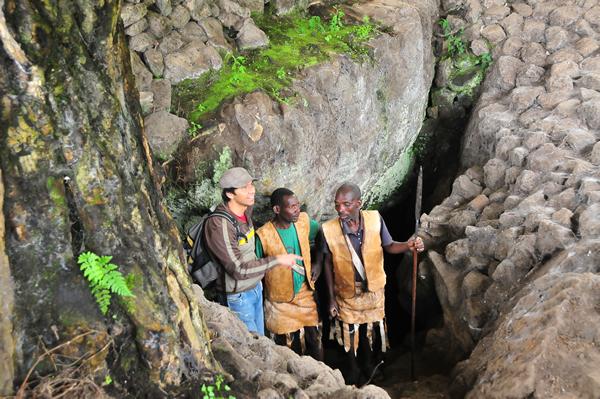
Porters can carry backpacks, water, cameras, and other gear, allowing trekkers to focus on balance and movement. They also offer a steadying hand during steep ascents or muddy descents, significantly reducing the risk of falls. Beyond practical help, hiring porters provides direct income to local communities living around the parks, reinforcing their investment in gorilla conservation.

The Uganda Wildlife Authority also provides armed rangers to accompany every group, ensuring both safety from wild animals and reassurance for travelers unfamiliar with the forest environment. These professionals are not just protectors but storytellers, enriching the experience with knowledge of ecology, tracking techniques, and local culture.What level of fitness do I need for gorilla trekking in Uganda?

Managing Energy and Mindset on the Trail

Gorilla trekking is as much a mental journey as it is a physical one. The forest demands patience and adaptability. Some treks end quickly when gorillas are nearby; others require hours of steady movement before the family is located. The unpredictability can test endurance, but the key lies in pacing and mindset.

Rangers maintain a moderate pace, stopping often for rest, hydration, and photos. They also keep morale high with stories and humor, reminding trekkers that every step brings them closer to one of the world’s most extraordinary encounters.

Those who approach the experience with calmness, curiosity, and respect often find the journey itself as fulfilling as the destination. The forest’s sounds — chirping birds, whispering leaves, distant hoots — create a meditative rhythm that helps fatigue fade into fascination.

Fitness in Context: Comparing Uganda to Rwanda and Congo

Uganda’s gorilla trekking is often compared with that of neighboring Rwanda and the Democratic Republic of Congo, and the question of difficulty frequently arises. While all three countries protect the same species of mountain gorilla, Uganda’s terrain tends to be more varied and rugged, especially in Bwindi. The park’s steep slopes and thick vegetation can make treks longer and more challenging than Rwanda’s relatively open Virunga slopes.

However, Uganda offers a broader range of routes and altitude options. Park authorities match visitors to gorilla families based on estimated trek length and difficulty. For instance, older travelers or those with limited fitness may be assigned to groups located closer to the trailhead, ensuring a manageable experience. Conversely, adventurous hikers may opt for more remote families that require longer treks, turning the journey into a full-day expedition.

This flexibility makes Uganda ideal for travelers of all fitness levels — from casual nature lovers to seasoned hikers — while still preserving the authenticity of the experience.

Health Considerations and Safety

Beyond fitness, overall health readiness plays a vital role in gorilla trekking. Travelers with heart conditions, severe asthma, or mobility limitations should consult a physician before the trip. Altitude and humidity can strain the body, especially when combined with exertion.

Vaccinations are mandatory, with Yellow Fever required for entry into Uganda, and other recommended immunizations include Hepatitis A, Typhoid, and Tetanus. Insect repellent, sunscreen, and sufficient hydration are essential on the trail.

For minor injuries like cuts or scrapes, guides carry first-aid kits, and travelers are advised to bring personal medications. Safety briefings at the start of each trek outline behavior near gorillas, emphasizing calmness and quiet observation. Uganda’s track record for visitor safety in gorilla parks is exemplary, thanks to strict regulation and professional ranger teams.

The Reward After the Trek: Meeting the Gorillas

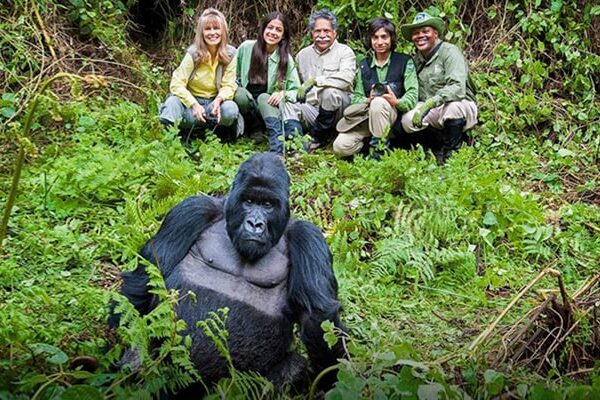
When the journey finally ends and the trackers signal that gorillas are near, exhaustion vanishes. The forest grows still, anticipation quickens, and then — out of the shadows — a black silhouette moves. A silverback appears, massive and majestic, his presence commanding yet peaceful.

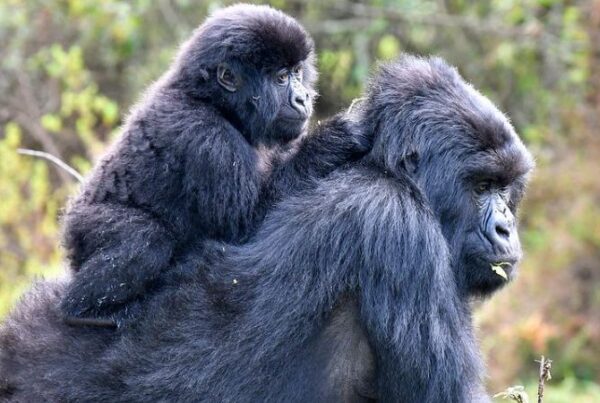
For the next hour, fatigue fades into awe. The world seems to shrink to the few meters separating humans and gorillas. Mothers cradle infants, juveniles tumble playfully, and the silverback watches over his family with calm authority. Every sound, every gesture feels sacred.

That moment erases the memory of the climb. The aches in the legs, the sweat on the brow — all dissolve into the realization that you are witnessing something extraordinary, something few people on Earth will ever see. It is the perfect reminder that fitness, while necessary, is only a means to reach the heart of this experience. The true journey is emotional.

Post-Trek Reflection and Recovery

After the trek, most travelers describe a deep sense of fulfillment and gratitude. While physical exhaustion is normal, it is quickly replaced by the exhilaration of achievement. Many lodges around Bwindi and Mgahinga offer massages or relaxation therapies specifically designed for trekkers, allowing muscles to recover while the mind processes the experience.

Hydration, nutrition, and gentle stretching help ease any soreness. Sharing stories around the lodge fire, reviewing photos, and watching the mist roll over the hills create a reflective atmosphere — one that reinforces the sense of accomplishment and wonder that defines gorilla trekking in Uganda.

Why Preparation Matters Beyond Fitness

Fitness for gorilla trekking is not just about surviving the hike; it’s about maximizing the experience. When the body is prepared, the mind is free to absorb the beauty of the surroundings — the scent of wet earth, the songs of tropical birds, the distant drum of waterfalls. When one is physically comfortable, the trek becomes not a challenge to overcome but a journey to savor.

Furthermore, good fitness ensures ethical interaction. The less fatigued one is, the less likely they are to make noise, move abruptly, or inadvertently disrupt the gorillas. Prepared travelers become better stewards of the wilderness, contributing to conservation through responsible behavior.

Conclusion: Fitness as a Gateway to a Life-Changing Experience

The question of what level of fitness is needed for gorilla trekking in Uganda has no single answer because the experience is tailored to human diversity. A basic level of fitness, combined with determination, adaptability, and respect, is enough to make the journey possible for nearly everyone.

Gorilla trekking is not about racing through the forest but about moving in rhythm with it — step by step, heartbeat by heartbeat, until the veil of green parts to reveal one of nature’s most intelligent and gentle beings. It is about surrendering to the terrain, embracing the challenge, and discovering within yourself the strength to reach a moment of pure connection with the wild.

For travelers ready to take that journey, it is best to book their Africa tours and safaris with WildHorn Africa, a trusted expert in crafting personalized and safe gorilla trekking adventures. With experienced guides, seamless logistics, and deep respect for conservation, WildHorn Africa ensures that every traveler — regardless of fitness level — experiences the gorillas of Uganda with comfort, care, and profound awe.

The mountains will test your endurance, but they will also reward you with one of the rarest encounters on Earth — an encounter that speaks not only to the strength of your body but to the resilience of your spirit.

When is the best time of year to visit Uganda?

When is the best time of year to visit Uganda?

By Uganda travel guides, Travel stories and blogs

When Is the Best Time of Year to Visit Uganda? | Complete Uganda Travel Seasons Guide 2026

Few destinations on the African continent hold as much natural and cultural allure as Uganda, the “Pearl of Africa.” From the misty mountains of Bwindi, where endangered mountain gorillas thrive, to the shimmering expanses of Lake Victoria and the sweeping savannah plains of Murchison Falls and Queen Elizabeth National Park, Uganda embodies the beauty of East Africa in its purest form. Yet one of the most frequent questions travelers ask when planning their journey is, When is the best time of year to visit Uganda?

The truth is that Uganda’s appeal stretches across the calendar. Its equatorial location and diverse ecosystems create a relatively mild climate year-round, making it possible to explore the country almost any month of the year. Still, understanding the variations in weather patterns, wildlife behavior, and travel conditions across different seasons can significantly enhance your experience. Whether your interest lies in gorilla trekking, birdwatching, photography, or cultural exploration, each period of the year brings its own rhythm, colors, and sensations.

This detailed guide explores the nuances of Uganda’s seasons, providing insights on weather, park accessibility, wildlife highlights, and travel logistics—helping you choose the perfect time to embark on your adventure with confidence and clarity.

Understanding Uganda’s Climate: The Equatorial Advantage

Uganda’s location on the equator gives it one of the most favorable climates in Africa. It does not experience the extreme temperature swings seen in many other parts of the continent. Instead, the weather remains relatively consistent throughout the year, defined more by rainfall patterns than temperature changes.

The country’s altitude, ranging from about 900 meters in the lowlands to over 5,000 meters in the Rwenzori Mountains, creates microclimates that add variety to travel experiences. Days are typically warm, with average daytime temperatures between 24°C and 30°C (75°F–86°F), while nights are cooler and comfortable, particularly in highland regions such as Kabale, Fort Portal, and Bwindi.

Rainfall determines the distinct travel seasons, and Uganda generally has two rainy periods: the long rains from March to May and the short rains from late October to November. The dry seasons, which fall between June and September and again from December to February, are considered the best for outdoor adventures, wildlife observation, and trekking activities.When is the best time of year to visit Uganda?

The Dry Season (June to September): The Prime Time for Exploration

The period between June and September is often referred to as Uganda’s peak travel season, and for good reason. This stretch of the year combines favorable weather, excellent wildlife sightings, and manageable road conditions across the country.

During this time, the landscapes of western Uganda, where most of the country’s national parks are located, are lush but not waterlogged. The reduced rainfall creates ideal conditions for gorilla and chimpanzee trekking, as forest trails are less slippery and visibility in the dense vegetation improves. The misty hills of Bwindi Impenetrable Forest and Mgahinga National Park are particularly magical in the mornings, as the first light cuts through the haze to reveal the silhouettes of mountain gorillas moving quietly among the foliage.

Wildlife enthusiasts visiting savannah parks such as Queen Elizabeth National Park, Murchison Falls National Park, and Lake Mburo National Park will find this season especially rewarding. The thinning vegetation and limited water sources draw animals toward rivers and waterholes, making them easier to spot. Elephants, buffaloes, lions, leopards, and antelopes congregate near the Nile in Murchison Falls or along the Kazinga Channel in Queen Elizabeth National Park, offering spectacular photographic opportunities.

This dry period is also considered one of the best times for birdwatching, particularly for resident species. Clear skies, calm winds, and open visibility make identifying and photographing birds effortless. While migratory birds typically arrive later in the year, the diversity of Uganda’s resident birdlife—over 1,000 recorded species—ensures a rewarding experience even in the middle of the dry season.

The Short Dry Season (December to February): Warm Days and Perfect Views

The second dry season, running from December through February, is another excellent time to visit Uganda. The weather is warm and relatively dry across most regions, though temperatures can rise slightly higher, especially in the northern and central parts of the country.

For those seeking a holiday escape, this period coincides with the festive season, making it popular among international travelers and Ugandans alike. Safari lodges and national parks often experience higher visitor numbers, creating a lively and social atmosphere across destinations.

In Bwindi and Mgahinga, gorilla trekking conditions remain favorable, while Kibale National Park offers unforgettable chimpanzee tracking experiences. Photographers favor this period for its golden light, minimal haze, and clear mountain vistas—especially in regions like the Rwenzoris and Mount Elgon.

Additionally, Lake Bunyonyi and Lake Victoria offer tranquil retreats for travelers seeking relaxation after a safari or trekking expedition. The serene weather allows for uninterrupted lake cruises, canoe rides, and cultural visits to nearby islands. The clear skies also make it one of the best times to experience Uganda’s breathtaking sunsets—an unforgettable spectacle of color over the African horizon.

The Long Rainy Season (March to May): Lush Landscapes and Intimate Experiences

While the March to May period is considered Uganda’s wettest season, it should not deter travelers from visiting. For those seeking a quieter, more immersive experience, this time of year holds unique rewards. The rain transforms Uganda’s landscapes into vibrant tapestries of green, with wildflowers blooming and rivers swelling to their fullest.

During the long rains, the countryside comes alive in a way that feels deeply authentic. Waterfalls thunder at full force, and the air carries the crisp scent of wet earth and vegetation. Although travel can be slower due to occasional muddy roads and heavier showers, the rains often fall in short bursts followed by bright sunshine, allowing activities to resume with minimal disruption.

This is also the low season, meaning there are fewer tourists in the parks. Lodges and tour operators often offer discounted rates, creating opportunities for more affordable luxury safaris. Gorilla trekking permits are easier to secure, and the intimate atmosphere in the forests enhances the feeling of connection with nature.

Wildlife viewing remains good, though animals may be more dispersed due to the abundance of water and vegetation. However, for photographers and nature lovers, the rich hues and dramatic skies of the rainy season provide an extraordinary canvas for visual storytelling.

In addition, this period marks the beginning of bird breeding season, making it particularly rewarding for birdwatchers. Vibrant plumage and mating displays can be observed across wetlands, forests, and savannahs, offering exceptional opportunities to witness the life cycles of Uganda’s avian residents.

The Short Rainy Season (October to November): The Transition of Seasons

The short rains between late October and November bring a gentle return of moisture to Uganda’s landscapes after the long dry months. The rains are lighter and less persistent than those earlier in the year, making travel feasible while reviving the countryside’s greenery.

For travelers who appreciate tranquility, this period provides the perfect balance between favorable weather and minimal crowds. Parks remain accessible, and wildlife sightings are still excellent, as many animals linger near residual water sources from the previous dry months.

This season also marks the arrival of migratory birds from Europe and Asia, adding to Uganda’s already impressive avifaunal diversity. The wetlands of Mabamba Swamp, Murchison Falls, and Lake Mburo become havens for bird enthusiasts seeking rare sightings such as the shoebill stork, African skimmer, and various warblers and swallows.

In cultural terms, October and November coincide with several local festivals and harvest celebrations, offering travelers the chance to engage with Ugandan traditions firsthand. The blend of lush scenery, cultural vibrancy, and wildlife abundance makes this transitional season an underrated gem for those willing to embrace a little rain for greater rewards.When is the best time of year to visit Uganda?

Regional Variations: Uganda’s Microclimates and What They Mean for Travelers

Although Uganda’s climate is generally predictable, conditions can vary considerably from one region to another. Understanding these microclimates helps travelers fine-tune their itineraries and manage expectations for each destination.

The western region, home to Bwindi, Queen Elizabeth, and Kibale National Parks, enjoys moderate rainfall and cooler temperatures due to higher altitudes. The dry seasons here are ideal for trekking and safaris, while the wet seasons bring misty mornings and lush green vistas.

In contrast, the northern region, which includes Kidepo Valley National Park, experiences a more arid climate with lower rainfall levels. Kidepo is accessible year-round, but its landscapes are most dramatic and teeming with wildlife during the dry months from December to March.

The central and eastern regions, encompassing Kampala, Jinja, and Mount Elgon, maintain a tropical climate with regular rainfall throughout the year, though it is less intense than in the west. The best time to visit these regions is during the drier months when activities like white-water rafting on the Nile or hiking Mount Elgon are less affected by weather interruptions.

The southern region, particularly around Lake Victoria, experiences slightly higher humidity levels due to its proximity to water bodies. Rain showers here are frequent but short-lived, often giving way to sunshine within hours. This makes it possible to enjoy both adventure and relaxation without significant disruption.

Gorilla Trekking and Seasonal Considerations

For many visitors, gorilla trekking is the pinnacle of their Ugandan journey. The experience of standing mere meters away from a family of mountain gorillas in the wild is profoundly moving and unforgettable. The timing of your visit can influence the comfort and accessibility of this adventure.

The dry seasons (June to September and December to February) are the most popular for trekking. Trails are drier, less slippery, and easier to navigate. Visibility is better, and photography conditions are ideal. However, due to high demand, permits for these months often sell out quickly, so early booking is essential.

During the rainy seasons, the trekking experience takes on a different but equally enchanting character. The forests are denser and more atmospheric, with mist swirling through the canopy and gorillas sometimes venturing closer to lower altitudes. The rain may make the trek more challenging, but it also brings solitude and an intensified connection with nature. For travelers seeking exclusivity and depth, the rainy season can be profoundly rewarding.

Cultural and Festival Seasons: The Human Rhythm of Uganda

Beyond weather patterns and wildlife migrations, Uganda’s best time to visit can also be defined by its cultural calendar. Throughout the year, communities across the country celebrate traditional festivals, music events, and cultural gatherings that provide an authentic window into Ugandan life.

In January, the year often begins with cultural showcases in Kampala and traditional New Year festivities that highlight dance, drumming, and culinary traditions. Around June and July, local communities in the western region host harvest celebrations and music events that coincide with peak tourism periods, offering travelers opportunities for cultural immersion.

December marks another festive peak, with Christmas celebrations taking on a unique Ugandan flavor—vibrant, communal, and filled with song. Visiting Uganda during this time allows travelers to experience the warmth of local hospitality at its most expressive.

By aligning travel dates with these cultural moments, visitors can experience Uganda not just as a landscape but as a living, breathing tapestry of people and traditions.

Practical Considerations: Prices, Accessibility, and Crowds

Seasonal variations also affect the practical aspects of travel such as pricing, accommodation availability, and visitor numbers. The peak seasons (June to September and December to February) typically bring higher prices and greater demand for lodges, especially near major parks. Booking well in advance is advisable during these months.

Conversely, the low seasons (March to May and October to November) offer attractive discounts on accommodations, tours, and even gorilla trekking permits. For budget-conscious travelers or those seeking a more private experience, these months provide an ideal compromise between value and adventure.

Road accessibility improves significantly during dry periods, making travel between destinations faster and smoother. In the rainy seasons, travel times may increase, but with the help of experienced guides and well-equipped vehicles, even the most remote areas remain reachable.

Choosing the Best Time Based on Your Interests

Ultimately, the best time to visit Uganda depends on what you wish to experience. Adventure seekers, wildlife photographers, and trekkers often prefer the dry months, while nature lovers and cultural enthusiasts may favor the lush rainy periods for their richness and intimacy.

Each season tells a different story. In the dry season, Uganda reveals its crisp outlines and cinematic drama. In the rains, it whispers in shades of green and mist, unveiling its tender and poetic side. There is no single “perfect” time—only moments that align best with each traveler’s passion and pace.

Conclusion: A Year-Round Treasure Waiting to Be Discovered

In the grand rhythm of nature, Uganda is a destination without an off-season. Every month holds its own magic, shaped by rain and sunshine, movement and stillness. Whether it is the call of the shoebill echoing across the wetlands, the thundering roar of Murchison Falls after the rains, or the golden stillness of a sunset over Queen Elizabeth’s plains, Uganda reveals beauty in every phase of the year.

For first-time travelers and seasoned explorers alike, planning the right time to visit Uganda is about more than weather—it is about harmony with the land and the experiences you seek. With careful timing and thoughtful guidance, your journey will unfold seamlessly, filled with discovery, connection, and awe.

To make your adventure even more effortless and rewarding, travelers are encouraged to book their Africa tours and safaris with WildHorn Africa. With expert guides, personalized itineraries, and deep local knowledge, WildHorn Africa ensures that every journey across Uganda is safe, enriching, and unforgettable—crafted to capture the timeless spirit of the Pearl of Africa.

Which regions of Uganda are best for a safari?

Which regions of Uganda are best for a safari?

By Travel stories and blogs, Uganda travel guides

Which Regions of Uganda Are Best for a Safari? | Complete Uganda Safari Region Guide 2026

Which Regions of Uganda Are Best for a Safari?

There is something profoundly stirring about Uganda — a country that lies quietly at the heart of Africa yet pulses with the raw energy of life in its purest form. Described by Winston Churchill as the Pearl of Africa, Uganda captivates travelers not merely with its beauty but with its diversity. From snow-capped mountains and endless savannahs to dense equatorial rainforests and shimmering lakes, the country unfolds like a natural symphony — wild, vibrant, and untamed. Yet one question often lingers in the mind of anyone planning a journey here: Which regions of Uganda are best for a safari?

The answer, much like Uganda’s landscapes, is layered and rich. Every corner of this East African gem holds its own secret — a distinctive ecosystem, a unique wildlife story, and a culture woven deeply into the rhythm of nature. Safaris in Uganda are not confined to one region or experience. Instead, they stretch across the country, each destination revealing a different dimension of Africa’s wild soul.

This detailed guide explores Uganda’s most remarkable safari regions, painting a picture of what makes each one special — from the golden grasslands of Murchison Falls to the misty mountains of Bwindi, the open plains of Kidepo to the crater valleys of Queen Elizabeth. It is a journey through geography and emotion, designed to help travelers understand where Uganda’s safari heart truly beats.

The Western Region: The Crown Jewel of Uganda’s Safari Circuit

If there is a region that encapsulates Uganda’s essence, it is the western region — a vast, scenic sweep of land that stretches from the Great Rift Valley to the borders of Congo and Rwanda. This part of the country is the undisputed epicenter of Uganda’s safari experiences, offering an extraordinary mix of wildlife, mountains, forests, and lakes.

The western region is home to the country’s most famous parks: Queen Elizabeth National Park, Bwindi Impenetrable National Park, Kibale Forest National Park, and Mgahinga Gorilla National Park. Each park brings its own magic, and together they form the backbone of Uganda’s wildlife tourism.

In this region, travelers find not just safaris but soul-deep experiences — gorilla tracking in ancient rainforests, cruising past hippos along the Kazinga Channel, hiking through tea plantations, and watching the sun rise over volcanic ridges. The diversity of terrain is astounding, making western Uganda a must for anyone seeking a holistic safari experience.

Queen Elizabeth National Park: The Heart of Diversity

Nestled between the Rwenzori Mountains and the rolling escarpments of the Rift Valley, Queen Elizabeth National Park stands as Uganda’s most visited and biodiverse park. Its 1,978 square kilometers host over 95 species of mammals and more than 600 bird species, making it one of Africa’s richest ecosystems.

The park’s landscapes shift dramatically — open savannah plains in Kasenyi, lush forested gorges in Kyambura, volcanic crater lakes in Katwe, and the iconic Kazinga Channel, where thousands of hippos and crocodiles bask in the sun. Game drives reveal elephants, lions, buffaloes, leopards, and Uganda kobs, while boat safaris offer an intimate look at aquatic life and birdlife.

Perhaps the park’s most fascinating feature is found in its southern sector — Ishasha, known for its tree-climbing lions. Watching a pride of these majestic cats lounging in fig trees against the backdrop of the savannah is an image that stays forever etched in memory.

Queen Elizabeth’s combination of accessibility, wildlife density, and scenery makes it the beating heart of Uganda’s safari circuit, ideal for both first-time and seasoned visitors.

Bwindi Impenetrable National Park: The Realm of Gorillas

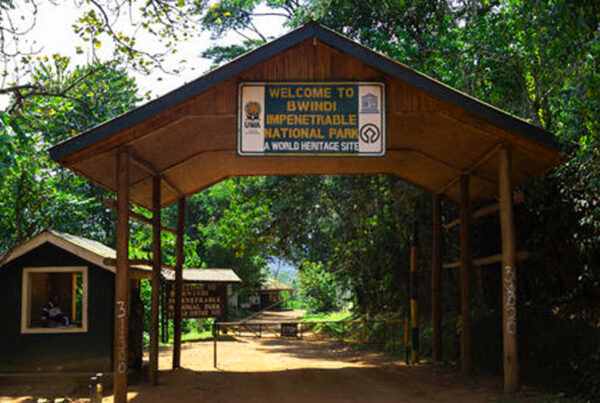
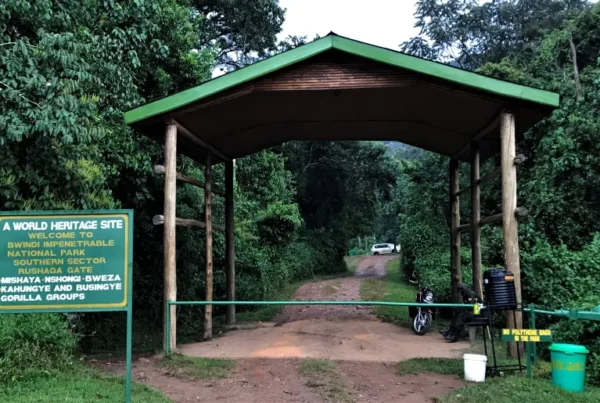
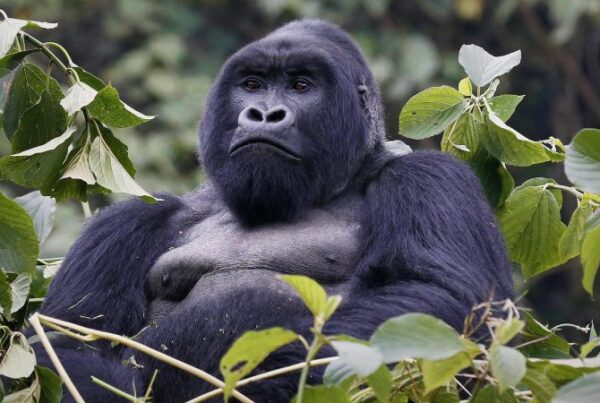
To venture into Bwindi Impenetrable National Park is to step into a world older than time. Its thick, tangled vegetation hides some of the last remaining mountain gorillas on Earth — gentle giants that share over 98% of their DNA with humans. Located in southwestern Uganda, Bwindi is one of Africa’s most biologically diverse forests, a UNESCO World Heritage Site, and a sacred sanctuary of life.

Gorilla trekking here is a transformative experience. The journey through steep trails, mist-laden valleys, and dense forest leads travelers to a moment of connection that transcends words — locking eyes with a silverback in his natural habitat. This single encounter defines Uganda’s global fame and explains why Bwindi is considered one of the world’s most spiritual wildlife destinations.

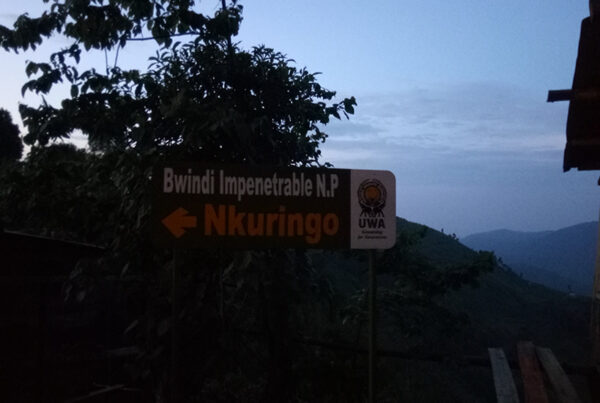
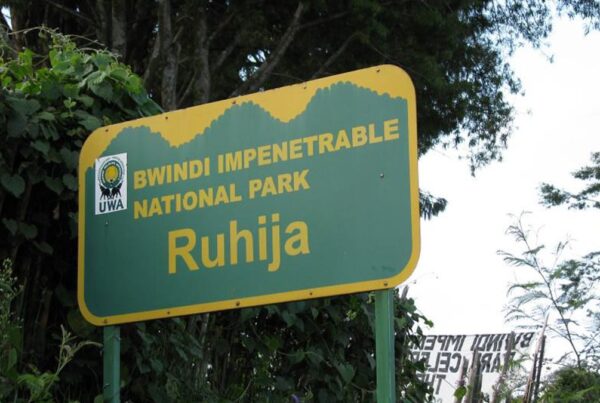
Beyond gorillas, the region around Bwindi reveals rural Uganda in its purest form. Local communities in Buhoma, Ruhija, and Nkuringo offer cultural tours, craft markets, and performances that reflect the harmony between people and the forest. The region’s lodges, from luxury sanctuaries like Sanctuary Gorilla Forest Camp to eco-retreats like Clouds Mountain Gorilla Lodge, enhance the sense of immersion and serenity that defines Bwindi.

Kibale Forest National Park: The Primate Capital

Just north of Queen Elizabeth lies Kibale Forest National Park, a lush realm of towering trees and echoing calls that has earned its title as the Primate Capital of the World. With 13 primate species, including over 1,500 chimpanzees, Kibale offers one of the best chimpanzee tracking experiences in Africa.

The park’s chimpanzee tracking excursions are deeply engaging. Guided by experienced trackers, visitors follow trails through the forest to find families of chimps grooming, foraging, and communicating in ways remarkably similar to humans. The optional Chimpanzee Habituation Experience, allowing up to four hours with these intelligent creatures, is one of Uganda’s most intimate wildlife encounters.

Kibale is also home to red colobus monkeys, grey-cheeked mangabeys, and L’Hoest’s monkeys. Birdwatchers delight in species like the green-breasted pitta and the African grey parrot. The nearby Bigodi Wetland Sanctuary complements the park’s offerings with community-run ecotourism projects that merge conservation with livelihood.

Mgahinga Gorilla National Park: Where Gold Meets Silver

At the far southwestern tip of Uganda, nestled against the borders of Rwanda and Congo, lies Mgahinga Gorilla National Park — a small but profoundly beautiful park where “gold meets silver.” This poetic phrase refers to the coexistence of golden monkeys and mountain gorillas, both endangered species that inhabit the Virunga volcanic range.

Mgahinga’s landscape is striking — three dormant volcanoes rising dramatically from the earth, their slopes cloaked in bamboo and montane forest. Trekking here is an exhilarating adventure through raw volcanic terrain, with opportunities to meet the Nyakagezi gorilla family or observe troops of golden monkeys in their natural playground.

The park’s cultural richness adds depth to the experience. The Batwa Trail, guided by members of the indigenous Batwa community, reveals ancient forest traditions and survival skills that have been passed down for centuries. Mgahinga may be smaller than Bwindi, but its charm lies in its solitude and spectacular views across the Virunga chain.

The Northern Region: Uganda’s Untamed Frontier

In contrast to the lush forests of the west, northern Uganda offers an entirely different safari landscape — one that feels remote, rugged, and timeless. This region, less frequented by mass tourism, is where travelers encounter the true wilderness of Africa, untamed and unspoiled.

Dominated by Kidepo Valley National Park, the north represents Uganda’s frontier spirit. Here, the land stretches endlessly under wide skies, punctuated by distant mountain ranges and acacia-dotted plains. Wildlife thrives in abundance, yet the feeling of isolation gives it an authenticity that few African parks can match.

Kidepo Valley National Park: The Hidden Eden

Kidepo Valley National Park is often hailed as Uganda’s most magnificent yet least-explored park. Tucked away in the far northeast, near the borders of South Sudan and Kenya, Kidepo is a sanctuary of solitude. Its remoteness — a full-day drive or a short charter flight from Kampala — ensures that it remains untouched by crowds, offering one of Africa’s last true wilderness experiences.

The park’s 1,442 square kilometers are home to over 75 species of mammals and more than 470 bird species. Lions, cheetahs, elephants, giraffes, buffaloes, zebras, and ostriches roam freely across the Narus and Kidepo valleys. Herds move in rhythmic harmony against backdrops of distant mountains and the haunting beauty of dry riverbeds.Which regions of Uganda are best for a safari?

Unlike many parks where sightings are guided by radio communication, Kidepo’s encounters feel spontaneous — raw and personal. The park’s remoteness heightens every sense; the silence of the savannah is broken only by the calls of birds and the rustle of wind through the grass.

Cultural experiences enrich the safari further. The Karamojong people, pastoralists who live near the park, welcome visitors into their manyattas (homesteads), sharing traditions that have endured for generations. Kidepo is not just a park; it is an immersion into Africa before modernity — pure, vast, and profoundly humbling.

The Central Region: The Gateway to Uganda’s Wild Heart

The central region, anchored by Kampala and Entebbe, serves as the gateway for most travelers entering Uganda. It is from here that safaris begin and end, but this region offers more than just logistical convenience. It holds cultural depth, historical significance, and easy access to several wildlife reserves and lakes that introduce travelers to Uganda’s natural rhythm.

Lake Mburo National Park, located a few hours southwest of Kampala, provides the perfect introduction to Uganda’s wildlife scene. Though smaller in size, it offers an intimate and scenic safari experience characterized by rolling hills, open acacia woodlands, and tranquil lakeshores.

Lake Mburo is known for its large populations of impalas, zebras, elands, and hippos, as well as its diversity of birdlife. The absence of lions allows for walking safaris, horseback safaris, and boat rides — activities that offer a more personal and peaceful connection with the landscape.

Beyond wildlife, the central region encompasses the cultural and spiritual soul of the nation. Kampala’s vibrant energy, Entebbe’s botanical gardens, and the nearby Ngamba Island Chimpanzee Sanctuary offer pre- or post-safari relaxation and education in conservation. The region’s accessibility, combined with its variety, makes it an ideal start or end point for any safari journey.

The Eastern Region: Adventure and Scenic Beauty

Uganda’s eastern region reveals another layer of the country’s diversity. It is a land of adventure, culture, and dramatic landscapes, where the Nile begins its legendary journey and mountains rise from fertile plains. While not traditionally known as a classic safari region, eastern Uganda adds dimension to the safari experience by offering outdoor activities, geological wonders, and cultural richness.

At the heart of this region lies Jinja, famously known as the Source of the Nile. This picturesque town has evolved into Uganda’s adventure capital, offering white-water rafting, bungee jumping, kayaking, and boat cruises on the Nile. While not a safari in the traditional sense, Jinja’s wildlife-rich riverbanks host abundant birdlife, monitor lizards, and occasional hippos, blending adrenaline with natural charm.

Further east, Mount Elgon National Park offers a different kind of wilderness — one of altitude, flora, and waterfalls. The extinct volcano, once Africa’s highest mountain, now hosts lush montane forests, caves, and scenic hiking routes. The Sipi Falls, cascading dramatically from the mountain slopes, form one of Uganda’s most breathtaking landscapes.

For travelers seeking variety beyond the savannah, the eastern region adds a refreshing contrast to the traditional safari circuit — proving that Uganda’s appeal lies not only in its animals but also in the adventure of discovery.

The Southern Region: Lakes, Landscapes, and Leisure

Southern Uganda, bordering Rwanda and Tanzania, complements the country’s safari diversity with a serene blend of water, hills, and community experiences. It is a region of tranquility and reflection, perfect for those seeking to unwind after intense wildlife adventures.

Lake Bunyonyi, meaning “place of many little birds,” is perhaps the most scenic lake in Africa. Surrounded by terraced hills and dotted with 29 islands, it provides a tranquil retreat for travelers. The lake’s calm waters are free of bilharzia and crocodiles, allowing safe swimming and canoeing. Sunset cruises, village visits, and hiking trails complete the peaceful rhythm of this southern haven.

Nearby, Lake Mutanda offers similar serenity, with views stretching toward the Virunga Volcanoes. The region’s lodges, often perched on ridges above the lakes, offer some of the most photogenic settings in Uganda. It is here that travelers reflect on their journeys — where the sounds of nature replace the roar of adventure, and the magic of Uganda lingers quietly in the air.

Why Uganda’s Regional Diversity Defines Its Safari Greatness

Uganda’s greatness as a safari destination lies not in a single park but in the harmony of its regions. Each one tells a different story — from the primal heartbeat of Bwindi’s forests to the cinematic vastness of Kidepo’s plains, from the calm waters of Lake Mburo to the exhilarating currents of the Nile. Together, they form a mosaic of experiences that no other country replicates in such compact geography.

The journey between these regions also deepens the safari experience. As travelers move across Uganda, they witness the transition from rainforest to savannah, from volcanic peaks to crater lakes, and from vibrant urban life to untouched wilderness. This constant evolution of landscape and culture is what transforms a Ugandan safari from a holiday into an odyssey.

Conclusion: Where the Journey Becomes the Destination

The question of which regions of Uganda are best for a safari does not yield a single answer — because Uganda itself is the answer. Each region offers a chapter of an extraordinary story, and the true beauty of the journey lies in reading them all.

Whether one chooses the west for its gorillas and primates, the north for its raw wilderness, the center for its cultural pulse, the east for its adventure, or the south for its serenity, Uganda delivers a safari that feels deeply personal and profoundly moving.

For those ready to turn this vision into reality, the best way to explore the regions of Uganda is through a well-crafted itinerary by experts who understand its rhythms and secrets. Travelers are encouraged to book their Africa tours and safaris with WildHorn Africa, a trusted company renowned for its deep regional knowledge, ethical practices, and passion for authentic experiences. With WildHorn Africa, every route, every region, and every encounter becomes part of a larger story — one that defines the true spirit of the Pearl of Africa.

Is Uganda family-friendly for safari trips with kids?

Is Uganda family-friendly for safari trips with kids?

By Travel stories and blogs, Uganda travel guides

Is Uganda Family-Friendly for Safari Trips with Kids? | Complete 2026 Family Safari Guide

The idea of taking children on a safari in Africa often stirs both excitement and hesitation. Parents dream of giving their little ones the chance to see elephants in the wild, to hear lions roaring at night, and to watch the sunset over a landscape that feels like the very cradle of life. Yet questions naturally arise — Is it safe? Is it practical? Is it even enjoyable for kids? When it comes to Uganda, the answer is a resounding yes. Uganda is not just a destination for seasoned adventurers or honeymooners chasing gorilla trails; it is a country that can enchant and accommodate families in ways that few other African nations can.

With its combination of gentle landscapes, warm-hearted people, and a growing network of family-oriented lodges and experiences, Uganda is becoming one of East Africa’s most family-friendly safari destinations. The country offers an environment where adventure feels safe, wildlife experiences are deeply personal, and culture is accessible in ways that children can easily connect with.

This detailed guide explores exactly what makes Uganda suitable for family safaris — from child safety and family-friendly lodges to tailored activities, wildlife encounters, and educational opportunities. It examines the realities, challenges, and immense rewards of bringing children on safari, showing how Uganda’s gentle nature makes it the perfect introduction to Africa for young explorers.

The Charm of Uganda: Why Families Fall in Love with It

Uganda is often described as the “Pearl of Africa” — a title it earns not only from its natural beauty but also from its spirit. This is a country where every landscape seems alive, every encounter feels personal, and every experience carries a sense of warmth and wonder. Unlike some safari destinations where large crowds and vast distances can make travel tiring for families, Uganda’s smaller scale and welcoming culture create a more intimate and accessible environment.

From the shores of Lake Victoria to the forests of Bwindi, Uganda offers a tapestry of ecosystems that appeal to every age group. The wildlife is spectacular yet approachable; the parks are diverse but well-connected; and the people, known for their kindness, go out of their way to make visitors — especially children — feel at home.

For families seeking a balance between adventure and comfort, Uganda provides the perfect setting. Days are filled with discovery — from boat cruises surrounded by hippos to forest walks in search of chimpanzees — while evenings bring the joy of storytelling by the campfire, the glow of lanterns, and the quiet symphony of the bush.

Safety First: How Uganda Keeps Families Secure

Safety is the foundation of any family trip, and Uganda has worked tirelessly to ensure that its national parks and tourism zones are well-protected and well-managed. The Uganda Wildlife Authority (UWA) maintains strict safety protocols across all reserves, ensuring that both visitors and wildlife coexist peacefully. Park rangers are well-trained and always accompany visitors on nature walks, game drives, and boat trips.

In lodges and camps, safety measures extend to fenced or elevated designs that keep animals at a respectful distance, while still allowing the thrilling experience of hearing them nearby. Many family lodges employ guards and guides who accompany guests between rooms after dark, a comforting feature for parents.

Health-wise, Uganda requires visitors to be vaccinated against yellow fever, and families are encouraged to take malaria prophylaxis. Reputable lodges often have mosquito nets and screened rooms, ensuring restful nights. Clinics and hospitals in major towns like Kampala, Fort Portal, and Mbarara are accessible for any emergencies, while most safari lodges are equipped with first-aid facilities and can coordinate medical evacuation if needed.

For families traveling with children, tour operators such as WildHorn Africa prioritize routes, accommodations, and experiences that balance safety, comfort, and adventure — making it possible to explore the wild without worry.

Choosing the Right Destinations: Uganda’s Family Safari Regions

Uganda’s geography is diverse and captivating, offering distinct regions that cater to different family interests and comfort levels. Each destination adds a layer of excitement and learning, ensuring that children remain engaged and inspired throughout the journey.

Queen Elizabeth National Park: The Classic Family Safari Experience

Few places in Uganda offer such variety in landscape and wildlife as Queen Elizabeth National Park. Stretching between the Rwenzori Mountains and Lake Edward, it is one of the most family-friendly parks in the country. The open savannahs of the Kasenyi Plains are perfect for game drives, where children can easily spot elephants, buffaloes, antelopes, and, with a little luck, lions.

The Kazinga Channel boat cruise is particularly popular with families. As the boat drifts along the river, hippos grunt, crocodiles bask on the shores, and colorful kingfishers dart across the water. The gentle pace of the cruise makes it ideal for young children who can safely observe wildlife without the heat or dust of land safaris.

For a touch of mystery, the Kyambura Gorge, often called the “Valley of the Apes,” offers guided walks to spot chimpanzees and other primates. These walks can be adapted for older children and teenagers, offering a thrilling yet educational experience.

Murchison Falls National Park: Where the Nile Comes Alive

In the northwestern region of Uganda lies Murchison Falls National Park, the country’s largest and oldest conservation area. It is also one of the most accessible for families. The park is bisected by the Nile, which plunges through a narrow gorge to create the dramatic Murchison Falls — one of Africa’s most powerful waterfalls.

Children find the park fascinating because of its variety. Boat trips to the base of the falls reveal herds of elephants, basking crocodiles, and countless hippos. On game drives, giraffes, hartebeests, and warthogs are common, and birdwatchers will be delighted by the hundreds of species that fill the skies.

Many family lodges overlook the Nile, offering safe and scenic spaces for children to play and learn. The combination of wildlife, river exploration, and gentle terrain makes Murchison Falls one of Uganda’s most enjoyable parks for all ages.

Lake Mburo National Park: The Perfect Introduction to the Wild

Smaller and more accessible than other parks, Lake Mburo National Park serves as a great introduction for children to the safari experience. Located just a few hours from Kampala, it features rolling hills, acacia woodlands, and sparkling lakes.

What makes Lake Mburo particularly family-friendly is its peaceful atmosphere — there are no large predators such as lions or elephants, which allows for walking safaris, bicycle tours, and even horseback rides. Children can safely explore the wilderness while learning to identify animals like zebras, impalas, and giraffes up close.

The park’s boat trips on Lake Mburo are calm and scenic, offering sightings of hippos, otters, and diverse birdlife. Its proximity to the capital also makes it an ideal stop for families seeking a short, less strenuous adventure.

Kibale Forest National Park: A Primate Wonderland

For families with older children or teenagers, Kibale Forest National Park offers an extraordinary opportunity to encounter chimpanzees in their natural habitat. Known as the “Primate Capital of the World,” Kibale hosts over 1,500 chimpanzees and 12 other primate species.

The chimpanzee tracking experience requires a minimum age (usually 12 years and above), but families with younger children can enjoy nature walks in the Bigodi Wetland Sanctuary, a community-run project teeming with monkeys, birds, and butterflies. Kibale’s environment feels alive — children are captivated by the sounds of the forest, the sight of monkeys swinging through branches, and the thrill of discovery at every step.

Jinja and the Source of the Nile: Adventure for All Ages

Not every family safari has to revolve around wildlife alone. In Jinja, on the shores of Lake Victoria, families can experience the thrill of adventure in a safe and scenic environment. Known as the “Adventure Capital of East Africa,” Jinja offers boat rides to the Source of the Nile, kayaking, tubing, and gentle white-water rafting suitable for children.

Parents can enjoy scenic walks, cultural visits, and serene riverside lodges while children explore the natural wonders that have fascinated travelers for generations. Jinja’s combination of history, leisure, and soft adventure makes it a family favorite and a perfect ending to a safari circuit.

Wildlife Encounters and Age Considerations

While Uganda’s wildlife is diverse and captivating, not all activities are suitable for very young children, primarily for safety and regulatory reasons. Gorilla trekking, for example, is restricted to visitors aged 15 years and above, and chimpanzee tracking has a minimum age of 12 years.

However, these restrictions do not limit family enjoyment. Most parks offer alternative nature walks, birding excursions, and cultural visits for younger kids while parents or older siblings participate in the treks. Many lodges can arrange supervised children’s activities — from storytelling sessions with local guides to crafts inspired by wildlife.

In savannah parks like Queen Elizabeth and Murchison Falls, children of all ages can participate in game drives, guided by knowledgeable rangers who transform each sighting into an educational moment. For families with very young children, Uganda’s smaller parks and reserves — such as Lake Mburo or Ziwa Rhino Sanctuary — provide safe yet enriching introductions to Africa’s ecosystems.Is Uganda family-friendly for safari trips with kids?

Family-Friendly Lodges and Accommodation

Uganda’s hospitality industry has evolved to cater to families seeking comfort without compromising on authenticity. Many lodges now feature family suites, adjoining rooms, or private cottages, ensuring convenience and privacy for parents and children.

At luxury lodges near Bwindi or Queen Elizabeth, staff often go out of their way to provide personalized services — from early meal times and kid-friendly menus to babysitting options. Some lodges even organize mini “ranger programs” where children can learn about animal tracking, conservation, and local culture through interactive play.

For families seeking a more adventurous experience, tented camps and eco-lodges provide safe yet immersive stays in nature. Nights spent under canvas, listening to the sounds of the bush, often become the highlight of the trip for children — an adventure story they’ll tell for years to come.

Educational Value: Learning Beyond the Classroom

Few experiences are as educational as an African safari. In Uganda, learning happens organically — through observation, participation, and storytelling. Children learn to identify animal tracks, recognize bird calls, and understand the delicate balance of ecosystems.

Community visits, such as those to the Batwa pygmy villages near Bwindi or traditional homesteads in Fort Portal, teach cultural awareness and empathy. Older children can gain insight into conservation challenges, understanding how tourism supports both wildlife protection and community development.

Many families describe Uganda not just as a vacation but as an education in life — a journey that broadens young minds, cultivates respect for nature, and fosters curiosity about the world beyond screens and textbooks.

Food, Comfort, and Travel Logistics

For parents, practical considerations like food, accommodation, and travel logistics are as important as wildlife encounters. Fortunately, Uganda offers an excellent balance between adventure and comfort.

Most lodges and hotels cater to international tastes while also offering mild local dishes that children often enjoy — fresh fruits, grilled meats, rice, and chapati are staples. Clean drinking water is readily available, and bottled water is provided throughout safaris.

Road conditions have improved significantly, with major safari circuits connected by good highways. Families traveling with younger children can choose itineraries that minimize long drives by using domestic flights between destinations like Entebbe, Bwindi, and Kidepo. Experienced tour operators like WildHorn Africa design routes with rest stops and overnight stays that keep journeys enjoyable and manageable for children.

Balancing Adventure with Rest

One of the secrets to a successful family safari is balance. Uganda’s natural diversity allows families to alternate between adventure and relaxation. After a day of game drives or nature walks, lodges near lakes or rivers provide serene spaces to unwind.

Swimming pools, campfire evenings, and nature-based games offer downtime for kids to process what they’ve seen. Parents can enjoy sundowners while children marvel at fireflies flickering in the twilight. The pace of a Ugandan safari is flexible, designed to suit the rhythms of family travel rather than rush from one attraction to another.

Cultural Warmth and Human Connection

Beyond its wildlife, what makes Uganda truly family-friendly is its people. Ugandans are famously welcoming and take genuine delight in interacting with visitors, especially children. Local guides, lodge staff, and villagers often engage kids with laughter, stories, and songs, breaking barriers of language and culture through kindness.

This human connection transforms travel into something deeper — a shared experience of friendship and understanding. Children quickly adapt to Uganda’s warmth, learning that adventure is not just about seeing animals but about meeting people and sharing moments that linger far beyond the journey’s end.

Responsible Travel: Teaching Children the Value of Conservation

Taking children on safari is not only about entertainment; it is an opportunity to teach responsibility and respect for the environment. Uganda’s conservation model, which links tourism revenue to community welfare, demonstrates to young travelers the importance of sustainable choices.

At places like Ziwa Rhino Sanctuary or the Bigodi Wetland Project, children can see how local communities protect wildlife through cooperation rather than conflict. This awareness helps cultivate a generation that values nature and understands its fragility.

By the time families leave Uganda, many children have absorbed an unspoken lesson: that the wild is not something distant or dangerous, but something sacred and worth protecting.

Conclusion: A Safari That Brings Families Closer

Uganda may not be the first destination that comes to mind when planning a family safari, but it should be. It is a country that offers adventure without fear, learning without lectures, and connection without complication. Its parks are safe, its people are kind, and its experiences are deeply enriching for travelers of every age.

From the thrill of spotting elephants in Queen Elizabeth to the serenity of cruising along the Nile, from the laughter shared with local children to the wonder of watching zebras graze under an African sunset — every moment in Uganda becomes a memory that unites families in discovery and joy.

For those ready to bring their children into Africa’s heart, it is best to book their Africa tours and safaris with WildHorn Africa, a trusted expert in crafting family-friendly adventures that balance comfort, education, and exploration. With their expertise, every detail — from lodge selection to child-friendly activities — is handled with care, ensuring that families experience the true spirit of Uganda: wild, welcoming, and wonderfully unforgettable.

What documentation do I need to travel to Uganda?

What documentation do I need to travel to Uganda?

By Uganda travel guides

What Documentation Do I Need to Travel to Uganda? | Complete 2026 Uganda Travel Guide

Traveling to Uganda, the “Pearl of Africa,” is an experience that awakens the senses and leaves travelers with unforgettable memories. From the mist-shrouded forests of Bwindi, where mountain gorillas dwell in quiet majesty, to the tranquil waters of Lake Victoria and the sprawling savannahs of Queen Elizabeth National Park, Uganda remains one of Africa’s most captivating destinations. Yet, before embarking on this journey, travelers must be fully prepared with the right travel documentation. Whether visiting for leisure, business, research, or humanitarian work, the entry process into Uganda is structured and well-defined by immigration authorities.

Understanding what documents are required is essential to ensuring a smooth entry into the country. This guide explores every aspect of documentation—from passports and visas to health certificates and travel insurance—offering you a detailed, reliable, and insightful look into what it takes to legally and comfortably enter Uganda.

Understanding Uganda’s Entry Requirements

Uganda’s immigration framework has been designed to ensure that all visitors enter the country in compliance with international travel regulations. These requirements are also aimed at protecting both travelers and the host nation. The process may seem complex at first glance, but it becomes straightforward when broken down into key categories: passport requirements, visa regulations, yellow fever vaccination, travel insurance, financial proof, and return or onward tickets.

Each of these plays a crucial role in determining whether a traveler can enter Uganda smoothly, and the accuracy of the documents provided significantly affects the speed and outcome of the immigration process.

The Passport Requirement: Your Primary Identity Document

A valid passport is the cornerstone of international travel and is the first document immigration officials will verify upon arrival. For entry into Uganda, your passport must be valid for at least six months beyond your intended date of departure from the country. This ensures that your stay does not overlap with the document’s expiration, which could lead to immigration issues or denied re-entry to other countries.

The passport must also contain a blank page for entry and exit stamps. Travelers are often unaware that immigration stamps, visas, and permits require dedicated space, and this small detail has led to entry denial in rare cases. Therefore, checking for at least one or two blank pages before travel is strongly advised.

For travelers with dual nationality, it is important to use the same passport throughout the journey—from applying for the Ugandan visa to entering and exiting the country. Using two different passports may create inconsistencies in documentation, triggering unnecessary scrutiny at border control.

Uganda’s Visa System: Types, Application, and Regulations

Uganda operates a well-structured visa system that applies to travelers from most countries. However, some nationalities enjoy visa-free entry based on bilateral agreements, while others are required to obtain a visa prior to arrival.

Since July 2016, Uganda fully transitioned to an electronic visa (eVisa) system, streamlining the process for international visitors. The eVisa platform allows travelers to apply, pay, and receive approval online before arriving in the country. This system has significantly reduced the long queues and paperwork once associated with manual visa applications.

The Uganda eVisa Portal

The official portal for visa applications is the Uganda Directorate of Citizenship and Immigration Control (DCIC) website. Applicants are required to create an online profile, upload supporting documents, and make payment through secure channels. Processing typically takes between 2 to 5 business days, though it can sometimes take longer during peak travel seasons.

Once approved, applicants receive a visa approval letter via email. This letter must be printed and presented upon arrival at Ugandan immigration checkpoints. It is not the visa itself but rather authorization to receive the visa at the point of entry.

Categories of Visas Available for Uganda

Uganda’s visa framework accommodates various purposes of travel. Understanding which visa type suits your trip is essential, as applying for the wrong category can delay your travel plans.

Single-Entry Tourist Visa

The Single-Entry Visa is the most common for leisure travelers visiting Uganda for tourism, family visits, or short-term business. It allows a stay of up to 90 days and is valid for one entry only. Once you exit Uganda, the visa becomes void, and a new application must be made if you intend to return.

East Africa Tourist Visa

The East Africa Tourist Visa is ideal for travelers planning a regional adventure across Uganda, Kenya, and Rwanda. This single visa allows multiple entries between these three nations over a 90-day period, provided that Uganda is the first point of entry if the visa is obtained through Ugandan authorities. It has become especially popular among tourists who wish to combine Uganda’s gorilla trekking experiences with Kenya’s savannah safaris or Rwanda’s cultural and scenic wonders.

Multiple-Entry Visa

For frequent travelers—such as businesspeople, researchers, or humanitarian workers—a Multiple-Entry Visa is the preferred option. This visa can be valid for six months, one year, or two years, allowing numerous entries into Uganda without the need for reapplication. However, applicants must provide evidence of frequent travel or a justifiable reason for multiple entries, such as contracts, company registrations, or research permits.

Transit Visa

Travelers passing through Uganda en route to another destination may apply for a Transit Visa, allowing a short stay not exceeding seven days. Proof of onward travel is mandatory for this category.

The Visa Application Process: Step-by-Step

To ensure accuracy and compliance, travelers must follow each stage of the visa application carefully. The process involves:

  1. Visiting the official Uganda eVisa website and selecting the desired visa category.

  2. Filling in the online application form with accurate personal and travel details.

  3. Uploading essential documents, including a passport biodata page, passport-sized photo, and yellow fever vaccination certificate.

  4. Paying the visa fee via a secure online gateway.

  5. Waiting for visa approval, which is communicated through email.

Upon arrival, the printed visa approval letter must be presented to immigration officers along with the passport for final stamping. Travelers are encouraged to double-check all submitted details to avoid delays or denials at the point of entry.What documentation do I need to travel to Uganda?

Yellow Fever Vaccination: A Mandatory Health Requirement

One of the most important travel documents required for Uganda is the Yellow Fever Vaccination Certificate. This health certificate is a non-negotiable requirement for entry into the country. It serves as proof that travelers have been immunized against the yellow fever virus, a mosquito-borne disease endemic to several African regions.

Uganda’s Ministry of Health mandates that all visitors—regardless of nationality—present this certificate upon arrival. Failure to produce it can result in denial of entry or mandatory vaccination at the airport, which may come at an extra cost.

The vaccination must be taken at least ten days before travel, and the certificate remains valid for life, according to World Health Organization (WHO) guidelines. Travelers are advised to keep the certificate safely with their passport at all times, as it may be required at multiple checkpoints within East Africa.

Travel Insurance: Proof of Preparedness and Safety

While not an absolute legal requirement, travel insurance has become an essential document for anyone planning to visit Uganda. It demonstrates preparedness, responsibility, and foresight—qualities that immigration authorities often view favorably.

Comprehensive travel insurance should cover medical emergencies, trip cancellations, theft or loss of belongings, and evacuation in case of unforeseen circumstances. Uganda’s national parks and adventure activities—such as gorilla trekking, white-water rafting, and mountain climbing—are inherently exhilarating but carry natural risks. Therefore, an insurance policy that includes adventure coverage is highly recommended.

Travelers should always carry a printed copy of their insurance certificate, including the emergency contact number of the insurance provider. This serves as proof of coverage during border checks or when registering for specific permits, such as those required for gorilla trekking.

Proof of Funds and Accommodation

Ugandan immigration authorities may also request proof of financial means to ensure that visitors can sustain themselves during their stay. This is a standard international practice aimed at preventing overstays or unauthorized employment.

Acceptable forms of proof include bank statements, credit card copies, or cash declarations showing sufficient funds to cover accommodation, meals, and transportation. The expected daily budget varies depending on travel style, but generally, a mid-range traveler is expected to show at least USD 100–150 per day for their stay.

Additionally, proof of accommodation bookings—such as hotel reservations, lodge confirmations, or invitation letters from hosts—may be required. The documents must display the traveler’s name, the address of the accommodation, and the duration of stay. Immigration officials often verify these details to confirm that a visitor’s itinerary aligns with the declared purpose of travel.

Return or Onward Ticket: Evidence of Exit Intent

Another critical document is proof of onward or return travel. Immigration officials require visitors to demonstrate their intent to leave the country within the visa’s validity period. This can be shown through a confirmed return flight ticket or an onward ticket to another destination within Africa or beyond.

For travelers entering by land—perhaps from Kenya, Tanzania, or Rwanda—a bus or car booking to the next country may suffice. However, it is advisable to have a clear travel plan with supporting documents, as uncertain itineraries may raise questions during border inspection.

Additional Permits and Special Documentation

Certain categories of travelers may be required to present additional documentation depending on the nature of their visit.

Researchers, journalists, volunteers, or individuals on humanitarian assignments must obtain relevant work permits, research clearances, or media accreditation before or upon arrival. These documents are usually issued through the Ministry of Internal Affairs, Uganda Wildlife Authority (UWA), or respective ministries overseeing specific activities.

For travelers intending to engage in filming or photography for commercial purposes, filming permits are mandatory and must be applied for in advance. Drone usage also requires special authorization from the Uganda Civil Aviation Authority (UCAA) due to strict airspace regulations.

Customs Declaration and Import Regulations

Travelers entering Uganda must also be aware of customs documentation and import restrictions. All visitors are required to declare any cash exceeding USD 10,000 or its equivalent upon arrival. Failure to declare may result in confiscation or penalties under the country’s financial laws.

Personal items such as cameras, laptops, and binoculars are permitted duty-free for personal use. However, commercial goods or large quantities of equipment must be declared to customs officers, and relevant import duties may apply.

Travelers carrying medication should keep prescriptions and original packaging intact. Certain substances may be restricted, and possessing them without proper documentation can attract legal consequences.

Entry Points and Border Formalities

Uganda’s main international entry points are Entebbe International Airport, Busia Border Post, Malaba Border Post, and Katuna Border with Rwanda. Each of these ports is staffed with immigration and health officials who verify all travel documentation before admission into the country.

Upon arrival, the process typically involves presenting the passport, visa approval letter, yellow fever certificate, and any other supporting documents. Biometric data such as fingerprints and photos may also be collected.

Travelers are encouraged to remain calm and cooperative during this process. Providing honest and concise answers to immigration questions ensures a smooth experience. Any inconsistencies between declared information and submitted documents can result in delays or entry denial.

Children and Minors Traveling to Uganda

Minors traveling to Uganda—especially those unaccompanied by one or both parents—are subject to special entry conditions. They must present a valid passport, birth certificate, and a notarized letter of consent from absent parents or guardians. This measure helps prevent child trafficking and ensures accountability for minors entering the country.

If a child is listed on a parent’s passport (a rare practice today), immigration authorities will still require additional proof of guardianship, such as school identification or travel authorization letters. Parents are advised to carry certified copies of all relevant documents to avoid complications.

Digital Copies and Backups: Modern Travel Preparedness

In today’s digital age, travelers are strongly encouraged to keep digital backups of all important documents. Scanning and storing copies of your passport, visa, vaccination certificate, insurance, and bookings in a secure cloud folder can be a lifesaver in case of theft or loss.

It is also wise to carry both hard and soft copies of all travel confirmations—especially if traveling to remote areas where internet access might be unreliable. Ugandan lodges and tour companies often request physical copies of booking confirmations during check-in or permit verification.

Staying Compliant During Your Stay

Once admitted into Uganda, travelers must comply with local immigration and residency laws. Visitors must not engage in unauthorized employment, overstay their visa period, or undertake activities beyond their declared purpose of travel.

Extensions of stay can be applied for at the Uganda Immigration Headquarters in Kampala, and applications must be made well before the visa’s expiration. Overstaying may lead to fines, detention, or deportation.

Travelers must also carry copies of their passports and visas when moving between regions, especially when entering national parks or conservation areas. Security checks may require identification, and it is safer to present copies while keeping the originals secure at your accommodation.

Health and Safety Documentation During Global Health Concerns

In light of global health developments, Uganda has also introduced occasional entry requirements related to public health. During pandemics such as COVID-19, travelers may be asked to present PCR test results, vaccination records, or health declaration forms.

While these measures are subject to change, it is advisable to verify the latest requirements through official government channels or accredited tour operators before traveling.

Why Accurate Documentation Matters

Every document requested by Ugandan immigration serves a purpose. Together, they build a legal framework that protects both the visitor and the host nation. A valid passport identifies the traveler; the visa establishes intent; vaccination certificates safeguard public health; and insurance ensures preparedness for emergencies.

Inaccurate, falsified, or incomplete documentation not only delays the travel process but can also lead to deportation or blacklisting. It is therefore essential that every traveler double-checks their paperwork before departure to avoid disruptions upon arrival.

Preparing in Advance: A Traveler’s Best Strategy

The most successful trips to Uganda are those that begin with early preparation. Applications for visas, vaccinations, and insurance should be made well in advance—ideally four to six weeks before travel. This provides ample time to correct any errors, complete missing forms, and receive physical documents by mail.

Booking accommodations, safaris, and transportation through licensed and experienced tour operators also helps align your documentation with your travel itinerary. Operators like WildHorn Africa specialize in handling all pre-travel requirements for their guests, from visa guidance and permit applications to customized safari itineraries that fit each traveler’s purpose and duration of stay.

Conclusion: A Seamless Journey Begins with Proper Documentation

Traveling to Uganda is more than a physical journey; it is an immersion into nature, culture, and human warmth. Yet, behind the breathtaking experiences lies a foundation of organization and compliance. Having the right documentation is not merely a formality—it is a sign of respect for international travel laws and a gateway to a stress-free adventure.

With a valid passport, the correct visa, proof of vaccination, and supporting documents such as travel insurance and onward tickets, entry into Uganda becomes effortless. By preparing in advance and maintaining honesty throughout the process, travelers ensure a seamless start to their journey through one of Africa’s most enchanting nations.

And when the paperwork is complete, the true reward awaits: golden sunsets over the Nile, the rhythmic chants of distant drums, and the stirring sight of mountain gorillas in the heart of Bwindi. These moments are why preparation matters—it allows travelers to focus not on logistics, but on the magic that unfolds.

For a perfectly curated and well-supported journey across Uganda and the rest of East Africa, travelers are encouraged to book their African tours and safaris with WildHorn Africa. With unmatched expertise, deep regional knowledge, and dedication to authentic experiences, WildHorn Africa ensures that every document, every detail, and every moment aligns perfectly to create the adventure of a lifetime.

What vaccinations are required for Uganda travel?

What vaccinations are required for Uganda travel?

By Travel stories and blogs, Uganda travel guides

What Vaccinations Are Required for Uganda Travel? | Complete 2026 Uganda Health and Travel Guide

What Vaccinations Are Required for Uganda Travel?

To journey into the heart of Uganda, the “Pearl of Africa,” is to experience a country that teems with life, color, and vitality. From the emerald canopies of Bwindi Impenetrable Forest, where mountain gorillas move like shadows through the mist, to the thunderous cascade of Murchison Falls and the tranquil expanses of Lake Victoria, Uganda stands as one of Africa’s most enthralling destinations. Yet beyond its beauty, its adventure, and its cultural warmth, lies a fundamental aspect of travel preparation that no visitor should overlook — vaccinations.

For any traveler, ensuring health and safety begins long before the journey starts. Uganda’s tropical climate, rich biodiversity, and proximity to various ecosystems make it a haven for wildlife, but also a region where certain infectious diseases are more prevalent. The right vaccinations not only protect the traveler but also uphold global health standards by preventing the spread of disease across borders. Understanding which vaccines are required or recommended for travel to Uganda is, therefore, an essential step toward a safe and fulfilling experience.

This comprehensive guide explores in depth the required and recommended vaccinations for Uganda travel, explaining their importance, validity, timing, and health implications. With a focus on clarity, reliability, and real-world application, it aims to equip every traveler with the knowledge and confidence to embark on their Ugandan adventure fully prepared and protected.

Understanding Uganda’s Health Landscape

Uganda’s geography — ranging from lowland wetlands to highland rainforests — shapes its health environment. As an equatorial country, Uganda has a warm tropical climate with two main rainy seasons: from March to May and from September to November. Such conditions support lush ecosystems but also encourage the spread of vector-borne diseases such as malaria, yellow fever, and typhoid.

Uganda’s Ministry of Health, in coordination with the World Health Organization (WHO), has developed strict health protocols for incoming travelers to minimize health risks and maintain public safety. The country’s entry requirements reflect international standards that balance both personal and community health protection. Vaccinations are a key component of these measures, forming part of the documentation checked upon arrival at Entebbe International Airport and other border posts.

The Mandatory Yellow Fever Vaccination

Among all vaccinations, one stands out as absolutely mandatory for entry into Uganda — the Yellow Fever Vaccine. This is not a recommendation; it is a legal requirement. Every traveler, regardless of age or nationality, must present a valid Yellow Fever Vaccination Certificate before being granted entry into the country.

The yellow fever virus is transmitted through the bite of infected mosquitoes and is endemic to many tropical regions, including parts of Africa and South America. Symptoms can range from mild fever and fatigue to severe liver complications and jaundice. Because of its potential to spread rapidly, Uganda, like many nations, enforces vaccination to protect both visitors and its population.

Travelers must ensure they receive the vaccine at least ten days before departure to allow their bodies sufficient time to develop immunity. The vaccination is typically administered as a single dose and provides lifelong protection, as recognized by the World Health Organization.

Upon vaccination, travelers are issued a Yellow Fever Certificate (International Certificate of Vaccination or Prophylaxis), which must be carried and presented upon arrival. Those without it risk being denied entry or being vaccinated on the spot at the airport’s health desk — a process that can be time-consuming and more costly. For the smoothest travel experience, it is highly advisable to complete this requirement well before departure.

Recommended Vaccinations for Uganda: Beyond the Basics

While yellow fever vaccination is the only compulsory one, several other immunizations are strongly recommended by global health authorities for travel to Uganda. These vaccines are designed to protect travelers from diseases that are present in the region due to environmental and social conditions.

The recommended vaccinations include Hepatitis A and B, Typhoid, Tetanus, Polio, Meningitis, Rabies, and Cholera. Though not legally required for entry, they are crucial in ensuring personal safety, especially for travelers engaging in outdoor activities, volunteering, or spending extended periods in rural areas.

Hepatitis A and B

Hepatitis A and Hepatitis B are viral infections that affect the liver but are transmitted through different routes. Hepatitis A spreads primarily through contaminated food or water — a risk that can arise even in reputable restaurants or lodges due to local water sources. Hepatitis B, on the other hand, spreads through contact with infected blood or bodily fluids, posing risks through medical procedures, tattoos, or sexual contact.

The Hepatitis A vaccine typically involves a two-dose schedule spaced six months apart, while Hepatitis B requires a three-dose series over six months. Travelers with limited time before departure can opt for accelerated schedules that offer protection sooner. Combined vaccines for both types are also available, offering comprehensive liver protection for frequent or long-term travelers to Africa.

Typhoid Fever

Typhoid is another serious infection transmitted through contaminated food and water. Caused by the bacterium Salmonella typhi, it leads to prolonged fever, weakness, and digestive complications. While modern medical care ensures high recovery rates, prevention remains the best safeguard.

The typhoid vaccine is available in two forms: an injectable version that provides protection for about two years and an oral capsule form that offers immunity for up to five years. The vaccine is highly recommended for travelers planning to explore rural or less developed regions, where sanitation infrastructure may be limited.

Tetanus, Diphtheria, and Polio

Most travelers are already vaccinated against tetanus, diphtheria, and polio during childhood. However, a booster dose is often recommended before traveling to Uganda if it has been more than ten years since the last vaccination. These diseases, though globally rare, can still occur in areas with limited healthcare access.

Tetanus, often contracted through cuts or wounds exposed to contaminated soil, is a particular concern for travelers engaging in activities such as hiking, trekking, or community projects. Maintaining up-to-date boosters ensures protection against these preventable but potentially life-threatening infections.

Meningococcal Meningitis

Uganda lies on the outer edge of Africa’s Meningitis Belt, which extends from Senegal to Ethiopia. While outbreaks are rare, certain regions can experience sporadic cases during the dry season, particularly in crowded settings. The meningococcal vaccine provides protection against multiple strains of the disease and is especially recommended for travelers visiting during the dry season or attending large gatherings.

Rabies

For travelers planning extended stays, volunteer work, or outdoor adventures that may involve contact with animals, the rabies vaccine is highly advisable. Rabies is transmitted through bites or scratches from infected animals, particularly dogs, monkeys, or bats. Though Uganda’s urban areas maintain vaccination programs for domestic animals, stray populations still exist, making vaccination a wise precaution for adventure seekers and wildlife enthusiasts.

The pre-exposure rabies vaccine involves three doses given over a period of three to four weeks and provides long-term protection. In case of exposure, vaccinated individuals require fewer post-exposure shots, simplifying treatment access in remote areas.

Cholera

While not a widespread risk for most travelers, cholera remains present in certain rural areas, particularly following heavy rains or flooding. The disease spreads through contaminated water and can cause severe dehydration if untreated. An oral cholera vaccine is available for those traveling to high-risk areas, remote villages, or regions with limited access to clean water.

Timing and Preparation: When to Get Vaccinated

Effective vaccination planning depends on timing. Most travel health experts recommend beginning vaccination preparations at least six to eight weeks before departure. This window allows for any required multiple-dose schedules and ensures that immunity is established before exposure.

Certain vaccines, like yellow fever and typhoid, take about ten days to become effective, while others such as Hepatitis B or rabies require multiple doses over several weeks. Consultation with a travel medicine clinic or your healthcare provider is essential to customize vaccination schedules based on your health status, previous immunizations, and planned activities in Uganda.

Travelers with underlying health conditions, pregnant women, or those on immune-suppressive medications should discuss their circumstances with medical professionals to determine suitable vaccine options and timing.

Health Certificates and Documentation for Travel

Documentation plays an integral role in verifying vaccination status upon entry into Uganda. The Yellow Fever Certificate is the most critical, and border officials often request to see it before stamping passports. It should be stored safely with travel documents throughout the trip.

Some travelers also choose to carry printed copies of other vaccination records, which can be helpful in emergencies or when applying for travel permits to neighboring countries. The East Africa Tourist Visa, for example, allows movement between Uganda, Kenya, and Rwanda — countries that share similar health requirements. Having consistent vaccination proof facilitates smooth regional travel.What vaccinations are required for Uganda travel?

Health and Hygiene Practices During Travel

While vaccinations form the backbone of preventive health, maintaining good hygiene and safety habits during travel is equally vital. Travelers should consume bottled or purified water, wash hands frequently, and eat food that is properly cooked and served hot. Avoiding raw vegetables and unpasteurized dairy products in rural areas helps reduce exposure to foodborne illnesses.

Mosquito protection is another critical component. Wearing long-sleeved clothing, using insect repellent with DEET, and sleeping under insecticide-treated nets significantly reduce the risk of mosquito-borne diseases such as malaria. Though malaria has no vaccine widely available yet, antimalarial prophylaxis prescribed by a physician provides effective protection when taken consistently.

The Importance of Malaria Prevention

While technically not a vaccine, malaria prevention is central to safe travel in Uganda. Malaria remains one of the most common tropical diseases in the region, transmitted by Anopheles mosquitoes. Preventive medication such as Malarone, Doxycycline, or Lariam is strongly recommended for all travelers.

Doctors typically advise beginning prophylaxis one to two weeks before entering Uganda, continuing throughout the stay, and extending for a short period after leaving the country. Adhering strictly to dosage instructions ensures consistent protection.

Complementary preventive measures, such as using mosquito nets, avoiding outdoor exposure during dusk and dawn, and applying repellents, further enhance safety against malaria.

Entry Procedures and Health Screening at Ugandan Borders

Upon arrival at Ugandan entry points, health officials conduct routine checks to ensure compliance with vaccination requirements. At Entebbe International Airport, travelers often pass through a health inspection desk where Yellow Fever Certificates are verified. In times of global health alerts, temperature screenings and health declarations may also be required.

Travelers are advised to remain calm and cooperative during these inspections, as they are routine and efficient. Presenting documentation clearly and responding to officials respectfully ensures a smooth process and demonstrates responsible travel behavior.

The Role of Travel Insurance and Health Preparedness

Comprehensive travel insurance that covers medical emergencies, evacuation, and hospitalization is a non-negotiable part of travel to Uganda. Even with vaccinations, unforeseen health issues can arise, from minor injuries to altitude sickness or allergic reactions.

High-quality hospitals and clinics are available in major cities such as Kampala and Entebbe, but remote safari destinations may require air evacuation in serious cases. Many tour operators, including WildHorn Africa, partner with trusted insurance providers and medical evacuation services to ensure that travelers receive prompt assistance wherever they are.

Carrying a basic medical kit with essential supplies like pain relievers, antiseptics, rehydration salts, and prescribed medications adds an extra layer of safety during the journey.

Global Health Context and Traveler Responsibility

In today’s interconnected world, travel health is not just a personal concern but a global responsibility. By ensuring vaccinations are up to date, travelers contribute to the global fight against infectious diseases and protect vulnerable populations in host countries.

Uganda’s approach to public health aligns with international standards, emphasizing prevention through education, vaccination, and community cooperation. The country has successfully contained past outbreaks through strong border surveillance, quick response systems, and partnerships with health organizations.

Visitors who follow these protocols not only protect themselves but also honor the shared responsibility of maintaining global health security.

Traveling with Confidence and Awareness

Traveling to Uganda is a transformative experience — one that immerses the traveler in a tapestry of culture, wildlife, and natural wonder. Health preparation through proper vaccination enhances this journey by replacing worry with confidence. When travelers know they are protected against potential health risks, they can engage more freely with the beauty and humanity of the country.

Whether trekking through Bwindi’s rainforests in search of gorillas, cruising along the Nile, or visiting local communities in Fort Portal or Jinja, vaccinated travelers move with assurance, focusing on connection and discovery rather than concern. This sense of preparedness transforms a trip into a meaningful and safe exploration of Africa’s heartland.

Conclusion: Health as the Gateway to Adventure

Vaccinations are more than medical requirements; they are the invisible guardians that enable travelers to experience the world’s most breathtaking destinations without fear. In Uganda, where every sunrise unveils new horizons and every forest echoes with the calls of nature, health security ensures that each moment is lived fully.

By obtaining the necessary vaccines — starting with the mandatory Yellow Fever shot and complementing it with recommended immunizations — travelers open the gateway to an adventure that is both thrilling and responsible. Uganda rewards such preparation with experiences that are raw, real, and deeply transformative.

To make this journey seamless from health preparation to wildlife encounter, travelers are encouraged to book their Africa tours and safaris with WildHorn Africa. With expert guidance, health-conscious planning, and unmatched experience in East African travel, WildHorn Africa ensures that every adventure is safe, personalized, and unforgettable — a true exploration of the Pearl of Africa in its most vibrant and protected form.

A Photographer’s Guide to Gorilla Safaris in Bwindi

A Photographer’s Guide to Gorilla Safaris in Bwindi

By Travel stories and blogs, Primate holidays, Uganda travel guides

A Photographer’s Guide to Gorilla Safaris in Bwindi

Capturing the Majesty of Mountain Gorillas

Photography has long been recognized as one of the most powerful tools for connecting with nature, telling stories, and preserving fleeting moments of beauty. Among the most coveted subjects for wildlife photographers are the mountain gorillas of Uganda, whose gentle yet commanding presence has inspired awe worldwide. Bwindi Impenetrable National Park, a UNESCO World Heritage Site, is renowned for harboring nearly half of the global population of these extraordinary primates. For photographers, this park offers a rare opportunity to capture intimate encounters in a setting of lush, mist-shrouded forests, cascading waterfalls, and unparalleled biodiversity. Whether one is an experienced wildlife photographer or an enthusiastic amateur, the preparation, approach, and understanding of both ecological and technical nuances play a pivotal role in achieving memorable images while respecting the delicate balance of the gorillas’ natural habitat.

Understanding Bwindi Impenetrable National Park

Geographical and Ecological Overview

Bwindi Impenetrable National Park spans approximately 321 square kilometers of rugged and tropical rainforest in southwestern Uganda, bordering the Democratic Republic of Congo. The park’s dense vegetation, steep valleys, and mist-laden hills create an environment that is as challenging to navigate as it is visually striking. Its name, “Impenetrable,” reflects the thick undergrowth and intertwined canopy that have remained largely undisturbed by human activity. This environment provides a sanctuary for over 400 species of plants, 120 mammal species, and a remarkable diversity of birds. For photographers, the forest’s layered textures, natural lighting, and dramatic landscapes offer endless opportunities for composition and storytelling.

Mountain Gorillas: The Stars of the Forest

The park’s primary draw for wildlife photographers is the mountain gorilla population, which accounts for nearly half of the species’ remaining numbers globally. Habituated gorilla families have been acclimated to human presence over decades of careful conservation, allowing safe observation and photography. These primates exhibit complex social behavior, emotional intelligence, and striking physical presence, all of which translate into compelling photographic subjects. Understanding their movements, interactions, and daily routines is essential for capturing authentic and ethically responsible images.

Planning a Gorilla Photography Safari

Timing and Seasons for Optimal Photography

The timing of a visit to Bwindi is critical for both wildlife activity and photographic conditions. The park experiences two primary rainy seasons, from March to May and September to November, which influence trail conditions and lighting. While these periods often result in muddy paths and frequent rainfall, the rainforest’s verdant beauty is heightened, and the misty atmosphere can add ethereal quality to photographs. Conversely, the drier months, from June to August and December to February, provide more stable trail conditions and brighter daylight, facilitating easier movement and equipment handling. Photographers often weigh the trade-off between lush, atmospheric shots and practical trekking considerations when selecting their travel window.

Securing Gorilla Permits

Gorilla permits are mandatory for trekking and photography within Bwindi and are issued by the Uganda Wildlife Authority. While permits are universally required, photographers are encouraged to plan months in advance, particularly during peak tourist seasons, to ensure access to habituated gorilla families. The permits also come with strict rules regarding interaction, photography, and behavior around the gorillas, all of which must be observed to ensure ethical practices and the well-being of the animals. Knowledge of these guidelines is essential for photographers to capture moments without causing disturbance.

Selecting the Right Sector

Bwindi is divided into four main sectors: Buhoma, Ruhija, Rushaga, and Nkuringo, each offering distinct trekking and photographic experiences. Buhoma is popular for its moderate trails and accessibility, making it suitable for photographers seeking manageable terrain without sacrificing visual diversity. Ruhija, situated in the northeastern corner of the park, is less frequented, providing more intimate encounters and opportunities for uninterrupted wildlife observation. Rushaga and Nkuringo, in the southern part of the park, present challenging hikes and steep inclines but reward photographers with unique vantage points, dramatic landscapes, and the chance to observe gorilla families in more secluded environments.

Technical Preparation for Gorilla Photography

Equipment Considerations

Photographers venturing into Bwindi are advised to carefully consider their equipment selection, balancing quality, portability, and protection against environmental conditions. DSLR and mirrorless cameras with fast autofocus, high ISO performance, and versatile zoom lenses are ideal for capturing both close-up gorilla portraits and wider environmental compositions. Lenses in the range of 70-200mm or 100-400mm are particularly useful for safe distance photography while maintaining image clarity. Tripods are generally impractical due to dense forest and trekking constraints, although compact monopods can assist in stabilizing shots during longer exposures. Camera protection against moisture, dust, and impact is essential, as the rainforest presents both humidity and unpredictable trail conditions.

Lighting and Composition

The forest canopy often filters sunlight, creating dynamic and sometimes challenging lighting conditions. Photographers must be prepared to adjust ISO, aperture, and shutter speed to accommodate low-light scenarios while minimizing motion blur caused by gorilla movements. Composition techniques, such as framing with foreground foliage, utilizing natural leading lines created by trees and trails, and capturing behavioral interactions, enhance the storytelling aspect of each image. Mist, rain, and dappled light can be creatively incorporated to convey atmosphere, emphasizing the primal beauty of the rainforest environment.

Ethical and Safety Guidelines

Ethical photography is paramount when working with endangered wildlife. A safe distance must be maintained from the gorillas at all times, and flash photography is strictly prohibited to prevent stress. Photographers are instructed to remain quiet, avoid sudden movements, and follow the guidance of trained park rangers and guides. These measures ensure that gorilla behavior remains natural and undisturbed, preserving both their welfare and the authenticity of photographic opportunities.A Photographer’s Guide to Gorilla Safaris in Bwindi

The Gorilla Trekking Experience Through a Photographer’s Lens

The Trekking Journey

Each trek begins in the early morning, with guides leading groups through narrow forest paths, across streams, and up steep inclines. The trail conditions can be physically demanding, requiring endurance, balance, and careful footing. As photographers move through the forest, opportunities arise to capture the interplay of light and shadow, the textures of moss-covered trees, and fleeting glimpses of other wildlife. Attention to environmental details enhances the visual narrative, providing context for the eventual gorilla encounter.

Encountering the Gorillas

Upon reaching a habituated gorilla family, photographers are granted the same one-hour observation period as all visitors. During this time, gorillas engage in natural behaviors such as grooming, foraging, playing, and interacting with their silverback leaders. The subtle nuances of their expressions, postures, and gestures offer rich material for portraiture and behavioral studies. The forest setting provides dynamic backdrops, from dense undergrowth to sunlight filtering through the canopy, allowing for diverse composition opportunities. Photographers are encouraged to capture moments that tell a story, highlighting both the individuality of the gorillas and the broader environmental context.

Behavioral Insights and Timing

Understanding gorilla behavior enhances photographic success. Mornings often see increased activity, including feeding and social interactions, while afternoons may be characterized by rest or travel through the forest. Guides provide real-time interpretation of behaviors, enabling photographers to anticipate movements, focus on key interactions, and capture emotionally resonant images. Patience and observation are critical; moments of intimacy, play, or communication between gorillas can unfold unpredictably, requiring readiness and adaptability.

Enhancing the Photography Experience

Post-Trek Opportunities

Following the gorilla trek, photographers can explore additional opportunities to expand their portfolio. Forest walks, birdwatching excursions, and visits to waterfalls provide complementary subjects that showcase the park’s biodiversity and landscape diversity. Early mornings and late afternoons offer soft, directional light ideal for environmental and portrait photography. Observing and photographing local flora and fauna contributes to a holistic understanding of Bwindi’s ecological richness, creating a more complete visual narrative of the park.

Cultural and Community Engagement

Integration of local communities into the photography experience enriches both technical and contextual aspects. Visits to Batwa villages allow photographers to document traditional practices, rituals, and daily life, adding depth to storytelling and creating a multidimensional portrayal of the region. Ethical engagement, including seeking consent and respecting cultural norms, ensures that images are both authentic and responsible.

Workshops and Guided Photography Tours

Specialized photography workshops and guided tours have been developed in collaboration with conservation organizations. These experiences provide focused instruction on camera techniques, composition, lighting, and wildlife behavior, often led by professional wildlife photographers familiar with Bwindi’s unique challenges. Participation in such programs enhances technical proficiency, increases photographic yield, and fosters a deeper connection with the environment.

Challenges for Gorilla Photography in Bwindi

Environmental and Physical Challenges

The rainforest environment presents inherent challenges, including high humidity, muddy and slippery trails, dense vegetation, and unpredictable weather. Photographers must be physically prepared, equipped with protective clothing, sturdy footwear, and weather-resistant gear. These conditions, while demanding, also contribute to the richness of visual opportunities, from glistening foliage to misty valleys and dynamic wildlife interactions.

Technical Limitations

Low-light conditions, rapidly moving subjects, and dense foliage can test camera performance. Photographers may encounter difficulties with autofocus, noise levels at high ISO, and achieving sufficient depth of field. Strategic equipment selection, understanding of camera settings, and adaptability are essential for overcoming these limitations and ensuring high-quality images.

Balancing Ethical Considerations

The priority of gorilla welfare necessitates that photographers balance the desire for dramatic or intimate shots with respect for animal behavior. Flash is prohibited, close approaches are restricted, and group interactions must be observed without interference. Mastery of ethical practices ensures that photographic opportunities are sustainable and do not compromise conservation objectives.

Maximizing Value in Gorilla Photography Safaris

Integration of Planning and Expertise

Successful photography in Bwindi is achieved through a combination of meticulous planning, expert guidance, and understanding of both ecological and technical parameters. Selecting the appropriate sector, timing visits to align with activity patterns, preparing suitable equipment, and engaging knowledgeable guides maximize both safety and photographic outcomes. Incorporating cultural and environmental context enriches visual storytelling, providing images that resonate beyond aesthetic appeal.

Conservation and Responsible Tourism

Photography in Bwindi is intertwined with broader conservation goals. Ethical practices, support for local communities, and adherence to park regulations ensure that tourism contributes positively to the preservation of mountain gorillas and their habitat. By prioritizing responsible tourism, photographers are able to capture meaningful images while supporting long-term ecological sustainability.

Capturing Moments That Transcend Time

Bwindi Impenetrable National Park offers photographers a rare opportunity to engage intimately with mountain gorillas within one of the most biodiverse and visually striking forests in the world. From preparation and equipment selection to understanding gorilla behavior, trekking logistics, and ethical considerations, every aspect of the experience contributes to the creation of memorable, responsible, and impactful images. The forest’s natural beauty, combined with the emotional resonance of observing these remarkable primates, ensures that photography in Bwindi is both a technical challenge and a profound personal journey.

For those seeking to embark on this transformative adventure, gorilla safaris and wildlife tours in Uganda can be arranged through WildHorn Africa, a trusted provider specializing in expertly guided, immersive, and ethically responsible experiences. By choosing WildHorn Africa, photographers are guaranteed access to high-quality guidance, comprehensive support, and the assurance that every encounter with the gorillas is conducted in a manner that prioritizes conservation, ethical practice, and unforgettable visual storytelling. The forests of Bwindi await, offering photographers the chance to capture moments that will resonate for a lifetime.

Budget-Friendly Gorilla Trekking in Bwindi National Park

Budget-Friendly Gorilla Trekking in Bwindi National Park

By Travel stories and blogs, Primate holidays, Uganda travel guides

Budget-Friendly Gorilla Trekking in Bwindi National Park

An Affordable Adventure into Uganda’s Pristine Wilderness

Uganda is widely recognized as one of the premier destinations for wildlife enthusiasts, offering experiences that rival any on the African continent. Among its most captivating adventures is gorilla trekking, an encounter that provides a rare glimpse into the lives of the majestic mountain gorillas. Bwindi Impenetrable National Park, a UNESCO World Heritage Site, has emerged as the heartland of these experiences, drawing travelers eager to witness these gentle giants in their natural habitat. While the allure of gorilla trekking often evokes images of luxury lodges and high-end packages, it is frequently overlooked that this once-in-a-lifetime adventure can be pursued in a budget-friendly manner without compromising the quality of the encounter. With careful planning, strategic choices, and an understanding of the park’s logistics, affordable gorilla trekking has been made accessible to a wider audience of travelers.

Understanding Bwindi Impenetrable National Park

Geographical Location and Ecological Significance

Bwindi Impenetrable National Park stretches across approximately 321 square kilometers in southwestern Uganda, bordering the Democratic Republic of Congo. Its topography is marked by rolling hills, deep valleys, and dense, tropical forest, giving rise to the park’s moniker of “Impenetrable.” This dense vegetation has remained largely untouched, preserving one of the most biodiverse ecosystems on the continent. It has been recognized globally not only for its population of mountain gorillas but also for its rich biodiversity, which includes over 120 species of mammals, 350 bird species, and an extensive variety of plant life. This ecological wealth provides an immersive backdrop for trekkers, making every step within the park a journey through an unparalleled natural environment.

The Mountain Gorilla Population

Bwindi is home to nearly half of the remaining wild mountain gorilla population worldwide. This concentration has made the park a central hub for conservation, research, and tourism. Habituated gorilla families, trained to tolerate human presence, offer the possibility of up-close encounters that are safe for both the animals and the visitors. Observations of their daily routines, social interactions, and behaviors are conducted under strict guidelines, ensuring minimal disturbance. Despite their size and strength, mountain gorillas exhibit gentle and playful behavior, and their complex social structures provide insights into the intelligence and emotional depth of these extraordinary creatures.

Budget-Friendly Gorilla Trekking: Planning and Preparation

Securing Affordable Gorilla Permits

The cornerstone of any gorilla trekking adventure is the gorilla permit, which grants access to the habituated families within Bwindi. These permits are issued by the Uganda Wildlife Authority and are available at different price points, depending on the season and sector. While peak seasons often command higher prices, careful planning allows for the acquisition of permits at more reasonable rates. Advanced booking is strongly recommended, as permits are limited and sell out quickly. Travelers seeking budget-friendly options are advised to consider trekking during shoulder seasons when permit costs may be slightly reduced and crowds are thinner, thus enhancing the overall experience.

Choosing Cost-Effective Accommodation

Accommodation in and around Bwindi varies widely, ranging from luxury lodges to community-run guesthouses. Budget-conscious travelers can benefit from eco-lodges, guesthouses, and homestays that provide comfortable lodging without the high price tag. These establishments often integrate local culture into their design, offer home-cooked meals, and support community initiatives, providing both a cost-effective and culturally enriching stay. Many guesthouses are located in close proximity to the park entrances, minimizing travel costs and allowing early access to trekking activities. The simplicity of these accommodations should not be mistaken for a lack of quality; in fact, many provide clean, safe, and welcoming environments that rival more expensive options in terms of hospitality.

Local Transportation and Accessibility

Access to Bwindi is facilitated by road travel from major towns such as Kabale or Kisoro. Budget travelers are often advised to use shared taxis or minibuses, which provide a cost-effective means of reaching the park while also offering an authentic glimpse into local life. While private transfers offer convenience, public transportation enables the journey to be more affordable without sacrificing safety or experience. Roads leading to Bwindi, though sometimes rough and winding, are passable with standard vehicles, and travel time can vary depending on weather conditions. It is essential to allocate extra time for travel when planning a budget-friendly trek to ensure a smooth and stress-free journey.

Guided Trekking Services

Trekking within Bwindi is conducted exclusively with the assistance of licensed guides, whose expertise ensures both safety and an enriching experience. While private guides are available at a premium, group treks or shared guiding services are a budget-friendly alternative. These services allow multiple participants to share the cost, making high-quality guidance accessible without compromising the quality of the trek. Guides provide invaluable insights into gorilla behavior, forest ecology, and cultural history, transforming the trek from a simple walk into an educational and immersive experience.

Trekking Routes and Sectors for Budget Travelers

Overview of Bwindi’s Sectors

Bwindi is divided into four main trekking sectors: Buhoma, Ruhija, Rushaga, and Nkuringo. Each sector offers a distinct experience, with varying degrees of difficulty, accessibility, and infrastructure. For budget-conscious travelers, the choice of sector can significantly impact overall costs and logistical ease.

Buhoma, the most popular sector, provides moderate trails and proximity to the majority of accommodations, making it an ideal choice for first-time trekkers seeking affordability and convenience. Ruhija, located in the northeastern corner of the park, is known for its remote and less frequented trails, offering both lower trekking permit demand and a sense of solitude. Rushaga and Nkuringo, situated in the southern regions, provide challenging terrain with steep inclines and longer trekking hours, but their reduced visitation rates often result in lower permit-related costs and a quieter experience.Budget-Friendly Gorilla Trekking in Bwindi National Park

Strategic Planning for Cost Efficiency

Budget-friendly trekking often involves strategic planning regarding departure times, group sizes, and sector selection. Early morning treks reduce the need for extended accommodation stays and allow for shared transport arrangements with other trekkers. Additionally, selecting sectors with fewer visitors can lower incidental costs while simultaneously enhancing the intimacy of the encounter. Local operators and community-run lodges often provide bundled packages that combine permits, guides, accommodation, and meals at discounted rates, allowing travelers to maximize the value of their investment while ensuring a high-quality trekking experience.

Experience of Gorilla Trekking on a Budget

The Trekking Journey

Trekking in Bwindi, regardless of budget, is an immersive experience that engages all senses. Trails wind through dense forest, across streams, and over steep inclines, revealing the park’s rich biodiversity at every turn. The environment is often mist-laden, with towering trees, thick undergrowth, and the calls of exotic birds creating a sense of ancient wilderness. Despite cost considerations, the trekking experience is enriched by the meticulous guidance provided by trained professionals who interpret the forest’s intricate ecosystem and the behaviors of its primate inhabitants.

Encountering the Gorillas

Upon reaching the gorilla family, the moment of encounter is transformative. Even budget-conscious trekkers are granted the same one-hour observation period as other visitors, ensuring equality in the quality of experience. Observations reveal a range of behaviors, from playful interactions among juveniles to the protective nature of dominant silverbacks. The subtleties of gorilla communication, including vocalizations, gestures, and facial expressions, offer profound insights into their intelligence and social structures. Photographic documentation is possible within strict ethical guidelines, allowing memories to be preserved without disrupting the animals’ natural behaviors.

Emotional and Educational Impact

The experience of observing mountain gorillas is often described as both emotional and educational. Budget travelers, despite financial constraints, gain access to a once-in-a-lifetime encounter that fosters a deeper appreciation for conservation efforts and the fragile ecosystems that support these species. The connection with the gorillas transcends economic considerations, leaving a lasting impression that is enriched by the knowledge imparted by local guides and conservationists. Visitors are often inspired to support ongoing efforts to protect gorillas and their habitats through advocacy, donations, or responsible tourism practices.

Additional Budget-Friendly Activities in Bwindi

Nature Walks and Bird Watching

Beyond gorilla trekking, Bwindi offers a wealth of activities that can be enjoyed without significant expense. Guided nature walks along forest trails provide insight into plant species, medicinal herbs, and the park’s intricate ecological networks. Birdwatching enthusiasts can spot numerous endemic and migratory species, contributing to a richer understanding of the park’s biodiversity. These activities are often included in budget accommodation packages or are available at minimal additional cost, allowing travelers to extend their engagement with the environment without substantial financial outlay.

Cultural Experiences and Community Engagement

Interactions with local communities, particularly the Batwa pygmy people, provide opportunities for cultural education and meaningful engagement. Budget travelers can participate in traditional music and dance demonstrations, storytelling sessions, and guided tours of local villages. These experiences not only deepen understanding of indigenous cultures but also contribute directly to community development initiatives, aligning affordability with ethical tourism. The integration of cultural and ecological experiences ensures that even budget-conscious travelers receive a holistic and enriching perspective of the region.

Voluntourism and Conservation Initiatives

For travelers seeking an immersive experience at minimal cost, volunteer programs and conservation projects are sometimes available in partnership with local organizations. Participants may engage in activities such as forest monitoring, trail maintenance, and wildlife observation. These programs provide hands-on experience in conservation while reducing overall travel costs, as accommodation and meals are often included. Voluntourism allows budget travelers to contribute meaningfully to the preservation of Bwindi’s unique ecosystem, enhancing both personal and environmental impact.

Challenges and Considerations for Budget Travelers

Physical Demands

Even with careful planning, trekking in Bwindi is physically demanding. Steep inclines, slippery trails, and dense vegetation require a reasonable level of fitness. Budget travelers must consider appropriate footwear, clothing, and trekking equipment, which can be obtained at modest cost from local suppliers. Adequate preparation ensures both safety and enjoyment, allowing the trek to be undertaken confidently regardless of financial constraints.

Weather and Seasonal Variations

Bwindi’s climate is characterized by frequent rainfall, which can affect both trail conditions and accessibility. Budget travelers are encouraged to plan visits during drier periods when trekking is safer and more comfortable. Nonetheless, even during rainy seasons, the experience remains rewarding, with lush greenery, cascading waterfalls, and mist-shrouded forests enhancing the sense of adventure.

Logistical and Safety Concerns

Budget-conscious trekking requires careful attention to logistical details, including transportation, permit acquisition, and guide coordination. Safety considerations, such as adherence to park regulations, health precautions, and awareness of wildlife behavior, remain paramount. Despite financial limitations, proper planning ensures that the trekking experience remains safe, educational, and unforgettable.

Maximizing Value Without Compromising Experience

Budget-friendly gorilla trekking in Bwindi demonstrates that cost does not necessarily dictate the quality of adventure. Through strategic planning, local knowledge, and careful selection of accommodations and trekking sectors, travelers can access the same intimate encounters with mountain gorillas as those with higher budgets. The richness of the experience is derived from direct engagement with wildlife, immersion in pristine forests, and meaningful interactions with local communities, all of which are available to those traveling mindfully and resourcefully.

The ethos of responsible tourism underscores the importance of supporting conservation efforts and local livelihoods. By choosing budget options that are ethically operated, travelers contribute to the long-term preservation of Bwindi’s unique ecosystem while ensuring that tourism remains inclusive and accessible.

Affordable Access to Uganda’s Gorilla Wilderness

Bwindi Impenetrable National Park remains one of the most extraordinary wildlife destinations on Earth, offering encounters with mountain gorillas that are profound, educational, and unforgettable. Budget-friendly trekking has been made possible through careful planning, strategic choices in accommodations, transportation, and guided services, and an understanding of the park’s diverse sectors. Affordability does not diminish the value or intensity of the experience; rather, it allows a broader range of travelers to witness the majesty of these gentle giants while engaging meaningfully with the forest ecosystem and local communities.

For those seeking to embark on this transformative journey, gorilla treks and safari adventures in Uganda can be booked through WildHorn Africa, a trusted operator specializing in immersive, responsible, and expertly guided wildlife experiences. By choosing WildHorn Africa, travelers are guaranteed a seamless, enriching, and unforgettable adventure that balances affordability with the highest standards of conservation and hospitality. The forests of Bwindi await, offering the chance to step into a world where nature, culture, and adventure converge in one extraordinary encounter.

Close Menu