search
Luxury Safari Lodges in Bwindi Impenetrable National Park

Luxury Safari Lodges in Bwindi Impenetrable National Park

By Travel stories and blogs, Primate holidays, Uganda travel guides

Luxury Safari Lodges in Bwindi Impenetrable National Park

The Pinnacle of Comfort Amidst Untamed Wilderness

In the heart of southwestern Uganda, where mist-shrouded mountains rise above emerald valleys and ancient forests teem with wildlife, Bwindi Impenetrable National Park has emerged as one of Africa’s most extraordinary destinations for both adventure and luxury. While the park is globally renowned for its endangered mountain gorillas, it is equally celebrated for the world-class safari lodges that offer a seamless blend of comfort, exclusivity, and intimate encounters with nature. Staying in Bwindi’s luxury lodges transforms the wilderness experience, allowing guests to enjoy the forest’s grandeur without forgoing the elegance and sophistication expected of a premium safari.

Luxury in Bwindi is defined not only by refined accommodations and high-end amenities but also by the careful integration of lodges into the forest ecosystem. Guests awaken to the symphony of birdsong, descend to freshly prepared gourmet breakfasts, and venture into the forest under the guidance of experienced rangers, knowing that their lodgings reflect sustainable and environmentally responsible practices. The juxtaposition of raw wilderness and refined comfort creates an unparalleled safari experience, making Bwindi a must-visit destination for discerning travelers.

The Geographic and Ecological Significance of Bwindi

Bwindi Impenetrable National Park encompasses approximately 321 square kilometers of dense tropical forest, situated along the western edge of Uganda near the border with the Democratic Republic of Congo. Its elevation varies from 1,160 meters in the valleys to over 2,600 meters at the higher ridges, resulting in diverse vegetation zones ranging from lowland swamp forests to high-altitude bamboo and montane forests. This ecological complexity has not only made Bwindi a critical refuge for wildlife but also an ideal setting for safari lodges that offer immersive experiences while preserving the integrity of the environment.

The park is part of the Albertine Rift, a biodiversity hotspot renowned for its endemic species and ecological richness. The interplay of misty mountains, flowing streams, and dense vegetation provides habitats for over 350 bird species, multiple primate species including the iconic mountain gorillas, and countless mammals and reptiles. Luxury lodges in Bwindi are strategically positioned to maximize encounters with wildlife while ensuring minimal disturbance to these delicate ecosystems.

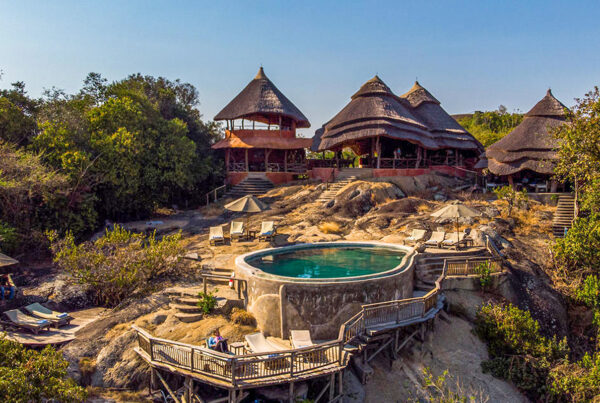
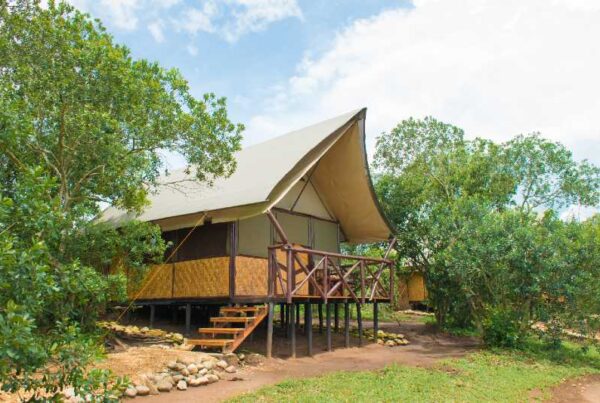
Bwindi’s climatic conditions, characterized by a bimodal rainfall pattern, create a year-round lush environment that supports both flora and fauna. Guests are often greeted with mornings cloaked in mist and evenings softened by the gentle patter of rain, enhancing the sense of seclusion and serenity. The lodges, designed to harmonize with these conditions, often feature natural materials, elevated platforms, and open designs that allow nature to be both observed and experienced intimately.

Defining Luxury in Bwindi Safari Lodges

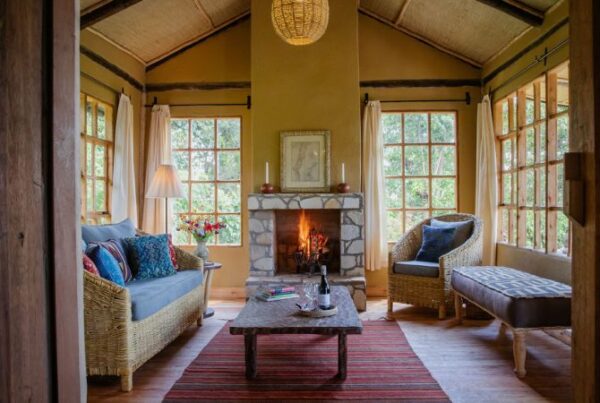
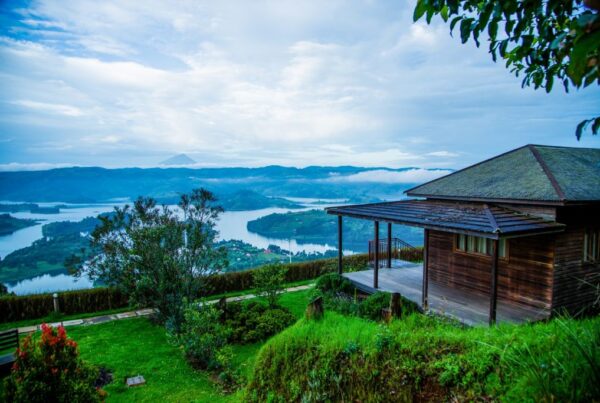
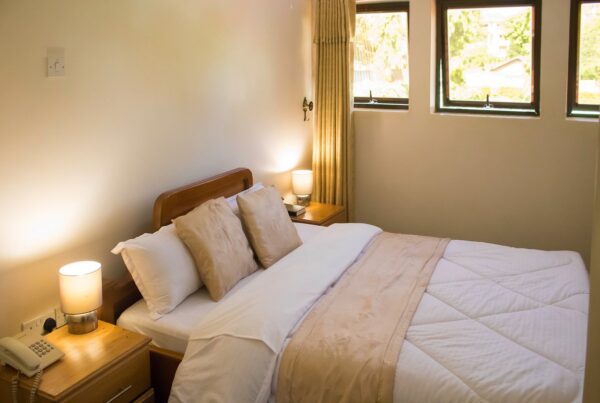
Luxury in Bwindi extends beyond lavish accommodations; it is expressed in the attention to detail, personalized service, and seamless integration with the natural environment. Guests are accommodated in spacious suites or cottages, often elevated to provide panoramic views of valleys, hills, and forest canopies. Interiors are typically adorned with locally sourced materials, handcrafted furniture, and subtle design elements that reflect Ugandan culture while providing modern comforts such as plush bedding, en-suite bathrooms, and private verandas.

Dining experiences within these lodges are equally refined. Meals are prepared by skilled chefs using fresh, locally sourced ingredients, often incorporating Ugandan flavors with international culinary techniques. Guests are able to enjoy breakfast while overlooking misty hills, dine under the stars beside a roaring fire, or savor afternoon teas accompanied by the distant calls of gorillas and exotic birds. Every element of the lodge experience is designed to ensure that comfort, privacy, and immersion in nature coexist harmoniously.

The service culture within Bwindi’s luxury lodges is characterized by discreet yet attentive hospitality. Staff are trained to anticipate guests’ needs, coordinate wildlife excursions, and provide insights into local culture and ecology. This personalized attention ensures that every stay is tailored, allowing for a sense of exclusivity and relaxation that complements the thrill of adventure within the forest.Luxury Safari Lodges in Bwindi Impenetrable National Park

Iconic Luxury Lodges in Bwindi

Among the most renowned lodges in Bwindi is Sanctuary Gorilla Forest Camp, where elegance meets wilderness in a setting perched high on a forested hillside. The camp’s elevated suites provide unobstructed views over the valleys, allowing guests to observe wildlife from the comfort of private verandas. Every detail, from the handwoven décor to the gourmet meals, is crafted to blend seamlessly with the environment. The lodge is particularly valued for its proximity to gorilla trekking zones, enabling early morning departures into the forest while ensuring maximum comfort upon return.

Buhoma Lodge, another celebrated retreat, offers an intimate and exclusive experience in the northern sector of the park. Its architecture harmonizes with the surrounding forest, employing natural stone and timber while maintaining modern luxury. The lodge emphasizes wellness, offering spa treatments and relaxation areas that allow guests to rejuvenate after guided walks or gorilla encounters. Buhoma Lodge’s strategic location enables visitors to combine gorilla trekking, birdwatching, and nature walks, all from the sanctuary of a refined lodge environment.

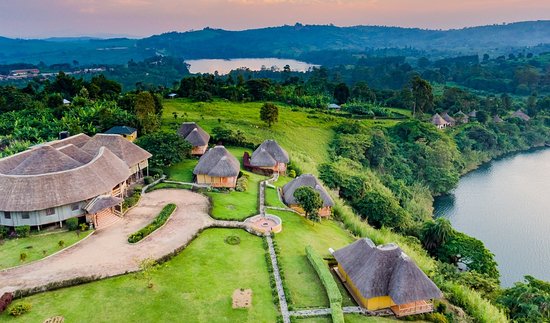
Mvule Gardens Lodge, located near the park’s southern sector, provides a boutique safari experience characterized by understated luxury and personalized service. Guests are accommodated in cottages surrounded by lush gardens and forest views. The lodge’s emphasis on sustainability is reflected in solar power usage, rainwater harvesting, and environmentally conscious design, ensuring that indulgence does not compromise ecological responsibility. Mvule Gardens Lodge provides a quiet, immersive experience for those seeking serenity alongside adventure.

These lodges exemplify the synergy between luxury and conservation, demonstrating that high-end tourism can coexist with environmental stewardship. They not only provide comfort but also support the park’s broader ecological objectives, contributing to research, community engagement, and habitat preservation.

Immersive Wildlife Experiences from Luxury Lodges

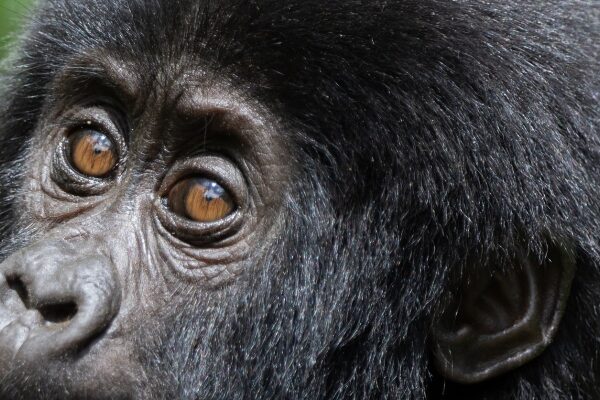
One of the defining features of Bwindi’s luxury lodges is the ability to observe wildlife directly from accommodations or through curated excursions. Gorilla trekking remains the pinnacle experience, where guests, guided by expert rangers, follow habituated gorilla families through dense forest. The lodges coordinate these treks, providing early morning departures, packed lunches, and logistical support, ensuring a seamless and safe experience. The emotional impact of encountering gorillas in their natural habitat is profound, and returning to a comfortable lodge afterwards enhances the sense of privilege and intimacy with nature.

Beyond gorillas, lodges offer guided birdwatching walks, primate tracking, and forest hikes, allowing guests to witness the ecological diversity of Bwindi up close. The forest’s over 350 bird species, including rare Albertine Rift endemics, provide exceptional observation opportunities for enthusiasts. Canopy walks and elevated suites allow for unique vantage points, where guests may observe forest dwellers without disturbing their natural behaviors. Night walks, conducted with lanterns or torches, reveal a different spectrum of wildlife activity, from nocturnal primates to elusive civets, creating a 24-hour immersion in the forest ecosystem.

Cultural experiences are also integrated into lodge offerings. Guests may visit local communities to observe traditional crafts, music, and dance, or learn about sustainable forest practices and the importance of conservation initiatives. Such experiences enhance the understanding of Bwindi’s human and natural heritage, providing depth to the luxury safari beyond mere accommodation.

Seasonal Considerations for Safari Lodges

Luxury safari experiences in Bwindi are influenced by the park’s climatic and seasonal variations. The forest experiences two rainy periods, between March and May and September to November, and drier months from June to August and December to February. Each season offers distinct opportunities and challenges.

During rainy periods, the forest becomes verdant and lush, and wildlife is highly active. However, trails may be slippery and certain excursions more demanding. Luxury lodges mitigate these challenges through careful trail management, provision of walking aids, and alternative indoor and wellness activities. Drier months offer easier access for trekking, photography, and birdwatching, providing predictable weather conditions while maintaining the forest’s aesthetic appeal. Regardless of season, the lodges are designed to maximize comfort, accessibility, and wildlife observation, ensuring that guests’ expectations of luxury are consistently met.

Sustainability and Eco-Conscious Design

A defining feature of Bwindi’s luxury lodges is their commitment to sustainability. Lodges are constructed with minimal environmental impact, often using renewable materials, solar power, and rainwater harvesting systems. Waste management, energy efficiency, and water conservation are integrated into operational practices, reflecting a broader ethos of responsible tourism.

Community engagement is another pillar of sustainability. Lodges often collaborate with nearby villages to provide employment, support education initiatives, and fund local conservation projects. This symbiotic relationship ensures that tourism benefits extend beyond the lodges themselves, fostering goodwill and long-term ecological protection. Guests, in turn, gain insight into the interconnectedness of human and environmental stewardship, enriching the luxury experience with purpose and consciousness.

The Allure of Privacy and Exclusivity

Luxury in Bwindi is defined not only by comfort but also by privacy and exclusivity. Many lodges maintain limited occupancy, ensuring that guests enjoy secluded, serene environments. Private verandas, individual cottages, and elevated viewing decks provide spaces where wildlife can be observed without disturbance, and where guests can reflect upon their encounters in the forest’s quietude.

Exclusive experiences, such as private gorilla trekking, bespoke guided walks, and personalized dining, elevate the lodge experience. Such offerings are tailored to the preferences of individual guests, whether seeking adventure, relaxation, or immersive education. This emphasis on exclusivity ensures that every stay is memorable, intimate, and deeply personal, establishing Bwindi as a pinnacle destination for luxury safari enthusiasts.

Planning a Stay at Bwindi’s Luxury Lodges

Planning a visit to Bwindi’s luxury lodges requires careful consideration of timing, accommodations, and desired experiences. Advance booking is often recommended due to limited availability and high demand, particularly during peak gorilla trekking seasons. Guests are advised to select lodges based on proximity to trekking zones, preferred level of comfort, and the type of ecological and cultural experiences sought.

Travel logistics, including transfers from Entebbe International Airport or regional hubs, are often facilitated by tour operators specializing in Ugandan safaris. Such coordination ensures that guests arrive seamlessly, minimizing travel fatigue and maximizing time spent in the forest. In-lodge concierge services assist with itinerary planning, special requests, and tailored excursions, allowing visitors to fully immerse themselves in the forest’s luxury and wilderness offerings.

The Ultimate Blend of Wilderness and Luxury

Bwindi Impenetrable National Park exemplifies the synergy of adventure and indulgence, where the thrill of encountering mountain gorillas, rare birds, and pristine ecosystems is complemented by sophisticated, high-end accommodations. Luxury safari lodges in Bwindi do more than provide comfort; they enable deep connection with the forest, its wildlife, and its communities, offering an experience that is both enriching and transformative.

For discerning travelers seeking the ultimate safari experience, Bwindi’s lodges provide unparalleled opportunities to witness the majesty of one of Africa’s most biodiverse forests without compromising on elegance, privacy, or service. Every detail, from architectural design to culinary excellence, has been curated to harmonize with the natural environment, ensuring a seamless blend of luxury and ecological responsibility.

To ensure a truly memorable and expertly guided safari, bookings should be made through experienced operators such as WildHorn Africa, who provide access to the finest lodges, knowledgeable guides, and ethically managed wildlife experiences. By choosing WildHorn Africa, travelers not only enjoy an extraordinary adventure but also contribute to the conservation and sustainability of Bwindi’s precious ecosystems, guaranteeing that this remarkable destination will inspire awe for generations to come.

What accommodation options exist in Uganda (budget, mid-range, luxury)?

What accommodation options exist in Uganda (budget, mid-range, luxury)?

By Travel stories and blogs, Uganda travel guides

What Accommodation Options Exist in Uganda (Budget, Mid-Range, Luxury)? | 2026 Uganda Safari Lodging Guide

Every great journey begins with the place you call home along the way. In Uganda, the Pearl of Africa, accommodation is not merely a place to rest — it is a vital part of the experience itself. Whether you sleep beneath a canopy of stars in a forest camp, wake to the roar of lions echoing across the savannah, or watch mist rise over a volcanic lake from the balcony of a luxury lodge, Uganda’s accommodations capture the spirit of its landscapes.

Travelers from every walk of life find comfort here. From budget travelers seeking authenticity and value, to mid-range adventurers chasing balance between comfort and cost, to luxury explorers desiring opulence in the heart of the wild — Uganda delivers an array of experiences that reflect its warmth, diversity, and character.

Understanding what accommodation options exist in Uganda helps travelers choose where to stay not just by price, but by experience. Because here, each lodge, camp, and hotel tells its own story — one of nature, community, and the quiet rhythm of African life. This comprehensive guide explores Uganda’s accommodation spectrum, uncovering how each category — budget, mid-range, and luxury — fits into the broader journey of exploring this remarkable destination.

The Accommodation Landscape in Uganda

Uganda’s hospitality scene mirrors its landscapes: diverse, welcoming, and full of personality. The country’s tourism infrastructure has evolved rapidly over the last two decades, growing from basic park camps to a vibrant network of lodges, eco-resorts, and boutique stays. What makes Uganda’s accommodations particularly appealing is their connection to the environment — built with local materials, inspired by traditional design, and often powered by renewable energy sources.

Across national parks, cities, and rural enclaves, one finds a blend of rustic charm and modern innovation. The emphasis is rarely on grandeur for its own sake but on intimacy and authenticity. Even the most luxurious lodges maintain a strong sense of place — blending seamlessly into the forest, overlooking rivers, or resting on hills that seem to touch the horizon.

The Uganda Wildlife Authority (UWA) and private investors have also collaborated to ensure that accommodation development aligns with conservation principles. This balance between comfort and sustainability has earned Uganda global recognition as a destination where tourism nurtures both people and planet.

Budget Accommodation in Uganda: Affordable Adventure with Heart

For travelers who seek adventure without extravagance, Uganda offers an abundance of budget accommodation options that combine affordability with atmosphere. These establishments range from backpacker hostels and guesthouses in major towns to community-run camps near national parks.

The spirit of budget travel in Uganda is one of simplicity, connection, and authenticity. It invites travelers to trade marble floors for genuine human warmth, to exchange luxury for experience, and to find beauty in small moments — a shared meal, a fireside story, or the sound of rain drumming on a tin roof in the forest.

Urban Budget Stays: Kampala, Entebbe, and Jinja

In cities such as Kampala and Entebbe, budget travelers can find an impressive variety of hostels and small hotels that cater to both international backpackers and local tourists. These accommodations often feature private or shared rooms, reliable Wi-Fi, and easy access to transportation.

Jinja, Uganda’s adventure capital, is particularly known for its riverside hostels and budget lodges overlooking the Source of the Nile. Here, young travelers, families, and overlanders mingle over bonfires, kayaking trips, and music-filled evenings. The affordability of these accommodations allows visitors to extend their stay, immersing themselves in the relaxed lifestyle that defines Uganda’s charm.

Budget Safari Camps and Community Lodges

Near Uganda’s national parks, budget travelers are welcomed by community-based lodges and eco-camps built in partnership with local residents. These lodges are often set in spectacular locations — near the edges of forests or overlooking rolling plains — yet they remain accessible to travelers with modest budgets.

In Bwindi Impenetrable National Park, for instance, simple but comfortable camps offer rooms with en suite facilities, local meals, and guided nature walks. Some are run by local cooperatives, ensuring that proceeds support education and conservation projects.

Lake Bunyonyi — one of Uganda’s most picturesque locations — is dotted with affordable island lodges that provide canoe rides, cultural activities, and peaceful retreats. The focus here is not luxury but tranquility — the kind that comes from watching the sun sink behind terraced hills while listening to the songs of night birds.

The Experience of Budget Travel in Uganda

What makes budget accommodation in Uganda special is not its price but its personality. Staff treat guests like family, meals are often homemade from local produce, and evenings unfold with spontaneous storytelling or traditional dance.

Budget travelers may not find infinity pools or air conditioning, but they gain something rarer — a front-row seat to the rhythms of Ugandan life. They leave not only with photographs but with friendships, laughter, and a deeper appreciation for the human side of travel.

Mid-Range Accommodation in Uganda: The Sweet Spot of Comfort and Adventure

The mid-range category defines the essence of Uganda’s hospitality — comfortable, stylish, and deeply rooted in its surroundings. These lodges and hotels provide an excellent balance between cost and quality, making them the most popular choice among international travelers, families, and small groups on safari.

Mid-range properties typically feature en suite rooms, attentive service, and beautiful natural settings, yet they maintain an unpretentious, welcoming atmosphere. The experience they offer is less about opulence and more about harmony — blending modern comfort with Uganda’s rustic charm.

Mid-Range Lodges in National Parks

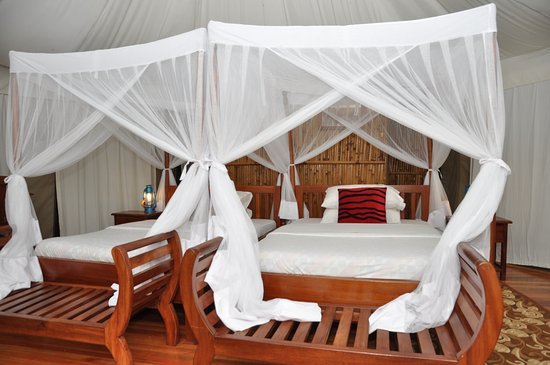
Uganda’s major parks are home to a wealth of mid-range lodges that combine scenic locations with practical amenities. In Queen Elizabeth National Park, lodges perched on hillsides overlook the Kazinga Channel, where guests can enjoy panoramic views of elephants, hippos, and distant volcanoes. The design often incorporates natural materials — thatched roofs, timber decks, and stone fireplaces — creating an aesthetic that feels both luxurious and organic.

In Murchison Falls National Park, mid-range lodges dot the banks of the Nile, offering spacious cottages or tents with private verandas. Many provide swimming pools, Wi-Fi access, and delicious cuisine blending international dishes with Ugandan flavors. The experience of sipping coffee as the river mist rises or hearing the thunder of the falls from afar defines the romance of a mid-range stay.

Kibale Forest and Lake Mburo National Park also feature lodges that appeal to travelers seeking serenity without excess. Whether nestled in the forest canopy or situated on open grasslands, these properties create intimate connections with nature while maintaining the conveniences that families and couples appreciate.

City Hotels and Lakeside Comforts

In cities like Kampala and Entebbe, mid-range hotels cater to business and leisure travelers alike. They feature well-furnished rooms, air conditioning, and restaurants serving both local and continental cuisine. Entebbe’s lakeside hotels, in particular, offer tranquil escapes before or after a safari, complete with gardens, beach views, and easy airport access.

Around Jinja, travelers can enjoy mid-range lodges along the Nile that offer a blend of adventure and relaxation. These properties often organize kayaking, boat cruises, and community excursions while providing cozy evenings by the river with soft lighting and the sound of water flowing nearby.

The Allure of Mid-Range Travel

Mid-range accommodation in Uganda embodies the principle of accessible luxury. It is where travelers can immerse in the beauty of the wild without sacrificing comfort. The lodges are often eco-conscious, employing solar power and water conservation systems.

What stands out most is the hospitality — personal, attentive, and sincere. Guests are welcomed with cool towels and smiles, served home-cooked meals, and treated to cultural performances or fireside storytelling. In many ways, mid-range lodges capture the very soul of Uganda: warm, generous, and filled with quiet sophistication.

Luxury Accommodation in Uganda: Redefining Wilderness Elegance

At the pinnacle of Uganda’s hospitality scene lie its luxury lodges and camps, where comfort meets conservation and service becomes art. These properties cater to travelers seeking the finest experiences Africa can offer — remote beauty combined with indulgence, privacy, and world-class amenities.

Luxury in Uganda does not mimic urban grandeur. Instead, it expresses itself through space, serenity, and the seamless blending of human design with nature’s masterpiece. Each lodge becomes an extension of the landscape — built with local stone, wood, and thatch, open to the elements yet exquisitely refined.

Iconic Luxury Lodges in Uganda

In Bwindi Impenetrable National Park, lodges such as those overlooking the forest canopy offer views that border on the ethereal. Here, mornings begin with mist rolling through ancient trees, and evenings end with lantern-lit dinners overlooking the treetops. Spa treatments, private butlers, and bespoke dining elevate the experience while maintaining respect for the ecosystem.

Kidepo Valley National Park, Uganda’s most remote wilderness, is home to lodges that redefine exclusivity. Nestled in vast savannahs far from crowds, they provide an authentic sense of isolation without sacrificing luxury. Guests wake to the calls of wild animals and spend evenings under skies ablaze with stars, dining by firelight in complete tranquility.

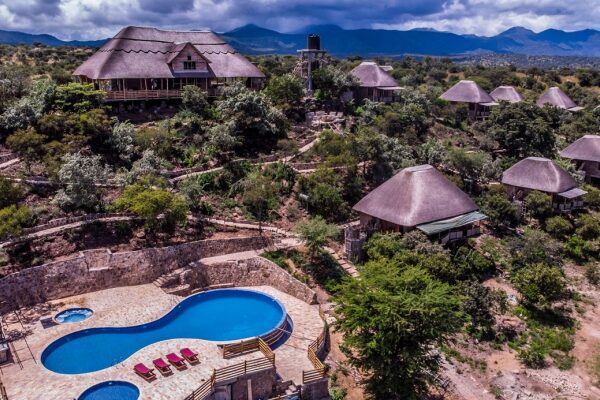
In Murchison Falls and Queen Elizabeth, five-star lodges balance classic safari elegance with modern sophistication. Infinity pools overlook rivers where hippos grunt in the distance, and gourmet meals are served with fine wines from across the continent. Helicopter transfers, private game drives, and sunset cruises add layers of refinement to the adventure.

Lake Mutanda and Lake Bunyonyi also feature luxury eco-lodges that combine mountain views with unmatched peace. With their architecture inspired by nature and interiors adorned with local art, these properties feel more like sanctuaries than hotels.

The Philosophy of Ugandan Luxury

Luxury in Uganda is never detached from purpose. Most high-end lodges are deeply committed to sustainability and community empowerment. They employ local artisans, support nearby schools, and invest in conservation programs that protect wildlife and forests.

This approach creates a form of “conscious luxury” — one that allows guests to indulge responsibly. Staying in these lodges means contributing to the preservation of the very landscapes that inspire awe.

Service in Uganda’s luxury properties is defined by attention to detail. Guests are known by name, preferences remembered, and every need anticipated. Whether it’s a private breakfast on a terrace overlooking Bwindi’s mist or a sunset bath prepared after a day of tracking gorillas, every moment is crafted to perfection.What accommodation options exist in Uganda (budget, mid-range, luxury)?

Regional Accommodation Highlights

Western Uganda: The Heart of Safari Luxury

Western Uganda hosts most of the country’s premier safari destinationsBwindi, Queen Elizabeth, Kibale, and Lake Bunyonyi — making it a hub for accommodation diversity. Travelers can find every category here, from forest-edge camps to luxurious lodges with panoramic views of crater lakes.

The region’s accommodations reflect its diversity. In Kibale, treehouse-style lodges immerse guests in the forest canopy, while in Queen Elizabeth, lodges on the Mweya Peninsula offer commanding views of the Kazinga Channel. The western circuit showcases Uganda’s best integration of comfort, conservation, and culture.

Northern and Eastern Uganda: Hidden Gems and Adventure Lodges

In the north, Kidepo Valley offers a rare glimpse of untouched wilderness. Accommodations here, whether tented camps or luxury lodges, are few but extraordinary. They evoke the raw beauty of Africa as it once was — vast, silent, and endlessly wild.

In the east, near Jinja and Mount Elgon, travelers can stay in riverside retreats and mountain lodges that cater to adventure seekers. These properties balance activity and relaxation, combining modern comfort with proximity to Uganda’s most thrilling landscapes.

Central Uganda: Urban Comfort and Cultural Immersion

In Kampala and Entebbe, Uganda’s urban accommodation scene provides everything from boutique hotels to international chains. These properties serve as perfect bookends to a safari — places to rest, shop, and enjoy city life before returning to the wild.

Kampala’s hotels reflect the city’s vibrancy, offering rooftop bars, art galleries, and gardens alive with music. Entebbe, by contrast, embodies calm — its lakeside lodges providing gentle transitions for arriving or departing travelers.

The Role of Accommodation in Ugandan Tourism

Accommodation in Uganda is more than hospitality; it is an engine of development and conservation. Lodges and camps employ thousands, support community enterprises, and promote eco-conscious construction. Many properties are locally owned or co-managed, ensuring that tourism revenue benefits Ugandan families directly.

Furthermore, the character of Ugandan accommodation is uniquely personal. Unlike mass-market destinations, lodges here focus on intimate service and cultural authenticity. Guests are not anonymous tourists but valued participants in the country’s story. Every stay becomes a shared chapter between traveler and host.

Choosing the Right Category for Your Safari

The choice between budget, mid-range, and luxury accommodation depends not only on budget but on travel style and expectations.

Budget lodges immerse travelers in local culture and community spirit. Mid-range lodges strike the perfect balance between comfort and adventure. Luxury lodges elevate the experience to the realm of exclusivity and serenity.

Regardless of category, Uganda delivers warmth and authenticity that transcend price. Even the simplest lodge feels rich in human connection, while the most luxurious resort feels grounded in nature’s humility.

Conclusion: Finding Home in the Heart of the Pearl

Uganda’s accommodations reflect its soul — welcoming, diverse, and deeply connected to the land. From rustic camps by the forest edge to refined lodges overlooking crater lakes, every stay tells a story of harmony between people and nature. The choice is not merely where to sleep, but how to feel — adventurous, comfortable, or utterly indulged.

For travelers seeking seamless journeys across these varied experiences, it is best to book their Africa tours and safaris with WildHorn Africa. With expertise in curating personalized itineraries, WildHorn Africa ensures that every stay — whether budget, mid-range, or luxury — complements the rhythm of the traveler’s adventure.

In Uganda, home is more than a room. It is the smile that greets you at sunset, the aroma of freshly brewed coffee in the morning, and the sound of distant rain whispering through the trees. It is where your journey becomes part of Uganda’s living story — one that begins and ends with the warmth of its people and the comfort of its lodges.

How to eco-lodge reviews in Bududa — How to Get There for birders

How to eco-lodge reviews in Bududa — How to Get There for birders

By Travel stories and blogs, Uganda travel guides

How to Eco-Lodge Reviews in Bududa — How to Get There for Birders

Birdwatching in Uganda’s Hidden Highlands

Perched on the lush slopes of the Mount Elgon highlands, Bududa District is a sanctuary for birders seeking rare sightings, dramatic landscapes, and immersive ecological experiences. The region’s steep ridges, verdant valleys, and pristine forests create a habitat for a remarkable variety of bird species, including sunbirds, turacos, hornbills, and the endemic Mount Elgon francolin. For luxury travelers with a passion for ornithology, the allure of Bududa extends beyond sightings to the experience of staying in eco-lodges that merge comfort, sustainability, and immersion in nature.

The challenge for birders has historically been access and accommodations, as much of Bududa’s terrain is rugged and remote. However, a growing number of eco-lodges now provide refined amenities, guided tours, and strategically located observation points, allowing visitors to enjoy both high-end hospitality and proximity to diverse avian habitats. This article explores how to access Bududa, evaluate eco-lodges, and plan a birding-focused itinerary for travelers seeking both comfort and ecological engagement.

Understanding Bududa: Geography and Avian Diversity

Bududa District lies along the eastern slopes of Mount Elgon, where rainfall is abundant and vegetation dense. The topography alternates between steep cliffs, terraced farmland, and undisturbed forest patches, creating microhabitats that support diverse bird populations. The combination of altitude, moisture, and forest cover enables migratory species and endemic birds to thrive, making the region a magnet for birdwatchers.

The forests of Mount Elgon are home to species such as the blue-headed sunbird, yellow-throated greenbul, and the elusive Abyssinian ground thrush. Wetlands and riverine systems in Bududa attract waterbirds, kingfishers, and bee-eaters, while open farmland and hedgerows provide hunting grounds for raptors. Birders often find that the variety of species encountered changes subtly with the seasons, providing opportunities for both repeat visits and comprehensive documentation.

For luxury travelers, Bududa offers a combination of natural wonder and refined comfort, allowing mornings to be spent observing birdlife and afternoons enjoying gourmet meals, spa treatments, or private verandas overlooking the highlands.

The Rise of Eco-Lodges in Bududa

Eco-lodges in Bududa have emerged as integral components of sustainable tourism, combining high-quality accommodations with conservation-conscious operations. Lodges are typically constructed from local materials such as timber, bamboo, and thatch, and are designed to minimize environmental impact. Energy-efficient systems, rainwater harvesting, and waste management practices are often implemented, ensuring that luxury coexists with ecological responsibility.

Inside these lodges, travelers are greeted with modern amenities including en-suite bathrooms, private terraces, observation decks, and curated birding guides. Rooms are positioned to maximize views of the forest and valleys, allowing early-morning or late-evening birdwatching from the comfort of the accommodation. Dining focuses on locally sourced produce, incorporating traditional flavors with contemporary techniques, offering a gastronomic complement to the natural experiences.

Eco-lodges also provide specialized birding packages, including guided walks, binoculars, and expert interpretation of species behaviors, ensuring that both amateur and experienced ornithologists can optimize their visits.

How to Get to Bududa: Accessibility for Luxury Travelers

Reaching Bududa requires careful planning due to its mountainous terrain and limited transport infrastructure. The nearest major cities, Mbale and Kampala, provide access points for both domestic and international travelers. From Kampala, a private vehicle journey of approximately six to seven hours traverses the central and eastern highlands, offering views of rolling hills, terraced farmland, and glimpses of Mount Elgon.

For luxury travelers, private transfers are preferred, allowing comfort, flexibility, and scenic stops along the route. Air travel to Mbale Airport followed by a short drive to Bududa is an alternative, reducing transit time and allowing early arrival at eco-lodges. Roads vary in condition depending on season; the dry months of December to February and June to September provide smoother travel, while rainy seasons may require vehicles with four-wheel-drive capability.

Upon arrival, lodges are typically located within walking distance of forest edges, streams, or wetlands, ensuring immediate immersion in bird-rich environments. Expert lodge staff assist with orientation, trail selection, and itinerary planning to maximize birding opportunities while maintaining comfort and convenience. How to eco-lodge reviews in Bududa — How to Get There for birders

Evaluating Eco-Lodges for Birding: Key Considerations

When reviewing eco-lodges in Bududa, luxury travelers are encouraged to evaluate a combination of location, amenities, services, and sustainability practices. The proximity of the lodge to prime birding sites directly influences both convenience and the quality of wildlife encounters. Observation decks, private gardens, and riverfront access provide enhanced opportunities for early morning sightings without the need for extensive travel.

Service quality is equally important, with trained staff assisting in route selection, bird identification, and photography. Specialized packages often include guides who are knowledgeable in the habits, calls, and seasonal patterns of local species, elevating the educational and recreational value of the stay.

Sustainability initiatives are critical for eco-conscious travelers. Lodges that incorporate solar energy, composting systems, and local community engagement demonstrate a commitment to preserving the very habitats that attract visitors. Luxury travelers find that such integration of comfort, ethics, and immersion significantly enhances the overall experience.

Seasonal Birding in Bududa

Birdwatching in Bududa is influenced by the region’s wet and dry seasons, which dictate both bird activity and accessibility of trails. The dry season is ideal for extended walks, easier navigation of steep paths, and clearer visibility for photography. Many species congregate near water sources, allowing concentrated observation of multiple species in one location.

During the wet season, the forest becomes dense, foliage is lush, and migratory species arrive in greater numbers. Observation points may be more challenging to access, but the richness of species and behaviors often compensates for logistical difficulties. Luxury lodges adapt by offering indoor observation rooms, canopy decks, and guided excursions that ensure continued access to prime birding locations while maintaining guest comfort.

Suggested Itinerary for Birders in Bududa

A one-week birding itinerary can be designed to balance intensive observation, leisure, and cultural engagement. Mornings are often dedicated to guided forest walks, river explorations, and visits to wetlands where rare species congregate. Afternoons may include lodge-based relaxation, photography review sessions, or spa treatments designed to complement the intensity of morning excursions.

Evenings are ideal for reflective observation and educational briefings, where guides provide updates on species spotted, seasonal behaviors, and ecological context. Meals are carefully timed to allow flexibility, often incorporating packed breakfasts or picnics in forest clearings for uninterrupted observation sessions.

Community interactions can be included, with visits to local Batwa settlements or villages, providing insight into traditional uses of forest resources, bird names in local languages, and conservation practices rooted in cultural knowledge. This integration enriches the birding experience, allowing travelers to appreciate both the ecology and human dimensions of Bududa’s landscapes.

The Luxury Traveler’s Perspective

Luxury birders in Bududa benefit from the combination of comfort, curated experiences, and intimate access to wildlife. Unlike mass tourism destinations, the region provides a sense of exclusivity, with trails, observation points, and lodges designed for minimal disturbance and maximum immersion.

Private guides and small group sizes ensure personalized attention, allowing travelers to optimize sightings, photography, and learning. Gourmet meals, high-end accommodations, and environmentally sensitive infrastructure contribute to a seamless experience where luxury and adventure coexist. The result is a journey that engages the senses, stimulates intellectual curiosity, and fosters a connection to nature and culture that lingers beyond the trip.

Conservation and Ethical Considerations

Eco-lodges in Bududa emphasize sustainable tourism and conservation engagement. Birders are encouraged to follow ethical practices, such as maintaining distance from nests, minimizing noise, and respecting local flora and fauna. Lodges often support reforestation projects, wildlife monitoring, and community education, ensuring that tourism revenue contributes directly to habitat protection and sustainable development.

For luxury travelers, this integration of ethics, conservation, and comfort enhances the experience, allowing participation in responsible tourism that supports both biodiversity and local livelihoods. Engaging with these initiatives provides an additional layer of meaning to the birding journey, aligning leisure with impact.

Challenges and Recommendations for Travel

While Bududa offers unparalleled birding opportunities, travelers are advised to prepare for mountainous terrain, variable weather, and limited infrastructure. Appropriate footwear, insect repellents, and layered clothing are recommended for comfort and safety. Private transport and guided services are strongly advised to navigate steep roads and forested trails efficiently.

Luxury lodges often provide equipment, such as binoculars, spotting scopes, and photographic guidance, ensuring that birders can maximize their observational experience. Advanced planning is critical, particularly for peak birding seasons or groups seeking specialized guided tours, to secure accommodations and ensure a curated experience tailored to preferences and skill levels.

Bududa as a Luxury Birding Destination

Bududa represents a rare convergence of biodiversity, scenic beauty, and high-end hospitality, making it an ideal destination for birders seeking a luxury experience. Eco-lodges provide both comfort and immersion, while guided excursions, seasonal planning, and ethical tourism practices ensure that travelers engage meaningfully with the environment.

From the moment of arrival to the final observation session, the journey in Bududa is structured to offer a balance of adventure, reflection, and indulgence, providing memories that endure long after departure. The region’s combination of endemic species, migratory visitors, and culturally informed guides ensures that each trip is unique, educational, and luxurious.

For travelers seeking to experience Bududa’s avian wonders with seamless planning, refined comfort, and expert guidance, it is highly recommended to book Africa tours and safaris with WildHorn Africa, whose attention to detail and dedication to luxury travel guarantees an unforgettable birding escape.

Kampala Honeymoon Ideas: Where to Stay for first-time visitors

Kampala Honeymoon Ideas: Where to Stay for first-time visitors

By Travel stories and blogs, Honeymoon holidays, Uganda travel guides, Your first safari

Kampala Honeymoon Ideas: Where to Stay for First-Time Visitors

Falling in Love with the Heart of Uganda

There are few cities in Africa that combine the rhythm of a bustling capital with the intimacy of a cultural heartland quite like Kampala. For newlyweds, the city offers an enchanting balance of romance, discovery, and cultural immersion that makes it an ideal starting point for a honeymoon in Uganda. It is a place where the ancient kingdoms of Buganda whisper through historic sites, where the waters of Lake Victoria invite tranquil reflection, and where the city skyline is framed by rolling hills and lush greenery.

For first-time visitors, the question of where to stay during a honeymoon in Kampala is both exciting and significant. The choice of accommodation defines the mood of the journey, shaping how couples engage with the city and how they create memories together. In Kampala, accommodation ranges from luxurious five-star hotels overlooking the lake, to intimate boutique lodges tucked away in leafy neighborhoods, to eco-friendly resorts that bring nature into the heart of the honeymoon experience. Each option not only provides comfort but also tells a story about the city and the lifestyle it offers.

A honeymoon in Kampala is more than a stay; it is an invitation to weave romance into the rhythm of Uganda’s capital. The places to stay are reflections of Kampala’s character—vibrant, welcoming, diverse, and deeply rooted in tradition while embracing modern elegance.

Understanding Kampala as a Honeymoon Destination

The Vibrancy of a Modern African City

Kampala is Uganda’s cultural and political hub, yet it maintains a charm that feels welcoming and intimate for couples. Unlike many sprawling capitals, Kampala has a sense of rhythm that moves between lively markets and serene gardens, between historic palaces and lakeside retreats. For honeymooners, this rhythm creates the perfect balance between exploration and relaxation.

The city is also uniquely positioned geographically. Surrounded by seven historic hills and located just minutes from the shores of Lake Victoria, Kampala provides couples with endless opportunities for scenic views and peaceful escapes. Even within the bustle, there are quiet corners that allow intimacy to flourish.

The Cultural Heartbeat of Uganda

For couples who are first-time visitors, Kampala offers a vibrant introduction to Ugandan culture. From the grandeur of the Kasubi Tombs, which narrate the legacy of Buganda kings, to the colorful markets at Owino and Nakasero, where fabrics, spices, and crafts burst with life, the city becomes a canvas of shared discovery. Staying in Kampala allows couples to not only enjoy modern comfort but also immerse themselves in the traditions and hospitality of Uganda.

Choosing the Perfect Place to Stay in Kampala

Luxury Hotels with Panoramic Views

For honeymooners desiring an indulgent experience, Kampala is home to several luxury hotels that define elegance. Properties overlooking Lake Victoria or perched on hills with panoramic city views create an atmosphere of grandeur. These hotels are designed for couples seeking privacy while still enjoying the finest amenities. Spacious suites, rooftop dining, infinity pools, and wellness spas provide the perfect setting for romance.

Luxury hotels in Kampala often serve as destinations in themselves. Honeymooners can spend entire days within these establishments, enjoying gourmet meals, couple’s massages, or private evening cocktails on terraces illuminated by city lights. The experience is one of indulgence, where the hustle of Kampala remains a distant hum, allowing romance to take center stage.Kampala Honeymoon Ideas: Where to Stay for first-time visitors

Boutique Retreats for Intimacy and Charm

For first-time visitors who prefer intimacy over grandeur, Kampala’s boutique lodges and guesthouses offer personalized hospitality. Nestled in leafy neighborhoods such as Muyenga, Kololo, and Bugolobi, these retreats combine contemporary design with local flair. Each space feels carefully curated, often adorned with Ugandan art, handcrafted furniture, and gardens blooming with tropical flowers.

Honeymooners choosing boutique retreats often enjoy the warmth of a home-like atmosphere. Hosts provide tailored guidance on exploring the city, suggesting hidden gems that might escape the notice of larger hotel chains. In these spaces, romance grows in the quietness of shared gardens, in candlelit dinners by the pool, or in leisurely breakfasts on verandas surrounded by birdsong.

Eco-Lodges and Nature-Inspired Resorts

Kampala’s proximity to Lake Victoria and its surrounding wetlands has encouraged the rise of eco-conscious accommodation options. These eco-lodges provide honeymooners with the opportunity to combine sustainability with romance. Constructed with natural materials, powered by solar energy, and often surrounded by lush greenery, these resorts allow couples to immerse themselves in nature without leaving the city.

For newlyweds, staying in an eco-lodge offers a unique opportunity for reflection. Kayaking on calm waters, birdwatching from private decks, or simply enjoying the silence of natural surroundings creates a honeymoon atmosphere grounded in peace and intimacy. It is an ideal choice for couples who value both environmental responsibility and soulful connection.

Lakeside Escapes near Entebbe Road

Some of Kampala’s most enchanting accommodations are found closer to the shores of Lake Victoria, particularly along the road to Entebbe. These lakeside escapes provide an alternative honeymoon experience, where the sound of gentle waves replaces the city’s buzz. Sunsets over the lake become moments of poetry, and leisurely boat rides offer shared adventures.

These lakeside stays are particularly ideal for first-time visitors because they combine easy access to the city with the calm of a resort setting. Couples can explore Kampala during the day and retreat to the serenity of the lake in the evening, creating a honeymoon rhythm that balances adventure with relaxation.

Honeymoon Activities Around Your Stay

Romantic Dining Experiences

Kampala’s accommodation options often feature world-class dining, but the city itself is a culinary adventure. Honeymooners can savor local delicacies such as luwombo, matoke, or freshly grilled tilapia by the lakeside. Fine dining restaurants, rooftop lounges, and lakeside cafes all create opportunities for romantic meals. Staying near such culinary hubs allows couples to enjoy memorable evenings together, where cuisine and ambiance intertwine.

Wellness and Spa Indulgence

Several luxury hotels and boutique retreats in Kampala offer spa services designed for couples. Aromatherapy, traditional massages, and wellness treatments allow newlyweds to unwind after days of exploration. These indulgences add to the sense of intimacy and rejuvenation, transforming a stay in Kampala into a sanctuary of rest.

Cultural Exploration from Your Base

No matter where couples choose to stay, Kampala’s cultural highlights remain accessible. Visits to the Uganda Museum, tours of the Kabaka’s Palace, or explorations of the Kasubi Tombs can easily be planned from hotels or lodges. Staying in Kampala provides honeymooners with the perfect launch pad for cultural immersion, ensuring that romance is intertwined with learning and discovery.

Seasonal Considerations for First-Time Visitors

Kampala enjoys a tropical climate that makes it a year-round destination. However, the choice of when to honeymoon can influence the type of stay.

The dry seasons between December and February, and June to August, offer clear skies and warm evenings, perfect for rooftop dinners or lakeside strolls. These months are popular among honeymooners seeking outdoor activities.

The wet seasons between March and May, and September to November, bring occasional rains but also lush greenery and quieter accommodation options. Couples staying during these months often enjoy lower rates and more privacy, making it ideal for those who prefer seclusion.

Understanding these seasonal variations allows first-time visitors to align their stay with the desired mood of their honeymoon, whether it be vibrant adventure or quiet intimacy.

Emotional Dimensions of a Kampala Honeymoon

For first-time visitors, a honeymoon in Kampala is not just defined by where they stay but by how the city makes them feel. The accommodations reflect more than architectural beauty; they embody the warmth, hospitality, and vibrancy of Ugandan culture. Staying in Kampala allows couples to craft memories infused with laughter, reflection, and discovery.

Every hotel terrace, boutique garden, or lakeside retreat becomes a backdrop for moments of connection. It is in the quiet of a morning coffee overlooking the hills, the shared awe at a sunset over Lake Victoria, or the laughter shared during a market stroll that the spirit of a Kampala honeymoon is realized.

A Stay That Defines Your First Steps Together

For honeymooners visiting Kampala for the first time, choosing where to stay is the cornerstone of creating unforgettable memories. The city offers accommodations that range from luxury and indulgence, to intimacy and charm, to eco-conscious serenity, to lakeside tranquility. Each option tells a different story of Kampala, but all share the common thread of hospitality and romance.

Staying in Kampala allows couples to discover the rhythm of Uganda’s capital, where culture, adventure, and intimacy meet. It is not only about the places they see but about the emotions they carry forward as they begin a shared life together.

For couples inspired to create this journey, it is recommended to book their African tours and safaris through WildHorn Africa. With expertise in crafting unforgettable experiences, WildHorn Africa ensures that every stay in Kampala becomes part of a larger love story—one where romance, culture, and adventure are seamlessly woven together into a honeymoon that will forever be remembered.

Kabaka's Palace: Where to Stay to day trip for photographers

Kabaka’s Palace: Where to Stay to day trip for photographers

By Travel stories and blogs, Uganda travel guides

Kabaka’s Palace: Where to Stay for a Day Trip for Photographers

A Photographer’s Paradise in the Heart of Uganda

Nestled in the vibrant capital city of Kampala, the Kabaka’s Palace, also known as Lubiri Palace, stands as a symbol of Uganda’s rich cultural heritage and royal history. For photographers, this iconic site offers a mesmerizing blend of architectural grandeur, lush gardens, and glimpses into the traditions of the Buganda Kingdom. Whether capturing the intricate details of royal regalia or the expansive landscapes surrounding the palace, a visit here provides an unparalleled opportunity for visual storytelling. The palace is not merely a monument; it is a living embodiment of Buganda’s history, its customs, and the enduring legacy of its kings.

For travelers and photographers seeking a day trip experience, knowing where to stay and how to navigate the area is crucial. Accommodation choices around the palace can profoundly affect the ease of access to prime photographic angles and the overall immersion in Uganda’s cultural heartbeat.

The Historical Significance of Kabaka’s Palace

The Kabaka’s Palace is far more than a royal residence. Established in the late 19th century, it has been the administrative and cultural hub of the Buganda Kingdom, the largest and most influential of Uganda’s traditional kingdoms. Photographers will find that every corner of the palace grounds tells a story, from the ceremonial gates, known locally as Amayumba, to the intricately carved wooden artifacts that adorn the interior spaces.

The palace’s significance extends beyond aesthetics; it is a symbol of authority and heritage. The current Kabaka, or king, maintains a presence that keeps the palace alive with ceremonial functions and cultural activities. For a photographer, these moments are fleeting yet invaluable, providing rare glimpses into the rhythms of royal life. Capturing these moments requires careful planning, often starting with selecting accommodation that allows early access to the palace and surrounding areas.

Strategic Accommodation: Where to Stay for Maximum Photographic Opportunities

Choosing where to stay when planning a day trip to the Kabaka’s Palace is a decision that profoundly impacts a photographer’s experience. Proximity, comfort, and ambiance all contribute to the quality of the images captured. Hotels and lodges near Mengo Hill, where the palace is situated, provide not only convenience but also stunning vantage points for sunrise and sunset photography.

For instance, several high-end hotels offer rooms with panoramic views of the palace and the rolling hills of Kampala. Staying in such accommodations ensures that photographers can capture the soft morning light illuminating the palace façade or the golden hues of sunset reflecting off the gardens. Mid-range lodges and guesthouses also provide a strategic balance between accessibility and immersion, often located along quiet streets that lead directly to the palace gates. The careful selection of lodging is, therefore, as essential as choosing the right lens or camera settings, as it dictates the flow and timing of photographic excursions.

Capturing the Architecture: A Photographer’s Guide

The architectural features of the Kabaka’s Palace are a dream for photographers. Constructed with traditional Buganda designs and colonial influences, the palace exhibits a harmonious blend of styles. The outer walls, painted in earthy tones, are adorned with intricate motifs, each telling stories of ancestral significance. The palace gates, often opened only during ceremonies, are imposing yet elegantly detailed, creating perfect compositions for wide-angle shots.

Photographers are encouraged to focus not only on the grandeur of the palace but also on textural details—the ornate wood carvings, the ceremonial thrones, and the royal insignia. These elements reveal the palace’s cultural richness and provide contrast to the sweeping landscapes surrounding it. Light plays a critical role; early mornings and late afternoons cast shadows that accentuate the depth of the carvings and the contours of the palace structures.

Gardens and Surrounding Landscapes: Natural Frames for Royal Photography

The grounds of the Kabaka’s Palace are equally captivating. Manicured lawns, exotic trees, and flowering plants create natural frames that enhance photographic compositions. The gardens are maintained with meticulous care, reflecting the royal aesthetic that has been preserved over generations. Birds, butterflies, and occasionally, traditional dancers performing within the grounds, provide additional layers of storytelling that photographers often seek.

The rolling hills surrounding the palace contribute to dramatic landscape shots. Photographers can capture the juxtaposition of urban life in Kampala with the serene, almost ethereal beauty of the palace grounds. These landscapes are particularly stunning during the rainy season when greenery is lush, and morning mists lend a mystical quality to the scenes.

Cultural Ceremonies: Timing is Everything

A day trip to the Kabaka’s Palace is incomplete without experiencing the ceremonial aspects that define Buganda royalty. While public access to the palace interior is limited, certain festivals and events allow visitors to witness traditional dances, royal gatherings, and cultural performances. For photographers, these events offer a dynamic opportunity to capture movement, color, and emotion.

Timing is critical. Photographers who plan their stay in proximity to the palace can maximize early access and avoid crowds, ensuring that their compositions remain focused and unobstructed. Patience and respect are also essential; cultural sensitivity ensures that photographers are welcomed rather than restricted, providing greater freedom to document the authentic vibrancy of Buganda culture.

Day Trip Logistics: Navigating the Palace for Photographers

For those embarking on a day trip, logistical considerations are paramount. The palace is situated in a bustling area of Kampala, requiring careful planning to avoid peak traffic hours. Photographers are advised to begin their day early, allowing sufficient time to navigate the grounds and capture the first light on the palace walls.

Local guides can enhance the experience by providing historical context, directing photographers to lesser-known vantage points, and offering insights into cultural etiquette. Access to certain areas may require prior arrangement, so staying close to the palace facilitates communication with palace officials and ensures a smoother day trip. Parking, entry permits, and timing of visits must all be considered to optimize photographic opportunities without compromising respect for the royal premises.Kabaka's Palace: Where to Stay to day trip for photographers

Technical Considerations for Photographers

Photography at Kabaka’s Palace requires a blend of technical expertise and artistic vision. Wide-angle lenses are essential for capturing the grandeur of the palace and the surrounding landscapes, while telephoto lenses allow close-ups of architectural details and ceremonial events without intruding on private spaces. Tripods may be necessary for low-light conditions, particularly during early morning or late evening shoots.

The interplay of natural and artificial light offers both challenges and opportunities. Shadows cast by trees, gates, and palace structures can add depth but require careful exposure adjustments. Reflective surfaces, such as polished floors and windows, necessitate thoughtful composition to avoid glare while maintaining visual interest. A keen eye for detail, patience, and a flexible shooting schedule are indispensable for capturing the essence of the palace in its full glory.

Immersive Cultural Photography: Beyond the Palace Walls

While the Kabaka’s Palace itself is the centerpiece, the surrounding community provides additional storytelling avenues. Nearby markets, streets, and cultural centers offer candid photography opportunities, reflecting the daily life of the Buganda people. Photographers who explore beyond the palace gates find contrasts that enrich their portfolios, from street vendors displaying handcrafted goods to children playing in historic neighborhoods.

Photographs that juxtapose the royal serenity of the palace with the vibrancy of local life highlight Uganda’s cultural duality. This approach transforms a simple day trip into a comprehensive photographic journey, blending heritage with contemporary life, and providing a richer narrative that resonates with viewers.

Post-Processing and Storytelling

After capturing images at the Kabaka’s Palace, post-processing becomes an essential part of the storytelling process. Enhancing textures, balancing light and shadow, and preserving the authenticity of colors are critical for conveying the palace’s true essence. Photographers often focus on creating a cohesive visual narrative, connecting architectural grandeur, ceremonial moments, and landscape vistas into a seamless portfolio.

The goal is not merely to present aesthetically pleasing images but to tell the story of the Buganda Kingdom, its heritage, and the enduring significance of the Kabaka’s Palace. Thoughtful curation and editing transform raw photographs into compelling visual chronicles that resonate with audiences worldwide.

A Must-Visit Destination for Photographers

The Kabaka’s Palace in Kampala is more than a tourist attraction; it is a living monument to Uganda’s rich cultural heritage. For photographers, it provides a unique blend of architectural beauty, ceremonial splendor, and natural landscapes. Strategic accommodation near the palace enhances access and timing, allowing for optimal photographic opportunities. From capturing intricate details of royal artifacts to framing expansive vistas of lush gardens and rolling hills, every aspect of a visit is steeped in visual potential.

To fully experience the grandeur and heritage of Uganda while ensuring a seamless and immersive day trip, photographers and travelers are encouraged to book their tours and safaris through WildHorn Africa. Expertly curated experiences provide not only logistical convenience but also insider access to the most photogenic moments and culturally significant events, ensuring that every visit to the Kabaka’s Palace is both memorable and transformative.

Kabaka's Palace: Where to Stay to day trip for photographers

Kabaka’s Palace: Where to Stay to day trip for photographers

By Travel stories and blogs, Travel guides, Uganda travel guides

Kabaka’s Palace: Where to Stay for a Day Trip for Photographers

Capturing History and Culture in the Heart of Buganda

The Kabaka’s Palace, also known as Lubiri, located in Mengo, Kampala, stands as a symbol of the rich heritage and enduring traditions of the Buganda Kingdom. For photographers, a visit to this historic site offers an unparalleled opportunity to blend cultural storytelling with architectural photography, capturing intricate details of royal residences, ceremonial spaces, and the surrounding landscapes. A well-planned day trip enhances both safety and creative output, while choosing the right place to stay ensures ease of access, comfort, and the possibility of capturing early morning or late afternoon light for optimal imagery.

Understanding the Significance of Kabaka’s Palace

Kabaka’s Palace is not merely a historical structure; it is a living symbol of Buganda’s cultural continuity. The palace grounds, featuring royal gardens, courtyards, and ceremonial halls, reflect centuries of architectural evolution influenced by indigenous and colonial styles. Photographers are afforded the opportunity to document ornate woodwork, symbolic artifacts, and ceremonial regalia, all of which convey the historical and spiritual significance of the site.

Beyond architecture, the palace environment encompasses vibrant daily life, including caretakers, cultural guards, and visitors engaging in ceremonies or cultural demonstrations. Capturing these dynamic interactions provides a holistic view of the palace as both a heritage site and a functioning cultural institution, enriching visual narratives with authenticity and depth.

Choosing the Ideal Accommodation

Selecting accommodation for a day trip to Kabaka’s Palace requires consideration of proximity, comfort, and convenience. Staying near Mengo or central Kampala ensures minimal travel time, allowing photographers to maximize daylight hours for exploration. Boutique hotels and guesthouses in the vicinity provide secure, comfortable lodging while offering local flavor and accessibility to both the palace and other cultural landmarks.

Hotels with rooftop terraces or elevated views offer unique vantage points for landscape and architectural photography, enabling wide-angle compositions that incorporate the palace within its urban context. Additionally, lodgings that offer early breakfast services allow photographers to start excursions at dawn, when light is most favorable for capturing architectural textures and subtle details of the palace grounds.

Timing Your Visit for Photography

For optimal photographic results, timing is crucial. Early morning light illuminates the palace facades and gardens with a soft, diffused glow, while late afternoon creates long shadows and warm tones that enhance depth and contrast in images. The palace is most vibrant during ceremonial events or cultural demonstrations, which provide opportunities to capture movement, color, and authentic expressions of Buganda culture.

Midday, when lighting may be harsher, can be utilized for interior photography or close-up shots of architectural details, artifacts, and ornamental features. Photographers are advised to plan their day to balance exterior and interior shots, ensuring that each aspect of the palace is documented under favorable conditions.

Navigating the Palace Grounds

Kabaka’s Palace is a managed heritage site, and visitors must adhere to guidelines established by cultural authorities. Photography is generally allowed in designated areas, while certain ceremonial or private spaces are restricted. Guides familiar with the palace’s history and layout provide invaluable assistance, directing photographers to vantage points, highlighting historically significant structures, and explaining cultural protocols that must be observed.

Walking tours allow for intimate observation of gardens, courtyards, and ceremonial halls, with opportunities to capture both human and architectural subjects. Attention to composition, perspective, and framing is essential, particularly when photographing symmetrical structures, intricate carvings, or ceremonial displays that convey the grandeur of the Buganda Kingdom.

Technical Considerations for Photographers

Photographers visiting Kabaka’s Palace should prepare equipment suitable for both wide-angle and detailed shots. Wide-angle lenses capture the scope of palace courtyards, gardens, and architectural lines, while medium to telephoto lenses allow for close-up documentation of carvings, artifacts, and human interactions. Tripods may be required for low-light interior photography, ensuring clarity and precision in images.

Lighting is a critical factor. Diffused natural light enhances textures and reduces harsh shadows, while backlighting can be used creatively to silhouette figures against ornate doors or ceremonial halls. Photographers should also be mindful of reflections from polished floors or glass display cases, adjusting angles to minimize glare while capturing the richness of interior spaces.

Complementary Sites for Photographers

A day trip to Kabaka’s Palace can be enriched by visits to adjacent cultural landmarks, such as the Kasubi Tombs or Namirembe Cathedral. These sites provide additional architectural and cultural subjects, broadening the photographic narrative of Buganda’s heritage. Combining multiple locations in a single itinerary allows photographers to capture contrasts between ceremonial, residential, and sacred architecture while exploring the cultural continuum of the kingdom.

Local markets and streets surrounding the palace offer opportunities for street photography, capturing daily life, traditional attire, and informal cultural expressions that complement formal palace imagery. Observing and documenting the interactions of residents, traders, and visitors provides contextual depth to the visual story.

Health, Safety, and Etiquette

Photographers are advised to maintain personal safety and cultural sensitivity while exploring Kabaka’s Palace. Adhering to guidelines provided by palace authorities ensures both the preservation of heritage and personal security. Carrying water, sun protection, and light gear allows for comfortable mobility during day-long excursions.

Respecting ceremonial protocols, seeking permission for portrait photography, and avoiding restricted areas reinforces ethical engagement with the site. Maintaining awareness of surroundings, including the flow of visitors and designated pathways, ensures a smooth experience while minimizing the risk of damage to sensitive areas or artifacts.

Maximizing Your Photography Experience

Kabaka’s Palace offers photographers a unique opportunity to blend architectural, cultural, and human-interest photography within a single day trip. Selecting the right accommodation near the palace enhances convenience, provides strategic vantage points, and allows early access to the site’s most photogenic areas. By planning visits around optimal lighting, integrating guided tours, and maintaining ethical standards, photographers can document the richness of Buganda heritage while ensuring a safe and rewarding experience.

To ensure a seamless and well-supported photography trip to Kabaka’s Palace, it is recommended to book your Africa tours and safaris via WildHorn Africa, where expert planning and local knowledge guarantee that every moment—from capturing intricate palace details to exploring surrounding cultural landscapes—is safe, efficient, and unforgettable.

Where to Stay to Gorilla Trekking

Budongo Forest: Where to Stay to Gorilla Trekking with Limited Time

By Travel stories and blogs, Primate holidays, Travel guides, Uganda travel guides

Budongo Forest: Where to Stay to Gorilla Trekking with Limited Time

A Forest Escape for the Time-Conscious Traveler

Nestled within the expansive landscapes of northwestern Uganda lies Budongo Forest, a natural jewel draped in dense mahogany trees and the songs of countless birds. For most travelers, the name Budongo conjures images of rich biodiversity, especially its famed chimpanzee populations. Yet, for those who arrive with limited time, the forest offers more than a fleeting glimpse into primate life—it serves as a perfect springboard for gorilla trekking adventures in the wider region.

The challenge for many visitors is balancing short schedules with a desire for immersive experiences. In this sense, knowing where to stay becomes the bridge between possibility and fulfillment. Budongo Forest is not just a place to pass through; it is a destination where the right accommodation transforms a constrained itinerary into a memorable journey.

Budongo Forest: The Gateway to Gorilla Adventures

Positioned on the southern edge of Murchison Falls National Park, Budongo is one of the largest natural forests in East Africa. Its vastness provides shelter to chimpanzees, forest elephants, antelopes, and over 360 species of birds. Although gorillas do not inhabit Budongo itself, its location strategically situates travelers within a wider corridor of primate tourism.

For time-sensitive travelers, Budongo’s greatest advantage lies in its proximity to Uganda’s gorilla strongholds, such as Bwindi Impenetrable National Park and Mgahinga Gorilla National Park. While reaching these locations requires additional travel, staying in Budongo allows visitors to combine chimpanzee tracking with gorilla trekking in a compact, carefully managed itinerary. The forest thus becomes an essential base for those who wish to maximize limited days without sacrificing depth of experience.

The Importance of Choosing the Right Stay

When time is restricted, the choice of accommodation is not merely a matter of comfort—it becomes a logistical strategy. The right lodge in Budongo ensures that travelers are well-positioned to embark on chimpanzee treks at dawn, while also allowing efficient transfers toward gorilla trekking hubs.

Accommodation in and around Budongo Forest ranges from eco-lodges tucked under dense canopies to mid-range retreats designed for both relaxation and exploration. Each stay immerses visitors in the forest’s rhythm, where the nights are filled with the distant calls of primates and mornings are greeted by sunrays piercing through towering mahoganies. For travelers on short itineraries, this immersion means that even downtime between treks becomes part of the adventure.

Staying Within the Heart of the Forest

For travelers who prioritize intimacy with nature, staying inside Budongo Forest offers a truly transformative experience. Eco-lodges located within the reserve are designed with minimal environmental footprint while maximizing the sensory connection to the wild. Nights here are spent in the company of cicadas and nocturnal animals, while mornings bring the chatter of chimpanzees echoing across the canopy.

By staying within the forest itself, visitors are afforded quicker access to chimpanzee tracking excursions, reducing transit time and allowing every hour to count. For travelers pressed for time, such efficiency ensures that days are spent in exploration rather than on the road. Moreover, these accommodations often provide guided nature walks, birding tours, and forest interpretation sessions that add layers of meaning to the overall journey.

Staying at the Edge of Budongo: Balancing Comfort and Access

For some travelers, staying just outside the forest provides a balance between natural immersion and broader accessibility. Lodges and guesthouses along the periphery of Budongo combine forest proximity with easier road connections toward southern Uganda, where gorilla trekking takes place.

This positioning is particularly valuable for travelers who aim to link experiences within Murchison Falls National Park—such as game drives or Nile boat cruises—with primate encounters. By basing themselves at the edge of Budongo, visitors retain both the convenience of road transfers and the charm of forest-inspired stays. For short itineraries, this balance often proves ideal, enabling a swift transition from savannah to rainforest.

The Connection Between Budongo and Gorilla Trekking Destinations

A crucial question arises for time-limited travelers: how does one combine Budongo with gorilla trekking? Though gorillas are not resident in Budongo, the forest serves as a practical stopover on a north-to-south or south-to-north safari route. From Budongo, road transfers toward Bwindi Impenetrable National Park can be planned strategically, ensuring that even short trips encompass both chimpanzee and gorilla experiences.

Travelers who stay in Budongo can track chimpanzees in the morning and then continue their journey southward toward gorilla trekking bases. While the drive may take several hours, the reward lies in the seamless weaving of two primate encounters into a condensed timeline. For those who seek both depth and efficiency, this arrangement proves invaluable.

Short-Stay Itineraries Built Around Budongo

Imagine a traveler with just five days in Uganda. By staying in Budongo, the itinerary could begin with chimpanzee tracking in the forest, followed by a game drive in Murchison Falls and a scenic journey south toward Bwindi. With careful planning, gorilla trekking can be achieved within this timeframe, proving that limited schedules do not preclude profound experiences.

Accommodations within Budongo ensure that the first half of this journey is immersed in forest life, while subsequent transfers connect the traveler to Uganda’s gorilla heartlands. In this way, Budongo acts as the gateway through which short itineraries become achievable without feeling rushed or superficial.

Cultural and Community Dimensions of Staying in Budongo

Beyond logistics, the accommodations around Budongo carry cultural depth. Many lodges partner with local communities, employing residents and integrating cultural activities into the visitor experience. Travelers may find themselves learning about traditional forest uses, tasting local cuisine, or engaging in storytelling sessions around evening fires.

For long journeys condensed into limited days, such cultural connections enrich the trip by providing layers beyond wildlife encounters. The stay itself becomes a bridge between people and nature, ensuring that even short visits carry depth and resonance.

Seasonal Considerations for Accommodation Choices

The question of where to stay also depends on seasonal patterns. During the rainy months, internal forest tracks may become more challenging, making stays at the forest edge more practical. In drier months, staying deeper within the forest becomes easier, allowing visitors to immerse more fully without concern for access.

For time-limited travelers, these seasonal considerations are crucial, as unexpected delays can significantly impact a short itinerary. Thus, choosing accommodation that aligns with both season and schedule is essential for ensuring smooth and fulfilling experiences.

The Transformative Nature of a Well-Planned Stay

Ultimately, the decision of where to stay in Budongo is less about luxury and more about purpose. For travelers with ample time, choices may be flexible. But for those with limited days, every detail matters. The right lodge can shorten transfer times, maximize tracking opportunities, and provide cultural enrichment that complements wildlife encounters.

Staying in Budongo ensures that the journey is not fragmented but integrated—where forest nights, chimpanzee mornings, and gorilla treks align seamlessly into a narrative of discovery. Even when time is short, the forest provides a depth that lingers long after departure.

Turning Limited Time into Limitless Experience

Budongo Forest stands as more than a destination; it is a gateway that allows chimpanzee tracking and gorilla trekking to coexist in even the shortest of itineraries. With its strategic location, immersive accommodations, and seamless links to Uganda’s gorilla strongholds, it transforms limited time into an experience of limitless meaning.

By choosing carefully where to stay, travelers ensure that every hour in Uganda carries weight and wonder. The forest becomes both a home and a passage, where schedules shrink but experiences expand.

To ensure that this delicate balance is achieved with expertise, travelers are encouraged to book their safaris with WildHorn Africa, a trusted guide in crafting journeys that weave efficiency with authenticity. With their support, even the briefest stay in Budongo opens into the vastness of Uganda’s primate kingdom.

Where to stay on your trip to Murchison Falls?

Where to stay on your trip to Murchison Falls?

By Travel guides, Travel stories and blogs, Uganda travel guides

Where to Stay on Your Trip to Murchison Falls?

Murchison Falls National Park, the crown jewel of Uganda’s wildlife destinations, is a place where raw African wilderness meets breathtaking beauty. This legendary park, named after the thunderous waterfall that forces the Nile River through a narrow gorge, has long been an irresistible magnet for nature lovers, photographers, and adventurers. However, while the falls and the sweeping savannah landscapes dominate the imagination, an equally important decision shapes the quality of a visit—the choice of where to stay. Selecting the right accommodation can transform a trip into an unforgettable journey, allowing one to experience the heart of Uganda in comfort, style, and closeness to nature.

The Setting: Why Accommodation Matters in Murchison Falls

A visit to Murchison Falls is not just a wildlife encounter; it is a complete immersion into an ecosystem where every moment offers a spectacle. Hippos grunt from the Nile’s banks at night, lions roam the grasslands at dawn, and the air carries the distant rumble of cascading water. Staying within or near the park provides a privileged vantage point to experience these wonders. The strategic location of accommodations determines how early game drives can start, how long boat cruises can last, and how often the falls themselves can be admired. Being in the right place also allows the rhythms of nature to dictate the pace of each day, making the journey as much about the experience of staying as it is about the sights themselves.

The Charm of Riverside Lodges

For many visitors, the romance of Murchison Falls begins and ends with the Nile River. Several lodges are positioned along its banks, offering uninterrupted views of the water’s flow, with sunsets painting the sky in molten gold. These riverside havens are designed to provide comfort while keeping the environment’s authenticity intact. It is here that the soothing soundtrack of the river replaces the hum of city life, where mornings are welcomed by the distant cry of African fish eagles, and evenings bring starlit skies reflected in the slow-moving waters. Guests in these lodges often find themselves closer to the departure points for boat cruises to the falls or the delta, reducing travel time and maximizing opportunities for exploration.

The Elegance of Safari Lodges within the Park

Inside the boundaries of Murchison Falls National Park, exclusive safari lodges have been established to merge the thrill of the wild with the elegance of modern hospitality. Constructed with local materials and designed to blend seamlessly into the landscape, these lodges offer panoramic views of the plains, where elephants may be spotted grazing in the distance. By staying within the park, visitors benefit from immediate access to early morning game drives, when predators are most active and the light is perfect for photography. The isolation from outside settlements ensures a deep sense of connection to the wild, a feeling that is often hard to replicate elsewhere.

The Intimacy of Tented Camps

For those seeking a more primal connection with nature, tented camps provide an ideal balance between adventure and comfort. These accommodations allow guests to sleep under canvas roofs, with the night sounds of the savannah only a fabric wall away. Such camps are often set in carefully chosen locations to enhance wildlife viewing opportunities, sometimes attracting animals directly into the vicinity. Despite the rustic setting, these camps are often equipped with comfortable bedding, private bathrooms, and attentive service, making them a favorite for travelers who wish to experience authenticity without sacrificing essential comforts.

The Budget-Friendly Alternatives

Not every traveler to Murchison Falls arrives in search of luxury. Affordable guesthouses and mid-range lodges, often located just outside the park’s gates, cater to visitors who prefer to allocate more of their budget to activities rather than accommodation. While simpler in amenities, many of these places are run by warm and hospitable hosts who share invaluable local knowledge. Staying slightly outside the park may require earlier departures for game drives, but the savings allow for extended stays or additional excursions, such as visiting the nearby Budongo Forest for chimpanzee tracking.

The Unique Appeal of Eco-Lodges

In recent years, eco-lodges have gained prominence as a sustainable accommodation choice for Murchison Falls visitors. Built with environmentally friendly materials, powered by solar energy, and committed to conserving the park’s delicate ecosystem, these lodges appeal to travelers who wish to minimize their environmental footprint. The experience in an eco-lodge often includes guided nature walks, educational talks on conservation, and opportunities to engage with local communities. Staying in such a place allows guests to leave knowing that their presence has contributed positively to the preservation of Uganda’s natural heritage.

Proximity to Key Attractions

The location of accommodation in relation to Murchison Falls’ major attractions shapes the daily itinerary. Those near Paraa, in the heart of the park, are conveniently situated between the northern and southern banks of the Nile, allowing quick access to both game-rich savannahs and river-based activities. In contrast, accommodations near the southern entrance, such as those close to Kichumbanyobo Gate, provide easier access from Kampala and are ideal for combining visits to the falls with forest walks in Budongo. Visitors seeking to explore the Nile delta, where the river fans out into wetlands teeming with birdlife, often choose lodges positioned toward the northern reaches of the park.

The Role of Comfort in Wildlife Travel

Wildlife safaris are exhilarating but can also be physically demanding. Long drives under the African sun, hours spent observing animals, and the excitement of early mornings require a comfortable retreat at the day’s end. The quality of rest obtained during a safari directly impacts the enjoyment of the next day’s adventures. Comfortable beds, nourishing meals, and quiet surroundings allow travelers to rejuvenate, making accommodation not just a place to sleep, but a cornerstone of the entire experience.

Cultural Enrichment through Local Hospitality

Some accommodations around Murchison Falls weave local culture into their services, offering guests a chance to enjoy traditional Ugandan dishes, music, and dance. This form of hospitality adds depth to the trip, turning it into more than just a nature experience. Through such interactions, travelers gain insight into the lives of communities living alongside the park, creating memories that are as vivid as the wildlife encounters themselves.

Planning Ahead for the Best Stays

The popularity of Murchison Falls means that the best lodges and camps often become fully booked, especially during peak seasons between June and September and again in December to February. Early planning ensures that the desired type of accommodation—whether a riverside retreat, a tented camp, or an eco-lodge—is secured. By booking well in advance, visitors can also align their choice with specific activities, ensuring that no time is lost in transit and that every moment in this remarkable park is maximized.

Enhancing the Murchison Falls Experience

Choosing where to stay during a trip to Murchison Falls is more than a logistical consideration—it is a defining factor in the richness of the journey. The right accommodation provides not only a comfortable base but also an immersive environment that enhances every sight, sound, and scent of the wilderness. Whether embraced from the vantage point of a luxurious riverside veranda, a tent beneath the African stars, or a budget lodge humming with local charm, the magic of Murchison Falls is amplified by the place one calls home during the adventure.

To transform the dream of visiting Murchison Falls into a reality filled with exceptional moments, it is essential to combine thoughtful accommodation choices with expertly guided exploration. For travelers seeking the perfect balance of comfort, adventure, and cultural depth, Africa’s wonders await. These can be experienced most seamlessly by entrusting the journey to a knowledgeable and reputable tour operator.

For an unforgettable journey through Murchison Falls and beyond, Africa’s landscapes, wildlife, and cultures are best discovered through the expertise of WildHorn Africa, whose tailored tours and safaris ensure that every moment is as enriching as it is breathtaking.

10 Best Luxury Kenya Safari Lodges & Camps

10 Best Luxury Kenya Safari Lodges & Camps

By Kenya travel guides, Travel guides, Travel stories and blogs

10 Best Luxury Kenya Safari Lodges & Camps: Where Wilderness Meets Elegance

An Unrivaled Safari Destination

In the heart of East Africa, where sweeping savannahs collide with snow-capped mountains and great migrations paint the horizon in motion, Kenya stands as a crown jewel of African safari travel. Few countries in the world offer such a breathtaking range of wildlife, landscapes, and cultural experiences—all set within the framework of world-class hospitality. At the intersection of untamed wilderness and refined luxury, Kenya has carved out its place as a leader in high-end safari experiences, drawing travelers from every corner of the globe.

Yet a Kenyan safari is more than just spotting the Big Five. It is about where you rest your head under the stars, where you sip your coffee as dawn stretches across the savannah, and where luxury unfolds in harmony with nature. The lodges and camps of Kenya are not merely accommodations; they are immersive sanctuaries that elevate every moment of the safari journey. Combining authentic African design with lavish comforts, these destinations offer intimate wildlife encounters, impeccable service, and deep connection to local cultures—all while maintaining the highest environmental standards.

This curated guide explores the 10 best luxury safari lodges and camps in Kenya, each celebrated for its unique blend of location, exclusivity, and elegance. From the iconic plains of the Masai Mara to the remote beauty of Laikipia and the ancient forests of the Chyulu Hills, these properties offer not just stays—but stories.

Angama Mara: A Lodge Above the Clouds

Suspended high above the floor of Africa’s Great Rift Valley, Angama Mara overlooks the sprawling Masai Mara with a view that seems to stretch beyond the edges of the world. It has been meticulously designed to reflect the drama and beauty of its surroundings, inspired in part by the romance of “Out of Africa,” which was filmed on location nearby. Guests here are immersed in an elevated experience—both literally and figuratively—where panoramic glass-fronted suites open to endless skies and migrating herds.

10 Best Luxury Kenya Safari Lodges & CampsEvery detail at Angama Mara has been curated with refinement. Meals are tailored and served wherever the landscape demands, whether in the bush, under acacia trees, or within its elegant lodge dining areas. Game drives are guided by local experts deeply attuned to the rhythms of the Mara ecosystem. The lodge’s high-altitude vantage point makes it not only visually striking but emotionally stirring, delivering a safari experience that feels both cinematic and deeply personal.

Ol Donyo Lodge: Where Lava Landscapes Meet Luxury

Positioned between Kenya’s Tsavo and Amboseli regions, Ol Donyo Lodge is nestled against the foothills of the Chyulu Hills, overlooking a vast private wilderness that sprawls across the horizon to Mount Kilimanjaro. This Relais & Châteaux property offers an unmatched sense of space and freedom, with wildlife encounters taking place in complete seclusion on the lodge’s private 275,000-acre reserve.10 Best Luxury Kenya Safari Lodges & Camps

Each villa is a masterwork of architecture and luxury, featuring private plunge pools, rooftop star beds, and interiors that echo the textures of the earth. Horseback safaris, mountain biking, and tracking wildlife on foot are all part of the immersive activities available here, allowing guests to experience the land from unique perspectives. The staff at Ol Donyo deliver discreet, heartfelt service that feels more like a welcome into a private estate than a hotel stay, ensuring every need is not just met—but anticipated.

Mara Plains Camp: Refinement on the Mara Frontier

Set in the 35,000-acre Olare Motorogi Conservancy, which borders the Masai Mara National Reserve, Mara Plains Camp offers an ultra-luxurious yet eco-conscious escape in one of Kenya’s most productive wildlife viewing regions. The camp features only seven guest tents, each elevated on wooden decks and adorned with campaign furniture, copper bathtubs, and flowing canvas that evokes the romantic legacy of early explorers.10 Best Luxury Kenya Safari Lodges & Camps

Despite the camp’s raw proximity to the wild—where lions may be heard calling in the night and elephants drift past in the morning—it is a haven of sophistication and calm. Sustainability is seamlessly woven into the fabric of its operation, from solar energy use to partnerships with local communities. Game drives here are personalized and flexible, guided by some of the country’s most skilled rangers, and the exclusivity of the conservancy ensures uncrowded, meaningful encounters with nature.

Lewa Wilderness: Conservation, Culture, and Class

Located in the UNESCO-listed Lewa Wildlife Conservancy, Lewa Wilderness is one of Kenya’s pioneering safari lodges and a vital part of the country’s conservation history. With a deep heritage that spans generations of custodianship, the lodge provides an authentic luxury experience rooted in sustainability and tradition.10 Best Luxury Kenya Safari Lodges & Camps

The accommodations are built with local stone and thatch, blending seamlessly into the surrounding landscape. Views extend over forested valleys and distant escarpments, with wildlife often wandering within sight of the lodge’s open lounges and dining areas. Guests can explore on foot, via open vehicles, or even take to the skies in a vintage biplane operated by the Craig family who founded the conservancy. The atmosphere here is one of grounded elegance—where luxury is not an imposition, but an extension of place.

Segera Retreat: Art, Design, and Eco-Luxury in Laikipia

Segera Retreat in Laikipia offers a rare blend of safari adventure and contemporary African art within a stunning conservation landscape. Set on a 50,000-acre private reserve, the retreat features six timber-and-thatch villas elevated on wooden platforms, each brimming with bespoke décor, antique treasures, and private decks that frame endless plains and acacia-dotted horizons.10 Best Luxury Kenya Safari Lodges & Camps

Segera is distinguished by its fusion of culture and conservation, where art installations sit beside waterholes and curated experiences include everything from helicopter excursions to immersive wellness therapies. The retreat also focuses on community empowerment and renewable energy, providing a model for how luxury tourism can be regenerative rather than extractive. For those seeking depth, design, and extraordinary service, Segera offers a singular safari experience.

Cottar’s 1920s Camp: Vintage Elegance Meets Wilderness Living

Located just outside the Masai Mara, Cottar’s 1920s Camp captures the spirit of the golden age of safari, offering guests a nostalgic journey into a time of canvas tents, brass basins, and butler service—without compromising on modern indulgence. The camp’s spacious white canvas tents are styled with authentic antiques, Persian carpets, and period fittings that evoke a bygone era, while offering seamless luxury and total comfort.10 Best Luxury Kenya Safari Lodges & Camps

As a family-run property with a legacy dating back over a century, Cottar’s is steeped in history and a deep respect for both people and place. Wildlife viewing is phenomenal, and the guiding is among the most reputable in East Africa. The camp’s dedication to sustainability and its surrounding conservancy adds further depth to the experience, making it a model for ethical luxury tourism.

Saruni Samburu: Elevated Beauty in Northern Kenya

Perched dramatically on a rocky outcrop within the Kalama Conservancy, just north of Samburu National Reserve, Saruni Samburu delivers one of the most breathtaking views in Kenya. Its open-air villas are sculpted into the rock itself, offering panoramic vistas over untouched wilderness, where elephants, leopards, and reticulated giraffes roam freely.10 Best Luxury Kenya Safari Lodges & Camps

Saruni Samburu is not only a visual marvel but also a champion of cultural integration. The lodge is deeply connected to the Samburu people, with local warriors serving as guides and ambassadors of the land. The experience here is immersive, with bush walks, storytelling, and wildlife tracking forming the foundation of every stay. Privacy, architectural elegance, and authenticity are hallmarks of this unforgettable northern escape.

Elewana Elsa’s Kopje Meru: A Lodge with a Legendary Legacy

Elsa’s Kopje, named after Elsa the lioness of “Born Free” fame, sits atop Mughwango Hill in Meru National Park and offers a deeply romantic and cinematic safari experience. This boutique lodge is renowned for its intimate atmosphere, dramatic setting, and rich conservation heritage. The design melds effortlessly with the granite outcrops, with suites carved into the rock and opening to spectacular views of Meru’s wild terrain.10 Best Luxury Kenya Safari Lodges & Camps

Meru itself is a lesser-visited park, making wildlife encounters more exclusive and serene. Elewana Elsa’s Kopje offers exceptional service, creative cuisine, and a legacy that adds emotional depth to every stay. It is a place of story and soul, where past and present merge in luxurious harmony.

Ol Malo: Frontier Hospitality with a Personal Touch

Ol Malo, located on the edge of Kenya’s northern frontier in Laikipia, is a family-owned sanctuary where the spirit of freedom reigns supreme. It is both a working ranch and a luxurious lodge, offering guests a chance to immerse themselves in a rugged yet refined environment. The views are vast, the wildlife plentiful, and the activities customizable to personal tastes.10 Best Luxury Kenya Safari Lodges & Camps

Whether horseback riding with the Samburu, flying in bush planes over the Great Rift Valley, or enjoying candlelit dinners under the stars, Ol Malo offers a deeply personal experience that few other lodges can match. The atmosphere is casual yet meticulous, driven by a family ethos of genuine care and deep-rooted connection to the land.

Let WildHorn Africa Take You There

The best of Kenya’s safari lodges and camps are more than destinations; they are experiences that linger in memory long after the last game drive. Each property in this list is a beacon of responsible luxury, offering not just comfort and style, but meaningful engagement with the landscapes, wildlife, and cultures that make Kenya extraordinary.

Whether you’re chasing the thunder of wildebeest herds across the Mara, listening to elephant rumbles in the shadow of Kilimanjaro, or waking to birdsong on a remote Laikipia hillside, Kenya’s luxury lodges ensure that every safari moment is infused with wonder and sophistication.

For those ready to embark on a journey of depth, beauty, and exceptional service, look no further than WildHorn Africa. With a reputation for curating tailor-made safaris that blend adventure with elegance, WildHorn Africa crafts unforgettable itineraries that align with your vision and exceed expectations. Let your Kenyan safari begin not with a booking, but with a story—crafted by experts and inspired by the untamed heart of Africa.

10 Best-value Luxury Bwindi Safari Lodges & Camps

10 Best-value Luxury Bwindi Safari Lodges & Camps

By Travel guides, Travel stories and blogs, Uganda travel guides

10 Best-Value Luxury Bwindi Safari Lodges & Camps: Experience Gorilla Trekking in Unmatched Comfort

Where Luxury Meets Pristine Wilderness

Bwindi Impenetrable Forest, located in southwestern Uganda, is renowned worldwide for its rare mountain gorillas and awe-inspiring biodiversity. As one of Africa’s most coveted safari destinations, Bwindi offers travelers the once-in-a-lifetime opportunity to trek alongside these gentle giants, witnessing intimate moments of wildlife behavior in their natural habitat. This extraordinary experience is increasingly sought by discerning travelers who expect not only unforgettable wildlife encounters but also luxury accommodations that provide comfort, exclusivity, and immersive cultural interactions.

In recent years, Bwindi has seen a remarkable development of lodges and camps that successfully combine high-end hospitality with sustainable tourism practices. The balance of ecological responsibility and world-class service ensures that visitors can experience the magic of the forest without compromising the delicate environment or local communities. The concept of “best-value luxury” in Bwindi captures this dual promise: opulence that respects nature, all while maintaining accessibility to a broader range of travelers.

This article explores ten of the best-value luxury lodges and camps in Bwindi, providing deeper insights into what sets each apart, how they harmonize with the forest’s rhythms, and why they represent a compelling choice for travelers in 2025 and beyond.

1. Mahogany Springs Lodge: Elevated Elegance in the Heart of Bwindi

Mahogany Springs Lodge exemplifies elevated luxury nestled within the forest’s embrace. Perched on the edge of the impenetrable forest, the lodge offers panoramic views of the surrounding hills and valleys. The accommodation is crafted with local materials, blending seamlessly into the environment while providing modern comforts such as en-suite bathrooms, fine dining, and personalized service.

Guests are treated to an array of activities beyond gorilla trekking, including guided forest walks, birdwatching, and cultural visits to nearby Batwa communities. Mahogany Springs’ commitment to community empowerment and conservation enhances its appeal, making it a lodge where luxury is harmonized with purpose.

2. Clouds Mountain Gorilla Lodge: Boutique Luxury Amidst Nature

Clouds Mountain Gorilla Lodge is recognized for its intimate, boutique-style hospitality. Located at the forest’s edge, the lodge offers an exclusive atmosphere with just a handful of cottages designed to maximize privacy and connection to nature. The décor combines rustic charm with contemporary elegance, ensuring that comfort is never sacrificed.

The culinary experience at Clouds is noteworthy, featuring locally sourced ingredients and a variety of international dishes. The lodge’s expert guides are deeply knowledgeable about Bwindi’s ecology and wildlife, enriching every moment of the safari. This lodge stands out as an exceptional value for travelers seeking personalized, luxury immersion.

3. Buhoma Lodge: A Family-Friendly Luxury Escape

Buhoma Lodge is renowned for its warm hospitality and spacious accommodations that cater especially to families and groups. Its location near the Buhoma Gorilla Tracking sector makes it ideal for those looking to combine convenience with comfort. The thatched cottages offer privacy and a cozy atmosphere, enhanced by wooden decks overlooking lush gardens.

The lodge facilitates a variety of activities designed for all ages, from gorilla trekking to community visits and cultural performances. Buhoma Lodge’s approach to blending luxury with accessibility provides an excellent value proposition for families embarking on a Bwindi safari.

4. Engagi Lodge: A Secluded Sanctuary of Sophistication

Engagi Lodge sits within a private forest reserve adjacent to Bwindi, offering guests a more secluded and exclusive experience. The architectural style reflects modern African aesthetics, with spacious tents and stone cottages that incorporate natural elements. Each accommodation features luxurious en-suite facilities, private verandas, and views of the verdant forest.

A standout feature of Engagi is its dedication to conservation education, with guests invited to participate in tree planting and wildlife monitoring initiatives. This lodge offers a refined, tranquil setting where the luxury of privacy meets the authenticity of ecological stewardship.

5. Clouds Bwindi Lodge: Luxury Reimagined in the Forest Canopy

Distinct from its similarly named counterpart, Clouds Bwindi Lodge is perched high above the forest floor, offering a dramatic vantage point over Bwindi’s mist-shrouded valleys. Elevated walkways and treehouse-style rooms make this lodge an architectural marvel, enabling guests to feel enveloped by the forest.

The design merges comfort with adventure, featuring modern amenities while encouraging guests to connect deeply with the environment. Luxury is expressed here through unique spatial experiences and impeccable service, making it an unforgettable place to stay during gorilla safaris.

6. Silverback Lodge: An Eco-Conscious Luxury Experience

Silverback Lodge prides itself on being both luxurious and environmentally conscious. Located near Buhoma village, the lodge integrates eco-friendly technologies such as solar power and rainwater harvesting, minimizing its ecological footprint. Its spacious rooms offer comfort with local craftsmanship decorating the interiors.

The lodge promotes cultural exchanges with the local communities and supports gorilla conservation projects. Visitors can expect a rich blend of luxury, learning, and environmental respect, all at a value that reflects ethical travel priorities.

7. Gorilla Safari Lodge: Comfort with Cultural Connection

Situated near the Buhoma sector, Gorilla Safari Lodge offers comfortable accommodations coupled with immersive cultural experiences. Guests are invited to engage with the Batwa pygmy community, learning about their traditions and challenges. The lodge’s setting in lush gardens provides a peaceful retreat after intensive trekking days.

With emphasis on personalized service and educational programming, Gorilla Safari Lodge provides an excellent balance of comfort, culture, and conservation focus, making it a great value for travelers who want more than just wildlife sightings.

8. Nkuringo Bwindi Gorilla Lodge: Exclusive Luxury at the Forest’s Edge

Nkuringo Bwindi Gorilla Lodge is located at the forest’s southwestern edge and is often praised for its exclusivity and intimate atmosphere. The lodge offers stunning views of the forest and the surrounding hills, with elegantly furnished cottages that blend local architectural styles and modern amenities.

This lodge is ideal for travelers who seek a peaceful sanctuary after their gorilla treks and who appreciate high standards of service and fine dining. Nkuringo stands as a strong contender in Bwindi’s best-value luxury category due to its combination of privacy, comfort, and immersion.

9. Rushaga Gorilla Camp: Wilderness Meets Comfort

Rushaga Gorilla Camp is a luxury tented camp situated near the Rushaga sector, known for its spacious tents and exceptional comfort. The camp’s location deep in the forest region offers guests a sense of adventure coupled with the amenities expected of a high-end safari.

Guests can expect attentive service, gourmet meals, and expert-guided activities. The camp’s rustic elegance appeals to travelers looking to combine the romance of camping with the reassurance of luxury standards. It offers one of the best values for travelers seeking an authentic forest experience without sacrificing comfort.

10. Clouds Lodge Bwindi: Elevated Luxury with Environmental Stewardship

Another gem in the Bwindi landscape is Clouds Lodge Bwindi, which emphasizes environmental stewardship and cultural sensitivity while providing luxurious accommodations. The lodge’s structure harmonizes with the forest canopy, offering spectacular views and a calming atmosphere.

With a strong commitment to sustainable tourism, this lodge incorporates solar energy, waste reduction programs, and community engagement projects. It represents a luxury safari experience that honors the environment and supports local livelihoods, making it an exceptional value choice.

Secure Your Bwindi Luxury Safari with WildHorn Africa

Bwindi’s unparalleled beauty and the profound experience of gorilla trekking demand accommodations that reflect the significance of the journey. These ten best-value luxury lodges and camps embody the fusion of comfort, ecological responsibility, cultural respect, and unforgettable wildlife encounters. Choosing one of these properties ensures that your safari will be not only luxurious but also meaningful and sustainable.

To unlock the full potential of a Bwindi safari, expert guidance and personalized planning are essential. For travelers ready to embark on this extraordinary adventure, WildHorn Africa offers bespoke safari packages tailored to individual needs and aspirations. With WildHorn Africa’s deep local knowledge and commitment to responsible tourism, your journey into Bwindi’s magical forest will be seamlessly orchestrated, allowing you to focus entirely on the wonder of the wild.

Close Menu