
A Tanzania safari represents the purest expression of Africa’s wilderness. It is a journey into landscapes so vast and intact that wildlife continues to live by ancient rhythms, largely unchanged by modern development. Tanzania is often described as the soul of the African safari, not because of a single park or attraction, but because of the sheer scale, diversity, and ecological integrity of its protected areas. Here, safaris unfold across endless plains, volcanic craters, remote woodlands, and seasonal wetlands that together form one of the most complete wildlife systems left on Earth.
What defines a Tanzania safari is authenticity. Wildlife is not confined by fences, sightings are not staged, and ecosystems function as interconnected wholes. Predators hunt freely, herbivores migrate across hundreds of kilometers, and landscapes shift dramatically with the seasons. Tanzania offers a safari experience grounded in natural law rather than tourism convenience, making it one of the most respected and rewarding destinations for serious wildlife travel.
Understanding the Essence of a Tanzania Safari
A Tanzania safari is shaped by geography, conservation philosophy, and long-term protection. Tanzania has set aside more land for wildlife conservation than almost any other country in Africa, with national parks and conservation areas covering vast, continuous tracts of land. This scale allows wildlife populations to remain genetically healthy and behaviorally natural.
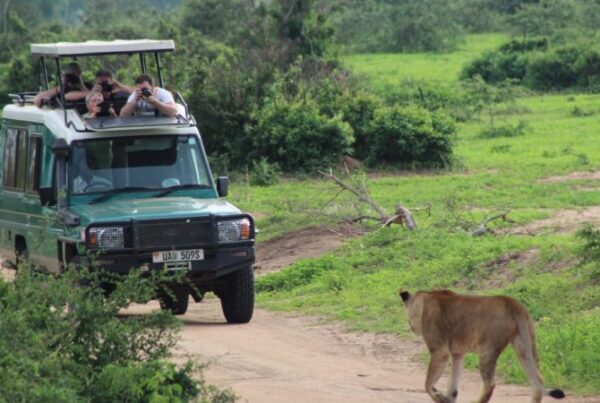
Another defining feature is Tanzania’s low-density tourism model. Many parks limit lodge numbers, restrict off-road driving, and control visitor flow. These regulations are designed to protect habitats and reduce stress on wildlife. As a result, safaris in Tanzania often feel quieter, slower, and more immersive than in more heavily visited destinations.
Equally important is Tanzania’s guiding culture. Safari guides are trained to interpret ecosystems rather than simply locate animals. A Tanzania safari therefore emphasizes understanding wildlife behavior, seasonal patterns, and ecological relationships, turning each game drive into an educational experience.
The Serengeti and the Foundation of the Classic Safari
No Tanzania safari can be understood without the Serengeti National Park, one of the most important wildlife areas on the planet and a global symbol of African wilderness.
The Great Migration as an Ecological System
The Serengeti supports the largest remaining terrestrial mammal migration on Earth. More than a million wildebeest, accompanied by zebra and gazelle, move continuously across the ecosystem in response to rainfall and grazing conditions. This movement is not a single event but a year-round cycle that sustains grassland regeneration and predator populations.
Lions, cheetahs, leopards, hyenas, and crocodiles depend on this migration for survival. The interaction between migrating herds and predators creates one of the most dynamic predator–prey systems in nature. A Tanzania safari in the Serengeti allows travelers to witness these processes at scale, offering insight into how ecosystems regulate themselves over time.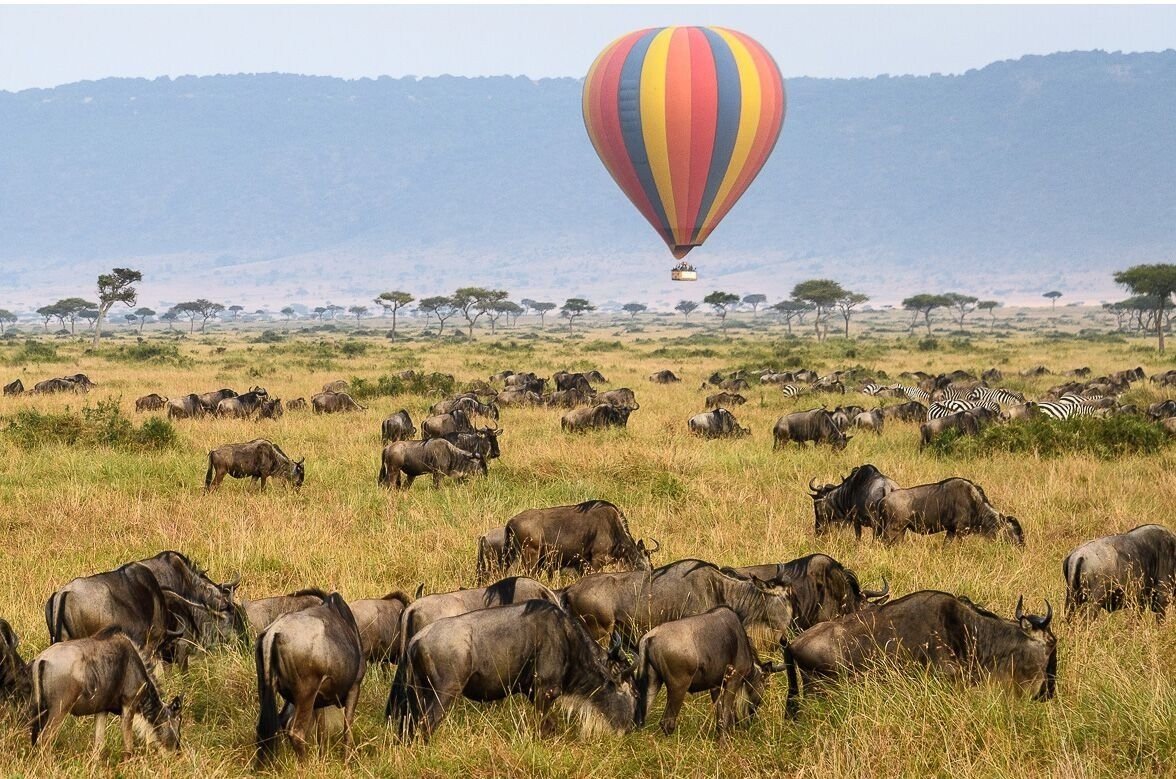
Wildlife Density Beyond the Migration
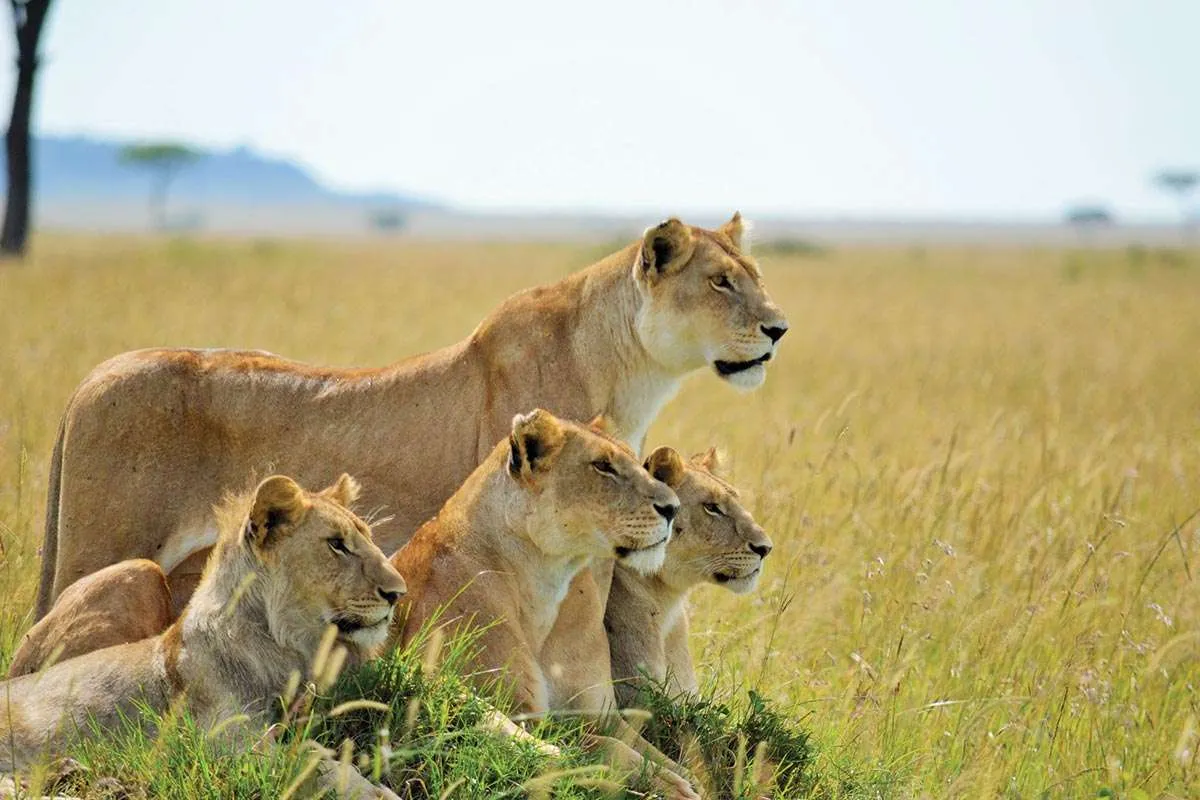
While the migration draws global attention, the Serengeti’s value extends far beyond this phenomenon. Resident wildlife populations ensure excellent game viewing throughout the year. Large prides of lions, solitary leopards, and vast herds of plains game make the Serengeti a consistently rewarding safari destination regardless of season.
The sheer size of the park allows animals to disperse naturally, reducing overcrowding and preserving authentic behavior. This sense of space is a defining feature of the Tanzania safari experience.
Ngorongoro Conservation Area and Concentrated Wildlife
Adjacent to the Serengeti lies the Ngorongoro Conservation Area, a unique landscape where wildlife conservation and human land use coexist under strict management.
The Ngorongoro Crater Experience
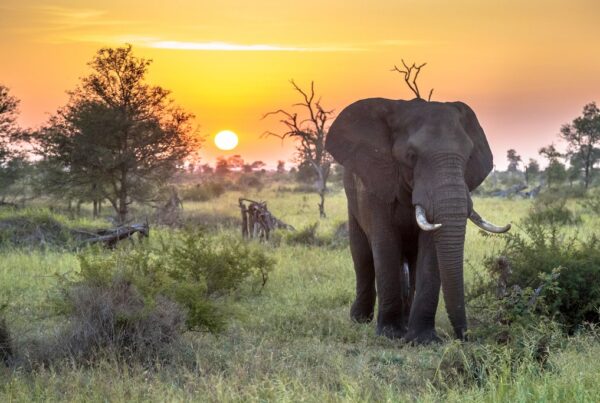
The Ngorongoro Crater, formed by a collapsed volcano, contains one of the highest concentrations of wildlife in Africa within a relatively small area. Lions, elephants, buffalo, leopards, and endangered black rhinos live year-round within the crater floor, supported by permanent water sources and fertile soils.
A Tanzania safari in Ngorongoro offers exceptional reliability for Big Five sightings. However, its significance goes beyond density. The crater demonstrates how geology, climate, and ecology interact to create self-sustaining systems, offering a powerful lesson in natural balance.
Conservation and Pastoralism
The broader Ngorongoro Conservation Area is also home to Maasai pastoralists who practice traditional livestock grazing. This coexistence model illustrates how human livelihoods and wildlife conservation can function together when carefully managed. It adds cultural depth to the Tanzania safari, highlighting the human dimension of conservation.
Tarangire and the Elephant Landscapes
Northern Tanzania’s safari circuit includes Tarangire National Park, a destination known for its seasonal wildlife concentrations and distinctive landscapes.
Baobabs, Rivers, and Migration
Tarangire is defined by the Tarangire River, which acts as a critical dry-season water source. During this period, large numbers of elephants, buffalo, and antelope converge along the riverbanks, creating intense wildlife viewing opportunities.
The park’s iconic baobab trees and rolling savannahs give Tarangire a unique character. A Tanzania safari here emphasizes seasonal movement and habitat dependency, offering insight into how water availability shapes wildlife distribution.
Lake Manyara and Ecological Diversity
The Lake Manyara National Park introduces a different ecological dimension to the Tanzania safari.
Forests, Lakes, and Tree-Climbing Lions
Lake Manyara is characterized by groundwater forests, open floodplains, and an alkaline lake that attracts large numbers of birds. The park is famous for its tree-climbing lions, a behavior linked to habitat structure and prey availability.
This compact park demonstrates how diverse habitats can exist within a small area, supporting elephants, giraffes, hippos, primates, and prolific birdlife. A Tanzania safari in Lake Manyara highlights biodiversity rather than sheer scale.
Southern Tanzania and Remote Safari Experiences
Southern Tanzania offers some of the most remote and under-visited safari destinations in the country, appealing to travelers seeking solitude and exploration.
Ruaha and Predator Strongholds
The Ruaha National Park is Tanzania’s largest national park and one of its most biologically rich. Ruaha supports large populations of lions, leopards, cheetahs, and African wild dogs, alongside elephants and antelope adapted to semi-arid conditions.
A Tanzania safari in Ruaha is defined by remoteness and authenticity. Visitor numbers are low, and wildlife behavior remains largely undisturbed. The park’s rugged terrain and seasonal rivers create dramatic landscapes that reward patient exploration.
Nyerere and River-Based Safaris
Formerly known as Selous, Nyerere National Park offers a different safari style centered on river systems. Boat safaris along the Rufiji River provide close encounters with hippos, crocodiles, and wildlife coming to drink at the water’s edge.
This park emphasizes variety, combining game drives, walking safaris, and boat safaris within one vast protected area. It showcases Tanzania’s commitment to diversified, low-impact safari tourism.
Wildlife Diversity on a Tanzania Safari
A Tanzania safari supports exceptional biodiversity due to the country’s varied ecosystems. Savannahs host large herbivores and apex predators, wetlands attract hippos and birds, forests shelter primates, and semi-arid regions support specialized species.
Tanzania is one of the few countries where all major African predators coexist within interconnected landscapes. Birdlife is equally impressive, with hundreds of resident and migratory species recorded across different habitats.
Safari Styles in Tanzania
Tanzania safaris are traditionally vehicle-based, allowing coverage of large areas efficiently. However, walking safaris are increasingly available in southern and western parks, offering intimate engagement with ecosystems.
Boat safaris provide access to riverine environments, while photographic safaris benefit from open landscapes and controlled tourism pressure. Tanzania’s safari styles emphasize observation, patience, and ecological understanding rather than rapid sightseeing.
Conservation Philosophy in Tanzania
Conservation is central to the Tanzania safari model. Strict land-use planning, regulated tourism, and large protected areas form the backbone of wildlife management. Tourism revenue supports park operations, anti-poaching efforts, wildlife research, and community development.
Tanzania’s approach prioritizes long-term ecosystem health over short-term tourism gains. This philosophy ensures that wildlife populations remain resilient despite growing global pressures.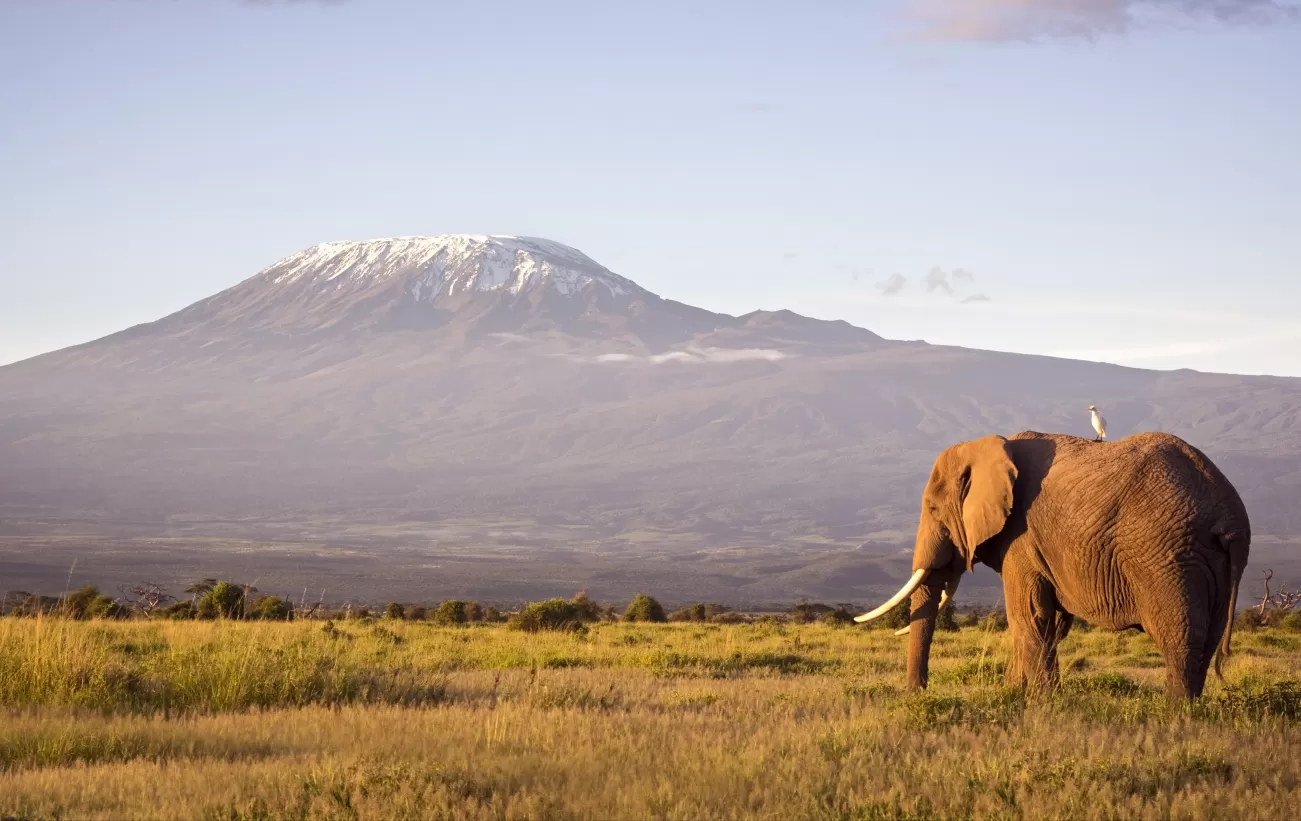
Seasonal Dynamics and Planning a Tanzania Safari
Seasonality plays a critical role in shaping a Tanzania safari. Rainfall patterns influence wildlife movement, vegetation growth, and road accessibility. Dry seasons often concentrate animals near water sources, while wet seasons support calving, birdlife, and lush landscapes.
Understanding these seasonal rhythms allows travelers to plan safaris that align with ecological reality rather than fixed expectations. Tanzania offers rewarding safari experiences throughout the year when planned thoughtfully.
Who a Tanzania Safari Is Best Suited For
A Tanzania safari appeals to travelers seeking depth, scale, and authenticity. It is ideal for wildlife enthusiasts, photographers, conservation-minded travelers, and those who value ecological integrity over convenience.
Tanzania’s diversity allows itineraries to be tailored for different interests, from migration-focused safaris to remote wilderness exploration.
Why the Tanzania Safari Remains Iconic
The Tanzania safari remains iconic because it protects some of the last large, functioning ecosystems on Earth. Wildlife here lives according to natural laws, supported by landscapes vast enough to sustain migration, predation, and adaptation.
In a rapidly changing world, Tanzania stands as a testament to what conservation can achieve when guided by scale, restraint, and respect for nature. A Tanzania safari is not merely a journey through wildlife destinations; it is an immersion into living systems that continue to define Africa’s natural heritage.