
Uganda vs Rwanda: Which Is Best for First-Time Visitors?
A Captivating Introduction to Two Remarkable African Journeys
For first-time travelers to Africa, few comparisons are as compelling, and as nuanced, as Uganda vs Rwanda. Both nations sit at the heart of East and Central Africa, both are defined by dramatic landscapes and rare wildlife, and both have earned global recognition for conservation, stability, and cultural depth. Yet, despite their proximity and shared ecological heritage, the experience offered by each country unfolds in profoundly different ways. For a first-time visitor, the decision is rarely about which destination is “better” in absolute terms, but rather which country aligns more closely with personal expectations, comfort levels, interests, and travel philosophy.
Uganda has long been described as the “Pearl of Africa,” a phrase originally coined by Winston Churchill to capture its extraordinary diversity. Rwanda, often referred to as the “Land of a Thousand Hills,” has emerged as one of Africa’s most efficiently run and forward-looking destinations, surprising many travelers with its cleanliness, safety, and refined tourism model. Both countries offer mountain gorilla encounters, breathtaking scenery, and deeply moving cultural experiences. However, the way these elements are delivered differs significantly, and for a first-time visitor, those differences matter greatly.
This article explores Uganda and Rwanda in extensive depth, examining geography, wildlife, infrastructure, cost, culture, safety, sustainability, and the overall emotional rhythm of travel. Through factual, experience-based analysis, it aims to answer a question frequently asked by travelers planning their first African adventure: Which destination offers the most rewarding introduction to Africa, Uganda or Rwanda?
Geographical Setting and First Impressions
Uganda’s Vastness and Natural Variety
Uganda is geographically expansive and remarkably diverse. Located in East Africa, it is bordered by Kenya, Tanzania, Rwanda, South Sudan, and the Democratic Republic of Congo. Much of its landscape is shaped by the Great Rift Valley, vast freshwater lakes, volcanic highlands, tropical forests, savannah plains, and snow-capped mountains. Lake Victoria, Africa’s largest lake, dominates the southern part of the country, while the Rwenzori Mountains, often referred to as the “Mountains of the Moon,” rise dramatically along the western border.
For a first-time visitor, Uganda’s sheer scale is immediately apparent. Long drives between regions are common, but these journeys unfold through constantly changing scenery. The sense of immersion in nature is deep and continuous. Uganda often feels raw, expansive, and untamed, qualities that appeal strongly to travelers seeking authenticity and a sense of discovery.
Rwanda’s Compact Elegance and Order
Rwanda, by contrast, is one of Africa’s smallest countries. Its compact size is one of its most defining features. Within a few hours’ drive, travelers can move from bustling Kigali to misty volcanoes, rolling tea plantations, or tranquil lakeshores. The landscape is intensely scenic, dominated by endless hills that create a sense of intimacy and visual harmony.
First impressions of Rwanda are often shaped by order, cleanliness, and efficiency. Roads are well maintained, cities are organized, and public spaces are meticulously cared for. For travelers arriving in Africa for the first time, Rwanda often feels approachable and reassuring. The country’s scale reduces logistical complexity, allowing visitors to experience a wide range of environments without the fatigue associated with long-distance travel.
Wildlife Experiences and Biodiversity
Uganda’s Exceptional Ecological Diversity
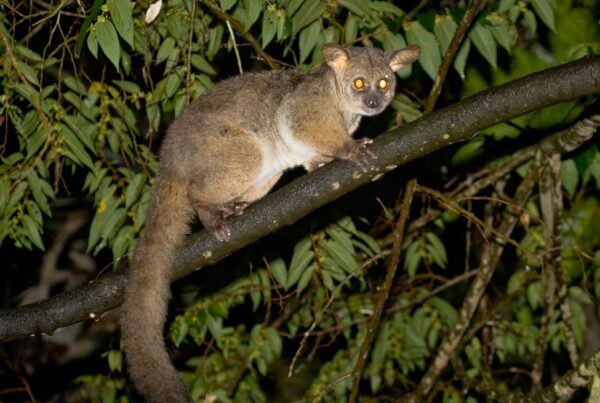
Uganda is widely regarded as one of Africa’s most biologically diverse countries. It is one of the few places on the continent where savannah wildlife, primates, forest species, and aquatic life coexist within a single national border. For first-time visitors, this diversity translates into an exceptionally broad wildlife experience.
The country is home to over half of the world’s remaining mountain gorillas, primarily found in Bwindi Impenetrable National Park and Mgahinga Gorilla National Park. Gorilla trekking in Uganda is often described as immersive and challenging, as the dense forest terrain requires physical effort. However, this very challenge enhances the sense of accomplishment and connection with nature.
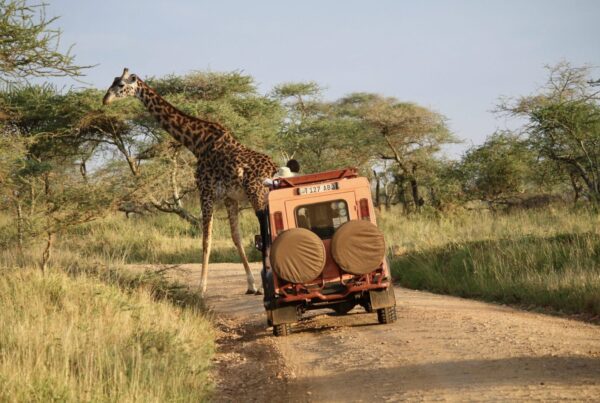
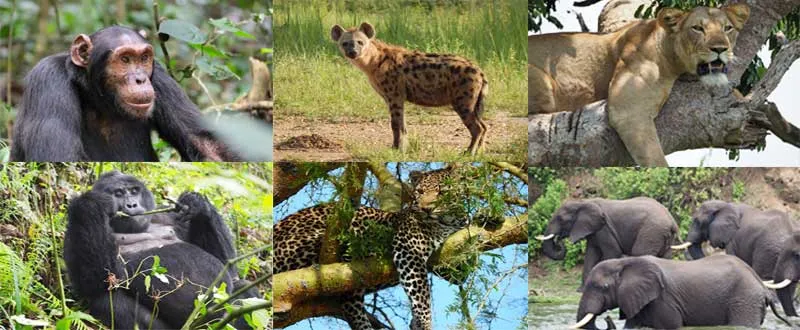
Beyond gorillas, Uganda offers classic safari experiences in Queen Elizabeth National Park, Murchison Falls National Park, and Kidepo Valley National Park. Lions, elephants, buffalo, giraffes, leopards, and hippos are encountered in varied landscapes, from open plains to riverine forests. Uganda is also a global birding hotspot, with more than 1,000 recorded species, making it particularly appealing to nature enthusiasts.
Rwanda’s Focused and Refined Wildlife Offering
Rwanda’s wildlife experience is more focused but highly refined. The country is internationally celebrated for Volcanoes National Park, where mountain gorilla trekking has been elevated into a carefully managed, high-end experience. Trails are well maintained, ranger briefings are precise, and the overall operation reflects Rwanda’s commitment to conservation and premium tourism.
In addition to gorillas, Rwanda offers chimpanzee trekking in Nyungwe Forest National Park, one of Africa’s oldest rainforests, and classic savannah wildlife in Akagera National Park, where lions and rhinos have been successfully reintroduced. While Rwanda does not match Uganda in sheer biodiversity, it compensates with accessibility, organization, and consistency.
For first-time visitors who may feel apprehensive about rugged terrain or unpredictable logistics, Rwanda’s wildlife experiences are often perceived as smoother and more controlled, without diminishing their emotional impact.
Gorilla Trekking: A Central Comparison
Uganda’s Raw and Adventurous Gorilla Encounters
In Uganda, gorilla trekking is characterized by a strong sense of wilderness. Bwindi Impenetrable Forest is dense, humid, and biologically complex. Trekking routes are less predictable, and hiking durations can vary widely. For many first-time visitors, this creates a feeling of true adventure, where the journey is as significant as the destination.
Uganda’s gorilla permits are generally more affordable than Rwanda’s, making the experience accessible to a wider range of travelers. This affordability allows first-time visitors to combine gorilla trekking with other activities such as safaris, cultural tours, and lake excursions without exceeding budget constraints.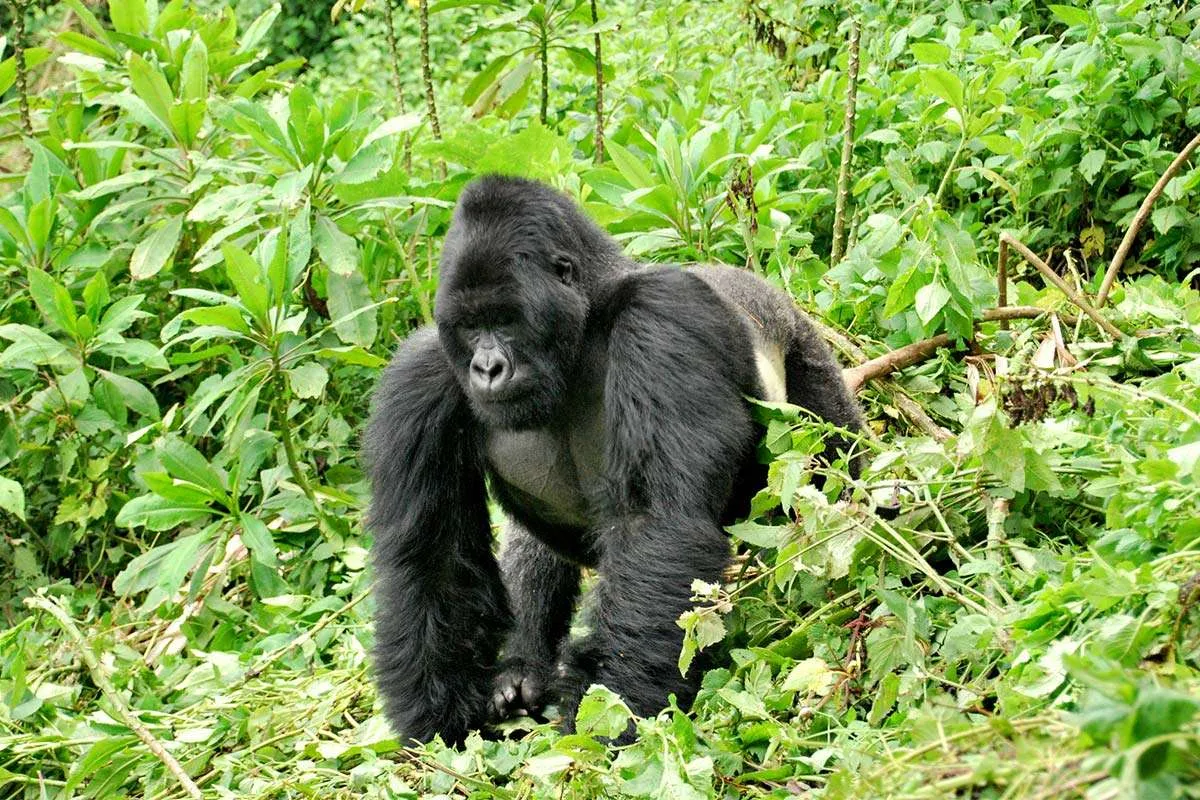
Rwanda’s Premium and Time-Efficient Gorilla Experience
Rwanda has positioned its gorilla trekking as a premium product. Permit costs are significantly higher, but the experience is streamlined. Volcanoes National Park is easily accessed from Kigali, allowing travelers to trek gorillas without long internal flights or extended road journeys. For visitors with limited time, this efficiency is a decisive advantage.
The higher cost of permits contributes directly to conservation funding and community development, reinforcing Rwanda’s image as a leader in sustainable tourism. For first-time travelers seeking comfort, clarity, and minimal logistical complexity, Rwanda’s gorilla trekking model is often perceived as ideal.
Infrastructure, Transport, and Ease of Travel
Uganda’s Developing but Expansive Infrastructure
Uganda’s tourism infrastructure has improved significantly in recent years, yet it remains a developing destination. Roads between major parks are generally passable, but travel times can be long. Domestic flights are available but limited, making road travel the primary means of exploration.
For first-time visitors, Uganda requires patience and flexibility. Journeys are slower, and unexpected delays are not uncommon. However, these conditions often foster meaningful interactions with local communities and provide a deeper sense of immersion. Uganda rewards travelers who value experience over efficiency.
Rwanda’s Efficiency and Accessibility
Rwanda is frequently praised for its exceptional infrastructure relative to its size. Roads are well surfaced, signage is clear, and travel times are short. Kigali International Airport serves as an efficient gateway, and internal travel is straightforward.
For first-time visitors who prioritize ease, predictability, and comfort, Rwanda offers a stress-free introduction to African travel. The country’s compact nature allows travelers to see and do much within a short timeframe, making it particularly suitable for shorter itineraries.
Cultural Encounters and Human Connection
Uganda’s Cultural Diversity and Informality
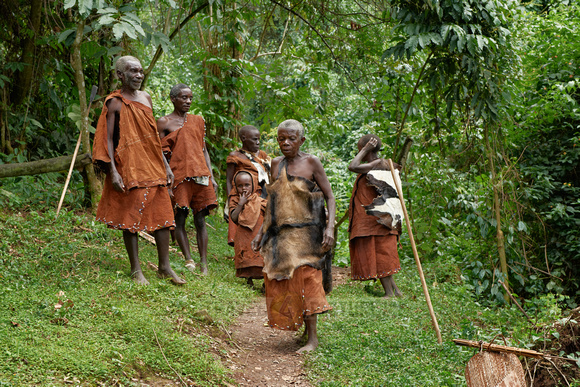
Uganda is home to more than 50 ethnic groups, each with distinct languages, traditions, and histories. Cultural encounters are often spontaneous and informal. Markets, villages, and roadside communities offer unfiltered glimpses into daily life. For first-time visitors, these interactions can feel deeply authentic and emotionally resonant.
Ugandans are widely regarded as warm, welcoming, and conversational. Tourism is integrated into everyday life rather than separated into curated experiences. This openness allows travelers to feel part of the social fabric, rather than observers from a distance.
Rwanda’s Structured and Reflective Cultural Landscape
Rwanda’s cultural experiences are shaped by its complex history, particularly the 1994 Genocide against the Tutsi. Memorials and museums are integral to the visitor experience, offering powerful lessons in resilience, reconciliation, and national unity. These sites are presented with dignity and depth, often leaving a lasting impression on first-time visitors.
Cultural engagement in Rwanda is more structured. Community visits, traditional performances, and cultural centers are carefully organized, ensuring respect and consistency. While interactions may feel less spontaneous than in Uganda, they are often deeply informative and thoughtfully presented.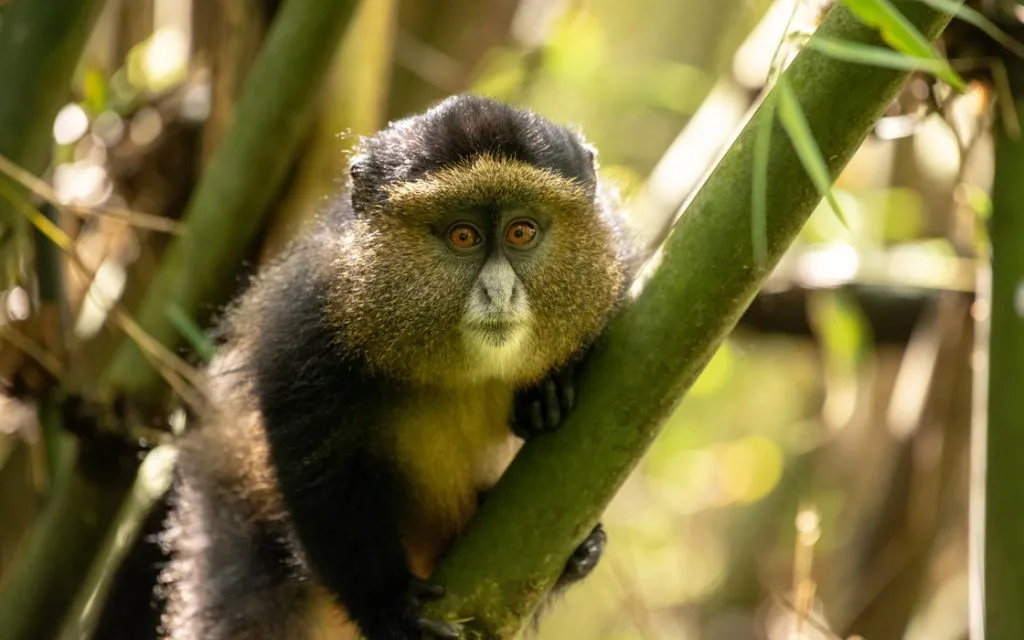
Safety, Stability, and Perception
Uganda’s Balanced Safety Environment
Uganda is generally considered safe for tourists, particularly within established tourism circuits. Security presence is visible, and local communities are accustomed to visitors. However, first-time travelers may notice variations in urban infrastructure and public services, which require situational awareness.
Uganda’s safety environment is best described as stable but dynamic. With reputable tour operators and informed planning, travelers experience minimal risk. The country’s openness and friendliness often counterbalance initial apprehensions.
Rwanda’s Reputation for Security and Order
Rwanda is widely regarded as one of Africa’s safest countries. Law enforcement is effective, public spaces are orderly, and crime rates are low. For first-time visitors, this sense of security is immediately reassuring.
The government’s emphasis on cleanliness, organization, and public accountability contributes to a travel environment where visitors feel protected and respected. Rwanda’s reputation for safety often plays a decisive role in destination choice for travelers new to Africa.
Cost, Value, and Travel Style
Uganda’s Strong Value Proposition
Uganda offers excellent value for money. Accommodation options range from budget lodges to luxury camps, and activities are priced competitively. Gorilla permits, while still premium experiences, are more affordable than Rwanda’s.
For first-time visitors seeking a comprehensive African experience without excessive costs, Uganda allows longer stays and more diverse itineraries. The country is particularly appealing to travelers who value substance, variety, and cultural depth.
Rwanda’s Premium Pricing and Clear Returns
Rwanda’s tourism model emphasizes quality over quantity. Higher costs are associated with permits, accommodations, and services, but these costs are matched by efficiency, comfort, and conservation impact.
For first-time travelers who prefer a refined, well-paced experience and are comfortable with higher expenditure, Rwanda offers clarity and consistency. The value is reflected in time efficiency, service standards, and environmental stewardship.
Sustainability and Conservation Ethics
Uganda’s Community-Driven Conservation
Uganda’s conservation efforts are closely tied to community involvement. Revenue-sharing programs, local employment, and grassroots initiatives play a central role in protecting wildlife and habitats. While challenges remain, progress is evident across national parks.
For first-time visitors, this approach offers insight into the complexities of conservation in developing contexts. The experience feels participatory and grounded in local realities.
Rwanda’s Global Leadership in Conservation
Rwanda has emerged as a global leader in conservation and sustainable tourism. Strict regulations, high permit fees, and strong governance ensure that tourism benefits both wildlife and communities. The country’s success in restoring ecosystems and reintroducing species is widely recognized.
First-time visitors often appreciate Rwanda’s clear commitment to sustainability, which adds ethical depth to the travel experience.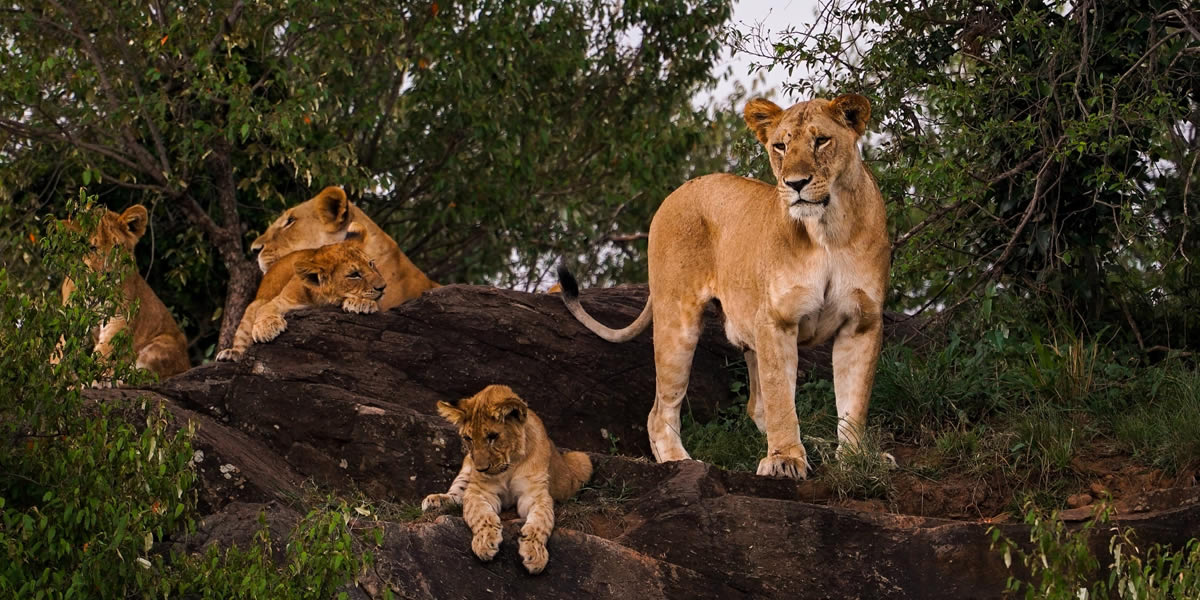
Which Is Best for First-Time Visitors? A Thoughtful Conclusion
The question of Uganda vs Rwanda cannot be answered with a single definitive conclusion, because the “best” destination depends on what a first-time visitor seeks to gain from Africa.
Uganda is best suited for travelers who desire diversity, authenticity, and a sense of exploration. It offers a deeper immersion into nature and culture, often accompanied by unpredictability that enhances emotional engagement. For those who view travel as a journey of discovery rather than convenience, Uganda provides an expansive and rewarding introduction to Africa.
Rwanda, on the other hand, is ideal for first-time visitors who prioritize safety, efficiency, and refinement. It delivers powerful wildlife encounters and cultural insights within a highly organized framework. For travelers seeking reassurance, clarity, and premium experiences, Rwanda offers an elegant gateway into Africa.
Ultimately, both countries are exceptional, and neither choice represents a compromise. Instead, each destination offers a distinct lens through which Africa can be experienced for the first time.