
search
How much does a Uganda safari cost?

How much does a Uganda safari cost?

By Travel stories and blogs, Uganda travel guides

How Much Does a Uganda Safari Cost? | Complete 2026 Uganda Safari Pricing Guide

A journey through Uganda, the “Pearl of Africa,” is an experience that transcends adventure and becomes a soulful connection with nature itself. This is the land where the Nile begins its eternal journey northward, where gorillas move through emerald mist in ancient forests, and where the rhythmic drums of Africa echo across savannahs alive with elephants, lions, and antelope herds. Yet, behind the dream of embarking on a Ugandan safari lies a very practical question that every traveler asks: How much does a Uganda safari cost?

The answer is both simple and complex — simple in that costs can be broadly estimated, but complex in that prices vary widely depending on duration, destinations, accommodation class, transportation, and the type of experience one seeks. Uganda offers a rare versatility: it can be explored luxuriously in opulent lodges or adventurously through budget camping safaris, and every version of the experience holds its own beauty and reward.

This in-depth guide dives deeply into every factor that influences Uganda safari costs, explaining the real value behind what you pay and helping you understand how to plan the safari of your dreams within your comfort range. By the end, you’ll see that a Ugandan safari is not a mere vacation purchase but an investment in an unforgettable encounter with one of Africa’s most unspoiled corners of wilderness.

Understanding the Structure of Uganda Safari Costs

Uganda’s safari pricing structure is shaped by multiple variables — the type of safari (luxury, mid-range, or budget), the duration of the itinerary, the parks visited, the mode of transport, and the time of year. Each of these influences not just the total cost but also the experience you will have.

A safari in Uganda is not a one-size-fits-all journey. It is tailored, crafted, and personalized. The same traveler who spends three days trekking gorillas in Bwindi may spend significantly less than someone who embarks on a two-week circuit covering Murchison Falls, Kibale, Queen Elizabeth, Bwindi, and Lake Bunyonyi.

Beyond duration and distance, pricing also reflects park entrance fees, permit costs, guide services, accommodation standards, meals, and logistical coordination. Because Uganda’s tourism model emphasizes sustainability and conservation, part of every safari cost directly supports local communities and wildlife protection — ensuring that tourism benefits not just the visitor but the land and people who make the experience possible.

Gorilla Trekking: The Pinnacle of Safari Cost

When most travelers think of Uganda, gorilla trekking immediately comes to mind. It is undoubtedly the most iconic and emotionally stirring experience the country offers — and also the most significant contributor to safari costs.

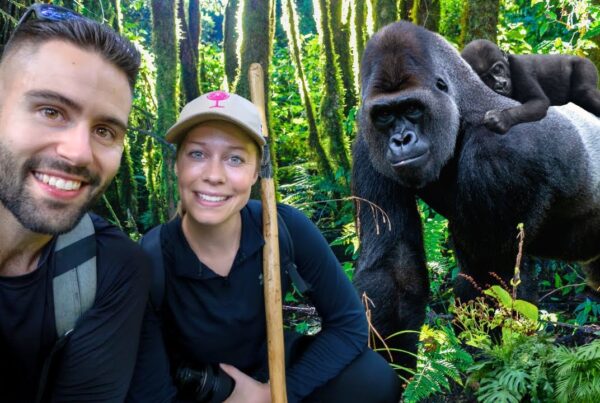
A gorilla trekking permit in Uganda currently costs USD 800 per person, which grants a single visit to one of the habituated gorilla families in Bwindi Impenetrable National Park or Mgahinga Gorilla National Park. This fee might seem high at first glance, but it is important to understand its profound purpose and value.

The cost of the permit funds the protection of the remaining mountain gorilla population, supports anti-poaching efforts, pays ranger salaries, and invests in community welfare programs for families living around the parks. It is a direct investment in conservation and sustainability.

For travelers seeking a deeper or extended experience, Uganda also offers the Gorilla Habituation Experience, which costs USD 1,500 per person. Unlike standard treks that allow one hour with gorillas, this experience grants up to four hours in the presence of a semi-habituated gorilla family, under the guidance of researchers and trackers. It is a rare and intimate privilege that few destinations in the world can match.

Incorporating gorilla trekking into a safari dramatically elevates overall costs, but it also defines the trip’s emotional and experiential core. Many travelers describe it as a once-in-a-lifetime encounter that justifies every cent spent.

Chimpanzee Trekking and Wildlife Permits

After gorillas, Uganda’s second major primate experience is chimpanzee trekking in Kibale Forest National Park, often called the “Primate Capital of the World.” The chimpanzee trekking permit currently costs around USD 250 per person, while the longer chimpanzee habituation experience costs USD 300 to 350 depending on the season.

Kibale offers travelers the chance to observe chimpanzees up close in their natural habitat, accompanied by the thrilling calls of colobus monkeys and the flutter of hornbills above. Similar chimpanzee tracking experiences are also available in Kyambura Gorge (Queen Elizabeth National Park) and Budongo Forest near Murchison Falls, usually at a slightly lower permit cost of around USD 100 to 130.

These permit fees are vital for wildlife management and forest preservation. Just as with gorilla trekking, they sustain local conservation projects and ensure the continued survival of Uganda’s rich primate diversity.

Park Entry Fees and Conservation Contributions

Every Ugandan national park is managed by the Uganda Wildlife Authority (UWA), which maintains a transparent pricing structure for entry fees. For foreign non-residents, entrance to most major parks costs around USD 40 to 50 per day. This includes Murchison Falls National Park, Queen Elizabeth National Park, Kidepo Valley National Park, and Lake Mburo National Park.

Bwindi and Mgahinga, due to their world-renowned gorilla populations, have slightly higher ecosystem management costs, which are reflected in the permit pricing rather than separate daily fees. These entry fees fund the maintenance of park infrastructure, ranger operations, and community conservation initiatives.

Though these costs may seem to accumulate across multiple parks, they are essential to preserving Uganda’s pristine wilderness for future generations — and travelers often find the quality of protection and exclusivity of experience well worth the contribution.

Accommodation Costs: From Luxury Lodges to Authentic Camps

Accommodation is one of the most variable factors in determining Uganda safari costs. The country’s hospitality landscape has evolved remarkably over the past decade, now offering options that cater to every style and preference.

Luxury safari lodges, often located inside or near national parks, provide exclusive experiences that blend opulence with immersion in nature. Prices for these range between USD 400 and USD 1,500 per person per night, depending on the brand, location, and amenities. Properties such as Sanctuary Gorilla Forest Camp, Kyambura Gorge Lodge, Apoka Safari Lodge, and Bakers Lodge set the standard for high-end comfort, offering private terraces, fine dining, spa treatments, and panoramic wilderness views.

For travelers seeking balance between comfort and affordability, mid-range lodges typically cost USD 150 to 300 per person per night. These lodges provide en-suite facilities, excellent meals, and proximity to park gates. They are often favored by small groups and couples who want quality without extravagance.

Budget travelers, on the other hand, can find excellent value in basic lodges and tented camps that cost USD 50 to 100 per night. Uganda’s tourism industry prioritizes inclusivity, ensuring that even the most affordable accommodations maintain cleanliness, safety, and local authenticity.

It’s worth noting that prices may vary seasonally, with peak months (June to September and December to February) commanding slightly higher rates due to increased demand. Booking early through established tour operators ensures access to the best rates and availability, particularly for gorilla and safari lodges.

Transportation and Logistics

Transportation within Uganda can significantly influence the total safari cost. The country’s parks are scattered across vast and varied landscapes, often requiring several hours of travel between destinations. Travelers can choose between road safaris and fly-in safaris, each offering distinct experiences and cost implications.

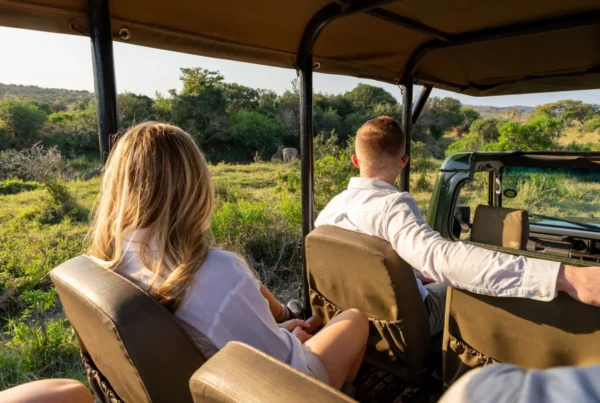
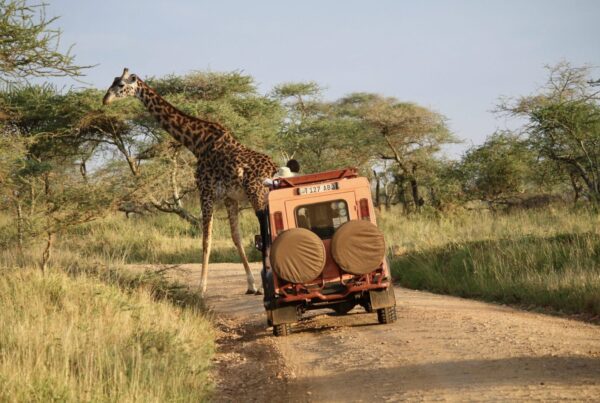
Road safaris are the most common and economical option, using 4×4 safari vehicles with pop-up roofs for game viewing. The cost of such transport, including a driver-guide, fuel, and park transfers, generally ranges between USD 150 and 250 per day per vehicle. The journey itself becomes part of the adventure, as travelers witness the changing geography and vibrant local life en route.

For those seeking comfort and efficiency, fly-in safaris offer domestic flights connecting Entebbe or Kampala to key destinations such as Bwindi, Kidepo, or Murchison Falls. Chartered or scheduled flights can cost between USD 250 and 500 per person per leg, but they save long travel hours and offer breathtaking aerial views of Uganda’s diverse terrain.

Transfers within parks — such as boat safaris along the Nile, the Kazinga Channel, or Lake Victoria — also add to the cost but greatly enrich the experience. A boat cruise typically ranges from USD 30 to 60 per person, offering unique perspectives of wildlife and scenery that are inaccessible by land.How much does a Uganda safari cost?

Duration and Itinerary Design

The length of a safari is one of the strongest cost determinants. Short itineraries, such as 3-day gorilla trekking safaris, can range from USD 1,500 to 2,500 per person for mid-range options, while luxury versions of the same trip may exceed USD 4,000.

A 7 to 10-day safari that includes gorilla trekking, chimpanzee tracking, and classic savannah safaris across multiple parks typically ranges between USD 3,000 and 7,000 per person, depending on the level of comfort and number of destinations.

For those seeking a comprehensive 14-day or longer safari, combining primates, big game, lakes, and cultural experiences, costs can rise to USD 8,000–15,000 for luxury arrangements. These extended trips often include domestic flights, private guiding, and tailor-made experiences such as cultural visits, crater lake tours, or Rwenzori mountain hikes.

Each added day represents more than accommodation and meals; it reflects the depth of immersion into Uganda’s landscapes and lifestyles — a longer safari allows slower travel, deeper cultural engagement, and richer wildlife observation.

Food, Guides, and Hidden Value

Ugandan safaris typically operate on a full-board basis, covering meals, guiding, and sometimes bottled water during game drives. The culinary experience has become an integral part of Uganda’s safari charm. From fresh tropical fruits and aromatic coffee to local dishes like matoke and groundnut sauce, every meal tells a story of place and people.

Professional safari guides form the heart of every journey. Their knowledge of terrain, wildlife behavior, and cultural context adds immeasurable value to the safari experience. Most safaris include guiding services in their pricing, and the quality of guiding in Uganda is exceptionally high — a reflection of the country’s emphasis on professionalism and conservation ethics.

Gratuities for guides, porters, and lodge staff are customary, usually at the traveler’s discretion. Though not mandatory, tips express appreciation for personalized care and often contribute directly to local livelihoods.

Seasonal Variations in Safari Costs

Like much of East Africa, Uganda experiences seasonal price fluctuations based on weather and demand. The dry seasons, from June to September and December to February, are peak safari periods with higher prices due to ideal wildlife viewing conditions and comfortable travel weather.

The rainy seasons, from March to May and October to November, offer discounted rates on accommodation and sometimes even gorilla permits. These “green season” safaris are particularly appealing to photographers and nature lovers, as the landscapes burst into life and fewer visitors mean more exclusive encounters.

Choosing the right season depends on personal priorities. Those who value perfect weather and abundant wildlife may favor the dry months, while travelers seeking solitude and cost savings will find great reward in the shoulder seasons.

Additional Expenses and Practical Considerations

Beyond core safari costs, travelers should plan for additional expenses such as international flights, visa fees, travel insurance, and optional activities. Uganda’s tourist visa costs USD 50, or USD 100 for the East Africa Tourist Visa, which allows travel between Uganda, Kenya, and Rwanda.

Travel insurance covering medical emergencies and evacuation is essential and varies by provider. Personal expenses like souvenirs, drinks, and gratuities add modestly to the budget but are generally minimal compared to overall safari costs.

Despite these extras, Uganda remains one of the most affordable destinations in East Africa for comparable experiences. Gorilla trekking here is significantly cheaper than in Rwanda, and overall safari costs are often 20–30% lower than similar itineraries in Kenya or Tanzania, without compromising quality.

The True Value of a Uganda Safari

A Uganda safari is not defined by price alone but by the value it delivers — the encounters, the emotions, and the purpose it serves. Every dollar spent contributes to more than just travel logistics; it supports a chain of impact that sustains ecosystems, uplifts communities, and preserves endangered species.

When you trek through the dense rainforests of Bwindi and lock eyes with a silverback gorilla, you realize that no cost can quantify the gravity of that moment. When you watch the sun set over the Nile as hippos grunt in the distance, or hear the haunting calls of a shoebill in the wetlands, the meaning of “worth” transforms.

Uganda’s safaris are priced not just for exclusivity but for authenticity. They promise intimacy with nature rather than mass tourism, substance rather than spectacle. The true worth lies not in how much is spent, but in how profoundly the experience changes the traveler.

Conclusion: The Cost of Adventure, the Value of Experience

The cost of a Uganda safari is as varied as the country itself — it can be designed for luxury seekers, nature lovers, or adventurous explorers, each discovering the same essence of Africa in their own way. Whether it is a brief gorilla trek or an extensive cross-country expedition, the investment is returned a hundredfold in memory, meaning, and magic.

Uganda remains one of the most authentic and rewarding safari destinations in Africa, offering exceptional value across all travel categories. From permits to lodges, from the sound of rain on a thatched roof to the laughter of children in a nearby village, every cost contributes to something bigger — conservation, connection, and continuity.

For travelers seeking not just a safari but an expertly curated journey that balances cost, comfort, and conscience, it is best to book their Africa tours and safaris with WildHorn Africa. With years of experience, local expertise, and a passion for crafting immersive adventures, WildHorn Africa ensures every safari is handled with care, precision, and a deep respect for Uganda’s heritage. The result is more than a trip — it is a lifelong story of discovery in the true heart of Africa.

What accommodation options exist in Uganda (budget, mid-range, luxury)?

What accommodation options exist in Uganda (budget, mid-range, luxury)?

By Travel stories and blogs, Uganda travel guides

What Accommodation Options Exist in Uganda (Budget, Mid-Range, Luxury)? | 2026 Uganda Safari Lodging Guide

Every great journey begins with the place you call home along the way. In Uganda, the Pearl of Africa, accommodation is not merely a place to rest — it is a vital part of the experience itself. Whether you sleep beneath a canopy of stars in a forest camp, wake to the roar of lions echoing across the savannah, or watch mist rise over a volcanic lake from the balcony of a luxury lodge, Uganda’s accommodations capture the spirit of its landscapes.

Travelers from every walk of life find comfort here. From budget travelers seeking authenticity and value, to mid-range adventurers chasing balance between comfort and cost, to luxury explorers desiring opulence in the heart of the wild — Uganda delivers an array of experiences that reflect its warmth, diversity, and character.

Understanding what accommodation options exist in Uganda helps travelers choose where to stay not just by price, but by experience. Because here, each lodge, camp, and hotel tells its own story — one of nature, community, and the quiet rhythm of African life. This comprehensive guide explores Uganda’s accommodation spectrum, uncovering how each category — budget, mid-range, and luxury — fits into the broader journey of exploring this remarkable destination.

The Accommodation Landscape in Uganda

Uganda’s hospitality scene mirrors its landscapes: diverse, welcoming, and full of personality. The country’s tourism infrastructure has evolved rapidly over the last two decades, growing from basic park camps to a vibrant network of lodges, eco-resorts, and boutique stays. What makes Uganda’s accommodations particularly appealing is their connection to the environment — built with local materials, inspired by traditional design, and often powered by renewable energy sources.

Across national parks, cities, and rural enclaves, one finds a blend of rustic charm and modern innovation. The emphasis is rarely on grandeur for its own sake but on intimacy and authenticity. Even the most luxurious lodges maintain a strong sense of place — blending seamlessly into the forest, overlooking rivers, or resting on hills that seem to touch the horizon.

The Uganda Wildlife Authority (UWA) and private investors have also collaborated to ensure that accommodation development aligns with conservation principles. This balance between comfort and sustainability has earned Uganda global recognition as a destination where tourism nurtures both people and planet.

Budget Accommodation in Uganda: Affordable Adventure with Heart

For travelers who seek adventure without extravagance, Uganda offers an abundance of budget accommodation options that combine affordability with atmosphere. These establishments range from backpacker hostels and guesthouses in major towns to community-run camps near national parks.

The spirit of budget travel in Uganda is one of simplicity, connection, and authenticity. It invites travelers to trade marble floors for genuine human warmth, to exchange luxury for experience, and to find beauty in small moments — a shared meal, a fireside story, or the sound of rain drumming on a tin roof in the forest.

Urban Budget Stays: Kampala, Entebbe, and Jinja

In cities such as Kampala and Entebbe, budget travelers can find an impressive variety of hostels and small hotels that cater to both international backpackers and local tourists. These accommodations often feature private or shared rooms, reliable Wi-Fi, and easy access to transportation.

Jinja, Uganda’s adventure capital, is particularly known for its riverside hostels and budget lodges overlooking the Source of the Nile. Here, young travelers, families, and overlanders mingle over bonfires, kayaking trips, and music-filled evenings. The affordability of these accommodations allows visitors to extend their stay, immersing themselves in the relaxed lifestyle that defines Uganda’s charm.

Budget Safari Camps and Community Lodges

Near Uganda’s national parks, budget travelers are welcomed by community-based lodges and eco-camps built in partnership with local residents. These lodges are often set in spectacular locations — near the edges of forests or overlooking rolling plains — yet they remain accessible to travelers with modest budgets.

In Bwindi Impenetrable National Park, for instance, simple but comfortable camps offer rooms with en suite facilities, local meals, and guided nature walks. Some are run by local cooperatives, ensuring that proceeds support education and conservation projects.

Lake Bunyonyi — one of Uganda’s most picturesque locations — is dotted with affordable island lodges that provide canoe rides, cultural activities, and peaceful retreats. The focus here is not luxury but tranquility — the kind that comes from watching the sun sink behind terraced hills while listening to the songs of night birds.

The Experience of Budget Travel in Uganda

What makes budget accommodation in Uganda special is not its price but its personality. Staff treat guests like family, meals are often homemade from local produce, and evenings unfold with spontaneous storytelling or traditional dance.

Budget travelers may not find infinity pools or air conditioning, but they gain something rarer — a front-row seat to the rhythms of Ugandan life. They leave not only with photographs but with friendships, laughter, and a deeper appreciation for the human side of travel.

Mid-Range Accommodation in Uganda: The Sweet Spot of Comfort and Adventure

The mid-range category defines the essence of Uganda’s hospitality — comfortable, stylish, and deeply rooted in its surroundings. These lodges and hotels provide an excellent balance between cost and quality, making them the most popular choice among international travelers, families, and small groups on safari.

Mid-range properties typically feature en suite rooms, attentive service, and beautiful natural settings, yet they maintain an unpretentious, welcoming atmosphere. The experience they offer is less about opulence and more about harmony — blending modern comfort with Uganda’s rustic charm.

Mid-Range Lodges in National Parks

Uganda’s major parks are home to a wealth of mid-range lodges that combine scenic locations with practical amenities. In Queen Elizabeth National Park, lodges perched on hillsides overlook the Kazinga Channel, where guests can enjoy panoramic views of elephants, hippos, and distant volcanoes. The design often incorporates natural materials — thatched roofs, timber decks, and stone fireplaces — creating an aesthetic that feels both luxurious and organic.

In Murchison Falls National Park, mid-range lodges dot the banks of the Nile, offering spacious cottages or tents with private verandas. Many provide swimming pools, Wi-Fi access, and delicious cuisine blending international dishes with Ugandan flavors. The experience of sipping coffee as the river mist rises or hearing the thunder of the falls from afar defines the romance of a mid-range stay.

Kibale Forest and Lake Mburo National Park also feature lodges that appeal to travelers seeking serenity without excess. Whether nestled in the forest canopy or situated on open grasslands, these properties create intimate connections with nature while maintaining the conveniences that families and couples appreciate.

City Hotels and Lakeside Comforts

In cities like Kampala and Entebbe, mid-range hotels cater to business and leisure travelers alike. They feature well-furnished rooms, air conditioning, and restaurants serving both local and continental cuisine. Entebbe’s lakeside hotels, in particular, offer tranquil escapes before or after a safari, complete with gardens, beach views, and easy airport access.

Around Jinja, travelers can enjoy mid-range lodges along the Nile that offer a blend of adventure and relaxation. These properties often organize kayaking, boat cruises, and community excursions while providing cozy evenings by the river with soft lighting and the sound of water flowing nearby.

The Allure of Mid-Range Travel

Mid-range accommodation in Uganda embodies the principle of accessible luxury. It is where travelers can immerse in the beauty of the wild without sacrificing comfort. The lodges are often eco-conscious, employing solar power and water conservation systems.

What stands out most is the hospitality — personal, attentive, and sincere. Guests are welcomed with cool towels and smiles, served home-cooked meals, and treated to cultural performances or fireside storytelling. In many ways, mid-range lodges capture the very soul of Uganda: warm, generous, and filled with quiet sophistication.

Luxury Accommodation in Uganda: Redefining Wilderness Elegance

At the pinnacle of Uganda’s hospitality scene lie its luxury lodges and camps, where comfort meets conservation and service becomes art. These properties cater to travelers seeking the finest experiences Africa can offer — remote beauty combined with indulgence, privacy, and world-class amenities.

Luxury in Uganda does not mimic urban grandeur. Instead, it expresses itself through space, serenity, and the seamless blending of human design with nature’s masterpiece. Each lodge becomes an extension of the landscape — built with local stone, wood, and thatch, open to the elements yet exquisitely refined.

Iconic Luxury Lodges in Uganda

In Bwindi Impenetrable National Park, lodges such as those overlooking the forest canopy offer views that border on the ethereal. Here, mornings begin with mist rolling through ancient trees, and evenings end with lantern-lit dinners overlooking the treetops. Spa treatments, private butlers, and bespoke dining elevate the experience while maintaining respect for the ecosystem.

Kidepo Valley National Park, Uganda’s most remote wilderness, is home to lodges that redefine exclusivity. Nestled in vast savannahs far from crowds, they provide an authentic sense of isolation without sacrificing luxury. Guests wake to the calls of wild animals and spend evenings under skies ablaze with stars, dining by firelight in complete tranquility.

In Murchison Falls and Queen Elizabeth, five-star lodges balance classic safari elegance with modern sophistication. Infinity pools overlook rivers where hippos grunt in the distance, and gourmet meals are served with fine wines from across the continent. Helicopter transfers, private game drives, and sunset cruises add layers of refinement to the adventure.

Lake Mutanda and Lake Bunyonyi also feature luxury eco-lodges that combine mountain views with unmatched peace. With their architecture inspired by nature and interiors adorned with local art, these properties feel more like sanctuaries than hotels.

The Philosophy of Ugandan Luxury

Luxury in Uganda is never detached from purpose. Most high-end lodges are deeply committed to sustainability and community empowerment. They employ local artisans, support nearby schools, and invest in conservation programs that protect wildlife and forests.

This approach creates a form of “conscious luxury” — one that allows guests to indulge responsibly. Staying in these lodges means contributing to the preservation of the very landscapes that inspire awe.

Service in Uganda’s luxury properties is defined by attention to detail. Guests are known by name, preferences remembered, and every need anticipated. Whether it’s a private breakfast on a terrace overlooking Bwindi’s mist or a sunset bath prepared after a day of tracking gorillas, every moment is crafted to perfection.What accommodation options exist in Uganda (budget, mid-range, luxury)?

Regional Accommodation Highlights

Western Uganda: The Heart of Safari Luxury

Western Uganda hosts most of the country’s premier safari destinationsBwindi, Queen Elizabeth, Kibale, and Lake Bunyonyi — making it a hub for accommodation diversity. Travelers can find every category here, from forest-edge camps to luxurious lodges with panoramic views of crater lakes.

The region’s accommodations reflect its diversity. In Kibale, treehouse-style lodges immerse guests in the forest canopy, while in Queen Elizabeth, lodges on the Mweya Peninsula offer commanding views of the Kazinga Channel. The western circuit showcases Uganda’s best integration of comfort, conservation, and culture.

Northern and Eastern Uganda: Hidden Gems and Adventure Lodges

In the north, Kidepo Valley offers a rare glimpse of untouched wilderness. Accommodations here, whether tented camps or luxury lodges, are few but extraordinary. They evoke the raw beauty of Africa as it once was — vast, silent, and endlessly wild.

In the east, near Jinja and Mount Elgon, travelers can stay in riverside retreats and mountain lodges that cater to adventure seekers. These properties balance activity and relaxation, combining modern comfort with proximity to Uganda’s most thrilling landscapes.

Central Uganda: Urban Comfort and Cultural Immersion

In Kampala and Entebbe, Uganda’s urban accommodation scene provides everything from boutique hotels to international chains. These properties serve as perfect bookends to a safari — places to rest, shop, and enjoy city life before returning to the wild.

Kampala’s hotels reflect the city’s vibrancy, offering rooftop bars, art galleries, and gardens alive with music. Entebbe, by contrast, embodies calm — its lakeside lodges providing gentle transitions for arriving or departing travelers.

The Role of Accommodation in Ugandan Tourism

Accommodation in Uganda is more than hospitality; it is an engine of development and conservation. Lodges and camps employ thousands, support community enterprises, and promote eco-conscious construction. Many properties are locally owned or co-managed, ensuring that tourism revenue benefits Ugandan families directly.

Furthermore, the character of Ugandan accommodation is uniquely personal. Unlike mass-market destinations, lodges here focus on intimate service and cultural authenticity. Guests are not anonymous tourists but valued participants in the country’s story. Every stay becomes a shared chapter between traveler and host.

Choosing the Right Category for Your Safari

The choice between budget, mid-range, and luxury accommodation depends not only on budget but on travel style and expectations.

Budget lodges immerse travelers in local culture and community spirit. Mid-range lodges strike the perfect balance between comfort and adventure. Luxury lodges elevate the experience to the realm of exclusivity and serenity.

Regardless of category, Uganda delivers warmth and authenticity that transcend price. Even the simplest lodge feels rich in human connection, while the most luxurious resort feels grounded in nature’s humility.

Conclusion: Finding Home in the Heart of the Pearl

Uganda’s accommodations reflect its soul — welcoming, diverse, and deeply connected to the land. From rustic camps by the forest edge to refined lodges overlooking crater lakes, every stay tells a story of harmony between people and nature. The choice is not merely where to sleep, but how to feel — adventurous, comfortable, or utterly indulged.

For travelers seeking seamless journeys across these varied experiences, it is best to book their Africa tours and safaris with WildHorn Africa. With expertise in curating personalized itineraries, WildHorn Africa ensures that every stay — whether budget, mid-range, or luxury — complements the rhythm of the traveler’s adventure.

In Uganda, home is more than a room. It is the smile that greets you at sunset, the aroma of freshly brewed coffee in the morning, and the sound of distant rain whispering through the trees. It is where your journey becomes part of Uganda’s living story — one that begins and ends with the warmth of its people and the comfort of its lodges.

How safe is Uganda for first-time travellers?

How safe is Uganda for first-time travellers?

By Uganda travel guides

How Safe Is Uganda for First-Time Travellers? | Complete 2026 Uganda Safety Guide

How Safe Is Uganda for First-Time Travellers?

There is a quiet magic about Uganda that captures every traveler’s heart the moment they set foot on its lush soil. Known as the Pearl of Africa, this East African gem brims with landscapes that shift from savannah to rainforest, from the snow-capped peaks of the Rwenzoris to the mirror-like stillness of Lake Bunyonyi. It is a country blessed with biodiversity, cultural richness, and some of the most welcoming people on the continent. Yet for many first-time travelers, a question naturally arises: Is Uganda safe to visit? Safety is often the first concern for anyone traveling to a new destination, especially in regions that are less familiar or have occasionally been misunderstood by global media.

Uganda, like any other travel destination, demands awareness and preparation. But it is also a place where myths about insecurity often overshadow the everyday reality of peace, hospitality, and progress. Understanding how safe Uganda is involves looking beyond the headlines to the lived experiences of travelers, locals, and tourism professionals who know the country intimately. This comprehensive guide offers a detailed, honest, and well-rounded exploration of Uganda’s safety landscape—covering personal security, political stability, transport, health, and cultural awareness—providing everything a first-time traveler needs to make an informed decision with confidence.

Understanding the Reality of Safety in Uganda

Uganda is one of the most politically stable and tourist-friendly countries in East Africa. Over the past two decades, the nation has made remarkable strides in maintaining internal peace, improving infrastructure, and enhancing traveler safety. The capital city, Kampala, is a vibrant metropolis that never sleeps—filled with modern hotels, lively nightlife, and a cosmopolitan blend of people. Despite being bustling and busy, the city operates under strong community values, and most areas remain safe for visitors who observe basic travel precautions.

Uganda’s government, through the Ministry of Tourism and the Uganda Tourism Police, has placed significant emphasis on ensuring that tourism zones remain secure. The Uganda Tourism Police, a specialized branch of the national police force, was established specifically to safeguard tourists and tourism assets in the country. They patrol national parks, airports, hotels, and major attractions, providing both a visible and reassuring presence for travelers.

Crime rates in Uganda are relatively low compared to many urban centers around the world, and the majority of incidents reported involve petty theft rather than violent crime. Most travelers report feeling safe walking around towns during daylight hours, interacting with locals, and exploring attractions freely. However, as in any destination, being mindful of surroundings, avoiding isolated areas after dark, and keeping valuables secure remain standard advice.

The Political Climate: Stability and Security

Uganda has enjoyed sustained political stability since the 1980s. Under the current governance system, the country has prioritized development and international cooperation, ensuring an environment conducive to tourism and investment. Major cities like Kampala, Entebbe, Jinja, and Mbarara operate smoothly, and the government’s consistent focus on maintaining law and order has resulted in a steady flow of tourists over the years.

Political demonstrations do occur from time to time, as they do in many democracies, but these are usually limited in scope and are swiftly managed by law enforcement. Travelers are generally advised to avoid participation in political gatherings and to stay informed through reliable local or embassy channels. In most parts of the country—particularly within the national parks and rural tourism areas—political unrest is virtually nonexistent.

The Uganda People’s Defence Force (UPDF) also plays a critical role in maintaining border security and ensuring that the country remains free from cross-border conflicts. Neighboring nations like Kenya, Tanzania, and Rwanda share peaceful diplomatic relations with Uganda, which strengthens regional stability and contributes to the country’s overall safety profile.

Personal Safety and Common-Sense Awareness

Personal safety in Uganda largely depends on awareness and preparation. For first-time travelers, adopting simple, common-sense habits can make the journey worry-free. The majority of Ugandans are known for their warmth, politeness, and willingness to help foreigners. Tourists often remark on the friendliness of locals who greet strangers with smiles and are eager to share their culture.

In public spaces such as markets, transport hubs, and nightlife districts, maintaining awareness of one’s belongings is important. Pickpocketing can occur in crowded areas, especially in downtown Kampala or bus stations. Carrying a small amount of cash, using hotel safes, and keeping travel documents secure are sensible practices. However, violent confrontations against tourists are extremely rare, and most incidents stem from opportunistic theft rather than targeted crime.

For solo travelers or those venturing into rural areas, hiring a local guide or traveling with a registered tour company adds an additional layer of safety. Guides are familiar with regional dynamics, local customs, and can navigate language barriers effectively. They also serve as cultural bridges, ensuring respectful interactions and protecting travelers from potential misunderstandings.How safe is Uganda for first-time travellers?

Safety in National Parks and Wildlife Reserves

Uganda’s national parks are the crown jewels of its tourism industry. Places like Bwindi Impenetrable National Park, Queen Elizabeth National Park, Murchison Falls National Park, and Kidepo Valley National Park attract thousands of visitors annually, drawn by the promise of gorilla trekking, chimpanzee tracking, and unforgettable wildlife encounters.

Security within these protected areas is robust and carefully managed by the Uganda Wildlife Authority (UWA). Armed ranger escorts accompany travelers during activities such as gorilla trekking or nature walks, not because of immediate danger but as a precautionary measure and reassurance. Park boundaries are well-patrolled, and communities surrounding conservation zones have been integrated into tourism programs, ensuring local support for visitor safety.

Incidents involving wildlife are exceedingly rare when visitors adhere to park guidelines. Rangers provide thorough briefings before treks, outlining how to behave around animals and how to respond if they approach. The controlled and organized structure of Uganda’s wildlife tourism is one of the reasons the country enjoys such a strong reputation for safety among nature-based travelers.

Transportation and Road Safety

Transportation in Uganda has improved dramatically in recent years, with ongoing investments in road networks, airports, and highways. Entebbe International Airport, Uganda’s primary entry point, meets international safety standards and is staffed with professional personnel. The airport’s expansion and modernization projects have streamlined passenger clearance, making arrivals and departures more comfortable.

Within cities, taxis and motorcycle taxis (locally known as boda-bodas) are widely used. While convenient, travelers are advised to exercise caution when using motorcycles, as road discipline can vary. For safer and more reliable transport, registered taxi companies, hotel transfers, or private tour operators are recommended.

Long-distance travel between cities is usually comfortable via private or tourist shuttle vehicles, which are well-maintained and air-conditioned. Road conditions to major destinations like Fort Portal, Gulu, or Kabale have seen major upgrades, making travel not only faster but safer. However, nighttime travel is generally discouraged due to reduced visibility and occasional livestock crossings in rural areas.

For those traveling with professional tour operators such as WildHorn Africa, transportation safety is given top priority. Vehicles are regularly serviced, driven by licensed guides, and equipped with communication systems for emergency contact—an assurance that gives travelers peace of mind while exploring Uganda’s breathtaking landscapes.

Health and Medical Safety

Health safety is an important consideration for all travelers, particularly those visiting Africa for the first time. Uganda maintains a robust public health framework supported by both local and international institutions. Major cities have well-equipped hospitals, while private medical facilities in Kampala and Entebbe meet international standards.

Travelers are required to present a Yellow Fever vaccination certificate upon entry, and it is strongly recommended to take anti-malarial medication before and during the trip. While Uganda is located in a tropical region, mosquito prevention measures—such as sleeping under treated nets, wearing long sleeves at night, and applying insect repellent—help minimize risks.

Clean bottled water is widely available, and most hotels and lodges maintain strict hygiene standards. Food served in reputable establishments is safe and freshly prepared. Uganda’s growing hospitality industry has adopted international food safety protocols, making dining experiences both enjoyable and secure.

For emergencies, many safari lodges partner with air evacuation services like Flying Doctors, ensuring that travelers can receive prompt medical attention if needed, even in remote areas. Travel insurance that covers medical evacuation is a smart precaution for every visitor.

Cultural Sensitivity and Social Harmony

Safety in Uganda extends beyond physical security—it also involves understanding and respecting cultural norms. Ugandans are known for their hospitality, humility, and community spirit. However, the society remains largely conservative in social values, and showing respect for local customs greatly enhances a traveler’s experience.

Visitors are encouraged to dress modestly, especially in rural areas and religious settings. Public affection should be kept minimal, and photography of government buildings, military sites, or people without consent should be avoided. A respectful approach builds trust, and Ugandans often respond warmly to visitors who show genuine interest in their traditions.

For first-time travelers, this cultural awareness adds another layer of safety, as it prevents misunderstandings and fosters positive relationships with locals. Being courteous, greeting people politely, and showing patience in communication are simple gestures that go a long way in creating a sense of belonging and security.How safe is Uganda for first-time travellers?

Women Travelers and Solo Travel Safety

Uganda is increasingly popular among female and solo travelers, many of whom describe their experiences as safe, empowering, and enriching. Women travelers can comfortably explore cities, participate in safaris, and engage in local activities without harassment. In fact, Ugandans tend to be protective and helpful toward foreign guests, especially women traveling alone.

That said, exercising caution in nightlife settings, choosing trusted transportation, and avoiding excessive alcohol consumption are universal safety guidelines that apply here as well. Many lodges, hotels, and tour operators provide female guides or coordinators upon request, making solo journeys both secure and supportive.

The growing community of female travelers in Uganda also benefits from networks such as local women-led travel companies and community-based tourism initiatives. These empower women while offering visitors authentic cultural exchanges in a safe environment.

Emergency Services and Local Assistance

Uganda’s emergency response systems have evolved significantly. The Uganda Police Force, the Tourism Police, and private security companies collaborate to assist travelers in distress. Emergency contact numbers are available at airports, hotels, and major attractions. In the event of lost property or minor incidents, local authorities are usually cooperative and efficient in providing assistance.

Embassies and consulates, particularly those in Kampala, provide consular support to their citizens. Tour operators also play a vital role by offering 24-hour customer support and local coordination, ensuring that travelers never feel stranded.

In remote safari destinations, park rangers and lodge staff are trained to handle emergency situations, from medical concerns to logistical issues. Their familiarity with terrain and communication protocols enhances traveler security across all regions.

Media Perception vs. Reality

International media occasionally portray Africa through the lens of conflict or disease, leading to misconceptions about safety in countries like Uganda. In reality, Uganda’s tourism regions are far removed from the few areas that once experienced instability decades ago. The current environment is peaceful, organized, and welcoming.

Travelers who have visited Uganda frequently express surprise at how safe and vibrant the country feels. Cities are bustling, children play freely in the streets, and visitors are greeted with sincere curiosity rather than suspicion. The hospitality culture runs deep—Ugandans often take personal responsibility for ensuring that guests feel secure.

Tourism plays a vital role in the national economy, and both government and local communities are invested in preserving Uganda’s positive global image. As a result, safety protocols are continuously reviewed and strengthened to uphold traveler confidence.

Digital and Financial Safety

Modern travelers also value digital safety—especially when using mobile payments, Wi-Fi networks, or ATMs abroad. Uganda’s banking system is advanced, with major banks offering secure ATMs and digital payment services. Using ATMs located in banks or hotels minimizes risk, and credit cards are widely accepted in urban areas and high-end lodges.

Internet connectivity in Uganda is reliable, especially in major towns and tourist centers. However, travelers should avoid using public Wi-Fi for sensitive transactions and instead rely on mobile data or secure hotel networks.

Mobile money services such as MTN Mobile Money and Airtel Money are common, allowing safe, cashless transactions. Many tour companies and lodges now accept these payment methods, ensuring convenience and reducing the need to carry large amounts of cash.

Final Thoughts: The True Measure of Safety in Uganda

Safety is not merely the absence of danger—it is the presence of confidence, preparedness, and support. In Uganda, travelers discover that this confidence is built into the very fabric of the tourism experience. From the smiling faces at Entebbe Airport to the careful attention of park rangers in the wild, from the efficiency of tour operators to the warmth of local communities, Uganda extends a genuine sense of security that allows travelers to relax and immerse themselves in its beauty.

For first-time visitors, Uganda offers the comfort of modern amenities and the adventure of untamed nature. It is a country where safety coexists with excitement, and where curiosity is rewarded with hospitality. The key lies in informed travel—understanding local norms, respecting regulations, and partnering with credible travel providers.

Those who have explored Uganda know that beyond the administrative checks and travel advisories lies a country that is peaceful, organized, and filled with heart. Every traveler who takes the time to experience Uganda discovers that the greatest risk of visiting is falling deeply in love with the land, its people, and its rhythm.

For a well-planned, professionally guided, and secure experience, travelers are encouraged to book their Africa tours and safaris with WildHorn Africa. With its impeccable record, experienced guides, and deep knowledge of Uganda’s terrain and culture, WildHorn Africa ensures that every journey is safe, authentic, and unforgettable—crafted with care and delivered with passion.

Can I track gorillas in Uganda and how does it work?

Can I track gorillas in Uganda and how does it work?

By Travel stories and blogs, Uganda travel guides

Can I Track Gorillas in Uganda and How Does It Work? | Complete 2026 Gorilla Trekking Guide

There are few wildlife encounters on Earth as profound as standing face-to-face with a mountain gorilla in the misty jungles of Uganda. The moment you lock eyes with one of these gentle giants — so intelligent, so powerful, yet astonishingly peaceful — something shifts inside you. This is not merely a wildlife sighting; it is a spiritual awakening, a humbling connection between species separated by millions of years yet bonded by emotion and instinct. Uganda, aptly called the Pearl of Africa, offers the world’s most immersive and authentic gorilla tracking experiences. But for first-time travelers and curious adventurers alike, one question often arises: Can I track gorillas in Uganda, and how does it actually work?

The answer is an emphatic yes — and it is one of the most rewarding experiences any traveler can have. Uganda is home to over half of the world’s remaining mountain gorillas, living in pristine habitats that have remained virtually untouched for centuries. Tracking these magnificent creatures is carefully regulated, ensuring that every visit not only protects the gorillas but also enriches the traveler’s understanding of conservation, wilderness, and humanity’s shared heritage with nature.

This comprehensive guide takes you deep into the heart of Uganda’s gorilla country, exploring how the tracking process works, where it happens, what to expect on the trail, and why this life-changing adventure is worth every step.

Uganda: The Heart of Mountain Gorilla Conservation

To understand gorilla tracking in Uganda, one must first appreciate the country’s unique role in global conservation. The mountain gorilla (Gorilla beringei beringei) is one of the rarest and most endangered primates in the world, found only in two small regions of East-Central Africa — the Virunga volcanic range and the Bwindi Impenetrable Forest. Uganda is blessed to host populations in both of these areas, making it one of the only countries where travelers can witness gorillas in their natural habitat.

Two national parks serve as the sanctuaries for Uganda’s gorillas: Bwindi Impenetrable National Park in the southwest and Mgahinga Gorilla National Park, part of the greater Virunga ecosystem. Together, these parks shelter approximately 500 individual gorillas, representing more than half of the world’s total population. The Ugandan government, through the Uganda Wildlife Authority (UWA), has established rigorous measures to protect these endangered apes and regulate tourism, creating one of the most successful conservation stories in Africa.

Gorilla tracking in Uganda is not a casual activity; it is a deeply structured conservation experience designed to protect the species while offering visitors an unparalleled adventure into the wild. It combines science, respect, patience, and endurance — and the result is an encounter that feels both ancient and intimate.

Where to Track Gorillas in Uganda

The two main destinations for gorilla tracking in Uganda are Bwindi Impenetrable National Park and Mgahinga Gorilla National Park, both located in the mountainous southwestern corner of the country near the borders of Rwanda and the Democratic Republic of Congo. While both parks offer unforgettable experiences, they differ in terrain, accessibility, and atmosphere.

Bwindi Impenetrable National Park: The Crown Jewel of Gorilla Tracking

Spanning more than 320 square kilometers of dense rainforest, Bwindi Impenetrable National Park is a UNESCO World Heritage Site and the epicenter of Uganda’s gorilla tracking experience. The word “impenetrable” perfectly describes the forest’s ancient, tangled vegetation — a lush world of vines, moss-covered trees, and misty ridges that has remained largely unchanged for over 25,000 years.

Bwindi is home to about 20 habituated gorilla families, divided among four main tracking sectors: Buhoma, Ruhija, Rushaga, and Nkuringo. Each sector offers its own distinct terrain, accommodation options, and levels of trekking difficulty. Buhoma, located in the northern part of the park, was the first to open for gorilla tourism in 1993 and remains a favorite for its accessibility and range of lodges. Rushaga and Nkuringo in the south are known for more challenging hikes but equally rewarding encounters, while Ruhija offers breathtaking views and a slightly quieter experience.

Tracking in Bwindi involves navigating steep slopes and thick vegetation, often at altitudes between 1,200 and 2,600 meters. The experience is physically demanding but spiritually enriching. The reward — an hour spent in the company of a gorilla family — makes every drop of sweat worthwhile.

Mgahinga Gorilla National Park: Where Gold Meets Silver

Smaller and more serene, Mgahinga Gorilla National Park lies within the Virunga Mountains, a chain of extinct volcanoes shared by Uganda, Rwanda, and the Congo. Covering only 33.7 square kilometers, Mgahinga may be compact, but it holds extraordinary significance. It is part of the larger Virunga Conservation Area, which also shelters gorillas across the borders.

Mgahinga is home to the Nyakagezi Gorilla Family, famous for its friendliness and tendency to stay within Uganda’s boundaries. The park’s volcanic landscape — with peaks like Mount Sabinyo, Mount Gahinga, and Mount Muhavura — adds dramatic scenery to the tracking experience. In addition to gorillas, visitors may also encounter golden monkeys, another endangered primate species, making Mgahinga the only place in Uganda where both “gold” and “silver” (golden monkeys and mountain gorillas) can be seen in one park.

Tracking in Mgahinga tends to be less strenuous than in Bwindi, thanks to its more open bamboo forests, though the altitude can still make the trek challenging. The experience feels more exclusive due to lower visitor numbers and the breathtaking backdrop of volcanic slopes.Can I track gorillas in Uganda and how does it work?

The Gorilla Tracking Process: How It Works

Tracking gorillas in Uganda is a well-coordinated process that ensures both the safety of the gorillas and the satisfaction of the visitors. The experience typically begins early in the morning, following a mandatory briefing by park rangers.

Each group of trackers is assigned to one habituated gorilla family, with a maximum of eight visitors per group to minimize human impact. The treks are led by experienced guides and armed rangers, accompanied by advance trackers who venture ahead of the group to locate the gorillas using signs such as nests, droppings, footprints, and broken vegetation.

Once the gorillas are located, the guides communicate via radio, and the tourists are guided to the site. The duration of the trek varies — it can take anywhere from 30 minutes to 7 hours, depending on the location of the gorillas that day. The forest’s dense vegetation, unpredictable weather, and steep terrain make the experience physically demanding, but every step brings the anticipation of an unforgettable encounter.

Upon finding the gorilla family, visitors are allowed to spend one hour observing them at close range (usually within 7–10 meters). This hour is strictly timed to prevent stress or behavioral disturbance to the gorillas. During this time, trackers can watch the family interact — mothers nurturing infants, juveniles playing, silverbacks asserting dominance, and others grooming or feeding peacefully.

The experience is emotional and humbling. Many visitors describe it as a once-in-a-lifetime moment that changes their perspective on nature and humanity. Photography is permitted, though flash must be turned off, and visitors are expected to maintain quiet respect throughout the encounter.

The Gorilla Habituation Experience: A Deeper Connection

For those who crave a more immersive and extended experience, Uganda offers something unique — the Gorilla Habituation Experience. This activity, available only in the Rushaga sector of Bwindi, allows visitors to spend up to four hours with a semi-habituated gorilla family under the supervision of researchers, trackers, and conservationists.

Unlike standard trekking, where tourists visit fully habituated groups, habituation participants join the scientific team as they follow and observe gorillas still undergoing the gradual process of becoming accustomed to human presence. This process can take years, and travelers become part of this delicate relationship-building phase.

The Gorilla Habituation Experience provides deeper insight into gorilla behavior, communication, and conservation. It is more physically demanding and limited to a few participants each day, but it offers the rare privilege of witnessing conservation in action — a behind-the-scenes look at the work that makes gorilla tourism sustainable.

Permits: The Key to Gorilla Tracking

Gorilla tracking in Uganda is strictly regulated through a permit system to control visitor numbers and protect the gorillas’ welfare. Every visitor must obtain a permit from the Uganda Wildlife Authority (UWA), which grants access to one of the habituated gorilla families for a specific date and sector.

As of 2025, the standard gorilla tracking permit costs USD 800 per person, while the Gorilla Habituation Experience permit costs USD 1,500. These fees may seem high, but they play a crucial role in conservation. A significant portion of the revenue supports anti-poaching patrols, ranger training, community development, and the maintenance of Uganda’s national parks.

Permits are limited and in high demand, especially during the peak travel seasons of June to September and December to February. Travelers are encouraged to book several months in advance through reputable tour operators such as WildHorn Africa, which handle permit procurement, logistics, and itinerary planning.

Physical Preparation and Trekking Conditions

Gorilla tracking is not a casual stroll — it is an active adventure requiring moderate to high fitness levels. The terrain is steep, uneven, and often muddy due to the region’s equatorial rainfall. Hikes can last several hours, and altitudes above 2,000 meters may challenge even experienced hikers.

Proper preparation enhances the experience. Travelers should wear sturdy hiking boots, long trousers, gaiters, and layered clothing suitable for both humidity and sudden rain. Porters are available at the trailhead for hire, offering invaluable assistance by carrying backpacks or helping with difficult ascents. Hiring a porter not only eases the trek but also provides employment for local community members, reinforcing the link between tourism and livelihood.

Though physically demanding, gorilla tracking is achievable for most healthy travelers. The slow pace, frequent breaks, and encouraging support from guides make the trek as much a journey of endurance as of emotion.

The Role of Conservation and Community Involvement

Uganda’s gorilla tourism is globally recognized as a model of sustainable conservation. It is built on the principle that wildlife must bring tangible benefits to local communities to ensure its long-term protection. A portion of every gorilla permit fee is channeled into community development projects such as schools, clinics, clean water initiatives, and small businesses.

In villages around Bwindi and Mgahinga, community tourism initiatives such as the Batwa Cultural Experience, Bwindi Bar hospitality training, and Handicraft cooperatives provide employment and education opportunities. This inclusive model transforms former hunters into conservation ambassadors, demonstrating how tourism can heal relationships between humans and nature.

As a result, Uganda’s gorilla populations have steadily increased over the past three decades, proving that responsible tourism can indeed save species from extinction.

The Emotional Power of a Gorilla Encounter

No amount of reading or footage can prepare one for the emotional intensity of meeting a gorilla face-to-face. When you reach the family after hours of trekking, the forest falls silent. The silverback sits calmly, exuding power yet serenity. Mothers nurse their infants tenderly, and playful juveniles chase each other through the undergrowth.

You realize that these creatures, despite their size and strength, live by values that mirror our own — family, protection, and harmony. Their gestures, expressions, and vocalizations are uncannily familiar, reminding us of our shared evolutionary journey.

It is not just an encounter with wildlife; it is a moment of reflection. Many travelers leave Bwindi or Mgahinga with tears of awe and gratitude, carrying a renewed sense of responsibility for the natural world. It is this emotional resonance that makes gorilla tracking in Uganda not just a safari activity but a life milestone.

Responsible Travel: Protecting What You Encounter

Gorilla tracking comes with rules designed to protect both humans and gorillas. Visitors are required to maintain a safe distance, avoid direct eye contact with silverbacks, and refrain from touching the gorillas. Because gorillas share 98% of human DNA, they are susceptible to human diseases; hence, visitors showing symptoms of illness may be barred from trekking.

Smoking, eating, or leaving waste in the forest is strictly prohibited, and conversation is kept to whispers near the gorillas. These guidelines ensure minimal disturbance and uphold the sacred balance between observer and observed.

Uganda’s strict code of conduct, combined with ranger expertise and community cooperation, ensures that gorilla tourism continues to thrive without compromising animal welfare.

Beyond the Gorillas: Complementary Experiences

While gorilla tracking is undoubtedly the highlight, Uganda’s southwestern region offers numerous complementary experiences that enrich the journey. Travelers can explore the Queen Elizabeth National Park, located nearby, for classic game drives featuring elephants, lions, leopards, and hippos.

The serene Lake Bunyonyi, known for its dotted islands and tranquil waters, offers relaxation after trekking, while Lake Mutanda provides breathtaking views of the Virunga Volcanoes. Cultural encounters with the Batwa pygmy communities offer deeper insights into forest life before conservation policies transformed it.

Combining gorilla tracking with other Ugandan adventures — from chimpanzee tracking in Kibale Forest to boat safaris on the Nile — creates a well-rounded exploration of the country’s extraordinary biodiversity.

Conclusion: The Journey of a Lifetime

Yes, you can track gorillas in Uganda — and doing so will likely stand among the most transformative experiences of your life. The process is structured yet soulful, demanding yet deeply fulfilling. It represents the best of what modern tourism can be: sustainable, educational, emotional, and transformative.

From the misty ridges of Bwindi to the volcanic slopes of Mgahinga, every step through Uganda’s gorilla country is a reminder of humanity’s place within the web of life. It is a journey that changes not only how you see the world but how you feel within it.

For travelers seeking to make this dream a reality, it is best to book their Africa tours and safaris with WildHorn Africa. With expert guides, seamless logistics, and a commitment to conservation and authenticity, WildHorn Africa ensures that every trek is safe, meaningful, and unforgettable. They transform an ordinary adventure into a story of connection — a story between people, nature, and the last wild gorillas of our planet.

What wildlife can I expect to see in Uganda’s national parks?

What wildlife can I expect to see in Uganda’s national parks?

By Travel stories and blogs, Uganda travel guides

What Wildlife Can I Expect to See in Uganda’s National Parks? | Complete 2026 Uganda Safari Wildlife Guide

ChatGPT said:

What Wildlife Can I Expect to See in Uganda’s National Parks?

There is a moment that every traveler remembers — the first time they stand in silence and hear the rhythmic breath of the African wilderness. In Uganda, that moment becomes something deeper. This is a land where the rainforest meets the savannah, where mountain gorillas guard ancient forests, where the Nile roars through narrow gorges, and where elephants, lions, and leopards roam freely under wide African skies. It is not simply a destination for wildlife; it is a living, breathing masterpiece of nature.

For those wondering what wildlife they can expect to see in Uganda’s national parks, the answer is both vast and exhilarating. Uganda holds one of the greatest concentrations of biodiversity on Earth — an astounding blend of East and Central African ecosystems that host everything from big cats and primates to vibrant birdlife and aquatic giants. Each park, each region, and each habitat tells a different story, making Uganda one of Africa’s most complete wildlife destinations.

This detailed exploration delves deep into the animals that define Uganda’s wilderness — their habitats, behaviors, and the experiences that await travelers who seek them. It is a journey through forests, wetlands, plains, and rivers, revealing why Uganda remains one of the continent’s most extraordinary natural treasures.

Uganda: The Pearl of Biodiversity

Uganda is blessed by geography and climate. Straddling the equator, it sits at the ecological crossroads of East and Central Africa, drawing species from both regions. Its terrain is breathtakingly varied — stretching from the snow-capped peaks of the Rwenzori Mountains to the savannah plains of Murchison Falls and the dense rainforests of Bwindi. This variation in altitude, rainfall, and vegetation creates an incredible range of habitats that sustain over 345 mammal species, over 1,000 bird species, and countless reptiles, amphibians, and butterflies.

Unlike some safari destinations dominated by open plains, Uganda’s charm lies in its diversity. One moment you may be watching lions on the Kasenyi plains, and the next, you could be tracking gorillas through mist-draped bamboo forests or cruising alongside hippos on the Kazinga Channel. This fusion of ecosystems gives Uganda a unique distinction — it offers both the “Big Five” safari experience and the world’s rarest primate encounters within a single country.

The Big Five and Beyond: Uganda’s Iconic Mammals

The Big Five — lion, leopard, elephant, buffalo, and rhinoceros — have long symbolized Africa’s wildlife majesty, originally named by hunters for being the most challenging to track on foot. In Uganda, they remain central to the safari dream, but the experience is elevated by the presence of other remarkable species like giraffes, zebras, antelopes, hippos, and crocodiles.

In Queen Elizabeth National Park, Murchison Falls, and Kidepo Valley, these animals thrive in pristine landscapes protected by Uganda’s strong conservation policies. Observing them in such diverse settings — from riverine forests to open plains — offers travelers a fuller, more authentic connection with Africa’s natural rhythm.

Lions: The Kings of Uganda’s Savannahs

Uganda’s lions are among the most captivating symbols of the wild. They can be found in several national parks, but the most famous are the tree-climbing lions of Ishasha, a southern sector of Queen Elizabeth National Park. Unlike anywhere else in the world except Tanzania’s Lake Manyara, lions here are known to rest on the horizontal branches of fig trees, a behavior that remains one of nature’s enduring mysteries.

Beyond Ishasha, Murchison Falls and Kidepo Valley host healthy lion populations. Watching a pride stalking through golden grass at dawn or lounging under the shade after a hunt captures the essence of the African wilderness. Each encounter reveals the social structure and raw elegance of these apex predators, reminding travelers why Uganda is as wild as it is welcoming.

African Elephants: Gentle Giants of the Savanna and Forest

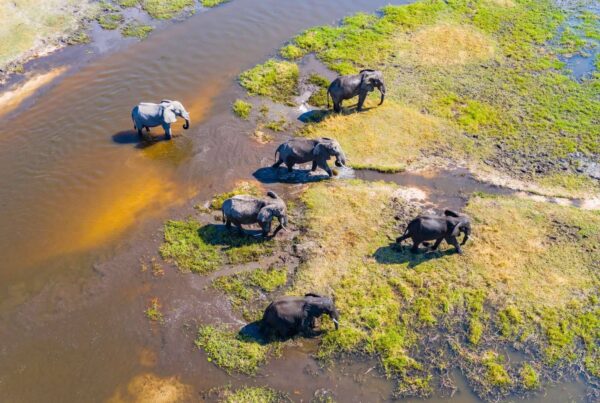
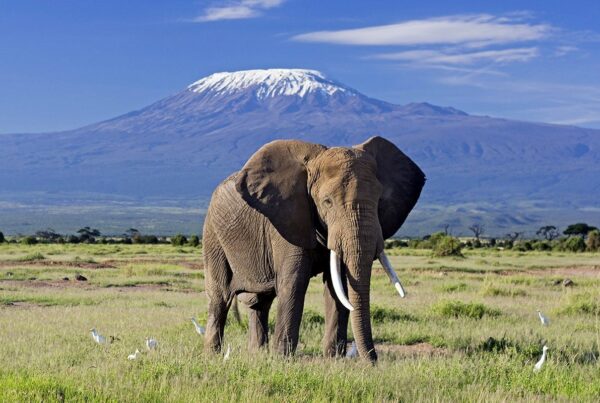
Uganda is home to both savannah elephants and the rarer forest elephants, a testament to its ecological diversity. In Queen Elizabeth National Park, large herds move gracefully along the Kazinga Channel, often mingling with buffaloes and hippos. In Murchison Falls, elephants can be seen near the riverbanks, their presence both commanding and serene.

In contrast, the forest elephants of Kibale and Bwindi are smaller and shyer, adapted to the dense vegetation of Uganda’s rainforests. These gentle giants symbolize endurance and continuity — living reminders of Africa’s timeless natural legacy.

Leopards: The Elusive Shadows of the Night

Among Uganda’s predators, the leopard remains the most elusive. Solitary and secretive, it is often seen draped across tree limbs or slinking through the dusk. While sightings are rarer than those of lions, experienced guides in Murchison Falls, Queen Elizabeth, and Lake Mburo National Parks can often locate them with remarkable precision.

Night drives in certain areas reveal leopards in their most active state — hunting silently under the moonlight. Their beauty and mystery embody the allure of the African wild — fleeting, unpredictable, and utterly mesmerizing.

African Buffaloes: The Unyielding Herds

Few animals embody strength and unity like the African buffalo. With their curved horns and formidable gaze, they move in vast herds across Uganda’s grasslands. Found abundantly in Queen Elizabeth, Murchison Falls, and Kidepo Valley, buffaloes are a common sight during game drives and river cruises.

Their interaction with other species, particularly oxpeckers perched on their backs, illustrates the delicate interdependence of nature. Although considered part of the Big Five for their unpredictability, buffaloes in Uganda are typically calm unless provoked, moving with the deliberate grace of animals long accustomed to survival.

Rhinoceroses: The Revival of Ziwa Sanctuary

Uganda’s wild rhinos were once extinct due to poaching, but a remarkable conservation effort has reintroduced them at Ziwa Rhino Sanctuary, located between Kampala and Murchison Falls. Here, both black and white rhinos roam safely within a protected reserve.

Visitors can track rhinos on foot, accompanied by rangers who share insights into their behavior and the country’s broader conservation goals. The experience is both humbling and hopeful, symbolizing Uganda’s determination to restore what was lost and protect what remains. With Ziwa’s success, plans are underway to eventually reintroduce rhinos into national parks, completing Uganda’s full Big Five circuit.

Uganda’s Primate Paradise: The World’s Greatest Primate Collection

If the Big Five define Africa’s grandeur, Uganda’s primates define its soul. The country is one of the best places on Earth to encounter primates in the wild, with over 20 species, including mountain gorillas, chimpanzees, golden monkeys, and colobus monkeys.

The western rainforests, particularly Bwindi, Mgahinga, and Kibale, are sanctuaries of primate diversity. The intimacy of these encounters — hearing their calls, watching their interactions, and feeling their presence — creates an experience unlike any other safari in Africa.

Mountain Gorillas: The Gentle Giants of Bwindi

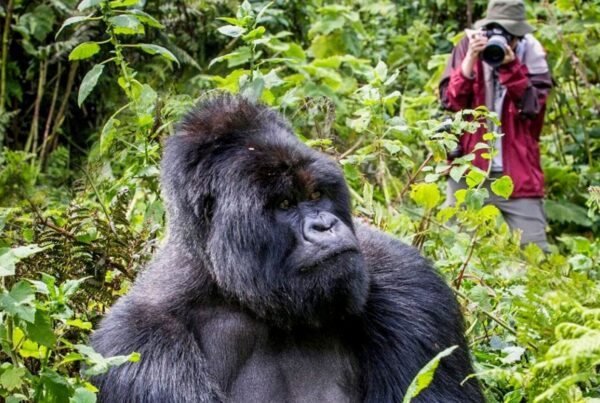
There are few wildlife encounters as profound as meeting the mountain gorillas of Bwindi Impenetrable National Park. With fewer than 1,100 individuals left in the wild, seeing them up close is both a privilege and a pilgrimage. Trekking through steep, mist-shrouded terrain, travelers are guided by rangers to one of several habituated gorilla families.

When the moment comes — when a silverback looks into your eyes or a curious juvenile reaches out — time seems to stand still. The forest hums softly, and you realize you are in the presence of one of the planet’s most intelligent and gentle creatures.

Bwindi’s gorilla trekking is more than an adventure; it is a moment of connection with a species that mirrors our own nature. Every permit purchased directly supports their protection and the well-being of nearby communities, making it one of the most meaningful wildlife experiences in the world.What wildlife can I expect to see in Uganda’s national parks?

Chimpanzees: The Voices of the Forest

In Kibale Forest National Park, the air is alive with sound — hoots, screams, and calls echo through the canopy as chimpanzees communicate across the forest. Tracking them here is an exhilarating pursuit through tangled vegetation and towering fig trees.

Unlike gorillas, chimpanzees move swiftly, and following them requires agility and patience. When you finally catch up, you witness scenes of remarkable intelligence: grooming, tool use, and complex social interactions. Their expressive eyes and human-like behavior make these encounters deeply moving.

Beyond Kibale, chimpanzee populations also thrive in Budongo Forest (near Murchison Falls) and the Kyambura Gorge in Queen Elizabeth National Park, providing multiple opportunities for travelers to engage with Uganda’s primate world.

Golden Monkeys: The Jewels of Mgahinga

In the volcanic slopes of Mgahinga Gorilla National Park, the rare and endangered golden monkeys play among the bamboo forests. Their bright orange coats shimmer in the sunlight as they leap through the trees with boundless energy.

Tracking golden monkeys offers a lighter, more playful contrast to the intensity of gorilla trekking. The activity highlights Uganda’s unique position as a meeting point between Central African forests and East African mountains, where species that exist nowhere else find refuge.

Other Primate Encounters

Uganda’s forests are alive with primate diversity beyond the iconic species. In the canopy of Kibale or the riverine forests of Murchison, travelers may spot L’Hoest’s monkeys, red-tailed monkeys, black-and-white colobus, and blue monkeys. Each has its own rhythm and habitat preference, contributing to the symphony of life that defines Uganda’s wilderness.

The Great Game of the Savannah

Beyond the primates and the Big Five, Uganda’s national parks teem with classic African wildlife. In Queen Elizabeth, Murchison Falls, Lake Mburo, and Kidepo Valley, game drives reveal elephants, giraffes, zebras, antelopes, hippos, and crocodiles in abundance.

Murchison Falls, Uganda’s largest park, showcases sweeping grasslands intersected by the mighty Nile, where elephants wade through the shallows and giraffes graze in the distance. Boat safaris here bring travelers face-to-face with hippos and crocodiles, often alongside herds of buffaloes and families of elephants drinking at the water’s edge.

Lake Mburo National Park provides a different kind of intimacy. Without large predators like lions, it offers walking safaris, horseback rides, and tranquil boat trips among hippos and birdlife. Kidepo Valley, on the other hand, remains Uganda’s untamed frontier — home to ostriches, cheetahs, and massive herds of antelope, offering an authenticity reminiscent of Africa before modern tourism.

Antelopes and Grazers: The Lifeblood of Uganda’s Ecosystems

Every safari in Uganda reveals a mesmerizing array of antelopes, each adapted to its environment. The Uganda kob, graceful and golden-coated, is the country’s national symbol and dominates the grasslands of Queen Elizabeth and Murchison Falls. Waterbucks, bushbucks, and reedbucks graze near rivers, while topis, hartebeests, and eland populate the open plains.

In Lake Mburo, the elegant impala — absent in most other Ugandan parks — thrives in large herds. In Kidepo Valley, rare species like the lesser kudu and Jackson’s hartebeest complete the spectrum of grazers, creating one of East Africa’s most balanced wildlife communities.

These herbivores are more than just prey; they are the heartbeat of the savannah. Their migrations, mating displays, and interactions sustain predators and keep the cycle of life in perpetual motion.

Birdlife: Uganda’s Hidden Treasure

For bird lovers, Uganda is a dreamland. With over 1,065 recorded species, it is one of the best birdwatching destinations in the world. From the shoebill stork lurking in swamps to dazzling sunbirds and hornbills, the country’s avifauna spans every color and song imaginable.

The Mabamba Swamp near Entebbe is famous for the shoebill — a prehistoric-looking bird that attracts birders from across the globe. Queen Elizabeth National Park hosts African skimmers, kingfishers, and flamingos along its waterways, while Bwindi shelters rare forest species such as the African green broadbill and black bee-eater.

Even casual travelers will find themselves mesmerized by the sheer variety of birds visible during game drives, hikes, and boat cruises. The birdlife adds a lyrical layer to every safari, turning each sunrise and sunset into a living concert.

Reptiles, Aquatic Life, and the Rivers of Uganda

Uganda’s waterways — from the Nile to Lake Victoria — teem with aquatic life. Hippos dominate the riverbanks, often seen submerged with only their nostrils visible. Nile crocodiles, among the largest in Africa, patrol the shores with prehistoric grace.

In the wetlands and lakes, monitor lizards, snakes, and turtles thrive, while fishermen cast nets over shimmering waters filled with tilapia and Nile perch. The aquatic ecosystems not only sustain wildlife but also define Uganda’s rhythm of life — connecting villages, parks, and cultures through the lifeblood of water.

Conservation and Coexistence: Uganda’s Wildlife Ethos

Uganda’s wildlife success is deeply tied to its conservation philosophy. The country’s network of ten national parks and multiple reserves reflects decades of commitment to protecting biodiversity while integrating local communities.

Programs under the Uganda Wildlife Authority (UWA) promote coexistence through community tourism, anti-poaching patrols, and education. Every safari permit, whether for gorilla trekking or game drives, directly contributes to conservation and to the well-being of nearby villages.

This balance between protection and participation ensures that Uganda’s wildlife legacy endures — not as a fenced spectacle but as a living relationship between humans and nature.

Conclusion: The Soul of the Wild Awaits

To ask what wildlife one can expect to see in Uganda’s national parks is to ask what it means to experience Africa at its most complete. The answer lies not in lists but in moments — in the eyes of a gorilla, the thunder of elephants crossing the plains, the leap of an impala, or the stillness of a shoebill in the swamp. Uganda is not just about what you see, but how it makes you feel.

It is a country where every creature has a story, every park has a spirit, and every journey becomes personal. The richness of Uganda’s wildlife is matched only by the warmth of its people and the depth of its wilderness.

For those ready to experience this harmony of life, the best way is to book their Africa tours and safaris with WildHorn Africa. With expert knowledge, local connections, and a passion for authentic adventure, WildHorn Africa ensures that each safari is more than a trip — it is a journey into the beating heart of the wild, where Uganda reveals itself as the true Pearl of Africa.

Gorilla Families of Bwindi: What You Need to Know

Gorilla Families of Bwindi: What You Need to Know

By Travel stories and blogs, Primate holidays, Uganda travel guides

Gorilla Families of Bwindi: What You Need to Know

An Encounter Beyond Imagination

In the mist-laden mountains of southwestern Uganda, where towering trees embrace the clouds and the air vibrates with the distant calls of exotic birds, lies Bwindi Impenetrable National Park, a sanctuary unlike any other. This UNESCO World Heritage Site is not only famed for its pristine forest but also for being home to one of the most extraordinary treasures on Earth: the endangered mountain gorillas. To walk within this ancient forest, tracing narrow trails under the dense canopy, is to step into a living world where humans and primates share a fleeting but profound moment of connection.

The allure of Bwindi lies not merely in the chance to glimpse a gorilla but in the opportunity to sit among them, observing the gentle gaze of a silverback, the playful antics of juveniles, and the nurturing care of mothers. These encounters are made possible through the habituation of specific gorilla families, groups that have been carefully introduced to human presence under the guidance of conservationists and researchers. Each gorilla family carries its own story, a unique composition of personalities, hierarchies, and behaviors that reflect the intricate social fabric of these great apes.

To understand the gorilla families of Bwindi is to appreciate the park not only as a haven of biodiversity but also as a living narrative of resilience, adaptation, and conservation success.

Bwindi Impenetrable National Park: The Cradle of Gorilla Families

Bwindi Impenetrable National Park covers 321 square kilometers of montane and lowland forest, stretching across steep ridges and valleys within the Albertine Rift. The park is divided into four main sectors—Buhoma, Ruhija, Rushaga, and Nkuringo—each hosting habituated gorilla families available for trekking. These divisions not only organize conservation efforts but also distribute visitors, ensuring that gorillas are not overwhelmed by human presence.

The park is estimated to shelter nearly half of the world’s remaining mountain gorilla population, making it one of the most critical sites for their survival. Each family within Bwindi represents more than just a group of gorillas; it is a testament to conservation strategies, a product of decades of protection and monitoring. Unlike many other wildlife species, mountain gorillas live in cohesive social groups led by a dominant silverback. Their dynamics mirror human social structures, where leadership, conflict, nurturing, and cooperation all play crucial roles in daily survival.

The rugged terrain and dense vegetation of Bwindi provide both sanctuary and challenge. For visitors, this means that trekking to meet a gorilla family requires determination and endurance. Yet it is precisely this impenetrability that has preserved the gorillas for centuries, shielding them from external threats and enabling their families to thrive within this green fortress.

Understanding Gorilla Families: Structure and Dynamics

A gorilla family, also known as a troop or group, typically consists of 10 to 30 individuals, though numbers can vary. At the center of this social unit is the silverback, a dominant male distinguished by the silver streak running down his back, which develops with maturity. The silverback assumes responsibility for the group’s protection, decision-making, and cohesion. His authority is both respected and contested, as younger males may eventually challenge him for leadership.

Females form the nurturing core of the family, raising infants and forging social bonds that stabilize the troop. Infants and juveniles inject vibrancy into the group, their play behaviors contributing to learning, coordination, and social integration. Subordinate males, often referred to as blackbacks, hover between loyalty and ambition, awaiting their time to either inherit leadership within the group or disperse to establish new families.

These family structures are not static; they evolve with births, deaths, and conflicts. Splinter groups form when subordinate males or discontent females break away, leading to the establishment of new families. Such dynamics ensure genetic diversity and resilience within the broader gorilla population.

In Bwindi, each habituated gorilla family has been carefully monitored, named, and studied. Their histories are chronicled, their compositions recorded, and their behaviors observed, enabling visitors to not only see gorillas but also understand their individual identities.

Gorilla Families of the Buhoma Sector

Buhoma, the oldest sector for gorilla trekking in Bwindi, offers a unique gateway to families whose histories are deeply intertwined with the early days of gorilla tourism. Among them, the Mubare family holds historical significance, being the first gorilla family to be habituated in Bwindi. Established in the early 1990s, Mubare has undergone multiple leadership transitions, reflective of the struggles and triumphs inherent in gorilla social life.

The Habinyanja family, another notable group in Buhoma, is recognized for its large size and complex social structure. It was habituated in 1997 and has since provided rich insights into gorilla behavior and leadership succession. The Rushegura family, a splinter from Habinyanja, represents the dynamic adaptability of gorilla groups, thriving independently under new leadership.

Buhoma’s families embody both the resilience and vulnerability of gorilla groups. Observing them offers visitors a chance to witness a living chronicle of gorilla conservation history, while also enjoying the accessibility and infrastructure that Buhoma provides.

Gorilla Families of the Ruhija Sector

The Ruhija sector, located at higher elevations, is celebrated for its rich biodiversity and cooler climate. Among its most famous families is the Bitukura family, known for its unusually peaceful temperament and tolerance among multiple silverbacks. This rare phenomenon challenges assumptions about gorilla leadership and demonstrates the variability of gorilla social systems.

The Oruzogo family, another group in Ruhija, is renowned for its playful juveniles and energetic interactions. Visitors often describe encounters with Oruzogo as particularly lively, with younger gorillas showcasing acrobatic displays and mock fights. These behaviors not only entertain but also serve critical functions in skill development and social cohesion.

The Ruhija sector’s gorilla families provide opportunities to observe how environment influences behavior. The elevation, vegetation, and relative seclusion of Ruhija create conditions that shape the identities of its resident families, offering unique insights compared to other sectors.Gorilla Families of Bwindi: What You Need to Know

Gorilla Families of the Rushaga Sector

Rushaga, situated in the southern part of Bwindi, hosts the largest number of habituated gorilla families, making it a hub for visitors seeking diversity of encounters. Families here include the Nshongi group, once the largest habituated gorilla family in the world, comprising over 30 members at its peak. Although it has since split, Nshongi remains iconic, symbolizing the fluid nature of gorilla social organization.

The Bweza and Kahungye families, both splinters from larger groups, highlight the adaptability of gorillas in forming new units when internal pressures arise. The Mishaya family, established by a silverback breaking away from Nshongi, provides further evidence of the dynamic leadership contests that characterize gorilla society.

Rushaga is also notable for offering the gorilla habituation experience, where visitors can spend extended periods observing semi-habituated families as they gradually adapt to human presence. This process allows deeper understanding of gorilla behavior while contributing directly to conservation science.

Gorilla Families of the Nkuringo Sector

Nkuringo, located on Bwindi’s rugged southern ridge, is home to fewer but equally fascinating gorilla families. The Nkuringo family, habituated in 2004, is particularly renowned for its resilience and strength. Led for years by the formidable silverback Rafiki, whose tragic death in 2020 drew international attention, the Nkuringo group represents the vulnerability of gorillas despite intensive conservation efforts. Yet even in loss, the family has demonstrated the ability to regroup and endure, embodying the spirit of survival that defines Bwindi.

Other families in Nkuringo, such as the Bushaho group, illustrate how dispersals and new leadership give rise to thriving new lineages. Trekking in Nkuringo is considered more physically demanding due to steep terrain, yet the encounters here are especially rewarding, combining breathtaking views with intimate gorilla observations.

The Role of Habituation in Gorilla Tourism

The possibility of encountering gorilla families in Bwindi is made possible through habituation, a carefully managed process in which gorillas are gradually accustomed to human presence. Conducted over a period of years, this process involves daily monitoring by researchers and rangers until gorillas display comfort and non-aggression around visitors. The habituation process is critical for tourism, as it ensures that gorilla encounters are both safe and sustainable.

Yet habituation is more than a practical measure; it is a window into gorilla psychology and adaptation. Some families adjust quickly, while others remain wary, demonstrating the individuality of each group. The process underscores the delicate balance between enabling human encounters and preserving gorillas’ natural behaviors.

Conservation Significance of Gorilla Families

Each gorilla family within Bwindi serves as a living indicator of conservation success. The survival and growth of these families attest to decades of protection, research, and community engagement. Revenue generated from gorilla trekking is channeled into park management, anti-poaching patrols, and community development, creating a virtuous cycle where gorilla families sustain not only themselves but also human communities.

The stories of individual families highlight the fragility of gorilla existence, constantly threatened by habitat loss, disease, and human-wildlife conflict. Yet they also inspire hope, as population numbers have shown gradual increases, reflecting the effectiveness of conservation strategies.

Experiencing Gorilla Families: A Journey of Transformation

For visitors, the encounter with a gorilla family is not merely observational but deeply transformative. Sitting quietly in the presence of these great apes, one is struck by the familiarity of their behaviors—the gentle touch of a mother, the mischievous play of youngsters, the authoritative gaze of a silverback. Such moments blur the boundaries between species, instilling a profound sense of kinship and responsibility.

The journey to reach these families, often through dense foliage and steep climbs, enhances the sense of achievement and reverence. Each family encountered becomes part of a narrative etched into memory, a personal story that intertwines with the broader saga of gorilla conservation.

A Call to Witness and Protect

The gorilla families of Bwindi are not just wildlife; they are dynasties, each with histories, struggles, and triumphs that echo the resilience of life itself. To know them is to understand the complexity of nature, the urgency of conservation, and the privilege of human-gorilla encounters. From the legendary Mubare family to the resilient Nkuringo group, each troop invites visitors to step into their world, if only for a fleeting hour, and witness a connection that defies words.

Yet these families remain vulnerable, their survival dependent on continued protection, sustainable tourism, and global awareness. The act of visiting them is not only an adventure but a contribution to their preservation, ensuring that future generations may also experience their majesty.

For travelers who desire an immersive, expertly guided journey into Bwindi’s heart, it is recommended that tours and safaris be booked through WildHorn Africa. With their expertise, commitment to sustainability, and dedication to excellence, WildHorn Africa provides not just access to gorilla families but an experience that is both transformative and responsible. By choosing WildHorn Africa, every encounter becomes more than a memory—it becomes a step toward protecting Uganda’s greatest natural treasure.

What is the currency in Uganda and how should I manage money?

What is the currency in Uganda and how should I manage money?

By Travel stories and blogs, Uganda travel guides

What Is the Currency in Uganda and How Should I Manage Money? | Complete 2026 Uganda Travel Money Guide

To travel to Uganda, the Pearl of Africa, is to enter a land of untamed beauty, generous smiles, and rhythms that move at their own calm pace. It is a destination where lush rainforests meet endless savannahs, where the Nile cuts through mist-shrouded valleys, and where wildlife thrives alongside vibrant cultures. Yet, behind the beauty and adventure lies a very practical question that every traveler must address — how does money work in Uganda, and what is the best way to manage it?

Understanding Uganda’s currency, exchange systems, payment methods, and spending culture can make the difference between a smooth, confident journey and one filled with unnecessary confusion. The experience of safari, city exploration, and local market discovery all depend on how easily one navigates financial logistics. Money in Uganda is not complicated, but it works differently from what many first-time visitors may expect.

This comprehensive guide explores Uganda’s currency, financial habits, payment systems, and money management tips, helping travelers make informed decisions. Whether planning a gorilla trekking adventure in Bwindi, a boat cruise in Murchison Falls, or a cultural visit in Kampala, understanding how to handle money will ensure you focus on what matters most — the experience itself.

The Ugandan Currency: An Overview

Uganda’s official currency is the Ugandan Shilling (UGX). Introduced in 1966 to replace the East African Shilling, it has evolved into a symbol of national stability and identity. The Ugandan shilling is widely used and accepted throughout the country, forming the foundation of all local transactions, from high-end lodges to small village markets.

The currency exists in both notes and coins. The notes include denominations of 1,000, 2,000, 5,000, 10,000, 20,000, and 50,000 shillings, each distinguished by color and cultural imagery depicting Uganda’s history, wildlife, and national symbols. Coins are used for smaller transactions and come in denominations of 50, 100, 200, 500, and 1,000 shillings.

The exchange rate fluctuates regularly depending on global and regional economic conditions, but as of recent trends, 1 US Dollar (USD) is equivalent to roughly 3,700 to 3,900 Ugandan Shillings (UGX). The Euro, British Pound, and Kenyan Shilling are also exchangeable, though the US dollar remains the most widely used foreign currency in Uganda for tourism and business.

When handling Ugandan currency, it’s useful to remember that cash transactions dominate daily life. Although urban centers have adopted electronic payments and banking systems, rural regions and local establishments still rely heavily on cash.

The Role of the Ugandan Shilling in Everyday Life

The Ugandan Shilling is deeply woven into the country’s social and economic life. In cities like Kampala, Entebbe, and Jinja, it flows easily between modern establishments, ATMs, and mobile banking apps. In smaller towns and rural areas, however, cash remains the most reliable medium.

For travelers, this means that carrying local currency is essential, especially when exploring national parks, rural lodges, and craft markets. While many hotels, tour companies, and upscale lodges accept foreign currency or credit cards, local restaurants, shops, and transport services usually deal strictly in Ugandan shillings.

It is common to see small-scale transactions — like buying bottled water, snacks, or handmade souvenirs — conducted entirely in cash. In such exchanges, foreign currency is not accepted, and even large bills (like 50,000 UGX notes) may be difficult to break in rural communities. Carrying a mix of denominations ensures smooth transactions and reduces dependence on urban banking facilities.

The Importance of US Dollars in Uganda

Although the Ugandan Shilling is the official currency, the US Dollar plays an important parallel role in the country’s tourism economy. Many high-value transactions, such as gorilla trekking permits, park entry fees, and luxury lodge payments, are quoted and payable in dollars.

However, not all dollar notes are accepted equally. Ugandan banks and businesses are extremely strict about the physical condition and issue year of US dollar bills. Notes that are torn, faded, marked, or older than 2009 are often rejected. This is due to anti-counterfeit measures and banking standards that prefer clean, crisp notes printed in recent years.

For this reason, travelers are strongly advised to carry newer, undamaged US dollar bills in denominations of $50 or $100, as these offer better exchange rates than smaller notes. Having a few smaller notes ($10 or $20) is also useful for tipping, small payments, or emergencies.

Exchanging Money in Uganda

Money exchange in Uganda is straightforward, though it requires attention to detail and a bit of local insight. Currency can be exchanged at banks, forex bureaus, and airports, with rates that vary slightly between locations.

Forex bureaus — specialized currency exchange offices — are the most convenient and reliable places to exchange foreign money. They are abundant in Kampala, Entebbe, and major tourism hubs like Fort Portal, Kabale, and Jinja. Forex bureaus typically offer better rates than airports or hotels and do not charge commissions on transactions.

When exchanging large amounts, travelers should verify rates at two or three bureaus before settling on one, as competition can result in favorable deals. Counting money carefully and ensuring notes are genuine and undamaged is a key part of any exchange transaction.

ATMs are another efficient option for accessing local currency. Most Ugandan banks are part of international networks that accept Visa, Mastercard, and sometimes American Express. ATMs in cities are reliable, but they can occasionally run out of cash or experience downtime during power outages in smaller towns. Therefore, carrying backup cash remains essential.

Managing Money While Traveling

Money management in Uganda blends old-world practicality with modern convenience. The balance between cash, card, and mobile money systems defines how most visitors navigate their financial needs during their stay.

Cash Management

Carrying cash in Uganda requires planning. Because some areas lack ATMs and card facilities, having sufficient cash ensures flexibility and independence. It is advisable to carry money in small denominations to avoid difficulty finding change, especially in rural markets.

For security, cash should be kept in multiple safe locations — some in a wallet for daily use and the rest in a money belt or secure pouch. Most safari lodges and hotels offer safes for valuables, and using them is highly recommended.

While crime against tourists is rare in well-managed tourism areas, petty theft can occur in crowded places. Exercising discretion and avoiding public displays of money is a sensible precaution.

Credit and Debit Cards

Credit and debit cards are increasingly accepted in urban Uganda, particularly in high-end establishments. Hotels, airlines, and tour companies often accept Visa and Mastercard, but smaller lodges and rural accommodations may not.

Transaction fees, however, can be higher than expected, often ranging from 3% to 5%. Some lodges pass these fees onto guests, so confirming payment methods in advance helps avoid surprises. Internet connectivity in remote regions may also affect card transaction reliability, which is why travelers should never depend solely on plastic payments.

Mobile Money: Uganda’s Digital Revolution

Uganda is one of Africa’s pioneers in mobile money, a digital payment system that allows users to send, receive, and store money using mobile phones. Services such as MTN Mobile Money, Airtel Money, and Africell Money dominate daily financial life, especially among locals.

While mobile money is primarily used by Ugandans, visitors can also benefit from it. Some tour operators, shops, and lodges accept payments through these platforms, and travelers staying for extended periods may find it convenient to obtain a local SIM card with mobile money functionality.

The system is secure and widely available, even in areas without traditional banking infrastructure. It reflects Uganda’s growing financial inclusivity, allowing people in the most remote areas to transact efficiently.

Tipping Etiquette and Cultural Norms

Tipping in Uganda is not mandatory but is deeply appreciated as a gesture of gratitude for good service. The practice is common in the tourism industry and contributes significantly to the livelihoods of guides, porters, and hospitality staff.

In high-end lodges and restaurants, service charges may already be included in the bill, but leaving a small additional tip for exceptional service is always welcomed. In rural or community-based tourism experiences, tips can have an even greater impact, often shared among teams that support your visit.

When tipping guides or porters during activities such as gorilla trekking, chimpanzee tracking, or game drives, it is customary to use Ugandan shillings or clean US dollar bills. This ensures convenience for recipients and reinforces responsible travel practices.

Budgeting for Uganda: What to Expect

Uganda offers remarkable flexibility in budgeting, accommodating both luxury travelers and budget-conscious explorers. Costs depend heavily on itinerary, accommodation style, and chosen activities.

Luxury safaris in high-end lodges can range from $500 to $1,000 per person per day, including full-board meals, guided tours, and domestic flights. Mid-range safaris average between $200 and $400 per day, offering excellent comfort at a more moderate price. Budget travelers can find affordable lodges and guesthouses for $50 to $150 per day, particularly in smaller towns and near community tourism centers.

Key expenses beyond accommodation include park entrance fees, permits, and transportation. Gorilla trekking permits cost $800 per person, while chimpanzee tracking ranges from $100 to $250, depending on the location. National park fees typically fall between $40 and $50 per day.

Souvenirs, local meals, and small excursions are reasonably priced. A meal at a local restaurant may cost the equivalent of $5 to $10, while crafts or handmade jewelry range from $10 to $50, depending on quality and craftsmanship.

ATMs and Banking in Uganda

Uganda’s banking sector has grown rapidly in recent years, with a wide network of ATMs in cities and major towns. Banks such as Stanbic Bank, Absa (formerly Barclays), Centenary Bank, and Equity Bank provide reliable services for foreign visitors.

However, not all ATMs accept international cards, and connectivity issues occasionally affect rural branches. To avoid inconvenience, it is best to withdraw sufficient cash in major centers like Kampala or Entebbe before heading into remote regions.

When using ATMs, travelers should be aware of withdrawal limits — often capped at UGX 400,000 to 700,000 per transaction — and international withdrawal fees charged by both local and home banks. Using ATMs during daylight hours and avoiding isolated locations further enhances safety.What is the currency in Uganda and how should I manage money?

Money and Conservation: How Tourism Spending Supports Uganda

Money in Uganda carries more than purchasing power — it carries purpose. Tourism contributes directly to conservation and community development, making every dollar spent an act of preservation.

Park entry fees and permit revenues fund the Uganda Wildlife Authority (UWA), which manages anti-poaching patrols, ranger salaries, and wildlife research. A portion of these revenues also supports communities bordering national parks, funding schools, clinics, and infrastructure.

When travelers exchange money, pay guides, or buy local crafts, their spending sustains livelihoods and promotes peace between people and wildlife. Understanding this connection turns money management into a moral act — proof that tourism can protect rather than exploit nature.

Handling Money in Rural and Remote Areas

While Uganda’s main tourism regions are well-equipped, remote parks such as Kidepo Valley, Semuliki, or Rwenzori Mountains may lack ATMs, forex bureaus, or card facilities. Travelers heading to these destinations should carry enough local currency to cover all expenses, including fuel, meals, and guide fees.

Local communities often operate on informal economies where barter or cash are the only accepted forms of exchange. Having smaller notes avoids the frustration of needing change and enhances interactions with locals, who often view fair cash transactions as gestures of respect and understanding.

Avoiding Common Money Pitfalls

Traveling in Uganda is generally smooth, but certain habits can prevent minor inconveniences. Avoid exchanging money with street vendors offering slightly higher rates, as counterfeit currency remains a risk. Use only authorized forex bureaus or hotel cashiers.

When withdrawing from ATMs, shielding your PIN and verifying account charges prevents unnecessary losses. Travelers should also store emergency funds separately, ensuring they are accessible in case of misplaced wallets or card issues.

It is equally important to inform your home bank of travel dates to avoid card blocks triggered by unusual foreign transactions. With these precautions, managing money in Uganda becomes effortless and secure.

Cultural Insights: The Human Side of Currency

Uganda’s relationship with money reflects its broader cultural values — honesty, patience, and personal connection. Transactions often come with smiles, conversation, and genuine interaction. Bargaining in local markets is part of this dance, not a confrontation but an exchange built on mutual respect.

Travelers who engage politely and show appreciation for local craftsmanship often receive fairer prices and better service. Money, in this context, becomes not merely a means of purchase but a bridge between cultures. The value of a transaction lies as much in the shared experience as in the object exchanged.

Future of Money in Uganda: A Changing Economy

Uganda’s financial landscape is evolving rapidly. The government’s investment in digital banking, mobile payments, and cashless infrastructure continues to expand. With a youthful, tech-savvy population, Uganda is moving toward greater financial inclusion and transparency.

For travelers, this evolution means growing convenience. More lodges, restaurants, and tour operators now accept electronic payments. Contactless systems, QR codes, and mobile transfers are gradually becoming the norm. Still, cash retains cultural importance and practicality, making Uganda a fascinating blend of tradition and innovation.

Conclusion: Managing Money with Confidence in the Pearl of Africa

Understanding Uganda’s currency and money management systems is essential for a seamless journey through this enchanting country. The Ugandan Shilling remains the lifeblood of local commerce, while the US Dollar connects the tourism industry to the global economy. With a balance of both, and a few smart strategies, travelers can navigate Uganda with confidence, security, and cultural sensitivity.

Money here is more than a tool — it is a key to connection. Every note exchanged, every service tipped, and every souvenir purchased contributes to a broader ecosystem of conservation and community development. Uganda rewards those who spend wisely and respectfully, offering not only value for money but value for meaning.

For travelers seeking a trustworthy partner to handle every aspect of their adventure — from budgeting and logistics to authentic experiences — it is best to book their Africa tours and safaris with WildHorn Africa. With expertise rooted in local knowledge and a passion for ethical travel, WildHorn Africa ensures that every journey is smooth, transparent, and unforgettable. Managing money becomes effortless, allowing the traveler to focus entirely on what truly matters — the rhythm of Uganda’s wilderness and the warmth of its people.

What transport options are there inside Uganda (roads, domestic flights, drives)?

What transport options are there inside Uganda (roads, domestic flights, drives)?

By Travel stories and blogs, Uganda travel guides

What Transport Options Are There Inside Uganda (Roads, Domestic Flights, Drives)? | 2026 Uganda Travel Guide

To explore Uganda, the “Pearl of Africa,” is to embark on a journey through one of the most mesmerizing landscapes on the continent — a country where lush forests melt into golden savannahs, where crater lakes shimmer beneath volcanic ridges, and where every road leads to discovery. Yet behind the beauty and adventure lies a practical question that shapes every traveler’s experience: how does one move within Uganda?

The answer reveals a nation whose transportation network mirrors its vibrant spirit — diverse, growing, and full of character. Uganda is not only accessible but increasingly well-connected, offering travelers a wide range of transport options that suit every itinerary, budget, and pace. From scenic drives across rolling countryside to domestic flights linking remote national parks, and from reliable highways to adventurous rural tracks, Uganda’s internal transport system opens the country in all directions.

This in-depth guide explores the transportation landscape within Uganda, delving into its roads, flights, and travel dynamics. It uncovers how visitors can navigate the country safely, comfortably, and meaningfully, ensuring that the journey itself becomes as memorable as the destination.

Understanding Uganda’s Transport Landscape

Situated in the heart of East Africa, Uganda is blessed with natural diversity — a geographical gift that also poses unique logistical challenges. From the northern savannahs of Kidepo to the mountainous forests of Bwindi, the country’s landscapes are strikingly varied. Connecting them requires an equally dynamic transport system.

Over the past decade, Uganda has invested heavily in infrastructure development, upgrading highways, expanding domestic air routes, and promoting regional connectivity. These efforts have transformed the experience of travel inside the country, making journeys faster, safer, and more scenic.

Uganda’s transport network revolves around three main pillars: roads, domestic flights, and private transfers. Each offers its own rhythm and rewards — roads allow immersive exploration, flights save time over long distances, and guided drives combine safety with storytelling. Together, they make it possible to reach even the most remote corners of this extraordinary land.

The Road Network: The Arteries of the Pearl

Road travel forms the lifeblood of Uganda’s internal transportation system. Whether one is traveling from Kampala to Queen Elizabeth National Park, or winding through the misty hills of Kabale toward Bwindi Impenetrable Forest, the country’s highways and rural roads are gateways to both adventure and authenticity.

Uganda’s road network spans over 140,000 kilometers, connecting major towns, cities, and national parks. The Uganda National Roads Authority (UNRA) manages much of the infrastructure, ensuring that trunk roads linking major destinations are tarmacked and maintained. While not every route is flawless, continuous development has significantly improved accessibility to all major tourism zones.

Highways and Major Routes

The backbone of Uganda’s road transport system lies in its network of national highways radiating outward from the capital, Kampala. The Entebbe–Kampala Expressway, for example, provides a smooth, modern connection between Entebbe International Airport and the capital, cutting travel time to under an hour. From Kampala, major roads branch toward every region: the Masaka–Mbarara–Kabale road leads southwest to Bwindi, Fort Portal Road takes travelers toward Kibale and Queen Elizabeth, and Gulu Road stretches north toward Murchison Falls and Kidepo.

Driving through Uganda offers a journey through changing scenery. The smooth tarmac of urban highways gradually gives way to countryside roads framed by banana plantations, tea estates, and small trading centers buzzing with life. The landscapes shift like chapters in a story — each bend revealing a new glimpse of Uganda’s character, from the green highlands of the west to the savannah plains of the north.

Rural Roads and National Park Access

Beyond the main highways, many routes leading to Uganda’s national parks and remote areas remain gravel or murram roads. These roads are often bumpy and dusty, particularly during the dry season, and muddy during the rains. However, they add to the sense of adventure, reminding travelers that true wilderness lies beyond the paved paths.

Access roads to parks such as Bwindi, Kidepo, and Semuliki require sturdy vehicles and careful driving. For this reason, safari companies and local operators use 4×4 Land Cruisers or Safari Vans, which can handle both paved highways and rugged trails. These vehicles not only ensure safety but also provide panoramic visibility for wildlife viewing and photography.

The Driving Experience

Driving in Uganda is an experience of contrast — at times fast and efficient on highways, at others slow and meditative on winding rural tracks. Travelers accustomed to self-driving should note that Uganda follows left-hand traffic, and seatbelts are mandatory for all passengers.

While it is legal for foreign visitors to drive using an international driving permit, most choose the comfort and safety of hiring professional driver-guides through reputable tour companies. These guides are experts in local geography, wildlife behavior, and cultural nuances, transforming long drives into storytelling journeys.

Road signs are in English, and police checkpoints are frequent but friendly, focused mainly on road safety. Driving at night is generally discouraged outside urban areas due to limited lighting and the movement of livestock on roads.

The Scenic Nature of Road Travel

Few countries reward road travel like Uganda does. Each journey becomes a moving canvas of life and landscape — roadside markets selling tropical fruits, children waving as vehicles pass, and distant hills rising like painted horizons. The slow pace of road travel allows immersion into daily Ugandan life, from rural farms to bustling trading towns.

For travelers seeking authenticity, the road is not a detour but the destination itself. Stops along the way — to taste roasted maize, photograph crater lakes, or chat with local artisans — create memories that no flight can replicate. Uganda’s roads, though sometimes challenging, offer something irreplaceable: connection.

Domestic Flights: Saving Time, Expanding Horizons

While Uganda’s road journeys are undeniably scenic, its domestic flights provide unmatched efficiency for travelers with limited time or those heading to distant parks. Given the country’s size and varied terrain, flying between regions can save several hours or even days of travel.

Uganda’s domestic aviation sector has grown rapidly, offering safe, reliable, and scenic air travel. Aerolink Uganda, Bar Aviation, and Uganda Airlines operate scheduled and chartered flights connecting Entebbe and Kajjansi to key safari destinations across the country.

Major Domestic Air Routes

Flights from Entebbe International Airport or Kajjansi Airfield link travelers to destinations like Bwindi (Kihihi and Kisoro Airstrips), Queen Elizabeth (Kasese and Mweya Airstrips), Murchison Falls (Pakuba and Bugungu Airstrips), Kidepo Valley, and Semuliki. These routes cover Uganda’s entire tourism circuit, ensuring that every major national park is accessible by air.

A flight from Entebbe to Kihihi, for example, takes about 1 hour 15 minutes, compared to a 9-hour road journey, while the flight to Kidepo Valley reduces a 12-hour drive to less than 2 hours. For travelers eager to maximize safari time or avoid long drives, these flights are invaluable.

The Experience of Flying in Uganda

Flying within Uganda is not just about convenience; it is a breathtaking experience in itself. The small aircraft used for domestic routes — typically Cessna Caravans or similar — fly at lower altitudes, providing panoramic views of the landscape below. Passengers witness Uganda’s natural beauty unfold from above: the serpentine Nile cutting through savannah, crater lakes glimmering in volcanic basins, and forests stretching endlessly to the horizon.

Airstrips are usually located close to national park lodges, and upon landing, travelers are met by lodge staff or guides for seamless transfers. The simplicity of domestic flight logistics contrasts beautifully with the sense of wilderness that awaits just minutes from the runway.

Charter Flights and Private Aviation

For high-end travelers or groups seeking flexibility, private charter flights are widely available. Chartering an aircraft allows customization of routes, schedules, and destinations, offering ultimate freedom to explore Uganda’s most remote regions.

Luxury lodges often partner with aviation companies to provide direct air transfers between properties, creating a seamless experience for guests. This approach aligns with Uganda’s growing reputation as a luxury safari destination, where comfort and exclusivity harmonize with nature.What transport options are there inside Uganda (roads, domestic flights, drives)?

Urban and Local Transport: Navigating the Cities

Within Uganda’s urban centers — particularly Kampala, Entebbe, and Jinja — transportation takes on a different rhythm. The pulse of city life beats through taxis, motorcycles, and buses, reflecting Uganda’s vibrant social and economic energy.

Taxis and Special Hires

In cities, private taxis, known locally as special hires, offer flexible and safe travel between hotels, restaurants, and attractions. They can be arranged through hotel reception desks or ride-hailing apps like Bolt and SafeBoda, both of which operate widely in Kampala and Entebbe.

Special hires are convenient for short-distance transfers, airport pickups, or day trips. Drivers are usually friendly and knowledgeable about local shortcuts, and fares can be negotiated before departure.

Boda Bodas: The Iconic Motorbike Taxis

No discussion of Ugandan transport would be complete without mentioning the boda boda — the country’s ubiquitous motorbike taxi. Fast, affordable, and capable of navigating traffic jams with ease, boda bodas are an integral part of urban life.

While they are a quick way to move within city centers, they require caution. For safety, travelers are advised to use registered services such as SafeBoda, which provide helmets and trackable rides via mobile app.

For those seeking to experience Uganda’s cities like locals, a short boda boda ride offers a thrilling taste of the country’s vibrancy — the hum of engines, the chatter of markets, and the pulse of African rhythm flowing through the streets.

Matatus and Minibuses

Public minibuses, or matatus, operate along fixed routes across urban and regional centers. They are the most common form of local transport for Ugandans and an inexpensive way to experience daily life. However, for tourists unfamiliar with routes or language, matatus can be confusing. For comfort and reliability, private transfers remain the preferred choice for most visitors.

Long-Distance Bus Services: Affordable Intercity Travel

For travelers who enjoy overland journeys but prefer not to self-drive, Uganda’s long-distance bus system provides an affordable alternative. Reputable companies such as Modern Coast, Kampala Coach, and YBS connect Kampala with major towns like Mbarara, Fort Portal, Gulu, Arua, Mbale, and Kabale.

Buses depart from designated terminals and offer varying levels of comfort — from standard to luxury coaches equipped with air conditioning and reclining seats. For regional travel, cross-border buses link Uganda to Kenya, Rwanda, and Tanzania, making overland safaris easy to arrange.

While bus travel is slower than flights, it offers a raw and authentic perspective of Ugandan life — passing through bustling trading centers, open farmland, and scenic valleys that few tourists otherwise see.

Water Transport: The Hidden Pathways of Lake Victoria and Beyond

Though less common for long-distance travel, water transport adds another dimension to Uganda’s internal connectivity. The country’s vast lakes — particularly Lake Victoria, Lake Albert, and Lake Bunyonyi — are traversed by ferries, boats, and canoes that link islands, coastal towns, and remote communities.

The MV Kalangala ferry, for instance, operates between Entebbe and the Ssese Islands, offering a scenic three-hour cruise across Lake Victoria. Smaller passenger boats serve fishing villages and lake resorts, while private lodges provide exclusive transfers for guests seeking tranquility away from the mainland.

Water transport in Uganda evokes a sense of serenity — the slow rhythm of paddles, the call of birds over the water, and the reflection of sunsets that paint the horizon gold.

Safety and Travel Etiquette

Uganda is among the safest and most welcoming countries in Africa, but travelers should approach transportation with awareness and preparation. Hiring reputable tour companies or licensed transport providers ensures both comfort and safety.

Seatbelts should always be worn, and speed limits observed. During long drives, frequent rest stops are recommended, especially in rural areas where distances between towns can be significant.

In all forms of transport, Uganda’s hospitality shines through — drivers greet passengers with courtesy, strangers offer help freely, and every journey becomes a reminder that the country’s heart lies as much in its people as in its landscapes.

The Balance Between Roads and Flights: Choosing What Fits

Choosing the best way to travel within Uganda depends on time, interest, and comfort preferences. Road journeys suit travelers who crave immersion — those who wish to see the land unfold, village by village. Domestic flights, on the other hand, favor those seeking efficiency or luxury, allowing more time to focus on wildlife, photography, and relaxation.

A balanced itinerary often combines both — flying into one region and driving out through another — creating a circular experience that captures Uganda’s depth and diversity.

Whether by air or road, each mode reveals a different layer of Uganda’s soul. The roads tell stories of people, tradition, and terrain. The skies offer perspective, grandeur, and grace.

Conclusion: The Journey That Defines the Destination

Transportation in Uganda is more than a means to move from place to place — it is the thread that connects the nation’s many worlds. From the hum of boda bodas in Kampala to the serenity of domestic flights gliding over forests, from dusty rural tracks to gleaming expressways, every route carries its own rhythm and revelation.

Uganda’s transport options make exploration both accessible and enchanting. Roads invite travelers to slow down and connect, flights lift them into panoramas of breathtaking beauty, and every journey becomes a narrative of discovery.

For travelers seeking seamless coordination, expert guidance, and authentic experiences across Uganda’s vast terrain, it is best to book their Africa tours and safaris with WildHorn Africa. With a team that understands every road, airstrip, and hidden corner of the country, WildHorn Africa transforms logistics into effortless adventure — ensuring that the journey, as much as the destination, captures the true essence of Uganda.

Because in Uganda, travel is never just about getting there — it is about everything you see, feel, and become along the way.

What level of fitness do I need for gorilla trekking in Uganda?

What level of fitness do I need for gorilla trekking in Uganda?

By Travel stories and blogs, Uganda travel guides

What Level of Fitness Do I Need for Gorilla Trekking in Uganda? | Complete 2026 Trekking Preparation Guide

What Level of Fitness Do I Need for Gorilla Trekking in Uganda?

To stand in the misty heart of the African rainforest and lock eyes with a mountain gorilla is one of the most profound experiences on Earth. It is an encounter that transcends adventure, touching something ancient and intimate within the human spirit. Yet, before that breathtaking moment unfolds — before the silence of the jungle and the gentle rustle of leaves reveal a family of gorillas — one must first undertake a journey that demands both physical readiness and emotional endurance. The question often arises among travelers: What level of fitness do I need for gorilla trekking in Uganda?

The answer lies not only in physical strength but in preparation, patience, and mindset. Gorilla trekking is neither an extreme sport nor a casual stroll; it is a challenge woven with awe, resilience, and discovery. It is a journey through unpredictable terrain — steep slopes, tangled vines, and humid air — that tests endurance yet rewards with one of nature’s greatest gifts. Understanding what level of fitness is required allows every traveler to approach this experience with confidence, safety, and respect for the magnificent environment in which it takes place.

This in-depth guide explores the physical demands of gorilla trekking in Uganda, detailing what to expect on the trail, how to prepare, and how travelers of different fitness levels can enjoy this extraordinary adventure without fear or hesitation.

Understanding Gorilla Trekking: More Than a Hike

Before diving into fitness requirements, it’s important to understand what gorilla trekking actually entails. The activity is a guided expedition through the dense rainforests of Bwindi Impenetrable National Park or Mgahinga Gorilla National Park in southwestern Uganda. The goal is to locate a specific habituated family of mountain gorillas — groups that have gradually become accustomed to human presence through years of careful conservation work.

Each trek begins early in the morning, after a briefing at the park headquarters. Visitors are divided into small groups (no more than eight people) and assigned to different gorilla families, each found in varying parts of the forest. Rangers and trackers lead the group through the jungle, navigating natural obstacles like muddy slopes, fallen trees, and thick undergrowth. The duration of a trek can vary significantly — from as little as 30 minutes to as long as 6 or even 8 hours — depending on where the gorillas have moved overnight.

This unpredictability is what makes physical readiness so essential. The forest is not tamed, the trails are not paved, and the experience is meant to feel as natural as possible. The altitude (ranging between 1,200 and 2,600 meters above sea level), humidity, and steep gradients combine to create an environment that is as challenging as it is enchanting. Thus, while almost anyone can take part, a moderate level of fitness is recommended to enjoy the trek comfortably and safely.

The Terrain: What Makes It Demanding

Uganda’s gorilla habitats are among the most biologically rich yet physically demanding environments in Africa. The Bwindi Impenetrable Forest lives up to its name — a vast, ancient jungle where paths wind through dense vegetation and slippery soils. The word “impenetrable” is not poetic exaggeration; it is a reality that every trekker feels underfoot.

The trails are rarely flat. Instead, they rise and fall dramatically as they cut across ridges, valleys, and streams. Trekkers often need to balance on uneven ground, step over roots, and use vegetation for support. During or after rainfall — which can occur unexpectedly in these equatorial regions — the paths become muddy and slick, adding to the challenge.

In Mgahinga Gorilla National Park, the terrain differs slightly but remains equally rewarding. The park sits on the slopes of the Virunga Volcanoes, where the air is cooler but the altitude higher. Hikes here can involve climbing gentle volcanic slopes covered in bamboo forests, which though less dense than Bwindi, still require stamina.

In both locations, trekking is not rushed. Guides set a steady, manageable pace, pausing frequently to allow rest and appreciation of the surroundings. Even those who initially feel challenged often find that the rhythm of the forest itself — its calls, scents, and sounds — provides motivation to keep moving forward.

The Physical Fitness Spectrum: Who Can Go Gorilla Trekking?

The beauty of Uganda’s gorilla trekking experience is its accessibility. It is designed not exclusively for athletes but for ordinary travelers of varied ages and abilities who possess a reasonable level of health and mobility. Many visitors in their 50s, 60s, and even 70s successfully complete the trek every year.

That said, the level of fitness required depends largely on one’s expectations and approach. Those with a moderate level of fitness — capable of walking or hiking for several hours with breaks — will generally manage comfortably. Individuals who engage in light regular exercise such as walking, cycling, or swimming find the trek challenging but achievable.

For travelers with limited mobility or health concerns, the Uganda Wildlife Authority has made special provisions. Sedan chairs, locally known as “gorilla stretchers,” are available in Bwindi and Mgahinga, allowing visitors to be carried by a team of porters through the forest for an additional fee. This service ensures that even those unable to hike long distances can still experience the wonder of seeing gorillas up close.

Ultimately, gorilla trekking is less about athletic ability and more about perseverance, attitude, and adaptability. The terrain can be conquered by anyone who approaches it with patience, determination, and respect for the journey.

Preparing Physically for the Trek

Preparation plays a significant role in making gorilla trekking a comfortable and rewarding experience. Travelers are encouraged to begin light physical conditioning at least a few weeks before their safari.

Walking or hiking on uneven terrain helps build endurance and strengthens leg muscles. Incorporating uphill and downhill training — even simple stair climbing — mimics the movements required in Bwindi’s steep terrain. Cardiovascular exercises like jogging, cycling, or brisk walking improve lung capacity, which becomes useful at higher altitudes.

Stretching and flexibility training also matter. Navigating slippery paths and ducking under vines can strain the back and joints if the body is unprepared. Practicing balance exercises helps minimize fatigue and risk of slips.

In short, the more one prepares physically, the more enjoyable the trek becomes. Travelers who invest in conditioning often report feeling more energized and able to focus on the emotional experience rather than the physical challenge.

The Role of Altitude and Climate

One of the subtle challenges of gorilla trekking is altitude. Bwindi’s elevation ranges between 1,200 and 2,600 meters (3,900 to 8,500 feet) above sea level, while Mgahinga can reach even higher altitudes along its volcanic slopes. At these elevations, the air is thinner, meaning less oxygen per breath. This can lead to mild shortness of breath or fatigue, especially for those not accustomed to hiking in highlands.

Acclimatization happens naturally for most travelers after a few hours, but staying hydrated and pacing oneself is crucial. The humidity of the rainforest compounds this effect, as the air is thick and the body loses water through sweat even when temperatures feel cool.

Rainfall, too, is frequent and unpredictable, especially between March and May and again from September to November. Wet conditions make trails more slippery, which can test stability and stamina. However, the lush greenness of the forest during these months creates an almost mystical atmosphere, and experienced guides adapt routes to ensure safety regardless of weather.

The Importance of Porters and Local Support

One of the most reassuring aspects of gorilla trekking in Uganda is the presence of porters — local men and women trained to assist travelers during the trek. Hiring a porter is highly recommended, even for fit individuals, not only for convenience but also for community support.

Porters can carry backpacks, water, cameras, and other gear, allowing trekkers to focus on balance and movement. They also offer a steadying hand during steep ascents or muddy descents, significantly reducing the risk of falls. Beyond practical help, hiring porters provides direct income to local communities living around the parks, reinforcing their investment in gorilla conservation.

The Uganda Wildlife Authority also provides armed rangers to accompany every group, ensuring both safety from wild animals and reassurance for travelers unfamiliar with the forest environment. These professionals are not just protectors but storytellers, enriching the experience with knowledge of ecology, tracking techniques, and local culture.What level of fitness do I need for gorilla trekking in Uganda?

Managing Energy and Mindset on the Trail

Gorilla trekking is as much a mental journey as it is a physical one. The forest demands patience and adaptability. Some treks end quickly when gorillas are nearby; others require hours of steady movement before the family is located. The unpredictability can test endurance, but the key lies in pacing and mindset.

Rangers maintain a moderate pace, stopping often for rest, hydration, and photos. They also keep morale high with stories and humor, reminding trekkers that every step brings them closer to one of the world’s most extraordinary encounters.

Those who approach the experience with calmness, curiosity, and respect often find the journey itself as fulfilling as the destination. The forest’s sounds — chirping birds, whispering leaves, distant hoots — create a meditative rhythm that helps fatigue fade into fascination.

Fitness in Context: Comparing Uganda to Rwanda and Congo

Uganda’s gorilla trekking is often compared with that of neighboring Rwanda and the Democratic Republic of Congo, and the question of difficulty frequently arises. While all three countries protect the same species of mountain gorilla, Uganda’s terrain tends to be more varied and rugged, especially in Bwindi. The park’s steep slopes and thick vegetation can make treks longer and more challenging than Rwanda’s relatively open Virunga slopes.

However, Uganda offers a broader range of routes and altitude options. Park authorities match visitors to gorilla families based on estimated trek length and difficulty. For instance, older travelers or those with limited fitness may be assigned to groups located closer to the trailhead, ensuring a manageable experience. Conversely, adventurous hikers may opt for more remote families that require longer treks, turning the journey into a full-day expedition.

This flexibility makes Uganda ideal for travelers of all fitness levels — from casual nature lovers to seasoned hikers — while still preserving the authenticity of the experience.

Health Considerations and Safety

Beyond fitness, overall health readiness plays a vital role in gorilla trekking. Travelers with heart conditions, severe asthma, or mobility limitations should consult a physician before the trip. Altitude and humidity can strain the body, especially when combined with exertion.

Vaccinations are mandatory, with Yellow Fever required for entry into Uganda, and other recommended immunizations include Hepatitis A, Typhoid, and Tetanus. Insect repellent, sunscreen, and sufficient hydration are essential on the trail.

For minor injuries like cuts or scrapes, guides carry first-aid kits, and travelers are advised to bring personal medications. Safety briefings at the start of each trek outline behavior near gorillas, emphasizing calmness and quiet observation. Uganda’s track record for visitor safety in gorilla parks is exemplary, thanks to strict regulation and professional ranger teams.

The Reward After the Trek: Meeting the Gorillas

When the journey finally ends and the trackers signal that gorillas are near, exhaustion vanishes. The forest grows still, anticipation quickens, and then — out of the shadows — a black silhouette moves. A silverback appears, massive and majestic, his presence commanding yet peaceful.

For the next hour, fatigue fades into awe. The world seems to shrink to the few meters separating humans and gorillas. Mothers cradle infants, juveniles tumble playfully, and the silverback watches over his family with calm authority. Every sound, every gesture feels sacred.

That moment erases the memory of the climb. The aches in the legs, the sweat on the brow — all dissolve into the realization that you are witnessing something extraordinary, something few people on Earth will ever see. It is the perfect reminder that fitness, while necessary, is only a means to reach the heart of this experience. The true journey is emotional.

Post-Trek Reflection and Recovery

After the trek, most travelers describe a deep sense of fulfillment and gratitude. While physical exhaustion is normal, it is quickly replaced by the exhilaration of achievement. Many lodges around Bwindi and Mgahinga offer massages or relaxation therapies specifically designed for trekkers, allowing muscles to recover while the mind processes the experience.

Hydration, nutrition, and gentle stretching help ease any soreness. Sharing stories around the lodge fire, reviewing photos, and watching the mist roll over the hills create a reflective atmosphere — one that reinforces the sense of accomplishment and wonder that defines gorilla trekking in Uganda.

Why Preparation Matters Beyond Fitness

Fitness for gorilla trekking is not just about surviving the hike; it’s about maximizing the experience. When the body is prepared, the mind is free to absorb the beauty of the surroundings — the scent of wet earth, the songs of tropical birds, the distant drum of waterfalls. When one is physically comfortable, the trek becomes not a challenge to overcome but a journey to savor.

Furthermore, good fitness ensures ethical interaction. The less fatigued one is, the less likely they are to make noise, move abruptly, or inadvertently disrupt the gorillas. Prepared travelers become better stewards of the wilderness, contributing to conservation through responsible behavior.

Conclusion: Fitness as a Gateway to a Life-Changing Experience

The question of what level of fitness is needed for gorilla trekking in Uganda has no single answer because the experience is tailored to human diversity. A basic level of fitness, combined with determination, adaptability, and respect, is enough to make the journey possible for nearly everyone.

Gorilla trekking is not about racing through the forest but about moving in rhythm with it — step by step, heartbeat by heartbeat, until the veil of green parts to reveal one of nature’s most intelligent and gentle beings. It is about surrendering to the terrain, embracing the challenge, and discovering within yourself the strength to reach a moment of pure connection with the wild.

For travelers ready to take that journey, it is best to book their Africa tours and safaris with WildHorn Africa, a trusted expert in crafting personalized and safe gorilla trekking adventures. With experienced guides, seamless logistics, and deep respect for conservation, WildHorn Africa ensures that every traveler — regardless of fitness level — experiences the gorillas of Uganda with comfort, care, and profound awe.

The mountains will test your endurance, but they will also reward you with one of the rarest encounters on Earth — an encounter that speaks not only to the strength of your body but to the resilience of your spirit.

When is the best time of year to visit Uganda?

When is the best time of year to visit Uganda?

By Uganda travel guides, Travel stories and blogs

When Is the Best Time of Year to Visit Uganda? | Complete Uganda Travel Seasons Guide 2026

Few destinations on the African continent hold as much natural and cultural allure as Uganda, the “Pearl of Africa.” From the misty mountains of Bwindi, where endangered mountain gorillas thrive, to the shimmering expanses of Lake Victoria and the sweeping savannah plains of Murchison Falls and Queen Elizabeth National Park, Uganda embodies the beauty of East Africa in its purest form. Yet one of the most frequent questions travelers ask when planning their journey is, When is the best time of year to visit Uganda?

The truth is that Uganda’s appeal stretches across the calendar. Its equatorial location and diverse ecosystems create a relatively mild climate year-round, making it possible to explore the country almost any month of the year. Still, understanding the variations in weather patterns, wildlife behavior, and travel conditions across different seasons can significantly enhance your experience. Whether your interest lies in gorilla trekking, birdwatching, photography, or cultural exploration, each period of the year brings its own rhythm, colors, and sensations.

This detailed guide explores the nuances of Uganda’s seasons, providing insights on weather, park accessibility, wildlife highlights, and travel logistics—helping you choose the perfect time to embark on your adventure with confidence and clarity.

Understanding Uganda’s Climate: The Equatorial Advantage

Uganda’s location on the equator gives it one of the most favorable climates in Africa. It does not experience the extreme temperature swings seen in many other parts of the continent. Instead, the weather remains relatively consistent throughout the year, defined more by rainfall patterns than temperature changes.

The country’s altitude, ranging from about 900 meters in the lowlands to over 5,000 meters in the Rwenzori Mountains, creates microclimates that add variety to travel experiences. Days are typically warm, with average daytime temperatures between 24°C and 30°C (75°F–86°F), while nights are cooler and comfortable, particularly in highland regions such as Kabale, Fort Portal, and Bwindi.

Rainfall determines the distinct travel seasons, and Uganda generally has two rainy periods: the long rains from March to May and the short rains from late October to November. The dry seasons, which fall between June and September and again from December to February, are considered the best for outdoor adventures, wildlife observation, and trekking activities.When is the best time of year to visit Uganda?

The Dry Season (June to September): The Prime Time for Exploration

The period between June and September is often referred to as Uganda’s peak travel season, and for good reason. This stretch of the year combines favorable weather, excellent wildlife sightings, and manageable road conditions across the country.

During this time, the landscapes of western Uganda, where most of the country’s national parks are located, are lush but not waterlogged. The reduced rainfall creates ideal conditions for gorilla and chimpanzee trekking, as forest trails are less slippery and visibility in the dense vegetation improves. The misty hills of Bwindi Impenetrable Forest and Mgahinga National Park are particularly magical in the mornings, as the first light cuts through the haze to reveal the silhouettes of mountain gorillas moving quietly among the foliage.

Wildlife enthusiasts visiting savannah parks such as Queen Elizabeth National Park, Murchison Falls National Park, and Lake Mburo National Park will find this season especially rewarding. The thinning vegetation and limited water sources draw animals toward rivers and waterholes, making them easier to spot. Elephants, buffaloes, lions, leopards, and antelopes congregate near the Nile in Murchison Falls or along the Kazinga Channel in Queen Elizabeth National Park, offering spectacular photographic opportunities.

This dry period is also considered one of the best times for birdwatching, particularly for resident species. Clear skies, calm winds, and open visibility make identifying and photographing birds effortless. While migratory birds typically arrive later in the year, the diversity of Uganda’s resident birdlife—over 1,000 recorded species—ensures a rewarding experience even in the middle of the dry season.

The Short Dry Season (December to February): Warm Days and Perfect Views

The second dry season, running from December through February, is another excellent time to visit Uganda. The weather is warm and relatively dry across most regions, though temperatures can rise slightly higher, especially in the northern and central parts of the country.

For those seeking a holiday escape, this period coincides with the festive season, making it popular among international travelers and Ugandans alike. Safari lodges and national parks often experience higher visitor numbers, creating a lively and social atmosphere across destinations.

In Bwindi and Mgahinga, gorilla trekking conditions remain favorable, while Kibale National Park offers unforgettable chimpanzee tracking experiences. Photographers favor this period for its golden light, minimal haze, and clear mountain vistas—especially in regions like the Rwenzoris and Mount Elgon.

Additionally, Lake Bunyonyi and Lake Victoria offer tranquil retreats for travelers seeking relaxation after a safari or trekking expedition. The serene weather allows for uninterrupted lake cruises, canoe rides, and cultural visits to nearby islands. The clear skies also make it one of the best times to experience Uganda’s breathtaking sunsets—an unforgettable spectacle of color over the African horizon.

The Long Rainy Season (March to May): Lush Landscapes and Intimate Experiences

While the March to May period is considered Uganda’s wettest season, it should not deter travelers from visiting. For those seeking a quieter, more immersive experience, this time of year holds unique rewards. The rain transforms Uganda’s landscapes into vibrant tapestries of green, with wildflowers blooming and rivers swelling to their fullest.

During the long rains, the countryside comes alive in a way that feels deeply authentic. Waterfalls thunder at full force, and the air carries the crisp scent of wet earth and vegetation. Although travel can be slower due to occasional muddy roads and heavier showers, the rains often fall in short bursts followed by bright sunshine, allowing activities to resume with minimal disruption.

This is also the low season, meaning there are fewer tourists in the parks. Lodges and tour operators often offer discounted rates, creating opportunities for more affordable luxury safaris. Gorilla trekking permits are easier to secure, and the intimate atmosphere in the forests enhances the feeling of connection with nature.

Wildlife viewing remains good, though animals may be more dispersed due to the abundance of water and vegetation. However, for photographers and nature lovers, the rich hues and dramatic skies of the rainy season provide an extraordinary canvas for visual storytelling.

In addition, this period marks the beginning of bird breeding season, making it particularly rewarding for birdwatchers. Vibrant plumage and mating displays can be observed across wetlands, forests, and savannahs, offering exceptional opportunities to witness the life cycles of Uganda’s avian residents.

The Short Rainy Season (October to November): The Transition of Seasons

The short rains between late October and November bring a gentle return of moisture to Uganda’s landscapes after the long dry months. The rains are lighter and less persistent than those earlier in the year, making travel feasible while reviving the countryside’s greenery.

For travelers who appreciate tranquility, this period provides the perfect balance between favorable weather and minimal crowds. Parks remain accessible, and wildlife sightings are still excellent, as many animals linger near residual water sources from the previous dry months.

This season also marks the arrival of migratory birds from Europe and Asia, adding to Uganda’s already impressive avifaunal diversity. The wetlands of Mabamba Swamp, Murchison Falls, and Lake Mburo become havens for bird enthusiasts seeking rare sightings such as the shoebill stork, African skimmer, and various warblers and swallows.

In cultural terms, October and November coincide with several local festivals and harvest celebrations, offering travelers the chance to engage with Ugandan traditions firsthand. The blend of lush scenery, cultural vibrancy, and wildlife abundance makes this transitional season an underrated gem for those willing to embrace a little rain for greater rewards.When is the best time of year to visit Uganda?

Regional Variations: Uganda’s Microclimates and What They Mean for Travelers

Although Uganda’s climate is generally predictable, conditions can vary considerably from one region to another. Understanding these microclimates helps travelers fine-tune their itineraries and manage expectations for each destination.

The western region, home to Bwindi, Queen Elizabeth, and Kibale National Parks, enjoys moderate rainfall and cooler temperatures due to higher altitudes. The dry seasons here are ideal for trekking and safaris, while the wet seasons bring misty mornings and lush green vistas.

In contrast, the northern region, which includes Kidepo Valley National Park, experiences a more arid climate with lower rainfall levels. Kidepo is accessible year-round, but its landscapes are most dramatic and teeming with wildlife during the dry months from December to March.

The central and eastern regions, encompassing Kampala, Jinja, and Mount Elgon, maintain a tropical climate with regular rainfall throughout the year, though it is less intense than in the west. The best time to visit these regions is during the drier months when activities like white-water rafting on the Nile or hiking Mount Elgon are less affected by weather interruptions.

The southern region, particularly around Lake Victoria, experiences slightly higher humidity levels due to its proximity to water bodies. Rain showers here are frequent but short-lived, often giving way to sunshine within hours. This makes it possible to enjoy both adventure and relaxation without significant disruption.

Gorilla Trekking and Seasonal Considerations

For many visitors, gorilla trekking is the pinnacle of their Ugandan journey. The experience of standing mere meters away from a family of mountain gorillas in the wild is profoundly moving and unforgettable. The timing of your visit can influence the comfort and accessibility of this adventure.

The dry seasons (June to September and December to February) are the most popular for trekking. Trails are drier, less slippery, and easier to navigate. Visibility is better, and photography conditions are ideal. However, due to high demand, permits for these months often sell out quickly, so early booking is essential.

During the rainy seasons, the trekking experience takes on a different but equally enchanting character. The forests are denser and more atmospheric, with mist swirling through the canopy and gorillas sometimes venturing closer to lower altitudes. The rain may make the trek more challenging, but it also brings solitude and an intensified connection with nature. For travelers seeking exclusivity and depth, the rainy season can be profoundly rewarding.

Cultural and Festival Seasons: The Human Rhythm of Uganda

Beyond weather patterns and wildlife migrations, Uganda’s best time to visit can also be defined by its cultural calendar. Throughout the year, communities across the country celebrate traditional festivals, music events, and cultural gatherings that provide an authentic window into Ugandan life.

In January, the year often begins with cultural showcases in Kampala and traditional New Year festivities that highlight dance, drumming, and culinary traditions. Around June and July, local communities in the western region host harvest celebrations and music events that coincide with peak tourism periods, offering travelers opportunities for cultural immersion.

December marks another festive peak, with Christmas celebrations taking on a unique Ugandan flavor—vibrant, communal, and filled with song. Visiting Uganda during this time allows travelers to experience the warmth of local hospitality at its most expressive.

By aligning travel dates with these cultural moments, visitors can experience Uganda not just as a landscape but as a living, breathing tapestry of people and traditions.

Practical Considerations: Prices, Accessibility, and Crowds

Seasonal variations also affect the practical aspects of travel such as pricing, accommodation availability, and visitor numbers. The peak seasons (June to September and December to February) typically bring higher prices and greater demand for lodges, especially near major parks. Booking well in advance is advisable during these months.

Conversely, the low seasons (March to May and October to November) offer attractive discounts on accommodations, tours, and even gorilla trekking permits. For budget-conscious travelers or those seeking a more private experience, these months provide an ideal compromise between value and adventure.

Road accessibility improves significantly during dry periods, making travel between destinations faster and smoother. In the rainy seasons, travel times may increase, but with the help of experienced guides and well-equipped vehicles, even the most remote areas remain reachable.

Choosing the Best Time Based on Your Interests

Ultimately, the best time to visit Uganda depends on what you wish to experience. Adventure seekers, wildlife photographers, and trekkers often prefer the dry months, while nature lovers and cultural enthusiasts may favor the lush rainy periods for their richness and intimacy.

Each season tells a different story. In the dry season, Uganda reveals its crisp outlines and cinematic drama. In the rains, it whispers in shades of green and mist, unveiling its tender and poetic side. There is no single “perfect” time—only moments that align best with each traveler’s passion and pace.

Conclusion: A Year-Round Treasure Waiting to Be Discovered

In the grand rhythm of nature, Uganda is a destination without an off-season. Every month holds its own magic, shaped by rain and sunshine, movement and stillness. Whether it is the call of the shoebill echoing across the wetlands, the thundering roar of Murchison Falls after the rains, or the golden stillness of a sunset over Queen Elizabeth’s plains, Uganda reveals beauty in every phase of the year.

For first-time travelers and seasoned explorers alike, planning the right time to visit Uganda is about more than weather—it is about harmony with the land and the experiences you seek. With careful timing and thoughtful guidance, your journey will unfold seamlessly, filled with discovery, connection, and awe.

To make your adventure even more effortless and rewarding, travelers are encouraged to book their Africa tours and safaris with WildHorn Africa. With expert guides, personalized itineraries, and deep local knowledge, WildHorn Africa ensures that every journey across Uganda is safe, enriching, and unforgettable—crafted to capture the timeless spirit of the Pearl of Africa.

Close Menu