
An Africa Big 5 safari stands at the pinnacle of wildlife travel, representing the most iconic and historically significant safari experience on the continent. The phrase “Big Five” evokes images of vast savannahs, powerful predators, ancient migration routes, and moments of silence broken only by the sounds of nature. Yet beyond the name lies a deeper story rooted in ecology, conservation, and Africa’s evolving relationship with wildlife tourism. A Big 5 safari is not merely about ticking off animals from a list; it is about understanding how these species shape ecosystems, why their survival matters, and how responsible tourism plays a critical role in their protection.
Across Africa, Big 5 safaris unfold in landscapes that still operate on a grand ecological scale. Lions, leopards, elephants, rhinoceroses, and buffalo move freely across protected areas, interacting with countless other species and environmental forces. These safaris are powerful because they combine spectacle with substance, offering encounters that are as educational as they are awe-inspiring. To fully appreciate an Africa Big 5 safari, it is essential to explore the origins of the Big Five concept, the destinations where these animals thrive, and the conservation frameworks that sustain them.
Understanding the Meaning of the Big Five
The term “Big Five” originated during the early days of African exploration and hunting, referring to the five most dangerous animals to hunt on foot. Over time, the meaning shifted from hunting achievement to conservation iconography. Today, the Big Five symbolize Africa’s wildlife heritage and the success or failure of conservation efforts across the continent.
Each of the Big Five species plays a vital ecological role. Lions regulate herbivore populations, leopards maintain balance among smaller prey species, elephants engineer landscapes through their feeding behavior, rhinoceroses shape vegetation structure, and buffalo influence grassland dynamics. Together, they act as keystone species, meaning their presence or absence has cascading effects on entire ecosystems.
An Africa Big 5 safari therefore offers more than visual encounters. It provides insight into how ecosystems function and why protecting these animals protects countless other species that share their habitats.
The African Lion and the Power of Apex Predators
The lion is perhaps the most emblematic species encountered on an Africa Big 5 safari. As Africa’s top social predator, lions live in prides that reflect complex social structures and cooperative hunting strategies. Their presence influences the behavior and distribution of herbivores, shaping grazing patterns across savannah ecosystems.
Lion populations are closely tied to habitat availability and prey abundance. In well-managed safari destinations, lions thrive because large protected areas allow them to establish territories and hunt naturally. Observing lions on safari offers a window into predator–prey relationships that define African ecosystems. These encounters also highlight conservation challenges, as lions require extensive territories that often extend beyond park boundaries.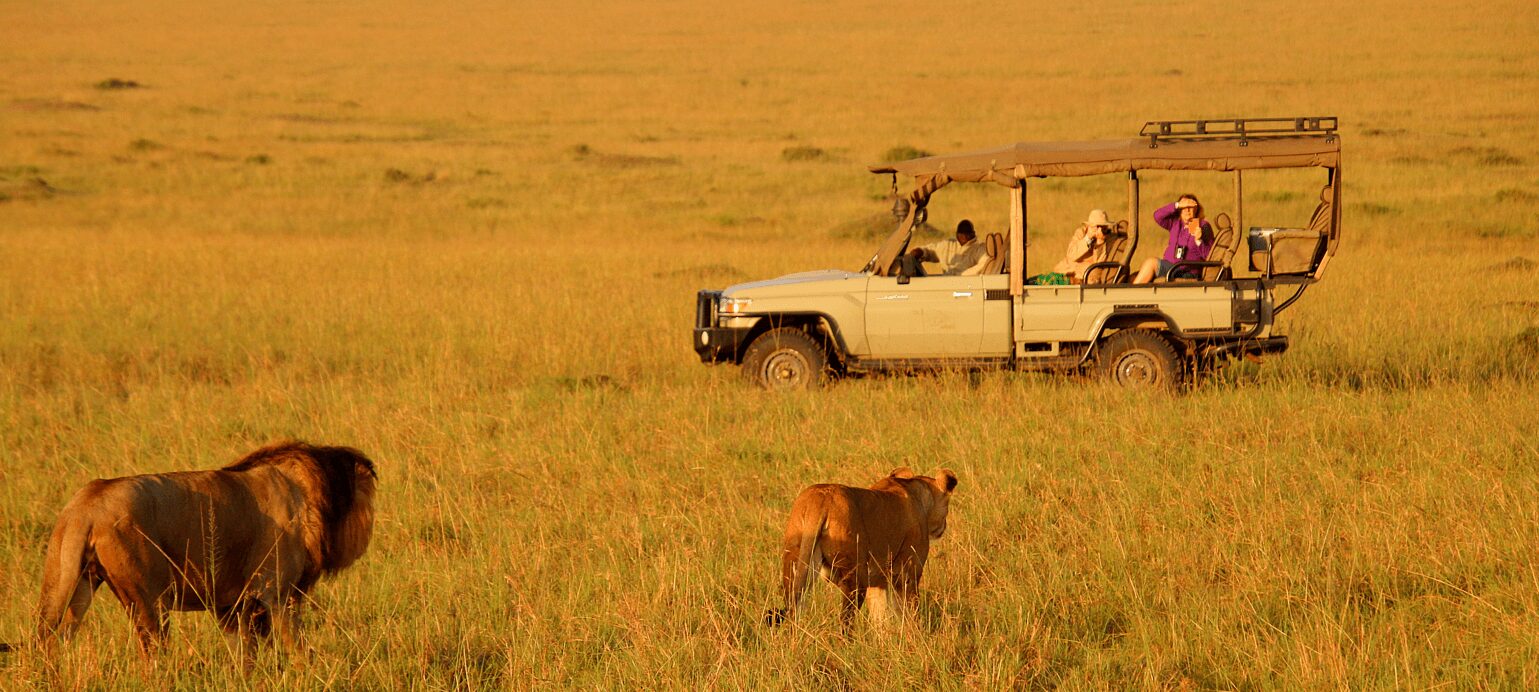
The Elusive Leopard and Adaptive Survival
Leopards represent the most elusive member of the Big Five and one of the most adaptable predators in Africa. Unlike lions, leopards are solitary and rely on stealth rather than strength. Their ability to thrive in diverse habitats, from dense forests to arid landscapes, makes them a fascinating subject on an Africa Big 5 safari.
Leopards are indicators of ecosystem health. Their presence suggests balanced prey populations and intact habitat structures. Sightings are often brief and unpredictable, reinforcing the importance of patience and skilled guiding. A leopard encounter on safari is widely regarded as one of the most rewarding wildlife experiences due to the animal’s intelligence, camouflage, and solitary nature.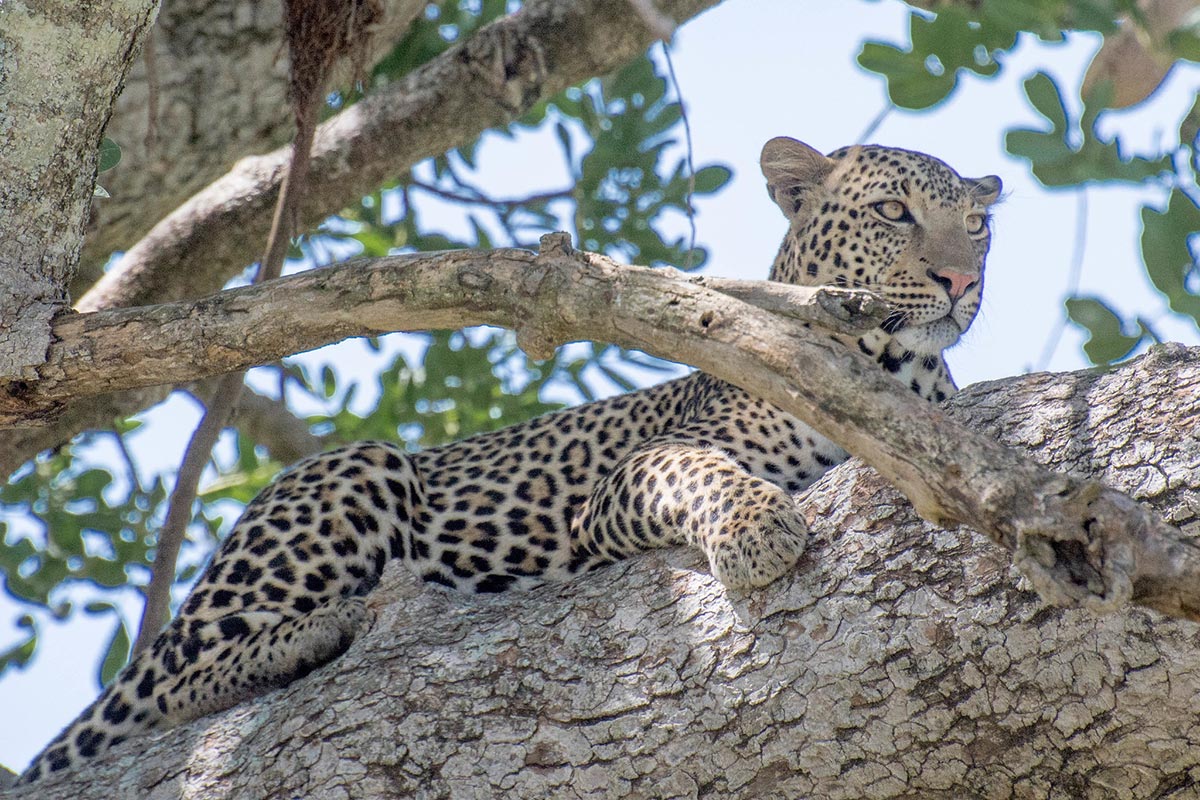
The African Elephant and Landscape Engineering
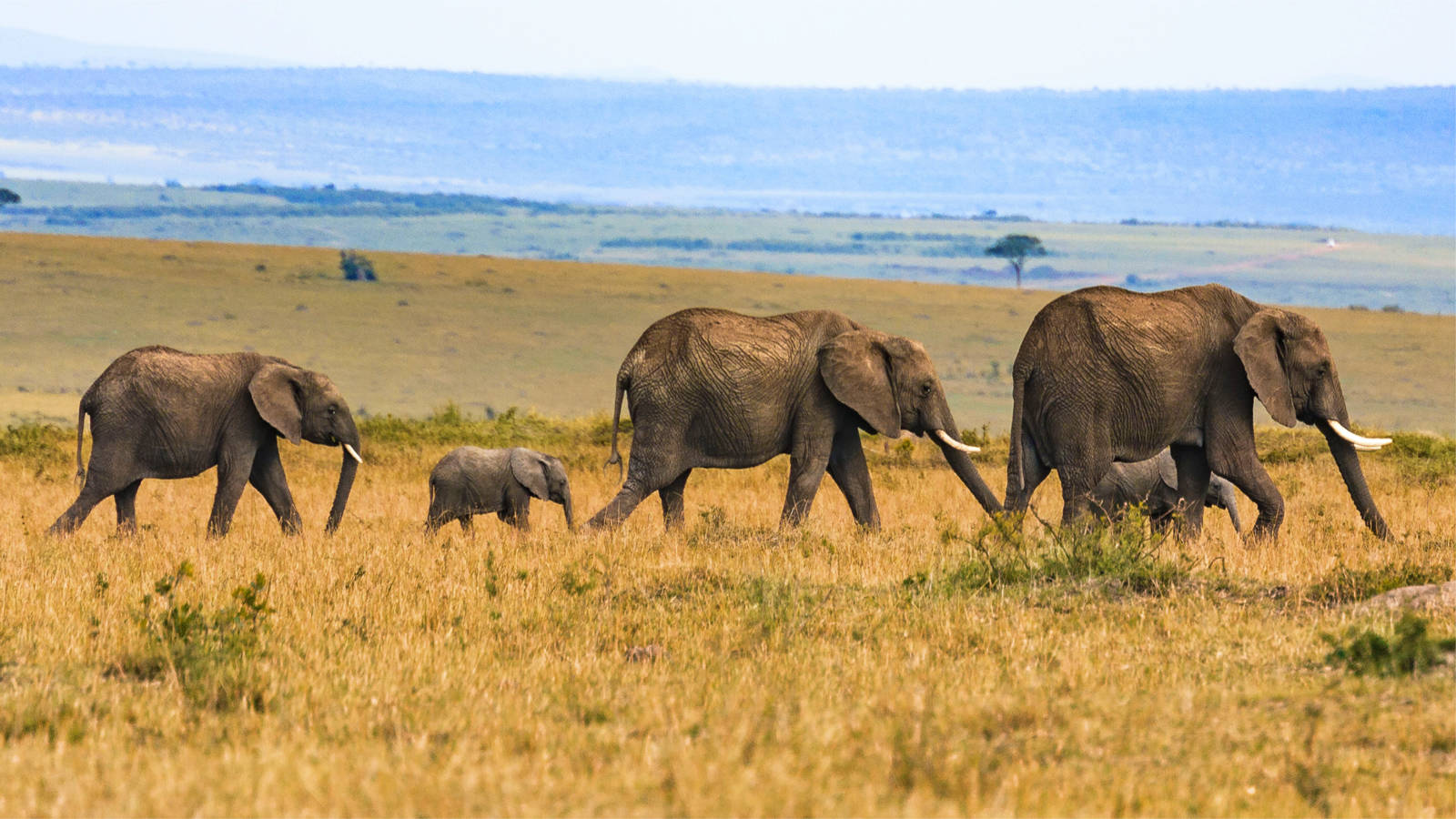
The African elephant is the largest land mammal on Earth and one of the most influential species encountered on an Africa Big 5 safari. Elephants shape landscapes through their feeding behavior, creating pathways, opening up woodlands, and facilitating plant regeneration. Their movements influence water availability and habitat structure for countless other species.
Elephant social structures are complex, centered around matriarchal family groups that pass knowledge across generations. Observing elephants on safari reveals behaviors tied to memory, communication, and cooperation. Conservation success in many African countries has led to stable or growing elephant populations in protected areas, demonstrating how effective management and tourism revenue can support long-term survival.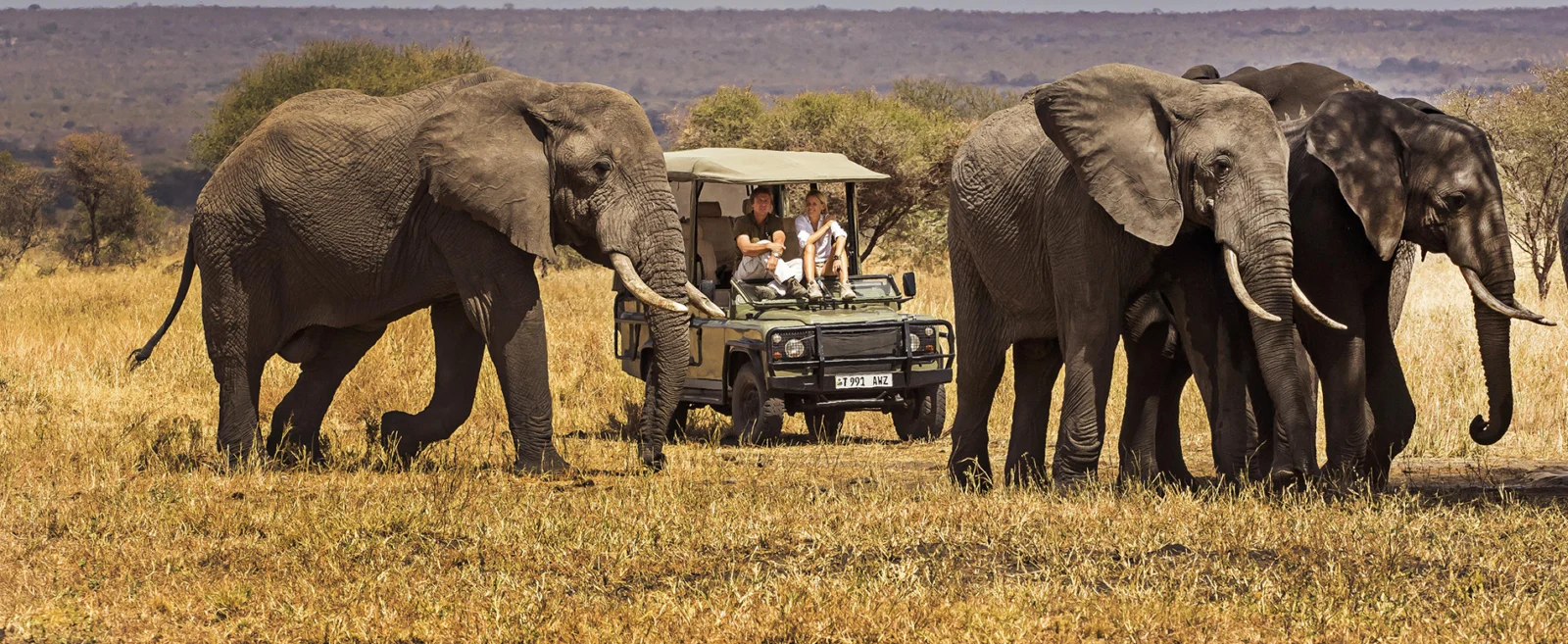
The Rhinoceros and the Symbol of Conservation Urgency
Rhinoceroses represent both the fragility and resilience of Africa’s wildlife. On an Africa Big 5 safari, encountering a rhino is often the most emotionally powerful experience due to the species’ precarious conservation status. Both black and white rhinos face intense pressure from poaching driven by illegal wildlife trade.
Rhinos play a crucial ecological role by shaping vegetation through grazing and browsing. Their presence contributes to habitat diversity, benefiting smaller species and maintaining grassland balance. Rhino conservation requires intensive protection measures, including armed patrols and monitoring systems, many of which are funded through safari tourism. A Big 5 safari therefore directly supports the survival of one of Africa’s most threatened species.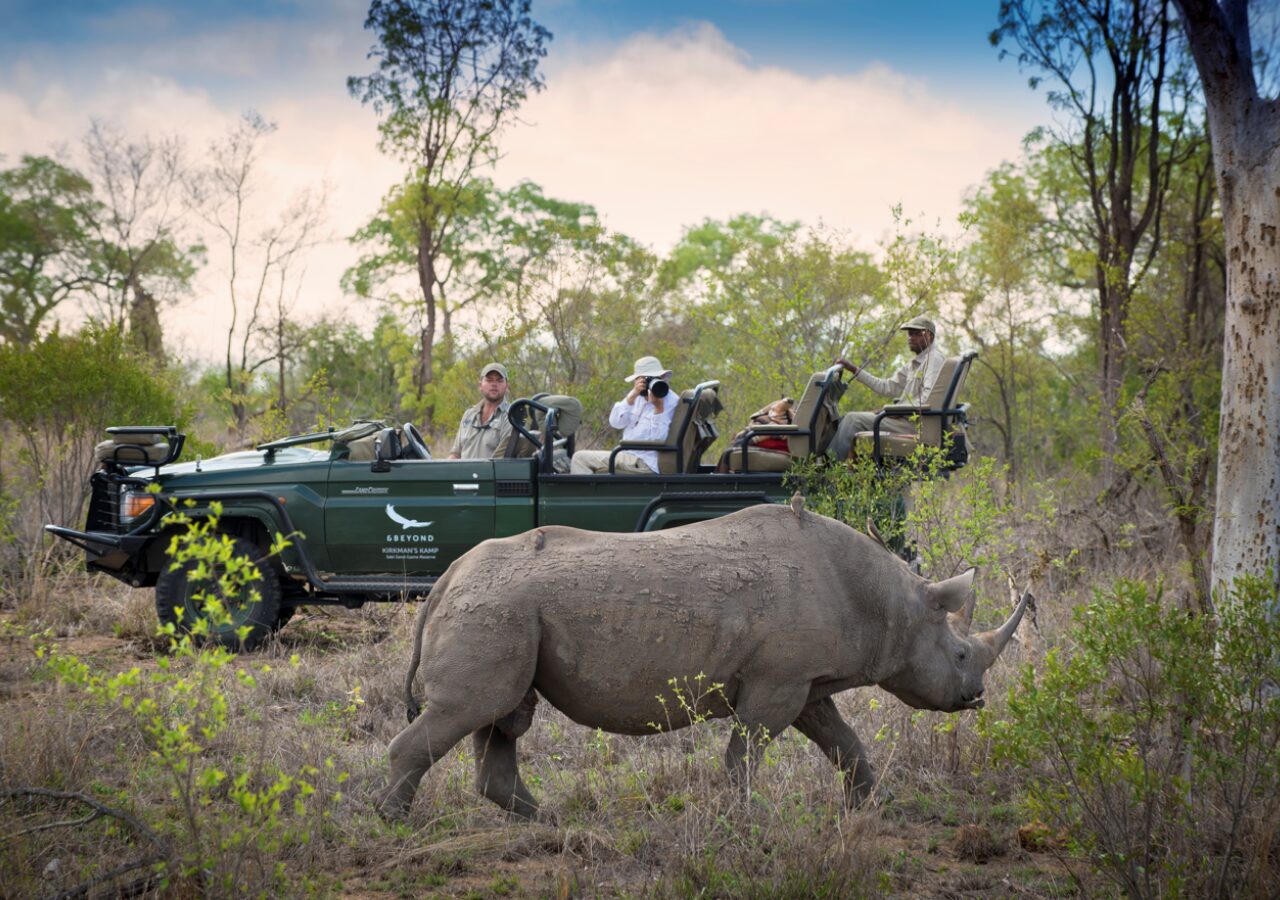
The African Buffalo and Collective Strength
The African buffalo is often underestimated but remains one of the most formidable animals on an Africa Big 5 safari. Buffalo herds can number in the hundreds or even thousands, creating a powerful presence on the landscape. Their grazing behavior influences grass growth and nutrient cycling, supporting healthy savannah ecosystems.
Buffalo are also known for their defensive strategies, often standing their ground against predators. Their role as prey for lions and other predators links them directly to the broader food web. Observing buffalo behavior on safari provides insight into herd dynamics, predator avoidance, and ecosystem balance.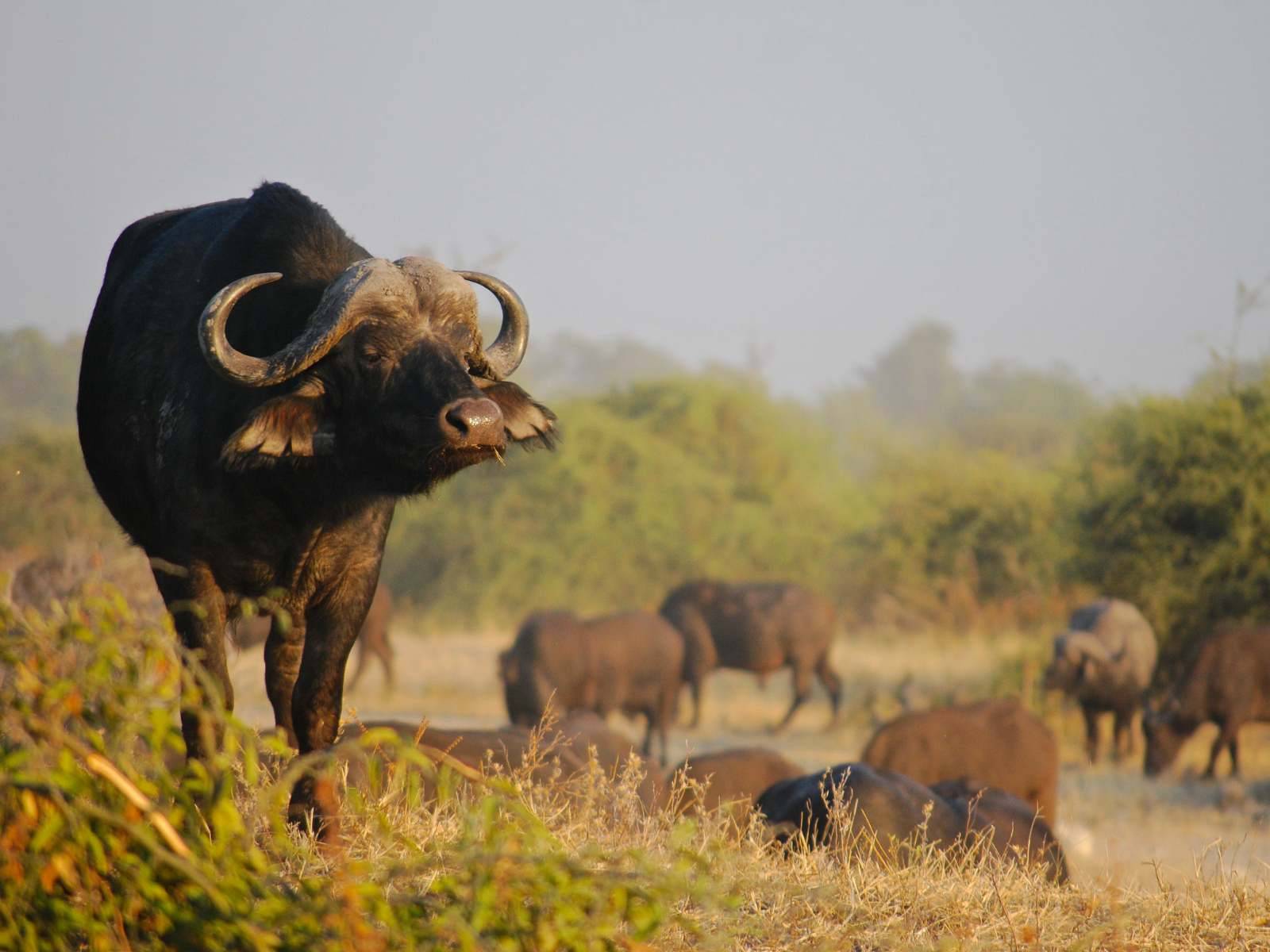
East Africa and Classic Big 5 Safari Landscapes
East Africa remains one of the most celebrated regions for Africa Big 5 safaris, offering expansive savannahs and long-established conservation areas.
Tanzania and the Serengeti Ecosystem
The Serengeti National Park is one of the most reliable Big 5 safari destinations in Africa. Its vast grasslands support healthy populations of lions, leopards, elephants, and buffalo, while rhino conservation efforts continue within protected zones. The Serengeti’s scale allows wildlife to behave naturally, offering authentic Big 5 encounters shaped by seasonal migration and predator dynamics.
Adjacent to the Serengeti lies the Ngorongoro Conservation Area, where the Ngorongoro Crater provides one of the highest concentrations of Big 5 species in Africa. The enclosed nature of the crater supports year-round wildlife viewing, making it a cornerstone of East African Big 5 safaris.
Kenya and Predator-Rich Big 5 Safaris
Kenya’s Maasai Mara National Reserve is globally renowned for its predator density and dramatic wildlife interactions. Lions and leopards are frequently encountered, while elephants and buffalo roam freely across the plains. Rhino conservation zones within the greater ecosystem contribute to Kenya’s Big 5 credentials.
Kenya’s conservancy model enhances Big 5 safaris by reducing vehicle density and extending habitat protection beyond national reserves. These landscapes demonstrate how community involvement strengthens conservation outcomes.
Southern Africa and Refined Big 5 Safari Experiences
Southern Africa offers some of the most refined and conservation-focused Africa Big 5 safaris, supported by innovative tourism policies and strong wildlife management.
South Africa and Accessible Big 5 Safaris
The Kruger National Park is one of Africa’s most complete Big 5 safari destinations. All five species occur in healthy numbers, supported by extensive protection and monitoring. Adjacent private reserves enhance sightings through expert tracking and flexible safari practices.
South Africa’s Big 5 safaris are particularly notable for accessibility, offering year-round travel and a wide range of safari styles without compromising conservation standards.
Botswana and Low-Density Big 5 Safaris
Botswana’s safari philosophy emphasizes exclusivity and ecological preservation. The Okavango Delta supports elephants, buffalo, lions, and leopards, while rhino reintroduction programs continue to strengthen Big 5 presence. Low visitor density ensures that wildlife behavior remains natural and undisturbed.
Zambia and Zimbabwe and Wilderness Big 5 Encounters
Zambia’s South Luangwa National Park and Zimbabwe’s Hwange National Park offer Big 5 safaris rooted in exploration and interpretation. Walking safaris and extended game drives emphasize understanding animal behavior and ecological processes rather than rapid sightings.
Conservation and the Future of the Big 5
An Africa Big 5 safari is inseparable from conservation. These species require large territories, strong protection frameworks, and sustainable funding. Safari tourism provides essential revenue for anti-poaching efforts, habitat management, and community development.
Where local communities benefit directly from wildlife tourism, tolerance for large and potentially dangerous animals increases. This relationship is critical for the long-term survival of the Big Five, particularly elephants and predators that range beyond protected areas.
Modern Big 5 safaris increasingly integrate technology, research partnerships, and sustainability measures to address climate change and human–wildlife conflict. These innovations ensure that Big 5 experiences remain viable for future generations.
Planning an Africa Big 5 Safari
Planning a successful Africa Big 5 safari requires aligning expectations with ecological realities. Seasonal changes influence wildlife movement and visibility. Dry seasons often concentrate animals around water sources, while wet seasons support calving and migration.
Responsible planning prioritizes ethical operators, realistic itineraries, and respect for wildlife viewing guidelines. A well-planned Big 5 safari balances excitement with conservation awareness.
Why the Africa Big 5 Safari Endures
The Africa Big 5 safari endures because it represents something profoundly rare: the chance to witness powerful animals living freely in vast, intact ecosystems. These experiences foster respect, understanding, and a deeper appreciation for the natural world.
In an era of shrinking wilderness, the Big Five stand as symbols of what conservation can achieve when science, community, and responsible tourism align. An Africa Big 5 safari is therefore not only a journey into the wild, but a contribution to the protection of Africa’s most iconic species.