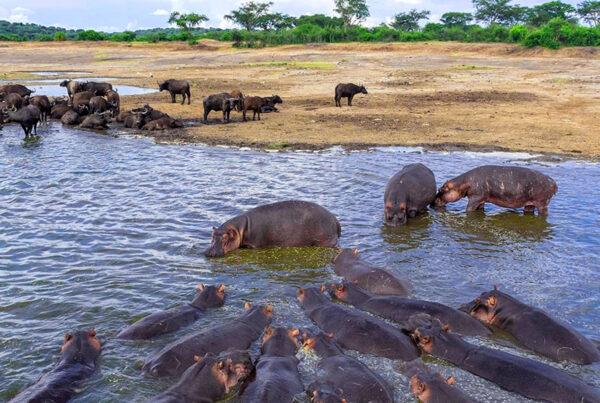
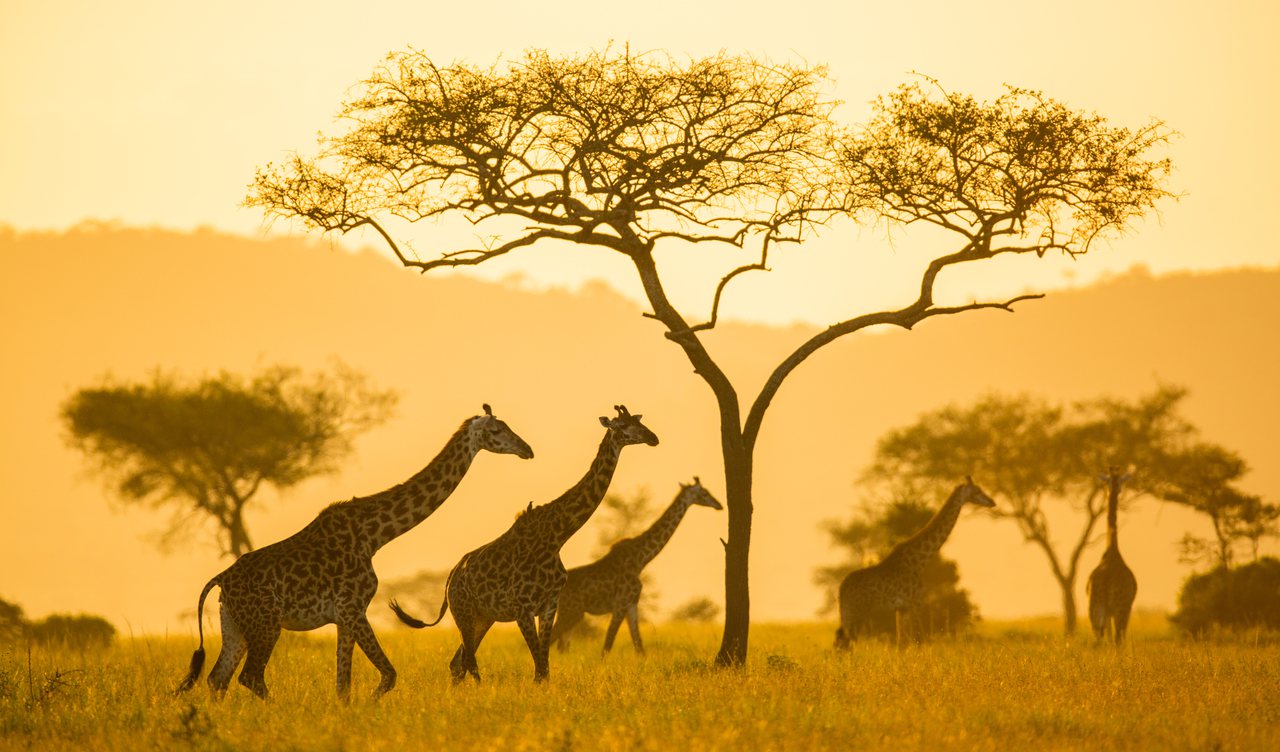

Africa safari holidays remain the most powerful and enduring form of wildlife travel ever created. They are not defined merely by sightings of iconic animals, but by immersion into vast, living ecosystems where nature operates on its own terms. Across Africa, safari holidays unfold in landscapes shaped by geological time, seasonal rhythms, and evolutionary balance. From open savannahs and floodplains to forests, deserts, and wetlands, Africa offers a scale and authenticity of wilderness that no other continent can match.
At their core, Africa safari holidays combine wildlife observation, conservation participation, cultural interaction, and responsible travel design. They are carefully structured journeys that allow visitors to experience nature without disrupting it, while directly contributing to the protection of wildlife and the livelihoods of local communities. Understanding what makes an African safari holiday exceptional requires moving beyond surface-level imagery and exploring the ecological, historical, and conservation foundations that sustain these experiences.
The Meaning and Evolution of Africa Safari Holidays
Africa safari holidays trace their origins to early exploration and conservation efforts, evolving over decades into structured, ethical travel experiences. What began as exploratory journeys has transformed into a globally respected tourism model that prioritizes sustainability and education. Modern safari holidays are designed to minimize environmental impact while maximizing ecological understanding.
A true safari holiday is built around the principle of coexistence. Wildlife is observed in its natural habitat, without confinement or artificial manipulation. Predators hunt freely, herbivores migrate according to rainfall patterns, and ecosystems function as complete systems rather than isolated attractions. This ecological integrity defines Africa safari holidays and distinguishes them from wildlife tourism elsewhere in the world.
Equally important is the role of expert guidance. Professional safari guides are trained naturalists, interpreters, and conservation ambassadors. Their knowledge transforms game drives into meaningful encounters, explaining animal behavior, plant ecology, climate influences, and conservation challenges. The depth of interpretation elevates safari holidays from sightseeing trips to educational experiences.
East Africa and the Foundations of the Classic Safari Holiday
East Africa remains the historical heart of Africa safari holidays and continues to set global standards for wildlife travel. Its landscapes are vast, open, and biologically rich, supporting some of the largest concentrations of wildlife on the planet.
Tanzania and the Serengeti Ecosystem
Tanzania stands as one of the strongest pillars of African safari travel. The Serengeti National Park represents one of the last intact large-mammal ecosystems on Earth. This vast plain supports millions of grazing animals whose seasonal movements form the famous migration cycle. This migration sustains predator populations and maintains grassland health through natural grazing patterns.
Within the same ecosystem lies the Ngorongoro Conservation Area, a unique landscape where wildlife conservation and traditional pastoralism coexist. The Ngorongoro Crater itself contains an unusually dense population of wildlife within a collapsed volcanic caldera, offering exceptional year-round viewing while serving as a critical refuge for endangered species.
Safari holidays in Tanzania are shaped by scale and patience. Large protected areas allow animals to behave naturally, while regulated tourism ensures that wilderness character is preserved.
Kenya and the Community-Centered Safari Model
Kenya has played a defining role in shaping modern Africa safari holidays through innovation in community conservation. The Maasai Mara National Reserve forms the northern extension of the Serengeti ecosystem and is internationally recognized for its predator density and dramatic migration crossings.
What sets Kenya apart is the development of wildlife conservancies surrounding national reserves. These community-managed lands extend habitat protection beyond park boundaries and provide direct financial benefits to local landowners. Safari holidays in these conservancies offer lower vehicle density, exclusive wildlife viewing, and meaningful cultural interaction, demonstrating how tourism can strengthen conservation outcomes when communities are active partners.
Uganda and Rwanda and the Primate Safari Dimension
Uganda and Rwanda broaden the scope of Africa safari holidays by offering globally significant primate encounters. Mountain gorilla trekking in Bwindi Impenetrable National Park and Volcanoes National Park represents one of the most strictly regulated wildlife experiences in the world.
These safari holidays are built on conservation-first principles. Visitor numbers are limited, group sizes are small, and time spent with gorillas is carefully controlled. The revenue generated supports habitat protection, veterinary interventions, and community development. In addition to gorillas, chimpanzee tracking in forest reserves adds scientific and educational depth, highlighting complex primate behavior and intelligence.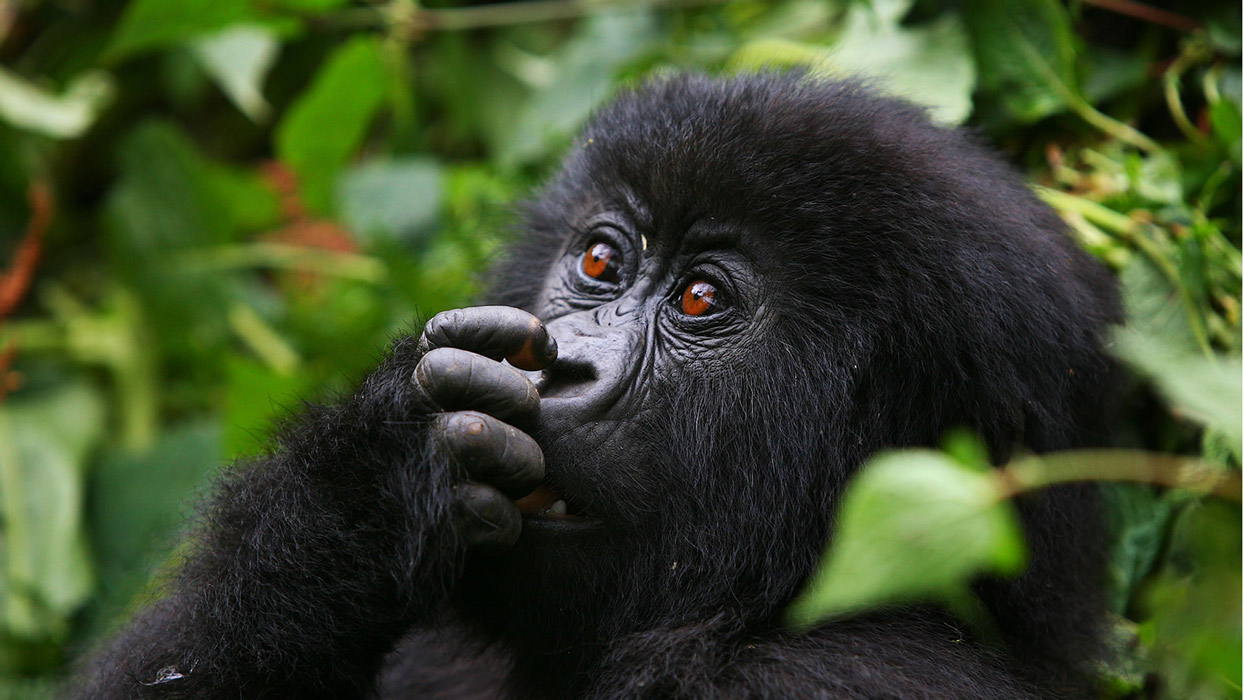
Southern Africa and the Refinement of the Safari Holiday
Southern Africa has redefined Africa safari holidays through innovative conservation strategies, low-density tourism models, and a strong emphasis on wilderness quality.
Botswana and the Okavango Delta Experience
Botswana is widely regarded as a leader in sustainable safari tourism. The Okavango Delta is one of the world’s most extraordinary ecosystems, where seasonal floods transform dry land into a vast wetland teeming with wildlife. This dynamic environment supports elephants, predators, antelope, and diverse birdlife.
Safari holidays in Botswana emphasize exclusivity and ecological preservation. Strict limits on lodge numbers and visitor access reduce environmental pressure and maintain authentic wildlife behavior. The combination of land-based and water-based safaris provides varied perspectives on animal life, enhancing ecological understanding.
South Africa and Accessible Safari Holidays
South Africa offers some of the most accessible and diverse safari holidays on the continent. The Kruger National Park anchors the country’s safari offering, supporting a complete Big Five population across a vast protected area. Adjacent private reserves enhance the experience through expert guiding, flexible off-road tracking, and intimate wildlife encounters.
South Africa’s safari holidays benefit from strong infrastructure, making them suitable for a wide range of travelers. Malaria-free reserves, family-friendly lodges, and year-round accessibility have expanded safari tourism while maintaining conservation standards through effective management.
Zambia and Zimbabwe and the Interpretive Safari Tradition
Zambia and Zimbabwe preserve the original spirit of safari exploration through walking safaris and river-based wildlife experiences. The South Luangwa National Park pioneered the walking safari concept, offering deeply interpretive encounters guided by highly trained naturalists.
Zimbabwe’s Hwange National Park supports one of Africa’s largest elephant populations and extensive predator systems. Safari holidays here emphasize observation, patience, and ecological storytelling, appealing to travelers seeking depth rather than spectacle.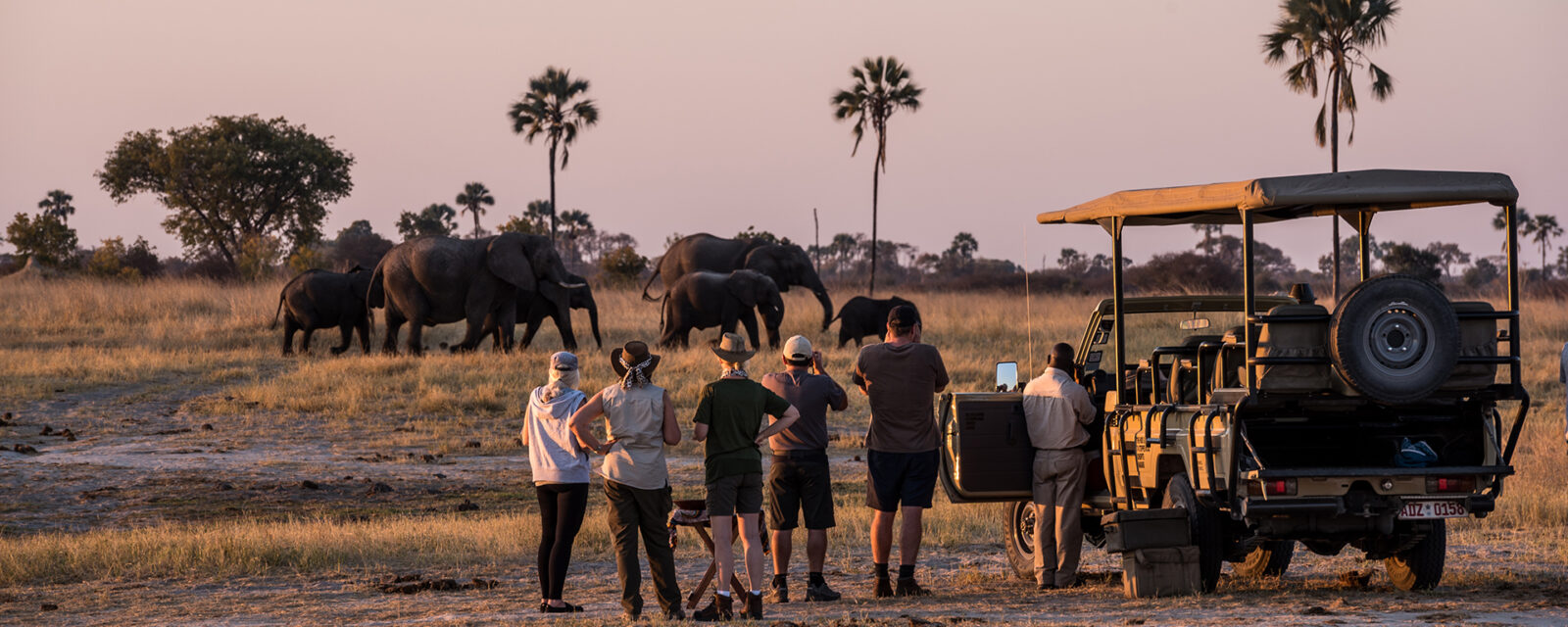
Central Africa and Frontier Safari Holidays
Central Africa offers some of the most remote and conservation-critical safari holidays on the continent. Dense rainforests, limited infrastructure, and rare species define these experiences.
Congo Basin and Conservation-Led Safaris
The Virunga National Park stands as Africa’s oldest national park and a symbol of conservation resilience. Home to mountain gorillas, active volcanoes, and unique biodiversity, Virunga represents the frontier of conservation-led safari holidays.
These journeys are not mass tourism experiences. They are carefully managed initiatives where visitor participation directly supports wildlife protection and community stability. Safari holidays in Central Africa highlight tourism’s role as a conservation tool in challenging environments.
Types of Africa Safari Holidays
Africa safari holidays are diverse in structure and purpose. Traditional game-drive safaris remain popular for covering large areas efficiently. Walking safaris offer a slower, more intimate engagement with ecosystems, focusing on tracks, plants, and animal behavior.
River and wetland safaris reveal species interactions that occur near water sources, while forest safaris emphasize patience and quiet observation. Photographic safari holidays prioritize ethical wildlife viewing and conservation storytelling, contributing to research and awareness.
Primate-focused safaris add an emotional and intellectual dimension, connecting travelers with species closely related to humans and reinforcing conservation urgency.
Conservation and Community as the Core of Safari Holidays
The success of Africa safari holidays depends on conservation investment and community inclusion. Tourism revenue funds anti-poaching operations, habitat restoration, wildlife monitoring, and environmental education. Where communities receive tangible benefits, conservation outcomes improve significantly.
Modern safari holidays increasingly integrate sustainability measures such as renewable energy, water conservation, and waste reduction. These initiatives ensure that tourism enhances rather than degrades natural environments.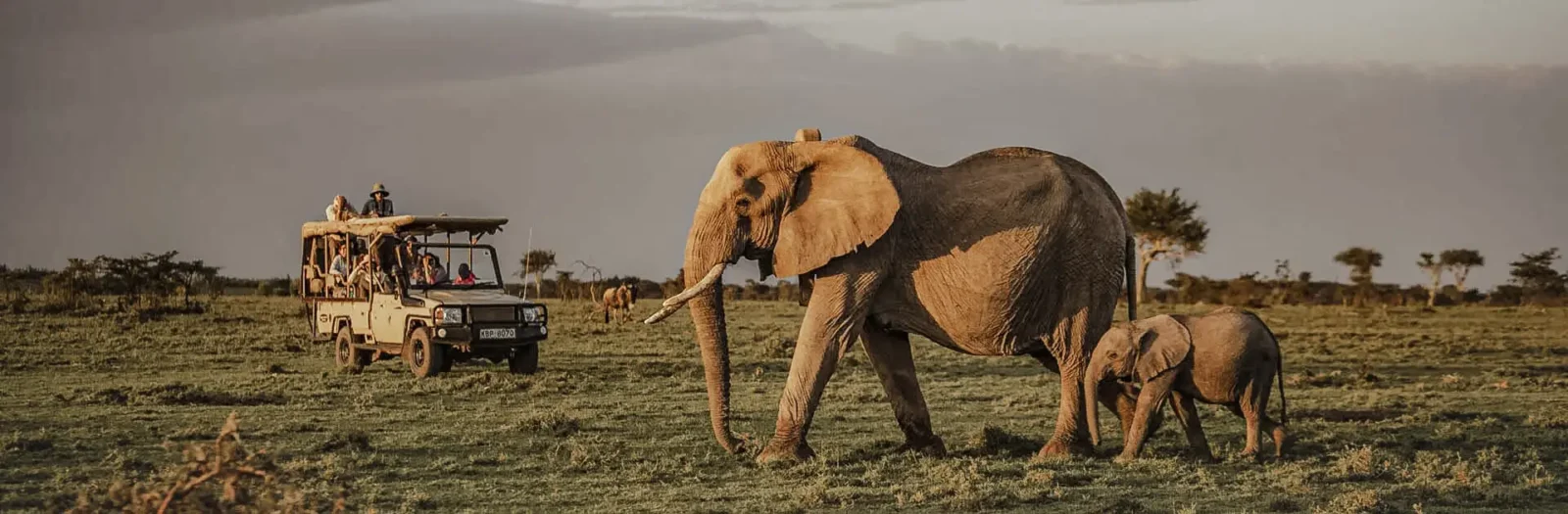
Seasonal Dynamics and Safari Planning
Seasonality plays a critical role in shaping safari holidays. Rainfall patterns influence vegetation, wildlife movement, and breeding cycles. Dry seasons often concentrate wildlife around water sources, while wet seasons support calving, migration, and birdlife abundance.
Effective safari planning aligns travel timing with ecological rhythms rather than fixed calendars. This alignment enhances wildlife encounters while minimizing disturbance to natural processes.
Planning Responsible Africa Safari Holidays
Responsible safari holidays are built on ethical practices, realistic expectations, and informed decision-making. Choosing experienced operators, respecting wildlife viewing guidelines, and understanding conservation challenges all contribute to sustainable tourism.
Travelers who engage thoughtfully with safari experiences become advocates for wildlife protection, extending the impact of their journey beyond the duration of travel.
Why Africa Safari Holidays Remain Unmatched
Africa safari holidays endure because they protect something increasingly rare: large-scale, functioning wilderness. These landscapes allow wildlife to live, migrate, hunt, and reproduce without confinement. This freedom cannot be replicated elsewhere.
A safari holiday is both a privilege and a responsibility. It offers access to extraordinary natural systems while contributing directly to their preservation. As global environmental pressures intensify, Africa safari holidays stand as one of the most effective tools for conserving the continent’s natural heritage for future generations.