search
Kenya Safari

Kenya Safari

By Travel stories and blogs, Kenya travel guides

A Kenya safari is the original safari experience—the place where the very idea of wildlife travel was shaped, named, and refined into what the world now understands as a safari. Kenya is not simply a destination; it is a living archive of Africa’s natural history, where open savannahs, dramatic escarpments, alkaline lakes, and ancient migration corridors still function as complete ecosystems. To travel on safari in Kenya is to enter landscapes where wildlife moves freely, predators hunt by instinct, and human cultures have coexisted with nature for centuries.

What makes a Kenya safari exceptional is balance. Kenya combines world-famous wildlife density with innovative conservation models, professional guiding traditions, and strong community involvement. It offers both spectacle and substance. From the thunder of migrating wildebeest to the quiet patience of a leopard in an acacia tree, Kenya delivers safari experiences that are raw, educational, and deeply meaningful.

Understanding the Essence of a Kenya Safari

A Kenya safari is defined by scale, openness, and ecological authenticity. Unlike fenced reserves in other parts of the world, most of Kenya’s major safari ecosystems remain open landscapes. Wildlife moves across national reserves, conservancies, and community lands following rainfall patterns and grazing cycles rather than artificial boundaries.

Kenya’s safari experience is also shaped by its people. The Maasai, Samburu, and other pastoral communities have lived alongside wildlife for generations. Their traditional land-use practices, combined with modern conservation strategies, have helped preserve large tracts of wildlife habitat. Today, safari tourism provides a critical economic incentive to protect these landscapes, making Kenya one of Africa’s most important conservation success stories.

Another defining feature of a Kenya safari is guiding excellence. Kenya has one of the longest-established safari guide training traditions in Africa. Professional guides are skilled in animal behavior, tracking, ecology, and storytelling, transforming wildlife sightings into deep learning experiences.

The Maasai Mara and the Heart of Kenyan Safaris

No discussion of a Kenya safari is complete without the Maasai Mara National Reserve, the country’s most iconic safari destination and one of the most celebrated wildlife areas in the world.

Wildlife Density and Predator Dominance

The Maasai Mara is renowned for its exceptional wildlife density. Lions, cheetahs, and leopards thrive here due to abundant prey and open grasslands. The reserve supports one of the highest concentrations of predators in Africa, making it a prime destination for dramatic wildlife encounters throughout the year.

Unlike destinations that peak only during specific seasons, the Mara offers consistent safari quality. Resident wildlife populations ensure that game viewing remains excellent even outside the migration months, reinforcing its reputation as a cornerstone of any Kenya safari itinerary.Kenya Safari

The Great Migration in Kenya

Each year, vast herds of wildebeest and zebra move into the Maasai Mara from the Serengeti in search of fresh grazing. This phase of the Great Migration brings intense predator activity and dramatic river crossings. While the crossings attract global attention, the migration’s importance lies in its ecological role. Grazing patterns regenerate grasslands, sustain predator populations, and maintain ecosystem balance.

A Kenya safari during the migration season offers insight into one of the last remaining large-scale animal movements on Earth. However, understanding the migration as a continuous cycle rather than a single event allows travelers to appreciate the Mara year-round.

Conservancies and the Evolution of the Kenya Safari

One of Kenya’s greatest contributions to modern safari tourism is the development of wildlife conservancies surrounding national reserves.

Community-Led Conservation

Wildlife conservancies in Kenya are managed in partnership with local landowners, primarily Maasai communities. Land is leased for conservation purposes, and tourism revenue is shared directly with community members. This model reduces pressure on national reserves, expands habitat protection, and ensures local people benefit economically from wildlife conservation.

For travelers, conservancies offer a more exclusive safari experience. Vehicle numbers are limited, off-road driving is often permitted, and activities such as guided walks and night game drives are possible. A Kenya safari in a conservancy combines exceptional wildlife viewing with meaningful community engagement.

Sustainability and Safari Quality

Conservancies have transformed safari quality in Kenya. By dispersing tourism across wider landscapes, they reduce overcrowding in core reserves and allow wildlife to move freely. This approach strengthens long-term conservation outcomes while enhancing the safari experience through privacy and flexibility.

Amboseli and the Iconic Elephant Landscapes

Southern Kenya is home to Amboseli National Park, one of Africa’s most visually striking safari destinations.

Elephants and Kilimanjaro Backdrops

Amboseli is famous for its large-tusked elephants and sweeping views of Mount Kilimanjaro. The park’s open plains and swamp systems support elephants, buffalo, lions, and a variety of birdlife. Elephant research and protection efforts in Amboseli have contributed significantly to global understanding of elephant behavior and social structure.

A Kenya safari in Amboseli emphasizes observation and photography, offering unobstructed views of wildlife against dramatic mountain backdrops. Seasonal water availability shapes wildlife movement, creating dynamic safari conditions throughout the year.Kenya Safari

Samburu and the Northern Frontier Safaris

Northern Kenya offers a distinct safari experience shaped by arid landscapes and unique wildlife adaptations.

Samburu Ecosystem and Endemic Species

The Samburu National Reserve lies within a semi-arid region where the Ewaso Nyiro River sustains wildlife. Samburu is known for species adapted to dry conditions, including Grevy’s zebra, reticulated giraffe, Beisa oryx, and Somali ostrich.

A Kenya safari in Samburu highlights ecological resilience and adaptation. Wildlife here behaves differently from savannah species elsewhere, offering educational insight into survival strategies in harsh environments.

Cultural Context in Northern Kenya

Samburu communities maintain strong cultural traditions closely tied to pastoralism. Safari experiences in this region often include cultural interpretation that enhances understanding of human–wildlife coexistence in arid landscapes.

Lake Nakuru and Rift Valley Safari Landscapes

Kenya’s Rift Valley introduces a different safari dimension centered on lakes and wetlands.

Flamingos, Rhinos, and Woodland Safaris

Lake Nakuru National Park is renowned for its rhino sanctuary and diverse birdlife. While flamingo numbers fluctuate with water conditions, the park remains an important refuge for both black and white rhinos.

The park’s woodland and grassland habitats support lions, leopards, and buffalo, making it a compact yet diverse safari destination. A Kenya safari in the Rift Valley offers variety and accessibility, particularly for travelers with limited time.Kenya Safari

Tsavo and the Scale of Wilderness

Eastern Kenya is dominated by Tsavo National Park, one of Africa’s largest protected areas.

Vast Landscapes and Red Elephants

Tsavo is characterized by immense scale, rugged terrain, and relatively low visitor density. The park is famous for its red-dust elephants, shaped by the region’s volcanic soils. Wildlife here is more dispersed, offering a sense of exploration and solitude.

A Kenya safari in Tsavo emphasizes wilderness rather than density. It appeals to travelers seeking space, landscape photography, and a deeper sense of remoteness.

Wildlife Diversity on a Kenya Safari

Kenya supports extraordinary wildlife diversity due to its varied habitats. Savannahs host large herbivores and apex predators, wetlands attract hippos and birds, forests shelter primates, and arid regions support specialized species.

Big Five encounters are common in major parks and conservancies, while Kenya’s birdlife exceeds 1,000 recorded species. This biodiversity allows Kenya safaris to cater to a wide range of interests, from predator-focused trips to birdwatching and conservation-oriented travel.

Safari Styles Available in Kenya

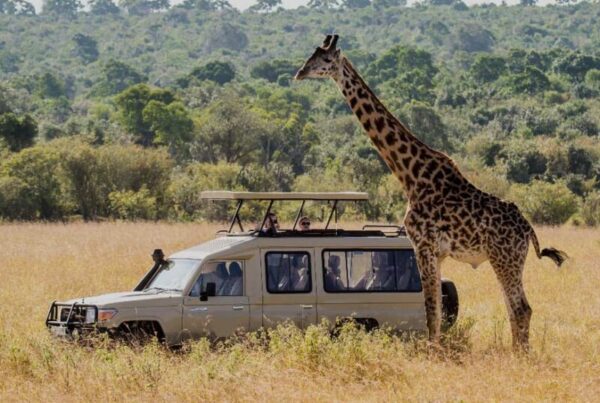
A Kenya safari can be experienced in multiple formats. Classic game drives remain the foundation, allowing efficient wildlife viewing across open landscapes. Walking safaris, particularly in conservancies, offer intimate engagement with tracks, plants, and smaller species.

Boat safaris on lakes and rivers reveal aquatic ecosystems, while night drives expose nocturnal wildlife often unseen during the day. Photographic safaris benefit from Kenya’s open terrain and professional guiding, enabling ethical and extended observation.

Conservation and Community in Kenyan Safaris

Kenya’s safari industry is deeply intertwined with conservation. Tourism revenue supports park management, anti-poaching units, wildlife research, and habitat restoration. Community conservancies ensure that local people receive tangible benefits from wildlife protection.

This relationship is critical in a country where human population growth and land-use pressure are ongoing challenges. A Kenya safari directly contributes to sustaining wildlife by reinforcing the economic value of conservation.Kenya Safari

Seasonal Dynamics and Planning a Kenya Safari

Seasonality influences every Kenya safari. Dry seasons typically offer concentrated wildlife viewing as animals gather around water sources, while wet seasons bring lush landscapes, calving activity, and fewer visitors.

Understanding rainfall patterns allows travelers to plan safaris that align with personal interests rather than fixed assumptions. Kenya’s year-round wildlife presence ensures rewarding experiences in all seasons when planned correctly.

Who a Kenya Safari Is Best Suited For

A Kenya safari suits a wide range of travelers, from first-time visitors to seasoned wildlife enthusiasts. Its diversity allows itineraries to be tailored for families, photographers, conservation-minded travelers, and those seeking cultural context alongside wildlife.

Kenya’s accessibility, infrastructure, and guiding expertise make it one of the most versatile safari destinations in Africa.

Why the Kenya Safari Remains Iconic

The Kenya safari remains iconic because it combines everything that defines Africa’s wildlife heritage: open landscapes, abundant animals, cultural depth, and conservation leadership. It is where safari travel began and where it continues to evolve.

In a world of shrinking wilderness, Kenya stands as a reminder that conservation and tourism can work together when guided by respect, science, and community partnership. A Kenya safari is not just a journey into nature; it is an encounter with living ecosystems and a contribution to their future.

Southern Africa Safari

Southern Africa Safari

By Travel stories and blogs

A Southern Africa safari represents one of the most refined, diverse, and conservation-driven wildlife experiences on the African continent. This region has mastered the balance between raw wilderness and structured protection, offering safari landscapes where wildlife thrives, ecosystems remain functional, and tourism plays a direct role in sustaining conservation. Southern Africa is not defined by a single iconic ecosystem, but by a mosaic of deserts, floodplains, woodlands, and river systems that together create some of Africa’s most rewarding safari experiences.

What sets a Southern Africa safari apart is its emphasis on quality over quantity. Wildlife encounters here are shaped by low-density tourism, advanced guiding standards, and innovative conservation models. From vast national parks to private reserves and community-managed conservancies, Southern Africa delivers safaris that are immersive, educational, and deeply respectful of nature. It is a region where safari travel has evolved into a sophisticated tool for biodiversity protection and rural development.

What Defines a Southern Africa Safari Experience

A Southern Africa safari is defined by structure, sustainability, and ecological depth. Unlike regions dominated solely by open savannah, Southern Africa encompasses varied habitats that influence how wildlife is viewed and understood. Animals here are not merely observed; they are interpreted within the context of water systems, seasonal cycles, and long-term conservation strategies.

Another defining feature is the prominence of private reserves and concessions. These areas operate alongside national parks but often allow more flexible safari activities such as off-road driving, night game drives, and walking safaris. This flexibility enhances wildlife encounters while maintaining strict conservation controls.

Southern Africa is also renowned for its guiding culture. Many of Africa’s most rigorous guide training programs originate in this region, producing guides with deep ecological knowledge and interpretive skill. A Southern Africa safari therefore prioritizes understanding over spectacle, making it especially appealing to travelers seeking depth and authenticity.

Botswana and the Benchmark of Low-Impact Safaris

Botswana is widely regarded as the gold standard for Southern Africa safari tourism due to its commitment to low-volume, high-value conservation.

Okavango Delta and Seasonal Wilderness

The Okavango Delta is one of the most extraordinary safari landscapes in the world. Unlike typical river systems, the Okavango is an inland delta where floodwaters spread across the Kalahari sands, creating a vast wetland that transforms seasonally. This unique hydrology supports elephants, buffalo, antelope, predators, and prolific birdlife.

A Southern Africa safari in the Okavango Delta is defined by variety and exclusivity. Wildlife is explored through both land-based game drives and water-based excursions, offering perspectives unavailable elsewhere. Botswana’s strict tourism regulations limit lodge numbers and visitor density, ensuring that wildlife behavior remains natural and landscapes remain unspoiled.

Chobe and Elephant Conservation

Northern Botswana is also home to Chobe National Park, renowned for its large elephant populations. River-based safaris along the Chobe River provide exceptional opportunities to observe elephants, hippos, and predators interacting with water systems. These experiences highlight Southern Africa’s strength in showcasing wildlife within complex ecological networks.Southern Africa Safari

South Africa and Accessible, High-Quality Safaris

South Africa plays a critical role in Southern Africa safari tourism by combining biodiversity, accessibility, and advanced conservation management.

Kruger National Park and the Big Five Core

The Kruger National Park is one of Africa’s largest and most biologically diverse protected areas. Supporting all members of the Big Five, Kruger offers reliable wildlife viewing across varied habitats including riverine forests, open plains, and wooded savannah.

A Southern Africa safari in Kruger is enhanced by extensive infrastructure, allowing year-round access and a wide range of accommodation options. Importantly, Kruger operates alongside private reserves that share unfenced boundaries with the park, enabling wildlife to move freely across a vast landscape.

Private Reserves and Refined Safari Experiences

Private reserves adjoining Kruger elevate the Southern Africa safari experience through expert tracking, off-road access, and highly personalized guiding. These reserves operate under strict ecological guidelines, ensuring that flexibility does not compromise wildlife welfare. The result is a safari experience that combines intimacy with ecological responsibility.

Zambia and the Birthplace of the Walking Safari

Zambia represents the philosophical heart of the Southern Africa safari, emphasizing exploration, interpretation, and minimal impact.

South Luangwa and Interpretive Safaris

The South Luangwa National Park is internationally recognized as the birthplace of the walking safari. Here, safaris focus on understanding animal behavior, tracking, and ecosystem dynamics rather than rapid vehicle-based sightings.

Walking safaris foster a heightened awareness of the environment, revealing details such as animal tracks, plant adaptations, and insect life. Vehicle safaris complement these experiences, offering opportunities to observe predators and large herbivores within a relatively uncrowded wilderness.

River Systems and Seasonal Concentration

Zambia’s safari landscapes are shaped by river systems that concentrate wildlife during the dry season. These seasonal dynamics create intense wildlife interactions while reinforcing the importance of water as a driving force in Southern Africa ecosystems.

Zimbabwe and the Wilderness Ethos

Zimbabwe offers some of Southern Africa’s most authentic and underappreciated safari experiences, rooted in strong guiding traditions and expansive protected areas.

Hwange National Park and Elephant Strongholds

The Hwange National Park is one of Africa’s largest national parks and supports one of the continent’s largest elephant populations. Artificial waterholes maintained during dry seasons sustain wildlife across vast areas, creating reliable viewing opportunities.

A Southern Africa safari in Hwange emphasizes patience and observation. Wildlife encounters are shaped by natural behavior rather than crowd-driven activity, appealing to travelers seeking depth and solitude.

Mana Pools and Riverine Safaris

Along the Zambezi River, Mana Pools National Park offers a unique safari experience centered on riverine ecosystems. Walking safaris and canoe safaris provide close yet respectful encounters with wildlife, showcasing Southern Africa’s commitment to low-impact exploration.Southern Africa Safari

Namibia and Desert-Adapted Safari Landscapes

Namibia adds a dramatic desert dimension to the Southern Africa safari experience, highlighting wildlife resilience in extreme environments.

Arid Ecosystems and Adaptation

Namibia’s safari regions protect species adapted to arid and semi-arid conditions, including desert-adapted elephants, predators, and antelope. These landscapes challenge conventional safari expectations, replacing dense wildlife concentrations with vast open spaces and rare sightings that emphasize adaptation and survival.

Safari experiences in Namibia underscore ecological storytelling, revealing how life persists in harsh climates. This perspective broadens the understanding of biodiversity beyond traditional savannah ecosystems.

Types of Southern Africa Safari Experiences

Southern Africa safaris encompass a wide range of formats, each contributing to a deeper understanding of wildlife.

Vehicle-based safaris remain central for covering large areas efficiently, while walking safaris offer intimate engagement with ecosystems. River and canoe safaris reveal aquatic and semi-aquatic species behavior, and night drives provide insight into nocturnal wildlife often unseen during the day.

Photographic safaris are particularly strong in Southern Africa due to controlled vehicle density and expert guiding, allowing ethical positioning and extended observation time.

Wildlife Diversity on a Southern Africa Safari

Southern Africa supports an extraordinary range of wildlife, from apex predators to rare and endemic species. The region is a stronghold for elephants, rhinos, lions, leopards, buffalo, and numerous antelope species. Birdlife is equally diverse, with wetlands, rivers, and woodlands supporting resident and migratory species.

The presence of intact predator populations indicates healthy ecosystems. Southern Africa’s success in maintaining these systems reflects long-term investment in conservation and land management.

Conservation Models in Southern Africa

One of the defining strengths of a Southern Africa safari is its conservation framework. Public–private partnerships, community conservancies, and tourism-funded protection initiatives form the backbone of wildlife management.

Tourism revenue supports anti-poaching units, habitat restoration, wildlife research, and community development. In countries such as Botswana and Namibia, community-based natural resource management has empowered local people to become active stakeholders in conservation.

These models demonstrate how safari tourism can align economic incentives with ecological protection.Southern Africa Safari

Seasonal Dynamics and Safari Planning

Seasonality shapes every Southern Africa safari. Dry seasons often deliver concentrated wildlife viewing as animals gather near water sources, while wet seasons bring lush landscapes, breeding activity, and dramatic changes in animal distribution.

Understanding these seasonal patterns allows travelers to choose safari timing that aligns with their interests, whether focused on predator activity, birdlife, or landscape photography.

Who a Southern Africa Safari Is Best Suited For

A Southern Africa safari appeals to travelers seeking refinement, ecological understanding, and diverse safari styles. It suits both first-time safari travelers and seasoned explorers who value strong guiding, conservation transparency, and uncrowded wilderness.

The region’s flexibility allows itineraries to be tailored to different budgets and interests without sacrificing conservation principles.

Why the Southern Africa Safari Stands Apart

The Southern Africa safari stands apart because it demonstrates how wildlife tourism can evolve responsibly. It showcases landscapes where animals live freely within well-managed systems, where tourism revenue directly supports conservation, and where visitor impact is carefully controlled.

In an era of shrinking wilderness, Southern Africa offers a blueprint for sustainable safari tourism. It is a region where safaris are not just journeys into nature, but active contributions to its survival.

A Southern Africa safari is therefore more than a travel experience. It is an encounter with living ecosystems, a lesson in coexistence, and a powerful reminder of what conservation can achieve when guided by knowledge, discipline, and respect for the natural world.

East Africa Safari

East Africa Safari

By Travel stories and blogs

An East Africa safari represents the most authentic and historically rooted wildlife experience on the African continent. It is in East Africa that the safari concept was born, refined, and elevated into a global benchmark for wildlife travel. The region’s vast savannahs, volcanic highlands, ancient forests, and rift valley lakes form interconnected ecosystems where wildlife still moves according to natural rhythms established thousands of years ago. An East Africa safari is not defined by isolated game sightings, but by immersion into landscapes where predator and prey coexist at scale, cultures remain deeply linked to nature, and conservation is embedded into everyday life.

East Africa stands apart because of its ecological diversity and continuity. Within a single safari circuit, travelers can experience classic Big Five savannahs, track endangered mountain gorillas in mist-covered forests, follow the Great Migration across open plains, and observe chimpanzees in tropical rainforest. This concentration of globally significant wildlife experiences within a relatively compact region makes East Africa the most comprehensive safari destination in the world.

Understanding What Defines an East Africa Safari

An East Africa safari is shaped by geography, climate, and evolutionary history. The region lies along the Great Rift Valley, a geological feature that has influenced rainfall patterns, vegetation zones, and species distribution over millions of years. This geological diversity created a mosaic of habitats, each supporting distinct wildlife communities.

Unlike fenced reserves elsewhere in the world, East African safari ecosystems remain largely open and interconnected. Wildlife moves freely across national borders and protected areas, responding to seasonal rains and food availability. This freedom of movement allows ecological processes such as migration, breeding, and predation to function naturally, creating dynamic safari experiences that change throughout the year.

Equally important is East Africa’s long-established conservation culture. Wildlife protection began here earlier than in most parts of Africa, resulting in extensive protected areas, professional guiding traditions, and strong research institutions. An East Africa safari therefore combines spectacle with scientific understanding and conservation responsibility.

Tanzania and the Foundations of the Classic Safari

Tanzania is often considered the cornerstone of the East Africa safari experience due to its vast protected areas and exceptional wildlife density.

Serengeti National Park and the Migration System

The Serengeti National Park is the most iconic safari landscape in East Africa and one of the most important wildlife ecosystems on Earth. Covering thousands of square kilometers, the Serengeti supports the largest remaining terrestrial mammal migration, involving over a million wildebeest accompanied by zebra and gazelle.

This migration is not a single event but a continuous ecological cycle driven by rainfall patterns. As herds move, they shape grassland regeneration, sustain predator populations, and support scavenger species. Lions, cheetahs, leopards, hyenas, and crocodiles depend on this movement for survival. An East Africa safari in the Serengeti offers front-row access to one of nature’s most complex and powerful systems.

Ngorongoro Conservation Area and Concentrated Wildlife

Adjacent to the Serengeti lies the Ngorongoro Conservation Area, a unique safari landscape where wildlife conservation and traditional pastoralism coexist. The Ngorongoro Crater, formed by a collapsed volcano, contains one of the highest concentrations of wildlife in Africa within a relatively small area.

This natural enclosure supports lions, elephants, buffalo, leopards, and critically endangered black rhinos. For many travelers, Ngorongoro represents one of the most reliable locations for Big Five encounters on an East Africa safari, while also illustrating how conservation and human land use can function together under careful management.East Africa Safari

Kenya and the Evolution of Community-Based Safaris

Kenya plays a central role in shaping the modern East Africa safari through innovation in conservation and tourism management.

Maasai Mara and Predator-Dominated Plains

The Maasai Mara National Reserve forms the northern extension of the Serengeti ecosystem and is internationally celebrated for its predator density and dramatic wildlife interactions. Lions, cheetahs, and leopards thrive here due to abundant prey and open grasslands.

Seasonal migration crossings across the Mara River provide some of the most intense wildlife moments in East Africa, but the Mara’s value extends far beyond this period. Year-round resident wildlife ensures consistent safari quality, making it a cornerstone destination within any East Africa safari itinerary.

Conservancies and Sustainable Safari Models

What truly distinguishes Kenya’s safari offering is its conservancy model. Wildlife conservancies surrounding the Maasai Mara are managed in partnership with local landowners, primarily Maasai communities. These conservancies extend habitat protection beyond the reserve, reduce overcrowding, and ensure tourism revenue directly benefits local people.

An East Africa safari in Kenya’s conservancies offers lower vehicle density, flexible guiding, and deeper cultural engagement. This model has become a global example of how community involvement strengthens conservation outcomes while enhancing safari quality.

Uganda and the Forest Dimension of East Africa Safaris

Uganda expands the East Africa safari experience beyond open savannahs into dense tropical forests and wetland systems.

Bwindi Impenetrable National Park and Gorilla Safaris

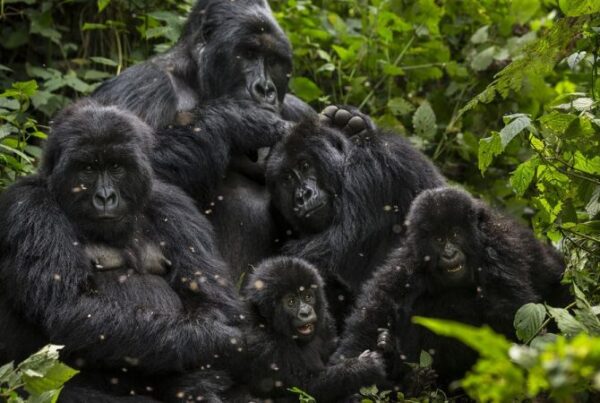
The Bwindi Impenetrable National Park is one of the most biologically diverse forests in Africa and home to nearly half of the world’s remaining mountain gorillas. Gorilla trekking in Bwindi is one of the most powerful wildlife encounters available on an East Africa safari.

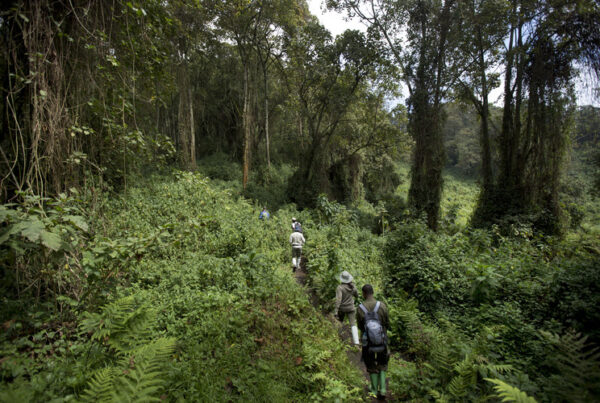
This experience is strictly regulated, with limited permits, small group sizes, and close monitoring to protect gorilla health and behavior. Revenue generated supports forest conservation, veterinary care, and community development, making gorilla safaris a model of conservation-driven tourism.

Savannah and Wetland Safaris in Uganda

Beyond primates, Uganda offers classic safari experiences in savannah parks that are less crowded than their counterparts elsewhere in East Africa. Queen Elizabeth National Park, Murchison Falls National Park, and other reserves support elephants, buffalo, lions, leopards, and rich birdlife.

Uganda’s safari landscapes are shaped by lakes, rivers, and forest corridors, adding ecological variety to an East Africa safari itinerary.

Rwanda and High-Impact, Low-Volume Safaris

Rwanda represents a modern evolution of the East Africa safari, focusing on high-value, low-impact tourism.

Volcanoes National Park and Gorilla Conservation

The Volcanoes National Park protects mountain gorillas within a dramatic volcanic landscape of bamboo forests and alpine vegetation. Rwanda’s conservation strategy prioritizes limited visitor numbers, premium pricing, and strong reinvestment into conservation and community development.

An East Africa safari in Rwanda emphasizes efficiency, security, and conservation transparency. Gorilla trekking here is complemented by cultural experiences and conservation education, creating a holistic safari model rooted in sustainability.

Wildlife Diversity on an East Africa Safari

An East Africa safari offers exceptional wildlife diversity due to the region’s varied habitats. Savannah ecosystems support large herbivores and apex predators, while forests harbor primates, birds, and endemic species. Wetlands and lakes attract hippos, crocodiles, and migratory birds.

This diversity allows travelers to experience multiple ecological zones within a single journey. Few regions globally offer such a broad spectrum of wildlife experiences within such close proximity.East Africa Safari

The Role of the Great Migration in East Africa Safaris

The Great Migration is central to East Africa safari planning, but it is often misunderstood. Rather than a single event, the migration is a continuous movement driven by rainfall and grazing cycles. Understanding this process allows travelers to align safari timing with ecological reality rather than fixed dates.

While river crossings are dramatic, other phases of the migration offer equally meaningful experiences, including calving seasons, predator concentration, and vast herd movements across open plains.

Conservation and Community in East Africa Safaris

Conservation is inseparable from the East Africa safari experience. Tourism revenue funds national park management, anti-poaching patrols, wildlife research, and habitat restoration. In many areas, safari tourism is the primary economic incentive for wildlife protection.

Community involvement is particularly strong in East Africa. Conservancies, community lodges, and revenue-sharing models ensure local people benefit directly from wildlife conservation. This relationship is critical for reducing human–wildlife conflict and sustaining long-term protection.

Safari Styles in East Africa

East Africa safaris take many forms, from traditional game drives to walking safaris, boat safaris, and primate tracking. Each style offers a different perspective on wildlife and ecosystems.

Walking safaris emphasize tracks, plants, and animal behavior. Boat safaris provide access to aquatic ecosystems. Primate safaris require patience and physical effort but offer unmatched emotional impact. Together, these styles create a layered and comprehensive safari experience.

Seasonal Dynamics and Planning an East Africa Safari

Seasonality shapes every East Africa safari. Rainfall patterns influence wildlife movement, vegetation density, and road accessibility. Dry seasons often concentrate animals around water sources, while wet seasons bring lush landscapes, newborn animals, and fewer visitors.

Understanding these dynamics allows travelers to choose travel periods that align with their interests, whether focused on migration, birdlife, or quieter safari conditions.East Africa Safari

Who an East Africa Safari Is Best Suited For

An East Africa safari suits travelers seeking depth, diversity, and authenticity. It appeals to first-time safari travelers, seasoned wildlife enthusiasts, photographers, conservation-minded visitors, and those interested in cultural context alongside wildlife.

The region’s variety allows itineraries to be tailored to different travel styles, budgets, and interests without compromising ecological integrity.

Why the East Africa Safari Remains Unmatched

The East Africa safari remains unmatched because it protects some of the largest, most functional ecosystems left on Earth. Wildlife here still moves freely across vast landscapes, guided by natural laws rather than fences or artificial management.

In a world of shrinking wilderness, East Africa stands as a living archive of natural history and a model for conservation-led tourism. An East Africa safari is not simply a journey through wildlife destinations; it is an education in ecology, resilience, and coexistence that leaves a lasting impression long after the journey ends.

Budget African Safaris

Budget African Safaris

By Travel stories and blogs

Budget African safaris prove that experiencing Africa’s extraordinary wildlife and landscapes does not require luxury-level spending. At their core, safaris are about nature, not opulence, and some of the most authentic wildlife encounters on the continent are accessible to travelers working within realistic financial limits. Budget safaris open the door to Africa’s national parks, savannahs, forests, and wetlands, allowing travelers to witness free-roaming wildlife, dramatic ecosystems, and conservation success stories without sacrificing quality or ethical standards.

A well-planned budget safari is not a lesser version of a luxury experience; it is a different style of travel, grounded in simplicity, shared adventure, and deeper connection to place. By understanding how safari costs are structured, where value-driven destinations are located, and how conservation-based tourism works at different price levels, travelers can enjoy meaningful and responsible African safaris at accessible prices.

Understanding What Budget African Safaris Truly Mean

Budget African safaris are defined by smart choices rather than compromises. Wildlife sightings, ecosystem integrity, and guiding expertise remain central, while accommodation, transport, and itinerary design are simplified. Budget safaris prioritize national parks over private reserves, shared vehicles over private use, and comfortable but basic lodges or camps instead of high-end luxury properties.

Importantly, budget does not mean unsafe or unethical. Many African countries maintain strict safari regulations, professional guiding standards, and conservation frameworks that apply across all safari categories. Budget safaris operate within these same systems, ensuring wildlife protection and visitor safety.

The key difference lies in scale and style. Budget safaris often involve group travel, longer road transfers, scheduled departures, and fixed itineraries. These elements reduce costs while still providing access to exceptional wildlife destinations.

Why Budget Safaris Play a Vital Role in Conservation

Budget African safaris contribute significantly to conservation by widening access to wildlife tourism. Park entry fees, guide employment, local accommodation use, and transport services generate revenue that supports protected area management and community livelihoods.

In many African countries, domestic and regional tourism relies heavily on budget safari models. This steady flow of visitors sustains conservation even during periods when international luxury travel slows. Budget travelers therefore play an important role in keeping parks operational, rangers employed, and conservation funding consistent.Budget African Safaris

East Africa as a Stronghold for Budget Safaris

East Africa is one of the most budget-friendly safari regions in Africa due to its well-developed tourism infrastructure, competitive pricing, and wide range of accommodation options.

Uganda and Affordable Wildlife Diversity

Uganda stands out as one of Africa’s best destinations for budget safaris because of its diverse wildlife offerings and relatively moderate park fees. The Queen Elizabeth National Park offers classic savannah wildlife, including elephants, buffalo, lions, and abundant birdlife, often at a fraction of the cost of more famous parks elsewhere.

In addition, Uganda provides access to primate tracking experiences that are globally unique. Chimpanzee tracking in forest reserves offers high educational value and strong conservation impact. While gorilla trekking permits are costly due to strict conservation controls, Uganda remains the most affordable country globally for mountain gorilla experiences when compared to neighboring destinations.

Kenya and Scalable Budget Safari Options

Kenya has long been associated with safari travel, and its extensive road networks and accommodation range make it suitable for budget travelers. The Maasai Mara National Reserve is often perceived as expensive, but budget safaris operate through group tours, seasonal pricing, and tented camps located outside the main reserve boundaries.

Kenya’s conservancy system also allows travelers to access wildlife-rich areas at varied price points. Shared game drives and overland safari vehicles help reduce costs while maintaining excellent wildlife viewing opportunities.

Tanzania and Seasonal Budget Safaris

Tanzania is often associated with premium safaris, but budget options exist, particularly during shoulder and green seasons. The Serengeti National Park remains accessible to budget travelers through group camping safaris and scheduled itineraries.

Public campsites and basic lodges within or near parks allow travelers to experience world-class wildlife without luxury pricing. While road travel distances can be long, these journeys often become part of the adventure, offering insight into rural life and landscapes.

Southern Africa and Value-Driven Safari Destinations

Southern Africa offers several destinations where budget safaris deliver exceptional wildlife experiences supported by strong conservation management.

South Africa and Self-Drive Budget Safaris

South Africa is one of the most budget-accessible safari destinations in Africa due to its infrastructure and self-drive options. The Kruger National Park is globally unique in allowing visitors to explore a Big Five ecosystem independently.

Affordable rest camps, well-maintained roads, and clear signage make Kruger ideal for travelers seeking flexibility and cost control. Budget travelers can choose self-catering accommodation, reducing food costs while still enjoying daily wildlife encounters.

Zambia and Emerging Budget Opportunities

Zambia has traditionally attracted mid-range and luxury safari travelers, but budget options are expanding. The South Luangwa National Park offers affordable lodges and seasonal camps, particularly outside peak months.

Walking safaris and shared game drives reduce operational costs while delivering high-quality wildlife experiences. Zambia’s focus on interpretation and guiding ensures that even budget safaris retain strong educational value.

Zimbabwe and Cost-Effective Wilderness Safaris

Zimbabwe offers some of Southern Africa’s most underrated budget safari experiences. The Hwange National Park supports vast elephant populations and healthy predator systems, with park fees and accommodation costs lower than many neighboring countries.

Budget lodges and community-run camps provide access to wildlife-rich areas while supporting local economies. Zimbabwe’s guiding tradition remains one of the strongest in Africa, enhancing the value of budget safaris.Budget African Safaris

Types of Budget African Safaris

Budget African safaris come in several formats, each offering different advantages. Group safaris are the most common, allowing travelers to share transport and guiding costs. These safaris follow fixed itineraries and departure dates, making them predictable and affordable.

Camping safaris represent another popular budget option. These trips involve mobile tents, shared facilities, and camp staff who handle logistics. Camping allows travelers to stay inside or close to national parks, maximizing wildlife exposure while minimizing accommodation costs.

Overland safaris cater to longer journeys across multiple countries. While basic in comfort, they offer extensive coverage and strong social experiences at relatively low daily rates.

Accommodation Styles in Budget Safaris

Accommodation is one of the primary cost variables in safari travel. Budget safaris typically use basic lodges, tented camps, guesthouses, or public campsites. These facilities prioritize cleanliness, safety, and location over luxury features.

Many budget lodges are locally owned and staffed, ensuring that tourism revenue supports surrounding communities. While amenities are simple, proximity to wildlife areas often compensates, allowing early morning and late afternoon game drives.

Transport and Logistics in Budget Safaris

Budget safaris rely heavily on road transport, which reduces costs compared to internal flights. While road journeys can be long, they offer scenic views and cultural insight. Safari vehicles used on budget trips are usually shared 4x4s or minibuses adapted for wildlife viewing.

Scheduled departures reduce logistical expenses and allow operators to plan efficiently. This model benefits travelers by lowering costs while maintaining operational reliability.

Wildlife Experiences on Budget Safaris

Wildlife encounters on budget safaris are not inherently inferior to those on luxury safaris. Animals do not differentiate between traveler categories, and national parks host the same wildlife regardless of accommodation level.

What differs is exclusivity and flexibility. Budget safaris may involve sharing sightings with more vehicles and following fixed schedules. However, for many travelers, the thrill of seeing elephants, lions, or giraffes in the wild outweighs these limitations.

Seasonal Travel and Cost Reduction

Seasonality plays a major role in budget safari pricing. Low and shoulder seasons offer reduced accommodation rates and park fees, while wildlife viewing often remains excellent. Green seasons bring lush landscapes, newborn animals, and fewer visitors.

Understanding seasonal patterns allows budget travelers to maximize value while avoiding peak pricing. Many experienced safari travelers intentionally choose off-peak periods to balance cost and experience.Budget African Safaris

Budget Safaris and Community Tourism

Community-based tourism is closely linked to budget safari travel. Many affordable lodges and camps operate in partnership with local communities, providing employment, education funding, and infrastructure development.

Budget safaris often include cultural visits, guided village walks, or craft markets that enhance understanding of local livelihoods. These interactions add depth to the safari experience while distributing tourism benefits more widely.

Planning a Successful Budget African Safari

Successful budget safaris require realistic expectations and informed planning. Travelers should prioritize wildlife destinations over accommodation luxury, choose reputable operators, and understand what is included in the price.

Clear communication about park fees, meals, transport, and guiding helps avoid unexpected costs. Flexibility with travel dates and destinations often leads to better value and availability.

Who Budget African Safaris Are Best Suited For

Budget African safaris appeal to adventurous travelers, students, families, solo explorers, and anyone seeking authentic wildlife experiences without unnecessary extravagance. They are particularly well-suited to first-time safari travelers who value learning and discovery over exclusivity.

These safaris also attract repeat visitors who prioritize conservation impact and destination depth over luxury amenities.

Why Budget African Safaris Remain Essential

Budget African safaris ensure that wildlife tourism remains inclusive and sustainable. By making safaris accessible to a broader audience, they strengthen conservation funding, support local economies, and foster global appreciation for Africa’s natural heritage.

In a world where wilderness is under constant pressure, budget safaris play a crucial role in maintaining protected areas through consistent visitor engagement. They prove that meaningful safari experiences are defined not by price, but by place, purpose, and respect for nature.

Luxury African Safaris

Luxury African Safaris

By Travel stories and blogs

Luxury African safaris represent the highest expression of wildlife travel, where raw wilderness and refined comfort coexist without compromise. They are journeys designed for travelers who seek deep immersion in nature while enjoying exceptional levels of privacy, service, and interpretation. Unlike conventional safaris, luxury African safaris are not defined by opulence alone. Their true value lies in exclusivity, access to pristine ecosystems, world-class guiding, and a conservation philosophy that protects Africa’s landscapes and wildlife for future generations.

Across the continent, luxury safaris unfold in vast private reserves, remote concessions, and carefully managed national parks where visitor numbers are strictly controlled. These environments allow wildlife to behave naturally and guests to experience Africa without crowds, noise, or artificial staging. From private game drives and bespoke itineraries to architectural lodges seamlessly integrated into the landscape, luxury African safaris deliver depth, authenticity, and comfort in equal measure.

Understanding Luxury African Safaris Beyond Comfort

Luxury African safaris are built on three interconnected pillars: ecological integrity, exclusivity, and experiential depth. While high-end accommodation and fine dining are important, they are secondary to the quality of wildlife encounters and the sustainability of the destination.

Exclusivity in luxury safaris is achieved through low-density tourism models. Private concessions and conservancies limit the number of vehicles and lodges, ensuring uninterrupted wildlife viewing and minimal environmental impact. Guests are often granted flexible safari schedules, off-road driving privileges, and private guiding, allowing experiences to unfold naturally rather than on fixed itineraries.

Experiential depth distinguishes luxury safaris from mass tourism. Highly trained guides provide advanced interpretation of animal behavior, ecosystems, and conservation challenges. Many luxury safaris include walking safaris, night drives, photographic experiences, and behind-the-scenes conservation access, transforming wildlife viewing into meaningful engagement.

East Africa and the Foundations of Luxury Safari Travel

East Africa remains central to the identity of luxury African safaris, offering vast landscapes, iconic wildlife, and a long tradition of high-end safari travel.

Tanzania and Timeless Luxury in the Serengeti

Tanzania has long been associated with classic safari elegance, and its luxury safari offerings remain among the finest in Africa. The Serengeti National Park forms the heart of Tanzania’s luxury safari circuit. Expansive plains support large predator populations and the world-famous migration, allowing guests to witness wildlife dynamics on a monumental scale.

Luxury safaris in the Serengeti focus on space and solitude. Carefully positioned lodges and seasonal camps follow wildlife movements while maintaining strict environmental standards. Personalized guiding, private vehicles, and flexible schedules allow guests to experience wildlife at their own pace, often far from other visitors.

Complementing the Serengeti is the Ngorongoro Conservation Area, where luxury safari experiences combine dramatic scenery with exceptional wildlife density. High-end lodges on the crater rim offer sweeping views and refined hospitality while supporting conservation and community coexistence within this unique landscape.

Kenya and Boutique Luxury Safaris

Kenya’s luxury safari scene is defined by innovation and intimacy. The Maasai Mara National Reserve anchors the country’s safari appeal, but true luxury is often found in the surrounding private conservancies. These areas offer exclusive access, low vehicle density, and deeply personalized safari experiences.

Luxury African safaris in Kenya emphasize privacy and flexibility. Guests enjoy tailored game drives, guided walks, cultural interactions, and conservation insights that extend beyond wildlife sightings. The conservancy model ensures that tourism revenue flows directly to local communities, reinforcing long-term conservation success.Luxury African Safaris

Rwanda and Uganda and Primate-Focused Luxury Safaris

Rwanda and Uganda elevate luxury African safaris through highly controlled primate experiences. Mountain gorilla trekking in Volcanoes National Park and Bwindi Impenetrable National Park represents one of the most exclusive wildlife encounters on Earth.

Luxury in this context is defined by access rather than extravagance. Limited permits, expert trackers, and stringent conservation protocols ensure intimate encounters with endangered species. High-end lodges offer privacy, personalized service, and immersive forest settings, transforming gorilla trekking into a once-in-a-lifetime luxury safari experience rooted in conservation.

Southern Africa and the Pinnacle of Luxury Safari Design

Southern Africa has refined the concept of luxury African safaris through low-volume tourism, advanced guiding standards, and innovative conservation frameworks.

Botswana and Ultra-Exclusive Wilderness Safaris

Botswana is widely regarded as the gold standard for luxury African safaris. The Okavango Delta exemplifies this approach, offering pristine wilderness shaped by seasonal floods that create a constantly changing ecosystem.

Luxury safaris in Botswana operate under strict tourism regulations that limit lodge numbers and visitor access. This exclusivity ensures exceptional wildlife encounters and minimal environmental impact. Guests experience a combination of land-based and water-based safaris, private guiding, and seamless hospitality in remote settings unreachable by mass tourism.

South Africa and Sophisticated Luxury Safaris

South Africa offers some of the most polished luxury safari experiences on the continent. The Kruger National Park and its adjacent private reserves support a complete Big Five population and world-class safari infrastructure.

Luxury African safaris in South Africa are characterized by refined accommodation, exceptional cuisine, and expert guiding. Private reserves allow off-road tracking and night drives, delivering close wildlife encounters while maintaining ethical standards. South Africa’s accessibility and variety make it a cornerstone of luxury safari travel.

Zambia and Zimbabwe and Authentic Luxury Experiences

Zambia and Zimbabwe preserve the original spirit of safari exploration while offering understated luxury. The South Luangwa National Park is renowned for luxury walking safaris led by highly skilled guides. These experiences emphasize interpretation, patience, and ecological understanding over spectacle.

Zimbabwe’s Hwange National Park supports vast elephant populations and predator systems within remote landscapes. Luxury safaris here focus on authenticity, offering elegant yet unobtrusive lodges that blend into the environment and prioritize conservation impact.Luxury African Safaris

Central Africa and the Frontier of Luxury Safaris

Central Africa represents the most exclusive and conservation-critical frontier for luxury African safaris. These destinations are defined not by traditional comfort but by access to rare ecosystems and species.

Congo Basin and Conservation-Led Luxury

The Virunga National Park stands as a symbol of resilience and conservation commitment. Luxury safaris in this region are carefully managed, offering access to mountain gorillas, volcanic landscapes, and exceptional biodiversity while directly supporting ranger protection and community development.

These safaris appeal to travelers who value purpose alongside comfort. Exclusivity is achieved through limited access, expert guidance, and meaningful conservation engagement rather than lavish amenities alone.

The Role of Accommodation in Luxury African Safaris

Accommodation in luxury African safaris is designed to enhance, not overshadow, the natural environment. Architectural principles prioritize harmony with the landscape, using local materials, open designs, and sustainable technologies.

Luxury lodges and camps offer privacy, spaciousness, and attentive service while maintaining a strong sense of place. The emphasis is on authenticity rather than excess, allowing guests to remain connected to the environment even at the highest comfort levels.

Personalized Experiences and Bespoke Itineraries

One of the defining features of luxury African safaris is personalization. Itineraries are tailored to individual interests, whether focused on photography, wildlife behavior, conservation, or cultural engagement. Private vehicles and guides allow guests to spend time observing specific species or landscapes without rigid schedules.

Bespoke luxury safaris may include exclusive activities such as guided walks, night safaris, conservation participation, and private scenic experiences. This flexibility transforms a safari into a deeply personal journey rather than a standardized tour.

Conservation as the Core of Luxury Safaris

True luxury African safaris are inseparable from conservation. High-end tourism generates significant revenue that funds anti-poaching efforts, habitat protection, wildlife research, and community development. Many luxury lodges operate within private concessions or conservancies that depend entirely on tourism for survival.

Guests on luxury safaris often gain insight into conservation initiatives through guided discussions, site visits, and interactions with researchers and rangers. This transparency reinforces the understanding that luxury safari travel plays a critical role in protecting Africa’s wildlife.Luxury African Safaris

Seasonal Considerations in Luxury Safari Planning

Seasonality shapes the luxury safari experience. Dry seasons often offer concentrated wildlife viewing and easier access, while wet seasons bring lush landscapes, migratory birdlife, and fewer visitors. Luxury safaris are designed to adapt to these rhythms, ensuring comfort and exceptional experiences year-round.

Expert planning aligns travel timing with ecological cycles and personal preferences, maximizing both wildlife encounters and exclusivity.

Who Luxury African Safaris Are Designed For

Luxury African safaris appeal to travelers seeking depth, privacy, and purpose. They are suited to those who value authentic wilderness experiences supported by exceptional service and ethical tourism practices. Honeymooners, photographers, conservation-minded travelers, and seasoned explorers often find luxury safaris the most rewarding way to experience Africa.

Why Luxury African Safaris Remain Unmatched

Luxury African safaris endure because they offer something increasingly rare: access to vast, intact wilderness combined with thoughtful comfort and meaningful conservation impact. These journeys allow travelers to experience Africa at its most authentic while contributing directly to the protection of its wildlife and landscapes.

In a world where true wilderness is disappearing, luxury African safaris stand as a model for how travel, conservation, and refined experience can coexist. They are not defined by indulgence alone, but by the privilege of witnessing nature in its purest form.

Africa Big 5 Safari

Africa Big 5 Safari

By Travel stories and blogs

An Africa Big 5 safari stands at the pinnacle of wildlife travel, representing the most iconic and historically significant safari experience on the continent. The phrase “Big Five” evokes images of vast savannahs, powerful predators, ancient migration routes, and moments of silence broken only by the sounds of nature. Yet beyond the name lies a deeper story rooted in ecology, conservation, and Africa’s evolving relationship with wildlife tourism. A Big 5 safari is not merely about ticking off animals from a list; it is about understanding how these species shape ecosystems, why their survival matters, and how responsible tourism plays a critical role in their protection.

Across Africa, Big 5 safaris unfold in landscapes that still operate on a grand ecological scale. Lions, leopards, elephants, rhinoceroses, and buffalo move freely across protected areas, interacting with countless other species and environmental forces. These safaris are powerful because they combine spectacle with substance, offering encounters that are as educational as they are awe-inspiring. To fully appreciate an Africa Big 5 safari, it is essential to explore the origins of the Big Five concept, the destinations where these animals thrive, and the conservation frameworks that sustain them.

Understanding the Meaning of the Big Five

The term “Big Five” originated during the early days of African exploration and hunting, referring to the five most dangerous animals to hunt on foot. Over time, the meaning shifted from hunting achievement to conservation iconography. Today, the Big Five symbolize Africa’s wildlife heritage and the success or failure of conservation efforts across the continent.

Each of the Big Five species plays a vital ecological role. Lions regulate herbivore populations, leopards maintain balance among smaller prey species, elephants engineer landscapes through their feeding behavior, rhinoceroses shape vegetation structure, and buffalo influence grassland dynamics. Together, they act as keystone species, meaning their presence or absence has cascading effects on entire ecosystems.

An Africa Big 5 safari therefore offers more than visual encounters. It provides insight into how ecosystems function and why protecting these animals protects countless other species that share their habitats.

The African Lion and the Power of Apex Predators

The lion is perhaps the most emblematic species encountered on an Africa Big 5 safari. As Africa’s top social predator, lions live in prides that reflect complex social structures and cooperative hunting strategies. Their presence influences the behavior and distribution of herbivores, shaping grazing patterns across savannah ecosystems.

Lion populations are closely tied to habitat availability and prey abundance. In well-managed safari destinations, lions thrive because large protected areas allow them to establish territories and hunt naturally. Observing lions on safari offers a window into predator–prey relationships that define African ecosystems. These encounters also highlight conservation challenges, as lions require extensive territories that often extend beyond park boundaries.Africa Big 5 Safari

The Elusive Leopard and Adaptive Survival

Leopards represent the most elusive member of the Big Five and one of the most adaptable predators in Africa. Unlike lions, leopards are solitary and rely on stealth rather than strength. Their ability to thrive in diverse habitats, from dense forests to arid landscapes, makes them a fascinating subject on an Africa Big 5 safari.

Leopards are indicators of ecosystem health. Their presence suggests balanced prey populations and intact habitat structures. Sightings are often brief and unpredictable, reinforcing the importance of patience and skilled guiding. A leopard encounter on safari is widely regarded as one of the most rewarding wildlife experiences due to the animal’s intelligence, camouflage, and solitary nature.Africa Big 5 Safari

The African Elephant and Landscape Engineering

The African elephant is the largest land mammal on Earth and one of the most influential species encountered on an Africa Big 5 safari. Elephants shape landscapes through their feeding behavior, creating pathways, opening up woodlands, and facilitating plant regeneration. Their movements influence water availability and habitat structure for countless other species.

Elephant social structures are complex, centered around matriarchal family groups that pass knowledge across generations. Observing elephants on safari reveals behaviors tied to memory, communication, and cooperation. Conservation success in many African countries has led to stable or growing elephant populations in protected areas, demonstrating how effective management and tourism revenue can support long-term survival.Africa Big 5 Safari

The Rhinoceros and the Symbol of Conservation Urgency

Rhinoceroses represent both the fragility and resilience of Africa’s wildlife. On an Africa Big 5 safari, encountering a rhino is often the most emotionally powerful experience due to the species’ precarious conservation status. Both black and white rhinos face intense pressure from poaching driven by illegal wildlife trade.

Rhinos play a crucial ecological role by shaping vegetation through grazing and browsing. Their presence contributes to habitat diversity, benefiting smaller species and maintaining grassland balance. Rhino conservation requires intensive protection measures, including armed patrols and monitoring systems, many of which are funded through safari tourism. A Big 5 safari therefore directly supports the survival of one of Africa’s most threatened species.Africa Big 5 Safari

The African Buffalo and Collective Strength

The African buffalo is often underestimated but remains one of the most formidable animals on an Africa Big 5 safari. Buffalo herds can number in the hundreds or even thousands, creating a powerful presence on the landscape. Their grazing behavior influences grass growth and nutrient cycling, supporting healthy savannah ecosystems.

Buffalo are also known for their defensive strategies, often standing their ground against predators. Their role as prey for lions and other predators links them directly to the broader food web. Observing buffalo behavior on safari provides insight into herd dynamics, predator avoidance, and ecosystem balance.Africa Big 5 Safari

East Africa and Classic Big 5 Safari Landscapes

East Africa remains one of the most celebrated regions for Africa Big 5 safaris, offering expansive savannahs and long-established conservation areas.

Tanzania and the Serengeti Ecosystem

The Serengeti National Park is one of the most reliable Big 5 safari destinations in Africa. Its vast grasslands support healthy populations of lions, leopards, elephants, and buffalo, while rhino conservation efforts continue within protected zones. The Serengeti’s scale allows wildlife to behave naturally, offering authentic Big 5 encounters shaped by seasonal migration and predator dynamics.

Adjacent to the Serengeti lies the Ngorongoro Conservation Area, where the Ngorongoro Crater provides one of the highest concentrations of Big 5 species in Africa. The enclosed nature of the crater supports year-round wildlife viewing, making it a cornerstone of East African Big 5 safaris.

Kenya and Predator-Rich Big 5 Safaris

Kenya’s Maasai Mara National Reserve is globally renowned for its predator density and dramatic wildlife interactions. Lions and leopards are frequently encountered, while elephants and buffalo roam freely across the plains. Rhino conservation zones within the greater ecosystem contribute to Kenya’s Big 5 credentials.

Kenya’s conservancy model enhances Big 5 safaris by reducing vehicle density and extending habitat protection beyond national reserves. These landscapes demonstrate how community involvement strengthens conservation outcomes.

Southern Africa and Refined Big 5 Safari Experiences

Southern Africa offers some of the most refined and conservation-focused Africa Big 5 safaris, supported by innovative tourism policies and strong wildlife management.

South Africa and Accessible Big 5 Safaris

The Kruger National Park is one of Africa’s most complete Big 5 safari destinations. All five species occur in healthy numbers, supported by extensive protection and monitoring. Adjacent private reserves enhance sightings through expert tracking and flexible safari practices.

South Africa’s Big 5 safaris are particularly notable for accessibility, offering year-round travel and a wide range of safari styles without compromising conservation standards.

Botswana and Low-Density Big 5 Safaris

Botswana’s safari philosophy emphasizes exclusivity and ecological preservation. The Okavango Delta supports elephants, buffalo, lions, and leopards, while rhino reintroduction programs continue to strengthen Big 5 presence. Low visitor density ensures that wildlife behavior remains natural and undisturbed.

Zambia and Zimbabwe and Wilderness Big 5 Encounters

Zambia’s South Luangwa National Park and Zimbabwe’s Hwange National Park offer Big 5 safaris rooted in exploration and interpretation. Walking safaris and extended game drives emphasize understanding animal behavior and ecological processes rather than rapid sightings.

Conservation and the Future of the Big 5

An Africa Big 5 safari is inseparable from conservation. These species require large territories, strong protection frameworks, and sustainable funding. Safari tourism provides essential revenue for anti-poaching efforts, habitat management, and community development.

Where local communities benefit directly from wildlife tourism, tolerance for large and potentially dangerous animals increases. This relationship is critical for the long-term survival of the Big Five, particularly elephants and predators that range beyond protected areas.

Modern Big 5 safaris increasingly integrate technology, research partnerships, and sustainability measures to address climate change and human–wildlife conflict. These innovations ensure that Big 5 experiences remain viable for future generations.

Planning an Africa Big 5 Safari

Planning a successful Africa Big 5 safari requires aligning expectations with ecological realities. Seasonal changes influence wildlife movement and visibility. Dry seasons often concentrate animals around water sources, while wet seasons support calving and migration.

Responsible planning prioritizes ethical operators, realistic itineraries, and respect for wildlife viewing guidelines. A well-planned Big 5 safari balances excitement with conservation awareness.

Why the Africa Big 5 Safari Endures

The Africa Big 5 safari endures because it represents something profoundly rare: the chance to witness powerful animals living freely in vast, intact ecosystems. These experiences foster respect, understanding, and a deeper appreciation for the natural world.

In an era of shrinking wilderness, the Big Five stand as symbols of what conservation can achieve when science, community, and responsible tourism align. An Africa Big 5 safari is therefore not only a journey into the wild, but a contribution to the protection of Africa’s most iconic species.

Africa safari destinations

Africa safari destinations

By Travel stories and blogs

Africa safari destinations represent the most complete expression of wildlife travel anywhere on Earth. They are places where ecosystems still function at scale, where animals follow ancient migration routes, and where conservation, culture, and tourism intersect in powerful ways. Unlike fragmented wildlife reserves elsewhere in the world, Africa’s safari destinations protect vast landscapes that allow predators to hunt naturally, herbivores to roam freely, and ecological systems to evolve without artificial control. These destinations are not interchangeable; each is shaped by geography, climate, species composition, and decades of conservation practice.

To understand Africa safari destinations properly is to move beyond a list of famous parks and explore why certain regions consistently deliver superior safari experiences. The quality of a safari destination is determined by wildlife density, habitat integrity, protection models, guiding culture, and the relationship between people and nature. When these elements align, safari destinations become living classrooms, conservation strongholds, and transformative travel experiences.

What Defines Africa Safari Destinations

Africa safari destinations are defined first by ecological scale. Large, connected habitats allow wildlife populations to remain genetically healthy and behaviorally natural. Predators are able to establish territories, prey species migrate according to rainfall patterns, and seasonal cycles remain intact. This scale is what separates Africa’s premier safari destinations from smaller, intensively managed reserves.

Another defining factor is protection status. The best safari destinations are anchored by national parks, game reserves, or conservancies with long-term legal protection. These frameworks regulate land use, limit development, and control tourism pressure. In many regions, additional buffer zones and community conservancies extend protection beyond park boundaries, reducing habitat fragmentation.

Equally important is conservation funding. Safari destinations thrive when tourism revenue supports anti-poaching patrols, wildlife monitoring, habitat restoration, and community development. Destinations that fail to link tourism with conservation investment rarely sustain wildlife populations over time.

East Africa: The Cradle of Classic Safari Destinations

East Africa remains the foundation of African safari travel and continues to host some of the continent’s most iconic safari destinations. Its landscapes are shaped by the Great Rift Valley, volcanic highlands, and endless savannahs that support extraordinary biodiversity.

Tanzania and the Serengeti Ecosystem

Tanzania is home to some of the most ecologically significant safari destinations in the world. The Serengeti National Park stands as a benchmark for large-scale wildlife conservation. Covering vast grasslands, the Serengeti supports millions of grazing animals whose seasonal movements sustain one of the planet’s most complex predator–prey systems. Lions, cheetahs, leopards, hyenas, and crocodiles depend on this migration, making the Serengeti one of the most biologically dynamic safari destinations on Earth.

Closely linked to the Serengeti is the Ngorongoro Conservation Area, a unique safari destination where wildlife conservation and traditional pastoralism coexist. The Ngorongoro Crater, a collapsed volcanic caldera, contains a remarkable concentration of wildlife within a relatively small area, offering consistent viewing while serving as a refuge for endangered species such as black rhinos.

Together, these destinations illustrate Tanzania’s strength: scale, diversity, and ecological integrity supported by regulated tourism and strong conservation governance.

Kenya and the Conservancy Safari Model

Kenya’s safari destinations are defined by innovation in wildlife management and community involvement. The Maasai Mara National Reserve forms the northern extension of the Serengeti ecosystem and is internationally renowned for its predator density and dramatic migration river crossings. Seasonal movements of wildebeest and zebra sustain the Mara’s lions, cheetahs, and hyenas, creating year-round wildlife drama.

What elevates Kenya as a safari destination is the surrounding network of wildlife conservancies. These community-managed lands extend habitat protection beyond the reserve, allowing wildlife to move freely while generating income for local landowners. Safari destinations within conservancies offer lower vehicle density, exclusive access, and deeper cultural engagement, demonstrating how conservation and livelihoods can be mutually reinforcing.

Uganda and Rwanda and the Forest Safari DestinationsAfrica safari destinations

Uganda and Rwanda add a critical forest dimension to Africa safari destinations. Mountain gorilla habitats represent some of the most conservation-sensitive landscapes on the continent. The Bwindi Impenetrable National Park protects nearly half of the world’s remaining mountain gorillas within dense montane rainforest. This safari destination is globally significant, not only for gorillas but also for its botanical diversity and birdlife.

Rwanda’s Volcanoes National Park complements Bwindi by protecting gorillas in a volcanic landscape of bamboo forests and alpine zones. These destinations are models of high-value, low-impact tourism, where limited visitor numbers generate substantial conservation revenue while minimizing ecological disturbance.

Beyond gorillas, chimpanzee habitats in Uganda’s forest parks add depth to the region’s safari offerings, expanding the definition of safari destinations beyond savannah ecosystems.

Southern Africa: Innovation and Refinement in Safari Destinations

Southern Africa has emerged as a global leader in refined safari destination management. Countries in this region have pioneered low-density tourism models, advanced guiding standards, and strong conservation funding mechanisms.

Botswana and the Okavango Delta

Botswana is widely regarded as one of Africa’s most successful safari destination models. The Okavango Delta is a seasonal wetland formed when floodwaters spread across the Kalahari sands. This phenomenon creates a constantly changing mosaic of channels, islands, and floodplains that support elephants, antelope, predators, and prolific birdlife.

Botswana’s safari destinations operate under strict tourism controls that limit lodge numbers and visitor density. This approach preserves wilderness character and ensures wildlife behavior remains natural. The Okavango Delta exemplifies how ecological sensitivity and tourism exclusivity can coexist to produce world-class safari destinations.

South Africa and Accessible Safari Landscapes

South Africa offers some of the most accessible safari destinations on the continent, supported by strong infrastructure and conservation management. The Kruger National Park is one of Africa’s largest protected areas and supports a complete Big Five population. Its extensive road network and diverse habitats make it a reliable safari destination year-round.

Adjacent private reserves enhance South Africa’s safari appeal through expert guiding and flexible wildlife viewing practices. These destinations balance accessibility with quality, making South Africa an important entry point into African safari travel without compromising conservation outcomes.

Zambia and Zimbabwe and the Wilderness Ethos

Zambia and Zimbabwe preserve the original spirit of safari exploration. The South Luangwa National Park is internationally recognized as the birthplace of the walking safari. This destination emphasizes ecological literacy, animal behavior, and minimal impact, offering an intimate connection to the landscape.

Zimbabwe’s Hwange National Park supports one of Africa’s largest elephant populations and extensive predator systems. Safari destinations in Zimbabwe prioritize observation, patience, and interpretive guiding, attracting travelers seeking depth and authenticity.Africa safari destinations

Central Africa: Frontier Safari Destinations

Central Africa represents the last frontier of safari destinations. Dense rainforests, limited infrastructure, and rare species define this region’s appeal. These destinations are not designed for mass tourism but for conservation-driven travel.

Congo Basin and Rainforest Safaris

The Virunga National Park stands as Africa’s oldest national park and one of its most important conservation landscapes. Home to mountain gorillas, active volcanoes, and unique biodiversity, Virunga is a safari destination where tourism directly supports ranger protection and community stability.

Other rainforest destinations within the Congo Basin protect lowland gorillas, forest elephants, and endemic species found nowhere else on Earth. These safari destinations highlight tourism’s role in safeguarding fragile ecosystems under significant pressure.

North and West Africa: Emerging Safari Destinations

While less known globally, parts of North and West Africa offer emerging safari destinations that protect unique species and landscapes. Desert-adapted wildlife, Sahelian ecosystems, and rare antelope species define these regions. Although wildlife densities are lower, these destinations contribute to continental biodiversity conservation and expand the geographic scope of African safaris.

Types of Safari Destinations in Africa

Africa safari destinations vary by habitat and wildlife specialization. Savannah destinations focus on large mammals and predator–prey interactions. Wetland destinations highlight aquatic species and birdlife. Forest destinations prioritize primates and biodiversity hotspots. Desert safari destinations showcase species adapted to extreme conditions.

Each destination type offers distinct ecological lessons and conservation challenges, reinforcing the diversity of Africa’s safari landscapes.Africa safari destinations

Conservation and Community in Safari Destinations

Successful safari destinations integrate conservation with community benefit. Tourism revenue funds anti-poaching operations, wildlife research, habitat restoration, and environmental education. Where communities benefit directly from wildlife protection, conservation outcomes improve significantly.

Modern safari destinations increasingly incorporate renewable energy, water conservation, and low-impact infrastructure. These measures ensure tourism enhances rather than degrades the ecosystems it depends on.

Seasonal Dynamics and Destination Planning

Seasonality shapes safari destinations across Africa. Rainfall patterns influence vegetation growth, wildlife movement, and breeding cycles. Dry seasons often concentrate wildlife around water sources, while wet seasons support migration, calving, and birdlife abundance.

Understanding seasonal dynamics allows safari destinations to manage visitor flow and protect ecosystems during sensitive periods.

Planning Travel to Africa Safari Destinations

Choosing the right safari destination requires aligning personal interests with ecological realities. Wildlife density, habitat type, accessibility, and conservation philosophy all influence the quality of the experience. Responsible travelers prioritize destinations with strong protection frameworks and ethical tourism practices.

Why Africa Safari Destinations Remain Unmatched

Africa safari destinations endure because they protect large, functioning ecosystems that still operate according to natural laws. These landscapes allow wildlife to migrate, hunt, and reproduce without confinement or artificial management.

In a world of shrinking wilderness, Africa’s safari destinations represent one of humanity’s greatest conservation achievements. They offer not only extraordinary travel experiences but also a blueprint for balancing nature protection with sustainable development.

Africa safari trips

Africa safari trips

By Travel stories and blogs

Africa safari trips remain the most immersive and meaningful way to experience wildlife in its natural environment. They are not simple vacations, nor are they passive sightseeing journeys. A safari trip in Africa places travelers inside living ecosystems where animals move freely, landscapes evolve with the seasons, and conservation is not a slogan but a daily practice. These trips are shaped by geography, ecology, and decades of wildlife management, making Africa the only continent where large-scale wilderness still functions as it has for thousands of years.

Across Africa, safari trips unfold in savannahs, wetlands, deserts, forests, and river systems that support extraordinary biodiversity. From iconic Big Five encounters to rare primate tracking and lesser-known endemic species, Africa safari trips offer depth, scale, and authenticity unmatched anywhere else in the world. Understanding what truly defines a great safari trip requires looking beyond photographs and marketing narratives to the ecological foundations, conservation structures, and regional differences that shape each experience.

Understanding the Essence of Africa Safari Trips

Africa safari trips are designed around observation rather than control. Wildlife is not contained, staged, or conditioned for tourism. Animals follow natural movement patterns driven by rainfall, food availability, breeding cycles, and territorial behavior. This unpredictability defines the safari experience and ensures that no two trips are ever the same.

A key element of safari trips is interpretation. Professional guides are trained in animal behavior, ecology, tracking, and environmental science. Their role is to contextualize sightings, explaining predator strategies, herbivore migration, plant adaptations, and ecosystem balance. This interpretive layer transforms a safari from a visual experience into an educational journey.

Equally important is conservation integration. In many African countries, safari tourism directly funds protected area management, anti-poaching operations, veterinary interventions, and community development projects. Safari trips therefore function as conservation tools, sustaining wildlife populations while supporting human livelihoods.Africa safari trips

East Africa and the Origins of the Safari Trip

East Africa represents the birthplace of the safari concept and continues to define the classic Africa safari trip. Its wide-open plains, volcanic landscapes, and ancient rift systems support some of the densest wildlife populations on the continent.

Tanzania and Large-Scale Wilderness Safaris

Tanzania stands at the center of East African safari travel, offering some of the most ecologically intact landscapes remaining in Africa. The Serengeti National Park is globally recognized for its vast grasslands and seasonal wildlife movements. The annual migration of wildebeest, zebra, and gazelle sustains predator populations and maintains grassland health through natural grazing cycles.

The Serengeti ecosystem operates as a complete biological system, with predators, prey, scavengers, and vegetation interacting without artificial interference. Safari trips here emphasize patience and scale, allowing travelers to witness wildlife behavior over time rather than in isolated moments.

Complementing the Serengeti is the Ngorongoro Conservation Area, where wildlife conservation coexists with traditional pastoralism. The Ngorongoro Crater itself contains a remarkable density of wildlife within a collapsed volcanic caldera, offering year-round safari opportunities while serving as a refuge for endangered species.

Kenya and the Evolution of Community-Based Safaris

Kenya has played a pivotal role in redefining Africa safari trips through its community conservation models. The Maasai Mara National Reserve forms the northern extension of the Serengeti ecosystem and is renowned for its predator density and dramatic migration crossings.

Beyond the reserve boundaries, Kenya’s conservancy system has reshaped safari tourism. Wildlife areas managed in partnership with local landowners extend habitat protection while ensuring communities benefit directly from tourism revenue. Safari trips in these conservancies offer lower visitor density, flexible wildlife viewing, and meaningful cultural engagement, reinforcing long-term conservation success.

Uganda and Rwanda and Primate Safari Trips

Uganda and Rwanda add a unique dimension to Africa safari trips through primate-focused experiences. Mountain gorilla trekking in Bwindi Impenetrable National Park and Volcanoes National Park represents one of the most carefully regulated wildlife encounters in the world.

These safari trips are structured to minimize impact on endangered species while generating substantial conservation funding. Small group sizes, limited visitation permits, and strict viewing protocols ensure gorilla populations remain protected. In addition, chimpanzee tracking in forest reserves highlights complex social structures and cognitive abilities, expanding the educational scope of safari travel.Africa safari trips

Southern Africa and the Modern Safari Trip Experience

Southern Africa has refined Africa safari trips through innovative tourism policies, low-density models, and diverse ecosystems that support a wide range of wildlife experiences.

Botswana and Exclusive Wilderness Safaris

Botswana is widely regarded as a global leader in sustainable safari tourism. The Okavango Delta is a unique wetland where seasonal floods transform arid land into a vast wildlife haven. This dynamic environment supports elephants, predators, antelope, and prolific birdlife.

Safari trips in Botswana prioritize ecological preservation over volume. Strict limits on lodge numbers and visitor access maintain wilderness quality and ensure wildlife behavior remains natural. The combination of land-based game drives and water-based excursions offers a multidimensional safari experience that deepens ecological understanding.

South Africa and Accessible Safari Trips

South Africa provides some of the most accessible and diverse safari trips on the continent. The Kruger National Park anchors the country’s safari offering, supporting a complete Big Five population across a vast protected area.

Adjacent private reserves enhance safari trips through expert guiding, flexible off-road tracking, and high-quality interpretation. South Africa’s strong infrastructure allows for year-round safari travel, family-friendly experiences, and malaria-free options, expanding safari accessibility without compromising conservation standards.

Zambia and Zimbabwe and Interpretive Safari Traditions

Zambia and Zimbabwe preserve the original exploratory spirit of safari travel. The South Luangwa National Park is internationally recognized as the birthplace of the walking safari. These trips emphasize tracking, animal behavior, and ecological literacy, offering a slower, more immersive experience.

Zimbabwe’s Hwange National Park supports one of Africa’s largest elephant populations alongside healthy predator systems. Safari trips here focus on observation, patience, and environmental storytelling rather than rapid sightseeing.

Central Africa and Frontier Safari Trips

Central Africa offers some of the most remote and conservation-critical safari trips on the continent. Dense rainforests, limited infrastructure, and rare species define these experiences.

Congo Basin and Conservation-Led Safaris

The Virunga National Park stands as Africa’s oldest national park and a symbol of conservation resilience. Home to mountain gorillas, active volcanoes, and exceptional biodiversity, Virunga represents the frontier of conservation-focused safari trips.

These trips are carefully managed and not suited to mass tourism. Visitors play a direct role in supporting wildlife protection, ranger safety, and community development. Safari trips in Central Africa highlight tourism’s potential as a stabilizing force in fragile conservation landscapes.

Types of Africa Safari Trips

Africa safari trips vary widely in structure and emphasis. Vehicle-based game drive safaris remain the most common format, allowing efficient coverage of large areas. Walking safaris offer intimate engagement with ecosystems, focusing on tracks, plants, insects, and animal behavior often overlooked from vehicles.

River and wetland safaris reveal wildlife interactions along water systems, while forest safaris require patience and quiet observation. Photographic safari trips prioritize ethical wildlife viewing and minimal disturbance, contributing to conservation awareness and research.

Primate safari trips introduce an emotional and intellectual dimension, connecting travelers with species closely related to humans and reinforcing conservation urgency.Africa safari trips

Conservation and Community at the Core of Safari Trips

The long-term success of Africa safari trips depends on conservation investment and community inclusion. Tourism revenue funds protected area management, wildlife monitoring, anti-poaching operations, and environmental education programs. Where communities benefit directly from wildlife tourism, conservation outcomes improve significantly.

Modern safari trips increasingly incorporate sustainability measures such as renewable energy, water conservation, waste reduction, and habitat restoration. These practices ensure that tourism strengthens ecosystems rather than depleting them.

Seasonal Dynamics and Wildlife Behavior

Seasonality plays a defining role in shaping safari trips. Rainfall patterns influence vegetation growth, wildlife movement, and breeding cycles. Dry seasons often concentrate animals around water sources, while wet seasons support calving, migration, and birdlife abundance.

Understanding these natural rhythms allows safari trips to align with ecological processes rather than fixed tourism schedules. This alignment enhances wildlife encounters while reducing stress on animal populations.

Planning Responsible Africa Safari Trips

Responsible safari trips are built on informed planning and ethical decision-making. Choosing experienced operators, respecting wildlife viewing guidelines, and understanding conservation challenges all contribute to sustainable tourism.

Travelers who engage thoughtfully with safari experiences become advocates for wildlife protection, extending the impact of their journey beyond the duration of travel.

Why Africa Safari Trips Remain Unmatched

Africa safari trips endure because they protect something increasingly rare: large, functioning wilderness systems. These landscapes allow wildlife to migrate, hunt, and reproduce without confinement. This ecological freedom cannot be replicated elsewhere.

A safari trip is both a privilege and a responsibility. It offers access to extraordinary natural systems while contributing directly to their preservation. As global environmental pressures intensify, Africa safari trips remain one of the most effective tools for safeguarding the continent’s wildlife and landscapes for future generations.

Africa safari holidays

Africa safari holidays

By Travel stories and blogs

Africa safari holidays remain the most powerful and enduring form of wildlife travel ever created. They are not defined merely by sightings of iconic animals, but by immersion into vast, living ecosystems where nature operates on its own terms. Across Africa, safari holidays unfold in landscapes shaped by geological time, seasonal rhythms, and evolutionary balance. From open savannahs and floodplains to forests, deserts, and wetlands, Africa offers a scale and authenticity of wilderness that no other continent can match.

At their core, Africa safari holidays combine wildlife observation, conservation participation, cultural interaction, and responsible travel design. They are carefully structured journeys that allow visitors to experience nature without disrupting it, while directly contributing to the protection of wildlife and the livelihoods of local communities. Understanding what makes an African safari holiday exceptional requires moving beyond surface-level imagery and exploring the ecological, historical, and conservation foundations that sustain these experiences.

The Meaning and Evolution of Africa Safari Holidays

Africa safari holidays trace their origins to early exploration and conservation efforts, evolving over decades into structured, ethical travel experiences. What began as exploratory journeys has transformed into a globally respected tourism model that prioritizes sustainability and education. Modern safari holidays are designed to minimize environmental impact while maximizing ecological understanding.

A true safari holiday is built around the principle of coexistence. Wildlife is observed in its natural habitat, without confinement or artificial manipulation. Predators hunt freely, herbivores migrate according to rainfall patterns, and ecosystems function as complete systems rather than isolated attractions. This ecological integrity defines Africa safari holidays and distinguishes them from wildlife tourism elsewhere in the world.

Equally important is the role of expert guidance. Professional safari guides are trained naturalists, interpreters, and conservation ambassadors. Their knowledge transforms game drives into meaningful encounters, explaining animal behavior, plant ecology, climate influences, and conservation challenges. The depth of interpretation elevates safari holidays from sightseeing trips to educational experiences.

East Africa and the Foundations of the Classic Safari Holiday

East Africa remains the historical heart of Africa safari holidays and continues to set global standards for wildlife travel. Its landscapes are vast, open, and biologically rich, supporting some of the largest concentrations of wildlife on the planet.

Tanzania and the Serengeti Ecosystem

Tanzania stands as one of the strongest pillars of African safari travel. The Serengeti National Park represents one of the last intact large-mammal ecosystems on Earth. This vast plain supports millions of grazing animals whose seasonal movements form the famous migration cycle. This migration sustains predator populations and maintains grassland health through natural grazing patterns.

Within the same ecosystem lies the Ngorongoro Conservation Area, a unique landscape where wildlife conservation and traditional pastoralism coexist. The Ngorongoro Crater itself contains an unusually dense population of wildlife within a collapsed volcanic caldera, offering exceptional year-round viewing while serving as a critical refuge for endangered species.

Safari holidays in Tanzania are shaped by scale and patience. Large protected areas allow animals to behave naturally, while regulated tourism ensures that wilderness character is preserved.

Kenya and the Community-Centered Safari Model

Kenya has played a defining role in shaping modern Africa safari holidays through innovation in community conservation. The Maasai Mara National Reserve forms the northern extension of the Serengeti ecosystem and is internationally recognized for its predator density and dramatic migration crossings.

What sets Kenya apart is the development of wildlife conservancies surrounding national reserves. These community-managed lands extend habitat protection beyond park boundaries and provide direct financial benefits to local landowners. Safari holidays in these conservancies offer lower vehicle density, exclusive wildlife viewing, and meaningful cultural interaction, demonstrating how tourism can strengthen conservation outcomes when communities are active partners.

Uganda and Rwanda and the Primate Safari Dimension

Uganda and Rwanda broaden the scope of Africa safari holidays by offering globally significant primate encounters. Mountain gorilla trekking in Bwindi Impenetrable National Park and Volcanoes National Park represents one of the most strictly regulated wildlife experiences in the world.

These safari holidays are built on conservation-first principles. Visitor numbers are limited, group sizes are small, and time spent with gorillas is carefully controlled. The revenue generated supports habitat protection, veterinary interventions, and community development. In addition to gorillas, chimpanzee tracking in forest reserves adds scientific and educational depth, highlighting complex primate behavior and intelligence.Africa safari holidays

Southern Africa and the Refinement of the Safari Holiday

Southern Africa has redefined Africa safari holidays through innovative conservation strategies, low-density tourism models, and a strong emphasis on wilderness quality.

Botswana and the Okavango Delta Experience

Botswana is widely regarded as a leader in sustainable safari tourism. The Okavango Delta is one of the world’s most extraordinary ecosystems, where seasonal floods transform dry land into a vast wetland teeming with wildlife. This dynamic environment supports elephants, predators, antelope, and diverse birdlife.

Safari holidays in Botswana emphasize exclusivity and ecological preservation. Strict limits on lodge numbers and visitor access reduce environmental pressure and maintain authentic wildlife behavior. The combination of land-based and water-based safaris provides varied perspectives on animal life, enhancing ecological understanding.

South Africa and Accessible Safari Holidays

South Africa offers some of the most accessible and diverse safari holidays on the continent. The Kruger National Park anchors the country’s safari offering, supporting a complete Big Five population across a vast protected area. Adjacent private reserves enhance the experience through expert guiding, flexible off-road tracking, and intimate wildlife encounters.

South Africa’s safari holidays benefit from strong infrastructure, making them suitable for a wide range of travelers. Malaria-free reserves, family-friendly lodges, and year-round accessibility have expanded safari tourism while maintaining conservation standards through effective management.

Zambia and Zimbabwe and the Interpretive Safari Tradition

Zambia and Zimbabwe preserve the original spirit of safari exploration through walking safaris and river-based wildlife experiences. The South Luangwa National Park pioneered the walking safari concept, offering deeply interpretive encounters guided by highly trained naturalists.

Zimbabwe’s Hwange National Park supports one of Africa’s largest elephant populations and extensive predator systems. Safari holidays here emphasize observation, patience, and ecological storytelling, appealing to travelers seeking depth rather than spectacle.Africa safari holidays

Central Africa and Frontier Safari Holidays

Central Africa offers some of the most remote and conservation-critical safari holidays on the continent. Dense rainforests, limited infrastructure, and rare species define these experiences.

Congo Basin and Conservation-Led Safaris

The Virunga National Park stands as Africa’s oldest national park and a symbol of conservation resilience. Home to mountain gorillas, active volcanoes, and unique biodiversity, Virunga represents the frontier of conservation-led safari holidays.

These journeys are not mass tourism experiences. They are carefully managed initiatives where visitor participation directly supports wildlife protection and community stability. Safari holidays in Central Africa highlight tourism’s role as a conservation tool in challenging environments.

Types of Africa Safari Holidays

Africa safari holidays are diverse in structure and purpose. Traditional game-drive safaris remain popular for covering large areas efficiently. Walking safaris offer a slower, more intimate engagement with ecosystems, focusing on tracks, plants, and animal behavior.

River and wetland safaris reveal species interactions that occur near water sources, while forest safaris emphasize patience and quiet observation. Photographic safari holidays prioritize ethical wildlife viewing and conservation storytelling, contributing to research and awareness.

Primate-focused safaris add an emotional and intellectual dimension, connecting travelers with species closely related to humans and reinforcing conservation urgency.

Conservation and Community as the Core of Safari Holidays

The success of Africa safari holidays depends on conservation investment and community inclusion. Tourism revenue funds anti-poaching operations, habitat restoration, wildlife monitoring, and environmental education. Where communities receive tangible benefits, conservation outcomes improve significantly.

Modern safari holidays increasingly integrate sustainability measures such as renewable energy, water conservation, and waste reduction. These initiatives ensure that tourism enhances rather than degrades natural environments.Africa safari holidays

Seasonal Dynamics and Safari Planning

Seasonality plays a critical role in shaping safari holidays. Rainfall patterns influence vegetation, wildlife movement, and breeding cycles. Dry seasons often concentrate wildlife around water sources, while wet seasons support calving, migration, and birdlife abundance.

Effective safari planning aligns travel timing with ecological rhythms rather than fixed calendars. This alignment enhances wildlife encounters while minimizing disturbance to natural processes.

Planning Responsible Africa Safari Holidays

Responsible safari holidays are built on ethical practices, realistic expectations, and informed decision-making. Choosing experienced operators, respecting wildlife viewing guidelines, and understanding conservation challenges all contribute to sustainable tourism.

Travelers who engage thoughtfully with safari experiences become advocates for wildlife protection, extending the impact of their journey beyond the duration of travel.

Why Africa Safari Holidays Remain Unmatched

Africa safari holidays endure because they protect something increasingly rare: large-scale, functioning wilderness. These landscapes allow wildlife to live, migrate, hunt, and reproduce without confinement. This freedom cannot be replicated elsewhere.

A safari holiday is both a privilege and a responsibility. It offers access to extraordinary natural systems while contributing directly to their preservation. As global environmental pressures intensify, Africa safari holidays stand as one of the most effective tools for conserving the continent’s natural heritage for future generations.

Africa wildlife tours

Africa wildlife tours

By Travel stories and blogs

Africa wildlife tours represent the most immersive and scientifically significant form of nature-based travel in the world. They are not simply journeys to observe animals, but carefully structured experiences that place travelers within functioning ecosystems where wildlife, landscapes, and human cultures remain deeply interconnected. Across the African continent, wildlife tourism has evolved into a conservation-driven model that protects biodiversity, sustains rural economies, and preserves some of the planet’s last great wilderness areas. From open savannahs and wetlands to tropical rainforests and arid deserts, Africa offers a diversity of wildlife experiences unmatched anywhere else on Earth.

At their best, Africa wildlife tours combine ecological authenticity, expert interpretation, ethical tourism practices, and long-term conservation impact. These tours are shaped by geography, climate, species distribution, and decades of wildlife management knowledge. Understanding their true value requires a deeper exploration of Africa’s ecosystems, regional wildlife strengths, conservation frameworks, and the evolving role of tourism in protecting natural heritage.

Understanding Africa Wildlife Tours

Africa wildlife tours are designed to observe animals in their natural habitats, free from captivity or artificial conditions. Unlike wildlife experiences elsewhere, African tours focus on large, open ecosystems where animals move according to seasonal patterns, food availability, and natural instincts. This freedom of movement creates dynamic encounters that vary daily, making each wildlife tour unique.

These tours are guided by trained naturalists who interpret animal behavior, ecological relationships, and environmental changes. Their role transforms sightings into understanding, helping visitors grasp how predators regulate prey populations, how herbivores shape vegetation, and how climate influences migration and breeding cycles. The educational depth of Africa wildlife tours distinguishes them from passive sightseeing experiences.

Another defining feature is conservation integration. In many regions, tourism revenue directly funds anti-poaching units, habitat restoration, scientific research, and community development. Wildlife tours therefore operate not as isolated leisure activities but as essential components of conservation economies.

East Africa and Iconic Wildlife Landscapes

East Africa forms the historical foundation of African wildlife tourism and continues to deliver some of the most celebrated wildlife tours on the continent. The region’s vast grasslands, volcanic highlands, and ancient rift systems support extraordinary biodiversity.

Tanzania and Large-Scale Wildlife Systems

Tanzania stands at the heart of East African wildlife tourism, anchored by globally significant protected areas. The Serengeti National Park is one of the most intact large mammal ecosystems on Earth, supporting millions of herbivores and a full complement of predators. Seasonal rainfall patterns drive vast migrations of wildebeest, zebra, and gazelle, creating a continuous cycle of movement that sustains the ecosystem.

Nearby, the Ngorongoro Conservation Area combines wildlife protection with human land use, allowing pastoralist communities to coexist with dense wildlife populations. This balance illustrates how Africa wildlife tours can operate within shared landscapes without compromising ecological integrity.

Kenya and Community-Centered Wildlife Tourism

Kenya’s wildlife tours are defined by strong conservation innovation and community participation. The Maasai Mara National Reserve is renowned for its predator density and seasonal migration activity, but Kenya’s broader success lies in its conservancy model. Wildlife areas managed in partnership with local landowners extend protection beyond national parks and reduce human–wildlife conflict.

This approach has reshaped wildlife tourism by ensuring that communities directly benefit from conservation. As a result, wildlife tours in Kenya support both biodiversity protection and rural livelihoods, strengthening long-term sustainability.Africa wildlife tours

Uganda and Rwanda and Primate-Focused Wildlife Tours

Uganda and Rwanda expand the definition of Africa wildlife tours through their globally significant primate experiences. Mountain gorilla trekking in Bwindi Impenetrable National Park and Volcanoes National Park offers one of the most regulated and conservation-focused wildlife encounters on Earth.

These tours are limited in group size and duration to minimize impact while generating substantial conservation revenue. In addition to gorillas, chimpanzee tracking in forest reserves adds scientific and educational value, highlighting complex primate behavior and social structures.

Southern Africa and High-Impact Wildlife Tours

Southern Africa has refined wildlife tourism through low-density models, advanced guiding standards, and diverse ecosystems that support varied wildlife experiences.

Botswana and Wetland-Based Wildlife Tours

Botswana’s wildlife tours emphasize exclusivity and ecological preservation. The Okavango Delta is a unique inland wetland where seasonal floods transform arid land into a thriving wildlife refuge. This shifting environment supports elephants, antelope, predators, and birdlife in remarkable concentrations.

Wildlife tours in Botswana often combine land-based and water-based activities, allowing visitors to observe animal behavior from multiple perspectives. Strict tourism controls ensure minimal environmental impact, preserving the delta’s ecological balance.

South Africa and Diverse Wildlife Access

South Africa offers some of the most accessible and varied wildlife tours in Africa. The Kruger National Park supports a complete Big Five population and extensive road networks that facilitate year-round wildlife viewing. Adjacent private reserves enhance experiences through expert tracking and flexible safari practices.

South Africa’s wildlife tourism infrastructure allows for a wide range of experiences, from intensive photographic safaris to educational family-focused tours. Despite higher visitor numbers, effective management maintains conservation standards.

Zambia and Zimbabwe and Interpretive Wildlife Experiences

Zambia and Zimbabwe preserve the exploratory roots of wildlife tourism through walking safaris and river-based tours. The South Luangwa National Park is internationally recognized for interpretive walking safaris that emphasize ecological awareness and animal behavior.

Zimbabwe’s Hwange National Park supports one of Africa’s largest elephant populations and extensive predator systems. Wildlife tours here focus on patience, observation, and ecological storytelling rather than rapid sightseeing.Africa wildlife tours

Central Africa and Forest Wildlife Tours

Central Africa offers some of the most challenging yet scientifically important wildlife tours on the continent. Dense rainforests, limited infrastructure, and rare species define the region’s appeal.

Congo Basin and Conservation Tourism

The Congo Basin hosts vast tropical forests that support forest elephants, lowland gorillas, and endemic species found nowhere else. The Virunga National Park represents a cornerstone of conservation tourism, combining wildlife protection with regional stability efforts.

Wildlife tours in Central Africa demand adaptability and respect for complex conservation contexts. In return, they offer unparalleled encounters within some of the least disturbed ecosystems on the planet.

Types of Africa Wildlife Tours

Africa wildlife tours take many forms, each offering a different perspective on nature. Traditional vehicle-based safaris remain popular for covering large areas efficiently. Walking safaris deepen understanding of tracks, plants, and smaller species often overlooked from vehicles.

River and wetland tours reveal aquatic and semi-aquatic wildlife behavior, while forest-based tours emphasize patience and quiet observation. Photographic wildlife tours prioritize ethical positioning and minimal disturbance, supporting documentation and research.

Primate-focused tours introduce an emotional and intellectual dimension, connecting travelers with species closely related to humans. Each tour type contributes uniquely to conservation and education.

Conservation and Community in Wildlife Tourism

Conservation lies at the core of successful Africa wildlife tours. Tourism revenue funds protected area management, wildlife monitoring, and anti-poaching operations. Where communities receive tangible benefits, conservation outcomes improve significantly.

Modern wildlife tourism increasingly integrates sustainability measures such as renewable energy use, water conservation, and habitat restoration. These initiatives reduce environmental impact while reinforcing tourism’s role as a conservation tool.Africa wildlife tours

Seasonal Dynamics and Wildlife Behavior

Seasonality plays a crucial role in shaping wildlife tours. Rainfall patterns influence vegetation growth, animal movement, and breeding cycles. Dry seasons often concentrate wildlife around water sources, while wet seasons support calving and migratory behavior.

Understanding these dynamics allows wildlife tours to align with ecological rhythms rather than tourist convenience. This alignment enhances authenticity and minimizes disturbance to natural processes.

Planning Responsible Africa Wildlife Tours

Planning effective wildlife tours involves aligning expectations with ecological realities. Ethical operators prioritize animal welfare, habitat protection, and community partnerships. Responsible planning considers group size, activity impact, and long-term sustainability.

Travelers who choose conservation-oriented tours contribute to preserving ecosystems while gaining deeper insight into wildlife behavior and environmental challenges.

The Enduring Value of Africa Wildlife Tours

Africa wildlife tours remain unmatched because they operate within living, self-sustaining ecosystems. These landscapes continue to function as they have for millennia, supporting biodiversity on a scale unseen elsewhere.

A wildlife tour in Africa is both a privilege and a responsibility. It offers rare access to nature while contributing directly to its protection. As global environmental pressures increase, wildlife tourism stands as one of the most effective tools for preserving Africa’s natural heritage.

Close Menu