search
Best African Safaris

Best African Safaris

By Travel stories and blogs

The best African safaris represent far more than wildlife viewing holidays; they are immersive journeys into some of the last truly wild ecosystems on Earth. Across Africa, safari landscapes continue to preserve ancient migration routes, intact predator–prey systems, and cultural traditions that predate modern borders. A great safari is defined by scale, ecological integrity, guiding excellence, conservation impact, and the ability to offer authentic encounters rather than staged experiences. Africa remains unmatched in this regard because its protected areas are vast, biologically rich, and deeply interconnected with local communities whose livelihoods depend on sustainable tourism.

Understanding what qualifies as the best African safaris requires a deeper examination of regions, wildlife diversity, conservation frameworks, and safari styles. Each destination offers distinct strengths shaped by geography, climate, species composition, and historical land management. When evaluated holistically, Africa’s premier safari regions reveal why the continent continues to dominate global wildlife travel.

What Defines the Best African Safaris

The best African safaris are built on ecosystems that function naturally and independently of human interference. Wildlife must move freely, predators must hunt naturally, and seasonal cycles must remain uninterrupted. Safari destinations that maintain these conditions consistently deliver higher-quality experiences because animals behave as they would without human presence. This authenticity distinguishes top-tier safari regions from smaller or heavily managed reserves.

Another defining factor is guiding expertise. Skilled safari guides interpret animal behavior, landscape history, and ecological relationships, transforming sightings into meaningful understanding. Regions with long-established guiding cultures produce more insightful and responsible safaris. Conservation investment also plays a central role. Destinations that channel tourism revenue into anti-poaching, habitat protection, and community development sustain wildlife populations and ensure long-term viability.

Finally, the best African safaris balance accessibility with exclusivity. Overcrowding diminishes wildlife behavior and erodes the sense of wilderness. Leading safari destinations regulate visitor numbers, lodge density, and vehicle access to preserve ecological balance.Best African Safaris

East Africa and the Foundations of the Classic Safari

East Africa remains the birthplace of the traditional safari and continues to deliver some of the best African safaris in both scale and diversity. Its vast savannahs, volcanic highlands, and ancient rift systems support extraordinary concentrations of wildlife.

Tanzania and the Serengeti System

Tanzania stands at the core of Africa’s safari identity, anchored by the globally significant Serengeti National Park. This ecosystem supports the largest terrestrial mammal migration on the planet, involving wildebeest, zebra, and gazelle moving across thousands of square kilometers in response to rainfall patterns. Predators including lions, cheetahs, leopards, and hyenas depend on this migration for survival, creating one of the most dynamic wildlife systems on Earth.

Adjacent to the Serengeti lies the Ngorongoro Crater, a collapsed volcanic basin that sustains an unusually dense concentration of wildlife year-round. Its enclosed geography allows for exceptional game viewing while serving as a refuge for endangered species such as black rhinos. Tanzania’s low-impact tourism policies, particularly in remote southern and western parks, preserve wilderness character and enhance safari quality.

Kenya and Community-Based Conservation

Kenya’s safari success is rooted in its integration of wildlife conservation with community stewardship. The Maasai Mara National Reserve forms the northern extension of the Serengeti ecosystem and is renowned for predator density and dramatic river crossings during the migration season. However, Kenya’s defining contribution lies in its surrounding conservancy model, where local landowners lease land for wildlife protection in exchange for tourism revenue.

This model reduces pressure on core reserves while allowing wildlife to roam freely beyond park boundaries. Kenya’s approach demonstrates how the best African safaris can directly support local economies while maintaining ecological integrity.

Uganda and Rwanda and the Primate Dimension

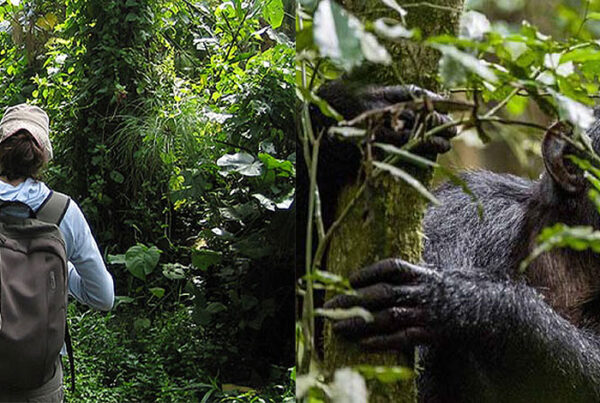
While East Africa is traditionally associated with savannah safaris, Uganda and Rwanda elevate the region by offering rare primate encounters. Mountain gorilla trekking in Bwindi Impenetrable National Park and Volcanoes National Park adds a powerful conservation-driven experience to the safari portfolio. These encounters are tightly regulated, ensuring minimal impact while generating vital funding for habitat protection and community development.

The inclusion of primate tracking alongside traditional game drives allows East Africa to deliver multi-layered safari experiences unmatched elsewhere on the continent.Best African Safaris

Southern Africa and the Evolution of the Modern Safari

Southern Africa has redefined safari travel through innovative conservation strategies, refined guiding standards, and diverse ecosystems. Countries such as Botswana, Zambia, Zimbabwe, Namibia, and South Africa collectively represent some of the best African safaris for travelers seeking exclusivity and ecological depth.

Botswana and the Okavango Delta

Botswana exemplifies low-volume, high-value tourism. The Okavango Delta is a seasonal wetland that floods annually, creating a shifting mosaic of waterways, islands, and grasslands. This unique hydrology supports rich biodiversity and allows for water-based safari activities such as mokoro excursions alongside traditional game drives.

Botswana’s strict limits on lodge numbers and visitor access preserve wilderness quality and reduce environmental pressure. As a result, wildlife encounters remain intimate and behaviorally natural, reinforcing Botswana’s reputation as a leader in premium safari experiences.

South Africa and Accessibility with Diversity

South Africa delivers some of the most accessible yet diverse safari experiences on the continent. The Kruger National Park anchors the country’s safari offering, supported by private reserves such as Sabi Sands that prioritize off-road tracking and expert guiding. South Africa’s infrastructure, range of accommodation, and malaria-free reserves make it a practical entry point for first-time safari travelers.

Despite higher visitor numbers, private reserve management and strict conservation regulations ensure high-quality wildlife viewing. South Africa’s ability to combine safari travel with urban culture, coastal scenery, and winelands adds to its appeal within the best African safaris category.

Zambia and Zimbabwe and the Walking Safari Heritage

Zambia and Zimbabwe preserve the original spirit of safari exploration through walking safaris and river-based wildlife viewing. The South Luangwa National Park pioneered the walking safari concept, offering close, respectful encounters guided by expert naturalists. Zimbabwe’s Hwange National Park supports one of Africa’s largest elephant populations, while the Zambezi River systems sustain diverse wildlife corridors.

These destinations emphasize interpretation, patience, and ecological understanding, attracting travelers who value depth over spectacle.

Central Africa and the Last True Wilderness Safaris

Central Africa offers some of the most challenging yet rewarding safari experiences on the continent. Dense rainforests, limited infrastructure, and complex conservation realities define this region’s appeal.

Democratic Republic of Congo and Remote Conservation

The Virunga National Park stands as Africa’s oldest national park and a symbol of conservation resilience. Home to mountain gorillas, active volcanoes, and rare biodiversity, Virunga represents a frontier safari destination where tourism directly supports wildlife protection and community stability.

Safaris in Central Africa demand flexibility and commitment, but they reward travelers with encounters few others experience. These journeys highlight the role of tourism in protecting fragile ecosystems under threat.

Safari Styles That Shape the Best African Safaris

The best African safaris are not defined by destination alone but also by how experiences are structured. Game drives remain the most common format, but walking safaris, river safaris, photographic safaris, and conservation-focused journeys deepen engagement.

Walking safaris foster awareness of smaller ecological details, while river safaris reveal wildlife behaviors often missed from vehicles. Photographic safaris prioritize positioning, patience, and ethical observation. Primate tracking introduces an emotional dimension rooted in shared evolutionary history.

Safari diversity allows travelers to tailor experiences while supporting varied conservation models.Best African Safaris

Conservation, Community, and the Future of African Safaris

Conservation success underpins the best African safaris. Protected areas that thrive do so because tourism revenue funds anti-poaching efforts, scientific research, and community education. Where local communities benefit directly from wildlife tourism, conservation outcomes improve dramatically.

Modern safaris increasingly integrate carbon reduction strategies, renewable energy, and habitat restoration. As climate pressures intensify, safari destinations that invest in adaptive management and ecological monitoring will continue to lead the industry.

Planning the Best African Safaris

Planning the best African safaris requires aligning travel goals with ecological realities. Seasonal changes influence wildlife movement, vegetation density, and accessibility. Migration periods, calving seasons, and predator breeding cycles shape safari quality.

Travelers benefit from choosing destinations based on experience rather than popularity alone. A well-planned safari balances wildlife density, landscape variety, ethical tourism practices, and personal interests.

Why the Best African Safaris Remain Unmatched

The best African safaris endure because they protect something increasingly rare: functional wilderness. Africa’s landscapes still allow animals to live, migrate, hunt, and reproduce without confinement. These conditions cannot be replicated elsewhere.

A safari is ultimately a lesson in coexistence, resilience, and scale. Africa’s ability to offer this experience, while continuously improving conservation and community engagement, ensures its place at the pinnacle of global wildlife travel.

Africa Safari Packages

Africa Safari Packages

By Travel stories and blogs

Africa Safari Packages: The Gateway to Authentic Wildlife Encounters

Africa safari packages continue to define the pinnacle of nature-based travel, offering deeply immersive journeys into some of the world’s last great wilderness areas. Across the continent, carefully curated Africa safari packages bring travelers face to face with iconic wildlife, ancient landscapes, and cultures that have coexisted with nature for centuries. These journeys are not simply holidays; they are transformative experiences designed to connect travelers with Africa’s raw beauty in a responsible, expertly guided, and meaningful way.

Africa safari packages are structured to suit a wide range of travel styles, from first-time visitors seeking classic game drives to seasoned explorers searching for specialized wildlife encounters. Whether the focus is on tracking the Big Five across vast savannahs, witnessing the Great Migration, trekking endangered mountain gorillas, or combining safari experiences with coastal escapes, Africa safari packages are built around precision, safety, and authenticity. Each package reflects years of field expertise, logistical planning, and deep local knowledge to ensure seamless travel in often remote regions.

At the heart of Africa safari packages lies the promise of exclusivity and depth. Unlike conventional tourism, safaris operate in protected ecosystems where wildlife dictates the rhythm of each day. The result is an experience shaped by nature itself, guided by professional experts who interpret animal behavior, conservation challenges, and ecological balance in real time. This article explores Africa safari packages in depth, offering clarity on destinations, styles, wildlife experiences, accommodation standards, and planning considerations for travelers seeking an authoritative guide to safari travel.

Understanding Africa Safari Packages

Africa safari packages are comprehensive travel programs that combine transportation, accommodation, guided wildlife activities, park fees, and logistical support into a single, coordinated itinerary. These packages are designed to remove complexity while maximizing wildlife exposure and comfort. Each safari package is tailored around a specific region, theme, or travel objective, ensuring that time spent in the field is both efficient and enriching.

Safari packages vary significantly depending on destination and focus. In East Africa, packages often emphasize classic savannah safaris alongside primate tracking in tropical forests. In Southern Africa, safari packages tend to prioritize private reserves, water-based safaris, and high-end lodges. Central and West Africa safari packages, while less mainstream, focus on remote rainforests and rare species encounters. The diversity of Africa safari packages reflects the continent’s ecological range and the evolving expectations of modern travelers.

A defining feature of Africa safari packages is guided expertise. Professional safari guides, trackers, and naturalists are integral to the experience. Their training ensures safe wildlife viewing while providing context that elevates sightings into meaningful learning experiences. This expert-led structure distinguishes Africa safari packages from independent travel and underpins their enduring appeal.

Core Safari Destinations in Africa

East Africa Safari Packages

East Africa remains one of the most iconic regions for Africa safari packages due to its open landscapes, high wildlife density, and strong conservation infrastructure. Countries such as Kenya, Tanzania, Uganda, and Rwanda form the backbone of East African safari circuits.

Kenya safari packages are renowned for the Maasai Mara ecosystem, where vast plains support large predator populations and seasonal wildlife movements. Tanzania safari packages center around the Serengeti, Ngorongoro Crater, and Tarangire, offering some of the most consistent game viewing on the continent. Uganda and Rwanda safari packages introduce a contrasting experience, combining classic game drives with world-famous gorilla trekking and chimpanzee tracking in protected forests.

East Africa safari packages are particularly valued for their flexibility. Travelers can combine multiple countries in a single itinerary, linking savannah safaris with primate encounters and cultural experiences. This regional diversity makes East Africa safari packages highly attractive to travelers seeking comprehensive African wildlife exposure.

https://cdn.adventure-life.com/14/80/52/kenya-zebras_serengeti/1300x820.webp

Southern Africa Safari Packages

Southern Africa safari packages are defined by exclusivity, varied ecosystems, and exceptional guiding standards. Countries such as Botswana, Zambia, Zimbabwe, Namibia, and South Africa dominate this region’s safari offerings.

Botswana safari packages are widely regarded as premium experiences, focusing on low-impact tourism in pristine environments like the Okavango Delta. Zambia safari packages emphasize walking safaris and river-based wildlife viewing along the Zambezi. Zimbabwe safari packages offer a blend of strong wildlife experiences and dramatic landscapes near Victoria Falls. Namibia safari packages introduce desert-adapted wildlife and striking scenery, while South Africa safari packages provide accessibility and luxury within private reserves.

Southern Africa safari packages often prioritize private concessions, allowing off-road driving, night safaris, and highly personalized experiences. These features distinguish them from more crowded safari destinations and appeal to travelers seeking privacy and depth.

Central and West Africa Safari Packages

Central and West Africa safari packages cater to adventurous travelers interested in rare species and remote wilderness. Destinations such as Gabon, Republic of Congo, and Cameroon offer rainforest safaris that differ significantly from traditional savannah experiences.

These safari packages focus on forest elephants, lowland gorillas, and rich birdlife. Infrastructure is less developed, but the rewards include unmatched exclusivity and genuine exploration. Central and West Africa safari packages are typically guided by specialist operators with extensive regional experience.

Types of Africa Safari Packages

Classic Wildlife Safari Packages

Classic Africa safari packages focus on game drives within established national parks and reserves. These packages are designed to showcase Africa’s most famous wildlife, including lions, elephants, leopards, rhinoceroses, and buffalo. The structure usually includes early morning and late afternoon drives, maximizing wildlife activity periods.

These safari packages are ideal for first-time safari travelers, offering a balanced introduction to African wildlife and landscapes. Accommodation ranges from comfortable lodges to luxury tented camps, all strategically located near prime wildlife areas.

Luxury Africa Safari Packages

Luxury Africa safari packages elevate the safari experience through high-end accommodation, private guiding, and personalized services. These packages often feature exclusive lodges, private concessions, charter flights, and bespoke itineraries tailored to individual preferences.

Luxury safari packages emphasize privacy, comfort, and seamless logistics without compromising authenticity. Fine dining, spa treatments, and immersive design complement the wildlife experience, making these packages particularly appealing to honeymooners and high-end travelers.

Budget and Mid-Range Safari Packages

Budget-conscious Africa safari packages focus on delivering strong wildlife experiences while managing costs. These packages typically use shared transport, standardized lodges, and scheduled departures. Despite lower price points, reputable operators maintain safety, guiding quality, and conservation standards.

Mid-range safari packages strike a balance between comfort and affordability, offering private transport, well-located lodges, and flexible itineraries. These options make Africa safari packages accessible to a broader audience without diluting experience quality.

Specialized Safari Packages

Specialized Africa safari packages cater to specific interests such as photography, birdwatching, primate tracking, or family travel. Photography safaris focus on positioning, timing, and vehicle configuration. Birding safaris target endemic species and seasonal migrations. Primate safari packages prioritize gorilla and chimpanzee encounters in protected forests.

Family safari packages incorporate child-friendly lodges, shorter game drives, and educational elements. These tailored safari packages reflect the adaptability of Africa safari offerings to diverse traveler profiles.Africa Safari Packages

Wildlife Experiences Included in Africa Safari Packages

Africa safari packages are structured around wildlife encounters that vary by ecosystem and season. Game drives remain the foundation, offering opportunities to observe predators, herbivores, and birdlife in natural settings. Walking safaris introduce a slower, interpretive approach, focusing on tracks, plants, and smaller species.

Boat safaris add a different perspective, particularly in riverine and delta environments where wildlife congregates along waterways. Primate trekking, one of the most sought-after experiences, involves guided hikes through forests to observe habituated gorilla or chimpanzee groups.

Night safaris, where permitted, reveal nocturnal species and add depth to wildlife understanding. These diverse activities are carefully integrated into Africa safari packages to ensure variety while respecting conservation guidelines.

Accommodation Styles in Africa Safari Packages

Accommodation is a defining element of Africa safari packages, directly influencing comfort, access, and overall experience. Safari lodges range from permanent structures with full amenities to seasonal tented camps designed for minimal environmental impact.

Luxury lodges emphasize architectural harmony with the landscape, private verandas, and personalized service. Tented camps offer proximity to wildlife and a traditional safari atmosphere. Eco-lodges focus on sustainability, renewable energy, and community engagement.

The choice of accommodation within Africa safari packages reflects destination regulations, traveler preferences, and budget considerations. Strategic placement ensures minimal travel time to wildlife areas, maximizing time spent on safari activities.

Best Time to Book Africa Safari Packages

Seasonality plays a crucial role in Africa safari packages. Dry seasons typically offer better wildlife visibility due to reduced vegetation and concentrated water sources. Wet seasons, while less predictable, provide lush landscapes, fewer crowds, and excellent birding opportunities.

The Great Migration influences safari planning in East Africa, with specific months offering river crossings or calving seasons. Primate trekking operates year-round but may vary in trail conditions depending on rainfall. Understanding seasonal patterns ensures Africa safari packages align with traveler expectations and priorities.

Conservation and Community Impact of Africa Safari Packages

Responsible Africa safari packages contribute directly to conservation and community development. Park fees, concession payments, and tourism revenue fund wildlife protection, habitat preservation, and anti-poaching efforts. Community partnerships create employment, support education, and promote cultural preservation.

Many safari packages incorporate visits to community projects or conservation initiatives, offering travelers insight into the broader impact of their journey. Ethical operators prioritize sustainability, ensuring that Africa safari packages support long-term ecological and social resilience.Africa Safari Packages

Planning and Customizing Africa Safari Packages

Effective planning is essential for successful Africa safari packages. Factors such as travel time, physical ability, interests, and budget influence itinerary design. Professional safari planners tailor routes, accommodations, and activities to match individual expectations while accounting for logistical realities.

Customization allows travelers to combine multiple destinations, adjust activity intensity, and select accommodation styles. Well-designed Africa safari packages balance ambition with practicality, ensuring rewarding experiences without unnecessary fatigue.

Why Africa Safari Packages Remain Unmatched

Africa safari packages remain unparalleled due to the continent’s biodiversity, scale, and authenticity. Few travel experiences offer the same level of immersion, unpredictability, and emotional impact. Each safari unfolds differently, shaped by wildlife movements and natural rhythms rather than fixed schedules.

The enduring appeal of Africa safari packages lies in their ability to connect travelers with nature in its purest form. Through expert guidance, responsible practices, and thoughtful design, these packages deliver experiences that resonate long after the journey ends.

Plan Your Safari

Africa safari packages are best approached with clarity, expertise, and realistic expectations. Choosing the right destination, season, and style transforms a safari from a simple trip into a lifelong memory. With informed planning and professional support, Africa safari packages offer not only exceptional wildlife encounters but also meaningful contributions to conservation and community well-being.

African Safari Tours

African Safari Tours

By Travel stories and blogs

African safari tours remain one of the most compelling travel experiences on Earth, combining raw wilderness, iconic wildlife, living cultures, and landscapes that still move to ancient rhythms. Across the continent, vast savannahs, dense rainforests, desert ecosystems, wetlands, and volcanic highlands form the stage for encounters that feel profoundly human and deeply humbling. African safari tours are not simply holidays; they are immersive journeys into some of the planet’s last truly wild places, shaped by conservation, community, and careful stewardship.

From the thundering hooves of the Great Migration in the open plains of East Africa to the silent glide of a mokoro canoe through the waterways of Southern Africa, African safari tours offer a diversity of experiences unmatched anywhere else. Each destination holds its own ecological story, cultural identity, and style of exploration, allowing travellers to choose adventures that align with their interests, comfort levels, and sense of purpose.

Understanding African Safari Tours in Their True Context

African safari tours are rooted in the Swahili word safari, meaning journey. This definition captures their essence more accurately than any modern interpretation. A safari is not defined by speed or spectacle alone, but by movement through space, time, and understanding. Modern African safari tours have evolved far beyond colonial-era travel, now standing as models of responsible tourism, wildlife protection, and local empowerment.

Today’s safari landscape integrates luxury lodges, eco-camps, community-run conservancies, and scientifically guided wildlife experiences. These tours are designed to balance comfort with authenticity while ensuring that tourism revenue directly supports conservation efforts and local livelihoods. In many regions, safari tourism is the primary economic engine protecting wildlife habitats from agriculture, mining, and unsustainable development.

The Geography That Shapes African Safari Tours

Africa’s ecological diversity explains why African safari tours vary so dramatically from one region to another. The continent spans over 30 million square kilometres, containing some of the world’s most distinct biomes. Each environment influences the wildlife species present, the style of safari activities offered, and the best times to visit.

East Africa and the Classic Safari Landscape

East Africa is often considered the spiritual home of African safari tours, largely due to its expansive grasslands and extraordinary wildlife densities. Countries such as Kenya, Tanzania, Uganda, and Rwanda dominate this region, offering iconic safari circuits that blend savannah safaris with primate experiences.

The open plains of Serengeti National Park and Maasai Mara National Reserve support one of the greatest wildlife spectacles on the planet: the annual Great Migration. Millions of wildebeest, zebras, and gazelles move across borders in search of fresh grazing, followed closely by Africa’s top predators.

Beyond the savannah, East Africa also introduces forest-based safari tours. In Bwindi Impenetrable National Park and Volcanoes National Park, travellers track endangered mountain gorillas in mist-covered jungles, a profoundly intimate wildlife experience that reshapes perceptions of conservation and coexistence.

Southern Africa and the Art of Slow Safaris

Southern Africa offers a different rhythm to African safari tours, characterised by vast private concessions, river systems, and low-impact exploration. Botswana, Zambia, Zimbabwe, Namibia, and South Africa dominate this region, each delivering highly refined safari experiences.

The Okavango Delta exemplifies Southern Africa’s uniqueness. Seasonal floodwaters transform desert plains into lush wetlands, attracting elephants, antelope, and predators. Safari tours here often unfold by boat, canoe, and walking safaris, emphasising silence, patience, and close ecological observation.

South Africa’s Kruger National Park stands as one of the continent’s most accessible safari destinations, offering diverse accommodation options and year-round wildlife viewing. The integration of private reserves around Kruger elevates safari tours through expert guiding, off-road tracking, and conservation research access.African Safari Tours

Wildlife as the Heart of African Safari Tours

African safari tours are built around wildlife, yet the experience extends beyond simple animal sightings. The richness lies in understanding ecosystems, animal behaviour, and interdependence. Africa hosts over a quarter of the world’s mammal species, alongside thousands of bird species, reptiles, and insects that play critical ecological roles.

The Big Five and Beyond

The concept of the Big Five remains central to many African safari tours, referring to lions, leopards, elephants, buffaloes, and rhinoceroses. These animals symbolise Africa’s conservation challenges and successes. However, modern safari travellers increasingly value biodiversity rather than checklists.

Cheetahs sprint across plains, wild dogs hunt in coordinated packs, giraffes browse acacia trees, and hippos dominate river systems. Night safaris reveal elusive nocturnal species, while birding safaris uncover Africa’s astonishing avian diversity, from flamingo-filled soda lakes to forest endemics hidden in dense canopies.

Primate-Focused Safari Tours

Primate tourism represents one of the most emotionally powerful branches of African safari tours. Gorilla trekking and chimpanzee tracking provide insights into intelligence, social structures, and conservation urgency. These experiences are tightly regulated, limiting visitor numbers to protect fragile primate populations and habitats.

Revenue generated from primate safari tours directly funds ranger patrols, veterinary interventions, and community projects, demonstrating how tourism can function as a conservation tool rather than a threat.

Cultural Dimensions of African Safari Tours

African safari tours are inseparable from the people who live alongside wildlife. Across the continent, indigenous communities maintain traditions shaped by land, animals, and seasonal cycles. Ethical safari tours recognise culture as an integral component rather than an optional add-on.

Visits to pastoralist communities, forest-dwelling groups, and fishing villages offer insights into sustainable living practices refined over centuries. Community-owned lodges and conservancies allow travellers to engage respectfully while ensuring economic benefits remain local. This approach strengthens conservation outcomes by aligning wildlife protection with community prosperity.

Types of African Safari Tours Explained

African safari tours cater to a wide range of travellers, preferences, and objectives. Understanding these variations allows travellers to select experiences aligned with their expectations and values.

Luxury African Safari Tours

Luxury safari tours focus on exclusivity, personalised service, and refined comfort without sacrificing authenticity. These tours typically operate within private concessions or remote reserves, offering spacious suites, gourmet cuisine, and expert guiding. Privacy enhances wildlife encounters while supporting conservation through high-value, low-impact tourism.

Mid-Range and Value-Oriented Safari Tours

Mid-range safari tours balance comfort and affordability, often using well-located lodges and professionally guided game drives. These tours remain highly immersive and educational, making African safari tours accessible to a broader audience without compromising ethical standards.

Adventure and Walking Safaris

Walking safaris represent one of the most immersive forms of African safari tours. Accompanied by armed rangers and professional guides, travellers explore ecosystems on foot, learning to interpret tracks, plants, and animal behaviour. This style fosters deep ecological awareness and respect for wildlife.

Photographic and Specialist Safari Tours

Specialist safari tours focus on photography, birding, conservation research, or family travel. These itineraries are guided by experts with specialised knowledge, ensuring that experiences meet specific learning or creative goals.

Seasonal Considerations for African Safari Tours

Timing plays a critical role in shaping safari experiences. Africa’s seasons influence wildlife movement, vegetation density, and accessibility. Dry seasons generally offer excellent game viewing as animals congregate around water sources, while wet seasons transform landscapes and attract migratory birds.

Understanding regional climate patterns allows travellers to choose safari tours that align with their priorities, whether that involves dramatic river crossings, newborn wildlife, or lush scenery with fewer visitors.African Safari Tours

Conservation and Responsibility in African Safari Tours

Modern African safari tours exist because conservation works. Many wildlife populations survive solely because protected areas generate economic value through tourism. Ethical safari operators prioritise sustainability through renewable energy, water conservation, waste management, and community partnerships.

Anti-poaching efforts, habitat restoration, and wildlife monitoring are often funded directly by safari tourism revenue. Travellers participating in responsible safari tours become stakeholders in conservation success, contributing to the long-term survival of species and ecosystems.

Planning African Safari Tours with Confidence

Planning African safari tours requires careful consideration of destinations, activities, travel logistics, and personal expectations. Professional safari planners play a vital role in crafting itineraries that maximise wildlife encounters while ensuring safety, comfort, and cultural sensitivity.

Travel documentation, health considerations, and park regulations vary by country, making expert guidance invaluable. Well-planned safari tours allow travellers to focus entirely on the experience rather than logistics.

The Emotional Impact of African Safari Tours

Beyond wildlife and landscapes, African safari tours leave a lasting emotional imprint. Witnessing predator-prey dynamics, observing family bonds among elephants or primates, and experiencing vast open spaces fosters perspective and humility. These journeys often inspire long-term commitments to conservation, environmental awareness, and responsible travel.

Safari tours reconnect travellers with natural rhythms increasingly absent from modern life. The silence of dawn, the intensity of a lion’s gaze, and the interconnectedness of ecosystems offer lessons that extend far beyond the journey itself.

The Enduring Appeal of African Safari Tours

African safari tours continue to evolve, yet their core appeal remains unchanged. They offer authenticity in a world increasingly shaped by artificial experiences. They remind humanity of its place within nature rather than above it. Through thoughtful planning, ethical choices, and respectful engagement, safari tours remain powerful forces for conservation, education, and cross-cultural understanding.

For those seeking meaningful travel that combines adventure, learning, and purpose, African safari tours stand unrivalled. They are not merely destinations, but journeys that redefine how the world is seen and understood.

The African Woman’s World

The African Woman’s World

By Travel stories and blogs

The African Woman’s World – Authentic Community Tours in Africa | WildHorn Africa

To understand Africa, one must first understand the African woman — her rhythm, her laughter, her resilience, and the quiet strength that anchors entire communities. Across the vast landscapes of the continent, from the golden savannahs of Kenya to the lush hills of Uganda and the red dunes of Namibia, the African woman carries the heartbeat of her world with grace and endurance. She is the mother, the farmer, the teacher, the trader, the healer, and the storyteller — all at once. Her hands build, her voice guides, and her spirit sustains.

When travelers step into the realm of community tours in Africa, they enter a space defined not by luxury, but by life itself. It is here that they encounter the power and beauty of the African woman’s world — a world woven with tradition, strength, and compassion. To walk beside her is to witness a culture lived, not displayed; to listen to her stories is to hear the wisdom of generations echoing through time.

The African woman’s life may unfold in simplicity, but within that simplicity lies depth — a quiet elegance shaped by centuries of resilience, creativity, and love. Her world is one of connection: to the land, to her family, and to the unseen forces that guide her days. And through community tours, travelers are invited not merely to observe her way of life, but to share in it — to cook beside her, to walk her paths, and to feel her world from within.

The Heart of Her World: The African Woman and the Rhythm of Life

In the villages of Africa, life follows the rhythm of the sun. The day begins before dawn, when the first light stretches across the horizon and the world stirs to life. The soft murmur of voices blends with the sound of pestles grinding grains, the cry of roosters, and the rustle of trees in the morning breeze. It is the African woman who leads this awakening.

She steps out barefoot onto the earth that she knows like the lines of her own palm. Her first journey of the day may be to the well or the river, balancing a clay pot or jerrycan on her head with effortless grace. This simple act of fetching water — repeated every morning — reflects a bond between woman and land that defines African life.

By mid-morning, the village is alive with activity. Women tend to gardens, prepare meals, and gather with others to share stories or trade goods in the local market. They work in groups, moving with laughter and song, transforming labor into rhythm. For travelers who join these daily routines during community tours, the experience is more than educational — it is humbling. It reveals that what may appear as hardship from afar is, in truth, an expression of harmony, dignity, and unbreakable spirit.

The African woman’s world is not defined by luxury but by meaning. Every gesture — stirring a pot, plaiting a child’s hair, weaving a mat — carries history, care, and intention. Her strength is not loud but steady, her grace not fleeting but timeless.

Tradition, Identity, and the Sacred Role of the African Woman

Tradition forms the foundation of the African woman’s life. Across the continent, from pastoral communities in East Africa to matrilineal societies in West and Southern Africa, women are the custodians of heritage. They are the storytellers who keep history alive, the singers who give voice to collective memory, and the teachers who shape the next generation.

Rites of passage, festivals, and ceremonies all bear the imprint of the African woman. She prepares the meals that mark celebration and mourning alike. She leads the songs that welcome new life or honor the departed. Her understanding of rituals, herbs, and ancestral customs connects the present to the past.

In some regions, women hold spiritual authority as priestesses or guardians of sacred sites. Their prayers and rituals maintain balance between the living and the ancestral world. To witness such practices during community tours is to enter a space where spirituality is not a separate sphere of life, but its very foundation. The African woman lives not apart from the divine but within it, embodying faith through her daily actions.

Her clothing, too, speaks volumes. From the bright kitenge prints of East Africa to the bold beads of the Maasai and the ochre-covered skin of the Himba women, attire becomes an expression of identity, pride, and artistry. Each pattern, color, and adornment carries a message — of tribe, status, or occasion. Travelers observing these details see how culture breathes through fabric and form, preserved and renewed by women’s hands.

The African Woman’s WorldThe Labor of Love: Women, Work, and Community

Work in the African woman’s world is not merely a necessity; it is an act of love. Her labor sustains life in every sense — physical, emotional, and communal. From sunrise to sunset, her day flows through countless tasks that define the structure of village life.

In the fields, she cultivates crops that feed her family and community. Her knowledge of soil, seasons, and seed is profound, passed down through generations. She understands the rhythm of rain and the language of the wind, adjusting her methods with wisdom older than science.

In the home, she is a nurturer. Meals are prepared not just for nourishment but as symbols of care. Cooking is a communal act, performed with laughter and conversation. Travelers who participate in these culinary traditions discover flavors tied to memory — dishes like matoke, ugali, or cassava that embody both sustenance and heritage.

Beyond the household, women drive local economies through small-scale trade and craftwork. Marketplaces are their domains — vibrant spaces filled with color, sound, and exchange. Here, one finds not only goods but gossip, support, and solidarity. The market is where African women assert agency, independence, and creativity.

In many regions, community tourism projects have become extensions of this economic strength. Women lead homestays, manage cooperatives, and share their skills — from pottery to weaving — with visitors. These initiatives empower women financially while preserving cultural knowledge. Travelers engaging in these programs often find their most meaningful experiences come from these moments of shared enterprise and conversation.

The Matriarchal Wisdom: Family, Education, and Continuity

The African woman is both the foundation and the future of her family. Her influence shapes not only her household but the moral compass of her community. She is the first teacher, the moral guide, and often the silent architect of generations’ success.

Education begins in her arms. Long before children enter formal schools, they learn through her stories, songs, and example. Each tale told at dusk teaches virtue — courage, honesty, patience, and respect. The songs sung at harvest or during work instill rhythm, unity, and endurance.

In the modern era, African women have become champions of formal education as well. Many walk miles to ensure their children attend school, often sacrificing personal comfort for the sake of future opportunity. For travelers visiting local schools through community tours, the sight of mothers supporting education with pride is deeply inspiring. It demonstrates how the African woman views knowledge as both inheritance and liberation.

Even as they embrace modern education, women remain the guardians of traditional wisdom — herbal medicine, environmental stewardship, and oral history. Their ability to balance the old and new defines their unique leadership.

The Art of Connection: Hospitality and Ubuntu

Hospitality in Africa is not a custom; it is a calling. Nowhere is this more evident than in the world of African women, whose homes are sanctuaries of warmth and generosity. The concept of Ubuntu — the philosophy that “I am because we are” — is not an abstract ideal but a lived principle.

When travelers visit African communities, they are received with genuine joy. A stranger becomes a friend, a guest becomes family. Meals are shared freely, stories exchanged with laughter, and every visitor leaves feeling both welcomed and seen.

African women embody this spirit of Ubuntu. Whether through offering food, preparing tea, or guiding visitors through their villages, they practice hospitality as an act of love. The experience is deeply humanizing. It dissolves boundaries of language, culture, and privilege, leaving only shared humanity.

Travelers who engage in community tours often describe these moments as the most unforgettable parts of their journey. They discover that generosity here does not flow from abundance, but from an understanding that connection itself is wealth.

Music, Dance, and Expression: The Language of the African Woman

If there is one universal language across the African continent, it is rhythm — and the African woman speaks it fluently. Through music and dance, she tells the story of her world: its joys, its struggles, and its unending hope.

In villages, every occasion has its song. There are songs for weddings, for planting, for birth, and for mourning. Women’s voices rise in harmony, accompanied by drums, clapping, and ululation — that piercing, joyful cry that announces triumph. Dance follows naturally, movements fluid and powerful, echoing the heartbeat of the land.

For travelers joining in these performances, the experience transcends observation. To dance beside African women beneath the open sky is to feel time dissolve — to sense an ancient energy that connects all living things. It is art not performed but lived, a reminder that expression here is both spiritual and communal.

The songs themselves carry history. Many are centuries old, passed down orally through generations. They speak of love, harvest, resistance, and gratitude — the full spectrum of life’s emotion. In these melodies lies the essence of Africa’s enduring soul.

The African Woman’s WorldThe Transformative Role of Community Tours

Community tours in Africa provide a bridge between travelers and the real essence of the continent — an essence that cannot be captured by landscapes alone. Through these tours, visitors witness the world through the eyes of women who sustain it.

Travelers are welcomed into homes, invited to share meals, and guided through villages where the daily rhythm is both foreign and familiar. They participate in crafts, help prepare food, or learn traditional dances. Each encounter becomes an exchange of stories and smiles — a dialogue of respect rather than curiosity.

More importantly, these tours bring tangible benefits to communities. They create sustainable livelihoods, promote gender equality, and preserve cultural heritage. Women gain opportunities to showcase their skills and earn income while travelers gain education, empathy, and a renewed appreciation for simplicity.

In the process, the African woman’s world is no longer a distant idea but a lived experience — one that teaches humility, gratitude, and connection.

Sustainability, Empowerment, and the Future

The growing popularity of community-based tourism has sparked a new era of empowerment across Africa. Women now stand at the forefront of this transformation, shaping how tourism can serve both people and planet.

Organizations like WildHorn Africa partner with local cooperatives to ensure that community tours are sustainable, respectful, and beneficial. These programs prioritize fair wages, environmental care, and cultural authenticity. Women are trained as guides, artisans, and hosts, giving them leadership roles that strengthen both family and community.

Sustainability here is not a buzzword but a responsibility. It ensures that tourism uplifts rather than exploits, that culture is celebrated rather than commodified. The African woman, once a subject of travel photography, becomes the author of her own story — a teacher, a leader, a symbol of transformation.

The Emotional Power of the African Woman’s Story

The African woman’s story is not one of struggle alone; it is one of triumph. Her laughter in the face of hardship, her songs that echo across generations, and her hands that build futures are testaments to her strength.

For travelers, spending even a few days within her world can be life-changing. It offers perspective — a reminder that happiness is found not in material abundance but in belonging, purpose, and gratitude. It challenges assumptions about success and teaches that progress and tradition can coexist in harmony.

Every handshake, every shared meal, every story told by firelight becomes a thread in the tapestry of human connection. And when visitors leave, they carry something intangible yet profound — the understanding that Africa’s greatest beauty lies not in its landscapes, but in the hearts of its women.

Discover the African Woman’s World with WildHorn Africa

To explore the African woman’s world is to walk through the soul of the continent. It is to see how culture, resilience, and compassion intertwine to create a way of life that is both ancient and enduring. Through community tours, travelers witness a world built on strength, sustained by love, and enriched by tradition.

This is not just a journey of observation but of participation — an opportunity to learn, to share, and to honor the women whose spirit defines Africa.

Book your next Africa tour and cultural safari with WildHorn Africa, and step into the world of the African woman — a world of grace, wisdom, and resilience that continues to inspire all who walk beside her.

Living Traditions

Living Traditions

By Travel stories and blogs

Living Traditions – Experience Authentic Africa Cultural Tours | WildHorn Africa

There are places in the world where culture is not a museum exhibit or a memory—it is a living force that breathes, sings, and dances through daily life. That place is Africa, where every dawn is greeted by rhythm, every meal is prepared with meaning, and every story is told not for nostalgia but for continuity. To travel here is to witness culture not as history, but as heartbeat. The essence of Africa cultural tours lies in this living tradition—a sacred thread connecting past and present, weaving people, land, and spirit into one enduring tapestry.

For those who long to experience more than the spectacle of wildlife safaris or the comfort of luxury lodges, Africa’s cultural journeys offer something far deeper. They open doors into communities where rituals still shape the calendar, where songs carry ancient wisdom, and where craftsmanship transforms survival into art. These are the journeys that reveal the soul of Africa—the continent that continues to teach the world that tradition is not something left behind, but something lived every day.

This is not the Africa seen through postcards. It is an Africa of connection, of emotion, and of continuity—a place where visitors are not spectators but participants in the rhythm of a living heritage.

The Spirit of Living Traditions

To understand Africa’s living traditions is to understand its essence. Across the continent, culture is not frozen in time but fluid and evolving, molded by generations yet rooted in ancestry. Every community, from the pastoral tribes of East Africa to the fisherfolk of West Africa and the desert dwellers of the south, carries a unique expression of identity—an unbroken chain of belief, practice, and artistry.

Tradition here is not bound by ceremony alone. It is found in how families greet the morning, in how elders bless the harvest, and in how young people learn through observation rather than instruction. It exists in the daily rituals of respect and resilience, in songs that recount migrations, and in proverbs that hold the moral fabric of society.

Africa cultural tours allow travelers to step inside this continuum—to listen to the pulse of community, to see the sacred woven into the ordinary. They offer a window into how culture is lived, not merely remembered. From the rhythmic pounding of millet under a thatched roof to the joyful ululations of wedding songs, every moment holds layers of meaning.

Culture in Africa is not a performance; it is participation.

Rituals and Rhythms of Everyday Life

In the villages and towns that stretch across the African landscape, every day unfolds with ritual and rhythm. These are not rituals confined to temples or festivals, but woven seamlessly into the act of living. The day begins with the rising sun, when prayers are whispered to ancestors and the smell of woodsmoke fills the air. Morning is not simply the start of labor but the reaffirmation of life’s sacred cycle.

As women sweep the compounds, they do so with intention, not only to clean but to honor order and harmony. Men prepare for the fields or the hunt, guided by ancestral practices that dictate when and how to plant, harvest, or fish. Children follow their elders, learning through mimicry and play.

Midday brings communal gathering—a moment for laughter, conversation, and shared sustenance. Even the preparation of food is a cultural act. Grinding grain, roasting maize, or brewing traditional beer are more than chores—they are ceremonies of connection. Each motion carries stories of heritage, recipes perfected over generations, and lessons about patience, gratitude, and togetherness.

As the day ends, the community gathers again under the soft glow of firelight. Stories rise into the night air, songs echo through the plains, and dances begin—not for entertainment but as expressions of identity and unity. It is here that visitors begin to understand that Africa’s greatest art form is life itself, lived in rhythm with the natural and spiritual worlds.

The Meaning Behind Music and Dance

Music and dance form the living language of Africa. They are not just artistic expressions but the mediums through which communities communicate, remember, and heal. Every region, every tribe, every village holds its own soundscape—its own rhythm that mirrors the heartbeat of its people.

The drum is central to this language. Its beat calls people to gather, celebrates harvests, and honors the departed. Its rhythms speak in patterns, each variation carrying meaning that only the initiated can fully decode. The drum is the voice of community, uniting hearts and generations.

Dance, in turn, transforms music into motion. Each movement tells a story—of love, war, fertility, or joy. The steps of a Maasai warrior’s jump, the slow grace of a Xhosa wedding dance, or the hypnotic spin of a Rwandan Intore dancer are all chapters in the narrative of a people.

For travelers joining in these dances during Africa cultural tours, there is a moment of realization: culture here is not something to be watched from afar. It demands participation. To move, to sing, to clap along is to step into communion with history, spirit, and self.

Living TraditionsLanguage and Storytelling: The Memory of the People

Language is the soul of a culture, and in Africa, it is also the keeper of wisdom. The continent’s thousands of languages each carry a worldview—unique expressions of thought, humor, and philosophy. In communities where writing came late, oral storytelling became the heartbeat of memory.

Evening storytelling sessions are among the most profound experiences a traveler can witness. Elders, seated around fires, become the living libraries of their people. They speak of ancestors, gods, and heroes—of creation, justice, and destiny. Their words are often punctuated by chants, riddles, or call-and-response songs, inviting listeners to engage rather than observe.

These tales, passed from one generation to another, serve multiple roles: they educate, entertain, and preserve. Through them, children learn morals, adults reflect on values, and societies reinforce their collective identity.

Travelers often find themselves entranced by the depth of this oral heritage. A story that begins with humor may end in revelation, teaching lessons about humanity, humility, and hope. Within these stories lies Africa’s oldest truth—that wisdom is not stored in books but lived through voices.

The Sacred and the Spiritual

Spirituality in Africa is not confined to religion; it is the framework of existence itself. The divine is present in every river, every tree, every gust of wind. The boundary between the physical and spiritual worlds is porous—ancestors are not gone, they are guardians.

Rituals mark the transitions of life: birth, initiation, marriage, and death. Each is conducted with reverence and precision, blending dance, song, sacrifice, and prayer. These ceremonies are not only personal milestones but communal affirmations of continuity.

Travelers who witness these rituals during Africa cultural tours are often struck by their beauty and solemnity. Whether it is a rainmaking ceremony in Zimbabwe, a naming ritual in Ghana, or an ancestral feast in Uganda, each act reveals a profound respect for the unseen forces that sustain life.

This spiritual consciousness shapes behavior and belief. It fosters gratitude for the earth, respect for elders, and humility before creation. It is what gives African life its grace—an understanding that to live is also to honor.

The Role of Women: Custodians of Culture

In nearly every corner of Africa, women stand as the custodians of tradition. Their roles, though diverse, share one central truth—they are the keepers of continuity. Through them, languages survive, songs endure, and customs remain unbroken.

From dawn to dusk, the African woman’s life is a symphony of strength and purpose. She tends the home, works the land, raises children, and participates in the community’s economy through trade and craft. Her labor is both physical and spiritual—an offering of love to her family and heritage.

Women are also the storytellers and teachers, shaping young minds with lessons of respect, patience, and integrity. They teach not through lecture but through example. Their songs, often sung during work or celebration, carry ancestral memory—lyrics that remind communities who they are and where they come from.

During Africa cultural tours, travelers often meet women’s cooperatives or community groups who share these aspects of life. From basket weaving in Rwanda to pottery making in Nigeria, from beadwork in Kenya to cloth dyeing in Mali, each encounter becomes an immersion into feminine artistry and resilience.

Their creativity is both aesthetic and symbolic. In every stitch, color, or pattern, there is meaning—whether fertility, unity, or protection. The African woman’s artistry is her language, her strength, and her legacy.

The Market as a Cultural Epicenter

Markets in Africa are not merely places of trade; they are centers of culture. Every week, communities converge to exchange goods, ideas, and news. The energy is palpable—a whirlwind of colors, scents, and sounds.

Here, travelers experience culture in motion. Stalls overflow with fruits, spices, fabrics, and crafts. Vendors call out prices with humor and pride. Negotiation is not conflict but conversation—an art that fosters connection.

Markets are also social spaces. They are where friendships are renewed, alliances made, and traditions reinforced. A visit to a local market during a cultural tour reveals more about a society than any museum could. It is where the diversity of Africa converges—where ancient practices coexist with modern innovation.

In every exchange, there is hospitality. A vendor may insist a visitor taste a fruit before purchase, or a weaver may explain the meaning of a pattern before sale. This is Africa’s generosity made tangible.

Living TraditionsFestivals: The Celebration of Heritage

If daily life represents the heartbeat of African culture, festivals are its soul unleashed. Across the continent, communities mark seasons, harvests, and historical events with exuberant celebration.

Each festival is unique, yet all share certain threads: vibrant dress, rhythmic music, communal feasting, and deep symbolism. The Ouidah Voodoo Festival in Benin celebrates spiritual heritage; Rwanda’s Kwita Izina honors the naming of newborn gorillas and the connection between people and nature; Ethiopia’s Timkat commemorates baptism with processions of color and devotion.

For travelers, attending these festivals is to witness Africa’s joy in its purest form. It is culture at its most alive—unfiltered, unapologetic, and breathtakingly beautiful. The experience blurs the line between audience and participant, reminding visitors that in Africa, celebration is not observed but shared.

Sustainability and Cultural Preservation

As Africa embraces tourism, the preservation of its living traditions has become both an opportunity and a responsibility. True cultural travel must protect authenticity, not exploit it.

Tour operators like WildHorn Africa have become leaders in sustainable, community-based tourism. Their approach centers on partnership: locals lead the experiences, set the narratives, and benefit directly from tourism income. This ensures that visitors encounter genuine culture, and communities gain empowerment, education, and pride.

Sustainability here is more than environmental care—it is cultural continuity. When a traveler pays to learn traditional dance, purchase local art, or stay in a village homestay, they are investing in preservation. They are ensuring that Africa’s living traditions remain vibrant for generations to come.

Responsible tourism becomes a circle of respect—where travelers gain wisdom, and locals gain opportunity.

The Emotional Power of Cultural Immersion

There is something transformative about Africa’s cultural tours. They strip away distance and difference, revealing what is universal in humanity. To share food cooked over fire, to listen to drums beneath stars, to learn greetings in a new tongue—these moments connect hearts across continents.

Many travelers describe a profound shift after such journeys. They return not with souvenirs but with perspective. The African way of life teaches patience, gratitude, and joy in simplicity. It reminds visitors that progress need not erase heritage, and that modernity can coexist with meaning.

In a world that often forgets its roots, Africa’s living traditions stand as a powerful reminder of what endures: family, faith, music, and community.

Step Into Africa’s Living Heritage with WildHorn Africa

To experience Africa cultural tours is to walk through time while standing in the present. It is to feel the heartbeat of a continent that has never stopped dancing, singing, and believing.

Here, culture is not preserved under glass—it is alive, inviting, and ever-evolving. It speaks through people who welcome strangers as family, through traditions that hold both history and hope. To travel through this Africa is to witness not only what has been, but what continues to be.

Every handshake, every song, every shared story reveals the truth of the continent’s power: its ability to remain timeless by living fully in the now.

Book your next Africa tour and cultural safari with WildHorn Africa, and become part of this story. Step into the rhythm of living traditions, where every experience is an encounter with the continent’s soul.

Walking with the Locals

Walking with the Locals

By Travel stories and blogs

Walking with the Locals: Community Tours in Africa That Redefine Connection

To walk through an African village is to step into a living story — one that unfolds not through monuments or museums, but through people. The land hums with rhythm; the air carries the scent of firewood and earth; and every face holds a tale of endurance, laughter, and belonging. It is here, among the dusty pathways and vibrant smiles, that travelers encounter the real Africa — not from the window of a safari vehicle, but side by side with those who call it home.

Walking with the locals is more than a journey; it is a dialogue between cultures, a bridge between worlds. It invites travelers to slow down, to listen, and to connect beyond the surface. While safaris capture the wilderness of Africa, community tours reveal its humanity. They allow one to witness not just wildlife but life itself — in its raw, humble, and deeply meaningful form.

Through community tours in Africa, visitors become participants rather than spectators. They walk through fields and markets, share meals, join dances, and learn traditions that have been preserved for centuries. Every encounter becomes an exchange — a lesson in simplicity, resilience, and unity.

The Meaning of Community Tours in Africa

The essence of a community tour lies in its authenticity. These are not orchestrated performances but genuine invitations into daily life. They are experiences rooted in mutual respect — opportunities for travelers to engage with African communities in ways that uplift, educate, and inspire.

Unlike conventional tourism, community tours prioritize human connection. They shift focus from landscapes to livelihoods, from destinations to stories. Travelers are welcomed into homes, introduced to artisans, and guided through the everyday rhythms of rural life. They learn how communities farm, cook, celebrate, and sustain themselves, discovering that Africa’s strength lies not in spectacle, but in spirit.

Each region tells its own story. From the Maasai villages of Kenya and Tanzania to the Batwa and Bakiga communities in Uganda, from the Zulu homesteads of South Africa to the Himba settlements of Namibia — these experiences vary, yet all share the same heartbeat: togetherness.

The goal is not to watch but to walk — to participate in a shared journey of understanding. In doing so, travelers see Africa not through the lens of exoticism, but as a mirror of humanity itself.

The Daily Life Experience

In the villages and communities that dot the African landscape, life moves in harmony with nature. Dawn breaks gently, casting golden light over grass-thatched homes. The air carries the sounds of roosters crowing, goats bleating, and children laughing. Women begin their morning tasks — grinding grains, fetching water, or tending gardens — while men prepare for the fields or carpentry work.

The day unfolds with an unhurried grace. Every task is shared, every moment purposeful. Food is prepared slowly, conversations are plentiful, and time is measured not by hours but by the rhythm of life. For travelers walking alongside the locals, it becomes clear that life here is not about rushing forward but about being present — deeply, fully, and gratefully.

To fetch water with a village mother, to grind millet with her daughters, or to share stories with elders beneath the shade of a tree — these are moments that transcend tourism. They reveal a philosophy of living anchored in community, patience, and gratitude.

When the sun sets, the village transforms. Fires are lit, songs rise, and laughter fills the night air. Children gather around their grandparents to listen to tales that have shaped generations. Visitors often find themselves drawn into the circle, partaking in the universal ritual of storytelling that binds humanity together.

Traditions and the Fabric of African Identity

Culture in Africa is not an artifact of the past; it is a living, breathing force that shapes every aspect of daily life. Through community tours, travelers gain rare access to this cultural continuum — a chance to witness traditions that have been preserved and practiced for centuries.

Births, weddings, harvests, and initiations are marked by elaborate rituals that embody gratitude, unity, and spirituality. The beating of drums, the chanting of songs, and the vibrant dances all tell stories — of creation, of triumph, of resilience. Each movement, each melody carries meaning.

These traditions are not performed for entertainment but lived with reverence. They are the heartbeat of community identity. For travelers, to witness or even participate in them is to glimpse the sacredness of African life — where the spiritual and physical worlds intertwine seamlessly.

Among the most powerful experiences are those that involve storytelling. Elders speak of ancestors, of myths and moral lessons that guide behavior and belief. The act of listening itself becomes transformative — a reminder that wisdom, once shared through words and rhythm, remains timeless.

Walking with the LocalsThe Women Who Hold It All Together

African communities are sustained by the quiet yet unyielding strength of women. They are farmers, mothers, teachers, and creators — the lifeblood of their families and the keepers of cultural continuity.

From sunrise to nightfall, women embody resilience. They tend crops, raise children, manage households, and still find time to craft beauty with their hands — weaving baskets, creating pottery, or designing beadwork that tells ancestral stories. Their artistry and industry not only sustain families but also strengthen local economies.

Many community tours highlight women-led cooperatives and social enterprises. Travelers meet artisans whose work supports education for their children or funds healthcare for their neighbors. These encounters go beyond admiration; they inspire respect and awareness of how empowerment flows naturally when opportunity meets determination.

To walk beside these women, to hear their laughter and see their skill, is to understand that Africa’s greatest resource is not its land or wildlife, but its people — especially its women, who carry the continent forward with dignity and grace.

The Power of Ubuntu: Hospitality and Human Connection

Perhaps the most striking feature of community tours in Africa is the genuine warmth of the welcome. The African philosophy of Ubuntu — “I am because we are” — defines every interaction. Guests are not treated as outsiders; they are embraced as family.

Upon arrival, visitors are often greeted with song and dance, a joyful ritual that breaks barriers and sets the tone for connection. Meals are shared communally, and conversations flow freely despite language differences. There is no pretense, no distance — only a deep sense of belonging.

In rural Africa, generosity is woven into the social fabric. Food, no matter how simple, is shared with pride. A bowl of maize porridge, a serving of beans, or a mug of fresh milk becomes more than sustenance — it becomes a gesture of friendship.

Such hospitality humbles even the most seasoned traveler. It reminds us that kindness is not born of abundance but of empathy. It is in these exchanges — a shared meal, a laugh, a story — that the spirit of Africa reveals itself most clearly.

Music, Dance, and Celebration

Music is the heartbeat of Africa, and in its communities, rhythm is life. To hear the drums echo across the fields, to feel the vibrations beneath your feet, is to understand the continent’s spirit in its purest form.

In African villages, music and dance are not reserved for special occasions; they are woven into daily existence. Work songs accompany farming, lullabies soothe children to sleep, and ceremonial rhythms mark the milestones of life. The drumbeat is both a call and a language — it summons, celebrates, and heals.

Travelers who join these musical gatherings often find themselves transformed. Dancing under starlit skies, surrounded by people who move as one, they experience something beyond performance — a collective energy that transcends culture and language.

It is said that Africa does not sing to life but through it, and nowhere is this truer than in its villages. Each note, each sway, is a declaration of joy and survival, a testament to humanity’s shared rhythm.

Art, Craft, and Storytelling

African creativity finds its truest expression in its villages. Art is not a pastime here; it is identity made visible. Every carving, painting, and textile is a reflection of belief, history, and hope.

Visitors who embark on community tours often witness artisans at work — shaping clay into pots, weaving baskets from reeds, or threading beads into intricate patterns. Each creation carries significance. The colors tell stories, the designs encode wisdom, and the craftsmanship itself symbolizes connection to both earth and ancestry.

Art in Africa’s villages is also a bridge between generations. Elders teach younger artisans the symbolism and techniques that keep traditions alive. Travelers purchasing these crafts are not simply acquiring souvenirs but supporting continuity — ensuring that culture remains a living legacy, not a fading relic.

Education and the Spirit of Progress

Education stands at the heart of Africa’s transformation. In many rural communities, schools are built through collective effort — by parents, elders, and even the students themselves.

Teachers, often drawn from within the community, serve as both educators and role models. Their work extends beyond classrooms, guiding children to embrace knowledge while respecting heritage. Lessons blend academic subjects with moral and cultural education, ensuring that progress does not erase tradition.

Travelers who visit these schools during community tours often describe it as one of the most moving parts of their journey. The sight of children reciting lessons with enthusiasm, their faces glowing with ambition, paints a portrait of hope. It is a reminder that Africa’s future lies in these bright eyes and eager minds.

Walking with the LocalsSustainability and Responsible Tourism

Community tours thrive on balance — between preservation and participation, between cultural pride and modern opportunity. Responsible tourism is the key to maintaining this harmony.

Tour operators like WildHorn Africa work hand in hand with communities to ensure that tourism uplifts rather than disrupts. Locals are involved in planning and guiding, ensuring authenticity and respect. Revenue supports schools, healthcare, and conservation projects, creating a cycle of empowerment.

Travelers, in turn, are encouraged to engage thoughtfully — to listen more than they speak, to respect customs, and to support local artisans. In doing so, they become part of Africa’s ongoing story of sustainable growth and cultural preservation.

The goal is mutual benefit. Communities gain visibility and resources; visitors gain understanding and perspective. Together, they shape a form of travel that honors humanity and nature alike.

The Emotional Resonance of Walking with the Locals

What sets community tours apart from other forms of travel is the depth of emotional connection they create. These experiences are not about observation — they are about participation, humility, and transformation.

Walking beside farmers in the fields, sitting with elders beneath acacia trees, or helping prepare a traditional meal evokes a profound sense of belonging. It strips away barriers of wealth, language, and nationality, reminding travelers of a universal truth: we are all part of one shared story.

Such experiences linger long after the journey ends. They change perspectives, foster empathy, and awaken gratitude. For many, these moments become the most cherished memories of Africa — more powerful than any photograph or luxury experience.

To walk with the locals is to walk into understanding — of the land, of culture, and of oneself.

Journey Deeper with WildHorn Africa

To truly know Africa, one must walk it — not from the comfort of a vehicle, but alongside those who live its rhythms. Community tours offer that rare opportunity to engage with authenticity, to learn through presence, and to connect through humanity.

This is the Africa that lies beyond the safari — where smiles are the currency of kindness, where stories replace souvenirs, and where every handshake feels like a welcome home.

To walk with the locals is to rediscover the essence of travel: empathy, understanding, and transformation. It is a journey that reveals not only the heart of Africa but the heart within us all.

Book your next Africa tour and cultural safari with WildHorn Africa, and experience the continent in its most authentic form — through its people, its traditions, and its living communities that make Africa a story worth walking.

From Market Days to Moonlit Nights

From Market Days to Moonlit Nights

By Travel stories and blogs

From Market Days to Moonlit Nights – Authentic African Community Tours | WildHorn Africa

In Africa, life is lived in rhythm — not the hurried rhythm of the modern world, but one guided by the land, the seasons, and the people’s spirit. It is a rhythm that moves through the laughter of markets, the call of distant drums, the soft hum of conversations under acacia trees, and the glow of fires that burn long into the night. To truly experience this rhythm, one must go beyond the safari and step into the heart of community — to walk among locals, share their stories, taste their food, and live their everyday joys.

African community tours are journeys that unveil the essence of the continent’s identity — a world where simplicity becomes beauty and connection becomes culture. They are windows into real life, where every smile, song, and handshake tells a story older than time itself. From the bustle of market days to the intimacy of moonlit nights, these tours immerse travelers in the beating heart of Africa — a place where humanity thrives in its purest form.

It is here, in the spaces between sunrise and starlight, that Africa reveals not just what it looks like, but what it feels like.

The Meaning of Community: Where the Soul of Africa Lives

To understand Africa, one must begin with its communities. They are the living tapestries that hold together the continent’s past, present, and future. From sprawling villages in Uganda’s highlands to the pastoral homesteads of Kenya’s Maasai, from the fishing villages of Lake Malawi to the desert communities of Namibia, Africa’s soul is found not in its monuments, but in its people.

Community life here is built on cooperation and shared purpose. Every member, young and old, plays a role in the harmony of existence. The idea of Ubuntu — “I am because we are” — is not a concept written in books, but a living truth. It governs relationships, guides generosity, and sustains unity.

Travelers who embark on African community tours are not passive observers. They are welcomed as guests, embraced as participants, and taught the language of belonging. They witness how daily life flows — not with haste, but with grace. Every greeting, every shared meal, every moment of laughter becomes a bridge between worlds.

Market Days: The Pulse of African Life

On market day, the village transforms into a theater of color and energy. Long before dawn, traders and farmers begin their journeys — walking miles with baskets of produce, handcrafted goods, and livestock. The rising sun finds the market already alive with sound: the rhythmic exchange of greetings, the clatter of metal bowls, the laughter of friends reunited after a week’s work.From Market Days to Moonlit Nights

Markets in Africa are more than commercial centers; they are social gatherings, cultural exhibitions, and living classrooms. They represent the continent’s spirit of entrepreneurship, creativity, and resilience. Women, adorned in bright fabrics, negotiate prices with a skill born of experience. Children dart between stalls, balancing errands and games. Men gather under shade trees to discuss news, politics, and the changing weather.

The air is a collage of smells and sounds — roasted maize, grilled fish, spices, and fruit mingling with the cadence of local dialects. Drums beat in the distance, vendors sing to attract customers, and the market hums like a living organism.

For travelers, market days offer an immersion into the soul of Africa’s everyday life. They show that commerce here is not just about trade; it is about connection. Each transaction carries a smile, a story, and a sense of community pride.

When visitors join in, they do more than shop; they participate in a centuries-old tradition of exchange that sustains both economy and culture. It is through these moments — bartering for a woven basket, tasting ripe mangoes, or learning to greet in a local language — that the continent opens its heart.

Craftsmanship and Creativity: The Art of the Everyday

The African community is a gallery without walls, where art and function merge seamlessly. In the hands of the people, ordinary materials become extraordinary expressions of identity. Clay, wood, fabric, and fiber are transformed into objects that tell stories — of ancestors, of survival, of joy.

Travelers who explore communities across Africa often find themselves surrounded by artisans — women weaving baskets with intricate patterns that symbolize family and fertility, men carving masks that speak of spirits and ceremony, and young people creating jewelry that blends tradition with modern flair.

Art is not an indulgence here; it is an inheritance. Each craft is a language, each color a metaphor. Red may stand for courage, blue for peace, black for unity. The patterns woven into cloths like Uganda’s kikoy or Ghana’s kente are not decorative but communicative, each line holding meaning that spans generations.

Participating in these creative processes during community tours offers travelers not just souvenirs, but experiences that linger. They sit beside artisans, learning the patience of handwork and the pride of creation. They see how, even in simplicity, there is elegance — and how tradition continues to evolve without losing its soul.

Women and the Heartbeat of the Community

The African woman stands at the center of community life. Her strength, grace, and wisdom sustain both household and heritage. From dawn to dusk, her day is filled with purpose — tending crops, caring for children, preparing meals, and leading community initiatives.

To walk beside her during a community tour is to witness resilience in its most graceful form. Her laughter softens labor; her songs turn routine into ritual. She moves through her world with rhythm — balancing baskets on her head, carrying babies on her back, and dreams in her heart.

Women also serve as the cultural memory of their people. Through stories, songs, and ceremonies, they preserve the values and beliefs that define identity. In recent years, many have also become leaders of community-based tourism initiatives, guiding visitors, managing homestays, and crafting experiences that benefit their families directly.

For travelers, these encounters are transformative. They reveal that empowerment in Africa is not a borrowed concept but a living reality — built through unity, education, and entrepreneurship. The African woman does not ask for admiration; she earns it through her strength and grace.

The Midday Rest: Where Time Pauses and Stories Flow

By midday, the heat settles over the land, and work slows. Shade becomes a gathering place — beneath trees, near wells, or by doorsteps. Here, people share stories, laughter, and lessons. The rhythm of conversation replaces the rhythm of labor.

Storytelling in African communities is not just entertainment; it is education, history, and preservation. Elders recount myths that teach morality, courage, and wisdom. Their voices carry authority, but their tales are filled with humor and humanity. Each story holds meaning — a thread that ties the young to the old and the present to the past.

Travelers often find themselves captivated by these moments. Sitting among villagers, they hear tales of heroes, tricksters, and spirits — stories that reflect universal truths about kindness, greed, and destiny. The cadence of the language, the gestures, and the collective laughter create an intimacy that transcends translation.

In these quiet hours, Africa teaches her greatest lesson: that connection is built not through words alone, but through shared presence.

Evening Falls: The Magic of Moonlit Nights

As the sun dips below the horizon, Africa transforms once again. The sky deepens into a canvas of indigo and gold, and the first stars appear. In villages across the continent, fires are lit, drums begin to beat, and the air fills with anticipation.

Moonlit nights in Africa carry a special kind of magic. They are moments when time feels suspended, when community gathers to celebrate not occasion but existence itself. Music rises — deep, rhythmic, and alive — blending with the chirping of crickets and the soft murmur of wind through grass.

Children dance around fires, their silhouettes flickering like spirits. Women sing harmonies that seem to blend with the stars. Men play drums and flutes, their rhythms calling to something ancient within the soul. Visitors who find themselves among these gatherings often describe the experience as spiritual — a moment where joy transcends language and culture.

Food and laughter complete the night. Shared plates of roasted maize, spiced meat, or cassava bread pass from hand to hand. Stories flow, songs echo, and the moon watches silently over a world still rooted in its humanity.

For travelers, these evenings are unforgettable. They offer not luxury, but truth — a connection to life unfiltered, unhurried, and profoundly alive.

Community Tourism: A Bridge Between Cultures

Community-based tourism in Africa represents one of the most authentic and sustainable forms of travel. It allows visitors to experience the continent through local eyes while ensuring that benefits flow directly to the communities themselves.

These tours are built on partnership rather than performance. Locals become guides, hosts, and teachers. Visitors, in turn, become learners, friends, and advocates. The exchange is equal — rooted in respect and curiosity.

When travelers participate in these experiences, they contribute to education, conservation, and cultural preservation. Funds from tourism support schools, clean water projects, and environmental protection. Villagers gain income, while visitors gain understanding.

For those who seek more than sightseeing, African community tours offer a kind of travel that nourishes both the soul and the society. They prove that tourism, when done with integrity, can be a force for unity and empowerment.

The Lessons of Africa’s Rhythm

To journey from market days to moonlit nights is to move through the full spectrum of Africa’s rhythm — its work, its rest, its creation, and its celebration. Each moment carries its own melody, yet together they form a harmony that defines the continent’s soul.From Market Days to Moonlit Nights

Africa teaches through experience. It reminds the traveler that happiness is not measured in possessions but in participation. It shows that community is not built on convenience but on compassion. It reveals that beauty, in its truest form, is found not in perfection but in presence.

Every encounter — a handshake, a shared meal, a song sung in unison — becomes a lesson in humanity. Visitors leave with more than memories; they leave with perspective. They discover that while Africa’s landscapes are breathtaking, its people are its greatest treasure.

Sustainability, Respect, and the Future of Community Travel

As Africa welcomes more visitors seeking authentic cultural encounters, the need for sustainable tourism has never been greater. The challenge lies in maintaining balance — preserving heritage while embracing opportunity.

Tour operators like WildHorn Africa have taken this mission to heart. By working hand in hand with local communities, they ensure that tourism uplifts rather than intrudes. Their approach prioritizes ethical engagement — fair pay, cultural respect, and environmental stewardship.

For travelers, this means that every visit becomes part of a larger story of preservation. Each step taken on a village path, each conversation shared, contributes to a sustainable future — one where tradition thrives, and authenticity endures.

Sustainability in Africa is not just about protecting the land; it is about honoring the people who live upon it.

Discover the Magic Beyond the Markets

Africa’s essence cannot be captured in photographs alone. It must be felt — in the vibrancy of its markets, the artistry of its people, and the serenity of its moonlit nights. It must be lived, even for a moment, within the rhythm of its communities.

To walk through these villages, to share in their stories, to join their laughter and their song, is to encounter life in its purest form. This is what African community tours offer — not luxury, but truth; not distance, but connection.

When the traveler departs, Africa remains with them — in memory, in spirit, and in gratitude. It is a reminder that while the world grows busier, the most profound beauty still lies in simplicity.

Book your next Africa tour and cultural safari with WildHorn Africa, and journey from market days to moonlit nights. Step beyond travel — into community, into rhythm, and into the living heart of Africa itself.

Experience African Villages

Experience African Villages

By Travel stories and blogs

Experience African Villages – Authentic Culture, Community, and Heritage with WildHorn Africa

To experience African villages is to journey into the beating heart of the continent — a place where the essence of Africa’s soul still thrives in rhythm with nature, culture, and human connection. Beyond the glamorous safari lodges, towering cities, and luxurious resorts lies a world that remains timeless and pure. It is a world of people whose lives flow with purpose, tradition, and harmony — a world where community defines existence and simplicity becomes a form of beauty.

The village, in Africa, is more than a home; it is a universe of identity, history, and belonging. Every hut, every pathway, every song sung at dusk tells a story of survival and continuity. To walk through an African village is to step into a living museum — not one frozen in time, but one that breathes, evolves, and welcomes. Here, the line between visitor and local dissolves, replaced by shared laughter, songs, and stories that span generations.

For travelers seeking authenticity, humanity, and meaning, the African village experience is not merely a trip — it is an awakening. It allows one to witness the unseen side of Africa — the one written not in guidebooks, but in hearts and memories.

The Meaning and Significance of Experiencing African Villages

An African village experience represents a deeper, more intimate form of travel — one that transcends photography and sightseeing to embrace connection and understanding. Africa’s villages are the cradles of culture, where language, song, and wisdom flow from one generation to the next. They hold within them the secrets of survival, the poetry of community, and the resilience of spirit that defines the continent.

When one experiences a village in Africa, one witnesses a way of life rooted in unity and purpose. Families work together, eat together, and celebrate together. Each person contributes to the collective good, and the rhythm of life flows harmoniously between labor and laughter. In an age where much of the world has grown distant and digital, African villages remain grounded in the tangible — in the touch of the soil, the sound of drums, and the sacred bond of kinship.

For travelers, this journey is both educational and emotional. It unveils the cultural backbone of Africa, showing that its true wealth is not gold or wildlife, but the warmth of its people and the richness of their traditions.

The Heartbeat of Daily Village Life

In the villages of Africa, life unfolds with the sunrise. The first rays of dawn illuminate fields, huts, and dusty paths as roosters crow and children’s laughter pierces the morning air. The aroma of wood smoke rises from cooking fires, and the hum of life begins — steady, simple, and rhythmic.

Each day follows a natural pattern shaped by the land. In rural communities, farming sustains existence. Men and women tend to fields of maize, cassava, millet, and beans. Oxen plow, hands sow seeds, and prayers are whispered for rain and abundance. Livestock graze nearby, forming an integral part of livelihood and identity.

Women carry immense responsibility in this rhythm. They rise early to fetch water, prepare meals, care for children, and manage the household. Yet their labor is infused with grace and community spirit. Songs accompany work, laughter softens fatigue, and a sense of shared purpose gives meaning to every task.

Children, too, play vital roles. They learn by observing elders — tending goats, helping in gardens, or attending school when accessible. Elders themselves are the keepers of wisdom, teaching through storytelling and example. In every gesture and routine, there is balance — between generations, between nature and humanity, between the past and the present.

Evenings bring tranquility. As the sun sets in a cascade of gold and crimson, families gather around fires. Meals are shared, stories are told, and songs rise into the night air. It is in these quiet, glowing moments that travelers truly feel Africa — raw, unhurried, and alive.Experience African Villages

Tradition, Culture, and the Essence of Identity

To experience an African village is to encounter tradition in its purest form. Customs are not relics; they are living codes of behavior, belief, and belonging. From birth to death, every stage of life is marked by rituals that affirm connection to ancestors and community.

Birth ceremonies welcome new life with blessings and songs. Initiation rites mark the transition from childhood to adulthood, teaching values of courage, respect, and endurance. Marriage celebrations are vibrant spectacles of color, dance, and exchange, symbolizing unity not just between individuals but between families and clans.

Spirituality runs through these traditions like a river. In most villages, the physical and spiritual worlds coexist. Ancestors are believed to guide the living, and nature — the land, rivers, trees, and mountains — is seen as sacred. Such beliefs have shaped the African relationship with the environment, fostering a sense of stewardship and reverence.

Visitors witnessing these traditions often describe them as profound — not merely performances, but revelations of meaning and continuity. Every dance, chant, and gesture speaks of the human journey and the eternal bond between earth and spirit.

The Role of Women in African Villages

No exploration of African village life can be complete without acknowledging the power and grace of women. They are the foundation upon which community life stands — the cultivators of both land and legacy. Their resilience defines the rhythm of existence, and their hands shape the daily miracles that sustain entire families.

In most villages, women engage in multiple roles: farmers, mothers, entrepreneurs, and artists. They manage food production, weaving, pottery, and traditional medicine. Their crafts tell stories — woven baskets that symbolize fertility, pottery etched with patterns of lineage, or beaded jewelry that reflects identity and pride.

Beyond their physical labor, women embody spiritual and emotional strength. They are storytellers, caregivers, and mediators. Their songs accompany every significant moment, turning labor into music and hardship into endurance. To sit with African women, to hear their laughter and wisdom, is to feel the soul of Africa itself — grounded, nurturing, and indomitable.

Many travelers who visit villages leave inspired by the unity and dignity of African women. Their way of life is not merely a reflection of survival, but of grace under the sun — a testament to balance and belonging.

Hospitality and Connection: The Spirit of Ubuntu

One of the most unforgettable aspects of the African village experience is hospitality. In Africa, a guest is never a stranger. The principle of Ubuntu — “I am because we are” — defines social relationships. It is the idea that humanity is bound together in compassion and respect.

Visitors are welcomed with open hearts, sometimes with traditional songs, dances, or symbolic gifts. A handshake or shared meal seals friendship. The warmth of this welcome transcends language and culture, reminding travelers that kindness is a universal language.

Food is often the centerpiece of hospitality. Meals made from local ingredients — maize porridge, roasted bananas, sweet potatoes, or stews rich in flavor — are shared communally. Eating together symbolizes unity, and visitors are always invited to join, regardless of status or background.

Such experiences leave deep impressions. The generosity of people who share what little they have teaches a powerful lesson about gratitude and humility. It reveals that true wealth in Africa is not measured by possessions but by relationships and the joy of giving.

Art, Music, and Dance: The Pulse of African Villages

Art and music are not luxuries in African village life — they are necessities of expression and identity. Through them, communities celebrate, communicate, and connect with the spiritual world. Every dance tells a story, every drumbeat carries a heartbeat of history.

Visitors often find themselves drawn into the energy of dance circles under starlit skies. The drum’s rhythm speaks a universal language — one that transcends nationality or culture. Songs are spontaneous, filled with laughter and meaning, often recounting love, labor, or lessons of morality.

Artistic expression extends into daily life. Beads, carvings, textiles, and masks are crafted with deep symbolism. They embody clan identity, social status, and ancestral heritage. Even body art — in the form of paint or scarification — can signify courage, beauty, or belonging.

To witness or participate in these forms of creativity is to see Africa in motion — dynamic, spiritual, and joyous. It is a reminder that art, in its truest form, is not a luxury of the few but a lifeline of the many.

Education and the Power of Knowledge

In African villages, education holds a sacred value. It represents hope, progress, and the bridge between tradition and modernity. Schools often stand as symbols of collective effort, built through communal labor and fueled by dreams of a better tomorrow.

Despite challenges such as limited resources and distance, children attend school with enthusiasm. Lessons are often held under trees or in simple classrooms, yet the thirst for knowledge remains unbroken. Teachers, many of whom come from the same villages, dedicate their lives to shaping young minds, blending formal education with lessons in morality and culture.

For visitors, interacting with students and teachers offers a glimpse into Africa’s determination. Education here is not taken for granted — it is cherished as a path toward self-reliance and empowerment. It is also through education that traditional knowledge finds preservation, as elders and teachers integrate folklore, local history, and indigenous wisdom into learning.

In this harmony of past and future, Africa’s resilience shines brightest — its villages nurturing minds that carry both heritage and hope.

Experience African VillagesSustainability and the Future of Village Tourism

As global travelers seek authentic experiences, African village tours have gained prominence. Yet, the true value of such encounters lies in sustainable tourism — travel that uplifts rather than exploits.

Responsible village tourism ensures that communities benefit directly. Revenue supports schools, healthcare, clean water projects, and cultural preservation. Visitors are encouraged to approach with sensitivity — to ask before photographing, to respect customs, and to support local crafts rather than imported souvenirs.

Operators who prioritize sustainability, such as WildHorn Africa, work closely with local communities to maintain authenticity. They ensure that tourism becomes a source of empowerment, not disruption. The goal is mutual respect: the traveler gains understanding, and the host gains opportunity.

Through this approach, village tourism not only connects worlds but safeguards heritage. It ensures that as Africa modernizes, her traditions remain alive — honored, respected, and shared.

The Transformative Power of Experiencing African Villages

The impact of experiencing African villages goes far beyond cultural education; it is a spiritual and emotional transformation. Travelers often leave changed — humbled by simplicity, inspired by resilience, and awakened to the beauty of human connection.

In a world driven by haste and consumption, village life offers a counter-narrative — one of patience, gratitude, and interdependence. Watching a mother cradle her child by the fire, seeing a farmer’s pride in his harvest, or hearing children sing in harmony reminds one that joy is not found in abundance but in contentment.

This experience becomes a mirror for self-reflection. It challenges preconceived notions of progress and success, teaching that fulfillment lies not in wealth but in purpose and belonging. For many, it becomes the most memorable part of their African journey — the moment they stop seeing Africa as a destination and start feeling it as a living, breathing spirit.

Where to Experience Authentic Village Life

Across the continent, countless regions offer travelers the chance to experience authentic village life. In East Africa, Uganda’s Batwa and Bakiga communities share forest traditions and ancient songs, while Rwanda’s Iby’Iwacu Cultural Village showcases dance, craft, and storytelling near Volcanoes National Park.

Kenya and Tanzania welcome visitors into Maasai homesteads — iconic symbols of pastoral strength and heritage. Southern Africa reveals equally captivating encounters among the Zulu, Xhosa, and Himba peoples, each with unique traditions that mirror Africa’s diversity.

Every visit unveils something distinct: a way of life shaped by environment, history, and resilience. Yet across these differences lies a shared humanity — the understanding that despite distance and language, we are all bound by the same universal rhythm of life.

Discover the Soul of Africa with WildHorn Africa

To experience African villages is to rediscover the meaning of connection. It is to see the world through the eyes of those who live in harmony with the earth and each other. It is to learn that time can move with purpose, that community can define joy, and that culture can be both ancient and alive.

These villages are not relics of the past; they are guardians of the future. They remind the world that humanity’s strength lies in unity and that true wealth is measured in kindness, laughter, and tradition.

If you seek not just a vacation but a transformation — an experience that touches your spirit as much as your senses — let Africa’s villages call you. Listen to the songs that rise with the dawn, walk the paths that echo with stories, and embrace the warmth of hearts unspoiled by haste.

Book your next Africa tour and cultural safari with WildHorn Africa, and let the timeless spirit of African villages show you what it truly means to belong.

Beyond the Safari

Beyond the Safari

By Travel stories and blogs

Beyond the Safari – Authentic African Village Tours That Bring Culture to Life | WildHorn Africa

There is an Africa that most travelers never truly see — an Africa that breathes quietly behind the thunder of waterfalls, beyond the call of lions, and far from the dust trails of safari vehicles. It is an Africa of villages, of firelight and laughter, of ancient songs and everyday strength. To go beyond the safari and experience African village tours is to peel back the surface of adventure and encounter the continent’s truest heartbeat: its people, its traditions, and its soul.

While safaris capture the wild beauty of nature, village tours unveil the deeper story — one of culture, humanity, and connection. They invite travelers not to observe from a distance but to participate, to listen, to share. This is not a journey of spectacle but of meaning, where life’s simplicity becomes its greatest luxury. It is here, in the quiet corners of Africa’s rural communities, that travelers discover the timeless grace of the continent and the authenticity that lies beyond the safari.

The Hidden Depth of African Travel

African safaris have long been celebrated for their grandeur — the majestic elephants in Amboseli, the vast herds of wildebeest in the Serengeti, the golden plains of Maasai Mara. Yet, beyond these cinematic scenes lies another form of exploration, one less about wilderness and more about wisdom.

The African village experience represents a kind of travel that transcends photography. It offers travelers a glimpse into the heart of African life — how people live, work, celebrate, and survive in harmony with the land. These tours go beyond itineraries; they are invitations to understand the continent’s humanity.

Each village tells a story woven through centuries of resilience. It speaks of communities that have endured change without losing their essence, of traditions that remain vibrant despite modernization, and of people whose joy endures even amidst hardship. For travelers seeking depth, authenticity, and human connection, village tours reveal the Africa that exists not just in landscapes but in souls.

The Rhythm of Daily Life

Life in an African village moves in rhythm with the rising and setting of the sun. The pace is unhurried yet full of purpose. At dawn, the air fills with the sounds of awakening — roosters crow, children’s laughter echoes, and the aroma of wood smoke drifts gently across the fields.

Women begin their morning with quiet grace, fetching water from streams, pounding millet, or lighting cooking fires. Men prepare for the day’s work in the fields, with tools carried over their shoulders and songs of labor rising into the cool morning air. The community moves as one, bound by cooperation and respect.

Throughout the day, activities unfold like verses in a poem. Farmers till the soil; herders guide their cattle to pastures; artisans weave, carve, and mold objects that blend function with artistry. In the afternoons, the village hums with conversation, with elders sharing wisdom and children playing games passed down through generations.

Evenings bring the magic of togetherness. Families and neighbors gather around open fires, sharing stories and laughter under a canopy of stars. The sound of drums and singing carries across the night — not as performance, but as life itself. It is a rhythm that seems to echo the very pulse of the continent.

To experience this is to rediscover something universal — the beauty of living in harmony with time, with land, and with each other.

Traditions That Define the Spirit

Tradition is the living heartbeat of Africa’s villages. It is in the rituals that mark life’s milestones, the songs that hold memory, and the dances that speak without words. In these communities, culture is not a thing to be preserved in museums; it is lived daily.

Birth, marriage, and death — the cycle of life — are honored with reverence and celebration. A newborn is greeted with song and blessing, as elders pray for the child’s health and purpose. Initiation ceremonies guide adolescents into adulthood, teaching values of responsibility, courage, and unity. Weddings are moments of profound joy, drawing entire villages together in feasting, dancing, and spiritual union.

Even in mourning, African villages celebrate continuity. Death is not an end but a transition — a return to the ancestors who remain present in every wind, every harvest, and every prayer.

To witness these traditions is to feel the depth of Africa’s soul. Each gesture, chant, and color carries meaning. They tell stories of resilience, belonging, and respect for life — stories that travelers carry home, etched in their hearts long after the journey ends.

Beyond the SafariWomen: The Pillars of Village Life

The strength of African villages rests firmly on the shoulders of its women. They are the builders, nurturers, educators, and innovators who sustain families and communities alike. To understand village life is to understand their central role in shaping its rhythm.

Women rise before dawn to begin their day’s work — fetching water, tending to gardens, preparing food, and ensuring that their households flourish. They balance labor with love, weaving together the physical and emotional fabric of the community. Their knowledge of the land, their skill in crafts, and their wisdom in social matters make them the heart of rural Africa.

Beyond their daily responsibilities, women are also cultural custodians. They pass down traditions through storytelling, songs, and dances that teach history, morality, and identity. Their artistry — from weaving baskets to designing beadwork — transforms necessity into expression.

Visitors who meet and interact with African women often describe these encounters as humbling. Their grace under pressure, their laughter amidst adversity, and their pride in heritage reflect an unbreakable spirit. Through them, one learns that strength and gentleness can coexist, and that resilience is the quiet power that sustains life itself.

Hospitality: The Warmth That Welcomes the World

Hospitality in African villages is not an act of courtesy; it is a way of life. The concept of Ubuntu, meaning “I am because we are,” captures this perfectly. It is a philosophy of interconnectedness that shapes every gesture of kindness, every shared meal, and every smile.

Visitors to African villages are greeted with genuine warmth. It is common to be welcomed with song, dance, and laughter — symbols of joy that dissolve any sense of unfamiliarity. A simple handshake or offering of food becomes an act of friendship.

Meals, in particular, hold deep significance. To share food is to share trust. Traditional dishes such as millet porridge, roasted cassava, stewed beans, or fresh tropical fruit are prepared with care and presented with pride. Each flavor tells a story of the land, the season, and the people who cultivated it.

This hospitality transcends language. It is felt, not spoken — a reminder that kindness needs no translation. Travelers leave not as tourists but as extended family, having experienced the generosity that defines the African spirit.

Music and Dance: The Pulse of the Continent

If there is one language that unites all of Africa, it is rhythm. Music and dance are at the core of African identity, and nowhere is this more alive than in its villages. Here, music is not confined to celebration; it is part of daily existence — a heartbeat that keeps life vibrant.

Drums are sacred instruments, their deep tones believed to echo the voice of ancestors. Flutes, rattles, and handclaps accompany melodies that speak of love, labor, and life. Dance is spontaneous, expressive, and communal. Every movement carries meaning — from the stomping of feet that honors the earth to the graceful sway that mirrors the wind.

For visitors, joining in these dances is more than entertainment. It is participation in something ancient and universal — a celebration of the body’s connection to emotion, of community’s connection to spirit. Through music and dance, Africa tells its story in the language of joy.

Art and Craft: Creativity Rooted in Heritage

Artistry in African villages is a way of recording history, identity, and belief. Each creation, whether a woven basket, a carved mask, or a beaded necklace, carries meaning beyond its physical form.

Craftsmanship is learned from childhood, passed down through generations. Materials are drawn from the earth — clay, reeds, wood, and dyes made from plants and minerals. Every design, every symbol, has a purpose. Patterns represent fertility, unity, or protection. Colors signify emotion and clan identity.

Travelers who observe artisans at work see not only skill but devotion. There is patience in every stroke, mindfulness in every weave. To purchase such art is not merely to acquire an object, but to take home a piece of living heritage — a fragment of Africa’s enduring creativity.

Education and Community Development

Education in Africa’s villages stands as both a challenge and a beacon of hope. Schools are often modest — a few classrooms built through communal effort, equipped with limited resources but infinite determination. Teachers serve not only as educators but as mentors, shaping the minds and hearts of the next generation.

Children walk long distances to attend class, their enthusiasm undimmed by the journey. Lessons are not limited to textbooks; they encompass the values of cooperation, respect, and stewardship of the environment. Elders also play an essential role, passing down oral history and traditional knowledge that complement modern education.

For travelers, visiting village schools can be deeply moving. It reveals a spirit of resilience and ambition — a determination to build a future without forgetting the past. Every smile in those classrooms is a reminder that education remains the bridge between tradition and transformation.

Beyond the SafariSustainability and Responsible Tourism

As the allure of village tours grows, so does the need for responsible and sustainable tourism. Authentic cultural experiences must protect dignity, empower communities, and preserve heritage rather than commodify it.

Tour operators such as WildHorn Africa have pioneered approaches that place communities at the center of the experience. Local guides, storytellers, and artisans lead the encounters, ensuring that tourism revenue flows directly into the villages. Such partnerships foster mutual respect — travelers gain insight and connection, while residents gain opportunity and pride.

Sustainability also extends to the environment. African villages depend on the land, and responsible tourism supports reforestation, clean water projects, and education in conservation. By choosing ethical travel, visitors help protect both culture and nature — ensuring that Africa’s authenticity remains intact for generations to come.

The Emotional Impact of Going Beyond the Safari

What makes a village tour unforgettable is not simply what is seen, but what is felt. It is the realization that the essence of travel lies not in distance but in connection.

Sitting by a fire under a starlit African sky, one begins to understand that life’s true beauty lies in simplicity. The smiles of strangers who treat you as kin, the laughter shared over food, the songs that rise into the night — these are experiences that linger long after the journey ends.

Travelers often describe their time in African villages as transformative. It strips away the noise of modern life and replaces it with clarity. It reminds us that happiness is not bought but built — through relationships, gratitude, and purpose.

Beyond the safari, beyond the wildlife and wonders, lies a deeper Africa — one that welcomes the traveler not as a guest but as a participant in its timeless story.

Where to Experience Authentic African Village Life

Across Africa, countless communities open their doors to travelers seeking authenticity. In East Africa, Uganda’s Batwa and Bakiga villages near Bwindi tell stories of ancient forest life. Rwanda’s Iby’Iwacu Cultural Village brings local traditions to life through dance, drumming, and storytelling. In Kenya and Tanzania, Maasai homesteads invite visitors into their world of cattle, color, and song. Southern Africa offers equally rich experiences among the Zulu, Xhosa, and Himba people, each preserving distinct customs and aesthetics.

Each visit reveals a different face of Africa — diverse yet unified in warmth and humanity. What binds them all is authenticity: life lived with intention, dignity, and joy.

Step Beyond the Safari with WildHorn Africa

To go beyond the safari is to step into the living soul of Africa. It is to realize that the continent’s greatest beauty lies not only in its landscapes or wildlife but in the quiet power of its people.

An African village tour is more than an excursion — it is an immersion into the heart of culture. It offers a chance to slow down, to listen, and to see life as it is meant to be lived: in balance with nature, in community, and in gratitude.

When travelers venture into Africa’s villages, they do more than witness a different way of life — they become part of it. They discover that Africa’s greatest treasures are not its safaris but its stories, not its lodges but its laughter, not its luxury but its love.

Book your next Africa tour and cultural safari with WildHorn Africa, and step beyond the safari into the timeless villages where Africa’s heart still beats in song, in spirit, and in soul.

African Villages – Real Village Lifestyle

African Villages – Real Village Lifestyle

By Travel stories and blogs

African Villages – Real Village Lifestyle | Authentic African Culture and Heritage Tours with WildHorn Africa

There exists a world in Africa that moves to the rhythm of the earth — slow, deliberate, and harmonious. It is a world where the golden sun rises over rolling fields, where smoke curls gently from cooking fires, and where laughter drifts across the morning air as children run barefoot through dusty paths. This world is found not in the modern skylines of African cities or the luxury lodges that dot its national parks, but in the humble, beating heart of the continent — the African village.

To experience real African village lifestyle is to encounter Africa as it has always been: pure, vibrant, and deeply human. It is to step into a life shaped by community, culture, and tradition, where people live in connection with the land and with one another. Every African village tells a story — of ancestors, of faith, of endurance, and of beauty found in simplicity. For travelers who seek authenticity, meaning, and understanding, the African village is not merely a destination — it is an awakening.

The Meaning of the African Village

An African village is far more than a cluster of huts or houses; it is a living ecosystem — a social, cultural, and spiritual network where life unfolds in balance with nature. For centuries, villages have served as the foundation of African civilization, preserving languages, values, and customs that urbanization has yet to erase.

Each village has its own identity, shaped by geography, climate, and tribe. In East Africa, red-robed Maasai herders move gracefully across the savannah, while in the lush highlands of Uganda, Bakiga farmers cultivate steep terraces of banana and coffee. In Southern Africa, Zulu and Xhosa homesteads hum with dance, drumming, and storytelling, while in West Africa, Fulani and Yoruba villages thrive on the strength of extended families and ancient crafts.

The African village is not a relic of the past — it is a living testament to continuity. Though the modern world presses closer each year, village life remains guided by tradition, respect, and rhythm. It is within these simple yet profound communities that Africa’s true heritage resides.

The Rhythm of Daily Life

To step into an African village is to witness a way of life that follows the sun rather than the clock. Dawn awakens the community with a quiet hum of activity. The first rays of light filter through thatched roofs as women kindle fires, the smell of smoke and millet porridge mingling in the air. Children’s laughter echoes as they fetch water or herd goats, and roosters announce the birth of another day.

The morning unfolds with purpose. Men head to fields, forests, or rivers depending on their livelihood — some to farm, others to fish or herd cattle. Women tend to gardens, grind grains, prepare food, and weave baskets. Every task is performed with a quiet grace, its rhythm dictated by generations of practice. Work in the village is rarely solitary; it is a communal act, a shared effort that strengthens bonds and ensures survival.

As the day matures, the heat of the African sun slows the pace. Conversations drift beneath mango trees, and songs rise in the distance — melodies that carry stories, humor, and history. Children learn through imitation, absorbing lessons of life not from textbooks but from the wisdom of elders.

Evenings bring renewal. As the sun melts into the horizon, painting the sky in deep hues of amber and violet, families gather around fires. The night is filled with laughter, stories, and the rhythmic beat of drums. Stars blaze above, untouched by city lights, and the village becomes a constellation of warmth and life beneath the African sky.

Community and the Essence of Belonging

The African village lifestyle is anchored in community. Individual identity is defined not by possessions or achievements but by one’s role in the collective. In these villages, the phrase “I am because we are” — known as Ubuntu in Southern Africa — is not just a philosophy but a lived reality.

Neighbors are more than acquaintances; they are family. When one household rejoices, the entire village celebrates; when hardship strikes, the burden is shared. Food, labor, and laughter are communal resources. This deep interconnectedness is what sustains the African village — a network of trust and mutual support that ensures no one stands alone.

Visitors often find this sense of togetherness deeply moving. It challenges the modern notions of individualism and reminds one that the greatest human strength lies in unity. The African village shows that wealth can exist without material abundance — that true richness is measured in kindness, shared purpose, and belonging.

African Villages – Real Village LifestyleTraditions, Rituals, and Cultural Continuity

Culture in African villages is not confined to museums or ceremonies — it breathes in everyday life. Rituals mark every stage of existence, from birth to death, ensuring that each moment holds meaning. These traditions, passed through countless generations, form the moral and spiritual compass of African society.

Births are celebrated with songs and blessings, while initiations mark the passage from childhood to adulthood. Marriage ceremonies, often filled with color, dance, and song, unite families and reinforce social harmony. Funerals, though somber, are not purely mournful; they celebrate life and affirm the unbroken link between the living and the ancestors.

Spirituality permeates the African village. The unseen world is never far away. Ancestors are believed to guide and protect, and nature — rivers, trees, animals — carries sacred energy. In many communities, traditional healers and elders serve as intermediaries between the spiritual and physical realms, their wisdom respected by all.

Travelers fortunate enough to witness these ceremonies find themselves deeply transformed. They discover a worldview that sees life as cyclical and interconnected — where every gesture, every song, every dance holds spiritual resonance.

The Role of Women in Village Life

In the story of the real African village lifestyle, women are its heartbeat. They carry the community — both literally and symbolically — on their shoulders. From dawn till dusk, their work shapes the rhythm of daily existence. They cultivate fields, fetch water, prepare food, weave crafts, and raise children, all while maintaining the emotional harmony of the household.

Yet beyond their labor lies a deeper power. Women are the keepers of culture — the storytellers, singers, and teachers. Through lullabies and tales, they transmit moral lessons and ancestral knowledge. In many villages, women lead cooperatives that sustain local economies, crafting textiles, pottery, and jewelry that reflect beauty born of heritage.

Their grace, resilience, and strength are unmistakable. Visitors often speak of the inspiration drawn from African women — how they move through challenges with quiet dignity, their laughter a song of defiance and hope. To understand village life, one must first understand its women; they are, in essence, the custodians of Africa’s continuity.

Hospitality and the Spirit of Ubuntu

Hospitality in African villages is legendary. To be a guest is to be family. The tradition of Ubuntu — meaning humanity toward others — governs every act of kindness, ensuring that visitors are welcomed not as outsiders but as kin.

Upon arrival, travelers are often greeted with song, dance, or symbolic offerings. It may be a calabash of water, a bowl of fruit, or simply a warm handshake — each gesture steeped in respect. Meals are shared freely, regardless of wealth, and stories flow easily between host and guest.

Dining in a village is an experience of connection. Food is prepared with care and served communally, reflecting the belief that sharing sustains the soul. Simple dishes of maize, beans, cassava, or vegetables, seasoned with local spices, carry flavors that speak of both land and love.

For many travelers, this hospitality becomes the most memorable part of their journey. It reveals an Africa that is open, generous, and deeply human — a place where warmth resides not in luxury but in spirit.

Art, Dance, and Music: The Language of the Soul

In the villages of Africa, art is not confined to galleries, and music is not performed on stages. Both are woven into the fabric of daily life. Every gesture, every rhythm, and every song carries purpose and emotion.

Dance is a language of expression — a celebration of life, fertility, harvest, or victory. The beat of the drum is its heartbeat, guiding movements that are both physical and spiritual. In many communities, each dance holds significance, with rhythms passed down through generations.

Music accompanies every event — from lullabies sung at night to communal celebrations. Instruments such as drums, marimbas, flutes, and rattles are crafted by hand and played with unmatched passion. The sounds rise and fall like the wind over the savannah, carrying stories that words alone cannot convey.

Artistry flourishes in form and function. Beads, masks, pottery, and textiles are created not for vanity but for meaning. Colors symbolize emotions or status; patterns tell tales of lineage or faith. When visitors purchase or observe these crafts, they are not simply admiring beauty — they are witnessing centuries of heritage preserved in form.

Education and the Promise of the Future

Education in African villages is a bridge between tradition and transformation. It is viewed as both a gift and a responsibility. Though resources may be limited, the desire for learning runs deep. Schools, often built through collective effort, stand as symbols of hope.

Children walk miles to attend classes, their curiosity undimmed by distance or difficulty. Lessons are conducted in open-air classrooms or under trees, where teachers — often heroes in their own right — impart not only academic knowledge but also values of respect and integrity.

Education, however, extends beyond formal schooling. Storytelling, apprenticeship, and community gatherings continue to play vital roles in passing on skills and wisdom. Elders ensure that while the young learn about the wider world, they never forget the roots that ground them.

For visitors, interacting with students and teachers provides a humbling experience — a glimpse of Africa’s next generation, poised to blend heritage with progress, tradition with innovation.

African Villages – Real Village LifestyleSustainability and Responsible Tourism

As more travelers seek authentic cultural encounters, the rise of village tourism has brought both opportunity and responsibility. When done ethically, it becomes a force for empowerment — preserving culture while improving livelihoods.

Sustainable tourism practices ensure that communities directly benefit from visits. Local guides, artisans, and farmers participate in shaping experiences, allowing travelers to engage meaningfully. This approach helps protect cultural integrity, ensuring that traditions are shared respectfully, not commercialized.

Tour operators like WildHorn Africa champion this model by partnering with communities to promote responsible travel. Visitors are encouraged to observe with sensitivity — asking before photographing, honoring customs, and purchasing local products that sustain village economies.

In this balance of respect and curiosity, tourism becomes more than observation; it becomes exchange. Travelers leave enriched with understanding, while villages gain resources and pride in their heritage.

The Transformative Power of Real African Village Life

The real African village lifestyle teaches lessons that linger long after one leaves. It reminds travelers of humanity’s shared origins — of a time when people lived in rhythm with the land, dependent on each other and guided by respect for nature.

To experience such a life is to rediscover the essence of being human. One learns that happiness is found not in abundance but in gratitude, that progress means nothing without identity, and that community is the foundation of peace.

The African village does not seek to impress; it invites reflection. It shows that dignity and wisdom can thrive amidst simplicity, and that joy can exist without luxury. It is a world where every sunrise feels like a new beginning and every handshake feels like a homecoming.

For many, this encounter becomes a turning point — a journey inward as much as outward. It is a reminder that beyond technology, beyond ambition, lies something eternal: the human spirit in its purest form.

Discover the Real Africa with WildHorn Africa

To explore African villages is to walk into the living soul of Africa. It is to see a continent through the eyes of its people — those who carry its traditions, dreams, and stories in their hearts. It is a journey that goes beyond travel, beyond adventure, into something timeless and true.

When you experience real African village lifestyle, you do not just visit; you connect. You share meals, songs, and smiles. You listen to stories told by firelight, and you begin to understand that Africa’s greatest treasure is its people — strong, kind, and enduring.

Let the road lead you to the villages where time slows, where hearts open, and where every moment feels like a return to something ancient and sacred.

Book your next African tour and cultural safari with WildHorn Africa, and let the authenticity of Africa’s villages transform your journey into a story you will carry forever.

Close Menu