
Why Bwindi and Zanzibar Belong on Your Travel List
A Journey That Redefines What Travel Can Mean
There are destinations that impress, and there are destinations that transform. Bwindi Impenetrable National Park in Uganda and Zanzibar Island in Tanzania belong firmly in the second category. Though separated by geography, ecosystems, and pace, these two places are increasingly being recognized as a perfectly balanced travel pairing, one rooted in deep wilderness and ancient forests, the other shaped by the rhythm of the Indian Ocean and centuries of cultural exchange. For travelers seeking meaning, contrast, and emotional depth, it is often found that Bwindi and Zanzibar together offer an experience far richer than either could provide alone.
In a world where travel is frequently reduced to photographs and fleeting impressions, Bwindi and Zanzibar invite something slower and more profound. In Bwindi, time is felt in the steady breath of the forest, in the silence broken only by birds and distant primates, and in the rare privilege of meeting mountain gorillas on their own terms. In Zanzibar, time unfolds through shifting tides, carved wooden doors, coral stone alleys, and sunsets that seem to linger deliberately. When these two destinations are experienced together, a rare narrative of Africa emerges, one that speaks of nature, culture, resilience, and beauty without excess or spectacle.
Understanding the Power of Contrast in Travel
Why Contrasting Destinations Create Deeper Memories
It has long been understood by seasoned travelers that journeys defined by contrast are remembered more vividly. When experiences differ sharply in landscape, climate, and emotional texture, each moment is sharpened by comparison. Bwindi and Zanzibar embody this principle with exceptional clarity. The dense, mist-covered rainforest of Bwindi offers a sense of enclosure and introspection, while Zanzibar’s open horizons and ocean breezes encourage reflection and release.
This contrast is not accidental but deeply rooted in Africa’s geography and history. Bwindi exists as one of the last strongholds of an ancient ecosystem that once stretched across much of equatorial Africa. Zanzibar, on the other hand, developed as a crossroads of trade between Africa, Arabia, Persia, and India. When visited together, these places reveal Africa not as a single story, but as a continent of layered identities.
Bwindi Impenetrable National Park: The Soul of the Forest
An Ancient Landscape Preserved Against Time
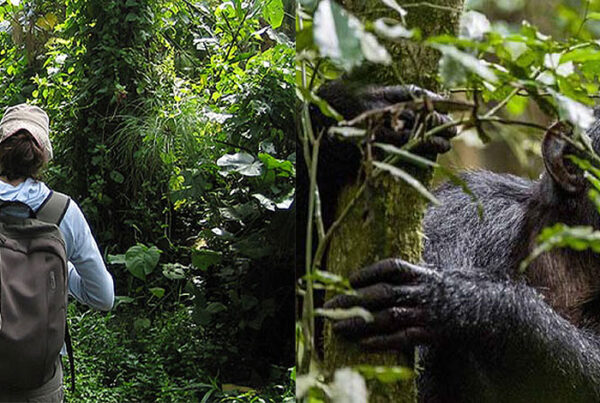
Bwindi Impenetrable National Park is often described as one of the most biologically complex places on Earth. Situated in southwestern Uganda, the forest is estimated to be over 25,000 years old. Unlike many protected areas shaped by human intervention, Bwindi evolved organically, resulting in a dense, layered ecosystem that feels both alive and impenetrable.
The forest canopy filters light in a way that creates constant movement of shadow and color. Moisture clings to leaves and soil, and the air itself feels weighted with life. For travelers, Bwindi is not simply observed; it is entered, absorbed, and felt. The physical act of moving through the forest becomes part of the experience, demanding attention, patience, and humility.
Mountain Gorillas and a Rare Human Connection
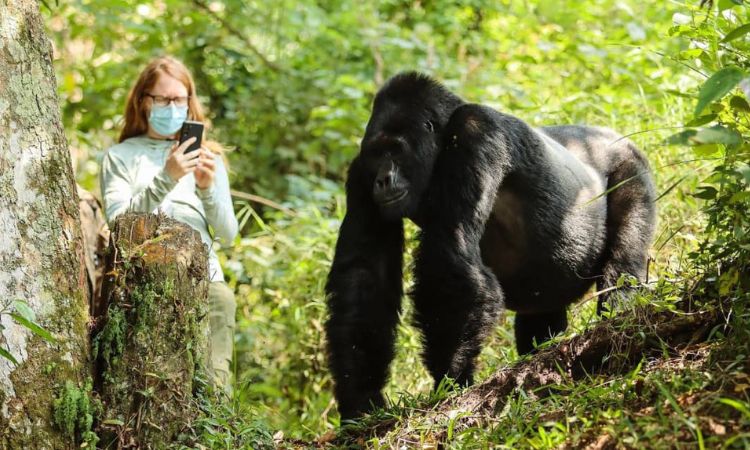
Bwindi is globally renowned as home to nearly half of the world’s remaining mountain gorillas. Gorilla trekking here is often described as one of the most emotionally powerful wildlife encounters available anywhere. This is not due to spectacle, but intimacy. The time spent with a gorilla family is limited, controlled, and deeply respectful, allowing a quiet observation of behaviors that feel strikingly familiar.
It is frequently noted that the encounter changes perceptions. The intelligence, social structure, and emotional presence of the gorillas challenge long-held ideas about humanity’s separation from nature. In Bwindi, conservation is not abstract. It is embodied in every step taken carefully through the forest, every rule enforced for the protection of the animals, and every local community member whose livelihood is tied to the survival of the ecosystem.
Community, Conservation, and Shared Responsibility
Bwindi’s success as a conservation area is inseparable from the communities that surround it. Tourism revenue supports education, healthcare, and employment, creating a direct link between preservation and human well-being. For visitors, this connection adds depth and ethical clarity to the experience. Travel here is not extractive; it is participatory.
Cultural interactions near Bwindi often reveal traditions shaped by forest life, agriculture, and resilience. These encounters, when approached respectfully, provide insight into how conservation can succeed when local voices are central rather than peripheral.
Zanzibar: Where the Ocean Carries History
An Island Shaped by the Sea and Time
Zanzibar exists at the meeting point of land and ocean, Africa and the wider world. Located off the coast of Tanzania, the island has been shaped for centuries by monsoon winds and maritime trade. Its history is visible in architecture, language, cuisine, and daily life. Arabic arches stand beside Swahili homes, and Indian influences are woven subtly into local culture.
The ocean defines Zanzibar’s rhythm. Tides rise and fall dramatically, altering the coastline and daily activities. Fishing boats glide across shallow waters at dawn, while afternoons slow under the weight of tropical heat. For travelers emerging from the intensity of Bwindi’s forest, Zanzibar offers a natural decompression, where space and light replace density and shadow.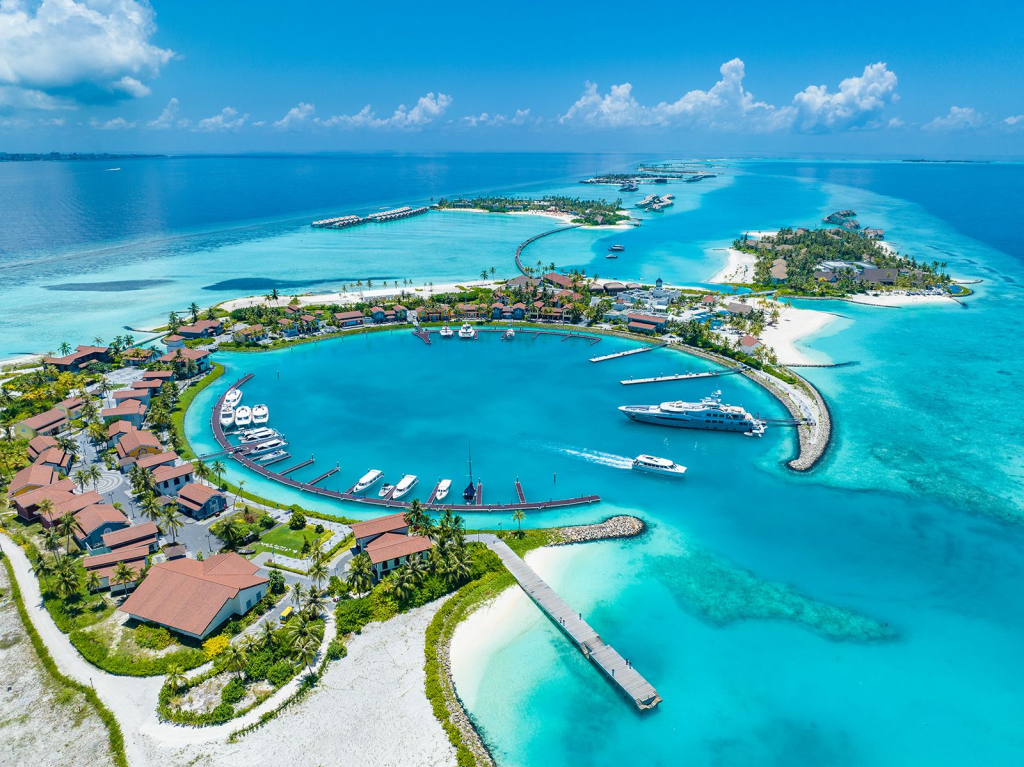
Stone Town and the Weight of Memory
At the heart of Zanzibar lies Stone Town, a UNESCO World Heritage Site that tells a complex story of trade, empire, and human suffering. Narrow alleys wind between coral stone buildings, many adorned with intricately carved wooden doors that symbolize status, faith, and family history. These streets carry memories of prosperity and pain, including the legacy of the East African slave trade.
Visiting Stone Town is often described as a reflective experience. History is not presented as distant or abstract but is embedded in walls, doorways, and public spaces. For travelers, this encounter adds intellectual and emotional depth to Zanzibar’s appeal, grounding its beauty in historical context.
Beaches That Encourage Stillness
Beyond Stone Town, Zanzibar’s coastline unfolds into beaches of striking simplicity. White sands meet turquoise waters, and palm trees frame horizons that feel deliberately uncluttered. These beaches are not defined by excess but by balance. Time is slowed, and attention is drawn to subtle changes in light, wind, and tide.
For travelers who have experienced the physical demands and emotional intensity of Bwindi, Zanzibar’s beaches serve as a restorative space. Reflection occurs naturally here, often unprompted, as the body and mind adjust to a gentler pace.
The Emotional Arc of Combining Bwindi and Zanzibar
From Depth to Release
When Bwindi and Zanzibar are experienced within the same journey, a clear emotional arc is formed. Bwindi invites introspection, humility, and presence. Zanzibar allows release, integration, and rest. This progression mirrors the way meaningful experiences are often processed, through engagement followed by reflection.
It is frequently observed that travelers who begin in Bwindi carry the forest with them to Zanzibar. The stillness learned in the jungle enhances the appreciation of the ocean. Conversely, those who start in Zanzibar and move to Bwindi often find that the contrast sharpens their awareness, preparing them for the intensity of the forest.
A Holistic African Experience
Together, Bwindi and Zanzibar offer a holistic view of Africa that resists simplification. Wildlife is encountered not as entertainment but as kinship. Culture is experienced not as performance but as lived reality. Nature is neither romanticized nor dominated, but respected.
For first-time visitors to Africa, this combination challenges stereotypes. For returning travelers, it deepens understanding. In both cases, the journey becomes more than a vacation. It becomes a narrative that lingers long after departure.
Practical Harmony Between Two Worlds
Accessibility and Flow
Despite their differences, Bwindi and Zanzibar are logistically complementary. Regional air connections and well-established tourism infrastructure make it possible to move between Uganda and Tanzania with relative ease. This accessibility allows the pairing to feel seamless rather than fragmented.
Travel between the two destinations often reinforces the contrast. The journey from forest to island becomes symbolic, marking a transition from immersion to contemplation. For travelers, this flow enhances the sense of coherence in the overall experience.
Seasonality and Timing
Bwindi and Zanzibar can be visited year-round, though seasonal considerations influence the character of each experience. Bwindi’s forest remains lush throughout the year, while Zanzibar’s climate is shaped by monsoon patterns. When carefully planned, the two destinations complement each other climatically, offering balance rather than extremes.
Why Bwindi and Zanzibar Resonate with Modern Travelers
Seeking Meaning Over Movement
Modern travel is increasingly defined by a desire for meaning. Bwindi and Zanzibar respond to this shift by offering experiences that engage emotionally and intellectually. The journey is not rushed, nor is it dominated by constant activity. Instead, space is created for connection, whether with wildlife, history, or oneself.
Ethical and Sustainable Appeal
Both destinations are deeply connected to conservation and sustainability. Bwindi’s gorilla trekking model emphasizes limited access and community benefit. Zanzibar’s growing focus on marine conservation and cultural preservation reflects a similar commitment. For travelers concerned with ethical impact, this alignment adds confidence and trust.
A Lasting Impression Beyond the Journey
It is often said that travel changes people, but only certain journeys do so in lasting ways. Bwindi and Zanzibar belong to that rare category. They do not overwhelm with quantity but impress through quality and depth. The memories formed are not fleeting images but layered experiences that continue to resonate.
In Bwindi, travelers are reminded of humanity’s place within nature. In Zanzibar, they are reminded of humanity’s interconnected history. Together, these lessons create a travel experience that is intellectually enriching, emotionally grounding, and profoundly human.
Why These Two Places Belong Together
Bwindi and Zanzibar belong on the same travel list because they complete one another. Where one is dense, the other is open. Where one is ancient forest, the other is ocean and horizon. Where one demands effort, the other offers ease. This balance is not accidental; it reflects the broader balance that thoughtful travel seeks to restore.
For travelers who wish to understand Africa beyond surface impressions, who seek authenticity without discomfort and comfort without disconnection, the journey between Bwindi and Zanzibar offers something rare and enduring. It is not simply recommended. It is quietly essential.