search
The 5-Day Itinerary: boat cruise at Toro Kingdom with kids

The 5-Day Itinerary: boat cruise at Toro Kingdom with kids

By Travel stories and blogs, Uganda travel guides

The 5-Day Itinerary: Boat Cruise at Toro Kingdom with Kids

In the rolling highlands of western Uganda lies one of Africa’s most enchanting kingdoms, a land where mist drapes over crater lakes at dawn, where royal palaces stand against the backdrop of the fabled Rwenzori Mountains, and where cultural heritage flows as freely as the rivers that define the land. This is the Toro Kingdom, a realm both regal and deeply connected to its natural environment. While it is celebrated for its history, its traditions, and its royal palace at Fort Portal, it also offers something that delights families—an unforgettable boat cruise experience that weaves together the serenity of water, the excitement of adventure, and the warmth of Ugandan hospitality.

For parents seeking a journey that entertains, educates, and bonds children with Africa’s cultural and ecological beauty, a boat cruise through the Toro Kingdom becomes an itinerary of dreams. Unlike traditional safaris that demand long hours on bumpy roads, this adventure flows with rhythm and calm, allowing children to enjoy both nature and storytelling without fatigue. In a carefully curated five-day journey, families can explore the waters, engage with the traditions of the kingdom, and taste the flavors of the land, all while crafting memories that become lifelong treasures.

This guide unfolds that very plan—a 5-day itinerary in the Toro Kingdom with children, where a boat cruise stands at its heart, supported by cultural visits, culinary experiences, and gentle adventures that fit the pace of family travel.

Day 1: Arrival in the Heart of Toro

The journey begins with arrival at Fort Portal, the cultural capital of the Toro Kingdom. Nestled among green hills, crater lakes, and the looming Rwenzori Mountains, Fort Portal is more than a gateway—it is the pulse of Toro’s identity. For families, the first day is best spent settling in, allowing children to adjust, and beginning to absorb the rhythms of Ugandan life.

On arrival, the welcome is often as warm as the equatorial sun. Accommodation options around Fort Portal are plentiful, ranging from boutique lodges overlooking crater lakes to family-friendly guesthouses within town. Each offers an introduction not just to comfort, but also to local culinary traditions. For children, the first taste of Ugandan fruit—pineapples that drip sweetness, mangoes that burst with flavor, and bananas with a richness unlike anywhere else—often sets the tone for the journey.

The afternoon can be dedicated to a gentle stroll through Fort Portal town. Visits to local craft markets give children their first sense of Uganda’s artistry, where handmade drums, beaded jewelry, and woven baskets provide both souvenirs and cultural lessons. By evening, families often gather around dinner tables to enjoy hearty meals of matoke, rice, beans, or tilapia, while parents sip on fresh coffee grown on the slopes of Toro. Day one is not rushed; it is an invitation to slow down and prepare for the adventures that await on the water.

Day 2: The Royal Heritage of Toro

Before embarking on the boat cruise, understanding the cultural depth of the Toro Kingdom enriches the journey. Day two unfolds as a cultural immersion, one that introduces children to the history, traditions, and regal presence of the kingdom.

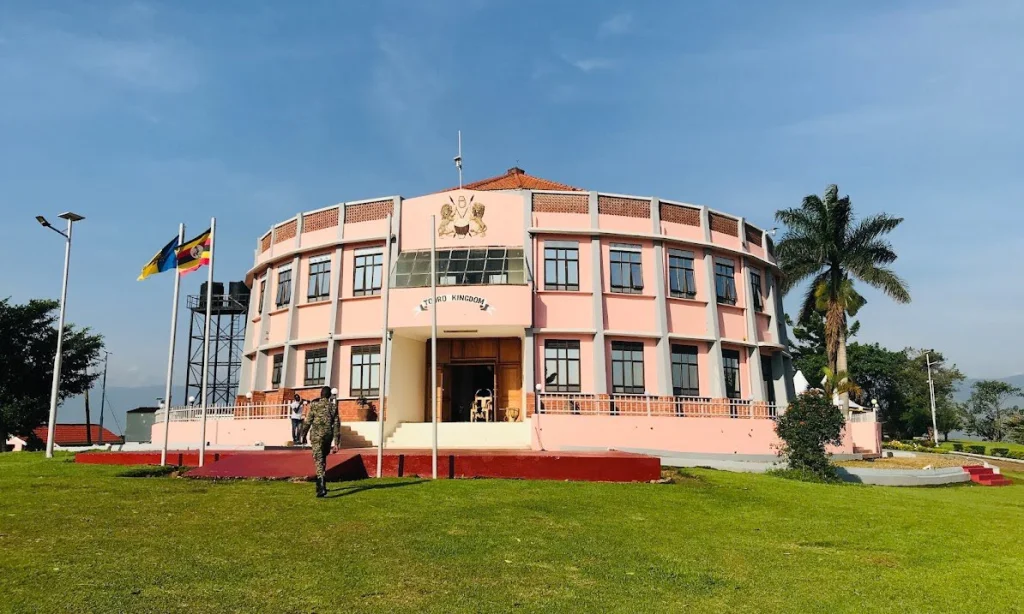
The highlight is a visit to the Karuzika Palace, perched majestically on a hilltop above Fort Portal. From here, the panoramic views of crater lakes and the Rwenzori Mountains stir awe in both children and adults. Inside, the palace tells stories of Toro’s monarchs, its traditions, and its place within Uganda’s wider history. Guides narrate tales of coronations, of Toro’s alliances, and of rituals that continue to bind the community together. For children, these stories become living history lessons, filled with wonder rather than textbooks.

Nearby cultural centers often host performances where traditional dances, drums, and songs bring Toro’s heritage to life. Children are frequently invited to join in the rhythms, tapping drums or dancing in circles, experiencing culture not as distant history but as joyful, participatory living tradition. By evening, the family’s connection to Toro’s spirit deepens, creating context for the cruise that lies ahead.

Day 3: The Boat Cruise Adventure

The third day forms the heartbeat of the itinerary—the boat cruise through Toro’s waters, often on the serene crater lakes or the tranquil channels near the base of the Rwenzori foothills. For families, this is not just a ride on water but an unfolding story told by landscapes, wildlife, and the gentle pace of Ugandan life.

As the boat drifts across the still waters, children’s eyes widen at the sight of kingfishers diving for prey, otters playing at the edges, and fishermen casting their nets with techniques passed down through generations. The calm rhythm of rowing or the soft hum of a motor allows the family to relax, listening to guides who narrate the legends of the lakes—tales of spirits, myths, and ancestral guardians that continue to define Toro’s relationship with its waters.The 5-Day Itinerary: boat cruise at Toro Kingdom with kids
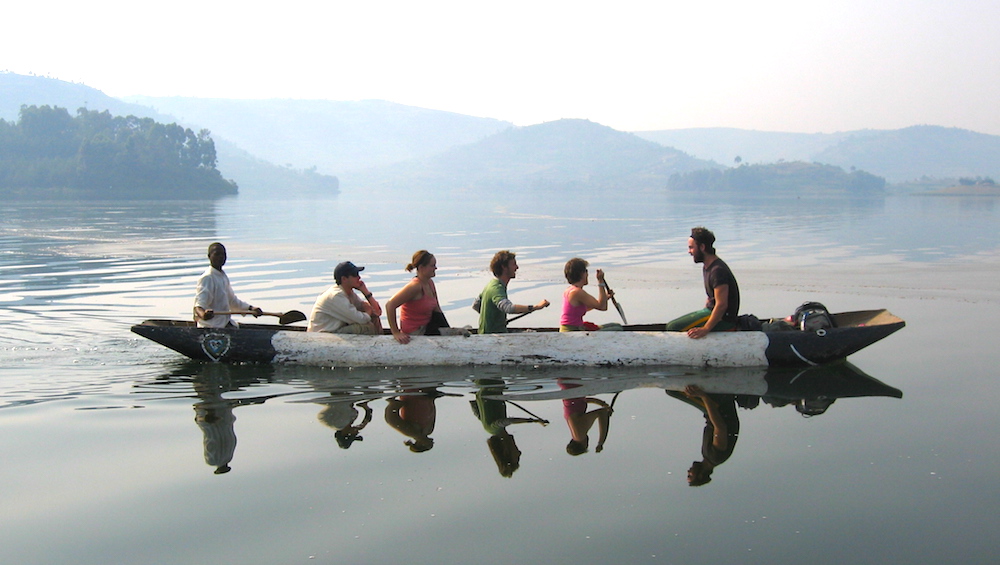
For children, the experience is both magical and educational. The stillness of the lakes mirrors the calm required to observe birds, while the surrounding hills provide opportunities to spot colobus monkeys or even distant views of elephants grazing in protected areas. Parents often find joy in seeing their children captivated not by screens, but by the sheer drama of nature unfolding before them.

Meals on this day are often arranged as picnics along the lake shores, where banana plantations and small villages provide natural dining settings. Freshly grilled tilapia or chicken, accompanied by roasted plantains and seasonal fruit, ensures that food becomes part of the memory. The day closes with a return to the lodge, where children rest after a day that has blended serenity with discovery.

Day 4: Exploring Nature and Community

Having absorbed Toro’s regal culture and enjoyed the tranquility of the boat cruise, day four allows families to deepen their connection through nature walks and community visits. Children in particular thrive on experiences that combine gentle activity with interaction.

Guided nature walks through nearby crater lakes or along the fringes of Kibale National Park reveal the diversity of Toro’s ecosystems. For younger children, shorter walks through botanical gardens or village trails offer manageable yet enriching adventures. Encounters with butterflies, colorful birds, and medicinal plants spark curiosity, while guides explain the symbiotic relationship between people and nature.

Community visits further enhance the day. Families are welcomed into villages where storytelling, cooking demonstrations, and farming practices provide an authentic view of Toro’s daily life. Children often participate in simple activities—pounding millet, learning traditional songs, or helping to prepare a dish wrapped in banana leaves. These moments allow them to see that life in Toro is shaped not only by kingship and palaces but also by families, farmers, and traditions that mirror their own.

Evening in Fort Portal may be spent at a restaurant overlooking the crater lakes, where the setting sun reflects golden hues on the water. Parents enjoy the serenity while children relive their day’s encounters, reinforcing bonds through shared discovery.

Day 3: Departure with Lasting Impressions

The final day of the itinerary is both reflective and celebratory. Families often begin with a relaxed breakfast, savoring one last taste of Ugandan coffee and fruit. Depending on schedules, the morning can be spent visiting local craft markets for souvenirs or taking a final stroll through the green hills that cradle Fort Portal.

For children, this is often a day of storytelling—retelling their favorite memories of the boat cruise, the palace, or the animals they encountered. Parents, meanwhile, see in these stories the deeper value of the journey: a trip that not only entertained but also broadened horizons, connecting their children to culture, history, and the environment in meaningful ways.

Departure does not signal an end but a continuation. The lessons of Toro—the respect for tradition, the harmony with nature, and the joy of community—become treasures carried home. Families leave not only with photographs but with experiences that shape understanding and appreciation of Africa’s beauty.

The Significance of Family Travel in Toro

The Toro Kingdom stands apart as a destination where family travel is not merely accommodated but enriched. Its blend of cultural heritage, natural beauty, and accessible activities ensures that children are not passive observers but active participants. The boat cruise experience is particularly powerful, offering families the rare combination of safety, serenity, and storytelling that suits travelers of all ages.

In contrast to journeys that demand physical endurance or long drives, Toro provides a balanced rhythm. Children are neither overwhelmed nor underwhelmed; they are engaged at every step, whether listening to tales of kings, spotting birds over crater lakes, or helping stir a pot of traditional stew. For parents, this balance is invaluable, transforming what could have been a demanding trip into a shared joy.

A Journey Beyond Time

The 5-day itinerary through Toro Kingdom with children demonstrates how family travel in Uganda can be immersive, educational, and profoundly enjoyable. From the regal heights of Karuzika Palace to the tranquil waters of the boat cruise, from the lively rhythms of cultural performances to the quiet reflection of village visits, every moment contributes to a tapestry of memory.

The boat cruise at the heart of this journey captures the essence of Toro—serene yet vibrant, rooted in tradition yet alive with natural beauty. For children, it becomes an initiation into the wonders of Africa, one that lingers long after the journey ends. For parents, it is reassurance that family travel can be both meaningful and manageable, blending adventure with rest, history with taste, and culture with joy.

Travelers seeking such depth in Africa must choose partners who understand not only the land but also the needs of families. That is why it is recommended to book your African tours and safaris through WildHorn Africa, where every detail of your Toro Kingdom journey—from the first step in Fort Portal to the final view across the lakes—is crafted with expertise, care, and a passion for creating unforgettable family adventures.
Kabaka's Palace Itinerary: Ultimate Checklist for groups

Kabaka’s Palace Itinerary: Ultimate Checklist for groups

By Travel stories and blogs, Uganda travel guides

Kabaka’s Palace Itinerary: Ultimate Checklist for Groups

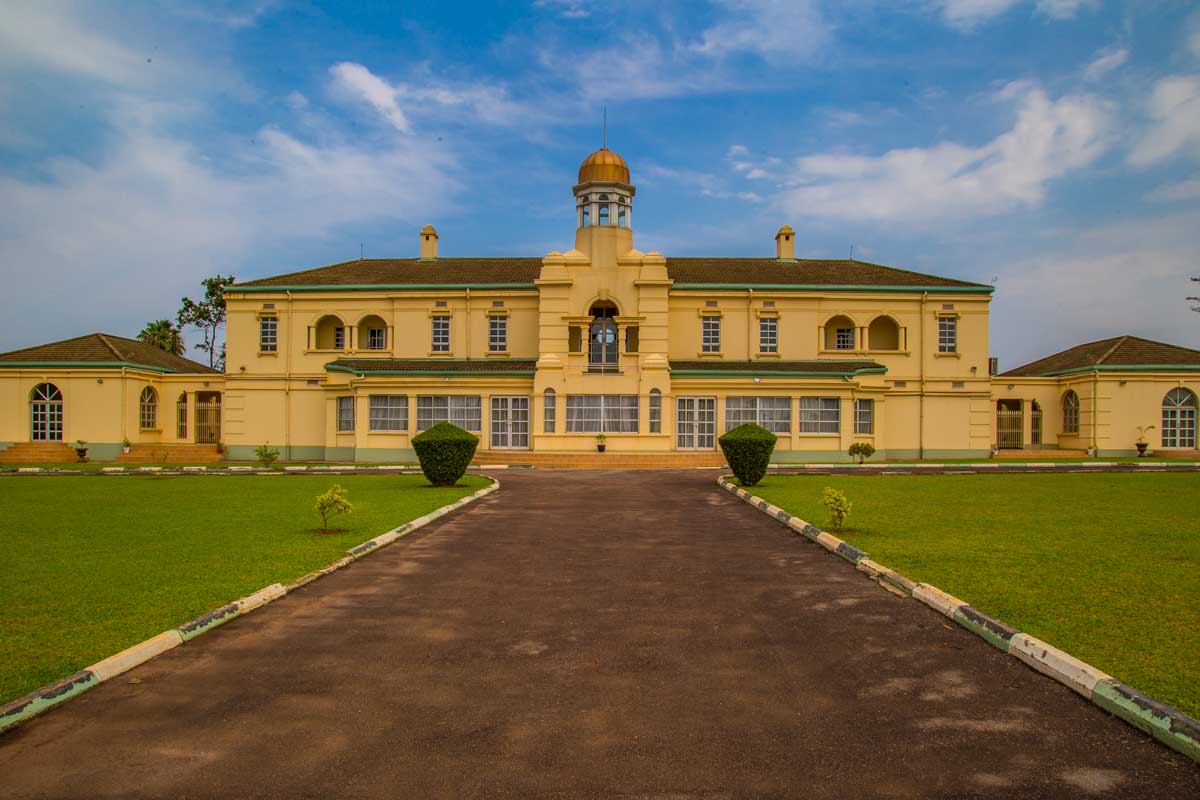
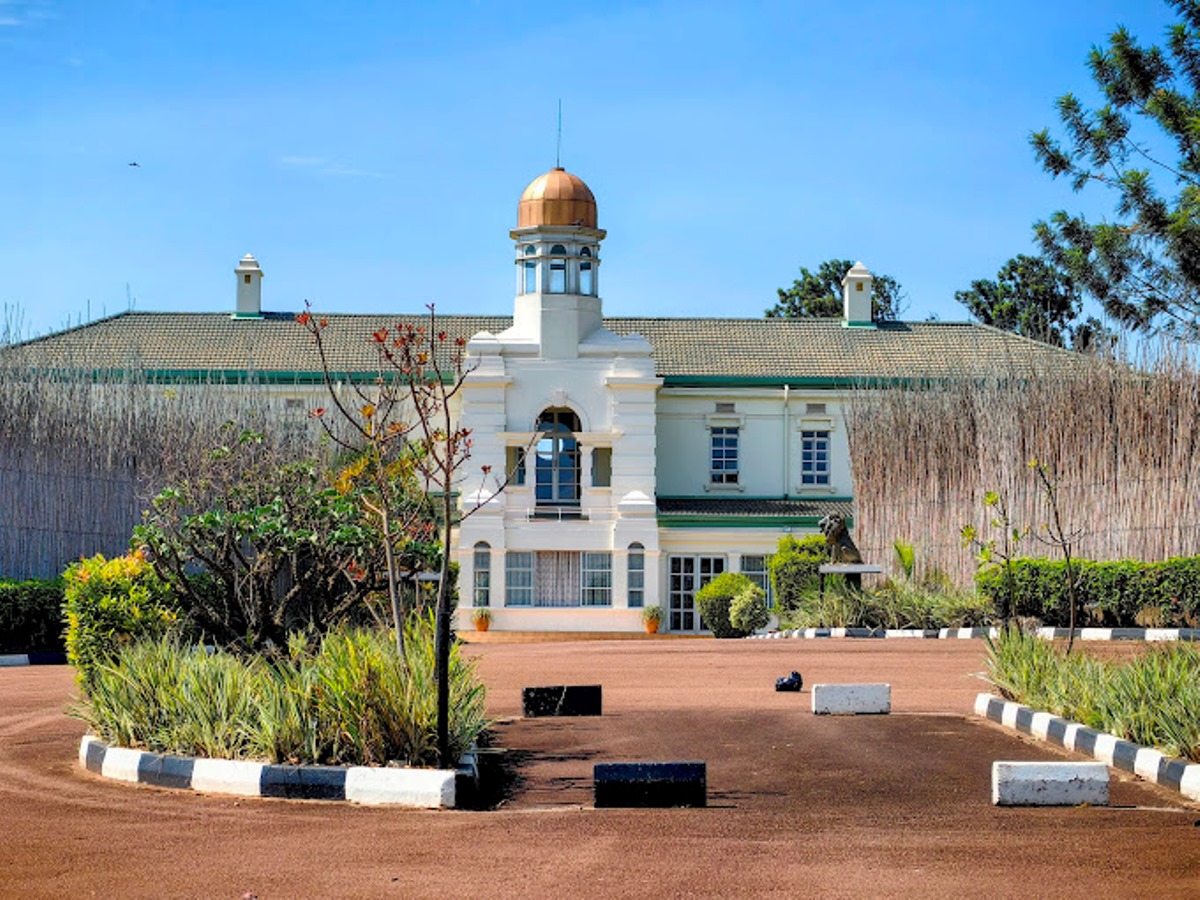
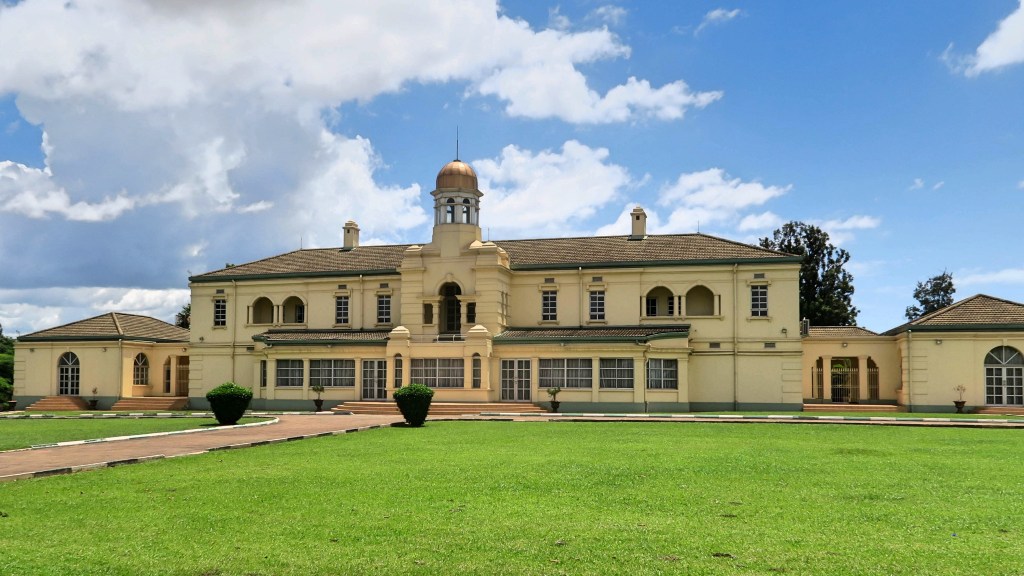
At the heart of Kampala, perched upon the Lubiri Hill, stands one of Uganda’s most iconic landmarks: Kabaka’s Palace, also known as the Lubiri. This is no ordinary palace; it is a living repository of Buganda’s history, culture, and political heritage. For centuries, it has been the seat of Buganda’s monarchy, the stage of pivotal historical events, and a space where architecture, tradition, and symbolism converge.

For groups traveling through Uganda—whether students, cultural enthusiasts, historians, or leisure travelers—planning a visit to Kabaka’s Palace is not merely a stop on a city tour. It is a profound immersion into Uganda’s soul, an experience that transcends the visual appeal of architecture and gardens to reveal the resilience, artistry, and traditions of one of Africa’s oldest kingdoms. Yet, to fully appreciate this remarkable landmark, an ultimate checklist for groups becomes indispensable, ensuring that every detail is attended to, every opportunity embraced, and every memory woven into the fabric of a journey worth retelling.

This article presents that very itinerary: a structured, formal, and detailed guide to visiting Kabaka’s Palace as a group. From understanding its heritage, to structuring time efficiently, to embracing cultural and culinary layers, the narrative unfolds step by step, leaving no aspect unexamined.

The Significance of Kabaka’s Palace

The Kabaka’s Palace is not only a royal residence but also a monumental space representing the Buganda Kingdom’s continuity. Constructed in 1885 during the reign of Kabaka Mwanga II, the palace was built with grandeur to symbolize the authority of the Kabaka. Its walls have witnessed moments of royal celebration, colonial tension, and political upheaval, including the tragic events of the 1966 attack by government forces.

Within its grounds lies the Idi Amin torture chambers, stark reminders of a dark chapter in Uganda’s history. For groups visiting, the palace offers a layered experience—one of pride in heritage, appreciation of artistry, and reflection on resilience through hardship. To stand on its grounds is to stand at the intersection of triumph and tragedy, making it an essential stop in Uganda’s cultural narrative.

Preparing for a Group Visit

When planning to explore the Kabaka’s Palace as a group, preparation determines the success of the journey. The palace grounds are expansive, layered with attractions that demand both time and attention. Unlike smaller landmarks that can be absorbed quickly, the Lubiri calls for deliberate pacing to ensure that the group is not rushed and that each aspect is given its deserved reflection.

Timing is central. Morning visits allow groups to experience the palace with fewer crowds, ensuring guides can engage more intimately with questions and discussions. Midday, though warmer, often coincides with cultural activities around the palace, offering groups a chance to witness Buganda’s heritage in living form. Afternoons, meanwhile, provide golden lighting for photography, particularly appealing to groups with visual documentation in mind.

Beyond timing, preparation involves aligning expectations. Groups must recognize that the palace is both a cultural landmark and a sacred royal site. Respect is paramount, and attire should reflect cultural sensitivity. The palace is not merely a tourist stop—it is an institution that embodies identity, making respectful conduct integral to the visit.

Structuring the Itinerary: A Day at the Palace

The Grand Arrival

Groups arriving at the palace are first struck by the grand gates of the Lubiri, framed with cultural emblems of Buganda’s monarchy. Guides welcome visitors with stories of the kingdom’s past, setting the tone for the day. The sense of arrival is ceremonial, as though stepping into a timeline that stretches centuries.

The vast grounds open to sweeping lawns, trees that have stood for decades, and pathways that guide the visitor toward monuments and buildings of significance. Groups are often encouraged to pause, to absorb the scale and aura of the palace before beginning structured exploration.

The Historical Walk

The first phase of the tour introduces the main palace building, where guides narrate stories of Buganda’s kings, their reigns, and their legacies. For groups, this becomes a shared classroom, a chance to exchange questions, insights, and reflections. The palace’s architecture, with its blend of traditional and colonial influences, becomes a subject of fascination, each angle revealing design choices that carry symbolic meaning.

The walk then extends to the surrounding gardens, each corner of the palace grounds revealing memorials, sculptures, or symbolic structures tied to Buganda’s story. The gardens are not simply decorative; they embody Buganda’s connection to land, fertility, and continuity, offering groups both beauty and meaning to contemplate.

The Dark Chambers of Memory

Perhaps the most somber yet essential part of the itinerary is the visit to the Idi Amin torture chambers, built during the regime of Idi Amin in the 1970s. For groups, the chambers serve as both a history lesson and a place of reflection. The dark tunnels, etched with marks of the past, narrate silent testimonies of those who suffered within.

While difficult, the experience provides essential context to Uganda’s journey, reminding groups of the resilience of its people. It is here that silence often overtakes chatter, as the weight of history settles over visitors. For educational groups, this moment becomes pivotal—an opportunity to connect history books to lived reality.Kabaka's Palace Itinerary: Ultimate Checklist for groups

The Cultural Encounter

The palace is not only about history but also about living culture. Groups visiting often encounter cultural performances—traditional Buganda drumming, dances, and songs that celebrate the kingdom’s heritage. Participation is encouraged, with visitors joining dances or learning the rhythms of the drum.

For groups, this cultural immersion serves as a joyful balance to the somber history of the chambers. It reminds visitors that Buganda is not defined by its trials alone but by its creativity, resilience, and thriving traditions.

Culinary Experiences for Groups

Visiting Kabaka’s Palace is often paired with sampling the culinary traditions of Buganda. Groups with limited time can enjoy meals within nearby restaurants that specialize in authentic Buganda dishes. A signature experience is luwombo, a dish prepared in banana leaves, often with chicken, beef, groundnuts, or mushrooms. For groups, sharing such a meal becomes a symbolic act of community, echoing the values of togetherness central to Buganda life.

Markets near the palace offer additional culinary experiences. Fresh fruits—mangoes, pineapples, and passion fruits—are enjoyed by groups as both refreshment and cultural exploration. Food becomes not just sustenance but a bridge between the palace’s stories and the everyday life of its people.

Culinary encounters add depth to the group itinerary, ensuring the visit is not only about observation but also about taste and shared sensory experiences.

Educational Value for Groups

One of the strongest appeals of Kabaka’s Palace is its educational richness. For groups comprised of students or cultural scholars, the palace provides content across disciplines—history, architecture, political science, anthropology, and art.

Guides provide narration tailored to audiences, ensuring that the palace becomes not just a monument but a classroom. The integration of visual observation, oral storytelling, and lived spaces ensures that groups leave with knowledge that resonates far beyond the visit. Discussions often continue after the tour, as groups reflect on the meaning of monarchy in modern Uganda, the impact of colonial history, and the role of culture in national identity.

For leisure groups, the educational aspect enriches rather than burdens the journey. The palace offers learning that feels natural and immersive, not forced. In this way, every group finds relevance in its visit, no matter the background of its members.

Maximizing Group Experiences

The success of a group visit lies in pacing and participation. A rushed itinerary dilutes the impact of the palace, while overly slow pacing risks fatigue. Structured pauses, interactive moments, and spaces for reflection are crucial.

Photography is encouraged in designated areas, and for groups with creative interests, the palace becomes a canvas—architectural lines, cultural performances, and symbolic gardens offer endless material. Musicians and dancers welcome interaction, transforming the group from passive spectators to active participants.

Equally, moments of silence, particularly within the torture chambers, ensure respect is upheld. Balancing engagement and reflection ensures that groups leave with a holistic understanding of Kabaka’s Palace.

The Best Times to Visit with Groups

Seasonality influences the group experience. The dry seasons, from December to February and June to August, provide the most comfortable conditions for exploring the palace grounds. Walkways remain accessible, cultural performances are more frequent, and the atmosphere is conducive to group exploration.

During the rainy seasons, while the palace remains open, paths may be muddy and outdoor activities limited. However, the greenery of the grounds during these months is lush, offering scenic beauty that photographers in groups particularly appreciate.

Time of day also matters. Mornings allow for cooler weather and less crowding, ideal for larger groups seeking uninterrupted engagement. Afternoons, though busier, provide vibrant atmospheres and excellent lighting for photography.

Reflections on Group Travel at Kabaka’s Palace

Traveling as a group amplifies the experience of Kabaka’s Palace. Shared learning, collective awe, and mutual reflection turn individual discoveries into communal narratives. Each member brings a unique perspective—students question, historians interpret, travelers admire—and together, the palace reveals itself in multiple dimensions.

The itinerary’s checklist—from arrival to departure, from history to cuisine, from culture to reflection—ensures that no aspect is overlooked. Groups leave not with fragmented impressions but with a comprehensive understanding of Buganda’s monarchy, its resilience, and its relevance in modern Uganda.

The Palace as a Group Journey

The Kabaka’s Palace is not simply a stop in Kampala; it is a destination in itself, commanding attention, respect, and reflection. For groups, it offers a rare balance of grandeur and intimacy, history and culture, education and entertainment. Its grounds, its buildings, and its stories provide an itinerary rich enough to sustain an entire day, yet flexible enough to be adapted to group needs.

The ultimate checklist ensures that no aspect is missed: the historical walk through royal grounds, the sobering reflection within the torture chambers, the joyous immersion in cultural performances, and the shared delight of Buganda cuisine. Together, these layers form a journey that is as unforgettable as it is meaningful.

For groups seeking to experience Uganda not in fragments but in fullness, Kabaka’s Palace stands as a vital inclusion. And for those wishing to craft such a journey with expertise and care, it is best to entrust the experience to professionals who know Uganda intimately. It is therefore recommended to book your African tours and safaris through WildHorn Africa, ensuring that every group visit to Kabaka’s Palace—structured, respectful, and enriching—is transformed into a story of discovery worth retelling for years to come.

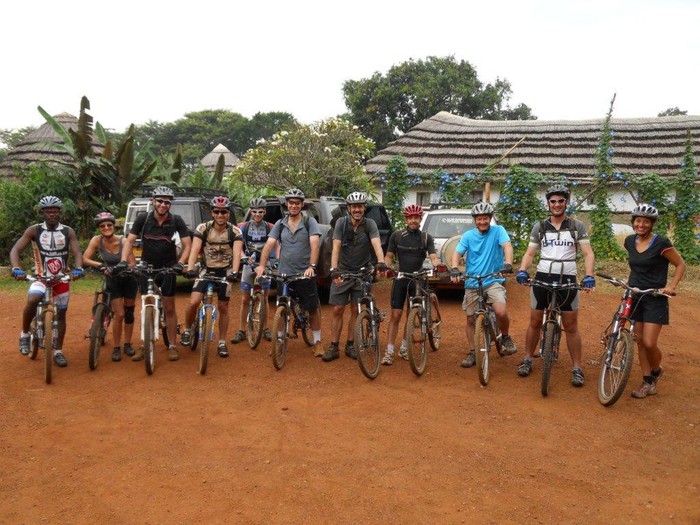
How to mountain biking in Mabira Forest — 7-Day Itinerary with kids

How to mountain biking in Mabira Forest — 7-Day Itinerary with kids

By Adventure holidays, Travel stories and blogs, Uganda travel guides

How to Mountain Biking in Mabira Forest — 7-Day Itinerary with Kids

Adventure Awaits in Uganda’s Green Heart

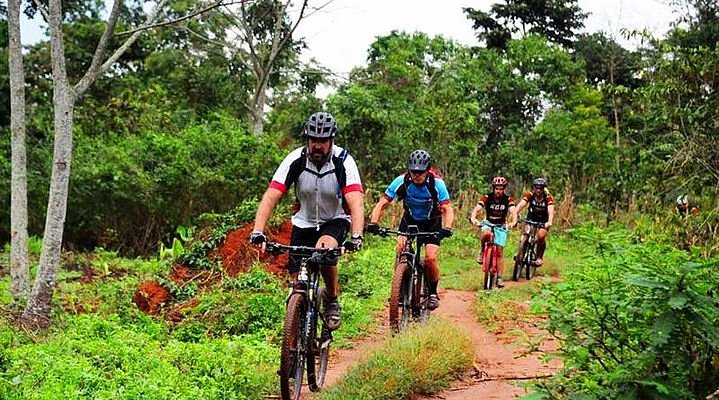
For families seeking a blend of adventure, nature, and bonding, Mabira Forest in central Uganda offers an unforgettable mountain biking experience. Spanning over 300 square kilometers, this tropical rainforest provides lush landscapes, diverse wildlife, and safe, well-maintained trails suitable for children. For families with young adventurers, mountain biking in Mabira Forest becomes more than a sport—it transforms into a journey of discovery, learning, and shared excitement.

This seven-day itinerary has been carefully designed to balance activity with rest, ensuring that both parents and children enjoy the forest’s wonders without fatigue or stress. From guided rides through scenic trails to educational wildlife encounters and family-oriented relaxation spots, the itinerary prioritizes both safety and immersive experience, making Mabira Forest an ideal destination for adventure-minded families.

Why Mabira Forest is Perfect for Families

Mabira Forest is not only one of Uganda’s largest rainforests but also one of the most accessible. Its proximity to Kampala ensures minimal travel fatigue, allowing families to arrive rested and ready for exploration. The forest’s trails vary in difficulty, providing options for beginners, intermediate riders, and young children. Gentle paths meander along streams and glades, while slightly more challenging trails navigate hills and dense vegetation, offering a sense of adventure without undue risk.

Wildlife in Mabira Forest adds another layer of fascination. Monkeys, duikers, colorful birds, and occasional bushbucks inhabit the forest, providing educational opportunities and moments of awe for children. Guides familiar with the forest assist families in identifying flora and fauna, making each ride both fun and informative. The combination of physical activity, wildlife observation, and nature education ensures that children remain engaged and parents can enjoy meaningful family moments.

Safety measures, including helmet use, protective gear, and supervised trails, make mountain biking accessible for all ages. The forest is patrolled by trained guides who provide instruction on trail navigation and emergency response, allowing parents to relax while their children experience the excitement of outdoor adventure.

Day 1: Arrival and Orientation

The family adventure begins with arrival at accommodations situated near Mabira Forest. Lodges and camps have been selected for their family-friendly facilities, spacious rooms, and proximity to trailheads. Upon arrival, families are welcomed with an orientation session introducing the forest, safety protocols, and an overview of the seven-day itinerary.

A gentle afternoon ride along the forest’s edge provides children with a safe and enjoyable introduction to mountain biking. Wildlife may be glimpsed in the surrounding trees, offering early opportunities for observation and photography. The session is followed by a family dinner at the lodge, where parents and children can relax and anticipate the immersive adventure ahead.

Day 2: Exploring Gentle Trails and Streams

The second day begins with a guided ride along the forest’s gentle trails, designed for children and beginners. Families navigate paths that wind through open glades, alongside streams, and past towering trees, allowing children to enjoy both the exercise and the sensory experience of the rainforest. Monkeys may be observed leaping between branches, while birds create a symphony of sounds overhead.

Educational elements are integrated into the ride. Guides explain the forest’s ecological significance, highlight medicinal plants, and point out animal tracks, fostering curiosity and learning. Breaks at shaded resting points allow children to refuel with snacks, while parents capture photographs and appreciate the serene environment.

In the afternoon, families may engage in short nature walks, exploring areas inaccessible by bike. Streams, small waterfalls, and natural clearings provide opportunities for play, photography, and observation of forest life. Evening relaxation includes shared meals and reflection on the day’s discoveries, reinforcing both bonding and appreciation for nature.

Day 3: Moderate Trails and Wildlife Observation

On the third day, families tackle slightly more challenging trails. Hills and uneven paths introduce a sense of adventure suitable for older children while maintaining safety measures for younger participants. The pace is adapted to the family’s comfort, with frequent stops for observation and interaction.

Wildlife observation becomes a highlight. Duikers and bushbucks may be spotted in quieter areas, while colorful butterflies and exotic birds provide vibrant focal points for children’s curiosity. Guides teach children about forest conservation and the importance of respecting wildlife, instilling early lessons in environmental stewardship.

Lunch is enjoyed at a scenic clearing within the forest, allowing the family to rest and appreciate the surrounding canopy. Afternoon trails focus on exploration, discovery, and gentle thrills, balancing activity with leisure. Evening activities may include storytelling sessions around the lodge, emphasizing local folklore and forest mythology to enhance children’s imagination and engagement.

Day 4: Adventure Trails and Educational Stops

Day four introduces a combination of adventurous trails and educational experiences. Slightly more technical routes are explored, incorporating small climbs and descents that encourage skill development for both parents and children. Guides provide instruction on proper riding techniques, balancing challenge with safety.

Educational stops are integrated along the route. Families visit areas of ecological importance, learning about indigenous plants, forest regeneration, and the role of Mabira Forest in Uganda’s environmental health. Children are encouraged to participate in interactive exercises, such as identifying plant species or spotting bird nests, making the experience both adventurous and informative.

Evening relaxation includes a riverside picnic or guided night walk, introducing nocturnal wildlife and providing a different perspective on the forest. Parents and children enjoy the contrast between daytime activity and the forest’s nocturnal rhythm, fostering a deeper connection to the natural environment.

Day 5: Immersive Family Ride and Scenic Vistas

The fifth day focuses on longer, immersive rides, allowing the family to experience Mabira Forest’s full diversity. Trails pass through dense forest sections, open glades, and elevated viewpoints, providing both physical challenge and visual reward. Children are encouraged to observe their surroundings carefully, identifying wildlife, insects, and unique plant formations.

Scenic vistas offer excellent opportunities for photography, storytelling, and reflection. Parents and children are guided to pause at elevated points overlooking the forest, lakes, and surrounding landscapes. These moments provide not only physical rest but also the opportunity to absorb the forest’s beauty and capture memories that will last a lifetime. How to mountain biking in Mabira Forest — 7-Day Itinerary with kids

Afternoon trails focus on gentle returns to lodge areas, ensuring that the family experiences both adventure and relaxation. Evening meals and leisure activities emphasize family bonding, reflection, and preparation for the final days of exploration.

Day 6: Cultural Interaction and Forest Play

Day six blends mountain biking with cultural and interactive forest experiences. Families are guided to nearby villages, where children can learn about local traditions, crafts, and community life. Observing local farmers, artisans, and storytellers enhances children’s understanding of the forest’s relationship with human activity.

Back in the forest, shorter trails are explored to allow for play, interaction with natural features, and wildlife observation. Streams, small waterfalls, and shaded clearings provide areas for relaxation, water play, and experiential learning. Guides ensure safety while fostering curiosity, allowing children to engage with the forest in a hands-on manner.

Evening activities may include educational games, storytelling, or quiet reflection around a campfire, reinforcing lessons learned during the week and strengthening family bonds.

Day 7: Reflection, Farewell, and Last Trails

The final day begins with a gentle ride along familiar trails, providing an opportunity for children and parents to revisit favorite spots and reflect on the week’s adventures. Wildlife may be observed for a final time, and photographs are taken to document the experience.

A farewell gathering at the lodge or camp emphasizes both celebration and reflection. Families review their achievements, highlight memorable moments, and discuss favorite trails, wildlife sightings, and educational experiences. The sense of accomplishment and shared adventure reinforces bonds, leaving lasting memories of a week spent exploring Mabira Forest together.

Departure arrangements are facilitated by guides, ensuring that travel to subsequent destinations is seamless and comfortable. The family leaves with not only photographs and souvenirs but also a deeper appreciation for Uganda’s natural wonders and the joy of shared adventure.

Why Mabira Forest is Ideal for Family Mountain Biking

Mabira Forest provides a rare combination of adventure, education, and safety, making it an ideal destination for families. Trails accommodate different skill levels, wildlife encounters are abundant and ethically managed, and guides are trained to balance challenge with safety. The integration of educational elements ensures that children not only enjoy physical activity but also develop knowledge of ecology, conservation, and cultural traditions.

Luxury family-friendly accommodations complement the outdoor experience, offering comfort, leisure, and personalized services. Meals, relaxation areas, and recreational activities are designed to enhance the adventure without sacrificing comfort, ensuring a balanced and enjoyable week for parents and children alike.

Transforming Family Adventure into Lasting Memories

Mountain biking in Mabira Forest is more than a recreational activity—it is a shared adventure that fosters bonding, learning, and exploration. This seven-day itinerary allows families to experience Uganda’s rainforest in a structured yet immersive manner, balancing physical activity with observation, education, and relaxation.

For families seeking a safe, exciting, and enriching mountain biking adventure with children, Mabira Forest offers an unmatched opportunity to connect with nature and each other. To ensure that every detail of the journey is expertly planned, personalized, and memorable, it is highly recommended to book Africa tours and safaris through WildHorn Africa. With professional guidance, family-focused itineraries, and a commitment to immersive experiences, WildHorn Africa ensures that every ride, discovery, and shared moment becomes a lasting memory.

Kabaka's Palace: Budget-Friendly Ideas to hiking with kids

Kabaka’s Palace: Budget-Friendly Ideas to hiking with kids

By Travel stories and blogs, Family holidays, Uganda travel guides

Kabaka’s Palace: Budget-Friendly Ideas to Hiking with Kids

Where History Meets Family Adventure

Every family outing is remembered not only for the fun it brings but also for the stories it inspires. In the heart of Kampala, one of Uganda’s most remarkable historical landmarks, Kabaka’s Palace, has been recognized not only as a place of royal heritage but also as a fascinating destination for families seeking outdoor adventures with children. For parents, balancing cultural enrichment with exciting activities for kids often seems challenging, yet within the palace grounds and the surrounding environment, opportunities for budget-friendly hiking blend seamlessly with history, learning, and family bonding.

When children are introduced to destinations that combine adventure with heritage, they begin to appreciate their surroundings in unique ways. The Kabaka’s Palace, originally built in the 1880s and deeply tied to the Buganda Kingdom, offers more than historical tours; it serves as a backdrop where families can weave meaningful narratives of exploration. Through hiking trails around its grounds, scenic walks, and child-friendly experiences, a day spent here becomes an affordable but enriching family adventure that educates as much as it entertains.

Understanding the Significance of Kabaka’s Palace

The Kabaka’s Palace, locally known as Lubiri, was constructed by Kabaka Mwanga II in 1885 and has since been a symbol of royal authority and cultural identity within Buganda. The palace has stood as a witness to triumphs, political struggles, and cultural milestones that shaped the kingdom and Uganda as a whole. Its architectural style, combined with sprawling grounds, provides both grandeur and accessibility for visitors, including families with children.

Introducing children to such a site is not just about history lessons. It is about allowing them to walk where kings once walked, to explore spaces where traditions were preserved, and to connect with the legacy of Uganda in an interactive manner. The palace grounds are vast enough to allow room for exploration, making it a suitable destination for family hiking experiences that combine education, leisure, and physical activity.

Why Kabaka’s Palace is Ideal for Families with Kids

The palace grounds are not overwhelming in size, making them manageable for children, yet they remain spacious enough to give a sense of adventure. Families often search for places that combine safety, openness, and engaging activities. Kabaka’s Palace provides exactly that.

Unlike remote hiking trails that may pose risks for younger children, the palace’s surroundings offer controlled environments where parents can allow exploration while maintaining supervision. The terrain is generally gentle, with pathways that are easy to navigate, making it possible for even younger children to enjoy hiking without exhaustion.

The cultural richness also provides an additional dimension to the outing. Parents do not have to limit the trip to physical activity alone. At every corner, history presents itself through guided tours, artifacts, and stories from palace guides, ensuring that children learn while they play. This combination of movement and meaning transforms the visit into a wholesome family experience.

The Concept of Budget-Friendly Hiking with Children

Family travel often raises concerns about expenses, especially when activities require transportation, entrance fees, or specialized gear. However, hiking at Kabaka’s Palace can be approached in a way that aligns with budget-conscious families. The entrance fees are relatively affordable compared to other attractions in Uganda, and the simplicity of the activity requires little more than comfortable shoes, water, and a sense of adventure.

The palace grounds themselves provide much of the entertainment. Children find fascination in running through open lawns, climbing gentle slopes, and observing historical structures. Parents, meanwhile, enjoy the satisfaction of creating memories without overstretching financial resources. The affordability of the outing ensures that families can plan repeat visits, allowing kids to gradually deepen their understanding of the palace’s cultural significance.Kabaka's Palace: Budget-Friendly Ideas to hiking with kids

Exploring Hiking Opportunities at Kabaka’s Palace

Hiking at the palace does not resemble trekking through mountain ranges, yet it provides meaningful walks and trails that children find both enjoyable and manageable. The spacious grounds, tree-lined pathways, and gentle slopes create a sense of outdoor adventure that is scaled perfectly for families.

The experience begins at the palace entrance, where families are introduced to Buganda’s history. From here, walks can extend across the manicured gardens, past symbolic monuments, and toward historical sites within the compound. Children often enjoy the sense of discovery that comes with moving from one area to the next, especially when guides explain the historical importance in storytelling tones that capture their imagination.

Parents find that each step offers not only physical activity but also an opportunity for family conversation. Questions asked by children, stories shared by guides, and quiet moments of observation all come together to create a layered experience where hiking becomes more than movement—it becomes a journey through heritage.

Kid-Friendly Attractions within the Palace

One of the reasons Kabaka’s Palace is highly suitable for family hiking is the presence of attractions that resonate with children. The architecture, while majestic, is also approachable in its design. Children are drawn to the palace gates, the towers, and the vast lawns where they can walk freely.

Perhaps the most intriguing feature for older children is the entrance to the Amin torture chambers, an underground section that carries historical significance. While the narrative surrounding this site is sensitive, older children can be introduced to it in age-appropriate ways, ensuring that they learn about Uganda’s past in a manner that balances truth with sensitivity.

For younger children, the gardens provide spaces to rest, snack, or play between guided hikes. These intervals prevent fatigue and ensure that the entire family can remain engaged throughout the outing.

The Role of Storytelling in Hiking with Kids

One of the most powerful tools parents and guides can use to enrich hiking experiences with children is storytelling. At Kabaka’s Palace, stories abound—tales of kings, royal ceremonies, cultural practices, and political history all emerge naturally from the surroundings.

Children are naturally drawn to stories, and when these narratives are paired with the physical act of walking through historical sites, the information becomes alive. Parents who retell legends of Buganda or guides who explain rituals once performed in the palace allow children to see history not as distant but as part of the environment they are exploring.

This blending of hiking and storytelling creates a form of experiential learning, where children absorb lessons not only through listening but also through direct interaction with their environment. For families, this ensures that the hiking trip becomes both educational and memorable.

Encouraging Physical Fitness Through Family Hiking

The importance of physical activity for children cannot be overstated, and hiking provides a perfect means of combining exercise with adventure. The palace grounds encourage walking, running, and climbing, all of which contribute to building stamina and strengthening muscles in children. Unlike indoor play areas, hiking at Kabaka’s Palace allows children to enjoy fresh air, natural scenery, and open spaces that promote both mental and physical well-being.

Parents, too, benefit from this activity. The shared movement fosters bonding, reduces stress, and reinforces the value of outdoor recreation. For many families, the affordability of hiking at the palace allows them to make it a routine activity, integrating cultural appreciation with regular exercise.

Creating Memorable Family Rituals at the Palace

Hiking with children often becomes more meaningful when it is tied to family rituals. At Kabaka’s Palace, parents can create traditions around their visits—perhaps starting each hike with a photo at the palace gates, sharing a picnic on the lawns after walking, or reflecting together at the end of the tour about what each family member learned.

These rituals transform a simple outing into a tradition that children look forward to. Over time, they develop emotional connections to the palace, remembering it not only as a site of heritage but also as a place where family bonds were strengthened. These lasting memories are priceless and often serve as the foundation for children’s lifelong appreciation of culture and history.

Practical Considerations for Families

Visiting Kabaka’s Palace with children requires practical planning to ensure comfort and engagement. Lightweight clothing, comfortable shoes, water, and snacks are essential. Families often choose to visit in the morning or late afternoon when temperatures are cooler, making the hiking experience more pleasant for children.

The presence of guides ensures that safety and education are combined. Parents can rely on their expertise for storytelling and navigation, while focusing on ensuring that children remain engaged. Affordability remains central to the experience, as the palace does not require expensive gear or arrangements, allowing families to prioritize the joy of the adventure over the cost.

The Broader Significance of Family Hiking in Historical Spaces

Hiking with children at Kabaka’s Palace is more than recreation. It is a way of connecting future generations with Uganda’s past in a tangible, approachable manner. By walking through historical sites, children develop a sense of pride and belonging, understanding that their heritage is alive and accessible.

Parents who prioritize such activities instill values of cultural appreciation, respect for history, and love for nature in their children. In the long run, these experiences shape children’s identities, fostering curiosity, empathy, and resilience.

A Heritage-Filled Adventure for Families

The Kabaka’s Palace in Kampala stands as more than a royal residence; it is a place where culture, history, and family adventure meet. For parents seeking budget-friendly activities, hiking with children around the palace grounds offers a perfect blend of physical activity, education, and bonding. The manageable terrain, historical richness, and affordability create an experience that is accessible to families from diverse backgrounds.

In choosing Kabaka’s Palace as a family destination, parents give their children not only a chance to exercise and explore but also a priceless opportunity to connect with Uganda’s cultural heritage in ways that are interactive and memorable. Hiking here proves that family adventures do not need to be costly to be meaningful. They simply need to be intentional, thoughtful, and rooted in love.

For families ready to turn their exploration of Kabaka’s Palace into part of a broader Ugandan adventure, it is highly recommended to book their Africa tours and safaris through WildHorn Africa, a trusted provider that ensures every journey is crafted with care, cultural respect, and unforgettable experiences for all ages.

How to white water rafting in Gulu — 3-Day Itinerary to add to your bucket list

How to white water rafting in Gulu — 3-Day Itinerary to add to your bucket list

By Travel stories and blogs, Adventure holidays, Uganda travel guides

How to White Water Rafting in Gulu — 3-Day Itinerary to Add to Your Bucket List

Where Culture Meets Adventure

For many travelers, Uganda is often associated with gorilla trekking, wildlife safaris, and serene landscapes of rolling hills and lakes. Yet beyond these well-known adventures lies a thrilling experience that merges adrenaline with cultural immersion: white water rafting in Gulu. Tucked away in the northern part of Uganda, Gulu is not only a cultural and historical hub but also an emerging destination for adventure seekers who crave something more daring than the usual safari. While most rafting adventures are associated with Jinja and the Nile, Gulu has started to create its own unique narrative by offering adventurous excursions on wild, untamed waters combined with rich cultural encounters.

What makes Gulu extraordinary is that the region provides more than just rapids. It is a city alive with Acholi traditions, bustling markets, heartfelt hospitality, and landscapes that reveal northern Uganda’s untouched beauty. A three-day rafting itinerary in Gulu is not simply about the thrill of conquering waves but about immersing oneself in the rhythm of the community, savoring local flavors, and exploring cultural spaces that make northern Uganda distinct. For adventure enthusiasts who are seeking to add a new dimension to their bucket list, rafting in Gulu becomes not just a trip but a transformative journey that combines adrenaline, discovery, and cultural depth.

Why Gulu Stands Out as a Rafting Destination

Gulu may not be the first place travelers think of when rafting in Uganda is mentioned, yet it holds incredible potential that is slowly gaining recognition. The rivers in the region, particularly those fed by the Victoria Nile and other smaller tributaries, create a dynamic water system ideal for rafting. The rapids in these rivers offer varying levels of intensity, making it possible for both beginners and seasoned rafters to enjoy the activity.

Unlike more commercial rafting hubs, Gulu’s rafting spots retain a raw authenticity. The absence of overwhelming crowds allows for a more intimate experience with the water and the surrounding environment. The sounds of rushing rapids blend with bird calls from the riverbanks, and the scenery is marked by lush vegetation, rocks, and glimpses of rural communities along the shores. For travelers, this setting provides an atmosphere that feels both untouched and deeply connected to Uganda’s northern identity.

Beyond the rapids themselves, Gulu’s cultural vibrancy sets it apart. The Acholi people, known for their rich music, dance, and oral traditions, bring an additional layer of meaning to a rafting adventure. Travelers are not only challenged by nature but also welcomed by culture, ensuring that their three-day itinerary feels holistic and memorable.

Preparing for White Water Rafting in Gulu

Proper preparation is essential for making the most of a rafting trip in Gulu. Since the activity is physically demanding and involves interaction with natural forces, safety and readiness must be prioritized. Local guides and adventure companies based in Gulu ensure that participants receive clear safety briefings, wear protective gear, and understand the techniques needed to paddle effectively.

The rafting season is influenced by rainfall, as higher water levels create more powerful rapids, while drier months produce gentler flows that are suitable for families or beginners. Comfortable clothing, sunscreen, secure footwear, and waterproof storage for valuables are recommended to ensure safety and comfort during the experience.

What sets rafting in Gulu apart is the sense of community in preparation. Before venturing into the waters, participants are often introduced to local traditions, enjoy Acholi food, and are encouraged to understand the environment from the perspective of local communities who live by the rivers. This combination of adventure readiness and cultural orientation ensures that visitors are fully immersed before their journey begins.How to White Water Rafting in Gulu — 3-Day Itinerary to Add to Your Bucket List

Day 1: Arrival and Cultural Introduction

The first day of the three-day itinerary focuses on arrival in Gulu and cultural immersion. Travelers arriving from Kampala or other regions are greeted by the warm hospitality that northern Uganda is known for. The journey itself is part of the adventure, with landscapes gradually shifting from central Uganda’s greenery to the savannah and plains of the north.

Upon arrival, accommodations ranging from budget guesthouses to boutique lodges offer comfort and a chance to rest before the action begins. Many of these accommodations are situated near cultural centers or community hubs, allowing travelers to step right into Gulu’s heartbeat.

The afternoon is often dedicated to cultural activities. Visits to cultural villages, traditional dance performances, and storytelling sessions introduce travelers to the Acholi way of life. Children often perform the larakaraka dance with drums echoing through the evening air, and local elders share stories that recount centuries of Acholi history. For many families and solo travelers alike, this initial cultural grounding creates excitement and appreciation for the unique blend of culture and adventure awaiting them.

Dinner on the first night often involves traditional dishes such as malakwang (a sour vegetable dish), millet bread, or roasted meats served with peanut sauce. Sharing meals with locals not only satisfies hunger but also deepens connections. By the end of the day, travelers are not only physically settled but also mentally prepared for the adventures to follow.

Day 2: The Rafting Adventure

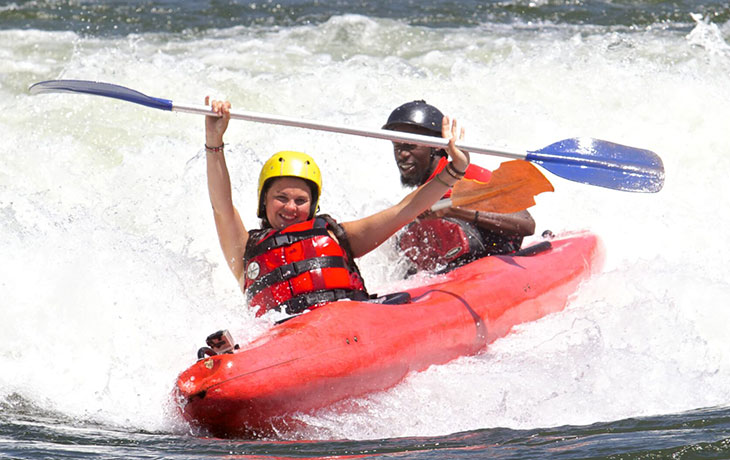
The second day is the highlight of the itinerary, centered entirely on white water rafting in Gulu. The morning begins with a hearty breakfast to fuel the body, followed by a detailed safety orientation conducted by professional guides. Participants are taught how to paddle, how to respond to commands, and what to do if they fall into the water. Children, beginners, and advanced rafters are each given tailored instructions to ensure that everyone can safely enjoy the experience.

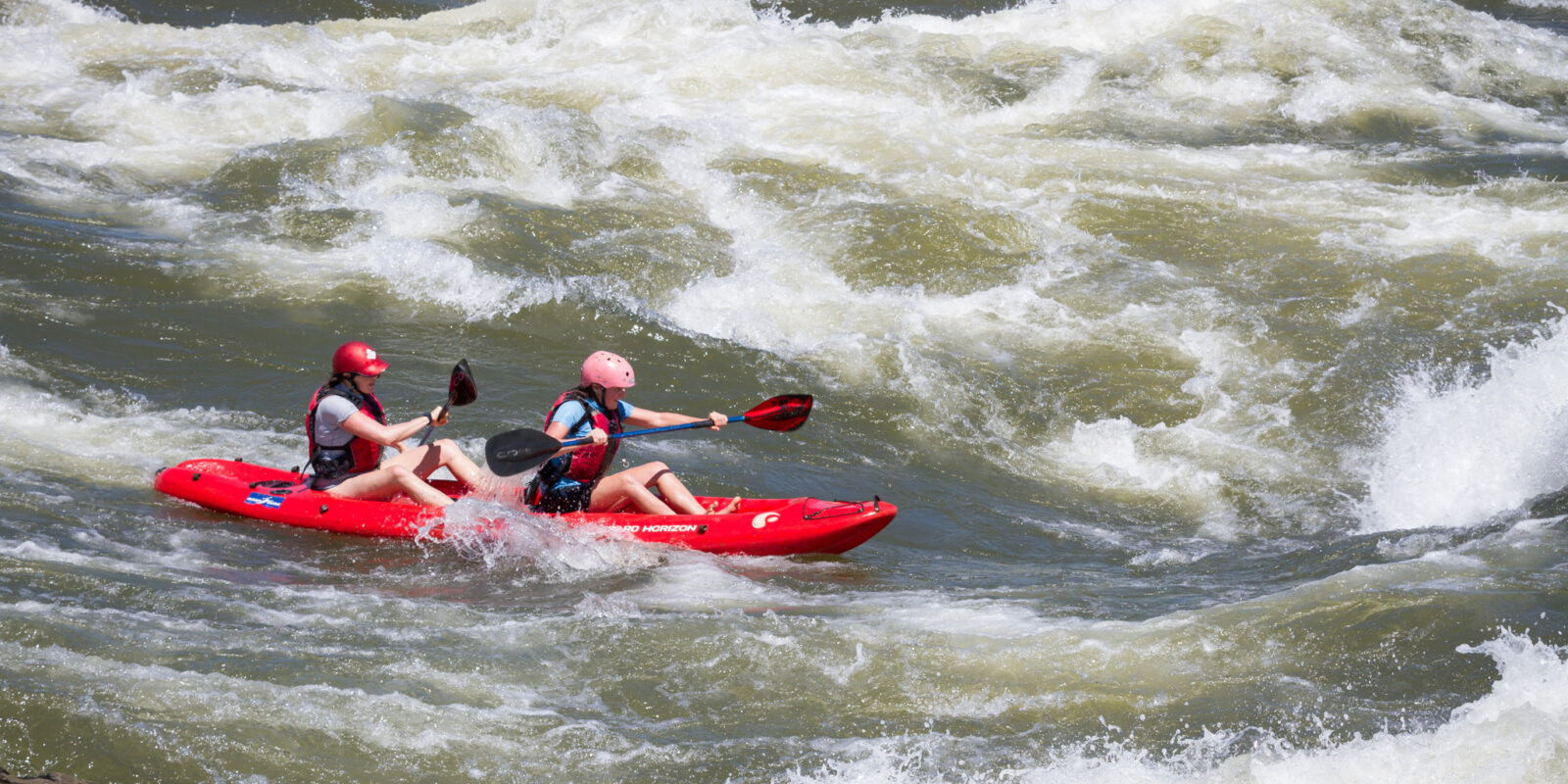
The rafting excursion takes participants through stretches of rapids that vary in intensity. Some sections are exhilarating, with waves crashing over the raft, requiring synchronized paddling and teamwork. Other parts are calmer, allowing participants to float gently while appreciating the surrounding landscapes. The diversity of the river ensures that the experience is balanced, combining adrenaline with moments of peace.

Throughout the journey, guides often share insights about the local environment, pointing out bird species, riverside plants, and even stories about the communities that live near the water. Breaks along the riverbanks allow participants to rest, enjoy packed lunches, and interact with locals who sometimes gather to watch the rafts glide past.

By the end of the rafting excursion, a sense of accomplishment settles in. The physical exertion combined with the thrill of overcoming rapids leaves participants energized and fulfilled. The evening is often dedicated to relaxation, with many choosing to enjoy bonfires, live music from local performers, or simply stargazing in the open skies of northern Uganda.

Day 3: Community Tours and Departure

The final day of the itinerary is designed to complement the adventure with community interaction and exploration. After breakfast, travelers often visit nearby villages where they can engage in activities such as basket weaving, pottery, or traditional cooking. These encounters provide opportunities to learn skills that have been passed down for generations while also supporting local livelihoods.

Markets in Gulu town bustle with energy and are perfect for families or solo travelers seeking to buy souvenirs. Handmade crafts, colorful fabrics, and wood carvings reflect the artistry of the Acholi people. For those interested in history, visits to memorial sites and museums provide deeper insights into the resilience and cultural pride of northern Uganda.

By the afternoon, travelers prepare for departure, carrying with them memories of both adrenaline and cultural enrichment. The balance of rafting and community interaction ensures that the three-day itinerary feels complete, leaving no aspect of the region unexplored.

Why This Itinerary Belongs on Every Bucket List

The three-day rafting itinerary in Gulu is not only about conquering waves but about creating a journey that balances adventure with meaning. The region offers adrenaline in the form of rapids, yet it pairs this with the humanity of cultural exchanges, the warmth of community interactions, and the serenity of landscapes that remain relatively untouched by mass tourism.

For families, the itinerary provides safe and accessible adventure combined with cultural lessons for children. For solo travelers, it offers opportunities for self-discovery, resilience, and connection with new communities. For couples, it blends excitement with intimacy, creating memories that transcend the ordinary.

Adding Gulu’s rafting experience to a bucket list ensures that one’s travels in Uganda are not limited to the familiar but expand into the extraordinary. It allows travelers to say that they have ventured beyond mainstream attractions and embraced the thrill of adventure in a destination that remains authentic and soulful.

Practical Considerations for Travelers

Travelers planning this itinerary must take into account certain practical details to ensure the best possible experience. The ideal time for rafting in Gulu falls within the dry seasons when water levels remain manageable but still exciting. Transportation to and from Gulu is straightforward by road, with buses and private vehicles covering the route from Kampala in under seven hours.

Health and safety remain paramount, and it is advisable to carry first aid supplies, stay hydrated, and follow guide instructions at all times. The community-centered approach in Gulu ensures that visitors feel safe, welcomed, and guided throughout their stay. Affordability is another key advantage, as the costs associated with this three-day itinerary remain reasonable compared to more commercial rafting hubs, making it accessible to a wide range of travelers.

An Unforgettable Blend of Adventure and Culture

Gulu stands out as a destination where white water rafting is elevated from a simple adventure sport into a holistic travel experience. Over the course of three days, visitors encounter not only rushing rapids but also rich traditions, heartfelt hospitality, and the chance to contribute positively to local communities.

This itinerary proves that Uganda’s northern region holds treasures that are both thrilling and meaningful. For those seeking to go beyond the conventional, rafting in Gulu becomes more than an addition to the bucket list; it becomes a defining experience that reshapes one’s perspective on adventure travel.

For travelers who wish to bring this journey to life with seamless planning, authentic experiences, and personalized guidance, it is highly recommended to book their Africa tours and safaris through WildHorn Africa. With their expertise and dedication, every moment of adventure in Gulu and beyond is transformed into a memory that lasts a lifetime.

Insider Tips — Bududa white water rafting for foodies

Insider Tips — Bududa white water rafting for foodies

By Travel stories and blogs, Adventure holidays, Uganda travel guides

Insider Tips — Bududa White Water Rafting for Foodies

Where Adrenaline Meets Culinary Bliss

In the heart of eastern Uganda, adventure flows not only through the roaring rivers but also through the kitchens, markets, and local food stalls that line the hills. Bududa, a district blessed with the slopes of Mount Elgon, is famous for its lush greenery, volcanic soils, and cultural heritage. Yet beyond the breathtaking scenery, this hidden gem offers something entirely unique—white water rafting combined with unforgettable culinary experiences. For travelers who seek more than the ordinary, and especially for those whose hearts beat faster for both thrill and flavor, Bududa emerges as a destination where adrenaline and food harmonize in perfect rhythm.

The idea of rafting in Bududa for food lovers may sound unusual, but therein lies its charm. The rivers that tumble down the mountain slopes provide the setting for exhilarating rafting adventures, while the fertile soils and deep cultural roots of the Bagisu people provide the foundation for some of Uganda’s most distinctive cuisines. It is here where a rafting expedition transforms from a pure adventure into a journey that delights all senses. The thrill of navigating foamy rapids becomes intertwined with the rich taste of fresh local meals, creating a symphony of experiences that no visitor easily forgets.

To enjoy such a combination fully, however, one must understand the insider tips that make the difference between a good trip and a spectacular one. From the timing of your visit to the best food pairings after a rafting session, every detail contributes to the magic of this destination. Bududa white water rafting for foodies is not merely about activity; it is about savoring the spirit of a place through both adventure and taste.

Bududa: The Land of Untamed Rivers and Rich Flavors

Bududa is nestled along the eastern slopes of Mount Elgon, a region that thrives on volcanic richness and cultural depth. The district is known for its dramatic landscapes, with ridges, valleys, and river systems that pour down the highlands into powerful flows. These rivers, although less commercialized compared to those in Jinja, offer a raw, unfiltered rafting experience. Adventurers find themselves on untamed waters, guided by local expertise, and surrounded by scenery that blends both wilderness and cultivated land.

At the same time, Bududa thrives as a food lover’s paradise. The fertile volcanic soils nourish banana plantations, coffee fields, and gardens filled with vegetables and fruits. The community’s long history of agriculture has made it self-sufficient, and this abundance translates into culinary traditions that are both rich and authentic. The combination of outdoor adventure and hearty meals forms the essence of what makes Bududa unique. For foodies, rafting here is not just followed by a meal—it is accompanied by an immersion into a food culture shaped by centuries of practice and communal identity.

The Rafting Experience in Bududa

White water rafting in Bududa is characterized by rivers that carve their way through steep valleys and lush vegetation. Unlike the heavily commercialized rafting circuits, here the experience is raw, intimate, and profoundly connected to the natural environment. The rapids, though less internationally famous than those on the Nile, carry their own character, demanding strength, focus, and courage.

Rafting trips often begin with safety instructions from local guides, many of whom have inherited traditional knowledge of the rivers from generations before. Once on the water, adrenaline takes over as the raft surges through foaming rapids, swirls in eddies, and occasionally rests on calmer pools where travelers can breathe, reflect, and absorb the beauty around them. The laughter of participants, the spray of fresh mountain water, and the thrill of teamwork make each expedition unforgettable.

What makes Bududa rafting particularly remarkable for food enthusiasts is the way the activity seamlessly merges with local hospitality. After hours on the river, participants are welcomed back to riverbanks or nearby community centers with freshly prepared meals. Food here is not just sustenance; it is an expression of care, culture, and celebration.

Culinary Treasures of Bududa

The culinary landscape of Bududa is a treasure trove for food lovers. The district’s cultural identity is inseparable from its food, which is rooted in both tradition and abundance. One cannot explore Bududa without tasting its signature dishes, many of which are deeply symbolic of the Bagisu people’s heritage.

Among the most celebrated delicacies is the Malewa, a dish prepared from smoked bamboo shoots harvested from the forests around Mount Elgon. These shoots are preserved through drying and later rehydrated and cooked, often with groundnut sauce, to create a dish that is both earthy and richly flavored. Malewa is not just food; it is a cultural emblem served at ceremonies and family gatherings, embodying unity and heritage. For foodies, tasting Malewa after a day of rafting feels like more than a meal—it feels like stepping into the very soul of Bududa.

Equally significant are the fresh banana dishes, particularly matoke, which is a staple across Uganda but finds unique expression in Bududa due to the volcanic soil’s influence on flavor. Accompanied by thick, nutty groundnut sauce, or sometimes prepared with smoked fish, matoke becomes a hearty complement to the exertion of rafting.

Coffee lovers also find Bududa irresistible. The region produces Arabica coffee of world-class quality, often grown organically on the slopes of Mount Elgon. Sipping a cup of freshly brewed coffee after rafting offers a restorative comfort, while also celebrating one of the district’s most prized exports.

The Perfect Pairing: Rafting and Food in Harmony

The secret to enjoying Bududa as a foodie adventurer lies in understanding the perfect pairing of rafting experiences with local culinary delights. The intensity of navigating rivers creates both physical hunger and a heightened appreciation for flavor. Meals served afterward taste richer, fresher, and more meaningful because they follow moments of effort and exhilaration.Insider Tips — Bududa White Water Rafting for Foodies

After a morning rafting session, a lunch of Malewa accompanied by groundnut sauce and steamed matoke provides the energy and satisfaction that balance the adventure. The smoky taste of bamboo shoots pairs harmoniously with the nutty richness of groundnuts, symbolizing the balance between strength and comfort. Evening relaxation, often in the company of local hosts, becomes even more delightful when accompanied by roasted plantains or fresh fruits like mangoes and passion fruits.

This rhythm of adrenaline followed by taste defines Bududa’s charm. The two experiences are inseparable—rafting awakens the appetite, and food satisfies not only the stomach but also the spirit.

Timing Your Visit: When Adventure and Flavor Align

Insider knowledge emphasizes that the timing of your trip is crucial to maximize both rafting and food experiences. Bududa, like much of Uganda, experiences a tropical climate with distinct rainy and dry seasons.

The dry seasons, typically from December to February and June to September, offer the most favorable rafting conditions. Rivers maintain strong flows without becoming dangerously swollen, and trails leading to the rafting points are more accessible. These months also coincide with peak harvests of many crops, ensuring that the culinary side of the trip is at its richest. Fresh fruits, vegetables, and coffee beans harvested during these seasons bring vibrancy to every meal.

During the rainy seasons of March to May and October to November, rafting becomes more challenging, with rivers swelling into more intense torrents. While adventurous foodies may still find excitement in these conditions, accessibility can be hindered by muddy trails and unpredictable floods. Nevertheless, the rainy season brings its own culinary rewards—lush harvests, abundant greens, and the freshest flavors imaginable. The choice, therefore, depends on whether the visitor prioritizes ease and comfort or thrill and abundance.

Immersing in Local Food Culture

Food in Bududa is not simply consumed; it is experienced as a social act. Honeymooners, solo adventurers, and groups alike are often invited into the homes of locals or community centers to share meals. This act of communal dining provides deeper understanding of the Bagisu culture, where food represents not only sustenance but also friendship and unity.

Travelers often witness traditional food preparation methods, such as the careful smoking of bamboo shoots, the pounding of groundnuts into smooth paste, or the slow steaming of matoke wrapped in banana leaves. Participating in these activities transforms foodies from passive diners into active learners. The rhythm of stirring, pounding, and steaming becomes part of the narrative of the trip, just as significant as the rafting rapids themselves.

Moreover, the Bagisu are globally recognized for the Imbalu circumcision ceremony, a cultural practice accompanied by feasts and communal celebrations. Though not directly tied to rafting, foodies who visit during this cultural season witness how food serves as the heart of traditions, tying together the community in collective identity.

Insider Tips for Foodie Rafters

To truly unlock the magic of Bududa white water rafting for foodies, a few insider understandings are essential. Visitors are encouraged to arrive with open minds, ready to embrace both adventure and local culinary traditions. Engaging with guides not only provides safety on the water but also opens doors to authentic food recommendations that tourists might otherwise miss.

It is also advisable to balance rafting sessions with enough time to enjoy meals leisurely. Rushing through a dish like Malewa denies it the reverence it deserves. Savoring flavors slowly, in the company of those who prepared them, enriches the experience beyond mere taste.

Another important aspect lies in hydration. After long hours on the river, local herbal teas and fresh fruit juices are often offered. These drinks, naturally refreshing, re-energize the body while highlighting the region’s agricultural richness.

Why Bududa is Ideal for Food-Loving Adventurers

What makes Bududa stand out is its authenticity. Unlike mainstream rafting hubs where commercial tourism sometimes overshadows cultural depth, Bududa retains its natural rawness and cultural intimacy. The rafting experience is real, challenging, and deeply tied to the land. The food is not altered for international palates but served as it has been for generations—fresh, wholesome, and symbolic.

For foodies, this balance of adventure and authenticity makes Bududa incomparable. It is a destination where every moment of adrenaline on the river is matched by a moment of culinary delight on land. The flavors and rapids intertwine to create a holistic journey that celebrates both the body and the soul.

A Feast for Heart, Body, and Spirit

Bududa white water rafting for foodies is far more than an activity; it is a symphony of adventure and flavor. It is the rush of adrenaline in white-capped rapids, the laughter shared in teamwork, the aroma of smoked bamboo shoots, the richness of groundnut sauce, and the warmth of community dining. It is where nature and culture converge, offering travelers not just a trip but a profound memory that unites excitement and satisfaction.

For travelers eager to experience Uganda in its most authentic form, Bududa promises a journey that feeds the heart with adventure and the spirit with taste. The timing of the trip, the willingness to embrace local culture, and the joy of savoring meals slowly all contribute to making this experience unmatched.

To ensure that every aspect of such a journey is curated with expertise and passion, it is highly recommended to book your Africa tours and safaris with WildHorn Africa, a trusted partner in crafting journeys where adventure and authenticity meet in perfect harmony.

Mount Elgon Kayaking: Where to Stay for foodies

Mount Elgon Kayaking: Where to Stay for foodies

By Travel stories and blogs, Adventure holidays, Uganda travel guides

Mount Elgon Kayaking: Where to Stay for Foodies

Perched on the eastern border of Uganda, rising gracefully into the clouds, Mount Elgon is not merely a mountain but a world of its own—a realm where adventure, culture, and culinary indulgence entwine in extraordinary harmony. While many come to this dormant volcano to hike its ancient trails or marvel at its waterfalls, a different thrill awaits on its lively waters. Kayaking on Mount Elgon has slowly carved out its place among the must-do adventures for travelers, offering more than a rush of adrenaline. It is about immersing oneself in an experience where nature’s power meets human curiosity.

Yet, for the discerning traveler, the journey is never just about the adventure. It is about what happens beyond the paddle strokes—where to rest after hours spent on the water, where to savor meals that speak of Uganda’s soul, and where the taste of authenticity lingers long after the day has ended. This is where Mount Elgon’s culinary sanctuaries emerge as equally important as the kayaking trails themselves. Food and adventure weave together, and the lodges and retreats around the mountain understand that a traveler’s memory is shaped not only by what they do, but also by what they taste.

This guide journeys deep into the heart of Mount Elgon’s kayaking scene, exploring not only the waters but also the best places to stay for food lovers, where each meal is not an afterthought but an experience in its own right.

The Allure of Mount Elgon Kayaking

Mount Elgon is not merely Uganda’s gift of highlands and coffee slopes; it is also home to a network of rivers and streams that create ideal conditions for kayaking. With waters ranging from serene channels perfect for beginners to more dynamic stretches that test the seasoned paddler, the mountain’s surroundings offer something unique—an opportunity to interact with water in a landscape that is breathtakingly rich.

The rivers, flowing with a rhythm that has carried history and culture for centuries, provide kayakers with more than a sporting challenge. They are routes that unveil hidden valleys, birdlife, and villages tucked away from the common trail. Every stroke of the paddle carries the traveler deeper into a Uganda less seen, less hurried, and profoundly intimate.

But after hours of maneuvering through waters that are both demanding and rewarding, the body craves comfort and nourishment. This is where Mount Elgon distinguishes itself. Unlike many destinations where food is treated as a simple necessity, the lodges around Elgon transform it into a celebration. For food lovers, the mountain is not only about kayaking—it is about rediscovering the taste of authenticity at the end of every adventure.

Food and Adventure: A Natural Partnership

Adventure heightens appetite, and kayaking around Mount Elgon is no exception. The crisp air, the physical exertion, and the sensory explosion of being surrounded by cascading waterfalls and lush rainforests stir something primal within. This is why the food served at the mountain’s lodges is so significant—it does not merely fill the stomach; it completes the day’s story.

What makes the culinary culture around Mount Elgon distinctive is its fusion of tradition and creativity. Local chefs draw from centuries of Bugisu and Sabiny cooking traditions, presenting ingredients such as matoke, simsim paste, groundnuts, fresh tilapia, and the famed Arabica coffee grown on Elgon’s slopes. Yet alongside these staples, influences from contemporary African and global cuisines also appear, reflecting Uganda’s growing status as a crossroads of flavors.

Travelers soon discover that the lodges around Mount Elgon are not competing to simply offer a bed. They are curating entire experiences, where kayaking by day meets culinary indulgence by night. It is a combination that makes this destination irresistible for foodies who are unwilling to compromise on either adventure or dining.

Where to Stay for Food Lovers

The Mountain Retreat Experience

Staying around Mount Elgon is never generic. The lodges and retreats are often set against dramatic backdrops—forested slopes, coffee plantations, or riversides that echo with birdsong. These are not mass-tourism hotels but rather intimate, thoughtfully crafted escapes where food is as much a focus as comfort.

Many lodges source ingredients directly from nearby farms, ensuring freshness that transforms each meal into a vibrant expression of the land. Menus frequently shift with the season, offering travelers not only nourishment but also a lesson in the rhythm of local agriculture. Imagine savoring a hearty stew after a long day of kayaking, with every ingredient grown within sight of the mountain itself. This is what sets the food culture here apart.Mount Elgon Kayaking: Where to Stay for foodies

Farm-to-Table Lodges

Among the most appealing accommodations are those that embrace the farm-to-table philosophy. These lodges are often situated amidst fertile coffee plantations, banana groves, and vegetable gardens. Guests are invited not only to taste the produce but also to understand its story—sometimes even participating in harvesting or coffee roasting. For a food lover, this transforms dining into an intimate connection with place.

Such lodges ensure that the post-kayaking meal is more than refueling. A fresh garden salad, roasted plantains, or organically brewed coffee becomes a sensory bridge linking the day’s adventure to the land’s abundance.

Cultural Dining Retreats

Equally enchanting are lodges that focus on culinary heritage. These establishments ensure that every plate carries the taste of Ugandan tradition. Here, a kayaker might be served malewa, a local bamboo shoot delicacy cherished by the Bagisu people, or a dish infused with simsim, capturing the essence of indigenous flavors. Dining in such spaces is not simply about food—it is about memory, history, and culture being brought alive through taste.

When combined with the serenity of the mountain surroundings, these retreats offer food lovers an opportunity to indulge in a form of cultural immersion that complements the physical exhilaration of kayaking.

Riverside Havens

Some travelers, especially those who live for water sports, may prefer accommodations that keep them close to the rivers themselves. Riverside lodges provide a seamless flow between kayaking and unwinding. After a demanding session on the rapids, guests can return to verandas overlooking the river, where meals are served with the sound of rushing water in the background.

In such lodges, seafood is often highlighted, with fresh tilapia and Nile perch dishes gracing the table, sometimes grilled, sometimes curried, but always presented with an attention to freshness and flavor that satisfies even the most discerning palate.

The Taste of Uganda Around Mount Elgon

To truly understand what it means to be a foodie around Mount Elgon, one must appreciate the distinct culinary character of the region. The fertile volcanic soils not only make it ideal for agriculture but also enrich the flavor of its produce. Coffee grown on Elgon’s slopes is celebrated worldwide for its rich aroma and balanced acidity, making it a daily highlight for travelers.

Staple foods such as beans, groundnuts, millet, and bananas are prepared in ways that reflect centuries of cultural continuity. Yet around the lodges, these staples are often reimagined with modern twists—millet bread paired with international sauces, or matoke mashed and spiced with contemporary flair.

For food lovers, each meal becomes a cultural lesson: a story told through the delicate smoke of roasted coffee beans, the earthy richness of local stews, and the vibrant colors of tropical fruits. This is why kayaking on Mount Elgon becomes more than an adventure—it becomes a culinary pilgrimage where food amplifies the experience of water.

Beyond Dining: The Full Retreat Experience

Staying around Mount Elgon is about more than food and kayaking alone. The lodges often integrate wellness experiences such as guided walks through coffee plantations, storytelling evenings around bonfires, and opportunities to meet local farmers or brewers. Food is not separated from these experiences but interwoven into them, ensuring that every traveler feels not only well-fed but deeply connected to the land and its people.

Kayakers who choose to extend their stay often discover that the evenings are just as memorable as the days. A candlelit dinner under a starlit sky, accompanied by the sound of cicadas and the distant rush of waterfalls, ensures that each day ends on a note of tranquility. For food lovers, it is a reminder that indulgence is not only about taste but about setting, atmosphere, and connection.

When to Visit for the Best Kayaking and Dining

The experience of kayaking and dining around Mount Elgon is influenced by the seasons. The drier months, typically from June to August and December to February, offer the most reliable conditions for kayaking. Waters are manageable, and trails are accessible, making it ideal for both adventure and exploration.

For food lovers, these same months are abundant with fresh harvests. Seasonal fruits such as mangoes, pineapples, and passion fruits dominate menus, while coffee harvests also bring the freshest brews to the table. Visiting during these times ensures that both kayaking and culinary indulgence are at their peak.

The Perfect Blend of Adventure and Taste

Mount Elgon is more than a towering peak or a kayaking haven. It is a destination where adventure feeds appetite, and appetite enhances adventure. For kayakers who are also food lovers, this is one of Uganda’s most rewarding escapes—where rivers challenge the spirit by day, and lodges comfort the soul by night.

The places to stay around Mount Elgon are not just shelters; they are experiences crafted around flavor, authenticity, and culture. Each meal tells the story of the land, each lodge provides a gateway to indulgence, and each kayaking session deepens the traveler’s connection to Uganda’s landscapes.

For those seeking an African journey where water, wilderness, and cuisine converge into a singular memory, Mount Elgon offers it all. And for travelers who dream of curating such an adventure with seamless expertise, it is best to turn to trusted partners who understand Africa intimately.

That is why it is recommended to book your African tours and safaris through WildHorn Africa, where every detail of your kayaking and foodie retreat around Mount Elgon will be tailored into an unforgettable story of adventure and taste.

Solo Traveler Guide: Butiaba white water rafting for culture lovers

Solo Traveler Guide: Butiaba white water rafting for culture lovers

By Travel stories and blogs, Adventure holidays, Uganda travel guides

Solo Traveler Guide: Butiaba White Water Rafting for Culture Lovers

When Adventure Meets Cultural Depth

There are destinations in Africa that seem designed for the bold and the curious, places where the untamed rhythms of nature merge seamlessly with the living pulse of culture. One such treasure lies along the shores of Lake Albert, in the small but historically rich town of Butiaba, located in northwestern Uganda. To most adventurers, Butiaba is the entry point into thrilling white water rafting experiences. To those who travel alone, however, this town becomes more than just a destination for adrenaline—it transforms into a classroom of cultures, a stage of human stories, and a sanctuary of discovery.

For the solo traveler, Butiaba is not simply about the thrill of conquering rapids; it is about weaving a personal story where every paddle stroke and every cultural exchange enriches the spirit. This guide uncovers the unique intersection of white water rafting and cultural immersion in Butiaba, offering insights into why it remains a perfect haven for solo adventurers who seek not only adrenaline but also meaningful connections.

The Spirit of Butiaba: A Historical and Cultural Jewel

The name Butiaba often conjures images of timeless charm and cultural significance. Once a prominent port town on Lake Albert, Butiaba’s history tells tales of trade, migration, and resilience. Its shoreline carries echoes of colonial expeditions and stories of explorers who saw the town as a strategic gateway to the interior. Yet beyond history, Butiaba remains a living canvas of cultural vibrancy, with fishing communities, traditional practices, and oral traditions shaping daily life.

The richness of this cultural identity cannot be separated from the environment. The lake provides sustenance, while the surrounding hills, savannas, and forests create landscapes that invite exploration. Solo travelers, in particular, find the intimacy of this town rewarding, for it is small enough to feel personal yet expansive enough to hold endless layers of meaning.

White Water Rafting in Butiaba: An Untamed Adventure

When the waters of the Nile meet Lake Albert, they carry with them not only life but also force. The white water rafting experiences that unfold near Butiaba are among Uganda’s hidden treasures, offering rapids that range from gentle swirls for beginners to challenging torrents that test even seasoned rafters.

For the solo traveler, rafting here becomes both a personal test and a metaphorical journey. The river demands trust, focus, and surrender to its rhythm, echoing the essence of solo travel itself—venturing into the unknown with courage and resilience. Every rapid becomes a story, every wave a challenge, and every stretch of calm water a reminder of reflection.

What makes Butiaba distinct is the blend of adventure with tranquility. After hours on the river, the shores welcome rafters with quiet villages, fresh air, and opportunities to immerse in a cultural rhythm that balances the intensity of adrenaline with the warmth of human interaction.

The Solo Traveler’s Perspective

Traveling alone transforms the way one experiences a destination. In Butiaba, the solo traveler does not simply join a rafting expedition; they enter into a dialogue with the river, the land, and its people. The absence of companions allows for deeper observations: the play of light on water, the laughter of children by the lake, the intricate rituals of fishermen preparing their nets.

Rafting as a solo traveler often nurtures a sense of empowerment. Confronting the force of white water without the safety net of familiar faces sharpens courage and builds trust in oneself. At the same time, the communal nature of rafting ensures that camaraderie is naturally formed with fellow rafters and guides, leading to friendships that, though brief, remain unforgettable.

The Cultural Dimension of Butiaba

For lovers of culture, Butiaba reveals itself as more than a rafting base. The fishing communities here embody traditions that have been passed down through generations. Nets are cast using age-old techniques, boats are carved with artisanal precision, and songs of the lake echo across waters as fishermen prepare for the night. For the photographer, writer, or observer, these scenes create narratives that elevate the journey beyond mere sport.

Food becomes another cultural lens. The taste of freshly caught tilapia roasted by the lakeside, seasoned with local spices, speaks of a culinary tradition that mirrors the lake’s bounty. Markets burst with colors of tropical fruits and vegetables, where the act of buying becomes a cultural exchange, each conversation revealing values of hospitality and trust.

Dance and music, too, hold sway in Butiaba. Cultural groups often perform songs that celebrate life, resilience, and the bond between people and water. For the solo traveler, witnessing these performances creates a sense of belonging, as the rhythms transcend barriers of language and background.Solo Traveler Guide: Butiaba white water rafting for culture lovers

Best Time to Experience Butiaba Rafting and Culture

The timing of a solo journey to Butiaba profoundly shapes the experience. The dry months of December to February and June to September provide the most favorable conditions for rafting. Waters remain accessible, rapids are defined, and weather is clear, ensuring safe and rewarding expeditions. These months also allow travelers to explore cultural life without disruptions caused by heavy rains.

The wet seasons of March to May and October to November, while more challenging, offer a different aesthetic. Landscapes turn lush, skies produce dramatic backdrops, and cultural activities continue with vibrancy. For photographers and storytellers, this season can reveal a more raw and intimate perspective of Butiaba’s daily life, even if rafting becomes more demanding.

For culture lovers traveling solo, the dry seasons provide easier navigation of villages and better opportunities for interaction, while the rainy periods immerse one in authentic scenes of resilience, where life adapts seamlessly to nature’s rhythm.

Navigating Safety and Connection as a Solo Traveler

Safety becomes an important aspect of solo travel. In Butiaba, rafting is organized under strict safety guidelines. Professional guides ensure that all rafters, regardless of experience, are equipped with helmets, life jackets, and training before confronting the rapids. For the solo traveler, this assurance builds confidence, allowing focus on the adventure rather than on uncertainty.

Cultural immersion also demands safety, though in a different sense. Respect, humility, and openness act as safeguards. Asking before photographing, greeting elders, and participating with genuine curiosity open doors to connections that go beyond surface interaction. Solo travelers often discover that these respectful gestures create friendships, making them feel less alone even when traveling independently.

The Photography and Storytelling Element

Photography in Butiaba thrives during rafting expeditions and cultural encounters. Rapids provide dynamic action shots, where spray, motion, and energy combine into powerful frames. In contrast, the stillness of the lake at sunrise provides opportunities for serene compositions filled with reflection and color.

Cultural storytelling thrives in portraits of fishermen, close-ups of hands weaving nets, and wide shots of market life. For the solo traveler, photography becomes a bridge between observation and connection, offering a means of communication even without words.

Beyond photography, the act of journaling enriches the experience. Solo travelers often record personal reflections of rafting challenges and cultural lessons, creating narratives that blend adventure with introspection.

The Transformative Blend of Culture and Adventure

The uniqueness of Butiaba lies in how it marries cultural authenticity with outdoor adventure. White water rafting, though thrilling, is not an isolated activity here—it is rooted in the land, the lake, and the people. The river sustains communities, while culture sustains travelers.

Solo travelers find this blend transformative. The adrenaline of rafting awakens courage, while cultural encounters soften and deepen the spirit. Adventure here is not simply about adrenaline; it is about meaning. Culture here is not simply about tradition; it is about connection. Together, they create an experience that reshapes how travelers see themselves and the world.

Practical Reflections for Solo Travelers

Engaging with Butiaba as a solo traveler requires mindfulness and readiness. The journey begins with preparation—packing light yet ensuring essentials such as waterproof clothing, cameras, and notebooks for reflections. It continues with openness, where rafting companions become temporary family, and villagers become storytellers of place.

Accommodation in Butiaba often provides simple yet warm settings, where the lake itself becomes the view from the window. Nights are filled with the sound of water, offering a backdrop that reinforces both solitude and connection. Days are spent balancing rafting with exploration, ensuring that both adventure and culture remain equally embraced.

In this rhythm, the solo traveler finds not isolation but harmony, discovering that Butiaba has a way of turning strangers into guides, and challenges into memories.

A Journey Beyond Rapids

The solo traveler who arrives in Butiaba seeking white water rafting soon discovers more than waves and currents. They encounter a cultural mosaic that makes every adventure meaningful. They leave not only with stories of rapids conquered but with friendships formed, meals shared, and traditions witnessed.

For those who travel alone yet seek connection, who pursue adventure yet long for meaning, Butiaba stands as a rare destination where water and culture converge. It is a journey where every paddle becomes a lesson, every conversation a treasure, and every photograph a reminder that the world is as vast as it is intimate.

To embrace this dual journey of adventure and culture, it is recommended that travelers plan with trusted expertise. For seamless arrangements, safe rafting experiences, and culturally immersive itineraries, it is best to book Africa tours and safaris through WildHorn Africa, ensuring that every solo traveler’s journey through Butiaba becomes a masterpiece of memory and meaning.

Family-Friendly Activities for kayaking in Jinja for solo travelers

Family-Friendly Activities for kayaking in Jinja for solo travelers

By Travel stories and blogs, Adventure holidays, Family holidays, Uganda travel guides

Family-Friendly Activities for Kayaking in Jinja for Solo Travelers

\Where the Nile Meets Adventure

There is a rare kind of magic that unfolds on the waters of the Nile, particularly in Jinja, a town celebrated as the adventure capital of East Africa. It is a place where nature’s power, human resilience, and cultural vibrancy converge to create experiences unlike any other. For families, Jinja has always been a safe haven of joy and bonding, offering activities that nurture connection across generations. Yet, beneath this family-friendly appeal lies a surprising revelation—many of these activities are equally transformative for those who journey alone.

The solo traveler who finds themselves in Jinja does not simply paddle across calm waters or brave the occasional rapid. They embark on a profound journey where family-oriented spaces are reimagined as sanctuaries of solitude, reflection, and cultural exchange. Kayaking, a water activity often associated with group fun, becomes a deeply personal exploration for those who travel without company. This guide unveils how Jinja’s family-friendly kayaking adventures simultaneously serve as a rewarding retreat for solo travelers who seek meaning beyond adrenaline.

Jinja: The Spirit of the Nile’s Gateway

Jinja’s significance cannot be overstated. It is the town that proudly cradles the source of the River Nile, the world’s longest river whose waters have carried civilizations, inspired explorers, and nurtured countless communities across Africa. This legacy positions Jinja not only as a hub of adventure but as a cultural and historical landmark where every current carries centuries of stories.

The landscapes surrounding Jinja enhance this aura of significance. The rolling hills, vibrant farmlands, and glistening waters of Lake Victoria provide a scenic backdrop that amplifies the sense of arrival for travelers. It is within this rich setting that kayaking thrives, drawing families eager to bond and solo adventurers ready to test themselves.

The Family-Friendly Kayaking Appeal

Kayaking in Jinja has been designed to accommodate families of all ages. The waters near the source of the Nile provide stretches of calm, safe for beginners and children. Experienced guides ensure that the experience remains inclusive, offering training, protective gear, and well-structured itineraries. Families find reassurance in this safety, allowing them to relax and immerse fully in the moment.

Yet, while the design may appear family-oriented, its inclusivity becomes a blessing for solo travelers as well. Those who venture alone are embraced into groups, transforming what could have been an isolated experience into one of shared laughter, teamwork, and support. This dynamic allows solo travelers to enjoy the warmth of family-centered environments while still retaining their independence.

Kayaking as a Solo Traveler: The Hidden Depth

For the solo adventurer, kayaking in Jinja becomes a journey that extends beyond sport. It represents courage to step into spaces typically associated with families and rediscover them in personal, meaningful ways. The rhythm of paddles striking the Nile’s surface becomes a metaphor for resilience, while the vast openness of the water mirrors the freedom that solo travel often seeks to embrace.

The communal nature of family-friendly kayaking also benefits those traveling alone. Solo travelers are often integrated into family groups during excursions, finding themselves welcomed by the warmth of strangers. Conversations unfold easily, laughter becomes shared, and bonds—though fleeting—are formed in ways that transform the sense of solitude into connectedness.

In moments where the kayak drifts into quiet stretches of water, solitude takes on another dimension. The solo traveler reflects not on loneliness but on the beauty of independence. The water becomes a mirror for inner stillness, while the distant laughter of families on the river reminds them that community and solitude can coexist in harmony.

Cultural Immersion Through Kayaking

Kayaking in Jinja is not confined to the thrill of water. It opens doors to cultural encounters that enrich the solo journey. Families often combine their excursions with visits to local communities along the Nile, where fishermen demonstrate traditional methods of casting nets and preparing boats. Solo travelers who join these activities are offered intimate glimpses into daily life, realizing that kayaking serves not only as an adventure but as a bridge between visitors and communities.

Food adds another layer to this cultural immersion. Lakeside stops during kayaking often lead to shared meals of freshly prepared fish, roasted plantains, and tropical fruits. While families see these meals as bonding moments, solo travelers discover them as opportunities to engage, converse, and learn. Every shared plate becomes an invitation into Uganda’s culinary identity, revealing how water sustains not only adventure but also sustenance and tradition.Family-Friendly Activities for kayaking in Jinja for solo travelers

The Transformative Power of Nature

The natural beauty of Jinja amplifies the impact of kayaking. The Nile’s expanse shifts from calm reflective waters to playful rapids, while lush riverbanks display an abundance of birdlife and vegetation. Families marvel at this spectacle together, yet solo travelers experience it differently. They discover that solitude sharpens the senses, allowing every rustle of leaves, every bird call, and every shimmer on the water’s surface to become heightened moments of connection with nature.

The changing moods of the Nile also shape the solo journey. During sunrise, the water glows with soft hues, creating peaceful stretches perfect for quiet reflection. Midday brings activity and energy, mirroring the traveler’s physical exertion. By evening, sunsets paint the horizon in fiery tones, offering closure that feels symbolic of personal growth. In each phase, nature becomes not just a backdrop but an active participant in the journey.

Best Time for Kayaking in Jinja

The timing of a kayaking trip in Jinja can greatly influence the experience. The dry months from December to February and June to September are considered ideal, with calm weather, clearer skies, and safer navigation of waters. For families, this period ensures that children and less experienced kayakers can enjoy without concern for unpredictable conditions.

Solo travelers benefit equally from the dry season, as the stability of weather allows for extended adventures without interruption. Campsites along the Nile are more accessible, and cultural visits unfold with ease.

However, the wet seasons from March to May and October to November reveal a different charm. The landscape becomes more vibrant, the river swells with dramatic energy, and fewer crowds provide greater intimacy. For solo travelers who prefer quieter encounters and raw natural beauty, this season may offer the most rewarding perspective, even if the adventure demands greater resilience.

Safety, Comfort, and Belonging

Safety is the cornerstone of Jinja’s kayaking reputation. Professional guides, thorough training, and reliable gear ensure that participants are always secure. Families are reassured, and solo travelers find confidence in knowing that they are supported by expertise.

Yet safety here extends beyond physical well-being. For solo travelers, emotional safety also matters. Being welcomed into groups, having guides who treat individuals as part of a collective, and finding inclusivity in family-centered activities foster a sense of belonging that neutralizes the potential loneliness of solo travel.

Comfort is also nurtured through accommodation and hospitality. Riverside lodges, often designed with families in mind, provide communal spaces where solo travelers naturally blend into conversations and exchanges. Nights by the campfire, shared storytelling sessions, and collective meals transform comfort into community, reminding solo adventurers that journeys need not always be solitary.

Kayaking as Storytelling and Self-Discovery

Every kayak journey becomes a story waiting to be told. For families, it becomes a collective memory. For the solo traveler, it becomes a narrative of personal triumph and introspection. Each paddle stroke tells a story of courage, each rapid overcome becomes a metaphor for resilience, and each quiet drift along the river becomes a reflection of inner peace.

Photography enhances this storytelling dimension. Families capture group portraits, while solo travelers focus on the intimate details—the sparkle of sunlight on water, the candid expressions of children learning to paddle, or the solitary bird perched on reeds. Such photographs preserve memories that go beyond the visual; they capture emotions, growth, and perspective.

Journaling adds another dimension. Solo travelers often find themselves writing about the silence of the Nile at dawn, the camaraderie of strangers, or the transformative blend of solitude and community. These reflections extend the impact of the journey long after it ends, offering a personal record of how kayaking in Jinja shaped their understanding of self.

Why Solo Travelers Should Embrace Family-Friendly Activities

It may seem counterintuitive for a solo traveler to seek out family-oriented activities. Yet, in Jinja, this paradox becomes a strength. Family-friendly activities are designed to be safe, inclusive, and nurturing—all qualities that benefit solo adventurers. The sense of warmth, shared experience, and guided structure provides reassurance that allows solo travelers to relax and focus on the deeper meaning of their journey.

At the same time, the presence of families does not overshadow solitude. Solo travelers can engage with groups when they wish or withdraw into the reflective space of the river when desired. This flexibility transforms kayaking into an experience that balances independence with community, adrenaline with reflection, and adventure with cultural learning.

A Journey of Connection and Solitude

Kayaking in Jinja is often celebrated as a family-friendly adventure, but for the solo traveler, it becomes something far more profound. It is an opportunity to discover courage on the water, to embrace cultural encounters along the Nile, and to balance solitude with the warmth of community. Families find joy in shared paddles, while solo travelers find meaning in independence that coexists within collective experiences.

The Nile, with its timeless flow, teaches that adventure is not limited by companionship. In Jinja, kayaking proves that family-friendly spaces can be sanctuaries for solo reflection, that shared meals can become cultural exchanges, and that rapids overcome alone can feel like triumphs over life’s broader challenges.

For those who seek to turn this balance of culture, adventure, and self-discovery into reality, it is recommended to book Africa tours and safaris through WildHorn Africa, ensuring that every solo traveler’s journey through Jinja’s waters is not only safe but deeply transformative.

Cultural Tour at Ziwa Rhino Sanctuary: 7-Day Itinerary for honeymooners

Cultural Tour at Ziwa Rhino Sanctuary: 7-Day Itinerary for honeymooners

By Travel stories and blogs, Honeymoon holidays, Uganda travel guides

Cultural Tour at Ziwa Rhino Sanctuary: 7-Day Itinerary for Honeymooners

Romantic Wildlife and Cultural Encounters

In the heart of Uganda, where the savannah meets the forest, a sanctuary exists that offers both wildlife adventure and cultural immersion. The Ziwa Rhino Sanctuary, renowned for its successful rhino conservation programs, provides honeymooners with a unique blend of intimate wildlife encounters and meaningful cultural exploration. Unlike conventional romantic retreats, this destination intertwines adventure, education, and shared discovery, allowing couples to create lasting memories while learning about Uganda’s natural and cultural heritage.

A seven-day itinerary has been carefully designed to provide honeymooners with a balance of thrill, relaxation, and immersive experiences. From guided rhino tracking to interactions with local communities, the journey emphasizes connection—not only with each other but with the land, its wildlife, and its people. Every activity, dining experience, and evening moment has been curated to maximize both romantic engagement and deep appreciation for Uganda’s conservation and cultural narratives.

Why Ziwa Rhino Sanctuary is Ideal for Honeymooners

Ziwa Rhino Sanctuary is uniquely positioned to offer an exclusive and intimate wildlife experience. Housing Uganda’s only rhino population in a controlled, protected environment, the sanctuary allows couples to observe these magnificent creatures safely while learning about conservation efforts and ecological management. Unlike crowded safari parks, the sanctuary offers private guided tours that are both informative and immersive, providing couples with an experience tailored to their pace and interests.

Beyond wildlife, the surrounding communities provide a rich cultural backdrop. Traditional music, dance, and craftwork can be observed and participated in, allowing couples to engage with local culture meaningfully. Honeymooners benefit from personalized guidance, ensuring that each encounter is both respectful and enriching. The combination of romance, wildlife adventure, and cultural engagement creates a unique itinerary that cannot be replicated in conventional tourist settings.

Day 1: Arrival and Settling In

The journey begins with arrival at a lodge or eco-friendly accommodation near the sanctuary. Lodges are chosen for their scenic views, romantic ambiance, and proximity to wildlife trails. Upon arrival, couples are welcomed with orientation sessions, providing an overview of the sanctuary, safety protocols, and the week-long itinerary.

An afternoon stroll through nearby trails allows for gentle acclimatization to the environment. Birds, small mammals, and indigenous vegetation introduce couples to the sanctuary’s biodiversity. The evening is reserved for private dinners overlooking scenic landscapes, offering an intimate setting for reflection and anticipation of the upcoming days. The soft hues of sunset over the sanctuary set the tone for a week of shared adventure and romantic connection.

Day 2: Rhino Tracking and Conservation Education

On the second day, couples embark on guided rhino tracking excursions, one of the sanctuary’s most compelling experiences. Early morning departures are recommended to observe rhinos during their active periods, with professional guides providing detailed explanations of tracking techniques, behavior patterns, and conservation strategies.

The walk through the sanctuary is both educational and exhilarating. Guides highlight the sanctuary’s flora, explain the ecosystem’s balance, and identify signs of other wildlife such as antelopes and birds. Couples are encouraged to observe quietly, appreciating the majesty of the rhinos while maintaining a safe distance. This shared experience fosters teamwork, observation skills, and a sense of intimacy derived from witnessing wildlife together in their natural habitat.

Afternoon activities include reflective walks along scenic trails or relaxation at the lodge. Evening dinners may feature locally sourced cuisine, emphasizing fresh ingredients and traditional preparation methods, enhancing both cultural and culinary appreciation.

Day 3: Cultural Immersion and Village Visits

Day three is dedicated to cultural immersion, offering couples the opportunity to interact with communities surrounding the sanctuary. Guided visits to nearby villages provide insight into traditional practices, crafts, and daily life. Couples can observe pottery making, basket weaving, and local music performances, gaining an understanding of the skills and rituals that have been preserved across generations.

The afternoon may include participation in cultural activities under guidance, such as learning traditional dances or preparing local dishes. These shared activities foster connection, understanding, and enjoyment, allowing couples to engage meaningfully with the community while respecting cultural norms. The day concludes with a quiet evening at the lodge, where couples may reflect on their experiences and document them through photographs or journaling.

Day 4: Bush Walks and Bird Watching

On the fourth day, a focus on guided bush walks and bird watching provides a slower-paced, intimate exploration of the sanctuary. Early morning hikes are designed to maximize wildlife observation, with particular attention to avian species. The sanctuary is home to a wide variety of birds, from colorful kingfishers to elegant herons, offering dynamic and engaging opportunities for photography and observation.

Guides provide educational commentary on the interconnectedness of species, ecological significance, and conservation challenges. Couples are encouraged to participate actively in spotting, identifying, and documenting species, creating shared experiences that are both romantic and intellectually stimulating. Afternoon relaxation allows couples to enjoy lodge amenities, swim in natural pools, or engage in quiet contemplation, reinforcing the balance of adventure and leisure.

Day 5: Adventure and Scenic Exploration

Day five introduces scenic trails and adventure-based exploration. Couples may traverse more challenging pathways under the guidance of trained rangers, navigating varied terrain and discovering hidden viewpoints. The experience combines physical activity with observation, offering unique perspectives on the sanctuary’s landscapes, water features, and wildlife.Cultural Tour at Ziwa Rhino Sanctuary: 7-Day Itinerary for honeymooners

Along the trails, romantic moments are created naturally. Secluded spots provide opportunities for reflection, photography, and shared quietude, enhancing the intimacy of the journey. Guides ensure safety while highlighting ecological and cultural points of interest, making the adventure both educational and memorable. Evenings are reserved for private activities at the lodge, such as candlelit dinners or stargazing, adding layers of romance to the adventure.

Day 6: Conservation Participation and Learning

The sixth day emphasizes hands-on conservation activities, allowing couples to contribute meaningfully to the sanctuary’s mission. Activities may include assisting with habitat maintenance, participating in educational workshops, or engaging in awareness programs for visitors and local communities. These experiences enhance understanding of conservation challenges, ecological balance, and species protection, providing a sense of purpose and shared achievement for honeymooners.

Guides provide detailed explanations of conservation methodologies, rhino monitoring, and community involvement programs. Couples gain insight into the delicate balance between human activity and wildlife preservation, fostering respect and empathy for the sanctuary’s mission. The evening concludes with reflection sessions, where the day’s experiences are discussed, photographs reviewed, and knowledge consolidated.

Day 7: Reflection, Farewell, and Departure

The final day begins with gentle exploration and reflection walks, allowing couples to revisit favorite spots within the sanctuary. Observations of rhinos, birds, and other wildlife offer a final opportunity for immersive engagement. Sunrise walks are particularly memorable, with the light casting long shadows across the grasslands and creating a serene atmosphere ideal for contemplation.

Departure arrangements are facilitated by lodge staff and guides, ensuring a seamless return to transportation points. Couples leave the sanctuary with not only photographs and souvenirs but also enriched understanding, shared experiences, and memories of a week filled with romance, adventure, and cultural insight.

Why This Itinerary Works for Honeymooners

This seven-day itinerary balances adventure, education, and relaxation, ensuring that couples experience the sanctuary’s richness without fatigue or overstimulation. Morning wildlife excursions, afternoon cultural engagement, and evening relaxation create a rhythm that fosters both connection and reflection. Personalized guidance, romantic lodging, and curated activities ensure that each day is meaningful, memorable, and harmonious.

The combination of guided rhino tracking, cultural immersion, bush walks, bird watching, scenic exploration, and conservation participation provides a multi-dimensional experience. Couples gain intellectual stimulation, emotional connection, and intimate engagement with both nature and each other, creating memories that extend far beyond the sanctuary itself.

Transforming a Wildlife Tour into a Romantic Journey

A cultural tour at Ziwa Rhino Sanctuary offers more than sightseeing—it provides a narrative of adventure, learning, and intimacy. For honeymooners, the seven-day itinerary balances wildlife observation, cultural interaction, and personal reflection, creating a deeply enriching experience. Each moment, from sunrise walks to conservation participation, is designed to foster connection, understanding, and lasting memories.

For couples seeking expertly curated experiences, personalized guidance, and seamless adventure, it is highly recommended to book Africa tours and safaris through WildHorn Africa. With professional expertise, attention to detail, and a focus on romantic and immersive itineraries, WildHorn Africa ensures that every aspect of the Ziwa Rhino Sanctuary journey is unforgettable, transforming a wildlife tour into a deeply meaningful honeymoon experience.

Close Menu