
search
What’s the etiquette when visiting local communities in Uganda?

What’s the etiquette when visiting local communities in Uganda?

By Travel stories and blogs, Uganda travel guides

What’s the Etiquette When Visiting Local Communities in Uganda? | Cultural Safari Guide by WildHorn Africa

Uganda, affectionately known as the Pearl of Africa, is not only a sanctuary of breathtaking wildlife and emerald landscapes but also a nation of rich cultures, warm hospitality, and deep-rooted traditions. Beyond its national parks and scenic wonders lies the heartbeat of its identity — the local communities. From the highlands of Kigezi to the pastoral plains of Karamoja, from the fishing villages of Lake Victoria to the traditional homesteads of Buganda, each community tells a story of heritage, resilience, and connection.

Visiting these communities is more than just a cultural excursion; it is an opportunity to experience the soul of Uganda. Yet, such experiences demand sensitivity, understanding, and respect. Every smile shared, every hand extended, and every home entered carries social meaning, guided by customs that shape Ugandan life.

For travelers seeking authenticity, learning the etiquette of engaging with Ugandan communities is not merely polite — it is essential. This detailed guide explores how visitors can interact with local people respectfully and meaningfully, ensuring that cultural visits become bridges of understanding rather than moments of intrusion.

Understanding the Cultural Heart of Uganda

Uganda is a tapestry woven with over 50 ethnic groups, each with distinct languages, dress, traditions, and values. Despite this diversity, a profound sense of community, generosity, and humility runs through all.

The Ugandan way of life revolves around ubuntu — the belief in shared humanity and mutual respect. In Uganda, one is not an island; one belongs to a collective. This philosophy manifests in how people greet each other, share food, host guests, and resolve conflicts.

To truly understand Ugandan etiquette, a visitor must first appreciate that relationships matter more than transactions. Whether in rural villages or urban neighborhoods, social harmony is maintained through courtesy, patience, and empathy.

Thus, when a visitor steps into a local community, they are not merely entering a space — they are being invited into a way of life. How one behaves reflects not just on themselves but on the values they carry.

The Power of Greetings: The First Step Toward Respect

In Uganda, greetings are sacred. They are not rushed formalities but genuine gestures of acknowledgment. A greeting opens every conversation and sets the tone for mutual respect.

Upon arrival in a village or household, it is customary to greet elders first, using both words and gestures. A handshake, often accompanied by a gentle bow or lowering of the head, signifies humility. In some regions like Buganda, younger people may even kneel slightly when greeting their elders, a sign of reverence deeply rooted in tradition.

Visitors are expected to show interest — to ask how the other person is doing, how their family is, or how the day has been. These exchanges are more than pleasantries; they reaffirm bonds.

Rushing through greetings or ignoring them can be interpreted as arrogance. Taking time to greet sincerely shows that you honor not only the person but also the rhythm of Ugandan social life.

In communities across Ankole, Toro, and Acholi, greetings extend beyond words; they carry warmth, smiles, and body language that reflect openness. To greet a Ugandan is to say, “I see you, and I value your presence.”

Dressing Respectfully: Modesty as a Sign of Cultural Awareness

Clothing in Uganda communicates respect and belonging. While urban centers like Kampala have adopted modern fashion, rural and traditional communities remain conservative.

When visiting local communities, travelers should dress modestly — not out of restriction but as a gesture of cultural sensitivity. For men, this means trousers and shirts that cover the shoulders; for women, skirts or dresses that fall below the knee and tops that are not revealing.

Bright colors and patterns are welcome, reflecting Uganda’s vibrancy, but overly casual or tight clothing may be perceived as disrespectful, especially during cultural ceremonies or church visits.

In places like Karamoja, where pastoral traditions dominate, clothing choices carry symbolic meaning tied to age and social status. Similarly, in Buganda or Busoga, traditional attire such as the gomesi for women or kanzu for men is often worn during important gatherings.

Wearing appropriate attire signals not only good manners but also genuine appreciation for local customs. When in doubt, it is always polite to ask your guide or host what would be considered appropriate for a particular visit.

The Role of Elders and Hierarchy in Ugandan Society

Every Ugandan community holds elders in the highest esteem. Age is synonymous with wisdom, and elders are regarded as the keepers of knowledge, tradition, and moral guidance.

When entering a homestead or participating in a cultural visit, acknowledging the elders first is essential. Conversations are best initiated with them, and their opinions are to be listened to with patience and attention. Interrupting an elder or contradicting them publicly is considered deeply disrespectful.

In traditional settings, younger people often wait to be invited to sit or to speak. Visitors should follow these cues. Offering a small token of appreciation, such as fruit or tea, when meeting a respected elder or community leader is seen as thoughtful.

Understanding hierarchy also extends to how decisions are made. In many Ugandan communities, matters affecting the group are discussed communally under the guidance of local leaders or clan heads. Engaging respectfully with such structures demonstrates awareness and humility.

Through these interactions, visitors learn that Ugandan etiquette is not about rigid formality but about honoring relationships built on respect and dialogue.

Photography and Privacy: Seeking Permission Before the Lens

Uganda’s villages and cultural sites are deeply photogenic — children playing by banana groves, women weaving mats, elders gathered under fig trees. Yet, taking photographs requires mindfulness.

In Ugandan culture, people are not objects of curiosity. Before taking a photograph, especially of individuals or homesteads, it is essential to ask for permission. A smile, a greeting, and a simple question can turn a cautious moment into a shared exchange.

Some communities, especially among the Batwa, Karimojong, or Bagisu, have experienced exploitative photography from tourists in the past. Thus, sensitivity is key. When permission is granted, taking the photo becomes an act of connection rather than intrusion.

In cultural performances or ceremonies, photographs are often allowed but should be taken discreetly without flash, as bright light can distract participants or animals in traditional settings.

Ugandans are proud of their heritage, and when visitors show respect through permission, they reciprocate with genuine hospitality and openness.

Giving and Receiving Gifts: Symbolism Over Substance

Gift-giving in Uganda is an art of generosity and gratitude. It is rarely about value but about thought.

When visiting a household or community, small gestures — perhaps tea, sugar, or fruit — are deeply appreciated. Gifts are often presented with both hands, accompanied by words of thanks or blessings. Likewise, when offered something, it is polite to receive it with both hands, showing appreciation regardless of its size.

Refusing a gift outright can be seen as prideful, though gently declining for cultural or dietary reasons is acceptable if done with kindness.

When participating in community tours, visitors should avoid giving money or items directly to children, as this can create dependency or distort local expectations. Instead, contributions should be channeled through guides or community leaders, who ensure that they benefit everyone.

The essence of Ugandan gift culture lies in reciprocity — the understanding that giving binds people together. It is not what is given but how it is given that carries meaning.

Visiting Homes and Villages: Conduct and Custom

Being invited into a Ugandan home is a privilege. Visitors are considered blessings, and hospitality is extended generously. Yet this welcome carries unspoken expectations of etiquette and decorum.

When entering a home, it is customary to wait until invited to sit. In many rural households, shoes are removed before entering the main living area. Conversations begin with greetings and expressions of gratitude for the welcome.

Meals, if offered, are a gesture of honor. Declining them abruptly can be misinterpreted. Even if not hungry, tasting a small portion is considered polite. Food in Uganda is not merely sustenance but a language of care.

While dining, using the right hand to eat or receive items is the norm, as the left hand is traditionally reserved for less clean tasks. Speaking softly, avoiding direct interruptions, and waiting to be addressed by elders during discussions demonstrate good manners.

At the end of a visit, expressing appreciation is essential. A simple “webale nyo” in Luganda or “apwoyo matek” in Acholi communicates gratitude far deeper than words alone.

What’s the etiquette when visiting local communities in Uganda?Respecting Cultural Ceremonies and Beliefs

Cultural ceremonies in Uganda — from weddings and harvest festivals to traditional dances and initiation rites — are expressions of identity and continuity. They are also moments when visitors must tread with humility.

Participation is often welcomed, but only when invited. Observing quietly before joining in ensures that boundaries are respected. In spiritual or ancestral rituals, visitors should follow the lead of their hosts, as these moments are sacred.

Taking photographs or recording videos during rituals without prior consent is discouraged. Many traditions hold spiritual significance that should be preserved with dignity.

If a traveler is invited to participate — perhaps in a dance, a blessing, or a communal meal — accepting graciously is a way of honoring the community’s hospitality. However, if unsure of the customs, it is perfectly acceptable to ask your guide for guidance.

Cultural respect extends to religious spaces as well. Uganda is a country of diverse faiths — Christianity, Islam, and traditional spirituality coexist harmoniously. In all places of worship, modest dress, silence, and respect for rituals are expected.

Understanding that every gesture, drumbeat, or song carries meaning allows visitors to connect authentically rather than superficially.

Language: The Bridge to Hearts

Though English and Swahili are official languages, Uganda’s soul is spoken in its local tongues. Learning a few words or greetings in the language of the community you visit can transform an encounter.

A traveler who says “Mirembe!” (peace) in Luganda or “Agandi?” (how are you?) in Runyankore instantly earns a smile. Effort matters more than perfection. Even a single word in the local language signals respect for culture and identity.

Ugandans deeply appreciate visitors who show interest in their language. It demonstrates humility and curiosity — values held in high regard. When unsure, using your guide to interpret ensures that messages are conveyed accurately and respectfully.

Supporting Local Livelihoods Responsibly

Cultural tourism in Uganda has become an essential source of income for rural communities. When managed ethically, it uplifts livelihoods and reinforces cultural pride.

Visitors can support artisans by purchasing locally made crafts, baskets, carvings, or jewelry directly from community cooperatives. Paying fair prices and avoiding haggling excessively shows appreciation for the artistry and effort behind each piece.

Engaging respectfully in traditional experiences, such as banana beer brewing in western Uganda or bark cloth making in Buganda, allows income to flow directly to families.

It is important to avoid treating communities as attractions. Ethical tourism values participation and learning over observation. Through respectful interaction, travelers contribute not just economically but socially — affirming that cultural heritage has intrinsic worth beyond entertainment.

Behavior in Public and Private Spaces

Public behavior in Uganda is guided by politeness and restraint. Loud arguments, public displays of affection, or gestures of impatience are frowned upon. The Ugandan temperament values calmness and courtesy, even in disagreement.

Using polite words such as “please,” “thank you,” and “excuse me” resonates deeply in local interactions. Patience is a virtue — things move at a human pace, guided by relationships rather than rigid schedules.

Visitors are encouraged to engage with curiosity but also mindfulness, remembering that they are guests in a culture defined by grace and moderation.

Environmental and Cultural Respect: Leaving No Trace

In Ugandan communities, the land is sacred — a living gift passed from ancestors to future generations. Littering, damaging vegetation, or disrespecting natural features is seen as a violation of communal responsibility.

When visiting natural or sacred sites such as waterfalls, caves, or ancestral grounds, following local guidance is vital. Some areas may require removing shoes or avoiding loud noise. Others might be accessible only through designated paths to protect both environment and spiritual sanctity.

Respecting these spaces ensures that their beauty endures, allowing future generations — both local and global — to continue drawing meaning from them.

The Human Connection: What Etiquette Truly Means

Ultimately, etiquette in Ugandan communities is not about rigid rules but about emotional intelligence. It is about being present, observant, and kind. It is about understanding that your presence carries weight — that you are not just witnessing culture but entering into it.

When travelers show humility, ask questions respectfully, and participate sincerely, communities open their hearts in return. What begins as a visit transforms into an exchange of humanity — laughter shared over matoke, stories told by the fire, and songs that bridge language and history.

Such moments remind us that travel is not about crossing distances but about crossing into understanding. Uganda’s people teach that respect is not demanded but earned through connection.

Experience Uganda’s Communities Authentically with WildHorn Africa

To navigate Uganda’s diverse cultures with sensitivity and authenticity, it is invaluable to travel with those who understand its nuances. WildHorn Africa specializes in crafting cultural and wildlife experiences that honor both the traveler and the host community.

From the Batwa forest communities near Bwindi to the pastoral Karimojong villages and the traditional Buganda homesteads around Lake Victoria, WildHorn Africa ensures that every interaction is guided by respect, education, and genuine engagement.

By booking your journey with WildHorn Africa, you participate in ethical tourism that uplifts local people, supports conservation, and preserves Uganda’s living heritage.

Discover Uganda not as a spectator but as a welcomed guest — one who listens, learns, and leaves footprints of friendship.

Book your Africa tours and safaris via WildHorn Africa and experience the heart of Uganda through its people, their stories, and their timeless hospitality.

Can I visit Uganda’s national parks independently, or do I need a guide?

Can I visit Uganda’s national parks independently, or do I need a guide?

By Travel stories and blogs, Uganda travel guides

Can I Visit Uganda’s National Parks Independently or Do I Need a Guide? | WildHorn Africa Safari Insights

Uganda, the Pearl of Africa, is a land where wild beauty meets raw adventure — a country that humbles and thrills in equal measure. From the mist-shrouded slopes of Bwindi Impenetrable National Park, home of the endangered mountain gorilla, to the open savannas of Queen Elizabeth and Murchison Falls, where lions prowl and hippos grunt beneath fiery African sunsets, Uganda’s wilderness is as varied as it is unforgettable.

It’s natural that many travelers, drawn by this allure, ask one fundamental question: Can I explore Uganda’s national parks independently, or do I need a guide?

The short answer? You can visit some parts independently — but Uganda’s national parks are best experienced, most safely navigated, and most meaningfully understood with a guide. Yet this answer only scratches the surface. To fully understand why, one must look deeper into the nature of Uganda’s wilderness, its infrastructure, its regulations, and the cultural and conservation context that shapes every safari experience.

This comprehensive guide explores all of that and more — providing not only clarity but also practical, experience-based insight to help you make the right decision for your adventure in Uganda.

Understanding Uganda’s National Parks: A Wilderness Beyond the Ordinary

Uganda’s network of ten national parks is unlike those in more commercialized safari destinations. Each park is a world of its own — vast, raw, and often remote. These protected areas are managed by the Uganda Wildlife Authority (UWA), whose mission balances conservation, tourism, and community benefit.

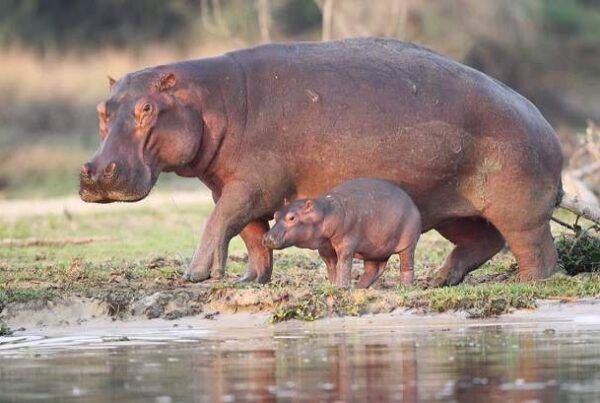
The parks are diverse in landscape and wildlife: from Rwenzori Mountains National Park, where glaciers crown equatorial peaks, to Kidepo Valley, one of Africa’s most isolated yet spectacular wildernesses. Murchison Falls holds the mighty Nile squeezing through a narrow gorge before plunging into thunderous whitewater, while Queen Elizabeth teems with lions, elephants, and hippos basking along the Kazinga Channel.

Yet unlike in smaller or more open destinations, Uganda’s parks are not easily navigated alone. Most of the tracks are unpaved; GPS coverage can be unreliable, and mobile network signals often vanish once you enter the wild heart of the parks. This combination of remoteness and rich biodiversity means that exploring Uganda’s national parks demands not just enthusiasm, but knowledge, preparedness, and situational awareness — things that an experienced guide provides naturally.

The Reality of Independent Travel in Uganda’s National Parks

Traveling independently across Uganda’s national parks might sound adventurous — and indeed, for some seasoned travelers with a 4×4 vehicle, a good map, and a deep love for raw nature, it’s possible. The roads between the parks are navigable, and some parks like Lake Mburo or Queen Elizabeth are accessible to self-drivers.

However, independent travel here is not like self-driving in Kruger National Park in South Africa or Etosha in Namibia. Uganda’s wilderness is wilder, and its infrastructure less structured. Entry gates are not always near towns; fuel stations are sparse; road signs are minimal, and sudden weather changes can turn a dry track into a muddy trap in minutes.

Wildlife can be close — sometimes too close. Elephants block roads, buffalo wander near camps, and even lions may cross your path without warning. Without experience, understanding animal behavior, knowing when to stop or move, or how to interpret warning signs becomes not just a matter of curiosity but of safety.

Moreover, Uganda’s park system emphasizes guided conservation tourism, meaning that even if you drive yourself in, you will often need to hire a ranger or guide at the gate to accompany you. This is particularly true in parks with denser vegetation, such as Kibale National Park (for chimpanzee tracking) or Bwindi Impenetrable National Park (for gorilla trekking), where visitors are strictly required to be accompanied by certified guides.

Why Uganda Encourages Guided Experiences

Uganda’s conservation model recognizes that wildlife tourism must balance protection with participation. Allowing visitors to explore without guidance in delicate ecosystems could risk not only safety but also ecological disturbance.

Guides and rangers in Uganda are not merely escorts; they are the bridge between humans and nature. They interpret animal behavior, track wildlife using decades of field experience, and ensure that visitor activities remain safe and sustainable. Many have grown up near the parks, carrying traditional ecological knowledge and cultural insights that no map or app can replicate.

Moreover, the presence of guides deters poaching and reinforces conservation ethics. Every guided trek or game drive indirectly contributes to the protection of Uganda’s biodiversity, as part of the park fees goes toward ranger patrols, anti-poaching operations, and community development programs.

By choosing to explore with a guide, you are not only enhancing your safety and understanding — you are actively participating in Uganda’s larger conservation success story.

The Safety Factor: Why a Guide Can Be a Lifesaver

Uganda’s national parks, though stunning, are truly wild. The landscape demands respect — not fear, but deep awareness. There are no fences separating human paths from animal territory.

In Murchison Falls, lions, elephants, leopards, and crocodiles move freely across the park. In Kidepo Valley, herds of buffalo numbering in the thousands traverse open plains. In Bwindi, thick forests echo with the calls of chimpanzees and the subtle movements of gorillas.

These are unforgettable sights — but they come with risks that only experience can mitigate. Guides are trained to read signs that an untrained eye would miss: a faint pawprint in the dust, a rustle that signals the presence of a predator, or the direction of wind that determines how close you can safely approach wildlife.

Medical emergencies are also best handled under professional supervision. Guides carry first-aid kits and know the nearest medical evacuation protocols. In remote parks, a delay of even one hour can be critical — and having someone who knows the terrain could mean the difference between safety and danger.

When it comes to safety, Uganda’s park authorities strongly recommend guided travel not as a restriction, but as a form of assurance and protection.

Navigating Permits and Regulations: The Role of Licensed Operators

Uganda’s park entry and activity system is governed by permits. Each park has specific fees, and certain activities — especially gorilla and chimpanzee trekking — require advance booking through UWA or a licensed tour operator.

Independent travelers often underestimate the complexity of obtaining and managing these permits, particularly during peak seasons when gorilla trekking slots sell out months in advance. Guides and tour operators such as WildHorn Africa are licensed to streamline this process, ensuring your itinerary aligns with permit availability and park schedules.

Beyond permits, there are park regulations that must be strictly observed. Speed limits on game tracks, designated viewing distances, and rules on noise, waste disposal, and photography are enforced rigorously. A guide ensures that these are followed seamlessly, not only to avoid penalties but to maintain the dignity of the wild environment.

In many parks, even self-drive visitors are obliged to take a UWA ranger guide for certain activities. This means that, whether you plan to drive independently or not, your experience will involve guidance at critical stages.

The Deeper Experience: What a Guide Adds to Your Safari

A safari in Uganda is more than a journey through wildlife; it is a dialogue with the living landscape. And that dialogue deepens immeasurably when led by someone who knows its language.

A skilled guide turns every rustle, footprint, and birdsong into a story. They identify not just animals but individual personalities — that elephant herd that always drinks at a certain bend of the river, that leopard whose cubs are hidden in a fig tree. They recognize bird calls, explain the medicinal uses of local plants, and share legends woven into the land by ancestral communities.

In gorilla trekking, guides and trackers are indispensable. They rise at dawn to locate gorilla families and communicate via radio to ensure visitors are led to them safely and efficiently. The terrain is steep and dense, and without guidance, the forest could feel impenetrable.

What might seem like a simple walk becomes a profound encounter — a moment of shared breathing with one of the planet’s most intimate species.

Even in open savanna parks, guides are storytellers of ecology, linking every sighting to a broader narrative: predator-prey dynamics, seasonal migrations, and conservation challenges. They turn your safari from sightseeing into understanding — and that is where the soul of travel lies.Can I visit Uganda’s national parks independently, or do I need a guide?

Independent Travel vs. Guided Safaris: A Comparative Look

Traveling independently in Uganda’s national parks can be liberating but also demanding. It offers freedom and flexibility but requires significant planning, navigation skills, and local knowledge. For photographers, researchers, or repeat travelers familiar with East Africa, self-driving may be rewarding.

However, for most visitors — especially first-timers — a guided safari delivers incomparable value. It removes logistical stress, ensures access to restricted areas, and provides interpretive depth that transforms the journey into an education in ecology and culture.

A guide handles accommodation coordination, park entry timing, and route optimization. They know the best hours for sightings, the quietest corners of popular parks, and the most scenic viewpoints for sunrise photography.

In contrast, independent travelers often spend hours lost in the maze of dirt roads, missing key wildlife opportunities and expending energy on logistics rather than immersion.

Therefore, while Uganda does not legally prohibit independent park visits, a guided safari remains the wisest and most rewarding option for those who wish to truly understand the land and its creatures.

Cultural Interactions: The Human Element You Might Miss Without a Guide

Beyond wildlife, Uganda’s national parks are surrounded by vibrant communities with rich cultural traditions. The Batwa people near Bwindi, for example, hold ancestral knowledge of the forest — its plants, healing secrets, and spiritual rhythms. In Kidepo, the Karimojong live in harmony with the rhythms of cattle and savanna.

Guides serve as cultural interpreters, bridging visitors with local people respectfully and ethically. They facilitate visits to homesteads, explain customs, and ensure that tourism supports local livelihoods rather than exploiting them.

Independent travelers might miss this nuance. Without cultural mediation, encounters risk misunderstanding or intrusion. A guide ensures that cultural tourism remains mutual, authentic, and beneficial, enriching both guest and host.

Environmental Ethics and Sustainable Impact

Uganda’s approach to tourism emphasizes responsibility and conservation impact. Every visitor contributes to community-based projects through park fees and conservation levies. However, to ensure that your visit has a truly positive footprint, guidance is essential.

Guides enforce low-impact practices such as maintaining distance from wildlife, minimizing waste, and respecting silence in sensitive habitats. They discourage off-road driving, which can destroy fragile vegetation and compact soils.

Through guided experiences, travelers also learn about Uganda’s broader conservation efforts — from anti-poaching patrols to reforestation and wildlife research. Many guides participate directly in these initiatives, making your safari not just a holiday but a contribution to a living legacy.

This level of environmental integrity is difficult to uphold without professional guidance. Independent exploration, while possible, risks unintentional harm to habitats if visitors are unaware of ecological sensitivities.

By choosing guided safaris, travelers help sustain Uganda’s ecological balance and empower local communities to continue protecting their natural heritage.

The Legal and Practical Realities: What the Regulations Say

Uganda Wildlife Authority regulations allow both guided and self-guided entry, but under clear conditions. Visitors must pay park entry fees and adhere strictly to designated tracks and times. Driving at night without authorization is prohibited.

For gorilla and chimpanzee tracking, guided accompaniment is mandatory — it is impossible to attempt these activities independently. Similarly, hiking in Rwenzori Mountains or Mount Elgon requires park rangers and porters for both safety and preservation.

Even in self-drive-friendly parks like Lake Mburo, UWA encourages visitors to hire an on-site guide for game drives. The rule is not about control; it is about ensuring that every guest has the best possible experience while maintaining park integrity.

Therefore, while independence is technically permitted, guidance is institutionally integrated into Uganda’s conservation philosophy.

Why Most Travelers Choose Guided Tours

Most visitors who explore Uganda’s national parks do so through organized safaris. This is not a coincidence but a reflection of practical wisdom. Guided safaris simplify everything: transportation, permits, accommodation, and park access.

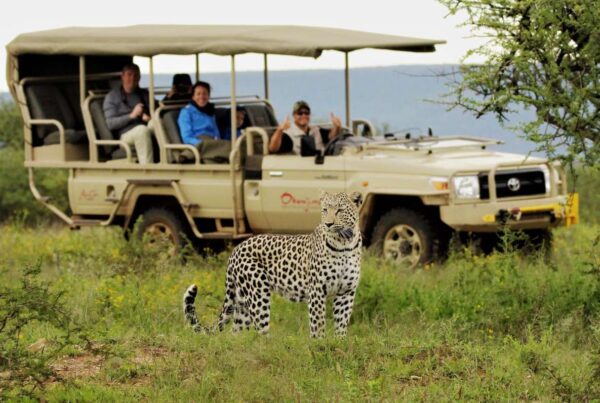
A good tour operator, like WildHorn Africa, curates itineraries that align seamlessly with your interests — be it photography, birding, adventure, or luxury relaxation. Vehicles are customized for safaris, equipped with pop-up roofs for unobstructed viewing, and driven by guides who understand not just routes but the rhythm of the wild.

Guided safaris also allow you to focus entirely on the experience — the sights, sounds, and sensations of the African wilderness — without worrying about logistics or navigation. It is the difference between visiting and experiencing.

The Economics of a Guided Safari: Value Beyond Cost

Some travelers assume that hiring a guide or booking through an operator inflates costs unnecessarily. In reality, it often saves money and maximizes value.

Independent travel entails hidden expenses: vehicle rental, fuel, park fees, ranger fees, accommodation coordination, and potential mechanical breakdowns. When added up, these often surpass the cost of a professionally guided package that already includes expert services, fuel, and logistics.

Moreover, guides know where to find reasonably priced lodges, when to avoid peak rates, and how to combine multiple parks efficiently. They prevent costly mistakes like buying unnecessary permits or missing entry cutoffs.

Beyond financial value, guided safaris provide emotional value — the reassurance of safety, companionship, and insight. It is an investment in peace of mind, not merely a service.

The Emotional and Spiritual Dimension of Guided Travel

There is something transformative about being guided through Uganda’s wild heart by someone who loves it deeply. Guides do not just point out animals; they reveal meanings. They see in each sunrise the renewal of nature’s covenant, in every footprint the continuity of life.

Through their eyes, the wilderness becomes a story — one where you, too, are a participant. This shared discovery forges bonds that often outlast the journey itself. Many travelers leave Uganda not just with photographs, but with friendships and newfound reverence for nature’s quiet intelligence.

Independent travel may grant solitude, but guided exploration grants connection — the essence of meaningful travel.

So, Can You Visit Uganda’s National Parks Independently?

Yes, you can. But should you? That depends on your goals, experience, and spirit of adventure. If your intent is to connect deeply, travel safely, and learn authentically, then guidance is not a limitation — it is liberation.

Uganda’s national parks are not theme parks to be consumed; they are living ecosystems, complex and sacred. To traverse them without guidance is to skim their surface; to travel with a guide is to dive into their soul.

The best journeys in Uganda are those shaped by respect — for nature, for people, and for the delicate balance that keeps both thriving. Guided safaris embody that respect, ensuring that your experience enriches not only you but the land that welcomes you.

Experience the Pearl of Africa the Right Way — With WildHorn Africa

When planning your Ugandan adventure, choose partners who understand that a safari is not just about seeing wildlife, but about experiencing Africa’s untamed beauty responsibly and profoundly. WildHorn Africa embodies this philosophy, offering tailor-made safaris led by experienced naturalist guides who reveal the continent’s wonders with authenticity and care.

From the misty gorilla forests of Bwindi to the thunderous cascades of Murchison Falls, from the remote valleys of Kidepo to the shimmering lakes of Queen Elizabeth, WildHorn Africa crafts journeys that honor both adventure and ethics.

If your dream is to explore Uganda’s national parks not as a spectator but as a participant in its living story, your path begins here — guided, safe, and unforgettable.

Book your Africa tours and safaris through WildHorn Africa — where every journey is guided by expertise, inspired by nature, and remembered for a lifetime.

Autumn in Uganda (Sep – Nov)

Autumn in Uganda (Sep – Nov)

By Travel stories and blogs, Uganda best time to visit, Uganda travel guides, When to go

Autumn in Uganda (Sep – Nov)

The Second Rainfall, the First Awakening

As the equatorial sun shifts in its golden arc and the earth releases its late-year sigh, Uganda in autumn begins to hum with a quiet energy that is both refreshing and soul-stirring. The months between September and November are often associated with the second rainy season, yet far from deterring visitors, this time marks a uniquely intimate and transformative period in the country’s natural and cultural calendar. In much of the temperate world, autumn is seen as a time of slowing down, of golden leaves and cooling breezes. But in Uganda, it is a season of reawakening, where rains fall not to end a cycle, but to breathe life back into one.

This is a land where the skies become a canvas of brooding clouds and silver light, where the air is charged with anticipation, and where nature performs a quieter, more profound kind of drama. Far from being a shoulder season, autumn in Uganda is a time for those who seek the raw textures of Africa, unvarnished, lush, and alive.

Why This Time: A Lush and Living Canvas

The September to November window in Uganda aligns with the short rains, a less intense but highly influential weather pattern that nourishes the land without the prolonged downpours of the earlier season. This rain is not disruptive; rather, it arrives in measured, rhythmic bursts, followed by stretches of sunshine that warm the freshly watered earth. The result is a landscape that flourishes with life and vibrancy, from rejuvenated grasslands to flowering trees and swelling rivers.

This time also coincides with a secondary breeding period for many species. Birdlife, already diverse in Uganda, reaches a spectacular crescendo as both resident and migratory birds engage in courtship, nesting, and display. The forest canopies of Kibale, the papyrus-lined edges of Lake Albert, and the wetlands near Mabamba burst into color and song, offering an unparalleled birdwatching spectacle.

From a tourism standpoint, this period offers excellent value. With fewer travelers in-country, the experience becomes more personal and immersive, especially for those drawn to wildlife photography, cultural interaction, and slow travel. Roads remain accessible, and accommodations offer off-peak rates while maintaining high levels of service.

Where to Go During This Time: Nature in Its Prime

Autumn invites a rediscovery of Uganda’s iconic destinations under a softer, more nuanced light. In Bwindi Impenetrable Forest, the rains bring a freshness that makes the trekking trails more vibrant. Though trekking may involve some mud and mist, the rewards are immense: gorilla families active and healthy, surrounded by thick, emerald growth and accompanied by the atmospheric sounds of a rainforest in motion. These encounters during the rainy season are often quieter and more intimate, as fewer groups are out on the trails.

In Queen Elizabeth National Park, the seasonal transition sparks the return of migratory birds and rejuvenates the Kazinga Channel, attracting large numbers of animals to its banks. Elephant herds can be seen in the open fields, and Uganda kob engage in rutting displays, their horns clashing beneath dramatic skies. The Mweya Peninsula, with its sweeping views and rich biodiversity, becomes a focal point for photographers and naturalists.

For a more remote experience, Semuliki National Park, located in the western Rift Valley, becomes rich with life during this time. Known for its hot springs, lowland rainforest, and Congo biome species, the park offers a rare taste of Central African ecology within Uganda’s borders. The seasonal rains highlight the park’s uniqueness, enhancing both biodiversity and ambiance.

In the east, the slopes of Mount Elgon are at their most verdant, offering easier treks and fewer crowds. Waterfalls cascade with renewed force, coffee farms hum with post-harvest activity, and the nearby Sipi Falls are at their most photogenic. Cultural tours with the Bagisu and Sebei peoples offer meaningful interactions during their seasonal festivals and rituals.

Things to Do: Follow the Rain to Its Wonders

Autumn in Uganda is best experienced not by resisting the rain, but by walking with it, embracing the transformation it brings. Gorilla trekking continues in both Bwindi and Mgahinga, with many visitors finding the mistier, greener trails to be more atmospheric and emotionally impactful. The shorter daylight hours and frequent cloud cover cast a mood that many find more intimate, adding gravitas to every encounter.

Birdwatching becomes truly world-class, with countless species in breeding plumage and heightened activity. Sites like Bigodi Wetland Sanctuary, Mabira Forest, and Lake Mburo National Park become showcases of color and call. The elusive shoebill continues to haunt the Mabamba Swamp, and endemic species such as the fox’s weaver may be glimpsed with the help of knowledgeable local guides.

Cultural tourism flourishes in this season as communities mark agricultural cycles, harvests, and spiritual observances. Traditional ceremonies, storytelling sessions, and dance performances take on deeper meaning in the context of seasonal change. From the Buganda Kingdom’s royal protocols to the Batwa people’s forest rituals, autumn reveals the rhythms that tie land, people, and history.

Boat excursions on the Nile and in Lake Victoria’s inlets are serene and scenic in the softer light, with the water mirroring the shifting sky. The Rwenzori Mountains, though challenging, offer treks that unveil dramatic cloud formations, wildflower blooms, and crystal-clear alpine streams, making for an unforgettable, albeit slightly wet, mountaineering experience.

A Time for Travelers, Not Tourists

Autumn in Uganda is not for those chasing postcards or polished itineraries. It is for those who value raw, unedited experiences, who understand that rain is not an inconvenience but a gift that reveals the pulse of the land. It is a time for reflective travel, for immersion rather than observation, and for encounters that go beyond the lens and into the heart.

There is something deeply spiritual about standing in a rainforest while soft rains fall, hearing the chatter of monkeys above and the distant call of a turaco. Or watching a child laugh as thunder rolls over the horizon, unbothered by the wet earth beneath their feet. These are the moments that remain long after passports are stamped and luggage unpacked.

For those willing to walk through puddles, to watch storms pass from a lodge veranda, and to witness the natural world in its most honest form, Uganda in autumn offers a profound kind of beauty—not glossy, but grounding; not scripted, but sincere.

Book Your Journey Through the Wild

To explore this rich, rain-washed season with guides who understand its nuances and celebrate its gifts, there is one name to trust. Book your Africa tours and safaris with WildHorn Africa, where the changing skies of Uganda become the backdrop for journeys filled with life, meaning, and unforgettable stories.

Travel stories and blogs

Travel stories and blogs

By Travel stories and blogs

Travel stories and blogs

Can I visit Uganda’s national parks independently, or do I need a guide?

Can I visit Uganda’s national parks independently, or do I need a guide?

| Travel stories and blogs, Uganda travel guides | No Comments
Can I Visit Uganda’s National Parks Independently or Do I Need a Guide? | WildHorn Africa Safari Insights Uganda, the Pearl of Africa, is a land where wild beauty meets…
What’s the etiquette when visiting local communities in Uganda?

What’s the etiquette when visiting local communities in Uganda?

| Travel stories and blogs, Uganda travel guides | No Comments
What’s the Etiquette When Visiting Local Communities in Uganda? | Cultural Safari Guide by WildHorn Africa Uganda, affectionately known as the Pearl of Africa, is not only a sanctuary of…
What permits are needed for special activities (gorilla trekking, chimpanzee tracking) in Uganda?

What permits are needed for special activities (gorilla trekking, chimpanzee tracking) in Uganda?

| Travel stories and blogs, Uganda travel guides | No Comments
What Permits Are Needed for Special Activities (Gorilla Trekking, Chimpanzee Tracking) in Uganda? | What Permits Are Needed for Gorilla Trekking and Chimpanzee Tracking in Uganda? | WildHorn Africa Uganda…
What are recommended travel insurance options for Uganda safari travel?

What are recommended travel insurance options for Uganda safari travel?

| Travel stories and blogs, Uganda travel guides | No Comments
Recommended Travel Insurance Options for Uganda Safari Travel | WildHorn Africa Every safari to Uganda begins with a promise — one of breathtaking landscapes, rare wildlife, and timeless adventure. Yet,…
What are some lesser-known destinations in Uganda beyond the major parks?

What are some lesser-known destinations in Uganda beyond the major parks?

| Travel stories and blogs, Uganda travel guides | No Comments
Lesser-Known Destinations in Uganda Beyond the Major Parks | WildHorn Africa Travel Guide Uganda, often described as the Pearl of Africa, has long captured the imagination of travelers drawn to…
What is the tipping culture in Uganda?

What is the tipping culture in Uganda?

| Travel stories and blogs, Uganda travel guides | No Comments
What Is the Tipping Culture in Uganda? | Uganda Safari Etiquette Guide by WildHorn Africa Uganda, the Pearl of Africa, welcomes every visitor with a smile that feels genuine, warm,…
What health clinics/facilities exist for tourists in Uganda?

What health clinics/facilities exist for tourists in Uganda?

| Travel stories and blogs, Uganda travel guides | No Comments
What Health Clinics and Facilities Exist for Tourists in Uganda? | WildHorn Africa Safari Health Guide Visiting Uganda for a safari adventure means immersing oneself in some of the most…
What wildlife conservation challenges are facing Uganda and how can travellers help?

What wildlife conservation challenges are facing Uganda and how can travellers help?

| Travel stories and blogs, Uganda travel guides | No Comments
Wildlife Conservation Challenges in Uganda and How Travellers Can Help | WildHorn Africa Uganda, the “Pearl of Africa,” sits at the heart of East Africa’s biodiversity, where lush rainforests, sprawling…
How to deal with jet-lag / time-zone when travelling to Uganda?

How to deal with jet-lag / time-zone when travelling to Uganda?

| Travel stories and blogs, Uganda travel guides | No Comments
How to Deal with Jet-Lag and Time-Zone Change When Travelling to Uganda | WildHorn Africa | time-zone when travelling to Uganda? Travelling from your home country to the lush wilderness…
What are wildlife migration or seasonal patterns in Uganda?

What are wildlife migration or seasonal patterns in Uganda?

| Travel stories and blogs, Uganda travel guides | No Comments
Wildlife Migration and Seasonal Patterns in Uganda | WildHorn Africa Safari Guide Imagine the golden light of dawn stretching across Uganda’s sweeping savannahs, while elephants move slowly toward a waterhole…
Are there luxury safari lodges in Uganda and how do they compare with other countries?

Are there luxury safari lodges in Uganda and how do they compare with other countries?

| Travel stories and blogs, Uganda travel guides | No Comments
Luxury Safari Lodges in Uganda – How They Compare to Kenya, Tanzania, and Beyond | WildHorn Africa When people think of African luxury safaris, their minds often drift to the…
How to choose between Kenya/Tanzania safaris vs Uganda safari?

How to choose between Kenya/Tanzania safaris vs Uganda safari?

| Travel stories and blogs, Kenya travel guides, Tanzania travel guides, Uganda travel guides | No Comments
Kenya & Tanzania Safaris vs Uganda Safari: How to Choose the Best Experience | WildHorn Africa Africa’s heartbeat pulses strongest through its wild landscapes—where elephants roam through sunburnt grasslands, lions…
Contact us

Contact us

By Contact Us

Let’s Begin Your

African Adventure with

WildHorn Africa

WildHorn Africa isn’t just a tour company—we’re your storytellers, your local guides, your friends on the ground.

Do you have a question about an upcoming safari? Looking for lodge recommendations? Or maybe you’re ready to confirm your next great African journey—whatever it is, we’d love to hear.

We typically respond within 24 hours, often sooner. For urgent bookings or time-sensitive questions, we recommend contacting us via WhatsApp for faster replies.

    Promise:🤫 Reasonable and consistent pricing. Reliable and trusted destinations. Skilled advice from real experts. No surprise credit card fees. We deal only with the top suppliers. Unbiased opinions and honest advice. Passionate local experts and guides. Bespoke and skilled itinerary designs

    Join our team

    Join our team

    By Join our team

    Join Our Team: Building the Future of African Safari Excellence with WildHorn Africa

    Join Our Team, Step Into a World of Opportunity and Adventure

    Imagine a career where every day you engage with Africa’s breathtaking landscapes, contribute to conservation, and help create life-changing experiences for travelers from around the globe. At WildHorn Africa, this vision is a reality. We are more than a safari company—we are a vibrant community of passionate professionals united by a shared commitment to excellence, sustainability, and authentic storytelling.

    If you are driven by a love for wildlife, culture, and meaningful travel, joining our team means becoming part of a purpose-led organization that values your skills and dedication. WildHorn Africa invites you to embark on a rewarding career journey where your work fosters the protection of Africa’s natural heritage while delivering exceptional safari experiences.

    This article offers an in-depth look at what it means to join WildHorn Africa, the diverse roles and growth opportunities we provide, our values, and why your next career move could be your most inspiring one yet.

    Our Vision and Values: A Commitment to Excellence and Ethical Tourism

    At the heart of WildHorn Africa is a clear and compelling vision: to be the leading safari operator renowned for authentic experiences, environmental stewardship, and community empowerment. Our team is guided by values that emphasize integrity, collaboration, innovation, and respect—both for the land we explore and the people we serve.

    Joining WildHorn Africa means embracing these principles in every task, interaction, and decision. We believe that sustainable tourism is not optional but essential. Our dedication to minimizing environmental impact and supporting local communities creates a work culture where purpose fuels passion.

    These values shape not only the way we serve our clients but also how we nurture and support our employees, fostering a workplace that encourages growth, inclusivity, and meaningful contribution.

    Diverse Career Paths: Opportunities Across the Safari Spectrum

    WildHorn Africa offers a broad spectrum of career opportunities for professionals eager to make a difference in the travel and conservation sectors. Our team includes roles in tour operations, guiding, marketing, logistics, customer service, conservation, and community liaison, among others.

    For safari guides and field staff, working with WildHorn Africa means joining a cadre of highly skilled experts who bring the African bush to life for our guests. We provide ongoing training and development to sharpen your expertise in wildlife tracking, safety, and interpretive skills, ensuring you deliver an unforgettable experience every time.

    In the operational and support teams, careers are just as vital. From crafting bespoke itineraries to managing bookings, from digital marketing strategies to partnership development, each role contributes to the seamless delivery of our safaris. We foster an environment where innovation and initiative are rewarded, and where your ideas can shape the future of African travel.

    Professional Development and Growth: Investing in Your Future

    At WildHorn Africa, we recognize that our greatest asset is our people. We are committed to investing in professional development to help you build a fulfilling, long-term career. Regular training workshops, mentorship programs, and cross-departmental collaboration provide the tools and support you need to thrive.

    We encourage continuous learning, whether it’s enhancing your knowledge of African ecosystems, mastering new technology platforms, or developing leadership skills. This commitment ensures our team stays at the forefront of industry trends and conservation best practices.

    Moreover, as we expand our reach across Africa, new roles and leadership opportunities continually emerge, giving dedicated employees the chance to grow with us and make an even greater impact.

    Work Culture and Environment: A Team United by Passion and Purpose

    WildHorn Africa is proud of its inclusive, dynamic, and supportive work culture. We believe that a positive environment where employees feel valued, heard, and inspired is fundamental to delivering the best safari experiences.

    Collaboration and open communication are cornerstones of our team dynamics. Whether you’re in the field guiding guests or working behind the scenes, you are part of a close-knit family driven by shared goals and mutual respect.

    We celebrate achievements, encourage work-life balance, and promote well-being to ensure that our team remains motivated and fulfilled. The challenges of working in safari tourism are met with enthusiasm and camaraderie, making WildHorn Africa a workplace where passion meets professionalism.

    Making a Difference: Conservation and Community at the Core

    Joining WildHorn Africa means your work contributes directly to conservation and community upliftment. Our projects support wildlife protection, anti-poaching efforts, habitat restoration, and education initiatives.

    Employees often have opportunities to engage with local communities, helping to foster sustainable development and cultural exchange. This integration of tourism with social responsibility creates a meaningful connection between your daily work and the broader goal of preserving Africa’s natural and cultural heritage.

    Being part of this mission not only enriches your professional life but also offers profound personal satisfaction in knowing your career has a lasting positive impact.

    Who We Are Looking For: Passion, Professionalism, and a Spirit of Adventure

    WildHorn Africa seeks individuals who are passionate about Africa, committed to ethical tourism, and eager to deliver exceptional service. We value professionalism, integrity, and a willingness to learn and adapt in a fast-paced, sometimes challenging environment.

    Ideal candidates possess excellent communication skills, cultural sensitivity, and a proactive mindset. Whether you are an experienced safari guide, a skilled marketer, or an enthusiastic entry-level team member, we welcome diverse talents who share our vision.

    Your ability to work well in teams, embrace innovation, and uphold our conservation values will position you for success within WildHorn Africa’s evolving organization.

    How to Join Us: Your Pathway to an Exciting Career

    Starting your journey with WildHorn Africa is simple. We encourage interested candidates to explore our current vacancies on our website or reach out directly to our recruitment team for guidance. We conduct thorough interviews and assessments to ensure alignment between your skills, aspirations, and our organizational needs.

    For those new to the safari industry, internships and training programs provide a valuable entry point to gain experience and build networks. For seasoned professionals, we offer opportunities to expand your horizons and take on leadership roles.

    Throughout the hiring process, we prioritize transparency and communication, making sure you understand the expectations and opportunities that come with joining our team.

    Join WildHorn Africa and Transform Your Career and Life

    A career with WildHorn Africa is more than a job—it is a chance to be part of a transformative movement that celebrates Africa’s wild beauty, supports its people, and inspires travelers worldwide. Our commitment to ethical tourism, professional growth, and community empowerment makes WildHorn Africa a truly exceptional place to work.

    If you are ready to embrace adventure, make a difference, and grow in a dynamic and rewarding environment, join our team today. Together, we can create extraordinary safari experiences that leave lasting impressions on our guests and a positive legacy for Africa.

    Book your Africa tours and safaris via WildHorn Africa and become part of a journey that transcends travel—it’s a way of life.

    Refer a friend

    Refer a friend

    By Refer a friend

    Refer a Friend: Share the Magic of Africa with WildHorn Africa

    Refer a Friend, Unlock Extraordinary Adventures Together

    Travel has an unparalleled power—not only to transform the individual but to build lasting connections between people through shared experiences and stories. Imagine sharing the breathtaking vistas of Africa’s wild landscapes, the thrill of close wildlife encounters, and the deep cultural insights of local communities with those closest to you. This is the essence behind WildHorn Africa’s Refer a Friend program: a unique opportunity to invite your friends, family, or colleagues into the extraordinary world of African safaris while reaping exclusive benefits for yourself.

    More than just a referral system, this program is a celebration of community and trust, crafted to reward loyal travelers and introduce new adventurers to the wonders of Africa. In this article, we explore the value of referring friends, the advantages it brings to all parties involved, and how WildHorn Africa’s dedication to authenticity and excellence makes sharing your safari experience with others both meaningful and rewarding.

    The Power of Sharing: Why Referrals Matter in Safari Travel

    In today’s world, recommendations from trusted friends carry more weight than any advertisement. When it comes to travel, especially safaris, where personal preferences and experiences profoundly shape expectations, hearing firsthand accounts is invaluable. Your endorsement of WildHorn Africa becomes a bridge that invites others to embark on life-changing journeys, guided by a company you know and trust.

    Referring a friend isn’t just about sharing a company’s name; it’s about passing on the gift of discovery. It allows your network to access expert-led safaris characterized by authenticity, sustainability, and unparalleled service. These referrals foster a growing community of like-minded travelers who value conservation and cultural respect as much as breathtaking landscapes and thrilling wildlife encounters.

    By participating in the Refer a Friend program, you contribute to the expansion of this community, reinforcing a cycle where travel supports conservation and empowerment.

    Benefits for You: Rewards that Enhance Your Travel Experience

    WildHorn Africa’s Refer a Friend program is designed with generosity and appreciation. When you recommend a friend who books their Africa tour or safari with us, you receive exclusive rewards that enrich your own future travel experiences.

    These benefits can take many forms: discounts on your next booking, special upgrades, complimentary activities, or unique gifts from our carefully curated partners. The program ensures that your loyalty and advocacy are recognized in meaningful ways, making your relationship with WildHorn Africa even more rewarding.

    Furthermore, as you continue to share your passion for African safaris, you strengthen your connection to the continent’s magic and support a network that values ethical tourism and cultural preservation.

    Advantages for Your Friends: A Trusted Pathway to Unforgettable Journeys

    When you refer a friend to WildHorn Africa, you provide them with more than just a travel option—you offer access to an exceptional safari company known for personalized service, expert knowledge, and sustainable practices.

    New travelers benefit from our tailored itinerary planning, hands-on guidance, and seamless logistics. They gain confidence in booking with a trusted operator who prioritizes their safety, comfort, and authentic experience. Moreover, your friend can enjoy welcome incentives or discounts exclusive to referred clients, helping them embark on their dream African adventure with added value.

    This smooth introduction often turns first-time safari-goers into lifelong explorers of Africa’s vast wilderness, further broadening the community of conscious travelers who cherish the continent’s wonders.

    How It Works: Simple, Transparent, and Rewarding

    Participating in the Refer a Friend program is straightforward and designed for your convenience. After your booking with WildHorn Africa, you receive a unique referral code or link that you can easily share with friends interested in exploring Africa.

    When your friend uses this referral to book their tour or safari, both you and your friend become eligible for the program’s rewards. The exact details, such as timing and types of rewards, are clearly communicated to ensure transparency and satisfaction.

    WildHorn Africa’s dedicated customer service team supports you throughout the process, answering questions and assisting with any concerns, ensuring a smooth and enjoyable referral experience.

    The Impact Beyond Rewards: Building a Community of Conscious Travelers

    More than the tangible benefits, the true value of the Refer a Friend program lies in its capacity to build a vibrant community united by a passion for Africa’s wild places and cultures. Every referral strengthens this network of travelers who care deeply about sustainable tourism, conservation, and cultural respect.

    Together, this community helps amplify awareness about the importance of protecting Africa’s unique environments and supporting local livelihoods. Your referral becomes part of a larger movement that uses travel as a force for good.

    This shared commitment enriches the safari experience itself, as travelers know they are participating in something greater than themselves—a collective effort to preserve Africa’s natural heritage for future generations.

    Why WildHorn Africa Is the Ideal Partner to Share

    WildHorn Africa’s reputation for excellence, integrity, and personalized service makes it a natural choice for sharing with those you care about. Our in-depth local expertise, ethical tourism practices, and bespoke safari experiences ensure that every traveler, whether seasoned or new, receives the highest standard of care and adventure.

    By referring a friend to WildHorn Africa, you endorse a company that lives its values and delivers on promises. Our long-standing relationships with local communities and conservation projects reinforce our commitment to responsible travel, making every safari a meaningful contribution to Africa’s future.

    Share the Adventure — Book Your Safari with WildHorn Africa

    The magic of Africa is best when shared. Through WildHorn Africa’s Refer a Friend program, you have the unique opportunity to extend the gift of unforgettable African safaris to your friends and family while earning exclusive rewards that enhance your own travel experiences.

    Whether it’s the thrill of tracking a lion, the serenity of gliding through the Okavango Delta, or the warmth of connecting with local cultures, these moments multiply when shared with those closest to you.

    We invite you to book your Africa tours and safaris with WildHorn Africa today and join our vibrant community of passionate travelers. Refer your friends, spread the wonder, and embark on journeys that inspire, transform, and endure. Together, let’s explore the wild heart of Africa — one unforgettable adventure at a time.

    Why choose us

    Why choose us

    By About

    Why Choose Us: The WildHorn Africa Difference in Safari Excellence

    Why Choose Us, Choosing the Right Partner for Your African Adventure

    Embarking on a safari is more than just a holiday; it is a journey into the heart of one of the world’s most mesmerizing continents. Africa’s vast landscapes, extraordinary wildlife, and rich cultures offer experiences that stay with you forever. But the quality of this experience depends heavily on the partner you choose to guide you through this complex, dynamic wilderness.

    At WildHorn Africa, we understand that choosing a safari operator is a decision filled with expectations, hopes, and dreams. You want more than a checklist of wildlife sightings—you want immersive moments, expert guidance, ethical tourism, and seamless logistics. In this article, we delve deep into the reasons why discerning travelers consistently choose WildHorn Africa as their trusted gateway to authentic, transformative African adventures.

    why choose us

    Expertise and Local Knowledge: Unrivaled Insight into Africa’s Wild Heart

    One of the most compelling reasons to choose WildHorn Africa is our profound expertise and intimate understanding of the continent. Our team is composed of seasoned professionals — guides, conservationists, travel planners, and cultural experts — who bring decades of on-the-ground experience.

    This deep local knowledge means we do not just take you to popular tourist spots; we reveal hidden gems, secret trails, and lesser-known reserves that most visitors never encounter. Whether it’s tracking elusive leopards in dense woodlands, navigating remote river channels, or uncovering the best wildlife viewing times, our insight transforms ordinary safaris into extraordinary journeys.

    Our connections with local communities, lodges, and conservation projects across Southern and East Africa provide unique access and authentic experiences. These relationships enrich your travel, offering perspectives and encounters that are rooted in respect, trust, and collaboration.

    Personalized and Tailored Experiences: Your Safari, Your Way

    No two travelers are the same, and neither are two safaris. WildHorn Africa specializes in designing fully personalized itineraries that reflect your interests, travel style, and pace. From luxury lodge stays and intimate tented camps to adventurous walking safaris and cultural immersions, every detail is carefully crafted to align with your vision.

    Our planning process is consultative and flexible. We listen closely to your preferences—whether you are a wildlife enthusiast, a photographer, a family seeking adventure, or a honeymooner looking for romance. We then tailor each element: destinations, accommodations, activities, even dietary requirements and special requests—to create a seamless and unforgettable experience.

    This bespoke approach ensures that your safari is not a one-size-fits-all package but a journey uniquely yours, filled with moments that resonate deeply and meaningfully.

    Commitment to Ethical and Sustainable Tourism: Travel that Gives Back

    At the core of WildHorn Africa’s philosophy is a commitment to ethical and sustainable tourism. We believe that responsible travel is essential to preserving Africa’s natural and cultural heritage for generations to come.

    Our partnerships are carefully chosen based on their environmental policies, community engagement, and conservation initiatives. We collaborate with lodges and camps that practice eco-friendly operations, support wildlife protection, and invest in local development. By choosing WildHorn Africa, you are contributing directly to these efforts.

    We also promote respectful interactions with wildlife and local communities, emphasizing low-impact travel practices and cultural sensitivity. Your safari with us becomes a positive force — fostering environmental stewardship and economic empowerment in the regions you visit.

    Seamless Logistics and Exceptional Service: Effortless Adventure from Start to Finish

    Travel in Africa can be complex, with multiple flights, transfers, permits, and accommodations to coordinate. WildHorn Africa’s professional team excels at managing every logistical detail to ensure your journey flows smoothly.

    From the moment you contact us until your return home, we provide attentive, responsive support. Our ground teams coordinate transfers, guide services, and accommodations with precision, so you can relax and focus on the experience.

    Our guides and hosts are not only experts but passionate storytellers, dedicated to enriching your safari with knowledge, safety, and genuine care. The combination of meticulous planning and heartfelt service ensures a worry-free adventure that exceeds expectations.

    Exclusive Access and Unique Opportunities: Discover Africa Beyond the Ordinary

    WildHorn Africa’s extensive network across Southern and East Africa allows us to offer exclusive experiences unavailable through mainstream operators. Private game drives in remote reserves, night safaris in secluded wilderness, guided bush walks with indigenous trackers, and community visits that reveal authentic local cultures are just a few of the unique offerings.

    Whether it is witnessing a rare predator hunt in silence or participating in traditional ceremonies, our safaris open doors to moments that stir the soul. This exclusivity creates intimate connections with the environment and people, making your journey not just a visit, but a profound encounter.

    Value and Integrity: Investing in Experiences that Matter

    Choosing WildHorn Africa means investing in more than a trip; you invest in quality, integrity, and meaning. We are transparent in our pricing and communications, ensuring you understand the value behind every service and activity.

    Our commitment to ethical tourism also means no shortcuts on conservation or community support. The premium you pay directly supports responsible practices, ensuring that your safari experience uplifts both you and the places you visit.

    We prioritize long-term relationships with clients, guides, and partners, grounded in trust and respect. This ethos guarantees that your safari is built on a foundation of care, professionalism, and passion.

    Testimonials and Proven Track Record: Trusted by Travelers Worldwide

    The proof of our promise lies in the stories of our guests. WildHorn Africa has earned a reputation for excellence, highlighted by glowing reviews, repeat clients, and referrals from travelers around the globe.

    Our guests praise our expert guides, personalized service, and the genuine care woven into every stage of their journey. From first-time safari-goers to seasoned adventurers, travelers find in WildHorn Africa a trusted companion who delivers on the highest standards.

    These testimonials reinforce our dedication and inspire us to continue refining and expanding the possibilities we offer.

    Your Adventure Begins Here with WildHorn Africa

    When you choose WildHorn Africa, you choose a partner devoted to crafting not just trips, but life-changing adventures. Our expertise, personalized service, commitment to sustainability, and exclusive access combine to create safaris that linger in your memory forever.

    Your African journey deserves the best — and WildHorn Africa delivers nothing less. We invite you to book your Africa tours and safaris with WildHorn Africa today, and unlock the wild wonders of the continent with a team that cares as much about your experience as you do.

    Step beyond the ordinary and embrace the extraordinary with WildHorn Africa — where your dream safari becomes reality.

    why choose us

    What is the best time of year to visit Africa for a safari?

    Do I need a visa to travel to African countries?

    What vaccinations are required before visiting Africa?

    A yellow fever vaccination is mandatory for most African destinations, particularly if travelling between tropical countries. Proof of vaccination (the yellow card) is required at entry for Uganda, Rwanda, Tanzania, Kenya, and Ethiopia. Other recommended vaccinations include typhoid, hepatitis A and B, meningitis, tetanus, and rabies. Malaria prophylaxis is strongly recommended for travellers to sub-Saharan Africa, especially in regions like Zambia, Malawi, Mozambique, and the Congo Basin. Consult your travel doctor at least six weeks before travel.

    Is it safe to travel to Africa for a safari?

    What is the best African country for first-time safari travellers?

    Can I see gorillas and chimpanzees in Africa?

    What type of clothing should I pack for a safari?

    What kind of animals will I see on safari?

    Is malaria common in Africa, and how can I stay protected?

    How do I get around while in Africa?

    What currency is used, and can I use credit cards in Africa?

    Can I combine multiple countries in one African trip?

    What are Africa’s most romantic honeymoon destinations?

    Are safaris suitable for families with children?

    What makes African safaris different from other wildlife experiences?

    Do I need travel insurance for Africa?

    What are Africa’s best beach destinations after safari?

    How can I support conservation and local communities while travelling?

    Is tipping expected on safari?

    How can I start planning my African safari with WildHorn Africa?

    About us

    About us

    By About Us

    About Us: WildHorn Africa — Your Gateway to Authentic African Adventures

    About Us, Discover Africa Like Never Before

    In the heart of Africa’s vast and diverse landscapes, where the call of the wild resonates through endless savannahs, shimmering deltas, and ancient deserts, WildHorn Africa stands as a beacon for travelers yearning for authentic, immersive, and transformative safari experiences. More than just a tour operator, WildHorn Africa is a dedicated partner in your journey to explore the continent’s most spectacular natural wonders, cultures, and wildlife.

    As the world’s premier African travel specialists, we blend expert knowledge, ethical tourism principles, and a passion for conservation to deliver safaris that are deeply enriching and uniquely personal. Our story is one of commitment to Africa’s heritage and future — a mission to connect people with the land, its creatures, and its people in ways that foster respect, awareness, and unforgettable memories.

    This article offers a comprehensive look at WildHorn Africa — who we are, what we stand for, the services we provide, and why we are trusted by discerning travelers worldwide. Join us as we explore the essence of WildHorn Africa and invite you to embark on a safari journey like no other.

    Our Origins: Born from Passion and Purpose

    WildHorn Africa was founded by a team of passionate African travel experts with decades of combined experience in tourism, conservation, and cultural preservation. Our founders recognized early on that travel can be a powerful force for good — when done responsibly, it can support local economies, protect fragile ecosystems, and celebrate indigenous cultures.

    From humble beginnings as a boutique safari company focused on Botswana, Namibia, and Zimbabwe, WildHorn Africa has grown into a continent-wide leader in bespoke African tours and safaris. Our growth has always been guided by the principles of authenticity, sustainability, and personalized service.

    Every WildHorn journey begins with these roots — a deep love for Africa and a firm belief that travel should leave a positive impact on both visitor and host.

    Our Mission: Transforming Travel into Meaningful Experiences

    At WildHorn Africa, our mission transcends booking holidays. We strive to transform travel into a catalyst for discovery, connection, and conservation. Our goal is to open doors to Africa’s hidden treasures — from remote game reserves and iconic national parks to vibrant communities and historic sites — while promoting ethical tourism practices that protect the continent’s natural and cultural heritage.

    We understand that every traveler is unique. Therefore, we design tailored itineraries that reflect individual interests, pace, and comfort levels. Whether you seek the thrill of a walking safari, the tranquility of a boat cruise on the Okavango Delta, or the cultural richness of village visits, WildHorn Africa crafts experiences that resonate deeply and authentically.

    Sustainability is central to our approach. We collaborate closely with local communities, conservation organizations, and eco-friendly lodges to ensure that your safari supports wildlife protection, habitat preservation, and economic empowerment. In doing so, we help maintain the delicate balance that makes Africa’s wild places so extraordinary.

    Our Expertise: Insider Knowledge and Unmatched Local Connections

    What truly sets WildHorn Africa apart is our intimate understanding of the African continent and our extensive network of trusted partners. Our team comprises guides, conservationists, and cultural experts who live and breathe the landscapes we showcase. This insider knowledge enables us to offer safaris that go beyond surface-level sightseeing to deliver genuine encounters and deep learning.

    Our relationships with lodges, camps, community projects, and conservation bodies across Southern and East Africa ensure access to exclusive experiences unavailable through mass tourism. From private game drives in untouched wilderness to intimate cultural exchanges in remote villages, our connections allow us to tailor journeys that are both luxurious and authentic.

    We also prioritize flexibility and responsiveness. Travel plans can change, and so can wildlife behavior. Our team stays closely attuned to real-time conditions to adapt your itinerary for maximum enjoyment and discovery, ensuring your safari is seamless and rewarding.

    Our Services: Crafting Journeys That Inspire

    WildHorn Africa offers a wide range of services designed to meet the diverse needs of safari travelers. From solo adventurers and honeymooners to families and corporate groups, we curate itineraries that maximize the impact and enjoyment of every trip.

    Our services include detailed itinerary planning, airport transfers, accommodation bookings at handpicked lodges and camps, expert guiding, and special activities such as walking safaris, night drives, mokoro excursions, and cultural immersions. We handle all logistics — from flights and visas to dietary preferences and special requests — so that travelers can focus entirely on the experience.

    We also offer thematic safaris tailored to specific interests, such as bird watching, photography, or wildlife tracking, led by specialists passionate about their fields. Our commitment to customization means your journey is crafted around what excites and inspires you most.

    Commitment to Sustainability: Protecting Africa for Generations to Come

    At WildHorn Africa, sustainability is not an afterthought — it is embedded in everything we do. We recognize that Africa’s natural beauty and cultural richness are fragile assets that require conscientious stewardship.

    We partner only with lodges and operators who adhere to strict environmental standards and who actively support conservation projects and community development. Our tours promote low-impact travel, encouraging responsible behavior and respect for wildlife and local traditions.

    Moreover, we invest in education and capacity building for communities living alongside wildlife areas, helping to ensure that tourism benefits those who protect these lands. By choosing WildHorn Africa, travelers contribute to a cycle of positive change that supports preservation, empowerment, and cultural celebration.

    Why Choose WildHorn Africa? Excellence, Integrity, and Heart

    Travel with WildHorn Africa is about more than just visiting Africa’s iconic destinations. It is about building connections — to the land, the wildlife, the cultures, and the people who make this continent extraordinary. Our clients return time and again because they experience safaris that are expertly planned, ethically responsible, and emotionally resonant.

    We combine professionalism with a personal touch. Every journey is guided by expert knowledge, meticulous attention to detail, and genuine care for our clients’ happiness and well-being. Whether it’s your first safari or your tenth, WildHorn Africa promises an experience that will stay with you long after you leave the continent.

    Embark on Your African Journey with WildHorn Africa

    Africa’s magic is vast and varied, waiting for you to explore its depths and mysteries. With WildHorn Africa as your trusted guide, your safari will be a journey of discovery, wonder, and connection — an opportunity to see the wild as it was meant to be seen.

    We invite you to book your Africa tours and safaris today with WildHorn Africa, where passion meets expertise, and every trip is crafted to be an unforgettable adventure. Join us in celebrating the spirit of Africa, supporting its future, and creating memories that will last a lifetime.

    our objectives

    • Provide memorable and high-quality travel experiences for clients.

    • Promote sustainable and responsible tourism that protects the environment and culture.

    • Showcase unique destinations and attractions to both local and international travelers.

    • Offer professional and reliable customer service before, during, and after tours.

    • Support local communities by partnering with local guides, artisans, and businesses.

    Close Menu