search
Kenya Safari

Kenya Safari

By Travel stories and blogs, Kenya travel guides

A Kenya safari is the original safari experience—the place where the very idea of wildlife travel was shaped, named, and refined into what the world now understands as a safari. Kenya is not simply a destination; it is a living archive of Africa’s natural history, where open savannahs, dramatic escarpments, alkaline lakes, and ancient migration corridors still function as complete ecosystems. To travel on safari in Kenya is to enter landscapes where wildlife moves freely, predators hunt by instinct, and human cultures have coexisted with nature for centuries.

What makes a Kenya safari exceptional is balance. Kenya combines world-famous wildlife density with innovative conservation models, professional guiding traditions, and strong community involvement. It offers both spectacle and substance. From the thunder of migrating wildebeest to the quiet patience of a leopard in an acacia tree, Kenya delivers safari experiences that are raw, educational, and deeply meaningful.

Understanding the Essence of a Kenya Safari

A Kenya safari is defined by scale, openness, and ecological authenticity. Unlike fenced reserves in other parts of the world, most of Kenya’s major safari ecosystems remain open landscapes. Wildlife moves across national reserves, conservancies, and community lands following rainfall patterns and grazing cycles rather than artificial boundaries.

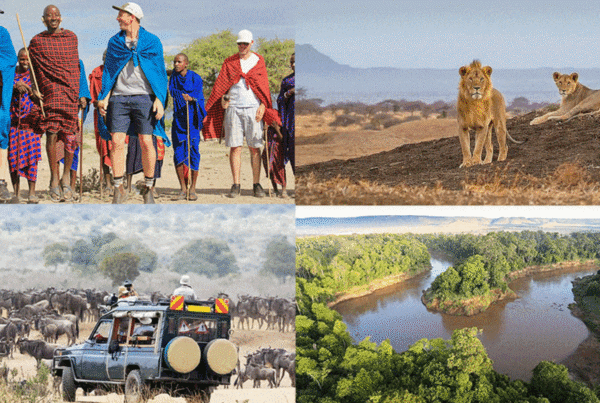
Kenya’s safari experience is also shaped by its people. The Maasai, Samburu, and other pastoral communities have lived alongside wildlife for generations. Their traditional land-use practices, combined with modern conservation strategies, have helped preserve large tracts of wildlife habitat. Today, safari tourism provides a critical economic incentive to protect these landscapes, making Kenya one of Africa’s most important conservation success stories.

Another defining feature of a Kenya safari is guiding excellence. Kenya has one of the longest-established safari guide training traditions in Africa. Professional guides are skilled in animal behavior, tracking, ecology, and storytelling, transforming wildlife sightings into deep learning experiences.

The Maasai Mara and the Heart of Kenyan Safaris

No discussion of a Kenya safari is complete without the Maasai Mara National Reserve, the country’s most iconic safari destination and one of the most celebrated wildlife areas in the world.

Wildlife Density and Predator Dominance

The Maasai Mara is renowned for its exceptional wildlife density. Lions, cheetahs, and leopards thrive here due to abundant prey and open grasslands. The reserve supports one of the highest concentrations of predators in Africa, making it a prime destination for dramatic wildlife encounters throughout the year.

Unlike destinations that peak only during specific seasons, the Mara offers consistent safari quality. Resident wildlife populations ensure that game viewing remains excellent even outside the migration months, reinforcing its reputation as a cornerstone of any Kenya safari itinerary.Kenya Safari

The Great Migration in Kenya

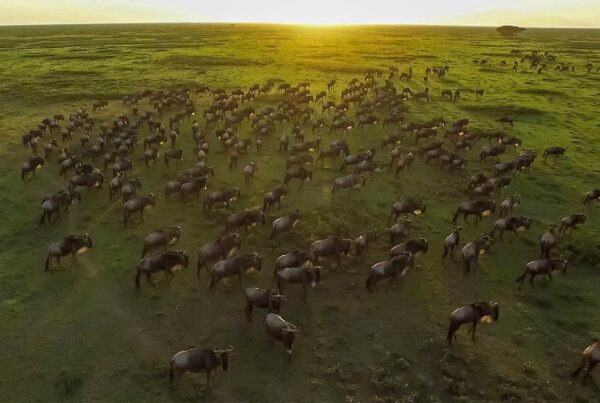
Each year, vast herds of wildebeest and zebra move into the Maasai Mara from the Serengeti in search of fresh grazing. This phase of the Great Migration brings intense predator activity and dramatic river crossings. While the crossings attract global attention, the migration’s importance lies in its ecological role. Grazing patterns regenerate grasslands, sustain predator populations, and maintain ecosystem balance.

A Kenya safari during the migration season offers insight into one of the last remaining large-scale animal movements on Earth. However, understanding the migration as a continuous cycle rather than a single event allows travelers to appreciate the Mara year-round.

Conservancies and the Evolution of the Kenya Safari

One of Kenya’s greatest contributions to modern safari tourism is the development of wildlife conservancies surrounding national reserves.

Community-Led Conservation

Wildlife conservancies in Kenya are managed in partnership with local landowners, primarily Maasai communities. Land is leased for conservation purposes, and tourism revenue is shared directly with community members. This model reduces pressure on national reserves, expands habitat protection, and ensures local people benefit economically from wildlife conservation.

For travelers, conservancies offer a more exclusive safari experience. Vehicle numbers are limited, off-road driving is often permitted, and activities such as guided walks and night game drives are possible. A Kenya safari in a conservancy combines exceptional wildlife viewing with meaningful community engagement.

Sustainability and Safari Quality

Conservancies have transformed safari quality in Kenya. By dispersing tourism across wider landscapes, they reduce overcrowding in core reserves and allow wildlife to move freely. This approach strengthens long-term conservation outcomes while enhancing the safari experience through privacy and flexibility.

Amboseli and the Iconic Elephant Landscapes

Southern Kenya is home to Amboseli National Park, one of Africa’s most visually striking safari destinations.

Elephants and Kilimanjaro Backdrops

Amboseli is famous for its large-tusked elephants and sweeping views of Mount Kilimanjaro. The park’s open plains and swamp systems support elephants, buffalo, lions, and a variety of birdlife. Elephant research and protection efforts in Amboseli have contributed significantly to global understanding of elephant behavior and social structure.

A Kenya safari in Amboseli emphasizes observation and photography, offering unobstructed views of wildlife against dramatic mountain backdrops. Seasonal water availability shapes wildlife movement, creating dynamic safari conditions throughout the year.Kenya Safari

Samburu and the Northern Frontier Safaris

Northern Kenya offers a distinct safari experience shaped by arid landscapes and unique wildlife adaptations.

Samburu Ecosystem and Endemic Species

The Samburu National Reserve lies within a semi-arid region where the Ewaso Nyiro River sustains wildlife. Samburu is known for species adapted to dry conditions, including Grevy’s zebra, reticulated giraffe, Beisa oryx, and Somali ostrich.

A Kenya safari in Samburu highlights ecological resilience and adaptation. Wildlife here behaves differently from savannah species elsewhere, offering educational insight into survival strategies in harsh environments.

Cultural Context in Northern Kenya

Samburu communities maintain strong cultural traditions closely tied to pastoralism. Safari experiences in this region often include cultural interpretation that enhances understanding of human–wildlife coexistence in arid landscapes.

Lake Nakuru and Rift Valley Safari Landscapes

Kenya’s Rift Valley introduces a different safari dimension centered on lakes and wetlands.

Flamingos, Rhinos, and Woodland Safaris

Lake Nakuru National Park is renowned for its rhino sanctuary and diverse birdlife. While flamingo numbers fluctuate with water conditions, the park remains an important refuge for both black and white rhinos.

The park’s woodland and grassland habitats support lions, leopards, and buffalo, making it a compact yet diverse safari destination. A Kenya safari in the Rift Valley offers variety and accessibility, particularly for travelers with limited time.Kenya Safari

Tsavo and the Scale of Wilderness

Eastern Kenya is dominated by Tsavo National Park, one of Africa’s largest protected areas.

Vast Landscapes and Red Elephants

Tsavo is characterized by immense scale, rugged terrain, and relatively low visitor density. The park is famous for its red-dust elephants, shaped by the region’s volcanic soils. Wildlife here is more dispersed, offering a sense of exploration and solitude.

A Kenya safari in Tsavo emphasizes wilderness rather than density. It appeals to travelers seeking space, landscape photography, and a deeper sense of remoteness.

Wildlife Diversity on a Kenya Safari

Kenya supports extraordinary wildlife diversity due to its varied habitats. Savannahs host large herbivores and apex predators, wetlands attract hippos and birds, forests shelter primates, and arid regions support specialized species.

Big Five encounters are common in major parks and conservancies, while Kenya’s birdlife exceeds 1,000 recorded species. This biodiversity allows Kenya safaris to cater to a wide range of interests, from predator-focused trips to birdwatching and conservation-oriented travel.

Safari Styles Available in Kenya

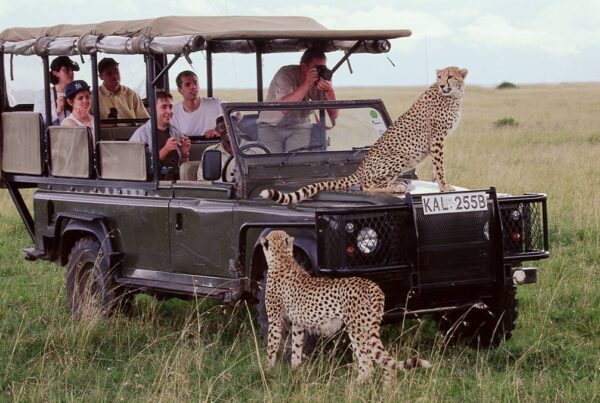
A Kenya safari can be experienced in multiple formats. Classic game drives remain the foundation, allowing efficient wildlife viewing across open landscapes. Walking safaris, particularly in conservancies, offer intimate engagement with tracks, plants, and smaller species.

Boat safaris on lakes and rivers reveal aquatic ecosystems, while night drives expose nocturnal wildlife often unseen during the day. Photographic safaris benefit from Kenya’s open terrain and professional guiding, enabling ethical and extended observation.

Conservation and Community in Kenyan Safaris

Kenya’s safari industry is deeply intertwined with conservation. Tourism revenue supports park management, anti-poaching units, wildlife research, and habitat restoration. Community conservancies ensure that local people receive tangible benefits from wildlife protection.

This relationship is critical in a country where human population growth and land-use pressure are ongoing challenges. A Kenya safari directly contributes to sustaining wildlife by reinforcing the economic value of conservation.Kenya Safari

Seasonal Dynamics and Planning a Kenya Safari

Seasonality influences every Kenya safari. Dry seasons typically offer concentrated wildlife viewing as animals gather around water sources, while wet seasons bring lush landscapes, calving activity, and fewer visitors.

Understanding rainfall patterns allows travelers to plan safaris that align with personal interests rather than fixed assumptions. Kenya’s year-round wildlife presence ensures rewarding experiences in all seasons when planned correctly.

Who a Kenya Safari Is Best Suited For

A Kenya safari suits a wide range of travelers, from first-time visitors to seasoned wildlife enthusiasts. Its diversity allows itineraries to be tailored for families, photographers, conservation-minded travelers, and those seeking cultural context alongside wildlife.

Kenya’s accessibility, infrastructure, and guiding expertise make it one of the most versatile safari destinations in Africa.

Why the Kenya Safari Remains Iconic

The Kenya safari remains iconic because it combines everything that defines Africa’s wildlife heritage: open landscapes, abundant animals, cultural depth, and conservation leadership. It is where safari travel began and where it continues to evolve.

In a world of shrinking wilderness, Kenya stands as a reminder that conservation and tourism can work together when guided by respect, science, and community partnership. A Kenya safari is not just a journey into nature; it is an encounter with living ecosystems and a contribution to their future.

How to choose between Kenya/Tanzania safaris vs Uganda safari?

How to choose between Kenya/Tanzania safaris vs Uganda safari?

By Travel stories and blogs, Kenya travel guides, Tanzania travel guides, Uganda travel guides

Kenya & Tanzania Safaris vs Uganda Safari: How to Choose the Best Experience | WildHorn Africa

Africa’s heartbeat pulses strongest through its wild landscapes—where elephants roam through sunburnt grasslands, lions roar into dawn’s silence, and the rhythm of life unfolds as it has for millennia. For every traveller yearning to experience this raw, authentic world, one decision often stands at the crossroads of their dream safari: Should I choose Kenya or Tanzania, or venture into Uganda?

It is a choice that goes far beyond geography. It is about atmosphere, wildlife encounters, authenticity, and the soul of the adventure itself. While Kenya and Tanzania have long been the titans of classic African safaris—synonymous with sweeping savannahs and the Great Migration—Uganda offers something more intimate, more primal, and profoundly different. The question is not simply which is better, but rather which kind of Africa you wish to meet.

This guide delves deep into that decision, comparing the safari giants of East Africa—Kenya, Tanzania, and Uganda—not through surface contrasts, but through experience, emotion, and essence. It explores their landscapes, wildlife, culture, cost, and conservation ethos, guiding you toward a journey that resonates with your own sense of wonder and purpose.

The Spirit of the East African Safari

For decades, Kenya and Tanzania have defined what the world imagines when it hears the word “safari.” Their vast open plains—painted gold under the African sun—host some of the planet’s most spectacular wildlife events, particularly the Great Wildebeest Migration, where over two million animals thunder across the Serengeti and Maasai Mara in an endless circle of life.

Yet, safari is not a singular concept. It has evolved. Beyond the drama of the savannah lies another form of wilderness—mist-shrouded forests, volcanic highlands, crater lakes, and gorilla-filled jungles. This is where Uganda enters the story. It may not have the sprawling plains of the Serengeti, but what it offers is a depth of diversity that few destinations on earth can match.

Where Kenya and Tanzania impress with grandeur, Uganda moves the soul with intimacy. One feels it not in scale, but in the silence of a gorilla’s gaze, the shadow of a chimp swinging overhead, or the quiet stillness of a crater lake reflecting the sky.

Kenya and Tanzania: The Icons of the African Savannah

To understand the Kenya and Tanzania experience is to step into the classic safari canvas that has inspired explorers, filmmakers, and poets for over a century. The Maasai Mara, Serengeti, and Ngorongoro Crater form a natural circuit that defines East African wildlife at its grandest.

In Kenya, safaris begin in the Maasai Mara National Reserve, where lions sprawl across acacia-dotted plains and cheetahs sprint across open fields in pursuit of gazelles. The Mara River crossing during the migration season—between July and October—remains one of nature’s most dramatic spectacles, where wildebeests brave crocodile-infested waters in their eternal quest for greener pastures.

Tanzania mirrors this magic on an even broader scale. The Serengeti National Park stretches endlessly, merging into the Ngorongoro Conservation Area, where the world’s largest intact volcanic caldera shelters thousands of animals within its lush bowl. The Tarangire National Park, famed for its elephant herds and baobab trees, and Lake Manyara, with its flamingo-filled shallows, add layers of beauty to the northern safari circuit.

Both Kenya and Tanzania offer a profound sense of space and freedom—vast ecosystems that dwarf human presence. The air itself feels ancient. For those who dream of the archetypal African scene—lion prides under golden light, elephants marching in dust storms, herds scattered as far as the eye can see—these countries deliver it perfectly.

Uganda: The Hidden Gem of African Wilderness

In contrast, Uganda tells a different story. It is subtler, greener, more mysterious. Often called the “Pearl of Africa”, Uganda embodies a mosaic of landscapes that defy expectations. Its beauty is not just seen but felt, and its safari experience, though less commercialized, is deeply personal.

In the south-west, the Bwindi Impenetrable National Park and Mgahinga Gorilla National Park shelter more than half of the world’s remaining mountain gorillas. To stand a few meters away from these gentle giants in the mist is to witness one of the most profound wildlife experiences on earth. The trek through dense rainforest, the quiet anticipation, and the emotional connection when you finally meet the gorillas are unlike anything the open plains can offer.

Beyond gorillas, Uganda offers other forms of safari wonder. The Kibale Forest National Park is the primate capital of the world, home to over a thousand chimpanzees and 13 other primate species. The Queen Elizabeth National Park offers a blend of savannah and water-based safaris, with its famous tree-climbing lions of Ishasha and the Kazinga Channel teeming with hippos, crocodiles, and waterbirds.

In the north, Murchison Falls National Park showcases the raw power of nature, where the mighty Nile squeezes through a 7-meter gorge before exploding into a thunderous waterfall. The wildlife viewing here rivals anywhere in East Africa, yet with fewer crowds. For the adventurous, Kidepo Valley National Park, Uganda’s most remote wilderness, feels like a step back in time—a place where lions, leopards, and buffalo roam in absolute solitude.

Where Kenya and Tanzania thrive on spectacle, Uganda thrives on connection. It is a place where every trek, every drive, every encounter feels authentic and untamed.

Comparing the Wildlife Experience

Kenya and Tanzania boast the largest concentration of wildlife on the African continent. The density of animals during migration season can leave even seasoned travellers speechless. Lions are seen daily, leopards regularly, and elephants often in their hundreds. Birdlife flourishes in wetlands, and predators abound on every horizon.

In Uganda, wildlife encounters are more varied but less predictable. The country’s ecosystems—ranging from tropical rainforests to savannah plains—mean travellers experience a wider biological spectrum. One day may bring gorillas, the next hippos and buffalo, and the next tree-climbing lions or chimpanzees. While sightings may require more patience, they are often more rewarding, set against backdrops of forests, rivers, and volcanic slopes rather than endless plains.

The key distinction lies in scale versus depth. In Kenya and Tanzania, one witnesses the grand theatre of nature—the vast herds and open plains that define the African dream. In Uganda, one experiences intimacy—the closeness of eye contact, the whisper of the forest, and the deep silence of communion with nature.

The Landscape and Setting

Each country tells its story through its land.

Kenya and Tanzania’s landscapes are dominated by savannah plains, broken by occasional acacia trees and framed by distant mountain ranges such as Mount Kilimanjaro and Mount Meru. The light here is golden, the horizons infinite, and the sense of scale humbling. The visual drama of these landscapes is cinematic; it defines what the world imagines when it envisions Africa.

Uganda, on the other hand, feels like another world entirely. Its landscapes are a patchwork of lakes, hills, and forests. The Rwenzori Mountains, the “Mountains of the Moon,” rise with snow-capped peaks near the equator, while Lake Victoria stretches vast and tranquil. The rolling hills of Kabale resemble a green ocean, and the rainforests of Bwindi shimmer with life. The atmosphere is cooler, greener, and more layered—perfect for travellers who crave depth over distance.

Uganda’s beauty is quieter but more textured, where every bend reveals a different shade of wilderness.

The Cultural Connection

Culture forms the heartbeat of every journey. In Kenya and Tanzania, travellers encounter the proud Maasai and Samburu tribes, whose crimson robes and age-old traditions have become icons of East African identity. Visiting Maasai villages provides insight into a way of life that has endured centuries of change, though some experiences have become more performative due to tourism demand.

In Uganda, cultural experiences feel more spontaneous and diverse. With over 50 ethnic groups, each region reveals its own traditions—from the Batwa forest communities of Bwindi to the Baganda royal heritage around Kampala and the pastoral Karamojong of the north. The warmth and authenticity of Ugandan hospitality create genuine moments of human connection. Villages are welcoming, and community-based tourism initiatives allow visitors to engage meaningfully rather than superficially.

Where Kenya and Tanzania dazzle with iconic imagery, Uganda invites travellers to slow down, listen, and share stories. It feels more personal, more grounded, and deeply human.

How to choose between Kenya/Tanzania safaris vs Uganda safari?Accessibility and Infrastructure

Accessibility plays a significant role in safari planning.

Kenya and Tanzania are more developed for tourism, with excellent road networks, frequent domestic flights, and a wide range of lodges—from rustic camps to ultra-luxury resorts. The Nairobi and Arusha hubs serve as major entry points with direct international connections. Safari logistics are seamless, making it easier for travellers who prioritize comfort and convenience.

Uganda, while improving rapidly, remains slightly more rugged. Most national parks are reached via road, offering scenic drives that reveal the country’s countryside but can take several hours. Domestic flights are available but less frequent. However, this relative remoteness is part of Uganda’s charm—it keeps mass tourism at bay and preserves the wild authenticity of the experience.

For travellers who value exclusivity and less crowding, Uganda’s slightly slower pace becomes an advantage rather than an inconvenience.

Cost and Value

Budget often shapes travel decisions, and safari costs can vary dramatically.

In general, Kenya and Tanzania safaris, especially during peak migration season, tend to be more expensive due to high demand and the premium nature of the lodges in areas like the Serengeti or Maasai Mara. Park fees are higher, and luxury accommodations can rival the prices of European five-star resorts.

Uganda, on the other hand, offers exceptional value. While gorilla permits are costly, the overall cost of accommodation, transport, and park fees tends to be lower. Travellers enjoy smaller lodges with personalized service and less commercialization. Even luxury properties maintain a sense of intimacy and affordability compared to their counterparts in the Maasai Mara or Serengeti.

In terms of value-for-money experiences—combining primates, big game, and diverse landscapes—Uganda stands out as one of the most rewarding destinations in Africa.

Safari Atmosphere and Crowd Levels

Kenya and Tanzania’s immense popularity brings both benefits and challenges. The infrastructure, guiding standards, and wildlife density are world-class, but during peak months, parks like the Maasai Mara can feel crowded, with multiple vehicles encircling a single lion sighting.

In contrast, Uganda’s parks remain refreshingly uncrowded. Whether tracking gorillas in Bwindi, cruising along the Kazinga Channel, or exploring Kidepo’s plains, travellers often find themselves immersed in solitude. The absence of large crowds allows for more peaceful and authentic encounters.

For those who seek exclusivity and space—who prefer hearing birdsong over engine noise—Uganda’s atmosphere delivers precisely that.

Conservation and Sustainability

All three countries are deeply tied to conservation, though their challenges differ. Kenya and Tanzania’s vast ecosystems require extensive management against poaching, human-wildlife conflict, and land encroachment. Their long-standing tourism industries have contributed significantly to wildlife protection, though some regions now grapple with over-tourism pressures.

Uganda’s conservation story is one of resilience. Emerging from decades of conflict, the country has rebuilt its wildlife populations through community-driven conservation. Gorilla tourism in particular has become a model of success, with a portion of permit fees supporting local communities and anti-poaching initiatives.

Travelling in Uganda directly supports conservation at a grassroots level, where every permit, every guided trek, contributes to protecting endangered species and empowering local people. It is a model of sustainable tourism where every journey becomes an act of preservation.

Choosing What Speaks to You

Ultimately, the choice between Kenya, Tanzania, and Uganda is not about better or lesser—it is about connection and purpose.

If one dreams of endless plains, vast herds, and iconic landscapes, Kenya and Tanzania fulfil that vision perfectly. Their energy is outward and majestic—safari as spectacle.

If one yearns for a journey of discovery, intimacy, and depth, Uganda answers that call. Its energy is inward and soulful—safari as communion.

Many seasoned travellers choose to combine both, beginning in Kenya or Tanzania for the great savannah experience, then flying to Uganda for gorilla trekking and primate encounters. This creates a complete tapestry of East Africa’s natural wonder—one that encompasses both the grandeur of the plains and the mystery of the forest.

The Call of the Wild: Your Journey Awaits

Whether you stand on the plains of the Serengeti watching the migration unfold, or kneel quietly in the mist of Bwindi gazing into a gorilla’s eyes, East Africa’s magic will forever change you. It is not a destination to be checked off a list—it is a place that humbles, teaches, and transforms.

The question is not simply where to go, but how you wish to feel. Kenya and Tanzania offer awe. Uganda offers awe and intimacy. Together, they define Africa’s wild heart in perfect harmony.

When the call of the wild whispers your name, let your journey be guided by those who know the land, its rhythms, and its soul. Choose to book your Africa tours and safaris with WildHorn Africa, where every expedition is crafted with purpose, passion, and respect for nature. With WildHorn Africa, you don’t just travel—you become part of Africa’s living story, written in the footprints of elephants, the songs of birds, and the whispers of the wind.

Can I combine Uganda with Rwanda, Kenya or Tanzania in one trip?

Can I combine Uganda with Rwanda, Kenya or Tanzania in one trip?

By Travel stories and blogs, Kenya travel guides, Rwanda travel guides, Tanzania travel guides, Uganda travel guides

Can I Combine Uganda with Rwanda, Kenya or Tanzania in One Trip? | East Africa Multi-Country Safari Guide 2026

For travelers seeking the ultimate East African adventure, the question often arises: Can I combine Uganda with Rwanda, Kenya, or Tanzania in one trip? The answer is a resounding yes. East Africa was crafted by nature to be explored as one seamless canvas — its borders drawn not by walls but by landscapes that merge effortlessly from mountain to savannah, from rainforest to ocean shore. To combine these nations is not just possible; it is the essence of what makes an African journey complete.

Each of these countries — Uganda, Rwanda, Kenya, and Tanzania — brings a distinctive rhythm and beauty to the safari experience. Uganda enchants with its emerald jungles and gorilla sanctuaries; Rwanda captivates with its tranquility and polished hospitality; Kenya thrills with its golden savannahs and iconic wildlife spectacles; and Tanzania mesmerizes with its vast horizons, from the Serengeti to Zanzibar’s beaches. When woven together, they form a journey that captures Africa’s soul in all its diversity.

However, combining multiple East African countries requires thoughtful planning, understanding of logistics, border procedures, and the unique experiences each destination offers. This detailed guide explores the how, why, and when of designing a multi-country safari across Uganda, Rwanda, Kenya, and Tanzania — ensuring that every traveler discovers the seamless harmony of East Africa without stress or compromise.

Understanding East Africa’s Geography and Travel Connectivity

East Africa’s geography lends itself naturally to cross-border exploration. The region’s major safari circuits are closely linked, with national parks and reserves often sitting along shared frontiers. For example, Queen Elizabeth National Park in Uganda borders Virunga and Volcanoes National Parks in the Congo and Rwanda, while Serengeti National Park in Tanzania merges with Maasai Mara in Kenya, forming one of the world’s most spectacular wildlife ecosystems.

Modern infrastructure, regular flight connections, and the East African Tourist Visa have made multi-country safaris smoother than ever before. The region’s governments have invested heavily in tourism collaboration, recognizing that travelers see East Africa not as a collection of borders but as a continuous journey.

Whether you prefer overland adventures that follow the rhythm of the land or quicker fly-in routes that connect distant highlights, East Africa’s accessibility ensures that a combined itinerary can be both practical and deeply rewarding. The real magic lies in the contrast — the shift from Uganda’s misty forests to Kenya’s sun-drenched plains or from Rwanda’s volcanoes to Tanzania’s sweeping Serengeti.

The Gateway: Starting in Uganda, the Heart of the Region

For many travelers, Uganda serves as the perfect entry point into East Africa. Nicknamed the Pearl of Africa, Uganda combines lush biodiversity with a central location that allows easy movement in all directions. Its international gateway, Entebbe International Airport, receives regular flights from Europe, the Middle East, and regional hubs like Nairobi and Kigali.

Uganda’s charm lies in its diversity. In a single journey, one can encounter mountain gorillas in Bwindi, chimpanzees in Kibale Forest, tree-climbing lions in Queen Elizabeth National Park, and the thunderous Murchison Falls — all within a week. Few destinations on the continent offer such range in such compact geography.

From Uganda, travelers can move south into Rwanda, east into Kenya, or southeast into Tanzania with ease. The roads connecting Bwindi to Rwanda’s Volcanoes National Park or from Kampala to Nairobi are well-traveled safari routes. Domestic and regional airlines, such as Uganda Airlines, RwandAir, and AirKenya, also link major destinations in under an hour’s flight.

Starting in Uganda allows travelers to begin their journey in tranquility, gradually unfolding the adventure from dense rainforest to open savannah, mirroring the natural transition from intimacy to grandeur.

Combining Uganda and Rwanda: The Twin Gorilla Kingdoms

Uganda and Rwanda together form the heartland of Africa’s primate experience. Separated by just a few hours’ drive, they share similar terrain, culture, and wildlife but offer contrasting atmospheres.

Rwanda, known as the Land of a Thousand Hills, is admired for its organization, accessibility, and modern infrastructure. Gorilla trekking in Volcanoes National Park is a deeply emotional experience, with short transfer times from Kigali allowing even brief visits. Rwanda also shines in cultural encounters, such as the moving Kigali Genocide Memorial, and scenic getaways around Lake Kivu.

Uganda, on the other hand, provides a wilder, more immersive gorilla experience in Bwindi Impenetrable National Park and Mgahinga Gorilla National Park. Treks here often involve deeper forest hikes, adding an element of adventure and authenticity. The encounters are equally profound, and Uganda’s slightly lower permit cost makes it a favorite for extended stays.Can I combine Uganda with Rwanda, Kenya or Tanzania in one trip?

Crossing between the two countries is straightforward via the Cyanika or Katuna borders, which are easily accessible from both Bwindi and Volcanoes. With the East African Tourist Visa, travelers can move freely between Uganda, Rwanda, and Kenya without reapplying for separate entry permits.

A combined Uganda–Rwanda itinerary offers balance: Rwanda’s elegance complements Uganda’s raw wilderness, creating a journey that captures both refinement and adventure.

For example, one might begin with gorilla trekking in Uganda, then cross into Rwanda for golden monkey tracking or a serene lakeside retreat before flying onward to Kenya or Tanzania for classic savannah safaris.

This pairing reveals the true soul of the region — where two nations share not competition but continuity.

Combining Uganda and Kenya: From Rainforests to Great Plains

Few travel combinations encapsulate Africa’s variety like Uganda and Kenya. These two nations represent different faces of East Africa — Uganda’s lush green landscapes and Kenya’s golden grasslands. Together, they craft a story that moves from the intimacy of gorilla forests to the epic scale of the Great Migration.

Traveling between Uganda and Kenya is effortless. Daily flights connect Entebbe to Nairobi in just over an hour, operated by several carriers including Kenya Airways, Airlink, and Uganda Airlines. Overland routes via Busia and Malaba are also well-maintained for travelers who prefer scenic road journeys.

The ideal sequence often begins in Uganda, where travelers can experience gorillas, chimpanzees, and tranquil lakes, before transitioning to Kenya for the archetypal safari landscapes of Maasai Mara, Amboseli, Samburu, or Tsavo. This combination allows one to experience forest intimacy and savannah spectacle in the same itinerary.

Kenya’s cultural depth further enriches the experience. The Maasai and Samburu tribes, with their colorful traditions and connection to nature, add human warmth to the wilderness encounters. After the quiet trails of Bwindi, the sight of vast herds sweeping across Kenya’s plains creates an emotional crescendo few journeys can match.

Moreover, Kenya’s modern infrastructure and diverse accommodation options — from luxury tented camps to exclusive conservancies — make it an ideal complement to Uganda’s more rugged adventure. The synergy between the two nations defines what travelers often call “Africa in one journey.”

Combining Uganda and Tanzania: A Safari Epic from Source to Savannah

For those seeking grandeur, combining Uganda and Tanzania offers a powerful narrative — from the source of the Nile to the endless plains of the Serengeti. This itinerary captures East Africa’s ecological extremes, connecting water and wilderness in a journey that feels both natural and profound.

Flights between Entebbe and major Tanzanian hubs such as Kilimanjaro, Arusha, and Dar es Salaam are regular and convenient. Regional carriers provide easy access to both northern Tanzania’s safari circuit and southern destinations like Ruaha or Selous.

The sequence can unfold in multiple ways. Many travelers begin in Uganda, exploring Murchison Falls and Queen Elizabeth National Park before concluding with Tanzania’s iconic parks — Ngorongoro Crater, Serengeti, and Lake Manyara. The transition from Uganda’s tropical green to Tanzania’s golden expanse evokes the sensation of moving through different worlds within the same continent.

Both countries share a commitment to conservation and authentic travel. Uganda offers the intimacy of trekking — feeling the forest’s heartbeat — while Tanzania delivers the scale of cinematic spectacle, with horizons alive with migrating wildebeest and lions under acacia trees.

For a grand finale, Zanzibar’s beaches offer perfect relaxation after weeks of wilderness. The combination of Uganda and Tanzania therefore forms a journey that is both powerful and poetic — one that begins with rainforests and ends with ocean breezes.

Tri-Country Adventures: Uganda, Rwanda, and Kenya or Tanzania

For travelers with two to three weeks, a tri-country safari across Uganda, Rwanda, and either Kenya or Tanzania represents the ultimate East African expedition. Such an itinerary mirrors the natural migration of the continent’s ecosystems — from the volcanic highlands through the Great Rift Valley to the Serengeti plains.

This combination offers diversity not only in wildlife but also in experience. Uganda and Rwanda deliver the intimacy of primate encounters, where travelers walk through misty jungles in search of gorillas and chimpanzees. Kenya and Tanzania then extend the scope to vast savannahs and predator-rich plains. The contrast between quiet observation and sweeping spectacle creates emotional balance and narrative flow.

Logistically, the journey is surprisingly manageable. The East African Tourist Visa allows unrestricted movement between Uganda, Kenya, and Rwanda, with Tanzania requiring its own single-entry visa. Flights between Kigali, Entebbe, Nairobi, and Kilimanjaro are frequent, allowing itineraries to be customized for both time and budget.

A typical tri-country route might start in Rwanda for gorilla trekking, continue into Uganda for chimpanzees and Murchison Falls, and conclude in Kenya’s Maasai Mara or Tanzania’s Serengeti. Each transition enhances the story, revealing new layers of East Africa’s spirit.

This regional combination is not simply about crossing borders; it is about connecting experiences — the same sun that rises over Bwindi’s forests sets over the plains of the Mara, linking moments in one continuous adventure.

The East African Tourist Visa: Simplifying Border Travel

One of the greatest advantages of combining Uganda, Kenya, and Rwanda lies in the East African Tourist Visa (EATV). Introduced as part of regional integration, this visa allows multiple entries among the three countries for a period of 90 days.

Travelers applying through any of the participating countries can use the visa across all three without needing additional documentation. This not only saves time but also encourages seamless travel across the region. The application can be made online before travel, and processing is generally efficient.

Tanzania, while not yet part of this unified visa system, maintains simple entry procedures with single-entry visas available online or upon arrival.

The EATV has redefined cross-border travel in East Africa, aligning perfectly with the region’s vision of shared tourism and open adventure. For travelers, it represents both convenience and opportunity — an invitation to explore more deeply and freely.

Cultural and Scenic Contrasts Across the Region

Beyond wildlife, the cultural and scenic contrasts between Uganda, Rwanda, Kenya, and Tanzania elevate a multi-country journey into a living story of humanity and geography.

In Uganda, travelers encounter a warmth that feels familial — vibrant markets, village dances, and storytelling by firelight. Rwanda offers calm efficiency and emotional depth, where resilience and grace define the national character. Kenya captivates with its rhythm and energy — bustling Nairobi, vibrant coastal Swahili culture, and the open-hearted pride of the Maasai. Tanzania, meanwhile, radiates vastness and timelessness, from the ancient baobabs of Tarangire to the coral shores of Zanzibar.

The landscapes mirror these personalities. Uganda’s dense forests transition into Rwanda’s rolling hills, which then open into Kenya’s boundless plains and Tanzania’s volcanic horizons. Each border crossed feels like turning a page in a grand novel — the same story told in different dialects of beauty.

Planning Considerations: Timing, Budget, and Logistics

The ideal timing for a multi-country safari depends largely on the traveler’s interests. The dry seasons (June–August and December–February) offer the best wildlife visibility, easier trekking conditions, and clear skies for photography. These months are ideal for combining gorilla trekking in Uganda or Rwanda with game drives in Kenya or Tanzania.

Budget-wise, Uganda and Tanzania tend to offer more value for extended stays, while Rwanda and Kenya lean toward premium experiences with luxury lodges and efficient logistics. Balancing the mix ensures both affordability and comfort.

Logistically, most multi-country itineraries are built around regional flight networks and carefully coordinated ground transfers. Safari specialists, such as WildHorn Africa, tailor routes that optimize travel time without sacrificing immersion.

What makes these combinations successful is fluidity — crafting an itinerary that feels like a natural flow rather than a checklist. Each border crossing becomes a transition between moods, landscapes, and emotions.

The Spirit of East African Travel: Connection Over Borders

Traveling across Uganda, Rwanda, Kenya, and Tanzania is not simply about seeing more places — it is about understanding that Africa’s beauty transcends its boundaries. The rivers, mountains, and migration routes ignore political lines, continuing their timeless cycles as they have for millennia.

When travelers move through this region with curiosity and respect, they participate in a story older than maps — one of connection, coexistence, and continuity. Whether standing among gorillas in Bwindi, watching flamingos at Lake Nakuru, or gazing at Kilimanjaro’s snow from Amboseli, one realizes that East Africa is not a destination but a living ecosystem of wonder.

A combined safari across these nations becomes an odyssey — not hurried, but harmonious, where every sunrise marks both an ending and a beginning.

Conclusion: The Power of a Combined East African Journey

Combining Uganda with Rwanda, Kenya, or Tanzania is not just possible — it is the most rewarding way to experience East Africa. It unites primate trekking, big-game safaris, cultural immersion, and scenic majesty into one flowing journey that reflects the continent’s diversity and soul.

With well-planned logistics, regional visas, and professional guidance, borders fade into mere lines on a map. What remains is the continuity of experience — from misty forests to golden plains, from mountain gorillas to migrating wildebeest, from laughter in village markets to serenity on Zanzibar’s beaches.

For travelers seeking such a journey of connection, authenticity, and wonder, it is best to book their Africa tours and safaris with WildHorn Africa. With expert planners, regional partnerships, and deep local knowledge, WildHorn Africa ensures that every transition between countries is seamless, safe, and unforgettable.

Because the beauty of East Africa is not confined by borders — it lives in the spaces between them, waiting for those bold enough to explore them all.

10 Best Luxury Kenya Safari Lodges & Camps

10 Best Luxury Kenya Safari Lodges & Camps

By Kenya travel guides, Travel guides, Travel stories and blogs

10 Best Luxury Kenya Safari Lodges & Camps: Where Wilderness Meets Elegance

An Unrivaled Safari Destination

In the heart of East Africa, where sweeping savannahs collide with snow-capped mountains and great migrations paint the horizon in motion, Kenya stands as a crown jewel of African safari travel. Few countries in the world offer such a breathtaking range of wildlife, landscapes, and cultural experiences—all set within the framework of world-class hospitality. At the intersection of untamed wilderness and refined luxury, Kenya has carved out its place as a leader in high-end safari experiences, drawing travelers from every corner of the globe.

Yet a Kenyan safari is more than just spotting the Big Five. It is about where you rest your head under the stars, where you sip your coffee as dawn stretches across the savannah, and where luxury unfolds in harmony with nature. The lodges and camps of Kenya are not merely accommodations; they are immersive sanctuaries that elevate every moment of the safari journey. Combining authentic African design with lavish comforts, these destinations offer intimate wildlife encounters, impeccable service, and deep connection to local cultures—all while maintaining the highest environmental standards.

This curated guide explores the 10 best luxury safari lodges and camps in Kenya, each celebrated for its unique blend of location, exclusivity, and elegance. From the iconic plains of the Masai Mara to the remote beauty of Laikipia and the ancient forests of the Chyulu Hills, these properties offer not just stays—but stories.

Angama Mara: A Lodge Above the Clouds

Suspended high above the floor of Africa’s Great Rift Valley, Angama Mara overlooks the sprawling Masai Mara with a view that seems to stretch beyond the edges of the world. It has been meticulously designed to reflect the drama and beauty of its surroundings, inspired in part by the romance of “Out of Africa,” which was filmed on location nearby. Guests here are immersed in an elevated experience—both literally and figuratively—where panoramic glass-fronted suites open to endless skies and migrating herds.

10 Best Luxury Kenya Safari Lodges & CampsEvery detail at Angama Mara has been curated with refinement. Meals are tailored and served wherever the landscape demands, whether in the bush, under acacia trees, or within its elegant lodge dining areas. Game drives are guided by local experts deeply attuned to the rhythms of the Mara ecosystem. The lodge’s high-altitude vantage point makes it not only visually striking but emotionally stirring, delivering a safari experience that feels both cinematic and deeply personal.

Ol Donyo Lodge: Where Lava Landscapes Meet Luxury

Positioned between Kenya’s Tsavo and Amboseli regions, Ol Donyo Lodge is nestled against the foothills of the Chyulu Hills, overlooking a vast private wilderness that sprawls across the horizon to Mount Kilimanjaro. This Relais & Châteaux property offers an unmatched sense of space and freedom, with wildlife encounters taking place in complete seclusion on the lodge’s private 275,000-acre reserve.10 Best Luxury Kenya Safari Lodges & Camps

Each villa is a masterwork of architecture and luxury, featuring private plunge pools, rooftop star beds, and interiors that echo the textures of the earth. Horseback safaris, mountain biking, and tracking wildlife on foot are all part of the immersive activities available here, allowing guests to experience the land from unique perspectives. The staff at Ol Donyo deliver discreet, heartfelt service that feels more like a welcome into a private estate than a hotel stay, ensuring every need is not just met—but anticipated.

Mara Plains Camp: Refinement on the Mara Frontier

Set in the 35,000-acre Olare Motorogi Conservancy, which borders the Masai Mara National Reserve, Mara Plains Camp offers an ultra-luxurious yet eco-conscious escape in one of Kenya’s most productive wildlife viewing regions. The camp features only seven guest tents, each elevated on wooden decks and adorned with campaign furniture, copper bathtubs, and flowing canvas that evokes the romantic legacy of early explorers.10 Best Luxury Kenya Safari Lodges & Camps

Despite the camp’s raw proximity to the wild—where lions may be heard calling in the night and elephants drift past in the morning—it is a haven of sophistication and calm. Sustainability is seamlessly woven into the fabric of its operation, from solar energy use to partnerships with local communities. Game drives here are personalized and flexible, guided by some of the country’s most skilled rangers, and the exclusivity of the conservancy ensures uncrowded, meaningful encounters with nature.

Lewa Wilderness: Conservation, Culture, and Class

Located in the UNESCO-listed Lewa Wildlife Conservancy, Lewa Wilderness is one of Kenya’s pioneering safari lodges and a vital part of the country’s conservation history. With a deep heritage that spans generations of custodianship, the lodge provides an authentic luxury experience rooted in sustainability and tradition.10 Best Luxury Kenya Safari Lodges & Camps

The accommodations are built with local stone and thatch, blending seamlessly into the surrounding landscape. Views extend over forested valleys and distant escarpments, with wildlife often wandering within sight of the lodge’s open lounges and dining areas. Guests can explore on foot, via open vehicles, or even take to the skies in a vintage biplane operated by the Craig family who founded the conservancy. The atmosphere here is one of grounded elegance—where luxury is not an imposition, but an extension of place.

Segera Retreat: Art, Design, and Eco-Luxury in Laikipia

Segera Retreat in Laikipia offers a rare blend of safari adventure and contemporary African art within a stunning conservation landscape. Set on a 50,000-acre private reserve, the retreat features six timber-and-thatch villas elevated on wooden platforms, each brimming with bespoke décor, antique treasures, and private decks that frame endless plains and acacia-dotted horizons.10 Best Luxury Kenya Safari Lodges & Camps

Segera is distinguished by its fusion of culture and conservation, where art installations sit beside waterholes and curated experiences include everything from helicopter excursions to immersive wellness therapies. The retreat also focuses on community empowerment and renewable energy, providing a model for how luxury tourism can be regenerative rather than extractive. For those seeking depth, design, and extraordinary service, Segera offers a singular safari experience.

Cottar’s 1920s Camp: Vintage Elegance Meets Wilderness Living

Located just outside the Masai Mara, Cottar’s 1920s Camp captures the spirit of the golden age of safari, offering guests a nostalgic journey into a time of canvas tents, brass basins, and butler service—without compromising on modern indulgence. The camp’s spacious white canvas tents are styled with authentic antiques, Persian carpets, and period fittings that evoke a bygone era, while offering seamless luxury and total comfort.10 Best Luxury Kenya Safari Lodges & Camps

As a family-run property with a legacy dating back over a century, Cottar’s is steeped in history and a deep respect for both people and place. Wildlife viewing is phenomenal, and the guiding is among the most reputable in East Africa. The camp’s dedication to sustainability and its surrounding conservancy adds further depth to the experience, making it a model for ethical luxury tourism.

Saruni Samburu: Elevated Beauty in Northern Kenya

Perched dramatically on a rocky outcrop within the Kalama Conservancy, just north of Samburu National Reserve, Saruni Samburu delivers one of the most breathtaking views in Kenya. Its open-air villas are sculpted into the rock itself, offering panoramic vistas over untouched wilderness, where elephants, leopards, and reticulated giraffes roam freely.10 Best Luxury Kenya Safari Lodges & Camps

Saruni Samburu is not only a visual marvel but also a champion of cultural integration. The lodge is deeply connected to the Samburu people, with local warriors serving as guides and ambassadors of the land. The experience here is immersive, with bush walks, storytelling, and wildlife tracking forming the foundation of every stay. Privacy, architectural elegance, and authenticity are hallmarks of this unforgettable northern escape.

Elewana Elsa’s Kopje Meru: A Lodge with a Legendary Legacy

Elsa’s Kopje, named after Elsa the lioness of “Born Free” fame, sits atop Mughwango Hill in Meru National Park and offers a deeply romantic and cinematic safari experience. This boutique lodge is renowned for its intimate atmosphere, dramatic setting, and rich conservation heritage. The design melds effortlessly with the granite outcrops, with suites carved into the rock and opening to spectacular views of Meru’s wild terrain.10 Best Luxury Kenya Safari Lodges & Camps

Meru itself is a lesser-visited park, making wildlife encounters more exclusive and serene. Elewana Elsa’s Kopje offers exceptional service, creative cuisine, and a legacy that adds emotional depth to every stay. It is a place of story and soul, where past and present merge in luxurious harmony.

Ol Malo: Frontier Hospitality with a Personal Touch

Ol Malo, located on the edge of Kenya’s northern frontier in Laikipia, is a family-owned sanctuary where the spirit of freedom reigns supreme. It is both a working ranch and a luxurious lodge, offering guests a chance to immerse themselves in a rugged yet refined environment. The views are vast, the wildlife plentiful, and the activities customizable to personal tastes.10 Best Luxury Kenya Safari Lodges & Camps

Whether horseback riding with the Samburu, flying in bush planes over the Great Rift Valley, or enjoying candlelit dinners under the stars, Ol Malo offers a deeply personal experience that few other lodges can match. The atmosphere is casual yet meticulous, driven by a family ethos of genuine care and deep-rooted connection to the land.

Let WildHorn Africa Take You There

The best of Kenya’s safari lodges and camps are more than destinations; they are experiences that linger in memory long after the last game drive. Each property in this list is a beacon of responsible luxury, offering not just comfort and style, but meaningful engagement with the landscapes, wildlife, and cultures that make Kenya extraordinary.

Whether you’re chasing the thunder of wildebeest herds across the Mara, listening to elephant rumbles in the shadow of Kilimanjaro, or waking to birdsong on a remote Laikipia hillside, Kenya’s luxury lodges ensure that every safari moment is infused with wonder and sophistication.

For those ready to embark on a journey of depth, beauty, and exceptional service, look no further than WildHorn Africa. With a reputation for curating tailor-made safaris that blend adventure with elegance, WildHorn Africa crafts unforgettable itineraries that align with your vision and exceed expectations. Let your Kenyan safari begin not with a booking, but with a story—crafted by experts and inspired by the untamed heart of Africa.

Top 5 Aberdare Lodges & Camps

Top 5 Aberdare Lodges & Camps

By Kenya travel guides, Travel guides, Travel stories and blogs

Top 5 Aberdare Lodges & Camps

Where Misty Forests, Mountain Peaks, and Wildlife Converge in Untamed Majesty

A Hidden Eden in the Highlands of Kenya

Nestled within the central highlands of Kenya, the Aberdare Range emerges like a lost world—shrouded in mist, crowned with ancient trees, and teeming with elusive wildlife. Unlike the golden plains of the Maasai Mara or the dry drama of Amboseli, Aberdare National Park presents a very different spectacle. Here, the air is cool and crisp. The forest hums with the songs of rare birds. Waterfalls crash down jagged cliffs, and cloud-shrouded valleys hold secrets of African wilderness untouched by time.

This highland ecosystem is rich in biodiversity and history, offering a lush retreat for travelers seeking solitude, romance, and raw beauty. It is the land where black leopards prowl under the cover of dense canopy, where the rare bongo antelope hides in bamboo thickets, and where elephants silently wander through moss-covered glades.

Yet, it is not only the natural drama that defines Aberdare—it is also the experience of staying within it. The lodges and camps that serve as entry points into this remote paradise have been designed with a deep understanding of place. They do not dominate the land; they blend with it. They are built to frame the forest, not replace it. The best of them combine sustainability, character, and comfort, offering more than a bed—they offer immersion.

Below are the Top 5 Lodges and Camps in Aberdare, each chosen for its value, uniqueness, and ability to bring travelers into close harmony with this unforgettable region.

The Ark Lodge – Watching Wilderness Unfold from Above

Perched deep within the forest, designed to resemble the biblical ark, The Ark Lodge offers one of the most distinctive safari accommodations in Africa. Built above a salt lick and floodlit waterhole, this multi-level wooden structure allows guests to witness wildlife in silence—without ever leaving the comfort of their rooms.

From the panoramic decks and viewing lounges, one can observe elephants, buffalo, giant forest hogs, hyenas, and even leopards, especially during the still hours of night. The lodge is built on stilts, and its various levels are equipped with floor-to-ceiling windows and observation hides, creating the sense of floating above the forest while remaining deeply within it.

The experience here is unlike anywhere else in Kenya. Wildlife viewing becomes an almost meditative act—slow, quiet, patient—mirroring the pace of the forest itself. The Ark is not just a lodge; it is a living observatory, suspended in the heart of the wilderness. With a unique buzzer system installed in the rooms to notify guests of special animal sightings at night, the connection to nature remains constant and immersive.

Meals are shared in the main dining hall, which features views over the treetops and the waterhole, while naturalists offer insights into the behavior and history of the animals frequently visiting the lodge. This is a place where the line between lodge and landscape disappears—a sanctuary within a sanctuary.

Aberdare Country Club – Colonial Elegance on the Ridge

Serving as a gateway to The Ark, and a destination in its own right, the Aberdare Country Club stands on the slopes of Mweiga Hill, overlooking the rolling valleys below. Originally a private residence, this charming estate has been preserved with care, offering colonial-era architecture, manicured gardens, and views stretching across the Aberdare Ranges to Mount Kenya.

Guests are welcomed into cottages and suites filled with classic touches—wooden floors, open fireplaces, and antique furnishings—while the expansive grounds play host to zebras, warthogs, and peacocks that roam freely. The atmosphere evokes a slower era, when safaris were grand and unhurried, and nature was appreciated through morning walks, tea on the veranda, and storytelling around a roaring fire.

The Country Club also operates as a departure point for game drives to The Ark and Aberdare National Park, as well as for horseback riding, golfing, and bush walks, making it an excellent option for travelers who desire both comfort and variety. Despite its traditional ambiance, the lodge remains deeply connected to the natural world around it, offering a luxurious yet grounded safari experience.

Treetops Lodge – A Legendary Vantage Point

Immortalized in history as the place where Princess Elizabeth became Queen following the death of King George VI, Treetops Lodge holds a unique place in both British royal lore and African safari heritage. Elevated above a forest clearing and a frequently visited waterhole, this lodge has long offered guests one of the best vantage points in the Aberdares for observing wildlife.

The structure—built on stilts high among the trees—was designed to offer an immersive, treehouse-like experience, with rooms and lounges overlooking salt licks and elephant trails. While its historical ambiance is preserved through wood-paneled interiors and nostalgic decor, Treetops has evolved to accommodate the modern traveler, offering warm hospitality and panoramic views that remain as captivating as they were decades ago.

What makes Treetops enduring is not just its past, but its ability to deliver meaningful experiences in the present. Each evening is marked by hushed excitement as guests gather to observe elephants gathering silently at dusk, hyenas skirting the shadows, and leopards emerging under moonlight. In this lodge, history and wilderness intertwine, offering a safari that is both reflective and vividly alive.

Rhino Watch Safari Lodge – A Conservation Retreat Near the Park

Situated near the Aberdare and Solio Reserves, Rhino Watch Safari Lodge offers a uniquely conservation-focused experience. While technically outside the national park boundaries, the lodge’s location makes it ideal for accessing both rhino sanctuaries and Aberdare National Park, offering a multi-dimensional safari opportunity in Kenya’s central highlands.

The lodge is known for its intimate atmosphere, with a limited number of cottages and luxury tents surrounded by indigenous trees and flowering gardens. Designed with eco-principles in mind, Rhino Watch places emphasis on sustainability, community engagement, and rhino conservation education.

Its proximity to Solio Ranch, a private conservancy known for its population of both black and white rhinos, provides guests with an opportunity to view these magnificent creatures in a protected yet semi-wild environment. Coupled with guided tours into Aberdare’s forests and waterfalls, the lodge presents a holistic safari experience, one rooted not only in viewing, but in learning and stewardship.

Meals here are lovingly prepared, often incorporating local produce, and the staff cultivate a warm, familial atmosphere that reinforces the lodge’s identity as a home for nature lovers, conservationists, and mindful travelers.

Fishing Lodge – The Quiet Soul of Aberdare’s Highlands

Tucked away in the moody mist of the moorlands, Fishing Lodge offers an experience unlike the other more luxurious lodges on this list—but one that is equally valuable for those seeking immersion, solitude, and authenticity. Managed by the Kenya Wildlife Service, this self-catering stone cottage sits beside a high-altitude river known for its trout, offering a rare chance to fish, hike, and relax amid the alpine wilderness.

What it lacks in five-star amenities, it makes up for with location. Situated at an elevation of nearly 10,000 feet, Fishing Lodge is enveloped by montane forest, moorland heaths, and panoramic vistas that extend across valleys and ridgelines. Here, guests live within the rhythm of the forest—starting mornings with mist-covered hikes and ending days by the fireplace with the sound of the river in the background.

Its rustic charm is matched by access to one of the park’s least explored ecosystems, making it ideal for photographers, anglers, and naturalists. Encounters with eland, bushbuck, Colobus monkeys, and the occasional lion or elephant add an edge of wild unpredictability, anchoring the experience in the pulse of true wilderness.

Begin Your Aberdare Journey with WildHorn Africa

To venture into the mist-veiled majesty of Aberdare National Park is to step into one of Africa’s last remaining enclaves of raw, alpine wilderness. It is a place where rainclouds drift silently across the valleys, where waterfalls cut deep into stone, and where animals move in rhythm with a forest shaped by centuries of evolution and myth.

The lodges and camps that welcome travelers into this extraordinary world are more than places to stay—they are vessels for immersion, for inspiration, and for transformation.

For those seeking the perfect blend of curated luxury, authentic wilderness, and expert planning, there is no better partner than WildHorn Africa. Renowned for crafting tailor-made African journeys, WildHorn Africa ensures every detail of the Aberdare experience—from lodge selection to guided excursions—is refined, personal, and seamless.

With WildHorn Africa, your Aberdare adventure becomes more than a safari—it becomes a story of elevation, exploration, and enchantment.

Things You Need To Know Before Visiting the Maasai

Things You Need To Know Before Visiting the Maasai

By Kenya travel guides, Travel guides, Travel stories and blogs

Things You Need To Know Before Visiting the Maasai
An Immersive Guide to One of Africa’s Most Iconic Indigenous Cultures

The Call of Culture: Meeting the Maasai

Long before the African savannahs became travel bucket list staples, before the big-game safari turned into a worldwide phenomenon, and before wildlife conservation found its global voice, there existed a proud people whose presence shaped the very identity of East Africa. The Maasai, a semi-nomadic tribe whose culture, color, and courage have come to symbolize both tradition and survival, continue to live in the shadows of iconic landscapes like the Serengeti, Maasai Mara, and Mount Kilimanjaro. For those drawn to authentic experiences, a visit to a Maasai village represents a rare encounter with living heritage, one where ancient customs are preserved not for spectacle, but as a daily reality.

However, such an experience should never be approached with a purely touristic gaze. The Maasai are not an attraction—they are a people, with a complex, evolving identity that bridges centuries of pastoral life with the inevitable pull of modernity. It is only through respect, awareness, and cultural sensitivity that a true connection can be formed. Understanding what to expect, how to behave, and the deeper meanings behind what is seen and heard, is essential before stepping into their world.

Who Are the Maasai? Understanding the Roots of Resilience

The Maasai are an indigenous ethnic group inhabiting southern Kenya and northern Tanzania, known for their pastoral lifestyle, colorful attire, and unyielding cultural pride. Historically, their society was structured around cattle, which remain central to their economic, spiritual, and social life. Every aspect of the Maasai worldview—from wealth and marriage to rituals and diet—is in some way connected to livestock.

The Maasai are part of the broader Nilotic linguistic group, and their language, Maa, is still widely spoken. Although many Maasai also speak Swahili or English, particularly in regions closer to urban areas, the heartbeat of their identity remains distinctly Maasai. Despite pressures from colonial rule, land disputes, government modernization efforts, and tourism, the community has preserved much of its ancestral knowledge, oral traditions, and ceremonial practices—a testament to their deep-rooted strength and cohesion.

Customs, Rituals, and the Rhythm of Maasai Life

To truly appreciate the Maasai way of life, one must view it not as a frozen tradition but as a living, breathing system of values, relationships, and responsibilities. Life is deeply communal, governed by a social hierarchy that separates the roles of elders, warriors (morans), women, and children. Each stage of life is marked by rites of passage—birth, circumcision, warrior initiation, marriage, and elderhood—all celebrated through ritual, song, and community gatherings.

A visit to a Maasai village may include witnessing or participating in elements of these traditions. For example, visitors are often greeted with a jumping dance (Adumu), a physical expression of strength and virility performed by the morans. Though visually captivating, such rituals are not performed solely for guests but often coincide with important community events.

What many do not initially grasp is the symbolic depth behind Maasai attire. The red shukas (cloth wraps), intricate beadwork, and elaborate jewelry worn by both men and women are not decorative alone—they represent age, status, and tribal affiliation. Even the color red is imbued with meaning, associated with courage, unity, and protection.

Cultural Sensitivities: Navigating Respectfully

While Maasai communities have gradually opened up to responsible tourism, they remain deeply protective of their customs. Visitors are not just guests—they are outsiders in a sacred, time-honored space. Certain expectations of behavior must be observed to ensure that interactions are mutually respectful rather than intrusive.

Photography, for example, is a sensitive subject. It should never be assumed that consent is automatic. Many Maasai feel that photographs can exploit their image or misrepresent their lives. When visiting a village through a reputable guide or tour, consent is typically arranged beforehand, but asking before capturing personal or ceremonial moments is always essential.

Another crucial aspect is dress code. Though no formal requirements exist, modesty is expected. Revealing attire or overly casual clothes may be seen as disrespectful, especially when visiting family compounds or sacred sites.

Equally important is language and tone. Approaching conversations with curiosity rather than assumption, and listening more than speaking, tends to build trust. The Maasai worldview, which may differ starkly from Western norms regarding gender roles, education, or land use, should not be judged but rather understood within its own context.

Tourism’s Double-Edged Sword: Opportunity and Exploitation

The growing popularity of cultural tourism has brought both benefits and challenges to Maasai communities. On one hand, it has created income-generating opportunities, enabled women to market traditional crafts, and increased global awareness of indigenous rights. On the other, poorly managed tourism has led to commodification, where traditions risk being reduced to staged performances rather than authentic expressions.

This tension places ethical responsibility on the traveler. Working with trusted operators who engage in sustainable, community-approved tourism is essential. It ensures that visits are conducted with consent, cultural integrity, and fair compensation for the host communities. Tourists must be aware that not every “cultural village” along safari routes is a genuine or consensual representation of Maasai life. Some are curated purely for profit and may not reflect the lived reality of the tribe.

When facilitated responsibly, however, tourism can become a channel for intercultural dialogue, economic empowerment, and preservation of heritage, allowing the Maasai to share their narrative on their own terms.

Living Between Two Worlds: Modern Challenges and Transitions

Contrary to common perception, the Maasai are not trapped in the past. While many continue to live traditionally, others are integrating modern elements such as schooling, healthcare, and political activism into their lives. This dual existence—between the ancient and the contemporary—forms a key part of their evolving identity.

Education among Maasai youth, especially girls, has been a major focus for NGOs and advocacy groups. Yet the tension between modern education and traditional values often generates community-wide debate. Similarly, climate change and land pressure are forcing shifts in herding patterns, diet, and housing, challenging the long-held rhythms of semi-nomadic life.

These changes should not be viewed as cultural loss, but as evidence of the Maasai’s adaptability and resilience. Understanding these dynamics allows visitors to see the Maasai not as relics of a bygone age, but as active participants in shaping their future while preserving what matters most to them.

A Journey of Mutual Discovery: What Visitors Take Home

For those who come with open hearts and informed minds, visiting the Maasai is often transformative. It is not merely an educational detour or a photographic opportunity—it is a deep human encounter, one that challenges assumptions, expands empathy, and ignites questions about tradition, identity, and coexistence.

The sounds of cattle bells, the quiet dignity of elders, the laughter of children in red shukas, the glow of a fire in a manyatta (homestead)—these are not experiences that fade quickly. They become stories retold, moments revisited, and memories that linger far beyond the physical journey.

Traveling With Purpose: Why WildHorn Africa is the Right Guide

To ensure your encounter with the Maasai is authentic, ethical, and deeply enriching, the choice of your travel partner matters immensely. This is where WildHorn Africa stands apart. With a legacy built on cultural integrity, environmental responsibility, and community collaboration, WildHorn Africa crafts experiences that go far beyond the surface.

Their tours are designed in partnership with Maasai communities, ensuring that each visit supports local livelihoods, respects cultural norms, and provides guests with meaningful immersion rather than scripted entertainment. From expertly guided cultural visits to safari extensions that explore the nearby Serengeti and Ngorongoro ecosystems, WildHorn Africa curates journeys that are both adventurous and enlightening.

By booking with WildHorn Africa, travelers are not only stepping into one of the most iconic cultures on the continent—they are doing so with care, intention, and respect. Let your visit to the Maasai be more than a stop on your itinerary. Let it be the moment your journey to Africa becomes a journey of the soul.

10 Best Luxury Masai Mara Safari Lodges & Camps

10 Best Luxury Masai Mara Safari Lodges & Camps

By Kenya travel guides, Travel guides, Travel stories and blogs

10 Best Luxury Masai Mara Safari Lodges & Camps
A Journey into the Wild Heart of Kenya with Refined Comfort and Timeless Safari Charm

A Legendary Wilderness with World-Class Elegance

Tucked away in the southwest of Kenya, Masai Mara National Reserve has become more than just a destination—it is a symbol of Africa’s unspoiled wilderness. Famed for its thrilling wildlife encounters, sweeping savannahs, and the breathtaking spectacle of the Great Migration, the Masai Mara is a place where ancient rhythms of nature meet unforgettable luxury.

While its plains thunder beneath the hooves of wildebeest and its skies echo with the cries of hunting predators, the Mara has evolved to offer something equally captivating for the discerning traveler: a carefully curated selection of luxury lodges and camps. These establishments promise not only proximity to nature’s raw drama, but also an elevated level of service, comfort, and personalized attention that redefine the safari experience.

In this wild expanse, the best lodges and camps do not stand apart from the landscape—they become part of it. Constructed with eco-sensitive materials, operated with conservation in mind, and staffed by some of the most knowledgeable hosts and guides in East Africa, these sanctuaries offer guests the privilege of witnessing the wilderness without disturbing its ancient harmony.

Angama Mara: A Lodge Suspended Between Heaven and Earth

Perched dramatically on the edge of the Great Rift Valley escarpment, Angama Mara is a lodge that appears to float above the Mara plains. With panoramic views that stretch endlessly across the savannah, every moment at this property is infused with a sense of grandeur and solitude. Each suite is designed with glass-fronted walls to allow guests to feel constantly connected to the world below, while interiors are decorated with an elegant blend of minimalist design and rich Kenyan culture.

What sets Angama Mara apart is its access to a private area of the Mara Triangle and its deep dedication to curated guest experiences. From sunrise hot air balloon rides to romantic picnics on the very hill where scenes from Out of Africa were filmed, the lodge offers a cinematic sense of adventure. Every detail, from the private butler service to the curated bush walks, is handled with finesse, turning a stay into a soulful encounter with Africa’s vastness.

Mara Plains Camp: Where Conservation Meets Couture Comfort

Located within the private Olare Motorogi Conservancy, Mara Plains Camp embodies a seamless fusion of ecological sensitivity and opulent living. Tented suites are adorned with antique brass, rich mahogany, and Swahili textiles, exuding a colonial charm while offering modern comforts such as plunge pools, open-air showers, and private decks overlooking the savannah.

Access to both the conservancy and the main reserve ensures that game viewing is abundant and diverse, but it is the bespoke nature of the experience that leaves a lasting impression. With a low number of guests and a strong commitment to sustainability, Mara Plains invites travelers to explore the wilderness responsibly while enjoying some of the highest standards of luxury safari living in Africa.

Sanctuary Olonana: Immersion in the Mara River’s Wild Symphony

Nestled on a secluded bend of the Mara River, Sanctuary Olonana offers a prime location to witness hippos, crocodiles, and dramatic predator-prey interactions just outside one’s suite. The property underwent a stylish transformation in recent years, with floor-to-ceiling glass walls and organic architecture that blend effortlessly into the landscape.

The camp strikes a perfect balance between contemporary comfort and immersive safari experience. Gourmet meals, in-room spa treatments, and intimate sundowners by the riverbank are designed to soothe the soul. Sanctuary Olonana’s strong connection with local Maasai communities also allows guests a deeper cultural understanding, bringing context and meaning to the safari beyond the wildlife.

&Beyond Bateleur Camp: Colonial Sophistication Reimagined

Drawing inspiration from the golden age of safari, &Beyond Bateleur Camp offers timeless elegance under a canopy of fig trees at the edge of the forest. Its tented suites echo the romanticism of explorers past with leather furniture, brass detailing, and curated antique accents, yet feature modern luxuries such as en-suite bathrooms, private butlers, and elevated game-viewing decks.

The location, at the border of the Masai Mara and adjacent to key migration routes, ensures that wildlife viewing is spectacular. Guests are invited to enjoy twice-daily game drives, interpretive nature walks, and community visits, all delivered with the brand’s signature attention to detail. The experience is one of refined immersion—where nothing is rushed, yet every moment counts.

Cottar’s 1920s Safari Camp: A Living Legacy in the Wild

With over a century of safari heritage, Cottar’s 1920s Safari Camp remains one of the most storied properties in East Africa. Located on a private conservancy adjacent to the Mara, the camp transports guests to a bygone era with its canvas tents, Persian rugs, and gramophones. However, this is not a museum piece—it is a living, breathing celebration of classic safari culture, adapted with environmentally-conscious practices and five-star service.

The camp’s unique selling point lies in its exclusivity. With fewer vehicles and fewer guests, every excursion feels personal, every sighting uninterrupted. Days begin with dawn game drives and end with fireside tales under a sea of stars, with the sounds of the bush echoing through the canvas walls.

Elewana Sand River Masai Mara: Drama and Decadence on the Savannah

Elewana Sand River is positioned on a peaceful stretch of the river from which it takes its name, in a section of the Masai Mara teeming with wildlife. The camp channels the glamour of 1920s safari expeditions, from vintage trunks and leather chairs to chandeliers and fine linen. The result is an atmosphere of refined nostalgia, coupled with modern-day comforts.

Guests benefit from the camp’s superb positioning along key migration routes, making it a prime spot for game viewing during peak seasons. The lodge also offers an outstanding culinary program, featuring fine dining with a view, and is operated by staff who deliver warm, personalized service with genuine Kenyan hospitality.

Governors’ Il Moran Camp: The Intimate Jewel of the Mara River

Set deep in the forest along the winding Mara River, Governors’ Il Moran Camp offers an intimate and exclusive experience, often favored by honeymooners and photography enthusiasts. The camp limits guest numbers to ensure privacy, and each tent is outfitted with handcrafted furniture, en-suite bathrooms with Victorian bathtubs, and plush four-poster beds.

With its location in the heart of the Masai Mara Reserve, the camp provides prime access to big game, including lions, leopards, elephants, and rhinos. The wildlife viewing here is intense and immediate, while the camp itself provides a peaceful haven to reflect, relax, and reconnect with nature’s primal beauty.

Mahali Mzuri: Sir Richard Branson’s Signature Safari Experience

Positioned in the private Olare Motorogi Conservancy, Mahali Mzuri, a creation of Sir Richard Branson, redefines safari luxury with its futuristic tented design and exceptional hospitality. Each of its twelve tented suites features glass walls, elevated decks, and dramatic views over the vast Mara plains.

Service is attentive without being intrusive, and the lodge’s commitment to conservation and community development is deeply integrated into its operations. From world-class cuisine to spa treatments in the bush, Mahali Mzuri delivers an unforgettable experience that feels both indulgent and ethically grounded.

Naibor Camp: A Stylish Sanctuary on the Talek River

Naibor Camp, located near the confluence of the Mara and Talek Rivers, is an artful blend of style, seclusion, and serenity. Its canvas suites are thoughtfully arranged along the riverbanks, each featuring private verandas, luxurious open-air bathrooms, and elegant furnishings that invite rest after a thrilling day in the bush.

The camp caters to guests who appreciate the softer, quieter side of safari, yet still seek the thrill of wildlife encounters. With expert guides, tranquil surroundings, and an atmosphere of understated sophistication, Naibor Camp appeals to those who want their safari experience to feel both luxurious and intimate.

A Final Word: Discover the Soul of the Mara with WildHorn Africa

To journey into the Masai Mara is to witness one of the last remaining great wildernesses on Earth. And to do so in luxury is not simply about comfort—it is about deepening the experience, allowing oneself the time and space to connect with nature on its terms. Each lodge and camp detailed above has been selected not only for its refined standards, but for its commitment to sustainability, culture, and exceptional hospitality.

For those inspired to walk these golden plains, WildHorn Africa stands ready to craft tailor-made safari journeys that blend elite accommodations with insider access and conservation-minded travel. From the Great Migration to silent sunrises, your Masai Mara dream begins with a step into the wild—and WildHorn Africa is the partner best positioned to guide you through it with elegance and expertise.

Top 10 Best-value Lodges and Camps in and Around Samburu

Top 10 Best-value Lodges and Camps in and Around Samburu

By Kenya travel guides, Travel guides, Travel stories and blogs

Top 10 Best-Value Lodges and Camps in and Around Samburu
Where Wilderness Meets Affordable Luxury in Northern Kenya

A Journey to the Untamed North

Far removed from the well-worn safari trails of southern Kenya, the Samburu region emerges as a rugged jewel waiting to be discovered. Here, amidst the golden savannahs, acacia-dotted plains, and craggy hills, a raw and radiant version of Africa flourishes. This is a land where traditional Samburu culture breathes deeply alongside untamed wilderness, and where rare wildlife such as the Grevy’s zebra, reticulated giraffe, and the elusive beisa oryx roam freely. The landscapes, remote and otherworldly, shimmer beneath the equatorial sun, evoking a primal connection between nature and soul.

But perhaps what makes Samburu especially alluring is its understated charm—luxury here does not shout, it whispers. In contrast to the glitz of more frequented reserves, Samburu’s best lodges and camps focus on authenticity, personalized experiences, and seamless integration with the natural environment. What’s more, travelers have consistently been amazed to discover that these gems offer exceptional value without compromising comfort or experience. Whether perched along the banks of the Ewaso Ng’iro River or nestled within rocky outcrops, these accommodations provide gateways to unforgettable encounters with Samburu’s unique ecosystem and people.

Saruni Samburu – Elevated in Every Sense

High atop a secluded ridge in the Kalama Conservancy, just north of Samburu National Reserve, Saruni Samburu rises as a lodge that seems suspended between earth and sky. The architecture, carved directly into the rocky landscape, offers panoramic views that stretch endlessly across arid plains, ancient hills, and wildlife corridors. Designed with a minimalist elegance that honors the surrounding terrain, the villas of Saruni Samburu blend seamlessly with the rock faces that cradle them.

What sets this lodge apart is not only its eco-conscious philosophy but also its deep engagement with local Samburu culture. Guests are guided on walking safaris and game drives by Samburu warriors who have spent lifetimes learning the secrets of this land. With only a handful of villas and a commitment to conservation through community partnerships, Saruni Samburu delivers a rare balance of intimacy, authenticity, and value, ensuring that every visit is not just a stay, but a soulful immersion.

Elephant Bedroom Camp – Luxury Beside the River

Tucked beneath doum palms and acacia trees along the Ewaso Ng’iro River, Elephant Bedroom Camp exudes the timeless romance of African safaris. Its name is no exaggeration—elephants are frequently seen ambling right through the unfenced camp, offering awe-inspiring encounters just steps from your private veranda. Each tent, spacious and elegantly appointed, features a private plunge pool, a touch of indulgence in the heart of the wild.

What surprises most visitors is how affordable such an immersive experience can be. Despite its luxurious features and superb location within Samburu National Reserve, Elephant Bedroom Camp remains remarkably accessible to mid-range travelers seeking value without sacrificing comfort or experience. The combination of expert-guided game drives, outstanding cuisine, and close proximity to wildlife ensures that every moment spent here delivers both thrill and serenity.

Samburu Intrepids – Adventure with a Purpose

A classic among Kenya’s safari lodges, Samburu Intrepids Camp has long held a reputation for offering family-friendly, conservation-focused safari experiences. Overlooking the Ewaso Ng’iro and surrounded by rich wildlife territory, the camp strikes a unique balance between relaxed comfort and immersive adventure.

What makes Samburu Intrepids truly remarkable is its emphasis on education and sustainability. Guests are often engaged in conservation conversations, and children benefit from guided wildlife programs that spark lifelong connections to nature. Despite these enriching offerings, the camp retains a price point that remains fair and inviting, appealing to both first-time safari-goers and seasoned adventurers seeking value with heart.

Ashnil Samburu Camp – Affordable Comfort in the Wild

Situated on the banks of the river within Samburu National Reserve, Ashnil Samburu Camp offers stylish tented accommodation at a refreshingly moderate rate. With an impressive commitment to detail, from the polished hardwood interiors to the carefully curated dining experiences, this camp delivers a level of sophistication often reserved for more expensive lodges.

Guests have been continually impressed by the blend of service and setting—sunset views over the river, morning coffee on the deck, and exceptional wildlife sightings just a stone’s throw away. For those who desire the feel of a luxury lodge without the associated cost, Ashnil provides a balanced experience of comfort, accessibility, and raw African beauty.

Larsens Camp – Secluded Tranquility and Classic Safari Spirit

Inspired by Danish explorer Eric Larsen, Larsens Camp revives the elegant tradition of 1920s safari style. Nestled in a quiet corner of the reserve, its design reflects both nostalgia and simplicity, favoring natural textures and open-air living over ostentation.

Here, safari is approached as a deeply personal and meditative experience. The camp’s discreet placement and limited number of tents ensure a level of privacy that larger lodges cannot replicate. Yet, despite the exclusivity, the pricing remains well within reach for travelers seeking both serenity and value in their wilderness escape.

Sasaab Lodge – Moroccan Elegance Meets African Majesty

Set within the Westgate Conservancy adjacent to Samburu Reserve, Sasaab Lodge is a bold expression of architectural artistry and cultural fusion. Influenced by Moroccan design, the open-plan villas feature private plunge pools, sweeping terraces, and panoramic views over the Laikipia Plateau and Mount Kenya in the distance.

Although often described as luxurious, Sasaab distinguishes itself by offering flexible packages and community-based tourism experiences, allowing guests to customize their stay and connect more deeply with the land and its people. The lodge’s focus on health, wellness, and cultural exchange adds another layer of richness that far exceeds what one might expect at its price point.

Sabache Camp – At the Foot of Sacred Ololokwe

Situated at the base of Mount Ololokwe, a sacred mountain in Samburu culture, Sabache Camp offers an entirely different safari experience—one that intertwines natural grandeur with spiritual reverence. The camp’s minimalist design focuses on blending with the environment, creating an atmosphere of earthy intimacy and cultural authenticity.

This is not a lodge of lavish luxury, but one of profound connection, simplicity, and affordability. Guided hikes to the mountain’s summit, storytelling sessions around the fire, and community visits offer a deeper understanding of Samburu traditions. For those who seek meaning over opulence, Sabache delivers an invaluable journey into the soul of the region.

Samburu Riverside Camp – A Hidden Gem

Lesser-known but increasingly beloved by those in the know, Samburu Riverside Camp provides a budget-friendly yet immersive safari for travelers who prefer substance over style. Nestled close to the park’s boundaries, the camp offers basic but comfortable accommodations and a prime location for exploring the reserve.

The simplicity of the camp is its greatest strength. Guests consistently report genuine, warm hospitality, knowledgeable local guides, and memorable wildlife encounters—all at a fraction of the cost of larger establishments. For backpackers, solo travelers, or small groups looking to maximize adventure while minimizing costs, this camp represents one of the best values in Samburu.

Surana Buffalo Springs – Where Affordability Meets Diversity

Located just across the Ewaso Ng’iro in Buffalo Springs National Reserve, a sister park to Samburu, Surana Buffalo Springs Lodge has carved a name for itself by offering modern comforts at remarkably fair rates. With its proximity to both reserves, guests can enjoy broader wildlife sightings, including the iconic “Samburu Special Five,” in an area less crowded yet equally biodiverse.

Spacious rooms, a large swimming pool, and scenic verandas make Surana particularly attractive to families and small groups. The lodge’s pricing structure, paired with its rich offerings, allows visitors to experience a comprehensive safari without financial strain, making it a model of smart travel in northern Kenya.

Why Samburu is Worth Every Shilling

Samburu is not just a destination—it’s an awakening, a revelation of Africa as it once was and still is. This land’s rugged contours, rare wildlife, and fiercely proud people create a backdrop where the traveler becomes more than a tourist—they become a part of a living story. And unlike more commercialized regions, Samburu has preserved its raw authenticity and ecological integrity, offering experiences that feel rare, intimate, and transformative.

In and around Samburu, travelers will not need to choose between affordability and excellence. These lodges and camps, though varied in style and service, are united by a commitment to sustainable tourism, local empowerment, and unforgettable guest experiences. Whether perched on a mountain, hidden along a riverbank, or nestled beneath ancient trees, each accommodation adds its own voice to the symphony of Samburu.

Plan the Journey You Deserve

There has never been a better time to explore the unmatched value, beauty, and spirit of Samburu. Whether seeking luxury on a budget, cultural immersion, or raw wilderness at your doorstep, this corner of Kenya offers a safari for every soul and every budget.

Book your dream safari with WildHorn Africa, and discover why Samburu is one of East Africa’s best-kept secrets. Let your journey begin with experts who understand the land, honor its people, and craft every adventure with purpose and heart.

Top 10 Places To Visit Along the Kenya Coast

Top 10 Places To Visit Along the Kenya Coast

By Kenya travel guides, Travel guides, Travel stories and blogs

Top 10 Places to Visit Along the Kenya Coast

Where Timeless Swahili Culture Meets Turquoise Waters and Tropical Majesty

Welcome to the Coastal Jewel of East Africa

Few destinations along the eastern edge of the African continent captivate the heart and soul quite like the Kenya Coast. This magnificent stretch, where the warm waters of the Indian Ocean kiss sun-drenched beaches, has long enchanted travelers seeking more than just sand and sea. Here, centuries of Swahili culture, Arab influence, maritime trade, and natural beauty blend seamlessly into a coastal paradise teeming with charm, mystery, and elegance.

The Kenya Coast is not merely a vacation destination—it is a living, breathing experience. Beneath the gentle sway of palms, amid the call to prayer from ancient minarets, and across waters dotted with wooden dhows, a rhythm emerges that is distinctly coastal, profoundly East African, and undeniably timeless. With every stop along this idyllic corridor, stories unfold—of sultans and sailors, of sacred ruins and spice markets, of coral reefs bursting with color, and of people whose warmth is as inviting as the tropical climate itself.

Those who venture beyond Nairobi or the safari plains into this coastal world discover a Kenya that hums with both vibrant culture and tranquil beauty. The top ten destinations presented here reflect the finest that this shore has to offer—from UNESCO World Heritage towns to secluded islands and shimmering marine parks. Whether a lover of history, a seeker of serenity, or a curious explorer, the Kenya Coast promises to leave an imprint on the soul.

Mombasa – The Historic Heartbeat of Coastal Kenya

Every journey along the Kenya Coast begins, in one way or another, with Mombasa, the country’s second-largest city and its coastal gateway. This bustling port, rich in centuries of Swahili, Arab, and Portuguese influence, tells tales through crumbling architecture and the bustle of spice-laden streets. Nowhere is this more evident than in Old Town, a maze of narrow alleys where intricately carved doors, coral stone houses, and ancient mosques stand frozen in time.

The Fort Jesus Museum, a UNESCO World Heritage Site, dominates the city’s historic narrative. Built by the Portuguese in the 16th century, the fort has since witnessed waves of conquests, revolts, and reinvention. Today, it draws in visitors who wish to connect with the maritime history of the East African coast.

Mombasa is not all history, however. It also boasts a modern spirit—with vibrant markets, a dynamic nightlife, and nearby beaches like Nyali and Bamburi, offering relaxation after the city’s sensory overload. It is a city where contrasts live harmoniously—a perfect prelude to the coastal voyage ahead.

Diani Beach – The Crown Jewel of Coastal Luxury

Located south of Mombasa, Diani Beach unfolds as a tropical dream sculpted into reality. Its powdery white sands stretch endlessly along the azure ocean, fringed by coconut palms and luxury resorts that merge seamlessly with nature. Renowned for its sheer beauty, Diani offers more than just aesthetic pleasure. Here, world-class kitesurfing, snorkeling, and deep-sea fishing add thrills to the tranquil setting.

Diani’s coral reefs, part of the Kisite-Mpunguti Marine Park system, shimmer with aquatic life. Dolphins are frequently spotted just offshore, while glass-bottom boats reveal colorful underwater landscapes without requiring one to get wet. Inland, the Colobus Conservation Centre protects the endangered colobus monkey species, highlighting the area’s environmental sensitivity and eco-conscious spirit.

For those seeking privacy, elegance, and a balance of leisure with light adventure, Diani remains Kenya’s most refined coastal escape—welcoming, polished, and effortlessly captivating.

Lamu – A Timeless Swahili Island

Tucked away to the north, the Lamu Archipelago is a realm that time almost forgot. The crown of this archipelago, Lamu Island, is an exquisitely preserved enclave of Swahili heritage. With its donkeys instead of cars, its winding alleys, and its coral stone buildings with wooden balconies, Lamu feels like a page lifted from an ancient manuscript.

Lamu Old Town, another UNESCO World Heritage Site, exudes charm and cultural significance. It is one of the oldest continuously inhabited towns in East Africa, its legacy shaped by centuries of Islamic, Persian, and Indian influences. The island is also a spiritual center, hosting religious festivals and centuries-old mosques.

Beaches such as Shela, on the island’s eastern edge, stretch with pristine simplicity, perfect for reflective walks or serene sunsets. Life in Lamu is unhurried and contemplative. Travelers are not merely tourists here—they become temporary citizens of a place that honors its past while welcoming the future with quiet grace.

Watamu – A Coastal Eden of Marine Treasures

North of Mombasa, the tranquil town of Watamu emerges as a blend of environmental paradise and cultural richness. At the heart of its charm is the Watamu Marine National Park, a protected sanctuary of coral gardens, mangrove forests, and sea turtle nesting sites. Snorkeling and diving in these clear waters reveal a kaleidoscope of marine biodiversity, from reef fish to whale sharks.

Adjacent to the marine park lies the Arabuko-Sokoke Forest, East Africa’s largest coastal forest and a vital ecological habitat for rare bird and butterfly species. For those drawn to cultural heritage, the nearby ruins of Gedi—an ancient Swahili town abandoned in the 17th century—offer a hauntingly beautiful glimpse into the region’s mysterious past.

Watamu’s charm lies in its holistic allure. It is both a place of ecological wonder and cultural reflection, where the sea whispers stories older than memory, and every corner offers both peace and intrigue.

Malindi – The Confluence of Cultures and Coastline

Once a flourishing Swahili port and now a beloved retreat for both local and international visitors, Malindi sits proudly as a town of rich contrasts. The blend of African, Arab, and Italian cultures makes for a unique flavor—reflected in its cuisine, architecture, and easygoing lifestyle.

Historic sites such as the Vasco da Gama Pillar remind visitors of the town’s strategic maritime significance during the Age of Discovery. Meanwhile, its white-sand beaches and coral reefs continue to draw water sports enthusiasts and leisure seekers alike.

Beyond its shorelines, the Marafa Depression—commonly known as Hell’s Kitchen—offers a striking geological spectacle, where eroded sandstone formations blaze red and gold in the African sun. Malindi is a destination that keeps unfolding—a place where past and present continually meet by the ocean’s edge.

Tana River Delta – A Wilderness of Water and Wildlife

Where the mighty Tana River empties into the Indian Ocean lies one of Kenya’s most ecologically rich and least explored landscapes—the Tana River Delta. This mosaic of wetlands, mangroves, floodplains, and beaches hosts a remarkable diversity of birdlife, mammals, and aquatic species.

Visitors to this region find themselves immersed in authentic wilderness. River cruises reveal hippos wallowing near banks lined with papyrus reeds. Bird watchers marvel at rare migratory species. Traditional fishing communities, living in harmony with the rhythms of tide and river, provide opportunities for cultural exchange.

Far from the tourist trail, the delta remains one of Kenya’s best-kept secrets—a haven for those seeking off-the-grid exploration wrapped in natural beauty and rich biodiversity.

Chale Island – A Sanctuary of Romance and Nature

Off the southern coast, Chale Island emerges like a whispered promise of seclusion and serenity. Known as Kenya’s only private island resort, it is wrapped in lush forest and surrounded by a coral reef lagoon, making it an intimate getaway for couples, honeymooners, and nature lovers.

Chale’s unique appeal lies in its fusion of eco-luxury and spirituality. Traditional Swahili architecture blends with sustainability practices, while healing rituals, yoga sessions, and spa treatments offer rejuvenation. Whether kayaking in mangroves, snorkeling among reef fish, or simply watching the tides from a thatched suite, visitors find their sense of time altered—replaced by the rhythms of sea and soul.

Funzi Island – The Hidden Paradise of the South Coast

Quiet and untouched, Funzi Island lies just south of Diani, accessible by traditional dhow. It remains a sanctuary for those seeking true coastal authenticity, far removed from modernity. Here, visitors witness tidal creeks winding through mangrove forests, local fishermen casting nets at dawn, and pristine beaches untouched by mass tourism.

The highlight of a visit is often a trip through the Funzi Creek, where dolphins and rare birds abound, and where the beauty of unspoiled nature is allowed to reign. Cultural interactions with the island’s Swahili inhabitants add depth and understanding to the natural wonders. Funzi is not just a place—it is a feeling of being gently held by the ancient and enduring coast.

Msambweni – The Quintessence of Coastal Seclusion

Ending the journey along the Kenya Coast, Msambweni delivers what few places still can—pure coastal solitude. Located south of Diani, it is known for its exclusive villas, silent beaches, and unobstructed views of the Indian Ocean. Here, luxury is measured not by abundance, but by privacy, peace, and space to breathe.

The area’s charm lies in its understated elegance. Private homes and lodges are often built into the cliffs or nestled among palms, ensuring views that stretch into infinity. With minimal development, Msambweni retains the true essence of the coast—refined, relaxed, and reverent to nature’s design.

Plan Your Kenya Coast Journey with WildHorn Africa

The Kenya Coast is not just a line on a map—it is a world of its own, alive with stories, colors, tastes, and textures. From the fortified walls of Mombasa to the drifting sands of Lamu, from the coral reefs of Watamu to the silent coves of Msambweni, every location invites not just a visit but a relationship.

Crafting an itinerary that flows with the natural, cultural, and historical pulse of the coast is an art best left to those who know the land intimately. WildHorn Africa, with its deep regional expertise and commitment to excellence, offers more than just tour planning—it offers curated experiences that honor both the traveler’s dreams and the land’s authenticity.

For those ready to walk the Swahili shorelines, sail its ancient waters, and dream beneath its star-filled skies, WildHorn Africa stands ready to guide the journey. Let every moment along the Kenya Coast be planned with precision, passion, and purpose—by those who know it best.

10 of the Best Amboseli Luxury Lodges & Camps

10 of the Best Amboseli Luxury Lodges & Camps

By Kenya travel guides, Travel guides, Travel stories and blogs

10 of the Best Amboseli Luxury Lodges & Camps
Where Mount Kilimanjaro Meets Untamed Elegance

A Journey into Amboseli’s Soulful Luxury

Set against the iconic backdrop of Africa’s highest mountain, Amboseli National Park offers not only breathtaking landscapes but also one of the continent’s most captivating safari experiences. Known for its majestic elephant herds, sweeping savannahs, and shimmering seasonal wetlands, the park paints a dreamscape of wildlife and wilderness. Yet it is the marriage of natural splendor with exceptional accommodation that transforms an Amboseli visit from a mere trip into a deeply immersive escape.

In this cherished corner of southern Kenya, luxury is redefined—not as glittering opulence, but as seamless comfort that breathes in rhythm with the wild. Here, safari lodges and camps are not merely places to sleep—they are thoughtfully designed sanctuaries of stillness, storytelling, and ecological respect. The best of them offer not only exclusivity and fine hospitality but also panoramic encounters with Amboseli’s essence.

To explore the top 10 luxury lodges and camps in Amboseli, is to uncover a curated list where every stay becomes a soulful journey—wrapped in comfort, elegance, and the primal beauty of Africa’s heartland.

Tortilis Camp – A Sanctuary in the Shadow of Giants

Nestled in a private conservancy bordering the park, Tortilis Camp has long been celebrated as one of Amboseli’s pioneering eco-luxury retreats. It is named after the flat-topped Acacia tortilis trees that dot the surrounding wilderness. Built using sustainable architecture and furnished with rustic elegance, the camp merges eco-conscious principles with indulgent service.

Spacious tented suites open out to expansive views of Mount Kilimanjaro, while the dining and lounge areas offer open-air spaces to unwind amid soft breezes and distant trumpeting elephants. The camp’s guides are among the most experienced in the region, ensuring intimate wildlife sightings in the conservancy—where fewer vehicles mean purer encounters.

Ol Tukai Lodge – Comfort Framed by Kilimanjaro

Positioned in the heart of the national park, Ol Tukai Lodge is renowned for its unmatched views of elephants wandering across the plains, often with snow-capped Kilimanjaro as their backdrop. The design of the lodge combines clean modern lines with subtle African artistry, allowing nature to remain the central focus.

Each chalet features large glass windows and private verandas, offering uninterrupted vistas of Amboseli’s golden light. The lodge’s elevated walkways and landscaped grounds provide easy access to both the main restaurant and the open-air bar—places where storytelling and stargazing intertwine at nightfall.

Satao Elerai – Untamed Elegance in a Private Conservancy

Set within the Elerai Conservation Area, just outside Amboseli’s southeastern boundary, Satao Elerai presents a rarified blend of privacy and wildlife immersion. This lodge offers an experience deeply grounded in sustainability and community partnerships, with a portion of its proceeds supporting local Maasai initiatives.

Tented suites here are elevated on wooden platforms, creating a treehouse-like feeling of refuge. Each one is adorned with handcrafted furnishings and luxurious touches, from clawfoot bathtubs to vast beds draped in mosquito netting. The silence is profound, broken only by the distant sounds of lions or the gentle rustle of wind through the acacias.

Amboseli Serena Safari Lodge – Heritage Woven into Hospitality

Rich in Swahili design, terracotta hues, and tribal carvings, Amboseli Serena Safari Lodge offers an aesthetic rooted in African heritage. Its location inside the park allows for immediate access to wildlife viewing, especially at sunrise when the plains light up in golden tones.

The lodge is known for its dedication to environmental stewardship and cultural celebration. Guests are often treated to traditional performances, bush dinners under the stars, and excursions led by expert naturalists. Each room is individually styled to reflect local traditions, creating a sense of place that is both welcoming and evocative.

Kibo Safari Camp – Refined Comfort in the Wild

Sprawling beneath a grove of acacia trees near the Kimana Gate, Kibo Safari Camp blends boutique luxury with the charm of traditional safari living. The camp’s thatched roofs and earthy tones allow it to merge seamlessly into its surroundings, while interiors boast modern comforts such as en-suite bathrooms and king-sized beds.

Dining is a highlight at Kibo, where organic produce from their garden is transformed into gourmet meals. The camp’s open-air lounge and fire pit become natural gathering points at night, ideal for recounting the day’s sightings under an African star-cloaked sky.

Tawi Lodge – Where Conservation Meets Boutique Elegance

Hidden within a private conservancy near Amboseli’s eastern entrance, Tawi Lodge offers a retreat defined by exclusivity and ecological harmony. The lodge operates on solar power, recycles greywater, and actively supports reforestation and wildlife protection initiatives.

Its cottages, crafted in natural stone and wood, come with outdoor showers, fireplaces, and private decks from which elephants and giraffes can often be observed wandering past. The central lounge and bar area opens onto a waterhole, attracting an ever-changing cast of animal visitors—reminding guests that here, the wild is never out of sight.

Kilima Safari Camp – Panorama Meets Proximity

Located near the park’s eastern gate, Kilima Safari Camp is prized for its sweeping views of both Kilimanjaro and the nearby waterholes that lure in herds of elephants, buffalo, and antelope. The camp’s elevated decks and watchtowers allow for exceptional photography opportunities right from the comfort of camp.

Kilima offers a mix of spacious lodge rooms and luxury tented accommodations, all featuring classic safari styling. Guests can relax in the infinity pool overlooking the plains or unwind at the spa after a day of game drives and guided nature walks.

Elewana Amboseli Tortilis – Elevated Opulence Amid Acacia Trees

Part of the celebrated Elewana Collection, Amboseli Tortilis Camp provides a distinctly high-end take on the traditional tented safari camp. Tents are adorned with Italian linens, artisanal furniture, and private verandas positioned for sunset views of Mount Kilimanjaro.

Beyond the luxurious touches, what truly distinguishes the camp is its location inside a 250-square-kilometer private conservancy. Here, guests experience off-road game drives, guided bush walks, and sundowners without the limitations imposed by national park regulations. It is a wilderness experience sharpened by freedom and finesse.

Porini Amboseli Camp – Simplicity Rooted in Sustainability

Set within the exclusive Selenkay Conservancy, Porini Amboseli Camp champions low-impact, high-quality safari tourism. This camp operates with a deep respect for traditional Maasai land stewardship and invites guests to engage with local communities in authentic, respectful ways.

Tents are solar-powered and intentionally simple, reflecting the camp’s ethos of minimal disruption. What guests receive in return is remarkable wildlife intimacy, with fewer vehicles, exclusive access to conservancy land, and the rare privilege of walking safaris guided by Maasai warriors.

Lodge Selection as an Expression of Safari Philosophy

Choosing where to stay in Amboseli is more than a decision about aesthetics or amenities—it is a statement of one’s safari philosophy. Whether drawn to high-end design, community-integrated experiences, or sustainability-driven comfort, each of these lodges and camps embodies a unique facet of Amboseli’s rich character.

All share a common thread: a desire to immerse guests in the quiet majesty of nature, without compromising on comfort or conscience. Each property brings you closer not just to elephants and lions, but to the spirit of this sacred landscape, where Mount Kilimanjaro watches silently over every sunrise.

Embark on Your Luxury Amboseli Safari with WildHorn Africa

To experience the best of Amboseli’s luxury camps and lodges, trust in the expert hands of WildHorn Africa. With an intimate knowledge of East Africa’s premier properties and an unwavering commitment to tailor-made journeys, WildHorn Africa crafts safaris that are both unforgettable and meaningful.

From personalized itineraries and seamless logistics to immersive cultural encounters and conservation-focused travel, WildHorn Africa is the bridge between your safari dream and its perfect execution.

Book your Amboseli adventure today and witness the soul of Kenya in comfort, elegance, and awe—with WildHorn Africa.

Close Menu