search
Murchison falls national park in November

Murchison falls national park in November

By Travel guides, Travel stories and blogs, Uganda best time to visit, Uganda travel guides, When to go

Murchison Falls National Park in November: A Symphony of Rain, Life, and Wilderness

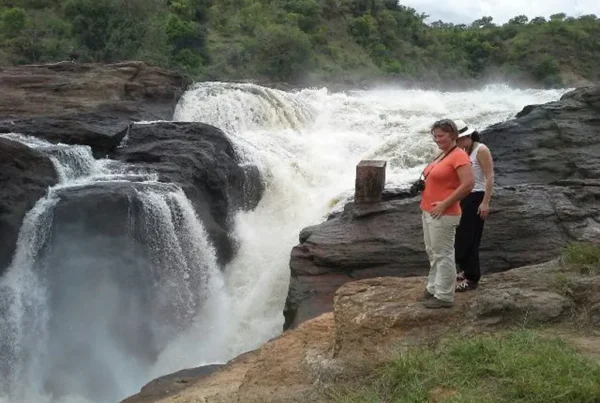
November in Murchison Falls National Park is a month of sensory abundance—a time when nature unleashes its full palette of colors, sounds, and scents. The second rainy season is at its peak, and the park’s sweeping savannas, riverbanks, and woodlands wear a mantle of deep, emerald green. Every inch of the land seems alive, nourished by the generous rains and bathed in an atmosphere that feels both serene and powerful. The River Nile, the park’s heart and lifeline, flows with renewed force, sending its waters cascading dramatically through the narrow gorge at Murchison Falls, creating plumes of mist that rise like smoke from the heart of the wilderness.

To be in the park in November is to witness nature’s grand performance at its most dynamic. The skies are painted with shifting cloud formations, the air carries the earthy scent of wet soil and blooming acacias, and the chorus of wildlife reaches a lively crescendo. While the rains may be frequent, they are far from a deterrent—they are the very force that breathes life into the land, shaping the experiences of all who venture here in this season.

The Climate of November: Lush Abundance in the Heart of the Rains

November sits firmly within the short rainy season, bringing consistent showers to the park. These rains, often falling in the afternoons or evenings, leave the mornings fresh and crisp, making early safaris particularly rewarding. Average daytime temperatures hover around 21°C to 29°C, offering a pleasantly warm climate that is tempered by the cooling effect of the rains.

The landscape becomes a living canvas during this month. The savannas glisten under the soft light after a downpour, trees burst with fresh foliage, and the grasslands sway gently in the wind, heavy with new life. The Nile, now fuller and more energetic, enhances the park’s dramatic beauty, its waters shimmering in silver under cloudy skies. Rain clouds often give way to sudden bursts of sunshine, creating moments of golden brilliance that photographers cherish.

Wildlife in November: Feeding, Breeding, and Thriving

November is a month of plenty for the wildlife of Murchison Falls. The grazers, from herds of Uganda kobs to stately elephants, take full advantage of the abundance of fresh grass and water. They roam more freely, spreading across the park’s vast expanses rather than clustering around permanent water sources as they do in the dry season. This dispersal may require a bit more patience from visitors, but it makes each sighting feel intimate and rewarding.

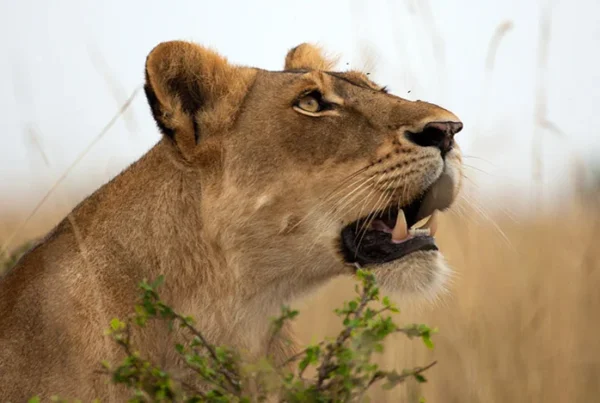
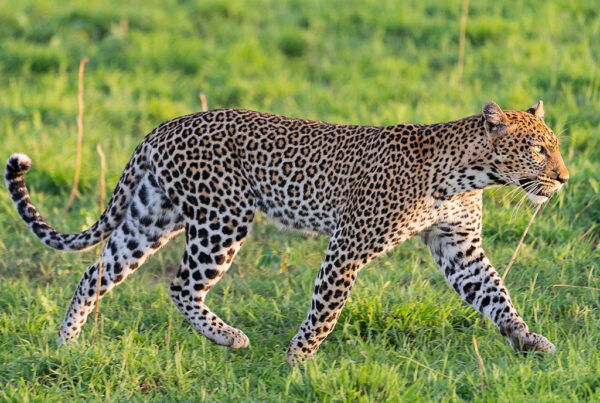
Predators are equally active. Lions stalk the open plains, their golden coats blending seamlessly with the wet grasses, while leopards slip silently through the greener thickets in search of prey. The rains bring out an explosion of smaller life forms as well—frogs, insects, and reptiles thrive in the wetter conditions, providing an essential food source for many bird species.

For bird enthusiasts, November is one of the most rewarding months to visit. Migratory birds from Europe and Asia arrive in full force, joining the already rich resident population. The park’s skies, trees, and riverbanks come alive with the vivid colors and calls of countless species, from the striking Abyssinian ground hornbill to the graceful African skimmer. The combination of rain-washed skies and fresh vegetation creates ideal conditions for bird photography.

Safari Activities in November: Immersion in the Green Season

Game drives in November are quieter in terms of visitor numbers, allowing for a more personal connection with the wilderness. While some tracks may be muddy, most remain accessible, and the wet ground muffles the sound of vehicles, enabling closer approaches to wildlife. The northern bank’s open savannas are particularly scenic, their rich green hues contrasting against the dark, rain-laden skies.

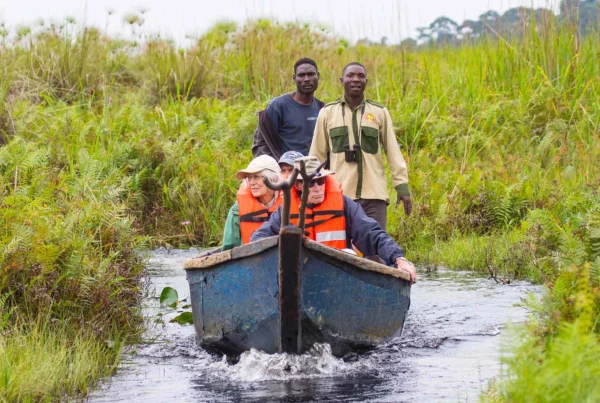
Boat cruises on the Nile during November are truly spectacular. The riverbanks, now at their lushest, host a variety of animals and birds drawn to the life-giving waters. Hippos wallow in the swollen channels, crocodiles bask when the sun emerges, and elephants can often be seen drinking or splashing along the edges. Approaching the base of Murchison Falls by boat at this time is an awe-inspiring experience, as the river surges through the gorge with unmatched power, its roar echoing across the surrounding cliffs.

For those who venture on guided nature walks or forest treks, November offers a rich sensory experience. The Budongo Forest, home to chimpanzees and other primates, thrives in the wet season. The forest floor is carpeted with fresh growth, the canopy drips with rainwater, and the calls of chimpanzees echo through the misty undergrowth. Tracking these intelligent primates in such lush surroundings heightens the sense of adventure and immersion in the wild.

The Appeal of November: A Wilder, More Authentic Experience

One of the most compelling reasons to visit Murchison Falls National Park in November is the absence of large tourist crowds. The park feels more secluded, the encounters more personal, and the landscapes more untouched. The rainy season adds a raw, authentic edge to the safari experience, reminding visitors that this is a living, breathing ecosystem that thrives on seasonal rhythms.

The photographic opportunities are exceptional. Animals are often framed by strikingly green backgrounds, rain droplets glisten on leaves, and dramatic cloudscapes add depth to every scene. Sunsets after a day of showers are particularly breathtaking, with the clouds catching the last light in shades of gold, pink, and purple, mirrored in the calm stretches of the Nile.

The sounds of the park also change in November. The patter of rain on leaves, the distant rumble of thunder, and the amplified calls of birds and frogs create a natural symphony that is unlike any other time of year. Every step, every turn of the head, offers something new to see, hear, or feel.

Murchison Falls in November: Nature at Full Strength

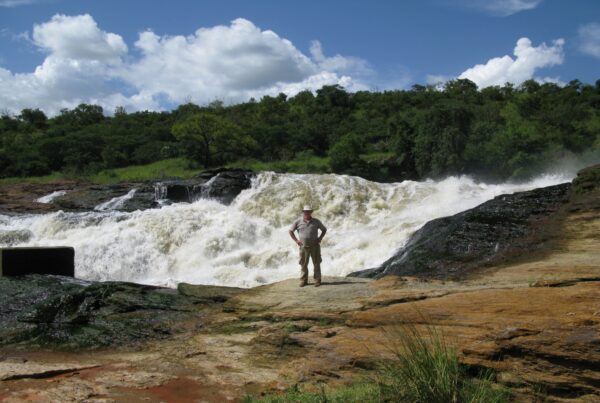
In November, the essence of Murchison Falls National Park is magnified. The waterfall itself is at its most formidable, its waters swollen by upstream rains and surging through the gorge with raw power. The spray rises high into the air, creating fleeting rainbows when sunlight breaks through the clouds. The Albert Nile stretches wide and glistening, feeding the life that thrives along its banks.

The park’s varied habitats—savanna, woodland, wetland, and forest—are all invigorated by the rains, making the diversity of life even more apparent. From the sweeping open plains dotted with grazing antelope to the shadowed depths of the forest alive with primates and birds, November delivers the full spectrum of Murchison’s natural wonders.

November’s Magic with WildHorn Africa

November in Murchison Falls National Park is not just a month—it is an experience of nature in its most vibrant, untamed form. The rains breathe life into every corner of the park, the wildlife thrives in abundance, and the landscapes become a vivid portrait of Africa’s ecological richness. For those seeking a safari that goes beyond the ordinary, where every moment feels alive with discovery, November is a truly rewarding choice.

To unlock the full potential of this season, booking Africa tours and safaris with WildHorn Africa ensures that every detail is thoughtfully planned and expertly guided. Their deep understanding of seasonal wildlife behavior, intimate knowledge of the park’s landscapes, and commitment to authentic, memorable experiences guarantee that your November journey through Murchison Falls will be as enriching as it is unforgettable. With WildHorn Africa, this green-season adventure becomes not just a visit, but a personal chapter in the timeless story of Africa’s wild heart.

Murchison falls national park in August

Murchison falls national park in August

By Travel guides, Travel stories and blogs, Uganda best time to visit, Uganda travel guides, When to go

Murchison Falls National Park in August: Nature’s Grand Performance in the Heart of Uganda

August in Murchison Falls National Park is a time when the wild plains and the great River Nile conspire to create an unforgettable stage for Africa’s most captivating spectacles. The air is dry and crisp, the skies are vast and uninterrupted, and the landscape is alive with the rhythmic pulse of survival. Wildlife congregates in staggering numbers near the life-giving waters, predators patrol the golden grasslands with calculated precision, and the mighty Murchison Falls roars with timeless authority. It is a month when the park’s energy is palpable—when every sunrise seems to promise a story, and every evening closes with a scene only nature could script.

Climate and Atmosphere: The Dry Season in Full Command

August falls squarely within Uganda’s long dry season, a period defined by bright sunshine, minimal rainfall, and refreshingly cool mornings that slowly warm into pleasantly hot afternoons. The air is clear and free of humidity, allowing visitors to enjoy unobstructed views across the park’s sweeping savannas and rolling hills. Roads and game tracks remain dry and accessible, enabling safaris to reach even the most remote corners of the park without difficulty.

Vegetation has thinned considerably by August, leaving open vistas that make wildlife viewing exceptionally easy. Grasslands are low and sparse, allowing the eye to travel far in search of movement. The permanent waters of the Nile and Lake Albert have become magnets for wildlife, concentrating life into narrow corridors and setting the stage for thrilling encounters. Even the evenings are inviting, with soft breezes carrying the distant calls of nocturnal creatures through the cool air.

Wildlife Concentration and Activity: A Photographer’s Paradise

By August, the park’s wildlife has adjusted entirely to the scarcity of scattered water sources. Herds of elephants, often numbering in the dozens, descend to the Nile’s edge in late mornings and afternoons, their massive silhouettes mirrored in the still water. Buffaloes gather in large numbers, their movements stirring flocks of birds into the air, while giraffes roam in elegant clusters across the dry plains. Uganda kobs, waterbucks, and Jackson’s hartebeests graze cautiously, ever aware of the predators that thrive during this season.

Predator sightings are at their most reliable in August. Lions lounge openly in the sun, conserving their strength for the cooler hours when hunting becomes easier. Leopards use the cover of acacia groves to stalk prey, while hyenas patrol the peripheries in search of opportunities. The lack of thick grass forces prey into open ground, which not only increases visibility for tourists but also creates heightened tension in predator-prey interactions—a true highlight for safari-goers.

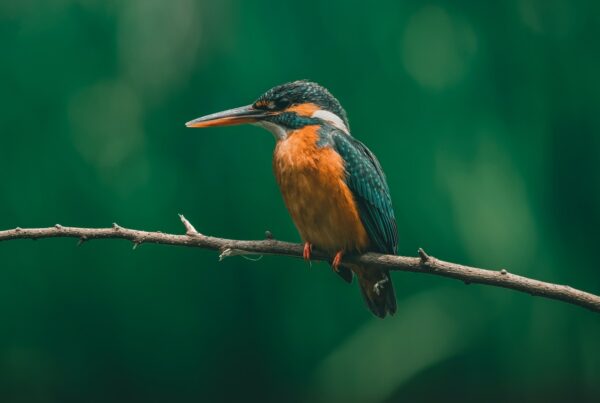
Birdlife remains vibrant, with the park’s resident species putting on a striking display. The African fish eagle’s distinctive call echoes over the river, while kingfishers, bee-eaters, and herons find abundant feeding opportunities along the Nile’s banks. The combination of concentrated wildlife and golden dry-season light turns every game drive and boat cruise into a photographic treasure hunt.

Safari Experiences in August: Immersive Encounters with the Wild

August offers some of the finest safari conditions in Murchison Falls National Park. Morning game drives begin under skies brushed with delicate hues of dawn, revealing the park in its most tranquil yet alert state. With the coolness of early day, animals are active and visible, moving across open spaces in search of food and water. The northern sector’s vast plains offer exceptional opportunities to witness herds moving together, while the southern woodlands provide a contrasting environment rich with secretive wildlife.

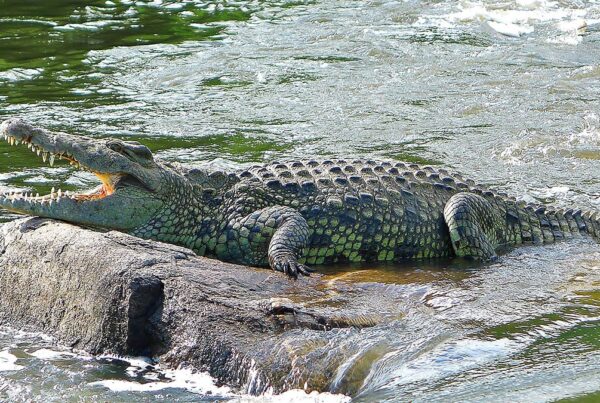
Boat cruises along the Nile in August are particularly rewarding. The river becomes a lifeline, and every bend reveals drama—hippos wallowing in close-knit pods, crocodiles basking in the sun with jaws agape, and elephants crossing shallow waters with their young. The journey upstream toward the base of the falls builds anticipation until the moment the Nile’s entire force is channeled through the narrow 7-meter gorge, exploding into a spectacle of mist and thunder.

Guided nature walks, made easier by dry trails, provide an intimate perspective on the park’s ecosystems. From learning about traditional plant uses to spotting the subtle signs of animal movements, these walks uncover details that game drives might miss. Cultural encounters with nearby communities add further depth to the August experience, connecting the traveler to the human heritage that surrounds this wilderness.

The Appeal of August: Why This Month Stands Out

August’s charm lies in its predictability and abundance. The weather offers stability, ensuring that planned safaris proceed without the disruptions of rain or muddy tracks. Wildlife is highly concentrated along the Nile, creating a density of encounters that maximizes viewing opportunities. For photographers, the soft, angled light of early mornings and late afternoons bathes the landscapes and animals in warm tones, making every frame striking.

The month also carries a sense of raw intensity. With limited water away from the river, every wildlife sighting feels like a glimpse into the critical balance of life and survival in the African wilderness. Visitors can witness elephants interacting playfully at the water’s edge, predators stalking under the cover of dusk, and large flocks of birds gathering in harmonious chaos—all set against the backdrop of Murchison Falls’ eternal roar.

August in Murchison with WildHorn Africa

To visit Murchison Falls National Park in August is to step into a living documentary of African wildlife at its most vivid. The dry season’s clarity strips the landscape to its essentials, leaving the drama of nature exposed in every direction. From the gathering of giants at the Nile’s edge to the thundering heart of the falls themselves, August offers a safari experience that is both visually stunning and emotionally stirring.

For travelers seeking to unlock the full potential of this remarkable month, it is highly recommended that Africa tours and safaris be arranged through WildHorn Africa. With deep local expertise, thoughtfully designed itineraries, and a commitment to creating immersive, responsible travel experiences, WildHorn Africa ensures that every guest encounters the August magic of Murchison Falls in its purest form. Under their guidance, the heart of Uganda’s most iconic park will not just be visited—it will be lived.

Murchison falls national park in December

Murchison falls national park in December

By Travel guides, Travel stories and blogs, Uganda best time to visit, Uganda travel guides, When to go

Murchison Falls National Park in December: The Gateway to an African Summer

December in Murchison Falls National Park is a month when the wilderness awakens into a vibrant celebration of life, offering visitors a front-row seat to nature’s most captivating performances. It is the threshold between the short rainy season and the long dry season, a time when the park’s landscapes are still fresh from the nourishment of the rains but are slowly transitioning into the golden hues of summer. The River Nile, mighty and untamed, continues to define the heart of the park, while the roar of Murchison Falls echoes with unwavering strength, its mist catching the summer sunlight in brilliant rainbows.

To visit in December is to step into a realm where the balance between water and sun creates unparalleled beauty. The days stretch longer, bathed in warm golden light, while the occasional gentle shower leaves the earth scented and renewed. The wildlife is restless and active, moving across lush plains and open woodlands, offering visitors an unmatched spectacle of African biodiversity. The air is alive with the songs of birds, the calls of primates from the forested fringes, and the distant trumpeting of elephants as they wander along the Nile’s fertile banks.

The Climate of December: Warm Days and Verdant Plains

December in Murchison Falls National Park brings a shift towards drier conditions. While brief showers may still occur in the early part of the month, they are lighter and less frequent than in November. The average temperatures range from a pleasantly cool 19°C in the early mornings to a comfortably warm 30°C during the afternoons. The skies often open into wide stretches of clear blue, occasionally adorned by drifting white clouds that soften the fierce midday sun.

The landscape in December carries the lushness left behind by the rains, but the grass begins to shorten, making wildlife viewing easier. The savannas maintain their deep green tones in the first weeks of the month, gradually transforming into a mosaic of greens and yellows as the rains recede. The light becomes sharper and more golden, casting dramatic shadows across the rolling plains and highlighting the textures of the park’s diverse habitats.

Wildlife Encounters in December: Abundance on the Move

The transition from wet to dry season creates ideal conditions for wildlife activity in December. Grazers such as elephants, buffalo, giraffes, and Uganda kobs are frequently seen in large numbers, feeding on the last of the season’s lush grasses. With plenty of surface water still available in various parts of the park, animals roam more widely, creating opportunities for sightings in both the northern and southern sectors.

Predators take full advantage of this abundance. Lions, often spotted lounging on termite mounds or stalking through the golden grass, remain active throughout the day, while leopards favor the cooler hours of morning and evening. Spotted hyenas patrol the open plains, their haunting calls echoing under the moonlight.

December is also a rich month for birdwatching. Migratory species from Europe and Asia remain in the park, adding to the already diverse resident population. The wetlands along the Nile teem with birdlife, from the prehistoric-looking shoebill stork to elegant African fish eagles. The mix of clear skies and vibrant greenery makes bird photography particularly rewarding during this month.

Safari Activities in December: A Blend of Exploration and Serenity

Game drives in December offer some of the most picturesque conditions of the year. The northern bank, with its sweeping savannas and scattered acacia trees, is a prime location for spotting large herds and predators against a backdrop of vibrant landscapes. Morning drives are especially magical, as the first rays of sunlight pierce the light mist that hovers over the plains, casting a golden glow on the wildlife.

Boat cruises on the Nile remain one of the most memorable ways to explore the park in December. The riverbanks are alive with hippos basking in the sun, crocodiles lying still in the shallows, and elephants wading into the water to drink and play. Approaching the base of Murchison Falls during this time is a dramatic experience, as the river’s flow is still powerful from the recent rains, and the falls crash through the gorge in an unrelenting torrent.

For those drawn to forest experiences, the Budongo Forest Reserve offers remarkable primate encounters. Chimpanzee tracking in December is particularly enjoyable, as the forest floor is less muddy and the trails more navigable. The calls of chimpanzees resonate through the dense canopy, mingling with the sounds of hornbills and the rustling of colobus monkeys.

Nature walks and guided hikes also thrive in December’s weather. The slightly drier ground and warm breezes make exploring on foot a comfortable and immersive way to connect with the smaller wonders of the park, from colorful butterflies to medicinal plants used by local communities.

The Unique Appeal of December: Comfort, Clarity, and Color

December carries a unique charm that lies in the balance it offers—lush greenery from the rainy season combined with the accessibility and comfort of the drier months. The park’s roads and trails are more navigable, ensuring smoother journeys between different habitats. Visibility improves as vegetation begins to thin slightly, making it easier to spot and photograph wildlife.

The atmosphere in December feels celebratory, not only because of the holiday season but also because the wilderness itself seems to be at its peak vitality. Sunsets are particularly spectacular during this month, with the fading daylight turning the Nile into a ribbon of molten gold and painting the sky in vivid shades of orange, red, and violet.

Visitors in December also benefit from the relatively moderate tourist numbers compared to the peak months of January and February. This allows for a more intimate experience, whether drifting quietly on the Nile during a sunset cruise or sitting in silence as a herd of elephants approaches in the fading light.

Murchison Falls in December: Nature’s Holiday Gift

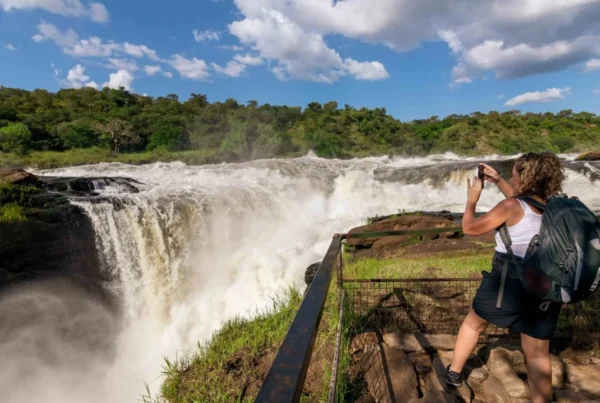
December at Murchison Falls is a season of generosity—of landscapes still lush yet open for exploration, of wildlife in abundance, and of weather that is both warm and welcoming. The mighty falls remain at their full strength, their constant roar a reminder of the timeless power of nature. Mist rises from the gorge, catching the sunlight in fleeting rainbows, while the spray cools the air for those who stand at the viewpoint above.

The diversity of habitats within the park is showcased at its best in December. The open plains host grazing herds and hunting predators, the woodlands shelter shy antelopes, and the wetlands are alive with waterbirds. The forested areas, refreshed by the rains, provide sanctuary for primates and countless smaller species. This blend of environments makes December a month in which the park’s full ecological richness is revealed.

December’s Beauty with WildHorn Africa

December in Murchison Falls National Park offers an African safari experience that is rich, comfortable, and unforgettable. It is a month where the wilderness wears its finest colors, the wildlife thrives in abundance, and the River Nile continues its eternal journey through the heart of Uganda. The blend of lush scenery, clear skies, and thriving animal life makes this period a remarkable gateway into the new year.

To truly immerse in the magic of December at Murchison Falls, the expertise of WildHorn Africa transforms a visit into an extraordinary adventure. Their deep understanding of the park’s seasonal rhythms, skilled guiding, and commitment to personalized, memorable safaris ensure that every moment is crafted for awe and discovery. With WildHorn Africa, your December journey is not just a holiday—it is a celebration of Africa’s timeless beauty and boundless spirit.

Murchison falls national park in October

Murchison falls national park in October

By Travel guides, Travel stories and blogs, Uganda best time to visit, Uganda travel guides, When to go

Murchison Falls National Park in October: Nature’s Renewal in Full Swing

October in Murchison Falls National Park marks the arrival of the second rainy season, transforming the park’s vast landscapes into a scene of rejuvenation and abundance. The golden browns of the dry season begin to fade, replaced by a fresh tapestry of greens as grasses sprout anew and acacia trees flush with tender leaves. The River Nile, the park’s lifeblood, swells gently with the renewed flow from upstream rains, feeding the plains and sustaining an extraordinary diversity of life. The air feels fresher, the scents of wet earth and blooming vegetation fill the breeze, and the atmosphere hums with activity as animals adjust to the seasonal change.

For those who visit in October, the park reveals a different personality—lush, vibrant, and teeming with energy. The rains may arrive unpredictably, but instead of hindering exploration, they add an element of raw African authenticity. It is a month when Murchison Falls feels alive in every sense, offering visitors a deeper, more intimate connection with the cycles of the wild.

The Climate of October: The Beginning of the Short Rains

October ushers in the short rainy season, and showers can be expected on several days throughout the month. These rains often arrive in the afternoon or evening, leaving the mornings bright and clear, perfect for early safaris. Temperatures remain warm, with averages ranging between 21°C and 30°C, creating comfortable conditions for both wildlife and visitors.

The rainfall is not constant or overwhelming; instead, it arrives in bursts, followed by periods of sunshine that illuminate the newly greened plains. This alternation of light and rain produces spectacular photographic opportunities, with rain-washed skies glowing in dramatic hues at sunrise and sunset. The occasional mist rising from the ground after a shower adds to the park’s almost mystical allure.

Wildlife Behavior in October: Feeding and Rebirth

With the rains returning, Murchison Falls National Park enters a period of renewal that affects every species within its boundaries. The fresh vegetation brings relief to grazers such as Uganda kobs, hartebeests, buffaloes, and elephants, which now spread out more widely across the park rather than clustering around the Nile. This dispersal changes the rhythm of game drives, as each sighting feels more like a treasure discovered in the endless green.

Predators adjust their strategies in response to this change. Lions and leopards, no longer able to rely on dense concentrations of prey at the riverbanks, must roam more extensively, which can lead to thrilling, unexpected encounters for patient observers. Cheetahs, although less common, may also take advantage of the open grass patches between fresh growth to launch high-speed hunts.

The rains bring renewed vigor to the birdlife of the park. Migratory birds begin to arrive from Europe and Asia, adding their presence to the already diverse resident species. The park becomes a paradise for birdwatchers, with the striking plumage of species like the carmine bee-eater, the pied kingfisher, and the African fish eagle glowing vividly against the fresh greenery.

Safari Activities in October: Immersion in the Green Season

October safaris in Murchison Falls carry a distinct sense of intimacy. Game drives, while sometimes slowed by wet patches on certain roads, are still highly rewarding. The northern savannas remain accessible, and the softer ground makes for quieter vehicle approaches, allowing for close wildlife viewing without disturbance. The southern woodlands and Budongo Forest are especially enchanting at this time, their canopies dripping with moisture and echoing with the calls of primates and birds.

Boat cruises along the Nile are as captivating as ever. The riverbanks, now greener, remain vital meeting points for wildlife, with hippos wallowing in swollen channels and crocodiles basking when the sun reemerges. The journey to the base of Murchison Falls offers a renewed spectacle, as the increased river flow gives the waterfall even more force, sending towering plumes of spray into the air and filling the gorge with a deeper, more resonant roar.

Nature walks during October offer a completely different sensory experience compared to the dry season. The scent of wet grass, the glistening of leaves under soft sunlight, and the chorus of frogs and insects in the background create an immersive natural soundtrack. For those who wish to explore on foot, ranger-guided treks through forest trails or along the river provide insight into the smaller, often overlooked details of the park’s ecosystem—new plant shoots, fresh animal tracks in the mud, and a surge in insect activity that sustains the food chain.

The Appeal of October: Fewer Crowds and a Richer Experience

One of October’s most appealing qualities is the reduced number of visitors compared to the peak dry season months. This allows for a more private safari experience, with fewer vehicles at prime viewing spots and a greater sense of solitude in the wild. The park feels more personal, as if its vast beauty belongs solely to those who venture here during this lush, transitional season.

The scenery is at its photographic best, with contrasts between rain-darkened earth, bright vegetation, and clear post-rain skies creating breathtaking compositions. Wildlife photography becomes more dynamic, with animals framed by fresh growth and vibrant backdrops. The occasional rain shower also cools the air, making mid-day explorations more comfortable than during the height of the dry season.

Murchison Falls in October: A Living Canvas

Visiting Murchison Falls National Park in October is like stepping into a landscape painting brought to life. The seasonal changes give the park’s features sharper definition—the Baker’s View lookout is framed by freshly leafed trees, the Albert Nile shimmers more vividly under shifting skies, and the falls themselves thunder with renewed intensity. Wildlife sightings carry a sense of discovery, as the greening land draws animals into areas they may have avoided during the harsher dry months.

Even the sounds of the park change during this season. The constant rustle of dry grass is replaced by the softer swish of wet vegetation, the drumming of rain on broad leaves, and the bubbling calls of amphibians in freshly filled pools. It is a sensory transformation that deepens the connection between visitor and wilderness.

October’s Gift with WildHorn Africa

October in Murchison Falls National Park is a celebration of renewal—a month where the rhythms of life accelerate in harmony with the returning rains. The landscapes glow with fresh vitality, the wildlife moves with new purpose, and the park’s great river continues to bind it all together in a timeless flow. This is a time for travelers who wish to experience Africa in a softer, greener, and more personal light.

To make the most of this exceptional season, booking Africa tours and safaris with WildHorn Africa offers an unmatched advantage. Their deep local knowledge, tailored itineraries, and commitment to authentic experiences ensure that every moment in Murchison Falls is enriched with meaning. With WildHorn Africa, October’s unfolding drama is not just observed—it is felt, lived, and remembered long after the journey ends.

Murchison falls national park in September

Murchison falls national park in September

By Travel guides, Travel stories and blogs, Uganda best time to visit, Uganda travel guides, When to go

Murchison Falls National Park in September: Where the Dry Season Meets the Dawn of Renewal

September in Murchison Falls National Park is a month of transition, a time when the dry season’s golden grip begins to loosen ever so slightly, and the promise of renewal starts to drift across the savannas. The air remains warm and clear, the land still marked by the dryness of preceding months, yet subtle signs of change appear in the horizon. The great River Nile continues to flow with its unyielding force, sustaining life through this shifting season, while wildlife remains in concentrated numbers near the water. Predators and prey still play out their timeless contest, but the landscape begins to prepare for the rejuvenation that the upcoming rains will bring.

This is a month of striking contrasts—between the still, open grasslands and the occasional whisper of moisture in the air, between the relentless energy of the wild and the moments of serene stillness that September alone seems to offer. It is a time when Murchison Falls shows both the endurance of its dry season spectacles and the early hints of nature’s next chapter.

Climate and Atmosphere: A Transitional Canvas

September’s climate in Murchison Falls National Park is a delicate balance between the lingering dry season and the first cautious steps toward the short rains. Skies remain predominantly clear, allowing uninterrupted sunshine to bathe the plains, but occasional clouds may gather, hinting at the shift to come. Rain is rare during this period, and when it falls, it is typically light and short-lived, offering only a brief refreshment to the thirsty land.

Temperatures remain comfortably warm, with mornings carrying a crisp coolness that gives way to heat in the afternoons. The dry air provides excellent visibility, making distant herds visible from far across the plains. The vegetation remains sparse, the grasses low, and the trees bearing the signs of many weeks without substantial rainfall. These open conditions continue to make September an outstanding month for wildlife viewing.

Wildlife Activity: Concentration and Anticipation

The wildlife of Murchison Falls in September is still driven by the availability of water, with the Nile and its connected waterways drawing animals from every corner of the park. Elephants arrive in slow, majestic processions to drink, bathe, and play along the riverbanks. Buffalo herds gather in impressive numbers, often mingling with waterbucks and warthogs as they seek relief from the sun. Giraffes move elegantly across the plains, their long necks scanning for acacia leaves, while antelope species remain ever vigilant, aware of the predators whose movements are easier to predict in this season.

Predators remain highly active, taking advantage of the continued visibility and prey concentration. Lions can be found basking in open areas during the day, conserving their energy for dusk hunts. Leopards, more elusive, continue to haunt the woodlands and riverine forests, their spotted coats blending perfectly with the shadows. Hyenas patrol in the early mornings and late evenings, their haunting calls carrying far across the plains.

Birdlife retains its rich diversity in September, with resident species still at the peak of their activity. African fish eagles patrol the skies above the river, while herons, kingfishers, and bee-eaters continue to line the waterways. The slight shift toward the wetter season also begins to stir subtle changes in bird behavior, with some species becoming more vocal and active.

Safari Experiences in September: Immersed in the Transition

Game drives in September remain exceptional, with dry and accessible roads allowing full exploration of the park’s varied landscapes. The northern sector, with its open grasslands, offers panoramic views and a high likelihood of encountering large herds. The southern woodlands and riverine areas present a more intimate safari setting, where moments of stillness are punctuated by sudden bursts of activity from wildlife hidden within the shade.

Boat cruises along the Nile are particularly enchanting this month. The waters continue to draw life in abundance, and each trip offers the chance to witness the timeless drama of the river—hippos rising with snorts from the water’s surface, crocodiles basking on sunlit banks, and elephants crossing in slow, deliberate movements. The journey to the base of Murchison Falls remains one of Africa’s most exhilarating experiences, as the river narrows into its 7-meter gorge and explodes into a display of raw power and mist.

Nature walks, guided by experienced rangers, offer visitors a chance to explore the subtler aspects of the park’s ecology. The dry terrain makes walking easier, and the absence of dense vegetation allows for better visibility of tracks, droppings, and other signs of wildlife activity. Cultural visits to nearby communities can also be deeply rewarding during this period, offering insights into the human stories that share space with the park’s wildlife.

The Unique Appeal of September: A Month of Contrast

What makes September particularly special is its dual character—it retains the wildlife concentration and clarity of the dry season while offering the first glimpses of change that will soon transform the park. This creates an atmosphere of anticipation, a sense that the land itself is waiting for something just beyond the horizon. Visitors in September can enjoy the predictability of dry-season safaris while also experiencing a more relaxed atmosphere, as the park tends to be quieter than in the peak months of July and August.

The lighting in September is remarkable for photography. With the sun lower in the sky as the equinox approaches, mornings and evenings are bathed in a softer golden light, casting long shadows and enhancing the textures of the landscape. Wildlife photography benefits greatly from this gentle illumination, turning every scene into a work of art.

September’s Gift with WildHorn Africa

To visit Murchison Falls National Park in September is to witness the delicate balance between endurance and renewal. The great Nile still commands the loyalty of all life in the park, wildlife remains densely concentrated, and the open plains make every drive an adventure of discovery. Yet, in the distance, the subtle promise of rain begins to hum through the land, adding depth to the experience and reminding visitors that Africa’s cycles are as much about change as they are about continuity.

For those who wish to immerse themselves in this rare moment of transition, arranging Africa tours and safaris through WildHorn Africa is the most rewarding choice. With deep local expertise, finely crafted itineraries, and a commitment to authentic, responsible travel, WildHorn Africa ensures that every moment in Murchison Falls during September is enriched with meaning and beauty. In their care, the month’s quiet drama and timeless grandeur will not simply be observed—it will be lived in full.

Visiting Uganda in November

Visiting Uganda in November

By Travel guides, Travel stories and blogs, Uganda best time to visit, Uganda travel guides, When to go

Visiting Uganda in November

November in Uganda: A Month of Transition and Tranquility

November marks a subtle but important transition within Uganda’s climatic and ecological calendar. The country stands on the cusp between the short rainy season and the impending dry months, creating a unique blend of lush landscapes and evolving wildlife behaviors. This period is often overlooked by travelers but holds considerable appeal for those seeking authentic encounters away from crowds and in harmony with nature’s rhythm.

The sense of tranquility that pervades Uganda in November is palpable. The heavy rains of October typically begin to ease, yet the environment remains richly green, alive with birdsong and renewed growth. This makes November a month where nature’s vibrancy and serenity coexist, inviting visitors to explore at a relaxed and fulfilling pace.

Climate and Weather Patterns: Embracing the End of the Short Rains

November’s weather in Uganda is characterized by decreasing precipitation and gradually clearing skies. While some scattered afternoon showers may persist, particularly during the early weeks, the frequency and intensity of rain decline compared to October.

Temperatures generally range from 22°C to 28°C, with warmer days and cooler nights, especially in higher elevation areas such as Bwindi and the Rwenzori Mountains. The skies brighten progressively, allowing for longer stretches of sunshine interspersed with the occasional refreshing drizzle.

Travel conditions tend to improve steadily during the month, with roads becoming increasingly passable and trails drier. This weather pattern benefits both wildlife and travelers, as fresh vegetation remains abundant while accessibility increases.

Wildlife Viewing: Optimal Visibility and Active Fauna

November offers excellent opportunities for wildlife observation across Uganda’s national parks. The fresh greenery attracts herbivores to a wider range of feeding grounds, dispersing animals from crowded waterholes and creating dynamic game viewing conditions.

In Queen Elizabeth National Park, animals are often seen grazing across open plains, while the waterways remain hubs of activity. Elephants, buffalo, hippos, and a variety of antelope species populate the Kazinga Channel region, accompanied by large numbers of waterbirds and raptors.

The Ishasha sector maintains its reputation for tree-climbing lions, which can be observed lounging lazily on acacia branches during warm afternoons. Leopards and hyenas are more elusive but active, particularly during dawn and dusk game drives.

In Murchison Falls National Park, the dramatic river landscape continues to attract diverse wildlife. Hippos and crocodiles frequent the Nile, while giraffes, kobs, and oribi graze in the surrounding savannah. The Murchison Falls itself is a breathtaking spectacle, and river cruises remain popular for close wildlife encounters.

The Kidepo Valley National Park experiences relatively dry conditions in November, making game drives particularly productive. Zebras, elephants, and cheetahs are commonly spotted against the backdrop of the remote and rugged landscape, offering a sense of wilderness unmatched elsewhere in Uganda.

Gorilla and Chimpanzee Trekking: The Trails Clear and Spirits Lift

Trekking experiences remain highly rewarding in November, as the trails through Bwindi Impenetrable Forest, Mgahinga Gorilla National Park, and Kibale Forest become more navigable with fewer rains. The reduction in mud and slippery paths allows for safer and more comfortable hikes, particularly for those venturing into dense forest environments.

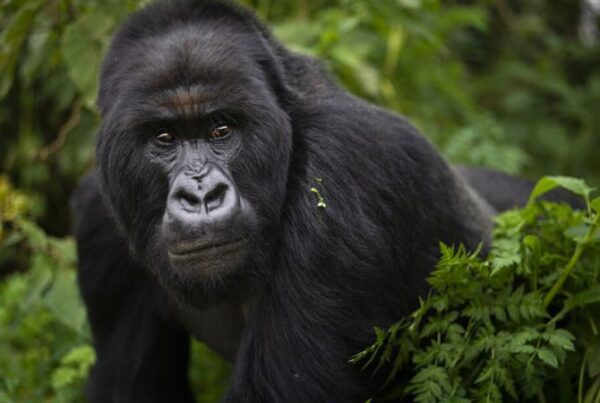
Mountain gorillas continue to be visible and active, often descending to lower altitudes as fresh food sources become abundant. These encounters provide profound moments of connection, underscored by the peaceful forest atmosphere.

Chimpanzee tracking in Kibale National Park is equally vibrant during November. Troops are often observed foraging in the mid-canopy, displaying their complex social behaviors with enthusiasm. The rich diversity of primates and birdlife in the forest makes it a highlight for nature lovers during this period.

Birdwatching: A Month of Increasing Activity

As the short rainy season tapers off, November welcomes increased bird activity. Resident species are joined by early arrivals of migratory birds returning from their northern habitats, setting the stage for the upcoming peak birding season.

Birding hotspots such as Mabamba Swamp, Kibale Forest, and Semuliki National Park exhibit heightened diversity. The elusive shoebill stork remains a prized sighting in wetland areas, while forest reserves come alive with colorful turacos, hornbills, and various sunbirds.

The gradually clearing weather enhances visibility and makes birdwatching excursions more comfortable, allowing enthusiasts to take full advantage of Uganda’s renowned avian richness.

Cultural Experiences: Engagement and Discovery

November provides ample opportunities for immersive cultural experiences. Rural communities, particularly in the western and northern regions, are often engaged in agricultural activities, including planting and preparation for the next growing season.

Visits to cultural heritage sites such as the Kasubi Tombs in Kampala or the Tooro Kingdom in Fort Portal are particularly rewarding during this period. Festivals, traditional ceremonies, and craft markets frequently take place, reflecting the vibrant social fabric of Uganda.

The quieter tourism season allows for more personalized interaction with local people, encouraging deeper understanding and respectful exchange. Visitors often find themselves welcomed warmly into communities, gaining insights into customs, cuisine, and crafts that enrich their travel experience.

Scenic Highlights and Outdoor Activities

The landscapes of Uganda remain strikingly beautiful in November. The lakes, waterfalls, and mountains continue to captivate with their contrasting colors and serene atmospheres.

Lake Bunyonyi, often described as Africa’s most beautiful lake, provides a tranquil retreat with opportunities for boating, birding, and cultural visits to island communities. Its calm waters and surrounding hills offer a perfect setting for relaxation and reflection.

Waterfalls such as Sipi Falls and the cascading streams around Fort Portal are nourished by recent rains, enhancing their grandeur and making hiking particularly rewarding. The Rwenzori Mountains also attract trekkers seeking cooler temperatures and unique flora.

Travel Considerations and Practical Tips

Travel logistics in November are generally smooth, with improved road conditions and reliable domestic flights linking key destinations. Lodges and camps experience moderate occupancy, providing comfortable accommodation options without the premium pricing of peak months.

Packing should reflect the mixed climate—lightweight clothing for daytime warmth, rain gear for occasional showers, and layers for cooler mornings and evenings. Insect protection remains important, especially in forested and wetland areas.

November in Uganda: A Time for Balanced Exploration

November encapsulates a period of renewal and calm, where the environment transitions gracefully from rain to dry season. It offers a unique window to experience Uganda’s rich biodiversity, vibrant cultures, and spectacular landscapes in relative tranquility.

Travelers who visit Uganda during this month are often rewarded with authentic encounters, less crowded parks, and deeper connections to the land and its people. The balance of lush scenery and improving accessibility creates ideal conditions for memorable safaris and cultural immersion.

Discover November in Uganda with WildHorn Africa

To fully embrace the opportunities that Uganda presents in November, the expertise and guidance of an experienced tour operator are invaluable. WildHorn Africa provides bespoke safari and cultural tours tailored to the season and individual traveler preferences.

With a commitment to responsible tourism, local partnerships, and exceptional service, WildHorn Africa ensures that each journey is safe, enriching, and unforgettable. From gorilla trekking to savannah safaris and cultural explorations, every detail is carefully managed to maximize the visitor experience.

Embark on your November adventure in Uganda with WildHorn Africa—where every step reveals a new story in the heart of Africa.

Visiting Uganda in October

Visiting Uganda in October

By Travel guides, Travel stories and blogs, Uganda best time to visit, Uganda travel guides, When to go

Visiting Uganda in October

October in Uganda: A Lush Invitation into the Heart of Africa

As the equator sun softens and the winds turn gentler, October in Uganda emerges with a vibrant sense of renewal. It is a month defined by its subtle transitions, where the final rains of the short wet season begin to awaken the earth in preparation for the dry months ahead. The landscapes turn verdant once again, and the air takes on a refreshing coolness that soothes the soul of every traveler willing to embrace East Africa’s natural rhythm.

Unlike peak seasons where tourism crowds fill the lodges and parks, October remains quietly welcoming. Its rewards lie not only in the beauty of fewer visitors but in the unfolding richness of Uganda’s natural ecosystems. From the misty highlands of Bwindi to the golden grasslands of Queen Elizabeth National Park, Uganda in October is a land alive with contrast, movement, and profound depth.

Travelers who choose this time of year are often gifted with unique photographic opportunities, more personalized safari experiences, and a deeper cultural immersion that feels unhurried and authentic. It is a month where Uganda reveals itself generously, yet without the fanfare of the tourist high season.

Weather and Climate: A Reawakening of the Green

The weather in October across Uganda is defined by intermittent showers, usually light and brief, scattered across the country—especially in the southern, western, and central regions. These rains fall mostly during the afternoon or night, leaving crisp and clear mornings that are ideal for exploration.

Temperatures during this month remain comfortably warm, typically ranging between 22°C and 28°C. The cooler highlands may experience slightly lower temperatures, especially in the early mornings and evenings. While the rains return, they do not dominate the month, and travel plans across major destinations remain largely uninterrupted.

This moisture, though modest, begins to reinvigorate vegetation, creating a canvas of green across Uganda’s savannahs, forests, and wetlands. The fresh grasses invite grazing herbivores back into open areas, which in turn draws predators into view. This cycle of renewal offers wildlife enthusiasts thrilling viewing opportunities.

Gorilla Trekking Amidst Gentle Showers

October offers a more introspective and mystical gorilla trekking experience. The forests of Bwindi and Mgahinga grow richer and more aromatic with the early rains, creating an atmosphere that feels profoundly alive and ancient. Though the trails may be damp or slightly muddy, the gorilla families often remain close to lower elevations where food is more abundant and accessible.

This behavior enhances trekking experiences by reducing the time and effort needed to reach the gorillas, which can be especially beneficial for travelers seeking a moderately challenging adventure. The mist in the forest adds an ethereal quality to each sighting, as silverbacks emerge from the foliage like mythic figures.

Fewer tourists also mean more intimate group settings, allowing for longer, more meaningful moments of observation and deeper dialogue with trackers and conservationists. The photographic potential during this month is unique, as soft cloud cover eliminates harsh shadows, giving a gentle luminance to the forest and its inhabitants.

Wildlife Sightings: A Month of Renewal and Return

Across Uganda’s diverse national parks, October remains a fruitful period for wildlife viewing. While some larger parks begin to recover from the dust and dryness of the previous season, others embrace the freshness of rejuvenated plant life.

In Queen Elizabeth National Park, wildlife activity remains high around the Kazinga Channel, where elephants, buffaloes, and waterbirds gather in impressive numbers. The Ishasha sector’s famed tree-climbing lions become more active, often seen lounging in fig trees during cooler afternoons.

In Murchison Falls National Park, the presence of the Nile continues to anchor one of Africa’s most spectacular ecosystems. Game drives remain productive, with giraffes, hartebeests, and Uganda kobs returning to graze on the rejuvenated plains. River safaris along the Nile remain uninterrupted by the rains, offering incredible close-up views of hippos, crocodiles, and bird colonies nesting along the riverbanks.

In Kidepo Valley National Park, where arid conditions prevail for most of the year, light rains breathe new life into the dry plains. Wildlife begins to spread out again, taking advantage of new water sources and fresh vegetation. The dramatic mountainous terrain of Kidepo, often shrouded in haze during the dry season, clears up in October, offering crisp panoramic views across the valleys.

Birding in October: A Prelude to Peak Season

October marks the onset of Uganda’s premier birding window, as early migratory birds from Europe and northern Asia begin arriving in key wetlands and forest reserves. This month serves as a bridge between resident bird activity and the full arrival of Palaearctic migrants.

In locations such as Mabamba Swamp, the iconic shoebill remains present, while flocks of terns, sandpipers, and ducks begin to increase in number. Wetland habitats throughout central and eastern Uganda become more dynamic, offering birders a unique blend of resident and visiting species.

Forest zones like Budongo Forest Reserve, Kibale National Park, and Semuliki witness an upswing in sightings as well. Fruit-bearing trees attract turacos, barbets, and hornbills in larger numbers, while the call of the green-breasted pitta—one of Uganda’s most elusive forest birds—may be heard again.

October’s mild weather and increased foliage provide excellent conditions for both beginner and experienced birders, with walking trails remaining accessible and the diversity of species steadily rising.

Cultural Encounters: Harvest, Festivals, and Community Life

As October unfolds, many of Uganda’s rural communities enter into agricultural harvest periods, particularly in the western highlands and northern regions. Travelers visiting these areas can witness—and sometimes participate in—traditional harvesting activities, offering rare insight into Uganda’s agrarian culture.

The cultural sites around Fort Portal, including the Tooro Kingdom, become active with seasonal rituals and storytelling sessions. In Kampala, the capital maintains a lively pace with music performances, exhibitions, and markets showcasing local art, fashion, and cuisine.

Because of the softer tourist traffic during October, travelers are often welcomed more personally into these spaces. Cultural tourism operators take more time to guide, explain, and involve visitors in local dances, cooking experiences, and craft-making traditions. This openness fosters authentic relationships and reveals Uganda’s social warmth beneath its natural wonders.

Hiking, Scenic Routes, and Lakeside Calm

For those seeking scenic immersion and gentle physical challenges, October presents ideal conditions. The iconic Sipi Falls in the eastern region flows more robustly, energized by the rains but still accessible for hiking. The surrounding coffee plantations glow emerald green, and visitors can participate in the harvesting and processing of Uganda’s prized Arabica beans.

Lake Bunyonyi, nestled in the southwestern highlands, becomes a haven of calm and beauty. Its misty mornings and reflective waters make it perfect for relaxation, canoe trips, or cultural visits to island communities. The mood is meditative, and the pace of life slow, perfectly suited for introspective travelers or honeymooners.

For trekkers, the Rwenzori Mountains still offer access to lower-altitude trails, though higher routes become more challenging due to rain. Nevertheless, the cloud forests, alpine meadows, and glacial streams provide a mystical experience unmatched by other African ranges.

Travel Conditions and Practical Considerations

Travel throughout Uganda in October remains smooth and viable. Most major roads are passable, though some remote routes may become slick during afternoon showers. With the correct vehicle and a well-informed guide, all key destinations remain fully accessible.

Airstrips across the country continue to operate efficiently, and domestic flights serve major parks like Bwindi and Kidepo without disruption. Accommodations and tour providers are less booked in October, allowing for more flexible travel planning and, in many cases, reduced pricing on mid- to high-end lodges.

Light clothing remains appropriate for most of the day, although travelers should include a rain jacket, sturdy walking shoes, and light sweaters for cool evenings in elevated regions. Insect repellent is recommended due to increased vegetation near water sources.

October in Uganda: A Month of Subtle Wonder

While it may not hold the fame of peak-season months, October in Uganda possesses a quiet power. It is a time of transformation, renewal, and opportunity. Nature softens without withdrawing, rains return without overwhelming, and people welcome without rushing.

Those who travel during this month find themselves enveloped in a rhythm that feels deeply organic. It is the season of waterfalls whispering through greener hills, of baby animals reappearing in the plains, and of local communities embracing both work and joy in equal measure. Uganda in October is a land not just to be visited—but to be felt.

Explore Uganda This October with WildHorn Africa

For a journey that captures both the soul of the season and the heartbeat of the land, it is essential to travel with a company that understands Uganda’s many moods and meanings. WildHorn Africa offers expertly guided, customized tours that balance luxury with authenticity, ensuring that each traveler is given access to the very best of Uganda—at the very moment they need it most.

Whether you are seeking gorilla encounters, wildlife safaris, cultural depth, or scenic serenity, WildHorn Africa will craft an itinerary that honors your curiosity, your comfort, and your sense of adventure.

Step into the green, golden embrace of Uganda this October. Let WildHorn Africa be your trusted companion through a land where every path leads to wonder.

Visiting Uganda in August

Visiting Uganda in August

By Travel guides, Travel stories and blogs, Uganda best time to visit, Uganda travel guides, When to go

Visiting Uganda in August

August in Uganda: A Time When Nature Speaks Louder

When the calendar turns to August, Uganda stands in quiet, commanding beauty. The dry season continues, and the land unfolds like an open canvas—golden savannahs stretch without end, wildlife thrives in visible abundance, and trails into the tropical wilderness invite deeper exploration. August in Uganda is not simply a month—it is an invitation to experience the Pearl of Africa in its most photogenic, vibrant, and accessible form.

This period of the year brings together everything a discerning traveler seeks in East Africa: consistent weather, optimal wildlife visibility, and an unhurried sense of adventure. The national parks are teeming with animals, the skies are dramatically clear, and rural villages pulse with seasonal activity. For those who seek meaningful journeys into Africa’s untamed heart, August answers without hesitation.

Weather Conditions: Warm Days and Cool Nights

The climate in August is almost a mirror of July—reliable, dry, and favorable for travel. Uganda’s position near the equator ensures year-round warmth, but altitude plays a key role in tempering extremes. In most regions, daytime temperatures hover between 24°C and 28°C, while cooler evenings, especially in highland areas like Bwindi and Fort Portal, invite a sweater or jacket.

The absence of heavy rains ensures dusty but navigable roads, ideal conditions for game drives, forest hikes, and water-based excursions. Visibility is at its peak, with crisp horizons and long golden hours that photographers and nature lovers will find deeply rewarding. Across the country, the reduction in rainfall allows outdoor activities to proceed uninterrupted, from sunrise hikes to evening campfires.

Humidity remains low during this month, particularly in the central and western parts of the country. For gorilla trekking, chimpanzee tracking, and high-altitude climbs, this dryness brings both comfort and safety, as trails are more stable and stream crossings easier to manage.

Wildlife Viewing: A Parade of Life Across the Parks

Across Uganda’s protected areas, the rhythms of nature are in full swing. Animals are drawn toward permanent water sources, and vegetation remains low and sparse, improving visibility dramatically. For safari-goers, this is a gift.

In Queen Elizabeth National Park, the famous Kasenyi Plains host lively antelope herds, which in turn attract lions on the prowl. The Kazinga Channel, which connects Lakes George and Edward, becomes a prime site for boat cruises, where hippos bask on sandbanks, elephants wade at the edges, and African fish eagles soar above. The Ishasha sector, known for its tree-climbing lions, also remains active, with sightings often achieved during morning or late afternoon drives.

To the north, Murchison Falls National Park offers one of Uganda’s most cinematic wildlife landscapes. Here, open savannah blends with riverine woodland, allowing for easy sightings of giraffes, buffalo, leopards, and antelopes. The famed waterfall, where the Nile explodes through a narrow gorge, thunders on with dramatic intensity, casting rainbows in the spray as visitors gather at the lookout points.

Kidepo Valley National Park, often referred to as Uganda’s hidden gem, delivers an unmatched dry-season safari experience in August. The park’s isolation in the northeast keeps crowds away, but those who make the journey are rewarded with encounters of cheetahs sprinting across open plains, elephants dusting themselves under acacia trees, and ostriches patrolling in synchronized flocks. The remoteness and raw wilderness feel of Kidepo in August cannot be overstated.

Primates in the Dry Season: Clarity in the Canopy

August is also an exceptional month for primates, particularly for those embarking on gorilla or chimpanzee tracking experiences. In Bwindi Impenetrable Forest and Mgahinga Gorilla National Park, the dry paths lead through emerald corridors where gorilla families make their presence known.

During this month, the stability of the trails reduces the difficulty of treks, allowing a broader range of travelers to reach the gorillas without the hindrance of mud or slippery inclines. Once found, gorilla families are usually relaxed and visible, sometimes venturing into more open spaces where lighting conditions are ideal for observation and photography.

Meanwhile, in Kibale Forest, the epicenter of chimpanzee tracking in Uganda, August provides clear forest floors and high visibility in the canopy. The chimps are vocal and active, their echoes bouncing through the trees as they move in large troops. Guides, well-trained in primate behavior, lead visitors on intimate journeys into their world—watching them feed, groom, play, and interact in complex social patterns that mirror our own.

The dry season also enhances the chances of spotting other forest species, including red colobus, L’Hoest’s monkeys, and the rare forest elephant.

Scenic Retreats: Lakes, Mountains, and Waterfalls

While wildlife may dominate most travel itineraries, Uganda’s landscapes in August deserve their own chapter. With clear skies and unobstructed views, the country’s mountains, lakes, and waterfalls take center stage.

In the east, Mount Elgon beckons hikers with its extinct volcanic caldera and lush montane vegetation. The air is clean, the paths are dry, and the views stretch to Kenya and beyond. Not far from its foothills, Sipi Falls cascades in a three-tiered drop, surrounded by terraced farms and aromatic coffee plantations. The month of August brings a special calm to this region, where birdsong and the rush of water provide the perfect soundtrack for relaxation and reflection.

In the southwest, Lake Bunyonyi—often called the “Switzerland of Africa”—offers cool air, canoe rides between its 29 islands, and starlit nights free from interruption. Travelers often use it as a base before or after gorilla trekking, but its charm in August invites longer stays, where silence is broken only by the soft paddling of dugout canoes and the distant cry of the hadada ibis.

Further north, Ziwa Rhino Sanctuary continues to operate with vigor in the dry months. Here, guided rhino tracking on foot becomes a thrilling prelude to adventures in Murchison Falls. The chance to walk safely near rhinos, accompanied by trained rangers, adds depth to any itinerary.

Cultural Connections: Engaging Uganda’s Living Heritage

In the villages, August aligns with a time of preparation and celebration. It is a period when many communities are engaged in harvesting, traditional ceremonies, and family reunions. Travelers seeking cultural tourism will find doors open in regions like Ankole, Buganda, and Karamoja, where elders are eager to share music, dance, and oral traditions.

In Kasese and Fort Portal, the Tooro Kingdom maintains a rich cultural tapestry. Royal palace visits, traditional storytelling, and heritage walks help visitors understand the pride and resilience of Uganda’s many tribes. August’s clear days allow for walking tours, market visits, and homestay experiences without disruption.

In the Karamoja region, often misunderstood but increasingly visited, traditional manyattas (homesteads) stand proud beneath the sun. The chance to observe and learn from the pastoralist Karimojong people provides a window into one of East Africa’s most fascinating and independent cultures.

Planning and Preparation for August Travel

While August offers near-ideal travel conditions, its popularity means that advance planning is strongly recommended. Permits for gorilla and chimpanzee tracking are in high demand, and lodges in key locations fill quickly. Early booking ensures access to the best guides, accommodation, and travel routes.

Domestic flights continue to operate smoothly in the dry weather, while road travel becomes more efficient. Drivers navigate without the delays brought on by muddy passages or flooded bridges, allowing for tighter itineraries without the stress of unpredictability.

Packing for August should reflect a range of temperatures. Light, breathable clothing for daytime adventures is balanced by warmer layers for early mornings and higher elevations. Sunscreen, hats, insect repellent, and a solid pair of hiking boots are essential items for all travelers, regardless of itinerary.

A Timeless Season, A Timely Decision

There is a reason that August stands among the most favored months to visit Uganda. It brings with it a harmony of favorable weather, wildlife abundance, clear skies, and cultural openness. Whether the traveler seeks intimacy with nature, immersion in culture, or quiet reflection in tranquil landscapes, August provides the space and rhythm for all.

The landscapes speak. The wildlife gathers. The people welcome. The journey transforms.

To travel Uganda in August is to see it at its finest—not only through a lens of natural beauty but through the gentle, consistent drumbeat of a land in sync with itself.

Explore August in Uganda with WildHorn Africa

Crafting a journey through Uganda in August demands knowledge, timing, and heart. That is why discerning travelers turn to WildHorn Africa, one of East Africa’s most trusted and experienced tour operators. With a deep-rooted understanding of the land and its rhythms, WildHorn Africa ensures that your itinerary is not just a trip but a story written in sunsets, safaris, and shared moments.

From the misty heights of Bwindi to the open plains of Kidepo, from gorilla treks to Nile cruises, every detail is handled with care, safety, and authenticity. WildHorn Africa curates each tour to your pace and interests, ensuring seamless logistics and unforgettable memories.

Let Uganda reveal its August magic to you. Book your African safari now with WildHorn Africa—and step into a journey where every moment counts.

Murchison falls national park in June

Murchison falls national park in June

By Travel guides, Travel stories and blogs, Uganda best time to visit, Uganda travel guides, When to go

Murchison Falls National Park in June: The Dawn of the Dry Season’s Wildlife Spectacle

Murchison Falls National Park, Uganda’s largest and most celebrated wildlife reserve, reveals a remarkable transformation in June as the long rainy season recedes and the dry season firmly establishes itself. This month heralds a period of increased accessibility, improved wildlife visibility, and invigorated ecosystems shaped by the recent rains. June emerges as a premier time for safari enthusiasts to experience the dramatic landscapes and diverse fauna of the park at their peak. The contrast between the lush aftermath of the wet season and the gradual drying of the terrain creates a unique environment where nature’s rhythms are vividly observed.

Climate and Environmental Conditions: Transition to the Dry Season

June is characterized by a noticeable reduction in rainfall, with the park entering the dry season’s early phase. Weather conditions become increasingly stable, featuring warm days, cooler mornings, and predominantly clear skies. The humidity diminishes, offering visitors a more comfortable climate conducive to outdoor exploration. The heavy rains of previous months have saturated the soil and replenished water sources, but the drying process begins as sunshine intensifies.

The landscape during June retains much of its lush greenery, nourished by the recent rains, yet the grasses begin to shorten and thicken as the season progresses. The Nile River flows robustly, feeding the iconic Murchison Falls with sustained vigor. The waterfalls themselves remain a powerful spectacle, their roar amplified by the ample water volume, attracting visitors eager to witness this natural marvel under clear, bright conditions. The combination of receding rains and rich vegetation sets the stage for vibrant wildlife activity and enhanced viewing conditions.

Wildlife Behavior and Viewing Prospects: Concentration and Activity

June’s transition into the dry season significantly influences wildlife behavior across Murchison Falls National Park. As water sources start to become less widespread, animals begin to concentrate around permanent rivers, lakes, and waterholes, making wildlife encounters more predictable and frequent. Large herds of elephants, buffaloes, Uganda kobs, and other herbivores are commonly observed gathering near the Nile River and its tributaries.

Predators such as lions and leopards continue to patrol these areas, capitalizing on the increased density of prey animals. The open grasslands and thinning vegetation improve sightlines, enabling visitors to observe wildlife at greater distances and in clearer detail. Breeding activities among many species are still ongoing, supported by the abundance of food and water, enhancing opportunities to witness juvenile animals and family groups.

Birdlife remains exceptionally vibrant in June, benefiting from the mosaic of moist and drying habitats. Resident species thrive while some migratory birds linger, creating rich birding opportunities. Species such as the African fish eagle, kingfishers, and the distinctive grey-crowned crane are frequently sighted, making this period a highlight for birdwatching enthusiasts and photographers alike.

Safari Activities and Experiences: Maximizing the Dry Season Start

Safari activities in June are tailored to leverage the improving conditions and heightened wildlife visibility. Game drives are conducted with increased efficiency, as dry roads allow for greater access throughout the park. The cooler mornings and evenings encourage early and late excursions, which align with peak animal activity periods, enhancing chances for memorable sightings.

Boat cruises on the Nile River continue to captivate guests, offering intimate views of aquatic wildlife such as hippos and crocodiles. The powerful cascade of Murchison Falls, combined with the bright, clear skies of June, provides breathtaking photographic opportunities and sensory experiences. These cruises allow a unique perspective on the park’s ecosystem, highlighting the interconnectedness of land and water habitats.

Guided walking safaris are also popular during this month, as the firm ground conditions improve safety and accessibility. These walks offer detailed insights into the park’s smaller flora and fauna, revealing ecological intricacies often missed on vehicle-based safaris. Cultural visits to neighboring communities remain a valuable part of the itinerary, enhancing understanding of the local heritage and conservation initiatives.

Why June is an Exceptional Month to Visit Murchison Falls National Park

June presents a compelling balance of favorable weather, abundant wildlife, and exceptional accessibility, making it one of the most desirable months to visit Murchison Falls National Park. The dry season’s onset improves travel conditions and visibility, while the environment remains lush from the preceding rains, supporting active and diverse animal populations.

This combination appeals to a broad spectrum of travelers, including wildlife observers, photographers, bird watchers, and those seeking an immersive African safari experience. The relative tranquility of the park during this transitional period also offers opportunities for private holidays, family holidays, and specialized wildlife or photography tours without the crowds often seen in peak months.

Secure Your June Safari with WildHorn Africa

Murchison Falls National Park in June offers a spectacular window into the richness of Uganda’s natural heritage. The interplay of receding rains, flourishing landscapes, and concentrated wildlife creates a safari environment rich in opportunity and wonder.

To experience this remarkable season fully, booking Africa tours and safaris through WildHorn Africa is strongly advised. WildHorn Africa’s extensive expertise, commitment to responsible tourism, and personalized service ensure that each journey is carefully crafted for maximum enjoyment and impact. Entrust your June safari to WildHorn Africa and witness the breathtaking beauty and vitality of Murchison Falls National Park at one of its finest moments.

Murchison falls national park in April

Murchison falls national park in April

By Travel guides, Travel stories and blogs, Uganda best time to visit, Uganda travel guides, When to go

Murchison Falls National Park in April: Witness Nature’s Power and Renewal

April in Murchison Falls National Park marks the height of the long rainy season, a time when the park’s landscape and wildlife undergo profound transformation. This month is defined by heavy and consistent rainfall, which breathes new life into the environment, rejuvenating the flora and filling the rivers and waterholes to capacity. While the weather conditions during April pose certain challenges, they also create a uniquely dynamic and dramatic atmosphere that captures the essence of Africa’s raw wilderness. For those willing to embrace the season, Murchison Falls National Park offers unforgettable experiences of natural power and vibrant renewal.

April’s Climate and Environmental Impact: The Season of Rains

April is known for its intense and frequent rains in Murchison Falls National Park. The weather is dominated by heavy downpours that can last for hours, interspersed with breaks of sunshine. Temperatures remain moderate but humidity levels rise, creating a lush, verdant environment. The dry grasses of the preceding months are replaced by thick greenery as plants respond vigorously to the abundant moisture.

The dramatic increase in water volume across the park’s rivers and water bodies profoundly affects the ecosystem. The Nile River swells, and the Murchison Falls cascade with heightened force and grandeur, offering visitors a spectacular display of nature’s might. The surrounding landscapes become a mosaic of saturated soils, flooded plains, and flourishing vegetation, transforming the park into a thriving sanctuary for countless species. Accessibility within the park is impacted by the rains, with some roads becoming muddy or impassable, necessitating 4×4 vehicles and expert guidance.

Wildlife Behavior and Visibility: Challenges and Opportunities

Wildlife behavior in April is heavily influenced by the abundance of water and food brought about by the rains. Animals disperse more widely throughout the park since water is no longer limited to a few permanent sources. This results in more elusive sightings during game drives, as herbivores such as elephants, buffaloes, and Uganda kobs spread across broader ranges to graze the abundant fresh growth.

Predatory species adapt accordingly, following prey movements, which may reduce the frequency of predator-prey encounters observable by visitors. Despite this, the richness of the environment supports breeding activities and nurturing of young, contributing to the overall health and sustainability of animal populations.

Birdlife thrives in April’s conditions, with the lush vegetation providing ample food and shelter. The rainy season attracts migratory birds and stimulates breeding behaviors in many species, creating exciting opportunities for bird watchers. Species such as kingfishers, hornbills, and the striking grey-crowned crane become more active, making birding holidays particularly rewarding during this month.

Safari Experiences and Activities: Adapting to the Wet Season

Safari activities during April require adaptation to the prevailing wet conditions, but the park’s offerings remain compelling and diverse. Game drives may be adjusted to focus on areas with better accessibility, and experienced guides tailor routes to optimize wildlife encounters while ensuring safety and comfort.

Boat cruises along the Nile continue to provide remarkable perspectives on the park’s aquatic and birdlife. The increased water levels intensify the spectacle of Murchison Falls, where the cascading river generates thunderous sound and mist that enshroud the gorge, creating an awe-inspiring natural theater. These cruises remain a favorite for those seeking a combination of tranquility and excitement.

Walking safaris may be limited due to wet and slippery terrain, but nature walks in designated safe areas allow guests to explore the richness of the park’s flora and smaller fauna. These walks are educational and immersive, offering insights into the ecological processes at work during the rainy season.

Cultural tours to local communities persist as a valuable complement to wildlife experiences, providing understanding of the human-nature relationship and the efforts toward conservation and sustainable tourism.

Why April is a Unique Time to Visit Murchison Falls National Park

April presents a distinctive safari experience shaped by the forces of nature and seasonal renewal. The heavy rains, while posing logistical challenges, also infuse the park with a vibrancy and dynamism not seen during drier months. For travelers with an appreciation of nature’s rhythms, this month offers a chance to witness the raw power of the Nile at its fullest and the flourishing life it supports.

The relative quietness of the park, due to fewer tourists braving the rains, ensures a more private and contemplative encounter with the wilderness. This appeals to visitors seeking solitude, off-the-beaten-path holidays, and those interested in photographing the lush landscapes and dramatic waterfalls at their peak.

Preparation and flexibility are essential for a successful April safari, but the rewards of witnessing Murchison Falls National Park in this season are profound and lasting.

Arrange Your April Safari with WildHorn Africa

Murchison Falls National Park in April is a destination where nature’s power is vividly displayed, and the cycle of life is palpably renewed. The dramatic weather conditions, flourishing ecosystems, and unique wildlife behaviors combine to create a safari experience unlike any other.

For those inspired to explore this magnificent park during its most dynamic month, booking Africa tours and safaris through WildHorn Africa is strongly advised. WildHorn Africa’s expertise, commitment to sustainable tourism, and personalized service ensure that every aspect of the journey is expertly managed. Entrust your April adventure to WildHorn Africa and immerse yourself in the awe-inspiring beauty of Uganda’s wilderness at its most vibrant.

Close Menu