search
Luxury Lodges around Mount Elgon National Park

Luxury Lodges around Mount Elgon National Park

By Travel stories and blogs, Adventure holidays, Family holidays, Safari holidays, Uganda travel guides

Luxury Lodges around Mount Elgon National Park

Where Wilderness Meets Elegance

Amid the sweeping highlands and dramatic volcanic slopes of Mount Elgon National Park, a unique convergence of nature and comfort awaits discerning travelers. The park’s towering peaks, cascading waterfalls, and lush forests provide an immersive experience for adventurers and nature enthusiasts, yet the allure of luxury lodges in the surrounding region allows these experiences to be complemented with elegance, privacy, and world-class amenities.

Luxury lodges in and around Mount Elgon do more than offer accommodation—they serve as sanctuaries of tranquility, where travelers can retreat from the rigors of trekking, safari excursions, or cultural exploration. Each lodge is carefully positioned to balance accessibility to the park with unobstructed views of the caldera, verdant valleys, and coffee plantations that blanket the lower slopes. Here, mornings are greeted with panoramic vistas, evenings are accompanied by the gentle rustling of bamboo forests, and every stay becomes an integral part of the Mount Elgon experience.

This article provides a comprehensive guide to the luxury lodges surrounding Mount Elgon National Park, exploring their location, architecture, amenities, experiences offered, and how they enhance the visitor’s journey through one of Uganda’s most compelling natural landscapes.

The Appeal of Luxury Lodges in Mount Elgon

Harmonizing Comfort with Nature

Luxury lodges in the Mount Elgon region are designed to blend seamlessly into their surroundings, using locally sourced materials, architectural styles inspired by the environment, and eco-friendly practices. Guests are often enveloped by panoramic views of rolling hills, volcanic cliffs, and distant savannahs, creating a sense of immersion that is both visually stunning and emotionally restorative.

These lodges prioritize comfort without compromising the authenticity of the wilderness experience. Private suites, elevated terraces, and expansive windows ensure that visitors can appreciate the landscape at any moment, while the use of natural materials, stonework, and timber connects the interiors to the surrounding terrain. The lodges themselves become part of the ecological and aesthetic narrative of Mount Elgon, offering a luxurious lens through which the mountain’s beauty is experienced.

Accessibility and Strategic Location

Most luxury lodges are strategically located near key access points of the park, including Kapchorwa, Sipi Falls, Mbale, and Budadiri. These locations provide easy access to popular hiking trails, waterfalls, caves, and community tourism initiatives. The proximity allows guests to enjoy full-day excursions without extensive travel, while still offering a secluded environment removed from the bustle of towns or major roads.

Accessibility is further enhanced by private transport arrangements provided by many lodges, ensuring that travel to trailheads, viewpoints, and cultural sites is convenient, safe, and comfortable. The integration of location, accessibility, and exclusivity is a defining feature of luxury accommodation in this region.

Signature Luxury Lodges and Their Features

Lodge Architecture and Design

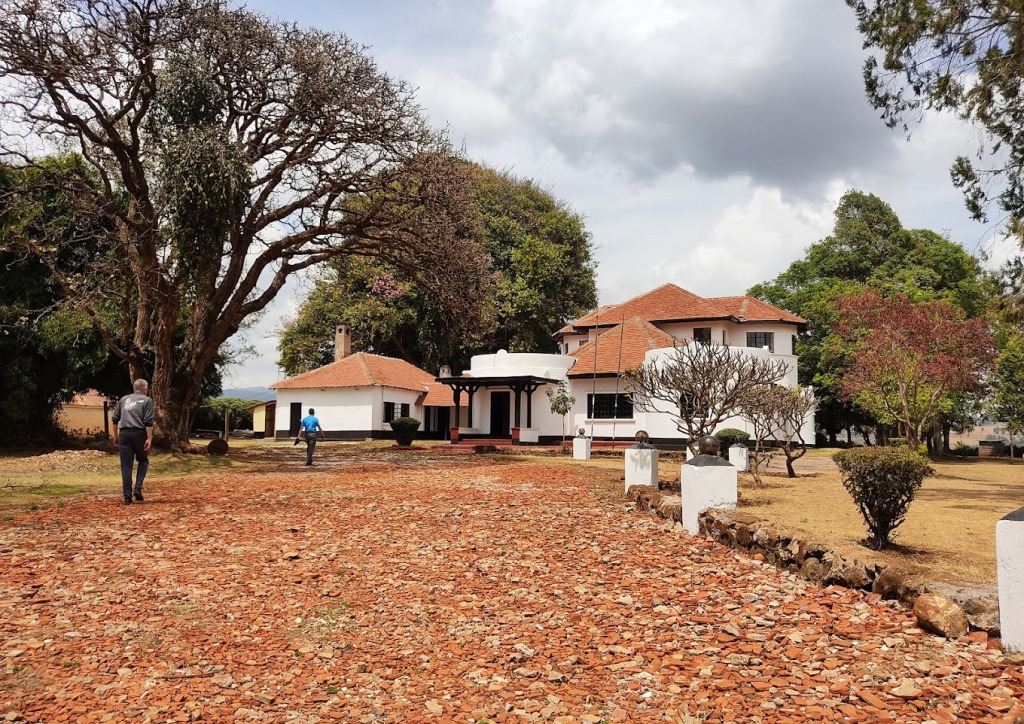
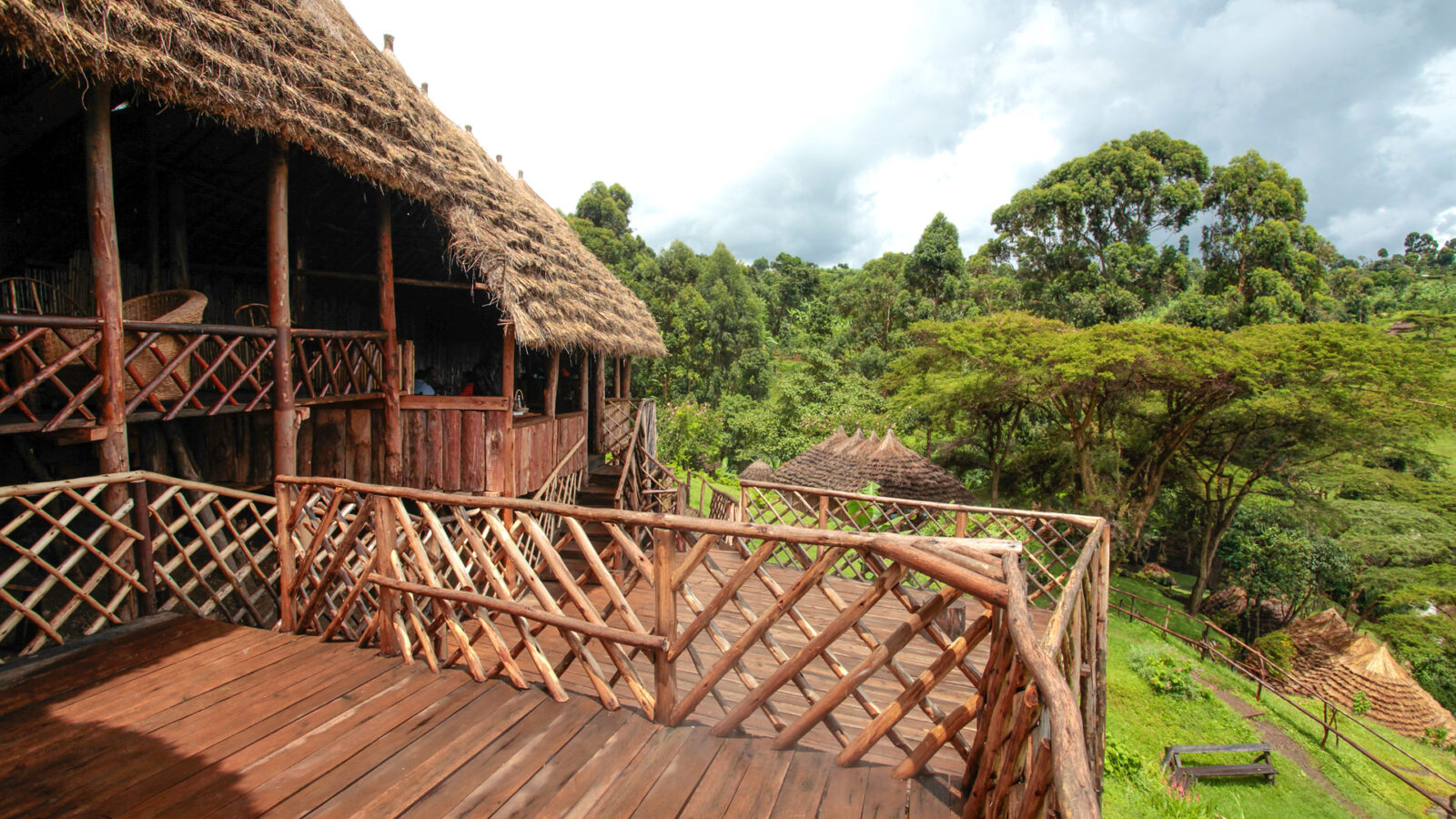
Luxury lodges around Mount Elgon are characterized by a fusion of contemporary design and local aesthetics. Structures often feature thatched roofs reminiscent of traditional Ugandan architecture, combined with modern interiors that include king-sized beds, ensuite bathrooms, and climate control systems. Open-plan designs allow natural light to permeate living spaces, while terraces and balconies provide uninterrupted views of the mountains and valleys below.

The design philosophy is not merely about aesthetics—it serves a functional purpose as well. Elevated foundations protect against humidity, large windows facilitate ventilation, and outdoor seating areas encourage interaction with the surrounding flora and fauna. The result is a lodging experience that feels both exclusive and integrally connected to nature.

Amenities and Guest Services

Luxury lodges offer a wide range of amenities to enhance the visitor experience. Gourmet restaurants serve locally sourced ingredients, often incorporating traditional Ugandan flavors into international cuisine. Spa services, wellness programs, and meditation spaces allow guests to unwind after strenuous hikes or adventurous excursions.

Many lodges provide personalized services such as private guides, tailor-made trekking itineraries, birdwatching tours, and cultural immersion programs. Wi-Fi, private transport, and concierge services ensure that guests enjoy modern conveniences without compromising the sense of escape that defines the Mount Elgon experience.Luxury Lodges around Mount Elgon National Park
Experiential Opportunities at Luxury Lodges

Trekking and Hiking Excursions

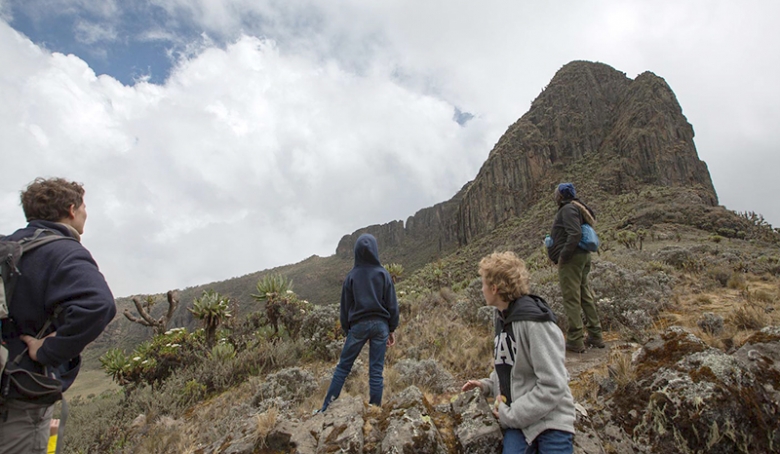
Staying at a luxury lodge does not mean compromising on adventure. Guests have easy access to Mount Elgon’s diverse trekking routes, including the Sasa, Sipi, Piswa, and Suam trails. Lodges often arrange for expert guides who accompany visitors, providing insights into flora, fauna, and local culture while ensuring safety and comfort.

Hikes can vary in difficulty and duration, allowing guests to tailor their experiences. Day treks to Sipi Falls or moderate climbs to the caldera rim provide rewarding views without demanding multi-day expeditions. For those seeking a summit experience, multi-day climbs can be arranged with full logistical support from the lodge, including porters, meals, and camping equipment, ensuring that adventure is paired with convenience and luxury.

Wildlife Observation and Birdwatching

The rich biodiversity of Mount Elgon National Park is readily accessible from lodge grounds and surrounding trails. Guests can observe forest elephants visiting cave salt deposits, primates foraging in bamboo belts, and a wide array of bird species including lammergeyers, turacos, and sunbirds. Guided birdwatching excursions allow enthusiasts to identify rare and endemic species while learning about ecological interactions and conservation efforts.

Luxury lodges often provide hides, elevated viewing platforms, and expert guides to enhance observation experiences, ensuring that wildlife encounters are intimate, ethical, and educational. The combination of comfort and proximity to nature creates opportunities for both photography and reflection, fostering a deeper connection to the park’s ecological wealth.

Waterfall and Cave Exploration

Proximity to natural attractions such as Sipi Falls and Kitum Cave adds another dimension to the luxury lodge experience. Day trips to these sites can be arranged with private guides, allowing visitors to explore cascading waterfalls, hidden grottos, and volcanic caves while enjoying the convenience of lodge-arranged transport and support services.

The lodges enhance these excursions by providing meals, picnic setups, and resting points, ensuring that exploration is enjoyable without logistical stress. Visitors can immerse themselves fully in the natural wonders of Mount Elgon, knowing that comfort and care await at the lodge at day’s end.

Cultural Engagement and Community Tourism

Luxury lodges around Mount Elgon increasingly integrate community tourism experiences, providing guests with insights into local life. Visitors may participate in coffee farm tours, craft workshops, or traditional ceremonies under the guidance of community leaders. These experiences enrich the stay, transforming it from mere luxury accommodation into a holistic cultural and ecological journey.

Such engagements also ensure that tourism revenue benefits local populations, supporting livelihoods, education, and conservation initiatives. For luxury travelers, this integration offers a meaningful layer to their visit, blending exclusivity with ethical and immersive experiences.

Sustainability and Eco-Luxury

Environmentally Responsible Practices

Many lodges around Mount Elgon prioritize sustainable and eco-friendly practices, recognizing that the preservation of biodiversity and natural landscapes is essential to maintaining the region’s appeal. Solar power, rainwater harvesting, energy-efficient construction, and waste management systems are increasingly standard features.

This approach not only reduces ecological footprints but also enhances guest experiences. Guests can appreciate the harmony between modern luxury and environmental stewardship, witnessing firsthand how comfort and responsibility coexist seamlessly.

Community Integration and Conservation

Sustainability in luxury lodges extends beyond the environment. Community partnerships ensure that lodges contribute to local development, whether through employment, capacity building, or support for schools and health programs. Guests benefit from interactions with knowledgeable local staff, cultural immersion, and the knowledge that their stay supports conservation and social initiatives.

Planning Your Stay at a Luxury Lodge

Selecting the Right Lodge

Choosing a lodge requires consideration of location, amenities, and experiences offered. Proximity to preferred trails, waterfalls, and villages should align with individual interests. For wildlife enthusiasts, lodges near bamboo forests and moorlands provide better chances of observing endemic species. Those prioritizing cultural engagement may prefer lodges with strong community tourism links.

Timing and Seasonal Considerations

The dry seasons from June to August and December to February are optimal for hiking, wildlife observation, and cultural events. Lodges remain fully operational, offering outdoor experiences and clear views of Mount Elgon’s peaks and valleys. The rainy seasons, while presenting challenges for road travel and trekking, reveal lush landscapes and dramatic waterfalls, offering a different but equally spectacular perspective.

Booking and Packages

Luxury lodges often provide comprehensive packages including accommodation, guided treks, meals, and cultural excursions. Booking in advance is recommended, particularly during peak seasons or for specialized experiences such as summit treks or multi-day wildlife tours. Selecting a lodge with integrated packages ensures that visitors enjoy convenience, safety, and a seamless luxury experience throughout their stay.

The Appeal of Luxury Amidst Adventure

Luxury lodges around Mount Elgon redefine the idea of wilderness accommodation. They combine comfort, privacy, and world-class service with direct access to one of Uganda’s most captivating natural landscapes. Guests enjoy panoramic views, fine dining, and spa treatments while remaining fully immersed in adventure, culture, and ecology.

This balance allows for a travel experience that is restorative, educational, and thrilling, catering to individuals, couples, families, and groups seeking an exclusive and personalized journey. For photographers, naturalists, and adventurers, luxury lodges provide both a base for exploration and a sanctuary for reflection.

Experiencing Mount Elgon in Style

The luxury lodges around Mount Elgon National Park are more than accommodations; they are gateways to immersive exploration, cultural connection, and ecological appreciation. With panoramic vistas, eco-conscious design, curated excursions, and integration with local communities, these lodges offer an experience where comfort and wilderness coexist in harmony.

For travelers wishing to explore Mount Elgon in style while enjoying safety, convenience, and unparalleled natural beauty, it is strongly recommended to book tours and lodge stays through WildHorn Africa. With expertise in crafting tailor-made safaris and mountain adventures, WildHorn Africa ensures that every stay becomes a luxurious, meaningful, and unforgettable journey, leaving guests inspired, relaxed, and deeply connected to the heart of Uganda.
Affordable Hiking Tours in Mount Elgon National Park

Affordable Hiking Tours in Mount Elgon National Park

By Travel stories and blogs, Adventure holidays, Uganda travel guides

Affordable Hiking Tours in Mount Elgon National Park

Trekking Adventure Without Breaking the Bank

In the far eastern reaches of Uganda, where the land rises dramatically into volcanic slopes and clouds drift lazily across towering peaks, stands the magnificent Mount Elgon National Park. This sprawling wilderness of rugged landscapes, tumbling waterfalls, mysterious caves, and unique wildlife has long been a beacon for adventurers seeking to step off the beaten path. Yet, unlike many of Africa’s high-altitude trekking destinations that come with hefty costs, Mount Elgon remains one of the continent’s most affordable hiking treasures.

For travelers who dream of conquering volcanic peaks, exploring vast calderas, and immersing themselves in vibrant cultures without straining their finances, Mount Elgon offers the perfect balance. Here, affordability does not mean compromise. The mountain provides the same sense of challenge, wonder, and accomplishment found in more expensive trekking destinations, yet it does so with a rare accessibility that makes it possible for a broader range of travelers.

This article explores in detail the world of affordable hiking tours in Mount Elgon National Park. From the beauty of its landscapes and the diversity of its wildlife to the cultural encounters and practical tips for budget-friendly travel, it paints a vivid picture of why Mount Elgon is not only a hidden gem but also a destination where adventure and affordability harmoniously converge.

The Allure of Mount Elgon: A Less-Traveled Jewel

An Ancient Giant with a Gentle Personality

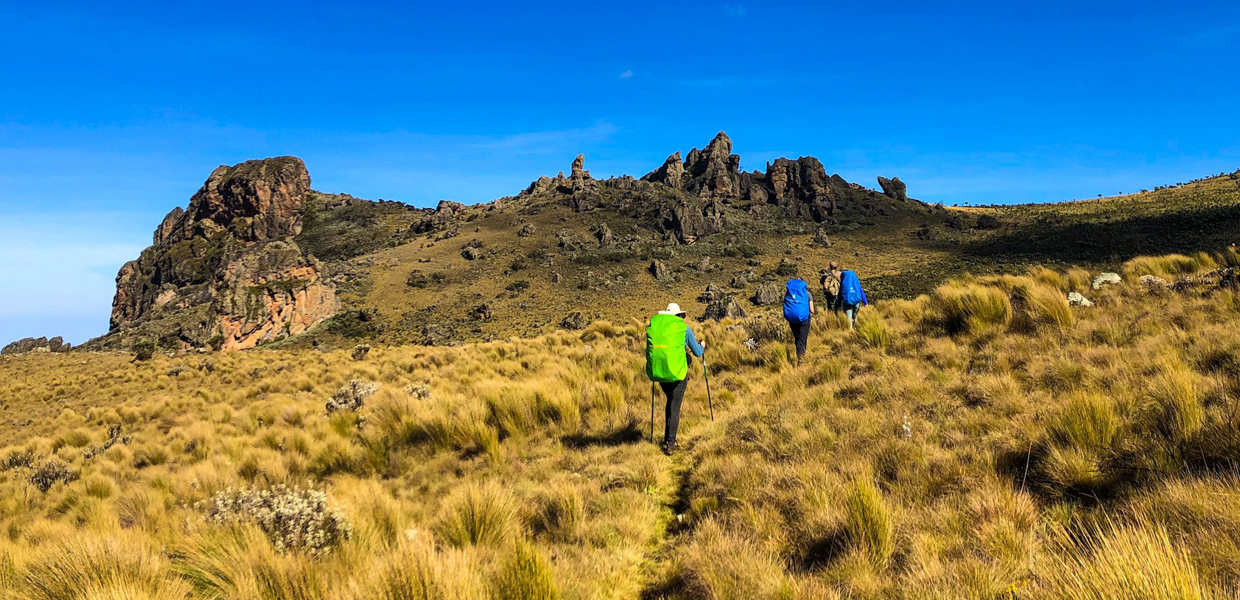
Mount Elgon is an extinct shield volcano that once soared higher than Kilimanjaro but has, over millennia, eroded into a vast yet gentle massif. Its slopes rise gradually, making it more accessible to hikers of varying fitness levels compared to the steep ascents of other African mountains. The highlight of the park is the world’s largest volcanic caldera, measuring over 60 kilometers in diameter. Its scale is overwhelming, a reminder of nature’s immense power, yet its trails invite exploration rather than intimidation.

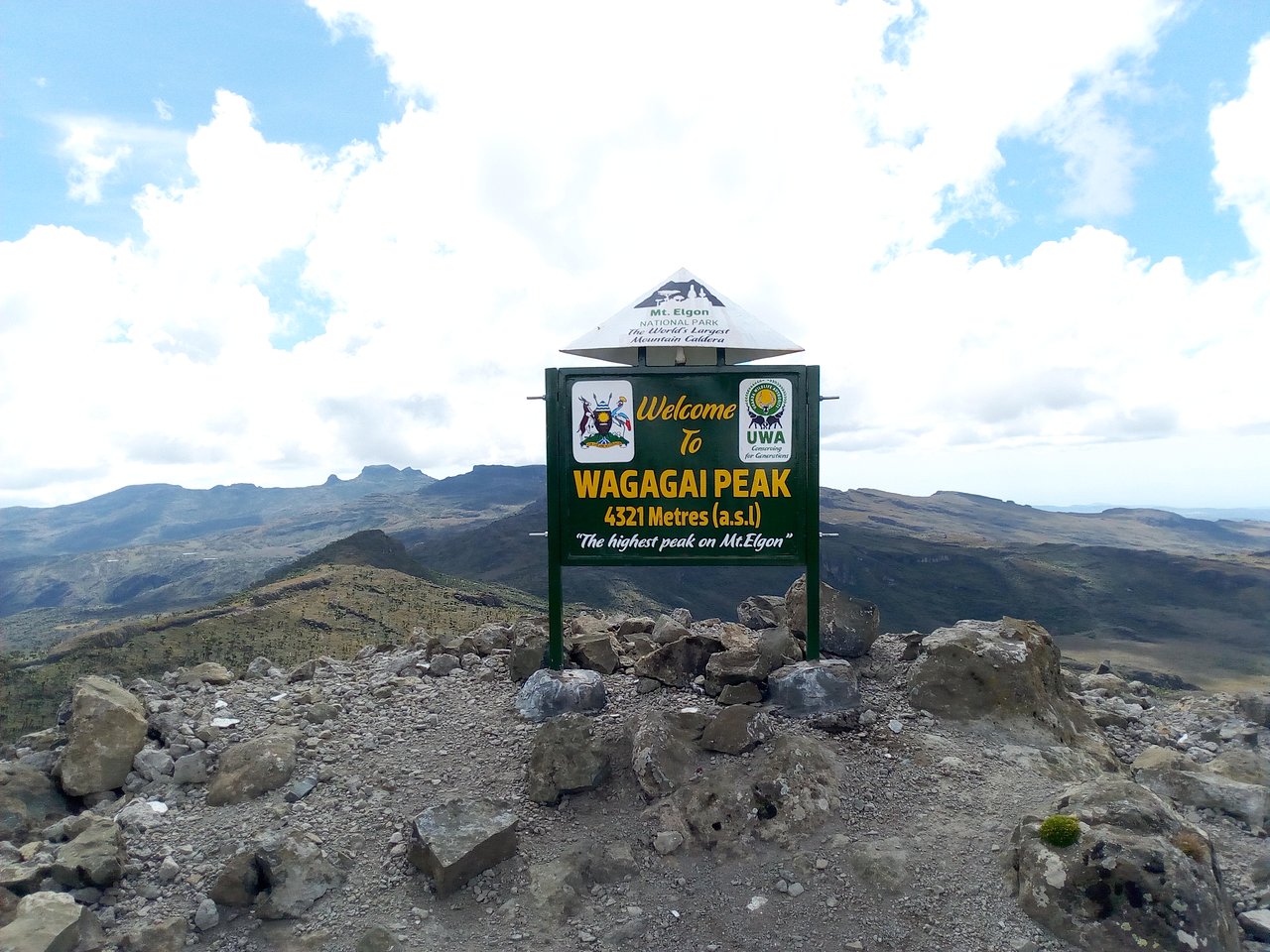
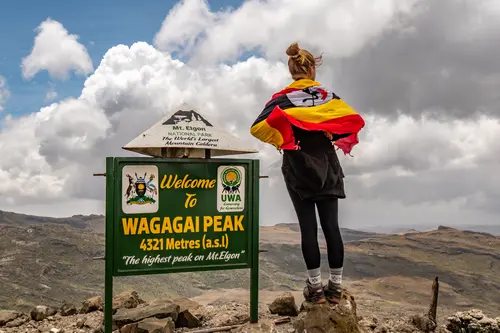
While the challenge of summiting Wagagai Peak at 4,321 meters remains real, the gradual inclines allow hikers to immerse themselves in the journey without the exhausting extremes common to steeper mountains. This characteristic is part of what makes Mount Elgon such an affordable trekking option, as climbers do not require expensive technical gear or specialist climbing equipment.

Rich Ecosystems Across Elevation Zones

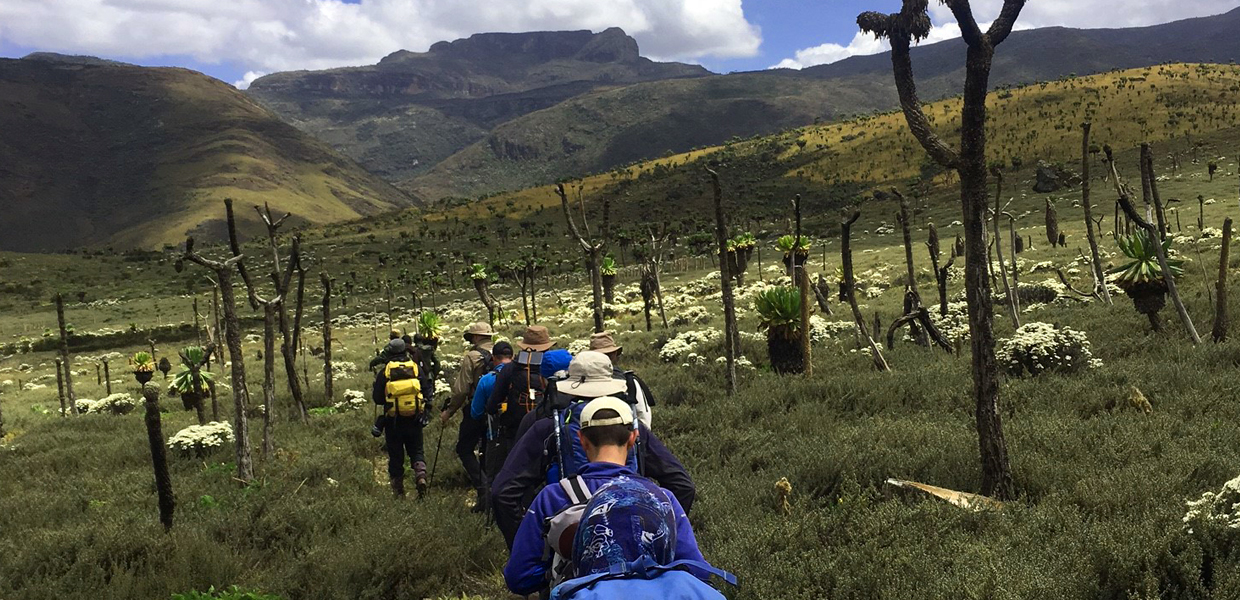
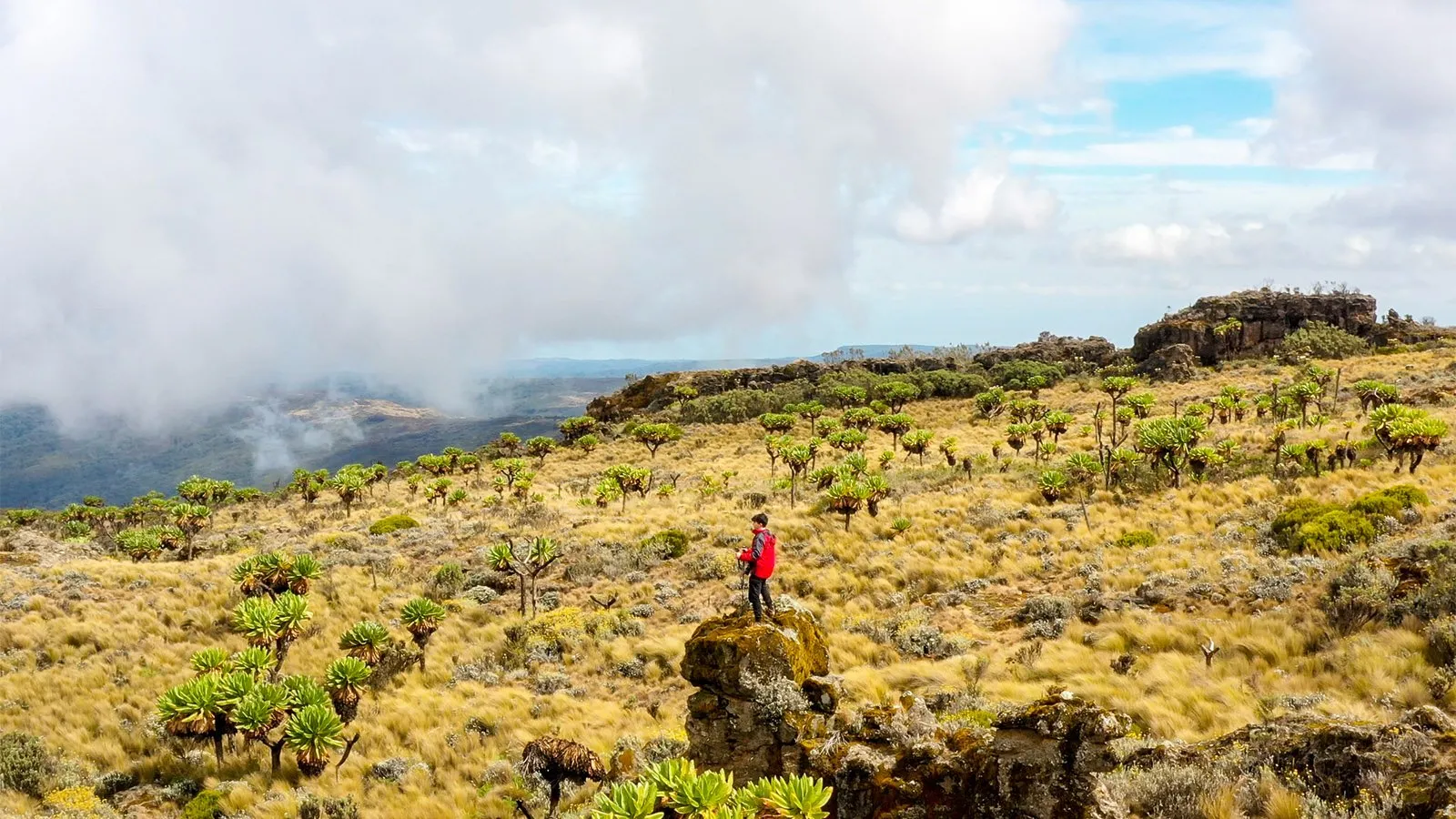
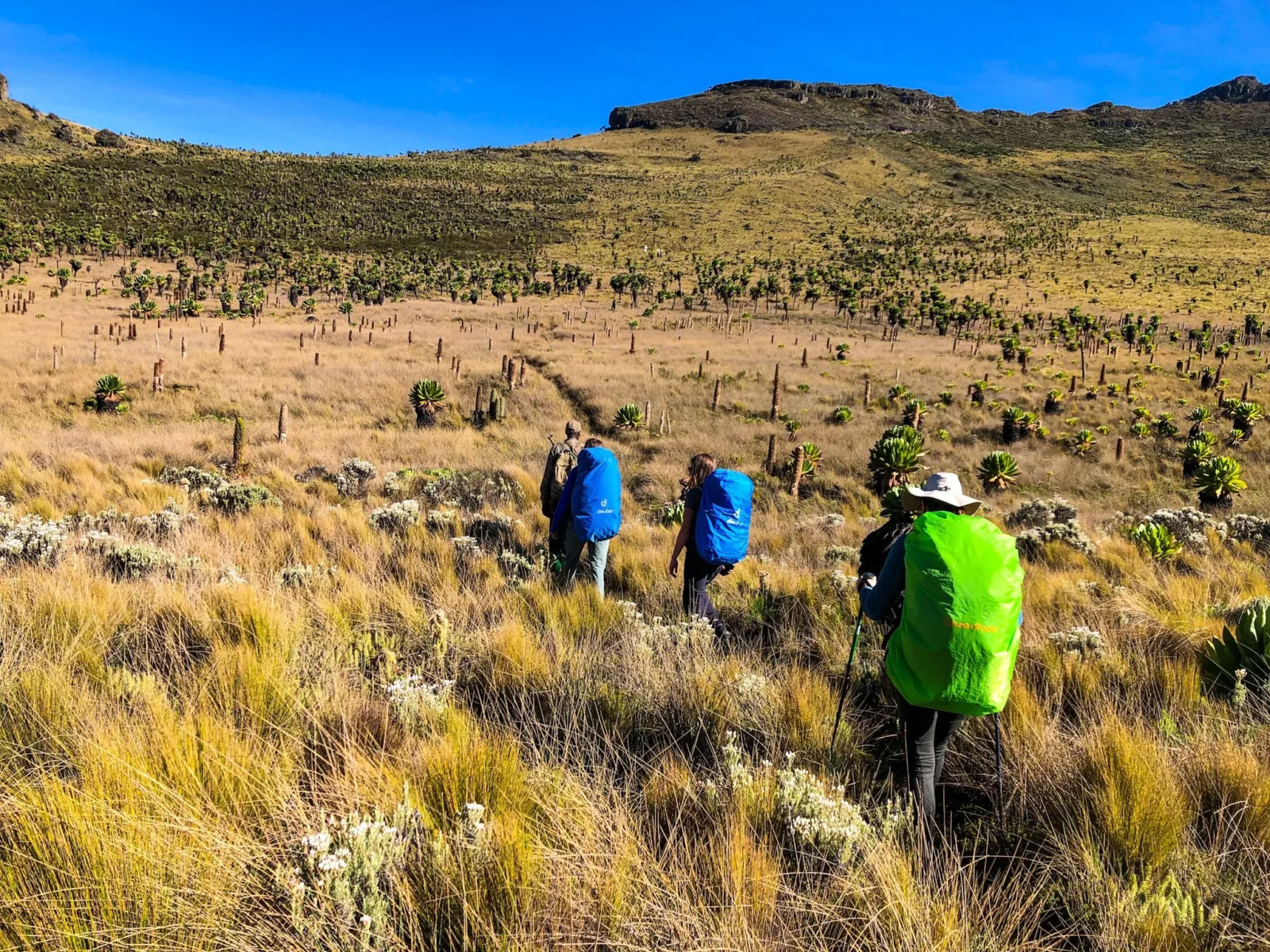
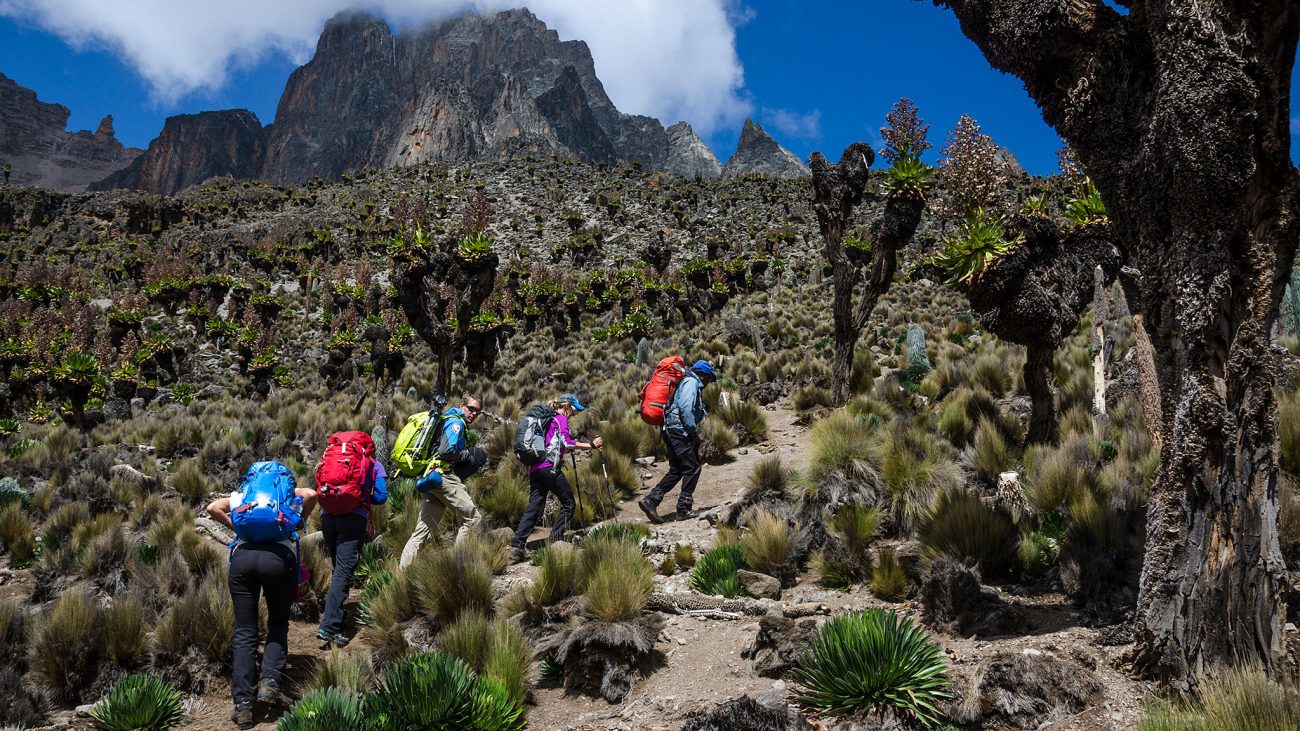
As hikers ascend Mount Elgon, they pass through distinct vegetation zones, each offering unique photographic and experiential opportunities. Lush montane forests cloak the lower slopes, alive with monkeys, birds, and butterflies. Higher up, bamboo belts sway in the wind, leading to moorlands where giant lobelias and groundsels dominate the horizon. The diversity of flora and fauna ensures that every section of the hike feels like entering a new world.

For budget-conscious travelers, the ecological variety means that even shorter treks can feel complete and rewarding. A two-day hike through forests and caves may offer as much fulfillment as a five-day summit attempt, making the park accessible to both those with time and those with limited resources.

Why Mount Elgon Is a Budget-Friendly Hiking Destination

Lower Permit and Entry Fees

Compared to Uganda’s gorilla trekking permits or the climbing fees for Kilimanjaro, the costs associated with Mount Elgon National Park are remarkably modest. Park entry fees are significantly lower, and hiking permits, which include the services of guides and rangers, are priced with affordability in mind. This structure allows both international visitors and local travelers to engage with the mountain without financial strain.

Because of its relative obscurity compared to world-famous peaks, Mount Elgon has avoided the inflated pricing driven by high demand. The affordability of permits makes it an attractive choice for students, backpackers, or travelers seeking longer adventures without exhausting their savings.

Simplified Logistics

Hiking in Mount Elgon does not require chartered flights, expensive climbing gear, or extensive acclimatization schedules. The mountain’s accessibility from Kampala and Jinja, combined with reliable road transport to Mbale and Kapchorwa, means that travelers spend less on logistics. Even accommodation near the park offers choices for every budget, from campsites to modest lodges, without sacrificing comfort or experience.

Moreover, the absence of obligatory porters, though they remain available for those who wish to hire them, reduces costs considerably. Independent travelers carrying their own supplies can enjoy full treks while keeping expenses minimal.

Flexible Trekking Routes

The park provides multiple trekking routes—Sasa, Sipi, Piswa, and Suam—each offering different durations and levels of difficulty. This flexibility allows travelers to tailor experiences to their budget. A shorter route, such as the Sipi or Piswa trail, reduces costs related to guides, food, and accommodation, while still showcasing the mountain’s beauty. Longer expeditions, though slightly costlier, remain significantly cheaper than equivalent treks in other East African mountains.Affordable Hiking Tours in Mount Elgon National Park

Affordable Hiking Experiences Within the Park

Exploring the Sipi Falls Corridor

The Sipi Falls, located on the park’s western edge, is a must-see for every visitor. This series of three cascading waterfalls not only provides dramatic photography opportunities but also offers budget-friendly hiking circuits. Short half-day or full-day treks around the falls introduce travelers to local farming communities, coffee plantations, and viewpoints that stretch across the Karamoja plains.

For those who cannot commit to multi-day mountain hikes, Sipi Falls becomes an affordable alternative that delivers breathtaking experiences at minimal cost. The combination of scenery, culture, and accessibility makes it an essential part of Mount Elgon’s affordability narrative.

Caves and Cultural Encounters

The park’s caves, such as Kitum and Kapkwai, hold both geological intrigue and cultural significance. Historically used by elephants mining salt, these caves also functioned as shelter for local communities. Guided tours into the caves are relatively inexpensive and provide opportunities for visitors to explore a side of Mount Elgon that combines wildlife behavior with human heritage.

Adding cultural encounters with the Bagisu and Sabiny people further enriches the hiking experience. Participation in or observation of the Imbalu circumcision ceremonies or learning about traditional farming practices creates meaningful interactions without significant expense. These cultural dimensions turn affordable tours into holistic adventures.

Wildlife on a Budget

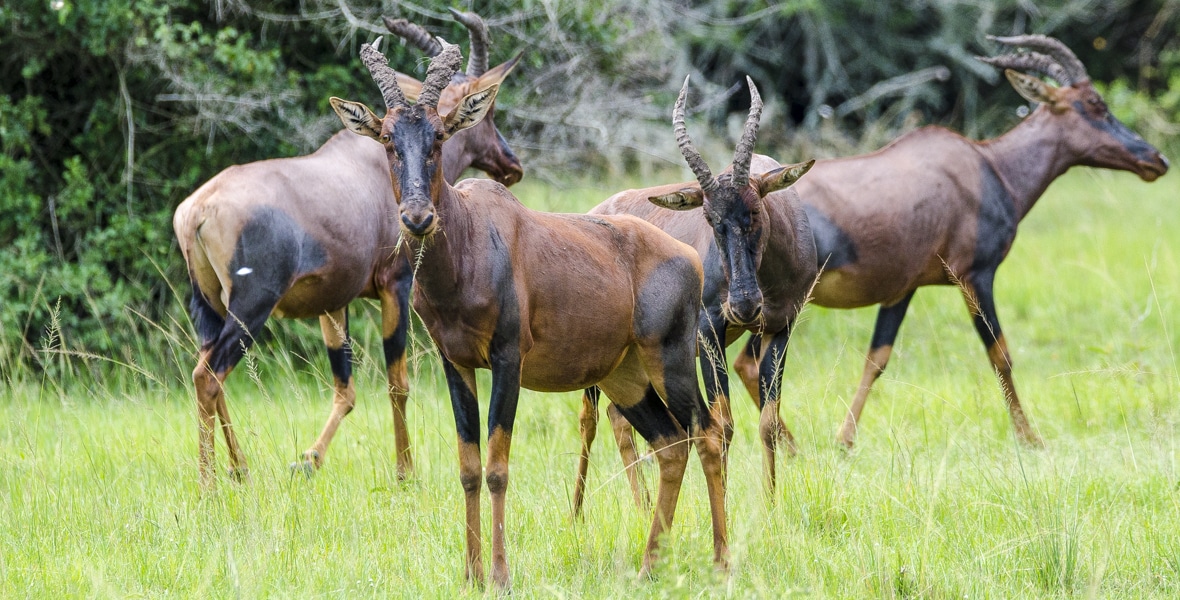
While Mount Elgon does not boast the dense concentrations of large mammals found in savannah parks, it is home to unique wildlife encounters that remain accessible on modest tours. Forest monkeys, antelope, and a variety of birds, including the endangered lammergeyer, can be spotted on guided walks. Because treks do not require costly safari vehicles, wildlife viewing in Mount Elgon is among the most economical ways to engage with Uganda’s natural heritage.

Balancing Affordability with Adventure

The Value of Simplicity

One of the great strengths of hiking Mount Elgon lies in its simplicity. Affordable tours emphasize experiences that strip away unnecessary luxury, allowing travelers to reconnect with nature directly. Nights under the stars, meals prepared at campsites, and the rhythm of walking day after day create a sense of intimacy with the mountain that money cannot buy.

The affordability of Mount Elgon’s tours is not a matter of compromise but rather a reflection of the mountain’s essence—welcoming, generous, and grounded. In fact, many travelers leave with the realization that simplicity enhances rather than diminishes the adventure.

Comparisons with Other Mountains

When compared to trekking destinations like the Rwenzori or Kilimanjaro, Mount Elgon stands out not only for affordability but also for accessibility. Climbers seeking challenging technical routes may gravitate toward the Rwenzori, but those desiring both achievement and economy find Mount Elgon the more balanced option. The absence of crowds enhances the sense of solitude, ensuring that photographs, memories, and encounters feel uniquely personal.

Practical Tips for Affordable Hiking in Mount Elgon

Choosing the Right Season

The dry seasons from June to August and December to February offer the most reliable weather, reducing logistical challenges and costs associated with delays. However, hiking in the rainy seasons, though more demanding, can sometimes lower accommodation expenses and provides lush, photogenic scenery.

Accommodation Options

From campsites inside the park to budget lodges near Kapkwai and Sipi Falls, there is no shortage of affordable places to stay. Many accommodations partner with local guides and offer packages that reduce costs while ensuring a seamless hiking experience.

Supporting Local Communities

Hiring local guides, purchasing food from community markets, and joining cultural tours not only enrich experiences but also ensure that money circulates within the region. This community-based tourism model keeps costs reasonable for visitors while strengthening local economies.

Adventure Within Reach

Mount Elgon National Park offers one of the most affordable hiking adventures in East Africa, a rare opportunity to experience world-class trekking, stunning waterfalls, mysterious caves, and rich cultural encounters without the heavy costs often associated with such journeys. Its landscapes invite exploration, its communities share their traditions openly, and its affordability ensures that no traveler is excluded from its wonders.

For those who dream of scaling volcanic peaks, wandering through lush forests, or simply standing in awe before Africa’s largest caldera, Mount Elgon proves that adventure does not need to come with prohibitive expense. Affordability here is not about limitation; it is about accessibility, inclusivity, and authenticity.

To make the most of these experiences, it is recommended that travelers book their Uganda tours and safaris through WildHorn Africa, a trusted specialist in crafting journeys that balance affordability with quality. With their expertise, every step on Mount Elgon becomes not only possible but profoundly rewarding.

How to Get to Mount Elgon National Park

How to Get to Mount Elgon National Park

By Travel stories and blogs, Adventure holidays, Uganda travel guides

How to Get to Mount Elgon National Park

The Journey Toward Uganda’s Forgotten Giant

In the eastern reaches of Uganda, where rolling plains rise gradually into cloud-cloaked peaks, the Mount Elgon National Park waits as a vast wilderness that is both ancient and mysterious. Its slopes, carved by time and softened by vegetation, stand as the remnants of a once colossal volcano that shaped the very landscapes of East Africa. Within its boundaries lie gorges, waterfalls, caves, and the largest volcanic caldera in the world, drawing explorers from around the globe who seek both adventure and serenity. Yet for all its grandeur, one of the most pressing questions for any traveler remains the same: how does one actually reach Mount Elgon National Park?

Unlike destinations with direct airports or train stations at their doorstep, reaching Mount Elgon requires a journey that is as much part of the adventure as the hiking itself. It is a path that takes travelers across Uganda’s heartland, from bustling urban centers and fertile agricultural belts to the foothills where coffee farms thrive and local cultures express their unique traditions. To travel toward Mount Elgon is to embark on a transition—not just geographically, but also mentally—as the rhythm of life slows and the natural world begins to take center stage.

This article provides a deeply detailed and structured explanation of the different ways to reach Mount Elgon, weaving together the logistics, geography, and experiences encountered along the way. Whether traveling by road, air, or crossing from neighboring Kenya, the journey is demystified, showing how each route offers its own rewards and challenges.

The Geographical Context of Mount Elgon

Before examining the routes themselves, it is essential to understand where Mount Elgon lies and why its location shapes the way travelers must approach it. Straddling the Uganda-Kenya border, Mount Elgon is a vast massif covering over 4,000 square kilometers. The Ugandan portion of the national park is centered near the towns of Mbale and Kapchorwa, both of which serve as gateways for visitors entering the park.

From Kampala, Uganda’s capital city, Mount Elgon lies to the east, approximately 230 kilometers away in direct distance, though the journey by road extends this due to winding routes and terrain. This location, while remote, is one of its greatest charms, for reaching it allows travelers to see parts of Uganda often missed by those who focus solely on famous destinations like Bwindi or Queen Elizabeth National Park.

The Primary Gateway: From Kampala to Mbale

Road Travel as the Main Route

The most common and practical way to reach Mount Elgon National Park is by road from Kampala to Mbale, the nearest major town to the park. The journey is approximately 230–250 kilometers, depending on the route taken, and typically requires between four and six hours of driving. The road journey is both straightforward and rewarding, offering views of the countryside, bustling roadside markets, and river crossings.

Departing Kampala, the route passes through Jinja, a vibrant town on the shores of Lake Victoria, often celebrated as the adventure capital of East Africa. Here, the Nile River makes its first steps northward, and many travelers pause to witness the river’s source before continuing east. Beyond Jinja, the road winds through Iganga and Tororo, towns that reflect the agricultural productivity of Uganda’s eastern corridor. Fields of sugarcane, maize, and bananas stretch endlessly, punctuated by small villages that embody Uganda’s rural charm.

The tarmac road connecting Kampala to Mbale is generally well-maintained, though sections can be congested, particularly near trading centers. Public transport options such as buses and matatus (shared minivans) operate daily, making the journey affordable for budget travelers. Private cars or organized tour vehicles offer more comfort and flexibility, allowing stops along the way for photography, meals, or sightseeing.

The Mbale Hub

Upon arrival in Mbale, travelers find a town that balances urban life with proximity to nature. Mbale is a logistical hub, offering accommodation, restaurants, and markets where supplies can be purchased before venturing deeper toward the park. It is also culturally vibrant, being the heartland of the Bagisu people, whose traditional Imbalu ceremonies draw interest from both locals and visitors.

From Mbale, the park’s entrances—particularly Kapkwai and Budadiri—are easily accessible by short drives. Kapkwai, near Kapchorwa, provides access to the Sipi and Kapkwai trailheads, while Budadiri serves as the starting point for the Sasa Trail, the shortest but steepest route to the caldera.

Alternative Routes Through Jinja and Beyond

The Scenic Kampala–Jinja–Mbale Route

While the Kampala–Mbale road is the standard option, those with time can transform the journey into an extended adventure by spending time in Jinja. Just two hours from Kampala, Jinja offers white-water rafting, bungee jumping, and river cruises. Incorporating Jinja into the journey not only breaks up the drive but also enriches the experience with one of Uganda’s most iconic river settings.

Travelers may also choose to stop in smaller towns like Iganga or Tororo, where roadside food stalls serve roasted maize, chapatti, and local delicacies. These stops provide authentic glimpses into everyday Ugandan life, making the road trip more than just a transfer.

Access from Kenya: The Cross-Border Routes

Because Mount Elgon straddles two countries, it is also possible to reach the park from Kenya, though most visitors choose the Ugandan side for its accessibility and better-developed infrastructure. From Nairobi, travelers can head northwest toward Kitale and enter Mount Elgon National Park through the Kenyan side. However, this approach is less common due to longer travel times and limited tourism facilities compared to Uganda.

For travelers already exploring western Kenya, cross-border entry provides a unique option. Border crossings such as Malaba or Busia allow smooth entry into Uganda, after which Mbale is reached within a few hours. These routes appeal particularly to overland travelers moving across East Africa who wish to integrate both Kenya and Uganda into their itineraries.How to Get to Mount Elgon National Park

Air Travel: Limited but Possible Options

Unlike destinations such as Bwindi or Kidepo that boast nearby airstrips, Mount Elgon does not have a direct commercial airport. However, air travel remains an option for those seeking to reduce road time. The nearest functional airstrips include Soroti and Tororo, both of which can be accessed through chartered flights from Entebbe or Kajjansi.

From Soroti or Tororo, the remaining journey to Mbale or Kapchorwa must still be completed by road, but the total travel time is reduced considerably. While chartered flights are more costly than road transport, they can be worthwhile for groups or travelers on tight schedules. For most visitors, however, the affordability and cultural richness of the road journey make it the preferred method.

Local Transport Options

Travel within the eastern region of Uganda is facilitated by a variety of local transport methods. Public buses and matatus provide the cheapest options, operating regularly between Kampala, Jinja, Mbale, and Kapchorwa. These journeys, while crowded, offer authentic experiences where one shares space with local farmers, traders, and families.

For greater flexibility, boda bodas (motorcycle taxis) are commonly used for shorter distances, especially from towns like Mbale to park gates such as Budadiri. However, for comfort and safety, many visitors opt to organize travel through registered tour companies or private drivers who are familiar with the terrain and capable of coordinating stops at attractions along the way.

The Journey Within: Moving Between Park Entrances

Mount Elgon National Park features multiple entrance gates—Budadiri, Kapkwai, Sipi, Piswa, and Suam—each linked to different trails and experiences. Reaching these entrances requires navigating rural roads that may be unpaved and rough, particularly during the rainy season. Four-wheel drive vehicles are recommended, though smaller cars can access some points in drier months.

The choice of entrance often depends on the trekking route selected. The Sasa Trail, starting at Budadiri, provides a direct but steep ascent, while the Sipi Trail offers a more gradual climb beginning near Sipi Falls. The Piswa Trail, accessible from Kapchorwa, is longer but less strenuous, providing excellent views of the Karamoja plains. Understanding these variations helps travelers plan not only their routes but also the transport arrangements needed to reach specific trailheads.

The Cultural Dimension of the Journey

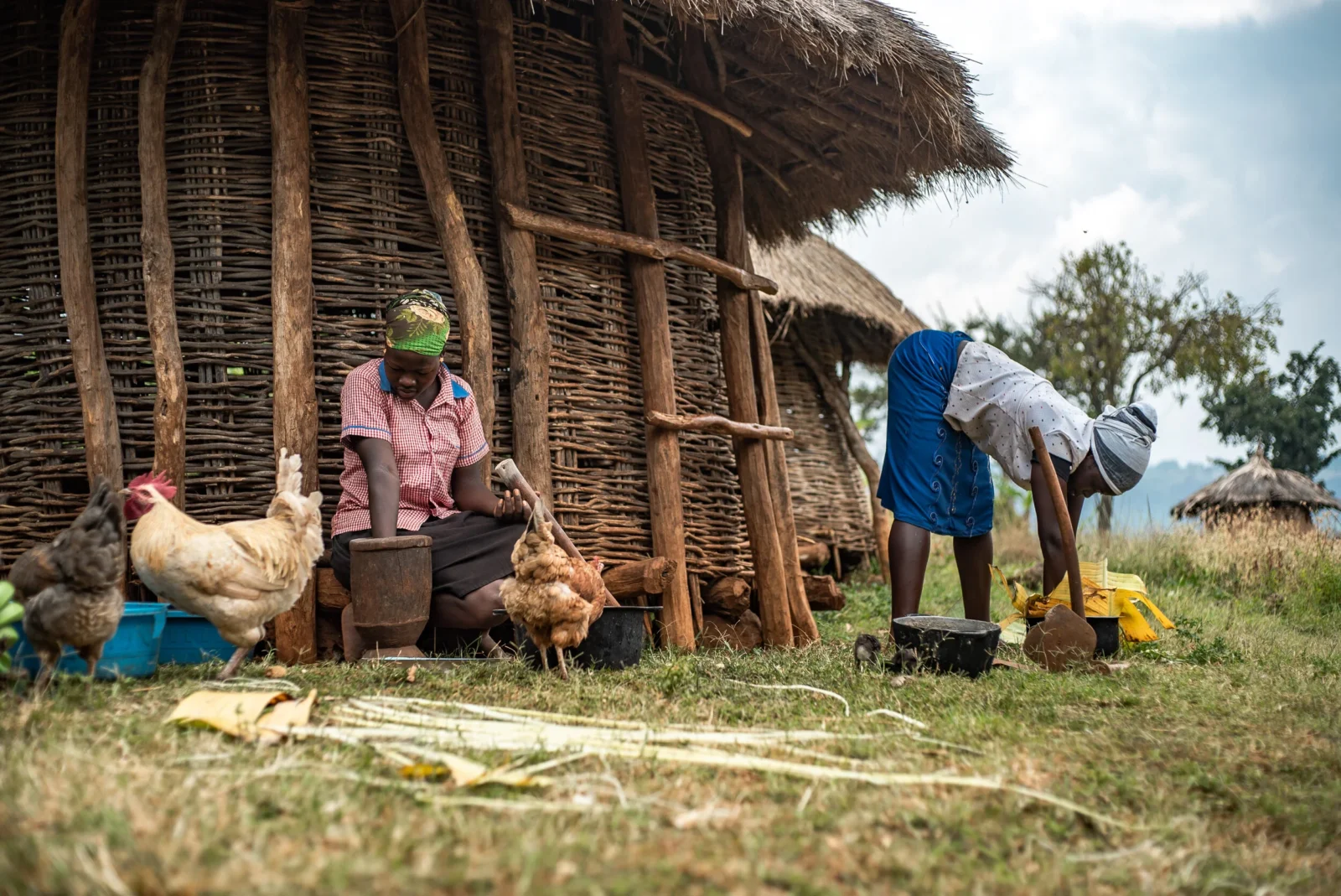
Traveling toward Mount Elgon is not simply a logistical matter but also a cultural immersion. Along the way, travelers encounter the vibrant Bagisu and Sabiny communities, whose traditions and hospitality enrich the journey. Local markets buzz with life, offering roasted plantains, groundnuts, and steaming cups of coffee grown on the very slopes one is heading to explore.

Stopping to engage with communities en route transforms the journey from a transfer into an integral part of the experience. Photography opportunities abound, from roadside scenes to sweeping landscapes of plantations and rolling hills. The journey thus becomes a narrative, where each segment tells part of the story of reaching the mountain.

Challenges of Reaching Mount Elgon

While access to Mount Elgon is relatively straightforward compared to remote parks like Kidepo, challenges remain. Road conditions can deteriorate in the rainy season, leading to longer travel times and occasional delays. Public transport, though affordable, lacks comfort and reliability, sometimes resulting in missed connections or extended waits.

Yet these challenges also highlight the authenticity of the journey. Unlike overdeveloped destinations where travel feels sterilized, the process of reaching Mount Elgon retains an adventurous spirit. Patience and flexibility become allies, ensuring that the challenges are embraced as part of the overall experience rather than seen as obstacles.

The Path as Part of the Adventure

Reaching Mount Elgon National Park is not simply about arriving at a destination; it is about embracing a journey that transitions travelers from Uganda’s vibrant cities to the serene highlands of one of Africa’s oldest volcanoes. Whether by road from Kampala, crossing from Kenya, or chartering flights to nearby airstrips, the process is imbued with landscapes, cultures, and stories that shape the adventure even before the first step on a trail.

For those seeking both clarity and confidence in planning, it is highly recommended to book their Uganda tours and safaris through WildHorn Africa, a trusted specialist in curating seamless experiences. With expert logistical planning, cultural insights, and a passion for authentic adventure, WildHorn Africa ensures that reaching Mount Elgon becomes not just a matter of transport but a meaningful part of the trekking journey itself.

Best Time to Climb Mount Elgon in Uganda

Best Time to Climb Mount Elgon in Uganda

By Travel stories and blogs, Adventure holidays, Uganda travel guides

Best Time to Climb Mount Elgon in Uganda

The Ancient Giant of Uganda

In the eastern reaches of Uganda, on the border with Kenya, rises a mountain so ancient that time itself has softened its rugged edges into gentle slopes and wide moorlands. This is Mount Elgon, a dormant volcanic giant whose massive caldera remains among the largest in the world. Though less celebrated than Kilimanjaro or Mount Kenya, Mount Elgon offers one of the most captivating trekking experiences in East Africa, blending dramatic landscapes, rich biodiversity, and deep cultural significance.

Climbing Mount Elgon is not merely a physical endeavor but an immersion into a world where forests echo with birdsong, waterfalls tumble through hidden valleys, and alpine plants bloom against the backdrop of the highlands. Yet the mountain’s rewards can only be fully appreciated when it is climbed at the right time. Seasons shape every moment on Elgon, determining the conditions of the trails, the flow of waterfalls, the richness of vegetation, and even the comfort of evenings spent at camp.

Understanding the best time to climb Mount Elgon is essential for those who wish to maximize the beauty and minimize the challenges of this trek. The mountain does not reveal itself in the same way throughout the year, and timing a climb well can mean the difference between slippery trails cloaked in mist and clear skies that reveal sweeping views across Uganda and into Kenya.

The Geography and Climate of Mount Elgon

To appreciate why timing is so critical, one must first understand the mountain’s geography and climate. Mount Elgon rises to 4,321 meters above sea level at Wagagai Peak, yet its base spreads across more than 80 kilometers in diameter, making it one of the widest standalone mountains on the continent. Its location near the equator ensures a generally mild climate, but the mountain’s altitude and vast size create significant microclimates.

Rainfall is abundant throughout the year, sustaining lush montane forests, bamboo belts, and moorlands alive with giant lobelias and groundsels. However, rainfall is not evenly distributed. Two primary wet seasons dominate the year: March to May and October to December. During these months, trails become muddier, rivers swell, and daily rains are common, often arriving in the afternoon. The dry seasons, from June to August and December to February, offer more stable weather, clearer skies, and drier trails, though cold temperatures at higher altitudes persist throughout the year.

The interplay between altitude and rainfall produces a spectrum of experiences. Lower slopes remain green and fertile year-round, while higher zones may be more exposed, with fluctuating temperatures and sudden showers even in the dry season. It is this variability that makes the choice of climbing season so critical to a successful and enjoyable trek.

Uganda’s Seasons: A Framework for Climbers

Uganda’s equatorial location ensures a consistent rhythm of rainy and dry periods rather than dramatic shifts between hot and cold. This rhythm dictates the ease of climbing Mount Elgon and the type of experience one can expect.

The long rainy season, stretching from March through May, is characterized by heavy downpours that often occur in the afternoons and evenings. Rivers and waterfalls swell, forests become saturated with life, and trails grow slippery. While the scenery is vibrant and lush, trekking is physically demanding during these months.

The short dry season, typically from June through August, brings more stable conditions. Rain is less frequent, skies are clearer, and trails are more manageable. This is one of the most favorable windows for climbing Mount Elgon.

The short rainy season, from October to December, mirrors the long rains but with slightly less intensity. Showers are frequent, yet interspersed with clear skies. For those who do not mind occasional rain, this period offers fewer crowds and equally rich landscapes.

Finally, the long dry season, from December to February, is arguably the best time to climb the mountain. Days are sunnier, evenings are crisp, and the reduced rainfall ensures better conditions for both trekking and camping.Best Time to Climb Mount Elgon in Uganda

The Long Rainy Season: March to May

Climbing Mount Elgon during the long rainy season is a test of resilience. The mountain receives some of its heaviest rainfall during these months, often in the form of powerful afternoon storms. The trails become muddy, streams swell into rivers, and the challenge of hiking is compounded by slippery conditions.

Yet there are rewards. The waterfalls of Mount Elgon, including the famous Sipi Falls near its foothills, are at their most dramatic, tumbling with immense power from the cliffs. Vegetation flourishes, forests are alive with vibrant green foliage, and birdlife is abundant. For those who seek solitude, this season also ensures fewer trekkers, granting a sense of exclusivity on the trails.

However, the risks must be considered carefully. Campgrounds may become waterlogged, gear must be meticulously waterproofed, and daily progress is often slowed by conditions underfoot. For experienced trekkers who value solitude and the raw force of nature, this season holds appeal, but for most, it is not the most practical choice.

The Short Dry Season: June to August

By June, the rains subside, ushering in one of the most favorable times to climb Mount Elgon. The short dry season is characterized by clearer skies, reduced rainfall, and more comfortable trekking conditions. Trails dry out, making ascents less strenuous, while rivers and streams return to manageable levels.

This period is ideal for those who wish to capture sweeping views from the caldera rim, as visibility is often excellent. The cool nights at higher altitudes remain a constant, but the drier weather ensures that campsites are more comfortable and less prone to flooding. The balance between accessibility and natural beauty makes this one of the most popular times for climbers.

Wildlife sightings are also more common, as animals such as duikers, monkeys, and forest hogs are more easily observed along the trails. Birdwatchers delight in the presence of over 300 bird species, many of which are active during this season.

The Short Rainy Season: October to December

The return of the rains in October signals the start of the short rainy season, a period of renewed growth and vitality across Mount Elgon. Though less intense than the long rains, this season still brings challenges for climbers. Afternoon showers are frequent, trails can again become muddy, and the risk of slippery descents increases.

Yet this season has its own charm. The waterfalls regain strength, the landscape grows lush and vibrant, and the cultural communities around the mountain prepare for harvest festivals and rituals. Trekkers who do not mind occasional discomfort are rewarded with fewer crowds and the chance to witness Mount Elgon at its most fertile.

One must, however, prepare diligently. Waterproof gear is essential, and flexibility in scheduling is required to accommodate weather delays. For those seeking an immersive experience of Elgon’s natural abundance, this season holds undeniable allure.

The Long Dry Season: December to February

The long dry season is widely regarded as the best time to climb Mount Elgon. During these months, rainfall is minimal, skies are reliably clear, and conditions across the trails are favorable. The mountain reveals itself in its most accessible form, allowing trekkers to fully appreciate its geological grandeur and ecological diversity.

Climbers who ascend during this season enjoy uninterrupted views from Wagagai Peak, where horizons stretch across Uganda and into Kenya. The caldera is easier to explore, and side attractions such as caves, hot springs, and valleys are more accessible.

Evenings at camp are cold but dry, a welcome contrast to the dampness of the rainy months. Wildlife encounters are frequent, and the cultural experiences in the foothill communities are enhanced by the festive atmosphere that often accompanies the New Year period.

For first-time climbers, this is the recommended season, offering the best balance of comfort, accessibility, and scenic reward.

Other Factors Influencing the Best Time to Climb

While Uganda’s seasons provide the primary framework, other factors also influence the best time to climb Mount Elgon.

Altitude plays a crucial role. Even in the dry season, higher altitudes remain unpredictable, with sudden showers, mist, and cold winds. Nights at elevations above 3,000 meters are consistently cold, regardless of the month.

Trail selection also matters. Routes such as the Sasa Trail involve steeper ascents that become treacherous in wet conditions, while the more gradual Sipi and Piswa trails are manageable even with occasional rain. Climbers must therefore consider both season and route when planning.

Personal preference further shapes the decision. Some may prioritize clear skies and comfort, making the long dry season ideal. Others may seek solitude, lush vegetation, or powerful waterfalls, leading them to the rainy seasons despite the challenges.

Month-by-Month Breakdown

A closer look at each month provides a more precise understanding of what to expect:

January and February mark the heart of the long dry season. These months are the most favorable for climbing, with reliable weather, excellent visibility, and comfortable trail conditions.

March, April, and May bring the heaviest rains. Trails are muddy, but waterfalls are spectacular, and the landscape is at its greenest. These months are best suited for adventurous trekkers seeking solitude.

June, July, and August offer a respite from the rains. Conditions are stable, skies are clear, and climbing is enjoyable. This is the second-best window after December–February.

September often begins dry but transitions into wetter conditions by the end of the month, requiring flexibility for those planning climbs.

October, November, and December bring the short rains. Conditions are variable, but the landscape is vibrant. December often transitions back into the dry season, making late December a favorable time.

The Rewards of Perfect Timing

When climbed in the right season, Mount Elgon reveals its full majesty. Trails lead smoothly through montane forests alive with colobus monkeys, into bamboo zones echoing with bird calls, and onward to moorlands adorned with giant lobelias. The caldera’s vastness stretches endlessly, a silent reminder of the mountain’s volcanic past.

Perfect timing allows trekkers to enjoy these wonders without the frustrations of waterlogged gear, impassable paths, or obscured views. It enhances the cultural experience as well, with communities more accessible and festivals more frequent during dry months. Above all, it allows the climber to focus not on the struggle against weather but on the profound beauty of the journey itself.

Choosing the Right Season for Mount Elgon

Mount Elgon is more than a climb; it is a living landscape where geology, ecology, and culture converge in breathtaking harmony. To walk its trails is to step into an ancient story, one that has been unfolding for millions of years. Yet this story is best read at the right moment, when the mountain opens itself fully to those who seek its summit.

For most climbers, the long dry season from December to February offers the most favorable conditions, while the short dry season from June to August provides an excellent alternative. These periods combine clear skies, stable trails, and cultural vibrancy, ensuring that every step on Elgon is as rewarding as the summit itself.

For those ready to embark on this unforgettable journey, it is recommended to book tours and safaris through WildHorn Africa, a trusted guide to Uganda’s treasures. With their expertise, every climb is transformed into a seamless adventure, filled with discovery, reflection, and memories that endure long after the descent.

Mount Elgon vs Rwenzori: Which Trekking Adventure to Choose?

Mount Elgon vs Rwenzori: Which Trekking Adventure to Choose?

By Travel stories and blogs, Adventure holidays, Uganda travel guides

Mount Elgon vs Rwenzori: Which Trekking Adventure to Choose?

The Call of Uganda’s Mountains

Uganda, often celebrated as the “Pearl of Africa,” is a land where mountains rise majestically over lush valleys, lakes glisten under equatorial sunshine, and wildlife roams in unspoiled habitats. Among its most dramatic natural wonders stand Mount Elgon in the east and the Rwenzori Mountains in the west. Both present world-class trekking opportunities, each offering unique landscapes, ecosystems, and cultural encounters. For adventurers planning their next great climb, the question often arises: Mount Elgon or Rwenzori—which trekking adventure should be chosen?

To answer this, one must go beyond the surface and explore the deeper contrasts. Mount Elgon, with its ancient volcanic caldera, promises a gentler trek filled with biodiversity and cultural immersion. The Rwenzori Mountains, also known as the “Mountains of the Moon,” challenge trekkers with rugged alpine climbs, glaciers, and dramatic peaks. Both are UNESCO-listed treasures and both embody the essence of Uganda’s natural splendor, yet they differ in character, difficulty, and experience.

This guide delves into the landscapes, climate, wildlife, culture, trekking routes, and practical considerations of each mountain, offering a rich and structured comparison to help travelers decide which journey calls most strongly to their spirit.

Understanding the Geographic Context

Mount Elgon: The Ancient Volcano of the East

Rising on Uganda’s eastern frontier with Kenya, Mount Elgon is an extinct volcano estimated to be over 24 million years old, making it one of Africa’s oldest highland formations. Once towering higher than Kilimanjaro, erosion has softened its profile, but its immense size remains unmatched—its caldera, stretching over 60 kilometers in diameter, is the largest in the world. The Ugandan side of Mount Elgon lies within Mount Elgon National Park, a sanctuary of forests, caves, waterfalls, and moorlands.

Rwenzori Mountains: The Glaciated Giants of the West

In contrast, the Rwenzori Mountains straddle the border between Uganda and the Democratic Republic of Congo. Unlike Mount Elgon, these are not volcanic in origin but were formed through tectonic uplift. Their peaks, capped with snow and glaciers despite lying near the equator, reach extraordinary heights. Mount Stanley, the highest of the Rwenzori peaks, rises to 5,109 meters, making it Africa’s third-highest mountain after Kilimanjaro and Mount Kenya. Protected as Rwenzori Mountains National Park, this UNESCO World Heritage Site is renowned for its glaciers, alpine meadows, and extraordinary plant life that seems transported from a prehistoric era.

Landscape and Scenery

The Allure of Mount Elgon’s Gentle Slopes

Mount Elgon’s landscape is defined by its caldera, vast moorlands, and cascading waterfalls. Its slopes are carpeted with montane forests, home to bamboo thickets, olive trees, and dense vegetation where primates swing between branches. Ascending higher, the scenery transforms into heath and moorland zones, adorned with giant groundsels and lobelias. At the caldera rim, trekkers are rewarded with panoramic views across Uganda and Kenya, a reminder of the mountain’s once fiery geological past.

The highlight of Mount Elgon is not just reaching a peak but the journey through its diverse habitats. With multiple waterfalls such as Sipi Falls on its foothills, caves formed by lava flows, and vast highland plains, the mountain offers a scenic variety unmatched by many ranges.

The Dramatic Drama of the Rwenzori Range

The Rwenzori landscape is altogether more dramatic. As one ascends, dense tropical rainforests give way to mist-covered bamboo forests, moss-laden heather zones, and finally to surreal alpine meadows filled with giant groundsels and lobelias rising like sentinels. Above these zones lies the ultimate prize: the glaciated peaks of Mount Stanley, Mount Speke, and Mount Baker, their snowfields gleaming under the equatorial sun.

Unlike Elgon’s gentler slopes, the Rwenzoris are steep and rugged, with deep valleys carved by glacial streams. Their atmosphere is otherworldly—often shrouded in mist, with looming cliffs and frozen lakes creating a sense of remote wilderness that feels untouched by time.

Climate and Trekking Seasons

Mount Elgon’s Temperate Climates

Due to its relatively lower altitude, Mount Elgon experiences a milder climate compared to the Rwenzoris. Temperatures on the slopes average between 15°C and 23°C, with nights cooling significantly at higher elevations. Rainfall is distributed across the year, though the dry seasons from June to August and December to February offer the best trekking conditions. Trails remain navigable, and the surrounding landscapes, whether verdant or sunlit, enhance the trekking experience.Mount Elgon vs Rwenzori: Which Trekking Adventure to Choose?

Rwenzori’s Harsh but Rewarding Conditions

Trekking the Rwenzoris, however, requires preparation for harsher conditions. Temperatures vary greatly depending on altitude, dropping below freezing at higher elevations where glaciers dominate. Rainfall is frequent, as the range captures moisture from the Congo Basin, creating wet conditions almost year-round. The drier months of June to August and December to February provide more favorable trekking conditions, but trekkers must still be prepared for mud, snow, and fog.

This challenging climate is part of the Rwenzori’s mystique. The struggle against weather and terrain makes the eventual sight of glaciers or peaks deeply rewarding.

Trekking Routes and Difficulty

Trekking Mount Elgon: Accessible and Diverse

Mount Elgon’s treks are considered more accessible, making them ideal for both novice trekkers and seasoned adventurers. Popular routes include the Sasa Trail, which provides a direct though steep ascent, the Sipi Trail, which is longer but more gradual, and the Piswa Trail, known for its scenic views. Treks typically last from three to seven days depending on the route and chosen pace.

The highest point, Wagagai Peak at 4,321 meters, is attainable without technical climbing equipment. The altitude, while significant, rarely induces severe mountain sickness, and the trails are less demanding compared to other African peaks. This makes Mount Elgon particularly appealing to those seeking a rewarding mountain trek without extreme difficulty.

Trekking the Rwenzori: A Test of Endurance

In contrast, the Rwenzori Mountains demand endurance, resilience, and technical ability. The most famous trek, the Central Circuit, takes about seven to nine days, leading climbers through diverse vegetation zones to the peaks. The Kilembe Trail is another route, offering longer treks with scenic variations.

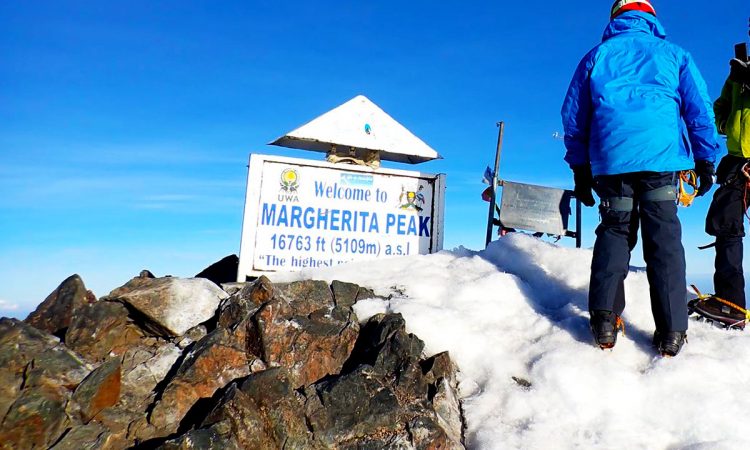
Climbing Mount Stanley’s Margherita Peak requires technical equipment such as ropes, crampons, and ice axes, as trekkers must cross glaciers and navigate steep ascents. The challenges of mud, altitude, and cold add to the difficulty, making the Rwenzori trek suitable only for those with good fitness and determination. Yet, it is precisely these hardships that make the experience legendary.

Wildlife and Biodiversity

Mount Elgon’s Rich Ecosystems

Mount Elgon National Park is a biodiversity hotspot, hosting over 300 bird species, including the endangered lammergeyer. Its forests shelter primates such as colobus monkeys and blue monkeys, while antelopes, forest elephants, and buffaloes roam its slopes. The caves within the park are frequented by elephants mining for salt, a rare behavior that fascinates scientists and visitors alike.

The mountain’s varied vegetation zones, from montane forests to moorlands, sustain an extraordinary array of flora and fauna. For nature enthusiasts, trekking Mount Elgon offers not only mountain views but also abundant encounters with wildlife and birdlife.

Rwenzori’s Unique Alpine Species

The Rwenzori Mountains also boast incredible biodiversity, though adapted to harsher alpine environments. The lower slopes are home to chimpanzees, L’Hoest’s monkeys, and forest elephants, while higher zones showcase the surreal botanical giants for which the range is famous. Plants such as giant lobelias and groundsels create landscapes that resemble prehistoric gardens.

Birdlife thrives here too, with over 200 recorded species, many endemic to the Albertine Rift. The combination of unique flora and fauna with the dramatic terrain makes the Rwenzoris one of the most distinctive ecosystems on the continent.

Cultural Encounters

Mount Elgon’s Bagisu and Sabiny Traditions

The cultural dimension of trekking Mount Elgon is profound. The mountain is home to the Bagisu and Sabiny peoples, whose traditions and lifestyles enrich the trekking experience. The Bagisu, also known as the Bamasaba, are famed for their Imbalu circumcision ceremonies, which symbolize the transition of boys into manhood. Visitors trekking during these ceremonies often witness colorful rituals filled with song, dance, and communal celebration.

Coffee farming also thrives on Elgon’s slopes, with Arabica beans cultivated in fertile volcanic soils. Coffee tours complement trekking, offering insights into agricultural practices and community livelihoods. These cultural immersions deepen the sense of connection between visitors and the mountain’s people.

Rwenzori’s Bakonzo and Their Mountain Heritage

The Rwenzori Mountains are home to the Bakonzo people, who have long held the peaks as sacred. Their traditions, songs, and oral histories reflect a profound connection to the mountains, which are seen as abodes of spirits. Many local guides hail from Bakonzo communities, and their knowledge of the terrain is indispensable for trekkers.

Engaging with the Bakonzo offers not only logistical support but also cultural enrichment, as their stories and practices contextualize the mystical aura of the Rwenzoris.

Accessibility and Logistics

Mount Elgon: Easier to Reach

Mount Elgon’s accessibility is a strong advantage. Located about 235 kilometers from Kampala, Uganda’s capital, it can be reached in roughly five to six hours by road. The town of Mbale serves as a base, with nearby Sipi Falls providing accommodation and pre-trek acclimatization opportunities. Permits and guides can be arranged locally, and the park infrastructure supports trekking with well-maintained trails and campsites.

Rwenzori: Remote but Rewarding

Reaching the Rwenzori Mountains requires a longer journey, about 400 kilometers from Kampala to Kasese or Kilembe, taking roughly eight to ten hours by road. The remoteness adds to the sense of adventure but requires greater planning. Permits, technical equipment, and experienced guides are essential, particularly for those aiming to summit Margherita Peak. Despite the logistical demands, the reward of standing amid the equatorial glaciers is beyond compare.

Choosing Between Mount Elgon and Rwenzori

Deciding between Mount Elgon and the Rwenzori Mountains ultimately depends on personal goals, fitness levels, and desired experiences.

Mount Elgon offers accessibility, moderate trekking difficulty, rich biodiversity, and deep cultural immersion. It suits those who wish to enjoy mountain trekking without extreme physical demands, while still experiencing breathtaking landscapes and wildlife.

The Rwenzori Mountains cater to the adventurous spirit seeking a challenging expedition. With glaciers, high peaks, and otherworldly landscapes, they provide one of the most demanding yet rewarding trekking experiences in Africa. This trek is for those prepared to endure hardships in pursuit of standing on Africa’s third-highest summit.

Two Mountains, One Choice of Spirit

Mount Elgon and the Rwenzori Mountains stand as Uganda’s twin guardians of adventure, each with a unique voice. Elgon whispers with gentleness, inviting trekkers to explore vast calderas, waterfalls, and cultural rhythms. The Rwenzori roars with drama, testing endurance with glaciers and steep ascents in an untamed wilderness.

To choose between them is not merely to select a destination but to align with a personal spirit of adventure. Whether the choice falls upon Elgon’s accessible beauty or Rwenzori’s formidable grandeur, the experience will leave indelible memories of Uganda’s mountains.

For travelers seeking to transform choice into experience, it is recommended to arrange treks through WildHorn Africa, a trusted specialist in African safaris and mountain expeditions. With expert planning, cultural connections, and deep knowledge of Uganda’s landscapes, WildHorn Africa ensures that the journey—whether on Elgon’s slopes or Rwenzori’s peaks—becomes not just a trek but a life-defining adventure.

Naming a Rhino: How Uganda’s Unique Conservation Campaign Inspires Connection

Naming a Rhino: How Uganda’s Unique Conservation Campaign Inspires Connection

By Travel stories and blogs, Safari holidays, Special offers, Uganda travel guides, Wildlife holidays

Naming a Rhino: How Uganda’s Unique Conservation Campaign Inspires Connection

A Call to Protect a Giant

Uganda, often celebrated as the “Pearl of Africa,” is home to incredible biodiversity, from the misty mountains of Bwindi to the savannahs of Murchison Falls. Among its most iconic species is the rhinoceros, a symbol of both strength and vulnerability. Once widespread in the region, rhinos were tragically hunted to local extinction by the early 1980s. Today, through determined conservation efforts, they are making a slow but inspiring comeback.

One innovative initiative spearheaded by the Uganda Wildlife Authority (UWA) is the “Name a Rhino” campaign. This project allows individuals, families, and organizations to participate in rhino conservation by naming one of these majestic animals. At first glance, it might seem like a symbolic gesture, but in reality, it is a powerful tool that fosters personal connection, generates critical funding, and raises awareness globally about rhino protection.

This article explores the story behind the campaign, the journey of rhino conservation in Uganda, and why naming a rhino goes far beyond a simple act of sponsorship—it becomes an investment in the future of one of Africa’s most endangered species.

The History of Rhinos in Uganda

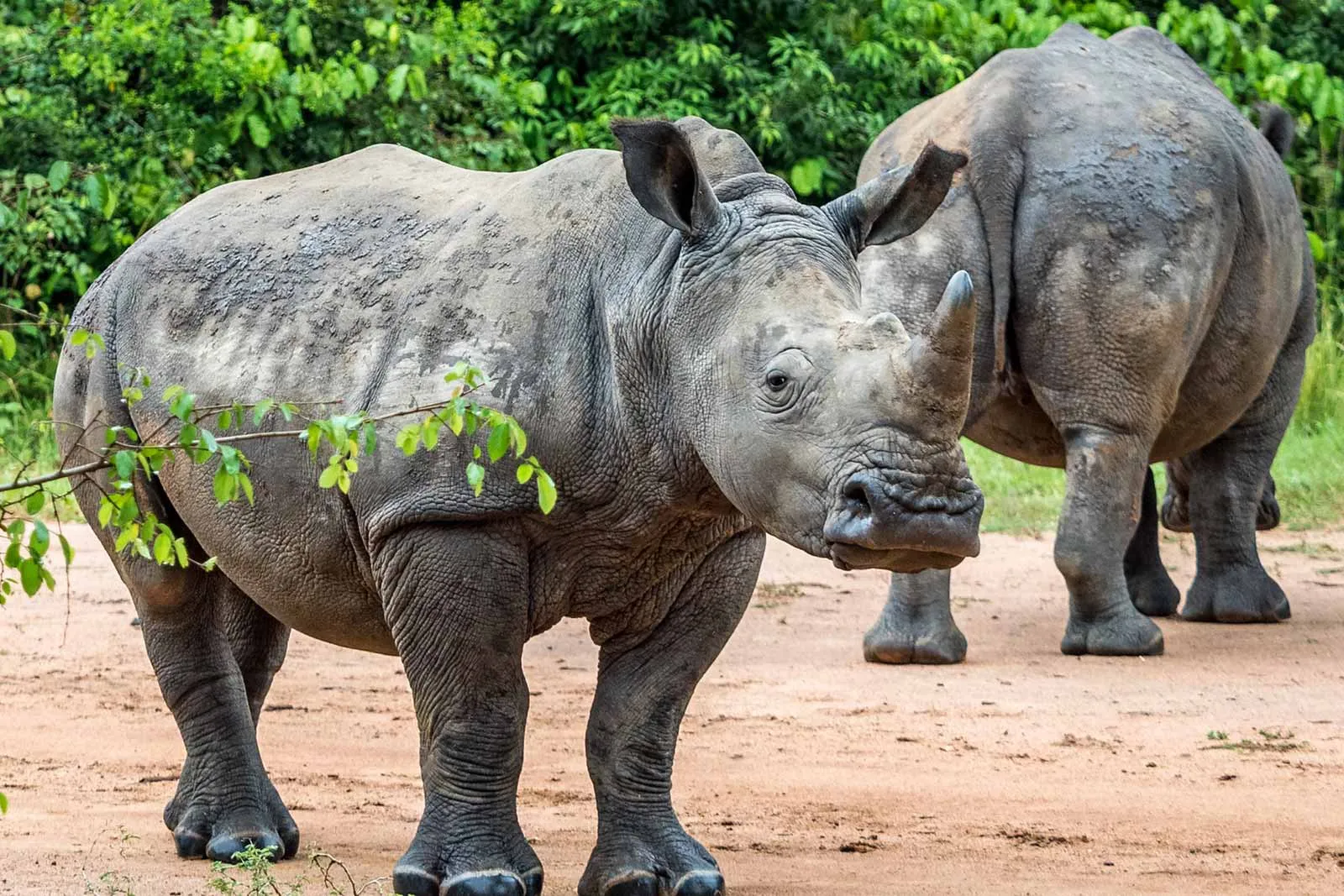
Decades ago, rhinos roamed freely in Uganda’s grasslands and woodlands. Both black and white rhinoceroses thrived in the country’s national parks, playing essential ecological roles as grazers and browsers. However, relentless poaching, fueled by demand for rhino horn, combined with years of political instability, drove these giants to extinction in Uganda by 1983.

The loss was catastrophic not only for Uganda’s ecosystems but also for its cultural and natural heritage. For years, the absence of rhinos was a reminder of how quickly even the most formidable creatures can vanish when human greed outweighs conservation.

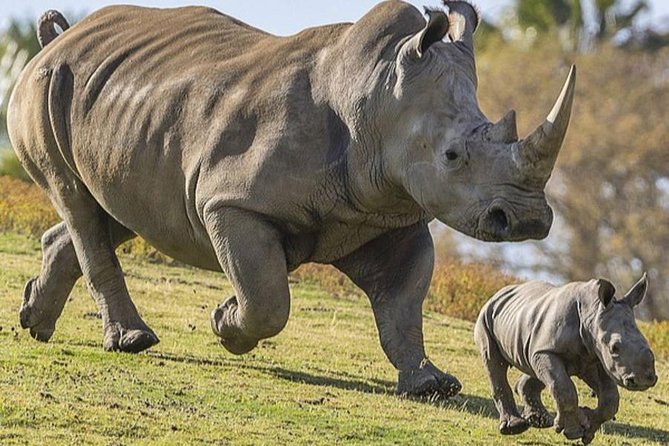
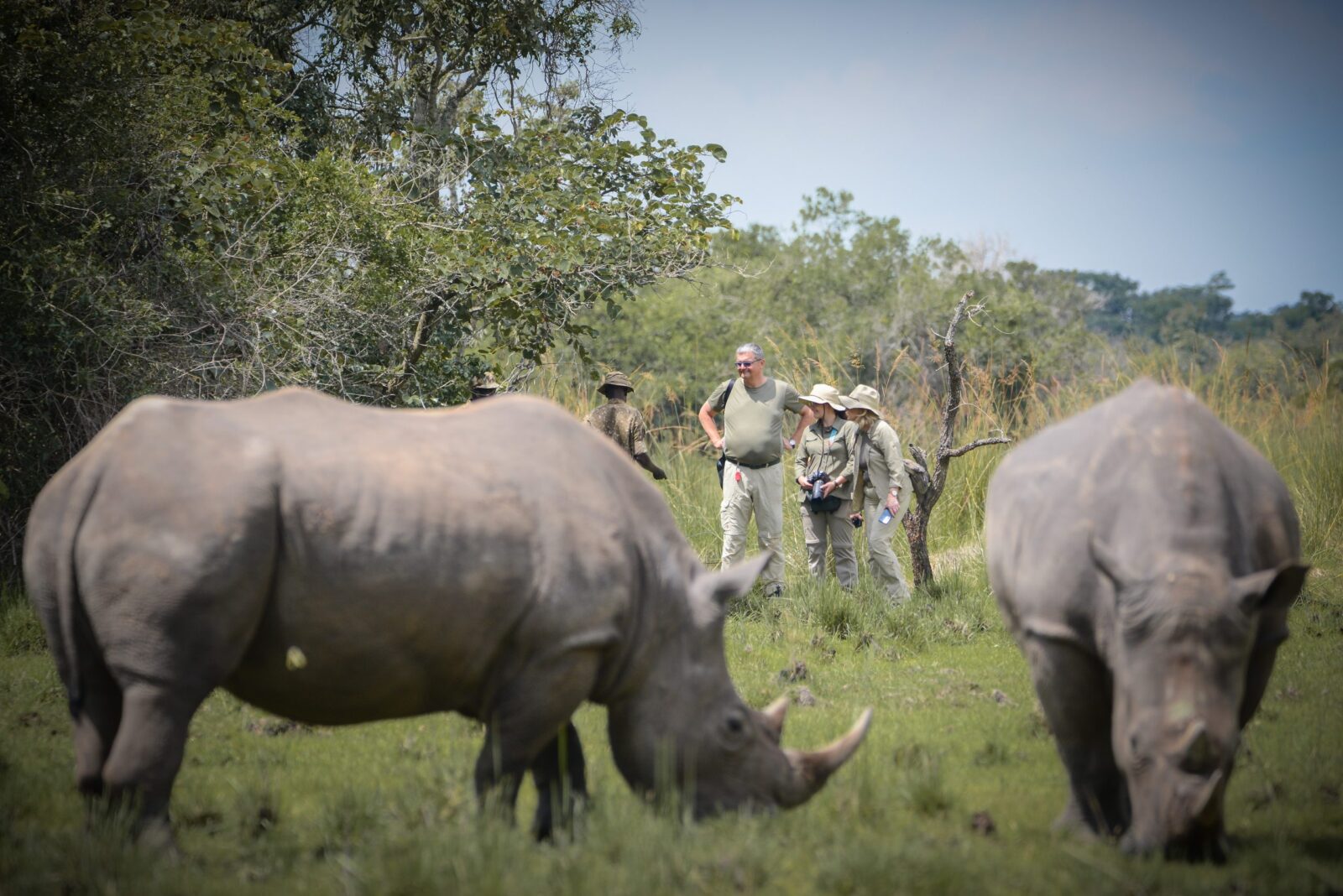
In 2005, a turning point arrived with the establishment of the Ziwa Rhino Sanctuary, a collaborative effort between the Rhino Fund Uganda and UWA. White rhinos from Kenya and the United States were reintroduced, and a breeding program was initiated to restore rhinos to Uganda’s wild. Today, Ziwa has become a beacon of hope, where rhinos once again roam safely, guarded by rangers and protected by communities.

The “Name a Rhino” Campaign: An Overview

The “Name a Rhino” program was designed as a creative fundraising and awareness initiative. By allowing donors to name individual rhinos, the Uganda Wildlife Authority provides an avenue for people to form personal bonds with conservation. Naming creates identity—it transforms an anonymous animal into a known individual with a story, a history, and a legacy.

The funds generated through this campaign are directed toward rhino protection, including ranger salaries, habitat maintenance, veterinary care, anti-poaching patrols, and community outreach programs. In this way, the act of naming becomes a vital contribution to keeping rhinos safe.

Participants also receive updates about the rhino they’ve named, fostering ongoing engagement. It is not a one-time act but rather an enduring connection to Uganda’s conservation story.Naming a Rhino: How Uganda’s Unique Conservation Campaign Inspires Connection

Why Naming Matters: The Psychology of Connection

Conservation campaigns worldwide increasingly recognize the importance of emotional connection. People are more likely to support causes when they feel personally invested. By naming a rhino, a donor forms a symbolic relationship with the animal. It is no longer just one of many rhinos—it is their rhino, with a name that reflects their choice, culture, or inspiration.

This humanization of wildlife can be controversial, but in the context of conservation, it has proven powerful. When donors see photos, updates, or hear about the progress of a rhino carrying the name they chose, they feel pride and responsibility. The rhino’s survival becomes a personal triumph, and its struggles resonate as personal challenges.

The Role of Rhinos in Uganda’s Ecosystems

Beyond symbolism, rhinos play an indispensable ecological role. As mega-herbivores, they act as natural lawnmowers, maintaining grasslands by grazing and preventing overgrowth. Their movements create open areas that benefit smaller herbivores, while their dung provides nutrients that support insect populations, which in turn feed birds and other species.

The return of rhinos to Uganda is not just about saving an individual species—it is about restoring balance to ecosystems that evolved with their presence. By contributing to rhino protection, donors help safeguard entire habitats that countless other species depend on.

Community Involvement and the Wider Impact

Conservation cannot succeed in isolation from communities. The “Name a Rhino” campaign recognizes this by ensuring that revenues also benefit local people. Employment opportunities are created through ranger positions, tourism services, and community projects funded by conservation.

When local communities see tangible benefits from protecting rhinos, they become active guardians rather than bystanders. This approach reduces human-wildlife conflict and strengthens conservation at the grassroots level. Naming campaigns like this therefore extend beyond donors—they ripple outward, improving lives and fostering pride in Uganda’s natural heritage.

Global Participation: Bridging Borders Through Conservation

One of the most striking aspects of the “Name a Rhino” initiative is its ability to bridge borders. A family in Europe, a school in Asia, or a conservation group in North America can all name a rhino in Uganda, creating global stakeholders in its survival.

This international dimension is crucial because poaching and wildlife crime are global problems. Rhino horns are trafficked across continents, driven by markets far from Africa. By engaging the global public through something as personal as naming, Uganda turns distant spectators into partners in conservation.Naming a Rhino: How Uganda’s Unique Conservation Campaign Inspires Connection

The Symbolism of Names

Names carry stories, traditions, and aspirations. Donors often choose names that reflect cultural heritage, honor loved ones, or embody qualities like strength and resilience. In doing so, they add layers of meaning to conservation. Each rhino becomes not only a representative of its species but also a carrier of human narratives.

This symbolic connection can also inspire future generations. Children who grow up knowing their family “named a rhino” may feel a stronger commitment to wildlife conservation, ensuring that the message endures beyond a single generation.

Challenges Facing Rhino Conservation in Uganda

While initiatives like “Name a Rhino” are innovative, challenges remain immense. Poaching continues to be a threat across Africa, driven by international demand. Habitat loss, climate change, and human encroachment also endanger rhino survival.

Maintaining Ziwa Rhino Sanctuary and expanding conservation to national parks requires continuous funding and vigilance. Naming campaigns provide critical support, but long-term success will depend on sustained international cooperation, strict law enforcement, and ongoing education.

The Broader Significance of the Campaign

At its core, the “Name a Rhino” campaign is about more than fundraising. It represents a shift in how conservation is communicated. Instead of presenting wildlife as abstract populations, it emphasizes individuality, connection, and shared responsibility.

It shows that protecting a species is not just the job of rangers or governments—it is something everyone can contribute to. By naming a rhino, donors join a larger movement that transcends borders and fosters global solidarity for endangered species.

Why Naming a Rhino Is Worth It

The story of Uganda’s rhinos is one of resilience, hope, and human determination. From extinction in the 1980s to reintroduction in the 2000s, their return symbolizes what is possible when people unite for conservation. The “Name a Rhino” campaign amplifies this message, giving individuals worldwide the chance to become part of that legacy.

Naming a rhino is not just an act of charity—it is a declaration of connection, a pledge to protect, and a step toward a future where Uganda’s wild landscapes once again thrive with these magnificent animals.

For travelers, conservationists, and families alike, it offers a rare opportunity: to not only witness history but to write themselves into it. By naming a rhino, you are helping secure a future where Uganda’s grasslands echo once more with the footsteps of giants.

Adventure Activities around Sipi Falls and Mount Elgon

Adventure Activities around Sipi Falls and Mount Elgon

By Travel stories and blogs, Adventure holidays, Family holidays, Uganda travel guides

Adventure Activities around Sipi Falls and Mount Elgon

The Thrill of Uganda’s Eastern Highlands

Nestled on the eastern slopes of Mount Elgon, Sipi Falls is one of Uganda’s most captivating natural landscapes, where cascading waterfalls, rolling hills, and lush coffee plantations merge into a scene of breathtaking beauty. The region is not only visually spectacular but also a hub for adventure activities, offering experiences that combine physical challenge, natural immersion, and cultural engagement. For thrill-seekers, nature enthusiasts, and travelers seeking more than passive sightseeing, Sipi Falls and the surrounding Mount Elgon area provide a dynamic playground where adventure, ecology, and culture converge.

From the adrenaline rush of abseiling down waterfalls to the serenity of horseback rides across misty valleys, the eastern slopes of Mount Elgon cater to a wide range of adventurous pursuits. This article provides a comprehensive exploration of the adventure activities available around Sipi Falls and Mount Elgon, detailing the experiences, practical considerations, and the immersive opportunities that make this region one of Uganda’s premier adventure destinations.

Hiking and Trekking: Scaling Mount Elgon’s Slopes

Day Hikes around Sipi Falls

Sipi Falls offers a variety of hiking trails that cater to different levels of fitness and interest. Visitors can explore the three-tiered waterfalls, traversing trails that wind through farmland, forest patches, and coffee plantations. Guided hikes provide insight into the ecological diversity of the area, including endemic plant species, birdlife, and the interactions between cultivated landscapes and natural ecosystems.

These hikes can be structured as short excursions for half a day or as extended treks that cover multiple waterfalls and vantage points. The trails are designed to offer both adventure and accessibility, allowing visitors to experience the region’s dramatic landscapes while learning about its ecological and cultural significance.

Multi-Day Mount Elgon Treks

For those seeking a more challenging experience, multi-day hikes on Mount Elgon allow adventurers to explore the mountain’s full ecological and geographical diversity. Routes such as the Sasa, Piswa, Kapkwai, and Suam Trails provide gradual ascents through montane forests, bamboo belts, and moorlands. Overnight stays in eco-lodges or community campsites enable hikers to experience the mountain’s environment at varying altitudes while participating in conservation and community programs.

These treks are particularly rewarding for observing wildlife, including elephants visiting cave salt deposits, primates in bamboo forests, and endemic bird species. Guides ensure that visitors navigate trails safely while enriching the experience with ecological and cultural knowledge. Multi-day treks are often tailored to individual or group fitness levels, making them accessible to a wide spectrum of adventure seekers.

Waterfall Adventures: Abseiling and Rock Climbing

Adventure Activities around Sipi Falls and Mount ElgonAbseiling Down Sipi Falls

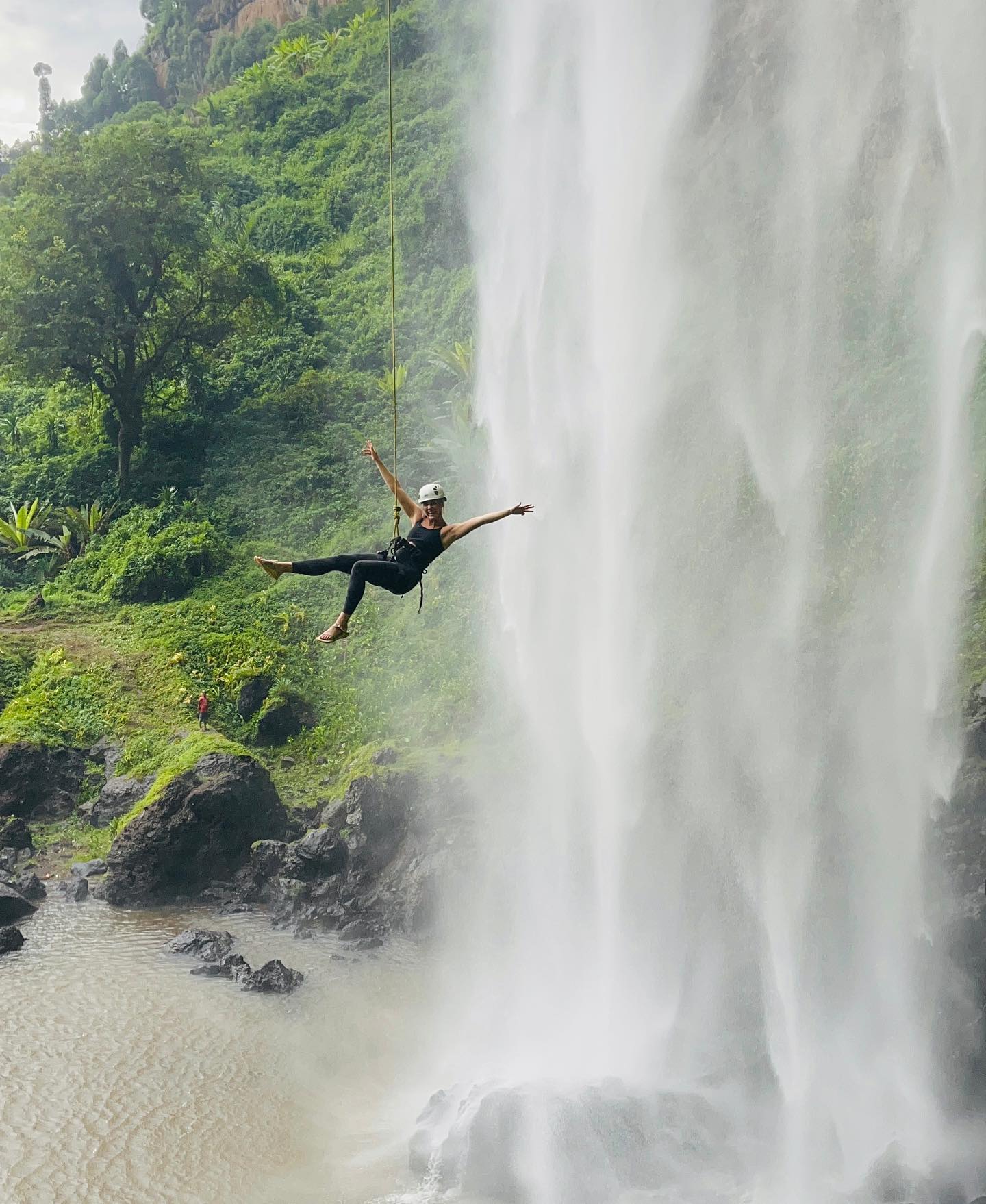
Sipi Falls is renowned for its abseiling opportunities, which combine technical skill, adrenaline, and the immersive experience of descending one of Uganda’s most scenic waterfalls. Trained instructors guide participants, ensuring that safety equipment, harnesses, and ropes are used correctly. The descent offers a unique perspective of the falls, allowing adventurers to feel the spray, hear the roar of cascading water, and observe the surrounding cliffs and vegetation from a thrilling vantage point.

Abseiling is suitable for beginners and experienced adventurers alike, with routes adjusted according to skill level. It is recommended that participants wear appropriate clothing and footwear, maintain physical readiness, and follow all safety instructions to ensure a secure and exhilarating experience.

Rock Climbing and Scrambling

The cliffs surrounding Sipi Falls provide rock climbing opportunities for more experienced adventurers. Natural rock faces, volcanic formations, and limestone outcrops create challenges that require balance, strength, and strategic planning. Guides provide instruction and safety support, enabling climbers to ascend safely while enjoying panoramic views of the falls, valleys, and distant highlands.

Rock climbing in this region is particularly rewarding because it allows participants to combine physical exertion with the appreciation of geological formations, endemic flora, and birdlife nesting in cliffside habitats. It also offers a perspective on the geological history of Mount Elgon, illustrating the processes that have shaped one of Africa’s most ancient mountains.

Caving and Geological Exploration

Kitum and Cheptui Caves

Mount Elgon’s volcanic history has created a network of caves that are both ecologically and culturally significant. Kitum Cave is famous for the elephants that enter to mine salt deposits, a behavior rare in the animal kingdom. Guided cave tours provide opportunities to observe these interactions safely while learning about the geology, history, and conservation significance of subterranean habitats.

Cheptui Cave, less frequented but equally fascinating, allows visitors to explore volcanic formations, stalactites, and stalagmites. Caving activities often require headlamps, helmets, and careful navigation, and are best undertaken with experienced guides. These excursions combine adventure with education, highlighting the interplay between geological processes, ecological adaptations, and wildlife behavior.

Ecological Insights from Caving

Beyond the thrill of exploration, caving activities contribute to understanding Mount Elgon’s ecosystems. Caves serve as water catchment areas, provide shelter for bats and other species, and play a role in nutrient cycling. Guides often provide explanations on the ecological role of caves, including their importance for local communities who historically utilized cave resources. Visitors gain a multi-layered experience that merges adventure with scientific and cultural learning.

Cycling and Mountain Biking Adventures

Trail Cycling around Sipi Falls

The slopes surrounding Sipi Falls are ideal for mountain biking and cycling excursions. Trails wind through coffee plantations, farmland, forest patches, and valleys, offering a mix of challenging inclines and scenic descents. Biking combines physical exertion with immersive exploration, allowing adventurers to cover more ground than on foot while remaining connected to the natural and cultural environment.

Local guides provide both technical guidance and safety oversight, ensuring that riders navigate trails safely while highlighting points of interest, such as waterfall viewpoints, birdwatching areas, and traditional villages. Mountain biking also fosters interaction with local communities, as riders pass through settlements, markets, and farmland, gaining insight into daily life on the mountain slopes.

Eco-Cycling and Conservation Awareness

Mountain biking tours can be integrated with eco-conscious practices, promoting environmental awareness and sustainable tourism. Riders are encouraged to avoid sensitive areas, minimize disturbance to wildlife, and participate in reforestation or community conservation projects. By combining adventure with sustainability, these activities contribute to both personal fulfillment and the long-term preservation of Mount Elgon’s landscapes.

Cultural Adventure Experiences

Coffee Farm Tours

The Sipi Falls region is embedded within fertile highlands renowned for coffee production, particularly Arabica varieties grown by smallholder farmers. Adventure tourism can be enhanced through participatory coffee farm tours, where visitors engage in planting, harvesting, and processing activities. These experiences combine physical activity with cultural immersion, providing a tangible understanding of the region’s agricultural heritage and its relationship with local communities.

Guides explain traditional farming methods, ecological impacts, and economic significance, allowing visitors to witness firsthand how sustainable agriculture coexists with environmental conservation. Participatory tours also benefit local communities economically, reinforcing the principles of responsible and ethical tourism.

Village and Cultural Walks

Cultural engagement can be incorporated into adventure itineraries through village walks and community visits. Hikers, bikers, or cavers may encounter Bagisu or Sabiny communities, where interactions include craft demonstrations, traditional music and dance, and storytelling. These encounters enhance the adventure experience, providing insight into social structures, rituals, and daily practices while fostering respect for local customs.

Adventure in this context extends beyond physical challenge to include intellectual and emotional engagement, creating a holistic sense of exploration that integrates nature, culture, and personal growth.

Horseback Riding and Nature Safaris

Exploring the Highlands on Horseback

Horseback riding offers a unique perspective on Mount Elgon’s landscapes, allowing adventurers to traverse valleys, ridges, and plantations while maintaining a close connection to the environment. Guided rides are tailored to varying skill levels and include stops at waterfalls, viewpoints, and wildlife observation points.

This activity provides both exercise and relaxation, allowing riders to cover significant distances without fatigue, while simultaneously appreciating the mountain’s natural beauty. It also enables access to areas that are less accessible on foot, offering unique photographic and wildlife observation opportunities.

Nature Safaris and Wildlife Encounters

For those interested in ecological adventure, guided nature safaris within Mount Elgon National Park highlight endemic species, forest elephants, primates, and birdlife. Safaris can be combined with hiking or cycling, creating multi-modal adventures that emphasize observation, photography, and ecological awareness. These experiences are designed to minimize disturbance to wildlife while maximizing educational and immersive value.

Adventure and Sustainability

Responsible Tourism Practices

Adventure activities around Sipi Falls and Mount Elgon are increasingly conducted with sustainability and conservation in mind. Operators and guides emphasize minimizing environmental impact, respecting wildlife, and supporting local communities. Adventure tourism is not only an outlet for thrill-seekers but also a means of promoting ecological awareness and social responsibility.

Visitors are encouraged to use designated trails, follow local guidelines, and participate in community projects where possible. These practices ensure that the mountain’s natural and cultural assets are preserved for future generations while providing meaningful experiences for today’s travelers.

Integrating Community and Conservation

Many adventure activities are linked to community engagement initiatives, such as eco-tourism programs, reforestation efforts, and educational workshops. By combining adventure with conservation and cultural participation, visitors contribute directly to the well-being of the mountain’s ecosystems and local populations. This integration transforms ordinary excursions into transformative experiences that merge excitement with purpose.

Planning Your Adventure

Choosing Activities and Duration

Visitors should select activities based on fitness level, interests, and desired immersion. Day trips, multi-day treks, waterfall adventures, cycling tours, horseback rides, and cultural excursions can be combined to create personalized itineraries. Scheduling activities according to seasonal conditions enhances safety, accessibility, and overall enjoyment.

Safety and Preparation

Safety is paramount. Adventure activities require appropriate clothing, equipment, and guidance. Engaging certified instructors, using protective gear, and following ecological guidelines ensures that the experience is both safe and enriching. Physical preparation, hydration, and acclimatization to altitude are also important for multi-day treks or waterfall abseiling.

Accommodation and Logistics

Luxury lodges, eco-lodges, and community camps provide accommodation that complements adventure activities. Staying near Sipi Falls or key trailheads reduces travel time, offers comfort after strenuous activities, and allows for immersive experiences such as sunrise treks or early morning wildlife observation. Logistics, including transport, meals, guides, and activity equipment, are often coordinated by tour operators, streamlining the adventure experience.

Adventure Beyond Expectations

The Sipi Falls and Mount Elgon region is a haven for adventure seekers, offering a remarkable diversity of activities that span hiking, trekking, abseiling, rock climbing, caving, cycling, horseback riding, and cultural exploration. The combination of physical challenge, ecological immersion, and cultural engagement ensures that every journey is meaningful, thrilling, and transformative.

For travelers seeking a well-coordinated, safe, and enriching adventure in this remarkable landscape, it is highly recommended to book tours and adventure activities through WildHorn Africa. With expertise in curating bespoke safaris, trekking adventures, and ecological experiences, WildHorn Africa ensures that every itinerary is seamless, sustainable, and unforgettable, allowing visitors to experience the full spectrum of Mount Elgon’s natural beauty and adventure opportunities.

Mount Elgon Hiking Itinerary Ideas

Mount Elgon Hiking Itinerary Ideas

By Travel stories and blogs, Adventure holidays, Family holidays, Uganda travel guides

Mount Elgon Hiking Itinerary Ideas

Charting a Journey through Uganda’s Ancient Giant

Rising majestically along the Uganda-Kenya border, Mount Elgon is an ancient volcanic massif that captures the imagination of adventurers, nature enthusiasts, and cultural explorers alike. Unlike many of Africa’s iconic mountains, Mount Elgon is characterized not by sheer verticality but by its vast caldera, expansive slopes, deep gorges, and mist-laden forests, making it uniquely accessible yet profoundly rewarding. Hiking this colossal landscape is more than a physical challenge—it is a journey into the heart of Uganda’s ecological diversity, cultural richness, and geological history.

Planning a hiking itinerary on Mount Elgon involves balancing ambition with realism, considering trail difficulty, accommodation, weather, and the desire to immerse oneself fully in the mountain’s natural and cultural wonders. Each trail provides a distinct experience, from the cascading waters of Sipi Falls to the subterranean mysteries of Kitum Cave. This article explores detailed itinerary ideas, offering guidance on routes, daily schedules, and activities, ensuring that visitors can craft a journey that is both safe and unforgettable.

Understanding Mount Elgon’s Trails and Terrain

The Topography of Mount Elgon

Mount Elgon’s terrain is diverse, with elevations ranging from approximately 1,100 meters at the foothills to over 4,321 meters at Wagagai Peak, the highest point on the Ugandan side. The mountain features steep ridges, gentle slopes, rolling moorlands, bamboo forests, and montane forests. Watercourses carve deep valleys, and caves formed from volcanic activity dot the landscape.

Understanding this diversity is crucial for designing itineraries. Hikes vary from short day treks to multi-day summit climbs. Each trail has distinct challenges, including changes in altitude, variable weather conditions, and the physical demands of hiking through forests, moorlands, and bamboo belts. It is recommended that hikers assess their fitness level, acclimatize gradually, and engage experienced local guides.

Main Hiking Trails

Mount Elgon offers several well-established routes. Among the most popular are the Sasa, Piswa, Kapkwai, and Suam trails, each with unique features. The Sasa Trail, beginning at Budadiri, is the steepest and shortest route to the summit, suitable for hikers seeking a challenging ascent. The Piswa Trail, starting near Kapchorwa, is longer but less strenuous, offering gradual elevation gain and expansive views of the Karamoja plains. Kapkwai and Suam trails traverse the eastern and northern slopes, passing through bamboo forests, waterfalls, and caves, making them ideal for hikers who wish to combine nature and adventure.

One-Day Hiking Itineraries

Day Hikes to Sipi Falls

For travelers constrained by time, day hikes from Sipi Falls lodges provide immersive experiences without the need for overnight trekking. A typical itinerary involves an early morning departure from the lodge, followed by a guided hike to the three tiers of Sipi Falls. The trails wind through farmland, forest patches, and coffee plantations, offering views of the surrounding Elgon foothills.

Upon reaching the falls, hikers can explore natural pools, photograph the cascading waters, and observe bird species inhabiting the area. Returning to the lodge in the afternoon allows time for relaxation, coffee tasting experiences, and interaction with local communities. This day itinerary offers both adventure and cultural engagement, providing a fulfilling glimpse of the mountain’s diversity.

Exploring Kitum Cave

Another feasible one-day itinerary is a guided walk to Kitum Cave, renowned for its ecological and geological significance. The cave is famous for the elephants that enter to mine salt from its walls—a rare behavior observed in few locations worldwide. Hikers can traverse the forested paths, observe wildlife tracks, and explore the cave under the supervision of experienced guides. Returning to a nearby lodge completes a day of adventure, blending geological curiosity with ecological observation.

Two-Day Itineraries: Moderate Trekking Adventures

Sasa Trail Overnight Hike

A two-day itinerary along the Sasa Trail is ideal for hikers seeking moderate adventure. Day one begins with an early ascent from Budadiri, passing through cultivated landscapes, bamboo belts, and forested sections. The trail gradually steepens as hikers approach higher altitudes, offering panoramic views of the surrounding valleys and distant plains.

Accommodation is arranged at a base camp or mountain hut along the trail, where hikers can rest, enjoy a warm meal, and prepare for the summit attempt the following day. The second day involves a pre-dawn climb to Wagagai Peak, allowing hikers to witness sunrise over the caldera—a breathtaking reward for the effort. The descent is gradual, retracing the trail to Budadiri, concluding a two-day experience that combines challenge, scenery, and a deep sense of achievement.Mount Elgon Hiking Itinerary Ideas

Kapkwai Trail Overnight Trek

The Kapkwai Trail offers a less steep but longer alternative, suitable for hikers who prefer gradual elevation gain. The first day involves trekking through bamboo forests and montane vegetation, encountering streams, waterfalls, and birdlife. Evening accommodation can be arranged at a community campsite or eco-lodge, providing interaction with local residents and cultural immersion.

The second day focuses on reaching viewpoints overlooking the caldera and surrounding highlands, offering photographic opportunities and wildlife observation. Descending back to Kapkwai concludes a journey that emphasizes both natural beauty and cultural experience, demonstrating the versatility of Mount Elgon’s trails for moderate hikers.

Three-Day Itineraries: Summit Experiences

Multi-Day Summit via Piswa Trail

For those seeking a summit experience, a three-day itinerary along the Piswa Trail provides a comprehensive adventure. Day one begins with a drive from Mbale or Kapchorwa to the trailhead, followed by trekking through farmland and bamboo belts to an overnight camp at a mid-altitude location. Evening activities include orientation on summit strategies, ecological briefings, and a cultural exchange with local guides.

Day two involves continued ascent through montane forests and moorlands, passing endemic flora and unique fauna. The evening is spent at a higher camp, preparing for the summit push. Day three begins with a pre-dawn climb to Wagagai Peak, where hikers are rewarded with sweeping views of the caldera, neighboring highlands, and distant Kenyan landscapes. Descending through bamboo forests and moorlands, hikers return to trailhead transportation, completing a journey that blends endurance, natural beauty, and accomplishment.

Integrating Waterfall Exploration

Three-day itineraries can be diversified to include visits to Sipi Falls or Kapkwai Falls en route to higher altitudes. This integration allows hikers to experience the park’s aquatic landscapes alongside summit trekking. Guides provide ecological insights, explaining the importance of waterfalls in maintaining biodiversity, water regulation, and local livelihoods. Overnight stays in eco-lodges near waterfalls enrich the itinerary, offering comfort and immersion in natural surroundings.

Four- to Five-Day Itineraries: Extended Exploration

Comprehensive Circuit Hikes

Extended itineraries of four to five days allow hikers to explore multiple trails, ecological zones, and cultural sites. For example, a circuit incorporating the Sasa, Kapkwai, and Piswa Trails enables hikers to traverse bamboo forests, montane zones, moorlands, and valleys, observing diverse flora and fauna along the way. Campsites and eco-lodges provide structured rest points, meals, and interaction with local communities.

Extended hikes also provide opportunities for photography, birdwatching, and wildlife observation, as travelers can spend additional time in specific ecological zones, observing elephants, monkeys, and rare bird species. These itineraries appeal to serious hikers, naturalists, and those seeking a profound connection with Mount Elgon’s landscapes.

Cultural Integration on Extended Treks

Longer hikes facilitate engagement with communities along the mountain slopes, including visits to Bagisu and Sabiny villages. Hikers may participate in coffee farm activities, craft demonstrations, and traditional ceremonies, gaining insights into daily life and local customs. These interactions enrich the hiking experience, transforming it from a purely natural adventure into a cultural and ecological journey.

Considerations for Planning Hiking Itineraries

Fitness and Acclimatization

Given the altitudinal variation of Mount Elgon, hikers are advised to assess physical readiness and consider gradual acclimatization. Trails such as Piswa provide gradual elevation gain, suitable for multi-day treks, while Sasa offers a steeper ascent requiring higher fitness levels. Rest periods, hydration, and moderate pacing are essential for safe and enjoyable hiking.

Seasonal Timing

The dry seasons from June to August and December to February offer optimal hiking conditions, with clear trails, accessible campsites, and better wildlife visibility. Rainy seasons can render trails slippery, increase water levels in streams, and make some areas inaccessible. Planning itineraries according to seasonal conditions ensures safety and enhances the overall experience.

Guiding and Logistics

Engaging experienced local guides is strongly recommended. Guides provide ecological knowledge, trail navigation, and safety oversight, enriching the hike with insights into flora, fauna, and cultural practices. Logistics including porters, meals, camping equipment, and transportation are often coordinated through lodges or tour operators, ensuring a seamless hiking experience.

Integrating Lodges and Camps

Luxury and eco-lodges along Mount Elgon complement hiking itineraries by providing comfort, meals, and rest points. Lodges near Sipi Falls, Kapchorwa, and Mbale offer access to trails while allowing for recovery, spa treatments, and cultural interactions. Camping sites along trails provide immersive wilderness experiences, balancing rustic adventure with guided support. Combining lodge stays with trail camping creates a dynamic and flexible itinerary, tailored to diverse traveler preferences.

Crafting a Meaningful Hiking Experience

Mount Elgon offers an unparalleled combination of adventure, natural beauty, and cultural immersion. Its trails accommodate day hikes, moderate two-day journeys, summit ascents, and extended multi-day circuits. By carefully planning itineraries that balance physical challenge, ecological observation, and cultural engagement, hikers can experience the mountain’s full spectrum of landscapes and experiences.

For travelers seeking an organized, safe, and enriching Mount Elgon experience, it is strongly recommended to book their hiking itineraries and supporting services through WildHorn Africa. With expertise in tailored trekking, eco-tourism, and cultural immersion, WildHorn Africa ensures that every itinerary is not only logistically seamless but also profoundly memorable, transforming a hike into a journey of discovery, achievement, and connection with one of East Africa’s most magnificent natural treasures.

Community Tourism in Mount Elgon Region

Community Tourism in Mount Elgon Region

By Travel stories and blogs, Adventure holidays, Family holidays, Safari holidays, Uganda travel guides

Community Tourism in Mount Elgon Region

Beyond Mountains – The Heartbeat of Mount Elgon

Nestled in the far eastern reaches of Uganda, where lush highlands meet the skies, Mount Elgon rises not only as a natural monument but also as a hub for vibrant communities whose lives are intertwined with the mountain. Known for its vast caldera, cascading waterfalls, and mysterious caves, the region offers more than adventure and breathtaking landscapes. It is a landscape where culture, tradition, and community converge to create an authentic African experience.

For travelers seeking depth beyond sightseeing, community tourism in the Mount Elgon region represents an opportunity to engage meaningfully with local populations, learn about their customs, participate in cultural activities, and support sustainable development. It is a model of tourism that emphasizes shared experiences, mutual respect, and the preservation of both culture and environment. Unlike conventional tours, community tourism allows visitors to witness how human life and nature coexist, making Mount Elgon not merely a destination but a living cultural tapestry.

This article explores the multi-faceted dimensions of community tourism in the Mount Elgon region, delving into its cultural, economic, ecological, and social impacts, and illustrating how travelers can engage in authentic and responsible ways.

The Cultural Landscape of Mount Elgon

The Bagisu People and the Imbalu Ceremony

The Bagisu, also referred to as Bamasaba, are one of the primary communities inhabiting the slopes of Mount Elgon. Their culture is deeply intertwined with the mountain, which they regard as sacred. The Imbalu circumcision ceremony is one of the most significant cultural events in the region, marking the transition of boys into manhood. Performed every two years, this ceremony involves ritual dances, singing, drumming, and symbolic rites of passage.

Visitors to the Mount Elgon region who engage in community tourism have the unique opportunity to witness these ceremonies, often under the guidance of local community members who provide context and explain the significance of each ritual. The experience allows tourists to appreciate the depth of tradition while fostering respect for the sacredness of the practice. Photography and participation are generally welcomed when approached with humility, providing a rare insight into one of East Africa’s most striking cultural traditions.

The Sabiny Community and Agricultural Life

To the north and east of the mountain, the Sabiny people live along fertile slopes where terraced farming is a way of life. Coffee, bananas, maize, and vegetables dominate the agricultural landscape, and local farmers have developed sustainable practices that have been refined over generations. For travelers, community-based tours offer immersive experiences in farming life, including participation in coffee cultivation, crop harvesting, and food preparation.

These interactions are not only educational but also foster a sense of empathy and understanding for rural livelihoods. Travelers gain perspective on how communities balance subsistence with commercial farming, how they manage natural resources, and how traditional knowledge complements modern practices.Community Tourism in Mount Elgon Region

Economic Impacts of Community Tourism

Supporting Local Livelihoods

Community tourism in the Mount Elgon region has a tangible economic impact. By choosing to stay in locally-run homesteads, buy food from community markets, or hire local guides, visitors inject revenue directly into the region. Unlike conventional tourism where profits often benefit distant operators or hotels, community tourism ensures that local populations reap the rewards of their cultural and natural resources.

The sale of handmade crafts, traditional clothing, and locally produced goods such as honey, coffee, and woven baskets provides supplementary income. Markets around towns like Mbale, Kapchorwa, and Budadiri thrive due to tourism, with artisans relying on visitors to sustain the value of their work. These exchanges create a mutually beneficial system, empowering communities while enriching the visitor experience.

Capacity Building and Skills Development

Revenue from tourism is increasingly reinvested into community development projects, ranging from education and health services to infrastructure improvements. Local youth often receive training as guides, cultural interpreters, and hospitality providers, developing skills that enhance employability and promote self-sufficiency. Women’s groups in the region benefit from training in handicrafts, agro-processing, and eco-tourism initiatives, creating pathways for empowerment.

Through these programs, tourism serves not only as a revenue stream but also as a vehicle for sustainable development, ensuring that cultural preservation and economic growth proceed hand in hand.

Environmental Stewardship Through Community Engagement

Conservation and Sustainable Practices

Mount Elgon National Park is home to fragile ecosystems, including montane forests, bamboo zones, and moorlands. Community tourism initiatives emphasize the importance of environmental stewardship, educating both locals and visitors about conservation. Through guided walks, forest walks, and participatory projects such as tree planting or waste management, tourists learn about the ecological significance of the mountain and the need to protect it.

The communities around Mount Elgon understand that their livelihoods are intricately linked to the health of the mountain. Protecting forests ensures water sources, preserves wildlife habitats, and sustains agricultural productivity. By engaging travelers in these efforts, tourism becomes a tool for raising awareness while reinforcing local responsibility.

Wildlife Conservation and Ethical Encounters

Visitors also benefit from observing wildlife in its natural habitat. From forest elephants visiting caves for salt, to primates in bamboo forests, to endemic bird species like the lammergeyer, the biodiversity of Mount Elgon is astonishing. Community tourism programs encourage ethical wildlife encounters, emphasizing observation without disturbance. Guides trained in both ecology and culture provide context, explaining species behavior and conservation challenges, which enhances appreciation and fosters responsible tourism.

Cultural Exchange and Learning

Homestays as Windows into Daily Life

One of the most powerful aspects of community tourism is the opportunity to stay in homesteads with local families. Homestays allow visitors to experience daily routines, participate in cooking and farming activities, and share meals prepared from local ingredients. Such experiences are deeply immersive, offering insights into family structures, social norms, and community rituals.

Through these exchanges, travelers gain a holistic understanding of the interplay between culture and environment. The experience becomes a dialogue rather than passive observation, fostering empathy, cultural literacy, and a profound connection to place.

Community-led Workshops and Demonstrations

In addition to homestays, communities often organize workshops showcasing traditional crafts, dances, and music. Visitors may learn to weave baskets, roast coffee using age-old techniques, or participate in dance rehearsals. These interactions go beyond entertainment—they serve as platforms for cultural preservation and knowledge transfer. By engaging directly with practitioners, tourists become participants in living traditions, rather than distant observers.

Challenges and Considerations

While community tourism offers numerous benefits, it is not without challenges. Balancing visitor expectations with cultural sensitivity is essential. Tourists must approach traditions respectfully, recognizing that some rituals and practices are sacred and not open to outsiders. Similarly, the environmental impact of increased visitation must be carefully managed to prevent degradation of fragile habitats.

Communities must also navigate the tension between monetizing culture and preserving authenticity. Over-commercialization can dilute traditions, making experiences feel staged rather than organic. Successful programs prioritize authenticity, community consent, and equitable revenue distribution, ensuring that tourism enhances rather than exploits local life.

Planning a Community Tourism Experience

Choosing the Right Entry Points

Most visitors begin their community-based tours through towns like Mbale, Kapchorwa, and Sipi, where local organizations and tour operators coordinate visits. Entrance fees and guide services are often included in package arrangements, ensuring that funds flow directly to host communities. By selecting certified operators, travelers can maximize both their safety and their positive impact.

Timing and Seasonal Considerations

The dry seasons from June to August and December to February offer the best conditions for hiking, village visits, and participation in outdoor cultural events. During these periods, trails are more accessible, waterfalls are visible in full flow, and agricultural activities provide engaging opportunities for visitors. Conversely, the wet seasons, though challenging, reveal the mountain’s lushness and provide a different but equally rewarding perspective.

Ethical Engagement

Visitors are encouraged to approach community tourism with respect and cultural sensitivity. Learning basic greetings, observing dress codes, and following guidance from community leaders ensures a harmonious exchange. Small gestures, such as purchasing goods directly from artisans or contributing to local projects, reinforce the principle that tourism can be both enjoyable and socially responsible.

Broader Impacts of Community Tourism

Community tourism in the Mount Elgon region exemplifies how travel can transform lives and landscapes simultaneously. By connecting visitors to local cultures, economies, and ecosystems, it creates a cycle of mutual benefit. Communities gain revenue, skills, and conservation awareness, while travelers acquire knowledge, meaningful experiences, and memories that extend beyond conventional sightseeing.

The model fosters resilience, as local populations diversify income streams and reduce dependency on external assistance. It also encourages conservation, as economic incentives are aligned with the protection of forests, wildlife, and water resources. In effect, community tourism becomes a sustainable pathway where culture, nature, and economy coexist harmoniously.

The Essence of Community Tourism in Mount Elgon

The Mount Elgon region offers more than trekking trails and waterfalls; it provides a living, breathing cultural landscape shaped by centuries of human-nature interaction. Community tourism transforms the act of visiting into an immersive, educational, and socially responsible endeavor. It allows travelers to witness traditional ceremonies, engage in daily life, support local livelihoods, and participate in conservation efforts.

For those seeking travel experiences that transcend superficial sightseeing, community tourism in Mount Elgon embodies the ideals of authenticity, sustainability, and cultural respect. Each visit contributes to the well-being of local populations, preserves heritage, and deepens the visitor’s understanding of Uganda’s diverse landscapes and peoples.

For travelers wishing to explore Mount Elgon while making a positive impact, it is highly recommended to book their tours through WildHorn Africa, a trusted expert in curating meaningful safaris and mountain experiences. With WildHorn Africa, community tourism becomes seamless, safe, and profoundly enriching, ensuring that every journey fosters connection, understanding, and lasting memories.

Wildlife and Birding in Mount Elgon National Park

Wildlife and Birding in Mount Elgon National Park

By Travel stories and blogs, Adventure holidays, Safari holidays, Uganda travel guides, Wildlife holidays

Wildlife and Birding in Mount Elgon National Park

Where the Mountain Breathes Life

On the border of Uganda and Kenya lies one of Africa’s most captivating natural treasures, a place where ancient volcanic landscapes cradle forests, rivers, and high-altitude moorlands teeming with life. This is Mount Elgon National Park, a sanctuary that stretches across more than a thousand square kilometers and protects the slopes of Mount Elgon, one of the oldest and largest extinct volcanoes on the continent.

Here, wildlife and birding experiences unfold against a backdrop of sheer cliffs, vast calderas, cascading waterfalls, and fertile valleys. For those who walk its trails, Mount Elgon reveals itself not simply as a mountain but as a living ecosystem where every corner hums with natural vitality.

The park’s biodiversity is profound. Its lower slopes shelter elephants, buffalo, and forest hogs, while its higher reaches reveal alpine vegetation and rare birds found nowhere else in Uganda. Streams and rivers host small mammals and vibrant insects, while caves echo with bats that have roosted there for centuries. To explore Mount Elgon is to witness the intricate web of life that thrives when geology, climate, and ecology converge in balance.

For wildlife enthusiasts and birdwatchers, Mount Elgon National Park offers a journey of discovery unlike any other. It is a place where patience is rewarded with sightings of shy antelopes, where the forests open to reveal flashes of brilliant plumage, and where the stillness of the moorlands is broken only by the cry of a raptor circling above.

The Ecosystem of Mount Elgon: A Mosaic of Habitats

Understanding the wildlife and birding opportunities of Mount Elgon requires first appreciating its ecosystem diversity. The mountain rises from fertile lowland farmlands at around 1,250 meters above sea level to its highest point at 4,321 meters, Wagagai Peak. Along this gradient lie distinct ecological zones, each supporting unique communities of plants and animals.

At the base, fertile volcanic soils nurture farmlands interspersed with remnants of montane forest. As one ascends, dense forests take over, giving way to bamboo zones where monkeys leap through swaying stems. Higher still, heath and moorlands dominate, covered with giant groundsels and giant lobelias—plants that seem almost prehistoric in form. Finally, near the summit, the terrain becomes rocky and open, with sparse vegetation adapted to the harsh conditions.

This altitudinal range allows Mount Elgon National Park to support a remarkable variety of wildlife species, many of which are specialized to thrive within specific zones. It also explains the extraordinary diversity of birds found here, as different habitats attract different avian communities.

Mammals of Mount Elgon: Elusive Treasures of the Forest

Though Mount Elgon is not as famous for large mammals as some of Uganda’s savannah parks, it remains home to an impressive array of species, particularly those adapted to forest and mountain environments.

The lower forests provide habitat for African elephants, which move along ancient migration corridors in search of food and water. Their presence is most evident in the park’s caves, such as Kitum and Chepnyali, where they have been known to mine salt deposits for centuries. Observing elephants in these unusual settings provides a unique glimpse into their behavior rarely seen elsewhere.

Buffalo herds roam the mid-altitude forests and clearings, often moving quietly through the vegetation. The elusive giant forest hog, one of Africa’s largest pig species, can also be encountered, its dark bristled coat and formidable size leaving a strong impression on those lucky enough to spot it.

Antelopes are common, with duikers, bushbucks, and the rare oribi inhabiting various parts of the park. These shy grazers are often glimpsed darting through undergrowth or standing silently in forest glades. At higher altitudes, hyraxes and rock-dwelling mammals become more prominent, demonstrating the adaptability of life in the park’s rugged environments.

Predators exist in smaller numbers, with leopards occasionally observed and serval cats prowling the bamboo zones. Smaller carnivores such as genets, civets, and mongooses are also present, though largely nocturnal.

Primates add further richness to Mount Elgon’s wildlife. Black-and-white colobus monkeys swing gracefully through forest canopies, while blue monkeys are frequently seen near bamboo stands. Baboons and vervet monkeys are also widespread, often encountered at forest edges or near villages. These primates provide both fascination and entertainment for trekkers.Wildlife and Birding in Mount Elgon National Park

Birding in Mount Elgon: A Sanctuary of Avian Diversity

If Mount Elgon’s mammals are often elusive, its birdlife is gloriously abundant. The park is recognized as one of Uganda’s most important birding destinations, with over 300 recorded species. Its altitudinal range creates a variety of habitats that attract both forest and highland species, many of which are rare or endemic to the region.

Among the most sought-after birds is the Lammergeyer, or bearded vulture, a dramatic raptor that soars effortlessly above cliffs and valleys. With its vast wingspan and distinctive feathered beard, it is one of the most iconic species associated with Mount Elgon.

Other raptors include the augur buzzard, African goshawk, and various eagles that patrol the skies. These predators play a vital role in maintaining ecological balance, and their presence adds majesty to the birding experience.

The forests are alive with smaller species, from the striking black-collared apalis to the melodious Chubb’s cisticola. Sunbirds, including the regal scarlet-tufted malachite sunbird, sparkle in the highland flora, their iridescent feathers catching the sunlight as they feed on nectar.

Endemic and near-endemic species make Mount Elgon particularly valuable to birdwatchers. The Jackson’s francolin, the Hartlaub’s turaco, and the taciturn black-collared apalis are among the highlights, while the eastern bronze-naped pigeon and mountain yellow warbler reward patient observers.

Wetland habitats and rivers attract species such as kingfishers, while the moorlands host pipits, canaries, and stonechats. With every step through the park’s varied zones, a new chorus of birds emerges, ensuring that birders are constantly engaged and rewarded.

The Caves of Mount Elgon: Wildlife Sanctuaries

Among the most unusual features of Mount Elgon are its caves, carved into the cliffs by millennia of erosion and volcanic activity. These caves are not only geological wonders but also wildlife sanctuaries.

The most famous, Kitum Cave, lies on the Kenyan side but reflects a pattern common across the mountain. Here, elephants venture deep into the darkness to mine mineral-rich salts, using their tusks to scrape the cave walls. This extraordinary behavior, known as geophagy, has fascinated scientists and travelers alike.

Bats roost in many of the caves, creating thriving colonies that play vital roles in insect control and pollination. Other animals, such as bushbucks and hyraxes, use the caves for shelter, especially during the rainy season.

For visitors, exploring these caves offers a rare opportunity to see how wildlife adapts to unusual environments, blending survival with geological history in dramatic fashion.

Flora and Its Role in Wildlife Habitats

The flora of Mount Elgon is as diverse as its fauna, and the two are inextricably linked. The mountain supports five distinct vegetation zones, each providing crucial habitats.

At lower elevations, montane forests dominate, sheltering elephants, primates, and countless birds. These forests are rich in mahoganies, olives, and fig trees, whose fruits sustain wildlife throughout the year.

Above the forests, dense bamboo belts form unique ecosystems where monkeys, duikers, and certain bird species thrive. Bamboo provides both food and shelter, and its rapid growth supports a dynamic ecological balance.

The heath and moorlands introduce an otherworldly landscape of giant lobelias and groundsels, plants that have adapted to the harsh high-altitude climate. These moorlands are crucial habitats for highland birds, sunbirds, and small mammals.

At the summit, sparse vegetation reflects the extreme conditions, yet life persists in the form of lichens, mosses, and hardy grasses. This resilience underscores the adaptability of species across the mountain.

The Role of Rivers and Waterfalls

Mount Elgon’s slopes are carved by numerous rivers and waterfalls that sustain both wildlife and human communities. Rivers such as the Sipi and Suam provide essential water sources, while waterfalls like the Sipi Falls cascade dramatically into valleys, creating microhabitats rich in biodiversity.

These water systems attract animals for drinking and foraging, while also supporting fish, amphibians, and aquatic insects. Birds such as kingfishers and herons thrive near the rivers, adding to the richness of the avian population.

The constant flow of water from Mount Elgon is not only vital to the park but also to the surrounding regions, where communities depend on it for agriculture and daily living. Thus, the rivers and waterfalls represent both ecological and cultural lifelines.

Cultural Connections to Wildlife

For the communities living around Mount Elgon, wildlife and birds are not distant spectacles but integral parts of daily life and cultural identity. The Bagisu and Sabiny peoples hold traditions that connect them to the land and its animals. Elephants, for instance, feature in local folklore, while certain birds are regarded as messengers or omens.

Farming communities coexist with the wildlife of the lower slopes, relying on fertile volcanic soils while respecting the boundaries of the park. Coffee plantations flourish here, adding another layer to the region’s cultural and ecological landscape.

Visitors who engage with local guides not only learn about wildlife but also gain insights into the cultural meanings attached to these animals, enriching the overall experience of the park.

Best Time for Wildlife and Birding in Mount Elgon

The experience of wildlife and birding in Mount Elgon is influenced strongly by seasonal patterns. During the dry seasons—from June to August and December to February—trails are easier to navigate, and visibility is higher, making it easier to spot mammals and enjoy extended birding sessions. The clearer skies also provide better conditions for observing raptors in flight.

The wet seasons, from March to May and October to December, bring challenges of muddy trails and frequent rain. Yet these months also enhance the vibrancy of the park. Waterfalls swell dramatically, vegetation flourishes, and many birds become more active, with some species nesting during these periods.

For birdwatchers, both seasons hold appeal. The dry season ensures comfort and accessibility, while the rainy season offers unparalleled activity and lush scenery. Ultimately, the best time depends on individual priorities, though the dry months are generally recommended for first-time visitors.

The Experience: Harmony of Life on the Slopes

To walk through Mount Elgon National Park is to experience the harmony of life across an ancient volcanic landscape. A trek might begin in dense forests alive with monkeys, continue through bamboo groves where duikers dart silently, and ascend into moorlands where sunbirds gleam like jewels among giant lobelias.

Along the way, bird calls create a soundtrack that shifts with altitude, from the deep notes of turacos in the forest to the cries of raptors wheeling above the cliffs. Encounters with wildlife may be fleeting—a buffalo moving through a clearing, a troop of colobus leaping across the canopy—but each moment adds depth to the understanding of this living ecosystem.

The experience is not one of spectacle alone but of reflection, where nature’s subtleties reveal themselves to those who walk slowly and attentively. Mount Elgon is not a park to be rushed; it is a park to be absorbed, where every step tells a story of resilience, adaptation, and interconnection.

Discovering Mount Elgon’s Living Treasure

Mount Elgon National Park is a sanctuary where wildlife and birding experiences unfold with a richness that rewards both patience and curiosity. Its mammals, though often elusive, reflect the mountain’s untamed character, while its birdlife dazzles with diversity and color. Its rivers, forests, and moorlands form a mosaic of habitats that sustain life at every level, and its cultural connections remind visitors that people, too, are part of this landscape.

For those seeking an authentic encounter with Uganda’s natural heritage, Mount Elgon stands as an unforgettable destination. It offers not only the thrill of discovery but also the peace of walking in harmony with nature.

To experience the park in all its depth and wonder, it is recommended to arrange wildlife and birding tours through WildHorn Africa, a trusted provider of safaris and adventures across Africa. With expert guidance and seamless organization, every journey into Mount Elgon becomes a story worth telling, a memory worth keeping, and a testament to the beauty of Uganda’s wilderness.

Close Menu