
An Effective Private Senior Guide Knowledge of Gorilla Trekking in Africa
There are wildlife experiences that can be purchased, and there are those that must be interpreted. Gorilla trekking in Africa belongs firmly to the latter. The difference between a good trek and an extraordinary one is rarely the gorillas themselves. It is the presence, judgment, and depth of understanding brought by an effective private senior guide. In the dense montane forests of Africa, where visibility is limited, terrain is unforgiving, and encounters are intimate and emotionally charged, knowledge is not optional. It is essential.
An effective private senior guide knowledge of gorilla trekking in Africa transforms a regulated wildlife activity into a deeply meaningful journey. This role goes far beyond navigation or logistics. It involves ecological literacy, behavioral insight, conservation ethics, risk management, cultural sensitivity, and the ability to read both gorillas and people in real time. In a setting where proximity is measured in meters and consequences are real, experience becomes the most valuable asset a traveler can have.
The Unique Nature of Gorilla Trekking in Africa
Gorilla trekking is unlike any other wildlife experience on the continent. It is conducted on foot, in thick forest, with no vehicles, no barriers, and no guaranteed script. Encounters take place within the personal space of one of the world’s most intelligent and endangered primates. This intimacy is what makes gorilla trekking powerful, but it is also what makes it demanding.
An effective private senior guide knowledge of gorilla trekking in Africa is built on understanding this uniqueness. Unlike savannah safaris, where distance and vehicles provide buffers, gorilla trekking requires close human-animal coexistence. The guide must ensure safety, minimize stress to gorillas, and interpret subtle signals that untrained observers would miss entirely.
The Role of a Private Senior Guide in Gorilla Trekking
A private senior guide is not simply a companion. This individual acts as a translator between worlds. They translate forest signs into meaning, gorilla behavior into understanding, and conservation rules into lived practice. Their authority is earned through years of field experience, not through certification alone.
An effective private senior guide knowledge of gorilla trekking in Africa encompasses leadership, restraint, and decision-making under uncertainty. They manage pacing, positioning, and group behavior to ensure that encounters remain calm and respectful. They also manage expectations, helping guests understand that the value of the experience lies not in spectacle, but in authenticity.
Deep Understanding of Gorilla Behavior
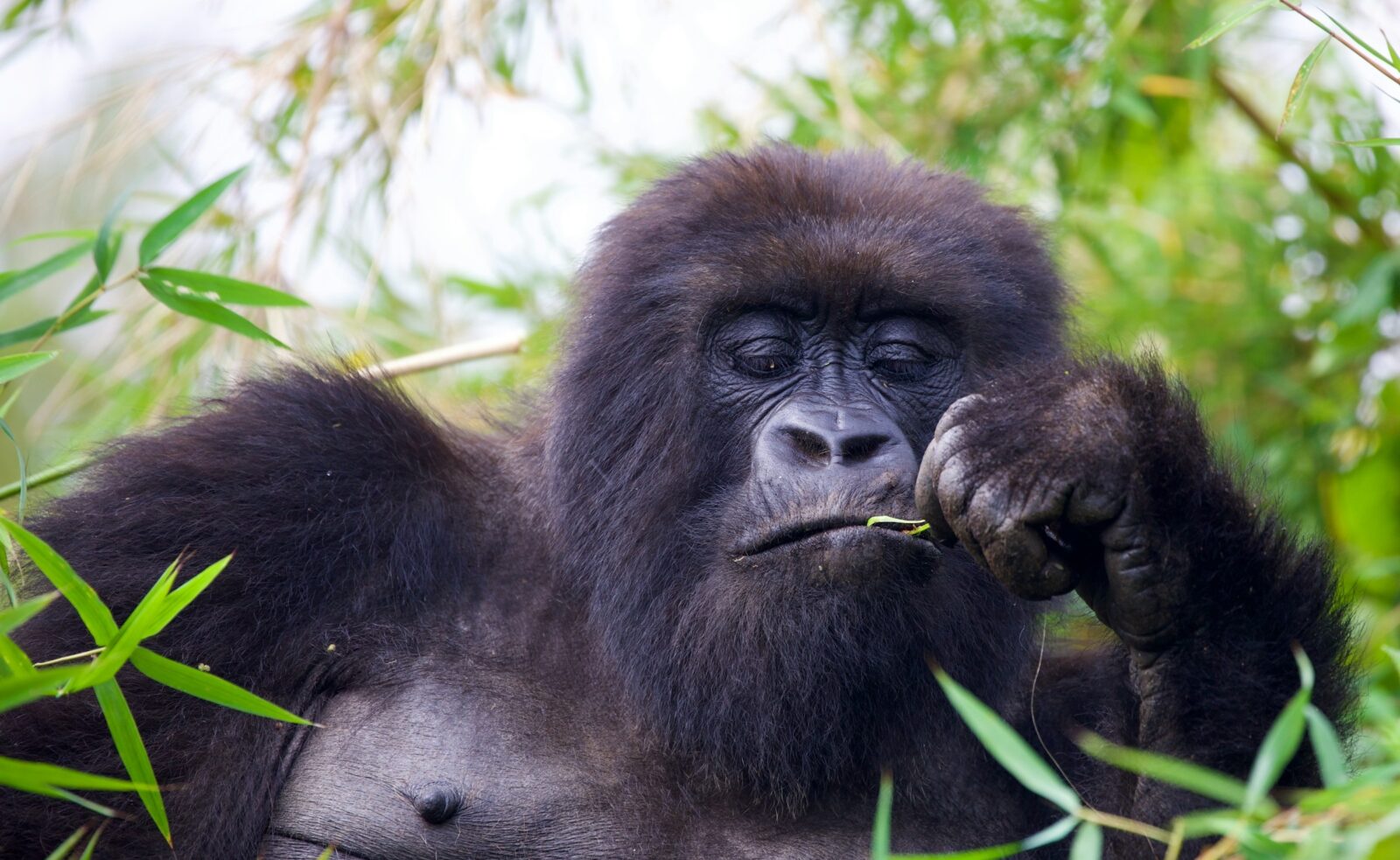
One of the most critical competencies of a senior guide is behavioral literacy. Mountain gorillas communicate through posture, vocalization, movement, and eye contact. Many of these signals are subtle and easily misinterpreted by inexperienced observers.
An effective private senior guide recognizes early signs of stress, curiosity, dominance assertion, or relaxation. A shift in a silverback’s stance, a low rumble, or a sudden cessation of feeding can indicate changes in group dynamics. The guide responds instantly, adjusting group positioning or signaling visitors to remain still. This real-time interpretation is a cornerstone of effective private senior guide knowledge of gorilla trekking in Africa.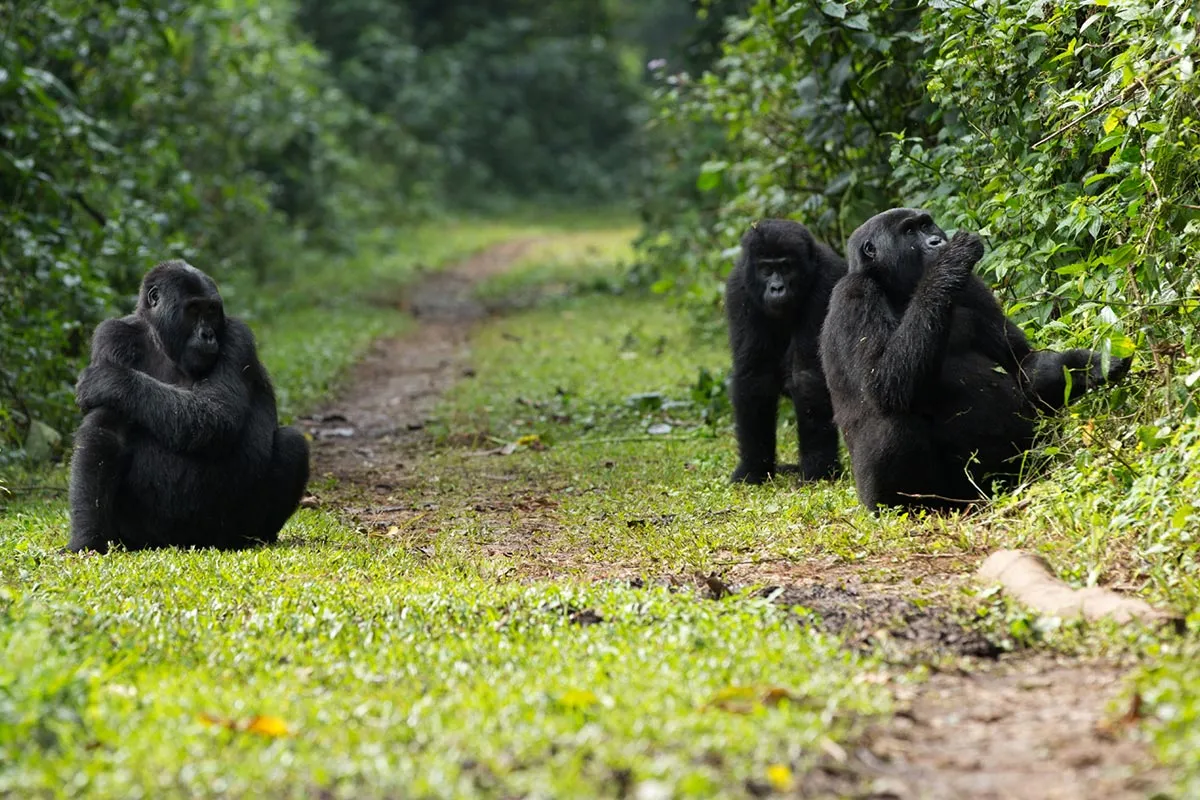
Mastery of Gorilla Social Structure
Gorillas live in structured family units led by a dominant silverback. Understanding the hierarchy within these groups is essential. Each individual plays a role, and interactions are shaped by age, sex, and status.
An effective private senior guide can identify individuals, explain relationships, and contextualize behaviors as they occur. When a juvenile displays play aggression or a blackback tests boundaries, the guide frames these actions within the broader social structure. This transforms observation into comprehension and elevates the trek from a visual encounter to an educational experience.
Forest Navigation and Terrain Expertise
African gorilla habitats are among the most challenging trekking environments on the continent. Steep slopes, tangled undergrowth, slippery trails, and sudden weather changes demand physical competence and navigational skill.
An effective private senior guide knowledge of gorilla trekking in Africa includes intimate familiarity with forest terrain. Senior guides understand seasonal trail conditions, alternative routes, and safe positioning relative to gorilla movement. They anticipate fatigue, adjust pace, and choose paths that balance effort with safety. This expertise reduces risk and enhances overall experience quality.
Coordination with Trackers and Rangers
Gorilla trekking is a collaborative effort involving trackers, rangers, veterinarians, and guides. Trackers often locate gorilla families early in the day, relaying information about movement and behavior.
A senior private guide acts as the critical link between this operational intelligence and the visitor experience. They interpret tracker updates, make strategic decisions about approach routes, and ensure that the group arrives calmly and cohesively. This coordination is invisible to most guests, yet it defines the success of the encounter. An effective private senior guide knowledge of gorilla trekking in Africa is grounded in teamwork and trust built over years in the field.
Conservation Ethics and Visitor Responsibility
Gorilla trekking exists because of strict conservation protocols. Distance rules, time limits, health screenings, and group size restrictions are non-negotiable. A senior guide enforces these rules not through authority alone, but through education and example.
An effective private senior guide explains why each rule exists, linking visitor behavior directly to gorilla survival. This ethical framing fosters respect rather than compliance. Visitors understand that their actions have consequences, and this awareness deepens the meaning of the experience. Effective private senior guide knowledge of gorilla trekking in Africa is inseparable from conservation ethics.
Disease Prevention and Health Awareness
Mountain gorillas share a high percentage of human DNA, making them vulnerable to human-borne diseases. A single respiratory infection can threaten an entire family group.
Senior guides are trained to recognize health risks and enforce preventative measures. They monitor guest wellness, manage distance rigorously, and intervene if protocols are compromised. This vigilance protects gorillas and ensures the long-term viability of trekking programs. An effective private senior guide knowledge of gorilla trekking in Africa includes understanding epidemiology as much as ecology.
Managing Human Emotion and Expectation
Gorilla trekking is emotionally intense. Guests often arrive with heightened anticipation, personal expectations, or anxiety. A senior guide manages these emotions with sensitivity and realism.
They prepare visitors for uncertainty, emphasizing that gorillas are wild and encounters are unpredictable. They also help guests process the experience afterward, providing space for reflection and interpretation. This emotional stewardship is a subtle yet essential component of effective private senior guide knowledge of gorilla trekking in Africa.
Communication Skills and Interpretation
A senior guide must be an exceptional communicator. They translate scientific concepts into accessible language without oversimplification. They answer questions accurately while maintaining focus on safety and respect.
During the trek, communication is often non-verbal. Hand signals, eye contact, and body positioning guide group behavior without disrupting the forest environment. This quiet leadership style is characteristic of an effective private senior guide and reflects deep confidence and experience.
Cultural Context and Community Awareness
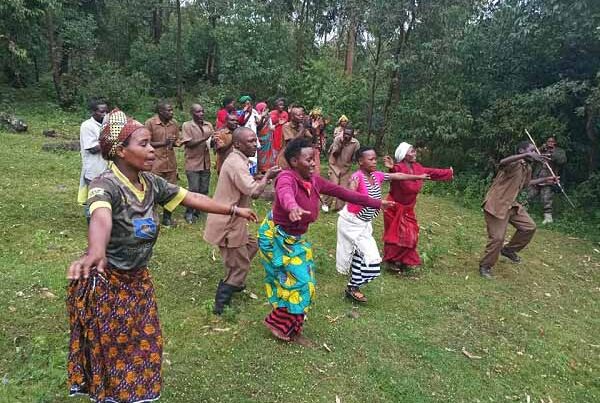
Gorilla trekking landscapes are not isolated from human history. Communities surrounding gorilla habitats play a vital role in conservation success. Employment, revenue sharing, and education programs link local livelihoods to gorilla protection.
An effective private senior guide understands this socio-cultural context and communicates it thoughtfully. They explain how conservation benefits communities and how communities, in turn, protect gorillas. This broader perspective situates gorilla trekking within a human narrative, enriching visitor understanding.
Experience Across Multiple Gorilla Destinations
Africa’s gorilla trekking regions vary significantly in terrain, altitude, and management style. While all follow strict protocols, local conditions shape the trekking experience.
A senior guide with experience across multiple destinations brings comparative insight. They understand how forest density, slope gradient, and gorilla habituation histories influence encounters. This adaptability reflects advanced effective private senior guide knowledge of gorilla trekking in Africa, allowing them to tailor guidance to each setting.
Decision-Making Under Pressure
Gorilla trekking demands constant situational assessment. Weather can change abruptly, gorillas may alter direction, or unexpected interactions may occur.
Senior guides make decisions quickly and calmly, prioritizing safety and welfare. Whether choosing to pause, reroute, or end an encounter early, their judgment is grounded in experience rather than hesitation. This decisiveness defines professionalism at the highest level.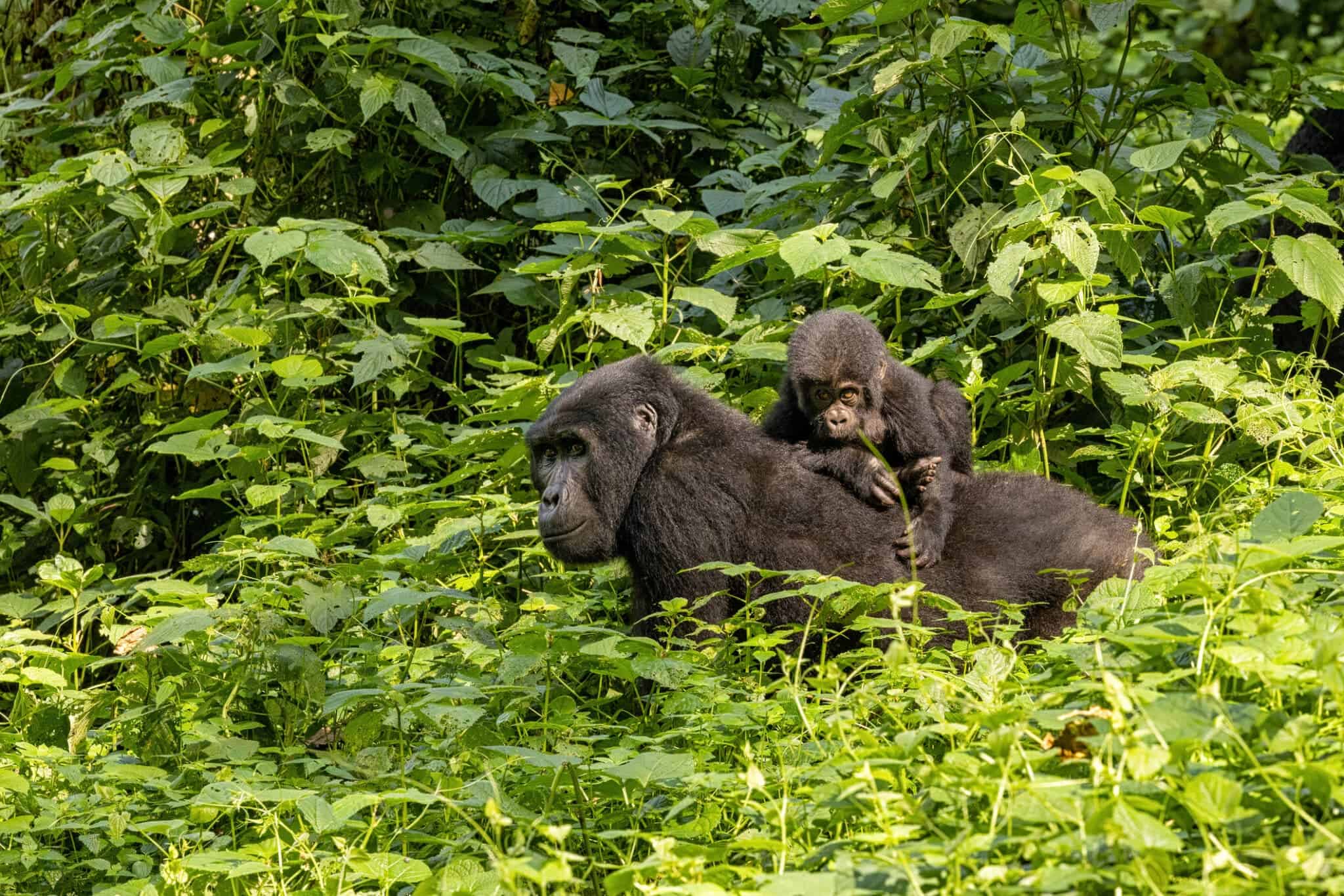
Photography Guidance Without Disruption
Many visitors wish to document their encounter, yet photography can easily disrupt gorilla behavior if mishandled. Flash, sudden movement, and poor positioning pose risks.
An effective private senior guide manages photography proactively. They advise on camera settings, positioning, and timing to minimize disturbance. They also encourage moments of observation without cameras, emphasizing presence over documentation. This balance preserves both memory and respect.
Training, Experience, and Continuous Learning
Senior guides are shaped by years, often decades, of field experience. However, expertise is not static. Effective guides engage in continuous learning, updating their knowledge through research, conservation briefings, and collaboration with veterinarians and scientists.
This commitment to growth ensures that effective private senior guide knowledge of gorilla trekking in Africa remains current and relevant. It reflects humility and respect for a constantly evolving field.
The Difference Between a Guide and a Senior Guide
Not all guides are equal, and not all experience is transferable. A senior guide is distinguished by judgment, restraint, and depth rather than enthusiasm alone.
They know when to speak and when to remain silent, when to advance and when to pause. Their presence feels steady, reassuring, and unobtrusive. This quiet authority is what elevates a gorilla trek from memorable to exceptional.
Risk Management and Safety Protocols
While gorilla trekking is generally safe when conducted responsibly, it carries inherent risks. Close proximity to large, wild animals requires vigilance and preparedness.
An effective private senior guide understands emergency procedures, escape routes, and de-escalation techniques. They maintain constant awareness of surroundings and group positioning. This risk management expertise allows guests to relax, knowing that safety is being actively managed.
Ethical Leadership in Wildlife Tourism
Senior guides serve as role models within the tourism ecosystem. Their behavior influences colleagues, guests, and community perceptions of conservation.
By embodying ethical practice, they reinforce standards that protect gorillas and their habitats. Effective private senior guide knowledge of gorilla trekking in Africa therefore extends beyond individual treks and contributes to the integrity of the entire system.
Long-Term Impact on Visitor Perspective
A guided gorilla trek shapes how visitors think about wildlife, conservation, and responsibility. A senior guide frames the experience in ways that linger long after departure.
Visitors often leave with a deeper appreciation for conservation challenges and a sense of personal connection to gorilla survival. This lasting impact is a measure of guiding effectiveness beyond immediate satisfaction.
Why Senior Guide Knowledge Is Non-Negotiable
In gorilla trekking, errors have consequences. Stressing a gorilla group, misreading behavior, or mishandling visitors can undermine years of conservation work.
This is why effective private senior guide knowledge of gorilla trekking in Africa is not a luxury, but a necessity. It safeguards gorillas, protects visitors, and ensures the sustainability of one of the world’s most extraordinary wildlife experiences.
The Future of Gorilla Trekking and the Role of Senior Guides
As gorilla trekking grows in global interest, the role of senior guides becomes even more critical. Increased demand must be balanced with uncompromising standards.
Senior guides will continue to serve as custodians of best practice, mentoring younger guides and maintaining the ethical foundation of the industry. Their knowledge is the backbone of sustainable gorilla tourism in Africa.
Why an Effective Private Senior Guide Defines the Experience
Ultimately, gorilla trekking is not defined by location alone. It is defined by how the encounter unfolds, how it is interpreted, and how it is remembered.
An effective private senior guide knowledge of gorilla trekking in Africa ensures that this rare privilege remains respectful, safe, and profoundly meaningful. It is the invisible force that transforms proximity into understanding and observation into connection.