
Kilimanjaro Climbing Routes as the Most Iconic Mountain Journey in Africa
The Kilimanjaro climbing routes form the backbone of one of the world’s most famous and emotionally powerful mountaineering experiences. Rising to 5,895 meters above sea level, Mount Kilimanjaro is the highest free-standing mountain on Earth and the tallest peak in Africa. Yet what makes Kilimanjaro truly exceptional is not only its height, but its accessibility. Unlike highly technical alpine climbs, Kilimanjaro offers multiple trekking routes that allow determined hikers, rather than elite mountaineers, to reach a snow-capped summit standing almost on the equator.
Climbing Kilimanjaro is a journey through geography, climate, physiology, and mindset. Each route approaches the mountain from a different angle, revealing distinct landscapes, acclimatization profiles, success rates, and experiential qualities. Understanding Kilimanjaro climbing routes in detail is essential for choosing the path that aligns with physical ability, time availability, comfort expectations, and summit ambitions.
Understanding Mount Kilimanjaro and Its Structure
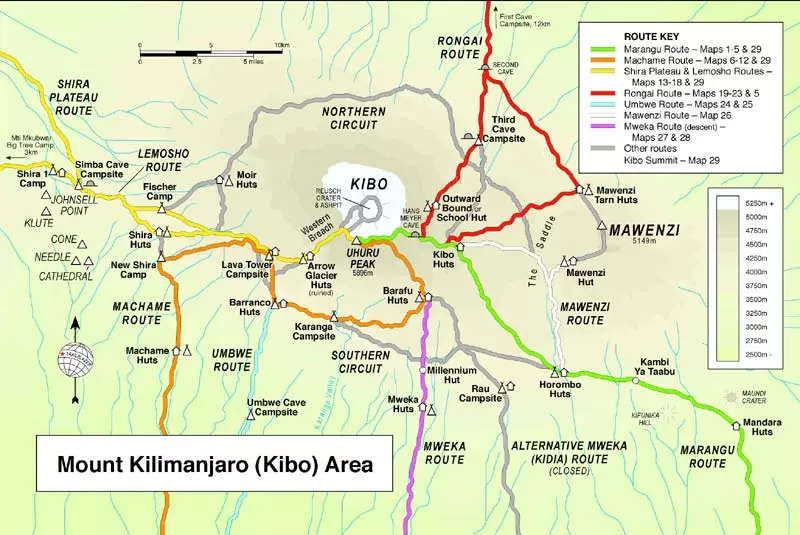
Mount Kilimanjaro is a dormant stratovolcano composed of three volcanic cones: Kibo, Mawenzi, and Shira. Of these, Kibo hosts the summit, Uhuru Peak, while Mawenzi is rugged and technical, and Shira is an eroded plateau. All standard Kilimanjaro climbing routes aim for Uhuru Peak via Kibo.
The mountain stands within Mount Kilimanjaro, and its massive size creates its own weather systems and ecological zones. Climbers pass through tropical rainforest, heath and moorland, alpine desert, and finally arctic conditions near the summit. This vertical ecological transition is one of Kilimanjaro’s defining features and a key part of the climbing experience regardless of route choice.
Why Route Choice Matters on Kilimanjaro
All Kilimanjaro climbing routes lead to the same summit, but the experience of getting there can differ dramatically. Routes vary in length, scenery, crowd levels, acclimatization profile, technical difficulty, and success rate.
The most important factor influenced by route choice is acclimatization. Kilimanjaro’s altitude is the primary challenge, not terrain. Routes that allow gradual altitude gain and include extra days significantly improve summit success and reduce the risk of altitude sickness.
Choosing a route should therefore be a strategic decision rather than a cost-driven one. Shorter routes may appear appealing but often have lower success rates. Longer routes may cost more but dramatically increase safety, comfort, and the likelihood of reaching Uhuru Peak.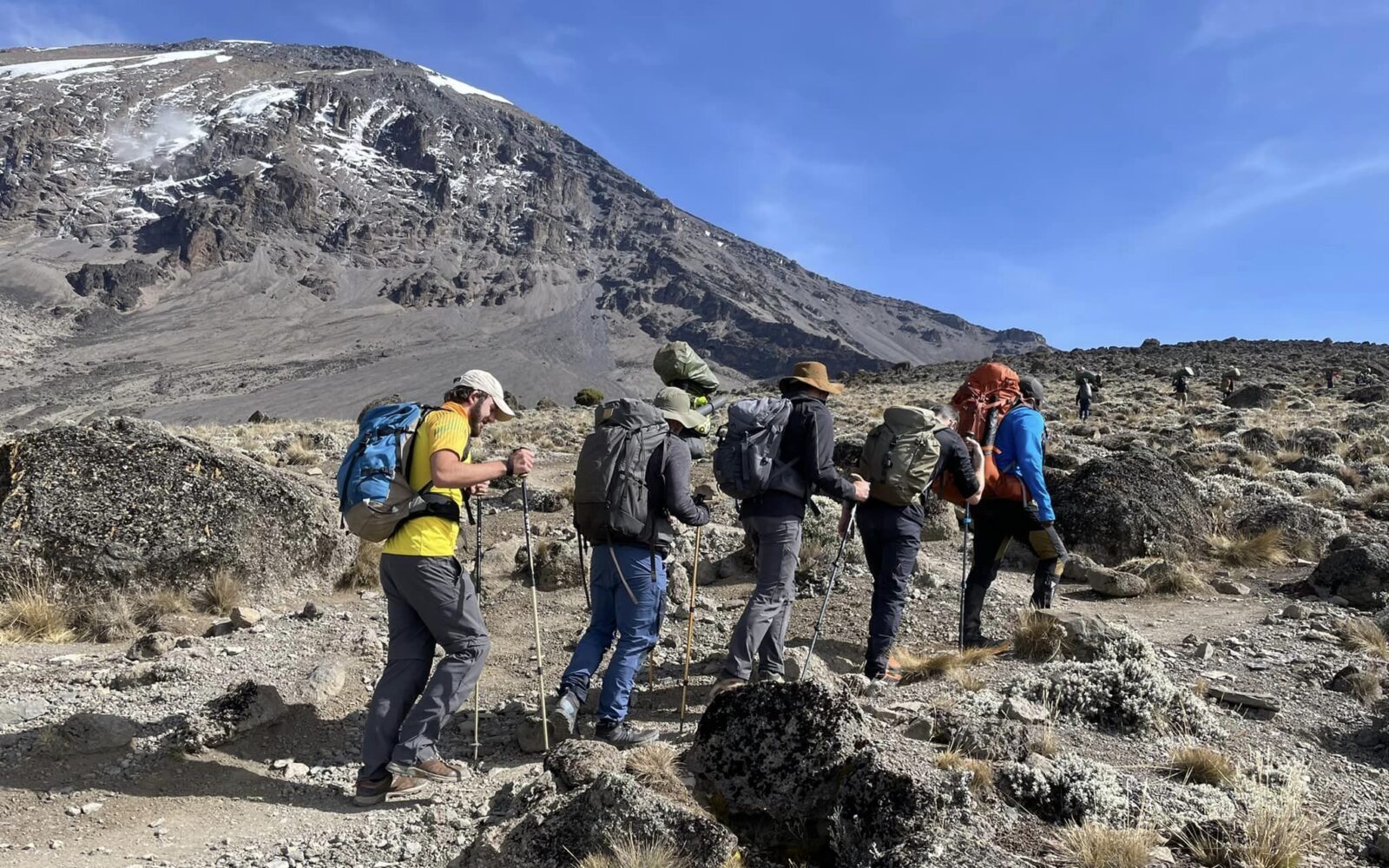
The Marangu Route: The Classic and Most Established Path
The Marangu Route is the oldest and most established of all Kilimanjaro climbing routes. Often referred to as the “Coca-Cola Route,” it is the only route that offers dormitory-style mountain huts rather than tents.
Marangu approaches Kilimanjaro from the southeast and follows a relatively gentle gradient compared to other routes. The trail is well-defined and maintained, making it physically less demanding in terms of terrain. However, the route’s major weakness lies in its acclimatization profile.
Most Marangu itineraries are five or six days, which means climbers gain altitude quickly with limited time for adaptation. As a result, summit success rates are lower compared to longer routes. Despite its comfort and simplicity, Marangu is often not recommended for first-time high-altitude trekkers unless extended to six days.
Strengths and Limitations of the Marangu Route
The Marangu Route’s primary strength is infrastructure. Permanent huts provide shelter, dining facilities, and basic sanitation, which can be appealing during bad weather. The trail is also less muddy than rainforest sections on other routes.
Its main limitation is rapid ascent. Climbers sleep at high elevations early in the climb, increasing the risk of altitude sickness. Additionally, the ascent and descent follow the same path, reducing scenic variety and increasing trail congestion.
Marangu remains suitable for climbers prioritizing comfort over scenery, particularly those extending the itinerary for improved acclimatization.
The Machame Route: The Most Popular Scenic Route
The Machame Route is widely regarded as the most scenic of the Kilimanjaro climbing routes and has become the most popular choice among climbers. Known as the “Whiskey Route,” Machame approaches the mountain from the southwest and offers dramatic landscapes throughout the climb.
Machame’s popularity is driven by its excellent acclimatization profile. The route follows a “climb high, sleep low” pattern, allowing the body more time to adjust to altitude. Most Machame itineraries are six or seven days, with the seven-day version offering notably higher success rates.
The route passes through lush rainforest, open moorland, alpine desert, and exposed ridgelines before reaching the summit. This diversity makes Machame visually rewarding and mentally engaging.
Challenges of the Machame Route
While Machame offers superior acclimatization, it is physically more demanding than Marangu. The terrain includes steeper ascents, rocky sections, and narrow ridges. The Barranco Wall, while not technical, requires confidence with hands-on scrambling.
Camping is required throughout the route, which means exposure to cold and wind at higher elevations. However, for climbers seeking a balance between challenge, scenery, and summit success, Machame is often considered the optimal choice.
The Lemosho Route: The Most Balanced and High-Success Route
The Lemosho Route is widely regarded by professionals as the best overall of the Kilimanjaro climbing routes. It offers exceptional scenery, low crowd density in early stages, and one of the best acclimatization profiles on the mountain.
Lemosho approaches Kilimanjaro from the west, crossing the Shira Plateau before joining the Machame Route near Lava Tower. Most Lemosho itineraries are seven or eight days, allowing gradual altitude gain and multiple acclimatization opportunities.
The route’s length and design result in some of the highest summit success rates on Kilimanjaro. Climbers experience diverse landscapes and enjoy quieter trails during the first half of the ascent.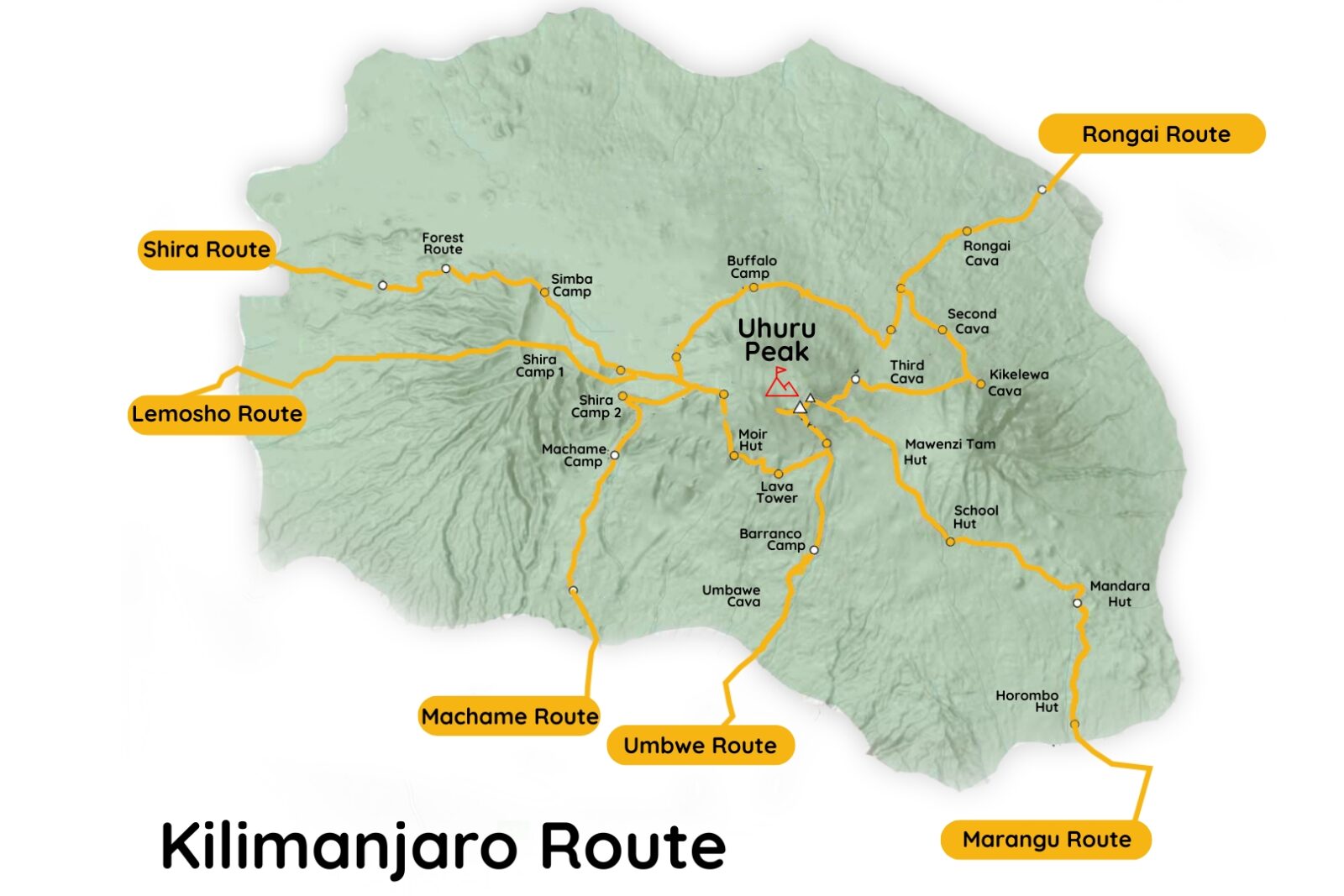
Why Lemosho Is Often Considered the Finest Route
The Lemosho Route excels in balance. It combines physical challenge with sufficient recovery time, scenic diversity with crowd management, and steady progression with flexibility.
Its primary drawback is cost, as longer itineraries and remote access increase logistical expenses. However, for climbers prioritizing safety, experience quality, and summit probability, Lemosho stands out as the gold standard among Kilimanjaro climbing routes.
The Shira Route: High Starting Point with Acclimatization Risks
The Shira Route shares much of its path with Lemosho but begins at a higher elevation due to vehicle access to the Shira Plateau. While this reduces trekking time, it also introduces acclimatization challenges.
Starting at high altitude can be problematic for climbers who have not pre-acclimatized. Although the scenery across the Shira Plateau is impressive, the route’s initial elevation gain makes it less suitable for climbers new to altitude.
The Shira Route is best reserved for experienced high-altitude trekkers or those who have acclimatized elsewhere prior to arrival.
The Rongai Route: The Quiet Northern Approach
The Rongai Route approaches Kilimanjaro from the north, near the Kenyan border. It is the only major route that ascends the mountain from this side and is known for its relative solitude.
Rongai is drier than southern routes and less affected by rainfall, making it a good option during wetter seasons. The terrain is gentle, and the route is considered physically manageable.
However, Rongai offers less scenic variety compared to Machame or Lemosho and has a more limited acclimatization profile unless extended. Descent typically follows the Marangu Route, providing some variety.
Who the Rongai Route Is Best Suited For
Rongai is ideal for climbers seeking a quieter experience, those trekking during the rainy season, or individuals who prefer gradual, less steep ascents. With an extended itinerary, it can offer solid summit success rates.
The Northern Circuit Route: The Longest and Most Acclimatized Option
The Northern Circuit is the longest of all Kilimanjaro climbing routes, typically taking eight to nine days. It begins via the Lemosho Route and then traverses the rarely visited northern slopes of the mountain.
This route offers unparalleled acclimatization and some of the highest summit success rates available. The extended duration allows the body to adapt gradually, significantly reducing altitude-related risks.
The Northern Circuit also provides exceptional solitude and expansive views rarely seen by most climbers.
Limitations of the Northern Circuit Route
The primary limitation of the Northern Circuit is time and cost. Longer itineraries require greater financial investment and extended time off. For climbers with limited schedules, this route may not be practical.
However, for those prioritizing safety, success, and a premium trekking experience, the Northern Circuit represents the pinnacle of Kilimanjaro route design.
The Umbwe Route: The Most Direct and Challenging Path
The Umbwe Route is the shortest and steepest of the Kilimanjaro climbing routes. It approaches the mountain aggressively from the south and gains altitude rapidly.
Umbwe offers dramatic scenery and a sense of raw wilderness, but it is widely regarded as unsuitable for most climbers due to poor acclimatization. Summit success rates are significantly lower unless the route is carefully modified.
Umbwe is best suited for highly experienced trekkers seeking a technical and mentally demanding ascent rather than a high probability of reaching the summit.
Summit Night and the Final Ascent Across Routes
Regardless of route choice, all Kilimanjaro climbing routes converge near the summit. Summit night typically begins around midnight, with climbers ascending slowly toward Stella Point or Gilman’s Point before continuing to Uhuru Peak.
This stage is physically and mentally exhausting. Cold temperatures, thin air, and fatigue combine to create the most challenging portion of the climb. Success depends on pacing, mental resilience, hydration, and guide support.
The descent is long and demanding, emphasizing the importance of proper preparation and route planning.
Acclimatization and Altitude Management
Altitude sickness is the single greatest risk on Kilimanjaro. Route choice, itinerary length, hydration, nutrition, and pacing all influence acclimatization success.
Longer routes with gradual elevation gain significantly reduce risk. Climbers are advised to avoid shortcuts and prioritize safety over speed.
Professional guides monitor climbers closely for symptoms and adjust plans when necessary. Responsible route selection is the foundation of a successful climb.
Seasonality and Route Conditions
Kilimanjaro can be climbed year-round, but conditions vary by season. Drier months generally offer better trail conditions and visibility, while wetter periods increase mud and cloud cover.
Northern routes such as Rongai are preferable during rainy seasons. Southern routes offer better scenery during dry months. Route choice should consider both climate and crowd levels.
Equipment and Preparation by Route
All Kilimanjaro climbing routes require proper equipment, including layered clothing, insulated jackets, waterproof gear, and sturdy boots. Summit night demands protection against extreme cold.
While no technical climbing gear is required, preparation should not be underestimated. Fitness, mental readiness, and realistic expectations are essential regardless of route.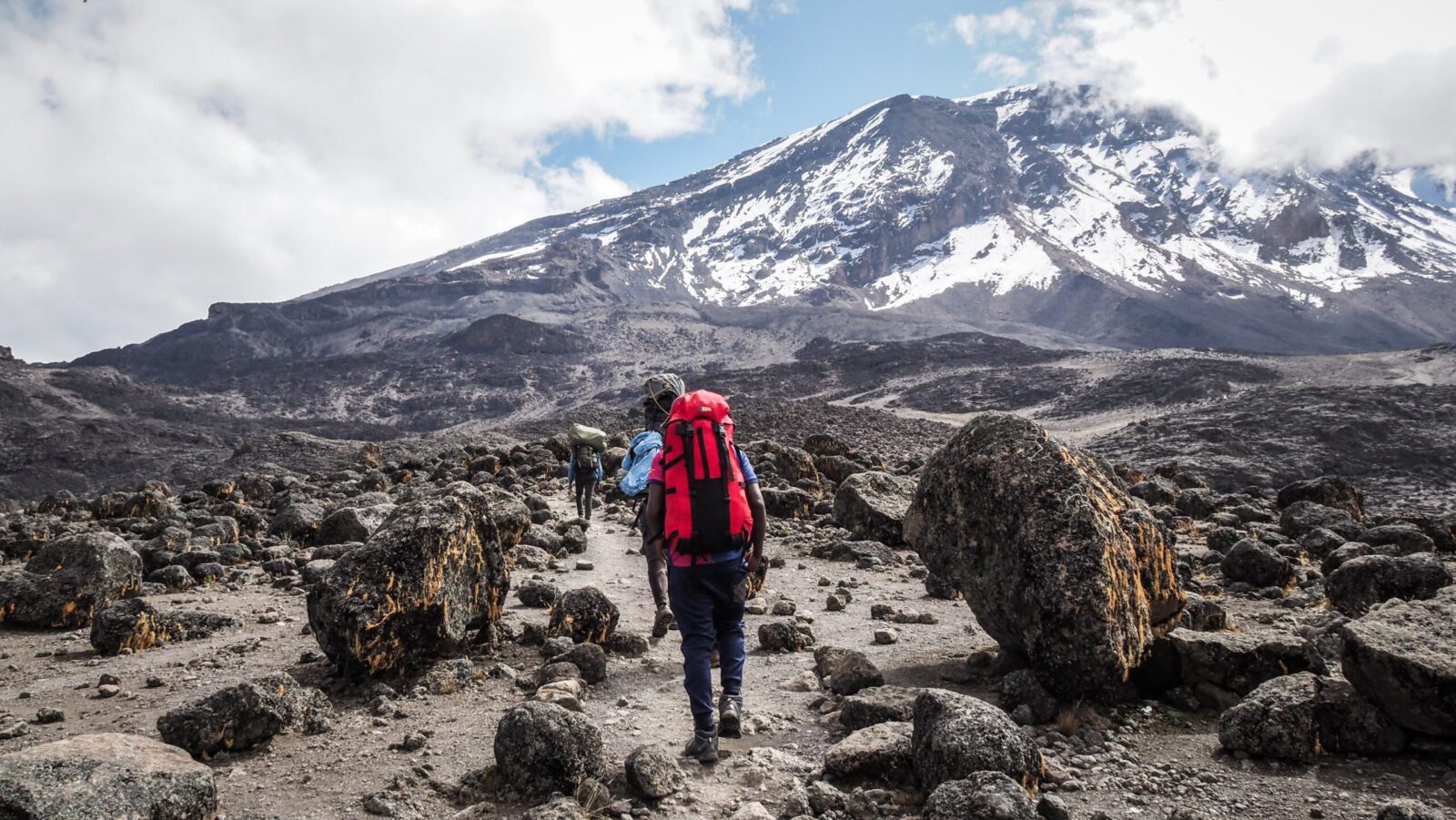
Who Kilimanjaro Climbing Routes Are Suitable For
Kilimanjaro is accessible to a wide range of climbers, but route choice determines difficulty and risk. With proper planning, first-time trekkers can succeed on longer routes. Shorter routes should be approached cautiously.
The mountain rewards patience, humility, and respect. Choosing the right route transforms Kilimanjaro from a physical challenge into a life-defining journey.
Comparing Kilimanjaro Routes at a Strategic Level
Each route offers a distinct experience. Marangu emphasizes comfort, Machame balances challenge and scenery, Lemosho optimizes success, Rongai offers solitude, Northern Circuit maximizes acclimatization, and Umbwe tests limits.
Understanding these differences is essential for aligning personal goals with route characteristics.
Kilimanjaro Climbing Routes as a Personal Journey
Beyond logistics and elevation, Kilimanjaro climbing routes represent a personal narrative. The mountain strips away distraction and reveals resilience, vulnerability, and determination.
Each step upward becomes symbolic, and the summit represents more than altitude. It reflects preparation, patience, and the willingness to endure discomfort in pursuit of perspective.
Choosing the Right Kilimanjaro Climbing Route
The Kilimanjaro climbing routes offer multiple paths to the same summit, but the experience of each path is profoundly different. Choosing wisely determines not only summit success but the quality and safety of the entire journey.
With informed planning, realistic pacing, and professional guidance, Kilimanjaro delivers one of the most iconic and accessible high-altitude adventures on Earth.