
A Namibia safari is a journey into space, silence, and survival. It is unlike any other safari experience in Africa because it is defined not by density alone, but by scale, adaptation, and dramatic landscapes where wildlife has learned to survive against the odds. Namibia offers a safari shaped by deserts, ancient riverbeds, vast plains, and rugged mountains, creating one of the most visually striking and ecologically distinctive safari destinations on the continent.
What makes a Namibia safari exceptional is its sense of remoteness and authenticity. Here, wildlife is not concentrated artificially, ecosystems are not manipulated for convenience, and landscapes remain largely untouched. Animals move across immense territories, human presence is minimal, and conservation is driven by long-term vision rather than short-term tourism pressure. A Namibia safari is therefore not about constant sightings, but about understanding resilience, balance, and the raw mechanics of nature.
Understanding the Essence of a Namibia Safari
A Namibia safari is defined by environmental extremes and ecological intelligence. Much of the country is arid or semi-arid, yet it supports a surprising diversity of wildlife adapted to survive in harsh conditions. These adaptations shape every safari experience, from how animals find water to how predators hunt and how vegetation regenerates after rare rainfall.
Namibia is also a global leader in conservation innovation. It was one of the first African countries to enshrine conservation into its constitution and has pioneered community-based natural resource management. Large areas of land are protected not only through national parks but also through communal conservancies, where local communities manage wildlife and benefit directly from tourism.
This model ensures that a Namibia safari is both environmentally responsible and socially inclusive. Wildlife is protected because it has tangible value to the people who live alongside it.
Namibia’s Landscapes and the Power of Place
Unlike savannah-dominated safari regions, Namibia is defined by landscapes that tell ancient geological stories. Deserts, salt pans, dry river systems, and escarpments shape wildlife distribution and behavior.
A Namibia safari is as much about observing landforms as animals. Vast horizons, changing light, and minimal human infrastructure create a powerful sense of wilderness that few destinations can match. These landscapes influence how wildlife moves, where it congregates, and how safari experiences unfold.
Etosha National Park and the Heart of Namibia Safaris
The foundation of most Namibia safari itineraries is Etosha National Park, one of Africa’s most unique and rewarding wildlife destinations.
The Etosha Pan and Waterhole Safaris
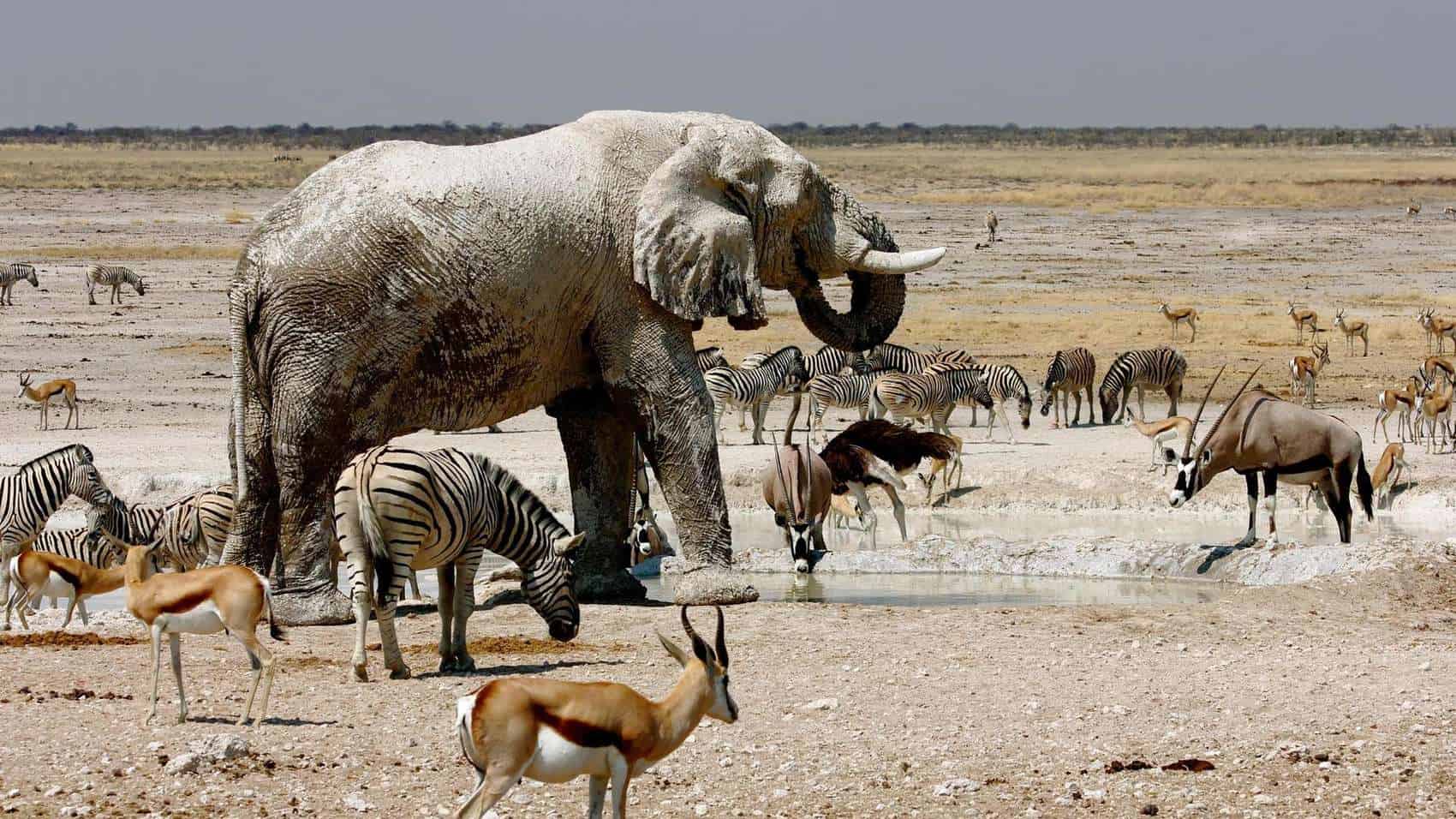
Etosha is built around a vast salt pan so large it can be seen from space. While the pan itself is largely devoid of vegetation, it plays a crucial ecological role. During the dry season, wildlife congregates around permanent and seasonal waterholes surrounding the pan, creating exceptional viewing opportunities.
A Namibia safari in Etosha is defined by waterhole-based wildlife observation. Elephants, lions, rhinos, giraffes, zebra, and antelope gather predictably, allowing extended observation of natural behavior. Predators patrol these areas, and encounters often unfold slowly and dramatically.
Predator and Rhino Strongholds
Etosha is one of Southern Africa’s most important rhino conservation areas, particularly for black rhinos. Intensive protection and monitoring efforts have made the park a stronghold for this endangered species. Lion populations are healthy, and sightings are frequent around water sources.
A Namibia safari in Etosha offers insight into how wildlife adapts to arid conditions and how conservation management supports species survival in challenging environments.
Damaraland and Desert-Adapted Wildlife
One of Namibia’s most distinctive safari regions is Damaraland, a rugged landscape of rocky outcrops, dry riverbeds, and open plains.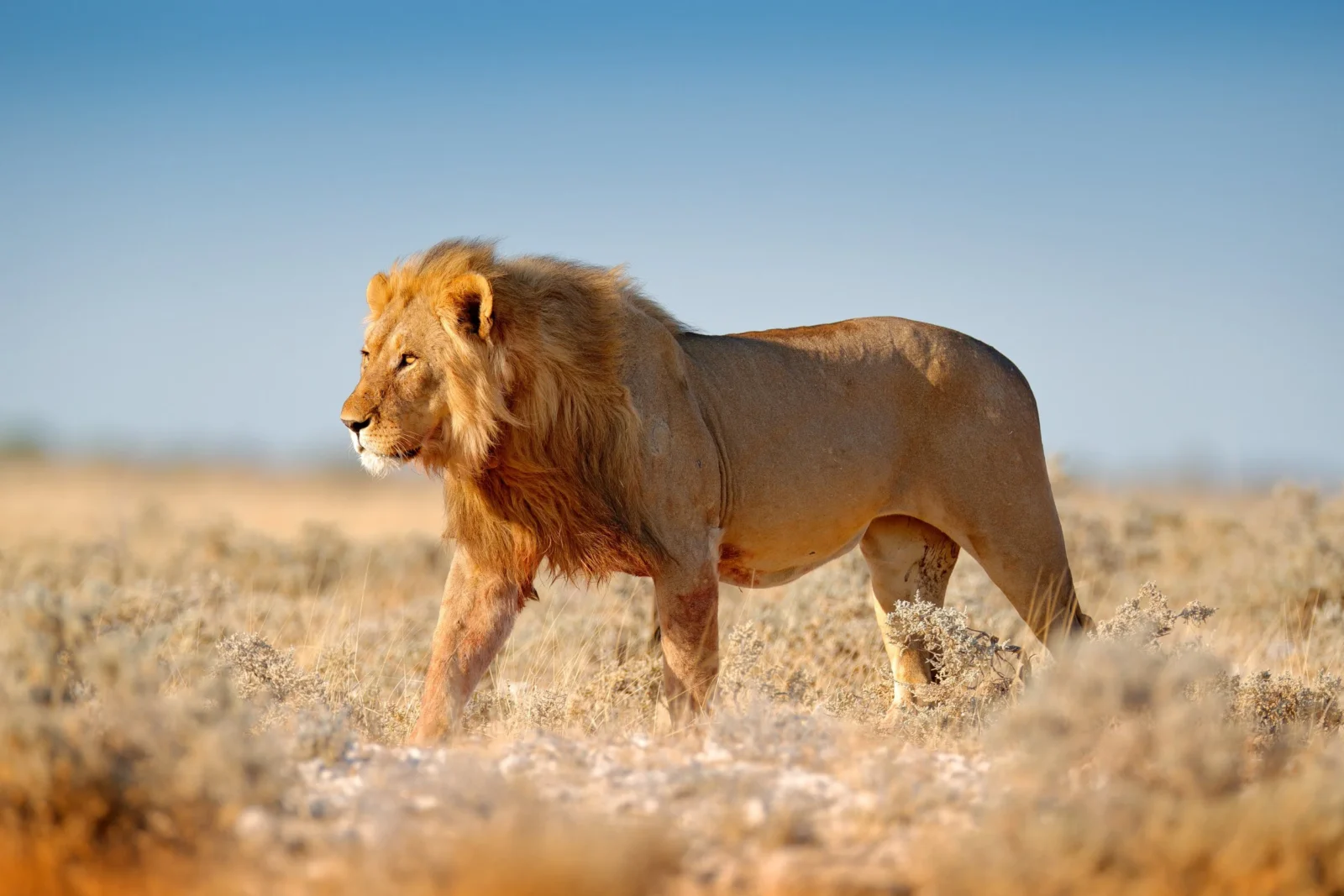
Desert-Adapted Elephants and Predators
Damaraland is famous for its desert-adapted elephants, which have evolved behavioral strategies to survive with limited water and vegetation. These elephants range over vast territories, following ancient river systems and seasonal food sources.
Predators such as lions and cheetahs have also adapted to this environment, hunting in open terrain and traveling long distances between prey encounters. A Namibia safari in Damaraland highlights adaptation rather than abundance, offering rare insight into survival strategies.
Geological and Cultural Significance
Beyond wildlife, Damaraland is rich in geological formations and ancient rock art. The region adds archaeological and cultural depth to a Namibia safari, reinforcing the connection between people, land, and wildlife over thousands of years.
Skeleton Coast and the Edge of Survival
The Skeleton Coast National Park represents one of the most extreme safari environments in Africa, where the desert meets the Atlantic Ocean.
Coastal Desert Ecosystems
Fog from the cold Benguela Current provides essential moisture to plants and animals in this otherwise barren landscape. Brown hyenas, desert-adapted lions, and other species survive by exploiting coastal resources and sparse inland prey.
A Namibia safari along the Skeleton Coast is not about traditional game drives but about understanding ecological extremes. Wildlife sightings are rare but deeply meaningful, underscoring the resilience of life in hostile environments.
Isolation and Conservation
The Skeleton Coast’s remoteness has protected it from overdevelopment. Strict access controls preserve its fragile ecosystems, making it a destination for travelers seeking profound wilderness rather than conventional safari density.
Caprivi Strip and River-Based Safaris
In stark contrast to Namibia’s deserts, the northeastern region known as the Zambezi Region introduces a water-rich safari environment.
Wetlands and Biodiversity
This region is defined by rivers, floodplains, and woodlands that support elephants, buffalo, hippos, crocodiles, and abundant birdlife. Seasonal flooding creates dynamic ecosystems where wildlife movement follows water availability.
A Namibia safari here often includes boat safaris, offering close yet unobtrusive encounters with aquatic and riverine species. This dimension adds ecological diversity to Namibia’s safari offering.
Cross-Border Wildlife Corridors
The Zambezi Region forms part of a larger transboundary conservation area, allowing wildlife to move freely across national borders. This connectivity strengthens conservation outcomes and enriches safari experiences by supporting large, mobile populations.
The Kalahari and Subtle Safari Landscapes
Southern and eastern Namibia extend into the Kalahari ecosystem, characterized by red dunes, grasslands, and seasonal pans.
Seasonal Transformation
During rainy periods, the Kalahari comes alive with vegetation, attracting herbivores and predators. During dry months, wildlife disperses, and survival strategies become more evident.
A Namibia safari in the Kalahari emphasizes patience and observation, rewarding travelers who appreciate subtle wildlife behavior and expansive landscapes.
Wildlife Diversity on a Namibia Safari
While Namibia does not offer the same wildlife density as wetter safari destinations, it supports impressive biodiversity adapted to arid conditions. Elephants, rhinos, lions, leopards, cheetahs, giraffes, antelope, and a wide range of smaller mammals inhabit different regions.
Birdlife is particularly rich, with desert-adapted species, raptors, and wetland birds in river regions. A Namibia safari encourages travelers to look beyond large mammals and appreciate ecological complexity at all levels.
Safari Styles in Namibia
Namibia offers diverse safari styles shaped by landscape and conservation philosophy. Self-drive safaris are common and well-supported due to good road infrastructure and clear park regulations. Guided safaris provide deeper interpretation, especially in remote regions where tracking skills and local knowledge are essential.
Walking safaris in certain areas emphasize tracks, plants, and ecological processes, while boat safaris in river regions offer a completely different wildlife perspective.
This flexibility allows Namibia safaris to suit independent travelers, photographers, conservation-minded visitors, and those seeking solitude.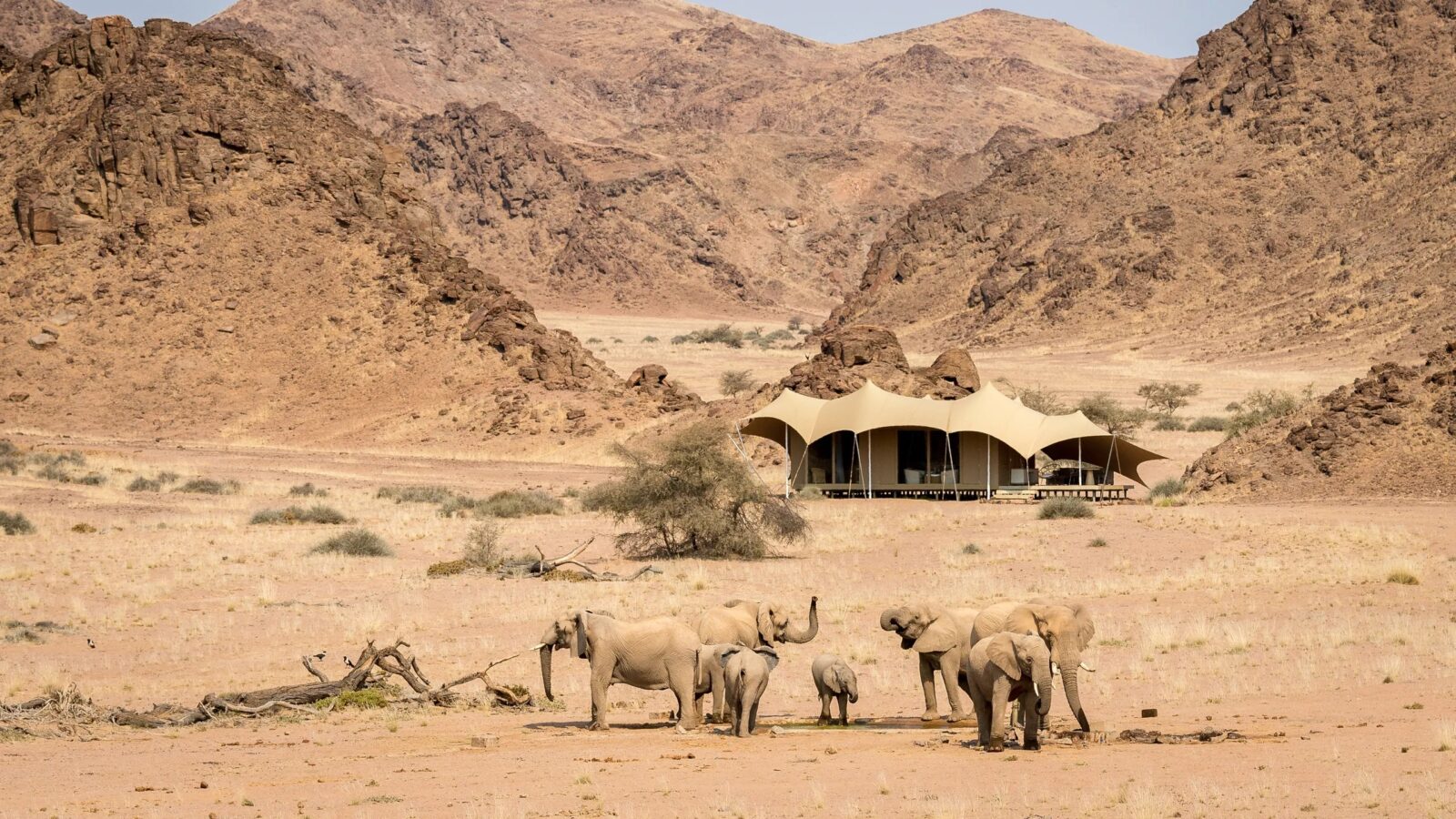
Conservation and Community in Namibia Safaris
Namibia is a global leader in community-based conservation. Communal conservancies empower local communities to manage wildlife, benefit from tourism, and protect natural resources.
Tourism revenue funds anti-poaching efforts, habitat protection, education, and infrastructure development. This model has led to increasing wildlife populations in many areas, including elephants and predators.
A Namibia safari directly supports these initiatives, making travelers active participants in conservation success rather than passive observers.
Seasonal Dynamics and Planning a Namibia Safari
Seasonality plays a major role in Namibia safari planning. The dry season offers predictable wildlife viewing around water sources and easier travel conditions. The wet season transforms landscapes, supports breeding activity, and attracts migratory birds.
Each season offers distinct advantages. Understanding Namibia’s climate and ecological rhythms allows travelers to plan safaris aligned with personal interests, whether focused on wildlife, photography, or landscape exploration.
Who a Namibia Safari Is Best Suited For
A Namibia safari appeals to travelers seeking something different from traditional African safaris. It is ideal for those who value landscapes, solitude, adaptation, and conservation philosophy as much as wildlife sightings.
Photographers, repeat safari travelers, self-drive enthusiasts, and nature-focused explorers often find Namibia deeply rewarding due to its visual drama and ecological depth.
Why the Namibia Safari Is Truly Unique
The Namibia safari stands apart because it challenges conventional expectations of wildlife travel. It replaces crowd-driven encounters with space, replaces abundance with adaptation, and replaces spectacle with understanding.
In a world where wilderness is increasingly compressed, Namibia remains expansive and uncompromised. Its conservation success proves that wildlife can thrive even in harsh environments when protected through vision, community involvement, and responsible tourism.
A Namibia safari is not about how much you see, but about what you understand. It is an encounter with nature stripped to its essentials, where survival, balance, and beauty coexist in one of Africa’s most extraordinary landscapes.