
A Rwanda wildlife safari is a masterclass in how conservation, community partnership, and precision planning can transform a small country into one of Africa’s most meaningful safari destinations. Rwanda does not compete on sheer size or wildlife density alone. Instead, it delivers depth, purpose, and exceptional conservation outcomes within compact, well-protected ecosystems. A wildlife safari in Rwanda is defined by intimacy rather than scale, by impact rather than excess, and by experiences that are carefully designed to protect nature while allowing visitors to engage with it responsibly.
Often described as Africa’s conservation success story, Rwanda has redefined what a modern safari can be. Its wildlife safaris combine iconic primate encounters, recovering savannah ecosystems, rich forest biodiversity, and a strong emphasis on sustainability. Every Rwanda wildlife safari is underpinned by a clear philosophy: wildlife must pay for its own protection, communities must benefit directly, and tourism must enhance rather than endanger natural systems.
Understanding the Identity of a Rwanda Wildlife Safari
A Rwanda wildlife safari is shaped by intention. Rwanda’s protected areas are smaller than those of many neighbouring countries, but they are exceptionally well managed. Strict regulations, controlled visitor numbers, professional guiding, and continuous monitoring ensure that wildlife encounters are ethical, educational, and conservation-driven.
Geographically, Rwanda lies within the Albertine Rift, one of the most biologically diverse regions in Africa. This positioning gives the country access to montane forests, lowland rainforests, wetlands, and savannah ecosystems within a relatively short distance. As a result, Rwanda wildlife safaris offer remarkable ecological variety despite the country’s compact size.
Another defining characteristic is efficiency. Rwanda’s infrastructure, road network, and park management systems allow travellers to move smoothly between wildlife areas. This efficiency does not dilute the safari experience; rather, it allows more time to be spent in nature and less in transit.
Volcanoes National Park and the Heart of Rwanda Wildlife Safaris
At the core of Rwanda’s global safari reputation lies Volcanoes National Park, one of the most important wildlife conservation areas in the world.
Mountain Gorilla Conservation and Global Significance
Volcanoes National Park protects a critical portion of the Virunga Massif, home to endangered mountain gorillas. Rwanda’s gorilla conservation model is internationally recognised for its effectiveness. Strictly limited permits, small trekking groups, and highly trained guides ensure minimal disturbance to gorilla families.
A Rwanda wildlife safari that includes gorilla trekking is not simply an encounter; it is participation in one of the world’s most successful conservation programs. Revenue from gorilla permits directly funds habitat protection, veterinary care, ranger salaries, and community development initiatives. This approach has contributed to the steady increase in mountain gorilla populations over recent decades.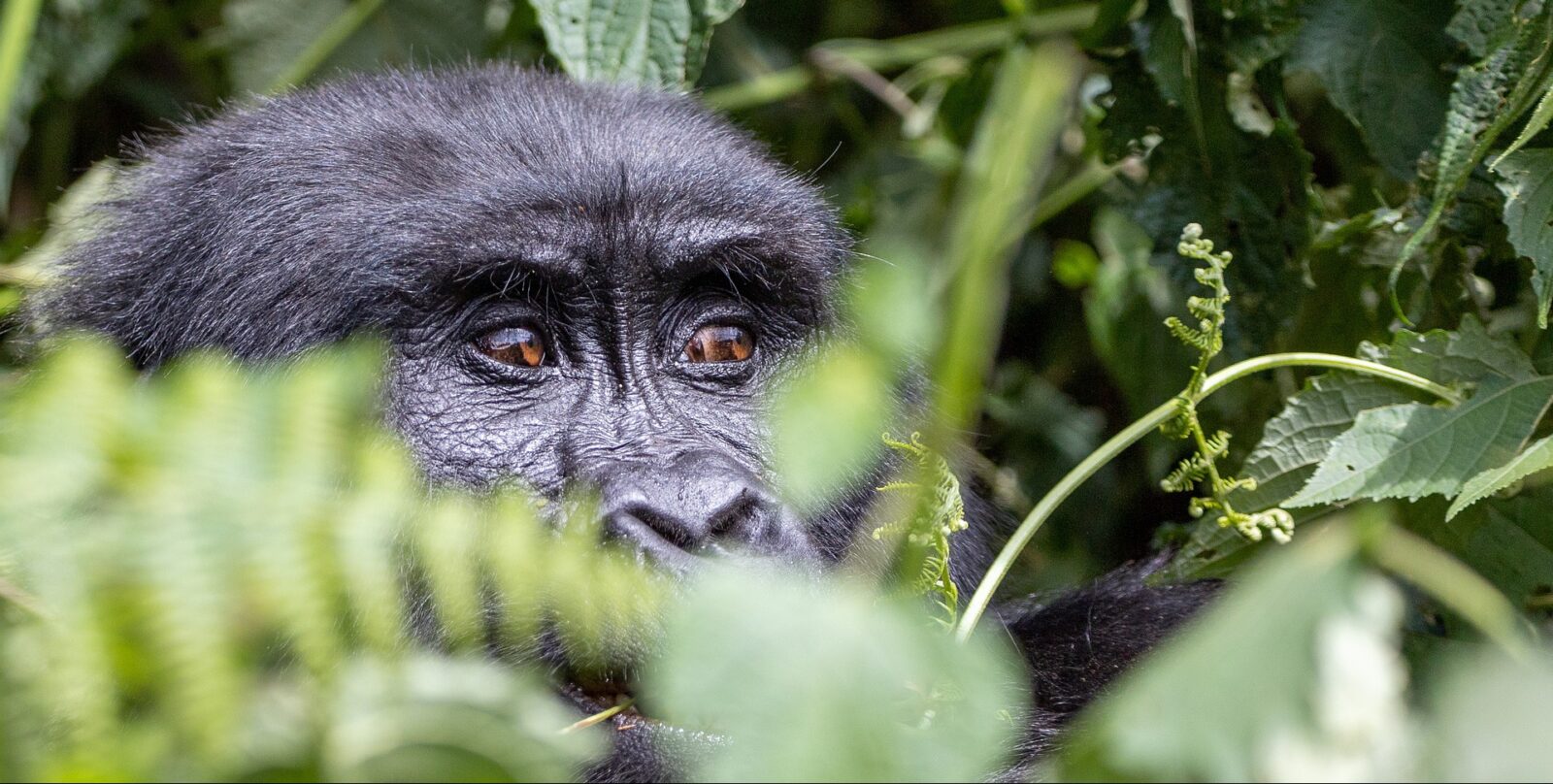
The Gorilla Trekking Experience
Gorilla trekking in Volcanoes National Park is immersive and demanding, requiring physical effort and patience. Treks vary in duration depending on gorilla movements, reinforcing the reality that wildlife encounters are not choreographed. When a gorilla family is located, visitors are allowed a strictly regulated viewing period, creating an encounter that is powerful, emotional, and respectful.
A Rwanda wildlife safari centred on Volcanoes National Park highlights the balance between access and protection, demonstrating how controlled tourism can support species survival.
Nyungwe Forest and Primate-Rich Rainforest Safaris
Southern Rwanda is dominated by Nyungwe National Park, one of Africa’s oldest and most biologically rich montane rainforests.
Chimpanzee Tracking and Primate Diversity
Nyungwe is a cornerstone of Rwanda’s primate safari offering, supporting one of the largest protected montane rainforest ecosystems in East Africa. Chimpanzee tracking here provides dynamic and educational wildlife encounters, often involving active movement through dense forest as chimpanzees forage and socialize.
Beyond chimpanzees, Nyungwe hosts multiple primate species, including colobus monkeys, mangabeys, and guenons. A Rwanda wildlife safari in Nyungwe offers insight into primate evolution, social behavior, and forest ecology.
Forest Ecology and Biodiversity
Nyungwe’s importance extends far beyond primates. The forest supports hundreds of bird species, rare orchids, butterflies, and plant life that contribute to its status as a biodiversity hotspot. Canopy walkways and forest trails allow visitors to experience different vertical layers of the ecosystem, revealing how life is structured within rainforest environments.
A Rwanda wildlife safari that includes Nyungwe emphasizes ecological understanding and biodiversity appreciation rather than traditional savannah game viewing alone.
Akagera National Park and the Return of the Savannah Safari
Eastern Rwanda is home to Akagera National Park, a remarkable example of large-scale ecological restoration.
Rewilding and Conservation Recovery
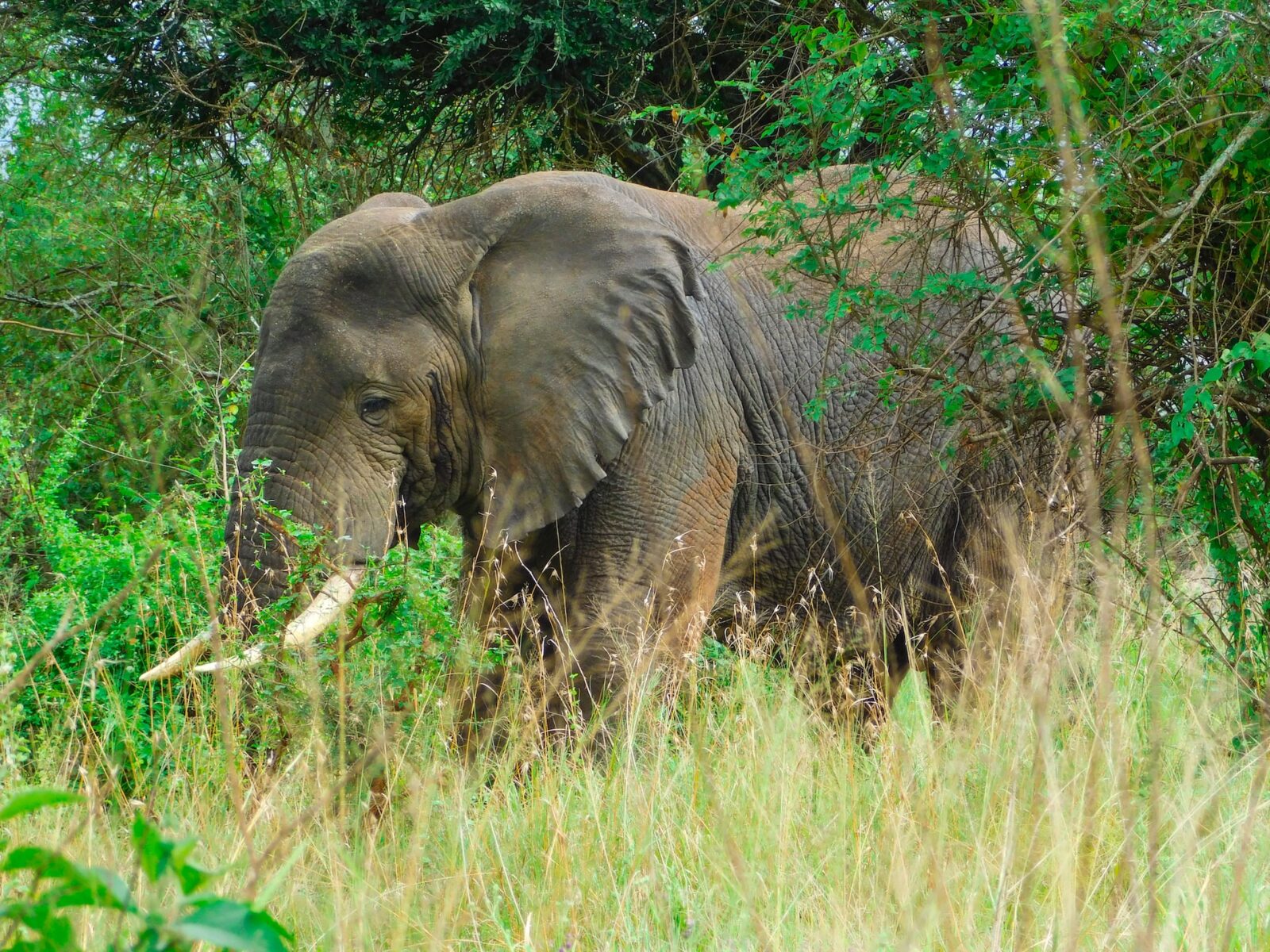
Once heavily degraded, Akagera has undergone one of Africa’s most successful rewilding efforts. Strategic partnerships, strong law enforcement, and community engagement have restored wildlife populations and ecosystem function. Today, Akagera supports lions, elephants, rhinos, buffalo, leopards, and a wide range of plains game.
A Rwanda wildlife safari in Akagera offers classic savannah experiences within a well-managed, low-density environment. The park’s recovery demonstrates how conservation investment and political will can reverse biodiversity loss.
Lakes, Wetlands, and Diverse Habitats
Akagera is defined by a mosaic of lakes, wetlands, savannahs, and woodlands. This habitat diversity supports rich birdlife and aquatic species alongside large mammals. Boat safaris on the park’s lakes provide close observation of hippos, crocodiles, and water birds, adding variety to traditional game drives.
A Rwanda wildlife safari in Akagera highlights how water systems influence wildlife distribution and behavior within savannah ecosystems.
The Albertine Rift and Rwanda’s Biodiversity Importance
Rwanda’s position within the Albertine Rift gives it global conservation significance. This region supports high levels of endemism, meaning many species found here exist nowhere else on Earth.
Rwanda’s wildlife safaris offer opportunities to encounter species adapted to specific altitudes, climates, and forest types. This concentration of biodiversity within a small geographic area makes Rwanda particularly valuable for conservation research and eco-tourism.
A Rwanda wildlife safari is therefore not only about iconic species but also about protecting evolutionary diversity and ecological resilience.
Conservation Philosophy Behind Rwanda Wildlife Safaris
Conservation in Rwanda is proactive, data-driven, and tightly regulated. Park management relies on continuous monitoring, community collaboration, and reinvestment of tourism revenue. Rwanda’s approach prioritizes long-term ecological health over short-term tourism volume.
Community involvement is central to this model. Revenue-sharing programs fund schools, health centers, and infrastructure in communities bordering national parks. This creates tangible benefits from wildlife protection and reduces human–wildlife conflict.
A Rwanda wildlife safari directly supports these conservation systems, making responsible travel a core component of the country’s environmental strategy.
Safari Styles Available in Rwanda
Rwanda wildlife safaris offer a range of experiences shaped by ecosystem type. Forest safaris dominate in Volcanoes and Nyungwe, involving guided treks that emphasize interpretation and ecological awareness. Savannah safaris in Akagera focus on game drives and boat safaris.
Birding safaris are particularly rewarding due to Rwanda’s diverse habitats and high species count. Cultural experiences, including community visits and conservation education, add depth to safari itineraries without detracting from wildlife focus.
This diversity allows Rwanda wildlife safaris to be tailored to different interests while maintaining high conservation standards.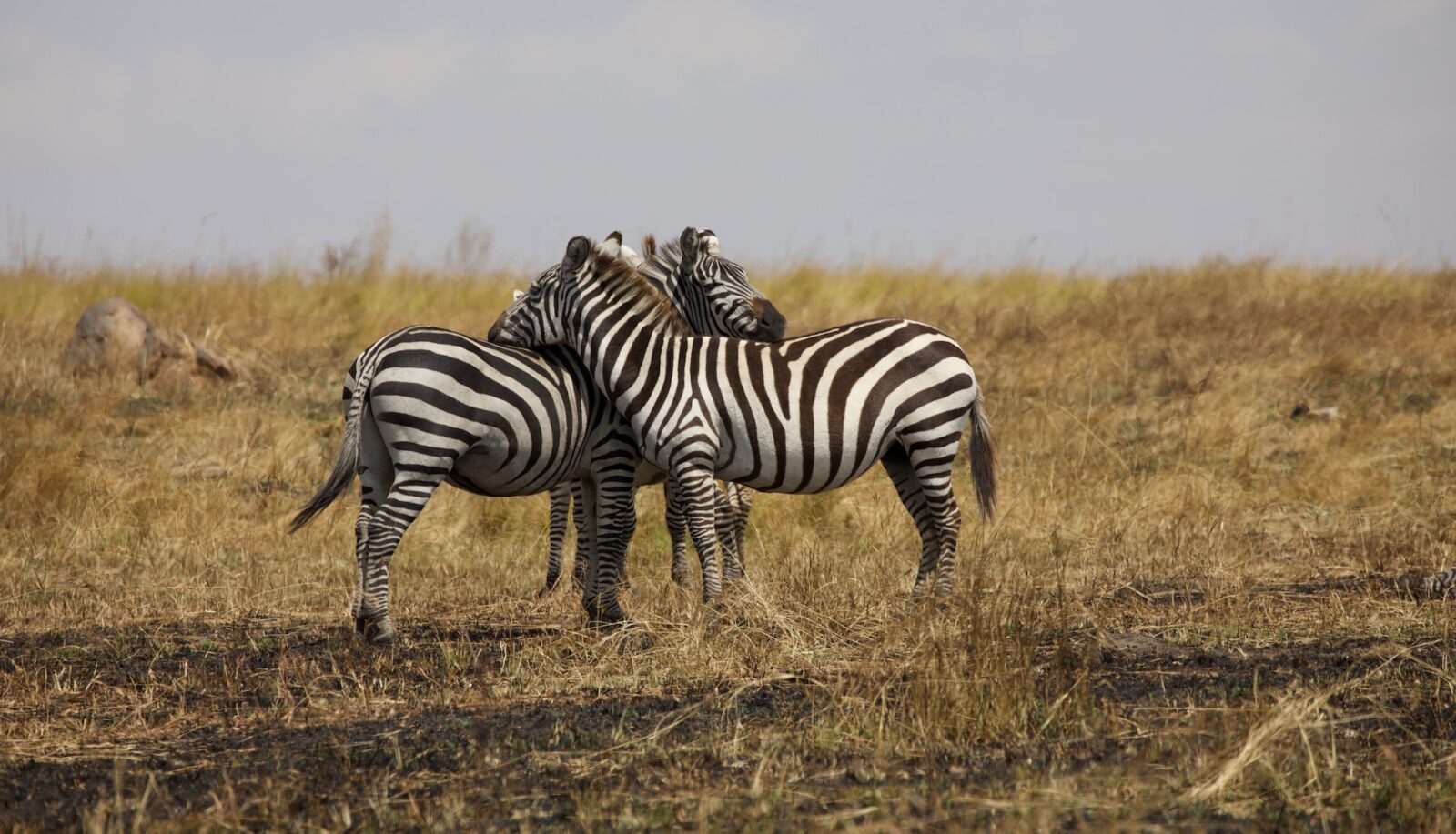
Seasonal Dynamics and Planning a Rwanda Wildlife Safari
Rwanda’s equatorial climate allows for year-round wildlife safaris, though seasonal rainfall influences trekking conditions and wildlife movement. Drier periods generally offer easier forest access, while wetter months bring lush landscapes and peak bird activity.
Understanding these seasonal patterns allows travellers to plan Rwanda wildlife safaris aligned with personal preferences, whether focused on primates, birdlife, or general wildlife viewing.
Safety, Accessibility, and Infrastructure
Rwanda is widely regarded as one of Africa’s safest and most well-organised travel destinations. Strong governance, reliable infrastructure, and professional park management contribute to smooth safari logistics.
Road access to national parks is efficient, and domestic travel times are relatively short. This accessibility enhances the safari experience by reducing fatigue and allowing more time in wildlife areas.
A Rwanda wildlife safari benefits from this efficiency without compromising wilderness integrity.
Who a Rwanda Wildlife Safari Is Best Suited For
A Rwanda wildlife safari appeals to travellers seeking meaningful, conservation-led experiences. It is particularly well suited to those interested in primates, biodiversity, and responsible tourism models.
Rwanda also appeals to travellers with limited time who still want high-quality wildlife encounters, as well as repeat safari-goers looking for depth rather than traditional high-density game viewing.
Why Rwanda Wildlife Safaris Stand Apart
Rwanda wildlife safaris stand apart because they prove that scale is not the sole measure of safari quality. Through discipline, vision, and community partnership, Rwanda has created wildlife experiences that are ethical, impactful, and deeply rewarding.
In a world where many wildlife areas face pressure from overuse and underfunding, Rwanda offers a blueprint for sustainable safari tourism. Its parks are well protected, its wildlife populations are recovering, and its communities are actively engaged in conservation success.
A Rwanda wildlife safari is not defined by how far you travel or how many animals you see in a day. It is defined by how closely you engage with nature, how clearly you see the link between tourism and conservation, and how deeply you understand the responsibility that comes with witnessing some of the world’s most precious wildlife.