search
10 Best Places To See Wild Dog on Safari

10 Best Places To See Wild Dog on Safari

By Travel guides, Travel stories and blogs

10 Best Places To See Wild Dogs on Safari

The Elusive Beauty of Africa’s Painted Predator

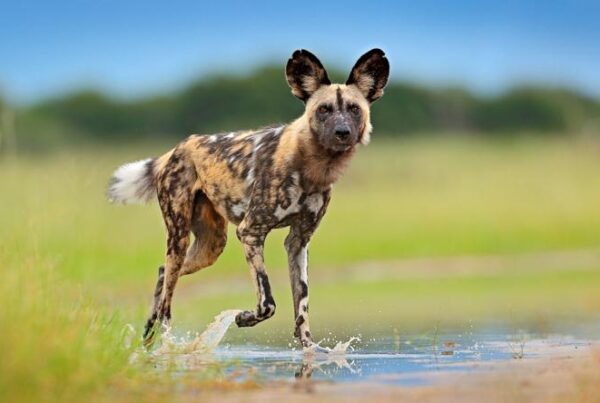
Across the golden savannahs and deep woodlands of Africa, few creatures stir as much fascination—and mystery—as the African wild dog, also known as the painted wolf. With their patchwork coats, oversized ears, and razor-sharp hunting strategies, these predators stand as one of Africa’s most captivating and endangered carnivores. Yet spotting them in the wild remains a rare and unforgettable experience.

Often overshadowed by the more prominent members of the Big Five, the wild dog continues to survive against the odds—threatened by habitat loss, disease, and conflict with human populations. Despite their plummeting numbers, small pockets of these animals still roam free in certain protected regions. For those with a heart for adventure and a deep respect for nature’s delicate balance, venturing into wild dog territory is more than just a sighting—it is a privileged encounter with one of nature’s finest social hunters.

Let us delve into the ten best places in Africa where the drama of the wild dog can still unfold before your eyes.

1. The Heartbeat of Wilderness – Okavango Delta, Botswana

Among Africa’s most breathtaking ecosystems, the Okavango Delta offers a kaleidoscope of life where wild dogs thrive in pockets of pristine wilderness. With its seasonal floods, lush vegetation, and an abundance of prey, the delta provides an ideal hunting ground for wild dogs. The unique water-based ecosystem means the packs must adapt their strategies—becoming not just runners, but master strategists of stealth and agility.

Safari-goers are often surprised by the frequency of sightings here. The dogs are known to den in certain parts of the delta, particularly around Moremi Game Reserve, making it possible to witness their pack dynamics and even the rearing of pups during denning season.

2. Kruger’s Lesser-Known Jewel – South Africa’s Greater Kruger Region

While the main Kruger National Park is popular for lion and elephant sightings, it is in the Greater Kruger conservation areas—like Timbavati and Sabi Sands—that wild dogs are more frequently and intimately encountered. These private reserves offer more flexible tracking protocols, enabling expert guides to follow the animals off-road when needed.

The success of conservation efforts in this area, including collaring and anti-poaching initiatives, has helped stabilize a few of the most visible wild dog populations in South Africa. Observers are often drawn into the fluid grace of these animals as they chase down impalas with near-flawless teamwork.

3. Mana Pools National Park – Zimbabwe’s Wild Treasure

If Africa had a stage for wild dogs to perform their ballet of speed and coordination, it would be Mana Pools. This remote national park, a UNESCO World Heritage Site along the banks of the Zambezi River, offers one of the continent’s most intimate wildlife experiences.

Here, wild dogs are not just present—they are often curiously bold around vehicles, allowing extraordinary photographic opportunities. What sets Mana Pools apart is its walking safaris, where lucky guests may observe a wild dog hunt on foot—one of the most adrenaline-charged, primal connections to nature one can ever feel.

4. Northern Safari Secrets – Ruaha National Park, Tanzania

In the vast, underexplored landscapes of Ruaha, wild dogs remain one of the best-kept secrets of Tanzania’s safari offerings. With far fewer visitors than the Serengeti, this massive park shelters a significant wild dog population—perhaps one of the largest in East Africa.

Ruaha’s ecological diversity supports large prey herds, which in turn sustain robust predator populations. The wild dogs here can often be seen crossing wide, dry riverbeds at dawn, or resting under baobabs during the heat of day. Their stealth and silence in such open landscapes makes each sighting feel like a revelation—rare, raw, and real.

5. Painted Wolves of the South – Hwange National Park, Zimbabwe

Hwange stands as a bastion for one of southern Africa’s most consistent wild dog populations. The dry, open woodlands and grassy plains provide ample room for these roaming carnivores to execute their tireless chases, sometimes covering more than 50 kilometers a day.

Visitors here are often treated to sightings of wild dog packs interacting at close quarters, especially during early morning drives. Conservation programs have made this area a crucial stronghold in the fight to preserve the species, with ongoing research projects contributing to international understanding of wild dog behavior.

6. Zambia’s Remote Eden – South Luangwa National Park

Not only does South Luangwa offer some of the best walking safaris in Africa, but it also boasts thriving wild dog populations that have rebounded in recent years thanks to dedicated conservation work. The meandering Luangwa River and its oxbow lagoons create a perfect canvas for tracking wildlife movements.

Though elusive, wild dogs are increasingly seen hunting puku or bushbuck in the early hours of the day. South Luangwa’s safari camps are known for their low-impact approach, ensuring guests are immersed in nature, not just observing from a distance.

7. Southern Tanzania’s Hidden Gem – Selous (Now Nyerere National Park)

Previously known as Selous Game Reserve, and now part of Nyerere National Park, this vast, untamed wilderness is a sanctuary for some of East Africa’s most vital wild dog populations. Despite the changes in protection status and development pressures, the area still offers superb sightings.

What makes this region special is its diversity—rivers, lakes, savannah, and miombo woodland blend into a landscape where wild dogs move freely and frequently. With fewer vehicles and minimal tourist pressure, safaris here feel exclusive and authentic, ideal for those seeking true wilderness.

8. The Painted Plains – Laikipia Plateau, Kenya

Northern Kenya may not be the first place most travelers associate with wild dogs, but the Laikipia Plateau is changing that perception. Through remarkable community-driven conservation projects, wild dogs have made a remarkable return to this highland landscape.

Laikipia’s mosaic of private conservancies and ranches offer superb tracking opportunities, and the guides—many of whom are local Maasai and Samburu—bring a deeply respectful and knowledgeable approach. The wide-open views lend themselves to spotting the pack from a distance, often following their relentless movement across valleys and escarpments.

9. Namibia’s Conservation Model – Northern Namibia and Erindi Private Reserve

Namibia’s arid and semi-arid regions might seem inhospitable, but areas such as Erindi Private Reserve and parts of the northern conservation corridors are proving otherwise. Wild dogs have been reintroduced or protected in these regions with considerable success.

Thanks to Namibia’s progressive approach to conservation through private-public partnerships, wild dog viewing is possible here with surprisingly high success rates. In places like Erindi, game drives are organized with a strong emphasis on conservation education, giving visitors more than just a glimpse—offering a story.

10. Kafue National Park – Zambia’s Hidden Giant

Despite its vast size, Kafue remains one of the lesser-known safari destinations. But those who do venture into its miombo woodlands and wide floodplains are often rewarded with sightings of wild dogs among a spectacular predator ensemble.

The park’s limited infrastructure ensures a quiet, low-tourism environment, perfect for deeper, more meaningful wildlife encounters. The dogs here often share territory with lions and leopards, creating a dynamic tension that plays out in real time for those lucky enough to observe it.

A Rare Treasure Worth the Journey

Seeing African wild dogs in the wild is not just about ticking off a species from a list. It is about witnessing the fragile elegance of a predator that lives by cooperation, by loyalty, and by speed. From the swamps of Botswana to the dry woodlands of Zimbabwe, and the savannahs of Tanzania to the plateaus of Kenya, these creatures embody both the beauty and the fragility of Africa’s natural world.

Every sighting tells a story—of survival, of adaptation, of ecosystems balanced precariously yet enduring.

Book Your Wild Dog Safari with WildHorn Africa

For those who dream of coming face-to-face with Africa’s most enigmatic predator, a journey should not be left to chance. Through carefully curated experiences and expert local guides, WildHorn Africa ensures that your safari is not only memorable, but deeply meaningful and responsible.

Whether you seek the wild dogs of Botswana’s Okavango or the painted wolves of Zimbabwe’s Mana Pools, let your safari be guided by knowledge, passion, and purpose. Trust WildHorn Africa to take you deeper—into the places where wild dogs still run free, and where your adventure becomes a part of their story.

Your journey begins now. Let WildHorn Africa lead the way.

5 Interesting Facts About the African Wild Dog (Lycaon Pictus)

5 Interesting Facts About the African Wild Dog (Lycaon Pictus)

By Travel guides, Travel stories and blogs

5 Interesting Facts About the African Wild Dog (Lycaon pictus)

The Painted Wolves of Africa – Nature’s Most Efficient Hunters

Africa’s wilderness holds many incredible secrets, but few are as enigmatic and captivating as the African Wild Dog. Known scientifically as Lycaon pictus—meaning “painted wolf”—these charismatic canids are among the most fascinating, misunderstood, and endangered predators on the continent.

With their mottled fur, enormous ears, and tight social bonds, African wild dogs stand out not just for their looks, but also for their remarkable behavior, hunting strategy, and ecological importance. This article dives deep into five fascinating facts that shed light on why these elusive animals deserve both our admiration and our protection.

1. African Wild Dogs Are the Most Efficient Hunters in Africa

When it comes to hunting success, African wild dogs outmatch even lions and leopards. Their hunts have a success rate of over 80%, compared to lions’ 30% and leopards’ 38%.

What Makes Them So Efficient? (Facts About the African Wild Dog)

  • Pack Coordination: African wild dogs hunt in highly coordinated packs of up to 20 individuals, with roles clearly defined within the group.
  • Stamina Over Strength: Instead of ambush or brute force, they rely on relentless pursuit, often running prey to exhaustion over distances of several kilometers.
  • Silent Communication: They use body language and high-pitched twittering calls to coordinate movements, maintaining order without alerting prey.

This unique combination of teamwork, stamina, and strategy makes them Africa’s most effective predators.

2. Their Social Structure Is Deeply Cooperative and Unique

Unlike many carnivores, African wild dogs operate within a strict hierarchical yet cooperative pack system.

Key Social Traits

  • Alpha Pair Reproduction: Only the dominant male and female in a pack breed, but the entire pack helps raise the pups.
  • Alloparenting: Subordinate adults and even older siblings care for the young—regurgitating food and guarding the den.
  • No Infighting: Packs are known for their lack of aggression within the group, which is rare among top predators.

This extraordinary cohesiveness and altruism have led researchers to call African wild dogs one of the most socially evolved carnivores in the world.

3. Their Numbers Are Plummeting – One of Africa’s Most Endangered Predators (Facts About the African Wild Dog)

Despite their prowess, African wild dogs are in trouble. Once found across sub-Saharan Africa, they are now listed as Endangered by the IUCN, with fewer than 6,000 individuals left in the wild.

Threats to Survival

  • Habitat Loss: Expansion of farms and roads fragments their wide-ranging territories.
  • Human-Wildlife Conflict: Farmers often kill wild dogs in retaliation for livestock predation.
  • Disease: Rabies and canine distemper, transmitted by domestic dogs, can wipe out entire packs.
  • Vehicle Collisions and Snaring: As human activity encroaches on wilderness, accidents and poaching become more frequent.

Conservationists are working tirelessly to protect wild dog populations through reintroduction programs, community education, and disease vaccination efforts. Yet their survival remains uncertain.

4. Each African Wild Dog Has a Unique Coat – Like a Fingerprint

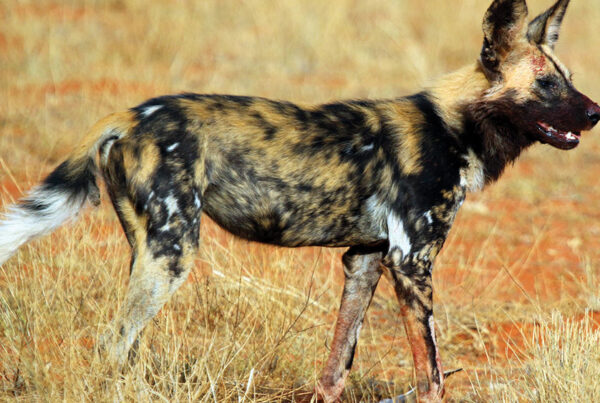
One of the most striking features of the African wild dog is its vibrantly mottled fur, which serves as excellent camouflage in their natural environment.

Nature’s Artistry

  • No Two Alike: Each dog’s coat is completely unique, with a blend of yellow, black, brown, and white patches.
  • Individual Identification: Researchers and rangers can identify individual dogs based on their coat patterns.
  • Function Over Fashion: The patterns help with pack recognition and camouflage, especially in the dappled light of the bush.

This uniqueness isn’t just aesthetic—it’s a powerful tool for conservation efforts, aiding in tracking and monitoring wild dog populations across reserves.

5. They Are Masters of Communication and Pack Bonding

African wild dogs display some of the most complex communication behaviors seen in any wild carnivore.

How They Communicate

  • Vocal Signals: High-pitched twittering, rallying calls, and a distinctive “hoo” sound used to locate pack members.
  • Scent Marking: They use scent to reinforce territory and social status.
  • Body Language: Facial expressions, tail position, and physical contact reinforce bonds and reduce conflict.

Perhaps most impressively, before setting out on a hunt, packs perform a “rally ritual”, where excited yipping and tail-wagging strengthen unity and ensure group cohesion. This ritual is essential to their hunting success.

Where to See African Wild Dogs in the Wild

Given their low numbers and elusive nature, seeing African wild dogs in the wild is a rare privilege. However, there are a few key safari destinations where sightings are more common:

Expert guides from WildHorn Africa can take you into these habitats, dramatically increasing your chances of a meaningful encounter with these extraordinary predators.

Why African Wild Dogs Matter

African wild dogs are more than just predators—they are keystone species that help maintain the balance of ecosystems. By regulating herbivore populations, they indirectly influence plant life, soil health, and water quality.

Moreover, their complex social structures and cooperative behaviors offer valuable insights into evolution, empathy, and survival. Protecting them is not just about saving a species—it’s about preserving the ecological integrity and wild beauty of Africa itself.

Embark on a Wild Journey with WildHorn Africa

A safari is not just a vacation—it’s a journey into the heart of nature, a chance to witness raw, unscripted wildlife moments that leave a lasting impact. Observing a pack of African wild dogs in their natural habitat is one of the most moving, exhilarating experiences Africa has to offer.

WildHorn Africa curates immersive, conservation-conscious safaris that put you in the heart of these moments. With expert local guides, luxurious accommodations, and custom itineraries, your adventure becomes a story worth telling.

Book your African safari with WildHorn Africa today—and be part of a wild dog’s story before it’s too late.

Facts About the African Wild Dog #Facts About the African Wild Dog Facts About the African Wild Dog

Close Menu