search
Murchison falls national park in May

Murchison falls national park in May

By Travel guides, Travel stories and blogs, Uganda best time to visit, Uganda travel guides, When to go

Murchison Falls National Park in May: A Month of Transition and Flourishing Wildlife

Murchison Falls National Park, Uganda’s largest and most diverse protected area, enters a critical phase of transformation in May. This month, nestled between the intense rains of April and the gradual onset of the dry season, presents a unique balance of lush landscapes and emerging accessibility. The park’s natural systems respond dynamically to the shifting climate, resulting in a period of flourishing wildlife activity and spectacular scenery. For travelers eager to experience Africa’s raw wilderness in a season of renewal and promise, May offers an exceptional window of opportunity.

Climate and Environmental Conditions: The Transition from Wet to Dry

May is marked by a gradual reduction in rainfall compared to the preceding months, though intermittent showers continue to maintain the park’s verdant condition. Temperatures remain moderate, with a comfortable mix of sunny periods and occasional rain, resulting in a moist yet increasingly navigable environment. The heavy vegetation nourished by the rains begins to stabilize, creating an expanse of rich greenery that blankets the park’s savannahs, woodlands, and riverbanks.

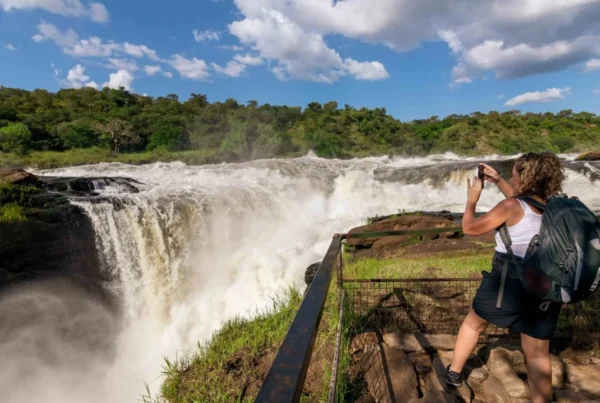
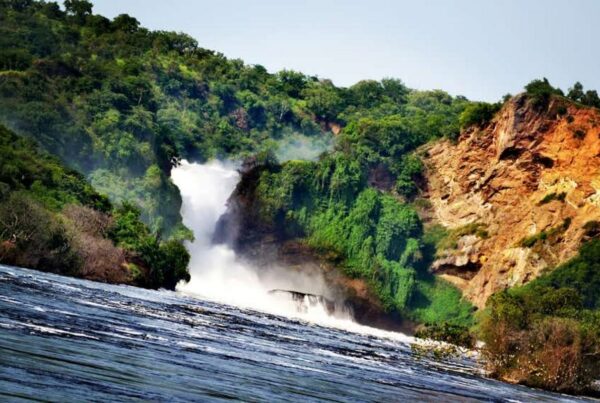
This transitional climate influences the hydrology of Murchison Falls National Park profoundly. Water levels in the Nile River and surrounding lakes and ponds remain high, sustaining abundant aquatic life and providing essential resources for terrestrial species. The park’s signature falls continue to roar with impressive force, fueled by the replenished river flows. The landscape is dominated by lush growth, supporting a thriving ecosystem where plants and animals alike prepare for the upcoming dry season.

Wildlife Behavior and Viewing Prospects: Abundance Amidst Accessibility

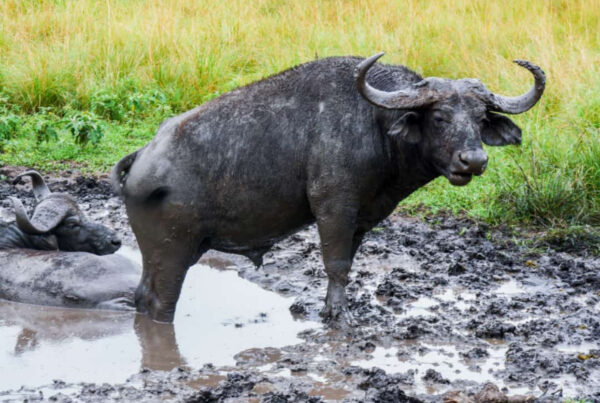
In May, wildlife activity in Murchison Falls National Park is both abundant and increasingly accessible. The plentiful water and fresh vegetation attract herbivores across the park, with elephants, buffaloes, Uganda kobs, and waterbucks frequently observed feeding on the nutrient-rich grasses and foliage. These favorable conditions promote breeding activities among many species, leading to increased sightings of young animals and nurturing behaviors.

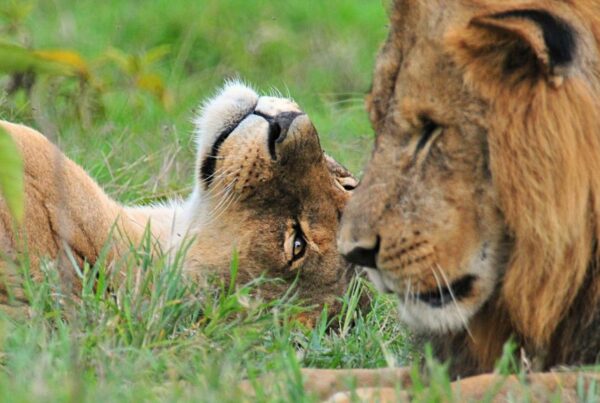
Predators such as lions and leopards adapt their hunting strategies to the seasonal changes, often capitalizing on the concentration of prey around water sources. Although wildlife distribution remains somewhat dispersed due to the availability of water, the gradual drying of some areas begins to encourage animals toward more predictable locations, facilitating successful game viewing.

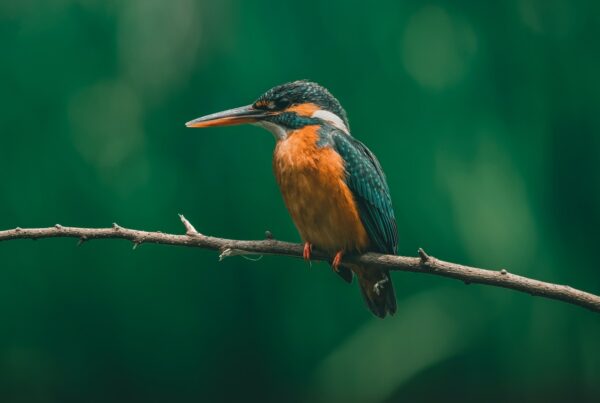
Birdlife flourishes spectacularly in May, as the moist environment supports a diverse array of species. Resident and migratory birds alike are highly active, engaging in courtship, nesting, and feeding behaviors. Over 450 bird species inhabit the park, including iconic birds such as the African fish eagle, hornbills, and various kingfishers, making this an exceptional time for birdwatching and photography holidays.

Safari Activities and Experiences: Optimizing the Transitional Season

Safari experiences in Murchison Falls National Park during May are enriched by the interplay of lush environments and improving accessibility. Game drives are conducted with an emphasis on areas where wildlife is most concentrated, ensuring meaningful sightings even as some parts of the park remain affected by residual wetness. Experienced guides utilize their expertise to navigate terrain changes and optimize routes for comfort and wildlife encounters.

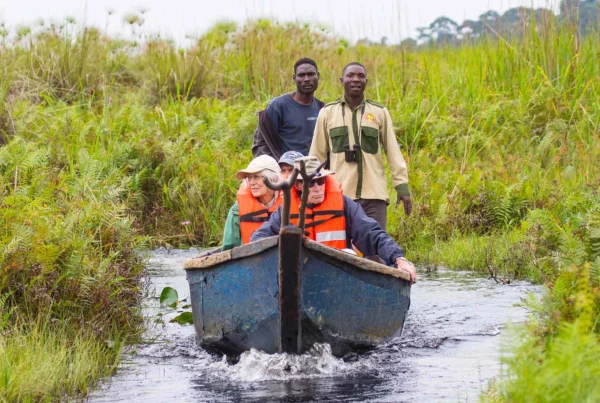
Boat cruises on the Nile River continue to offer spectacular views of aquatic and birdlife, as well as the majestic falls themselves. The water’s high volume intensifies the power and visual impact of Murchison Falls, making these cruises a highlight for visitors. Photographers particularly benefit from the rich colors and dynamic lighting created by the mix of sun and cloud during this season.

Nature walks and guided treks are feasible in selected areas where the ground conditions are stable, allowing guests to engage closely with the park’s flora, smaller fauna, and ecological processes. Cultural tours remain a valuable complement, providing insights into local communities’ traditions, conservation efforts, and their interdependence with the surrounding environment.

Why May is an Optimal Month to Visit Murchison Falls National Park

May presents a compelling blend of factors that make it an optimal month for visiting Murchison Falls National Park. The diminishing rains enhance the park’s accessibility, allowing travelers to explore more areas with ease while still benefiting from the lush, green landscapes created by the recent wet season. Wildlife remains plentiful and active, supported by abundant water and food sources.

The balance of favorable weather and vibrant ecosystems caters to diverse traveler interests, including wildlife holidays, birding holidays, photography holidays, and cultural experiences. Visitor numbers tend to be moderate, offering a quieter and more personal safari experience compared to peak dry season months. This atmosphere is particularly suited to private holidays, family holidays, and those seeking immersive adventure in a relatively pristine environment.

Secure Your May Safari with WildHorn Africa

Murchison Falls National Park in May embodies the delicate transition between abundance and accessibility, inviting travelers to witness Africa’s wilderness in a state of renewal and vitality. The park’s diverse landscapes and active wildlife combine to create an enriching safari experience marked by both spectacle and intimacy.

For those inspired to explore this remarkable destination during May, booking Africa tours and safaris through WildHorn Africa is highly recommended. With deep local expertise, personalized itineraries, and a commitment to sustainable tourism, WildHorn Africa ensures that every journey is thoughtfully planned and expertly executed. Trust WildHorn Africa to guide you through an unforgettable May safari at Murchison Falls National Park, where nature’s rhythms come alive.

Visiting Uganda in December

Visiting Uganda in December

By Travel guides, Travel stories and blogs, Uganda best time to visit, Uganda travel guides, When to go

Visiting Uganda in December

December in Uganda: The Peak of Adventure and Celebration

December in Uganda unfolds as a month of vibrant energy, clear skies, and thrilling exploration. It is a time when the country enjoys one of its peak tourism seasons, with both local and international travelers drawn to its warm weather, stunning landscapes, and rich cultural heritage. The festive atmosphere is unmistakable, as communities prepare for the year’s end with celebrations, music, and dance.

The combination of ideal weather conditions, diverse wildlife sightings, and lively cultural events makes December an exceptional time to explore Uganda. From the tranquil shores of Lake Bunyonyi to the adrenaline-filled rapids of the Nile in Jinja, every corner of the country offers something unique for the eager traveler.

Climate and Weather Patterns: Clear Skies and Comfort

December marks the height of the short dry season, which extends from late November into February. Rainfall is minimal, and sunny days dominate the calendar. The air is warm but comfortable, with daytime temperatures ranging between 23°C and 30°C, cooling slightly in the evenings and early mornings.

The bright and dry weather makes it one of the most reliable months for travel within Uganda. Roads and trekking paths are at their best, ensuring easy access to national parks, remote villages, and highland regions. The absence of heavy rains also means spectacular photography conditions, with crisp blue skies and golden light bathing the landscapes.

Wildlife Viewing: The Dry Season Advantage

The dry conditions of December concentrate wildlife around water sources, offering travelers prime game viewing opportunities. In Queen Elizabeth National Park, elephants, buffalo, and antelope gather near the Kazinga Channel, creating dramatic scenes of life in the savannah. Lions, including the tree-climbing lions of the Ishasha sector, are easier to spot as they patrol open plains or rest in shaded fig trees.

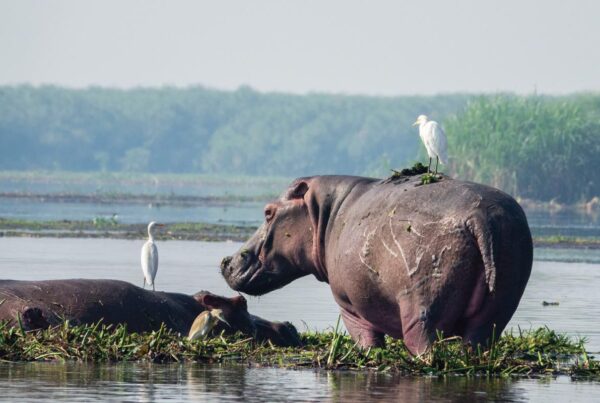
In Murchison Falls National Park, game drives reveal giraffes browsing on acacia leaves, kobs grazing in herds, and hippos basking in the Nile’s cool waters. The falls themselves thunder with remarkable force, framed by verdant banks and dazzling sunlight.

For those venturing into Kidepo Valley National Park, December offers some of the best wildlife sightings of the year. The remote and wild landscapes teem with zebras, cheetahs, ostriches, and large elephant herds, set against a backdrop of sweeping plains and rugged hills.

Gorilla and Chimpanzee Trekking: Premier Tracking Conditions

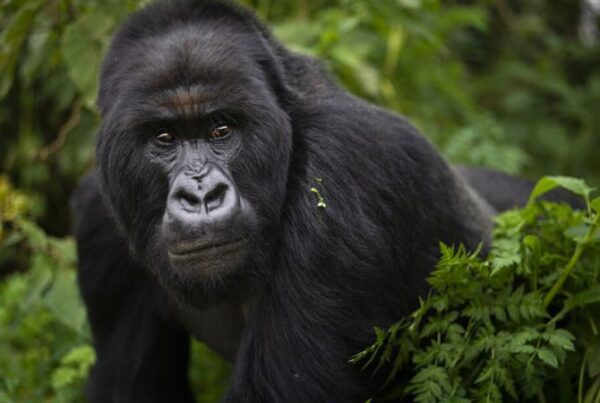
December’s stable weather creates excellent conditions for gorilla trekking in Bwindi Impenetrable National Park and Mgahinga Gorilla National Park. Trails are dry and easier to navigate, allowing for smoother treks through the dense rainforest. The gorillas themselves are active and healthy, often found in areas with abundant vegetation, making encounters especially rewarding.

In Kibale National Park, chimpanzee tracking thrives during this month. The forest is alive with the sounds of primates, birds, and insects, and the visibility is enhanced by reduced undergrowth. Observing chimpanzees in their natural environment—whether grooming, foraging, or playing—is a highlight of any December itinerary.

Birdwatching: The Season of Spectacle

December coincides with the arrival of migratory birds from Europe and Asia, adding to Uganda’s already remarkable avian diversity. Wetlands, forests, and open savannahs become havens for birdwatchers, with sightings of colorful bee-eaters, kingfishers, hornbills, and raptors.

The famed shoebill stork, one of the world’s most sought-after bird species, is frequently spotted in wetlands such as Mabamba Bay. Forest birding in Semuliki National Park and Budongo Forest reveals rare species, making December a superb month for both amateur and experienced birders.

Cultural Experiences: A Festive Spirit Across the Nation

Cultural life in Uganda reaches a high point in December. Towns and villages are filled with music, dance, and celebration as people prepare for Christmas and New Year festivities. Traditional drumming, storytelling, and communal feasts offer visitors a deeper connection to Uganda’s social and spiritual rhythms.

Kampala, the capital, comes alive with concerts, street markets, and holiday events, while rural communities invite travelers to share in more intimate gatherings. This blend of urban vibrancy and rural warmth gives December travel in Uganda a rich cultural dimension.

Scenic Adventures and Outdoor Activities

The stunning landscapes of Uganda are at their most accessible in December. The Rwenzori Mountains welcome trekkers with clear views and cooler conditions, while Sipi Falls near Mount Elgon cascades dramatically against a bright sky.

Adventurers in Jinja can take on white-water rafting, kayaking, or bungee jumping on the Nile River, enjoying the thrill of Uganda’s adventure capital under perfect weather. For those seeking relaxation, Lake Victoria and Lake Bunyonyi offer peaceful retreats, where canoeing, birdwatching, and community visits can be enjoyed at a leisurely pace.

Travel Considerations and Practical Advice

With December being a peak tourism month, accommodations and permits—especially for gorilla trekking—should be booked well in advance. While prices may be higher due to demand, the quality of the experience, combined with the perfect conditions, makes it a worthwhile investment.

Packing should include light, breathable clothing for daytime, a warm layer for cooler evenings, and sturdy walking shoes for treks. Sunscreen, insect repellent, and a good camera are essential to fully capture the experiences this month offers.

December in Uganda: A Month of Magic

Traveling to Uganda in December offers an unparalleled blend of spectacular nature, abundant wildlife, and cultural richness. The clear skies, festive energy, and optimal wildlife viewing conditions make it a month when the beauty and spirit of Uganda shine at their brightest.

Whether trekking through misty rainforests, cruising along wildlife-filled waterways, or sharing in joyful community celebrations, December creates lasting memories that resonate long after the journey ends.

Experience December with WildHorn Africa

For those seeking to make the most of Uganda’s December wonders, WildHorn Africa offers expertly crafted tours that combine wildlife encounters, cultural immersion, and adventure. With a deep understanding of seasonal conditions and a commitment to exceptional service, WildHorn Africa ensures each journey is seamless, safe, and unforgettable.

From gorilla trekking in Bwindi to game drives in Kidepo and river cruises in Murchison Falls, every itinerary is designed to reveal the best of Uganda during its most magical month. Book your December safari with WildHorn Africa and let every day of your journey be a new chapter in the story of Africa.

Murchison falls national park in March

Murchison falls national park in March

By Travel guides, Travel stories and blogs, Uganda best time to visit, Uganda travel guides, When to go

Murchison Falls National Park in March: A Time of Transformation and Thrilling Encounters

Murchison Falls National Park, a jewel of Uganda’s wildlife heritage, undergoes a remarkable transformation in March. This month, poised at the cusp of the wet season, presents a dynamic interplay between lush renewal and active wildlife, creating a compelling environment for safari enthusiasts and nature lovers. Visitors during March are welcomed by a landscape rejuvenated by early rains, where the vibrancy of flora and fauna is intensified against the backdrop of the mighty Nile River carving its path through the park. This period offers a unique blend of challenges and rewards, making it an intriguing and memorable time to explore one of Africa’s most celebrated national parks.

Climate and Environmental Shifts: The Arrival of the Rains

March signals the gradual onset of the long rainy season in Murchison Falls National Park, bringing with it intermittent but increasingly frequent showers. Unlike the dry months preceding it, the climate during March is characterized by alternating spells of sunshine and rain, often in the form of afternoon downpours that invigorate the environment. Temperatures remain warm, fostering rapid growth in vegetation that had previously been subdued by the dry season.

This rainfall initiates a lush resurgence of grasses, shrubs, and trees throughout the park. The once golden savannah starts to regain its verdant hues, providing fresh grazing for herbivores and replenishing waterholes and rivers. The increased availability of water results in more dispersed animal movements compared to the dry season, as wildlife is no longer restricted solely to riverbanks and permanent water sources. The Murchison Falls itself becomes more dramatic, with heightened water flow adding to the visual and auditory spectacle for visitors fortunate enough to witness it during this time.

Wildlife Behavior and Viewing Patterns: Adaptation and Abundance

In March, wildlife within Murchison Falls National Park adjusts to the changing conditions brought by the rains. Many species benefit from the rejuvenated vegetation and expanded water availability, which support breeding and nurturing behaviors. Herbivores such as Uganda kobs, elephants, and buffaloes are observed grazing on fresh shoots and leaves, often moving across wider ranges than during the dry season.

Predators continue to maintain their territories and hunt actively, though animal sightings may be less predictable than in the drier months due to the wider dispersion of prey. This variability challenges safari participants to engage more deeply with the landscape, relying on the expertise of guides and trackers to locate elusive species and uncover hidden moments of wildlife interaction.

The birdlife experiences a notable increase in activity and diversity, as migratory species return and resident populations thrive in the richer habitat. Over 450 bird species inhabit the park, and March’s conditions promote excellent birding opportunities, especially during the clearer mornings before rains intensify. Waterbirds congregate near replenished water bodies, while forest and savannah birds exploit the abundance of insects and fruits, offering rewarding experiences for birdwatchers and photographers.

Safari Activities and Experiences: Embracing the Dynamic Season

Safari activities in Murchison Falls National Park during March are designed to maximize the benefits of the transitioning environment. Game drives continue to provide robust wildlife viewing opportunities, although the experience is adapted to account for the increased vegetation density and potentially muddy tracks. Guides are vigilant and skilled in navigating these conditions, ensuring that guests still enjoy rich and informative excursions.

Boat cruises along the Nile River remain a cornerstone of the safari experience, affording visitors intimate views of hippos, crocodiles, and riverine birdlife. The increased flow of the river during this time enhances the drama of the Murchison Falls spectacle, making these boat trips particularly memorable. Photography enthusiasts find the interplay of light and lush greenery ideal for capturing stunning images.

Guided nature walks gain renewed significance in March, as the park’s smaller creatures and plant species flourish in the wet conditions. These walks are both educational and immersive, allowing guests to explore the intricacies of the ecosystem and appreciate the delicate balance that sustains the park’s biodiversity. Cultural visits to nearby communities also remain integral, offering a holistic perspective that combines natural wonders with human heritage.

Why March Should Be Considered for Visiting Murchison Falls National Park

March offers a compelling combination of factors that make it a distinctive and worthwhile month to experience Murchison Falls National Park. The early rains rejuvenate the park’s landscapes, providing a visual feast of greenery and vitality that contrasts with the dryness of preceding months. This seasonal shift supports a surge in wildlife activity related to feeding and breeding, creating dynamic viewing opportunities that differ from the more concentrated sightings of the dry season.

While the intermittent rains require some flexibility and preparedness, they also bring refreshing relief from heat and dust, enhancing the overall comfort and ambiance of the safari. The relative quietness of the park during this period, with fewer visitors than in peak dry months, allows for more intimate and personalized encounters with nature. For travelers seeking a blend of adventure, photography, birding, and cultural interaction, March presents an optimal window that enriches the safari experience with a sense of renewal and discovery.

Plan Your March Safari with WildHorn Africa

Murchison Falls National Park in March embodies a period of transformation where nature’s rhythms and wildlife behaviors invite deeper engagement and appreciation. The park’s landscapes and inhabitants reveal new facets of their character under the influence of early rains, offering a unique safari experience that is both challenging and rewarding.

To fully embrace this exceptional time, booking Africa tours and safaris through WildHorn Africa is highly recommended. WildHorn Africa’s expertise, dedication to sustainable tourism, and commitment to personalized service ensure that every journey to Murchison Falls National Park is carefully curated for maximum impact and enjoyment. Entrust your March safari plans to WildHorn Africa and discover the magic of Uganda’s wilderness in its vibrant, renewed state.

Murchison falls national park in February

Murchison falls national park in February

By Travel guides, Travel stories and blogs, Uganda best time to visit, Uganda travel guides, When to go

Murchison Falls National Park in February: A Prime Time for Safari Excellence

Murchison Falls National Park, renowned as Uganda’s largest and most diverse wildlife sanctuary, transforms in February into an ideal destination for safari enthusiasts seeking exceptional wildlife encounters and breathtaking landscapes. The month ushers in a continuation of the dry season, marked by warm temperatures and clear skies that contribute to superb visibility and excellent animal activity. February’s conditions serve to amplify the allure of this iconic park, where the Nile River plunges dramatically through a narrow gorge, and wildlife thrives amidst varied ecosystems. It is during this time that Murchison Falls is truly experienced at its finest.

Climate and Environmental Conditions: The Dry Season’s Golden Glow

February is characterized by persistently dry and warm weather, with the sun shining brightly and rainfall remaining minimal. These climatic conditions produce a landscape that is both vibrant and accessible, as the lack of heavy rain ensures that roads and trails within the park remain navigable for safari vehicles. Temperatures during the day often reach high levels, although early mornings and late afternoons offer cooler respite, ideal for outdoor activities.

The vegetation during this period tends to be dry and golden, with grasses reduced in height, allowing for unobstructed views across the savannah and woodland. This seasonal transformation is particularly advantageous for wildlife viewing, as animals are more readily visible against the backdrop of parched grasslands and sparse trees. The water sources, now limited due to the dry climate, act as natural gathering points for various species, thus increasing the likelihood of observing concentrated animal activity. The powerful Nile River continues to course through the park, its flow slightly diminished from the wet season but still robust enough to create the iconic Murchison Falls spectacle.

Wildlife Dynamics and Viewing Opportunities: Nature’s Spectacle on Display

During February, the behavior of wildlife within Murchison Falls National Park is influenced strongly by the dry climate and the resultant environmental factors. With water becoming scarcer across the vast landscape, animals congregate primarily along the Nile River and the remaining waterholes. This natural congregation facilitates some of the best game viewing opportunities, as large herds of elephants, buffaloes, Uganda kobs, and other herbivores are often seen in close proximity.

Predators such as lions and leopards take advantage of these gatherings, increasing the chances of witnessing hunting or territorial behaviors. The open terrain created by the dry season further aids the detection of elusive species and allows for extended viewing distances, which is especially appreciated by photographers and wildlife observers. Additionally, the park’s primate populations, including baboons and vervet monkeys, remain active and observable, adding variety to the safari experience.

Birdlife thrives during this period, as the stable weather conditions attract a variety of resident species and migrants alike. Over 450 bird species have been documented in the park, and February’s dry season provides clear conditions for spotting and photographing species such as the African fish eagle, kingfishers, and the striking grey-crowned crane. Birding holidays during this month are highly rewarding, with the abundance of water birds congregating along the riverbanks complementing the diversity found within the woodland and grassland habitats.

Activities and Safari Experiences: Fully Embracing the Dry Season

The range of activities offered within Murchison Falls National Park during February is optimized by the favorable weather and wildlife dynamics. Game drives are frequently scheduled in the cooler parts of the day to maximize comfort and animal activity. These drives traverse the park’s diverse ecosystems, providing comprehensive exposure to its rich biodiversity. Guides, possessing extensive knowledge of the park’s flora and fauna, enhance the experience by sharing insightful information about animal behavior, conservation challenges, and ecological significance.

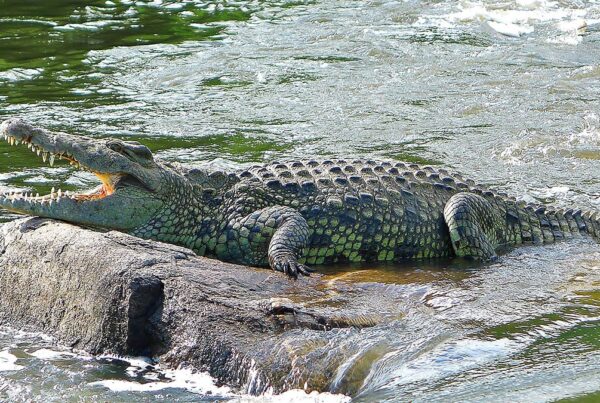
Boat cruises along the Nile River remain an essential highlight, offering guests the opportunity to observe hippos, crocodiles, and a profusion of birdlife from a unique vantage point. The boat journey culminates at the base of the majestic Murchison Falls, where the thunderous cascade of water through the narrow gorge provides an awe-inspiring spectacle. Photography holidays particularly benefit from the golden light of February, which accentuates the dramatic scenery and vibrant wildlife colors.

Nature walks and guided treks are also conducted, facilitated by the dry and firm ground conditions that ensure safety and accessibility. These excursions allow for intimate encounters with the park’s smaller creatures and plant species, offering an educational perspective on the intricate web of life that supports larger mammals. Cultural tours to neighboring communities enrich the safari itinerary by introducing visitors to the traditions and livelihoods of local peoples, fostering a holistic appreciation of the region.

Why February is an Exceptional Month to Visit Murchison Falls National Park

The climatic stability and abundant wildlife activity characteristic of February render it an exceptional time to visit Murchison Falls National Park. The dry season’s impact on animal behavior leads to predictable wildlife patterns, enhancing the efficiency and success of game viewing. Furthermore, the generally clear skies and minimal precipitation improve travel conditions and overall visitor comfort.

The balance of warmth and dry conditions allows for diverse safari experiences ranging from game drives to boat cruises and walking safaris. This variety appeals to a broad spectrum of travelers including adventure seekers, photographers, bird watchers, and cultural tourists. The relatively lower tourist density compared to peak holiday months also contributes to a more intimate and peaceful safari environment, making February attractive for private holidays, honeymoon holidays, and those seeking an off-the-beaten-path adventure.

Secure Your February Safari with WildHorn Africa

Murchison Falls National Park in February is a destination where nature’s grandeur and wildlife spectacle converge under favorable climatic conditions. The park’s unparalleled landscapes, diverse fauna, and rich cultural context combine to deliver a memorable and enriching safari experience. For those seeking to explore this remarkable corner of Uganda during one of its best months, expert planning and reliable arrangements are essential.

Booking Africa tours and safaris through WildHorn Africa ensures that every detail is managed with professionalism and care. With their deep expertise, commitment to sustainable tourism, and personalized service, WildHorn Africa offers travelers a gateway to an unforgettable journey through Murchison Falls National Park and beyond. Entrust your safari dreams to WildHorn Africa and experience the splendor of Uganda at its finest.

Murchison Falls National Park In January

Murchison Falls National Park In January

By Travel guides, Travel stories and blogs, Uganda best time to visit, Uganda travel guides, When to go

Murchison Falls National Park in January: A Prime Safari Destination

Murchison Falls National Park, Uganda’s largest and most iconic wildlife reserve, unfolds in January as a vibrant sanctuary of life and natural beauty. This month is distinguished by warm, dry weather that shapes the park’s landscape and wildlife behavior, creating an optimal environment for safari enthusiasts. January stands as a gateway to an unforgettable African adventure, where the powerful Nile River meets expansive savannahs and lush woodlands, offering visitors a compelling blend of dramatic scenery and remarkable wildlife encounters.

Climate and Environment in January: A Season of Dry Splendor

In January, Murchison Falls National Park experiences one of its driest periods of the year. The climate is characterized by persistent sunshine and minimal rainfall, resulting in clear skies and high temperatures that can soar during the daytime. The dry weather profoundly influences the park’s ecosystems, causing rivers and waterholes to shrink, thereby concentrating wildlife around the remaining water sources. This natural congregation facilitates excellent game viewing, as animals such as elephants, lions, giraffes, and buffaloes are often observed gathering near the Nile and its tributaries.

The vegetation during this time adopts a more subdued palette, with grasses turning golden and some trees shedding leaves to conserve moisture. This seasonal transformation enhances visibility across the park, providing safari-goers with unobstructed views of wildlife against the striking backdrop of the rolling savannah. The intense sunlight also intensifies the vivid colors of the landscape, making January a particularly photogenic month. The mighty Murchison Falls itself flows vigorously, though the water volume may be less than during the rainy season, allowing guests to appreciate both the force and the grandeur of the cascading waters from various vantage points.

Wildlife Behavior and Viewing Opportunities: The Dry Season Advantage

The dry conditions prevailing in January play a pivotal role in shaping wildlife behavior within Murchison Falls National Park. With water sources becoming limited, animals are compelled to frequent predictable locations such as the banks of the Nile River and permanent waterholes scattered throughout the park. This natural phenomenon greatly enhances the chances of sightings, making game drives and river cruises especially fruitful.

During this month, large herds of elephants are often witnessed at watering points, engaging in social behaviors and bathing activities that delight observers. Predators, including lions and leopards, become more visible as they patrol these concentrated animal gatherings, providing thrilling encounters for safari participants. The park’s diverse herbivore populations, such as Uganda kobs and waterbucks, are also commonly sighted in the open grasslands, grazing under the golden sun.

Birdlife in Murchison Falls National Park flourishes in January, benefiting from the dry yet favorable conditions. The park hosts over 450 bird species, many of which are resident and easily observed during this time. Raptors like the African fish eagle soar above the Nile, while colorful species such as the grey-crowned crane and various kingfishers add vibrancy to the skies and riverbanks. Birdwatchers visiting in January find this period ideal for spotting and photographing a wide variety of birds, often without the distraction of dense foliage.

Activities and Experiences: Maximizing Your January Safari

Murchison Falls National Park in January offers a diverse array of activities tailored to the season’s conditions. Game drives are conducted in the early mornings and late afternoons when temperatures are cooler, allowing for comfortable exploration of the park’s diverse habitats. These excursions are typically led by experienced guides who provide insightful commentary on the ecology, wildlife behavior, and conservation efforts, enriching the safari experience with educational value.

Boat cruises along the Nile River remain a highlight during January, providing a serene yet thrilling way to observe aquatic wildlife such as hippos and crocodiles. The calm river waters also attract myriad bird species, making the cruise a favored activity for photographers and nature enthusiasts alike. The vantage points near the base and summit of Murchison Falls offer spectacular views, and visitors are encouraged to explore these areas to fully appreciate the dramatic contrast between the river’s placid stretches and its thunderous descent.

Walking safaris and guided nature walks are also viable during January, as the dry ground conditions facilitate safe and enjoyable trekking. These walks allow for close encounters with smaller flora and fauna and provide opportunities to learn about the intricate ecological relationships that sustain the park’s biodiversity. For those interested in cultural tourism, visits to nearby communities can be arranged, offering insight into local traditions and ways of life, further complementing the wildlife-focused itinerary.

Why January is Ideal for Murchison Falls National Park Visits

January’s dry, sunny climate, combined with concentrated wildlife and excellent visibility, makes it one of the most favorable months to experience Murchison Falls National Park. The ease of spotting animals, coupled with the lush yet not overwhelming vegetation, creates optimal conditions for photography holidays, wildlife holidays, and adventure holidays alike. The absence of heavy rains ensures that roads and tracks remain accessible, minimizing travel disruptions and allowing for comprehensive exploration of the park.

Additionally, January’s weather facilitates comfortable outdoor dining and evening relaxation within the camp or lodge settings, enhancing the overall safari experience. The balance between solitude and wildlife abundance during this time also attracts those seeking off-the-beaten-path holidays and private holidays, where tranquility and exclusivity are valued.

Plan Your January Safari with WildHorn Africa

Murchison Falls National Park in January presents an exceptional blend of favorable climate, abundant wildlife, and rich cultural experiences. The park’s unique natural features and diverse ecosystems come alive during this month, providing travelers with a rare and captivating safari experience that appeals to both novice visitors and seasoned explorers.

To ensure a seamless and enriching journey to this magnificent destination, booking your Africa tours and safaris through WildHorn Africa is strongly recommended. With their extensive knowledge, personalized service, and commitment to responsible tourism, WildHorn Africa expertly crafts itineraries that showcase the very best of Murchison Falls National Park, making your January safari not only unforgettable but also profoundly meaningful.

Visiting Uganda in June

Visiting Uganda in June

By Travel guides, Travel stories and blogs, Uganda best time to visit, Uganda travel guides, When to go

Visiting Uganda in June

Stepping Into the Heart of the Dry Season

As the calendar turns to June, Uganda reveals a brighter, drier, and more adventurous personality. It is a month that marks a definitive shift from the lush rains of April and May into a golden season of clarity and comfort. The landscapes, although still green and thriving from the previous rains, begin to dry slightly, giving way to more navigable trails, easier wildlife spotting, and longer stretches of sunshine. For travelers considering a trip to the Pearl of Africa, June stands as one of the most inviting windows into Uganda’s extraordinary beauty.

The air carries a renewed crispness. The roads, now firmer, allow for seamless travel across both cityscapes and wilderness. The national parks regain their rhythm, with wildlife returning to more predictable patterns. June opens up a new chapter in Uganda’s natural calendar—one that balances visibility, accessibility, and scenic vibrancy.

The Weather in June: A Welcome Dry Spell

June belongs to Uganda’s first dry season, typically lasting through July and occasionally into early August. It offers visitors a refreshing escape from the rains that dominate the first half of the year. Though Uganda’s equatorial location ensures year-round greenery, this month experiences significantly less rainfall, especially in central and southwestern regions.

Daytime temperatures generally range from 22°C to 28°C, creating an ideal climate for exploration. Nights can be cooler in highland areas like Kabale and Bwindi, often dipping to around 13°C, especially after sunset. In contrast, lowland and northern areas such as Murchison Falls and Kidepo Valley remain warmer, making early morning and late afternoon excursions particularly comfortable.

This balance between moderate heat and minimal rain enhances the overall experience of travel. Roads that may have been slippery and challenging in previous months become safer and more reliable. Whether one is trekking mountain gorillas, embarking on game drives, or exploring crater lakes, the consistency in weather makes June a strategic and pleasant time to visit.

Wildlife Viewing: Peak Visibility and Activity

With vegetation thinning and water sources becoming more centralized, wildlife becomes easier to locate and observe. June marks the beginning of Uganda’s high safari season, drawing travelers from around the world for one compelling reason—the wildlife is at its best.

In Queen Elizabeth National Park, game drives across the Kasenyi Plains and the Ishasha sector offer frequent sightings of elephants, lions, buffaloes, warthogs, and Uganda kobs. The famous tree-climbing lions of Ishasha are especially likely to be spotted in June, comfortably perched on fig trees as they rest above the warm earth. The Kazinga Channel, rich with hippos and birdlife, becomes a highlight for those seeking a relaxing yet immersive boat cruise.

Murchison Falls National Park, Uganda’s largest protected area, remains a safari stronghold. The reduced foliage makes spotting giraffes, hartebeest, leopards, and hyenas more likely, while the Nile Delta continues to attract migratory birds and the iconic shoebill stork. River safaris beneath the thunderous falls are spectacular in June, offering unparalleled views of both the cascade and the animals along the banks.

Kidepo Valley National Park, though remote, is a hidden jewel that glows in the June sun. The grasslands support vast herds of buffalo, zebras, and oryx, while predators like lions and cheetahs follow closely behind. The cloudless skies and sweeping vistas make photography particularly rewarding during this time.

Primates and Forest Adventures

June offers excellent conditions for chimpanzee tracking in Kibale Forest, often described as the primate capital of the world. The forest trails are more navigable, and the chimpanzees, typically easier to locate, can be observed in their natural habitat with minimal environmental interference. The calls echoing through the canopy, the rustling of leaves, and the sudden appearance of a chimp swinging overhead combine into an unforgettable sensory encounter.

Gorilla trekking in Bwindi Impenetrable Forest reaches near-ideal conditions in June. The drier trails allow for more manageable hikes through the dense forest, and the cooler temperatures help conserve energy during the trek. Permits should be secured well in advance, as demand peaks in this season due to the comfort and clarity it offers.

The Cultural Pulse of Uganda in June

Uganda’s cultural heartbeat never skips a beat, but in June, the country’s communities become especially active with local events, school term activities, and community development projects gaining momentum in the dry season. Visitors are more frequently welcomed into villages, cultural centers, and artisan workshops, where traditional knowledge is shared generously and warmly.

From the Buganda Kingdom’s heartland in central Uganda to the culturally rich Bunyoro and Ankole regions in the west, June provides fertile ground for those seeking deeper cultural connections. Travelers often find themselves joining drum circles, attending storytelling sessions under the stars, or engaging in local culinary practices.

Kampala, Uganda’s bustling capital, thrives in June. Music concerts, contemporary art exhibitions, and food festivals flourish in the mild evenings. The city’s markets, such as Nakasero and Owino, come alive with fresh produce, vibrant textiles, and the unmistakable rhythm of Ugandan life.

Nature and Scenery at Their Most Photogenic

Uganda in June is nothing short of cinematic. The highland areas of Fort Portal and the Rwenzori foothills become picture-perfect, with clear skies framing the legendary Mountains of the Moon. Crater lakes glisten in the sunlight, their reflective surfaces mirroring the green hills and blue heavens above.

Lake Bunyonyi, dotted with mist-covered islands, offers a peaceful retreat for canoeing, birdwatching, and lakeside relaxation. The dry season also opens up more hiking opportunities in the Mount Elgon region, where travelers can explore ancient caves, sip fresh mountain coffee, and marvel at panoramic views stretching across the border into Kenya.

In the east, Sipi Falls is both powerful and photogenic, with the three cascading tiers pouring confidently after the previous rains. The hiking trails surrounding the falls are at their most accessible, offering both casual and serious hikers rewarding treks with sweeping valley views.

Travel Considerations and Comfort in June

One of the most significant advantages of traveling in June is the ease of logistics. Road conditions are much improved, allowing travelers to move between destinations efficiently. Domestic flights to remote parks such as Kidepo operate reliably, and even cross-border travel into Rwanda or Kenya becomes smoother due to better weather across the region.

Accommodation tends to be more booked during June, given its status as the start of the peak tourist season. Advance reservations are essential, particularly for high-demand experiences like gorilla trekking. However, many lodges, especially those located within or near national parks, offer upgraded experiences and enhanced guest services in response to the growing influx of guests.

It is also a time when experienced guides and rangers return in full capacity to meet the demand. Their insight and storytelling enrich the safari and trekking experience, turning wildlife encounters into narratives that stay with travelers long after their return.

The Month of Balance: Adventure, Culture, and Comfort

June is a month of balance in Uganda—a time when nature, wildlife, climate, and culture all align to create a truly holistic travel experience. The unpredictability of the wet season has faded, but the richness it left behind remains. Flowers bloom along the roadsides, animals gather in visible clearings, and communities celebrate the rhythms of daily life without the disruptions of rain.

It is neither the hottest month nor the busiest. It is neither dry to the point of barrenness nor wet to the point of inaccessibility. In every sense, June is the Goldilocks month—a perfect middle ground that welcomes both first-time travelers and returning adventurers.

Explore Uganda with WildHorn Africa

To explore Uganda in June is to witness the country at a beautiful equilibrium. To explore it with WildHorn Africa is to elevate that experience into a journey of meaning, authenticity, and comfort. WildHorn Africa is deeply rooted in Uganda’s diverse landscapes and cultural mosaic. Every itinerary is thoughtfully designed to connect travelers with the essence of Uganda—from intimate wildlife encounters and off-the-beaten-path cultural visits to luxury lodges and eco-conscious travel.

With experienced guides, well-maintained vehicles, and a passion for storytelling, WildHorn Africa ensures that every journey becomes a seamless adventure. Whether you’re tracking gorillas in Bwindi, sailing the Nile in Murchison, or soaking in the mist at Sipi Falls, you’ll do so with the confidence that your experience is being curated by those who know Uganda best.

Let June in Uganda become the chapter in your travel story that’s told again and again. Book your unforgettable safari with WildHorn Africa and unlock the magic of East Africa’s most enchanting month.

Visiting Uganda in July

Visiting Uganda in July

By Travel guides, Travel stories and blogs, Uganda best time to visit, Uganda travel guides, When to go

Visiting Uganda in July

Where Adventure Meets the Peak of the Dry Season

A journey to Uganda in July is not simply a trip—it is a bold immersion into the vivid and untamed heart of East Africa. During this month, the country is cloaked in brilliance, with golden sunrises, vibrant landscapes, and wildlife on full display. July marks the peak of Uganda’s dry season, drawing both local and international adventurers eager to explore the natural wonders that this captivating destination has to offer.

The month carries with it a unique energy. Trails are dry, skies are clear, and wildlife congregates at fewer water sources, offering rare photographic opportunities. Roads are accessible across the nation, from the misty mountains of the southwest to the expansive savannas of the north. Whether one is venturing into the forests to encounter endangered mountain gorillas, cruising the Nile in search of hippos and crocodiles, or traversing the highlands of Elgon and Rwenzori, July sets the perfect stage.

The experience of traveling during this season is not solely about favorable weather—it is about movement without interruption, observation without obstruction, and connection without compromise.

Climate Conditions: Cool, Dry, and Travel-Friendly

The weather in Uganda during July represents one of the most pleasant and predictable climates the country offers throughout the year. Daytime temperatures generally rest between 23°C and 27°C in most regions, providing a warm but comfortable atmosphere. In the elevated areas such as Kabale, Fort Portal, and Bwindi, cooler breezes drift through the mornings and evenings, dipping temperatures into the teens.

Rainfall is minimal during this period. The skies are often cloudless, allowing sun-drenched days ideal for photography and uninterrupted outdoor activities. It is also a time when humidity levels are reduced, creating ideal trekking conditions in tropical forests that otherwise pose challenges during wetter months.

This dry weather ensures not just comfort but also greater accessibility to remote areas. Mountain passes remain open, dirt tracks are no longer slippery, and game drive routes are navigated with ease. The crispness in the air enhances visibility, revealing dramatic vistas from hilltops and lakeshores alike.

Wildlife Safaris: Peak Season for the Big Game

July is a spectacular month for wildlife viewing in Uganda. Across the major national parks, wildlife activity is heightened as the dry season concentrates animals around permanent water sources. As vegetation thins out, visibility increases, and the dynamics of predator-prey interaction become more apparent to visitors on safari.

In Murchison Falls National Park, the park’s iconic giraffes, elephants, and hartebeests gather in open plains. Lions are frequently spotted lounging in the heat of the afternoon, while boat cruises along the Nile reveal hippos, crocodiles, and an astonishing array of birdlife basking in the midday sun. The top of the falls continues to mesmerize with its thunderous spray as the Nile squeezes through the narrow gorge.

Queen Elizabeth National Park, further south, provides one of the most rewarding safari landscapes in July. The Kasenyi Plains burst with activity as herds of antelope attract lions and leopards. In the Ishasha sector, the famous tree-climbing lions are more easily sighted during this dry period, often found resting high in fig and acacia trees.

In the remote wilderness of Kidepo Valley National Park, July presents perhaps the most dramatic wildlife spectacle. The arid conditions of this semi-desert park bring wildlife to the Narus Valley in large numbers. Zebras, buffalo, and oryx roam freely, while cheetahs and lions follow closely. With fewer visitors compared to more accessible parks, Kidepo offers an unmatched sense of solitude and raw wilderness.

Gorilla Trekking: July’s Rare and Magical Encounters

One of Uganda’s most sought-after experiences—gorilla trekking in Bwindi Impenetrable Forest or Mgahinga Gorilla National Park—reaches near-optimal conditions in July. The trails through these dense forests are dry and firm, making the trek both manageable and rewarding. Hikes that can stretch from two to six hours are completed with fewer complications, and sightings are generally more relaxed and prolonged.

The atmosphere in these montane forests is filled with the damp scent of moss, earth, and wild orchids. When the moment arrives, and a gorilla family is spotted nestled in the underbrush or feeding calmly under a canopy, the experience transcends expectation. July’s clear light enhances visibility, and the cooler air at altitude keeps treks invigorating rather than exhausting.

Due to July’s popularity, permits for gorilla trekking are in extremely high demand, and pre-booking becomes essential. Yet those who secure this opportunity often speak of it as the single most moving wildlife encounter of their lives.

Chimpanzees and Forest Excursions

Beyond gorillas, Uganda’s forests continue to buzz with life in July. In Kibale Forest National Park, the dry season allows for seamless chimpanzee trekking. The habituated groups are active, vocal, and visible as they swing through the canopy or descend to forage on the forest floor. Their expressive faces, complex social interactions, and curious glances make the encounter deeply human and intellectually enriching.

Trails in Budongo Forest, near Murchison Falls, and in Kyambura Gorge within Queen Elizabeth National Park are also drier and more accessible in July. These sites provide additional opportunities to track primates, including black-and-white colobus monkeys, red-tailed monkeys, and blue monkeys.

July’s Cultural and Scenic Splendor

Traveling in July is not only a feast of fauna but also a celebration of Uganda’s cultural identity and stunning landscapes. As school holidays begin and harvest seasons approach in some regions, many rural communities open their arms to cultural tourists. Traditional dances, drumming ceremonies, and community experiences in places like Kasese, Fort Portal, and Mbale are more frequent during this time.

The Ruwenzori Mountains, often shrouded in mist during the wet months, become more visible, revealing snowcapped peaks on clear mornings. Hiking trails into the lower slopes open up vistas of glacial valleys and alpine meadows rarely seen during other times of the year. In eastern Uganda, Mount Elgon and the Sipi Falls area become playgrounds for hikers and nature lovers, offering sharp views, comfortable climate, and interactions with local farming communities.

Lake Bunyonyi, dotted with terraced islands and surrounded by emerald hills, emerges as a tranquil destination for canoeing, birdwatching, and lakeside relaxation. The cool, misty mornings followed by sunlit afternoons allow for full immersion in this magical alpine lake.

Travel Logistics and Considerations in July

Because of its popularity, July is one of Uganda’s busiest months for tourism. Flights, lodges, and activity permits are quickly booked up, particularly in high-demand destinations like Bwindi and Queen Elizabeth National Park. Travelers should plan their trips well in advance, ensuring that accommodations, park permits, and transportation are secured ahead of time.

Fortunately, road conditions are excellent during this period. The dry weather permits travel to nearly all corners of the country, and domestic flights to parks such as Kidepo and Kasese operate reliably. Safari vehicles navigate rough terrain without issue, and boat cruises run uninterrupted on major waterways.

Travelers are encouraged to pack light breathable clothing for daytime and warmer layers for the cooler evenings in high-altitude regions. Sunscreen, insect repellent, and plenty of memory cards for cameras are essential, as photographic opportunities are both numerous and spectacular during this time.

July: The Jewel of Uganda’s Tourism Calendar

There is no overstating the brilliance of Uganda in July. It is a month when the country reaches its full expression—weather, wildlife, culture, and scenery all align in near-perfect harmony. Whether one seeks thrilling adventures, peaceful retreats, or cultural immersion, July offers an unrivaled stage on which to play out unforgettable African narratives.

It is not merely a good time to visit—it is arguably the best time. Travelers leave with stories of lions under the acacias, gorillas in the mist, and sunsets that paint the sky in fire. They depart with dust on their shoes, joy in their hearts, and a yearning to return.

Explore Uganda With WildHorn Africa

The difference between a good safari and an unforgettable one lies in who you travel with. At the heart of curated Ugandan journeys stands WildHorn Africa, a tour operator with deep roots in the region and a passion for authentic, eco-conscious, and transformative travel. WildHorn Africa crafts experiences that do more than showcase Uganda—they immerse travelers in its soul.

With WildHorn Africa, every itinerary is tailored to your rhythm. Whether it is a private gorilla trekking journey, a multi-day wildlife safari, a cultural immersion in tribal lands, or a scenic circuit through Uganda’s hidden gems, the logistics are expertly handled, and the experiences are deeply personal.

Travel in July has never been more rewarding. Book your African safari with WildHorn Africa, and allow the Pearl of Africa to reveal its wonders with elegance, insight, and grace.

Visiting Uganda in February

Visiting Uganda in February

By Travel guides, Travel stories and blogs, Uganda best time to visit, Uganda travel guides, When to go

Visiting Uganda in February

A Month of Warm Skies, Wild Encounters, and Cultural Awakening

As winter chills grip much of the northern hemisphere, the heart of East Africa pulses with warmth, color, and vibrancy. Uganda in February stands as a luminous escape, offering travelers the promise of untamed wilderness, cultural depth, and natural beauty at its most generous. This is not just another month on the calendar—it is a window into a land that breathes with ancient rhythms and modern hope.

February is often regarded as one of the most rewarding times to explore Uganda, when the climate aligns perfectly with outdoor adventure, wildlife activity is at its peak, and cultural life flourishes under clear, golden skies. From the densely forested slopes of Bwindi to the shimmering savannahs of Murchison Falls, the country reveals its soul in full color.

But Uganda in February is more than a collection of scenic landscapes—it is a feeling. A sense of harmony between earth and sky, a pulse of celebration within communities, and an invitation to those who wish to see Africa not through screens or postcards, but with their own eyes and spirit.

February’s Climate: Dry, Clear, and Perfect for Exploration

February falls within Uganda’s short dry season, a climatic sweet spot that brings consistently warm temperatures, minimal rainfall, and blue, cloudless skies across most regions. With average daytime temperatures ranging between 25°C and 30°C (77°F to 86°F), and lower humidity levels than during the wetter months, this is a time when travel conditions are at their best.

The absence of heavy rains makes roads more accessible, trails safer for hiking, and river crossings easier to navigate. Safari vehicles can reach remote wildlife areas without obstruction, and trekking through forests becomes more enjoyable under dry, shaded canopies. The highlands around Kabale and Fort Portal offer particularly refreshing weather in February, with crisp morning air and cool, starry nights.

In the northern and eastern parts of the country, where temperatures can soar, the dry spell causes animals to congregate near rivers and watering holes, making game viewing highly productive. The Victoria Basin, which includes Kampala, Entebbe, and Jinja, remains temperate and breezy, especially near the lake shores.

Wildlife Encounters: February in the Wild

February is one of the most strategic months for wildlife safaris in Uganda. As water sources diminish slightly and vegetation thins, animals become more visible and easier to locate. In Queen Elizabeth National Park, herds of elephants and buffalo roam freely near the Kazinga Channel, where boat safaris allow for close, unobstructed encounters with hippos, crocodiles, and an astonishing variety of birdlife.

In Murchison Falls National Park, the landscape transforms into a living diorama of nature, with giraffes grazing beneath acacia trees and lions basking in the sun-drenched grasslands. This is also one of the best times for spotting elusive predators like leopards, which are more active and visible in the open savannah.

Perhaps the most iconic wildlife experience of all is gorilla trekking in Bwindi Impenetrable Forest, which reaches a near-optimal window in February. Dry trails reduce the physical challenge of the trek, while the gorillas themselves tend to remain in lower altitudes during this time, increasing the likelihood of shorter and more successful encounters. The chance to spend a quiet hour observing these majestic primates in their natural habitat becomes not just a highlight, but a memory etched for life.

Chimpanzee trekking in Kibale Forest National Park also thrives during February. Troops are easier to track in the dry forest, and their playful interactions can be observed with greater clarity as the trees shed some of their foliage. Birdwatchers, too, find February especially rewarding, as migratory species pass through and endemic birds flourish in the forests and wetlands.

Cultural Richness and Community Life

While the wildlife may draw attention, the cultural richness of Uganda in February should not be overlooked. This is a time of transition for many communities, as schools resume full operation, agricultural cycles are reviewed, and traditional events are planned. In both urban and rural areas, visitors find themselves drawn into the rhythm of local life.

Traditional music and dance performances become more frequent during the dry season, particularly in cultural centers such as Kampala, Jinja, and Fort Portal. These events often showcase the diverse ethnic heritage of Uganda’s more than 50 tribes, each with its own language, customs, and art forms. February offers a unique chance to witness these expressions firsthand, whether at a formal performance or during an impromptu village celebration.

Markets during this period are especially vibrant, filled with fresh produce, crafts, spices, and handmade textiles. Conversations flow easily as vendors share not only their goods but their stories. For travelers interested in authentic interaction, this is a month when barriers tend to fall, and meaningful exchanges occur naturally.

In regions like Karamoja, the semi-nomadic lifestyle of the Karamojong people can be observed with respect and guided interpretation. Their relationship with the land, their livestock, and their ancestral practices offers an enriching counterpoint to the modern world.

Lakeside and Adventure Escapes

February’s dry and sunny weather also favors travelers seeking relaxation and outdoor adventure in Uganda’s aquatic landscapes. In Jinja, often referred to as the adventure capital of East Africa, February is a prime time for white-water rafting, kayaking, and tubing along the Nile. The water levels are favorable, safety conditions optimal, and the atmosphere energetic with local and international adrenaline seekers.

Lake Bunyonyi, near Kabale, remains a tranquil haven throughout the month, with its emerald islets, misty hills, and canoeing routes offering serenity and reflection. The calm waters of Lake Victoria are equally inviting, with opportunities for fishing, birdwatching, and island excursions under the sun.

For those drawn to the mountains, the Rwenzori Range and Mount Elgon are accessible for trekking and photography. The drier conditions make these highland routes more navigable, and the panoramic views from their slopes, especially at sunrise, are among the most dramatic in East Africa.

Festivals, Observances, and Events

Although February is not as event-filled as some later months, it still holds important cultural and spiritual observances. The Christian season of Lent sometimes begins in February, influencing the mood and practices of many communities. Church services become more contemplative, and pilgrimages are organized across denominations.

In Kampala and Entebbe, February marks the resumption of theatre productions, literary readings, and art exhibitions following the holiday lull. Venues such as the Uganda National Cultural Centre and the Afriart Gallery begin unveiling new programming for the year. For travelers interested in the creative scene, February provides an ideal opportunity to engage with Uganda’s growing arts movement.

Practical Travel Considerations

As one of the peak travel months, February demands a degree of preparation and foresight. Permits for gorilla trekking and popular lodges can sell out weeks in advance, and flights to safari destinations often operate on full schedules. Early booking is strongly encouraged, particularly for experiences that are regulated by conservation authorities.

Medical preparations should include the standard requirements for Uganda, such as a yellow fever certificate and malaria prophylaxis. The dry season reduces mosquito activity but does not eliminate it entirely. Travelers are advised to carry sunscreen, lightweight clothing, reusable water bottles, and walking shoes for outdoor activities.

Road travel remains efficient throughout the country, with major highways in good condition and domestic flights running reliably. Internet connectivity is stable in most urban areas and tourism zones, and mobile networks offer widespread coverage.

The Spirit of February: A Time of Freedom and Discovery

There is a quiet confidence that defines Uganda in February—a sense that nature, culture, and community are in alignment. It is a month that does not demand grandeur but offers it effortlessly. The sun rises earlier, the wildlife ventures farther, the people smile longer. Everything feels open and possible.

For the traveler, this is not simply an invitation to observe, but to participate. To stand at the edge of a crater lake and watch the sun dip below the hills. To share a dance in a village under the moonlight. To look into the intelligent eyes of a gorilla and feel humbled. February is when Uganda welcomes you not as a visitor, but as a witness to its truth.

Travel Uganda with Confidence — Choose WildHorn Africa

To experience the full depth of Uganda in February, it is essential to travel with those who know the land, honor its people, and protect its treasures. WildHorn Africa, a trusted leader in East African travel, offers curated journeys that unlock the essence of the Pearl of Africa.

With expert guides, customized itineraries, and a deep commitment to sustainability and cultural respect, WildHorn Africa ensures that every moment of your trip is safe, meaningful, and unforgettable. Whether your journey leads to the shadowed forests of Bwindi, the plains of Kidepo, or the banks of the Nile, WildHorn Africa is there to guide every step.

Let February be the month you meet Uganda. Book your African adventure with WildHorn Africa today—and walk into a world that will never leave your heart.

When is the best time to visit Uganda

When is the best time to visit Uganda

By Travel guides, Travel stories and blogs, Uganda best time to visit, Uganda travel guides, When to go

When is the Best Time to Visit Uganda?
Unlocking the Seasons of the Pearl of Africa

Step Into a Land Where Every Season Tells a Story

Nestled in the heart of East Africa, Uganda is a country defined by its untamed wilderness, warm hospitality, and remarkable biodiversity. Often hailed as the “Pearl of Africa,” Uganda is more than just a travel destination—it is a place where nature thrives year-round and where each season unveils a unique charm. But for those planning a journey into this land of misty mountains, glacial lakes, savannahs teeming with wildlife, and gorilla-filled forests, one question naturally arises: When is the best time to visit Uganda?

Uganda’s proximity to the equator gifts it a pleasant tropical climate throughout the year, with temperatures rarely swinging into extremes. Yet despite its relatively stable weather, the country experiences distinct wet and dry seasons, each affecting travel, wildlife viewing, and landscape character in different ways. Understanding these seasonal nuances is essential for anyone seeking to experience Uganda in its full glory—whether it’s for gorilla trekking, bird watching, game drives, or cultural exploration.

The Climate of Uganda: A Tropical Balance

Uganda’s climate is shaped by its equatorial position, high elevation, and varied geography. It is a land blessed with consistently warm days, cool nights, and lush green landscapes that rarely fade into dryness, even in its driest months. Average daytime temperatures hover between 25°C and 29°C, with cooler nights especially in the highland areas such as Kabale, Fort Portal, and Bwindi.

The country experiences two primary wet seasons—from March to May and again from October to November. These months bring heavier rainfall, particularly in the southwestern and central regions. In contrast, the dry seasons, from December to February and June to September, are marked by clearer skies and more predictable weather, making them ideal for many outdoor activities.

The Dry Seasons: Prime Time for Exploration

The months of June to September and December to February are widely considered the best times to visit Uganda. These periods provide ideal conditions for safari adventures, gorilla and chimpanzee trekking, and landscape photography. Trails in forested parks such as Bwindi Impenetrable National Park and Mgahinga Gorilla National Park are more navigable, as the terrain remains firm and less slippery. Gorilla trekking during these months is less physically demanding and offers clearer visibility through the foliage.

During the dry season, wildlife viewing in savannah parks like Murchison Falls, Queen Elizabeth, and Kidepo Valley becomes even more rewarding. Animals tend to congregate near permanent water sources, increasing the chances of witnessing dramatic wildlife interactions. Grasslands are shorter, offering better sightlines for observing predators such as lions, leopards, and hyenas in action.

These months also coincide with the European winter, meaning international tourist arrivals increase slightly, particularly during the Christmas and summer holidays. However, Uganda’s parks are never overly crowded, and the experience remains intimate, personal, and close to nature.

The Wet Seasons: Lush, Wild, and Full of Life

While often overlooked, the rainy seasons from March to May and October to November bring their own magic. The landscapes transform into vibrant green mosaics, rivers swell with life, and forests echo with the calls of mating birds and primates. For birdwatchers, these months are a hidden gem, as migratory birds from Europe and northern Africa arrive, and breeding plumage makes for incredibly colorful sightings.

The Green Season, as it is sometimes referred to, also brings with it fewer tourists and more availability in lodges, often with reduced rates. This makes it an attractive period for budget-conscious travelers and photographers seeking dramatic skies and lush backdrops.

However, travel during this time does require a little more preparation. Roads in remote areas may become muddy, and trekking conditions can be more physically challenging. Yet for the seasoned explorer or the determined wildlife enthusiast, these months offer a deeper, quieter, and more immersive experience of Uganda.

Best Time for Gorilla Trekking: Timing the Ultimate Encounter

For many, gorilla trekking is the pinnacle of any Ugandan safari. These majestic creatures live in the mountainous forests of southwestern Uganda, where weather patterns tend to follow the national norm but with increased local rainfall due to the dense forest cover and altitude.

The optimal months for gorilla trekking are during the dry seasons—June to September and December to February. The trails are more manageable, and chances of uninterrupted viewing are higher. However, gorilla trekking is conducted year-round, and permits are not cheaper during the wet seasons. The rainforest can never be entirely dry, but with the right gear and attitude, tracking these gentle giants in the mist during the rainy season can be an equally soul-stirring adventure.

Best Time for Bird Watching: Avian Abundance Year-Round

Uganda is a world-renowned birding destination, home to over 1,060 species, including many endemic and rare birds. Birding in Uganda is excellent all year, but it peaks during the wet seasons, especially November and April, when migrant species arrive and breeding is in full swing.

During this period, birds display vibrant breeding plumage, and their behaviors become more dramatic and vocal. Wetlands, forest edges, and riverbanks become particularly active, making places like Mabamba Swamp, Bwindi, and Semuliki Forest ideal for birding excursions. For those targeting specific birds like the elusive Shoebill, dry seasons offer better access, but sightings are possible year-round in the right habitats.

Cultural Festivals and Local Experiences by Season

Uganda’s cultural richness adds yet another layer to seasonal travel. Traditional festivals, religious holidays, and cultural events take place throughout the year, providing opportunities for immersive local experiences. Events such as the Nyege Nyege Festival on the banks of the Nile in Jinja, usually held in September, attract international music lovers and cultural enthusiasts, blending modern Afro-beats with traditional Ugandan rhythm.

Visiting during national holidays or harvest seasons allows travelers to connect more intimately with Uganda’s diverse ethnic communities, whether through dance, food, or storytelling. The warmth of the Ugandan people is ever-present, regardless of the calendar.

High Season vs. Low Season: Navigating Tourist Traffic

Uganda, compared to many East African countries, remains a relatively uncrowded safari destination. The high seasons, aligning with the dry months, do see increased activity, especially in popular gorilla parks. It is advisable to book gorilla permits and accommodation several months in advance if traveling during this time.

The low seasons, falling within the wetter months, present opportunities for quiet travel, discounted rates, and more personalized safari experiences. For photographers, the diffused light and green landscapes create ideal conditions for capturing Uganda’s natural beauty.

A Land for All Seasons

Uganda’s beauty does not lie in perfection—it lies in wild authenticity. Whether the sky is clear or pregnant with rain, whether the grasslands are golden or emerald, Uganda always delivers unforgettable moments. One season may offer ease and comfort; another, raw adventure and intimacy. But every journey to Uganda, regardless of timing, promises to leave the traveler changed—awakened by nature and touched by the spirit of Africa.

Plan the Perfect Safari with WildHorn Africa

For those dreaming of stepping into this timeless wilderness, timing is important—but so is who you travel with. WildHorn Africa offers expert guidance, customized itineraries, and sustainable safari experiences tailored to your preferences and travel dates. Whether you seek the thrill of gorilla trekking, the calm of a boat cruise on the Nile, or the delight of discovering rare birds, WildHorn Africa ensures your journey is seamless, respectful, and deeply enriching.

Book your African safari with WildHorn Africa and discover that the best time to visit Uganda is when your heart is ready for the wild. Let the land, its people, and its seasons welcome you to a story that is unforgettable in any weather.

Visiting Uganda in April

Visiting Uganda in April

By Travel guides, Travel stories and blogs, Uganda best time to visit, Uganda travel guides, When to go

Visiting Uganda in April

Where the Rain Breathes Life into the Pearl of Africa

There is a certain rhythm that pulses through Uganda in April. It is a month where the land drinks deeply from the heavens, the skies awaken with dramatic beauty, and the soul of the country hums with quiet transformation. While many travelers are drawn to the dry seasons for convenience, those who journey to Uganda in April are welcomed into a world where raw authenticity replaces polish, and every horizon tells a story.

April in Uganda is not just a rainy month—it is a living, breathing experience of rebirth. With every drop of rainfall, the nation sheds the dusty remnants of the dry season and bursts into lush greenery. Forests grow thicker, rivers run bolder, and wildlife finds new rhythm in the abundance. To visit Uganda in April is to engage in the intimate conversation between earth and sky, where the land reveals itself in its truest, most untouched form.

This is a time for the traveler who is not deterred by the occasional downpour but is instead drawn to the drama of nature and the sincerity of rural life. It is a month where the land feels sacred, where culture is reenergized, and where adventure takes on a deeper meaning. Whether exploring misty mountains, witnessing the thunder of waterfalls, or walking alongside communities rooted in tradition, April offers the kind of travel that transcends sightseeing—it offers connection.

The Climate of April: Uganda’s Green Tapestry

April falls within Uganda’s first major rainy season, particularly affecting the southern, central, and western regions of the country. While some might perceive rain as an obstacle, in Uganda, it becomes part of the journey. Showers are usually concentrated in the early mornings and late afternoons, leaving windows of clear skies that reveal brilliant landscapes under soft, filtered sunlight.

Temperatures remain comfortable, rarely dropping below 20°C (68°F) and often reaching highs of 27°C (81°F), depending on elevation. Highland areas like Fort Portal, Kabale, and the Rwenzori region enjoy cooler breezes, adding a crisp freshness to hikes and outdoor activities. The rain is not punishing—it is refreshing, nurturing, and surprisingly invigorating. It enhances rather than interrupts.

The countryside comes to life with vibrant greenery, turning once-barren hillsides into rolling carpets of emerald. The red soils glisten under intermittent sunbeams, and dramatic cloud formations move across the sky, creating visual spectacles that photographers and nature lovers treasure.

Wildlife in April: A Different Kind of Safari

The rainfall in April reshapes the safari experience, offering a quieter, more intimate interaction with Uganda’s wildlife. While animal movements may shift due to the availability of water across the landscape, key parks such as Murchison Falls, Queen Elizabeth, and Lake Mburo remain accessible and teeming with life.

In Murchison Falls National Park, boat cruises along the Nile remain uninterrupted, and the falls themselves surge with renewed power. The sight of the mighty river forcing its way through the narrow gorge is intensified by the rains, creating thunderous mist and a spectacle of sound and spray.

Queen Elizabeth National Park becomes a paradise for birdwatchers during this period. The convergence of resident and migratory species paints the wetlands and savannahs in motion and color. The mating displays and nesting behaviors become more pronounced in April, offering visitors a chance to witness the full cycle of avian life.

For those seeking primate encounters, Bwindi Impenetrable Forest and Kibale Forest continue to offer unforgettable trekking experiences. The trails, although wetter and occasionally more challenging, provide an immersive experience under canopies dripping with dew and echoing with primate calls. Fewer visitors during this time mean gorilla and chimpanzee treks feel more exclusive and meditative. The mist, the silence, the depth of the forest—April delivers a sensory safari unlike any other.

Cultural Energy: Planting Season and Communal Life

Beyond the wild, Uganda’s heartbeat in April is found in its people. This month is deeply tied to agricultural cycles, especially in the rural heartlands. With the rains nourishing the soil, communities become active with planting—maize, beans, cassava, and groundnuts are all sown with hope and ancestral precision. Visitors venturing into villages during April are often invited to witness or even participate in these activities.

This is a time when communal labor becomes a cultural ritual, often accompanied by storytelling, drumming, and shared meals. Local markets buzz with the anticipation of harvests, and elders speak of rain not just as weather, but as spirit. Engaging with Uganda’s rural communities in April allows travelers to understand how deeply life is rooted in the land and how resilience and joy thrive even in muddy seasons.

In urban areas like Kampala, Jinja, and Mbale, the rain does little to slow life down. The arts scene, food culture, and nightlife continue with vibrancy. The cityscapes glisten in the rain, and cozy cafes, art galleries, and jazz lounges provide refuge and rhythm. Ugandans do not retreat from the rain—they move through it with energy and adaptability.

Natural Beauty Elevated: Lakes, Mountains, and Waterfalls

April turns Uganda into a natural paradise of saturated beauty. Lakes reflect the sky in more vivid tones, forests shimmer under the drizzle, and every landscape feels more alive. The Sipi Falls region, already known for its picturesque scenery, becomes a dramatic show of cascading water, thunderous drops, and panoramic trails. Hikes around Sipi are even more rewarding in April, with fewer crowds and heightened sensory immersion.

The Rwenzori Mountains, while challenging during the rainy season, become dreamlike in their cloud-wrapped mystique. For those with the endurance and guidance, this month offers an unmatched visual drama of snow-capped peaks, glacial valleys, and alpine meadows kissed by mist.

Even the tranquil waters of Lake Bunyonyi and Lake Victoria become mirror-like under moody April skies. Boat rides, island visits, and lakeside strolls feel deeply atmospheric, providing moments of peace and introspection for travelers seeking serenity.

Travel Practicalities: What to Expect in April

Traveling in Uganda in April requires an adaptable spirit and a respect for nature’s unpredictability. While some remote roads may become slippery and certain trails more physically demanding, major tourism routes remain open and functional. Lodges, safari camps, and guesthouses continue to operate, often with off-season discounts, making luxury more accessible.

Packing for April should include waterproof clothing, sturdy boots, insect repellent, and quick-drying garments. Camera protection is essential, as is patience—because the most stunning sights often follow just after the rain stops. It is in those golden moments, when the air clears and the land breathes freely, that Uganda shows her rarest beauty.

Medical precautions, such as vaccinations and malaria prophylaxis, remain important, but healthcare access is widespread in urban centers, and most reputable tour operators are well-equipped for the season’s needs.

Domestic travel by air remains largely unaffected, and tour guides with regional expertise ensure safe and timely transitions between destinations. The rains in April do not hinder—they enrich.

Why April Matters: Travel With Depth

Traveling to Uganda in April is not for the hurried tourist. It is for the one who seeks truth in the landscape, wisdom in the people, and wonder in the unexpected. This month teaches slowness, reverence, and openness. It allows space for reflection while still offering all the adventure Uganda is known for.

The green season, often overlooked, is actually the country’s most revealing chapter. The intimacy of wildlife encounters, the sincerity of cultural exchange, and the haunting beauty of rain-kissed land all conspire to create a travel experience that resonates long after the suitcase is unpacked.

Explore Uganda with WildHorn Africa

For those ready to uncover the hidden treasures of Uganda in April, there is no better guide than WildHorn Africa. With a deep understanding of Uganda’s seasonal rhythms, WildHorn Africa designs tours that are not just safe and comfortable, but transformative. Their local guides, eco-conscious practices, and personalized itineraries ensure that every traveler walks away with not just memories, but meaning.

Whether trekking gorillas in the rainforests, watching elephants roam beneath stormy skies, or sharing laughter with a farming family during planting season, WildHorn Africa provides the bridge between visitor and experience. In a month where nature tells her most profound stories, travel with a company that listens—and helps you listen too.

Book your April safari or cultural tour with WildHorn Africa and let the Pearl of Africa rain wonder on your soul.

Close Menu