search
Conservation Efforts in Kibale National Park

Conservation Efforts in Kibale National Park

By Travel stories and blogs, Primate holidays, Uganda travel guides

Conservation Efforts in Kibale National Park

Preserving Uganda’s Tropical Treasure

Kibale National Park, located in western Uganda, represents one of the country’s most biodiverse and ecologically significant forests. Spanning approximately 795 square kilometers, the park is renowned for its high primate density, particularly chimpanzees, and its vibrant avian population exceeding 370 species. Beyond its ecological value, Kibale serves as a critical site for scientific research, environmental education, and eco-tourism, making conservation a central component of its management strategy.

Conservation in Kibale is not merely about preserving charismatic species; it encompasses a holistic approach that integrates habitat protection, species monitoring, community engagement, and sustainable tourism. The park’s preservation has been the result of decades of strategic interventions, collaborative partnerships, and rigorous enforcement of environmental policies. These efforts ensure that both wildlife and local communities benefit from the forest’s rich resources, establishing Kibale as a model for integrated conservation and sustainable development.

This article explores the various conservation efforts in Kibale National Park, including wildlife protection, habitat management, anti-poaching strategies, community engagement, research initiatives, and the role of tourism in supporting sustainable preservation. The discussion underscores the park’s significance as a living laboratory for conservation science and as a premier destination for ecologically responsible tourism.

Wildlife Protection in Kibale

Chimpanzee Conservation

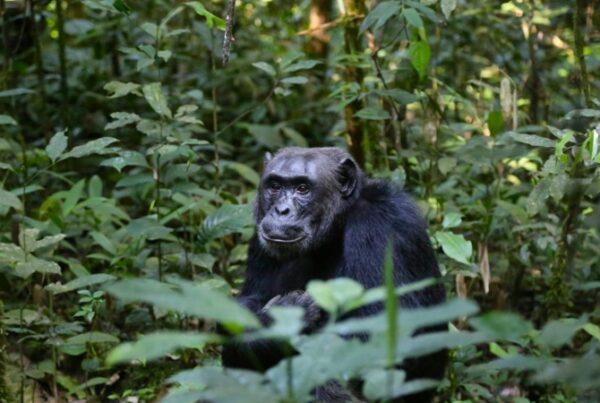
Chimpanzees are the flagship species of Kibale National Park and a primary focus of conservation efforts. With populations exceeding 1,500 individuals, they are among the most studied primates in Africa. Conservation strategies have been designed to prevent poaching, reduce human-wildlife conflict, and ensure sustainable population growth.

Habituation programs, initiated in collaboration with research institutions, allow selected chimpanzee groups to be observed by researchers and tourists. These programs are conducted with strict guidelines to minimize stress and disease transmission, providing valuable data on behavior, social dynamics, and ecological interactions. Chimpanzee monitoring has informed conservation policies, guiding habitat management and anti-poaching patrols, while also supporting education and awareness programs for local communities and international audiences.

Protection of Other Primate Species

Beyond chimpanzees, Kibale is home to 12 other primate species, including red-tailed monkeys, black-and-white colobus, L’Hoest’s monkeys, and olive baboons. Conservation initiatives focus on maintaining population diversity, monitoring health and reproductive patterns, and ensuring connectivity between forest patches. Research on these species contributes to understanding forest ecology, interspecies interactions, and the broader conservation needs of primate communities.

Avian and Small Mammal Protection

Birds and small mammals also play a crucial role in Kibale’s ecological balance. Over 370 bird species inhabit the park, ranging from canopy dwellers to wetland specialists. Conservation efforts include habitat preservation, monitoring of migratory patterns, and mitigation of threats such as deforestation and hunting. Small mammals, including rodents, civets, and nocturnal primates, are protected through habitat management, anti-poaching patrols, and research on their ecological roles, emphasizing the interconnectedness of all species within the forest ecosystem.

Habitat Management

Forest Preservation

The preservation of Kibale’s tropical rainforest is central to conservation efforts. Strategies include control of invasive species, reforestation programs, and protection of riparian zones, ensuring the integrity of the ecosystem. Forest health is monitored through satellite imagery, ground surveys, and ecological assessments, enabling timely intervention in cases of habitat degradation.

Water and Wetland Protection

Kibale contains several rivers, streams, and swamps that are critical for both wildlife and human communities. Conservation measures focus on preventing pollution, maintaining water quality, and preserving natural flow regimes. Riparian zones are protected through reforestation, erosion control, and community education initiatives, ensuring that both aquatic and terrestrial species benefit from healthy water systems.

Fire and Human Impact Mitigation

Fire, both natural and human-induced, poses a threat to forest integrity. Management practices include firebreaks, controlled burns in specific zones, and rapid response teams. Local communities are educated on the ecological risks of uncontrolled burning, promoting a culture of responsible resource use. Efforts to reduce human impact also include regulating tourism, controlling logging, and preventing illegal harvesting of forest products.

Anti-Poaching Strategies

Patrols and Surveillance

Anti-poaching patrols are a cornerstone of conservation in Kibale. Rangers conduct regular ground patrols, monitor known poaching hotspots, and utilize intelligence networks to intercept illegal activities. Patrol teams are trained in wildlife monitoring, law enforcement, and emergency response, ensuring effective protection for vulnerable species.

Community-Based Reporting

Local communities are engaged as key partners in anti-poaching initiatives. Mechanisms such as community informants, reporting hotlines, and incentive programs encourage residents to participate in wildlife protection. By fostering local stewardship, poaching is reduced, and the park benefits from additional eyes and knowledge on the ground, enhancing overall surveillance capacity.Conservation Efforts in Kibale National Park

Legal Framework and Enforcement

Conservation in Kibale is supported by robust legal frameworks, including national wildlife laws and international agreements. Enforcement mechanisms involve arrest, prosecution, and fines for offenders, reinforcing the message that wildlife crimes are taken seriously. The legal infrastructure is complemented by education and outreach programs, ensuring that both locals and visitors understand regulations and their importance for long-term preservation.

Community Engagement and Sustainable Development

Alternative Livelihood Programs

Recognizing that local communities rely on forest resources for survival, conservation initiatives include alternative livelihood programs. These programs support activities such as beekeeping, sustainable agriculture, eco-tourism, and craft production, reducing pressure on the forest while generating income for residents.

Environmental Education

Education initiatives are conducted in schools, community centers, and through outreach programs. Children and adults are taught about biodiversity, ecosystem services, and the importance of conservation, fostering a sense of ownership and responsibility for the park’s resources. Interactive programs, workshops, and guided visits enhance understanding and encourage long-term behavioral change.

Collaborative Management

Conservation in Kibale is strengthened through partnerships between government agencies, non-governmental organizations, research institutions, and local communities. Collaborative management ensures that decisions are informed by ecological data, community needs, and sustainable development principles, resulting in inclusive and effective conservation strategies.

Research and Scientific Contributions

Long-Term Ecological Studies

Kibale is a hub for scientific research, providing data on primate behavior, forest ecology, and climate interactions. Long-term studies allow for monitoring of population trends, habitat use, and the impacts of human activity, informing both local management and global conservation policy.

Disease Monitoring and Health Studies

Monitoring the health of wildlife populations, particularly chimpanzees, is critical. Studies focus on disease prevention, zoonotic risks, and nutritional ecology, ensuring that conservation practices safeguard both animal and human health. Research findings contribute to global understanding of primate biology and inform management practices across African forests.

Capacity Building and Training

Kibale serves as a training ground for ecologists, conservationists, and park managers. Field schools, internships, and workshops develop local and international expertise, building capacity for future conservation initiatives. Knowledge transfer ensures that conservation efforts are sustainable and continually refined based on scientific evidence.

Role of Tourism in Conservation

Eco-Tourism as a Revenue Source

Tourism in Kibale generates essential revenue that supports park management, community programs, and wildlife protection. Activities such as chimpanzee tracking, birdwatching, night walks, and cultural visits provide income while promoting awareness of the park’s ecological value. Revenue is reinvested into ranger salaries, infrastructure, research, and community development, creating a positive feedback loop that benefits both people and wildlife.

Ethical Tourism Practices

Conservation in Kibale is reinforced by promoting ethical tourism. Guidelines ensure that visitor activities minimize disturbance to wildlife, adhere to park regulations, and contribute positively to local communities. Tour operators, guides, and lodges collaborate with park authorities to maintain sustainable tourism standards, demonstrating that recreation and conservation can coexist effectively.

Photography and Awareness

Photographers and filmmakers play a critical role in conservation by documenting species, habitats, and ecological challenges. Visual media raise awareness, inspire support, and provide evidence for advocacy and policy-making. Kibale’s landscapes, primates, and birdlife offer compelling material that underscores the importance of forest preservation.

Challenges and Future Directions

Human-Wildlife Conflict

As communities expand near the park boundary, human-wildlife conflict presents a persistent challenge. Crop raiding, livestock predation, and resource competition necessitate conflict mitigation strategies, including buffer zones, deterrents, and community education. Addressing these conflicts is essential to maintaining local support for conservation efforts.

Climate Change and Habitat Pressure

Changing climatic conditions affect forest health, water availability, and species distribution. Conservation efforts must adapt to increasing temperatures, altered rainfall patterns, and invasive species, ensuring that management strategies remain resilient and evidence-based.

Long-Term Sustainability

Sustaining conservation success requires continued investment in research, community engagement, law enforcement, and tourism management. Collaborative partnerships, adaptive management, and policy advocacy will ensure that Kibale remains a vibrant sanctuary for biodiversity while supporting human development and education.

A Model of Integrated Conservation

Kibale National Park exemplifies holistic conservation, integrating wildlife protection, habitat management, community engagement, scientific research, and sustainable tourism. From the protection of chimpanzees and other primates to the preservation of tropical forests and water systems, the park demonstrates that biodiversity and human livelihoods can coexist when managed responsibly.

For travelers and conservation-minded visitors, experiences in Kibale are enriched by the knowledge that tourism supports ongoing preservation initiatives, contributes to local communities, and fosters global awareness of tropical forest ecosystems. For those seeking a professionally guided, ethically responsible, and immersive experience in Kibale, it is recommended that tours and safari arrangements be made through WildHorn Africa. Their expertise ensures access to high-quality experiences, knowledgeable guides, and seamless logistics, transforming a visit to Kibale National Park into a comprehensive exploration of Uganda’s ecological and cultural wealth while supporting long-term conservation efforts.

Conservation Efforts in Mgahinga Gorilla National Park

Conservation Efforts in Mgahinga Gorilla National Park

By Travel stories and blogs, Primate holidays, Responsible travel tips, Uganda travel guides

Conservation Efforts in Mgahinga Gorilla National Park

Guardians of a Pristine Wilderness

In the southwestern reaches of Uganda, where the Virunga Volcanoes pierce skies of mist and cloud, lies Mgahinga Gorilla National Park, a sanctuary of extraordinary ecological and cultural significance. Though the park is Uganda’s smallest, encompassing only 33.7 square kilometers, it serves as a critical haven for endangered species, rare flora, and communities whose livelihoods are intertwined with the land. Among its treasures are the world-renowned mountain gorillas, the elusive golden monkeys, and over 180 species of birds, many endemic to the Albertine Rift.

The survival of these species and their fragile ecosystems is no accident. Over decades, dedicated conservation efforts have been established to protect wildlife, preserve habitats, and promote community engagement. Mgahinga stands as a testament to the fact that effective conservation requires not only the enforcement of rules and policies but also the integration of local communities, sustainable tourism, and scientific research.

Understanding these efforts provides travelers, scholars, and enthusiasts with a deeper appreciation of the park. Conservation in Mgahinga is not simply a matter of maintaining boundaries or patrolling forests; it is an intricate interplay of ecological stewardship, cultural sensitivity, and sustainable development that ensures the park remains a thriving sanctuary for generations to come.

The Ecological Significance of Mgahinga

Mgahinga Gorilla National Park occupies a unique position within the Virunga Conservation Area, forming a transboundary ecosystem that connects Uganda with Rwanda and the Democratic Republic of Congo. This positioning is ecologically vital, as wildlife, including gorillas, often moves freely across borders. Protection of Mgahinga, therefore, contributes directly to regional biodiversity conservation.

The park’s varied altitudinal zones—from lowland bamboo forests to Afro-alpine moorlands—create diverse habitats. Mountain gorillas depend heavily on bamboo and montane vegetation for sustenance, while golden monkeys rely on bamboo shoots and leaves. Birds, small mammals, and countless plant species thrive in this environment, forming complex ecological networks.

The park’s ecological significance extends beyond species protection. Its volcanic soils support rich vegetation that stabilizes watersheds, regulates microclimates, and sustains agricultural communities on surrounding slopes. Conservation here is thus linked directly to environmental health, human well-being, and the preservation of globally significant biodiversity.

Mountain Gorilla Conservation: The Flagship Initiative

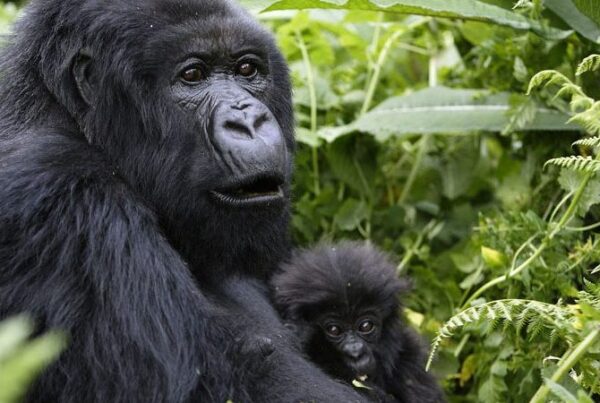
At the heart of Mgahinga’s conservation efforts lies the protection of mountain gorillas, whose populations faced near extinction during the 20th century due to poaching, habitat loss, and disease. Early conservation efforts recognized that preserving these primates required an integrated approach that combined strict protection, community involvement, and scientific monitoring.

Gorilla tracking and research are central to this strategy. Each gorilla family is habituated to human observers under carefully controlled conditions, allowing rangers and researchers to monitor health, behavior, and social dynamics without causing stress or disruption. This approach not only aids in understanding gorilla ecology but also supports tourism, which in turn funds conservation programs.

Anti-poaching patrols have been intensified over the years. Rangers, often trained in specialized wildlife protection techniques, patrol trails and forest edges to deter illegal hunting and prevent encroachment. Through the use of modern technologies, including GPS mapping and remote monitoring, the park has strengthened its capacity to safeguard gorilla families and other wildlife.

Disease prevention is another critical component. Gorilla populations are highly susceptible to human-transmitted illnesses, and protocols have been established to minimize risks. Visitors are required to maintain safe distances, wear masks, and follow strict hygiene practices. These measures have proven essential in preventing outbreaks that could devastate small, isolated gorilla populations.

Golden Monkey Protection: Safeguarding an Endangered Species

While mountain gorillas attract global attention, the golden monkey is another high-profile species in Mgahinga whose conservation has been prioritized. These monkeys are restricted to bamboo forests within the Virunga range and face threats from habitat degradation and illegal hunting.

Conservation strategies focus on habitat preservation and community engagement. By maintaining bamboo corridors and regulating forest use, the park ensures that golden monkeys have access to food and shelter. Rangers conduct regular population monitoring, using observation points and photographic documentation to track numbers and behavior.

Tourism also contributes to protection. Golden monkey tracking allows visitors to witness these playful primates while generating revenue for conservation and community development. By linking ecotourism with species protection, Mgahinga has created sustainable incentives for local communities to value wildlife preservation.Conservation Efforts in Mgahinga Gorilla National Park

Community-Based Conservation: Engaging Local Populations

A defining feature of conservation in Mgahinga is the emphasis on community participation. Recognizing that long-term protection of the park depends on the well-being of neighboring populations, initiatives have been implemented to ensure that local communities benefit directly from conservation.

Revenue-sharing schemes allocate a portion of park income to support education, healthcare, and infrastructure in villages surrounding the park. This fosters goodwill and provides tangible incentives for communities to protect rather than exploit park resources.

Programs have also focused on alternative livelihoods. Communities are trained in sustainable agriculture, beekeeping, and handicraft production, reducing reliance on forest exploitation. Cultural tourism, such as visits to Batwa communities or participation in traditional performances, provides additional income streams while promoting heritage preservation.

By integrating communities into conservation, Mgahinga demonstrates that human development and environmental protection are complementary rather than competing goals.

Scientific Research and Monitoring

Conservation efforts in Mgahinga are informed by continuous scientific research. Ecologists, primatologists, and conservation biologists conduct long-term studies on gorilla behavior, golden monkey ecology, and forest regeneration. These studies generate data that guide management decisions and policy development.

Monitoring extends to vegetation and water resources. Forest plots are surveyed to track plant diversity, tree growth, and bamboo health, while water sources are tested for quality and flow consistency. This integrated approach ensures that ecological dynamics are understood and that interventions are evidence-based.

Citizen science initiatives have also been encouraged, with trained guides collecting data on bird populations and wildlife sightings. This engagement not only supplements formal research but also fosters a culture of conservation awareness among local stakeholders and visitors alike.

Anti-Poaching and Law Enforcement

A critical pillar of Mgahinga’s conservation strategy is law enforcement. Poaching, illegal logging, and encroachment threaten the delicate balance of the park’s ecosystems. Rangers are equipped with training, technology, and authority to prevent and respond to violations.

Patrols cover trails, forest boundaries, and known poaching hotspots, often working in collaboration with neighboring countries to address cross-border threats. Drones, GPS tracking, and communication networks enhance patrol efficiency, allowing rapid response to incursions or emergencies.

Community reporting systems also play a role. Villagers are encouraged to report illegal activity, with confidentiality and incentives provided. By combining enforcement with community engagement, the park creates a multi-layered approach that enhances effectiveness and sustainability.

Habitat Restoration and Reforestation

Over decades of human activity, parts of the Virunga ecosystem faced degradation due to agriculture, firewood collection, and settlement. Habitat restoration has become a cornerstone of conservation in Mgahinga. Reforestation programs target degraded slopes, replacing non-native or cleared vegetation with indigenous trees and bamboo.

Restored habitats provide critical corridors for gorillas, golden monkeys, and other species, ensuring that animals can move freely between feeding and nesting areas. These efforts also stabilize soils, prevent erosion, and maintain watershed integrity, linking ecological restoration with community resilience.

Educational programs accompany reforestation, teaching schoolchildren and community groups the importance of trees, forest health, and biodiversity. In this way, conservation extends beyond immediate protection to instill long-term environmental stewardship.

Ecotourism as a Conservation Tool

Tourism is not merely an economic activity in Mgahinga; it is a central instrument of conservation. Gorilla trekking, golden monkey tracking, bird watching, and hiking in the Virunga highlands generate revenue that sustains park management, funds community initiatives, and supports scientific research.

Luxury and mid-range lodges alike integrate sustainability into operations, with eco-friendly accommodations minimizing environmental impact. Visitor guidelines reinforce responsible behavior, from maintaining safe distances from wildlife to minimizing waste.

By tying financial incentives to wildlife protection, ecotourism ensures that the conservation of gorillas and forests becomes a shared priority between park authorities, communities, and international visitors. It creates a model where the survival of species is directly linked to human engagement and support.

Education and Awareness Programs

Conservation in Mgahinga extends to education and awareness, targeting both local communities and visitors. Schools are engaged with programs that teach children about wildlife, forests, and environmental stewardship, cultivating the next generation of conservationists.

Workshops for farmers, community leaders, and local entrepreneurs emphasize sustainable land use, biodiversity protection, and alternative livelihoods. Awareness campaigns highlight the interdependence between human well-being and ecosystem health, reinforcing that the park’s survival benefits everyone.

Visitors also receive briefings before treks, learning not only about gorillas and golden monkeys but also about the broader ecological and social context. This knowledge fosters respect, appreciation, and advocacy among tourists, amplifying the impact of conservation beyond park boundaries.

Challenges and Future Directions

Despite successes, conservation in Mgahinga faces ongoing challenges. Human population pressures, climate change, and cross-border threats remain persistent concerns. Deforestation, encroachment for agriculture, and potential disease transmission continue to test management strategies.

Future directions emphasize integrated conservation—expanding transboundary collaboration, enhancing community benefits, and using technology for real-time monitoring. Strengthening partnerships with international conservation organizations ensures that the park remains resilient in the face of evolving threats.

Research priorities include understanding climate change impacts on gorilla habitats, assessing population genetics, and monitoring forest regeneration. By remaining adaptive and evidence-based, Mgahinga’s conservation framework continues to evolve to meet both ecological and human needs.

A Model of Integrated Conservation

Mgahinga Gorilla National Park exemplifies the complexity, challenge, and promise of modern conservation. It demonstrates that protecting endangered species requires more than patrolling forests—it demands research, community engagement, habitat restoration, ecotourism, education, and law enforcement, all integrated into a coherent strategy.

Through sustained efforts, the park has safeguarded mountain gorillas, golden monkeys, rare birds, and fragile ecosystems. Communities have become partners rather than adversaries, ecotourism has become a tool rather than a threat, and scientific knowledge has informed adaptive management. Mgahinga stands as a living testament to what can be achieved when conservation is holistic, inclusive, and forward-thinking.

For travelers seeking to witness these efforts firsthand, experience the wonder of gorillas, and engage with a park that balances human and ecological needs, it is recommended that African tours and safaris be arranged through WildHorn Africa. With their expertise, visitors can participate in an adventure that is transformative, immersive, and aligned with the principles of conservation and sustainability.

Conservation Efforts in Murchison Falls National Park

Conservation Efforts in Murchison Falls National Park

By Travel stories and blogs, Safari holidays, Uganda travel guides, Wildlife holidays

Conservation Efforts in Murchison Falls National Park

Protecting Uganda’s Natural Legacy

In northern Uganda, where the River Nile roars through a narrow gorge and the iconic Murchison Falls crashes with relentless power, a treasure of biodiversity thrives. Murchison Falls National Park, Uganda’s largest and one of its most diverse protected areas, is home to elephants, lions, giraffes, hippos, crocodiles, and over 450 bird species. Yet this remarkable wildlife sanctuary is not immune to the pressures of human encroachment, poaching, habitat loss, and climate change.

Conservation in Murchison Falls has evolved from basic protection to a sophisticated network of initiatives encompassing anti-poaching measures, community engagement, ecological research, and sustainable tourism practices. Understanding these efforts provides insight into how Uganda preserves its natural heritage while balancing ecological integrity with human development. For visitors, recognizing the impact of these efforts enhances appreciation of every wildlife encounter and scenic vista.

This guide explores the conservation strategies, partnerships, and successes that sustain Murchison Falls, highlighting the essential role of sustainable tourism and the vital contributions of organizations, local communities, and international stakeholders.

Historical Context: The Genesis of Conservation

Murchison Falls National Park was established in 1952, initially as a game reserve to protect the northern savannahs and the Nile corridor from excessive hunting. Its early conservation strategy relied on strict protection and regulation of hunting practices, with minimal engagement with surrounding communities. Over time, it became clear that protection alone was insufficient, as poaching, illegal settlements, and agricultural expansion threatened wildlife and habitats.

By the 1990s, the Uganda Wildlife Authority (UWA) had assumed stewardship of the park, implementing structured management plans and modernizing conservation strategies. This shift recognized that effective conservation must integrate ecological science, law enforcement, sustainable tourism, and community participation. Today, Murchison Falls is a model of holistic conservation, balancing wildlife protection, ecosystem management, and socio-economic development.

Anti-Poaching Initiatives

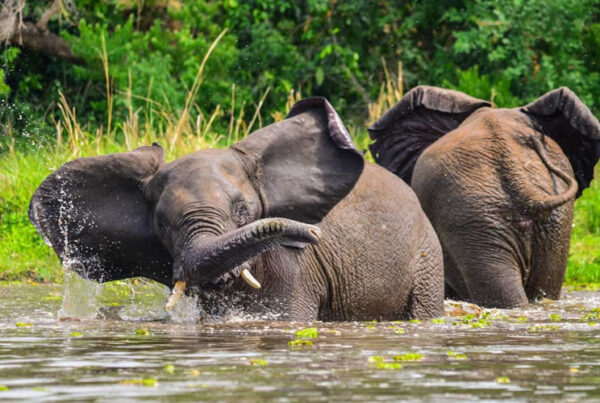
Poaching has historically posed the greatest threat to large mammals in Murchison Falls. Elephants, in particular, were targeted for their ivory, while lions and other predators faced persecution due to conflict with humans. Conservation efforts have focused on strengthening law enforcement, with rangers trained in advanced anti-poaching techniques, equipped with modern surveillance technologies, and organized into rapid response units.

Patrols are conducted daily across critical zones, monitoring for signs of illegal activity and ensuring that wildlife corridors remain intact. Community scouts, often recruited from local villages, supplement these patrols by providing intelligence and fostering trust between conservation authorities and surrounding populations. Collaboration with law enforcement agencies ensures that arrests and prosecutions are carried out, creating a deterrent effect for would-be poachers.

Modern anti-poaching efforts also utilize technology, including drone surveillance, GPS tracking, and camera traps, which monitor animal movements and detect intrusions in real-time. These tools have dramatically improved the ability to protect endangered species and ensure that critical habitats remain undisturbed.

Wildlife Monitoring and Research

Scientific research and monitoring underpin the conservation strategies in Murchison Falls. Ecologists, biologists, and park rangers systematically track population trends, migration patterns, and predator-prey dynamics to inform adaptive management. Elephants, for instance, are monitored using GPS collars to understand their movement patterns, habitat preferences, and interactions with local communities.

Research extends to bird populations, aquatic ecosystems, and plant biodiversity, which are equally important for maintaining ecological balance. The shoebill stork, for example, has been the subject of detailed studies to determine nesting patterns and habitat requirements, enabling targeted protection of wetland areas.

By integrating research with practical conservation measures, park management ensures that interventions are data-driven and effective, addressing both immediate threats and long-term ecological challenges. Visitors benefit from these efforts by experiencing wildlife in natural, thriving habitats that reflect sustainable ecological management.Conservation Efforts in Murchison Falls National Park

Habitat Restoration and Ecosystem Management

Conservation in Murchison Falls is not limited to protecting wildlife but also involves restoring and managing habitats. Degraded savannahs, riverbanks, and wetlands are rehabilitated through tree planting, invasive species control, and the maintenance of natural fire regimes. These measures preserve critical ecological processes, such as nutrient cycling, water purification, and flood regulation, which are essential for both wildlife and human communities.

Riverine forests along the Nile are particularly vulnerable to deforestation and erosion. Conservation teams work to stabilize riverbanks, replant indigenous tree species, and monitor hydrological changes, ensuring that the river ecosystem continues to support hippos, crocodiles, fish species, and migratory birds. Wetland restoration is a key focus, providing breeding grounds for birds and maintaining water quality that sustains both wildlife and local communities.

Community Engagement and Benefit Sharing

A cornerstone of Murchison Falls’ conservation success is community involvement. Local populations live in proximity to the park and rely on land and natural resources for subsistence. Historically, conflicts arose over livestock predation, crop damage, and restrictions on resource use. To address these challenges, conservation initiatives have emphasized education, livelihood support, and participatory management.

Community-based programs include the promotion of eco-tourism ventures, beekeeping, sustainable agriculture, and handicraft production, providing alternative income sources while reducing dependence on poaching and habitat destruction. Revenue from park fees and tourism is shared with local communities, creating tangible incentives for conservation. Schools, health clinics, and water projects funded through these initiatives strengthen the relationship between communities and the park, fostering a culture of stewardship and pride in preserving Uganda’s natural heritage.

Sustainable Tourism and Safaris

Tourism is a key component of conservation in Murchison Falls. Well-managed safari operations generate revenue for park management and provide financial incentives for wildlife protection. Guided game drives, boat cruises, birdwatching tours, and photographic safaris are conducted under strict environmental guidelines, ensuring minimal impact on the ecosystem.

Luxury lodges and mid-range camps are designed with eco-friendly principles, including water conservation, waste management, and renewable energy use. Tourist behavior is regulated through education, emphasizing safe distances from wildlife, restricted areas, and adherence to park rules. Sustainable tourism thus becomes a powerful tool, allowing visitors to experience the park while supporting ongoing conservation efforts.

WildHorn Africa, for instance, works closely with UWA to ensure that safari itineraries contribute positively to conservation, balancing adventure with ecological responsibility. By choosing responsible tour operators, travelers help sustain funding for ranger patrols, habitat restoration, and community programs.

Species-Specific Conservation Programs

Several species in Murchison Falls require focused attention due to vulnerability or ecological significance. Elephants, for example, face risks from poaching and habitat fragmentation. Targeted programs include anti-poaching patrols, community awareness campaigns, and translocation where necessary to ensure genetic diversity and population stability.

Hippos and crocodiles, while abundant, are monitored to prevent human-wildlife conflict along the Nile. Predators such as lions are tracked to maintain balanced ecosystems, preventing overpopulation of prey species and ensuring the integrity of the savannah food chain. Rare and endemic species, including the shoebill and African rock python, are given special protection, with habitats safeguarded and research informing management decisions.

International Partnerships and Funding

Conservation in Murchison Falls is strengthened by international partnerships. Organizations such as the World Wildlife Fund, African Wildlife Foundation, and various research institutions provide funding, technical expertise, and global advocacy. These collaborations support anti-poaching initiatives, ecological monitoring, and capacity building for park staff.

Funding also facilitates infrastructure improvements, including ranger stations, monitoring equipment, and visitor facilities. By combining local management with international support, Murchison Falls achieves a balance of ecological integrity, operational efficiency, and global recognition as a premier conservation site.

Challenges and Future Outlook

Despite successes, Murchison Falls faces ongoing challenges. Human population growth, agricultural expansion, and climate variability continue to exert pressure on the park’s ecosystems. Poaching, while reduced, remains a threat, particularly to elephants. Balancing tourism growth with environmental protection is an ongoing concern, requiring careful planning and enforcement.

Future conservation strategies focus on expanding wildlife corridors, enhancing community-based initiatives, and implementing climate-adaptive management. Technology, research, and international collaboration will continue to play critical roles in ensuring that Murchison Falls remains a thriving sanctuary for wildlife and a model of sustainable conservation.

Safeguarding Uganda’s Natural Heritage

Murchison Falls National Park stands as a testament to effective conservation, scientific management, and community collaboration. From anti-poaching patrols and habitat restoration to community engagement and sustainable tourism, every aspect of conservation is carefully integrated to preserve the park’s ecological integrity. Wildlife thrives, rivers flow unimpeded, and ecosystems remain balanced, offering visitors an authentic and immersive African safari experience.

For travelers wishing to explore Murchison Falls while contributing positively to its protection, booking safaris through WildHorn Africa is highly recommended. By partnering with responsible operators, visitors not only gain expert-guided access to the park’s diverse landscapes and wildlife but also support the ongoing conservation efforts that ensure this natural wonder will endure for generations. Every visit becomes a meaningful contribution to Uganda’s environmental legacy, reinforcing the vital connection between tourism, conservation, and community empowerment.

Close Menu