search
Kasubi Tombs Best Time To Go: One Week Plan on a budget

Kasubi Tombs Best Time To Go: One Week Plan on a budget

By Travel stories and blogs, Uganda travel guides

Kasubi Tombs Best Time To Go: One Week Plan on a Budget

Stepping Into Uganda’s Living Heritage

Rising gracefully from the hills of Kampala, the Kasubi Tombs stand as one of Uganda’s most treasured cultural sites, a place where history, spirituality, and architecture intertwine to narrate the story of the Buganda Kingdom. Declared a UNESCO World Heritage Site, this sacred ground is far more than an architectural marvel—it is a living museum of Buganda identity, a royal burial ground, and a spiritual center. For travelers drawn to heritage tourism, the tombs offer a rare opportunity to engage with traditions that have been carefully preserved for centuries.

Planning a journey to Kasubi requires more than a casual visit. The experience deepens when it is woven into a structured plan that allows time not only to explore the site itself but also to absorb the rhythm of Kampala and the surrounding landscapes. For travelers seeking to experience the tombs on a budget while still enjoying the richness of Ugandan culture, a one-week itinerary offers the perfect balance between affordability and immersion. To maximize the experience, understanding the best time to go is essential, since seasons, cultural festivals, and weather conditions influence both the site’s atmosphere and the traveler’s journey.

This guide takes you step by step through the most suitable times to visit the Kasubi Tombs, while providing a practical yet enriching one-week plan tailored for those traveling on a budget.

Understanding the Historical Significance of the Kasubi Tombs

The Kasubi Tombs are more than a physical space—they are the spiritual heart of Buganda. Established in the late nineteenth century, the site became the burial ground for four Buganda kings, known as the Kabakas, making it a sacred royal site of immense cultural significance. The central structure, built primarily from organic materials such as reeds, thatch, and timber, stands as a testament to indigenous craftsmanship and traditional Ganda architecture.

This vast hut, known locally as Muzibu Azaala Mpanga, represents the cosmos in Buganda belief. Its circular design and layers of symbolism offer insight into how the Baganda perceive life, continuity, and ancestry. A visit here does not only involve viewing architecture but also entering a realm where spiritual practices are still active. Rituals and ceremonies are regularly performed, sustaining the sacredness of the tombs as a living heritage site rather than a static monument.

The Best Time to Visit the Kasubi Tombs

Timing plays a critical role in shaping the Kasubi experience. Weather patterns, cultural activities, and visitor flow all determine the atmosphere of the site.

Uganda experiences two main dry seasons: December to February and June to August. These months are generally regarded as the best times for cultural exploration. The weather is mild, skies are clearer, and the likelihood of rain disrupting travel is significantly lower. For visitors planning to walk through the compound, observe traditional architecture, and take guided tours, these periods offer optimal comfort.

However, the rainy seasons of March to May and September to November should not be dismissed entirely. During these months, the landscape around the tombs turns lush and vibrant, giving the compound a serene atmosphere. Budget travelers often find these months attractive, as accommodation and transport rates can be more affordable due to reduced tourist traffic. Those who are comfortable with occasional showers may discover a quieter and more intimate experience at the tombs.

Equally significant are cultural festivals and royal commemorations. The Buganda Kingdom holds annual events where music, dance, and rituals transform the tombs into vibrant cultural theaters. Attending during these celebrations provides a profound glimpse into Buganda traditions, making timing not only a matter of weather but also cultural engagement.

Structuring a One-Week Plan on a Budget

A carefully structured week in Kampala centered around the Kasubi Tombs allows visitors to balance cultural exploration, relaxation, and affordability. Traveling on a budget does not require compromising depth of experience. Instead, it encourages immersion into authentic local life, where small eateries, shared transportation, and local markets enrich the traveler’s perspective.

Day 1: Arrival and Settling into Kampala

The first day of the journey is best devoted to arrival, acclimatization, and orientation. Budget accommodation options in Kampala range from modest guesthouses to backpacker hostels, many of which provide a homely atmosphere and opportunities to meet fellow travelers. Spending the evening exploring a local market or tasting street food offers an inexpensive yet fulfilling introduction to Uganda’s capital.

Day 2: Introduction to Kampala’s Cultural Landscape

Before diving directly into the Kasubi Tombs, the second day may be used to gain context by exploring Kampala’s other cultural landmarks. The Uganda Museum provides historical background that enriches understanding of Buganda traditions. A visit to the Lubiri, the Buganda Royal Palace, also prepares travelers for the tombs by situating them within the broader Buganda monarchy. Meals in local restaurants, where traditional dishes like matoke, beans, and groundnut sauce are served at modest prices, keep expenses low while deepening the cultural encounter.

Day 3: Visiting the Kasubi Tombs

The third day is devoted entirely to the Kasubi Tombs. Guided tours, often led by custodians of the site, explain not only the architectural design but also the spiritual importance of the tombs. Stories of the Kabakas buried here and the symbolism behind every detail of the structure create a profound narrative that lingers long after departure. Budget travelers often find that entrance fees are affordable, and the value of the guided experience is immense.Kasubi Tombs Best Time To Go: One Week Plan on a budget

Spending time in the compound without rushing allows the visitor to observe the rhythms of the site. The serenity, the rituals, and the sense of history create an atmosphere where time seems to stand still. Photographs capture the physical beauty, but it is the intangible aura of reverence that makes the day unforgettable.

Day 4: Exploring Surrounding Communities

The fourth day expands the journey beyond the tombs into the communities that surround Kampala. Engaging with local craftspeople, visiting markets, and observing daily life provides insight into how Buganda culture thrives in contemporary contexts. Affordable transportation such as boda bodas (motorcycle taxis) or shared taxis allows for budget-friendly exploration. Meals in roadside eateries, often consisting of Rolex or grilled meat, keep expenses minimal while immersing visitors in authentic Ugandan flavors.

Day 5: A Day at Lake Victoria

A short trip to Lake Victoria on the fifth day balances cultural immersion with natural relaxation. Budget boat rides and lakeside dining offer an opportunity to enjoy the vast waters while staying within modest spending limits. The tranquility of the lake complements the spiritual depth of the Kasubi Tombs, allowing visitors to reflect on the journey so far.

Day 6: Deepening the Cultural Connection

Returning to Kampala, the sixth day can be devoted to attending cultural performances, many of which showcase Buganda dances and music. Some cultural centers in Kampala offer affordable evening performances that celebrate Uganda’s diverse traditions. These performances, though modestly priced, provide immense cultural enrichment, rounding out the week with vibrant energy.

Day 7: Reflection and Departure

The final day is devoted to reflection, light exploration, and preparation for departure. Time may be spent revisiting a favorite market or café, purchasing local crafts, or simply strolling through the city. This quieter day ensures that the journey ends with calmness and clarity, allowing the visitor to depart with lasting memories.

Traveling on a Budget in Kampala

Affordability in Kampala is attainable without sacrificing depth of experience. Accommodation in budget guesthouses, meals in local restaurants, and transportation through shared taxis or boda bodas keep costs low. Markets provide not only inexpensive food but also a chance to interact with locals and experience Kampala beyond its touristic façade.

Budget travel also encourages deeper cultural engagement. Instead of dining in upscale hotels, visitors find themselves eating alongside locals, learning how daily life unfolds in Uganda’s capital. Instead of relying on private cars, shared transport creates opportunities for interaction and observation. This immersion is not only cost-effective but also enriching, transforming the journey into a living classroom of culture and tradition.

Cultural Etiquette and Respect at the Kasubi Tombs

Visiting the Kasubi Tombs requires sensitivity and respect. As a sacred site, it is governed by traditions that must be observed. Modest dress, respectful silence, and adherence to guidelines given by custodians ensure that the visitor honors the sanctity of the tombs. Photography, while allowed in certain areas, may be restricted in others, especially during rituals.

Respecting these customs enhances the experience by allowing the traveler to step into the cultural and spiritual rhythm of the place rather than merely observing from a distance. This respectful engagement is part of what makes a journey to Kasubi transformative.

The Emotional Resonance of the Kasubi Tombs

Perhaps the most profound aspect of the Kasubi Tombs lies in the emotional connection it evokes. Visitors often describe a sense of calm, reverence, and timelessness that permeates the site. The tombs are not static monuments but living symbols of Buganda continuity, embodying both history and the present.

Walking through the compound, one feels the weight of centuries of leadership, tradition, and spirituality. It is not only the architecture that impresses but the atmosphere of reverence. The experience lingers long after leaving, making the Kasubi Tombs one of Uganda’s most memorable cultural encounters.

Experiencing Kasubi With WildHorn Africa

A visit to the Kasubi Tombs is more than a cultural excursion—it is a journey into the heart of Buganda identity, a chance to walk in the footsteps of kings, and an opportunity to connect with Uganda’s spiritual heritage. Timing the visit well, whether during the dry seasons for comfort or during cultural festivals for vibrancy, ensures that the experience is maximized. A thoughtfully structured one-week plan makes it possible to explore not only the tombs but also the rich cultural and natural offerings of Kampala and its surroundings, even on a budget.

For travelers eager to immerse themselves in this unforgettable journey, it is recommended that you book your African tours and safaris through WildHorn Africa. With their expertise, the Kasubi Tombs and Uganda’s broader cultural landscape are revealed in depth, authenticity, and respect. Every moment becomes more than sightseeing—it becomes an experience of heritage, connection, and discovery.

3-Day Itinerary: Mgahinga Gorilla National Park cultural tour for adventure seekers

3-Day Itinerary: Mgahinga Gorilla National Park cultural tour for adventure seekers

By Travel stories and blogs, Uganda travel guides

3-Day Itinerary: Mgahinga Gorilla National Park Cultural Tour for Adventure Seekers

Where Adventure Meets Heritage

The journey to Mgahinga Gorilla National Park is not only about the thrill of standing face-to-face with the rare mountain gorillas but also about immersing oneself in the cultural wealth of the Virunga region. Adventure seekers are often drawn to the park for its rugged volcanic terrain and wildlife encounters, but the cultural dimension makes every visit far more profound. Over the course of three days, travelers discover how gorilla trekking, Batwa heritage, and natural exploration weave together into a tapestry of both excitement and learning. This itinerary is designed for those who wish to combine the physical challenge of trekking with the depth of cultural interaction, making every moment an opportunity to connect with the land and its people.

Day 1: Arrival and Cultural Immersion in Kisoro

The adventure begins upon arrival in Kisoro, a vibrant town located at the foot of the Virunga volcanoes. Travelers often find themselves captivated by the dramatic backdrop of rolling hills, misty peaks, and a landscape alive with activity. This first day is deliberately paced to allow time for acclimatization while providing an introduction to the cultural spirit of the region.

A visit to a local cultural center introduces guests to the Batwa community, one of the oldest indigenous groups of central Africa. Once forest dwellers, the Batwa share stories of their ancient connection to the gorilla forests, narrating tales of survival, spiritual rituals, and medicinal practices rooted in the natural environment. Their dances, songs, and oral traditions are performed not as staged entertainment but as a living memory of their past. For adventure seekers, engaging with the Batwa is a profound reminder that the park’s identity is inseparable from its people.

Meals on the first day are typically prepared using fresh produce grown on the fertile volcanic soils of Kisoro. Visitors may savor matoke bananas, beans, and local stews, offering a warm culinary welcome to Uganda’s southwestern corner. By evening, the anticipation for the trekking experience begins to build, as guides provide orientation on what lies ahead.

Day 2: Gorilla Trekking in the Misty Forests

The second day is the heart of the itinerary, as travelers set out on a gorilla trekking adventure within the park. Rising early, groups gather at Ntebeko Visitor Center, where experienced rangers provide briefing on trekking rules, conservation efforts, and what to expect during the journey. The trek itself is as much about the journey as the destination, taking adventurers through tangled vegetation, bamboo stands, and the volcanic slopes of the Virungas.

The effort is rewarded by the extraordinary moment of encountering a gorilla family. Sitting quietly in their natural habitat, these gentle giants display a mix of power and tenderness, reminding visitors of the fragility of their existence. Observing their interactions, from mothers nursing infants to dominant silverbacks maintaining order, creates memories that remain etched for a lifetime.

Following the trek, travelers often return for a period of rest before venturing into another layer of the park’s cultural experience. The Batwa Trail is a guided walk that retraces the footsteps of the Batwa people through their ancestral forest. Here, knowledge about medicinal plants, hunting techniques, and spiritual rituals comes alive in the very places where the Batwa once lived. Adventure seekers not only gain physical endurance through trekking but also mental enrichment by experiencing a culture that defines the park’s soul.

Evenings after the trek are usually spent reflecting around a fireplace or enjoying cultural performances arranged by local groups. For many, the bond formed between gorilla encounters and cultural storytelling is the highlight of the entire trip.

Day 3: Volcano Hike and Scenic Exploration

The final day is designed for travelers who wish to conclude their visit with a sense of conquest. Mgahinga is part of the Virunga volcano chain, and its three peaks—Mount Muhabura, Mount Gahinga, and Mount Sabyinyo—offer exhilarating hiking opportunities. Adventure seekers often choose a climb up Mount Sabyinyo, whose summit offers a unique geographical vantage point. Standing here places travelers at the intersection of three nations: Uganda, Rwanda, and the Democratic Republic of Congo.

The hike itself is demanding, with rugged trails and steep ascents, but the reward is a panoramic view of the region that captures forests, lakes, and distant peaks. It is a moment of triumph that seals the adventure, complementing the cultural and wildlife experiences of the previous days.

For those who prefer a less strenuous finale, guided nature walks through the park’s diverse habitats reveal golden monkeys, exotic birds, and unique flora. These explorations provide opportunities for photography, quiet reflection, and deeper understanding of the park’s biodiversity.

The cultural layer continues on the final day with opportunities to explore Kisoro’s bustling markets. Here, travelers encounter stalls filled with fresh produce, handcrafted items, and local fabrics, making it possible to carry a piece of Toro and Virunga culture home. Culinary experiences continue to shine, with roasted maize, grilled meats, and tropical fruits providing a flavorful conclusion to the journey.

Cultural Depth Beyond Adventure

What makes this three-day itinerary remarkable is the balance it strikes between physical adventure and cultural engagement. Gorilla trekking satisfies the longing for wildlife encounters, volcanic hikes fulfill the spirit of conquest, and Batwa interactions root the experience in human history. Adventure seekers leave not only with photographs and stories but also with a profound sense of connection to a land where people and nature are bound together.

Every cultural performance, every shared meal, and every trek into the forest layers meaning onto the journey. Mgahinga Gorilla National Park becomes more than just a destination; it transforms into a living classroom where adventure educates and culture inspires.

Practical Reflections for Adventure Seekers

Undertaking such an itinerary requires both preparation and openness. The rugged terrain of the park demands physical fitness, while the cultural immersion requires sensitivity and respect. Yet, it is precisely this combination of challenge and humility that makes the experience so transformative.

Seasonal variations also play a role, with dry months providing clearer hiking conditions and rainy months offering lush scenery and a sense of intimacy with the forest. Regardless of timing, the itinerary ensures that the spirit of adventure is met with cultural encounters that enrich the soul.

A Journey of Adventure and Culture

A three-day cultural tour at Mgahinga Gorilla National Park is more than an itinerary; it is a narrative that blends the thrill of gorilla encounters, the challenge of volcanic hikes, and the inspiration of cultural immersion. For adventure seekers, it represents a journey into both the wilderness and the heritage of Uganda’s Virunga region. Every path walked, every meal shared, and every story heard contributes to a deeper understanding of the harmony between people and nature.

For those eager to experience such transformative adventures, the journey is best entrusted to experts who understand both the logistics and the cultural nuances of the region. To ensure a seamless experience where every detail is handled with care, travelers are encouraged to arrange their safaris through WildHorn Africa, whose commitment to authenticity ensures that every adventure in Mgahinga is not only memorable but truly life-changing.

Cultural Tour at Ziwa Rhino Sanctuary: 7-Day Itinerary for honeymooners

Cultural Tour at Ziwa Rhino Sanctuary: 7-Day Itinerary for honeymooners

By Travel stories and blogs, Honeymoon holidays, Travel guides, Uganda travel guides

Cultural Tour at Ziwa Rhino Sanctuary: 7-Day Itinerary for Honeymooners

A Romantic Escape into the Heart of Uganda

For couples seeking an extraordinary beginning to their lifelong journey together, Uganda offers a destination where romance, adventure, and culture seamlessly blend. The Ziwa Rhino Sanctuary, located in the heart of the country, is renowned as the only home of wild rhinos in Uganda, and yet it offers far more than wildlife encounters. It presents a sanctuary of serenity, a hub of cultural immersion, and a gateway into experiences that perfectly suit the intimacy of a honeymoon. A seven-day itinerary at this remarkable site provides newlyweds with the opportunity to balance adventure with relaxation, while exploring cultural traditions that deepen their connection to the land and to each other.

This journey is not simply a holiday; it is a narrative of love, discovery, and shared wonder, crafted in one of Africa’s most treasured natural landscapes.

Day 1: Arrival and Settling into the Rhythm of Nature

The honeymoon experience begins with arrival at Ziwa Rhino Sanctuary, where couples are welcomed by the lush greenery and tranquil ambiance of the reserve. The sanctuary’s accommodations are designed to complement the environment, with thatched lodges and eco-friendly cottages that blend privacy with comfort. From the moment of arrival, the sense of seclusion sets the stage for romance, allowing couples to step away from the noise of everyday life.

The first evening is often reserved for rest and reflection, with couples encouraged to enjoy leisurely walks along the sanctuary’s paths or to savor a candlelit dinner under the stars. The rhythm of nature becomes the backdrop, with the sounds of crickets and rustling leaves adding a natural symphony to the honeymoon’s opening chapter.

Day 2: Rhino Trekking and Wildlife Discovery

The second day brings the highlight of the sanctuary experience—rhino trekking. Guided by professional rangers, couples embark on foot safaris that lead directly into the habitats of the southern white rhinos. Observing these majestic creatures up close is an awe-inspiring moment, enhanced by the intimacy of the experience. Walking side by side through the savannah, hand in hand, honeymooners share the thrill of seeing rhinos grazing or nursing their young, their power and grace a striking reminder of the richness of Uganda’s natural heritage.

Beyond rhinos, the sanctuary hosts a variety of wildlife, including antelope species, monkeys, and over three hundred bird species. The rangers enrich the trek by sharing stories of conservation, explaining the sanctuary’s pivotal role in protecting Uganda’s rhino population and reintroducing them into the wild. For couples, these treks symbolize more than wildlife observation—they embody the themes of protection, partnership, and care that resonate deeply during a honeymoon.

Day 3: Birding and Nature Walks

Ziwa Rhino Sanctuary is celebrated as one of the most rewarding birding destinations in Uganda, and the third day is dedicated to this pursuit. Couples are guided along wetland areas and woodland trails where rare species such as the shoebill stork, one of the world’s most sought-after birds, can be spotted. The experience of quietly waiting for a shoebill to emerge from papyrus reeds is both suspenseful and rewarding, and when seen, the moment lingers in memory.

Birding at Ziwa is not a hurried activity; it is contemplative and immersive, perfectly suited to couples seeking unhurried connection. Each call, each flash of color, and each graceful flight becomes a shared discovery. The remainder of the day may include guided nature walks, where butterflies, reptiles, and diverse plant species are introduced, offering couples the chance to appreciate the sanctuary’s ecological richness together.

Day 4: Cultural Engagement with Local Communities

A cultural tour forms the centerpiece of the honeymoon, and on the fourth day couples are introduced to the local communities surrounding Ziwa Rhino Sanctuary. Visits to nearby villages provide opportunities to engage with traditional Ugandan life. Couples may be welcomed with music and dance performances that showcase the rhythms and stories of the region. These performances are not mere entertainment; they are expressions of identity and heritage that immerse visitors in the heart of Ugandan culture.

The day also introduces couples to traditional crafts, such as basket weaving and bead making, which they can learn directly from local artisans. Engaging in these activities together provides a playful and collaborative experience, while also offering insights into the artistry that sustains community livelihoods. Culinary traditions are also explored, with couples invited to participate in preparing local dishes, guided by village elders. The act of cooking together, tasting unfamiliar spices, and sharing meals with the community weaves cultural learning with romance, enriching the honeymoon with authenticity.

Day 5: Relaxation and Private Exploration

After days filled with exploration, the fifth day allows couples to enjoy relaxation and solitude. The sanctuary offers quiet trails for private walks, serene spaces for picnics, and shaded areas for reflection. Couples can choose to spend their day lounging by their lodge, enjoying panoramic views of the savannah, or engaging in photography sessions that capture both wildlife and romantic moments.

The slower pace of the day provides a valuable opportunity for couples to reflect on their journey, deepen their bond, and appreciate the beauty of stillness in nature. For many, this interlude becomes one of the most cherished elements of the itinerary, as it balances adventure with peace and intimacy.

Day 6: Adventure Beyond the Sanctuary

While the sanctuary itself provides ample activity, the sixth day invites couples to explore the wider region. Excursions may include trips to nearby cultural landmarks, forest reserves, or scenic sites where Mount Elgon’s landscapes provide breathtaking backdrops. Couples can embark on light hikes, discover hidden waterfalls, or engage in storytelling sessions with local guides who share legends tied to the land.

These excursions extend the honeymoon experience beyond the sanctuary, providing variety while reinforcing the themes of discovery and togetherness. The thrill of exploring new places, encountering unexpected sights, and navigating unfamiliar paths together strengthens the sense of shared adventure that defines a honeymoon.

Day 7: Reflection and Departure

The final day at Ziwa Rhino Sanctuary is reserved for reflection. Couples may choose to revisit their favorite activity, whether it is a short morning walk to glimpse rhinos once more or a final breakfast shared under the open sky. The sanctuary, with its tranquility and beauty, leaves a lasting impression, and couples often find themselves reflecting not only on the memories created but also on the values of conservation and cultural connection that the journey has highlighted.

Departure is tinged with nostalgia but also with gratitude, as the sanctuary becomes etched into the couple’s shared story. The experience of seven days at Ziwa Rhino Sanctuary is not easily forgotten; it becomes a chapter of their relationship that remains vivid, cherished, and deeply symbolic of their union.

The Transformative Power of a Cultural Honeymoon

A honeymoon at Ziwa Rhino Sanctuary offers more than leisure. It provides a profound blend of wildlife encounters, cultural immersion, and romantic seclusion. Each day balances excitement with reflection, adventure with intimacy, and learning with relaxation. The sanctuary’s unique position as both a conservation hub and a cultural gateway ensures that honeymooners leave not only with cherished memories but also with deeper appreciation for Uganda’s heritage and biodiversity.

For couples, this itinerary embodies the values of partnership, exploration, and respect for the natural world—values that mirror the foundations of marriage itself. It is an experience that shapes not just a holiday but the very outlook with which couples begin their life together.

Begin Your Journey with WildHorn Africa

The Cultural Tour at Ziwa Rhino Sanctuary presents the ideal seven-day itinerary for honeymooners, offering romance, adventure, and cultural depth in perfect balance. From intimate rhino treks to immersive cultural exchanges, from tranquil evenings to exhilarating excursions, every moment is crafted to strengthen bonds and create timeless memories.

For couples wishing to embark on this remarkable journey, it is highly recommended to book tours and safaris with WildHorn Africa. With expertise in crafting tailored experiences, WildHorn Africa ensures that honeymooners enjoy seamless logistics, professional guidance, and access to the most enriching encounters Uganda has to offer. Their dedication to excellence guarantees that each honeymoon becomes not just a trip, but the beginning of a shared story of love, discovery, and adventure.

Things You Need To Know Before Visiting the Maasai

Things You Need To Know Before Visiting the Maasai

By Kenya travel guides, Travel guides, Travel stories and blogs

Things You Need To Know Before Visiting the Maasai
An Immersive Guide to One of Africa’s Most Iconic Indigenous Cultures

The Call of Culture: Meeting the Maasai

Long before the African savannahs became travel bucket list staples, before the big-game safari turned into a worldwide phenomenon, and before wildlife conservation found its global voice, there existed a proud people whose presence shaped the very identity of East Africa. The Maasai, a semi-nomadic tribe whose culture, color, and courage have come to symbolize both tradition and survival, continue to live in the shadows of iconic landscapes like the Serengeti, Maasai Mara, and Mount Kilimanjaro. For those drawn to authentic experiences, a visit to a Maasai village represents a rare encounter with living heritage, one where ancient customs are preserved not for spectacle, but as a daily reality.

However, such an experience should never be approached with a purely touristic gaze. The Maasai are not an attraction—they are a people, with a complex, evolving identity that bridges centuries of pastoral life with the inevitable pull of modernity. It is only through respect, awareness, and cultural sensitivity that a true connection can be formed. Understanding what to expect, how to behave, and the deeper meanings behind what is seen and heard, is essential before stepping into their world.

Who Are the Maasai? Understanding the Roots of Resilience

The Maasai are an indigenous ethnic group inhabiting southern Kenya and northern Tanzania, known for their pastoral lifestyle, colorful attire, and unyielding cultural pride. Historically, their society was structured around cattle, which remain central to their economic, spiritual, and social life. Every aspect of the Maasai worldview—from wealth and marriage to rituals and diet—is in some way connected to livestock.

The Maasai are part of the broader Nilotic linguistic group, and their language, Maa, is still widely spoken. Although many Maasai also speak Swahili or English, particularly in regions closer to urban areas, the heartbeat of their identity remains distinctly Maasai. Despite pressures from colonial rule, land disputes, government modernization efforts, and tourism, the community has preserved much of its ancestral knowledge, oral traditions, and ceremonial practices—a testament to their deep-rooted strength and cohesion.

Customs, Rituals, and the Rhythm of Maasai Life

To truly appreciate the Maasai way of life, one must view it not as a frozen tradition but as a living, breathing system of values, relationships, and responsibilities. Life is deeply communal, governed by a social hierarchy that separates the roles of elders, warriors (morans), women, and children. Each stage of life is marked by rites of passage—birth, circumcision, warrior initiation, marriage, and elderhood—all celebrated through ritual, song, and community gatherings.

A visit to a Maasai village may include witnessing or participating in elements of these traditions. For example, visitors are often greeted with a jumping dance (Adumu), a physical expression of strength and virility performed by the morans. Though visually captivating, such rituals are not performed solely for guests but often coincide with important community events.

What many do not initially grasp is the symbolic depth behind Maasai attire. The red shukas (cloth wraps), intricate beadwork, and elaborate jewelry worn by both men and women are not decorative alone—they represent age, status, and tribal affiliation. Even the color red is imbued with meaning, associated with courage, unity, and protection.

Cultural Sensitivities: Navigating Respectfully

While Maasai communities have gradually opened up to responsible tourism, they remain deeply protective of their customs. Visitors are not just guests—they are outsiders in a sacred, time-honored space. Certain expectations of behavior must be observed to ensure that interactions are mutually respectful rather than intrusive.

Photography, for example, is a sensitive subject. It should never be assumed that consent is automatic. Many Maasai feel that photographs can exploit their image or misrepresent their lives. When visiting a village through a reputable guide or tour, consent is typically arranged beforehand, but asking before capturing personal or ceremonial moments is always essential.

Another crucial aspect is dress code. Though no formal requirements exist, modesty is expected. Revealing attire or overly casual clothes may be seen as disrespectful, especially when visiting family compounds or sacred sites.

Equally important is language and tone. Approaching conversations with curiosity rather than assumption, and listening more than speaking, tends to build trust. The Maasai worldview, which may differ starkly from Western norms regarding gender roles, education, or land use, should not be judged but rather understood within its own context.

Tourism’s Double-Edged Sword: Opportunity and Exploitation

The growing popularity of cultural tourism has brought both benefits and challenges to Maasai communities. On one hand, it has created income-generating opportunities, enabled women to market traditional crafts, and increased global awareness of indigenous rights. On the other, poorly managed tourism has led to commodification, where traditions risk being reduced to staged performances rather than authentic expressions.

This tension places ethical responsibility on the traveler. Working with trusted operators who engage in sustainable, community-approved tourism is essential. It ensures that visits are conducted with consent, cultural integrity, and fair compensation for the host communities. Tourists must be aware that not every “cultural village” along safari routes is a genuine or consensual representation of Maasai life. Some are curated purely for profit and may not reflect the lived reality of the tribe.

When facilitated responsibly, however, tourism can become a channel for intercultural dialogue, economic empowerment, and preservation of heritage, allowing the Maasai to share their narrative on their own terms.

Living Between Two Worlds: Modern Challenges and Transitions

Contrary to common perception, the Maasai are not trapped in the past. While many continue to live traditionally, others are integrating modern elements such as schooling, healthcare, and political activism into their lives. This dual existence—between the ancient and the contemporary—forms a key part of their evolving identity.

Education among Maasai youth, especially girls, has been a major focus for NGOs and advocacy groups. Yet the tension between modern education and traditional values often generates community-wide debate. Similarly, climate change and land pressure are forcing shifts in herding patterns, diet, and housing, challenging the long-held rhythms of semi-nomadic life.

These changes should not be viewed as cultural loss, but as evidence of the Maasai’s adaptability and resilience. Understanding these dynamics allows visitors to see the Maasai not as relics of a bygone age, but as active participants in shaping their future while preserving what matters most to them.

A Journey of Mutual Discovery: What Visitors Take Home

For those who come with open hearts and informed minds, visiting the Maasai is often transformative. It is not merely an educational detour or a photographic opportunity—it is a deep human encounter, one that challenges assumptions, expands empathy, and ignites questions about tradition, identity, and coexistence.

The sounds of cattle bells, the quiet dignity of elders, the laughter of children in red shukas, the glow of a fire in a manyatta (homestead)—these are not experiences that fade quickly. They become stories retold, moments revisited, and memories that linger far beyond the physical journey.

Traveling With Purpose: Why WildHorn Africa is the Right Guide

To ensure your encounter with the Maasai is authentic, ethical, and deeply enriching, the choice of your travel partner matters immensely. This is where WildHorn Africa stands apart. With a legacy built on cultural integrity, environmental responsibility, and community collaboration, WildHorn Africa crafts experiences that go far beyond the surface.

Their tours are designed in partnership with Maasai communities, ensuring that each visit supports local livelihoods, respects cultural norms, and provides guests with meaningful immersion rather than scripted entertainment. From expertly guided cultural visits to safari extensions that explore the nearby Serengeti and Ngorongoro ecosystems, WildHorn Africa curates journeys that are both adventurous and enlightening.

By booking with WildHorn Africa, travelers are not only stepping into one of the most iconic cultures on the continent—they are doing so with care, intention, and respect. Let your visit to the Maasai be more than a stop on your itinerary. Let it be the moment your journey to Africa becomes a journey of the soul.

Kabaka's Palace Luxury Escape: Best Time to Visit for weekenders

Kabaka’s Palace Luxury Escape: Best Time to Visit for weekenders

By Travel stories and blogs, Bucket list holidays, Family holidays, Luxury holidays, Safari holidays, Uganda travel guides

Kabaka’s Palace Luxury Escape: Best Time to Visit for Weekenders

The Intersection of Royalty and Refinement

Few places in Uganda combine history, heritage, and luxury as seamlessly as Kabaka’s Palace, perched majestically on Mengo Hill in Kampala. Known locally as Lubiri, this royal residence is more than an architectural marvel — it is the living heartbeat of Buganda’s cultural identity. For centuries, it has stood as a symbol of continuity, resilience, and leadership for the kingdom of Buganda. Yet in today’s era of luxury travel, the palace also offers a rare form of indulgence: the opportunity to step into royal history while enjoying a curated, refined escape.

For the discerning weekender seeking exclusivity, Kabaka’s Palace presents not only grandeur but also intimacy. Its expansive grounds, royal artifacts, and commanding views over Kampala provide a backdrop where luxury is not defined solely by comfort but by immersion into Uganda’s most enduring traditions. The question many ask, however, is this: when is the best time to visit this iconic site to experience it at its finest?

The answer requires more than dates on a calendar. It calls for an understanding of seasons, cultural rhythms, and the subtle nuances that elevate a visit from ordinary sightseeing into a luxury escape worth remembering.

The Palace as a Living Symbol

Before exploring the question of timing, one must first understand the significance of Kabaka’s Palace. Built in 1885 by Kabaka Mwanga II, the palace has witnessed milestones in Buganda’s and Uganda’s history. It has been a site of political drama, cultural preservation, and royal residence, embodying both the triumphs and tribulations of its people.

Unlike many royal residences preserved as static museums, Lubiri is a living symbol of heritage. Its gates remain active, welcoming not only visitors but also events that continue to shape the cultural identity of Buganda. This dynamism transforms any visit into more than sightseeing — it becomes a connection with history in motion. For the luxury traveler, this living heritage is the essence of indulgence: access to narratives that are both timeless and evolving.

Seasons of Kampala — The Climate Dimension

Timing a visit to Kabaka’s Palace requires consideration of Kampala’s climate. Uganda, positioned along the equator, experiences tropical weather with two distinct wet and dry seasons.

The dry seasons, spanning from December to February and again from June to September, are widely regarded as the most favorable. During these months, the palace grounds are bathed in sunshine, skies remain clear, and walking tours unfold without the interruptions of heavy rains. The manicured gardens, already elegant, glow under the light, creating perfect conditions for both photography and leisurely exploration. For weekenders, these months allow an unhurried pace, ensuring comfort and ease while absorbing the palace’s grandeur.

The wet seasons, from March to May and October to November, bring a different atmosphere. While rains may complicate outdoor activities, they imbue the palace surroundings with lush vibrancy. Gardens burst into richer greens, and the air feels fresh and rejuvenated. For those seeking quietude and intimacy, the rains also mean fewer visitors, offering the rare luxury of solitude in a place usually bustling with guests. Here, the timing of the visit is less about weather inconvenience and more about the preference between vibrancy and exclusivity.Kabaka's Palace Luxury Escape: Best Time to Visit for weekenders

Cultural Rhythms — Aligning with Buganda’s Calendar

Beyond weather, the cultural calendar of Buganda adds another dimension to timing. Throughout the year, the palace plays host to ceremonies, commemorations, and cultural festivals that shape the identity of the kingdom.

One of the most celebrated events is the Kabaka’s Birthday Run, an annual gathering that begins at the palace gates, drawing thousands in honor of the king’s health and philanthropy. Visiting during this period immerses travelers in an atmosphere of unity and festivity. Similarly, anniversaries linked to Buganda’s history are often marked by ceremonies that bring the palace grounds alive with music, dance, and traditional regalia.

For luxury weekenders, aligning a visit with such events offers unparalleled depth. It transforms the palace from a site of history into a stage of living culture, where participation — even as an observer — becomes part of the escape. The timing here depends not only on climate but on the desire to experience Buganda in its celebratory rhythm.

The Weekend Advantage

Weekenders face the unique advantage of immersion without overextension. Two to three days spent in Kampala allow for a palace visit framed by complementary experiences that enrich the escape. Timing a palace visit within a weekend itinerary ensures that the grandeur of Lubiri stands as the centerpiece, while other indulgences — fine dining in Kampala, spa retreats in boutique hotels, or Nile boat rides just beyond the city — complete the narrative.

For urban luxury seekers, weekends during the dry seasons align perfectly with outdoor enjoyment, allowing exploration without logistical disruption. However, even rainy-season weekends can be curated into indulgent escapes, as private tours, indoor cultural briefings, and luxury hospitality balance the less predictable climate.

Thus, the best time for weekenders is not dictated only by weather but by intention: whether the traveler seeks festivity, solitude, or cultural resonance.

The Luxury of Guided Immersion

When visiting Kabaka’s Palace, luxury lies in the details of immersion. Private tours, often led by cultural historians or palace guides, elevate the experience by unveiling layers of meaning behind every artifact, architectural feature, and story. Weekend visits scheduled with such guidance ensure that no moment is wasted, and every step through the palace grounds becomes an encounter with history.

The timing of the day also matters. Early mornings bring soft light, fewer crowds, and a calmness that heightens reflection. Late afternoons, in contrast, present golden hues that transform the palace into a photographic masterpiece. For weekenders, the luxury is found in being deliberate with both timing and pace, choosing when to linger, when to reflect, and when to simply absorb the grandeur.

Gastronomy as a Weekend Companion

A palace visit is best paired with indulgence in Buganda’s culinary heritage, which flourishes in Kampala’s fine dining scene. Luxury weekenders often align palace tours with gourmet meals prepared in nearby restaurants or curated dining experiences in boutique hotels. Traditional dishes such as luwombo — a slow-cooked delicacy wrapped in banana leaves — are elevated into fine dining formats, while international cuisines blend seamlessly with local ingredients.

The best time to align such indulgence with a palace visit is typically midday, where a cultural immersion in the morning transitions into culinary relaxation. For weekenders, such pacing ensures balance — exploration in the palace grounds followed by restoration in refined dining spaces.

Photography and Atmosphere

For many travelers, photography defines the essence of timing. The golden hours of morning and evening present unparalleled opportunities to capture the palace against backdrops of soft, glowing skies. Weekenders who time their visit to coincide with these windows leave not only with memories but with heirloom-worthy images.

Rainy-season weekends, though often overlooked, provide a different atmosphere for photography. Clouds lend drama to skies, raindrops create reflective surfaces on palace walkways, and the subdued light enhances textures often flattened by midday sun. For the creative traveler, such conditions represent luxury not in predictability but in the uniqueness of atmosphere.

Wellness and Reflection

Luxury weekend escapes are incomplete without wellness, and the palace visit can be framed as more than sightseeing — it can be experienced as reflection. The spacious grounds, quiet corners, and symbolic architecture create an environment where visitors are invited to pause and contemplate.

The best time for this reflective dimension is often early morning, when the grounds are quiet, or on rainy weekends when the slower rhythm encourages stillness. For the luxury traveler, wellness is found not only in spas and resorts but also in moments where history, architecture, and serenity intersect.Kabaka's Palace Luxury Escape: Best Time to Visit for weekenders

The Year-Round Luxury of Kabaka’s Palace

Ultimately, Kabaka’s Palace is a year-round destination. Its cultural importance ensures relevance at all times, while its architectural grandeur provides a timeless backdrop for indulgence. For weekenders, the best time to visit is not a single month or season but a decision shaped by personal preference.

Dry seasons provide clarity, sunshine, and ease of movement. Wet seasons bring intimacy, vibrancy, and fewer crowds. Cultural festivals inject vibrancy and energy, while quieter weekends allow space for reflection. In all scenarios, the palace offers luxury — not in uniformity but in versatility.

The Lasting Imprint

When the weekend concludes and travelers return to their routines, the imprint of Kabaka’s Palace remains. For some, it is the grandeur of the architecture and its commanding views. For others, it is the stories of Buganda’s kings, their resilience, and their vision. For still others, it is the indulgence of experiencing history with the refinement and exclusivity that luxury travel demands.

The palace teaches that luxury is not about escaping history but about entering it — with respect, awareness, and a sense of privilege. Every visit, no matter the season, becomes a chapter in a larger narrative of cultural appreciation and refined travel.

Experience with WildHorn Africa

For weekenders seeking to experience Kabaka’s Palace as part of a curated luxury escape, the guidance of WildHorn Africa ensures that every detail is perfected. Specialists in crafting bespoke African itineraries, WildHorn Africa combines cultural immersion with comfort, creating experiences that go beyond the ordinary.

By booking with WildHorn Africa, travelers can align their palace visit with Kampala’s finest hospitality, guided tours, and complementary experiences that enrich the weekend. From timing the visit to coincide with cultural events, to securing private access and luxury accommodations, their expertise transforms a simple outing into a royal escape.

For those seeking the best time to visit Kabaka’s Palace, the answer lies not only in calendars but in curation. And with WildHorn Africa, every weekend becomes an opportunity to indulge in luxury, history, and culture in perfect harmony.

Community Tourism in Mount Elgon Region

Community Tourism in Mount Elgon Region

By Travel stories and blogs, Adventure holidays, Family holidays, Safari holidays, Uganda travel guides

Community Tourism in Mount Elgon Region

Beyond Mountains – The Heartbeat of Mount Elgon

Nestled in the far eastern reaches of Uganda, where lush highlands meet the skies, Mount Elgon rises not only as a natural monument but also as a hub for vibrant communities whose lives are intertwined with the mountain. Known for its vast caldera, cascading waterfalls, and mysterious caves, the region offers more than adventure and breathtaking landscapes. It is a landscape where culture, tradition, and community converge to create an authentic African experience.

For travelers seeking depth beyond sightseeing, community tourism in the Mount Elgon region represents an opportunity to engage meaningfully with local populations, learn about their customs, participate in cultural activities, and support sustainable development. It is a model of tourism that emphasizes shared experiences, mutual respect, and the preservation of both culture and environment. Unlike conventional tours, community tourism allows visitors to witness how human life and nature coexist, making Mount Elgon not merely a destination but a living cultural tapestry.

This article explores the multi-faceted dimensions of community tourism in the Mount Elgon region, delving into its cultural, economic, ecological, and social impacts, and illustrating how travelers can engage in authentic and responsible ways.

The Cultural Landscape of Mount Elgon

The Bagisu People and the Imbalu Ceremony

The Bagisu, also referred to as Bamasaba, are one of the primary communities inhabiting the slopes of Mount Elgon. Their culture is deeply intertwined with the mountain, which they regard as sacred. The Imbalu circumcision ceremony is one of the most significant cultural events in the region, marking the transition of boys into manhood. Performed every two years, this ceremony involves ritual dances, singing, drumming, and symbolic rites of passage.

Visitors to the Mount Elgon region who engage in community tourism have the unique opportunity to witness these ceremonies, often under the guidance of local community members who provide context and explain the significance of each ritual. The experience allows tourists to appreciate the depth of tradition while fostering respect for the sacredness of the practice. Photography and participation are generally welcomed when approached with humility, providing a rare insight into one of East Africa’s most striking cultural traditions.

The Sabiny Community and Agricultural Life

To the north and east of the mountain, the Sabiny people live along fertile slopes where terraced farming is a way of life. Coffee, bananas, maize, and vegetables dominate the agricultural landscape, and local farmers have developed sustainable practices that have been refined over generations. For travelers, community-based tours offer immersive experiences in farming life, including participation in coffee cultivation, crop harvesting, and food preparation.

These interactions are not only educational but also foster a sense of empathy and understanding for rural livelihoods. Travelers gain perspective on how communities balance subsistence with commercial farming, how they manage natural resources, and how traditional knowledge complements modern practices.Community Tourism in Mount Elgon Region

Economic Impacts of Community Tourism

Supporting Local Livelihoods

Community tourism in the Mount Elgon region has a tangible economic impact. By choosing to stay in locally-run homesteads, buy food from community markets, or hire local guides, visitors inject revenue directly into the region. Unlike conventional tourism where profits often benefit distant operators or hotels, community tourism ensures that local populations reap the rewards of their cultural and natural resources.

The sale of handmade crafts, traditional clothing, and locally produced goods such as honey, coffee, and woven baskets provides supplementary income. Markets around towns like Mbale, Kapchorwa, and Budadiri thrive due to tourism, with artisans relying on visitors to sustain the value of their work. These exchanges create a mutually beneficial system, empowering communities while enriching the visitor experience.

Capacity Building and Skills Development

Revenue from tourism is increasingly reinvested into community development projects, ranging from education and health services to infrastructure improvements. Local youth often receive training as guides, cultural interpreters, and hospitality providers, developing skills that enhance employability and promote self-sufficiency. Women’s groups in the region benefit from training in handicrafts, agro-processing, and eco-tourism initiatives, creating pathways for empowerment.

Through these programs, tourism serves not only as a revenue stream but also as a vehicle for sustainable development, ensuring that cultural preservation and economic growth proceed hand in hand.

Environmental Stewardship Through Community Engagement

Conservation and Sustainable Practices

Mount Elgon National Park is home to fragile ecosystems, including montane forests, bamboo zones, and moorlands. Community tourism initiatives emphasize the importance of environmental stewardship, educating both locals and visitors about conservation. Through guided walks, forest walks, and participatory projects such as tree planting or waste management, tourists learn about the ecological significance of the mountain and the need to protect it.

The communities around Mount Elgon understand that their livelihoods are intricately linked to the health of the mountain. Protecting forests ensures water sources, preserves wildlife habitats, and sustains agricultural productivity. By engaging travelers in these efforts, tourism becomes a tool for raising awareness while reinforcing local responsibility.

Wildlife Conservation and Ethical Encounters

Visitors also benefit from observing wildlife in its natural habitat. From forest elephants visiting caves for salt, to primates in bamboo forests, to endemic bird species like the lammergeyer, the biodiversity of Mount Elgon is astonishing. Community tourism programs encourage ethical wildlife encounters, emphasizing observation without disturbance. Guides trained in both ecology and culture provide context, explaining species behavior and conservation challenges, which enhances appreciation and fosters responsible tourism.

Cultural Exchange and Learning

Homestays as Windows into Daily Life

One of the most powerful aspects of community tourism is the opportunity to stay in homesteads with local families. Homestays allow visitors to experience daily routines, participate in cooking and farming activities, and share meals prepared from local ingredients. Such experiences are deeply immersive, offering insights into family structures, social norms, and community rituals.

Through these exchanges, travelers gain a holistic understanding of the interplay between culture and environment. The experience becomes a dialogue rather than passive observation, fostering empathy, cultural literacy, and a profound connection to place.

Community-led Workshops and Demonstrations

In addition to homestays, communities often organize workshops showcasing traditional crafts, dances, and music. Visitors may learn to weave baskets, roast coffee using age-old techniques, or participate in dance rehearsals. These interactions go beyond entertainment—they serve as platforms for cultural preservation and knowledge transfer. By engaging directly with practitioners, tourists become participants in living traditions, rather than distant observers.

Challenges and Considerations

While community tourism offers numerous benefits, it is not without challenges. Balancing visitor expectations with cultural sensitivity is essential. Tourists must approach traditions respectfully, recognizing that some rituals and practices are sacred and not open to outsiders. Similarly, the environmental impact of increased visitation must be carefully managed to prevent degradation of fragile habitats.

Communities must also navigate the tension between monetizing culture and preserving authenticity. Over-commercialization can dilute traditions, making experiences feel staged rather than organic. Successful programs prioritize authenticity, community consent, and equitable revenue distribution, ensuring that tourism enhances rather than exploits local life.

Planning a Community Tourism Experience

Choosing the Right Entry Points

Most visitors begin their community-based tours through towns like Mbale, Kapchorwa, and Sipi, where local organizations and tour operators coordinate visits. Entrance fees and guide services are often included in package arrangements, ensuring that funds flow directly to host communities. By selecting certified operators, travelers can maximize both their safety and their positive impact.

Timing and Seasonal Considerations

The dry seasons from June to August and December to February offer the best conditions for hiking, village visits, and participation in outdoor cultural events. During these periods, trails are more accessible, waterfalls are visible in full flow, and agricultural activities provide engaging opportunities for visitors. Conversely, the wet seasons, though challenging, reveal the mountain’s lushness and provide a different but equally rewarding perspective.

Ethical Engagement

Visitors are encouraged to approach community tourism with respect and cultural sensitivity. Learning basic greetings, observing dress codes, and following guidance from community leaders ensures a harmonious exchange. Small gestures, such as purchasing goods directly from artisans or contributing to local projects, reinforce the principle that tourism can be both enjoyable and socially responsible.

Broader Impacts of Community Tourism

Community tourism in the Mount Elgon region exemplifies how travel can transform lives and landscapes simultaneously. By connecting visitors to local cultures, economies, and ecosystems, it creates a cycle of mutual benefit. Communities gain revenue, skills, and conservation awareness, while travelers acquire knowledge, meaningful experiences, and memories that extend beyond conventional sightseeing.

The model fosters resilience, as local populations diversify income streams and reduce dependency on external assistance. It also encourages conservation, as economic incentives are aligned with the protection of forests, wildlife, and water resources. In effect, community tourism becomes a sustainable pathway where culture, nature, and economy coexist harmoniously.

The Essence of Community Tourism in Mount Elgon

The Mount Elgon region offers more than trekking trails and waterfalls; it provides a living, breathing cultural landscape shaped by centuries of human-nature interaction. Community tourism transforms the act of visiting into an immersive, educational, and socially responsible endeavor. It allows travelers to witness traditional ceremonies, engage in daily life, support local livelihoods, and participate in conservation efforts.

For those seeking travel experiences that transcend superficial sightseeing, community tourism in Mount Elgon embodies the ideals of authenticity, sustainability, and cultural respect. Each visit contributes to the well-being of local populations, preserves heritage, and deepens the visitor’s understanding of Uganda’s diverse landscapes and peoples.

For travelers wishing to explore Mount Elgon while making a positive impact, it is highly recommended to book their tours through WildHorn Africa, a trusted expert in curating meaningful safaris and mountain experiences. With WildHorn Africa, community tourism becomes seamless, safe, and profoundly enriching, ensuring that every journey fosters connection, understanding, and lasting memories.

Cultural Tours with the Batwa in Semuliki

Cultural Tours with the Batwa in Semuliki

By Travel stories and blogs, Adventure holidays, Family holidays, Group holidays, Primate holidays, Safari holidays, Uganda travel guides

Cultural Tours with the Batwa in Semuliki. A Journey into the Heart of an Ancient Culture

In the shadow of the Rwenzori Mountains and within the vast green embrace of Semuliki National Park, lies a human story as rich and enduring as the rainforest itself. Beyond the whispers of rustling leaves, the songs of rare birds, and the chatter of playful monkeys, there exists a cultural heartbeat that has pulsed through this land for centuries—the story of the Batwa people. Known as one of Africa’s oldest surviving indigenous groups, the Batwa are more than a community; they are living custodians of traditions, knowledge, and ways of life that are intricately woven into the forests of Semuliki.

To engage in cultural tours with the Batwa is to step into a different dimension of Africa’s heritage. It is to go beyond the safari and beyond the wildlife, into a human experience that reveals how people and forest can exist in profound harmony. Every song, every dance, every shared tale by the fire is a bridge across time, connecting modern travelers with the rhythms of an ancient world.

Semuliki is often celebrated for its wildlife treasures, its primate encounters, and its birding richness. Yet, it is in the cultural immersion with the Batwa that one finds some of the most transformative experiences, where visitors leave not only with memories but with lessons that speak to humanity’s shared origins and resilience.

The Batwa People: Guardians of the Forest

Origins and Identity

The Batwa, sometimes referred to as pygmies, are among the earliest known inhabitants of the Central African forests. Their roots trace back thousands of years, long before national borders and modern societies reshaped Africa’s landscapes. Traditionally, they lived as hunter-gatherers, depending on the forest for food, medicine, and shelter. For them, the forest was not simply a resource but a sacred space, alive with spirits and meaning.

In Semuliki, the Batwa identity remains strongly tied to the forest, even though modern pressures have changed many aspects of their daily lives. They are known for their intimate knowledge of the ecosystem—understanding which plants cure illnesses, which roots are edible, and which paths lead to hidden clearings. This knowledge, passed orally across generations, forms the backbone of their cultural identity.

A Way of Life Intertwined with Nature

The Batwa lived in small, mobile communities, building temporary shelters from leaves and branches. Hunting small game, collecting wild honey, and gathering fruits were part of their survival. Music, dance, and storytelling were equally central, serving as both entertainment and a means of preserving oral history. Every act—from making fire to preparing herbal remedies—was deeply connected to the forest.

Although modern challenges have shifted their lifestyle, cultural tours allow visitors to witness and experience aspects of this heritage firsthand. By engaging with the Batwa, travelers encounter not only a people but a worldview that treats nature as a living companion rather than a resource to be exploited.

The Experience of a Batwa Cultural Tour

A Welcome of Song and Dance

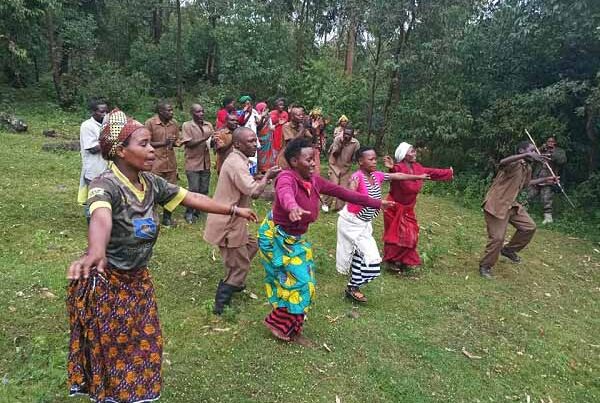
Visitors to the Batwa communities near Semuliki are often welcomed with traditional music and dance. The rhythm of drums, the clapping of hands, and the voices raised in ancient songs create an atmosphere of warmth and celebration. The dances are not merely performances but expressions of identity, echoing rituals once tied to hunting, healing, or celebrating life events.

The participatory nature of these welcomes draws travelers into the experience. Being invited to dance alongside Batwa performers transforms the encounter from observation into shared joy, bridging cultural differences through rhythm and movement.

Storytelling by the Elders

Central to the Batwa experience is the oral tradition of storytelling. Elders recount tales of creation, of the spirits of the forest, and of the animals that share their home. These stories are not only entertaining but also instructional, carrying lessons about respect, bravery, and survival.

For visitors, these moments provide a rare glimpse into the intangible heritage of the Batwa. The cadence of the voices, the fire crackling in the background, and the weight of centuries-old wisdom create a profound sense of connection with a culture that has endured against immense odds.

Demonstrations of Traditional Skills

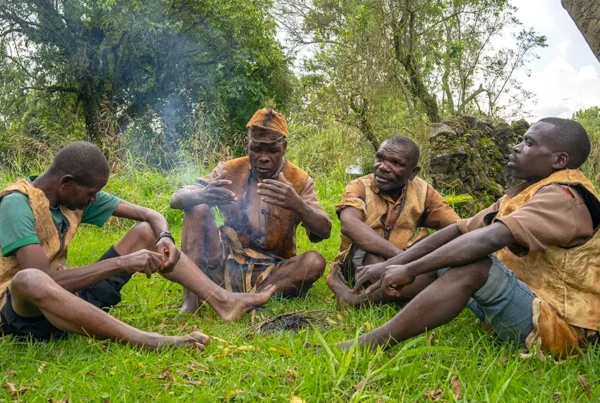
Cultural tours often include demonstrations of the skills that sustained Batwa communities for generations. Visitors watch as fire is kindled without matches, as herbal medicines are prepared from forest plants, or as hunting techniques are explained. Each skill embodies a deep understanding of the environment, honed over centuries of living in symbiosis with the forest.

The making of crafts, such as baskets or tools, further illustrates the ingenuity of the Batwa. Every item is both functional and symbolic, carrying within it the knowledge of resource use and the artistry of a people connected to their land.

Music as a Language of the Spirit

The Batwa are renowned for their unique music traditions, often performed with wooden flutes, drums, and vocal harmonies that imitate the sounds of the forest. Music plays a vital role in ceremonies, whether to celebrate a successful hunt, to mourn loss, or to invoke blessings from ancestral spirits.

To listen to Batwa music in the setting of Semuliki is to hear an ancient dialogue between people and forest. Visitors often describe these performances as hauntingly beautiful, stirring emotions that transcend cultural and linguistic boundaries.

The Significance of Batwa Cultural Tours

Preserving a Disappearing Heritage

Modern pressures—land disputes, marginalization, and changing lifestyles—have threatened the survival of Batwa traditions. Cultural tours have emerged not only as a way for visitors to experience this heritage but also as a lifeline for the community. The revenue generated from tourism helps sustain cultural practices, support education, and provide health care.

By participating in these tours, travelers become active contributors to the preservation of one of Africa’s most endangered cultures. Each visit affirms that the Batwa’s knowledge and traditions hold value not only for themselves but for humanity at large.

Fostering Cross-Cultural Understanding

Cultural tours with the Batwa are not staged performances but opportunities for genuine exchange. Travelers leave with a deeper appreciation of the resilience, dignity, and wisdom of the Batwa people. At the same time, the Batwa gain recognition and respect for their identity in a world that often overlooks indigenous voices.

This mutual exchange fosters cross-cultural understanding, reminding visitors of the diversity of human existence and the many ways societies can adapt to their environments.Cultural Tours with the Batwa in Semuliki

Challenges Facing the Batwa Today

Displacement and Marginalization

Like many indigenous groups, the Batwa have faced displacement from ancestral lands due to conservation policies and land ownership conflicts. These changes have often forced them into unfamiliar lifestyles, far removed from the forest that shaped their culture. The struggle to retain identity in the face of modern pressures remains a central challenge.

Poverty and Limited Access to Services

Without land and with limited opportunities for employment, many Batwa communities face poverty. Access to education, health care, and social services is often restricted, further deepening their vulnerability. Tourism offers a pathway toward improved livelihoods, but broader structural support remains necessary for long-term stability.

Cultural Erosion in a Modern World

The younger generation of Batwa faces the tension between preserving traditions and adapting to modern society. With increasing integration into mainstream cultures, some elements of Batwa heritage risk being lost. Cultural tours help counter this erosion by creating spaces where traditions are practiced, celebrated, and valued.

The Role of Semuliki in Cultural Tourism

Semuliki National Park is uniquely positioned to highlight Batwa culture. Unlike other parks that focus primarily on wildlife safaris, Semuliki combines natural wonders with human stories. The presence of the Batwa near the park offers travelers the rare chance to experience both biodiversity and cultural diversity in a single journey.

The park’s management, in collaboration with local communities, has recognized the value of cultural tourism as part of its broader mission. By integrating Batwa experiences into the visitor experience, Semuliki demonstrates how conservation and culture can coexist in ways that benefit both people and environment.

Best Time for Cultural Tours with the Batwa

Cultural tours with the Batwa can be enjoyed throughout the year. However, the experience often blends with other activities in Semuliki, such as wildlife viewing or primate tracking, which are most favorable during the dry seasons from December to February and June to August. During these times, access to Batwa communities is easier, with less disruption from heavy rains.

The wet seasons, while more challenging, provide an equally rewarding experience, as the lushness of the forest amplifies the authenticity of the cultural setting. Regardless of the season, the heart of the experience remains unchanged—the chance to encounter the living heritage of the Batwa.

The Transformative Power of Cultural Immersion

Cultural tours with the Batwa in Semuliki often leave visitors profoundly moved. To witness the resilience of a people who have endured centuries of change yet maintained their identity is to encounter the very essence of human strength. The experience transcends tourism, becoming a journey of reflection and understanding.

Travelers return home with more than photographs; they return with stories, lessons, and a renewed sense of connection to humanity’s shared heritage. The Batwa remind us that progress need not erase tradition and that ancient ways of life hold wisdom that modern societies still desperately need.

An Invitation to Experience Living Heritage

Cultural tours with the Batwa in Semuliki National Park are not ordinary excursions. They are encounters with history, resilience, and the spirit of a people who remain deeply tied to the natural world. To share in their songs, to listen to their stories, and to witness their skills is to experience a living heritage that is both fragile and profound.

By choosing to engage with the Batwa, travelers not only enrich their own journeys but also contribute to the preservation of a culture that continues to inspire despite immense challenges. These tours are a reminder that Africa’s treasures are not only found in its landscapes and wildlife but also in the communities that keep ancient traditions alive.

For those seeking more than a safari, for those yearning to experience the human heart of Africa, there is no journey more rewarding than immersing oneself in the world of the Batwa. To ensure a seamless, respectful, and meaningful cultural encounter, it is recommended to plan with experts who understand the delicate balance of heritage and tourism. For an unforgettable experience in Semuliki and beyond, travelers are encouraged to book their African tours and safaris with WildHorn Africa, a trusted guide to the continent’s most authentic adventures.

The African Woman’s World

The African Woman’s World

By Travel stories and blogs

The African Woman’s World – Authentic Community Tours in Africa | WildHorn Africa

To understand Africa, one must first understand the African woman — her rhythm, her laughter, her resilience, and the quiet strength that anchors entire communities. Across the vast landscapes of the continent, from the golden savannahs of Kenya to the lush hills of Uganda and the red dunes of Namibia, the African woman carries the heartbeat of her world with grace and endurance. She is the mother, the farmer, the teacher, the trader, the healer, and the storyteller — all at once. Her hands build, her voice guides, and her spirit sustains.

When travelers step into the realm of community tours in Africa, they enter a space defined not by luxury, but by life itself. It is here that they encounter the power and beauty of the African woman’s world — a world woven with tradition, strength, and compassion. To walk beside her is to witness a culture lived, not displayed; to listen to her stories is to hear the wisdom of generations echoing through time.

The African woman’s life may unfold in simplicity, but within that simplicity lies depth — a quiet elegance shaped by centuries of resilience, creativity, and love. Her world is one of connection: to the land, to her family, and to the unseen forces that guide her days. And through community tours, travelers are invited not merely to observe her way of life, but to share in it — to cook beside her, to walk her paths, and to feel her world from within.

The Heart of Her World: The African Woman and the Rhythm of Life

In the villages of Africa, life follows the rhythm of the sun. The day begins before dawn, when the first light stretches across the horizon and the world stirs to life. The soft murmur of voices blends with the sound of pestles grinding grains, the cry of roosters, and the rustle of trees in the morning breeze. It is the African woman who leads this awakening.

She steps out barefoot onto the earth that she knows like the lines of her own palm. Her first journey of the day may be to the well or the river, balancing a clay pot or jerrycan on her head with effortless grace. This simple act of fetching water — repeated every morning — reflects a bond between woman and land that defines African life.

By mid-morning, the village is alive with activity. Women tend to gardens, prepare meals, and gather with others to share stories or trade goods in the local market. They work in groups, moving with laughter and song, transforming labor into rhythm. For travelers who join these daily routines during community tours, the experience is more than educational — it is humbling. It reveals that what may appear as hardship from afar is, in truth, an expression of harmony, dignity, and unbreakable spirit.

The African woman’s world is not defined by luxury but by meaning. Every gesture — stirring a pot, plaiting a child’s hair, weaving a mat — carries history, care, and intention. Her strength is not loud but steady, her grace not fleeting but timeless.

Tradition, Identity, and the Sacred Role of the African Woman

Tradition forms the foundation of the African woman’s life. Across the continent, from pastoral communities in East Africa to matrilineal societies in West and Southern Africa, women are the custodians of heritage. They are the storytellers who keep history alive, the singers who give voice to collective memory, and the teachers who shape the next generation.

Rites of passage, festivals, and ceremonies all bear the imprint of the African woman. She prepares the meals that mark celebration and mourning alike. She leads the songs that welcome new life or honor the departed. Her understanding of rituals, herbs, and ancestral customs connects the present to the past.

In some regions, women hold spiritual authority as priestesses or guardians of sacred sites. Their prayers and rituals maintain balance between the living and the ancestral world. To witness such practices during community tours is to enter a space where spirituality is not a separate sphere of life, but its very foundation. The African woman lives not apart from the divine but within it, embodying faith through her daily actions.

Her clothing, too, speaks volumes. From the bright kitenge prints of East Africa to the bold beads of the Maasai and the ochre-covered skin of the Himba women, attire becomes an expression of identity, pride, and artistry. Each pattern, color, and adornment carries a message — of tribe, status, or occasion. Travelers observing these details see how culture breathes through fabric and form, preserved and renewed by women’s hands.

The African Woman’s WorldThe Labor of Love: Women, Work, and Community

Work in the African woman’s world is not merely a necessity; it is an act of love. Her labor sustains life in every sense — physical, emotional, and communal. From sunrise to sunset, her day flows through countless tasks that define the structure of village life.

In the fields, she cultivates crops that feed her family and community. Her knowledge of soil, seasons, and seed is profound, passed down through generations. She understands the rhythm of rain and the language of the wind, adjusting her methods with wisdom older than science.

In the home, she is a nurturer. Meals are prepared not just for nourishment but as symbols of care. Cooking is a communal act, performed with laughter and conversation. Travelers who participate in these culinary traditions discover flavors tied to memory — dishes like matoke, ugali, or cassava that embody both sustenance and heritage.

Beyond the household, women drive local economies through small-scale trade and craftwork. Marketplaces are their domains — vibrant spaces filled with color, sound, and exchange. Here, one finds not only goods but gossip, support, and solidarity. The market is where African women assert agency, independence, and creativity.

In many regions, community tourism projects have become extensions of this economic strength. Women lead homestays, manage cooperatives, and share their skills — from pottery to weaving — with visitors. These initiatives empower women financially while preserving cultural knowledge. Travelers engaging in these programs often find their most meaningful experiences come from these moments of shared enterprise and conversation.

The Matriarchal Wisdom: Family, Education, and Continuity

The African woman is both the foundation and the future of her family. Her influence shapes not only her household but the moral compass of her community. She is the first teacher, the moral guide, and often the silent architect of generations’ success.

Education begins in her arms. Long before children enter formal schools, they learn through her stories, songs, and example. Each tale told at dusk teaches virtue — courage, honesty, patience, and respect. The songs sung at harvest or during work instill rhythm, unity, and endurance.

In the modern era, African women have become champions of formal education as well. Many walk miles to ensure their children attend school, often sacrificing personal comfort for the sake of future opportunity. For travelers visiting local schools through community tours, the sight of mothers supporting education with pride is deeply inspiring. It demonstrates how the African woman views knowledge as both inheritance and liberation.

Even as they embrace modern education, women remain the guardians of traditional wisdom — herbal medicine, environmental stewardship, and oral history. Their ability to balance the old and new defines their unique leadership.

The Art of Connection: Hospitality and Ubuntu

Hospitality in Africa is not a custom; it is a calling. Nowhere is this more evident than in the world of African women, whose homes are sanctuaries of warmth and generosity. The concept of Ubuntu — the philosophy that “I am because we are” — is not an abstract ideal but a lived principle.

When travelers visit African communities, they are received with genuine joy. A stranger becomes a friend, a guest becomes family. Meals are shared freely, stories exchanged with laughter, and every visitor leaves feeling both welcomed and seen.

African women embody this spirit of Ubuntu. Whether through offering food, preparing tea, or guiding visitors through their villages, they practice hospitality as an act of love. The experience is deeply humanizing. It dissolves boundaries of language, culture, and privilege, leaving only shared humanity.

Travelers who engage in community tours often describe these moments as the most unforgettable parts of their journey. They discover that generosity here does not flow from abundance, but from an understanding that connection itself is wealth.

Music, Dance, and Expression: The Language of the African Woman

If there is one universal language across the African continent, it is rhythm — and the African woman speaks it fluently. Through music and dance, she tells the story of her world: its joys, its struggles, and its unending hope.

In villages, every occasion has its song. There are songs for weddings, for planting, for birth, and for mourning. Women’s voices rise in harmony, accompanied by drums, clapping, and ululation — that piercing, joyful cry that announces triumph. Dance follows naturally, movements fluid and powerful, echoing the heartbeat of the land.

For travelers joining in these performances, the experience transcends observation. To dance beside African women beneath the open sky is to feel time dissolve — to sense an ancient energy that connects all living things. It is art not performed but lived, a reminder that expression here is both spiritual and communal.

The songs themselves carry history. Many are centuries old, passed down orally through generations. They speak of love, harvest, resistance, and gratitude — the full spectrum of life’s emotion. In these melodies lies the essence of Africa’s enduring soul.

The African Woman’s WorldThe Transformative Role of Community Tours

Community tours in Africa provide a bridge between travelers and the real essence of the continent — an essence that cannot be captured by landscapes alone. Through these tours, visitors witness the world through the eyes of women who sustain it.

Travelers are welcomed into homes, invited to share meals, and guided through villages where the daily rhythm is both foreign and familiar. They participate in crafts, help prepare food, or learn traditional dances. Each encounter becomes an exchange of stories and smiles — a dialogue of respect rather than curiosity.

More importantly, these tours bring tangible benefits to communities. They create sustainable livelihoods, promote gender equality, and preserve cultural heritage. Women gain opportunities to showcase their skills and earn income while travelers gain education, empathy, and a renewed appreciation for simplicity.

In the process, the African woman’s world is no longer a distant idea but a lived experience — one that teaches humility, gratitude, and connection.

Sustainability, Empowerment, and the Future

The growing popularity of community-based tourism has sparked a new era of empowerment across Africa. Women now stand at the forefront of this transformation, shaping how tourism can serve both people and planet.

Organizations like WildHorn Africa partner with local cooperatives to ensure that community tours are sustainable, respectful, and beneficial. These programs prioritize fair wages, environmental care, and cultural authenticity. Women are trained as guides, artisans, and hosts, giving them leadership roles that strengthen both family and community.

Sustainability here is not a buzzword but a responsibility. It ensures that tourism uplifts rather than exploits, that culture is celebrated rather than commodified. The African woman, once a subject of travel photography, becomes the author of her own story — a teacher, a leader, a symbol of transformation.

The Emotional Power of the African Woman’s Story

The African woman’s story is not one of struggle alone; it is one of triumph. Her laughter in the face of hardship, her songs that echo across generations, and her hands that build futures are testaments to her strength.

For travelers, spending even a few days within her world can be life-changing. It offers perspective — a reminder that happiness is found not in material abundance but in belonging, purpose, and gratitude. It challenges assumptions about success and teaches that progress and tradition can coexist in harmony.

Every handshake, every shared meal, every story told by firelight becomes a thread in the tapestry of human connection. And when visitors leave, they carry something intangible yet profound — the understanding that Africa’s greatest beauty lies not in its landscapes, but in the hearts of its women.

Discover the African Woman’s World with WildHorn Africa

To explore the African woman’s world is to walk through the soul of the continent. It is to see how culture, resilience, and compassion intertwine to create a way of life that is both ancient and enduring. Through community tours, travelers witness a world built on strength, sustained by love, and enriched by tradition.

This is not just a journey of observation but of participation — an opportunity to learn, to share, and to honor the women whose spirit defines Africa.

Book your next Africa tour and cultural safari with WildHorn Africa, and step into the world of the African woman — a world of grace, wisdom, and resilience that continues to inspire all who walk beside her.

Living Traditions

Living Traditions

By Travel stories and blogs

Living Traditions – Experience Authentic Africa Cultural Tours | WildHorn Africa

There are places in the world where culture is not a museum exhibit or a memory—it is a living force that breathes, sings, and dances through daily life. That place is Africa, where every dawn is greeted by rhythm, every meal is prepared with meaning, and every story is told not for nostalgia but for continuity. To travel here is to witness culture not as history, but as heartbeat. The essence of Africa cultural tours lies in this living tradition—a sacred thread connecting past and present, weaving people, land, and spirit into one enduring tapestry.

For those who long to experience more than the spectacle of wildlife safaris or the comfort of luxury lodges, Africa’s cultural journeys offer something far deeper. They open doors into communities where rituals still shape the calendar, where songs carry ancient wisdom, and where craftsmanship transforms survival into art. These are the journeys that reveal the soul of Africa—the continent that continues to teach the world that tradition is not something left behind, but something lived every day.

This is not the Africa seen through postcards. It is an Africa of connection, of emotion, and of continuity—a place where visitors are not spectators but participants in the rhythm of a living heritage.

The Spirit of Living Traditions

To understand Africa’s living traditions is to understand its essence. Across the continent, culture is not frozen in time but fluid and evolving, molded by generations yet rooted in ancestry. Every community, from the pastoral tribes of East Africa to the fisherfolk of West Africa and the desert dwellers of the south, carries a unique expression of identity—an unbroken chain of belief, practice, and artistry.

Tradition here is not bound by ceremony alone. It is found in how families greet the morning, in how elders bless the harvest, and in how young people learn through observation rather than instruction. It exists in the daily rituals of respect and resilience, in songs that recount migrations, and in proverbs that hold the moral fabric of society.

Africa cultural tours allow travelers to step inside this continuum—to listen to the pulse of community, to see the sacred woven into the ordinary. They offer a window into how culture is lived, not merely remembered. From the rhythmic pounding of millet under a thatched roof to the joyful ululations of wedding songs, every moment holds layers of meaning.

Culture in Africa is not a performance; it is participation.

Rituals and Rhythms of Everyday Life

In the villages and towns that stretch across the African landscape, every day unfolds with ritual and rhythm. These are not rituals confined to temples or festivals, but woven seamlessly into the act of living. The day begins with the rising sun, when prayers are whispered to ancestors and the smell of woodsmoke fills the air. Morning is not simply the start of labor but the reaffirmation of life’s sacred cycle.

As women sweep the compounds, they do so with intention, not only to clean but to honor order and harmony. Men prepare for the fields or the hunt, guided by ancestral practices that dictate when and how to plant, harvest, or fish. Children follow their elders, learning through mimicry and play.

Midday brings communal gathering—a moment for laughter, conversation, and shared sustenance. Even the preparation of food is a cultural act. Grinding grain, roasting maize, or brewing traditional beer are more than chores—they are ceremonies of connection. Each motion carries stories of heritage, recipes perfected over generations, and lessons about patience, gratitude, and togetherness.

As the day ends, the community gathers again under the soft glow of firelight. Stories rise into the night air, songs echo through the plains, and dances begin—not for entertainment but as expressions of identity and unity. It is here that visitors begin to understand that Africa’s greatest art form is life itself, lived in rhythm with the natural and spiritual worlds.

The Meaning Behind Music and Dance

Music and dance form the living language of Africa. They are not just artistic expressions but the mediums through which communities communicate, remember, and heal. Every region, every tribe, every village holds its own soundscape—its own rhythm that mirrors the heartbeat of its people.

The drum is central to this language. Its beat calls people to gather, celebrates harvests, and honors the departed. Its rhythms speak in patterns, each variation carrying meaning that only the initiated can fully decode. The drum is the voice of community, uniting hearts and generations.

Dance, in turn, transforms music into motion. Each movement tells a story—of love, war, fertility, or joy. The steps of a Maasai warrior’s jump, the slow grace of a Xhosa wedding dance, or the hypnotic spin of a Rwandan Intore dancer are all chapters in the narrative of a people.

For travelers joining in these dances during Africa cultural tours, there is a moment of realization: culture here is not something to be watched from afar. It demands participation. To move, to sing, to clap along is to step into communion with history, spirit, and self.

Living TraditionsLanguage and Storytelling: The Memory of the People

Language is the soul of a culture, and in Africa, it is also the keeper of wisdom. The continent’s thousands of languages each carry a worldview—unique expressions of thought, humor, and philosophy. In communities where writing came late, oral storytelling became the heartbeat of memory.

Evening storytelling sessions are among the most profound experiences a traveler can witness. Elders, seated around fires, become the living libraries of their people. They speak of ancestors, gods, and heroes—of creation, justice, and destiny. Their words are often punctuated by chants, riddles, or call-and-response songs, inviting listeners to engage rather than observe.

These tales, passed from one generation to another, serve multiple roles: they educate, entertain, and preserve. Through them, children learn morals, adults reflect on values, and societies reinforce their collective identity.

Travelers often find themselves entranced by the depth of this oral heritage. A story that begins with humor may end in revelation, teaching lessons about humanity, humility, and hope. Within these stories lies Africa’s oldest truth—that wisdom is not stored in books but lived through voices.

The Sacred and the Spiritual

Spirituality in Africa is not confined to religion; it is the framework of existence itself. The divine is present in every river, every tree, every gust of wind. The boundary between the physical and spiritual worlds is porous—ancestors are not gone, they are guardians.

Rituals mark the transitions of life: birth, initiation, marriage, and death. Each is conducted with reverence and precision, blending dance, song, sacrifice, and prayer. These ceremonies are not only personal milestones but communal affirmations of continuity.

Travelers who witness these rituals during Africa cultural tours are often struck by their beauty and solemnity. Whether it is a rainmaking ceremony in Zimbabwe, a naming ritual in Ghana, or an ancestral feast in Uganda, each act reveals a profound respect for the unseen forces that sustain life.

This spiritual consciousness shapes behavior and belief. It fosters gratitude for the earth, respect for elders, and humility before creation. It is what gives African life its grace—an understanding that to live is also to honor.

The Role of Women: Custodians of Culture

In nearly every corner of Africa, women stand as the custodians of tradition. Their roles, though diverse, share one central truth—they are the keepers of continuity. Through them, languages survive, songs endure, and customs remain unbroken.

From dawn to dusk, the African woman’s life is a symphony of strength and purpose. She tends the home, works the land, raises children, and participates in the community’s economy through trade and craft. Her labor is both physical and spiritual—an offering of love to her family and heritage.

Women are also the storytellers and teachers, shaping young minds with lessons of respect, patience, and integrity. They teach not through lecture but through example. Their songs, often sung during work or celebration, carry ancestral memory—lyrics that remind communities who they are and where they come from.

During Africa cultural tours, travelers often meet women’s cooperatives or community groups who share these aspects of life. From basket weaving in Rwanda to pottery making in Nigeria, from beadwork in Kenya to cloth dyeing in Mali, each encounter becomes an immersion into feminine artistry and resilience.

Their creativity is both aesthetic and symbolic. In every stitch, color, or pattern, there is meaning—whether fertility, unity, or protection. The African woman’s artistry is her language, her strength, and her legacy.

The Market as a Cultural Epicenter

Markets in Africa are not merely places of trade; they are centers of culture. Every week, communities converge to exchange goods, ideas, and news. The energy is palpable—a whirlwind of colors, scents, and sounds.

Here, travelers experience culture in motion. Stalls overflow with fruits, spices, fabrics, and crafts. Vendors call out prices with humor and pride. Negotiation is not conflict but conversation—an art that fosters connection.

Markets are also social spaces. They are where friendships are renewed, alliances made, and traditions reinforced. A visit to a local market during a cultural tour reveals more about a society than any museum could. It is where the diversity of Africa converges—where ancient practices coexist with modern innovation.

In every exchange, there is hospitality. A vendor may insist a visitor taste a fruit before purchase, or a weaver may explain the meaning of a pattern before sale. This is Africa’s generosity made tangible.

Living TraditionsFestivals: The Celebration of Heritage

If daily life represents the heartbeat of African culture, festivals are its soul unleashed. Across the continent, communities mark seasons, harvests, and historical events with exuberant celebration.

Each festival is unique, yet all share certain threads: vibrant dress, rhythmic music, communal feasting, and deep symbolism. The Ouidah Voodoo Festival in Benin celebrates spiritual heritage; Rwanda’s Kwita Izina honors the naming of newborn gorillas and the connection between people and nature; Ethiopia’s Timkat commemorates baptism with processions of color and devotion.

For travelers, attending these festivals is to witness Africa’s joy in its purest form. It is culture at its most alive—unfiltered, unapologetic, and breathtakingly beautiful. The experience blurs the line between audience and participant, reminding visitors that in Africa, celebration is not observed but shared.

Sustainability and Cultural Preservation

As Africa embraces tourism, the preservation of its living traditions has become both an opportunity and a responsibility. True cultural travel must protect authenticity, not exploit it.

Tour operators like WildHorn Africa have become leaders in sustainable, community-based tourism. Their approach centers on partnership: locals lead the experiences, set the narratives, and benefit directly from tourism income. This ensures that visitors encounter genuine culture, and communities gain empowerment, education, and pride.

Sustainability here is more than environmental care—it is cultural continuity. When a traveler pays to learn traditional dance, purchase local art, or stay in a village homestay, they are investing in preservation. They are ensuring that Africa’s living traditions remain vibrant for generations to come.

Responsible tourism becomes a circle of respect—where travelers gain wisdom, and locals gain opportunity.

The Emotional Power of Cultural Immersion

There is something transformative about Africa’s cultural tours. They strip away distance and difference, revealing what is universal in humanity. To share food cooked over fire, to listen to drums beneath stars, to learn greetings in a new tongue—these moments connect hearts across continents.

Many travelers describe a profound shift after such journeys. They return not with souvenirs but with perspective. The African way of life teaches patience, gratitude, and joy in simplicity. It reminds visitors that progress need not erase heritage, and that modernity can coexist with meaning.

In a world that often forgets its roots, Africa’s living traditions stand as a powerful reminder of what endures: family, faith, music, and community.

Step Into Africa’s Living Heritage with WildHorn Africa

To experience Africa cultural tours is to walk through time while standing in the present. It is to feel the heartbeat of a continent that has never stopped dancing, singing, and believing.

Here, culture is not preserved under glass—it is alive, inviting, and ever-evolving. It speaks through people who welcome strangers as family, through traditions that hold both history and hope. To travel through this Africa is to witness not only what has been, but what continues to be.

Every handshake, every song, every shared story reveals the truth of the continent’s power: its ability to remain timeless by living fully in the now.

Book your next Africa tour and cultural safari with WildHorn Africa, and become part of this story. Step into the rhythm of living traditions, where every experience is an encounter with the continent’s soul.

From Market Days to Moonlit Nights

From Market Days to Moonlit Nights

By Travel stories and blogs

From Market Days to Moonlit Nights – Authentic African Community Tours | WildHorn Africa

In Africa, life is lived in rhythm — not the hurried rhythm of the modern world, but one guided by the land, the seasons, and the people’s spirit. It is a rhythm that moves through the laughter of markets, the call of distant drums, the soft hum of conversations under acacia trees, and the glow of fires that burn long into the night. To truly experience this rhythm, one must go beyond the safari and step into the heart of community — to walk among locals, share their stories, taste their food, and live their everyday joys.

African community tours are journeys that unveil the essence of the continent’s identity — a world where simplicity becomes beauty and connection becomes culture. They are windows into real life, where every smile, song, and handshake tells a story older than time itself. From the bustle of market days to the intimacy of moonlit nights, these tours immerse travelers in the beating heart of Africa — a place where humanity thrives in its purest form.

It is here, in the spaces between sunrise and starlight, that Africa reveals not just what it looks like, but what it feels like.

The Meaning of Community: Where the Soul of Africa Lives

To understand Africa, one must begin with its communities. They are the living tapestries that hold together the continent’s past, present, and future. From sprawling villages in Uganda’s highlands to the pastoral homesteads of Kenya’s Maasai, from the fishing villages of Lake Malawi to the desert communities of Namibia, Africa’s soul is found not in its monuments, but in its people.

Community life here is built on cooperation and shared purpose. Every member, young and old, plays a role in the harmony of existence. The idea of Ubuntu — “I am because we are” — is not a concept written in books, but a living truth. It governs relationships, guides generosity, and sustains unity.

Travelers who embark on African community tours are not passive observers. They are welcomed as guests, embraced as participants, and taught the language of belonging. They witness how daily life flows — not with haste, but with grace. Every greeting, every shared meal, every moment of laughter becomes a bridge between worlds.

Market Days: The Pulse of African Life

On market day, the village transforms into a theater of color and energy. Long before dawn, traders and farmers begin their journeys — walking miles with baskets of produce, handcrafted goods, and livestock. The rising sun finds the market already alive with sound: the rhythmic exchange of greetings, the clatter of metal bowls, the laughter of friends reunited after a week’s work.From Market Days to Moonlit Nights

Markets in Africa are more than commercial centers; they are social gatherings, cultural exhibitions, and living classrooms. They represent the continent’s spirit of entrepreneurship, creativity, and resilience. Women, adorned in bright fabrics, negotiate prices with a skill born of experience. Children dart between stalls, balancing errands and games. Men gather under shade trees to discuss news, politics, and the changing weather.

The air is a collage of smells and sounds — roasted maize, grilled fish, spices, and fruit mingling with the cadence of local dialects. Drums beat in the distance, vendors sing to attract customers, and the market hums like a living organism.

For travelers, market days offer an immersion into the soul of Africa’s everyday life. They show that commerce here is not just about trade; it is about connection. Each transaction carries a smile, a story, and a sense of community pride.

When visitors join in, they do more than shop; they participate in a centuries-old tradition of exchange that sustains both economy and culture. It is through these moments — bartering for a woven basket, tasting ripe mangoes, or learning to greet in a local language — that the continent opens its heart.

Craftsmanship and Creativity: The Art of the Everyday

The African community is a gallery without walls, where art and function merge seamlessly. In the hands of the people, ordinary materials become extraordinary expressions of identity. Clay, wood, fabric, and fiber are transformed into objects that tell stories — of ancestors, of survival, of joy.

Travelers who explore communities across Africa often find themselves surrounded by artisans — women weaving baskets with intricate patterns that symbolize family and fertility, men carving masks that speak of spirits and ceremony, and young people creating jewelry that blends tradition with modern flair.

Art is not an indulgence here; it is an inheritance. Each craft is a language, each color a metaphor. Red may stand for courage, blue for peace, black for unity. The patterns woven into cloths like Uganda’s kikoy or Ghana’s kente are not decorative but communicative, each line holding meaning that spans generations.

Participating in these creative processes during community tours offers travelers not just souvenirs, but experiences that linger. They sit beside artisans, learning the patience of handwork and the pride of creation. They see how, even in simplicity, there is elegance — and how tradition continues to evolve without losing its soul.

Women and the Heartbeat of the Community

The African woman stands at the center of community life. Her strength, grace, and wisdom sustain both household and heritage. From dawn to dusk, her day is filled with purpose — tending crops, caring for children, preparing meals, and leading community initiatives.

To walk beside her during a community tour is to witness resilience in its most graceful form. Her laughter softens labor; her songs turn routine into ritual. She moves through her world with rhythm — balancing baskets on her head, carrying babies on her back, and dreams in her heart.

Women also serve as the cultural memory of their people. Through stories, songs, and ceremonies, they preserve the values and beliefs that define identity. In recent years, many have also become leaders of community-based tourism initiatives, guiding visitors, managing homestays, and crafting experiences that benefit their families directly.

For travelers, these encounters are transformative. They reveal that empowerment in Africa is not a borrowed concept but a living reality — built through unity, education, and entrepreneurship. The African woman does not ask for admiration; she earns it through her strength and grace.

The Midday Rest: Where Time Pauses and Stories Flow

By midday, the heat settles over the land, and work slows. Shade becomes a gathering place — beneath trees, near wells, or by doorsteps. Here, people share stories, laughter, and lessons. The rhythm of conversation replaces the rhythm of labor.

Storytelling in African communities is not just entertainment; it is education, history, and preservation. Elders recount myths that teach morality, courage, and wisdom. Their voices carry authority, but their tales are filled with humor and humanity. Each story holds meaning — a thread that ties the young to the old and the present to the past.

Travelers often find themselves captivated by these moments. Sitting among villagers, they hear tales of heroes, tricksters, and spirits — stories that reflect universal truths about kindness, greed, and destiny. The cadence of the language, the gestures, and the collective laughter create an intimacy that transcends translation.

In these quiet hours, Africa teaches her greatest lesson: that connection is built not through words alone, but through shared presence.

Evening Falls: The Magic of Moonlit Nights

As the sun dips below the horizon, Africa transforms once again. The sky deepens into a canvas of indigo and gold, and the first stars appear. In villages across the continent, fires are lit, drums begin to beat, and the air fills with anticipation.

Moonlit nights in Africa carry a special kind of magic. They are moments when time feels suspended, when community gathers to celebrate not occasion but existence itself. Music rises — deep, rhythmic, and alive — blending with the chirping of crickets and the soft murmur of wind through grass.

Children dance around fires, their silhouettes flickering like spirits. Women sing harmonies that seem to blend with the stars. Men play drums and flutes, their rhythms calling to something ancient within the soul. Visitors who find themselves among these gatherings often describe the experience as spiritual — a moment where joy transcends language and culture.

Food and laughter complete the night. Shared plates of roasted maize, spiced meat, or cassava bread pass from hand to hand. Stories flow, songs echo, and the moon watches silently over a world still rooted in its humanity.

For travelers, these evenings are unforgettable. They offer not luxury, but truth — a connection to life unfiltered, unhurried, and profoundly alive.

Community Tourism: A Bridge Between Cultures

Community-based tourism in Africa represents one of the most authentic and sustainable forms of travel. It allows visitors to experience the continent through local eyes while ensuring that benefits flow directly to the communities themselves.

These tours are built on partnership rather than performance. Locals become guides, hosts, and teachers. Visitors, in turn, become learners, friends, and advocates. The exchange is equal — rooted in respect and curiosity.

When travelers participate in these experiences, they contribute to education, conservation, and cultural preservation. Funds from tourism support schools, clean water projects, and environmental protection. Villagers gain income, while visitors gain understanding.

For those who seek more than sightseeing, African community tours offer a kind of travel that nourishes both the soul and the society. They prove that tourism, when done with integrity, can be a force for unity and empowerment.

The Lessons of Africa’s Rhythm

To journey from market days to moonlit nights is to move through the full spectrum of Africa’s rhythm — its work, its rest, its creation, and its celebration. Each moment carries its own melody, yet together they form a harmony that defines the continent’s soul.From Market Days to Moonlit Nights

Africa teaches through experience. It reminds the traveler that happiness is not measured in possessions but in participation. It shows that community is not built on convenience but on compassion. It reveals that beauty, in its truest form, is found not in perfection but in presence.

Every encounter — a handshake, a shared meal, a song sung in unison — becomes a lesson in humanity. Visitors leave with more than memories; they leave with perspective. They discover that while Africa’s landscapes are breathtaking, its people are its greatest treasure.

Sustainability, Respect, and the Future of Community Travel

As Africa welcomes more visitors seeking authentic cultural encounters, the need for sustainable tourism has never been greater. The challenge lies in maintaining balance — preserving heritage while embracing opportunity.

Tour operators like WildHorn Africa have taken this mission to heart. By working hand in hand with local communities, they ensure that tourism uplifts rather than intrudes. Their approach prioritizes ethical engagement — fair pay, cultural respect, and environmental stewardship.

For travelers, this means that every visit becomes part of a larger story of preservation. Each step taken on a village path, each conversation shared, contributes to a sustainable future — one where tradition thrives, and authenticity endures.

Sustainability in Africa is not just about protecting the land; it is about honoring the people who live upon it.

Discover the Magic Beyond the Markets

Africa’s essence cannot be captured in photographs alone. It must be felt — in the vibrancy of its markets, the artistry of its people, and the serenity of its moonlit nights. It must be lived, even for a moment, within the rhythm of its communities.

To walk through these villages, to share in their stories, to join their laughter and their song, is to encounter life in its purest form. This is what African community tours offer — not luxury, but truth; not distance, but connection.

When the traveler departs, Africa remains with them — in memory, in spirit, and in gratitude. It is a reminder that while the world grows busier, the most profound beauty still lies in simplicity.

Book your next Africa tour and cultural safari with WildHorn Africa, and journey from market days to moonlit nights. Step beyond travel — into community, into rhythm, and into the living heart of Africa itself.

Close Menu