search
20 of the Best & Most Beautiful Cities in Africa

20 of the Best & Most Beautiful Cities in Africa

By Travel guides, Travel stories and blogs

20 of the Best & Most Beautiful Cities in Africa
Unveiling the Urban Marvels of a Diverse and Timeless Continent

The Underrated Urban Grandeur of Africa

Africa, often romanticized for its wildlife, vast deserts, rolling savannahs, and ancient heritage, is frequently misunderstood in its urban identity. Yet scattered across this vast and majestic continent are cities that rival global metropolises in culture, beauty, innovation, and heritage. These cities are vibrant hearts beating within nations defined by tradition and transformation, where colonial architecture coexists with futuristic skylines, and where bustling markets hum alongside serene gardens and scenic waterfronts.

The continent is neither monolithic nor uniform; each city offers a reflection of its nation’s spirit, carved through history, shaped by cultures, and refined through resilience. From the green hills surrounding Kigali to the cosmopolitan streets of Cape Town, from the ancient mystique of Cairo to the buzzing energy of Nairobi, Africa’s cities are not only beautiful—they are powerful expressions of the continent’s present and its future.

What follows is an immersive journey through twenty of the most captivating cities across Africa. These urban destinations, chosen for their aesthetic, cultural, historical, and emotional impact, represent the continent’s diverse soul in all its elegance and complexity.

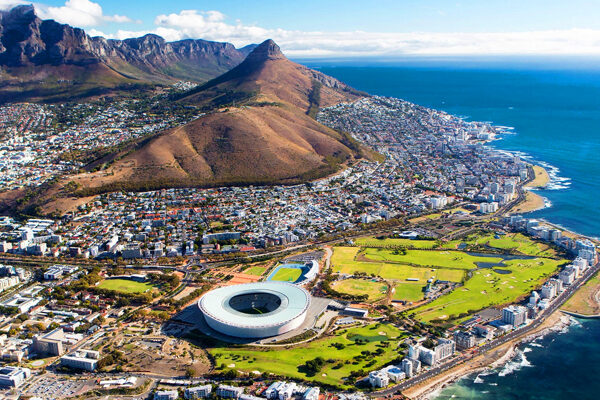
Cape Town, South Africa – Where Oceans and Mountains Meet Majesty

No list of Africa’s beautiful cities can begin without the breathtaking spectacle that is Cape Town. Framed by the towering Table Mountain and cradled by the Atlantic Ocean, this city has long held a reputation as one of the most visually striking urban spaces in the world. Beyond its natural grandeur, Cape Town offers a rare fusion of cultures—Dutch colonial buildings, vibrant Malay quarters, and sophisticated wine estates define a city that moves seamlessly between history and modernity. The harbor shimmers with luxury yachts, while Robben Island stands in somber contrast, a symbol of struggle and triumph. Cape Town’s beauty lies not only in its geography but in its narrative of resilience, diversity, and harmony.

Marrakech, Morocco – The Red City of Eternal Allure

With its ochre-red walls, maze-like medina, and aromatic air infused with spices and incense, Marrakech transcends the ordinary. It is a city that dances between centuries—the ancient souks, palaces, and riads of the past still hum with life in the present. Majorelle Garden, once owned by Yves Saint Laurent, offers serenity amidst the chaos, while Djemaa el-Fna square erupts into a nightly festival of performers, food, and storytelling. The city’s energy is magnetic, its beauty deeply sensorial, and its spirit endlessly alluring.

Kigali, Rwanda – Africa’s Cleanest and Most Progressive Capital

Tucked among rolling hills and lush valleys, Kigali has emerged from a painful past to become a beacon of modern African urbanism. Renowned for its cleanliness, security, and order, the Rwandan capital surprises visitors with its leafy boulevards, manicured parks, and contemporary art spaces. The Kigali Genocide Memorial is both heart-wrenching and powerful, while coffee shops, tech hubs, and eco-hotels signal a city firmly pointed toward the future. Kigali’s beauty lies in its calm, its progress, and its determination to redefine itself through healing and innovation.

Zanzibar City, Tanzania – A Cultural Crossroads on the Indian Ocean

As the capital of the semi-autonomous Zanzibar archipelago, Zanzibar City—and particularly its historic quarter, Stone Town—offers a poetic blend of Swahili, Arab, Indian, and European influences. Winding alleys reveal coral-stone houses with intricately carved doors, and the scent of cloves hangs heavy in the warm ocean air. Fishermen cast nets at dawn, and children play beneath centuries-old minarets. The old town is a UNESCO World Heritage Site, not merely preserved but alive. The island’s unique flavor is embedded in its architecture, music, and cuisine—each element singing of centuries of maritime trade and cultural confluence.

Nairobi, Kenya – The Urban Jungle of Innovation and Wilderness

Nairobi’s reputation as a business hub is well-deserved, but its beauty lies in its paradoxes. It is one of the only cities in the world where skyscrapers share skyline space with wild giraffes. Nairobi National Park sits just beyond the central business district, offering safari experiences within minutes of urban luxury. The city pulses with youthful creativity, from its growing art scene to its tech-driven innovation hubs, earning it the moniker “Silicon Savannah.” Its neighborhoods—from leafy Karen to bustling Westlands—each offer distinct experiences that reflect Kenya’s complexity and charm.

Dakar, Senegal – Where Rhythm, Art, and the Atlantic Collide

Sitting at the westernmost point of the African mainland, Dakar offers a stunning oceanfront skyline, colonial-era architecture, and a fierce dedication to art and music. The African Renaissance Monument rises with dramatic symbolism, while Gorée Island whispers its tragic yet essential stories from the transatlantic slave trade. Dakar’s beaches are kissed by Atlantic waves and animated by local surfers, while its markets overflow with fabrics, sculptures, and spirit. The city’s pulse is fast, but its heartbeat is deeply rooted in culture and creativity.

Cairo, Egypt – A City of Eternal Echoes and Timeless Grace

Cairo’s skyline is marked by mosque minarets, ancient citadels, and distant pyramids—a living museum suspended between antiquity and modern chaos. It is a place where 21st-century megacity dynamics unfold beneath the shadow of some of humanity’s oldest achievements. The Nile River snakes through its heart, offering calm amid frenetic energy. With the Grand Egyptian Museum poised to redefine the global archaeological landscape, Cairo’s significance only deepens. Its beauty, raw and overwhelming, is found in layers—each one revealing a different century, a different story, a different civilization.

Windhoek, Namibia – An Oasis of Order and Elegance

Windhoek, Namibia’s capital, is often described as Africa’s most underrated city, combining European order with African warmth. Its pastel-colored German colonial buildings contrast beautifully with the arid savannah backdrop. Clean, organized, and rich in history, Windhoek offers a gateway to Namibia’s stark beauty, while retaining its own urban appeal. Coffee culture thrives, the streets are walkable, and the sunsets—framed by distant mountains—are nothing short of poetic.

Addis Ababa, Ethiopia – The Diplomatic Heart of the Continent

Home to the African Union and dozens of embassies, Addis Ababa is often referred to as the political capital of Africa. But beyond bureaucracy, the city pulses with history and culture. The National Museum holds the bones of Lucy, the world’s most famous hominid ancestor, while Orthodox churches and jazz clubs offer contrasting yet complementary experiences. Set against a highland backdrop and rich with traditional cuisine and unique coffee rituals, Addis is a city that commands respect while offering profound cultural depth.

Abidjan, Côte d’Ivoire – The Manhattan of West Africa

Glossy skyscrapers, lagoon views, and an unmistakable air of ambition characterize Abidjan, Côte d’Ivoire’s largest city. Known for its high fashion, dynamic nightlife, and French-influenced flair, Abidjan dazzles as a metropolitan giant infused with West African vibrancy. Bridges link districts across the Ébrié Lagoon, while music spills from every corner—from coupé-décalé clubs to traditional drum circles. It is a city alive with rhythm, color, and momentum.

The Remaining Urban Marvels

Other African cities like Johannesburg, Luanda, Accra, Antananarivo, Bujumbura, Maputo, Libreville, Fes, and Gaborone shine with distinct features—each echoing stories of struggle, renaissance, and modernization. Whether through the architectural curves of Maputo’s colonial era, the jazz-infused soul of Johannesburg’s townships, or the royal palaces of Fes, beauty in Africa’s cities transcends visual charm—it is experienced through movement, spirit, and purpose.

Booking Your African Urban Journey with WildHorn Africa

To explore these remarkable cities in their full dimension requires thoughtful planning and deep local knowledge. The logistics, timing, and cultural nuances demand an expert’s touch—a service that WildHorn Africa has perfected with precision and passion. Specializing in immersive travel across the continent, WildHorn Africa ensures that your city experiences are not rushed but thoughtfully curated—from the hidden rooftop bars of Nairobi to the artisan quarters of Marrakesh.

Whether you seek urban safaris, historical journeys, or culture-soaked explorations, WildHorn Africa offers more than itineraries—it offers transformation. Step into the soul of Africa’s cities and allow the continent to reveal its most sophisticated and soulful side.

Book your unforgettable African journey today with WildHorn Africa, and let the cities inspire every step of your adventure.

The Best East African Safari Tours

The Best East African Safari Tours

By Travel guides, Travel stories and blogs

The Best East African Safari Tours
Where Wilderness Roars, Landscapes Breathe, and Adventure Lives Eternal

A Legendary Journey into the Heart of Africa

In the sweeping grasslands, misty mountain ranges, sunlit savannahs, and acacia-fringed rivers of East Africa, the soul of safari was born—and it is here that its legacy continues to inspire awe in every traveler who dares to follow its call. East Africa remains one of the most captivating and diverse safari destinations on the planet, offering a combination of untamed wildlife, ancient cultures, and staggering natural beauty that stirs something primal in all who encounter it.

The name alone conjures visions of endless horizons, towering giraffes silhouetted against blazing sunsets, and lions prowling through the tall golden grasses. It speaks to the rhythm of wildebeest migrations, the spiritual hush of dawn over the Serengeti, and the adrenaline-charged thrill of tracking big cats in remote reserves. But an East African safari is more than just a spectacle; it is a transformative experience, shaped by the land, the wildlife, and the people who call it home.

To explore East Africa is to walk in the footsteps of early explorers, tribal guardians, and nomadic herds. It is to be humbled by the raw power of nature, soothed by the cadence of Swahili greetings, and welcomed into landscapes that have defined the very essence of Africa for generations. The best East African safari tours do not merely show the wilderness—they immerse travelers in it, with authenticity, wonder, and reverence.

Kenya: The Cradle of Classic Safari

As the birthplace of the traditional safari, Kenya continues to hold an exalted position in the hearts of nature lovers, wildlife photographers, and cultural enthusiasts. Its rich biodiversity, striking topography, and iconic reserves make it a cornerstone of East African safari travel.

The Masai Mara, perhaps Kenya’s most celebrated reserve, pulses with life throughout the year but takes on mythical proportions during the Great Migration. Here, the primal drama of predator and prey unfolds daily, as herds of wildebeest, zebra, and gazelle thunder across the plains, shadowed by hungry lions, cheetahs, and hyenas. But beyond the migration, the Mara reveals its subtler charms in intimate encounters, community-led conservancies, and golden hour game drives.

Amboseli, in contrast, unveils a different kind of majesty—elephants marching beneath the snow-capped grandeur of Mount Kilimanjaro, their silhouettes framed in poetic symmetry. The park’s wetlands and grasslands create an irresistible draw for birdlife and photographers alike.

Further north, the rugged landscapes of Samburu offer a raw, elemental beauty rarely seen in tourist brochures. Here, the “Samburu Special Five” and ancient tribes add depth and distinction to every journey. And along the coast, protected marine parks, Swahili towns, and palm-lined beaches extend the safari into a seamless blend of land and sea.

Tanzania: The Soul of Wild Africa

Tanzania, vast and enthralling, possesses some of the most untouched and soul-stirring wilderness on the African continent. It is here, in the endless plains of the Serengeti and the otherworldly Ngorongoro Crater, that nature’s theatre reaches its most poetic and dramatic heights.

The Serengeti alone stands as a titan among safari destinations—an ecosystem so rich in life and movement that every visit becomes a revelation. Its terrain, ranging from acacia-studded savannah to rolling kopjes, is home to Africa’s highest concentrations of predators. This is not merely a place to see wildlife; it is a realm where nature tells its most ancient stories.

To the south, the vast and lesser-known Selous Game Reserve (now part of Nyerere National Park) and the dramatic terrain of Ruaha offer a more remote and raw safari experience, ideal for those seeking deeper connection and fewer crowds. Here, river safaris, walking expeditions, and secluded camps bring guests closer to the rhythms of the wild.

In northern Tanzania, the Ngorongoro Crater presents a world within a world. This collapsed volcanic caldera harbors an incredible density of wildlife within its bowl-shaped walls. The scenic drama is matched by the thrill of spotting endangered black rhino grazing beneath a backdrop of emerald forests and sun-dappled lakes.

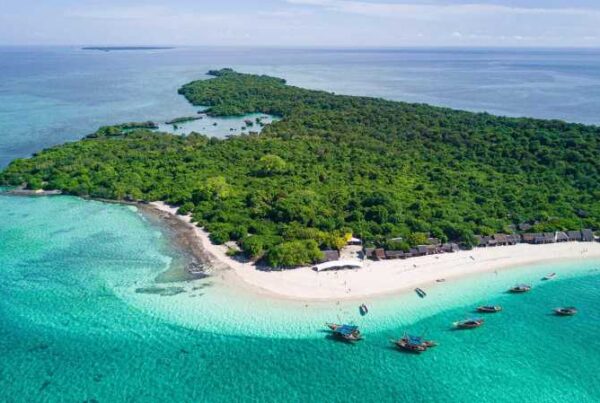
To complete the Tanzanian journey, the island of Zanzibar welcomes with its turquoise waters, historic stone towns, and spice-laden breezes—a dreamlike ending to a land-based odyssey.

Uganda: The Land of Primates and Hidden Beauty

Often described as Africa’s best-kept secret, Uganda is a destination that surprises and delights at every turn. Known primarily for its exceptional primate experiences, it has increasingly come to be recognized as a well-rounded safari destination with exceptional diversity.

Bwindi Impenetrable Forest, living up to its name, offers one of the most humbling wildlife encounters on Earth: tracking endangered mountain gorillas through the misty undergrowth of an ancient rainforest. The experience is at once primal and spiritual, a face-to-face moment with creatures so closely related to us, yet profoundly wild.

Chimpanzee trekking in Kibale Forest adds another layer of emotional and ecological depth, revealing the dynamic, vocal, and intelligent behavior of our closest evolutionary relatives. In Queen Elizabeth National Park, tree-climbing lions and crater lakes coexist in surreal beauty, while the Kazinga Channel hosts one of the highest concentrations of hippos in the world.

Murchison Falls, where the Nile explodes through a narrow gorge with thunderous force, showcases yet another facet of Uganda’s wild personality. From water-based safaris to savannah game drives, Uganda’s allure lies in its variety, authenticity, and dramatic terrain.

Rwanda: The Jewel of Sustainable Safari

Rwanda, compact yet charismatic, has emerged as one of the most luxurious and conservation-driven safari destinations in Africa. Though small in size, it offers rich experiences that touch both heart and mind.

Volcanoes National Park is the crown jewel of Rwanda’s tourism—a mystical landscape of volcanic slopes, bamboo forests, and swirling mists that shelter the critically endangered mountain gorilla. Treks here are steep, both physically and emotionally, culminating in deeply moving encounters with gorilla families in their natural habitat.

Akagera National Park has undergone a profound transformation in recent years, evolving from depleted terrain into a thriving Big Five reserve. With its mosaic of wetlands, lakes, savannah, and woodland, it now offers a classical safari experience in a country better known for its gorillas.

Nyungwe Forest, one of Africa’s oldest rainforests, completes the Rwandan circuit with canopy walks, primate treks, and rare bird sightings, offering a more verdant and immersive kind of exploration. Rwanda’s embrace of sustainability, community empowerment, and high-end tourism makes it a beacon for the future of responsible travel in Africa.

Why East African Safaris Remain Unmatched

No other region can match East Africa’s harmonious interplay of diverse ecosystems, abundant wildlife, and rich cultural heritage. It is a place where no two safaris are ever alike, where every sunrise writes a new story, and where the wild still reigns in magnificent freedom.

Travelers are not just spectators here—they become participants in a centuries-old relationship between land, animal, and human. Whether it is the drumming of hooves during the Great Migration, the hush before a leopard emerges from the bush, or the gentle rustle of a gorilla in the undergrowth, every moment pulses with meaning.

It is this unfiltered authenticity, combined with a growing emphasis on conservation, luxury, and personalized experience, that makes the best East African safari tours not just a vacation, but a profound encounter with the essence of life itself.

Discover East Africa with WildHorn Africa

For those who seek the unforgettable, for those drawn by the call of the wild and the allure of discovery, WildHorn Africa offers more than just a safari—it crafts journeys that awaken the spirit and ignite the soul. With unparalleled expertise in curating bespoke East African tours, WildHorn Africa ensures that every detail—from lodge selection to guided experience—is shaped by excellence, sustainability, and deep regional insight.

Whether the dream is to witness the Great Migration, walk among gorillas in the mist, or drift along remote rivers beneath starlit skies, WildHorn Africa is the trusted companion on every path into the wild. For an East African safari tour that leaves a lasting mark on the heart and mind, travelers are encouraged to book their Africa adventures through WildHorn Africa, where every expedition begins with inspiration and ends in lifelong memory.

Tourist Attractions in South Africa

Top 15 Best Tourist Attractions in South Africa

By South Africa travel guides, Travel guides, Travel stories and blogs

Top 15 Best Tourist Attractions in South Africa. A Nation of Astonishment and Contrast. South Africa, a country often described as a world in one, holds an unparalleled reputation for captivating travelers with its rich cultural heritage, diverse ecosystems, and thrilling wildlife encounters. From the arid plains of the Karoo to the lush valleys of the Garden Route, from the rhythmic pulse of township life to the stillness of a starlit safari night, South Africa emerges as a canvas painted with vivid experiences.

Nestled at the southern tip of the African continent, this nation has been shaped by centuries of history, vibrant multiculturalism, and an indomitable connection to the land. It is a place where adventure meets introspection, where the ancient coexists with the modern, and where every step uncovers a new story waiting to be told. The journey through South Africa is never linear; it winds through vineyards and valleys, across deserts and oceans, over mountain peaks and into dense bushveld, each transition seamlessly connected yet distinct in flavor.

Tourism in South Africa has not merely been sustained by its visual appeal, but by the emotional resonance it offers. There is a gravity to its landscapes and its people—a magnetism that draws visitors not only to see, but to feel.

Cape Town – The Mother City’s Magnetic Pull

Cape Town, frequently referred to as the Mother City, sits cradled between the towering Table Mountain and the rolling Atlantic Ocean. This iconic destination, with its cosmopolitan charm and breathtaking natural surroundings, has earned its place among the world’s most beloved urban retreats.

The silhouette of Table Mountain stands sentinel over a city that is at once historical and hip. Cable cars ascend its flat summit, revealing a panoramic sweep of the Cape Peninsula and the vibrant sprawl of the city below. At the base, neighborhoods like Bo-Kaap explode in color and culture, while the V&A Waterfront pulses with fine dining, boutique shopping, and maritime energy.

The Cape Winelands lie just beyond the city’s limits, where centuries-old vineyards produce award-winning wines in settings that resemble painted postcards. Coastal drives to places like Chapman’s Peak and the Cape of Good Hope reveal cinematic ocean vistas that linger long in the memory. Cape Town’s blend of nature, culture, and sophistication places it firmly at the heart of South African tourism.

The Garden Route – A Symphony of Scenery

Stretching along the southern coast, the Garden Route is a realm of enchantment where forested mountains meet the sea in perfect choreography. This corridor of biodiversity runs from Mossel Bay through Knysna, Plettenberg Bay, and onward to the Eastern Cape, offering a constantly changing panorama of beaches, cliffs, lakes, and ancient trees.

Dense indigenous forests echo with birdcalls and whispers of wind through giant ferns. Hidden along winding trails, visitors encounter waterfalls, wildlife sanctuaries, and indigenous art enclaves. The lagoons of Knysna, framed by sandstone cliffs and frequented by oysters and otters, provide peaceful retreats and culinary adventures.

The Garden Route is more than a drive; it is a living landscape, alive with the rhythms of nature and human connection. It has become a haven for travelers who seek serenity without forsaking sophistication, a path that seduces all who follow it.

Kruger National Park – Africa’s Wildlife Crown Jewel

In the northeastern reaches of the country lies Kruger National Park, a name that resonates across continents as one of the greatest wildlife destinations on Earth. This vast sanctuary stretches across nearly 20,000 square kilometers, sheltering a mind-boggling variety of fauna and flora, and providing some of the most accessible and authentic safari experiences in Africa.

Kruger’s Big Five—lion, elephant, buffalo, leopard, and rhinoceros—roam freely through its savannahs, forests, and riverine landscapes. But beyond these iconic creatures lies a broader biodiversity unmatched by any other national park on the continent. Each game drive, whether at dawn’s blush or dusk’s hush, reveals dramatic wildlife narratives unfolding in real-time.

Luxury lodges and rustic camps alike exist in harmony with the environment, offering unforgettable nights under star-filled skies, where the roar of a lion or the call of a hyena becomes the soundtrack to adventure. This is the heartland of the safari dream, and it beats strongest in Kruger.

Johannesburg – The Pulse of Modern Africa

Often misunderstood, Johannesburg is not merely a gateway but a vibrant urban core that reveals the modern, beating heart of South Africa. This city, born of gold and shaped by struggle, tells the story of a nation in motion, unafraid to confront its past while racing toward the future.

Its neighborhoods each reflect a different rhythm—Soweto echoing with the legacies of freedom fighters, Maboneng bursting with creativity and culinary innovation, and Sandton gleaming with corporate power and cosmopolitan polish. The Apartheid Museum offers an unflinching and powerful narrative of South Africa’s journey through pain and resilience, while Constitution Hill stands as a beacon of justice and democracy.

Johannesburg challenges expectations and rewards curiosity. It is a city of energy, contrast, and reinvention, where the story of Africa’s largest economy and most dynamic society is being written every day.

Drakensberg Mountains – Cathedral of the Skies

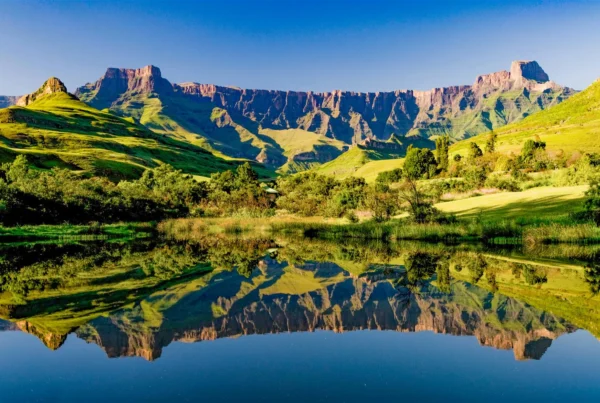
Rising dramatically along the eastern escarpment, the Drakensberg Mountains form a natural cathedral that inspires awe and reflection. Known as uKhahlamba in Zulu—meaning “Barrier of Spears”—these peaks form one of the continent’s most stunning alpine regions.

Jagged ridges, rolling highlands, and crystal-clear rivers make the Drakensberg a sanctuary for hikers, climbers, and spiritual seekers. San rock art sites whisper of ancient civilizations, their paintings preserved in caves hidden among the rocks. The stillness here is profound, broken only by the rush of wind or the chorus of birdsong.

It is in the Drakensberg that nature reveals her more sacred side, and where time seems to dissolve into the landscape. Whether viewed from a chalet balcony or hiked through on foot, these mountains cast a spell that lingers long after departure.

Robben Island – The Soul of a Nation Remembered

Off the coast of Cape Town, Robben Island rises as more than just a landform—it stands as a monument to resilience, endurance, and the long path to freedom. Once used as a prison, it held some of South Africa’s most prominent political prisoners, including Nelson Mandela, whose cell remains a solemn pilgrimage point for visitors today.

Guided tours by former inmates lend unparalleled authenticity and emotion to the experience. The island’s quiet beaches and colonial remnants contrast starkly with its past, making the journey not just historical but deeply human. In walking its paths and listening to its stories, one comes to understand the emotional weight of South Africa’s transformation—a weight carried with grace and unyielding hope.

Blyde River Canyon – A Green Giant Carved in Time

North of the Drakensberg and adjacent to Kruger lies the Blyde River Canyon, one of the world’s largest canyons and the greenest by vegetation. Towering cliffs, dramatic viewpoints, and lush valleys form a geographic marvel that is both visually breathtaking and ecologically vital.

God’s Window, Bourke’s Luck Potholes, and the Three Rondavels offer vantage points that are as poetic in name as they are in appearance. The area forms part of the Panorama Route, a scenic drive that reveals the geological drama and geographic grandeur of South Africa’s interior. The canyon is more than a geological formation; it is a testament to time, water, and elemental transformation.

Why South Africa Stirs the Soul

Few destinations manage to offer such staggering diversity with seamless coherence. South Africa’s magic lies in its contrasts—urban and wild, ancient and contemporary, tranquil and exhilarating. Here, safaris are not just excursions but epiphanies. Coastal drives are not just scenic but spiritual. Cultural interactions are not just polite exchanges but profound dialogues.

Each attraction tells its own story, and yet they all flow into a larger narrative of a country that has endured, evolved, and embraced its multifaceted identity. The warmth of its people, the wildness of its landscapes, and the depth of its history combine to make South Africa not merely a place to visit, but a world to experience.

Begin Your South African Odyssey with WildHorn Africa

For travelers seeking more than a vacation—those who desire immersion, wonder, and meaning—WildHorn Africa offers the ideal gateway into South Africa’s vast and varied offerings. With a team deeply rooted in African travel, WildHorn Africa designs journeys that align with your dreams, exceed expectations, and respect the delicate balance between discovery and preservation.

Whether the itinerary leads to the iconic plains of Kruger, the vineyards of Stellenbosch, or the mountain peaks of the Drakensberg, WildHorn Africa ensures a seamless, safe, and enriching experience. Every detail, from luxury accommodations to expert guides, is curated to connect travelers to the soul of South Africa.

To unlock the magic of this land and allow its spirit to leave a lasting imprint on your heart, book your African tour and safari with WildHorn Africa—where every path leads to wonder.

Top 10 Best Kenyan Islands

Top 10 Best Kenyan Islands

By Kenya travel guides, Travel guides, Travel stories and blogs

Top 10 Best Kenyan Islands
Discovering Kenya’s Most Alluring Island Escapes Beyond the Mainland

The Hidden Jewels of the Indian Ocean: Why Kenya’s Islands Matter

While Kenya is globally celebrated for its vast savannahs, spectacular wildlife, and world-famous safaris, a more tranquil yet equally enchanting side of the country exists quietly off its coast. Stretching from the Swahili shores of Lamu to the emerald waters near Mombasa, Kenya’s islands paint a portrait of paradise—untouched, culturally rich, and steeped in centuries of maritime history. Each island, wrapped in shimmering turquoise seas, offers a unique story told through ancient architecture, coral reefs, white-sand beaches, and vibrant local traditions.

These islands form a critical part of Kenya’s cultural and ecological heritage. Often overlooked in favor of its bushlands and highlands, the Kenyan archipelago has quietly blossomed into a sophisticated yet soulful destination for travelers who seek seclusion, authenticity, and natural splendor. From remote coral atolls and dhow-dotted lagoons to historical trading posts and mangrove-ringed sanctuaries, the islands of Kenya offer more than just scenery—they provide an escape into another rhythm of life.

In this article, a deep dive is taken into the ten most captivating Kenyan islands, each chosen for its exceptional beauty, cultural resonance, and immersive experience. Through these places, the lesser-known but intensely beautiful coastal identity of Kenya is revealed—one that is best experienced slowly, thoughtfully, and intimately.

Lamu Island: The Soul of Swahili Culture

Lamu Island, the crown jewel of Kenya’s coastal heritage, remains one of the most atmospheric and timeless destinations in East Africa. It is here that the essence of Swahili culture has been preserved with remarkable integrity, earning Lamu Old Town the distinction of a UNESCO World Heritage Site. Narrow alleyways wind through coral-stone buildings and intricately carved doors, while donkeys, rather than cars, serve as the primary mode of transport. The island’s sense of serenity is only matched by its layered history—centuries of Arab, Persian, Indian, and African influences converge in its architecture, cuisine, and rhythm of life.

Days on Lamu drift by like the dhows in the channel—slow, graceful, and deeply poetic. The call to prayer from ancient mosques floats over the rooftops, while the scent of cloves and grilled seafood fills the air. Whether relaxing on Shela Beach, exploring historic ruins, or sailing at sunset, visitors to Lamu are immersed in a setting where tradition, beauty, and hospitality merge seamlessly.

Manda Island: A Tranquil Coastal Refuge

Across the channel from Lamu, Manda Island offers a more secluded and nature-centric experience. Its mangrove forests and tidal creeks shelter a wide variety of birdlife, while its remote beaches offer serenity in its purest form. Manda has become synonymous with eco-luxury lodges and barefoot elegance, attracting travelers seeking privacy and harmony with nature.

The island is also home to Takwa Ruins, remnants of a 16th-century Swahili trading settlement that evoke the island’s historical depth. Manda’s juxtaposition of raw natural beauty and archaeological intrigue makes it an ideal destination for those who prefer quiet sophistication and meaningful exploration.

Chale Island: The Island of Sacred Solitude

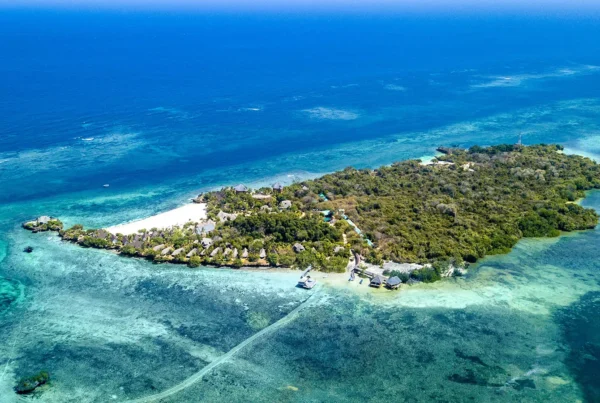
Off the southern coast near Diani Beach lies Chale Island, a private sanctuary that is both a romantic escape and a sacred site for the local Giriama people. The island’s mystical energy is drawn from its lush forests, coral gardens, and centuries-old baobabs. Surrounded by clear waters teeming with marine life, it presents an ideal setting for snorkeling, diving, and kayaking. But beyond its natural allure, Chale Island is wrapped in myth and tradition, with areas considered spiritual by coastal communities.

The architectural design of its exclusive resort reflects the island’s natural elements, fusing Swahili, Arabic, and contemporary styles. Guests find themselves ensconced in silence and luxury, where every sunrise feels ceremonial and every moment speaks of stillness.

Wasini Island: A Window Into Coastal Community Life

Further south near the Tanzanian border, Wasini Island offers an experience rooted in community, tradition, and marine exploration. Unlike the resort-focused islands, Wasini is inhabited by a small Swahili and Shirazi community, and daily life here unfolds at the pace of the tide. There are no cars, and few roads—only sandy footpaths and warm smiles from locals who greet visitors with genuine curiosity.

The island’s close proximity to Kisite-Mpunguti Marine Park makes it a launch point for some of Kenya’s most spectacular underwater adventures, including dolphin watching and coral reef snorkeling. But Wasini’s soul lies in its people. Community-led conservation, coral walkways, and sustainable seafood lunches are integral to the experience, offering insight into a lifestyle shaped by the ocean’s gifts and challenges.

Kiwayu Island: A Wilderness of Sand and Silence

North of Lamu, in the remote Kiunga Marine Reserve, Kiwayu Island presents a raw, unfiltered expression of coastal wilderness. Known for its sweeping dunes, endless stretches of unspoiled beach, and the absence of mass tourism, the island appeals to those seeking true disconnection. Fishing dhows sail past like ancient ghosts, and at night, stars blanket the sky with undisturbed clarity.

Accommodations on Kiwayu are intentionally minimalist, blending into the dunes rather than disrupting them. Activities here are shaped by nature—long walks, turtle nesting observation, windsurfing, and deep-sea fishing dominate the island’s offerings. Kiwayu speaks to a deeper need for space and reflection, making it a place where solitude becomes sacred.

Funzi Island: Mangrove Mystique and River Estuaries

Nestled near the mouth of the Ramisi River, Funzi Island is defined by its unique mangrove ecosystems and rich estuarine biodiversity. Canoe rides through winding water channels reveal a secret world of kingfishers, crabs, and water monitors, while Funzi’s sandbar—visible only at low tide—offers a surreal setting for sunbathing and beach picnics. The Funzi community remains deeply connected to fishing and farming, welcoming guests with hospitality rooted in ancient customs.

Unlike more polished resort islands, Funzi retains an authentic charm that prioritizes environmental balance and cultural continuity. The rhythms of tide and time are respected here, offering a layered experience of both ecological wonder and human resilience.

Ndere Island: Kenya’s Inland Island Gem

Located in Lake Victoria, Ndere Island offers a rare freshwater island experience in Kenya. The island’s grassy plains are home to monitor lizards, hippos, crocodiles, and diverse bird species, while panoramic views stretch across the lake to Uganda. Managed as a national park, Ndere has remained largely undeveloped, preserving its status as a natural refuge for birds and quiet contemplation.

Its spiritual significance in Luo mythology, believed to be the resting place of the community’s legendary matriarch, adds a cultural layer to its ecological importance. Visitors are encouraged to explore on foot, allowing for deeper connection with the terrain and wildlife that make Ndere a forgotten but enchanting place.

Mfangano Island: A Cultural Mosaic in Lake Victoria

Another island situated in Lake Victoria, Mfangano Island represents a convergence of ancient traditions and breathtaking landscapes. The island is inhabited primarily by the Suba people, whose origins trace back to Uganda, and whose language and customs differ from the Luo majority. Ancient rock art found in caves here offers clues into the island’s prehistoric past, while the rhythms of fishing and farming define its present.

Hikes up to the island’s high ridges reveal spectacular lake views, while lakeside lodges provide comfortable access to the Suba way of life. Mfangano is less about polished tourism and more about immersion into a living cultural landscape, untouched by commercial excess.

Pate Island: The Sleeping Giant of Swahili History

East of Lamu lies Pate Island, once one of the most powerful city-states along the East African coast. Today, Pate is largely forgotten, its ruins slowly being reclaimed by vegetation and time. Yet within its crumbling walls lies the forgotten grandeur of the Swahili Golden Age—mosques, tombs, and royal palaces that once hosted scholars and traders from Arabia, Persia, and beyond.

Life on Pate remains rural and traditional. Visitors walk through villages where time moves slowly, and elders recite poetry in an ancient dialect. Pate is a place for historians, romantics, and those who seek the beauty of fading grandeur and the silence of former glory.

Exploring Kenya’s Islands with WildHorn Africa

Each of Kenya’s islands tells a different story—of trade and tradition, coral and culture, wilderness and wisdom. These places, often unreachable by conventional travel, require insight, care, and purposeful planning. This is where WildHorn Africa becomes not just a travel agency, but a bridge to deeper discovery.

Specializing in tailor-made journeys across East Africa, WildHorn Africa ensures that island adventures are not rushed, but reverently experienced. Whether it’s a sunset dhow on Lamu, a snorkel in the reefs of Kiwayu, or a cultural immersion on Mfangano, every detail is designed with excellence, ethics, and emotion. For travelers seeking meaningful escape to Kenya’s most soulful destinations, WildHorn Africa stands as the trusted gateway to experiences that linger far beyond the shoreline.

Begin your island journey with WildHorn Africa, and let Kenya’s coasts rewrite your idea of paradise.

Top 6 Best Game Reserves for Safaris in KwaZulu-Natal (KZN)

Top 6 Best Game Reserves for Safaris in KwaZulu-Natal (KZN)

By South Africa travel guides, Travel guides, Travel stories and blogs

Top 6 Best Game Reserves for Safaris in KwaZulu-Natal (KZN)

While many international travelers instinctively look toward the Kruger National Park for their safari dreams, those who seek a wilder, more diverse, and culturally rich experience are often drawn south to the vibrant province of KwaZulu-Natal (KZN). Nestled between the Drakensberg Mountains and the warm Indian Ocean, KZN is home to some of South Africa’s most ecologically diverse and rewarding game reserves, offering everything from Big Five safaris to endangered species conservation, all set within striking landscapes that pulse with ancient history and Zulu heritage.

KwaZulu-Natal’s game reserves are uniquely defined by their varied terrain, ranging from coastal wetlands and misty forests to bushveld savannahs and arid valleys. This diversity creates havens for an extraordinary array of wildlife—elephants, rhinos, lions, cheetahs, leopards, hippos, crocodiles, and rare birds—all thriving in protected ecosystems that prioritize both conservation and community. What sets KZN apart, however, is not only its abundance of wildlife but the intimacy of the experience. Here, safaris are less crowded, more personalized, and steeped in a sense of place that connects travelers deeply with the land and its people.

Among the many reserves dotting the province, six stand out for their beauty, biodiversity, and ability to provide an immersive, unforgettable safari experience. These reserves are the beating heart of KZN’s wild soul.

Hluhluwe–iMfolozi Park: Africa’s Oldest Conservation Story

The story of modern wildlife conservation in Africa finds its origins in the rolling hills of Hluhluwe–iMfolozi Park. Established in 1895, it holds the distinction of being Africa’s oldest proclaimed nature reserve, and it remains one of the continent’s finest examples of successful conservation efforts—particularly in the fight to save the white rhino from extinction.

Covering over 96,000 hectares of diverse terrain, the park is divided into two sections: Hluhluwe in the north, with its lush forests and river valleys, and iMfolozi in the south, defined by open plains and rugged ridges. This ecological variation supports the full Big Five—lion, leopard, elephant, buffalo, and both black and white rhino—alongside cheetah, hyena, wild dog, and more than 400 bird species.

Game drives through Hluhluwe–iMfolozi are marked by dramatic views, dense wildlife activity, and a powerful sense of history. It was here that Operation Rhino, a global movement to protect the species, was born. Today, the park continues to lead by example in balancing tourism with sustainable conservation. Visitors are drawn not only by the abundant game but also by the feeling of walking on sacred conservation ground.

Phinda Private Game Reserve: A Jewel of Luxury and Biodiversity

Set within the lush Maputaland region, Phinda Private Game Reserve is a model of ecological restoration and luxury ecotourism. Spanning over 70,000 acres, the reserve is home to seven distinct ecosystems, including rare sand forests, wetlands, and savannahs. This ecological tapestry provides habitat for an impressive range of species, including the elusive cheetah, black rhino, and the endangered pangolin.

Phinda is also celebrated for its exceptionally high standard of guiding, making every game drive an educational and exhilarating journey. The wildlife density is astounding, and sightings of the Big Five are complemented by rare species and spectacular birdlife. The reserve’s emphasis on conservation through tourism has allowed for extensive community outreach programs, benefiting local Zulu communities and fostering a shared sense of custodianship.

Accommodations at Phinda are world-class, offering secluded luxury lodges that blend seamlessly into the environment. Private decks overlook watering holes and valleys, and bush dinners under the stars create unforgettable memories. Safari here is not only about sightings—it is about experiencing the rhythm and mystery of the wild in comfort and style.

Tembe Elephant Park: Home of the Giants

Tucked into the far northeastern corner of KZN, near the Mozambique border, lies Tembe Elephant Park, a quiet and unspoiled gem renowned for its remarkably large tusked elephants. These are among the last of Southern Africa’s great tuskers, some with ivory that brushes the ground—a rare and humbling sight.

Covering 30,000 hectares of sand forest, grassland, and swamps, Tembe is one of South Africa’s most intimate wilderness experiences. The park was established as a joint venture between the Tembe Tribal Authority and conservation agencies, and it remains co-managed by the local community, ensuring cultural integrity and shared benefits from tourism.

Tembe’s low visitor density allows for uncrowded game drives and quiet observation. Besides its famous elephants, the park is home to lions, leopards, rhinos, and over 340 species of birds. The slower pace and intimate nature of Tembe create a safari that feels deeply personal and profoundly moving. It is here, in the quiet hush of the sand forests, that travelers come face to face with the grandeur and vulnerability of Africa’s greatest giants.

Umkhuze Game Reserve: A Sanctuary of Biodiversity and Birdsong

Part of the greater iSimangaliso Wetland Park World Heritage Site, uMkhuze Game Reserve is one of the most ecologically varied and biologically rich reserves in KZN. With its mosaic of pans, sand forests, savannahs, and riverine woodlands, uMkhuze supports a spectacular diversity of plant and animal life, making it a paradise for bird lovers and photographers.

While not a traditional Big Five destination, uMkhuze offers encounters with cheetahs, hyenas, giraffes, zebras, and antelope species in peaceful, scenic surroundings. Its network of well-placed hides provides some of the best close-up wildlife viewing in South Africa, particularly at the Nsumo Pan, where hippos and waterbirds abound.

The atmosphere at uMkhuze is serene and timeless. There is a sense that the wild here moves at its own pace, unhurried and unspoiled. Guided walks offer a closer connection to the terrain, while drives through the varied biomes reveal the park’s subtle complexity. It is a place for those who wish to listen as much as look, to engage with the smaller details of the wild, and to be immersed in a slower, richer kind of safari.

Weenen Nature Reserve: A Hidden Retreat in the Midlands

Nestled in the undulating landscapes of KZN’s central interior, Weenen Nature Reserve is a lesser-known but incredibly rewarding safari destination. It offers a refreshingly intimate and tranquil escape, where acacia-dotted savannahs and bushy valleys provide refuge to a variety of plains game, black rhinos, and over 250 bird species.

Though it lacks the high-profile status of some larger reserves, Weenen’s peaceful atmosphere and self-drive accessibility make it ideal for travelers seeking solitude and personal connection with nature. It is particularly well-suited to birdwatchers and nature photographers, offering unique sightings of raptors, hornbills, and bee-eaters in a relaxed, uncrowded environment.

Weenen also plays a significant role in regional conservation, having been rewilded from degraded farmland into a flourishing reserve. Its success story is emblematic of the healing power of dedicated ecological restoration, and every visit supports ongoing efforts to expand and protect this vital sanctuary.

Thanda Safari Private Game Reserve: Where Conservation Meets Luxury

Located in the northern Zululand region, Thanda Safari combines luxury accommodations with a deep commitment to conservation and community empowerment. Spread over 14,000 hectares of bushveld, the reserve is home to the Big Five as well as cheetahs, hyenas, and a host of smaller predators.

Thanda sets itself apart through its dedication to sustainable safari tourism, engaging with Zulu communities and funding critical wildlife protection initiatives. Anti-poaching units, educational outreach, and wildlife monitoring are all part of the guest experience, adding depth and purpose to each stay.

The reserve offers both traditional lodge experiences and exclusive-use villas, all designed to reflect Zulu culture and the natural environment. Game drives are expertly led, and the focus is on intimate, unrushed experiences that respect the rhythms of the wild. For those seeking a safari that blends personal luxury with meaningful impact, Thanda delivers in every sense.

Craft Your KwaZulu-Natal Safari with WildHorn Africa

The reserves of KwaZulu-Natal are not just places to see wildlife; they are living landscapes where stories of conservation, culture, and nature intertwine. From the towering elephants of Tembe to the vibrant birdlife of uMkhuze, from Phinda’s elegant cheetahs to Hluhluwe’s enduring rhino legacy, KZN offers a safari experience that is both powerful and personal.

For travelers ready to explore this remarkable region, WildHorn Africa offers curated safari packages that blend comfort, authenticity, and adventure. With deep regional expertise, handpicked accommodations, and a commitment to responsible travel, WildHorn Africa ensures that every safari is not only unforgettable but also a force for good in the communities and ecosystems visited.

Book your KwaZulu-Natal safari with WildHorn Africa—and experience the untamed beauty of South Africa through the eyes of those who know it best.

Top 10 Best Private Game Reserves in South Africa

Top 10 Best Private Game Reserves in South Africa

By South Africa travel guides, Travel guides, Travel stories and blogs

Top 10 Best Private Game Reserves in South Africa

South Africa stands as one of the most diverse safari destinations in the world, where ancient landscapes unfold across endless horizons and wildlife roams free in ecosystems as old as time. But beyond its iconic national parks lies a more exclusive world—the realm of private game reserves, where the safari experience is elevated to levels of intimacy, luxury, and personalized adventure that national parks simply cannot rival.

These private reserves are more than just parcels of preserved land. They are carefully managed conservation areas, often bordering legendary parks like Kruger, where limited guest numbers, exclusive lodges, expert guiding, and off-road tracking ensure that every wildlife encounter feels personal and unforgettable. From the Big Five to rare nocturnal species, from luxury suites overlooking watering holes to private bush dinners under starlit skies—South Africa’s private game reserves offer the ultimate in safari sophistication.

Sabi Sand Game Reserve: Africa’s Most Iconic Safari Experience

The name Sabi Sand has become synonymous with elite safari travel, and for good reason. Bordering the western edge of Kruger National Park with no fencing in between, Sabi Sand allows wildlife to move freely across vast tracts of land. But what makes this reserve truly exceptional is its reputation for the most consistent Big Five sightings in Africa, particularly the elusive leopard, often observed here in daylight and at remarkably close range.

Luxury lodges like Londolozi, Singita, and Ulusaba call this reserve home, where service is deeply personal, cuisine is world-class, and wildlife viewing is legendary. Off-road tracking is permitted, allowing rangers and trackers to follow animals through dense terrain—bringing guests thrillingly close to nature’s drama. Sabi Sand is not just a destination; it is an experience of intimacy, where wildlife is more than observed—it is profoundly felt.

Timbavati Private Nature Reserve: A Realm of Rare Wonders

Adjacent to Kruger National Park and part of the Greater Kruger system, Timbavati is a reserve known both for its wild authenticity and its rare white lions, a natural genetic variation found in the wild only here. While these mythical animals capture the imagination, Timbavati’s appeal stretches far beyond.

With fewer lodges and less foot traffic than its more famous neighbors, the reserve offers a quieter, more secluded safari experience. Game drives frequently reveal sightings of lion prides, elephant herds, rhino, and African wild dogs. The lodges blend luxury with simplicity, emphasizing connection with the land and culture. Guests at Timbavati are not only treated to superb wildlife but are also given insight into conservation efforts that protect these fragile ecosystems.

Kwandwe Private Game Reserve: Eastern Cape’s Hidden Gem

Tucked into the rolling hills and valleys of the Eastern Cape, Kwandwe is a private reserve that often surprises even seasoned safari-goers. Known for its immaculate landscapes and strong commitment to conservation, this malaria-free haven is home to the Big Five, cheetahs, black rhinos, and more than 300 bird species.

What sets Kwandwe apart is the sense of space and serenity. With over 22,000 hectares of private wilderness and only a handful of lodges, it delivers an unrivaled sense of exclusivity. Families, honeymooners, and photographers alike find refuge in Kwandwe’s refined hospitality and guided experiences, including walking safaris and fishing excursions. Here, the focus is not just on seeing the wild—but understanding and respecting its rhythms.

Phinda Private Game Reserve: The Seven Worlds of Wonder

Located in KwaZulu-Natal and often referred to as the “Seven Worlds of Wonder”, Phinda boasts an extraordinary range of ecosystems—coastal forest, mountain ranges, wetlands, and savannah—all within a single reserve. This remarkable diversity translates into incredibly varied wildlife experiences, from tracking cheetahs on foot to viewing turtles along the Indian Ocean coast.

Managed by andBeyond, Phinda stands at the forefront of luxury ecotourism. The lodges blend Zulu cultural motifs with modern luxury, and each safari is led by highly trained rangers and trackers. More than just game drives, Phinda offers conservation-focused activities, like rhino notching and pangolin monitoring—making every guest a participant in the future of Africa’s most vulnerable species.

Madikwe Game Reserve: Family-Friendly Luxury in a Malaria-Free Zone

In the northwest corner of the country near the Botswana border lies Madikwe Game Reserve, a model for community-involved conservation and one of the largest reserves in South Africa. What distinguishes Madikwe is its malaria-free status, making it ideal for families and first-time safari-goers.

Beyond safety, Madikwe offers a rich tapestry of wildlife, including the Big Five, endangered African wild dogs, and over 350 bird species. The lodges range from contemporary elegance to traditional bush charm, all delivering top-tier service. Game drives often encounter large elephant herds and rare species like brown hyenas. Madikwe is where comfort, conservation, and community come together in perfect harmony.

Shamwari Private Game Reserve: Conservation in Action

On the southern coast of South Africa, near Port Elizabeth, Shamwari has long been hailed as a leader in wildlife rehabilitation and responsible tourism. This malaria-free reserve has successfully reintroduced species like cheetahs, lions, and rhinos, and its wildlife hospital and Born Free Big Cat Sanctuary are open to guests—offering a rare behind-the-scenes look at conservation in practice.

With a range of luxurious lodges spread across its varied terrain, guests can enjoy tailored experiences—whether it’s quiet birding mornings, thrilling predator sightings, or educational interactions with conservation staff. At Shamwari, luxury is matched by purpose, and every safari supports a legacy of protection.

Londolozi Private Game Reserve: Safari with a Soul

More than just a lodge collection, Londolozi is a philosophy—one that centers on community, mindfulness, and transformative wildlife experiences. As one of the original private reserves in Sabi Sand, Londolozi has built a reputation not only for incredible game viewing but for creating an emotional connection with the African bush.

The family-run nature of the reserve is reflected in its warm hospitality. Guests are encouraged to participate in yoga, storytelling, and village visits, while enjoying luxury suites that blend seamlessly into the environment. Leopard sightings are a near certainty, but it is the personal growth and stillness that Londolozi fosters which leaves the deepest mark.

Kapama Private Game Reserve: Opulence Meets Wilderness

Conveniently located near Hoedspruit and the Kruger Park airports, Kapama offers accessible safari luxury without sacrificing authenticity. This 13,000-hectare reserve delivers classic Big Five game drives, along with experiences like bush walks, hot air ballooning, and spa indulgence.

Its four lodges, ranging from the romantic River Lodge to the ultra-luxurious Karula Lodge, cater to different travel styles while maintaining a consistent standard of world-class service. With its wellness-centered offerings and curated safari activities, Kapama appeals to modern travelers seeking both adventure and rejuvenation.

Thornybush Game Reserve: Safari with Sophistication

Bordering Timbavati and forming part of Greater Kruger, Thornybush is a reserve that seamlessly fuses thrilling wildlife sightings with stylish lodging. With experienced rangers and a strong focus on guest engagement, it offers deeply immersive experiences—tracking predators, exploring biodiversity, and sharing fireside stories.

Its collection of lodges—ranging from eco-conscious retreats to opulent suites—ensures every traveler finds their perfect match. Thornybush is a place where nature’s intensity is softened by luxury, and where each encounter is magnified by personal attention.

Welgevonden Game Reserve: Seclusion in the Waterberg Mountains

Nestled in the scenic Waterberg region of Limpopo, Welgevonden is one of South Africa’s most pristine reserves. Its exclusivity, low vehicle density, and spectacular scenery of mountains, valleys, and rivers provide a tranquil yet exhilarating safari setting.

The lodges offer panoramic views and quiet luxury, while the game experience includes all members of the Big Five. But it’s the remoteness, the sense of space, and the unhurried pace that makes Welgevonden stand out. Here, the safari is not a checklist—it is a journey of observation and reflection.

Your Safari Awaits: Discover It With WildHorn Africa

Exploring South Africa’s private game reserves is not just about luxury—it’s about unlocking a deeper, richer connection with the wild. These reserves are sanctuaries where conservation thrives, exclusivity is preserved, and every sunrise brings new wonder. Whether it’s the leopard-rich tracks of Sabi Sand, the untouched valleys of Kwandwe, or the soulful silence of Shamwari, each reserve offers a unique chapter in Africa’s unfolding story.

To experience these extraordinary places with care, confidence, and excellence, WildHorn Africa stands ready to guide you. With expertly crafted itineraries, personalized planning, and a passion for authentic adventure, WildHorn Africa transforms your dream safari into a life-changing reality.

Book your African safari today with WildHorn Africa—where the wilderness welcomes you in luxury.

15 Top Places To Visit in Namibia

15 Top Places To Visit in Namibia

By Namibia travel guides, Travel guides, Travel stories and blogs

15 Top Places To Visit in Namibia

In a world of crowded cities and well-trodden tourist paths, Namibia offers something rare—untamed solitude paired with surreal beauty. Stretching along Africa’s southwest coast, this land of shifting sands, craggy mountains, fossilized forests, and endless skies feels almost otherworldly. It is a country where time seems suspended, and nature exists in its most elemental form.

Travelers who venture here do not just visit destinations—they experience landscapes that whisper the ancient language of the earth, sculpted by wind, water, and time itself. From towering dunes that catch fire at sunrise to eerie shipwreck-littered coasts and wildlife-rich savannas, Namibia’s diversity is astounding. Every corner of this country tells a story, and those stories linger long after the journey ends.

What follows is a curated selection of 15 of the most unforgettable places to visit in Namibia—each one offering a unique lens into the soul of this magnificent land.

Sossusvlei: The Icon of Namibia’s Desert Dreams

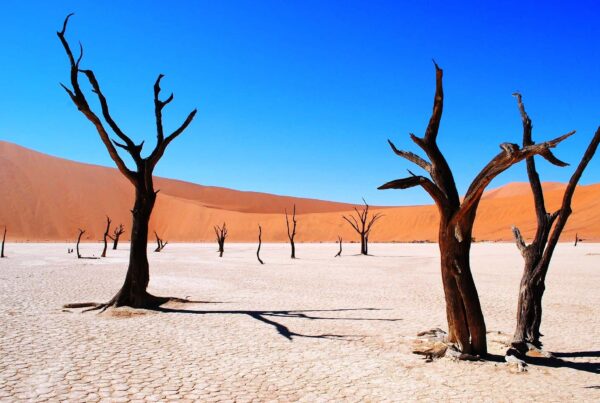
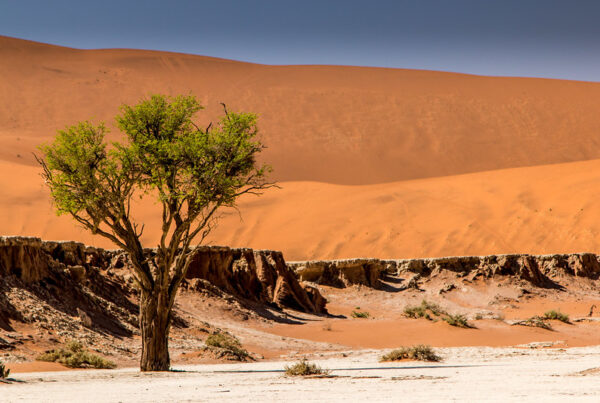
No visit to Namibia would be complete without standing in awe at Sossusvlei, the heart of the Namib Desert and perhaps the country’s most iconic landscape. Here, crimson sand dunes rise more than 300 meters into the sky, creating a vast canvas of color and shadow. At their base lie salt pans where skeleton trees stand like ancient sentinels, most famously captured in the surreal beauty of Deadvlei.

Sunrises and sunsets transform the dunes into glowing sculptures, drawing photographers and adventurers alike. Despite its arid conditions, life persists—oryx, jackals, and lizards navigate the burning sands with quiet resilience. Sossusvlei is not just a destination; it is a testament to nature’s power and artistry.

Etosha National Park: A Wildlife Theater on Salt and Dust

To witness Namibia’s wildlife in concentrated brilliance, Etosha National Park provides a front-row seat to nature’s grand performance. At the center lies the vast Etosha Pan, a shimmering white salt flat so expansive it can be seen from space. During the dry season, animals from all directions converge on the park’s waterholes, creating some of the most dramatic game viewing in Southern Africa.

Elephants, lions, giraffes, rhinos, and a multitude of antelope share the stage, while migratory birds and flamingos arrive with the rains. Unlike more crowded parks elsewhere on the continent, Etosha allows for an intimate safari experience, where quiet moments between predator and prey unfold without interruption.

Swakopmund: Where Adventure Meets the Atlantic

Nestled between towering dunes and the icy Atlantic Ocean, Swakopmund exudes an unlikely but captivating charm. This German-influenced coastal town surprises visitors with its blend of colonial architecture, adrenaline-pumping activities, and seaside tranquility.

Dune boarding, quad biking, and skydiving attract thrill-seekers, while dolphin cruises and desert tours reveal the area’s ecological richness. The juxtaposition of sand and sea is both striking and surreal, and evenings are best spent watching the sun dip into the Atlantic from a beachside café. Swakopmund is a place where modern adventure meets old-world elegance, wrapped in Namibia’s signature silence.

Skeleton Coast: A Wreck-Strewn Realm of Mystery

The northern Atlantic coast of Namibia is known as the Skeleton Coast, a haunting stretch of shoreline defined by shipwrecks, bleached whale bones, and relentless fog. It is both desolate and mesmerizing, offering visitors a glimpse into nature’s raw and ruthless forces.

Accessed primarily by fly-in safaris or guided overland expeditions, this remote region hosts an eerie beauty. Seals gather in the tens of thousands at Cape Cross, while desert-adapted elephants and lions roam the dry riverbeds inland. The Skeleton Coast is where the line between life and death is thin, and where the desert meets the sea in a dramatic, eternal struggle.

Damaraland: Rugged Landscapes and Ancient Stories

In central Namibia, Damaraland stretches out like an untamed canvas of red rocks, twisted hills, and ancient echoes. It is a place where geology and anthropology intersect—a land that preserves both the fossilized past and living traditions.

The towering granite outcrops of Spitzkoppe and Brandberg Mountain rise above the plains, sheltering ancient San rock art that dates back thousands of years. The desert-dwelling elephants and rhinos that survive in this arid landscape speak to nature’s adaptability, while the local Damara communities offer cultural insights rooted in deep ancestral connection. Damaraland is not just remote—it is profoundly spiritual.

Fish River Canyon: Africa’s Grand Chasm

Second in size only to the Grand Canyon, Fish River Canyon is a geological marvel of staggering proportions. Carved over millennia by the Fish River, this 160-kilometer-long chasm offers views that both humble and inspire.

Hiking the canyon, particularly along its multi-day trail, is one of Namibia’s greatest physical challenges—and rewards. The experience is shaped not only by the canyon’s immense scale but by its silence, where only the whisper of wind and the call of raptors disturb the stillness. For those who prefer less strenuous encounters, scenic viewpoints near Hobas Camp provide awe without effort.

Namib-Naukluft National Park: The Soul of the Sand Sea

Among the largest conservation areas in Africa, Namib-Naukluft National Park encapsulates the surreal elegance of Namibia’s deserts. It is home to the world’s oldest desert, where the sands have shifted and whispered for over 55 million years.

The park hosts a mosaic of environments—sand dunes, rocky escarpments, and ephemeral rivers—each alive with endemic species. Hidden within the park lies Sesriem Canyon, a narrow gorge carved by floodwaters, and the haunting beauty of Elim Dune. The Namib-Naukluft is a place to witness nature’s patience and persistence, where time has shaped every grain of sand.

Kolmanskop: A Ghost Town Buried by Time

Near the southern coastal town of Lüderitz lies Kolmanskop, a ghost town swallowed by the sands of the Namib. Once a booming diamond mining settlement, it has since been reclaimed by the desert, its empty houses slowly being filled with dunes.

Walking through Kolmanskop is like stepping into a surreal time capsule. Sunlight filters through broken windows onto wooden floors buried in sand, while faded wallpaper peels from walls that once heard laughter and longing. It is a stark, beautiful reminder that nature always reclaims what man attempts to conquer.

Lüderitz: A Coastal Town Frozen in Time

Perched on the edge of the Atlantic, Lüderitz offers a contrast to Namibia’s inland desolation. With its art nouveau architecture, German street names, and pastel-colored buildings, the town feels curiously out of place yet deeply intriguing.

The surrounding landscape is equally unusual—wind-whipped bays, isolated beaches, and the nearby ghost towns of the Sperrgebiet diamond area. Penguins, flamingos, and seals inhabit the frigid waters, while boat excursions reveal marine biodiversity. Lüderitz is a reminder that Namibia’s soul is not only in its deserts—but also in its oceans.

Caprivi Strip (Zambezi Region): Water in the Wilderness

While Namibia is often associated with arid lands, the northeastern Caprivi Strip, now known as the Zambezi Region, offers a radically different environment. Here, lush floodplains and rivers carve through dense vegetation, attracting wildlife and birdlife unlike anywhere else in the country.

The area is home to national parks such as Bwabwata, Mudumu, and Nkasa Rupara, where elephants, hippos, crocodiles, and buffalo roam freely. This corner of Namibia shares ecological ties with the Okavango Delta and Zambia’s wetland systems, offering a water-rich safari experience in an otherwise dry land.

Waterberg Plateau: Sanctuary in the Sky

Rising dramatically from the surrounding savannah, Waterberg Plateau is both a scenic landmark and a critical conservation zone. Its lush, elevated terrain serves as a refuge for endangered species such as black and white rhinos, sable antelope, and roan.

Walking trails lead to panoramic viewpoints, while guided tours delve into the plateau’s biodiversity and conservation history. Cultural encounters with the Herero people, known for their Victorian-influenced dress, add depth to the experience. The Waterberg is where ecology and culture meet in an inspiring display of preservation and resilience.

Okonjima Nature Reserve: Leopards and Legacy

Midway between Windhoek and Etosha lies Okonjima, a privately run reserve and home to the AfriCat Foundation, an organization dedicated to big cat conservation. Visitors are drawn here for the chance to track leopards and cheetahs on foot or by vehicle in a carefully managed, ethical environment.

The reserve also offers luxurious accommodations and educational programs, ensuring that every visit supports research, rehabilitation, and awareness. Okonjima is where conservation becomes personal, and where every encounter carries meaning beyond the moment.

Windhoek: Namibia’s Capital Heartbeat

While Namibia’s wild spaces steal the spotlight, Windhoek provides a vibrant gateway to the country’s soul. The capital city blends German colonial architecture, African culture, and a growing cosmopolitan energy. Museums, craft markets, and culinary experiences await, offering insight into Namibia’s past and present.

It is a city of contrasts—quiet yet bustling, modern yet traditional. Windhoek is not just a place of arrival or departure; it is a space to understand the people and politics that shape the Namibian identity.

Experience Namibia with WildHorn Africa

To traverse Namibia’s vast and varied landscapes is to witness a country that defies expectations and deepens one’s sense of awe. Each destination reveals a different layer of its soul—from ancient deserts and ghost towns to wetlands alive with sound and color. The journey is not merely visual—it is spiritual, emotional, and deeply personal.

For those ready to embark on a truly transformative adventure, WildHorn Africa crafts tailor-made safari experiences that capture Namibia’s essence with precision and passion. With expert guides, handpicked lodges, and a commitment to responsible travel, WildHorn Africa ensures that your journey through Namibia is not only extraordinary—but unforgettable.

Book your Namibia adventure today with WildHorn Africa—and let the desert, the wildlife, and the wind tell you a story you’ll never forget.

Planning a Trip To Visit Deadvlei in Namibia

Planning a Trip To Visit Deadvlei in Namibia

By Namibia travel guides, Travel guides, Travel stories and blogs

Planning a Trip To Visit Deadvlei in Namibia

In the vast, arid soul of the Namib Desert lies a place where the sands shift with the wind, but the trees have stood still for nearly a thousand years. Deadvlei, hidden deep within Namibia’s Namib-Naukluft National Park, is not just a location—it is a haunting, otherworldly spectacle, a landscape so surreal and evocative that it has become an icon of Namibia and a global symbol of the sublime power of nature.

To stand in Deadvlei is to step into a painting rendered by time and shaped by elemental forces. The ground is pale and cracked underfoot, the skeletal trees—blackened by centuries of sun and drought—cast long shadows across the clay pan, and the surrounding dunes rise like flame-colored waves frozen in motion. The silence is absolute. The beauty is overwhelming. This is a place that defies logic and transcends photography. It must be felt, not just seen.

Planning a journey to Deadvlei is not a spontaneous affair. It requires intention, preparation, and respect for the fragile desert environment. Those who seek its secrets must travel far, rise early, and embrace the heat, the dust, and the humbling scale of Namibia’s most dramatic landscape. But for those who make the effort, the reward is a travel experience that is unforgettable, meditative, and soul-stirring.

Understanding the Origins of Deadvlei: Nature’s Monument to Time

Deadvlei—meaning “dead marsh” in Afrikaans—is a clay pan formed when the Tsauchab River once flowed through the desert, feeding shallow pools that nourished camelthorn trees and created a brief oasis in the heart of the Namib. Over time, shifting dunes blocked the river’s path, cutting off the water supply and dooming the trees to die in place. Yet, due to the arid conditions, they never decayed. They were preserved—frozen in time as blackened silhouettes etched against the white clay and red dunes.

These trees, some more than 900 years old, stand like sentinels across the pan. Their gnarled branches stretch skyward as if in silent protest or prayer. Around them, the dunes—some rising over 300 meters—form a natural amphitheater of sculpted sand and shifting shadow. Most famously, Big Daddy, the highest dune in the area, towers over the pan and offers a dramatic vantage point for those who climb it.

The science behind Deadvlei’s formation is fascinating, but it is the emotional and visual impact that stays with visitors long after they’ve left. It is a place of paradox—death and stillness, yet staggering beauty. Silence and isolation, yet profound connection.

How to Get There: Navigating the Desert

Reaching Deadvlei requires strategic planning and physical effort, but the journey itself forms part of the reward. The nearest gateway town is Sesriem, a small settlement that serves as the entrance to the Namib-Naukluft National Park. From Sesriem, travelers must drive into the park at sunrise, when the gates open and the desert begins to awaken.

The initial stretch of the journey is along a well-maintained tar road that leads toward Sossusvlei, the broader area in which Deadvlei is located. This route is visually spectacular, flanked by sweeping dunes bathed in early morning light. However, the last portion of the journey—from the Sossusvlei car park to Deadvlei itself—is along a deep-sand 4×4 track, impassable for standard vehicles. Visitors without 4×4 experience are advised to use the park’s shuttle service or join a guided excursion.

From the 4×4 drop-off point, the final leg is completed on foot. A walk of around one kilometer across open dunes and dry pans leads to Deadvlei. The sand underfoot can be soft and the sun already intense by mid-morning, so timing and preparation are crucial. It is advised that the journey be started as early as possible, ideally arriving at Deadvlei just after sunrise, when the light is golden and the heat still bearable.

When to Visit: Timing the Desert’s Mood

Deadvlei is accessible year-round, but certain seasons and times of day enhance the experience significantly. The cooler months—from May to September—offer milder temperatures, making hiking and photography more comfortable. The skies during these months tend to be clear and crisp, ideal for stargazing and capturing the stark contrasts of light and shadow.

Mornings, especially just after sunrise, are considered the optimal time to visit. At this hour, the low-angle sunlight carves dramatic shadows across the dunes, creating a painterly effect that accentuates the textures of sand, clay, and wood. The black trees against glowing orange dunes and blue skies produce a visual contrast that feels almost unreal.

Midday should be avoided where possible, as the desert heat becomes oppressive, the colors flatten under harsh light, and the physical exertion of walking on sand becomes more strenuous. Evenings bring cooler temperatures and softer light but pose logistical challenges due to the early park closing times.

Preparing for the Desert: Practical Guidance for an Unforgiving Landscape

While Deadvlei is one of the most photogenic places on Earth, it is also an environment of extremes. Visitors must arrive well-prepared for conditions that can shift rapidly and pose real challenges. Clothing should be lightweight but sun-protective, with wide-brimmed hats, sunglasses, and long sleeves essential. Footwear should support walking on both sand and hard-packed clay, and ample water must be carried at all times.

Photography gear, for those hoping to capture the magic, should include a wide-angle lens and neutral density filters for managing the brightness of the desert sun. Tripods can help in the early morning low light, while drone usage is restricted and should be confirmed with park authorities.

Respect for the environment is paramount. Deadvlei’s fragile surface is easily damaged, and the preservation of this site relies on travelers adhering strictly to marked paths and regulations. What makes this place sacred is its stillness, its silence, and its undisturbed state.

The Spiritual Dimension: Why Deadvlei Moves the Soul

More than a destination, Deadvlei is a meditation in stillness. The trees that died and yet refuse to fall seem to echo themes of endurance, silence, and the beauty of decay. The scale of the dunes, the weight of the sky, the whispering wind—together, they conspire to create a deeply reflective atmosphere.

Travelers often speak of the profound quiet, where even the sound of breath feels amplified. This absence of noise allows space for awe, for introspection, and for something rare in modern travel—humility. In Deadvlei, one becomes not the observer of a landscape, but a participant in its silence.

The spiritual impact of Deadvlei cannot be measured in photos or itineraries. It is something that lingers internally, shaping the way one sees beauty, impermanence, and time. And that is perhaps its greatest gift.

Where to Stay: Desert Retreats and Stargazing Sanctuaries

Accommodations around Deadvlei range from rustic campsites in Sesriem to luxury desert lodges that blend seamlessly into the surrounding dunes. Many of these lodges offer guided tours to Deadvlei, ensuring safe transport, early access, and enriched interpretation of the landscape. Some are designed with sustainability in mind, using solar power and water conservation techniques to minimize impact on this delicate ecosystem.

What all have in common is the extraordinary desert night sky, which reveals itself after sunset in a dazzling canopy of stars. In this part of Namibia, far from light pollution, the Milky Way can be seen with startling clarity, creating evenings as unforgettable as the mornings spent wandering through clay and silence.

Discover Deadvlei with WildHorn Africa

A trip to Deadvlei is not just another line on a bucket list—it is a pilgrimage into one of the planet’s most extraordinary landscapes. To walk among its silent trees, climb its fire-red dunes, and witness the dance of light and shadow is to encounter beauty on a mythic scale.

To make the most of such a journey requires more than a GPS and a guidebook. It requires insight, expertise, and a deep respect for the spirit of place. WildHorn Africa, with its passion for crafting immersive and meaningful African experiences, offers tailored journeys that honor the land, its people, and the traveler’s desire for wonder.

Whether as part of a broader Namibian adventure or as a singular destination, let WildHorn Africa guide your journey to Deadvlei—where time stands still, silence speaks, and the desert welcomes you home.

Best Islands on the Coast of Tanzania

Best Islands on the Coast of Tanzania

By Tanzania travel guides, Travel guides, Travel stories and blogs

Best Islands on the Coast of Tanzania: The Irresistible Allure of Tanzania’s Coastal Islands

The Tanzanian coast is not merely a meeting point between land and sea—it is a portal into another world, where turquoise waters kiss white sands under the shade of swaying palms, and centuries-old cultures still shape the rhythm of everyday life. Along this dazzling stretch of East Africa, a constellation of islands lies scattered across the Indian Ocean like polished jewels, each carrying a story told through coral stone ruins, dhow sails, clove-scented markets, and barefoot footprints in the sand.

To the uninitiated, these islands may simply appear as tropical escapes. But to the discerning traveler, they are sanctuaries of both natural and cultural richness—ancient trading posts, biodiversity hotspots, spiritual havens, and living archives of the Swahili Coast’s golden age. Whether seeking absolute solitude, underwater adventure, or immersive history, the islands off the coast of Tanzania invite one into a slow, sensual discovery of Africa’s coastal soul.

With landscapes sculpted by monsoons and histories shaped by Persian, Arab, Portuguese, and African traders, each island unveils its own unique identity. Some thrum with life and rhythm; others lull the spirit with silence and serenity. But all share one thing in common: they are places where time slows, where the world feels larger, older, and more beautiful than remembered.

Zanzibar: The Cultural and Historical Crown Jewel

No exploration of Tanzania’s islands can begin without acknowledging Zanzibar, the most renowned and historically significant of all. Known as the Spice Island, Zanzibar is not just one island but an archipelago, with Unguja (the main island) and Pemba forming its cultural core.

Zanzibar’s Stone Town, a UNESCO World Heritage Site, stands as a living monument to centuries of trade and cultural fusion. Narrow alleys echo with the calls of merchants and the laughter of children. Carved wooden doors mark centuries-old homes, and the aroma of cloves, cardamom, and cinnamon drifts through bustling bazaars. It is a place where Swahili, Arab, Indian, and European influences are woven seamlessly into the architecture, cuisine, and customs.

Beyond the town, Zanzibar transforms into a tropical dreamscape. Endless beaches—powdery white and lapped by clear blue waters—stretch along its shores. The eastern coast draws sunseekers and divers to places like Paje and Matemwe, while the north’s Nungwi and Kendwa pulse with beach bars, sunsets, and island energy. Offshore, coral reefs provide exceptional snorkeling and diving, revealing vibrant marine ecosystems teeming with angelfish, turtles, and dolphins.

Despite its growing popularity, Zanzibar retains its enchantment, not only in its natural beauty but in the feeling of walking through history, barefoot and unhurried, between the sand and the spice-scented air.

Pemba Island: A Lush and Mystical Escape

Floating quietly to the north of Zanzibar lies Pemba, Zanzibar’s lesser-known sister and a true hidden gem for those seeking solitude and raw beauty. Known as “The Green Island,” Pemba is defined by its undulating hills, fertile valleys, and dense clove plantations. While less developed than Unguja, this lack of commercialization is precisely what makes Pemba so alluring.

Here, ancient Swahili ruins are hidden in mangrove forests, and the rhythm of life flows slowly through fishing villages and unpaved paths. Pemba’s underwater world is equally mesmerizing, with some of East Africa’s most pristine coral reefs—dive sites like Misali Island are renowned for their crystal visibility and abundance of marine life, from reef sharks to manta rays.

Spiritual and mystical, Pemba is also deeply rooted in traditional beliefs, with local healers and practices still playing a significant role in community life. Visitors are often struck by its otherworldly energy, where every breeze through the trees feels steeped in legend. It is a place for the dreamer, the diver, the poet, and the seeker.Best Islands on the Coast of Tanzania

Mafia Island: The Untouched Eden of Marine Splendor

To the south of Zanzibar, one finds Mafia Island, a name that belies its quiet, untouched nature. As part of the Mafia Archipelago, this island stands as one of the most authentic and biodiverse marine destinations in Africa. Though its name might raise eyebrows, the origin lies in the Swahili phrase “mahali pa afya”—meaning “a healthy dwelling place”—a name that could not be more fitting.

Mafia Island is best known for its marine park, established to protect its rich coral reefs and underwater ecosystems. Divers and snorkelers from around the world are drawn here, particularly between October and March, when whale sharks grace the waters, gliding gracefully through the sea with prehistoric majesty. The coral gardens of Chole Bay are a riot of color and life, while the deeper channels invite more advanced dives.

Unlike its northern counterparts, Mafia is largely undeveloped, with sandy roads, small eco-lodges, and a vibe that feels entirely off-grid and grounded. Traditional dhows still sail by sunset, and islanders live much as they have for generations—through fishing, farming, and storytelling. For travelers in search of purity, wildlife, and peace, Mafia offers a retreat into the soul of the Indian Ocean.

Chumbe Island: A Conservation Success Story

Just off the coast of Zanzibar lies a speck of land that might be small in size but looms large in ecological importance. Chumbe Island Coral Park is a fully protected marine and forest reserve, a pioneering example of eco-tourism and marine conservation done right.

The island is uninhabited by permanent residents and accessible only to a select number of eco-conscious visitors each day. The coral reef sanctuary surrounding the island is considered one of the healthiest in the Indian Ocean, completely undisturbed by fishing or motorized boats. Snorkeling here reveals an underwater garden of rare coral species, reef fish, sea stars, and sponges in dazzling array.

On land, the island hosts a preserved coral rag forest and a population of coconut crabs, the largest land invertebrates in the world. Sustainability is not an option here—it is a way of life, woven into every aspect of the guest experience, from solar-powered lodges to composting toilets.

Chumbe is not for the mass tourist—it is for the traveler who values conservation, intimacy, and the power of simplicity. It is where one goes not to escape the world, but to understand how it can be better protected.

Bongoyo and Mbudya: Dar es Salaam’s Island Getaways

For those spending time in the vibrant city of Dar es Salaam, the nearby islands of Bongoyo and Mbudya provide an accessible and refreshing escape into turquoise waters and coastal tranquility. These small, uninhabited islands are part of a marine reserve just off the coast, reachable by short boat rides.

Despite their proximity to the city, both islands maintain a sense of isolation and natural beauty. White-sand beaches, clear waters, and coral reefs make them ideal for day trips focused on snorkeling, swimming, and sunbathing, while rustic beach huts and local seafood stalls offer simple island pleasures. There are no hotels or permanent settlements—just the rhythm of waves and the scent of grilled fish drifting through the sea breeze.

They may lack the grand narratives of Zanzibar or Mafia, but these islands hold their own magic—an urban exhale, a gentle pause where the pace of city life gives way to the embrace of the ocean.

Fanjove Island: A Private Island Dream Realized

If the idea of having an entire island to yourself feels like a fantasy, Fanjove Island makes that dream reality. Located off the coast near the town of Kilwa, Fanjove is part of a private archipelago and accessible to only a limited number of guests at a time. It is not merely a destination—it is an experience of exclusivity, solitude, and ecological luxury.

The island features only a handful of eco-bungalows built from sustainable materials, with open-air designs that let the sea breeze flow through untouched. The waters around Fanjove are home to dolphins, sea turtles, and even the occasional humpback whale during the migration season. Activities include snorkeling, kayaking, sailing, and stargazing on unpolluted skies.

Fanjove represents the pinnacle of barefoot luxury—where elegance meets isolation, and every detail honors the spirit of the land and sea. For honeymoons, celebrations, or soul-searching solitude, this is where the ocean whispers its softest secrets.

Explore the Islands of Tanzania with WildHorn Africa

To sail through the islands of Tanzania is to journey across history, culture, and pure natural wonder. Each island—whether bustling with heritage or cloaked in silence—offers a unique chapter in the story of Africa’s Indian Ocean coast, shaped by time, tide, and tradition. From the bustling spice-scented alleys of Zanzibar to the tranquil seascapes of Mafia and Fanjove, these islands are not just places—they are transformations in waiting.

To uncover their magic fully, travelers deserve a partner who understands the land, honors its culture, and curates experiences with depth and sensitivity. WildHorn Africa, with its expertise in personalized, eco-conscious African journeys, is perfectly poised to guide your adventure through Tanzania’s island treasures.

Whether you seek adventure or serenity, exploration or relaxation, let WildHorn Africa craft your perfect coastal escape—where the sands are soft, the sea is endless, and every journey begins with the tide.

Top 10 Destinations in Southern Africa

Top 10 Destinations in Southern Africa

By South Africa travel guides, Travel guides, Travel stories and blogs

Top 10 Destinations in Southern Africa

In a world brimming with postcard-perfect places, Southern Africa stands apart. It is not merely seen—it is felt. This is a region where deserts sing, rivers thunder, wildlife roams freely, and cultures pulse with ancient rhythm and warmth. It’s a land where every horizon promises discovery, and every journey plunges deep into the extraordinary.

Southern Africa is more than a compass point; it is a living mosaic of contrasts. Here, one can transition from the arid otherworldliness of Namibia’s dunes to the lush wetlands of Botswana’s Okavango Delta, from the cosmopolitan energy of Cape Town to the remote sanctuaries of Zimbabwe’s national parks. The region’s raw beauty and ecological diversity are matched only by the stories etched into its landscapes—stories of survival, transformation, and cultural richness.

In this feature, ten of the most spectacular and soul-stirring destinations in Southern Africa are explored in depth. Each one is celebrated not for its popularity, but for its ability to move, challenge, and inspire those who venture there. From wilderness to cityscape, from coastline to canyon, these destinations represent the best of Southern Africa, and reveal why this part of the world continues to draw intrepid travelers year after year.

Cape Town, South Africa – A City Between Oceans and Mountains

Cape Town has long been revered as one of the most stunning cities on Earth, and rightly so. Cradled between the Atlantic Ocean and the towering Table Mountain, this cosmopolitan hub blends natural beauty with cultural vibrance in ways few cities can match. It is a place where colonial architecture meets vibrant townships, where world-class vineyards lie minutes from urban life, and where penguins waddle across pristine beaches.

From the panoramic views atop Table Mountain, accessible via a cable car or a vigorous hike, to the rolling vineyards of Stellenbosch and the dramatic coastline of Cape Point, the city offers a tapestry of experiences. Its culinary scene is bold and eclectic, its history deeply layered, and its scenery impossible to forget.

Okavango Delta, Botswana – Africa’s Pulsing Wetland Wilderness

In the northwestern corner of Botswana lies a destination that defies the logic of deserts. The Okavango Delta, one of the world’s largest inland deltas, is a waterlogged paradise that breathes life into an otherwise arid region. Fed by rivers that flow not to the sea but into the sands of the Kalahari, the delta offers one of the most biodiverse and unspoiled safari experiences on the continent.

Game viewing here is immersive and surreal. Safaris are conducted in traditional mokoro canoes, gliding silently past elephants, hippos, and crocodiles. Birdlife is abundant, and predators roam freely. The seasonal floods shape the land and the rhythm of life itself. In the Okavango, visitors are not merely observing nature—they are surrounded by it, absorbed in its ever-shifting moods and melodies.

Victoria Falls, Zimbabwe/Zambia – The Smoke That Thunders

Few natural wonders leave such an indelible impact as Victoria Falls. Known locally as Mosi-oa-Tunya, the “Smoke That Thunders,” this massive curtain of falling water is one of the most dramatic and powerful sights on Earth. Shared by both Zimbabwe and Zambia, the falls are a sensory assault of spray, sound, and scale.

But the wonder extends far beyond the falls themselves. The surrounding region offers a wide array of adventures, from whitewater rafting and bungee jumping to river cruises and rainforest hikes. Wildlife-rich national parks lie nearby, and cultural heritage runs deep. Whether seen from the air during a helicopter ride or from the misty trails at its base, Victoria Falls commands a reverence that transcends photographs.

Namib Desert, Namibia – Timeless Sands of Fire and Silence

The Namib Desert, believed to be the oldest desert in the world, is a land sculpted by wind and time. Its hauntingly beautiful landscapes—vast red dunes, bleached clay pans, and fossilized trees—are both surreal and sublime. The desert’s soul is perhaps best experienced in Sossusvlei, where the world’s tallest dunes rise in waves of burning color under a boundless sky.

Despite its dryness, life thrives here through remarkable adaptations. From oryxes and geckos to fog-harvesting beetles, the Namib hosts a range of desert specialists. Under the cloak of night, its skies become a cathedral of stars, untouched by light pollution. The desert’s silence is not empty; it is profound, a reminder of nature’s quiet power and ancient patience.

Kruger National Park, South Africa – The Classic African Safari

Few names resonate with safari lovers as much as Kruger National Park. Spanning nearly 20,000 square kilometers, it is one of the largest and most celebrated game reserves in Africa. Here, the Big Five—lion, leopard, elephant, rhino, and buffalo—roam in their natural element, alongside hundreds of other species.

Kruger’s appeal lies not just in the diversity of its wildlife, but in the variety of experiences it offers. From self-drive safaris and luxury lodges to walking trails and conservation tours, every visitor can find their ideal rhythm. This is a place where nature unfolds on a grand scale, and where every bend in the road could bring an unforgettable encounter.

Bazaruto Archipelago, Mozambique – Island Bliss in the Indian Ocean

Off the coast of Mozambique lies a string of islands where turquoise waters lap against untouched white sands, and coral reefs teem with life. The Bazaruto Archipelago is a sanctuary of marine biodiversity and a haven for those seeking peace, beauty, and aquatic exploration.

Snorkeling and diving here reveal kaleidoscopic reefs, manta rays, whale sharks, and even the elusive dugong. Traditional dhow sails glide across the water, and the only sounds are the whispering winds and gentle waves. This is Southern Africa’s best-kept coastal secret, where time slows and nature sings.

Hwange National Park, Zimbabwe – Giants of the Wilderness

Zimbabwe’s largest national park, Hwange, offers a safari experience rich in both scale and intimacy. Known for its immense elephant herds, some numbering in the hundreds, it provides a compelling alternative to more crowded reserves. The park’s varied ecosystems—from open savannah to dense woodlands—support a wide variety of predators, antelope, and birdlife.

Game viewing in Hwange feels personal. It’s not just about the animals seen, but the unfiltered wildness that surrounds every moment. Campfires crackle under starlit skies, and the distant call of a lion may be the last sound heard before sleep. It is here that one feels truly immersed in Africa’s primal rhythm.

Chobe National Park, Botswana – Elephants and Endless Skies

In Botswana’s north, where the land kisses Namibia and Zimbabwe, lies Chobe National Park, home to one of the densest elephant populations on the planet. The Chobe River, flowing lazily through the landscape, becomes the stage for one of Africa’s most cinematic spectacles—herds of elephants bathing, playing, and crossing the water at sunset.

Boat safaris here are a revelation. From the gentle ripple of water beneath a vessel to the low trumpets of calves in the distance, every moment is rich with presence. Lions, buffalo, hippos, and crocodiles complete the cast. The skies, vast and ever-changing, provide the perfect canopy for this theatre of the wild.

Lesotho – The Mountain Kingdom of Southern Africa

Completely landlocked within South Africa, the kingdom of Lesotho offers something entirely different: high-altitude beauty and cultural depth. Its rugged peaks, clear rivers, and terraced valleys offer a sense of remoteness that is both rare and refreshing.

Traditional Basotho culture thrives here, from distinctive architecture to time-honored rituals. Whether exploring on horseback or hiking along mountain trails, visitors experience a connection to a timeless and fiercely independent culture. Lesotho is not just high in elevation—it is high in authenticity and untouched charm.

The Kalahari – A Desert That Teems with Life

Spanning parts of Botswana, Namibia, and South Africa, the Kalahari Desert is often misunderstood. It is not a sea of sand, but a semi-arid savannah where life pulses beneath the surface. The region’s red sands and golden grasses conceal a complex ecosystem, home to meerkats, cheetahs, and the remarkable San people, among the world’s oldest surviving cultures.

The Kalahari invites quiet discovery. Unlike the dramatic drama of other parks, its rewards come through patience, attentiveness, and deep connection. It is a place where silence reigns, where the wind carries ancient stories, and where the horizon stretches without end.

Begin Your Southern Africa Journey with WildHorn Africa

To experience the true depth, diversity, and soul of Southern Africa requires more than a map. It requires knowledgeable guidance, immersive planning, and a passion for authentic travel. This is where WildHorn Africa steps in—not merely as a tour operator, but as a partner in crafting journeys that transform.

Whether you’re dreaming of a luxury safari in the Okavango Delta, a walking tour through Kruger, or a star-studded escape in Namibia, WildHorn Africa delivers experiences rooted in expertise, sustainability, and wonder.

Book your Southern Africa adventure today with WildHorn Africa—and let the journey into one of the world’s most astonishing regions begin with meaning, majesty, and memory.

Close Menu