search
5 Fascinating Facts About the Blue Wildebeest

5 Fascinating Facts About the Blue Wildebeest

By Travel guides, Travel stories and blogs

5 Fascinating Facts About the Blue Wildebeest

Facts About the Blue Wildebeest

Africa’s Iconic Migrant with a Thundering Legacy

Thundering hooves, vast open plains, and one of the greatest spectacles of animal migration on Earth—the Blue Wildebeest is a true icon of the African savanna. Known scientifically as Connochaetes taurinus, this large antelope is not only a vital part of Africa’s ecological web but also a mesmerizing creature in its own right. Often called the “brindled gnu” due to its shaggy mane and beard, the Blue Wildebeest is a master of survival, movement, and adaptation. It may not have the regal reputation of the lion or the sleek elegance of the cheetah, but its story is no less dramatic, and in many ways, even more vital to the continent’s ecosystems.

In this exploration of the Blue Wildebeest, we dive deeper into five fascinating facts that reveal why this animal commands attention, awe, and respect in equal measure. From its epic migrations to its unexpected intelligence, the wildebeest is a creature of both grandeur and nuance.

The Great Migration: A Natural Wonder of the World

Perhaps the most spectacular aspect of the Blue Wildebeest’s life is its central role in the Great Migration. Each year, over 1.5 million wildebeest—accompanied by hundreds of thousands of zebras and gazelles—embark on a relentless journey across the plains of Tanzania and Kenya in search of fresh grazing lands and water. This circular pilgrimage, driven by seasonal rains, covers more than 1,800 miles annually.

The migration is a raw, visceral display of nature’s rhythm, where life and death unfold in real time. It is during this journey that thousands of wildebeest fall prey to predators such as lions, cheetahs, crocodiles, and hyenas. The Mara River crossing, in particular, has become symbolic of this life-or-death spectacle. Despite the dangers, the wildebeest persist, driven by instinct and necessity. Their movement not only supports their own survival but also sustains the very predators and scavengers that rely on this constant source of food.

What’s more, this migration is essential for the health of the savanna. The trampling of hooves aerates the soil, and the dung left behind fertilizes the land. The wildebeest are not just participants in this grand journey—they are engineers of the ecosystem.

Surprisingly Sophisticated Social Structures

While the Blue Wildebeest may appear chaotic en masse, its social structure is remarkably organized. These antelopes live in large herds, often segregated by age and sex during the non-migratory season. Males establish and defend territories, especially during the mating season, when competition for females becomes fierce. Despite this aggressive behavior, wildebeest herds exhibit cooperation and cohesion, especially during migration.

Calves are born synchronously, within a short window of time, a phenomenon known as birth synchrony. This inundates predators with more prey than they can consume, increasing the survival rate of the newborns. Mothers are highly attentive and can recognize their own calves among thousands by sound and smell, showcasing an emotional intelligence not often attributed to ungulates. This strong maternal bond plays a critical role in maintaining herd stability and survival.

Moreover, wildebeest use a combination of vocalizations, body language, and scent markings to communicate. Their low-frequency bellows are used to maintain group cohesion, warn of danger, or signal readiness to move. Such communication strategies reflect an evolved, highly social animal capable of dynamic group coordination.

Unrivaled Endurance and Adaptability (Facts About the Blue Wildebeest)

One of the most striking features of the Blue Wildebeest is its extraordinary stamina. Built for long-distance travel, this antelope has a stocky yet muscular frame, well-developed shoulders, and strong legs that allow it to travel over 30 kilometers in a single day. Unlike many antelope species that rely on bursts of speed, the wildebeest is designed for endurance.

Its large nostrils and efficient respiratory system help it regulate body temperature and oxygen intake during prolonged movement. It is also capable of going without water for several days, relying on moisture from grasses and dew. This endurance is crucial for its migratory lifestyle, which involves traversing arid and semi-arid landscapes.

Wildebeest are also incredibly adaptive in their feeding habits. While primarily grazers, they can shift between different grass species based on seasonal availability. This dietary flexibility ensures that they remain nourished even when food becomes scarce. Their digestive systems are finely tuned to extract maximum nutrients from low-quality forage, a trait that gives them a competitive edge in dry seasons.

A Keystone Species in the African Ecosystem

The Blue Wildebeest is far more than just a migratory marvel—it is a keystone species that shapes the very landscape it roams. By consuming large quantities of grass, wildebeest help prevent overgrowth and maintain the balance of plant species across the savanna. This grazing pattern facilitates biodiversity by allowing a variety of flora and fauna to flourish.

Moreover, their movements create migratory corridors used by other species, and their presence often dictates predator movements and hunting patterns. Lions, hyenas, leopards, and crocodiles time their reproductive and hunting cycles around the wildebeest’s migration, highlighting the interconnectedness of Africa’s wildlife.

Even in death, the wildebeest contributes to the ecosystem. Carcasses provide food for scavengers and enrich the soil with nutrients, thereby sustaining future plant growth. The species’ life cycle is so deeply intertwined with its environment that its disappearance would lead to cascading ecological consequences.

Ancient Evolution with Modern Relevance

The Blue Wildebeest has roamed the African plains for over a million years, its lineage dating back to the Pleistocene epoch. It has survived ice ages, climate shifts, and changing predator populations, evolving into a resilient, intelligent species finely attuned to its environment.

Yet despite its success, the wildebeest faces modern challenges. Human encroachment, fencing, agriculture, and climate change threaten migratory routes and reduce access to vital resources. As ecosystems become fragmented, the wildebeest’s ability to perform its ancient migratory rites is compromised, leading to population stresses and ecological imbalances.

Conservation efforts are increasingly focused on preserving migration corridors and promoting coexistence between wildlife and human communities. Recognizing the wildebeest’s ecological importance is essential not just for its survival but for the health of Africa’s great wildernesses.

Discover the Wildebeest with WildHorn Africa

To witness the awe-inspiring life of the Blue Wildebeest, there is no substitute for being on the ground during the Great Migration. The experience of seeing thousands of animals moving as one—driven by instinct, survival, and the pulse of nature—is transformative.

WildHorn Africa offers expertly guided safaris that bring you face-to-face with this remarkable species and the ecosystems it sustains. Whether you’re exploring the Serengeti, the Masai Mara, or the Ngorongoro Crater, WildHorn Africa ensures an immersive, conservation-driven experience that connects you with the wild in unforgettable ways.

Book your African safari with WildHorn Africa today and become a witness to the epic journey of the Blue Wildebeest—a story of endurance, unity, and the untamed heart of Africa.

Facts About the Blue Wildebeest #Facts About the Blue Wildebeest Facts About the Blue Wildebeest

5 Fascinating Facts About Southern Right Whale

5 Fascinating Facts About Southern Right Whale

By Travel guides, Travel stories and blogs

5 Fascinating Facts About the Southern Right Whale

Facts About Southern Right Whale

Giants of the Deep: A Magnificent Encounter

Gliding with grace through the icy waters of the Southern Hemisphere, the Southern Right Whale is a marine marvel whose presence stirs awe in every heart lucky enough to witness it. These whales, scientifically known as Eubalaena australis, are among the most majestic and mysterious creatures of the ocean. Their immense size, gentle behavior, and ancient migratory traditions make them not only a wonder to behold but also a crucial species in understanding marine ecosystems. Their name harks back to the dark whaling era when they were deemed the “right” whales to hunt due to their slow speeds and high blubber content, yet today they are symbols of marine conservation and rebirth.

Every winter and spring, the coastal waters of South Africa become a theater of oceanic ballet as these leviathans breach, lobtail, and nurture their young close to shorelines. The Southern Right Whale, once on the brink of extinction, has seen a resurgence in population due to conservation efforts. And as we delve into the intricate life of this colossal yet gentle marine mammal, we uncover five captivating truths that define its essence, behavior, and significance in the natural world.

Majestic Size and Adaptation (Facts About Southern Right Whale)

The Southern Right Whale is nothing short of a giant. Adult whales often exceed 15 meters in length and can weigh up to 60 tons, making them one of the largest species of baleen whales. Their broad backs, rotund bodies, and absence of dorsal fins give them a uniquely smooth and rounded silhouette, perfectly adapted for energy-efficient movement through cold waters. Their thick layers of blubber are not only key to insulation in frigid oceans but also serve as energy reserves during their long migrations and fasting periods.

Their enormous heads, which can make up a quarter of their body length, are adorned with distinctive white callosities—rough patches of skin that provide a natural fingerprint for identification. These callosities are host to colonies of small crustaceans known as cyamids or whale lice, which feed on the dead skin and do not harm the whale. The arrangement of these callosities is unique to each individual and has become a valuable tool for researchers monitoring populations.

The Southern Right Whale’s adaptation to its marine environment is a story of evolutionary refinement. Unlike toothed whales, these giants are filter feeders, relying on their long baleen plates to sieve vast amounts of zooplankton, especially copepods and krill, from seawater. With mouths gaping open, they glide through dense patches of prey, trapping food in the fibrous baleen fringes. This feeding strategy not only supports their massive size but also underscores their importance in marine food webs.

Acrobatic Displays and Surface Behavior

Despite their size, Southern Right Whales are known for their energetic and acrobatic displays at the ocean surface. Breaching, where the whale propels itself out of the water and crashes back down in a thunderous splash, is not only a spectacle for observers but a vital form of communication and possibly a way to dislodge parasites. Their lobtailing, in which they slap the surface with their massive tail flukes, and spyhopping, where they rise vertically to peer above the water, further demonstrate their behavioral complexity.

These surface behaviors are most frequently observed during the breeding season, particularly in the sheltered bays along South Africa’s coast. Here, pregnant females give birth and nurse their calves, and males display strength and stamina in attempts to secure mates. The sounds produced by these whales—low-frequency moans, pulses, and groans—travel long distances underwater, forming part of a sophisticated acoustic communication network. These vocalizations play an essential role in social interactions and mating.

For wildlife enthusiasts, witnessing such powerful behaviors so close to shore is nothing short of mesmerizing. In places like Hermanus and the Western Cape, it is not uncommon to see these behaviors from land, an experience that links human curiosity with one of the most profound wildlife encounters on the planet.

Long Migrations and Strong Site Fidelity

Southern Right Whales are renowned for their extensive migratory patterns. They travel thousands of kilometers between their summer feeding grounds in the Southern Ocean and their winter breeding grounds in warmer coastal waters. This migration, driven by seasonal availability of food and the need for safe calving environments, reflects the whales’ extraordinary navigational abilities and deep biological rhythms.

What is particularly fascinating is their strong site fidelity. Female whales often return to the very bays where they were born to give birth to their own calves, a cycle that spans generations. This cultural tradition is passed from mother to calf, establishing deeply rooted migratory pathways that connect the icy Antarctic waters to the sun-drenched coasts of southern Africa, South America, and Australia.

Understanding these migration routes is vital for conservation, as it informs the creation of marine protected areas and guides policies on shipping lanes and noise pollution. The whales’ reliance on specific regions for breeding also makes them vulnerable to changes in climate and oceanic conditions, reinforcing the importance of international cooperation in marine stewardship.

Maternal Care and Reproductive Behavior

One of the most touching aspects of the Southern Right Whale’s life is its maternal devotion. Calves are born after a gestation period of about 12 months and can weigh over a ton at birth. They are nursed for nearly a year, relying entirely on the rich, fatty milk of their mothers. During this time, the bond between mother and calf is profoundly strong. Mothers are fiercely protective and remain in shallow waters to minimize predation risk and conserve energy.

These whales do not reproduce annually. Females typically calve every three years, allowing time for recovery and nurturing of the young. This slow reproductive cycle makes population recovery a long-term process, especially given the historical depletion from commercial whaling. However, the whales’ fidelity to safe calving areas and their resilience in the face of past exploitation have fueled optimism among conservationists.

Behaviorally, mating is highly competitive. Males do not form harems but rather compete through sperm competition, as multiple males may mate with a single female in a season. This unique strategy emphasizes the evolutionary adaptations of reproductive anatomy and energy investment seen in this species.

Conservation Success and Ongoing Challenges

The story of the Southern Right Whale is a powerful tale of recovery. Hunted nearly to extinction in the 18th and 19th centuries, their numbers have gradually increased due to international protection and the banning of commercial whaling. Today, populations are slowly rebounding, with South Africa hosting one of the most significant seasonal congregations globally.

However, their journey is not without challenges. Entanglement in fishing gear, ship strikes, climate change, and pollution remain persistent threats. Conservation efforts now focus not only on protection but also on monitoring health, population genetics, and the impact of human activities. Responsible ecotourism, community engagement, and scientific research form the pillars of modern conservation strategies for this species.

Marine sanctuaries and coastal observation points have become crucial in both studying and protecting the whales. South Africa, particularly through locations like De Hoop Nature Reserve and Walker Bay, serves as a beacon of hope where human admiration meets wildlife conservation. The presence of these whales enhances marine biodiversity and supports local economies through whale-watching tourism, emphasizing the interconnectedness of ecological health and sustainable livelihoods.

Discover the Ocean Giants with WildHorn Africa

There are few experiences on Earth as humbling and heart-stirring as witnessing a Southern Right Whale breach against the backdrop of a rugged African coastline. These moments encapsulate the wild spirit of the ocean and offer an intimate glimpse into a world few truly understand. For travelers seeking an unforgettable marine adventure, look no further than WildHorn Africa.

WildHorn Africa offers tailored marine and land-based safari experiences that bring you face-to-face with the wonders of the natural world. Their expert guides, ethical practices, and deep knowledge of African wildlife ensure that your journey is both thrilling and responsible. By booking your African tour with WildHorn Africa, you not only embrace the thrill of adventure but also support the preservation of extraordinary species like the Southern Right Whale.

Take the plunge into an ocean of discovery and let WildHorn Africa be your gateway to the majestic and mysterious marine giants of the Southern Hemisphere.

Facts About Southern Right Whale #Facts About Southern Right Whale Facts About Southern Right Whale

5 Fascinating Facts About the Caracal

5 Fascinating Facts About the Caracal

By Travel guides, Travel stories and blogs

5 Fascinating Facts About the Caracal

Facts About the Caracal

The Mysterious Feline with the Velvet Ears

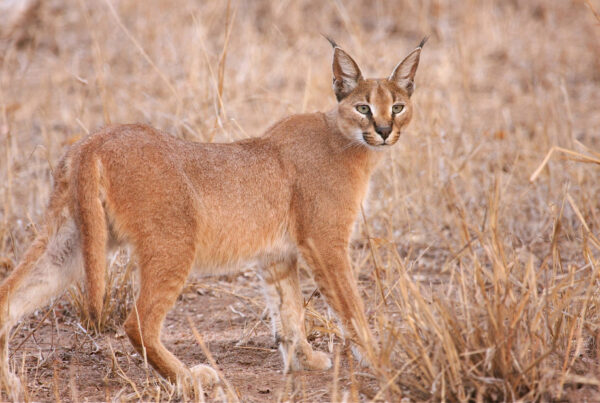
Sleek, elusive, and shrouded in ancient mystique, the Caracal is a wild cat unlike any other prowling the African wilderness. With its elegant build, piercing gaze, and signature tufted ears, this creature evokes both curiosity and admiration. Often mistaken for a lynx due to its ear tufts, the Caracal (Caracal caracal) is in fact a species all its own—a remarkable predator adapted to thrive in the varied terrains of Africa, the Middle East, and Central Asia.

The Caracal’s mystique goes beyond its appearance. It has been a subject of ancient art, admired by royalty, and celebrated for its agility and cunning. Delving deeper into the life of this secretive feline reveals a creature that is not only stunning but also biologically and behaviorally fascinating. In this exploration, we uncover five captivating aspects of the Caracal’s life, drawing attention to why it deserves a spotlight in Africa’s majestic wildlife pantheon.

Exceptional Agility and Jumping Ability (Facts About the Caracal)

One of the most breathtaking capabilities of the Caracal is its unmatched agility. This cat is among the most athletic of all small wild cats, capable of leaping up to three meters into the air to catch birds in mid-flight. Its body is built for this aerial prowess—with powerful hind legs, a flexible spine, and precise coordination. What makes this ability even more remarkable is how the Caracal utilizes it in hunting.

In areas where ground prey is scarce or difficult to capture, the Caracal has been observed sitting silently in grassy patches, waiting for unsuspecting birds to take flight. Then, with a sudden burst of energy, it propels itself upward, sometimes catching multiple birds in a single jump.

This behavior is not only a testimony to its physical excellence but also an indicator of its highly developed hunting instincts and environmental awareness. The Caracal’s speed and stealth allow it to adapt to different prey types, from rodents and hares to gazelles and fowl. It stalks its prey silently and strikes with surgical precision, leaving little room for escape.

Distinctive Ear Tufts and Communication

The Caracal’s most visually distinctive feature is its long, black ear tufts, which can grow as long as five centimeters. While these tufts contribute to its alluring appearance, their function goes beyond aesthetics. Scientists believe that the tufts play a crucial role in communication, particularly in environments where visual cues must be subtle.

These tufts may enhance facial expressions and help convey mood or intent to other Caracals. Additionally, they could act as camouflage, breaking the outline of the ears and helping the animal remain hidden in the underbrush.

The Caracal’s hearing is also among the sharpest in the animal kingdom. Its large ears can rotate independently and are finely tuned to detect the faintest of movements. This acute hearing, combined with its visual capabilities, gives the Caracal an edge as both a predator and a solitary creature navigating large territories. Each ear movement, flick, and tilt is part of a complex system of non-verbal language that makes the Caracal an intricate communicator within its ecosystem.

Solitary Nature and Territorial Intelligence

Unlike lions or cheetahs that sometimes hunt or travel in groups, Caracals are profoundly solitary. They prefer the quietude of remote terrains, from savannahs and deserts to mountains and shrublands. Each Caracal maintains a vast territory, the size of which depends on the availability of prey and the density of the habitat. Males have significantly larger ranges that often overlap with the smaller territories of several females. However, outside of mating seasons, they rarely encounter each other.

This solitary existence requires a heightened level of territorial intelligence. Caracals use a variety of scent markings, vocalizations, and visual cues to communicate boundaries and reproductive status. They are known to be highly mobile, often traveling several kilometers a day to patrol and secure their domain. Such movement is strategic, ensuring that they encounter fresh prey and avoid unnecessary confrontations with rivals.

The Caracal’s solitary habits also inform its parenting strategy. Females are fiercely protective of their young and raise them without any help from the males. Cubs remain with their mothers for several months, learning the essentials of survival, hunting, and territorial navigation before venturing into independence.

Cultural and Historical Significance

The Caracal holds a revered place in the folklore and history of several cultures. In ancient Egypt, Caracals were often depicted in art, and their images have been found in tombs and temples. These depictions suggest that the Caracal was associated with nobility, grace, and protection. Some scholars even believe that the famous “guardians” painted on royal sarcophagi may have been inspired by the Caracal, revered for its alertness and sharp features.

In India and Persia, Caracals were trained for sport hunting and were particularly valued for their ability to catch birds during falconry events. This practice was considered elite and was reserved for the noble class. These historic references underscore the Caracal’s longstanding allure and the high regard in which it was held across civilizations.

Today, while not commonly featured in mainstream media like lions or cheetahs, the Caracal remains a symbol of wild elegance. It represents the silent, powerful presence of untamed nature and the sophisticated balance of survival and grace.

Conservation Concerns and Human-Wildlife Conflict

Although the Caracal is not currently listed as endangered, it faces several conservation challenges, particularly in areas experiencing rapid human encroachment. Habitat loss due to agricultural expansion and urban development is one of the primary threats to Caracal populations. As their territories become fragmented, these solitary cats are forced into closer proximity with human settlements, often leading to conflict.

In some regions, Caracals are considered pests by farmers who accuse them of preying on livestock, particularly poultry and small ruminants. In retaliation, they are sometimes trapped or poisoned, leading to localized declines in population. Additionally, illegal hunting for their pelts and body parts continues in some parts of Africa and Asia, despite legal protections.

Conservationists are working to mitigate these threats through education programs, community-based wildlife management, and habitat restoration. Creating awareness about the Caracal’s ecological role and promoting non-lethal conflict resolution methods are key steps in ensuring its survival. It is imperative to remember that the Caracal, like all wildlife, plays a crucial role in maintaining the health and balance of its ecosystem.

Witness the Wild Elegance of the Caracal with WildHorn Africa

To truly appreciate the beauty and complexity of the Caracal, one must see it in its natural habitat—gracefully weaving through the grasslands, ears perked, eyes focused. Such moments are rare but unforgettable, and they offer a deep connection to the rhythm of wild Africa.

WildHorn Africa offers expertly guided safaris that increase your chances of encountering this elusive feline, along with many other awe-inspiring species. Whether you’re exploring the rugged deserts of Namibia, the savannahs of Kenya, or the mountainous terrains of South Africa, WildHorn Africa curates journeys that blend adventure, education, and conservation.

Book your African safari with WildHorn Africa and take the first step toward witnessing the untamed elegance of the Caracal. Let your journey be more than just a trip—make it a celebration of wild beauty and a contribution to the future of Africa’s precious wildlife.

Facts About the Caracal #Facts About the Caracal Facts About the Caracal

5 Fascinating Facts About Bushbabies

5 Fascinating Facts About Bushbabies

By Travel guides, Travel stories and blogs


5 Fascinating Facts About Bushbabies

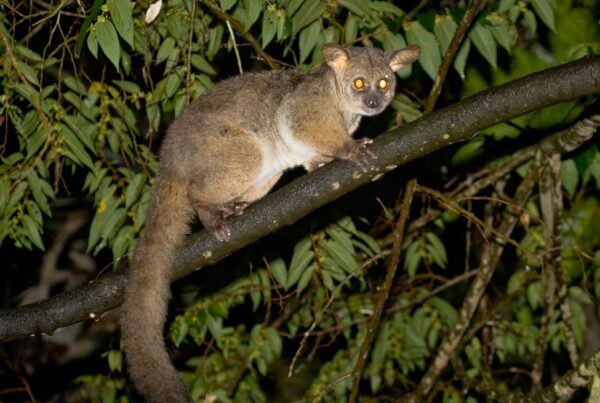
Hidden among the dense foliage of Africa’s night forests is a creature so elusive, so endearing, and so strange that it seems born of folklore. Meet the bushbaby—also known as a galago. These small, wide-eyed primates are not just adorable; they are nature’s acrobats, night navigators, and vocal performers, all rolled into one tiny package.

Despite their small size and nocturnal habits, bushbabies have captivated researchers, tourists, and storytellers alike. Their large, reflective eyes, haunting cries, and astonishing agility make them one of the most intriguing species of the African nightscape. But there’s far more to them than meets the eye.

Let’s dive into five fascinating, deeper facts about bushbabies that will change the way you view these magical creatures—and perhaps ignite a desire to encounter them on your next African safari.

Facts About Bushbabies

1. They Are Primates—but Very Unique Ones

Bushbabies belong to the primate order, making them distant relatives of monkeys, apes, and even humans. However, they are part of a more primitive group known as prosimians. These are considered among the earliest forms of primates, retaining several characteristics that distinguish them from more evolved species.

Unlike monkeys and apes, bushbabies have enhanced olfactory senses and rely heavily on smell and sound rather than complex social interaction. Their brain-to-body size ratio is smaller than most primates, and they maintain features such as:

  • Large, forward-facing eyes for enhanced night vision
  • Specialized ears capable of rotating independently
  • Grooming claws on their second toe—unusual among primates

These traits highlight their evolutionary link to ancient primates and provide insight into what early primate life may have looked like millions of years ago.

2. Masters of the Night: Nocturnal and Elusive

Perhaps one of the most captivating features of bushbabies is their nocturnal lifestyle. As the sun sets and darkness takes hold, these tiny primates come alive—darting through branches with lightning speed, hunting insects, or calling out with eerie vocalizations that can send shivers down your spine.

Their night dominance is supported by several adaptations:

  • Tapetum lucidum: A layer behind the retina that reflects light back into the eyes, greatly enhancing low-light vision. It’s what causes their eyes to glow in torchlight.
  • Highly developed hearing: Their large ears detect the faintest rustle of insects, small prey, or even a distant predator.
  • Solitary foraging: They prefer to move and feed alone, although some species sleep in small family groups during the day.

Spotting a bushbaby on a night drive or guided walk is a thrilling highlight for many safari-goers, as they blend so seamlessly into their shadowy habitats.

3. Phenomenal Jumpers with Olympic-Level Skills

One of the most remarkable abilities of bushbabies is their extraordinary jumping power. Despite their small size—most bushbabies are only about 15 cm (6 inches) long excluding the tail—they can leap over 2.25 meters (7 feet) in a single bound!

How do they achieve such feats?

  • Powerful hind limbs: Their back legs are long and muscular, functioning like springs.
  • Elastic tendons: Tendons in the legs store energy like a rubber band, releasing it at take-off.
  • Tail as a stabilizer: Their long tails act as counterbalances in mid-air, guiding smooth landings.

These leaps allow them to hunt insects on the wing, evade predators, and move between trees without ever touching the ground. It’s a stunning adaptation for forest life and makes them look like tiny parkour experts of the night.

4. Complex Communication: Cries, Clicks, and Squeaks

While bushbabies may look silent and shy, they are anything but quiet. In fact, their name comes from the distinctive crying sound they make—like a baby wailing from within the bush.

Bushbabies use a variety of vocalizations to communicate:

  • Territorial calls: To warn off intruders from their range
  • Alarm sounds: Short shrieks when danger is detected
  • Mating calls: Complex, softer calls to attract a mate
  • Social chirps: Used between mothers and offspring or during grooming

In addition to vocal sounds, they also use scent marking through specialized glands. These chemical cues define territory, identify individuals, and even indicate reproductive status.

Studying their communication has offered insights into early primate language evolution—showing that even tiny creatures like the bushbaby play a big role in the story of communication.

5. Vital Role in Ecosystems and Biodiversity

Beyond their charm, bushbabies play important roles in their ecosystems. They are both predators and prey, forming essential links in the food web.

As insectivores and fruit eaters, they help regulate insect populations and aid in seed dispersal, especially for small fruiting trees. In turn, they are preyed upon by owls, snakes, genets, and even some primates.

However, bushbabies face several conservation challenges:

  • Habitat loss: Deforestation for agriculture and urban expansion threatens their living spaces
  • Capture for the pet trade: Although illegal in many countries, bushbabies are sometimes captured and sold, often dying in captivity
  • Lack of research: Many species remain understudied, with poorly understood ranges and population dynamics

Fortunately, ecotourism and conservation-focused safaris play a critical role in protecting these species by providing income to local communities and drawing attention to their plight.

Discover Bushbabies and More on Safari (Facts About Bushbabies)

Watching a bushbaby leap silently from branch to branch, its glowing eyes reflecting your torchlight, is an unforgettable moment—one that many describe as the highlight of their safari. These elusive creatures encapsulate the mystery, magic, and marvel of Africa’s nocturnal wilderness.

If you want to experience the thrill of night drives, spot rare wildlife, and connect with Africa’s lesser-known wonders, there’s no better partner than WildHorn Africa.

Their expert guides, custom itineraries, and deep-rooted commitment to conservation make them the ideal choice for travelers seeking authentic, ethical, and immersive safari experiences.

Book Your African Safari with WildHorn Africa

Facts About Bushbabies #Facts About Bushbabies Facts About Bushbabies

5 Fascinating Facts About the Eland

5 Fascinating Facts About the Eland

By Travel guides, Travel stories and blogs

5 Fascinating Facts About the Eland

5 Fascinating Facts About the Eland

The Gentle Giant of Africa’s Grasslands

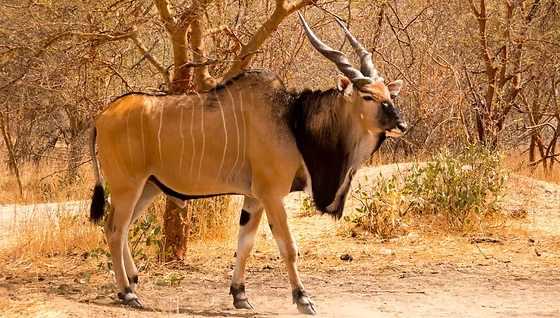
In the golden expanse of Africa’s savannahs, amidst the iconic silhouettes of acacia trees and grazing antelope, the Eland stands out as a symbol of grace and grandeur. Known scientifically as Taurotragus oryx, the Eland is the largest species of antelope on the continent and one of the most fascinating creatures in Africa’s diverse wildlife tapestry.

Its presence in myths, art, and ecology is profound, with indigenous peoples revering it not only for its size but also for its elusive nature and survival skills. The Eland’s unique adaptations, social behaviors, and deep-rooted cultural significance make it a subject worthy of close exploration. Through this article, we delve into five compelling aspects of the Eland’s life and legacy, offering a glimpse into the marvels of this magnificent herbivore.

Imposing Size Paired with Surprising Agility

At first glance, the Eland’s sheer size is awe-inspiring. Adult males can weigh up to 1,000 kilograms and stand nearly two meters at the shoulder. Yet despite this formidable bulk, the Eland is a surprisingly agile and fast-moving animal. It can run at speeds of up to 40 kilometers per hour and leap over fences and obstacles more than two meters high.

This remarkable combination of mass and mobility is supported by its muscular build, long legs, and a powerful cardiovascular system. The Eland’s agility is not just a matter of survival but also a key to its migratory lifestyle. During the dry season, it can traverse long distances in search of food and water, often navigating challenging terrains with ease. This ability to balance power with grace makes the Eland a wonder of biological engineering.

Spiral Horns and Sexual Dimorphism (5 Fascinating Facts About the Eland)

One of the most striking features of the Eland is its set of spiraled horns, which are present in both males and females. In males, these horns are thick and tightly twisted, often forming a compact corkscrew that can grow up to 125 centimeters long. Females possess thinner and slightly more open spirals. These horns serve various purposes, including defense against predators and competition among males for mating rights.

Interestingly, sexual dimorphism in the Eland is not limited to horn structure. Males also develop a prominent dewlap under the throat and a tuft of dark hair on the forehead as they age, both of which are believed to play roles in thermoregulation and social signaling. This dimorphism adds to the visual drama of the species and helps researchers and observers distinguish individuals in the wild.

Complex Social Structures and Behavior

Elands are social creatures that often form herds ranging from a few individuals to more than a hundred, especially in areas with abundant food. These herds are typically composed of females and their young, with adult males often leading more solitary lives or joining the herds during mating seasons. The social structure within a herd is not random. Females form hierarchies based on age and experience, while males establish dominance through displays and occasional combat.

Communication among Elands involves a combination of vocalizations, body postures, and even a unique clicking sound produced by their knees. Scientists believe this sound may play a role in group cohesion and signaling movement. Such intricate social dynamics point to a level of cognitive complexity not often attributed to antelope species and demonstrate the evolutionary advantages of communal living in open landscapes.

Cultural Reverence and Historical Significance

The Eland has long been a creature of symbolic importance, particularly among the indigenous San people of Southern Africa. In San rock art, the Eland frequently appears as a central figure, often associated with rain, fertility, and spiritual power. Shamans revered it as a totem animal capable of bridging the physical and spiritual worlds. This deep cultural reverence underscores the Eland’s prominence not just as a source of food and materials but also as a spiritual guide and emblem of balance within the natural order.

Historically, early European explorers and settlers also recognized the Eland’s significance, with several colonial-era paintings and writings documenting their admiration for the animal. Today, the Eland continues to feature in African literature, folklore, and conservation efforts, serving as a living link to the continent’s rich cultural past.

Adaptability in Varied Habitats and Climate Conditions

The Eland’s ecological success lies in its incredible adaptability. Found in a wide range of habitats—from arid deserts and open savannahs to montane grasslands—the Eland has evolved to thrive in some of the most challenging environments on Earth. It can go for days without water, extracting moisture from the plants it consumes. Its diet is diverse, including grasses, leaves, fruits, and even bark during the lean seasons.

This dietary flexibility allows it to adjust quickly to seasonal changes and shifting food availability. Additionally, its slow metabolic rate reduces the need for constant feeding and water intake, making it more resilient to drought and habitat disruption. These survival traits not only ensure the Eland’s continued presence across vast territories but also highlight its role as a keystone species in many African ecosystems.

Experience the Majesty of the Eland with WildHorn Africa

Seeing an Eland in the wild—its muscular frame moving silently through the grass, its horns glinting in the sun—is an unforgettable moment for any wildlife enthusiast. It is a reminder of the raw, unspoiled beauty that still exists in the heart of Africa. For those seeking an authentic encounter with this gentle giant, a safari curated by experts is the ideal path.

WildHorn Africa offers immersive and ethically guided safaris that bring you face-to-face with Africa’s most iconic wildlife, including the elusive Eland. With routes through premier conservation areas and national parks, their safaris ensure not just visual wonder but also educational depth. Whether you’re a first-time traveler or a seasoned explorer, WildHorn Africa crafts experiences that resonate deeply and leave lasting impressions.

Book your next African safari with WildHorn Africa and witness the profound beauty, intelligence, and cultural significance of the Eland in its natural domain. Let your journey echo with the footsteps of giants and the stories of a land as ancient as time itself.

5 Fascinating Facts About the Eland #5 Fascinating Facts About the Eland 5 Fascinating Facts About the Eland

5 Interesting Facts About the African Wild Dog (Lycaon Pictus)

5 Interesting Facts About the African Wild Dog (Lycaon Pictus)

By Travel guides, Travel stories and blogs

5 Interesting Facts About the African Wild Dog (Lycaon pictus)

The Painted Wolves of Africa – Nature’s Most Efficient Hunters

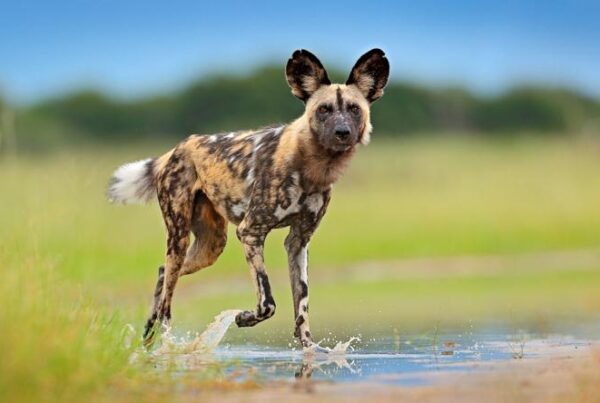
Africa’s wilderness holds many incredible secrets, but few are as enigmatic and captivating as the African Wild Dog. Known scientifically as Lycaon pictus—meaning “painted wolf”—these charismatic canids are among the most fascinating, misunderstood, and endangered predators on the continent.

With their mottled fur, enormous ears, and tight social bonds, African wild dogs stand out not just for their looks, but also for their remarkable behavior, hunting strategy, and ecological importance. This article dives deep into five fascinating facts that shed light on why these elusive animals deserve both our admiration and our protection.

1. African Wild Dogs Are the Most Efficient Hunters in Africa

When it comes to hunting success, African wild dogs outmatch even lions and leopards. Their hunts have a success rate of over 80%, compared to lions’ 30% and leopards’ 38%.

What Makes Them So Efficient? (Facts About the African Wild Dog)

  • Pack Coordination: African wild dogs hunt in highly coordinated packs of up to 20 individuals, with roles clearly defined within the group.
  • Stamina Over Strength: Instead of ambush or brute force, they rely on relentless pursuit, often running prey to exhaustion over distances of several kilometers.
  • Silent Communication: They use body language and high-pitched twittering calls to coordinate movements, maintaining order without alerting prey.

This unique combination of teamwork, stamina, and strategy makes them Africa’s most effective predators.

2. Their Social Structure Is Deeply Cooperative and Unique

Unlike many carnivores, African wild dogs operate within a strict hierarchical yet cooperative pack system.

Key Social Traits

  • Alpha Pair Reproduction: Only the dominant male and female in a pack breed, but the entire pack helps raise the pups.
  • Alloparenting: Subordinate adults and even older siblings care for the young—regurgitating food and guarding the den.
  • No Infighting: Packs are known for their lack of aggression within the group, which is rare among top predators.

This extraordinary cohesiveness and altruism have led researchers to call African wild dogs one of the most socially evolved carnivores in the world.

3. Their Numbers Are Plummeting – One of Africa’s Most Endangered Predators (Facts About the African Wild Dog)

Despite their prowess, African wild dogs are in trouble. Once found across sub-Saharan Africa, they are now listed as Endangered by the IUCN, with fewer than 6,000 individuals left in the wild.

Threats to Survival

  • Habitat Loss: Expansion of farms and roads fragments their wide-ranging territories.
  • Human-Wildlife Conflict: Farmers often kill wild dogs in retaliation for livestock predation.
  • Disease: Rabies and canine distemper, transmitted by domestic dogs, can wipe out entire packs.
  • Vehicle Collisions and Snaring: As human activity encroaches on wilderness, accidents and poaching become more frequent.

Conservationists are working tirelessly to protect wild dog populations through reintroduction programs, community education, and disease vaccination efforts. Yet their survival remains uncertain.

4. Each African Wild Dog Has a Unique Coat – Like a Fingerprint

One of the most striking features of the African wild dog is its vibrantly mottled fur, which serves as excellent camouflage in their natural environment.

Nature’s Artistry

  • No Two Alike: Each dog’s coat is completely unique, with a blend of yellow, black, brown, and white patches.
  • Individual Identification: Researchers and rangers can identify individual dogs based on their coat patterns.
  • Function Over Fashion: The patterns help with pack recognition and camouflage, especially in the dappled light of the bush.

This uniqueness isn’t just aesthetic—it’s a powerful tool for conservation efforts, aiding in tracking and monitoring wild dog populations across reserves.

5. They Are Masters of Communication and Pack Bonding

African wild dogs display some of the most complex communication behaviors seen in any wild carnivore.

How They Communicate

  • Vocal Signals: High-pitched twittering, rallying calls, and a distinctive “hoo” sound used to locate pack members.
  • Scent Marking: They use scent to reinforce territory and social status.
  • Body Language: Facial expressions, tail position, and physical contact reinforce bonds and reduce conflict.

Perhaps most impressively, before setting out on a hunt, packs perform a “rally ritual”, where excited yipping and tail-wagging strengthen unity and ensure group cohesion. This ritual is essential to their hunting success.

Where to See African Wild Dogs in the Wild

Given their low numbers and elusive nature, seeing African wild dogs in the wild is a rare privilege. However, there are a few key safari destinations where sightings are more common:

Expert guides from WildHorn Africa can take you into these habitats, dramatically increasing your chances of a meaningful encounter with these extraordinary predators.

Why African Wild Dogs Matter

African wild dogs are more than just predators—they are keystone species that help maintain the balance of ecosystems. By regulating herbivore populations, they indirectly influence plant life, soil health, and water quality.

Moreover, their complex social structures and cooperative behaviors offer valuable insights into evolution, empathy, and survival. Protecting them is not just about saving a species—it’s about preserving the ecological integrity and wild beauty of Africa itself.

Embark on a Wild Journey with WildHorn Africa

A safari is not just a vacation—it’s a journey into the heart of nature, a chance to witness raw, unscripted wildlife moments that leave a lasting impact. Observing a pack of African wild dogs in their natural habitat is one of the most moving, exhilarating experiences Africa has to offer.

WildHorn Africa curates immersive, conservation-conscious safaris that put you in the heart of these moments. With expert local guides, luxurious accommodations, and custom itineraries, your adventure becomes a story worth telling.

Book your African safari with WildHorn Africa today—and be part of a wild dog’s story before it’s too late.

Facts About the African Wild Dog #Facts About the African Wild Dog Facts About the African Wild Dog

5 Fascinating Facts About the Cheetah

5 Fascinating Facts About the Cheetah

By Travel guides, Travel stories and blogs


5 Fascinating Facts About the Cheetah

Sleek, graceful, and built for breathtaking speed, the cheetah is one of the most iconic and admired animals on the African continent. But beyond its reputation as the fastest land animal, there’s a world of complexity and wonder hidden beneath those spotted coats.

In this article, we unveil five captivating and lesser-known facts about the cheetah, a predator whose biology, behavior, and beauty continue to fascinate scientists and safari travelers alike. Whether you’re planning your first African adventure or you’re a seasoned wildlife enthusiast, these insights will deepen your understanding of this extraordinary feline.

1. The Fastest Land Animal—But Only in Short Bursts

Everyone knows the cheetah is the speed king of the savannah. But few understand the full dynamics of its speed. Cheetahs can reach speeds of up to 112 km/h (70 mph), but they can only maintain this velocity for about 20 to 30 seconds before overheating.

This explosive speed is powered by a combination of biological adaptations, including:

  • A lightweight frame and slender build
  • Enlarged nasal passages and lungs for high oxygen intake
  • Powerful, fast-twitch muscles for rapid acceleration
  • A long, muscular tail that acts as a rudder during sharp turns

But speed comes at a cost. After each high-speed chase, a cheetah must rest for up to 30 minutes to avoid exhaustion and potential collapse. This delicate balance between explosive power and vulnerability makes cheetahs one of the most specialized and fragile predators in Africa.

2. Unlike Other Big Cats, Cheetahs Cannot Roar

While lions roar and leopards growl, cheetahs are relatively quiet in the feline world. Instead of roaring, they produce a range of unique sounds, including:

  • Chirps: Used by mothers to call cubs or by siblings to find each other
  • Purrs: Typically during contentment, especially while grooming or resting
  • Hisses and growls: Defensive sounds used when threatened

The reason for this lies in the cheetah’s vocal anatomy. Unlike other big cats, cheetahs lack the specialized hyoid bone structure necessary to roar. Instead, their vocalizations reflect their more solitary and secretive lifestyle—designed for close communication rather than dominance displays.

These subtle vocal cues are part of the cheetah’s evolutionary divergence from the roaring big cats and offer fascinating insights into their behavior and ecology.

3. Cheetahs Are Daytime Hunters (Facts About the Cheetah)

Most African predators—like lions, leopards, and hyenas—prefer the cover of darkness to hunt. Cheetahs, on the other hand, are primarily diurnal, meaning they hunt during daylight hours, especially early mornings and late afternoons.

This behavior gives them a competitive edge. By avoiding nocturnal hunting hours, cheetahs reduce direct competition with more powerful carnivores. But it also exposes them to unique challenges:

  • They must rely heavily on keen eyesight and stealth
  • They risk their kills being stolen by hyenas or lions, who often follow them
  • They require open terrain like savannahs or grasslands for visibility and acceleration

These daylight hunting habits offer an exceptional opportunity for safari-goers, who are more likely to observe an actual hunt during daytime game drives. Witnessing a cheetah’s pursuit of prey is among the most breathtaking wildlife encounters in Africa.

4. They Face an Uphill Battle for Survival

Despite their prowess, cheetahs are among Africa’s most endangered big cats. Current estimates suggest there are fewer than 7,100 cheetahs left in the wild, primarily spread across fragmented pockets in sub-Saharan Africa.

Several critical factors contribute to their vulnerability:

  • Habitat Loss: Expanding agriculture and human settlements reduce the open landscapes cheetahs require
  • Genetic Bottleneck: Cheetahs have extremely low genetic diversity, making them susceptible to disease and poor reproduction
  • Conflict with Humans: Livestock farmers sometimes kill cheetahs in retaliation for predation
  • Predator Pressure: Lions, leopards, and hyenas often kill cubs and steal kills

Conservationists are working tirelessly through habitat restoration, breeding programs, and community-based conservation to protect this iconic species. Every safari visit that supports responsible tourism contributes to their future.

5. Each Cheetah’s Spot Pattern Is Unique

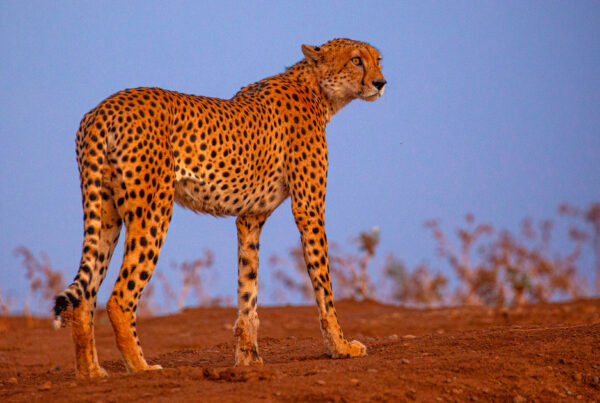
Much like human fingerprints, a cheetah’s spots are entirely unique to the individual. Covering most of the body and even the tail, these solid black spots are more than just beautiful—they serve multiple functions.

From an ecological perspective, spots help break up the outline of the cheetah’s body, acting as camouflage in tall grasses and dry savannah. Biologists also use these spot patterns to:

  • Identify and track individuals in the wild
  • Monitor family groups and reproduction
  • Study cheetah movements and survival rates

In addition to their signature spots, cheetahs have distinctive black tear lines that run from the eyes to the mouth. These markings reduce sun glare and help focus vision—similar to how athletes wear eye black.

Each cheetah is truly one of a kind, not just in appearance but in story and survival.

See the Cheetah in Its Natural Habitat

The cheetah represents a perfect balance of speed, elegance, and evolutionary finesse. But it also stands as a fragile emblem of Africa’s natural heritage, deeply threatened by human encroachment and ecological pressures.

If you’ve ever dreamed of seeing a cheetah sprint across the plains or hearing their chirps echo at dusk, now is the time. There’s nothing quite like observing this majestic animal in the wild—an experience that stirs wonder, respect, and a deeper connection to nature.

For a truly unforgettable safari experience, we recommend booking your African wildlife adventure with WildHorn Africa. Their expert guides, sustainable practices, and immersive itineraries offer the perfect gateway to explore Africa’s iconic landscapes and rare species—especially the elusive cheetah.

Book Your Safari with WildHorn Africa Today

Facts About the Cheetah #Facts About the Cheetah Facts About the Cheetah

5 Fascinating Facts About the Flap neck Chameleon

5 Fascinating Facts About the Flap neck Chameleon

By Travel guides, Travel stories and blogs


5 Fascinating Facts About the Flap neck ChameleonFrom color-changing skin to lightning-fast tongues, meet one of Africa’s most captivating reptiles.

Introduction to the Facts About the Flap neck Chameleon

In the vast savannas and woodlands of sub-Saharan Africa dwells an elusive creature that looks more like a mythical forest spirit than a reptile — the Flap-neck Chameleon (Chamaeleo dilepis). With its slow, deliberate movements, independently rotating eyes, and extraordinary ability to change color, this chameleon is nothing short of a biological marvel.

Among the most widespread chameleon species in Africa, the flap-neck is a master of camouflage, a skilled predator, and an evolutionary wonder with traits that continue to fascinate scientists and nature lovers alike. Despite its quiet demeanor, this species plays an active and essential role in the ecological balance of its environment.

In this article, we delve into five astonishing facts that make the flap-neck chameleon one of the most unique creatures on the continent.

1. Color Changing: More Than Just Camouflage

One of the most iconic features of any chameleon is its ability to change color. But contrary to popular belief, this isn’t solely about blending into their surroundings. For the flap-neck chameleon, color change serves several purposes:

  • Thermoregulation: Dark colors help absorb heat in cooler conditions, while lighter hues reflect sunlight during hot periods.
  • Communication: Brighter colors may indicate stress, aggression, or a readiness to mate.
  • Camouflage: Of course, these reptiles still use their color palette to blend into vegetation and avoid predators.

This incredible ability stems from specialized skin cells called iridophores that contain nanocrystals. By adjusting the spacing between these crystals, flap-neck chameleons can reflect different wavelengths of light — essentially “repainting” themselves in real time.

2. Vision That Sees the World Differently

If you’ve ever watched a chameleon up close, you’ve likely noticed its independently rotating eyes. Each eye can move in a different direction, giving the flap-neck chameleon a full 360-degree view of its surroundings without moving its head.

Even more fascinating is their depth perception and binocular vision. When locking onto prey, both eyes can focus together to provide precise targeting, allowing them to strike with pinpoint accuracy.

Their eyes are capable of detecting ultraviolet light, helping them:

  • Identify mates or rivals more effectively.
  • Detect prey more vividly under dappled light conditions.
  • Navigate their environment with enhanced clarity.

The flap-neck’s vision is a vital asset in both hunting and avoiding predators like snakes and birds of prey.

3. The Fastest Tongue in the African Bush

When it comes to feeding, the flap-neck chameleon doesn’t stalk or chase its prey. Instead, it relies on one of nature’s most powerful projectile weapons: its tongue.

The chameleon’s tongue can extend to nearly twice the length of its body and strikes its target in a fraction of a second — faster than the blink of a human eye.

This feat is made possible by a muscular, accordion-like structure powered by an elastic recoil mechanism. At the tip of the tongue is a sticky, suction-cup-like pad that traps prey such as:

  • Grasshoppers and crickets
  • Flies and beetles
  • Occasionally small lizards or frogs

The speed, accuracy, and power of this tongue are among the most advanced in the animal kingdom, making the flap-neck chameleon a highly efficient insectivore.

4. Unique Locomotion and Defense Strategies

Flap-neck chameleons move in a deliberate, swaying manner — a behavior that mimics the motion of leaves rustling in the wind. This type of locomotion, along with their color adaptation, helps them evade predators like birds, snakes, and small carnivores.

Additional defense adaptations include:

  • Flap-like extensions on the neck (hence the name) that can be puffed out to appear larger and more intimidating.
  • Hissing and mouth-gaping when threatened.
  • Tail curling and body inflation to confuse predators.

While they may not be fast runners, flap-neck chameleons rely on these defense strategies to navigate the dangers of the African bush.

5. Widespread Yet Vulnerable (Facts About the Flap neck Chameleon)

Found throughout much of southern, central, and eastern Africa, flap-neck chameleons inhabit savannas, forests, and even suburban gardens. Despite their widespread range, they face several threats:

  • Habitat loss due to agricultural expansion and urbanization.
  • Illegal pet trade, where individuals are captured and exported globally.
  • Pesticides and vehicle collisions that impact local populations.

Conservation efforts emphasize educating communities on the ecological role of chameleons and discouraging illegal wildlife trade. Luckily, the species is currently listed as Least Concern by the IUCN, but local populations can still be fragile.

Conclusion of the Facts About the Flap neck Chameleon

The flap-neck chameleon is an extraordinary symbol of adaptation, stealth, and precision in Africa’s rich ecosystems. From its vibrant color-changing skin to its high-speed tongue and panoramic vision, this reptile continues to intrigue biologists, travelers, and storytellers alike.

Though often hidden in the foliage, it plays an indispensable role in insect control and ecological balance. Observing a flap-neck chameleon in its natural habitat is a truly rewarding experience — a silent reminder of nature’s wonders hiding in plain sight.

See the Flap neck Chameleon in the Wild

Ready to witness this marvel up close? Whether you’re trekking through the miombo woodlands or exploring savanna trails, the flap-neck chameleon is just one of many treasures waiting to be discovered.

Book your African safari with WildHorn Africa — your premier partner for ethical, expertly guided wildlife adventures across the continent.

With WildHorn Africa, you don’t just travel — you connect with the heartbeat of nature.

Start your journey today. Explore more. Discover deeper. Choose WildHorn Africa.

Facts About the Flap neck Chameleon #5 Fascinating Facts About the Flap neck Chameleon

5 Fascinating Facts About Plains Zebra

5 Fascinating Facts About Plains Zebra

By Travel guides, Travel stories and blogs

5 Fascinating Facts About Plains Zebra

Facts About Plains Zebra

Stripes in Motion: Nature’s Optical Wonder

Few animals command attention quite like the Plains Zebra (Equus quagga), with its distinctive black-and-white stripes gliding effortlessly across the African savannah. This iconic creature has long captured human fascination, not just for its mesmerizing appearance but also for its highly social behavior, remarkable adaptations, and vital ecological role. As the most common and widespread of the zebra species, the Plains Zebra stands as a symbol of Africa’s wild heart, moving in vast herds and interacting in complex ways that showcase the richness of nature’s design.

What appears at first to be a simple coat of contrasting colors is, in fact, a product of millennia of evolution, crafted to meet the demands of survival in a dynamic environment. Every stripe, muscle, and movement of the Plains Zebra tells a deeper story. Beneath its beauty lies a set of fascinating biological, behavioral, and ecological truths that underscore its status as a marvel of the natural world. In this exploration, we delve into five compelling facts that uncover the full splendor of the Plains Zebra.

The Purpose of the Stripes: More Than Just Aesthetics

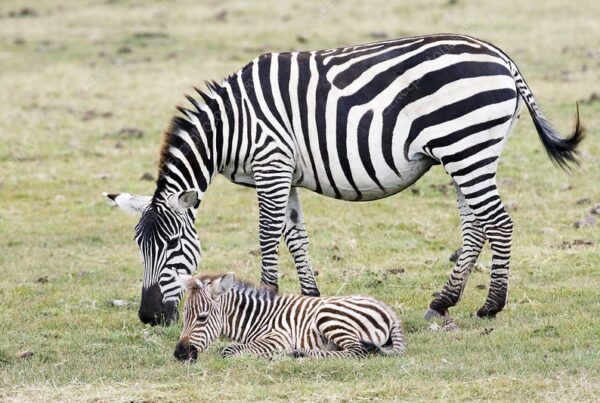
Perhaps the most enduring mystery surrounding the Plains Zebra is the purpose behind its striking stripes. Numerous scientific theories have sought to explain this unique characteristic, and while the debate continues, several prominent ideas have emerged. One of the most widely supported explanations is that the stripes serve as a deterrent to biting insects, particularly tsetse flies and horseflies. Research suggests that the contrasting black-and-white patterns confuse these pests, reducing their ability to land effectively on the zebra’s skin and decreasing the chances of disease transmission.

Beyond deterring insects, stripes may also serve a thermoregulatory function. The black stripes absorb more heat than the white ones, creating tiny air currents along the body that help with cooling. In the hot savannah environment, this natural air conditioning system is not just clever—it’s essential.

Another compelling theory suggests that stripes function as a tool for social cohesion and individual recognition. In large herds, where visual confusion is easy, the unique stripe pattern of each zebra may help individuals identify one another. This is particularly important for mother-foal bonding and maintaining social bonds. The motion of stripes when zebras run also creates a dazzling optical illusion, potentially confusing predators and making it difficult to single out an individual.

Complex Social Structures and Communication

The social life of the Plains Zebra is a marvel of organization and intelligence. These animals live in small family groups called harems, consisting of one dominant male, several females, and their offspring. These harems are stable and tightly knit, with strong bonds between members. Within each harem, communication is constant and multifaceted. Zebras use vocalizations, ear positioning, facial expressions, and even tail movements to convey information about emotions, danger, or intent.

In addition to harems, Plains Zebras frequently congregate in larger temporary herds, especially during migrations or in areas with plentiful grazing. These gatherings offer safety in numbers and the opportunity to interact with other social units. Despite the apparent simplicity of a zebra’s life, the layers of social complexity rival that of many primates. Hierarchies, alliances, and conflict resolution are all part of their social repertoire, indicating a high level of cognitive sophistication.

Zebras are also incredibly attentive parents. Foals are able to stand and walk within an hour of birth, a necessary adaptation in predator-rich habitats. Mothers isolate themselves briefly after giving birth to ensure their newborn imprints on them visually and through scent. This early bonding period is critical for the foal’s survival and integration into the harem.

Adapted for Endurance and Migration (Facts About Plains Zebra)

The Plains Zebra is not only visually striking but also physically formidable. These animals are built for endurance, capable of traveling long distances in search of food and water. Their powerful legs, sturdy bodies, and efficient digestive systems enable them to thrive in a wide range of environments, from open grasslands to woodland savannahs.

Perhaps the most awe-inspiring display of their stamina comes during the Great Migration, where thousands of zebras join wildebeests and other herbivores in a massive journey across East Africa. This seasonal migration is driven by rainfall patterns and the availability of fresh grazing. The trek is perilous, fraught with river crossings, predator ambushes, and challenging terrain. Yet the Plains Zebra is undeterred, displaying a tenacity that speaks to its evolutionary success.

Their digestive system is another point of advantage. Unlike ruminants such as antelope, zebras are hindgut fermenters, which allows them to extract nutrients from low-quality forage. This enables them to graze on coarse grasses that other animals may avoid, giving them a competitive edge in mixed-species herds.

An Essential Player in the Ecosystem

Beyond their social and physical prowess, Plains Zebras play a crucial ecological role. As primary grazers, they are often the first to move into new grasslands. Their feeding habits help trim tall grasses, making the area more accessible to other herbivores. By consuming coarse vegetation, zebras create a mosaic of plant heights and species that support a wider variety of life forms.

Moreover, their manure enriches the soil, aiding plant growth and contributing to the health of the ecosystem. Predators, too, rely on zebras as a major food source. Lions, hyenas, leopards, and crocodiles all depend on zebra populations to sustain themselves. In this way, the Plains Zebra forms a vital link in the food web, supporting both plant and animal life.

Conservationists often view zebras as indicator species—animals whose health reflects the broader status of the ecosystem. Protecting zebra populations means safeguarding vast expanses of habitat that benefit many other species. Unfortunately, threats such as habitat fragmentation, human-wildlife conflict, and poaching continue to put pressure on these beautiful creatures.

Cultural Significance and Conservation Challenges

The Plains Zebra has captured the human imagination for centuries, symbolizing freedom, wildness, and natural beauty. Its image graces everything from tribal art to corporate logos, embodying a sense of untamed elegance. Yet this cultural admiration has not always translated into effective protection.

Although the Plains Zebra is currently classified as Near Threatened rather than endangered, its numbers are declining in some areas. Agricultural expansion, fencing, and competition with livestock limit their access to traditional migration routes and grazing grounds. Poaching, while less severe than for other African wildlife, still occurs, particularly in regions where their skins are prized or where local communities hunt them for meat.

Conservation strategies must address both ecological and social dimensions. Community-based programs that offer incentives for coexistence, education initiatives that raise awareness about zebra behavior and importance, and cross-border conservation efforts for migratory corridors are all essential. The survival of the Plains Zebra depends not only on biological resilience but also on human commitment to living in harmony with the wild.

Witness the Majestic Plains Zebra with WildHorn Africa

For those who yearn to witness the beauty, behavior, and brilliance of the Plains Zebra firsthand, nothing compares to a guided safari across the African wilderness. Standing amidst a herd, hearing the calls and seeing the stripes ripple through the golden grass, is an experience that stirs the soul and deepens our connection to the natural world.

WildHorn Africa offers curated safari adventures that bring you closer to this magnificent species and many others. Whether you’re exploring the Serengeti, the Okavango Delta, or the Maasai Mara, WildHorn Africa ensures that your journey is filled with expert knowledge, ethical travel, and unforgettable moments. Their deep respect for wildlife and commitment to conservation make every safari not just a vacation but a contribution to preserving Africa’s wild heritage.

Book your African safari today with WildHorn Africa, and step into the striped symphony of the savannah, where every hoofbeat echoes the ancient rhythm of nature.

Facts About Plains Zebra #Facts About Plains Zebra Facts About Plains Zebra

5 Interesting Facts About the Baboon (Papio Papio)

5 Interesting Facts About the Baboon (Papio Papio)

By Travel guides, Travel stories and blogs

5 Interesting Facts About the Baboon (Papio papio)

Facts About the Baboon

The Mischievous Minds of Africa: A Glimpse into the Baboon’s Wild World

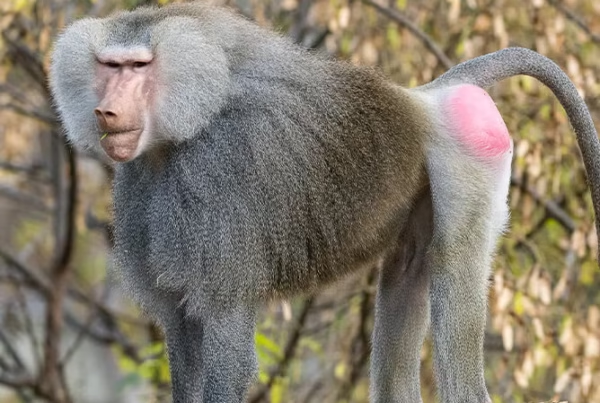
Few creatures in the African wilderness command the same mix of curiosity, respect, and occasional amusement as the baboon. The species known as Papio papio, commonly referred to as the Guinea baboon, is an intelligent, social, and highly adaptive primate found in the western regions of Africa. With their expressive faces, sharp intellect, and intricate group dynamics, baboons are a remarkable symbol of the continent’s vibrant biodiversity. They often play the role of both entertainer and enigma in the safari experience, leaving guests intrigued by their antics and depth.

While many travelers are drawn to Africa to see the “Big Five,” those who take the time to observe the baboon will discover a creature just as fascinating. Far from being mere background characters in the great African drama, baboons are complex animals with rich emotional lives, intricate social hierarchies, and impressive survival skills. Their story is one of adaptability and evolution, making them a must-see subject for anyone interested in the wonders of the natural world.

Baboons Share Deep Social Bonds

One of the most compelling aspects of baboon life is their deeply structured social system. These primates live in large troops that can number up to 200 individuals, though most commonly they average around 30 to 80. Unlike many mammals whose interactions are primarily driven by competition and conflict, baboons operate through a web of alliances, kinship bonds, and established hierarchies. Within a troop, individuals form close friendships that are not just strategic but deeply emotional.

Grooming serves not only a hygienic function but is also a way of cementing relationships and reducing social tension. Younger males often form coalitions to challenge higher-ranking individuals, while females typically inherit their social ranks from their mothers, forming long-lasting matrilineal lines.

The social intelligence required to navigate this complex system is considerable. Baboons can recognize individual faces, remember past interactions, and adjust their behavior accordingly. These traits make them excellent subjects for scientific studies on primate cognition and the evolutionary roots of human social behavior. Their ability to mediate conflict, engage in reconciliation, and show empathy speaks to the profound emotional depth of these animals, traits that are not only fascinating but humbling.

Baboons Are Exceptionally Adaptable (Facts About the Baboon)

Perhaps one of the most impressive features of the Guinea baboon is its adaptability. These primates can thrive in a wide range of environments, from savannas and woodlands to semi-arid scrublands. They are both terrestrial and arboreal, spending much of their time on the ground but climbing trees to sleep or to escape predators.

This versatility extends to their diet as well. Baboons are omnivores with a broad palate, consuming everything from fruits, seeds, and grasses to insects, small mammals, and even the occasional bird egg. Their opportunistic feeding habits allow them to survive in habitats where food availability can fluctuate dramatically.

Such dietary flexibility has not only ensured their survival but has also made them capable of coexisting in landscapes altered by human activity. Unfortunately, this sometimes leads to conflicts with local farmers, as baboons are known to raid crops and scavenge in villages. Despite these tensions, their resilience and resourcefulness have made them one of the few primate species able to sustain stable populations in regions undergoing environmental stress. Their ability to adapt is not merely a testament to their physical endurance, but also to their intelligence and behavioral plasticity.

Baboons Exhibit Complex Communication

Communication among baboons is not only vocal but also visual and tactile. They possess an extensive vocal repertoire used for different purposes: alarm calls to warn of predators, grunts to maintain group cohesion, screams during fights, and even distinct sounds for greeting familiar individuals. But vocalizations are just one part of their communication toolkit. Facial expressions, such as lip-smacking and eyebrow raising, convey emotional states and intentions. Body posture and gestures also play crucial roles in interactions, signaling dominance, submission, curiosity, or aggression.

For example, a yawn from a male baboon might appear innocuous, but it often serves as a display of dominance, showcasing the sharp canines that can deter potential rivals. Grooming, as mentioned earlier, is a cornerstone of social interaction, reinforcing bonds and calming tensions. All these forms of communication are not mere instinct but appear to involve learned behavior and intentionality.

Understanding how baboons communicate offers not only insights into their society but also clues about the evolution of language and social intelligence in humans. Their behavioral richness adds another layer to the safari experience, especially when observed in their natural habitats where these interactions unfold in real time.

Their Societies Are Matriarchal Yet Strategically Male-Dominated

While female baboons form the stable core of the troop, male baboons play dynamic and often volatile roles. In Guinea baboons, the male social structure is particularly fascinating. Unlike in some other baboon species where males are transient and compete aggressively for dominance, Guinea baboon males exhibit a more tolerant and cooperative nature. They form strong social bonds with females and other males, which helps them maintain their status and father offspring. Interestingly, males often stay within their birth groups, contributing to a more stable and less combative troop structure.

This social configuration is unique among baboon species and has made the Guinea baboon a subject of great interest among behavioral ecologists. The implications are significant: cooperation, not aggression, can be a successful evolutionary strategy. It also challenges long-held assumptions about primate behavior, showing that even within a single genus, social systems can evolve in dramatically different directions. The Guinea baboon, in this regard, serves as a living laboratory for the study of primate—and by extension, human—social evolution.

Baboons Are Important to Ecosystems and Human Understanding

Beyond their own social intrigues, baboons play a vital ecological role. As both predators and prey, they are integral parts of the food web. Their foraging habits help in seed dispersal, influencing plant diversity and regeneration. By digging for roots and insects, they aerate the soil, indirectly supporting the health of the environment. Their presence also serves as an indicator of ecosystem health, as thriving baboon populations often signal a balanced habitat.

From a scientific perspective, baboons have contributed immensely to our understanding of social behavior, stress physiology, and primate evolution. Long-term field studies of baboons have shed light on the impact of social status on health, the effects of environmental pressures on group cohesion, and the parallels between primate and human societies.

For safari-goers and wildlife enthusiasts, observing baboons offers a profound opportunity to connect with nature on a cognitive and emotional level. They remind us of our shared ancestry and the evolutionary paths that have shaped the intelligence and emotions we often consider uniquely human.

See Baboons in the Wild With WildHorn Africa

To truly appreciate the complexity and charisma of baboons, one must observe them in their natural environment—where their behaviors, interactions, and vibrant personalities can be fully appreciated. WildHorn Africa specializes in curated safari experiences that go beyond the ordinary. With expert guides, personalized itineraries, and a commitment to conservation, they offer travelers the chance to witness wildlife like the Guinea baboon in a meaningful, immersive way.

Whether you’re watching a troop play along a riverbank at dawn or quietly observing their intricate grooming rituals beneath an acacia tree, the experience is unforgettable. Don’t settle for surface-level sightings. Let WildHorn Africa take you into the heart of Africa’s wild landscapes, where each moment is a window into the soul of the continent.

Book your African safari with WildHorn Africa today and meet the wild minds of Africa up close—it’s a journey that changes you. (Facts About the Baboon)

Facts About the Baboon #Facts About the Baboon Facts About the Baboon

Close Menu