search
How to Get There: Source of the Nile cultural tour with kids

How to Get There: Source of the Nile cultural tour with kids

By Travel stories and blogs, Uganda travel guides

How to Get There: Source of the Nile Cultural Tour with Kids

A Family Adventure into Uganda’s Heart

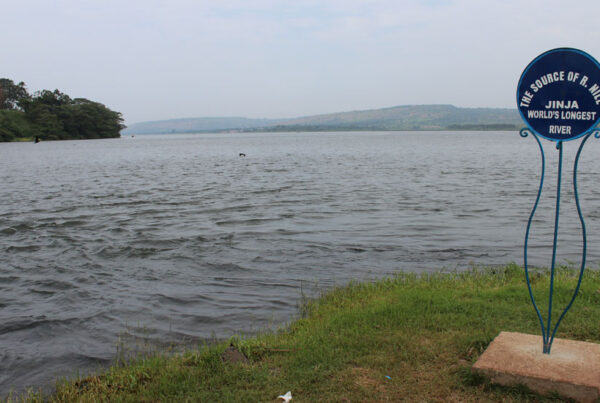
Few destinations in the world can rival the Source of the Nile for a family-oriented cultural and natural adventure. Situated in Jinja, Uganda, this iconic site marks the beginning of the world’s longest river, winding majestically through diverse landscapes and rich cultural history. For families traveling with children, a visit to the Nile offers more than scenic beauty; it provides an immersive educational experience where the worlds of history, culture, and adventure converge.

A cultural tour with kids along the Nile enables families to witness traditional practices, interact with local communities, and explore Uganda’s natural environment. The journey is as much about understanding the heritage of the Baganda and Basoga people as it is about observing the Nile itself. Planning a trip with children requires careful attention to logistics, accessibility, and activities that engage young minds while offering parents opportunities to appreciate the region’s history and beauty.

Why the Source of the Nile is Perfect for Families

The Source of the Nile holds both symbolic and educational significance. As the origin point of a river that spans multiple countries and continents, it embodies the interconnectedness of natural ecosystems and human civilizations. Families visiting the Nile are presented with an opportunity to explore Uganda’s history, traditional crafts, and vibrant riverine culture. Children can learn about the role of the Nile in trade, agriculture, and local folklore, turning a simple outing into a profound learning experience.

Moreover, the surrounding environment offers ample space for outdoor activities, making it suitable for children of all ages. Gentle riverbanks, guided boat excursions, and culturally themed villages provide both safety and engagement. Parents can appreciate the balance of adventure and education, ensuring that the family experience is both enriching and enjoyable.

Planning Your Family Cultural Tour

A well-planned trip to the Source of the Nile is essential to ensure that the needs of both adults and children are met. Travel logistics, accommodation, and activity planning must all be considered carefully. Jinja is accessible by road from major Ugandan cities, with Kampala being the most common starting point. Roads are generally in good condition, and the journey typically takes around three hours, offering scenic views of rural landscapes, rolling hills, and vibrant villages along the way.

For families, travel time should be balanced with rest breaks and opportunities to engage children with the environment. Observing roadside markets, interacting with local vendors, and discussing the daily lives of communities en route enriches the journey and provides learning moments for young travelers.

Accessible Routes to the Nile for Families

Several transportation options make the Source of the Nile accessible to families traveling with children. Private vehicles allow for flexible schedules and multiple stops, which is especially useful for parents managing young children. Organized tours provide structured itineraries, ensuring that both cultural and natural highlights are included without the stress of independent planning.

Public transport, though available, is less suited for families due to limited comfort and irregular schedules. The advantage of guided travel lies in the inclusion of local insights, ensuring that families not only reach the Nile but also experience its cultural significance and surrounding attractions. Guides often facilitate interactions with local artisans, storytellers, and community leaders, providing context that transforms the visit into a comprehensive cultural immersion.

Exploring the Nile with Children

Once at the Source, families can explore varied activities tailored to children’s curiosity and energy levels. Gentle boat rides along the river allow observation of flora and fauna while providing a serene introduction to the Nile. Parents can engage children in discussions about the river’s ecological importance, wildlife conservation, and its role in local livelihoods. These conversations help cultivate awareness and appreciation for environmental stewardship from an early age.

Walking trails along the riverbanks provide opportunities for exploration and photography, where children can spot birds, butterflies, and aquatic life. Interactive activities, such as feeding fish or learning about traditional fishing methods, allow kids to engage directly with local practices, creating both educational and memorable experiences.How to Get There: Source of the Nile cultural tour with kids

Cultural Highlights Around the Nile

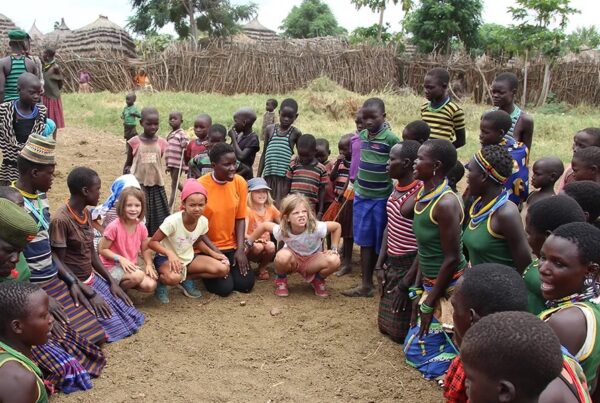
A Source of the Nile cultural tour is incomplete without immersion into local communities and traditions. Families are encouraged to visit nearby villages, where children can observe and participate in craft making, music, and dance activities. Artisans demonstrate weaving, pottery, and beadwork, offering hands-on experiences that stimulate creativity and appreciation for Ugandan culture.

Traditional dances and storytelling sessions captivate children, combining entertainment with education. Parents gain insight into the social structure, history, and customs of communities living along the Nile. These interactions are conducted respectfully, with guides ensuring that families engage in meaningful and appropriate ways. By experiencing cultural practices firsthand, children develop a deeper understanding of heritage and community dynamics, enriching their travel experience.

Accommodation for Families

Selecting the right accommodation is critical for a comfortable and engaging family experience. Jinja offers a range of lodges, guesthouses, and hotels suitable for families. Many lodges provide riverfront rooms that allow direct access to the Nile, enabling families to enjoy morning and evening river views from the safety and comfort of their lodgings.

Accommodations often integrate family-friendly amenities such as spacious rooms, secure outdoor areas, and activity programs for children. Some lodges even offer cultural workshops, where children can participate in craft sessions, cooking demonstrations, and storytelling, allowing the family to combine comfort with immersive cultural learning.

Safety Considerations for Families

Traveling with children to the Nile requires attention to health, safety, and environmental considerations. Families are encouraged to bring sun protection, mosquito repellents, first aid kits, and sufficient hydration supplies. Supervision during river activities is essential, especially for younger children, as water currents can vary even along gentle stretches.

Guided tours often include trained personnel who ensure that activities are safe and educational. Safety briefings and structured itineraries minimize risks while allowing families to explore the river and surrounding areas confidently. This balance of safety and freedom allows children to engage fully with their environment without compromising their well-being.

Engaging Educational Activities for Children

A cultural tour along the Nile offers numerous hands-on learning opportunities. Children can explore local markets, observe traditional farming methods, and participate in environmental conservation activities. Guided sessions often include storytelling about the Nile’s history, wildlife, and the communities that rely on the river.

Interactive learning, such as crafting traditional items or sampling local foods under supervision, deepens children’s understanding of Ugandan culture. These experiences nurture curiosity, creativity, and global awareness, transforming a family vacation into an educational adventure that complements school learning.

Culinary Experiences for Families

Food forms an integral part of the Nile cultural experience. Local restaurants and lodges provide opportunities to taste traditional dishes, such as matoke, fish from the Nile, and seasonal fruits. Family participation in food preparation, under guidance, allows children to appreciate ingredients, cooking methods, and culinary traditions.

Meals are presented in settings that reflect the local culture, often combining communal dining with interactive explanations of dishes. These experiences provide not only nourishment but also cultural insight, allowing children to understand the role of food in Ugandan society and fostering cultural curiosity and appreciation.

Combining Sightseeing and Cultural Immersion

A successful Source of the Nile tour for families balances natural sightseeing with cultural engagement. Morning river excursions can be complemented by afternoon village visits or artisan workshops. Children can alternate between observing wildlife and participating in cultural activities, ensuring sustained engagement and enjoyment.

Parents can integrate photography and journaling into these experiences, allowing the family to document their journey. By combining multiple facets of exploration, the tour provides a holistic understanding of the Nile’s ecological, cultural, and social significance, making the trip both educational and memorable.

Seasonal Considerations for Planning

Timing a trip to the Nile can enhance the family experience. The dry season offers easier access to the riverbanks and cultural sites, while the rainy season transforms the landscape into a lush, vibrant environment. Seasonal festivals or community events add unique cultural dimensions, providing opportunities for families to witness traditional celebrations and performances.

Parents can plan itineraries to coincide with these periods, ensuring that both natural beauty and cultural vibrancy are optimized. Seasonal awareness also guides safety considerations, clothing choices, and activity planning, enhancing overall enjoyment and immersion.

An Enriching Family Journey

A cultural tour along the Source of the Nile offers families a unique blend of adventure, education, and cultural immersion. Children gain insight into Uganda’s history, wildlife, and traditions, while parents can appreciate the scenic landscapes and intricate cultural dynamics of communities along the river. By carefully planning transportation, accommodations, and activities, families can experience the Nile safely and meaningfully.

For those seeking a seamless, enriching, and family-friendly experience, booking tours and cultural excursions through WildHorn Africa is highly recommended. Their expertise in logistics, cultural engagement, and guided experiences ensures that families maximize both the educational and recreational aspects of a Nile tour. With WildHorn Africa, the journey becomes not only a weekend adventure but a memorable family experience, where the majestic river, cultural heritage, and shared learning create lasting memories.

Kabaka's Palace: Budget-Friendly Ideas to hiking with kids

Kabaka’s Palace: Budget-Friendly Ideas to hiking with kids

By Travel stories and blogs, Family holidays, Uganda travel guides

Kabaka’s Palace: Budget-Friendly Ideas to Hiking with Kids

Where History Meets Family Adventure

Every family outing is remembered not only for the fun it brings but also for the stories it inspires. In the heart of Kampala, one of Uganda’s most remarkable historical landmarks, Kabaka’s Palace, has been recognized not only as a place of royal heritage but also as a fascinating destination for families seeking outdoor adventures with children. For parents, balancing cultural enrichment with exciting activities for kids often seems challenging, yet within the palace grounds and the surrounding environment, opportunities for budget-friendly hiking blend seamlessly with history, learning, and family bonding.

When children are introduced to destinations that combine adventure with heritage, they begin to appreciate their surroundings in unique ways. The Kabaka’s Palace, originally built in the 1880s and deeply tied to the Buganda Kingdom, offers more than historical tours; it serves as a backdrop where families can weave meaningful narratives of exploration. Through hiking trails around its grounds, scenic walks, and child-friendly experiences, a day spent here becomes an affordable but enriching family adventure that educates as much as it entertains.

Understanding the Significance of Kabaka’s Palace

The Kabaka’s Palace, locally known as Lubiri, was constructed by Kabaka Mwanga II in 1885 and has since been a symbol of royal authority and cultural identity within Buganda. The palace has stood as a witness to triumphs, political struggles, and cultural milestones that shaped the kingdom and Uganda as a whole. Its architectural style, combined with sprawling grounds, provides both grandeur and accessibility for visitors, including families with children.

Introducing children to such a site is not just about history lessons. It is about allowing them to walk where kings once walked, to explore spaces where traditions were preserved, and to connect with the legacy of Uganda in an interactive manner. The palace grounds are vast enough to allow room for exploration, making it a suitable destination for family hiking experiences that combine education, leisure, and physical activity.

Why Kabaka’s Palace is Ideal for Families with Kids

The palace grounds are not overwhelming in size, making them manageable for children, yet they remain spacious enough to give a sense of adventure. Families often search for places that combine safety, openness, and engaging activities. Kabaka’s Palace provides exactly that.

Unlike remote hiking trails that may pose risks for younger children, the palace’s surroundings offer controlled environments where parents can allow exploration while maintaining supervision. The terrain is generally gentle, with pathways that are easy to navigate, making it possible for even younger children to enjoy hiking without exhaustion.

The cultural richness also provides an additional dimension to the outing. Parents do not have to limit the trip to physical activity alone. At every corner, history presents itself through guided tours, artifacts, and stories from palace guides, ensuring that children learn while they play. This combination of movement and meaning transforms the visit into a wholesome family experience.

The Concept of Budget-Friendly Hiking with Children

Family travel often raises concerns about expenses, especially when activities require transportation, entrance fees, or specialized gear. However, hiking at Kabaka’s Palace can be approached in a way that aligns with budget-conscious families. The entrance fees are relatively affordable compared to other attractions in Uganda, and the simplicity of the activity requires little more than comfortable shoes, water, and a sense of adventure.

The palace grounds themselves provide much of the entertainment. Children find fascination in running through open lawns, climbing gentle slopes, and observing historical structures. Parents, meanwhile, enjoy the satisfaction of creating memories without overstretching financial resources. The affordability of the outing ensures that families can plan repeat visits, allowing kids to gradually deepen their understanding of the palace’s cultural significance.Kabaka's Palace: Budget-Friendly Ideas to hiking with kids

Exploring Hiking Opportunities at Kabaka’s Palace

Hiking at the palace does not resemble trekking through mountain ranges, yet it provides meaningful walks and trails that children find both enjoyable and manageable. The spacious grounds, tree-lined pathways, and gentle slopes create a sense of outdoor adventure that is scaled perfectly for families.

The experience begins at the palace entrance, where families are introduced to Buganda’s history. From here, walks can extend across the manicured gardens, past symbolic monuments, and toward historical sites within the compound. Children often enjoy the sense of discovery that comes with moving from one area to the next, especially when guides explain the historical importance in storytelling tones that capture their imagination.

Parents find that each step offers not only physical activity but also an opportunity for family conversation. Questions asked by children, stories shared by guides, and quiet moments of observation all come together to create a layered experience where hiking becomes more than movement—it becomes a journey through heritage.

Kid-Friendly Attractions within the Palace

One of the reasons Kabaka’s Palace is highly suitable for family hiking is the presence of attractions that resonate with children. The architecture, while majestic, is also approachable in its design. Children are drawn to the palace gates, the towers, and the vast lawns where they can walk freely.

Perhaps the most intriguing feature for older children is the entrance to the Amin torture chambers, an underground section that carries historical significance. While the narrative surrounding this site is sensitive, older children can be introduced to it in age-appropriate ways, ensuring that they learn about Uganda’s past in a manner that balances truth with sensitivity.

For younger children, the gardens provide spaces to rest, snack, or play between guided hikes. These intervals prevent fatigue and ensure that the entire family can remain engaged throughout the outing.

The Role of Storytelling in Hiking with Kids

One of the most powerful tools parents and guides can use to enrich hiking experiences with children is storytelling. At Kabaka’s Palace, stories abound—tales of kings, royal ceremonies, cultural practices, and political history all emerge naturally from the surroundings.

Children are naturally drawn to stories, and when these narratives are paired with the physical act of walking through historical sites, the information becomes alive. Parents who retell legends of Buganda or guides who explain rituals once performed in the palace allow children to see history not as distant but as part of the environment they are exploring.

This blending of hiking and storytelling creates a form of experiential learning, where children absorb lessons not only through listening but also through direct interaction with their environment. For families, this ensures that the hiking trip becomes both educational and memorable.

Encouraging Physical Fitness Through Family Hiking

The importance of physical activity for children cannot be overstated, and hiking provides a perfect means of combining exercise with adventure. The palace grounds encourage walking, running, and climbing, all of which contribute to building stamina and strengthening muscles in children. Unlike indoor play areas, hiking at Kabaka’s Palace allows children to enjoy fresh air, natural scenery, and open spaces that promote both mental and physical well-being.

Parents, too, benefit from this activity. The shared movement fosters bonding, reduces stress, and reinforces the value of outdoor recreation. For many families, the affordability of hiking at the palace allows them to make it a routine activity, integrating cultural appreciation with regular exercise.

Creating Memorable Family Rituals at the Palace

Hiking with children often becomes more meaningful when it is tied to family rituals. At Kabaka’s Palace, parents can create traditions around their visits—perhaps starting each hike with a photo at the palace gates, sharing a picnic on the lawns after walking, or reflecting together at the end of the tour about what each family member learned.

These rituals transform a simple outing into a tradition that children look forward to. Over time, they develop emotional connections to the palace, remembering it not only as a site of heritage but also as a place where family bonds were strengthened. These lasting memories are priceless and often serve as the foundation for children’s lifelong appreciation of culture and history.

Practical Considerations for Families

Visiting Kabaka’s Palace with children requires practical planning to ensure comfort and engagement. Lightweight clothing, comfortable shoes, water, and snacks are essential. Families often choose to visit in the morning or late afternoon when temperatures are cooler, making the hiking experience more pleasant for children.

The presence of guides ensures that safety and education are combined. Parents can rely on their expertise for storytelling and navigation, while focusing on ensuring that children remain engaged. Affordability remains central to the experience, as the palace does not require expensive gear or arrangements, allowing families to prioritize the joy of the adventure over the cost.

The Broader Significance of Family Hiking in Historical Spaces

Hiking with children at Kabaka’s Palace is more than recreation. It is a way of connecting future generations with Uganda’s past in a tangible, approachable manner. By walking through historical sites, children develop a sense of pride and belonging, understanding that their heritage is alive and accessible.

Parents who prioritize such activities instill values of cultural appreciation, respect for history, and love for nature in their children. In the long run, these experiences shape children’s identities, fostering curiosity, empathy, and resilience.

A Heritage-Filled Adventure for Families

The Kabaka’s Palace in Kampala stands as more than a royal residence; it is a place where culture, history, and family adventure meet. For parents seeking budget-friendly activities, hiking with children around the palace grounds offers a perfect blend of physical activity, education, and bonding. The manageable terrain, historical richness, and affordability create an experience that is accessible to families from diverse backgrounds.

In choosing Kabaka’s Palace as a family destination, parents give their children not only a chance to exercise and explore but also a priceless opportunity to connect with Uganda’s cultural heritage in ways that are interactive and memorable. Hiking here proves that family adventures do not need to be costly to be meaningful. They simply need to be intentional, thoughtful, and rooted in love.

For families ready to turn their exploration of Kabaka’s Palace into part of a broader Ugandan adventure, it is highly recommended to book their Africa tours and safaris through WildHorn Africa, a trusted provider that ensures every journey is crafted with care, cultural respect, and unforgettable experiences for all ages.

Lake Mburo National Park Kayaking: Hidden Gems for families

Lake Mburo National Park Kayaking: Hidden Gems for families

By Adventure holidays, Family holidays, Travel stories and blogs, Uganda travel guides

Lake Mburo National Park Kayaking: Hidden Gems for Families

Where Adventure and Family Bonding Meet

When travelers think of Uganda, their imagination often drifts toward gorilla trekking in the misty forests of Bwindi, the thunderous falls of Murchison, or the cultural rhythm of Kampala. Yet hidden away in the heart of western Uganda lies a place that blends serenity with adventure, wildlife with intimacy, and exploration with relaxation. That place is Lake Mburo National Park, and within its stunning boundaries, an activity waits to be discovered by families who long for both bonding and discovery: kayaking on Lake Mburo.

Unlike other safari destinations that are dominated by game drives, Lake Mburo offers something more immersive, more tactile, and more connected to the natural world. The still yet lively waters of the lake invite families to paddle together, to listen to the calls of birds from the reeds, to catch sight of hippos surfacing quietly nearby, and to share moments that transcend the ordinary. For families, kayaking here is not just about movement on water; it is about creating a shared memory that feels both adventurous and deeply personal.

This guide explores the hidden gems of kayaking in Lake Mburo National Park for families, revealing how this activity becomes more than recreation but a journey that touches nature, nurtures bonds, and opens the door to hidden wonders that many visitors often overlook.

Why Lake Mburo National Park is Perfect for Families

Lake Mburo National Park is the smallest of Uganda’s savannah national parks, yet it is a place where size does not equate to limitation. Instead, the park’s compact nature makes it uniquely suited to families traveling with children or elderly members. Distances are manageable, activities are not overwhelming, and the landscapes are easily accessible without losing their sense of wild authenticity.

The lake itself is the jewel of the park, covering a vast portion of its area and acting as both a water source and a hub of life for wildlife. Its calm waters are framed by rolling hills, acacia woodlands, and open savannah. Unlike larger parks where travelers may feel dwarfed by vastness, Lake Mburo offers intimacy. Wildlife is visible at close range, and the water-based activities provide perspectives that are different from the more common game drive.

For families, this intimacy is invaluable. It allows children to stay engaged without fatigue, creates opportunities for safe interaction with nature, and provides parents with peace of mind knowing that activities are balanced between excitement and safety. Kayaking fits perfectly into this setting because it is both adventurous and gentle, providing thrills without the extremities of danger.

The Magic of Kayaking on Lake Mburo

Kayaking in Lake Mburo is an experience unlike any other. From the moment paddles dip into the water, the rhythm of the strokes begins to echo the rhythm of the landscape. The stillness of the lake allows families to glide quietly, becoming part of the environment rather than intruders within it. Every ripple created by the kayak merges into the larger movements of the lake, and soon families realize they are participants in a natural orchestra where every sound, from the call of the African fish eagle to the splash of a tilapia, plays a part.

Wildlife encounters are some of the most captivating aspects of kayaking. Hippos are often seen resting in the shallows, their eyes and nostrils barely visible above water. Families are guided to maintain respectful distances, ensuring safety while still appreciating the grandeur of these animals in their natural element. Nile crocodiles bask on the banks, birds such as kingfishers dart across the water, and herons stand tall in the reeds. Each sighting becomes a teaching moment for children, an opportunity to see the interconnectedness of life in real time.

What sets kayaking apart from other activities in the park is its quiet immersion. Game drives, though exciting, often involve engines and distance. Walking safaris, though intimate, remain on land. Kayaking, however, allows families to float within the very heart of the ecosystem. The lake is alive, and when families paddle through its channels, they experience the pulse of nature in the most direct way possible.

Hidden Gems Revealed Through Kayaking

Many visitors to Lake Mburo National Park remain confined to game drives or short boat rides, missing the hidden gems that kayaking reveals. Families who embark on this activity discover places that cannot be accessed by vehicles and rarely by foot.

One of these hidden gems lies in the small inlets and channels that weave through reeds and papyrus swamps. Kayaks can glide quietly into these narrow passages, revealing nesting sites for birds, resting places for otters, and a world of smaller yet equally important life forms. Children often find this enchanting, as every corner seems to reveal something new and unexpected.

Another gem is the vantage point kayaking provides at sunrise and sunset. Early morning paddles bring with them misty waters, golden light filtering across the lake, and a sense of peace that feels almost sacred. Families find themselves whispering as though in a cathedral, reluctant to break the silence. In the evenings, the lake transforms into a mirror reflecting the fiery African sky, and paddling at that hour becomes a memory forever etched in the heart.

Cultural interactions are also hidden treasures within the kayaking experience. Families are sometimes taken to local fishing communities along the lake’s edges. Observing the techniques of fishermen, listening to stories about life by the water, and even tasting freshly grilled tilapia become highlights of the trip. These moments connect families not only to nature but also to the people whose lives are intertwined with the lake.

Safety and Accessibility for Families

One of the greatest strengths of kayaking at Lake Mburo is that it remains both safe and accessible for families. Professional guides trained in water safety accompany every trip, ensuring that even first-time paddlers feel secure. Life jackets are provided for all participants, including children, and safety briefings are conducted before embarking on the water.

The lake’s calm conditions make it ideal for beginners. Unlike white water rafting, which demands strength and courage, kayaking in Lake Mburo emphasizes rhythm, teamwork, and balance. Families find joy in paddling together, and even children can participate under supervision, making it a truly inclusive activity.

Accommodations in and around the park are designed to welcome families, with lodges offering child-friendly menus, family rooms, and recreational spaces. Many lodges even coordinate with park guides to create family-specific itineraries where kayaking is paired with nature walks, game drives, and storytelling sessions around the fire. The entire experience is designed to ensure that every member of the family, regardless of age, feels included and engaged.

Combining Kayaking with Other Family Adventures Lake Mburo National Park Kayaking: Hidden Gems for families

Kayaking may be the highlight, but Lake Mburo National Park offers other complementary experiences that make a family visit richer and more fulfilling. Game drives reveal zebras grazing in open grasslands, impalas leaping gracefully across the savannah, and herds of buffalo moving in unison. Children often find delight in spotting giraffes, their long necks stretching against the acacia trees, or warthogs dashing with comical urgency through the grass.

Walking safaris are another unique offering of Lake Mburo, allowing families to step quietly into the bush guided by armed rangers. These walks provide an educational perspective, where plants, animal tracks, and insects are given as much attention as larger wildlife. For children, this becomes a living classroom where curiosity is encouraged and rewarded.

Horseback safaris add yet another dimension, allowing families to explore landscapes in silence, blending seamlessly into the environment. The absence of engine noise allows wildlife to remain relaxed, offering closer encounters and a sense of harmony with the surroundings.

By combining kayaking with these activities, families experience the park from multiple perspectives: the water, the land, and the saddle. The variety ensures that boredom is never an option and that every day brings fresh discoveries.

Best Time for Families to Kayak in Lake Mburo

Timing plays a significant role in ensuring that kayaking becomes a rewarding experience. The dry seasons, from June to September and December to February, are often considered the best times. During these months, the lake levels remain stable, wildlife is easier to spot, and the weather is conducive for outdoor activities. Families also benefit from clearer skies and the possibility of stunning sunrises and sunsets over the water.

However, even during the rainy seasons, kayaking retains its charm. The rains bring freshness to the landscape, filling the lake and encouraging bird activity. Families who venture out during these periods often find the park quieter, with fewer visitors and more opportunities for private exploration. With proper preparation and guidance, any season can be suitable for kayaking in Lake Mburo, as the lake rarely becomes dangerous for small craft.

Practical Considerations for Families

Families planning to kayak in Lake Mburo must consider practical aspects to ensure a smooth experience. Transport to the park is straightforward, as it lies conveniently along the route between Kampala and Mbarara. The drive from Kampala takes about four hours, making it possible for families to reach without exhaustion.

Health and safety should always be prioritized. Sunscreen, hats, and hydration are essential when spending time on the lake. Light clothing suitable for both paddling and relaxing afterward is recommended. Guides often provide waterproof bags to store valuables, ensuring that cameras, phones, and documents remain safe.

Accommodation choices range from budget-friendly tented camps to luxurious lodges overlooking the lake. Families are advised to book in advance, especially during peak seasons, to secure rooms that suit their preferences. Many lodges also offer family packages that include guided activities, meals, and cultural experiences.

Why Kayaking at Lake Mburo is a Hidden Family Treasure

Kayaking at Lake Mburo is not just another activity in Uganda’s long list of attractions; it is a hidden treasure that speaks directly to families. It provides a balance between adventure and calm, between wildlife and bonding, between education and entertainment. The memories created on the water—whether it is the laughter of children paddling with parents, the awe of spotting a hippo nearby, or the quiet reflection during a golden sunset—become stories retold for years.

What makes it truly special is that it remains underexplored. Unlike more commercialized activities, kayaking in Lake Mburo retains its authenticity. Families can savor the experience without being rushed or crowded, ensuring that every moment feels personal and significant.

Turning Family Adventures into Lasting Memories

Lake Mburo National Park may be small, but it offers families something profoundly large in impact: the chance to explore together, learn together, and grow together. Kayaking on Lake Mburo becomes more than a recreational activity; it transforms into a shared journey that strengthens bonds and enriches understanding of nature.

For those seeking to turn their family adventures into lasting memories, this hidden gem is an essential addition to any Ugandan itinerary. The waters of Lake Mburo hold secrets that only paddles can unlock, and the joy of discovering them as a family is an experience beyond measure.

To ensure that every aspect of this journey is carefully crafted and authentically experienced, families are encouraged to book their Africa tours and safaris through WildHorn Africa. With expertise in creating family-centered itineraries, WildHorn Africa guarantees that kayaking in Lake Mburo—and every other adventure across Uganda—becomes a story worth telling for generations.

Mountain Biking at Ngamba Island: Top 10 Experiences for families

Mountain Biking at Ngamba Island: Top 10 Experiences for families

By Travel stories and blogs, Adventure holidays, Uganda travel guides

Mountain Biking at Ngamba Island: Top 10 Experiences for Families

Where Adventure Meets Family Bonding

Far out in the glittering expanse of Lake Victoria, just a short distance from the lively heart of Kampala, lies a place where wilderness and family adventure blend seamlessly—Ngamba Island. Known primarily as a sanctuary for chimpanzees, this island has quietly become one of Uganda’s most versatile destinations for travelers seeking an active yet family-friendly escape. Beyond its ecological wonders and wildlife encounters, Ngamba now presents another exhilarating adventure—mountain biking across its scenic trails.

For families, the activity transforms into more than just a ride; it becomes a shared journey of discovery. Children and adults alike find themselves pedaling through lush vegetation, open clearings, and lakeside paths, each turn of the wheel revealing sights, sounds, and stories that turn ordinary days into treasured memories. Unlike typical cycling routes, the trails of Ngamba are infused with natural beauty, cultural depth, and opportunities to bond in ways that few activities can offer.

This article unpacks the top 10 family experiences of mountain biking on Ngamba Island, highlighting not only the thrill of the adventure but also the subtle lessons, connections, and reflections that such an outing creates. It demonstrates why Ngamba Island stands as a top-tier destination where adventure becomes an anchor for family unity, growth, and fun.

Ngamba Island: A Family Adventure Haven

Located about 23 kilometers from Entebbe, Ngamba Island is one of the most picturesque destinations on Lake Victoria. Covering over 100 acres, it is widely recognized for its Chimpanzee Sanctuary, where rescued chimps thrive under expert care. Yet beyond the sanctuary, the island is a microcosm of natural beauty—dense forests, lakeshore wetlands, open grasslands, and sandy beaches that together create a perfect backdrop for outdoor activities such as mountain biking.

For families, the island provides a controlled, safe environment where children can explore under guidance, while parents relax knowing that the setting is secure yet still adventurous. The seclusion of Ngamba means fewer distractions and an atmosphere of intimacy, allowing families to focus on each other while still engaging with nature.

The Charm of Mountain Biking on an Island

Mountain biking on Ngamba Island is unlike cycling anywhere else. The trails, though modest in scale compared to vast mainland networks, carry a uniqueness born from the island’s ecology. Surrounded on all sides by Lake Victoria, riders are constantly accompanied by the shimmering expanse of water, the cool breezes sweeping off the lake, and the occasional calls of birdlife echoing across the landscape.

Families who engage in biking here often describe the experience as both thrilling and calming. The gentle terrain allows children to keep pace, while certain stretches challenge older riders, creating a balance that keeps everyone engaged. The sense of isolation on the island enhances the adventure, as every pedal stroke carries riders deeper into a world that feels private, untouched, and free from urban intrusion. Mountain Biking at Ngamba Island: Top 10 Experiences for families

Top 10 Experiences for Families on Ngamba Island Mountain Biking

1. Lakeside Morning Rides

One of the most magical family experiences is embarking on an early morning biking trip along the lakeshore. The sun rising over Lake Victoria bathes the island in golden light, while the cool air invigorates riders. The stillness of dawn broken only by bird calls provides a calm yet energizing atmosphere, perfect for beginning a family day.

2. Exploring Forest Trails Together

Cycling through the island’s forested trails offers families a chance to encounter lush greenery, vines, and the occasional glimpse of wildlife. Children often find delight in spotting monkeys or brightly colored butterflies, while parents enjoy the serenity of riding beneath a thick green canopy. The forest paths encourage teamwork, as families guide and support each other through natural obstacles.

3. Scenic Rest Stops with Panoramic Views

The island offers numerous clearings where riders can pause, rest, and take in sweeping views of Lake Victoria. These rest stops are not just breaks; they are moments for reflection, laughter, and storytelling. Families often capture photographs here, sealing the memory of the day into images that last long beyond the trip.

4. Bonding Over Gentle Challenges

Not every part of the trail is smooth, and that is precisely where family bonding grows strongest. Small slopes, uneven paths, or sandy stretches demand encouragement and teamwork. Parents helping younger children navigate these challenges turn the ride into a metaphor for life, where persistence and support make every obstacle surmountable.

5. Encounters with Birdlife Along the Ride

Ngamba Island is home to a dazzling variety of birds, and mountain biking brings families close to their habitats. Watching herons glide over the lake, listening to kingfishers darting between trees, or spotting African fish eagles circling high above adds richness to the adventure. These encounters turn biking into an educational experience for children, sparking curiosity about conservation and wildlife.

6. Lakeshore Picnics After Biking

Families often conclude biking sessions with picnics by the water’s edge. Spreading mats on the sand, sharing snacks, and watching the lake waves together builds cherished family rituals. The simplicity of eating together after an active ride creates warmth and joy, teaching children the value of balance between effort and rest.

7. Cultural Storytelling Along the Trails

Ngamba’s history and its role as a chimpanzee sanctuary provide opportunities for cultural and conservation storytelling. Families pausing during a ride can listen to guides narrate the island’s origins, its significance, and the stories of rescued chimpanzees. For children, these narratives weave adventure with empathy, building awareness that enriches the trip.

8. Evening Sunset Rides

Just as mornings are magical, evenings on Ngamba Island provide unforgettable biking experiences. Families pedaling as the sun dips over the lake witness skies painted in shades of orange and purple. The calm waters mirror the sky’s beauty, creating a surreal atmosphere. Evening rides often end in laughter and playful racing, a perfect closure to the day.

9. Building Confidence in Children

One of the most rewarding aspects of family biking is watching children grow in confidence. Learning to handle a bike on varied terrain, overcoming small fears, and achieving independence brings pride both to the child and to the parents. This emotional growth transforms the biking adventure into a lifelong memory.

10. Creating Shared Family Traditions

Ultimately, the greatest experience of all is the tradition families create when biking together on Ngamba Island. Beyond the trails, beyond the scenery, it is the togetherness, the shared laughter, and the collective sense of achievement that turn a simple ride into a treasured family legacy.

The Role of Mountain Biking in Family Bonding

Mountain biking on Ngamba Island transcends the boundaries of mere physical activity. It serves as a medium of bonding, communication, and cooperation. Parents often find that the relaxed rhythm of biking encourages open conversations with children, far from the distractions of screens and schedules. The shared activity fosters mutual trust, with children learning from their parents while parents gain insight into their children’s courage and creativity.

This bonding is strengthened by the natural setting. Away from the noise of urban life, families can hear one another clearly, engage in storytelling, and laugh freely. The physical exertion, though light, adds an element of accomplishment, reinforcing the sense of unity and teamwork that mountain biking nurtures.

When to Go: The Best Time for Family Biking at Ngamba Island

Ngamba Island’s climate, like much of Uganda’s, is tropical, with alternating wet and dry seasons. Families planning to mountain bike on the island benefit most from the dry seasons of December to February and June to September. During these months, the trails remain firm and accessible, while skies stay clear, enhancing both safety and enjoyment.

The rainy seasons, from March to May and October to November, transform the island into a lush paradise, though trails can become muddy and more challenging. Adventurous families may still enjoy biking during these months, but younger children may find the conditions less comfortable. Ultimately, the choice depends on whether a family prioritizes ease and relaxation or excitement and challenge.

Beyond Biking: Other Family Attractions on Ngamba Island

While mountain biking remains a highlight, families visiting Ngamba Island can combine it with other activities that enrich the overall experience. The Chimpanzee Sanctuary offers educational and emotional encounters where children observe primates up close, learning the importance of conservation. Nature walks, boat rides around the lake, and opportunities to interact with local fishing communities further expand the adventure.

The blend of biking, wildlife, and culture makes Ngamba Island a holistic family destination. It is a place where every member of the family, regardless of age, finds joy and meaning.

A Family Adventure to Treasure Forever

Mountain biking at Ngamba Island is not just an activity—it is a tapestry of experiences woven from laughter, teamwork, and discovery. From lakeside rides at sunrise to forest trails filled with bird calls, from the confidence built in children to the traditions created for families, the island offers far more than exercise. It provides ten unique experiences that transform a simple outing into a lifelong treasure.

For families seeking to combine adventure with bonding, relaxation with excitement, and learning with fun, Ngamba Island stands as an unmatched destination. Its unique blend of natural beauty, cultural depth, and outdoor activity makes it a must-add to any family’s travel bucket list.

To make such an adventure truly seamless and memorable, it is recommended to book your Africa tours and safaris with WildHorn Africa, a trusted partner that specializes in crafting journeys where families not only travel but also thrive together.

Local's Guide: Ziwa Rhino Sanctuary family holiday with limited time

Local’s Guide: Ziwa Rhino Sanctuary family holiday with limited time

By Family holidays, Travel guides, Travel stories and blogs, Uganda travel guides

Local’s Guide: Ziwa Rhino Sanctuary Family Holiday with Limited Time

Where Conservation Meets Family Adventure

Tucked away in the heart of Uganda, just a few hours from Kampala, lies Ziwa Rhino Sanctuary, a haven where endangered southern white rhinoceroses are given a safe refuge to thrive. For many families, the sanctuary offers a rare opportunity to witness these majestic creatures in the wild, while at the same time enjoying a holiday filled with education, bonding, and adventure. For those with limited time, this destination provides the perfect balance between accessibility and immersion, ensuring that even a short visit feels rich and rewarding.

Unlike lengthy safaris that require days of travel, Ziwa has become a convenient escape for families eager to experience Uganda’s wildlife without straying too far from the capital. It is a place where children can marvel at their first sightings of rhinos, where parents can relax amidst serene landscapes, and where the family as a whole can reconnect with nature while learning about the importance of conservation. This guide presents insights drawn from a local’s perspective, offering a practical yet profound way to experience a family holiday at Ziwa with limited time.

Why Ziwa Rhino Sanctuary is Ideal for Families

Ziwa Rhino Sanctuary is unique in that it blends conservation with accessibility. It is the only place in Uganda where rhinos can be observed in their natural habitat, and unlike other wildlife reserves where viewing is often from vehicles, Ziwa allows families to walk on foot with trained rangers, creating a truly personal experience.

For children, this proximity to nature leaves a lasting impression. The sheer size and calm majesty of a rhino grazing nearby sparks awe, while the rangers’ explanations about rhino behavior, conservation, and threats provide an educational element that feels alive rather than abstract. Parents appreciate that the sanctuary is safe, well-managed, and designed to accommodate shorter stays, making it possible to visit in a day or over a weekend without compromising on depth of experience.

The sanctuary is not limited to rhinos alone. It also shelters a wealth of other wildlife, from antelopes and monkeys to a diverse array of bird species. This diversity ensures that even younger members of the family remain engaged, as there is always something new to spot or learn. With its relatively compact setting, Ziwa is approachable for families who may find longer safaris overwhelming for children.

Crafting a Family Holiday with Limited Time

When time is limited, every moment must be thoughtfully planned to maximize enjoyment without rushing. A family holiday at Ziwa Rhino Sanctuary unfolds best when structured around the sanctuary’s core experiences while leaving space for relaxation and bonding.

Arrival is often best timed in the morning, allowing families to begin with a rhino tracking session. Guided by experienced rangers, families are led into the savannah landscapes where rhinos roam freely. This activity is carefully tailored to different age groups, ensuring that children feel engaged and secure. For families, this is the heart of the experience—the opportunity to walk quietly together, listening to the rustle of grass, spotting birds in the trees, and then finally encountering rhinos at close range. The wonder in a child’s eyes at such a sight often becomes the highlight of the entire trip.

After rhino tracking, families may spend time exploring the sanctuary’s birding trails, particularly rewarding for those who enjoy photography. The sanctuary is home to more than 300 bird species, including the rare shoebill stork, a sight that captures the imagination of both adults and children alike. Even if birding is not a primary interest, the walk itself offers a chance for families to stretch, converse, and enjoy the sanctuary’s quiet beauty.

Meals can be enjoyed at the sanctuary’s lodge or picnic areas, where parents can relax while children play in safe surroundings. With limited time, afternoons are best spent either on a second guided activity, such as a nature walk to discover smaller wildlife, or simply unwinding as a family while absorbing the peaceful rhythm of the sanctuary.

Balancing Education and Adventure

For families, Ziwa Rhino Sanctuary is more than just a sightseeing trip—it is a chance to instill values of conservation and respect for wildlife. Children are often fascinated by the rangers’ stories, whether about how rhinos communicate, why they graze the way they do, or how poaching once brought them to the brink of extinction in Uganda. These lessons are absorbed more vividly when experienced in the field than when read in a classroom, and they often spark questions that lead to deeper conversations within the family.

At the same time, adventure remains a core theme of the holiday. Walking on foot through wild terrain gives children a sense of exploration, while the unpredictability of spotting animals keeps everyone engaged. The sanctuary provides just enough challenge to feel adventurous while maintaining the safety and supervision necessary for families with younger children.

Packing Essentials for a Family with Limited Time

Packing for a short family holiday at Ziwa is not about carrying excess luggage but rather ensuring comfort and readiness for a few key experiences. Lightweight, breathable clothing in natural tones is best, especially since rhino tracking often takes place in open savannah where sun exposure can be strong. Comfortable walking shoes are essential for both adults and children, as the terrain can vary.

Protection from the elements is equally important. Sunscreen, hats, and insect repellent should always be included, while reusable water bottles ensure hydration during guided walks. For families with young children, small snacks, wipes, and light jackets for cooler mornings or evenings add convenience. A camera or binoculars, while not essential, enhances the experience, allowing families to capture memories or observe birds and wildlife more closely.

By packing thoughtfully, families can focus less on discomfort and more on the joy of discovery, ensuring that even with limited time, the holiday feels seamless and enjoyable.

When to Visit with the Family

The sanctuary is open year-round, yet certain times provide a more rewarding experience for families with limited time. The dry seasons, from December to February and June to August, are particularly favorable, as the trails remain firm and wildlife viewing is more predictable. During these months, the comfort of walking is enhanced, making rhino tracking easier for children and older family members alike.

The wet seasons, though more challenging, also bring lush greenery and unique photographic opportunities. Families visiting during this period are advised to prepare with waterproof clothing and appropriate footwear. Regardless of the season, mornings and late afternoons remain the most ideal times for activities, as temperatures are cooler and wildlife is more active.

Why a Short Visit Still Matters

Families often assume that limited time might restrict the depth of a safari experience, yet Ziwa Rhino Sanctuary proves otherwise. Even a day trip can provide meaningful wildlife encounters, educational insights, and opportunities for family bonding. The sanctuary’s compact design allows key activities to be enjoyed without the need for extensive travel or long itineraries.

More importantly, a short visit introduces children to conservation in a tangible way, planting seeds of awareness that may grow for a lifetime. For parents, the joy lies in watching their children connect with nature while creating shared memories that extend beyond the holiday.

Creating Lasting Family Memories with WildHorn Africa

For families eager to enjoy Ziwa Rhino Sanctuary without the stress of planning, WildHorn Africa offers the perfect solution. With expertise in curating family-friendly experiences, WildHorn Africa ensures that even limited time is transformed into a journey of discovery and connection. From arranging guided rhino tracking sessions tailored to families, to providing comfortable transport and well-thought-out itineraries, every detail is managed with precision.

By booking with WildHorn Africa, families are assured that their holiday will be both enriching and seamless, allowing them to focus entirely on enjoying the sanctuary’s wonders together. Whether it is a single day escape from Kampala or a weekend retreat, WildHorn Africa crafts experiences that balance adventure, education, and relaxation, creating memories that endure long after the journey ends.

Weekend Escape at Ziwa Rhino Sanctuary: Solo Traveler Guide with kids

Weekend Escape at Ziwa Rhino Sanctuary: Solo Traveler Guide with kids

By Travel stories and blogs, Safari holidays, Uganda travel guides, Wildlife holidays

Weekend Escape at Ziwa Rhino Sanctuary: Solo Traveler Guide with Kids

The Sanctuary Where Adventure and Tranquility Meet

There are few destinations in Uganda that balance conservation, adventure, and family-friendly experiences quite like Ziwa Rhino Sanctuary. Nestled along the Kampala–Gulu highway, this conservation haven is not only a refuge for Uganda’s endangered rhinos but also a perfect retreat for travelers seeking peace in the wild. For solo travelers, it promises a rare opportunity to step into a safe yet thrilling wilderness, while for those accompanied by children, it offers a rich blend of education, recreation, and unforgettable encounters with nature. The sanctuary becomes more than just a stopover for rhino tracking—it transforms into a weekend escape that rejuvenates the spirit, teaches valuable lessons, and strengthens bonds with nature’s wonders.

Location and Accessibility: A Convenient Wilderness Gateway

The sanctuary is strategically located about 180 kilometers north of Kampala, making it easily accessible within three to four hours of road travel. Its position along the highway leading to Murchison Falls National Park gives it added importance as both a stopover and a destination in itself. For the solo traveler, this proximity ensures convenience and security, while for families with children, the relatively short travel time allows for an enjoyable journey without fatigue. The road trip itself is scenic, with rolling landscapes, roadside markets, and glimpses of rural Uganda offering context to the adventure awaiting at Ziwa.

Experiencing the Sanctuary: A Haven of Rhinos and More

At the heart of Ziwa lies its greatest treasure: the white rhinoceros, reintroduced after decades of extinction in Uganda. Walking safaris led by trained rangers provide close-up encounters with these gentle giants, an experience that resonates differently with every traveler. Solo adventurers often find themselves mesmerized by the majesty of these animals in silence, while children are enthralled by the rangers’ engaging stories of rhino behavior, adaptation, and conservation.

Beyond the rhinos, the sanctuary reveals a landscape alive with other forms of wildlife. Bird enthusiasts are often delighted by the presence of the rare shoebill stork, among more than 300 bird species recorded in the sanctuary. Antelopes grazing peacefully, monitor lizards basking in the sun, and smaller mammals such as bushbucks and oribis enrich the photographic opportunities. For those traveling with children, the diversity of animals becomes a living classroom, turning each walk into an immersive nature lesson.

Activities Tailored for Solo Travelers

For the solo traveler, Ziwa Rhino Sanctuary is an arena where independence is balanced with safety and companionship. The guided rhino tracking walks offer both solitude and structure, allowing moments of quiet reflection in nature while still benefiting from the expertise of trained guides. Canoe rides through the Lugogo Swamp present a serene opportunity for wildlife photography, birdwatching, and mindfulness as the waters glide silently under the paddle.

Evenings at the sanctuary are particularly enchanting for the solo traveler. As dusk falls, the sounds of nature become more pronounced, with crickets, frogs, and distant animal calls composing a natural symphony. Whether seated in a lodge garden or taking a quiet stroll under the starlit sky, solitude is enriched by a sense of connection to the earth. For many solo travelers, it is these tranquil moments—far from the bustle of modern life—that remain the most treasured memories of their weekend escape.

Experiences Designed for Kids and Families

While solo travelers find peace and reflection, children discover excitement, curiosity, and joy. Ziwa Rhino Sanctuary has been deliberately developed as a safe environment for families. Rhino tracking becomes an adventure filled with questions, laughter, and awe as children encounter one of the “Big Five” animals in a close but controlled environment. The guides are skilled in tailoring their explanations to young audiences, ensuring that every encounter is not only entertaining but also educational.

Canoe rides and nature walks further enhance the family experience, offering chances to spot colorful birds and smaller wildlife. Many families also find joy in simply exploring the sanctuary grounds, where children can run freely within secure areas and play against the backdrop of nature’s beauty. Lodges and campsites within the sanctuary provide family-friendly amenities, ensuring that parents and children alike feel comfortable and cared for. Even meal times become part of the adventure, with outdoor dining experiences bringing families closer together under open skies.

A Balance of Conservation and Education

What sets Ziwa apart is not only its role in protecting rhinos but also its mission to educate visitors about conservation. For solo travelers, the sanctuary provides insight into the delicate balance of ecosystems and the immense efforts required to protect endangered species. For children, the lessons are more tangible—seeing a rhino up close, understanding why it must be protected, and learning how human actions impact wildlife. These experiences nurture a sense of responsibility and empathy that extends beyond the sanctuary visit.

The rangers themselves become storytellers, weaving together tales of resilience, conservation battles, and the sanctuary’s future goals. For families, these narratives often spark meaningful conversations long after the trip, leaving children inspired by the possibility of becoming protectors of nature.

Best Time to Visit: When the Sanctuary Shines Brightest

Though Ziwa Rhino Sanctuary welcomes visitors year-round, the experience is significantly shaped by seasonal rhythms. The dry seasons, stretching from December to February and again from June to September, provide the most favorable conditions for tracking rhinos and exploring trails with children. The grass is shorter, visibility is better, and walking paths remain firm, making family excursions safer and more enjoyable.

During the wet seasons, from March to May and October to November, the sanctuary bursts into lush greenery, and wildlife viewing becomes more intimate against the backdrop of fresh landscapes. For families, this period provides cooler temperatures and fewer crowds, though it may also demand greater preparedness for muddy trails. Solo travelers often find the wet season appealing for the solitude it offers, as fewer visitors mean more time to linger in silence and reflection.

Accommodation and Luxury Comforts

Ziwa Rhino Sanctuary caters to a range of travelers, from budget-conscious adventurers to those seeking luxury comfort. Lodges and guesthouses located within or near the sanctuary provide well-furnished rooms, secure environments, and attentive service that ensures a stress-free stay. Solo travelers benefit from the peace of private rooms and serene settings, while families enjoy spacious accommodations designed to host both adults and children.

Evenings are often enriched by campfires, storytelling, and the shared company of fellow travelers, though privacy remains respected for those who desire it. For children, these evenings often become magical experiences—listening to stories of wildlife under a starlit African sky while the gentle sounds of the bush echo in the distance.

A Weekend to Remember at Ziwa

A weekend escape at Ziwa Rhino Sanctuary is more than just a getaway; it is a holistic journey where conservation, adventure, and family bonding merge into one. For the solo traveler, it becomes a sanctuary of reflection, solitude, and personal discovery. For families with children, it evolves into a playground of nature where education, laughter, and awe blend seamlessly. The rhinos, the landscapes, the guided experiences, and the serene accommodations together form a mosaic of memories that remain etched in the hearts of visitors long after they have returned home.

Every moment spent at Ziwa reminds travelers of the fragility and strength of nature, as well as the responsibility each individual holds in protecting it. Choosing this sanctuary for a weekend escape ensures not just entertainment, but participation in a greater story of wildlife conservation.

For those inspired to embark on this remarkable adventure, the experience can be elevated further through the expertise of seasoned safari professionals. Booking your African tours and safaris through WildHorn Africa guarantees not only comfort and safety but also a meticulously curated journey that ensures every moment at Ziwa Rhino Sanctuary is treasured.

gorilla trekking at Entebbe

The Family-Friendly Activities: gorilla trekking at Entebbe to add to your bucket list

By Travel stories and blogs, Family holidays, Travel guides, Uganda travel guides

The Family-Friendly Activities: Gorilla Trekking at Entebbe to Add to Your Bucket List

An Adventure for the Whole Family

Uganda, often called the Pearl of Africa, is home to some of the most breathtaking wildlife encounters in the world. Among these, gorilla trekking near Entebbe stands out as a once-in-a-lifetime adventure that can be shared across generations. Families traveling together are afforded a unique opportunity to witness the majesty of these gentle giants in their natural habitat while experiencing the rich cultural and natural landscapes that surround them. The journey is not merely an excursion; it is an immersive experience that merges wildlife observation, education, and the serenity of Uganda’s pristine forests into a single, unforgettable adventure.

Why Gorilla Trekking is Ideal for Families

Gorilla trekking has become a hallmark of Uganda’s wildlife tourism, drawing visitors from across the globe. The activity is ideally suited for families because it combines adventure, education, and accessibility. Children and adults alike are captivated by the social dynamics of gorilla families, observing how mothers care for their young and how silverbacks assert their leadership with calm authority. The guided walks through dense forests are paced to accommodate varying levels of stamina, ensuring that even younger family members can participate without feeling rushed or overwhelmed. Solo travelers and parents alike often remark on the life lessons learned during these treks, as the behavior of gorillas subtly mirrors the values of family, cooperation, and social bonds.

The trails leading to gorilla habitats are not only scenic but also provide educational opportunities. Rangers accompanying families share detailed information about the gorillas’ feeding habits, social structures, and conservation challenges. These insights foster a deeper understanding of wildlife preservation and environmental responsibility, making the trek a meaningful experience beyond mere sightseeing. For children, this blend of observation and education can ignite a lifelong curiosity about animals and ecosystems, creating memories that endure far beyond the family vacation.

The Scenic Route from Entebbe

The journey to the gorilla trekking sites begins in Entebbe, a town famous for its tranquil lakeside views and vibrant biodiversity. The drive to the gorilla habitats winds through lush landscapes, rolling hills, and charming villages, offering families a chance to immerse themselves in Uganda’s natural beauty. Along the way, stops at local markets and small eateries allow for tasting traditional Ugandan dishes such as matoke, posho, and freshly smoked fish. These meals provide a tangible connection to the local culture, and for families, they represent an opportunity to share new tastes and culinary experiences together.

The transition from urban Entebbe to the remote forests where gorillas reside is gradual, allowing families to adjust to the rhythm of nature. The roads, lined with towering trees and vibrant flora, set the stage for the adventure that awaits, instilling a sense of anticipation that intensifies as the forest canopy comes into view. This journey alone, often overlooked by travelers in a rush, is filled with scenic beauty that frames the gorilla trek as part of a broader narrative of discovery.

Gorilla Trekking Experience: Close Encounters with Wildlife

Upon arrival at the trekking sites, typically in Bwindi Impenetrable Forest or Mgahinga Gorilla National Park, families are guided through the dense rainforest by highly trained rangers. The gorilla tracking experience is conducted with a focus on safety, sustainability, and respect for the wildlife. Observations are conducted at a close distance, allowing families to see the intricate behaviors of the gorilla family units without disturbing their natural routines. Children are often mesmerized by the playful antics of young gorillas, while adults appreciate the wisdom and authority exhibited by mature silverbacks. The visual and emotional intensity of these encounters fosters a profound sense of respect for wildlife and an appreciation for the delicate balance between humans and nature.

The trek itself is an adventure of both endurance and discovery. Paths can be uneven and steep, requiring careful navigation through undergrowth and occasional streams. Yet, the experience is structured in such a way that families of varying ages can participate, often breaking the journey into manageable segments and allowing for pauses that provide opportunities for observation and reflection. These moments, when the gorillas are quietly observed through the greenery, become the heart of the experience, combining awe, wonder, and contemplation.

Educational Opportunities and Family Bonding

The gorilla trekking experience is enriched by its educational component, which is particularly valuable for families. Rangers offer detailed explanations about gorilla behavior, diet, and conservation status, highlighting the threats these magnificent creatures face due to habitat loss and poaching. Children and adults are encouraged to ask questions, fostering interactive learning that strengthens the family’s engagement with the environment. This knowledge not only enhances the trekking experience but also instills values of environmental stewardship that can extend into everyday life.

Shared experiences, such as spotting a silverback or observing a mother gorilla with her infant, create bonding moments that are difficult to replicate elsewhere. Families often find themselves discussing the intricacies of gorilla social interactions, comparing them to human families, and reflecting on the lessons that can be drawn from observing these remarkable animals. The trek thus becomes a vehicle for both connection and education, forging deeper family ties in the process.

Complementary Activities Around Entebbe

While the highlight of the journey is undeniably the gorilla encounter, the areas surrounding Entebbe offer a variety of family-friendly activities that can complement the trekking adventure. Boat rides on Lake Victoria provide opportunities for bird watching, while visits to local botanical gardens and wildlife sanctuaries expose children to a diverse range of flora and fauna. Families can also engage in cultural experiences, such as participating in traditional music and dance performances or exploring small craft markets that showcase local artistry. These activities enrich the trip, offering a balanced itinerary that combines adventure, learning, and relaxation.

Gastronomy also plays a central role in these complementary activities. Sampling local street food or enjoying meals prepared from fresh, locally sourced ingredients allows families to explore Uganda’s culinary heritage in a way that is interactive and enjoyable. Cooking demonstrations and visits to local farms further expand the family’s understanding of Ugandan culture, making the travel experience immersive and multidimensional.

Planning and Preparation for Families

Preparation for gorilla trekking near Entebbe requires careful attention to logistics, equipment, and safety. Families are advised to schedule their visits during the dry season, when trails are more navigable and the likelihood of wildlife sightings is higher. Clothing should be lightweight yet durable, including long sleeves and trousers to protect against insects and vegetation, along with sturdy walking shoes suitable for uneven terrain. Essential items such as water bottles, insect repellent, and rain gear ensure comfort throughout the trek. Additionally, families should engage with certified guides and rangers, whose expertise ensures safe navigation, educational enrichment, and compliance with conservation protocols.

Travel planning should also consider dietary needs and preferences, particularly for younger family members. Identifying restaurants and lodges that offer nutritious and familiar options alongside traditional Ugandan cuisine can enhance the overall experience, ensuring that the family is well-nourished and comfortable throughout the journey.

The Transformative Impact of Gorilla Trekking

The experience of observing gorillas in their natural habitat offers more than momentary excitement. For families, it fosters an appreciation for wildlife conservation, strengthens intergenerational bonds, and provides lessons in empathy, patience, and observation. The emotional impact of encountering these intelligent and expressive creatures is profound, leaving lasting memories that shape perspectives on nature and humanity. Children often return from the trek inspired by the gorillas’ social behaviors, and adults reflect on the broader implications for environmental stewardship and family values.

The trek is a narrative of connection, not only with wildlife but also with each other. Shared awe, collective reflection, and the challenges of navigating the forest together contribute to a sense of accomplishment and cohesion that enhances the family’s travel experience. The lessons learned and memories created during this journey remain deeply ingrained, long after the family has returned home.

A Must-Do Family Adventure

Gorilla trekking near Entebbe is an extraordinary family-friendly activity that combines adventure, education, and cultural immersion into one transformative experience. From the serene landscapes of Entebbe to the dense rainforests where gorillas reside, every element of the journey has been designed to inspire wonder, facilitate learning, and strengthen family bonds. This experience transcends traditional tourism, offering families a rare opportunity to connect with both nature and one another in a meaningful and unforgettable way.

For families seeking to add an unparalleled adventure to their bucket list, it is highly recommended to book tours and safaris with WildHorn Africa, whose professional guidance ensures a safe, seamless, and enriching experience. Their expertise in organizing gorilla trekking excursions, combined with carefully curated itineraries around Entebbe, provides families with the perfect balance of excitement, education, and comfort, making Uganda a destination that will be remembered for a lifetime.

Family-Friendly Activities for game drive in Sipi Falls for birders

Family-Friendly Activities for game drive in Sipi Falls for birders

By Travel stories and blogs, Family holidays, Safari holidays, Travel guides, Uganda travel guides

Family-Friendly Activities for Game Drive in Sipi Falls for Birders

An Enchanting Escape into Nature

Nestled in the foothills of Mount Elgon, Sipi Falls in Uganda presents a spectacular escape for families seeking a blend of adventure, relaxation, and natural wonder. Renowned for its cascading waterfalls, lush landscapes, and rich biodiversity, this destination has become a haven for bird enthusiasts. Family-friendly game drives in Sipi Falls offer a unique opportunity to combine wildlife observation with the serenity of one of Uganda’s most scenic locales. For birders, young and old, the experience extends beyond mere sightseeing; it immerses travelers in a living classroom where species diversity, ecological interactions, and breathtaking landscapes unfold at every turn.

The journey to Sipi Falls is not just a passage through space but a venture into a realm where nature, culture, and adventure intersect. Families are afforded the chance to create memories together while exploring Uganda’s rich ecosystems, witnessing wildlife in their natural habitats, and observing a kaleidoscope of avian life that is as fascinating as it is educational.

The Allure of Sipi Falls for Families and Birders

Sipi Falls is characterized by a series of three dramatic waterfalls that cascade down the cliffs of Mount Elgon, offering panoramic views that captivate visitors at first sight. The surrounding landscape is lush, dotted with coffee plantations, terraced farms, and verdant forests that provide essential habitats for a wide variety of bird species. For family travelers, the region offers trails and viewpoints that are suitable for all ages, ensuring that even younger members can enjoy the scenery without fatigue or risk.

Birders, in particular, are drawn to the region due to its exceptional avian diversity. Rare and endemic species such as the African broadbill, mountain illadopsis, and purple-breasted sunbird can be spotted along the forested paths and open fields. Each sighting becomes an opportunity for observation and learning, enhancing the experience for children and adults alike. The game drive offers a mobile platform for exploration, allowing families to traverse different habitats while remaining comfortably seated, making it accessible to all members.

Game Drives: Immersive Wildlife Experiences

The game drive in Sipi Falls offers more than casual sightseeing. It is conducted under the guidance of trained rangers and birding specialists who ensure that both safety and education are prioritized. The rolling hills, forest edges, and riverbanks provide natural corridors where wildlife can be observed unobtrusively. Families have the opportunity to witness monkeys leaping through the canopy, monitor lizards basking on rocks, and a variety of antelope species grazing in open clearings. For birders, binoculars and field guides become essential tools as they identify species based on plumage, calls, and behavior.

During these drives, emphasis is placed on interpretation and awareness. Rangers highlight the ecological roles of different species, their interactions with the environment, and the conservation challenges they face. Children are encouraged to participate actively, learning to recognize different bird calls, observe feeding behaviors, and understand migratory patterns. The combination of observation, interaction, and storytelling transforms the game drive into a rich educational experience that is both enjoyable and meaningful for the entire family.

Scenic Trails and Waterfall Exploration

While game drives provide mobile exploration, the region’s walking trails complement the experience, allowing families to engage more intimately with the environment. Paths leading to the three waterfalls are well-maintained and offer varying levels of difficulty, making it possible for families to choose routes suited to their comfort levels. Along these trails, flora and fauna reveal themselves in abundance, from flowering shrubs attracting sunbirds to forested sections where raptors may be glimpsed circling overhead.

The waterfalls themselves create natural amphitheaters where sound and motion captivate visitors. Children are often fascinated by the mist and the sudden plunges of water, while adults may reflect on the geological and ecological significance of the area. The combination of game drives and waterfall exploration ensures that the family’s experience is dynamic, blending observation, physical activity, and sensory engagement.

Birding for Families: Learning and Connection

Birding in Sipi Falls offers an exceptional opportunity for families to engage with nature while fostering knowledge and patience. Guided sessions during game drives provide insight into bird identification techniques, feeding habits, and mating behaviors. Families are encouraged to maintain quiet observation, allowing birds to be studied without disturbance. This careful attention enhances children’s understanding of ecosystems and strengthens their appreciation for wildlife.

The experience also cultivates intergenerational learning. Parents, grandparents, and children can share discoveries, compare observations, and participate in storytelling about the birds and their habitats. The connection formed with nature during these moments often extends beyond the trip, fostering long-term interest in conservation and outdoor activities.

Cultural and Culinary Experiences Around Sipi Falls

The region surrounding Sipi Falls is rich in cultural heritage, providing families with opportunities to complement wildlife experiences with local engagement. Small villages offer insights into traditional lifestyles, agricultural practices, and artisanal crafts. Families may witness coffee processing firsthand, learning about the importance of coffee cultivation to local livelihoods, while also sampling freshly brewed local coffee.

Local cuisine enhances the family-friendly experience further. Meals prepared with freshly harvested ingredients showcase the flavors of Uganda, including roasted maize, seasonal fruits, and fish from nearby rivers. Families are encouraged to engage with local cooks, who share stories and preparation techniques, turning each meal into a cultural and educational moment. This combination of wildlife, culture, and gastronomy enriches the journey, making Sipi Falls a destination that caters to curiosity, appetite, and adventure simultaneously.

Planning the Family Adventure

Preparation for a family-friendly game drive and birding adventure in Sipi Falls requires attention to both practical and educational aspects. Families are advised to travel during the dry season to ensure safer trails, clearer visibility for birding, and easier navigation during game drives. Appropriate attire includes lightweight clothing suitable for warm days, along with comfortable walking shoes for trail exploration. Binoculars, field guides, and cameras enhance observation, while rain jackets and insect repellent ensure comfort in the rainforest’s microclimates.

Engaging certified guides and rangers is crucial to maximize both safety and educational value. Their expertise allows for meaningful wildlife encounters and birding observations, while their knowledge of local culture ensures a respectful and immersive experience. Planning should also accommodate dietary needs, particularly for children, to ensure that each meal contributes positively to the overall experience.

The Transformative Impact of Nature on Families

The combination of game drives, birding, and waterfall exploration provides families with an immersive experience that extends beyond entertainment. Children learn to observe, interpret, and appreciate the intricacies of natural systems, while adults often reflect on the beauty and complexity of ecosystems. Shared experiences in Sipi Falls cultivate family cohesion, as challenges and discoveries are experienced collectively. The result is not only a memorable vacation but a transformative journey that inspires curiosity, environmental stewardship, and lifelong bonds with nature.

Witnessing birds in their natural habitat, hearing waterfalls’ rhythmic descent, and observing wildlife along the forested trails instills a sense of wonder and respect for the natural world. Families return home with stories, photographs, and knowledge that extend the impact of the trip far beyond its duration.

Sipi Falls as a Family Destination

Sipi Falls represents a rare convergence of natural beauty, biodiversity, and cultural richness that makes it an ideal destination for family-friendly activities. From immersive game drives to guided birding sessions and waterfall exploration, the region provides an unparalleled opportunity for families to connect with nature, learn together, and create enduring memories. The combination of adventure, education, and relaxation ensures that every family member, from young children to grandparents, finds fulfillment and engagement throughout the journey.

For families seeking to experience the full potential of this destination, it is highly recommended to book tours and safaris with WildHorn Africa. Their expert guidance ensures seamless, safe, and enriching experiences, providing families with curated itineraries that combine wildlife observation, birding, cultural immersion, and gastronomy. Through WildHorn Africa, families are guaranteed a comprehensive adventure in Sipi Falls, creating memories that will last a lifetime.

10 Considerations for Families Going on Safari

10 Considerations for Families Going on Safari

By Travel guides, Travel stories and blogs

10 Considerations for Families Going on Safari

Embarking on a Family Safari: A Journey Beyond the Ordinary

For families seeking a transformative travel experience, a safari in Africa offers an unparalleled opportunity to connect not only with the natural world but also with each other. The idea of witnessing majestic wildlife roaming free, exploring vast landscapes, and immersing in vibrant cultures creates a compelling narrative for family adventures. Yet, embarking on a safari with children or multiple generations demands thoughtful planning and special considerations to ensure the experience is safe, enjoyable, and enriching for all members involved.

Unlike traditional vacations, a safari introduces unique dynamics—such as long game drives, varying accommodations, and wildlife encounters—that require preparation and flexibility. The goal is not merely to witness Africa’s iconic species but to craft an experience that nurtures curiosity, respect for nature, and lasting memories across age groups.

Below are ten deeper considerations that families embarking on a safari should weigh carefully. These considerations are rooted in practical wisdom, conservation ethics, and the realities of travel across diverse African landscapes. They serve as a framework to help families transform the safari from a dream into a seamless and meaningful reality.

Understanding the Appropriate Age for Children

One of the foremost factors to address is the suitability of the safari experience for children. Many lodges and reserves impose minimum age restrictions, often ranging from six to twelve years old, based on safety and the nature of the terrain. These restrictions are set not merely for liability but to ensure that young guests can fully appreciate the environment and adhere to safari protocols designed to protect both visitors and wildlife.

Families with very young children may find the extended periods of sitting during game drives and the need for quiet observation challenging. However, when children are of appropriate age, the safari becomes a profoundly educational experience that instills early conservation values and ignites a lifelong passion for wildlife.

Choosing Child-Friendly Lodges and Camps

Accommodation choices are crucial when traveling with family. Certain lodges specialize in family safaris, offering spacious suites, child-centric amenities, and programs tailored to younger guests. These may include dedicated game drives for children, educational activities, and safe play areas that balance relaxation with adventure.

The design and atmosphere of the accommodation influence the overall experience. Properties that offer child-friendly dining options, pools, and interactive guides create a supportive environment where children can feel both comfortable and engaged. Meanwhile, family-oriented lodges often have staff trained to cater to the varied needs of all ages, facilitating a harmonious safari rhythm.

Health and Safety Protocols in Remote Areas

The health and safety dimension cannot be overstated. Safaris often take place in remote regions where medical facilities may be limited. It is essential that families consult healthcare providers well in advance to discuss necessary vaccinations, malaria prophylaxis, and travel insurance.

Safety briefings provided by guides are typically thorough but require attentiveness from all participants, especially children. Understanding wildlife behavior, respecting boundaries, and following rules during game drives and walks are fundamental to minimizing risks. Carrying a well-stocked first aid kit and having a plan for emergencies provide additional layers of security and peace of mind.

Managing the Pace and Structure of Safari Activities

Safaris, by nature, involve early mornings, extended periods outdoors, and intermittent downtime. When traveling as a family, managing the pace of activities becomes a balancing act. Over-scheduling can lead to fatigue and diminished enjoyment, particularly for younger members.

It is beneficial to select lodges and operators that offer flexible itineraries, allowing families to alternate between game drives, guided walks, cultural visits, and relaxation. Ensuring that rest periods are built into the day helps maintain energy levels and enthusiasm, making the experience sustainable and pleasurable for all.

Preparing Children for Wildlife Encounters

Wildlife encounters form the heart of any safari, but they also require respect and understanding. Preparing children beforehand with age-appropriate educational materials about animal behavior, the importance of quiet observation, and conservation ethics greatly enhances their engagement and safety.

Children benefit from understanding the ecological roles of animals they may see—lions, elephants, rhinos, and smaller species alike—and from learning about the delicate balance that sustains the ecosystems they visit. This preparation transforms passive viewing into active learning, fostering empathy and curiosity.

Packing Considerations for the Whole Family

Effective packing is often an underestimated component of safari success. Families must prepare for variable weather conditions, ranging from warm days to chilly mornings and evenings. Layered clothing made of breathable, neutral-colored fabrics is ideal for blending into the environment and maintaining comfort.

Sun protection is critical, with hats, sunglasses, and high-SPF sunscreen being essential. Additionally, insect repellents should be included to reduce the risk of bites. For children, carrying familiar comfort items, such as favorite toys or books, can help ease transitions and create a sense of security in unfamiliar surroundings.

Engaging Children with Interactive Experiences

Beyond passive wildlife viewing, many safari lodges and camps now offer interactive experiences designed specifically for families. These may include junior ranger programs, guided bush walks tailored to children, night drives, and cultural visits to local communities.

Such activities engage young minds actively, transforming the safari into a hands-on classroom. By participating in tracking animals, learning survival skills, or crafting with local artisans, children deepen their appreciation for the environment and the people who live alongside wildlife. This interaction enriches the overall safari narrative and creates meaningful family bonding.

Balancing Technology Use and Nature Immersion

While the urge to capture every moment digitally is natural, balancing technology use with immersion in the natural environment is critical. Encouraging children to put away devices during game drives and engage all their senses fosters a richer connection with the surroundings.

Many lodges provide digital detox options or guided mindfulness activities that gently redirect focus from screens to the sights, sounds, and smells of the wild. Facilitating this balance helps families savor the rare gift of being fully present in a world increasingly dominated by technology.

Choosing Ethical and Responsible Safari Operators

Safari travel today carries a responsibility to the wildlife, ecosystems, and local communities involved. Families should prioritize operators and lodges that demonstrate strong conservation ethics, community engagement, and sustainable practices.

This includes supporting reserves that work to protect endangered species, respect local cultures, and minimize environmental footprints. By aligning with ethical operators, families contribute to the preservation of Africa’s wild heritage and ensure that future generations can enjoy the same marvels.

Creating Lasting Memories Through Storytelling and Reflection

Finally, the safari experience can be deepened by intentional reflection and storytelling. Encouraging family members to share their observations, feelings, and discoveries during and after the safari cements the experience in the collective memory.

Guides often play a vital role by recounting local myths, animal stories, and conservation challenges, weaving a narrative tapestry that enhances understanding and wonder. Families who dedicate moments to these shared stories find their safari journey transformed into a lasting legacy of connection—to each other and to the wild.

Crafting the Perfect Family Safari With WildHorn Africa

The complexities and wonders of a family safari call for a travel partner who understands the nuances of multi-generational adventure. WildHorn Africa, renowned for its bespoke safari experiences, specializes in crafting journeys tailored to the needs and desires of families. With a focus on safety, comfort, education, and ethical travel, WildHorn Africa ensures that every family member, from the youngest child to the seasoned elder, is embraced and inspired.

By entrusting your family safari to WildHorn Africa, a seamless fusion of luxury, authenticity, and meaningful adventure is guaranteed—transforming your African dream into an unforgettable reality.

5 Best Family-friendly Safaris in South Africa

5 Best Family-friendly Safaris in South Africa

By Family holidays, South Africa travel guides, Travel guides, Travel stories and blogs

5 Best Family-Friendly Safaris in South Africa

Where Wild Wonders Meet Family Adventure

South Africa is a land of dramatic landscapes, iconic wildlife, and unforgettable experiences. But beyond the thrilling game drives and luxurious lodges lies a deeper appeal: it is one of the most family-friendly safari destinations in the world. Whether you’re traveling with toddlers, teens, or grandparents, South Africa offers diverse safari experiences that combine wildlife, comfort, safety, and fun for all ages.

From malaria-free reserves to interactive educational programs and tailored accommodations, here are the five best family-friendly safaris in South Africa—each promising memories that will last a lifetime.

1. Madikwe Game Reserve – The Malaria-Free Marvel

Located in South Africa’s North West Province, near the Botswana border, Madikwe Game Reserve is one of the country’s best-kept safari secrets—and a top choice for families.

Why It’s Family-Friendly

  • Malaria-Free Zone: Parents can breathe easy knowing their little ones are safe from malaria without the need for preventive medication.
  • Big Five Viewing: The reserve is home to elephants, lions, leopards, rhinos, and buffalo, as well as wild dogs, giraffes, and countless bird species.
  • Child-Centric Lodges: Accommodations such as Tau Game Lodge and Jaci’s Safari Lodge offer specialized children’s programs, babysitting services, and kiddie safaris.

Experiences for the Whole Family

  • Interactive Safari Drives: Shorter, flexible game drives tailored for young children.
  • Junior Ranger Programs: Nature walks, animal tracking, and bushcraft classes engage kids in conservation while having fun.

Madikwe’s unique blend of accessibility, exclusivity, and family focus make it ideal for first-time safari families.

2. Pilanesberg National Park – Big Game Close to the City

Nestled in an extinct volcanic crater, Pilanesberg National Park is just a 2.5-hour drive from Johannesburg, offering a convenient and rewarding safari experience without extensive travel.

Why It’s Family-Friendly

  • Easy Access: No flights needed, making it ideal for families with young children.
  • Malaria-Free: Like Madikwe, the park is in a malaria-free zone.
  • Wide Range of Accommodation: From family-friendly lodges to budget chalets and luxury resorts.

Activities and Attractions

  • Self-Drive Safaris: For adventurous families wanting a more flexible schedule.
  • Sun City Resort Nearby: Combine your safari with water parks, zip lines, and entertainment.
  • Hideouts and Viewing Decks: Safe, engaging spots where children can observe wildlife up close.

Pilanesberg is perfect for short, accessible safaris that don’t compromise on wildlife or fun.

3. Kruger National Park – The Iconic Safari Adventure

No list would be complete without Kruger National Park, South Africa’s most famous wildlife destination. Stretching over 19,000 square kilometers, Kruger offers a classic safari experience with something for everyone.

Why It’s Family-Friendly

  • Diverse Accommodation Options: From self-catering rest camps to private lodges with family suites.
  • Educational Opportunities: Interpretive centers, guided bush walks, and interactive displays enrich the experience.
  • Varied Landscapes: Keep young minds stimulated with changing scenery and biodiversity.

Best Family Experiences

  • Skukuza Rest Camp: Offers family cottages, a pool, restaurant, and a kids’ play area.
  • Kruger National Park Junior Ranger Program: Teaches children about ecology and wildlife in a fun, engaging format.
  • Night Drives and Braais: Unique opportunities to see nocturnal animals and enjoy traditional outdoor cooking.

While Kruger is more tourist-heavy, careful planning ensures a tailored, rewarding family adventure.

4. Kwandwe Private Game Reserve – Luxury with Heart

Located in the Eastern Cape, Kwandwe Private Game Reserve is a premium destination for families seeking intimate, educational safari experiences in a malaria-free setting.

Why It’s Family-Friendly

  • Private Villas and Family Suites: Complete with pools, chefs, and guides.
  • Customizable Activities: Tailored game drives, treasure hunts, and cooking classes for kids.
  • Deep Conservation Ethos: Opportunities for children to learn about wildlife protection and community support.

Unique Family Offerings

  • Kids on Safari Program: Includes bug collecting, spoor tracking, and interactive learning.
  • Babysitting Services: Available for parents who want a romantic dinner or a longer game drive.
  • Child-Friendly Cuisine: Menus designed to suit all ages.

Kwandwe is for families who value luxury, learning, and legacy all in one.

5. Shamwari Game Reserve – Conservation in Action

Also in the malaria-free Eastern Cape, Shamwari Game Reserve blends wildlife viewing with meaningful conservation engagement.

Why It’s Family-Friendly

  • Malaria-Free: Ensuring peace of mind for families.
  • Purpose-Built Lodges: Like Riverdene Family Lodge, with playrooms, supervised activities, and pools.
  • Educational Depth: Includes visits to the Born Free Big Cat Rescue Centre and the Wildlife Rehabilitation Centre.

Family Highlights

  • Guided Game Drives with Child Specialists: Ensuring safety and engagement.
  • Wildlife Education: Learn about anti-poaching, animal care, and conservation science.
  • Nature Walks: Short, safe bush walks tailored to younger children.

Shamwari is ideal for families who want to combine fun with purpose, learning while exploring.

Tips for a Successful Family Safari

  • Choose Malaria-Free Zones: Especially important for children under 5.
  • Pack Smart: Include sunscreen, hats, binoculars, wildlife guides, and layers of clothing.
  • Plan Shorter Game Drives: Young children can tire easily; many lodges offer shorter, private drives.
  • Embrace Educational Moments: Many reserves offer junior ranger programs or wildlife talks.
  • Involve Everyone: Let kids keep a journal, draw the animals they see, or help plan activities.

Create Unforgettable Family Memories with WildHorn Africa

Family safaris are more than just vacations—they’re shared adventures, filled with awe, laughter, and discovery. From spotting a lion for the first time to sitting around a campfire under the stars, these moments bond families in ways no ordinary holiday can.

WildHorn Africa specializes in crafting tailor-made, family-friendly safaris that balance excitement, safety, comfort, and learning. With expert guides, child-friendly lodges, and customized itineraries, WildHorn Africa turns your safari dreams into lifelong memories.

Book your South African family safari today with WildHorn Africa – where every moment is wild, wondrous, and unforgettable.

Family-Friendly Safaris #Family-Friendly Safaris Family-Friendly Safaris

Close Menu