search
Eco-Lodge Reviews at Lake Bunyonyi: Local's Guide with kids

Eco-Lodge Reviews at Lake Bunyonyi: Local’s Guide with kids

By Travel stories and blogs, Adventure holidays, Family holidays, Safari holidays, Uganda travel guides

Eco-Lodge Reviews at Lake Bunyonyi: Local’s Guide with Kids

Where Nature, Family, and Luxury Intertwine

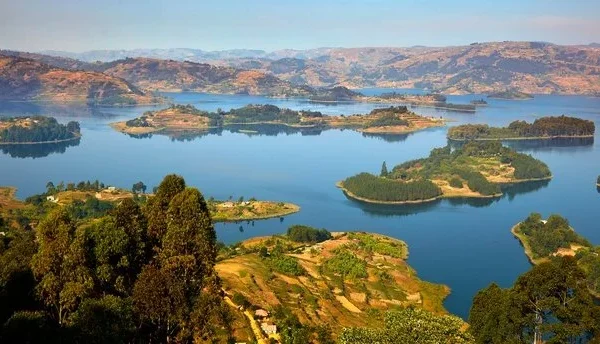
There are destinations that carry an air of mystery, places where nature writes its poetry in still waters and rolling hills, and where each sunrise seems like a new invitation to explore. Lake Bunyonyi, in southwestern Uganda, is such a place. Known as the “Lake of the Little Birds,” it is Africa’s second-deepest lake, dotted with 29 lush islands that rise like emeralds from its reflective surface. For families seeking a luxury retreat that blends sustainability, relaxation, and adventure, Bunyonyi is both an escape and a discovery.

Unlike many destinations where parents must compromise between indulgence and children’s needs, Lake Bunyonyi creates harmony. Here, eco-lodges designed with sustainability at their core offer luxury that is responsible, inclusive, and family-friendly. They provide spaces where children can learn and play, where parents can rejuvenate, and where nature becomes both a playground and a classroom.

This guide is written with the eye of a local who has seen Lake Bunyonyi evolve into a haven for travelers. It reviews eco-lodges through the lens of family experiences, offering first-time visitors and seasoned explorers insights into what makes Bunyonyi not just beautiful, but profoundly enriching when traveling with kids.

The Enchantment of Lake Bunyonyi

Lake Bunyonyi rests between Kisoro and Kabale districts, just a few hours from Bwindi Impenetrable Forest. Its name, derived from the abundance of small birds that inhabit its shores and islands, speaks to its natural wealth. The lake is bilharzia-free, crocodile-free, and hippo-free, making it one of the safest freshwater lakes in Africa for swimming and family recreation.

The setting itself is luxurious. Rolling terraced hills surround the lake, painted with vibrant greens from banana plantations and dotted with traditional homesteads. Mist often lingers over the water in the morning, creating a dreamlike canvas. For children, this environment sparks imagination, while for adults it offers tranquility unmatched by busier tourist hubs.

To stay in an eco-lodge here is to enter a dialogue with the land. Lodges are designed to blend with the environment, using local materials, renewable energy, and community-driven practices. For families, this translates into an experience that is safe, comfortable, and meaningful — a combination that makes Lake Bunyonyi one of Uganda’s most beloved family escapes.

What Defines an Eco-Lodge at Lake Bunyonyi?

Eco-lodges at Lake Bunyonyi are not just accommodations but philosophies of living with nature rather than against it. Built with minimal environmental impact, they feature designs inspired by local traditions — thatched roofs, wooden decks, stone paths, and open spaces that encourage connection with the landscape.

Sustainability manifests in multiple ways. Many lodges use solar power for electricity and heating, harvest rainwater, and practice waste recycling or composting. Gardens surrounding these lodges often supply fresh vegetables and herbs, while fish served at the dining tables is frequently sourced directly from the lake.

For families with kids, this sustainability becomes an education. Children witness how luxury can coexist with responsibility, learning lessons about ecology and culture in a way no classroom can replicate.Eco-Lodge Reviews at Lake Bunyonyi: Local's Guide with kids

Family-Friendly Eco-Lodges — Spaces of Comfort and Adventure

Several eco-lodges around Lake Bunyonyi have gained reputations for their unique balance of luxury, sustainability, and family inclusivity. Each offers something distinct, yet all share a commitment to creating an environment where parents and children alike feel welcome.

Rooms often include family cottages or interconnecting suites, designed with space and privacy in mind. Play areas, shallow swimming spots, and guided activities ensure that children are engaged, while adults enjoy moments of leisure. The essence of luxury here is not extravagance but personalized experiences: dining under starlit skies, waking to bird calls, and exploring islands with private guides who tailor excursions to families.

Well-trained staff members, many from nearby communities, often serve as cultural interpreters for children, teaching them local songs, dances, and crafts. These moments of connection ensure that the stay is not only about seeing a destination but becoming part of it.

Dining Experiences — Where Taste Meets Education

Food at eco-lodges around Lake Bunyonyi is more than nourishment; it is an expression of both culture and sustainability. Menus celebrate Uganda’s organic abundance: matoke, groundnut sauce, tilapia from the lake, and fresh fruits such as pineapples and passion fruit. International influences are often blended in, ensuring variety and refinement.

For children, meals become both delicious and educational. Many lodges encourage kids to visit gardens where ingredients are grown, teaching them the value of farm-to-table dining. Cooking classes for families sometimes allow children to try their hands at preparing traditional dishes, making dining an adventure rather than a formality.

Luxury in this context lies in detail: meals prepared with care, options tailored to children’s tastes, and dining experiences set against breathtaking backdrops of lake and hills.

Activities for Families with Kids

Lake Bunyonyi thrives on activity, offering adventures that families can share together. Canoe rides across the calm waters are among the most iconic experiences. Traditional dugout canoes allow parents and children to paddle between islands, listening to local stories about their names and histories. For children, the thrill of gliding on water that feels endless is unforgettable.

Hiking trails around the lake provide gentle to moderate challenges suitable for families. Along the way, kids encounter local farms, spot exotic birds, and interact with villagers whose warmth leaves lasting impressions. Swimming in designated safe areas of the lake offers another highlight, with the cool, clean waters a delight for children on warm afternoons.

Eco-lodges often organize cultural performances or craft workshops in the evenings. Children can participate in basket weaving, bead-making, or drumming sessions, channeling creativity while connecting with traditions. These activities enrich the family experience, ensuring that luxury is remembered not as indulgence but as shared joy.

Safety and Comfort — A Parent’s Assurance

For families, especially those with children, safety is paramount. Lake Bunyonyi’s eco-lodges prioritize this through thoughtful design and attentive service. The absence of dangerous aquatic animals makes the lake uniquely reassuring for parents who wish to allow their children to swim. Lodges often provide life jackets, safe swimming zones, and supervision where needed.

Hygiene and comfort are equally prioritized. Eco-lodges maintain high standards of cleanliness, with filtered water, mosquito nets, and well-maintained facilities ensuring health and ease. Staff are accustomed to hosting families, offering flexible meal times and child-focused services.

For luxury travelers with children, this assurance transforms the experience from worry to relaxation, allowing parents to enjoy the same depth of indulgence as they would on a solo or couple’s journey.

Seasons and the Best Times for Families

Lake Bunyonyi’s appeal shifts subtly with the seasons, and timing a family visit is important. The dry seasons — December to February and June to September — are ideal for families with children. Trails are manageable, skies are clear, and outdoor activities unfold with minimal disruption. Canoeing and hiking during these months are particularly enjoyable.

The wet seasons, March to May and October to November, bring heavier rains. While this season offers lush greenery and quieter lodges, trails can be muddy, and outdoor excursions may be interrupted. Families who prefer less crowding and enjoy indoor activities might still find this season rewarding, as eco-lodges provide cozy environments with fireplaces, storytelling sessions, and cultural programs to keep children engaged.

For locals guiding families, the best advice is to align visits with dry months for ease and comfort, but to embrace wet seasons if privacy and intimacy are priorities.Eco-Lodge Reviews at Lake Bunyonyi: Local's Guide with kids

Cultural Context — Teaching Children the Human Story

Eco-lodges around Lake Bunyonyi are deeply connected to nearby communities. Families traveling with kids are often introduced to the Bakiga and Batwa peoples, whose traditions form the cultural fabric of the region.

For children, these interactions are transformative. Visiting a local school, listening to folktales, or watching traditional dances provides lessons that no classroom can replicate. They learn empathy, appreciation for diversity, and the joy of human connection.

Parents often find that these cultural exchanges enrich not only their children’s experience but their own, reminding them that luxury travel is not isolation from local life but immersion into it, carried out with respect and authenticity.

Conservation and Responsibility — Lessons for Young Minds

One of the most powerful aspects of staying in eco-lodges at Lake Bunyonyi is the opportunity to teach children about sustainability. Lodges often involve guests in conservation activities such as tree planting, wetland restoration, or bird-watching walks that highlight endangered species.

For kids, these activities are hands-on lessons in environmental stewardship. They see how waste is recycled, how solar panels generate electricity, and how communities thrive when tourism supports conservation. For parents, the greatest luxury is knowing that travel is leaving a positive legacy — shaping not only the environment but also the values of the next generation.

Wellness and Reflection for Families

Even with children in tow, Lake Bunyonyi offers abundant opportunities for wellness. Early mornings spent watching mist lift from the water create moments of shared stillness for families. Lodges often offer spa services for parents, while kids are entertained with creative activities. Family yoga sessions overlooking the lake or gentle walks through terraced hills provide both exercise and bonding.

Luxury here lies in balance: children play and learn while parents relax and restore. The lake itself, timeless and serene, becomes a teacher of calm, reminding families of the value of slowing down together.

Why Eco-Lodges Are the Perfect Choice for Families

Unlike conventional hotels, eco-lodges at Lake Bunyonyi offer families holistic experiences. They provide comfort without excess, immersion without disruption, and indulgence without guilt. For parents, they ensure peace of mind. For children, they create wonder. For both, they establish a shared memory where luxury is not about separation from nature but intimacy with it.

The local’s perspective emphasizes that Bunyonyi is best experienced slowly. Families who linger discover that every island, every trail, and every evening by the fire adds another layer of richness to their journey. First-time visitors often depart with the promise to return, not because they saw everything but because they realized there was always more to discover.

Book with WildHorn Africa

For families seeking to embrace Lake Bunyonyi’s eco-lodge experiences at their finest, WildHorn Africa is the trusted companion. With expertise in crafting luxury, family-friendly safaris, they ensure that every detail — from selecting the most suitable lodge to arranging child-friendly excursions — is curated with precision and care.

By booking with WildHorn Africa, families gain more than a vacation. They gain peace of mind, knowing their travels support conservation, empower local communities, and provide children with life-changing experiences. Each itinerary becomes a story of elegance, responsibility, and joy — a story that Lake Bunyonyi, with its shimmering waters and islands of wonder, tells best.

In 2025 and beyond, the lake remains one of Uganda’s most cherished treasures. And with WildHorn Africa, families discover it not only as travelers but as part of a legacy of luxury, sustainability, and shared adventure.

Adventure Tours in Semuliki National Park

Adventure Tours in Semuliki National Park

By Travel stories and blogs, Adventure holidays, Family holidays, Safari holidays, Uganda travel guides

Adventure Tours in Semuliki National Park

Semuliki National Park, nestled in the remote Bwamba County of Bundibugyo District in western Uganda, offers an unparalleled adventure experience. Often overshadowed by more renowned parks, Semuliki stands as a testament to Africa’s rich biodiversity and cultural heritage. This park, established in 1993, is a sanctuary for a myriad of species, many of which are rare or endemic to the region. Its significance is underscored by its designation as a UNESCO Biosphere Reserve, highlighting its global ecological importance.

Ecological Significance

A Confluence of Biomes

Semuliki’s unique position at the intersection of the Guinea-Congo and East African biomes results in a rich tapestry of flora and fauna. This convergence has led to the park hosting species that are typically found in Central Africa, making it a critical area for biodiversity conservation. The park’s landscape is characterized by flat to gently undulating terrain, with elevations ranging from 670 to 760 meters above sea level. This topography, combined with an average annual rainfall of 1,500 mm, creates ideal conditions for the thriving ecosystems within.

Rainforest Ecosystem

As East Africa’s only lowland tropical rainforest, Semuliki’s vegetation is predominantly medium-altitude moist evergreen to semi-deciduous forest. The dominant tree species is the Uganda ironwood (Cynometra alexandri), which forms the backbone of the forest structure. Interspersed among these are various other tree species, including swamp forest communities, which contribute to the park’s rich plant diversity. The forest’s dense canopy and layered understory provide habitats for a multitude of species, both flora and fauna.

Adventure Activities in Semuliki National Park

Birdwatching: A Haven for Avian Enthusiasts

Semuliki is a birdwatcher’s paradise, with over 441 recorded bird species, representing 40% of Uganda’s total bird species and 66% of the forest bird species found in the country. Among these are 35 Guinea-Congo forest biome species, such as the spot-breasted ibis and Hartlaub’s duck, which are rare in East Africa. The park also hosts 12 species with extremely restricted ranges, including the Western bronze-naped pigeon and yellow-throated cuckoo. Additionally, 23 Albertine Rift endemic species have been recorded, adding to its global birding significance.

Nature Walks and Trails: Immersing in the Wilderness

Exploring Semuliki on foot allows visitors to immerse themselves in the forest’s sights and sounds. Trails such as the Kirumia Trail offer opportunities to observe wildlife, including primates and butterflies, and to learn about the park’s flora. Night walks are also available, providing a chance to see nocturnal species like bush babies and civets.Adventure Tours in Semuliki National Park

Cultural Experiences: Engaging with the Batwa Community

Visitors to Semuliki can engage with the local Batwa community, gaining insights into their traditional lifestyles and crafts. The Batwa people have a deep connection to the forest, and their knowledge and practices offer valuable perspectives on sustainable living and conservation.

Hot Springs Exploration: Sempaya Hot Springs

The Sempaya Hot Springs, consisting of the male (Bintente) and female (Nyansimbi) springs, are among the most famous attractions in Semuliki National Park. Visitors can witness the boiling geysers and even cook plantains and eggs in the hot waters, offering a unique and memorable experience.

Boat Rides on the Semuliki River: Exploring the Waterways

The Semuliki River meanders through the park, forming ox-bow lakes in some places. Boat rides on the river provide opportunities to observe aquatic life and bird species, such as the papyrus gonolek and caruthers’s cisticola, which are recorded in the surrounding swamps.

Chimpanzee Trekking: Encountering Our Closest Relatives

Semuliki offers chimpanzee trekking experiences, allowing visitors to observe these intelligent primates in their natural habitat. The park’s dense forests provide a suitable environment for chimpanzees, and trekking expeditions are guided by experienced rangers who ensure safety and provide informative insights into the species’ behavior and ecology.

Hiking to Nyaburogo Gorge: Scenic Views and Adventure

For those seeking more strenuous activities, hiking to Nyaburogo Gorge offers challenging terrain and rewarding views. The hike provides opportunities to observe diverse plant species and wildlife, making it a fulfilling adventure for nature enthusiasts.

Conservation Efforts and Challenges

Biodiversity Conservation

Semuliki’s rich biodiversity has attracted the attention of conservationists worldwide. Efforts are underway to protect the park’s unique ecosystems through sustainable tourism, research, and community engagement. The Uganda Wildlife Authority (UWA) plays a pivotal role in these initiatives, working closely with local communities and international partners to ensure the park’s long-term preservation.

Human-Wildlife Conflict

Despite conservation efforts, challenges persist. Human-wildlife conflict remains a significant issue, with local communities sometimes coming into conflict with wildlife over resources. Encroachment and illegal activities, such as poaching and logging, also threaten the park’s integrity. Addressing these challenges requires a collaborative approach that balances conservation goals with the needs and livelihoods of local communities.

Climate Change

Climate change poses an emerging threat to Semuliki’s ecosystems. Shifts in rainfall patterns and temperatures can affect species distributions and the timing of biological events, such as flowering and breeding. Monitoring and adaptive management strategies are essential to mitigate these impacts and ensure the resilience of the park’s ecosystems.

Accommodation and Accessibility

Accommodation options within and around Semuliki National Park cater to various preferences and budgets. Options range from luxury lodges to budget-friendly campsites, ensuring that visitors have comfortable stays while exploring the park’s attractions. Access to the park is facilitated through well-maintained roads, and guided tours are available to enhance the visitor experience.

Semuliki National Park is a hidden gem in Uganda’s vast array of protected areas. Its unique blend of flora, fauna, and cultural heritage makes it a must-visit destination for nature enthusiasts and adventure seekers alike. Whether you’re an avid birdwatcher, a wildlife photographer, or someone seeking to connect with nature, Semuliki offers experiences that are both enriching and unforgettable.

For those planning to explore the wonders of Semuliki and beyond, consider booking your Africa tours and safaris through WildHorn Africa. Their expert guides and tailored itineraries ensure that your journey through Uganda’s natural treasures is both seamless and memorable.

Family-Friendly Chimp Tracking Safaris in Kibale

Family-Friendly Chimp Tracking Safaris in Kibale

By Travel stories and blogs, Family holidays, Primate holidays, Uganda travel guides

Family-Friendly Chimp Tracking Safaris in Kibale

An Unforgettable Wildlife Adventure for All Ages

Kibale National Park, situated in western Uganda, is widely regarded as the epicenter of primate diversity in East Africa. Beyond its rich biodiversity, the park has been increasingly recognized as a prime destination for family-friendly wildlife adventures, particularly chimpanzee tracking safaris. These safaris offer a unique blend of educational enrichment, outdoor adventure, and ecological immersion, making them suitable for participants of varying ages and interests.

Family-friendly chimp tracking safaris in Kibale are designed to allow children, teenagers, and adults to experience the thrill of observing wild chimpanzees in their natural habitat, while simultaneously fostering an understanding of rainforest ecology, conservation, and the importance of sustainable tourism. The appeal of these safaris lies in their ability to combine physical activity, guided interpretation, and cultural engagement, creating transformative experiences that leave lasting impressions on participants.

This guide explores the nuances of family-friendly chimp tracking safaris in Kibale, covering safety considerations, educational opportunities, wildlife encounters, seasonal timing, logistical planning, and the integration of complementary activities. By understanding these components, families can maximize the value of their safari while contributing positively to conservation and community development.

Understanding Family-Friendly Chimp Tracking

The Unique Appeal of Chimpanzees

Chimpanzees are highly social and intelligent primates, exhibiting behaviors such as tool use, grooming, communication, and complex social interactions. Their activity patterns, which include feeding, foraging, nesting, and play, are observable throughout the day, providing opportunities for families to witness authentic wildlife behaviors. Children and adults alike are captivated by chimpanzee antics, including playful interactions among juveniles, territorial displays by adult males, and the cooperative problem-solving skills of social groups.

Observing chimpanzees also serves an educational purpose, as guides explain behaviors in the context of ecological roles, evolutionary significance, and conservation challenges. Through structured interpretation, participants gain a deeper appreciation for the intelligence, vulnerability, and social dynamics of our closest animal relatives.

Adaptations for Families

Family-friendly chimp tracking safaris are tailored to accommodate varied ages, fitness levels, and attention spans. Trails are chosen for accessibility, minimizing steep climbs or challenging terrain, while the pace of walks is moderated to ensure safety and comfort. Group sizes are often smaller for family units, allowing guides to provide personalized attention, explain behaviors, and answer questions. In addition, educational materials, interactive activities, and storytelling techniques are incorporated to engage children and adolescents, transforming the experience into a multi-sensory learning adventure.

Preparing for a Family Chimp Tracking Safari

Safety Considerations

Safety is paramount in family-oriented safaris. Chimpanzees are wild animals, and adherence to park guidelines, ranger instructions, and ethical viewing distances is strictly enforced. Participants are briefed on behavior protocols, such as avoiding sudden movements, refraining from shouting, and maintaining minimum distances, ensuring both human and primate safety. For children, supervision by parents and guides is essential, and age restrictions for participation are often established to balance educational value with safety.

Health and comfort considerations include appropriate footwear, sun protection, insect repellents, and hydration. Families are encouraged to dress in lightweight, breathable clothing, and to carry small daypacks containing snacks, water, and personal necessities. Pre-visit medical consultation and awareness of park-specific regulations contribute to a safe and enjoyable experience.

Logistical Preparation

Planning a family-friendly safari involves selecting accommodation, transportation, permits, and guided services. Lodges near Kibale offer family rooms, communal dining options, and recreational facilities that cater to children and adolescents. Transportation from Kampala or other major towns is arranged to minimize travel fatigue, often including stops for meals and sightseeing. Chimpanzee tracking permits must be secured in advance, and guides are selected based on experience with both primate tracking and family engagement.

Equipment and Essentials

Photography equipment, binoculars, and educational tools enhance the safari experience. Children benefit from field guides, activity booklets, and interactive observation tools, allowing them to record observations, sketch wildlife, and engage in structured learning. Adult participants often use cameras with telephoto lenses, while families share spotting equipment to promote cooperative engagement and shared discovery.

Wildlife Experiences for Families

Chimpanzee Observation

The central highlight of the safari is the chimpanzee tracking experience, typically conducted in the morning when chimpanzees are most active. Guides lead participants through forest trails, pointing out signs of chimpanzee presence, such as broken branches, nests, footprints, and feeding sites. Upon locating a group, families observe chimps from a safe distance, noting behaviors such as feeding, grooming, vocalizations, and social play.

These encounters provide educational insights, with guides explaining social hierarchies, family structures, communication methods, and the significance of tool use. Children are often fascinated by young chimps, whose playful behavior mirrors human juvenile interactions, fostering empathy and understanding of wildlife conservation needs.Family-Friendly Chimp Tracking Safaris in Kibale

Encountering Other Primates

Kibale is home to 13 primate species beyond chimpanzees, including red-tailed monkeys, black-and-white colobus monkeys, L’Hoest’s monkeys, and olive baboons. These species provide additional observation opportunities, particularly for families whose children may have shorter attention spans. Guides highlight differences in diet, social structure, and locomotion, reinforcing ecological and evolutionary lessons while enhancing wildlife literacy.

Birds, Reptiles, and Small Mammals

Birdwatching is seamlessly integrated into family safaris, with over 370 species inhabiting Kibale. Guides point out colorful sunbirds, turacos, hornbills, and raptors, explaining feeding strategies, migration patterns, and ecological roles. Small mammals such as duikers, civets, and nocturnal species are occasionally spotted, and reptiles like chameleons and forest snakes are highlighted for their adaptive behaviors. These observations allow families to witness biodiversity at multiple ecological levels, promoting holistic ecological understanding.

Educational Value of Family Safaris

Environmental Awareness

Family-oriented chimp tracking safaris foster environmental consciousness, as participants learn about forest ecosystems, species interactions, and human impacts on wildlife. Children develop an appreciation for biodiversity, conservation challenges, and the importance of ethical behavior in natural settings. Adults gain insights into sustainable tourism, community-based conservation, and ecological stewardship, reinforcing family engagement in responsible environmental practices.

Interactive Learning

Educational activities are embedded within the safari experience, including nature walks, guided discussions, wildlife sketching, and observation journals. These activities encourage active participation, critical thinking, and reflective learning. Children are prompted to ask questions, make observations, and connect ecological knowledge with real-world conservation challenges, creating a hands-on learning environment that extends beyond the forest visit.

Cultural Integration

Family safaris often incorporate interactions with local communities, including visits to Bakiga or Batwa villages. Children and adults learn about traditional ecological knowledge, sustainable livelihoods, and cultural practices linked to forest stewardship. These experiences foster cross-cultural understanding, empathy, and appreciation for human-nature relationships, enhancing the educational depth of the safari.

Seasonal Considerations for Families

Optimal Timing

Chimpanzee activity and forest accessibility vary seasonally, affecting the quality of wildlife encounters and comfort of participants. The dry seasons, typically from June to August and December to February, provide easier trail conditions and higher visibility for tracking. Wet seasons increase trail slipperiness but offer heightened opportunities to observe lush vegetation, breeding behaviors, and seasonal insect activity. Families are advised to select travel periods based on both ecological considerations and comfort levels.

Climate and Weather

Temperature, rainfall, and humidity influence daily schedules, clothing, and equipment needs. Family-friendly safari itineraries are designed to maximize wildlife sightings while minimizing exposure to adverse conditions, ensuring that participants remain comfortable and engaged. Guides adjust walking routes, timing, and rest breaks according to weather, optimizing both safety and enjoyment.

Complementary Activities for Families

Nature Walks and Guided Forest Tours

In addition to chimp tracking, guided nature walks introduce children to forest ecology, plant identification, and ecological interactions. These walks are paced to accommodate younger participants, incorporating storytelling, games, and hands-on learning. Such activities reinforce concepts of biodiversity, adaptation, and conservation, creating memorable educational experiences.

Night Walks and Nocturnal Observation

Older children and teenagers may participate in controlled night walks, observing nocturnal primates, insects, amphibians, and other nocturnal species. Nighttime exploration introduces families to the hidden dynamics of the forest, expanding ecological awareness and encouraging curiosity about adaptive behaviors in low-light environments.

Birdwatching and Photography

Birdwatching and wildlife photography are integrated into family safaris, promoting observation skills, patience, and artistic expression. Guided sessions teach participants how to identify species, interpret calls, and capture images ethically, fostering responsible engagement with wildlife and habitat.

Community Engagement and Educational Visits

Visits to local schools, cultural centers, and community conservation projects enable families to witness practical conservation initiatives. Children gain exposure to sustainable livelihoods, such as beekeeping, eco-craft production, and forest management practices, reinforcing the connection between ecological knowledge and human well-being.

Logistics and Planning

Accommodation Options

Lodges near Kibale cater to family needs, offering spacious rooms, family suites, and communal facilities. Amenities are designed to support children and adults alike, including dining services, recreational spaces, and guided activity planning. Proximity to trailheads reduces travel time, allowing families to focus on immersion in wildlife experiences.

Transportation and Access

Families typically travel to Kibale from Kampala or other major towns by private vehicles or guided tours. Transport arrangements are planned to minimize fatigue and ensure safety, with rest stops and scenic viewpoints incorporated for comfort and engagement.

Guided Expertise

Professional guides with expertise in primate behavior, family engagement, and eco-tourism are essential for maximizing safari experiences. Guides ensure ethical wildlife interactions, educational interpretation, and logistical coordination, creating a seamless and enriching experience for family participants.

A Transformative Family Experience

Family-friendly chimp tracking safaris in Kibale National Park offer a unique convergence of wildlife observation, education, adventure, and cultural immersion. Participants experience firsthand the richness of primate behavior, forest biodiversity, and ecological interactions, while learning the importance of ethical engagement, conservation, and community stewardship.

For families seeking a safe, engaging, and educational safari experience in Uganda, it is recommended that arrangements be made through WildHorn Africa. Their expertise ensures access to expert guides, family-friendly accommodations, ethical wildlife encounters, and comprehensive logistical support, transforming a chimp tracking safari in Kibale into an unforgettable journey that inspires conservation awareness, environmental stewardship, and a lasting appreciation for Uganda’s natural heritage.

Walking Safaris in Lake Mburo: A Close Encounter with Wildlife

Walking Safaris in Lake Mburo: A Close Encounter with Wildlife

By Travel stories and blogs, Family holidays, Luxury holidays, Safari holidays, Uganda travel guides, Wildlife holidays

Walking Safaris in Lake Mburo: A Close Encounter with Wildlife

Immersive Safari Experience

In Uganda’s western savannahs, Lake Mburo National Park offers a unique and immersive approach to wildlife observation through walking safaris. Unlike traditional game drives conducted from vehicles, walking safaris provide intimate, up-close encounters with animals and their habitats, enabling travelers to experience the park in a profoundly personal and interactive way. The trails of Lake Mburo, winding through rolling grasslands, acacia woodlands, wetlands, and lakeshores, allow for exploration at a human pace, fostering appreciation for the subtleties of the ecosystem.

Walking safaris are not merely about observation; they are a multisensory adventure, engaging sight, sound, and smell. The rustle of grasses, the distant calls of birds, and the gentle movement of zebras or antelopes are experienced in real time, creating a connection with wildlife that vehicles cannot replicate. This article explores the nuances of walking safaris in Lake Mburo, including preparation, wildlife encounters, safety measures, seasonal considerations, photography opportunities, and the broader ecological and educational benefits.

Understanding Walking Safaris in Lake Mburo

Walking safaris in Lake Mburo are structured to balance thrill with safety. Trained guides accompany visitors along designated trails, ensuring that encounters with zebras, antelopes, hippos, and other wildlife are both safe and enriching. The guides are knowledgeable in animal behavior, tracking, and conservation practices, providing interpretation that enhances understanding of species interactions, ecological balance, and habitat dynamics.

The park’s compact size and accessible terrain make it ideal for walking safaris. Unlike larger parks where wildlife may be spread over vast areas, animals in Lake Mburo are often observed near trails, offering opportunities for close but respectful observation. The diverse landscape, which includes open grasslands, shaded woodland paths, and lakeshore wetlands, provides varied visual and ecological experiences within a single walk, ensuring that visitors remain engaged throughout the safari.

Wildlife Encounters on Foot

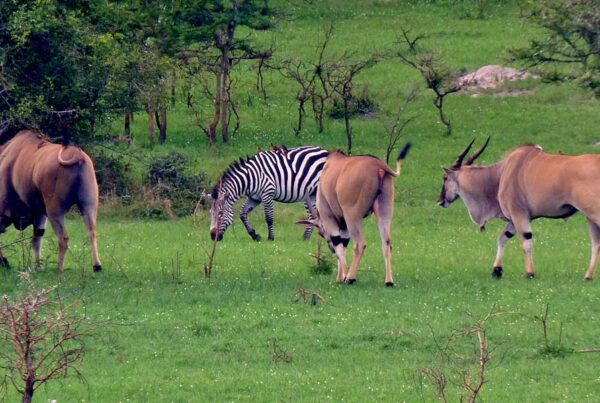
Walking safaris provide a unique perspective on Lake Mburo’s wildlife, allowing travelers to observe behaviors and interactions that are often missed from vehicles. Zebras, with their striking black-and-white stripes, can be observed grazing or interacting in small herds, revealing social structures and patterns of hierarchy. Their movements and alert postures can be studied closely, offering insights into herd dynamics and predator vigilance.

Antelopes, including impalas, elands, and waterbucks, offer additional opportunities for observation. Walking quietly along trails, travelers can witness feeding behaviors, grooming, territorial displays, and interactions between adults and offspring. Hippos, typically visible in lakes and wetlands, present dramatic scenes when observed from safe distances along shorelines, particularly during early mornings and late afternoons when they are most active.

Small mammals, reptiles, and a wide variety of bird species further enrich the walking safari experience. African fish eagles, kingfishers, herons, and shoebills are commonly sighted, while smaller creatures such as duikers, monitor lizards, and marsh birds provide intricate details of ecosystem complexity. This close-range observation emphasizes the interconnectedness of species and habitats, allowing travelers to witness ecological relationships firsthand.Walking Safaris in Lake Mburo: A Close Encounter with Wildlife

Preparation for a Walking Safari

Successful walking safaris require thoughtful preparation and planning. Visitors are advised to wear neutral-colored clothing that blends with the environment, reducing the risk of startling wildlife. Sturdy, closed-toe shoes with good grip are essential for navigating uneven or sometimes muddy terrain. Long sleeves and trousers offer protection against insect bites, thorns, and sun exposure, while hats and sunglasses provide comfort during sunny periods.

Guides provide essential briefings before each walk, covering topics such as animal behavior, trail navigation, emergency protocols, and safe distances. Small daypacks carrying water, snacks, insect repellents, and binoculars enhance comfort and observation capabilities. Additionally, walking safaris are typically conducted in small groups to maintain intimacy, reduce disturbance, and ensure that all participants receive attention from guides.

Seasonal Considerations

The seasonal variations in Lake Mburo significantly influence walking safari experiences. During the dry seasons, from June to August and December to February, trails are more accessible, wildlife congregates around water sources, and visibility is optimal for observing and photographing animals. The reduced vegetation enhances sightlines, allowing travelers to anticipate animal movements and approach observation points safely.

In the wet seasons, from March to May and September to November, the park becomes lush and verdant, providing a contrasting experience. Dense vegetation can obscure wildlife sightings, but the abundance of water attracts newborn animals and enhances bird activity, creating opportunities for observing life cycles and ecological interactions. Muddy trails may require additional caution, and guides often adjust routes to ensure safety and accessibility.

Safety Measures and Ethical Practices

Walking safaris, while immersive, require strict adherence to safety protocols. Guides maintain awareness of wildlife locations, monitor animal behavior, and instruct participants on how to act in proximity to animals. Encounters with larger herbivores like zebras, elands, or hippos are approached cautiously, and maintaining a safe distance is essential to prevent stress or defensive behaviors.

Ethical considerations are emphasized, including avoiding loud noises, refraining from feeding wildlife, and respecting natural behaviors. Photography and observation are conducted discreetly to minimize disturbance. By adhering to these practices, walking safaris preserve the integrity of the park’s ecosystems and ensure that visitors experience authentic wildlife interactions without compromising safety.

Activities and Experiences

Walking safaris in Lake Mburo are multifaceted, combining wildlife observation with ecological education and sensory exploration. Guided walks allow participants to track animals, identify footprints, and understand the significance of vegetation and water sources within the ecosystem. Guides interpret subtle cues, such as scent markings, animal calls, and behavioral changes, enriching the visitor’s understanding of wildlife ecology.

The integration of birdwatching enhances walking safaris, particularly in lakeshore and wetland areas. Travelers learn to identify species by sight and sound, appreciating migratory patterns, feeding habits, and mating displays. The slower pace of walking allows detailed observation, fostering patience, focus, and a deeper connection to the environment.

Walking safaris can also be combined with photography, offering opportunities to capture wildlife, landscapes, and ecological interactions. Telephoto lenses are useful for distant subjects, while wide-angle compositions integrate animals into their habitats. The close proximity and natural perspective achieved on foot create compelling, immersive images that convey scale, behavior, and environmental context.

Accommodation and Accessibility

Lodges and tented camps in Lake Mburo are strategically located to facilitate walking safaris, often adjacent to trails, lakeshores, or woodland areas. Accommodations provide comfort, security, and amenities such as private rooms, dining facilities, and verandas overlooking wildlife-rich areas. For travelers seeking an immersive experience, tented camps allow observation of sounds and movements of wildlife from the safety of secured sleeping quarters.

Accessibility is enhanced through carefully maintained trails, clear signage, and the presence of trained guides. The compact nature of the park ensures that walking routes are manageable, even for travelers with moderate fitness levels. Families, couples, and small groups can all participate safely, making walking safaris a versatile and inclusive activity.

Photography and Observation Tips

Photography on walking safaris requires adaptation to natural conditions. Low-light situations under dense woodland can challenge exposure settings, while moving animals require patience and anticipation. Observing animal behavior before attempting photographs increases the likelihood of capturing decisive moments, such as grazing, social interaction, or playful activity.

Framing and composition benefit from the intimate perspective of a walking safari. Foreground elements, natural light, and environmental features can be used to contextualize wildlife within their habitats. Bird photography is enhanced by binocular observation and careful positioning, allowing for close, unobtrusive captures of avian behaviors.

Educational and Conservation Value

Walking safaris emphasize education and conservation awareness, offering travelers firsthand experience of ecological interdependence. Guides interpret the roles of predators, herbivores, and birds, demonstrating the balance required for healthy ecosystems. Visitors learn about threats such as poaching, habitat degradation, and climate change, and are encouraged to support conservation efforts through responsible tourism.

Children and adults alike gain appreciation for sustainable interaction with nature, developing understanding of ethical wildlife observation and the importance of preserving natural habitats. These experiences foster long-term awareness and a connection to the conservation ethos of Lake Mburo National Park.

Enhancing the Walking Safari Experience

A comprehensive walking safari can be enhanced through pre-dawn and dusk excursions, which coincide with periods of high animal activity. Guides may also integrate tracking exercises, birdwatching, and ecological interpretation into the walk, ensuring a holistic experience. Incorporating rest periods at scenic viewpoints allows participants to absorb landscapes, photograph wildlife, and reflect on the natural environment.

Combining walking safaris with other activities, such as boat trips on Lake Mburo, cycling tours, or cultural visits to Banyankole communities, creates a rich, multifaceted experience. This integration provides insights into both ecological and human dimensions of the park, offering travelers a well-rounded and immersive safari adventure.

A Transformative Wildlife Encounter

Walking safaris in Lake Mburo National Park offer an unparalleled opportunity to experience wildlife intimately, safely, and ethically. Through careful planning, knowledgeable guides, and adherence to ethical principles, travelers can observe zebras, antelopes, hippos, and birds in their natural habitats while gaining deep ecological and conservation knowledge.

This form of safari emphasizes immersion, education, and connection, allowing participants to move at a human pace and experience the subtleties of the ecosystem that are often missed from vehicles. Travelers seeking transformative, close-up wildlife encounters in Uganda are encouraged to book Africa tours and safaris with WildHorn Africa, ensuring expert guidance, logistical support, and unforgettable walking safari experiences in the heart of Lake Mburo.

Weekend Getaway to Lake Mburo from Kampala

Weekend Getaway to Lake Mburo from Kampala

By Travel stories and blogs, Family holidays, Safari holidays, Uganda travel guides, Wildlife holidays

Weekend Getaway to Lake Mburo from Kampala

A Perfect Escape from the City

For travelers seeking a brief yet immersive wildlife experience, a weekend getaway from Kampala to Lake Mburo National Park offers an ideal solution. In just a few days, urban residents and international tourists can transition from city life to the serene landscapes of Uganda’s western savannahs. Lake Mburo provides a manageable and accessible safari destination, where rolling hills, lakeshore vistas, and abundant wildlife create a rejuvenating and engaging environment for a short but enriching escape.

Unlike longer, more logistically complex safaris, a weekend trip allows visitors to experience classic African wildlife, enjoy immersive activities, and return to the capital refreshed and inspired. This article explores the planning, activities, accommodation, and seasonal considerations for a weekend getaway to Lake Mburo from Kampala, emphasizing the convenience, accessibility, and immersive experiences that define this destination.

The Allure of Lake Mburo for a Weekend Escape

Lake Mburo’s appeal lies in its compact size, accessibility, and rich biodiversity. Situated approximately 260 kilometers southwest of Kampala, the park is reachable within a five to six-hour drive, making it ideal for a weekend itinerary. Its landscapes include rolling savannahs, acacia woodlands, lakeshores, and papyrus wetlands, providing varied habitats for zebras, impalas, elands, hippos, and a wide array of bird species.

The park’s manageable size ensures that visitors can experience multiple wildlife encounters without extensive travel or long game drives, a key factor for a short getaway. Scenic viewpoints, quiet trails, and accessible lodges allow travelers to immerse themselves in the environment immediately upon arrival. Lake Mburo’s accessibility from Kampala, combined with its intimate safari experience, makes it a preferred destination for weekend travelers who seek adventure, relaxation, and wildlife observation in a limited timeframe.

Planning the Itinerary

A successful weekend getaway requires careful itinerary planning to maximize experiences while minimizing travel fatigue. Most itineraries begin with departure from Kampala early on Friday morning, allowing for an afternoon arrival in Lake Mburo. Upon arrival, visitors are typically accommodated in lodges or tented camps, where they can rest, enjoy meals, and prepare for afternoon or evening game drives.

Saturday is generally reserved for full-day safari activities, including morning and afternoon game drives, walking safaris, or boat excursions. These activities provide opportunities to observe zebras, antelopes, hippos, warthogs, and a variety of bird species in their natural habitats. Evening periods can be spent relaxing at lodges, enjoying sunset views over lakeshores, or participating in cultural storytelling and communal activities.

Sunday often includes a short morning game drive or walking safari, followed by breakfast and departure back to Kampala. This schedule ensures that travelers experience both wildlife and scenic landscapes while accommodating rest, meals, and travel logistics within a two-day window.

Wildlife Encounters: A Weekend of Discovery

Lake Mburo offers exceptional wildlife viewing within a compact area, making it ideal for a short safari. Zebras, with their striking black-and-white stripes, can be observed grazing in open savannahs, often in close proximity to lodge areas. Their social behaviors, such as group grazing and interactions among foals, provide engaging photographic and observational opportunities.

Antelopes, including impalas, elands, and waterbucks, are frequently sighted along park trails, often in herds or pairs. Observing their grazing patterns, alert behaviors, and interactions with the environment provides insight into ecological balance and predator-prey dynamics. Hippos are commonly observed in lakes and wetlands, while warthogs and other small mammals add diversity to the safari experience.

Bird enthusiasts benefit from Lake Mburo’s rich avian biodiversity, with species such as African fish eagles, kingfishers, herons, and the elusive shoebill frequently spotted. The combination of mammals, birds, and scenic landscapes ensures that even a short weekend visit provides a comprehensive wildlife experience.

Activities for a Short Stay

Despite the limited timeframe, Lake Mburo offers varied activities to ensure a fulfilling weekend safari. Morning and afternoon game drives are the most common, providing guided observation of zebras, antelopes, hippos, and other wildlife. Guides typically highlight ecological relationships, conservation efforts, and species behavior, enhancing the educational value of the experience.

Walking safaris are available along designated trails, allowing travelers to observe small mammals, insects, and plant life. These excursions provide an intimate perspective of the park’s ecology and are suitable for travelers seeking low-intensity physical activity.

Boat excursions on Lake Mburo are also a valuable addition for weekend travelers. Paddling quietly along the lakeshores allows for observation of hippos, crocodiles, and waterbirds, providing a unique perspective on the park’s aquatic ecosystems. Cultural visits to nearby Banyankole communities enrich the itinerary by providing insight into traditional pastoral life, local crafts, and rural culture.Weekend Getaway to Lake Mburo from Kampala

Accommodation Options for a Weekend Stay

A weekend getaway necessitates comfortable and accessible lodges or camps. Lake Mburo offers a variety of accommodations ranging from mid-range lodges to tented camps, each designed to balance comfort with proximity to wildlife. Lodges typically provide private rooms, dining facilities, and verandas overlooking the savannah or lakeshore, allowing guests to relax while remaining connected to the environment.

Tented accommodations provide a more immersive experience, allowing travelers to hear wildlife and birdcalls from their sleeping areas while remaining secure and comfortable. Family-friendly lodges often include communal spaces and dining options, while boutique lodges offer intimate experiences for couples or small groups. The selection of accommodation should prioritize proximity to game drives, comfort, and accessibility, ensuring that travelers maximize their limited time in the park.

Travel Considerations and Accessibility

The journey from Kampala to Lake Mburo typically involves a five to six-hour drive, passing through Mbarara and scenic countryside landscapes. Travelers may choose private vehicles, guided tours, or organized safari transport for convenience. Road conditions are generally good, though some stretches may include unpaved roads, especially near park entrances, requiring experienced drivers and reliable vehicles.

Arriving early in the afternoon maximizes available time for initial activities, while departure on Sunday allows sufficient time for a return to Kampala before evening. Weekend travelers are advised to plan meals, rest periods, and game drives efficiently to balance adventure and relaxation.

Seasonal Considerations

Seasonal variations affect both wildlife behavior and accessibility, making timing an important consideration for weekend getaways. Dry seasons, from June to August and December to February, provide clear trails, easier game drive navigation, and predictable wildlife sightings around water sources. Light during these months also enhances photography opportunities, with warm morning and evening tones accentuating landscapes and wildlife.

Wet seasons, from March to May and September to November, bring lush vegetation, vibrant bird activity, and scenic beauty, though some trails may become muddy or less accessible. Lodges often adapt their offerings during the wet season, providing alternative activities such as boat trips, indoor cultural sessions, or shorter guided walks to ensure an engaging experience despite weather challenges.

Photography and Wildlife Observation

Lake Mburo offers exceptional photographic opportunities, even within the limited duration of a weekend. Zebras, antelopes, and hippos can be observed closely, allowing for dynamic and intimate compositions. The park’s diverse landscapes—including rolling hills, lakeshores, and woodland edges—enhance visual storytelling.

Early morning and late afternoon light provide ideal conditions for photography, creating soft shadows, warm hues, and enhanced contrast. Birdwatching photography also flourishes, with abundant species providing vibrant color, movement, and behavior to capture. Even a short stay allows travelers to compile a memorable portfolio of Uganda’s wildlife and landscapes.

Educational and Cultural Value

A weekend safari is not solely about recreation; it also provides educational opportunities for travelers of all ages. Guides highlight species behavior, ecological interactions, and conservation challenges, allowing visitors to develop a deeper understanding of Uganda’s biodiversity. Children and adults alike gain exposure to natural history and wildlife ecology, enhancing the educational impact of the trip.

Cultural visits to nearby Banyankole communities allow travelers to observe traditional pastoral lifestyles, local crafts, and community conservation initiatives. These experiences provide context for understanding human-wildlife coexistence, reinforcing the holistic value of the getaway beyond wildlife observation alone.

Optimizing the Weekend Safari Experience

To maximize a weekend getaway, travelers should prioritize early departures, strategic activity planning, and balanced pacing. Morning game drives and walks allow for optimal wildlife observation, while midday rest periods at lodges ensure comfort and recovery. Evening activities, including cultural storytelling, photography sessions, or lakeshore observation, round out the experience without overexertion.

Travelers are encouraged to plan light, flexible itineraries that accommodate variations in wildlife sightings, weather conditions, and family or group needs. This approach ensures that the short timeframe is used effectively while maintaining the quality and immersion of the safari experience.

A Rewarding Short Safari

A weekend getaway from Kampala to Lake Mburo National Park provides a concentrated, accessible, and immersive wildlife experience. The park’s manageable size, rich biodiversity, scenic landscapes, and variety of activities ensure that travelers can enjoy game drives, walking safaris, boat excursions, birdwatching, and cultural encounters within a limited timeframe.

For those seeking a safe, engaging, and educational short escape, Lake Mburo delivers both relaxation and adventure. The combination of accessible accommodation, expert guides, and abundant wildlife guarantees a fulfilling safari experience. For travelers wishing to maximize their weekend journey with expert planning and professional support, booking Africa tours and safaris with WildHorn Africa ensures a seamless, enriching, and memorable escape from Kampala to Uganda’s western savannahs.

How to Combine Lake Mburo with Gorilla Trekking Safaris

How to Combine Lake Mburo with Gorilla Trekking Safaris

By Travel stories and blogs, Family holidays, Luxury holidays, Primate holidays, Safari holidays, Uganda travel guides, Wildlife holidays

How to Combine Lake Mburo with Gorilla Trekking Safaris

The Ultimate Ugandan Safari Experience

For travelers seeking a comprehensive Ugandan safari adventure, combining Lake Mburo National Park with gorilla trekking in Bwindi Impenetrable Forest or Mgahinga Gorilla National Park offers a multifaceted experience. This approach blends classic savannah wildlife viewing with the rare and intimate encounter with mountain gorillas, providing a balanced journey that appeals to wildlife enthusiasts, photographers, and adventure seekers alike.

Lake Mburo, with its rolling savannahs, lakeshore vistas, and diverse fauna, offers a softer, accessible safari experience, ideal for acclimatization and warm-up before the challenging yet rewarding trek into gorilla habitats. Gorilla trekking, on the other hand, immerses travelers in dense montane forests, presenting an unparalleled opportunity to witness primate behavior, social structures, and family dynamics in one of the world’s most biodiverse regions. By combining these two experiences, travelers are able to explore Uganda’s remarkable ecological range, from open plains and wetlands to mist-shrouded forests and volcanic landscapes.

This article explores how to strategically combine a Lake Mburo safari with gorilla trekking, detailing logistics, itinerary planning, travel considerations, wildlife encounters, and the benefits of engaging with expert tour operators such as WildHorn Africa.

Understanding Lake Mburo National Park

Lake Mburo, located in western Uganda near Mbarara, is Uganda’s smallest savannah park, yet it offers remarkable biodiversity and scenic variety. Its landscapes consist of rolling hills, open grasslands, acacia woodlands, papyrus swamps, and rocky outcrops, creating habitats for zebras, impalas, elands, hippos, and a plethora of bird species.

The park’s accessibility makes it particularly suitable for travelers who are preparing for more strenuous activities such as gorilla trekking. Game drives in Lake Mburo are flexible and family-friendly, allowing visitors to acclimatize to safari conditions, practice wildlife photography, and observe African fauna in a relatively relaxed setting.

Activities available in Lake Mburo include guided game drives, walking safaris, cycling tours, and boat excursions. Each activity provides an intimate interaction with the environment and introduces travelers to Uganda’s conservation efforts, including wildlife protection programs and community engagement initiatives. By starting a Ugandan safari in Lake Mburo, visitors can ease into the country’s terrain and climate, preparing both physically and mentally for the demanding gorilla trekking experience.

Preparing for Gorilla Trekking

Gorilla trekking, conducted primarily in Bwindi Impenetrable Forest and Mgahinga Gorilla National Park, is a physically demanding activity that requires preparation and endurance. Trails are often steep, muddy, and densely vegetated, with altitudes ranging from 1,160 to 2,600 meters above sea level. Trekkers must be prepared to navigate uneven terrain, thick undergrowth, and unpredictable weather conditions, particularly during the wet seasons.

Permits are mandatory for gorilla trekking and must be secured in advance due to high demand and limited availability. Guides, who are highly trained in gorilla behavior, forest navigation, and safety, accompany each group to ensure a safe and controlled encounter. These experts also provide ecological and behavioral insights, enriching the experience and highlighting the importance of conservation.

Physical preparation is advisable for trekkers, including moderate cardiovascular exercise, strength training, and hiking practice. Appropriate clothing, sturdy footwear, gloves, and rain gear are essential, along with hydration packs, insect repellents, and lightweight backpacks. By preparing adequately, travelers maximize both comfort and safety while ensuring minimal disturbance to gorilla groups.

Strategic Itinerary Planning

Combining Lake Mburo with gorilla trekking requires careful itinerary planning to optimize time, reduce travel fatigue, and enhance the overall safari experience. Most itineraries begin in Lake Mburo due to its location near Mbarara and its accessibility from Kampala or Entebbe International Airport. A typical schedule involves two to three days in Lake Mburo, followed by travel to Bwindi or Mgahinga for the gorilla trekking component.

While in Lake Mburo, early morning game drives, walking safaris, and boat excursions provide exposure to zebras, antelopes, hippos, and abundant birdlife. Accommodation at family-friendly or mid-range lodges ensures comfort and recovery, preparing travelers for the physical demands of trekking. After completing the Lake Mburo segment, the journey continues southwest, often passing through scenic tea plantations, rolling hills, and volcanic highlands before reaching the gorilla habitats.

By structuring the safari in this manner, travelers are able to transition from open savannah ecosystems to dense montane forests gradually, improving acclimatization and enhancing the ability to enjoy each unique environment.

Wildlife Encounters: From Savannah to Forest

Lake Mburo provides a classic African safari experience, where zebras, impalas, elands, warthogs, and various predators can be observed in their natural habitats. Walking safaris allow closer encounters, emphasizing tracking skills, footprint identification, and ecological interpretation. Birds such as African fish eagles, kingfishers, herons, and shoebills add avian diversity to photographic opportunities.

Gorilla trekking introduces travelers to entirely different wildlife interactions. Mountain gorillas live in tightly-knit family groups, displaying social behaviors, hierarchical structures, and nurturing interactions. Observing silverbacks, mothers, infants, and juveniles in the dense forest provides rare insights into primate behavior and the dynamics of endangered species. Other forest inhabitants, including monkeys, duikers, forest birds, and an array of endemic flora, complement the trekking experience.How to Combine Lake Mburo with Gorilla Trekking Safaris

The juxtaposition of wildlife experiences—from the open plains and lakeshores of Lake Mburo to the intimate, misty forests of Bwindi or Mgahinga—creates a multidimensional understanding of Uganda’s biodiversity, emphasizing both ecological contrasts and conservation priorities.

Travel Logistics and Accessibility

Traveling between Lake Mburo and the gorilla trekking regions requires careful consideration of road conditions, transportation options, and timing. The drive from Lake Mburo to Bwindi typically takes six to eight hours, traversing Mbarara, Kabale, and Kanungu districts, offering scenic vistas of the western highlands and agricultural landscapes. Roads may be rough in certain stretches, so reliable transportation and experienced drivers are essential.

Lodges near Bwindi or Mgahinga provide proximity to trekking trailheads, minimizing early morning travel. This allows trekkers to begin expeditions at dawn, when gorillas are most active, and return comfortably to lodges for rest and meals. Combining professional guides for both Lake Mburo and gorilla trekking ensures continuity in wildlife interpretation, safety standards, and logistical efficiency.

Seasonal Considerations

Both Lake Mburo and gorilla trekking areas experience distinct seasonal variations that affect wildlife visibility, trail conditions, and travel comfort. Dry seasons, from June to August and December to February, offer more reliable road conditions, easier trekking, and higher visibility for game drives and photography. Wildlife tends to congregate around water sources, providing predictable sightings in Lake Mburo.

Wet seasons, from March to May and September to November, present challenges due to muddy trails and slippery terrain in gorilla habitats. However, these months also bring lush vegetation, vibrant bird activity, and increased chances of observing newborn wildlife, adding educational and photographic value. Season selection should balance physical demands, wildlife preferences, and travel convenience.

Safety and Preparedness

Safety is a priority when combining a Lake Mburo safari with gorilla trekking. In Lake Mburo, guides emphasize safe distances from wildlife, responsible vehicle behavior, and adherence to park regulations. Gorilla trekking requires strict observance of rules, including maintaining one-to-three meters distance from gorillas, limiting group size, and avoiding direct eye contact or loud noises.

Travelers are advised to carry first aid kits, water, snacks, and communication devices, as well as wear suitable clothing and sturdy footwear. Guides are trained in emergency protocols, wildlife behavior, and environmental hazards, ensuring a controlled and secure experience. By following these guidelines, travelers can enjoy both safari environments safely and respectfully.

Photography Opportunities Across Ecosystems

Combining Lake Mburo with gorilla trekking provides exceptional photographic diversity. In Lake Mburo, zebras and antelopes can be captured against golden plains, lakeshores, and acacia-studded horizons, while birds and small mammals offer close-up subjects for nature photography. Sunrise and sunset lighting enhances the richness of colors and textures, making game drives particularly rewarding for photographers.

Gorilla trekking shifts the photographic challenge to low-light, dense forest conditions. Capturing gorilla behavior, infant interactions, and forest panoramas requires careful attention to exposure, focus, and composition. Telephoto lenses are essential for capturing intimate moments without disturbing wildlife, while wide-angle shots can contextualize the gorillas within their lush, mountainous habitat. The combination of open savannah photography and dense forest imagery ensures a comprehensive portfolio of Uganda’s ecological diversity.

Accommodation Considerations

Lodges and tented camps in both Lake Mburo and gorilla regions cater to comfort, accessibility, and safety. In Lake Mburo, family-friendly and mid-range lodges provide private rooms, communal spaces, and proximity to game drives. In Bwindi or Mgahinga, lodges near trekking trailheads offer easy access for dawn departures, with amenities such as hot water, electricity, and guided interpretive services.

Selecting accommodations that balance comfort, location, and affordability ensures that travelers can enjoy both safari components without fatigue or logistical challenges. Many lodges also support eco-friendly practices and community engagement, aligning the safari experience with conservation objectives.

Combining Educational and Cultural Experiences

A combined Lake Mburo and gorilla trekking safari offers educational enrichment through wildlife observation, guided interpretation, and cultural encounters. Visitors can learn about species behavior, ecological interdependence, conservation challenges, and human-wildlife interactions. Cultural visits to Banyankole communities near Lake Mburo or Batwa communities near Bwindi provide insight into traditional livelihoods, land stewardship, and local conservation initiatives.

Children and adults alike benefit from these experiences, fostering environmental awareness, ethical tourism practices, and appreciation of Uganda’s cultural diversity.

The Comprehensive Ugandan Safari

Combining Lake Mburo with gorilla trekking offers a holistic and unforgettable safari experience, encompassing open savannahs, lakeshores, rolling hills, and dense montane forests. Travelers encounter zebras, antelopes, hippos, and a wide array of bird species, followed by an intimate and rare glimpse into the lives of mountain gorillas.

This combination allows for gradual acclimatization, diverse photographic opportunities, educational enrichment, and safe, guided exploration. Families, photographers, and wildlife enthusiasts alike can enjoy a seamless journey across Uganda’s most remarkable landscapes. For travelers seeking expert guidance, seamless logistics, and transformative experiences, booking Africa tours and safaris with WildHorn Africa ensures a professionally organized, safe, and immersive adventure that combines the best of Lake Mburo and gorilla trekking.

Cycling Safaris in Lake Mburo National Park

Cycling Safaris in Lake Mburo National Park

By Travel stories and blogs, Family holidays, Luxury holidays, Safari holidays, Uganda travel guides

Cycling Safaris in Lake Mburo National Park

An Adventurous Perspective

For travelers seeking a safari experience that combines adventure, intimacy with wildlife, and the thrill of exploration, cycling safaris in Lake Mburo National Park offer an unparalleled opportunity. Unlike traditional game drives, cycling provides a slower, more immersive experience, allowing visitors to navigate the park’s diverse landscapes with minimal disturbance to its wildlife. The gentle cadence of pedaling creates a rhythm that blends seamlessly with the natural environment, fostering encounters that are both personal and transformative.

Lake Mburo, Uganda’s smallest savannah park, may be compact, but its rich ecosystems, ranging from rolling plains and acacia woodlands to papyrus swamps and rocky outcrops, ensure a dynamic and engaging safari. The park is home to iconic species such as Burchell’s zebras, impalas, elands, and leopards, alongside over 350 bird species, making it ideal for cyclists who wish to combine wildlife observation with physical activity. This article explores cycling safaris in Lake Mburo, examining the logistics, wildlife encounters, seasonal considerations, safety tips, and the broader appeal of this unique safari modality.

The Unique Appeal of Cycling Safaris

Cycling safaris offer a distinctive approach to wildlife exploration, emphasizing closeness, agility, and environmental awareness. Unlike motorized vehicles, bicycles allow for quiet movement, enabling animals to behave naturally in the presence of visitors. This enhances the likelihood of observing authentic behaviors, such as grazing, hunting, or social interactions among herds.

The compact size of Lake Mburo makes it particularly suitable for cycling safaris. Trails traverse diverse habitats, ensuring that each ride exposes travelers to a variety of wildlife and landscapes. From expansive grasslands dotted with acacia trees to the serene shores of Lake Mburo itself, cyclists can experience a multidimensional perspective of the park. The flexibility of bicycles allows access to areas that might be challenging for vehicles, creating opportunities for intimate encounters with both mammals and birds.

Beyond wildlife observation, cycling engages the body and mind, creating a holistic safari experience. The physical effort required to navigate rolling hills and uneven terrain is balanced by the reward of scenic vistas, close wildlife encounters, and the quiet immersion in nature that only a non-motorized safari can provide.

Planning a Cycling Safari

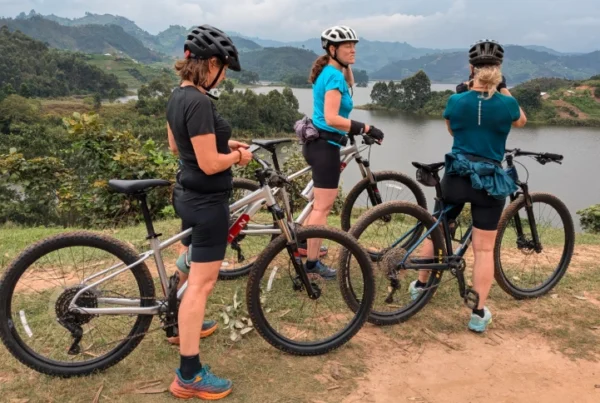
Effective planning is essential for a successful cycling safari. Visitors are encouraged to select well-maintained mountain bikes suited for both dirt tracks and rocky terrain. Guided tours are strongly recommended, as local guides possess intimate knowledge of trails, wildlife patterns, and safety considerations. Routes are typically structured to balance distance, wildlife viewing, and physical exertion, ensuring a rewarding yet manageable experience for cyclists of varying abilities.

Timing of rides is also critical. Early morning and late afternoon are preferred, as temperatures are cooler and wildlife is most active. Midday rides are generally avoided due to heat and decreased animal activity. Proper hydration, protective clothing, and sun protection are essential components of preparation, ensuring comfort and safety throughout the safari.

Cyclists are encouraged to maintain a respectful distance from wildlife, refraining from sudden movements or loud noises that could disturb animals. Observing these practices allows for authentic encounters while minimizing ecological impact.

Wildlife Encounters on Two Wheels

Lake Mburo’s wildlife is remarkably accessible to cyclists. Zebra herds, characterized by their distinctive black-and-white stripes, can often be seen grazing openly, providing excellent photographic opportunities. Elands, impalas, and other antelopes move gracefully across the plains, often in proximity to the trails, allowing cyclists to observe natural behaviors at close range.

Predators, including leopards and hyenas, are less frequently encountered due to their elusive nature, but tracks, calls, and occasional sightings offer insights into their presence and ecological roles. Birdwatching is an additional highlight, with species such as African fish eagles, kingfishers, herons, and the papyrus gonolek frequently observed along watercourses and wetlands.

Cyclists may also encounter hippos and crocodiles near the park’s lakes and swamps. Observing these species from a safe distance on trails or boardwalks provides a dynamic contrast to terrestrial wildlife encounters. The diversity of species along cycling routes ensures that each safari offers varied and unpredictable experiences, enhancing the sense of adventure and discovery.Cycling Safaris in Lake Mburo National Park

Trails and Terrain

Lake Mburo offers a network of trails suitable for cycling, ranging from flat, easy paths to more challenging routes with inclines and rocky sections. Grassland trails traverse open plains, allowing for expansive views and unobstructed wildlife observation. Woodland paths wind through acacia and bushland, providing opportunities to spot smaller mammals, birds, and insects that may be overlooked during vehicle safaris.

Wetland areas and lake edges offer a different perspective, combining aquatic habitats with terrestrial ecosystems. Cyclists can observe hippos surfacing in shallow waters, birds hunting along the shore, and lush vegetation that contrasts with the open savannah. The combination of habitats ensures a varied and engaging safari experience, with each trail offering unique encounters and photo opportunities.

Local guides adjust routes based on wildlife movements, seasonal conditions, and the physical capabilities of participants, ensuring safety while maximizing the richness of each safari.

Seasonal Considerations

The experience of a cycling safari is influenced by seasonal variations. During the dry seasons, from June to August and December to February, trails are more accessible, wildlife is concentrated around water sources, and visibility is enhanced by minimal vegetation cover. These conditions are ideal for observing large herds, predator-prey interactions, and bird activity.

Wet seasons, from March to May and September to November, bring lush greenery, blooming flowers, and increased biodiversity. While trails may become slippery and certain areas less accessible, the abundance of water and fresh vegetation attracts migratory birds, newly born wildlife, and rich plant life. The wet season emphasizes ecological diversity and the interconnectedness of habitats, creating a vivid backdrop for cycling safaris.

Travelers may select the season based on priorities: the dry season for ease of navigation and concentrated wildlife sightings, or the wet season for ecological richness, vibrant scenery, and quieter trails.

Safety and Preparedness

Safety is paramount on cycling safaris. Protective gear, including helmets, gloves, and appropriate footwear, is essential. Guides provide orientation on wildlife safety, trail navigation, and emergency protocols, ensuring that cyclists are prepared for unexpected encounters. Maintaining a safe distance from potentially dangerous animals, such as hippos, crocodiles, and buffaloes, is critical, as these species can be unpredictable when approached too closely.

Bicycles are regularly inspected and maintained, with spare tires and repair kits carried on tours to address mechanical issues. Participants are encouraged to communicate openly with guides regarding fatigue, terrain difficulty, and wildlife observations, fostering a supportive and safe environment.

Cyclists are also instructed on ethical wildlife observation, including refraining from chasing or startling animals, avoiding litter, and respecting natural habitats. These practices ensure that the safari experience remains sustainable and minimally invasive to the park’s ecosystems.

Enhancing the Cycling Experience

Cycling safaris can be complemented by other activities in Lake Mburo National Park. Morning rides can be followed by walking safaris along watercourses or horseback safaris across the savannah. Boat excursions provide additional perspectives on aquatic wildlife, while cultural visits to neighboring Banyankole communities offer insights into local traditions and livelihoods.

This combination of activities creates a multidimensional safari experience, blending physical adventure with wildlife observation, photography, and cultural immersion. Travelers gain a holistic understanding of the park’s ecosystems, animal behavior, and human-environment interactions, enhancing both the educational and recreational value of their visit.

Guides often incorporate interpretive elements, such as explanations of animal tracks, bird calls, and ecological relationships, further enriching the cycling experience. Photography, journaling, and reflective observation are encouraged, allowing travelers to document and internalize their encounters with nature.

Conservation and Environmental Awareness

Cycling safaris contribute to sustainable tourism and conservation awareness. By promoting non-motorized exploration, the impact on wildlife and habitats is minimized, while visitors gain firsthand understanding of ecological interconnections. Park fees and guided tours support conservation initiatives, habitat restoration, and community development, reinforcing the link between tourism and environmental stewardship.

Participants are often educated about threats to wildlife, such as poaching and habitat loss, as well as ongoing efforts to preserve Lake Mburo’s biodiversity. This awareness fosters a sense of responsibility and connection, ensuring that cycling safaris are not only recreational but also ethically and environmentally meaningful.

Preparing for a Memorable Safari

To maximize the experience of a cycling safari, travelers are advised to plan thoroughly. Selecting comfortable and suitable clothing, bringing binoculars and cameras, and carrying water and snacks are essential. Engaging with experienced guides ensures access to the best trails, wildlife sightings, and safety protocols.

Morning rides capitalize on wildlife activity, while afternoon excursions offer opportunities for photography during golden light. Travelers are encouraged to pace themselves, take breaks to absorb the landscape, and remain attentive to subtle signs of wildlife, such as tracks, sounds, and movement in the brush.

Respectful interaction with both wildlife and the natural environment ensures a sustainable and enriching experience, creating lasting memories of Uganda’s diverse and vibrant ecosystems.

A Dynamic and Immersive Adventure

Cycling safaris in Lake Mburo National Park offer a unique blend of adventure, wildlife observation, and ecological immersion. The park’s compact size, diverse habitats, and rich biodiversity make it ideal for exploration on two wheels, providing encounters with iconic species, rare birds, and stunning landscapes.

This mode of safari allows for personal engagement, ethical wildlife observation, and physical activity, creating a holistic experience that deepens travelers’ appreciation of Uganda’s natural and cultural heritage. Combined with walking safaris, horseback rides, boat excursions, and cultural visits, cycling presents a comprehensive and transformative approach to exploring the park.

Travelers seeking an adventurous, intimate, and sustainable safari experience are encouraged to book their Africa tours and safaris with WildHorn Africa, ensuring expertly guided, safe, and unforgettable journeys through Lake Mburo National Park.

Family-Friendly Safari in Lake Mburo National Park

Family-Friendly Safari in Lake Mburo National Park

By Travel stories and blogs, Family holidays, Luxury holidays, Safari holidays, Uganda travel guides, Wildlife holidays

Family-Friendly Safari in Lake Mburo National Park

Adventure for All Ages

For families seeking a memorable wildlife experience that balances adventure, safety, and comfort, Lake Mburo National Park in Uganda provides an ideal setting. Unlike larger and more crowded parks, Lake Mburo offers a manageable, intimate safari experience where children and adults alike can observe wildlife, enjoy scenic landscapes, and engage in activities tailored to all ages. The park’s compact size, diverse ecosystems, and accessible trails make it particularly suited for family-friendly exploration, allowing for safe yet immersive encounters with zebras, antelopes, hippos, and a variety of bird species.

A family safari in Lake Mburo is more than a leisure trip; it is an educational journey. Children are exposed to the wonders of biodiversity, the importance of conservation, and the rhythms of rural life in Uganda. Parents can enjoy the thrill of game drives and walking safaris while being reassured by the park’s safety infrastructure and family-oriented lodges. This article explores the elements that make Lake Mburo a premier destination for family safaris, including wildlife encounters, accommodation, activities, seasonal considerations, and educational opportunities.

The Allure of Lake Mburo for Families

Lake Mburo’s charm lies in its blend of accessibility, biodiversity, and scenic beauty. The park’s rolling savannahs, acacia woodlands, wetlands, and lakeshore environments provide diverse habitats in a compact area, allowing families to observe multiple species without extensive travel. Zebras, impalas, elands, and warthogs are often visible along the main trails, providing consistent wildlife viewing opportunities even for younger children who may have shorter attention spans.

Unlike larger national parks, where long drives may be required to spot animals, Lake Mburo’s strategic layout ensures that wildlife can be observed from the safety of safari vehicles, walking trails, or designated observation points. This proximity reduces fatigue and enhances engagement, making the safari experience enjoyable for all family members.

Additionally, the park supports a variety of accommodation options suited to families, including lodges, cottages, and tented camps with amenities such as private bathrooms, dining areas, and communal spaces for children’s activities. The integration of comfort, safety, and immersion in nature ensures that families can relax while remaining connected to the wildlife experience.

Wildlife Encounters for Young Explorers

Family safaris are enriched by direct encounters with the park’s iconic species. Zebras, with their distinctive black-and-white stripes, offer engaging visual contrast and social behavior that can captivate children. Herds are often observed grazing, playing, and interacting in patterns that reflect social cohesion and communication. These behaviors provide an excellent opportunity for parents to explain ecological principles, animal behavior, and conservation in a way that is accessible to young learners.

Antelopes such as impalas, elands, and waterbucks present additional educational opportunities. Their movement patterns, grazing habits, and alertness to predators offer insights into survival strategies and ecosystem dynamics. Guides often emphasize observation and quiet movement, teaching children the importance of patience and respect for wildlife.

Beyond mammals, Lake Mburo is a birdwatching haven, with over 350 species recorded. Families can observe African fish eagles, kingfishers, herons, and the rare shoebill. Birding excursions provide a slower-paced activity that is suitable for children, combining visual learning with auditory engagement and environmental awareness.

Family-Friendly Activities

Lake Mburo offers a range of activities that cater to diverse ages and interests, ensuring that each family member can participate meaningfully. Safari drives are tailored for comfort and engagement, with opportunities to stop for photography, storytelling, and wildlife observation. Guides are trained to make drives educational, explaining species identification, behavioral patterns, and ecological roles in an interactive and family-oriented manner.

Walking safaris are available on designated trails, offering closer encounters with flora, insects, and small mammals. These excursions are conducted at a pace suitable for children, emphasizing exploration and discovery while maintaining safety standards.

Cycling safaris, suitable for older children and teenagers, provide an adventurous option, allowing families to traverse the park quietly while observing wildlife. Boat excursions on Lake Mburo offer a different perspective, enabling families to see hippos, crocodiles, and aquatic birds in their natural habitat. These activities are conducted under the supervision of experienced guides who ensure safety and educational value.

Cultural visits to nearby Banyankole communities further enrich the experience. Children and adults can learn about traditional pastoral life, crafts, and local customs, creating an understanding of human-wildlife coexistence and the importance of cultural heritage in conservation.Family-Friendly Safari in Lake Mburo National Park

Accommodations Designed for Families

Family-friendly lodges in Lake Mburo are strategically located to provide both comfort and proximity to wildlife. Rooms are often spacious, with multiple beds, private bathrooms, and verandas overlooking the savannah or lakeshores. Communal areas provide space for family interactions, games, and relaxation, while dining services accommodate diverse dietary needs.

Some lodges offer tent-based accommodations for families seeking adventure with safety. These tents are equipped with essential amenities such as beds, mosquito nets, and secure enclosures. The immersive experience allows children to experience nature while remaining protected from wildlife and environmental hazards.

Safety measures are emphasized, including secure perimeters, trained staff, and guided access to trails, ensuring peace of mind for parents while children explore the environment.

Seasonal Considerations for Families

Timing a family safari is critical to ensure comfort, accessibility, and optimal wildlife viewing. The dry seasons, from June to August and December to February, provide easy access to trails, predictable wildlife movements, and reduced risk of muddy or slippery conditions. Early morning and late afternoon drives are most productive for sightings and photography, while midday rest at lodges ensures children are not exposed to heat or fatigue.

The wet seasons, from March to May and September to November, offer lush landscapes, vibrant vegetation, and increased bird activity. While trails may be more challenging, the abundance of water sources attracts newborn animals, providing educational opportunities for children to observe natural life cycles and ecological interactions. Lodges typically adapt activities during wet months, offering boat trips, cultural experiences, and shorter game drives to maintain engagement.

Education and Conservation Awareness

Family safaris in Lake Mburo go beyond entertainment, providing opportunities for education and environmental stewardship. Children learn about species identification, behavior, and habitat requirements, while adults gain insights into conservation challenges such as poaching, habitat loss, and community-based initiatives.

Guides encourage interactive learning, engaging children with questions, games, and observational exercises that promote curiosity and critical thinking. By witnessing wildlife and landscapes firsthand, families develop an appreciation for ecological interdependence and the importance of sustainable tourism.

Participation in conservation programs, such as tree planting or community outreach, reinforces the ethical dimensions of wildlife interaction, demonstrating to children how responsible tourism can support local communities and ecosystems.

Safety and Comfort on Family Safaris

Safety is paramount on family-friendly safaris. Vehicles are equipped with safety belts, emergency communication devices, and first aid kits. Children are briefed on behavior around wildlife, including maintaining distance, staying seated during drives, and listening to guide instructions.

Lodges ensure that facilities are child-safe, with secure fencing, mosquito protection, and clean water. Meals are prepared to accommodate dietary requirements, and activities are supervised by trained staff. These measures allow families to enjoy the adventure without compromising health or security.

Comfort is also prioritized through well-timed activities, rest periods, and flexible schedules that accommodate the varying energy levels and interests of family members.

Integrating Photography and Learning

Family safaris provide ample opportunities for wildlife photography, encouraging children to engage creatively while observing nature. Capturing images of zebras, antelopes, and birds fosters focus, patience, and artistic expression. Guides often provide tips on framing, lighting, and composition suitable for different age groups.

Photography becomes both an educational tool and a memory-making activity, allowing families to document experiences while reflecting on ecological and behavioral observations. The combination of observation, learning, and creative expression enhances the overall impact of the safari experience.

Enhancing the Safari Experience

A family-friendly safari is enriched through holistic planning, integrating wildlife observation, educational activities, cultural immersion, and leisure. Early morning game drives, interactive lodge sessions, boat trips, and visits to local communities create a dynamic itinerary that caters to all family members.

Interactive storytelling, guided nature walks, and observation exercises reinforce learning and engagement, while structured downtime ensures relaxation and enjoyment. The combination of adventure, education, and cultural exposure makes Lake Mburo an ideal destination for families seeking both excitement and enrichment.

Memorable Family Adventures

A family safari in Lake Mburo National Park combines wildlife observation, cultural learning, and immersive experiences into a cohesive and enriching journey. Children gain hands-on understanding of biodiversity and conservation, while adults enjoy safe, comfortable, and intimate encounters with Africa’s iconic species.

The park’s accessible layout, diverse activities, and family-friendly lodges ensure that all ages can participate meaningfully, creating lasting memories of shared discovery and adventure. Families seeking a safe, educational, and unforgettable safari experience are encouraged to book their Africa tours and safaris with WildHorn Africa, ensuring expert guidance, seamless planning, and transformative experiences in the heart of Uganda’s savannah.

Family Safari in Queen Elizabeth: What to Expect

Family Safari in Queen Elizabeth: What to Expect

By Travel stories and blogs, Family holidays, Luxury holidays, Safari holidays, Uganda travel guides, Wildlife holidays

A Family Safari in Queen Elizabeth: What to Expect

The Ultimate Family Adventure in Uganda

A family safari represents more than a holiday; it is an immersive journey into nature, a rare opportunity for both children and adults to witness the wonders of the wild, and a chance to create memories that endure for a lifetime. Queen Elizabeth National Park, Uganda’s most iconic wildlife destination, has emerged as one of the safest, most accessible, and diverse parks in Africa for families seeking a balanced combination of adventure, education, and comfort.

For parents considering their first safari experience with children, the prospect may seem daunting. Concerns about safety, accessibility, and engagement often dominate considerations. Yet Queen Elizabeth has been designed to accommodate families in a manner that fosters curiosity, learning, and responsible interaction with the environment. From tree-climbing lions in Ishasha to hippos in the Kazinga Channel, from scenic crater lakes to guided educational walks, every aspect of the park is structured to ensure that both adults and children can fully enjoy the safari experience.

A family safari here is not only about observing wildlife but also about connecting with nature, understanding ecosystems, and appreciating conservation. Each encounter is layered with opportunities for storytelling, learning, and shared excitement, making the journey as much about personal growth as it is about leisure.

Understanding Queen Elizabeth for Family Travelers

Queen Elizabeth National Park spans nearly 2,000 square kilometers across Uganda’s western Rift Valley, encompassing a remarkable variety of habitats that make it ideal for family safaris. The park’s diversity includes expansive savannahs, wetlands, riverine forests, volcanic crater lakes, and forested gorges, all of which are home to over ninety-five mammal species and more than six hundred bird species.

For families, this diversity is particularly valuable. While adults may be captivated by predator-prey interactions and bird behavior, children often find fascination in observing elephants, warthogs, or the playful antics of hippos. The park’s accessibility is also a major advantage; well-maintained roads and family-friendly lodges ensure safe travel, reducing the physical strain often associated with safaris in more remote regions.

Queen Elizabeth’s wildlife density, coupled with its variety of ecosystems, allows families to experience multiple habitats within a single day. A morning game drive in Kasenyi Plains can be followed by a boat safari along the Kazinga Channel, creating opportunities for continuous discovery and engagement without the fatigue of long-distance travel.

Preparing for a Family Safari

Preparation is central to ensuring a smooth and enjoyable safari experience for families. Clothing choices, equipment, health precautions, and expectations must all be addressed. Lightweight, neutral-colored clothing is recommended for blending into natural surroundings and minimizing animal disturbance. Hats, sunglasses, and sunscreen are essential for sun protection, while insect repellent reduces exposure to mosquitoes and other insects.

Children require special attention, including suitable footwear, hydration, and snacks. Binoculars and cameras are encouraged for older children to cultivate observation skills and interest in wildlife photography. First-time family safari goers are advised to discuss the itinerary with guides in advance, tailoring activities to the ages and abilities of children, ensuring both safety and engagement.

Understanding wildlife behavior is also crucial. Parents are often briefed on how to manage close encounters, maintain safe distances, and interpret animal signals. This preparation fosters confidence and ensures that children remain both safe and engaged throughout the safari.

Family-Friendly Game Drives

Game drives are central to the family safari experience, providing the first opportunity to witness Africa’s iconic wildlife in their natural habitat. Vehicles are typically modified for comfort and safety, with elevated seating that allows children unobstructed views. Guides ensure that drives progress at a pace suitable for families, allowing frequent stops for observation, photography, and explanation.

Early mornings are ideal for wildlife activity, when predators emerge, elephants move to water sources, and birds sing in the trees. Late afternoons are equally rewarding, as the golden light of sunset illuminates the savannah and nocturnal species begin to stir. Guides often incorporate storytelling, teaching children about predator-prey dynamics, social structures within herds, and animal adaptations, turning every sighting into an educational moment.

The Ishasha sector, with its famed tree-climbing lions, is particularly captivating for children, who are often amazed by lions resting across fig tree branches. The unique behavior of these animals creates an unforgettable visual experience while reinforcing lessons about animal adaptation and survival.Family Safari in Queen Elizabeth: What to Expect

Boat Safaris along the Kazinga Channel

Complementing land-based drives, a boat safari along the Kazinga Channel provides families with a safe, accessible, and visually rich wildlife encounter. The channel supports an extraordinary concentration of hippos, Nile crocodiles, and waterbirds, making it one of the park’s most dynamic ecosystems.

Boat safaris allow families to observe wildlife from a close yet secure distance, fostering excitement without compromising safety. Guides interpret behaviors such as hippo interactions, crocodile basking, and bird hunting techniques, providing children and adults with engaging narratives that connect biology, behavior, and conservation. Reflections on the water, changing light, and interaction between species add a scenic dimension, enhancing photography opportunities and family storytelling.

The Kazinga Channel also offers lessons in aquatic ecology, showing how rivers link ecosystems, sustain wildlife, and support local communities. For children, this is an opportunity to see real-world applications of ecological concepts learned in classrooms, reinforcing curiosity and understanding.

Engaging Children Through Birdwatching

Queen Elizabeth’s avian diversity creates another layer of engagement for families. With over six hundred species recorded, including the shoebill stork, African fish eagle, and numerous hornbills and weavers, birdwatching can be introduced even to younger children as an interactive and educational activity.

Guides often provide simple explanations of behavior, feeding patterns, and migration, making complex ecological concepts accessible. Birding also teaches patience and observation skills, allowing children to develop attentiveness and appreciation for smaller, often overlooked species. Through binoculars and field guides, children learn to identify species, understand their roles within ecosystems, and cultivate a sense of wonder about the natural world.

Exploring Crater Lakes and Scenic Areas

The crater lakes of Queen Elizabeth offer families a different type of safari experience. Surrounded by volcanic hills, these lakes provide calm and serene landscapes that are ideal for educational walks, photography, and reflection. Families are introduced to the interactions between aquatic ecosystems and terrestrial wildlife, observing birds, small mammals, and amphibians that inhabit these microhabitats.

Walking trails around crater lakes are safe for children under guidance, allowing close engagement with nature while instilling lessons in environmental stewardship. The combination of scenic beauty, wildlife observation, and educational narration creates an enriching experience that balances adventure with learning.

Accommodation and Family Comfort

Lodges and camps in Queen Elizabeth are designed to accommodate families, combining comfort with immersion in nature. Properties along the Kazinga Channel or in Ishasha provide spacious rooms, dining facilities, and safety features that ensure peace of mind. For children, accommodations often include family-sized units, shaded outdoor areas, and controlled access to wildlife viewpoints.

Eco-camps offer a more intimate bush experience, where children hear the sounds of hippos, lions, and birds from their tents. Parents are reassured by the presence of trained staff and security measures, allowing families to engage fully with the wilderness without compromising comfort.

The integration of accommodation with safari activities reduces travel time, ensuring that families can maximize engagement and minimize fatigue, a key consideration for children on multi-day safaris.

Educational and Cultural Engagement

Family safaris are enriched through community visits that highlight local culture, agriculture, and crafts. Children gain insight into traditional lifestyles, sustainable farming, and the coexistence of people and wildlife. Participating in cultural activities, such as craft demonstrations, storytelling, or traditional dance, enhances understanding and fosters respect for diverse ways of life.

Educational components of these visits teach conservation principles, showing how communities benefit from protecting wildlife and habitats. For children, this introduces concepts of responsibility, stewardship, and empathy, reinforcing the values embedded within the safari experience.

Health and Safety Considerations

Health and safety are paramount on family safaris. Families are advised to carry first-aid kits, maintain hydration, and adhere to park rules regarding wildlife distances. Vaccinations and preventive measures against malaria are typically recommended, and guides provide continuous supervision during drives, walks, and boat excursions.

Safety protocols also extend to vehicles, accommodation, and interaction with communities. Children are taught to respect boundaries, remain in vehicles during drives unless guided, and follow instructions for safe wildlife observation. These measures ensure that adventure is coupled with security, creating an environment where families can engage confidently with nature.

Seasonal Considerations for Families

The timing of a family safari influences both wildlife visibility and comfort. Dry seasons, from June to September and December to February, are particularly suitable for families, as roads are accessible, wildlife congregates near water sources, and insects are less abundant. Wet seasons, while providing lush landscapes and abundant birdlife, may pose challenges for mobility, particularly for families with young children.

Guides often adjust itineraries seasonally, balancing animal sightings, activity timing, and accommodation logistics to ensure a rewarding family experience regardless of the month. Awareness of seasonal variations enhances planning and allows families to anticipate optimal viewing conditions and comfort levels.

Photography and Memories

Photography forms an integral part of the family safari experience. Parents and children are encouraged to capture moments that illustrate wildlife behavior, landscapes, and shared experiences. From elephants crossing the savannah to hippos at the Kazinga Channel, photography allows families to preserve memories while fostering attention to detail and appreciation of natural beauty.

Guides often provide tips on framing, composition, and timing, ensuring that photographs are both visually compelling and respectful of wildlife. These images become tangible representations of the journey, reinforcing lessons learned and shared experiences.

Emotional and Developmental Benefits for Children

A family safari in Queen Elizabeth offers profound emotional and developmental benefits. Exposure to wildlife and nature fosters curiosity, creativity, empathy, and critical thinking in children. Observing animal behavior, tracking footprints, and participating in educational activities cultivates patience, attentiveness, and problem-solving skills.

Moreover, shared experiences strengthen family bonds, creating a sense of collective achievement and wonder. The combination of adventure, education, and cultural engagement ensures that children emerge from the safari not only entertained but also enriched and inspired.

An Unforgettable Family Journey

A family safari in Queen Elizabeth National Park transcends the traditional notion of a vacation. It is an educational expedition, an immersive adventure, and a profound encounter with the natural world. From game drives and boat safaris to birdwatching, crater lake exploration, and community engagement, every moment offers opportunities for learning, bonding, and appreciation of Africa’s extraordinary wildlife and landscapes.

For families seeking a safe, enriching, and unforgettable safari, it is strongly recommended that tours and safaris be arranged through WildHorn Africa. With their expertise, attention to detail, and commitment to both family comfort and conservation, every journey in Queen Elizabeth is transformed into a remarkable adventure that creates lasting memories while fostering understanding and respect for Uganda’s natural and cultural heritage.

Close Menu