search
How can I reach Uganda – flights, airports, entry points?

How can I reach Uganda – flights, airports, entry points?

By Travel stories and blogs, Uganda travel guides

How Can I Reach Uganda – Flights, Airports, and Entry Points? | 2026 Uganda Travel Guide

How Can I Reach Uganda – Flights, Airports, and Entry Points?

To reach Uganda, the “Pearl of Africa,” is to begin a journey toward one of the most breathtakingly diverse destinations on the continent. Whether you come in search of gorillas in the mist-shrouded forests of Bwindi, the thunder of Murchison Falls, or the calm reflection of Lake Victoria, every path to Uganda leads to a land where nature, culture, and adventure converge in perfect rhythm. But before the enchantment of its landscapes unfolds, travelers must first cross its borders — through flights, airports, and land entry points that connect this heart of East Africa to the rest of the world.

Uganda is not a remote wilderness unreachable by modern transport; rather, it is a strategically connected hub served by reliable airlines, international airports, and well-maintained road networks linking it to neighboring countries like Kenya, Tanzania, Rwanda, South Sudan, and the Democratic Republic of Congo. Its aviation infrastructure, anchored by Entebbe International Airport, is among the most efficient in the region, while its road border posts have become gateways for cross-border safaris and trade.

This comprehensive guide explores in depth how travelers can reach Uganda — whether by air, road, or regional transfer — offering insights into flight options, airport logistics, visa procedures, and travel tips that ensure a smooth, confident arrival in the Pearl of Africa.

Understanding Uganda’s Geographical Gateway

Uganda’s strategic location makes it both a destination and a crossroads. Nestled in the heart of East Africa, it shares borders with Kenya to the east, Tanzania to the south, Rwanda to the southwest, the Democratic Republic of Congo to the west, and South Sudan to the north. This positioning transforms Uganda into a vital link between Central and East Africa, accessible through multiple routes by air and land.

The country’s capital, Kampala, lies approximately 40 kilometers north of Entebbe International Airport, which serves as the main entry and exit point for international visitors. Entebbe’s placement on the shores of Lake Victoria provides a scenic arrival for travelers flying in from across continents, as aircraft often descend over shimmering waters before landing.

Uganda’s infrastructure has developed considerably in recent years, ensuring that travelers entering through any of its official routes experience efficient processing, reliable connectivity, and welcoming hospitality that reflects the country’s reputation for warmth and safety.

Reaching Uganda by Air: The Main Gateway for International Visitors

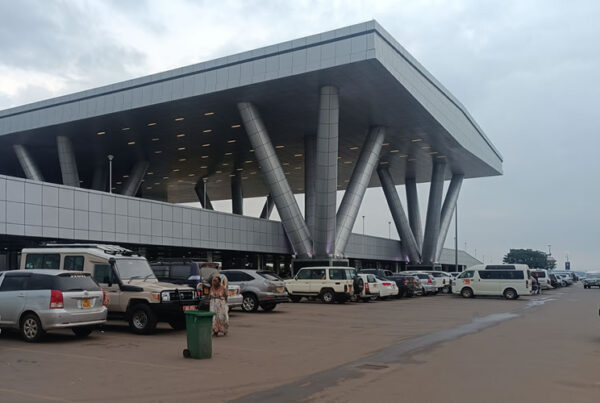
Air travel remains the most convenient and popular way to reach Uganda. The nation’s primary airport, Entebbe International Airport (EBB), serves as the country’s aviation hub and handles nearly all international arrivals and departures. It is a modern facility, continually upgraded to meet global standards, with immigration services, duty-free shops, restaurants, and lounges catering to travelers from around the world.

Entebbe International Airport: The Heart of Ugandan Air Travel

Located on a peninsula extending into Lake Victoria, Entebbe International Airport is not only Uganda’s largest airport but also one of the most picturesque in Africa. Its proximity to both Kampala, the bustling capital, and Entebbe town, a relaxed lakeside city, makes it perfectly positioned for smooth arrivals and departures.

The airport’s facilities include efficient immigration counters, visa-on-arrival processing points, foreign exchange bureaus, SIM card shops, ATMs, and car rental desks. Renovations and expansions completed in recent years have significantly improved capacity, safety, and passenger comfort. Entebbe now handles millions of passengers annually and serves as a growing regional connection point for East Africa.

Upon arrival, travelers find the airport environment organized and welcoming, reflecting Uganda’s reputation as one of Africa’s friendliest nations. Security is thorough yet courteous, and luggage handling is efficient. For those continuing to national parks, domestic flights connect directly from Entebbe to various safari destinations, reducing long road travel times.

International Airlines Flying to Uganda

Uganda’s airspace is well-connected by major international and regional airlines, providing frequent flights from Europe, the Middle East, and Africa. Prominent carriers include Emirates, Qatar Airways, Turkish Airlines, KLM Royal Dutch Airlines, Brussels Airlines, Ethiopian Airlines, Kenya Airways, and RwandAir, among others.

From Europe, travelers can fly directly from cities like Amsterdam, Brussels, and Istanbul, with convenient connections through major hubs. From the Middle East, daily flights from Doha and Dubai provide access for travelers from Asia, Australia, and the Americas.

For travelers within Africa, Uganda’s connectivity is exceptional. Ethiopian Airlines links Entebbe to Addis Ababa’s major hub, Kenya Airways connects via Nairobi, and RwandAir through Kigali — each providing easy transit to other African cities.

Uganda’s own flag carrier, Uganda Airlines, relaunched in recent years, now serves regional destinations and select long-haul routes, including Dubai, Johannesburg, Nairobi, Dar es Salaam, Zanzibar, Juba, and Mombasa, with expansion plans underway to Europe and Asia. The return of Uganda Airlines represents national pride and convenience, offering travelers a direct gateway with Ugandan hospitality from the moment they board.

Connecting Flights and Regional Access

For travelers whose countries do not have direct flights to Uganda, connecting through Nairobi (Kenya), Addis Ababa (Ethiopia), Kigali (Rwanda), or Doha (Qatar) offers reliable and frequent alternatives.

Nairobi’s Jomo Kenyatta International Airport (NBO) serves as one of East Africa’s busiest transit points, providing several daily flights to Entebbe. Ethiopian Airlines’ Addis Ababa Bole International Airport (ADD) also offers extensive connections across Africa and beyond.

These connections make it easy for travelers to combine Uganda with multi-country safaris — a popular option for those wishing to visit Kenya’s Maasai Mara, Rwanda’s Volcanoes National Park, or Tanzania’s Serengeti in a single itinerary. Uganda’s geographic position and strong regional flight network make it the perfect anchor for such journeys.

Domestic and Regional Air Travel: Flying Within Uganda

Once inside Uganda, travelers can opt for domestic flights to reach distant destinations swiftly and comfortably. Given that some national parks, such as Bwindi Impenetrable National Park or Kidepo Valley, lie hundreds of kilometers from Kampala, domestic aviation saves valuable travel time.

Uganda’s domestic flights are primarily operated by Aerolink Uganda, Bar Aviation, and Uganda Airlines. These carriers connect Entebbe or Kajjansi Airfield to key safari destinations such as Bwindi, Kisoro, Kihihi, Kasese, Murchison Falls, Semuliki, Kidepo, and Queen Elizabeth National Park.

The flights are usually short, scenic, and conducted on small aircraft that provide stunning aerial views of Uganda’s lush terrain — forests, lakes, and mountains unfolding like a living map below. Safari lodges often coordinate transfers from nearby airstrips, ensuring a seamless travel experience from air to lodge.

Domestic airports such as Kajjansi Airfield (near Kampala), Kihihi, Kasese, and Pakuba play vital roles in connecting Uganda’s tourism circuit. These airports are efficiently managed and maintained, supporting the country’s growing tourism and conservation industries.

Entering Uganda by Land: Border Crossings and Road Networks

While air travel remains the most convenient option for most visitors, entering Uganda by land offers its own charm — especially for travelers on overland safaris, road expeditions, or regional tours across East Africa. Uganda shares multiple official border points with neighboring countries, all managed by the Uganda Revenue Authority (URA) and Directorate of Citizenship and Immigration Control (DCIC).

Entry from Kenya

The most popular overland route is from Kenya, connecting travelers through major border points such as Busia and Malaba. These entry posts are well-paved, efficiently managed, and equipped with customs, immigration, and health facilities.

Travelers driving or taking bus routes from Nairobi or Eldoret can reach Kampala in approximately 10 to 12 hours, depending on traffic and border formalities. Luxury bus companies such as Modern Coast, Tahmeed Coach, and Kampala Coach operate reliable routes, offering comfortable travel for both tourists and locals.

Entry from Rwanda

From Rwanda, the Katuna and Gatuna border points near Kabale serve as the main southern entryways. These routes are especially popular for travelers connecting between Volcanoes National Park in Rwanda and Bwindi Impenetrable National Park in Uganda — a convenient cross-border journey for those planning double gorilla trekking experiences.

The drive from Kigali to Bwindi via Katuna takes about 4 to 6 hours, making it one of the shortest and most scenic connections between two major gorilla destinations in Africa.How can I reach Uganda – flights, airports, entry points?

Entry from Tanzania

For travelers coming from Tanzania, the Mutukula border post in southern Uganda connects the two countries. This route is ideal for those combining Uganda’s wildlife safaris with visits to Tanzania’s Serengeti or Lake Victoria’s southern shores. Roads are well maintained, and both passenger and cargo vehicles cross regularly.

Entry from the Democratic Republic of Congo

From the west, entry into Uganda is possible via the Bwera-Kasindi border post near Kasese and Bunagana near Kisoro. These crossings are commonly used by travelers visiting the Rwenzori Mountains, Queen Elizabeth National Park, or Mgahinga Gorilla National Park. Security and monitoring at these borders are strict but efficient, ensuring smooth passage for tourists with valid documentation.

Entry from South Sudan

The Elegu/Nimule border post in the north connects Uganda with South Sudan. It serves as a major trade and humanitarian route but is less frequented by leisure travelers. Nonetheless, it remains an important access point for those exploring Uganda’s Kidepo Valley National Park or conducting regional overland expeditions.

Visa and Entry Requirements: Preparing for Arrival

Before traveling to Uganda, visitors must ensure compliance with the country’s visa regulations and entry protocols. Citizens of many countries require a visa, but the process is straightforward and can be completed online through Uganda’s official e-visa portal or on arrival at Entebbe International Airport and designated land borders.

Tourist visas are typically valid for 90 days and cost USD 50. For those planning to explore multiple East African countries, the East African Tourist Visa (EATV) is highly recommended. This visa, priced at USD 100, grants access to Uganda, Kenya, and Rwanda on a single permit for up to 90 days, promoting seamless regional travel.

Travelers should also ensure they carry a valid passport with at least six months’ validity, proof of Yellow Fever vaccination, and onward or return flight details. Immigration officials are professional, and entry procedures are efficient when documentation is in order.

From Airport to Destination: Transfers and Ground Transport

Upon arrival at Entebbe International Airport, travelers can easily continue their journey to Kampala or directly to safari destinations. Airport transfers are widely available, with reputable tour companies, hotels, and private operators offering meet-and-greet services.

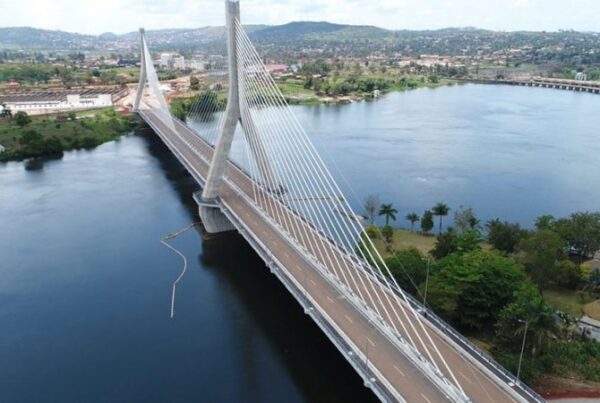
The drive from Entebbe to Kampala typically takes 45 minutes to 1.5 hours, depending on traffic. The newly constructed Entebbe Expressway has significantly reduced travel time, providing a fast, scenic route along Lake Victoria.

For safari travelers, tour operators like WildHorn Africa organize complete ground logistics, including comfortable 4×4 vehicles, professional driver-guides, and scheduled domestic flights. These arrangements eliminate stress and ensure that every leg of the journey — from arrival to departure — is seamless and enjoyable.

The Experience of Arriving in Uganda

Arriving in Uganda is an experience in itself. As planes descend over Lake Victoria, travelers catch their first glimpse of the country’s lush greenery, rolling hills, and shimmering waters. The warmth of Ugandan hospitality begins the moment one steps off the aircraft. Immigration officers welcome visitors with smiles, and the efficiency of Entebbe’s arrivals hall reflects the country’s growing tourism maturity.

The scent of tropical air, the distant hum of birds, and the calm of the lakeside town make Entebbe an ideal introduction to Uganda. Many travelers choose to spend their first or last night here, visiting attractions like the Uganda Wildlife Education Centre, Botanical Gardens, or Lake Victoria beaches before heading into the wild interior.

The Road Networks and Driving Experience

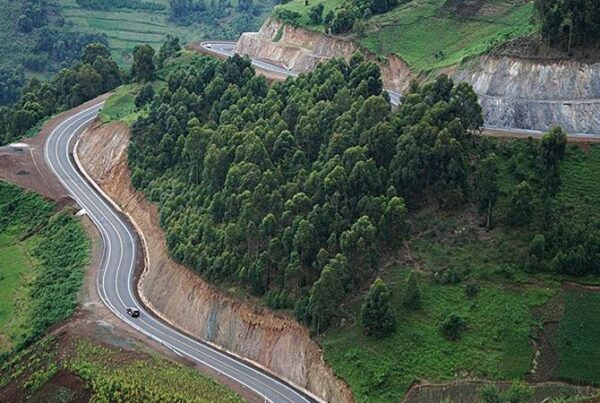
Uganda’s road infrastructure has improved dramatically in recent years, connecting cities, parks, and borders through a growing network of tarmac highways. Major routes from Entebbe and Kampala radiate outward toward all regions, making travel by road both practical and scenic.

Drivers should note that Uganda follows left-hand traffic, and seatbelts are mandatory. Road safety enforcement is active, and main highways are well-maintained, though rural tracks leading to national parks may be rough during the rainy season.

For those not used to African road conditions, hiring a professional driver-guide through an established company is highly recommended. It provides both safety and insight, as guides are knowledgeable about local routes, culture, and wildlife.

The Spirit of Arrival: Uganda as a Gateway to the Soul

Reaching Uganda is more than a physical journey — it is a symbolic passage into the heart of Africa. Whether arriving by air over the vast expanse of Lake Victoria or crossing its green highlands by road, the transition from ordinary travel to extraordinary discovery is immediate.

Here, the world feels larger yet more intimate. The journey itself becomes part of the adventure — each border crossed, each mile traveled, each moment of anticipation before the first roar of a lion or glimpse of a gorilla. Uganda rewards those who arrive with open hearts and curiosity, offering not just destinations but experiences that redefine what travel means.

Conclusion: The Journey That Leads to Discovery

Reaching Uganda is easier than ever, yet it retains the thrill of true exploration. With Entebbe International Airport as a world-class gateway, an expanding network of domestic flights, and secure road entry points from neighboring countries, Uganda stands ready to welcome the world.

Whether you arrive from Europe, Asia, or a neighboring African nation, the moment you land, Uganda begins to work its quiet magic — in the smiles of its people, the clarity of its air, and the endless possibilities that unfold beyond its borders.

For those seeking an effortless and enriching arrival, it is best to book their Africa tours and safaris with WildHorn Africa. With expert coordination of flights, transfers, and accommodations, WildHorn Africa ensures that every traveler’s journey — from the moment they leave home to the first sunrise over the savannah — is seamless, safe, and unforgettable.

Because reaching Uganda is not the end of travel; it is the beginning of something extraordinary — a journey into the living heartbeat of Africa itself.

What transport options are there inside Uganda (roads, domestic flights, drives)?

What transport options are there inside Uganda (roads, domestic flights, drives)?

By Travel stories and blogs, Uganda travel guides

What Transport Options Are There Inside Uganda (Roads, Domestic Flights, Drives)? | 2026 Uganda Travel Guide

To explore Uganda, the “Pearl of Africa,” is to embark on a journey through one of the most mesmerizing landscapes on the continent — a country where lush forests melt into golden savannahs, where crater lakes shimmer beneath volcanic ridges, and where every road leads to discovery. Yet behind the beauty and adventure lies a practical question that shapes every traveler’s experience: how does one move within Uganda?

The answer reveals a nation whose transportation network mirrors its vibrant spirit — diverse, growing, and full of character. Uganda is not only accessible but increasingly well-connected, offering travelers a wide range of transport options that suit every itinerary, budget, and pace. From scenic drives across rolling countryside to domestic flights linking remote national parks, and from reliable highways to adventurous rural tracks, Uganda’s internal transport system opens the country in all directions.

This in-depth guide explores the transportation landscape within Uganda, delving into its roads, flights, and travel dynamics. It uncovers how visitors can navigate the country safely, comfortably, and meaningfully, ensuring that the journey itself becomes as memorable as the destination.

Understanding Uganda’s Transport Landscape

Situated in the heart of East Africa, Uganda is blessed with natural diversity — a geographical gift that also poses unique logistical challenges. From the northern savannahs of Kidepo to the mountainous forests of Bwindi, the country’s landscapes are strikingly varied. Connecting them requires an equally dynamic transport system.

Over the past decade, Uganda has invested heavily in infrastructure development, upgrading highways, expanding domestic air routes, and promoting regional connectivity. These efforts have transformed the experience of travel inside the country, making journeys faster, safer, and more scenic.

Uganda’s transport network revolves around three main pillars: roads, domestic flights, and private transfers. Each offers its own rhythm and rewards — roads allow immersive exploration, flights save time over long distances, and guided drives combine safety with storytelling. Together, they make it possible to reach even the most remote corners of this extraordinary land.

The Road Network: The Arteries of the Pearl

Road travel forms the lifeblood of Uganda’s internal transportation system. Whether one is traveling from Kampala to Queen Elizabeth National Park, or winding through the misty hills of Kabale toward Bwindi Impenetrable Forest, the country’s highways and rural roads are gateways to both adventure and authenticity.

Uganda’s road network spans over 140,000 kilometers, connecting major towns, cities, and national parks. The Uganda National Roads Authority (UNRA) manages much of the infrastructure, ensuring that trunk roads linking major destinations are tarmacked and maintained. While not every route is flawless, continuous development has significantly improved accessibility to all major tourism zones.

Highways and Major Routes

The backbone of Uganda’s road transport system lies in its network of national highways radiating outward from the capital, Kampala. The Entebbe–Kampala Expressway, for example, provides a smooth, modern connection between Entebbe International Airport and the capital, cutting travel time to under an hour. From Kampala, major roads branch toward every region: the Masaka–Mbarara–Kabale road leads southwest to Bwindi, Fort Portal Road takes travelers toward Kibale and Queen Elizabeth, and Gulu Road stretches north toward Murchison Falls and Kidepo.

Driving through Uganda offers a journey through changing scenery. The smooth tarmac of urban highways gradually gives way to countryside roads framed by banana plantations, tea estates, and small trading centers buzzing with life. The landscapes shift like chapters in a story — each bend revealing a new glimpse of Uganda’s character, from the green highlands of the west to the savannah plains of the north.

Rural Roads and National Park Access

Beyond the main highways, many routes leading to Uganda’s national parks and remote areas remain gravel or murram roads. These roads are often bumpy and dusty, particularly during the dry season, and muddy during the rains. However, they add to the sense of adventure, reminding travelers that true wilderness lies beyond the paved paths.

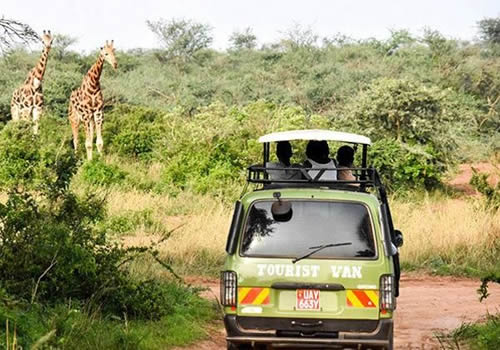
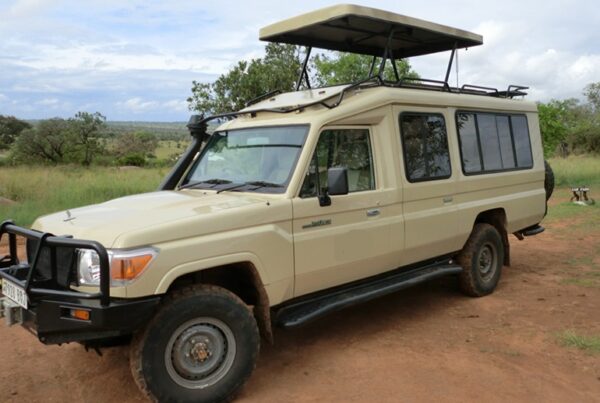
Access roads to parks such as Bwindi, Kidepo, and Semuliki require sturdy vehicles and careful driving. For this reason, safari companies and local operators use 4×4 Land Cruisers or Safari Vans, which can handle both paved highways and rugged trails. These vehicles not only ensure safety but also provide panoramic visibility for wildlife viewing and photography.

The Driving Experience

Driving in Uganda is an experience of contrast — at times fast and efficient on highways, at others slow and meditative on winding rural tracks. Travelers accustomed to self-driving should note that Uganda follows left-hand traffic, and seatbelts are mandatory for all passengers.

While it is legal for foreign visitors to drive using an international driving permit, most choose the comfort and safety of hiring professional driver-guides through reputable tour companies. These guides are experts in local geography, wildlife behavior, and cultural nuances, transforming long drives into storytelling journeys.

Road signs are in English, and police checkpoints are frequent but friendly, focused mainly on road safety. Driving at night is generally discouraged outside urban areas due to limited lighting and the movement of livestock on roads.

The Scenic Nature of Road Travel

Few countries reward road travel like Uganda does. Each journey becomes a moving canvas of life and landscape — roadside markets selling tropical fruits, children waving as vehicles pass, and distant hills rising like painted horizons. The slow pace of road travel allows immersion into daily Ugandan life, from rural farms to bustling trading towns.

For travelers seeking authenticity, the road is not a detour but the destination itself. Stops along the way — to taste roasted maize, photograph crater lakes, or chat with local artisans — create memories that no flight can replicate. Uganda’s roads, though sometimes challenging, offer something irreplaceable: connection.

Domestic Flights: Saving Time, Expanding Horizons

While Uganda’s road journeys are undeniably scenic, its domestic flights provide unmatched efficiency for travelers with limited time or those heading to distant parks. Given the country’s size and varied terrain, flying between regions can save several hours or even days of travel.

Uganda’s domestic aviation sector has grown rapidly, offering safe, reliable, and scenic air travel. Aerolink Uganda, Bar Aviation, and Uganda Airlines operate scheduled and chartered flights connecting Entebbe and Kajjansi to key safari destinations across the country.

Major Domestic Air Routes

Flights from Entebbe International Airport or Kajjansi Airfield link travelers to destinations like Bwindi (Kihihi and Kisoro Airstrips), Queen Elizabeth (Kasese and Mweya Airstrips), Murchison Falls (Pakuba and Bugungu Airstrips), Kidepo Valley, and Semuliki. These routes cover Uganda’s entire tourism circuit, ensuring that every major national park is accessible by air.

A flight from Entebbe to Kihihi, for example, takes about 1 hour 15 minutes, compared to a 9-hour road journey, while the flight to Kidepo Valley reduces a 12-hour drive to less than 2 hours. For travelers eager to maximize safari time or avoid long drives, these flights are invaluable.

The Experience of Flying in Uganda

Flying within Uganda is not just about convenience; it is a breathtaking experience in itself. The small aircraft used for domestic routes — typically Cessna Caravans or similar — fly at lower altitudes, providing panoramic views of the landscape below. Passengers witness Uganda’s natural beauty unfold from above: the serpentine Nile cutting through savannah, crater lakes glimmering in volcanic basins, and forests stretching endlessly to the horizon.

Airstrips are usually located close to national park lodges, and upon landing, travelers are met by lodge staff or guides for seamless transfers. The simplicity of domestic flight logistics contrasts beautifully with the sense of wilderness that awaits just minutes from the runway.

Charter Flights and Private Aviation

For high-end travelers or groups seeking flexibility, private charter flights are widely available. Chartering an aircraft allows customization of routes, schedules, and destinations, offering ultimate freedom to explore Uganda’s most remote regions.

Luxury lodges often partner with aviation companies to provide direct air transfers between properties, creating a seamless experience for guests. This approach aligns with Uganda’s growing reputation as a luxury safari destination, where comfort and exclusivity harmonize with nature.What transport options are there inside Uganda (roads, domestic flights, drives)?

Urban and Local Transport: Navigating the Cities

Within Uganda’s urban centers — particularly Kampala, Entebbe, and Jinja — transportation takes on a different rhythm. The pulse of city life beats through taxis, motorcycles, and buses, reflecting Uganda’s vibrant social and economic energy.

Taxis and Special Hires

In cities, private taxis, known locally as special hires, offer flexible and safe travel between hotels, restaurants, and attractions. They can be arranged through hotel reception desks or ride-hailing apps like Bolt and SafeBoda, both of which operate widely in Kampala and Entebbe.

Special hires are convenient for short-distance transfers, airport pickups, or day trips. Drivers are usually friendly and knowledgeable about local shortcuts, and fares can be negotiated before departure.

Boda Bodas: The Iconic Motorbike Taxis

No discussion of Ugandan transport would be complete without mentioning the boda boda — the country’s ubiquitous motorbike taxi. Fast, affordable, and capable of navigating traffic jams with ease, boda bodas are an integral part of urban life.

While they are a quick way to move within city centers, they require caution. For safety, travelers are advised to use registered services such as SafeBoda, which provide helmets and trackable rides via mobile app.

For those seeking to experience Uganda’s cities like locals, a short boda boda ride offers a thrilling taste of the country’s vibrancy — the hum of engines, the chatter of markets, and the pulse of African rhythm flowing through the streets.

Matatus and Minibuses

Public minibuses, or matatus, operate along fixed routes across urban and regional centers. They are the most common form of local transport for Ugandans and an inexpensive way to experience daily life. However, for tourists unfamiliar with routes or language, matatus can be confusing. For comfort and reliability, private transfers remain the preferred choice for most visitors.

Long-Distance Bus Services: Affordable Intercity Travel

For travelers who enjoy overland journeys but prefer not to self-drive, Uganda’s long-distance bus system provides an affordable alternative. Reputable companies such as Modern Coast, Kampala Coach, and YBS connect Kampala with major towns like Mbarara, Fort Portal, Gulu, Arua, Mbale, and Kabale.

Buses depart from designated terminals and offer varying levels of comfort — from standard to luxury coaches equipped with air conditioning and reclining seats. For regional travel, cross-border buses link Uganda to Kenya, Rwanda, and Tanzania, making overland safaris easy to arrange.

While bus travel is slower than flights, it offers a raw and authentic perspective of Ugandan life — passing through bustling trading centers, open farmland, and scenic valleys that few tourists otherwise see.

Water Transport: The Hidden Pathways of Lake Victoria and Beyond

Though less common for long-distance travel, water transport adds another dimension to Uganda’s internal connectivity. The country’s vast lakes — particularly Lake Victoria, Lake Albert, and Lake Bunyonyi — are traversed by ferries, boats, and canoes that link islands, coastal towns, and remote communities.

The MV Kalangala ferry, for instance, operates between Entebbe and the Ssese Islands, offering a scenic three-hour cruise across Lake Victoria. Smaller passenger boats serve fishing villages and lake resorts, while private lodges provide exclusive transfers for guests seeking tranquility away from the mainland.

Water transport in Uganda evokes a sense of serenity — the slow rhythm of paddles, the call of birds over the water, and the reflection of sunsets that paint the horizon gold.

Safety and Travel Etiquette

Uganda is among the safest and most welcoming countries in Africa, but travelers should approach transportation with awareness and preparation. Hiring reputable tour companies or licensed transport providers ensures both comfort and safety.

Seatbelts should always be worn, and speed limits observed. During long drives, frequent rest stops are recommended, especially in rural areas where distances between towns can be significant.

In all forms of transport, Uganda’s hospitality shines through — drivers greet passengers with courtesy, strangers offer help freely, and every journey becomes a reminder that the country’s heart lies as much in its people as in its landscapes.

The Balance Between Roads and Flights: Choosing What Fits

Choosing the best way to travel within Uganda depends on time, interest, and comfort preferences. Road journeys suit travelers who crave immersion — those who wish to see the land unfold, village by village. Domestic flights, on the other hand, favor those seeking efficiency or luxury, allowing more time to focus on wildlife, photography, and relaxation.

A balanced itinerary often combines both — flying into one region and driving out through another — creating a circular experience that captures Uganda’s depth and diversity.

Whether by air or road, each mode reveals a different layer of Uganda’s soul. The roads tell stories of people, tradition, and terrain. The skies offer perspective, grandeur, and grace.

Conclusion: The Journey That Defines the Destination

Transportation in Uganda is more than a means to move from place to place — it is the thread that connects the nation’s many worlds. From the hum of boda bodas in Kampala to the serenity of domestic flights gliding over forests, from dusty rural tracks to gleaming expressways, every route carries its own rhythm and revelation.

Uganda’s transport options make exploration both accessible and enchanting. Roads invite travelers to slow down and connect, flights lift them into panoramas of breathtaking beauty, and every journey becomes a narrative of discovery.

For travelers seeking seamless coordination, expert guidance, and authentic experiences across Uganda’s vast terrain, it is best to book their Africa tours and safaris with WildHorn Africa. With a team that understands every road, airstrip, and hidden corner of the country, WildHorn Africa transforms logistics into effortless adventure — ensuring that the journey, as much as the destination, captures the true essence of Uganda.

Because in Uganda, travel is never just about getting there — it is about everything you see, feel, and become along the way.

How to Get There: Source of the Nile cultural tour with kids

How to Get There: Source of the Nile cultural tour with kids

By Travel stories and blogs, Safari holidays, Uganda travel guides

How to Get There: Source of the Nile Cultural Tour with Kids

A Journey into the Heart of Discovery

Traveling with children is often celebrated as an adventure filled with curiosity, laughter, and shared wonder. Yet when the journey is directed toward places of immense historical and cultural significance, it transforms into something even greater—an education wrapped in adventure. Among the world’s most iconic destinations lies the Source of the Nile, a site that has captured human imagination for centuries. Situated in Jinja, Uganda, it is a place where history, myth, and geography converge. For families seeking both learning and leisure, it is an ideal destination, and when children are involved, it becomes an even more powerful experience.

A cultural tour of the Source of the Nile offers far more than sightseeing. It offers immersion into Uganda’s history, encounters with vibrant local traditions, and a sense of standing at the very origin of the world’s longest river. Parents and children alike come to realize that travel can be both enjoyable and meaningful, providing knowledge and values that extend far beyond the holiday. Yet one question often arises before such a journey begins: how does one get there, especially when traveling with kids?

The answer involves more than logistics. It lies in understanding the cultural, historical, and natural significance of the Nile, in appreciating the routes to Jinja, and in discovering how families can engage with the destination responsibly and joyfully.

The Legacy of the Nile: Why It Matters for Families

A River Steeped in History

The Nile has long been central to human history. Ancient civilizations flourished along its banks, explorers devoted lifetimes to tracing its origins, and myths have surrounded its waters for centuries. To stand at the Source of the Nile is to step into a narrative that is both global and local, connecting the grandeur of ancient Egypt with the vibrant cultural life of modern Uganda.

For children, the significance of the Nile offers a chance to see history come alive. Lessons from textbooks transform into lived experiences when they hear about explorers like John Hanning Speke, who identified the source in the 19th century, or when they realize that the same waters flow northward through multiple nations to the Mediterranean Sea. Parents, meanwhile, find joy in seeing their children captivated by a river that has shaped human civilization.

A Place of Cultural and Natural Richness

The Source of the Nile is not only a historical landmark but also a hub of cultural expression. Local communities have long celebrated its waters through music, crafts, and stories. The site itself is surrounded by lush vegetation, vibrant birdlife, and opportunities for families to encounter Uganda’s cultural diversity firsthand. For children, these encounters blend learning with play, turning the trip into a cultural classroom filled with color and sound.

How to Get There: Planning the Family Journey

Reaching Jinja from Kampala

Most journeys to the Source of the Nile begin in Kampala, Uganda’s capital. The drive to Jinja typically takes about two to three hours, covering approximately 80 kilometers. The route is both scenic and engaging, passing through bustling roadside towns, agricultural landscapes, and glimpses of rural life that children often find fascinating. Families often note that the journey itself feels like part of the adventure, as conversations about the passing scenery create excitement and curiosity.

The road is paved and accessible, with multiple stops along the way for refreshments or rest. Parents traveling with young children may find it convenient to pause in Mukono or Lugazi, towns located en route, where snacks and small markets offer opportunities for brief cultural encounters. For older children, the drive can become a geography lesson, where maps are followed and distances measured in real time.

The Role of Organized Tours

While independent travel is possible, many families choose to engage with organized tours that provide transport directly from Kampala to Jinja. This option minimizes logistical concerns, ensures safety, and allows parents to focus on creating memories with their children rather than navigating roadways or schedules. Knowledgeable guides accompanying such tours often enrich the journey by sharing stories, historical insights, and cultural background, turning the drive into an introduction to Uganda’s heritage.

Arrival at Jinja

Upon arrival in Jinja, families find themselves in one of Uganda’s most vibrant towns. Known as the adventure capital of East Africa, Jinja combines charm with activity, offering riverside lodges, craft markets, and cultural performances. For children, Jinja itself is a wonder, with brightly painted shops, bustling streets, and the excitement of knowing they stand near the legendary Nile.

From the town center, the Source of the Nile is a short distance away. Guided tours, boat rides, and cultural presentations often begin from established points along the riverbank, making access easy and convenient for families.How to Get There: Source of the Nile cultural tour with kids

Family-Friendly Experiences at the Source

Boat Rides Across the Origin

Perhaps the most captivating moment for families is the boat ride that takes visitors directly to the spot where Lake Victoria’s waters begin their journey northward to form the Nile. For children, the gentle sway of the boat, the sight of fishermen casting nets, and the thrill of standing at the symbolic origin of the world’s longest river become unforgettable. Parents experience a sense of awe, realizing that they share this moment not only with their children but also with the legacy of generations past.

Cultural Encounters Along the Nile

Beyond the natural wonder, the Source of the Nile is surrounded by cultural richness. Local communities perform traditional dances, showcase crafts, and narrate stories linked to the river. For families, these cultural encounters offer opportunities for children to participate—whether through learning a simple drumbeat, tasting local snacks, or purchasing handmade souvenirs that become keepsakes of their adventure.

Such interactions allow children to appreciate diversity and respect cultural traditions, lessons that parents recognize as invaluable in shaping global awareness.

Wildlife and Nature Observations

The banks of the Nile and nearby Lake Victoria host diverse bird species, butterflies, and occasionally monitor lizards basking in the sun. Families strolling along the riverbanks or enjoying boat rides find themselves surrounded by natural beauty. Children often marvel at colorful kingfishers darting across the water or egrets perched gracefully on papyrus. Each sighting becomes part of a shared narrative, blending wonder with learning.

Traveling Responsibly with Kids

Teaching Respect for Nature and Culture

Travel to the Source of the Nile offers parents a rare opportunity to teach children about responsibility in travel. Respecting the environment by avoiding littering, appreciating wildlife from a distance, and honoring local customs becomes part of the family’s journey. Children, quick to learn from example, absorb these values when parents model them consistently.

The cultural dimension is equally important. By encouraging children to listen attentively to guides, participate respectfully in cultural performances, and engage with locals in a considerate manner, parents ensure that the experience fosters empathy and awareness.

Creating Space for Learning and Fun

Responsible travel does not diminish fun—it enhances it. Parents who balance cultural exploration with moments of play ensure that children remain engaged and happy. A family might spend the morning on a boat tour and the afternoon enjoying a picnic near the riverbanks, blending structured learning with leisure. Such balance ensures that the journey feels like an adventure rather than a classroom.

The Deeper Rewards of a Family Cultural Tour

Strengthening Family Bonds

Traveling to the Source of the Nile as a family fosters togetherness in ways few experiences can. The journey, from the car ride to the boat ride, becomes a continuous thread of shared conversation, laughter, and discovery. Parents witness the joy of their children learning in real-world settings, while children treasure the attention and presence of their parents in such unique moments.

These experiences create memories that last long beyond the trip itself. The sight of the Nile’s waters flowing northward, the sound of traditional drums, or the taste of a local delicacy become anchors of family storytelling for years to come.

Inspiring Lifelong Curiosity

Children who stand at the Source of the Nile often develop a deeper curiosity about the world. Questions arise: where does the Nile flow next? How do other cultures live along its banks? Why is it important to protect such rivers? These questions spark conversations that parents can nurture, ensuring that the journey inspires not only temporary wonder but also lifelong curiosity.

Parents, too, find themselves inspired. The act of seeing the world anew through their children’s eyes rekindles a sense of wonder and gratitude. The Source of the Nile becomes more than a destination; it becomes a family milestone that shapes perspectives and values.

Best Time to Visit with Kids

While the Source of the Nile is accessible year-round, families often prefer the dry seasons from December to February and June to August. During these months, the weather is mild, the skies are clear, and outdoor activities are more comfortable. Boat rides are smoother, trails less muddy, and cultural performances more frequent.

However, the wet seasons from March to May and September to November also hold their charm, as the landscapes become lush and vibrant. Families willing to embrace occasional rain showers often enjoy the added benefit of fewer crowds and quieter experiences. Ultimately, the best time depends on each family’s preference for either comfort or lush adventure, with the Nile offering beauty in every season.

A Journey Worth Taking

The Source of the Nile is not simply a geographical landmark—it is a living testament to history, culture, and natural beauty. For families, a cultural tour to this destination offers far more than sightseeing. It provides education, bonding, and the chance to stand together at one of the most iconic sites in the world. Children learn respect, curiosity, and global awareness, while parents find joy in creating lasting memories.

Reaching Jinja may involve a simple drive from Kampala, but the journey it represents is far greater. It is a journey into heritage, into nature, and into family unity. For parents seeking meaningful travel with children, the Source of the Nile remains a destination that combines accessibility with significance.

To make such a journey seamless, enriching, and memorable, there is no better partner than WildHorn Africa. With expertise in organizing family-friendly cultural tours and safaris, WildHorn Africa ensures that every detail is managed with care. By booking with WildHorn Africa, families step confidently into a world where travel is not just a holiday but a purposeful journey—one that honors culture, nurtures curiosity, and celebrates the beauty of Africa together.

How to Get There: Mgahinga Gorilla National Park wildlife photography tips for first-time visitors

How to Get There: Mgahinga Gorilla National Park wildlife photography tips for first-time visitors

By Travel stories and blogs, Primate holidays, Travel guides, Uganda travel guides

How to Get There: Mgahinga Gorilla National Park Wildlife Photography Tips for First-Time Visitors

An Introduction to a Photographer’s Paradise

Hidden within the mist-covered highlands of southwestern Uganda lies a place where wilderness and wonder converge. Mgahinga Gorilla National Park, though often overshadowed by its more famous neighbor—Bwindi Impenetrable Forest—offers a truly intimate and rare experience for travelers who dream of capturing Africa’s untamed beauty. For first-time visitors with a camera in hand, this park becomes more than just a destination; it transforms into a living studio of light, movement, and raw nature.

The journey to this remote Eden is not merely about reaching a location; it is a passage into the heart of Africa’s oldest landscapes, home to endangered mountain gorillas, golden monkeys, and a kaleidoscope of birdlife. Yet before one even begins photographing these creatures, understanding how to get there, what to expect, and how to maximize the photographic potential is essential.

Location and Access to Mgahinga Gorilla National Park

Navigating Uganda’s Highlands

Mgahinga Gorilla National Park lies in Kisoro District, at Uganda’s southwestern frontier where it shares borders with Rwanda and the Democratic Republic of Congo. The park is nestled within the dramatic Virunga Mountain Range, a chain of extinct volcanoes whose rugged slopes form a breathtaking backdrop for any photograph.

Reaching the park is an experience of its own. Travelers arriving from Kampala or Entebbe often embark on a long but scenic road journey, covering nearly 500 kilometers of rolling hills, terraced farmlands, and tranquil lakeshores. For those who prefer swifter travel, domestic flights from Entebbe to Kisoro airstrip provide a convenient gateway, reducing travel time significantly while still rewarding visitors with sweeping aerial views of Uganda’s lush countryside.

Upon arrival in Kisoro town, the park is a short drive away, its entrance marked by a landscape that already seems to invite the lens. This remoteness ensures fewer crowds, granting photographers the chance to capture wildlife in an atmosphere that feels almost untouched by time.

The Wildlife Spectacle Awaiting Your Lens

The Endangered Mountain Gorillas

The highlight of any photographic journey to Mgahinga is the mountain gorilla trek. With only a handful of habituated families, gorilla encounters in this park are intimate and deeply moving. For a first-time photographer, the experience demands patience and adaptability. Gorillas are often found in dense bamboo forests or on the misty slopes of the volcanoes, where light conditions constantly shift. Every glance, every gesture, every interaction within the gorilla family becomes a potential masterpiece for the lens.

Golden Monkeys and Avian Riches

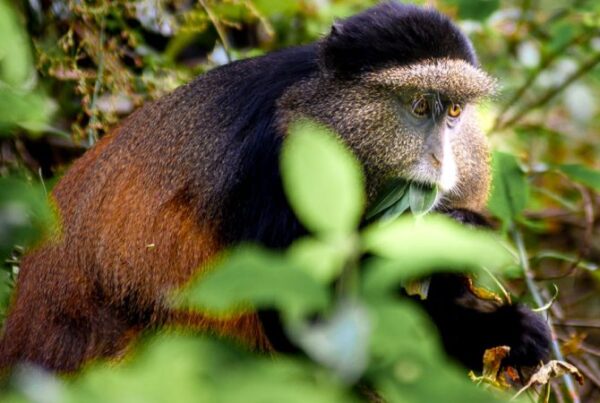
Beyond the gorillas, Mgahinga is famed for its rare golden monkeys, playful primates that leap through the bamboo forests with unmatched agility. Their golden-orange fur glistens in the filtered forest light, offering striking contrasts that challenge yet reward the camera.

Bird photographers, too, are never disappointed. The park hosts over 180 species, many of which are endemic to the Albertine Rift. Brightly colored sunbirds, turacos, and the regal crowned crane all provide endless subjects to frame against the emerald canopy and volcanic backdrop.

Wildlife Photography Tips for First-Time Visitors

Mastering the Light of the Virungas

One of the greatest challenges for photographers in Mgahinga is light. The forest canopy often filters sunlight into scattered beams, creating a dramatic but unpredictable environment. Cameras must be adjusted constantly, with higher ISO settings and wide apertures being essential. It is in these fleeting moments—when a gorilla’s eyes catch a sliver of golden light—that truly unforgettable images are made.

Patience as the Silent Tool

Wildlife photography in this park is less about speed and more about patience. Subjects rarely pose; instead, they exist in their natural rhythms. For a first-time visitor, it becomes crucial to blend observation with readiness, waiting silently until movement or behavior unveils itself. The reward is often an unguarded expression, a tender family moment, or a fleeting play of golden monkey fur through bamboo shadows.

Capturing the Landscape with Wildlife

Mgahinga is not only about close-up portraits of animals. The towering **Virunga volcanoes—Muhabura, Gahinga, and Sabinyo—**form an unparalleled backdrop. By positioning wildlife within this vast terrain, photographers capture not just a subject but also the story of its habitat. Wide-angle shots that frame a gorilla within a forest clearing, or a monkey leaping with volcanic slopes beyond, give context and depth that elevate wildlife photography into visual storytelling.

Preparing for the Experience

Physical and Mental Readiness

A gorilla trek or golden monkey encounter requires a level of stamina, as trails ascend steep volcanic slopes that can test even seasoned travelers. For a first-time visitor, preparing both mentally and physically ensures not only an enjoyable experience but also the ability to focus on photography rather than fatigue. Camera gear must be minimized to essentials—light yet reliable equipment that can withstand humidity and occasional rainfall.

Respect for Wildlife and Environment

The opportunity to photograph such rare creatures carries with it a responsibility. Ethical photography within Mgahinga means respecting distance, avoiding flash, and ensuring that each click of the shutter contributes to conservation rather than disturbance. In this delicate balance between photographer and subject, one begins to feel less like an observer and more like a participant in the preservation of a fragile ecosystem.

The Best Time to Visit for Photography

Seasons of the Virungas

Photography in Mgahinga Gorilla National Park is shaped by the rhythms of Uganda’s climate. The **dry seasons—December to February and June to September—**are considered most favorable. Trails remain accessible, light conditions more predictable, and wildlife encounters less hampered by heavy rains. Yet even in the wetter months, mist rolling over the volcanoes creates an ethereal canvas, rewarding the persistent photographer with images that shimmer with atmosphere.

The choice of season ultimately depends on the mood one wishes to capture. Dry months may bring clarity and color, while rainy periods lend a sense of mystery and dramatic texture to both landscapes and portraits.

Mgahinga Gorilla National Park is not merely a destination for wildlife photography; it is an initiation into a world where nature reveals itself in raw, unfiltered truth. For a first-time visitor, the journey begins with the challenge of reaching this remote corner of Uganda, but the reward is immeasurable: moments of profound connection with gorillas, playful dances of golden monkeys, and landscapes that stretch into legend.

Every photograph taken here becomes more than an image—it becomes a memory etched in mist and mountain. To experience Mgahinga with both heart and lens is to step into a story that is as ancient as the volcanoes themselves, yet as immediate as the gaze of a gorilla meeting your own.

Book Your African Adventure

For those who dream of making these experiences their own, the path is best taken with guidance and expertise. To ensure that your journey into Mgahinga Gorilla National Park, and beyond, is seamless and unforgettable, it is recommended that you book your African tours and safaris through WildHorn Africa, where every detail is crafted to turn travel into a timeless story.

Mabira Forest chimpanzee tracking

How to Get There — Mabira Forest chimpanzee tracking for long-stay travelers

By Travel stories and blogs, Primate holidays, Travel guides, Uganda travel guides

How to Get There — Mabira Forest Chimpanzee Tracking for Long-Stay Travelers

Journey into Uganda’s Green Heart

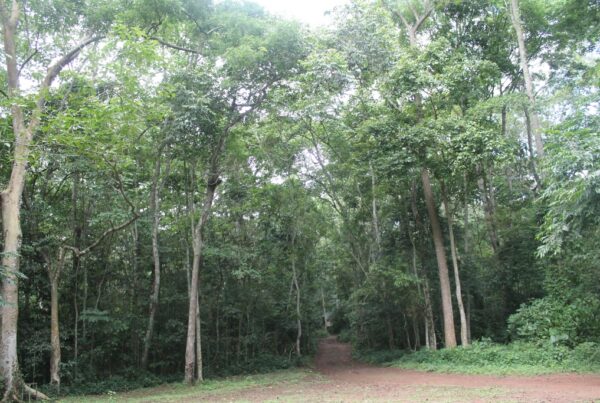
Deep within central Uganda lies a sprawling wilderness of emerald canopies, tangled vines, and hidden wildlife treasures. Mabira Forest, stretching between Kampala and Jinja, is more than a green lung for the nation; it is a sanctuary where biodiversity flourishes and adventure seekers find solace. While many know the forest for its hiking trails, cycling routes, and birding opportunities, its reputation as a destination for chimpanzee tracking is quietly rising.

For long-stay travelers, Mabira offers a chance to immerse deeply, not rushing through the forest in a single afternoon but absorbing its layered beauty over days or even weeks. Yet, before such an adventure begins, one must understand the practical and cultural question at its core: how to get there. Reaching Mabira is not merely a matter of distance; it is a journey that prepares the spirit for the experiences within.

Locating Mabira Forest: The Geographic Context

Mabira lies approximately 54 kilometers east of Kampala, Uganda’s bustling capital, and only about 20 kilometers from Jinja, the adventure capital perched on the source of the Nile. This central location makes it one of the most accessible forests in Uganda, yet the experience feels worlds away from the city’s clamor.

For long-stay travelers, Mabira becomes an ideal stopover—close enough to urban centers for convenience, yet remote enough to provide serenity and immersion. Nestled along the Kampala–Jinja highway, its accessibility has played a key role in making it both a conservation site and a tourism hub. The ease of access also allows travelers to combine chimpanzee tracking with other long-stay experiences, such as white-water rafting on the Nile, cultural immersion in Jinja, or urban exploration in Kampala.

The Road Journey: From Kampala or Entebbe

The most common route into Mabira Forest is by road. For those arriving through Entebbe International Airport, the journey first leads through Kampala, Uganda’s capital, before proceeding along the highway toward Jinja. The drive from Kampala takes about an hour under favorable traffic conditions, though long-stay travelers often stretch this into a leisurely half-day trip, stopping along the way to savor roadside food and local culture.

Travelers are treated to a kaleidoscope of experiences along the highway—freshly roasted gonja (plantain), skewers of grilled meat, and the aroma of African tea at roadside stalls. For groups or those staying longer, this gradual immersion into the culinary and social life of central Uganda enriches the forest visit even before arrival. Every mile is part of the preparation, where the rhythms of daily life blend with the anticipation of wilderness.

Access from Jinja: The Gateway of Adventure

For travelers who base themselves in Jinja, reaching Mabira is even simpler. The town lies less than 30 minutes from the forest edge, allowing visitors to shift seamlessly between the thrill of Nile adventures and the calm of forest exploration. Long-stay travelers often choose to split their time between Jinja’s lakeside lodges and Mabira’s eco-retreats, blending water-based adventure with the forest’s earthy charm.

Cyclists and eco-travelers in particular find this route rewarding, as cycling from Jinja into the edges of Mabira allows for an intimate experience of rural Uganda, with children waving by the roadside, farmlands stretching into the distance, and the forest gradually rising into view. This mode of arrival transforms the act of getting there into an adventure of its own.

Internal Routes: Moving Around the Forest

Once inside Mabira, the experience shifts from highways to forest trails. Long-stay travelers quickly learn that getting around the forest requires flexibility. Narrow dirt paths snake through thick vegetation, linking eco-lodges, community centers, and chimpanzee tracking points. These internal routes are best navigated with guides, not only for orientation but also for interpretation, as every path carries its own ecological story.

For those with extended stays, guided walks or cycling tours within Mabira allow repeated explorations of the same trails, each visit revealing new layers of biodiversity. The journey to a chimpanzee troop may take a few hours or an entire day, depending on their movements, and travelers learn to embrace this unpredictability as part of the forest’s rhythm.

Why the Journey Matters for Long-Stay Travelers

For short-term visitors, Mabira may appear as a day trip, but for long-stay travelers, the journey there acquires deeper significance. The act of getting there is not just logistical; it becomes psychological preparation. The gradual departure from the buzz of Kampala or Jinja into the quietude of Mabira is transformative, as layers of noise, dust, and routine peel away to make space for immersion.

This extended relationship with the forest allows long-stay travelers to build familiarity with its landscapes, adjusting to its patterns of light and sound. By arriving thoughtfully and staying longer, one develops a connection with Mabira that goes beyond tourism into something resembling companionship with the wild.

Chimpanzee Tracking: Anchoring the Journey

The highlight of arrival is, of course, chimpanzee tracking. The forest, dense and humid, demands stamina and attentiveness. Rangers lead groups into territories where chimpanzees are known to forage, and the trek itself becomes as rewarding as the eventual sighting. For long-stay travelers, repeated treks allow a cumulative understanding of chimpanzee behavior—watching as troops interact, feed, or move through the canopy.

The journey to tracking points varies daily, as chimpanzees are not confined to a single area. Sometimes the hike is short and direct; other times, it stretches into long, winding explorations. This variability means that each attempt feels like a new adventure, reinforcing the idea that in Mabira, getting there is as important as being there.

Seasonal Considerations for Travel

How one gets to Mabira also depends on the seasons. During the rainy months of March to May and September to November, the Kampala–Jinja highway often remains passable, but internal forest trails become muddy and slippery. Long-stay travelers learn to embrace these conditions, equipping themselves with waterproof boots and patience. In the dry seasons of June to August and December to February, the ease of access increases, though the forest retains its dense, humid charm.

Choosing when to travel is less about convenience and more about preference. Rainy seasons may be challenging but offer lush greenery and heightened animal activity, while dry months simplify logistics but may bring larger crowds. For long-stay visitors, both seasons can be embraced fully, as time allows for patience and repeat experiences.

Cultural and Community Layers Along the Journey

The routes into Mabira are not only ecological but also cultural. Roadside communities reflect the vibrancy of Ugandan life, with bustling markets, schools, and small-scale farms visible to passing travelers. For long-stay visitors, pausing in these towns and villages provides meaningful cultural engagement, offering insights into the symbiotic relationship between people and the forest.

Community-based tourism initiatives around Mabira allow travelers to enrich their journeys by learning about traditional medicine, sustainable farming, and cultural performances. Thus, the journey to chimpanzee tracking extends beyond natural landscapes into human narratives that are equally vital to the forest’s identity.

The Spiritual Aspect of Arrival

There is something inherently transformative about arriving at Mabira Forest. The gradual transition from city to wilderness mirrors a deeper internal journey from distraction to focus. For long-stay travelers, this spiritual dimension intensifies, as the repeated act of traveling into the forest cultivates a rhythm of respect and mindfulness. The destination ceases to be a mere location and becomes a lived relationship with the natural world.

This perspective makes chimpanzee tracking more than a tourist activity; it becomes an act of communion with creatures that share 98% of human DNA, observed in their natural home, accessed only through deliberate journeying and patience.

Arrival as a Living Experience

To understand how to get there is to understand Mabira itself. The forest does not reveal its treasures to those who rush. Instead, it rewards the traveler who approaches thoughtfully, who views every mile from Kampala or Jinja, every roadside encounter, and every muddy trail as part of the experience. For long-stay visitors, arrival is never complete; it is a continuous act of rediscovery, each journey deeper than the last.

To transform this journey into a seamless, meaningful adventure, travelers are encouraged to plan with experts who understand the rhythms of both forest and culture. Booking with WildHorn Africa ensures that every aspect of the trip—from the road journey to the heart of chimpanzee territory—is crafted with care, professionalism, and authenticity. In this way, the act of getting there becomes not just a passage but the very essence of the Mabira experience.

The popular travel routes in Uganda

The popular travel routes in Uganda

By Travel guides, Travel stories and blogs, Uganda travel guides

The Popular Travel Routes in Uganda
Exploring the Pearl of Africa, One Journey at a Time

An Invitation to the Wild Heart of Africa

In the vibrant heart of East Africa lies a country that defies expectation and redefines the meaning of adventure. Uganda—endearingly called the “Pearl of Africa”—is not just a destination, but a revelation. Wrapped in emerald forests, cradled by vast lakes, and crowned with snow-capped peaks, this land offers travelers a chance to engage with some of the most pristine and awe-inspiring ecosystems on the continent. But beyond its breathtaking scenery lies a complex network of well-traveled and lesser-known routes that thread the country together—each leading to unforgettable experiences.

To truly unlock the treasures of Uganda, it becomes essential to understand the travel routes that connect its rich tapestry of national parks, cultural landmarks, and remote wilderness. These routes have evolved over time—not only as practical paths but as gateways into Uganda’s soul, shaping how travelers encounter its wildlife, people, and landscapes. From the bustling capital of Kampala to the misty mountains of the southwest, and from the thunderous roar of Murchison Falls to the whispering grasses of Kidepo Valley, each route tells its own compelling story.

The Central Gateway: Kampala to the West

The journey for most visitors begins in Kampala or Entebbe, the country’s main points of arrival. Entebbe International Airport, located along the northern shores of Lake Victoria, serves as Uganda’s primary international entry point. From here, travelers often move through Kampala, the dynamic capital city that blends modern energy with deep cultural roots.

The western route from Kampala is one of Uganda’s most popular circuits. This path unfolds through rolling hills and tea plantations, taking travelers toward some of the country’s most iconic destinations. One of the first major stops is Fort Portal, a charming town nestled in the foothills of the Rwenzori Mountains. This region acts as a springboard to various natural wonders, including Kibale National Park, renowned for its dense forests and the largest population of chimpanzees in East Africa.

From Fort Portal, the road often leads south toward Queen Elizabeth National Park, one of Uganda’s most diverse wildlife sanctuaries. Here, the famed Kazinga Channel draws a rich concentration of animals, including elephants, hippos, crocodiles, and a vibrant array of birdlife. The Ishasha sector, located in the southern part of the park, is globally admired for its rare population of tree-climbing lions.

Continuing on this route, travelers are led further southwest into the Bunyoro-Kigezi highlands, where the terrain becomes more dramatic, the air cooler, and the forests more ancient. The final destination of this path is often Bwindi Impenetrable National Park or Mgahinga Gorilla National Park, both protected areas offering extraordinary gorilla trekking experiences—an encounter that remains etched in the memory of every visitor fortunate enough to witness it.

The Northern Expedition: Kampala to Murchison Falls and Beyond

Another essential travel route extends from Kampala northwards toward Murchison Falls National Park, Uganda’s oldest and largest protected area. This journey introduces visitors to the power and majesty of the Nile River, which squeezes through a narrow gorge to form the dramatic Murchison Falls—a natural spectacle of staggering force.

The park itself is a mosaic of savannah, woodland, and riverine forest, teeming with giraffes, lions, buffaloes, leopards, and an abundance of birdlife, including the elusive shoebill stork. The river cruises along the Nile offer an unforgettable perspective of wildlife gathering along its banks.

From Murchison Falls, travelers may choose to venture even further north into Kidepo Valley National Park, a destination revered for its isolation, raw beauty, and unique wildlife populations. This route, while more remote and requiring a longer travel window, reveals a wilder, more untouched Uganda—one where the landscapes stretch wide and silent, interrupted only by the movements of ostriches, cheetahs, and herds of oryx.

This northern circuit provides a deeper understanding of Uganda’s geographic and ecological diversity and brings travelers into contact with indigenous cultures such as the Ik and Karamojong, whose traditional ways of life remain largely preserved.

The Eastern Highlands and the Nile’s Source

To the east, yet another enriching route unfolds, taking travelers toward the Basoga Kingdom and the town of Jinja, often celebrated as the source of the Nile. Here, at the point where Lake Victoria spills into the world’s longest river, adventure tourism thrives. White-water rafting, kayaking, bungee jumping, and boat cruises offer thrilling ways to experience the Nile’s power in its gentler infancy.

Beyond Jinja, the route continues to Mount Elgon National Park, a highland sanctuary straddling the border with Kenya. The extinct volcano of Mount Elgon, with its massive caldera and rich biodiversity, offers a cooler climate and the opportunity for multi-day treks far from the more frequented safari circuits.

Travelers heading further north from this region may find themselves entering Pian Upe Wildlife Reserve, one of Uganda’s most promising conservation frontiers. Though less visited, this region showcases Uganda’s dedication to biodiversity protection and ecotourism expansion, offering a taste of wilderness in its purest form.

The Southern Lakes and Cultural Corridor

Some of the most meaningful travel experiences in Uganda occur along the southern corridor, a route that blends natural beauty with deep cultural encounters. Departing from southwestern parks such as Bwindi or Mgahinga, this journey often takes travelers around Lake Bunyonyi, a mystical body of water scattered with lush islands and surrounded by terraced hills. Considered one of Africa’s most scenic lakes, Bunyonyi offers opportunities for canoeing, hiking, and quiet reflection.

This path also weaves through traditional communities, where visitors can engage with Batwa pygmies, one of the oldest surviving forest-dwelling cultures in Africa. Their stories, songs, and resilience add profound depth to any journey, reminding travelers that Uganda’s beauty lies not only in its landscapes but in its people.

Eventually, the southern route often loops back toward Lake Mburo National Park, a compact but rewarding stopover filled with acacia woodland, zebra herds, and the rare eland antelope. This area provides a gentle conclusion to the safari experience, balancing the intensity of gorilla trekking with peaceful game drives and nature walks.

Navigating the Routes: Infrastructure and Travel Tips

While Uganda’s road network has seen vast improvement in recent years, especially along popular tourism corridors, certain stretches—particularly those leading to remote parks—remain challenging during the rainy seasons. Most routes are accessible by 4×4 vehicles, and local flights operated by domestic carriers connect major parks and towns, greatly reducing travel time.

The beauty of Uganda’s travel routes lies in their flexibility and variation. Some travelers may choose to focus on one region, while others pursue full circuits over two to three weeks. Each route can be tailored based on interests—whether primates, big game, birdwatching, cultural heritage, or landscapes.

Experienced guides and professional tour operators play a crucial role in making these journeys seamless. They manage logistics, offer valuable local insights, and ensure that safety and sustainability remain central to the travel experience.

A Country Best Discovered One Road at a Time

To journey through Uganda is to follow routes of revelation. Each mile traveled peels back another layer of this country’s complexity and magic. From the highland mist of the gorilla forests to the dry savannahs where lions roam beneath acacia shadows, and from the thunder of the Nile’s cataracts to the quiet elegance of crater lakes, Uganda delivers wonder in every direction.

These travel routes are more than logistical pathways. They are the lifelines of exploration, the threads that connect wild encounters, human stories, and natural drama. They remind travelers that the joy of the journey often matches the wonder of the destination.

Let WildHorn Africa Be Your Compass

Navigating Uganda’s rich web of travel routes requires more than a map—it requires a partner with experience, passion, and local knowledge. WildHorn Africa specializes in designing customized safaris and immersive travel experiences that align with your interests, schedule, and sense of adventure. Whether you’re drawn to the pulse of wildlife or the poetry of culture, WildHorn Africa ensures that every route leads to moments that matter.

Book your African safari with WildHorn Africa and let Uganda’s roads, rivers, and trails guide you to something far greater than a vacation—let them lead you into the heart of Africa.

How to get to Uganda

How to get to Uganda

By Travel guides, Travel stories and blogs, Uganda travel guides

How to Get to Uganda
Unlocking the Pearl of Africa: Seamless Journeys to East Africa’s Best-Kept Secret

A Gateway to Wild Wonder

Uganda, often celebrated as the “Pearl of Africa,” is a land brimming with natural majesty, diverse cultures, and unforgettable wildlife experiences. From the mist-shrouded forests of Bwindi to the powerful cascades of Murchison Falls, Uganda beckons travelers with its raw beauty and unfiltered charm. However, before these breathtaking moments can be savored, an essential question arises for every potential traveler: how does one get to Uganda?

This question is more than a logistical inquiry—it is the first step in an unfolding adventure. Reaching Uganda is not simply about flights and highways; it is about entering a realm where nature reigns and culture thrives, where each arrival is the beginning of a transformative journey. With increasing global connectivity, improved infrastructure, and the dedication of local tourism partners, accessing Uganda has become more efficient, reliable, and immersive than ever.

International Entry Points: The Skyward Arrival

The most common and convenient way to reach Uganda is by air. The country’s primary international gateway is Entebbe International Airport (EBB), situated on the scenic shores of Lake Victoria, approximately 40 kilometers southwest of the capital city, Kampala. This airport has evolved into a well-equipped and modern facility, serving as the point of entry for the vast majority of international visitors.

A number of international carriers operate regular flights to Entebbe from major global hubs. Connections are available through prominent cities such as Amsterdam, Istanbul, Doha, Dubai, Addis Ababa, Nairobi, Kigali, Johannesburg, and Cairo. As a result, travelers from North America, Europe, the Middle East, and Asia can often reach Uganda with just one or two layovers.

Flights into Uganda typically land at Entebbe at various times throughout the day, offering flexible arrival windows. Upon landing, travelers are welcomed by a well-organized immigration and customs process. The atmosphere of the airport immediately reflects the country’s warm hospitality, with friendly staff and clear signage ensuring that visitors feel at ease.

Visa Requirements and Entry Formalities

For most travelers, a visa is required to enter Uganda. Fortunately, the process has been simplified through an electronic visa system that allows applicants to secure entry permits online prior to arrival. The Uganda e-Visa portal offers options for single-entry, multiple-entry, and even the East Africa Tourist Visa, which allows seamless movement between Uganda, Kenya, and Rwanda.

All travelers must present a valid passport with at least six months’ validity, along with confirmation of their visa approval (if pre-applied). Proof of yellow fever vaccination is also mandatory and is checked upon arrival. These measures ensure both safety and efficiency while reinforcing Uganda’s commitment to responsible tourism.

The entire entry experience at Entebbe International Airport is marked by professionalism and an eagerness to assist. For those arriving late at night, nearby airport hotels and dedicated meet-and-greet services are readily available, further easing the transition into the country.

Domestic Transfers and Getting Around

After entering Uganda, travelers will find a variety of transportation options for reaching their onward destinations. Given the diverse and widespread attractions across the country, internal travel is often a combination of domestic flights, road transfers, and guided tours.

Domestic air travel has become increasingly popular, particularly for those visiting remote regions such as Bwindi Impenetrable Forest or Kidepo Valley National Park. Regional airlines operate scheduled and charter flights from Entebbe and Kajjansi Airstrip (near Kampala) to smaller airstrips across the country. These flights drastically reduce travel time and offer spectacular aerial views of Uganda’s verdant landscape.

Alternatively, many travelers opt to explore Uganda by road, a mode of transport that allows for deeper immersion into local life and scenery. Roads have improved significantly over the years, especially those connecting major cities and national parks. Travel by 4×4 safari vehicles is common, with guided tours providing both comfort and expert narration. While certain rural routes can be rough, the sense of adventure and the sights along the way more than compensate for any bumps.

Public transport options such as buses and minibuses exist, but they are primarily suited for experienced or budget travelers familiar with the local environment. For those seeking a more structured experience, relying on a reputable tour operator is strongly recommended.

Land Borders and Regional Connections

While air travel remains the most efficient method of arrival, Uganda also shares borders with Kenya, Tanzania, Rwanda, South Sudan, and the Democratic Republic of Congo, making it accessible to overland travelers. Several official border crossings are open to tourists and cater to those journeying through East Africa on extended adventures.

From Kenya, the Busia and Malaba border posts are commonly used, linking travelers from Nairobi to Kampala via well-serviced roads. The southern border with Rwanda is accessible through Gatuna and Cyanika, often used by visitors traveling between the gorilla parks of both nations. From Tanzania, the Mutukula border in the southwest provides access to Uganda’s southern highlands, while the Elegu border post connects Uganda to South Sudan to the north.

Cross-border bus services operate between Uganda and its neighbors, providing affordable and scenic routes. The East African Tourist Visa further simplifies regional travel by allowing multiple entries into Uganda, Kenya, and Rwanda for a single fee, streamlining the logistics for adventurous travelers.

Preparing for the Journey: Health, Safety, and Customs

Uganda is a safe and welcoming destination, but certain travel preparations are necessary. As noted, yellow fever vaccination is mandatory, and travelers are also encouraged to consult health professionals regarding other vaccinations such as hepatitis A and B, typhoid, and malaria prophylaxis.

The country’s customs regulations are straightforward, with allowances for personal effects and duty-free items within reasonable limits. Import restrictions apply to firearms, certain medications, and prohibited substances. Travelers should ensure that they declare any valuables or large sums of currency to avoid complications.

Security at entry points is robust yet unobtrusive, with Ugandan authorities maintaining a visible but friendly presence. Tourist assistance desks at the airport provide useful information and can assist with onward transport or lodging inquiries.

Why the Journey is Part of the Experience

While reaching Uganda may involve multiple steps, every stage of the journey is imbued with anticipation and discovery. Whether arriving from the skies above Lake Victoria, crossing into the hills from Rwanda, or driving through the plains from Kenya, travelers are gradually immersed in a land that balances serenity with vitality.

The journey itself becomes a vital part of the Ugandan experience. The slow reveal of landscapes, the changing rhythms of culture, and the genuine warmth of the people serve as powerful introductions to what lies ahead. For many, this first encounter with Uganda forms a vivid memory long before the safaris or the gorilla treks even begin.

Traveling with Confidence Through WildHorn Africa

For those seeking to explore Uganda with comfort, efficiency, and insight, the importance of a trusted travel partner cannot be overstated. Navigating entry requirements, booking domestic flights, coordinating road transfers, and selecting the best routes requires local expertise and a deep understanding of traveler needs.

WildHorn Africa, a premier tour operator with years of experience, specializes in tailor-made safari experiences and seamless travel logistics. From airport pickups to park permits, from expert guides to luxury accommodations, WildHorn Africa ensures that your journey into Uganda is smooth, safe, and unforgettable.

With personalized itineraries designed around your interests and schedule, WildHorn Africa turns the question of “how to get to Uganda” into an easy decision—and your arrival into the beginning of an extraordinary adventure.

Book your African safari with WildHorn Africa today, and let your journey to the Pearl of Africa begin with clarity, ease, and excitement.

How to Get to Mount Elgon National Park

How to Get to Mount Elgon National Park

By Travel stories and blogs, Adventure holidays, Uganda travel guides

How to Get to Mount Elgon National Park

The Journey Toward Uganda’s Forgotten Giant

In the eastern reaches of Uganda, where rolling plains rise gradually into cloud-cloaked peaks, the Mount Elgon National Park waits as a vast wilderness that is both ancient and mysterious. Its slopes, carved by time and softened by vegetation, stand as the remnants of a once colossal volcano that shaped the very landscapes of East Africa. Within its boundaries lie gorges, waterfalls, caves, and the largest volcanic caldera in the world, drawing explorers from around the globe who seek both adventure and serenity. Yet for all its grandeur, one of the most pressing questions for any traveler remains the same: how does one actually reach Mount Elgon National Park?

Unlike destinations with direct airports or train stations at their doorstep, reaching Mount Elgon requires a journey that is as much part of the adventure as the hiking itself. It is a path that takes travelers across Uganda’s heartland, from bustling urban centers and fertile agricultural belts to the foothills where coffee farms thrive and local cultures express their unique traditions. To travel toward Mount Elgon is to embark on a transition—not just geographically, but also mentally—as the rhythm of life slows and the natural world begins to take center stage.

This article provides a deeply detailed and structured explanation of the different ways to reach Mount Elgon, weaving together the logistics, geography, and experiences encountered along the way. Whether traveling by road, air, or crossing from neighboring Kenya, the journey is demystified, showing how each route offers its own rewards and challenges.

The Geographical Context of Mount Elgon

Before examining the routes themselves, it is essential to understand where Mount Elgon lies and why its location shapes the way travelers must approach it. Straddling the Uganda-Kenya border, Mount Elgon is a vast massif covering over 4,000 square kilometers. The Ugandan portion of the national park is centered near the towns of Mbale and Kapchorwa, both of which serve as gateways for visitors entering the park.

From Kampala, Uganda’s capital city, Mount Elgon lies to the east, approximately 230 kilometers away in direct distance, though the journey by road extends this due to winding routes and terrain. This location, while remote, is one of its greatest charms, for reaching it allows travelers to see parts of Uganda often missed by those who focus solely on famous destinations like Bwindi or Queen Elizabeth National Park.

The Primary Gateway: From Kampala to Mbale

Road Travel as the Main Route

The most common and practical way to reach Mount Elgon National Park is by road from Kampala to Mbale, the nearest major town to the park. The journey is approximately 230–250 kilometers, depending on the route taken, and typically requires between four and six hours of driving. The road journey is both straightforward and rewarding, offering views of the countryside, bustling roadside markets, and river crossings.

Departing Kampala, the route passes through Jinja, a vibrant town on the shores of Lake Victoria, often celebrated as the adventure capital of East Africa. Here, the Nile River makes its first steps northward, and many travelers pause to witness the river’s source before continuing east. Beyond Jinja, the road winds through Iganga and Tororo, towns that reflect the agricultural productivity of Uganda’s eastern corridor. Fields of sugarcane, maize, and bananas stretch endlessly, punctuated by small villages that embody Uganda’s rural charm.

The tarmac road connecting Kampala to Mbale is generally well-maintained, though sections can be congested, particularly near trading centers. Public transport options such as buses and matatus (shared minivans) operate daily, making the journey affordable for budget travelers. Private cars or organized tour vehicles offer more comfort and flexibility, allowing stops along the way for photography, meals, or sightseeing.

The Mbale Hub

Upon arrival in Mbale, travelers find a town that balances urban life with proximity to nature. Mbale is a logistical hub, offering accommodation, restaurants, and markets where supplies can be purchased before venturing deeper toward the park. It is also culturally vibrant, being the heartland of the Bagisu people, whose traditional Imbalu ceremonies draw interest from both locals and visitors.

From Mbale, the park’s entrances—particularly Kapkwai and Budadiri—are easily accessible by short drives. Kapkwai, near Kapchorwa, provides access to the Sipi and Kapkwai trailheads, while Budadiri serves as the starting point for the Sasa Trail, the shortest but steepest route to the caldera.

Alternative Routes Through Jinja and Beyond

The Scenic Kampala–Jinja–Mbale Route

While the Kampala–Mbale road is the standard option, those with time can transform the journey into an extended adventure by spending time in Jinja. Just two hours from Kampala, Jinja offers white-water rafting, bungee jumping, and river cruises. Incorporating Jinja into the journey not only breaks up the drive but also enriches the experience with one of Uganda’s most iconic river settings.

Travelers may also choose to stop in smaller towns like Iganga or Tororo, where roadside food stalls serve roasted maize, chapatti, and local delicacies. These stops provide authentic glimpses into everyday Ugandan life, making the road trip more than just a transfer.

Access from Kenya: The Cross-Border Routes

Because Mount Elgon straddles two countries, it is also possible to reach the park from Kenya, though most visitors choose the Ugandan side for its accessibility and better-developed infrastructure. From Nairobi, travelers can head northwest toward Kitale and enter Mount Elgon National Park through the Kenyan side. However, this approach is less common due to longer travel times and limited tourism facilities compared to Uganda.

For travelers already exploring western Kenya, cross-border entry provides a unique option. Border crossings such as Malaba or Busia allow smooth entry into Uganda, after which Mbale is reached within a few hours. These routes appeal particularly to overland travelers moving across East Africa who wish to integrate both Kenya and Uganda into their itineraries.How to Get to Mount Elgon National Park

Air Travel: Limited but Possible Options

Unlike destinations such as Bwindi or Kidepo that boast nearby airstrips, Mount Elgon does not have a direct commercial airport. However, air travel remains an option for those seeking to reduce road time. The nearest functional airstrips include Soroti and Tororo, both of which can be accessed through chartered flights from Entebbe or Kajjansi.

From Soroti or Tororo, the remaining journey to Mbale or Kapchorwa must still be completed by road, but the total travel time is reduced considerably. While chartered flights are more costly than road transport, they can be worthwhile for groups or travelers on tight schedules. For most visitors, however, the affordability and cultural richness of the road journey make it the preferred method.

Local Transport Options

Travel within the eastern region of Uganda is facilitated by a variety of local transport methods. Public buses and matatus provide the cheapest options, operating regularly between Kampala, Jinja, Mbale, and Kapchorwa. These journeys, while crowded, offer authentic experiences where one shares space with local farmers, traders, and families.

For greater flexibility, boda bodas (motorcycle taxis) are commonly used for shorter distances, especially from towns like Mbale to park gates such as Budadiri. However, for comfort and safety, many visitors opt to organize travel through registered tour companies or private drivers who are familiar with the terrain and capable of coordinating stops at attractions along the way.

The Journey Within: Moving Between Park Entrances

Mount Elgon National Park features multiple entrance gates—Budadiri, Kapkwai, Sipi, Piswa, and Suam—each linked to different trails and experiences. Reaching these entrances requires navigating rural roads that may be unpaved and rough, particularly during the rainy season. Four-wheel drive vehicles are recommended, though smaller cars can access some points in drier months.

The choice of entrance often depends on the trekking route selected. The Sasa Trail, starting at Budadiri, provides a direct but steep ascent, while the Sipi Trail offers a more gradual climb beginning near Sipi Falls. The Piswa Trail, accessible from Kapchorwa, is longer but less strenuous, providing excellent views of the Karamoja plains. Understanding these variations helps travelers plan not only their routes but also the transport arrangements needed to reach specific trailheads.

The Cultural Dimension of the Journey

Traveling toward Mount Elgon is not simply a logistical matter but also a cultural immersion. Along the way, travelers encounter the vibrant Bagisu and Sabiny communities, whose traditions and hospitality enrich the journey. Local markets buzz with life, offering roasted plantains, groundnuts, and steaming cups of coffee grown on the very slopes one is heading to explore.

Stopping to engage with communities en route transforms the journey from a transfer into an integral part of the experience. Photography opportunities abound, from roadside scenes to sweeping landscapes of plantations and rolling hills. The journey thus becomes a narrative, where each segment tells part of the story of reaching the mountain.

Challenges of Reaching Mount Elgon

While access to Mount Elgon is relatively straightforward compared to remote parks like Kidepo, challenges remain. Road conditions can deteriorate in the rainy season, leading to longer travel times and occasional delays. Public transport, though affordable, lacks comfort and reliability, sometimes resulting in missed connections or extended waits.

Yet these challenges also highlight the authenticity of the journey. Unlike overdeveloped destinations where travel feels sterilized, the process of reaching Mount Elgon retains an adventurous spirit. Patience and flexibility become allies, ensuring that the challenges are embraced as part of the overall experience rather than seen as obstacles.

The Path as Part of the Adventure

Reaching Mount Elgon National Park is not simply about arriving at a destination; it is about embracing a journey that transitions travelers from Uganda’s vibrant cities to the serene highlands of one of Africa’s oldest volcanoes. Whether by road from Kampala, crossing from Kenya, or chartering flights to nearby airstrips, the process is imbued with landscapes, cultures, and stories that shape the adventure even before the first step on a trail.

For those seeking both clarity and confidence in planning, it is highly recommended to book their Uganda tours and safaris through WildHorn Africa, a trusted specialist in curating seamless experiences. With expert logistical planning, cultural insights, and a passion for authentic adventure, WildHorn Africa ensures that reaching Mount Elgon becomes not just a matter of transport but a meaningful part of the trekking journey itself.

How to Get to Semuliki National Park from Kampala

How to Get to Semuliki National Park from Kampala

By Travel stories and blogs, Adventure holidays, Family holidays, Safari holidays, Uganda travel guides, Wildlife holidays

How to Get to Semuliki National Park from Kampala. Embarking on a Journey to Uganda’s Hidden Gem.

Semuliki National Park, nestled in the western part of Uganda, offers a unique blend of biodiversity, cultural heritage, and natural beauty. Situated at the junction of several climatic and ecological zones, the park boasts a rich tapestry of flora and fauna, many of which are shared with the Congo Basin forests. This makes it a haven for nature enthusiasts, bird watchers, and those seeking an off-the-beaten-path adventure. However, reaching Semuliki from Kampala requires careful planning and an understanding of the available transportation options.

Understanding the Route: From Kampala to Semuliki National Park

The Most Common Route: Kampala – Mubende – Fort Portal – Semuliki

The most frequently traveled route to Semuliki National Park from Kampala involves heading northwest through Fort Portal. This route is approximately 395.8 kilometers and takes about 6 to 7 hours by road, depending on traffic and road conditions. The journey offers travelers a scenic view of Uganda’s countryside, passing through towns such as Mubende and Kabarole, and providing glimpses of expansive farmland and tropical forests.

Alternative Route: Via Masaka, Mbarara, and Kasese

An alternative, albeit longer, route involves traveling from Kampala to Masaka, then to Mbarara, and finally to Kasese before heading to Semuliki. This route spans approximately 510 kilometers and takes about 7 to 8 hours by road. While longer, it offers opportunities to visit other attractions along the way, such as Queen Elizabeth National Park and Lake Mburo National Park, providing a richer travel experience.

Transportation Options: Choosing the Best Mode of Travel

Public Bus Services

For budget-conscious travelers, public buses offer an affordable means of reaching Semuliki. Services operate routes from Kampala to Fort Portal, with onward connections to Bundibugyo. These buses typically depart from the main bus parks in Kampala and offer a comfortable ride, with fares ranging in reasonable local currency equivalents. Public buses provide not only a cost-effective option but also a chance to observe local life and interact with Ugandans along the journey.

Private Car Hire

Traveling by private car provides flexibility and comfort, especially for groups or those with tight schedules. The journey takes about 6 to 7 hours, and while it may be more expensive than public transport, it offers the convenience of door-to-door service. Several tour operators and car hire services in Kampala offer this option, with prices varying based on the type of vehicle and services included. Private cars allow travelers to explore detours, take breaks at scenic locations, and maintain a personalized pace that public transport cannot accommodate.

Domestic Flights

For those seeking to minimize travel time, domestic flights are available from Entebbe International Airport to Kasese Airport. From Kasese, travelers can take a taxi to Semuliki National Park, which is approximately a 3-hour drive away. This option is faster but comes at a higher cost. Flying allows one to enjoy the aerial views of Uganda’s lush landscapes, with rivers, mountains, and settlements forming a picturesque prelude to the natural beauty awaiting in Semuliki.

Road Conditions and Travel TipsHow to Get to Semuliki National Park from Kampala

The roads leading to Semuliki National Park can be challenging, particularly during the rainy season. While the main routes are generally passable, some sections may be rough or poorly maintained, requiring careful navigation. Travelers are advised to use a 4×4 vehicle, particularly if continuing to other destinations beyond Semuliki. Daylight travel is recommended to avoid navigating unfamiliar roads in the dark, ensuring both safety and a more relaxed journey. Fuel, food, and water should be stocked before departing smaller towns, as services may be limited along certain stretches.

Attractions Along the Way

The journey to Semuliki National Park is not just about reaching the destination; it is also about the experiences along the way. Travelers passing through Fort Portal can explore the town’s attractions, including local gardens and cultural centers that reflect the Tooro Kingdom’s heritage. The route provides opportunities to engage with local communities, observe traditional farming practices, and witness Uganda’s cultural and ecological diversity. Each town along the route adds depth to the journey, making the trip as enriching as the park itself.

Activities in Semuliki National Park

Upon arrival at Semuliki National Park, visitors are greeted with a plethora of activities that showcase the park’s unique offerings.

Sempaya Hot Springs

A highlight of the park is the Sempaya Hot Springs, which include the female and male springs. The female spring is known for its boiling water that erupts in a dramatic display, while the male spring features a geyser that shoots water high into the air. These geothermal features are a testament to the park’s volcanic origins and provide a rare opportunity to witness nature’s raw energy and power in action.

Bird Watching

Semuliki National Park is a birdwatcher’s paradise, boasting over 400 bird species, including rare and endemic birds. The park’s diverse habitats, ranging from tropical rainforests to wetlands, provide ideal conditions for bird watching. Observing the birds requires patience, but it rewards visitors with glimpses of colorful plumage, unique nesting behaviors, and the opportunity to photograph rare species in their natural environment.

Wildlife Viewing

The park is home to over 60 mammal species, including African buffalo, leopard, hippopotamus, and various primates. Guided nature walks and game drives offer opportunities to spot these animals in their natural habitats. Wildlife viewing in Semuliki is an immersive experience, where the sounds of the forest, the rustle of leaves, and the occasional distant roar create an environment that is both exhilarating and humbling.

Cultural Experiences

Visitors to Semuliki National Park can engage in cultural experiences, such as visiting local communities and learning about their traditions and way of life. These interactions provide a deeper understanding of the region’s cultural heritage and offer a holistic travel experience that combines natural exploration with human connection. Traditional dances, storytelling, and guided village walks allow travelers to appreciate the intricate bond between the land and its people.

Best Time to Visit

The optimal times to visit Semuliki National Park are during the dry seasons, from December to February and from June to July. During these periods, the roads are more accessible, wildlife is easier to spot, and outdoor activities can be enjoyed without disruption. The wet seasons, from March to May and August to November, can make travel challenging due to muddy and impassable roads, limiting access to certain areas within the park and reducing the efficiency of guided tours.

Accommodation Options

Semuliki National Park offers a range of accommodation options to suit different preferences and budgets. From luxury lodges overlooking the forest canopy to budget-friendly campsites set along the riverside, visitors can choose accommodations that best fit their needs. Staying within or near the park allows travelers to maximize their time exploring the wildlife and natural attractions, while also providing comfort and safety during overnight stays. Early booking is recommended, particularly during peak tourist seasons, to ensure availability and to secure lodgings that offer the best amenities.

Planning Your Journey to Semuliki National Park

Reaching Semuliki National Park from Kampala is an adventure in itself, offering travelers a chance to experience Uganda’s diverse landscapes and rich cultural heritage. Whether traveling by public bus, private car, or domestic flight, careful planning ensures a smooth and enjoyable journey. Once at the park, visitors are rewarded with unique natural attractions, a wealth of activities, and cultural experiences that make the visit truly unforgettable.

For a seamless and enriching travel experience, book your African tours and safaris through WildHorn Africa. Their expertise, local knowledge, and personalized services ensure that your journey to Semuliki National Park is not only memorable but also stress-free, allowing you to fully immerse yourself in the extraordinary beauty of Uganda’s hidden gem.

How to Get to Mgahinga from Kampala and Kigali

How to Get to Mgahinga from Kampala and Kigali

By Travel stories and blogs, Primate holidays, Safari holidays, Uganda travel guides

How to Get to Mgahinga from Kampala and Kigali

Journey to the Heart of Uganda’s Wilderness

Tucked away in the southwestern corner of Uganda, where the Virunga Volcanoes rise dramatically into mist-shrouded skies, lies Mgahinga Gorilla National Park. This park, though Uganda’s smallest, has earned global recognition for its mountain gorillas, golden monkeys, and unique ecosystems that range from bamboo forests to Afro-alpine moorlands. For travelers seeking encounters with wildlife, breathtaking volcanic landscapes, and cultural immersion, Mgahinga offers experiences that are both rare and unforgettable.

Accessing this remote sanctuary, however, requires thoughtful planning. Whether journeying from Kampala, Uganda’s bustling capital, or Kigali, Rwanda’s vibrant hub, travelers must navigate long distances, variable road conditions, and multiple modes of transport. The journey itself becomes an integral part of the adventure, offering glimpses into Uganda’s rolling highlands, terraced farmlands, and the lifestyles of communities that inhabit the Virunga region.

This guide provides a comprehensive overview of how to reach Mgahinga from Kampala and Kigali, detailing transportation options, routes, travel times, and practical considerations. By understanding the journey in depth, travelers can prepare adequately, ensuring that their adventure begins smoothly and sets the stage for a seamless experience in one of Africa’s most enchanting landscapes.

Understanding the Geography and Location

Mgahinga Gorilla National Park is located in Kisoro District, at the intersection of Uganda, Rwanda, and the Democratic Republic of Congo. Its proximity to the Virunga Volcanoes enhances both its ecological importance and the complexity of access. The park’s rugged terrain and mountainous setting mean that travel involves navigating steep slopes, winding roads, and, in some cases, unpaved tracks.

From Kampala, the park lies approximately 500 kilometers to the southwest. The journey traverses central Uganda’s lush plains, the rolling hills of Western Uganda, and the Kisoro highlands. From Kigali, the distance is considerably shorter, roughly 180 kilometers to the northwest, yet the route involves border formalities and highland driving. Each origin presents unique logistical considerations, making an understanding of routes, transport options, and travel conditions essential for a successful journey.

Traveling from Kampala: Uganda’s Capital to the Highlands

Road Travel: The Scenic and Accessible Option

Travel from Kampala to Mgahinga is most commonly undertaken by road. The journey begins on well-paved highways that traverse central Uganda’s fertile plains. The route initially passes through Mbarara, the commercial heart of western Uganda, offering travelers a glimpse of Uganda’s economic vibrancy and regional culture. Markets, roadside eateries, and expansive agricultural landscapes punctuate the journey, providing both sustenance and context for the countryside.

As the drive continues, the landscape gradually transitions from plains to rolling hills, with tea and banana plantations signaling entry into the highlands. The ascent into Kisoro District is marked by increasingly winding roads and elevated terrain, where panoramic vistas of valleys, volcanic peaks, and terraced fields become frequent companions. Drivers navigate these roads with care, particularly during the rainy season when slippery conditions and occasional landslides can occur.

Road travel from Kampala to Mgahinga generally requires 8 to 10 hours, depending on traffic, weather, and stops along the way. While long, this route offers the advantage of flexibility, allowing travelers to stop for photographs, refreshments, and exploration of key towns such as Kabale, known for its scenic beauty and local culture.

Domestic Flights: A Time-Saving Alternative

For travelers seeking to reduce travel time, domestic flights from Kampala to Kisoro Airport provide a faster, more comfortable option. Several Ugandan airlines operate scheduled flights between Entebbe International Airport or Kampala’s airport hubs and Kisoro, covering the distance in approximately 1 hour.

Upon arrival in Kisoro, ground transport is required to reach Mgahinga, which lies about 35 kilometers from the town center. Transfers can be arranged through lodges or tour operators, ensuring smooth continuation of the journey. Flight options are particularly suitable for travelers with limited time or those who wish to avoid long road journeys on mountainous terrain.

Practical Considerations for Road Travel

Travelers opting for road travel are advised to consider several factors. Roads may be affected by seasonal rains, particularly in the highland sections near Kisoro. Vehicles with high clearance or 4×4 capabilities are preferred for comfort and safety. Adequate planning for meals, rest stops, and fuel is recommended, as services become less frequent in remote stretches.

Permits and park fees for Mgahinga are typically arranged in advance but can be facilitated by tour operators. Booking in advance ensures timely access to gorilla trekking, golden monkey tracking, or hiking experiences, and prevents delays upon arrival.

Traveling from Kigali: Crossing Borders into Uganda

The Route Through Rwanda

For travelers originating from Kigali, Rwanda’s capital, the journey to Mgahinga involves both scenic travel and border crossing procedures. The route proceeds from Kigali through Huye and Nyungwe regions, entering Uganda via the Katuna/Gatuna border post, one of the main points of entry into Kisoro District.

The journey covers approximately 180 kilometers but typically requires 5 to 6 hours, accounting for border formalities. Passengers experience gradual elevation gains, lush tea plantations, and rural landscapes indicative of Rwanda’s highland regions. The approach to the Ugandan border is marked by rolling hills and panoramic views of the Virunga range, offering travelers their first glimpse of the mountains that dominate Mgahinga’s horizon.

Border Procedures and Documentation

Crossing from Rwanda into Uganda requires valid passports, and travelers may need visas depending on nationality. Border checks involve customs and immigration procedures, with officials verifying documents and occasionally inspecting vehicles. It is recommended that travelers carry multiple copies of identification and permits for smooth processing.

Tour operators often facilitate border crossings, providing guidance and arranging transportation that aligns with park entry schedules. This ensures that travelers experience minimal delays and that permits for gorilla trekking or other park activities are confirmed upon entry.How to Get to Mgahinga from Kampala and Kigali

Ground Transport in Kisoro District

Once across the border, the journey continues by road to Mgahinga Gorilla National Park. Kisoro town serves as the logistical hub, where vehicles equipped for highland terrain are available. Roads in this section become narrower and steeper, winding through volcanic landscapes, terraced farmlands, and small villages. Professional drivers familiar with the region enhance both safety and enjoyment, ensuring travelers arrive at lodges or park headquarters prepared for trekking or exploration.

Modes of Transportation: Vehicles, Flights, and Transfers

Private Vehicles and Safari Vans

Private vehicles or safari vans are frequently used for journeys from both Kampala and Kigali. These provide flexibility in scheduling, comfort during long drives, and the ability to stop at scenic points along the way. Safari vans are preferred for group tours, offering space for luggage, photographic equipment, and travelers’ personal items.

Domestic Flights and Charter Options

For time-conscious travelers, domestic flights to Kisoro complement ground transfers. Some operators offer charter services, allowing travelers to tailor schedules, avoid road delays, and enjoy aerial views of the Virunga landscape. Upon landing, transfers are arranged directly to lodges or park headquarters, integrating convenience with efficiency.

Motorcycles and Local Transport

While less common for international tourists, motorcycles and local minibuses are occasionally used for shorter transfers within Kisoro District. These options are typically utilized by locals or adventurous independent travelers seeking immersive experiences. Safety and comfort considerations make them less suitable for first-time international visitors or those carrying significant luggage.

Scenic Highlights Along the Journey

Travel to Mgahinga is more than a transit; it is an immersion in the beauty of southwestern Uganda and northern Rwanda. From Kampala, travelers pass through fertile valleys, small villages, and tea plantations that define the western highlands. Kabale’s panoramic hills and terraced farmland provide striking photographic opportunities, while Lake Bunyonyi’s tranquil waters offer a scenic pause.

From Kigali, the approach includes sweeping vistas of Rwanda’s highlands, Nyungwe forested landscapes, and rolling hills leading to the Ugandan border. The Virunga Volcanoes gradually appear on the horizon, building anticipation and framing the journey as an integrated experience of East Africa’s natural splendor.

The journey itself serves as a prelude to the park’s attractions, offering a narrative of cultural, agricultural, and ecological significance that enriches the arrival experience.

Preparing for the Journey

Effective planning enhances comfort, safety, and enjoyment during travel to Mgahinga. Travelers are advised to pack water, snacks, rain gear, and essential documents for border crossings. Comfortable clothing suitable for changing elevations and variable weather is recommended, particularly for road travel through highlands and mountainous terrain.

Tour operators provide guidance on timing, vehicle types, and itinerary integration, ensuring that arrival aligns with park opening hours, trekking permits, and lodge check-ins. Planning in advance mitigates potential delays caused by road conditions, traffic, or border processing, allowing the journey to unfold smoothly.

Integrating Travel with Safari and Trekking Experiences

The journey to Mgahinga is inseparable from the experiences that await within the park. Timely arrival ensures participation in gorilla trekking, golden monkey tracking, or hiking excursions. Early arrivals allow acclimatization to the high-altitude environment, orientation with guides, and preparation for demanding treks.

Travel logistics are also integrated with accommodation. Many lodges in and around Mgahinga coordinate transfers from Kisoro or border posts, providing seamless transitions from journey to experience. This integration enhances convenience, safety, and the overall quality of the safari or trekking adventure.

Accessing Adventure and Wilderness

Traveling to Mgahinga Gorilla National Park from Kampala or Kigali is a journey that combines planning, endurance, and appreciation for East Africa’s landscapes. Whether traversing Uganda’s western highlands, Rwanda’s volcanic highlands, or navigating border formalities, each kilometer brings travelers closer to a sanctuary of ecological and cultural significance. The roads, flights, and transfers are not merely means of movement but integral threads in the narrative of the adventure.

For travelers seeking a seamless, safe, and immersive experience, it is recommended that African tours and safaris be arranged through WildHorn Africa. Their expertise ensures that travel logistics are handled efficiently, allowing visitors to focus on the awe-inspiring encounters, breathtaking landscapes, and transformative adventures that define Mgahinga Gorilla National Park.

Close Menu