
search
How to cultural tour in Kidepo Valley National Park — Frequently Asked Questions for luxury travelers

How to cultural tour in Kidepo Valley National Park — FAQs

By Travel stories and blogs, Luxury holidays, Uganda travel guides

How to Cultural Tour in Kidepo Valley National Park — Frequently Asked Questions for Luxury Travelers

Unlocking Africa’s Hidden Cultural Gem

In the remote northeast corner of Uganda, where sweeping savannahs dissolve into rugged mountains and timeless valleys, lies Kidepo Valley National Park. This extraordinary wilderness is not only one of the most pristine safari destinations in Africa, but it is also a living tapestry of culture, heritage, and authentic encounters with some of Uganda’s most unique ethnic communities. For luxury travelers seeking an experience that transcends wildlife and stretches into the soul of Africa’s traditions, a cultural tour in Kidepo is a journey into the essence of connection, identity, and memory.

This article explores, in detail, the most frequently asked questions about cultural tours in Kidepo Valley National Park, with a focus on how affluent explorers can enjoy comfort while embracing authenticity. Every section is designed to provide deeper context, thoughtful explanations, and structured clarity, guiding readers toward a richer appreciation of this remarkable destination.

Where Exactly is Kidepo Valley National Park Located?

Kidepo Valley National Park is situated in Uganda’s Karamoja sub-region, bordering South Sudan to the north and Kenya to the east. Covering an area of 1,442 square kilometers, the park is renowned for its remote location, dramatic landscapes, and unspoiled cultural richness. Unlike more frequented Ugandan parks, Kidepo offers an atmosphere of exclusivity, where luxury travelers can enjoy both serenity and adventure without the crowds.

The park is accessible by both road and air. While driving may take up to twelve hours from Kampala, chartered flights reduce the journey to less than two hours, offering a seamless transition for travelers who prioritize comfort and efficiency. This accessibility allows luxury tourists to begin their cultural exploration without enduring exhausting overland journeys.

Why is Kidepo Considered a Cultural Haven?

Kidepo is not merely a wildlife sanctuary; it is also a living stage where ancestral traditions thrive. The Karamoja region, inhabited predominantly by the Karamojong people, has preserved its cultural identity with remarkable resilience. Their way of life—rooted in pastoralism, community cohesion, and deep spiritual beliefs—offers visitors a chance to witness Africa in its most authentic form.

Equally captivating are the Ik people, a small and isolated community residing in the Morungole Mountains, within the vicinity of the park. Unlike the Karamojong, the Ik are agriculturalists with unique rituals, languages, and customs that remain little known to the outside world. For discerning travelers, these cultural experiences are not staged performances but genuine interactions with living traditions.

Thus, Kidepo stands out because it offers not only abundant wildlife such as lions, cheetahs, and elephants, but also the rare opportunity to immerse in authentic cultural heritage that has resisted dilution by modern influences.

How Do Luxury Travelers Experience Culture in Kidepo?

A cultural tour in Kidepo for luxury travelers is carefully curated to balance comfort with authenticity. It is not merely a visit; it is a structured experience designed to inspire, educate, and engage. High-end lodges and tented camps within and around the park provide a base where guests can enjoy fine dining, spa treatments, and elegant accommodations while venturing out to meet communities.

During these tours, luxury travelers are often accompanied by professional cultural guides who bridge language barriers and provide nuanced explanations of customs, ceremonies, and traditional practices. Activities may include visits to homesteads, participation in dance rituals, storytelling sessions with elders, and exploration of traditional crafts. Each encounter is respectful and reciprocal, allowing visitors to engage without intruding on cultural dignity.

The experiences are arranged in ways that preserve both privacy and intimacy, ensuring that travelers enjoy cultural immersion without the discomfort of overcrowding or rushed engagements.

What Communities Can Be Visited in Kidepo?

Two distinct cultural groups dominate the Kidepo Valley experience: the Karamojong and the Ik.

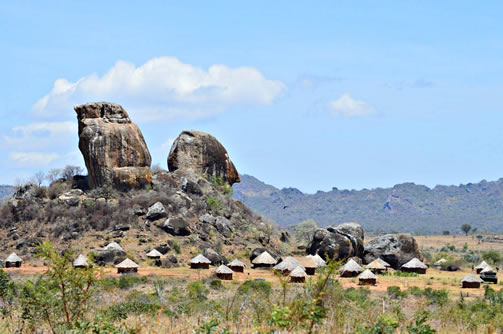
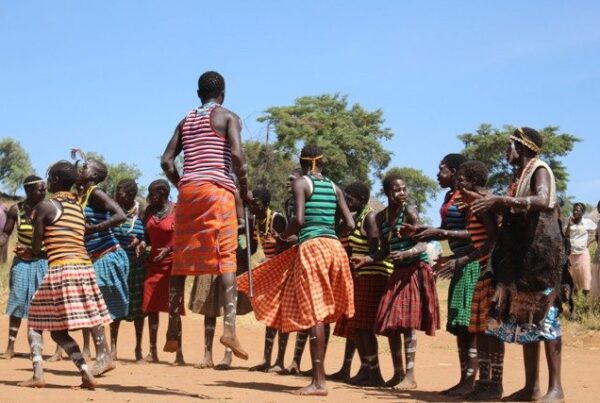
The Karamojong are known for their distinctive dress, often adorned with colorful beads, and for their enduring pastoral lifestyle. Their homesteads, known as manyattas, are organized into communal circles, reflecting their deep sense of unity. Visitors often engage in learning about cattle-keeping traditions, initiation ceremonies, and the spiritual importance of livestock in their society.How to cultural tour in Kidepo Valley National Park — Frequently Asked Questions for luxury travelers

The Ik people, on the other hand, live in the highlands and offer a vastly different perspective. Their remote mountain villages require guided treks, which add an adventurous dimension to cultural tours. The Ik are celebrated for their unique dances, music, and social rituals. Unlike the Karamojong, whose cultural life revolves around cattle, the Ik embody an agricultural ethos, and their stories often reflect the struggles and triumphs of survival in isolation.

Together, these communities present a dual experience—one pastoral and expansive, the other agrarian and intimate—giving travelers a holistic understanding of Uganda’s cultural diversity within a single region.

How Does One Respect Cultural Protocols During Visits?

A question frequently asked by luxury travelers is how to engage respectfully with indigenous communities. Cultural tourism in Kidepo is structured around mutual respect and understanding, with tour organizers ensuring that interactions follow traditional protocols.

Travelers are advised to observe simple etiquette such as dressing modestly, asking before taking photographs, and showing humility when entering homesteads. Guides often brief visitors beforehand, explaining the cultural significance of certain gestures, rituals, and spaces. Luxury travelers benefit from this mediation, as it allows them to connect authentically while avoiding misunderstandings.

Furthermore, cultural tours are designed to ensure that the local communities benefit directly, whether through financial contributions, employment opportunities, or cultural preservation initiatives. This approach guarantees that visits are not exploitative but supportive of sustainable development.

What Kind of Activities Define a Cultural Tour in Kidepo?

A cultural tour in Kidepo unfolds through a series of structured experiences that highlight both daily life and ceremonial practices. Travelers may be welcomed by rhythmic traditional dances performed around the warmth of an evening fire, or they may engage in conversations with elders who recount oral histories passed down for generations.

Visits to manyattas reveal how families organize themselves, raise livestock, and build resilient societies. Some tours include demonstrations of traditional craftsmanship such as beadwork or spear-making, allowing guests to witness the artistry embedded in ordinary life.

For those visiting the Ik, treks into the highlands lead to remote villages where rituals such as harvest celebrations, initiation ceremonies, and communal feasts provide deep cultural insights. The physical effort required to reach the Ik enhances the sense of exclusivity, offering travelers the feeling of discovering a hidden world preserved by mountains.

Every activity is curated to ensure that travelers enjoy comfort, safety, and exclusivity while being immersed in authentic cultural rhythms.

How Safe and Comfortable is the Experience for Luxury Travelers?

One of the central concerns for high-end visitors is safety and comfort. In Kidepo, cultural tours are conducted with meticulous planning. Professional guides and security escorts ensure that journeys to villages and communities are both safe and smooth. Local partnerships further guarantee that visitors are welcomed warmly, with communities informed in advance of cultural exchanges.

In terms of comfort, luxury lodges and tented camps such as Apoka Safari Lodge redefine wilderness living with spacious cottages, gourmet dining, and stunning views over the savannah. After days of cultural immersion, guests can return to sanctuaries of calm where spa treatments, fine wines, and private pools await. This harmony between exploration and relaxation is what makes cultural tours in Kidepo especially attractive for luxury travelers.

When is the Best Time for a Cultural Tour in Kidepo?

The dry seasons between December to March and July to September are considered the most favorable for cultural tours in Kidepo Valley National Park. During these months, travel is easier, and cultural activities often coincide with communal gatherings, dances, and ceremonies. The dry climate also makes treks into the Morungole Mountains more comfortable, ensuring that visits to the Ik communities are accessible.

However, some travelers prefer the wet season between April to June and October to November, when landscapes bloom with greenery and cultural life integrates agricultural rituals. While travel conditions may be more challenging, the wet season reveals another dimension of cultural expression, particularly among the Ik, whose harvest rituals are bound to the land’s fertility.

For luxury travelers, the choice often depends on personal preference, but with chartered flights and high-end accommodations, comfort remains assured throughout the year.

How Do Cultural Tours Integrate with Wildlife Safaris?

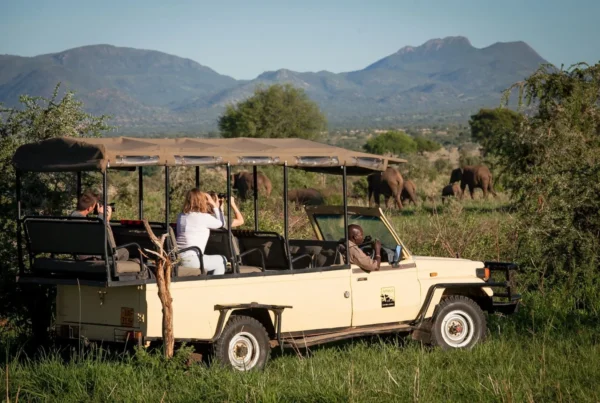
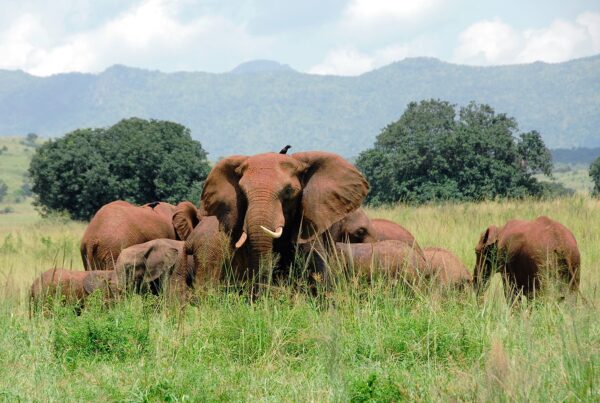
Kidepo is famed for its abundant wildlife, and luxury travelers often wonder how cultural tours fit into the broader safari experience. In reality, cultural encounters complement wildlife viewing perfectly. Mornings may be devoted to game drives across the Narus Valley, where herds of buffalo and elephants roam, while afternoons and evenings are reserved for cultural explorations.

The juxtaposition of witnessing lions in the wild followed by sitting with Karamojong elders creates a dual narrative of nature and humanity coexisting in timeless balance. This synthesis is what makes Kidepo so distinctive: it is not simply about observing animals, but about immersing in the human stories that share the same landscapes.

Why Should Luxury Travelers Choose Kidepo for Cultural Tourism?

Kidepo Valley National Park offers something rare in modern travel: the chance to step away from staged performances and into living traditions. Unlike destinations where culture is commodified, Kidepo’s remoteness ensures authenticity. Luxury travelers can thus enjoy the assurance that every song, every dance, and every ritual is not performed for profit alone but is a reflection of genuine identity.

Additionally, the exclusivity of the park—combined with world-class accommodation and professional guiding—ensures that the experience is both luxurious and meaningful. The rarity of encountering other tourists further heightens the sense of privilege, making cultural tours in Kidepo not just memorable but transformative.

A Journey into the Soul of Uganda

A cultural tour in Kidepo Valley National Park is more than an itinerary; it is a profound encounter with Africa’s heritage. For luxury travelers, it offers the perfect blend of exclusivity, comfort, and authenticity. From the pastoral rhythms of the Karamojong to the mountain rituals of the Ik, every interaction reveals layers of resilience, artistry, and humanity.

Kidepo is not merely visited—it is experienced, felt, and remembered. For those seeking a safari that goes beyond wildlife into the heart of culture, Kidepo stands unparalleled.

For an unforgettable cultural and wildlife journey into this hidden corner of Uganda, travelers are encouraged to book their African tours and safaris through WildHorn Africa, a trusted specialist in creating bespoke experiences that honor both luxury and authenticity.

How to cultural tour in Kidepo Valley National Park — Frequently Asked Questions for luxury travelers

How to cultural tour in Kidepo Valley National Park — Frequently Asked Questions for luxury travelers

By Travel stories and blogs, Uganda travel guides

How to Cultural Tour in Kidepo Valley National Park — Frequently Asked Questions for Luxury Travelers

Experiencing Culture and Wilderness in Luxury

Kidepo Valley National Park, located in the remote northeastern corner of Uganda, is celebrated not only for its striking landscapes and wildlife diversity but also for the rich cultural heritage of the communities that inhabit the surrounding areas. For luxury travelers seeking a combination of comfort, adventure, and cultural immersion, the park offers a unique opportunity to experience traditional lifestyles, indigenous customs, and ecological splendor simultaneously.

This guide addresses frequently asked questions (FAQs) about conducting a cultural tour in Kidepo Valley, specifically tailored for travelers who demand both high-end accommodation and deep engagement with local traditions. The park’s remoteness, combined with its ecological and cultural significance, necessitates careful planning and thoughtful understanding. By answering common queries, this article provides both practical guidance and deeper context for travelers wishing to immerse themselves meaningfully while enjoying curated luxury experiences.

Where is Kidepo Valley National Park, and Why is it Special?

Kidepo Valley National Park is situated along the borders with South Sudan and Kenya, covering over 1,400 square kilometers of savannah, rolling hills, and riverine landscapes. Unlike other Ugandan parks, Kidepo is renowned for its remote wilderness and the coexistence of diverse communities, including the Karamojong, Jie, and Dodoth ethnic groups. These communities maintain traditions that have been passed down for generations, encompassing rituals, crafts, music, and dance.

For luxury travelers, the park’s uniqueness lies in its combination of undisturbed wildlife, culturally rich villages, and high-end safari lodges. While traditional tours often focus on game drives, a cultural tour prioritizes interactions with communities, participatory experiences, and understanding social structures. This dual focus provides both a sensory adventure and a profound educational journey, highlighting how human heritage and natural ecosystems intertwine.

What is a Cultural Tour in Kidepo Valley National Park?

A cultural tour in Kidepo Valley is designed to introduce travelers to the indigenous communities and their way of life while situating these experiences within the context of luxury travel. Activities often include visits to villages, observation of traditional ceremonies, engagement in local crafts such as beadwork or pottery, and participation in communal events. Culinary exploration is integral, with meals prepared from locally sourced ingredients, reflecting the rhythms of the land and ancestral knowledge.

Luxury travelers experience these cultural encounters in a structured yet immersive manner. Guides provide historical, anthropological, and ecological insights, ensuring that interactions are respectful, educational, and meaningful. Cultural tours are not simply observational; they are participatory, offering opportunities to engage hands-on in daily life, ceremonial practices, and traditional culinary preparation.

What are the Best Times to Visit for Cultural Experiences?

Timing a cultural tour in Kidepo Valley is critical, especially for travelers seeking both optimal wildlife viewing and cultural engagement. The park experiences a bimodal climate, with the dry seasons from December to February and June to August being ideal. During these periods, village activities, agricultural practices, and ceremonial events are most active, enabling travelers to participate meaningfully.

Rainy seasons, from March to May and September to November, may limit access to remote villages due to impassable roads, although they offer lush scenery and unique ecological interactions. Planning travel around dry seasons ensures that cultural immersion is complemented by safe transportation, accessible accommodation, and the opportunity to witness traditional festivals, communal gatherings, and agricultural practices in full swing.

What Kind of Luxury Accommodations are Available?

Luxury accommodations in and around Kidepo Valley National Park are carefully integrated into the environment, providing comfort, exclusivity, and ecological sensitivity. Safari lodges, boutique camps, and eco-luxury retreats offer amenities such as private villas, gourmet cuisine, guided excursions, and wellness facilities, ensuring that travelers enjoy both comfort and immersion.

Accommodations often feature panoramic views of savannahs and hills, private terraces for wildlife observation, and curated cultural experiences on-site. Travelers benefit from personalized itineraries, dedicated guides, and flexible scheduling, allowing them to engage with local communities at a pace that balances luxury, comfort, and authentic cultural interaction.

How are Cultural Experiences Structured for Luxury Travelers?

Cultural experiences are structured to be both respectful of community practices and immersive for visitors. Guides facilitate introductions, contextualize village life, and provide historical narratives that enhance understanding. Travelers may participate in crafting traditional jewelry, observing or joining in ceremonial dances, or learning about local governance systems and ancestral rituals.How to cultural tour in Kidepo Valley National Park — Frequently Asked Questions for luxury travelers

Food is central to cultural participation. Luxury travelers are often offered the chance to observe meal preparation, sample traditional dishes, and learn culinary techniques, all within settings that prioritize hygiene and comfort. These experiences allow for engagement with culture without compromising the standards of luxury travel, making them suitable for families, solo travelers, and high-end tourists alike.

How is Safety Ensured During Cultural Tours?

Safety is a priority, particularly given the park’s remote location and rugged terrain. Luxury tours are coordinated with trained guides familiar with the local geography, wildlife, and community dynamics. Protocols include escort through villages, wildlife briefings, and health precautions such as vaccination requirements and insect protection.

Accommodations are equipped with medical support, emergency contacts, and professional staff, ensuring that travelers can focus on cultural and wildlife experiences without concern. Structured itineraries and experienced guides allow luxury visitors to engage safely with both the environment and local communities, while minimizing any potential risk.

What Wildlife Encounters Can Complement Cultural Experiences?

Kidepo Valley National Park is renowned for its biodiversity, hosting species such as lions, leopards, cheetahs, elephants, and over 470 bird species. Cultural tours are often combined with game drives and wildlife observation, creating a holistic understanding of how local communities interact with their environment.

Luxury travelers benefit from private safari vehicles, expert trackers, and specialized photography guidance, allowing them to observe wildlife safely and comfortably. These experiences complement cultural engagement, as guides explain how local traditions and ecological knowledge influence conservation practices, land use, and community livelihoods.

How Are Food Experiences Integrated into Cultural Tours?

Culinary exploration is an integral part of Kidepo cultural tours. Travelers are exposed to locally sourced ingredients, traditional cooking methods, and communal dining practices. Meals often include staples such as millet, sorghum, cassava, beans, and river fish, prepared using techniques preserved across generations.

Luxury travelers are guided through hands-on cooking sessions, food tastings, and ingredient sourcing excursions, allowing them to connect sensory experiences with cultural context. Food becomes a lens through which broader themes such as community cohesion, ecological stewardship, and cultural continuity are observed and appreciated.

How are Community Interactions Conducted Respectfully?

Respectful interaction is central to cultural tourism. Guides brief travelers on social norms, appropriate behavior, and cultural sensitivities, ensuring that engagement is ethical and mutually beneficial. Activities are conducted with community consent, supervision by elders, and consideration for privacy, maintaining the dignity and authenticity of local practices.

Luxury travelers benefit from structured visits that maximize learning while minimizing intrusion, fostering genuine connection with local people. Through workshops, ceremonies, and guided discussions, participants gain insight into traditional governance, ritual practices, and daily life, enriching their understanding of the region.

How Long Should a Cultural Tour Last?

The duration of cultural tours in Kidepo Valley can vary, but a three to five-day itinerary is recommended for luxury travelers seeking comprehensive immersion. Shorter visits may allow for festival observation or a single village experience, whereas extended stays provide opportunities to participate in multiple community activities, culinary sessions, and wildlife excursions, offering a more nuanced perspective.

Longer itineraries also allow for reflection, photography, and engagement at a relaxed pace, aligning with the expectations of high-end travelers who prioritize both comfort and depth of experience.

What Are the Seasonal and Festival Highlights?

Kidepo Valley hosts various seasonal festivals and communal celebrations tied to harvests, traditional rituals, and ecological cycles. Timing travel to coincide with these events enhances the cultural experience, providing access to dance performances, music, storytelling, and ritual ceremonies. Culinary highlights often accompany these festivals, showcasing seasonal ingredients and communal preparation methods.

Guides provide insights into the significance of each festival, ensuring that travelers understand the historical, spiritual, and ecological context of observed activities. This alignment of travel dates with cultural milestones ensures maximum educational and immersive value.

How is Photography Managed During Cultural Tours?

Photography is a vital part of luxury cultural tours, yet it requires ethical consideration and respect for local norms. Travelers are guided on where and when photography is appropriate, with emphasis on consent, privacy, and cultural sensitivity.

Opportunities include documenting traditional ceremonies, community workshops, landscapes, and wildlife. Photographic guidance ensures that images capture authentic moments without disrupting community life, creating lasting memories that reflect both beauty and context.

A Comprehensive Luxury Cultural Experience

Cultural tours in Kidepo Valley National Park offer luxury travelers a rare convergence of heritage, gastronomy, and wildlife adventure. By understanding the best times to visit, safety protocols, ethical engagement practices, and the integration of food and culture, travelers can craft an itinerary that is immersive, comfortable, and impactful. Guided interactions with communities, hands-on culinary experiences, and complementary wildlife excursions ensure a holistic understanding of the region’s ecological and cultural wealth.

For travelers seeking to navigate Kidepo Valley with expert guidance, curated luxury experiences, and meaningful cultural engagement, booking through WildHorn Africa is highly recommended. Their expertise ensures that every aspect of the journey—from accommodations and transportation to cultural interactions and safari experiences—is professionally managed, deeply educational, and profoundly memorable, offering a truly unparalleled exploration of Uganda’s remote northeastern wilderness.

How to seasonal guide in Kidepo Valley National Park — Weekend Itinerary with kids

How to seasonal guide in Kidepo Valley National Park — Weekend Itinerary with kids

By Travel stories and blogs, Uganda travel guides

How to Seasonal Guide in Kidepo Valley National Park — Weekend Itinerary with Kids

An Untamed Wonderland for Families

Few destinations in East Africa offer a combination of raw wilderness, breathtaking landscapes, and family-friendly adventure like Kidepo Valley National Park in northeastern Uganda. Nestled near the borders of South Sudan and Kenya, this park is renowned for its remote beauty, wide-open savannahs, rugged hills, and abundant wildlife. For families seeking an escape from the ordinary, Kidepo presents an opportunity to witness the African wilderness in its purest form while creating shared memories that will endure a lifetime.

A weekend in Kidepo with children is not merely a trip; it is an immersion into an ecosystem that feels untamed yet remarkably accessible when guided correctly. From the gentle curiosity of young children spotting zebras for the first time to teenagers discovering the thrill of game drives, the park offers experiences that appeal to every age. However, its remoteness requires thoughtful planning, especially when traveling with kids, making a seasonal guide an essential tool for a successful and memorable visit.

This article explores the nuances of visiting Kidepo Valley National Park with children, offering a seasonal perspective and a practical weekend itinerary, while emphasizing safety, comfort, and engagement. It reveals the park’s hidden gems, the optimal times to visit, and the activities that allow families to experience Kidepo’s extraordinary wildlife, landscapes, and culture.

Understanding Kidepo Valley National Park

Kidepo Valley National Park is one of Uganda’s most remote and untouched parks. Its isolation has helped preserve the park’s biodiversity and pristine landscapes, offering families a unique glimpse into African wilderness largely unaltered by mass tourism. Unlike other national parks that are more commercialized, Kidepo retains a sense of authenticity, which makes every sighting, every trail, and every interaction with nature feel rare and profound.

Covering approximately 1,442 square kilometers, the park encompasses rolling plains, rugged mountains, seasonal rivers, and riverine forests. Wildlife thrives across these varied habitats, with more than 77 mammal species, including elephants, lions, cheetahs, hyenas, leopards, giraffes, and buffaloes. Kidepo is also a haven for bird enthusiasts, with over 475 bird species recorded, ranging from ostriches to vultures to the rare kori bustard.

The park’s geography creates diverse ecosystems. The Narus Valley provides lush grazing grounds and waterholes that attract large herds of herbivores, while the Mathew’s Range offers rugged terrain ideal for mountain viewing and scenic photography. For families, this diversity allows both relaxed observation and immersive adventure, ensuring that children, parents, and extended family members all find activities suited to their interests and energy levels.

Seasonal Guide: When to Visit Kidepo with Kids

Understanding the seasonal patterns of Kidepo is crucial for families to plan a safe and enjoyable trip. The park experiences two main seasons: the dry season and the wet season, each offering distinct experiences.

During the dry season, which typically runs from December to February and again from June to August, wildlife congregates around rivers and waterholes, making sightings more predictable and rewarding. The weather is also milder, with lower humidity and clearer skies, allowing for longer excursions and more comfortable outdoor activities. This period is particularly suitable for families, as children can participate in longer game drives without the risk of intense rain or muddy tracks.

The wet season, occurring from March to May and September to November, transforms the park into a lush, green landscape. While some roads may become temporarily impassable, the wet season brings vibrant scenery, bird migrations, and the birth of new wildlife. For families with an interest in birdwatching, this is an ideal period, though travel planning must be meticulous to ensure safe passage across less accessible routes.

Seasonality also affects accommodation availability. Lodges and camps tend to book quickly during the dry season due to favorable conditions, while wet-season visits may offer more seclusion and lower rates, providing families a quieter, more intimate experience.

Day 1: Arrival and Afternoon Exploration

A weekend itinerary in Kidepo usually begins with arrival at Kidepo airstrip or via road from Kampala or Gulu. Families arriving by small aircraft can enjoy spectacular aerial views of the park’s landscapes, setting the stage for the adventure ahead. Upon arrival, transfer to a family-friendly lodge or camp is arranged, where staff assist with settling in and preparing for afternoon activities.

The first afternoon is best devoted to gentle exploration, allowing children to acclimate while observing wildlife in a safe environment. A guided walk near the lodge can introduce children to local flora and fauna, teaching them the basics of wildlife tracking, animal behavior, and conservation. Rangers often incorporate storytelling techniques, captivating young minds with tales of lions, elephants, and the park’s rich history.

Families are encouraged to enjoy the scenery while observing grazing animals, often visible even from lodge verandas. The slow pace of the first day allows both adults and children to rest after travel, while still engaging with the park’s natural wonders. Evening meals at the lodge are typically communal, offering both local Ugandan dishes and familiar comforts, creating a sense of routine and security for younger children.

Day 2: Full-Day Game Drive Adventure

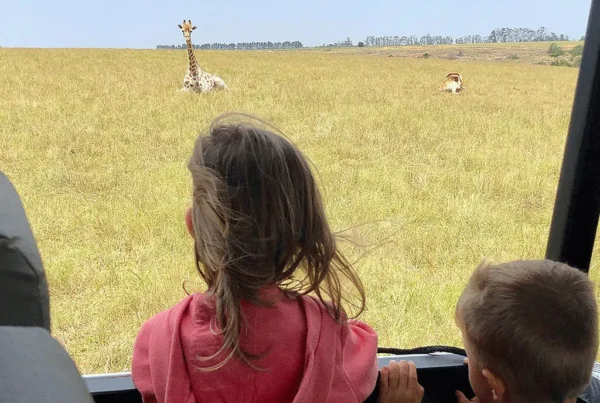
The second day is the highlight of the weekend, as families embark on a full-day game drive through Kidepo’s savannahs and valleys. Departing at sunrise, the family is immersed in the park’s awakening energy. The early hours are ideal for spotting predators returning from nocturnal hunts, as well as elephants, buffalo, and giraffes grazing in the cool light.

Guides emphasize family participation, encouraging children to help spot animals, identify tracks, and ask questions about the ecosystem. The combination of observation and education ensures that children remain engaged throughout the day. Alongside game drives, several safe picnic spots are available, allowing families to enjoy lunch amid wildlife sightings, rivers, or scenic hilltops.

Afternoon excursions may include visits to Narus Valley, a wildlife hotspot where large herds congregate. Children often find excitement in the patterns of zebras and antelopes, while parents appreciate the opportunity for photography and learning about predator-prey dynamics. Rangers share insights about Kidepo’s conservation challenges, subtly teaching the next generation the importance of protecting natural habitats.

Late afternoon offers an opportunity for a short bush walk, supervised for safety, where families can observe smaller animals, birds, and unique plant species. This immersive approach balances excitement with education, ensuring that both children and adults take away meaningful experiences.How to seasonal guide in Kidepo Valley National Park — Weekend Itinerary with kids

Day 3: Cultural Engagement and Scenic Departure

The final day of a weekend itinerary is often reserved for cultural experiences and lighter activities, allowing families to connect with the human heritage of the region. Visits to local Karamojong villages introduce children to traditional lifestyles, crafts, and music. Children enjoy interactive sessions, such as beadwork, simple farming demonstrations, or storytelling about local legends. These interactions provide both educational value and cultural appreciation, deepening the family’s understanding of the region beyond its wildlife.

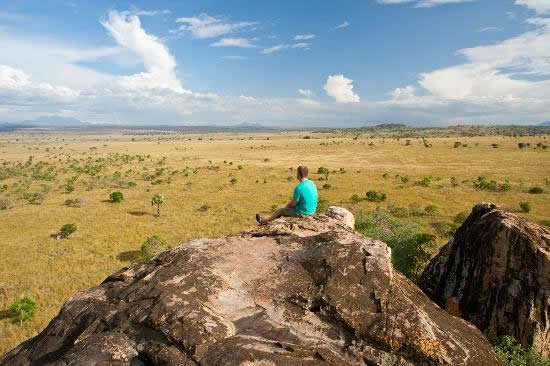
Families may also opt for a scenic drive to the Mathew’s Range, offering panoramic views of the park’s valleys and distant hills. Photographs taken here become treasured mementos, capturing both the landscape and the joy of shared experiences.

Lunch is typically enjoyed at the lodge or in designated picnic areas before families prepare for departure. Afternoon departures allow for reflection on the weekend, with children often recounting favorite moments while adults consider the logistical and emotional successes of the trip. Even as the family leaves Kidepo, the park’s combination of wildlife, landscapes, and cultural immersion leaves a lasting impression.

Tips for Traveling with Children

Traveling to Kidepo with children requires careful planning to ensure safety, comfort, and engagement. Lodges and safari operators now provide child-friendly vehicles, educational materials, and trained guides to facilitate a rewarding experience. Parents are advised to maintain hydration, provide sun protection, and schedule adequate rest periods to prevent fatigue during game drives and walks.

Seasonal considerations remain crucial; the dry season offers safer driving conditions, while the wet season emphasizes adaptability and careful route selection. Families are encouraged to pack lightweight clothing, binoculars, field guides, and basic first-aid kits, ensuring preparedness for all scenarios.

In addition to practical considerations, parents are encouraged to nurture curiosity and discussion. Questions asked by children about animals, ecology, and culture create learning opportunities and deepen the family’s collective experience. Kidepo’s remote environment also allows families to unplug from digital distractions, fostering genuine connection and observation.

Why Kidepo Valley is a Unique Family Destination

Kidepo Valley National Park is not merely a safari destination; it is an educational and transformative experience. Children develop awareness of ecological systems, appreciation for cultural diversity, and respect for wildlife. Parents find both relaxation and engagement, sharing discovery, conversation, and adventure with their children.

The park’s remote nature offers intimacy and authenticity, unmatched by more crowded national parks. Wildlife encounters feel personal and extraordinary, while cultural interactions provide insight into Uganda’s heritage. The seasonal guide ensures that families maximize their experience, selecting periods that align with wildlife behavior, weather conditions, and accessibility.

Every game drive, walk, and cultural interaction becomes part of a family narrative, creating memories that are both thrilling and instructive. The weekend itinerary demonstrates that even a short visit can be immersive, educational, and joyful, blending adventure with comfort and care.

A Weekend Adventure Worth Planning

A weekend family trip to Kidepo Valley National Park is a journey into one of Uganda’s most remarkable natural landscapes. From sunrise game drives and Nile-adjacent picnics to cultural encounters and scenic hilltop vistas, every moment in Kidepo becomes part of a shared story that educates, excites, and enriches.

For families seeking a combination of adventure, comfort, and meaningful engagement with both nature and culture, Kidepo Valley offers experiences that are both rare and transformative. Children learn, parents relax, and together, families create memories that will last a lifetime.

To ensure that every aspect of the trip—from accommodation and guided safaris to cultural visits and seasonal planning—is handled with expertise, it is strongly recommended to book African tours and safaris via WildHorn Africa. Their professional guidance transforms a weekend itinerary into a seamless, memorable adventure, ensuring that families leave Kidepo inspired, educated, and connected.

Solo Traveler Guide — Kidepo Valley National Park festival guide for weekenders

Solo Traveler Guide — Kidepo Valley National Park festival guide for weekenders

By Travel stories and blogs, Uganda travel guides

Solo Traveler Guide — Kidepo Valley National Park Festival Guide for Weekenders

A Solo Adventure into Uganda’s Untamed Beauty

For travelers seeking a weekend escape filled with wildlife, culture, and unforgettable experiences, Kidepo Valley National Park stands as a premier destination. Located in the northeastern corner of Uganda, this remote park is renowned for its dramatic landscapes, diverse wildlife, and vibrant local festivals. For the solo traveler, Kidepo offers a combination of adventure and cultural immersion, presenting opportunities that few other destinations in East Africa can match.

Visiting Kidepo for a festival is an experience that merges nature with culture, allowing solo explorers to witness traditional dances, artisanal crafts, and local ceremonies amidst a backdrop of savannahs, hills, and winding rivers. This guide provides practical insights and insider knowledge, ensuring that weekenders can maximize both their time and experiences in this unique region while capturing memories that will last a lifetime.

Understanding Kidepo Valley National Park

Kidepo Valley National Park is often described as Uganda’s hidden gem, a place where wildlife roams freely across vast, open landscapes. The park spans over 1,400 square kilometers, encompassing rolling savannahs, rugged mountains, and seasonal rivers. Unlike more frequented parks, Kidepo offers solitude and exclusivity, making it particularly attractive for solo travelers seeking both adventure and reflection.

The park’s biodiversity is striking, hosting over 80 mammal species, including elephants, lions, leopards, and cheetahs, alongside more than 500 bird species. Its remoteness has preserved an ecosystem that remains largely undisturbed, providing photographers and wildlife enthusiasts with unparalleled opportunities for capturing raw and authentic encounters.

Kidepo’s festivals add another layer of appeal. These cultural events, often rooted in local traditions, showcase the artistry, music, and social dynamics of the Karamojong people. By attending a festival, solo travelers can engage with the community, learn about traditional practices, and experience the rhythms of life that have persisted in this region for centuries.

Solo Travel Considerations for Kidepo

Traveling solo in Kidepo requires careful planning. The region’s remoteness and limited infrastructure make logistics, timing, and safety considerations critical. Flights from Kampala to nearby airstrips, or carefully timed road transfers, are commonly used by weekenders seeking efficiency. Accommodations range from luxury lodges that blend comfort with the wilderness, to camping sites that offer immersive experiences under the African sky.

Solo travelers are encouraged to select accommodations that facilitate both independence and social interaction. Lodges with guided safari options and local cultural activities ensure safety while providing avenues to connect with other travelers and local hosts. Planning the itinerary to coincide with a festival adds a cultural dimension, transforming a routine weekend safari into a dynamic and enriching journey.

The Festivals of Kidepo: Culture Amidst the Wilderness

Kidepo’s festivals are often tied to seasonal cycles, agricultural milestones, and communal celebrations. Traditional dances, drumming, and ceremonial performances provide vibrant photo opportunities, while marketplaces offer insights into local craftsmanship, from beadwork to woven textiles. For the solo traveler, attending a festival allows direct engagement with the Karamojong people, creating moments of interaction and understanding that go beyond passive observation.

The timing of festivals often aligns with periods of wildlife abundance, allowing travelers to combine cultural immersion with safari excursions. The contrast between observing lions roaming the savannah and participating in energetic dance ceremonies highlights the unique duality of Kidepo as both a natural and cultural haven. Photographers benefit from the juxtaposition of motion, color, and light, capturing images that tell stories of tradition, landscape, and wildlife simultaneously.

Practical Tips for Weekenders

Maximizing a weekend trip to Kidepo requires efficiency. Travel routes are planned to optimize time, ensuring that both safari and festival experiences are fully realized. Early departures from Kampala or other major cities allow for morning safaris or festival previews upon arrival. Solo travelers are advised to engage with local guides, whose expertise enhances understanding of both the wildlife and cultural contexts, while also facilitating safer navigation in a remote region.

Packing considerations are influenced by the dual nature of the trip. Lightweight clothing suitable for the savannah climate, durable footwear for walking, and accessories for photography, such as binoculars and cameras, are essential. Additionally, personal safety items, sun protection, and hydration equipment ensure comfort and preparedness throughout the weekend.

Capturing Kidepo: Photography Insights

Kidepo Valley National Park offers incredible photographic opportunities, from dramatic landscapes and wildlife encounters to cultural ceremonies. Early mornings and late afternoons provide optimal lighting for capturing the golden hues of the savannah, the silhouettes of acacia trees, and the majestic profiles of roaming elephants. Festivals add dynamic motion and vibrant colors, presenting opportunities for both portrait and action photography.

Solo travelers are encouraged to blend wildlife and cultural photography, creating narratives that reflect the region’s interconnectedness. Techniques such as framing dancers against the backdrop of hills or capturing wildlife with a festival scene in the distance produce compelling images that convey both adventure and tradition. Respect for local customs and seeking consent when photographing community members is paramount, enhancing the authenticity of the captured moments.Solo Traveler Guide — Kidepo Valley National Park Festival Guide for Weekenders

Cultural Etiquette for Solo Travelers

Engaging respectfully with the Karamojong people enhances the festival experience and fosters meaningful connections. Travelers are encouraged to observe and participate where invited, while remaining mindful of sacred or private rituals. Understanding local norms regarding attire, photography, and interactions ensures that cultural exchanges are both positive and enriching.

Language barriers are often overcome through gestures, smiles, and guidance from local hosts. Solo travelers benefit from embracing curiosity, listening actively, and observing attentively, transforming a festival visit into a profound educational experience that deepens appreciation for Kidepo’s heritage.

Accommodation and Dining in Kidepo

Accommodations in Kidepo cater to varying preferences, from exclusive lodges with luxury amenities to eco-camps that immerse visitors in the wilderness. Solo travelers are encouraged to choose lodgings that facilitate early access to both wildlife excursions and festival venues. Some lodges also offer guided cooking experiences, where local chefs demonstrate the preparation of traditional Karamojong dishes, enriching the gastronomic dimension of the visit.

Dining experiences in Kidepo are characterized by the use of fresh, locally sourced ingredients, often prepared with traditional techniques. Meals are not merely sustenance but an extension of the cultural experience, providing opportunities to engage with flavors and cooking methods unique to the region. Solo travelers are encouraged to embrace communal dining where possible, enhancing the sense of connection and shared experience.

Combining Wildlife and Festival Adventures

The interplay between Kidepo’s natural environment and cultural festivals creates a unique itinerary potential. Morning and evening game drives offer glimpses of lions, giraffes, and elephants, while midday or evening festival activities provide immersion into music, dance, and communal celebration. Planning the weekend to balance both aspects ensures a rich, multifaceted experience.

Solo travelers often benefit from guided excursions, which enhance wildlife sightings and cultural understanding. Guides facilitate access to prime photographic locations, provide historical and ecological context, and ensure safety in remote areas. The combination of professional guidance with personal exploration allows for both structured and spontaneous experiences, enhancing the overall depth of the weekend adventure.

Health and Safety Considerations

Traveling solo in Kidepo requires attention to health and safety protocols, particularly given the park’s remote location. Vaccinations, mosquito precautions, and personal first aid are essential. Solo travelers are encouraged to maintain communication with lodge staff and guides, adhere to park regulations, and respect wildlife boundaries. Awareness of local conditions, including weather changes and terrain challenges, enhances both safety and enjoyment.

Travel insurance and contingency planning are recommended, providing peace of mind for solo adventurers. By preparing adequately, visitors can focus fully on the immersive experiences of wildlife observation and cultural engagement, confident in the knowledge that safety measures are in place.

Maximizing a Weekend Experience

For a weekend visit, strategic planning is essential to maximize the dual attractions of Kidepo. Early departures, coordinated guides, and well-chosen accommodations ensure that both safari and festival experiences are efficiently incorporated. Solo travelers benefit from pre-arranged itineraries that allow flexibility while maintaining structure, ensuring that no key moment is missed.

Photography schedules can be aligned with optimal lighting and festival performances, while meal times can be organized to sample local dishes without disruption to the itinerary. By balancing adventure, culture, and relaxation, the weekend transforms into a memorable, immersive experience that fully captures the essence of Kidepo Valley National Park.

A Weekend Worth Experiencing

Kidepo Valley National Park offers solo travelers an unparalleled blend of adventure, culture, and natural beauty. The park’s remote landscapes, diverse wildlife, and vibrant festivals provide experiences that are both thrilling and deeply enriching. Solo travelers who strategically plan their visit can enjoy wildlife encounters, cultural immersion, and culinary exploration, all within a carefully managed weekend itinerary.

To ensure a seamless and enriching experience, bookings and guided tours through WildHorn Africa are recommended. Their expertise in arranging safaris, coordinating festival access, and providing local insights guarantees that every solo traveler maximizes their time in Kidepo. With professional guidance, the weekend transforms into a truly immersive adventure, where memories of wildlife, culture, and festivals converge into a journey that is both unforgettable and deeply rewarding.

How to wildlife photography tips in Kidepo Valley National Park — Local's Guide on a budget

How to wildlife photography tips in Kidepo Valley National Park — Local’s Guide on a budget

By Travel stories and blogs, Safari holidays, Travel guides, Uganda travel guides, Wildlife holidays

How to Wildlife Photography Tips in Kidepo Valley National Park — Local’s Guide on a Budget

Framing the Wild Heart of Uganda

Deep in the northeastern corner of Uganda lies Kidepo Valley National Park, a destination often hailed as the most remote yet most rewarding of all the country’s protected areas. Its vast golden savannas stretch endlessly beneath jagged mountain ranges, while herds of wildlife roam freely in an atmosphere of untouched wilderness. For photographers, the park is a dream come true. Every horizon seems to hold a scene worth capturing, every sunrise paints the land in colors beyond imagination, and every encounter with wildlife is raw, authentic, and unscripted.

For those traveling on a budget, Kidepo might seem like an unattainable paradise, reserved for luxury adventurers with deep pockets. Yet the reality is different. With careful planning and local knowledge, the park opens itself generously to budget travelers who wish to master wildlife photography without spending extravagantly. This guide provides practical insight, local tips, and creative approaches that empower travelers to frame Kidepo’s magnificence while remaining mindful of cost.

The Photographic Richness of Kidepo Valley

The park is home to a unique composition of landscapes and wildlife that distinguishes it from other Ugandan destinations. Its isolation has preserved habitats in pristine condition, where species such as cheetahs, ostriches, and bat-eared foxes roam alongside lions, elephants, and buffalo. The Narus Valley, where water remains during the dry season, becomes a photographic stage where large herds gather, offering endless opportunities for wide-angle shots of wildlife against expansive plains.

The Kidepo Valley itself, though more arid, captivates photographers with its dramatic scenery. The seasonal Kidepo River cuts through the valley, lined with doum palms that stand tall like sentinels of the desert. Sunsets here are spectacular, with silhouettes of giraffes or ostriches creating compositions that even the most advanced photographer could not script. These settings allow budget travelers to maximize their photography, as no expensive equipment or guided tours are required to appreciate the grandeur—patience and timing are often enough.

Timing and Light: The Photographer’s Essential Tools

In wildlife photography, timing is everything, and in Kidepo, this truth is amplified. The early mornings and late afternoons present the most favorable light. At dawn, soft golden tones blanket the plains, turning even the simplest composition into a masterpiece. Wildlife is most active in these hours, with predators returning from hunts and herbivores grazing in the cool air. For budget-conscious travelers, mornings also allow longer hours of exploration before the harsh midday sun demands rest.

Evenings present equally rewarding conditions. As the sun lowers, shadows grow longer, and the landscape transforms into a canvas of orange and crimson hues. Herds moving gracefully across the horizon provide dramatic silhouettes that are easily captured even with modest cameras. The mid-day hours, though harsh for photography, can still be useful for experimenting with black-and-white shots, focusing on details like textures of elephant skin or the feathers of ostriches. Local guides often emphasize patience—waiting at a waterhole for the perfect light and animal movement can yield far better photographs than hurried drives across the plains.

Composition and Storytelling: Capturing More than Images

True wildlife photography in Kidepo goes beyond snapping pictures of animals; it is about telling stories of survival, beauty, and wilderness. Local photographers often encourage travelers to think in terms of narrative rather than isolated shots. A herd of buffalo silhouetted against Mount Morungole tells a story of scale and resilience. A close-up of a lion’s gaze framed against the golden grasslands conveys power and dominance. A wide-angle shot of children playing at a village edge with distant giraffes grazing nearby connects people and wilderness in a shared story of coexistence.

Travelers on a budget often make the mistake of over-focusing on big game, but local wisdom suggests shifting attention to smaller subjects as well. Ground squirrels darting across the savanna, hornbills perched on acacia trees, or even the textures of cracked earth in the dry season provide diversity in photography. These details enrich the overall photographic collection, turning it into a multi-layered narrative of Kidepo rather than a repetitive series of animal portraits.

Budget-Friendly Photography Tips: Local Insights

One of the most practical advantages of photographing in Kidepo is that luxury equipment is not always necessary. Many of the park’s most iconic photographic moments rely on composition, light, and patience rather than the latest technology. Locals often advise budget travelers to prioritize basic but essential tools: a reliable camera body, a zoom lens capable of at least 200mm reach, and spare memory cards. Even smartphones, when used creatively with natural light and thoughtful composition, can produce powerful images of the landscapes.

Hiring a local ranger for a guided walk is an affordable way to increase photographic opportunities. Rangers are familiar with animal movements and can position travelers closer to scenes that may otherwise be missed. Their stories about the animals and landscapes often inspire fresh angles and perspectives, ensuring that photographs are more meaningful.

For those unable to afford multiple game drives, choosing one well-timed excursion—early morning or late afternoon—often yields the best results. In between drives, walking within designated safe areas or photographing near lodges offers chances to capture birds, smaller wildlife, and sweeping landscapes without additional costs. Local advice also emphasizes conserving resources: charging equipment during generator hours at lodges, storing batteries properly, and backing up photos regularly to avoid costly mishaps.

The Role of Patience: Waiting for the Perfect Frame

Wildlife photography in Kidepo cannot be rushed. The remoteness of the park ensures that animals are less accustomed to vehicles, often making them more cautious. Solo or budget travelers may not have the luxury of chasing every sighting, but patience becomes the most valuable tool. Waiting quietly by the Narus Valley waterholes often rewards photographers with intimate moments: elephants playing in the mud, antelopes cautiously approaching to drink, or lions lounging in the shade nearby.

Local guides often advise practicing the art of “anticipating behavior.” By watching carefully, photographers can predict when a bird is about to take flight, when a giraffe is lowering its head to drink, or when a lion cub is about to pounce on its sibling in play. Anticipation, rather than rapid shooting, creates images that capture action in its peak moment and reduces the need for expensive high-speed cameras.

Balancing Cost with Experience: Making Every Shilling Count

Traveling to Kidepo Valley on a budget demands thoughtful planning, but the rewards are immense. Group transport or shared tours from Kampala significantly reduce costs, and many budget-friendly lodges around the park provide affordable yet comfortable stays. The sanctuary of the park itself requires no extravagance to be appreciated—the wildlife, the landscapes, and the light provide all the luxury needed for meaningful photography.

Local communities around the park also play a role in budget travel. Interacting with them provides cultural photography opportunities, as traditional dances, homesteads, and markets add a human dimension to the photographic journey. Supporting community-run initiatives not only stretches the budget but also enriches the storytelling aspect of the photographic collection.

Capturing Kidepo’s Spirit on a Budget

Kidepo Valley National Park remains one of Africa’s most spectacular yet least crowded destinations, offering wildlife photographers the chance to capture scenes of raw wilderness without distraction. For those on a budget, the park proves that extraordinary photography is not dependent on luxury spending but on creativity, patience, and a willingness to embrace the rhythm of nature. From golden light bathing the Narus Valley to dramatic encounters with lions, elephants, and ostriches, every moment in Kidepo holds potential for timeless images.

Travelers who approach photography with a storyteller’s eye rather than a consumer’s mindset will find that Kidepo gives generously. Every captured frame becomes not just a picture but a memory, a lesson, and a tribute to the enduring beauty of Uganda’s wild northeast.

To ensure that this adventure is not only budget-friendly but also expertly guided, it is recommended that travelers plan their safari through professionals who understand both the land and its rhythms. Booking African tours and safaris with WildHorn Africa guarantees not only affordability but also access to skilled guides, thoughtful itineraries, and a chance to unlock the full photographic potential of Kidepo Valley National Park.

Safety Guide Kidepo Valley National Park road trip for long-stay travelers

Safety Guide Kidepo Valley National Park road trip for long-stay travelers

By Travel stories and blogs, Adventure holidays, Family holidays, Safari holidays, Uganda travel guides, Wildlife holidays

Safety Guide Kidepo Valley National Park Road Trip for Long-Stay Travelers

Where Wilderness and Adventure Intersect

There are places in Africa where wilderness remains as raw and unspoiled as it was centuries ago. In Uganda, that place is Kidepo Valley National Park, a rugged expanse of savannah, mountains, and semi-arid plains far removed from the bustle of urban centers. Tucked in the country’s northeastern corner near the borders with Kenya and South Sudan, Kidepo is often described as the “true African wilderness” — a sanctuary where landscapes stretch endlessly, wildlife roams freely, and silence is broken only by the calls of lions, cheetahs, and countless birds.

For the modern traveler, and especially for those staying long-term in Uganda, the road trip to Kidepo is not simply a journey. It is an initiation into one of Africa’s most untouched ecosystems. Yet the remoteness that defines Kidepo also brings challenges. Reaching the park involves traversing hundreds of kilometers of rural roads, navigating isolated regions, and preparing for unpredictable conditions. Safety, therefore, becomes not an afterthought but the foundation of the experience.

This guide is designed to offer long-stay travelers a comprehensive perspective on road trip safety to Kidepo Valley National Park. It explores everything from road conditions and timing to vehicle preparation, cultural awareness, and health considerations. More than a checklist, it provides a structured narrative to help travelers engage with Kidepo responsibly, comfortably, and with the confidence that their journey will be as rewarding as it is secure.

The Allure of Kidepo Valley National Park

Before considering safety, one must first understand why Kidepo draws travelers despite its distance. Covering 1,442 square kilometers, the park boasts landscapes unlike any other in Uganda. From the sweeping Narus Valley, rich with herds of buffalo and elephants, to the stark beauty of the Kidepo Valley itself, dotted with Borassus palm trees and traversed by seasonal rivers, the park exudes drama.

Wildlife thrives here in abundance. Kidepo is one of the few places in Uganda where cheetahs, ostriches, and striped hyenas coexist alongside iconic species like lions, giraffes, and elephants. Birdlife is equally impressive, with more than 470 species recorded. For long-stay travelers seeking experiences beyond the common circuits of Bwindi or Queen Elizabeth, Kidepo represents the ultimate reward: exclusivity, authenticity, and grandeur.

The remoteness that makes Kidepo so magical also demands preparation. Travelers cannot simply arrive unplanned; the road trip itself is an adventure that requires foresight, respect, and resilience.Safety Guide Kidepo Valley National Park road trip for long-stay travelers

Road to Kidepo — Distances and Routes

The most common overland journey begins in Kampala, Uganda’s capital. From there, several routes lead northwards, ranging from 550 to 700 kilometers depending on the path chosen. Most trips require at least 10 to 12 hours of driving, often spread across two days for comfort and safety.

Popular routes include traveling through Gulu and Kitgum before turning east toward Kidepo, or taking a more eastern path through Mbale, Soroti, and Moroto, offering opportunities to encounter the dramatic landscapes of Karamoja. Each route has its own conditions and cultural encounters, but all share the common factor of requiring patience and vigilance.

For long-stay travelers, the road trip becomes part of the adventure. Yet it is also where safety concerns emerge most strongly, from varying road surfaces to remoteness and limited services.

Vehicle Considerations — The Foundation of Safety

A road trip to Kidepo cannot be undertaken casually in any vehicle. The distance, terrain, and unpredictability demand a 4×4 vehicle in excellent condition. Roads vary from tarmac highways to gravel tracks, and in rainy seasons, some stretches become muddy and difficult to navigate.

For safety, vehicles should be serviced before departure, ensuring brakes, suspension, and tires are in top condition. Long-stay travelers often rely on rented safari vehicles, which come with added benefits such as professional drivers familiar with the routes. Those who prefer self-drive must prepare thoroughly, carrying spare tires, tools, fuel reserves, and knowledge of basic mechanics.

Luxury in this context is not leather seats or onboard entertainment but the assurance of reliability. A well-prepared vehicle is the first and most critical safeguard against the challenges of the road.

Timing the Journey — Seasonality and Weather

Uganda’s climate plays a decisive role in road safety. The dry seasons — December to February and June to September — are considered the best times for traveling to Kidepo. Roads are more passable, visibility is higher, and conditions in the park are easier for game drives.

The wet seasons, particularly March to May and October to November, pose greater risks. Heavy rains transform dirt tracks into slippery mud, rivers swell, and delays become common. For long-stay travelers with flexible schedules, aligning the road trip with dry months significantly reduces risks and enhances comfort.

Additionally, the timing of departure matters. Starting journeys early in the morning maximizes daylight driving hours, minimizing the dangers associated with navigating rural roads in darkness. For safety, overnights in towns like Gulu or Kitgum are recommended, turning the trip into a paced adventure rather than an exhausting marathon.

Cultural Awareness — Traveling Through Karamoja and Beyond

One of the unique aspects of a Kidepo road trip is the passage through Karamoja, a region once perceived as isolated but now celebrated for its cultural richness. Home to pastoralist communities, Karamoja offers travelers glimpses into traditional lifestyles, cattle herding, and vibrant dances.

For safety and respect, long-stay travelers must approach these encounters with awareness. Photography should always be requested politely, conversations approached with humility, and interactions framed by curiosity rather than intrusion. Lodges and guides often facilitate introductions, ensuring cultural exchanges are safe and meaningful.

The social landscape of northern Uganda has stabilized significantly in recent decades, making travel safer than in the past. Yet, as with all remote regions, attentiveness and cultural sensitivity remain central to security.

Health and Personal Safety Considerations

A road trip to Kidepo traverses areas with limited medical facilities. Long-stay travelers must therefore prepare thoroughly. Carrying a well-stocked first aid kit, personal medications, and insect repellents is essential. Malaria prophylaxis is strongly advised, as mosquitoes are common in lowland areas.

Hydration is equally critical. The semi-arid climate of Kidepo and the long road journey can quickly lead to fatigue if water is not consumed regularly. Lodges and tour operators often ensure supplies, but travelers should carry reserves during transit.

Food safety is another consideration. While roadside stops may be tempting, long-stay travelers are advised to rely on trusted lodges, packed meals, or reputable restaurants in larger towns for hygiene assurance.

Communication and Navigation

Remote regions often mean limited mobile network coverage. Travelers should not rely solely on digital navigation. Paper maps, pre-downloaded GPS routes, and local guides provide security against disorientation.

Satellite phones or radios are often used by professional guides and luxury operators, ensuring constant communication even in the most isolated stretches. For long-stay travelers planning multiple safaris across Uganda, investing in or arranging access to such equipment adds a layer of safety that should not be underestimated.

Inside Kidepo — Road Safety in the Park

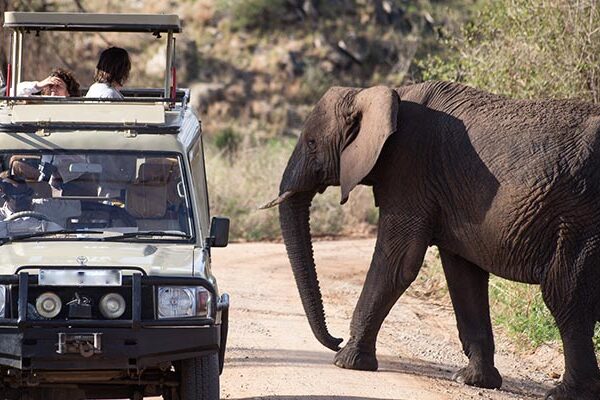
Arriving at Kidepo does not end the journey; it begins a new stage of road safety within the park itself. Game drives involve traversing dirt tracks that meander through valleys and across plains. During dry seasons, dust reduces visibility, while wet conditions create mud that challenges even experienced drivers.

Speed must always be moderated. Wildlife has right of way, and sudden appearances of elephants, buffalo, or antelopes on tracks can startle inexperienced drivers. For safety, guided game drives led by professional rangers or lodge drivers are highly recommended, ensuring not only security but also enhanced interpretation of wildlife behavior.

For long-stay travelers, familiarity with park routes builds over time, but initial drives are best undertaken with expert guidance.

Lodges as Safety Anchors

Luxury lodges within and around Kidepo Valley National Park play a central role in safety. They provide secure accommodations, reliable meals, and trained staff familiar with both the environment and local culture. For long-stay visitors, lodges become more than places to sleep — they are hubs of security, wellness, and guidance.

Many lodges also maintain direct communication with park authorities, ensuring that travelers are updated on conditions such as weather changes, road closures, or wildlife movements. This network of support allows visitors to relax, knowing that safety is actively managed.

The Value of Professional Guides

While independent travel appeals to many, Kidepo’s remoteness amplifies the value of professional guides. Experienced drivers and rangers not only enhance safety but enrich the journey through interpretation of landscapes, wildlife, and culture.

For long-stay travelers, professional guidance can be tailored into longer-term relationships, where familiarity allows itineraries to be crafted with precision. The comfort of knowing that logistics and safety are overseen by experts transforms the road trip from daunting to deeply rewarding.

Long-Stay Considerations — Pacing and Sustainability

For those spending extended periods in Uganda, the road trip to Kidepo should not be viewed as an isolated excursion but as part of a broader rhythm of travel. Pacing is crucial. Attempting to cover vast distances in too little time not only increases risks but diminishes enjoyment.

Sustainability also comes into play. Long-stay travelers have the privilege of time, allowing them to engage with communities, support local economies, and minimize the environmental footprint of rushed journeys. Staying longer in Kidepo reduces the frequency of arduous drives and deepens immersion into the wilderness.

Psychological Dimensions of Safety

Safety is not only physical but psychological. For long-stay travelers, confidence grows with familiarity. The first road trip to Kidepo may feel daunting, with every turn of the wheel carrying uncertainty. Yet over time, knowledge of routes, cultural nuances, and personal preparedness builds reassurance.

Travel in remote areas demands a mindset of resilience. Delays, unexpected weather, or road challenges should be viewed not as threats but as part of the adventure. For luxury travelers, indulgence lies not in eliminating unpredictability but in learning to navigate it with grace and assurance.Safety Guide Kidepo Valley National Park road trip for long-stay travelers

The Legacy of the Road Trip

The journey to Kidepo is as memorable as the destination. The landscapes traversed, the cultures encountered, and the resilience cultivated along the way form a narrative that endures long after the trip ends. For long-stay travelers, the road trip becomes a rite of passage — a story told and retold, where challenges overcome enhance rather than diminish the memory.

Safety, therefore, is not about removing risk entirely but about managing it intelligently. With preparation, respect, and guidance, the Kidepo road trip becomes a journey where wilderness and luxury, remoteness and reassurance, adventure and safety coexist in harmony.

Travel Securely with WildHorn Africa

For those ready to embrace the extraordinary journey to Kidepo Valley National Park, WildHorn Africa provides the expertise required to ensure safety and luxury align perfectly. With carefully maintained vehicles, professional drivers, and bespoke itineraries, WildHorn Africa transforms the road trip into a seamless, enriching experience.

From planning safe routes and arranging secure lodges to providing expert cultural guidance and on-ground support, their services ensure that long-stay travelers need not worry about logistics. Instead, they can immerse themselves fully in the grandeur of Kidepo, confident that every detail has been considered.

In Uganda’s most remote wilderness, the greatest luxury is not only discovery but security. And with WildHorn Africa, travelers are guaranteed both, creating a journey that is as safe as it is unforgettable.

Kidepo Safari Itineraries: How Many Days Do You Need?

Kidepo Safari Itineraries: How Many Days Do You Need?

By Travel stories and blogs, Family holidays, Luxury holidays, Safari holidays, Uganda travel guides, Wildlife holidays

Kidepo Safari Itineraries: How Many Days Do You Need?

The Timeless Allure of Kidepo

Deep in the rugged landscapes of northeastern Uganda, far from the more traversed safari routes of East Africa, lies a wilderness that feels almost untouched by time. Kidepo Valley National Park, often described as Uganda’s hidden jewel, has long been celebrated for its solitude, its vastness, and its rare wildlife encounters. Surrounded by mountain ranges, shaped by sweeping valleys, and kissed by dramatic horizons, Kidepo has been hailed as one of the most enchanting safari destinations on the continent.

Yet one question often arises among travelers preparing to journey into this remote frontier: how many days are truly enough to experience Kidepo’s magic? The answer is never simple, for Kidepo is not a park that reveals its secrets in a single glance. Its valleys change character with the movement of light, its wildlife shifts with the rhythm of day and night, and its cultural richness is unveiled only through time and patience. The duration of a safari in Kidepo is not measured in days alone but in the depth of connection achieved with this untouched wilderness.

The Value of Time in the Wild

Time is the most critical element of any safari experience, yet in Kidepo, it carries an even greater significance. Unlike more accessible destinations such as Queen Elizabeth National Park or Murchison Falls, Kidepo is remote, requiring long journeys by road or flights into the wild north. Because of this isolation, travelers often find themselves debating the ideal length of stay.

The truth is that every day in Kidepo deepens the immersion into its landscapes. The first day is often consumed by the awe of arrival, the second introduces the rhythms of the wildlife, and subsequent days reveal patterns, stories, and moments that would otherwise remain hidden. A cheetah sighted in the Narus Valley on one afternoon may be missed the next, but over several days, opportunities increase, and the wilderness begins to unfold like chapters in a grand narrative.

The Short Stay: Two to Three Days in Kidepo

The Snapshot Experience

A stay of two to three days in Kidepo is often considered the shortest practical safari itinerary. It allows travelers to experience the highlights of the park, though it is best suited to those with limited schedules or those flying in directly from Entebbe or Kampala.

During this period, the Narus Valley becomes the primary focus. Its open savannah grasslands attract a high concentration of wildlife, making it the most accessible area for game drives. Lions lounging on the rocky outcrops, herds of buffalo moving like rivers across the plains, and elephants appearing against the distant mountains are common sights. A short stay introduces travelers to the essence of Kidepo, though it often feels like only a glimpse of a much larger story.

The Limitations of Brevity

While two or three days provide memorable encounters, such a short stay rarely captures the full spirit of Kidepo. The Kidepo Valley itself, with its ostriches, hot springs, and more arid landscapes, often remains unexplored during a brief visit. Cultural immersion with the Karamojong communities is also rushed, reducing opportunities to connect with the traditions of this unique region. For many, a short stay sparks fascination but leaves behind a yearning for more time to fully absorb the wilderness.

The Balanced Stay: Four to Five Days in Kidepo

A Deeper Exploration

A safari lasting four to five days offers the balance most travelers seek. It provides enough time to move beyond the surface and to immerse oneself more completely in the park’s diversity. With this itinerary, the Narus Valley can be explored over multiple game drives, allowing sightings of predators such as cheetahs, leopards, and lions to be pursued with greater patience and success.

The additional days also make it possible to journey into the Kidepo Valley itself, a region that differs in atmosphere and wildlife from the Narus plains. Here, the arid landscapes stretch towards the borderlands of South Sudan, and sightings of ostriches, secretary birds, and kudu often reward those who venture into this remote section. The contrast between the valleys demonstrates the park’s ecological richness and ensures that the experience feels layered rather than hurried.

The Value of Cultural Encounters

A stay of this length also creates time for cultural immersion with the Karamojong, the pastoralist people whose lives are deeply connected to the land. Visits to traditional homesteads, observations of dances, and conversations about cattle traditions provide insights into a culture that remains distinct within Uganda. These encounters remind visitors that Kidepo is not only about wildlife but also about the people whose resilience has defined life in this semi-arid frontier.

The Immersive Stay: Six to Seven Days in Kidepo

A Journey into Wilderness Rhythms

An itinerary of six to seven days offers the kind of immersion that transforms a safari into a deep connection with place. In this timeframe, travelers are not merely visitors but participants in the rhythms of the park. Dawn game drives, midday explorations, and evening returns under expansive skies create a cadence of discovery that grows richer with each day.Kidepo Safari Itineraries: How Many Days Do You Need?

This length of stay allows for multiple explorations of both valleys, ensuring that every corner of the park can be encountered. It also makes room for guided walking safaris, during which the details of the landscape—tracks in the sand, calls of distant birds, and the scent of wild sage—become part of the experience. Such activities cannot be rushed, for their value lies in attentiveness rather than in speed.

The Reward of Patience

The greatest reward of a longer stay is the increased likelihood of witnessing the park’s rarer species. Cheetahs, ostriches, and striped hyenas are not guaranteed sightings, but with patience and time, the chances of encountering them rise dramatically. Birdwatchers also benefit, as days spent in varied habitats ensure that the extraordinary diversity of species is revealed. The immersive stay transforms the safari into a narrative that builds steadily, rewarding those who linger with unforgettable memories.

The Extended Expedition: Eight Days or More

For the Dedicated Naturalist

Those who choose to spend eight or more days in Kidepo embark on a journey reserved for the most dedicated lovers of wilderness. Such an extended itinerary is rare, but it offers unparalleled rewards. With time in abundance, the park can be experienced not as a destination but as a living ecosystem whose nuances shift with every hour.

Extended stays often combine vehicle-based safaris with walking expeditions and cultural experiences, weaving together wildlife, landscapes, and human traditions into a single tapestry. The rarest animals can be pursued with patience, birding lists can grow into the hundreds, and the essence of solitude that defines Kidepo can be fully embraced. Few parks in Africa offer the opportunity to experience such raw wilderness without the press of large tourist numbers, and this distinction becomes most evident during longer visits.

Factors Influencing the Ideal Duration

Accessibility and Travel Time

The decision of how many days to spend in Kidepo is influenced not only by preference but also by practicalities. By road, the journey from Kampala can take up to 10–12 hours, which necessitates overnight stops along the way for comfort. Those traveling by road often require longer itineraries to justify the time spent reaching the park. In contrast, those who fly directly into Kidepo can afford shorter stays, though the temptation to extend the visit remains strong once the wilderness is experienced firsthand.

Travel Goals and Priorities

The purpose of the safari also plays a role in determining duration. Travelers whose focus lies in photography often benefit from longer stays, as lighting conditions, animal behaviors, and landscapes vary from day to day. Birdwatchers, too, require more time to fully appreciate the park’s 470 species. Those seeking cultural encounters may wish to extend their itineraries to allow meaningful engagement rather than hurried observations.

Seasonal Considerations and Duration

The Dry Season

During the dry season, typically spanning from September to March, the scarcity of water draws animals into concentrated areas, making wildlife easier to spot. In such conditions, shorter itineraries may suffice for those seeking efficient game viewing. However, even during this season, extended stays continue to provide greater opportunities for observing behaviors and interactions among species.

The Wet Season

The wet season, from April to August, transforms the park into a landscape of lush greenery, though it disperses wildlife more widely across the valleys. This dispersion often requires longer stays to ensure satisfying encounters. For photographers, however, the wet season offers breathtaking opportunities, as dramatic skies and rich colors create striking contrasts in images. The duration of the safari in this season often depends on the traveler’s interest in capturing scenery as much as wildlife.

The Uniqueness of Time in Kidepo

What sets Kidepo apart from many other African parks is that time here is not simply about activities completed but about immersion into wilderness solitude. The lack of crowds, the vastness of the landscapes, and the authenticity of encounters ensure that every additional day adds depth rather than repetition. Unlike busier parks, where extended stays may eventually feel predictable, Kidepo retains its freshness because its remoteness ensures that every moment carries an air of exclusivity.

Finding the Perfect Balance

There is no singular answer to the question of how many days are needed for a safari in Kidepo Valley National Park. A short stay offers a snapshot, a balanced itinerary provides depth, an immersive visit creates connection, and an extended expedition delivers complete absorption into wilderness life. The decision ultimately depends on the traveler’s purpose, priorities, and practical considerations.

What remains certain is that every additional day in Kidepo adds richness to the journey, turning fleeting encounters into lasting stories and brief glances into profound experiences. Whether two days or ten, the park imprints itself on memory not for the number of days spent but for the intensity of the encounters it offers.

To ensure that every moment of your Kidepo safari is thoughtfully planned and expertly guided, it is strongly recommended that you book your Africa tours and safaris with WildHorn Africa, a trusted partner dedicated to creating authentic journeys into Uganda’s most extraordinary wilderness.

Adventure Road Trip to Kidepo Valley National Park

Adventure Road Trip to Kidepo Valley National Park

By Travel stories and blogs, Safari holidays, Uganda travel guides, Wildlife holidays

Adventure Road Trip to Kidepo Valley National Park

The Call of Uganda’s Remote Wilderness

There are journeys that are remembered for their destinations, and then there are those remembered equally for the roads that lead to them. An adventure road trip to Kidepo Valley National Park belongs firmly to the latter. Hidden in the far northeastern corner of Uganda, Kidepo is a place where untamed wilderness still rules, a land framed by sweeping valleys, rugged mountains, and herds of wildlife that seem to belong to another age. Yet what makes the experience truly remarkable is not just the park itself, but the road that leads there—a path that winds through bustling towns, lush farmlands, remote villages, and rugged landscapes before finally opening into one of Africa’s most spectacular and isolated national parks.

This is not a casual journey. The drive from Kampala to Kidepo Valley covers nearly 700 kilometers, requiring long hours on the road, resilience, and a spirit for adventure. But as the miles unfold, travelers discover that every stretch of this route carries a story—whether it is the history of ancient kingdoms, the beauty of northern Uganda’s rolling hills, or the enduring culture of the Karamojong people who call this land home. By the time the gates of Kidepo swing open, it is not just the park that has been reached, but a deeper appreciation for Uganda’s landscapes, cultures, and resilience.

The Road Begins: Leaving Kampala Behind

Every adventure begins with departure, and in this case, it begins in Kampala, Uganda’s vibrant capital. The early morning hours are usually chosen for the start, when the city is still cloaked in a haze of dawn and traffic is lighter. As the journey pushes northward, the familiar bustle of urban life gradually gives way to the open landscapes of Uganda’s countryside.

The road leads first through Luweero, a region once synonymous with the struggles of Uganda’s turbulent past, now transformed into a peaceful stretch of farms and trading centers. Banana plantations stretch to the horizon, interspersed with mango trees and small markets where travelers often pause to refresh and take in the rhythm of daily life. The hum of the vehicle mingles with the sounds of birds and village chatter, setting the tone for the long journey ahead.

Through the Heart of Northern Uganda

The route continues through the historical town of Gulu, which stands as a marker of northern Uganda’s endurance. Once heavily affected by conflict, Gulu has reinvented itself as a thriving regional hub, with wide streets, lively markets, and a renewed spirit of growth. Travelers who pause here often sense the resilience of its people, a reminder that the road to Kidepo is not just about landscapes, but about human stories woven into every region.

Past Gulu, the terrain shifts subtly. The lush greenery of the south begins to thin, giving way to rolling savannahs and scattered woodlands that foreshadow the landscapes of Karamoja. The road itself becomes rougher in sections, a signal that the traveler is leaving behind the well-trodden safari circuits of western Uganda and entering a frontier that is less traveled and more demanding. Yet with each passing mile, anticipation builds, for the isolation is the very essence of what makes Kidepo unique.

Entering Karamoja: Uganda’s Wild Frontier

The road trip takes on a new character upon entering the Karamoja region, often described as Uganda’s wild frontier. This is a land of golden grasslands stretching endlessly under a vast sky, punctuated by distant mountains that rise dramatically from the plains. The air feels different here—crisper, drier, and tinged with the scent of dust and acacia.

Karamoja is not only a landscape but also a cultural journey. It is home to the Karamojong people, pastoralists whose lives revolve around cattle, tradition, and resilience. Villages, known as manyattas, dot the landscape, their circular arrangements of huts enclosed by thorny fences designed to protect livestock. From the roadside, one may catch glimpses of Karamojong herders, adorned with beads and carrying spears, moving with their cattle across the plains.

Driving through Karamoja is a reminder that this road trip is as much about culture as it is about nature. The remoteness of the region enhances the sense of adventure, for here the modern world feels distant, and the timeless rhythm of pastoral life dominates.

The Final Stretch: Approaching the Park Gates

As the journey nears its end, the Morungole Mountains appear on the horizon, their rugged outlines signaling that Kidepo Valley is close. The road narrows, winding through dramatic landscapes where savannah meets mountain terrain, and the occasional antelope or giraffe may be spotted even before reaching the park boundaries.

The entrance to Kidepo Valley National Park carries with it a sense of arrival unlike any other. After hours of driving through rural Uganda and Karamoja’s expansive wilderness, the park gates symbolize entry into a world where nature remains untamed and undisturbed. The Narus Valley, with its open grasslands and abundant wildlife, stretches ahead, offering the first glimpse of the extraordinary safari that awaits.Adventure Road Trip to Kidepo Valley National Park

The Wilderness Beyond the Wheel

The road trip does not end at the gates—it merely transforms. Inside Kidepo, the journey continues across rugged tracks that lead deeper into the heart of the park. The Narus Valley is often the first destination, a haven where herds of elephants and buffalo gather around water sources, and lions rest lazily under acacia trees. The Kidepo Valley itself, farther north, presents a more arid but equally dramatic landscape, where ostriches roam and the seasonal Kidepo River cuts through the land like a scar of silver.

Game drives in Kidepo feel distinct from those in more visited parks. The absence of crowds ensures that every encounter feels personal, whether it is a leopard slinking through the grass, a cheetah surveying the plains, or the distant echo of hyenas in the night. The sense of adventure begun on the road trip carries into every experience within the park, for this is a wilderness that resists taming.

Cultural Encounters Along the Way

What sets an adventure road trip to Kidepo apart from other safaris is the deep cultural layer that accompanies the journey. On the way to the park and within its surrounding communities, travelers often engage with the Karamojong people, whose traditions remain closely tied to the land.

Encounters may include visits to traditional manyattas, where stories are shared around fires, dances are performed under starlit skies, and ancient practices of cattle-keeping are explained. These cultural moments enrich the journey, allowing travelers to see the connection between the wilderness of Kidepo and the lives of those who have inhabited its edges for centuries. Unlike other safari circuits where wildlife dominates exclusively, Kidepo offers an intertwined experience of nature and culture, making the road trip uniquely rewarding.

Challenges and Rewards of the Road

No adventure road trip is without its challenges, and Kidepo is no exception. The roads, particularly in Karamoja, can be rough, requiring patience and often four-wheel-drive vehicles. Long stretches are sparsely populated, demanding preparation in terms of fuel, water, and supplies. Yet it is precisely these challenges that make the journey so fulfilling.

Every bump in the road, every dusty turn, and every hour spent traversing Uganda’s vast landscapes adds depth to the final destination. By the time Kidepo’s wilderness unfolds before the traveler, it is not just a safari that has been reached, but a sense of triumph, of having undertaken a journey into one of Africa’s last true frontiers.

The Emotional Journey: From Anticipation to Arrival

An adventure road trip to Kidepo is not merely a physical undertaking but also an emotional passage. The anticipation at departure, the gradual unfolding of Uganda’s varied landscapes, the cultural richness of Karamoja, and the dramatic arrival into the park combine to create a profound narrative of travel. The sense of remoteness, of being far from the familiar, sharpens the appreciation of every sight and sound.

Unlike fly-in safaris where travelers arrive quickly, the road trip ensures that Kidepo is earned, not merely reached. The distance covered becomes part of the story, and the destination is enriched by the journey itself. By the time the return journey begins, travelers often carry not only memories of wildlife and landscapes but also of the long roads, the villages, the people, and the enduring spirit of Uganda’s north.

The Road Less Traveled

An adventure road trip to Kidepo Valley National Park is more than a safari; it is a rite of passage into a realm of wilderness, culture, and resilience. It demands time, patience, and a willingness to embrace the challenges of the road, but the rewards are incomparable. From Kampala’s bustling departure to the remote valleys of Karamoja and the dramatic savannahs of Kidepo, the journey weaves together landscapes, wildlife, and culture into an experience that stands apart from any other in East Africa.

For those seeking more than just a safari—for those who yearn for discovery, authenticity, and adventure—Kidepo Valley National Park awaits at the end of one of Uganda’s most extraordinary road trips.

To make this journey seamless, rewarding, and deeply memorable, travelers are encouraged to place their trust in experts who know the land, its people, and the rhythms of its wilderness. For an experience that captures the essence of Uganda’s wild north, it is highly recommended to book your Africa tours and safaris with WildHorn Africa, a name that has come to symbolize excellence, professionalism, and unforgettable adventure.

Luxury and Adventure: Why Kidepo is a Safari of a Lifetime

Luxury and Adventure: Why Kidepo is a Safari of a Lifetime

By Travel stories and blogs, Adventure holidays, Luxury holidays, Safari holidays, Uganda travel guides, Wildlife holidays

Luxury and Adventure: Why Kidepo is a Safari of a Lifetime

The Hidden Gem of Africa’s Wilderness

Tucked away in the far northeastern corner of Uganda, where sweeping savannah plains kiss rugged mountain ridges, lies Kidepo Valley National Park—a destination often described as the country’s most untamed wilderness. Unlike its more famous East African counterparts, Kidepo has remained relatively untouched by mass tourism, preserving a raw authenticity that transforms every visit into an extraordinary discovery. Here, luxury and adventure are not opposites but two sides of the same coin, blending seamlessly to create an experience that lingers in memory long after the journey has ended.

It is in Kidepo that the essence of safari is redefined. The thrill of traversing landscapes teeming with wildlife is combined with the elegance of staying in exclusive lodges that offer world-class comfort against the backdrop of breathtaking views. Each sunrise over the Narus Valley, each sunset painting the rugged mountains in shades of gold and crimson, brings not only the promise of adventure but also the luxury of solitude. To set foot in Kidepo is to embark on a journey where wilderness is celebrated and indulgence is harmoniously woven into the rhythm of nature.

The Allure of Remoteness

Kidepo’s greatest allure lies in its remoteness. Nestled between the borders of South Sudan and Kenya, it is separated from the busier safari circuits of East Africa, giving it a sense of mystery and exclusivity. The journey itself is an adventure, whether by road across scenic landscapes or by charter flight that unveils the park’s vast expanse from above. The remoteness creates an atmosphere where every wildlife sighting feels intimate, every encounter with culture feels authentic, and every moment of solitude feels sacred.

This isolation has preserved the park in a way that few destinations can boast. Unlike the Serengeti or Masai Mara, where vehicles often converge around predator sightings, Kidepo offers the luxury of space. Travelers find themselves alone on sweeping plains, their only companions the herds of buffalo, elephants moving gracefully in the distance, and lions perched majestically on rocky outcrops. It is this rare blend of wilderness and privacy that elevates Kidepo to the status of a lifetime safari.

Wildlife Encounters in Untamed Landscapes

The Diversity of Species

A safari in Kidepo is defined by the sheer diversity of its wildlife. The park is home to more than seventy species of mammals and over four hundred species of birds, many of which cannot be easily spotted elsewhere in Uganda. Vast herds of buffalo, sometimes numbering in the thousands, dominate the valleys, while elephants traverse the open plains with a grandeur that speaks of timeless survival. Predators thrive here as well, with lions, leopards, and cheetahs representing the dramatic side of the wilderness.

What sets Kidepo apart, however, are its unique species. The greater kudu, lesser kudu, and cheetah—animals rarely found in other Ugandan parks—roam freely here, alongside the ostrich that adds to the park’s semi-arid character. The rare aardwolf and bat-eared fox also inhabit the region, making Kidepo a haven for enthusiasts seeking unusual wildlife sightings.

The Narus and Kidepo Valleys

Two valleys shape the rhythm of wildlife encounters: the Narus Valley, known for its year-round water sources, and the Kidepo Valley, characterized by seasonal rivers and vast grasslands. The Narus Valley serves as the focal point for game drives, where herds gather to graze and predators lurk nearby. In contrast, the Kidepo Valley offers dramatic scenery and the allure of solitude, with sweeping plains that stretch toward the horizon. These contrasting environments provide a safari experience that is both varied and immersive, ensuring that each drive unveils a new dimension of the wilderness.

Adventure Beyond the Game Drive

Walking Safaris

Adventure in Kidepo extends beyond the confines of vehicles. Walking safaris, guided by experienced rangers, immerse visitors in the landscape at a pace that allows for deeper connection. Every footprint, every bird call, and every rustle in the grass becomes magnified, turning the wilderness into a living classroom. Walking amid towering borassus palms or across sunlit plains offers an intimacy with nature that few experiences can rival.

Mountain Treks and Cultural Journeys

The adventure continues with treks up the Morungole Mountains, where the elusive Ik people reside. These journeys combine physical challenge with cultural discovery, as travelers ascend into remote villages that reveal traditions preserved for centuries. Such treks highlight the richness of Kidepo, where landscapes, wildlife, and human stories converge into a tapestry of adventure.Luxury and Adventure: Why Kidepo is a Safari of a Lifetime

The Indulgence of Luxury in the Wild

Exclusive Lodges and Camps

Luxury in Kidepo is not about opulence detached from the wilderness but about comfort that harmonizes with the environment. A select number of lodges and tented camps provide exclusive accommodation, where panoramic views of valleys and mountains are framed by elegant design. Spacious suites, often adorned with natural materials, blend seamlessly with the landscape while offering the modern amenities travelers expect.

The luxury of these lodges lies not only in their comfort but also in their intimacy. With fewer guests, the atmosphere is personalized, ensuring privacy and attentive service. Dining under starlit skies, swimming in infinity pools that overlook herds of wildlife, and waking to the sounds of nature outside one’s tent all contribute to an experience where indulgence is intertwined with authenticity.

Gastronomy in the Wilderness

Culinary experiences in Kidepo elevate the safari beyond adventure. Gourmet meals prepared with fresh, locally sourced ingredients are served against the backdrop of breathtaking landscapes. Dining becomes an event, whether through bush breakfasts in the Narus Valley, sundowners on rocky outcrops, or candlelit dinners in the seclusion of camp. The fusion of fine dining with wild settings captures the essence of Kidepo’s luxury—refined experiences crafted within the heart of nature.

The Fusion of Adventure and Luxury

The brilliance of Kidepo lies in how adventure and luxury are seamlessly fused. After a day of thrilling game drives and invigorating treks, travelers return to lodges that envelop them in comfort. The transition from rugged exploration to serene indulgence creates a rhythm that defines the safari. In Kidepo, the boundary between luxury and adventure dissolves, leaving an experience that feels both exhilarating and restorative.

This balance is rarely found elsewhere. In busier safari destinations, luxury often comes at the expense of authenticity, while adventure can sometimes feel stripped of comfort. Kidepo achieves what few places do: the ability to offer both without compromise. It is this unique equilibrium that makes the park a safari of a lifetime.

Cultural Encounters that Deepen the Journey

Adventure in Kidepo is not limited to wildlife but extends into the lives of the communities that surround the park. The Karamojong pastoralists, with their manyattas, traditional dances, and cattle-centered culture, provide insight into a way of life that has endured despite modern pressures. Visitors are welcomed into villages, where songs and stories reveal a worldview shaped by resilience and tradition.

Equally enriching are visits to the Ik people in the Morungole Mountains. Their agricultural practices, distinct language, and rituals create a contrast with the pastoralists of the plains. These cultural encounters add depth to the safari, reminding travelers that wilderness is not only about animals but also about the people who coexist with it. The blending of cultural exploration with wildlife adventure enhances Kidepo’s uniqueness, ensuring that the safari touches both the heart and the mind.

The Solitude That Defines Luxury

In a world where travel often feels crowded, solitude has become the ultimate luxury. Kidepo delivers this in abundance. Vehicles are rarely seen during game drives, ensuring that wildlife encounters feel private and unhurried. Landscapes stretch endlessly, uninterrupted by human development. Even lodges are designed to maximize seclusion, offering spaces where the silence of the savannah becomes a form of indulgence.

This solitude fosters reflection, creating an atmosphere where the rhythms of nature can be fully absorbed. It is not only the grandeur of wildlife that leaves an impression but also the quiet moments—the call of distant birds at dawn, the glow of firelight against a dark sky, the stillness of valleys bathed in moonlight. Such solitude is rarely found in mainstream safari destinations, making Kidepo a true sanctuary for those seeking both luxury and meaning.

The Role of Seasonality in Crafting Experiences

Seasonality adds yet another layer of richness to Kidepo safaris. During the dry season, animals concentrate around water sources, making the Narus Valley a stage for dramatic encounters. In the wet season, the park transforms into a lush haven, with vibrant greenery and migratory birds adding life to the plains. Each season offers unique perspectives, ensuring that no two safaris are ever the same.

The shifting seasons also influence cultural experiences, with ceremonies and traditions tied to cycles of rain and pasture. Visitors who time their journeys carefully may witness festivals, dances, and rituals that add cultural depth to the safari. In this way, seasonality ensures that luxury and adventure in Kidepo are continually redefined by nature and culture alike.

Conservation and Sustainability in the Luxury Safari

Luxury in Kidepo is increasingly being defined by sustainability. Lodges are built with eco-friendly designs, minimizing impact while maximizing harmony with the environment. Community tourism initiatives ensure that local people benefit from safari activities, creating incentives for conservation. By staying in these lodges and engaging with community programs, travelers become part of a sustainable model that safeguards both wildlife and culture.

Adventure in Kidepo is thus tied not only to personal discovery but also to collective responsibility. Every journey contributes to the preservation of ecosystems and the empowerment of communities, ensuring that the park’s magic endures for generations. This awareness deepens the meaning of luxury, making it not only about indulgence but also about participation in a larger purpose.

Why Kidepo Stands Above Other Safari Destinations

Comparisons with the Serengeti, Masai Mara, or Kruger often arise, yet Kidepo distinguishes itself through its combination of exclusivity, diversity, and authenticity. While other destinations may offer vast migrations or high-density wildlife, few can match Kidepo’s balance of adventure, cultural immersion, and luxury wrapped in solitude.

In Kidepo, there are no crowds, no intrusive commercialization, and no dilution of wilderness. The experience feels personal, tailored, and transformative. For discerning travelers seeking a safari that transcends the ordinary, Kidepo stands as the pinnacle of Africa’s hidden treasures.

A Safari of a Lifetime

The promise of luxury and adventure is rarely fulfilled in perfect harmony, yet Kidepo Valley National Park achieves this with effortless grace. Its landscapes evoke awe, its wildlife excites, its cultures inspire, and its lodges indulge. To journey into Kidepo is to embrace an experience where the spirit of the wild is encountered in its purest form while being cradled in comfort that heightens the magic of every moment.

For those seeking not just a safari but a safari of a lifetime, Kidepo offers the ultimate answer. The park’s remoteness, exclusivity, and authenticity ensure that the adventure feels personal, while its luxury lodges and cultural depth transform it into a journey of both body and soul.

To craft such an unforgettable experience with expertise and care, it is strongly recommended that travelers book their Africa tours and safaris with WildHorn Africa, a trusted guide to journeys that honor both the wilderness and the communities that make Kidepo a destination like no other.

Community Tourism Experiences around Kidepo Valley

Community Tourism Experiences around Kidepo Valley

By Travel stories and blogs, Family holidays, Luxury holidays, Safari holidays, Uganda travel guides, Wildlife holidays

Community Tourism Experiences around Kidepo Valley

Beyond the Wilderness of Kidepo

In the far northeastern reaches of Uganda, where rugged mountains enclose vast savannahs and wildlife roams undisturbed, Kidepo Valley National Park has become synonymous with unspoiled wilderness. Yet beyond the dramatic scenery and the wild encounters with lions, elephants, and buffalo, lies a dimension of the Kidepo experience that is far less known but equally captivating. This is the world of community tourism, where the rhythms of pastoralist cultures, the traditions of ancient clans, and the stories of resilient communities shape the very identity of the land.

The Karamojong people, along with neighboring ethnic groups such as the Ik and Dodoth, have inhabited this frontier for centuries. Their way of life, intricately tied to cattle, ceremonies, and survival in a semi-arid landscape, offers a window into traditions rarely encountered in the modern world. Around Kidepo, the wilderness and the communities exist not in isolation but in harmony, forming a relationship that enriches the visitor’s understanding of the park. It is within these communities that the spirit of Uganda’s remote north is revealed, turning a safari into not only an encounter with nature but also with humanity in its most authentic expression.

The Cultural Landscape of Karamoja

The region surrounding Kidepo Valley is known as Karamoja, a vast area inhabited by pastoralist groups whose traditions remain distinct within Uganda. The cultural landscape is shaped by open plains dotted with manyattas—traditional homesteads enclosed by thorn fences. Here, daily life is guided by cattle herding, rituals, and strong community ties.

Visitors who venture beyond the park’s boundaries are introduced to a society where wealth is measured in livestock, where music and dance are woven into communal gatherings, and where oral traditions preserve history. Karamoja has often been portrayed as harsh and remote, yet to those who spend time with its people, it becomes clear that it is a region defined by resilience, generosity, and pride.

The Karamojong: Guardians of Tradition

Cattle at the Heart of Life

The Karamojong are often described as guardians of cattle, for livestock is more than sustenance—it is identity, wealth, and spirituality. Cattle define social status, marriages are negotiated through dowries of livestock, and cultural ceremonies are incomplete without them. Visitors are often struck by how central herds are to daily life, with songs, dances, and even disputes tied to the rhythms of cattle rearing.

Experiences with the Karamojong often involve visits to kraals, where herds are kept, and to manyattas, where life revolves around community cooperation. Travelers are welcomed to observe milking traditions, to understand the symbolism of cattle in rituals, and to listen to elders explain how the animals are woven into stories of origin and ancestry.

Music, Dance, and Rituals

The spirit of the Karamojong is perhaps most vividly expressed through music and dance. Communal performances, often held around fires under the stars, reveal a culture where storytelling is rhythmically transmitted across generations. Men leap high in traditional dances, women sing in harmonious chants, and the beat of drums echoes across the plains. Visitors find themselves not as spectators but as participants, drawn into the energy of performances that connect the present with the ancestors.

The Ik People: A Culture on the Mountains

High in the Morungole Mountains, on the edge of Kidepo, lives the Ik community, one of Uganda’s most unique and least-known ethnic groups. Their remote existence has preserved traditions that differ markedly from their neighbors in the plains. Accessing the Ik requires guided treks up rugged slopes, but the reward is an encounter with a community whose resilience is as inspiring as it is humbling.

The Ik are agriculturalists, cultivating the highland soils in contrast to the pastoral Karamojong. Their villages, perched in isolated ridges, reveal a life of simplicity, where family and communal bonds are central. Visitors who spend time with the Ik are introduced to traditional foods, dances, and the fascinating oral histories that describe their survival in a challenging environment. The Ik experience is often described as transformative, for it offers a perspective on human resilience that complements the grandeur of Kidepo’s landscapes.

Daily Life in Karamoja Villages

Homesteads and Hospitality

Visits to traditional manyattas reveal not only the architecture of Karamojong life but also the hospitality of its people. A manyatta is constructed with careful skill, using local materials to create circular huts enclosed by protective thorn fences. These enclosures provide safety for families and livestock alike, symbolizing the interconnectedness of community life.

Guests are often welcomed warmly, offered local brews such as ajon, and invited to share in meals. The hospitality is not staged for visitors but emerges from a deep cultural tradition of generosity. For many travelers, the moments spent sitting with families, sharing stories, and observing daily routines create memories as enduring as any wildlife sighting.

Craftsmanship and Expression

Artisanship also plays a role in community tourism. Visitors are introduced to crafts such as beadwork, iron-smithing, and leatherwork, which reflect both utility and cultural expression. Beaded necklaces worn during ceremonies carry meanings of status and beauty, while iron tools demonstrate skill that has been passed across generations. Purchasing such crafts directly from artisans not only supports livelihoods but also carries home a tangible reminder of the cultural journey.Community Tourism Experiences around Kidepo Valley

The Role of Storytelling in Cultural Encounters

One of the most profound aspects of community tourism around Kidepo is the role of storytelling. Elders recount histories of migrations, battles, and ancestral traditions, while younger generations share perspectives on modern challenges. These narratives are not only about the past but also about the present realities of climate change, shifting economies, and cultural preservation.

For travelers, these stories transform the perception of Karamoja. What may initially appear as a remote and harsh region is redefined as a place of wisdom, heritage, and survival. In the words and voices of the communities, the land takes on a human dimension that deepens the overall safari experience.

Community Tourism Activities Around Kidepo

Guided Cultural Tours

Organized cultural tours allow visitors to explore manyattas, kraals, and local markets under the guidance of community representatives. These tours are designed not as spectacles but as authentic exchanges. The emphasis is placed on interaction, conversation, and learning rather than on performance, ensuring that both visitors and hosts gain from the experience.

Walking Safaris with Local Guides

In addition to wildlife-focused walking safaris, local guides often lead treks that highlight medicinal plants, traditional survival techniques, and cultural landmarks. Walking with community members adds a new dimension to exploration, for landscapes are interpreted not only as habitats for wildlife but also as homes for people whose traditions are tied to the land.

Cultural Performances

Evening performances of music and dance are often included in community visits. These events are deeply participatory, with visitors encouraged to join in the singing, drumming, and dancing. The connection forged through rhythm and song becomes a highlight of many safaris, reminding travelers that culture, like wilderness, thrives on shared energy.

The Impact of Community Tourism

Economic Empowerment

Community tourism initiatives around Kidepo play a vital role in providing economic opportunities in a region where livelihoods are often vulnerable. Income from cultural visits, craft sales, and guiding supports families and strengthens the sustainability of communities. In this way, tourism becomes a tool for empowerment, creating incentives to preserve traditions while adapting to changing realities.

Conservation and Coexistence

Tourism also strengthens conservation. By creating value in cultural heritage, communities find reasons to engage positively with the protection of Kidepo Valley National Park. The benefits of hosting visitors are often reinvested in education, healthcare, and livestock management, linking community well-being to the preservation of wildlife and landscapes.

Challenges in Community Tourism

While community tourism offers immense potential, challenges remain. Accessibility to remote villages, particularly the Ik on Mount Morungole, requires investment in infrastructure and sustainable practices. Balancing authenticity with tourism expectations can also be delicate, as communities strive to share their culture without altering it to fit visitor preferences.

Furthermore, climate variability poses risks to pastoral livelihoods, making the economic benefits of tourism ever more critical. Sustainable partnerships between communities, park authorities, and tour operators are therefore essential to ensure that community tourism thrives without exploitation or cultural dilution.

Seasonality of Community Experiences

Community encounters, much like wildlife viewing, are influenced by seasonality. During dry months, pastoralists may migrate with their cattle in search of grazing, affecting the dynamics of village life. Ceremonies and festivals also occur at specific times of the year, meaning that the cultural atmosphere can shift with the calendar. Travelers who spend more time in the region or who consult experienced guides often find opportunities to align their visits with these vibrant events, gaining deeper insights into the living traditions of Karamoja.

Integrating Community Tourism with Safari Itineraries

For many travelers, the journey to Kidepo is primarily motivated by wildlife, yet the integration of community tourism transforms the itinerary into something richer. A game drive across the Narus Valley might be followed by an evening in a Karamojong manyatta. A trek to see elephants in the Kidepo Valley may be complemented by a hike to the villages of the Ik. In this integration, the wilderness and the community are not separate attractions but intertwined elements of a single story.

Tour operators increasingly recognize the value of this integration, ensuring that safaris in Kidepo are holistic experiences that reveal both the natural and cultural treasures of Uganda’s remote north.

Human Encounters in the Heart of Wilderness

The grandeur of Kidepo Valley National Park lies not only in its lions on rocky outcrops, its sweeping savannahs, and its rare bird species, but also in the human stories that surround it. The Karamojong, the Ik, and other communities add a dimension of depth that wildlife alone cannot convey. Through community tourism, travelers are not merely observers of landscapes but participants in cultural exchanges that honor resilience, tradition, and identity.

Every handshake, every shared dance, and every story told by firelight enriches the understanding of this remote region. Kidepo becomes not only a wilderness destination but also a cultural frontier where the past and present converge. For those seeking journeys that go beyond the ordinary, community tourism around Kidepo offers an immersion into authenticity that is as unforgettable as the wildlife that roams the valleys.

To ensure that these experiences are planned with respect, authenticity, and comfort, it is strongly recommended that travelers book their Africa tours and safaris with WildHorn Africa, a trusted partner committed to creating meaningful journeys into both the wild and the cultural heart of Uganda’s north.

Close Menu