search
Photo Essay for hiking in Lakes George and Edward for luxury travelers

Photo Essay for hiking in Lakes George and Edward for luxury travelers

By Travel stories and blogs, Adventure holidays, Luxury holidays, Safari holidays, Uganda travel guides, Wildlife holidays

Photo Essay for Hiking in Lakes George and Edward for Luxury Travelers

The Art of Storytelling Through Images

There are places where words falter, where landscapes are so profound, so drenched in history, beauty, and soul, that only the lens of a camera can faithfully capture their essence. Lakes George and Edward, twin jewels nestled within Uganda’s western frontier, represent such landscapes. They are not simply bodies of water but living canvases, framed by the majestic Rwenzori Mountains to the north and the savannah plains of Queen Elizabeth National Park to the south. For the luxury traveler, hiking around these lakes is not just an adventure — it is an immersion into nature’s grandest photo essay, where every step and every frame becomes a story of balance between wilderness and indulgence.

To hike here is to engage with the environment in its rawest form while embracing luxury in its most refined definition: exclusivity, authenticity, and personal transformation. Cameras become both companions and witnesses, documenting the quiet ripples of dawn on Lake George, the sprawling horizons of Lake Edward, and the encounters with wildlife and culture that unfold along the journey. Each photograph taken does not merely document but elevates the traveler’s experience, transforming fleeting impressions into timeless narratives.

The Setting — Twin Lakes of Contrast and Harmony

Lakes George and Edward form part of Uganda’s Albertine Rift Valley, a region of extraordinary geological and ecological significance. Though connected by the Kazinga Channel, they possess distinct personalities.

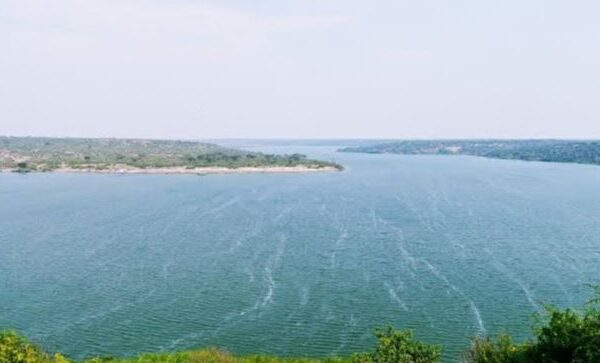
Lake George, smaller yet intimate, is encircled by papyrus swamps that host rich birdlife. It exudes a quiet charm, almost as if whispering its stories rather than declaring them. In contrast, Lake Edward, expansive and open, stretches majestically into the horizon, straddling the border with the Democratic Republic of Congo. Its vast waters reflect skies that shift from blazing blue at midday to soft crimson at sunset.

Together, these lakes embody both contrast and harmony, providing photographers and hikers with two lenses through which to experience Uganda: one intimate and delicate, the other grand and commanding. Hiking trails that weave around their shores offer not only panoramic views but opportunities to engage with wildlife, landscapes, and human communities that define the character of this region.Photo Essay for hiking in Lakes George and Edward for luxury travelers

Hiking as a Luxury Experience

For the discerning traveler, hiking in the landscapes surrounding Lakes George and Edward is not defined by rugged hardship but by the luxury of connection. To walk here is to slow down, to savor each step, and to let the senses fully absorb the environment. The exclusivity lies in the pace, where travelers are not rushed but allowed to linger at vantage points, waiting for the perfect light to transform a view into a masterpiece.

Luxury hiking around these lakes is supported by refined experiences that elevate the journey. Private guides, often with expertise in both natural history and photography, lead travelers along trails less taken. Riverside lodges provide retreats after long walks, where tired muscles are soothed in spas and fine wines accompany evenings of reflection. Gourmet meals, often sourced from local produce, transform post-hike dining into an indulgence of its own.

Thus, the act of hiking becomes more than physical exploration. It becomes a carefully curated narrative where comfort and authenticity walk hand in hand.

Capturing the Morning Light at Lake George

The photo essay begins with dawn at Lake George. As the first rays of sunlight pierce through the mist, the papyrus swamps awaken with sound and movement. Kingfishers dive into the water with precision, while herons stand statuesque along the banks, their reflections shimmering on the still surface. The camera captures the interplay of light and shadow, the delicate textures of reeds, and the subtle hues of morning skies.

For the photographer, patience becomes the ultimate luxury. The soft morning light offers a palette that flatters every subject, from the gleam of a bird’s wing to the rippling patterns of water stirred by a gentle breeze. Hiking along the lake’s perimeter at this time of day feels like moving through a private gallery curated by nature itself.

Midday Encounters — Wildlife and Community

As the day advances, the trails around the lakes reveal a tapestry of encounters. Elephants may appear at a distance, silhouetted against the savannah backdrop, while buffalo herds graze calmly in the plains that stretch toward Queen Elizabeth National Park. Antelopes, ever watchful, dart gracefully across clearings, their movement challenging the camera to freeze fleeting moments of elegance.

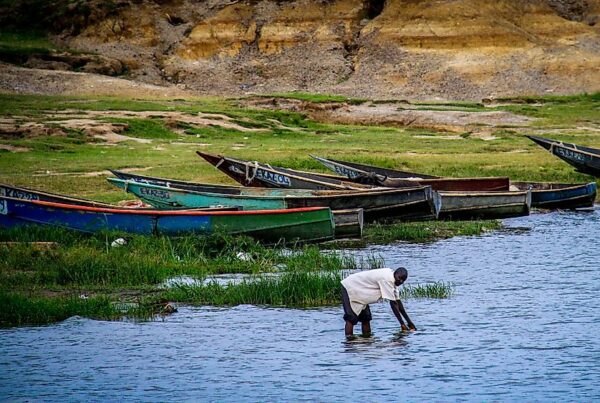
Equally compelling are the human stories interwoven with these landscapes. Local fishing communities along the shores of both lakes provide vibrant photographic opportunities. Wooden canoes rest against the shallows, fishermen mend their nets under the sun, and children play along the banks, their laughter echoing against the open waters. Respectful photography here captures not just subjects but the resilience and rhythm of life in harmony with the lakes.

For luxury travelers, private cultural interactions are often arranged with sensitivity, ensuring that encounters are meaningful rather than intrusive. Each image taken in such contexts becomes part of a larger story where human presence complements, rather than diminishes, the grandeur of the natural environment.Photo Essay for hiking in Lakes George and Edward for luxury travelers

Afternoon Trails — Between Lakes and Channel

The afternoon hike often follows trails that approach the Kazinga Channel, the natural link between Lakes George and Edward. This waterway is a spectacle in itself, home to one of the densest concentrations of hippos in the world. Crocodiles bask on its muddy banks, while elephants and antelopes gather at its edges to drink.

For the photographer, this is a theater of life where drama and stillness coexist. The challenge lies in composition — framing hippos yawning with exaggerated gestures, or capturing the silent patience of a crocodile lying in wait. Birds add another layer of complexity, their wings casting fleeting shadows on the water’s surface.

The luxury of the hike here lies in exclusivity. Private boats may complement the walking journey, allowing travelers to capture images from unique angles on the water. The rhythm of the afternoon slows, as both hiker and camera anticipate the transition into evening’s golden hues.

The Grandeur of Lake Edward at Sunset

No photo essay of this region is complete without the grandeur of Lake Edward at sunset. As the day wanes, the expansive waters transform into a mirror of the sky, reflecting clouds bathed in orange, pink, and violet. The silhouettes of fishing boats, returning from their daily work, glide gently across the water, creating images that embody both beauty and livelihood.

The vastness of Lake Edward invites wide-angle photography, where horizon lines stretch endlessly and compositions emphasize scale. For luxury travelers, private viewing decks at lakeside lodges offer ideal vantage points to capture this transition. With a glass of wine in hand and camera at the ready, the traveler becomes both participant and observer in this daily symphony of light.

This moment is more than photography; it is reflection. The images captured here carry the weight of both natural beauty and human perseverance, reminding travelers that luxury is not only indulgence but awareness.

Nighttime Photography — The Silent Mystery

For those who extend their essay into the night, the lakes reveal another face. The skies above western Uganda are largely unpolluted by artificial light, offering extraordinary opportunities for astrophotography. Stars scatter across the heavens, their reflections mirrored faintly in the dark waters. The Rwenzori Mountains, often shrouded in mystery, appear as shadowy guardians under the moonlight.

The silence of night, punctuated only by distant animal calls, provides a backdrop of serenity. Long-exposure photography captures both the stillness of the lakes and the movement of stars across the sky. For luxury travelers, guided night walks or private stargazing sessions elevate the experience, combining science, art, and introspection into a single frame.

The Philosophy Behind the Photo Essay

The act of creating a photo essay around Lakes George and Edward is not merely about compiling images but about constructing a narrative. Each photograph is a sentence, each sequence a paragraph, and together they form a story that reflects the traveler’s journey.

Luxury travelers often find that this process mirrors their broader philosophy of travel. Rather than rushing to collect destinations, they linger to collect moments. Photography becomes a discipline of mindfulness, where observation, patience, and respect guide every click of the shutter. The resulting essay is not only a record of landscapes and wildlife but a reflection of the traveler’s engagement with place.

Luxury in Reflection and Wellness

Photography and hiking in this region also serve as acts of wellness. The physical rhythm of walking, combined with the mental concentration of photography, creates a balance of body and mind. The lakes, with their expansive horizons and serene waters, provide natural therapy for those seeking restoration.

For luxury travelers, the journey is complemented by refined wellness offerings. Riverside lodges provide spa treatments that draw from local traditions, yoga sessions overlooking the lakes, and gourmet dining that nourishes both palate and spirit. Thus, the hiking photo essay is framed not by exhaustion but by rejuvenation, where luxury and exploration support rather than oppose each other.

The Lasting Legacy of Lakes George and Edward

When the hiking trails are completed and the final photographs are reviewed, the legacy of Lakes George and Edward lingers. The images captured are not just visual souvenirs but intimate reflections of time spent in landscapes that remain both timeless and fragile.

For the luxury traveler, the true value lies not in the quantity of images but in their meaning. A single shot of a kingfisher in mid-dive, or of the sun setting behind fishing boats, can carry more weight than a hundred casual frames. These images become heirlooms of experience, stories that can be shared across generations, and reminders of a journey where luxury and nature coexisted harmoniously.

Curated Journeys with WildHorn Africa

For those who wish to transform the dream of a hiking photo essay around Lakes George and Edward into reality, WildHorn Africa offers unmatched expertise. Specialists in designing luxury itineraries across East Africa, WildHorn Africa ensures that every detail of the journey — from photography-focused hikes to private cultural interactions and lodge stays — is curated with precision and elegance.

By traveling with WildHorn Africa, luxury travelers are guaranteed more than access; they are promised immersion. Immersion in landscapes that inspire, in communities that welcome, and in journeys that leave lasting legacies. Each photo essay crafted under their guidance becomes not only a personal story but a testament to the art of responsible, refined, and unforgettable travel.

Seasonal Highlights for day trip in Lakes George and Edward with kids

Seasonal Highlights for day trip in Lakes George and Edward with kids

By Uganda travel guides, Safari holidays

Seasonal Highlights for Day Trip in Lakes George and Edward with Kids

Where Family Adventure Meets Uganda’s Twin Treasures

The allure of Lakes George and Edward lies in their unique position at the heart of the Great Rift Valley, where the waters shimmer under the equatorial sun and the surrounding savannas teem with wildlife. These twin lakes, connected by the famous Kazinga Channel, form one of Uganda’s most enchanting landscapes, and they remain essential highlights for travelers exploring the western part of the country. For families with children, the lakes provide not just a scenic escape but also an educational journey into the world of nature, culture, and history.

Planning a day trip with kids to Lakes George and Edward becomes even more rewarding when the rhythms of the seasons are taken into account. The changing climate of Uganda reshapes the experiences available at these lakes, influencing wildlife activity, accessibility, and the mood of the landscapes. Each season—whether the lush greenery of the rains or the golden openness of the dry months—offers a new perspective on what families can discover together.

For parents eager to nurture curiosity, the lakes become living classrooms where children can learn about ecosystems, bird migrations, and the interconnectedness of waterways. For adventurous spirits, the day trip provides opportunities for boat rides, cultural encounters, and close-up wildlife moments. Most importantly, the lakes offer a setting where families reconnect away from the distractions of modern life, creating shared memories etched against the backdrop of Africa’s natural wonder.

Understanding the Setting of Lakes George and Edward

Geography and Connection by the Kazinga Channel

Lake George, smaller in size, rests at the foothills of the Rwenzori Mountains, its waters fed by numerous rivers flowing down from the glaciers above. Lake Edward, larger and deeper, stretches further south toward the Democratic Republic of Congo, forming part of Queen Elizabeth National Park’s southern reaches. The two lakes are joined by the Kazinga Channel, a 32-kilometer waterway famous for its incredible density of hippos, crocodiles, and birdlife.

This geographical connection makes a family day trip especially fascinating, as children can trace the journey of water from one lake to another, observing how wildlife thrives along the way. The landscapes surrounding the lakes vary from swampy wetlands to savannas, ensuring that no two corners of this ecosystem feel alike.

Accessibility for Families

The lakes are located within Queen Elizabeth National Park, one of Uganda’s most visited conservation areas. Accessibility is relatively straightforward for families, with well-established entry points and guided tours that cater to younger travelers. Parents appreciate the availability of facilities and services, while children are captivated by the abundance of animals visible even on short excursions.

Seasonal Dynamics: How the Climate Shapes Family Experiences

Uganda’s equatorial climate ensures that the region around Lakes George and Edward is lush and vibrant throughout the year. However, the alternation between wet and dry seasons dramatically influences the experiences available for families on a day trip. Understanding these dynamics allows travelers to plan a visit that matches their expectations and family needs.

The Dry Season: Golden Landscapes and Clear Wildlife Encounters

Timing and Atmosphere

The dry seasons, which occur from December to February and again from June to August, create conditions of clear skies, reduced rainfall, and open vistas. Families arriving during these months are greeted by landscapes painted in warm tones of gold and brown, where grasses thin out and visibility across the savanna improves.

Children find it easier to spot animals during the dry months, as herds gather near water sources. Parents enjoy the convenience of accessible roads and reduced risk of rain showers interrupting activities.

Wildlife Activity Around the Lakes

The dry season concentrates wildlife near the Kazinga Channel and along the shores of both lakes. Herds of elephants and buffalo descend daily to drink, while antelopes move across open plains with little concealment. For children, the spectacle of hippos basking together or crocodiles lying motionless in the sun becomes unforgettable.

Birdlife also flourishes, as migratory species arrive to join resident flocks. Families interested in birdwatching find these months especially rewarding, with sightings of pelicans, fish eagles, and herons occurring in abundance.

Family-Friendly Boat Trips

Boat cruises on the Kazinga Channel during the dry season are particularly rewarding for families. Calm waters and sunny weather create safe and enjoyable conditions for children to participate. Guides highlight the behaviors of hippos, elephants, and birds, transforming the ride into a moving classroom filled with stories and facts. Parents find peace in the gentle pace of the boat, while children are thrilled by the closeness of the animals.Seasonal Highlights for day trip in Lakes George and Edward with kids

The Wet Season: Green Abundance and Quiet Exploration

Timing and Atmosphere

The wet seasons, stretching from March to May and September to November, bring heavy rains that transform the region into a carpet of lush greenery. The lakes swell with fresh water, and the surrounding landscapes burst into vibrant life. For families, this season offers a more intimate and less crowded experience, as fewer travelers venture into the park during these months.

Children are often fascinated by the intensity of the rains and the dramatic thunderstorms rolling over the lakes, followed by sudden bursts of sunshine that make everything sparkle. Parents find the scenery at its most picturesque, with the Rwenzori peaks often visible in the distance.

Wildlife in the Green Season

Although animals are more dispersed due to the abundance of water sources, the wet season reveals a different side of the ecosystem. It is during this period that many species give birth, offering families the chance to see young animals taking their first steps. For children, watching baby elephants with their mothers or young antelopes learning to graze becomes a heartwarming highlight.

Birdwatching reaches its peak in the wet season, as migratory birds from Europe and Asia join local species. Families interested in nature photography find endless opportunities to capture striking images of colorful birds against green backdrops.

Educational Value for Children

The wet season presents opportunities for parents to introduce children to the cycles of nature. Guides explain how rains renew ecosystems, replenish water supplies, and sustain both wildlife and human communities. Families come away with a deeper understanding of the interconnectedness of climate, landscapes, and survival.

Activities for Families Around Lakes George and Edward

Guided Nature Walks

Families visiting in any season can enjoy short, guided walks along designated trails around the lakes. These walks are carefully designed to be accessible for children, introducing them to plant species, insect life, and smaller animals often missed on vehicle safaris. Parents value the safety provided by trained guides, while children delight in the tactile experience of exploring nature up close.

Cultural Encounters with Local Communities

The communities living around Lakes George and Edward add cultural depth to the family experience. Families may visit fishing villages to observe traditional practices, or engage with local artisans who produce crafts inspired by the lakes’ resources. For children, these encounters spark curiosity about lifestyles different from their own, while parents appreciate the authenticity of the cultural exchange.

Picnics Along the Shorelines

Both dry and wet seasons offer moments of relaxation along the lakes’ shorelines. Families often enjoy packed meals in scenic spots where children can play safely while parents rest. The simple act of sharing food outdoors, surrounded by nature, becomes a cherished part of the day trip.

Seasonal Recommendations for Families

Families planning a visit to Lakes George and Edward in 2025 should consider their preferences when choosing the season. Those seeking clear skies, easy animal sightings, and smooth travel may prefer the dry months. Parents traveling with very young children often find this season most convenient.

On the other hand, families seeking solitude, lush landscapes, and opportunities to witness young animals may find the wet season particularly appealing. Older children often enjoy the sense of adventure that comes with exploring in the rains, and parents value the chance to experience the lakes in their most vibrant state.

Why Lakes George and Edward Are Perfect for Kids

A day trip to Lakes George and Edward goes beyond sightseeing. The lakes offer a sensory-rich environment where children engage with the world in new ways: the sound of hippos grunting, the sight of elephants bathing, the feel of rain on their skin, and the taste of fresh local fruits sold along the roads. Parents find joy in seeing their children learn through direct experience, gaining insights that no classroom could replicate.

The lakes also provide opportunities for families to slow down, disconnect from digital distractions, and focus on shared experiences. Whether it is the thrill of spotting wildlife or the calm of floating on the Kazinga Channel, every moment becomes part of a story families tell for years.

A Year-Round Playground of Wonder

The seasonal highlights of Lakes George and Edward ensure that a family day trip in 2025 remains rewarding at any time of year. The dry season offers golden clarity, easy wildlife encounters, and smooth logistics, while the wet season reveals green abundance, intimate encounters with young animals, and dramatic landscapes. Together, these rhythms of nature transform the lakes into a living stage where families can witness the cycles of life unfold.

For families with children, the lakes are not just destinations but gateways to connection, education, and wonder. Each season brings its own magic, ensuring that no two visits feel the same. The memories created by boat rides, riverside picnics, cultural stories, and the simple awe of watching elephants drink at sunset become treasures passed from one generation to another.

For those inspired to plan a day trip to Lakes George and Edward, it is recommended to arrange journeys through WildHorn Africa, a trusted specialist in creating immersive family experiences. With careful planning, expert guidance, and a commitment to responsible travel, WildHorn Africa ensures that every family adventure is safe, seamless, and unforgettable. By booking with WildHorn Africa, travelers secure not just a trip but a story of discovery that resonates long after the journey ends.

The Family-Friendly Activities: itinerary at Lakes George and Edward for long-stay travelers

The Family-Friendly Activities: itinerary at Lakes George and Edward for long-stay travelers

By Travel stories and blogs, Family holidays, Uganda travel guides

The Family-Friendly Activities: Itinerary at Lakes George and Edward for Long-Stay Travelers

Where Adventure Meets Family Bonding

Family travel has long been associated with discovery, bonding, and the joy of seeing the world through the curious eyes of children. Yet not all destinations lend themselves easily to family-friendly exploration, especially when the goal is to combine comfort, adventure, and sustainability. In Uganda’s western region, two of Africa’s most magnificent lakes—Lake George and Lake Edward—emerge as ideal settings for families seeking not just brief holidays but extended stays enriched with culture, nature, and meaningful activities.

The lakes, nestled within the expanse of Queen Elizabeth National Park, form part of the UNESCO-recognized biosphere reserve and hold global importance for biodiversity. Their serene waters, dotted with islands and fringed by papyrus swamps, sustain a breathtaking variety of wildlife, bird species, and fishing communities. For long-stay travelers, particularly families, the lakes offer an immersive itinerary that is both leisurely and profound. Days here are not hurried; they unfold in rhythms that echo the gentle waves of the water and the timeless routines of the wildlife.

What follows is an exploration of how families can experience a family-friendly itinerary around Lakes George and Edward, designed for those seeking longer stays. Each activity deepens the understanding of this region’s natural beauty, cultural heritage, and ecological importance, while creating unforgettable memories across generations.

The Significance of Lakes George and Edward

A Natural Symphony of Two Lakes

Lake George and Lake Edward are hydrologically connected by the Kazinga Channel, a natural waterway that has become one of Uganda’s most celebrated attractions. Lake George, the smaller of the two, is framed by the dramatic Rwenzori Mountains and surrounded by papyrus swamps that serve as breeding grounds for birds and fish. Lake Edward, much larger and more expansive, stretches into the Democratic Republic of Congo, reflecting the immensity of the East African Rift Valley.

These lakes are more than mere landscapes—they are living ecosystems. Families who spend time here encounter the delicate balance between land and water, where hippos wallow, elephants graze along the banks, and fishing boats glide across calm waters. Every sunrise over the lakes illuminates not only scenic beauty but also a deeper truth: that nature, when preserved, nurtures communities and visitors alike.

Cultural and Ecological Importance

The lakes sustain countless communities who depend on fishing and agriculture, while also serving as sanctuaries for endangered species. Papyrus swamps, for example, act as filters that maintain water quality and as habitats for rare birds such as the shoebill stork. Families exploring these environments discover how ecological health is inseparably tied to community well-being.

For children, these encounters offer lessons in interconnectedness. The fish served on the dinner table is linked to the health of the lake, the reeds woven into a mat are linked to papyrus wetlands, and the calls of distant birds are signals of a thriving environment. Thus, the lakes become classrooms without walls, where learning takes place not through textbooks but through lived experience.

Crafting a Long-Stay Family Itinerary

The Gentle Start: Arrival and Settling In

Long-stay travel begins with rhythm rather than rush. Upon arrival, families often spend the first days simply settling into lakeside lodges or eco-friendly accommodations. The gentle pace allows children to adjust, while parents take in the tranquil scenery. Morning walks by the lakeshore introduce everyone to the setting: fishermen hauling in nets, birds gliding low over the water, and the slow but steady pulse of life around the lakes.

Evenings often unfold with storytelling by local guides, offering families an introduction to the myths and histories surrounding the lakes. These narratives, rooted in tradition, captivate children’s imaginations and offer parents an appreciation for the cultural depth of the region.

Exploring the Kazinga Channel

The Kazinga Channel is often described as the heartbeat of the area, and for families, a boat cruise along its length becomes a highlight. Over several days, families may undertake different excursions at varying times of day—morning, afternoon, or sunset—each revealing a different aspect of life along the banks.

Hippos, often seen basking in the shallows, provide children with both fascination and amusement, while elephants crossing the banks inspire awe. Families quickly realize that each sighting is not random but part of a broader ecological rhythm. Guides, skilled in interpreting animal behavior, offer insights that transform simple viewing into meaningful understanding.

Encounters with Wildlife on Land

Beyond the waters, extended stays allow families to embark on game drives within Queen Elizabeth National Park. Unlike short visits, long-stay travelers have the luxury of spacing out drives across different areas of the park, reducing fatigue and maximizing variety.

Children may delight in spotting lions resting under acacia trees, buffalo herds grazing, or warthogs scuttling through the grasslands. Parents, meanwhile, find satisfaction in watching children recognize animal patterns over time, learning patience and attentiveness. Each game drive becomes not just an excursion but a continuation of the family’s shared story.

Birding for Young Explorers

Birdwatching around Lakes George and Edward offers another dimension of exploration. The lakes and wetlands host more than 600 bird species, making the region a global haven for bird enthusiasts. For families, birding becomes a gentle, educational activity that children can easily engage with.

Equipped with binoculars, families spend mornings spotting kingfishers, pelicans, cormorants, and the elusive shoebill. Guides explain bird calls and behaviors, turning birding into an interactive experience that merges science with wonder. Over days and weeks, children begin to identify species by themselves, fostering a sense of achievement and deepening their bond with the natural world.

Cultural Immersion and Community Connections

No itinerary around Lakes George and Edward is complete without cultural immersion. Families staying for longer durations have the opportunity to visit fishing villages, meet local artisans, and participate in community activities. Children may watch fish being dried in the sun, learn simple crafts, or listen to songs passed down through generations.

These exchanges are not staged performances but genuine interactions that foster respect and appreciation. Parents often find that such cultural immersion offers children perspectives on simplicity, resilience, and shared humanity that are difficult to cultivate in more conventional settings.

Educational Activities for Children

Many lodges and conservation centers around the lakes provide tailored educational programs for young travelers. These may include guided nature walks, storytelling sessions about wildlife, or lessons on how local communities balance conservation with livelihood. Such experiences blend play with education, ensuring that children remain engaged while parents enjoy quieter moments.

For families, the value lies in the realization that every day brings learning opportunities, whether through structured activities or spontaneous observations. A butterfly landing on a child’s arm, a fisherman explaining the names of fish species, or a guide teaching the importance of tree cover—all become lasting memories etched with meaning.The Family-Friendly Activities: itinerary at Lakes George and Edward for long-stay travelers

Rest, Reflection, and Leisure

A long-stay itinerary is not defined by constant activity but by balance. Families find joy in slower days spent by the lakeside, watching sunsets paint the water in hues of orange and gold. Parents may read while children play on safe stretches of shore. Shared meals become opportunities to reflect on experiences, plan for upcoming adventures, or simply enjoy the present moment.

It is in these pauses that the full richness of long-stay travel is felt. The lakes cease to be destinations and become temporary homes, where families live not as hurried tourists but as participants in the natural and cultural life of the region.

The Deeper Value of Long-Stay Family Travel

Building Stronger Family Bonds

Time spent together in meaningful settings fosters bonds that transcend daily routines. Parents and children, removed from digital distractions and work obligations, find themselves sharing genuine conversations and collective wonder. A child’s first sight of a hippo, a parent’s laughter during a village dance, or the quiet of a sunset all become threads in a shared family narrative.

Over weeks, families notice how travel reshapes their relationships. Children gain independence as they explore nature, while parents learn to see the world anew through their children’s eyes. These bonds, nurtured in the stillness of lakes and the excitement of safaris, endure long after the journey ends.

Instilling Values of Conservation and Responsibility

Extended stays provide the time necessary for values to take root. Children begin to grasp not just the beauty of nature but the fragility of ecosystems. They see firsthand how human actions affect lakes, forests, and animals. Parents reinforce these lessons by modeling responsible travel practices, from respecting wildlife to supporting local initiatives.

In this way, the itinerary becomes more than entertainment—it becomes education. Families leave with not only memories but also a renewed sense of responsibility toward the planet, carried into their lives back home.

A Journey of Meaning and Memory

The journey around Lakes George and Edward offers families more than a holiday; it offers a chance to live within the heartbeat of nature, to embrace the rhythms of community life, and to create memories that bind generations. Through game drives, boat cruises, birdwatching, cultural immersion, and moments of reflection, families discover the profound gift of long-stay travel: the chance to experience depth over speed, connection over consumption, and purpose over mere leisure.

For families inspired to undertake such a journey, there is no better partner than WildHorn Africa. With expertise in crafting tailored African itineraries and a commitment to responsible travel, WildHorn Africa ensures that every family adventure is not only unforgettable but also meaningful. By booking with WildHorn Africa, families step into a world where every day is a blend of discovery, responsibility, and joy—a journey where Lakes George and Edward transform from destinations into living legacies.

Close Menu