search
A Photographer’s Guide to Gorilla Safaris in Bwindi

A Photographer’s Guide to Gorilla Safaris in Bwindi

By Travel stories and blogs, Primate holidays, Uganda travel guides

A Photographer’s Guide to Gorilla Safaris in Bwindi

Capturing the Majesty of Mountain Gorillas

Photography has long been recognized as one of the most powerful tools for connecting with nature, telling stories, and preserving fleeting moments of beauty. Among the most coveted subjects for wildlife photographers are the mountain gorillas of Uganda, whose gentle yet commanding presence has inspired awe worldwide. Bwindi Impenetrable National Park, a UNESCO World Heritage Site, is renowned for harboring nearly half of the global population of these extraordinary primates. For photographers, this park offers a rare opportunity to capture intimate encounters in a setting of lush, mist-shrouded forests, cascading waterfalls, and unparalleled biodiversity. Whether one is an experienced wildlife photographer or an enthusiastic amateur, the preparation, approach, and understanding of both ecological and technical nuances play a pivotal role in achieving memorable images while respecting the delicate balance of the gorillas’ natural habitat.

Understanding Bwindi Impenetrable National Park

Geographical and Ecological Overview

Bwindi Impenetrable National Park spans approximately 321 square kilometers of rugged and tropical rainforest in southwestern Uganda, bordering the Democratic Republic of Congo. The park’s dense vegetation, steep valleys, and mist-laden hills create an environment that is as challenging to navigate as it is visually striking. Its name, “Impenetrable,” reflects the thick undergrowth and intertwined canopy that have remained largely undisturbed by human activity. This environment provides a sanctuary for over 400 species of plants, 120 mammal species, and a remarkable diversity of birds. For photographers, the forest’s layered textures, natural lighting, and dramatic landscapes offer endless opportunities for composition and storytelling.

Mountain Gorillas: The Stars of the Forest

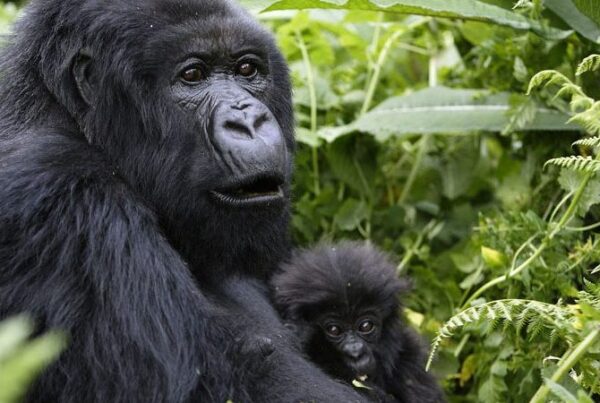
The park’s primary draw for wildlife photographers is the mountain gorilla population, which accounts for nearly half of the species’ remaining numbers globally. Habituated gorilla families have been acclimated to human presence over decades of careful conservation, allowing safe observation and photography. These primates exhibit complex social behavior, emotional intelligence, and striking physical presence, all of which translate into compelling photographic subjects. Understanding their movements, interactions, and daily routines is essential for capturing authentic and ethically responsible images.

Planning a Gorilla Photography Safari

Timing and Seasons for Optimal Photography

The timing of a visit to Bwindi is critical for both wildlife activity and photographic conditions. The park experiences two primary rainy seasons, from March to May and September to November, which influence trail conditions and lighting. While these periods often result in muddy paths and frequent rainfall, the rainforest’s verdant beauty is heightened, and the misty atmosphere can add ethereal quality to photographs. Conversely, the drier months, from June to August and December to February, provide more stable trail conditions and brighter daylight, facilitating easier movement and equipment handling. Photographers often weigh the trade-off between lush, atmospheric shots and practical trekking considerations when selecting their travel window.

Securing Gorilla Permits

Gorilla permits are mandatory for trekking and photography within Bwindi and are issued by the Uganda Wildlife Authority. While permits are universally required, photographers are encouraged to plan months in advance, particularly during peak tourist seasons, to ensure access to habituated gorilla families. The permits also come with strict rules regarding interaction, photography, and behavior around the gorillas, all of which must be observed to ensure ethical practices and the well-being of the animals. Knowledge of these guidelines is essential for photographers to capture moments without causing disturbance.

Selecting the Right Sector

Bwindi is divided into four main sectors: Buhoma, Ruhija, Rushaga, and Nkuringo, each offering distinct trekking and photographic experiences. Buhoma is popular for its moderate trails and accessibility, making it suitable for photographers seeking manageable terrain without sacrificing visual diversity. Ruhija, situated in the northeastern corner of the park, is less frequented, providing more intimate encounters and opportunities for uninterrupted wildlife observation. Rushaga and Nkuringo, in the southern part of the park, present challenging hikes and steep inclines but reward photographers with unique vantage points, dramatic landscapes, and the chance to observe gorilla families in more secluded environments.

Technical Preparation for Gorilla Photography

Equipment Considerations

Photographers venturing into Bwindi are advised to carefully consider their equipment selection, balancing quality, portability, and protection against environmental conditions. DSLR and mirrorless cameras with fast autofocus, high ISO performance, and versatile zoom lenses are ideal for capturing both close-up gorilla portraits and wider environmental compositions. Lenses in the range of 70-200mm or 100-400mm are particularly useful for safe distance photography while maintaining image clarity. Tripods are generally impractical due to dense forest and trekking constraints, although compact monopods can assist in stabilizing shots during longer exposures. Camera protection against moisture, dust, and impact is essential, as the rainforest presents both humidity and unpredictable trail conditions.

Lighting and Composition

The forest canopy often filters sunlight, creating dynamic and sometimes challenging lighting conditions. Photographers must be prepared to adjust ISO, aperture, and shutter speed to accommodate low-light scenarios while minimizing motion blur caused by gorilla movements. Composition techniques, such as framing with foreground foliage, utilizing natural leading lines created by trees and trails, and capturing behavioral interactions, enhance the storytelling aspect of each image. Mist, rain, and dappled light can be creatively incorporated to convey atmosphere, emphasizing the primal beauty of the rainforest environment.

Ethical and Safety Guidelines

Ethical photography is paramount when working with endangered wildlife. A safe distance must be maintained from the gorillas at all times, and flash photography is strictly prohibited to prevent stress. Photographers are instructed to remain quiet, avoid sudden movements, and follow the guidance of trained park rangers and guides. These measures ensure that gorilla behavior remains natural and undisturbed, preserving both their welfare and the authenticity of photographic opportunities.A Photographer’s Guide to Gorilla Safaris in Bwindi

The Gorilla Trekking Experience Through a Photographer’s Lens

The Trekking Journey

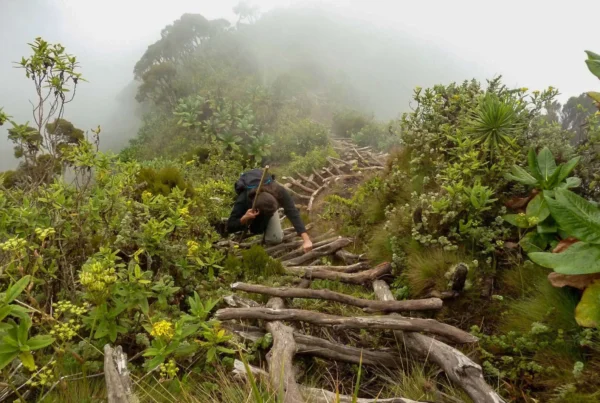
Each trek begins in the early morning, with guides leading groups through narrow forest paths, across streams, and up steep inclines. The trail conditions can be physically demanding, requiring endurance, balance, and careful footing. As photographers move through the forest, opportunities arise to capture the interplay of light and shadow, the textures of moss-covered trees, and fleeting glimpses of other wildlife. Attention to environmental details enhances the visual narrative, providing context for the eventual gorilla encounter.

Encountering the Gorillas

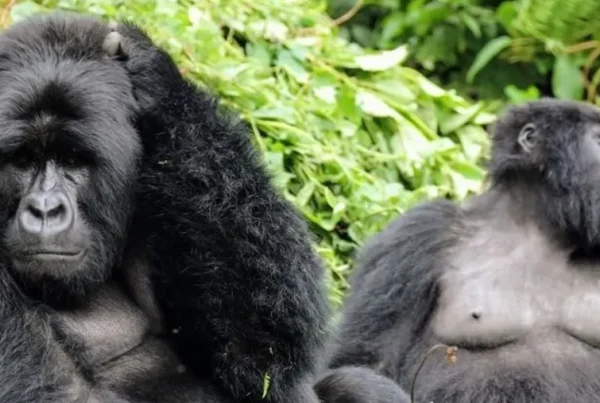
Upon reaching a habituated gorilla family, photographers are granted the same one-hour observation period as all visitors. During this time, gorillas engage in natural behaviors such as grooming, foraging, playing, and interacting with their silverback leaders. The subtle nuances of their expressions, postures, and gestures offer rich material for portraiture and behavioral studies. The forest setting provides dynamic backdrops, from dense undergrowth to sunlight filtering through the canopy, allowing for diverse composition opportunities. Photographers are encouraged to capture moments that tell a story, highlighting both the individuality of the gorillas and the broader environmental context.

Behavioral Insights and Timing

Understanding gorilla behavior enhances photographic success. Mornings often see increased activity, including feeding and social interactions, while afternoons may be characterized by rest or travel through the forest. Guides provide real-time interpretation of behaviors, enabling photographers to anticipate movements, focus on key interactions, and capture emotionally resonant images. Patience and observation are critical; moments of intimacy, play, or communication between gorillas can unfold unpredictably, requiring readiness and adaptability.

Enhancing the Photography Experience

Post-Trek Opportunities

Following the gorilla trek, photographers can explore additional opportunities to expand their portfolio. Forest walks, birdwatching excursions, and visits to waterfalls provide complementary subjects that showcase the park’s biodiversity and landscape diversity. Early mornings and late afternoons offer soft, directional light ideal for environmental and portrait photography. Observing and photographing local flora and fauna contributes to a holistic understanding of Bwindi’s ecological richness, creating a more complete visual narrative of the park.

Cultural and Community Engagement

Integration of local communities into the photography experience enriches both technical and contextual aspects. Visits to Batwa villages allow photographers to document traditional practices, rituals, and daily life, adding depth to storytelling and creating a multidimensional portrayal of the region. Ethical engagement, including seeking consent and respecting cultural norms, ensures that images are both authentic and responsible.

Workshops and Guided Photography Tours

Specialized photography workshops and guided tours have been developed in collaboration with conservation organizations. These experiences provide focused instruction on camera techniques, composition, lighting, and wildlife behavior, often led by professional wildlife photographers familiar with Bwindi’s unique challenges. Participation in such programs enhances technical proficiency, increases photographic yield, and fosters a deeper connection with the environment.

Challenges for Gorilla Photography in Bwindi

Environmental and Physical Challenges

The rainforest environment presents inherent challenges, including high humidity, muddy and slippery trails, dense vegetation, and unpredictable weather. Photographers must be physically prepared, equipped with protective clothing, sturdy footwear, and weather-resistant gear. These conditions, while demanding, also contribute to the richness of visual opportunities, from glistening foliage to misty valleys and dynamic wildlife interactions.

Technical Limitations

Low-light conditions, rapidly moving subjects, and dense foliage can test camera performance. Photographers may encounter difficulties with autofocus, noise levels at high ISO, and achieving sufficient depth of field. Strategic equipment selection, understanding of camera settings, and adaptability are essential for overcoming these limitations and ensuring high-quality images.

Balancing Ethical Considerations

The priority of gorilla welfare necessitates that photographers balance the desire for dramatic or intimate shots with respect for animal behavior. Flash is prohibited, close approaches are restricted, and group interactions must be observed without interference. Mastery of ethical practices ensures that photographic opportunities are sustainable and do not compromise conservation objectives.

Maximizing Value in Gorilla Photography Safaris

Integration of Planning and Expertise

Successful photography in Bwindi is achieved through a combination of meticulous planning, expert guidance, and understanding of both ecological and technical parameters. Selecting the appropriate sector, timing visits to align with activity patterns, preparing suitable equipment, and engaging knowledgeable guides maximize both safety and photographic outcomes. Incorporating cultural and environmental context enriches visual storytelling, providing images that resonate beyond aesthetic appeal.

Conservation and Responsible Tourism

Photography in Bwindi is intertwined with broader conservation goals. Ethical practices, support for local communities, and adherence to park regulations ensure that tourism contributes positively to the preservation of mountain gorillas and their habitat. By prioritizing responsible tourism, photographers are able to capture meaningful images while supporting long-term ecological sustainability.

Capturing Moments That Transcend Time

Bwindi Impenetrable National Park offers photographers a rare opportunity to engage intimately with mountain gorillas within one of the most biodiverse and visually striking forests in the world. From preparation and equipment selection to understanding gorilla behavior, trekking logistics, and ethical considerations, every aspect of the experience contributes to the creation of memorable, responsible, and impactful images. The forest’s natural beauty, combined with the emotional resonance of observing these remarkable primates, ensures that photography in Bwindi is both a technical challenge and a profound personal journey.

For those seeking to embark on this transformative adventure, gorilla safaris and wildlife tours in Uganda can be arranged through WildHorn Africa, a trusted provider specializing in expertly guided, immersive, and ethically responsible experiences. By choosing WildHorn Africa, photographers are guaranteed access to high-quality guidance, comprehensive support, and the assurance that every encounter with the gorillas is conducted in a manner that prioritizes conservation, ethical practice, and unforgettable visual storytelling. The forests of Bwindi await, offering photographers the chance to capture moments that will resonate for a lifetime.

Bwindi Impenetrable National Park vs Mgahinga: Where to Trek Gorillas

Bwindi Impenetrable National Park vs Mgahinga: Where to Trek Gorillas

By Travel stories and blogs, Primate holidays, Uganda travel guides

Bwindi Impenetrable National Park vs Mgahinga: Where to Trek Gorillas

The Allure of Uganda’s Gorilla Highlands

Uganda, often celebrated as the “Pearl of Africa,” is home to some of the most iconic wildlife experiences on the planet. Among these, gorilla trekking stands as the crown jewel, drawing adventurers and wildlife enthusiasts from across the globe. The dense, mist-laden forests of southwestern Uganda harbor the elusive mountain gorilla, a species that has captivated the imagination of scientists and travelers alike. Two of the nation’s most prominent trekking destinations are Bwindi Impenetrable National Park and Mgahinga Gorilla National Park, each offering a unique encounter with these gentle giants. Choosing between the two is a decision that is shaped not only by logistics but also by the desired trekking experience, wildlife diversity, and natural beauty.

Bwindi Impenetrable National Park: A Living Relic of Nature

Overview and Location

Bwindi Impenetrable National Park, a UNESCO World Heritage Site, stretches over 321 square kilometers of rugged, undulating terrain. Nestled within the southwestern corner of Uganda, the park lies adjacent to the Democratic Republic of Congo’s forests, forming a critical corridor for biodiversity. Its name, “Impenetrable,” is derived from the thick, tangled vegetation that dominates the landscape, creating a forest that appears almost untouchable to the untrained eye. This dense canopy provides sanctuary to over 400 species of plants, 120 mammal species, and a rich avifauna that appeals to bird watchers and ecologists alike.

Gorilla Trekking Experience in Bwindi

The mountain gorilla population in Bwindi is among the largest in the world, accounting for nearly half of the remaining wild gorillas globally. The trekking experience here is distinguished by both its intensity and reward. Treks commence in the early hours of the morning, with guides leading visitors through thick undergrowth, steep valleys, and winding paths. The trails, often muddy and slippery due to frequent rainfall, test the endurance and resolve of trekkers. Despite the challenges, the payoff is profound. Encountering a gorilla family in its natural habitat, observing the intricate social interactions, and witnessing the gentle giants up close instills a sense of awe that lingers long after the trek concludes.

Bwindi is home to multiple habituated gorilla families, each with its own distinct personality traits and social structures. The guides, well-versed in gorilla behavior, ensure that interactions remain safe, respectful, and minimally invasive. Observations are strictly limited to one hour per group, fostering an environment where both the gorillas and the trekkers can engage without undue stress.

Biodiversity Beyond Gorillas

While gorillas dominate the allure, Bwindi’s biodiversity extends far beyond them. The forest is a haven for numerous primate species, including chimpanzees, black-and-white colobus monkeys, and red-tailed monkeys. Its streams and waterfalls host unique amphibians and freshwater fish, while its understory shelters rare orchids and medicinal plants long used by local communities. Birdwatchers can expect to encounter species such as the African green broadbill, great blue turaco, and the elusive grey parrot, making Bwindi an all-encompassing nature experience rather than a single-species destination.

Trekking Logistics and Accessibility

Trekking in Bwindi requires careful preparation. The park is divided into four main sectors: Nkuringo, Buhoma, Ruhija, and Rushaga, each offering varying degrees of difficulty and proximity to gorilla families. Buhoma, the most visited sector, provides relatively moderate trails, suitable for those seeking a more leisurely experience. Nkuringo and Ruhija, in contrast, demand greater stamina due to steep inclines and remote access routes. All treks are guided, with permits required months in advance due to high demand. Accommodations near Bwindi range from luxury lodges with panoramic forest views to community-run guesthouses, providing a spectrum of options for different traveler preferences.Bwindi Impenetrable National Park vs Mgahinga: Where to Trek Gorillas

Mgahinga Gorilla National Park: The Hidden Gem

Overview and Location

In contrast to Bwindi, Mgahinga Gorilla National Park is considerably smaller, spanning only 33.7 square kilometers at the foot of the Virunga Volcanoes. It lies on the border triangle between Uganda, Rwanda, and the Democratic Republic of Congo, creating a unique ecosystem where montane forests, bamboo thickets, and volcanic slopes converge. This park is less frequented than Bwindi, making it a haven for travelers seeking intimacy with nature and a quieter trekking experience.

Gorilla Trekking Experience in Mgahinga

The gorilla population in Mgahinga is smaller, with only one habituated gorilla family available for trekking. Despite this limitation, the experience is equally profound. Trekkers navigate dense bamboo forests and volcanic slopes, often encountering varied terrain and breathtaking panoramas. The trek tends to be less crowded than in Bwindi, providing a sense of exclusivity and a more personal connection with the gorillas. Observing the gorillas’ interactions amidst the backdrop of volcanic peaks offers a unique perspective that is distinct from Bwindi’s dense rainforest setting.

The habituated family in Mgahinga provides insights into gorilla behavior that are slightly different from those in Bwindi due to the park’s unique environment and smaller population size. The guides, trained in both ecological knowledge and cultural history, ensure that the interaction remains educational, safe, and respectful. As with Bwindi, visits are limited to one hour per family to minimize stress on the animals.

Diverse Landscapes and Additional Activities

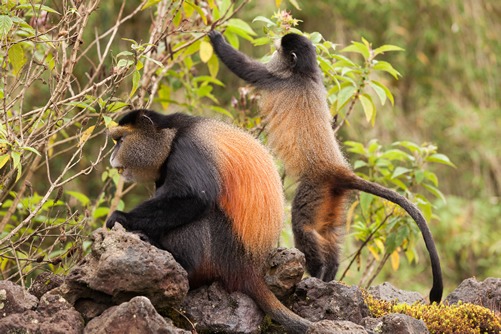
Mgahinga’s compact size belies its ecological richness. Beyond gorilla trekking, the park is renowned for the Golden Monkey tracking experience, offering trekkers the chance to observe these playful primates in bamboo forests. The Virunga volcanic slopes allow for mountain hiking, where the ascent of Mount Sabinyo or Mount Gahinga provides sweeping views of the tri-national landscape. Hot springs, crater lakes, and cultural encounters with local Batwa communities further enrich the visitor experience, providing a blend of adventure, natural beauty, and anthropological insight.

Trekking Logistics and Accessibility

Accessibility to Mgahinga is generally easier than Bwindi due to its proximity to Kisoro town and less demanding entry processes. The park is less congested, resulting in more flexible scheduling for gorilla permits. Accommodation options, though fewer than Bwindi, include eco-lodges and community guesthouses that emphasize sustainable tourism. The park’s smaller scale means that trekking requires fewer hours in transit, allowing more time to immerse in the natural surroundings or engage in additional activities.

Comparative Analysis: Bwindi vs Mgahinga

Gorilla Population and Viewing Opportunities

The most apparent distinction between Bwindi and Mgahinga lies in the gorilla population. Bwindi boasts multiple habituated families, increasing the likelihood of sightings and offering varied experiences for repeat visitors. Mgahinga, while smaller in gorilla numbers, provides a unique sense of exclusivity and often a more intimate encounter due to lower visitor numbers. For wildlife enthusiasts prioritizing a higher probability of multiple sightings, Bwindi is often preferred. Those seeking a quieter, more secluded experience may find Mgahinga more appealing.

Terrain and Trekking Difficulty

Trekking difficulty is another critical factor. Bwindi’s terrain is characterized by dense, wet rainforest with steep inclines and uneven paths. The forest’s impenetrable nature can make navigation challenging, demanding both physical stamina and mental perseverance. Mgahinga, while still rugged, presents a combination of bamboo forest and volcanic slopes, which can be steep but are generally more open, offering panoramic views along the way. Those with moderate fitness levels may find Mgahinga less physically taxing, while seasoned trekkers may relish Bwindi’s challenging terrain.

Scenic Beauty and Photographic Opportunities

Both parks offer stunning visual landscapes, but in markedly different ways. Bwindi’s dense rainforest, interspersed with misty valleys, waterfalls, and diverse plant life, provides a mystical atmosphere that is ideal for close-up wildlife photography. Mgahinga’s volcanic scenery, with crater lakes and distant peaks, offers sweeping vistas and opportunities for landscape photography that Bwindi cannot match. For travelers seeking to capture the raw, expansive beauty of Uganda’s highlands, Mgahinga presents unique photographic potential.

Wildlife Diversity Beyond Gorillas

While gorillas remain the central attraction, Bwindi’s larger area supports greater biodiversity, from numerous primate species to a rich avifauna, making it a comprehensive wildlife destination. Mgahinga, though smaller, offers the distinctive experience of tracking Golden Monkeys and witnessing the interactions of wildlife in a volcanic ecosystem. The choice between the two thus depends on whether the visitor prioritizes biodiversity and forest immersion (Bwindi) or volcanic landscapes and fewer crowds (Mgahinga).

Cultural and Community Experiences

Cultural engagement is increasingly recognized as an integral part of ecotourism. In Bwindi, interactions with the Batwa pygmy communities provide insights into traditional forest lifestyles, indigenous knowledge, and the challenges of modern conservation. Mgahinga offers similar encounters, but with a more intimate focus due to the smaller scale of tourism. Both parks emphasize responsible tourism, where community benefits are intertwined with conservation efforts, ensuring that visits contribute to both ecological and social sustainability.

Accessibility and Accommodation Options

Accessibility plays a decisive role in planning a gorilla trek. Bwindi’s multiple sectors and varying trail difficulties require careful logistical planning and often involve longer travel times from major towns such as Kabale or Kisoro. Mgahinga’s compact nature allows for shorter travel times and simpler logistics. Accommodation in Bwindi ranges from luxury lodges to budget-friendly guesthouses, while Mgahinga, though more limited, focuses on eco-lodges and community-centered stays. For visitors seeking comfort and a wide range of amenities, Bwindi may hold an advantage, whereas Mgahinga appeals to those prioritizing authenticity and immersion.

Choosing Between Bwindi and Mgahinga

The decision to trek in Bwindi or Mgahinga hinges on several personal preferences. Bwindi is ideal for those seeking abundant wildlife, multiple gorilla encounters, and immersive forest trekking. Mgahinga caters to travelers desiring a quieter, more exclusive experience, coupled with volcanic landscapes and unique primate sightings. Both destinations offer unforgettable encounters with mountain gorillas, yet each provides a distinct interpretation of Uganda’s natural and cultural heritage.

Ultimately, the choice is not merely about which park is better but about the type of adventure and connection with nature that the traveler desires. Bwindi offers a sense of being enveloped by a primeval rainforest teeming with life, while Mgahinga presents an intimate communion with gorillas amidst sweeping volcanic vistas.

An Invitation to Uganda’s Gorilla Wilderness

The mountain gorilla trekking experiences in Bwindi Impenetrable National Park and Mgahinga Gorilla National Park remain among the most compelling wildlife adventures in the world. Each park offers a distinctive combination of natural beauty, wildlife diversity, and cultural richness. Bwindi captivates with its dense, mystical forests and abundant gorilla families, while Mgahinga enchants with serene landscapes, volcanic peaks, and an intimate wildlife encounter. The allure of both destinations lies not only in the gorillas themselves but also in the broader ecological and cultural tapestry that frames each trek.

For travelers seeking to witness the majesty of mountain gorillas, understanding the nuances of each park ensures a more meaningful and fulfilling experience. Whether trekking through Bwindi’s impenetrable forest or ascending Mgahinga’s volcanic slopes, the encounter with these gentle giants is transformative, leaving an indelible mark on all who venture into their world.

To ensure a seamless, well-organized, and unforgettable journey, gorilla treks and safari adventures in Uganda can be booked through WildHorn Africa, a trusted provider specializing in immersive wildlife experiences. By choosing WildHorn Africa, travelers are guaranteed expert guidance, responsible tourism practices, and memories that will last a lifetime.

Cultural Encounters with the Batwa People near Bwindi

Cultural Encounters with the Batwa People near Bwindi

By Travel stories and blogs, Primate holidays, Uganda travel guides

Cultural Encounters with the Batwa People near Bwindi

Experiencing the Living Heritage of Uganda

In the verdant hills surrounding Bwindi Impenetrable National Park, one of Uganda’s most extraordinary cultural landscapes unfolds. Here, the Batwa people, often referred to as the forest dwellers or pygmies, have lived in intimate connection with the tropical rainforest for centuries. Their survival, customs, and traditions are deeply intertwined with the forest ecosystem that forms the backdrop of some of Africa’s most iconic wildlife experiences. For travelers seeking a journey that transcends typical safari encounters, cultural immersion with the Batwa offers insights into a way of life that has endured, adapted, and yet remains remarkably resilient in the face of modern pressures. The opportunity to witness the Batwa’s music, storytelling, medicinal practices, and intimate relationship with nature allows visitors to gain a profound appreciation of the forest beyond its gorilla inhabitants.

The Batwa People: History and Heritage

Origins and Traditional Lifestyle

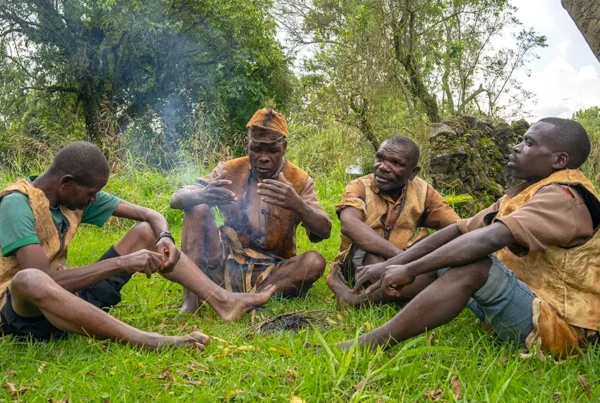
The Batwa people are among the oldest indigenous communities in East Africa. Historically, they have inhabited the dense forests of southwestern Uganda, surviving as hunter-gatherers with a profound understanding of the forest’s resources. Their lifestyle was traditionally dictated by seasonal changes, availability of edible plants, and the movements of forest animals. The forest was not merely a habitat but a source of identity, spirituality, and sustenance. Knowledge of medicinal plants, tracking skills, and foraging techniques was passed down through generations, forming a rich cultural repository that reflected their adaptation to one of the most challenging environments on the continent.

Impact of Conservation and Displacement

The creation of national parks, particularly Bwindi Impenetrable National Park, led to the displacement of the Batwa from their ancestral forest lands. While conservation efforts have preserved critical habitats for mountain gorillas and other species, they have also disrupted traditional Batwa livelihoods, compelling the community to adapt to sedentary village life and new forms of economic activity. Despite these challenges, cultural practices, oral traditions, and knowledge of forest ecology have been preserved. Engagements with the Batwa today often focus on responsible cultural tourism, where visitors can experience traditional life while contributing to community sustainability.

The Significance of Cultural Tourism with the Batwa

Preserving Heritage Through Engagement

Cultural tourism with the Batwa is not merely a form of entertainment but a mechanism for heritage preservation. Through guided visits, storytelling sessions, music, and dance, the Batwa are able to share their history, values, and ecological knowledge. Visitors are offered a lens into a lifestyle that is closely attuned to nature, demonstrating principles of resourcefulness, environmental stewardship, and community cohesion. These interactions also provide economic incentives for the Batwa, enabling them to sustain cultural practices while participating in modern economic systems.

Ethical Considerations in Cultural Tourism

Engagement with the Batwa must be approached with sensitivity and respect. Photographs, participation in rituals, and interactions should be conducted with consent and understanding. Ethical tourism ensures that cultural representation is authentic and that the benefits of tourism are equitably distributed. Guides and community organizations mediate these interactions, ensuring that cultural experiences remain enriching, educational, and non-exploitative.

Experiencing Batwa Music and Dance

The Role of Music in Daily Life

Music and dance constitute the heartbeat of Batwa culture. Drumming, chanting, and melodic singing are not only forms of entertainment but also vital expressions of social cohesion, spiritual beliefs, and historical memory. Traditional instruments, often crafted from forest materials, accompany dances that narrate stories of hunting, forest life, and community events. For visitors, witnessing or participating in these performances provides an immersive understanding of Batwa identity, connecting rhythm and movement to broader cultural narratives.

Learning Through Observation and Participation

Guided sessions with the Batwa often allow visitors to observe the intricate patterns of dance, understand the symbolism embedded in movements, and appreciate the intergenerational transmission of musical knowledge. Participation, when respectfully offered, fosters empathy and connection, transforming cultural observation into active engagement. Such encounters also reveal the adaptability of Batwa music, which has incorporated influences from neighboring communities while retaining distinct forest-rooted characteristics.

Traditional Knowledge and Forest Ecology

Medicinal Plants and Survival Skills

A profound element of the Batwa’s cultural heritage lies in their understanding of forest ecology. Generations of interaction with Bwindi’s dense rainforest have endowed the community with knowledge of medicinal plants, edible roots, and techniques for identifying forest resources. Visitors are often shown how plants are used to treat ailments, prepare food, and craft tools. This ecological wisdom not only illustrates the Batwa’s ingenuity but also provides a living example of sustainable forest use that contrasts with modern extractive practices.

Hunting and Foraging Practices

While traditional hunting has diminished due to conservation restrictions, the Batwa’s knowledge of animal behavior, tracking, and foraging remains an integral part of cultural heritage. Demonstrations of tracking techniques, identification of animal signs, and insights into seasonal resource management are offered during cultural visits. These interactions highlight the community’s intricate relationship with the environment, emphasizing principles of sustainability, observation, and respect for all living beings within the forest.Cultural Encounters with the Batwa People near Bwindi

Art, Craft, and Cultural Expression

Handicrafts as Cultural Narratives

The Batwa engage in craftsmanship that reflects both utilitarian and artistic sensibilities. Baskets, beaded jewelry, and wooden carvings are created using traditional methods and natural materials. These artifacts convey stories of forest life, social structures, and spiritual beliefs. Visitors are often given the opportunity to observe artisans at work, learning about the processes and symbolism embedded in each creation. Purchases of handicrafts contribute to economic sustainability while supporting the preservation of skills that have been passed down for generations.

Integration of Art in Modern Cultural Tourism

Artistic expression serves as a bridge between tradition and contemporary tourism. Exhibitions, workshops, and community events provide visitors with interactive experiences that go beyond passive observation. Ethical engagement ensures that artisans retain control over the presentation and commercialization of their work, allowing cultural integrity to be maintained while generating income for the community.

Community Life and Daily Activities

Understanding Batwa Social Structures

Daily life among the Batwa is structured around community cohesion, interdependence, and shared responsibilities. Household organization, child-rearing practices, and community decision-making reflect deeply ingrained values of cooperation and reciprocity. Visitors gain insight into these structures through guided interactions, home visits, and participatory experiences. Observing domestic life, food preparation, and communal rituals provides a holistic understanding of Batwa society, extending beyond ceremonial displays to the realities of contemporary living.

Education and Adaptation

Modern challenges, including displacement and integration into village life, have necessitated adaptation among the Batwa. Education initiatives, vocational training, and cultural preservation programs have been developed in collaboration with NGOs and government agencies. Visitors can learn about these efforts, observing the ways in which traditional knowledge is being preserved while addressing socioeconomic needs. Such engagements highlight the dynamic nature of Batwa culture and the community’s resilience in navigating modernity without losing its distinctive identity.

Responsible Engagement and Cultural Sensitivity

Guided Visits and Ethical Practices

Cultural encounters with the Batwa are facilitated by trained guides who ensure that interactions are respectful, safe, and educational. Visitors are instructed on appropriate behaviors, including seeking consent before photography, participating in activities respectfully, and honoring community norms. These practices ensure that cultural engagement is mutually beneficial and that tourism does not disrupt the integrity of Batwa traditions.

Supporting Community Sustainability

Participation in Batwa cultural experiences contributes directly to community development. Entrance fees, donations, and purchases of handicrafts are often reinvested into education, healthcare, and cultural preservation initiatives. Ethical tourism not only provides meaningful experiences for visitors but also empowers the Batwa to maintain their cultural heritage and improve living standards. Through responsible engagement, tourism becomes a tool for cultural resilience and ecological stewardship.

Integrating Batwa Encounters into Bwindi Safaris

Combining Wildlife and Cultural Experiences

For travelers visiting Bwindi Impenetrable National Park, encounters with the Batwa can be seamlessly integrated into a broader safari itinerary. Early morning gorilla trekking can be complemented by afternoon cultural visits, allowing for a multidimensional experience of the forest and its human heritage. Photographers and wildlife enthusiasts alike gain a more complete understanding of the forest ecosystem when its human custodians are included in the journey. The juxtaposition of gorilla observation with Batwa cultural engagement provides depth, context, and narrative richness to the safari experience.

Practical Considerations for Visitors

Logistical planning is essential for maximizing both wildlife and cultural experiences. Transportation to Batwa villages, coordination with guides, and scheduling within the framework of park regulations are necessary considerations. Accommodation near Bwindi ranges from lodges to community-run guesthouses, providing options that support both comfort and ethical engagement. Visitors are encouraged to plan visits thoughtfully, ensuring that encounters are respectful, meaningful, and sustainable.

The Transformative Impact of Cultural Encounters

Personal Enrichment and Perspective

Encounters with the Batwa often leave a lasting impression on visitors, fostering empathy, cross-cultural understanding, and an appreciation for human resilience. Observing traditional practices, hearing oral histories, and participating in communal activities allow travelers to connect with a way of life that is deeply intertwined with nature. The insights gained extend beyond cultural knowledge, influencing perceptions of conservation, sustainability, and the value of indigenous wisdom.

Conservation and Cultural Preservation

The survival of Batwa culture is closely linked to the preservation of Bwindi’s forest ecosystem. Cultural tourism reinforces the importance of sustainable forest management, ethical wildlife observation, and community participation in conservation initiatives. By engaging with the Batwa, visitors contribute to both ecological and cultural preservation, supporting a holistic model of responsible tourism that benefits both people and wildlife.

Embracing the Richness of Batwa Heritage

Cultural encounters with the Batwa people near Bwindi provide a profound dimension to the experience of Uganda’s forests. Through music, dance, craftsmanship, forest knowledge, and daily life, the Batwa offer insights into a human culture that has been shaped by centuries of intimate connection with nature. Visitors gain not only memorable experiences but also a deeper understanding of the ecological and cultural richness of the region. Ethical engagement ensures that these encounters are mutually beneficial, supporting community sustainability and preserving heritage for future generations.

For travelers seeking to combine wildlife adventures with meaningful cultural experiences, tours and safaris in Uganda can be booked through WildHorn Africa. With expertise in both conservation-focused wildlife safaris and responsible cultural tourism, WildHorn Africa ensures that every encounter, from gorilla trekking to Batwa village visits, is conducted with professionalism, sensitivity, and unforgettable impact. By choosing WildHorn Africa, visitors are guaranteed immersive, educational, and transformative experiences that celebrate both the natural and human heritage of Uganda.

Solo Traveler Guide: Mgahinga Gorilla National Park birding safari for luxury travelers

Solo Traveler Guide: Mgahinga Gorilla National Park birding safari for luxury travelers

By Travel stories and blogs, Uganda travel guides

Solo Traveler Guide: Mgahinga Gorilla National Park Birding Safari for Luxury Travelers

A Sanctuary of Solitude and Elegance

To travel alone is to surrender oneself to the rhythm of discovery. Few destinations in Africa embody this sentiment as perfectly as Mgahinga Gorilla National Park, a rare jewel tucked into the southwestern corner of Uganda. While it is often celebrated as a stronghold for the endangered mountain gorillas, it holds another secret, one that luxury travelers who seek refinement and solitude often find irresistible—birding safaris in a setting where clouds drift over volcanic peaks and rare avian species animate the skies.

For the solo traveler, there is something uniquely profound about stepping into a forest where silence is broken only by birdsong, where the eye is drawn not to crowds or noise but to flashes of color darting across the canopy. A birding safari in Mgahinga is not simply an excursion; it is an immersion into a world that thrives quietly, away from the obvious, rewarding patience and attentiveness. For the luxury traveler, this experience is elevated through exclusivity—private guides, carefully curated lodges, and personalized experiences that allow one to absorb the park’s magnificence in comfort.

This guide explores how the solo luxury traveler can transform a birding safari at Mgahinga Gorilla National Park into an unforgettable journey. From understanding the park’s unique ecosystem to exploring its birdlife treasures, from embracing luxury accommodation to refining the very art of birding in solitude, the journey reveals itself in layers of elegance, depth, and timeless wonder.

Understanding Mgahinga Gorilla National Park

A Landscape of Volcanic Majesty

The park, spanning just 33.7 square kilometers, may be the smallest in Uganda, but its significance outweighs its size. Nestled within the Virunga Conservation Area, it shares borders with Rwanda’s Volcanoes National Park and the Democratic Republic of Congo’s Virunga National Park, forming a tri-national ecosystem of immense biodiversity.

Its landscape is dominated by three dramatic volcanoes—Mount Sabyinyo, Mount Gahinga, and Mount Muhabura—whose slopes rise in gradients of bamboo, montane forest, and alpine vegetation. For birders, each ecological zone presents unique species, turning every walk into a layered exploration of avian life.

Why It Matters to Birders

Birding thrives in Mgahinga because of its position at a biogeographical crossroads. Over 180 species have been recorded here, including the Albertine Rift endemics that attract serious birders from across the world. From the striking Rwenzori turaco to the elusive dusky crimsonwing, the park shelters some of the rarest and most sought-after birds on the continent.

The Solo Traveler Experience

Traveling Alone with Purpose

To venture alone into Mgahinga is not to court isolation but to embrace presence. Without companions dictating pace or preference, the solo luxury traveler enjoys the freedom to linger with binoculars poised, to wait silently for the flutter of wings, or to follow the guide into lesser-traveled trails. Birding becomes deeply personal, a dialogue between the traveler and the environment.

The Luxury Dimension

Luxury in Mgahinga does not manifest through urban grandeur but through exclusivity, personalization, and serenity. Solo travelers are able to reserve private guides whose expertise transforms birdwatching into an art form, while lodges provide tailored services, from gourmet dining to wellness retreats after long days in the forest. Here, luxury means more than comfort; it means freedom to explore with precision, privacy, and style.

Birding in Mgahinga: The Heart of the Safari

Forest Pathways as Avian Theaters

Every corner of the park reveals birdlife waiting to be discovered. The bamboo zones, lush and dense, host species like the handsome francolin and the scarlet-tufted malachite sunbird, while the montane forests shelter secretive birds like the Ruwenzori batis. Higher still, the alpine zones present rarities seldom seen elsewhere, making each altitude an essential part of the birding journey.

Iconic Bird Species to Anticipate

Among the most rewarding are the Albertine Rift endemics, birds found only in this ecological corridor. The Kivu ground thrush, dusky turtle dove, and striped breasted tit are among the park’s treasures. Yet the true gem for many is the Rwenzori turaco, whose emerald green plumage, scarlet wings, and crest create images of striking beauty, especially when captured in flight against volcanic backdrops.

For the solo traveler, photographing or recording these birds becomes an act of quiet triumph, each species sighted a reward earned through patience and attentiveness.Solo Traveler Guide: Mgahinga Gorilla National Park birding safari for luxury travelers

Beyond Birding: Layers of Experience

Encounters with Gorillas and Golden Monkeys

Though the focus may be on birds, no visit to Mgahinga would be complete without acknowledging its famous residents—the mountain gorillas and the rare golden monkeys. For a solo traveler, joining a trek to encounter these primates adds depth to the birding safari, intertwining avian pursuits with primate encounters. Such moments provide contrast, reminding travelers of the interconnectedness of the ecosystem.

Cultural Enrichment with the Batwa

A luxury safari often extends beyond wildlife into cultural immersion. The Batwa, the indigenous forest people, share stories of life in the forest before its gazettement as a park. Their traditions, songs, and knowledge of plants provide solo travelers with context—reminders that birding is part of a larger narrative of coexistence between people and nature.

Crafting a Luxury Itinerary

Morning Birding Sessions

The stillness of dawn offers the best chance to witness the forest come alive with birdsong. With a private guide, solo travelers can tailor walks to specific zones, ensuring species of personal interest are prioritized.

Midday Retreats in Comfort

After mornings on the trail, luxury lodges provide restful havens. Whether through spa treatments, fine dining, or simply gazing across the Virunga ranges from a private veranda, the midday hours become opportunities for rejuvenation.

Evening Reflections and Sundowners

As the day closes, the park’s golden light transforms the landscape into a painter’s masterpiece. Sunset photography sessions, complemented by carefully prepared sundowners, allow solo travelers to unwind, reflect, and frame the day’s discoveries not just in memory but in artistry.

Where Luxury Meets Wilderness: Accommodation Choices

Exclusive Lodges

Luxury travelers to Mgahinga often find solace in lodges that balance proximity to the park with world-class service. These accommodations are designed with sustainability in mind, blending seamlessly into the landscape while providing the highest levels of comfort. Private cottages, fire-lit lounges, and curated menus elevate the stay, ensuring that every aspect of the journey is steeped in indulgence.

Personalization at Its Core

Solo travelers particularly benefit from the personalized service these lodges offer. Staff often curate dining experiences, arrange private cultural interactions, and adapt safari schedules to suit individual preferences. The result is not merely accommodation but an extension of the safari experience itself.

Refining the Art of Birding as a Solo Luxury Traveler

The Role of the Guide

In birding, the expertise of the guide cannot be overstated. For solo travelers, the advantage lies in the one-on-one engagement, where questions are answered in depth, trails are adjusted to personal interest, and insights are delivered with undivided attention. The guide becomes both mentor and companion, shaping the safari into a learning journey.

Patience, Precision, and Presence

Birding at Mgahinga demands a triad of qualities: patience to wait for elusive species, precision in identifying subtle differences, and presence to fully absorb the environment. Solo travelers often excel in this regard, as the absence of distraction allows for deeper immersion in the rhythm of the forest.

Seasonal Considerations

The best times for birding in Mgahinga fall within the dry seasons of June to August and December to February. Trails are more accessible, and bird activity is high, particularly for migratory species during November to April. Luxury travelers visiting during these times find the conditions ideal for both birding and photography.

The wet seasons, though more challenging, bring lush vegetation and heightened bird activity, rewarding those who embrace the unpredictability of the forest. For solo travelers, this unpredictability often heightens the sense of adventure.

Why Mgahinga is Ideal for the Solo Luxury Traveler

Few destinations combine solitude, exclusivity, and biodiversity as seamlessly as Mgahinga Gorilla National Park. The birding safari here is not a rushed checklist but a deliberate unfolding of discovery. Luxury is expressed not in excess but in space, silence, and freedom—elements that solo travelers crave. The park’s compact size ensures intimacy, while its avian diversity promises endless fascination.

An Invitation to Frame Silence and Song

To journey alone into Mgahinga Gorilla National Park is to step into a world where silence is eloquent and birdsong is symphonic. For the solo luxury traveler, birding here is both a pursuit and a meditation, offering moments of triumph when rare species are spotted, but also moments of quiet joy when simply being present in such landscapes feels like reward enough.

Every photograph captured, every species recorded, and every sunrise witnessed becomes part of a larger narrative—a story of connection between traveler and wilderness. Luxury here is not about indulgence detached from nature but about experiencing it with depth, comfort, and care.

For those who seek to transform this vision into reality, it is highly recommended to book tailored African tours and safaris through WildHorn Africa. With unmatched expertise in curating bespoke journeys, WildHorn Africa ensures that a solo traveler’s birding safari in Mgahinga is framed not just by discovery, but by elegance, exclusivity, and timeless wonder.

White Water Rafting at Mgahinga Gorilla National Park: Frequently Asked Questions with Limited Time

White Water Rafting at Mgahinga Gorilla National Park: Frequently Asked Questions with Limited Time

By Travel stories and blogs, Travel guides, Uganda travel guides

White Water Rafting at Mgahinga Gorilla National Park: Frequently Asked Questions with Limited Time

Adventure at the Edge of the Virungas

In the far southwestern corner of Uganda, where the borders of Rwanda and the Democratic Republic of Congo converge, lies the extraordinary Mgahinga Gorilla National Park. Known primarily as a sanctuary for mountain gorillas and golden monkeys, this park is often celebrated for its volcanic peaks and rich cultural heritage. Yet, for families and adventurous travelers alike, there is another thrilling activity often overlooked but deeply rewarding—white water rafting in the rivers and streams flowing from the volcanic slopes.

When time is limited, visitors often wonder whether rafting at Mgahinga is possible, worthwhile, and compatible with the park’s other celebrated attractions. This is where understanding the most frequently asked questions becomes vital. Responsible planning, an appreciation for the environment, and a willingness to embrace both culture and nature are key to making the most out of such a rare opportunity.

This guide addresses the essential concerns travelers raise when seeking to experience white water rafting at Mgahinga Gorilla National Park with limited time, providing detailed insights to ensure every moment is maximized without compromising responsibility.

Can White Water Rafting Really Be Done at Mgahinga?

The most common question is whether white water rafting is truly feasible at Mgahinga, given its reputation as a gorilla trekking destination. The truth is that while the park is not traditionally promoted for rafting in the same way as the Nile in Jinja, seasonal rivers and volcanic streams around the park offer thrilling and scenic rafting experiences. These waters, though less commercialized, provide families and adventurers with an authentic, untouched environment where rafting is both possible and deeply rewarding.

The rivers are fed by rainfall from the volcanic peaks, creating rapids of varying intensity. Depending on the season, the water levels can be either fast and powerful or calmer and more suited to families. Unlike other popular rafting sites, the charm here lies in the intimacy of the setting, where rafters are surrounded by the sounds of birds, the sight of mist-draped volcanoes, and a sense of wilderness rarely matched elsewhere.

How Much Time Is Needed for White Water Rafting?

For visitors with limited time, the question of how long rafting takes is critical. A typical rafting session near Mgahinga ranges between two to four hours, depending on the chosen stretch of river and the season’s water levels. This makes it possible to combine rafting with other park activities, such as a short golden monkey trek or a visit to the Batwa cultural trail.

Travelers must, however, plan carefully. It is often recommended that rafting be scheduled either in the early morning or afternoon, leaving room for another half-day activity. With responsible operators, families can make the most of even a single day, experiencing both the thrill of white water and the wonder of the gorilla kingdom.

Is White Water Rafting Safe for Families?

Safety is often a concern, especially for families with children. The rivers around Mgahinga vary in intensity, with some stretches offering gentle rapids suitable for beginners, while others challenge even seasoned rafters. Professional guides, many of whom are trained locally and familiar with the terrain, ensure that safety remains paramount.

Children are usually introduced to the calmer sections, with strict adherence to protective gear and clear instructions. Families are encouraged to communicate openly with their guides about comfort levels, ensuring that the chosen rafting experience matches their expectations. The emphasis on safety reflects not only the professionalism of the operators but also the understanding that responsible tourism must protect both visitors and the environment.

What Makes Rafting at Mgahinga Unique Compared to Other Destinations?

Another frequently asked question is why one should choose rafting at Mgahinga when Uganda offers world-renowned rafting experiences at the Nile. The answer lies in the distinctive setting. Mgahinga is defined by its volcanic backdrop, lush rainforests, and proximity to gorilla habitats. Rafting here is not simply about conquering rapids—it is about immersing oneself in a natural and cultural landscape that feels untouched.

The rivers of Mgahinga are narrow, winding through forested gorges and offering intimate encounters with birdlife, butterflies, and sometimes even monkeys playing in the trees above. The absence of large crowds enhances the experience, giving families a sense of exclusivity. While the Nile may offer larger rapids, Mgahinga offers an adventure woven seamlessly into the park’s broader narrative of conservation and cultural heritage.

How Should Travelers Prepare for Rafting at Mgahinga?

Preparation is often overlooked but forms the backbone of responsible rafting. Families are encouraged to pack lightly, avoiding plastics that could harm the fragile ecosystem. Wearing quick-dry clothing, sunscreen, and sturdy water shoes enhances comfort. Most importantly, travelers must be ready to listen attentively to guides, whose instructions ensure not only safety but also environmental respect.

Mental preparation is equally significant. Rafting is both thrilling and demanding, requiring a willingness to embrace unpredictability. For families with children, explaining in advance what to expect reduces anxiety and transforms the experience into one of shared excitement. By preparing adequately, visitors can maximize the short time available while leaving a minimal footprint on the environment.

Can Rafting Be Combined with Gorilla Trekking in Limited Time?

The dream of many visitors to Mgahinga is to see gorillas and enjoy adventure in the same trip. With limited time, this appears challenging, but with proper planning, it is indeed possible. Gorilla trekking typically consumes most of a day, beginning in the morning and ending by early afternoon. If rafting is scheduled for the following day, families can enjoy both without feeling rushed.

Attempting both in a single day is not advisable, as it risks diminishing the richness of each experience. Responsible travel emphasizes quality over quantity, encouraging families to savor each activity rather than simply ticking boxes. By allowing at least two days, one for rafting and one for gorilla trekking, the trip becomes both fulfilling and respectful to the park’s rhythm.

How Does Rafting Support Conservation and Local Communities?

A crucial question for responsible travelers is whether rafting benefits the park and its surrounding communities. The answer is a resounding yes. Local guides and operators derive income from rafting activities, reducing reliance on forest resources and thereby contributing to conservation. Entrance fees and permits further support the Uganda Wildlife Authority’s efforts to protect gorillas, golden monkeys, and other endangered species.

Families who choose to raft at Mgahinga also contribute indirectly to community projects, from schools to healthcare initiatives, as tourism revenues often fund local development. This creates a cycle of sustainable tourism, where visitors enjoy unforgettable experiences while ensuring that their presence leaves positive impacts behind.

Making the Most of Limited Time in Mgahinga

White water rafting at Mgahinga Gorilla National Park offers an exhilarating yet responsible way to connect with Uganda’s wilderness. While it may not carry the fame of rafting on the Nile, its uniqueness lies in its volcanic setting, cultural richness, and intimacy with nature. For families or adventurers with limited time, rafting here becomes a gateway to both thrill and reflection.

By planning carefully, preparing responsibly, and respecting the environment, visitors can enjoy rafting alongside other park activities without feeling rushed. Whether combined with gorilla trekking or experienced as a stand-alone adventure, rafting at Mgahinga becomes an unforgettable part of any Ugandan journey.

For travelers seeking to explore not only Mgahinga but also Uganda’s other breathtaking treasures, it is highly recommended to plan with WildHorn Africa. Their expertise in crafting sustainable African safaris ensures that every moment is enriching, responsible, and transformative, leaving both families and the destinations they visit better for the journey.

Solo Traveler Guide: Mgahinga Gorilla National Park birding safari for luxury travelers

Solo Traveler Guide: Mgahinga Gorilla National Park birding safari for luxury travelers

By Travel stories and blogs, Travel guides, Uganda travel guides

Solo Traveler Guide: Mgahinga Gorilla National Park Birding Safari for Luxury Travelers

A Journey into Uganda’s Hidden Jewel

Few places in Africa combine solitude, elegance, and wilderness as gracefully as Mgahinga Gorilla National Park. Tucked away in Uganda’s southwestern corner, this compact but extraordinary park offers more than mountain gorillas and volcanic peaks. For the discerning traveler with an appreciation for fine detail, it unveils itself as a haven for one of the continent’s most refined experiences—luxury birding safaris.

For the solo traveler seeking both privacy and grandeur, Mgahinga represents an invitation into nature’s orchestral chorus, where over 180 bird species weave their calls into the silence of misty forests. From the emerald-green slopes of the Virungas to the tranquil bamboo groves, every step in this park feels like a curated experience. Here, adventure is balanced with comfort, and exploration meets indulgence in a way that defines the very essence of luxury travel.

Location and Access to Mgahinga Gorilla National Park

The Road to Wilderness and Refinement

Mgahinga Gorilla National Park lies in Kisoro District, bordering Rwanda and the Democratic Republic of Congo. Though small in size, its location within the famed Virunga Volcanoes range bestows it with dramatic scenery and a sense of exclusivity.

Reaching the park begins with either a scenic overland drive of nearly 500 kilometers from Kampala or Entebbe, or a shorter domestic flight to Kisoro airstrip. For the luxury solo traveler, the latter option is often preferred, providing not just comfort but an aerial introduction to Uganda’s undulating landscapes and sparkling lakes. Upon arrival, private transfers to the park ensure that the journey itself retains the refined touch expected of high-end travel.

Every curve of the mountain road reveals a glimpse of the untouched wilderness awaiting, and by the time the gates of the park are reached, the traveler already senses a transition from the ordinary into the extraordinary.

The Allure of Birding in Mgahinga

A Symphony of Rare Species

Mgahinga is celebrated for its mountain gorillas, yet for the luxury birder, it holds treasures of a more delicate kind. The park lies within the Albertine Rift region, a biodiversity hotspot that harbors several endemic bird species found nowhere else on Earth.

Among its prized avian residents are the Rwenzori turaco, dusky crimsonwing, and blue-headed sunbird, each presenting bursts of vibrant plumage against the emerald backdrop. High-altitude habitats also reveal species such as the scarlet-tufted malachite sunbird and the white-starred robin. For the solo traveler, these sightings become deeply personal moments, unshared yet unforgettable, where silence is broken only by the flutter of wings or the melodic call echoing through bamboo groves.

Birding with a Backdrop of Volcanoes

Birdwatching in Mgahinga is unlike anywhere else, for here the birds appear not just as subjects but as characters within a grander stage. The soaring Muhabura, Gahinga, and Sabinyo volcanoes dominate the skyline, lending every observation a dramatic setting. A simple glance through binoculars may transform into a full-frame portrait of a crimsonwing perched against volcanic slopes softened by mist. For a photographer, it is an unrivaled opportunity to marry avian beauty with landscapes that belong to myth and legend.

Solo Travel: Luxury in Intimacy

Personalized Experiences

Traveling alone through Mgahinga opens doors to personalized, luxury-guided birding safaris where every detail caters to individual preference. The experience becomes immersive, unhurried, and designed to fit the rhythm of the traveler rather than a group. Each guided trek through bamboo forests or montane woodland allows for deeper focus, longer waits, and a silence that enhances every birding moment.

Comfort in the Wild

Luxury in Mgahinga does not mean detachment from the environment but rather the art of immersing in wilderness without sacrificing comfort. Exclusive eco-lodges and high-end camps around Kisoro provide panoramic views, gourmet dining, and personalized services. After a day of birding across steep volcanic slopes, evenings unfold in the warmth of private terraces, fine wines, and the gentle glow of lanterns under star-filled skies.

For a solo traveler, this balance of solitude and sophistication becomes transformative, turning an adventure into a retreat that rejuvenates as much as it excites.

Birding Safari Tips for the Luxury Solo Traveler

Mastering the Rhythm of the Forest

Birding in Mgahinga is best approached with patience. The forest is alive with sound and movement, but its residents often remain concealed within the canopy. Guides play a crucial role, using local knowledge to uncover hidden perches and subtle calls. For the solo traveler, this guidance takes on a more intimate tone, where attention is undivided and each sighting is explained in depth.

Capturing Beauty Through the Lens

For those who wish to combine birding with photography, Mgahinga offers constantly shifting light as mist drifts across the slopes. Cameras require adaptability, with wide apertures to capture sudden movements and telephoto lenses to frame delicate details. A single moment—the shimmer of a sunbird’s feathers catching morning light—may define an entire safari.

Blending Birding with Other Experiences

Though the heart of the journey may lie in birdwatching, Mgahinga also offers opportunities for gorilla trekking, golden monkey tracking, and volcano hiking. For luxury travelers, blending these experiences into a personalized itinerary enriches the journey, creating a fuller appreciation of the park’s natural wonders without overwhelming the purpose of a birding safari.

The Best Time to Visit for Birding

Seasons of Song and Color

Birding in Mgahinga thrives throughout the year, but timing influences the richness of sightings. The wet seasons, from March to May and October to November, bring out an abundance of activity, with migratory species adding to the diversity. These months, though less favorable for trekking due to slippery trails, reward birders with heightened vibrancy and song.

The dry seasons, from December to February and June to September, provide clearer conditions and easier navigation of trails. Luxury travelers often prefer these months, as they combine favorable birding with comfort and accessibility. Regardless of season, the interplay of mist, mountain, and melody ensures that Mgahinga always delivers moments worth cherishing.

To embark on a solo luxury birding safari in Mgahinga Gorilla National Park is to step into a world where elegance and wilderness coexist seamlessly. Here, the beauty of rare birds is heightened by the exclusivity of the experience, and the solitude of solo travel transforms into empowerment rather than isolation. Every call heard in the canopy and every silhouette glimpsed against volcanic peaks becomes a reminder that luxury lies not only in comfort but in the intimacy of unfiltered connection with nature.

Mgahinga is not a place one simply visits; it is a sanctuary that speaks to those who travel with intention, curiosity, and an appreciation for both refinement and raw beauty. For the solo traveler, it promises not just sightings but stories—memories etched in birdsong, mist, and the majesty of mountains.

Book Your African Luxury Safari

For those ready to make this vision a reality, expert guidance ensures a seamless and elevated experience. To explore Mgahinga Gorilla National Park and other African wonders in style, it is recommended that you book your tours and safaris through WildHorn Africa, where luxury is not simply offered but carefully crafted to transform every journey into a timeless memory.

How to Get There: Mgahinga Gorilla National Park wildlife photography tips for first-time visitors

How to Get There: Mgahinga Gorilla National Park wildlife photography tips for first-time visitors

By Travel stories and blogs, Primate holidays, Travel guides, Uganda travel guides

How to Get There: Mgahinga Gorilla National Park Wildlife Photography Tips for First-Time Visitors

An Introduction to a Photographer’s Paradise

Hidden within the mist-covered highlands of southwestern Uganda lies a place where wilderness and wonder converge. Mgahinga Gorilla National Park, though often overshadowed by its more famous neighbor—Bwindi Impenetrable Forest—offers a truly intimate and rare experience for travelers who dream of capturing Africa’s untamed beauty. For first-time visitors with a camera in hand, this park becomes more than just a destination; it transforms into a living studio of light, movement, and raw nature.

The journey to this remote Eden is not merely about reaching a location; it is a passage into the heart of Africa’s oldest landscapes, home to endangered mountain gorillas, golden monkeys, and a kaleidoscope of birdlife. Yet before one even begins photographing these creatures, understanding how to get there, what to expect, and how to maximize the photographic potential is essential.

Location and Access to Mgahinga Gorilla National Park

Navigating Uganda’s Highlands

Mgahinga Gorilla National Park lies in Kisoro District, at Uganda’s southwestern frontier where it shares borders with Rwanda and the Democratic Republic of Congo. The park is nestled within the dramatic Virunga Mountain Range, a chain of extinct volcanoes whose rugged slopes form a breathtaking backdrop for any photograph.

Reaching the park is an experience of its own. Travelers arriving from Kampala or Entebbe often embark on a long but scenic road journey, covering nearly 500 kilometers of rolling hills, terraced farmlands, and tranquil lakeshores. For those who prefer swifter travel, domestic flights from Entebbe to Kisoro airstrip provide a convenient gateway, reducing travel time significantly while still rewarding visitors with sweeping aerial views of Uganda’s lush countryside.

Upon arrival in Kisoro town, the park is a short drive away, its entrance marked by a landscape that already seems to invite the lens. This remoteness ensures fewer crowds, granting photographers the chance to capture wildlife in an atmosphere that feels almost untouched by time.

The Wildlife Spectacle Awaiting Your Lens

The Endangered Mountain Gorillas

The highlight of any photographic journey to Mgahinga is the mountain gorilla trek. With only a handful of habituated families, gorilla encounters in this park are intimate and deeply moving. For a first-time photographer, the experience demands patience and adaptability. Gorillas are often found in dense bamboo forests or on the misty slopes of the volcanoes, where light conditions constantly shift. Every glance, every gesture, every interaction within the gorilla family becomes a potential masterpiece for the lens.

Golden Monkeys and Avian Riches

Beyond the gorillas, Mgahinga is famed for its rare golden monkeys, playful primates that leap through the bamboo forests with unmatched agility. Their golden-orange fur glistens in the filtered forest light, offering striking contrasts that challenge yet reward the camera.

Bird photographers, too, are never disappointed. The park hosts over 180 species, many of which are endemic to the Albertine Rift. Brightly colored sunbirds, turacos, and the regal crowned crane all provide endless subjects to frame against the emerald canopy and volcanic backdrop.

Wildlife Photography Tips for First-Time Visitors

Mastering the Light of the Virungas

One of the greatest challenges for photographers in Mgahinga is light. The forest canopy often filters sunlight into scattered beams, creating a dramatic but unpredictable environment. Cameras must be adjusted constantly, with higher ISO settings and wide apertures being essential. It is in these fleeting moments—when a gorilla’s eyes catch a sliver of golden light—that truly unforgettable images are made.

Patience as the Silent Tool

Wildlife photography in this park is less about speed and more about patience. Subjects rarely pose; instead, they exist in their natural rhythms. For a first-time visitor, it becomes crucial to blend observation with readiness, waiting silently until movement or behavior unveils itself. The reward is often an unguarded expression, a tender family moment, or a fleeting play of golden monkey fur through bamboo shadows.

Capturing the Landscape with Wildlife

Mgahinga is not only about close-up portraits of animals. The towering **Virunga volcanoes—Muhabura, Gahinga, and Sabinyo—**form an unparalleled backdrop. By positioning wildlife within this vast terrain, photographers capture not just a subject but also the story of its habitat. Wide-angle shots that frame a gorilla within a forest clearing, or a monkey leaping with volcanic slopes beyond, give context and depth that elevate wildlife photography into visual storytelling.

Preparing for the Experience

Physical and Mental Readiness

A gorilla trek or golden monkey encounter requires a level of stamina, as trails ascend steep volcanic slopes that can test even seasoned travelers. For a first-time visitor, preparing both mentally and physically ensures not only an enjoyable experience but also the ability to focus on photography rather than fatigue. Camera gear must be minimized to essentials—light yet reliable equipment that can withstand humidity and occasional rainfall.

Respect for Wildlife and Environment

The opportunity to photograph such rare creatures carries with it a responsibility. Ethical photography within Mgahinga means respecting distance, avoiding flash, and ensuring that each click of the shutter contributes to conservation rather than disturbance. In this delicate balance between photographer and subject, one begins to feel less like an observer and more like a participant in the preservation of a fragile ecosystem.

The Best Time to Visit for Photography

Seasons of the Virungas

Photography in Mgahinga Gorilla National Park is shaped by the rhythms of Uganda’s climate. The **dry seasons—December to February and June to September—**are considered most favorable. Trails remain accessible, light conditions more predictable, and wildlife encounters less hampered by heavy rains. Yet even in the wetter months, mist rolling over the volcanoes creates an ethereal canvas, rewarding the persistent photographer with images that shimmer with atmosphere.

The choice of season ultimately depends on the mood one wishes to capture. Dry months may bring clarity and color, while rainy periods lend a sense of mystery and dramatic texture to both landscapes and portraits.

Mgahinga Gorilla National Park is not merely a destination for wildlife photography; it is an initiation into a world where nature reveals itself in raw, unfiltered truth. For a first-time visitor, the journey begins with the challenge of reaching this remote corner of Uganda, but the reward is immeasurable: moments of profound connection with gorillas, playful dances of golden monkeys, and landscapes that stretch into legend.

Every photograph taken here becomes more than an image—it becomes a memory etched in mist and mountain. To experience Mgahinga with both heart and lens is to step into a story that is as ancient as the volcanoes themselves, yet as immediate as the gaze of a gorilla meeting your own.

Book Your African Adventure

For those who dream of making these experiences their own, the path is best taken with guidance and expertise. To ensure that your journey into Mgahinga Gorilla National Park, and beyond, is seamless and unforgettable, it is recommended that you book your African tours and safaris through WildHorn Africa, where every detail is crafted to turn travel into a timeless story.

3-Day Itinerary: Mgahinga Gorilla National Park cultural tour for adventure seekers

3-Day Itinerary: Mgahinga Gorilla National Park cultural tour for adventure seekers

By Travel stories and blogs, Uganda travel guides

3-Day Itinerary: Mgahinga Gorilla National Park Cultural Tour for Adventure Seekers

Where Adventure Meets Heritage

The journey to Mgahinga Gorilla National Park is not only about the thrill of standing face-to-face with the rare mountain gorillas but also about immersing oneself in the cultural wealth of the Virunga region. Adventure seekers are often drawn to the park for its rugged volcanic terrain and wildlife encounters, but the cultural dimension makes every visit far more profound. Over the course of three days, travelers discover how gorilla trekking, Batwa heritage, and natural exploration weave together into a tapestry of both excitement and learning. This itinerary is designed for those who wish to combine the physical challenge of trekking with the depth of cultural interaction, making every moment an opportunity to connect with the land and its people.

Day 1: Arrival and Cultural Immersion in Kisoro

The adventure begins upon arrival in Kisoro, a vibrant town located at the foot of the Virunga volcanoes. Travelers often find themselves captivated by the dramatic backdrop of rolling hills, misty peaks, and a landscape alive with activity. This first day is deliberately paced to allow time for acclimatization while providing an introduction to the cultural spirit of the region.

A visit to a local cultural center introduces guests to the Batwa community, one of the oldest indigenous groups of central Africa. Once forest dwellers, the Batwa share stories of their ancient connection to the gorilla forests, narrating tales of survival, spiritual rituals, and medicinal practices rooted in the natural environment. Their dances, songs, and oral traditions are performed not as staged entertainment but as a living memory of their past. For adventure seekers, engaging with the Batwa is a profound reminder that the park’s identity is inseparable from its people.

Meals on the first day are typically prepared using fresh produce grown on the fertile volcanic soils of Kisoro. Visitors may savor matoke bananas, beans, and local stews, offering a warm culinary welcome to Uganda’s southwestern corner. By evening, the anticipation for the trekking experience begins to build, as guides provide orientation on what lies ahead.

Day 2: Gorilla Trekking in the Misty Forests

The second day is the heart of the itinerary, as travelers set out on a gorilla trekking adventure within the park. Rising early, groups gather at Ntebeko Visitor Center, where experienced rangers provide briefing on trekking rules, conservation efforts, and what to expect during the journey. The trek itself is as much about the journey as the destination, taking adventurers through tangled vegetation, bamboo stands, and the volcanic slopes of the Virungas.

The effort is rewarded by the extraordinary moment of encountering a gorilla family. Sitting quietly in their natural habitat, these gentle giants display a mix of power and tenderness, reminding visitors of the fragility of their existence. Observing their interactions, from mothers nursing infants to dominant silverbacks maintaining order, creates memories that remain etched for a lifetime.

Following the trek, travelers often return for a period of rest before venturing into another layer of the park’s cultural experience. The Batwa Trail is a guided walk that retraces the footsteps of the Batwa people through their ancestral forest. Here, knowledge about medicinal plants, hunting techniques, and spiritual rituals comes alive in the very places where the Batwa once lived. Adventure seekers not only gain physical endurance through trekking but also mental enrichment by experiencing a culture that defines the park’s soul.

Evenings after the trek are usually spent reflecting around a fireplace or enjoying cultural performances arranged by local groups. For many, the bond formed between gorilla encounters and cultural storytelling is the highlight of the entire trip.

Day 3: Volcano Hike and Scenic Exploration

The final day is designed for travelers who wish to conclude their visit with a sense of conquest. Mgahinga is part of the Virunga volcano chain, and its three peaks—Mount Muhabura, Mount Gahinga, and Mount Sabyinyo—offer exhilarating hiking opportunities. Adventure seekers often choose a climb up Mount Sabyinyo, whose summit offers a unique geographical vantage point. Standing here places travelers at the intersection of three nations: Uganda, Rwanda, and the Democratic Republic of Congo.

The hike itself is demanding, with rugged trails and steep ascents, but the reward is a panoramic view of the region that captures forests, lakes, and distant peaks. It is a moment of triumph that seals the adventure, complementing the cultural and wildlife experiences of the previous days.

For those who prefer a less strenuous finale, guided nature walks through the park’s diverse habitats reveal golden monkeys, exotic birds, and unique flora. These explorations provide opportunities for photography, quiet reflection, and deeper understanding of the park’s biodiversity.

The cultural layer continues on the final day with opportunities to explore Kisoro’s bustling markets. Here, travelers encounter stalls filled with fresh produce, handcrafted items, and local fabrics, making it possible to carry a piece of Toro and Virunga culture home. Culinary experiences continue to shine, with roasted maize, grilled meats, and tropical fruits providing a flavorful conclusion to the journey.

Cultural Depth Beyond Adventure

What makes this three-day itinerary remarkable is the balance it strikes between physical adventure and cultural engagement. Gorilla trekking satisfies the longing for wildlife encounters, volcanic hikes fulfill the spirit of conquest, and Batwa interactions root the experience in human history. Adventure seekers leave not only with photographs and stories but also with a profound sense of connection to a land where people and nature are bound together.

Every cultural performance, every shared meal, and every trek into the forest layers meaning onto the journey. Mgahinga Gorilla National Park becomes more than just a destination; it transforms into a living classroom where adventure educates and culture inspires.

Practical Reflections for Adventure Seekers

Undertaking such an itinerary requires both preparation and openness. The rugged terrain of the park demands physical fitness, while the cultural immersion requires sensitivity and respect. Yet, it is precisely this combination of challenge and humility that makes the experience so transformative.

Seasonal variations also play a role, with dry months providing clearer hiking conditions and rainy months offering lush scenery and a sense of intimacy with the forest. Regardless of timing, the itinerary ensures that the spirit of adventure is met with cultural encounters that enrich the soul.

A Journey of Adventure and Culture

A three-day cultural tour at Mgahinga Gorilla National Park is more than an itinerary; it is a narrative that blends the thrill of gorilla encounters, the challenge of volcanic hikes, and the inspiration of cultural immersion. For adventure seekers, it represents a journey into both the wilderness and the heritage of Uganda’s Virunga region. Every path walked, every meal shared, and every story heard contributes to a deeper understanding of the harmony between people and nature.

For those eager to experience such transformative adventures, the journey is best entrusted to experts who understand both the logistics and the cultural nuances of the region. To ensure a seamless experience where every detail is handled with care, travelers are encouraged to arrange their safaris through WildHorn Africa, whose commitment to authenticity ensures that every adventure in Mgahinga is not only memorable but truly life-changing.

Festival Guide at Mgahinga Gorilla National Park: Top Restaurants for culture lovers

Festival Guide at Mgahinga Gorilla National Park: Top Restaurants for culture lovers

By Travel stories and blogs, Primate holidays, Travel guides, Uganda travel guides

Festival Guide at Mgahinga Gorilla National Park: Top Restaurants for Culture Lovers

Where Gastronomy Meets Tradition

Tucked within the misty slopes of the Virunga Mountains lies Mgahinga Gorilla National Park, a haven known for its majestic gorillas, golden monkeys, and breathtaking volcanic landscapes. Beyond its natural allure, the park is increasingly becoming a space where cultural festivals and culinary experiences converge. For the culture lover, a visit to Mgahinga during festival times offers more than encounters with wildlife; it opens the door to a rich blend of food, music, dance, and storytelling.

What makes this destination particularly enchanting is the way that food is woven into the celebration of heritage. Dining becomes an act of cultural immersion, where every dish narrates history and every flavor preserves identity. For the visitor eager to combine wildlife encounters with cultural indulgence, knowing which restaurants and eateries to explore adds depth to the overall journey.

Mgahinga Festivals: A Cultural and Culinary Window

Festivals at Mgahinga are designed not merely as celebrations but as windows into the lives of the Batwa and Bakiga communities who inhabit the surrounding regions. Traditional dances, drumming, and storytelling provide the rhythm, while culinary traditions set the stage for sensory journeys. Local delicacies made from millet, beans, and bananas are often served during these festivals, creating an atmosphere where culture is tasted as much as it is seen or heard.

Restaurants in and around the park seize this opportunity to amplify cultural dining. Menus are often crafted to reflect local celebrations, with chefs paying homage to regional ingredients. The dining spaces become more than places to eat; they are cultural theaters where food complements the vibrancy of festival life.

The Role of Food in Cultural Exploration

For the cultural traveler, food is never a passive element. It is a storytelling tool, an archive of traditions passed down through generations. In Mgahinga, local dishes connect visitors to the land through flavors derived directly from fertile volcanic soils. Sweet potatoes, beans, and smoked meats speak of agricultural practices, while banana-based drinks tell stories of social gatherings and rituals.

When paired with the rhythms of festival drumming or the movements of traditional dances, dining becomes part of the cultural performance. Restaurants around Mgahinga elevate this experience by providing settings where authentic flavors and cultural narratives intertwine seamlessly.

Dining Inside the Park: Immersion at Its Purest

Inside Mgahinga Gorilla National Park itself, accommodation lodges often host cultural dining experiences, especially during festival seasons. Meals served in these lodges draw upon both local and international influences, allowing culture lovers to enjoy regional delicacies without sacrificing comfort.

A stay inside the park ensures that festival evenings flow naturally into cultural feasts. Campfires often become the centerpiece of dining, where visitors gather for freshly prepared dishes while local performers showcase songs and dances. In such settings, food ceases to be an isolated experience and instead becomes part of a communal celebration of heritage.

Culinary Experiences at the Park’s Edge

For travelers wishing to explore more structured dining, the restaurants located at the periphery of Mgahinga present themselves as gateways to cultural immersion. These establishments are typically family-owned, meaning that recipes reflect generations of tradition. Meals are prepared slowly, with an emphasis on authenticity rather than convenience.

Here, culture lovers can expect to be guided through the dining experience, with hosts often explaining the origins of dishes, the significance of certain ingredients, and the customs surrounding their preparation. During festivals, the atmosphere in these restaurants heightens, as live music and storytelling performances often accompany the meals. It is not uncommon for guests to be invited to join dances or sample locally brewed drinks as part of the overall cultural engagement.

Festival-Inspired Dining Themes

During major cultural festivals, restaurants around Mgahinga curate special menus inspired by the festivities. These themes may highlight traditional Batwa foods, such as roasted roots and wild honey, or Bakiga staples like millet bread and local vegetables. Chefs work closely with community elders to ensure that these meals not only taste authentic but also carry the symbolic meaning intended during cultural rituals.

For culture lovers, this thematic dining provides an educational opportunity. Every dish becomes a lesson in resilience, adaptation, and celebration. By partaking in these festival-inspired feasts, visitors gain insights into how food plays a central role in shaping identity and community life.

The Interplay Between Local and Global Flavors

Interestingly, restaurants around Mgahinga also experiment with fusion cuisine, blending global techniques with local ingredients. During festivals, this interplay becomes especially evident, as international visitors inspire chefs to craft menus that speak to diverse palates while retaining cultural integrity. For example, traditional plantain may be paired with modern sauces, or locally sourced fish may be prepared using international grilling methods.

Such innovation ensures that while the dining experience remains rooted in culture, it also evolves to meet contemporary expectations. Culture lovers thus find themselves enjoying meals that feel both timeless and modern, much like the festivals themselves.

The Social Aspect of Festival Dining

Food at festivals in Mgahinga is rarely consumed in isolation. It is a social glue, binding together communities and visitors in shared celebration. Restaurants echo this communal aspect by creating dining spaces that encourage interaction. Long wooden tables, communal serving bowls, and shared drinks symbolize the interconnectedness of cultural life.

For the culture lover, this communal dining becomes as significant as the meals themselves. Conversations with locals over roasted meats, laughter shared while sipping banana beer, and stories exchanged during dessert embody the very essence of cultural immersion. In these spaces, barriers dissolve, and authentic connections flourish.

Cultural Lessons Learned Through Dining

Each restaurant visit around Mgahinga during festival time functions as a cultural classroom. One learns that the use of sorghum flour reflects historical adaptations to the volcanic soils, or that banana wine has long symbolized friendship and hospitality. The act of tasting becomes inseparable from the act of learning, making dining a holistic cultural education.

Restaurants often complement this educational aspect with performances, exhibits, or talks, ensuring that every meal enriches the traveler not just physically but intellectually and emotionally. Such layers of meaning transform dining from a necessity into an act of cultural preservation and appreciation.

Why Restaurants Matter for Culture Lovers at Mgahinga

In a landscape dominated by wildlife encounters and scenic hikes, restaurants around Mgahinga play a unique role. They anchor the cultural dimension of the journey, ensuring that travelers engage not only with the forest’s biodiversity but also with its human heritage. For culture lovers, these dining experiences are not secondary to the gorilla treks or golden monkey sightings; they are complementary, adding flavor and depth to the adventure.

A Feast Beyond the Plate

Mgahinga Gorilla National Park offers more than trekking trails and wildlife wonders; it presents an immersive tapestry of food, culture, and celebration. For culture lovers, the festival atmosphere, combined with carefully curated dining experiences, ensures that every meal becomes a story, every flavor a memory, and every restaurant a gateway to deeper understanding.

Choosing where to dine during festival times is not simply about satisfying hunger but about entering into the heart of cultural heritage. The restaurants in and around Mgahinga embody this philosophy, turning each dish into an act of storytelling and each gathering into a communal celebration.

To ensure that these rich experiences are seamlessly woven into an itinerary, travelers are encouraged to book their cultural safaris with WildHorn Africa, a trusted partner in designing journeys that combine wildlife exploration with authentic cultural immersion. With their expertise, every festival, every flavor, and every story at Mgahinga becomes a timeless memory.

Top 10 Experiences: Mgahinga Gorilla National Park seasonal guide for birders

Top 10 Experiences: Mgahinga Gorilla National Park seasonal guide for birders

By Travel stories and blogs, Travel guides, Uganda travel guides

Top 10 Experiences: Mgahinga Gorilla National Park Seasonal Guide for Birders

Where the Skies Sing with Life

Tucked away in the extreme southwest corner of Uganda lies a mystical wilderness where mountains pierce the clouds, bamboo forests whisper with the wind, and vibrant birdcalls echo through the valleys. Mgahinga Gorilla National Park, though smaller than many of Uganda’s protected areas, is a sanctuary of unmatched richness for birders. Its diverse habitats—ranging from montane forests to alpine zones—create a paradise where birdlife flourishes in every season.

For birdwatchers, Mgahinga is not simply a destination but a living stage where some of Africa’s most fascinating avian performers can be seen against dramatic volcanic backdrops. With more than 180 recorded bird species, including Albertine Rift endemics, the park offers opportunities that shift with the turning of the seasons. This seasonal guide unveils ten experiences that birders should not miss, ensuring that every visit—whether in the lush rains or the bright dry months—becomes a deeply rewarding adventure.

January to March: The Season of Clear Skies and Vibrant Song

At the start of the year, Mgahinga greets visitors with cool mornings and clear views of the Virunga volcanoes. For birders, these months bring an abundance of activity, as the park resonates with the calls of species marking their territories. Forest trails reveal Rwenzori turacos, their crimson wings flashing vividly as they glide from branch to branch.

The dry conditions make trekking easier, and birders often find themselves rewarded with sightings of the Dusky Crimsonwing, one of the most sought-after Albertine Rift endemics. The interplay of bright sunshine and lush greenery sets the perfect stage for bird photography, allowing birders to capture species in striking detail. For groups, this season creates harmony, as sightings are frequent and energy levels are sustained without the challenge of heavy rain.

April to May: The Reign of the Rains

As April arrives, so do the rains, transforming Mgahinga into a carpet of green. For birders, this is a season of patience and resilience. The trails grow slippery, and mist often rolls through the valleys, yet the reward lies in the sheer abundance of life. Birds respond to the rains with heightened breeding activity, making their plumage brighter and their calls more pronounced.

The elusive Kivu Ground Thrush is often encountered during these months, and the Mountain Yellow Warbler becomes a familiar sight in the forest undergrowth. Although the weather may test determination, this season is one of discovery, as rarer species emerge, less disturbed by heavy tourist numbers. For serious birders, April and May offer unmatched opportunities to deepen field records and observe behaviors that remain hidden during drier months.

June to August: The Golden Season for Birders

With the rains subsiding, Mgahinga ushers in its most popular birding season. Clear skies, moderate temperatures, and manageable trails combine to create near-perfect conditions. Birders find the forests alive with movement, as both resident species and migratory birds fill the canopy with activity.

This period often reveals the striking Blue-headed Sunbird, feeding actively among flowering plants, while the Collared Apalis moves nimbly through the mid-canopy. Treks to higher altitudes, though challenging, reward birders with sightings of the Scarlet-tufted Sunbird, which frequents the alpine zones near the summit of Mount Gahinga and Mount Sabinyo. The combination of accessibility and abundance makes this season ideal for both casual observers and professional ornithologists.

September to November: The Return of Rains and Rare Encounters

As the short rains arrive, Mgahinga shifts once more into a realm of mist and renewal. Birders visiting during these months are greeted by fresh foliage and heightened breeding activity, particularly among smaller forest birds. The rains, though less intense than those in April, still demand careful preparation, yet they enrich the birding experience with sightings of species less commonly observed in other months.

The Ruwenzori Batis, with its sharp black-and-white plumage, is often encountered in the mid-altitude forests, while the White-starred Robin adds a splash of color to the undergrowth. The quieter tourist season ensures that birders enjoy more intimate encounters with both the birds and the solitude of the park, making this time particularly attractive for those seeking a more meditative experience.

December: A Month of Celebration and Abundance

December brings with it the drier season once again, coinciding with holiday periods when many travelers make their way to Mgahinga. For birders, this is a time when the park becomes a festive stage, with mixed flocks of species moving together in search of food. Trails are easily navigated, and opportunities for photography abound.

Notable sightings often include the Olive Pigeon perched in the high branches and the Yellow-crowned Canary singing cheerfully from open glades. The vibrancy of December birding, combined with the festive energy of the season, makes it a particularly rewarding time for groups and families seeking shared experiences in the wild.

Trekking Through Habitats: From Bamboo to Alpine Zones

Across all seasons, Mgahinga’s unique habitats shape the birding experience. The bamboo forests are home to the Dusky Turtle Dove and the Striped Breasted Tit, while the montane woodlands harbor rarities like the Red-throated Alethe. Higher up, alpine vegetation provides opportunities to spot species rarely seen elsewhere, such as the Lagden’s Bush-shrike.

For birders, each habitat becomes a world of its own, with seasonal changes influencing which species dominate the scene. This variety ensures that no two visits to Mgahinga are ever the same, as the interplay of weather, vegetation, and migration constantly reshapes the avian tapestry.

The Role of Seasons in Migratory Patterns

One of the great rewards of birding in Mgahinga lies in observing not just resident species but also migratory patterns. During certain months, Palearctic migrants join the resident birdlife, creating moments of surprise for keen observers. Species such as the Black Kite and European Bee-eater make seasonal appearances, adding diversity to checklists.

The timing of these migrations highlights the importance of planning visits with seasonal awareness. Birders who align their trips with migratory windows not only increase their chances of varied sightings but also gain deeper insight into the interconnectedness of global ecosystems.

Cultural Layers: Birding Beyond Birds

While the primary attraction may be the birds themselves, Mgahinga also offers cultural dimensions that enrich the birding experience. The Batwa community, once forest dwellers, share knowledge of the land that deepens the understanding of bird habitats. Local guides, often raised in the shadow of the Virunga volcanoes, bring cultural narratives that connect bird behavior to broader ecological and social stories.

Seasonal festivals and community markets in the Kisoro area add another layer to birding trips, as travelers find themselves immersed not only in the calls of birds but also in the rhythms of local life. This fusion of culture and ecology ensures that birding at Mgahinga is never a narrow pursuit but part of a broader journey into heritage and identity.

Practical Insights for Seasonal Birding

Though each season brings distinct advantages, preparation remains the thread that unites successful birding experiences. Dry months favor lightweight clothing and wide-brimmed hats, while rainy months require waterproof boots and ponchos. Insect repellent, binoculars, and cameras are essentials regardless of the time of year.

Group dynamics also play an important role, as the pace and enjoyment of birding are determined by collective preparedness. Guides recommend early starts, as mornings often present the most active bird activity. Regardless of season, patience, attentiveness, and respect for the environment remain the core essentials for birders seeking meaningful encounters.

Seasons of Endless Song

Every season at Mgahinga Gorilla National Park unveils a different chapter in the story of birdlife. From the vibrant calls of January to the lush breeding activity of April, from the golden clarity of June to the festive abundance of December, birders are assured that their journey will always reveal something extraordinary. The park is not merely a destination but a timeless stage where the skies themselves seem to sing.

For those eager to transform birdwatching dreams into reality, careful planning with a trusted safari expert is the key to unlocking these seasonal wonders. To ensure that every trek, every sighting, and every moment is guided with expertise, travelers are encouraged to book their African adventures with WildHorn Africa. With their commitment to detail and authenticity, each season at Mgahinga becomes not just a visit, but an unforgettable story etched in the memory of every birder.

Close Menu