search
Top 10 Best Places To Locate Cheetah on Safari

Top 10 Best Places To Locate Cheetah on Safari

By Travel guides, Travel stories and blogs

Top 10 Best Places to Locate Cheetah on Safari

Follow the World’s Fastest Predator Across Africa’s Finest Wildlife Destinations

An Icon of Speed, Grace, and Survival

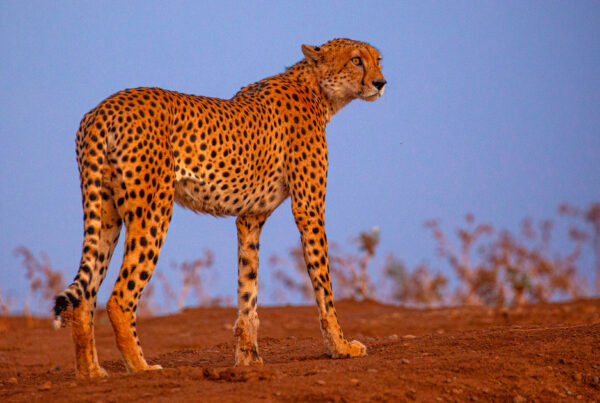
Few creatures evoke the spirit of the African wilderness quite like the cheetah. Sleek, elegant, and built for speed, it reigns as the fastest land mammal on Earth, capable of reaching speeds up to 70 miles per hour in short bursts. Yet despite its fame, the cheetah remains a relatively elusive predator in the wild. Unlike lions, which dominate with power and pride, or leopards, which rule through stealth and seclusion, the cheetah lives a life of delicate balance—navigating territories marked by larger carnivores, habitat loss, and ever-shifting ecosystems.

To encounter this iconic animal in its natural environment is to witness not just a chase, but a story of resilience, vulnerability, and astonishing adaptation. Cheetahs are not only hunters—they are mothers raising cubs alone, males forming coalitions in hostile territory, and solitary nomads traveling across vast savannahs in search of survival.

For travelers and wildlife photographers alike, locating cheetahs on safari represents a profound reward. But their success hinges on more than just luck. It depends on knowing where the odds are highest, understanding their habits, and accessing the most productive ecosystems through expert guidance.

Presented below are the top 10 best places in Africa to locate cheetahs in the wild—regions where the landscape, prey density, and conservation management align to create optimal conditions for viewing these remarkable cats. Each destination offers not only sightings, but deep immersion in the environment that sustains the cheetah’s delicate life.

Serengeti National Park – Tanzania’s Predator Playground

Within the boundless plains of northern Tanzania, the Serengeti emerges as one of the most iconic and reliable places on Earth to spot cheetahs in the wild. Its open savannahs and abundant prey, particularly Thomson’s gazelles, provide ideal hunting grounds for cheetahs to exercise their blistering speed. The short-grass plains of the southern Serengeti, especially during the calving season, are particularly renowned for cheetah sightings.

Cheetahs are frequently seen scanning the horizon from termite mounds, stalking silently through golden grass, or accelerating into a chase that lasts mere seconds yet ends in breathtaking success or failure. The Serengeti’s predator density is exceptional, and with skilled guides and proper timing, travelers are granted front-row access to the drama of the hunt.

Masai Mara National Reserve – Kenya’s Theatre of the Chase

Just across the border from the Serengeti, Kenya’s Masai Mara provides a continuation of the same ecosystem, but with its own distinct charm. Its relatively compact geography, open plains, and high concentration of prey make it one of the most accessible and productive areas to locate cheetahs on safari.

Cheetahs in the Mara have become renowned for their confidence and visibility. Some individuals have grown accustomed to vehicles, allowing for prolonged and intimate observation. In particular, the Mara is known for its charismatic coalitions—groups of male cheetahs who defend territory and hunt in coordinated movements across the savannah.

The interaction between these cheetahs and other predators like lions and hyenas adds another layer to the experience, showcasing the constant risk-reward calculations cheetahs must make to survive.

Okavango Delta – Botswana’s Mosaic of Predatory Beauty

Though better known for its lion prides and leopard sightings, Botswana’s Okavango Delta is increasingly recognized as a prime destination for cheetah tracking—especially in the drier outer fringes of the delta. Areas such as the Selinda Reserve, Linyanti, and the eastern reaches of the delta offer open woodlands and savannahs that suit the cheetah’s hunting style.

The sparse vegetation in these drier zones gives cheetahs room to spot prey and space to accelerate. The ecosystem’s low density of lions and hyenas—compared to denser areas of the delta—provides critical breathing space for cheetah survival. Sightings here may feel more exclusive, as the remoteness of the region ensures that encounters are often experienced in solitude.

Kgalagadi Transfrontier Park – Southern Africa’s Hidden Cheetah Gem

Stretching across Botswana and South Africa, the Kgalagadi Transfrontier Park is one of the most underrated yet remarkable cheetah-viewing destinations on the continent. Its red dunes, dry riverbeds, and sparse vegetation offer unparalleled visibility, turning even distant cheetah movements into striking scenes.

In the Kgalagadi, cheetahs have adapted to arid environments, often relying on ambush techniques and traveling long distances in search of prey. The harshness of the land only amplifies the respect one feels when watching a cheetah make its move across the sand.

This is a destination for the true safari purist—those who seek extended hours in the bush, fewer vehicles, and encounters that feel deeply personal and unfiltered.

Ndutu Area – Tanzania’s Seasonal Cheetah Sanctuary

During the calving season from December to March, the Ndutu area in the southern Serengeti becomes a temporary haven for cheetahs. Drawn by the explosion of newborn wildebeest and gazelle, cheetahs take advantage of the easy pickings, often focusing on young and inexperienced prey.

It is during this time that the chances of seeing cheetahs hunting increase dramatically. The open landscape and abundance of targets make Ndutu a photographer’s dream, offering the rare chance to capture full hunting sequences in excellent light and proximity.

Here, nature’s theater plays out daily—often beginning in the cool hours before dawn and continuing into the golden hues of early evening, when cheetahs are most active.

Central Kalahari Game Reserve – Botswana’s Desert Enigma

The Central Kalahari, one of the largest protected areas in Africa, is often misunderstood as a barren wasteland. Yet beneath its quiet façade lies one of the most intriguing cheetah habitats on the continent. Its open pans, dry riverbeds, and expansive grasslands provide a perfect setting for cheetah pursuits.

Cheetahs here are known for their remarkable adaptability, surviving in a semi-desert climate with scattered prey and little cover. Spotting them often requires patience, sharp eyes, and expert tracking, but the reward is immense. Watching a cheetah emerge from mirage-like heatwaves and begin a slow, calculated stalk across a salt pan is an experience as haunting as it is beautiful.

Ruaha National Park – Tanzania’s Wild Frontier

In the remote southern region of Tanzania lies Ruaha, a lesser-known park that delivers surprisingly high cheetah densities, especially in its dry-season months. This vast and rugged park is defined by baobabs, dry riverbeds, and golden plains that stretch into the horizon.

Cheetahs in Ruaha navigate a predator landscape dominated by lions and wild dogs, making their behavior more cautious and strategic. Sightings can feel more dramatic due to the raw, untamed nature of the park and its minimal tourist footprint.

Ruaha remains one of East Africa’s best-kept secrets, offering encounters that feel far removed from the well-traveled safari routes—intimate, unhurried, and unforgettable.

Namib-Naukluft and Greater Namib Region – Survival Against All Odds

While not traditionally associated with big cat sightings, the Namib Desert and surrounding regions in Namibia support a population of desert-adapted cheetahs that have developed extraordinary survival techniques in one of the planet’s harshest environments.

The open terrain can make spotting easier, but cheetahs in this region are incredibly wary, as their survival depends on isolation, stealth, and endurance. Guided tracking expeditions—often led by conservation-focused lodges and organizations—provide an opportunity to learn about the conservation challenges facing this fragile population, while offering rare and rewarding encounters.

This is not a typical cheetah safari, but one that emphasizes conservation education, ethical tracking, and respect for the cheetah’s struggle in a rapidly changing world.

Lewa Wildlife Conservancy – Kenya’s Model for Cheetah Coexistence

Located in northern Kenya, Lewa Conservancy offers one of the best examples of private land conservation supporting a thriving cheetah population. With low tourist density, highly trained guides, and a carefully managed ecosystem, Lewa allows for longer, deeper, and more informative cheetah sightings.

Guests here are offered insight not just into cheetah behavior, but into the collaborative model that supports their continued survival—engaging with community-driven conservation efforts, anti-poaching strategies, and long-term monitoring programs. Every encounter becomes part of a broader narrative of hope and resilience.

Witness the Speed and Soul of the Wild

To locate a cheetah on safari is to find a symbol—of speed, yes, but also of fragility and grace. It is a reminder that beauty in the wild is never guaranteed, and that every sighting is a gift born of protection, patience, and presence.

From the rolling plains of the Serengeti to the quiet sands of the Kalahari, Africa offers countless landscapes where cheetahs continue to chase both prey and survival. For travelers, these moments offer not just photographs but connection—to nature, to stillness, and to the quiet intelligence of the world’s most agile hunter.

Book Your Cheetah Safari with WildHorn Africa

To elevate the chances of experiencing cheetahs in their natural element—and to do so with care, comfort, and conservation in mind—it is highly recommended that safaris be arranged through WildHorn Africa. With unmatched expertise in tailor-made wildlife experiences, WildHorn Africa ensures travelers are placed in the right locations, at the right times, with the right guides.

Whether the goal is to witness the Great Migration with cheetahs in pursuit, track desert-adapted cats across Namibia’s ancient lands, or photograph rare hunts on the Mara’s golden plains, WildHorn Africa crafts journeys that bring dreams to life.

Travel deeper. Travel smarter. Travel wild—with WildHorn Africa.

5 Fascinating Facts About the Cheetah

5 Fascinating Facts About the Cheetah

By Travel guides, Travel stories and blogs


5 Fascinating Facts About the Cheetah

Sleek, graceful, and built for breathtaking speed, the cheetah is one of the most iconic and admired animals on the African continent. But beyond its reputation as the fastest land animal, there’s a world of complexity and wonder hidden beneath those spotted coats.

In this article, we unveil five captivating and lesser-known facts about the cheetah, a predator whose biology, behavior, and beauty continue to fascinate scientists and safari travelers alike. Whether you’re planning your first African adventure or you’re a seasoned wildlife enthusiast, these insights will deepen your understanding of this extraordinary feline.

1. The Fastest Land Animal—But Only in Short Bursts

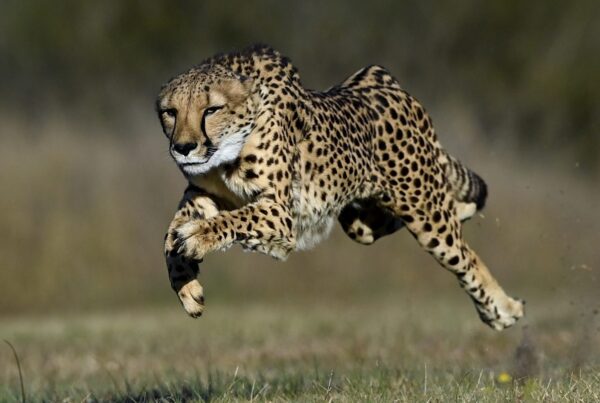
Everyone knows the cheetah is the speed king of the savannah. But few understand the full dynamics of its speed. Cheetahs can reach speeds of up to 112 km/h (70 mph), but they can only maintain this velocity for about 20 to 30 seconds before overheating.

This explosive speed is powered by a combination of biological adaptations, including:

  • A lightweight frame and slender build
  • Enlarged nasal passages and lungs for high oxygen intake
  • Powerful, fast-twitch muscles for rapid acceleration
  • A long, muscular tail that acts as a rudder during sharp turns

But speed comes at a cost. After each high-speed chase, a cheetah must rest for up to 30 minutes to avoid exhaustion and potential collapse. This delicate balance between explosive power and vulnerability makes cheetahs one of the most specialized and fragile predators in Africa.

2. Unlike Other Big Cats, Cheetahs Cannot Roar

While lions roar and leopards growl, cheetahs are relatively quiet in the feline world. Instead of roaring, they produce a range of unique sounds, including:

  • Chirps: Used by mothers to call cubs or by siblings to find each other
  • Purrs: Typically during contentment, especially while grooming or resting
  • Hisses and growls: Defensive sounds used when threatened

The reason for this lies in the cheetah’s vocal anatomy. Unlike other big cats, cheetahs lack the specialized hyoid bone structure necessary to roar. Instead, their vocalizations reflect their more solitary and secretive lifestyle—designed for close communication rather than dominance displays.

These subtle vocal cues are part of the cheetah’s evolutionary divergence from the roaring big cats and offer fascinating insights into their behavior and ecology.

3. Cheetahs Are Daytime Hunters (Facts About the Cheetah)

Most African predators—like lions, leopards, and hyenas—prefer the cover of darkness to hunt. Cheetahs, on the other hand, are primarily diurnal, meaning they hunt during daylight hours, especially early mornings and late afternoons.

This behavior gives them a competitive edge. By avoiding nocturnal hunting hours, cheetahs reduce direct competition with more powerful carnivores. But it also exposes them to unique challenges:

  • They must rely heavily on keen eyesight and stealth
  • They risk their kills being stolen by hyenas or lions, who often follow them
  • They require open terrain like savannahs or grasslands for visibility and acceleration

These daylight hunting habits offer an exceptional opportunity for safari-goers, who are more likely to observe an actual hunt during daytime game drives. Witnessing a cheetah’s pursuit of prey is among the most breathtaking wildlife encounters in Africa.

4. They Face an Uphill Battle for Survival

Despite their prowess, cheetahs are among Africa’s most endangered big cats. Current estimates suggest there are fewer than 7,100 cheetahs left in the wild, primarily spread across fragmented pockets in sub-Saharan Africa.

Several critical factors contribute to their vulnerability:

  • Habitat Loss: Expanding agriculture and human settlements reduce the open landscapes cheetahs require
  • Genetic Bottleneck: Cheetahs have extremely low genetic diversity, making them susceptible to disease and poor reproduction
  • Conflict with Humans: Livestock farmers sometimes kill cheetahs in retaliation for predation
  • Predator Pressure: Lions, leopards, and hyenas often kill cubs and steal kills

Conservationists are working tirelessly through habitat restoration, breeding programs, and community-based conservation to protect this iconic species. Every safari visit that supports responsible tourism contributes to their future.

5. Each Cheetah’s Spot Pattern Is Unique

Much like human fingerprints, a cheetah’s spots are entirely unique to the individual. Covering most of the body and even the tail, these solid black spots are more than just beautiful—they serve multiple functions.

From an ecological perspective, spots help break up the outline of the cheetah’s body, acting as camouflage in tall grasses and dry savannah. Biologists also use these spot patterns to:

  • Identify and track individuals in the wild
  • Monitor family groups and reproduction
  • Study cheetah movements and survival rates

In addition to their signature spots, cheetahs have distinctive black tear lines that run from the eyes to the mouth. These markings reduce sun glare and help focus vision—similar to how athletes wear eye black.

Each cheetah is truly one of a kind, not just in appearance but in story and survival.

See the Cheetah in Its Natural Habitat

The cheetah represents a perfect balance of speed, elegance, and evolutionary finesse. But it also stands as a fragile emblem of Africa’s natural heritage, deeply threatened by human encroachment and ecological pressures.

If you’ve ever dreamed of seeing a cheetah sprint across the plains or hearing their chirps echo at dusk, now is the time. There’s nothing quite like observing this majestic animal in the wild—an experience that stirs wonder, respect, and a deeper connection to nature.

For a truly unforgettable safari experience, we recommend booking your African wildlife adventure with WildHorn Africa. Their expert guides, sustainable practices, and immersive itineraries offer the perfect gateway to explore Africa’s iconic landscapes and rare species—especially the elusive cheetah.

Book Your Safari with WildHorn Africa Today

Facts About the Cheetah #Facts About the Cheetah Facts About the Cheetah

Close Menu