search
Top Things to Do in Bwindi Beyond Gorilla Trekking

Top Things to Do in Bwindi Beyond Gorilla Trekking

By Travel stories and blogs, Primate holidays, Uganda travel guides

Top Things to Do in Bwindi Beyond Gorilla Trekking

Bwindi’s Untold Treasures

For decades, Bwindi Impenetrable National Park has been celebrated worldwide as the sanctuary of the mountain gorillas, drawing adventurers eager to stand face-to-face with one of the rarest primates on Earth. This singular experience has become the park’s calling card, overshadowing almost every other treasure within its mist-covered slopes. Yet, for those willing to look beyond the iconic gorilla trek, Bwindi reveals itself as a vast and layered wilderness filled with opportunities that extend far deeper than one unforgettable wildlife encounter.

The park is a living tapestry of dense montane forests, hidden valleys, flowing rivers, and terraced hillsides where local communities have flourished for centuries. The richness of its biodiversity, the cultural depth of its people, and the spiritual sense of timelessness that emanates from its landscapes create an experience that is as profound as it is diverse. To understand Bwindi only through its gorillas is to read just a single chapter of a far grander story.

The question then becomes not whether there is more to do in Bwindi beyond gorilla trekking, but how much one is prepared to embrace. From cultural immersions to nature walks, from birding safaris to encounters with ancient traditions, Bwindi offers a journey into Uganda’s wild heart that transcends the boundaries of a single activity.

Bwindi’s Landscape: More Than a Home for Gorillas

A Forest of Legends

The forest of Bwindi has been described as impenetrable, not as an exaggeration, but as an acknowledgment of its density and depth. Towering hardwoods rise into mist, interwoven with a canopy of lianas, ferns, and undergrowth that form one of the richest ecosystems in Africa. Declared a UNESCO World Heritage Site, Bwindi is not only a haven for gorillas but also a global biodiversity hotspot, sheltering over 160 tree species, 120 mammal species, and more than 350 species of birds.

The physical character of Bwindi shapes the experience of all who venture into it. The sharp ridges, narrow valleys, and winding rivers create a sense of seclusion, a reminder that nature thrives here with little interference from the outside world. This very landscape provides the foundation for a wide range of activities that stretch far beyond gorilla trekking.

The Human Connection

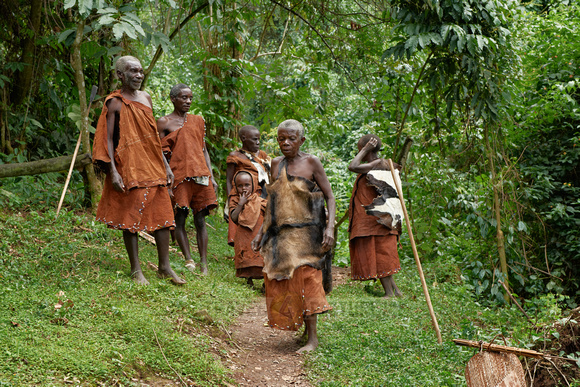
Equally vital to Bwindi’s identity are the people who live along its borders. Communities such as the Batwa pygmies and the Bakiga farmers carry cultural traditions that stretch back centuries. Their songs, dances, agricultural practices, and crafts weave a human dimension into Bwindi’s wilderness. To explore Bwindi without engaging with its people is to miss an essential part of its essence.

Birdwatching in Bwindi: A Paradise for Ornithologists

A World-Class Birding Destination

While gorilla trekking steals the limelight, birdwatching in Bwindi stands as one of the most rewarding experiences for nature lovers. The park is regarded as one of Africa’s premier birding destinations, thanks to its location within the Albertine Rift, an area renowned for its endemic bird species. Bwindi’s dense canopy and open clearings create diverse habitats that attract both resident and migratory species.

Bird enthusiasts are treated to sightings of the African green broadbill, the Kivu ground thrush, the Grauer’s rush warbler, and the Shelley’s crimsonwing, among many others. The melodies of these birds echo through the forest, turning treks into symphonies of natural sound. For some travelers, birdwatching alone justifies a visit to Bwindi, rivaling even the allure of gorilla encounters.

Trails for Birding

Certain trails within the park are particularly suited for birdwatching. The Mubwindi Swamp trail in the Ruhija sector offers one of the best opportunities for rare Albertine endemics. Similarly, the Buhoma area, which serves as the park’s primary entrance, provides excellent birding along its community paths and forest edges. Each trail presents a blend of forest and edge habitats that make sightings both frequent and diverse.

Nature Walks and Hiking Adventures

Exploring Bwindi on Foot

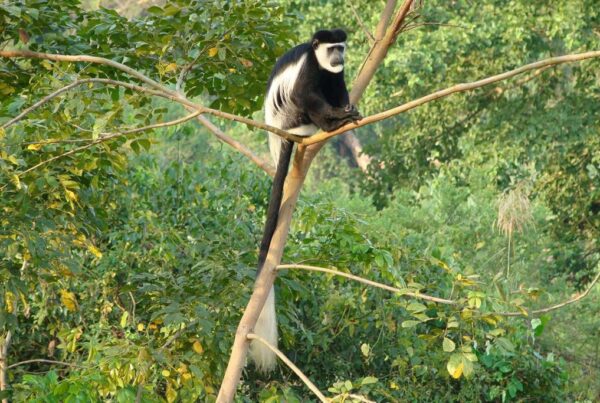
The forest is alive with secrets that cannot be fully appreciated on a gorilla trek alone. Guided nature walks open a window into the park’s broader ecology, allowing visitors to immerse themselves in the rhythm of the forest without the singular focus on gorillas. These walks reveal waterfalls hidden in the foliage, medicinal plants used by local communities, and smaller primates such as colobus monkeys leaping through the treetops.

Iconic Hiking Trails

Among the hiking experiences, the Ivy River Trail and the Mubwindi Swamp Trail stand out. The Ivy River Trail connects the Buhoma and Nkuringo sectors, stretching for more than six hours of immersive forest trekking. The Mubwindi Swamp Trail, besides its birding appeal, introduces travelers to unique swamp ecosystems within the forest.

For those seeking panoramic views, the Rushura Hill Trail offers sweeping vistas over the Rift Valley, with the Virunga Volcanoes and the Rwenzori Mountains forming distant backdrops. Each of these hikes deepens the appreciation of Bwindi as more than a gorilla habitat, revealing its complexity and beauty in ways that cannot be captured in a single activity.Top Things to Do in Bwindi Beyond Gorilla Trekking

Cultural Encounters with Local Communities

The Batwa Experience

One of the most profound encounters beyond gorilla trekking is the opportunity to engage with the Batwa pygmies, the indigenous people who once lived within the heart of the Bwindi forest. Forced out during conservation efforts, the Batwa now live along the park’s periphery, where they share their traditions and history with visitors.

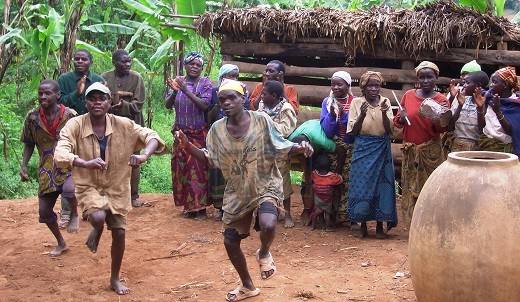
The Batwa experience immerses travelers in their ancient forest lifestyle. Storytelling, dance, and demonstrations of hunting and gathering skills reveal a way of life intricately linked to the forest’s survival. To walk alongside Batwa guides through the forest is to see Bwindi through the eyes of those who once depended entirely on it for survival.

Bakiga Cultural Interactions

The Bakiga communities, known for their terraced farming and vibrant cultural practices, also offer enriching experiences. Visitors can participate in local dances, learn traditional cooking methods, or engage in farming practices that sustain families in the highland terrain. Crafts such as basket weaving and pottery are shared not as performances, but as living traditions. These cultural interactions create a human connection that balances the wild encounters of Bwindi.

Waterfalls, Rivers, and Scenic Views

Hidden Waterfalls

Beyond the dense canopy, Bwindi shelters several waterfalls that sparkle amidst the greenery. Trails leading to these sites provide refreshing breaks from forest treks. The sounds of cascading water mingle with birdsong, creating moments of serenity within the otherwise intense energy of the rainforest.

The Munyaga Waterfall, located near Buhoma, is a favorite among visitors. A short walk leads to its base, where clear waters crash over rocks surrounded by thick foliage. Such places showcase Bwindi’s ability to inspire awe not only through its wildlife but also through its landscapes.

Rivers and Streams

The park’s rivers and streams provide lifelines for its ecosystems. They feed swamps, nurture vegetation, and attract wildlife. Visitors who trek along riverside trails often encounter butterflies, primates, and a wealth of bird species. These waterways emphasize the interconnectedness of Bwindi’s habitats and highlight its ecological richness.

Bwindi as a Center for Research and Conservation

Learning Beyond Adventure

Bwindi is more than a tourist destination; it is a hub for conservation and scientific research. Many visitors are drawn to participate in educational experiences that reveal the complexities of protecting endangered gorillas and preserving the broader ecosystem.

Conservation organizations within and around Bwindi offer opportunities for travelers to learn about anti-poaching efforts, habitat restoration, and the delicate balance between human needs and wildlife protection. These programs provide a deeper understanding of the challenges faced by conservationists and the importance of global involvement in safeguarding such irreplaceable ecosystems.

Volunteering and Eco-Tourism

Some visitors choose to go beyond observation by engaging in volunteer opportunities within community projects or eco-tourism initiatives. Planting trees, supporting education in local schools, or assisting in health programs for surrounding villages create a tangible impact while offering travelers meaningful engagement. Such experiences ensure that tourism in Bwindi contributes not only to personal fulfillment but also to collective well-being.

Relaxation and Wellness Amidst the Forest

Retreat in the Wild

While Bwindi is often associated with active trekking, it also provides a setting for relaxation and reflection. The serene atmosphere of the forest, punctuated by bird calls and rustling leaves, makes it an ideal environment for wellness retreats.

Several lodges within and around Bwindi offer yoga sessions, spa treatments, and quiet corners for meditation. The combination of fresh mountain air, organic meals sourced from local farms, and the immersive soundscape of nature creates a rejuvenating experience for both body and mind.

Scenic Lodges and Forest Views

The accommodations themselves often form part of the adventure. Many lodges are perched on ridges overlooking valleys and forests, with sweeping views that change with the shifting mist. Watching a sunrise over the rolling hills of Bwindi or gazing into a star-filled night sky becomes as memorable as any trek.

Night Walks and Nocturnal Discoveries

After Dark in Bwindi

When the sun sets and the forest grows dark, another side of Bwindi awakens. Guided night walks provide opportunities to discover nocturnal creatures that remain hidden during the day. The sounds of the forest intensify, with insects, frogs, and night birds filling the air with their calls.

Encounters may include bush babies with glowing eyes, nocturnal birds such as owls, and small mammals moving silently through the undergrowth. The experience of walking through the forest at night, guided by lantern light and accompanied by the symphony of nocturnal life, creates a sense of mystery that adds to Bwindi’s allure.

The Unseen Value of Bwindi Beyond Gorillas

A Destination of Depth

The truth about Bwindi is that it cannot be defined solely by its gorillas, however extraordinary they are. The park is a microcosm of biodiversity, a repository of cultural heritage, and a stage where human and natural histories intertwine. To focus only on gorilla trekking is to miss the subtle yet profound experiences that reveal themselves through birdwatching, cultural encounters, nature walks, and moments of stillness.

Bwindi invites travelers to slow down, to immerse themselves not only in pursuit of wildlife but in appreciation of life itself in all its diversity. Its hidden waterfalls, its vibrant communities, its nocturnal mysteries, and its role as a beacon of conservation make it a destination of unparalleled richness.

A Journey That Extends Beyond One Encounter

The top things to do in Bwindi beyond gorilla trekking illustrate a truth that becomes evident only to those who look deeper: Bwindi is not a single story but an anthology of experiences. It is the call of rare birds echoing through the mist. It is the laughter of children in hillside villages. It is the sight of waterfalls glistening through foliage. It is the silent mystery of a night forest.

To journey through Bwindi is to open oneself to a world where adventure, culture, conservation, and wellness converge. Whether the focus is on birding, hiking, cultural exchanges, or simply absorbing the atmosphere of the forest, each moment in Bwindi contributes to a tapestry of memories that extend far beyond the gorilla trek.

For those ready to uncover this layered richness, guidance makes the difference. By traveling with WildHorn Africa, every dimension of Bwindi is revealed with expertise and care. From securing the most sought-after gorilla permits to arranging cultural immersions and nature walks, WildHorn Africa ensures that the journey into Bwindi’s depths becomes not only a safari but a life-changing exploration of Uganda’s untamed heart.

Top 10 Best Things To Do in Nairobi, Kenya (Before or After You Go on Safari)

Top 10 Best Things To Do in Nairobi, Kenya (Before or After You Go on Safari)

By Kenya travel guides, Travel guides, Travel stories and blogs

Top 10 Best Things To Do in Nairobi, Kenya (Before or After You Go on Safari)

Before the roar of lions echoes through the savannah or the rumble of elephants fills the dusty air, travelers to Kenya often find themselves in Nairobi, the country’s energetic capital city. Far more than just a logistical stopover en route to the Maasai Mara or Amboseli, Nairobi is a vibrant, multicultural metropolis that fuses Africa’s heritage with modern flair. It is a city where wildlife roams in the shadows of skyscrapers, where museums breathe history into the present, and where urban life pulses alongside ancient traditions.

For many travelers, Nairobi is often seen merely as a gateway to East Africa’s great safari circuits. But those who take the time to explore the city discover a destination that offers a richly layered experience of culture, conservation, cuisine, and creativity. Whether one has a few hours, a full day, or several days before or after safari, Nairobi rewards the curious and the open-hearted.

To truly appreciate Kenya’s grandeur, the journey should begin or end in its soulful capital. The following highlights showcase the best that Nairobi has to offer, revealing why this city is an essential part of the African adventure.

Nairobi National Park: Where Lions Roam Beneath the City Skyline

Only a short drive from the city center lies one of Africa’s most surreal wildlife experiences—Nairobi National Park, the only national park in the world located within a capital city’s boundaries. This 117-square-kilometer reserve offers sightings of lions, rhinos, buffalo, giraffes, and antelope with the urban skyline as a dramatic backdrop.

The park is especially renowned for its successful black rhino sanctuary, and morning game drives often bring visitors close to these rare creatures. The proximity of such wilderness to city life is a reminder of Nairobi’s unique ability to balance development with conservation. Exploring this park is not only an introduction to Kenyan wildlife but a powerful symbol of coexistence.

David Sheldrick Wildlife Trust: A Sanctuary for Orphaned Elephants

Nestled on the edge of Nairobi National Park, the David Sheldrick Wildlife Trust has become one of the most beloved conservation projects in Africa. This pioneering elephant orphanage rescues, rehabilitates, and reintroduces baby elephants that have lost their families due to poaching or natural causes.

Visitors are invited to witness the daily mud bath and feeding routines, offering intimate encounters with the young elephants and an emotional window into the challenges and triumphs of wildlife conservation. The experience is profoundly moving, often leaving guests with a renewed sense of commitment to protecting the world’s most vulnerable species.

Giraffe Centre: Eye-to-Eye with Africa’s Tallest Icons

In the leafy suburb of Lang’ata, the Giraffe Centre provides an opportunity to stand face-to-face with the endangered Rothschild’s giraffe. This conservation education center allows guests to feed and interact with these gentle giants from an elevated platform, creating magical moments for both children and adults.

The center plays a crucial role in the breeding and reintroduction of giraffes into Kenya’s wild reserves and also serves as an environmental education hub for local schools. The setting is serene, the giraffes are charming, and the mission behind the experience is deeply meaningful. It is here that Nairobi’s wild heart beats in soft, towering elegance.

Karen Blixen Museum: Step into the Pages of ‘Out of Africa’

On the slopes of the Ngong Hills lies the former home of Danish author Karen Blixen, whose memoir Out of Africa immortalized colonial-era Kenya. Preserved as a museum, the house offers a glimpse into her life as a coffee farmer and her complex relationship with Africa.

The museum’s grounds are peaceful and filled with history, transporting visitors to a bygone era of exploration and cultural exchange. Artifacts, photographs, and vintage furniture help bring her narrative to life, while the surrounding gardens and views of the hills whisper the poetic tone that defined her writing. For lovers of literature and history, this is a quiet, contemplative detour through time.

Kazuri Beads Women’s Factory: Artistry with Purpose

In the same neighborhood as the Blixen museum lies Kazuri Beads, a workshop and social enterprise empowering local women through the creation of hand-painted ceramic jewelry. What began as a small initiative in the 1970s has blossomed into a globally recognized brand, with each bead telling a story of resilience, creativity, and empowerment.

Visitors are welcomed into the workshop, where they can witness each stage of the bead-making process—from molding and painting to firing and stringing. The women behind the craft share smiles, songs, and stories, transforming a shopping visit into an uplifting cultural exchange. Purchasing a piece is more than a souvenir; it is an act of support for sustainable change.

Nairobi Railway Museum: Tracks Through Colonial History

For those intrigued by East Africa’s colonial history and the legacy of the Lunatic Express, the Nairobi Railway Museum offers a fascinating journey through time. Housing vintage locomotives, carriages, and memorabilia, the museum chronicles the role of the railway in shaping modern Kenya.

Set amidst a quiet, open-air compound, the rusting engines and worn tracks evoke a sense of adventure and ambition from a bygone era. Among the exhibits is the infamous coach from which Superintendent Charles Ryall was dragged and killed by a lion, a story that inspired countless safari legends. For history enthusiasts, this museum is a treasure trove of stories both wild and human.

City Market and Maasai Markets: A Vivid World of Color and Culture

In the heart of Nairobi’s downtown lies City Market, a buzzing hub of art, crafts, and local produce. Nearby, rotating Maasai Markets spring up on different days of the week across the city, offering a kaleidoscope of color, sound, and craftsmanship.

From beadwork and wooden sculptures to hand-woven textiles and paintings, these markets offer authentic and affordable ways to engage with Kenyan artistry. Haggling is expected, and conversations with the artisans provide deeper insights into the cultural significance of their creations. Each item carries a story, and each exchange is a cultural bridge.

Karura Forest: A Lush Refuge in the City

Just minutes from the hustle of Nairobi’s city center, Karura Forest offers a tranquil escape into nature. Spanning over 1,000 hectares, this indigenous forest is home to waterfalls, caves, and shaded walking trails where monkeys swing above and butterflies dance in the sunbeams.

Karura is more than just a green space; it is a symbol of civic action and environmental activism, having been fiercely protected by the late Nobel Laureate Wangari Maathai and her Green Belt Movement. Today, it is a sanctuary not only for wildlife but for urban dwellers and visitors seeking peace, fresh air, and a connection with nature.

Bomas of Kenya: A Showcase of National Heritage

To understand Kenya’s rich ethnic tapestry, a visit to the Bomas of Kenya is essential. Located near the Nairobi National Park, this cultural center hosts daily performances that showcase traditional music, dance, and storytelling from various Kenyan tribes.

The experience is vibrant and immersive, with costumed dancers leaping to the sounds of beating drums, reenacting ceremonies that have been passed down through generations. The adjacent homestead exhibits replicate traditional village life, offering a fascinating insight into Kenya’s rural cultures. It is a powerful reminder that Kenya’s true treasure lies not just in its wildlife, but in its people and their diverse heritage.

Ngong Hills: Walking the Edge of the Earth

For the more adventurous spirit, a hike along the Ngong Hills offers panoramic views, brisk winds, and a physical communion with the land. Located just outside Nairobi, this ridge of rolling green hills invites walkers to trace the horizon while catching glimpses of Nairobi’s skyline on one side and the Great Rift Valley on the other.

It is a place that offers spiritual refreshment and natural grandeur. The trail is dotted with wind turbines and stories from local Maasai herders, while the summit serves as a quiet place for reflection. A day here can feel like a pilgrimage—one that begins and ends at the intersection of sky, earth, and memory.

Begin or End Your Safari Journey with WildHorn Africa

Nairobi is not merely a starting point; it is a journey in itself—alive with contrasts, stories, and vibrant humanity. To see lions before breakfast and art installations by noon, to walk through ancient forests and dine under city lights, is to understand the layered beauty of Kenya in its fullest expression.

For those planning a safari through Kenya’s iconic wilderness, there is no better partner than WildHorn Africa. With expert guides, custom itineraries, and a passion for authentic experiences, WildHorn Africa ensures that every step of your journey—from Nairobi’s urban pulse to the wild silence of the savannah—is seamless, enriching, and unforgettable.

Book your East African safari with WildHorn Africa today, and let the adventure begin right where the wild meets the city—right here in Nairobi.

Top 10 Best Things To Do in Mozambique

Top 10 Best Things To Do in Mozambique

By Mozambique travel guides, Travel guides, Travel stories and blogs

Top 10 Best Things To Do in Mozambique

Tucked along the southeastern edge of the African continent, Mozambique remains one of Africa’s most underrated and breathtaking destinations, offering travelers an intoxicating mix of untouched beaches, turquoise archipelagos, vibrant culture, colonial charm, and marine wonder. With its vast Indian Ocean coastline, rich history, and warm, welcoming people, Mozambique is more than just a stop on a map—it is a deeply sensory experience where time slows, nature speaks, and every moment feels unfiltered and alive.

While many travelers are drawn to Africa for its savannah safaris and big game viewing, Mozambique offers a different kind of magic. It is where the rhythm of life is guided by ocean tides and traditional music drifts on warm sea breezes. It is where history is etched into crumbling forts, and coral reefs bloom beneath crystal waters. For those seeking luxury without pretension, adventure with heart, and culture with soul, Mozambique delivers something extraordinary.

Whether as a tranquil conclusion to an East African safari or a standalone escape into coastal bliss, Mozambique captivates with experiences that feel both wild and personal. These are the ten most compelling ways to immerse oneself in this unspoiled corner of Africa.

Island Escapes in the Bazaruto Archipelago: Paradise Perfected

Off the southern coast of Mozambique lies the Bazaruto Archipelago, a dazzling chain of islands floating in the Indian Ocean like scattered pearls. Comprising pristine beaches, rolling sand dunes, and cerulean waters, this marine reserve is a sanctuary for endangered dugongs, sea turtles, whale sharks, and tropical fish in shimmering hues.

Time on these islands unfolds slowly. The days begin with sunrise strolls along powder-soft shores and continue with snorkeling among coral gardens or sailing aboard traditional dhows. The Bazaruto Archipelago is not only a visual marvel—it is a refuge of serenity. Private villas and eco-lodges blend luxury with sustainability, ensuring that every moment spent here connects travelers to nature’s gentle elegance.

Snorkeling and Diving in the Quirimbas Archipelago: Submerged Splendor

In the northern reaches of Mozambique lies the Quirimbas Archipelago, a remote collection of islands that feel untouched by modernity. Beneath its calm, transparent waters lies some of the richest marine biodiversity in the Indian Ocean. Here, coral reefs stretch for miles, and shipwrecks from the colonial era rest beneath the waves, slowly becoming ecosystems of their own.

Diving in the Quirimbas reveals a dreamlike world of manta rays, reef sharks, dolphins, and brilliantly colored fish darting among sea fans. For novice snorkelers or seasoned divers, these waters offer unmatched encounters with marine life and underwater tranquility. Above water, the islands remain steeped in Swahili and Portuguese culture, offering a rare blend of history, hospitality, and natural beauty.

Strolling Through Stone Town in Ilha de Moçambique: A Journey Through Time

Recognized as a UNESCO World Heritage Site, Ilha de Moçambique offers a window into the country’s layered past. Once the capital of Portuguese East Africa, the island’s Stone Town is a tapestry of Arab, Indian, and European influences, with faded colonial mansions, centuries-old mosques, and weathered forts lining narrow, cobbled streets.

A walk through the island feels like stepping back in time. The air is scented with spices, the walls echo with centuries of trade and conquest, and the people move with a quiet pride born from enduring culture. The island’s Fort of São Sebastião and Chapel of Nossa Senhora de Baluarte—among the oldest European buildings in the southern hemisphere—stand as testaments to Mozambique’s global significance during the Age of Exploration.

Experiencing Maputo’s Culture and Cuisine: Where Africa Meets Latin Soul

Mozambique’s capital city, Maputo, pulses with life, music, and a vibrancy that reflects the country’s unique fusion of African, Arab, and Portuguese cultures. Tree-lined boulevards, Art Deco buildings, and lively markets create a cosmopolitan atmosphere unlike anywhere else in East Africa.

At its heart, Maputo is a city for the senses. The local food scene bursts with flavor—grilled prawns, peri-peri chicken, matapa (a traditional cassava leaf stew), and fresh seafood prepared with Portuguese flair. Live music venues offer the soul-stirring sounds of marrabenta and local jazz, while art galleries and street murals showcase the country’s creative spirit and social narrative. Visiting Maputo is not merely a sightseeing excursion—it is a celebration of Mozambican identity.

Gorongosa National Park: A Resurrected Eden

Once devastated by decades of civil war, Gorongosa National Park has risen as one of Africa’s most inspiring conservation success stories. Through tireless restoration efforts, the park has regained its place as a thriving biodiversity hotspot, teeming with lions, elephants, hippos, antelope, and hundreds of bird species.

Located at the southern end of the Great African Rift Valley, Gorongosa’s ecosystems include floodplains, forests, and savannahs, each supporting a diverse web of life. Guided safaris offer deeply immersive experiences, often focusing on ecology, rewilding efforts, and community partnerships. Visitors leave with a profound respect for not just the wildlife but the people who have brought this wilderness back to life.

Sailing on a Traditional Dhow: Drifting into Coastal Tradition

Along Mozambique’s coast, traditional dhow boats still glide across the waters, their triangular sails catching the Indian Ocean breeze just as they have for centuries. These handcrafted vessels, originally introduced by Arab traders, now offer travelers a slow and poetic way to explore the coast and nearby islands.

Setting out on a dhow at sunset, with the sky awash in crimson and gold, is a spiritual experience. The gentle creak of timber, the scent of the sea, and the rhythm of waves create a sense of timelessness. Whether for a day of island-hopping or a twilight cruise, dhow sailing is a soulful embrace of Mozambique’s maritime heritage.

Tofo Beach: Surf, Sand, and Sea Life

On the central coast, near Inhambane, lies Tofo Beach, a laid-back coastal village beloved by both adventure-seekers and peace-lovers. Known for its year-round presence of whale sharks and manta rays, Tofo is a diver’s dream and a surfer’s playground.

But beyond the adrenaline, Tofo captivates with its bohemian spirit, where barefoot cafes line the beach and local fishermen haul in the day’s catch just steps from your lodge. Cultural experiences, from cooking classes to drumming circles, allow for deeper engagement with the community. Tofo is more than a beach destination—it is a place where ocean rhythms and human warmth create a lasting connection.

Exploring the Lagoons of Vilanculos: Gateway to the Bazaruto

As the jumping-off point to the Bazaruto Archipelago, Vilanculos is more than just a transit town—it is a coastal gem in its own right, with stunning beaches, welcoming locals, and a relaxed, colorful vibe. The town’s bustling market and friendly charm offer an authentic slice of Mozambican life.

From Vilanculos, dhow safaris drift through translucent lagoons, past mangroves and sandbanks where flamingos gather. Kayaking, kite-surfing, and paddleboarding offer active ways to explore the calm waters, while beach walks and horseback rides reveal unspoiled stretches of shoreline. Vilanculos invites travelers to slow down and let the ocean set the pace.

Chimanimani Mountains: Hiking Mozambique’s Eastern Highlands

Straddling the border with Zimbabwe, the Chimanimani Mountains offer an entirely different facet of Mozambique’s natural splendor. These misty, granite peaks are laced with ancient forests, hidden waterfalls, and secluded trails that beckon the adventurous spirit.

Far from the crowds, the Chimanimani region offers hiking, rock climbing, and birdwatching in a landscape that feels mystical and untouched. The area’s flora and fauna include rare orchids, blue duikers, and the elusive samango monkey. For travelers seeking solitude and elevation, Chimanimani is a spiritual escape into Africa’s highlands.

Cultural Immersion with Local Communities: Mozambique’s Living Heritage

The essence of Mozambique lies not only in its landscapes but in its people. Whether through visiting traditional Makonde carving workshops, engaging in homestays with fishing communities, or learning local dances and songs, cultural immersion is one of the most rewarding aspects of any journey here.

Mozambicans are known for their warmth, resilience, and pride in their heritage. Storytelling, craftsmanship, and oral traditions remain vibrant, connecting the past to the present in meaningful ways. For travelers who seek depth beyond the scenery, connecting with local culture transforms the trip into something truly profound.

Begin or Conclude Your African Journey with WildHorn Africa

Mozambique is a place where the wild and the gentle, the ancient and the modern, the coastal and the cultural all coexist in poetic balance. It is a country that doesn’t shout for attention but whispers its magic to those who choose to listen. Every reef, ruin, village, and vista invites travelers into something real, raw, and unforgettable.

To navigate Mozambique’s rich tapestry with care, insight, and comfort, there is no better partner than WildHorn Africa. From curated island retreats to community-conscious safaris and tailor-made coastal itineraries, WildHorn Africa brings expertise, ethical travel values, and a love for Africa that shines through every detail.

Book your Mozambique journey with WildHorn Africa—and step into Africa’s most exquisite coastal secret, where the soul of the ocean meets the heart of the continent.

Top 10 Best Things To Do in Zimbabwe

Top 10 Best Things To Do in Zimbabwe

By Travel guides, Travel stories and blogs, Zimbabwe travel guides

Top 10 Best Things To Do in Zimbabwe

Tucked away in the southern heart of Africa, Zimbabwe is a land of astounding contrasts—where ancient kingdoms meet raw wilderness, and untamed rivers carve stories into deep gorges. While often overshadowed by its more frequently visited neighbors, Zimbabwe emerges as a soul-stirring destination that rewards the curious traveler with unforgettable experiences.

From the thundering spectacle of Victoria Falls to the haunting silence of the ancient Great Zimbabwe ruins, this country offers more than just sightseeing. It offers an awakening—a reconnection to nature, history, and humanity. If you’re seeking authenticity and wonder, Zimbabwe is where your African dream finds its truest form.

Victoria Falls: The Smoke That Thunders

At the heart of every Zimbabwean itinerary lies Victoria Falls, known locally as Mosi-oa-Tunya, “The Smoke That Thunders.” This colossal natural wonder, where the Zambezi River plummets into a 108-meter chasm, has long held the power to silence even the most seasoned travelers. As mist rises into the air, rainbows often appear in defiance of the roaring waters.

Exploring the falls on foot through the lush rainforest that surrounds them reveals more than just visual grandeur. The thunder of cascading water, the damp breeze on your skin, and the chorus of birdsong from hidden canopies make this an all-senses encounter. For the daring, the experience can be elevated by helicopter flights, white-water rafting, or swimming in the notorious Devil’s Pool.

Hwange National Park: A Realm of Giants

As Zimbabwe’s largest and oldest national park, Hwange is synonymous with elephants. Home to one of the densest elephant populations in Africa, this vast wilderness becomes a theater of survival where lions stalk prey under acacia shadows, and painted dogs hunt with silent precision.

Here, the wildlife is as wild as the land itself. Game drives conducted at dawn and dusk unveil the secrets of a vibrant ecosystem—where over 100 mammal species roam. The park’s remoteness ensures encounters are intimate and far removed from the crowds typical of other African parks. Every rustle in the grass could reveal a story—a hunt, a chase, a mother leading her calves to water.

Great Zimbabwe: Whispers of an Ancient Civilization

Centuries before colonial maps marked the continent, a thriving city of stone had already risen in southern Africa. The ruins of Great Zimbabwe, a UNESCO World Heritage Site, stand today as a majestic testimony to a forgotten empire that once ruled vast trade routes.

Walking through the stone corridors, one is surrounded by massive granite walls meticulously stacked without mortar—a technique that baffles modern architects. The silence here is not empty but echoes with the footsteps of kings, priests, and traders. The conical towers, royal enclosures, and hilltop forts are a symbolic reminder that Africa’s greatness did not begin with colonization but was already etched into its soil long before.

Matobo Hills: Sacred Stones and Spiritual Landscapes

Outside Bulawayo, the Matobo Hills rise like petrified waves, sculpted over millennia by time and wind. These ancient granite formations are more than geological wonders; they are sacred sites steeped in legend and spirituality. This is a land where ancestors are honored, where spirits are believed to whisper through the rocks, and where rock art dating back 13,000 years tells stories older than written history.

Matobo is also the final resting place of Cecil Rhodes, whose grave sits atop a panoramic hill ominously named “World’s View.” Yet, beyond colonial legacies, Matobo offers an ethereal connection to the spiritual heart of Zimbabwe. It’s where nature meets belief, and where the weight of history is carried in the silence of stone.

Mana Pools: Where Time Stands Still

On the floodplains of the lower Zambezi River lies Mana Pools National Park, a remote, untamed wilderness renowned for its haunting beauty. In this sanctuary of water and life, the days stretch long and unhurried, dictated by the rhythm of elephants wading through pools and hippos basking under baobab shadows.

Unlike conventional safaris, Mana Pools allows for walking safaris, offering a primal closeness to the wild that is rarely experienced elsewhere. Imagine locking eyes with a lion on foot, feeling the pulse of the land through your soles. There’s a stillness here, a rare kind of peace where humans are mere guests in a kingdom ruled by nature.

Lake Kariba: Sunset Serenades and Aquatic Adventures

When the mighty Zambezi River was dammed, it created one of the world’s largest man-made lakes—Lake Kariba, an inland sea stretching over 220 kilometers. This shimmering expanse offers a perfect juxtaposition of tranquility and adventure.

Houseboat cruises glide through calm waters as golden sunsets bathe the horizon. The lake’s islands and shorelines are dotted with wildlife, where herds of antelope and prides of lions come to drink. Anglers from across the world are drawn to Kariba for its tiger fishing, while photographers find inspiration in its haunting landscapes where drowned trees rise from the depths like skeletal sculptures.

Chimanimani Mountains: A Hiker’s Paradise

To the east, bordering Mozambique, lie the Chimanimani Mountains, a rugged and mystical range shrouded in mist and mythology. This is Zimbabwe’s highlands—where waterfalls cascade through valleys and rare orchids bloom in secluded groves. It is a paradise for hikers, botanists, and dreamers alike.

Trails meander through montane forests and across crystal-clear streams. The air here is cooler, the pace slower, and the beauty ever-present. With every step, one moves deeper into a sanctuary untouched by time, where legends of spirits and ancient guardians still breathe through the pine-scented wind.

Eastern Highlands: Where Earth Meets Heaven

Beyond Chimanimani, the Eastern Highlands stretch like a ribbon of green hills, gentle waterfalls, and misty tea estates. Nyanga National Park, nestled in this region, boasts Zimbabwe’s highest peak, Mount Nyangani, and the serene Mutarazi Falls.

The climate here is cooler, the terrain lush, and the vistas sweeping. Horse riding through valleys, fly-fishing in icy streams, or simply enjoying tea from a plantation are activities that contrast Zimbabwe’s drier, wilder west. It is a region that reveals the quieter, gentler side of Africa—one filled with poetry and peace.

Bulawayo: The Cultural Heartbeat

Zimbabwe’s second-largest city, Bulawayo, is a city of wide boulevards, colonial charm, and deep-rooted culture. Unlike the bustling capital of Harare, Bulawayo moves to a slower rhythm, offering an authentic glimpse into Zimbabwean urban life.

The National Gallery of Zimbabwe and Natural History Museum invite reflection on both the country’s art and its ancient origins. A walk through the city’s historic train station or along its jacaranda-lined avenues is a walk through the crossroads of time—where colonial structures, African pride, and cultural evolution intersect.

Gonarezhou National Park: The Untamed Frontier

Often described as Zimbabwe’s best-kept secret, **Gonarezhou—“The Place of Elephants”—**is raw, rugged, and untouched. Located in the country’s southeast, this park is part of the larger Great Limpopo Transfrontier Conservation Area, a bold conservation initiative uniting Zimbabwe, Mozambique, and South Africa.

What sets Gonarezhou apart is its remote beauty. Fewer visitors mean unspoiled experiences—giant baobabs, deep gorges, and wide plains dotted with wildlife. This is safari as it once was—no fences, no crowds, only you and the wild. The park demands patience and rewards it with authenticity.

A Journey Worth Taking

Zimbabwe isn’t a place to rush through. It’s a country that must be felt—in the spray of Victoria Falls, in the hush of Matobo Hills, in the call of fish eagles over Lake Kariba. It speaks through landscapes carved by gods and cultures crafted by time. To travel here is not just to see Africa but to experience its soul in one of its purest forms.

Each destination within Zimbabwe offers a deeper connection—to history, to nature, to self. And for those willing to listen, the land reveals its secrets with profound grace.

Plan Your Journey with WildHorn Africa

For travelers ready to explore Zimbabwe with authenticity and expertise, WildHorn Africa offers carefully curated tours and safaris that go beyond the surface. Whether it’s tracking lions in Hwange, sailing across Lake Kariba, or uncovering the mysteries of Great Zimbabwe, WildHorn Africa brings your journey to life with passion and precision.

Let your African story begin where the thunder rolls, the rivers whisper, and the ancient stones still speak. Book your unforgettable adventure today with WildHorn Africa—and discover the Zimbabwe you never knew existed.

Things To Do in Kruger National Park

Kruger Activities – Things To Do in Kruger National Park

By South Africa travel guides, Travel guides, Travel stories and blogs

Kruger Activities – Things To Do in Kruger National Park

The first light of dawn in Kruger National Park is not merely the start of a new day—it is a moment steeped in promise. The air, cool and scented with dry earth and dew, carries with it the distant call of a fish eagle and the gentle rustle of acacia leaves stirred by antelope. Beneath the morning sun, one of the world’s greatest wildlife sanctuaries awakens in quiet power. Kruger is not just a park—it is Africa in its most unfiltered form, where the drama of survival and the serenity of untouched landscapes unfold every day.

Stretching across nearly two million hectares of untamed bushveld in northeastern South Africa, Kruger is a land of endless horizons and extraordinary biodiversity. From its southernmost savannas to the northern baobab forests, the park reveals a canvas alive with possibility. Lions stalk beneath thorn trees, elephants bathe in riverbeds, and leopards glide silently through rocky outcrops. Yet it is not only the wildlife that captures the imagination—it is the sheer abundance of experiences, meticulously crafted to offer visitors a deep and dynamic connection to the land.

Exploring Kruger is not defined by a single activity but by a symphony of encounters. Whether on a dawn game drive, a guided wilderness walk, or an evening spent under the stars, the park invites travelers to step beyond the ordinary. It is a place where stories are written in footprints, where silence speaks louder than words, and where each activity unveils another layer of the African wild.

Classic Game Drives: The Heartbeat of the Safari

The quintessential Kruger experience begins behind the wheel or seated in an open vehicle, cruising through dirt tracks and sun-baked roads in search of the iconic Big Five—lion, leopard, elephant, buffalo, and rhino. These drives, offered at dawn, midday, and dusk, are choreographed by expert guides who read the land like a book. Every crackle of a radio, every turn off the main path, carries with it the potential for a once-in-a-lifetime sighting.

Morning drives reveal a world in motion—the predators still fresh from the hunt, herds grazing in golden light, and birds fluttering with the urgency of the new day. Afternoon heat quiets the landscape, but the evenings bring renewed movement as the nocturnal players emerge. The ever-changing light, the scents of wild sage and dry grass, and the thrill of discovery combine to create a sensory immersion that transcends passive observation.

Self-drive safaris are equally rewarding, allowing freedom to chart one’s own path through this vast wilderness. Kruger’s extensive network of roads, well-maintained and mapped, makes exploration accessible, while strategically placed hides and picnic spots encourage moments of reflection and quiet observation.

Guided Bush Walks: Walking the Pulse of the Wilderness

To walk in Kruger is to engage with the land on an intimate and primal level. Guided bush walks, conducted by armed and experienced rangers, offer a radically different perspective from the comfort of a vehicle. The pace slows, the details sharpen, and the bush reveals its subtleties—fresh spoor in the sand, the scratch marks of a leopard on bark, the delicate anatomy of a dung beetle at work.

These walks are not about chasing the big sightings but about understanding the interconnectedness of life in the bush. The guides become storytellers, interpreting the behavior of birds, the purpose of termite mounds, and the defensive postures of antelope. It is an education not found in books, but in the immediacy of nature and the wisdom of those who live close to it.

The silence of the walk is often broken only by the rhythmic crunch of boots on dry ground, the distant call of a hornbill, or the adrenaline rush of encountering wildlife on foot. It is in these moments—when the heartbeat quickens, and the senses sharpen—that the true essence of Kruger is felt.

Night Drives: Into the Realm of Shadows

When darkness descends over Kruger, the bush takes on a new and thrilling identity. Night drives, offered by the park’s rest camps and private lodges, plunge visitors into the realm of the nocturnal. Spotlights scan the thickets, catching the glow of eyes, the flick of a tail, the stealthy gait of a prowling predator.

This is the time when elusive creatures such as aardvarks, civets, genets, and hyenas emerge. Owls patrol the skies, bush babies leap through the trees, and leopards use the cover of night to hunt. Night drives are not simply an extension of the day’s safari—they are a plunge into the unknown, where each sighting is laced with suspense and mystery.

The sensory shift is profound. Without the heat of the sun, the air cools, sounds become crisper, and the scents of the bush intensify. The absence of color sharpens the imagination, and the presence of a guide ensures safety while enhancing the magic with stories, explanations, and deep bush lore.

Photographic Safaris: Framing the Wild

For those with a passion for photography, Kruger offers an unparalleled canvas. The quality of light, the drama of wildlife behavior, and the diversity of habitats provide endless opportunities to capture compelling images. Specialist photographic safaris, led by professionals, focus on teaching technique, timing, and patience.

Whether photographing a lion at sunrise, an elephant framed by dust and light, or a kingfisher in flight, these experiences go beyond snapshots. They cultivate a deeper understanding of animal behavior, landscape composition, and the ethics of wildlife photography.

Mobile hides, specially adapted vehicles, and access to private areas ensure that photographers can operate quietly and without disruption to the animals. The result is not only better images but a more meaningful connection to the subjects being captured.

Birding Adventures: A Symphony in Feathers

With over 500 species of birds recorded, Kruger is a paradise for both novice and experienced birders. The diversity of habitats—from wetlands and riverbanks to grasslands and mopane woodlands—creates a year-round birding extravaganza, with each season bringing new highlights.

During the summer months, migratory birds add splashes of color and new melodies to the bush. Rollers, bee-eaters, cuckoos, and kingfishers dazzle the eye, while raptors soar above the plains, scanning for prey. Bird hides placed near water sources allow for quiet observation, while specialist guides offer tailored birding safaris rich in detail and discovery.

Birding in Kruger is not a side activity—it is a core aspect of the park’s biological richness, drawing visitors from across the globe to witness its avian wonders.

Cultural Heritage Encounters: Tracing Human Footprints

Beyond its wildlife, Kruger is also a repository of South Africa’s deep human history. Within the park lie numerous archaeological sites, some dating back to the Stone Age. Iron Age ruins, ancient trade routes, and San rock art whisper of civilizations long past.

Interpretive centers and guided heritage walks help visitors connect with these layers of history, revealing how people have lived with and from this land for millennia. These stories add depth and context to the landscape, reminding visitors that Kruger is not just a wildlife haven—it is also a living cultural landscape, rich with human resilience and wisdom.

Luxury Lodge Experiences: Elegance Amidst the Wild

In the private reserves bordering Kruger—such as Sabi Sands, Timbavati, and Manyeleti—luxury lodges offer experiences where comfort and wilderness coexist in perfect harmony. These lodges, often unfenced and immersed in the bush, provide personalized safaris, gourmet cuisine, spa treatments, and exquisite accommodation without compromising the authenticity of the safari.

Sunsets are savored with a chilled drink in hand, wildlife is watched from private plunge pools, and evenings unfold beside firepits under the Southern Cross. Here, the rhythm of the wild continues, but with a level of service and intimacy that transforms a safari into something transcendent.

Kruger by Air: Scenic Flights and Hot Air Balloons

For a perspective few ever experience, Kruger can also be explored from above. Scenic helicopter flights and hot air balloon rides over the park or its surrounding private reserves provide a bird’s-eye view of this vast ecosystem, revealing patterns, migration paths, and geographical features invisible from the ground.

To see a herd of elephants from above, their long shadows stretching over the savannah, or to float silently as the sun rises over the bush, is to witness the land’s grandeur in its fullest expression.

Crafting the Perfect Kruger Adventure with WildHorn Africa

Kruger National Park is not simply a destination—it is a tapestry of experiences, each one stitched with care, guided by nature, and alive with the pulse of the wild. From sunrise safaris and moonlit walks to birdwatching, cultural insights, and photographic mastery, every path in Kruger leads deeper into connection, wonder, and reflection.

To experience Kruger at its richest, most meaningful, and most memorable, it is essential to plan with those who understand its rhythm. WildHorn Africa, with its expert knowledge of southern Africa’s premier destinations, crafts tailor-made journeys that align your passions with the park’s infinite possibilities.

Whether seeking solitude, family adventure, luxury, or learning, let WildHorn Africa guide your steps into Kruger’s wild embrace—where every encounter is extraordinary, and every moment is alive with the spirit of Africa.

Top 10 Best Things To Do in Uganda

Top 10 Best Things To Do in Uganda

By Travel guides, Travel stories and blogs, Uganda travel guides

Top 10 Best Things To Do in Uganda

There are places in the world that offer beauty. There are places that stir the soul. And then there is Uganda, a land that does both—boldly and quietly—leaving travelers transformed long after they’ve returned home. Nicknamed “The Pearl of Africa” by Winston Churchill, this East African nation is a tapestry of lush rainforests, snow-capped mountains, expansive savannahs, and crater lakes glowing under volcanic ridges. But it is not only the landscape that captivates. It is the rhythm of life, the warmth of the people, the thrum of drums in distant villages, and the wild pulse of nature that echoes through every corner of the country.

What sets Uganda apart is its intimate scale paired with its astonishing diversity. Nowhere else can one paddle alongside otters on a tranquil lake in the morning, trek through jungle to lock eyes with mountain gorillas by noon, and toast the sunset over the Nile by evening. The country offers the best of East and Central Africa condensed into one incredibly rich, accessible, and welcoming destination.

For those seeking a journey that blends adventure with authenticity, and wilderness with cultural immersion, Uganda delivers in ways that few other destinations can. The following are ten of the most unforgettable experiences that await those who choose to step off the beaten path and into Uganda’s extraordinary embrace.

Gorilla Trekking in Bwindi Impenetrable Forest

To stand mere meters from a silverback gorilla and his family, deep within the mist-shrouded foliage of Bwindi Impenetrable National Park, is to encounter something profoundly ancient and utterly humbling. Gorilla trekking is Uganda’s most iconic and soul-stirring experience. It is not a passive activity—it is a journey, one that leads through tangled vines, over mossy ridges, and into the heart of the rainforest where only whispers are spoken.

The trek is guided by expert rangers and trackers, whose knowledge of the forest and its primate residents is invaluable. The moment the gorillas are found, the world narrows into a space of silent reverence. The intelligence, emotion, and social intricacy of these great apes become suddenly, and powerfully, real. This is not a zoo. This is one of the last great sanctuaries of these critically endangered animals, and to be among them—even for just an hour—is to understand why conservation here is not just work, but a sacred responsibility.

Exploring Queen Elizabeth National Park’s Wildlife Corridors

While Uganda may be famous for its primates, its big game safari experience is just as compelling. Queen Elizabeth National Park, with its sweeping savannahs, volcanic craters, and shimmering lakes, is one of the most biodiverse reserves in Africa. Here, over 95 species of mammals and more than 600 species of birds make their home.

Game drives wind through grasslands dotted with acacia trees, where elephants graze alongside herds of Uganda kob. Lions—especially the tree-climbing variety of the Ishasha Sector—are often seen lounging in the branches, their golden coats dappled by leaves. Crocodiles and hippos crowd the banks of the Kazinga Channel, which connects Lake Edward and Lake George, and boat safaris here reveal entire worlds unseen from the land.

What makes Queen Elizabeth National Park truly special is its ecological richness paired with minimal crowds, offering a safari experience that feels both personal and pristine.

Journeying to the Source of the Nile in Jinja

The Nile is the longest river in the world, and its mystical source lies quietly in the Ugandan town of Jinja, where Lake Victoria spills into the river’s first stretch. But the calm flow soon transforms into adrenaline-pumping rapids, making this part of the Nile one of the world’s premier locations for whitewater rafting, kayaking, and bungee jumping.

Adventurers are drawn to Jinja for its river-based thrills, but the town also carries a laid-back charm. Colonial architecture, craft markets, and cozy cafes line the streets, while boat rides at sunset offer a serene counterpoint to the river’s raw energy. The fusion of heritage and adventure makes Jinja a must-visit hub for thrill-seekers and culture lovers alike.

Tracking Chimpanzees in Kibale Forest National Park

While gorilla trekking captures the imagination, chimpanzee tracking in Kibale Forest offers a different kind of intimacy. These highly social and intelligent primates live in large, dynamic troops, and tracking them involves immersive jungle treks led by expert guides who understand the nuanced behaviors and vocalizations of these fascinating creatures.

Kibale is not only home to chimpanzees but also to 12 other primate species, making it the primate capital of East Africa. The forest itself is lush and enchanting, with towering fig trees, dense canopies, and a chorus of birdcalls that accompany every step. The moment a chimpanzee is spotted—be it grooming in the trees or thundering past on the forest floor—the experience becomes an unforgettable immersion in one of nature’s most intricate social worlds.

Cruising Through Murchison Falls National Park

Where the Nile narrows to force its waters through a seven-meter gorge, Murchison Falls explodes in a spectacle of foam and roar, sending mist high into the air before the river continues its journey westward. This thunderous display, located within Uganda’s largest national park, is not only breathtaking to witness but sits at the heart of a conservation area teeming with wildlife.

Game drives here reveal lions, elephants, giraffes, and the elusive leopard, while boat safaris to the base of the falls provide a different perspective of the park’s ecological vitality. Along the riverbanks, pods of hippos lounge, crocodiles sun themselves, and bird species dazzle in their variety. Murchison Falls is more than a scenic wonder—it is a crossroads of Africa’s natural power and biological abundance.

Soaking in Serenity at Lake Bunyonyi

Tucked among the rolling hills of southwestern Uganda lies Lake Bunyonyi, a mystical expanse of water dotted with more than 25 islands. Meaning “place of little birds,” Bunyonyi is both poetic and peaceful, offering a gentle respite from the intensity of Uganda’s wildlife adventures.

Its high-altitude setting keeps the climate pleasantly cool, and the lake itself is one of the few in Africa considered safe for swimming. Canoe rides drift between islands rich in history and local legend, while hillside lodges offer panoramic views that stretch into Rwanda. Whether kayaking at sunrise or enjoying fireside storytelling under a starlit sky, Lake Bunyonyi delivers a quiet kind of magic.

Experiencing the Culture and History of Kampala

No visit to Uganda would be complete without time spent in Kampala, the capital and cultural heartbeat of the nation. This dynamic city hums with energy—markets overflow with color and sound, while historical landmarks such as the Kasubi Tombs, Namirembe Cathedral, and Uganda Museum offer portals into the country’s complex and compelling past.

The city’s diverse population brings a rich cultural tapestry to everyday life, from traditional Baganda music and dance to modern art galleries and fusion cuisine. Kampala challenges and charms in equal measure, offering a window into contemporary Africa that is layered, creative, and always evolving.

Venturing into the Rwenzori Mountains: The Mountains of the Moon

For those with a passion for trekking, the Rwenzori Mountains—often called the “Mountains of the Moon”—present a true test of endurance and wonder. Rising to over 5,000 meters, these glacier-capped peaks offer one of Africa’s most challenging and beautiful hikes.

Unlike other mountain ranges, the Rwenzoris are characterized by their unique Afro-alpine vegetation, with giant lobelias and groundsels forming a surreal, dreamlike environment. Multi-day treks through the Rwenzoris reveal an untouched, mystical wilderness, where few travelers tread and where the sense of solitude is profound.

Meeting the People: Community Encounters and Cultural Immersion

Perhaps the most enriching part of any journey to Uganda lies in its people. Across the country, visitors are welcomed into communities that are eager to share their stories, crafts, and traditions. From batwa cultural experiences near Bwindi to homestays in the foothills of Mount Elgon, these moments of human connection add depth and heart to any itinerary.

Drumming circles, traditional cooking lessons, basket weaving workshops, and school visits provide real opportunities for cultural exchange. Far from staged performances, these are genuine, grassroots experiences where hospitality and authenticity flourish.

Discover Uganda with WildHorn Africa

To explore Uganda is to embrace a journey full of wonder, humility, and joy. From the whispering forests of Bwindi to the roaring cascades of Murchison Falls, from the glassy waters of Lake Bunyonyi to the vibrant spirit of Kampala, the country offers an immersive and life-affirming travel experience unlike any other.

Such a journey deserves expert guidance, personalized attention, and deep-rooted local knowledge. That is why travelers are encouraged to book their Uganda tours and safaris with WildHorn Africa, a trusted leader in authentic African travel experiences. Whether seeking adrenaline, peace, culture, or wildlife, WildHorn Africa crafts journeys that honor both the land and the traveler.

Let your journey into Uganda begin with WildHorn Africa—and allow the Pearl of Africa to show you its rare and unforgettable brilliance.

Top 15 Best Things to See and Do in Madagascar

Top 15 Best Things to See and Do in Madagascar

By Madagascar travel guides, Travel guides, Travel stories and blogs

Top 15 Best Things to See and Do in Madagascar

Madagascar is not merely a destination—it is a living, breathing anomaly of the natural world, a land that exists in magnificent isolation off the southeastern coast of Africa. Shaped by millions of years of geographic solitude, this fourth-largest island on Earth has become home to a staggering collection of life found nowhere else. With over 90% of its wildlife species endemic to the island, Madagascar is a kaleidoscope of biodiversity, cultural richness, and geological marvels.

To travel to Madagascar is to step into a realm untouched by convention, where lemurs leap through ancient forests, baobab trees rise like sentinels, and coral reefs flourish off white-sand shores. From the haunting spires of Tsingy de Bemaraha to the vibrant street life of Antananarivo, the island invites exploration with every turn. Those who venture here find more than an escape—they find a reconnection with nature, culture, and something far more profound: a world still wild and deeply alive.

The true essence of Madagascar lies not just in its scenery, but in the experiences it offers. Whether walking through rainforests filled with rare creatures, navigating serene riverways, or encountering traditions that have remained unchanged for generations, each moment in Madagascar resonates with depth, color, and authenticity.

Avenue of the Baobabs: Guardians of the Western Sky

On the dusty road between Morondava and Belon’i Tsiribihina stands one of Madagascar’s most iconic landscapes—the Avenue of the Baobabs. These towering, ancient trees, some over 800 years old, line the path like timeless guardians. Their thick trunks and bare branches form surreal silhouettes against the sky, particularly at sunrise and sunset when the light casts an almost magical hue over the landscape.

This natural monument is not only a photographer’s dream but also a powerful reminder of Madagascar’s ecological uniqueness. Revered by local communities and protected by conservation initiatives, the avenue embodies the harmony between natural wonder and cultural reverence.

Tsingy de Bemaraha: The Stone Forest That Defies Imagination

To walk through Tsingy de Bemaraha National Park is to enter a world sculpted not by man, but by time and the elements. This UNESCO World Heritage Site features jagged limestone formations that rise like stone blades into the sky, forming a labyrinthine forest of rock. Suspended walkways and rope bridges stretch across deep canyons, offering thrilling and vertigo-inducing views.

The park is not only a geological marvel but also a haven for endemic species, including several types of lemurs, rare birds, and exotic reptiles. Every step within this dramatic terrain reveals a raw, untouched beauty, where nature reigns supreme and human footprints feel humbly out of place.

Andasibe-Mantadia National Park: Where Lemurs Call from the Mist

In the eastern rainforests of Madagascar, Andasibe-Mantadia National Park emerges as a lush sanctuary where the haunting call of the indri—the island’s largest lemur—echoes through the canopy. This protected area offers an intimate window into Madagascar’s rainforest ecosystem, home to countless endemic species including chameleons, frogs, and orchids.

Guided walks, often undertaken at dawn, provide the best opportunities for wildlife encounters. As the mist rises through the trees and the forest stirs to life, one cannot help but feel deeply connected to the ancient rhythms of the wild.

Nosy Be: An Island Paradise Bathed in Warm Waters

Just off the northwest coast lies Nosy Be, Madagascar’s most celebrated island destination. Known for its palm-lined beaches, turquoise waters, and coral reefs teeming with life, Nosy Be is the heart of the island’s coastal allure. Yet beyond the sun and surf lies a network of islands, including Nosy Komba and Nosy Tanikely, each offering a unique blend of marine biodiversity and cultural charm.

Snorkeling, diving, and sailing excursions reveal an underwater world alive with color, while inland spice plantations and local markets invite cultural immersion. Sunset over Mont Passot, the island’s highest point, offers a panoramic farewell to days that feel almost too magical to be real.

Isalo National Park: The Grand Canyon of Madagascar

In the south, the desert-meets-savanna landscape of Isalo National Park unfolds like a dreamscape of sandstone canyons, natural pools, and sculpted rock formations. This park, often referred to as Madagascar’s answer to the Grand Canyon, offers some of the island’s most dramatic and varied terrain.

Hiking trails wind through narrow gorges and sun-baked plateaus, leading to hidden waterfalls and cool oases where ring-tailed lemurs gather. The landscape seems to shift with the light, and by dusk, the fiery colors of the cliffs mirror the setting sun, creating an unforgettable visual symphony.

Ranomafana National Park: A Rainforest Brimming with Life

Named after its natural hot springs, Ranomafana is one of Madagascar’s most celebrated rainforests. Located in the southeastern highlands, this park protects a wealth of biodiversity, including the critically endangered golden bamboo lemur. Mist-draped forests, fast-flowing rivers, and diverse terrain make every walk through Ranomafana a voyage into the unknown.

It is a haven for researchers and nature lovers alike, where the silence of the forest is punctuated only by birdsong and the rustling of leaves under curious primates. The experience is immersive, serene, and charged with the energy of ancient ecosystems.

Antananarivo: A Cultural Tapestry Woven with History

Madagascar’s capital, Antananarivo—locally known as Tana—is a bustling city perched on hills and brimming with character. French colonial architecture blends with Malagasy culture, while the markets overflow with color, spice, and life. The Rova, or Queen’s Palace, stands as a historical landmark that echoes the era of the Merina monarchy.

Tana is more than a gateway to the rest of the island; it is a place where modernity and tradition meet, where narrow alleys reveal artisan workshops and cosmopolitan restaurants look out over ancient rooftops. It is a city of contrasts, best explored slowly and curiously.

Ifaty and the Spiny Forest: A Desert of Living Sculptures

On the southwestern coast lies a landscape so alien it feels borrowed from another planet. The Spiny Forest, a unique ecosystem found nowhere else, is home to towering octopus trees, euphorbias, and ancient baobabs. The coastal village of Ifaty serves as the base for exploring this fascinating biome, where endemic birds flit through the prickly branches and local guides share stories rooted in tradition.

Inland treks and visits to local fishing communities reveal a way of life shaped by resilience and respect for the land, while offshore reefs offer vibrant snorkeling opportunities.

Whale Watching in Sainte Marie: A Dance of Giants

From July to September, the warm waters off Île Sainte Marie (Nosy Boraha) become the stage for one of nature’s grandest spectacles—the migration of humpback whales. These majestic creatures arrive to mate, calve, and breach with astonishing grace just meters from the shore.

Boat tours provide safe and respectful viewing, often accompanied by guides who share deep insights into whale behavior. The island itself, once a pirate haven, is rich in history, mystery, and lush vegetation. Watching whales breach under the rising sun is an experience that stirs the soul and lingers in memory.

Masoala National Park: Madagascar’s Wild Frontier

In the remote northeast lies Masoala, Madagascar’s largest protected area and arguably its most pristine. Dense rainforest meets coral reef in a rare fusion of terrestrial and marine biodiversity. Accessible only by boat or bush plane, Masoala feels untouched by time and teems with rare species including the red-ruffed lemur and elusive aye-aye.

Exploration here is for the intrepid. Trails weave through thick jungle, while kayaks glide across forest-fringed bays. The park offers the purest essence of Madagascar’s ecological richness, where every rustle and ripple hints at discovery.

Zafimaniry Villages: Preserving a Vanishing Art

In the highlands of Ambositra lies the world of the Zafimaniry people, guardians of a woodworking tradition recognized by UNESCO as Intangible Cultural Heritage. Their intricate carvings adorn homes, doors, and everyday objects, telling stories of ancestry, spirituality, and survival.

Visiting these villages is a journey into a living cultural landscape, where hospitality is warm, and craftsmanship is sacred. It is a reminder that Madagascar’s magic lies not only in its wilds but in the depth and dignity of its people.

Exploring with Purpose: Let WildHorn Africa Guide Your Path

To truly understand Madagascar is to travel beyond the guidebooks, beyond the headlines, and into a land that still listens to its own heartbeat. Its treasures are not always easy to reach, its roads are often unpaved, and its pace can be unhurried—but therein lies its power. The rewards are profound, the encounters unfiltered, and the memories unforgettable.

For those ready to embark on this transformative journey, it is essential to partner with experts who know the terrain, understand the culture, and value the extraordinary. WildHorn Africa offers curated safaris and bespoke adventures that connect you deeply with the island, its people, and its wild spirit.

Whether drawn by the call of the indri, the mystery of the tsingy, or the serenity of a coral bay, let WildHorn Africa craft your journey into the heart of Madagascar—a land that promises wonder with every step.

Top 10 Best Things To Do in Namibia

Top 10 Best Things To Do in Namibia

By Namibia travel guides, Travel guides, Travel stories and blogs

Top 10 Best Things To Do in Namibia

Where the Sand Whispers and the Sky Stretches Forever

In the heart of southern Africa lies a land shaped by time, carved by wind, and illuminated by stars so clear they seem painted by hand. Namibia, a country unlike any other, stirs the soul with its vast, otherworldly landscapes and quiet, dramatic beauty. Here, space is not just geographical—it is emotional. It is a place where travelers rediscover silence, stand in awe of nature’s scale, and feel small in the best possible way.

While Namibia is often described by its deserts and dunes, it offers far more than sand and stillness. It is a destination where raw adventure and refined beauty coexist, where wildlife roams freely across endless plains, and where ancient cultures continue to shape the rhythm of daily life. Those who venture into Namibia are not simply visiting a country—they are stepping into an elemental world, one where the boundaries between earth, sky, and self blur into something unforgettable.

To understand Namibia is to experience its diversity firsthand. From salt pans glowing under the midday sun to shipwrecks lost in coastal mists, from red sand dunes that shift like living creatures to stargazing under skies untouched by city light—Namibia reveals itself in layers, each more mesmerizing than the last. The journey that follows will uncover the ten most compelling and awe-inspiring things to do in this wild and wonderful land.

Witnessing the Surreal Beauty of Sossusvlei

Among Namibia’s most iconic sights, the towering red dunes of Sossusvlei in the Namib-Naukluft National Park are a testament to nature’s artistic flair. Rising more than 300 meters high, these sculpted giants shift with the wind and light, creating a dramatic and ever-changing canvas. At dawn, when the sun’s first rays strike the dune crests, the landscape ignites in hues of burnt orange, deep crimson, and gold, captivating photographers and dreamers alike.

Reaching Sossusvlei often involves a drive across ancient salt pans and camelthorn-strewn plains. The most famous dune, Dune 45, invites climbers to ascend its sharp ridge and absorb panoramic views that seem to stretch into eternity. Nearby, the eerie landscape of Deadvlei, with its sun-blackened tree skeletons frozen in time against white clay and red dunes, offers a haunting visual spectacle that feels like stepping onto another planet.

Exploring the Wildlife Haven of Etosha National Park

Etosha, which means “Great White Place,” is one of Africa’s most remarkable national parks—not just for its immense salt pan that dominates the center, but for the way wildlife congregates dramatically around its natural and manmade waterholes. In this arid terrain, the scarcity of water creates a theater of survival, drawing lions, elephants, rhinos, giraffes, and antelope into striking proximity.

Game drives in Etosha offer exceptional chances to witness predator-prey dynamics and the intimate behaviors of animals surviving in harsh conditions. During the dry season, the park becomes a living documentary, with entire herds descending on the few water sources in scenes of tension, vitality, and raw beauty. Unlike other parks where dense vegetation obscures sightings, Etosha’s openness offers unmatched clarity and scale.

Uncovering the Mysteries of the Skeleton Coast

Stretching along the Atlantic Ocean, the Skeleton Coast earns its name from the bleached whale bones and rusted shipwrecks that litter its shores. This remote region, once feared by sailors as a graveyard of lost vessels, is now revered for its stark beauty and haunting solitude. The fog-drenched coastline, whipped by cold sea winds and framed by shifting dunes, offers a surreal, cinematic experience that few places on Earth can match.

Access to the Skeleton Coast often requires small aircraft flights or guided 4×4 expeditions, adding a sense of exclusivity and adventure. Along the way, visitors encounter seal colonies, desert-adapted elephants, and the surreal sight of abandoned diamond mining camps slowly reclaimed by sand. This is Namibia at its most elemental—where decay, beauty, and silence converge.

Discovering the Cultural Legacy of the Himba People

In the remote northwestern region of Kaokoland, the Himba people continue to live in accordance with ancestral traditions, largely untouched by modern influence. Recognized by their distinctive ochre-stained skin, elaborate hairstyles, and handmade jewelry, the Himba offer a window into a culture defined by resilience, pride, and harmony with nature.

Visiting a Himba village, when done respectfully and with the guidance of experienced local interpreters, becomes a profound cultural exchange. Guests are introduced to their homes, rituals, beliefs, and social structures. The experience is not one of spectacle, but of insight—an opportunity to better understand Namibia’s human heritage, not only its landscapes.

Experiencing Adventure in Swakopmund

Where the desert meets the sea, the coastal town of Swakopmund offers a playful counterbalance to Namibia’s wild interior. German colonial architecture lines palm-shaded streets, while the cool Atlantic breeze creates a refreshing climate ideal for both relaxation and adventure.

This lively town has become Namibia’s unofficial adventure capital, offering activities that include sandboarding down towering dunes, quad biking across desert expanses, skydiving over the coast, and kayaking with seals. At the same time, art galleries, seaside cafes, and seafood restaurants invite slower explorations of its unique cultural blend. Swakopmund is where the traveler’s journey pauses briefly to savor contrast, comfort, and community.

Admiring the Petroglyphs of Twyfelfontein

Among Namibia’s many UNESCO World Heritage Sites, Twyfelfontein stands as a monument to human creativity etched in stone. Thousands of years ago, the San people carved a gallery of rock engravings into the red sandstone of this desert valley. Today, these ancient petroglyphs serve not only as archaeological treasures but as enduring testaments to early storytelling and spiritual expression.

Walking among these engravings, one sees giraffes, elephants, lions, and abstract symbols—each telling stories of migration, ritual, and belief. The silence that surrounds them adds gravity to their presence. This is not just an attraction; it is a reverent experience of time suspended, where travelers walk in the footprints of Namibia’s first artists.

Climbing the Peaks of Spitzkoppe

Known as the “Matterhorn of Namibia,” the granite peaks of Spitzkoppe rise dramatically from the flat desert floor, creating a silhouette that seems carved by giants. This geological marvel, formed over 700 million years ago, offers not only visual drama but also exceptional opportunities for rock climbing, photography, and stargazing.

As the sun sets, the rocks glow with an ethereal orange, casting long shadows and revealing ancient San rock paintings hidden within natural arches. By night, the remoteness of Spitzkoppe reveals a cosmic canopy of stars, untouched by artificial light, making it one of Namibia’s finest places for celestial contemplation.

Gliding Over the Namib in a Hot Air Balloon

For those who wish to experience Namibia’s desert from a new perspective, a hot air balloon safari over the Namib Desert delivers moments of sheer magic. At sunrise, as the balloon gently ascends, the endless waves of sand dunes stretch to the horizon, painted gold by morning light.

The silence of flight, interrupted only by the occasional hiss of the burner, offers a meditative experience unlike any other. From this height, the patterns of wind, shadow, and animal tracks become visible as artworks upon the sand. Upon landing, a champagne breakfast in the desert completes what is often described as the most memorable morning of any Namibian adventure.

Encountering Desert-Adapted Wildlife in Damaraland

In one of Namibia’s most rugged and remote regions, Damaraland, survival itself is a marvel. Here, wildlife has adapted to extreme conditions with grace and tenacity. Desert-adapted elephants, lions, rhinos, and antelope roam freely across the dry riverbeds and rocky valleys, their movements dictated by ancient instincts and scarce resources.

Tracking these animals, often with expert guides from local conservancies, offers an intimate, low-impact safari experience. The lack of fences and the vastness of the landscape make every sighting feel like a privilege. More than just game viewing, this is an education in coexistence, resilience, and the quiet dignity of nature.

Discover Namibia with WildHorn Africa

The true beauty of Namibia is not only found in its dunes, wildlife, or culture—it is revealed in how those elements come together in a journey that feels both grounding and transformative. To experience this magical country in all its complexity and serenity requires more than a map. It requires vision, planning, and a deep understanding of the land’s spirit.

WildHorn Africa, with its commitment to creating authentic, immersive, and personalized African journeys, stands as the perfect partner in crafting your Namibian adventure. From tailor-made safaris through Etosha to exclusive desert escapes in Sossusvlei, every itinerary is designed to capture the essence of Namibia while honoring your pace, preferences, and dreams.

Book your Namibian experience today with WildHorn Africa—and allow the desert to speak to you, the stars to guide you, and the wild to leave its mark upon your heart.

Top 10 Best Things To Do in Victoria Falls

Top 10 Best Things To Do in Victoria Falls

By Travel guides, Travel stories and blogs, Zambia travel guides, Zimbabwe travel guides

Top 10 Best Things To Do in Victoria Falls

There are places in the world where nature doesn’t whisper—it roars. Where the elements collide with such force and beauty that the soul is left in awe. Victoria Falls, straddling the border between Zimbabwe and Zambia, is one such place. Known locally as Mosi-oa-Tunya—the “Smoke That Thunders”—this colossal waterfall is not merely a spectacle of falling water. It is a gateway to adventure, culture, wildlife, and wonder, a destination where the sublime meets the wild.

Carved into the heart of Africa, Victoria Falls offers more than just panoramic vistas of cascading water. It is a region where adrenaline flows as freely as the Zambezi River, where ancient cultures thrive, and where nature unveils its majesty in dramatic form. Whether one seeks heart-pounding thrills, immersive encounters with wildlife, or serene moments of reflection, the area surrounding Victoria Falls offers a rare variety of experiences.

In this comprehensive guide, the most iconic, unique, and unforgettable activities that define Victoria Falls have been explored in depth, each one chosen to reflect the spirit of discovery that pulses through this incredible corner of Africa. From daring adventures to cultural revelations, this is your guide to the top 10 best things to do in Victoria Falls, each one a memory waiting to be made.

Witnessing the Falls in Their Full Glory

The first and most essential experience in Victoria Falls is, of course, seeing the falls themselves. With a width of over 1,700 meters and a drop of over 100 meters, Victoria Falls holds the title of the largest sheet of falling water on Earth. But this is no static postcard—it is a living, breathing spectacle that shifts with the seasons and the rains.

During peak flow between February and May, a thunderous curtain of water crashes into the gorge below, sending up plumes of mist that can be seen from kilometers away. In the drier months, the structure of the gorge is revealed, offering different photographic and visual perspectives. Paths wind through rainforest-fed microclimates, bringing visitors to various viewpoints with names like Devil’s Cataract, Main Falls, Horseshoe Falls, and Rainbow Falls—each offering a different voice of the river’s roar.

Walking along the trails within the Victoria Falls National Park provides a rare sensory immersion. The air becomes thick with mist, rainbows form spontaneously in the light, and the sound of water crashing into the depths becomes the heartbeat of the landscape.

Helicopter Flight Over the Falls – The Flight of Angels

To truly grasp the immensity and grandeur of Victoria Falls, one must rise above it. From the air, the falls appear as a crack in the earth, a surreal and majestic fissure that splits the Zambezi’s gentle flow into something epic and powerful. This is the perspective that explorer David Livingstone once described as “a sight so lovely it must have been gazed upon by angels in their flight.”

Helicopter flights—often referred to as the “Flight of Angels”—offer a breathtaking, bird’s-eye view of the falls, the meandering river, and the surrounding national parks. The contrast between the green foliage, the churning whitewater, and the arid landscape beyond is stunning. Each circuit through the skies reveals the scale and splendor of one of the natural wonders of the world from an angle impossible to appreciate from the ground.

Devil’s Pool – Nature’s Edge of Infinity

For the brave and the bold, one of the most thrilling experiences in Victoria Falls lies right on its edge—literally. During the dry season, when water levels drop to safer levels, travelers have the chance to swim in the legendary Devil’s Pool, a natural rock pool formed at the lip of the falls on the Zambian side.

This unique formation allows visitors to peer over the edge of the thundering chasm while remaining in relative safety. The experience is not for the faint of heart. It involves a boat ride, a guided walk across the slick rock ledge of Livingstone Island, and a carefully timed dip into the pool. But the reward is a rush of adrenaline and a memory few will ever forget—hovering inches away from one of the greatest drops on Earth.

Zambezi River Sunset Cruise – Tranquility on Africa’s Great River

While Victoria Falls inspires awe with its power, the Zambezi River upstream offers a completely different mood—one of serenity, color, and gentle motion. A sunset cruise on this storied river is a tranquil counterpoint to the thunder of the falls. Here, hippos grunt in the reeds, crocodiles sun themselves on the banks, and elephants come to drink in the golden hour light.

With a drink in hand and the soft hum of the boat beneath, visitors drift along the river, watching the sun dip beneath the horizon in a sky ablaze with oranges, reds, and purples. Birdsong echoes through the air as the day gently gives way to dusk. This experience is about slow beauty, quiet reflection, and the simple majesty of an African evening.

Whitewater Rafting – Conquering the Wild Zambezi

Beneath the falls, the Zambezi River transforms into one of the world’s premier whitewater rafting destinations. The Batoka Gorge offers up grade IV and V rapids, with names like “Oblivion” and “The Washing Machine” hinting at the intensity of the experience. For thrill-seekers, this is a chance to dance with the power of nature, plunging through roaring rapids surrounded by towering cliffs.

This journey is not merely a thrill ride; it is a full-day adventure through sculpted canyon landscapes, with moments of calm between rapids that allow for swimming, scenic appreciation, and storytelling. It’s a raw, visceral connection to the river that carved this ancient landscape.

Bungee Jumping from Victoria Falls Bridge – A Leap of Faith

Suspended between Zimbabwe and Zambia is the Victoria Falls Bridge, an engineering marvel and the launch point for one of the world’s most iconic bungee jumps. At 111 meters, the jump offers not just freefall but a pure, heart-racing plunge into the gorge with the mist of the falls rising in the distance.

This experience is often described as a rite of passage for extreme adventurers. The countdown, the leap, the rush—it all blurs into one of the most intense moments a traveler can have. The view alone, before the jump, is breathtaking. What comes after is an unforgettable plunge into the void, with the Zambezi roaring far below.

Game Drives in Zambezi and Mosi-oa-Tunya National Parks

The lands surrounding Victoria Falls are not just about water—they are rich with wildlife. Both Zambezi National Park in Zimbabwe and Mosi-oa-Tunya National Park in Zambia offer superb game viewing opportunities, often in more intimate settings than larger parks.

Here, herds of elephant move through open plains, buffalo graze along riverbanks, and antelope scatter through the bush. The chance to see giraffe, zebra, crocodile, hippo, and myriad bird species adds to the depth of the Victoria Falls experience. Game drives offer a quiet immersion into Africa’s living tapestry, with knowledgeable guides revealing secrets hidden in the brush.

Victoria Falls Town – A Cultural Crossroads

No visit is complete without time spent in Victoria Falls Town, a vibrant hub of culture, craft, cuisine, and history. Art galleries display contemporary African works, while local markets overflow with handmade carvings, textiles, and jewelry. Traditional drumming performances fill the air with rhythm and energy.

Dining in the town reveals a culinary fusion, with influences from southern Africa, Europe, and beyond. Local delicacies, such as bream from the Zambezi or game meat from nearby reserves, offer a true taste of place. Here, visitors engage not only with nature, but with the people and stories that give the region its soul.

Canoeing on the Upper Zambezi – A Journey Through Stillness

For those who seek a gentler communion with nature, canoeing along the upper Zambezi offers a peaceful and meditative experience. Paddling silently through calm waters, guests glide past lily-covered channels, sandbanks, and shaded tree canopies, where wildlife moves unhurried and unthreatened.

This activity emphasizes closeness to nature, providing opportunities to see birds, elephants, hippos, and even the occasional crocodile from a safe distance. The slow rhythm of paddling becomes a kind of mindfulness, where every ripple tells a story, and every bend in the river brings quiet discovery.

Exploring Livingstone Island – A Step Into History

Named after the famed Scottish explorer David Livingstone, who was the first European to set eyes on the falls, Livingstone Island is located at the very brink of the falls themselves. Guided tours allow visitors to stand in the explorer’s footsteps, learning about his journey and seeing the waterfall from a perspective that few have ever experienced.

The island experience combines history, geology, and natural drama, often including a swim in Devil’s Pool during the dry season. It is a location where legend and landscape merge—where the river slows, the mist rises, and history hangs in the air.

Book Your Victoria Falls Experience with WildHorn Africa

Victoria Falls is not just a destination—it is a multi-sensory encounter with the sublime, a place where land, water, wildlife, and culture come together in breathtaking fashion. Whether the heart seeks adventure, tranquility, or transformation, this remarkable region delivers it in abundance.

To ensure that your journey to Victoria Falls is seamless, meaningful, and unforgettable, WildHorn Africa offers expertly curated travel experiences tailored to your interests and aspirations. From securing premium accommodations and exclusive tours to arranging cross-border adventures and cultural excursions, WildHorn Africa delivers personalized safari planning grounded in passion and professionalism.

Book your Victoria Falls adventure today with WildHorn Africa—and discover the thundering wonder of one of Earth’s most powerful and beautiful places.

Top 10 Best Things To See and Do in Botswana

Top 10 Best Things To See and Do in Botswana

By Botswana travel guides, Travel guides, Travel stories and blogs

Top 10 Best Things To See and Do in Botswana

Welcome to Botswana: The Last True Wilderness

In the heart of Southern Africa lies a country unlike any other — a land where the wild reigns supreme, the sunsets bleed across endless horizons, and ancient rivers give life to a kingdom of untamed beauty. This is Botswana — a destination that captures the soul, ignites wonder, and leaves you breathless with its sheer, unfiltered wilderness.

Botswana isn’t just another safari stop. It’s the crown jewel of Africa’s wild frontiers, where conservation isn’t a campaign, but a way of life. From the shimmering floodplains of the Okavango Delta to the arid mystery of the Kalahari Desert, Botswana offers one of the most profound and untouched safari experiences on Earth.

This guide takes you deep into the Top 10 Best Things to See and Do in Botswana, where every journey becomes a story, and every sight is a memory etched in nature’s handwriting.

1. Explore the Okavango Delta – Africa’s Water Wonderland

At the top of any Botswana adventure must be the Okavango Delta, a UNESCO World Heritage Site and one of the most extraordinary ecosystems on the planet. Unlike any other delta in the world, the Okavango doesn’t drain into an ocean but spills into the sands of the Kalahari, creating a lush, seasonally flooded paradise.

Glide silently through narrow channels in a traditional mokoro (dugout canoe), where hippos snort in the water beside you and elephants cross through reed-fringed swamps. Witness lions, leopards, and wild dogs roam the mosaic of islands and lagoons. The delta is a place of serene immersion, where every moment feels like a sacred pause in the rush of time.

This is not just a place to see wildlife — it’s a place to feel life at its purest.

2. Safari in Chobe National Park – Land of Giants

To encounter Africa’s largest concentration of elephants, there is no better place than Chobe National Park. Nestled in the north of Botswana, Chobe is home to an estimated 120,000 elephants, and seeing them in herds of hundreds is an unforgettable spectacle.

Chobe offers both land and river safaris, giving you two vantage points to witness the drama of nature. Watch predators like lions and hyenas stalk the floodplains, or cruise along the Chobe River at sunset as elephants swim and play along the banks. The birdlife is astonishing, and the sheer density of wildlife makes every game drive exhilarating.

It’s here that the raw intensity of Africa pulses in every direction.

3. Visit Moremi Game Reserve – Where Wilderness Meets Luxury

Situated on the eastern fringes of the Okavango Delta, Moremi Game Reserve is a masterclass in balance — combining pristine wilderness with some of Botswana’s most exclusive safari lodges. Moremi is known for its varied terrain: from mopane woodlands to floodplains, lagoons, and grasslands, the biodiversity here is astonishing.

Moremi is a haven for big cats, especially leopards, and it’s one of the best places in Africa to spot the endangered African wild dog. Here, you experience untouched Africa with a touch of refinement — morning game drives followed by fine dining under the stars, where luxury doesn’t disturb the harmony of nature, but compliments it.

4. Traverse the Makgadikgadi Salt Pans – Surreal and Silent

Imagine a place so vast, so blindingly white and still, that it feels like another planet. This is Makgadikgadi, one of the world’s largest salt flats. In the dry season, it is a shimmering expanse of desolation — cracked, baked earth under an infinite sky. But after the rains, it transforms into a shallow lake that attracts flocks of flamingos and one of Africa’s most dramatic zebra migrations.

This stark, otherworldly terrain offers adventure and introspection in equal measure. Ride a quad bike across the pans, sleep under the Milky Way with no sound but the whisper of wind, and visit ancient baobab trees that have watched millennia pass.

Makgadikgadi is wild silence, raw beauty, and total disconnection.

5. Discover the Central Kalahari Game Reserve – The Desert That Breathes Life

Covering over 50,000 square kilometers, the Central Kalahari Game Reserve is one of the largest and most remote wildlife reserves on the planet. Here, in the vast emptiness of golden grasslands and fossil river valleys, wildlife has adapted in astonishing ways.

This is the kingdom of the black-maned Kalahari lion, of springboks and oryx, of cheetahs streaking across open plains. During the wet season, the Kalahari blooms with life, and the deception valley becomes a hotspot for predator-prey encounters.

It is here you also meet the San people, Botswana’s First Nation, who offer insight into survival, storytelling, and ancient wisdom etched into the earth. The Kalahari isn’t empty — it is deeply alive, if you know how to listen.

6. Marvel at the Zebra Migration – A Secret Spectacle

Often overshadowed by East Africa’s wildebeest migrations, Botswana’s zebra migration is the largest in Southern Africa and one of its best-kept secrets. Between the Okavango and the Makgadikgadi, thousands of zebras journey across the Kalahari in search of greener pastures, shadowed by predators and shaped by the rains.

This migration is not about crowds or noise — it is about movement and instinct, a quieter, more intimate spectacle that captures the ancient rhythm of life.

Timing is crucial. The rains determine the flow, but when it’s right, you’ll witness a living river of stripes, stretching into the horizon.

7. Cruise the Chobe River – Sunset and Silence (Things To See and Do in Botswana)

The Chobe River is more than just a water source — it is a lifeline for the north and one of the best ways to observe wildlife without disturbing it. An afternoon cruise puts you eye-level with elephants drinking at the shore, crocodiles basking, and herons tiptoeing through the reeds.

As the sun dips, the water becomes molten gold, and the silhouette of a lone buffalo against the fire-sky becomes a memory for life. This experience is not loud or rushed. It’s a meditative drift through nature, guided by birdsong and the splash of hippos.

8. Encounter Meerkats in the Wild – Small, Curious, and Bold

Botswana offers a rare chance to walk among wild habituated meerkats, particularly near the Makgadikgadi Pans. These charismatic little mammals are endlessly entertaining — sentinels standing upright, curious pups darting through the dust, and family units working together in perfect coordination.

With an experienced guide, you can sit quietly and let the meerkats come to you. Sometimes, they even climb on your back to get a better view. It’s a gentle, joyful encounter that offers a break from the grandeur and focuses on the delight of the small.

9. Experience Cultural Encounters – The Heartbeat of Botswana

Botswana isn’t just about wildlife; it’s also about its people, its rhythm, and its heritage. Visiting local villages offers insight into the everyday life, music, crafts, and traditions of communities who have lived in harmony with nature for generations.

Participate in a traditional dance, listen to stories passed down for centuries, and support artisan cooperatives that preserve ancient skills. These interactions bring depth and human connection to your safari, reminding you that the land and its people are inseparable.

10. Camp Under the Stars – Africa’s Most Authentic Sleep

Finally, there’s no greater way to end your Botswana adventure than by camping in the wild — not in a lodge, but in the bush itself. Whether it’s a mobile tented safari or a luxury fly-camp, sleeping under the stars in Botswana connects you directly to the pulse of the wilderness.

No walls, no fences. Just the crackle of the fire, the calls of jackals, and a sky so clear you’ll feel like you’re floating in the cosmos. This is Africa as it was meant to be felt — not observed, but lived.

Begin Your Botswana Journey with WildHorn Africa

Every path, every wild encounter, and every soul-stirring view in Botswana becomes more profound when experienced with those who know and love this land. WildHorn Africa offers expertly crafted safaris that bring you to the heart of Botswana’s untouched wilderness, with deep respect for its people, wildlife, and landscapes.

From tailor-made luxury experiences in the Delta to rugged explorations of the Kalahari, WildHorn Africa’s team ensures your journey is seamless, ethical, and deeply personal. Their passion for Africa shines through every detail — because for them, safaris aren’t just trips. They are legacies.

Ready to see Botswana the way few ever do?
Book your next African safari with WildHorn Africa — where the wild calls, and adventure answers.

Things To See and Do in Botswana #Things To See and Do in Botswana Things To See and Do in Botswana

Close Menu