search
Top 10 Activities While on Safari

Top 10 Activities While on Safari

By Travel guides, Travel stories and blogs


Top 10 Activities While on SafariBeyond game drives lies a world of exhilarating, soul-stirring, and eye-opening safari experiences you’ll never forget.

Introduction to the Top 10 Activities While on Safari

When people think of an African safari, their minds often jump to the image of a lion lounging beneath an acacia tree or elephants silhouetted against the sunset. While such scenes are truly iconic, there is so much more to a safari than just spotting wildlife from a vehicle.

The modern safari is an immersive experience, combining adventure, education, culture, and connection with nature. Whether you’re a first-time visitor or a seasoned traveler, these top 10 safari activities promise to elevate your journey from ordinary to unforgettable.

1. Classic Game Drives

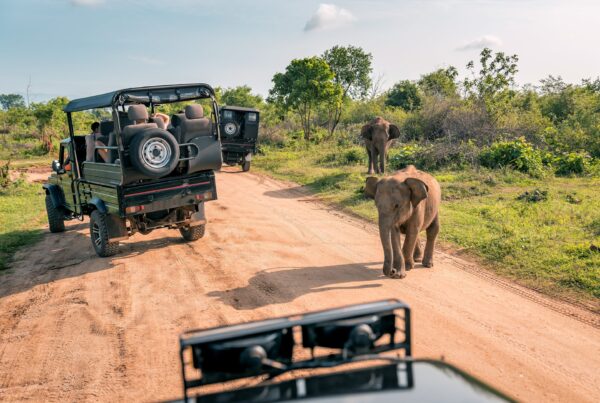
The backbone of any safari, the classic game drive offers the thrill of encountering Africa’s legendary wildlife up close — lions, leopards, rhinos, elephants, buffalo, and more. Conducted in open 4×4 vehicles and guided by expert trackers, game drives offer optimal chances to witness the famed Big Five and a host of other species.

The early morning and late afternoon are prime times, as animals are more active in the cooler hours. It’s also when the light is best for photography.

2. Walking Safaris

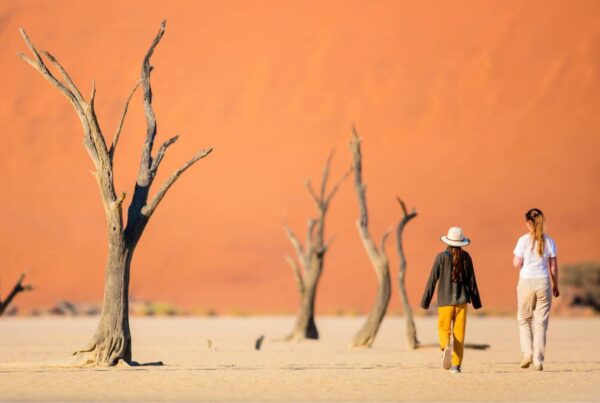
Experience the wilderness on foot with a walking safari. Led by armed guides and trackers, this activity reveals the subtle details often missed from a vehicle — tracks, scat, medicinal plants, insects, and birdlife.

It’s not just about what you see, but how you feel: exposed, alert, connected. A walking safari immerses you in the rhythms of nature and offers a heightened sense of respect for the wild.

3. Hot Air Balloon Safaris

There’s nothing quite like soaring silently over the savannah at dawn during a hot air balloon safari. Watch the sun rise over the Serengeti or Maasai Mara as herds of wildebeest, zebras, and elephants graze below.

The experience typically ends with a champagne breakfast in the bush — a memory that will linger long after your safari ends.

4. Night Game Drives

When the sun sets, a different world awakens. Night game drives reveal Africa’s nocturnal creatures: porcupines, civets, bush babies, and elusive predators like leopards and hyenas.

Using red or dim lights to avoid disturbing wildlife, these drives offer an entirely different perspective on the bush. The darkness sharpens your senses — every sound and movement becomes more dramatic.

5. Cultural Encounters

A safari is not just about animals. It’s about people too. Visiting local communities like the Maasai, Samburu, or Hadzabe offers insight into Africa’s deep cultural heritage and traditional ways of life.

Learn about cattle herding, beadwork, song and dance, and daily survival in the wilderness. These experiences foster cultural appreciation and respect, and often directly benefit the communities involved.

6. Bird Watching , Top 10 Activities While on Safari

Africa is a birder’s paradise with over 2,300 bird species across the continent. Whether you’re an avid birder or just curious, the diversity of plumage, calls, and behavior is staggering.

From lilac-breasted rollers and crowned cranes to the mighty African fish eagle, birdwatching on safari adds color, melody, and a new dimension to your game viewing.

7. Canoe and Boat Safaris

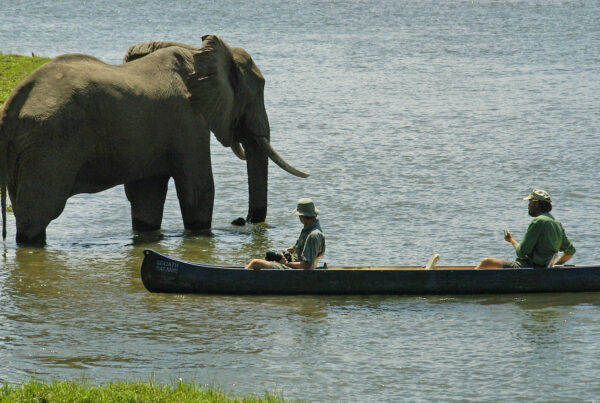
Rivers and lakes offer a serene — and sometimes thrilling — vantage point for wildlife watching. Canoe and boat safaris in places like the Okavango Delta, Zambezi River, or Lake Naivasha put you eye-level with hippos, crocodiles, and water birds.

The gentle pace and proximity to the water create a unique, meditative safari experience often missed on land.

8. Photographic Safaris

Whether you’re a seasoned photographer or an enthusiastic amateur, a photographic safari is your chance to capture the magic of Africa. Many operators offer guides who are also professional wildlife photographers, with vehicles modified for optimal angles and stability.

You’ll gain technical skills and artistic inspiration while documenting lions mid-yawn or elephants silhouetted at sunset.

9. Bush Dining and Sundowners

Dining in the wild is one of safari’s great pleasures. Bush breakfasts, sundowners, and candlelit dinners under the stars offer gourmet experiences in the most unexpected locations.

As the sun dips below the horizon and the sky ignites with stars, you’ll toast to nature with a gin and tonic in hand — surrounded by the sounds of the African night.

10. Conservation Experiences

More safaris are integrating hands-on conservation experiences, allowing travelers to directly support wildlife protection. You may track rhinos with anti-poaching rangers, visit wildlife rehabilitation centers, or meet researchers studying elephant behavior.

These experiences deepen your understanding of the challenges facing African wildlife and turn your trip into a force for good.

Book Your Safari Adventure with WildHorn Africa

Ready to embark on the adventure of a lifetime? Let WildHorn Africa craft your dream safari. With deep local knowledge, custom itineraries, and a passion for authentic experiences, WildHorn Africa ensures your journey is seamless, safe, and unforgettable.

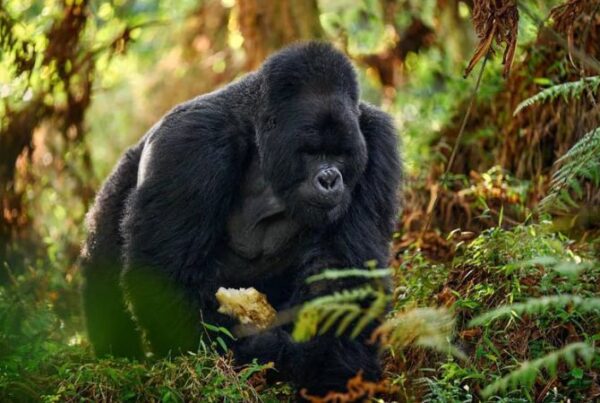
Whether you want to witness the Great Migration, track gorillas in the jungle, or sleep under canvas in the savannah, WildHorn Africa will bring your safari dreams to life.

Contact WildHorn Africa today — your wild African story starts here.

Top 10 Activities While on Safari #Top 10 Activities While on Safari Top 10 Activities While on Safari

Adventure Activities around Sipi Falls and Mount Elgon

Adventure Activities around Sipi Falls and Mount Elgon

By Travel stories and blogs, Adventure holidays, Family holidays, Uganda travel guides

Adventure Activities around Sipi Falls and Mount Elgon

The Thrill of Uganda’s Eastern Highlands

Nestled on the eastern slopes of Mount Elgon, Sipi Falls is one of Uganda’s most captivating natural landscapes, where cascading waterfalls, rolling hills, and lush coffee plantations merge into a scene of breathtaking beauty. The region is not only visually spectacular but also a hub for adventure activities, offering experiences that combine physical challenge, natural immersion, and cultural engagement. For thrill-seekers, nature enthusiasts, and travelers seeking more than passive sightseeing, Sipi Falls and the surrounding Mount Elgon area provide a dynamic playground where adventure, ecology, and culture converge.

From the adrenaline rush of abseiling down waterfalls to the serenity of horseback rides across misty valleys, the eastern slopes of Mount Elgon cater to a wide range of adventurous pursuits. This article provides a comprehensive exploration of the adventure activities available around Sipi Falls and Mount Elgon, detailing the experiences, practical considerations, and the immersive opportunities that make this region one of Uganda’s premier adventure destinations.

Hiking and Trekking: Scaling Mount Elgon’s Slopes

Day Hikes around Sipi Falls

Sipi Falls offers a variety of hiking trails that cater to different levels of fitness and interest. Visitors can explore the three-tiered waterfalls, traversing trails that wind through farmland, forest patches, and coffee plantations. Guided hikes provide insight into the ecological diversity of the area, including endemic plant species, birdlife, and the interactions between cultivated landscapes and natural ecosystems.

These hikes can be structured as short excursions for half a day or as extended treks that cover multiple waterfalls and vantage points. The trails are designed to offer both adventure and accessibility, allowing visitors to experience the region’s dramatic landscapes while learning about its ecological and cultural significance.

Multi-Day Mount Elgon Treks

For those seeking a more challenging experience, multi-day hikes on Mount Elgon allow adventurers to explore the mountain’s full ecological and geographical diversity. Routes such as the Sasa, Piswa, Kapkwai, and Suam Trails provide gradual ascents through montane forests, bamboo belts, and moorlands. Overnight stays in eco-lodges or community campsites enable hikers to experience the mountain’s environment at varying altitudes while participating in conservation and community programs.

These treks are particularly rewarding for observing wildlife, including elephants visiting cave salt deposits, primates in bamboo forests, and endemic bird species. Guides ensure that visitors navigate trails safely while enriching the experience with ecological and cultural knowledge. Multi-day treks are often tailored to individual or group fitness levels, making them accessible to a wide spectrum of adventure seekers.

Waterfall Adventures: Abseiling and Rock Climbing

Adventure Activities around Sipi Falls and Mount ElgonAbseiling Down Sipi Falls

Sipi Falls is renowned for its abseiling opportunities, which combine technical skill, adrenaline, and the immersive experience of descending one of Uganda’s most scenic waterfalls. Trained instructors guide participants, ensuring that safety equipment, harnesses, and ropes are used correctly. The descent offers a unique perspective of the falls, allowing adventurers to feel the spray, hear the roar of cascading water, and observe the surrounding cliffs and vegetation from a thrilling vantage point.

Abseiling is suitable for beginners and experienced adventurers alike, with routes adjusted according to skill level. It is recommended that participants wear appropriate clothing and footwear, maintain physical readiness, and follow all safety instructions to ensure a secure and exhilarating experience.

Rock Climbing and Scrambling

The cliffs surrounding Sipi Falls provide rock climbing opportunities for more experienced adventurers. Natural rock faces, volcanic formations, and limestone outcrops create challenges that require balance, strength, and strategic planning. Guides provide instruction and safety support, enabling climbers to ascend safely while enjoying panoramic views of the falls, valleys, and distant highlands.

Rock climbing in this region is particularly rewarding because it allows participants to combine physical exertion with the appreciation of geological formations, endemic flora, and birdlife nesting in cliffside habitats. It also offers a perspective on the geological history of Mount Elgon, illustrating the processes that have shaped one of Africa’s most ancient mountains.

Caving and Geological Exploration

Kitum and Cheptui Caves

Mount Elgon’s volcanic history has created a network of caves that are both ecologically and culturally significant. Kitum Cave is famous for the elephants that enter to mine salt deposits, a behavior rare in the animal kingdom. Guided cave tours provide opportunities to observe these interactions safely while learning about the geology, history, and conservation significance of subterranean habitats.

Cheptui Cave, less frequented but equally fascinating, allows visitors to explore volcanic formations, stalactites, and stalagmites. Caving activities often require headlamps, helmets, and careful navigation, and are best undertaken with experienced guides. These excursions combine adventure with education, highlighting the interplay between geological processes, ecological adaptations, and wildlife behavior.

Ecological Insights from Caving

Beyond the thrill of exploration, caving activities contribute to understanding Mount Elgon’s ecosystems. Caves serve as water catchment areas, provide shelter for bats and other species, and play a role in nutrient cycling. Guides often provide explanations on the ecological role of caves, including their importance for local communities who historically utilized cave resources. Visitors gain a multi-layered experience that merges adventure with scientific and cultural learning.

Cycling and Mountain Biking Adventures

Trail Cycling around Sipi Falls

The slopes surrounding Sipi Falls are ideal for mountain biking and cycling excursions. Trails wind through coffee plantations, farmland, forest patches, and valleys, offering a mix of challenging inclines and scenic descents. Biking combines physical exertion with immersive exploration, allowing adventurers to cover more ground than on foot while remaining connected to the natural and cultural environment.

Local guides provide both technical guidance and safety oversight, ensuring that riders navigate trails safely while highlighting points of interest, such as waterfall viewpoints, birdwatching areas, and traditional villages. Mountain biking also fosters interaction with local communities, as riders pass through settlements, markets, and farmland, gaining insight into daily life on the mountain slopes.

Eco-Cycling and Conservation Awareness

Mountain biking tours can be integrated with eco-conscious practices, promoting environmental awareness and sustainable tourism. Riders are encouraged to avoid sensitive areas, minimize disturbance to wildlife, and participate in reforestation or community conservation projects. By combining adventure with sustainability, these activities contribute to both personal fulfillment and the long-term preservation of Mount Elgon’s landscapes.

Cultural Adventure Experiences

Coffee Farm Tours

The Sipi Falls region is embedded within fertile highlands renowned for coffee production, particularly Arabica varieties grown by smallholder farmers. Adventure tourism can be enhanced through participatory coffee farm tours, where visitors engage in planting, harvesting, and processing activities. These experiences combine physical activity with cultural immersion, providing a tangible understanding of the region’s agricultural heritage and its relationship with local communities.

Guides explain traditional farming methods, ecological impacts, and economic significance, allowing visitors to witness firsthand how sustainable agriculture coexists with environmental conservation. Participatory tours also benefit local communities economically, reinforcing the principles of responsible and ethical tourism.

Village and Cultural Walks

Cultural engagement can be incorporated into adventure itineraries through village walks and community visits. Hikers, bikers, or cavers may encounter Bagisu or Sabiny communities, where interactions include craft demonstrations, traditional music and dance, and storytelling. These encounters enhance the adventure experience, providing insight into social structures, rituals, and daily practices while fostering respect for local customs.

Adventure in this context extends beyond physical challenge to include intellectual and emotional engagement, creating a holistic sense of exploration that integrates nature, culture, and personal growth.

Horseback Riding and Nature Safaris

Exploring the Highlands on Horseback

Horseback riding offers a unique perspective on Mount Elgon’s landscapes, allowing adventurers to traverse valleys, ridges, and plantations while maintaining a close connection to the environment. Guided rides are tailored to varying skill levels and include stops at waterfalls, viewpoints, and wildlife observation points.

This activity provides both exercise and relaxation, allowing riders to cover significant distances without fatigue, while simultaneously appreciating the mountain’s natural beauty. It also enables access to areas that are less accessible on foot, offering unique photographic and wildlife observation opportunities.

Nature Safaris and Wildlife Encounters

For those interested in ecological adventure, guided nature safaris within Mount Elgon National Park highlight endemic species, forest elephants, primates, and birdlife. Safaris can be combined with hiking or cycling, creating multi-modal adventures that emphasize observation, photography, and ecological awareness. These experiences are designed to minimize disturbance to wildlife while maximizing educational and immersive value.

Adventure and Sustainability

Responsible Tourism Practices

Adventure activities around Sipi Falls and Mount Elgon are increasingly conducted with sustainability and conservation in mind. Operators and guides emphasize minimizing environmental impact, respecting wildlife, and supporting local communities. Adventure tourism is not only an outlet for thrill-seekers but also a means of promoting ecological awareness and social responsibility.

Visitors are encouraged to use designated trails, follow local guidelines, and participate in community projects where possible. These practices ensure that the mountain’s natural and cultural assets are preserved for future generations while providing meaningful experiences for today’s travelers.

Integrating Community and Conservation

Many adventure activities are linked to community engagement initiatives, such as eco-tourism programs, reforestation efforts, and educational workshops. By combining adventure with conservation and cultural participation, visitors contribute directly to the well-being of the mountain’s ecosystems and local populations. This integration transforms ordinary excursions into transformative experiences that merge excitement with purpose.

Planning Your Adventure

Choosing Activities and Duration

Visitors should select activities based on fitness level, interests, and desired immersion. Day trips, multi-day treks, waterfall adventures, cycling tours, horseback rides, and cultural excursions can be combined to create personalized itineraries. Scheduling activities according to seasonal conditions enhances safety, accessibility, and overall enjoyment.

Safety and Preparation

Safety is paramount. Adventure activities require appropriate clothing, equipment, and guidance. Engaging certified instructors, using protective gear, and following ecological guidelines ensures that the experience is both safe and enriching. Physical preparation, hydration, and acclimatization to altitude are also important for multi-day treks or waterfall abseiling.

Accommodation and Logistics

Luxury lodges, eco-lodges, and community camps provide accommodation that complements adventure activities. Staying near Sipi Falls or key trailheads reduces travel time, offers comfort after strenuous activities, and allows for immersive experiences such as sunrise treks or early morning wildlife observation. Logistics, including transport, meals, guides, and activity equipment, are often coordinated by tour operators, streamlining the adventure experience.

Adventure Beyond Expectations

The Sipi Falls and Mount Elgon region is a haven for adventure seekers, offering a remarkable diversity of activities that span hiking, trekking, abseiling, rock climbing, caving, cycling, horseback riding, and cultural exploration. The combination of physical challenge, ecological immersion, and cultural engagement ensures that every journey is meaningful, thrilling, and transformative.

For travelers seeking a well-coordinated, safe, and enriching adventure in this remarkable landscape, it is highly recommended to book tours and adventure activities through WildHorn Africa. With expertise in curating bespoke safaris, trekking adventures, and ecological experiences, WildHorn Africa ensures that every itinerary is seamless, sustainable, and unforgettable, allowing visitors to experience the full spectrum of Mount Elgon’s natural beauty and adventure opportunities.

Sipi Falls Tours near Mount Elgon National Park

Sipi Falls Tours near Mount Elgon National Park

By Travel stories and blogs, Adventure holidays, Uganda travel guides

Sipi Falls Tours near Mount Elgon National Park

The Call of Uganda’s Cascading Gem

Amidst the rolling foothills of eastern Uganda, on the edge of the great Mount Elgon, lies one of Africa’s most enchanting natural spectacles—Sipi Falls. Few landscapes combine such dramatic beauty with cultural intimacy, where waterfalls tumble gracefully down sheer cliffs, fertile valleys stretch endlessly below, and communities welcome travelers into their daily rhythms of life. For those who journey to this remote corner of Uganda, Sipi Falls offers far more than picturesque scenery. It is a destination that stirs the spirit, inviting visitors to walk gently into a world where nature and tradition exist in delicate harmony.

The falls, a collection of three striking cascades, are framed by verdant hillsides, rich coffee plantations, and views stretching across the distant plains of Karamoja. Yet beyond their visual grandeur lies an experience layered with meaning: the chance to trek along hidden trails, to learn the secrets of Arabica coffee cultivation, to encounter the stories of the Sabiny and Bagisu peoples, and to rest in the cool spray of Uganda’s highland air.

To embark on a tour of Sipi Falls is to step into a narrative shaped by water, culture, and history, woven together in a setting that remains mercifully untouched by mass tourism. It is a place where travelers find not only natural beauty but also moments of reflection, peace, and authentic connection.

Location and Setting: The Gateway to Mount Elgon

Sipi Falls is located in Kapchorwa District, eastern Uganda, at the edge of Mount Elgon National Park. This strategic position makes it both a destination in its own right and a natural starting or ending point for treks up Mount Elgon. The falls lie at an altitude of around 1,775 meters above sea level, a height that ensures cool, refreshing air and panoramic views.

The setting is defined by its geography. The cliffs from which the waterfalls plunge are remnants of volcanic activity that shaped the Mount Elgon region millions of years ago. Beneath these cliffs, fertile soils support lush vegetation, particularly coffee plantations that produce some of Uganda’s finest Arabica beans. To the east, the plains of Karamoja extend into the horizon, their vast openness contrasting with the intimacy of the waterfalls’ valley. To the west, the slopes of Mount Elgon rise steadily, their forests providing a dramatic backdrop.

This position at the crossroads of mountain and plain makes Sipi Falls a place of convergence—not only of landscapes but of cultures, histories, and experiences. It is both a tranquil retreat and a vibrant gateway, linking the majesty of Mount Elgon with the broader story of Uganda’s eastern frontier.

The Falls: Nature’s Triple Wonder

The allure of Sipi lies primarily in its three magnificent waterfalls, each with its own personality and charm, yet collectively forming a spectacle that is greater than the sum of its parts.

The main waterfall, often referred to simply as Sipi, plunges an astonishing 100 meters into a pool below, its roar echoing across the valley. This cascade is the most photographed and the most iconic, a dramatic curtain of water framed by sheer cliffs and lush greenery. Its power is mesmerizing, and its spray cools the air even on the warmest afternoons.

The second waterfall, slightly smaller, falls from a height of around 85 meters. Unlike the first, it is set deeper into the landscape, creating a secluded feel. It is often reached by winding trails through farms and villages, giving travelers the opportunity to experience not only the natural wonder but also the human life that thrives around it.

The third waterfall, approximately 65 meters high, is the most tranquil of the three. Nestled in a quieter corner, it invites contemplation, the kind of place where the rhythm of falling water blends seamlessly with birdsong and rustling leaves.

Together, these waterfalls form the essence of Sipi, a symphony of movement and sound that shifts with the seasons. During the rainy months, the falls surge with immense power, their torrents crashing into the pools below. In the drier months, they become gentler, their beauty revealed in delicate veils of water shimmering in the sunlight.Sipi Falls Tours near Mount Elgon National Park

Hiking and Trekking Around Sipi Falls

To experience Sipi Falls fully, one must walk its trails. Hiking around the falls is less about conquering steep heights and more about embracing a landscape of subtle wonders. Local guides, many of whom grew up in the villages surrounding the waterfalls, lead visitors along paths that weave through farms, banana plantations, and coffee gardens. The hikes vary in length and intensity, from short strolls to longer treks that link all three waterfalls.

Each trail offers more than scenic views. Along the way, hikers encounter hidden caves, some of which were once used as shelters during times of conflict or as storage places for harvests. The cliffs reveal layers of volcanic history, their rocky faces telling silent stories of the mountain’s ancient eruptions. Wildflowers bloom in unexpected corners, and birds flit through the air, adding flashes of color to the green canvas.

For those who seek more extended adventures, Sipi Falls also serves as the starting point for treks up Mount Elgon. The Sipi Trail, in particular, provides a gradual approach to the mountain’s higher reaches, offering a natural progression from the waterfalls’ foothills into the moorlands and ultimately toward Wagagai Peak.

Trekking in Sipi is not only physical but also profoundly sensory. The cool mist of the waterfalls refreshes tired hikers, the smell of fresh coffee beans drying in the sun lingers in the air, and the distant laughter of children playing in the villages reminds one that life here flows with the same vitality as the falls themselves.

Cultural Encounters: The People of Sipi

No tour of Sipi Falls is complete without engagement with the people who call this region home. The Sabiny and Bagisu communities form the cultural heart of Kapchorwa District, each bringing unique traditions and ways of life that enrich the visitor experience.

The Bagisu, known for their agricultural skills, are especially famous for their imbalu circumcision rituals, a traditional rite of passage that transforms boys into men through ceremonies of music, dance, and community celebration. While deeply rooted in cultural heritage, the imbalu rituals also attract interest from visitors who are welcomed to observe the dances and songs, though with respect for their significance.

The Sabiny, who occupy much of the highland area, are renowned for their hospitality and resilience. Their farms, often terraced into the hillsides, provide coffee, bananas, and vegetables that sustain families and markets alike. Folklore and oral traditions are strong among the Sabiny, with elders passing down stories that explain the origins of the waterfalls, the spirits believed to inhabit the cliffs, and the customs that guide daily life.

Visitors are often invited into homes to learn about coffee cultivation, from planting and harvesting to roasting and brewing. These encounters reveal the deep connection between the land and the people, showing how the waterfalls not only shape the landscape but also sustain livelihoods and identities.

Coffee Tourism: The Taste of Sipi

One of the most distinctive aspects of a Sipi Falls tour is the chance to explore the world of Arabica coffee, which thrives in the volcanic soils of Mount Elgon’s slopes. Coffee farming here is more than an economic activity; it is a cultural practice handed down through generations.

Guided coffee tours take visitors from the plantation to the cup. Farmers explain the delicate process of growing Arabica beans at high altitudes, where the cool climate and rich soil create conditions ideal for quality coffee. Visitors witness the careful picking of ripe red cherries, the washing and drying processes, and the traditional methods of roasting over open fires.

The highlight comes when guests brew and taste the coffee themselves, often in the very homes of the farmers. The experience is intimate and personal, a chance to appreciate the labor and love that go into every cup. Beyond flavor, coffee tourism supports local livelihoods, allowing farmers to share their knowledge while earning directly from visitors.

The story of Sipi coffee is inseparable from the story of the waterfalls. Both are products of the same mountain, nourished by its volcanic soils and abundant rainfall. Together, they symbolize the union of natural beauty and human industry that defines the region.

Adventure Beyond the Falls

While the waterfalls remain the centerpiece, Sipi offers much more for those with time to explore. The cliffs around the falls have become a favored spot for rock climbing, providing thrilling experiences for adventurers who wish to challenge themselves while overlooking sweeping valleys.

Nature walks in the surrounding hills reveal a diversity of flora and fauna, from colorful orchids to shy duikers. Birdwatching is another highlight, as the area forms part of Mount Elgon’s broader ecosystem, home to over 300 bird species. The sight of the endangered lammergeyer soaring above the cliffs or the sound of a turaco calling from the trees adds depth to the experience.

Cultural trails connect visitors with villages where crafts, music, and dances are shared openly. Some tours extend toward the Karamoja plains, offering a glimpse into the pastoralist cultures that inhabit Uganda’s semi-arid northeast. This juxtaposition of landscapes—lush waterfalls and arid plains—within a short distance underscores the extraordinary diversity of the Sipi region.

Best Time to Visit Sipi Falls

The beauty of Sipi is that it can be visited year-round, though conditions vary with the seasons. Uganda’s climate is governed by two main rainy seasons, from March to May and October to December. During these months, the waterfalls swell with dramatic force, creating spectacular displays but also making some trails slippery. The rains, however, bring with them lush vegetation, misty mornings, and an atmosphere of renewal.

The dry seasons, from June to August and December to February, offer clearer skies and more stable conditions for hiking, rock climbing, and longer treks. The falls remain impressive, though less thunderous, and the trails are easier to navigate. Nights at Sipi are cool throughout the year due to its altitude, so visitors should always prepare for chilly evenings regardless of the season.

For those seeking photography opportunities, the dry season offers better visibility, while the rainy season provides more dramatic flows of water. Ultimately, each season carries its own charm, ensuring that Sipi’s appeal endures across the year.

The Experience: Serenity and Discovery

What makes a visit to Sipi Falls unforgettable is not just the waterfalls themselves but the holistic experience they create. Time here unfolds at a slower pace. Mornings may begin with the golden light of sunrise illuminating the cliffs, followed by walks through coffee farms where the scent of drying beans lingers in the air. Afternoons may be spent hiking to one of the cascades, standing in the spray as rainbows dance in the mist. Evenings often bring the quiet joy of watching the sun set over the Karamoja plains, the sky painted in hues of orange and red.

This rhythm allows for reflection, for a reconnection with nature that is increasingly rare in modern life. Unlike more commercialized destinations, Sipi retains an authenticity that speaks to those who seek not crowds but connection, not hurried itineraries but moments of stillness. Whether experienced in solitude or shared with companions, the falls leave an indelible impression on the heart.

Sipi Falls, the Jewel of Eastern Uganda

Sipi Falls is not merely a destination; it is an experience of harmony between nature and culture, a place where waterfalls, mountains, farms, and communities converge in a symphony of beauty. Its triple cascades enchant the eye, its trails invite exploration, its coffee tells a story of resilience, and its people welcome visitors with warmth.

Positioned at the threshold of Mount Elgon National Park, Sipi stands as both a tranquil retreat and a vibrant gateway, offering travelers the chance to immerse themselves fully in the landscapes and traditions of eastern Uganda.

For those seeking to discover the full magic of Sipi Falls and beyond, it is highly recommended to arrange tours and safaris through WildHorn Africa, a trusted guide to Africa’s treasures. With their expertise, journeys into Uganda’s hidden gems become seamless, meaningful, and truly unforgettable.

Primate Tracking in Semuliki National Park

Primate Tracking in Semuliki National Park

By Travel stories and blogs, Adventure holidays, Primate holidays, Safari holidays, Uganda travel guides, Wildlife holidays

Primate Tracking in Semuliki National Park. Into the Realm of the Forest Dwellers

At the heart of Uganda’s western frontier, nestled between the Rwenzori Mountains and the Congo Basin lowlands, lies a world where time seems untouched by modern rhythms—Semuliki National Park. This is a sanctuary where the whisper of the rainforest, the rush of the Semuliki River, and the distant calls of unseen creatures create an atmosphere unlike any other. Though widely celebrated as Uganda’s birding paradise, Semuliki is equally revered for a different yet equally thrilling adventure—primate tracking.

With over eight primate species inhabiting its dense rainforests, Semuliki offers one of the most immersive encounters with some of humanity’s closest relatives. To walk under the towering canopy, hearing rustles above and catching fleeting glimpses of fur and tails, is to step into a timeless drama of survival, play, and coexistence. Every tracking experience unfolds differently, shaped by the forest’s moods, the animals’ behaviors, and the patience of the tracker.

Primate tracking in Semuliki is not merely an excursion; it is a journey into the heart of Africa’s living heritage, where every encounter tells a story of adaptation, intelligence, and ecological balance.

The Unique Setting of Semuliki for Primate Encounters

A Distinctive Rainforest Environment

Unlike most of Uganda’s protected forests, Semuliki is an extension of the Ituri Rainforest of the Democratic Republic of Congo. This gives it a lowland tropical rainforest ecosystem rarely found elsewhere in East Africa. The park’s altitude, between 670 and 760 meters above sea level, creates a warm, humid climate that supports an array of species more typical of Central Africa than Uganda.

The dense vegetation, interspersed with swampy areas and riverine habitats, provides an ideal home for primates. The tall trees offer fruiting canopies, while the understory shelters insectivorous species. The ecological diversity ensures that primates of different diets and habits thrive within the same environment, making Semuliki a hotspot for tracking opportunities.

A Crossroads of Biodiversity

Semuliki is a biological crossroads, where East and Central African species overlap. This results in a primate community that reflects extraordinary variety. For travelers, this means the chance to encounter not only the familiar faces of Uganda’s monkeys but also species rarely seen in other parks.

The Primates of Semuliki National Park

Olive Baboons

The olive baboon is among the most conspicuous primates in Semuliki. Large troops roam the forest edges and savanna fringes, recognizable by their expressive faces and social dynamics. Observing baboons is always fascinating, as their behavior mirrors complex hierarchies, grooming rituals, and playful antics. Their adaptability allows them to thrive in both open and forested areas, often offering some of the most accessible sightings for trackers.

Red-tailed Monkeys

The red-tailed monkey, with its striking chestnut-red tail and white facial markings, is one of the most elegant species of Semuliki. Agile and arboreal, these monkeys are frequently seen leaping between branches in search of fruits, seeds, and insects. They often form mixed-species troops with other monkeys, enhancing the spectacle for trackers who may encounter multiple species at once.

Black-and-white Colobus Monkeys

The black-and-white colobus is among the most iconic primates of African forests. Their long, flowing white mantles and tails make them visually striking against the green canopy. These leaf-eating specialists are quieter than other monkeys, often resting in groups high in the trees. Tracking them requires patience, but the reward is the chance to watch their graceful movements and social bonds.Primate Tracking in Semuliki National Park

Grey-cheeked Mangabeys

The grey-cheeked mangabey is another highlight for trackers. Known for their loud whooping calls, these monkeys are highly active and move in sizable troops. Their playful, curious nature makes them particularly engaging to observe, as they forage for fruits and seeds in the mid-levels of the forest.

De Brazza’s Monkeys

Among the rarer species in Semuliki, the De Brazza’s monkey is distinguished by its white beard and orange crown. Often shy and elusive, they are found near swampy areas and along the river. Their cryptic behavior means that sightings are considered a special reward for trackers who dedicate time to quieter, patient observation.

Vervet Monkeys

The vervet monkey thrives in more open woodland habitats within the park. Their adaptable nature makes them common, but their social interactions and playfulness continue to fascinate trackers. Vervets are excellent indicators of predator presence, often raising alarm calls that ripple across the forest when danger is near.

Pottos

While less conspicuous than diurnal species, the potto adds a nocturnal dimension to primate tracking in Semuliki. These slow-moving, nocturnal primates are often observed during night walks, clinging to branches and hunting insects. Their large eyes and deliberate movements make them particularly memorable for those fortunate enough to encounter them under torchlight.

Chimpanzees of Semuliki

Although not as habituated as in Kibale or Budongo, small populations of chimpanzees inhabit Semuliki. Their presence is often indicated by calls, distant drumming, or nests seen in trees. Spotting chimps in Semuliki is more challenging due to the dense forest, but the possibility adds a layer of excitement to every tracking expedition. For researchers and dedicated trackers, the chance to glimpse these great apes in such a raw, unspoiled environment is profoundly moving.

The Experience of Primate Tracking

Preparation and Guidance

Primate tracking in Semuliki begins with guidance from experienced rangers and local trackers. These individuals, deeply familiar with the forest, interpret subtle signs—fresh droppings, broken branches, distant calls—to lead visitors toward active groups. Their expertise transforms the experience, ensuring that each walk becomes both an educational journey and an adventure.

The Rhythm of the Forest

Tracking primates is as much about embracing the rhythm of the forest as it is about the animals themselves. Mornings often begin with a chorus of calls, signaling the start of activity. As the sun rises, monkeys become more visible, feeding, grooming, and playing. Midday often brings quieter periods, while evenings again resonate with activity as primates settle into resting sites.

The unpredictability of the encounters adds to the allure. A troop may suddenly emerge above a trail, or a baboon group may be found foraging in an open clearing. Patience, attentiveness, and respect for the forest’s pace are essential elements of the experience.

An Immersive Encounter

Unlike safari game drives, primate tracking requires travelers to move on foot, becoming part of the forest. The sounds, smells, and textures of the environment become central to the experience. The rustle of leaves, the scent of damp earth, and the sight of monkeys swinging overhead create an immersion that is both sensory and emotional. Each encounter feels personal, as if stepping briefly into the world of creatures who have thrived here for millennia.

The Role of Primate Tracking in Conservation

Primate tracking in Semuliki carries profound conservation significance. By attracting eco-conscious visitors, the activity generates revenue that supports the protection of the forest and its inhabitants. It also provides employment for local communities, reducing pressures on the forest from unsustainable practices.

Moreover, the presence of tourists underscores the value of primates as living treasures, fostering a culture of conservation among both locals and international visitors. Each successful tracking expedition becomes part of a broader effort to ensure that Semuliki’s primates continue to thrive in their natural habitats.

Cultural Dimensions of Primate Tracking

The human presence in and around Semuliki has shaped the ways primates are understood and encountered. The Batwa pygmies and Bamba people have lived alongside the forest’s primates for generations. Their folklore often intertwines with monkey behavior, offering cultural insights that enrich tracking expeditions.

Local guides sometimes share these stories during tracking experiences, adding layers of meaning to encounters. Observing a troop of colobus monkeys becomes more than a wildlife moment; it becomes an entry point into the cultural narratives that bind people and nature together in this region.

Best Time for Primate Tracking in Semuliki

The dry seasons, from December to February and June to August, provide the most favorable conditions for primate tracking. Trails are drier and easier to navigate, making it possible to reach deep into the forest where primates are most active. Visibility is also improved, with less dense foliage and clearer skies.

During the wet seasons, from March to May and September to November, primate tracking remains rewarding but more challenging. The forest becomes slippery and muddy, requiring greater endurance. Yet, the rains also bring fresh growth, abundant fruiting, and heightened primate activity, making sightings more dynamic and behaviorally rich. For those willing to embrace the challenges, the wet season offers some of the most vibrant tracking experiences.

The Emotional Power of Tracking Primates

Primate tracking is not solely about observation; it is about connection. Watching a mother colobus cradle her infant, hearing the playful calls of red-tailed monkeys, or catching sight of a chimpanzee nest evokes profound reflections on the kinship between humans and these intelligent beings.

The experience often leaves visitors with a renewed sense of respect for the delicate balance of ecosystems and the role primates play in them. It is not unusual for travelers to describe their encounters as transformative, reshaping their understanding of nature and their place within it.

A Journey Beyond the Ordinary

Primate tracking in Semuliki National Park is an adventure that transcends the ordinary boundaries of tourism. It is a journey into the dense, mysterious rainforests of western Uganda, where every step reveals a new secret, every sound carries meaning, and every encounter with a primate deepens the bond between humans and nature.

From the boisterous baboons to the elusive De Brazza’s monkey, from the graceful colobus to the shadowy potto, Semuliki offers an extraordinary theater of life that rewards those who seek patience, respect, and curiosity. More than an activity, primate tracking here is a reminder of Africa’s enduring wilderness, of the resilience of its creatures, and of the responsibility humanity bears to protect them.

For those ready to embark on this remarkable experience, it is recommended to plan with trusted experts who understand the rhythm of Africa’s wild places. For a seamless, insightful, and unforgettable safari in Semuliki and across Uganda, travelers are encouraged to book their journeys with WildHorn Africa, a dedicated partner in unveiling the continent’s treasures.

Cultural Tours with the Batwa in Semuliki

Cultural Tours with the Batwa in Semuliki

By Travel stories and blogs, Adventure holidays, Family holidays, Group holidays, Primate holidays, Safari holidays, Uganda travel guides

Cultural Tours with the Batwa in Semuliki. A Journey into the Heart of an Ancient Culture

In the shadow of the Rwenzori Mountains and within the vast green embrace of Semuliki National Park, lies a human story as rich and enduring as the rainforest itself. Beyond the whispers of rustling leaves, the songs of rare birds, and the chatter of playful monkeys, there exists a cultural heartbeat that has pulsed through this land for centuries—the story of the Batwa people. Known as one of Africa’s oldest surviving indigenous groups, the Batwa are more than a community; they are living custodians of traditions, knowledge, and ways of life that are intricately woven into the forests of Semuliki.

To engage in cultural tours with the Batwa is to step into a different dimension of Africa’s heritage. It is to go beyond the safari and beyond the wildlife, into a human experience that reveals how people and forest can exist in profound harmony. Every song, every dance, every shared tale by the fire is a bridge across time, connecting modern travelers with the rhythms of an ancient world.

Semuliki is often celebrated for its wildlife treasures, its primate encounters, and its birding richness. Yet, it is in the cultural immersion with the Batwa that one finds some of the most transformative experiences, where visitors leave not only with memories but with lessons that speak to humanity’s shared origins and resilience.

The Batwa People: Guardians of the Forest

Origins and Identity

The Batwa, sometimes referred to as pygmies, are among the earliest known inhabitants of the Central African forests. Their roots trace back thousands of years, long before national borders and modern societies reshaped Africa’s landscapes. Traditionally, they lived as hunter-gatherers, depending on the forest for food, medicine, and shelter. For them, the forest was not simply a resource but a sacred space, alive with spirits and meaning.

In Semuliki, the Batwa identity remains strongly tied to the forest, even though modern pressures have changed many aspects of their daily lives. They are known for their intimate knowledge of the ecosystem—understanding which plants cure illnesses, which roots are edible, and which paths lead to hidden clearings. This knowledge, passed orally across generations, forms the backbone of their cultural identity.

A Way of Life Intertwined with Nature

The Batwa lived in small, mobile communities, building temporary shelters from leaves and branches. Hunting small game, collecting wild honey, and gathering fruits were part of their survival. Music, dance, and storytelling were equally central, serving as both entertainment and a means of preserving oral history. Every act—from making fire to preparing herbal remedies—was deeply connected to the forest.

Although modern challenges have shifted their lifestyle, cultural tours allow visitors to witness and experience aspects of this heritage firsthand. By engaging with the Batwa, travelers encounter not only a people but a worldview that treats nature as a living companion rather than a resource to be exploited.

The Experience of a Batwa Cultural Tour

A Welcome of Song and Dance

Visitors to the Batwa communities near Semuliki are often welcomed with traditional music and dance. The rhythm of drums, the clapping of hands, and the voices raised in ancient songs create an atmosphere of warmth and celebration. The dances are not merely performances but expressions of identity, echoing rituals once tied to hunting, healing, or celebrating life events.

The participatory nature of these welcomes draws travelers into the experience. Being invited to dance alongside Batwa performers transforms the encounter from observation into shared joy, bridging cultural differences through rhythm and movement.

Storytelling by the Elders

Central to the Batwa experience is the oral tradition of storytelling. Elders recount tales of creation, of the spirits of the forest, and of the animals that share their home. These stories are not only entertaining but also instructional, carrying lessons about respect, bravery, and survival.

For visitors, these moments provide a rare glimpse into the intangible heritage of the Batwa. The cadence of the voices, the fire crackling in the background, and the weight of centuries-old wisdom create a profound sense of connection with a culture that has endured against immense odds.

Demonstrations of Traditional Skills

Cultural tours often include demonstrations of the skills that sustained Batwa communities for generations. Visitors watch as fire is kindled without matches, as herbal medicines are prepared from forest plants, or as hunting techniques are explained. Each skill embodies a deep understanding of the environment, honed over centuries of living in symbiosis with the forest.

The making of crafts, such as baskets or tools, further illustrates the ingenuity of the Batwa. Every item is both functional and symbolic, carrying within it the knowledge of resource use and the artistry of a people connected to their land.

Music as a Language of the Spirit

The Batwa are renowned for their unique music traditions, often performed with wooden flutes, drums, and vocal harmonies that imitate the sounds of the forest. Music plays a vital role in ceremonies, whether to celebrate a successful hunt, to mourn loss, or to invoke blessings from ancestral spirits.

To listen to Batwa music in the setting of Semuliki is to hear an ancient dialogue between people and forest. Visitors often describe these performances as hauntingly beautiful, stirring emotions that transcend cultural and linguistic boundaries.

The Significance of Batwa Cultural Tours

Preserving a Disappearing Heritage

Modern pressures—land disputes, marginalization, and changing lifestyles—have threatened the survival of Batwa traditions. Cultural tours have emerged not only as a way for visitors to experience this heritage but also as a lifeline for the community. The revenue generated from tourism helps sustain cultural practices, support education, and provide health care.

By participating in these tours, travelers become active contributors to the preservation of one of Africa’s most endangered cultures. Each visit affirms that the Batwa’s knowledge and traditions hold value not only for themselves but for humanity at large.

Fostering Cross-Cultural Understanding

Cultural tours with the Batwa are not staged performances but opportunities for genuine exchange. Travelers leave with a deeper appreciation of the resilience, dignity, and wisdom of the Batwa people. At the same time, the Batwa gain recognition and respect for their identity in a world that often overlooks indigenous voices.

This mutual exchange fosters cross-cultural understanding, reminding visitors of the diversity of human existence and the many ways societies can adapt to their environments.Cultural Tours with the Batwa in Semuliki

Challenges Facing the Batwa Today

Displacement and Marginalization

Like many indigenous groups, the Batwa have faced displacement from ancestral lands due to conservation policies and land ownership conflicts. These changes have often forced them into unfamiliar lifestyles, far removed from the forest that shaped their culture. The struggle to retain identity in the face of modern pressures remains a central challenge.

Poverty and Limited Access to Services

Without land and with limited opportunities for employment, many Batwa communities face poverty. Access to education, health care, and social services is often restricted, further deepening their vulnerability. Tourism offers a pathway toward improved livelihoods, but broader structural support remains necessary for long-term stability.

Cultural Erosion in a Modern World

The younger generation of Batwa faces the tension between preserving traditions and adapting to modern society. With increasing integration into mainstream cultures, some elements of Batwa heritage risk being lost. Cultural tours help counter this erosion by creating spaces where traditions are practiced, celebrated, and valued.

The Role of Semuliki in Cultural Tourism

Semuliki National Park is uniquely positioned to highlight Batwa culture. Unlike other parks that focus primarily on wildlife safaris, Semuliki combines natural wonders with human stories. The presence of the Batwa near the park offers travelers the rare chance to experience both biodiversity and cultural diversity in a single journey.

The park’s management, in collaboration with local communities, has recognized the value of cultural tourism as part of its broader mission. By integrating Batwa experiences into the visitor experience, Semuliki demonstrates how conservation and culture can coexist in ways that benefit both people and environment.

Best Time for Cultural Tours with the Batwa

Cultural tours with the Batwa can be enjoyed throughout the year. However, the experience often blends with other activities in Semuliki, such as wildlife viewing or primate tracking, which are most favorable during the dry seasons from December to February and June to August. During these times, access to Batwa communities is easier, with less disruption from heavy rains.

The wet seasons, while more challenging, provide an equally rewarding experience, as the lushness of the forest amplifies the authenticity of the cultural setting. Regardless of the season, the heart of the experience remains unchanged—the chance to encounter the living heritage of the Batwa.

The Transformative Power of Cultural Immersion

Cultural tours with the Batwa in Semuliki often leave visitors profoundly moved. To witness the resilience of a people who have endured centuries of change yet maintained their identity is to encounter the very essence of human strength. The experience transcends tourism, becoming a journey of reflection and understanding.

Travelers return home with more than photographs; they return with stories, lessons, and a renewed sense of connection to humanity’s shared heritage. The Batwa remind us that progress need not erase tradition and that ancient ways of life hold wisdom that modern societies still desperately need.

An Invitation to Experience Living Heritage

Cultural tours with the Batwa in Semuliki National Park are not ordinary excursions. They are encounters with history, resilience, and the spirit of a people who remain deeply tied to the natural world. To share in their songs, to listen to their stories, and to witness their skills is to experience a living heritage that is both fragile and profound.

By choosing to engage with the Batwa, travelers not only enrich their own journeys but also contribute to the preservation of a culture that continues to inspire despite immense challenges. These tours are a reminder that Africa’s treasures are not only found in its landscapes and wildlife but also in the communities that keep ancient traditions alive.

For those seeking more than a safari, for those yearning to experience the human heart of Africa, there is no journey more rewarding than immersing oneself in the world of the Batwa. To ensure a seamless, respectful, and meaningful cultural encounter, it is recommended to plan with experts who understand the delicate balance of heritage and tourism. For an unforgettable experience in Semuliki and beyond, travelers are encouraged to book their African tours and safaris with WildHorn Africa, a trusted guide to the continent’s most authentic adventures.

Birdwatching in Semuliki: Over 400 Rare Species

Birdwatching in Semuliki: Over 400 Rare Species

By Travel stories and blogs, Bucket list holidays, Luxury holidays, Safari holidays, Uganda travel guides

Birdwatching in Semuliki: Over 400 Rare Species

A Paradise of Wings in Uganda’s Hidden Wilderness

In the western reaches of Uganda, where the Congo Basin rainforest stretches into the Albertine Rift Valley, lies a treasure that few birdwatchers can resist—Semuliki National Park. This extraordinary sanctuary, although smaller and less famous than some of Uganda’s other reserves, has earned global recognition as a birding paradise. More than 400 bird species have been recorded here, many of which are rare, elusive, and confined to the forests of Central Africa.

To step into Semuliki is to enter a world where the dawn chorus is unlike anywhere else in Uganda, where the forest canopy bursts into life with whistles, cackles, and trills from birds that cannot be seen in other parts of East Africa. Every turn of the trail brings the promise of a new species, every patch of sunlight on the forest floor may reveal flashes of color, and every pause in silence can be rewarded with the rustle of wings. For ornithologists, conservationists, and passionate travelers, birdwatching in Semuliki is not just an activity but a journey into one of Africa’s most exhilarating natural theaters.

The Unique Setting of Semuliki National Park

Semuliki National Park lies in Bundibugyo District, on the floor of the Rift Valley, covering 220 square kilometers of lowland tropical rainforest. Unlike Uganda’s other forests, which are largely montane or transitional, Semuliki is an extension of the Ituri Rainforest of the Democratic Republic of Congo, one of the oldest and most diverse forests in Africa.

This location makes the park ecologically distinct. It is not only home to species typical of Central Africa but also serves as a crossroads where Central and East African ecosystems merge. Its altitude, ranging between 670 and 760 meters above sea level, allows for conditions that favor lowland rainforest specialists rarely encountered elsewhere in Uganda. The Semuliki River, winding along the western border, further enriches the park by sustaining swampy floodplains and riparian habitats that attract aquatic and semi-aquatic birds.

The combination of forest, swamp, and river ecosystems creates a mosaic of habitats, each harboring its own assemblage of bird species. This is why Semuliki, despite its modest size, holds one of the highest densities of avian diversity in East Africa.

A Birding Haven: Over 400 Rare Species

Diversity Beyond Comparison

More than 441 bird species have been documented in Semuliki National Park. This accounts for nearly 40% of Uganda’s total bird species and two-thirds of its forest birds. The park is also the only place in East Africa where several Congo Basin endemics can be reliably observed, making it an indispensable destination for birdwatchers intent on expanding their life lists.

What sets Semuliki apart is not merely the number of species but the rarity and uniqueness of those found here. Birders who may already have explored Uganda’s savannah parks or montane forests are often astonished by the distinctiveness of Semuliki’s checklist. This is a place where species such as the Nkulengu rail, yellow-throated cuckoo, and blue-billed malimbe are not just possible but likely with patience and skilled guiding.

Rare and Endemic Species

The park is celebrated for hosting Central African endemics that extend only marginally into Uganda. Among the highlights are the Congo serpent eagle, an imposing raptor that soars above the canopy; the black-wattled hornbill, whose deep wingbeats echo across the forest; and the white-crested hornbill, recognizable by its striking head plumes and noisy calls.

Other rare sightings include the red-billed dwarf hornbill, the elusive piping hornbill, and the yellow-throated nicator. Colorful species such as the crested malimbe and the blue-billed malimbe dazzle with their plumage, while the Nkulengu rail, with its nocturnal booming calls, remains a prize for patient birders.

The presence of these species gives Semuliki its legendary reputation, making it a must-visit location not only for Uganda’s birding circuits but for Africa’s birdwatching scene as a whole.

Birding Habitats in Semuliki

The Rainforest Canopy

The dense rainforest canopy is perhaps the most rewarding yet challenging habitat for birdwatchers. Birds are often heard long before they are seen, their calls echoing from layers of foliage high above. Canopy specialists such as hornbills, turacos, and greenbuls dominate this layer. The challenge lies in spotting fleeting movements through the leaves, but the reward is immense when species like the white-crested hornbill or yellow-throated cuckoo are observed in clear view.

Swamps and Floodplains

The swampy stretches around the Semuliki River offer habitats for aquatic and semi-aquatic birds. Kingfishers, herons, and weaver species are common here, but so too are rarities such as the African dwarf kingfisher. The quiet edges of the river provide birders with easier observation opportunities compared to the dense forest trails.

Forest Understory

The shadowy understory of the rainforest hosts insectivorous species and shy ground dwellers. Birds like the Nkulengu rail and forest robin may be encountered here, often requiring stillness and patience to catch fleeting glimpses. Walking slowly along forest paths, one can often detect movement by the rustle of leaves or the flash of a wing near the forest floor.

Birding Trails and ExperienceBirdwatching in Semuliki: Over 400 Rare Species

The Kirumia Trail

The Kirumia Trail is the premier birding route in Semuliki. Stretching for 13 kilometers from the main road to the Semuliki River, it offers an all-day immersive experience through diverse habitats. Birders on this trail may record dozens of species, from canopy hornbills to understory specialists, making it the ultimate showcase of Semuliki’s avian wealth.

The Sempaya Trail

This shorter trail leads visitors to the famous Sempaya Hot Springs, but along the way it also provides rewarding birding opportunities. Species like the red-billed dwarf hornbill and piping hornbill are often spotted here, and the open clearings near the springs sometimes reveal raptors circling overhead.

The Red Monkey Trail

Located near the park’s eastern border, this trail is particularly productive for primates but also yields exciting birding encounters. Its more open forest structure allows for better light, making it easier to spot and photograph species such as the blue-billed malimbe.

he Birdwatching Atmosphere: An Immersive Encounter

Birdwatching in Semuliki is unlike the experience in savannah or grassland parks. The forest environment demands attentiveness and patience. Birds may remain hidden for long stretches, their presence betrayed only by calls or rustling movements. Yet the thrill of discovery is amplified by this challenge. Each sighting feels like a triumph, each new species a reward for perseverance.

The atmosphere of birding here is deeply immersive. Morning mists drift through the forest as the first calls ring out. Hornbills fly heavily across the canopy, while sunbirds flit between blossoms in patches of light. By mid-morning, the forest resonates with a symphony of trills, whistles, and cackles, an auditory feast even when visual sightings are few.

Afternoons often bring quieter moments, but birders know that patience can reveal gems—a malimbe constructing a nest, a raptor gliding silently overhead, or the sudden call of the Nkulengu rail as evening descends. Night walks, too, introduce a chorus of owls and nocturnal birds, completing the round-the-clock spectacle.

The Role of Skilled Guides

Birdwatching in Semuliki is enhanced immeasurably by the knowledge of experienced guides. Local guides possess intimate familiarity with bird calls, behavior, and habitats. Their ability to recognize subtle movements or mimic bird calls often makes the difference between missing or recording a rare species.

Guides also enrich the experience with cultural stories, ecological knowledge, and conservation insights, ensuring that birding is not only about checklists but also about a deeper understanding of the park’s living systems. For visitors new to Central African birds, the expertise of guides is invaluable in navigating the complexity of species identification.

Conservation Significance of Birdlife in Semuliki

The bird species of Semuliki are not merely attractions for tourism; they are indicators of ecological health and guardians of the forest’s future. Many of the park’s species are dependent on intact lowland rainforest, making their survival intrinsically linked to conservation efforts.

Birds play vital ecological roles as pollinators, seed dispersers, and pest controllers. The hornbills, for example, are essential for spreading the seeds of large forest trees, ensuring regeneration. Insects are kept in balance by insectivorous species, while nectar-feeding birds contribute to plant pollination.

The conservation of Semuliki’s birdlife is therefore a priority, not only for tourism but also for the long-term resilience of the ecosystem. Protection against deforestation, hunting, and habitat encroachment is central to ensuring that the forest continues to echo with the calls of its avian residents for generations to come.

Best Time for Birdwatching in Semuliki

Birdwatching in Semuliki can be rewarding throughout the year, but seasonal variations influence activity and accessibility.

The dry seasons from December to February and June to September offer easier hiking conditions and clearer views, making them popular for birders. Trails are more accessible, and visibility improves as foliage thins slightly.

The wet seasons, from March to May and October to November, transform the forest into a vibrant paradise, rich in insect life and flowering plants. This abundance stimulates bird activity, while migratory species may also be present. Although trails can become slippery, dedicated birders often find the wet months even more rewarding.

Regardless of season, the sheer diversity of birds ensures that every visit yields memorable encounters, whether it is the sight of a hornbill in flight or the song of a rare malimbe.

Birdwatching as Part of the Semuliki Experience

Although birdwatching is the defining feature of Semuliki, it is enriched by the park’s other attractions. The Sempaya Hot Springs offer dramatic geothermal wonders, while encounters with primates such as the black-and-white colobus monkey add variety to excursions. Cultural visits to nearby Batwa and Bamba communities deepen appreciation of how humans and the forest have coexisted for centuries.

This holistic experience ensures that birdwatching in Semuliki is not an isolated activity but part of a broader journey into Uganda’s cultural and natural heritage. The park becomes more than a birding checklist; it becomes a story of interconnected life, from the wings of hornbills to the rituals of local communities.

A Rare Treasure of Wings

Semuliki National Park is a place where the extraordinary diversity of birdlife converges with the beauty of ancient rainforests, creating an experience unlike anywhere else in East Africa. With more than 400 rare and remarkable species, many found nowhere else in Uganda, it stands as a beacon for birdwatchers seeking authenticity, rarity, and challenge.

To watch birds in Semuliki is to be immersed in an orchestra of wings and songs, where patience and attentiveness are rewarded with unforgettable encounters. Beyond the birds, it is a journey into the living heart of one of Africa’s oldest ecosystems, where cultural legends, geothermal wonders, and wildlife together shape an adventure that endures in memory.

Those who long to discover this avian paradise are encouraged to take their journey with trusted expertise. For seamless, enriching, and unforgettable safaris across Uganda and beyond, it is highly recommended to book your African tours with WildHorn Africa, a partner committed to unlocking the wonders of the continent.

Night Walks in Kibale Forest: A Unique Experience

Night Walks in Kibale Forest: A Unique Experience

By Travel stories and blogs, Family holidays, Primate holidays, Safari holidays, Uganda travel guides

Night Walks in Kibale Forest: A Unique Experience

Entering the Forest After Dark

While Kibale National Park is globally celebrated for its daytime chimpanzee trekking and diverse primate population, the forest takes on a dramatically different character when night falls. Night walks in Kibale offer a rare opportunity to explore the forest beyond daylight, unveiling the secretive lives of nocturnal wildlife and the subtle rhythms of a rainforest ecosystem. As darkness descends, the forest becomes alive with sounds, movements, and phenomena that remain hidden during the day. Shadows flicker among dense foliage, insects hum in intricate patterns, and eyes glint in the beam of a headlamp, revealing an entirely new dimension of biodiversity.

Night walks in Kibale are not merely recreational; they are an immersive form of ecological education, allowing visitors to experience the forest’s nocturnal dynamics, predator-prey interactions, and behavioral adaptations of wildlife. The adventure demands careful preparation, awareness of safety protocols, and a heightened sensitivity to environmental cues. Ethical engagement and minimal disturbance are paramount, ensuring that nocturnal species are observed without interference, and the forest remains a sanctuary for both wildlife and human visitors.

This guide explores the uniqueness of night walks in Kibale Forest, highlighting wildlife encounters, ecological insights, seasonal considerations, technical guidance, and the transformative experience of traversing a tropical rainforest under the cover of darkness.

The Nocturnal Forest of Kibale

Understanding Nocturnal Dynamics

Kibale Forest transforms after sunset, with diurnal creatures resting and nocturnal species emerging. Animals such as galagos (bush babies), pottos, owls, civets, genets, and porcupines become active, displaying behaviors rarely observed during daylight hours. The forest floor becomes a stage for small mammal foraging, while arboreal layers reveal nocturnal primates navigating the canopy in search of fruits and insects.

Sounds dominate the night. The calls of owls, insect choruses, and the rustle of small mammals convey a vibrant, unseen life. Night walks require careful listening and observation, as many species are detected more by sound and movement than by sight. Guides play a crucial role, using their expertise to locate, identify, and interpret these nocturnal signals, enriching both ecological understanding and photographic opportunities.

Ecological Significance

The nocturnal activity of Kibale’s fauna demonstrates adaptive strategies, predator-prey interactions, and ecological niches that maintain the forest’s biodiversity. Observing nocturnal species highlights evolutionary adaptations such as enhanced vision, echolocation, stealth, and dietary specialization. Night walks provide firsthand insight into these adaptations, allowing visitors to witness behaviors and interactions that complement daytime observations of primates, birds, and larger mammals.

Planning a Night Walk

Timing and Duration

Night walks are typically conducted after sunset, with sessions lasting between two and three hours. Optimal timing varies seasonally, as sunset occurs earlier during certain months, allowing flexibility in planning subsequent activities or return to lodges. Early evening walks often provide opportunities to observe the emergence of nocturnal mammals, while later hours reveal heightened insect and amphibian activity.

Safety Considerations

Safety is paramount during night walks. Trails are navigated with headlamps or torches, and guides maintain vigilance for wildlife, terrain hazards, and orientation. Participants are instructed on appropriate behavior, including quiet movement, minimal use of flash photography, and maintaining safe distances from animals. Emergency protocols and communication equipment are always in place, ensuring visitor security while allowing an immersive forest experience.

Equipment and Preparation

Visitors are encouraged to wear lightweight, long-sleeved clothing, closed shoes, and insect repellents to protect against forest insects and environmental conditions. Cameras with low-light capability, tripods, and red-filtered lights are recommended for photographers seeking to capture nocturnal scenes without disturbing wildlife. Binoculars with night-vision or low-light enhancement can also enrich observation, allowing close monitoring of elusive species.

Wildlife Encounters During Night Walks

Nocturnal Primates

While Kibale’s chimpanzees are diurnal, nocturnal primates such as the potto and bush baby reveal remarkable adaptations. Bush babies exhibit rapid, agile movements and large eyes adapted for low-light vision, often observed leaping between branches or calling in response to distant sounds. Pottos, with their slow and deliberate movements, demonstrate stealthy nocturnal navigation that contrasts sharply with daytime primate behavior. Observing these species underscores the diversity of primate adaptations within the same forest ecosystem.

Small Mammals and Rodents

Small mammals such as civets, genets, porcupines, and giant forest rats emerge to forage. Their presence is often detected through rustling leaves, reflective eyes, or subtle scent trails. These animals play critical roles in seed dispersal, pest control, and maintaining forest balance, and night walks provide insight into their ecological functions. Guides interpret behaviors, helping visitors understand feeding strategies, territoriality, and nocturnal survival mechanisms.

Insects and Amphibians

Insects dominate the auditory and visual landscape at night. Cicadas, katydids, beetles, and moths create a complex soundscape and movement pattern, while bioluminescent species may add ephemeral glows to the forest floor. Amphibians, including tree frogs and toads, vocalize in choruses that reflect environmental conditions, mating cycles, and predator-prey dynamics. Night walks offer a rare opportunity to observe these species in their natural behaviors, often unnoticed during daytime excursions.

Birds and Reptiles

Certain bird species, particularly owls and nightjars, are active and can be observed calling, hunting, or perching silently. Reptiles such as nocturnal geckos and snakes navigate the forest under the cover of darkness, with subtle movements and reflective eye-shine revealing their presence. Night walks allow for a comprehensive understanding of ecological interactions across multiple taxa, highlighting the forest’s complexity and interconnectedness.Night Walks in Kibale Forest: A Unique Experience

Ecological Insights from Night Walks

Predator-Prey Interactions

Observing nocturnal behaviors illuminates predator-prey dynamics rarely visible during the day. Small mammals, amphibians, and insects display vigilance, defensive adaptations, and avoidance strategies, while nocturnal predators such as owls, genets, and snakes engage in stealth hunting. Visitors witness these interactions firsthand, gaining an appreciation for the balance of ecological systems and the subtle choreography of survival.

Behavioral Adaptations

Night walks provide an opportunity to study behavioral adaptations to low-light conditions, including specialized vision, echolocation, nocturnal vocalizations, and arboreal navigation. Comparing nocturnal strategies with daytime behaviors enhances understanding of species ecology, energy allocation, and habitat utilization.

Environmental Awareness

Traversing the forest at night heightens awareness of microhabitats, forest structure, and environmental cues. The interplay of light, moisture, temperature, and sound informs species distribution, activity patterns, and ecological interactions. Visitors gain a deeper appreciation of the forest as a living system, shaped by both biotic and abiotic factors.

Photography and Observation Techniques

Low-Light Photography

Photographers are encouraged to employ techniques suited to low-light conditions, including high ISO settings, wide apertures, and slow shutter speeds, while minimizing disturbance to wildlife. Red-filtered lights, external flashes with diffusers, and tripods enhance image stability and quality. Compositional strategies focus on capturing eye reflections, silhouettes, movement, and textural contrasts, conveying the atmosphere and mystery of the nocturnal forest.

Behavioral Documentation

Night walks provide unique opportunities to document behavioral sequences, such as feeding, mating calls, and predator-prey interactions. Photographers and researchers are advised to maintain observational distance, reduce artificial light exposure, and focus on naturalistic documentation to ensure authenticity and ethical practice.

Seasonal and Environmental Considerations

Wet and Dry Seasons

Seasonal variations influence nocturnal activity. During the wet season, insect and amphibian activity peaks, while forest trails may be slippery and challenging. In the dry season, trails are more navigable, and nocturnal mammals are often concentrated around water sources, enhancing observation opportunities. Planning night walks in consideration of seasonal conditions maximizes both safety and wildlife encounters.

Weather Impacts

Rain, wind, and humidity affect nocturnal visibility and animal behavior. Walks are typically conducted under calm conditions to ensure both safety and quality observation. Guides adjust routes, timing, and duration according to weather, optimizing the experience while minimizing environmental impact.

Complementary Daytime Activities

Chimpanzee Tracking

Daytime chimpanzee tracking provides context for nocturnal experiences, allowing visitors to understand diurnal and nocturnal activity patterns, feeding ecology, and social behavior. Comparing observations enhances ecological comprehension and enriches storytelling through photography and guided interpretation.

Birdwatching and Nature Walks

Daytime birdwatching complements nocturnal insect and amphibian observations. Nature walks reveal forest structure, plant identification, and habitat diversity, providing a comprehensive understanding of forest dynamics across temporal scales.

Cultural Engagement

Community interactions near Kibale, including visits to Bakiga and Batwa villages, add a human dimension to nocturnal exploration. Traditional knowledge often informs nocturnal wildlife awareness, such as the tracking of forest animals or identification of edible plants, bridging ecological and cultural understanding.

Logistics and Preparation

Guides and Permits

Night walks require experienced guides familiar with nocturnal wildlife, forest trails, and safety protocols. Permits and park authorization ensure regulated access and adherence to conservation guidelines. Guide expertise is essential for maximizing observation opportunities and maintaining ethical standards.

Accommodation

Lodges near Kibale serve as bases for night walks, providing easy access to trailheads and pre-dawn departures. Facilities often include equipment storage, briefings, and photographic support, allowing visitors to balance comfort with immersive forest engagement.

Ethical Considerations

Minimizing Disturbance

Respecting wildlife and habitat is paramount. Minimal light use, quiet movement, and adherence to trails ensure that nocturnal species are observed without disruption. Ethical practices support long-term conservation objectives and enhance the authenticity of the experience.

Cultural Respect

Interactions with local communities during nighttime excursions, such as village visits or nocturnal cultural demonstrations, require consent, respect, and sensitivity. Collaborative engagement ensures that benefits are shared and traditions are preserved.

A Transformative Experience

Night walks in Kibale Forest offer a unique and immersive perspective of Uganda’s rainforest, revealing the hidden rhythms of nocturnal wildlife, the subtleties of ecological interactions, and the interplay of sound, light, and movement that defines the forest after dark. When combined with daytime chimpanzee tracking, birdwatching, and cultural engagement, these walks provide a holistic understanding of forest ecology and human-nature interconnections.

For travelers seeking an expertly guided, safe, and ethically responsible nocturnal safari experience, arrangements through WildHorn Africa are recommended. Their professional guidance ensures access to prime nocturnal observation areas, knowledgeable rangers, logistical coordination, and immersive experiences, transforming a night walk in Kibale into a memorable and educational adventure in Uganda’s tropical rainforest.

Wildlife Beyond Chimpanzees in Kibale Forest

Wildlife Beyond Chimpanzees in Kibale Forest

By Travel stories and blogs, Family holidays, Primate holidays, Safari holidays, Uganda travel guides

Wildlife Beyond Chimpanzees in Kibale Forest

Beyond the Primate Capital

Kibale National Park, located in the verdant highlands of western Uganda, is globally celebrated as the primate capital of the world, boasting habituated chimpanzee communities and over 13 other primate species. Yet, to define Kibale solely by its chimpanzees is to overlook the intricate tapestry of life that thrives within its tropical rainforest, swamp forests, and riparian ecosystems. The park supports a remarkable diversity of mammals, birds, reptiles, amphibians, and invertebrates, each contributing to the ecological complexity that sustains this unique habitat.

Exploring wildlife beyond chimpanzees in Kibale allows visitors to witness the interconnectedness of forest life, the subtle behaviors of elusive species, and the ecological processes that underpin one of Africa’s richest biodiversity hotspots. This guide provides a comprehensive examination of Kibale’s non-chimpanzee wildlife, detailing habitats, key species, seasonal dynamics, observation strategies, and conservation significance, while offering practical insights for travelers seeking immersive eco-tourism experiences.

The Ecological Framework of Kibale

Habitat Diversity

Kibale National Park encompasses approximately 795 square kilometers of primarily tropical lowland rainforest, interspersed with swamp forests, grasslands, and riparian corridors. This diversity of habitats supports a broad spectrum of wildlife. The dense canopy provides refuge for arboreal mammals and birds, while understory and ground layers accommodate smaller primates, rodents, and terrestrial mammals. Swamp and riparian areas attract amphibians, reptiles, and a host of aquatic or semi-aquatic species, creating a mosaic of ecological niches.

The park’s location within the Albertine Rift, a recognized biodiversity hotspot, enhances its significance for endemic and rare species. Wildlife distribution is influenced by food availability, seasonal rainfall, and habitat quality, with species adapting to shifting conditions across the wet and dry cycles. Understanding these patterns is essential for interpreting animal behavior and maximizing observational opportunities.

Ecological Interactions

Wildlife beyond chimpanzees illustrates the complex interdependencies within the forest ecosystem. Herbivores influence plant regeneration through browsing and seed dispersal, predators regulate prey populations, and birds and insects contribute to pollination and nutrient cycling. Observing these interactions provides insight into the balance of natural processes and underscores the importance of holistic conservation approaches that protect entire ecosystems rather than single species.

Mammals Beyond Chimpanzees

Colobus Monkeys

The black-and-white colobus monkey is one of the most visually striking primates in Kibale. Agile and arboreal, these monkeys inhabit canopy layers, feeding primarily on young leaves, flowers, and fruits. Their social groups are cohesive, exhibiting grooming behaviors, vocal communication, and territorial displays. Observation of colobus monkeys offers insight into primate social structures, feeding ecology, and the role of folivores in maintaining forest dynamics.

Red-Tailed and Blue Monkeys

The red-tailed monkey and blue monkey are abundant in mid-canopy and understory zones. Their diets include fruits, leaves, and insects, and they often interact with other primate species. Behaviorally, they provide a contrast to chimpanzees, demonstrating rapid movement, group cohesion, and arboreal navigation techniques. These monkeys are frequently encountered along trekking trails, offering accessible observation opportunities for visitors.

Other Primate Species

Kibale is also home to olive baboons, grey-cheeked mangabeys, and L’Hoest’s monkeys, each occupying distinct niches. Baboons often forage on the forest floor and adjacent grasslands, while mangabeys and L’Hoest’s monkeys remain in dense undergrowth or lower canopy levels. Studying these primates reveals the diversity of social systems, diet specialization, and interspecies interactions that characterize Kibale’s primate community.

Terrestrial Mammals

Beyond primates, Kibale supports a variety of terrestrial mammals. Bushbucks, duikers, and giant forest hogs are present, though often elusive due to their nocturnal and crepuscular habits. Elephants occasionally traverse peripheral areas, contributing to forest dynamics through foraging and seed dispersal. Observation requires patience and guidance, as these mammals are sensitive to human presence and often move stealthily through dense vegetation.

Small Mammals and Rodents

Small mammals, including squirrels, rodents, and pangolins, occupy niches within the understory and leaf litter. These species are integral to nutrient cycling, seed dispersal, and predatory-prey dynamics. Observation is often facilitated through indirect signs such as tracks, droppings, and feeding evidence, emphasizing the importance of ecological literacy in interpreting wildlife presence.Wildlife Beyond Chimpanzees in Kibale Forest

Avian Diversity in Kibale

Resident Species

Kibale is home to over 370 bird species, with many being Albertine Rift endemics. Canopy-dwelling birds such as great blue turacos, black-and-white-casqued hornbills, and African green broadbills are commonly observed. Understory and riparian species include sunbirds, flycatchers, kingfishers, and warblers, each contributing to ecological processes such as seed dispersal, pollination, and insect population control. Birdsong, plumage, and foraging behavior are key indicators of forest health and seasonal variation.

Migratory and Seasonal Visitors

Seasonal migrants enhance avian diversity, arriving during dry or wet periods. These species supplement resident populations, creating dynamic patterns of abundance and activity. Observing migratory birds requires attentiveness to habitat cues, food sources, and behavioral signals, highlighting the interplay between climate cycles and ecological adaptation.

Observation Strategies

Birdwatching in Kibale benefits from early morning excursions, quiet movement, and knowledge of species-specific habitats. Guides assist visitors in recognizing calls, plumage variations, and feeding behaviors, enriching both scientific understanding and photographic opportunities. Ethical practices, including maintaining distance and avoiding nest disturbance, are essential for sustaining avian populations.

Reptiles, Amphibians, and Invertebrates

Reptilian Life

Kibale hosts snakes, lizards, and monitor species, which are often elusive but ecologically significant. Predatory reptiles help regulate prey populations and contribute to food web stability. Observation typically occurs along forest trails, swamp edges, or during nocturnal surveys, highlighting adaptations to camouflage, mobility, and hunting strategies.

Amphibians

Amphibians such as frogs and toads flourish in riparian and swamp environments, particularly during wet seasons. Their vocalizations, breeding behavior, and sensitivity to environmental changes make them important bioindicators of forest health. Night walks and targeted habitat exploration reveal species that are otherwise hidden from casual observation.

Invertebrate Diversity

Insects, spiders, and other invertebrates form the foundation of the forest ecosystem. Pollinators support flowering plants, decomposers recycle organic matter, and predatory invertebrates regulate population dynamics. Observation of these organisms emphasizes the interconnectedness of micro- and macro-fauna, providing insights into forest productivity and ecological balance.

Seasonal Dynamics of Wildlife Observation

Wildlife visibility in Kibale is influenced by seasonal rainfall, food availability, and temperature fluctuations. During wet periods, fruiting trees and abundant insect populations increase animal activity but may also disperse species more widely. Dry seasons concentrate wildlife near water sources and feeding sites, enhancing predictability for observation. Chimpanzee behavior, primate grouping, bird activity, and small mammal movements all reflect these seasonal patterns, requiring adaptive strategies for safari planning.

Integrating Cultural and Ecological Experiences

Cultural engagement complements wildlife observation in Kibale. Interaction with Batwa and Bakiga communities offers perspectives on traditional ecological knowledge, forest stewardship, and sustainable resource use. Seasonal timing can influence accessibility, agricultural activities, and participation in community-based conservation initiatives. Visitors gain appreciation for the human dimensions of wildlife conservation, understanding how local practices shape ecological outcomes.

Conservation and Ethical Tourism

Observation of wildlife beyond chimpanzees is conducted within a framework of ethical tourism and conservation management. Rangers enforce regulations to maintain safe distances, minimize disturbance, and ensure that wildlife behavior remains natural. Revenue from tourism supports habitat protection, anti-poaching initiatives, and community development, creating a sustainable model that benefits both species and human populations.

Educating visitors about the roles of non-primate species fosters broader conservation awareness, highlighting the interdependence of mammals, birds, reptiles, amphibians, and invertebrates within the forest ecosystem. Ethical engagement ensures that tourism contributes positively to long-term ecological resilience.

Planning a Safari: Practical Considerations

Successful observation of wildlife beyond chimpanzees requires preparation, equipment, and strategic planning. Sturdy footwear, layered clothing, rain gear, binoculars, cameras, and insect repellent are essential. Early morning departures maximize sightings, while coordination with experienced guides enhances interpretive understanding of behaviors and ecological relationships.

Longer itineraries enable repeated observations of elusive species, exposure to seasonal changes, and engagement with multiple habitat zones. Patience, attentiveness, and adherence to park protocols are critical for maximizing educational and experiential outcomes.

Discovering the Richness of Kibale

Kibale National Park offers a multi-dimensional wildlife experience that extends far beyond its celebrated chimpanzees. Observation of primates, terrestrial mammals, birds, reptiles, amphibians, and invertebrates provides a holistic understanding of forest ecosystems, ecological interactions, and the Albertine Rift’s conservation significance. Seasonal awareness, ethical engagement, and informed planning enhance the depth and quality of wildlife encounters, creating a transformative experience for visitors.

For travelers seeking a seamless and expertly guided safari experience in Kibale, it is recommended that tours and excursions be arranged through WildHorn Africa. Their expertise ensures access to prime wildlife observation locations, knowledgeable guides, sustainable practices, and comprehensive logistics, transforming a visit into a profound journey of ecological discovery and conservation appreciation.

Wildlife Safari on the Nile in Murchison Falls

Wildlife Safari on the Nile in Murchison Falls

By Travel stories and blogs, Family holidays, Luxury holidays, Safari holidays, Uganda travel guides, Wildlife holidays

Wildlife Safari on the Nile in Murchison Falls

A River That Holds the Soul of the Wilderness

There are rivers that carve landscapes, rivers that sustain civilizations, and rivers that whisper legends. Yet, among them, the Nile River stands unparalleled, not merely as the world’s longest river but as a lifeline of stories, cultures, and ecosystems that stretch across continents. Nowhere does the Nile speak more powerfully to the soul of the wild than within Murchison Falls National Park, where it crashes through a narrow gorge to create the most powerful waterfall on Earth. Here, the river becomes more than a current of water; it transforms into the stage of a wildlife safari unlike any other in Africa.

The wildlife safari on the Nile in Murchison Falls is an experience where land and water merge into one. It is not confined to the savannah plains nor restricted to forest pathways. Instead, it flows with the river, unveiling dramas of survival, moments of serenity, and spectacles of nature that unfold against the eternal backdrop of rushing waters and endless horizons. Every bend of the Nile within the park reveals a new chapter: pods of hippos grunting in unison, crocodiles basking with prehistoric stillness, elephants descending majestically to drink, and birds filling the skies with vibrant motion.

This is not an ordinary safari. It is an encounter with a river that commands reverence, a wilderness that thrives along its banks, and a waterfall that symbolizes both destruction and renewal. To embark on a Nile safari in Murchison Falls is to step into the heartbeat of Africa, where each moment tells a story written by the river itself.

The River That Defines Murchison Falls

To understand the wildlife safari on the Nile, one must first appreciate the river’s role in shaping the identity of Murchison Falls National Park. Flowing from Lake Victoria, the Nile journeys northward, carving its way through Uganda in a relentless rhythm that has defined ecosystems and cultures for millennia. When it reaches the park, it divides the land into contrasting habitats: the northern banks dominated by savannah grasslands and the southern regions covered in woodland and forest.

At the heart of the park, the river narrows dramatically into a six-meter gorge before exploding in a thunderous cascade to form Murchison Falls. This force of water, compressed and released with extraordinary power, not only defines the park’s name but also influences the patterns of life around it. The spray nourishes riverine vegetation, the flow creates fertile banks, and the constant supply of water ensures the survival of countless species.

Thus, the Nile is not simply a river within the park; it is the lifeblood of Murchison Falls, the foundation upon which the entire safari experience rests.

Wildlife Along the Nile: A Symphony of Species

The Nile provides a gathering place for some of Africa’s most iconic wildlife. Unlike the savannah drives, where animals are often spotted in the distance, the safari along the river brings travelers face to face with the raw intimacy of life at the water’s edge.

Pods of hippos dominate the river, their massive bodies submerged by day while only eyes and ears betray their presence above water. Their grunts form a constant chorus, sometimes humorous, sometimes intimidating, but always unforgettable. At dusk, these giants emerge to graze on the floodplains, transforming the riverbanks into living pastures.

Crocodiles, survivors of prehistoric ages, line the sandy shores. Motionless in the sun, they appear like statues, yet with terrifying swiftness they remind travelers of their predatory nature. Watching one slip silently into the water is to witness a moment of quiet menace that only the Nile can create.

Elephants descend in majesty, their movements deliberate as they drink, bathe, or cross the river in groups. The sight of these creatures moving through the currents is one of the most stirring spectacles of a Nile safari, symbolizing both the power of nature and the grace of its inhabitants.

Buffalo graze along the banks, giraffes feed at the edges of acacia groves, and antelope species such as waterbucks and Uganda kob make regular appearances. These animals are not seen in isolation but as part of the greater rhythm of life that pulses along the Nile.

Above, the skies belong to birds. African fish eagles call with piercing cries that echo across the waters, while kingfishers dart with flashes of color. Herons, egrets, and cormorants populate the banks, and the elusive shoebill stork—prehistoric in appearance and rare in occurrence—lurks among the papyrus swamps. With over 450 species recorded in the park, the birdlife along the Nile transforms every safari into a vibrant pageant of color and sound.

The Iconic Boat Safari: A Journey on the Water

If the game drive defines the land safari, the boat safari along the Nile defines the river safari. It is perhaps the most immersive way to experience the wildlife of Murchison Falls, combining the thrill of close encounters with the serenity of drifting upon a historic river.

As the boat glides upstream toward the base of Murchison Falls, passengers are transported into an unfolding drama. Hippos surface alongside the vessel, crocodiles bask unbothered on the banks, and elephants appear like guardians of the shoreline. The boat moves slowly, allowing time for observation, photography, and reflection. Unlike the urgency of a vehicle safari, the river cruise unfolds in a rhythm dictated by the Nile itself.

The climax of this journey is the approach to the base of Murchison Falls. Here, the river’s calm expanse is suddenly transformed into churning rapids as water hurtles toward the narrow gorge. The roar of the falls grows louder, the spray fills the air, and the sheer force of nature becomes palpable. It is a moment that transcends wildlife observation and ventures into the spiritual realm of awe.Wildlife Safari on the Nile in Murchison Falls

The Delta Safari: Where River Meets Lake

While the upstream journey toward the falls is the most popular, the downstream safari to the Nile Delta offers an equally remarkable experience. Here, the river fans out as it approaches Lake Albert, creating vast wetlands that serve as vital habitats for both animals and birds.

The delta is particularly famed for sightings of the shoebill stork, a rare and extraordinary bird that draws birdwatchers from across the world. The wetlands also attract flocks of pelicans, geese, and countless migratory species.

Mammals are abundant in this region, with elephants frequently seen in the reeds, hippos scattered across the channels, and crocodiles lurking in the shallows. The sheer expanse of the delta creates an atmosphere of abundance and tranquility, offering a contrast to the dramatic energy of the falls.

The Role of the Nile in Predator-Prey Drama

The Nile is not only a place of peaceful coexistence but also a stage for the timeless drama of predator and prey. Crocodiles lie in wait for unsuspecting animals that approach the water’s edge. Lions, though more associated with savannah hunting, are occasionally drawn to the riverbanks, where they ambush prey in the cover of reeds.

Birds of prey add to this spectacle. Fish eagles swoop down to snatch unsuspecting fish, while vultures circle above, awaiting opportunities created by predation. Even the hippos, though primarily herbivorous, are known for their aggression, creating moments of unexpected tension in the river’s daily rhythms.

The Nile safari thus reveals the wilderness in its rawest form—life and death entwined in a cycle that has endured for millennia.

Morning, Afternoon, and Sunset on the River

The experience of the Nile safari changes with the time of day. In the morning, the river is wrapped in mist, and the wildlife stirs into activity. Birds call in great numbers, and hippos grunt as they retreat from night feeding to daytime refuge in the water.

By afternoon, the sun casts a brilliant light across the water, illuminating the grandeur of elephants and buffalo along the banks. The stillness of the midday heat creates moments of serenity, where the rhythm of the river slows into contemplative calm.

As evening approaches, the Nile transforms once more. A sunset cruise is among the most enchanting experiences of Murchison Falls. The sky ignites in shades of orange, red, and purple, reflected upon the waters as silhouettes of giraffes, elephants, or flocks of birds pass before the setting sun. The river becomes not only a habitat but a canvas of nature’s artistry.

Cultural Dimensions of the Nile Safari

The Nile safari is not only about wildlife; it is also deeply connected to the cultures that have lived along its banks for centuries. Local communities regard the river as a source of life, a provider of food, and a link to spiritual traditions. Fishing remains an essential livelihood, while myths and stories surrounding the river enrich the cultural tapestry of the region.

Travelers on safari often encounter these cultural elements, whether through guided interactions with local people or through the recognition that the river serves both nature and humanity. The Nile safari thus becomes not only an ecological journey but also a cultural one, connecting visitors to the human dimensions of the landscape.

Conservation and Sustainability Along the Nile

The preservation of the Nile safari experience depends upon ongoing conservation efforts. The challenges of poaching, habitat loss, and climate change threaten the delicate balance of the ecosystem. Yet, the commitment of conservation organizations, government agencies, and local communities has ensured that Murchison Falls remains a sanctuary of wildlife.

Tourism plays a vital role in these efforts. Every traveler who embarks on a Nile safari contributes directly to conservation through park fees, employment opportunities, and community projects. The sustainability of the Nile safari is therefore a shared responsibility, ensuring that future generations can continue to experience the river’s wonders.

Where River, Wilderness, and Wonder Converge

The wildlife safari on the Nile in Murchison Falls is among the most extraordinary experiences Africa can offer. It is not confined to land nor limited to the observation of animals alone. Instead, it is an immersion into a world where river and wilderness merge, where the roar of a waterfall and the stillness of a hippo pod create a symphony of contrasts.

The Nile safari reveals the essence of Murchison Falls National Park: its diversity, its power, and its timeless beauty. To drift upon the river is to feel the pulse of life itself, to witness both the grandeur and the subtleties of nature, and to understand why this place holds a revered place in the story of Africa.

For those who dream of experiencing the Nile in its most authentic form, it is recommended to plan the journey with WildHorn Africa, a trusted provider of safaris that blend expertise, comfort, and authenticity. With WildHorn Africa, the safari on the Nile becomes not merely a journey but a profound encounter with the eternal wilderness of Uganda.

Hot Air Balloon Safaris in Murchison Falls: A Bucket List Adventure

Hot Air Balloon Safaris in Murchison Falls: A Bucket List Adventure

By Travel stories and blogs, Adventure holidays, Family holidays, Luxury holidays, Safari holidays, Uganda travel guides, Wildlife holidays

Hot Air Balloon Safaris in Murchison Falls: A Bucket List Adventure

Rising Above Africa’s Untamed Wilderness

There are experiences in life that transcend ordinary adventure, and among them is the hot air balloon safari over Murchison Falls National Park. To drift silently above one of Africa’s most iconic landscapes, carried only by the wind and the gentle roar of a balloon burner, is to witness Uganda’s wilderness from a perspective few ever encounter. This is not simply a safari; it is a dream realized, a vision of vast plains, winding rivers, and untamed wildlife seen from the skies.

In Murchison Falls, where the mighty Nile cuts through dramatic gorges and cascades into thunderous rapids, the spectacle is breathtaking on the ground. But from the lofty vantage point of a hot air balloon, it transforms into an unforgettable mosaic of life and landscape. The sun rises slowly, casting golden hues across the savannah, as elephants roam below and giraffes stride like shadows of grace across the dew-kissed grass.

A hot air balloon safari in Murchison Falls National Park is more than a simple excursion. It is a bucket list adventure, one that blends wonder, serenity, and exhilaration into a single experience. It is a chance to float over Africa’s largest national park, to gaze upon the Nile from above, and to see wildlife in its most natural rhythm without disturbance. In this article, the journey of ballooning over Murchison Falls is explored in depth, from the origins and preparation to the magical in-flight experience, the wildlife encounters, and the post-flight celebrations that make this one of the most memorable adventures in East Africa.

The Magic of Murchison Falls from the Sky

Murchison Falls National Park is renowned as a land of contrast and abundance. At 3,840 square kilometers, it is Uganda’s largest protected area, home to over 76 mammal species and 450 bird species. Its defining feature, the Nile River, bisects the park and creates a unique ecosystem where savannah meets woodland, and wetlands merge with open plains.

From the ground, this landscape is mesmerizing. But from the vantage point of a hot air balloon, it unfolds like a living tapestry. The morning mist hovers over the Nile, the savannah glows with the first light of dawn, and herds of antelope scatter across the plains in coordinated motion. The falls themselves, where the river crashes through a narrow gorge before plunging into a foaming cauldron, can be glimpsed in the distance as a powerful reminder of nature’s raw energy.

To see Murchison Falls from above is to realize the vastness of its wilderness. It is to appreciate not only the wildlife but also the intricate balance of its ecosystems. The perspective gained from a balloon is not just physical height but emotional elevation, a deeper sense of awe and reverence for Africa’s wild heart.

Preparing for the Balloon Safari

The journey of a hot air balloon safari begins long before the flight itself. The experience usually starts in the early hours of dawn, when the savannah is still cloaked in darkness and silence. Travelers are collected from their lodges or camps and transported to the designated launch site, often near the Paraa area in the northern sector of the park.

At the launch site, the silhouette of the balloon lies deflated on the ground, waiting to be animated by bursts of flame. Skilled pilots and ground crew work in seamless coordination to prepare the craft, checking the basket, rigging, and burners with meticulous precision. As the powerful burners ignite, the balloon gradually swells, illuminated by bursts of fire that glow against the dim horizon.

This moment of preparation is filled with anticipation. The quiet rustle of the savannah, punctuated by the calls of awakening birds and the distant roar of lions, creates an atmosphere of mystery and expectation. Guests are guided through a safety briefing, ensuring that they understand the procedures and the gentle nature of balloon flight. Then, as the balloon rises to its full stature, the passengers climb into the basket, ready to embark on a journey like no other.

The Flight Experience: Floating into Wonder

As the ground crew releases the ropes and the balloon gently ascends, a profound stillness settles over the experience. The sensation is unlike that of an aircraft; there is no engine noise, no turbulence, only the soft whoosh of the burners and the subtle drift of wind.

Below, the wilderness awakens. Herds of elephants wander in family groups, using their trunks to feed on acacia branches. Buffaloes graze in vast numbers, their dark forms contrasting against the pale grasses. Giraffes stretch their elegant necks to feed from treetops, and antelopes scatter across the plains in fluid motion.

The higher the balloon rises, the more expansive the view becomes. The Nile River gleams like a silver ribbon, winding its way across the landscape, its waters dotted with hippos and crocodiles. The forests of Budongo and Kaniyo Pabidi appear as dark green patches on the horizon, while the distant falls are seen as a plume of mist and thunder.

The beauty of ballooning lies in its unpredictability. The wind dictates the course, and no two flights are ever the same. Sometimes the balloon hovers low over the plains, offering intimate views of animals, while at other times it ascends higher, revealing panoramic vistas of the entire park. Each moment is unique, each sight a fleeting gift carried on the morning air.Hot Air Balloon Safaris in Murchison Falls: A Bucket List Adventure

Wildlife Encounters from Above

Wildlife viewing from a hot air balloon is unlike any other safari experience. From the skies, animals are observed without disturbance, continuing their natural behaviors as though unobserved. This creates an authentic and rare perspective of life in the wild.

Large mammals dominate the scene. Elephants, with their slow, deliberate movements, appear even more majestic when viewed from above. Herds of Ugandan kob form patterns across the plains, their synchronized grazing resembling a carefully choreographed dance. Lions may be spotted resting under acacia trees, their golden coats blending with the grasses, while elusive leopards occasionally reveal themselves in the treetops.

The waterways are equally alive. Pods of hippos cluster together in the river, occasionally surfacing with grunts and sprays of water. Crocodiles bask on the sandbanks, their prehistoric forms motionless in the morning sun. Birdlife is abundant, from the striking African fish eagle circling above the river to flocks of bee-eaters, storks, and kingfishers decorating the sky with bursts of color.

Every sighting feels heightened from the balloon, framed by the unique silence and perspective of flight. It is not merely about what is seen but about how it is seen—serene, undisturbed, and timeless.

The Sunrise Spectacle

Perhaps the most unforgettable aspect of the balloon safari is the sunrise over Murchison Falls. As the balloon ascends in the early dawn, the horizon begins to glow with soft shades of pink, orange, and gold. The sky transforms into a canvas of color, and the savannah below is bathed in a warm, ethereal light.

This moment is profoundly moving. The rising sun not only illuminates the landscape but also symbolizes renewal, hope, and the timeless cycle of life in the wilderness. Many travelers describe it as spiritual, a moment of pure connection with nature that transcends words. It is an experience that lingers long after the balloon has landed, etched into memory as one of life’s greatest encounters.

The Landing and Celebration

After approximately one hour in the sky, the pilot guides the balloon towards a safe landing site. The descent is gradual, and the basket touches down with a gentle bump, often greeted by the ground crew who have followed its course across the plains.

The conclusion of a hot air balloon safari is celebrated in style. Guests are traditionally welcomed with a champagne toast, a ritual that dates back to the earliest days of ballooning in France. This is followed by a hearty bush breakfast, prepared and served in the wilderness. Fresh fruit, pastries, eggs, and Ugandan coffee are enjoyed under the open sky, surrounded by the sounds and sights of the savannah.

This post-flight celebration completes the experience, blending the exhilaration of the flight with the luxury of fine dining in the wild. It is a moment to reflect, to share impressions with fellow travelers, and to savor the magic of having floated above Africa’s untamed heart.

Safety and Professionalism

Hot air ballooning in Murchison Falls National Park is conducted with the highest standards of safety and professionalism. The pilots are licensed and experienced, trained to navigate the unique conditions of the park. Balloons and equipment undergo regular inspections, and strict safety protocols are observed at every stage of the journey.

Guests are provided with detailed briefings, and every precaution is taken to ensure comfort and security. The serene nature of balloon flight makes it suitable for a wide range of travelers, including families, couples, and older adventurers seeking a unique experience.

The Best Time for a Balloon Safari

Hot air balloon safaris in Murchison Falls are available throughout the year, but the dry seasons from December to February and from June to September are particularly favorable. During these months, the skies are clearer, the grasses are shorter, and wildlife sightings are more concentrated around water sources.

The wet seasons, while presenting some logistical challenges, also offer their own beauty. The park becomes lush and green, birdlife is abundant, and the landscapes are vibrant. Balloon flights are, however, dependent on weather conditions, and may occasionally be rescheduled to ensure safety.

A Bucket List Adventure Defined

To experience a hot air balloon safari in Murchison Falls is to fulfill a dream that blends adventure, serenity, and wonder. It is a perspective that few are privileged to enjoy, a chance to rise above the ordinary and embrace the extraordinary. The silence of the flight, the grandeur of the landscapes, the richness of wildlife, and the symbolism of sunrise all combine to create an encounter that defines the very essence of a bucket list adventure.

It is not merely about seeing animals or landscapes. It is about experiencing the wilderness in a way that feels timeless, pure, and profoundly human. It is about drifting with the wind and feeling, for a moment, as though one has become part of the eternal rhythm of the earth.

Turning Dreams into Journeys

A hot air balloon safari in Murchison Falls National Park is one of the most unforgettable adventures available in Africa. It offers not only a new way of seeing but also a new way of feeling, of connecting with nature and with oneself. The memories it creates linger long after the journey has ended, inspiring stories that are shared for a lifetime.

For those ready to turn this dream into reality, it is highly recommended that arrangements be made with WildHorn Africa, a trusted and professional tour operator specializing in tailored safaris across Uganda. With their expertise, personalized service, and commitment to excellence, every detail of the balloon safari is carefully curated to ensure safety, comfort, and magic. Through WildHorn Africa, the skies of Murchison Falls are opened, and the dream of drifting above Africa’s wilderness becomes a journey worth cherishing forever.

Close Menu