search
Weekend Itinerary: Fort Portal wildlife photography tips for families

Weekend Itinerary: Fort Portal wildlife photography tips for families

By Travel stories and blogs, Travel guides, Uganda travel guides

Weekend Itinerary: Fort Portal Wildlife Photography Tips for Families

A Family Escape Framed Through the Lens

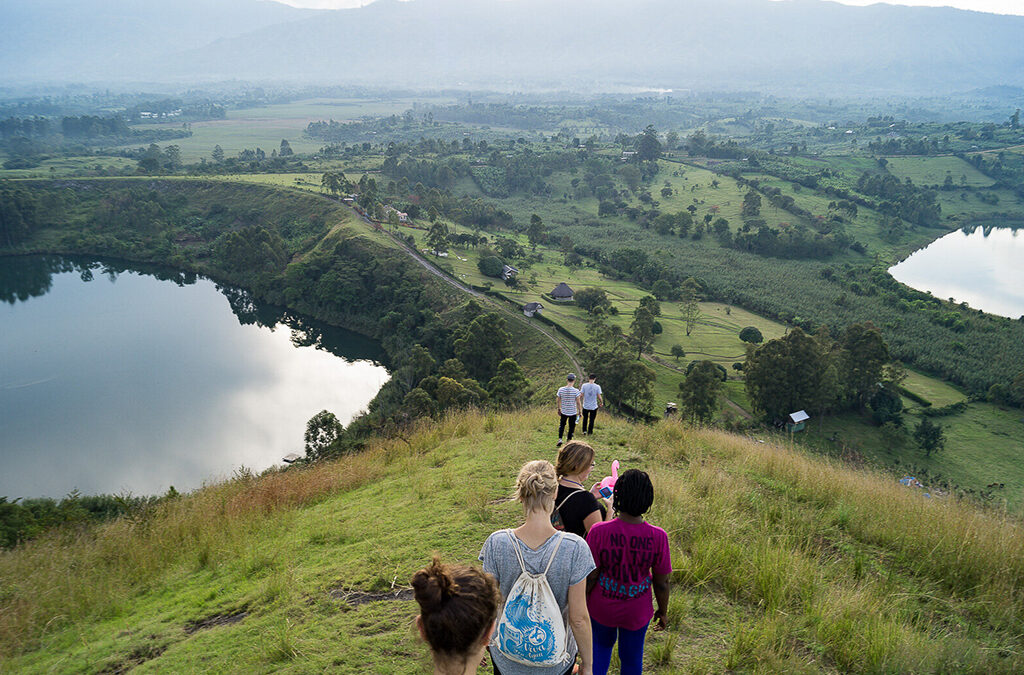
In the heart of western Uganda lies Fort Portal, a town surrounded by crater lakes, verdant tea plantations, and the foothills of the Rwenzori Mountains. Beyond its natural beauty, it has become one of the most treasured gateways for wildlife exploration and family travel. For families seeking to weave moments together while preserving them in photographs, Fort Portal presents an ideal blend of relaxation, adventure, and visual inspiration. The weekend rhythm in this town allows parents and children to immerse in nature, connect with wildlife, and master photography in a way that strengthens bonds while producing lifelong keepsakes.

Arriving in Fort Portal: The Gateway to Uganda’s Wild Side

The journey to Fort Portal from Kampala is itself a photographic prelude. The five-hour drive unfolds across undulating hills, villages, and lush farmland, preparing families for the serene landscapes awaiting them. As the first glimpse of the Rwenzori Mountains comes into view, travelers know they are entering a region defined by raw beauty. For those preferring comfort, private transfers are available, but even the public routes introduce families to the warmth of Ugandan life along the way.

Arriving in town, the relaxed atmosphere makes Fort Portal immediately welcoming. Markets bustle with activity, tea plantations glisten under the sun, and the surrounding crater lakes set the stage for an unforgettable weekend. Families quickly realize that beyond its beauty, the region carries a rhythm that is both adventurous and calm, ideal for travel with children.

Why Fort Portal Appeals to Families

Fort Portal is more than a picturesque town; it is an experience designed for family exploration. The destinations nearby provide safe, interactive, and educational adventures for younger travelers while offering abundant opportunities for parents to engage in wildlife and landscape photography.

The presence of Kibale National Park nearby, home to the highest density of chimpanzees in Africa, makes the region exceptional. Beyond primates, the crater lakes and wetlands surrounding Fort Portal create habitats for countless bird species, butterflies, and smaller wildlife that are easier for children to observe and for photographers to capture in detail. The accessibility of sites ensures that family members of all ages can comfortably join in the experience without fatigue or strain.

A Weekend Itinerary for Families

Day 1: Crater Lakes and Family Photography Sessions

The weekend begins with exploration of the crater lakes scattered around Fort Portal. These lakes, formed by ancient volcanic activity, shine like jewels against the green backdrop of the hills. Families can take leisurely walks around Lake Nyinambuga, a serene body of water surrounded by forest, where the reflections of trees and skies create natural frames for photographs.

Parents often find joy in teaching children how to capture simple yet powerful images of rippling waters, overhanging branches, and fishermen in dugout canoes. The soft morning light enhances the clarity of reflections, making these moments perfect for practice in family-friendly photography.

The afternoon can be spent visiting a tea plantation, where rows of green stretch endlessly over the hills. Such landscapes provide lessons in framing, symmetry, and texture, while also allowing children to witness the process of tea harvesting. Photographs of families walking through these plantations capture not only the scenery but also the shared experience of discovery.

Evening sets the stage for family portraits against the golden hues of the setting sun over the crater lakes, a chapter of the weekend where bonding and artistry merge.

Day 2: Kibale National Park and Chimpanzee Encounters

No family trip to Fort Portal is complete without a visit to Kibale National Park, located just a short drive from the town. Known as the primate capital of the world, this park offers families the extraordinary chance to encounter chimpanzees in their natural habitat.

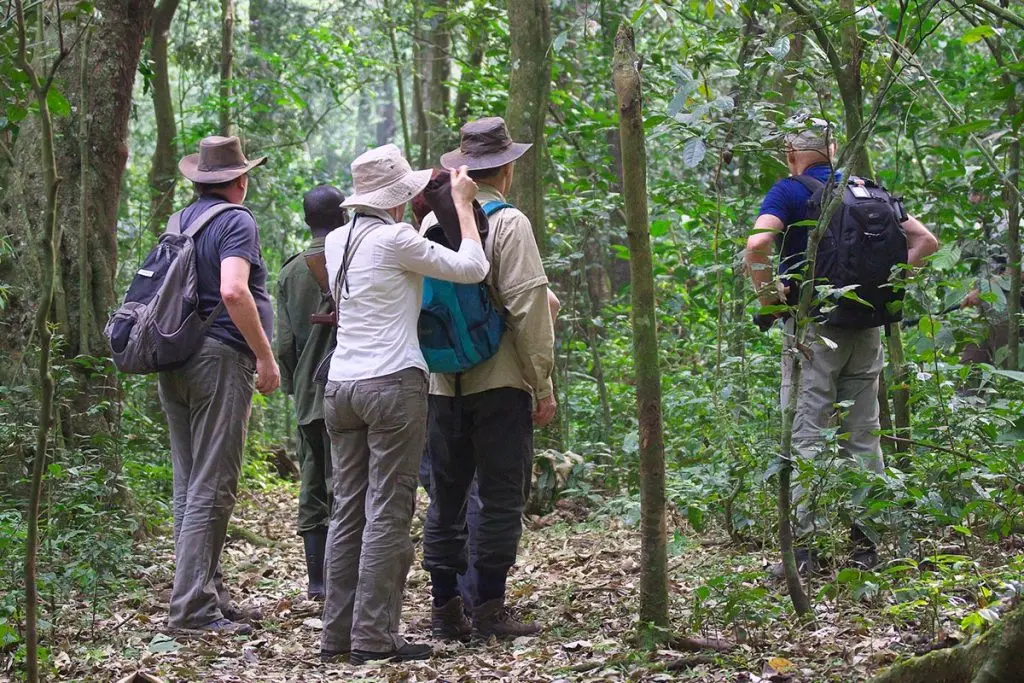
Children often marvel at the playful behavior of these intelligent creatures, while parents delight in capturing their movements through photography. Wildlife photography here requires patience and respect; the soft forest light filters through dense canopies, demanding adjustments in camera settings to achieve clarity. Families learn to embrace slower shutter speeds, experimenting together with framing and focus.

The park is also home to colobus monkeys, red-tailed monkeys, and an astonishing variety of birds and butterflies. While chimpanzees remain the highlight, the richness of the forest ensures that families leave with memory cards full of diverse wildlife images. The shared excitement of spotting creatures among the trees becomes a bonding activity in itself, teaching children the importance of patience and observation.

Evenings may be spent relaxing in lodges around the park’s edge, where fireplaces and storytelling provide a warm close to an adventurous day.

Day 3: The Amabere Caves and Nature Walks

The final day of the weekend itinerary leads families to the Amabere ga Nyinamwiru caves, a site steeped in myth and natural wonder. Waterfalls cascade over rocky formations, creating an ethereal setting perfect for family photography. Children often find fascination in the legends associated with the caves, where culture and nature intertwine.

Short nature walks in the area reveal lush vegetation, butterflies, and birdlife, offering chances for families to refine their photography skills in capturing smaller, often overlooked details. Parents often find joy in framing shots of children interacting with nature, turning the camera toward moments of curiosity and laughter.

As the weekend draws to an end, the final photographs capture not only wildlife and landscapes but also the essence of family unity. These images become a collective diary of a shared journey, one that extends beyond the lens into the heart of memory.

Wildlife Photography Tips for Families

Capturing Children and Nature Together

One of the most rewarding aspects of family photography in Fort Portal is combining human connection with natural beauty. Parents are encouraged to focus on candid moments—children gazing at a butterfly, pointing at monkeys in the trees, or skipping stones along the lake. These frames hold deeper meaning than posed portraits, blending wildlife, landscape, and family intimacy.

Working with Natural Light

The region’s changing weather and soft highland light create opportunities for creative expression. Morning and evening light is gentle, ideal for family portraits and landscapes. Midday light, though harsh, can be softened by photographing under forest canopies or beside reflective waters. Families quickly learn that natural light is not a challenge but a gift when embraced with patience.

Teaching Photography to Children

Traveling with children provides a chance to introduce them to photography as a way of storytelling. By allowing them to hold a camera or smartphone, they are encouraged to capture the world from their perspective. Parents may find delight in reviewing these images, which often reveal details that adults overlook. Photography becomes not only a record of wildlife but also a glimpse into how children see their surroundings.

The Best Seasons for a Fort Portal Family Escape

The dry seasons, from December to February and June to September, are ideal for family travel. Trails are more accessible, and wildlife encounters are easier to enjoy without heavy rains. These months also offer clear skies and reliable light conditions for photography.

The wetter months, however, bring their own charm. From March to May and October to November, the landscapes burst into lush greenery, and mist shrouds the crater lakes. Though rain can be challenging, it produces dramatic, atmospheric photographs. Families who embrace these conditions often return with unique, painterly images that cannot be replicated during the dry season.

A weekend in Fort Portal offers families more than a short escape. It is a carefully woven story where wildlife encounters, scenic landscapes, and photography lessons merge into one unforgettable experience. The region provides not only the chance to see Uganda’s treasures but also to preserve them as a family narrative told through images. Each photograph becomes more than a visual memory—it becomes a symbol of time shared, bonds strengthened, and nature embraced.

Plan Your Family Adventure

For families seeking to capture these moments with ease and expertise, thoughtful planning enhances the experience. To make your Fort Portal wildlife photography weekend both seamless and memorable, it is recommended to book your Africa tours and safaris through WildHorn Africa, where every detail is arranged to ensure comfort, safety, and the creation of family memories as lasting as the photographs themselves.

Local's Guide — Gulu when to visit for birders

Local’s Guide — Gulu when to visit for birders

By Travel stories and blogs, Travel guides, Uganda travel guides

Local’s Guide — Gulu: When to Visit for Birders

A Hidden Gem for Birdwatching

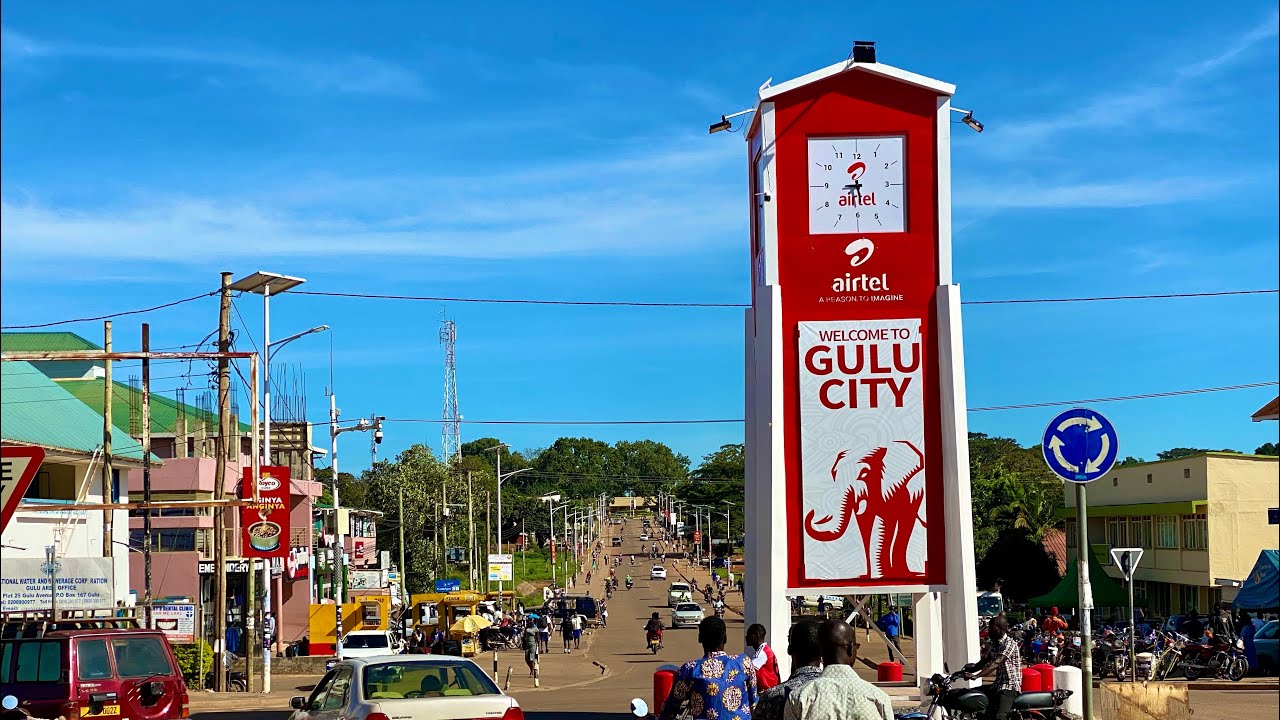
Far from the well-trodden routes of Uganda’s wildlife parks, Gulu has quietly emerged as a compelling destination for bird enthusiasts who seek authenticity, serenity, and encounters with species not always found in the country’s more frequented areas. As the cultural and economic hub of northern Uganda, Gulu offers not only a gateway into the heart of Acholi traditions but also access to a diverse range of birding landscapes that stretch from wetlands and savannahs to secondary forests and agricultural fields. For birders, the key to unlocking this experience lies in understanding the rhythm of the seasons and knowing when nature unveils its most enchanting spectacles.

The Allure of Birding in Gulu

Birding in Gulu is unlike any other experience in Uganda. While regions such as Queen Elizabeth National Park or Mabamba Swamp attract global attention, Gulu remains largely under the radar, offering a quieter and more immersive birdwatching journey. The district’s mosaic of habitats supports both resident species and migratory flocks, with opportunities to observe unique behaviors and interactions in a relatively undisturbed environment.

Beyond the birds themselves, the landscape of Gulu enhances the birding experience. Wide-open skies provide breathtaking backdrops for sightings of raptors, while marshy wetlands echo with the calls of waterbirds at dawn and dusk. The cultural element also enriches the journey, as birding excursions can be seamlessly paired with interactions with Acholi communities, allowing visitors to appreciate the deep connections between people, land, and wildlife.

Climate and Seasonal Patterns in Gulu

Understanding the climate cycle of northern Uganda is central to planning a rewarding birding trip to Gulu. The district is characterized by a tropical climate with distinct rainy and dry seasons that shape bird activity and accessibility to habitats.

The rainy seasons typically occur from April to May and again from August to November. During these months, the landscape becomes lush and vibrant, wetlands expand, and insect populations surge, creating perfect feeding grounds for insectivorous and migratory species. Many resident birds also engage in breeding during this period, displaying bright plumage and heightened activity, which photographers and birders alike find irresistible.

The dry seasons, running from December to March and from June to July, transform the terrain into drier savannah and open woodlands. Bird activity concentrates around water sources, making sightings more predictable and often easier. Raptors dominate the skies during this time, while flocks of weavers, starlings, and hornbills can be observed in striking clarity.

When to Visit: The Best Seasons for Birders

For those prioritizing birdwatching, the transition periods between rains and dry spells offer the most captivating spectacles. The months of November through February are considered ideal, as migratory species from Europe and Asia join the resident populations, significantly boosting diversity. Water sources still retain moisture from the preceding rains, drawing large congregations of birds.

The second best window falls between July and early September, when the land is still green from the earlier rains, yet access to birding sites becomes easier as paths dry. This season provides exceptional opportunities for watching breeding colonies and observing juvenile birds testing their wings.

Each season, however, carries its unique advantages. Photographers may prefer the rainy months when light reflects off the lush greenery, adding depth and vibrancy to images. Birders seeking easier identification and larger flocks in concentrated areas may find the dry months more rewarding. Ultimately, timing depends on whether the goal is to capture colorful displays, witness rare migratory visitors, or enjoy calm observations along watercourses.

Key Birding Habitats in and around Gulu

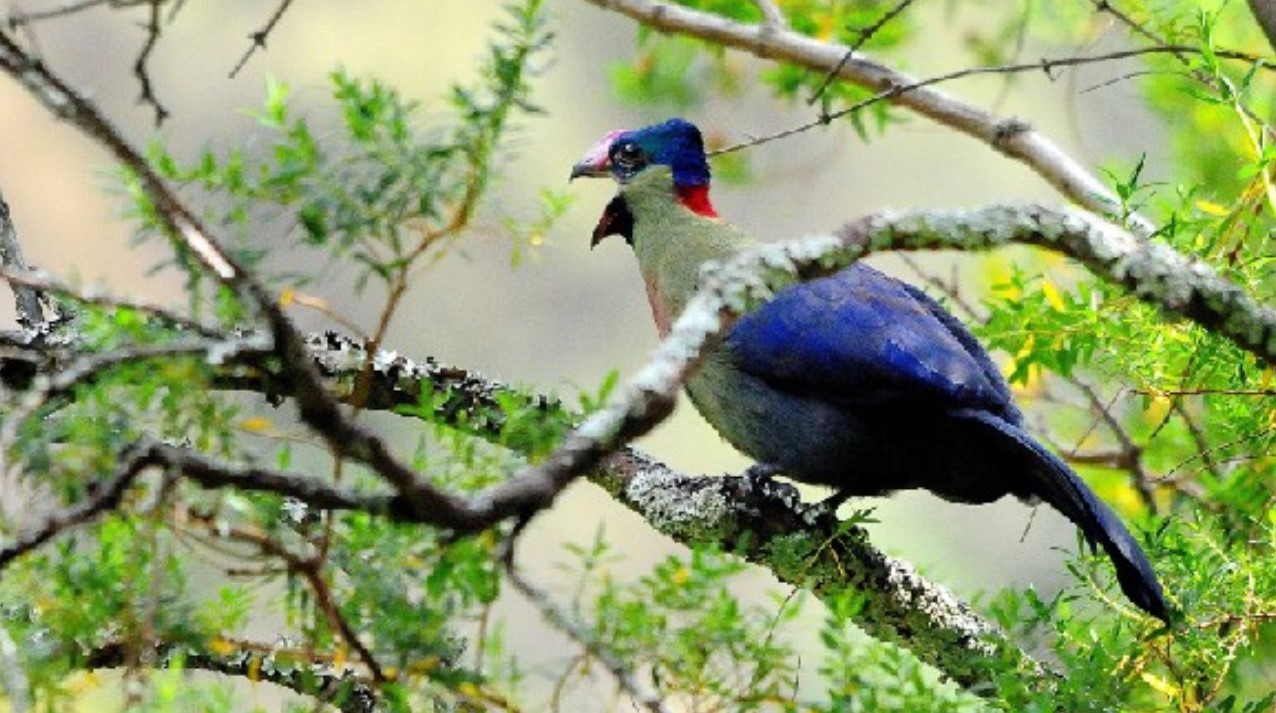
The richness of birdlife in Gulu arises from the diversity of its habitats. Wetlands scattered across the district serve as magnets for waterfowl, herons, and kingfishers. Grasslands and open savannah host bustards, francolins, and flocks of seed-eating species, while patches of woodland harbor hornbills, barbets, and turacos.

In the agricultural areas surrounding villages, birders may encounter a surprising variety of species adapting to human-modified landscapes. Weaver colonies flourish near homesteads, while raptors patrol farmlands in search of prey. Evening excursions along the edges of wetlands reveal nocturnal activity, with owls and nightjars adding a mysterious dimension to the birding experience.

These diverse habitats make Gulu not merely a stopover but a birdwatching destination in its own right, rewarding those who take the time to explore its overlooked corners.

Cultural and Community Dimensions of Birding

What sets Gulu apart from more traditional birding destinations is the integration of culture and conservation. Birders visiting the region not only witness avian wonders but also engage with the Acholi people, whose history, traditions, and deep relationship with the land enrich the overall experience. Storytelling sessions, traditional music, and guided walks led by local birding enthusiasts highlight the significance of birds in Acholi folklore and daily life.

Birding tourism in Gulu also contributes to community livelihoods, encouraging sustainable practices that align with conservation goals. For visitors, this means that every hour spent in the field doubles as support for local initiatives, turning a birding trip into a meaningful act of cultural exchange and ecological stewardship.

Practical Considerations for Birders

While Gulu is accessible by road from Kampala and Entebbe, the journey can be long, making early planning essential. Accommodations range from community guesthouses to boutique lodges, many of which are situated close to key birding habitats. It is advisable to consider the timing of rains when planning transport, as certain routes may become challenging during heavy downpours.

Birders are also encouraged to carry appropriate gear for the climate and terrain. Lightweight clothing, protective gear for sudden rains, and binoculars are indispensable. For photographers, the varying light conditions of Gulu require versatility in equipment, with early morning and late afternoon offering the most striking compositions.

Above all, patience and openness to discovery are essential, as Gulu’s birdlife reveals itself not in rushed checklists but through careful observation of daily rhythms.

Why Birders Should Prioritize Gulu

In a country famed for iconic birding sites such as Bwindi Impenetrable National Park and Mabamba Bay, Gulu holds a quieter but equally compelling allure. The district offers a blend of bird diversity, cultural immersion, and tranquility, making it an ideal destination for birders who seek to escape crowds and discover Uganda’s northern charm.

Visiting Gulu is more than a birding excursion; it is an encounter with a living landscape where avian beauty is deeply intertwined with human resilience and tradition. For birders who wish to balance their passion with cultural depth, Gulu stands as one of Uganda’s most rewarding and authentic experiences.

Timing Your Birding Journey in Gulu

The question of when to visit Gulu for birding is answered not simply in months or seasons but in what one seeks to experience. Whether it is the kaleidoscope of colors during breeding in the rains, the dramatic congregation of species in the dry months, or the thrill of migratory visitors in transition periods, Gulu offers something for every birder. Each season provides its own rhythm, ensuring that no visit feels repetitive or ordinary.

For those who dream of weaving together birding, culture, and conservation, Gulu emerges as an unrivaled destination. Every bird sighting is enhanced by the authenticity of its landscapes and the warmth of its people, making the journey both deeply personal and profoundly memorable.

To ensure a seamless and well-curated experience, it is highly recommended to book your Africa tours and safaris with WildHorn Africa, whose expertise guarantees that every moment in Gulu, from the wetlands at dawn to the community interactions at dusk, becomes part of a transformative journey.

Kabaka's Palace: Where to Stay to day trip for photographers

Kabaka’s Palace: Where to Stay to day trip for photographers

By Travel stories and blogs, Travel guides, Uganda travel guides

Kabaka’s Palace: Where to Stay for a Day Trip for Photographers

Capturing History and Culture in the Heart of Buganda

The Kabaka’s Palace, also known as Lubiri, located in Mengo, Kampala, stands as a symbol of the rich heritage and enduring traditions of the Buganda Kingdom. For photographers, a visit to this historic site offers an unparalleled opportunity to blend cultural storytelling with architectural photography, capturing intricate details of royal residences, ceremonial spaces, and the surrounding landscapes. A well-planned day trip enhances both safety and creative output, while choosing the right place to stay ensures ease of access, comfort, and the possibility of capturing early morning or late afternoon light for optimal imagery.

Understanding the Significance of Kabaka’s Palace

Kabaka’s Palace is not merely a historical structure; it is a living symbol of Buganda’s cultural continuity. The palace grounds, featuring royal gardens, courtyards, and ceremonial halls, reflect centuries of architectural evolution influenced by indigenous and colonial styles. Photographers are afforded the opportunity to document ornate woodwork, symbolic artifacts, and ceremonial regalia, all of which convey the historical and spiritual significance of the site.

Beyond architecture, the palace environment encompasses vibrant daily life, including caretakers, cultural guards, and visitors engaging in ceremonies or cultural demonstrations. Capturing these dynamic interactions provides a holistic view of the palace as both a heritage site and a functioning cultural institution, enriching visual narratives with authenticity and depth.

Choosing the Ideal Accommodation

Selecting accommodation for a day trip to Kabaka’s Palace requires consideration of proximity, comfort, and convenience. Staying near Mengo or central Kampala ensures minimal travel time, allowing photographers to maximize daylight hours for exploration. Boutique hotels and guesthouses in the vicinity provide secure, comfortable lodging while offering local flavor and accessibility to both the palace and other cultural landmarks.

Hotels with rooftop terraces or elevated views offer unique vantage points for landscape and architectural photography, enabling wide-angle compositions that incorporate the palace within its urban context. Additionally, lodgings that offer early breakfast services allow photographers to start excursions at dawn, when light is most favorable for capturing architectural textures and subtle details of the palace grounds.

Timing Your Visit for Photography

For optimal photographic results, timing is crucial. Early morning light illuminates the palace facades and gardens with a soft, diffused glow, while late afternoon creates long shadows and warm tones that enhance depth and contrast in images. The palace is most vibrant during ceremonial events or cultural demonstrations, which provide opportunities to capture movement, color, and authentic expressions of Buganda culture.

Midday, when lighting may be harsher, can be utilized for interior photography or close-up shots of architectural details, artifacts, and ornamental features. Photographers are advised to plan their day to balance exterior and interior shots, ensuring that each aspect of the palace is documented under favorable conditions.

Navigating the Palace Grounds

Kabaka’s Palace is a managed heritage site, and visitors must adhere to guidelines established by cultural authorities. Photography is generally allowed in designated areas, while certain ceremonial or private spaces are restricted. Guides familiar with the palace’s history and layout provide invaluable assistance, directing photographers to vantage points, highlighting historically significant structures, and explaining cultural protocols that must be observed.

Walking tours allow for intimate observation of gardens, courtyards, and ceremonial halls, with opportunities to capture both human and architectural subjects. Attention to composition, perspective, and framing is essential, particularly when photographing symmetrical structures, intricate carvings, or ceremonial displays that convey the grandeur of the Buganda Kingdom.

Technical Considerations for Photographers

Photographers visiting Kabaka’s Palace should prepare equipment suitable for both wide-angle and detailed shots. Wide-angle lenses capture the scope of palace courtyards, gardens, and architectural lines, while medium to telephoto lenses allow for close-up documentation of carvings, artifacts, and human interactions. Tripods may be required for low-light interior photography, ensuring clarity and precision in images.

Lighting is a critical factor. Diffused natural light enhances textures and reduces harsh shadows, while backlighting can be used creatively to silhouette figures against ornate doors or ceremonial halls. Photographers should also be mindful of reflections from polished floors or glass display cases, adjusting angles to minimize glare while capturing the richness of interior spaces.

Complementary Sites for Photographers

A day trip to Kabaka’s Palace can be enriched by visits to adjacent cultural landmarks, such as the Kasubi Tombs or Namirembe Cathedral. These sites provide additional architectural and cultural subjects, broadening the photographic narrative of Buganda’s heritage. Combining multiple locations in a single itinerary allows photographers to capture contrasts between ceremonial, residential, and sacred architecture while exploring the cultural continuum of the kingdom.

Local markets and streets surrounding the palace offer opportunities for street photography, capturing daily life, traditional attire, and informal cultural expressions that complement formal palace imagery. Observing and documenting the interactions of residents, traders, and visitors provides contextual depth to the visual story.

Health, Safety, and Etiquette

Photographers are advised to maintain personal safety and cultural sensitivity while exploring Kabaka’s Palace. Adhering to guidelines provided by palace authorities ensures both the preservation of heritage and personal security. Carrying water, sun protection, and light gear allows for comfortable mobility during day-long excursions.

Respecting ceremonial protocols, seeking permission for portrait photography, and avoiding restricted areas reinforces ethical engagement with the site. Maintaining awareness of surroundings, including the flow of visitors and designated pathways, ensures a smooth experience while minimizing the risk of damage to sensitive areas or artifacts.

Maximizing Your Photography Experience

Kabaka’s Palace offers photographers a unique opportunity to blend architectural, cultural, and human-interest photography within a single day trip. Selecting the right accommodation near the palace enhances convenience, provides strategic vantage points, and allows early access to the site’s most photogenic areas. By planning visits around optimal lighting, integrating guided tours, and maintaining ethical standards, photographers can document the richness of Buganda heritage while ensuring a safe and rewarding experience.

To ensure a seamless and well-supported photography trip to Kabaka’s Palace, it is recommended to book your Africa tours and safaris via WildHorn Africa, where expert planning and local knowledge guarantee that every moment—from capturing intricate palace details to exploring surrounding cultural landscapes—is safe, efficient, and unforgettable.

Budget-Friendly Ideas for photography tour in Toro Kingdom for weekenders

Budget-Friendly Ideas for photography tour in Toro Kingdom for weekenders

By Travel stories and blogs, Travel guides, Uganda travel guides

Budget-Friendly Ideas for Photography Tour in Toro Kingdom for Weekenders

Capturing the Heritage and Landscapes of Toro

Nestled in western Uganda, Toro Kingdom is a region where history, culture, and natural beauty converge, offering weekend travelers the opportunity to immerse themselves in both photographic exploration and cultural discovery. Known for its rolling hills, lush landscapes, and historical landmarks, Toro provides a rich canvas for photographers seeking to capture authentic Ugandan life without straining their budget. Whether drawn to cultural ceremonies, local markets, or scenic vistas, weekenders can experience Toro in a way that blends affordability, accessibility, and depth. Thoughtful planning ensures that every hour spent within the kingdom is optimized for both visual storytelling and personal enrichment.

Understanding Toro Kingdom’s Photographic Appeal

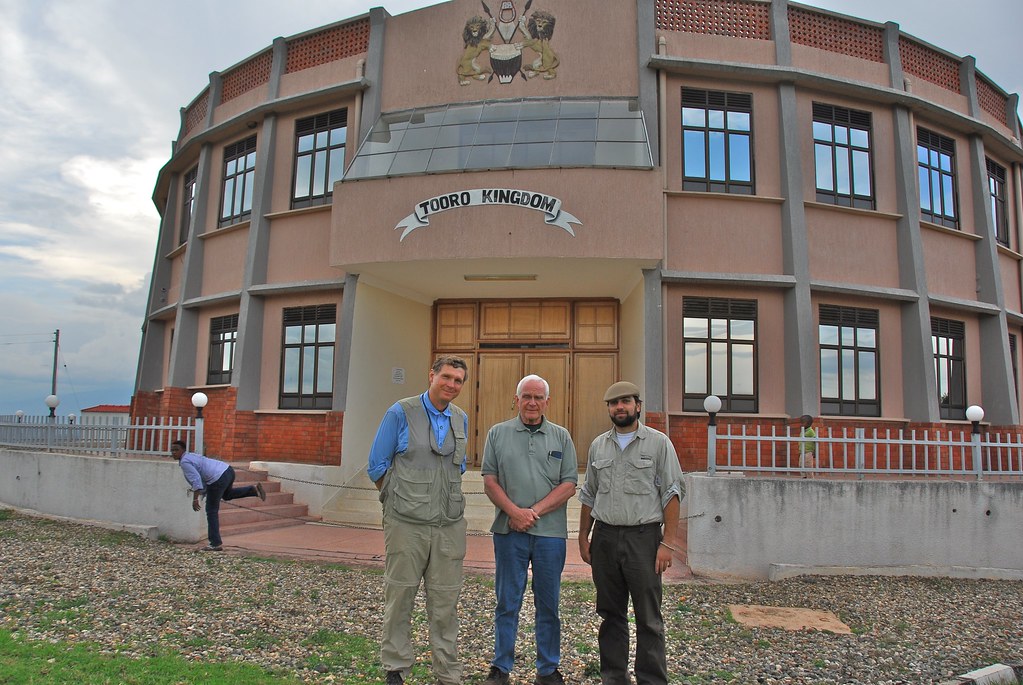
Toro Kingdom is characterized by diverse landscapes ranging from verdant highlands to winding rivers and serene valleys. Its historical sites, including the King’s Palace in Fort Portal and other royal landmarks, offer architectural and cultural photography opportunities. Local communities, dressed in traditional attire and engaged in daily routines, provide dynamic subjects for both candid and posed photography.

The natural environment enhances the kingdom’s appeal. Hills and forests create layered compositions for landscape photography, while rivers and waterfalls offer reflective surfaces and dramatic contrasts for creative framing. Seasonal variations, such as the rainy season with its mist-laden valleys and the dry season with golden light illuminating rolling hills, influence both the mood and technical approach for photographers.

Planning a Weekend Photography Tour

For weekend travelers, strategic planning is essential to maximize time and minimize costs. Early departure from urban centers, such as Kampala, ensures that mornings in Toro can be dedicated to exploration when lighting and wildlife activity are ideal. Arrival in Fort Portal or neighboring towns allows for settling into budget-friendly lodgings while providing access to local guides and transportation for excursions.

Photographers are advised to create a flexible schedule that balances scenic landscapes, cultural sites, and market interactions. Time management ensures that key photographic subjects are captured, including sunrise over the hills, mid-morning community activities, and late afternoon landscapes, without feeling rushed. Engaging local guides or community members enhances both logistical efficiency and authenticity, providing insights into culturally significant locations and traditions that might otherwise be overlooked.

Cultural Photography Opportunities

The cultural richness of Toro Kingdom provides a wealth of photographic subjects. Traditional ceremonies, local crafts, and market days allow for the capture of movement, color, and expression. The Kingdom’s royalty and historical landmarks offer architectural and symbolic imagery that conveys the region’s heritage. Photographers are encouraged to approach subjects respectfully, seeking permission when necessary and maintaining a considerate distance to preserve authenticity and comfort for community members.

Markets, in particular, offer opportunities to photograph vibrant textiles, fresh produce, and dynamic human interactions. Early mornings are ideal, when vendors set up and communities are most active. Capturing these moments requires both patience and adaptability, as lighting, crowd movement, and environmental conditions can change rapidly.

Nature and Landscape Photography

Toro’s natural scenery is equally compelling. Hills, valleys, forests, and rivers provide layered compositions suitable for wide-angle photography, while focal points such as solitary trees, waterfalls, or distant villages add narrative interest. Photographers can explore small forest reserves, agricultural terraces, and hilltops to frame landscapes with both foreground and background elements.

Seasonal changes dramatically alter the visual character of Toro. The wet season produces vibrant greenery and misty atmospheres that create ethereal moods, while the dry season offers clearer skies, golden light, and extended visibility across valleys and hills. Selecting vantage points for sunrise and sunset photography allows weekenders to maximize the visual impact of their images.

Budget-Friendly Accommodation and Logistics

Weekend photographers can minimize costs by choosing lodges, guesthouses, or community-run accommodations that are safe, comfortable, and situated near key photographic locations. Staying within Fort Portal provides access to both cultural sites and natural landscapes, reducing travel time and transportation costs.

Local transportation options, including taxis, minibuses, and shared vehicles, are effective and affordable for reaching surrounding villages, hilltops, and natural attractions. Walking excursions can complement vehicle-based travel, offering close-up photographic opportunities and fostering a more intimate connection with the environment. Photographers are advised to plan meals, rest periods, and transport in advance to ensure both safety and efficiency while remaining mindful of budget constraints.

Technical Photography Tips for Weekenders

To optimize photographic results in Toro Kingdom, photographers should prepare gear and techniques for both landscapes and human subjects. A combination of wide-angle lenses for sweeping vistas and medium telephoto lenses for cultural details provides flexibility. Tripods or monopods can assist in low-light conditions, while polarizing filters enhance color saturation and reduce glare from water surfaces.

Photographers should pay attention to light quality throughout the day. Early mornings and late afternoons offer soft, directional light ideal for both landscapes and portraits. Midday light may require creative framing or selective shading techniques to manage contrast and highlights. Incorporating environmental elements, such as rivers, trees, or village structures, adds depth and narrative to compositions.

Ethical Considerations in Photography

Respect and cultural sensitivity are essential when photographing in Toro Kingdom. Seeking consent before photographing individuals, especially in ceremonial or personal contexts, ensures ethical practice and fosters positive interactions. Avoiding intrusive behavior, minimizing disruption to wildlife and community life, and adhering to local guidelines demonstrates respect while preserving the authenticity of images captured.

Ethical photography extends to environmental stewardship. Trails, forests, and waterways should be respected, with no littering or damage to natural habitats. By maintaining high ethical standards, photographers contribute to the sustainability of both cultural and natural resources, allowing future visitors to enjoy Toro Kingdom in its pristine form.

Integrating Photography with Personal Enjoyment

Weekend photography tours in Toro Kingdom can balance creative output with personal enrichment. Time can be allocated for leisurely exploration, reflection, and connection with both nature and local communities. Sharing experiences with fellow travelers, discussing photographic techniques, or simply observing wildlife and human activity enhances the overall value of the journey.

Photography, while central, becomes a tool for storytelling and memory preservation, allowing travelers to return home with not only images but also a deeper understanding of Toro Kingdom’s landscapes, cultures, and rhythms of life.

Affordable and Enriching Weekend Adventures

Toro Kingdom offers an exceptional opportunity for budget-conscious photographers to explore landscapes, cultural heritage, and natural diversity over a weekend. By carefully planning itineraries, selecting accommodations strategically, and maintaining ethical and technical standards in photography, weekenders can maximize both their creative output and personal experiences.

To ensure a seamless and enriching photography tour in Toro Kingdom, it is recommended to book your Africa tours and safaris via WildHorn Africa, where expert guidance, local knowledge, and logistical support allow every moment—from sunrise over rolling hills to intimate cultural encounters—to be both safe and unforgettable.

The Where to Stay: birdwatching hotspot at Kibale National Park for solo travelers

The Where to Stay: birdwatching hotspot at Kibale National Park for solo travelers

By Travel stories and blogs, Travel guides, Uganda travel guides

The Where to Stay: Birdwatching Hotspot at Kibale National Park for Solo Travelers

A Solo Traveler’s Avian Paradise

Kibale National Park, located in western Uganda, is renowned for its lush forests, primate populations, and exceptional bird diversity, making it a must-visit destination for solo travelers seeking a meaningful wildlife experience. Beyond chimpanzee tracking, the park has emerged as a birdwatcher’s haven, attracting both local enthusiasts and international visitors. For those journeying alone, Kibale offers an immersive experience where each morning brings the chorus of forest birds, and each evening invites reflection under a canopy of stars. Choosing the right place to stay within or near the park can transform a birding excursion from a simple visit into a deeply personal adventure, blending comfort, safety, and direct access to the forest’s natural wonders.

Why Kibale National Park is a Birdwatching Hotspot

Kibale National Park spans over 795 square kilometers of semi-deciduous tropical rainforest, interspersed with grasslands, swamps, and crater lakes. This variety of habitats supports over 375 bird species, including the rare and endemic ones such as the green-breasted pitta, the Nahan’s francolin, and numerous sunbirds, turacos, and hornbills. Migratory species also visit seasonally, enriching the park’s biodiversity and providing solo birders with a constantly changing array of subjects to observe and photograph.

The park’s forests are dense yet navigable, allowing for close encounters with birds both on the forest floor and in the canopy. Solo travelers benefit from the relatively safe and well-marked trails, guided tours, and the welcoming nature of staff and local guides who are accustomed to assisting individuals seeking solitary exploration without compromising safety.

Factors to Consider When Choosing Accommodation

For solo travelers, selecting accommodation near Kibale National Park requires balancing accessibility, safety, comfort, and immersion in nature. Properties vary from forest lodges and eco-resorts within the park boundaries to guesthouses and budget lodgings in nearby towns such as Fort Portal. Staying inside the park offers direct access to early morning birding trails and allows for spontaneous excursions, which are particularly valuable for photographers and serious birders.

Lodges and eco-camps often provide guided bird walks, binoculars, field guides, and quiet spots for observation, catering specifically to individuals traveling alone. Conversely, guesthouses in Fort Portal or smaller communities offer affordability, cultural interactions, and the chance to observe birds adapting to human-modified landscapes, such as gardens, farm edges, and small wetlands. Each option has advantages, and the choice depends on the solo traveler’s priorities, whether focused on intensive forest birding or combining the experience with cultural engagement.

Recommended Lodging Options for Solo Birders

Forest Lodges Within the Park

Forest lodges offer unparalleled access to trails, quiet observation points, and the immersive sounds of the rainforest. Many lodges feature decked platforms and open-air dining areas where early morning bird calls can be enjoyed with minimal disturbance. Staying at these lodges allows solo travelers to begin walks at dawn, capturing species like the African pitta, grey parrot, and various hornbills as they forage and display territorial behaviors. The presence of knowledgeable guides enhances safety and enriches the birding experience, providing insights into species identification, seasonal behaviors, and ideal photographic angles.

Eco-Camps and Budget-Friendly Stays

For solo travelers on a moderate budget, eco-camps situated at the park’s edge provide a balance between affordability and immersion. Tents and simple cabins are often positioned near forest trails or small water bodies, allowing access to both forest and open habitats. Solo travelers can enjoy morning walks guided by rangers, with opportunities to photograph mixed-species flocks, waterbirds along streams, and elusive undergrowth species. These eco-camps also emphasize sustainable practices, providing educational opportunities on conservation and environmental stewardship.

Guesthouses and Lodgings in Fort Portal

For those who prefer a community-based experience, guesthouses in Fort Portal offer safety, local hospitality, and moderate rates. While early access to forest trails may require short drives, the lodgings provide unique birding opportunities in the surrounding landscapes. Solo travelers can explore crater lakes, agricultural edges, and gardens where birds such as weavers, sunbirds, and waxbills are abundant. Guesthouse stays often include meals and interactions with local staff, giving insight into the Acholi and Bakonzo cultural contexts, which can enrich a solo birding itinerary.

Optimizing Birdwatching for Solo Travelers

Birdwatching in Kibale requires awareness of daily rhythms, light conditions, and wildlife behavior. Early morning is the most active time for forest species, and solo travelers are advised to start walks before sunrise. Trails are best navigated with a guide, ensuring safety and maximizing sightings of shy or camouflaged species. Midday periods are ideal for photography, capturing light filtering through the canopy or reflections in small streams and forest puddles.

Evening walks provide opportunities to observe nocturnal species such as owls, nightjars, and other crepuscular birds, which adds depth to any birding record. Solo travelers often benefit from the flexibility to adjust schedules spontaneously, revisiting favored sites or exploring quiet corners of the park without coordinating with a group. This freedom enhances both the quality of observation and the creative potential for photography.

Safety and Comfort Considerations

Traveling alone requires special attention to safety and preparedness. Lodges and eco-camps within and near Kibale typically provide emergency contacts, trained guides, and secure accommodations. Solo travelers are advised to carry basic first aid, appropriate clothing for wet and humid conditions, and equipment to document bird sightings, including binoculars and cameras. Staying hydrated and planning trails based on personal stamina ensures a positive and safe birding experience.

Comfort also plays a key role in sustaining long hours of observation. Accommodations with quiet common areas, reading materials, and opportunities for reflection allow solo travelers to recharge while still remaining connected to the forest environment. Meals featuring local ingredients enhance both the cultural and sensory aspects of the stay.

Integrating Cultural Experiences

A solo birding trip to Kibale is enriched by interaction with local communities and conservation initiatives. Visits to surrounding villages provide insight into traditional land use, sustainable farming practices, and the relationship between humans and avian species. Observing how farmers coexist with birds in gardens and wetlands deepens understanding of ecological dynamics and informs a more holistic approach to birdwatching.

Photography in these settings captures not only wildlife but also stories of culture, adaptation, and resilience. Images of local children observing birds, elders guiding on forest trails, and seasonal agricultural activities blend human interest with avian diversity, producing a richer narrative for solo travelers documenting their experiences.

Choosing the Ideal Stay for a Solo Birding Adventure

Kibale National Park stands as one of Uganda’s premier destinations for birding, offering diverse habitats, remarkable species, and immersive experiences for solo travelers. The choice of accommodation significantly influences the depth and quality of the trip. Whether staying in forest lodges for immediate access to trails, eco-camps for a balance of immersion and affordability, or guesthouses in Fort Portal for cultural engagement, each option caters to the needs of individual travelers seeking both safety and meaningful wildlife encounters.

Solo birders benefit from flexibility, focused observation, and personalized photographic opportunities, all of which enhance appreciation of the park’s ecological richness. By selecting lodging strategically and integrating early morning excursions, forest walks, and cultural exploration, travelers can craft a rewarding experience that extends beyond simple sightseeing into personal discovery and connection with nature.

To ensure a seamless and enriching stay in Kibale National Park, it is recommended to book your Africa tours and safaris via WildHorn Africa, where expert planning and local knowledge guarantee that each moment—whether spent observing a rare forest bird or engaging with the community—becomes part of a memorable and transformative adventure.

3-Day Itinerary: Source of the Nile seasonal guide for photographers

3-Day Itinerary: Source of the Nile seasonal guide for photographers

By Travel stories and blogs, Travel guides, Uganda travel guides

3-Day Itinerary: Source of the Nile Seasonal Guide for Photographers

Capturing the Birthplace of a Legend

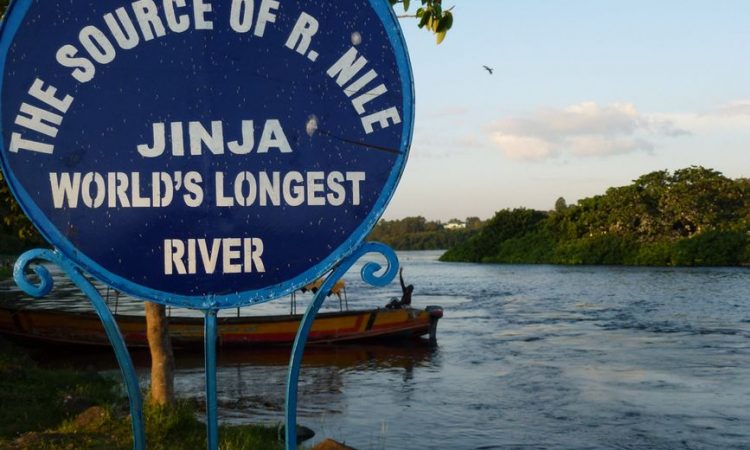
The Source of the Nile, where the world’s longest river begins its timeless journey, is not only a geographical wonder but also a dreamscape for photographers. Located in Jinja, Uganda’s adventure capital, this sacred point where Lake Victoria releases its waters into the Nile has fascinated explorers, travelers, and artists for centuries. For photographers, it offers an infinite interplay of light, motion, and culture, a canvas where every season tells a different story.

Planning a 3-day itinerary at the Source of the Nile allows one to not merely see but to truly immerse in the rhythms of this legendary river. From golden sunrise reflections to cultural encounters and adrenaline-charged moments on rapids, each season transforms the same landscapes into new masterpieces. With thoughtful timing and artistic perspective, the lens becomes a bridge between natural majesty and human heritage.

Location and Access to the Source of the Nile

Gateway to Uganda’s Photographic Treasure

The Source of the Nile is situated in Jinja, approximately 80 kilometers from Uganda’s capital, Kampala. The journey by road takes two to three hours, passing through vibrant trading centers, lush countryside, and expansive sugarcane plantations. For those seeking convenience, private transfers are readily available, ensuring comfort and flexibility for carrying delicate camera gear.

On arrival in Jinja, the river reveals itself in stages—first in quiet channels, then in surging rapids, and finally at the exact point where Lake Victoria gives birth to the Nile. Accessibility remains one of the site’s advantages, allowing both seasoned photographers and first-time visitors to explore without logistical strain. This ease of access ensures that more time is dedicated to framing shots rather than enduring journeys.

Seasonal Guide for Photographers

The Dry Season: Clarity and Golden Hues

From December to February and again from June to September, the region experiences its dry seasons, characterized by clear skies and brilliant sunlight. Photographers find this period ideal for capturing crisp landscapes and richly lit river scenes. Sunrises reflect golden tones on calm waters, while evenings produce dramatic silhouettes of fishermen casting nets against a fading sky.

Wildlife along the banks also becomes more visible as vegetation thins, allowing for clearer framing of kingfishers, cormorants, and monitor lizards basking on rocks. The dry season’s predictability benefits those who seek precision, making it perfect for commercial shoots, travel photography projects, or editorial work.

The Wet Season: Mist, Atmosphere, and Drama

March to May and October to November mark the wet seasons, bringing frequent rains and a transformed mood to the Source of the Nile. For photographers who crave atmosphere, this season is unmatched. Mists rise from the river at dawn, draping the landscape in a mystical veil that softens light and creates ethereal frames. Rain-washed foliage glows in deep greens, adding vibrancy to compositions.

The rapids swell, creating dramatic action shots of foaming currents and kayakers braving the surge. While lighting may challenge those unprepared, it rewards patience with moments of unrepeatable beauty. Raindrops on the river’s surface, clouds mirrored in still backwaters, and fleeting rainbows across the horizon all become opportunities to capture storytelling through imagery.

Day 1: Arrival and Evening Glow at the Nile

The first day of a 3-day itinerary begins with arrival in Jinja and orientation at the river’s edge. As the sun descends, the Source of the Nile reveals its calmest side, inviting photographers to capture sunset reflections, fishermen at work, and silhouettes of boats drifting across Lake Victoria’s outlet. The evening glow casts a warm palette, making this session a gentle initiation into the timelessness of the river.

Nightfall provides additional opportunities. Long-exposure photography captures the shimmer of stars mirrored on water, while riverside lodges, softly lit against the darkness, add a human element to the vast scene. The first day establishes both a connection and anticipation for deeper exploration to come.

Day 2: Exploring Rapids and Cultural Encounters

The second day is dedicated to motion and human interaction. Morning begins with photographing the rapids upstream, where kayakers and rafters battle currents that seem sculpted for drama. Freezing action shots of sprays against blue skies, or experimenting with slower shutters to capture blurred motion of rapids, rewards with images that embody the Nile’s restless spirit.

Later in the day, the lens turns toward Jinja’s cultural life. Craft markets, colonial architecture, and vibrant street scenes offer rich storytelling layers. Portraits of artisans at work, children playing along the riverbanks, and traditional boats resting against papyrus-fringed shores highlight the inseparable bond between people and the river. Evening offers another golden-hour session, this time focusing on human activity intertwined with natural beauty.

Day 3: Dawn Mysticism and Farewell Frames

The final day of the itinerary begins before sunrise, as the river unveils its most mystical side. Mist drifting above water, fishermen quietly setting off, and the first rays of sun piercing through clouds create a palette of soft light and hushed tones, perfect for atmospheric compositions. This session becomes the emotional climax, the moment when the river reveals its spiritual essence through the lens.

As midday approaches, opportunities arise to explore wetlands and islands nearby, offering chances to photograph birdlife such as kingfishers, herons, and African fish eagles in their natural habitats. These intimate encounters add delicate finishing notes to the photographic journey.

Departure in the afternoon or evening completes the experience, but the photographs captured remain as enduring testaments to the Source of the Nile’s power to inspire artistry.

Practical Tips for Photographers

Respecting the Rhythm of the River

Photography at the Source of the Nile requires not only technical skill but also respect for the environment. Tripods are essential for low-light scenes, waterproof covers protect gear during rains, and patience ensures that fleeting atmospheric moments are not missed. Most importantly, cultural sensitivity when photographing local communities guarantees that images reflect dignity and authenticity.

Seasons as Storytelling

The decision of when to visit shapes the narrative captured. The dry season tells stories of clarity, structure, and open horizons, while the wet season offers tales of mystery, mood, and unpredictability. Each season provides its own character, and the best photographers embrace both, weaving them into complete visual stories of the river’s identity.

To spend three days at the Source of the Nile is to experience a place where time seems to flow as steadily as the river itself. For photographers, it becomes a classroom of light, mood, and storytelling, offering lessons that cannot be replicated elsewhere. Each season writes its own script: dry months reward with golden precision, while wet months whisper in mist and shadow.

The Source of the Nile is not only a geographical wonder but a living muse, inspiring those who look through the lens to see more than scenery. It reveals a relationship between water, people, and history, one that transcends mere travel and enters the realm of artistry. To add it to a bucket list is to honor both adventure and creativity, ensuring that its memory flows as endlessly as the river itself.

Book Your African Safari and Photography Journey

For travelers and photographers ready to immerse in this timeless wonder, professional guidance ensures an experience that is seamless, enriching, and unforgettable. To capture the Source of the Nile and other African treasures with expertise and comfort, it is recommended to book your Africa tours and safaris through WildHorn Africa, where every detail is designed to turn a photographic dream into a living masterpiece.

Packing Essentials — Ssese Islands cultural tour for photographers

Packing Essentials — Ssese Islands cultural tour for photographers

By Travel stories and blogs, Travel guides, Uganda travel guides

Packing Essentials — Ssese Islands Cultural Tour for Photographers

Capturing Culture and Beauty in the Ssese Islands

The Ssese Islands, an archipelago of 84 islands in Lake Victoria, Uganda, have long captivated travelers with their blend of pristine beaches, rich biodiversity, and vibrant cultural heritage. For photographers, the islands offer a dual opportunity: to capture the unspoiled natural landscapes and to document the intricate lives of local communities. Planning a cultural tour here, however, requires more than curiosity and a camera; it demands careful preparation and thoughtful packing. The right gear, supplies, and attire ensure that photographers can focus on creating compelling visual stories while fully engaging with the cultural and natural richness of the islands.

Understanding the Ssese Islands as a Photography Destination

The Ssese Islands are renowned for lush tropical forests, palm-lined shores, and traditional fishing villages. Each island has its own character, from bustling communities with colorful markets to quiet beaches where daily routines unfold slowly. For photographers, the opportunity exists to capture both landscape and portraiture, documenting the interplay between human activity and nature. Early morning and late afternoon light are particularly ideal for photography, revealing textures, shadows, and colors that enhance storytelling.

Cultural immersion adds another dimension to photographic exploration. Traditional dances, fishing techniques, and market interactions offer dynamic subjects, while quiet moments—such as children playing on the shore or elders preparing meals—provide intimate glimpses into local life. For first-time visitors, understanding the nuances of these communities enhances both the ethical approach to photography and the depth of the resulting images.

Essential Photography Gear

Photography on the Ssese Islands requires careful selection of equipment to balance versatility, durability, and convenience. A DSLR or mirrorless camera with a range of lenses, including wide-angle for landscapes and telephoto for wildlife or candid shots, is highly recommended. Portable tripods, filters, and external flashes allow for creative experimentation in varied lighting conditions, from sun-drenched beaches to shaded forest trails.

Photographers should consider waterproof or weather-resistant equipment, as the islands’ tropical climate can be unpredictable. Rain protection for cameras, lens cleaning kits, and durable camera bags help maintain gear integrity. Extra batteries and memory cards are essential for multi-day tours, as power supply may be limited in remote accommodations. Compact drones, where permitted, can provide aerial perspectives of the archipelago, capturing the scale and interconnectivity of the islands while respecting local regulations and privacy.

Clothing and Personal Essentials

The tropical climate of the Ssese Islands requires lightweight, breathable clothing, but preparation should also account for sun exposure, humidity, and occasional rainfall. Loose, neutral-colored clothing helps blend into natural environments for wildlife photography, while also ensuring comfort during long walks or boat transfers between islands. Hats, sunglasses, and sunscreen are indispensable for sun protection, and insect repellent is necessary due to the presence of mosquitoes, especially near wetlands and lakeshores.

Footwear should balance comfort and utility. Lightweight hiking shoes are ideal for forested paths, while sandals or water shoes are practical for beach exploration and river crossings. Swimsuits may be included for leisure or for capturing aquatic landscapes, but photographers are advised to maintain modesty and cultural sensitivity in community areas.

Cultural Sensitivity and Ethical Considerations

A successful cultural tour on the Ssese Islands requires an attentive and respectful approach to the local communities. Photographers must seek permission before taking portraits or recording cultural rituals. Engaging with local guides or community leaders ensures that interactions are appropriate and that photography contributes positively to cultural preservation.

Understanding local customs, greetings, and behavioral norms enhances both the visitor experience and the authenticity of photographic storytelling. Observing festivals, market routines, and fishing practices without intruding allows photographers to capture genuine moments while maintaining trust and respect. This ethical approach not only enriches the images produced but also strengthens relationships with the island residents.

Travel and Logistics Essentials

Navigating the Ssese Islands involves a combination of boat transfers, walking excursions, and local transport. Waterproof bags for cameras and personal items protect against splashes during boat rides, while maps or GPS devices assist with orientation across the archipelago. Local guides provide invaluable insight into hidden trails, secluded beaches, and culturally significant sites that may not be easily accessible independently.

Travelers should prepare for limited connectivity in remote areas, carrying power banks and portable chargers to maintain communication and keep photography equipment functional. Health considerations, including malaria prophylaxis, first-aid kits, and access to clean water, are crucial for a safe and comfortable experience. Familiarity with local emergency contacts and park authorities ensures preparedness for unexpected situations.

Food, Accommodation, and Daily Essentials

Accommodations on the Ssese Islands range from eco-lodges and beach resorts to simple guesthouses, offering varying levels of comfort and amenities. Photographers traveling on multi-day tours should select lodgings that provide secure storage for equipment, proximity to prime photographic locations, and guidance for early morning and evening excursions.

Meals often feature locally sourced fish, fruits, and vegetables, providing both culinary experience and nutrition. Carrying personal snacks, hydration packs, and lightweight meal supplements is advised for long days of exploration, particularly in areas where amenities are limited. Ensuring proper hydration and nutrition supports sustained energy for both photography and engagement in cultural activities.

Planning Your Photography Schedule

For optimal results, photographers should structure daily schedules around natural light and wildlife activity. Early morning walks along beaches, through forests, and into village paths offer opportunities to capture birds, fishermen, and community life. Midday light may be harsher but can reveal textures in landscapes and architectural details. Late afternoon and dusk provide golden-hour lighting, enhancing portraits, landscapes, and water reflections.

Flexibility is essential, as weather, tides, and local events can influence accessibility to specific locations. By planning tentative itineraries while remaining adaptable, photographers maximize opportunities to capture both natural and cultural subjects, ensuring a diverse and comprehensive photographic portfolio.

Health and Safety Precautions

Photographers must prioritize personal safety and health while exploring the Ssese Islands. Sunburn, dehydration, and insect-borne illnesses are common risks in tropical climates. Adequate sun protection, insect repellents, and adherence to local hygiene practices reduce these risks significantly. Water safety is critical during boat travel and near lakeshores, with life jackets and cautious movement emphasized during excursions.

Solo travelers and groups alike are advised to maintain communication with guides, lodge staff, and emergency contacts, particularly when exploring remote or less frequented areas. By combining mindfulness with preparation, photographers can focus on creativity and cultural engagement without compromising well-being.

Balancing Creativity, Exploration, and Respect

A cultural tour of the Ssese Islands offers photographers an extraordinary blend of natural beauty and human heritage. Success on such a tour depends on preparation, respect for local communities, and careful attention to personal safety and equipment management. By packing thoughtfully, engaging ethically, and planning for both photographic and logistical challenges, travelers can fully immerse themselves in the islands’ dynamic landscapes and vibrant cultures.

For those eager to experience the Ssese Islands with seamless planning and expert guidance, it is recommended to book your Africa tours and safaris via WildHorn Africa, ensuring that every moment—from capturing intimate cultural scenes to photographing the archipelago’s scenic vistas—is safe, enriching, and memorable.

Budongo Forest: Complete Guide to photography tour for long-stay travelers

Budongo Forest: Complete Guide to photography tour for long-stay travelers

By Travel stories and blogs

Budongo Forest: Complete Guide to Photography Tour for Long-Stay Travelers

A Living Canvas of Nature and Time

Tucked within the northwestern corner of Uganda lies Budongo Forest, an expanse of ancient mahogany trees, rare primates, and vibrant birdlife. To the long-stay traveler, Budongo is not merely a stopover; it is a sanctuary where time slows, and where each day offers new scenes for the lens. Unlike brief visits that capture only fleeting glimpses, long stays allow travelers to become part of the rhythm of the forest, where the shifting light, the calls of chimpanzees, and the seasonal changes reveal a canvas that continually evolves. For the passionate photographer, Budongo Forest transforms into more than a destination—it becomes a living studio of raw beauty and untamed wonder.

Understanding Budongo Forest: A Timeless Haven

Budongo is one of the largest and most biologically diverse tropical rainforests in East Africa, stretching over 825 square kilometers along the southern edge of Murchison Falls National Park. The forest is famed for its towering mahogany trees, some of which are centuries old, creating a cathedral-like canopy that filters golden light through its dense foliage.

For wildlife photographers, this setting offers not only extraordinary backdrops but also encounters with creatures that define the essence of East African biodiversity. From over 360 recorded bird species to the habituated chimpanzee families that move through its depths, Budongo allows long-stay travelers the luxury of time to refine photographic techniques and capture fleeting moments that single-day visitors often miss.

Why Budongo Appeals to Long-Stay Travelers

Budongo Forest is not rushed. Its allure lies in the way it unveils itself gradually, rewarding patience with unique sightings. For long-stay travelers, the opportunity to spend several days or weeks within or around the forest provides depth of experience. Each day reveals new patterns—mist lifting at dawn, birdsong announcing the morning, chimpanzees roaming the canopy, and sunsets casting amber hues over the treetops.

The slow pace encourages deeper connections, allowing travelers to experiment with photography in diverse conditions. Unlike short safaris where moments feel hurried, long stays make it possible to perfect shots of elusive subjects, revisit favored sites, and develop a personal narrative of the forest’s life. For families, solo adventurers, and couples alike, Budongo becomes a place where both memory and artistry can be crafted.

The Photographer’s Landscape: Capturing the Forest’s Essence

Photography in Budongo begins with the forest itself. The towering mahoganies and fig trees create vertical dimensions that test the skills of framing and scale. Long-stay travelers have the advantage of revisiting these natural landmarks under different conditions, from early morning mists that cloak the trees in mystery to sharp midday light that accentuates the textures of bark and leaves.

Waterways within the forest, such as seasonal streams and small swamps, add reflective surfaces that can transform compositions into mirrored landscapes. The interplay of water and light becomes a recurring theme, offering endless opportunities for experimentation. At night, with patience and the right equipment, the dense canopy gives way to open skies, where long-exposure photography captures the movement of stars above the ancient forest.

Wildlife Encounters Through the Lens

Chimpanzees: The Heart of Budongo Photography

The highlight of Budongo is its population of chimpanzees, many of which are habituated for tourism and research. Long-stay travelers gain the extraordinary privilege of following these primates over several days, observing their shifting behaviors and moods. A single day may present only glimpses of grooming or feeding, but a longer stay reveals complex interactions—mothers carrying infants, males asserting dominance, and playful juveniles tumbling in the branches.

Photographing chimpanzees requires patience, low-light skill, and respect for their space. The forest canopy often filters light unevenly, challenging photographers to adjust settings for clarity and sharpness. The reward is profound: images that tell not just of chimpanzees but of the bonds, expressions, and emotions that echo humanity itself.

Birds, Butterflies, and the Small Wonders

Beyond primates, Budongo is a haven for birders and macro-photographers. From the rare Puvel’s illadopsis to the striking chocolate-backed kingfisher, the forest brims with avian life. Long-stay visitors benefit from the ability to explore different habitats within the forest, increasing chances of capturing rare species.

Butterflies, often overlooked, add color and delicacy to the portfolio. Their fleeting movements demand both patience and fast shutter speeds, while the damp forest floor often provides natural settings where they pause long enough for clear shots. Such details give depth to a photographic collection, ensuring it reflects the fullness of the forest’s biodiversity.

Cultural and Historical Dimensions of Budongo

Budongo is not only a natural wonder but also a cultural landmark. The forest has long been intertwined with the traditions of local communities, who consider it both a source of livelihood and a sacred space. For long-stay travelers, there is time to engage with the stories and cultural perspectives of those who have lived alongside the forest for generations.

Photographs taken in this context carry more than beauty; they hold meaning. Scenes of community members guiding visitors, sharing knowledge about medicinal plants, or recounting myths tied to the mahogany trees enrich a portfolio with narrative depth. They remind the traveler that Budongo is a living space where humans and wildlife coexist in layered harmony.

Seasons and Light: Timing the Perfect Shot

Photography in Budongo is deeply influenced by its seasons. During the dry months of December to February and June to September, trails are more accessible, wildlife encounters are frequent, and light conditions are more predictable. For long-stay travelers, these months allow for extended exploration without interruption from heavy rains.

The wet seasons, from March to May and October to November, present a different atmosphere. Rains drape the forest in vivid greens, and mist lingers among the trees. Although conditions can be challenging, the photographic results are remarkable—dramatic light, reflections in rain puddles, and scenes imbued with atmosphere that cannot be replicated in the dry season. For long-stay visitors, the wet months provide an edge, as patience yields some of the most ethereal images of Budongo’s character.

Practical Tips for Long-Stay Photographers

A long-stay in Budongo offers both opportunity and challenge. The dense canopy requires careful management of light, often pushing photographers to embrace higher ISO settings and wider apertures. The forest’s unpredictable weather makes protective gear essential for equipment, ensuring cameras remain safe during sudden showers.

Beyond technical considerations, patience and observation remain the most powerful tools. Long-stay travelers can afford the time to wait for perfect conditions rather than rush shots. This extended presence encourages a deeper photographic style—images that are not merely snapshots but stories told through light, subject, and setting.

Living the Experience: Accommodation and Immersion

Accommodations near Budongo range from simple forest lodges to comfortable camps set against the backdrop of nature. Long-stay travelers often choose lodges close to research stations or eco-tourism centers, allowing them to spend more time within the forest. The evenings are as rewarding as the days, with the sounds of the forest enveloping travelers in a rhythm that deepens their connection to the place.

Meals often feature local produce, adding cultural immersion to the stay. Conversations with guides and researchers enrich understanding, helping photographers refine their focus not just on aesthetics but also on ecological significance. Living near Budongo for an extended period transforms the experience into one of both discovery and belonging.

A Forest That Shapes the Lens

To the long-stay traveler, Budongo Forest is not just visited—it is lived. The forest changes with each passing hour, rewarding persistence with layers of beauty unseen in haste. Through chimpanzees that mirror human connection, birds that flash color against green canopies, and trees that have stood for centuries, photographers craft more than images. They create records of time, space, and relationship.

Budongo teaches patience, observation, and reverence, qualities that enrich both artistry and spirit. Each photograph becomes more than a visual memory; it becomes a story of immersion, a tribute to nature, and a reminder that the world still holds places where wildness remains untouched.

Plan Your Photography Journey

For travelers seeking to embrace Budongo Forest in its fullest expression, careful planning and expert guidance make the difference between a fleeting visit and a transformative journey. To ensure your long-stay photography tour is seamless, memorable, and rich in experience, it is recommended to book your Africa tours and safaris through WildHorn Africa, where every detail is thoughtfully crafted to let you focus on the art of photography and the wonder of the forest.

Family-Friendly Activities for game drive in Sipi Falls for birders

Family-Friendly Activities for game drive in Sipi Falls for birders

By Travel stories and blogs, Travel guides, Uganda travel guides

Family-Friendly Activities for Game Drive in Sipi Falls for Birders

Where Adventure Meets Feathered Beauty

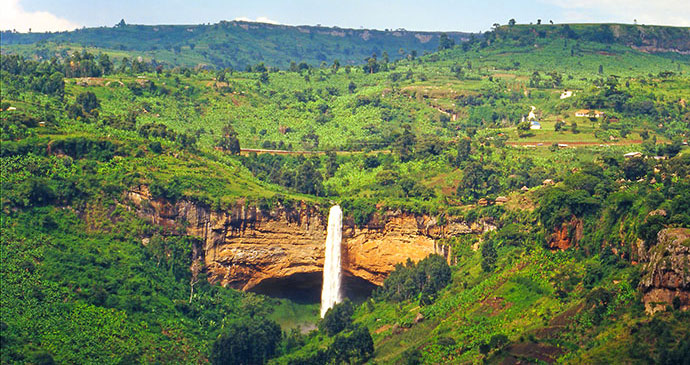
Perched on the foothills of Mount Elgon in eastern Uganda, Sipi Falls is one of those destinations where nature speaks in whispers and roars, where cascading waters merge with birdsong to create a melody of wilderness. Though famous for its three-tiered waterfall plunging dramatically into lush valleys, Sipi also reveals itself as a haven for birders and families who wish to combine adventure, discovery, and bonding.

For families seeking meaningful experiences, a visit here goes beyond simply admiring scenery. It transforms into an exploration of life itself—where children can marvel at colorful plumage, parents can relax amid sweeping landscapes, and the shared thrill of a game drive introduces everyone to the magic of the wild. Birdwatching at Sipi Falls is not merely a pastime; it becomes a way of stitching memories together through the lens of discovery.

Location and Access to Sipi Falls

Gateway to Eastern Uganda’s Wilderness

Sipi Falls lies in Kapchorwa District, approximately 280 kilometers from Kampala. The drive, which winds through sugarcane plantations, rolling hills, and rural homesteads, takes between five and six hours by road. This journey, while long, becomes part of the adventure, as it introduces travelers to Uganda’s rural landscapes and glimpses of local life.

The falls themselves sit at the edge of Mount Elgon National Park, a region known for its fertile soils, coffee plantations, and vibrant cultural traditions. For birders, this location is particularly rewarding, as the surrounding forests and farmlands form rich habitats for avian species. Accessibility remains straightforward, making it possible for families to arrive without strenuous effort, ensuring that even young children can join the journey without discomfort.

The Birding Riches of Sipi Falls

A Haven of Color and Song

The slopes of Mount Elgon and the valleys surrounding Sipi Falls form a natural paradise for over 275 bird species, many of which can be spotted with relative ease. For families, this abundance ensures that even short walks or drives yield sightings that captivate both novice and seasoned birders.

Among the highlights are taciturn turacos, brightly feathered sunbirds, and the striking black-and-white casqued hornbill. Raptors circle gracefully overhead, while smaller birds flit between banana plantations and coffee fields. Children are often drawn to the dazzling iridescence of sunbirds, whose rapid movements and jewel-like feathers inspire fascination. For parents and serious birders, the opportunity to spot regional endemics such as the Jackson’s francolin or the African blue flycatcher elevates the experience.

The Falls as a Photographic Stage

Sipi’s three waterfalls serve not only as dramatic landscapes but also as natural stages for birding. Birds drawn to the spray and vegetation of these cascades offer striking photography opportunities. Kingfishers are often sighted near the waters, their dives a display of precision and elegance. The backdrop of rushing water turns even the simplest birding encounter into a visual masterpiece, reminding families that here, nature’s theater is always alive.

Game Drives and Family Experiences

Exploring Mount Elgon’s Wildlife Corridors

Though Sipi itself is not a traditional game park, nearby excursions into Mount Elgon National Park and adjacent reserves offer opportunities for game drives that delight both birders and wildlife enthusiasts. Families may encounter antelopes grazing in meadows, colobus monkeys swinging through trees, and bushbucks emerging cautiously from thickets. For children, the thrill of seeing mammals alongside birds enriches the experience, ensuring that attention remains captivated throughout.

Game drives are often slow-paced, designed to allow observation and explanation. Guides highlight not only the names of species but their behaviors, calls, and ecological roles. This interpretive approach ensures that birding becomes educational as well as recreational, making it perfectly suited for family groups where curiosity spans across ages.

Walking Safaris for Close Encounters

In addition to vehicle-based exploration, guided walking safaris provide families with safe, intimate opportunities to spot birdlife. Gentle trails lead to viewpoints overlooking the falls, coffee plantations, and forest patches where bird activity is at its peak. For younger visitors, the chance to follow a guide along a nature trail while hearing stories about bird behavior becomes both interactive and memorable. Parents, meanwhile, appreciate the slower pace that allows for careful photography and deeper immersion.

Family-Friendly Activities Beyond Birding

Cultural Encounters

Sipi is as much about people as it is about landscapes. Families can visit local coffee farms, where the process of cultivating and roasting Arabica beans is explained in hands-on demonstrations. These visits often reveal birds that thrive in farmland habitats, creating a seamless blend of cultural and birding experiences. Children especially enjoy participating in the preparation process, while parents savor the chance to enjoy freshly brewed coffee with views of the falls.

Adventure with a Gentle Touch

For families with older children, mild hiking excursions to the base of the waterfalls provide excitement without being overly demanding. Along these trails, bird sightings are frequent, and the sound of the cascading waters motivates every step. Those with an adventurous spirit may also enjoy abseiling near the falls under professional guidance, though for families, the activity is often observed rather than attempted, adding drama and excitement to the trip.

Seasonal Guide for Birding Families

The Dry Seasons: Clarity and Accessibility

From December to February and again from June to September, Sipi experiences its dry seasons. Trails are easier to navigate, skies are clear, and birds are more visible along forest edges and watercourses. For families, these months are ideal, as travel becomes less strenuous and birding more predictable. Evenings during this period are particularly rewarding, with sunsets painting the falls in golden tones as birds return to roost.

The Wet Seasons: Abundance and Atmosphere

March to May and October to November bring rains that transform the landscape into lush green expanses. For photographers and keen birders, this period unveils abundant activity, nesting displays, and dramatic atmospheres created by mist around the falls. Though trails may be slippery, the reward lies in the sheer vibrancy of life. Families visiting during this time must prepare for damp conditions, but the richness of sightings often outweighs the inconvenience.

Why Sipi Falls is Ideal for Families

Education, Exploration, and Bonding

Sipi offers a blend of activities that engage children, educate adults, and inspire togetherness. Birding here is not limited to seasoned enthusiasts; it becomes an accessible adventure for all. The gentle pace of walks, the beauty of waterfalls, and the diversity of birdlife ensure that each family member discovers something unique.

Unlike larger, busier parks, Sipi Falls retains a sense of intimacy and calm. Families can pause, listen, and connect with nature without the pressure of rushing from one sighting to another. In this way, the destination fosters deeper appreciation and shared memories, making it one of Uganda’s most rewarding family-friendly escapes.

To experience Sipi Falls as a birder and as a family is to open a window into Uganda’s gentle side, where waterfalls cascade with majesty, birds flash with color, and children’s laughter merges with birdsong. Here, the wild is not overwhelming but welcoming, making it a sanctuary where both adventure and relaxation thrive.

The falls are more than a destination; they are a setting for stories. Stories of first bird sightings, of awe before tumbling waters, of walks through coffee farms and drives into national parks. These moments become shared treasures, turning a simple journey into a legacy of togetherness and wonder.

Book Your African Safari and Family Birding Journey

For those who wish to weave their own story in the landscapes of Sipi Falls and beyond, professional planning transforms every step into ease and delight. To enjoy the finest birding, game drives, and cultural encounters with comfort and expertise, it is recommended to book your Africa tours and safaris through WildHorn Africa, where every journey is crafted to create timeless family memories.

Lake Mburo National Park Birdwatching Hotspot: What Not to Miss to add to your bucket list

Lake Mburo National Park Birdwatching Hotspot: What Not to Miss to add to your bucket list

By Travel stories and blogs, Travel guides, Uganda travel guides

Lake Mburo National Park Birdwatching Hotspot: What Not to Miss to Add to Your Bucket List

Discovering Uganda’s Birdwatching Haven

In the heart of southwestern Uganda lies a treasure often overlooked by travelers rushing toward larger parks. Lake Mburo National Park, though smaller in size, is a sanctuary of extraordinary biodiversity and a paradise for those who live for the thrill of birdwatching. For anyone curating a bucket list of experiences that combine serenity, wildlife, and the subtle elegance of avian life, this park stands as a destination not to be missed.

It is here that the charm of open savannahs merges with the calm of papyrus-fringed lakes and rolling acacia woodlands. For the passionate birder, Lake Mburo unfolds as an endless canvas, painted with over 350 bird species whose calls and colors bring life to every corner. Yet beyond mere numbers, the park’s uniqueness lies in the intimacy of the experience—encounters with rare species set against tranquil backdrops, where every sighting feels personal and unforgettable.

Location and Accessibility of Lake Mburo National Park

The Gateway Between Kampala and Western Uganda

Situated approximately 240 kilometers from Kampala, Lake Mburo National Park serves as both a standalone destination and a gateway to Uganda’s western wonders. The park is easily accessible by road, with journeys taking four to five hours from the capital. This accessibility makes it an ideal stopover for travelers heading toward Bwindi Impenetrable or Queen Elizabeth National Park, while still offering enough depth to merit an extended stay.

For birdwatchers, this convenience means that Lake Mburo is often the first or last chapter of an ornithological journey through Uganda. Its location also makes it one of the most approachable birding destinations for travelers who may not wish to commit to longer and more demanding safaris. By the time the rolling hills and lakeshores come into view, anticipation builds for the spectacle that awaits.

A Landscape Designed for Birdlife

Diversity of Habitats

Lake Mburo’s charm lies in its diverse habitats compressed into a relatively small area. The central lake, fringed by papyrus and wetlands, attracts water birds and waders, while surrounding savannahs host open-country species. The park’s acacia woodlands, rocky outcrops, and pockets of forest create further ecological niches, ensuring that birders encounter a wide range of species without long journeys between habitats.

This mosaic of ecosystems allows for sightings of both common and rare birds within the same day. The experience becomes not just one of passive observation but of immersion in the rhythm of the park’s varied landscapes. Each habitat offers its own soundtrack, from the chatter of weaver colonies near the lakeshore to the melodic cries of turacos deep within wooded areas.

Birding Highlights Not to Miss

The Iconic African Finfoot

Among the park’s most sought-after residents is the elusive African finfoot, a secretive water bird rarely spotted elsewhere in East Africa. Lake Mburo is one of the best places to encounter this species, often glimpsed along the shaded edges of the lake as it paddles gracefully between roots and reeds. For many birders, this alone places the park firmly on their bucket list.

The Elegant Shoebill and Papyrus Dwellers

Though associated more with swampy regions further north, the shoebill stork occasionally graces the papyrus swamps of Lake Mburo, offering birders a chance to witness one of Africa’s most iconic species in a unique setting. Alongside it, papyrus gonoleks and white-winged warblers thrive, their vibrant colors and distinctive calls enriching the lakeside experience.

Savanna and Woodland Specialties

The open savannahs of Lake Mburo provide opportunities for sightings of bare-faced go-away birds, red-headed weavers, and crested francolins, while the acacia woodlands echo with the calls of green wood-hoopoes and long-tailed starlings. Raptors such as bateleurs and African fish eagles patrol the skies, offering dramatic moments as they soar above the lake or descend upon their prey.

Each encounter feels more than observational; it is a chance to witness the delicate interplay between species and habitat, a dance of survival that defines the park’s ecological richness.

Birdwatching Experiences Within the Park

Boat Safaris on Lake Mburo

Perhaps the most rewarding way to explore the park’s avian wealth is by boat. Gliding across the still waters of Lake Mburo, birdwatchers are positioned within the very habitats where many of the park’s rarities dwell. African fish eagles call from treetops, pied kingfishers hover and dive with precision, while cormorants spread their wings to dry in the sun. The vantage point of the water not only allows for close encounters but also for tranquil reflections, making it an experience of both discovery and serenity.

Walking Safaris and Intimate Encounters

Unlike many Ugandan parks, Lake Mburo permits guided walking safaris, offering birders a chance to approach quietly and observe species without the barrier of a vehicle. Walking through grasslands and woodland paths allows for sightings of ground dwellers like lapwings and francolins, as well as opportunities to spot smaller passerines that might otherwise go unnoticed. For birders, this intimacy with the environment deepens the experience, transforming it from mere observation into participation.

Night Drives and Nocturnal Species

For those who seek the thrill of after-dark adventures, night drives within the park reveal a different chapter of birdlife. The calls of nightjars and the haunting presence of owls fill the air, offering a perspective rarely experienced in daylight birding. This element of nocturnal exploration adds yet another layer to Lake Mburo’s diverse offerings, ensuring that the park appeals to birdwatchers with varied interests and passions.

Best Time to Visit for Birdwatching

Seasons of Abundance

Birding in Lake Mburo thrives year-round, though the wet seasons of March to May and October to November bring an added vibrancy. During these months, migratory species join resident populations, swelling the diversity and activity across the park. Trails may be more challenging, yet the rewards for birders are unmatched, with a kaleidoscope of species on full display.

The dry seasons, from June to September and December to February, are equally rewarding, offering clearer conditions, easier access to habitats, and predictable movements of water birds as they concentrate around shrinking water sources. The choice of season depends on personal preference, yet it remains certain that every visit to Lake Mburo offers memorable sightings.

Lake Mburo National Park is not defined by its size but by its ability to deliver unforgettable birdwatching encounters within a landscape of stunning beauty. It is a place where the elusive African finfoot glides silently, where papyrus swamps echo with rare songs, and where open savannahs frame dramatic avian displays. For any traveler with a passion for birds, it is not just a destination but an essential entry on a life-long bucket list.

What sets Lake Mburo apart is its intimacy. Here, birdwatching does not demand vast distances or prolonged treks but instead rewards with concentrated diversity and experiences that feel deeply personal. To stand by the lakeshore at dawn, listening to the first calls of the day, is to connect not only with nature but also with oneself, in a way that few other parks can offer.

Book Your African Safari Adventure

For those who wish to transform this vision into reality, expert planning ensures that every moment at Lake Mburo National Park and beyond becomes seamless and unforgettable. To experience the finest birdwatching opportunities with comfort and guidance, it is recommended to book your Africa tours and safaris through WildHorn Africa, where each journey is crafted to turn travel dreams into lifelong memories.

Close Menu