search
Top 6 Best Game Reserves for Safaris in KwaZulu-Natal (KZN)

Top 6 Best Game Reserves for Safaris in KwaZulu-Natal (KZN)

By South Africa travel guides, Travel guides, Travel stories and blogs

Top 6 Best Game Reserves for Safaris in KwaZulu-Natal (KZN)

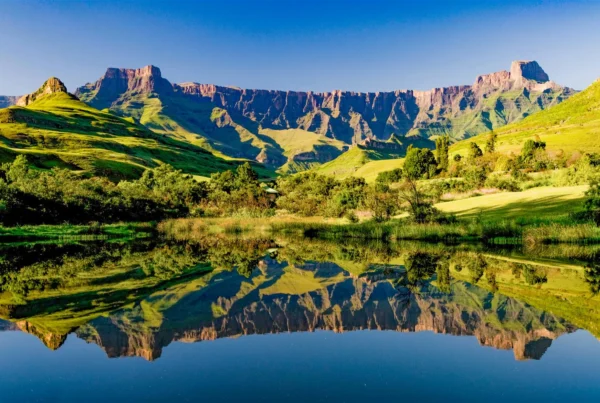
While many international travelers instinctively look toward the Kruger National Park for their safari dreams, those who seek a wilder, more diverse, and culturally rich experience are often drawn south to the vibrant province of KwaZulu-Natal (KZN). Nestled between the Drakensberg Mountains and the warm Indian Ocean, KZN is home to some of South Africa’s most ecologically diverse and rewarding game reserves, offering everything from Big Five safaris to endangered species conservation, all set within striking landscapes that pulse with ancient history and Zulu heritage.

KwaZulu-Natal’s game reserves are uniquely defined by their varied terrain, ranging from coastal wetlands and misty forests to bushveld savannahs and arid valleys. This diversity creates havens for an extraordinary array of wildlife—elephants, rhinos, lions, cheetahs, leopards, hippos, crocodiles, and rare birds—all thriving in protected ecosystems that prioritize both conservation and community. What sets KZN apart, however, is not only its abundance of wildlife but the intimacy of the experience. Here, safaris are less crowded, more personalized, and steeped in a sense of place that connects travelers deeply with the land and its people.

Among the many reserves dotting the province, six stand out for their beauty, biodiversity, and ability to provide an immersive, unforgettable safari experience. These reserves are the beating heart of KZN’s wild soul.

Hluhluwe–iMfolozi Park: Africa’s Oldest Conservation Story

The story of modern wildlife conservation in Africa finds its origins in the rolling hills of Hluhluwe–iMfolozi Park. Established in 1895, it holds the distinction of being Africa’s oldest proclaimed nature reserve, and it remains one of the continent’s finest examples of successful conservation efforts—particularly in the fight to save the white rhino from extinction.

Covering over 96,000 hectares of diverse terrain, the park is divided into two sections: Hluhluwe in the north, with its lush forests and river valleys, and iMfolozi in the south, defined by open plains and rugged ridges. This ecological variation supports the full Big Five—lion, leopard, elephant, buffalo, and both black and white rhino—alongside cheetah, hyena, wild dog, and more than 400 bird species.

Game drives through Hluhluwe–iMfolozi are marked by dramatic views, dense wildlife activity, and a powerful sense of history. It was here that Operation Rhino, a global movement to protect the species, was born. Today, the park continues to lead by example in balancing tourism with sustainable conservation. Visitors are drawn not only by the abundant game but also by the feeling of walking on sacred conservation ground.

Phinda Private Game Reserve: A Jewel of Luxury and Biodiversity

Set within the lush Maputaland region, Phinda Private Game Reserve is a model of ecological restoration and luxury ecotourism. Spanning over 70,000 acres, the reserve is home to seven distinct ecosystems, including rare sand forests, wetlands, and savannahs. This ecological tapestry provides habitat for an impressive range of species, including the elusive cheetah, black rhino, and the endangered pangolin.

Phinda is also celebrated for its exceptionally high standard of guiding, making every game drive an educational and exhilarating journey. The wildlife density is astounding, and sightings of the Big Five are complemented by rare species and spectacular birdlife. The reserve’s emphasis on conservation through tourism has allowed for extensive community outreach programs, benefiting local Zulu communities and fostering a shared sense of custodianship.

Accommodations at Phinda are world-class, offering secluded luxury lodges that blend seamlessly into the environment. Private decks overlook watering holes and valleys, and bush dinners under the stars create unforgettable memories. Safari here is not only about sightings—it is about experiencing the rhythm and mystery of the wild in comfort and style.

Tembe Elephant Park: Home of the Giants

Tucked into the far northeastern corner of KZN, near the Mozambique border, lies Tembe Elephant Park, a quiet and unspoiled gem renowned for its remarkably large tusked elephants. These are among the last of Southern Africa’s great tuskers, some with ivory that brushes the ground—a rare and humbling sight.

Covering 30,000 hectares of sand forest, grassland, and swamps, Tembe is one of South Africa’s most intimate wilderness experiences. The park was established as a joint venture between the Tembe Tribal Authority and conservation agencies, and it remains co-managed by the local community, ensuring cultural integrity and shared benefits from tourism.

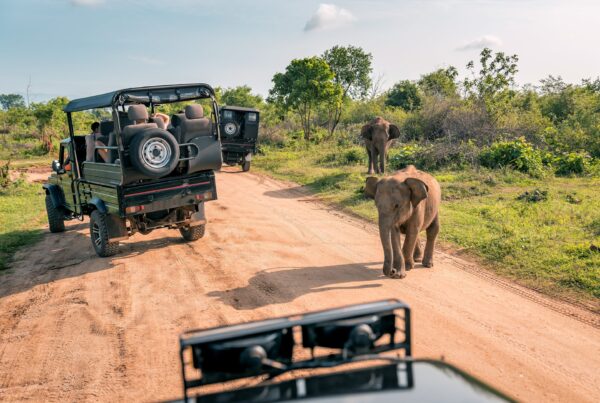
Tembe’s low visitor density allows for uncrowded game drives and quiet observation. Besides its famous elephants, the park is home to lions, leopards, rhinos, and over 340 species of birds. The slower pace and intimate nature of Tembe create a safari that feels deeply personal and profoundly moving. It is here, in the quiet hush of the sand forests, that travelers come face to face with the grandeur and vulnerability of Africa’s greatest giants.

Umkhuze Game Reserve: A Sanctuary of Biodiversity and Birdsong

Part of the greater iSimangaliso Wetland Park World Heritage Site, uMkhuze Game Reserve is one of the most ecologically varied and biologically rich reserves in KZN. With its mosaic of pans, sand forests, savannahs, and riverine woodlands, uMkhuze supports a spectacular diversity of plant and animal life, making it a paradise for bird lovers and photographers.

While not a traditional Big Five destination, uMkhuze offers encounters with cheetahs, hyenas, giraffes, zebras, and antelope species in peaceful, scenic surroundings. Its network of well-placed hides provides some of the best close-up wildlife viewing in South Africa, particularly at the Nsumo Pan, where hippos and waterbirds abound.

The atmosphere at uMkhuze is serene and timeless. There is a sense that the wild here moves at its own pace, unhurried and unspoiled. Guided walks offer a closer connection to the terrain, while drives through the varied biomes reveal the park’s subtle complexity. It is a place for those who wish to listen as much as look, to engage with the smaller details of the wild, and to be immersed in a slower, richer kind of safari.

Weenen Nature Reserve: A Hidden Retreat in the Midlands

Nestled in the undulating landscapes of KZN’s central interior, Weenen Nature Reserve is a lesser-known but incredibly rewarding safari destination. It offers a refreshingly intimate and tranquil escape, where acacia-dotted savannahs and bushy valleys provide refuge to a variety of plains game, black rhinos, and over 250 bird species.

Though it lacks the high-profile status of some larger reserves, Weenen’s peaceful atmosphere and self-drive accessibility make it ideal for travelers seeking solitude and personal connection with nature. It is particularly well-suited to birdwatchers and nature photographers, offering unique sightings of raptors, hornbills, and bee-eaters in a relaxed, uncrowded environment.

Weenen also plays a significant role in regional conservation, having been rewilded from degraded farmland into a flourishing reserve. Its success story is emblematic of the healing power of dedicated ecological restoration, and every visit supports ongoing efforts to expand and protect this vital sanctuary.

Thanda Safari Private Game Reserve: Where Conservation Meets Luxury

Located in the northern Zululand region, Thanda Safari combines luxury accommodations with a deep commitment to conservation and community empowerment. Spread over 14,000 hectares of bushveld, the reserve is home to the Big Five as well as cheetahs, hyenas, and a host of smaller predators.

Thanda sets itself apart through its dedication to sustainable safari tourism, engaging with Zulu communities and funding critical wildlife protection initiatives. Anti-poaching units, educational outreach, and wildlife monitoring are all part of the guest experience, adding depth and purpose to each stay.

The reserve offers both traditional lodge experiences and exclusive-use villas, all designed to reflect Zulu culture and the natural environment. Game drives are expertly led, and the focus is on intimate, unrushed experiences that respect the rhythms of the wild. For those seeking a safari that blends personal luxury with meaningful impact, Thanda delivers in every sense.

Craft Your KwaZulu-Natal Safari with WildHorn Africa

The reserves of KwaZulu-Natal are not just places to see wildlife; they are living landscapes where stories of conservation, culture, and nature intertwine. From the towering elephants of Tembe to the vibrant birdlife of uMkhuze, from Phinda’s elegant cheetahs to Hluhluwe’s enduring rhino legacy, KZN offers a safari experience that is both powerful and personal.

For travelers ready to explore this remarkable region, WildHorn Africa offers curated safari packages that blend comfort, authenticity, and adventure. With deep regional expertise, handpicked accommodations, and a commitment to responsible travel, WildHorn Africa ensures that every safari is not only unforgettable but also a force for good in the communities and ecosystems visited.

Book your KwaZulu-Natal safari with WildHorn Africa—and experience the untamed beauty of South Africa through the eyes of those who know it best.

Top 10 Best Things To Do in Zimbabwe

Top 10 Best Things To Do in Zimbabwe

By Travel guides, Travel stories and blogs, Zimbabwe travel guides

Top 10 Best Things To Do in Zimbabwe

Tucked away in the southern heart of Africa, Zimbabwe is a land of astounding contrasts—where ancient kingdoms meet raw wilderness, and untamed rivers carve stories into deep gorges. While often overshadowed by its more frequently visited neighbors, Zimbabwe emerges as a soul-stirring destination that rewards the curious traveler with unforgettable experiences.

From the thundering spectacle of Victoria Falls to the haunting silence of the ancient Great Zimbabwe ruins, this country offers more than just sightseeing. It offers an awakening—a reconnection to nature, history, and humanity. If you’re seeking authenticity and wonder, Zimbabwe is where your African dream finds its truest form.

Victoria Falls: The Smoke That Thunders

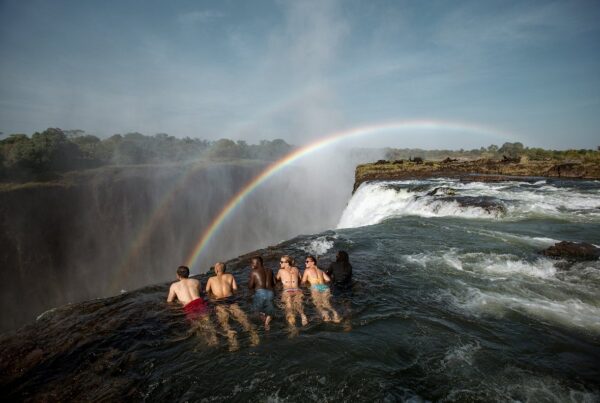
At the heart of every Zimbabwean itinerary lies Victoria Falls, known locally as Mosi-oa-Tunya, “The Smoke That Thunders.” This colossal natural wonder, where the Zambezi River plummets into a 108-meter chasm, has long held the power to silence even the most seasoned travelers. As mist rises into the air, rainbows often appear in defiance of the roaring waters.

Exploring the falls on foot through the lush rainforest that surrounds them reveals more than just visual grandeur. The thunder of cascading water, the damp breeze on your skin, and the chorus of birdsong from hidden canopies make this an all-senses encounter. For the daring, the experience can be elevated by helicopter flights, white-water rafting, or swimming in the notorious Devil’s Pool.

Hwange National Park: A Realm of Giants

As Zimbabwe’s largest and oldest national park, Hwange is synonymous with elephants. Home to one of the densest elephant populations in Africa, this vast wilderness becomes a theater of survival where lions stalk prey under acacia shadows, and painted dogs hunt with silent precision.

Here, the wildlife is as wild as the land itself. Game drives conducted at dawn and dusk unveil the secrets of a vibrant ecosystem—where over 100 mammal species roam. The park’s remoteness ensures encounters are intimate and far removed from the crowds typical of other African parks. Every rustle in the grass could reveal a story—a hunt, a chase, a mother leading her calves to water.

Great Zimbabwe: Whispers of an Ancient Civilization

Centuries before colonial maps marked the continent, a thriving city of stone had already risen in southern Africa. The ruins of Great Zimbabwe, a UNESCO World Heritage Site, stand today as a majestic testimony to a forgotten empire that once ruled vast trade routes.

Walking through the stone corridors, one is surrounded by massive granite walls meticulously stacked without mortar—a technique that baffles modern architects. The silence here is not empty but echoes with the footsteps of kings, priests, and traders. The conical towers, royal enclosures, and hilltop forts are a symbolic reminder that Africa’s greatness did not begin with colonization but was already etched into its soil long before.

Matobo Hills: Sacred Stones and Spiritual Landscapes

Outside Bulawayo, the Matobo Hills rise like petrified waves, sculpted over millennia by time and wind. These ancient granite formations are more than geological wonders; they are sacred sites steeped in legend and spirituality. This is a land where ancestors are honored, where spirits are believed to whisper through the rocks, and where rock art dating back 13,000 years tells stories older than written history.

Matobo is also the final resting place of Cecil Rhodes, whose grave sits atop a panoramic hill ominously named “World’s View.” Yet, beyond colonial legacies, Matobo offers an ethereal connection to the spiritual heart of Zimbabwe. It’s where nature meets belief, and where the weight of history is carried in the silence of stone.

Mana Pools: Where Time Stands Still

On the floodplains of the lower Zambezi River lies Mana Pools National Park, a remote, untamed wilderness renowned for its haunting beauty. In this sanctuary of water and life, the days stretch long and unhurried, dictated by the rhythm of elephants wading through pools and hippos basking under baobab shadows.

Unlike conventional safaris, Mana Pools allows for walking safaris, offering a primal closeness to the wild that is rarely experienced elsewhere. Imagine locking eyes with a lion on foot, feeling the pulse of the land through your soles. There’s a stillness here, a rare kind of peace where humans are mere guests in a kingdom ruled by nature.

Lake Kariba: Sunset Serenades and Aquatic Adventures

When the mighty Zambezi River was dammed, it created one of the world’s largest man-made lakes—Lake Kariba, an inland sea stretching over 220 kilometers. This shimmering expanse offers a perfect juxtaposition of tranquility and adventure.

Houseboat cruises glide through calm waters as golden sunsets bathe the horizon. The lake’s islands and shorelines are dotted with wildlife, where herds of antelope and prides of lions come to drink. Anglers from across the world are drawn to Kariba for its tiger fishing, while photographers find inspiration in its haunting landscapes where drowned trees rise from the depths like skeletal sculptures.

Chimanimani Mountains: A Hiker’s Paradise

To the east, bordering Mozambique, lie the Chimanimani Mountains, a rugged and mystical range shrouded in mist and mythology. This is Zimbabwe’s highlands—where waterfalls cascade through valleys and rare orchids bloom in secluded groves. It is a paradise for hikers, botanists, and dreamers alike.

Trails meander through montane forests and across crystal-clear streams. The air here is cooler, the pace slower, and the beauty ever-present. With every step, one moves deeper into a sanctuary untouched by time, where legends of spirits and ancient guardians still breathe through the pine-scented wind.

Eastern Highlands: Where Earth Meets Heaven

Beyond Chimanimani, the Eastern Highlands stretch like a ribbon of green hills, gentle waterfalls, and misty tea estates. Nyanga National Park, nestled in this region, boasts Zimbabwe’s highest peak, Mount Nyangani, and the serene Mutarazi Falls.

The climate here is cooler, the terrain lush, and the vistas sweeping. Horse riding through valleys, fly-fishing in icy streams, or simply enjoying tea from a plantation are activities that contrast Zimbabwe’s drier, wilder west. It is a region that reveals the quieter, gentler side of Africa—one filled with poetry and peace.

Bulawayo: The Cultural Heartbeat

Zimbabwe’s second-largest city, Bulawayo, is a city of wide boulevards, colonial charm, and deep-rooted culture. Unlike the bustling capital of Harare, Bulawayo moves to a slower rhythm, offering an authentic glimpse into Zimbabwean urban life.

The National Gallery of Zimbabwe and Natural History Museum invite reflection on both the country’s art and its ancient origins. A walk through the city’s historic train station or along its jacaranda-lined avenues is a walk through the crossroads of time—where colonial structures, African pride, and cultural evolution intersect.

Gonarezhou National Park: The Untamed Frontier

Often described as Zimbabwe’s best-kept secret, **Gonarezhou—“The Place of Elephants”—**is raw, rugged, and untouched. Located in the country’s southeast, this park is part of the larger Great Limpopo Transfrontier Conservation Area, a bold conservation initiative uniting Zimbabwe, Mozambique, and South Africa.

What sets Gonarezhou apart is its remote beauty. Fewer visitors mean unspoiled experiences—giant baobabs, deep gorges, and wide plains dotted with wildlife. This is safari as it once was—no fences, no crowds, only you and the wild. The park demands patience and rewards it with authenticity.

A Journey Worth Taking

Zimbabwe isn’t a place to rush through. It’s a country that must be felt—in the spray of Victoria Falls, in the hush of Matobo Hills, in the call of fish eagles over Lake Kariba. It speaks through landscapes carved by gods and cultures crafted by time. To travel here is not just to see Africa but to experience its soul in one of its purest forms.

Each destination within Zimbabwe offers a deeper connection—to history, to nature, to self. And for those willing to listen, the land reveals its secrets with profound grace.

Plan Your Journey with WildHorn Africa

For travelers ready to explore Zimbabwe with authenticity and expertise, WildHorn Africa offers carefully curated tours and safaris that go beyond the surface. Whether it’s tracking lions in Hwange, sailing across Lake Kariba, or uncovering the mysteries of Great Zimbabwe, WildHorn Africa brings your journey to life with passion and precision.

Let your African story begin where the thunder rolls, the rivers whisper, and the ancient stones still speak. Book your unforgettable adventure today with WildHorn Africa—and discover the Zimbabwe you never knew existed.

Best Lodges & Camps To Stay Around Sossusvlei

Best Lodges & Camps To Stay Around Sossusvlei

By Namibia travel guides, Travel guides, Travel stories and blogs

Best Lodges & Camps To Stay Around Sossusvlei

In the heart of the Namib Desert lies a place that defies imagination—a vast sea of red sands shaped by time, wind, and isolation. Sossusvlei, the crown jewel of Namibia’s Namib-Naukluft National Park, is a surreal landscape of towering dunes, white salt pans, fossilized trees, and crystalline skies. It is not just a destination; it is a dreamscape, where light and shadow perform their daily ballet, and silence speaks volumes.

Travelers who arrive in this otherworldly place quickly discover that the journey to Sossusvlei is not merely about arrival, but immersion. To fully experience the region’s drama and stillness, one must linger—preferably in a place that harmonizes with the desert rather than intrudes upon it. Around Sossusvlei, a curated selection of lodges and camps has emerged, blending sustainable architecture, remote serenity, and sophisticated comfort. Each property is uniquely positioned to offer front-row access to the region’s wonders, while enveloping guests in the luxury of space, silence, and uninterrupted horizons.

These are not just places to stay—they are portals into the heart of the desert, where every sunrise feels like the first, and every sunset holds the weight of eternity.

Wilderness and Wonder: The Experience of Staying Near Sossusvlei

The area surrounding Sossusvlei offers travelers a spectrum of accommodations, from ultra-luxurious desert lodges to intimate tented camps. What unites them is not simply proximity to the iconic dunes, but a philosophy rooted in reverence for the desert. Architecture often mirrors the curves and hues of the sand; solar power is harnessed in silence; and guest experiences are curated with conservation, solitude, and authenticity in mind.

Most properties offer early-morning access to the dunes—crucial for those who wish to climb Big Daddy before the sun becomes merciless or witness the haunting beauty of Deadvlei in soft morning light. Guided excursions, scenic flights, stargazing, and nature walks often form the core of daily activity, though many guests find that the finest luxury is simply to be still and absorb the vastness.

Choosing the right lodge or camp is not merely a logistical decision—it is a narrative choice, a way to shape the texture and tone of your time in the desert. The following destinations have emerged as the most evocative, rewarding, and unforgettable places to stay near Sossusvlei.

AndBeyond Sossusvlei Desert Lodge: A Futuristic Oasis Amid Timeless Sands

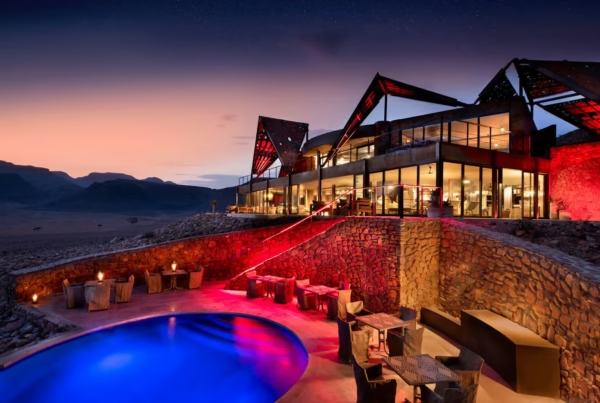
Set in a private reserve bordering the NamibRand Nature Reserve, AndBeyond Sossusvlei Desert Lodge epitomizes the union of cutting-edge sustainability and soulful desert immersion. The lodge’s angular, glass-and-stone suites seem to disappear into the terrain, allowing for uninterrupted views of the dunes by day and the Milky Way by night.

Each suite features a skylight directly above the bed, a private plunge pool, and floor-to-ceiling windows that blur the line between inside and out. Guests are invited to explore the desert by quad bike, hot air balloon, or on foot, guided by naturalists whose passion for the ecosystem turns every encounter into an education. With its luxurious minimalism and reverent approach to landscape, the lodge has redefined what it means to experience wilderness without compromise.

Little Kulala: Barefoot Elegance at the Dune’s Edge

Nestled within the Kulala Wilderness Reserve, just a stone’s throw from the Sesriem Gate, Little Kulala offers exclusive access to a private entrance into Sossusvlei, allowing guests to beat the crowds and enter the park with the sunrise. The camp’s sleek, neutral-toned design reflects the hues of the surrounding dunes, offering harmony rather than contrast.

Each villa features a rooftop star bed, inviting guests to sleep beneath a sky so clear it has earned the region accolades as a top stargazing destination. The interiors are calm, earthy, and minimalist, evoking both luxury and humility. Activities are expertly curated to balance adventure and relaxation—sunrise dune climbs, nature drives, and visits to ancient dry riverbeds ensure guests are always in step with the desert’s rhythm.

Sossus Dune Lodge: Namibia’s Only Inside-the-Park Accommodation

Unique in its location, Sossus Dune Lodge sits within the boundaries of Namib-Naukluft National Park itself, allowing guests to enter the dunes before sunrise and linger after sunset—something that no other lodge outside the gate can legally offer. This timing advantage is a powerful draw for photographers and early risers seeking to capture the dunes in their golden hour glory.

The lodge is constructed using natural materials that blend effortlessly with the desert palette—stone, wood, and canvas come together in elevated walkways and open-air lounges. With an emphasis on sustainability and simplicity, Sossus Dune Lodge provides an immersive park experience without sacrificing comfort. Here, the desert is not just seen but felt and lived.

Wolwedans Dune Camp: A Conservation-Driven Sanctuary

Perched on the edge of a 200-meter-high dune in the NamibRand Nature Reserve, Wolwedans Dune Camp invites travelers to disconnect from the modern world and re-align with the desert’s ancient silence. The camp operates on a deep commitment to conservation and community development, making it one of Namibia’s most ethically grounded luxury experiences.

Tented chalets open out onto vast wooden decks, with no fences between guests and the surrounding wilderness. The camp’s design reflects a philosophy of minimal impact and maximum immersion. Dining is communal and candlelit, with menus highlighting locally sourced ingredients and traditional recipes. What defines Wolwedans is not its luxury, but its sense of place—a kind of spiritual architecture woven into the wind and sand.

Desert Homestead Lodge: A Tranquil Retreat for Riders and Romantics

For those seeking tranquility and equestrian adventure, Desert Homestead Lodge offers a relaxed, pastoral experience on a private reserve just outside the park. Surrounded by panoramic views of the Naukluft Mountains and red dunes, the lodge is known for its horseback safaris, which allow guests to explore the desert in the manner of early explorers—quietly and with grace.

The chalets are simple but elegant, with shaded verandas and cooling breezes flowing through stone and thatch. Activities include guided excursions to Sossusvlei, sunset rides, and wildlife spotting on the plains. The atmosphere is unhurried and heartfelt, ideal for couples and families who value connection over opulence.

Desert Quiver Camp: Self-Catering Freedom with Scenic Luxury

Located just five kilometers from the Sesriem Gate, Desert Quiver Camp offers a more independent yet stylish stay, blending self-catering flexibility with upscale design. The camp’s chalets are crafted from stone, steel, and canvas, creating a rugged aesthetic that fits seamlessly into the surrounding desert.

Each unit comes with its own outdoor kitchenette, allowing guests to prepare meals under the stars or enjoy pre-arranged barbecue packs delivered by the lodge. The central swimming pool and bar offer respite from the desert heat, while guided excursions to the dunes are easily arranged. For those who value autonomy without compromising on aesthetics, Desert Quiver Camp offers a perfect balance of comfort and adventure.

Le Mirage Resort & Spa: Moorish Architecture Meets Namibian Vastness

A true visual anomaly in the desert, Le Mirage Resort & Spa resembles a Middle Eastern fortress dropped in the midst of endless sand. Despite its bold design, the property integrates surprisingly well with its environment, offering respite from the heat and indulgence for weary travelers.

The resort features spa treatments, a fine dining restaurant, and air-conditioned suites—a rarity in such a remote area. From its watchtower balconies, guests can absorb panoramic views of the desert or gaze up at the star-strewn sky. While more opulent than other options, Le Mirage offers a luxurious foil to the rugged minimalism of the dunes, creating a unique interplay between fantasy and geography.

Where Every Stay Tells a Story

The lodges and camps around Sossusvlei are more than accommodations—they are experiences of intimacy with the desert, each telling a different story through design, sustainability, and service. Some invite quiet reflection under starry skies; others awaken the spirit with adventure and discovery. Whether perched atop a dune or tucked into a shaded canyon, each property grants its guests the rare privilege of belonging, even briefly, to the world’s oldest desert.

Choosing where to stay is an act of aligning personal values with desired experiences. Some travelers seek silence and seclusion; others, immersion and insight. In Sossusvlei, one need not choose between comfort and authenticity—they coexist, beautifully and deliberately, in each of these sanctuaries.

Begin Your Desert Escape with WildHorn Africa

The majesty of Sossusvlei deserves to be paired with an experience that honors its beauty, scale, and mystery. With deep expertise in luxury and sustainable travel, WildHorn Africa crafts bespoke journeys that align with your interests, timeline, and spirit of adventure. From lodge selection to desert excursions and logistics, every detail is seamlessly arranged so that travelers may fully surrender to the wonder of Namibia’s desert heart.

Book your Namibian desert experience with WildHorn Africa—and discover how silence, sand, and sky can leave a mark deeper than time itself.

Where To See Giraffes in Africa – The 10 Best Places To Go

Where To See Giraffes in Africa – The 10 Best Places To Go

By Travel guides, Travel stories and blogs

Where To See Giraffes in Africa – The 10 Best Places To Go

Among Africa’s most iconic and majestic creatures, the giraffe stands tall—both literally and symbolically—as a figure of elegance, serenity, and ecological significance. With their distinctive patchwork coats, elongated necks, and calm, observant demeanor, giraffes capture the imagination of all who encounter them. Yet, despite their popularity, many travelers are unaware that giraffe populations are spread across distinct regions, each home to subspecies that differ subtly in color, size, and behavior.

The opportunity to see giraffes roaming freely in their natural habitat is a powerful and humbling experience. Watching them glide across the savannah, browsing acacia trees with delicate tongues, or casting long shadows in the golden evening light is nothing short of magical. Africa offers a diversity of habitats in which giraffes thrive—from dry desert woodlands to lush riverine forests, and each ecosystem tells a different story of coexistence between wildlife, environment, and conservation.

The following ten destinations are recognized not only for their high visibility of giraffes but also for the quality of safari experience they provide. These are the places where Africa’s tallest animals can be admired with intimacy, respect, and wonder, within landscapes that speak to the ancient rhythms of the wild.

Kruger National Park, South Africa: A Southern Giant’s Sanctuary

One of Africa’s most celebrated wildlife reserves, Kruger National Park is home to large populations of the South African giraffe, easily identified by their star-shaped spots. These giraffes are seen throughout the park, particularly in the central and southern regions, where mixed woodland and savannah landscapes support ample food sources.

The park’s extensive road network, guided tours, and numerous rest camps make it an ideal location for consistent sightings. Herds often wander near rivers and watering holes, where giraffes tower over other herbivores as they bend awkwardly to drink. In Kruger, the giraffe is more than just another sighting—it becomes a thread in the broader tapestry of predator-prey interactions and ecological complexity that defines this incredible reserve.

Etosha National Park, Namibia: Watching Shadows Across Salt Pans

In the arid heart of northern Namibia lies Etosha National Park, a strikingly unique ecosystem centered around a vast salt pan that transforms into a seasonal wetland. Giraffes are regularly observed along the southern edges of the pan, where isolated watering holes attract a wide range of animals during the dry season.

The giraffes of Etosha are particularly photogenic, often silhouetted against pale, dusty backdrops or seen in contrast with ghostly mirages. Their survival in this dry, seemingly inhospitable environment is a testament to their adaptability. Observing these creatures here evokes a deep appreciation for the ways in which nature balances elegance with endurance.

Serengeti National Park, Tanzania: Giants on the Endless Plains

Few experiences rival that of seeing Masai giraffes striding through the boundless horizons of the Serengeti. Known for their irregular, jagged spot patterns and immense stature, these giraffes inhabit one of the world’s most iconic wildlife landscapes.

In the Serengeti, giraffes are often seen moving alongside wildebeest herds during the great migration, browsing treetops far from the reach of other herbivores. The open plains offer perfect visibility, and the richness of biodiversity in the region means giraffe sightings are often accompanied by interactions with lions, elephants, and other megafauna. The Serengeti transforms giraffe viewing into a cinematic spectacle of raw nature and ancient migratory patterns.

Masai Mara National Reserve, Kenya: Giraffes in the Golden Light

Just across the border from the Serengeti, Kenya’s Masai Mara offers similarly rich giraffe-viewing opportunities, with the added cultural depth of the Maasai people, who have coexisted with wildlife for generations. Giraffes here are seen gracefully crossing open grasslands, often in groups that appear to move in synchronized silence.

The golden hue of the Mara’s light at sunrise and sunset casts giraffes in an almost mythical glow. Watching these animals move across ridgelines with rolling hills behind them provides a powerful connection to a timeless African landscape. The Masai Mara doesn’t just deliver sightings—it delivers moments that linger in memory.Where To See Giraffes in Africa – The 10 Best Places To Go

Murchison Falls National Park, Uganda: Towering Above the Nile

In Uganda’s largest national park, Murchison Falls, giraffes reign as the park’s defining mammals. The park is home to the Rothschild’s giraffe, a rare subspecies once critically endangered but now making a recovery thanks to dedicated conservation efforts. Their pale coats and distinct lack of markings on the lower legs make them easy to identify.

The giraffes of Murchison are frequently seen on the Buligi Peninsula and along the banks of the Nile, where their long necks rise above the tall grass in peaceful contrast to the thunderous roar of the nearby falls. Boat cruises and game drives alike provide excellent encounters, and the presence of the Nile adds a dynamic, water-rich dimension to the viewing experience.

Nairobi National Park, Kenya: Wildlife with a City Skyline

Nowhere else in the world can giraffes be seen browsing against a backdrop of city skyscrapers—a surreal but poignant sight that defines Nairobi National Park. Just minutes from Kenya’s capital, the park is home to a healthy population of giraffes, along with rhinos, lions, and hundreds of bird species.

The giraffes here symbolize the delicate balance between urban expansion and conservation. Their presence amid city life serves as both inspiration and warning, reminding visitors that coexistence is possible when nature is prioritized. For travelers with limited time or those seeking an introduction to African wildlife, Nairobi National Park offers one of the most unique giraffe encounters on the continent.

Zambezi River Region, Zambia: A Forested Realm of Browsers

Zambia’s Zambezi River corridor, including parks like Lower Zambezi and South Luangwa, offers some of the most dramatic and intimate giraffe sightings in Africa. The Thornicroft’s giraffe, endemic to Zambia, is especially rare and found only in this region, distinguished by its light coat and uneven blotches.

Giraffes in this region are seen weaving through riverine forests, silhouetted against fiery sunsets, or standing among elephants and buffalo at remote waterholes. The setting is quieter, less trafficked, and far more intimate than the more famous East African parks, making every giraffe encounter feel like a secret shared with the wilderness itself.

Okavango Delta, Botswana: Islands of Life in a Sea of Water

Botswana’s Okavango Delta is a UNESCO World Heritage Site unlike any other, and within its maze of lagoons, floodplains, and forested islands, giraffes move with deliberate grace. Sightings in the delta feel more like discoveries, as the terrain shifts between water and dry land, requiring patience and understanding of animal movement.

Giraffes are most frequently seen browsing among island trees or crossing shallow floodplains in slow-motion elegance. The contrast of long-limbed mammals against aquatic backdrops creates photographic and spiritual experiences that are rare and breathtaking. Here, safari takes on a more elemental, almost dreamlike quality.

Kidepo Valley National Park, Uganda: A Wild Frontier Untouched

Far off the beaten path, Uganda’s Kidepo Valley remains one of the continent’s most isolated and unspoiled wilderness areas. It offers a raw, rugged safari environment where giraffes are seen alongside dramatic mountain backdrops, dry riverbeds, and thorny acacia groves.

The remoteness of Kidepo ensures that every wildlife sighting feels like a personal encounter. Giraffes roam freely across the Narus Valley and beyond, their movements unimpeded by vehicles or crowds. Here, Africa’s wild heart beats strongest, and the sight of giraffes wandering across the untouched terrain evokes a deep sense of solitude and wonder.

Selous Game Reserve (Nyerere National Park), Tanzania: Silent Giants of the South

As one of the largest protected areas in Africa, Nyerere National Park (formerly Selous) offers vast wilderness and a strong population of giraffes, often seen in large numbers along the Rufiji River. The reserve’s mixture of miombo woodland, open plains, and watercourses supports excellent giraffe habitat.

Game drives and boat safaris allow for diverse viewing angles, from water-level reflections to elevated ridgeline perspectives. The giraffes here are part of a much broader ecological story—one of predation, migration, and seasonal cycles that play out on an epic scale. Observing them in this vast, untamed expanse adds a layer of mythic scale to the giraffe experience.

See the Wild Through Their Eyes: Book with WildHorn Africa

Whether glimpsed on golden plains, reflected in watery deltas, or silhouetted against urban skylines, giraffes embody the grace, resilience, and splendor of Africa itself. Their presence adds poetry to every safari, and their stories—of survival, adaptation, and mystery—enrich every journey across the continent.

For those who seek more than just a safari, but a deeper connection to Africa’s landscapes and legends, WildHorn Africa crafts custom journeys that bring travelers face-to-face with the continent’s towering giants and untamed beauty. From private game reserves to national parks rich in biodiversity, every itinerary is designed with care, passion, and deep local insight.

Book your giraffe-filled African adventure with WildHorn Africa today—and let the journey rise as tall and unforgettable as the creatures that inspire it.

Top 10 Best Private Game Reserves in South Africa

Top 10 Best Private Game Reserves in South Africa

By South Africa travel guides, Travel guides, Travel stories and blogs

Top 10 Best Private Game Reserves in South Africa

South Africa stands as one of the most diverse safari destinations in the world, where ancient landscapes unfold across endless horizons and wildlife roams free in ecosystems as old as time. But beyond its iconic national parks lies a more exclusive world—the realm of private game reserves, where the safari experience is elevated to levels of intimacy, luxury, and personalized adventure that national parks simply cannot rival.

These private reserves are more than just parcels of preserved land. They are carefully managed conservation areas, often bordering legendary parks like Kruger, where limited guest numbers, exclusive lodges, expert guiding, and off-road tracking ensure that every wildlife encounter feels personal and unforgettable. From the Big Five to rare nocturnal species, from luxury suites overlooking watering holes to private bush dinners under starlit skies—South Africa’s private game reserves offer the ultimate in safari sophistication.

Sabi Sand Game Reserve: Africa’s Most Iconic Safari Experience

The name Sabi Sand has become synonymous with elite safari travel, and for good reason. Bordering the western edge of Kruger National Park with no fencing in between, Sabi Sand allows wildlife to move freely across vast tracts of land. But what makes this reserve truly exceptional is its reputation for the most consistent Big Five sightings in Africa, particularly the elusive leopard, often observed here in daylight and at remarkably close range.

Luxury lodges like Londolozi, Singita, and Ulusaba call this reserve home, where service is deeply personal, cuisine is world-class, and wildlife viewing is legendary. Off-road tracking is permitted, allowing rangers and trackers to follow animals through dense terrain—bringing guests thrillingly close to nature’s drama. Sabi Sand is not just a destination; it is an experience of intimacy, where wildlife is more than observed—it is profoundly felt.

Timbavati Private Nature Reserve: A Realm of Rare Wonders

Adjacent to Kruger National Park and part of the Greater Kruger system, Timbavati is a reserve known both for its wild authenticity and its rare white lions, a natural genetic variation found in the wild only here. While these mythical animals capture the imagination, Timbavati’s appeal stretches far beyond.

With fewer lodges and less foot traffic than its more famous neighbors, the reserve offers a quieter, more secluded safari experience. Game drives frequently reveal sightings of lion prides, elephant herds, rhino, and African wild dogs. The lodges blend luxury with simplicity, emphasizing connection with the land and culture. Guests at Timbavati are not only treated to superb wildlife but are also given insight into conservation efforts that protect these fragile ecosystems.

Kwandwe Private Game Reserve: Eastern Cape’s Hidden Gem

Tucked into the rolling hills and valleys of the Eastern Cape, Kwandwe is a private reserve that often surprises even seasoned safari-goers. Known for its immaculate landscapes and strong commitment to conservation, this malaria-free haven is home to the Big Five, cheetahs, black rhinos, and more than 300 bird species.

What sets Kwandwe apart is the sense of space and serenity. With over 22,000 hectares of private wilderness and only a handful of lodges, it delivers an unrivaled sense of exclusivity. Families, honeymooners, and photographers alike find refuge in Kwandwe’s refined hospitality and guided experiences, including walking safaris and fishing excursions. Here, the focus is not just on seeing the wild—but understanding and respecting its rhythms.

Phinda Private Game Reserve: The Seven Worlds of Wonder

Located in KwaZulu-Natal and often referred to as the “Seven Worlds of Wonder”, Phinda boasts an extraordinary range of ecosystems—coastal forest, mountain ranges, wetlands, and savannah—all within a single reserve. This remarkable diversity translates into incredibly varied wildlife experiences, from tracking cheetahs on foot to viewing turtles along the Indian Ocean coast.

Managed by andBeyond, Phinda stands at the forefront of luxury ecotourism. The lodges blend Zulu cultural motifs with modern luxury, and each safari is led by highly trained rangers and trackers. More than just game drives, Phinda offers conservation-focused activities, like rhino notching and pangolin monitoring—making every guest a participant in the future of Africa’s most vulnerable species.

Madikwe Game Reserve: Family-Friendly Luxury in a Malaria-Free Zone

In the northwest corner of the country near the Botswana border lies Madikwe Game Reserve, a model for community-involved conservation and one of the largest reserves in South Africa. What distinguishes Madikwe is its malaria-free status, making it ideal for families and first-time safari-goers.

Beyond safety, Madikwe offers a rich tapestry of wildlife, including the Big Five, endangered African wild dogs, and over 350 bird species. The lodges range from contemporary elegance to traditional bush charm, all delivering top-tier service. Game drives often encounter large elephant herds and rare species like brown hyenas. Madikwe is where comfort, conservation, and community come together in perfect harmony.

Shamwari Private Game Reserve: Conservation in Action

On the southern coast of South Africa, near Port Elizabeth, Shamwari has long been hailed as a leader in wildlife rehabilitation and responsible tourism. This malaria-free reserve has successfully reintroduced species like cheetahs, lions, and rhinos, and its wildlife hospital and Born Free Big Cat Sanctuary are open to guests—offering a rare behind-the-scenes look at conservation in practice.

With a range of luxurious lodges spread across its varied terrain, guests can enjoy tailored experiences—whether it’s quiet birding mornings, thrilling predator sightings, or educational interactions with conservation staff. At Shamwari, luxury is matched by purpose, and every safari supports a legacy of protection.

Londolozi Private Game Reserve: Safari with a Soul

More than just a lodge collection, Londolozi is a philosophy—one that centers on community, mindfulness, and transformative wildlife experiences. As one of the original private reserves in Sabi Sand, Londolozi has built a reputation not only for incredible game viewing but for creating an emotional connection with the African bush.

The family-run nature of the reserve is reflected in its warm hospitality. Guests are encouraged to participate in yoga, storytelling, and village visits, while enjoying luxury suites that blend seamlessly into the environment. Leopard sightings are a near certainty, but it is the personal growth and stillness that Londolozi fosters which leaves the deepest mark.

Kapama Private Game Reserve: Opulence Meets Wilderness

Conveniently located near Hoedspruit and the Kruger Park airports, Kapama offers accessible safari luxury without sacrificing authenticity. This 13,000-hectare reserve delivers classic Big Five game drives, along with experiences like bush walks, hot air ballooning, and spa indulgence.

Its four lodges, ranging from the romantic River Lodge to the ultra-luxurious Karula Lodge, cater to different travel styles while maintaining a consistent standard of world-class service. With its wellness-centered offerings and curated safari activities, Kapama appeals to modern travelers seeking both adventure and rejuvenation.

Thornybush Game Reserve: Safari with Sophistication

Bordering Timbavati and forming part of Greater Kruger, Thornybush is a reserve that seamlessly fuses thrilling wildlife sightings with stylish lodging. With experienced rangers and a strong focus on guest engagement, it offers deeply immersive experiences—tracking predators, exploring biodiversity, and sharing fireside stories.

Its collection of lodges—ranging from eco-conscious retreats to opulent suites—ensures every traveler finds their perfect match. Thornybush is a place where nature’s intensity is softened by luxury, and where each encounter is magnified by personal attention.

Welgevonden Game Reserve: Seclusion in the Waterberg Mountains

Nestled in the scenic Waterberg region of Limpopo, Welgevonden is one of South Africa’s most pristine reserves. Its exclusivity, low vehicle density, and spectacular scenery of mountains, valleys, and rivers provide a tranquil yet exhilarating safari setting.

The lodges offer panoramic views and quiet luxury, while the game experience includes all members of the Big Five. But it’s the remoteness, the sense of space, and the unhurried pace that makes Welgevonden stand out. Here, the safari is not a checklist—it is a journey of observation and reflection.

Your Safari Awaits: Discover It With WildHorn Africa

Exploring South Africa’s private game reserves is not just about luxury—it’s about unlocking a deeper, richer connection with the wild. These reserves are sanctuaries where conservation thrives, exclusivity is preserved, and every sunrise brings new wonder. Whether it’s the leopard-rich tracks of Sabi Sand, the untouched valleys of Kwandwe, or the soulful silence of Shamwari, each reserve offers a unique chapter in Africa’s unfolding story.

To experience these extraordinary places with care, confidence, and excellence, WildHorn Africa stands ready to guide you. With expertly crafted itineraries, personalized planning, and a passion for authentic adventure, WildHorn Africa transforms your dream safari into a life-changing reality.

Book your African safari today with WildHorn Africa—where the wilderness welcomes you in luxury.

Top 10 Best Safari Lodges & Camps Near Victoria Falls

Top 10 Best Safari Lodges & Camps Near Victoria Falls

By Travel guides, Travel stories and blogs, Zambia travel guides, Zimbabwe travel guides

Top 10 Best Safari Lodges & Camps Near Victoria Falls

There is a place in southern Africa where the earth opens wide and the Zambezi River plunges into a chasm with thunderous grace, casting mist high into the sky and rainbows into the sun. That place is Victoria Falls, known to the local Tonga people as Mosi-oa-Tunya—“The Smoke That Thunders.” More than just a waterfall, it is a gateway to adventure, serenity, and unforgettable encounters with wildlife. And nestled in the untamed beauty surrounding this natural marvel are some of Africa’s most enchanting safari lodges and camps.

Positioned along the borders of Zimbabwe and Zambia, Victoria Falls offers not just spectacle but access to two of the continent’s most majestic wilderness regions. The surrounding parks—Zambezi National Park, Mosi-oa-Tunya National Park, and further afield, Hwange and Chobe—present a perfect backdrop for safari lovers seeking both exhilarating game viewing and indulgent comfort. Here, elegant lodges and eco-friendly bush camps sit harmoniously within landscapes where elephant herds roam freely, lion roars echo through the night, and the rhythm of Africa plays on repeat.

To plan a safari experience around Victoria Falls is to open oneself to the magic of juxtaposition—raw, untamed nature cradled in the arms of luxury and grace. These lodges do not merely offer accommodation; they craft immersive, soul-deep journeys into Africa’s heart, blending thrilling wildlife experiences with sublime relaxation and cultural depth.

Safari in Style: The Art of Immersion in the Wild

The appeal of safari lodges near Victoria Falls lies in the fusion of wilderness intimacy with world-class hospitality. With settings that range from riverside sanctuaries to remote bush camps, each property offers a different expression of Africa’s timeless allure. Game drives at dawn, sunset river cruises, bush dinners under starlit skies, and encounters with ancient baobab trees are all woven into a daily rhythm that celebrates nature at its most profound.

Lodges near the falls often emphasize eco-conscious design, with many built to blend seamlessly with their environment. Wooden decks overlook watering holes, canvas tents rustle with the breeze, and open-air lounges allow the sights and sounds of the bush to be experienced without barrier. Sustainability is not an afterthought—it is a guiding principle. Many camps operate on solar power, engage in community upliftment, and prioritize conservation as part of their core mission.

From romantic hideaways perfect for honeymooners to family-friendly camps filled with activities for all ages, the area’s accommodation landscape is as diverse as the wildlife it shelters. And with the thunder of Victoria Falls just a short drive away, guests are never far from one of the world’s most iconic natural wonders.

Victoria Falls River Lodge: An Oasis on the Zambezi’s Edge

Tucked on the banks of the Zambezi River, just upstream from the falls, Victoria Falls River Lodge offers a luxury safari experience where every detail feels curated by nature itself. The lodge is the first private game lodge built within Zambezi National Park, giving guests unparalleled access to both river and bush adventures.

Spacious thatched suites with private plunge pools face the river, offering serene views and front-row seats to elephant crossings and birdlife in abundance. Whether arriving by boat or 4×4, the experience is seamless and scenic. With personalized service, gourmet dining, and a deep respect for the environment, this lodge is a cornerstone of elegance in the wild.

Old Drift Lodge: Colonial Charm in a Pristine Wilderness

Old Drift Lodge, located a short distance from the falls, evokes the romance of early African exploration while providing modern luxuries with a light environmental footprint. Situated within Zambezi National Park, the lodge offers game drives, river cruises, and walking safaris guided by seasoned professionals.

Each tented suite is air-conditioned and designed with a colonial flair, featuring clawfoot bathtubs, outdoor showers, and expansive decks. The location allows for up-close wildlife viewing and an escape from the crowds, while still being conveniently close to Victoria Falls. Guests often describe the experience as immersive, luxurious, and quietly spiritual, with the sounds of hippos and the rustle of the bush providing a natural soundtrack.

The Elephant Camp: A Sanctuary with a Cause

Set on a private concession within easy reach of Victoria Falls, The Elephant Camp merges high-end hospitality with ethical wildlife interaction. The camp’s name pays homage to its elephant conservation efforts, and guests have the opportunity to learn about and engage with elephants in a responsible and deeply moving manner.

The suites, spacious and secluded, open to vistas of the Batoka Gorge or the spray from the falls on the horizon. Fine dining, infinity pools, and exceptional service make the stay indulgent, while the camp’s commitment to wildlife and community development imbues each visit with purpose and authenticity.

Toka Leya Camp: Where Sustainability Meets Serenity

On the Zambian side of the Zambezi River lies Toka Leya Camp, a gem operated by Wilderness Safaris that exemplifies the harmony between comfort and conservation. Perched along the riverbank within Mosi-oa-Tunya National Park, the camp features elevated decks, canvas tents, and panoramic views.

The activities here are as varied as they are enriching, from game drives and rhino tracking to visits to nearby villages and guided nature walks. Toka Leya’s eco-conscious ethos runs deep, with efforts to rehabilitate the riverine woodland and minimize its environmental impact. The result is a lodge that feels both intimate and globally responsible, where luxury and landscape coexist in perfect balance.

Chundu Island: Exclusive Escape on the Zambezi

For those seeking exclusivity and seclusion, Chundu Island offers a private island experience like no other. Situated within Zimbabwe’s Zambezi National Park, the island is accessible only by boat, creating a sense of true escape and intimate connection with nature.

Thatched villas line the riverfront, where each suite is a haven of comfort, offering bathtubs with a view, large decks, and the gentle soundtrack of flowing water and birdsong. Activities include canoeing, birding, and bush walks, all under the guidance of expert rangers. It’s an ideal retreat for couples and travelers wanting an immersive yet peaceful safari adventure close to Victoria Falls.

Mpala Jena Camp: Luxury in the Wildest Corners

Located further upstream along the Zambezi, Mpala Jena Camp offers a refined, eco-sensitive safari experience in one of the most pristine stretches of the park. The camp is part of the Great Plains Conservation portfolio, known for its ultra-luxury offerings and fierce commitment to conservation.

Each suite is adorned with bespoke furnishings, solar-powered amenities, and elegant design touches that reflect the landscape and culture. Game drives, river safaris, and photographic opportunities abound. For travelers seeking a blend of exclusivity, style, and purpose, Mpala Jena is a revelation.

Matetsi Victoria Falls: Ultimate Safari Sophistication

Matetsi Victoria Falls is where ultra-luxury meets expansive wilderness. Located on a vast private reserve, this property boasts riverfront suites, private butler service, a world-class wine cellar, and a stunning art collection. It is a place that seduces the senses while keeping its roots firmly in conservation and community upliftment.

Wildlife sightings on the reserve are impressive, and the proximity to the falls means both adventure and tranquility are within easy reach. From helicopter flips to sunset boat cruises and gourmet bush dinners, Matetsi delivers a flawless, five-star safari experience.

Stanley & Livingstone Boutique Hotel: Graceful Retreat Near the Falls

For travelers who prefer colonial elegance with modern flair, Stanley & Livingstone Boutique Hotel offers an ideal base just 15 minutes from Victoria Falls. The property lies within a private game reserve and provides stylish accommodations alongside game drives, spa treatments, and curated excursions.

This lodge is particularly appealing to those seeking a serene, classic atmosphere, coupled with accessibility to both safari and sightseeing. The lush gardens, personalized attention, and family-friendly features make it a versatile and memorable choice.

Sindabezi Island Camp: Barefoot Luxury with a View

Hidden on a private island in the Zambezi, Sindabezi Island Camp invites guests into a rustic-chic paradise, where life slows down and the wilderness surrounds in every direction. The open-sided chalets offer uninterrupted views, candle-lit dinners are served on floating decks, and wildlife is always within reach.

With a strong commitment to low-impact tourism and community involvement, Sindabezi combines authentic African simplicity with poetic luxury. Guests often leave not just relaxed, but deeply moved by the raw beauty and thoughtful ethos of this special camp.

Crafting the Ultimate Safari Journey with WildHorn Africa

To stay in one of these magnificent safari lodges near Victoria Falls is to awaken every sense—to feel the heartbeat of Africa in the stillness of dawn, to watch nature unfold its drama in real time, and to sleep beneath stars that seem to whisper ancient secrets. These lodges and camps are more than accommodations; they are passageways into the soul of the continent, each offering its own unique blend of adventure, elegance, and authenticity.

For those dreaming of such a journey, the key lies in thoughtful planning, expert guidance, and a deep respect for the land and its people. That’s where WildHorn Africa steps in—not just as a tour operator, but as a trusted curator of meaningful experiences.

Whether your vision is one of barefoot luxury on a river island, thrilling game drives at sunrise, or candle-lit dinners overlooking the Zambezi, let WildHorn Africa tailor your safari with precision, passion, and purpose. Discover Victoria Falls and its surrounding wilderness as few ever will—with grace, depth, and the unmistakable roar of Africa in your ears.

10 Best Luxury Okavango Delta Safari Lodges & Camps

10 Best Luxury Okavango Delta Safari Lodges & Camps

By Botswana travel guides, Travel guides, Travel stories and blogs

10 Best Luxury Okavango Delta Safari Lodges & Camps

In the midst of Botswana’s arid landscape lies an improbable oasis—the Okavango Delta, a UNESCO World Heritage Site and one of the planet’s last true Edens. This massive inland delta fans out across the Kalahari Desert, transforming dry sand into a lush paradise of lagoons, palm islands, and winding waterways. But this is no ordinary wilderness. Here, the drama of nature unfolds uninterrupted—elephants wade through lily-cloaked channels, lions prowl the grasslands at dusk, and flocks of rare birds dance across golden skies.

To witness this magic without compromise, travelers seek luxury safari lodges and camps that blend high-end comfort with raw, unfiltered nature. In the Okavango, these accommodations are not just places to rest—they are immersive sanctuaries that embody the art of refined adventure. The following are ten of the most exceptional luxury lodges and camps, each uniquely situated to offer profound intimacy with the delta, along with world-class service, cuisine, and conservation ethos.

Vumbura Plains: Contemporary Luxury in a Flooded Wonderland

Set in the northern reaches of the delta, Vumbura Plains Camp offers a bold take on safari living. Constructed with elevated wooden decks, each suite appears to float above the waterlogged wilderness, creating a seamless visual harmony with the landscape. The interiors boast a fusion of modern aesthetics and African craftsmanship, complete with plunge pools, open-air showers, and expansive views that stretch across floodplains teeming with wildlife.

A stay at Vumbura is defined not only by its elegance but also by the richness of its ecosystem. This private concession supports year-round water- and land-based safaris, enabling guests to explore by traditional mokoro canoe, motorboat, or 4×4 game drive. The region’s biodiversity ensures encounters with everything from elephants to rare sitatungas. Every moment at Vumbura is curated for both comfort and awe.

Jao Camp: Sophistication in the Swamps

Located on a remote island in the Jao Concession, Jao Camp redefines what it means to be immersed in nature. Its dramatic architecture—featuring high thatched ceilings, sculptural wood elements, and raised walkways—evokes an opulent treehouse within the wild. The camp is renowned for its sustainable design and refined elegance, offering a tranquil environment where wellness and wilderness coexist.

Guests are invited to explore the delta through mokoro rides and birding excursions, especially during the seasonal floods that transform the region into a water-filled maze. Between adventures, the on-site spa and library provide serene escapes, while the culinary experience showcases Botswana’s finest flavors prepared with global finesse.

Mombo Camp: The “Place of Plenty”

Revered by wildlife enthusiasts and conservationists alike, Mombo Camp, located on Chief’s Island in the Moremi Game Reserve, is often described as one of Africa’s premier safari camps. The region’s abundant wildlife population and predator density have earned it the nickname “Place of Plenty.” Here, the focus is on exceptional game viewing without sacrificing luxurious comfort.

Each tented suite is expansive, complete with private salas, plunge pools, and uninterrupted views of the plains. The camp’s design respects the surrounding environment, blending local materials with contemporary touches. The experience is holistic—from watching leopards on a morning drive to enjoying sundowners under a blood-orange sky. At Mombo, nature doesn’t just surround—it envelops.10 Best Luxury Okavango Delta Safari Lodges & Camps

Abu Camp: Where Conservation Meets Connection

In the heart of a private concession, Abu Camp offers one of the most unique safari experiences in Africa. Renowned for its elephant conservation initiatives, this camp invites guests into the lives of a habituated herd—offering an ethical, immersive understanding of these majestic animals. It is a journey not just into the wild, but into empathy and coexistence.

The suites at Abu are opulent, with canvas walls that open to panoramic floodplain views, vintage furnishings, and private decks designed for solitude and reflection. Every aspect of the experience—from storytelling around a fire to walking alongside elephants at dawn—is infused with deeper meaning. Abu is a sanctuary of both body and spirit.

Sandibe Okavango Safari Lodge: Sculpted by Nature

Adjacent to the Moremi Game Reserve, Sandibe Safari Lodge is a masterclass in architectural design inspired by the pangolin’s armor. Its sweeping wooden curves and organic textures create an avant-garde yet earthy atmosphere. The lodge’s unique aesthetic is matched by its commitment to ecological sensitivity and high-touch hospitality.

Each suite is a cocoon of comfort, featuring plunge pools, fireplaces, and outdoor showers beneath the stars. Game drives here reveal an astonishing diversity of life, while the surrounding terrain shifts from delta to savannah—providing a tapestry of ecosystems in one place. Sandibe is where modern design meets primal beauty.

Xigera Safari Lodge: Art in the African Wild

A celebration of art, culture, and wild elegance, Xigera Safari Lodge in the western delta is a showcase of African creativity fused with world-class service. Designed by Southern Guild, each suite features bespoke furniture, contemporary art pieces, and floor-to-ceiling views that frame the floodplains like living paintings.

Guests are encouraged to slow down and truly absorb the rhythm of the delta, through mokoro rides, meditative nature walks, and stargazing sessions. The lodge’s holistic wellness philosophy includes yoga platforms, a curated wine cellar, and a culinary journey that mirrors the continent’s vast flavors. At Xigera, every detail is both intentional and inspirational.

Chief’s Camp: Royal Encounters in the Wild

Situated in the Moremi Game Reserve, Chief’s Camp delivers ultra-luxury within one of Botswana’s most wildlife-rich regions. Often visited by the “Big Five” and famed for dramatic predator-prey interactions, the area ensures some of the best game viewing in Africa.

The pavilions at Chief’s Camp are palatial—featuring plunge pools, four-poster beds, and private dining decks. Spa treatments, fine wines, and gourmet meals elevate the stay. But despite the indulgence, the wild remains ever-present, as herds of elephants often graze just beyond your suite. It is a place where grandeur and grit cohabit.

Duba Plains Camp: A Photographer’s Paradise

Co-founded by legendary filmmakers Dereck and Beverly Joubert, Duba Plains Camp is designed for those who see the world through a lens of wonder. Located in a private concession that sees fewer visitors, the camp promises both seclusion and superb wildlife encounters—particularly known for lion and buffalo interactions.

The vintage-style tents are richly appointed with leather, brass, and old-world charm, offering a nostalgic safari aesthetic without compromising comfort. Personalized service, expert guides, and photographic equipment available for use make this a dream for nature lovers and storytellers.

Little Tubu Camp: Intimacy on the Edge

For travelers seeking exclusivity, Little Tubu Camp on Hunda Island is a hidden gem. With only a few elevated tents, it offers an intimate safari experience wrapped in the tranquility of the delta. The camp is seasonal, and its position ensures close proximity to both wetland and dryland habitats.

Here, game drives reveal elusive predators while mokoro excursions glide silently through mirrored waters. The camp itself is unassuming yet elegant, encouraging guests to connect with their surroundings deeply. The absence of excess becomes the ultimate luxury.

A Journey Beyond Imagination

The Okavango Delta is not merely a destination—it is an emotional voyage into nature’s most intricate masterpiece. Within its watery arteries and grassy veins pulses the wild heart of Africa. And to explore this heart with comfort, dignity, and immersion, the region’s luxury lodges offer not just shelter but stories, serenity, and soul.

Every lodge in the Okavango Delta listed here is more than accommodation—it is a promise of awe, a retreat crafted for those who seek meaning in every sunrise and significance in every footprint. Whether it’s drifting silently in a mokoro at dawn or dining by lantern-light under an ancient fig tree, the experience resonates long after the journey ends.

Embark with Confidence: Book with WildHorn Africa

When the dream of Africa stirs within you, let it be shaped with care and clarity by experts who understand the land deeply. At WildHorn Africa, every safari is tailored to elevate your journey—blending luxury, authenticity, and unforgettable adventure. From the hidden corners of the Okavango to the thunderous plains of the Serengeti, WildHorn Africa crafts safaris that tell your story the way it was meant to be lived.

Begin your African odyssey with the people who know its pulse. Book your exclusive safari through WildHorn Africa—and let the wild redefine luxury.

Things To Do in Kruger National Park

Kruger Activities – Things To Do in Kruger National Park

By South Africa travel guides, Travel guides, Travel stories and blogs

Kruger Activities – Things To Do in Kruger National Park

The first light of dawn in Kruger National Park is not merely the start of a new day—it is a moment steeped in promise. The air, cool and scented with dry earth and dew, carries with it the distant call of a fish eagle and the gentle rustle of acacia leaves stirred by antelope. Beneath the morning sun, one of the world’s greatest wildlife sanctuaries awakens in quiet power. Kruger is not just a park—it is Africa in its most unfiltered form, where the drama of survival and the serenity of untouched landscapes unfold every day.

Stretching across nearly two million hectares of untamed bushveld in northeastern South Africa, Kruger is a land of endless horizons and extraordinary biodiversity. From its southernmost savannas to the northern baobab forests, the park reveals a canvas alive with possibility. Lions stalk beneath thorn trees, elephants bathe in riverbeds, and leopards glide silently through rocky outcrops. Yet it is not only the wildlife that captures the imagination—it is the sheer abundance of experiences, meticulously crafted to offer visitors a deep and dynamic connection to the land.

Exploring Kruger is not defined by a single activity but by a symphony of encounters. Whether on a dawn game drive, a guided wilderness walk, or an evening spent under the stars, the park invites travelers to step beyond the ordinary. It is a place where stories are written in footprints, where silence speaks louder than words, and where each activity unveils another layer of the African wild.

Classic Game Drives: The Heartbeat of the Safari

The quintessential Kruger experience begins behind the wheel or seated in an open vehicle, cruising through dirt tracks and sun-baked roads in search of the iconic Big Five—lion, leopard, elephant, buffalo, and rhino. These drives, offered at dawn, midday, and dusk, are choreographed by expert guides who read the land like a book. Every crackle of a radio, every turn off the main path, carries with it the potential for a once-in-a-lifetime sighting.

Morning drives reveal a world in motion—the predators still fresh from the hunt, herds grazing in golden light, and birds fluttering with the urgency of the new day. Afternoon heat quiets the landscape, but the evenings bring renewed movement as the nocturnal players emerge. The ever-changing light, the scents of wild sage and dry grass, and the thrill of discovery combine to create a sensory immersion that transcends passive observation.

Self-drive safaris are equally rewarding, allowing freedom to chart one’s own path through this vast wilderness. Kruger’s extensive network of roads, well-maintained and mapped, makes exploration accessible, while strategically placed hides and picnic spots encourage moments of reflection and quiet observation.

Guided Bush Walks: Walking the Pulse of the Wilderness

To walk in Kruger is to engage with the land on an intimate and primal level. Guided bush walks, conducted by armed and experienced rangers, offer a radically different perspective from the comfort of a vehicle. The pace slows, the details sharpen, and the bush reveals its subtleties—fresh spoor in the sand, the scratch marks of a leopard on bark, the delicate anatomy of a dung beetle at work.

These walks are not about chasing the big sightings but about understanding the interconnectedness of life in the bush. The guides become storytellers, interpreting the behavior of birds, the purpose of termite mounds, and the defensive postures of antelope. It is an education not found in books, but in the immediacy of nature and the wisdom of those who live close to it.

The silence of the walk is often broken only by the rhythmic crunch of boots on dry ground, the distant call of a hornbill, or the adrenaline rush of encountering wildlife on foot. It is in these moments—when the heartbeat quickens, and the senses sharpen—that the true essence of Kruger is felt.

Night Drives: Into the Realm of Shadows

When darkness descends over Kruger, the bush takes on a new and thrilling identity. Night drives, offered by the park’s rest camps and private lodges, plunge visitors into the realm of the nocturnal. Spotlights scan the thickets, catching the glow of eyes, the flick of a tail, the stealthy gait of a prowling predator.

This is the time when elusive creatures such as aardvarks, civets, genets, and hyenas emerge. Owls patrol the skies, bush babies leap through the trees, and leopards use the cover of night to hunt. Night drives are not simply an extension of the day’s safari—they are a plunge into the unknown, where each sighting is laced with suspense and mystery.

The sensory shift is profound. Without the heat of the sun, the air cools, sounds become crisper, and the scents of the bush intensify. The absence of color sharpens the imagination, and the presence of a guide ensures safety while enhancing the magic with stories, explanations, and deep bush lore.

Photographic Safaris: Framing the Wild

For those with a passion for photography, Kruger offers an unparalleled canvas. The quality of light, the drama of wildlife behavior, and the diversity of habitats provide endless opportunities to capture compelling images. Specialist photographic safaris, led by professionals, focus on teaching technique, timing, and patience.

Whether photographing a lion at sunrise, an elephant framed by dust and light, or a kingfisher in flight, these experiences go beyond snapshots. They cultivate a deeper understanding of animal behavior, landscape composition, and the ethics of wildlife photography.

Mobile hides, specially adapted vehicles, and access to private areas ensure that photographers can operate quietly and without disruption to the animals. The result is not only better images but a more meaningful connection to the subjects being captured.

Birding Adventures: A Symphony in Feathers

With over 500 species of birds recorded, Kruger is a paradise for both novice and experienced birders. The diversity of habitats—from wetlands and riverbanks to grasslands and mopane woodlands—creates a year-round birding extravaganza, with each season bringing new highlights.

During the summer months, migratory birds add splashes of color and new melodies to the bush. Rollers, bee-eaters, cuckoos, and kingfishers dazzle the eye, while raptors soar above the plains, scanning for prey. Bird hides placed near water sources allow for quiet observation, while specialist guides offer tailored birding safaris rich in detail and discovery.

Birding in Kruger is not a side activity—it is a core aspect of the park’s biological richness, drawing visitors from across the globe to witness its avian wonders.

Cultural Heritage Encounters: Tracing Human Footprints

Beyond its wildlife, Kruger is also a repository of South Africa’s deep human history. Within the park lie numerous archaeological sites, some dating back to the Stone Age. Iron Age ruins, ancient trade routes, and San rock art whisper of civilizations long past.

Interpretive centers and guided heritage walks help visitors connect with these layers of history, revealing how people have lived with and from this land for millennia. These stories add depth and context to the landscape, reminding visitors that Kruger is not just a wildlife haven—it is also a living cultural landscape, rich with human resilience and wisdom.

Luxury Lodge Experiences: Elegance Amidst the Wild

In the private reserves bordering Kruger—such as Sabi Sands, Timbavati, and Manyeleti—luxury lodges offer experiences where comfort and wilderness coexist in perfect harmony. These lodges, often unfenced and immersed in the bush, provide personalized safaris, gourmet cuisine, spa treatments, and exquisite accommodation without compromising the authenticity of the safari.

Sunsets are savored with a chilled drink in hand, wildlife is watched from private plunge pools, and evenings unfold beside firepits under the Southern Cross. Here, the rhythm of the wild continues, but with a level of service and intimacy that transforms a safari into something transcendent.

Kruger by Air: Scenic Flights and Hot Air Balloons

For a perspective few ever experience, Kruger can also be explored from above. Scenic helicopter flights and hot air balloon rides over the park or its surrounding private reserves provide a bird’s-eye view of this vast ecosystem, revealing patterns, migration paths, and geographical features invisible from the ground.

To see a herd of elephants from above, their long shadows stretching over the savannah, or to float silently as the sun rises over the bush, is to witness the land’s grandeur in its fullest expression.

Crafting the Perfect Kruger Adventure with WildHorn Africa

Kruger National Park is not simply a destination—it is a tapestry of experiences, each one stitched with care, guided by nature, and alive with the pulse of the wild. From sunrise safaris and moonlit walks to birdwatching, cultural insights, and photographic mastery, every path in Kruger leads deeper into connection, wonder, and reflection.

To experience Kruger at its richest, most meaningful, and most memorable, it is essential to plan with those who understand its rhythm. WildHorn Africa, with its expert knowledge of southern Africa’s premier destinations, crafts tailor-made journeys that align your passions with the park’s infinite possibilities.

Whether seeking solitude, family adventure, luxury, or learning, let WildHorn Africa guide your steps into Kruger’s wild embrace—where every encounter is extraordinary, and every moment is alive with the spirit of Africa.

Our Expert’s Recommendations for Places to Stay on Safari in Zambia

Our Expert’s Recommendations for Places to Stay on Safari in Zambia

By Travel guides, Travel stories and blogs, Zambia travel guides

Our Expert’s Recommendations for Places to Stay on Safari in Zambia. Where Wild Frontiers and Sophisticated Retreats Converge. In the heart of Southern Africa, Zambia remains one of safari’s best-kept secrets—a land where rivers run wide and free, wildlife thrives undisturbed, and travelers are invited to step off the well-trodden path and into a world of raw authenticity. Unlike its more commercialized neighbors, Zambia offers a genuinely wild safari experience, where luxury is measured not only by thread counts or plunge pools, but by the intimacy of moments shared with nature.

This is a country defined by its natural abundance. From the roaring majesty of Victoria Falls, one of the Seven Natural Wonders of the World, to the lush floodplains of the Lower Zambezi, and the predator-rich valleys of South Luangwa, Zambia speaks to the soul of the true safari enthusiast. It is here, amidst sweeping landscapes and timeless rivers, that some of Africa’s most refined yet grounded safari camps and lodges quietly shine.

For those planning a journey into Zambia’s untamed heart, the selection of where to stay plays a critical role. Our experts have curated a list of exceptional safari accommodations that combine strategic location, superior guiding, conservation commitment, and a sense of place that is both luxurious and unpretentious. Each property chosen not only offers a roof under the stars, but a portal into the rhythm and drama of Africa’s great wilderness.

Time + Tide Chinzombo – South Luangwa National Park

In the storied wilderness of South Luangwa, regarded as one of the most game-rich parks on the continent, Time + Tide Chinzombo stands as a beacon of modern design woven seamlessly into the wild. The camp’s sleek architecture and natural materials reflect a philosophy of eco-luxury, where style serves the environment, not the other way around.

Each villa is equipped with its own private deck and plunge pool, overlooking a bend in the Luangwa River where hippos wallow and elephants cross at dusk. What distinguishes Chinzombo is its balance—offering serene sophistication without losing the tactile connection to the bush. Guests enjoy exclusive access to some of the most productive game areas in the park, guided by some of Zambia’s most seasoned professionals. Walking safaris, for which South Luangwa is globally famed, become deeply immersive when led from this exceptional base.

Sausage Tree Camp – Lower Zambezi National Park

Along the tranquil, wildlife-laden banks of the Zambezi River, Sausage Tree Camp offers a more fluid safari experience—one where the daily rhythm is shaped as much by water as by land. The camp’s position in Lower Zambezi National Park, a UNESCO-recognized ecosystem, means sightings of elephants swimming across the river, leopards stalking at night, and lions basking on sandbanks are routine, not rare.

At Sausage Tree, personalization takes precedence. Each guest is paired with a private guide and vehicle, and the camp’s bush gym, wine cellar, and riverside dining elevate the comfort level without alienating the rawness of the environment. The property’s signature “sunset canoes,” gently drifting past pods of hippos and crocodiles, remain among Zambia’s most ethereal safari moments. This is a place where the river dictates the pace, and guests are invited to let go and move with nature’s current.

Shumba Camp – Kafue National Park

For those drawn to wilder, less-traveled corners, Kafue National Park offers endless horizons and a more exclusive safari experience. At its center lies the Busanga Plains, a seasonal floodplain that bursts into a vibrant mosaic of wildlife during the dry months. It is here that Shumba Camp—meaning “lion” in the local language—claims its position as one of Zambia’s most dramatic stays.

Built on raised wooden platforms to remain above the flooding waters, Shumba provides not only stunning panoramic views but also intimate encounters with Kafue’s diverse fauna, including cheetahs, lions, leopards, and rare antelope species. The guiding is exceptional, and the camp’s efforts toward sustainable operations have made it a flagship of low-impact luxury. When dawn breaks over the misty plains and the silence is broken only by the calls of cranes and lions, guests at Shumba feel they have stepped into a forgotten world untouched by time.

Tena Tena – South Luangwa National Park

If the heart longs for a more traditional, tented safari experience that emphasizes storytelling, solitude, and authenticity, then Tena Tena offers the perfect retreat. Run by the legendary Robin Pope Safaris, this camp embodies the old-world charm of safaris past, with canvas walls, flickering lanterns, and campfire evenings that echo with tales of the bush.

Situated in the remote Nsefu sector of South Luangwa, Tena Tena offers access to areas teeming with wildlife yet free from traffic. The guiding is immersive, the camp atmosphere is communal, and the setting—under a grove of mahogany trees along the Luangwa River—is serene and spellbinding. There is a focus here on slow safari, where the rewards are found in patience, silence, and deep attention. For those seeking connection—both with nature and within—Tena Tena is a place where the bush speaks clearly.

Chongwe River House – Lower Zambezi

For families or private groups seeking total exclusivity without compromise, Chongwe River House presents a unique architectural wonder on the Lower Zambezi’s edge. Sculpted out of locally sourced materials and inspired by natural forms, the house feels like a living sculpture nestled in wilderness. Its flowing walls, open spaces, and stunning river views make it an ideal sanctuary for those desiring privacy, while still enjoying the services of a full safari team, including a private chef and guide.

Game drives, boat safaris, fishing, and canoeing are all part of the experience here. Yet the real magic lies in the house itself—a place where art, luxury, and nature merge seamlessly. It is rare to find such aesthetic ambition in the heart of the wild, and even rarer to find it married so effectively with world-class safari service.

Nsolo Bush Camp – South Luangwa Walking Trails

Those drawn to the purer forms of safari—unplugged, unfiltered, and fiercely wild—will find their home at Nsolo Bush Camp. This is one of the original bush camps in South Luangwa and still one of the most revered. Its rustic chalets, perched above the Luwi River’s dry riverbed, offer minimal distractions and maximum immersion.

The camp is a key part of a legendary walking trail circuit, where guests hike between remote bush camps with expert guides and armed scouts. At Nsolo, wildlife encounters occur not through a window or from a vehicle, but eye-to-eye and heartbeat-to-heartbeat. This is Zambia at its most elemental—a place where each sound in the night, each footprint in the dust, holds ancient meaning.

Why Choosing the Right Camp Matters

In a destination as diverse and ecologically rich as Zambia, the choice of accommodation shapes not just your level of comfort, but your very relationship with the land. Some camps emphasize exclusivity, others prioritize intimacy. Some highlight modern design, others echo safari’s earliest traditions. But the finest lodges all share a core commitment to sustainable tourism, conservation ethics, and the preservation of authentic wilderness experiences.

Zambia’s remoteness ensures that overcrowding is never a concern. Instead, visitors are rewarded with space—space to think, to breathe, to observe. And within this space, the right camp can elevate a safari from memorable to transformational.

Book Your Zambian Safari Journey with WildHorn Africa

As Zambia continues to emerge as one of Africa’s premier safari destinations, the demand for curated, meaningful travel has never been greater. Navigating this untouched terrain requires not only local expertise, but a passion for crafting journeys that are immersive, ethical, and unforgettable.

WildHorn Africa offers travelers a bridge into this world—bringing together the finest camps, expert guides, and personalized service to create bespoke safaris with soul. Whether you’re drawn to the majestic solitude of Kafue, the predator-rich plains of South Luangwa, or the serene waterways of the Lower Zambezi, WildHorn Africa ensures your journey is designed with integrity, insight, and inspiration.

For travelers ready to go beyond the usual and discover Africa’s hidden wild sanctuaries, the path begins here.
Book your Zambia safari through WildHorn Africa—and let the adventure unfold naturally, authentically, and beautifully.

15 Top Places To Visit in Namibia

15 Top Places To Visit in Namibia

By Namibia travel guides, Travel guides, Travel stories and blogs

15 Top Places To Visit in Namibia

In a world of crowded cities and well-trodden tourist paths, Namibia offers something rare—untamed solitude paired with surreal beauty. Stretching along Africa’s southwest coast, this land of shifting sands, craggy mountains, fossilized forests, and endless skies feels almost otherworldly. It is a country where time seems suspended, and nature exists in its most elemental form.

Travelers who venture here do not just visit destinations—they experience landscapes that whisper the ancient language of the earth, sculpted by wind, water, and time itself. From towering dunes that catch fire at sunrise to eerie shipwreck-littered coasts and wildlife-rich savannas, Namibia’s diversity is astounding. Every corner of this country tells a story, and those stories linger long after the journey ends.

What follows is a curated selection of 15 of the most unforgettable places to visit in Namibia—each one offering a unique lens into the soul of this magnificent land.

Sossusvlei: The Icon of Namibia’s Desert Dreams

No visit to Namibia would be complete without standing in awe at Sossusvlei, the heart of the Namib Desert and perhaps the country’s most iconic landscape. Here, crimson sand dunes rise more than 300 meters into the sky, creating a vast canvas of color and shadow. At their base lie salt pans where skeleton trees stand like ancient sentinels, most famously captured in the surreal beauty of Deadvlei.

Sunrises and sunsets transform the dunes into glowing sculptures, drawing photographers and adventurers alike. Despite its arid conditions, life persists—oryx, jackals, and lizards navigate the burning sands with quiet resilience. Sossusvlei is not just a destination; it is a testament to nature’s power and artistry.

Etosha National Park: A Wildlife Theater on Salt and Dust

To witness Namibia’s wildlife in concentrated brilliance, Etosha National Park provides a front-row seat to nature’s grand performance. At the center lies the vast Etosha Pan, a shimmering white salt flat so expansive it can be seen from space. During the dry season, animals from all directions converge on the park’s waterholes, creating some of the most dramatic game viewing in Southern Africa.

Elephants, lions, giraffes, rhinos, and a multitude of antelope share the stage, while migratory birds and flamingos arrive with the rains. Unlike more crowded parks elsewhere on the continent, Etosha allows for an intimate safari experience, where quiet moments between predator and prey unfold without interruption.

Swakopmund: Where Adventure Meets the Atlantic

Nestled between towering dunes and the icy Atlantic Ocean, Swakopmund exudes an unlikely but captivating charm. This German-influenced coastal town surprises visitors with its blend of colonial architecture, adrenaline-pumping activities, and seaside tranquility.

Dune boarding, quad biking, and skydiving attract thrill-seekers, while dolphin cruises and desert tours reveal the area’s ecological richness. The juxtaposition of sand and sea is both striking and surreal, and evenings are best spent watching the sun dip into the Atlantic from a beachside café. Swakopmund is a place where modern adventure meets old-world elegance, wrapped in Namibia’s signature silence.

Skeleton Coast: A Wreck-Strewn Realm of Mystery

The northern Atlantic coast of Namibia is known as the Skeleton Coast, a haunting stretch of shoreline defined by shipwrecks, bleached whale bones, and relentless fog. It is both desolate and mesmerizing, offering visitors a glimpse into nature’s raw and ruthless forces.

Accessed primarily by fly-in safaris or guided overland expeditions, this remote region hosts an eerie beauty. Seals gather in the tens of thousands at Cape Cross, while desert-adapted elephants and lions roam the dry riverbeds inland. The Skeleton Coast is where the line between life and death is thin, and where the desert meets the sea in a dramatic, eternal struggle.

Damaraland: Rugged Landscapes and Ancient Stories

In central Namibia, Damaraland stretches out like an untamed canvas of red rocks, twisted hills, and ancient echoes. It is a place where geology and anthropology intersect—a land that preserves both the fossilized past and living traditions.

The towering granite outcrops of Spitzkoppe and Brandberg Mountain rise above the plains, sheltering ancient San rock art that dates back thousands of years. The desert-dwelling elephants and rhinos that survive in this arid landscape speak to nature’s adaptability, while the local Damara communities offer cultural insights rooted in deep ancestral connection. Damaraland is not just remote—it is profoundly spiritual.

Fish River Canyon: Africa’s Grand Chasm

Second in size only to the Grand Canyon, Fish River Canyon is a geological marvel of staggering proportions. Carved over millennia by the Fish River, this 160-kilometer-long chasm offers views that both humble and inspire.

Hiking the canyon, particularly along its multi-day trail, is one of Namibia’s greatest physical challenges—and rewards. The experience is shaped not only by the canyon’s immense scale but by its silence, where only the whisper of wind and the call of raptors disturb the stillness. For those who prefer less strenuous encounters, scenic viewpoints near Hobas Camp provide awe without effort.

Namib-Naukluft National Park: The Soul of the Sand Sea

Among the largest conservation areas in Africa, Namib-Naukluft National Park encapsulates the surreal elegance of Namibia’s deserts. It is home to the world’s oldest desert, where the sands have shifted and whispered for over 55 million years.

The park hosts a mosaic of environments—sand dunes, rocky escarpments, and ephemeral rivers—each alive with endemic species. Hidden within the park lies Sesriem Canyon, a narrow gorge carved by floodwaters, and the haunting beauty of Elim Dune. The Namib-Naukluft is a place to witness nature’s patience and persistence, where time has shaped every grain of sand.

Kolmanskop: A Ghost Town Buried by Time

Near the southern coastal town of Lüderitz lies Kolmanskop, a ghost town swallowed by the sands of the Namib. Once a booming diamond mining settlement, it has since been reclaimed by the desert, its empty houses slowly being filled with dunes.

Walking through Kolmanskop is like stepping into a surreal time capsule. Sunlight filters through broken windows onto wooden floors buried in sand, while faded wallpaper peels from walls that once heard laughter and longing. It is a stark, beautiful reminder that nature always reclaims what man attempts to conquer.

Lüderitz: A Coastal Town Frozen in Time

Perched on the edge of the Atlantic, Lüderitz offers a contrast to Namibia’s inland desolation. With its art nouveau architecture, German street names, and pastel-colored buildings, the town feels curiously out of place yet deeply intriguing.

The surrounding landscape is equally unusual—wind-whipped bays, isolated beaches, and the nearby ghost towns of the Sperrgebiet diamond area. Penguins, flamingos, and seals inhabit the frigid waters, while boat excursions reveal marine biodiversity. Lüderitz is a reminder that Namibia’s soul is not only in its deserts—but also in its oceans.

Caprivi Strip (Zambezi Region): Water in the Wilderness

While Namibia is often associated with arid lands, the northeastern Caprivi Strip, now known as the Zambezi Region, offers a radically different environment. Here, lush floodplains and rivers carve through dense vegetation, attracting wildlife and birdlife unlike anywhere else in the country.

The area is home to national parks such as Bwabwata, Mudumu, and Nkasa Rupara, where elephants, hippos, crocodiles, and buffalo roam freely. This corner of Namibia shares ecological ties with the Okavango Delta and Zambia’s wetland systems, offering a water-rich safari experience in an otherwise dry land.

Waterberg Plateau: Sanctuary in the Sky

Rising dramatically from the surrounding savannah, Waterberg Plateau is both a scenic landmark and a critical conservation zone. Its lush, elevated terrain serves as a refuge for endangered species such as black and white rhinos, sable antelope, and roan.

Walking trails lead to panoramic viewpoints, while guided tours delve into the plateau’s biodiversity and conservation history. Cultural encounters with the Herero people, known for their Victorian-influenced dress, add depth to the experience. The Waterberg is where ecology and culture meet in an inspiring display of preservation and resilience.

Okonjima Nature Reserve: Leopards and Legacy

Midway between Windhoek and Etosha lies Okonjima, a privately run reserve and home to the AfriCat Foundation, an organization dedicated to big cat conservation. Visitors are drawn here for the chance to track leopards and cheetahs on foot or by vehicle in a carefully managed, ethical environment.

The reserve also offers luxurious accommodations and educational programs, ensuring that every visit supports research, rehabilitation, and awareness. Okonjima is where conservation becomes personal, and where every encounter carries meaning beyond the moment.

Windhoek: Namibia’s Capital Heartbeat

While Namibia’s wild spaces steal the spotlight, Windhoek provides a vibrant gateway to the country’s soul. The capital city blends German colonial architecture, African culture, and a growing cosmopolitan energy. Museums, craft markets, and culinary experiences await, offering insight into Namibia’s past and present.

It is a city of contrasts—quiet yet bustling, modern yet traditional. Windhoek is not just a place of arrival or departure; it is a space to understand the people and politics that shape the Namibian identity.

Experience Namibia with WildHorn Africa

To traverse Namibia’s vast and varied landscapes is to witness a country that defies expectations and deepens one’s sense of awe. Each destination reveals a different layer of its soul—from ancient deserts and ghost towns to wetlands alive with sound and color. The journey is not merely visual—it is spiritual, emotional, and deeply personal.

For those ready to embark on a truly transformative adventure, WildHorn Africa crafts tailor-made safari experiences that capture Namibia’s essence with precision and passion. With expert guides, handpicked lodges, and a commitment to responsible travel, WildHorn Africa ensures that your journey through Namibia is not only extraordinary—but unforgettable.

Book your Namibia adventure today with WildHorn Africa—and let the desert, the wildlife, and the wind tell you a story you’ll never forget.

Close Menu