search
Best Safari Lodges and Camps in South Africa

Best Safari Lodges and Camps in South Africa.

By South Africa travel guides, Travel guides, Travel stories and blogs

Best Safari Lodges and Camps in South Africa
Explore Untamed Luxury in the Heart of the Wild

Welcome to the Wild: A Journey Like No Other

South Africa stands proudly as one of the world’s most sought-after safari destinations, where ancient landscapes merge seamlessly with untamed wildlife, and where luxury meets raw nature under starlit skies. The experience of a South African safari is more than just seeing the Big Five—it’s about immersing yourself in the rhythms of the bush, where every sunrise brings new stories and every sunset wraps the day in golden serenity.

At the heart of this adventure lies not only the wilderness but the exceptional lodges and camps that redefine what it means to explore the wild in style. These aren’t just places to sleep—they are sanctuaries of comfort, hubs of cultural richness, and windows into Africa’s soul. From opulent lodges perched above riverbanks to eco-conscious camps nestled in remote reserves, South Africa offers an incredible diversity of safari stays, each uniquely tailored to elevate your journey.

Kruger National Park: Where Legends Come Alive

No list of the best safari destinations in South Africa would be complete without acknowledging the world-renowned Kruger National Park. Spanning nearly 7,500 square miles, Kruger is not just South Africa’s largest game reserve—it’s an institution of African wilderness heritage. The park is home to an extraordinary density of wildlife, from majestic elephants and elusive leopards to the thunderous roar of lions echoing through the savanna.

Within and around Kruger, a collection of exceptional private lodges and luxury camps elevate the safari experience to astonishing levels. Some are set within private concessions, offering exclusive game viewing away from the crowds. Here, you’re not just a visitor—you become a part of the landscape.

Imagine waking up to the distant trumpet of elephants as you gaze out from your plunge pool overlooking the bush, sipping freshly brewed coffee while antelope graze nearby. You’ll dine under the stars, your meal prepared by world-class chefs, and later fall asleep to the natural lullabies of Africa in a suite that rivals any five-star hotel. These are the moments crafted by the region’s finest safari accommodations.

Sabi Sand Game Reserve: The Gold Standard of Luxury Safari

Adjoining Kruger’s western edge lies the legendary Sabi Sand Game Reserve, a name that has become synonymous with ultra-premium safari experiences. Known for its remarkable leopard sightings, this private reserve allows off-road driving and night safaris—unlike the public areas of Kruger—offering an intimate and unfiltered look into the wild.

Here, safari lodges are not merely accommodation—they are temples of indulgence in the wild. Architectural masterpieces blend seamlessly into the surrounding environment, featuring open-air lounges, infinity pools, and suites that open onto private decks where wildlife often wanders by. The guiding and tracking teams are some of the most experienced in Africa, ensuring that each game drive is a masterclass in nature.

One of the defining features of these lodges is their commitment to conservation and community. Many invest directly into wildlife protection and local empowerment, so your stay not only nurtures your soul but also contributes to the very land and people that make it possible.

Madikwe Game Reserve: A Hidden Gem in the Northwest

Tucked away near the Botswana border, Madikwe Game Reserve offers an exceptional alternative to the more well-known parks of the east. What makes Madikwe unique is its malaria-free status, making it an ideal choice for families or those seeking a more health-conscious experience.

Though less famous than Kruger, Madikwe is a rising star in the safari world, known for its diverse landscapes, from open plains and rocky hills to lush riverine forests. It is also one of the few places where you can spot the rare African wild dog, among over 60 other mammal species.

The camps and lodges here emphasize sustainable luxury, with many being entirely off-grid and solar-powered. Yet, the service remains impeccable. Expect to be welcomed with warm smiles, guided by knowledgeable rangers, and spoiled by bush dinners that rival any urban fine-dining establishment. Whether you’re on a romantic getaway or a multi-generational family safari, Madikwe’s camps tailor every detail to your needs, delivering a bespoke safari adventure that feels deeply personal.

Phinda Private Game Reserve: The Seven Worlds of Wonder

In the heart of KwaZulu-Natal lies the Phinda Private Game Reserve, often referred to as “Africa’s Secret Garden.” Spanning over 70,000 acres, this ecologically diverse reserve showcases seven distinct habitats, from rare sand forests to verdant wetlands, earning it the title “Seven Worlds of Wonder.”

Phinda’s lodges are a triumph of sustainable architecture and immersive experience. Each camp is uniquely themed, with some offering treehouse-like suites high in the forest canopy, and others centered around waterholes where animals congregate daily. What sets Phinda apart is its focus on conservation-led tourism, including rhino dehorning projects, pangolin conservation, and community healthcare initiatives.

Guests here don’t just observe Africa—they become stewards of it. While enjoying fine wines and soaking in bathtubs that overlook the bushveld, they also contribute directly to critical conservation efforts. This duality of indulgence and purpose makes Phinda one of the most profound safari experiences in South Africa.

Tswalu Kalahari: A Desert Dream Realized (Lodges and Camps in South Africa)

Far to the north, in the vast ochre landscapes of the Northern Cape, lies Tswalu Kalahari, South Africa’s largest private game reserve. This remote and soul-stirring wilderness is unlike anywhere else in the country. Here, the desert breathes with quiet mystery, and the absence of crowds allows for moments of near-spiritual solitude.

Tswalu is a celebration of low-impact, high-luxury travel, with only a handful of guests allowed at a time. Its lodges are elegant yet earthy, built from natural materials and designed to merge into the dunes and grasslands. With a private guide and vehicle assigned to every booking, you’re free to explore on your terms—from horseback safaris and tracking pangolins on foot to stargazing beneath some of the clearest skies on Earth.

The cuisine at Tswalu is just as unforgettable, with a culinary experience curated by Michelin-starred chefs, combining traditional African ingredients with modern flair. If your idea of a perfect safari includes vast horizons, seclusion, and a spiritual connection to nature, Tswalu is the place to find it.

Why South Africa’s Safari Lodges Are More Than Just Accommodation

Safari lodges in South Africa don’t merely offer shelter—they are the anchors of the safari narrative, shaping how deeply you engage with the wild. Each lodge tells a different story: one of culture, of wildlife, of luxury, of sustainability. From the fiery sunsets over Kruger to the golden silence of the Kalahari, your lodge becomes the lens through which you see Africa—not just a backdrop, but a living, breathing participant in your journey.

Every lodge is infused with the heart of Africa, from the crafted woodwork and native art adorning its halls to the songs of staff welcoming you home after each game drive. The level of personalized service, attention to detail, and deep-rooted passion for conservation makes these establishments more than destinations. They become memories etched into the very soul.

Your Safari Adventure Awaits—With WildHorn Africa

If your heart is beating a little faster right now, it means the wild is calling—and there is no better guide to help you answer that call than WildHorn Africa. With unmatched expertise, local knowledge, and a passion for crafting tailor-made journeys, WildHorn Africa curates transformational safari experiences that balance luxury, authenticity, and impact.

Whether you’re dreaming of the classic Big Five safari, a secluded romantic getaway, or a family adventure filled with wonder, WildHorn Africa ensures every detail is perfect, from flights and transfers to lodge selection and expert guides.

The wild is waiting. Let WildHorn Africa take you there.

Lodges and Camps in South Africa #Lodges and Camps in South Africa Lodges and Camps in South Africa

5 Unforgettable Honeymoon Safari Destinations in Africa

5 Unforgettable Honeymoon Safari Destinations in Africa

By Travel guides, Travel stories and blogs

5 Unforgettable Honeymoon Safari Destinations in Africa

Begin Your Forever Amid Africa’s Wild Romance (Honeymoon Safari Destinations)

When it comes to marking the start of a life together, nothing compares to the untamed magic of an African honeymoon safari. Imagine waking up in a luxurious tent to the soft calls of birds, stepping onto your private veranda to witness a herd of elephants moving silently across the plains, and ending your day beside a crackling fire as the African stars glitter above. This is more than a honeymoon—it’s an awakening, a celebration of love framed by landscapes so dramatic they seem otherworldly.

Africa, with its heart-stirring beauty and ancient rhythms, is the ultimate canvas for a love story. The vastness of its wilderness, the intimacy of its luxury camps, and the sheer rawness of its wildlife encounters offer a deeply personal and exclusive experience that no beach or city destination can replicate. Whether you’re drawn to mist-covered mountains, endless savannahs, remote deserts, or tropical forests, Africa offers a romantic escape unlike any other.

From iconic safari parks to secret hideaways rich in cultural depth and natural charm, here are five unforgettable honeymoon safari destinations in Africa where love meets the wild. Each destination has been carefully chosen not only for its beauty and luxury but for the emotional richness it brings to this most special journey of your life.

Masai Mara Conservancies, Kenya – Romance in the Realm of the Big Cats

If you’re dreaming of golden plains teeming with wildlife and sunsets that melt into the horizon, the Masai Mara Conservancies in Kenya offer an exquisite setting for honeymooners. These private conservancies—adjacent to the famous Masai Mara National Reserve—offer all the drama of the Mara’s wildlife with none of the crowds.

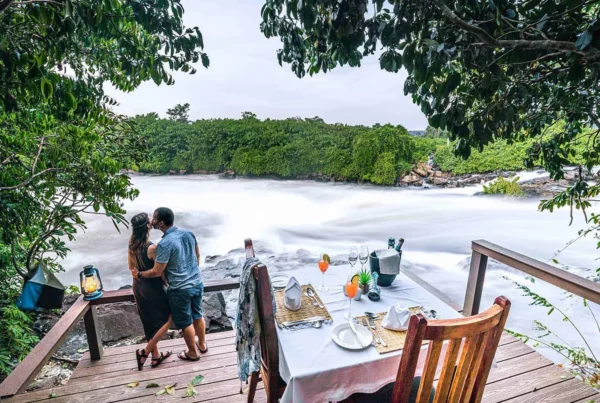
This is where intimacy meets wilderness. With a limited number of guests allowed in each conservancy, you and your partner can enjoy private game drives, romantic bush dinners, and uninterrupted views of Africa’s most iconic animals, including lions, elephants, cheetahs, and giraffes. Many lodges offer honeymoon suites with private plunge pools, outdoor showers, and elegant furnishings that blend modern luxury with African charm.

The real romance here lies in the experience. Picture yourselves floating silently above the plains in a hot air balloon at dawn or sipping champagne as you watch elephants bathe in the Mara River. You’ll also connect with the Maasai people, whose rich culture adds depth and humanity to your wilderness journey. The Masai Mara isn’t just a place to visit—it’s a place where your love story becomes part of a timeless landscape.

Okavango Delta, Botswana – Serenity in the Swamp of Dreams

For couples who long for solitude and serenity, the Okavango Delta in Botswana is a sublime escape. A UNESCO World Heritage Site and one of Africa’s most unique ecosystems, the delta floods seasonally, transforming dry land into a lush, labyrinthine wetland teeming with wildlife. It’s a destination where every detail—from the gentle movement of a mokoro canoe to the haunting call of a fish eagle—feels designed to slow time and heighten emotion.

Romantic isolation is one of the Okavango’s strongest appeals. You and your partner can drift along papyrus-lined channels in a dugout canoe, explore remote islands on foot with expert guides, and stay in ultra-private camps nestled in the heart of nature. Here, the emphasis is not on adrenaline but on immersion: watching a herd of lechwe move gracefully through shallow waters, listening to the symphony of frogs at twilight, or sharing stories under an ancient baobab tree.

What makes the Okavango so unforgettable is its dreamlike stillness. It’s a place where the outside world fades away, leaving only the present moment—ripe with beauty, stillness, and love. For honeymooners seeking to truly escape, this is a sanctuary of romance wrapped in the embrace of untouched nature.

Queen Elizabeth National Park, Uganda – Wild Love Beneath the Rwenzoris

Uganda, often called the “Pearl of Africa,” offers a honeymoon experience that is both rich in diversity and emotionally stirring. Queen Elizabeth National Park, nestled between the Rwenzori Mountains and Lake Edward, is a mosaic of ecosystems that invites couples to explore everything from classic savannah to lush rainforest, volcanic craters, and sparkling lakes.

This is a destination where your safari is not confined to land. Romantic boat cruises on the Kazinga Channel allow you to drift past pods of hippos, crocodiles, and countless bird species, while traditional game drives reveal elephants, lions, buffaloes, and even the rare tree-climbing lions of Ishasha. Add to this the chance to trek for chimpanzees in Kyambura Gorge, and you have a multi-dimensional honeymoon that’s rich with discovery.

Lodges here offer eco-luxury at its finest, many perched on crater rims or overlooking the savannah with infinity pools and spa treatments that pamper you after a day of exploration. And for the couple that seeks meaning as much as pleasure, Uganda’s warm hospitality and community-based tourism add depth and heart to the experience. It’s a place where love meets adventure, and where memories are carved not only in photos, but in the soul.

South Luangwa National Park, Zambia – A Wilderness for the Wild at Heart

South Luangwa National Park in Zambia is often called Africa’s best-kept safari secret, and for honeymooners, it’s a treasure trove of authenticity and raw beauty. Famous as the birthplace of the walking safari, this park offers a safari experience that’s deeply personal and profoundly moving. It’s not about ticking off the Big Five, but about engaging with nature on its own terms.

Here, the rhythm of the bush dictates the pace of your days. With some of the most knowledgeable guides in Africa, you can set out on foot at sunrise, following the tracks of leopards, learning the language of birds, and understanding the secrets of the savannah. Return to a luxury camp where romance is etched into every detail—from open-air bathtubs under the stars to intimate dinners lit by lanterns and starlight.

South Luangwa’s river system ensures incredible wildlife viewing, especially during the dry season when animals congregate around shrinking waterholes. And because the park is less trafficked than more commercial destinations, it offers an exclusive, off-the-beaten-path charm that’s perfect for couples seeking intimacy and authenticity.

It’s a destination that celebrates not just nature, but the thrill of discovery—a metaphor, perhaps, for marriage itself.

Sabi Sands Game Reserve, South Africa – Luxury, Leopards, and Love

For couples seeking the pinnacle of luxury paired with unmatched wildlife viewing, Sabi Sands Game Reserve in South Africa delivers on every level. Bordering the famous Kruger National Park but privately managed, Sabi Sands is renowned for its high density of leopards and its iconic luxury lodges that redefine the safari experience.

This is where the wild meets world-class hospitality. Think private plunge pools overlooking watering holes, spa treatments in the bush, five-star cuisine, and some of the most intimate wildlife encounters in Africa. The reserve’s open borders with Kruger ensure prolific game, while expert trackers and rangers deliver extraordinary sightings—often just a few feet away.

What sets Sabi Sands apart as a honeymoon destination is its ability to fuse indulgence with emotion. The lodges are designed not just for comfort but for connection—with nature, with culture, and with each other. Whether it’s a private dinner under a marula tree, a candlelit bath overlooking the savannah, or a thrilling encounter with a leopard at dusk, Sabi Sands crafts moments that live long beyond the honeymoon.

Celebrate Love With WildHorn Africa – Your Journey Starts Here

Your honeymoon is more than a trip. It’s a sacred chapter at the beginning of your story together, a time to retreat from the world and celebrate the joy of unity, adventure, and discovery. Africa, with its soul-stirring beauty, ancient landscapes, and awe-inspiring wildlife, offers the perfect setting for this celebration. Whether you’re drawn to the intimacy of Uganda’s wild rivers, the exclusivity of Kenya’s conservancies, the serenity of Botswana’s wetlands, or the luxurious seclusion of South Africa’s finest lodges, Africa invites you to begin your journey surrounded by wonder.

At WildHorn Africa, we specialize in crafting bespoke honeymoon safaris that reflect your love, dreams, and sense of adventure. From the first idea to the final sunset, we take care of every detail, ensuring your experience is seamless, soulful, and unforgettable. With our deep local expertise, ethical partnerships, and passion for storytelling through travel, your honeymoon becomes more than a memory—it becomes a legacy.

Book your African honeymoon safari today with WildHorn Africa, and let the wild, the wonder, and the romance of Africa shape the first days of your forever.

Honeymoon Safari Destinations #Honeymoon Safari Destinations Honeymoon Safari Destinations

Where To See Elephants in Africa – the Top 5 Best Safari Destinations To See Elephants

Where To See Elephants in Africa – the Top 5 Best Safari Destinations To See Elephants

By Travel guides, Travel stories and blogs

Where To See Elephants in Africa – The Top 5 Best Safari Destinations To See Elephants

Africa’s Giants: An Encounter Like No Other

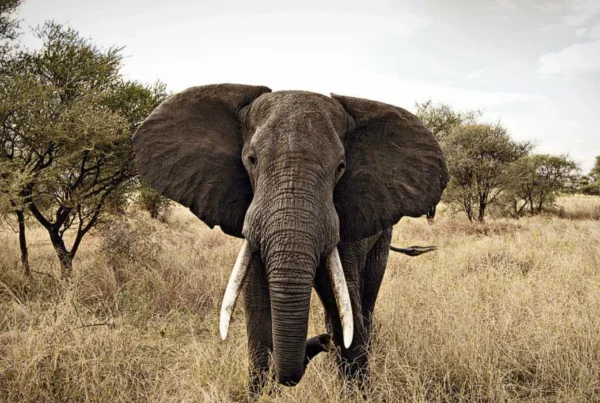
There is something ancient and profound about locking eyes with an elephant in the wild. Majestic, intelligent, and emotionally complex, elephants are more than just the largest land mammals on Earth — they are the guardians of Africa’s wilderness, shaping ecosystems with every step and radiating a presence that is both powerful and gentle.

In African mythology and modern conservation alike, elephants occupy a place of deep respect. They are symbols of strength, wisdom, memory, and kinship. Seeing one in its natural habitat isn’t just a safari highlight — it’s a spiritual experience, a reminder of nature’s magnitude and grace.

Across the continent, from the golden savannahs of East Africa to the hidden wetlands of the south, there are places where elephants still roam freely, in great numbers, and with the dignity that only true wilderness allows. This article explores the Top 5 Best Safari Destinations To See Elephants in Africa, each offering not just sightings, but soul-stirring experiences with these extraordinary creatures.

Chobe National Park – Botswana’s Elephant Kingdom

No destination on the continent rivals Chobe National Park in northern Botswana when it comes to sheer elephant numbers. Often referred to as the elephant capital of the world, Chobe is home to over 120,000 elephants — a population so immense it seems almost mythical until you see it for yourself.

Here, elephants are not elusive shadows. They are everywhere. Herds of hundreds gather along the Chobe River’s edge, particularly during the dry season, to drink, bathe, and cross from bank to bank in mesmerizing formations. You’ll witness matriarchs leading their families, calves playing in the mud, and bulls wrestling in displays of dominance — all against the stunning backdrop of setting suns and golden waters.

What makes Chobe exceptional isn’t just quantity — it’s the intimacy. River safaris offer an unparalleled front-row seat to observe elephants at water level. Watching them swim across the river, their trunks raised like snorkels, is an unforgettable sight. And because of Botswana’s strong conservation policies and low-impact tourism approach, your time in Chobe feels deeply authentic and sustainable.

Amboseli National Park – Kenya’s Iconic Elephant Landscape

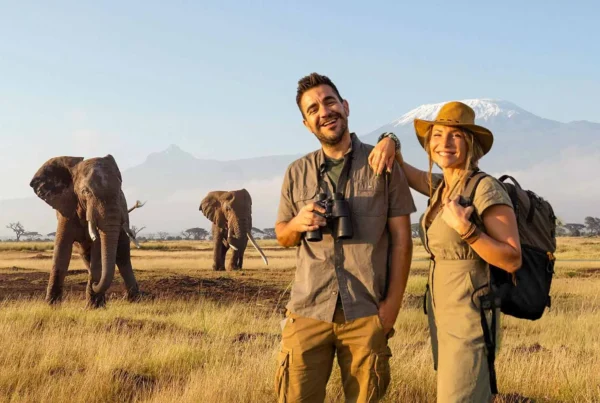
For a safari scene worthy of a postcard, few places match the grandeur of Amboseli National Park in southern Kenya. Picture this: elephants walking in slow procession across open plains, dust swirling around their legs, with the towering snow-capped peak of Mount Kilimanjaro rising in the distance. This isn’t a dream — it’s Amboseli at dusk.

Amboseli is famous for its elephant families with massive tusks, the result of decades of protection and careful research. The park is also the site of the Amboseli Elephant Research Project, one of the world’s longest-running studies on wild elephants, giving you the chance to see these giants in a region where they are deeply understood and respected.

Unlike denser bushlands, Amboseli’s open terrain allows for clear, cinematic views. You can watch herds stretching across the horizon, witness young calves taking their first steps, and even spot the legendary big tuskers — rare individuals whose ivory can almost reach the ground. In Amboseli, every game drive is a living documentary.

Queen Elizabeth National Park – Uganda’s Hidden Elephant Haven

When travelers think of Uganda, it’s often the mountain gorillas that first come to mind. Yet Uganda is also a remarkable elephant destination, particularly within the diverse landscapes of Queen Elizabeth National Park.

Located in the western arm of the Great Rift Valley, Queen Elizabeth National Park is a tapestry of ecosystems — from volcanic crater lakes to open savannah and dense forests. This variety supports a healthy and growing elephant population, many of which can be seen roaming through the Kasenyi plains, along the Kazinga Channel, or emerging from the shadows of the park’s lush Maramagambo Forest.

The most spectacular way to observe elephants in Queen Elizabeth is by boat on the Kazinga Channel. As the sun warms the banks, elephants descend to drink, swim, and dust themselves with soil. Alongside them, hippos grunt, crocodiles bask, and flocks of kingfishers dart across the water — creating one of Africa’s most vibrant wildlife spectacles.

Uganda’s elephants also carry a history of resilience. After decades of poaching during past conflicts, elephant numbers have rebounded thanks to robust conservation efforts. Today, tracking them in the wild feels like bearing witness to a quiet triumph of nature.

Tarangire National Park – Tanzania’s Elephant Sanctuary

Often overshadowed by the more famous Serengeti, Tarangire National Park remains one of Tanzania’s most underrated elephant destinations — and one of the most rewarding. During the dry season, this park turns into a magnet for elephants, who migrate in large numbers to the Tarangire River, the area’s primary water source.

Tarangire is a place of surprises and contrasts. Its rolling hills are dotted with ancient baobab trees — sacred sentinels that watch over the land — and the scent of acacia blossoms floats on the breeze. Amid this scenic beauty, herds of elephants gather in astonishing density, numbering in the hundreds.

What sets Tarangire apart is its sense of seclusion. Far fewer tourists venture here, which means quieter game drives and deeper immersion. It’s common to spend long, uninterrupted hours with elephant herds — observing not just movement, but subtle social interactions, protective parenting, and the curious nature of calves discovering their world.

The elephants of Tarangire, especially during the dry months, seem almost magnetically drawn to the river, creating the perfect stage for nature’s grand performance.

Hwange National Park – Zimbabwe’s Elephant Stronghold

In the far west of Zimbabwe, bordering Botswana, lies a vast and little-explored sanctuary called Hwange National Park. Spanning over 14,000 square kilometers, Hwange is one of Africa’s largest national parks and home to some of the densest elephant populations in the southern hemisphere.

Elephants in Hwange are not just plentiful — they are epic in scale. In the dry season, they converge on waterholes in astonishing numbers, sometimes over 500 elephants at a single site, creating a phenomenon that must be seen to be believed.

Hwange is also remarkable for its diversity of landscapes, from teak forests to desert-like dunes, which means that elephants here display a wide range of behaviors and adaptations. Some herds live in the mopane woodland corridors, others traverse open savannahs, and still more follow ancient migratory paths to neighboring parks and countries.

Despite challenges in Zimbabwe’s past, Hwange stands as a testament to the resilience of conservation and community-led tourism. Here, you’ll experience elephants not just as wildlife, but as fellow inhabitants of a timeless land that still pulses with wild, unspoiled rhythm.

Why Elephants Matter — And Why Seeing Them Changes You

Elephants are more than safari highlights. They are ecosystem engineers, reshaping their environments by uprooting trees, digging for water, and dispersing seeds. Their presence sustains entire chains of life. Yet, across Africa, elephants face mounting threats: poaching, habitat loss, and human-wildlife conflict.

To see them in the wild is to understand the fragility and strength of our natural world. It is to be humbled by their wisdom, awed by their emotion, and called to action in their defense. Every photograph, every observation, every journey into their world becomes a step toward protecting their future.

Plan Your Elephant Expedition with WildHorn Africa (Safari Destinations To See Elephants)

The magic of seeing elephants in the wild begins not just with the destination, but with how you choose to experience it. WildHorn Africa offers expertly designed, conservation-focused safaris that connect you with elephants across East and Southern Africa in the most ethical, immersive, and unforgettable ways.

Whether you dream of drifting silently along the Kazinga Channel in Uganda, following a matriarchal herd across Botswana’s plains, or standing beneath Kilimanjaro as tuskers walk by, WildHorn Africa crafts journeys that resonate long after you return home.

Book your elephant safari with WildHorn Africa, and walk beside the giants of Africa with purpose, passion, and a promise to protect. The elephants are waiting — not just to be seen, but to be remembered.

Safari Destinations To See Elephants #Safari Destinations To See Elephants Safari Destinations To See Elephants

Top 10 Best Things To See and Do in Botswana

Top 10 Best Things To See and Do in Botswana

By Botswana travel guides, Travel guides, Travel stories and blogs

Top 10 Best Things To See and Do in Botswana

Welcome to Botswana: The Last True Wilderness

In the heart of Southern Africa lies a country unlike any other — a land where the wild reigns supreme, the sunsets bleed across endless horizons, and ancient rivers give life to a kingdom of untamed beauty. This is Botswana — a destination that captures the soul, ignites wonder, and leaves you breathless with its sheer, unfiltered wilderness.

Botswana isn’t just another safari stop. It’s the crown jewel of Africa’s wild frontiers, where conservation isn’t a campaign, but a way of life. From the shimmering floodplains of the Okavango Delta to the arid mystery of the Kalahari Desert, Botswana offers one of the most profound and untouched safari experiences on Earth.

This guide takes you deep into the Top 10 Best Things to See and Do in Botswana, where every journey becomes a story, and every sight is a memory etched in nature’s handwriting.

1. Explore the Okavango Delta – Africa’s Water Wonderland

At the top of any Botswana adventure must be the Okavango Delta, a UNESCO World Heritage Site and one of the most extraordinary ecosystems on the planet. Unlike any other delta in the world, the Okavango doesn’t drain into an ocean but spills into the sands of the Kalahari, creating a lush, seasonally flooded paradise.

Glide silently through narrow channels in a traditional mokoro (dugout canoe), where hippos snort in the water beside you and elephants cross through reed-fringed swamps. Witness lions, leopards, and wild dogs roam the mosaic of islands and lagoons. The delta is a place of serene immersion, where every moment feels like a sacred pause in the rush of time.

This is not just a place to see wildlife — it’s a place to feel life at its purest.

2. Safari in Chobe National Park – Land of Giants

To encounter Africa’s largest concentration of elephants, there is no better place than Chobe National Park. Nestled in the north of Botswana, Chobe is home to an estimated 120,000 elephants, and seeing them in herds of hundreds is an unforgettable spectacle.

Chobe offers both land and river safaris, giving you two vantage points to witness the drama of nature. Watch predators like lions and hyenas stalk the floodplains, or cruise along the Chobe River at sunset as elephants swim and play along the banks. The birdlife is astonishing, and the sheer density of wildlife makes every game drive exhilarating.

It’s here that the raw intensity of Africa pulses in every direction.

3. Visit Moremi Game Reserve – Where Wilderness Meets Luxury

Situated on the eastern fringes of the Okavango Delta, Moremi Game Reserve is a masterclass in balance — combining pristine wilderness with some of Botswana’s most exclusive safari lodges. Moremi is known for its varied terrain: from mopane woodlands to floodplains, lagoons, and grasslands, the biodiversity here is astonishing.

Moremi is a haven for big cats, especially leopards, and it’s one of the best places in Africa to spot the endangered African wild dog. Here, you experience untouched Africa with a touch of refinement — morning game drives followed by fine dining under the stars, where luxury doesn’t disturb the harmony of nature, but compliments it.

4. Traverse the Makgadikgadi Salt Pans – Surreal and Silent

Imagine a place so vast, so blindingly white and still, that it feels like another planet. This is Makgadikgadi, one of the world’s largest salt flats. In the dry season, it is a shimmering expanse of desolation — cracked, baked earth under an infinite sky. But after the rains, it transforms into a shallow lake that attracts flocks of flamingos and one of Africa’s most dramatic zebra migrations.

This stark, otherworldly terrain offers adventure and introspection in equal measure. Ride a quad bike across the pans, sleep under the Milky Way with no sound but the whisper of wind, and visit ancient baobab trees that have watched millennia pass.

Makgadikgadi is wild silence, raw beauty, and total disconnection.

5. Discover the Central Kalahari Game Reserve – The Desert That Breathes Life

Covering over 50,000 square kilometers, the Central Kalahari Game Reserve is one of the largest and most remote wildlife reserves on the planet. Here, in the vast emptiness of golden grasslands and fossil river valleys, wildlife has adapted in astonishing ways.

This is the kingdom of the black-maned Kalahari lion, of springboks and oryx, of cheetahs streaking across open plains. During the wet season, the Kalahari blooms with life, and the deception valley becomes a hotspot for predator-prey encounters.

It is here you also meet the San people, Botswana’s First Nation, who offer insight into survival, storytelling, and ancient wisdom etched into the earth. The Kalahari isn’t empty — it is deeply alive, if you know how to listen.

6. Marvel at the Zebra Migration – A Secret Spectacle

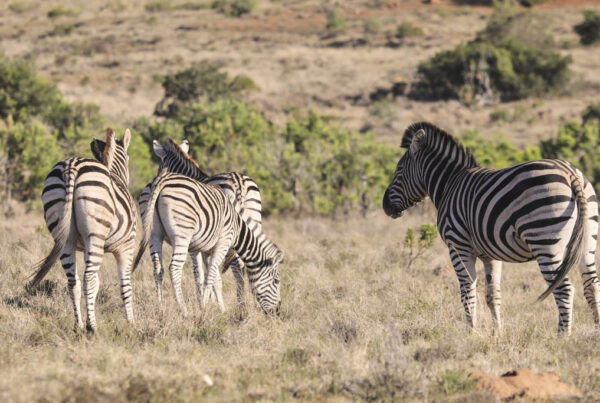
Often overshadowed by East Africa’s wildebeest migrations, Botswana’s zebra migration is the largest in Southern Africa and one of its best-kept secrets. Between the Okavango and the Makgadikgadi, thousands of zebras journey across the Kalahari in search of greener pastures, shadowed by predators and shaped by the rains.

This migration is not about crowds or noise — it is about movement and instinct, a quieter, more intimate spectacle that captures the ancient rhythm of life.

Timing is crucial. The rains determine the flow, but when it’s right, you’ll witness a living river of stripes, stretching into the horizon.

7. Cruise the Chobe River – Sunset and Silence (Things To See and Do in Botswana)

The Chobe River is more than just a water source — it is a lifeline for the north and one of the best ways to observe wildlife without disturbing it. An afternoon cruise puts you eye-level with elephants drinking at the shore, crocodiles basking, and herons tiptoeing through the reeds.

As the sun dips, the water becomes molten gold, and the silhouette of a lone buffalo against the fire-sky becomes a memory for life. This experience is not loud or rushed. It’s a meditative drift through nature, guided by birdsong and the splash of hippos.

8. Encounter Meerkats in the Wild – Small, Curious, and Bold

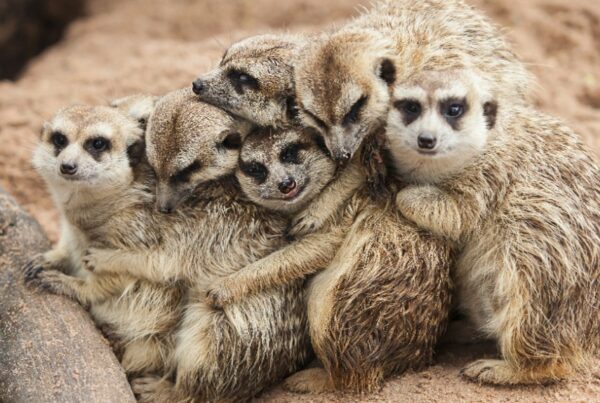
Botswana offers a rare chance to walk among wild habituated meerkats, particularly near the Makgadikgadi Pans. These charismatic little mammals are endlessly entertaining — sentinels standing upright, curious pups darting through the dust, and family units working together in perfect coordination.

With an experienced guide, you can sit quietly and let the meerkats come to you. Sometimes, they even climb on your back to get a better view. It’s a gentle, joyful encounter that offers a break from the grandeur and focuses on the delight of the small.

9. Experience Cultural Encounters – The Heartbeat of Botswana

Botswana isn’t just about wildlife; it’s also about its people, its rhythm, and its heritage. Visiting local villages offers insight into the everyday life, music, crafts, and traditions of communities who have lived in harmony with nature for generations.

Participate in a traditional dance, listen to stories passed down for centuries, and support artisan cooperatives that preserve ancient skills. These interactions bring depth and human connection to your safari, reminding you that the land and its people are inseparable.

10. Camp Under the Stars – Africa’s Most Authentic Sleep

Finally, there’s no greater way to end your Botswana adventure than by camping in the wild — not in a lodge, but in the bush itself. Whether it’s a mobile tented safari or a luxury fly-camp, sleeping under the stars in Botswana connects you directly to the pulse of the wilderness.

No walls, no fences. Just the crackle of the fire, the calls of jackals, and a sky so clear you’ll feel like you’re floating in the cosmos. This is Africa as it was meant to be felt — not observed, but lived.

Begin Your Botswana Journey with WildHorn Africa

Every path, every wild encounter, and every soul-stirring view in Botswana becomes more profound when experienced with those who know and love this land. WildHorn Africa offers expertly crafted safaris that bring you to the heart of Botswana’s untouched wilderness, with deep respect for its people, wildlife, and landscapes.

From tailor-made luxury experiences in the Delta to rugged explorations of the Kalahari, WildHorn Africa’s team ensures your journey is seamless, ethical, and deeply personal. Their passion for Africa shines through every detail — because for them, safaris aren’t just trips. They are legacies.

Ready to see Botswana the way few ever do?
Book your next African safari with WildHorn Africa — where the wild calls, and adventure answers.

Things To See and Do in Botswana #Things To See and Do in Botswana Things To See and Do in Botswana

The Best Places To Track Golden Monkeys in East Africa

The Best Places To Track Golden Monkeys in East Africa

By Travel guides, Travel stories and blogs

The Best Places To Track Golden Monkeys in East Africa

Golden Monkeys: The Hidden Jewel of East Africa’s Forests

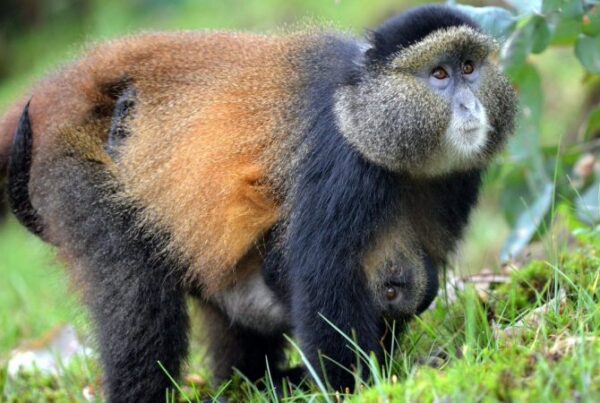
In the lush, mist-covered mountains of East Africa, where ancient trees whisper secrets and the air thrums with life, a rare and striking primate swings among the bamboo: the Golden Monkey (Cercopithecus kandti). This dazzling primate, with its vibrant golden-orange body and contrasting black limbs, is one of the most enchanting creatures you can encounter in the wild. Elusive, endangered, and found only in a few select locations in the world, golden monkeys are a bucket-list sighting for any wildlife enthusiast.

Unlike the more famous mountain gorillas, golden monkeys have long flown under the radar — yet they offer an equally mesmerizing and perhaps even more magical experience for those who venture into their emerald world. To see these rare monkeys in their natural habitat is not just a safari activity — it is an immersion into a living Eden, a rare chance to witness the fragile beauty of biodiversity that clings to life on misty slopes.

If you’re looking to follow in the footsteps of expert trackers, pushing deep into ancient forests and feeling your heart pound as golden fur flickers through the foliage, then here is your ultimate guide to the best places to track golden monkeys in East Africa.

1. Volcanoes National Park – Rwanda’s Primate Paradise

Tucked away in the northwest of Rwanda, Volcanoes National Park is not only famous for its mountain gorilla population but is also one of the most reliable and rewarding destinations to track golden monkeys. Nestled within the Virunga Mountains, this park is a sanctuary for endangered species and one of the last strongholds for golden monkeys in the wild.

What makes this park truly exceptional for golden monkey tracking is the fact that it houses two habituated troops — meaning that the monkeys are accustomed to human presence. This allows visitors to get unusually close and witness their fascinating social behaviors: grooming, foraging, and leaping acrobatically between bamboo branches.

The experience begins at the Kinigi headquarters, where your day starts with a short briefing before you’re guided by expert trackers into the cool, dense forest. The trek is usually not as intense as gorilla tracking, making it ideal for those who want a less strenuous yet equally immersive primate experience.

Here, golden monkeys are found darting through the bamboo groves, often in groups of up to a hundred. Their movement is fast and erratic, but also playful and mesmerizing. Watching them leap gracefully from tree to tree, their golden coats catching shafts of sunlight, is like watching a ballet of the wild — energetic, fleeting, and unforgettable.

2. Mgahinga Gorilla National Park – Uganda’s Primate Secret

Often overshadowed by its more popular Rwandan cousin, Mgahinga Gorilla National Park in southwestern Uganda is a hidden treasure for those seeking solitude, serenity, and a chance to witness golden monkeys with fewer crowds. This small but incredibly biodiverse park lies in the same Virunga range, bordering Rwanda and the Democratic Republic of Congo.

Mgahinga is the only place in Uganda where golden monkey tracking is officially offered, and it provides a unique blend of intimate wildlife encounters and cultural richness. Here, golden monkeys inhabit the lower bamboo zones of the forest, and guided treks take you through lush vegetation, past craters and volcanic ridges, deep into the monkeys’ domain.

Unlike Volcanoes National Park, Mgahinga offers a Golden Monkey Habituation Experience, where visitors spend extended hours with a semi-habituated troop, providing a deeper and more scientific look into their behaviors, diets, and ecological significance. This is ideal for photography enthusiasts and researchers, or anyone who craves a more in-depth and immersive primate tracking adventure.

Trekking through Mgahinga offers more than just a golden monkey sighting. It offers a connection to a living landscape, a park that whispers with ancient stories and sacred legends from the Batwa, the forest’s original guardians. The views are sweeping, the air crisp, and the experience profoundly grounding.

3. Gishwati-Mukura National Park – Rwanda’s New Wilderness Frontier

For those craving off-the-beaten-path experiences, Rwanda’s Gishwati-Mukura National Park is an emerging gem. Officially established in 2015 and only recently opened to eco-tourism, this park offers an opportunity to engage with golden monkeys in a raw, less commercialized setting. Located in the western part of the country, Gishwati-Mukura combines fragments of montane forest, patches of farmland, and efforts at reforestation into a remarkable conservation story.

Though it is still developing its tourism infrastructure, the park is home to a significant number of golden monkeys. Tracking them here feels exploratory and pioneering — you’re not just a tourist, you’re a participant in a national effort to rehabilitate and preserve one of Africa’s most precious ecosystems.

Because of its size and the nascent state of its tourism programs, visits here are more exclusive and tailored. You may find yourself in a small group or even alone with your guide, stepping softly through the undergrowth as the calls of monkeys echo through the trees. It’s a raw, personal, and powerful encounter with nature, ideal for travelers who value authenticity and ecological integrity over polished attractions.

What Makes Golden Monkey Tracking Unforgettable (Track Golden Monkeys in East Africa)

Beyond their beauty, golden monkeys are symbols of resilience and fragility. Their survival depends on the preservation of high-altitude forests, particularly bamboo, which is central to their diet and nesting habits. By choosing to track these endangered primates, visitors contribute directly to their conservation, as permits and fees go into protecting their habitat, supporting local communities, and funding park rangers.

What makes golden monkey tracking unique is not just the species itself, but the intimate nature of the experience. Unlike large safari game drives, golden monkey tracking is done on foot, quietly, respectfully, with nature guiding your pace. You hear the crunch of leaves, the rustle of branches, and the rhythmic calls of the forest. And then, a flash of gold — a face peering through the green — and your breath catches.

They are comical yet graceful, shy yet curious. You’ll see them munching on bamboo shoots, wrestling playfully, or curling their tails as they rest. In their eyes, you see intelligence and instinct. In their environment, you see the urgent need for preservation.

Planning Your Golden Monkey Trek: When and How

The best time to track golden monkeys is during the dry seasons, from June to September and December to February, when trails are more navigable and visibility is higher. However, since the monkeys live in tropical montane forests, rainfall can occur any time, adding to the mystical atmosphere but also requiring appropriate gear.

Permits are relatively affordable compared to gorilla tracking, and treks typically start in the early morning. Fitness levels required are moderate, though trails can get steep and slippery depending on location and weather. The presence of trained guides ensures both safety and an enriching educational experience.

Whether you choose the well-established trails of Volcanoes, the quiet magic of Mgahinga, or the emerging promise of Gishwati-Mukura, golden monkey tracking is a rare gift — one that brings you into harmony with Earth’s vanishing wildness.

Why You Should Book Your Adventure with WildHorn Africa

There’s no better way to experience the wonder of East Africa’s golden monkeys than by traveling with experts who understand the land, the people, and the primates. WildHorn Africa offers tailor-made safaris that connect you with the soul of East Africa. From seamless logistics and experienced guides to sustainable, community-based tourism principles, WildHorn Africa ensures your journey is not only breathtaking — but also responsible.

Whether it’s a full primate safari, a luxury gorilla-golden monkey combo trek, or a cultural immersion in the Virunga landscapes, WildHorn Africa curates every journey to match your dreams. With their deep local knowledge and commitment to conservation, they are more than a travel provider — they are your gateway to East Africa’s wild heart.

So, are you ready to witness the gleaming eyes and gilded fur of one of nature’s rarest marvels? Ready to step into the quiet world of mist and monkeys? Let your next adventure begin with WildHorn Africa — where every safari is a story, and every journey leaves a legacy.

Book your East African primate expedition today with WildHorn Africa. The golden monkeys are waiting.

Track Golden Monkeys in East Africa #Track Golden Monkeys in East Africa Track Golden Monkeys in East Africa

10 Travel Tips When Going on an African Safari

10 Travel Tips When Going on an African Safari

By Travel guides, Travel stories and blogs

10 Travel Tips When Going on an African Safari

Unlocking the Wild: Mastering Your Safari Adventure Before It Begins

An African safari is not just another vacation—it’s a life-defining journey, a plunge into the raw, breathtaking beauty of nature. From the thunderous hooves of the Great Migration to the silent gaze of a stalking leopard, every moment on safari has the potential to leave you transformed. But to fully enjoy this once-in-a-lifetime experience, preparation is key.

Whether it’s your first trip or your fifth, knowing what to pack, how to behave, and what to expect can make all the difference. In this comprehensive guide, we break down the 10 essential travel tips that will elevate your safari from memorable to truly magnificent.

1. Choose the Right Safari Destination for Your Interests

Africa is a vast and varied continent. The term “safari” can mean vastly different experiences depending on where you go.

Popular Options (Going on an African Safari)

  • Kenya & Tanzania: Ideal for witnessing the Great Migration and Big Five sightings.
  • Botswana: Exceptional for water safaris and birdwatching in the Okavango Delta.
  • South Africa: Offers luxury lodges and family-friendly options.
  • Namibia: Unique desert landscapes and rare wildlife.

Do your research and consult with an experienced safari planner like WildHorn Africa to find the destination that best aligns with your interests and travel goals.

2. Time Your Visit Carefully

Wildlife viewing in Africa is highly seasonal. The best time to visit depends on both location and what you want to see.

Seasonal Highlights

  • Dry Season (June – October): Best for game viewing—animals congregate near water.
  • Wet Season (November – May): Lush landscapes, baby animals, and excellent birding.
  • Great Migration Crossings: Typically occur in July-August and again in October.

Booking with experts ensures you’ll be in the right place at the right time.

3. Pack Smart, Pack Light (Going on an African Safari)

Weight limits on safari flights can be strict, and many lodges offer laundry services, so there’s no need to overpack.

Packing Essentials

  • Neutral-Colored Clothing: Avoid bright colors; stick to greens, browns, and tans.
  • Layers: Mornings and evenings can be cold, even in the bush.
  • Comfortable Footwear: Closed-toe shoes are best for walks.
  • Sun Protection: A wide-brimmed hat, sunscreen, and sunglasses.
  • Binoculars and Camera Gear: Wildlife isn’t always right next to the vehicle!

Remember, function over fashion is the name of the game.

4. Don’t Skip Travel Insurance

A safari can involve everything from bush flights to remote lodges, so comprehensive travel insurance is not optional—it’s essential.

Look For Policies That Cover:

  • Medical Evacuation
  • Trip Cancellation
  • Lost Luggage or Gear

Choose an insurance provider familiar with safari travel and read the fine print carefully.

5. Prepare for Early Mornings and Long Days

Safari schedules are dictated by wildlife activity, which means early wake-ups and long game drives.

Typical Safari Routine

  • 5:00 AM: Wake-up call with coffee or tea.
  • 6:00 AM – 10:00 AM: Morning game drive.
  • Midday: Rest, swim, or nap.
  • 4:00 PM – 7:00 PM: Evening game drive.
  • Evening: Dinner and storytelling around the campfire.

Pace yourself, stay hydrated, and embrace the rhythm of the wild.

6. Respect Wildlife and Follow Guide Instructions

You’re stepping into the animals’ territory, not the other way around. Your guide is trained to ensure both your safety and that of the animals.

Golden Rules

  • Never leave the vehicle without permission.
  • Stay quiet and avoid sudden movements near animals.
  • Don’t feed or try to touch wildlife—this can be dangerous and disruptive.
  • Follow all photography guidelines (especially with flash).

Remember, respectful behavior leads to more authentic and thrilling encounters.

7. Stay Healthy: Vaccinations and Medications

Some safari destinations require specific vaccinations and preventive measures.

Health Checklist

  • Yellow Fever Vaccination: Required for some countries.
  • Malaria Prophylaxis: Consult your doctor about the best anti-malarial medication.
  • Routine Immunizations: Make sure tetanus, hepatitis, and typhoid are up to date.
  • Travel First Aid Kit: Include basics like band-aids, insect repellent, antiseptic wipes, and any personal prescriptions.

Consult a travel clinic well in advance of your departure.

8. Understand the Tipping Culture

Tipping on safari is customary and greatly appreciated. It’s often a major component of income for guides and lodge staff.

General Tipping Guidelines

  • Guides: $10–$20 per day, per guest.
  • Trackers & Drivers: $5–$10 per day.
  • Camp Staff: $5–$10 per day, usually pooled.

Many lodges provide tipping envelopes and suggested amounts to simplify the process.

9. Bring the Right Attitude and Stay Flexible

Nature doesn’t run on a schedule. Sometimes, patience is required to see rare animals or wait out weather delays.

Tips for the Right Mindset

  • Appreciate the Small Things: Insects, birds, and plants are part of the magic.
  • Don’t Fixate on the Big Five: Every sighting has its own story.
  • Be Present: Disconnect from devices and soak it all in.

A flexible, curious attitude can turn even a quiet day into an unforgettable one.

10. Choose the Right Safari Operator

This may be the most important tip of all. A great safari operator can tailor the perfect experience, from choosing lodges to navigating visa and flight logistics.

What to Look For

  • Local Knowledge and On-Ground Presence
  • Strong Conservation Ethics
  • Customized Itineraries
  • Excellent Reviews and Word-of-Mouth Reputation

This is where WildHorn Africa shines—offering curated, conservation-driven safaris that combine authenticity with comfort.

Travel Smart, Safari Better with WildHorn Africa

Every safari is a symphony of the unexpected, a call to return to the roots of our shared existence with nature. But such a profound adventure requires careful planning, the right mindset, and expert guidance.

WildHorn Africa brings decades of experience, local insight, and a passion for conservation to your safari planning. Whether you’re chasing the Great Migration, seeking intimate predator encounters, or longing for luxury in the wilderness, WildHorn Africa turns dreams into deeply personal realities.

Book your safari adventure with WildHorn Africa today—and let the wild change you forever.

Going on an African Safari #Going on an African Safari Going on an African Safari

Africa's Best Safari Country of 2025 - 2026

Africa’s Best Safari Country of 2025 – 2026

By Travel guides, Travel stories and blogs

Africa’s Best Safari Country of 2025 – 2026

Africa’s Best Safari Country

The Hidden Pearl of Safari Adventure

When one thinks of iconic African safaris, the mind often races to the endless plains of Kenya, the lion-dotted savannahs of Tanzania, or the roaring thunders of elephants in South Africa. Yet, nestled in the very heart of the continent lies a land of such breathtaking diversity and untamed beauty that it quietly eclipses many of its neighbors. Uganda, often referred to as the “Pearl of Africa,” is arguably Africa’s best-kept safari secret, a place where the raw beauty of nature remains largely untouched by mass tourism and where authentic wilderness encounters reign supreme.

What makes Uganda stand apart is not only its sheer range of ecosystems but the way these ecosystems seamlessly blend into each other—from misty mountain rainforests to sun-drenched savannahs, from glacial peaks to papyrus-lined lakes. This geographical fusion creates a biodiversity so rich and varied that it challenges the imagination. Uganda is not merely a destination; it is an immersion into the very soul of Africa’s wild.

A Biodiversity Hotspot Like No Other (Africa’s Best Safari Country)

Uganda boasts an astounding variety of flora and fauna that puts it in the league of top global biodiversity hotspots. Home to more than half of the world’s remaining mountain gorillas, Uganda offers one of the most intimate and powerful wildlife experiences on Earth: gorilla trekking in the Bwindi Impenetrable National Park. This UNESCO World Heritage site is not only a sanctuary for gorillas but also harbors over 120 mammal species, 220 butterfly species, and more than 350 bird species, making it a haven for naturalists and adventurers alike.

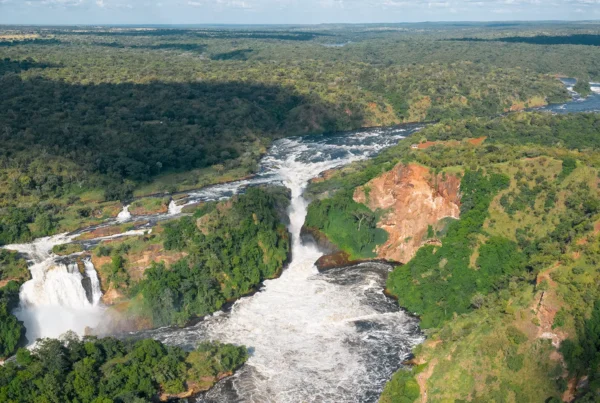
In contrast to the dark forests of Bwindi lie the golden savannahs of Queen Elizabeth National Park, a region famed for its tree-climbing lions, large herds of elephants, and massive pods of hippos along the Kazinga Channel. The park also supports an incredible number of bird species, earning Uganda the well-deserved title of a birdwatcher’s paradise. Murchison Falls National Park, meanwhile, offers thrilling game drives complemented by boat cruises to the dramatic waterfall where the Nile explodes through a narrow gorge. The park is teeming with giraffes, buffaloes, crocodiles, and leopards, each playing its part in Uganda’s symphony of the wild.

Gorilla and Chimpanzee Encounters: Primate Capital of the World

Nowhere else in Africa can you encounter such a rich concentration of primates as in Uganda. The crown jewel, of course, is the majestic mountain gorilla, but beyond the highland forests, the country’s lower elevation reserves are teeming with our closest relatives in the animal kingdom. Kibale Forest National Park is the undisputed capital of chimpanzee trekking. Here, habituated chimpanzee families offer unparalleled viewing opportunities, often in groups that number over a hundred individuals.

These encounters go beyond mere sightseeing. They are deeply moving experiences that offer insights into the social behaviors, communication patterns, and intelligence of primates. Researchers, photographers, and casual travelers alike are drawn to Uganda not just for the thrill of seeing these creatures in the wild, but for the deep connection such experiences evoke. Uganda’s commitment to ethical wildlife tourism ensures that these interactions are both sustainable and respectful to the animals.

Diverse Landscapes and Natural Marvels

Uganda’s landscapes are a mesmerizing blend of opposites, where volcanic ranges like the Virunga Mountains pierce the sky, and vast lakes such as Victoria, Albert, and Edward dominate the lowlands. These shifting terrains create unique habitats that support vastly different species, making Uganda one of the most ecologically varied countries in Africa.

For those drawn to high-altitude adventure, the Rwenzori Mountains, also known as the “Mountains of the Moon,” provide snow-capped challenges complete with glaciers and alpine meadows. The source of the mighty Nile River begins its long journey in Jinja, a region now famed for white-water rafting, kayaking, and other adrenaline-filled exploits. Meanwhile, Lake Bunyonyi, with its emerald islets and tranquil waters, offers a perfect retreat for relaxation after a demanding gorilla trek.

Such diversity ensures that no two days in Uganda feel the same. The terrain continually shifts, revealing new shades of Africa’s natural brilliance. Uganda, therefore, becomes more than just a safari destination; it is a continuous unfolding of nature’s theatre.

Warm Hospitality and Rich Culture

What truly elevates Uganda to the pinnacle of safari excellence is not just its wildlife or landscapes but its people. Ugandans are known for their warmth, resilience, and welcoming spirit. The country is a tapestry of cultures with over 50 tribes, each with its own language, music, traditions, and culinary delights. From the rhythmic drumbeats of the Baganda to the cattle-herding customs of the Banyankole, Uganda’s cultural experiences are as enriching as its natural wonders.

Visitors often find themselves invited to traditional dance ceremonies, local markets, or village walks, which provide a deeper understanding of the harmony between people and the land. This integration of culture into the safari experience is rare and lends an authenticity to Ugandan travel that many destinations struggle to offer.

Conservation Commitment and Sustainable Tourism

Uganda’s safari industry is underpinned by a strong commitment to conservation and sustainable tourism. Through community-based tourism initiatives, revenue from park fees directly supports local development projects, education, and healthcare. Gorilla trekking permits, for instance, fund anti-poaching efforts and forest preservation programs, ensuring that both people and wildlife benefit from tourism.

The Uganda Wildlife Authority has worked diligently to maintain ecological integrity while opening up the country to responsible tourism. Carefully regulated visitor numbers, well-trained guides, and ethical wildlife viewing practices have become standard. This responsible approach ensures that Uganda remains a sanctuary not only for the wildlife it protects but also for future generations of travelers seeking meaningful encounters with nature.

Discover the Magic of Uganda with WildHorn Africa

To experience Uganda in its fullest glory requires more than just a camera and a checklist; it demands knowledgeable guides, carefully curated routes, and a deep respect for the land and its people. WildHorn Africa delivers precisely that. With a reputation for excellence and a passion for authentic safari experiences, WildHorn Africa crafts journeys that go beyond ordinary travel. From the moment you set foot in the misty highlands of Bwindi to the golden plains of Murchison, every moment is designed to inspire wonder, connection, and awe.

Choosing WildHorn Africa means choosing a safari that is immersive, ethical, and unforgettable. Whether you’re tracking primates through ancient forests, cruising down the Nile, or simply watching the sunrise over the savannah, your Ugandan safari will be a story worth telling.

Book your African journey with WildHorn Africa and discover why Uganda is not just Africa’s best safari country—it is its beating, untamed heart.

Africa’s Best Safari Country #Africa’s Best Safari Country Africa’s Best Safari Country

Safari in Congo

Safari in Congo

By Travel stories and blogs, Congo travel guides

Safari in Congo: Entering Africa’s Last True Wilderness

A Safari in Congo is not shaped by expectation, convenience, or spectacle; it is defined by immersion into one of the most untouched and biologically rich regions left on Earth. From the dense emerald canopy of the Congo Basin rainforest to the echoing calls of primates hidden deep within the jungle, Congo offers a safari experience unlike any other on the continent. This is a destination where nature remains dominant, where wildlife exists beyond the influence of mass tourism, and where every journey feels like a genuine expedition rather than a routine itinerary.

Often overlooked in favor of more familiar safari destinations, Congo represents the last frontier of African safaris. It is here that ancient forests stretch endlessly, rivers carve paths through primordial landscapes, and rare species survive in environments largely unchanged for thousands of years. A Safari in Congo is therefore not simply about wildlife viewing; it is about discovery, endurance, and a deeper engagement with nature in its rawest form.

Understanding the Unique Identity of a Safari in Congo

The concept of a Safari in Congo differs fundamentally from the classic savannah safari associated with East or Southern Africa. Rather than open plains and vast herds, Congo’s safari experience is centered around tropical rainforests, wetlands, and remote wilderness areas where biodiversity thrives beneath dense vegetation. Wildlife encounters are more intimate, often unfolding quietly and unexpectedly within the shadows of towering trees.

Congo’s safari identity is built on conservation, scientific research, and controlled eco-tourism. Visitor numbers are intentionally limited, access is carefully regulated, and the emphasis is placed on sustainability rather than volume. As a result, a Safari in Congo is experienced as a privilege, offering rare access to ecosystems that remain largely inaccessible to the wider world.

The Congo Basin: The Heart of a Safari in Congo

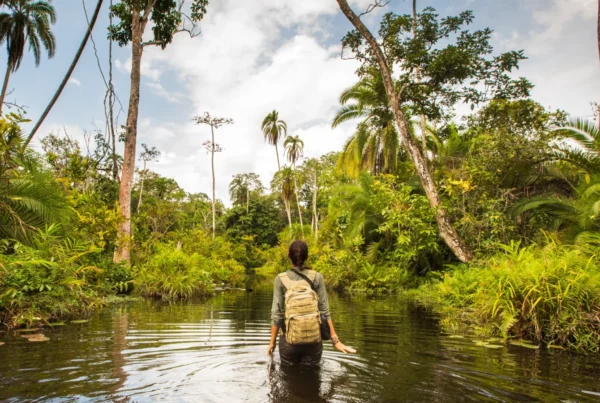
At the core of any Safari in Congo lies the Congo Basin, the second-largest rainforest on the planet after the Amazon. Covering vast portions of Central Africa, this ecosystem plays a critical role in global climate regulation and biodiversity preservation. Within its boundaries exists an extraordinary concentration of life, much of which remains undocumented or poorly understood.

The forests of the Congo Basin are characterized by dense vegetation, high humidity, and complex ecological layers. From the forest floor to the upper canopy, life thrives in interconnected systems. A Safari in Congo within this environment is therefore defined by exploration, patience, and expert interpretation, as wildlife is often heard before it is seen.

Republic of the Congo vs Democratic Republic of the Congo

When discussing a Safari in Congo, it is essential to distinguish between the Republic of the Congo and the Democratic Republic of the Congo. While both countries share similar ecosystems and wildlife, safari tourism has developed more prominently in the Republic of the Congo due to greater accessibility and focused conservation initiatives.

The Republic of the Congo has positioned itself as a leader in low-impact, high-conservation safari tourism, particularly within its protected national parks. The Democratic Republic of the Congo, although possessing immense ecological value, remains more challenging for tourism due to infrastructure limitations and political complexity. As a result, most organized safari experiences are currently concentrated in the Republic of the Congo.

Odzala-Kokoua National Park: The Crown Jewel of a Safari in Congo

Odzala-Kokoua National Park stands as the most iconic destination for a Safari in Congo. One of Africa’s oldest national parks, Odzala encompasses vast tracts of pristine rainforest, savannah clearings, and river systems that support remarkable biodiversity. The park is internationally recognized for its population of western lowland gorillas, making it a premier destination for gorilla trekking.

A Safari in Congo within Odzala is characterized by diversity of experience. Forest walks, river excursions, and guided tracking sessions combine to create a holistic understanding of the ecosystem. Unlike traditional safaris dominated by vehicles, Odzala emphasizes exploration on foot and by water, allowing for a deeper sensory connection with the environment.

Western Lowland Gorillas: A Defining Encounter

One of the most compelling reasons to undertake a Safari in Congo is the opportunity to encounter western lowland gorillas in their natural habitat. These gentle primates inhabit dense rainforest environments, where they live in family groups led by dominant silverbacks. Observing gorillas in the wild offers a profound and humbling experience, defined by quiet observation and respect.

Gorilla trekking in Congo is conducted under strict guidelines to ensure minimal disturbance. Small group sizes, limited viewing time, and expert guides ensure that encounters remain ethical and sustainable. A Safari in Congo centered around gorilla tracking is often described as transformative, offering rare insight into one of humanity’s closest relatives.Safari in Congo

Forest Clearings and the Phenomenon of Bai

Unique to a Safari in Congo is the phenomenon of forest clearings known as bai. These natural open spaces, often formed by mineral-rich soils, attract a wide range of wildlife seeking essential nutrients. Elephants, buffalo, sitatunga, and numerous bird species congregate in these clearings, creating extraordinary wildlife viewing opportunities within the heart of the forest.

Langoué Bai, located within Odzala-Kokoua National Park, is among the most celebrated of these clearings. From raised observation platforms, visitors on a Safari in Congo can witness complex social interactions as animals emerge from the forest. These moments offer a rare window into behavior that would otherwise remain hidden beneath the canopy.

Forest Elephants: Giants of the Jungle

A Safari in Congo also offers the chance to encounter forest elephants, a distinct and smaller species adapted to life within dense rainforest environments. Unlike their savannah counterparts, forest elephants navigate narrow pathways through thick vegetation, playing a vital role in seed dispersal and forest regeneration.

Observing forest elephants during a Safari in Congo is an experience marked by subtlety rather than scale. Their presence is often announced by rustling foliage or distant sounds, creating moments of anticipation and awe. These encounters highlight the intricate balance between species and habitat that defines Congo’s ecosystems.

Biodiversity Beyond the Iconic Species

While gorillas and elephants often dominate attention, a Safari in Congo reveals an astonishing breadth of biodiversity that extends far beyond these iconic species. Chimpanzees, forest buffalo, bongos, and sitatungas inhabit the region, each adapted to the challenges of rainforest life. Smaller mammals, reptiles, and amphibians thrive within the forest’s complex structure.

Birdlife is particularly rich, with hundreds of species recorded across Congo’s protected areas. From colorful turacos to elusive forest hornbills, avian diversity adds depth and vibrancy to a Safari in Congo. Insects, plants, and fungi further contribute to ecological richness, underscoring the scientific importance of the region.

Safari Activities Unique to Congo

A Safari in Congo is defined by experiences that differ markedly from conventional safaris. Walking safaris form a central component, guided by expert trackers and naturalists who interpret signs often invisible to the untrained eye. These walks foster a heightened awareness of the forest’s rhythms, sounds, and subtle movements.

River safaris along slow-moving waterways provide another distinctive perspective. Traveling by boat through forest-lined rivers allows for observation of wildlife drawn to water sources, while also revealing the interconnectedness of aquatic and terrestrial ecosystems. Night walks further expand the experience, unveiling nocturnal species and behaviors rarely encountered elsewhere.Safari in Congo

The Role of Scientific Research in a Safari in Congo

Scientific research plays a critical role in shaping the structure and philosophy of a Safari in Congo. Many protected areas serve as living laboratories where conservationists study primate behavior, forest dynamics, and climate resilience. Safari tourism is often integrated with these research efforts, ensuring that visitor presence contributes to long-term ecological understanding.

Guides involved in a Safari in Congo frequently possess backgrounds in conservation biology or ecology, allowing for detailed interpretation of the environment. This emphasis on education elevates the safari experience, transforming it into an opportunity for learning as well as observation.

Luxury Redefined in the Context of a Safari in Congo

Luxury within a Safari in Congo is expressed through exclusivity, authenticity, and thoughtful design rather than opulence. Lodges are strategically positioned to minimize environmental impact while offering comfort in remote settings. Natural materials, open-air designs, and seamless integration with the surrounding forest define accommodation standards.

Service is highly personalized, with small guest numbers ensuring attentive guiding and tailored experiences. A Safari in Congo therefore redefines luxury as access to rare environments, expert knowledge, and moments of solitude within vast wilderness rather than conventional indulgence.

Community Engagement and Conservation Partnerships

Local communities play a vital role in the success of a Safari in Congo. Many conservation initiatives prioritize employment, education, and skill development for surrounding populations, ensuring that wildlife protection aligns with human well-being. Community involvement fosters stewardship and reduces pressure on natural resources.

Cultural interactions during a Safari in Congo are approached with respect and sensitivity. Opportunities to learn about traditional forest knowledge, music, and daily life provide valuable context for understanding the human dimension of conservation. These engagements reinforce the idea that preserving Congo’s wilderness requires collaboration between people and nature.

Seasonality and Timing a Safari in Congo

The timing of a Safari in Congo significantly influences the overall experience. The dry seasons, typically occurring between June and September and again from December to February, are considered optimal for travel. During these periods, forest trails are more accessible, and wildlife movement becomes more predictable.

The rainy seasons, while more challenging, offer their own rewards. The forest becomes lush and vibrant, birdlife peaks, and ecological processes unfold dramatically. A Safari in Congo during this time is often quieter, appealing to travelers seeking solitude and immersion rather than ease.

Safety, Accessibility, and Practical Considerations

A Safari in Congo requires careful planning due to the remote nature of the destination. Access is typically achieved via charter flights and guided transfers, ensuring safety and efficiency. Health precautions, including vaccinations and fitness considerations, are an essential part of preparation.

Safari operators adhere to strict safety protocols, particularly during walking safaris and gorilla treks. The presence of experienced guides and trackers ensures that encounters with wildlife are conducted responsibly. As a result, a Safari in Congo is experienced with confidence, despite the challenges inherent in exploring remote environments.Safari in Congo

Why a Safari in Congo Stands Apart

What ultimately distinguishes a Safari in Congo is its authenticity. This is not a destination shaped for mass consumption, but a region that demands curiosity, patience, and respect. The rewards are profound, offering access to ecosystems that remain among the least disturbed on Earth.

A Safari in Congo appeals to travelers seeking depth over convenience, understanding over spectacle, and connection over consumption. It represents a return to the original spirit of safari, where exploration and learning form the foundation of the journey.

The Enduring Significance of a Safari in Congo

In a world where wilderness is increasingly fragmented, a Safari in Congo stands as a testament to what remains possible when conservation is prioritized over exploitation. It offers a rare opportunity to witness nature operating on its own terms, guided by ancient rhythms and delicate balances.

For those willing to venture beyond familiar paths, a Safari in Congo delivers an experience of unparalleled richness and meaning. It is not simply a journey into the forest, but an encounter with one of Earth’s last great wild places, preserved not for spectacle, but for survival.

Safari in Botswana

Safari in Botswana

By Botswana travel guides, Travel stories and blogs

Safari in Botswana: Where Wilderness Still Rules

A Safari in Botswana is not merely a journey into the wild; it is an immersion into one of the last great untouched ecosystems on Earth. From the moment the first dust trail rises behind a safari vehicle or the soft splash of a mokoro glides through crystal-clear channels, Botswana reveals itself as a destination where nature remains dominant, unfiltered, and profoundly authentic. Unlike many safari destinations shaped by mass tourism, Botswana has intentionally preserved exclusivity, conservation, and ecological balance. This deliberate approach has elevated the country into a global benchmark for high-quality safari experiences, where wildlife encounters are intimate, landscapes are pristine, and silence often speaks louder than words.

Renowned for its vast protected areas, extraordinary biodiversity, and conservation-led tourism model, Botswana offers a safari experience defined by depth rather than spectacle alone. Each region tells a different story, each season transforms the land in dramatic ways, and each encounter feels unrepeatable. A Safari in Botswana is therefore understood not as a single experience, but as a collection of moments that linger long after the journey ends.

Understanding the Essence of a Safari in Botswana

The concept of a Safari in Botswana is deeply rooted in preservation, patience, and respect for the natural world. Tourism has been developed under a “high-value, low-impact” philosophy, ensuring that wildlife habitats remain undisturbed while visitors are offered exceptional, personalized experiences. As a result, large crowds are absent, and encounters with animals often unfold in quiet isolation, creating an atmosphere of authenticity rarely found elsewhere.

Botswana’s safari identity is further shaped by its diverse ecosystems. From permanent wetlands to arid deserts, the country encompasses dramatic contrasts that support a remarkable range of species. These landscapes are not staged or artificially enhanced; they exist as they have for centuries, shaped by water, climate, and time. A Safari in Botswana is therefore experienced as an exploration of raw nature, rather than a curated attraction.

Botswana’s Commitment to Conservation and Sustainable Tourism

One of the defining factors that distinguishes a Safari in Botswana from other African safari destinations is the country’s unwavering commitment to conservation. Approximately forty percent of Botswana’s land has been set aside as national parks, game reserves, and wildlife management areas. This extensive protection has allowed animal populations to thrive while maintaining ecological integrity.

Hunting bans, strict tourism regulations, and controlled lodge development have reinforced Botswana’s reputation as a conservation leader. Safari operators are required to adhere to rigorous environmental standards, and many lodges operate on renewable energy while actively supporting local communities. Through this model, a Safari in Botswana contributes directly to wildlife protection and sustainable livelihoods, creating a symbiotic relationship between tourism and conservation.Safari in Botswana

The Iconic Landscapes That Define a Safari in Botswana

The Okavango Delta: A Living Miracle

At the heart of any Safari in Botswana lies the Okavango Delta, one of the most extraordinary ecosystems on the planet. This vast inland delta, formed by seasonal floodwaters from Angola, transforms the Kalahari Desert into a lush oasis teeming with life. As the waters spread across the plains, islands emerge, channels expand, and wildlife congregates in astonishing numbers.

A Safari in Botswana within the Okavango Delta is characterized by water-based exploration. Mokoro excursions provide a serene perspective, allowing wildlife to be observed at eye level without engine noise. Game drives reveal predators such as lions and leopards navigating flooded terrain, while elephants wade effortlessly through deep channels. The Delta’s dynamic nature ensures that no two safaris are ever the same.

Chobe National Park: Land of Giants

Chobe National Park represents another cornerstone of a Safari in Botswana. Known for hosting one of the largest elephant populations in Africa, Chobe offers dramatic wildlife concentrations along the Chobe River. During the dry season, herds gather in vast numbers, creating scenes of extraordinary scale and intensity.

River safaris form a defining feature of this region, offering close encounters with elephants, buffalo, hippos, and crocodiles. Sunset cruises reveal wildlife bathed in golden light, while predators stalk prey along the riverbanks. A Safari in Botswana within Chobe is therefore marked by abundance, movement, and spectacle.

Moremi Game Reserve: The Predator’s Domain

Situated within the eastern Okavango Delta, Moremi Game Reserve is widely regarded as one of Africa’s most rewarding safari areas. Its diverse habitats include floodplains, lagoons, forests, and savannah, supporting an exceptional density of wildlife.

Predator sightings are particularly frequent, with lions, cheetahs, leopards, and African wild dogs regularly observed. A Safari in Botswana through Moremi is often defined by thrilling game drives, where dramatic interactions unfold against ever-changing landscapes. The reserve’s strict conservation policies ensure that these encounters remain intimate and ethically managed.

The Kalahari Desert: Beauty in Extremes

While often overshadowed by wetter regions, the Kalahari Desert plays a vital role in shaping the identity of a Safari in Botswana. Far from barren, this vast semi-arid landscape supports resilient species adapted to harsh conditions. During the rainy season, the desert undergoes a remarkable transformation as grasses emerge and wildlife migrates into the area.

The Central Kalahari Game Reserve offers a safari experience marked by isolation and raw beauty. Black-maned lions, oryx, and meerkats inhabit this region, while vast open spaces create a profound sense of scale. A Safari in Botswana within the Kalahari is characterized by silence, solitude, and a deeper appreciation of survival and adaptation.

Wildlife Encounters That Define a Safari in Botswana

A Safari in Botswana is internationally celebrated for the quality and diversity of its wildlife encounters. The country supports healthy populations of the Big Five, along with numerous other species rarely seen elsewhere. African wild dogs, often elusive in other regions, thrive in Botswana’s protected areas. Large herds of elephants roam freely across borders, reflecting successful transboundary conservation initiatives.

Birdlife is equally impressive, with over five hundred species recorded. From fish eagles calling across waterways to vibrant bee-eaters nesting in riverbanks, a Safari in Botswana appeals strongly to bird enthusiasts. Seasonal migrations further enhance biodiversity, ensuring that wildlife encounters remain dynamic throughout the year.

Safari Experiences Beyond the Traditional Game Drive

While game drives remain central to a Safari in Botswana, the country offers a wide range of alternative safari activities that deepen the overall experience. Walking safaris provide an opportunity to engage with the landscape on foot, guided by expert trackers who interpret subtle signs often missed from vehicles. These walks foster a heightened awareness of ecology, tracks, and plant life.

Water-based safaris offer a contrasting perspective, particularly within the Okavango Delta. Quiet exploration by mokoro or motorboat allows for close observation of aquatic species and birds, creating a sense of tranquility that defines many Botswana safaris. Night drives, permitted in private concessions, reveal nocturnal species and behaviors rarely witnessed during daylight hours.Safari in Botswana

Seasonality and Timing a Safari in Botswana

The timing of a Safari in Botswana plays a crucial role in shaping the experience. The dry season, typically spanning from May to October, is widely regarded as the best period for wildlife viewing. During this time, animals concentrate around permanent water sources, and vegetation thins, improving visibility.

The wet season, from November to April, offers a different but equally compelling safari experience. Landscapes become lush, migratory birds arrive, and many animals give birth, attracting predators. A Safari in Botswana during this period is often quieter, with fewer visitors and dramatic photographic opportunities defined by green horizons and expansive skies.

Luxury and Exclusivity in a Safari in Botswana

Botswana has earned a global reputation for offering some of the most exclusive safari accommodations in Africa. Lodges and camps are designed to blend seamlessly into their surroundings while providing exceptional comfort and service. Many properties operate with limited guest numbers, ensuring privacy and personalized attention.

Luxury within a Safari in Botswana is expressed not through excess, but through thoughtful design, expert guiding, and immersive experiences. Outdoor baths overlooking floodplains, private plunge pools, and candlelit dinners beneath the stars are commonly integrated into the safari experience. This approach reinforces Botswana’s identity as a destination where refinement complements wilderness rather than overshadowing it.

Cultural Connections and Community Engagement

Although wildlife forms the central focus of a Safari in Botswana, cultural heritage remains an integral component of the experience. Encounters with local communities, including the San people, offer insight into traditional knowledge systems and sustainable living practices developed over generations.

Many safari operators actively support education, healthcare, and employment initiatives within surrounding communities. Through these partnerships, a Safari in Botswana contributes to social development while fostering mutual respect between visitors and residents. Cultural engagement is therefore approached with sensitivity, ensuring authenticity and dignity are preserved.

Safety, Accessibility, and Travel Infrastructure

Botswana is widely regarded as one of Africa’s safest safari destinations. Political stability, low population density, and well-regulated tourism contribute to a secure travel environment. Safari logistics are carefully managed, with light aircraft transfers connecting remote camps and minimizing environmental impact.

Professional guides undergo rigorous training and possess extensive knowledge of wildlife behavior and safety protocols. As a result, a Safari in Botswana is experienced with confidence, allowing visitors to fully immerse themselves in the natural surroundings without unnecessary concern.Safari in Botswana

Why a Safari in Botswana Remains Unmatched

A Safari in Botswana stands apart due to its unwavering commitment to authenticity, conservation, and quality. Rather than offering mass tourism experiences, Botswana has preserved its wilderness by prioritizing sustainability and exclusivity. This approach has ensured that wildlife thrives, landscapes remain unspoiled, and visitors experience nature in its purest form.

The emotional impact of a Safari in Botswana often extends beyond wildlife sightings. It is found in moments of stillness, in vast horizons untouched by development, and in the realization that such places continue to exist. This profound connection to nature is what ultimately defines Botswana as one of the world’s most exceptional safari destinations.

The Enduring Power of a Safari in Botswana

In an era where untouched wilderness is increasingly rare, a Safari in Botswana offers something profoundly valuable. It provides access to ecosystems that function as they have for millennia, guided by a national philosophy that places conservation above commercial gain. Each safari becomes a personal journey into landscapes shaped by water, dust, and time.

For those seeking more than observation, for those drawn to authenticity, and for those who value nature preserved rather than packaged, a Safari in Botswana represents the pinnacle of safari travel. It is not simply a destination to be visited, but an experience to be felt, remembered, and respected.

Photography Safari Tips in Queen Elizabeth National Park

Photography Safari Tips in Queen Elizabeth National Park

By Travel stories and blogs, Luxury holidays, Safari holidays, Special offers, Uganda travel guides, Wildlife holidays

Photography Safari Tips in Queen Elizabeth National Park

Capturing the Untamed Beauty of Uganda

In the heart of Uganda, where the savannah stretches into distant horizons, volcanic craters shimmer with lakes, and the Kazinga Channel teems with wildlife, lies Queen Elizabeth National Park—a sanctuary not only for animals but also for photographers seeking to encapsulate the essence of Africa. Photography safaris in this iconic park offer a rare opportunity to observe and preserve moments that blend nature’s artistry with untamed behavior.

For enthusiasts and professionals alike, a safari in Queen Elizabeth is not merely a photographic pursuit; it is an educational journey, an exercise in patience, observation, and understanding of ecological dynamics. First-time photographers may initially be overwhelmed by the abundance of subjects—from tree-climbing lions in Ishasha to hippos wallowing in the Kazinga Channel—but with preparation, guidance, and awareness, every encounter can become a lasting memory captured through the lens.

Photographic opportunities are endless, but they demand more than equipment alone. Knowledge of animal behavior, light, composition, and ethical considerations ensures that every image reflects both artistic merit and respect for wildlife. This article provides a comprehensive guide for maximizing photography experiences in Queen Elizabeth National Park, offering insights into preparation, technique, and the unique challenges of safari photography.

Understanding the Landscape and Lighting

The landscape of Queen Elizabeth National Park is extraordinarily diverse, encompassing savannahs, wetlands, crater lakes, riverine forests, and the Ishasha plains. Each ecosystem presents distinct photographic possibilities and challenges. The wide-open savannahs of Kasenyi provide panoramic vistas, allowing photographers to frame herds of elephants or prides of lions against dramatic skies. In contrast, the dense riverine forests and Kyambura Gorge require attention to lighting and composition to capture elusive species without disturbing their natural behavior.

Lighting plays a pivotal role in photography. Early mornings and late afternoons are universally preferred, as the sun casts a golden glow, illuminating the landscape and enhancing the texture and color of wildlife. Midday light can be harsh and flat, yet with proper exposure settings, it can reveal intricate details in fur, feathers, and landscapes. Understanding the interaction between light, shadow, and subject is essential for creating images that convey depth, drama, and authenticity.

Cloud cover, reflections on lakes, and the shimmer of the Kazinga Channel add further variables that must be anticipated. Photographers are encouraged to study the terrain, anticipate animal movement, and position themselves strategically to exploit natural light for dramatic effect.

Essential Equipment for Safari Photography

A successful photography safari in Queen Elizabeth requires thoughtful selection of equipment. Telephoto lenses, typically ranging from 200mm to 600mm, are indispensable for capturing detailed wildlife portraits while maintaining safe distances. Wide-angle lenses are equally valuable for landscape compositions, showing animals within their expansive habitats or framing iconic landmarks like crater lakes and the Kazinga Channel.

Tripods and monopods are optional but can enhance stability for low-light conditions or long telephoto shots. Camera settings must be adjusted to balance shutter speed, aperture, and ISO, particularly for fast-moving subjects such as lions in pursuit or birds in flight. Filters may also be employed to manage reflections, glare, or harsh sunlight, and backup batteries and memory cards are critical for uninterrupted shooting in remote areas.

First-time photographers often underestimate the importance of mobility. Safari vehicles are frequently in motion, and wildlife can appear unexpectedly. Equipment must be easily accessible, securely mounted, and adaptable to rapid changes in positioning, ensuring that no moment is missed.

Approaching Wildlife: Patience and Observation

Successful wildlife photography in Queen Elizabeth is rooted in patience and observation. Animals behave unpredictably, and premature attempts to photograph them can lead to missed opportunities or disturbance. Guides play a crucial role in interpreting animal behavior, indicating moments when a lion pride may emerge from the shade, a herd of elephants may cross the plains, or a shoebill may strike at its prey in the papyrus swamps.

Observation extends beyond mere sight. Listening to rustles in the grass, understanding the social hierarchy within predator groups, and anticipating migratory patterns of herbivores are all essential skills. First-time photographers are often guided to watch quietly, adjust lens settings in advance, and remain prepared for sudden action, ensuring that images are authentic and unobtrusive.

Ethical considerations also govern approach. Wildlife should never be provoked, cornered, or distracted for the sake of a photograph. The preservation of natural behavior and safety for both photographer and subject is paramount, and adherence to these principles distinguishes professional wildlife photography from casual snapshots.Photography Safari Tips in Queen Elizabeth National Park

Composition and Storytelling in Safari Photography

Capturing compelling images goes beyond technical proficiency; it requires an understanding of composition and storytelling. Queen Elizabeth’s diverse habitats allow for creative framing, whether juxtaposing the vast savannah with a solitary elephant, highlighting predator-prey interactions, or using reflections in crater lakes to evoke serenity.

Foreground, middle ground, and background elements are carefully considered to convey depth. Leading lines, such as riverbanks, paths, or tree trunks, guide the viewer’s eye through the frame. The rule of thirds is applied to emphasize focal points, whether a lion’s gaze, a bird in mid-flight, or the elegant curve of a crocodile’s back emerging from the water.

Storytelling extends to sequencing. A series of images can narrate an entire safari day—sunrise over the plains, a lion hunt, elephants drinking at the river, hippos submerged at dusk, and nightfall on the savannah. By combining technical mastery with narrative sensibility, photographers create images that resonate emotionally and aesthetically, capturing not just subjects but moments in time.

Specialized Techniques for Iconic Subjects

Certain species and behaviors in Queen Elizabeth require specialized photographic techniques. Lions in Ishasha, for instance, demand telephoto lenses to capture tree-climbing behavior without disturbing the animals. Slow shutter speeds may be employed creatively to convey motion when a lion stretches or yawns, while faster shutter speeds freeze sudden movements.

Bird photography, particularly of elusive species like the shoebill stork or African fish eagle, requires anticipation, rapid autofocus, and careful composition to capture action without spooking the bird. Water reflections, flight paths, and lighting angles all influence final results. Patience is rewarded with images that reveal behavioral intricacies and the elegance of flight or predation.

Elephants and buffalo herds also present opportunities for dynamic group shots. Photographers are guided to select vantage points that capture scale, depth, and movement, sometimes employing panoramic techniques to encompass entire herds against sweeping landscapes.

Capturing Landscapes and Ecosystems

While wildlife is central, Queen Elizabeth’s landscapes are integral to the photographic narrative. Crater lakes, the Kazinga Channel, savannah expanses, and forested gorges provide context and contrast. Sunrise and sunset light enhance textures, shadows, and colors, while atmospheric conditions—mist rising from lakes, storm clouds over plains—add drama and mood.

Photographers are encouraged to integrate environmental elements with wildlife subjects, creating images that illustrate the interaction between species and habitat. This approach elevates photographs from simple portraits to holistic representations of ecological systems, conveying the interconnectedness of life within the park.

Practical Considerations: Vehicles, Timing, and Safety

Safari vehicles in Queen Elizabeth are adapted for photography, often featuring elevated seats and open roofs to allow unobstructed views. First-time photographers are advised to position themselves strategically, anticipate wildlife movement, and minimize sudden shifts that might disturb animals. Coordination with guides ensures optimal timing and placement.

Timing is crucial. Early mornings and late afternoons offer optimal light and peak wildlife activity, while midday drives may focus on shaded habitats, birdlife, or water-based species. Safety is paramount; photographers must remain in vehicles unless accompanied by guides during controlled walking safaris, and maintain respectful distances from large or potentially dangerous animals.

Post-Processing and Image Enhancement

After capturing images, post-processing becomes an essential step. Adjustments to exposure, contrast, color balance, and sharpness can enhance the clarity and impact of photographs while maintaining authenticity. For wildlife images, care is taken not to manipulate scenes unrealistically; the goal is to convey nature’s beauty accurately while emphasizing composition and detail.

Organizing and cataloging images according to species, location, and behavior aids both personal use and professional portfolios. First-time safari photographers are often encouraged to maintain journals, noting conditions, animal behavior, and photographic techniques employed, fostering continuous learning and improvement.

Ethical and Responsible Photography

Responsible photography underpins every aspect of safari work in Queen Elizabeth. Wildlife should not be coerced or enticed for images, and habitats must remain undisturbed. Guides enforce codes of conduct that protect both visitors and animals, ensuring that photography supports conservation rather than exploitation.

Respect extends to local communities as well. When photographing villages or cultural activities, permission and sensitivity are required, ensuring that representation is accurate, respectful, and mutually beneficial. Ethical engagement strengthens both the visitor experience and the integrity of the park’s social and ecological systems.

The Emotional and Educational Impact

Photography safaris in Queen Elizabeth offer more than visual documentation; they foster emotional connection, mindfulness, and understanding of ecological relationships. Each image reflects hours of observation, patience, and immersion in the wilderness. For first-time photographers, the experience cultivates respect for wildlife, appreciation for ecosystems, and awareness of conservation challenges.

By combining artistic pursuit with ecological education, photography safaris elevate the safari experience into an enduring journey of personal and environmental enrichment. Images become narratives of Africa’s wild heart, preserved for both personal memory and broader awareness.

Immortalizing the Wild in Queen Elizabeth

Photography safaris in Queen Elizabeth National Park provide an unparalleled opportunity to capture the essence of Africa. From tree-climbing lions in Ishasha and hippos in the Kazinga Channel to flocks of birds and panoramic savannahs, every frame tells a story of life, adaptation, and beauty.

For enthusiasts and professionals alike, success is determined not solely by equipment, but by preparation, patience, ethical conduct, and a deep understanding of both wildlife and landscape. By adhering to these principles, every photographer can create images that are meaningful, authentic, and breathtaking.

To fully experience a photography safari in Queen Elizabeth, it is recommended that tours and safaris be arranged through WildHorn Africa. With their expertise, knowledge of wildlife behavior, and commitment to conservation, every safari becomes an opportunity to immortalize the wild while contributing to the preservation of Uganda’s extraordinary landscapes and biodiversity.

Close Menu