search
Silverback gorilla trekking Bwindi

Silverback gorilla trekking Bwindi

By Travel stories and blogs, Luxury holidays, Primate holidays, Safari holidays, Uganda travel guides

Silverback Gorilla Trekking Bwindi

Into the Heart of the Mist

In the ancient forests of southwestern Uganda, where rolling hills meet impenetrable green canopies and mist clings to the treetops, lies one of the world’s greatest wildlife encounters—silverback gorilla trekking in Bwindi Impenetrable National Park. This UNESCO World Heritage Site, often described as “the place of darkness” because of its thick vegetation, is home to nearly half of the world’s remaining mountain gorillas. Within this dense wilderness lives the legendary silverback gorilla, the dominant leader of gorilla families and a figure both feared and revered for his strength, wisdom, and guardianship.

To embark on a trek in Bwindi is to step into a world where time slows down, where each step on a forest trail draws one closer to an encounter that transcends the ordinary. It is not simply about seeing gorillas; it is about immersing oneself in the rhythm of the forest, surrendering to the unpredictability of nature, and finally standing in awe before a silverback who commands his troop with silent authority. The trek itself is challenging, the terrain rugged and unforgiving, yet the rewards are profound. The anticipation of encountering a silverback and his family fills the air with a tension that can only be described as electric, for few experiences in life compare to being in the presence of such majestic beings.

Bwindi Impenetrable National Park: The Sanctuary of Giants

Bwindi stretches across 331 square kilometers of montane rainforest, occupying steep ridges and valleys that form part of the Albertine Rift. Unlike any other forest in East Africa, Bwindi’s vegetation is so dense and ancient that it earned the name “Impenetrable.” Its biodiversity is staggering, harboring over 120 species of mammals, 350 species of birds, and more than 200 species of butterflies. Yet among all these, the mountain gorillas stand supreme, drawing thousands of visitors who seek a glimpse of their elusive lives.

The park is divided into four trekking regions: Buhoma, Ruhija, Rushaga, and Nkuringo. Each region offers unique access to habituated gorilla families, and each has its own charm. Whether one begins in the lively village atmosphere of Buhoma or the rugged, remote slopes of Nkuringo, the ultimate destination remains the same—the gorillas themselves.

Bwindi’s altitude ranges between 1,160 and 2,607 meters, creating a variety of microclimates. Trails snake through tangled vines, moss-draped trees, and fern-filled valleys, offering trekkers not just a wildlife encounter but also an immersion into one of the most pristine ecosystems left on earth.

The Silverback Gorilla: King of Bwindi

Within each gorilla family in Bwindi, the silverback reigns supreme. His role as protector, leader, and father makes him the cornerstone of gorilla society. The transformation from a blackback (a younger male) to a silverback occurs between the ages of 12 and 15, when the black hair on his back turns to a striking silver-gray. This change is more than physical—it is symbolic of maturity, authority, and responsibility.

The silverback is entrusted with every decision that ensures the survival of his troop. He determines where the group feeds, when it rests, and where it nests at night. In times of danger, he is the shield, placing himself between his family and threats. Despite his towering size, often weighing over 180 kilograms, his leadership is not defined by violence but by restraint. He nurtures infants, allows juveniles to play on his back, and ensures harmony within the group.

To encounter a silverback in Bwindi is to meet the essence of gorilla existence. His calm eyes reflect wisdom, his chest-beating resonates with authority, and his presence commands respect from all members of the troop and from the humans who are privileged to watch him.

The Trekking Experience: Journey Through the Forest

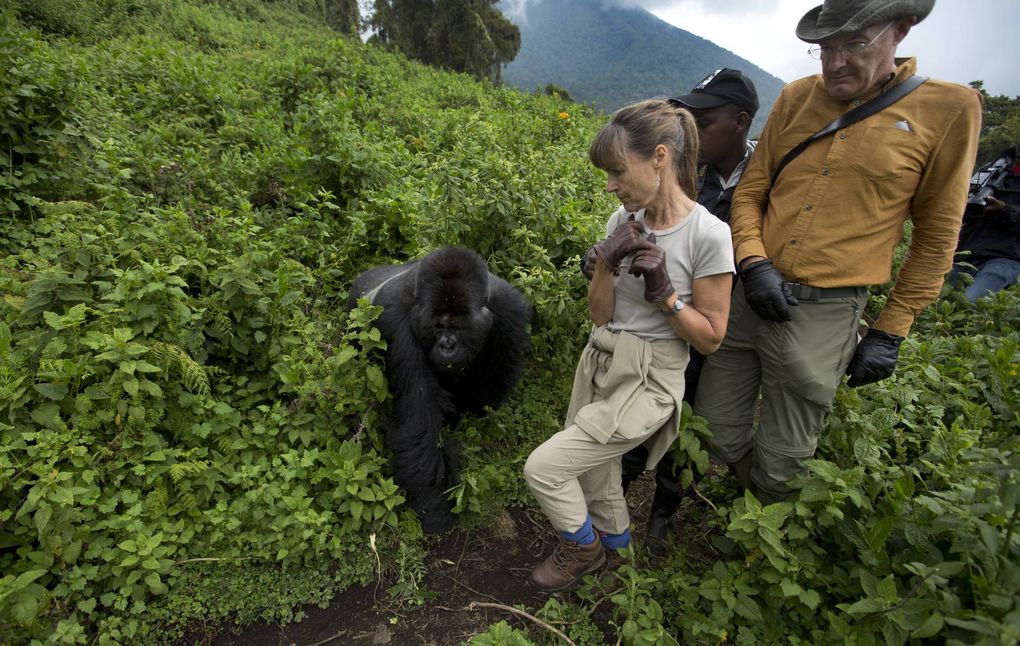
Trekking in Bwindi begins in the early morning. Trekkers gather at designated trailheads for a briefing conducted by Uganda Wildlife Authority rangers. This briefing explains the rules, safety precautions, and etiquette required in the forest. The most important guideline is the one-hour rule, which limits the time spent with a gorilla family to sixty minutes, safeguarding the gorillas from stress and overexposure to human contact.

As the trek commences, the forest swallows trekkers whole. The air is cool, heavy with the scent of damp earth, and alive with bird calls and the rustling of primates in the canopy. Trails may rise sharply up ridges or descend steeply into valleys, often slippery with moss and rain. The journey can last from one hour to several, depending on where the gorillas are located that day. Each step demands perseverance, yet the environment offers countless rewards: sunlight piercing through the canopy, the colorful flutter of butterflies, or the haunting cry of a turaco echoing across the forest.

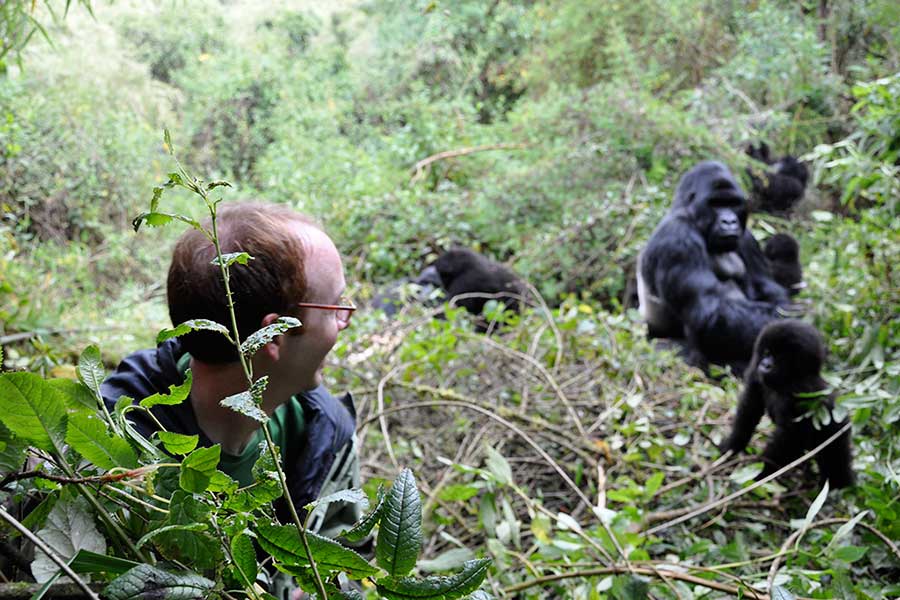
When the trackers signal the nearness of gorillas, anticipation rises. The sounds of snapping bamboo and low grunts fill the air. Suddenly, there he is—the silverback, perhaps lounging in a clearing or feeding on foliage. His massive form radiates dominance, yet his movements are deliberate, measured, and calm. Around him, mothers cradle their infants, juveniles tumble in playful chases, and adolescents mimic chest-beating with endearing clumsiness.

The hour spent in their presence passes swiftly, leaving behind a mixture of awe, humility, and gratitude. No photograph or video can fully capture the intensity of locking eyes with a silverback, of recognizing in him the deep kinship that links humanity and gorillas.Silverback gorilla trekking Bwindi
Challenges and Rewards of Trekking in Bwindi

The journey into Bwindi is not for the faint-hearted. The steep terrain, unpredictable weather, and dense vegetation test one’s endurance. Rain can fall suddenly, turning trails into muddy paths, while mist may obscure visibility. For some, the altitude brings additional challenges, slowing their pace and testing their stamina.

Yet every challenge deepens the reward. The moment the gorillas are found, the struggles of the trail fade into insignificance. The hardship endured becomes part of the memory, enriching the sense of achievement. Beyond the gorillas, the forest itself rewards trekkers with moments of breathtaking beauty—giant mahogany trees towering above, delicate orchids clinging to moss, or the flash of a colorful bird darting through the undergrowth.

The greatest reward, however, is intangible. It is the emotional impact of being near gorillas, of feeling their presence in the silence of the forest. It is the realization that these creatures, so strong yet so vulnerable, continue to survive because of the conservation efforts supported by visitors who trek into their world.

Conservation and the Future of Silverbacks in Bwindi

The silverbacks of Bwindi are survivors of a fragile legacy. Once on the brink of extinction, mountain gorilla numbers have risen slowly thanks to intensive conservation measures. Strict protection, continuous monitoring, and international support have safeguarded their future. Gorilla trekking plays a vital role in this conservation success. The permits purchased by visitors generate significant revenue, which directly funds conservation initiatives and supports local communities.

Local involvement has proven essential. A portion of the revenue is shared with nearby communities, funding schools, health centers, and infrastructure. This system transforms gorillas from vulnerable wildlife into valued neighbors whose survival brings tangible benefits. Communities that once depended on hunting or logging now find livelihoods in tourism, guiding, and hospitality.

Nevertheless, threats persist. Habitat loss, climate change, and disease remain pressing challenges. The survival of silverbacks depends on continued commitment to conservation and the recognition that their fate is intertwined with humanity’s responsibility to protect biodiversity.

Cultural Significance of Silverbacks in Uganda

The silverback gorilla holds deep symbolic meaning in Uganda and the wider Great Lakes region. To local communities, the gorilla represents strength, protection, and unity. Stories and legends passed down through generations often portray gorillas as guardians of the forest, beings of wisdom and resilience.

Modern conservation has further elevated the silverback into an icon of Uganda’s natural heritage. Today, the gorilla is not only a biological treasure but also a cultural ambassador, drawing global attention to the richness of Ugandan landscapes and traditions. The silverback has become a bridge between nature and humanity, embodying the spirit of guardianship and survival.

Practical Considerations: Best Times and Preparation

Bwindi can be visited year-round, but the dry seasons—from June to August and from December to February—are generally preferred for trekking. During these months, trails are more navigable, though occasional rain showers remain possible in this tropical environment. The wetter months, while more challenging, also offer lush greenery and fewer tourists, creating a sense of deeper intimacy with the forest.

Permits for trekking are limited and must be booked well in advance through the Uganda Wildlife Authority or reputable operators. Accommodation near the trekking regions ranges from luxury lodges to community guesthouses, each offering unique perspectives on the park and its surroundings. Regardless of the choice, Ugandan hospitality ensures warmth and welcome throughout the journey.

Beyond Gorillas: Bwindi’s Rich Diversity

Though silverback gorilla trekking is the pinnacle of Bwindi’s attractions, the park offers much more for those who linger. Birdwatchers are enthralled by the presence of over 350 species, including Albertine Rift endemics such as the Rwenzori turaco and the handsome francolin. Butterflies, some endemic to the forest, add flashes of color along trails.

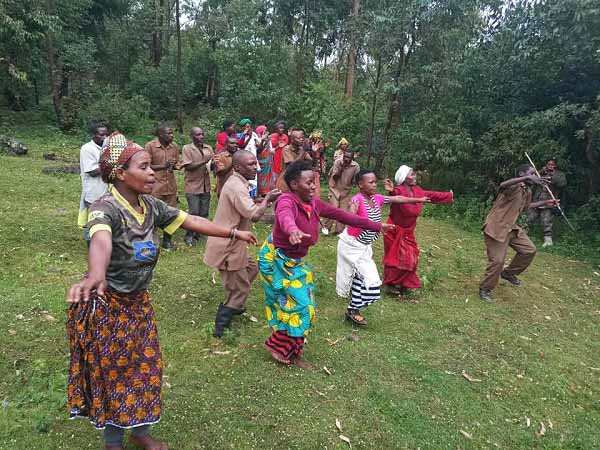
Cultural encounters with the Batwa community provide insight into the ancient relationship between humans and the forest. The Batwa, once forest dwellers, share their traditions, dances, and stories, offering visitors a deeper understanding of the land’s heritage. For those seeking further adventure, forest walks, waterfall trails, and scenic hikes unveil the park’s many layers of beauty.

The Emotional and Spiritual Resonance of Trekking

Perhaps the greatest impact of silverback gorilla trekking in Bwindi lies in the emotional resonance it creates. Visitors often leave with a profound sense of humility, having stood in the presence of creatures whose lives mirror human values of family, protection, and care. The silverback, with his strength and tenderness, embodies leadership in its purest form.

The experience also carries a spiritual dimension. The mist-laden forest, the silence of the gorillas, and the deep gaze of a silverback awaken reflections on humanity’s place in nature. The trek becomes not just an adventure but a pilgrimage, a reminder of the interconnectedness of life and the responsibility to protect it.

A Journey Worth Taking

Silverback gorilla trekking in Bwindi is more than a wildlife encounter. It is a journey of discovery, a test of endurance, and an immersion into one of the last great strongholds of wild beauty. To expect only gorillas is to underestimate the experience, for Bwindi offers far more—an exploration of resilience, of culture, and of the timeless connection between humans and nature.

The silverback stands at the heart of this journey, a guardian of the forest whose strength ensures the survival of his family and whose presence inspires reverence. To see him is to witness nature’s grandeur distilled into a single being, and to be reminded of the fragile yet enduring bond between people and the wild.

For travelers who dream of experiencing this extraordinary encounter, it is essential to journey with guides who combine expertise, care, and a deep respect for conservation. To make this dream seamless and unforgettable, it is highly recommended to book your African tours and safaris with WildHorn Africa, a trusted partner dedicated to unveiling the wonders of the continent while ensuring that the magic of Bwindi and its silverbacks endures for generations to come.
Lake Mburo vs Queen Elizabeth: Which Park to Visit?

Lake Mburo vs Queen Elizabeth: Which Park to Visit?

By Travel stories and blogs, Family holidays, Luxury holidays, Safari holidays, Uganda travel guides, Wildlife holidays

Lake Mburo vs Queen Elizabeth: Which Park to Visit?

Choosing Between Two Iconic Ugandan Parks

For travelers seeking a memorable safari experience in Uganda, the decision between Lake Mburo National Park and Queen Elizabeth National Park can be both exciting and challenging. Each park offers distinct landscapes, wildlife experiences, and safari activities, and the choice depends on individual preferences, time constraints, and desired adventure intensity. While Lake Mburo is smaller, more intimate, and ideal for close encounters with zebras, antelopes, and birdlife, Queen Elizabeth provides vast savannahs, crater lakes, and the iconic tree-climbing lions, along with diverse mammals and bird species across larger ecosystems.

Understanding the unique characteristics, wildlife offerings, accessibility, activities, and seasonal considerations of each park is essential to make an informed decision. This article provides a detailed comparison between Lake Mburo and Queen Elizabeth, helping travelers determine which park aligns best with their safari expectations, and emphasizing how professional tour operators like WildHorn Africa can optimize the experience.

Overview of Lake Mburo National Park

Lake Mburo National Park, located in western Uganda near Mbarara, is Uganda’s smallest savannah park, covering approximately 370 square kilometers. Despite its size, the park boasts rich biodiversity and scenic landscapes, including rolling grasslands, acacia woodlands, papyrus wetlands, and lakeshores. Its compactness allows for intimate wildlife encounters and manageable travel logistics, making it ideal for short safaris, weekend trips, or family-friendly visits.

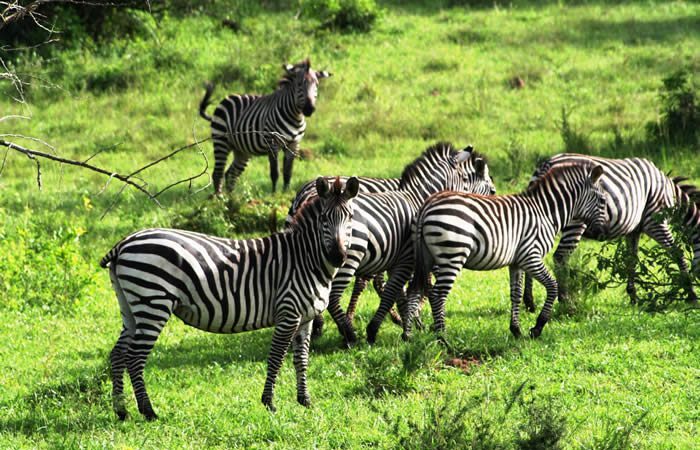
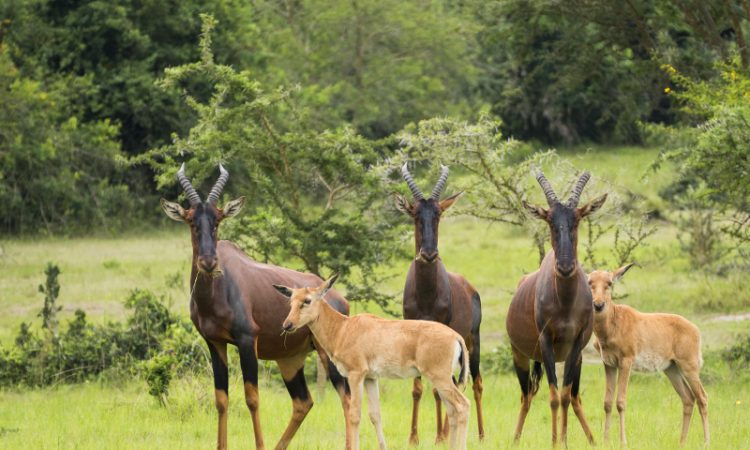
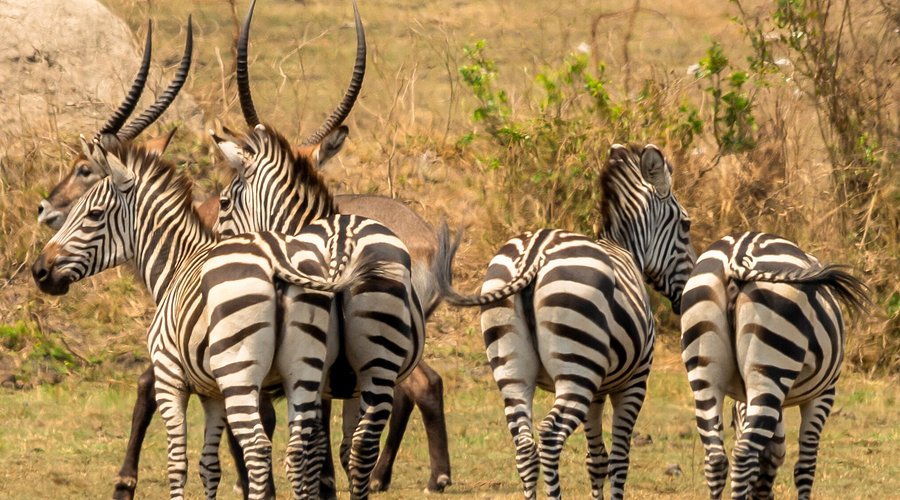
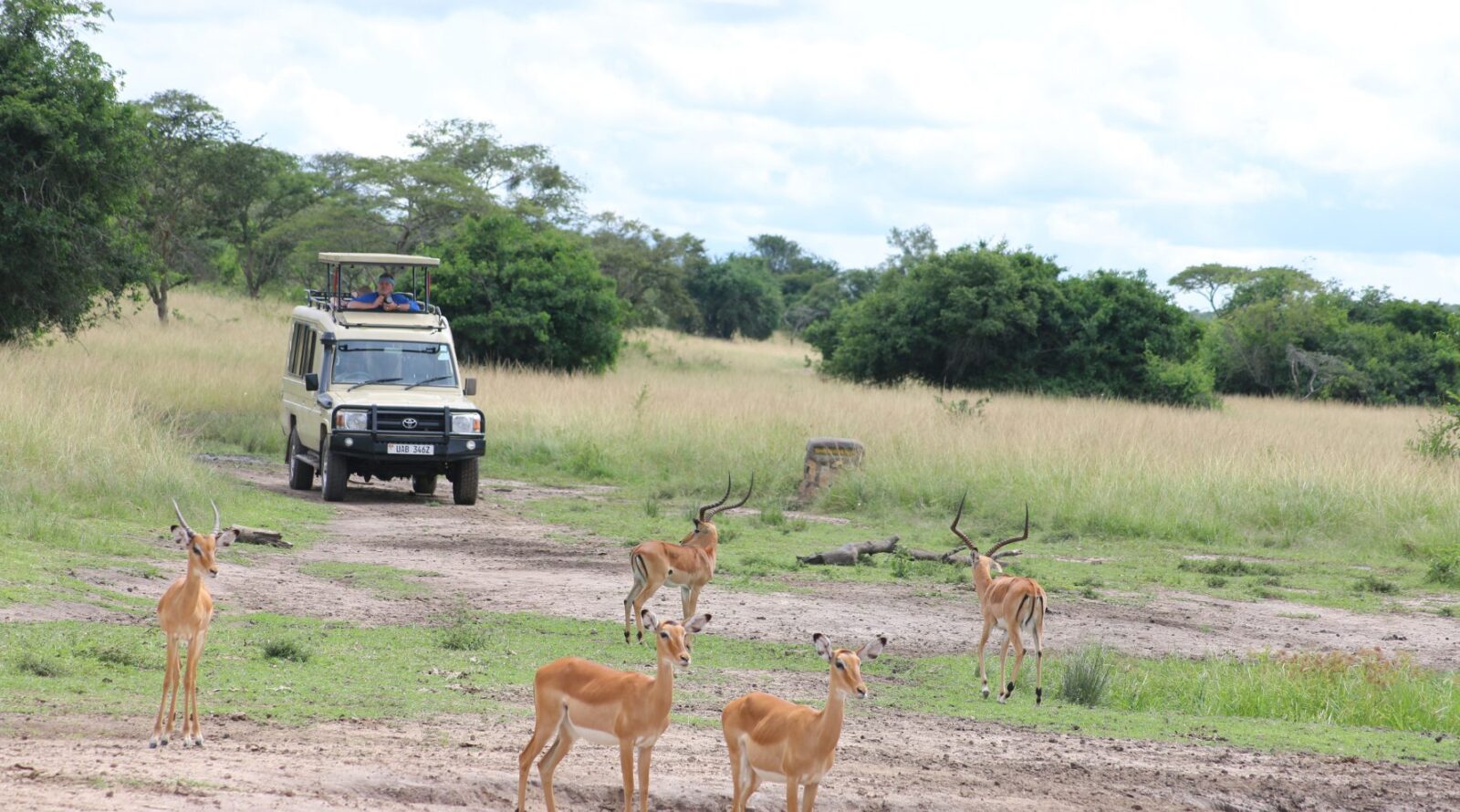
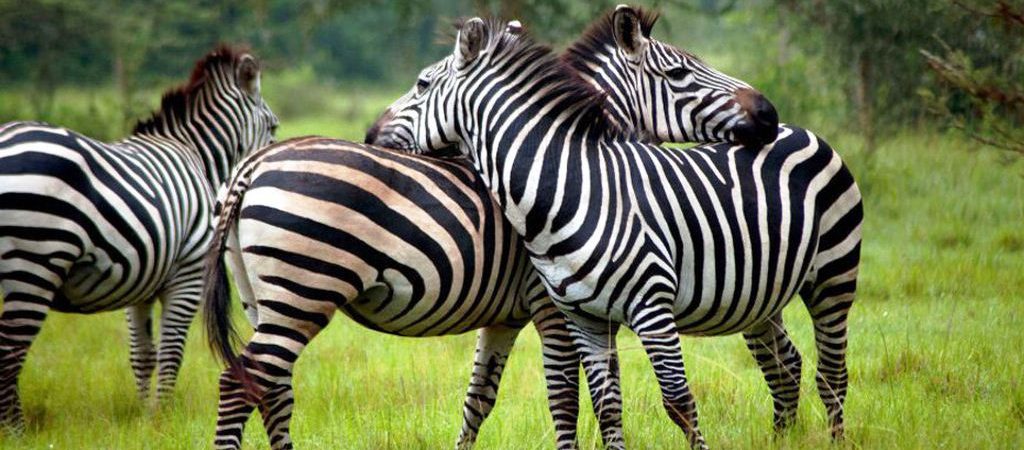
The park is renowned for its zebra populations, often seen grazing across open plains, along with antelopes such as impalas, elands, and waterbucks. Hippos inhabit the lakes and wetlands, while bird enthusiasts can enjoy over 350 species, including African fish eagles, kingfishers, herons, and the elusive shoebill. Activities in Lake Mburo include guided game drives, walking safaris, cycling tours, and boat excursions, all conducted with an emphasis on conservation, education, and immersive experience.

Lake Mburo is particularly suited for travelers seeking close-up wildlife observation, gentle trails, and scenic tranquility. Its accessibility from Kampala, roughly a five to six-hour drive, enhances its appeal for short safaris and weekend getaways.

Overview of Queen Elizabeth National Park

Queen Elizabeth National Park, spanning approximately 1,978 square kilometers, is Uganda’s largest and most diverse safari destination, located in southwestern Uganda along the Kasese and Kamwenge districts. The park features vast savannahs, crater lakes, volcanic highlands, dense forests, and the Kazinga Channel, which links Lake George and Lake Edward. This variety of habitats supports an extensive array of wildlife, making it one of Africa’s most ecologically diverse parks.

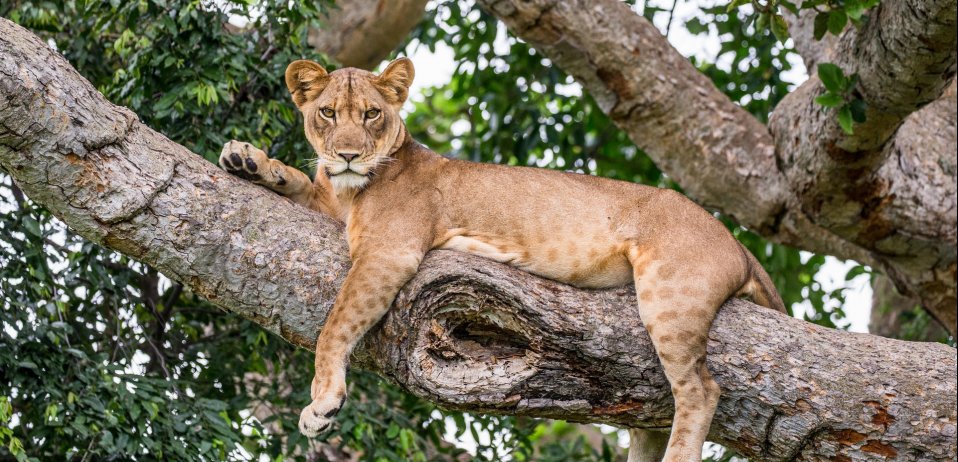
Visitors to Queen Elizabeth can expect to encounter elephants, lions, leopards, buffaloes, hippos, and antelopes, as well as unique phenomena such as tree-climbing lions in Ishasha. Birdlife exceeds 600 recorded species, with opportunities to observe African fish eagles, jacanas, herons, and many migratory birds. Activities include game drives, boat cruises along the Kazinga Channel, walking safaris, hot air balloon rides, and cultural experiences with nearby communities.

Queen Elizabeth appeals to travelers seeking larger landscapes, a wide range of wildlife, and diverse safari activities, and is particularly suited for multi-day itineraries, photography safaris, and those aiming to experience iconic African predators in their natural habitats.

Wildlife Comparison: Close Encounters vs Vast Diversity

Lake Mburo offers intimate wildlife experiences, where zebras, antelopes, and hippos are frequently observed within proximity to trails and lodges. Walking safaris and cycling tours allow visitors to engage with wildlife at a personal pace, enhancing appreciation for ecological relationships and animal behavior. The smaller scale ensures that wildlife is consistently visible, reducing travel fatigue and making observation predictable and enjoyable.

Queen Elizabeth, by contrast, provides diverse and extensive wildlife encounters, including larger mammals such as elephants, lions, and leopards. Tree-climbing lions in the Ishasha sector present a unique and iconic phenomenon, while boat cruises along the Kazinga Channel allow close observation of hippos, crocodiles, and abundant waterfowl. Wildlife distribution in Queen Elizabeth is broader, requiring longer drives, careful planning, and sometimes patience to locate specific species.

For travelers prioritizing frequent sightings of grazers, small predators, and abundant birdlife, Lake Mburo may be preferable. For those seeking big game, predator viewing, and ecological diversity, Queen Elizabeth offers a broader and more challenging safari experience.Lake Mburo vs Queen Elizabeth: Which Park to Visit?

Activities and Safari Styles

The activity offerings in both parks differ due to terrain, size, and ecological features. In Lake Mburo, walking safaris, cycling tours, and boat excursions allow immersive, close-range exploration. Game drives are often shorter and more flexible, making the park ideal for travelers with limited time or those who prefer interactive and educational safaris. Early morning and late afternoon drives provide prime wildlife viewing, while cultural visits to Banyankole communities enhance the experience.

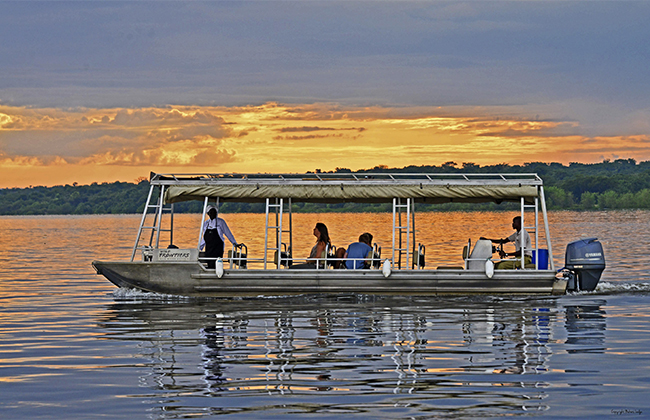
Queen Elizabeth offers extended game drives, boat cruises, walking safaris, and hot air balloon safaris. The Kazinga Channel boat trips provide a unique opportunity to observe hippos and birds in large numbers, while Ishasha sector drives reveal tree-climbing lions and expansive savannah landscapes. The park’s size allows for longer excursions, multi-day itineraries, and varied experiences that appeal to photographers, big game enthusiasts, and travelers seeking diverse ecosystems.

While Lake Mburo emphasizes intimacy and accessibility, Queen Elizabeth emphasizes scale, diversity, and iconic wildlife sightings, with each park catering to different safari styles and traveler expectations.

Accessibility and Logistics

Lake Mburo’s proximity to Kampala makes it highly accessible for short trips. A five to six-hour drive along well-maintained roads allows travelers to arrive by early afternoon, maximizing the time available for game drives and activities. The park’s small size reduces the need for extensive driving, making it convenient for families, weekend travelers, and first-time safari-goers.

Queen Elizabeth, situated approximately 400 kilometers from Kampala, requires longer travel times, generally between six and eight hours depending on the chosen route. Its larger size necessitates strategic planning for accommodation, game drives, and sector visits, particularly for multi-day safaris. While accessible, Queen Elizabeth is better suited for travelers with extended timeframes who wish to explore multiple sectors and ecosystems.

Accommodation and Lodging Options

Both parks offer accommodation that complements their respective safari experiences. Lake Mburo provides mid-range lodges, tented camps, and family-friendly options that are close to trails and lakeshores, ensuring ease of access to wildlife and scenic views. Lodges typically include private rooms, dining facilities, and outdoor observation areas, emphasizing comfort and immersion.

Queen Elizabeth features a broader range of accommodations, from luxury lodges with panoramic savannah views to mid-range campsites and tented options near the Kazinga Channel or Ishasha sector. These lodges cater to travelers seeking longer stays, multiple activity options, and expansive wildlife observation opportunities. While Lake Mburo emphasizes convenience and intimacy, Queen Elizabeth emphasizes variety and scale, allowing visitors to tailor their experience according to preference and budget.

Seasonal Considerations

Seasonal variations influence wildlife visibility, accessibility, and activity options in both parks. In Lake Mburo, dry seasons from June to August and December to February offer optimal game drives, easy walking and cycling trails, and high visibility for photography. Wet seasons from March to May and September to November create lush landscapes, vibrant birdlife, and opportunities to observe newborn wildlife, though trails may be slippery or partially inaccessible.

Queen Elizabeth’s dry seasons allow for easier vehicle travel across the park’s vast terrain, predictable wildlife congregations near water sources, and comfortable boat cruises along the Kazinga Channel. Wet seasons enhance the park’s vegetation, migratory bird activity, and landscape photography opportunities but can make some sectors less accessible. Seasonal planning is crucial to align safari objectives with park conditions, particularly when choosing between a short visit to Lake Mburo or a more extended stay in Queen Elizabeth.

Photography Opportunities

Both parks offer exceptional photographic potential, though the style and subjects differ. Lake Mburo provides close-range photography of zebras, antelopes, hippos, and birds in varied landscapes. Walking safaris and boat excursions allow photographers to capture intimate wildlife behaviors, detailed textures, and ecological interactions. The smaller scale ensures convenience and accessibility for both professional and amateur photographers.

Queen Elizabeth offers large-scale landscape photography, big game observation, and unique phenomena such as tree-climbing lions and Kazinga Channel wildlife aggregations. Photographers can capture elephants traversing savannahs, lions in open grasslands, and dramatic sunrise and sunset scenes across lakes and volcanic highlands. The park’s size and diversity require patience and strategic positioning but reward visitors with iconic African safari imagery.

Educational and Conservation Value

Both parks emphasize education and conservation, providing opportunities to learn about Uganda’s ecosystems, wildlife behavior, and environmental challenges. Lake Mburo showcases community-based conservation efforts, predator-prey relationships, and the impact of wetland ecosystems on biodiversity. Queen Elizabeth demonstrates landscape-scale conservation, anti-poaching initiatives, and species diversity management, offering insights into ecological and human interactions on a larger scale.

Visitors in either park gain appreciation for ethical tourism, responsible wildlife observation, and sustainable travel practices. Educational experiences are enhanced by guides’ knowledge, interpretive tours, and opportunities to interact with local communities, providing contextual understanding beyond visual observation.

Making the Choice: Lake Mburo or Queen Elizabeth?

The choice between Lake Mburo and Queen Elizabeth depends on time availability, safari objectives, and personal preferences. Lake Mburo is ideal for travelers seeking a short, accessible, and intimate safari, suitable for families, weekend trips, and first-time visitors. Its small size, diverse landscapes, and close wildlife encounters make it manageable and rewarding within a brief timeframe.

Queen Elizabeth is better suited for extended safaris, travelers seeking big game encounters, diverse ecosystems, and multiple activities across a larger area. Its iconic wildlife, including tree-climbing lions and large herds of elephants, combined with extensive photographic and boating opportunities, makes it a preferred choice for multi-day itineraries, photography tours, and wildlife enthusiasts.

Ultimately, both parks offer authentic and memorable Ugandan safari experiences, with each emphasizing different aspects of wildlife observation, landscape immersion, and ecological education. Travelers can also combine visits to both parks for a comprehensive understanding of Uganda’s biodiversity and landscapes.

Tailored Safari Experiences

Lake Mburo and Queen Elizabeth National Parks each offer distinct safari experiences that cater to different traveler preferences. Lake Mburo emphasizes intimacy, accessibility, and close wildlife encounters, making it ideal for short trips and educational visits. Queen Elizabeth emphasizes diversity, scale, and iconic African wildlife, suited for extended explorations and multi-activity safaris.

For travelers seeking professional guidance, seamless logistics, and customized safari itineraries to either or both parks, booking Africa tours and safaris with WildHorn Africa ensures expert planning, safety, and unforgettable experiences. By leveraging their expertise, visitors can fully immerse themselves in Uganda’s natural wonders, whether observing zebras grazing in Lake Mburo or encountering elephants and lions in the vast expanses of Queen Elizabeth.

Safari Photography in Lake Mburo: Capturing Zebras and Antelopes

Safari Photography in Lake Mburo: Capturing Zebras and Antelopes

By Travel stories and blogs, Family holidays, Luxury holidays, Safari holidays, Special offers, Uganda travel guides, Wildlife holidays

Safari Photography in Lake Mburo: Capturing Zebras and Antelopes

Immortalizing Wildlife Moments

In the heart of western Uganda, Lake Mburo National Park offers more than a traditional safari experience; it presents a unique opportunity for wildlife photography that blends accessibility, diversity, and natural beauty. Among the most photogenic species in the park are zebras and antelopes, whose dynamic behaviors, striking appearances, and interactions with their environment create compelling imagery for both amateur and professional photographers.

The park, though smaller than other Ugandan reserves, is celebrated for its rolling savannahs, acacia woodlands, lakeshore vistas, and wetlands, all providing varied backdrops that enhance photographic composition. Safari photography in Lake Mburo is not merely about documenting animals; it is about capturing behavior, interaction, and the essence of the wilderness, where every frame tells a story of survival, adaptation, and beauty.

This article explores the art and practice of safari photography in Lake Mburo, with a focus on zebras and antelopes, examining technical considerations, seasonal dynamics, wildlife behavior, equipment guidance, and tips for creating evocative and memorable images.

Understanding the Photographic Potential of Lake Mburo

Lake Mburo’s compact size and accessible habitats make it ideal for safari photography. Unlike larger parks, where sightings may require long drives, the proximity of wildlife to roads, trails, and lodges allows photographers to spend extended time observing and framing their subjects. Zebras graze openly on rolling plains, impalas and elands move gracefully through woodland edges, and warthogs or waterbucks provide dynamic foregrounds to photographic compositions.

The park’s diverse landscapes create opportunities for varied photography. Open grasslands allow for wide-angle shots emphasizing scale and herd dynamics, while shaded woodland areas provide dramatic contrasts and patterns of light and shadow. Wetlands and lakeshores reflect surrounding vegetation and skies, enabling reflections and silhouette photography, particularly during early mornings and late afternoons.

The combination of abundant wildlife, accessible vantage points, and varied terrain ensures that every safari offers multiple photographic possibilities, from intimate close-ups to expansive scenic compositions.

Zebras: The Iconic Subjects

Zebras, particularly Burchell’s zebras, are among the most photographed species in Lake Mburo. Their distinctive black-and-white stripes create natural patterns that are visually striking in any landscape. Beyond their appearance, zebras exhibit behavioral traits—grazing in synchronized movements, interacting socially within herds, and displaying protective behaviors toward foals—that enrich photographic storytelling.

Photographers are encouraged to observe herd dynamics before composing shots, capturing moments that convey interaction, hierarchy, or playful behaviors. The contrast between the zebras’ stripes and the golden hues of savannah grasses during dry seasons enhances visual impact, while wet-season greenery provides vibrant backgrounds for color-rich imagery.

Capturing zebras in motion requires careful consideration of shutter speed, focus, and framing. Early morning light often produces soft shadows and warm tones, while mid-morning can create harsher contrasts. Patience is essential, as spontaneous interactions among herd members yield the most compelling images. Photographers are advised to minimize disturbance, maintaining respectful distances while allowing natural behaviors to unfold.

Antelopes: Grace and Elegance in Motion

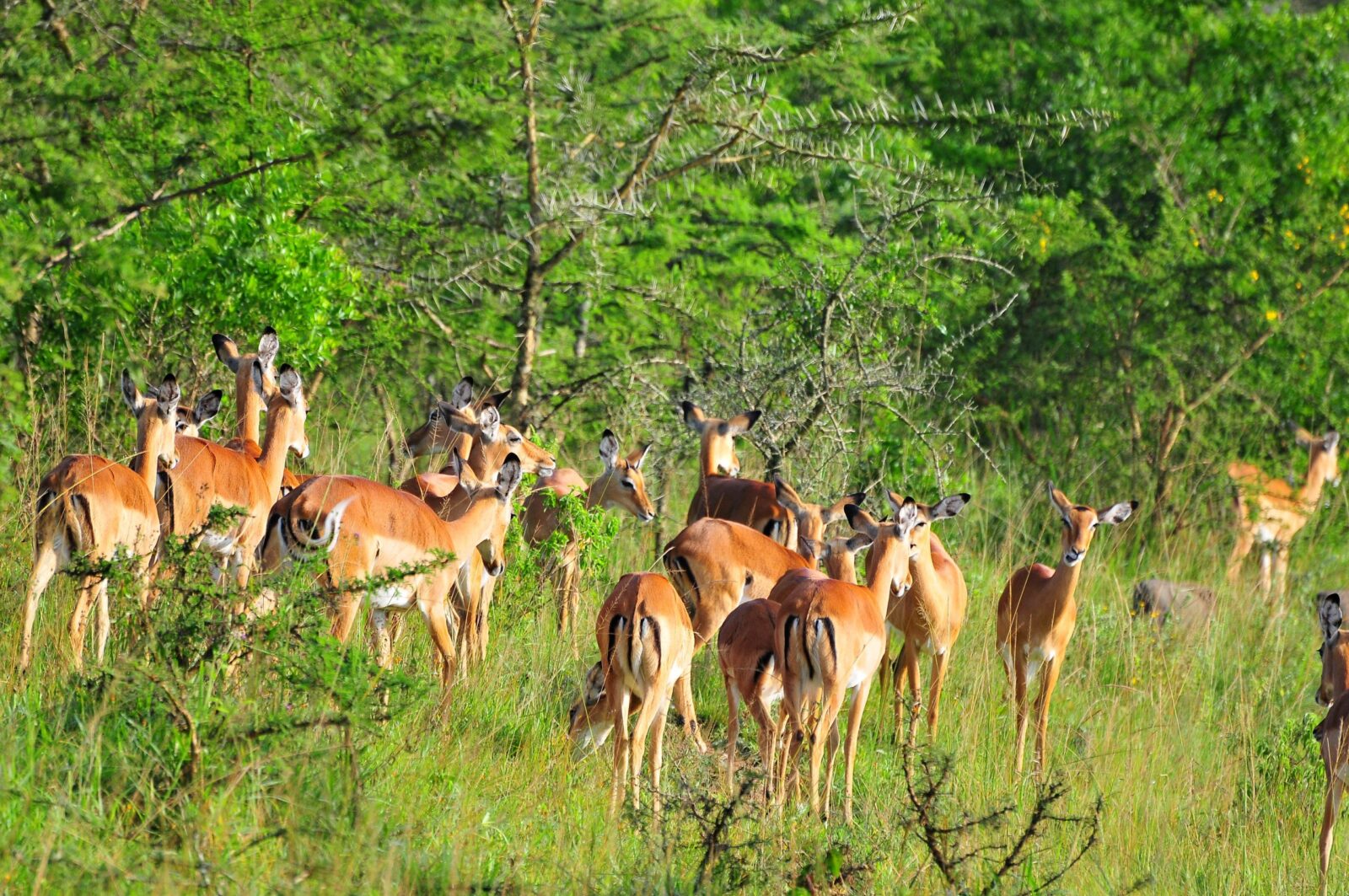
Lake Mburo is home to a diverse range of antelopes, including impalas, elands, waterbucks, and bushbucks, each providing unique photographic opportunities. Impalas, agile and alert, often move in herds, creating dynamic compositions and patterns that reflect social cohesion and predator awareness. Elands, the largest antelopes in the park, exhibit imposing stature and slow, deliberate movements, offering opportunities for majestic portraits against open landscapes.

Photographing antelopes involves observing behavior and anticipating movement. Impalas’ leaps, elands’ grazing postures, and waterbucks’ interaction with water sources can be captured effectively with telephoto lenses, allowing close framing without disturbing the animals. Seasonal variations, such as mating displays or the presence of calves, add layers of interest and narrative depth to images.

Lighting is critical in antelope photography. Early mornings and late afternoons provide the most favorable conditions, producing soft, directional light that enhances textures, contours, and contrasts in fur and surrounding vegetation. Shadows can be used creatively to convey depth and dimension, while wide-angle perspectives emphasize scale and environment.

Technical Considerations for Safari Photography

Successful safari photography requires attention to equipment, settings, and techniques. Telephoto lenses ranging from 200mm to 600mm are recommended for capturing distant wildlife, while wide-angle lenses allow for landscape integration and contextual storytelling. Cameras with high-speed autofocus, burst modes, and image stabilization enhance the ability to capture fast-moving subjects, such as antelopes fleeing from potential threats.

Tripods or monopods can stabilize shots during low-light conditions or for extended observation, while polarizing filters help manage reflections on water surfaces, improving clarity and color saturation. Understanding exposure, ISO settings, and aperture choices is crucial to adapt to changing light conditions and ensure consistent results.

Composition techniques such as the rule of thirds, leading lines, and framing with natural elements help produce aesthetically pleasing images. Observing animal behavior and anticipating movement allows photographers to capture decisive moments, conveying emotion, interaction, and narrative within the frame.

Seasonal Dynamics and Photography Opportunities

The park’s seasonal cycles affect both wildlife behavior and photographic conditions. During dry seasons, from June to August and December to February, grasses are shorter, wildlife congregates around water sources, and the light is typically warmer and softer, ideal for capturing zebras and antelopes against open plains. Photographers can take advantage of concentrated herds, predictable movements, and unobstructed sightlines.

During wet seasons, from March to May and September to November, vegetation is lush, water bodies are replenished, and wildlife disperses across the park. While animals may be more concealed, the landscape offers vivid green backdrops, reflective water surfaces, and active birdlife, adding dynamic elements to compositions. Seasonal variation also influences lighting, with occasional clouds providing diffused sunlight and dramatic skies that enhance visual storytelling.

Selecting the optimal season depends on photographic priorities—whether the goal is clear wildlife observation, interaction among species, or integrating lush landscapes and environmental elements into compositions.Safari Photography in Lake Mburo: Capturing Zebras and Antelopes

Ethical Considerations in Safari Photography

Ethics play a critical role in maintaining the integrity of wildlife photography. Animals should never be chased, startled, or coerced into behaviors for the sake of a photograph. Maintaining distance, using telephoto lenses, and observing quietly ensures authentic interactions and protects both wildlife and photographer.

Guides are essential in facilitating ethical photography, advising on proximity, animal behavior, and safety. Respecting park regulations, trails, and restricted areas is mandatory, preserving habitats while allowing photographers to work effectively. Ethical practices also enhance the quality of images, as animals behave naturally when undisturbed, producing more compelling and authentic photographs.

Integrating Landscape and Context

Photographs of zebras and antelopes are enriched when contextual elements are included. Rolling hills, acacia trees, lakeshores, and wetland vegetation provide scale, contrast, and narrative depth. Sunrise and sunset lighting enhance textures and colors, while reflections in water create symmetry and visual interest.

Foreground elements such as grasses, rocks, or fallen branches can be used to frame subjects, leading the viewer’s eye through the composition. Background elements, including distant hills or cloud formations, contribute to a sense of place, emphasizing that wildlife exists within a broader ecosystem rather than in isolation.

Capturing Behavior and Interaction

Behavioral photography is essential in conveying the essence of wildlife. Observing zebras grazing, resting, or socializing allows photographers to capture moments of intimacy, hierarchy, and play. Antelopes displaying alertness, grazing patterns, or interactions between mothers and offspring provide rich narrative opportunities.

Patience is key. Wildlife rarely conforms to human expectations, and extended observation often results in the most compelling imagery. Waiting quietly for a spontaneous leap, a greeting gesture, or a predator-prey interaction can yield photographs that resonate with authenticity and emotion.

Post-Processing and Presentation

Post-processing enhances safari photography while preserving natural aesthetics. Adjustments to exposure, contrast, and color balance can bring out textures and details, while cropping and framing refine compositions. Photographers are encouraged to avoid over-processing, maintaining authenticity and respecting the natural environment.

Digital archiving, cataloging by species, behavior, or location, and metadata management ensure that photographic work is organized and accessible. Presentation through exhibitions, publications, or personal portfolios allows photographers to share the beauty and ecological significance of Lake Mburo, contributing to conservation awareness and appreciation.

Complementary Activities for Photographers

Photography in Lake Mburo can be complemented by walking safaris, cycling tours, and boat excursions, each offering distinct perspectives and opportunities. Walking safaris provide intimate access to small mammals, birds, and plant life, while boat safaris reveal hippos, crocodiles, and aquatic birdlife in their natural habitats. Cycling tours allow movement across diverse terrain, offering multiple vantage points and dynamic compositions.

Cultural visits to Banyankole communities provide additional layers for storytelling, integrating human narratives with wildlife and landscape photography. This holistic approach creates a portfolio that reflects both ecological and cultural richness, enhancing the depth and impact of photographic work.

Capturing the Spirit of the Savannah

Safari photography in Lake Mburo National Park is a blend of artistry, patience, and ecological awareness. Zebras and antelopes, with their distinctive appearances and dynamic behaviors, serve as compelling subjects within the park’s diverse landscapes. The combination of accessible habitats, varied lighting, and intimate wildlife encounters ensures that each safari offers multiple opportunities for memorable and meaningful imagery.

Travelers seeking to document Uganda’s natural beauty are encouraged to approach photography ethically, using both technical skill and observation to create compelling narratives. For those wishing to combine expert guidance, logistical support, and immersive wildlife experiences, booking Africa tours and safaris with WildHorn Africa ensures safe, responsible, and unforgettable photographic adventures in Lake Mburo National Park.

Affordable Safari Lodges in Lake Mburo National Park

Affordable Safari Lodges in Lake Mburo National Park

By Travel stories and blogs, Adventure holidays, Family holidays, Luxury holidays, Safari holidays, Uganda travel guides, Wildlife holidays

Affordable Safari Lodges in Lake Mburo National Park

Luxury Meets Accessibility

For travelers seeking the thrill of a safari experience without compromising on comfort, Lake Mburo National Park offers a range of affordable safari lodges that balance accessibility, convenience, and immersion in nature. Often overshadowed by larger Ugandan parks such as Queen Elizabeth or Murchison Falls, Lake Mburo has quietly become a destination that combines intimate wildlife encounters, stunning landscapes, and a variety of accommodation options that cater to diverse budgets.

The park’s strategic location in western Uganda, approximately 30 kilometers from Mbarara, ensures that visitors can experience the best of the savannah, wetlands, and lakeshore habitats without the expense associated with larger parks. These lodges are designed to provide both comfort and authenticity, offering travelers the opportunity to connect with wildlife, observe birds, and explore the cultural surroundings while remaining within a reasonable budget.

This article explores the affordable safari lodges in Lake Mburo National Park, examining their amenities, proximity to key wildlife zones, dining experiences, activities, and the broader appeal of combining affordability with immersive safari adventures.

The Role of Lodges in Safari Experiences

Safari lodges serve as more than just accommodation; they act as hubs for exploration, relaxation, and wildlife immersion. In Lake Mburo, lodges are strategically positioned to maximize access to game viewing areas, walking trails, cycling routes, and boat excursions. Travelers can wake to the calls of exotic birds, the rustling of impalas through the savannah, or the distant sound of hippos from lakeshores, creating a seamless transition between lodge comfort and the wilderness beyond.

Affordability in lodges does not imply compromise on quality. Many lodges offer well-appointed rooms, private verandas, communal lounges, and dining areas, all designed to ensure convenience and comfort. Sustainable practices are often integrated into operations, with lodges using locally sourced materials, solar energy, and eco-friendly waste management systems. This not only reduces operational costs but also reinforces the park’s commitment to environmental stewardship.

The accessibility and proximity of these lodges to wildlife hotspots mean that game drives, birdwatching, and walking safaris can begin early in the morning and extend into late afternoon, maximizing both sightings and immersive experiences.

Lodging Options: Blending Comfort with Affordability

Lake Mburo National Park offers a variety of affordable accommodation types, ranging from simple bandas and tents to more structured lodges that provide a balance of rustic charm and modern amenities. These establishments cater to travelers who prioritize wildlife access, scenic surroundings, and authentic safari experiences over luxury branding.

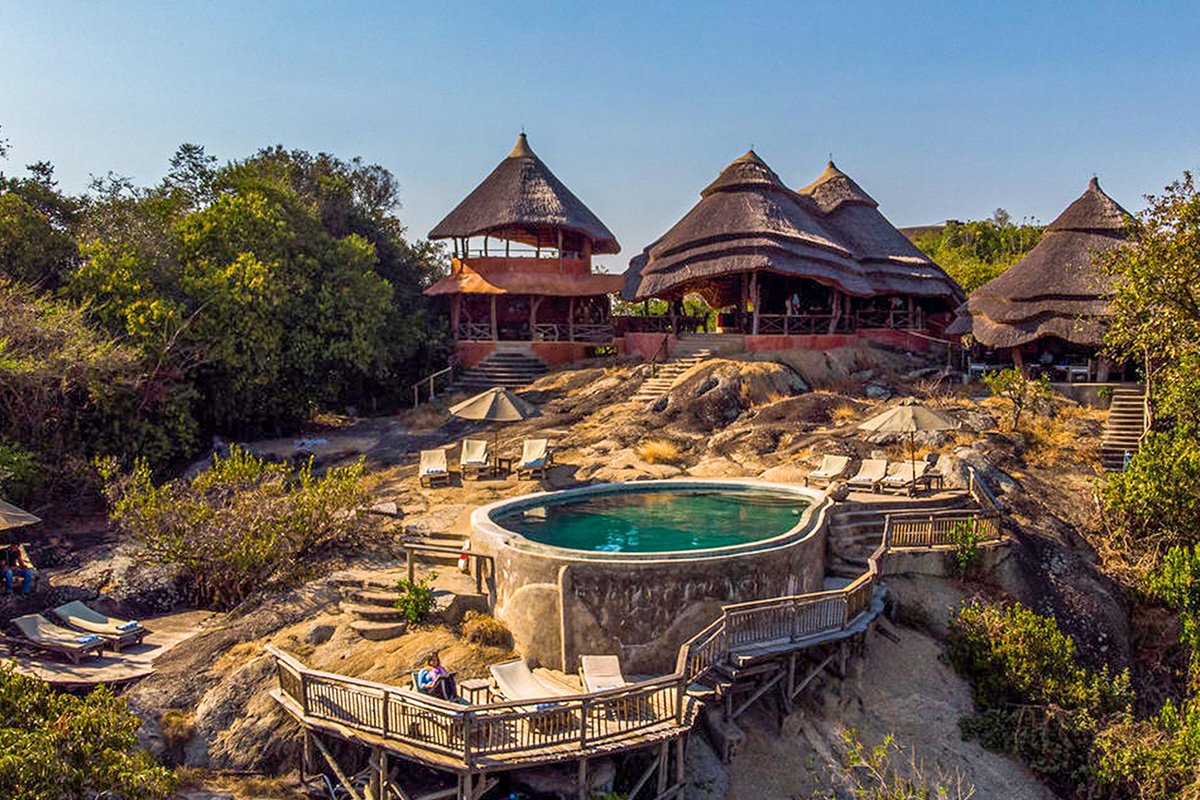
Many lodges feature rustic cottages or chalets built from locally sourced materials such as timber, thatch, and mud, designed to harmonize with the natural landscape. Interiors are simple but comfortable, often including mosquito nets, private bathrooms, and verandas overlooking the savannah or lakeshore. The combination of affordability and immersion allows travelers to experience the park intimately while maintaining essential comfort.

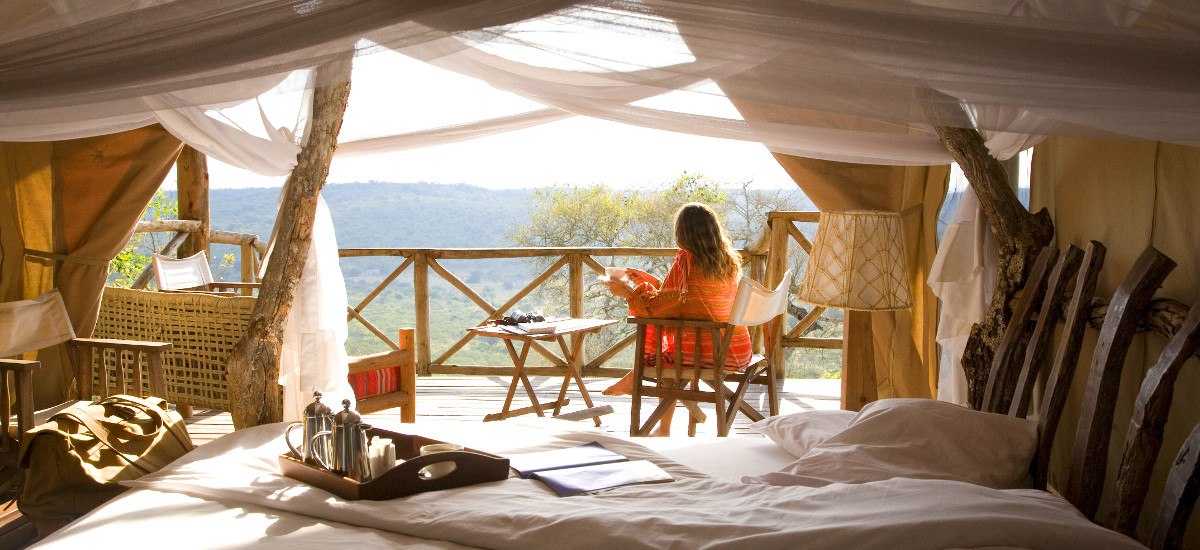
Tent-based accommodations provide another budget-friendly option. Elevated or semi-permanent tents are typically equipped with beds, linens, and basic amenities, offering a sense of adventure while remaining secure and weather-resistant. These lodges appeal to travelers seeking a closer connection to nature, allowing wildlife sounds and morning bird calls to become part of the experience.

Dining Experiences in Affordable Lodges

Dining at affordable lodges in Lake Mburo is designed to highlight local flavors while maintaining international standards of quality and hygiene. Meals often include traditional Ugandan staples such as matooke, beans, cassava, and freshly prepared meats, accompanied by fresh vegetables and seasonal fruits.

Many lodges integrate outdoor dining experiences, allowing guests to enjoy meals with expansive views of the savannah, lakes, or woodland areas. The ambience created by natural surroundings, the sounds of wildlife, and evening sunsets enhances the overall safari experience. Morning breakfasts are often served before early game drives, while evening dinners provide opportunities to relax, reflect, and share experiences with fellow travelers.

Special arrangements for dietary preferences and group bookings are typically accommodated, ensuring that affordable lodges meet diverse visitor needs without compromising on quality.

Wildlife Proximity and Accessibility

One of the primary advantages of staying in lodges near Lake Mburo is their proximity to key wildlife habitats. Unlike larger parks where distances between sightings can be significant, lodges in this park are strategically located near grasslands, woodlands, and lakeshores, ensuring that wildlife is visible from both rooms and communal areas.

Hippos can often be heard surfacing in the nearby lakes, while zebras, elands, and impalas graze in the adjacent savannah. Birdwatchers benefit from immediate access to wetlands, papyrus swamps, and acacia woodlands, where species such as African fish eagles, kingfishers, herons, and the elusive shoebill are frequently observed.

This proximity also reduces travel time to game viewing areas, allowing for flexible safari schedules. Guests can enjoy early morning game drives, midday rest at the lodge, and late afternoon excursions, maximizing both observation opportunities and personal comfort.Affordable Safari Lodges in Lake Mburo National Park

Activities Offered by Affordable Lodges

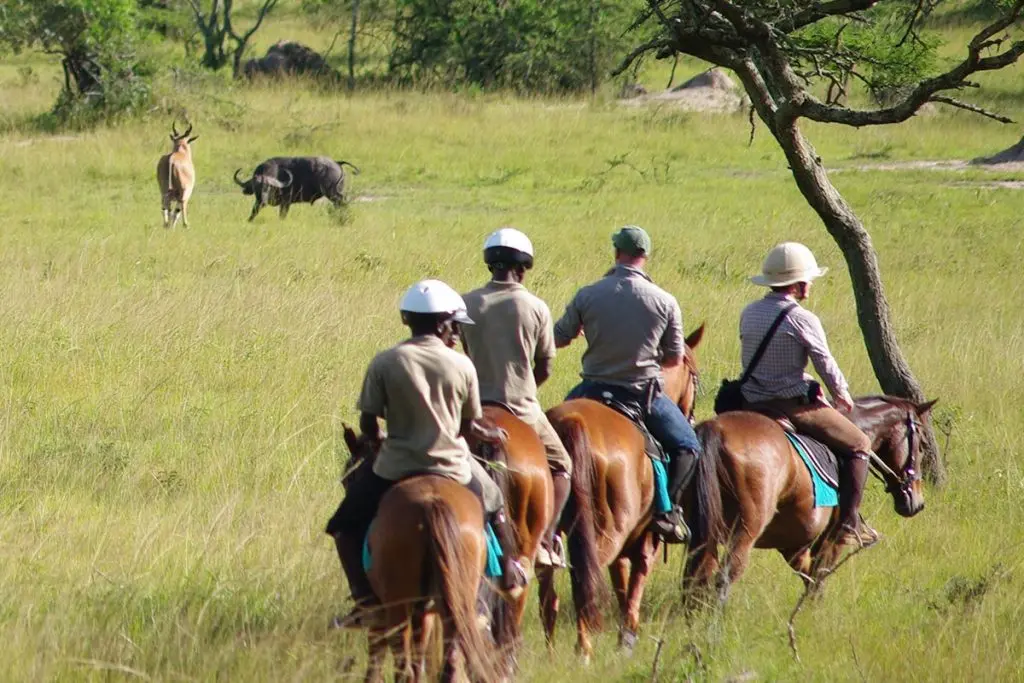
Affordable lodges in Lake Mburo are not solely places to sleep; they act as launching points for diverse safari experiences. Game drives, guided walking safaris, horseback excursions, and boat trips are often organized directly from the lodge, providing convenience and integrated experiences.

Cycling safaris, in particular, have grown in popularity, allowing guests to traverse the park quietly and intimately. Boat excursions on Lake Mburo provide additional perspectives, revealing hippos, crocodiles, and waterbirds in their natural habitats. Walking safaris offer close encounters with flora and smaller fauna, guided by knowledgeable staff who share insights into ecology, wildlife behavior, and conservation.

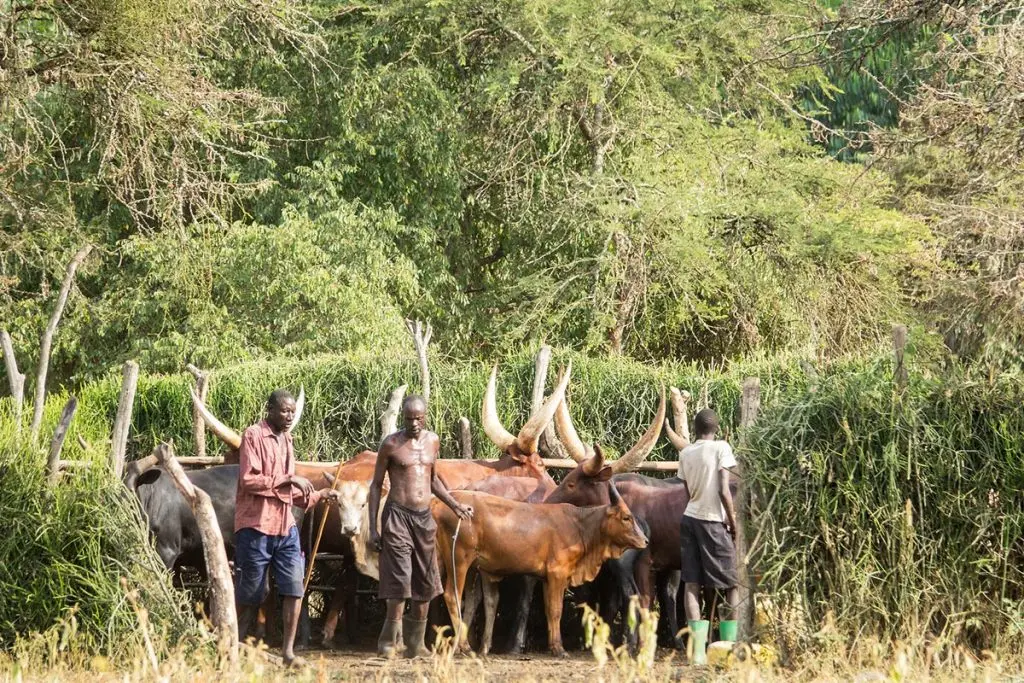
Cultural experiences are also integrated into lodge activities. Visits to nearby Banyankole communities allow guests to witness pastoral traditions, local crafts, and village life, creating a holistic safari experience that blends wildlife observation with human stories and heritage.

Seasonal Considerations for Affordable Lodges

The experience of staying in Lake Mburo is influenced by seasonal variations, which affect wildlife behavior, accessibility, and landscape aesthetics. Dry seasons, from June to August and December to February, are characterized by concentrated wildlife around water sources, clear skies, and easier access to trails, creating optimal conditions for game drives and outdoor activities.

Wet seasons, from March to May and September to November, bring lush landscapes, vibrant bird activity, and newborn wildlife. Trails may be muddier, and certain areas less accessible, but the richness of the scenery and increased biodiversity make this season appealing for photography and ecological observation.

Affordable lodges typically adapt to these seasonal conditions, ensuring that guests have access to alternative activities, such as boat trips or guided walks, even when terrain conditions are challenging.

Community Engagement and Local Benefits

Many affordable lodges in Lake Mburo are designed with community involvement and economic support in mind. Local staff are employed in guiding, hospitality, and management roles, ensuring that tourism directly benefits surrounding communities. Guests often have opportunities to purchase handicrafts, participate in cultural activities, and learn about sustainable practices, reinforcing positive social and environmental impacts.

This integration of community and tourism enhances the authenticity of the safari experience. Visitors gain a sense of connection to the people and culture of western Uganda, complementing the wildlife encounters and natural beauty of the park.

Sustainability Practices in Affordable Lodges

Sustainability is a cornerstone of lodge operations in Lake Mburo. Many establishments implement eco-friendly practices, including solar power, rainwater harvesting, waste management, and environmentally responsible building materials. These measures reduce operational costs, minimize environmental impact, and align with the park’s broader conservation objectives.

Guests are encouraged to participate in sustainable practices, including water conservation, responsible waste disposal, and adherence to park regulations. By staying in lodges that prioritize sustainability, visitors contribute to the preservation of Lake Mburo’s unique ecosystems while enjoying accessible and comfortable accommodation.

Choosing the Right Lodge

Selecting the appropriate lodge depends on several factors: proximity to wildlife, type of accommodation, available activities, and budget. Travelers are advised to consider their priorities, whether they seek lakefront views, immediate access to game drives, cultural immersion, or quiet retreat settings.

Booking in advance is recommended, particularly during peak seasons, as lodges fill quickly due to the park’s compact size and popularity. Engaging with knowledgeable operators ensures that guests receive guidance tailored to their interests, physical abilities, and desired safari experiences.

The combination of affordability, strategic location, and integrated activities ensures that guests receive exceptional value while remaining fully immersed in the natural and cultural richness of Lake Mburo.

Accessible Safaris without Compromise

Affordable safari lodges in Lake Mburo National Park demonstrate that authentic wildlife experiences and comfort can coexist with budget-conscious travel. By providing strategic locations, engaging activities, cultural connections, and eco-conscious practices, these lodges allow travelers to experience Uganda’s wildlife, landscapes, and heritage fully.

Whether observing hippos from a lakeside veranda, cycling quietly through the savannah, or engaging with local communities, guests are offered a comprehensive and immersive safari experience. For travelers seeking quality, accessibility, and unforgettable encounters, booking Africa tours and safaris with WildHorn Africa ensures expert guidance, seamless planning, and a journey that combines affordability with authentic adventure.

Weekend Getaway to Lake Mburo from Kampala

Weekend Getaway to Lake Mburo from Kampala

By Travel stories and blogs, Family holidays, Safari holidays, Uganda travel guides, Wildlife holidays

Weekend Getaway to Lake Mburo from Kampala

A Perfect Escape from the City

For travelers seeking a brief yet immersive wildlife experience, a weekend getaway from Kampala to Lake Mburo National Park offers an ideal solution. In just a few days, urban residents and international tourists can transition from city life to the serene landscapes of Uganda’s western savannahs. Lake Mburo provides a manageable and accessible safari destination, where rolling hills, lakeshore vistas, and abundant wildlife create a rejuvenating and engaging environment for a short but enriching escape.

Unlike longer, more logistically complex safaris, a weekend trip allows visitors to experience classic African wildlife, enjoy immersive activities, and return to the capital refreshed and inspired. This article explores the planning, activities, accommodation, and seasonal considerations for a weekend getaway to Lake Mburo from Kampala, emphasizing the convenience, accessibility, and immersive experiences that define this destination.

The Allure of Lake Mburo for a Weekend Escape

Lake Mburo’s appeal lies in its compact size, accessibility, and rich biodiversity. Situated approximately 260 kilometers southwest of Kampala, the park is reachable within a five to six-hour drive, making it ideal for a weekend itinerary. Its landscapes include rolling savannahs, acacia woodlands, lakeshores, and papyrus wetlands, providing varied habitats for zebras, impalas, elands, hippos, and a wide array of bird species.

The park’s manageable size ensures that visitors can experience multiple wildlife encounters without extensive travel or long game drives, a key factor for a short getaway. Scenic viewpoints, quiet trails, and accessible lodges allow travelers to immerse themselves in the environment immediately upon arrival. Lake Mburo’s accessibility from Kampala, combined with its intimate safari experience, makes it a preferred destination for weekend travelers who seek adventure, relaxation, and wildlife observation in a limited timeframe.

Planning the Itinerary

A successful weekend getaway requires careful itinerary planning to maximize experiences while minimizing travel fatigue. Most itineraries begin with departure from Kampala early on Friday morning, allowing for an afternoon arrival in Lake Mburo. Upon arrival, visitors are typically accommodated in lodges or tented camps, where they can rest, enjoy meals, and prepare for afternoon or evening game drives.

Saturday is generally reserved for full-day safari activities, including morning and afternoon game drives, walking safaris, or boat excursions. These activities provide opportunities to observe zebras, antelopes, hippos, warthogs, and a variety of bird species in their natural habitats. Evening periods can be spent relaxing at lodges, enjoying sunset views over lakeshores, or participating in cultural storytelling and communal activities.

Sunday often includes a short morning game drive or walking safari, followed by breakfast and departure back to Kampala. This schedule ensures that travelers experience both wildlife and scenic landscapes while accommodating rest, meals, and travel logistics within a two-day window.

Wildlife Encounters: A Weekend of Discovery

Lake Mburo offers exceptional wildlife viewing within a compact area, making it ideal for a short safari. Zebras, with their striking black-and-white stripes, can be observed grazing in open savannahs, often in close proximity to lodge areas. Their social behaviors, such as group grazing and interactions among foals, provide engaging photographic and observational opportunities.

Antelopes, including impalas, elands, and waterbucks, are frequently sighted along park trails, often in herds or pairs. Observing their grazing patterns, alert behaviors, and interactions with the environment provides insight into ecological balance and predator-prey dynamics. Hippos are commonly observed in lakes and wetlands, while warthogs and other small mammals add diversity to the safari experience.

Bird enthusiasts benefit from Lake Mburo’s rich avian biodiversity, with species such as African fish eagles, kingfishers, herons, and the elusive shoebill frequently spotted. The combination of mammals, birds, and scenic landscapes ensures that even a short weekend visit provides a comprehensive wildlife experience.

Activities for a Short Stay

Despite the limited timeframe, Lake Mburo offers varied activities to ensure a fulfilling weekend safari. Morning and afternoon game drives are the most common, providing guided observation of zebras, antelopes, hippos, and other wildlife. Guides typically highlight ecological relationships, conservation efforts, and species behavior, enhancing the educational value of the experience.

Walking safaris are available along designated trails, allowing travelers to observe small mammals, insects, and plant life. These excursions provide an intimate perspective of the park’s ecology and are suitable for travelers seeking low-intensity physical activity.

Boat excursions on Lake Mburo are also a valuable addition for weekend travelers. Paddling quietly along the lakeshores allows for observation of hippos, crocodiles, and waterbirds, providing a unique perspective on the park’s aquatic ecosystems. Cultural visits to nearby Banyankole communities enrich the itinerary by providing insight into traditional pastoral life, local crafts, and rural culture.Weekend Getaway to Lake Mburo from Kampala

Accommodation Options for a Weekend Stay

A weekend getaway necessitates comfortable and accessible lodges or camps. Lake Mburo offers a variety of accommodations ranging from mid-range lodges to tented camps, each designed to balance comfort with proximity to wildlife. Lodges typically provide private rooms, dining facilities, and verandas overlooking the savannah or lakeshore, allowing guests to relax while remaining connected to the environment.

Tented accommodations provide a more immersive experience, allowing travelers to hear wildlife and birdcalls from their sleeping areas while remaining secure and comfortable. Family-friendly lodges often include communal spaces and dining options, while boutique lodges offer intimate experiences for couples or small groups. The selection of accommodation should prioritize proximity to game drives, comfort, and accessibility, ensuring that travelers maximize their limited time in the park.

Travel Considerations and Accessibility

The journey from Kampala to Lake Mburo typically involves a five to six-hour drive, passing through Mbarara and scenic countryside landscapes. Travelers may choose private vehicles, guided tours, or organized safari transport for convenience. Road conditions are generally good, though some stretches may include unpaved roads, especially near park entrances, requiring experienced drivers and reliable vehicles.

Arriving early in the afternoon maximizes available time for initial activities, while departure on Sunday allows sufficient time for a return to Kampala before evening. Weekend travelers are advised to plan meals, rest periods, and game drives efficiently to balance adventure and relaxation.

Seasonal Considerations

Seasonal variations affect both wildlife behavior and accessibility, making timing an important consideration for weekend getaways. Dry seasons, from June to August and December to February, provide clear trails, easier game drive navigation, and predictable wildlife sightings around water sources. Light during these months also enhances photography opportunities, with warm morning and evening tones accentuating landscapes and wildlife.

Wet seasons, from March to May and September to November, bring lush vegetation, vibrant bird activity, and scenic beauty, though some trails may become muddy or less accessible. Lodges often adapt their offerings during the wet season, providing alternative activities such as boat trips, indoor cultural sessions, or shorter guided walks to ensure an engaging experience despite weather challenges.

Photography and Wildlife Observation

Lake Mburo offers exceptional photographic opportunities, even within the limited duration of a weekend. Zebras, antelopes, and hippos can be observed closely, allowing for dynamic and intimate compositions. The park’s diverse landscapes—including rolling hills, lakeshores, and woodland edges—enhance visual storytelling.

Early morning and late afternoon light provide ideal conditions for photography, creating soft shadows, warm hues, and enhanced contrast. Birdwatching photography also flourishes, with abundant species providing vibrant color, movement, and behavior to capture. Even a short stay allows travelers to compile a memorable portfolio of Uganda’s wildlife and landscapes.

Educational and Cultural Value

A weekend safari is not solely about recreation; it also provides educational opportunities for travelers of all ages. Guides highlight species behavior, ecological interactions, and conservation challenges, allowing visitors to develop a deeper understanding of Uganda’s biodiversity. Children and adults alike gain exposure to natural history and wildlife ecology, enhancing the educational impact of the trip.

Cultural visits to nearby Banyankole communities allow travelers to observe traditional pastoral lifestyles, local crafts, and community conservation initiatives. These experiences provide context for understanding human-wildlife coexistence, reinforcing the holistic value of the getaway beyond wildlife observation alone.

Optimizing the Weekend Safari Experience

To maximize a weekend getaway, travelers should prioritize early departures, strategic activity planning, and balanced pacing. Morning game drives and walks allow for optimal wildlife observation, while midday rest periods at lodges ensure comfort and recovery. Evening activities, including cultural storytelling, photography sessions, or lakeshore observation, round out the experience without overexertion.

Travelers are encouraged to plan light, flexible itineraries that accommodate variations in wildlife sightings, weather conditions, and family or group needs. This approach ensures that the short timeframe is used effectively while maintaining the quality and immersion of the safari experience.

A Rewarding Short Safari

A weekend getaway from Kampala to Lake Mburo National Park provides a concentrated, accessible, and immersive wildlife experience. The park’s manageable size, rich biodiversity, scenic landscapes, and variety of activities ensure that travelers can enjoy game drives, walking safaris, boat excursions, birdwatching, and cultural encounters within a limited timeframe.

For those seeking a safe, engaging, and educational short escape, Lake Mburo delivers both relaxation and adventure. The combination of accessible accommodation, expert guides, and abundant wildlife guarantees a fulfilling safari experience. For travelers wishing to maximize their weekend journey with expert planning and professional support, booking Africa tours and safaris with WildHorn Africa ensures a seamless, enriching, and memorable escape from Kampala to Uganda’s western savannahs.

Boat Safaris on Lake Mburo: What to Expect

Boat Safaris on Lake Mburo: What to Expect

By Travel stories and blogs, Family holidays, Luxury holidays, Safari holidays, Uganda travel guides, Wildlife holidays

Boat Safaris on Lake Mburo: What to Expect

Discovering Uganda’s Hidden Waterways

While African safaris are often associated with the golden savannahs, towering giraffes, and thundering herds of buffalo, a more serene and intimate form of exploration exists in Lake Mburo National Park—the boat safari. This experience offers a unique perspective on the park, where wildlife and water converge, creating moments of tranquility and awe that cannot be replicated on traditional game drives.

Lake Mburo, though small in comparison to Uganda’s larger parks, harbors a network of lakes and wetlands teeming with life. The waters of Lake Mburo and its surrounding lagoons are home to hippos, crocodiles, and a remarkable diversity of birds, offering travelers opportunities for encounters that blend observation with reflection. A boat safari on this lake provides a rhythm of discovery that is slower and more deliberate, allowing every sighting to be savored.

This article explores what travelers can expect on boat safaris in Lake Mburo National Park, examining the wildlife, landscapes, seasonal variations, and practical considerations to ensure an immersive and unforgettable experience.

The Setting: Lake Mburo National Park and Its Lakes

Lake Mburo National Park, situated in Kiruhura District, western Uganda, covers roughly 370 square kilometers and is distinguished by its combination of savannah, woodland, wetlands, and rocky outcrops. Central to its appeal is Lake Mburo, a shallow lake fringed with papyrus swamps and dotted with smaller islands, which provides a haven for both terrestrial and aquatic wildlife.

The lake is fed by streams and seasonal rainfall, creating a dynamic aquatic environment that supports a variety of species. Hippos and crocodiles dominate the waters, while the surrounding papyrus and reeds attract rare and colorful birdlife. Floating lilies and reed beds provide shelter for fish and amphibians, adding to the lake’s ecological richness. For visitors, the landscape offers a peaceful contrast to the more open savannah plains, highlighting the diversity of Lake Mburo’s ecosystems.

The Appeal of Boat Safaris

Boat safaris offer a distinctive form of wildlife observation, emphasizing intimacy and calm. Unlike game drives, where vehicles and engines can disturb animals, boats allow travelers to approach wildlife silently, providing a closer connection to nature. Hippos, often partially submerged, can be observed at leisure, while crocodiles rest along the banks, their presence commanding both respect and fascination.

Birdwatching is another highlight, as the lake attracts species such as the African fish eagle, herons, kingfishers, cormorants, and the elusive shoebill stork. Migratory birds frequently visit during wet seasons, enriching the visual experience with striking plumage and unique behaviors. The gentle motion of the boat and the open horizon create ideal conditions for photography, reflection, and deep engagement with the ecosystem.

Boat safaris are not only for observation but also provide an opportunity to appreciate the tranquility of the lake and the surrounding landscape, where distant hills, rippling waters, and shimmering sunlight combine to form a living painting of Uganda’s wilderness.

What Wildlife to Expect

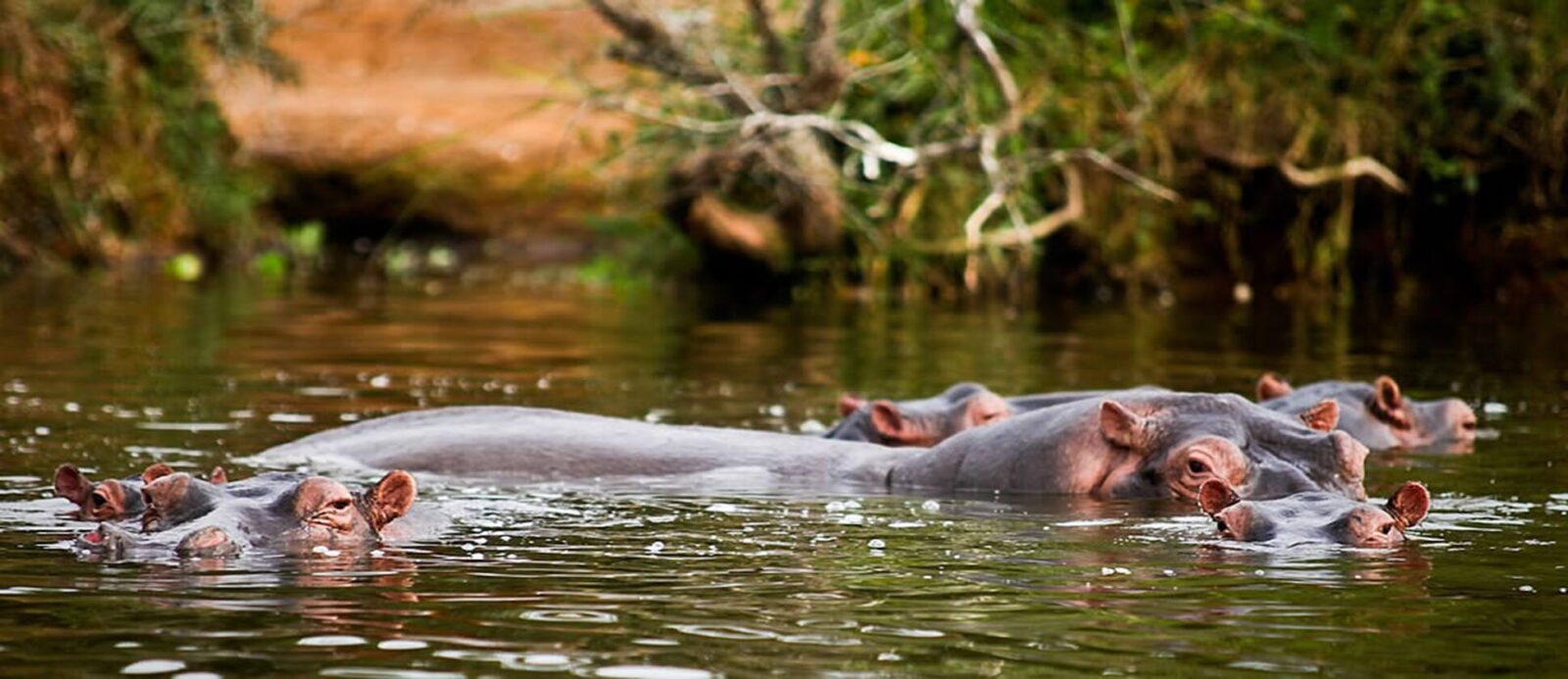
Lake Mburo’s waters support a diverse array of wildlife that can be observed during boat safaris. Hippos dominate the scene, often seen wallowing in shallow waters or surfacing to breathe. Their massive bodies and characteristic grunts provide both a visual and auditory signature of the lake’s ecosystem. Crocodiles, masters of stealth, lie partially submerged, their eyes and snouts barely visible above the surface, offering thrilling encounters without disturbance.

Birdlife is prolific and varied. The African fish eagle, with its iconic white head and loud call, frequently perches on trees or floats above the water, while kingfishers dart skillfully across the lake, diving to catch fish. Herons, storks, and cormorants are often spotted hunting along the shore, while the rare shoebill stork inhabits papyrus channels, revealing itself only through patience and attentive observation.

On occasion, animals from the surrounding savannah can be glimpsed from the water. Zebras, impalas, and buffaloes often graze near the lake’s edge, creating dynamic interactions between terrestrial and aquatic wildlife that enhance the safari experience. This proximity to multiple ecosystems within a single frame is one of the defining characteristics of Lake Mburo’s boat safaris.

Seasonal Variations and Their Impact

The timing of a boat safari profoundly influences what can be observed. During the dry seasons, from June to August and December to February, water levels are lower, concentrating aquatic species and making hippos, crocodiles, and waterbirds more visible. Migratory patterns of birds are also influenced by seasonal availability of food and water, creating predictable opportunities for sightings.

The wet seasons, from March to May and September to November, bring rising water levels, lush vegetation, and a surge of migratory birds. Although some areas may become less accessible, the abundance of life, including breeding behaviors and lush landscapes, creates a vibrant and immersive experience. Water levels can also transform the lake, revealing channels, small islands, and flooded papyrus beds that offer new perspectives and photography opportunities.

Each season provides distinct experiences: the dry season offers ease of navigation and concentrated wildlife sightings, while the wet season emphasizes diversity, movement, and a flourishing ecosystem.Boat Safaris on Lake Mburo: What to Expect

Observing Behavior from the Boat

One of the advantages of boat safaris is the opportunity to witness natural behavior up close. Hippos, for example, can be observed surfacing, socializing, and occasionally vocalizing, revealing complex social structures and interactions. Crocodiles bask along the banks, and attentive observation can reveal hunting behaviors, territorial disputes, or courtship rituals.

Birds provide continuous engagement, with kingfishers diving into the water, herons stalking fish, and African fish eagles swooping from above. Observing these interactions from the water, without disturbing the animals, creates a sense of harmony and immersion that is difficult to achieve through other safari modalities. The slow pace of the boat allows for extended observation, enabling travelers to appreciate details such as plumage patterns, feeding techniques, and the rhythms of daily life in the lake ecosystem.

Navigating the Lake Safely

Boat safaris in Lake Mburo are conducted under the guidance of experienced local operators, who ensure safety while maximizing wildlife encounters. Boats are typically small and stable, allowing for quiet movement and close access to key habitats. Life jackets, safety briefings, and knowledge of water depths and currents are standard components of the experience, ensuring a secure journey.

Guides possess detailed knowledge of the lake’s geography, wildlife distribution, and birding opportunities. Their expertise enhances the safari, offering insights into animal behavior, conservation issues, and ecological relationships. Travelers are advised to follow instructions closely, maintain low noise levels, and avoid sudden movements, both for safety and to preserve the natural behavior of the wildlife.

Complementing Boat Safaris with Other Activities

Lake Mburo offers a variety of safari experiences, and boat safaris can be seamlessly combined with game drives, walking safaris, and horseback safaris. While boat excursions focus on aquatic and lakeside species, game drives reveal terrestrial mammals such as zebras, impalas, and buffaloes. Walking and horseback safaris provide intimate access to smaller mammals, bird species, and plant life in the surrounding landscapes.

This combination of experiences allows travelers to explore the park from multiple perspectives, gaining a comprehensive understanding of its ecosystems. The contrast between the serenity of the water and the dynamism of the savannah creates a rich and multifaceted safari adventure.

Practical Tips for an Optimal Boat Safari

Successful boat safaris in Lake Mburo require preparation and attention to detail. Morning and late afternoon excursions are recommended, as wildlife is most active during cooler periods. Binoculars and cameras enhance the experience, while neutral clothing helps avoid startling wildlife.

Seasonal considerations, including water levels and migratory patterns, should inform planning. Early booking is advised, particularly during dry seasons when wildlife concentrations and favorable weather attract more visitors. Following park regulations, maintaining respectful distances, and listening to guides ensures both safety and the preservation of the ecosystem.

Conservation Significance

Boat safaris in Lake Mburo are not only recreational but also contribute to conservation awareness. The park protects critical wetland and lake habitats, sustaining both resident and migratory species. Observing wildlife in its natural environment fosters appreciation for conservation, highlighting the importance of preserving these ecosystems for future generations.

Guides often provide educational commentary, explaining the ecological roles of species, the impact of seasonal changes, and ongoing conservation efforts. Travelers gain not only enjoyment but also understanding, making their safari a meaningful engagement with Uganda’s natural heritage.

The Best Time for a Boat Safari

While boat safaris can be enjoyed year-round, the dry seasons from June to August and December to February are ideal for concentrated sightings of hippos, crocodiles, and waterbirds. The calm waters and clear skies provide excellent photographic conditions and uninterrupted observation opportunities.

The wet seasons from March to May and September to November bring lush landscapes and migratory birds, offering vibrant visual experiences and unique behavioral observations. Visitors seeking diversity, greenery, and seasonal changes may prefer the wet season despite challenges in navigation.

Both seasons provide unforgettable encounters, but the choice depends on priorities—whether concentrated wildlife sightings and ease of access or lush scenery and migratory bird activity are desired.

A Waterborne Journey into the Wild

Boat safaris on Lake Mburo offer a distinctive and immersive perspective on Uganda’s wilderness. The interplay between aquatic and terrestrial habitats, the proximity to iconic species such as hippos, crocodiles, and African fish eagles, and the tranquility of gliding across shimmering waters create an experience that is simultaneously serene and exhilarating.

For travelers seeking a safari that blends wildlife observation, photography, and ecological insight, a boat safari provides a unique lens into the park’s rich ecosystems. Complemented by game drives, walking, and horseback safaris, this experience ensures a holistic and memorable exploration of Lake Mburo National Park.

To embark on this exceptional journey and explore the waters and wildlife of Lake Mburo, travelers are encouraged to book their Africa tours and safaris with WildHorn Africa, a trusted partner in crafting unforgettable safari experiences in Uganda.

Cycling Safaris in Lake Mburo National Park

Cycling Safaris in Lake Mburo National Park

By Travel stories and blogs, Family holidays, Luxury holidays, Safari holidays, Uganda travel guides

Cycling Safaris in Lake Mburo National Park

An Adventurous Perspective

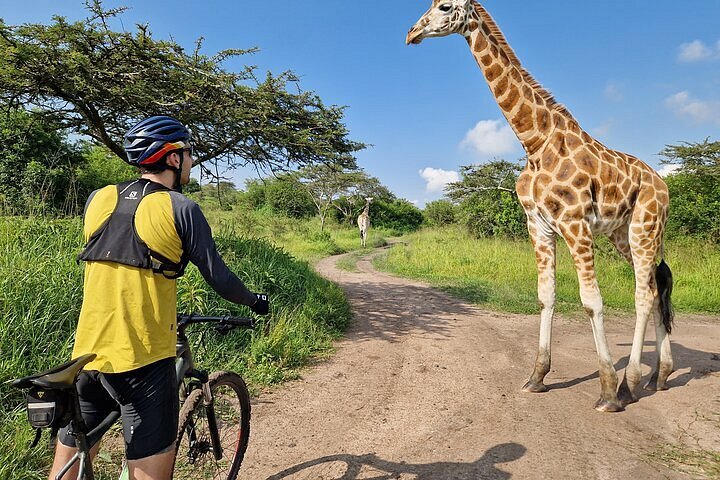
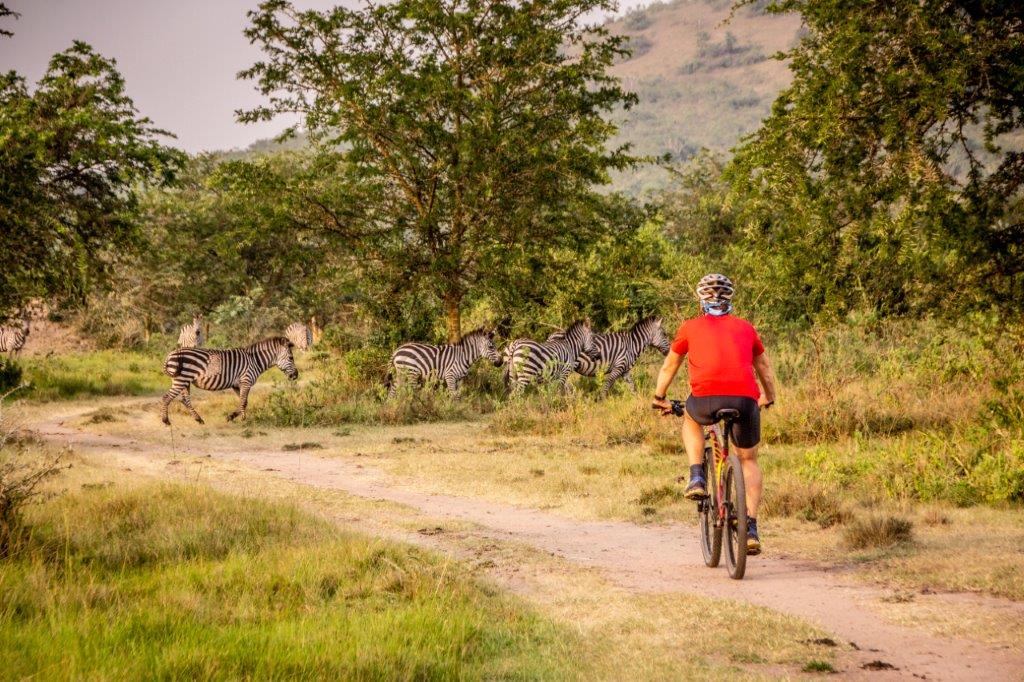
For travelers seeking a safari experience that combines adventure, intimacy with wildlife, and the thrill of exploration, cycling safaris in Lake Mburo National Park offer an unparalleled opportunity. Unlike traditional game drives, cycling provides a slower, more immersive experience, allowing visitors to navigate the park’s diverse landscapes with minimal disturbance to its wildlife. The gentle cadence of pedaling creates a rhythm that blends seamlessly with the natural environment, fostering encounters that are both personal and transformative.

Lake Mburo, Uganda’s smallest savannah park, may be compact, but its rich ecosystems, ranging from rolling plains and acacia woodlands to papyrus swamps and rocky outcrops, ensure a dynamic and engaging safari. The park is home to iconic species such as Burchell’s zebras, impalas, elands, and leopards, alongside over 350 bird species, making it ideal for cyclists who wish to combine wildlife observation with physical activity. This article explores cycling safaris in Lake Mburo, examining the logistics, wildlife encounters, seasonal considerations, safety tips, and the broader appeal of this unique safari modality.

The Unique Appeal of Cycling Safaris

Cycling safaris offer a distinctive approach to wildlife exploration, emphasizing closeness, agility, and environmental awareness. Unlike motorized vehicles, bicycles allow for quiet movement, enabling animals to behave naturally in the presence of visitors. This enhances the likelihood of observing authentic behaviors, such as grazing, hunting, or social interactions among herds.

The compact size of Lake Mburo makes it particularly suitable for cycling safaris. Trails traverse diverse habitats, ensuring that each ride exposes travelers to a variety of wildlife and landscapes. From expansive grasslands dotted with acacia trees to the serene shores of Lake Mburo itself, cyclists can experience a multidimensional perspective of the park. The flexibility of bicycles allows access to areas that might be challenging for vehicles, creating opportunities for intimate encounters with both mammals and birds.

Beyond wildlife observation, cycling engages the body and mind, creating a holistic safari experience. The physical effort required to navigate rolling hills and uneven terrain is balanced by the reward of scenic vistas, close wildlife encounters, and the quiet immersion in nature that only a non-motorized safari can provide.

Planning a Cycling Safari

Effective planning is essential for a successful cycling safari. Visitors are encouraged to select well-maintained mountain bikes suited for both dirt tracks and rocky terrain. Guided tours are strongly recommended, as local guides possess intimate knowledge of trails, wildlife patterns, and safety considerations. Routes are typically structured to balance distance, wildlife viewing, and physical exertion, ensuring a rewarding yet manageable experience for cyclists of varying abilities.

Timing of rides is also critical. Early morning and late afternoon are preferred, as temperatures are cooler and wildlife is most active. Midday rides are generally avoided due to heat and decreased animal activity. Proper hydration, protective clothing, and sun protection are essential components of preparation, ensuring comfort and safety throughout the safari.

Cyclists are encouraged to maintain a respectful distance from wildlife, refraining from sudden movements or loud noises that could disturb animals. Observing these practices allows for authentic encounters while minimizing ecological impact.

Wildlife Encounters on Two Wheels

Lake Mburo’s wildlife is remarkably accessible to cyclists. Zebra herds, characterized by their distinctive black-and-white stripes, can often be seen grazing openly, providing excellent photographic opportunities. Elands, impalas, and other antelopes move gracefully across the plains, often in proximity to the trails, allowing cyclists to observe natural behaviors at close range.

Predators, including leopards and hyenas, are less frequently encountered due to their elusive nature, but tracks, calls, and occasional sightings offer insights into their presence and ecological roles. Birdwatching is an additional highlight, with species such as African fish eagles, kingfishers, herons, and the papyrus gonolek frequently observed along watercourses and wetlands.

Cyclists may also encounter hippos and crocodiles near the park’s lakes and swamps. Observing these species from a safe distance on trails or boardwalks provides a dynamic contrast to terrestrial wildlife encounters. The diversity of species along cycling routes ensures that each safari offers varied and unpredictable experiences, enhancing the sense of adventure and discovery.Cycling Safaris in Lake Mburo National Park

Trails and Terrain

Lake Mburo offers a network of trails suitable for cycling, ranging from flat, easy paths to more challenging routes with inclines and rocky sections. Grassland trails traverse open plains, allowing for expansive views and unobstructed wildlife observation. Woodland paths wind through acacia and bushland, providing opportunities to spot smaller mammals, birds, and insects that may be overlooked during vehicle safaris.

Wetland areas and lake edges offer a different perspective, combining aquatic habitats with terrestrial ecosystems. Cyclists can observe hippos surfacing in shallow waters, birds hunting along the shore, and lush vegetation that contrasts with the open savannah. The combination of habitats ensures a varied and engaging safari experience, with each trail offering unique encounters and photo opportunities.

Local guides adjust routes based on wildlife movements, seasonal conditions, and the physical capabilities of participants, ensuring safety while maximizing the richness of each safari.

Seasonal Considerations

The experience of a cycling safari is influenced by seasonal variations. During the dry seasons, from June to August and December to February, trails are more accessible, wildlife is concentrated around water sources, and visibility is enhanced by minimal vegetation cover. These conditions are ideal for observing large herds, predator-prey interactions, and bird activity.

Wet seasons, from March to May and September to November, bring lush greenery, blooming flowers, and increased biodiversity. While trails may become slippery and certain areas less accessible, the abundance of water and fresh vegetation attracts migratory birds, newly born wildlife, and rich plant life. The wet season emphasizes ecological diversity and the interconnectedness of habitats, creating a vivid backdrop for cycling safaris.

Travelers may select the season based on priorities: the dry season for ease of navigation and concentrated wildlife sightings, or the wet season for ecological richness, vibrant scenery, and quieter trails.

Safety and Preparedness

Safety is paramount on cycling safaris. Protective gear, including helmets, gloves, and appropriate footwear, is essential. Guides provide orientation on wildlife safety, trail navigation, and emergency protocols, ensuring that cyclists are prepared for unexpected encounters. Maintaining a safe distance from potentially dangerous animals, such as hippos, crocodiles, and buffaloes, is critical, as these species can be unpredictable when approached too closely.

Bicycles are regularly inspected and maintained, with spare tires and repair kits carried on tours to address mechanical issues. Participants are encouraged to communicate openly with guides regarding fatigue, terrain difficulty, and wildlife observations, fostering a supportive and safe environment.

Cyclists are also instructed on ethical wildlife observation, including refraining from chasing or startling animals, avoiding litter, and respecting natural habitats. These practices ensure that the safari experience remains sustainable and minimally invasive to the park’s ecosystems.

Enhancing the Cycling Experience

Cycling safaris can be complemented by other activities in Lake Mburo National Park. Morning rides can be followed by walking safaris along watercourses or horseback safaris across the savannah. Boat excursions provide additional perspectives on aquatic wildlife, while cultural visits to neighboring Banyankole communities offer insights into local traditions and livelihoods.

This combination of activities creates a multidimensional safari experience, blending physical adventure with wildlife observation, photography, and cultural immersion. Travelers gain a holistic understanding of the park’s ecosystems, animal behavior, and human-environment interactions, enhancing both the educational and recreational value of their visit.

Guides often incorporate interpretive elements, such as explanations of animal tracks, bird calls, and ecological relationships, further enriching the cycling experience. Photography, journaling, and reflective observation are encouraged, allowing travelers to document and internalize their encounters with nature.

Conservation and Environmental Awareness

Cycling safaris contribute to sustainable tourism and conservation awareness. By promoting non-motorized exploration, the impact on wildlife and habitats is minimized, while visitors gain firsthand understanding of ecological interconnections. Park fees and guided tours support conservation initiatives, habitat restoration, and community development, reinforcing the link between tourism and environmental stewardship.

Participants are often educated about threats to wildlife, such as poaching and habitat loss, as well as ongoing efforts to preserve Lake Mburo’s biodiversity. This awareness fosters a sense of responsibility and connection, ensuring that cycling safaris are not only recreational but also ethically and environmentally meaningful.

Preparing for a Memorable Safari

To maximize the experience of a cycling safari, travelers are advised to plan thoroughly. Selecting comfortable and suitable clothing, bringing binoculars and cameras, and carrying water and snacks are essential. Engaging with experienced guides ensures access to the best trails, wildlife sightings, and safety protocols.

Morning rides capitalize on wildlife activity, while afternoon excursions offer opportunities for photography during golden light. Travelers are encouraged to pace themselves, take breaks to absorb the landscape, and remain attentive to subtle signs of wildlife, such as tracks, sounds, and movement in the brush.

Respectful interaction with both wildlife and the natural environment ensures a sustainable and enriching experience, creating lasting memories of Uganda’s diverse and vibrant ecosystems.

A Dynamic and Immersive Adventure

Cycling safaris in Lake Mburo National Park offer a unique blend of adventure, wildlife observation, and ecological immersion. The park’s compact size, diverse habitats, and rich biodiversity make it ideal for exploration on two wheels, providing encounters with iconic species, rare birds, and stunning landscapes.

This mode of safari allows for personal engagement, ethical wildlife observation, and physical activity, creating a holistic experience that deepens travelers’ appreciation of Uganda’s natural and cultural heritage. Combined with walking safaris, horseback rides, boat excursions, and cultural visits, cycling presents a comprehensive and transformative approach to exploring the park.

Travelers seeking an adventurous, intimate, and sustainable safari experience are encouraged to book their Africa tours and safaris with WildHorn Africa, ensuring expertly guided, safe, and unforgettable journeys through Lake Mburo National Park.

Cultural Encounters with the Banyankole near Lake Mburo

Cultural Encounters with the Banyankole near Lake Mburo

By Travel stories and blogs, Safari holidays, Uganda travel guides

Cultural Encounters with the Banyankole near Lake Mburo

Immersing in Uganda’s Rich Heritage

While Lake Mburo National Park is celebrated for its stunning wildlife and scenic landscapes, the surrounding communities offer an equally compelling narrative. Among them, the Banyankole people provide a window into a rich cultural heritage shaped over centuries. Encounters with the Banyankole are not simply tourist experiences; they are opportunities to witness traditions, values, and practices that have been preserved across generations, forming a living connection between humanity and the natural environment.

The Banyankole reside predominantly in western Uganda, in the Kiruhura and Mbarara districts, blending pastoral life with modern influences. Their cultural expressions, ceremonies, and everyday practices are closely linked to the land and its resources, including the ecosystems of Lake Mburo. Travelers engaging with the Banyankole are offered a chance to appreciate a culture that thrives in harmony with nature, providing insights into livelihoods, social structures, and indigenous knowledge.

This article explores the cultural encounters with the Banyankole near Lake Mburo, highlighting their traditions, lifestyle, ceremonies, and interactions with wildlife and nature, ensuring a deeper understanding of the human dimension within this iconic safari region.

The Banyankole: An Overview

The Banyankole are a Bantu-speaking ethnic group historically renowned for their pastoralist traditions. Livestock, particularly cattle, are central to their cultural and economic life, serving as symbols of wealth, status, and social cohesion. Cattle are not merely commodities; they are integral to rituals, marriages, and community celebrations. The iconic long-horned Ankole cattle, known for their elegance and resilience, are a defining feature of the region, creating striking landscapes of grazing herds against the backdrop of Lake Mburo.

Social structures within Banyankole communities are organized around family, clan, and local leadership. Elders, revered for their knowledge and experience, play a pivotal role in guiding social conduct, resolving disputes, and passing on traditional knowledge. Visitors are often introduced to these hierarchies and practices through guided village tours, where storytelling and interactive demonstrations provide a holistic view of Banyankole life.

The Banyankole language, Runyankole, is widely spoken, and greetings, songs, and oral histories remain central to community interactions. Through immersion, travelers gain a profound understanding of how language and storytelling preserve heritage and shape communal identity.

Traditional Livelihoods and Pastoral Life

A defining aspect of the Banyankole is their relationship with cattle and pastoralism. Herding is both a livelihood and a cultural ritual, with daily routines involving grazing, watering, and caring for livestock. Visitors to Lake Mburo’s neighboring communities may witness cattle drives across open plains, traditional milking practices, and the social gatherings that accompany these activities.

Milk, ghee, and meat from cattle are staples of the Banyankole diet, and culinary practices are deeply connected to cultural beliefs. Fermented milk, known locally as “mursik”, is a delicacy that exemplifies the fusion of nutritional value, preservation techniques, and cultural symbolism. Travelers often participate in tasting sessions, learning how food practices are linked to health, hospitality, and social rituals.

Beyond pastoralism, agriculture complements the Banyankole lifestyle. Crops such as bananas, millet, beans, and sorghum are cultivated using traditional methods, often integrated with communal labor systems. This combination of livestock and agriculture illustrates the sustainability of indigenous livelihoods, which have been adapted to the environmental conditions surrounding Lake Mburo.Cultural Encounters with the Banyankole near Lake Mburo

Ceremonial Practices and Cultural Expression

Cultural encounters with the Banyankole are enriched by ceremonial practices, which showcase values, identity, and social cohesion. Marriage ceremonies, for instance, are vibrant affairs marked by music, dance, and rituals involving cattle as dowry. Visitors may witness songs that narrate family histories, dances that celebrate fertility, and rituals that honor ancestors, all providing insight into the moral and spiritual frameworks of the community.

Initiation rites, traditionally performed to mark the transition from youth to adulthood, are another significant cultural element. While modern influences have altered some practices, elements such as communal storytelling, mentorship by elders, and demonstrations of skills like herding, hunting, and craftsmanship are still observed in rural areas near Lake Mburo. These rituals convey lessons on responsibility, courage, and social harmony, offering travelers a glimpse into the ethical and moral foundations of Banyankole society.

Festivals and community gatherings also provide opportunities to witness music, dance, and oral traditions in action. The rhythmic drumbeats, melodic chants, and intricate dances performed during ceremonies illustrate the depth of cultural continuity and creativity. Visitors are encouraged to observe respectfully and participate when invited, ensuring an authentic exchange that honors both the travelers and the host community.

Interaction with Nature and Wildlife

The Banyankole worldview is deeply intertwined with nature, shaping their approach to conservation and wildlife interaction. Pastoral practices, including rotational grazing and seasonal movement of herds, reflect an understanding of ecological balance and resource management. These practices have allowed communities to coexist with wildlife in and around Lake Mburo for generations.

Livelihoods are often intertwined with natural cycles. Knowledge of water sources, grazing patterns, and the behavior of wildlife, such as zebras, buffaloes, and impalas, is transmitted orally across generations. Visitors gain an appreciation for this ecological literacy during guided tours, where local guides explain how traditional practices help preserve biodiversity while ensuring community survival.

Cultural beliefs also influence attitudes toward specific species. Certain animals are revered or associated with symbolic meanings, shaping interactions and management practices. For instance, large cattle herds are often grazed in ways that avoid encroachment on wildlife habitats, ensuring coexistence with the park’s iconic species. These practices demonstrate how cultural values can complement formal conservation efforts, providing a holistic approach to ecosystem management.

Handicrafts, Art, and Material Culture

Cultural encounters with the Banyankole are also expressed through handicrafts, textiles, and artifacts. Traditional crafts include beadwork, basketry, and pottery, each reflecting both utility and aesthetic expression. Visitors may observe artisans creating objects using indigenous techniques passed down through generations, offering tangible connections to the culture and environment.

Textiles, often dyed using natural materials, feature distinctive patterns and colors that convey identity, status, and community affiliation. These artistic expressions serve as visual storytelling, providing insight into historical narratives, social hierarchies, and symbolic meanings embedded in everyday life. Purchasing crafts directly from artisans supports local economies and encourages the continuation of traditional practices.

Architecture, although modest, also reflects cultural principles. Houses are traditionally constructed using locally sourced materials such as mud, thatch, and timber, designed for thermal efficiency, durability, and harmony with the surrounding landscape. Visitors are often guided through homesteads, observing construction methods, interior organization, and spatial symbolism, deepening their understanding of the integration between culture, lifestyle, and environment.

Engaging with Community Life

Visitors who engage respectfully with Banyankole communities often experience daily life firsthand, including participation in farming, cooking, and herding activities. These immersive experiences foster mutual understanding, providing travelers with insights into social structures, gender roles, and the rhythm of rural life.

Children and elders often serve as guides in storytelling sessions, sharing folklore, proverbs, and historical narratives that connect past and present. Markets and communal spaces offer opportunities to witness trade, negotiation, and social networking, revealing the economic and cultural interdependence that sustains community cohesion.

Interactions are guided by principles of respect and reciprocity. Travelers are encouraged to observe local customs, dress modestly, and seek permission before photographing individuals or ceremonies. When approached with sensitivity, these encounters become transformative, fostering empathy, awareness, and lasting connections.

Cultural Tourism and Sustainable Practices

Engaging with the Banyankole near Lake Mburo contributes to sustainable tourism that supports both community development and conservation. Revenues from guided tours, homestay experiences, and cultural demonstrations provide income for education, health, and infrastructure projects, reducing pressure on natural resources.

Tourism initiatives are designed to minimize disruption while maximizing benefits. Guides are often drawn from local communities, ensuring that knowledge, traditions, and practices are shared authentically. Travelers are encouraged to participate actively in sustainable practices, such as respecting wildlife, supporting local economies, and learning from indigenous ecological knowledge.

Cultural tourism also reinforces conservation awareness. By highlighting the connections between livelihoods, wildlife, and ecosystems, travelers gain an appreciation for the symbiotic relationship between humans and nature, enhancing the overall safari experience in Lake Mburo National Park.

Timing and Planning for Cultural Encounters

While cultural experiences with the Banyankole can be enjoyed year-round, certain periods offer enhanced opportunities. Dry seasons, from June to August and December to February, facilitate easier access to rural areas, allow participation in ceremonies, and coincide with key agricultural activities, providing insights into herding and crop management.

Wet seasons, from March to May and September to November, showcase vibrant landscapes, harvest festivals, and seasonal rituals that reflect adaptation to environmental cycles. Visitors seeking immersive photography and storytelling experiences may prefer these months for their vivid scenery and dynamic cultural activities.

Regardless of season, planning guided visits in advance ensures meaningful engagement, as local guides provide context, introductions, and structured experiences that respect both visitors and host communities.

A Journey into Culture and Connection

Cultural encounters with the Banyankole near Lake Mburo National Park offer a unique complement to traditional wildlife safaris, providing insight into the human dimension of Uganda’s landscapes. Through interactions with pastoralists, artisans, elders, and families, travelers gain an understanding of traditions, livelihoods, and values that have sustained the region for centuries.

These encounters reveal the interdependence of culture, nature, and community, emphasizing how heritage and ecology are intertwined. Visitors leave with more than memories of scenery or animals; they gain stories, perspectives, and connections that enrich their appreciation of Uganda as a whole.

To experience these profound cultural engagements alongside exceptional wildlife encounters, travelers are encouraged to book their Africa tours and safaris with WildHorn Africa, ensuring guided, respectful, and unforgettable journeys into the heart of Lake Mburo and its surrounding communities.

Birdwatching in Lake Mburo National Park

Birdwatching in Lake Mburo National Park

By Luxury holidays, Safari holidays, Special offers, Travel stories and blogs, Uganda travel guides, Wildlife holidays

Birdwatching in Lake Mburo National Park

A Paradise for Feathered Wonders

For travelers and nature enthusiasts seeking a safari experience beyond the grandeur of lions, zebras, and elephants, Lake Mburo National Park offers a unique and intimate adventure. Known for its diverse avian population, this park provides one of Uganda’s most rewarding birdwatching experiences. Here, the calls of over 350 recorded bird species echo across rolling savannahs, woodlands, and lakeshores, forming a symphony of life that captivates the senses and offers moments of serenity amid the wilderness.

Unlike larger parks where birdwatching is often secondary to mammal sightings, Lake Mburo has earned a reputation as a prime destination for ornithologists and casual bird enthusiasts alike. Its compact size ensures that birding hotspots are easily accessible, while the park’s variety of habitats—from wetlands and papyrus swamps to acacia woodlands and open savannahs—supports an extraordinary diversity of species. For visitors eager to witness Uganda’s rich birdlife in a natural setting, Lake Mburo presents both the thrill of discovery and the comfort of close encounters.

This article explores birdwatching in Lake Mburo National Park in depth, covering the park’s habitats, notable species, seasonal variations, observation techniques, and optimal travel times to ensure an unforgettable experience.

The Unique Habitats of Lake Mburo

Birdwatching in Lake Mburo is facilitated by the park’s diverse mosaic of ecosystems, each supporting specialized avian communities. Rolling savannahs dotted with acacia trees provide shelter for grassland birds such as weavers, pipits, and raptors, while the woodlands support shrikes, hornbills, and parrots.

Wetlands surrounding the park’s lakes, particularly Lake Mburo itself, are critical habitats for waterbirds, waders, and migratory species. Papyrus swamps serve as breeding grounds for secretive birds like the papyrus gonolek and the African finfoot, while open water attracts kingfishers, herons, and the iconic African fish eagle.

Rocky ridges and escarpments create additional niches for cliff-dwelling species and raptors, allowing visitors to witness birds of prey scanning the plains below. The combination of these habitats within a compact park area makes birdwatching both accessible and richly rewarding, as multiple ecosystems can be explored within a single safari itinerary.

Signature Bird Species

Lake Mburo is celebrated for its rare and endemic bird species, many of which are difficult to spot elsewhere in Uganda. Among the park’s most iconic residents is the shoebill stork, a prehistoric-looking bird that captures the imagination of all who see it. Its enormous bill, slow deliberate movements, and solitary behavior make every sighting a rare and memorable event.

The African fish eagle, with its distinctive white head and piercing call, dominates lakeshores, providing dramatic photographic opportunities. Kingfishers, including the pied kingfisher and giant kingfisher, hover and dive into the water with remarkable precision, offering glimpses into the intricate relationship between bird and aquatic environment.

Endemic species such as the red-faced barbet and the papyrus gonolek add to the park’s allure. The former, with its striking red facial markings, inhabits woodland edges, while the latter thrives in dense papyrus swamps, often revealing itself only through its melodious calls. Observing these species requires patience and keen observation, but the reward is a profound connection with Uganda’s natural heritage.

Seasonal Birdwatching in Lake Mburo

The experience of birdwatching in Lake Mburo is heavily influenced by seasonal changes, which affect both the visibility and diversity of species. The park experiences two wet seasons, from March to May and September to November, and two dry seasons, from June to August and December to February.

During the dry seasons, water sources shrink and birds concentrate around permanent lakes and wetlands. Species such as herons, egrets, and African fish eagles are more easily observed as they gather at feeding and nesting sites. Raptors, including tawny eagles and martial eagles, are more visible against clear skies, hunting across the open savannah.

The wet seasons bring lush greenery, which attracts migratory species from Europe and Asia. This includes warblers, flycatchers, and other long-distance migrants that enrich the park’s avian diversity. Although dense vegetation can make spotting smaller birds more challenging, the abundance of food and water ensures active breeding and feeding behavior, providing unique behavioral observations for keen birdwatchers.

Observation Techniques and Tips

Successful birdwatching in Lake Mburo requires a combination of timing, location, and patience. Early mornings and late afternoons are ideal for observing birds when activity is highest and lighting conditions are optimal. Quiet movement and minimal disturbance are essential, as many species, particularly in wetlands and papyrus swamps, are highly sensitive to human presence.

Guided birding safaris are recommended, as local guides possess intimate knowledge of species locations, calls, and behaviors. Binoculars and high-quality cameras enhance the experience, while field guides specific to East African birds provide valuable identification support. Boat rides on Lake Mburo are particularly effective for observing waterbirds, hippos, and crocodiles, offering a unique perspective on bird activity around the lake.

Walking safaris through woodland and savannah areas allow for close encounters with secretive species, revealing subtle behaviors that might otherwise go unnoticed from vehicles. Patience is rewarded with intimate views of birds nesting, feeding, or interacting socially, enriching the overall birdwatching experience.Birdwatching in Lake Mburo National Park

Notable Birding Hotspots Within the Park

Several locations within Lake Mburo are particularly productive for birdwatching. The lakeshores and wetlands attract aquatic and wading birds, providing opportunities to observe species such as herons, storks, cormorants, and African jacanas. Boat excursions allow access to hidden corners of these habitats, revealing species that are otherwise difficult to approach.

Woodland areas, including acacia-dominated landscapes and mixed forests, support songbirds, barbets, and hornbills, creating a diverse and melodious environment for observers. Open savannahs, often explored during game drives, provide visibility for raptors and grazing-associated birds, including the long-crested eagle and snake eagle, which hunt small mammals and reptiles.

Papyrus swamps, a specialized habitat, host rare and elusive species like the papyrus gonolek, whose bright plumage contrasts sharply with the green stems of the wetland vegetation. These areas require careful observation, often relying on auditory cues as visual detection can be challenging.

Combining Birdwatching with Other Safari Experiences

Birdwatching in Lake Mburo can be combined seamlessly with traditional game drives, horseback safaris, walking safaris, and boat excursions. While observing birds, travelers may simultaneously encounter zebras grazing in open plains, impalas leaping gracefully, or hippos wallowing in lakes, creating a multidimensional safari experience.

Horseback safaris are particularly effective for approaching shy or elusive species, as horses move quietly across the landscape, blending with the natural environment. Walking safaris allow for detailed observation of smaller birds, insect interactions, and nesting behaviors, while boat rides provide vantage points for aquatic species and shorebirds. The variety of activities ensures that birdwatchers can enjoy a comprehensive and immersive experience across multiple habitats.

Conservation and Responsible Birdwatching

Lake Mburo National Park is not only a sanctuary for wildlife but also a critical habitat for endangered and threatened bird species. Conservation efforts ensure that both resident and migratory species thrive, maintaining ecological balance and biodiversity. Visitors are encouraged to follow responsible birdwatching practices, including maintaining distance from nesting sites, avoiding loud noises, and refraining from disturbing the natural habitat.

Guided tours often include educational components, informing visitors about the ecological significance of each species, the importance of wetlands, and the role of birds in sustaining the park’s ecosystems. Such knowledge enhances the experience, transforming birdwatching from a passive activity into a meaningful encounter with conservation in action.

The Best Time to Visit for Birdwatching

While birdwatching is possible throughout the year, certain periods provide enhanced experiences. The dry seasons from June to August and December to February are optimal for observing concentrated populations of waterbirds and raptors. Clear skies, reduced vegetation density, and predictable wildlife behavior create ideal conditions for both sighting and photography.

The wet seasons from March to May and September to November offer opportunities to witness migratory species and breeding behaviors, with lush landscapes providing a vibrant backdrop. Though spotting smaller birds may require patience, the richness of the park’s avian diversity during these months makes the effort worthwhile.

Ultimately, the choice of season depends on personal priorities: those seeking predictability and ease of observation may favor dry months, while travelers interested in migration patterns, breeding behaviors, and verdant landscapes may prefer the wet season.

A Birdwatcher’s Paradise

Lake Mburo National Park offers a unique and richly rewarding birdwatching experience, combining extraordinary biodiversity with accessible and varied habitats. From the prehistoric shoebill stork to the iconic African fish eagle, from secretive papyrus inhabitants to raptors soaring above savannahs, the park reveals the full spectrum of Uganda’s avian wonders.

Birdwatching in Lake Mburo transcends mere observation, offering opportunities for photography, scientific learning, and conservation awareness. It can be experienced alongside other safari activities, creating a multidimensional adventure that engages all senses. The park’s compact size, diversity of ecosystems, and concentration of rare species make it an ideal destination for both casual birdwatchers and serious ornithologists.

Travelers seeking to witness the remarkable birdlife of Lake Mburo are encouraged to book their Africa tours and safaris with WildHorn Africa, ensuring expertly guided excursions and a seamless, unforgettable journey into Uganda’s natural heart.

Best Time to Visit Lake Mburo for Game Drives

Best Time to Visit Lake Mburo for Game Drives

By Safari holidays, Travel stories and blogs, Uganda travel guides, Wildlife holidays

Best Time to Visit Lake Mburo for Game Drives

The Ultimate Safari Timing

For travelers seeking an unforgettable safari experience in Uganda, Lake Mburo National Park offers a blend of intimate wildlife encounters, scenic landscapes, and cultural immersion that is unmatched in the region. The park’s compact size, diverse habitats, and unique species make it an ideal destination for game drives, but choosing the best time to visit is crucial to maximizing both sightings and comfort. Timing determines the visibility of wildlife, the accessibility of roads, and even the overall ambiance of the safari.

Lake Mburo, often overshadowed by larger Ugandan parks, has quietly emerged as a favorite among discerning travelers who seek close encounters with iconic species such as Burchell’s zebra, impalas, elands, and buffaloes. Beyond mammals, the park is also a haven for over 350 bird species, creating a dynamic environment for both birdwatchers and wildlife enthusiasts. Understanding the seasonal rhythms of the park allows visitors to plan safaris that reveal its richest experiences, ensuring that each game drive is both rewarding and unforgettable.

This article explores the best time to visit Lake Mburo for game drives, analyzing seasonal variations, weather patterns, wildlife behavior, and visitor considerations to provide a comprehensive guide for travelers seeking a seamless safari experience.

Overview of Lake Mburo National Park

Lake Mburo National Park, located in Kiruhura District, western Uganda, covers approximately 370 square kilometers, making it Uganda’s smallest savannah park. Despite its size, it boasts a remarkable variety of habitats, including rolling savannah plains, acacia woodlands, wetlands, and rocky ridges, all interspersed with lakes, the largest being Lake Mburo itself.

The park is home to a range of wildlife, including species found nowhere else in Uganda. Impalas, unique to this park, grace the plains alongside herds of zebras and elands. Predators such as leopards, hyenas, and jackals roam the woodlands, while buffaloes dominate the swamps and wetlands. Hippos and crocodiles inhabit the lakes, creating a balanced ecosystem where predator and prey coexist naturally.

The park’s diverse environments allow for multiple safari experiences, including traditional game drives, walking safaris, boat excursions, and horseback safaris, each revealing the landscape in distinct ways. However, the timing of visits significantly influences what can be observed, making the choice of season a central consideration for any safari planner.

Understanding the Seasons in Lake Mburo

Lake Mburo experiences two primary climatic patterns: wet and dry seasons. These cycles profoundly affect the accessibility of the park, animal behavior, and the quality of game drive experiences.

Dry Seasons

The dry seasons, spanning from June to August and December to February, are widely considered the best periods for game drives. During these months, rainfall is minimal, and temperatures remain moderate, creating ideal conditions for exploring the park.

Wildlife behavior is strongly influenced by the scarcity of water. Animals concentrate around lakes, rivers, and permanent waterholes, making them easier to spot. Herds of zebras, impalas, and elands gather near these sources, while predators such as leopards and hyenas take advantage of the congregated prey. The dry weather also ensures that roads remain accessible, reducing the risk of getting stuck in muddy tracks and allowing game drives to cover more ground efficiently.

In addition to animal sightings, the dry season offers crystal-clear skies and excellent lighting for photography. The park’s landscapes, with golden grasslands contrasting against bright blue lakes, appear particularly dramatic during this time, enhancing both visual and experiential quality for travelers.

Wet Seasons

The wet seasons, occurring from March to May and September to November, bring abundant rainfall that transforms the park into a lush, green paradise. Vegetation flourishes, creating striking scenery that contrasts with the dry, golden tones of other seasons. The wetlands expand, attracting migratory birds and increasing biodiversity, which is particularly appealing for birdwatchers and naturalists.

However, heavy rains can render some tracks slippery and less navigable, making game drives more challenging. Wildlife disperses across the park, reducing the predictability of sightings. Impalas, zebras, and other grazers spread out as fresh grasses become widely available, and predators follow them, often remaining concealed within dense vegetation. Despite these challenges, the wet season offers an experience characterized by vibrant life, abundant flora, and a quieter, less crowded atmosphere.

Wildlife Visibility and Behavior

Wildlife activity in Lake Mburo is strongly tied to water availability, food resources, and climatic conditions, all of which vary by season. During the dry season, animal movement is predictable, as herbivores congregate near water sources, allowing guides to anticipate sightings during game drives. This makes the dry months ideal for travelers seeking high-quality wildlife photography or extended periods observing specific species.

The park’s signature animals, including impalas and zebras, are particularly visible during dry months. Elands, with their towering frames, can be observed grazing openly, and buffalo herds frequently appear near swamps, creating dramatic safari scenes. Predators, though elusive, are more active in pursuit of concentrated prey, increasing the likelihood of witnessing hunting behavior.

During the wet season, the abundance of vegetation can obscure some animals, making sightings less frequent. However, this is offset by the presence of rare bird species, newborn wildlife, and migratory populations. Water levels rise, attracting hippos, crocodiles, and waterfowl, and the park’s scenery transforms into a lush canvas of green, offering a different type of photographic and immersive appeal.Best Time to Visit Lake Mburo for Game Drives

Optimal Timing for Different Safari Activities

Lake Mburo offers a variety of safari experiences, each influenced by seasonal conditions.

Game Drives

Traditional game drives are most effective during the dry season, when animals gather near waterholes, roads are passable, and the likelihood of encountering predators is higher. Morning and late afternoon drives are recommended, as animals are most active during cooler hours. These times also provide the best lighting for photography, capturing the park’s wildlife and landscapes in their most vivid detail.

Walking Safaris

Walking safaris provide a more intimate perspective, allowing travelers to observe tracks, smaller mammals, and birds. These are best undertaken during the dry season, when ground conditions are stable and the risk of slipping or encountering impassable terrain is minimized. Walking safaris also benefit from the concentration of animals near water sources, offering closer encounters and opportunities for observation that cannot be achieved from a vehicle.

Horseback Safaris

Horseback safaris offer unparalleled closeness to wildlife and are facilitated by the park’s open savannah and gentle terrain. These experiences are most enjoyable in the dry season, when the trails are firm and horses can move freely. During the wet season, the trails may become slippery, limiting accessibility and making horseback exploration less comfortable.

Boat Safaris

Lake Mburo’s lakes provide a distinct habitat for aquatic species. Boat safaris are accessible throughout the year, but the wet season enhances water levels, creating an ideal environment for observing hippos, crocodiles, and abundant birdlife. Conversely, during the dry season, lower water levels may concentrate animals in certain areas, making them easier to locate but potentially limiting the navigable expanse of the lake.

Factors Affecting the Best Time for a Safari

Several considerations influence the choice of when to visit Lake Mburo for game drives beyond rainfall and animal behavior.

Accessibility is a primary concern. The dry season ensures that roads remain in good condition, reducing travel time and allowing vehicles to reach remote areas. Safety is another factor, as slippery roads during the wet season increase the risk of accidents or vehicle immobilization.

Tourism crowds also vary seasonally. Peak periods coincide with the dry season, meaning that accommodations and guided safaris may require advance booking. The wet season, however, offers fewer visitors, allowing for a more private and tranquil experience, albeit with the trade-off of potentially fewer wildlife sightings.

Personal preferences also matter. Travelers prioritizing photography and frequent wildlife encounters often prefer the dry season, while those seeking lush landscapes, birdwatching, and a quieter environment may find the wet season more appealing.

Observing Seasonal Animal Behavior

Understanding seasonal behavior provides deeper insights into wildlife experiences. During the dry months, many herbivores, such as zebras, impalas, and buffaloes, aggregate near permanent water sources, while predators take advantage of these concentrations for hunting. This increases the likelihood of observing interactions between predator and prey, a highlight of any safari.

In contrast, during the wet season, widespread availability of food allows animals to disperse, reducing visibility but providing opportunities to witness reproductive behaviors, such as calving or territorial displays. Birds respond similarly, with migratory species arriving to exploit the seasonal abundance of wetlands and aquatic prey. This diversity of behavior enriches the safari experience, even if sightings are less concentrated.

Recommended Safari Schedule

For travelers seeking optimal game drive experiences, a typical schedule would involve early morning and late afternoon drives, aligning with periods of heightened animal activity. During the middle of the day, temperatures rise, and many animals rest in shaded areas, reducing visibility.

Game drives can be complemented by walking safaris or horseback excursions in the dry season, offering more intimate encounters. Boat safaris can be scheduled during midday to capitalize on calm waters and concentrated aquatic wildlife. By combining different safari formats and timing them according to seasonal patterns, visitors can maximize their chances of observing the park’s signature species.

Timing Your Adventure

Lake Mburo National Park offers a safari experience rich in diversity, intimacy, and natural beauty. Choosing the best time to visit significantly enhances the quality of wildlife sightings, the ease of navigation, and the overall enjoyment of the park. While the dry season provides optimal conditions for game drives, walking safaris, and horseback experiences, the wet season offers lush scenery, abundant birdlife, and the chance to witness seasonal behaviors.

Regardless of the season chosen, the park’s unique species, scenic landscapes, and diverse activities ensure that every visit is memorable. To fully experience the magic of Lake Mburo and embark on expertly guided safaris, travelers are encouraged to book their Africa tours and safaris through WildHorn Africa, ensuring an unforgettable journey into Uganda’s wild heart.

Close Menu