search
What are the wildlife viewing rules and ethical guidelines in Uganda parks?

What are the wildlife viewing rules and ethical guidelines in Uganda parks?

By Travel stories and blogs, Uganda travel guides

Wildlife Viewing Rules and Ethical Guidelines in Uganda’s National Parks | Responsible Safari Conduct | What are the wildlife viewing rules and ethical guidelines in Uganda parks?

The heart of Uganda’s wilderness beats with a rhythm both ancient and untamed. Here, where mountain gorillas tread silently through the misty forests of Bwindi, where elephants roam across golden plains, and where lions perch majestically on fig trees in Ishasha, the thrill of wildlife viewing becomes an almost spiritual experience. Yet behind every magical sighting lies a responsibility — to protect, to respect, and to preserve.

Uganda’s national parks and wildlife reserves are sanctuaries, not showgrounds. The animals within them are not actors performing for human applause, but wild beings living according to their own natural laws. To witness them is a privilege, one that carries ethical weight and moral depth. That is why wildlife viewing rules and ethical guidelines exist: to ensure that human presence enhances conservation rather than endangering it, and that every encounter nurtures understanding instead of intrusion.

For travelers embarking on safaris across Uganda, knowing and following these guidelines is not only about compliance — it is an act of respect. It transforms tourism into stewardship and ensures that the stories told by Uganda’s landscapes remain as wild and beautiful for generations to come.

The Foundation of Wildlife Ethics in Uganda

Uganda’s wildlife conservation framework is built on decades of protection and education. The Uganda Wildlife Authority (UWA), which manages the country’s parks and reserves, enforces a detailed code of conduct for both visitors and tour operators. These principles reflect a philosophy where tourism and conservation coexist in balance.

At its heart lies the recognition that Uganda’s animals are free. They are not pets, nor props, nor possessions — and human behavior must adapt to their natural rhythm, not the other way around. The rules of wildlife viewing are therefore designed not to restrict enjoyment but to sustain it. They maintain safety, minimize stress for animals, prevent habitat disturbance, and ensure that tourism revenue directly contributes to conservation.

Wildlife ethics in Uganda go beyond legal regulation; they express cultural respect. Many local communities living near the parks view wildlife as part of their heritage, woven into ancestral stories and traditional values. To act responsibly as a visitor is to honor this heritage.

The Principle of Minimal Disturbance

One of the fundamental tenets of ethical wildlife viewing in Uganda is non-disturbance. Every visitor must remember that they are entering the animals’ home — a realm governed by instinct and survival. Disturbing this balance, even unintentionally, can have profound consequences.

For example, approaching animals too closely can cause stress, disrupt feeding or breeding behavior, and even provoke defensive aggression. The Uganda Wildlife Authority enforces specific viewing distances depending on the species — such as maintaining at least seven meters from gorillas or chimpanzees — but the principle extends to all wildlife. Observing quietly from a respectful distance allows animals to remain relaxed and behave naturally.

Noise is another form of disturbance. Loud conversations, engine revving, or camera shutters can startle wildlife and scatter them into hiding. Silence, on the other hand, becomes a form of respect. The true magic of a Ugandan safari unfolds when one listens: the low rumble of elephants communicating across the plains, the chirping of tree frogs after dusk, the rustle of a leopard slipping through tall grass. Ethical travelers learn that the quieter they are, the more nature reveals.

Vehicle Etiquette During Game Drives

In Uganda’s savannah parks such as Queen Elizabeth, Murchison Falls, and Kidepo Valley, wildlife viewing often takes place from safari vehicles. The way these vehicles move and behave plays a crucial role in protecting both animals and the environment.

Drivers are required to stay on designated tracks, a rule that safeguards fragile vegetation and prevents soil erosion. Off-road driving may seem harmless, but it damages grasslands, compacts soil, and destroys nesting sites of ground birds like lapwings or courser species. Over time, these impacts alter entire ecosystems.

The speed limit within parks, generally around 40 km/h, is designed not just for safety but for harmony. Driving too fast raises dust, disrupts animal movements, and risks collisions with crossing wildlife. Patience is not merely a virtue on safari — it is a necessity. The slower the pace, the richer the experience, for true sightings often come to those who wait.

Vehicles should also limit engine idling near animal groups. The fumes, noise, and vibrations may cause discomfort, especially to sensitive species like elephants or antelope. Ethical guides turn off engines at sightings, allowing travelers to absorb the moment in serenity.

The Silent Language of Respect: Behavior Around Wildlife

In Uganda’s wild places, body language matters as much as words. Animals interpret human gestures instinctively, and even small movements can change an encounter’s outcome. For example, standing abruptly, waving hands, or pointing can alarm animals and cause them to flee. The correct approach is stillness — a composed posture that communicates peace rather than threat.

Feeding animals is strictly prohibited. What may seem like an act of kindness can lead to dependency, disease transmission, and aggression. When animals associate humans with food, they lose their natural fear and may become dangerous or vulnerable to poaching. Feeding bans apply everywhere — from monkeys in Kibale to birds around lodges — preserving the integrity of wildlife behavior.

Eye contact can also carry meaning. In primates, especially gorillas and chimpanzees, prolonged staring may be interpreted as dominance or challenge. Guides instruct trekkers to keep their gaze gentle and avoid direct eye contact during close encounters. This subtle awareness maintains calm interactions and mutual respect.

In every park, guides remind travelers of a simple truth: observation without interference is the essence of ethical safari. The goal is not to capture dominance over nature but to witness its freedom.

Photography with Purpose and Care

Uganda’s wildlife photography opportunities are extraordinary. From the golden savannah light of Murchison to the mist-shrouded forests of Bwindi, every moment begs to be captured. Yet photography must be guided by ethics just as much as admiration.

Flash photography is strictly banned during gorilla and chimpanzee trekking. Bright flashes disorient primates, disturb their vision, and may cause anxiety. Even outside forests, the use of flash or bright lights at night can interfere with nocturnal species’ behavior. Responsible photographers rely on natural light or appropriate low-impact equipment to preserve the authenticity of the moment.

Patience replaces pursuit. Chasing animals for better angles or blocking their path for a photograph is both unethical and dangerous. The best wildlife photographs in Uganda emerge from quiet observation, where timing, respect, and understanding replace intrusion.

Furthermore, sharing wildlife photographs carries its own responsibility. Geotagging rare animal locations can unintentionally aid poachers or disrupt sensitive species. Ethical photographers choose to celebrate wildlife without endangering it — ensuring that admiration never leads to exploitation.

Gorilla and Chimpanzee Trekking Rules – Guardians of the Great Apes

Few experiences compare to standing a few meters from a mountain gorilla in the misty forest of Bwindi or watching a chimpanzee in Kibale crack nuts with astonishing intelligence. These encounters are life-changing, but they demand the highest ethical standards.

Great apes share over 95% of their DNA with humans, making them susceptible to many of our diseases. To protect them, strict health and safety regulations govern trekking. Visitors with colds, flu, or any communicable illness are not permitted to participate, and a minimum distance of seven meters must be maintained at all times. This rule is not symbolic — it prevents potential transmission of pathogens that could devastate ape populations.

Group sizes are limited, typically to eight people per gorilla family visit, and interaction time is restricted to one hour. These controls ensure that the apes’ natural routines are not disrupted. The use of masks, introduced during and after the COVID-19 pandemic, further enhances protection and has become a best practice across Uganda’s primate parks.

Physical contact is strictly forbidden. While young gorillas may occasionally approach out of curiosity, visitors must remain still and avoid touching them. Guides act as mediators, ensuring every encounter unfolds safely for both species.

This discipline transforms gorilla trekking from mere adventure into a model of ethical wildlife interaction — one where empathy replaces curiosity and conservation replaces consumption.

What are the wildlife viewing rules and ethical guidelines in Uganda parks?Waste Management and Environmental Integrity

Respecting wildlife also means respecting their environment. Every bottle, wrapper, or discarded item left behind in a park becomes a silent threat. Uganda’s national parks enforce a strict “leave no trace” policy, where visitors are expected to carry all waste back out.

Plastic pollution poses a growing challenge across Africa, and Uganda has taken proactive measures by banning single-use plastic bags. Travelers are encouraged to pack reusable water bottles, biodegradable toiletries, and eco-friendly packaging to minimize their footprint.

Littering is not only unethical but illegal, punishable by fines and possible removal from the park. Even biodegradable waste like fruit peels can disrupt local ecosystems or attract animals to human areas. Ethical travel demands mindfulness in every action — from packing light to disposing responsibly.

In the quiet wilderness, sustainability becomes a daily practice, not a slogan.

The Role of Guides and Rangers

In every Ugandan park, guides and rangers are the custodians of both safety and ethics. Their knowledge extends beyond wildlife behavior to ecological balance, cultural respect, and visitor education. Following their instructions is not optional; it is the foundation of responsible safari conduct.

Guides ensure that viewing distances are respected, routes are followed, and interactions remain controlled. They interpret the land — reading subtle signs like animal tracks or alarm calls — that reveal the deeper narrative of the ecosystem.

Engaging with rangers respectfully honors the human dimension of conservation. Many come from nearby communities and view their work as both livelihood and legacy. By listening to their stories, travelers contribute to a cycle of empowerment that strengthens the connection between tourism and local stewardship.

In Uganda, ethical wildlife viewing is not an individual pursuit but a collective partnership between visitors, guides, and the environment itself.

Cultural Sensitivity and Community Involvement

Wildlife ethics extend beyond animals to include people. Many of Uganda’s parks border communities whose livelihoods intertwine with conservation. Understanding and respecting their traditions is essential to ethical travel.

Supporting community-based tourism — such as visiting craft markets, cultural villages, or local guides — helps channel tourism revenue back into conservation efforts. It discourages poaching by offering alternative incomes and fosters a sense of shared responsibility for wildlife protection.

Visitors should seek permission before photographing locals, particularly in rural or traditional areas. Respectful curiosity fosters mutual appreciation, while intrusion breeds misunderstanding.

In Uganda, wildlife thrives not in isolation but in coexistence — a balance nurtured by both nature and humanity.

Safety and Conservation Laws

Beyond ethics, Uganda enforces clear legal frameworks to protect wildlife. Activities such as poaching, feeding animals, littering, or damaging vegetation are punishable under the Uganda Wildlife Act. Rangers patrol the parks continuously, ensuring compliance and responding to emergencies.

For visitors, these regulations are not obstacles but assurances — they guarantee that the landscapes they traverse remain wild, secure, and thriving. Observing them transforms tourists into guardians, each one contributing to the broader mission of preservation.

Ethical behavior becomes contagious. When travelers model respect, they inspire others — including local youths, guides, and fellow adventurers — to value conservation not as duty, but as identity.

The Spirit of Responsible Tourism

Ultimately, ethical wildlife viewing in Uganda transcends rules; it becomes a mindset. It is about seeing beyond the lens of possession and into the heart of coexistence. Each footprint on a trail, each photograph taken, each moment shared carries consequences. When approached with humility and awareness, tourism becomes a force for good — a bridge between wonder and responsibility.

Uganda’s wildlife is not an exhibition to consume but a symphony to experience. The gorilla’s gaze, the elephant’s rumble, the bird’s song — all are voices in a timeless conversation. Listening with respect ensures that the story continues, not just for us but for the generations that follow.

For those ready to explore Uganda’s national parks with integrity, expertise, and guided care, it is recommended to book your Africa tours and safaris with WildHorn Africa. Their deep commitment to sustainable tourism, experienced guides, and community-driven approach guarantee that every encounter honors both nature and culture.

Because in Uganda, the truest adventure lies not in what you see — but in how gently you walk upon the land that allows you to see it.

Bwindi Impenetrable National Park: Wildlife, Culture, and Adventure

Bwindi Impenetrable National Park: Wildlife, Culture, and Adventure

By Travel stories and blogs, Primate holidays, Uganda travel guides

Bwindi Impenetrable National Park: Wildlife, Culture, and Adventure

Entering the Heart of Africa’s Untamed Wilderness

Nestled within the mist-cloaked mountains of southwestern Uganda lies a place where time seems to have paused, where nature rules with quiet authority, and where every step taken is a journey into an ancient world. This is Bwindi Impenetrable National Park, one of Africa’s most treasured sanctuaries and a UNESCO World Heritage Site. For many, the very mention of Bwindi evokes images of towering trees, dense vines, and the stirring sight of a mountain gorilla family moving through the shadows of the forest. Yet Bwindi is far more than just a haven for gorillas. It is a living tapestry of wildlife, culture, and adventure, where biodiversity, heritage, and exploration intersect to create an experience unlike any other.

The essence of Bwindi lies in its mystery. Its very name, “Impenetrable,” hints at the challenge and allure of navigating its tangled vegetation and steep ridges. Beyond its physical wilderness, Bwindi carries cultural depth, being home to indigenous communities such as the Batwa, whose traditions remain intricately tied to the forest. Adventure seekers are drawn here not only by the promise of seeing gorillas but also by the call of untamed trails, birdwatching spectacles, and the chance to immerse themselves in the pulse of Africa at its most raw and authentic.

To step into Bwindi is to step into a world where nature has been preserved in its purest form, where every moment is shaped by the rhythm of the wild, and where every traveler leaves with a sense of awe. Understanding this park requires delving into its wildlife riches, its cultural significance, and its boundless adventure opportunities. Only then can the true spirit of Bwindi be appreciated.

The Wildlife of Bwindi: A World of Rare Encounters

Mountain Gorillas: The Crown Jewel of Bwindi

At the heart of Bwindi’s international fame are the mountain gorillas, majestic primates that exist in only a handful of locations on earth. With nearly half of the world’s remaining mountain gorilla population calling Bwindi home, the park has become synonymous with gorilla trekking. These gorillas live in structured family groups, led by powerful silverbacks whose authority guides the movements and behavior of their families.

The encounter with a gorilla family is an experience that transcends tourism. To watch a silverback feeding quietly, to see infants clinging to their mothers, or to witness the intricate social bonds expressed through grooming and play is to realize how closely connected humans are to these gentle giants. The fact that such encounters take place within a strictly managed conservation framework makes the experience not only extraordinary but also deeply meaningful. Every trekker is reminded that their presence contributes directly to the survival of these endangered primates.

Other Primates and Mammals of the Forest

While gorillas dominate the spotlight, Bwindi shelters an astonishing diversity of other wildlife. The black-and-white colobus monkey, with its flowing mantle of fur, leaps through the canopy, while L’Hoest’s monkeys and red-tailed monkeys can be seen darting between branches. The elusive chimpanzee, though more commonly associated with Kibale Forest, also inhabits Bwindi, further highlighting the park’s importance as a primate sanctuary.

Beyond primates, Bwindi is home to over 120 species of mammals. Forest elephants move silently through the undergrowth, leaving only footprints as evidence of their passage. Bush pigs, duikers, and giant forest hogs roam the forest floor, while nocturnal creatures such as civets and genets emerge under the cover of darkness. The sheer variety of mammals underscores Bwindi’s ecological richness and its role as one of Africa’s most biodiverse ecosystems.

Avian Splendor: A Birdwatcher’s Paradise

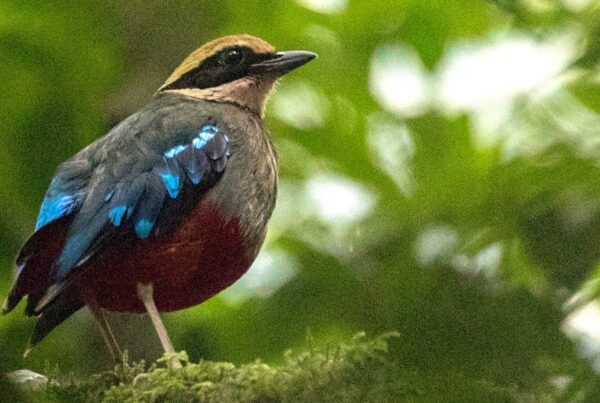
Bwindi is celebrated globally as one of the best birding destinations in Africa. With more than 350 bird species, including 23 endemics to the Albertine Rift, it attracts ornithologists and bird lovers from across the world. The forest canopy comes alive with the calls of rare species such as the African green broadbill, the handsome francolin, and the Rwenzori turaco. Vibrant sunbirds shimmer in the sunlight, while forest robins and greenbuls provide a constant soundtrack beneath the dense foliage.

The variety of habitats, ranging from lowland forest to montane regions, allows for an exceptional range of avian species to flourish. Birdwatching in Bwindi is not a peripheral activity but a highlight in itself, capable of captivating visitors for days on end.

The Cultural Heritage of Bwindi: Guardians of Tradition

The Batwa People: Keepers of the Forest Spirit

Long before Bwindi became a national park, it was home to the Batwa pygmies, an indigenous community whose way of life was deeply intertwined with the forest. For centuries, the Batwa lived as hunter-gatherers, relying on the forest for food, medicine, and spiritual sustenance. Their knowledge of plants, animal behavior, and survival skills was unmatched, forming a cultural heritage that remains invaluable today.

Although the establishment of the park in 1991 restricted traditional forest access, efforts have been made to preserve and celebrate Batwa culture. Cultural experiences led by Batwa guides allow visitors to understand their history, from traditional hunting techniques to storytelling, dance, and spiritual practices. These encounters are more than cultural displays; they represent resilience and a continued connection between people and the forest.

Local Communities and Shared Benefits

The creation of Bwindi as a protected area brought challenges for surrounding communities, yet it also created opportunities. Today, local Ugandans play a central role in tourism, working as guides, porters, lodge staff, and artisans. Revenue-sharing schemes ensure that a portion of gorilla trekking permits directly supports community projects, from schools to health centers.Bwindi Impenetrable National Park: Wildlife, Culture, and Adventure

Visitors are often encouraged to explore villages around the park, where they can witness traditional crafts, participate in dance performances, or learn about agricultural practices. These interactions deepen the understanding of how conservation and culture coexist, with each reinforcing the other.

Adventure in the Impenetrable Forest

Gorilla Trekking: A Journey into the Wild

The ultimate adventure in Bwindi is undoubtedly gorilla trekking. Treks begin with an early morning briefing before groups set off under the guidance of experienced rangers and trackers. The journey through the forest can be arduous, involving steep climbs, muddy paths, and dense vegetation, but the reward of encountering a gorilla family is beyond measure.

The moment of arrival—when a ranger signals the presence of gorillas nearby—is electrifying. Silence falls, and suddenly the forest reveals its most secretive inhabitants. For one precious hour, trekkers observe gorillas in their natural habitat, a privilege that lingers in memory long after departure.

Hiking Trails Beyond the Gorillas

Though gorilla trekking dominates attention, Bwindi also offers a network of trails that reveal its beauty in quieter ways. The Munyanga River Trail introduces visitors to butterflies, birds, and orchids, while the Ivy River Trail connects Buhoma and Nkuringo sectors through deep forest landscapes. The Rushura Hill Trail offers panoramic views across the Rift Valley and into the distant peaks of the Rwenzori Mountains.

Each trail provides a different perspective of Bwindi, reminding visitors that the park is not defined solely by gorillas but by the entirety of its ecosystem. Hiking in Bwindi is a journey into solitude, adventure, and reflection.

Birdwatching Expeditions

Dedicated birdwatching tours in Bwindi provide adventure of a quieter but equally thrilling kind. Equipped with binoculars and patient guides, birders can spend hours searching for elusive Albertine Rift endemics. The challenge of spotting the African green broadbill, for instance, becomes an adventure in itself, as it resides only in small pockets of the forest. Birding in Bwindi is less about speed and more about immersion, requiring stillness and attentiveness that reveal the forest’s subtle rhythms.

Conservation and the Future of Bwindi

Bwindi’s global importance extends beyond tourism. It is a keystone in the fight to preserve endangered species and fragile ecosystems. Gorilla conservation has become a flagship success story, with populations gradually increasing thanks to strict protection, veterinary intervention, and sustainable tourism practices. Each gorilla trekking permit purchased supports conservation efforts, making visitors direct participants in safeguarding the species.

Yet challenges remain. Human-wildlife conflict, climate change, and pressures from population growth in surrounding areas continue to test the balance between conservation and development. Ongoing projects in Bwindi emphasize community engagement, reforestation, and anti-poaching efforts, reinforcing the idea that conservation succeeds only when people are part of the solution.

Why Bwindi is More Than a Destination

To describe Bwindi solely as a national park is to understate its significance. It is at once a wildlife sanctuary, a cultural landscape, and an adventure arena. Its gorillas inspire global wonder, its birds delight enthusiasts, its communities embody resilience, and its trails challenge and reward explorers. Bwindi is a reminder of what remains untamed in the world, of the spaces where humanity is humbled by nature’s grandeur.

Travelers who enter Bwindi do not leave unchanged. The mist of the forest lingers in memory, the eyes of a gorilla resonate with familiarity, and the voices of local guides carry lessons that endure long after the journey ends.

A Call to Explore Bwindi

Bwindi Impenetrable National Park is not just a place to be visited; it is a destination to be experienced in its fullness. Its wildlife astonishes, its culture enlightens, and its adventures challenge the body and spirit. To prepare for such an experience is to prepare for one of life’s greatest journeys, one that combines discovery, conservation, and transformation.

For those ready to immerse themselves in this unparalleled adventure, the guidance of professionals ensures the experience is seamless, responsible, and deeply enriching. By booking safaris and tours through WildHorn Africa, travelers are assured of expert planning, meaningful cultural encounters, and sustainable practices that honor both wildlife and communities. With WildHorn Africa, Bwindi becomes not only a destination but a journey into the heart of Africa’s most extraordinary wilderness.

What wildlife can I expect to see in Uganda’s national parks?

What wildlife can I expect to see in Uganda’s national parks?

By Travel stories and blogs, Uganda travel guides

What Wildlife Can I Expect to See in Uganda’s National Parks? | Complete 2026 Uganda Safari Wildlife Guide

ChatGPT said:

What Wildlife Can I Expect to See in Uganda’s National Parks?

There is a moment that every traveler remembers — the first time they stand in silence and hear the rhythmic breath of the African wilderness. In Uganda, that moment becomes something deeper. This is a land where the rainforest meets the savannah, where mountain gorillas guard ancient forests, where the Nile roars through narrow gorges, and where elephants, lions, and leopards roam freely under wide African skies. It is not simply a destination for wildlife; it is a living, breathing masterpiece of nature.

For those wondering what wildlife they can expect to see in Uganda’s national parks, the answer is both vast and exhilarating. Uganda holds one of the greatest concentrations of biodiversity on Earth — an astounding blend of East and Central African ecosystems that host everything from big cats and primates to vibrant birdlife and aquatic giants. Each park, each region, and each habitat tells a different story, making Uganda one of Africa’s most complete wildlife destinations.

This detailed exploration delves deep into the animals that define Uganda’s wilderness — their habitats, behaviors, and the experiences that await travelers who seek them. It is a journey through forests, wetlands, plains, and rivers, revealing why Uganda remains one of the continent’s most extraordinary natural treasures.

Uganda: The Pearl of Biodiversity

Uganda is blessed by geography and climate. Straddling the equator, it sits at the ecological crossroads of East and Central Africa, drawing species from both regions. Its terrain is breathtakingly varied — stretching from the snow-capped peaks of the Rwenzori Mountains to the savannah plains of Murchison Falls and the dense rainforests of Bwindi. This variation in altitude, rainfall, and vegetation creates an incredible range of habitats that sustain over 345 mammal species, over 1,000 bird species, and countless reptiles, amphibians, and butterflies.

Unlike some safari destinations dominated by open plains, Uganda’s charm lies in its diversity. One moment you may be watching lions on the Kasenyi plains, and the next, you could be tracking gorillas through mist-draped bamboo forests or cruising alongside hippos on the Kazinga Channel. This fusion of ecosystems gives Uganda a unique distinction — it offers both the “Big Five” safari experience and the world’s rarest primate encounters within a single country.

The Big Five and Beyond: Uganda’s Iconic Mammals

The Big Five — lion, leopard, elephant, buffalo, and rhinoceros — have long symbolized Africa’s wildlife majesty, originally named by hunters for being the most challenging to track on foot. In Uganda, they remain central to the safari dream, but the experience is elevated by the presence of other remarkable species like giraffes, zebras, antelopes, hippos, and crocodiles.

In Queen Elizabeth National Park, Murchison Falls, and Kidepo Valley, these animals thrive in pristine landscapes protected by Uganda’s strong conservation policies. Observing them in such diverse settings — from riverine forests to open plains — offers travelers a fuller, more authentic connection with Africa’s natural rhythm.

Lions: The Kings of Uganda’s Savannahs

Uganda’s lions are among the most captivating symbols of the wild. They can be found in several national parks, but the most famous are the tree-climbing lions of Ishasha, a southern sector of Queen Elizabeth National Park. Unlike anywhere else in the world except Tanzania’s Lake Manyara, lions here are known to rest on the horizontal branches of fig trees, a behavior that remains one of nature’s enduring mysteries.

Beyond Ishasha, Murchison Falls and Kidepo Valley host healthy lion populations. Watching a pride stalking through golden grass at dawn or lounging under the shade after a hunt captures the essence of the African wilderness. Each encounter reveals the social structure and raw elegance of these apex predators, reminding travelers why Uganda is as wild as it is welcoming.

African Elephants: Gentle Giants of the Savanna and Forest

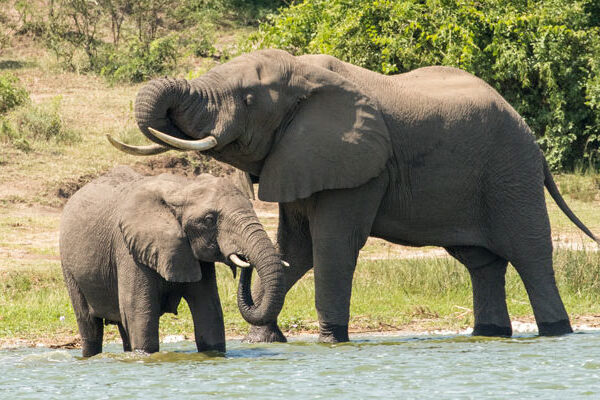
Uganda is home to both savannah elephants and the rarer forest elephants, a testament to its ecological diversity. In Queen Elizabeth National Park, large herds move gracefully along the Kazinga Channel, often mingling with buffaloes and hippos. In Murchison Falls, elephants can be seen near the riverbanks, their presence both commanding and serene.

In contrast, the forest elephants of Kibale and Bwindi are smaller and shyer, adapted to the dense vegetation of Uganda’s rainforests. These gentle giants symbolize endurance and continuity — living reminders of Africa’s timeless natural legacy.

Leopards: The Elusive Shadows of the Night

Among Uganda’s predators, the leopard remains the most elusive. Solitary and secretive, it is often seen draped across tree limbs or slinking through the dusk. While sightings are rarer than those of lions, experienced guides in Murchison Falls, Queen Elizabeth, and Lake Mburo National Parks can often locate them with remarkable precision.

Night drives in certain areas reveal leopards in their most active state — hunting silently under the moonlight. Their beauty and mystery embody the allure of the African wild — fleeting, unpredictable, and utterly mesmerizing.

African Buffaloes: The Unyielding Herds

Few animals embody strength and unity like the African buffalo. With their curved horns and formidable gaze, they move in vast herds across Uganda’s grasslands. Found abundantly in Queen Elizabeth, Murchison Falls, and Kidepo Valley, buffaloes are a common sight during game drives and river cruises.

Their interaction with other species, particularly oxpeckers perched on their backs, illustrates the delicate interdependence of nature. Although considered part of the Big Five for their unpredictability, buffaloes in Uganda are typically calm unless provoked, moving with the deliberate grace of animals long accustomed to survival.

Rhinoceroses: The Revival of Ziwa Sanctuary

Uganda’s wild rhinos were once extinct due to poaching, but a remarkable conservation effort has reintroduced them at Ziwa Rhino Sanctuary, located between Kampala and Murchison Falls. Here, both black and white rhinos roam safely within a protected reserve.

Visitors can track rhinos on foot, accompanied by rangers who share insights into their behavior and the country’s broader conservation goals. The experience is both humbling and hopeful, symbolizing Uganda’s determination to restore what was lost and protect what remains. With Ziwa’s success, plans are underway to eventually reintroduce rhinos into national parks, completing Uganda’s full Big Five circuit.

Uganda’s Primate Paradise: The World’s Greatest Primate Collection

If the Big Five define Africa’s grandeur, Uganda’s primates define its soul. The country is one of the best places on Earth to encounter primates in the wild, with over 20 species, including mountain gorillas, chimpanzees, golden monkeys, and colobus monkeys.

The western rainforests, particularly Bwindi, Mgahinga, and Kibale, are sanctuaries of primate diversity. The intimacy of these encounters — hearing their calls, watching their interactions, and feeling their presence — creates an experience unlike any other safari in Africa.

Mountain Gorillas: The Gentle Giants of Bwindi

There are few wildlife encounters as profound as meeting the mountain gorillas of Bwindi Impenetrable National Park. With fewer than 1,100 individuals left in the wild, seeing them up close is both a privilege and a pilgrimage. Trekking through steep, mist-shrouded terrain, travelers are guided by rangers to one of several habituated gorilla families.

When the moment comes — when a silverback looks into your eyes or a curious juvenile reaches out — time seems to stand still. The forest hums softly, and you realize you are in the presence of one of the planet’s most intelligent and gentle creatures.

Bwindi’s gorilla trekking is more than an adventure; it is a moment of connection with a species that mirrors our own nature. Every permit purchased directly supports their protection and the well-being of nearby communities, making it one of the most meaningful wildlife experiences in the world.What wildlife can I expect to see in Uganda’s national parks?

Chimpanzees: The Voices of the Forest

In Kibale Forest National Park, the air is alive with sound — hoots, screams, and calls echo through the canopy as chimpanzees communicate across the forest. Tracking them here is an exhilarating pursuit through tangled vegetation and towering fig trees.

Unlike gorillas, chimpanzees move swiftly, and following them requires agility and patience. When you finally catch up, you witness scenes of remarkable intelligence: grooming, tool use, and complex social interactions. Their expressive eyes and human-like behavior make these encounters deeply moving.

Beyond Kibale, chimpanzee populations also thrive in Budongo Forest (near Murchison Falls) and the Kyambura Gorge in Queen Elizabeth National Park, providing multiple opportunities for travelers to engage with Uganda’s primate world.

Golden Monkeys: The Jewels of Mgahinga

In the volcanic slopes of Mgahinga Gorilla National Park, the rare and endangered golden monkeys play among the bamboo forests. Their bright orange coats shimmer in the sunlight as they leap through the trees with boundless energy.

Tracking golden monkeys offers a lighter, more playful contrast to the intensity of gorilla trekking. The activity highlights Uganda’s unique position as a meeting point between Central African forests and East African mountains, where species that exist nowhere else find refuge.

Other Primate Encounters

Uganda’s forests are alive with primate diversity beyond the iconic species. In the canopy of Kibale or the riverine forests of Murchison, travelers may spot L’Hoest’s monkeys, red-tailed monkeys, black-and-white colobus, and blue monkeys. Each has its own rhythm and habitat preference, contributing to the symphony of life that defines Uganda’s wilderness.

The Great Game of the Savannah

Beyond the primates and the Big Five, Uganda’s national parks teem with classic African wildlife. In Queen Elizabeth, Murchison Falls, Lake Mburo, and Kidepo Valley, game drives reveal elephants, giraffes, zebras, antelopes, hippos, and crocodiles in abundance.

Murchison Falls, Uganda’s largest park, showcases sweeping grasslands intersected by the mighty Nile, where elephants wade through the shallows and giraffes graze in the distance. Boat safaris here bring travelers face-to-face with hippos and crocodiles, often alongside herds of buffaloes and families of elephants drinking at the water’s edge.

Lake Mburo National Park provides a different kind of intimacy. Without large predators like lions, it offers walking safaris, horseback rides, and tranquil boat trips among hippos and birdlife. Kidepo Valley, on the other hand, remains Uganda’s untamed frontier — home to ostriches, cheetahs, and massive herds of antelope, offering an authenticity reminiscent of Africa before modern tourism.

Antelopes and Grazers: The Lifeblood of Uganda’s Ecosystems

Every safari in Uganda reveals a mesmerizing array of antelopes, each adapted to its environment. The Uganda kob, graceful and golden-coated, is the country’s national symbol and dominates the grasslands of Queen Elizabeth and Murchison Falls. Waterbucks, bushbucks, and reedbucks graze near rivers, while topis, hartebeests, and eland populate the open plains.

In Lake Mburo, the elegant impala — absent in most other Ugandan parks — thrives in large herds. In Kidepo Valley, rare species like the lesser kudu and Jackson’s hartebeest complete the spectrum of grazers, creating one of East Africa’s most balanced wildlife communities.

These herbivores are more than just prey; they are the heartbeat of the savannah. Their migrations, mating displays, and interactions sustain predators and keep the cycle of life in perpetual motion.

Birdlife: Uganda’s Hidden Treasure

For bird lovers, Uganda is a dreamland. With over 1,065 recorded species, it is one of the best birdwatching destinations in the world. From the shoebill stork lurking in swamps to dazzling sunbirds and hornbills, the country’s avifauna spans every color and song imaginable.

The Mabamba Swamp near Entebbe is famous for the shoebill — a prehistoric-looking bird that attracts birders from across the globe. Queen Elizabeth National Park hosts African skimmers, kingfishers, and flamingos along its waterways, while Bwindi shelters rare forest species such as the African green broadbill and black bee-eater.

Even casual travelers will find themselves mesmerized by the sheer variety of birds visible during game drives, hikes, and boat cruises. The birdlife adds a lyrical layer to every safari, turning each sunrise and sunset into a living concert.

Reptiles, Aquatic Life, and the Rivers of Uganda

Uganda’s waterways — from the Nile to Lake Victoria — teem with aquatic life. Hippos dominate the riverbanks, often seen submerged with only their nostrils visible. Nile crocodiles, among the largest in Africa, patrol the shores with prehistoric grace.

In the wetlands and lakes, monitor lizards, snakes, and turtles thrive, while fishermen cast nets over shimmering waters filled with tilapia and Nile perch. The aquatic ecosystems not only sustain wildlife but also define Uganda’s rhythm of life — connecting villages, parks, and cultures through the lifeblood of water.

Conservation and Coexistence: Uganda’s Wildlife Ethos

Uganda’s wildlife success is deeply tied to its conservation philosophy. The country’s network of ten national parks and multiple reserves reflects decades of commitment to protecting biodiversity while integrating local communities.

Programs under the Uganda Wildlife Authority (UWA) promote coexistence through community tourism, anti-poaching patrols, and education. Every safari permit, whether for gorilla trekking or game drives, directly contributes to conservation and to the well-being of nearby villages.

This balance between protection and participation ensures that Uganda’s wildlife legacy endures — not as a fenced spectacle but as a living relationship between humans and nature.

Conclusion: The Soul of the Wild Awaits

To ask what wildlife one can expect to see in Uganda’s national parks is to ask what it means to experience Africa at its most complete. The answer lies not in lists but in moments — in the eyes of a gorilla, the thunder of elephants crossing the plains, the leap of an impala, or the stillness of a shoebill in the swamp. Uganda is not just about what you see, but how it makes you feel.

It is a country where every creature has a story, every park has a spirit, and every journey becomes personal. The richness of Uganda’s wildlife is matched only by the warmth of its people and the depth of its wilderness.

For those ready to experience this harmony of life, the best way is to book their Africa tours and safaris with WildHorn Africa. With expert knowledge, local connections, and a passion for authentic adventure, WildHorn Africa ensures that each safari is more than a trip — it is a journey into the beating heart of the wild, where Uganda reveals itself as the true Pearl of Africa.

Family-Friendly Activities for game drive in Sipi Falls for birders

Family-Friendly Activities for game drive in Sipi Falls for birders

By Travel stories and blogs, Uganda travel guides

Family-Friendly Activities for Game Drive in Sipi Falls for Birders

Where Families and Birders Find Harmony

On the slopes of Mount Elgon, in eastern Uganda, lies one of Africa’s most enchanting destinations—Sipi Falls. Known for its majestic trio of cascading waterfalls, fertile coffee plantations, and sweeping highland views, Sipi has long drawn travelers seeking serenity and adventure. Yet, hidden within its landscapes is another dimension of discovery: the opportunity for families and birders to enjoy immersive activities that resemble the richness of a game drive experience.

Unlike the savannah parks of Uganda, where lions and elephants dominate the scene, Sipi Falls reveals a subtler wilderness, one woven with colorful birdlife, small mammals, butterflies, and cultural encounters. Families find here a sanctuary that balances adventure with safety, and birders discover an avian paradise where every hour offers new calls, feathers, and flight patterns. To engage in family-friendly game-drive-style explorations at Sipi is to unlock a world that delights children, educates parents, and excites seasoned ornithologists alike.

This article offers a comprehensive exploration of family-friendly activities for game drive experiences at Sipi Falls, focusing on seasonal highlights, birding treasures, and ways families can engage with the natural environment in profound yet accessible ways.

Understanding the Sipi Falls Landscape

The beauty of Sipi Falls cannot be separated from its setting. Rising at an altitude of about 1,775 meters above sea level, the area benefits from fertile volcanic soils, a temperate climate, and lush vegetation that supports a diversity of life. The three waterfalls—upper, middle, and lower—form the visual centerpiece, but beyond the roaring cascades lies a network of valleys, caves, forests, and farmlands that sustain birds, mammals, and people alike.

For families, this landscape is naturally inviting. The cooler climate makes outdoor exploration comfortable for children, while the relative absence of dangerous predators ensures that activities are safe. Birders, meanwhile, are rewarded with the presence of over 275 bird species recorded in the Mount Elgon region, many of which thrive in the habitats surrounding Sipi.

Exploring these landscapes is akin to embarking on a game drive—though not in a vehicle across vast plains, but on foot, by local transport, or through guided excursions that mimic the thrill of wildlife discovery.

Birding as the Heart of the Game Drive Experience

For birders, Sipi Falls is nothing short of a paradise. The region’s altitudinal range and varied habitats provide sanctuary for both forest specialists and highland species, making every exploration rewarding.

The call of the African blue flycatcher echoes in the forests, while the sight of a black-headed weaver weaving intricate nests along the rivers captivates children and adults alike. The region is also home to the Jackson’s francolin, taciturn turacos, tinkerbirds, and an array of sunbirds whose iridescent plumage glimmers like jewels under the morning light.

Family-friendly birding at Sipi Falls is enhanced by the fact that many species can be seen near farms, gardens, and trails, meaning even short walks with children yield rewarding sightings. Unlike some birding destinations where hours of trekking are required, Sipi allows birders to enjoy a steady rhythm of discovery suitable for all ages.

Family-Friendly Exploration: Activities That Mimic a Game Drive

Guided Nature Walks

Instead of the traditional game-drive vehicle, families at Sipi engage in guided nature walks that function as intimate safaris. Experienced guides lead families through forests, hillsides, and waterfall trails, pointing out birds, butterflies, and small mammals. Children find delight in spotting bright species like the scarlet-chested sunbird or listening to the comical chatter of hornbills.

These walks become more than birding expeditions; they evolve into family adventures where children learn to identify calls, track movements, and appreciate ecosystems. The slow pace ensures that everyone, from toddlers to teenagers, participates actively, transforming the walk into an interactive wildlife classroom.

Coffee Plantation Visits with Birding

The fertile slopes of Sipi Falls are famous for Arabica coffee, and plantation tours often double as birding adventures. As families are guided through the process of coffee cultivation—from planting to roasting—they simultaneously encounter an avian spectacle. Sunbirds dart among the coffee flowers, weavers perch on shade trees, and raptors circle above the hills.

For children, the combination of learning about coffee and spotting birds creates a multi-layered experience that blends culture, agriculture, and ecology. Parents find satisfaction in seeing their children engaged, while birders rejoice in the opportunity to add new species to their checklists without straying far from comfort.

Village Encounters and Cultural Birding

One of the most enriching aspects of a game-drive-style experience at Sipi is the opportunity to integrate cultural encounters with birdwatching. Families are welcomed into local villages, where they learn about Bugisu traditions, taste local foods, and listen to community stories. Birds are ever-present in these settings—perched on thatched rooftops, calling from banana groves, or soaring overhead.

This cultural birding allows children to understand that birds are not only part of natural landscapes but also embedded within human traditions. Local guides often share folklore linked to specific bird species, providing stories that captivate young minds while deepening the birding experience for seasoned enthusiasts. Family-Friendly Activities for game drive in Sipi Falls for birders

Hiking Trails as Family Game Drives

The hills around Sipi Falls offer numerous hiking trails that can be tailored for families. While some trails demand stamina, many shorter routes are perfect for children, offering gradual ascents and rewarding views. These hikes mimic a mini-game drive, with birds, butterflies, and sometimes small mammals appearing along the way.

Birders delight in spotting species such as the bronze sunbird or tropical boubou, while children are often fascinated by colorful butterflies and the playful chatter of vervet monkeys. Each step brings fresh discoveries, echoing the thrill of a savannah game drive where one never knows what lies beyond the next bend.

Waterfall Viewing as Wildlife Moments

The three waterfalls themselves are not merely scenic marvels but also birding hotspots. The spray-filled microhabitats near the falls attract unique species, including swifts and swallows that dart through the mist. Families, often mesmerized by the roar and beauty of the cascades, soon realize that the waterfalls double as stages for avian acrobatics.

Parents can relax as children enjoy the thrill of watching water plunge into deep pools while guides point out birds circling overhead. These shared moments blend awe, education, and recreation, forming memories that resonate long after the visit ends.

Canoeing on Mountain Streams

Though Sipi Falls is not a vast lake destination like Bunyonyi, its surrounding streams and rivers allow for short canoeing experiences that mimic the aquatic side of a game drive. Families can float gently along calm stretches, where birds such as kingfishers and herons dominate the waterside.

The slow pace ensures safety for children while offering birders front-row seats to some of the region’s most photogenic species. Canoeing becomes an act of peaceful exploration, where silence and observation reveal the hidden rhythms of Sipi’s waterways.

Seasonal Birding Highlights for Families

The Dry Season

From December to February and again June to August, the dry seasons provide families with clear skies, open trails, and high visibility for birding. Birds gather near water sources, making sightings frequent and rewarding. Raptors such as the augur buzzard are commonly seen gliding effortlessly above the cliffs.

For families, this season offers the reassurance of predictable weather, ensuring that outdoor activities can be planned with minimal disruption. Children enjoy the uninterrupted opportunities for swimming in safe streams, hiking, and picnicking, while birders revel in steady photographic opportunities.

The Wet Season

The rains that fall between March to May and September to November transform the Sipi landscape into a lush green paradise. This season corresponds with breeding activity for many birds, making it a particularly fascinating time for birders. Nests appear in trees, chicks can be seen learning to fly, and the forests come alive with songs.

Though trails may be slippery, the wet season offers unique experiences for families. Children often find joy in the novelty of sudden showers, while the mist around the waterfalls adds a magical touch to birding excursions. Parents who value fewer crowds also appreciate this season, as it offers a more intimate connection with both birds and landscapes.

Migratory Seasons

Between November and April, migratory species from Europe and Asia arrive, creating additional excitement for birders. Families are introduced to international visitors such as the barn swallow and sandpiper, expanding children’s understanding of how far birds travel. The migratory season transforms Sipi into a global crossroads, where local and foreign species coexist, reinforcing lessons of interconnectedness and adaptation.

Educational Value for Families

Engaging in birding and game-drive-style activities at Sipi Falls has profound educational benefits for children. Through guided walks, cultural encounters, and bird observations, young travelers gain lessons in ecology, conservation, and cultural diversity.

Parents often remark that their children return home with not only memories of waterfalls but also with newfound knowledge—how to identify a bird call, why forests matter, or how communities live sustainably with nature. These lessons, absorbed in the open classroom of Sipi’s landscapes, leave impressions far stronger than textbooks.

Comfort, Safety, and Family Reassurance

For families, the joy of exploration must always be balanced with safety and comfort. Sipi Falls, free of dangerous predators, offers precisely this reassurance. Guides ensure that walks and hikes remain suitable for children, while the cool climate prevents fatigue.

Accommodation in nearby eco-lodges complements these experiences by providing safe spaces for families to rest after their explorations. Meals are fresh, rooms are cozy, and the hospitality of local hosts ensures that children are welcomed warmly, not as distractions but as honored guests.

Birding Photography as Family Storytelling

One of the most rewarding aspects of birding at Sipi is the opportunity for photography, which becomes a form of family storytelling. Parents and children capture moments of discovery—the shimmer of a sunbird, the splash of a waterfall, or the smile of a guide pointing to a rare species.

These images become more than souvenirs; they serve as narratives that families revisit, sparking conversations about conservation, culture, and the adventures they shared. For birders, photography at Sipi also enriches their records, offering images framed not only by birds but by family bonds.

Conservation and Responsibility

Every family-friendly activity at Sipi Falls carries an underlying message of conservation. The region’s communities are deeply involved in preserving bird habitats and natural resources, recognizing that tourism and conservation are inseparable. Families who visit contribute directly to this mission, ensuring that children learn about the responsibilities of travel.

Whether through eco-lodge stays, guided walks, or cultural exchanges, each activity reinforces the idea that enjoying nature also means protecting it. Parents find satisfaction in knowing that their family’s adventure leaves behind a positive footprint.

Why Sipi Falls Should Be on Your Family Birding List

The family-friendly game drive experiences at Sipi Falls redefine what it means to explore Uganda with children and birders in mind. From guided nature walks to cultural birding, from seasonal highlights to educational immersion, the region offers a unique combination of safety, beauty, and discovery.

For birders, Sipi provides an unparalleled opportunity to observe species in diverse habitats without strenuous effort. For families, it offers activities that entertain, educate, and create memories rooted in both nature and culture. The waterfalls, the birds, the trails, and the villages together weave an experience that is as enriching for a child as it is for a seasoned birder.

Sipi Falls deserves a place on every family’s bucket list, not only for its natural wonders but also for the lessons it imparts—lessons of connection, respect, and harmony with the world. To transform this vision into reality, it is recommended that your African journeys be guided by experts who understand the delicate balance between family needs and birding aspirations. For immersive tours and safaris across Uganda and beyond, consider booking through WildHorn Africa, a trusted companion in crafting journeys that inspire, educate, and transform.

Murchison Falls National Park Game Drive: Complete Guide for groups

Murchison Falls National Park Game Drive: Complete Guide for groups

By Travel stories and blogs, Safari holidays, Travel guides, Uganda travel guides, Wildlife holidays

Murchison Falls National Park Game Drive: Complete Guide for Groups

Where the Nile Meets the Wild

There are few places in Africa where nature’s raw power collides so dramatically with untamed wilderness as it does in Murchison Falls National Park. Located in northwestern Uganda, this park is the country’s largest and oldest protected area, a crown jewel that has drawn adventurers, nature enthusiasts, and wildlife lovers from across the globe. For groups traveling together, whether as friends, families, or organized tours, the allure of a game drive here lies not only in the abundance of wildlife but also in the shared experience of discovering the rhythm of the African bush. Every sighting, every turn of the wheel, and every moment by the Nile becomes amplified when experienced collectively. This is more than a safari; it is a complete immersion into Uganda’s wild heart, guided by the roars of lions, the trumpets of elephants, and the thunderous cascade of the falls themselves.

Understanding the Park: A Wilderness of Grandeur

Murchison Falls National Park stretches over 3,840 square kilometers of savanna, riverine woodland, and wetlands, divided by the majestic Nile River as it plunges through a narrow gorge to form the dramatic Murchison Falls. Its landscapes vary from rolling grasslands in the north to dense forests in the south, creating habitats that sustain an impressive diversity of wildlife. For groups, this means that every drive unfolds as a journey through different ecosystems, each holding its own secrets and spectacles.

The northern savanna plains, in particular, are the park’s heart for game drives, where herds of elephants, giraffes, buffalos, and antelopes roam freely. Lions and leopards prowl these plains, and the thrill of spotting them together as a group creates moments that become lifelong memories. The southern section, covered largely by Budongo Forest, adds a layer of primate encounters, particularly chimpanzees, for those who extend their exploration beyond the plains. At the riverbanks, hippos wallow lazily, crocodiles lie in wait, and countless bird species soar overhead, reminding visitors that Murchison is as much a paradise for birdwatchers as it is for big game enthusiasts.

The Game Drive Experience: Shared Adventures in the Wild

Embarking on a game drive in Murchison Falls National Park is to step into a world where every moment holds the possibility of wonder. For groups, the experience is magnified by the collective anticipation that builds with each rustle in the grass or distant animal call. As the safari vehicle winds through the vast savannas, the sense of camaraderie deepens, with laughter, gasps, and shared silences binding travelers together.

Morning game drives often begin just as the sun rises over the horizon, casting golden light across the plains. It is in these cool hours that predators such as lions are most active, stalking their prey or returning from nocturnal hunts. Herds of Uganda kob, Jackson’s hartebeest, and oribi move gracefully through the grasses, providing both the predator and prey spectacle that defines the African wilderness. Afternoon game drives, on the other hand, reveal a softer side of the savanna, with elephants gathering near watering holes, giraffes stretching for acacia leaves, and hippos emerging from the riverbanks as the heat of the day subsides.

Night game drives, though less common, provide a different layer of excitement for groups willing to extend their exploration. The darkness comes alive with nocturnal species such as hyenas, bushbabies, and servals, offering an entirely new perspective on the park’s diverse wildlife. The experience of listening to the wild in the quiet of the night, broken only by the calls of unseen creatures, is one that binds groups in awe and exhilaration.

Best Time for Game Drives: Seasons of Splendor

While Murchison Falls National Park offers year-round opportunities for wildlife viewing, the dry seasons from December to February and from June to September are particularly favorable for group game drives. The grasses remain shorter, waterholes attract concentrations of animals, and the open plains increase the chances of spotting predators. For groups, this ensures more rewarding drives, with less challenge in navigating muddy roads or thick vegetation.

The wet seasons from March to May and from October to November bring lush green landscapes and fewer crowds, creating a different kind of beauty. For groups who appreciate solitude and vibrant scenery, these months provide a more intimate safari experience, although trails can be muddy and wildlife sometimes disperses into denser cover. Birdwatching, however, reaches its peak in the wet season, with migratory species enhancing the park’s avian diversity, which exceeds 450 recorded species.

Group Dynamics: Why Shared Safaris Enrich the Experience

One of the greatest joys of a game drive in Murchison Falls National Park is the way it strengthens connections within groups. Shared safaris encourage interaction, as every sighting is accompanied by excitement, stories, and discussions. Spotting a lion lounging under an acacia tree or witnessing elephants crossing the Nile is exhilarating in itself, but the joy is multiplied when shared with companions. These moments become group narratives, retold long after the journey ends, turning travel companions into lifelong friends.

The structure of group game drives also provides practical advantages. Costs are shared, making access to experienced guides, well-equipped vehicles, and extended drives more affordable. Larger safari vehicles are designed to accommodate groups comfortably, ensuring that no traveler feels excluded from the action. Guides tailor their commentary and driving routes to match the collective interests of the group, creating a customized experience where everyone feels engaged.

Beyond the Drive: Complementary Activities for Groups

While the game drive remains the centerpiece of a visit to Murchison Falls National Park, groups often enrich their safari with complementary activities that reveal other facets of the park’s beauty. A boat cruise along the Nile, leading up to the base of Murchison Falls, provides a striking contrast to the savanna drives. From the water, crocodiles, hippos, and elephants are viewed at eye level, while the thunder of the falls grows louder with each bend.

For groups seeking physical activity, hikes to the top of Murchison Falls offer a dramatic perspective of the river forcing itself through a narrow seven-meter gorge before exploding into a thunderous cascade. This experience, when shared among friends or family, becomes an exhilarating triumph as the spray of the falls cools weary hikers. In the southern sector, chimpanzee tracking in Budongo Forest adds a primate dimension to group itineraries, while birdwatching excursions ensure that avian enthusiasts within the group also find fulfillment.

The Role of Guides: Unlocking the Secrets of the Park

No group safari in Murchison Falls National Park would be complete without the expertise of skilled guides. Their deep knowledge of animal behavior, ecology, and cultural history transforms a game drive from a mere excursion into an educational adventure. For groups, guides also serve as mediators of excitement, ensuring that everyone has the chance to spot wildlife, ask questions, and engage meaningfully with the environment. Their ability to anticipate animal movements and position vehicles for optimal viewing ensures that groups experience the park not as passive observers but as active participants in the unfolding drama of the wild.

Accommodation for Groups: Comfort in the Wilderness

The park and its surrounding areas offer a range of accommodation options tailored to groups, from luxury lodges perched on the banks of the Nile to budget-friendly campsites that foster camaraderie around campfires. Lodges often provide family rooms or group cottages, ensuring that members remain close together while enjoying comfort and convenience. Evenings in these lodges are often as memorable as the game drives, with shared meals, storytelling, and the sounds of the wild forming the perfect backdrop for group bonding.

A Shared Journey into the Wild Heart of Uganda

A game drive in Murchison Falls National Park is more than a safari; it is a shared journey into one of Africa’s most vibrant wildernesses. For groups, the experience transcends wildlife viewing to become a tapestry of memories woven from anticipation, discovery, and collective awe. The roar of Murchison Falls, the sight of giraffes silhouetted against the setting sun, and the laughter shared in safari vehicles remain etched in the minds of travelers long after they have left the park’s gates.

The complete guide for groups reveals not only the best times, activities, and dynamics for a visit but also the essence of what makes Murchison Falls National Park unforgettable. It is the merging of wild landscapes with human connection, where the spirit of adventure is magnified by companionship.

For those inspired to embark on this extraordinary group safari, the assurance of a seamless and enriching journey lies in choosing expert organizers. Booking African tours and safaris through WildHorn Africa guarantees professional planning, knowledgeable guides, and curated experiences that transform a group visit to Murchison Falls National Park into an unparalleled adventure.

Luxury Picks: Source of the Nile wildlife photography tips for luxury travelers

Luxury Picks: Source of the Nile wildlife photography tips for luxury travelers

By Travel stories and blogs, Travel guides, Uganda travel guides, Wildlife holidays

Luxury Picks: Source of the Nile Wildlife Photography Tips for Luxury Travelers

Capturing the Pulse of Africa’s Lifeline

Few destinations in Africa embody timeless allure quite like the Source of the Nile in Jinja, Uganda. Revered not only as the cradle of the world’s longest river but also as a sanctuary where water, wildlife, and history converge, the Source has become a magnetic point for discerning travelers seeking both luxury and adventure. Beyond its historical significance, it offers a paradise for photographers—especially those whose passion lies in capturing wildlife within landscapes that blend opulence and nature’s raw authenticity. For luxury travelers, every frame must echo elegance, and every moment spent on the banks of the Nile is an opportunity to immortalize Africa’s untamed beauty in its most refined form. Understanding the best approaches, techniques, and timing for wildlife photography at this celebrated landmark transforms a visit into an unforgettable expedition, where art and travel merge seamlessly.

The Source of the Nile: A Luxury Gateway to Nature’s Canvas

The Source of the Nile is more than a geographical marvel; it is an exquisite setting where wildlife thrives in harmony with flowing waters, islands, and lush vegetation. For the luxury traveler, it represents an arena of curated experiences where relaxation on premium lodges and exclusive cruises is coupled with encounters that bring the wild within reach. While many come to marvel at the river’s origin, true connoisseurs discover that the region is also alive with avian diversity, aquatic species, and terrestrial wildlife that make every camera click purposeful.

Luxury lodges and boutique resorts positioned along the river offer exclusive vantage points, ensuring that guests do not merely visit the Source but rather live within its rhythm. Infinity pools overlooking the Nile, private decks where birds gather at dusk, and guided excursions by expert naturalists create settings where wildlife photography is not rushed but carefully orchestrated. In such environments, photography becomes less about chance encounters and more about immersing in a curated wilderness experience where the comfort of luxury meets the thrill of the unexpected.

Timing: The Art of Capturing Wildlife in the Nile’s Rhythm

The heart of wildlife photography lies in the mastery of light and timing, and nowhere is this more evident than at the Source of the Nile. Luxury travelers who seek to refine their photographic collections soon discover that early mornings and late afternoons are when the Nile reveals its most enchanting wildlife spectacles. The soft golden light caressing the river at dawn not only highlights the mist dancing above the waters but also enhances the plumage of kingfishers, the silhouette of fish eagles, and the gentle movement of monitor lizards along the banks.

Evenings, on the other hand, bring a dramatic interplay of light and shadow, as hippos surface to graze and the horizon glows with fiery hues. The contrast between wildlife activity and the golden backdrop becomes a canvas that few places in the world can rival. Unlike hurried safari environments, the Nile allows the luxury traveler time to linger, observe, and frame each image with patience—an indulgence that transforms casual snapshots into masterful compositions worthy of display.

Mastering Wildlife Photography at the Source

Wildlife photography at the Source of the Nile demands both technical precision and creative vision. Luxury travelers, often equipped with sophisticated cameras and lenses, benefit from a deliberate approach that emphasizes composition, perspective, and storytelling. Wide-angle shots capture the grandeur of the river landscape with wildlife as part of the scene, while telephoto lenses allow for intimate portraits of the creatures that dwell along its banks.

The river’s birdlife is especially rewarding to photograph, with species such as pied kingfishers, malachite kingfishers, and African fish eagles offering constant opportunities for action shots. Patience, often cultivated in the comfort of private boat cruises, allows photographers to anticipate behaviors—whether a bird diving for fish, a monitor lizard basking on a rock, or otters playfully surfacing near the reeds. Each image becomes more than a depiction of an animal; it becomes a narrative of life along the Nile, told with clarity, detail, and emotion.

Macro photography also finds its place here, particularly in the lush flora and smaller wildlife such as butterflies, dragonflies, and amphibians. The intimacy of such shots, when taken against the backdrop of the world’s most iconic river, elevates the artistic depth of a traveler’s photographic collection. The deliberate use of natural light, reflective water surfaces, and even occasional mist amplifies the drama of each capture.

The Role of Luxury in Crafting Unforgettable Photography Moments

What distinguishes the experience of a luxury traveler at the Source of the Nile is not merely the ability to take photographs but the curated environment in which these photographs are taken. Exclusive lodges arrange private photography sessions with professional guides who understand animal behavior and lighting conditions. Customized river cruises, often limited to a handful of guests, ensure unhurried opportunities to frame shots without distraction. Sundowner experiences on boats, where champagne flutes sparkle alongside the flash of kingfishers in flight, epitomize the fusion of indulgence and adventure.

Luxury also guarantees access to equipment care and convenience. Spacious suites with charging stations, secure storage for lenses, and even on-site assistance with editing or printing ensure that the photography journey is seamless. By removing logistical burdens, luxury allows photographers to focus solely on the art of capturing the Nile, transforming fleeting encounters into timeless memories.

Seasonal Variations: When the Nile Offers Its Finest Frames

Seasonal rhythms at the Source of the Nile play a crucial role in wildlife photography. During the dry months, typically from December to February and June to September, the banks of the river are more accessible, vegetation thins out, and wildlife is more concentrated around the water sources. Photographers find this period particularly rewarding, as visibility improves and the likelihood of spotting larger animals such as monitor lizards and hippos increases.

In contrast, the wet seasons from March to May and from late September to November imbue the landscape with lush greenery and dramatic skies, creating spectacular backdrops for photography. The rains attract migratory birds, enhancing the diversity of avian subjects, while storm-lit skies add drama to wide-angle shots of the river. For luxury travelers, the wet season also means fewer crowds, granting greater exclusivity and tranquility, which are essential for patient and thoughtful photography.

Storytelling Through the Lens: Beyond Simple Images

Wildlife photography at the Source of the Nile is not solely about recording what is seen; it is about crafting visual stories that communicate the soul of Africa’s greatest river. Luxury travelers, who often value depth and artistry, find that their photographic collections tell tales of contrasts—of tranquility and movement, of timeless landscapes and fleeting wildlife moments, of luxury and wilderness existing in harmony.

Each image has the potential to reflect the grandeur of the journey itself: the champagne glass on a boat deck as a fish eagle dives into the waters below, the play of sunset light on a hippo’s back, or the juxtaposition of opulent accommodations against the wild chorus of cicadas at dusk. The result is not just a photo album but an intimate diary, crafted in light and shadow, that transcends mere travel documentation.

Immortalizing Luxury in the Wild Heart of the Nile

The Source of the Nile stands as a rare destination where history, nature, and luxury intertwine. For avid photographers traveling in style, it presents an unmatched opportunity to blend indulgence with artistry. Mastery of light, timing, composition, and seasonality transforms photography from a casual activity into a refined pursuit, where every captured frame is a testament to Africa’s magnificence. The experience goes beyond the thrill of seeing wildlife; it is the creation of timeless images that echo the essence of the river and the exclusivity of the journey itself.

To ensure that every moment at the Source of the Nile is as seamless and enriching as possible, travelers are encouraged to place their journey in expert hands. Booking African tours and safaris through WildHorn Africa guarantees a curated luxury experience, where every detail is refined, every encounter thoughtfully arranged, and every opportunity for photography elevated into a lifelong memory.

Packing Essentials — Queen Elizabeth National Park wildlife photography tips for adventure seekers

Packing Essentials — Queen Elizabeth National Park wildlife photography

By Travel stories and blogs, Safari holidays, Travel guides, Uganda travel guides, Wildlife holidays

Packing Essentials — Queen Elizabeth National Park Wildlife Photography Tips for Adventure Seekers

A Thrill Where Nature Meets the Lens

In the heart of western Uganda lies Queen Elizabeth National Park, a wilderness famed for its sprawling savannahs, shimmering crater lakes, and unparalleled wildlife diversity. To the adventure seeker, it is more than a destination—it is a stage where stories of the wild unfold in real time. And for the wildlife photographer, whether seasoned or aspiring, this park is a living gallery waiting to be captured.

The experience of photography in such a pristine wilderness is unlike any other. It demands patience, precision, and above all, preparation. Every photograph taken becomes not just an image but a testimony to a fleeting encounter—be it the stealth of a leopard in a fig tree, the intensity of a lion’s gaze, or the elegance of elephants crossing the Kazinga Channel’s banks. Yet the success of such an expedition is often determined not only by skill but also by what has been carried along. The essence of packing essentials cannot be overstated, for they form the unseen foundation upon which every image is built.

Why Queen Elizabeth National Park is a Photographer’s Haven

Queen Elizabeth National Park stretches over 1,978 square kilometers, boasting one of the most diverse ecosystems in Africa. The Kazinga Channel teems with hippos and crocodiles, while the open Kasenyi plains burst into life with antelope herds and their ever-watchful predators. The dense Maramagambo forest whispers secrets of rare birds and primates, while the Ishasha sector remains the iconic home of the famous tree-climbing lions.

Such ecological variety ensures that the photographer’s lens never rests idle. With over 95 mammal species and 600 recorded bird species, the park offers a subject at every turn. The shifting landscapes, from golden savannahs to lush wetlands, present constant changes in light, texture, and mood. A trip here is not just a safari but an artistic pilgrimage, where the wilderness becomes both muse and masterpiece.

The Philosophy of Packing for the Wild

The art of packing for a wildlife photography safari is not about excess but about intention. Adventure seekers must understand that every item carried into the park should serve a purpose, balancing practicality with the demands of creativity. It is not merely about filling a bag; it is about curating a set of tools that allow the story of the wild to be told in its truest form.

Clothing forms the first layer of preparation. Breathable, lightweight fabrics in neutral tones blend seamlessly into the environment, avoiding unnecessary attention from wildlife while offering comfort in Uganda’s equatorial climate. The mornings can be crisp and cool, while midday stretches into dry heat, making layered attire a subtle necessity. A wide-brimmed hat provides protection against the harsh sun, while sturdy boots ensure stability in uneven terrain.

Adventure seekers know that protection against elements is not negotiable. Sunscreen, lip balm, and eco-friendly insect repellent create an invisible shield, allowing the photographer to focus on the subject rather than discomfort. A scarf or lightweight shawl often doubles as both dust protection on game drives and a versatile wrap for sudden weather changes. These details may appear small, yet they form the backbone of endurance during long hours in the wild.

The Camera as a Companion

At the core of every packing list lies the camera. In Queen Elizabeth National Park, where opportunities appear suddenly and unpredictably, the camera is not merely equipment—it is a companion. Adventure seekers often prefer DSLR or mirrorless systems equipped with telephoto lenses, which capture distant predators without intrusion. A lens in the range of 100–400mm or beyond ensures that subjects remain close even when distance must be respected.

Yet flexibility remains key. A wide-angle lens allows the landscape to speak as powerfully as the animals themselves. The crater lakes, the Kazinga Channel, and the vast Kasenyi plains deserve frames that celebrate their grandeur. Carrying extra batteries and memory cards is equally critical, as power outlets in the field are scarce and the regret of a missed shot can be profound.

A sturdy tripod or monopod proves invaluable for stabilizing long lenses, particularly during low-light hours when wildlife becomes most active. Early mornings and late evenings, known as golden hours, cast enchanting hues across the landscape, and stability ensures that every frame emerges sharp and professional. The adventure seeker must remember that photography here is not a passive act; it is a pursuit that demands readiness at every turn.

Luxury Meets Practicality in Photography Gear

While functionality guides most packing decisions, luxury adventure seekers often pursue gear that balances high performance with refined design. Camera bags designed with weather-resistant materials, padded compartments, and sleek finishes not only protect valuable equipment but also maintain a sense of style. Reusable stainless-steel water bottles, discreet hydration packs, and compact high-protein snacks elevate the comfort of long drives, ensuring stamina without sacrificing elegance.

Binoculars, often overlooked, complement the camera perfectly. While the camera captures the image, binoculars allow observation, anticipation, and framing before the shutter is pressed. For bird photography, particularly along the Kazinga Channel or in Maramagambo Forest, this pairing becomes indispensable.

Essentials Beyond Photography

Photography is only one part of the adventure. Packing for Queen Elizabeth National Park also requires consideration for the full safari experience. Travel documents, permits, and personal identification must always be accessible. A small journal or notebook, though seemingly old-fashioned, allows reflections and notes that enrich the storytelling process when images are later curated.

Health and safety items form an unseen yet crucial part of packing. A personal first-aid kit, rehydration salts, and prescribed medications create a layer of preparedness against the unexpected. Wet wipes and hand sanitizers, particularly in the dusty or humid conditions of the park, offer small comforts that prevent distractions from the creative process.

The Art of Staying Ready in the Field

Even with the most carefully packed items, success in wildlife photography at Queen Elizabeth National Park depends on the art of staying ready. Game drives move at unpredictable rhythms. A lion may appear lounging on a tree branch in Ishasha or a herd of elephants may suddenly cross the track near Mweya. Adventure seekers must carry essentials in a manner that allows instant access—cameras at the ready, lenses prepared, and personal items organized for quick retrieval.

The ability to transition smoothly from photographing hippos in the Kazinga waters to capturing the delicate flight of a bee-eater requires not only technical skill but also logistical foresight. Packing, therefore, is not just about carrying things; it is about organizing them into a workflow that allows creativity to flourish without interruption.

When to Pack for the Perfect Light

Timing defines much of the photographic journey in Queen Elizabeth National Park. The dry seasons from June to August and December to February are often favored, as wildlife congregates around water sources, creating concentrated opportunities for photography. Clearer skies and manageable road conditions enhance both game drives and camera stability.

Yet the wet seasons, while more challenging, provide lush backdrops of vibrant green, dramatic cloudscapes, and the possibility of capturing rare behavioral scenes. For the adventure seeker, each season offers distinct photographic rewards, and packing must reflect the chosen time. Waterproof covers for cameras, quick-drying clothing, and protective cases become more critical during the rains, while breathable fabrics and dust protection dominate the dry months.

The Narrative Beyond Equipment

At its core, wildlife photography in Queen Elizabeth National Park is about narrative. Packing essentials ensure readiness, but the soul of the experience lies in the patience to wait for the perfect frame, the humility to observe without intrusion, and the awareness that every image captured is part of a larger conservation story.

Adventure seekers are not merely visitors but custodians of memory, using their images to inspire others about the value of protecting these landscapes. Each packed item, whether as simple as sunscreen or as advanced as a telephoto lens, contributes to this mission, enabling the photographer to stand at the intersection of art, adventure, and advocacy.

Crafting a Journey of Elegance and Discovery with WildHorn Africa

A journey into Queen Elizabeth National Park, whether for photography or pure adventure, becomes most rewarding when guided by experts who understand both wilderness and luxury. This is where WildHorn Africa steps in, curating experiences that allow travelers to focus solely on the beauty of the wild while every detail of logistics and comfort is seamlessly handled.

By entrusting the journey to WildHorn Africa, adventure seekers are assured that their photographic safari will unfold as a narrative of sophistication, safety, and authenticity. From the moment the first bag is packed to the final image captured against an African sunset, WildHorn Africa ensures that no detail is overlooked.

The call of Queen Elizabeth National Park is one that resonates deeply with those who crave both adventure and artistry. To answer it fully, the essentials must be chosen with intention, the camera must be wielded with passion, and the journey must be entrusted to those who craft memories with precision. With WildHorn Africa, every frame becomes not just a picture but a timeless story of Africa itself.

How to wildlife photography tips in Kidepo Valley National Park — Local's Guide on a budget

How to wildlife photography tips in Kidepo Valley National Park — Local’s Guide on a budget

By Travel stories and blogs, Safari holidays, Travel guides, Uganda travel guides, Wildlife holidays

How to Wildlife Photography Tips in Kidepo Valley National Park — Local’s Guide on a Budget

Framing the Wild Heart of Uganda

Deep in the northeastern corner of Uganda lies Kidepo Valley National Park, a destination often hailed as the most remote yet most rewarding of all the country’s protected areas. Its vast golden savannas stretch endlessly beneath jagged mountain ranges, while herds of wildlife roam freely in an atmosphere of untouched wilderness. For photographers, the park is a dream come true. Every horizon seems to hold a scene worth capturing, every sunrise paints the land in colors beyond imagination, and every encounter with wildlife is raw, authentic, and unscripted.

For those traveling on a budget, Kidepo might seem like an unattainable paradise, reserved for luxury adventurers with deep pockets. Yet the reality is different. With careful planning and local knowledge, the park opens itself generously to budget travelers who wish to master wildlife photography without spending extravagantly. This guide provides practical insight, local tips, and creative approaches that empower travelers to frame Kidepo’s magnificence while remaining mindful of cost.

The Photographic Richness of Kidepo Valley

The park is home to a unique composition of landscapes and wildlife that distinguishes it from other Ugandan destinations. Its isolation has preserved habitats in pristine condition, where species such as cheetahs, ostriches, and bat-eared foxes roam alongside lions, elephants, and buffalo. The Narus Valley, where water remains during the dry season, becomes a photographic stage where large herds gather, offering endless opportunities for wide-angle shots of wildlife against expansive plains.

The Kidepo Valley itself, though more arid, captivates photographers with its dramatic scenery. The seasonal Kidepo River cuts through the valley, lined with doum palms that stand tall like sentinels of the desert. Sunsets here are spectacular, with silhouettes of giraffes or ostriches creating compositions that even the most advanced photographer could not script. These settings allow budget travelers to maximize their photography, as no expensive equipment or guided tours are required to appreciate the grandeur—patience and timing are often enough.

Timing and Light: The Photographer’s Essential Tools

In wildlife photography, timing is everything, and in Kidepo, this truth is amplified. The early mornings and late afternoons present the most favorable light. At dawn, soft golden tones blanket the plains, turning even the simplest composition into a masterpiece. Wildlife is most active in these hours, with predators returning from hunts and herbivores grazing in the cool air. For budget-conscious travelers, mornings also allow longer hours of exploration before the harsh midday sun demands rest.

Evenings present equally rewarding conditions. As the sun lowers, shadows grow longer, and the landscape transforms into a canvas of orange and crimson hues. Herds moving gracefully across the horizon provide dramatic silhouettes that are easily captured even with modest cameras. The mid-day hours, though harsh for photography, can still be useful for experimenting with black-and-white shots, focusing on details like textures of elephant skin or the feathers of ostriches. Local guides often emphasize patience—waiting at a waterhole for the perfect light and animal movement can yield far better photographs than hurried drives across the plains.

Composition and Storytelling: Capturing More than Images

True wildlife photography in Kidepo goes beyond snapping pictures of animals; it is about telling stories of survival, beauty, and wilderness. Local photographers often encourage travelers to think in terms of narrative rather than isolated shots. A herd of buffalo silhouetted against Mount Morungole tells a story of scale and resilience. A close-up of a lion’s gaze framed against the golden grasslands conveys power and dominance. A wide-angle shot of children playing at a village edge with distant giraffes grazing nearby connects people and wilderness in a shared story of coexistence.

Travelers on a budget often make the mistake of over-focusing on big game, but local wisdom suggests shifting attention to smaller subjects as well. Ground squirrels darting across the savanna, hornbills perched on acacia trees, or even the textures of cracked earth in the dry season provide diversity in photography. These details enrich the overall photographic collection, turning it into a multi-layered narrative of Kidepo rather than a repetitive series of animal portraits.

Budget-Friendly Photography Tips: Local Insights

One of the most practical advantages of photographing in Kidepo is that luxury equipment is not always necessary. Many of the park’s most iconic photographic moments rely on composition, light, and patience rather than the latest technology. Locals often advise budget travelers to prioritize basic but essential tools: a reliable camera body, a zoom lens capable of at least 200mm reach, and spare memory cards. Even smartphones, when used creatively with natural light and thoughtful composition, can produce powerful images of the landscapes.

Hiring a local ranger for a guided walk is an affordable way to increase photographic opportunities. Rangers are familiar with animal movements and can position travelers closer to scenes that may otherwise be missed. Their stories about the animals and landscapes often inspire fresh angles and perspectives, ensuring that photographs are more meaningful.

For those unable to afford multiple game drives, choosing one well-timed excursion—early morning or late afternoon—often yields the best results. In between drives, walking within designated safe areas or photographing near lodges offers chances to capture birds, smaller wildlife, and sweeping landscapes without additional costs. Local advice also emphasizes conserving resources: charging equipment during generator hours at lodges, storing batteries properly, and backing up photos regularly to avoid costly mishaps.

The Role of Patience: Waiting for the Perfect Frame

Wildlife photography in Kidepo cannot be rushed. The remoteness of the park ensures that animals are less accustomed to vehicles, often making them more cautious. Solo or budget travelers may not have the luxury of chasing every sighting, but patience becomes the most valuable tool. Waiting quietly by the Narus Valley waterholes often rewards photographers with intimate moments: elephants playing in the mud, antelopes cautiously approaching to drink, or lions lounging in the shade nearby.

Local guides often advise practicing the art of “anticipating behavior.” By watching carefully, photographers can predict when a bird is about to take flight, when a giraffe is lowering its head to drink, or when a lion cub is about to pounce on its sibling in play. Anticipation, rather than rapid shooting, creates images that capture action in its peak moment and reduces the need for expensive high-speed cameras.

Balancing Cost with Experience: Making Every Shilling Count

Traveling to Kidepo Valley on a budget demands thoughtful planning, but the rewards are immense. Group transport or shared tours from Kampala significantly reduce costs, and many budget-friendly lodges around the park provide affordable yet comfortable stays. The sanctuary of the park itself requires no extravagance to be appreciated—the wildlife, the landscapes, and the light provide all the luxury needed for meaningful photography.

Local communities around the park also play a role in budget travel. Interacting with them provides cultural photography opportunities, as traditional dances, homesteads, and markets add a human dimension to the photographic journey. Supporting community-run initiatives not only stretches the budget but also enriches the storytelling aspect of the photographic collection.

Capturing Kidepo’s Spirit on a Budget

Kidepo Valley National Park remains one of Africa’s most spectacular yet least crowded destinations, offering wildlife photographers the chance to capture scenes of raw wilderness without distraction. For those on a budget, the park proves that extraordinary photography is not dependent on luxury spending but on creativity, patience, and a willingness to embrace the rhythm of nature. From golden light bathing the Narus Valley to dramatic encounters with lions, elephants, and ostriches, every moment in Kidepo holds potential for timeless images.

Travelers who approach photography with a storyteller’s eye rather than a consumer’s mindset will find that Kidepo gives generously. Every captured frame becomes not just a picture but a memory, a lesson, and a tribute to the enduring beauty of Uganda’s wild northeast.

To ensure that this adventure is not only budget-friendly but also expertly guided, it is recommended that travelers plan their safari through professionals who understand both the land and its rhythms. Booking African tours and safaris with WildHorn Africa guarantees not only affordability but also access to skilled guides, thoughtful itineraries, and a chance to unlock the full photographic potential of Kidepo Valley National Park.

Semuliki National Park: Photo Essay to game drive for weekenders

Semuliki National Park: Photo Essay to game drive for weekenders

By Travel stories and blogs, Safari holidays, Travel guides, Uganda travel guides, Wildlife holidays

Semuliki National Park Photo Essay to Game Drive for Weekenders

Where the Wild Meets the Lens

Hidden within the depths of Uganda’s western frontier, Semuliki National Park unfolds as an enigmatic paradise where tropical rainforests, river valleys, and vast savannahs converge to create a canvas of breathtaking beauty. For the weekender with a passion for both photography and exploration, this park presents a rare opportunity—an arena where the camera captures more than just images, but the very spirit of the wild.

Unlike the well-trodden paths of other Ugandan parks, Semuliki exudes an untouched charm, a wilderness where every corner whispers stories of biodiversity and culture. The allure lies in its rawness; an authentic, less commercialized haven where encounters with nature feel deeply personal. For those embarking on a weekend escape, a photo essay transforms into a living narrative, seamlessly blending into the thrill of game drives, birdwatching, and cultural encounters.

The Landscape That Frames the Lens

Semuliki National Park lies along the floor of the Albertine Rift, a geological wonder that has carved landscapes of immense drama and diversity. As lenses are raised towards the horizon, the backdrop is no ordinary view. Towering Rwenzori ranges loom majestically to the northeast, while the Congo’s Ituri forest stretches unseen across the border to the west. The park itself is blanketed by one of Africa’s oldest rainforests, a living relic that has stood resilient through climatic shifts for centuries.

In a weekend exploration, every photograph taken becomes a testimony to this complexity of ecosystems. From swampy valleys rich with birdlife to hot springs that bubble mysteriously in Sempaya, the park offers an ever-changing palette of textures and tones. The dense vegetation allows beams of golden sunlight to filter through, creating dramatic lighting that photographers dream of. Here, the camera is not just an accessory but an extension of the eye, documenting what the human mind struggles to fully absorb.

Wildlife Encounters Through a Photographer’s Lens

The essence of a photo essay at Semuliki is embodied in its extraordinary wildlife diversity. Unlike larger parks dominated by vast savannah herds, Semuliki’s treasures reveal themselves more intimately. On a game drive, the shutter clicks capture images of forest elephants, often distinguished by their smaller size and darker hides, appearing like elusive shadows among the dense foliage. Buffaloes roam gracefully across the plains, while waterbucks and duikers provide moments of quiet grace against the green backdrop.

Bird photography, however, remains the park’s crown jewel. Over 440 species have been recorded, making Semuliki a sanctuary for birders armed with cameras. The sought-after shoebill stork, with its prehistoric bill and statuesque stance, commands the marshlands, offering iconic images for those fortunate enough to spot it. Equally captivating are the hornbills, turacos, and vibrant bee-eaters, which transform the rainforest canopy into a kaleidoscope of colors. Every captured frame becomes a visual symphony, narrating the richness of Semuliki’s avian kingdom.

Predators, though less frequently seen, add intensity to the weekend adventure. Leopards may be glimpsed with patience, their stealthy movements captured fleetingly through the lens. Night game drives, permitted in certain areas, allow cameras to capture the secretive nocturnal world—genets, civets, and owls emerging from the shadows.

The Cultural Frame: Bamba and Batwa Communities

No photo essay of Semuliki would be complete without acknowledging its cultural tapestry. Alongside the natural splendor live the Bamba and Batwa people, custodians of traditions that echo through generations. For weekenders seeking to balance wildlife photography with cultural storytelling, moments spent among these communities create deeply human frames.

Photographs taken here are not mere portraits; they are windows into ancestral heritage. The Bamba, known for their farming traditions, embody resilience in the fertile yet challenging landscapes. The Batwa, often referred to as forest keepers, reveal connections to the rainforest that stretch back centuries. Capturing their dances, crafts, and daily lives enriches a photo essay with narratives that go beyond wildlife, reminding the traveler that Semuliki is not only about species conservation but also cultural preservation.

The Sempaya Hot Springs: Nature’s Living Canvas

Among Semuliki’s most photogenic wonders are the Sempaya Hot Springs, often called the “male” and “female” springs, which draw awe for both their mystique and visual drama. The steam rising from the earth, set against lush vegetation, creates surreal imagery that blends science, culture, and natural beauty. Local traditions weave myths around these bubbling cauldrons, making them not only geological marvels but also cultural icons.

For photographers, these springs offer opportunities to experiment with light, steam, and motion. In the early morning hours, when mist dances with sunlight, the springs take on an almost spiritual quality, allowing images that seem painted rather than captured. For weekenders with limited time, these springs provide an essential stop where memory cards fill quickly with unforgettable visuals.

The Game Drive Experience for Weekenders

A weekend in Semuliki often centers on the game drive experience, where open trails carve through forested areas and savannah landscapes. Unlike the sprawling savannahs of Queen Elizabeth or Murchison Falls, Semuliki’s drives are defined by intimacy and surprise. Vehicles move quietly along narrow tracks, and the sudden appearance of a forest elephant or a troop of baboons transforms the moment into a heart-racing encounter.

For photographers, these drives are not rushed. Each pause becomes an opportunity to frame the subject with patience, to wait for the perfect alignment of light and movement. Even the stillness of the forest holds photographic potential, where macro lenses capture the intricate details of butterflies, insects, and flora that thrive within this ancient ecosystem. A weekend here ensures that even short drives produce galleries of timeless images, each narrating a different dimension of the park.

When to Capture the Essence of Semuliki

Timing defines the success of both photo essays and game drives. The dry seasons, from December to February and June to August, offer clearer skies, firmer trails, and increased visibility of wildlife. For photographers, these months also provide the best natural lighting conditions, with softer sunrises and sunsets casting warm tones across the rainforest and savannah.

Yet the wet season, often avoided by casual travelers, should not be dismissed. The rains drape the park in a deep green vibrancy, and dramatic cloud formations dominate the skies. Though roads become challenging, the photographs captured during these months carry a richness that is unmatched. For a weekender willing to embrace unpredictability, the wet season transforms into a rewarding photographic challenge.

The Narrative Beyond the Lens

A photo essay created in Semuliki National Park is never just a collection of images. It is a story told through lenses, a reflection of nature’s grandeur and the resilience of communities that live alongside it. The game drives add dynamism to this narrative, while cultural experiences ground it in human connection. Together, they create a holistic weekend escape where every moment is both lived and documented.

The uniqueness of Semuliki lies in its ability to feel timeless, as though the forest and its creatures exist outside the rhythms of modern life. For the traveler, this timelessness becomes a gift—an invitation to step away from routine and immerse oneself in a world where beauty reigns untamed.

A Gateway to Luxury and Conservation with WildHorn Africa

For those inspired to transform their weekend escape into a curated journey of elegance, WildHorn Africa stands as the ideal companion. With expertise in blending luxury with adventure, WildHorn Africa ensures that every photo essay and game drive in Semuliki becomes an experience tailored to sophistication and authenticity. Their dedication to detail transforms a simple weekend getaway into a seamless narrative of comfort, exclusivity, and discovery.

By choosing WildHorn Africa, travelers not only embrace Uganda’s hidden gems but also contribute to sustainable tourism that preserves the beauty of places like Semuliki for generations to come. A photo essay in this national park deserves more than spontaneity; it deserves the careful orchestration of experts who understand the language of the wild.

Weekend Escape at Ziwa Rhino Sanctuary: Solo Traveler Guide with kids

Weekend Escape at Ziwa Rhino Sanctuary: Solo Traveler Guide with kids

By Travel stories and blogs, Safari holidays, Uganda travel guides, Wildlife holidays

Weekend Escape at Ziwa Rhino Sanctuary: Solo Traveler Guide with Kids

The Sanctuary Where Adventure and Tranquility Meet

There are few destinations in Uganda that balance conservation, adventure, and family-friendly experiences quite like Ziwa Rhino Sanctuary. Nestled along the Kampala–Gulu highway, this conservation haven is not only a refuge for Uganda’s endangered rhinos but also a perfect retreat for travelers seeking peace in the wild. For solo travelers, it promises a rare opportunity to step into a safe yet thrilling wilderness, while for those accompanied by children, it offers a rich blend of education, recreation, and unforgettable encounters with nature. The sanctuary becomes more than just a stopover for rhino tracking—it transforms into a weekend escape that rejuvenates the spirit, teaches valuable lessons, and strengthens bonds with nature’s wonders.

Location and Accessibility: A Convenient Wilderness Gateway

The sanctuary is strategically located about 180 kilometers north of Kampala, making it easily accessible within three to four hours of road travel. Its position along the highway leading to Murchison Falls National Park gives it added importance as both a stopover and a destination in itself. For the solo traveler, this proximity ensures convenience and security, while for families with children, the relatively short travel time allows for an enjoyable journey without fatigue. The road trip itself is scenic, with rolling landscapes, roadside markets, and glimpses of rural Uganda offering context to the adventure awaiting at Ziwa.

Experiencing the Sanctuary: A Haven of Rhinos and More

At the heart of Ziwa lies its greatest treasure: the white rhinoceros, reintroduced after decades of extinction in Uganda. Walking safaris led by trained rangers provide close-up encounters with these gentle giants, an experience that resonates differently with every traveler. Solo adventurers often find themselves mesmerized by the majesty of these animals in silence, while children are enthralled by the rangers’ engaging stories of rhino behavior, adaptation, and conservation.

Beyond the rhinos, the sanctuary reveals a landscape alive with other forms of wildlife. Bird enthusiasts are often delighted by the presence of the rare shoebill stork, among more than 300 bird species recorded in the sanctuary. Antelopes grazing peacefully, monitor lizards basking in the sun, and smaller mammals such as bushbucks and oribis enrich the photographic opportunities. For those traveling with children, the diversity of animals becomes a living classroom, turning each walk into an immersive nature lesson.

Activities Tailored for Solo Travelers

For the solo traveler, Ziwa Rhino Sanctuary is an arena where independence is balanced with safety and companionship. The guided rhino tracking walks offer both solitude and structure, allowing moments of quiet reflection in nature while still benefiting from the expertise of trained guides. Canoe rides through the Lugogo Swamp present a serene opportunity for wildlife photography, birdwatching, and mindfulness as the waters glide silently under the paddle.

Evenings at the sanctuary are particularly enchanting for the solo traveler. As dusk falls, the sounds of nature become more pronounced, with crickets, frogs, and distant animal calls composing a natural symphony. Whether seated in a lodge garden or taking a quiet stroll under the starlit sky, solitude is enriched by a sense of connection to the earth. For many solo travelers, it is these tranquil moments—far from the bustle of modern life—that remain the most treasured memories of their weekend escape.

Experiences Designed for Kids and Families

While solo travelers find peace and reflection, children discover excitement, curiosity, and joy. Ziwa Rhino Sanctuary has been deliberately developed as a safe environment for families. Rhino tracking becomes an adventure filled with questions, laughter, and awe as children encounter one of the “Big Five” animals in a close but controlled environment. The guides are skilled in tailoring their explanations to young audiences, ensuring that every encounter is not only entertaining but also educational.

Canoe rides and nature walks further enhance the family experience, offering chances to spot colorful birds and smaller wildlife. Many families also find joy in simply exploring the sanctuary grounds, where children can run freely within secure areas and play against the backdrop of nature’s beauty. Lodges and campsites within the sanctuary provide family-friendly amenities, ensuring that parents and children alike feel comfortable and cared for. Even meal times become part of the adventure, with outdoor dining experiences bringing families closer together under open skies.

A Balance of Conservation and Education

What sets Ziwa apart is not only its role in protecting rhinos but also its mission to educate visitors about conservation. For solo travelers, the sanctuary provides insight into the delicate balance of ecosystems and the immense efforts required to protect endangered species. For children, the lessons are more tangible—seeing a rhino up close, understanding why it must be protected, and learning how human actions impact wildlife. These experiences nurture a sense of responsibility and empathy that extends beyond the sanctuary visit.

The rangers themselves become storytellers, weaving together tales of resilience, conservation battles, and the sanctuary’s future goals. For families, these narratives often spark meaningful conversations long after the trip, leaving children inspired by the possibility of becoming protectors of nature.

Best Time to Visit: When the Sanctuary Shines Brightest

Though Ziwa Rhino Sanctuary welcomes visitors year-round, the experience is significantly shaped by seasonal rhythms. The dry seasons, stretching from December to February and again from June to September, provide the most favorable conditions for tracking rhinos and exploring trails with children. The grass is shorter, visibility is better, and walking paths remain firm, making family excursions safer and more enjoyable.

During the wet seasons, from March to May and October to November, the sanctuary bursts into lush greenery, and wildlife viewing becomes more intimate against the backdrop of fresh landscapes. For families, this period provides cooler temperatures and fewer crowds, though it may also demand greater preparedness for muddy trails. Solo travelers often find the wet season appealing for the solitude it offers, as fewer visitors mean more time to linger in silence and reflection.

Accommodation and Luxury Comforts

Ziwa Rhino Sanctuary caters to a range of travelers, from budget-conscious adventurers to those seeking luxury comfort. Lodges and guesthouses located within or near the sanctuary provide well-furnished rooms, secure environments, and attentive service that ensures a stress-free stay. Solo travelers benefit from the peace of private rooms and serene settings, while families enjoy spacious accommodations designed to host both adults and children.

Evenings are often enriched by campfires, storytelling, and the shared company of fellow travelers, though privacy remains respected for those who desire it. For children, these evenings often become magical experiences—listening to stories of wildlife under a starlit African sky while the gentle sounds of the bush echo in the distance.

A Weekend to Remember at Ziwa

A weekend escape at Ziwa Rhino Sanctuary is more than just a getaway; it is a holistic journey where conservation, adventure, and family bonding merge into one. For the solo traveler, it becomes a sanctuary of reflection, solitude, and personal discovery. For families with children, it evolves into a playground of nature where education, laughter, and awe blend seamlessly. The rhinos, the landscapes, the guided experiences, and the serene accommodations together form a mosaic of memories that remain etched in the hearts of visitors long after they have returned home.

Every moment spent at Ziwa reminds travelers of the fragility and strength of nature, as well as the responsibility each individual holds in protecting it. Choosing this sanctuary for a weekend escape ensures not just entertainment, but participation in a greater story of wildlife conservation.

For those inspired to embark on this remarkable adventure, the experience can be elevated further through the expertise of seasoned safari professionals. Booking your African tours and safaris through WildHorn Africa guarantees not only comfort and safety but also a meticulously curated journey that ensures every moment at Ziwa Rhino Sanctuary is treasured.

Close Menu