search
Flora and Fauna of Mount Elgon National Park

Flora and Fauna of Mount Elgon National Park

By Travel stories and blogs, Adventure holidays, Safari holidays, Uganda travel guides

Flora and Fauna of Mount Elgon National Park

The Living Tapestry of Mount Elgon

Rising majestically along the Uganda-Kenya border, Mount Elgon National Park is a sanctuary of biodiversity, where life flourishes amid the remnants of one of Africa’s oldest volcanoes. Its slopes, carved by millennia of geological activity, host a rich mosaic of ecosystems—from dense montane forests and bamboo belts to moorlands and expansive grasslands. The park is not only a haven for nature enthusiasts but also a living laboratory for scientists, conservationists, and eco-tourists seeking to understand the delicate balance between environment, wildlife, and human activity.

To traverse Mount Elgon is to encounter life in its myriad forms: towering trees dripping with moss, streams alive with frogs and insects, elephants seeking salt in subterranean caves, and rare birds soaring above the caldera rim. Every step reveals intricate relationships, adaptations, and interactions that define the mountain’s flora and fauna. Understanding this diversity enhances appreciation of the park not merely as a scenic destination but as an intricate ecological system.

This article delves into the botanical and zoological richness of Mount Elgon National Park, exploring the unique species, ecological zones, and conservation challenges that make it a cornerstone of Uganda’s natural heritage.

The Botanical Wealth of Mount Elgon

Montane Forests: Verdant Complexity

The lower slopes of Mount Elgon are cloaked in montane forests, which serve as vital reservoirs of biodiversity. These forests are characterized by towering trees, dense undergrowth, and a complex web of life. Tree species such as Newtonia, Maesopsis, and Syzygium dominate the canopy, providing shelter and sustenance for countless bird, mammal, and insect species. Mosses and lichens cover trunks and branches, creating a soft, almost otherworldly atmosphere that shrouds the forest floor in muted green light.

Underneath the canopy, ferns and shrubs thrive, creating microhabitats for amphibians and small mammals. These montane forests play a critical ecological role, maintaining soil stability, regulating water flow, and capturing carbon, thereby mitigating climate change. From a photographic perspective, the interplay of light and shadow within these forests offers endless opportunities for dramatic and intimate compositions.

Bamboo Belts: Natural Engineering Marvels

As elevation increases, bamboo zones emerge, marking a transition from dense forest to the open moorlands. Bamboo in Mount Elgon grows in dense thickets, often forming almost impenetrable walls that provide both food and shelter for wildlife. Elephants and primates are known to feed on bamboo shoots, and the dense clusters serve as breeding grounds for several bird species.

Bamboo belts also function as ecological buffers. Their deep root systems prevent erosion on the mountain slopes, and their rapid growth allows them to recover quickly from natural disturbances, demonstrating a resilience that few other plant species can match. For hikers and nature observers, walking through these bamboo corridors feels like entering a secluded and timeless world, where the wind through the stalks creates a symphony of natural sound.

Moorlands and Afro-Alpine Vegetation

Higher up, the landscape transforms into moorlands dominated by giant lobelias, groundsels, and heathers. These plants, unique to East Africa’s highlands, have adapted to extreme conditions of high UV exposure, fluctuating temperatures, and thin volcanic soils. The giant lobelia (Lobelia deckenii), in particular, is a striking botanical spectacle, with towering flower stalks that can reach several meters in height.

Moorlands are visually dramatic and ecologically vital. They act as catchment areas, regulating water flow into streams and rivers that descend the mountain, supporting both wildlife and human communities. These zones also host endemic plant species, meaning they are found nowhere else in the world, emphasizing Mount Elgon’s global ecological significance.

Faunal Diversity: Life on the Slopes

Mammalian Residents

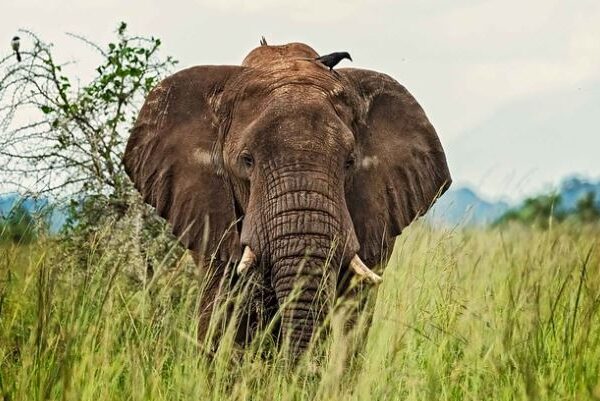
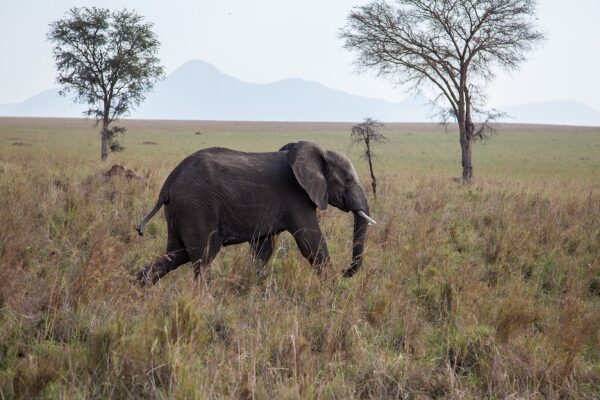
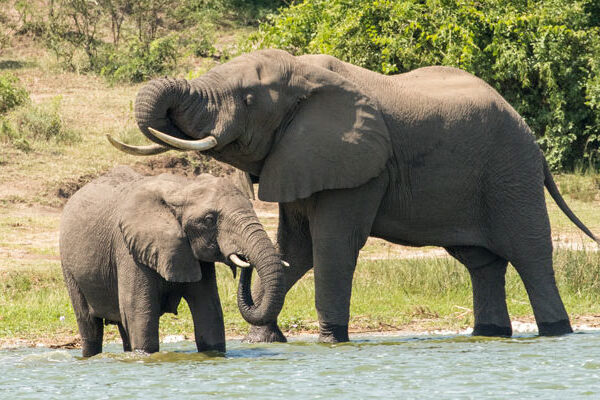
Mount Elgon is home to a diverse assemblage of mammals, ranging from elusive forest dwellers to conspicuous grazers. The park’s elephants are particularly unique for their cave-visiting behavior, mining salt from the walls of Kitum and Kapkwai caves. This rare adaptation is found only in a few regions globally and provides a striking example of animal intelligence and ecological adaptation.

Primates such as red-tailed monkeys, black-and-white colobus monkeys, and baboons inhabit the montane forests, often visible along trails and in bamboo belts. These species contribute to seed dispersal and forest regeneration, underlining their ecological importance. Smaller mammals, including duikers, bushbucks, and hyraxes, inhabit both forest and moorland zones, often going unnoticed due to their secretive habits but playing essential roles in the mountain’s food web.

Predators are present as well, though in lower densities. Servals and genets roam the forest understory, while larger carnivores like leopards, though rare, continue to inhabit the region, ensuring natural ecological balance.Flora and Fauna of Mount Elgon National Park

Avian Richness

Mount Elgon is a birder’s paradise, boasting over 300 species of birds. The diversity spans montane forest specialists, moorland dwellers, and migratory species. Among the most iconic is the lammergeyer, a rare bearded vulture that soars over cliffs, preying on bones and carrion. Its presence reflects the health of the mountain’s ecosystems, as it requires expansive territories and undisturbed habitats.

Other notable species include turacos with brilliant plumage, sunbirds flitting between flowering plants, and hornbills nesting in tree cavities. Birdwatchers visiting Mount Elgon can observe intricate behaviors, courtship displays, and feeding strategies, often guided by local experts who combine ecological knowledge with cultural insights.

Amphibians, Reptiles, and Invertebrates

The mountain’s streams, wetlands, and forest floors support a range of amphibians, including endemic frogs that are indicators of environmental health. Reptiles such as chameleons, geckos, and snakes inhabit various zones, each adapted to its specific microhabitat.

Invertebrates, though often overlooked, are extraordinarily diverse. Butterflies, moths, beetles, and ants contribute to pollination, decomposition, and nutrient cycling. Entomologists find Mount Elgon particularly intriguing for studying high-altitude adaptations and species interactions that cannot be observed elsewhere.

Ecological Interactions and Adaptations

The richness of Mount Elgon’s flora and fauna is a product of millions of years of evolution, where species have adapted to specific elevation zones, climate patterns, and geological formations. Elephants mining cave salt illustrate behavioral adaptation to nutrient scarcity, while plants like lobelias have evolved structural modifications to survive high UV radiation and nighttime freezing.

Pollination, seed dispersal, predator-prey relationships, and competition for resources create a dynamic equilibrium. Forests feed moorlands through water regulation, animals aid forests through seed dispersal, and human communities contribute through conservation initiatives. Understanding these interactions provides insight into why Mount Elgon is considered a keystone ecosystem of East Africa.

Conservation and Threats

Despite its ecological importance, Mount Elgon faces multiple conservation challenges. Deforestation for agriculture, human settlement encroachment, and illegal resource extraction threaten habitats. Climate change introduces additional pressures, altering rainfall patterns, affecting water availability, and influencing species distribution.

Efforts to mitigate these threats have been proactive. Community conservation initiatives, park ranger patrols, and environmental education programs are implemented to protect both species and habitats. Scientific research and ecological monitoring provide data for informed management, ensuring that Mount Elgon’s biodiversity is preserved for future generations.

Tourism and Educational Opportunities

Mount Elgon’s biodiversity is not only an ecological treasure but also an educational resource. Eco-tourism, bird watching, botanical studies, and wildlife photography are increasingly integrated into park management strategies. Guided hikes through different elevation zones allow tourists to learn about species adaptations, ecological roles, and conservation challenges.

Community involvement enhances these experiences, as local guides provide unique insights into both ecological knowledge and traditional practices that have coexisted with the environment for centuries. For visitors, these encounters transform leisure into learning, emphasizing that the mountain’s value extends beyond recreation to global ecological significance.

Flora and Fauna as a Cultural Lens

The mountain’s biodiversity is deeply entwined with the cultural practices of surrounding communities. Forests provide medicinal plants, bamboo is used for construction and crafts, and wildlife features in folklore and traditional beliefs. Understanding the flora and fauna of Mount Elgon is therefore inseparable from understanding the cultural landscape, illustrating how conservation and culture are mutually reinforcing.

For example, sacred groves are protected not only for spiritual reasons but also because they harbor endemic species. Community rituals often occur in proximity to ecologically sensitive areas, embedding environmental awareness within cultural norms. Visitors engaging with both nature and community gain a holistic appreciation of the mountain’s interconnectedness.

Practical Tips for Exploring Mount Elgon’s Biodiversity

Hiking through Mount Elgon to observe flora and fauna requires preparation. Early mornings and late afternoons are ideal for spotting animals, as cooler temperatures encourage movement. Binoculars and cameras enhance bird and mammal observation, while sturdy footwear is essential for traversing forest floors, bamboo corridors, and moorlands.

Guides familiar with the park’s ecosystems provide invaluable insights into species identification, behavior, and habitat. They also ensure that visitors minimize ecological disturbance, making each encounter ethical and safe. Whether the goal is photography, wildlife observation, or educational study, preparation, awareness, and respect for the environment are crucial.

Preserving the Mountain’s Living Legacy

The flora and fauna of Mount Elgon National Park represent one of East Africa’s richest and most complex ecosystems. From dense montane forests and bamboo thickets to expansive moorlands and teeming streams, the park is a showcase of evolutionary adaptation, ecological interdependence, and conservation significance. Its wildlife, ranging from elephants and primates to rare birds and endemic plants, reflects the mountain’s global importance as a biodiversity hotspot.

For travelers, scientists, and conservationists, Mount Elgon is more than a scenic destination—it is a living classroom, a sanctuary, and a symbol of the delicate balance between nature and human activity. Engaging responsibly with this biodiversity ensures that its ecological, cultural, and educational values endure.

To experience Mount Elgon’s unique flora and fauna while supporting conservation and local communities, it is recommended to book tours through WildHorn Africa, a trusted expert in curating unforgettable safaris and trekking adventures across Uganda. With their expertise, every visit becomes both an ecological journey and a meaningful contribution to preserving one of Africa’s most treasured landscapes.

Wildlife and Birding in Mount Elgon National Park

Wildlife and Birding in Mount Elgon National Park

By Travel stories and blogs, Adventure holidays, Safari holidays, Uganda travel guides, Wildlife holidays

Wildlife and Birding in Mount Elgon National Park

Where the Mountain Breathes Life

On the border of Uganda and Kenya lies one of Africa’s most captivating natural treasures, a place where ancient volcanic landscapes cradle forests, rivers, and high-altitude moorlands teeming with life. This is Mount Elgon National Park, a sanctuary that stretches across more than a thousand square kilometers and protects the slopes of Mount Elgon, one of the oldest and largest extinct volcanoes on the continent.

Here, wildlife and birding experiences unfold against a backdrop of sheer cliffs, vast calderas, cascading waterfalls, and fertile valleys. For those who walk its trails, Mount Elgon reveals itself not simply as a mountain but as a living ecosystem where every corner hums with natural vitality.

The park’s biodiversity is profound. Its lower slopes shelter elephants, buffalo, and forest hogs, while its higher reaches reveal alpine vegetation and rare birds found nowhere else in Uganda. Streams and rivers host small mammals and vibrant insects, while caves echo with bats that have roosted there for centuries. To explore Mount Elgon is to witness the intricate web of life that thrives when geology, climate, and ecology converge in balance.

For wildlife enthusiasts and birdwatchers, Mount Elgon National Park offers a journey of discovery unlike any other. It is a place where patience is rewarded with sightings of shy antelopes, where the forests open to reveal flashes of brilliant plumage, and where the stillness of the moorlands is broken only by the cry of a raptor circling above.

The Ecosystem of Mount Elgon: A Mosaic of Habitats

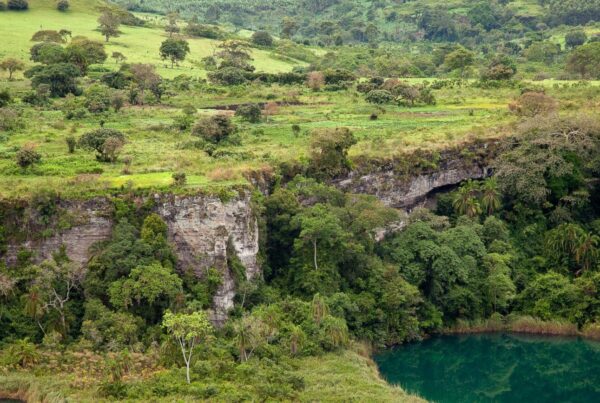
Understanding the wildlife and birding opportunities of Mount Elgon requires first appreciating its ecosystem diversity. The mountain rises from fertile lowland farmlands at around 1,250 meters above sea level to its highest point at 4,321 meters, Wagagai Peak. Along this gradient lie distinct ecological zones, each supporting unique communities of plants and animals.

At the base, fertile volcanic soils nurture farmlands interspersed with remnants of montane forest. As one ascends, dense forests take over, giving way to bamboo zones where monkeys leap through swaying stems. Higher still, heath and moorlands dominate, covered with giant groundsels and giant lobelias—plants that seem almost prehistoric in form. Finally, near the summit, the terrain becomes rocky and open, with sparse vegetation adapted to the harsh conditions.

This altitudinal range allows Mount Elgon National Park to support a remarkable variety of wildlife species, many of which are specialized to thrive within specific zones. It also explains the extraordinary diversity of birds found here, as different habitats attract different avian communities.

Mammals of Mount Elgon: Elusive Treasures of the Forest

Though Mount Elgon is not as famous for large mammals as some of Uganda’s savannah parks, it remains home to an impressive array of species, particularly those adapted to forest and mountain environments.

The lower forests provide habitat for African elephants, which move along ancient migration corridors in search of food and water. Their presence is most evident in the park’s caves, such as Kitum and Chepnyali, where they have been known to mine salt deposits for centuries. Observing elephants in these unusual settings provides a unique glimpse into their behavior rarely seen elsewhere.

Buffalo herds roam the mid-altitude forests and clearings, often moving quietly through the vegetation. The elusive giant forest hog, one of Africa’s largest pig species, can also be encountered, its dark bristled coat and formidable size leaving a strong impression on those lucky enough to spot it.

Antelopes are common, with duikers, bushbucks, and the rare oribi inhabiting various parts of the park. These shy grazers are often glimpsed darting through undergrowth or standing silently in forest glades. At higher altitudes, hyraxes and rock-dwelling mammals become more prominent, demonstrating the adaptability of life in the park’s rugged environments.

Predators exist in smaller numbers, with leopards occasionally observed and serval cats prowling the bamboo zones. Smaller carnivores such as genets, civets, and mongooses are also present, though largely nocturnal.

Primates add further richness to Mount Elgon’s wildlife. Black-and-white colobus monkeys swing gracefully through forest canopies, while blue monkeys are frequently seen near bamboo stands. Baboons and vervet monkeys are also widespread, often encountered at forest edges or near villages. These primates provide both fascination and entertainment for trekkers.Wildlife and Birding in Mount Elgon National Park

Birding in Mount Elgon: A Sanctuary of Avian Diversity

If Mount Elgon’s mammals are often elusive, its birdlife is gloriously abundant. The park is recognized as one of Uganda’s most important birding destinations, with over 300 recorded species. Its altitudinal range creates a variety of habitats that attract both forest and highland species, many of which are rare or endemic to the region.

Among the most sought-after birds is the Lammergeyer, or bearded vulture, a dramatic raptor that soars effortlessly above cliffs and valleys. With its vast wingspan and distinctive feathered beard, it is one of the most iconic species associated with Mount Elgon.

Other raptors include the augur buzzard, African goshawk, and various eagles that patrol the skies. These predators play a vital role in maintaining ecological balance, and their presence adds majesty to the birding experience.

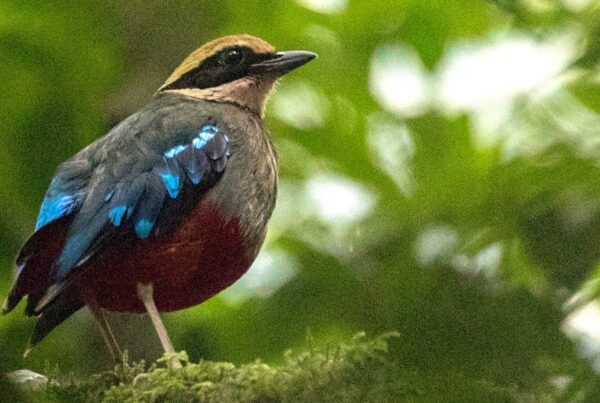
The forests are alive with smaller species, from the striking black-collared apalis to the melodious Chubb’s cisticola. Sunbirds, including the regal scarlet-tufted malachite sunbird, sparkle in the highland flora, their iridescent feathers catching the sunlight as they feed on nectar.

Endemic and near-endemic species make Mount Elgon particularly valuable to birdwatchers. The Jackson’s francolin, the Hartlaub’s turaco, and the taciturn black-collared apalis are among the highlights, while the eastern bronze-naped pigeon and mountain yellow warbler reward patient observers.

Wetland habitats and rivers attract species such as kingfishers, while the moorlands host pipits, canaries, and stonechats. With every step through the park’s varied zones, a new chorus of birds emerges, ensuring that birders are constantly engaged and rewarded.

The Caves of Mount Elgon: Wildlife Sanctuaries

Among the most unusual features of Mount Elgon are its caves, carved into the cliffs by millennia of erosion and volcanic activity. These caves are not only geological wonders but also wildlife sanctuaries.

The most famous, Kitum Cave, lies on the Kenyan side but reflects a pattern common across the mountain. Here, elephants venture deep into the darkness to mine mineral-rich salts, using their tusks to scrape the cave walls. This extraordinary behavior, known as geophagy, has fascinated scientists and travelers alike.

Bats roost in many of the caves, creating thriving colonies that play vital roles in insect control and pollination. Other animals, such as bushbucks and hyraxes, use the caves for shelter, especially during the rainy season.

For visitors, exploring these caves offers a rare opportunity to see how wildlife adapts to unusual environments, blending survival with geological history in dramatic fashion.

Flora and Its Role in Wildlife Habitats

The flora of Mount Elgon is as diverse as its fauna, and the two are inextricably linked. The mountain supports five distinct vegetation zones, each providing crucial habitats.

At lower elevations, montane forests dominate, sheltering elephants, primates, and countless birds. These forests are rich in mahoganies, olives, and fig trees, whose fruits sustain wildlife throughout the year.

Above the forests, dense bamboo belts form unique ecosystems where monkeys, duikers, and certain bird species thrive. Bamboo provides both food and shelter, and its rapid growth supports a dynamic ecological balance.

The heath and moorlands introduce an otherworldly landscape of giant lobelias and groundsels, plants that have adapted to the harsh high-altitude climate. These moorlands are crucial habitats for highland birds, sunbirds, and small mammals.

At the summit, sparse vegetation reflects the extreme conditions, yet life persists in the form of lichens, mosses, and hardy grasses. This resilience underscores the adaptability of species across the mountain.

The Role of Rivers and Waterfalls

Mount Elgon’s slopes are carved by numerous rivers and waterfalls that sustain both wildlife and human communities. Rivers such as the Sipi and Suam provide essential water sources, while waterfalls like the Sipi Falls cascade dramatically into valleys, creating microhabitats rich in biodiversity.

These water systems attract animals for drinking and foraging, while also supporting fish, amphibians, and aquatic insects. Birds such as kingfishers and herons thrive near the rivers, adding to the richness of the avian population.

The constant flow of water from Mount Elgon is not only vital to the park but also to the surrounding regions, where communities depend on it for agriculture and daily living. Thus, the rivers and waterfalls represent both ecological and cultural lifelines.

Cultural Connections to Wildlife

For the communities living around Mount Elgon, wildlife and birds are not distant spectacles but integral parts of daily life and cultural identity. The Bagisu and Sabiny peoples hold traditions that connect them to the land and its animals. Elephants, for instance, feature in local folklore, while certain birds are regarded as messengers or omens.

Farming communities coexist with the wildlife of the lower slopes, relying on fertile volcanic soils while respecting the boundaries of the park. Coffee plantations flourish here, adding another layer to the region’s cultural and ecological landscape.

Visitors who engage with local guides not only learn about wildlife but also gain insights into the cultural meanings attached to these animals, enriching the overall experience of the park.

Best Time for Wildlife and Birding in Mount Elgon

The experience of wildlife and birding in Mount Elgon is influenced strongly by seasonal patterns. During the dry seasons—from June to August and December to February—trails are easier to navigate, and visibility is higher, making it easier to spot mammals and enjoy extended birding sessions. The clearer skies also provide better conditions for observing raptors in flight.

The wet seasons, from March to May and October to December, bring challenges of muddy trails and frequent rain. Yet these months also enhance the vibrancy of the park. Waterfalls swell dramatically, vegetation flourishes, and many birds become more active, with some species nesting during these periods.

For birdwatchers, both seasons hold appeal. The dry season ensures comfort and accessibility, while the rainy season offers unparalleled activity and lush scenery. Ultimately, the best time depends on individual priorities, though the dry months are generally recommended for first-time visitors.

The Experience: Harmony of Life on the Slopes

To walk through Mount Elgon National Park is to experience the harmony of life across an ancient volcanic landscape. A trek might begin in dense forests alive with monkeys, continue through bamboo groves where duikers dart silently, and ascend into moorlands where sunbirds gleam like jewels among giant lobelias.

Along the way, bird calls create a soundtrack that shifts with altitude, from the deep notes of turacos in the forest to the cries of raptors wheeling above the cliffs. Encounters with wildlife may be fleeting—a buffalo moving through a clearing, a troop of colobus leaping across the canopy—but each moment adds depth to the understanding of this living ecosystem.

The experience is not one of spectacle alone but of reflection, where nature’s subtleties reveal themselves to those who walk slowly and attentively. Mount Elgon is not a park to be rushed; it is a park to be absorbed, where every step tells a story of resilience, adaptation, and interconnection.

Discovering Mount Elgon’s Living Treasure

Mount Elgon National Park is a sanctuary where wildlife and birding experiences unfold with a richness that rewards both patience and curiosity. Its mammals, though often elusive, reflect the mountain’s untamed character, while its birdlife dazzles with diversity and color. Its rivers, forests, and moorlands form a mosaic of habitats that sustain life at every level, and its cultural connections remind visitors that people, too, are part of this landscape.

For those seeking an authentic encounter with Uganda’s natural heritage, Mount Elgon stands as an unforgettable destination. It offers not only the thrill of discovery but also the peace of walking in harmony with nature.

To experience the park in all its depth and wonder, it is recommended to arrange wildlife and birding tours through WildHorn Africa, a trusted provider of safaris and adventures across Africa. With expert guidance and seamless organization, every journey into Mount Elgon becomes a story worth telling, a memory worth keeping, and a testament to the beauty of Uganda’s wilderness.

Flora and Fauna of Semuliki Forest Explained

Flora and Fauna of Semuliki Forest Explained

By Travel stories and blogs, Primate holidays, Safari holidays, Uganda travel guides, Wildlife holidays

Flora and Fauna of Semuliki Forest Explained

Semuliki National Park, nestled in the remote Bwamba County of Bundibugyo District in western Uganda, stands as a testament to Africa’s rich biodiversity. Often overshadowed by more renowned parks, Semuliki offers a unique glimpse into a world where nature thrives in its most pristine form. This park, established in 1993, is a sanctuary for a myriad of species, many of which are rare or endemic to the region. Its significance is underscored by its designation as a UNESCO Biosphere Reserve, highlighting its global ecological importance.

Ecological Significance

A Confluence of Biomes

Semuliki’s unique position at the intersection of the Guinea-Congo and East African biomes results in a rich tapestry of flora and fauna. This convergence has led to the park hosting species that are typically found in Central Africa, making it a critical area for biodiversity conservation. The park’s landscape is characterized by flat to gently undulating terrain, with elevations ranging from 670 to 760 meters above sea level. This topography, combined with an average annual rainfall of 1,500 mm, creates ideal conditions for the thriving ecosystems within.

Rainforest Ecosystem

As East Africa’s only lowland tropical rainforest, Semuliki’s vegetation is predominantly medium-altitude moist evergreen to semi-deciduous forest. The dominant tree species is the Uganda ironwood (Cynometra alexandri), which forms the backbone of the forest structure. Interspersed among these are various other tree species, including swamp forest communities, which contribute to the park’s rich plant diversity. The forest’s dense canopy and layered understory provide habitats for a multitude of species, both flora and fauna.

Flora of Semuliki Forest

Tree Species Diversity

Semuliki boasts over 331 recorded tree species, with 24 considered restricted and three endangered. This diversity is a testament to the park’s ecological richness and the variety of habitats it supports. Notably, the forest is home to several endemic plant species, including seven flowering plants that are unique to the region. These species contribute to the park’s status as a biodiversity hotspot and underscore the importance of its conservation.

Epiphytes and Understory Flora

The forest floor and understory are rich in epiphytic plants, including orchids, ferns, and mosses. These plants play a crucial role in the ecosystem by contributing to nutrient cycling and providing food and shelter for various organisms. The dense vegetation also supports a variety of insect species, which in turn serve as food sources for higher trophic levels.

Medicinal and Cultural Plants

Beyond their ecological roles, many plant species in Semuliki have cultural and medicinal significance for the local communities. The indigenous Basua people, for instance, have a deep knowledge of the forest’s plant life, using various species for traditional medicine, rituals, and daily sustenance. This symbiotic relationship between the forest and its human inhabitants highlights the intertwined nature of cultural heritage and biodiversity.

Fauna of Semuliki Forest

Mammals

Semuliki is home to over 60 mammal species, including forest elephants, leopards, hippos, and various antelope species. The forest elephants (Loxodonta cyclotis) are particularly notable, being smaller and more elusive than their savanna counterparts. Other significant mammal species include the African buffalo, pygmy flying squirrel, and various species of duikers, such as the bay duiker (Cephalophus dorsalis). These mammals play vital roles in the ecosystem, from seed dispersal to maintaining the balance of predator-prey relationships.

Primates

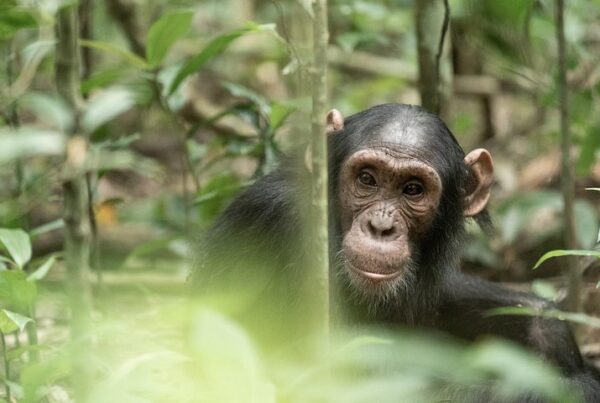
The park is a haven for primate enthusiasts, hosting nine species. These include the red-tailed monkey, vervet monkey, and the elusive chimpanzee (Pan troglodytes). The presence of these primates underscores the forest’s ecological health and provides opportunities for research and conservation efforts. Chimpanzees, in particular, are of significant interest due to their intelligence and complex social structures.

Birds

Semuliki is a birdwatcher’s paradise, with over 441 recorded bird species, representing 40% of Uganda’s total bird species and 66% of the forest bird species found in the country. Among these are 35 Guinea-Congo forest biome species, such as the spot-breasted ibis and Hartlaub’s duck, which are rare in East Africa. The park also hosts 12 species with extremely restricted ranges, including the Western bronze-naped pigeon and yellow-throated cuckoo. Additionally, 23 Albertine Rift endemic species have been recorded, adding to its global birding significance.

Insects and Other Invertebrates

The park’s insect diversity is equally impressive, with over 490 species of butterflies alone. This includes 46 species of forest swallowtails and charaxes, representing 75% of Uganda’s total. The abundance of these insects is indicative of a healthy ecosystem, as they serve as pollinators and form the base of the food web for many other species.Flora and Fauna of Semuliki Forest Explained

Aquatic Life

The Semuliki River, which flows through the park, supports a variety of aquatic life. Species such as hippos and crocodiles are commonly found in its waters. The river’s ecosystem is intricately linked to the surrounding forest, with seasonal flooding influencing the distribution and behavior of both aquatic and terrestrial species.

Conservation Efforts and Challenges

Biodiversity Conservation

Semuliki’s rich biodiversity has attracted the attention of conservationists worldwide. Efforts are underway to protect the park’s unique ecosystems through sustainable tourism, research, and community engagement. The Uganda Wildlife Authority (UWA) plays a pivotal role in these initiatives, working closely with local communities and international partners to ensure the park’s long-term preservation.

Human-Wildlife Conflict

Despite conservation efforts, challenges persist. Human-wildlife conflict remains a significant issue, with local communities sometimes coming into conflict with wildlife over resources. Encroachment and illegal activities, such as poaching and logging, also threaten the park’s integrity. Addressing these challenges requires a collaborative approach that balances conservation goals with the needs and livelihoods of local communities.

Climate Change

Climate change poses an emerging threat to Semuliki’s ecosystems. Shifts in rainfall patterns and temperatures can affect species distributions and the timing of biological events, such as flowering and breeding. Monitoring and adaptive management strategies are essential to mitigate these impacts and ensure the resilience of the park’s ecosystems.

Activities and Attractions

Birdwatching

Given its rich avian diversity, birdwatching is a popular activity in Semuliki. The park’s varied habitats provide opportunities to observe a wide range of bird species, from elusive ground thrushes to vibrant hornbills. Guided birding tours are available, offering insights into the park’s birdlife and conservation efforts.

Nature Walks and Trails

Exploring Semuliki on foot allows visitors to immerse themselves in the forest’s sights and sounds. Trails such as the Kirumia Trail offer opportunities to observe wildlife, including primates and butterflies, and to learn about the park’s flora. Night walks are also available, providing a chance to see nocturnal species like bush babies and civets.

Cultural Experiences

Visitors to Semuliki can engage with the local Basua community, gaining insights into their traditional lifestyles and crafts. The Basua people have a deep connection to the forest, and their knowledge and practices offer valuable perspectives on sustainable living and conservation.

Semuliki National Park is a hidden gem in Uganda’s vast array of protected areas. Its unique blend of flora, fauna, and cultural heritage makes it a must-visit destination for nature enthusiasts and conservationists alike. Whether you’re an avid birdwatcher, a wildlife photographer, or someone seeking to connect with nature, Semuliki offers experiences that are both enriching and unforgettable.

For those planning to explore the wonders of Semuliki and beyond, consider booking your Africa tours and safaris through WildHorn Africa. Their expert guides and tailored itineraries ensure that your journey through Uganda’s natural treasures is both seamless and memorable.

Flora and Fauna of Kibale Forest Explained

Flora and Fauna of Kibale Forest Explained

By Travel stories and blogs, Primate holidays, Uganda travel guides

Flora and Fauna of Kibale Forest Explained

Uganda’s Living Laboratory

Kibale National Park, situated in western Uganda, is recognized as one of the most biodiverse tropical forests in Africa. Spanning approximately 795 square kilometers, the park is celebrated not only for its rich primate population but also for the complex interactions among its flora and fauna. Within this forest, wildlife and vegetation coexist in a dynamic ecosystem that has evolved over millennia, creating a sanctuary for species that are rare, endangered, and often endemic.

The significance of Kibale extends beyond its scenic beauty and tourism appeal. The forest serves as a living laboratory for ecological research, offering insights into species behavior, forest ecology, and environmental sustainability. Visitors are provided with opportunities to observe chimpanzees, colobus monkeys, diverse bird species, and a remarkable array of plant life, all within a relatively compact area. The interdependence of flora and fauna in Kibale illustrates the delicate balance of tropical ecosystems and underscores the importance of conservation for the long-term survival of these species.

This guide explores the flora and fauna of Kibale Forest, detailing the diversity, ecological roles, adaptations, and interactions of species. The discussion encompasses primates, birds, mammals, reptiles, amphibians, insects, trees, shrubs, and understory vegetation, providing a comprehensive understanding of the forest’s complexity and ecological significance.

Flora of Kibale Forest

Forest Structure and Vegetation Types

Kibale Forest is predominantly a moist evergreen tropical rainforest, interspersed with swampy areas, grasslands, and bamboo zones. The forest canopy reaches heights of 30 to 50 meters, forming multiple layers that support diverse wildlife. Upper canopy trees provide shelter and food for arboreal species, while the understory supports shrubs, herbs, and ferns that serve as habitat for smaller mammals and invertebrates.

Ecologically, the forest is stratified into three main layers: the emergent layer, comprising the tallest trees; the canopy layer, which forms a continuous roof over the forest; and the understory, characterized by shade-tolerant plants, vines, and ground-dwelling vegetation. Each layer plays a distinct role in providing food, shelter, and microhabitats for various animal species, establishing Kibale as a structurally complex and species-rich ecosystem.

Dominant Tree Species

The forest contains a variety of tree species that are crucial for both ecological balance and wildlife sustenance. Trees such as Piptadeniastrum africanum, Cola acuminata, and Funtumia africana dominate the canopy, offering fruits, leaves, and nesting sites. Species like Milicia excelsa (Iroko) and Khaya anthotheca contribute to timber density while serving as important habitat for arboreal mammals and birds.

In the understory, species such as Dracaena, Raphia palms, and ferns thrive in shaded and moist conditions. Bamboo groves of Arundinaria alpina are scattered in higher altitude areas, providing specialized niches for certain primates, birds, and insects. These vegetation types form a mosaic that enhances species diversity, ecological stability, and nutrient cycling.

Swamps and Riparian Vegetation

Swamps and riverine zones within Kibale are vital for maintaining biodiversity. Species such as Typha, Cyperus, and various sedges dominate wetland areas, offering habitat and breeding grounds for amphibians, insects, and small mammals. Riparian forests along streams provide corridors for chimpanzee movement, bird nesting, and predator-prey interactions, reinforcing the interconnectedness of aquatic and terrestrial ecosystems.

Ecological Roles of Flora

The flora of Kibale supports wildlife in multiple ways. Fruit-bearing trees supply essential nutrition for primates and birds, while flowering plants sustain pollinators such as bees and butterflies. Dense vegetation provides camouflage and nesting opportunities, regulating predator-prey dynamics. Leaf litter and decomposing plant material enrich the soil, facilitating nutrient cycling and sustaining understory growth. Collectively, the flora forms the foundation of Kibale’s ecological web, supporting an intricate network of interdependent species.

Fauna of Kibale Forest

Primates: The Flagship Species

Kibale is globally renowned for its chimpanzee population, numbering over 1,500 individuals. Chimpanzees exhibit complex social structures, tool use, and communication patterns, making them a focal point of research and ecotourism. Observations of chimps provide insights into feeding ecology, territorial behavior, and reproductive strategies, revealing the adaptive strategies necessary for survival in dense rainforest environments.

Other primates, including red-tailed monkeys, black-and-white colobus monkeys, L’Hoest’s monkeys, and olive baboons, contribute to the forest’s ecological balance. Colobus monkeys, for example, primarily consume leaves and play a role in seed dispersal, while agile red-tailed monkeys exploit the forest canopy for fruits and insects. Each species occupies specific ecological niches, minimizing competition and promoting biodiversity.Flora and Fauna of Kibale Forest Explained

Mammals Beyond Primates

Kibale supports a variety of mammals beyond primates, including elephants, forest duikers, bush pigs, civets, genets, and pottos. Nocturnal species such as pottos and galagos exhibit adaptations for low-light navigation, while diurnal species like duikers influence vegetation structure through selective browsing. Forest elephants, though rarely seen, contribute to seed dispersal and canopy dynamics, demonstrating the ecological impact of even elusive species.

Predators, including leopards and large snakes, regulate prey populations, maintaining the balance of trophic interactions within the forest. The presence of multiple mammalian guilds underscores the complexity and resilience of Kibale’s ecosystem.

Avian Diversity

Birdlife in Kibale is exceptionally rich, with over 370 species recorded. The canopy and understory support sunbirds, turacos, hornbills, and raptors, each fulfilling critical ecological roles. Insectivorous birds regulate invertebrate populations, frugivorous species contribute to seed dispersal, and predatory birds maintain the balance of smaller vertebrate populations. Seasonal migrations further enhance biodiversity, as species from temperate zones supplement resident populations.

Reptiles and Amphibians

Kibale’s reptilian fauna includes various snakes, chameleons, and lizards, many of which are arboreal and highly camouflaged. Amphibians such as tree frogs and toads thrive in wet areas, particularly in swamps and along riparian corridors. These species are sensitive indicators of environmental health, reflecting changes in water quality, habitat integrity, and climatic conditions.

Invertebrates: The Hidden Majority

Insects and other invertebrates form the largest component of biodiversity in Kibale. Butterflies, beetles, ants, termites, and spiders play essential roles in pollination, decomposition, and nutrient cycling. Many insects serve as food for birds, primates, and small mammals, creating a tightly connected ecological network. Nocturnal insects contribute to nighttime energy flow, supporting nocturnal predators and facilitating ecosystem functioning after sunset.

Ecological Interactions

Seed Dispersal and Forest Regeneration

Primates, birds, and mammals facilitate seed dispersal, ensuring forest regeneration and maintaining plant diversity. Chimpanzees, for instance, consume a wide variety of fruits and deposit seeds in different locations, enhancing genetic diversity and forest resilience. Birds similarly disperse seeds across canopy and understory layers, supporting multi-strata vegetation dynamics.

Predator-Prey Dynamics

Predators, including leopards and snakes, regulate herbivore and small mammal populations. This control prevents overbrowsing, maintains vegetation structure, and ensures the survival of sensitive plant species. In turn, prey species have evolved behavioral adaptations such as nocturnal activity, camouflage, and alarm calls, illustrating the co-evolutionary relationships within Kibale.

Pollination and Ecosystem Functioning

Pollinators such as bees, butterflies, and certain birds ensure reproductive success of flowering plants. This activity sustains fruit production for primates and frugivorous birds, creating a feedback loop that maintains both plant and animal populations. The interplay between pollination, seed dispersal, and herbivory underscores the integrated nature of the forest ecosystem.

Human Impact and Conservation

Threats to Flora and Fauna

Despite its protected status, Kibale faces pressures from deforestation, poaching, agricultural encroachment, and climate change. Illegal logging reduces canopy cover, disrupting microhabitats, while hunting threatens both primates and smaller mammals. Agricultural expansion near park boundaries introduces edge effects, altering forest structure and species distribution.

Conservation Measures

Conservation in Kibale has been strengthened through law enforcement, community engagement, habitat restoration, and scientific monitoring. Rangers conduct regular patrols to prevent poaching, while researchers track population trends and habitat health. Community-based initiatives promote sustainable livelihoods, reducing reliance on forest exploitation and fostering stewardship among local residents.

Tourism, particularly chimpanzee tracking and birdwatching, provides funding for conservation programs, ranger salaries, and environmental education, creating a sustainable model that benefits both wildlife and people. Ethical tourism practices ensure minimal disturbance to species while maximizing ecological awareness among visitors.

Educational and Research Value

Kibale serves as a research hub for primatology, ecology, and conservation biology. Long-term studies of chimpanzees have contributed significantly to understanding social structure, communication, and tool use. Flora and faunal surveys inform habitat management, climate resilience strategies, and biodiversity assessments. The forest’s accessibility, combined with its richness, enables capacity building for local and international scientists, fostering knowledge transfer and advancing conservation science.

The Interwoven Web of Life

The flora and fauna of Kibale Forest form an intricate, interdependent network, where trees, understory plants, mammals, birds, reptiles, amphibians, and invertebrates collectively sustain the ecosystem. Conservation efforts, guided by research, community engagement, and sustainable tourism, ensure that this biodiversity thrives despite anthropogenic pressures. Kibale stands as a living testament to the complexity, resilience, and beauty of tropical rainforest ecosystems, offering unparalleled opportunities for ecological observation, research, and immersive nature experiences.

For travelers seeking to experience the richness of Kibale’s flora and fauna, and to contribute to ongoing conservation efforts, it is recommended that tours and safari arrangements be made through WildHorn Africa. Their expertise ensures ethical wildlife encounters, knowledgeable guides, and seamless logistics, transforming a visit to Kibale into a comprehensive exploration of Uganda’s ecological and cultural heritage, while supporting the long-term preservation of this tropical treasure.

How to Combine Kibale with Queen Elizabeth Safaris

How to Combine Kibale with Queen Elizabeth Safaris

By Travel stories and blogs, Family holidays, Luxury holidays, Primate holidays, Safari holidays, Uganda travel guides, Wildlife holidays

How to Combine Kibale with Queen Elizabeth Safaris

A Dual Safari Experience

Uganda’s diverse landscapes provide an unmatched opportunity for multi-dimensional safari experiences, where primate tracking and savannah game viewing can be seamlessly combined. Among these experiences, Kibale National Park and Queen Elizabeth National Park stand out for their unique and complementary wildlife offerings. Kibale is globally renowned for chimpanzee trekking and dense tropical rainforest ecosystems, while Queen Elizabeth provides vast savannah plains, crater lakes, and abundant large mammals, offering classic African game drives and boat safaris.

Combining these two destinations allows travelers to experience the full spectrum of Uganda’s biodiversity, from the intimate encounters with primates in thick forests to the expansive vistas of elephants, lions, buffalo, and hippos in the savannah. The logistical integration of these parks requires careful planning, taking into consideration distances, transportation options, seasonal variations, accommodation, and itinerary sequencing. When executed effectively, a combined safari provides a holistic perspective of Uganda’s ecological richness, while offering cultural insights, photographic opportunities, and immersive wildlife experiences.

This guide provides an in-depth exploration of strategies for combining Kibale with Queen Elizabeth safaris, including practical travel planning, recommended itineraries, wildlife highlights, seasonal considerations, accommodation options, and tips for maximizing both ecological and cultural encounters.

Understanding the Distinctive Features of Each Park

Kibale National Park: Primate Paradise

Kibale National Park covers approximately 795 square kilometers of tropical rainforest, with undulating terrain, rivers, and swamp areas supporting high biodiversity. The park is home to over 1,500 chimpanzees, most of which are habituated for research and tourism purposes, making chimpanzee tracking the central attraction.

Beyond chimpanzees, Kibale hosts 13 other primate species, including red-tailed monkeys, olive baboons, black-and-white colobus monkeys, and L’Hoest’s monkeys. Avian diversity exceeds 370 species, offering opportunities for birdwatching and photography. Trails are well-maintained, and lodges are situated in proximity to trekking starting points, facilitating early morning departures when chimpanzee activity is at its peak.

Kibale’s appeal lies in its immersive forest experience, where visitors observe wildlife at close range, gain insight into primate social dynamics, and experience the lush tropical environment firsthand. Complementary activities include nature walks, cultural interactions with nearby communities, and ecological education, creating a multidimensional safari experience.

Queen Elizabeth National Park: The Savannah Experience

Queen Elizabeth National Park spans 1,978 square kilometers, encompassing savannah plains, tropical forests, wetlands, crater lakes, and the famed Kazinga Channel. The park supports large mammal populations, including elephants, lions, leopards, buffalo, hippos, Uganda kob, and a variety of antelope species. Predator-prey interactions are frequently observed, enhancing the thrill of game drives.

Birdlife in Queen Elizabeth is also exceptional, with over 600 species including herons, kingfishers, African fish eagles, and shoebills in wetland areas. The Kazinga Channel provides opportunities for boat safaris, allowing visitors to observe hippos, crocodiles, and waterbirds in natural habitats.

Queen Elizabeth’s unique features include diverse ecosystems, open savannah for unobstructed wildlife photography, and extensive accommodation options ranging from luxury lodges to safari camps. This combination makes it ideal for visitors seeking classic African safari experiences in tandem with Uganda’s rainforest adventures.

Planning the Combined Safari

Sequencing the Itinerary

The optimal sequencing generally begins with Kibale National Park, allowing travelers to acclimate to Uganda’s western regions and experience the intensive primate tracking before transitioning to the more expansive savannah landscapes of Queen Elizabeth. Morning chimpanzee treks in Kibale are typically followed by cultural visits or nature walks in the afternoon, providing a balanced approach to time and energy management.

Travel to Queen Elizabeth usually occurs via road transfer, covering approximately 3 to 4 hours depending on routes, road conditions, and stops along the way. Early departures from Kibale ensure arrival in Queen Elizabeth with sufficient time for afternoon game drives, sunset boat cruises, or relaxation at lodges. Alternatively, a reverse sequence is feasible for those prioritizing savannah wildlife before immersing in rainforest experiences.

Duration and Recommended Itinerary

A combined safari is often planned over 5 to 7 days, allowing adequate time for both chimpanzee tracking in Kibale and full game drives in Queen Elizabeth. The suggested itinerary includes two full days in Kibale for trekking, nature walks, and cultural engagements, followed by 2 to 3 days in Queen Elizabeth for morning and evening game drives, Kazinga Channel boat cruises, and birdwatching. An additional day can be allocated for travel, lodge relaxation, or optional excursions such as crater lake visits or community interactions.

Careful planning ensures that permits for chimpanzee tracking, lodge bookings, and park entry fees are secured in advance, particularly during peak seasons when visitor numbers increase. Guided itineraries enhance both the efficiency and quality of experiences, as rangers provide ecological insights and assist with wildlife observation techniques.

Wildlife Highlights and Photography Opportunities

Kibale Wildlife Photography

In Kibale, photographers and wildlife enthusiasts focus primarily on chimpanzees and primates, capturing detailed social behaviors, feeding activities, and juvenile interactions. Birdwatching provides secondary opportunities, with colorful species inhabiting canopy layers, riverine corridors, and swamp edges. Macro photography enthusiasts can also explore forest flora, insects, and amphibians, documenting ecological intricacies often overlooked in savannah environments.

Lighting conditions are influenced by dense canopy cover, necessitating careful adjustment of ISO, shutter speed, and lens selection. Early morning hours offer soft light and heightened animal activity, while late afternoons provide golden hues for landscape compositions.How to Combine Kibale with Queen Elizabeth Safaris

Queen Elizabeth Wildlife Photography

Queen Elizabeth provides open landscapes conducive to wide-angle photography, with elephants, buffalo herds, lions, and leopards creating dramatic compositions against savannah backdrops. The Kazinga Channel offers unique perspectives for capturing waterbirds, hippos, crocodiles, and reflective water scenes. Photographers benefit from unobstructed lines of sight, dynamic lighting during sunrise and sunset, and the opportunity to capture predator-prey interactions at relatively close distances.

Combining Kibale and Queen Elizabeth allows photographers to juxtapose intimate forest moments with expansive savannah scenes, producing a diverse portfolio that captures Uganda’s ecological breadth.

Cultural and Community Integration

Interactions Near Kibale

Visits to local communities surrounding Kibale provide insight into Bakiga and Batwa traditions, including agricultural practices, craft making, music, and storytelling. These encounters can be documented ethically, emphasizing cultural respect and collaboration. Cultural photography complements wildlife imagery, offering a holistic narrative of human-nature interactions.

Interactions Near Queen Elizabeth

Communities adjacent to Queen Elizabeth, such as those around the Kyambura Gorge and Ishasha sector, present opportunities to observe pastoralist lifestyles, traditional fishing, and land-use practices. These interactions provide context for understanding human-wildlife coexistence, as residents navigate challenges related to crop-raiding wildlife and conservation regulations. Ethical engagement ensures that photography reflects genuine experiences while respecting privacy and cultural norms.

Logistics and Transportation

Road Transfers

Road transfers between Kibale and Queen Elizabeth are typically conducted via private safari vehicles, providing comfort, flexibility, and opportunities for roadside wildlife observation. Travel duration varies depending on weather, road conditions, and stops at viewpoints or community sites. Adequate preparation for fuel, refreshments, and photographic stops ensures a smooth journey.

Accommodation Options

Luxury lodges, tented camps, and eco-lodges are available in both regions, often integrated with safari packages. Kibale lodges are generally forest-based, offering proximity to trekking trails and immersive nature experiences. Queen Elizabeth lodges provide savannah vistas, river access, and strategic locations for game drives. Selecting accommodations in advance is critical, particularly during peak travel seasons.

Guided Services

Professional guides enhance the combined safari by providing ecological interpretation, wildlife tracking expertise, safety guidance, and cultural insights. Experienced teams ensure that safari permits, park regulations, and ethical photography practices are adhered to, optimizing both enjoyment and conservation outcomes.

Seasonal Considerations

Dry Season Advantages

The dry seasons from December to February and June to August facilitate smoother trekking in Kibale and improved road conditions to Queen Elizabeth. Wildlife visibility is enhanced as animals congregate around water sources, creating excellent game drive and photography opportunities. Trails are more navigable, and early morning and late afternoon light conditions are favorable for both forest and savannah photography.

Wet Season Advantages

The wet seasons from March to May and September to November produce lush vegetation, vibrant bird activity, and dramatic forest landscapes. While travel may be slower and trails muddier, the photographic rewards include misty forest scenes, reflective water surfaces, and active wildlife behaviors. Careful planning and waterproof gear ensure a productive safari despite seasonal challenges.

Maximizing the Combined Safari Experience

Integrated Wildlife Observation

Combining Kibale and Queen Elizabeth allows for a comprehensive wildlife experience, contrasting primate-centric forest encounters with large mammal-focused savannah safaris. Observers can appreciate ecological connectivity, witness species-specific behaviors, and engage in photography across contrasting environments, enriching both scientific understanding and aesthetic appreciation.

Balancing Cultural and Ecological Engagement

Incorporating community interactions alongside wildlife activities ensures that the safari experience is holistic and multidimensional. Visitors gain insights into human adaptation to forest and savannah ecosystems, understand conservation challenges, and participate in responsible tourism initiatives that support local livelihoods and ecological preservation.

Ethical and Responsible Tourism

Ethical considerations guide all aspects of the combined safari. Minimizing disturbance to wildlife, maintaining safe distances during observation, securing consent for cultural photography, and adhering to park regulations ensures sustainable and respectful engagement. These practices support long-term conservation objectives and enhance visitor experience by promoting authentic, undisturbed encounters.

The Ultimate Dual Safari

Combining Kibale National Park and Queen Elizabeth National Park offers a uniquely rewarding Ugandan safari, merging the intimate forest encounters of primate tracking with the expansive wildlife spectacles of the savannah. Thoughtful itinerary planning, guided experiences, and awareness of seasonal and ecological variables maximize both wildlife observation and photographic opportunities. Cultural encounters enrich the safari, bridging human and ecological narratives for a holistic understanding of Uganda’s landscapes.

For travelers seeking a seamless, expertly curated, and ethically responsible combined safari, arrangements through WildHorn Africa are recommended. Their expertise ensures access to prime wildlife locations, knowledgeable guides, logistical coordination, and immersive cultural experiences, transforming a journey across Kibale and Queen Elizabeth into a memorable and comprehensive exploration of Uganda’s ecological and cultural wealth.

Safari Photography in Lake Mburo: Capturing Zebras and Antelopes

Safari Photography in Lake Mburo: Capturing Zebras and Antelopes

By Travel stories and blogs, Family holidays, Luxury holidays, Safari holidays, Special offers, Uganda travel guides, Wildlife holidays

Safari Photography in Lake Mburo: Capturing Zebras and Antelopes

Immortalizing Wildlife Moments

In the heart of western Uganda, Lake Mburo National Park offers more than a traditional safari experience; it presents a unique opportunity for wildlife photography that blends accessibility, diversity, and natural beauty. Among the most photogenic species in the park are zebras and antelopes, whose dynamic behaviors, striking appearances, and interactions with their environment create compelling imagery for both amateur and professional photographers.

The park, though smaller than other Ugandan reserves, is celebrated for its rolling savannahs, acacia woodlands, lakeshore vistas, and wetlands, all providing varied backdrops that enhance photographic composition. Safari photography in Lake Mburo is not merely about documenting animals; it is about capturing behavior, interaction, and the essence of the wilderness, where every frame tells a story of survival, adaptation, and beauty.

This article explores the art and practice of safari photography in Lake Mburo, with a focus on zebras and antelopes, examining technical considerations, seasonal dynamics, wildlife behavior, equipment guidance, and tips for creating evocative and memorable images.

Understanding the Photographic Potential of Lake Mburo

Lake Mburo’s compact size and accessible habitats make it ideal for safari photography. Unlike larger parks, where sightings may require long drives, the proximity of wildlife to roads, trails, and lodges allows photographers to spend extended time observing and framing their subjects. Zebras graze openly on rolling plains, impalas and elands move gracefully through woodland edges, and warthogs or waterbucks provide dynamic foregrounds to photographic compositions.

The park’s diverse landscapes create opportunities for varied photography. Open grasslands allow for wide-angle shots emphasizing scale and herd dynamics, while shaded woodland areas provide dramatic contrasts and patterns of light and shadow. Wetlands and lakeshores reflect surrounding vegetation and skies, enabling reflections and silhouette photography, particularly during early mornings and late afternoons.

The combination of abundant wildlife, accessible vantage points, and varied terrain ensures that every safari offers multiple photographic possibilities, from intimate close-ups to expansive scenic compositions.

Zebras: The Iconic Subjects

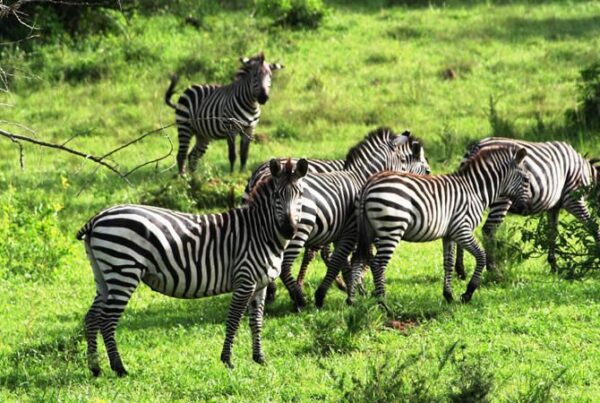
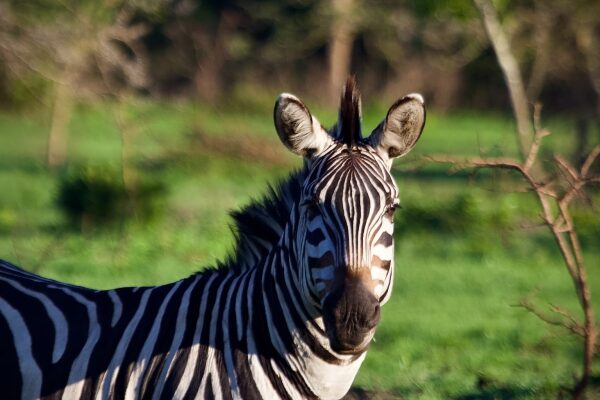
Zebras, particularly Burchell’s zebras, are among the most photographed species in Lake Mburo. Their distinctive black-and-white stripes create natural patterns that are visually striking in any landscape. Beyond their appearance, zebras exhibit behavioral traits—grazing in synchronized movements, interacting socially within herds, and displaying protective behaviors toward foals—that enrich photographic storytelling.

Photographers are encouraged to observe herd dynamics before composing shots, capturing moments that convey interaction, hierarchy, or playful behaviors. The contrast between the zebras’ stripes and the golden hues of savannah grasses during dry seasons enhances visual impact, while wet-season greenery provides vibrant backgrounds for color-rich imagery.

Capturing zebras in motion requires careful consideration of shutter speed, focus, and framing. Early morning light often produces soft shadows and warm tones, while mid-morning can create harsher contrasts. Patience is essential, as spontaneous interactions among herd members yield the most compelling images. Photographers are advised to minimize disturbance, maintaining respectful distances while allowing natural behaviors to unfold.

Antelopes: Grace and Elegance in Motion

Lake Mburo is home to a diverse range of antelopes, including impalas, elands, waterbucks, and bushbucks, each providing unique photographic opportunities. Impalas, agile and alert, often move in herds, creating dynamic compositions and patterns that reflect social cohesion and predator awareness. Elands, the largest antelopes in the park, exhibit imposing stature and slow, deliberate movements, offering opportunities for majestic portraits against open landscapes.

Photographing antelopes involves observing behavior and anticipating movement. Impalas’ leaps, elands’ grazing postures, and waterbucks’ interaction with water sources can be captured effectively with telephoto lenses, allowing close framing without disturbing the animals. Seasonal variations, such as mating displays or the presence of calves, add layers of interest and narrative depth to images.

Lighting is critical in antelope photography. Early mornings and late afternoons provide the most favorable conditions, producing soft, directional light that enhances textures, contours, and contrasts in fur and surrounding vegetation. Shadows can be used creatively to convey depth and dimension, while wide-angle perspectives emphasize scale and environment.

Technical Considerations for Safari Photography

Successful safari photography requires attention to equipment, settings, and techniques. Telephoto lenses ranging from 200mm to 600mm are recommended for capturing distant wildlife, while wide-angle lenses allow for landscape integration and contextual storytelling. Cameras with high-speed autofocus, burst modes, and image stabilization enhance the ability to capture fast-moving subjects, such as antelopes fleeing from potential threats.

Tripods or monopods can stabilize shots during low-light conditions or for extended observation, while polarizing filters help manage reflections on water surfaces, improving clarity and color saturation. Understanding exposure, ISO settings, and aperture choices is crucial to adapt to changing light conditions and ensure consistent results.

Composition techniques such as the rule of thirds, leading lines, and framing with natural elements help produce aesthetically pleasing images. Observing animal behavior and anticipating movement allows photographers to capture decisive moments, conveying emotion, interaction, and narrative within the frame.

Seasonal Dynamics and Photography Opportunities

The park’s seasonal cycles affect both wildlife behavior and photographic conditions. During dry seasons, from June to August and December to February, grasses are shorter, wildlife congregates around water sources, and the light is typically warmer and softer, ideal for capturing zebras and antelopes against open plains. Photographers can take advantage of concentrated herds, predictable movements, and unobstructed sightlines.

During wet seasons, from March to May and September to November, vegetation is lush, water bodies are replenished, and wildlife disperses across the park. While animals may be more concealed, the landscape offers vivid green backdrops, reflective water surfaces, and active birdlife, adding dynamic elements to compositions. Seasonal variation also influences lighting, with occasional clouds providing diffused sunlight and dramatic skies that enhance visual storytelling.

Selecting the optimal season depends on photographic priorities—whether the goal is clear wildlife observation, interaction among species, or integrating lush landscapes and environmental elements into compositions.Safari Photography in Lake Mburo: Capturing Zebras and Antelopes

Ethical Considerations in Safari Photography

Ethics play a critical role in maintaining the integrity of wildlife photography. Animals should never be chased, startled, or coerced into behaviors for the sake of a photograph. Maintaining distance, using telephoto lenses, and observing quietly ensures authentic interactions and protects both wildlife and photographer.

Guides are essential in facilitating ethical photography, advising on proximity, animal behavior, and safety. Respecting park regulations, trails, and restricted areas is mandatory, preserving habitats while allowing photographers to work effectively. Ethical practices also enhance the quality of images, as animals behave naturally when undisturbed, producing more compelling and authentic photographs.

Integrating Landscape and Context

Photographs of zebras and antelopes are enriched when contextual elements are included. Rolling hills, acacia trees, lakeshores, and wetland vegetation provide scale, contrast, and narrative depth. Sunrise and sunset lighting enhance textures and colors, while reflections in water create symmetry and visual interest.

Foreground elements such as grasses, rocks, or fallen branches can be used to frame subjects, leading the viewer’s eye through the composition. Background elements, including distant hills or cloud formations, contribute to a sense of place, emphasizing that wildlife exists within a broader ecosystem rather than in isolation.

Capturing Behavior and Interaction

Behavioral photography is essential in conveying the essence of wildlife. Observing zebras grazing, resting, or socializing allows photographers to capture moments of intimacy, hierarchy, and play. Antelopes displaying alertness, grazing patterns, or interactions between mothers and offspring provide rich narrative opportunities.

Patience is key. Wildlife rarely conforms to human expectations, and extended observation often results in the most compelling imagery. Waiting quietly for a spontaneous leap, a greeting gesture, or a predator-prey interaction can yield photographs that resonate with authenticity and emotion.

Post-Processing and Presentation

Post-processing enhances safari photography while preserving natural aesthetics. Adjustments to exposure, contrast, and color balance can bring out textures and details, while cropping and framing refine compositions. Photographers are encouraged to avoid over-processing, maintaining authenticity and respecting the natural environment.

Digital archiving, cataloging by species, behavior, or location, and metadata management ensure that photographic work is organized and accessible. Presentation through exhibitions, publications, or personal portfolios allows photographers to share the beauty and ecological significance of Lake Mburo, contributing to conservation awareness and appreciation.

Complementary Activities for Photographers

Photography in Lake Mburo can be complemented by walking safaris, cycling tours, and boat excursions, each offering distinct perspectives and opportunities. Walking safaris provide intimate access to small mammals, birds, and plant life, while boat safaris reveal hippos, crocodiles, and aquatic birdlife in their natural habitats. Cycling tours allow movement across diverse terrain, offering multiple vantage points and dynamic compositions.

Cultural visits to Banyankole communities provide additional layers for storytelling, integrating human narratives with wildlife and landscape photography. This holistic approach creates a portfolio that reflects both ecological and cultural richness, enhancing the depth and impact of photographic work.

Capturing the Spirit of the Savannah

Safari photography in Lake Mburo National Park is a blend of artistry, patience, and ecological awareness. Zebras and antelopes, with their distinctive appearances and dynamic behaviors, serve as compelling subjects within the park’s diverse landscapes. The combination of accessible habitats, varied lighting, and intimate wildlife encounters ensures that each safari offers multiple opportunities for memorable and meaningful imagery.

Travelers seeking to document Uganda’s natural beauty are encouraged to approach photography ethically, using both technical skill and observation to create compelling narratives. For those wishing to combine expert guidance, logistical support, and immersive wildlife experiences, booking Africa tours and safaris with WildHorn Africa ensures safe, responsible, and unforgettable photographic adventures in Lake Mburo National Park.

Top Animals to Spot in Lake Mburo National Park

Top Animals to Spot in Lake Mburo National Park

By Family holidays, Luxury holidays, Safari holidays, Travel stories and blogs, Uganda travel guides, Wildlife holidays

Top Animals to Spot in Lake Mburo National Park

Into the Wild Heart of Uganda

A safari in Uganda is often imagined as a journey through vast savannahs teeming with elephants, lions, and herds of buffalo. While these images capture the majesty of African wilderness, there exists a park that redefines what a safari can mean. Lake Mburo National Park, though the smallest savannah park in Uganda, holds within its compact landscapes an astonishing diversity of wildlife. It is here that travelers encounter animals rarely seen in other parts of the country, creating an experience both unique and unforgettable.

Set amidst rolling hills, scattered acacia woodlands, and shimmering lakes, Lake Mburo offers encounters with species that capture the imagination of every visitor. From the elegance of zebras grazing in the plains to the power of buffaloes wallowing in swamps, every corner of the park reveals new wonders. To explore Lake Mburo is to witness how Uganda’s wilderness thrives in harmony with its cultural backdrop.

This guide explores the top animals to spot in Lake Mburo National Park, examining their characteristics, habitats, and roles within the ecosystem, while also revealing what makes the park such an exceptional place for wildlife viewing.

The Distinctive Zebra of Lake Mburo

One of the most iconic sights in Lake Mburo is the Burchell’s zebra, whose black-and-white stripes ripple across the park’s open plains. Unlike in other Ugandan parks, zebras thrive in large herds here, offering unforgettable safari encounters.

The zebras are often observed grazing in the savannah, where their stripes create dazzling patterns against the golden grasses. Scientists believe these stripes not only serve as camouflage but also play a role in temperature regulation and in deterring biting insects. In Lake Mburo, zebras form social herds led by stallions, and their interactions offer visitors a glimpse into the intricate dynamics of the animal kingdom.

The presence of zebras also enhances the park’s uniqueness, as Lake Mburo is one of the very few places in Uganda where they can be seen in abundance. To ride alongside them on a horseback safari or to encounter them during a game drive is to experience the park’s magic in its purest form.

The Graceful Impala: An Exclusive Resident

Among the treasures of Lake Mburo is the impala, a species found nowhere else in Uganda. Known for its elegance and speed, the impala is often seen bounding across the grasslands, its reddish-brown coat glowing under the African sun.

Impalas are medium-sized antelopes that live in herds, with males often displaying dramatic leaps and jousts during the mating season. These displays, characterized by high jumps and fierce locking of horns, reveal the impala’s vitality and strength. Visitors who chance upon such moments during a safari witness not only an animal but a performance of nature’s resilience.

The exclusivity of impalas in Lake Mburo makes them a signature species of the park. For many travelers, the sight of an impala herd is a reminder of the park’s irreplaceable ecological importance and its role in conserving species diversity in Uganda.

The Majestic Eland: Africa’s Largest Antelope

Among the giants of Lake Mburo’s grasslands is the eland, the largest antelope in Africa. Towering and muscular, elands are distinguished by their spiral horns and distinctive dewlap hanging from the throat. Despite their size, they are remarkably agile, capable of leaping over fences and obstacles with surprising grace.

Elands are often found grazing in open plains or resting in shaded woodlands. Their diet consists of grasses, leaves, and fruits, making them vital players in maintaining the ecological balance of the park. Observing elands in Lake Mburo is a reminder of nature’s grandeur, for their sheer size and calm presence inspire awe in every traveler.

Lake Mburo is one of the few places in Uganda where elands can be reliably spotted, and their presence solidifies the park’s reputation as a sanctuary for unique and rare species.

The Enigmatic Leopard

While Lake Mburo lacks large prides of lions that dominate other Ugandan parks, it compensates with the stealth and beauty of the leopard. These elusive cats are often sighted during night game drives, their glowing eyes piercing the darkness as they move silently through the woodlands.

Leopards in Lake Mburo are solitary hunters, relying on stealth and strength to capture prey. Their adaptability allows them to hunt impalas, bushbucks, and smaller mammals, making them one of the park’s apex predators. The opportunity to encounter a leopard in the wild is often described as the pinnacle of safari experiences, and Lake Mburo provides a relatively high chance of such encounters, particularly at dawn and dusk.

The presence of leopards also ensures that the park maintains its wild edge, reminding visitors that the balance between predator and prey defines the essence of African ecosystems.

The Buffalo: Power in Numbers

No safari in Lake Mburo would be complete without encountering the African buffalo. Known for their imposing horns and formidable presence, buffaloes are found in herds that roam the park’s wetlands and grasslands.

Buffaloes are social animals, often moving in large groups for protection. Their unpredictable temperament makes them both fascinating and dangerous, reinforcing the respect that humans and other animals hold for them. Herds can be seen wallowing in muddy swamps to cool their bodies or grazing in the plains during the cooler hours of the day.

For travelers, the sight of a buffalo herd is a reminder of raw strength and unity, embodying the resilience of Uganda’s wilderness.

The Hippopotamus and Crocodile of Lake Mburo

The shimmering waters of Lake Mburo are home to two of Africa’s most iconic aquatic animals—the hippopotamus and the Nile crocodile. Hippos are commonly observed during boat safaris, where their massive bodies emerge from the water and their characteristic grunts echo across the lake. At night, they leave the water to graze along the shorelines, offering visitors a chance to witness their dual existence between land and water.

Crocodiles, on the other hand, lie in wait along the lake’s edges, their reptilian forms blending seamlessly into the mud. Silent and patient, they strike with sudden ferocity, reminding travelers of nature’s raw power. Boat safaris on Lake Mburo reveal these creatures in their natural element, completing the park’s diverse mosaic of wildlife encounters.

The Warthog: Nature’s Comical Survivor

Adding a touch of humor to the safari is the warthog, often seen trotting away with its tail held upright like a flag. With their protruding tusks and rugged appearance, warthogs may not match the elegance of antelopes, yet they hold a special charm.

Warthogs are resilient survivors, able to thrive in harsh conditions by feeding on grasses, roots, and even bark. Their habit of kneeling on their forelegs while grazing adds to their distinctive character. In Lake Mburo, warthogs are frequently spotted near lodges and along roadsides, bringing smiles to travelers and reminding them of the lighter side of the wild.

The Giraffe: Tall Giants of the Savannah

Though a more recent introduction to the park, the Rothschild’s giraffe has become one of Lake Mburo’s star attractions. Translocated from northern Uganda as part of conservation efforts, these towering animals now roam the park’s woodlands and savannahs, adding grace and majesty to the landscape.

Giraffes are browsers, feeding on the leaves of acacia trees with their long tongues and necks. Their calm demeanor and towering presence make them a highlight for every safari, especially as they move slowly across the horizon, silhouetted against the sky.

The successful establishment of giraffes in Lake Mburo underscores the park’s role in Uganda’s broader conservation story, showcasing how ecosystems can be enriched and preserved through careful planning.Top Animals to Spot in Lake Mburo National Park

Birdlife: The Feathered Wonders

Beyond mammals, Lake Mburo is a sanctuary for over 350 bird species, making it a paradise for birdwatchers. Among its most notable residents are the African fish eagle, often seen perched majestically near the lake, and the elusive shoebill stork, which draws ornithologists from across the globe.

The park is also home to the papyrus gonolek, red-faced barbet, and a rich variety of waterfowl. The presence of both savannah and wetland habitats allows for a diversity of birdlife rarely matched in parks of similar size. For travelers with an eye for detail, the birdlife of Lake Mburo adds a layer of richness to the safari that complements the larger animals.

The Smaller Mammals: Hidden Gems of the Park

While larger animals capture the headlines, Lake Mburo also shelters a wealth of smaller mammals that reward patient observation. Bushbucks emerge gracefully from the thickets, their spiral horns and white markings catching the eye. Duikers, shy and elusive, dart through the undergrowth, offering fleeting glimpses of their delicate forms.

Monkeys, including vervets and baboons, add liveliness to the park, their antics both entertaining and insightful into primate behavior. These smaller animals, often overlooked, contribute to the ecological tapestry of Lake Mburo, ensuring that every safari reveals surprises.

The Ecological Balance of Predator and Prey

What makes Lake Mburo exceptional is not simply the variety of animals but the interplay between predator and prey, grazer and browser, aquatic and terrestrial species. Zebras and impalas shape the grasslands through their grazing, while buffaloes and hippos influence wetlands. Leopards regulate populations of smaller mammals, while crocodiles dominate aquatic food chains.

This intricate web of life creates a balanced ecosystem, sustained by the park’s lakes, grasslands, and woodlands. For travelers, understanding these relationships deepens the safari experience, transforming it from a series of sightings into a narrative of survival, adaptation, and coexistence.

Best Time to Spot Animals in Lake Mburo

Wildlife can be seen throughout the year, but the dry seasons from June to August and December to February are particularly rewarding, as animals gather around water sources and visibility increases. Early mornings and late afternoons offer the most activity, with predators on the move and grazers feeding before the heat of the day.

The wet seasons, while more challenging for game drives, bring lush greenery and an abundance of birdlife. Calving seasons for antelopes often coincide with the rains, offering dramatic scenes of life and vulnerability in the wild. Each season offers its own rewards, ensuring that no two visits to Lake Mburo are ever the same.

A Safari Unlike Any Other

Lake Mburo National Park is a place where every encounter feels personal and every sighting carries meaning. From the exclusivity of impalas to the majesty of elands, from the playful warthogs to the stealthy leopards, the park presents a safari experience rich in variety and intimacy. Its compact size, far from being a limitation, ensures that travelers enjoy closer and more frequent encounters with wildlife, making it a jewel among Uganda’s protected areas.

For travelers seeking to discover the top animals of Lake Mburo National Park, the journey promises more than just sightings. It offers an immersion into the rhythm of the wilderness, a chance to witness the intricate balance of ecosystems, and an opportunity to connect with Uganda’s natural heritage in a profound way.

To transform this vision into reality, travelers are encouraged to book their African tours and safaris with WildHorn Africa, a trusted partner in curating unforgettable journeys into the wild heart of Uganda.

Luxury and Adventure: Why Kidepo is a Safari of a Lifetime

Luxury and Adventure: Why Kidepo is a Safari of a Lifetime

By Travel stories and blogs, Adventure holidays, Luxury holidays, Safari holidays, Uganda travel guides, Wildlife holidays

Luxury and Adventure: Why Kidepo is a Safari of a Lifetime

The Hidden Gem of Africa’s Wilderness

Tucked away in the far northeastern corner of Uganda, where sweeping savannah plains kiss rugged mountain ridges, lies Kidepo Valley National Park—a destination often described as the country’s most untamed wilderness. Unlike its more famous East African counterparts, Kidepo has remained relatively untouched by mass tourism, preserving a raw authenticity that transforms every visit into an extraordinary discovery. Here, luxury and adventure are not opposites but two sides of the same coin, blending seamlessly to create an experience that lingers in memory long after the journey has ended.

It is in Kidepo that the essence of safari is redefined. The thrill of traversing landscapes teeming with wildlife is combined with the elegance of staying in exclusive lodges that offer world-class comfort against the backdrop of breathtaking views. Each sunrise over the Narus Valley, each sunset painting the rugged mountains in shades of gold and crimson, brings not only the promise of adventure but also the luxury of solitude. To set foot in Kidepo is to embark on a journey where wilderness is celebrated and indulgence is harmoniously woven into the rhythm of nature.

The Allure of Remoteness

Kidepo’s greatest allure lies in its remoteness. Nestled between the borders of South Sudan and Kenya, it is separated from the busier safari circuits of East Africa, giving it a sense of mystery and exclusivity. The journey itself is an adventure, whether by road across scenic landscapes or by charter flight that unveils the park’s vast expanse from above. The remoteness creates an atmosphere where every wildlife sighting feels intimate, every encounter with culture feels authentic, and every moment of solitude feels sacred.

This isolation has preserved the park in a way that few destinations can boast. Unlike the Serengeti or Masai Mara, where vehicles often converge around predator sightings, Kidepo offers the luxury of space. Travelers find themselves alone on sweeping plains, their only companions the herds of buffalo, elephants moving gracefully in the distance, and lions perched majestically on rocky outcrops. It is this rare blend of wilderness and privacy that elevates Kidepo to the status of a lifetime safari.

Wildlife Encounters in Untamed Landscapes

The Diversity of Species

A safari in Kidepo is defined by the sheer diversity of its wildlife. The park is home to more than seventy species of mammals and over four hundred species of birds, many of which cannot be easily spotted elsewhere in Uganda. Vast herds of buffalo, sometimes numbering in the thousands, dominate the valleys, while elephants traverse the open plains with a grandeur that speaks of timeless survival. Predators thrive here as well, with lions, leopards, and cheetahs representing the dramatic side of the wilderness.

What sets Kidepo apart, however, are its unique species. The greater kudu, lesser kudu, and cheetah—animals rarely found in other Ugandan parks—roam freely here, alongside the ostrich that adds to the park’s semi-arid character. The rare aardwolf and bat-eared fox also inhabit the region, making Kidepo a haven for enthusiasts seeking unusual wildlife sightings.

The Narus and Kidepo Valleys

Two valleys shape the rhythm of wildlife encounters: the Narus Valley, known for its year-round water sources, and the Kidepo Valley, characterized by seasonal rivers and vast grasslands. The Narus Valley serves as the focal point for game drives, where herds gather to graze and predators lurk nearby. In contrast, the Kidepo Valley offers dramatic scenery and the allure of solitude, with sweeping plains that stretch toward the horizon. These contrasting environments provide a safari experience that is both varied and immersive, ensuring that each drive unveils a new dimension of the wilderness.

Adventure Beyond the Game Drive

Walking Safaris

Adventure in Kidepo extends beyond the confines of vehicles. Walking safaris, guided by experienced rangers, immerse visitors in the landscape at a pace that allows for deeper connection. Every footprint, every bird call, and every rustle in the grass becomes magnified, turning the wilderness into a living classroom. Walking amid towering borassus palms or across sunlit plains offers an intimacy with nature that few experiences can rival.

Mountain Treks and Cultural Journeys

The adventure continues with treks up the Morungole Mountains, where the elusive Ik people reside. These journeys combine physical challenge with cultural discovery, as travelers ascend into remote villages that reveal traditions preserved for centuries. Such treks highlight the richness of Kidepo, where landscapes, wildlife, and human stories converge into a tapestry of adventure.Luxury and Adventure: Why Kidepo is a Safari of a Lifetime

The Indulgence of Luxury in the Wild

Exclusive Lodges and Camps

Luxury in Kidepo is not about opulence detached from the wilderness but about comfort that harmonizes with the environment. A select number of lodges and tented camps provide exclusive accommodation, where panoramic views of valleys and mountains are framed by elegant design. Spacious suites, often adorned with natural materials, blend seamlessly with the landscape while offering the modern amenities travelers expect.

The luxury of these lodges lies not only in their comfort but also in their intimacy. With fewer guests, the atmosphere is personalized, ensuring privacy and attentive service. Dining under starlit skies, swimming in infinity pools that overlook herds of wildlife, and waking to the sounds of nature outside one’s tent all contribute to an experience where indulgence is intertwined with authenticity.

Gastronomy in the Wilderness

Culinary experiences in Kidepo elevate the safari beyond adventure. Gourmet meals prepared with fresh, locally sourced ingredients are served against the backdrop of breathtaking landscapes. Dining becomes an event, whether through bush breakfasts in the Narus Valley, sundowners on rocky outcrops, or candlelit dinners in the seclusion of camp. The fusion of fine dining with wild settings captures the essence of Kidepo’s luxury—refined experiences crafted within the heart of nature.

The Fusion of Adventure and Luxury

The brilliance of Kidepo lies in how adventure and luxury are seamlessly fused. After a day of thrilling game drives and invigorating treks, travelers return to lodges that envelop them in comfort. The transition from rugged exploration to serene indulgence creates a rhythm that defines the safari. In Kidepo, the boundary between luxury and adventure dissolves, leaving an experience that feels both exhilarating and restorative.

This balance is rarely found elsewhere. In busier safari destinations, luxury often comes at the expense of authenticity, while adventure can sometimes feel stripped of comfort. Kidepo achieves what few places do: the ability to offer both without compromise. It is this unique equilibrium that makes the park a safari of a lifetime.

Cultural Encounters that Deepen the Journey

Adventure in Kidepo is not limited to wildlife but extends into the lives of the communities that surround the park. The Karamojong pastoralists, with their manyattas, traditional dances, and cattle-centered culture, provide insight into a way of life that has endured despite modern pressures. Visitors are welcomed into villages, where songs and stories reveal a worldview shaped by resilience and tradition.

Equally enriching are visits to the Ik people in the Morungole Mountains. Their agricultural practices, distinct language, and rituals create a contrast with the pastoralists of the plains. These cultural encounters add depth to the safari, reminding travelers that wilderness is not only about animals but also about the people who coexist with it. The blending of cultural exploration with wildlife adventure enhances Kidepo’s uniqueness, ensuring that the safari touches both the heart and the mind.

The Solitude That Defines Luxury

In a world where travel often feels crowded, solitude has become the ultimate luxury. Kidepo delivers this in abundance. Vehicles are rarely seen during game drives, ensuring that wildlife encounters feel private and unhurried. Landscapes stretch endlessly, uninterrupted by human development. Even lodges are designed to maximize seclusion, offering spaces where the silence of the savannah becomes a form of indulgence.

This solitude fosters reflection, creating an atmosphere where the rhythms of nature can be fully absorbed. It is not only the grandeur of wildlife that leaves an impression but also the quiet moments—the call of distant birds at dawn, the glow of firelight against a dark sky, the stillness of valleys bathed in moonlight. Such solitude is rarely found in mainstream safari destinations, making Kidepo a true sanctuary for those seeking both luxury and meaning.

The Role of Seasonality in Crafting Experiences

Seasonality adds yet another layer of richness to Kidepo safaris. During the dry season, animals concentrate around water sources, making the Narus Valley a stage for dramatic encounters. In the wet season, the park transforms into a lush haven, with vibrant greenery and migratory birds adding life to the plains. Each season offers unique perspectives, ensuring that no two safaris are ever the same.

The shifting seasons also influence cultural experiences, with ceremonies and traditions tied to cycles of rain and pasture. Visitors who time their journeys carefully may witness festivals, dances, and rituals that add cultural depth to the safari. In this way, seasonality ensures that luxury and adventure in Kidepo are continually redefined by nature and culture alike.

Conservation and Sustainability in the Luxury Safari

Luxury in Kidepo is increasingly being defined by sustainability. Lodges are built with eco-friendly designs, minimizing impact while maximizing harmony with the environment. Community tourism initiatives ensure that local people benefit from safari activities, creating incentives for conservation. By staying in these lodges and engaging with community programs, travelers become part of a sustainable model that safeguards both wildlife and culture.

Adventure in Kidepo is thus tied not only to personal discovery but also to collective responsibility. Every journey contributes to the preservation of ecosystems and the empowerment of communities, ensuring that the park’s magic endures for generations. This awareness deepens the meaning of luxury, making it not only about indulgence but also about participation in a larger purpose.

Why Kidepo Stands Above Other Safari Destinations

Comparisons with the Serengeti, Masai Mara, or Kruger often arise, yet Kidepo distinguishes itself through its combination of exclusivity, diversity, and authenticity. While other destinations may offer vast migrations or high-density wildlife, few can match Kidepo’s balance of adventure, cultural immersion, and luxury wrapped in solitude.

In Kidepo, there are no crowds, no intrusive commercialization, and no dilution of wilderness. The experience feels personal, tailored, and transformative. For discerning travelers seeking a safari that transcends the ordinary, Kidepo stands as the pinnacle of Africa’s hidden treasures.

A Safari of a Lifetime

The promise of luxury and adventure is rarely fulfilled in perfect harmony, yet Kidepo Valley National Park achieves this with effortless grace. Its landscapes evoke awe, its wildlife excites, its cultures inspire, and its lodges indulge. To journey into Kidepo is to embrace an experience where the spirit of the wild is encountered in its purest form while being cradled in comfort that heightens the magic of every moment.

For those seeking not just a safari but a safari of a lifetime, Kidepo offers the ultimate answer. The park’s remoteness, exclusivity, and authenticity ensure that the adventure feels personal, while its luxury lodges and cultural depth transform it into a journey of both body and soul.

To craft such an unforgettable experience with expertise and care, it is strongly recommended that travelers book their Africa tours and safaris with WildHorn Africa, a trusted guide to journeys that honor both the wilderness and the communities that make Kidepo a destination like no other.

Rare Animal Species Found in Kidepo Valley National Park

Rare Animal Species Found in Kidepo Valley National Park

By Travel stories and blogs, Safari holidays, Uganda travel guides, Wildlife holidays

Rare Animal Species Found in Kidepo Valley National Park

A Wilderness of Secrets

Across the wild landscapes of Africa, there are protected areas celebrated for their abundance of lions, elephants, and buffalo, and there are others whispered about for their hidden treasures. In the far northeastern corner of Uganda, tucked between rugged mountains and sweeping valleys, lies Kidepo Valley National Park, a sanctuary that belongs to the latter category. Unlike the more frequented national parks of East Africa, Kidepo is not only defined by its remoteness but also by the rarity of the animal species that call it home. It is a place where elusive predators roam the plains, where unusual birds stride across arid savannahs, and where wildlife encounters are imbued with a sense of discovery.

To step into Kidepo is to walk into one of the last authentic wildernesses of Africa, where silence reigns and solitude heightens the magic of every sighting. The park covers 1,442 square kilometers of valleys, escarpments, and savannah grasslands, yet its true wealth lies not in size but in uniqueness. The list of animals that thrive here cannot easily be matched elsewhere in Uganda, which makes the park a magnet for naturalists, researchers, and adventurous travelers seeking to witness the rarest creatures of the continent.

The Distinction of Rarity in Kidepo

Rarity in Kidepo is not simply a matter of population numbers; it is also about geographical exclusivity and ecological significance. Species that are absent from Uganda’s more accessible parks, such as Murchison Falls, Queen Elizabeth, or Bwindi, are found here in abundance. The park acts as a meeting point between East African and semi-arid savannah ecosystems, blending characteristics of the Sahel with those of the Great Rift Valley. This ecological crossroad has allowed Kidepo to host animals not typically associated with Uganda, thereby elevating its importance as a conservation stronghold for rare species.

It is in this context that the narrative of Kidepo unfolds—not as a place of common encounters but as a wilderness where the unexpected becomes the highlight. The experience of sighting a cheetah sprinting across the Narus Valley or witnessing ostriches striding through the dry plains becomes not merely a safari activity but a story of privilege, for such encounters remain possible in few corners of the country.

Predators of the Rare Frontier

The Cheetah: Uganda’s Elusive Sprinter

Among the most remarkable species found in Kidepo is the cheetah, a predator of extraordinary speed and grace. Now absent from most of Uganda’s landscapes, the cheetah finds one of its last refuges in Kidepo Valley. Its presence in the park transforms every game drive into a potential encounter with rarity.

The Narus Valley, with its open grasslands, provides the ideal terrain for the cheetah’s famous bursts of speed, reaching up to 112 kilometers per hour. Photographers and researchers alike travel to Kidepo in search of this elusive cat, as it embodies both vulnerability and resilience. Its rarity is accentuated by the fact that populations across Africa are declining due to habitat loss and human-wildlife conflict, yet in the seclusion of Kidepo, the species endures.

The Striped Hyena: A Shadow of the Night

While spotted hyenas are common across much of Uganda, the striped hyena is a species encountered only in the wilderness of Kidepo. It is a shy, nocturnal creature, more elusive than its spotted counterpart, with a distinct appearance marked by vertical stripes on its body and a mane of coarse fur that rises when threatened.

Unlike the boisterous clans of spotted hyenas, the striped hyena leads a more solitary existence. It is often sighted under the cover of darkness, moving silently across the plains in search of carrion. For wildlife enthusiasts, catching sight of this enigmatic scavenger is a rare privilege, made possible only by the park’s unique ecology and isolation.

Ungulates of Uniqueness

The Greater Kudu: A Regal Rarity

The greater kudu, one of Africa’s most striking antelopes, finds a rare haven in Kidepo. With its spiraled horns and majestic stature, it is considered one of the most photogenic antelopes of the continent. While Uganda boasts many antelope species, the greater kudu remains confined to this remote park, a fact that elevates Kidepo’s importance for safari-goers seeking diversity.

The rocky outcrops and wooded savannahs of the park form ideal habitats for this antelope. Its rarity in Uganda ensures that every sighting is celebrated, and the elegant curves of its horns often become iconic images from Kidepo photography safaris.

Roan Antelope and Eland: Giants of the Plains

Two other antelope species lend further uniqueness to the park: the roan antelope and the eland. The roan, with its long backward-curving horns and distinctive facial markings, is one of Africa’s largest and rarest antelopes. In Uganda, it is found almost exclusively in Kidepo, making the park a vital refuge for its survival.

The eland, another rare species in Uganda, adds both scale and rarity to the safari experience. As the largest antelope in the world, it can weigh up to 900 kilograms, yet its graceful movements across the grasslands are a testament to its adaptability. Its presence in Kidepo underlines the park’s role as a sanctuary for species whose range has shrunk elsewhere.

Avian Treasures of the Wild NorthRare Animal Species Found in Kidepo Valley National Park

The Ostrich: A Giant Strider of the Plains

No bird embodies rarity in Kidepo more vividly than the ostrich, the world’s largest bird. Absent from other Ugandan parks, it strides across the semi-arid expanses of the Kidepo Valley, its long neck and powerful legs silhouetted against the horizon. Its presence offers an avian spectacle that is as much about scale as it is about uniqueness.

The ostrich thrives in this environment because of the openness of the plains, where it can use its speed to evade predators. For birdwatchers, the opportunity to see the ostrich in Uganda exists only here, a fact that cements the park’s significance as a birding destination of international repute.

The Kori Bustard and Secretary Bird: Icons of the Grassland

Alongside the ostrich, two other birds elevate the park’s status: the Kori bustard and the secretary bird. The bustard, considered one of the heaviest flying birds in the world, is often spotted walking with deliberate grace across the Narus Valley. Its rarity, combined with its sheer size, makes it a prized sighting for birders.

The secretary bird, with its long legs and distinctive crest of feathers, is equally captivating. Known for its unusual hunting technique of stomping snakes and other small animals, it is a bird that embodies both elegance and ferocity. Its presence in Kidepo reinforces the park’s reputation as a home for extraordinary avian species.

Reptilian Rarities

The Nile Crocodile: Survivor of the Kidepo River

Though Nile crocodiles are widespread across Africa, their occurrence in the seasonal rivers of Kidepo takes on a rare significance due to the arid nature of the landscape. In the dry months, when water becomes scarce, these reptiles retreat into deeper pools of the Kidepo and Narus rivers. Observing them in this harsh environment highlights their resilience, as survival demands adaptation to one of Uganda’s most challenging ecosystems.

The Ecological Importance of Rare Species

The presence of rare animals in Kidepo Valley National Park is not merely a matter of safari fascination; it holds profound ecological importance. Each rare species contributes to the delicate balance of the ecosystem. The cheetah maintains the health of herbivore populations by preying on the weak, the ostrich disperses seeds across vast distances, and the hyena ensures the landscape remains free of carrion that could otherwise spread disease.

By protecting these rare species, Kidepo also preserves the ecological integrity of Uganda’s northern frontier. Their survival ensures that future generations inherit a landscape not diminished in richness but strengthened by the continued presence of the unusual and extraordinary.

The Experience of Rarity for Visitors

The encounter with rare species in Kidepo cannot be compared to ordinary wildlife sightings. To see an elephant in a savannah may inspire awe, but to witness a cheetah sprinting across the Narus Valley or an ostrich striding through the arid plains evokes a deeper sense of privilege. It is the knowledge that these encounters are possible in only one corner of Uganda that makes them unforgettable.

For travelers, these sightings transform a safari into a story worth retelling. The rarity of the species ensures that memories remain vivid, photographs become treasured, and the journey acquires a uniqueness that no other park in the country can replicate.

Conservation Challenges and Hope

The rarity of these animals also makes them vulnerable. Human-wildlife conflict, poaching, and the pressures of climate change threaten the delicate balance that allows them to survive. Yet hope persists in the efforts of the Uganda Wildlife Authority and conservation organizations working tirelessly to safeguard the park. Anti-poaching patrols, community engagement programs, and habitat restoration initiatives have been implemented to ensure that the cheetah continues to run, that the ostrich continues to stride, and that the striped hyena continues to roam the night.

The future of Kidepo’s rare species is therefore not a matter of fate alone but of deliberate human effort. Through conservation and responsible tourism, their survival can be assured, and the park can remain a sanctuary where rarity thrives.

A Sanctuary of the Extraordinary

Kidepo Valley National Park stands as a sanctuary of the extraordinary, where rare animal species continue to define the essence of wilderness. From the sprinting cheetah to the solitary striped hyena, from the towering ostrich to the regal greater kudu, the park shelters species whose presence cannot be casually encountered elsewhere in Uganda. Every safari through its valleys becomes a journey into rarity, every sighting a privilege, and every memory a treasure.

For travelers who seek not just the ordinary but the remarkable, not just the common but the rare, Kidepo offers a safari that transcends expectation. Its uniqueness lies not only in its landscapes but in the lives of the rare creatures that inhabit them, ensuring that a visit is remembered as an encounter with the very essence of Africa’s hidden wilderness.

To transform the dream of experiencing these rare animals into reality, it is strongly recommended that visitors book their Africa tours and safaris with WildHorn Africa, a trusted partner dedicated to delivering seamless, professional, and authentic journeys into Uganda’s most extraordinary wilderness.

Why Kidepo Valley National Park is Uganda’s Hidden Safari Gem

Why Kidepo Valley National Park is Uganda’s Hidden Safari Gem

By Travel stories and blogs, Family holidays, Luxury holidays, Safari holidays, Uganda travel guides, Wildlife holidays

Why Kidepo Valley National Park is Uganda’s Hidden Safari Gem

Unearthing Uganda’s Untamed Treasure

In the heart of northeastern Uganda lies a sanctuary that whispers the allure of untouched wilderness and pristine landscapes. Kidepo Valley National Park has long remained a secret whispered among seasoned travelers, a hidden gem awaiting discovery. Unlike the more frequented parks of Uganda, Kidepo captivates with a raw, almost mystical wilderness that seems suspended in time. Its isolation has preserved a richness that few other African destinations can rival, creating an intimate and authentic safari experience that lingers in memory long after the journey ends.

This hidden gem has often been overlooked, yet it embodies the quintessence of Africa’s wild heart. From expansive savannahs to jagged mountain ranges, and from rare wildlife encounters to interactions with vibrant indigenous cultures, Kidepo presents a symphony of experiences that transcend ordinary safari expectations. The park stands as an emblem of untouched nature, inviting explorers to delve into a world where adventure, discovery, and tranquility coalesce seamlessly.

Geographical Marvel: Nature’s Untouched Canvas

Kidepo Valley National Park is uniquely positioned in Uganda’s remote northeastern corner, bordering South Sudan and Kenya. Its geographic isolation has safeguarded it from the influx of mass tourism, allowing the ecosystem to thrive in a state of near-perfect balance. The park’s topography is breathtakingly diverse. Rolling plains stretch into the horizon, interrupted by rocky outcrops and the dramatic Imatong Mountains, which pierce the skyline in jagged, majestic formations. Rivers such as the Narus and Kidepo meander through the valleys, nourishing a patchwork of habitats that host an extraordinary range of flora and fauna.

The climate of Kidepo enhances its allure, with a semi-arid environment that fosters a delicate balance between savannah, woodland, and mountainous terrain. The park is bathed in golden sunlight for much of the year, and its dramatic sunsets cast long shadows over the plains, painting an unforgettable tableau that captivates every visitor. Unlike more heavily trafficked parks, where wildlife has grown accustomed to human presence, Kidepo’s isolation ensures that encounters with its inhabitants are raw, unmediated, and profoundly moving.

Wildlife Encounters: The Untamed Heart of Kidepo

Kidepo Valley National Park is distinguished by its remarkable biodiversity, much of which thrives due to the park’s isolation and careful conservation management. Predators, herbivores, and a myriad of avian species inhabit its sweeping landscapes, offering a spectacle that can only be described as pure African wilderness.

Among the park’s most iconic residents are lions and cheetahs, which roam the savannah with an air of regal authority. Leopards are also present, though their elusive nature often renders them almost mythical to visitors. Elephant herds traverse the plains with quiet grace, while buffaloes move in stately clusters, embodying the raw strength and resilience of Africa’s wild heritage. The presence of endangered species such as the African wild dog underscores the park’s ecological importance, offering wildlife enthusiasts a rare opportunity to witness creatures seldom seen elsewhere.

Birdlife in Kidepo is equally extraordinary, with over 475 species recorded within its boundaries. From the flamboyant carmine bee-eater to the stately martial eagle, the avian diversity enriches the safari experience, creating moments of awe as rare species take flight against the park’s vast sky. The careful preservation of this ecosystem ensures that each encounter feels authentic, unspoiled by habituation to human presence.

Cultural Richness: Where Wilderness Meets Tradition

Beyond its ecological wonders, Kidepo Valley National Park is deeply intertwined with the culture and heritage of the local Karamojong communities. These pastoralist people have inhabited the region for centuries, living in harmony with the land and preserving traditions that are intimately connected to the park’s landscapes. Visitors to Kidepo often find themselves immersed in this cultural tapestry, gaining insight into the daily lives, rituals, and artistry of a people whose identity is inseparable from the wild environment they inhabit.

Cultural experiences in the park are subtle yet profoundly enriching. The intricate beadwork, traditional dances, and oral histories of the Karamojong offer perspectives that extend beyond conventional tourism. Interactions with these communities highlight a symbiotic relationship between humans and nature, where survival, respect, and reverence for the land are deeply embedded in daily life. These encounters add layers of depth to the safari experience, ensuring that every visit is not only about witnessing wildlife but also about understanding the human stories that unfold alongside it.Why Kidepo Valley National Park is Uganda’s Hidden Safari Gem

Safari Experiences: Authenticity Beyond Compare

What sets Kidepo Valley National Park apart from other African safari destinations is the authenticity of the experiences it offers. Unlike heavily commercialized parks where game drives can feel routine, Kidepo retains a sense of intimacy and adventure that is increasingly rare in modern tourism. Safaris are conducted in small groups, often with guides who possess unparalleled knowledge of the terrain, wildlife behaviors, and local culture. This allows for encounters that feel personal and deeply engaging, whether it involves observing a lion pride at rest, tracking a leopard through rocky hills, or witnessing a herd of elephants crossing the plains.

Game drives in Kidepo are complemented by walking safaris, offering a chance to explore the land on foot under the guidance of experienced rangers. These excursions reveal subtle details that vehicles often miss: the delicate tracks of a predator, the faint rustle of a warthog in the underbrush, or the intricate patterns of vegetation shaped by centuries of ecological interplay. The park’s terrain is varied enough to accommodate diverse safari experiences, ranging from riverbank explorations to mountain treks, each promising moments of discovery and connection with nature.

Night safaris in Kidepo offer a different kind of thrill. Under the expansive canopy of stars, the nocturnal life of the park comes alive. Predators prowl, owls and nightjars take flight, and the subtle symphony of insects creates a soundtrack that immerses visitors in the profound rhythms of the wilderness. This duality of day and night experiences ensures that the park is alive with activity at all hours, each moment offering a unique glimpse into the untamed world.

Landscape and Scenery: A Photographer’s Paradise

For those drawn to photography and visual storytelling, Kidepo Valley National Park is a paradise that rewards patience and skill. Its landscapes shift dramatically with the seasons, offering ever-changing canvases of color, texture, and light. The savannah glows with golden hues during the dry season, while the rainy months transform the plains into lush, verdant expanses teeming with life. Rivers swell and sparkle under the sun, and the rugged mountains stand in sharp contrast to the soft curves of the valleys below.

The park’s vistas are not only visually stunning but also emotionally evocative. Sunrise over the Imatong Mountains creates a spectacle of light and shadow, while sunsets along the Narus River imbue the plains with a sense of serenity and grandeur. These landscapes have inspired countless photographers, nature enthusiasts, and artists, drawn by the park’s ability to evoke both awe and contemplation. Every corner of Kidepo holds the potential for a perfect moment, a frame that captures the essence of untamed Africa.

Conservation Efforts: Safeguarding a Wilderness

The significance of Kidepo Valley National Park extends beyond tourism; it is a cornerstone of Uganda’s conservation efforts. Its remote location has historically shielded it from human encroachment, but ongoing management practices are crucial in maintaining the park’s delicate ecosystems. Anti-poaching initiatives, habitat restoration projects, and community engagement programs work in tandem to ensure that Kidepo remains a sanctuary for both wildlife and culture.

Conservation in Kidepo is approached with a holistic mindset, recognizing the interconnectedness of species, habitats, and human communities. Efforts to monitor wildlife populations, maintain water sources, and prevent illegal hunting are coupled with educational initiatives that engage local populations. This approach fosters stewardship and ensures that the park’s ecological integrity is preserved for future generations, allowing travelers to experience a wilderness that remains largely unspoiled.

Accessibility and Travel: A Journey Worth the Effort

While Kidepo’s isolation contributes to its allure, it also presents challenges in terms of accessibility. Reaching the park requires careful planning, as it is situated several hours from Uganda’s main urban centers. However, the journey itself becomes part of the adventure, with scenic drives through remote villages, vast plains, and rugged terrain setting the stage for what awaits. Air travel is available to nearby airstrips, providing a quicker, more comfortable route into the heart of the park.

Upon arrival, visitors are greeted by a sense of tranquility rarely experienced in more frequented destinations. Accommodations range from luxury lodges to more rustic campsites, each designed to harmonize with the environment and provide comfort without compromising authenticity. Staying within or near the park allows travelers to fully immerse themselves in the rhythms of the landscape, from the early morning calls of wildlife to the quiet evenings under an expansive African sky.

Seasons and Timing: Experiencing Kidepo at Its Best

The best time to experience Kidepo Valley National Park is determined by one’s interests and priorities. The dry season, typically from December to February and June to August, is ideal for game viewing as animals congregate around shrinking water sources. Vegetation is sparse, enhancing visibility and making wildlife easier to spot. The rainy season, though more challenging for travel, transforms the park into a lush, vibrant ecosystem, offering spectacular photography opportunities and a chance to witness the renewal of life.

Each season presents its own unique charm, and a carefully planned visit can reveal the full spectrum of Kidepo’s beauty. Wildlife behavior, migratory patterns, and landscape dynamics shift throughout the year, ensuring that no two visits are ever the same. Travelers who embrace these seasonal nuances are rewarded with a depth of experience that is rare in more predictable safari destinations.

Why Kidepo Stands Apart: A Hidden Gem Defined

What ultimately defines Kidepo Valley National Park as Uganda’s hidden safari gem is the unparalleled sense of authenticity, isolation, and wonder it offers. Unlike parks that have been commercialized to accommodate mass tourism, Kidepo retains an aura of discovery and adventure. Every moment spent in the park is imbued with the sense that one has entered a realm where nature reigns supreme, untainted and commanding respect.

The combination of diverse wildlife, dramatic landscapes, cultural richness, and meticulous conservation ensures that Kidepo is not merely a safari destination but a journey into the very essence of Africa’s wild spirit. It is a place where visitors are invited to step away from the predictable and into the extraordinary, where memories are forged in the company of nature’s most majestic creatures and timeless vistas.

Embarking on the Kidepo Experience

Kidepo Valley National Park represents a pinnacle of what African safaris can offer—untouched wilderness, extraordinary wildlife encounters, and profound cultural experiences, all wrapped in the serene beauty of Uganda’s northeastern frontier. Its hidden nature has preserved a sense of authenticity and intimacy that few other destinations can match, making it a treasure for those willing to venture off the beaten path.

For travelers seeking more than a typical safari, Kidepo Valley National Park promises an encounter with the raw, unspoiled essence of Africa. It is a sanctuary where nature and culture converge, and where every moment offers the possibility of discovery and awe.

To fully experience the magic of Kidepo, book your Africa tours and safaris with WildHorn Africa, a trusted partner dedicated to creating immersive, responsible, and unforgettable journeys. Their expertise ensures that every visitor can explore Kidepo’s hidden wonders while contributing to the preservation of this extraordinary national treasure.

Close Menu